Friday, December 26, 2025
Home Blog Page 471

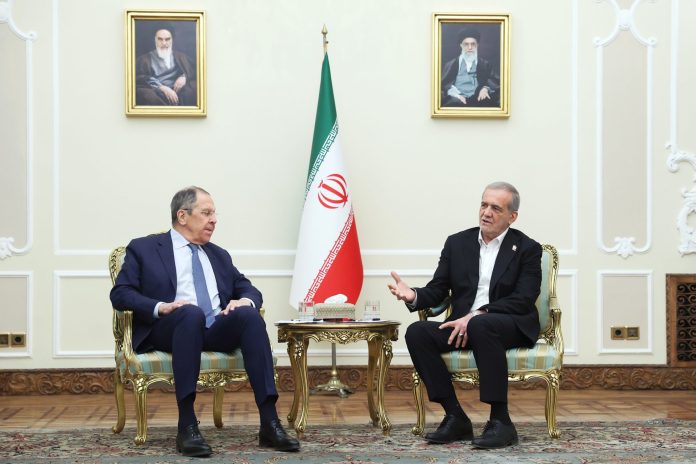
President Pezeshkian vows to accelerate Iran-Russia cooperation

During a meeting with visiting Russian Foreign Minister Sergei Lavrov, Pezeshkian described the bilateral relationship as growing and stressed the need to accelerate the implementation of agreements, especially the comprehensive strategic agreement between the two countries.

“Iran and Russia have notable capacities to enhance their cooperation, and we are determined to strengthen interactions between Tehran and Moscow,” he stated.

He further emphasized the significance of a continuous, constructive engagement between the two nations.

“Iran and Russia have closely aligned perspectives on regional issues and are seeking to strengthen their regional and international cooperation, both through bilateral interactions and via organizations such as the Shanghai Cooperation Organization, the Eurasian Union, and BRICS,” the president said.

The Russian minister also underscored that every effort would be made to sustain and accelerate the growing cooperation and implement bilateral agreements, particularly the comprehensive strategic agreement.

Lavrov said the completion of Iran’s accession to the Eurasian Economic Union would provide a new and effective channel to strengthen bilateral relations — especially in economic and trade areas.

“Iran and Russia have many mutual interests in maintaining effective regional cooperation.”

Iran and Russia have deepened cooperation in recent years. Both countries are under Western sanctions.

In January, Pezeshkian visited Moscow and signed a strategic partnership agreement with Russian President Vladimir Putin to bolster economic and military collaboration between the two nations.
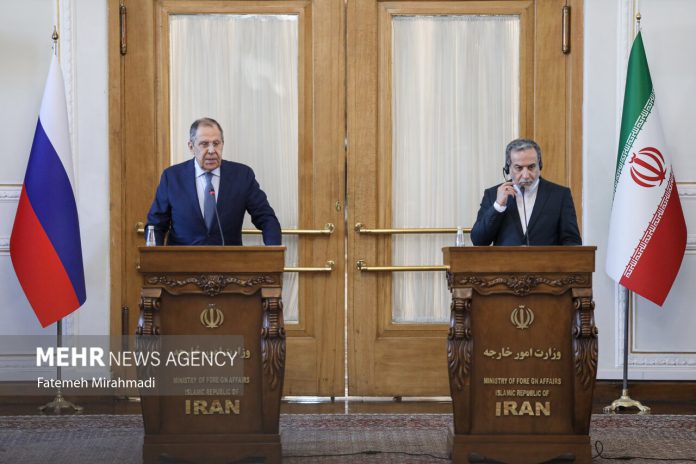
Iran FM: Direct talks with U.S. impossible under maximum pressure

Araghchi underscored Iran’s close consultation with Russia regarding nuclear negotiations, stating that Iran will not engage in direct talks with the U.S. as long as Washington continues its maximum pressure campaign.

He highlighted the rapid progress in Iran-Russia economic relations, announcing that the Joint Economic Cooperation Commission is set to convene in April.

Araghchi condemned Israeli actions in Gaza and reaffirmed Iran’s unwavering support for the resistance axis in the region.

Lavrov also welcomed the strengthening of Iran-Russia ties, emphasizing the importance of the Rasht-Astara railway project in establishing the North-South Transport Corridor.

He also praised Iran’s balanced stance on the Ukraine conflict and reiterated Moscow’s commitment to resolving global disputes based on the UN Charter.

Lavrov expressed hope that diplomacy could still play a role in reviving the JCPOA, provided that negotiations are conducted without threats or coercion.

Lavrov stressed that resolving the Syrian crisis is impossible without the involvement of Russia, Iran, and China.

Regarding Ukraine, he thanked Iran for its measured position, attributing the crisis to NATO’s expansionism and Western interference.

Lavrov concluded by confirming that Moscow had shared details of its latest contacts with the U.S., particularly regarding Ukraine, with Iran.

French nuclear shield could extend across Europe: Telegraph

France could deploy jet fighters equipped with nuclear weapons to Germany to send a “strong message” to Russia, according to the report.

The proposal comes as the U.S. shifts away from Europe and Ukraine, sending clear signals that the continent won’t be able to rely on Washington for its security in the future.

A French official speaking to the Telegraph said deploying fighter jets to Germany “should not be difficult and would send a strong message,” and would also pressure U.K. Prime Minister Keir Starmer to make a similar move.

France is thought to have 300 nuclear weapons in its’ ‘force de dissuasion’ program, with both sea and air-based launch systems.

Meanwhile, the U.K.’s Trident nuclear deterrent comprises four Vanguard-class submarines, each capable of carrying up to 16 warheads.

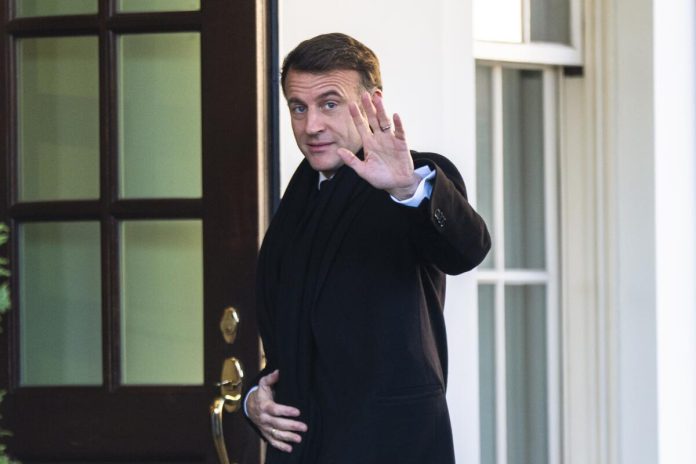
The Telegraph report came on the same day that French President Emmanuel Macron met with U.S. President Donald Trump at the White House where they discussed the future of support for Ukraine and possible peace negotiations.
At a press conference after the pair met, Macron said that Europe needs U.S. support in any peace agreement “because this is part of the credibility of security guarantees,” but he also urged Europeans to take greater responsibility for safeguarding the continent.

Before he met Trump, Macron talked to Friedrich Merz, who is expected to be Germany’s next chancellor. Merz has also called on Britain and France to extend their nuclear protection as he seeks “independence” for Europe from the U.S.

“If those who really do not just make ‘America first,’ but almost ‘America alone’ their motto prevail, then it will be difficult,” he stated.

“But I remain hopeful that we will succeed in maintaining the transatlantic relationship,” he added.

US scraps order linking weapons sales to international law

Israel Army

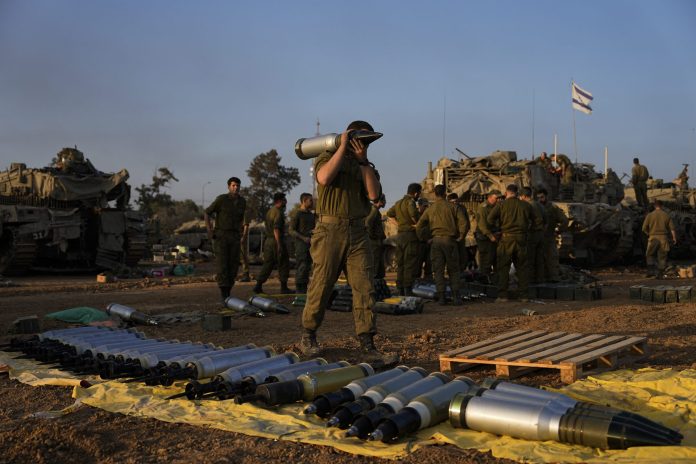
United States President Donald Trump ordered the key policy to be scrapped, The Washington Post reported on Monday quoting unnamed sources.

The order, signed by Trump’s predecessor Joe Biden amid concerns over Israel’s actions during its war on Gaza, was aimed at preventing US arms sales from contributing to human rights abuses abroad.

The sources told the daily that National Security Advisor Mike Waltz had issued a memo formalising the decision.

National Security Memorandum-20, signed by Biden in February 2024, required assurances that US weapons would not be used in violation of international humanitarian law. The measure was viewed as a response to a growing concern that Israel was committing human rights violations amid its bombardment of Gaza.

The memorandum was one of the few remaining Biden policies addressing the conflict. All mention of the memorandum has been scrubbed from the White House website, with searches resulting in a 404 error.

A May 2024 report, mandated by the memorandum, stated that while Israel may have violated international humanitarian law, the Biden administration could not verify specific cases of civilian harm because of the ongoing war.

Trump’s decision to overturn the memorandum follows moves to unfreeze heavy weapon shipments to Israel and lift sanctions on Israeli settlers in the occupied West Bank.

On February 7, the Trump administration approved the sale of more than $7.4bn worth of bombs, missiles, and related military equipment to Israel.

The latest move effectively removes the last vestige of Biden’s policies on the Gaza war, which has killed at least 48,346 and left more than 111,759 others wounded.

Five more children freeze to death in Gaza

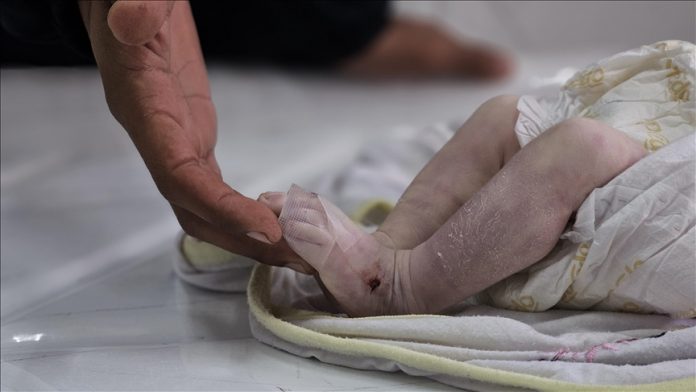
“Nine infants were hospitalized in the past two weeks due to health complications caused by severe cold,” Saeed Salah, Director of the Patient’s Friends Benevolent Society Hospital in Gaza, told Anadolu.

“Of the nine cases, five babies aged between one day and two weeks died,” he added.

Salah said one baby is still on a ventilator due to his serious health condition, while three others were discharged from hospital.

He said the nine babies were transferred to the hospital from northern Gaza, where most of the population has been displaced and living in tents following Israel’s destructive war on the enclave.

Salah appealed to the international community to intervene to allow the entry of mobile homes, tents, and fuel into Gaza to provide shelter to thousands of Palestinians.

In January, the United Nations said at least eight newborns had died of hypothermia in the Gaza Strip in one month alone.

According to Gaza’s government media office, nearly 1.5 million Palestinians have been left without home or shelter after the Israeli war.

A ceasefire and prisoner exchange agreement has been in place in Gaza since last month, pausing the Israeli war that has killed at least 48,350 people, mostly women and children, and left the enclave in ruins.

Last November, the International Criminal Court issued arrest warrants for Israeli Prime Minister Benjamin Netanyahu and his former Defense Minister Yoav Gallant for war crimes and crimes against humanity in Gaza.

Israel also faces a genocide case at the International Court of Justice for its war on the enclave.

Ukraine needs over $520bn to recover, rebuild after 3 years of war: Report

Russia Ukraine War

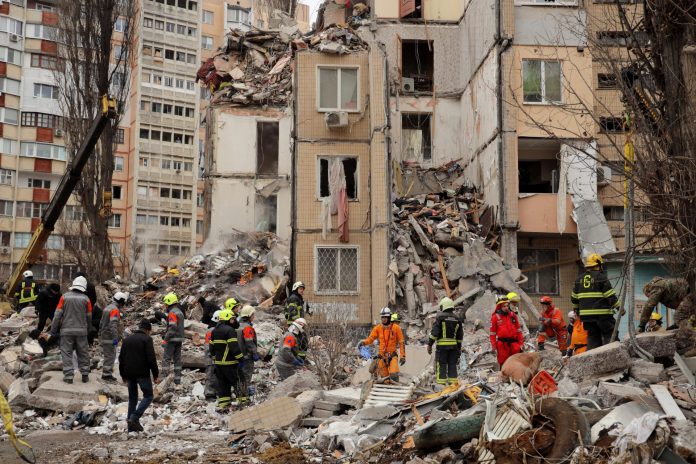
A new study by the institutions included data from Russia’s invasion three years ago through December 31, including a 70% increase in damages to Ukraine’s energy infrastructure from Russian attacks.

It showed an increase of over 7% from the last estimate of $486 billion one year ago, with housing, transport, energy, commerce and education being the most affected sectors.

The study quantifies the direct physical damage to buildings and other infrastructure, the impact on people’s lives and livelihoods and the cost to “build back better,” the institutions said in a joint news release.

U.S. President Donald Trump is pushing to end the war through separate talks with Russia and Ukraine, telling reporters during a meeting with French President Emmanuel Macron that a deal could be reached in weeks.

“In the past year, Ukraine’s recovery needs have continued to grow due to Russia’s ongoing attacks,” Ukraine’s Prime Minister Denys Shmyhal said in a statement.

Ukraine’s government has allocated $7.37 billion to address priority needs for 2025, with support from donors, but still has a financing gap of nearly $10 billion, the joint statement said.

The latest assessment, using a universal methodology to assess damages and needs, found that direct damage in Ukraine from Russian attacks has risen to $176 billion from $152 billion reported in February 2024.

About 13% of Ukraine’s total housing stock has been damaged or destroyed, affecting more than 2.5 million households.

It cited a 70% increase in damaged or destroyed assets in the energy sector since the last assessment one year ago, including power generation, transmission, distribution infrastructure and district heating.

The housing sector accounted for about $84 billion of the total long-term needs, followed by transport with almost $78 billion, energy and mining with almost $68 billion, commerce and industry with over $64 billion, and agriculture with over $55 billion.

The cost of debris clearance and management alone was pegged at almost $13 billion, the report added.

Antonella Bassani, the World Bank’s vice president for Europe and Central Asia, stated the assessment showed the progress Ukraine has already made on physical and economic recovery, reforms and reconstruction needs.

It excluded over $13 billion in needs across eight sectors that have already been met by Ukraine with the support of its partners and the private sector. That includes some $1.2 billion disbursed from state budget and donor funds for housing needs and over 2,000 km (1,243 miles) of emergency road repairs.

Trump refuses to describe Putin as ‘a dictator’

Vladimir Putin

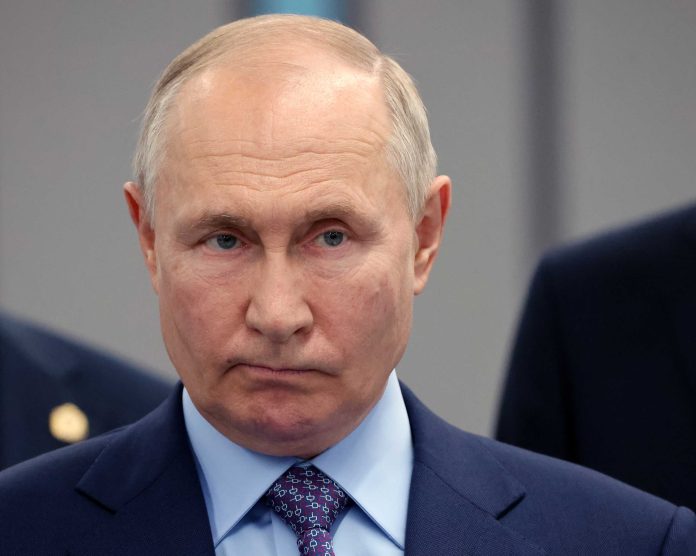
“I don’t use those words lightly… I think we’re going to see how it all works out,” Trump said  when asked if he would call Putin a dictator the same way he labeled President Volodymyr Zelensky.

Trump called Ukrainian leader a “dictator” in a post on his social media platform Truth Social, accusing him of refusing to hold elections, and repeating false claims about the war in Ukraine.

Trump’s remarks disregard Ukraine’s constitution which prohibits elections under martial law and echoed the narratives of Russian propaganda.

Trump will meet with Zelensky within the next two weeks to finalize a minerals deal. Ukraine and the US have been working out the terms of such a deal for weeks.

Trump stated in early February that he wanted to strike a deal with Ukraine involving access to rare earth minerals in exchange for continued aid. Trump later claimed that Kyiv has “essentially agreed” to a $500 billion resource deal. A former Ukrainian official described the initial deal as “a colonial agreement.”

Following Macron, UK Prime Minister Keir Starmer is set to meet Trump.

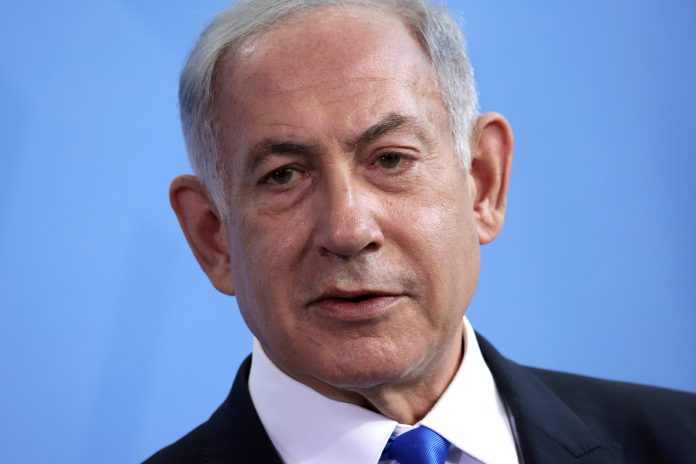
Netanyahu will be able to visit Berlin despite ICC warrant: Germany’s next chancellor

Benjamin Netanyahu

Speaking to reporters on Monday, a day after his conservative Christian Democratic Union (CDU) party won national elections, Merz said he told Netanyahu in a congratulatory phone call that the pair should meet after a new German government is formed.

“In the event that he [Netanyahu] plans to visit Germany, I have promised myself that we will find a way to ensure that he can visit Germany and leave again without being arrested,” Merz stated.

“I think it’s a really absurd idea that an Israeli prime minister can’t visit the Federal Republic of Germany. He will be able to visit Germany,” he added.

In an earlier statement, Netanyahu’s office announced Merz had invited the Israeli prime minister “to make an official visit to Germany, in overt defiance of the scandalous International Criminal Court decision to label the Prime Minister a war criminal”.

In November, the ICC issued arrest warrants for Netanyahu and his former defence minister Yoav Gallant on charges of war crimes and crimes against humanity.

The ICC, which is based in The Hague, Netherlands, responded to Herz’s remarks on Monday, saying that states have a legal obligation to enforce its decisions.

Any concerns countries may have should be addressed with the court in a timely and efficient manner, the court added.

“It is not for states to unilaterally determine the soundness of the court’s legal decisions.”

EU suspends Syria sanctions to encourage democratic development

Syria War

The bloc announced on Monday that it had suspended restrictions on oil, gas and electricity, along with sanctions on the transport sector including aviation, with immediate effect.

However, it cautioned that the decision could be reversed should Syria’s de facto leadership not implement expected reforms.

The EU also reinstated the possibility to fund and provide certain economic resources to five banks. Restrictions on the export of luxury goods to Syria for personal use will also be eased.

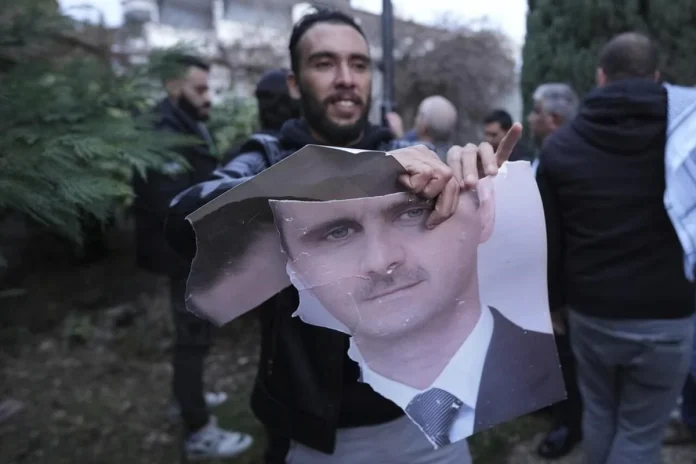
The EU maintains a wide range of sanctions on entire economic sectors and individuals in Syria, levied during the rule of ousted President Bashar al-Assad. The country’s new leadership has urged the West to ease the restrictions in order to help Syria recover from years of despotic rule and civil war.

The EU said in a statement that its foreign ministers had made the decision to suspend select sanctions as part of efforts to “support an inclusive political transition in Syria, and its swift economic recovery, reconstruction, and stabilisation”.

The bloc added that should Syria’s interim rulers move in the wrong direction, sanctions could be quickly slapped back on.

Ahmad al-Sharaa, the leader of the Hayat Tahrir al-Sham (HTS) armed group, was named interim president last month after a meeting of most of the country’s former rebel factions that overthrew al-Assad and five decades of his family’s rule.

Al-Sharaa has been meeting with regional and international leaders in an effort to establish ties and lead a reconstruction campaign after over a decade of war devastated the country and left parts of Syria occupied by foreign forces.

Syria’s new authorities are expected to hold a national dialogue conference starting on Tuesday to discuss a new path for the nation.

The conference has been a key pledge for the new government to shape a constitutional framework, an economic roadmap and a plan for institutional reform as it also seeks to lift sanctions imposed by the United States.

A new government that the authorities have promised to form by next month is expected to take into account ideas and proposals to be put forward in the conference.

Geir Pedersen, United Nations special envoy for Syria, said the formation of a “new inclusive government” by March 1 could help determine whether more Western sanctions are lifted.

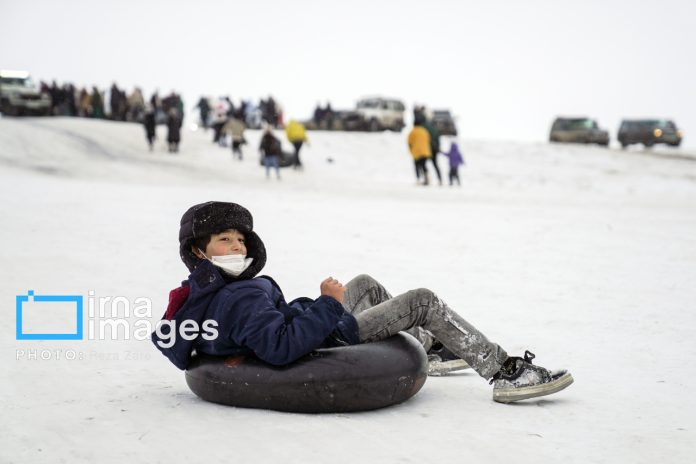
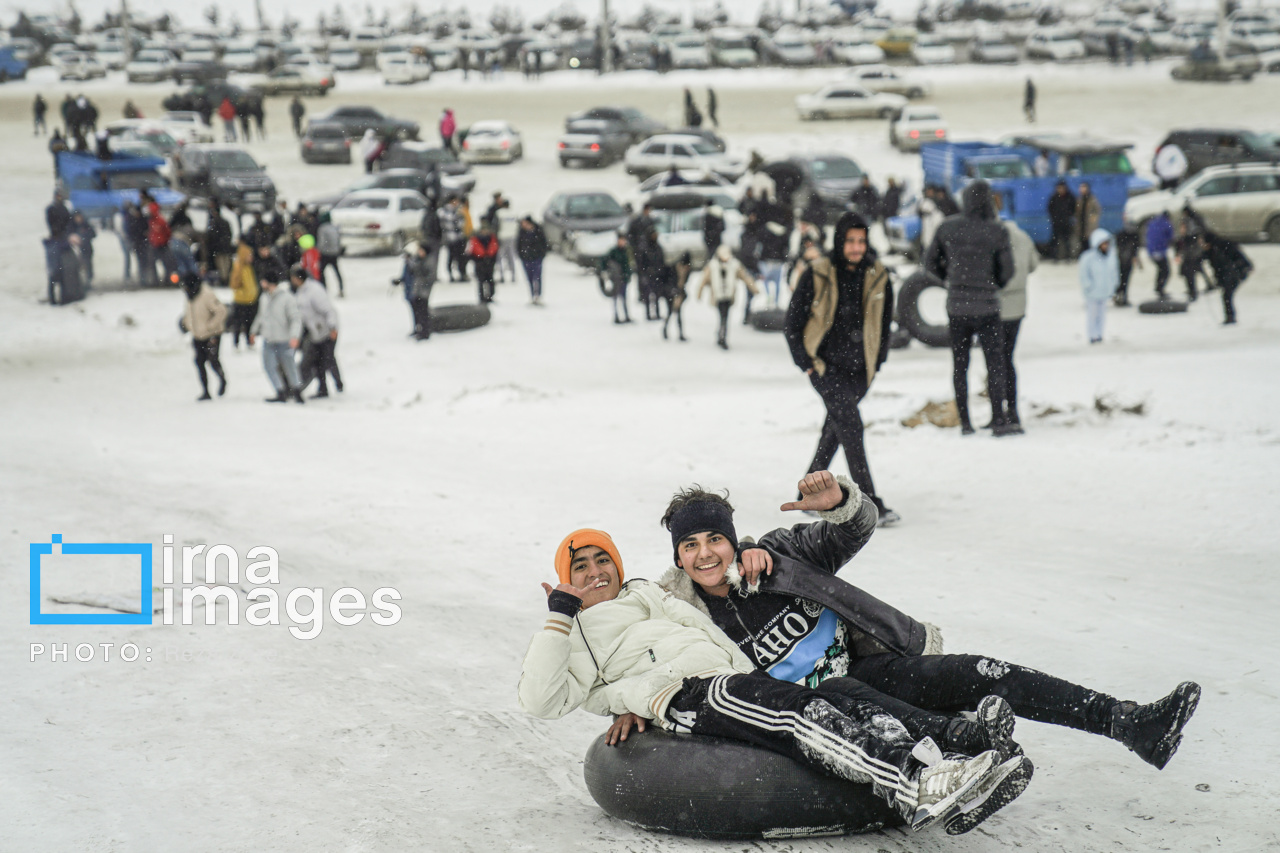
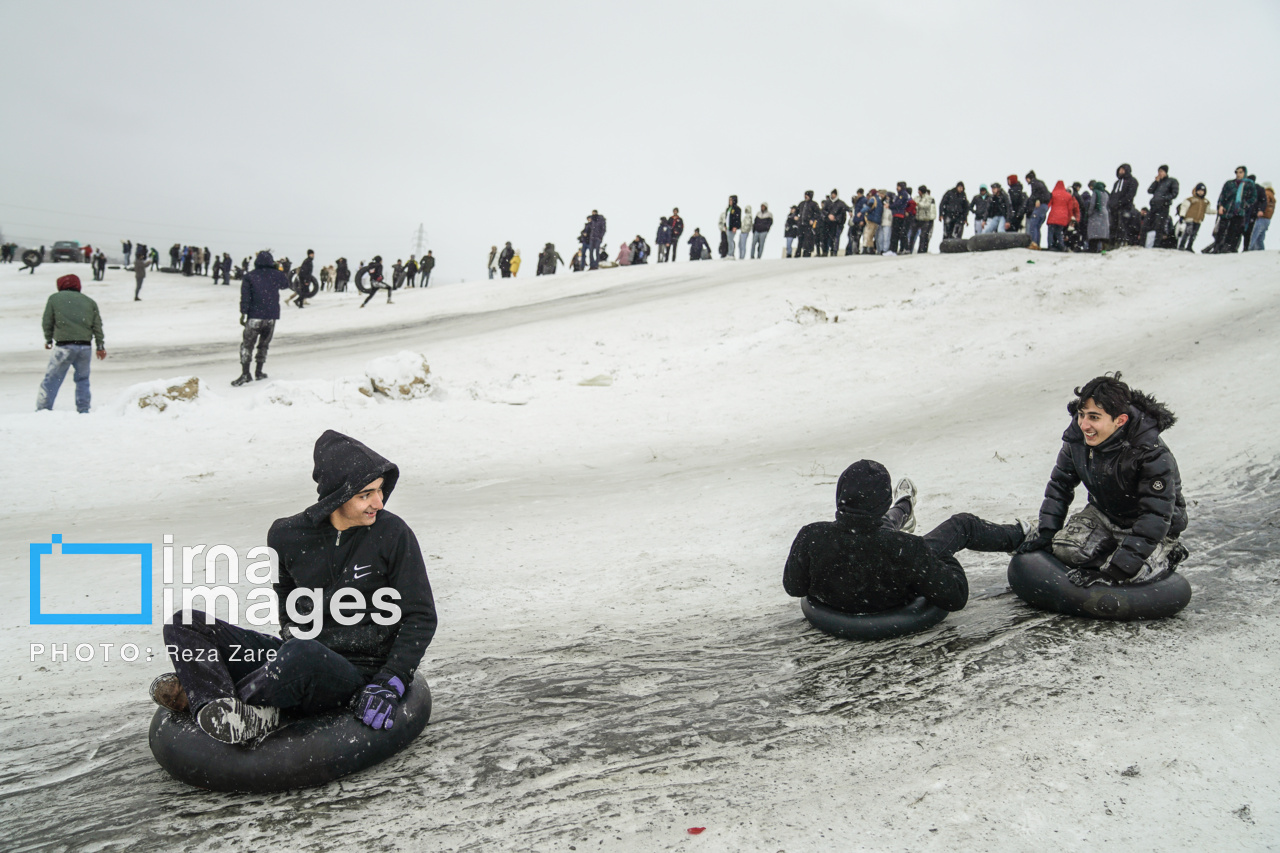
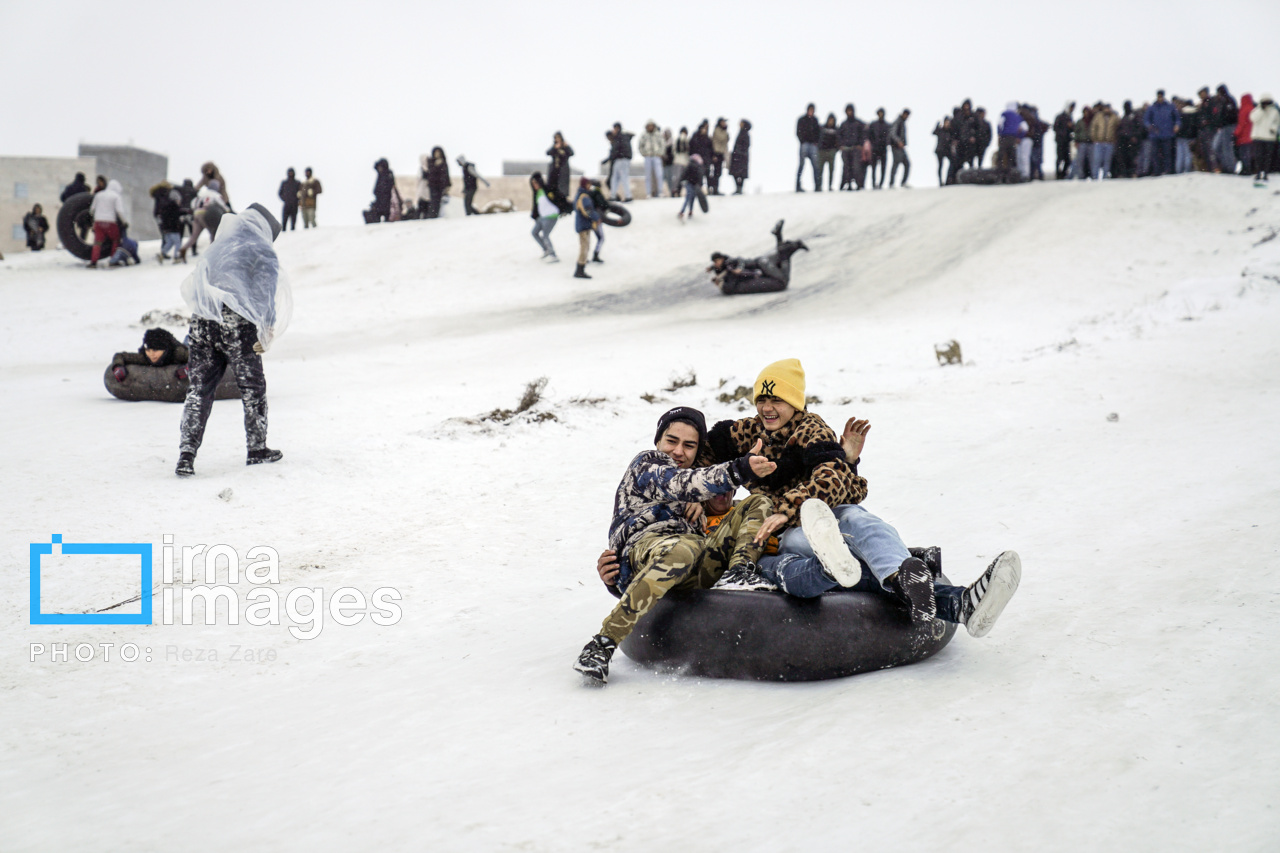
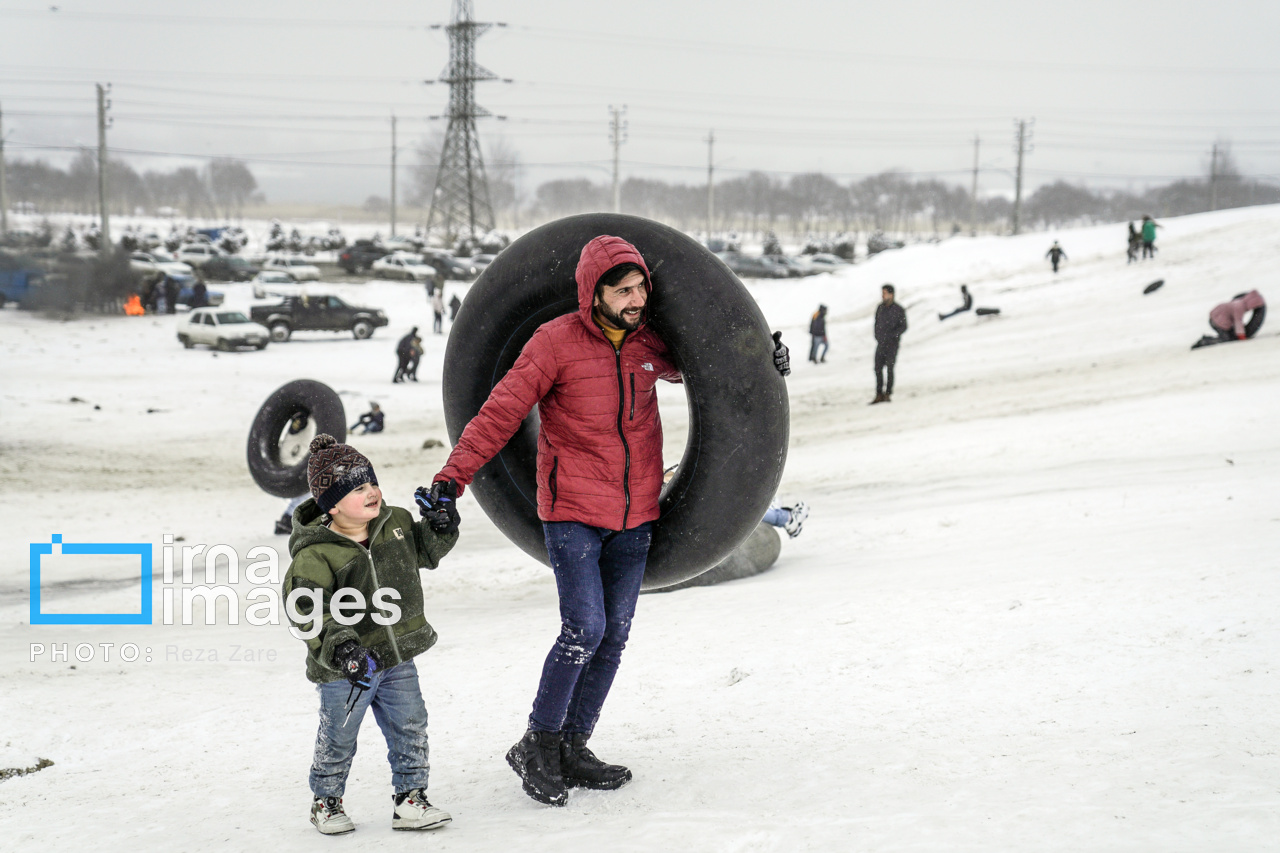
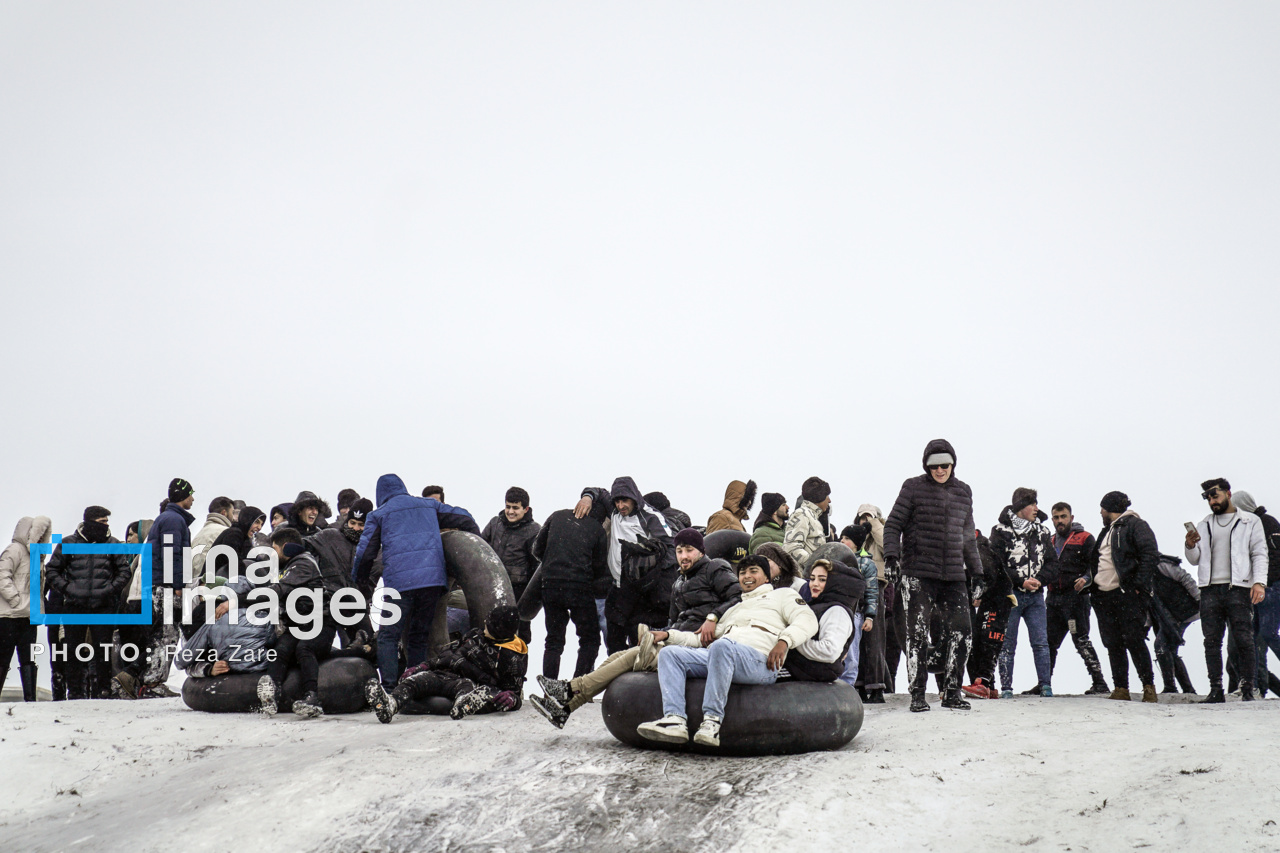
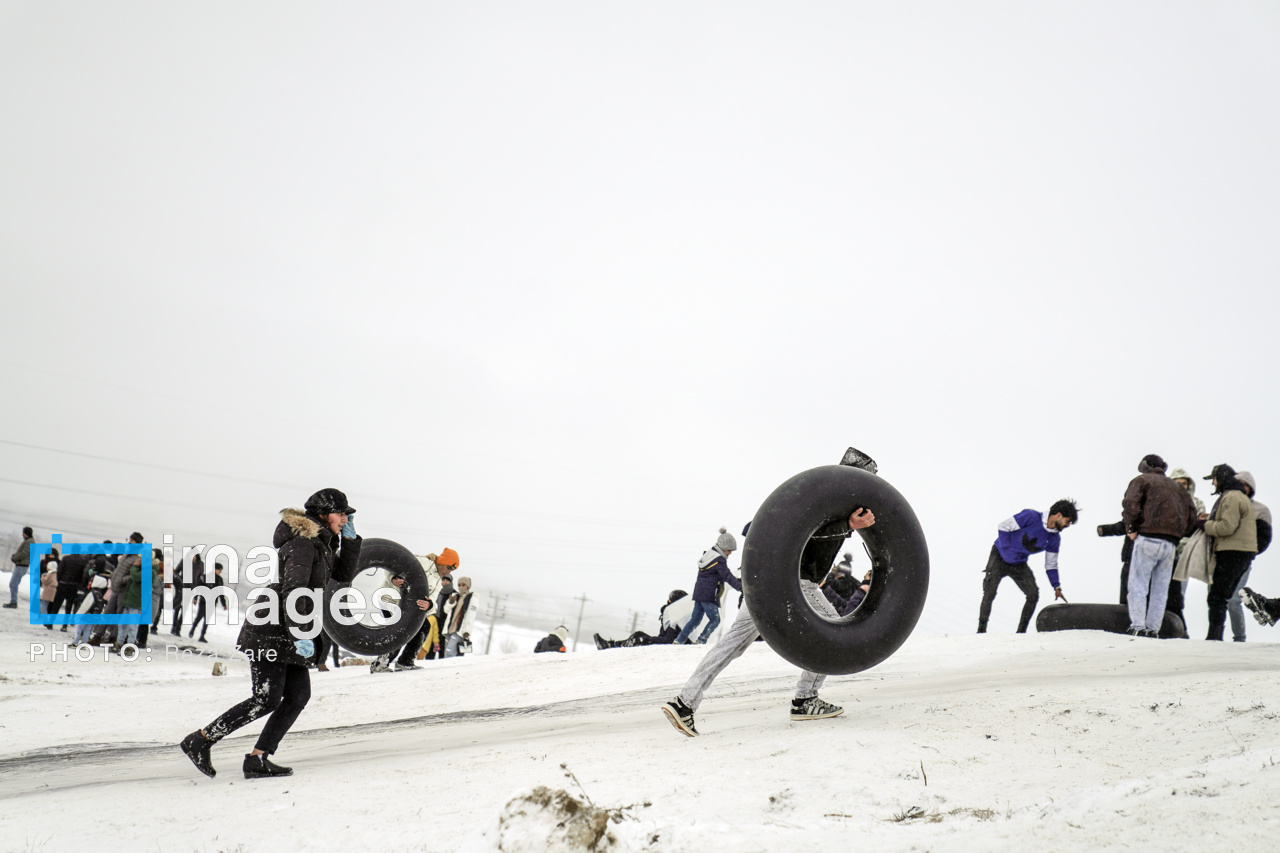
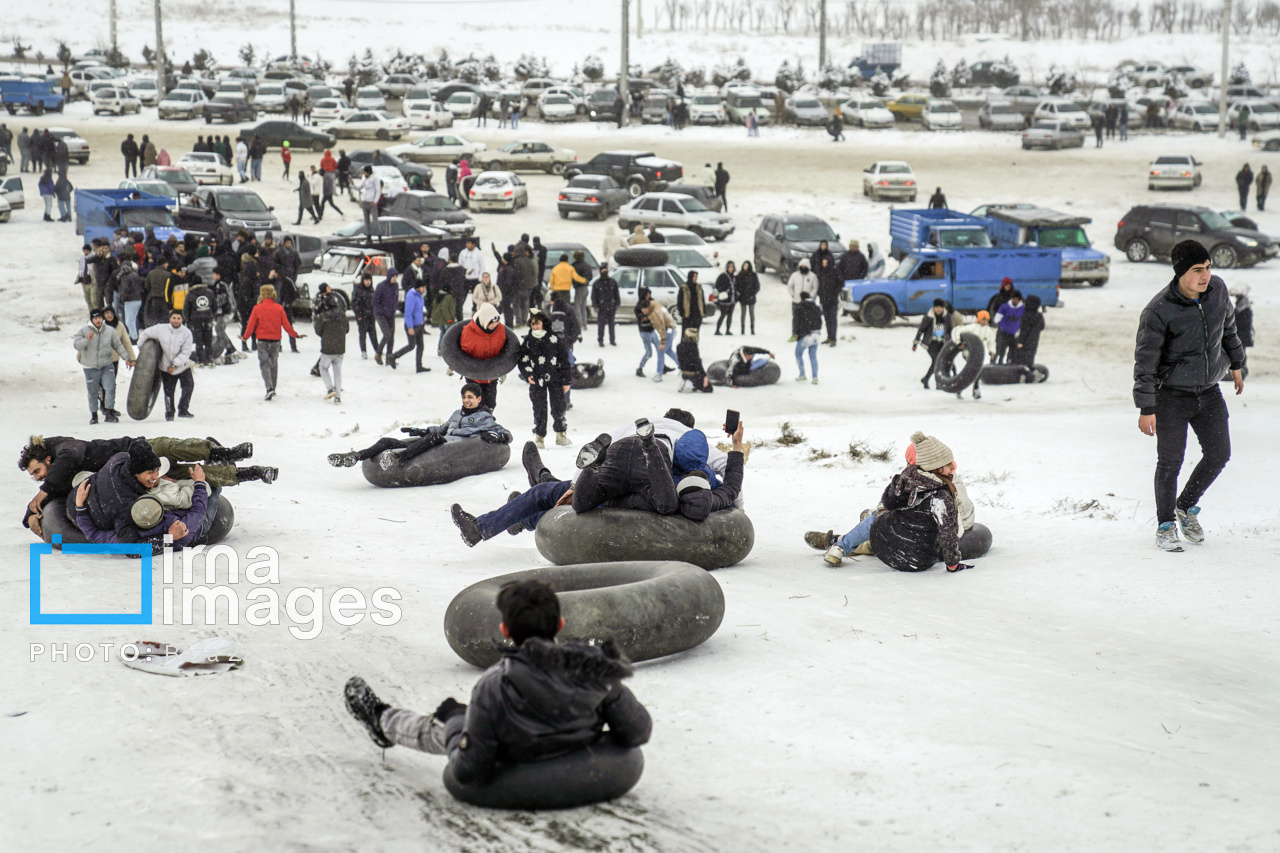
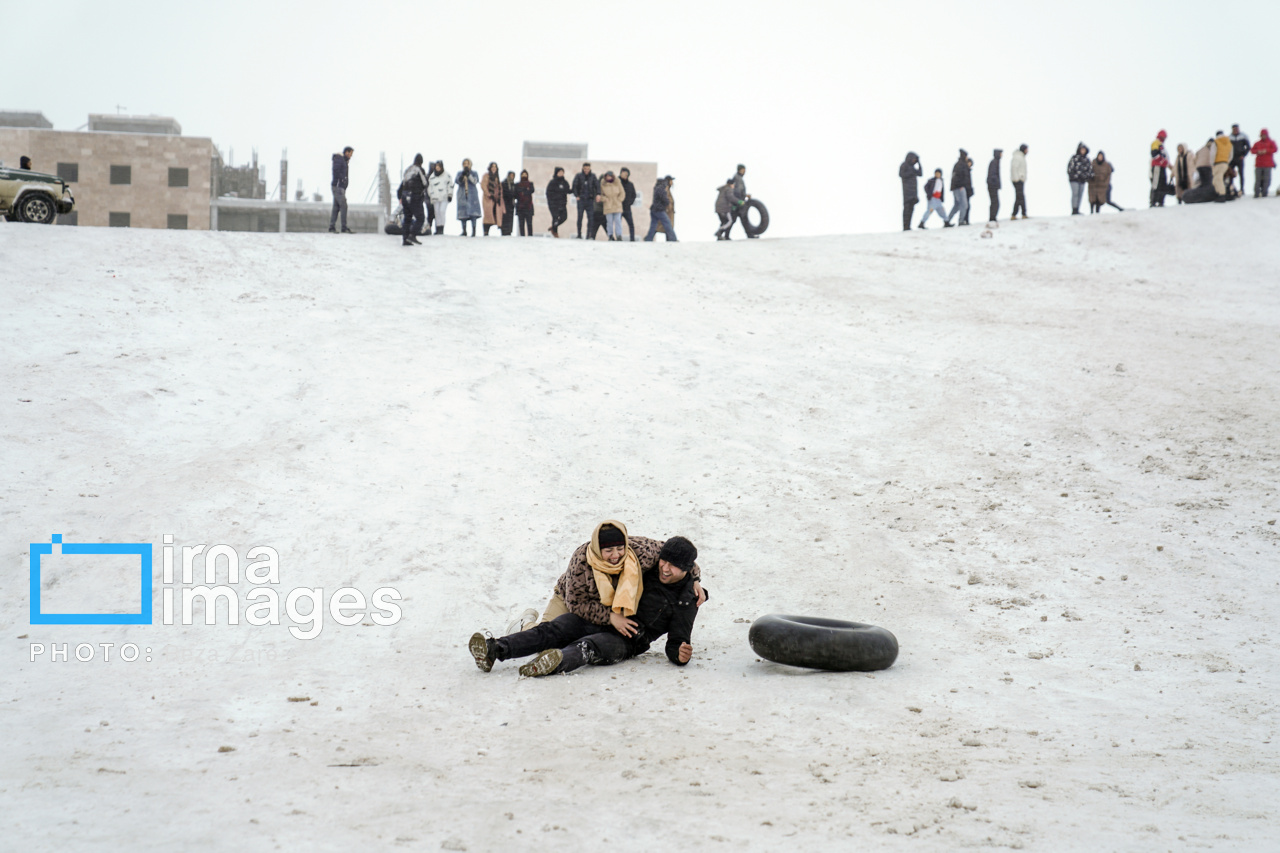
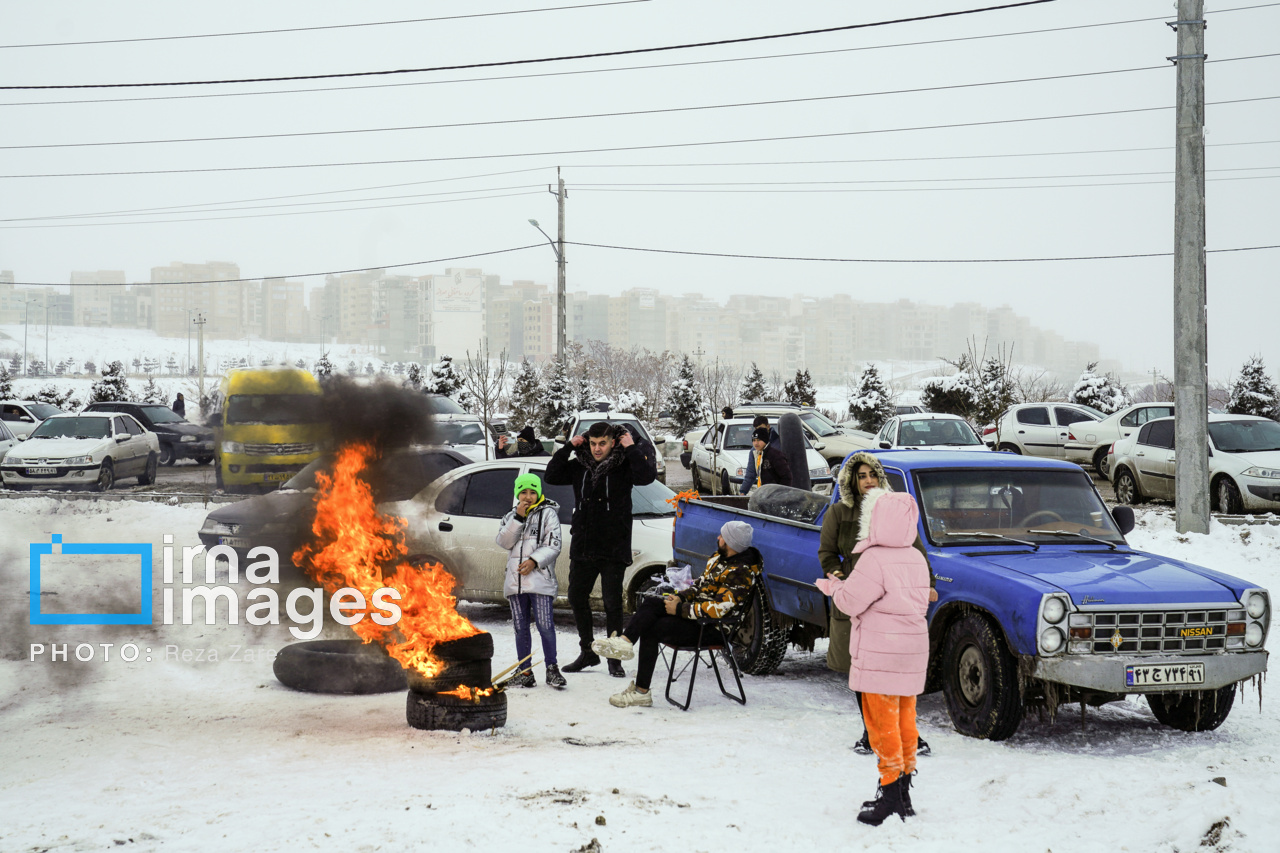
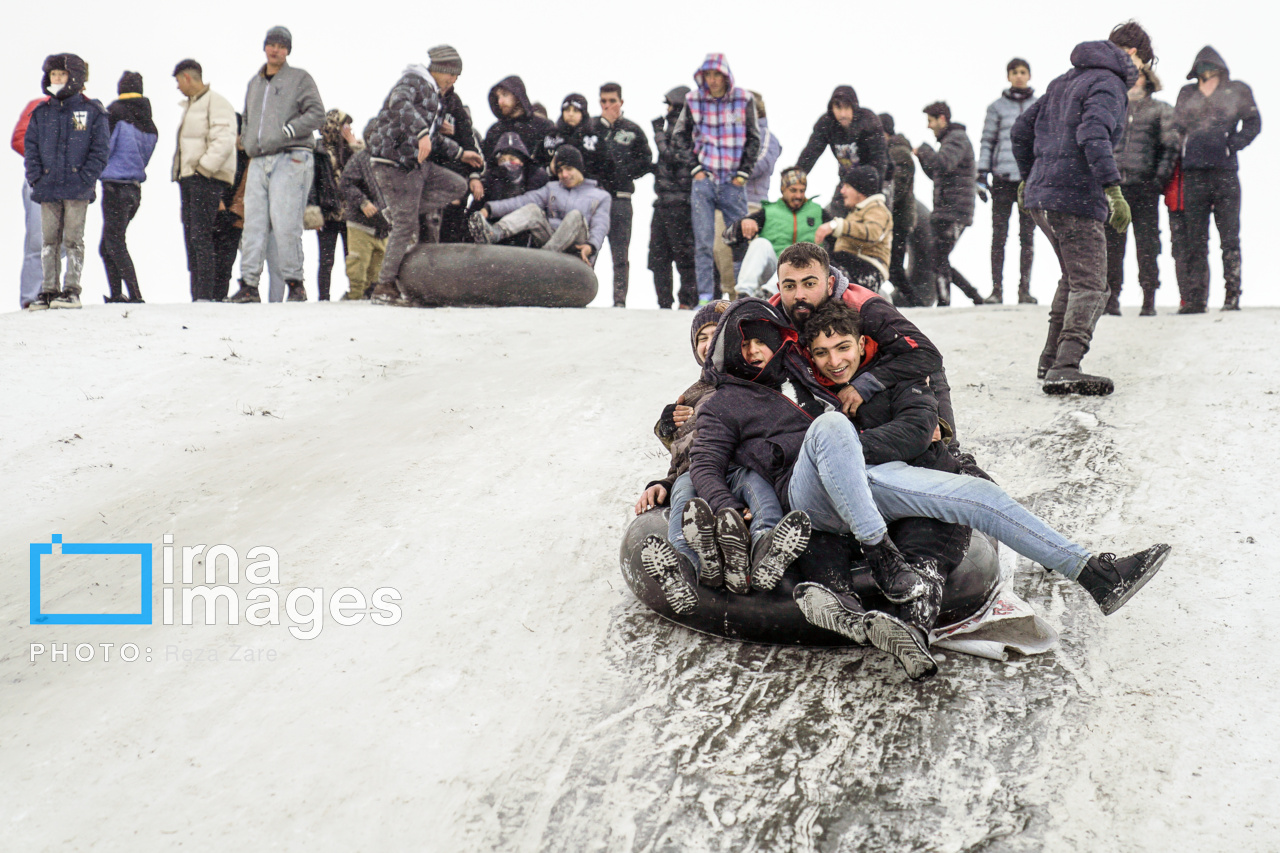
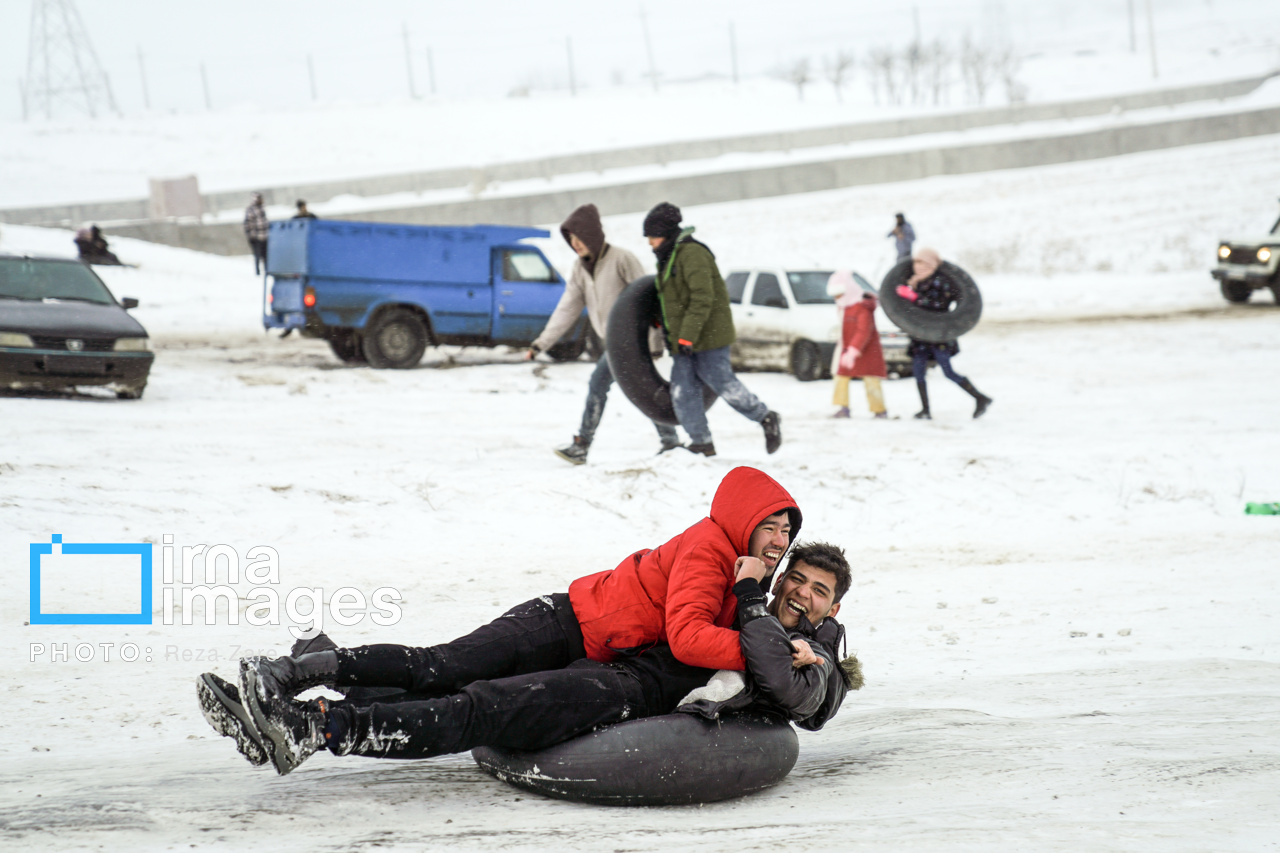
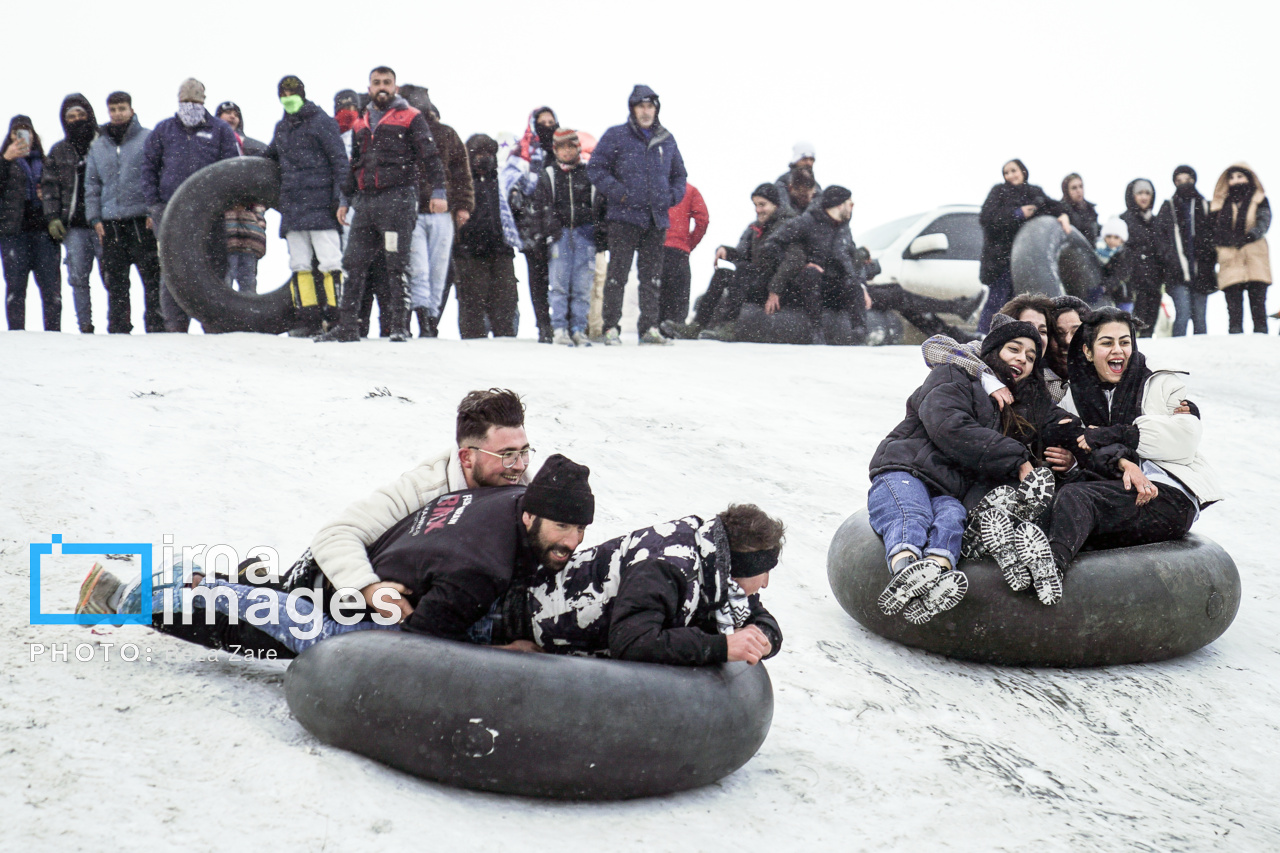
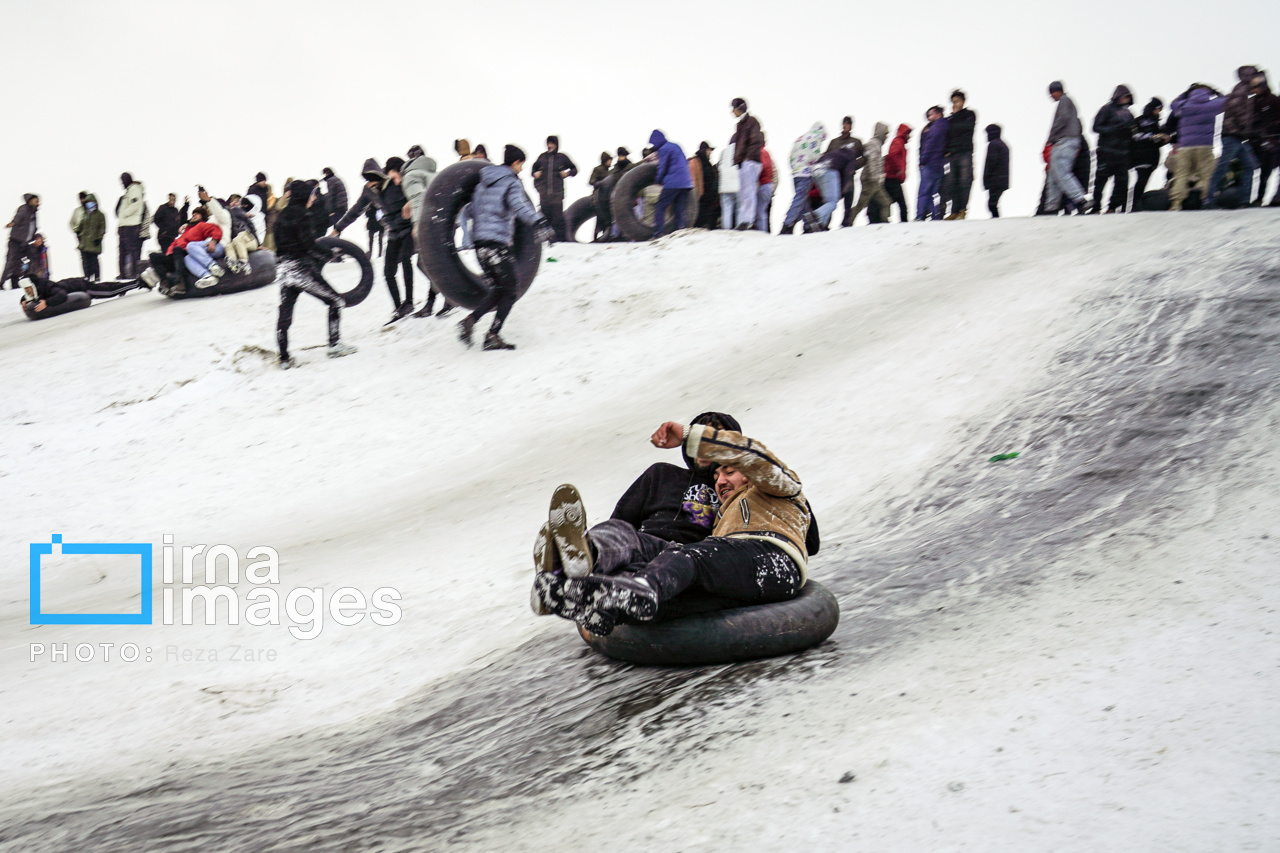
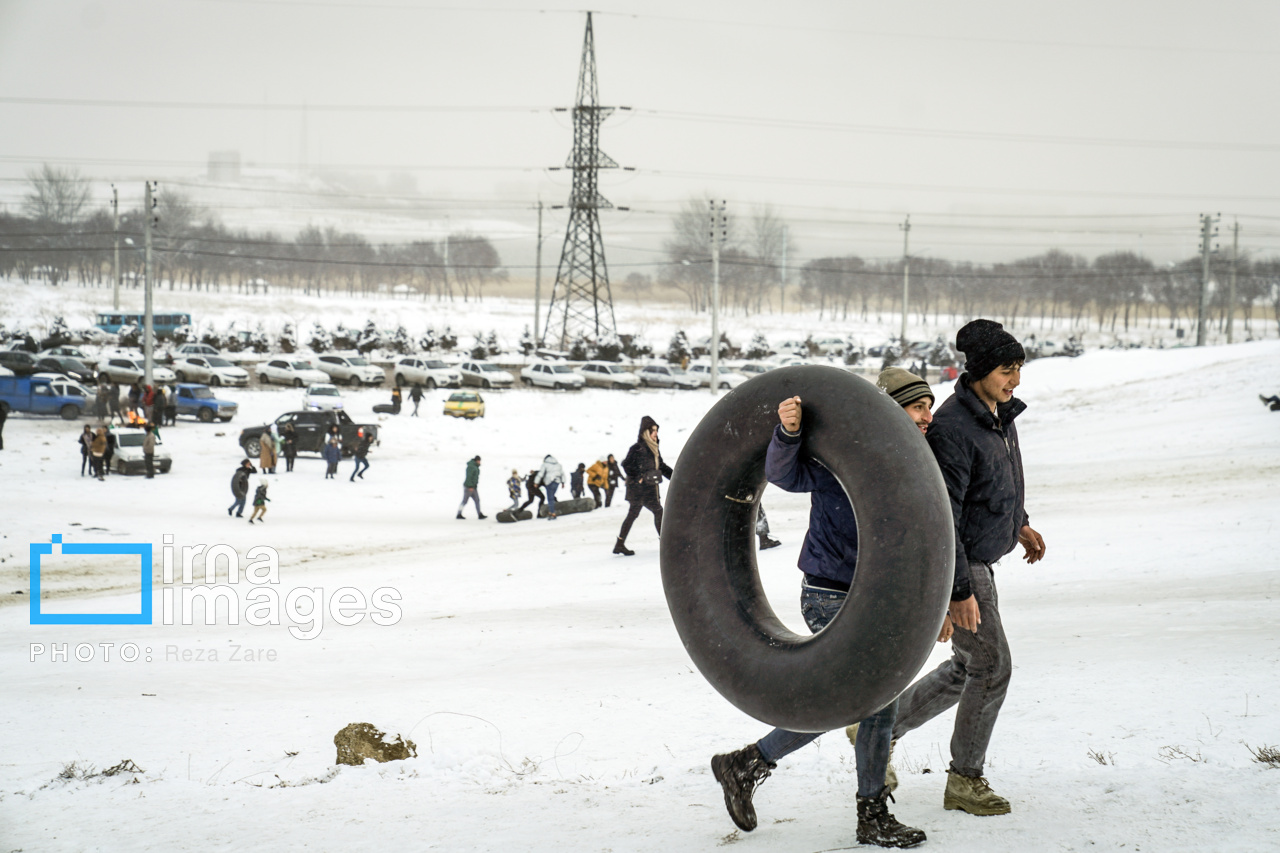
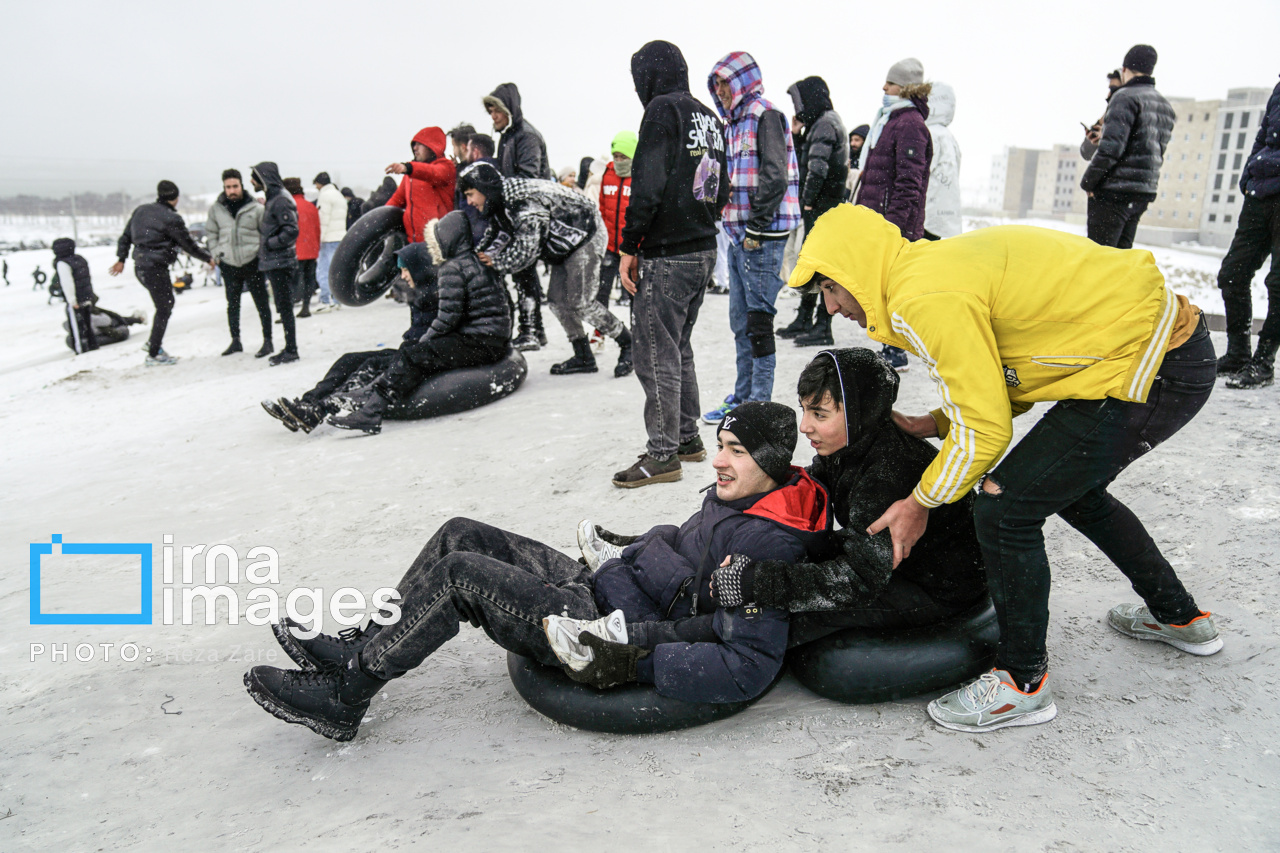
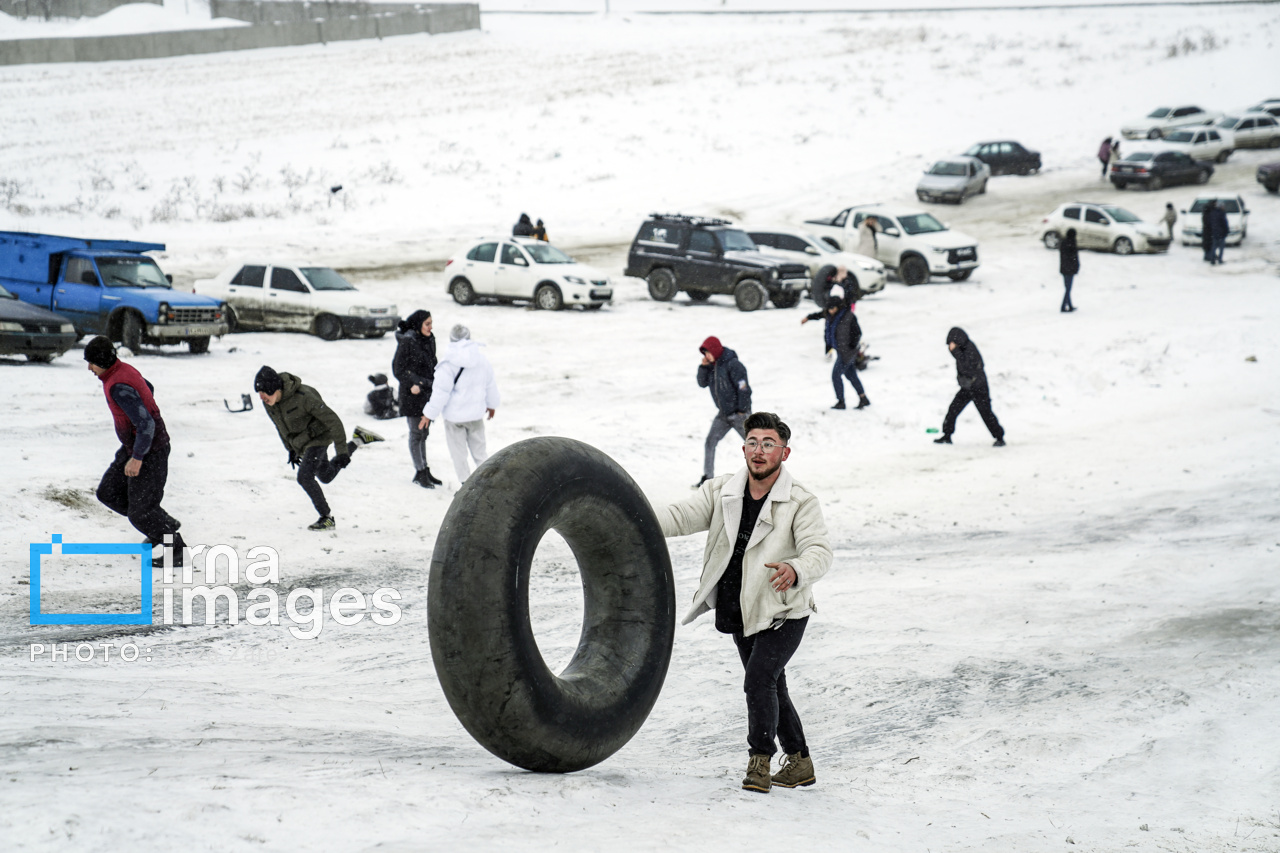
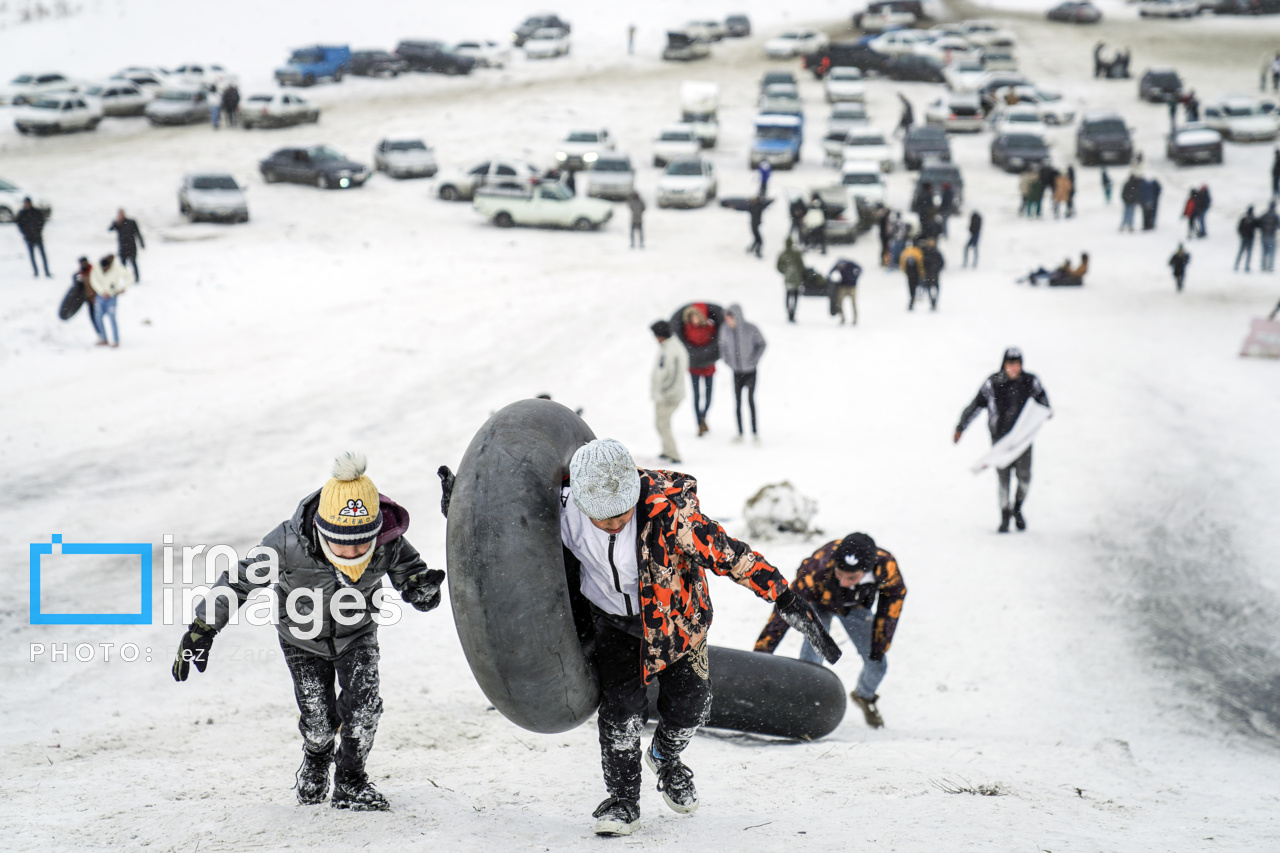
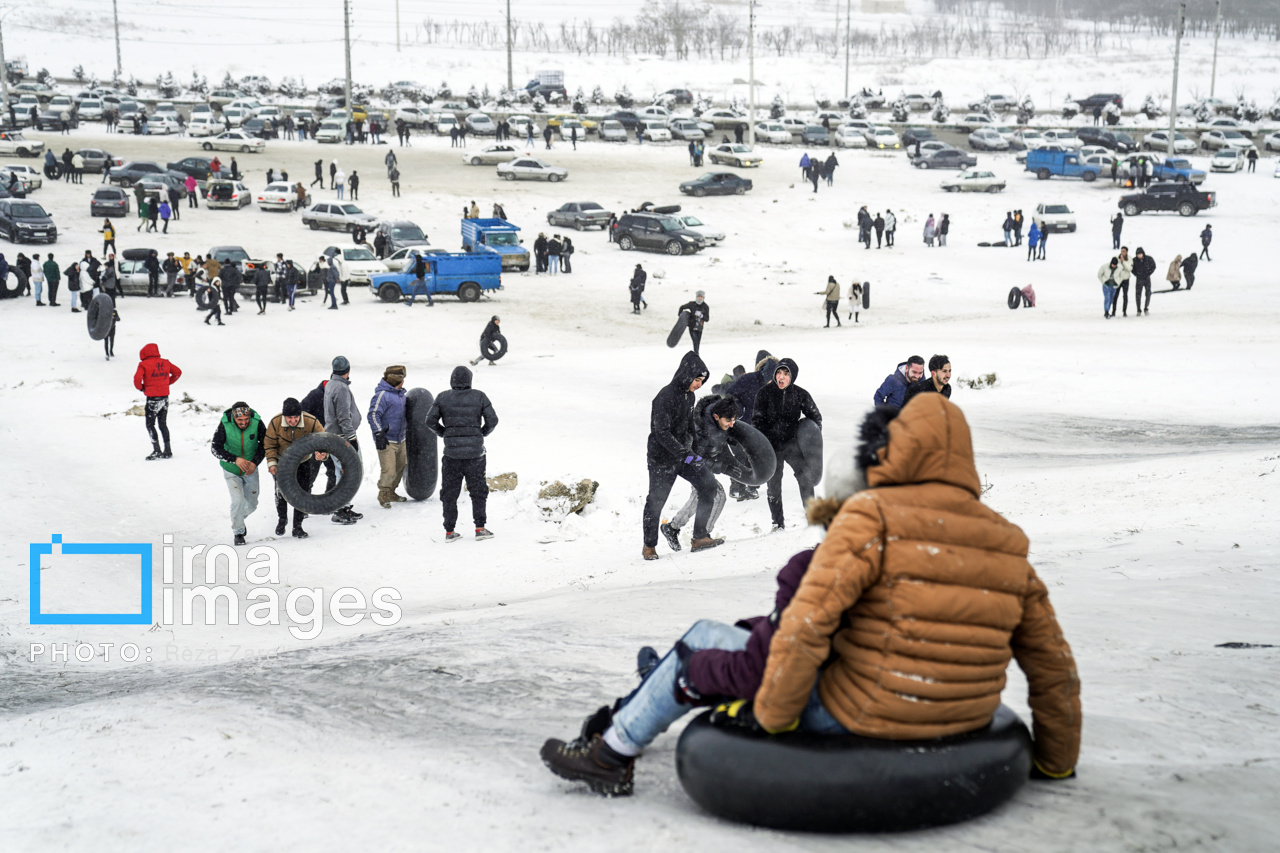
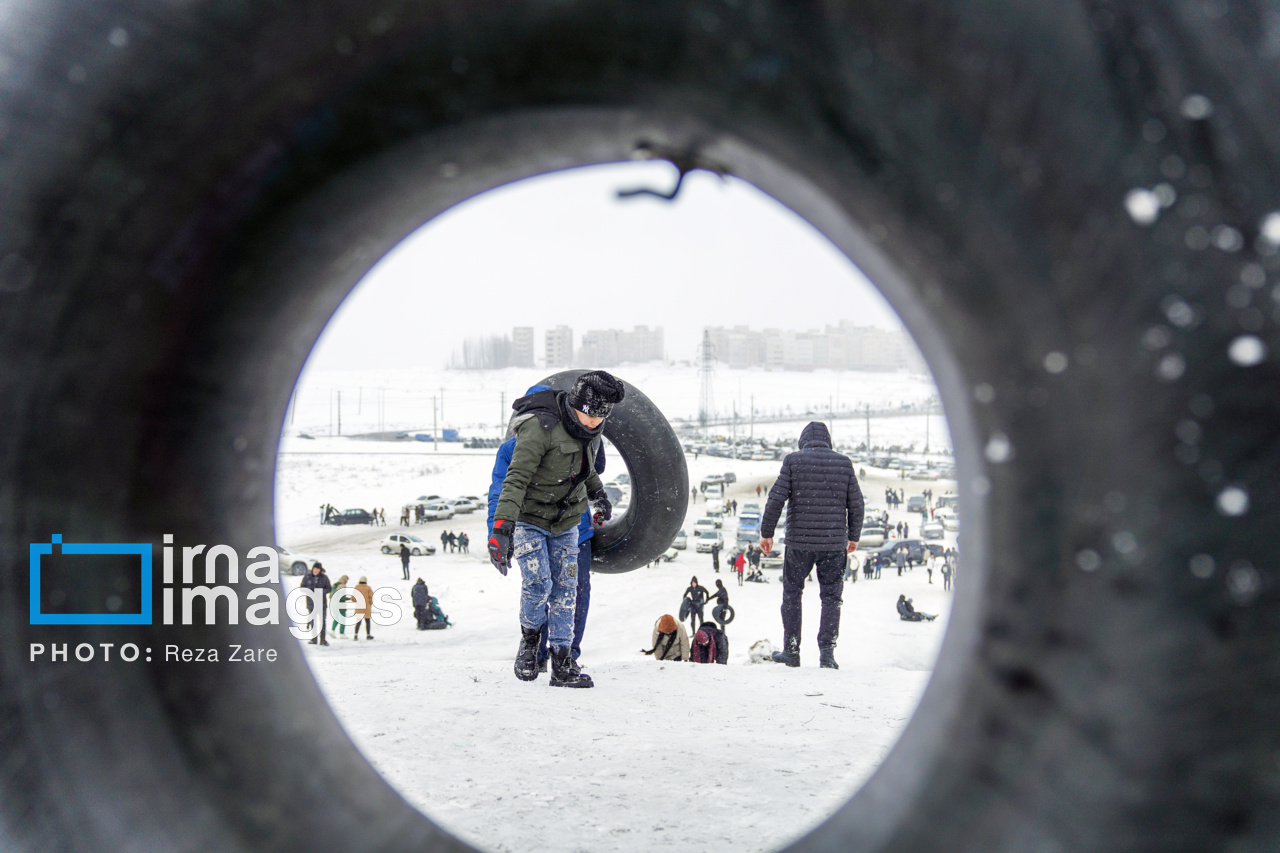
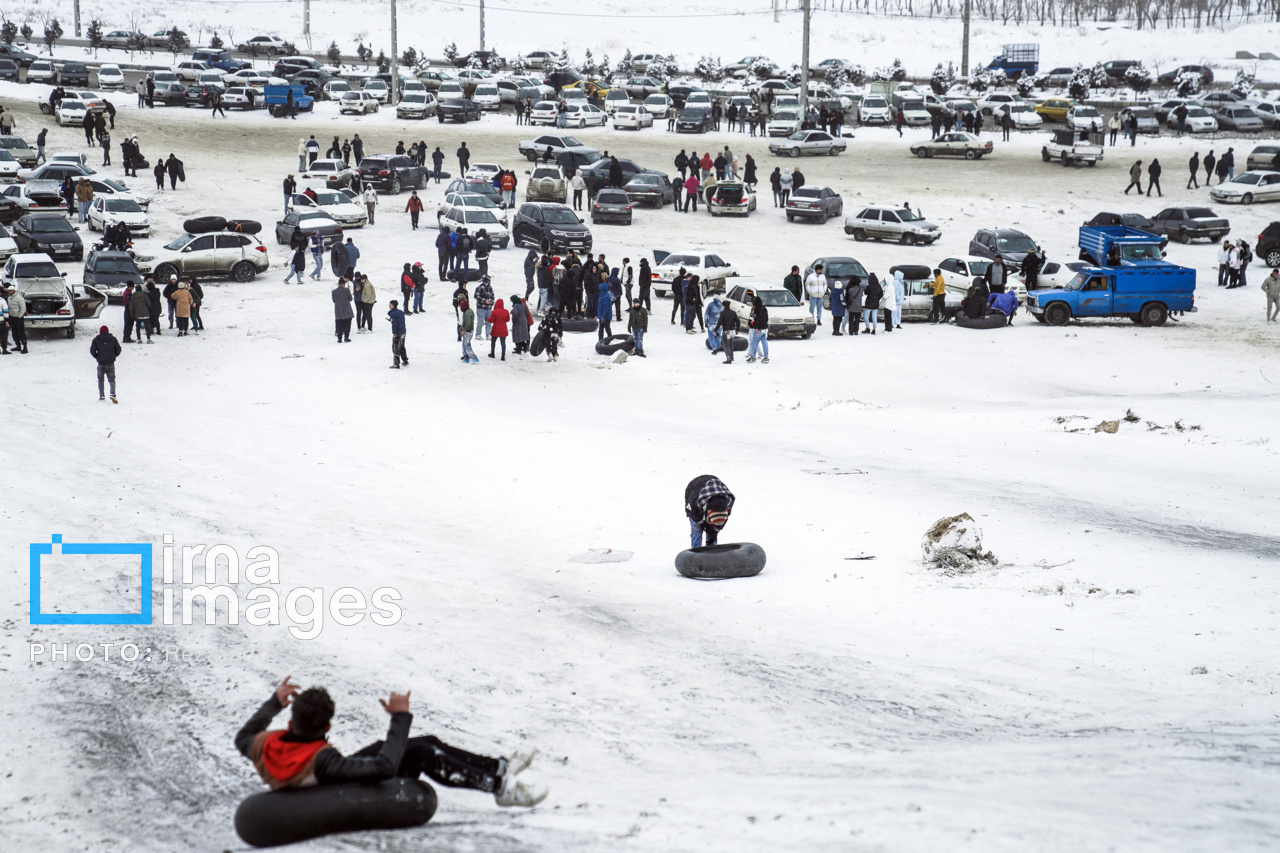
Snow delight in Ardabil: Locals embrace winter’s charm

On Saturday, the residents seized the opportunity to enjoy the pristine white landscape by flocking to the nearby hills for some exhilarating tubing adventures.

The snowfall, which had been gracing the region for the past four days, finally halted on Monday morning, but the bone-chilling -21 degrees Celsius recorded over the past 24 hours is still in place.

More in pictures: