Thursday, January 1, 2026
Home Blog Page 4693

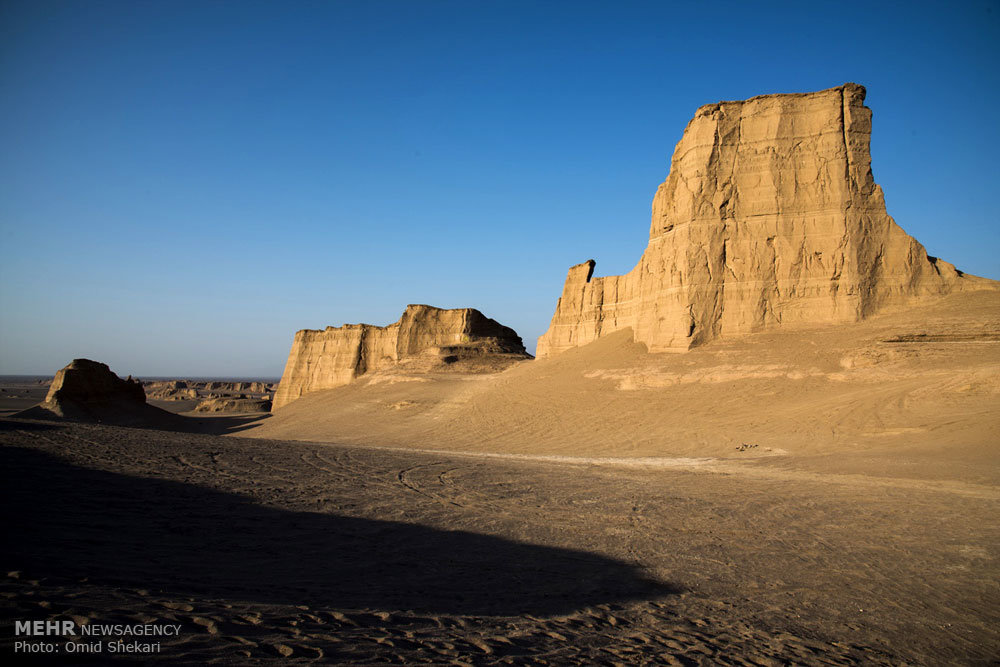
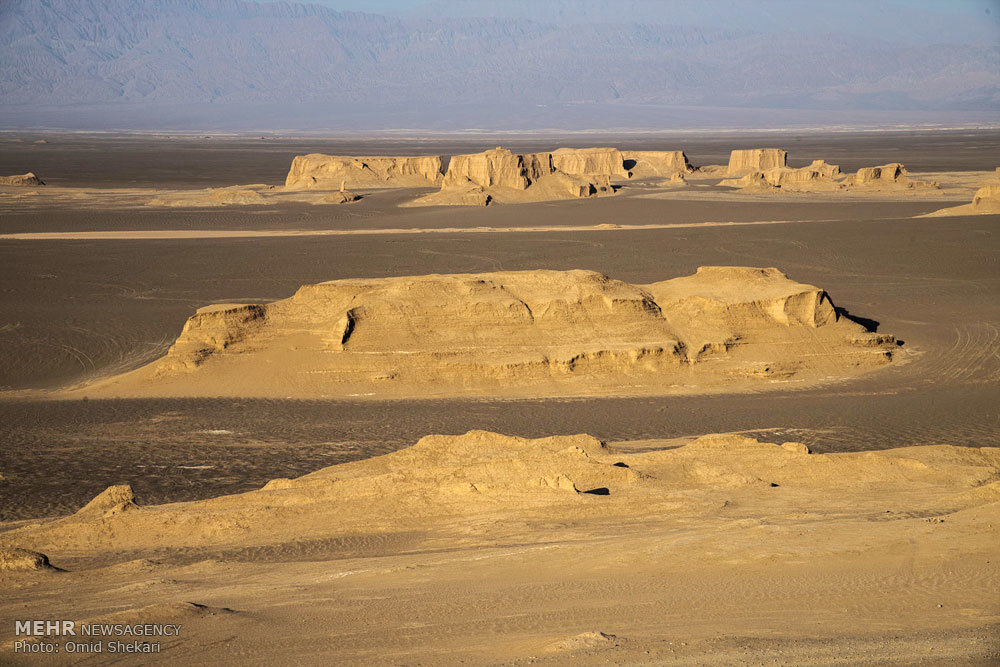
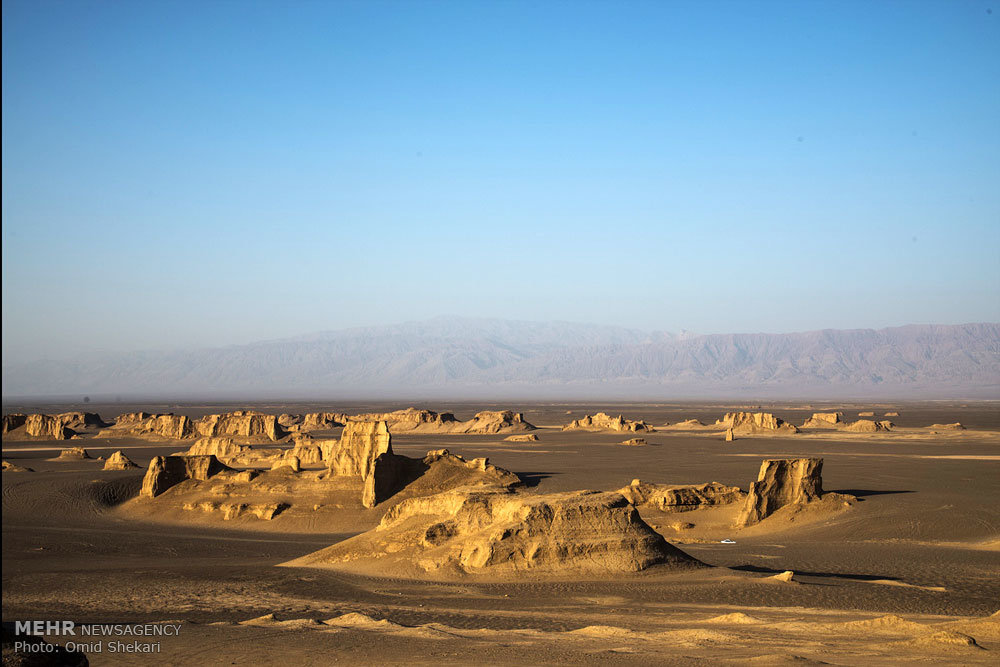
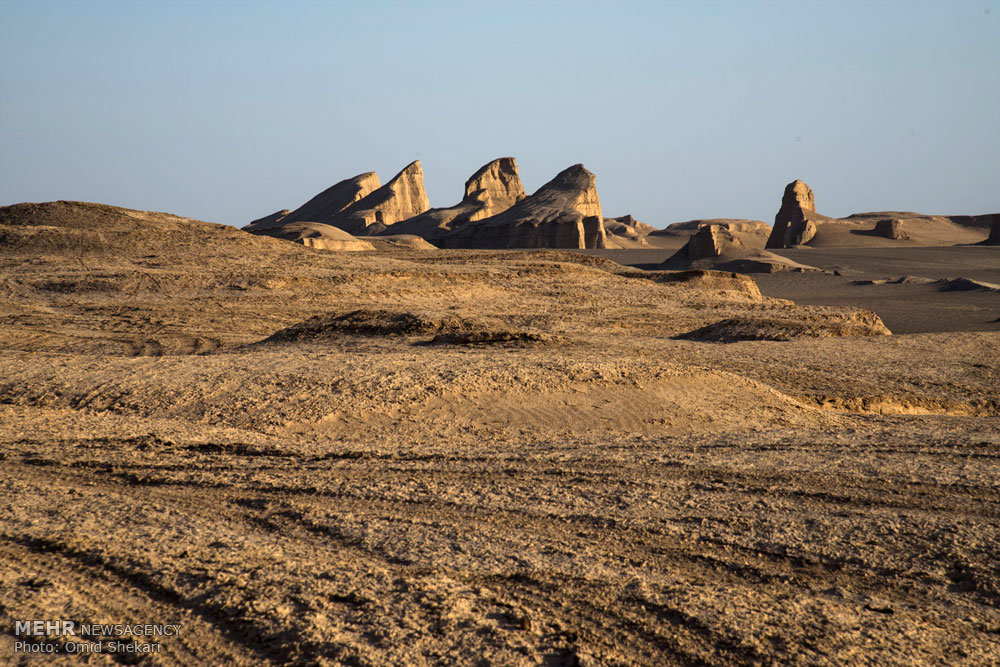
Remarkable desert formations in southeastern Iran

Remarkable desert formations in southeastern Iran (3)

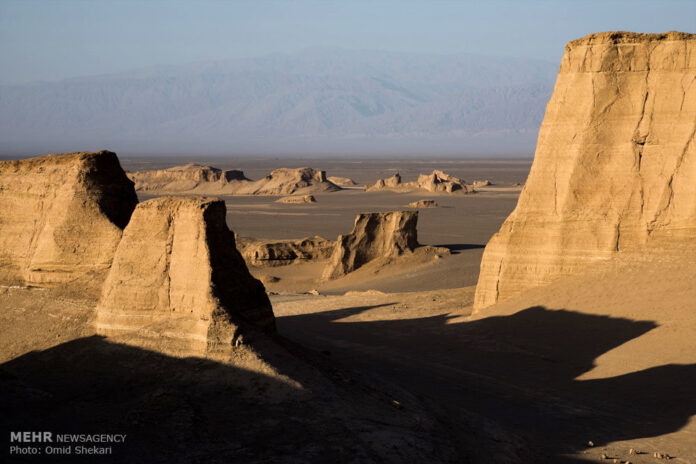
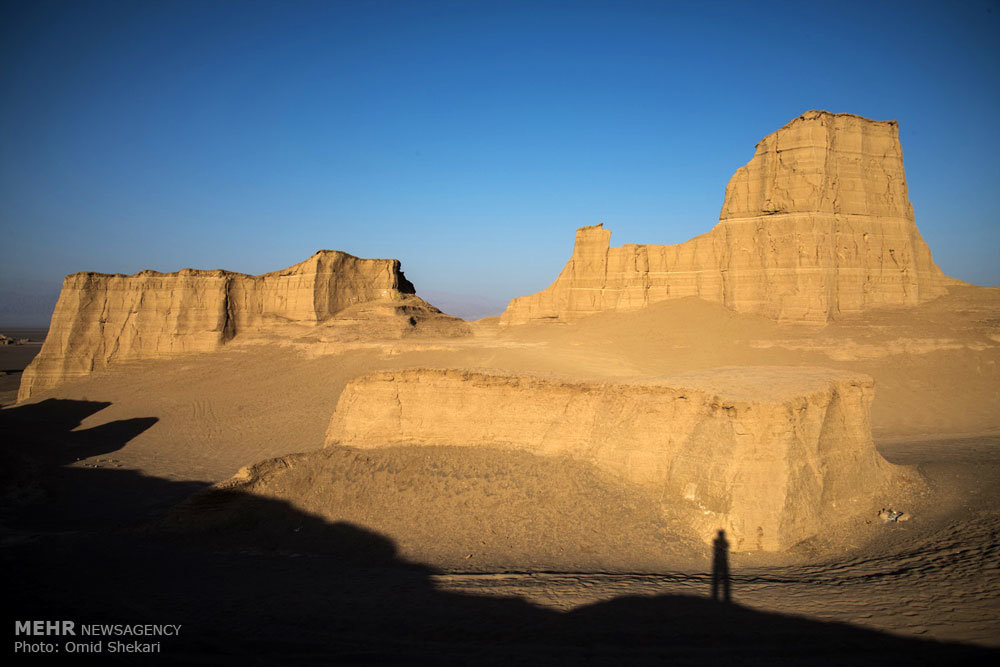
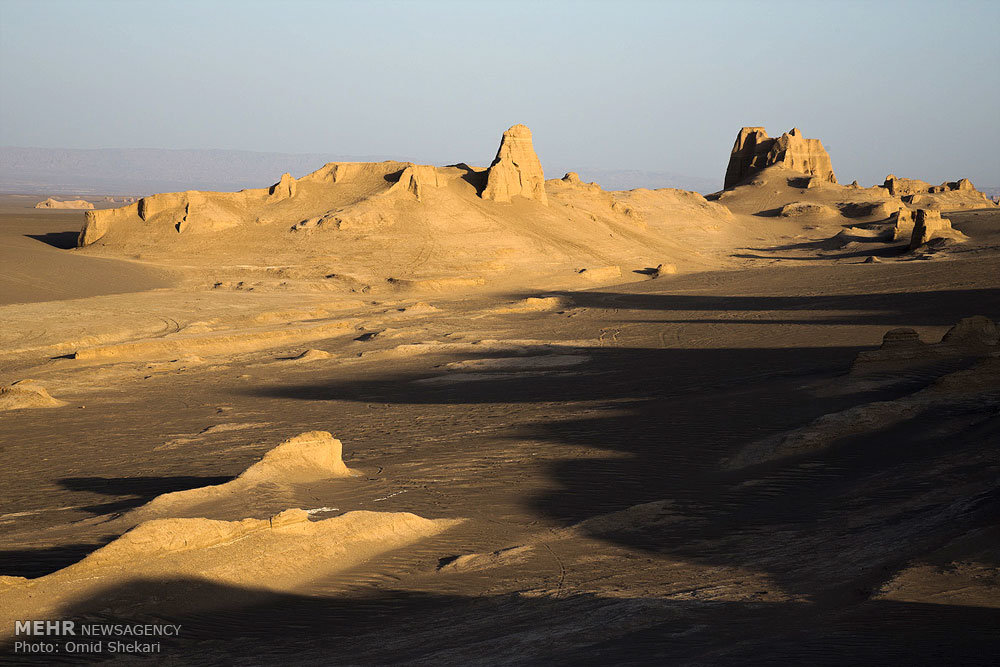
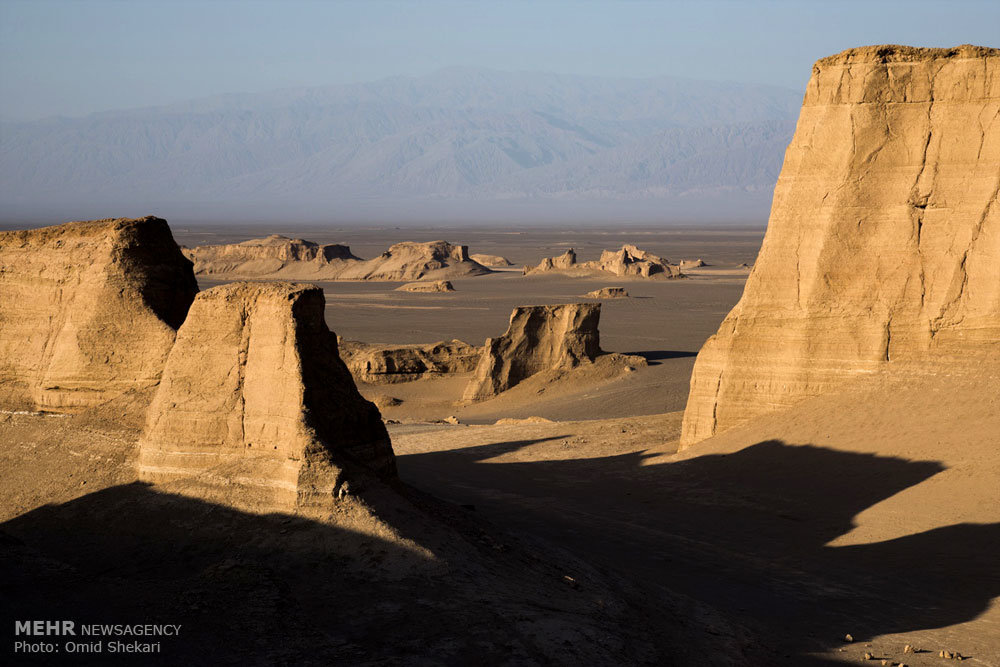
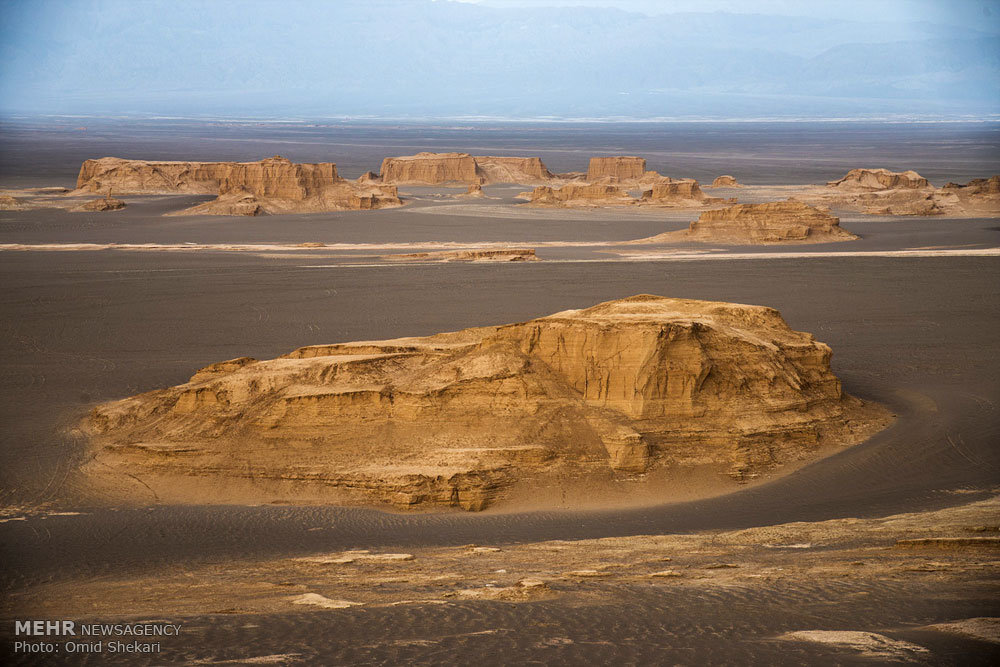
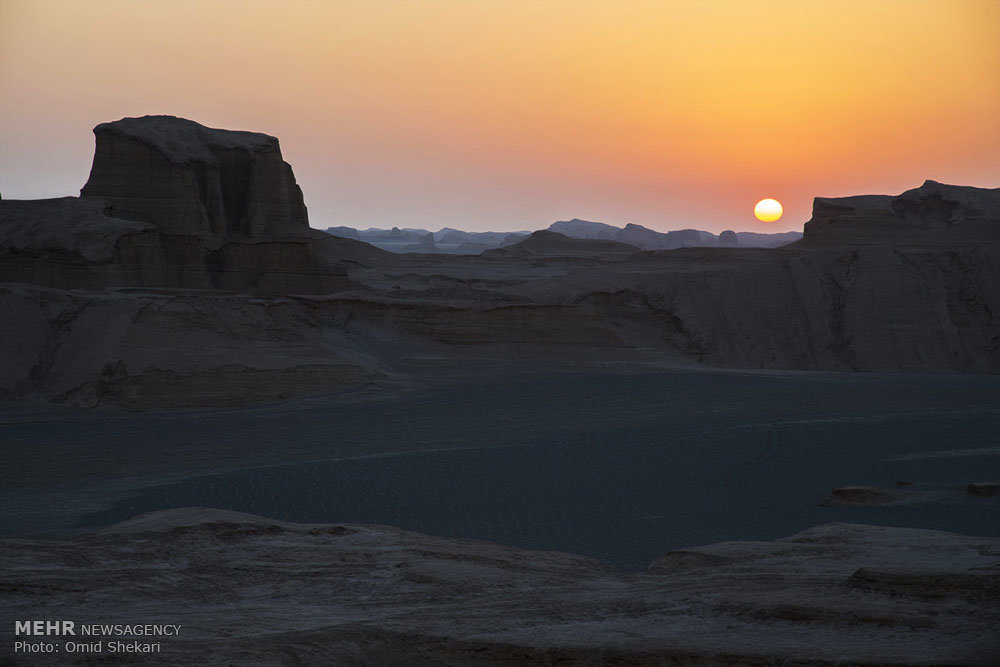
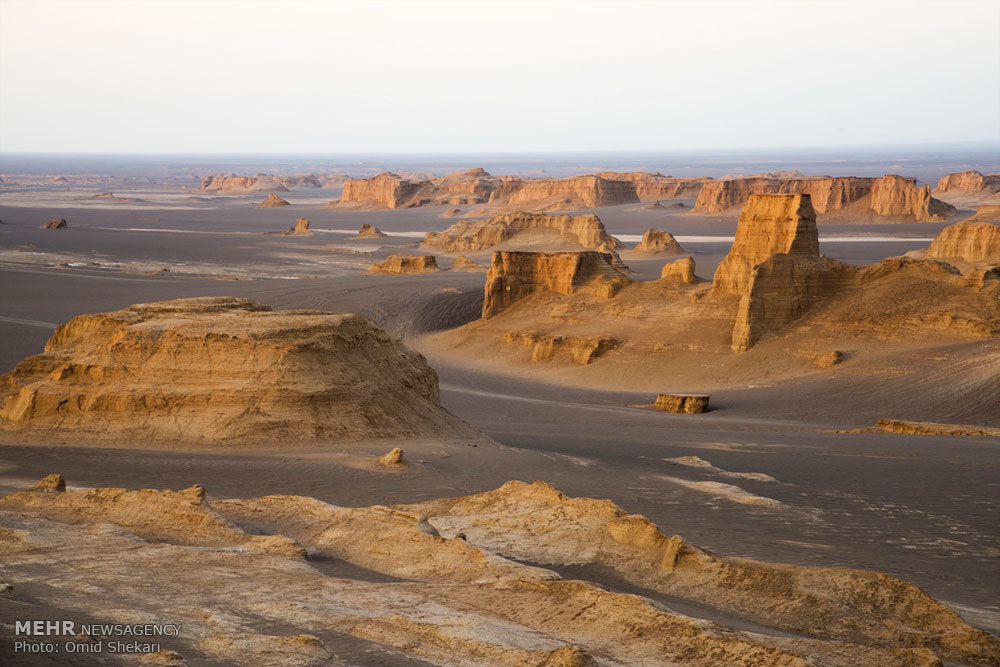
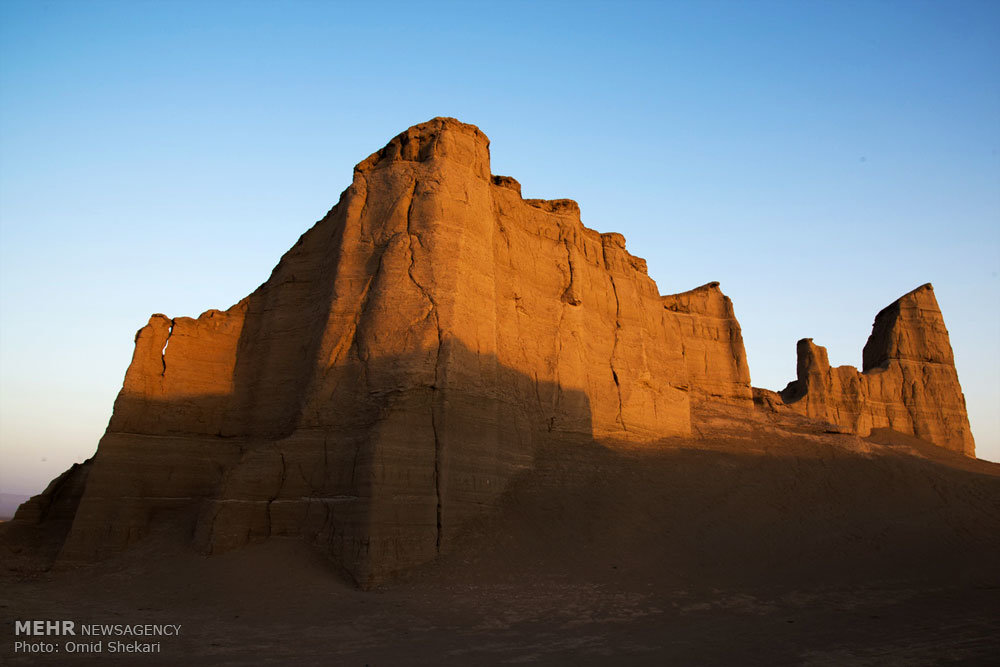
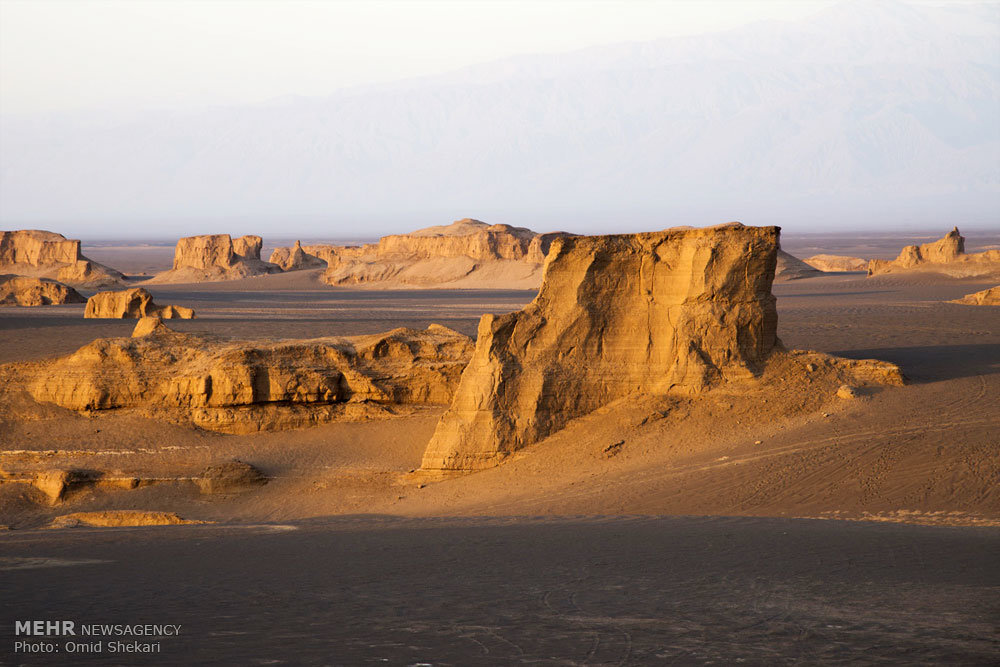
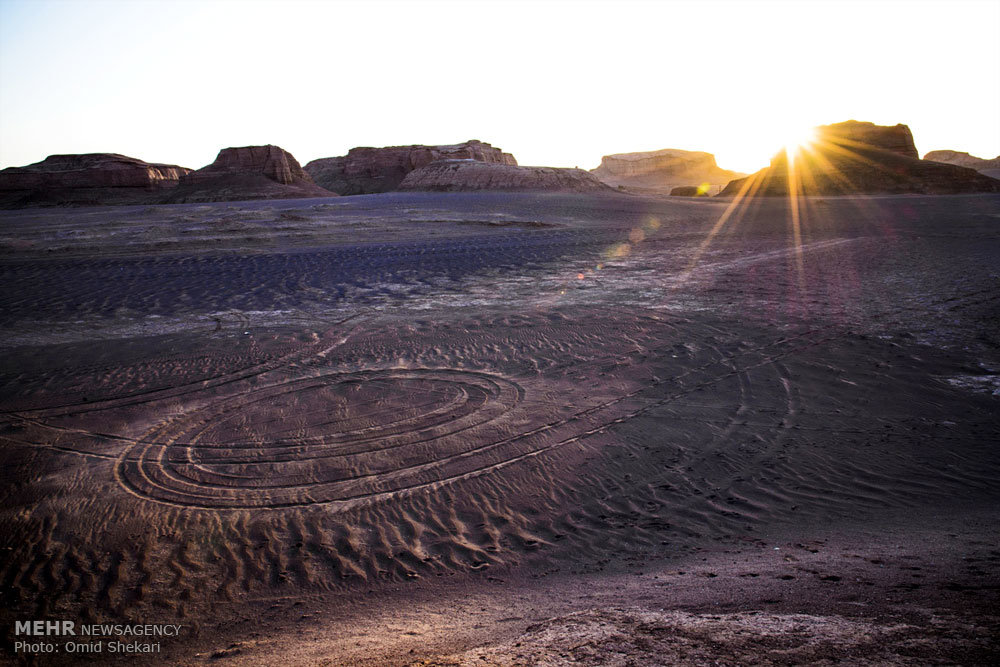
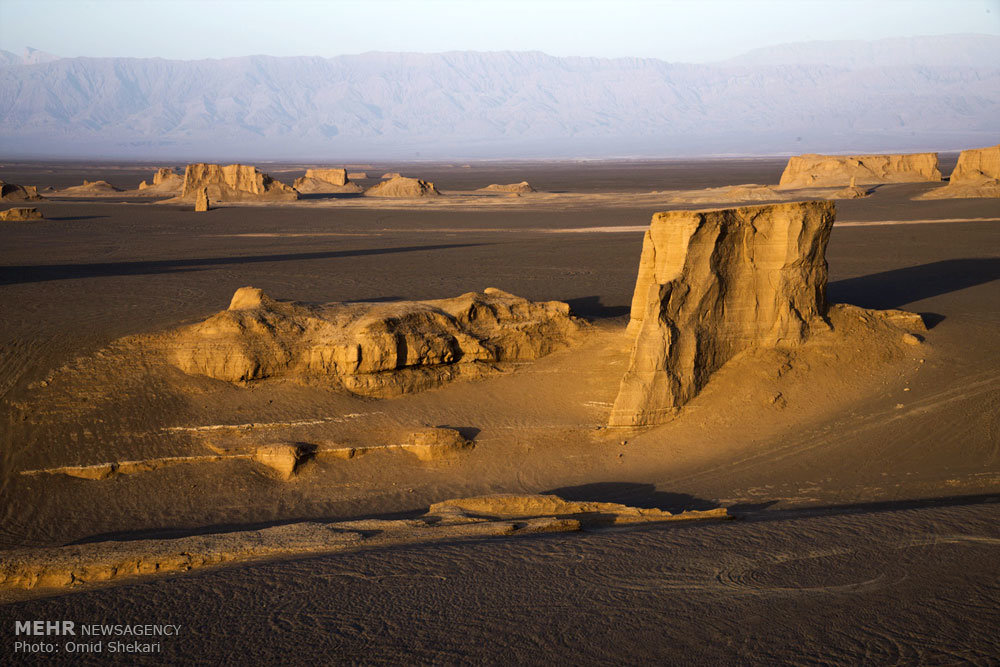
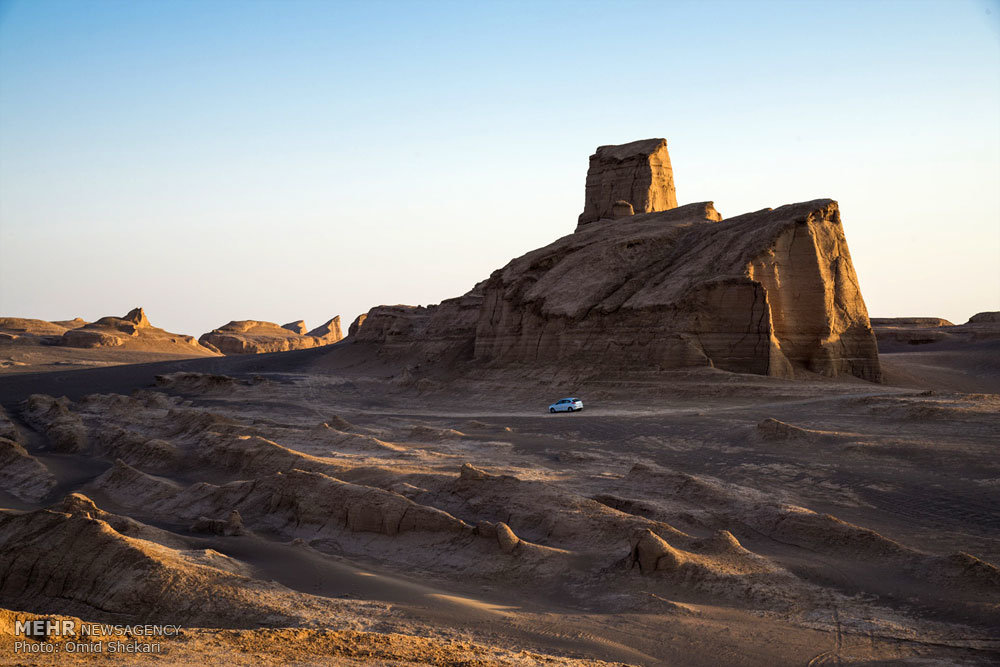
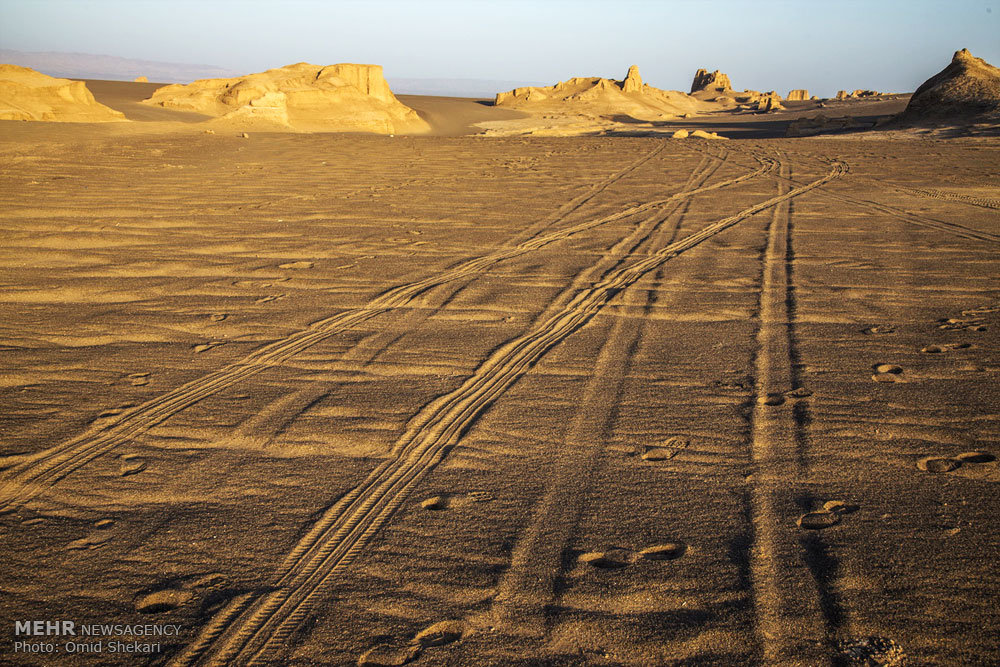
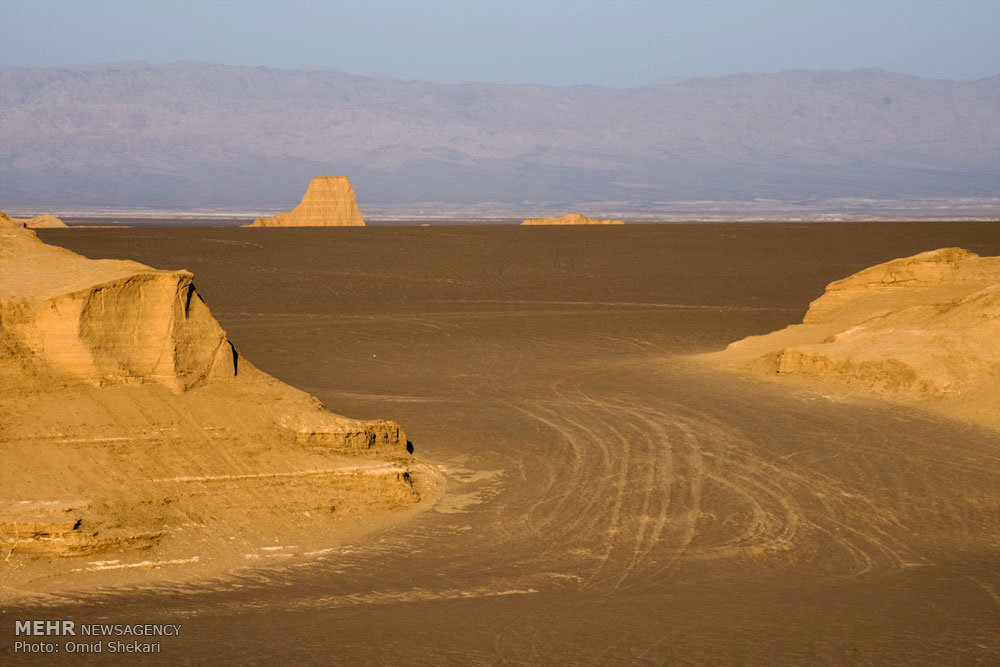
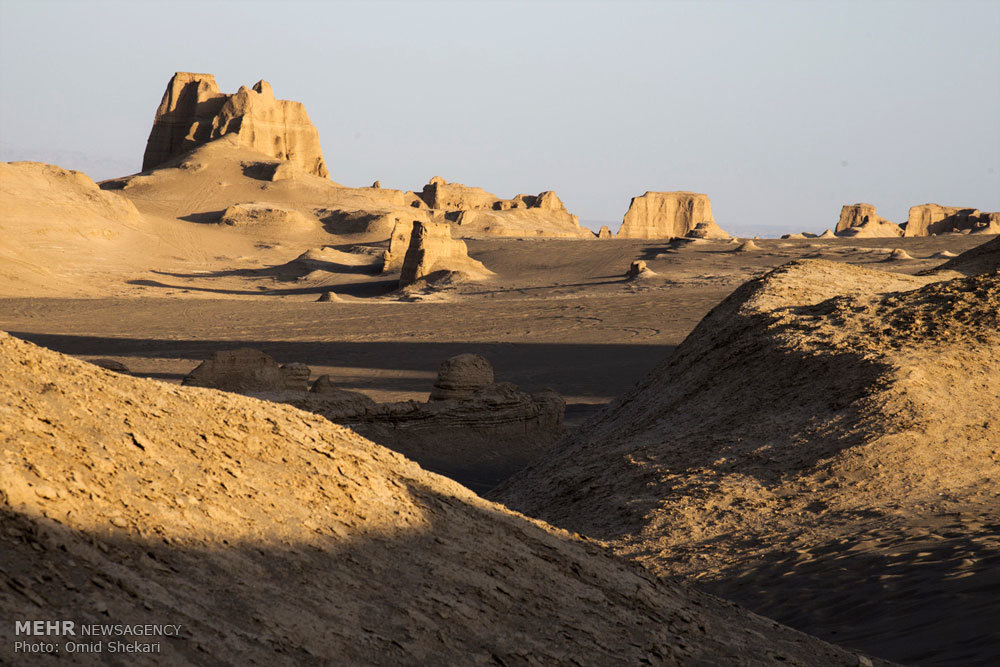
Shahdad Desert, located on the western edge of Lut Desert, is home to unique natural structures which display the scenic beauty of the desert.

It is 24,000 square km in area and is regarded as an archeological site of Kerman Province. Impressive desert formations which are

scattered in an expanse of 11,000 square km across the Desert have come into being about 20,000 years ago as a result of water and wind erosion.

Every corner of the desert is home to archeological sites such as graveyards, castles and caravanserais which date back to the fourth millennium B.C. and the Islamic era.

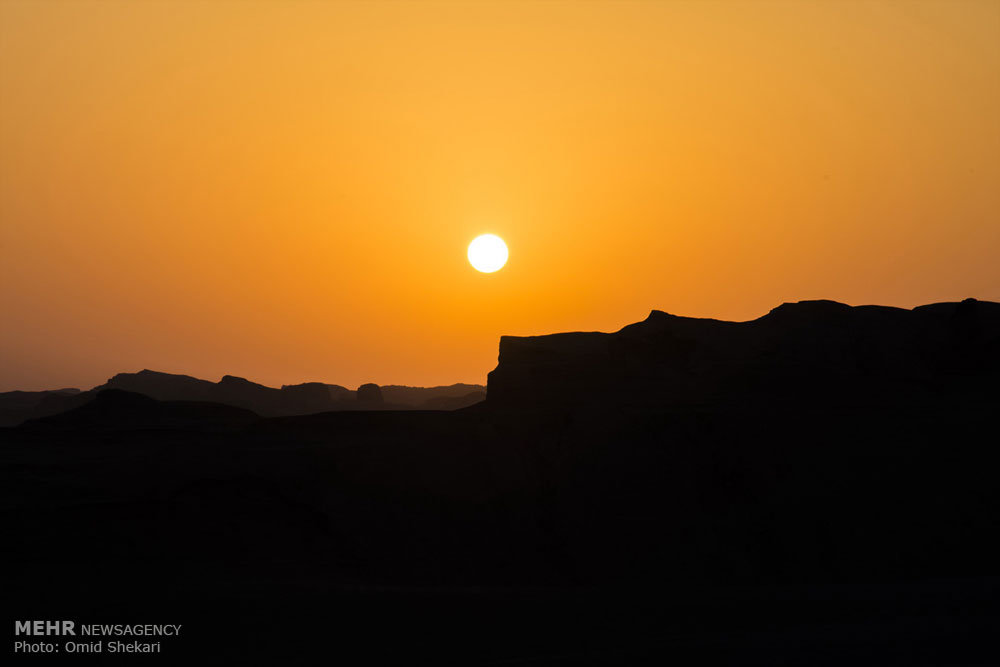
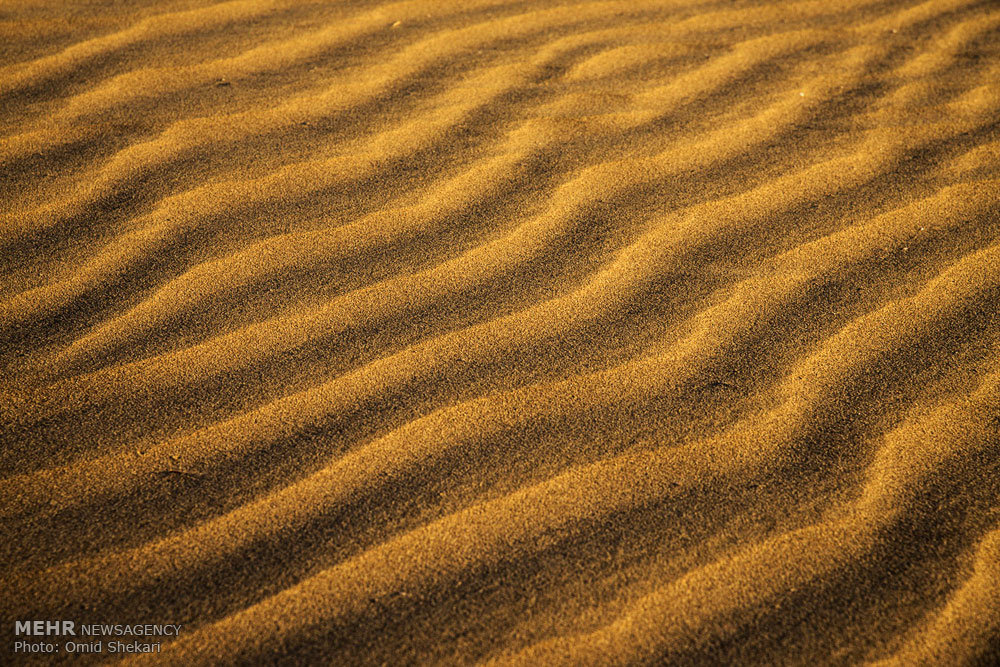
The following images released online by Mehr News Agency feature the natural, beautiful structures of the desert:

Tabriz is home to one of the world’s most ancient Bibles

world’s most ancient Bibles

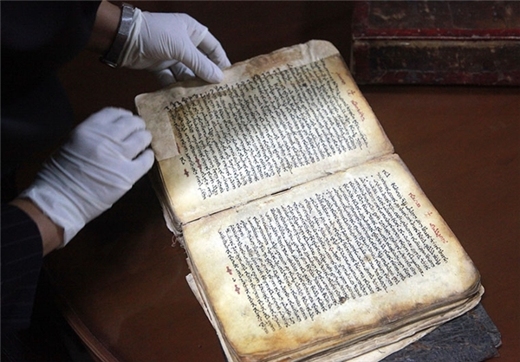
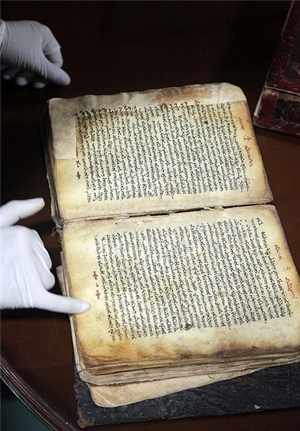
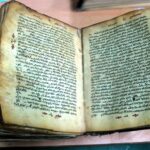
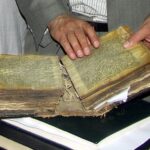
The most ancient handwritten edition of Acts of the Apostles is kept at Tabriz Central Public Library.

Because the book is priceless, both in terms of material and spiritual value, Iran’s national currency was once backed by it.

The book was written on fish skin in ancient Syriac language [Assyrian language] which is among the world’s endangered handwritings.

What appears next is the translation of a report filed by Farhikhtegan daily on the ancient book:

world’s most ancient BiblesIt’s not clear when and how the book ended up in Iran, but about eight decades ago, its last owner sought to sell it overseas. The then government, however, did not allow the sale to go through after it found out about the owner’s decision.

The book was restored about 800 years ago in a village in West Azerbaijan Province. It was initially assumed to be the Scripture which encompassed the Bible, Torah, Zabur and Solomon’s letters.

Later studies by European experts on Syriac language showed that it is one of the most credible and ancient Bibles in the world.

Head of the Organization of Public Libraries in East Azerbaijan Province Manuchehr Jafari said, “Representatives of the Vatican proposed on several occasions to buy it from Tabriz Library and were ready to offer a blank check in return.”

One of the concerns about the translation of the ancient book is loyalty to its original text, because there are hardly a handful of experts who are familiar with ancient Syriac language in the world.

Frankfurt hosts a conference on investment in Iran

Iran-Germany-Investment

A high-profile conference has opened in Frankfurt, Germany to review the trade opportunities in post-sanctions Iran.

The Business Forum Iran Europe, a two-day conference, opened on Wednesday (November 18), bringing together top delegations of Iranian and European officials as well as Iran’s business leaders.

The Islamic Republic News Agency (IRNA) on November 18 published a report on the Business Forum, Iran Europe and remarks by a German trade expert on the prospect of trade ties between Berlin and Tehran.

The following is the translation of that report:

The Iranian participants will explain the new business climate in Iran for the representatives of the Europeans firms who are interested in learning about new and first-hand information about the projects the private and public sectors will carry out in Iran in coming years.

The European companies are willing to know about [and invest in] Iran’s major infrastructural projects in different sectors such as industries, mining, petrochemistry, energy, water, transportation and urban development.

Since the conclusion of a historic nuclear deal between Iran and P5+1 on July 14, the representatives of the German companies have rushed to Iran in the hope of inking profitable trade agreements with Iran.

The Association of German Chambers of Industry and Commerce (DIHK) has set a target of € 10b exports to Iran in the next four years as a result of the termination of sanctions against Iran.

DIHK chief foreign trade expert Volker Treier [the chief economist and managing director of the economic policy division at the DIHK] has said that Germany’s exports to Iran are likely to more than double to reach € 5b in the next two years.

Germany and Iran have held multiple trade conferences and meetings between business delegations in the past few weeks.

The volume of trade transactions between Iran and Germany hit the $ 2.8b mark in 2014, with Iran claiming a share of $ 336m.

Iran and Germany have had a long record of trade cooperation. Over the years, Germany has been Tehran’s largest trade partner, but in 2001 Germany stood second after Italy which became Iran’s main business partner.

Iran’s President Highlights Constructive Interaction with World

Rouhani

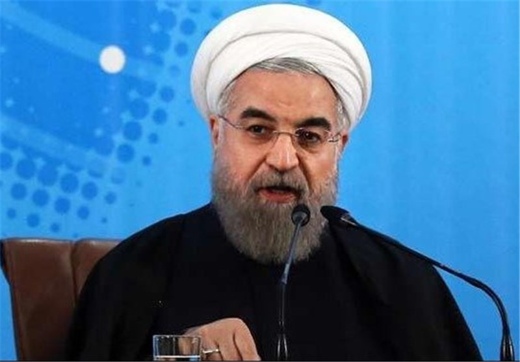
Iranian President Hassan Rouhani reiterated his administration’s policy to have “constructive interaction” with the world, saying international ties are necessary for the Islamic Republic’s development.

“Good relations with the world and basing international relations on constructive interaction are essential for the country’s progress and development,” Rouhani said at a cabinet meeting in Tehran on Wednesday.

“Of course,” he said, “this does not mean that we do not have problems with any country.”

The Iranian chief executive underlined that the country’s principled policy is to interact with the world and forge good relations with other countries.

He further pointed to the two upcoming elections in the country, saying his administration is making efforts to provide the grounds for the presence of all factions and parties in the votes.

The Iranian people are scheduled to cast their votes in the parliamentary and Assembly of Experts elections on February 26, 2016.

There are currently 290 seats in the Iranian parliament elected by direct vote of people in nationwide election for four years.

The Assembly of Experts is also a high-ranking body that elects and oversees the activities of the leader of the Islamic Revolution.

Members of the assembly are directly elected to office by people for an eight-year term. It holds biannual meetings to appoint a new chairman.

A look at Iranian newspaper front pages on Nov. 19

Iranian Newspapers Headlines

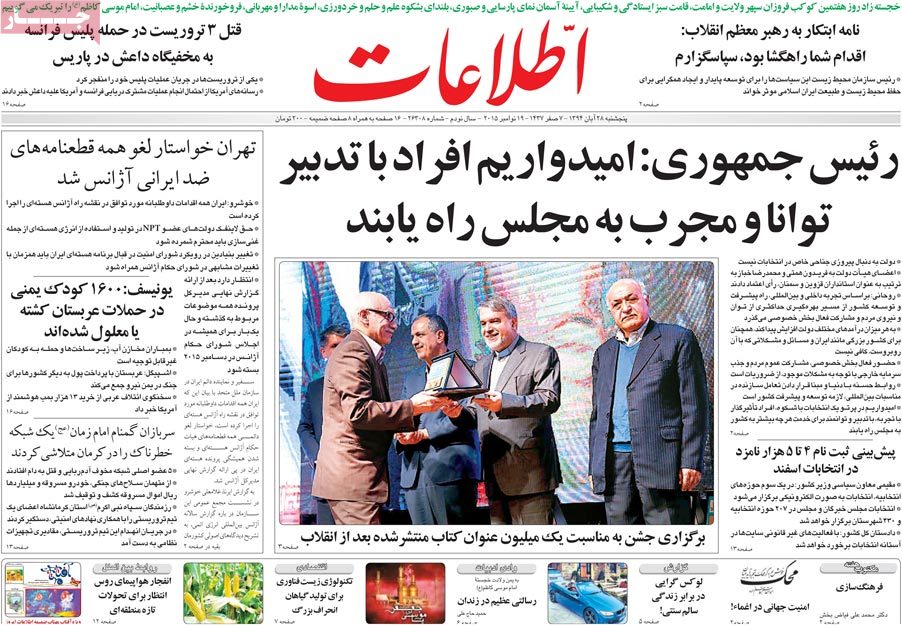
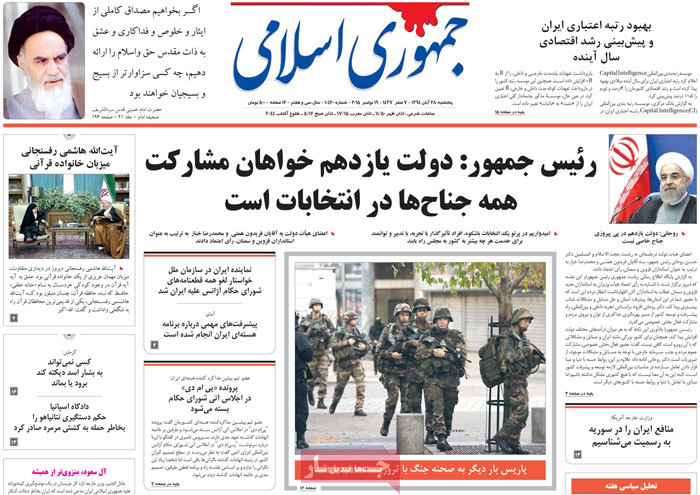
The comments of President Rouhani that his administration does not want a particular faction to emerge triumphant in the upcoming elections dominated the front pages of Iranian newspapers on Thursday.


A look at Iranian newspaper front pages on Nov. 19


Ettela’at: President Rouhani has said that he hopes judicious, capable and experienced individuals win parliamentary seats in the upcoming elections.

He further said that his administration does not want a particular faction to emerge victorious in the vote.

In another development, the Cabinet confirmed Fereydoon Hemmati and Mohammad Reza Khabbaz as new governors general of Qazvin and Semnan provinces.

Ettela’at: Between 4,000 and 5,000 individuals are predicted to field their candidacy for the early 2016 elections.

A deputy interior minister said that in one third of all constituencies, elections will be electronic.

Ettela’at: The director of the Environment Protection Organization has thanked the Supreme Leader for releasing the macro-policies of the environment sector.

In a letter, Masoumeh Ebtekar hailed those policies as instrumental in securing sustainable development and establishing convergence to protect nature and the environment.

Ettela’at: Three terrorists were killed when French police raided an IS hideout in France.

One of the terrorists blew herself up as police swept the house they were holed up in.

In another development, American media said the US and France are likely to launch joint naval operations against the IS terrorist group.

Ettela’at: Tehran has called for termination of all anti-Iran resolutions of the International Atomic Energy Agency.

Iran’s UN Ambassador Gholamali Khoshroo said that Iran has implemented all voluntary measures agreed to in a roadmap deal the Islamic Republic signed with the IAEA in July.

Ettela’at: UNICEF has said that as many as 1,600 Yemeni children have been killed or disabled in strikes by the Saudi-led coalition against Yemen.

It said attacking Yemen’s water reservoirs, infrastructure and children is not justifiable.

Ettela’at: Intelligence Ministry agents have busted a dangerous gang in Kerman.

Five members of a dreadful abduction and murder ring were arrested in the operation.

In another development, the Islamic Revolution Guard Corps arrested members of a terrorist cell in Kermanshah.

Ettela’at: A ceremony has been held to mark the 1,000,000th book title published since the victory of the Islamic Revolution in early 1979.


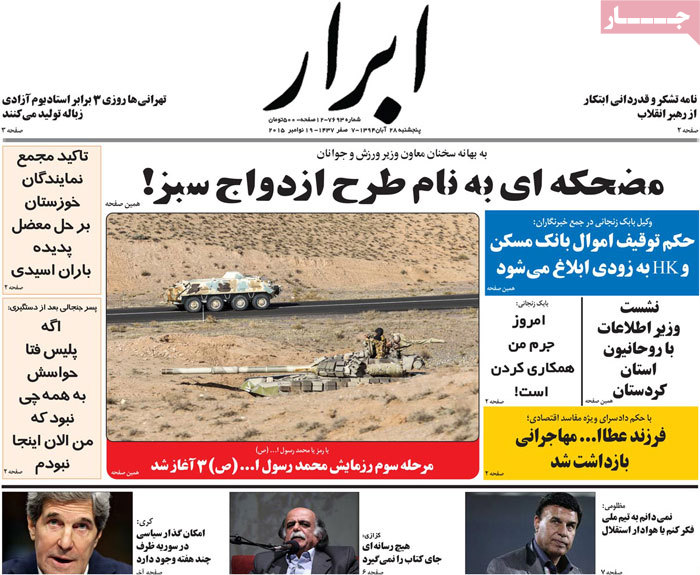
Abrar: Each day residents of Tehran produce so much garbage that fills Azadi Sports Stadium three times.

Abrar: Following an order by Corruption Prosecutors Office, the son of Ataollah Mohajerani [a former culture minister] was arrested.


A look at Iranian newspaper front pages on Nov. 19


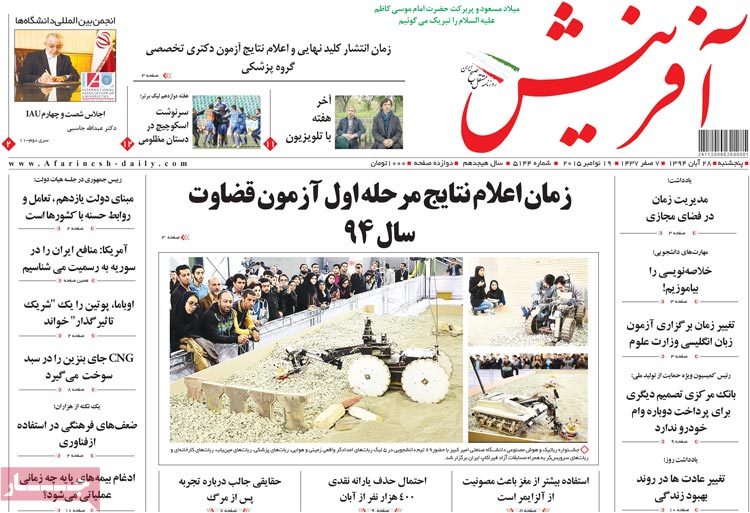
Afarinesh: “The 11th government is based on interaction and good relations with other countries,” said President Rouhani.


A look at Iranian newspaper front pages on Nov. 19


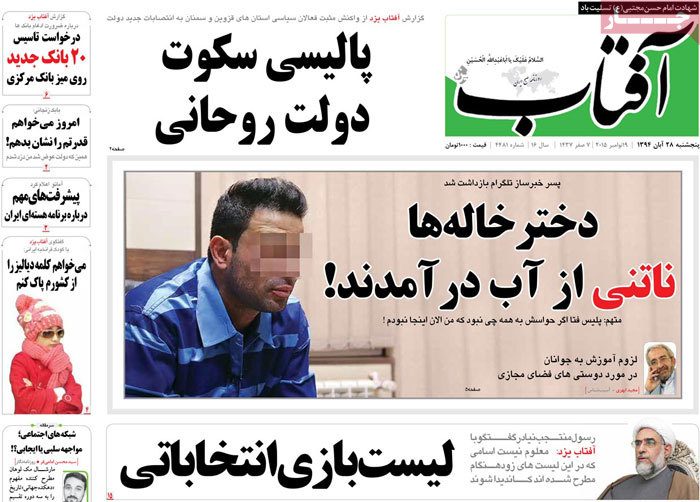
Aftab-e Yazd: The cousins turned out to be step cousins!

The young man, who recently made a lot of noise on popular messaging app Telegram by allegedly releasing photos in which he poses with a dozen girls, has been arrested.

[He claims all those girls are his cousins and that the photos were released after his cell phone was stolen.]


A look at Iranian newspaper front pages on Nov. 19


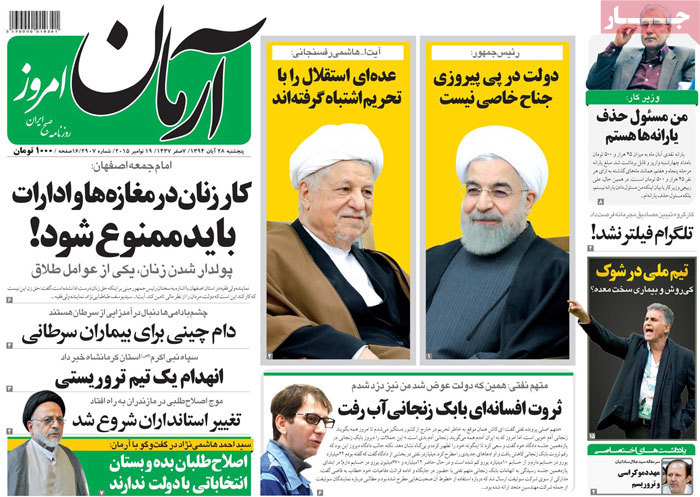
Arman-e Emrooz: “Some are mistaking independence for sanctions,” said Chairman of the Expediency Council Ayatollah Akbar Hashemi Rafsanjani.

Arman-e Emrooz: The national soccer team is in shock. Is the squad’s Portuguese head coach Carlos Queiroz suffering from a serious stomach condition?


A look at Iranian newspaper front pages on Nov. 19


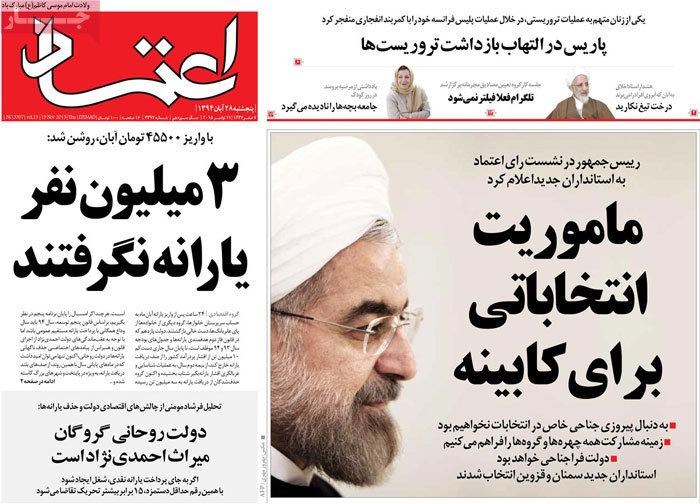
Etemad: Telegram [a messaging app very popular in Iran] won’t be blocked for now.


A look at Iranian newspaper front pages on Nov. 19


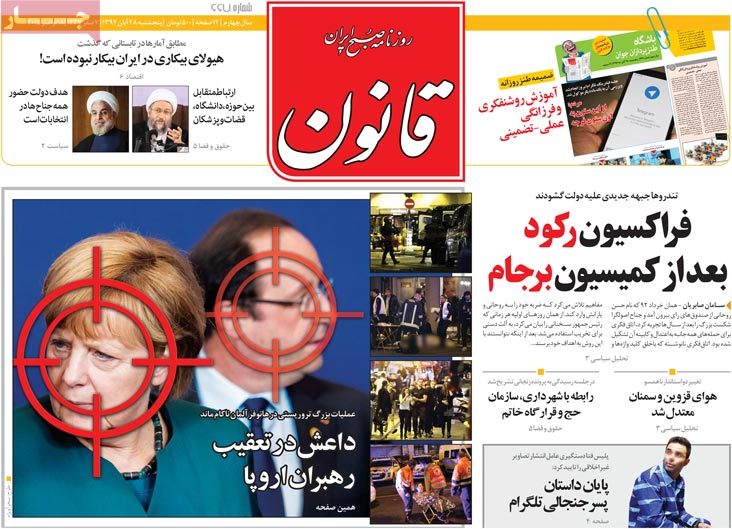
Ghanoon: IS is after European leaders.

A major terrorist operation was foiled in Hanover.


A look at Iranian newspaper front pages on Nov. 19


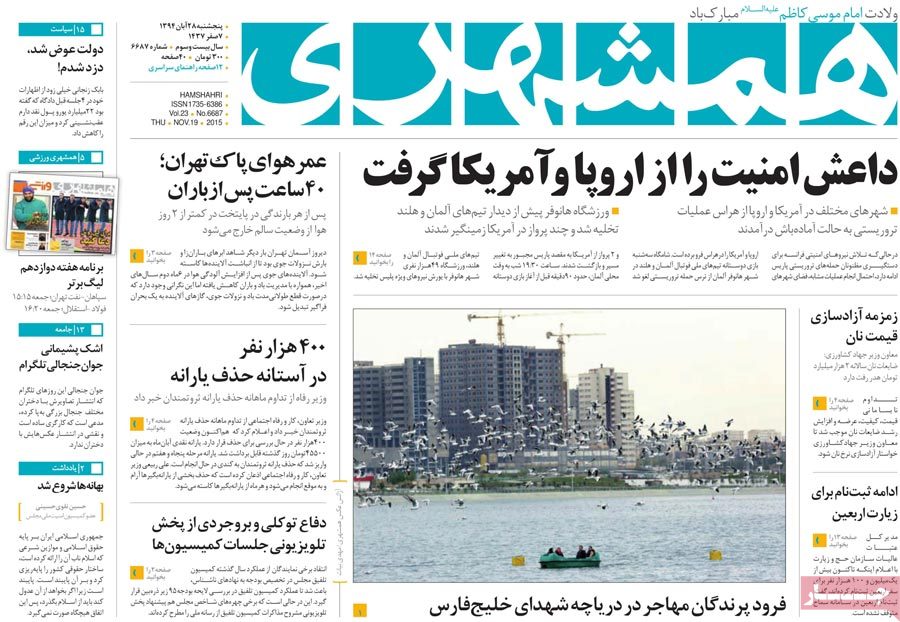
Hamshahri: Migratory birds have flocked to Persian Gulf Martyrs Lake in northwestern Tehran.


A look at Iranian newspaper front pages on Nov. 19


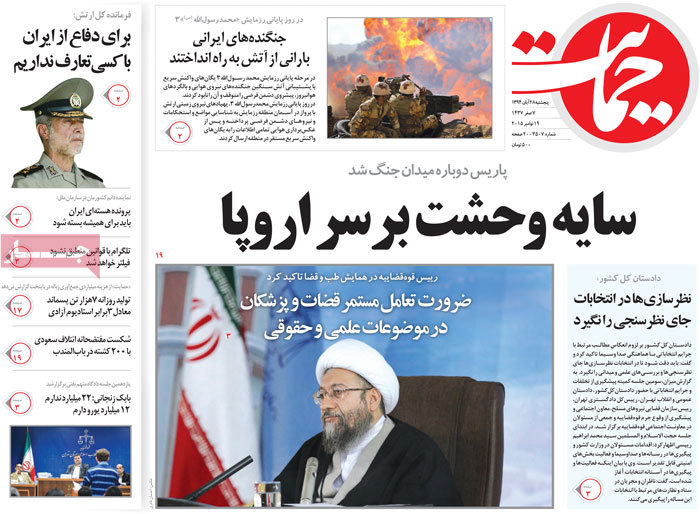
Hemayat: The judiciary chief has stressed the need for constant interaction between judges and physicians over scientific and legal issues.


A look at Iranian newspaper front pages on Nov. 19


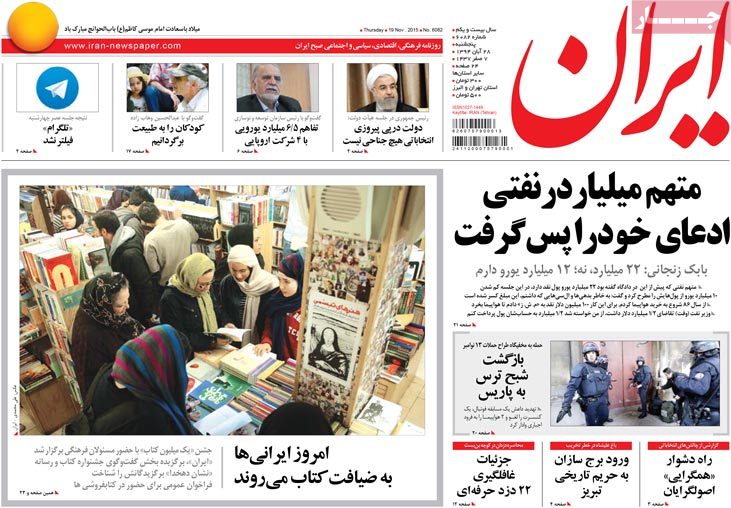
Iran: The director of the Iranian Mines and Mining Industries Development and Renovation Organization (IMIDRO)has said that his organization has signed deals worth € 6.5b with four European firms.

Iran: The oil billionaire has recanted his claim: I have €12b and not € 22 billion.

[Babak Zanjani is on trial for massive corruption.]

Iran: All Iranians have been invited to a book party in bookstores across the country today.


A look at Iranian newspaper front pages on Nov. 19


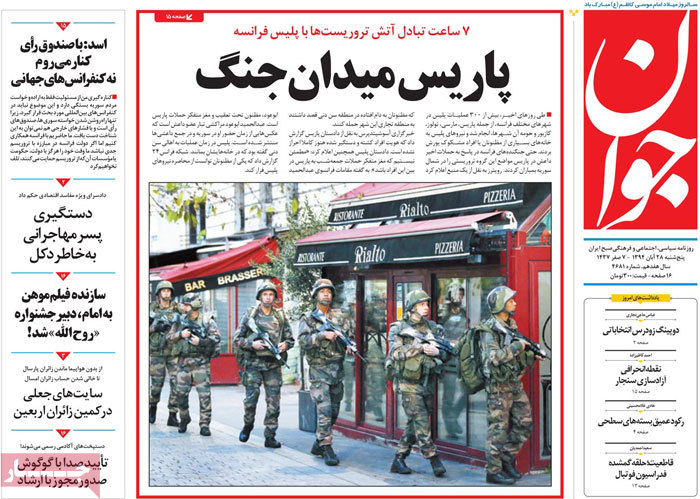
Javan: Paris was a war theater [on Wednesday].

Terrorists and police were involved in a 7-hour shootout in the French capital.


A look at Iranian newspaper front pages on Nov. 19


Jomhouri Islami: President Rouhani has said that his government wants all factions to take part in the upcoming elections.


A look at Iranian newspaper front pages on Nov. 19


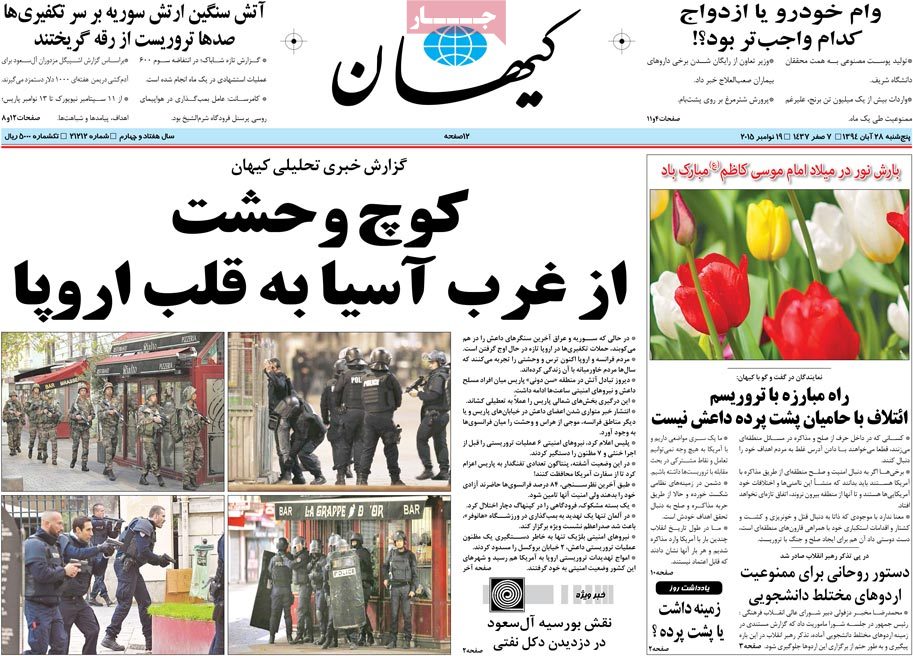
Kayhan: The fight against terrorism does not go through forming alliances with those who secretly support IS, said a number of MPs in interviews with Kayhan.


A look at Iranian newspaper front pages on Nov. 19


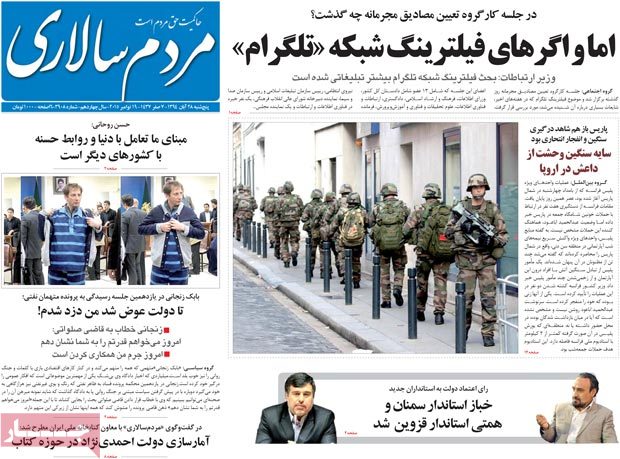
Mardomsalari: “As soon as the new government took office I was labeled a thief,” said Babak Zanjani who is on trial for corruption.


A look at Iranian newspaper front pages on Nov. 19


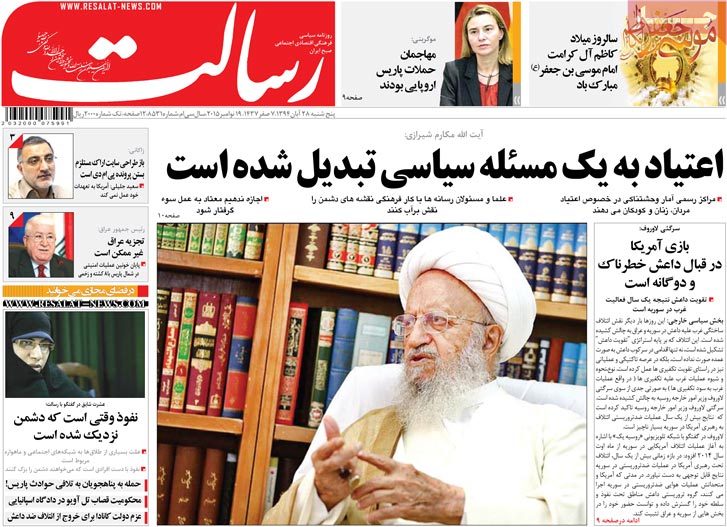
Resalat: Redesigning the Arak site should be preceded by the closing of the possible military dimension (PMD) case, said Alireza Zakani, an MP who led parliament’s JCPOA Review Committee.


A look at Iranian newspaper front pages on Nov. 19


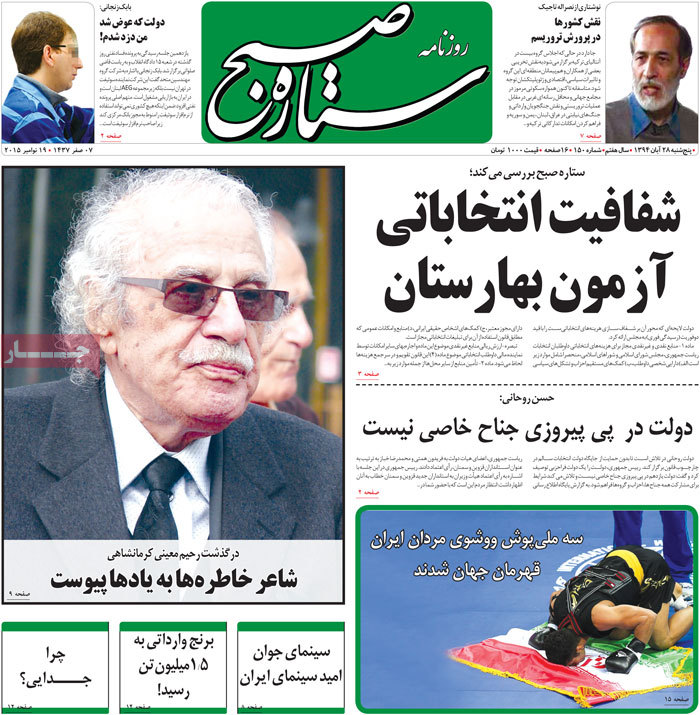
Setareh Sobh: The poet of memories, Rahim Moini Kermanshahi, passed away.


A look at Iranian newspaper front pages on Nov. 19


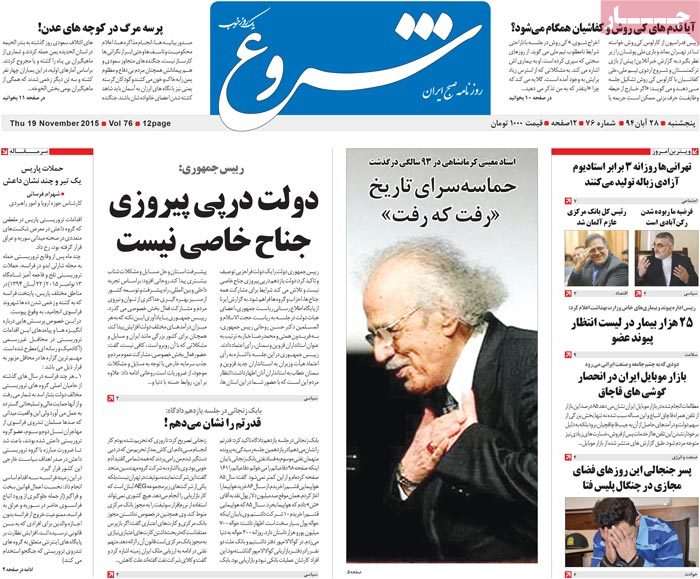
Shorou: The governor of the Central Bank of Iran has left for Germany.


A look at Iranian newspaper front pages on Nov. 19


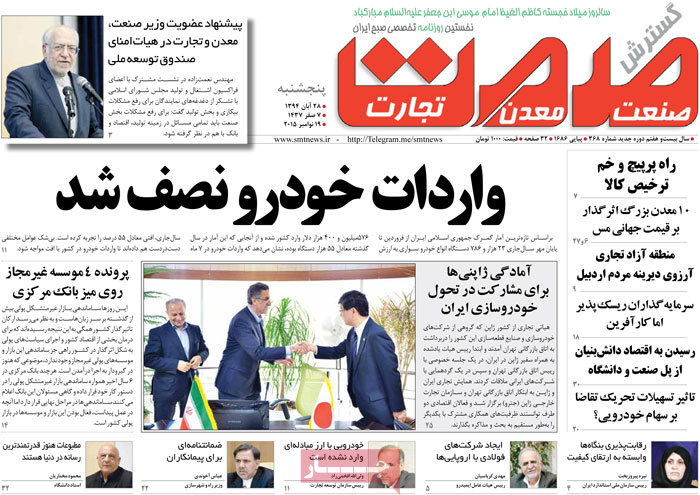
SMT: Car imports have been cut in half.


A look at Iranian newspaper front pages on Nov. 19


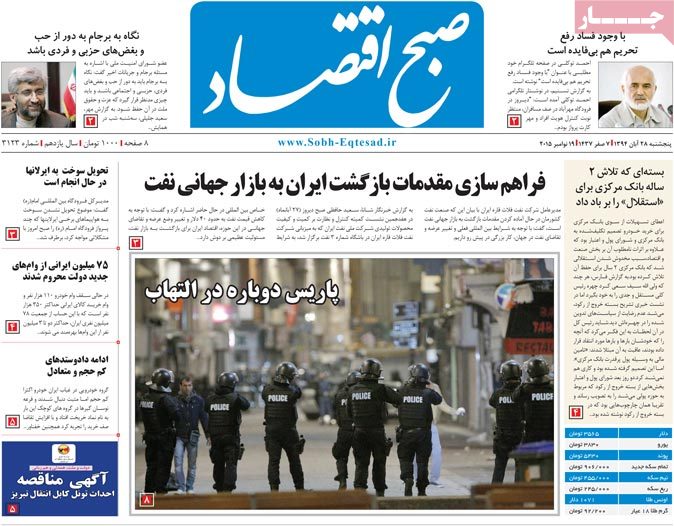
Sobh-e Eghtesad: Even termination of sanctions won’t work as long as corruption is not eliminated, said Tehran MP Ahmad Tavakoli.


A look at Iranian newspaper front pages on Nov. 19


Supreme Leader has lent new credibility and weight to the environment

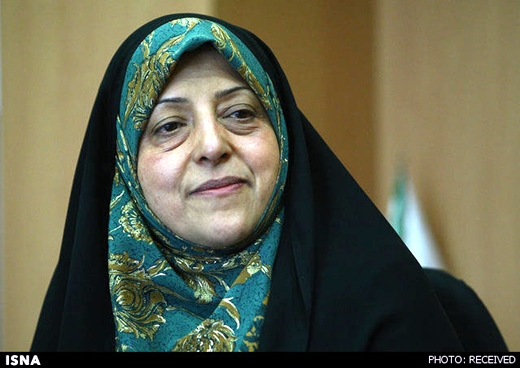
Masoumeh Ebtekar

The director of the Environment Protection Organization has said that the macro policies of the environment sector the Supreme Leader has just communicated are highly clear, precise and up-to-date.

Masoumeh Ebtekar made the remark in an exclusive interview with Iran newspaper following the announcement of the country’s environment policies by the Supreme Leader and hailed these policies – which were introduced in the build-up to the formulation of the Sixth National Development Plan – as a boon for the country’s environment. [The environment chief has since thanked the Supreme Leader, in a letter, for communication of the environment policies].

The following is the translation of what Ebtekar told Iran:

Q: The Supreme Leader has had a meticulous, in-depth look at the general policies of the environment ….

A: Yes, that the Supreme Leader – who is the highest ranking official in the country – has communicated very clear, precise and up-to-date policies is an important event in Iran. I thank the Leader because his communication came at the right time, and it coincided with the drafting of the Sixth Development Plan. It can be helpful in many areas.

With the 2015 United Nations Climate Change Conference (COP 21 or CMP 11) in Paris [November 30-December 11] approaching, these policies will clarify Iran’s stance [on the environment].

Q: Unlike a barrage of criticism leveled at you for the involvement of the ambassadors and ministers from other countries in the environmental issues, the Supreme Leader has placed special emphasis on efforts to shore up environmental diplomacy to tap into international incentives and opportunities to move toward a low-carbon economy [(LCE) or decarbonized economy]….

A: Despite certain strange critical remarks, the Supreme Leader approved of such diplomacy. Since day one, the eleventh government has given top priority to diplomacy. From the beginning, we were seeking to improve environmental ties with our neighbors, such as Iraq, Afghanistan, Armenia and Turkmenistan.

We had productive meetings in Iraq on the question of dust particles, but the fact is that developments inside Iraq took the country toward issues other than the environment and made us unable to implement our plans.

In Afghanistan, we held talks with President Ashraf Ghani, the country’s highest-ranking official, about Hamoon. In Armenia, we held talks over the pollution of the Aras River and our proposal to build the inter-border Peace and Friendship Park was welcomed by Yerevan.

We also held talks and reached an agreement with the Persian Gulf countries, including Kuwait. Of course, insecurity which has gripped the region interferes with our measures.

Q: The Supreme Leader has underlined the effective utilization of international incentives and opportunities, and development of the related technologies and innovations. [By international] it seems other nations in addition to the Asian and Middle Eastern countries have been taken into account …

A: [To that end] I visited Rome, and my Italian counterpart had a trip to Tehran. We have had constructive cooperation with France, Poland, Finland, Norway, etc. Last week, we held specialized training on environmental technologies on the oil front in cooperation with Norway.

Q: How much has the Joint Comprehensive Plan of Action affected such cooperation?

A: JCPOA has multiple effects. Last week we announced that Iran will have a four percent cut in greenhouse gas emissions with no strings attached and that the country has tied an eight percent cut to the termination of sanctions and the correct implementation of JCPOA. If the Joint Comprehensive Plan of Action is implemented properly, Iran will have more cooperation in this regard.

Q: The Supreme Leader has underscored the establishment of a national, integrated environment system, something the experts have described as the missing link in the [roadmap of] sustainable development. What is your take on an integrated system?

A: Currently, such an integrated system has emerged in the Supreme Environment Council led by the president. Two government branches are represented in this council and we are trying to bring on board a representative from the Judiciary.

What is certain is the fact that coordination among different branches is key to establishing a national integrated system in the area of environment. We have good cooperation with the Judiciary. On Monday we had a meeting with judges, prosecutors and court officials in Shiraz.

They are moving toward reducing prison terms and replacing them with environment-centered punishments. They asked us to put forward our proposals on cutting prison terms.

Q: It was a while ago that you – for the first time – introduced a plan to treat environmental offenders as criminals. It is now one of the main articles of the general policies announced by the Supreme Leader who has called for fitting and preventive punishments to be handed down to those who contaminate or destroy the environment. The Supreme Leader has also appealed for measures to force these individuals to make up for the loss they make to the environment …

A: In his remarks on March 8, 2015, the Supreme Leader paid special attention to legal questions and the Judiciary. We cannot look the other way so that some proceed with measures such as land grab and reclamation, destruction of natural resources, poaching and smuggling, air pollution and soil contamination. These are public rights and public assets. In line with the Leader’s views, we need to pay special attention to these issues ….

Q: The Supreme Leader’s remarks have drawn an accurate, detailed roadmap of environmental responsibilities of all [people and officials]. How do you evaluate the status of the environment after the announcement of these macro policies?

A: They will definitely empower the environment and will cement its position. We are now walking down the same path. The environment [organization] has displayed its might and cohesion, but it needs to reach a point where it has the final say.

Under the eleventh government, we have made comments [on the environment]. When we prevented the construction of a road which was supposed to lead to Abr Forests [in the north of Shahrood in Semnan Province], pressures piled up on the environment [protection organization] and [those favoring the Abr road construction] went as far as to call for the dissolution of the Environment Protection Organization.

My organization came under pressure when we tried to stop the production of low-quality gasoline in the country.

Q: The Supreme Leader’s warnings about the environmental situation in Iran increased during the tenth government, and now the Leader has expanded his supervision of the environment issue.

A: This question is given added weight when we learn that not everything is rosy in the country and the environment is not the only issue. We are now experiencing difficult economic conditions. The country is going through the peak of economic crises such as unemployment and social ills. Right at this time, the Leader provides all parts of the establishment with a roadmap, because he wants to see well-balanced development [in the country].

Q: The Supreme Leader communicated the general policies of the environment sector after consulting with the Expediency Council. The experts of the Expediency Council go into detail about the issues. How has the Environment Protection Organization benefited from such cooperation?

A: Over the years, the government has had good cooperation with the Expediency Council. The Council plays a powerful, consultative role and gives expert views on issues.

Is Hollande to blame for Paris terrorist attacks?

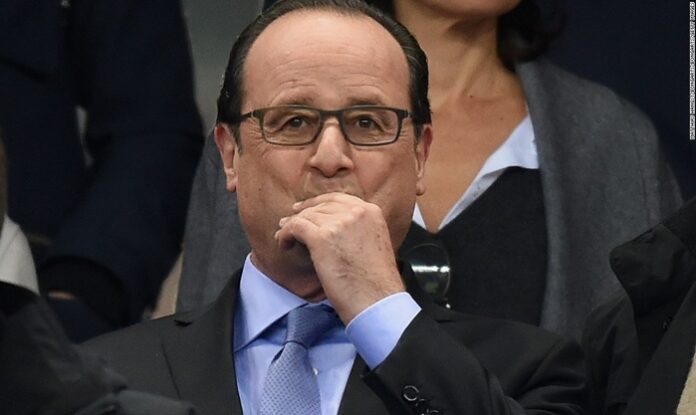
Hollande

Regardless of the bitterness of the Paris terrorist attacks which killed over 100 French nationals, any study of the root causes of this shocking incident should not be superficial.

In an analytical piece, Khabaronline.ir has dissected what contributed to the terrorist attacks in the French capital. What appears next is the translation of the piece by Vandad Alvandipour which was published on November 17:

Following the poignant deaths of about 130 innocent people in the Paris attacks at the hands of the IS terrorists, France was inundated with messages of condolences by leaders from different countries, including the US, Turkey and Saudi Arabia. And French President Francois Hollande delivered a long speech in support of French values.

But Hollande, his predecessor Nicolas Sarkozy and some of the world leaders who had sent messages of condolences need to take their share of blame for the countless crimes committed by IS.

[Negligence here and there by different players has paved the way for IS to put its name on the map]: When Abu Bakr al-Baghdadi, the IS leader, freely visited Iraq’s Camp Bucca and recruited for a new terrorist group on orders of the Central Intelligence Agency and under its supervision.

When IS with a maximum number of 2,000 terrorists armed with light weaponry started to close in on Mosul through desert from Syria under the nose of US satellites and drones, and when on a suspicious order by Iraqi Army generals acting under the supervision of the US military, the Iraqi Army handed over its weapons to IS terrorists and fled.

When Turkey in cooperation with Western intelligence services, kept sending armed IS terrorists in groups of dozens or hundreds on a daily basis to Syria to topple Syrian President Bashar al-Assad, and in a thinly-veiled move, it bought Iraq’s oil from the terrorist grouping.

Or when Western news outlets, the French included, turned a blind eye to the horrific death of Press TV’s Turkey correspondent Serena Shim, who died in a suspicious collision with a trailer truck a few hours after she had snapped images of IS insurgents crossing into Syria from Turkey on board UN ambulances.

When with the support of the US and some Western governments, Saudi Arabia and Qatar shipped financial and arms aid worth tens of billions of dollars to IS on a monthly basis.

When France launched massive airstrikes on Libya, killed thousands, threw the country into disarray, turned it into a recruitment hub for IS, and presented Gaddafi’s weapons depots as a gift to the terrorist grouping – apparently in a move to hold on to French values and its oil interests.

Since the launch of the so-called anti-IS coalition which brings together 60 countries, including the US, Britain and France over a year ago, coalition fighters have been hovering over IS positions in the name of the fight against the terror group. Not only have these airstrikes not weakened IS, but the terrorist group has grown more powerful.

The difference between the Paris attacks and countless other crimes committed by IS is that the latter in which tens of thousands have lost lives, limbs and houses has taken place in Middle-Eastern countries such as Syria, Iraq, Afghanistan and Libya, while the former has happened at the heart of Europe.

In the eyes of many media, officials and unfortunately Westerners, the lives of thousands of the victims in the Middle East is deemed as less valuable. But, in the Paris attacks, the victims were European. What should be kept in mind is that regardless of race, religion and language, humans are humans anywhere in the world they are.

It’s a fact that in addition to a sizable swath of the Middle East turned into a slaughterhouse by IS, it has terrorist cells in every corner of the West, and it can launch tragic attacks akin to those of Paris anytime it wants.

The main culprit behind the emergence of this situation and massacre of innocent people in the West and East are those who used IS as a tool to serve their interests and advance their cause.

They have the blood of those killed in the Paris attacks on their hands and these blood stains cannot be washed away by the crocodile tears Western officials are shedding.

Iran’s FM on diplomacy, domestic politics and future (PART THREE)

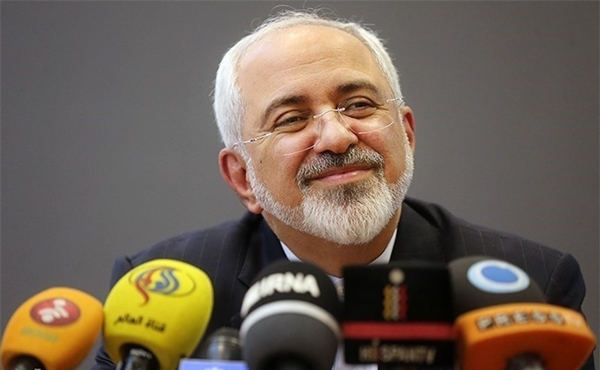
Dr

Iran’s foreign minister says any measure he takes comes with a price for him. The head of Iran’s diplomacy machine weighs in on what the opponents of the Joint Comprehensive Plan of Action (JCPOA) have done to counter his efforts at home, and says that the Worriers [opponents of the president’s policy of moderation and interaction] have one main objective: “to attack the diplomatic team of the Rouhani administration”.

For the Worriers simply “attacking” is important; and the content of JCPOA, the stroll with the US secretary of state in a Geneva street, or the unplanned handshake with US President Barack Obama on the sidelines of the UN General Assembly are merely what they need to use as a pretext to target the most powerful part of the eleventh government: the Foreign Ministry and the diplomat at its helm.

Mohammad Javad Zarif has had different firsts during his two years in office, among them the appointment of the first spokeswoman of the Foreign Ministry and appointment of the Islamic Republic of Iran’s first female ambassador. Zarif has appeared in parliament to defend his performance more than all of his predecessors in post-Revolution Iran. He has held more than 50 meetings with his US counterpart.

Conducting an interview with Zarif is ironically an easy, tough task. It is easy since there are multiple questions – thanks to a barrage of criticism unleashed by his opponents – to ask him about, and it is tough since his response to a seemingly simple question may play into the hands of his opponents to launch a torrent of fresh attacks against the foreign minister.

Sharq daily’s Maryam Yousefi was given face time with the foreign minister on the day he was expected to induct the new spokesman of his ministry. Her questions covered a wide range of issues including the Worriers, their threats and JCPOA and Zarif answered all of them despite his busy schedule. The following is the THIRD and final part of the full translation of what Zarif said in the interview (PART TWO):


Opponents of JCPOA base their opposition on arguments that the Supreme Leader is opposed to the deal. However, your deputy, Mr. Araghchi, told a TV news program during the talks there was a commission overseen by the Leader. He said that the commission sent reports on the talks to the Leader. On the eve of July 14, when the nuclear deal was made public, Mr. Araghchi posted a photo of the Leader signing a document on his Instagram page. Tell us more about the commission.

The Leader closely supervised everything when it came to JCPOA and nuclear negotiations. We presented reports to the Leader in a few face-to-face meetings. The special commission which was tasked with continuous follow-up of JCPOA brought together a number of senior establishment officials.

The commission regularly studied the case and presented reports to the Leader. Immediately after each round of talks, the negotiating team submitted detailed reports to the Leader. That I have always said the Leader has been in on every detail of the talks is true, but he would not weigh in on details.

Whenever the Leader saw it fit, he would give us advice and remind us of the red lines. We tried our best to act on his guidelines.

We held talks day and night. Those sessions were solely dedicated to negotiations; no one would deliver a speech. If there was any speech, I repeated the Leader’s comments word by word.

Negotiations are different. You need to win the other side over, and a deal reached in negotiations is a text agreed to [by all sides to the talks] and does not merely represent the views of one side.

We attended the negotiations in line with the Supreme Leader’s guidelines and we used negotiating tactics to make sure the red lines set by the Leader are not crossed. We tried to take into account his views during and after the negotiations. With God’s grace, we were fairly successful and a majority of observers have attested to that.

And now, we have invested all our efforts in complying with and implementing the issues the Leader included in a letter to the president on JCPOA. The ideas that the Leader hold are in line with the spirit of JCPOA. They also include some advice to make sure that the deal is properly implemented.

Mr. Zarif, whether you like it or not, by attending the recent nuclear negotiations you shattered the taboo of Iran and the US holding talks, they cost you a lot, though. Do you think that a day will come when the flags of the two countries are put next to each other for negotiations on Tehran-Washington ties and not on other topics?

We need to pay attention to realities. Before the 11th government took office, the Leader had given the go-ahead to limited nuclear negotiations with the US.

We know the outcome of nuclear talks with the US, but we are still waiting to see whether the Americans will honor their obligations.

The negotiations I hold with US Secretary of State John Kerry or the meetings that my colleagues or deputies have with American officials are intended to make sure that the Americans will fulfill their commitments.

To us, the nuclear talks and JCPOA are important. We need to monitor the behavior and measures of the Americans in the negotiations and their performance in implementing the Joint Comprehensive Plan of Action.

Only then could it be said whether or not the negotiations with the US are useful for the country. For the time being, it has not been concluded that talks with Washington can be beneficial.

If the Americans improve the atmosphere and help remove the wall of distrust through their behavior, and if they no longer seek to oppose and show hostility toward our revolution, Iran’s territorial integrity, sovereignty and independence, then other topics can be pondered.

What conditions are we in now?

At the moment, the Americans are going through a big test. Their performance has not been very satisfactory so far. Unfortunately, their remarks after the conclusion of JCPOA have painted an unreliable image of them in Iran, though they claim such comments are intended to win over the public opinion at home and leave these stages behind.

We need to wait and see whether the Americans can shed this image and present a different image of themselves to the Iranian, regional and world people.

Will Mr. Zarif run for president in the 2021 elections?

Do you categorically rule out that possibility?

I won’t run for president.

You put on a smile when you said “No”. Does that mean Mohammad Javad Zarif can be a future president?

My answer is still “No”. I ask God to help me with the current responsibility so that I can partly appreciate the kindness of my people. At present, all efforts of me and my colleagues focus on this issue.

End

A look at Iranian newspaper front pages on Nov. 18

Iranian Newspapers Headlines

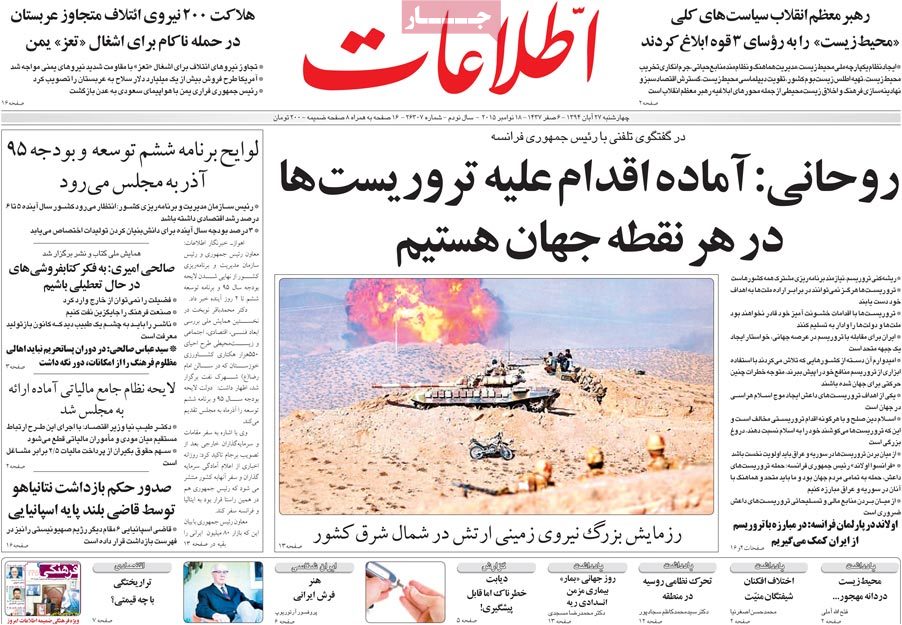
A telephone call between the Iranian and French presidents following the Paris terror attacks and President Rouhani’s call for the formation of a united front against terrorism dominated the front pages of Iranian newspapers on Wednesday. Also in the news was the communication by the Supreme Leader of the macro policies of the environment to the heads of the three government branches.


Ettela’at: “We are ready to take action against terrorists in any part of the world,” said President Rouhani in a telephone call to his French counterpart.

The president further said that collective planning by all countries is needed to be able to eliminate terrorism.

President Rouhani: Through acts of violence, terrorists will not be able to force nations and governments into submission.

President Francois Hollande told the French parliament that Paris will ask for Iran’s help in the fight against terrorism.

Ettela’at: The Supreme Leader has communicated the general policies of the environment sector to the heads of the three government branches.

The Leader has highlighted the following as the main focus of the general environment policies: establishment of an integrated, national environment system; concerted and systematic management of vital [natural] resources; treatment of environmental destruction as a crime; piecing together the country’s ecosystem atlas; bolstering the environment diplomacy; promotion of a green economy; and institutionalization of the environmental culture and ethics.

Ettela’at: As many as 200 Saudi-led coalition forces have been killed in a failed offensive to capture Taiz in Yemen.

In another development, the United States has approved the sale of more than $ 1b worth of arms to Saudi Arabia.

Ettela’at: Bills on the Sixth Development Plan and next year’s budget will be submitted to parliament next month [Nov. 22-Dec. 21].

The director of the Management and Planning Organization has said that Iran is expected to post 5-6 percent economic growth next year [starting March 20, 2016].

Ettela’at: “We need to do something for the bookstores which are on the brink of shutdown,” said the head of Iran National Library and Archives Organization in a national conference on books and publication.

Reza Salehi Amiri further said that the country had better replace the oil industry with the industry of culture.

Ettela’at: The Comprehensive Tax Bill has been prepared to be submitted to parliament.

Economy Minister Ali Tayyebnia said that the [new] tax bill will help cut off direct contact between tax collectors and tax payers.

Ettela’at: A top Spanish judge has issued an arrest warrant for Israeli Prime Minister Benjamin Netanyahu [over the 2010 Gaza flotilla attack].

The Spanish national court judge has also included six other Israeli officials in the arrest warrant.

Ettela’at: The massive war games of the Iranian Ground Forces got under way in the northeast of the country.
 

A look at Iranian newspaper front pages on Nov. 18


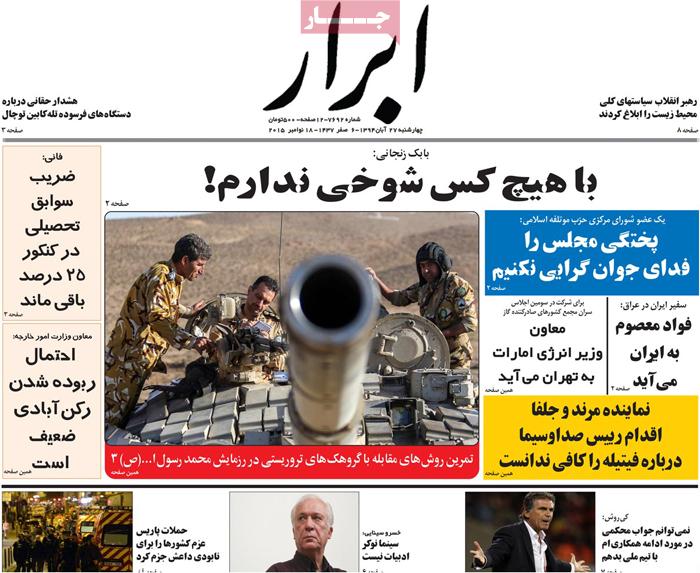
Abrar: President Fuad Masum will make a trip to Tehran, announced Iran’s ambassador to Iraq.
 

A look at Iranian newspaper front pages on Nov. 18


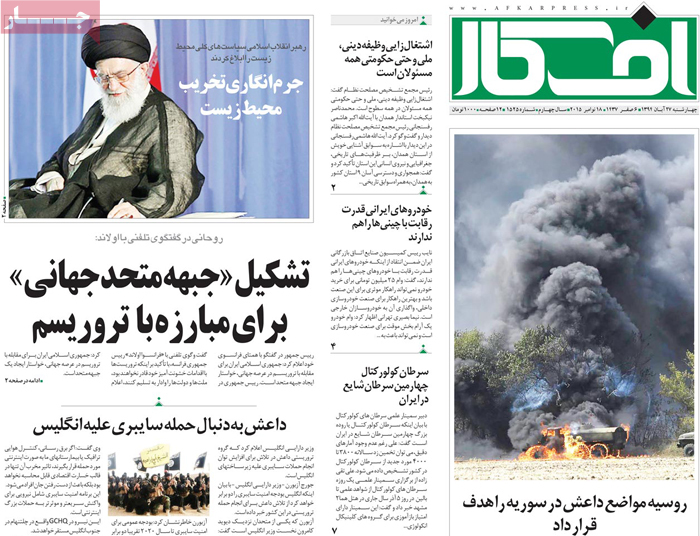
Afkar: The chairman of the Expediency Council has said that job creation is the religious, national and state duty of all officials [in the country].
 

A look at Iranian newspaper front pages on Nov. 18


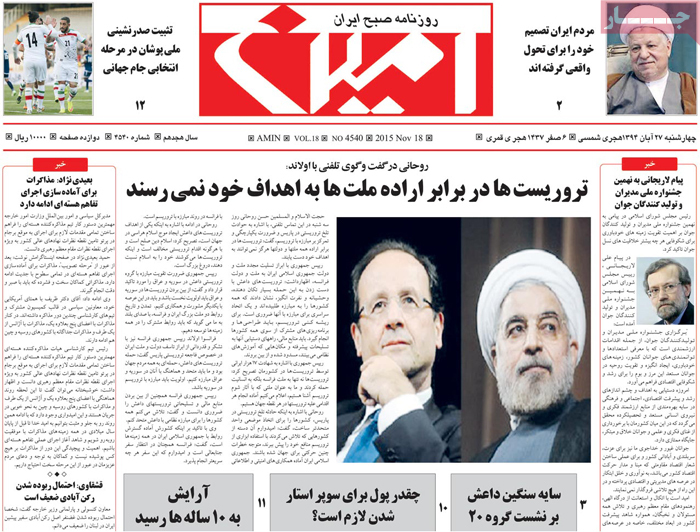
Amin: A deputy foreign minister has ruled out as a distant possibility the abduction of Ghazanfar Roknabadi, the former Iranian ambassador to Lebanon, [in the wake of the Mina tragedy].
 

A look at Iranian newspaper front pages on Nov. 18


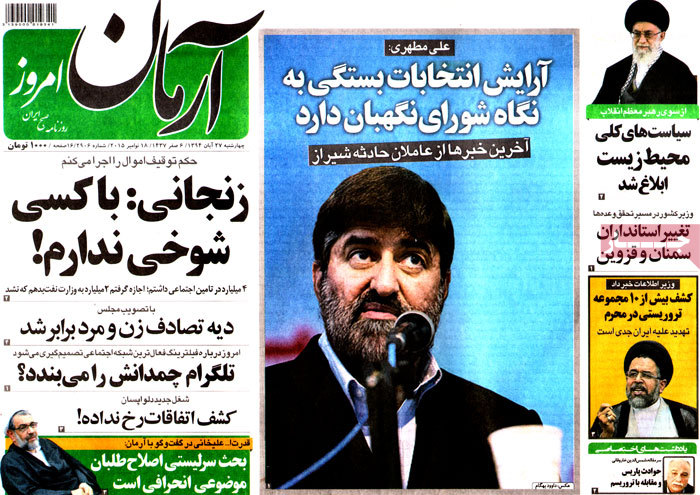
Arman-e Emrooz: The arrangement of elections depends on the approach of the Guardian Council, said Tehran MP Ali Motahari.

Arman-e Emrooz: The Iranian parliament has approved equal blood money for female and male individuals who are killed or injured in car crashes.
 

A look at Iranian newspaper front pages on Nov. 18


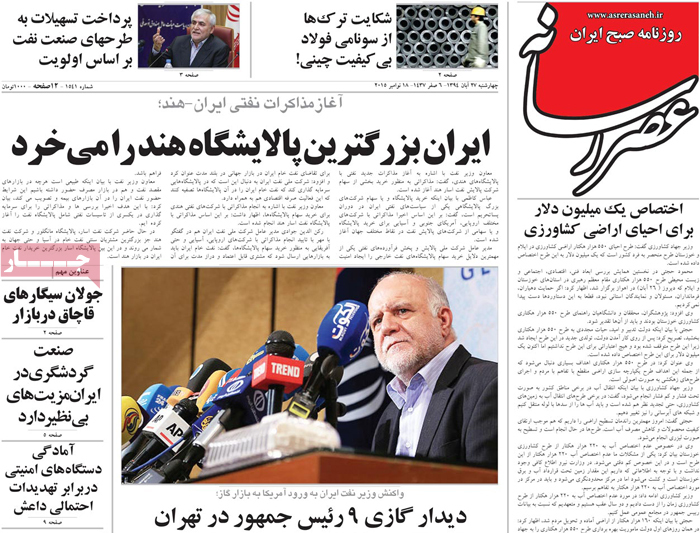
Asr-e Rasaneh: The start of Iran-India oil talks

Iran is to buy India’s largest refinery.
 

A look at Iranian newspaper front pages on Nov. 18


Bahar: Military drills to get prepared to fight ISIS

The Iranian Ground Forces have staged massive war games – codenamed Mohammad Rasoulallah – in the east of the country.


A look at Iranian newspaper front pages on Nov. 18


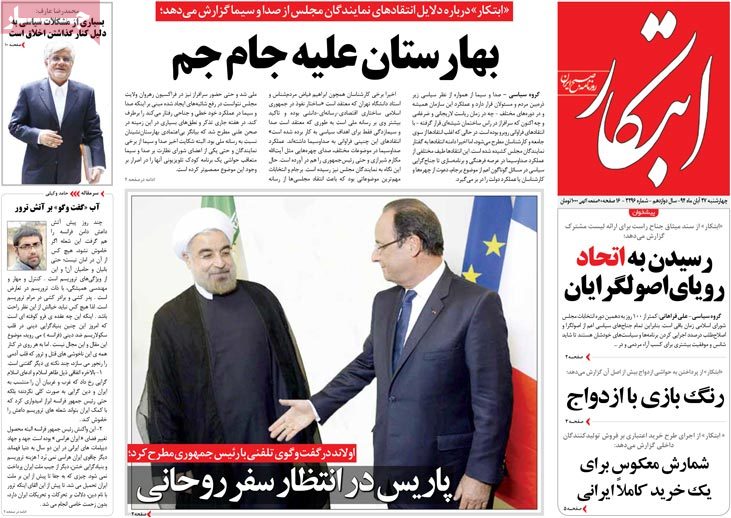
Ebtekar: Paris is waiting for President Rouhani’s trip, said Francois Hollande in a telephone call with the Iranian president.

Ebtekar: A number of political problems are blamed on disrespect for ethics, said Mohammad Reza Aref, a reformist leader.
 

A look at Iranian newspaper front pages on Nov. 18


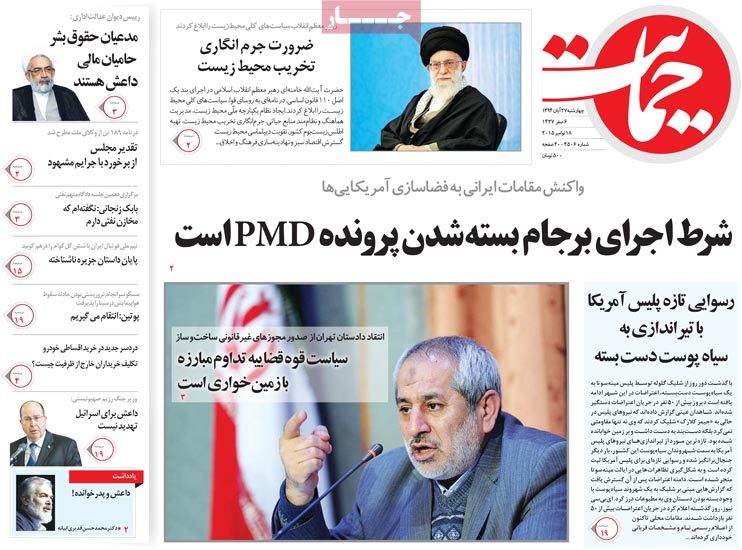
Hemayat: The head of the Court of Administrative Justice has said that those who claim they respect human rights are the ones who lend financial support to ISIS.
 

A look at Iranian newspaper front pages on Nov. 18


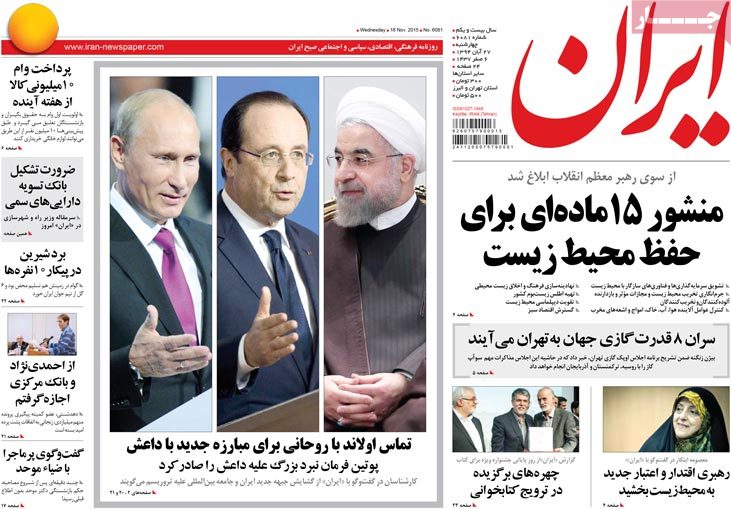
Iran: Leaders of eight gas-rich countries will come to Tehran.

Iran: “The Supreme Leader lent new credibility and weight to the environment,” said the director of the Environment Protection Organization in an interview with the daily.
 

A look at Iranian newspaper front pages on Nov. 18


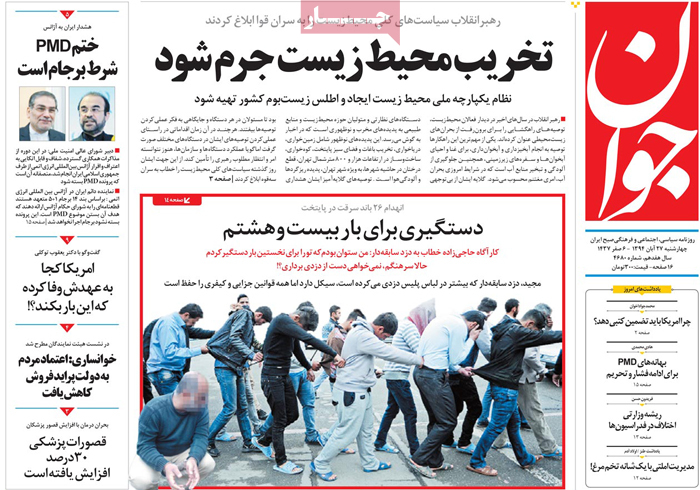
Javan: As many as 26 theft gangs have been busted in Tehran.

The daily takes a close look at the case of Majid, a convicted thief who has often committed theft masquerading as a police officer. He is a low-literate man but has good knowledge about criminal justice.
 

A look at Iranian newspaper front pages on Nov. 18


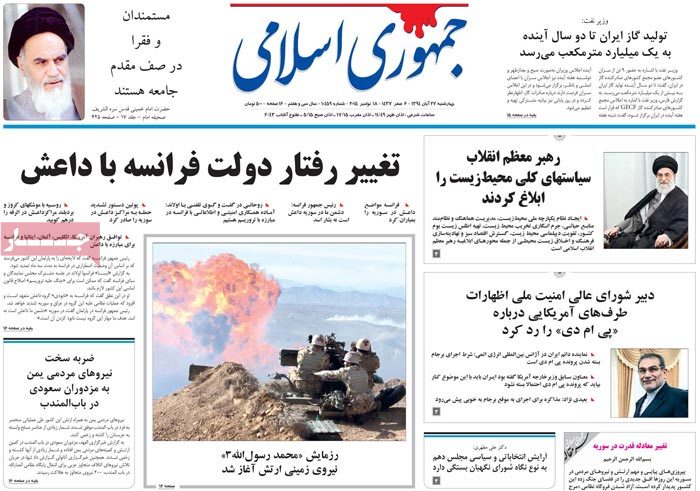
Jomhouri Islami: “Iran’s gas output will rise to one billion cubic meters in two years,” said Oil Minister Bijan Namdar Zanganeh.

Jomhouri Islami: The secretary of the Supreme National Security Council has rejected as untrue comments by the Americans on the Possible Military Dimensions (PMD) [of Iran’s nuclear program].
 

A look at Iranian newspaper front pages on Nov. 18


Kayhan: If we had known that this dog would bite us, we would not have fed it, said a top French official in reaction to the terrorist attacks ISIS staged in Paris.


A look at Iranian newspaper front pages on Nov. 18


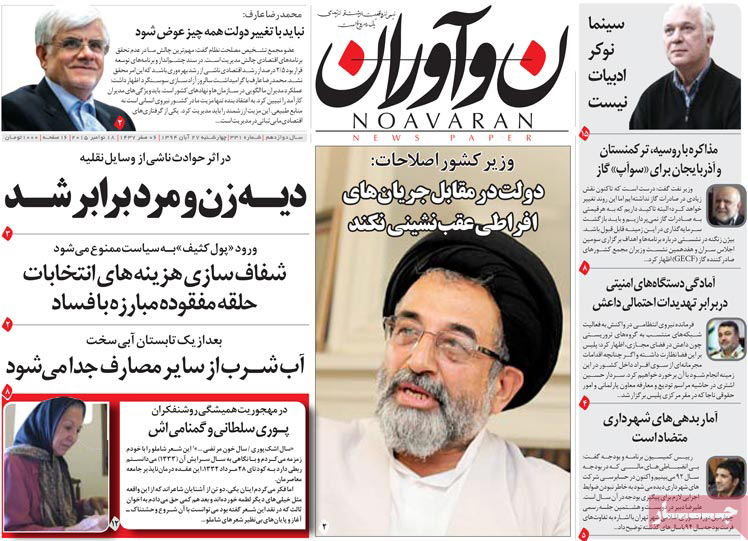
Noavaran: After a hot summer with water shortages, drinking water will be separated from water used for other purposes.
 

A look at Iranian newspaper front pages on Nov. 18


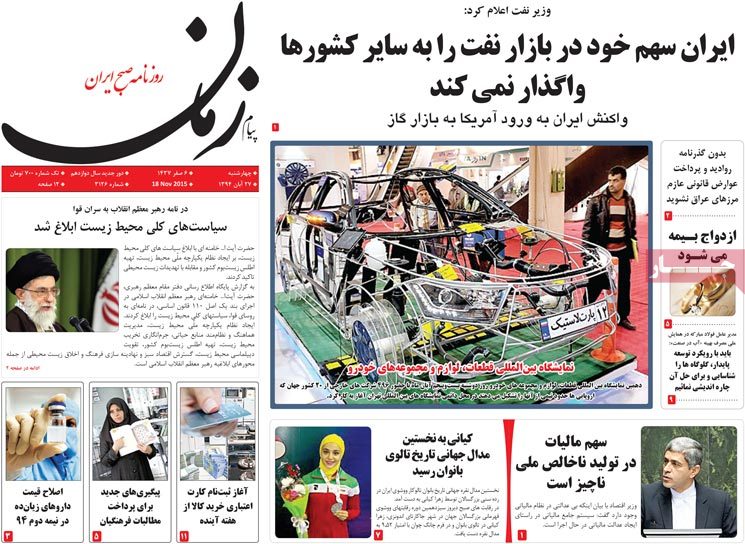
Payam-e Zaman: The oil minister has said that Iran will not trade off its share of the oil market.
 

A look at Iranian newspaper front pages on Nov. 18


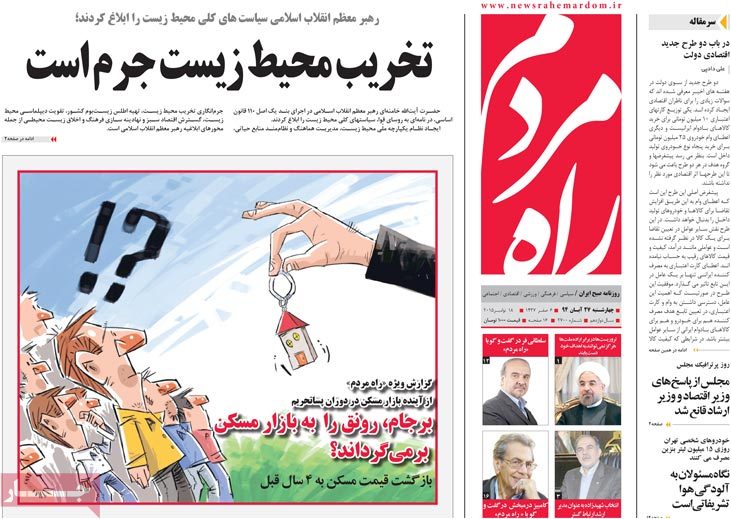
Rah-e Mardom: The Iranian parliament found explanations by the economy and culture ministers about the performance of their ministries as convincing enough.
 

A look at Iranian newspaper front pages on Nov. 18


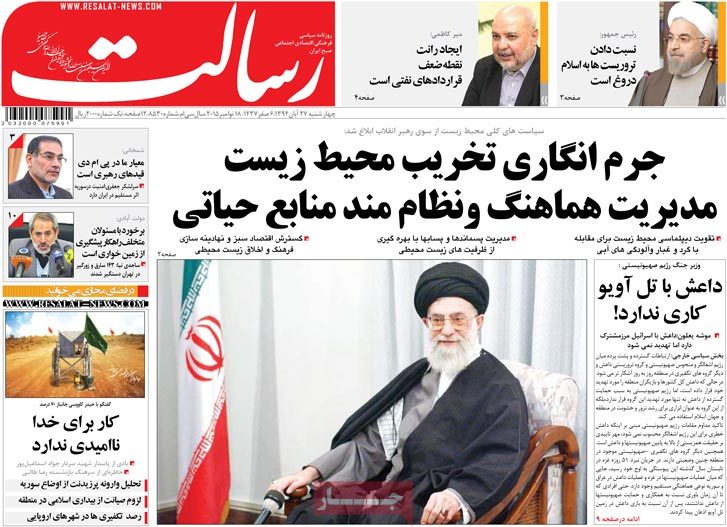
Resalat: The Iranian president has dismissed as false remarks that attribute the acts of terror to Islam.

Resalat: Tehran’s Public and Revolutionary Courts Prosecutor Abbas Jafari Dolatabadi has said that to prevent land grab, officials who have broken the law should be dealt with.
 

A look at Iranian newspaper front pages on Nov. 18


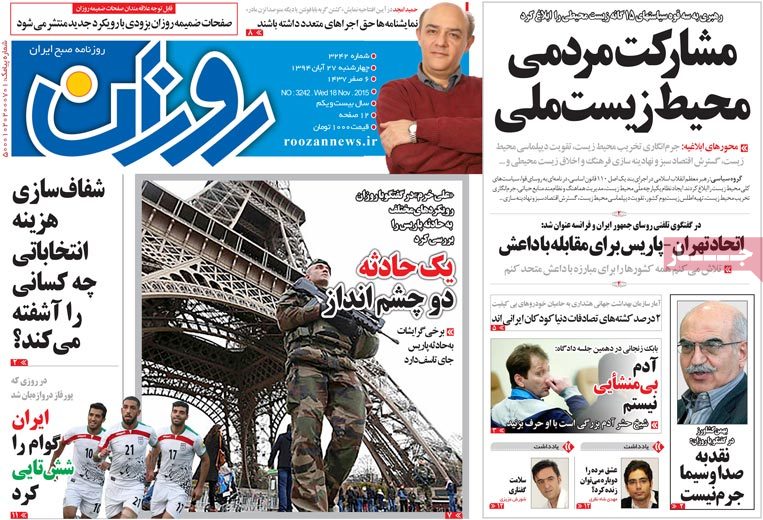
Roozan: A Tehran-Paris alliance to take on ISIS

Presidents of Iran and France talk on the phone.
 

A look at Iranian newspaper front pages on Nov. 18


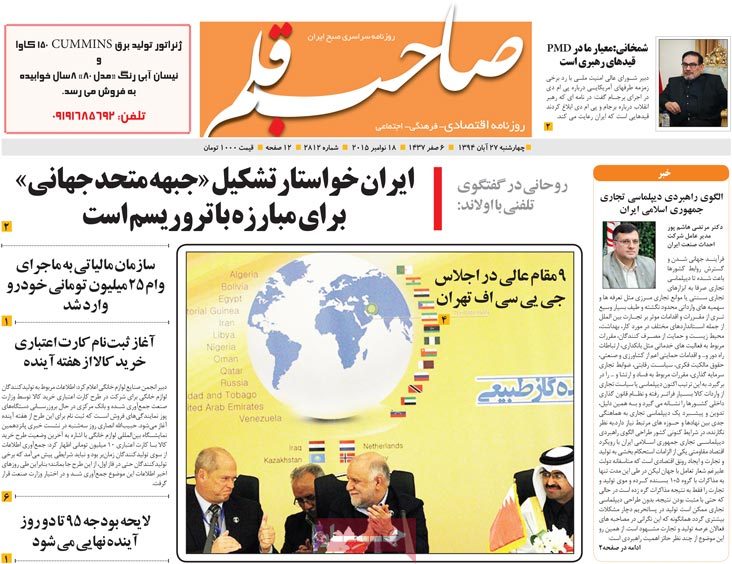
Saheb Ghalam: Iran has called for the formation of a “united global front” to fight terrorism.
 

A look at Iranian newspaper front pages on Nov. 18


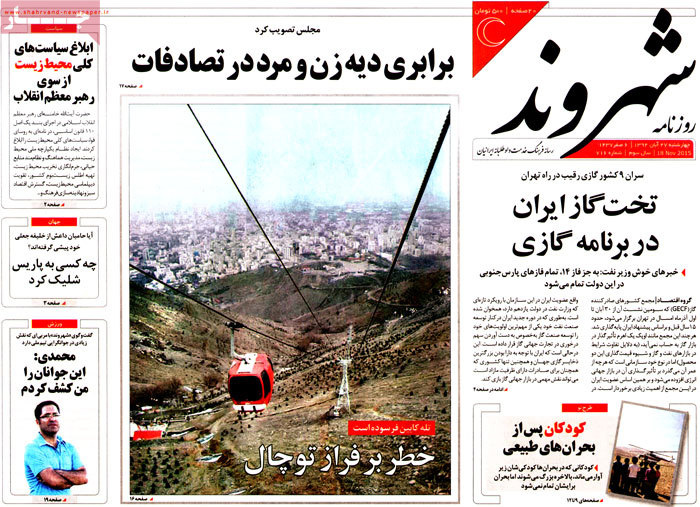
Shahrvand: Danger hanging over Tochal [a ski resort to the north of Tehran]

[Officials have raised red flags that] The cable car operating in Tochal is worn-out.
 

A look at Iranian newspaper front pages on Nov. 18


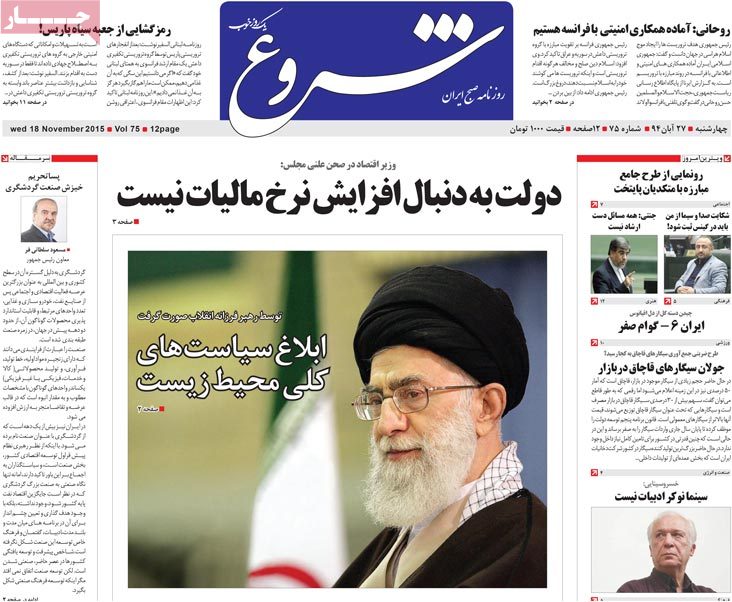
Shorou: The government is not seeking to raise taxes, said the economy minister in parliament.
 

A look at Iranian newspaper front pages on Nov. 18
 

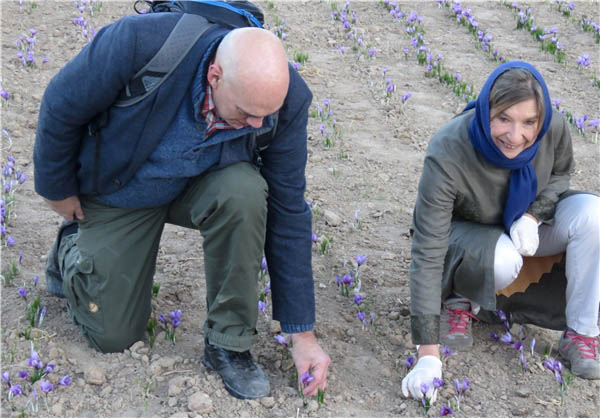
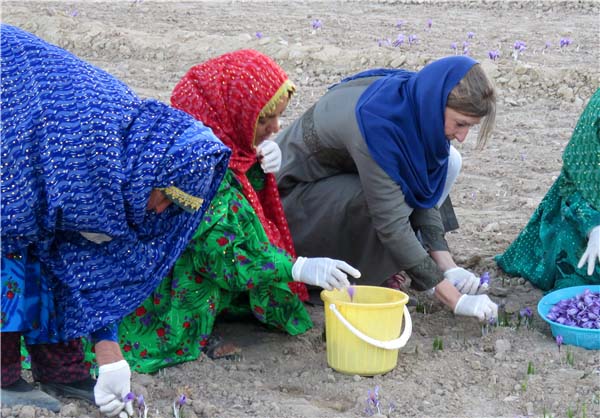
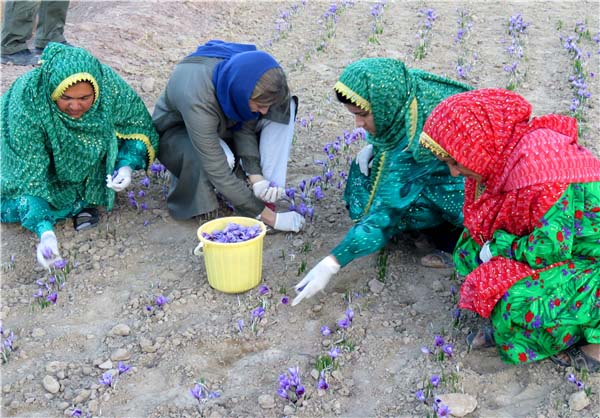
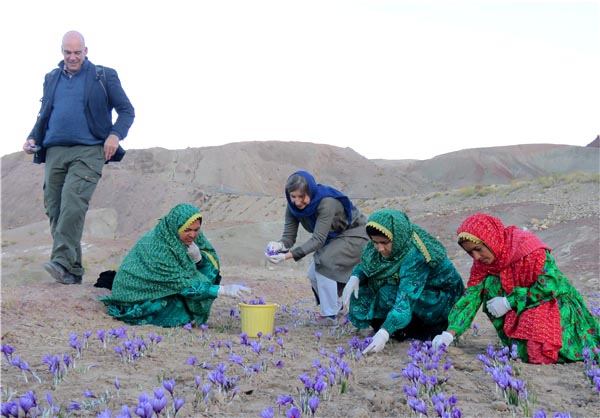
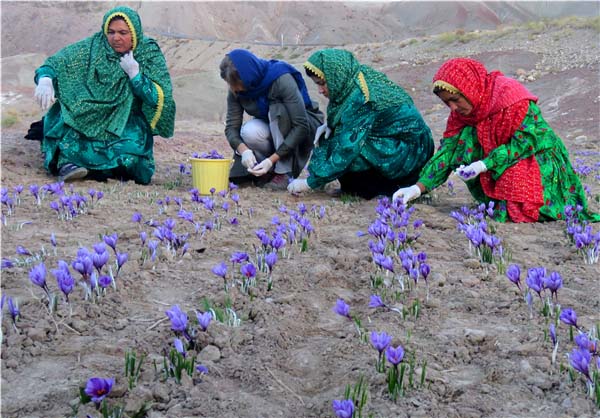
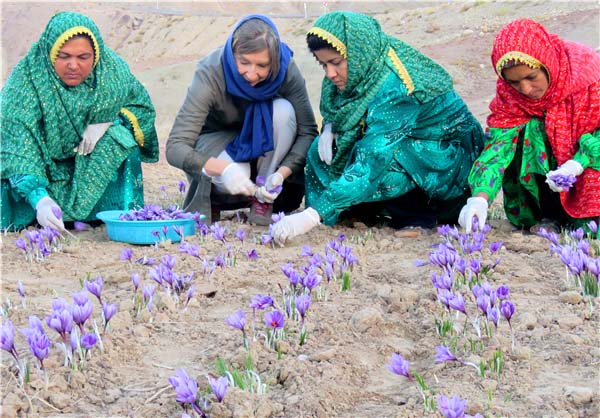
Norwegian ambassador joins saffron farmers in northeastern Iran (PHOTOS)

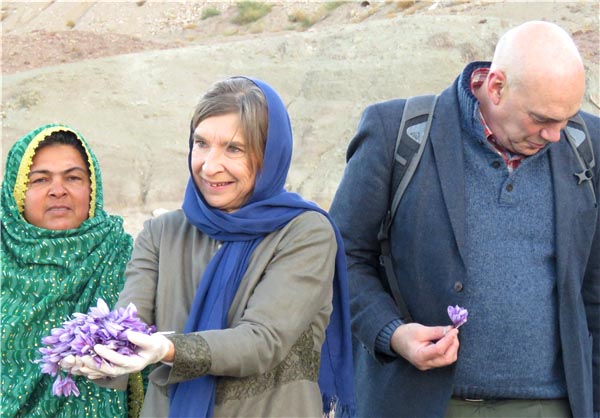
Norwegian ambassador (5)

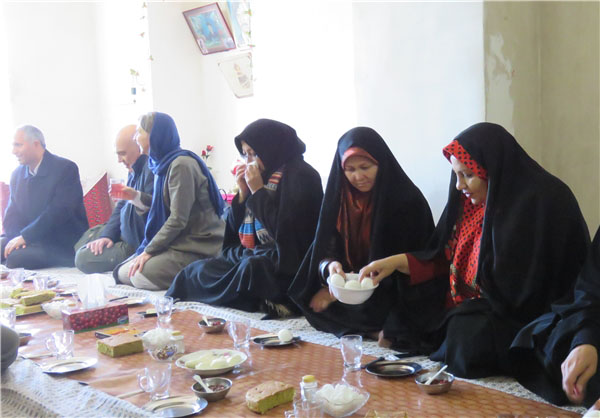
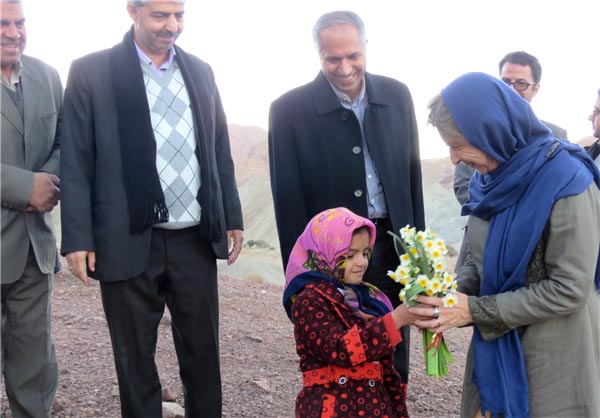
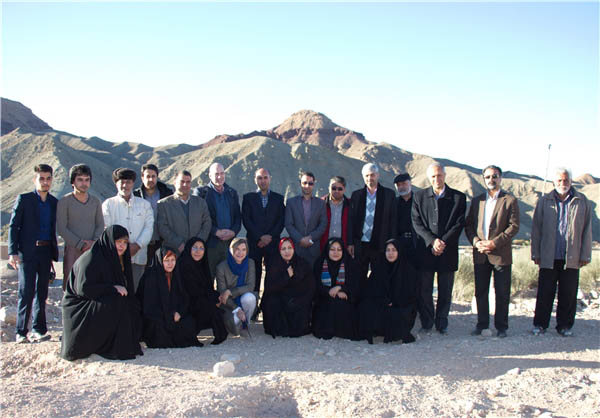
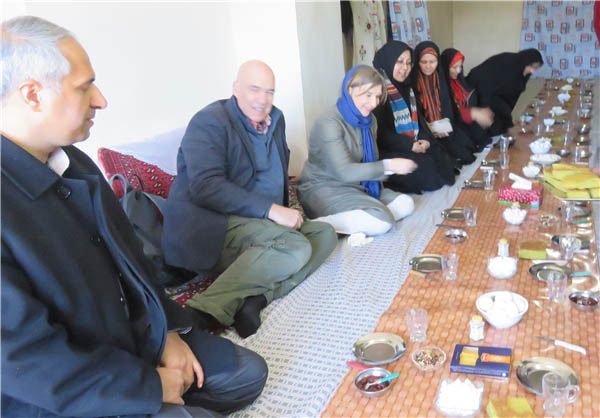
Norwegian Ambassador to Iran Aud Lise Norheim has gone to a saffron farm in a village in South Khorasan Province to give farm hands there a hand harvesting their crop.

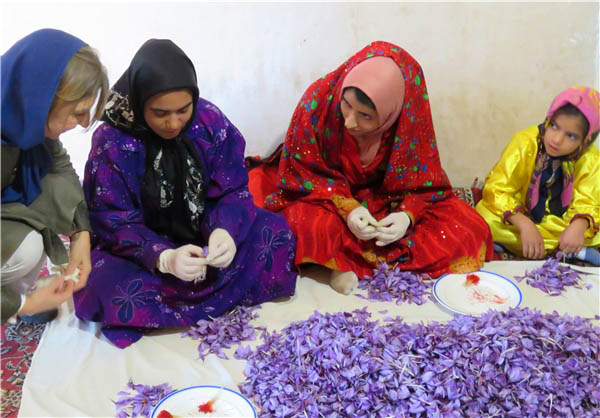
On a visit to the town of Khusf, which is known for its quality saffron, the Norwegian diplomat had breakfast with a group of villagers after she helped the farmers.

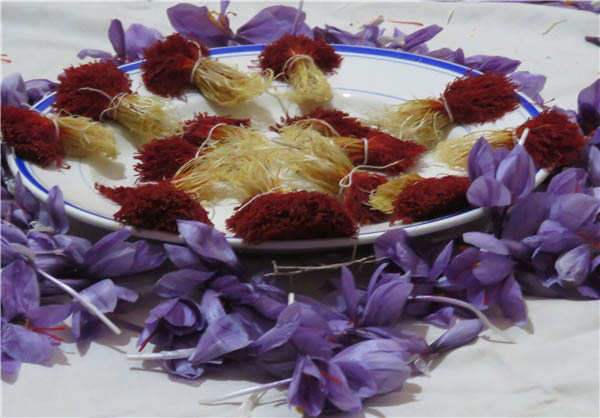
Fars News Agency has published photos of the diplomat’s visit to northeastern Iran: