Sunday, December 28, 2025
Home Blog Page 4667

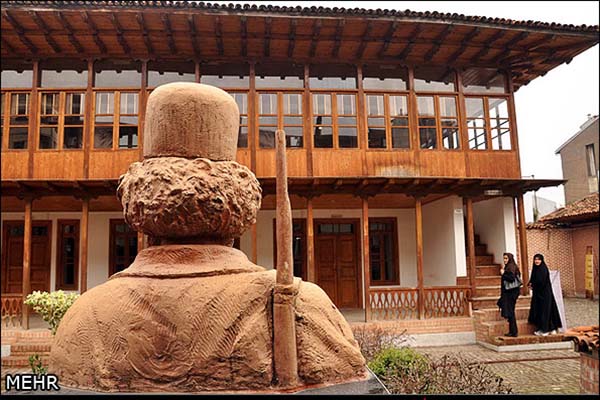
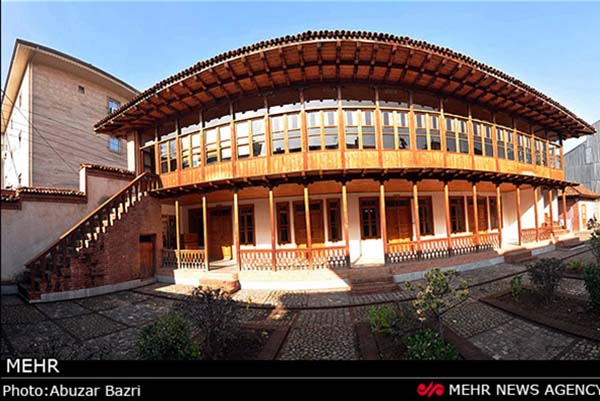
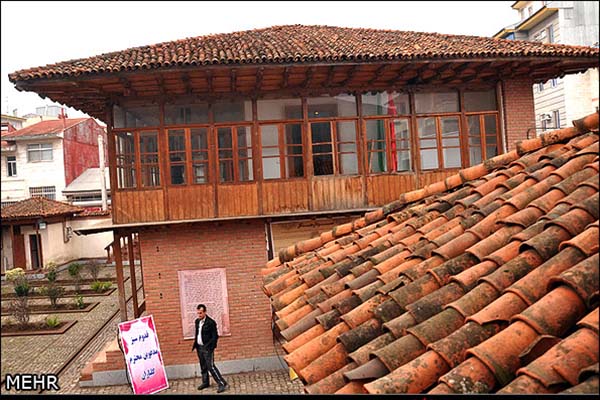
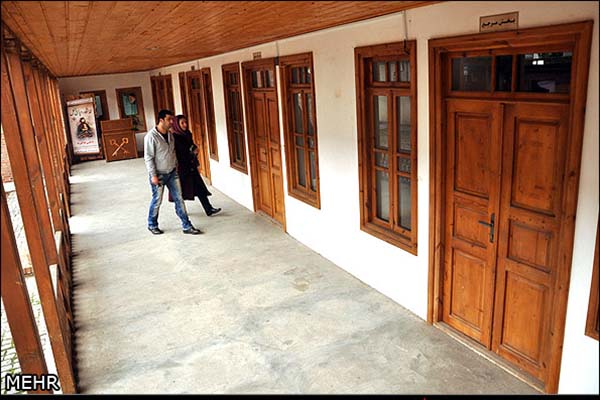
House of Mirza Kuchak Khan (PHOTOS)

Mirza Kuchak Khan0

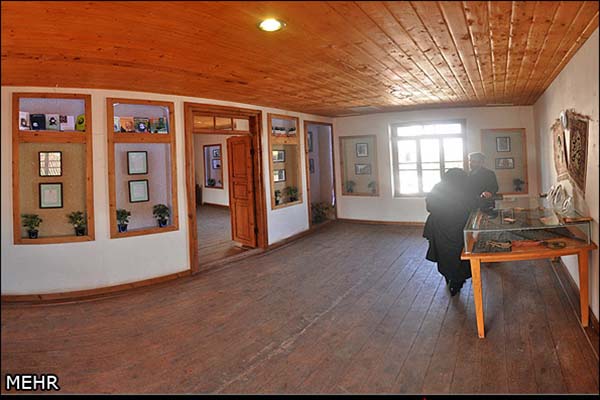
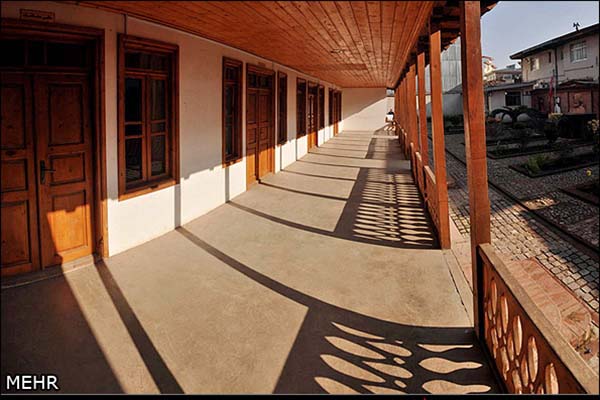
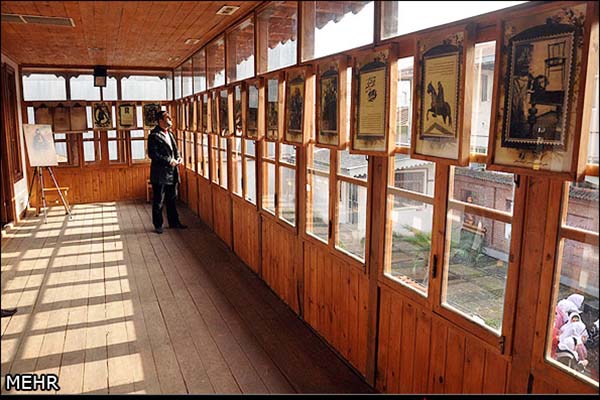
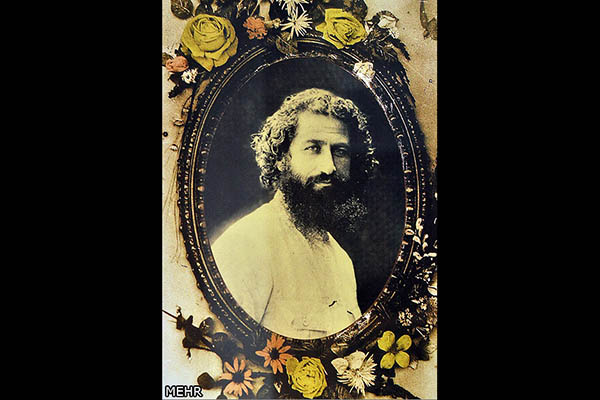
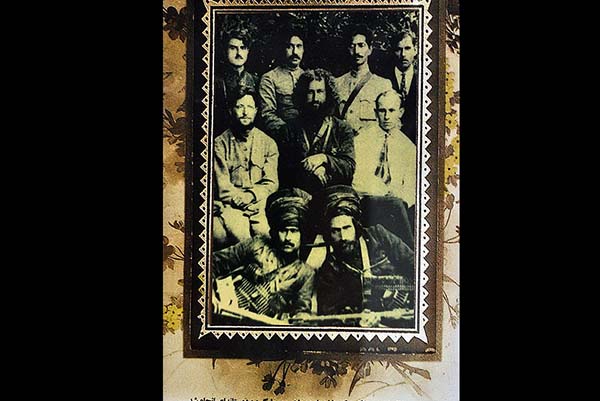
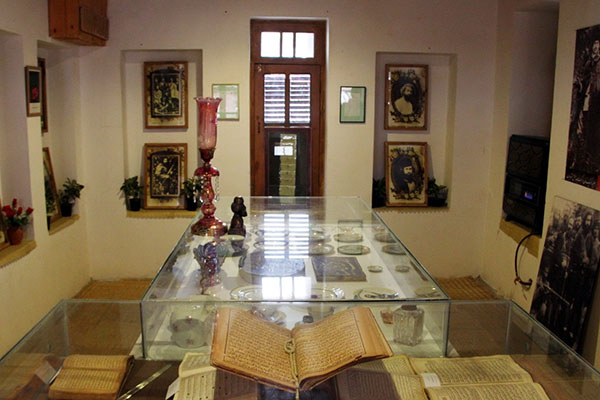
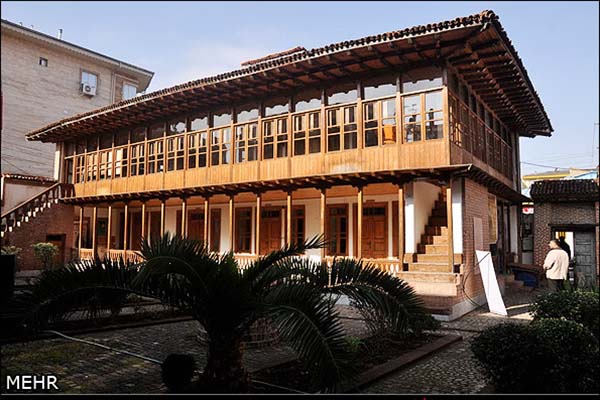
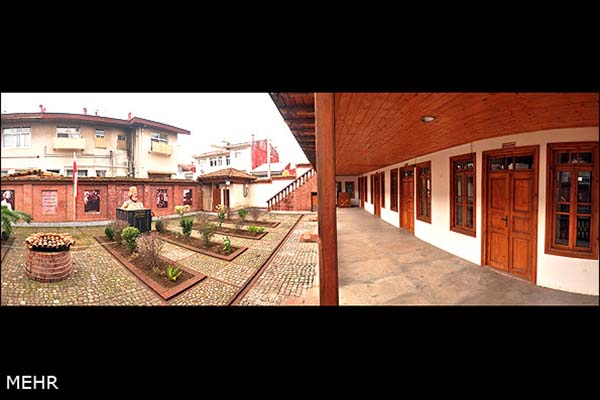
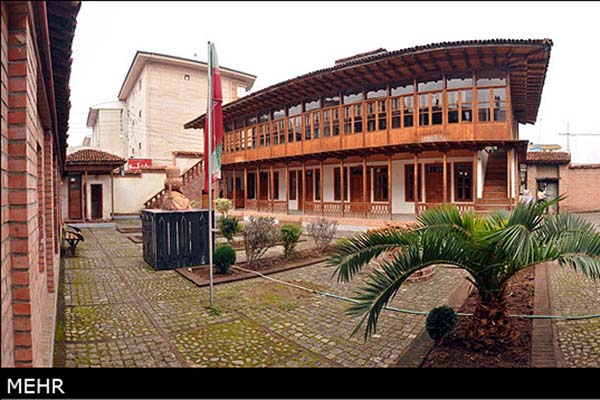
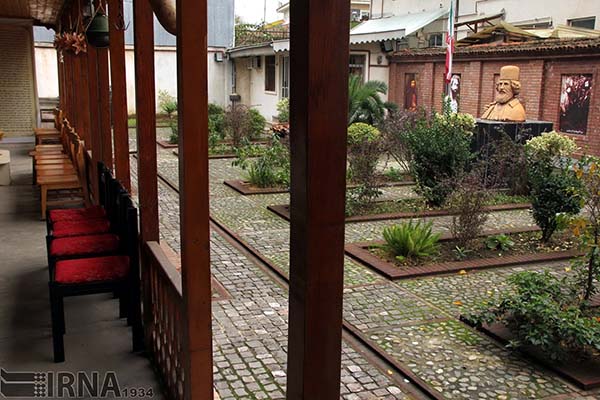
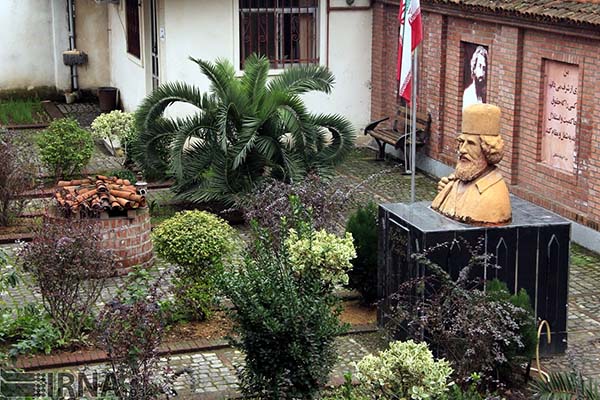
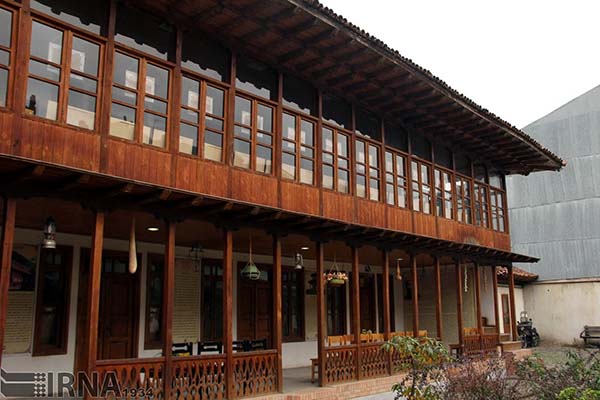
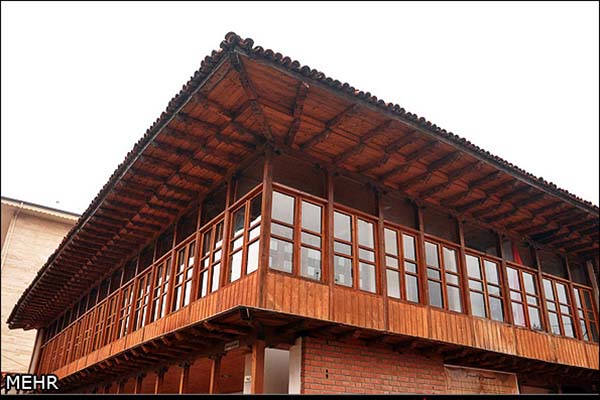
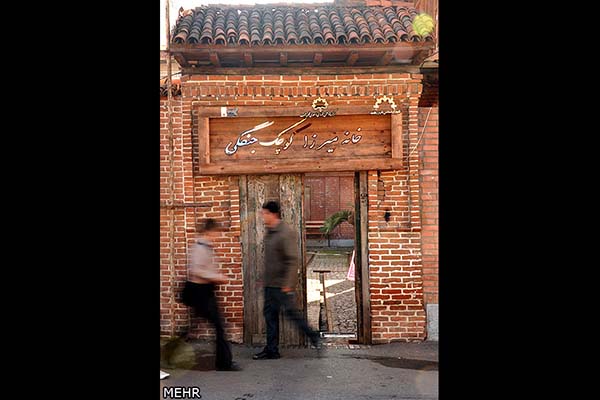
Among gabled houses of the northern Iranian city of Rasht, there is one which stands out, not because it is big or luxurious, simply because of its one-time occupant: Mirza Kuchak Khan (an early twentieth century revolutionary).

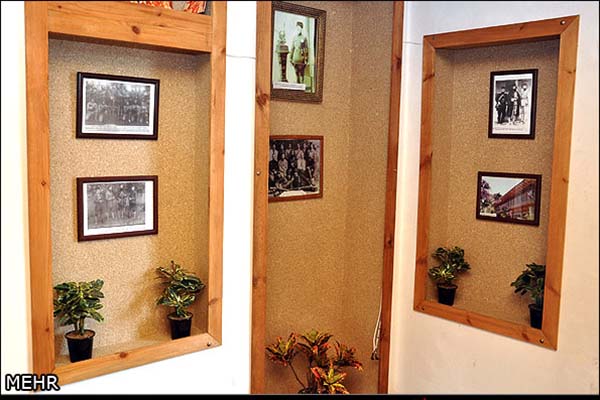
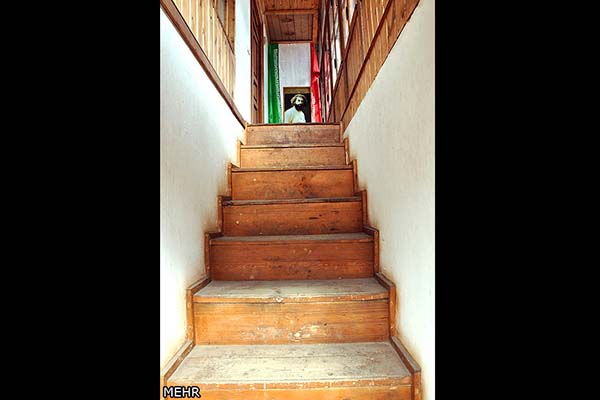
The old house which was called home by this national hero now partly serves as a museum.

The following images of the mosque have been released by Mehr News Agency:


A terror group which bites the hand that feeds it

Iraq

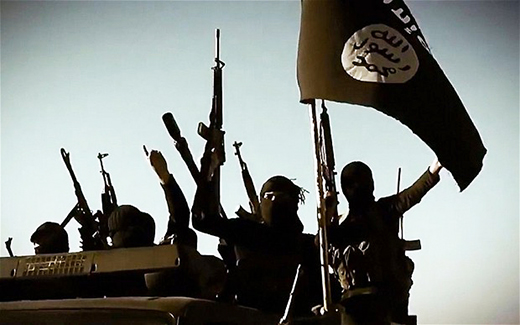
An Iranian university professor says the West has been terrorized by what it helped create in the Middle East: Daesh (ISIS).

Ebrahim Fayyaz, a professor of social sciences at the University of Tehran, made the comment in an interview with Mosalas, a weekly news magazine (the 289th issue) and added that the new polarizations – Shiite Islam versus those who carry out acts of violence in the name of Islam on the one hand, and Liberal Democracy versus fundamentalism on the other – are not perpetual.

During the extensive interview, Dr. Fayyaz took a sociological look at the reasons why European youth are lured to join ISIS, the terror group’s notorious ideology, as well as the Arba’een March and its goals and message, violence in the name of Islam, and the exit strategies.

The following is the THIRD and FINAL PART of the translation of the professor’s remarks on the theorization of violence and how to get out of the crisis:

Polarization of thoughts: Perpetual or ephemeral 

Polarization of schools of thought such as Liberal Democracy and fundamentalism is not a lasting phenomenon. Such thoughts are on the brink of collapse. The war which is being fought [between different schools of thought] is harsh and violent. European thinkers and people too appreciate this.

The future of such movements [and ideologies] is bleak and their followers have realized that uncertainty lies in their future. They say that terrorism has become homegrown in the West, and that accusing the times is but excusing ourselves, so to speak…. They did this [created, funded and nurtured terrorist groups] to stop the spread of Islam in Europe, but what they did backfired.

When 9/11 attacks were launched in the United States, I was in Germany. I saw Iranians come to the Frankfurt Book Fair asking for copies of the holy Koran, but the Iranian publishers had not brought even one volume of the divine book. It terribly enraged me. At the same event Germans sold many copies of the Koran.

The 9/11 attacks were a kind of violence the West incited, but the attacks caused Europeans to pay more attention to the holy Koran. The attacks did nothing to arrest the growth of Islam, and the divine faith grew at a pace even faster than before.

In the structure the Americans have developed, the FBI advocates activities by violent Islamists in the United States, but it does not allow the Shiites to be active. Saudi Arabia too has dedicated staggering funds to help enforce such a policy in other countries.

They [the Saudis] were pursuing an agenda which called for the development of a violent version of Islam which was also favored by the deviant British-promoted Shiism. At the same time, they did not want to authorize activities by the Shiite Islam which was centered on the school of thought put forward by Imam Ali.

What comes to the fore is the fact that the West initiated such a movement, but Western countries are the ones who bear the brunt of the terrorist acts of these violent groups. So the West will eventually pivot. The governments may fail to do so, but the silent majority and Western thinkers will definitely do so.

I gather that a number of thinkers in Germany are interested in Alawi Shiism [the Alawites follow a branch of the Twelver school of Shiite Islam,] and its concepts. They describe Germany as the West’s seminary school. No doubt, they [the Western countries] will fail [in their attempts] due to the senselessness of violent acts.

The paradigmatic failure of the West will, in no way, translate into its victory; the fact remains that these two [the West and its paradigm] will collapse. ISIS is akin to the violent Western ideologies, such as nationalism and nation states as far as its format goes. Such a movement [violent ideologies] came to a head during the Second World War when Hitler was in power and millions of people were killed.

In a not-too-distant future a number of nations will move toward and opt for the wisdom and ideology of Imam Ali. Are we ready for [embracing] Imam Ali’s ideology and wisdom? The Ummah-Imamate mindset is an international theory which does not solely belong to Shiism. It is based on the ideology and the governance of Imam Ali who did nothing in war which crossed the ethical red lines. The Sunni thinkers follow his example, but nothing has yet replaced it.

A way out of the crisis

Pierre Bourdieu, a contemporary French sociologist [1930 – 2002], repeatedly discussed the ways to weather the crisis, but nobody heeded what he brought up. Alain Touraine [a French sociologist] says the world is witnessing the collapse of social order which will result in the collapse of power and political systems. They are not much hopeful about the future.

[…]

The aristocracy which comes with capitalism in Europe has pushed people toward a path which is against ethical values and brings them humiliation. In the West there are multiple unethical issues [gripping society]. People in the West have shown no hesitation in talking about such immorality. A case in point is the use of chemical bombs against the Iranians. Westerners are mainly to blame for the death and injury of a large number of Iranians, but today they are concerned about the bombs which might be set off by ISIS.

This reveals the big mistakes the West has committed in promoting unethical issues in society. Homosexuality, which is far from ethical norms and standards, has been promoted on a number of fronts. Questions associated with family are yet another major crisis in the West.

The collapse of civilization, social order and rationality in the West as well as the mentality of Western politicians and their civilizational stupidity do not point to a promising future in the West.

Zarif comes back home from Pakistan visit

81872993-70365017

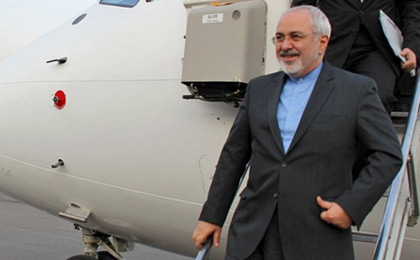
Foreign Minister Mohammad Javad Zarif returned home on Wednesday evening after his two-day visit to Islamabad.

Zarif visited the Pakistani capital to attend the Heart of Asia-The Istanbul Process Ministerial Conference aimed at discussing ways of helping the Afghan government solve its problems.

The conference was attended by top officials and representatives from more than 40 countries, including Afghanistan’s neighbors, some European countries and the United States.

In addition to delivering speeches at the foreign ministerial conference and on the sidelines of the meeting, the foreign minister held bilateral talks with his counterparts and heads of state from some participating countries.

Zarif held talks with Pakistani Prime Minister Nawaz Sharif and Afghan President Ashraf Ghani.

Zarif also discussed issues of mutual interest as well as the latest regional and international issues in separate meetings with his Chinese, Indian, Pakistani, Tajik and Afghan counterparts.

The visit to Pakistan was Zarif’s fourth visit to Iran’s eastern neighbor since he took office two years ago.

Rouhani slams Trump’s Islamophobic rhetoric

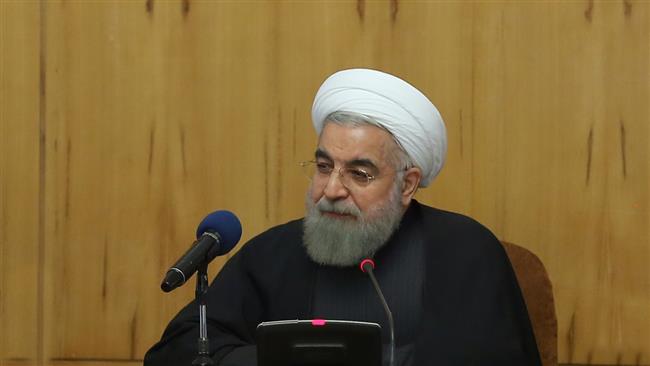
Iranian President Hassan Rouhani says those who make anti-Muslim allegations under the pretext of fighting terrorism are themselves supporters of terrorism.

“Unfortunately, today, certain individuals across the world, under the pretext of combating terrorism, announce that Muslims should not be allowed into other countries and this is while these individuals are themselves among founders and supporters of terrorism,” President Rouhani said in reaction to Islamophobic and xenophobic rhetoric by US presidential hopeful Donald Trump on Wednesday.

He added that those aiding terrorist groups should be held accountable for the crimes committed by terrorists.

Trump, the leading candidate for Republican presidential nomination, on Monday called for a ban on Muslims entering the US, the latest in a series of bigoted remarks about Muslims and non-European immigrants on his campaign trail.

Trump, whose campaign has been marked by controversy from the beginning, stood by his anti-Muslim proposal on Tuesday, saying it was a temporary move in response to last week’s mass shooting in San Bernardino, California.

[…]

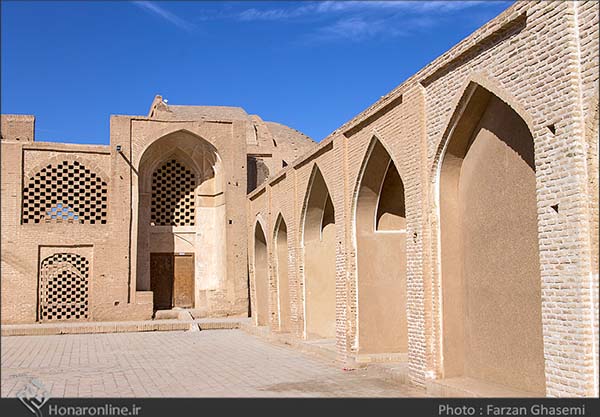
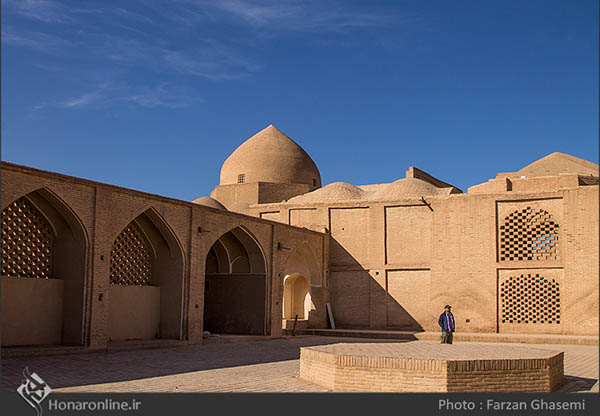
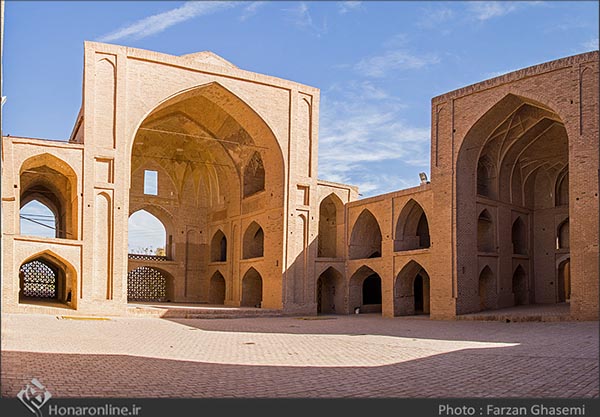
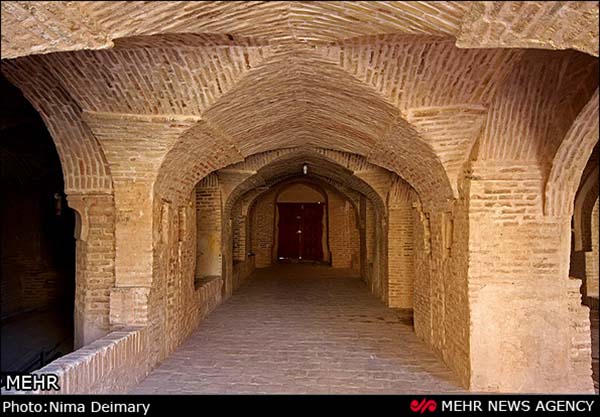
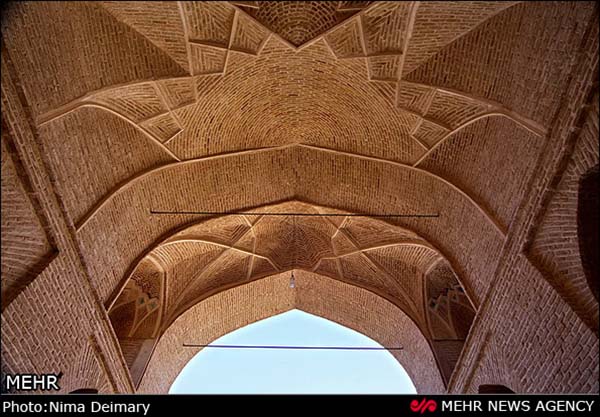
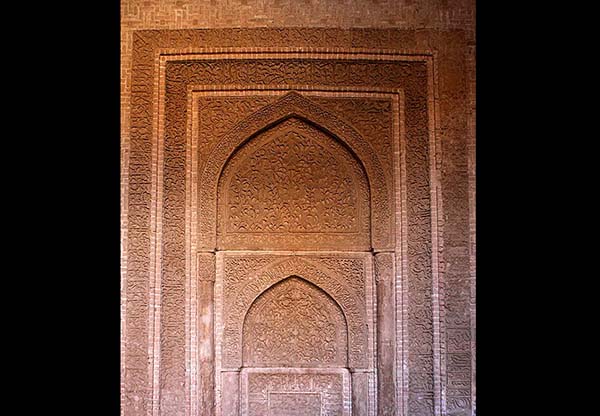
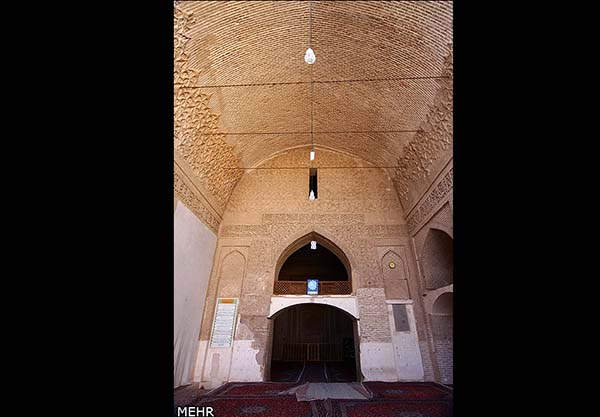
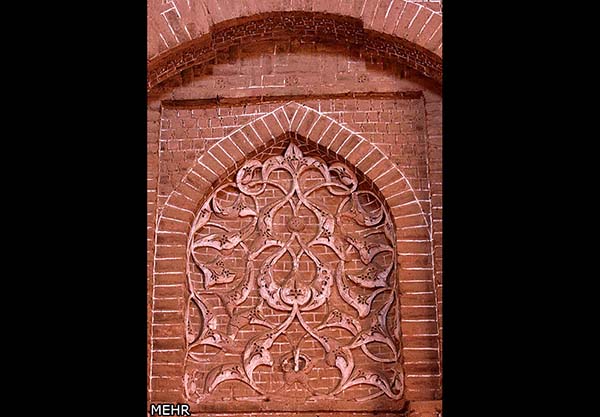
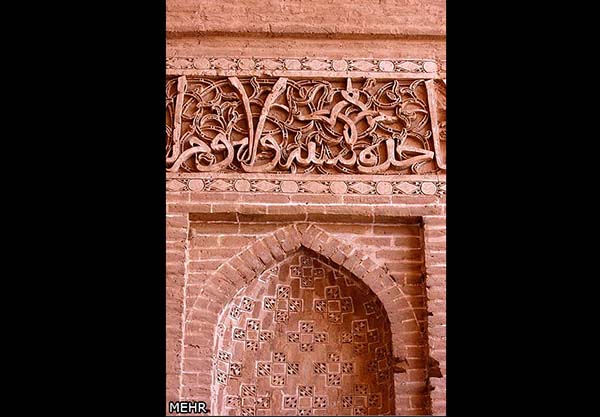
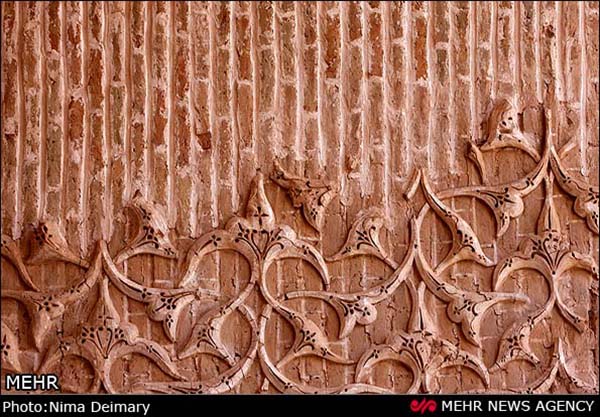
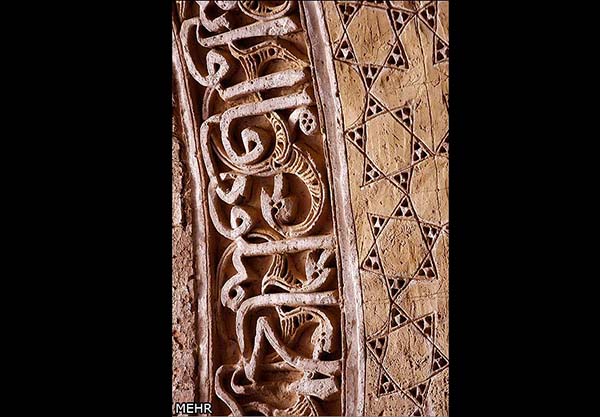
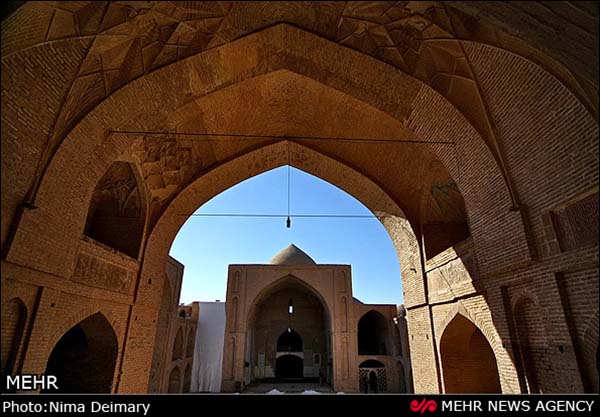
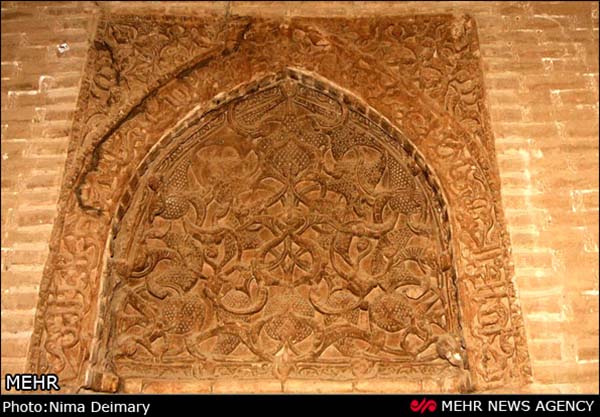
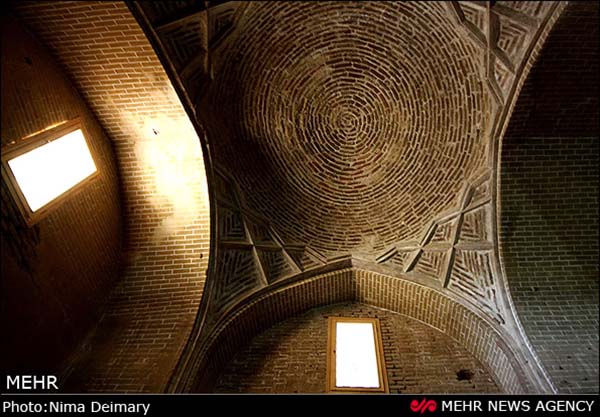
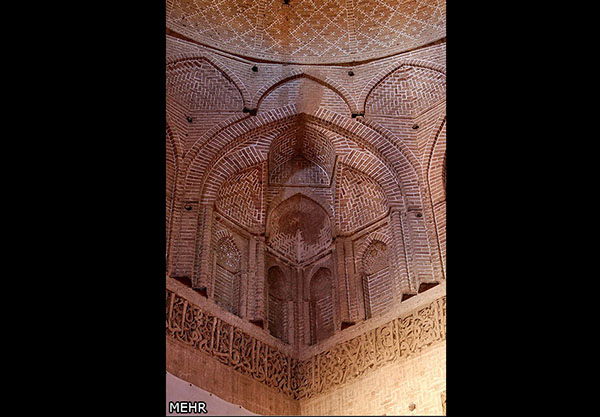
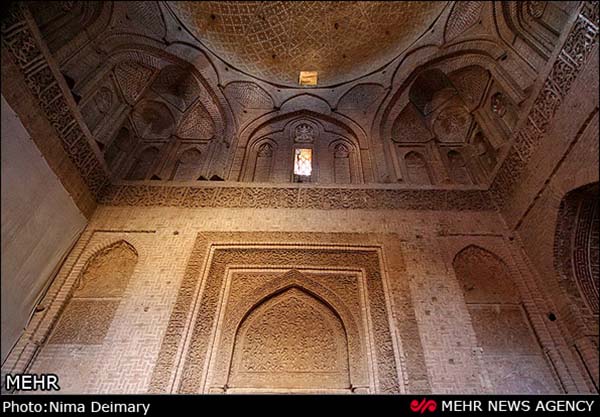
Ardestan Grand Mosque (PHOTOS)

Ardestan Grand Mosque0

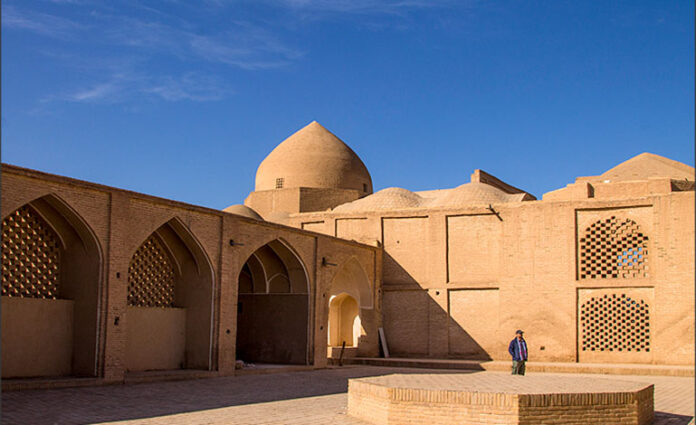
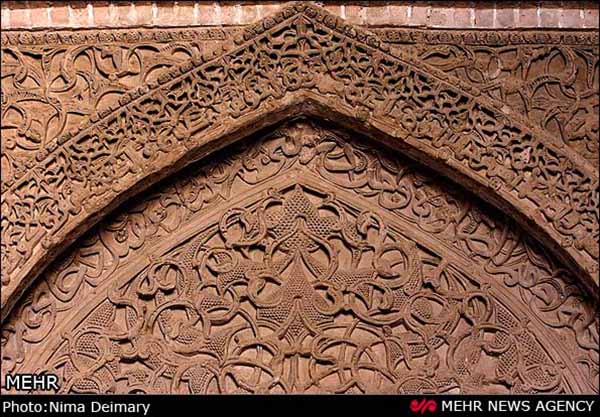
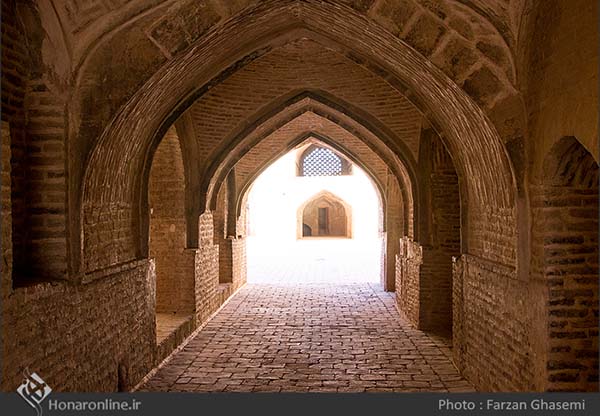
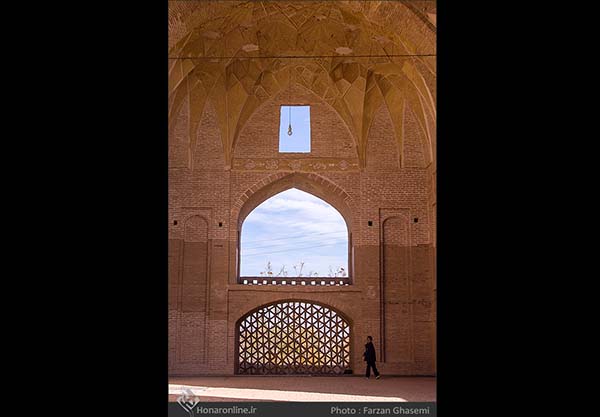
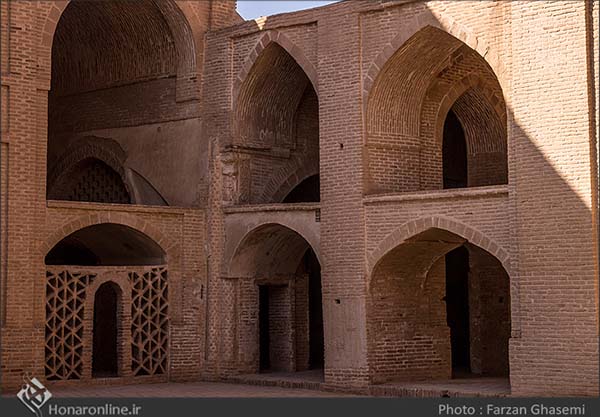
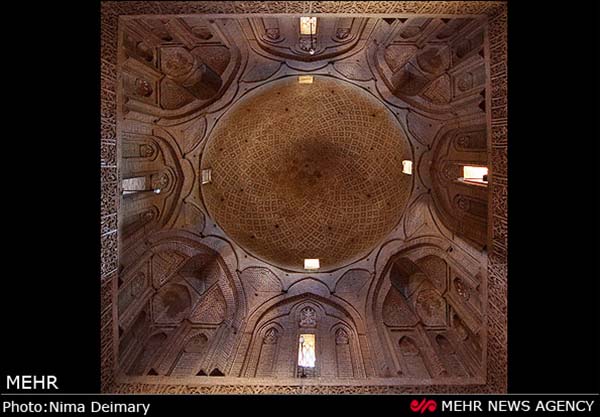
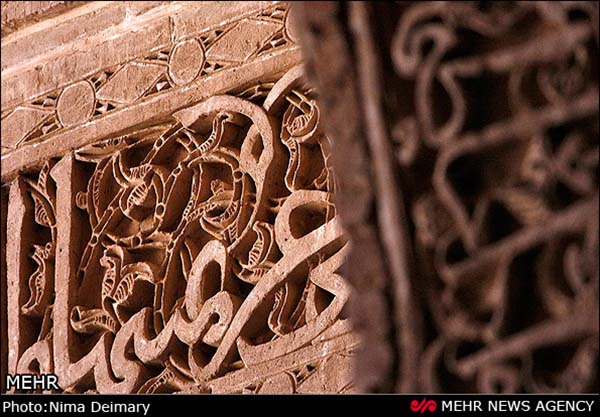
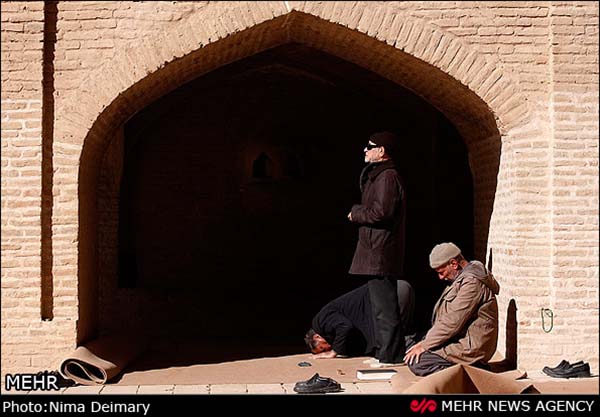
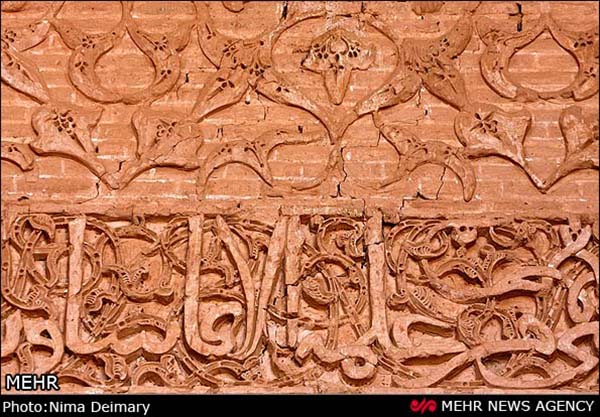
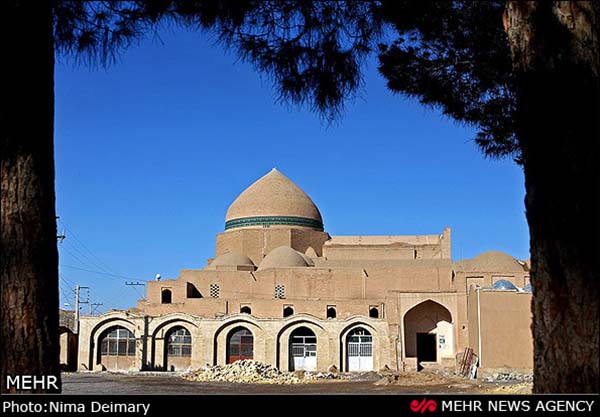
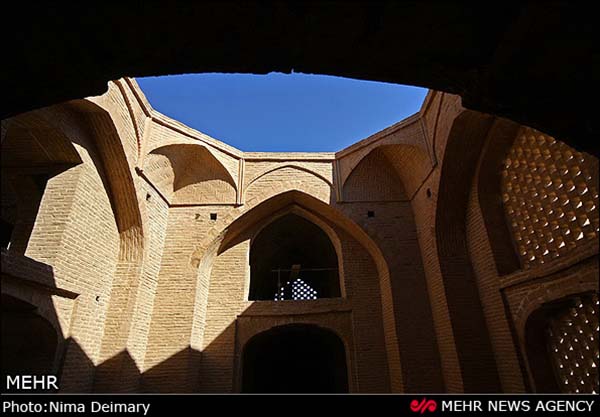
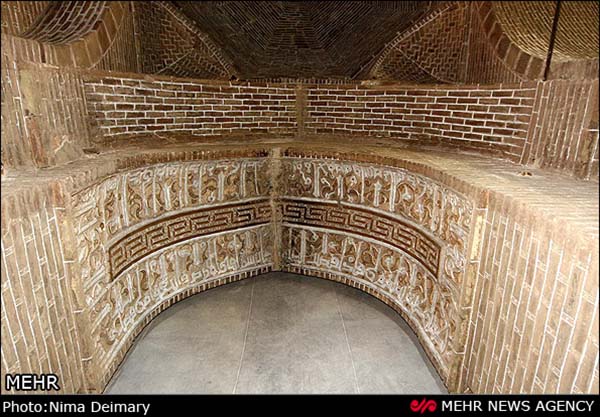
Ardestan Grand Mosque is a historical monument in the northern part of Isfahan Province.

The Muslim house of worship which was built by Master Mahmoud Esfahani dates back to the Seljuq era (1037–1194).

It is one of the oldest mosques in Iran and the first two-story and the second four-portico mosque in the world of Islam.

The following images of the mosque have been released by Mehr News Agency:

The cooking of 80-ton pottage in Shiraz (PHOTOS)

80-ton pottage0

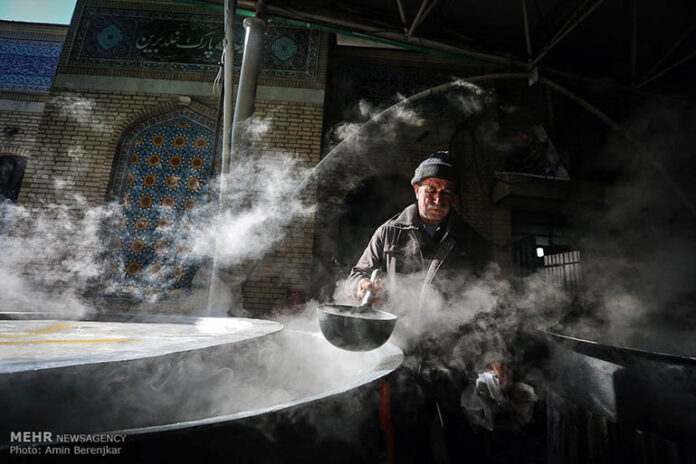
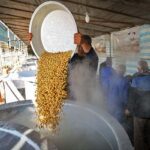
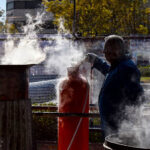
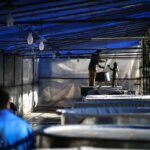
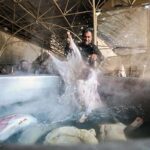
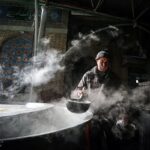
Preparations to cook the biggest pottage in the world are underway in the southern Iranian city of Shiraz.

Cooking pottage and distributing it as votive food is an age-old tradition to mark the demise anniversary of the Prophet Muhammad.

This year the end product is expected to weigh 80 tons, making it the biggest pottage in the world ever.

The following images have been released by Mehr News Agency:


A word with a president who appreciates our problems

Doai

The republication by Ettela’at newspaper on December 6 of an interview former Iranian President Mohammad Khatami gave to Lebanon’s As-Safir’s daily has stirred a controversy, prompting the Culture and Media Court to bring charges against Ettela’at daily’s Managing Editor Mahmoud Doaei, calling for his case to be heard at the Special Court for the Clergy.

In reaction, Ettela’at chief released a letter to President Rouhani explaining his reasons behind the re-release of the interview conducted by Lebanon’s leading Arabic-language newspaper. The following is the translation of part of Doaei’s letter addressed to the president and those who have become “overjoyed” or “concerned” by the court’s decision:

[…]

Following the republication in Ettela’at newspaper of an interview the former Iranian president gave to the editor-in-chief of Lebanon’s As-Safir, the head of the Culture and Media Court filed charges against me and called for the case to be heard at the Special Court for the Clergy.

In the meantime, certain media and websites denounced as illegal (!) the release of the interview and – in an overjoyed manner – went as far as ask for the case to be heard in the court. It came despite the fact that no legislative institution has ever made any law on this, and the Supreme National Security Council has openly announced that it has made no decision.
A while ago, the esteemed Tehran Prosecutor called – in a meeting attended by a number of managing editors, including me – for a ban on the release of news stories about and images of Mr. Khatami. At the same meeting, I said that Ettela’at newspaper did not accept that call. I argued that such a decision is based on [personal] taste, not laws.

I also said that Ettela’at will proceed – while keeping its distance from ballyhoo – with its logical trend in releasing news reports on Mr. Khatami who is a popular, noble and cultured revolutionary figure and an old friend of the [late] Imam and the Supreme Leader, stressing that the daily views its coverage [of materials on the cultured figures] as a service to the establishment, revolution and people.

[…]

The Public and Revolutionary Courts Act, adopted on July 6, 1994, has outlined the responsibilities and powers of the prosecutor […]. This reveals that the decision by Tehran’s Public and Revolutionary Courts Prosecutor Mr. Abbas Jafari Dowlatabadi in placing a limit on the freedom of mass media, including IRIB and the press, and barring them from mentioning the name and releasing the image of Mr. Khatami, the former Iranian president, runs counter to the principles which stipulate the former president’s basic constitutional rights as a citizen.

Such a decision also amounts to violation by the prosecutor of the principles of the law, such as the legality of punishments, and the law on respect for legitimate freedoms and civil rights adopted in 2004.

Given the powers Article 113 of the Constitution bestows upon the president of the Islamic Republic of Iran, you are expected to interact with the Judiciary chief so that necessary measures are taken to stop the illegal trend [of putting limitations on media].

[Article 113: After the office of Leadership, the President is the highest official in the country.  His is the responsibility for implementing the Constitution and acting as the head of the executive, except in matters directly concerned with the office of the Leadership.]

Migratory birds in Zayandeh Rood River (PHOTOS)

Zayandeh Rood0

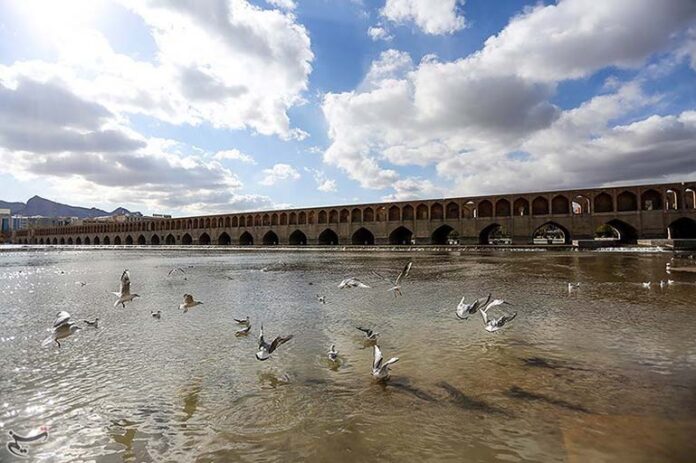
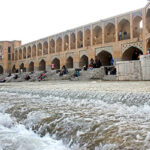
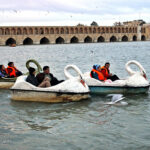
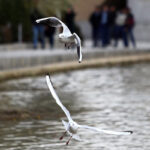
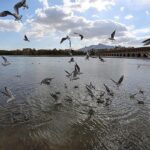
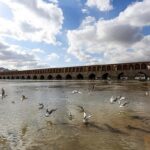
A week after water began flowing again on the river bed of Zayandeh Rood in central Iran, thousands of migratory birds have descended on the river to claim a share of the joy of humans residing on the banks of the river.

The following images have been released by different news websites:

I disagree with you, Mr. President!

Sadegh Zibakalam

President Rouhani has appealed to university students to “critique authority”, telling them that “criticizing some institutions is a bit difficult, so lead off with the Executive branch and the president”.

President Rouhani made the call as he addressed students at a ceremony at Sharif University of Technology on December 7. In reaction to the president’s comments on critiquing those in power, Sadegh Zibakalam – a political analyst and a university professor – has said that people’s representatives in parliament, not university students, should analyze and assess the performance of the government.

The following is the translation of a piece by Zibakalam Arman daily published on December 8:

On Monday, the president was among students at Sharif University of Technology to mark Student Day. President Rouhani brought up issues at the university which received a hearty welcome from the audience.
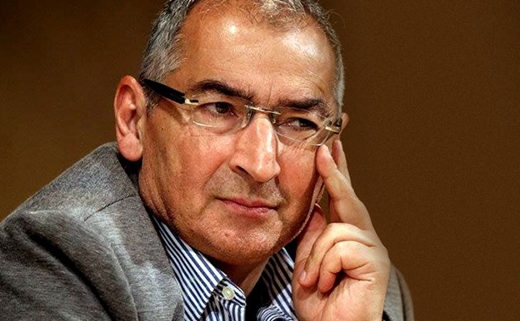
The fact of the matter is that December 7 and his speech marking Student Day provided the president with the opportunity to indirectly broach his ideas and viewpoints, among them his statements on the accountability of the power structure. The president said that no office holder can shy away from accountability.

Basically authority comes with accountability. You cannot wield power but fail to account for the decisions you make simply because of the power you exercise.

The president also focused on critiquing authority and placed the main burden for critically analyzing the power on the shoulders of universities. I do not see eye to eye with the president on this subject and believe that the role universities are expected to play is clear and defined from a sociological perspective. University is a place where science and research should be developed.

The critique Mr. Rouhani has raised should happen, but universities are not supposed to place such a critique top on their agenda. Authority should be critiqued by parliament which is the most important institution in a democratic system. In other words, people are the ones who are expected to critique the government and the latter should be accountable to the former.

It is quite natural that the government cannot be answerable to all members of society, thus parliament [which represents people] should hold the government accountable. In an undemocratic system, the government does not feel accountable for what it has done or has failed to do.

The other way around, in a parliamentary democracy the representatives of people and in a later stage media outlets should critique authority as well as the policies and decisions of the government.

University professors and students can critique authority, but it should not be forgotten that such a responsibility is placed on universities when political groups, parties and parliament turn into rubber-stamp institutions. Such a parliament does have room for individuals like Mohammad Mosaddegh [an Iranian prime minister who championed the nationalization of the oil industry], Seyyed Hassan Modarres [a notable cleric who supported the Iranian Constitutional Revolution] and Mehdi Bazargan [the first Iranian prime minister after the victory of the Islamic Revolution].

The fact is that independent and freedom-seeking deputies should be given a seat in parliament, those who fear no one and can critique state officials and political movers and shakers.

By and large, the president floated the question of critiquing authority and the accountability of officials. That such a question has been raised was quite helpful. We should be happy and thank God that he raises such issues, simply talking about such issues is not enough, though.


Turkey’s troop deployment to implement a dangerous plot

MIDEAST-CRISIS/TURKEY

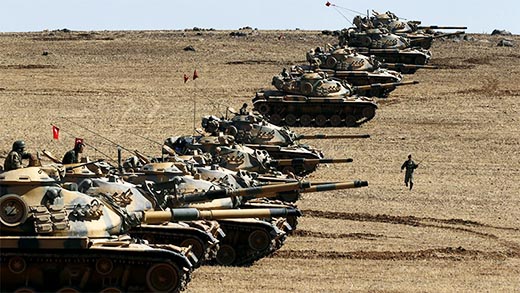
Turkish troops with tanks and armored personnel carriers crossed the border into Iraq in early December and took up position in a camp near the Daesh-held northern city of Mosul.

On December 8, Javanonline published an analysis on one possible motive behind Ankara’s move. The following is the translation of part of that analysis:

Sources close to Popular Forces [fighting alongside the Iraqi Army against Daesh terrorists] have revealed that fugitive [former vice-president] Tariq al-Hashimi has returned to Iraq along with Turkish military forces and is based in the camp of Zalkan near Mosul.

The same sources say that al-Hashimi is in touch with former parliament Speaker Osama al-Nujaifi as well as Atheel al-Nujaifi, a former governor of Nineveh Governorate who stands accused of playing a role in the fall of Iraq’s second largest city to Daesh militants.

Hashimi was sentenced to death three times by the Iraqi Judiciary after being found guilty of leading assassination squads and ordering terrorist explosions. As a result of terrorist acts in which Hashimi was implicated, a large number of Iraqi citizens, mostly Shiites, lost their lives.

These sources say that Osama al-Nujaifi and Atheel al-Nujaifi act in coordination with the Turkish intelligence and Army. They are said to have cooperated with al-Hashimi in setting the stage for Turkish troop deployment to Iraqi soil.

The Turkish military presence near Mosul is meant to prevent Popular Forces from closing in on the city to wrest its control from Daesh militants. It is also designed to provide enough manpower for a US and Turkey-backed initiative to declare a Sunni region in Iraq after Mosul and al-Ramadi have been liberated.

The same sources say that the Iraqi Kurdistan Region, specifically its president Masoud Barzani, is a key coordinator between Turkish officials, leader of al-Hashd al-Watani and the US military for the deployment of Turkish forces near Mosul.

They say that Turkish forces used the cover of night to advance deep into the Iraq soil and opted for a new blackout before they officially announced their presence on Iraqi soil.

A spokesman for the so-called Nineveh Liberation Forces has said that Turkish troops are preparing to help the international coalition retake Mosul from Daesh militants and to that end Baghdad is expected to send in more troops.

The revelations about contacts between al-Hashimi and Osama al-Nujaifi and Atheel al-Nujaifi with the US and Turkey ahead of and during the Turkish incursion into Iraq come at a time when the United States says that it plays no role in this, and that Turkish military deployment in Iraq is not part of the operations of the international anti-terror coalition.

Turkish officials, who say that they shot down a Russian bomber in November for violating their country’s airspace, say their military incursion deep into the Iraqi territory is designed to take on Daesh. Given the previous revelations about Ankara’s ties with and support for the Daesh terrorist grouping, Turkey’s claim sounds more of a joke than reality.