Saturday, December 27, 2025
Home Blog Page 4660

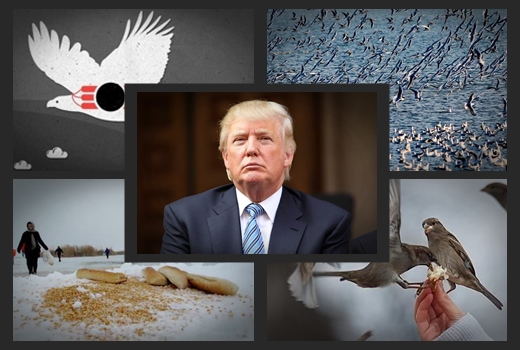
Middle Eastern birds and a lesson for Mr. Trump

Birds-trump

You are about to read two short and apparently unimportant reports. The selection and release of two independent reports in one single package is not merely intended to give you mixed feelings of happiness or sadness by learning about the sweet and bitter destinies of two types of birds in a region.

The main goal here is to offer two pictures in one frame to help readers easily understand the clash of two world views and two cultures which are reflected in the behavior of two people with different characteristic traits (society and culture).

There are two types of people who are – unfortunately in individual and collective manners, from afar and from a superficial and vulgar perspective – described as Muslims and members of the world of Islam!

IFP recommends reading and more importantly contemplating the origin of this news package to all those who are out of touch with ground realities in the Middle East but take the liberty of passing judgment on the unknown sects, creeds and territories.

Among the target audience of this news package, US presidential candidate Mr. Donald Trump has a special status, a man who sounds as if he were sympathizing with [the cause of] Takfiri Wahhabis like Al-Qaeda, ISIS, etc. in quest of yet another Crusade.

One day the GOP presidential frontrunner promises to ban all Muslims from entering the United States [until authorities “can figure out” Muslim attitudes towards America in the wake of the San Bernardino shooting], and another day he characterizes the Iranian nation as terrorists [On Tuesday, Donald Trump said the nuclear deal was a “horrible, disgusting, absolutely horrible deal” with a “terrorist nation.” (The New Yorker, December 18)].

Despite his great yearning – in past and present – for getting his hands on oil in faraway places, this GOP showman seems not to have any interest in studying the history of human civilization and the contribution of different tribes, nations and religions in this part of the world [the Middle East] to the evolution of the culture of the international community.

That’s why we had better talk with such individuals in plain language and explain the naked truth for them by bringing palpable examples which can spare them [the trouble associated with] thinking. And the truth here is: in the absence of knowledge and documentary proof, judging even one single individual clearly amounts to human rights violation, let alone passing judgment on an entire religion or a school of thought with hundreds of millions of followers, or even an entire nation!

First report

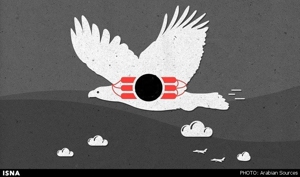
The terrorist ISIS grouping is seeking to use birds as suicide bombers to blow up jets which target its positions in Syria and Iraq.

The terror group has posted a document on social networking sites detailing a new method it is to use – birds as suicide bombers – to attack fighter jets, Rusiya Al-Yaum reported.

ISIS-BirdsAccording to Vocativ, a media and technology company in the US, ISIS has decided to use the birds to bring down the fighter jets of the US-led coalition in the first place.

The new tactic [“A New Way to Down Warplanes”] is to strap a “lightweight” bomb to a bird and train the bird in six steps to fly into a jet and detonate an explosive — effectively making the bird a suicide bomber.

The mastermind of the plot suggests using a Urea bomb, which he theorizes was the explosive used by ISIS to down the Russian Metrojet plane that crashed in the Sinai Peninsula, [killing all 224 on board in late October].

After conducting extensive research, the ISIS sympathizer said, he found two birds which properly fit this type of operation: falcons and vultures.

Birds-turned-into-suicide bombers seem highly unlikely to greatly contribute to hunting the jets, because the height, speed, and the noise of these jets are so high that prevents the birds from approaching the planes.

Second report

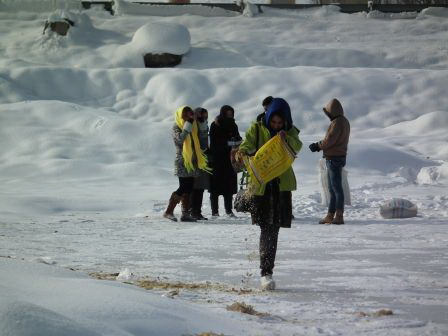
The head of the Environment Protection Organization in Naghadeh, West Azerbaijani Province, said that a group of environmentalists have rushed to the help of migrant birds in the town in the cold, snowy days by spreading seeds along the Sulduz Lagoon to feed them.

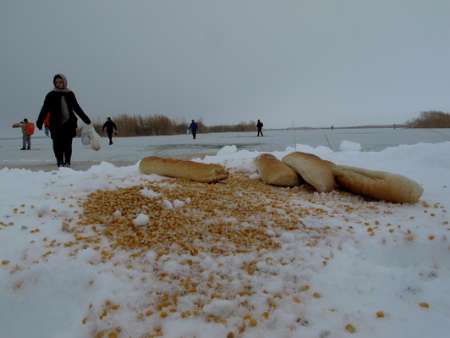
birdsFaramarz Safari further said that heavy snowfall has caused the marine habitats and lagoons in the town to freeze over and this may cause the migrant and indigenous birds in the lagoons to die of hunger. That’s why, he added, the Environment Protection Department in Naghadeh has taken measures – in cooperation with environmental groups – to spread seeds to feed the birds and the wildlife during the cold winter.

Much of Sulduz Lagoon has frozen, he said, adding that the first phase of bird feeding saw more than 300 kilograms of wheat and beans spread in different places along the lagoon for the birds to feed on.

birdsThe environment chief in Naghadeh went on to say that leaving feed for birds and the wildlife on cold winter days can generously contribute to efforts to maintain and protect the animals in the wild and to prevent the indigenous birds from migrating to other regions.

Sulduz Lagoon, which is located 25km to Naghadeh, was revived in 2001. The lagoon is now in good conditions and this has caused seabirds and other animals to migrate to the watery habitat in northwestern Iran.

Naghadeh is home to seven seasonal and permanent lagoons in which more than 10,000 migrant and indigenous birds live. Hasanloo, Darge Sangi, Yadegarloo lagoons in Naghadeh have been recognized as international water habitats.


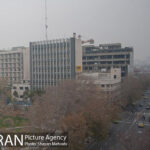
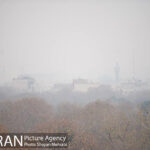
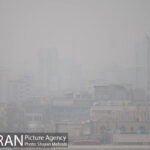
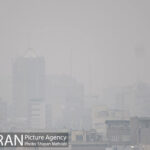
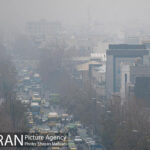
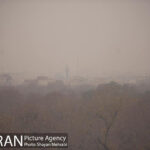
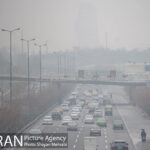
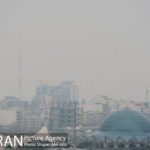
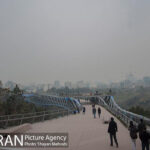
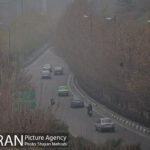
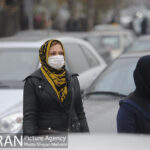
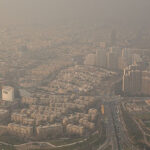
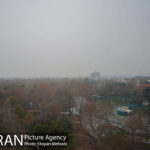
Air pollution in Tehran (PHOTOS)

Air pollution400_B

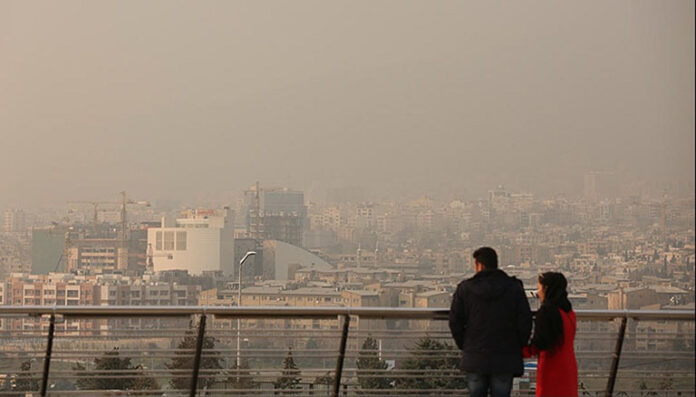
A spike in the level of pollutants in Tehran’s air has prompted officials to declare a red alert, and order schools closed.

On Sunday the level of particles 2.5 micrometers or less in size was seven times the level deemed acceptable by the World Health Organization.

The following images of air pollution in Tehran have been released by Tehran Picture Agency:


What does the Constitution stipulate?

ali-motahari

With less than three months to go before elections for the Assembly of Experts and parliament are held (February 26, 2016), electoral fever in the country has risen to a high pitch.

Recent remarks by the chairman of the Expediency Council on the formation of a “leadership council” and the responsibility of the Assembly of Experts to oversee the workings of the leader have stirred a controversy. Opponents of Ayatollah Akbar Hashemi’s comments were quick to condemn his words as unconstitutional and illegal.

One such condemnation came from the Judiciary chief who said assertions that the assembly is tasked with overseeing the leader’s performance have no constitutional foundation.

In reaction, Tehran MP challenged the top judge’s interpretation of the Constitution, seeking to explain the basic laws for the public.

In a letter to the Judiciary chief, Tehran MP Ali Motahari said that everyone is accountable in the Islamic Republic of Iran and that the glory of the Islamic Republic lies in the fact that it is a religious establishment which has not fostered despotism.

The following is the translation of part of Motahari’s letter as reported by Fararu.com on December 18:

To Esteemed Judiciary Chief Ayatollah Sadegh Amoli Larijani,

Recently you made a [public] comment which raised eyebrows among a large number of politicians, lawyers and Islamists. You said that “oversight of the leader” [supervision of the performance of the leader] has not been envisioned in the Constitution.

It is clear that the phrase “oversight of the leader” is nowhere to be found in the Constitution, but the question that arises here is: Hasn’t this phrase’s implied meaning been included in the Constitution? Shall we simply stick to [the face value of] words?

Your comment runs counter to the ideology of Imam Khomeini and the Supreme Leader, defies wisdom and politics, contradicts the tradition of the Muslim Prophet and Imam Ali, and is against the Constitution and what was debated in the Constituent Assembly. What you said also plays into the hands of those who always accuse the Islamic Republic of being a religious dictatorship.

Your remark is a reminder of claims by the Catholic Church in the Middle Ages that the ruler shoulders no responsibility vis-à-vis people and he is only responsible to God, but that people have responsibility vis-à-vis the ruler. Islam disapproves of this. As Imam Ali has put it, a ruler owes people some rights and people too owe the ruler some rights; basically this is a two-way street, and the only one who owes people no right and only people owe Him some right is God.

You seem to have hurried – out of feverish excitement – to respond to the comments of Ayatollah Hashemi Rafsanjani on the need for supervising the affiliates of the Supreme Leader’s Office, and made a statement you yourself may not have much belief in.

You have said that under the Constitution, the Assembly of Experts is tasked with determining whether an individual meets the necessary requirements to become leader, [it does not supervise the workings of the leader] and that it is quite natural that such determination differs from oversight and these two are not interdependent.

Firstly, the Assembly of Experts is not simply tasked with determining who meets or lacks the necessary requirements to become leader on the day the leader is appointed; rather, according to the Constitution’s Article 111, it is charged with measures to see if the leader continues to meet those requirements during his leadership.

[Whenever  the  Leader  becomes  incapable  of  fulfilling  his  constitutional  duties,  or  lobs one  of  the  qualifications  mentioned  in  Articles  5  and  109,  or  it  becomes  known  that  he did not possess some of the qualifications initially, he will be dismissed. The authority of determination  in  this  matter  is  vested  with  the  experts  specified  in  Article  108. …]

Secondly, to determine whether the leader continues to meet those requirements is all but impossible without supervising the workings of the leader, and despite your interpretation, these two are interdependent.

You have made an analogy which is unfortunately inaccurate and irrelevant. You have said that oversight by the Assembly of Experts of the leader resembles a situation in which people who seek to follow the sources of emulation supervise these sources because the followers should make sure that their sources of emulation meet the requirements of being the most learned individual, enjoy Ijtihad and are just, [and have gone on to say] that the falsehood of such a comment is clearly evident.

Firstly, the falsehood of this comment is not evident, because even in this case [that you mentioned] the follower of a source of emulation has the responsibility to supervise the source to see if he continues to be just, and this does not happen unless the follower keeps an eye on the performance of the source of emulation. If that source of emulation fails to be just, the follower should turn to another source.

Secondly, let’s assume that supervision does not apply to this case (sources of emulation and their followers), but it provides us with no good reason to claim that it does not apply to the responsibilities of the Assembly of Experts either, because these two subjects are totally different.

Followers are not allowed to dismiss a source of emulation, but the Assembly of Experts has the authority and responsibility to dismiss the leader in case he fails to meet the requirements of the leadership, and such authority is not exercised and such responsibility is not undertaken unless the assembly supervises the workings and behavior of the leader.

In other words, the question of sources of emulation and their followers is a personal issue, and the question of the Assembly of Experts and the leader is a social one, thus comparing these two questions is a mistake.

In a Q-and-A session with students of Amir Kabir University of Technology on February 27, 2001, the Supreme Leader said, “Nobody is above supervision. The leader himself is not exempt from supervision, let alone the bodies linked to the leadership.

“Therefore all [officials] should be supervised. Those who rule [the country] should be subject to supervision. Governance naturally leads to the accumulation of wealth and power. In other words, public funds and properties as well as social and political authority lie in the hands of the rulers. It [supervision] is necessary and imperative so that those in government do not betray [people’s] trust, do not misuse [their position] and do not get consumed with their passions.”

The Supreme Leader also touched upon the selection of leader in the sermons of Eid-ul-Fitr prayers in 2006, and said, “The main responsibility of the [Assembly of] Experts is first to choose the leader and second to supervise the sitting leader”.

[…]

In short, nobody in the Islamic Republic can be unanswerable [to the public]. The glory of the Islamic Republic lies in the fact that although it is a religious government, it has not been afflicted by the deviations religious governments went through in Europe in the past and has not walked down a path that leads to religious despotism, because the Constitution of this establishment, and above all Islam, has prevented such a thing from happening.

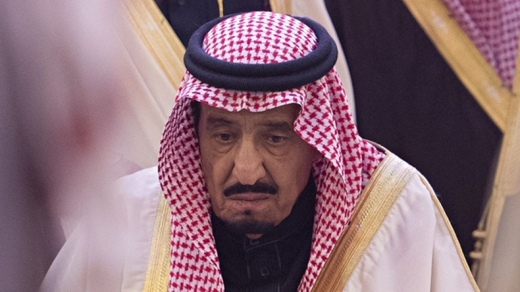
Ayatollah Shahroudi raps Riyadh for irrational stance on Nigeria

saudi-king-salman

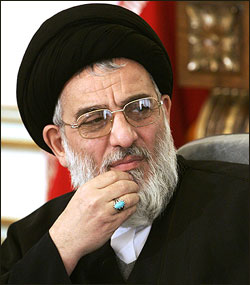
The vice-chairman of the Assembly of Experts has strongly criticized Saudi Arabia for taking side with the Nigerian army in the massacre of Shiite Muslims of the African country.

Shahroudi
Ayatollah Mahmoud Hashemi Shahroudi

“Saudi Arabia’s coalition with the US and arrogant powers is a blatant example of friendship with blasphemers; the Saudi king’s congratulations to the perpetrators of crimes in Nigeria is shameful and disgraceful,” Ayatollah Mahmoud Hashemi Shahroudi said on Saturday.

He reiterated that attacking and killing innocent Shiites in a country that has about 15 million Shiites and an apparent Muslim government is a painful crime against Islam.

“In a country where Boko Haram kills innocent people and enslaves children and women, and no effective measures are taken against it, authorities treat 15 million Muslims in a violent manner only for fulfilling their religious duties and staging protests against Israel,” Ayatollah Hashemi Shahroudi said.

The Nigerian army attacked two religious centers of the country’s Shiite community last week, killing hundreds of defenseless civilians there. The military also arrested Leader of the Islamic Movement of Nigeria Sheikh Ibraheem Zakzaky after raiding his house and killing his son, assistants and followers.

On Monday, Iran’s Foreign Ministry summoned Nigeria’s charge d’affaires in Tehran over the massacre of the Shiite Muslims in Zaria in Kaduna State and voiced Tehran’s serious concern over the incident.

At the meeting, the head of the Foreign Ministry’s office for African affairs condemned the Nigerian army attack on the Shiite community as unacceptable, and reiterated the Nigerian government’s responsibility for protecting the lives of the Shiites and religious centers, especially the Islamic Movement of Nigeria.

“The Islamic Republic of Iran seriously demands clarification of the dimensions of the incident, treatment of the wounded people and compensation for the damage incurred at the earliest,” the Iranian diplomat said.

The Nigerian charge d’affaires, for his part, said that he would inform his government of Iran’s concern and provide Tehran with a response.

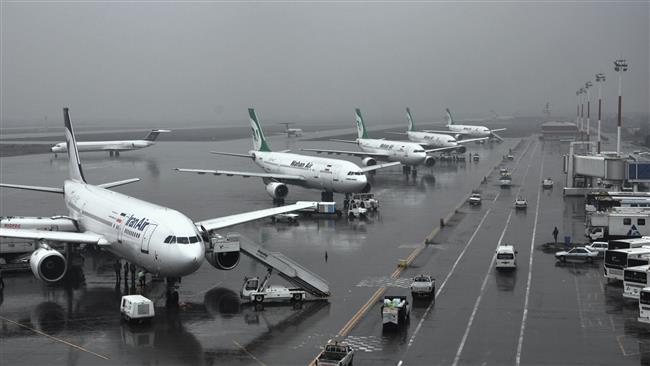
Iran awards IKIA deal to Dutch firm NACO

Iran IKIA airport

Iran on Saturday awarded a deal to a Dutch company over the development of a town in the vicinity of the country’s biggest airport – Imam Khomeini International Airport (IKIA) – in southern Tehran.

The contract was signed between the Managing Director of IKIA Airport Town Company Mahmoud Navidi and Kiel Cloisterville, the vice president of the Netherlands Airport Consultant Company (NACO).

NACO will be in charge of providing consulting services for the development of Phase 1 of IKIA Airport Town for a period of five years, IRNA reported.

Phase 1 of the project includes a passenger terminal named “Salam” with capacity of around five million passengers a year, a passenger terminal named “Iranshahr” with a capacity of 20 to 22 million passengers a year as well as a section of free trade zone.

Upon the completion of the first phase of the IKIA Airport Town, the passenger capacity of the airport will reach 30 million passengers from the current 8 million in the next five years.

NACO identifies itself as a global provider of airport planning, airport design, and airport engineering services. It also says it has carried out projects in 550 airports worldwide.

Officials had previously said the country is in talks with the French industrial group Bouygues and Aéroports de Paris to expand the airport at a total cost of $2.8 billion.

Earlier this month, France’s AccorHotels signed an agreement in Tehran to run two hotels near IKIA, marking the first foray by a major foreign entity into the country’s hospitality market since 1979.

Under the deal, the group will manage four-star Ibis IKIA with 196 rooms and five-star Novotel IKIA with 296 rooms.

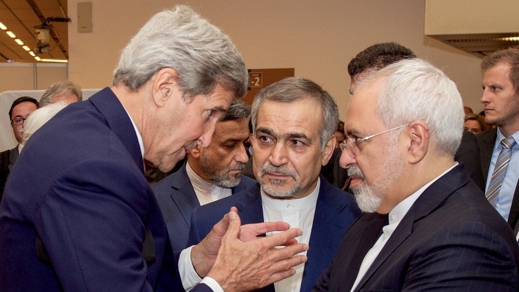
Zarif: Iran sees ‘mixed signals’ from US, proposed visa waiver changes ‘absurd’

Zarif and Kerry

Iran’s Foreign Minister Mohammad Javad Zarif, speaking to Al-Monitor in New York following a UN Security Council meeting on Syria on Dec. 18, said it remains to be seen if US-Iran relations would ease in the wake of the implementation of the Iran nuclear deal as early as next month. But he said Iran was disturbed by recent proposed changes to the US Visa Waiver Program that could require European travelers who had visited Iran to apply for a visa to travel to the United States, and he had been discussing the matter with US Secretary of State John Kerry.

“We will have to wait and see,” Zarif told Al-Monitor in an interview at Iran’s ambassadorial residence in New York on Dec. 18, regarding whether US-Iran ties would ease up a bit after the United States lifts sanctions when the Iran nuclear deal, the Joint Comprehensive Plan of Action (JCPOA), is implemented as early as January.

“Unfortunately, there are mixed signals coming from Washington, mostly negative signals, including the Visa Waiver Program restrictions” proposed in a Congressional omnibus spending bill Dec. 18, Zarif said. “Now we await for the decision by the administration on how it wants to bring itself into compliance with its obligations under JCPOA.”

“I have had discussions with Secretary Kerry and others on this for the past several days since it’s become known that this was the intention,” Zarif said. “And I wait for them to take action.”

Predominantly Shiite Iran, which is considered a mortal enemy of the Islamic State (IS), an extremist Sunni terrorist group, and is engaged in fighting it in Iraq and Syria, has nothing to do with recent IS-linked terrorist attacks in Paris and San Bernardino, California, Zarif said, calling the proposed changes to the US Visa Waiver Program targeting travelers to Iran “absurd.”

“Now it is clear that this new legislation is simply absurd because no Iranian nor anybody who visited Iran had anything to do with the tragedies that have taken place in Paris or in San Bernardino or anywhere else,” Zarif said. “But they’re being the targets. I think it discredits those who pass these legislations, those who adopt them and those who implement them more than anything else. And it sends a very bad signal to the Iranians that the US is bent on hostile policy towards Iran, no matter what.”

Zarif, speaking after the conclusion of a third round of meetings of some 20 nations and international bodies that comprise the International Syria Support Group, said he appreciated that the international Syria diplomatic process had brought Iran and the Kingdom of Saudi Arabia into direct discussions again, which Iran has sought but Riyadh had rebuffed until October. But he expressed misgivings about the intentions of some members of the international body about whether they really supported a diplomatic resolution to the Syria conflict.

He confirmed that Iran has had sideline bilateral conversations with Saudi Arabia in recent weeks, but he said the interactions were brief.

“There have been some short conversations, very welcomed though,” Zarif said. “And I’ve had a couple of exchanges with my Saudi counterpart [Saudi Foreign Minister Adel al-Jubeir]. Iran’s ambassador has had a couple of exchanges in the yard. We hope that is a good beginning. But that’s not even near where we should be.”

“We have always been ready to engage with our neighbors, and we believe that our neighbors are our priority,” Zarif said. “And once our Saudi friends are ready to engage in serious dialogue, they will find Iran to be … ready.”

As to the considerable efforts of Kerry and the Obama administration, as well as Russia and the European Union, to persuade Saudi Arabia to include Iran in direct talks on regional matters, Zarif did not offer Washington too much credit. “The fact that people allowed certain players to exclude others from this process was the anomaly, not having a table around which all the significant players can sit and discuss,” Zarif said. “So, I mean, I have to say that what happened in the past [keeping Iran out of the Geneva meetings on Syria] was the anomaly, not what is happening now.”

On Syria, Zarif said he believed the international community was becoming more “realistic” about trying to facilitate a dialogue among the Syrian regime and opposition “without setting preconditions” — presumably referring to when in a transition process Syrian President Bashar al-Assad would be required to leave power.

“I think as soon as people realized that this was not possible, that if you wanted to find a political solution to the Syrian nightmare, you needed to be able to sit down at the table without setting preconditions. And I think that that’s the realization,” Zarif said. “It’s not kicking the can down the road, but rather being realistic. That you need to start negotiating, and through the negotiation process, achieve the outcome; not achieve the outcome before the negotiation process.”

“Of course there are disagreements,” Zarif said. “We have disagreements about who [the] terrorists are. Unfortunately, reincarnations of al-Qaeda, Daesh [IS] and Jabhat al-Nusra are being used by some of our friends and neighbors as oppositions rather than as terrorists. … And we certainly do have differences about how the political process should lead to a national unity government.”

“I think another area of possible disagreement is that some of our friends continue to believe that there is a military solution,” Zarif said. “I think that’s an illusion. Of course there has to be a military element to this, but it has to be a political solution. And then we need to engage in a comprehensive approach to settle the problem of these extremist groups.”

A transcript of the interview, conducted by Al-Monitor’s managing editor, slightly edited for clarity, follows below.

Al-Monitor: Today was a very productive day. Was the decision not to mention Assad in the resolution the outcome of simply an agreement to disagree, thereby kicking the can down the road, or is there an understanding beyond that of Syrians being free to “decide the future of Syria” in internationally supervised elections?

Zarif: Well, I think what’s important is for the international community to try to facilitate a dialogue among Syrians rather than to try to dictate the terms of that dialogue. Over the past four and a half years, or at least after the first few months where everybody thought on both sides that this would be over within a few months, after that for the past almost four years, the attempt to put an end to this has been thwarted because of an inclination to determine the outcome of the negotiations before the negotiations started, almost as a precondition for the negotiations.

And so I think as soon as people realized that this was not possible, that if you wanted to find a political solution to the Syrian nightmare, you needed to be able to sit down at the table without setting preconditions. And I think that that’s the realization. It’s not kicking the can down the road, but rather being realistic. That you need to start negotiating, and through the negotiation process, achieve the outcome; not achieve the outcome before the negotiation process.

Now the outcome is what the Syrian people will decide it to be, not what those of us should think in this room, in a nice hotel room in New York or in Vienna or anywhere else, decide for the Syrians. And I think that that’s important. Of course there are disagreements. We have disagreements about who [the] terrorists are. Unfortunately, reincarnations of al-Qaeda, Daesh [IS] and Jabhat al-Nusra are being used by some of our friends and neighbors as oppositions rather than as terrorists. So that is something to be sorted out.

And we certainly do have differences about how the political process should lead to a national unity government. Ah, we have presented our views in a rather transparent way, and we hope others are prepared to do the same, and at the same time, help the Syrians get together and put an end to this bloodshed.

I think another area of possible disagreement is that some of our friends continue to believe that there is a military solution. I think that’s an illusion. Of course there has to be a military element to this, but it has to be a political solution. And then we need to engage in a comprehensive approach to settle the problem of these extremist groups.

Al-Monitor: Speaking of these terrorist groups, the UNSC [United Nations Security Council] Resolution bars terrorist groups from the negotiation process. Is there a consensus on how these groups are defined? You made a reference today [Dec. 18] in your op-ed in the Guardian that there are those “pushing for self-proclaimed al-Qaeda affiliates to have a prominent place at the negotiating table.” How would you define such groups?

Zarif: Well, I mean it’s not that difficult. There are groups that have al-Qaeda affiliations, ah, have issued statements that they sympathize with al-Qaeda or basically branches of al-Qaeda and Syria. They cannot, all of a sudden, be baptized as legitimate opposition groups. These are terrorist organizations usually composed of mostly non-Syrians. It’s simply not acceptable to try to just repackage them and present them as democratic opposition.

Al-Monitor: Following on that, how would you define what constitutes a legitimate opposition group that should be encouraged to enter the dialogue?

Zarif: Well, we have set a red line that Daesh [IS], Jabhat al-Nusra and other al-Qaeda affiliates would not be recognized as legitimate oppositions. So whoever is not among them and whoever is prepared to sit down and seek a political solution, if they meet the criteria, then that’s the criteria. Unfortunately, people are trying to avoid that criteria from being set.

Al-Monitor:  Has Iran been able to help with local cease-fire efforts to get more access for humanitarian aid into Syria?

Zarif: Well, we have in the past several years tried and, in cases, successfully to get humanitarian access, to get even temporary cease-fires for civilians to get out. Even in cases to get those combatants who did not want to engage in combat anymore out of areas under siege. So we think that’s possible provided there is political will to engage in Syria’s work.

Some people have made it a business of continuing to see bloodshed in Syria because that’s politically useful for those who want to wage a propaganda campaign. It’s a very sad statement, and I’m very sorry to make this statement. But it is important for people to realize that they cannot make political mileage out of the misery of the Syrian people. And once that is the case, then we will try to work for whatever we can get. If it’s a localized cease-fire, if it’s a general cease-fire, if it’s a temporary humanitarian cease-fire. Whatever we can do, we need to do it in order to relieve the Syrians of the pain and suffering that they’ve been going through.

Al-Monitor: When you were here in New York in the fall, you said that you’d been trying to get talks with the Saudis, but the Saudis did not accept, as of yet. After intense efforts by the US, among others, the US helped to persuade the Saudis to accept Iran being a part of the international Syria support group, to help get you both to the table. What is your view on this effort, and how have you seen the cooperation go during this past day and a half?

Zarif: Well, we have always been ready to engage with our neighbors, and we believe that our neighbors are our priority. And once our Saudi friends are ready to engage in serious dialogue, they will find Iran to be, to be ready. The fact that people allowed certain players to exclude others from this process was the anomaly, not having a table around which all the significant players can sit and discuss.

So, I mean, I have to say that what happened in the past [keeping Iran out of the Geneva meetings on Syria] was the anomaly, not what is happening now.”

Al-Monitor: Your deputy, [Hossein Amir-] Abdollahian, was recently cited by Iranian media saying that there has been more Saudi and Iran talks as of late. Have you been able to advance that channel?

Zarif: There have been some short conversations, very welcomed though. And I’ve had a couple of exchanges with my Saudi counterpart [Saudi Foreign Minister Adel al-Jubeir]. Iran’s ambassador has had a couple of exchanges in the yard. We hope that is a good beginning. But that’s not even near where we should be.

Al-Monitor: Have you been able to discuss the ongoing conflict in Yemen?

Zarif: No. We are trying to help, through the United Nations, in the negotiations, as they’re taking place in Geneva. We facilitated the negotiations, and we will continue to help with the negotiations that are undergoing right now. And it’s moving, I hope, in the right direction.

Al-Monitor: On the nuclear deal, do you think the implementation and the US fulfilling its obligations under the JCPOA to lift sanctions will make for an easing in the chill in the US/Iran relations?

Zarif: Well, we will have to wait and see. Unfortunately, there are mixed signals coming from Washington, mostly negative signals, including the Visa Waiver Program restrictions that’s been adopted by the House and today by the Senate, which in our view are not in line with US obligations under JCPOA. Now we await for the decision by the administration on how it wants to bring itself into compliance with its obligations under JCPOA.

I have had discussions with Secretary Kerry and others on this for the past several days since it’s become known that this was the intention. And I wait for them to take action.

Well what’s important is that the United States needs to send a signal to the Iranian people that it is prepared to modify its behavior and its policy vis-a-vis Iran. Now it is clear that this new legislation is simply absurd because no Iranian nor anybody who visited Iran had anything to do with the tragedies that have taken place in Paris or in San Bernardino or anywhere else. But they’re being the targets. I think it discredits those who pass these legislations, those who adopt them and those who implement them more than anything else. And it sends a very bad signal to the Iranians that the US is bent on hostile policy towards Iran, no matter what.

Al-Monitor: Since it sounds like Iran views this as a violation of the US commitments, will Iran take any corresponding actions?

Zarif: I mean we don’t care about what’s happening within the US legal system. What’s important is what the United States government, as the authority responsible before its national law and in interstate relations, takes as its own course of action. I believe there are remedial measures that the US government can take, and it should take, in order to mitigate the negative consequences of this legislation and bring the United States into compliance with JCPOA. So we are waiting for action to be taken.

Al-Monitor: Following up on one more question on the Iran deal. One of the changes in Iran’s handling of the nuclear negotiations after President [Hassan] Rouhani’s election was the transfer of the nuclear file from the Supreme National Security Council to the Foreign Ministry. And mindful of the AEOI’s [Atomic Energy Organization of Iran] extensive role in the implementation of Iran’s commitments under the JCPOA, which Iranian government body is in charge of the implementation of the nuclear agreement?

Zarif: Well, it’s an interagency process. The foreign ministry was responsible to lead the negotiations, but we always benefitted both from the expertise as well as from the actual political participation of our Atomic Energy Organization, particularly toward the last episodes of the negotiations. We had with the head of the agency, Dr. [Ali Akbar] Salehi, engaging his American counterpart, [Secretary of Energy, Ernest] Moniz, in the negotiations, which proved to be extremely useful.

And now it is an interagency exercise in Iran with a body under the National Security Council that basically exercises oversight on the implementation of the JCPOA. So it’s a complicated process, but it is mostly because Iran’s actions to implement its side of the bargain will be verified by the IAEA [International Atomic Energy Agency]. It is important for us to make sure that the United States and Europe, particularly the United States, remain in compliance with their part of the obligations under the treaty. And that is why that oversight body exists in Iran to, to make sure that the United States is in compliance.

Al-Monitor: Turning directions a little bit, talking about Russia. Russia has surfaced as a strategic partner of Iran in the region. Mindful that your country’s current trade volume with Turkey is 10 times that of your trade with Russia, Iran has an obvious interest in maintaining good relations with both Ankara and Moscow. What, if any, steps are being taken by Iran to reduce tensions between Russia and Turkey?

Zarif: Well, we have tried to exercise restraint when it comes to statements that have been made. And we have tried to talk to our Turkish friends about statements that they are making about Iraq. We believe that the focus of attention has to be on fighting Daesh [IS] and terrorist organizations in Syria and in Iraq, rather than on attempts to divert attention from the actual problem, and that is extremism and terrorism in the region.

So we certainly hope that the development in our region, both in the relations between Turkey and Russia, as well as in the relations between Turkey and Iraq, are contained. And we do not see further exacerbation of tension. Because any tension between regional players plays directly in the hands of Daesh [IS].

Al-Monitor: And one final question. There is a report in Al-Hayat about Jordan having submitted a list of 167 terrorist groups in Syria. According to this report, the IRGC [Islamic Revolution Guards Corps] and Hezbollah are on this list. Have you heard of this report?

Zarif: Well, Jordan had the responsibility of coordinating. So it compiled a list of various organizations that had been claimed by one or several countries to be considered as terrorist organizations. One or two actually tried to use this as a political ploy to score, in my view, rather childish political scores. And while there is unanimity on a number of organizations, like Daesh [IS] and Nusra, and a very large majority, including certain organizations like Ahrar ash-Sham, who were unfortunately invited to the meeting in Saudi Arabia as terrorist organizations.

There were one or two who just put certain names in there, and that list has been officially withdrawn now. So there is no list with organizations or entities that are actually in Syria under request of the Syrian government fighting Daesh [IS] and terrorist groups that is around.

It is a very sad situation where people, instead of focusing their attention on known terrorist organizations like al-Qaeda, Daesh [IS] and Jabhat al-Nusra, Ahrar ash-Sham, and Jaish al-Islam — organizations which everybody consider to be extremist terrorist organizations — are trying to use them as leverage or play games or try to bargain. I mean, as if they are announcing that these guys are all allies.

And we want to use every possible avenue in order to keep them alive. That sends a very bad signal, but I think it is being addressed. There are no such lists. If anybody is reporting that a list exists, I could say categorically. And if anybody kept any record of the meeting, the record of the meeting indicates that any possibilities have now been officially withdrawn.

 

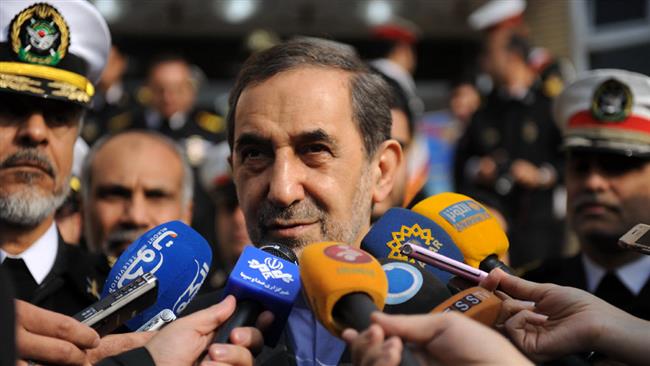
UN resolution against Daesh funding belated: Leader’s aide

Velayati-Iran

A UN Security Council resolution aimed at clogging up Daesh Takfiri group’s revenue stream has been adopted “belatedly,” a top adviser to Leader of the Islamic Revolution Ayatollah Seyyed Ali Khamenei, says.

Speaking to reporters on Saturday, Ali-Akbar Velayati welcomed the adoption of the resolution, but said that the UN should have taken action against the Daesh funding sooner.

The Security Council’s resolution earned the blessing of the 15-member body’s finance ministers on Thursday.

It considered Daesh to be posing as much threat as al-Qaeda, threatened sanctions on parties buying oil from the terrorist group, and advised that countries resist its demands for ransom payments.

The Security Council, which had last month called on all countries to take “all necessary measures” to fight Daesh terrorists, also voiced concern that some countries were failing to implement long-standing sanctions against Daesh.

Velayati said Western countries must be held accountable for crimes committed by Daesh terrorists in the global scene, adding, “Those who created Daesh [terrorist group] must also be held responsible in international bodies.”

He emphasized that those who have formed Daesh Takfiri group must be tried in international courts as war criminals.

He said the UN resolution was adopted after Daesh Takfiri terrorist group committed numerous crimes in Iraq, Syria and other countries such as Nigeria, adding that the group’s crimes have brought disgrace on the Western countries.

“Policies of certain regional countries and Daesh have failed due to the resistance of the Iraqi and Syrian people and countries that helped them such as Iran,” the senior Iranian official added.

The US along with some of its allies has been launching attacks against alleged positions of Daesh Takfiri terrorists since August 2014 without any authorization from Damascus or a UN mandate.

Syria has slammed Washington and its allies for damaging Damascus’ infrastructure and killing and injuring civilians.

Bashar al-Assad, Iran’s red line

Velayati further described Syrian President Bashar al-Assad as Iran’s red line, noting that the Syrian government has managed to stand firm against the foreign-backed war on the Arab country over the past five years.

He added that despite some restrictions and problems, the Syrian government and nation have been resisting against some powerful world countries and their regional allies over the past five years.

The Supreme Leader’s aide emphasized that no extra-regional country has the right to make a decision about the future government of Syria.

“The next Syrian government should be elected by the [Syrian] people. No decision must be made from outside the region at all,” he pointed out.

The crisis in Syria, which flared in March 2011, has so far claimed the lives of over 250,000 people and displaced nearly half of the Arab country’s population within or out of its borders.


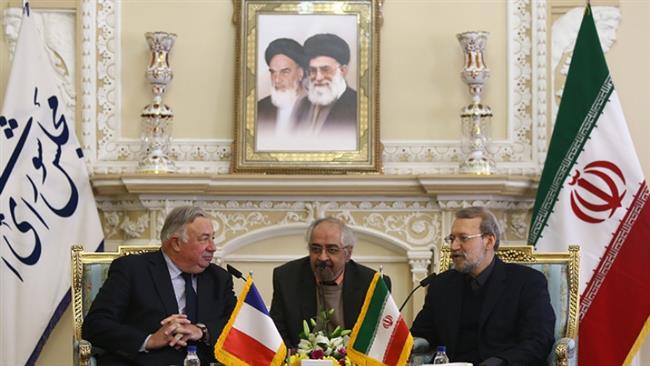
Instrumental use of terrorism leads to its escalation: Larijani

Larijani-French

Iran’s Parliament Speaker Ali Larijani says the instrumental use of terrorism and the lack of a genuine anti-terror fight have led to the spread of the menace.

“The use of terrorism as a tool is a factor that has helped its spread because certain countries seek to control and not combat and eradicate terrorist groups,” Larijani said in a meeting with President of the French Senate Gerard Larcher in Tehran on Saturday.

He added that crises in many regional countries can be resolved only through the formation of national unity governments, warning that conflicts would otherwise persist in the region.

The Iranian speaker said Western countries need to realize that it is the people who should decide their country’s government through elections.

Larijani further stressed the importance of increasing parliamentary and economic cooperation between Tehran and Paris in a bid to reach common solutions on the establishment of security in the region.

France determination to fight terrorism: Larcher

The French senate president said his country, which has been recently targeted by terrorist attacks, is determined to contribute to the resolution of crises.

At least 130 people were killed and 352 others injured when assailants struck at least six different venues in and around the French capital on November 13.

In a statement the day after, the Daesh Takfiri terrorist group claimed responsibility for the attacks.

Larcher pointed to the adoption of a resolution by the United Nations Security Council on putting an end to the nearly five-year-long crisis in Syria and urged a serious international fight against Daesh terrorist group as well as the establishment of democracy in the Arab country.

The Security Council’s resolution, adopted on Friday, calls for Syrian peace talks on a transitional government to begin in early January. It also calls for a nationwide ceasefire in the war-torn country.

According to the resolution, a “credible, inclusive and non-sectarian” government should be established in Syria within six months and UN-supervised “free and fair elections” should be held within 18 months.

Larcher arrived in Tehran at the head of a delegation on Saturday. He is set to hold talks with Iran’s President Hassan Rouhani on Sunday.

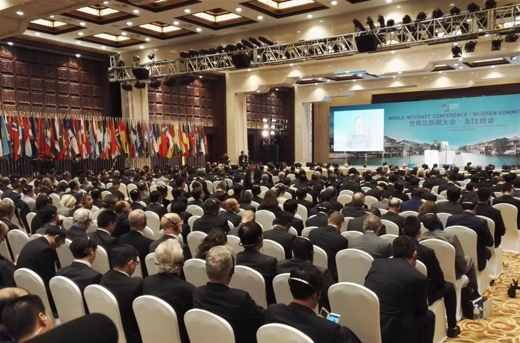
New determination to end US monopoly of the Internet

Internet conference

The US is trying to stick to its monopoly on the Internet forever but with the discussions raised at the second World Internet Conference, its seems new determination is taking shape to put an end to this monopoly, Iranian Communications Minister Mahmoud Vaezi told IRNA at the end of the summit in Wuzhen, China.

Vaezi-Iran
Iranian Communications Minister Mahmoud Vaezi

Vaezi further said, “All countries call for respect for the nations’ sovereignty in cyberspace and want that infrastructures of the cyberspace should be safe and void of any threat, and this significant matter is feasible only and only through international efforts.

“This issue is so paramount that even many Western countries participating in the Wuzhen summit stressed the need for serious confrontation with cybercrimes and cyber-terrorism.”

The Iranian communications minister also underlined, “The Internet governance should be democratic, transparent and at the same time lend support to governments to enable all countries and nations to access the security they all expect the cyberspace to provide.”

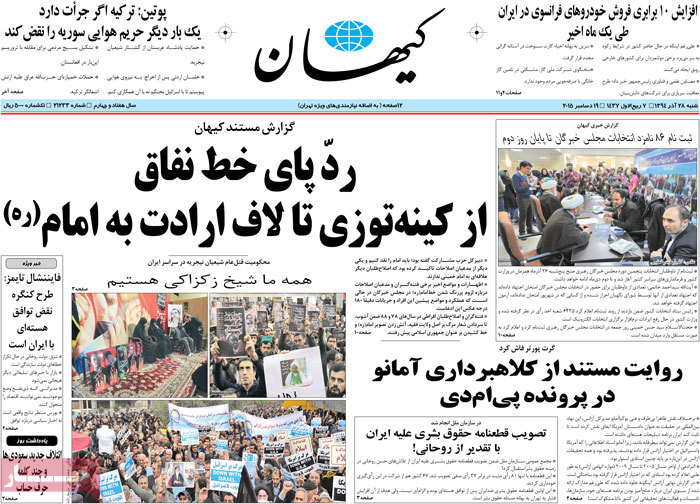
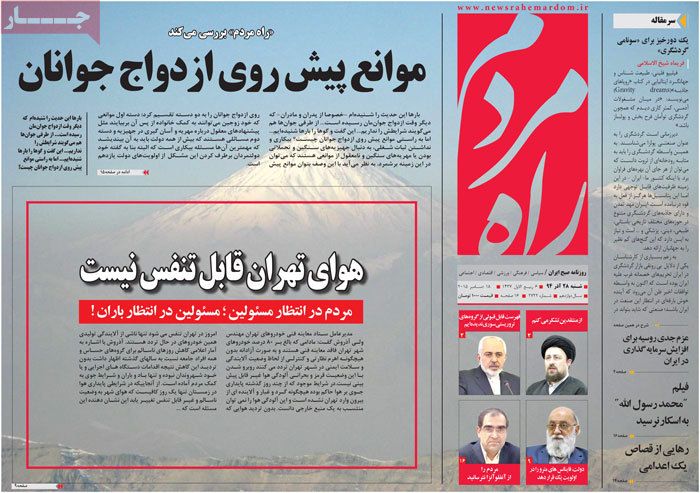
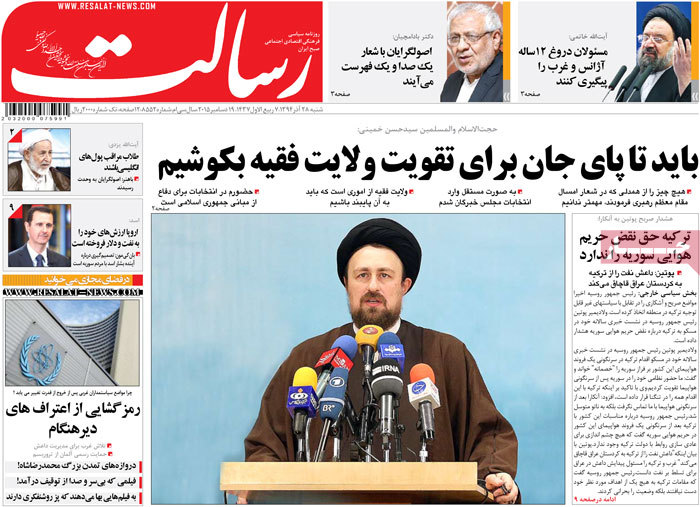
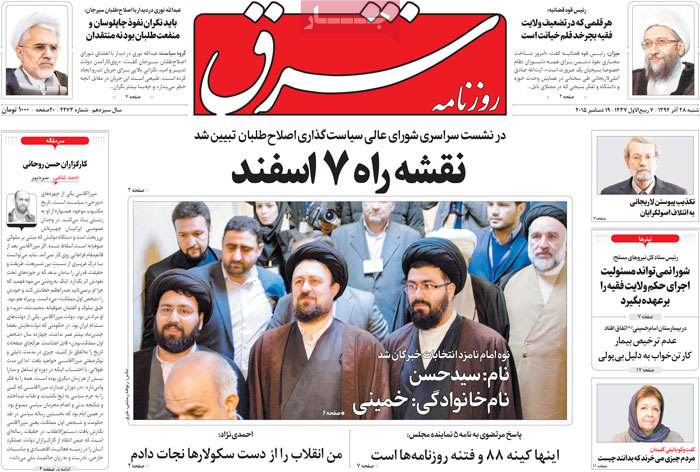
A look at Iranian newspaper front pages on Dec. 19

Iranian Newspapers Headlines

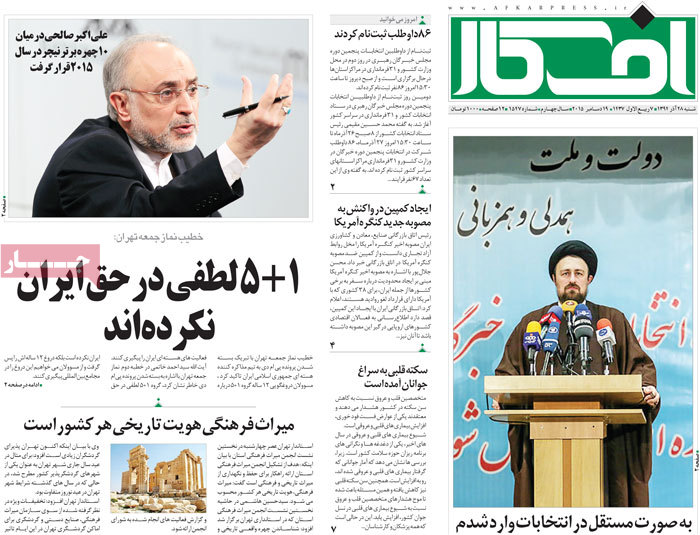
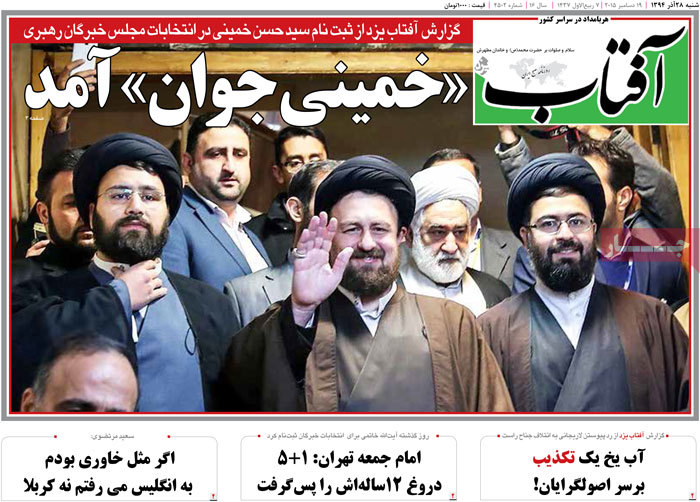
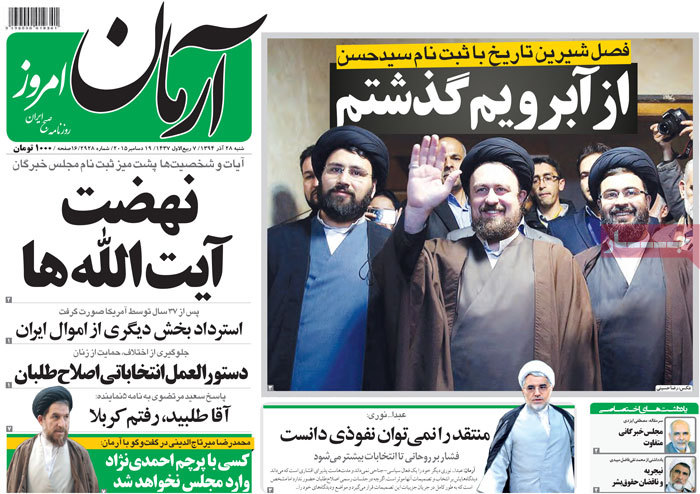
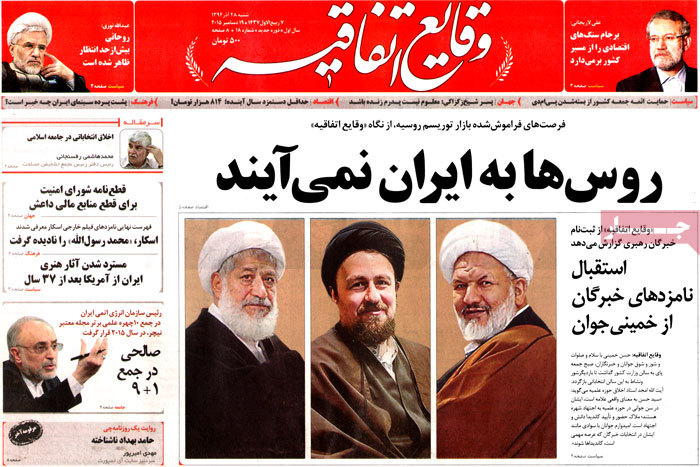
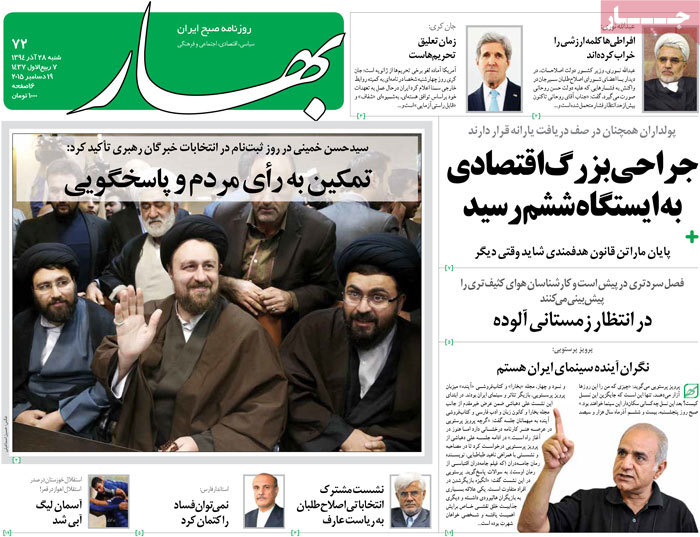
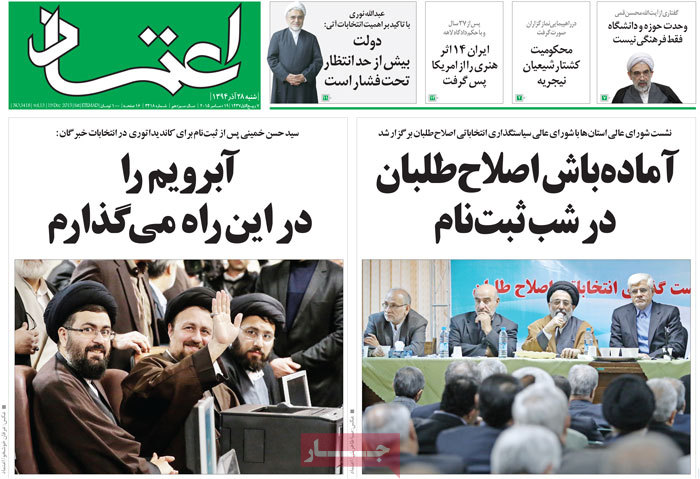
The start of registration of those who seek to contest the Assembly of Experts elections on February 26 dominated the front pages of Iranian newspapers on Saturday with reformist-leaning dailies highlighting the registration of the grandson of the late founder of the Islamic Republic.


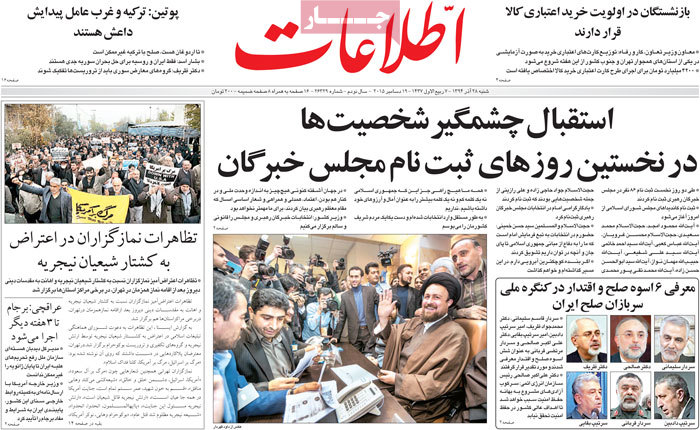
Ettela’at: A warm welcome by [political] figures on early days of registration for the Assembly of Experts

As many as 86 people have fielded their candidacy for the Assembly of Experts in the first two days of registration.

The registration of those running for the Islamic Consultative Assembly will get underway as of Saturday (December 19).   

Ettela’at: The pensioners are top on the list of those who will be given the credit cards the government is expected to issue.

A deputy minister of cooperatives, labor and welfare has said that the pilot distribution of the pre-paid cards [people are to be provided with to purchase Iranian-made goods] will get underway in a province near Tehran and in the south as of this week.

Ettela’at: Russian President Vladimir Putin has said that Turkey and the West are to be blame for the emergence of ISIS [Daesh].

President Putin further said that peace with Turkey is a distant possibility as long as [Turkish President Recep Tayyip] Erdogan is in power.

Ettela’at: TheIranian people held rallies after Friday prayers in protest at the massacre of the Shiites in Nigeria.

Worshippers in Tehran and other provincial centers across the country staged rallies to protest the killings of Shiites and disrespect for religious sanctities in Nigeria.

Ettela’at: Deputy Foreign Minister Abbas Araghchi [who is also the head of the JCPOA Implementation Commission] has said that the Joint Comprehensive Plan of Action will be implemented in three weeks.

In another development, the US secretary of state has sent a letter to the US Senate Committee on Foreign Relations confirming Iran’s compliance with the conditions and provisions of JCPOA.

Ettela’at: The first edition of the National Congress of Iran’s Peace Soldiers has introduced six role models of peace and authority.

The national congress hailed Commander of the Quds Force of the Islamic Revolution Guards Corps (IRGC) Major General Ghasem Soleimani, Foreign Minister Mohammad Javad Zarif, a former commander of the Army ground troops Brigadier General Ahmad Dadbin, General Habib Baghaei, Director of the Atomic Energy Organization Ali Akbar Salehi and IRGC’s Brigadier General Morteza Ghorbani.


A look at Iranian newspaper front pages on Dec. 19


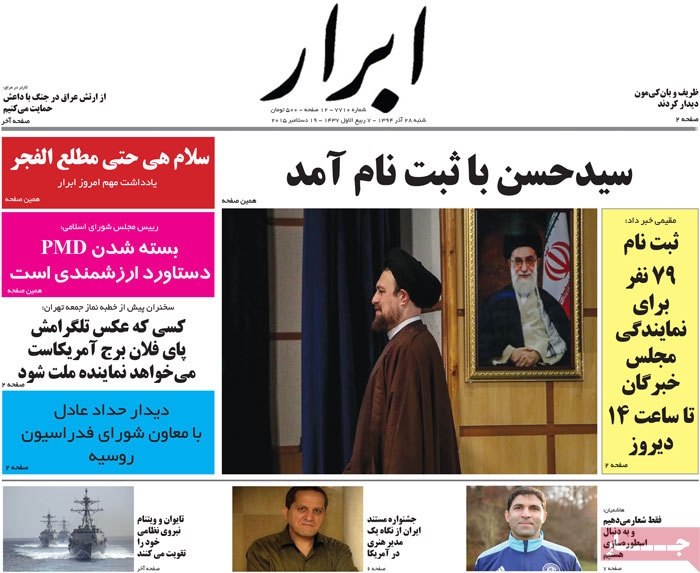
Abrar: FM Zarif has met with UN Secretary General Ban ki-moon.


A look at Iranian newspaper front pages on Dec. 19


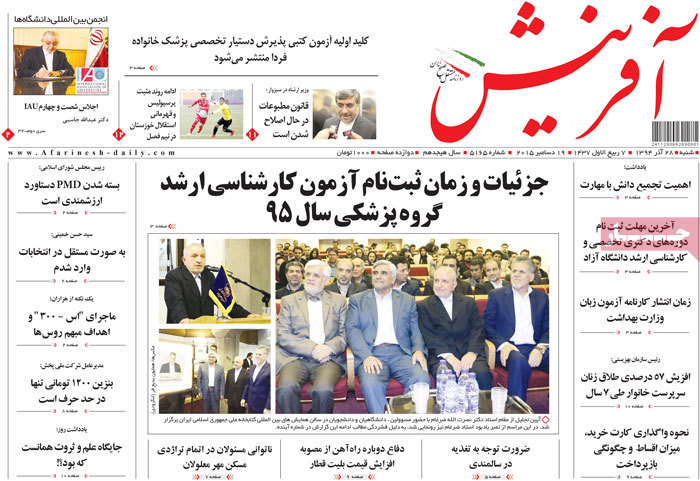
Afarinesh: The speaker of the Islamic Consultative Assembly has said that the closure of the possible military dimensions (PMD) file is a valuable achievement.


A look at Iranian newspaper front pages on Dec. 19


Afkar: Ali Akbar Salehi, a nuclear diplomat, has been named one of Nature’s “ten people who mattered” in 2015. [The science journal has recently named ten people in science who mattered in 2015].


A look at Iranian newspaper front pages on Dec. 19


Aftab-e Yazd: “If I were like [Mahmoud] Khavari [a former managing director of Bank Melli who has fled to Canada], I would have traveled to Britain, not Karbala,” said Saeed Mortazavi [a former judge and director of the Social Security Organization who is on trial for corruption].


A look at Iranian newspaper front pages on Dec. 19


Arman-e Emrooz: Critics cannot be treated as infiltrators, said Abdollah Nouri, a former interior minister.

He also said that pressures on Rouhani will grow in the build-up to the elections.
 

A look at Iranian newspaper front pages on Dec. 19


Asrar: Director of the Atomic Energy Organization of Iran Ali Akbar Salehi has said that people’s security cannot be restricted in the name of security.

Asrar: Next year [starting March 21, 2016] will be the honeymoon of Iran’s economy, said Head of Iran’s Chamber of Commerce, Industries, Mines and Agriculture Mohsen Jalalpour.


A look at Iranian newspaper front pages on Dec. 19


Bahar: Parviz Parastui, a famous Iranian actor, said, “I am concerned about the future of Iran’s cinema.”


A look at Iranian newspaper front pages on Dec. 19


Etemad: “I will put on the line my reputation for this [carrying out my responsibility]”, said Seyyed Hassan Khomeini, the grandson of the late Imam Khomeini.


A look at Iranian newspaper front pages on Dec. 19


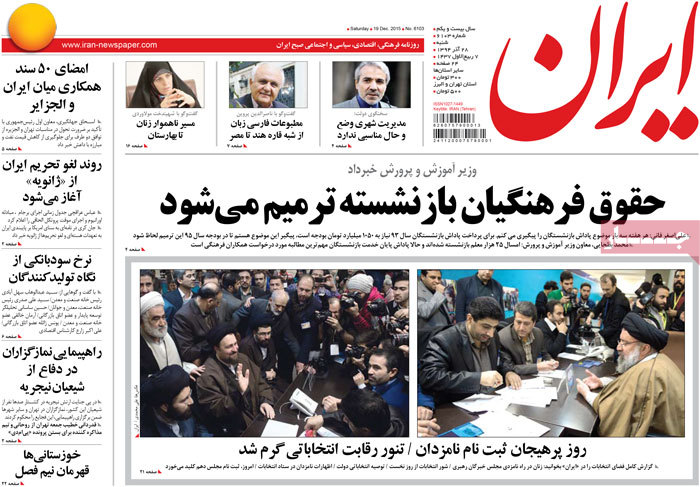
Iran: Deputy Foreign Minister Abbas Araghchi has said termination of Iran’s sanctions will begin sometime in January.


A look at Iranian newspaper front pages on Dec. 19


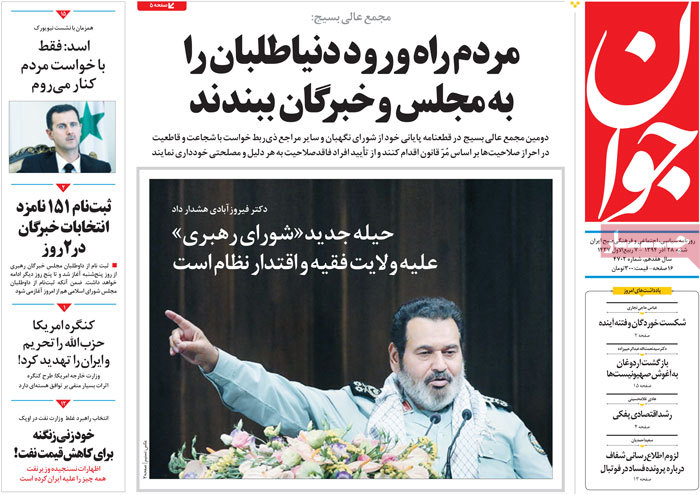
Javan: Chief of Staff of the Iranian armed forces Major General Hassan Firouzabadi has warned that the new gambit of having a “Leadership Council” is against the Rule of Religious Jurisprudent and the authority of the establishment.

[His comments seem to be in reaction to recent remarks by the chairman of the Expediency Council who floated the idea of a leadership council.]


A look at Iranian newspaper front pages on Dec. 19


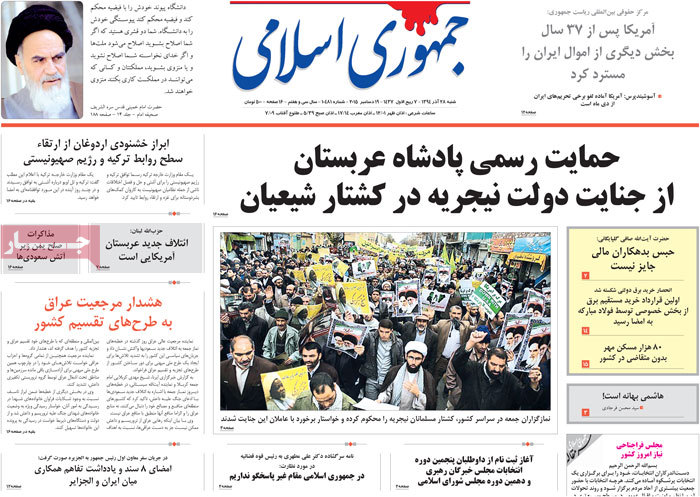
Jomhouri Islami: Turkish President Recep Tayyip Erdogan has expressed satisfaction over the upgrading of Turkey-Zionist regime relations.
Jomhouri Islami: The Presidential Center For International Legal Affairs (CILA) said the US, after 37 years, returned another part of Iran’s assets.
 

A look at Iranian newspaper front pages on Dec. 19


Kayhan: The sale of French-made cars has grown in Iran ten-fold in one month.


A look at Iranian newspaper front pages on Dec. 19


Rah-e Mardom: Tehran’s air is not breathable.

People expect authorities; Authorities expect rainfall!


A look at Iranian newspaper front pages on Dec. 19


Resalat: Seyyed Hassan Khomeini, the grandson of late Imam Khomeini, has said, “My presence in [Assembly of Experts] elections is meant to defend the principles of the Islamic Republic.”


A look at Iranian newspaper front pages on Dec. 19


Sharq: Former President Ahmadinejad has said, “I saved the revolution from the secularists.”

Sharq: Authorities at Tehran’s Imam Khomeini Hospital have failed to discharge a rough sleeper because she could not afford the medical charges.


A look at Iranian newspaper front pages on Dec. 19


Vaghaye-e Etefaghiyeh: The 2016 Academy Awards (Oscars) ignored Muhammad, the Messenger of God.

The Oscars Foreign-Language shortlist is out [with nine films going to the final].


A look at Iranian newspaper front pages on Dec. 19