Friday, December 26, 2025
Home Blog Page 462

Trump says received an important letter from Zelensky

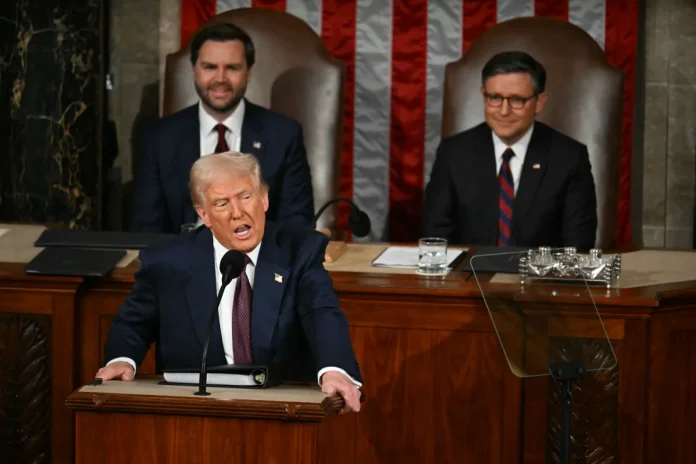
Multiple news outlets reported that the Trump administration ordered an immediate freeze on all U.S. military aid to Ukraine. The U.S. president barely referenced the decision in his first major address to lawmakers since returning to the White House, focusing largely on domestic issues.

When he mentioned the war and Washington’s role in supporting Ukraine, he avoided any direct mention of the aid freeze.

“The United States has sent hundreds of billions of dollars to support Ukraine’s defense,” Trump said.

“With no security, with no anything. Do you want to keep it going for another five years?”

That question was Trump’s only nod to the suspension of aid, which a White House official stated is meant to pressure Zelensky into peace negotiations.

Trump said in his address that he “appreciate(s)” Zelensky’s recent statements expressing Ukraine’s readiness for peace, but did not say whether or not the U.S. would resume weapons deliveries.

Zelensky has reiterated Ukraine’s commitment to the peace process in a post on X.

“Ukraine is ready to come to the negotiating table as soon as possible to bring lasting peace closer. Nobody wants peace more than Ukrainians,” he wrote.

Zelensky proposed initial steps toward de-escalation with Russia, including prisoner of war (POW) releases, a “truce at sea,” and a “truce in the sky” that would ban missiles, long-range drones, and bombs targeting civilian infrastructure.

He also noted Ukraine is ready to sign the critical minerals deal “at any time and in any convenient format.”

Trump said in his address to Congress that he received that same message in a letter from Zelensky. He read Zelensky’s statement aloud, apparently presenting the message as a sign of successful U.S. pressure on Kyiv. Trump added that his team had held discussions with Russia and received “strong signals” that Moscow is ready to make peace.

“Wouldn’t that be beautiful?” he added.

While Trump’s remarks on Ukraine and Russia were short on details, his comments indicated that he wants Europe to foot the bill for Ukraine’s defense.

“Europe has sadly spent more money buying Russian oil and gas than they have defending Ukraine,” he continued.

Trump likened U.S. spending on military aid to Ukraine to “taking candy from a baby” and expressed disbelief at the disparity between European and American aid packages. He repeated his hopes for an end to the war, saying “it’s time for the madness to stop,” but made no mention of sanctions against Russia or security guarantees for Ukraine.

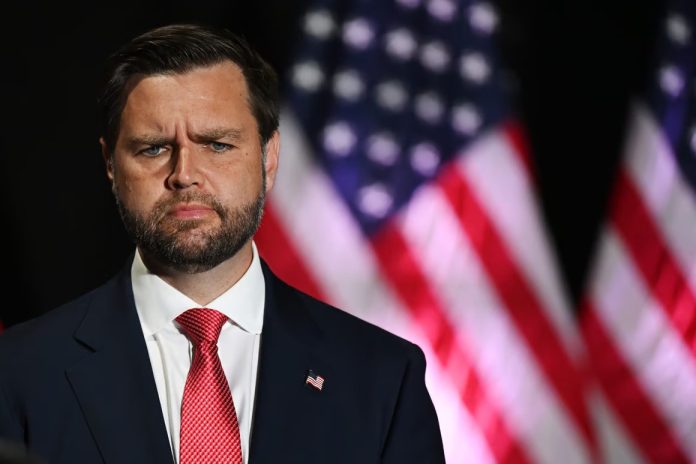
The decision to halt aid came on the heels of a contentious meeting in the Oval Office between Zelensky, Trump, and U.S. Vice President JD Vance. The U.S. leaders berated Zelensky for continuing to stress Ukraine’s need for security guarantees, accusing him of being insufficiently grateful for American assistance.

Zelensky was ordered to leave the White House, and departed without signing the much-anticipated minerals deal between the U.S. and Ukraine. Trump later claimed that Zelensky “is not ready for peace.”

The suspension affects over $1 billion in arms and ammunition deliveries. It halts not only future aid but also weapons already in transit, including shipments on aircraft and ships, as well as equipment awaiting transfer in Poland.

Polish Prime Minister Donald Tusk confirmed that the freeze had gone into effect, based on reports from the Ukrainian-Polish border.

The White House has not specified what steps Ukraine must take to restore the flow of weapons.

Trump’s foreign policy moves in recent weeks signal a seismic shift in U.S. attitudes toward Ukraine, Russia, and Europe. Trump has conceded to Russian demands before negotiations even begin, initiated direct talks with Moscow while excluding Kyiv, and echoed Kremlin talking points — including blaming Ukraine for starting the war and calling Zelensky a “dictator.”

The Kremlin has applauded Trump’s policy shift, saying it “largely aligns” with Russia’s interests.

Trump’s address to Congress comes six weeks after the start of his second term in the White House. In a post to Truth Social late on March 3, Trump said he would use his address to “tell it like it is.”
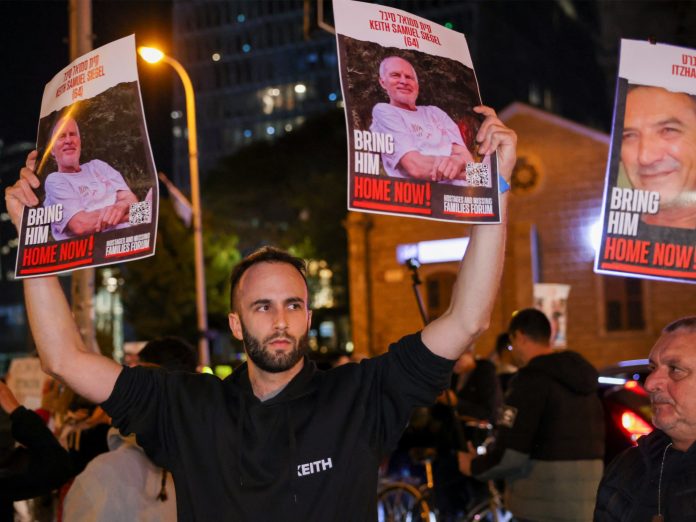
Israel’s Shin Bet investigation finds government-wide policy failures leading to Hamas October 2023 attack

Israel Hostage

The Shin Bet largely blames the attacks on the government’s policy of maintaining “quiet” in Gaza – given the lack of any rocket launches or other activity by fighting factions in Gaza for more than a year – as well as what it describes as the transfer of Qatari funds to Hamas’s military wing, the Qassam Brigades, in order to build up its ranks.

The Shin Bet further pointed to “disturbances on the Temple Mount, the treatment of Palestinian prisoners, and the perception that Israeli society had weakened due to the erosion of social cohesion [in the wake of the judicial overhaul]” as factors that led to the attacks.

While the Shin Bet itself said it had long criticised the “arrangement-based reality” that Hamas was deterred and therefore quiet in Gaza, it failed to identify the group’s plan to attack Israel despite possessing relevant information about its growing strength.

The investigation also revealed that the division of responsibility between the Shin Bet and the Israeli military “was not suited to the situation on the ground”.

The acknowledgment came days after an “internal investigation” revealed that, despite possessing intelligence on Hamas’ plans, indicators had not been perceived as immediate threats.

The probe carried out by the Israeli military criticized the regime’s overconfidence in intelligence assessments and its underestimation of Hamas’ capabilities, mistakes which contributed to the devastating outcome for the regime.

After launching the strike, Hamas retained the hundreds-strong Zionists in captivity, conditioning their release on the freedom of numerous Palestinian prisoners, thousands of whom have returned home so far in exchange for a handful of the captives.

Besides failing to confront the resistance fighters storming the occupied Palestinian territories during the operation, the regime signally failed to realize its intended goal of “eliminating” Hamas during a subsequent war of genocide it launched against the Gaza Strip, despite its killing more than 48,400 Palestinians, mostly women and children, throughout the brutal military onslaught.

The recent revelations have, meanwhile, set off growing calls within the Israeli regime for a comprehensive inquiry to examine the failures of both security agencies and political officials in preventing the operation.

However, Prime Minister Benjamin Netanyahu has yet to commit to such an investigation, leading to increased scrutiny and demands for accountability.

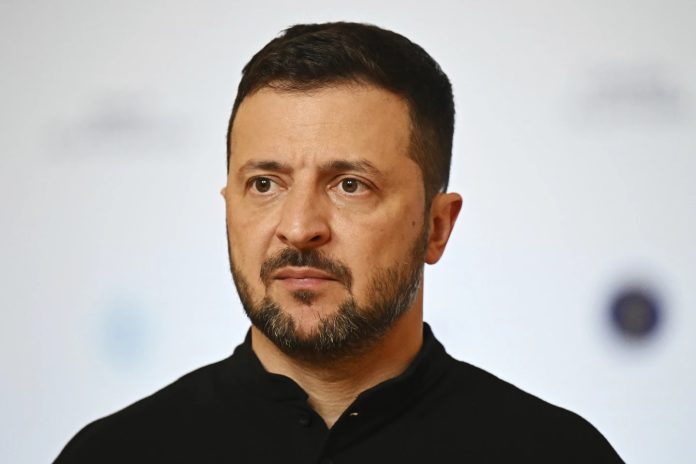
Ukraine president says White House clash ‘regrettable’, proposes steps for peace

Zelensky

The statement follows days of mounting pressure from Washington, with senior U.S. officials signaling that Zelensky should apologize for the heated Oval Office exchange with Trump and Vice President JD Vance.

The meeting ended without a planned U.S.-Ukraine mineral agreement being signed.

Zelensky reaffirmed that Ukraine is ready to sign the agreement on minerals and security “at any time and in any convenient format.”

“We see this agreement as a step toward greater security and solid security guarantees, and I truly hope it will work effectively,” he posted on X.

Zelensky also responded to Trump’s latest criticism of his comments on March 2, in which he described peace negotiations as being in the earliest stages and a final deal as “very, very far away.”

Trump seized on the remarks as alleged proof that Zelensky does not want peace, posting on Truth Social that “America will not put up with it for much longer.”

“Ukraine is ready to come to the negotiating table as soon as possible to bring lasting peace closer. Nobody wants peace more than Ukrainians,” Zelensky said.

He suggested that the initial steps toward de-escalation could include prisoner of war (POWs) releases, a “truce in the sky” banning missiles, long-range drones, and bombs targeting civilian infrastructure, as well as a “truce at sea.”

“Then we want to move very fast through all next stages and to work with the U.S. to agree a strong final deal,” Zelensky added.

The remarks come as several media outlets reported that Trump ordered an immediate freeze on all military aid to Ukraine, halting over $1 billion in weapons and ammunition deliveries.

Trump’s senior adviser, Jason Miller, told CNN that the aid suspension is part of a pressure campaign to push Zelensky into negotiations with Russia.

U.S. National Security Advisor Mike Waltz told Fox News that Washington expects Zelensky to show “regret” for the Oval Office dispute and commit to signing the mineral deal.

US VP dismisses criticising Britain, France over Ukraine peacekeeping proposal

Vance, in an interview with Fox News Channel’s Sean Hannity, said the economic pact with Kyiv sought by President Donald Trump “is a way better security guarantee than 20,000 troops from some random country that hasn’t fought a war in 30 or 40 years”.

Vance took to X on Tuesday to clarify his remarks, claiming that it was “absurdly dishonest” to suggest he had been referring to the UK and France.

The UK and France are the only countries that have publicly committed to a European peacekeeping force in Ukraine as part of broader continental efforts to secure a deal between Moscow and Kyiv.

“I don’t even mention the UK or France in the clip, both of whom have fought bravely alongside the US over the last 20 years, and beyond,” Vance posted on X, after his remarks drew an angry response from politicians and veterans in both countries, who said he was dishonouring hundreds of troops killed while fighting alongside US forces in Afghanistan and Iraq.

However, he went on to question the viability of what British Prime Minister Keir Starmer earlier called “a coalition of the willing” to police any ceasefire in Ukraine.

“But let’s be direct: there are many countries who are volunteering (privately or publicly) support who have neither the battlefield experience nor the military equipment to do anything meaningful,” added Vance in the social media thread.

Vance’s criticism follows a dramatic row in the Oval Office last week during a visit by Ukrainian President Volodymyr Zelensky to sign a minerals deal with Washington. Zelensky left the White House without signing the deal.

Trump, who has been accused of sidelining both Kyiv and European allies as he moves to negotiate directly with Russia’s President Vladimir Putin, has since cut off military aid to Kyiv.

Vance’s latest broadside drew criticism in the UK and France.

French President Emmanuel Macron’s Renaissance party said on X, “The French and British soldiers who died fighting terrorism, who fought and sometimes died alongside American soldiers, deserve better than the disdain of the American vice president.”

In the UK, Conservative MP Ben Obese-Jecty, who fought in Afghanistan and Iraq, stated, “The disrespect shown by the new US vice president to the sacrifices of our service personnel is unacceptable.”

Obese-Jecty cited Mr Vance’s description of serving as a Marine Corps journalist in Iraq in his memoir, Hillbilly Elegy. The vice president had noted he “was lucky to escape any real fighting”.

Johnny Mercer, a British veteran and a former junior defence minister, called Vance a “clown”.

Vance has also disputed that the Trump administration was not pressuring Moscow to bring it to peace talks, arguing that the existing sanctions are straining Russia’s economy.

“Well, I don’t think that’s right, actually,” Vance replied to a journalist who suggested that Washington is exerting pressure on Kyiv but not on Moscow.

“We still have a number of sanctions that are placed on Russians. We do believe the Russians, economically, are struggling because of this conflict,” he added.

The comments came the same day that the US froze crucial military assistance for Ukraine in an attempt to pressure Kyiv to the negotiating table.

The decision came after a public dispute between Zelensky, Trump, and Vance in the Oval Office,  after which US leaders berated the Ukrainian president for not being “ready for peace” and supposed lack of gratitude.

The aid freeze raised concerns among Kyiv’s other partners and was welcomed by the Kremlin, whose all-out war against Ukraine entered its fourth year.

The US has intensified diplomatic outreach to Moscow, holding two rounds of bilateral talks last month. The Trump administration has so far kept the sanctions against Russia imposed by the Biden administration in place, but the US media reported that the White House is considering easing some of them as part of a peace process.

“We believe it is in Russia’s best interest, and the United States’ and Ukraine’s best interest, to bring this conflict to a close. We believe applying pressure to everybody to stop the killing. That’s what the president’s policy is,” Vance continued.

Russia: Threats of using military force against Iran’s nuclear facilities ‘unacceptable’

Iran nuclear programe

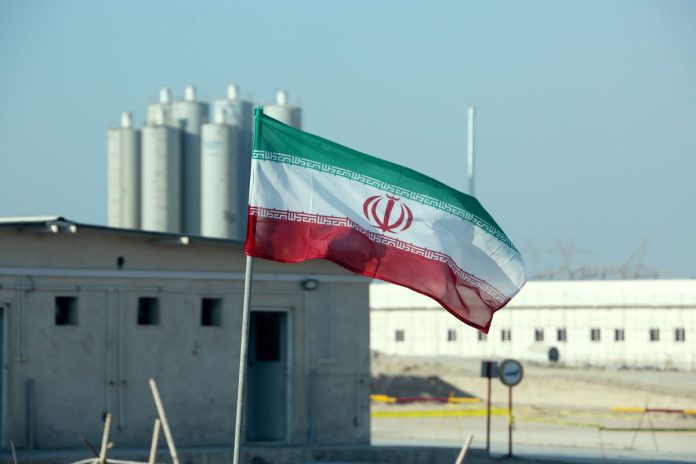
“Endless claims against Iran are unacceptable,” Russia’s Permanent Representative to International Organizations in Vienna, Mikhail Ulyanov stated during a session of the International Atomic Energy Agency (IAEA)’s Board of Governors on Tuesday.

“And even more so threats to use military force,” he added, referring to recurrent threats by the United States and its allies of deployment of aggressive and destructive force against the nuclear sites based on unsubstantiated and unexceptionally disproven allegations that the Islamic Republic was pursuing “nuclear weapons.”

“Such an escalation will bury any possibility of a diplomatic settlement of the situation and will inevitably lead to a military-political escalation, not to mention irreparable radiological and humanitarian consequences, and not only for Iran and the Middle East region,” the envoy cautioned.

“Iran remains the most verified IAEA Member State, unlike the non-nuclear states that criticize it, in some of which, by the way, socio-political circles are openly discussing the issue of creating their own military nuclear program,” Ulyanov underscored.

“The high level of expenses envisaged by the [IAEA’s] Secretariat, amounting to over 10 million euros per year for JCPOA verifications alone, speaks to the continuing intensity and scale of the Agency’s verification activities in Iran,” he underlined.

The official was referring to the Joint Comprehensive Plan of Action, a 2015 nuclear agreement between Iran and others, including Russia, the US, the UK, France, and Germany.

“All these figures are contained in the [IAEA] Director General’s report,” Ulyanov noted.

Also on Tuesday, however, Elbridge Colby, nominated for the position of the US’s undersecretary of defense for policy, talked of the necessity of presenting credible military options to prevent Iran from, what he called, acquiring “nuclear weapons.“

This is while, Iran’s nuclear doctrine is based on Leader of the Islamic Revolution Ayatollah Seyyed Ali Khamenei’s fatwa (religious decree) categorically banning production, possession, and stockpiling of nuclear weapons and other weapons of mass destruction.

The Israeli regime, Washington’s most cherished regional ally, even acted on its routine threats of attacking Iran, launching, what Tel Aviv has called, “precise and targeted” military assaults against various sites across the Islamic Republic, reportedly including a nuclear research facility, last October.

The Islamic Republic, though, has dismissed suffering any extensive damage from the aggression, and announcing that whatever damage that might have been caused by the attacks has been repaired so far.

Ulyanov asserted that with just over six months remaining until the “Completion Day” of the JCPOA, all involved parties had to adopt a constructive approach towards engagement with the Islamic Republic before and beyond this date.

“The diplomatic resource remains, but political will is needed to use it. The IAEA Director General [Rafael Grossi] can also play an important constructive role here,” he noted.

The US left the deal in an illegal and unilateral move in 2018, returning all the unlawful sanctions that the accord had lifted, and mounting even more such measures against the Islamic Republic as part of former president Donald Trump’s “maximum pressure” policy.

The UK, France, and Germany pledged to return Washington to the deal, but failed to live up to their promise, and even followed the latter’s course of returning their economic bans against Iran.

The European trio has even threatened to try to activate the so-called “snapback” mechanism that fully reinstates the United Nations sanctions against Iran.

Ulyanov reminded that with their violations of the JCPOA, the trio had lost any right to invoke the deal’s mechanisms, including the snapback provision.

He cited a 1971 ruling by the International Court of Justice and a 2020 decision by the United Nations Security Council rejecting a similar attempt by Washington to reimpose sanctions on Iran.

“We recommend that Berlin, London, and Paris abandon their illusions about the snapback and instead focus on finding a political and diplomatic way out of the situation they have created,” the official added.

The envoy, meanwhile, pointed to Iran’s “showing maximum patience for a year” after the onset of the US’s “maximum pressure” approach, and “fully complying with the JCPOA and Additional Protocol until February 2021, despite the unilateral actions against it.”
The Islamic Republic then set off a series of countermeasures, which Ulyanov defined as, Tehran’s “exercising its rights under the JCPOA and UN Security Council Resolution 2231 [that has endorsed the deal], gradually reducing its compliance with the deal.”

Activating the “snapback” amid the circumstances, he stated, was “not only irresponsible but also unlawful.”

The countries seeking to punish Iran for its nuclear activities were the same ones that violated their own commitments under Resolution 2231 and the JCPOA, he underlined.

According to the envoy, Tehran has, meanwhile, consistently expressed readiness to return to full compliance with the JCPOA if the United States and its European allies took reciprocal steps.

However, Western reluctance to engage in good-faith negotiations were preventing such prospects, Ulyanov said, arguing that the West’s approach reflected an “opportunistic and far-fetched” stance rather than a genuine commitment to resolving matters.

Iran’s parliament approves Thursday holidays for government offices

Iran's parliament

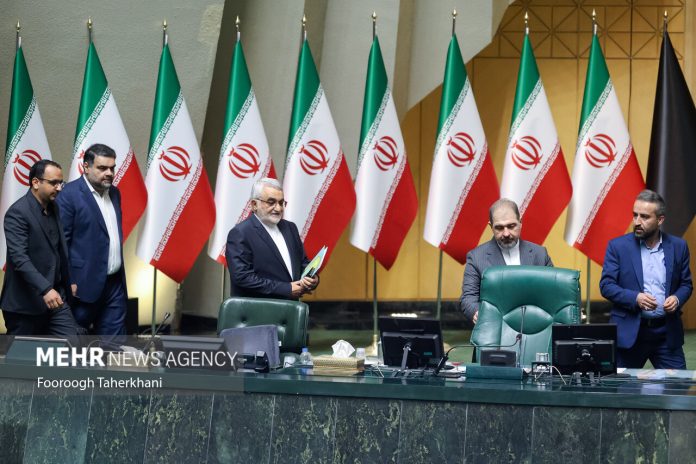
According to the new bill, all executive bodies at both national and provincial levels must adjust their working hours from Saturday to Wednesday.

However, exceptions apply to military, law enforcement, and security units, as well as operational service providers such as banks, customs offices, hospitals, healthcare centers, and sports facilities.

The decision comes after parliament addressed concerns raised by the Guardian Council, Iran’s constitutional oversight body, by introducing specific exemptions to the bill.

During an open session on Wednesday, lawmakers amended and approved the bill to revise Article 87 of the Civil Service Management Law.

A comprehensive list of operational service units exempt from the new regulation will be prepared by the Administrative and Employment Organization and approved by the Cabinet once the law takes effect.

Previously, the Iranian parliament had proposed making Saturdays a holiday, but the plan was abandoned due to widespread opposition, mainly stemming from religious concerns.

Arab leaders endorse Egypt’s reconstruction plan for Gaza

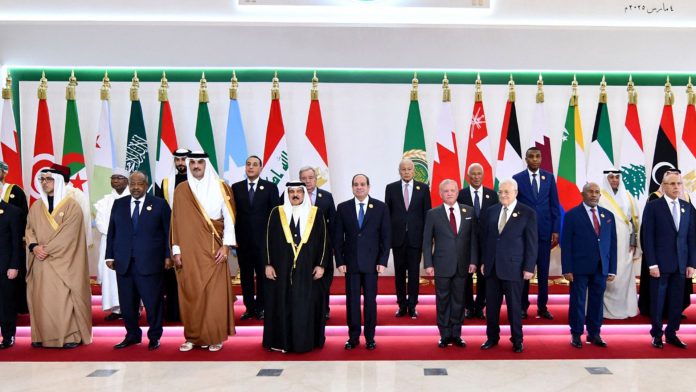
At the meeting in Cairo on Tuesday, the regional leaders endorsed the counterproposal to US President Donald Trump’s plan to expel Gaza’s 2.3 million residents and redevelop the Palestinian territory.

The attendees at the summit included the emir of Qatar, the vice president of the United Arab Emirates and the foreign minister of Saudi Arabia. United Nations Secretary-General Antonios Guterres also attended.

Egypt’s plan includes an initial recovery phase aimed at de-mining the territory and providing temporary housing, followed by a longer reconstruction phase focused on rebuilding essential infrastructure, according to media reports.

Other key questions about Gaza’s future include who will govern the enclave and which countries will provide the billions of dollars needed for the reconstruction of the devastated territory.

El-Sisi said Egypt had worked in cooperation with Palestinians on creating an administrative committee of independent, professional Palestinian technocrats entrusted with the governance of Gaza.

The committee would be responsible for the oversight of humanitarian aid and managing the Gaza Strip’s affairs for a temporary period, in preparation for the return of the Palestinian Authority (PA), he added.

Palestinian President Mahmoud Abbas, who heads the PA, stated that he welcomed the Egyptian idea and urged Trump to support such a plan that would not involve displacing Palestinian residents.

Abbas, in power since 2005, also added he was ready to hold presidential and parliamentary elections if circumstances allowed, adding his PA was the only legitimate governing and military force in the occupied Palestinian territories.

Hamas has announced it rejects any solution imposed on the Gaza Strip by outsiders.

“We look forward to an effective Arab role that ends the humanitarian tragedy created by the occupation in the Gaza Strip … and thwarts the [Israeli] occupation’s plans to displace [Palestinians],” the group said in a statement on Tuesday.

Any proposal would require heavy buy-in from oil-rich Persian Gulf Arab states such as the United Arab Emirates and Saudi Arabia, which have the billions of dollars needed to roll out the plan.

The extraordinary summit comes days after the first phase of the Israel-Hamas ceasefire in Gaza expired. Israel reneged on the terms of the deal by refusing to embark on phase two negotiations, instead pushing for an extension of the first phase of the deal.

Israel announced on Sunday that it would halt the entry of humanitarian aid and other supplies into Gaza and introduced a new ceasefire proposal that it said was backed by the US.

During the 42 days of the first phase, 25 living captives and the remains of eight dead captives were returned to Israel in exchange for some 2,000 Palestinian prisoners and detainees.

All remaining living captives were due to be freed in a second phase of the ceasefire, but Hamas and Israel are deadlocked over how to extend the truce.

Under the new Israeli proposal, Hamas would be required to release half its remaining captives in exchange for a ceasefire extension and a promise to negotiate a lasting truce. Israel made no mention of releasing more Palestinian prisoners – a key component of the first phase.

Hamas has accused Israel of trying to sabotage the existing agreement, which called for the two sides to negotiate the return of the remaining captives in exchange for more Palestinian prisoners, a full Israeli withdrawal from Gaza and a lasting ceasefire. But no substantive negotiations have been held.

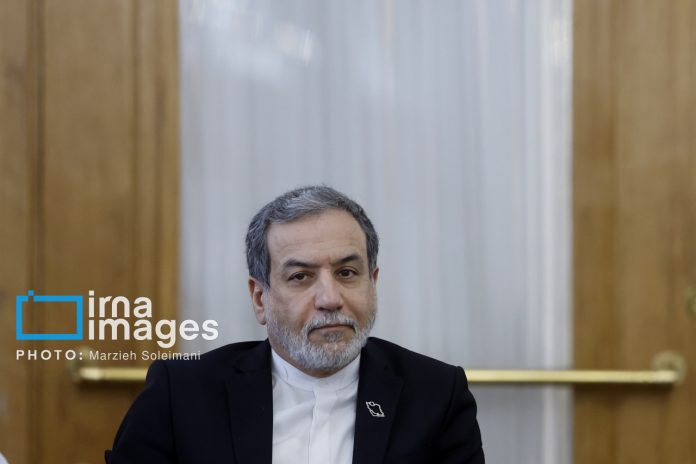
White House turmoil reflects global diplomatic shifts, says Iranian FM

Abbas Araghchi

Araghchi argued that the confrontation revealed deep fractures within the Western alliance and highlighted the fragility of US foreign policy coordination.

He questioned whether the clash was intentional or accidental, suggesting it underscored the growing influence of internal political pressures on global decision-making.

The article also examined Ukraine’s evolving role in international politics. Once heavily dependent on Western support, Zelensky’s assertive stance during the dispute signaled a shift among smaller nations resisting subordinate roles.

Araghchi warned that this could strain Western unity, particularly in Europe, where countries like France and Germany have taken a more cautious approach to the Ukraine conflict.

Araghchi noted that Russia is closely monitoring these developments, viewing the discord as evidence of Western vulnerability. He highlighted Russia’s efforts to strengthen ties with China and the Global South to reshape the global power balance.

For Iran, Araghchi emphasized the importance of maintaining an independent foreign policy rooted in self-reliance and national interests.

He argued that Iran’s resilience against external pressures, including sanctions and military threats, demonstrates the value of strategic autonomy in an increasingly unstable world.

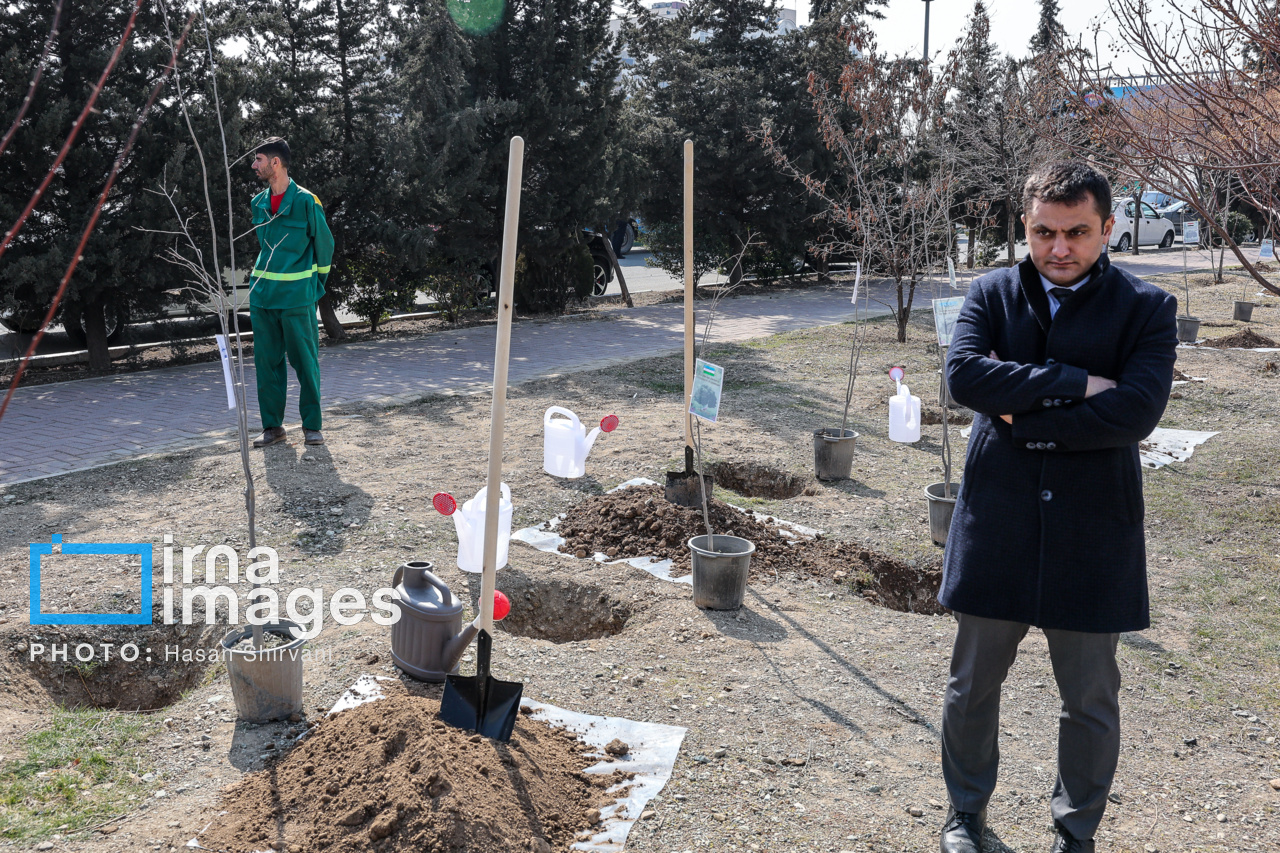
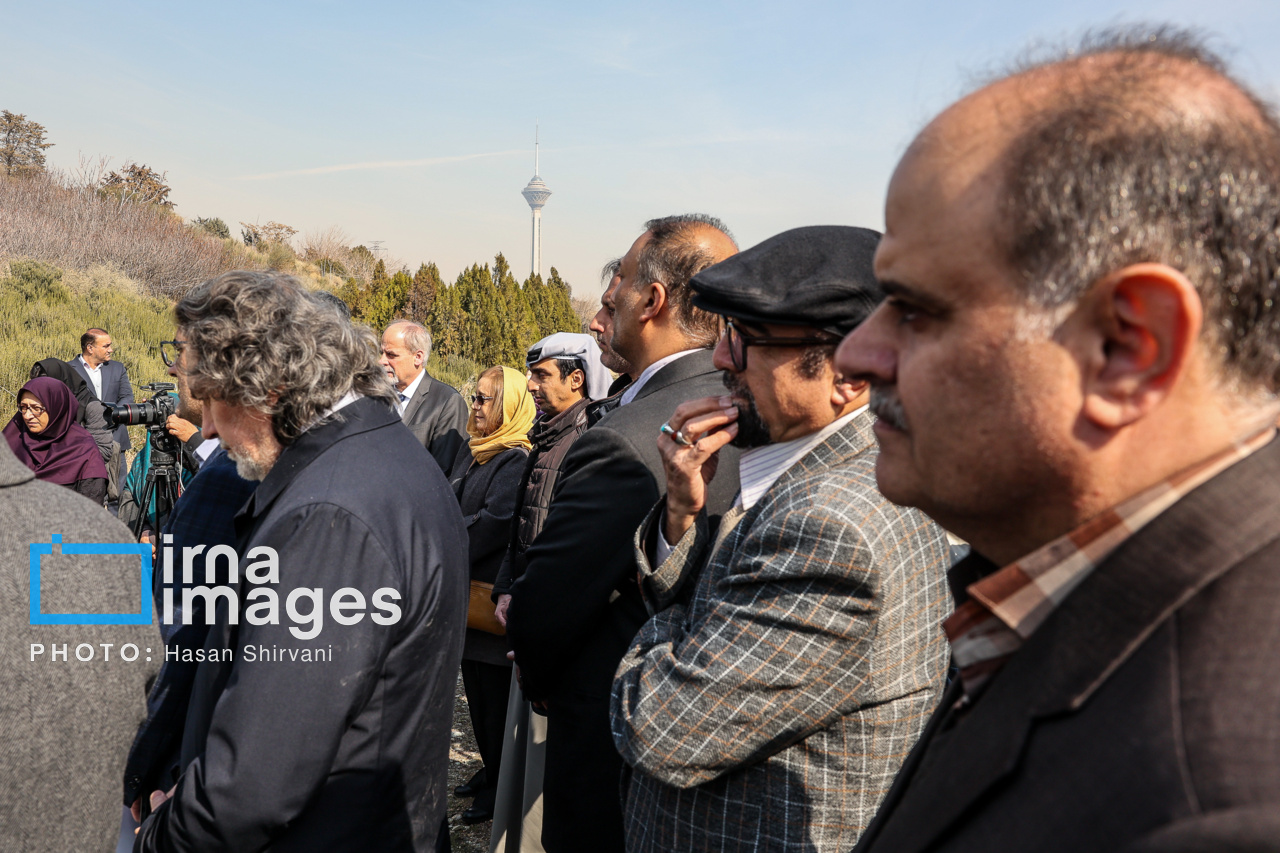
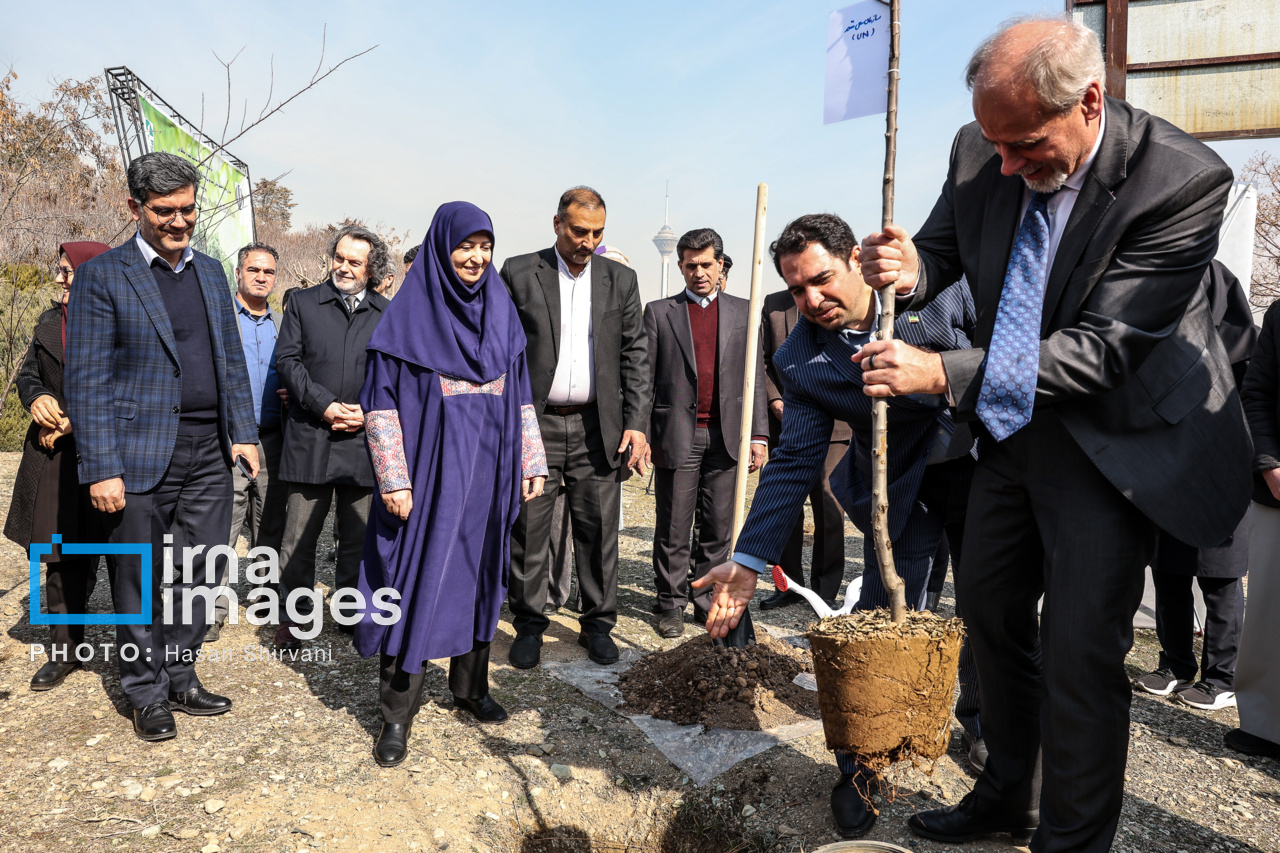
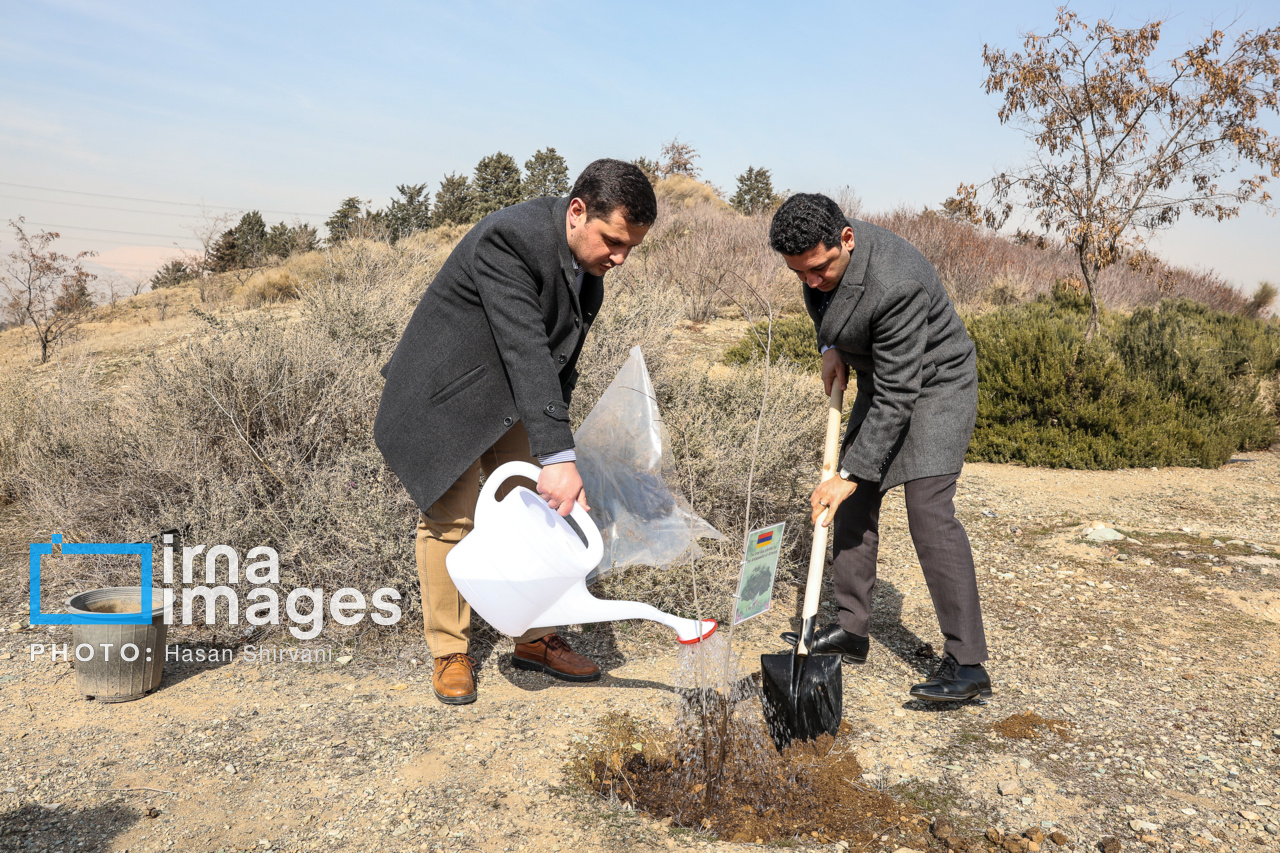
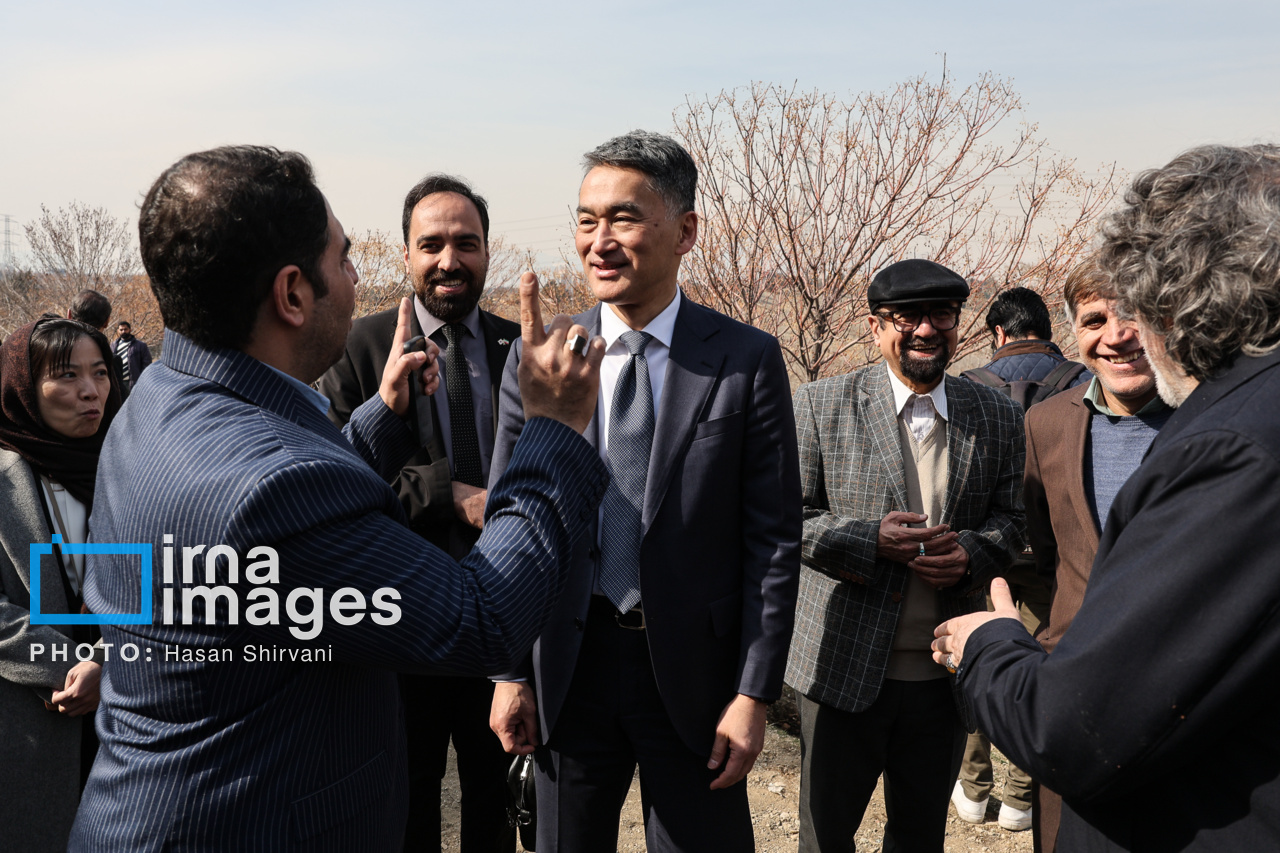
Sea buckthorn saplings planted in Tehran’s Pardisan Park to mark Arbor Day

The event was attended by Shina Ansari, the head of Iran’s Department of Environment, as well as ambassadors and representatives from over 10 countries.

More in pictures:

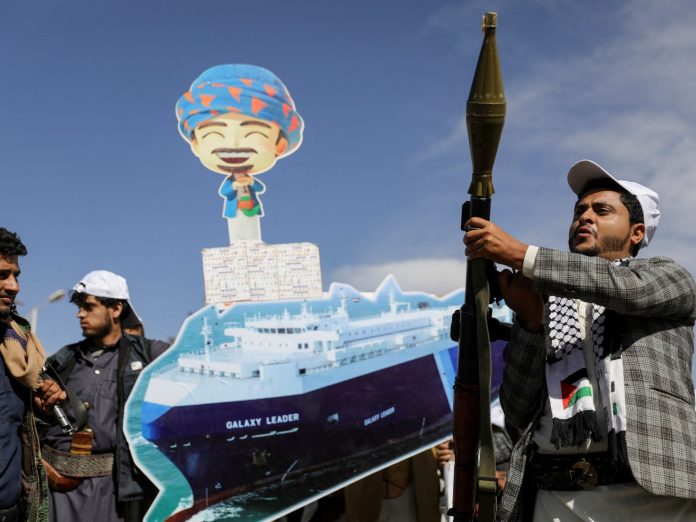
US designates Yemen’s Houthi group as ‘foreign terrorist’ organisation

Yemen Houthi

The US secretary of state, Marco Rubio, announced on Tuesday the department had restored the designation, which carries with it sanctions and penalties for anyone providing “material support” for the group.

“Since 2023, the Houthis have launched hundreds of attacks against commercial vessels in the Red Sea and Gulf of Aden, as well as US service members defending freedom of navigation and our regional partners,” Rubio said in a statement.

“Most recently, the Houthis spared Chinese-flagged ships while targeting American and allied vessels,” he added.

The Houthis have targeted more than 100 merchant vessels in the critical trade corridor with missiles and drones since the Israel-Hamas war in the Gaza Strip began in October 2023. In January, the group signaled that it will limit its attacks in the Red Sea corridor to only Israeli-affiliated ships after a ceasefire began in the Gaza Strip but warned that wider attacks could resume if needed.

Trump’s first Republican administration had similarly designated the Houthis in its waning days, but the designation had been revoked by Joe Biden’s Democratic administration over concerns it would badly affect the delivery of aid to Yemen, which was considered to be facing one of the world’s worst humanitarian crises.

Rubio suggested in his statement that such a concern was not an issue any more, saying that the US would no longer “tolerate any country engaging with terrorist organizations like the Houthis in the name of practicing legitimate international business”.

Besides the “foreign terrorist organization” announcement, the state department’s “Rewards for Justice” program announced that it would pay up to $15m for information that leads to the disruption of Houthi financing.

The United Nations announced last month that it suspended its humanitarian operations in the stronghold of Yemen’s Houthi rebels after they detained eight more UN staffers.

The rebels in recent months have detained dozens of UN staffers, as well as people associated with aid groups, civil society and the now-shuttered US embassy in Sana’a, Yemen’s capital. None of the UN staffers have been released.

The Houthis have been fighting Yemen’s internationally recognized government, which is backed by a Saudi-led coalition, since 2014, when they descended from their stronghold in Saada and took control of Sana’a and most of the north.

The Saudi-led coalition entered the war in March 2015, backed at the time by the US, in an effort to restore the internationally recognized government to power.

The war has killed more than 150,000 people including civilians and combatants, and in recent years it has deteriorated largely into a stalemate.

The UN has projected that more than 19 million people across Yemen will need humanitarian assistance this year as many deal with climate shocks, malnutrition, cholera and the economic effects of war.