Friday, January 2, 2026
Home Blog Page 4582

A third World War may be in the cards: Iranian official

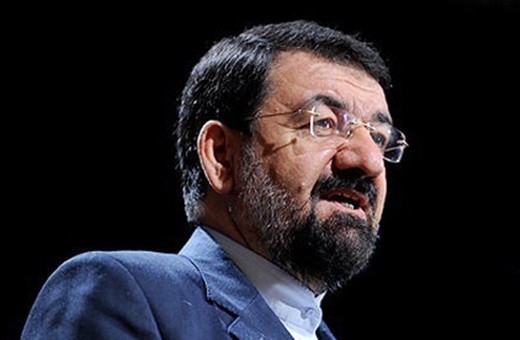
Mohsen Rezai

Mohsen Rezaei, the secretary of Expediency Council, in a TV talk show on Channel One on December 12 said the Middle East region is like a powder keg on the threshold of a massive explosion.

The following is the translation of part of his remarks that has been released on the website of the Young Journalists Club:

The Middle East is pregnant with a massive explosion

The secretary of the Expediency Council says the Middle East is pregnant with a giant explosion which has its roots in border violations.

He added: “This is a danger that threatens all regional states, and if all countries are against the eruption of a big war they should roll up their sleeves to prevent this big peril from materializing and put out this flame. The UN can play an effective role in this regard.

“Given regional developments, a truly global mobilization, not based on national interests, is needed to take shape among all regional states.

“The US is currently trying to rescue Takfiri groups, and it does not want to defuse the explosion. It is simply after intensifying that explosion in the Middle East. They [the Americans] are willy-nilly escalating the regional insecurity.”

Time is ripe to use diplomatic potential to bring about a Turkey-Russia agreement

Mohsen Rezaei said: “We do not accept hasty measures in regional developments. In light of regional developments, Iran should tap into its capabilities, including diplomatic potential, because it is the best time to secure an agreement between Turkey and Russia.

“Iran can presently use its active diplomacy to bring Turkey and Russia closer to each other and temper tensions between the two countries.”

The secretary of the Expediency Council further said what happened defies logic. When aircraft stray into a country’s airspace, they should be issued warnings.

“We have witnessed several times during the past years that the aircraft belonging to Greece have strayed into Turkey’s airspace and Turkey has warned them. Similar incidents involving Turkish aircraft crossing Greece’s airspace have taken place. The two countries have limited their response to warnings and no shot has been fired. What happened to the Russian aircraft is a serious puzzle; the Turkish air force fired instead of issuing a warning.”

[Moscow and Ankara have been locked in a war of words since November 24, when Turkey downed the Russian Su-24 fighter jet over Syria, claiming that it had entered Turkish airspace, an accusation strongly rejected by Moscow.]

Why Turkish forces are deployed to Iraq?

On Turkish military presence in Iraq, Major General Rezaei said: “Over the past 30 years Turkey has repeatedly entered Iraq. Those troop movements were solely aimed at cracking down on the opposition and they (Turkish forces) had never been in Iraq for long-term tours.

“However, this time Turkey intends to station its forces in Iraq. Turkish soldiers are now alongside Daesh forces. Some analysts believe that Turkey has entered Iraq to support Daesh.

“There are other analysts who believe this [the deployment of Turkish forces to Iraq] has been plotted by Masoud Barzani [President of the Iraqi Kurdistan Region since 2005] to establish an independent country in northern Iraq.

Secretary of Iran’s Expediency Council Mohsen Rezaei then underlined: “There are also some other analysts who say the US, which is after disintegrating Iraq, has tasked Turkey with doping its dirty work.”

Rezaei added: “No matter how you look at it, the final analysis would be negative.”
Rasht designated as UNESCO Creative City of gastronomy

Gilan Foods

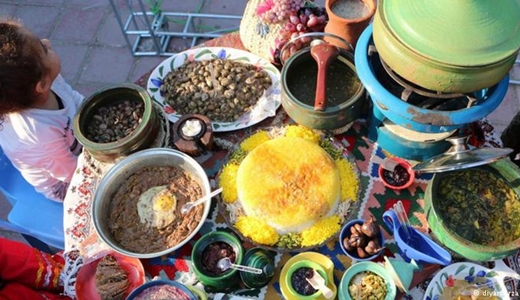
Rasht, the capital city of Gilan Province, has made it into UNESCO’s Creative Cities Network for its gastronomy (the practice or art of choosing, cooking, and eating good food).

Rasht is now among 47 cities from 33 countries that are part of the network in seven creative fields — crafts and folk art, design, film, gastronomy, literature, media arts and music.

Khabaronline.ir on December 13 released a report on inclusion of Rasht in the UNESCO list. The following is a brief translation of the report:

The city’s mayor has said that designation of Rasht as a UNESCO Creative City of gastronomy is a major step toward introduction of brand names based in the city.

Mohammad Ali Sabet-Ghadam further said that at a gathering in Paris on Wednesday UNESCO Director-General, Irina Bokova, announced the designation of 47 cities from 33 countries as new members of the UNESCO Creative Cities Network.

He further said that Rasht is the only Iranian city which was designated as a creative city in terms of cookery, adding that Isfahan was selected as a creative city in terms of crafts and folk art.

Adelaide (Australia), Barcelona (Spain), Bergen (Norway), Budapest (Hungary), Detroit (the United States), Liverpool (United Kingdom of Great Britain and Northern Ireland), Rome (Italy), Montevideo (Uruguay), Salvador (Brazil) and Singapore (Singapore) are among new additions to the UNESCO list.

Launched in 2004 and now comprising 116 Member Cities, the UNESCO Creative Cities Network aims to foster international cooperation with and between cities committed to investing in creativity as a driver for sustainable urban development, social inclusion and cultural vibrancy.

“The UNESCO Creative Cities Network represents an immense potential to assert the role of culture as enabler of sustainable development. I would like to recognize the many new cities and their countries that are enriching the Network with their diversity” declared the Director-General, as UNESCO celebrates in 2015 the 10th anniversary of the Convention on the Protection and Promotion of the Diversity of Cultural Expressions.

Sheida Mahnam, Ph.D., UNESCO Manager of Social and Humanity Sciences, for her part, said that a number of Iranian cities could make it to the UNESCO Creative Cities Network list, but the fact is that except for the municipalities of Rasht and Isfahan which contacted and consulted UNESCO, the municipalities of other cities did not have active cooperation.

“[…] We invited Ms. Esther Kuisch Laroche, the director of the UNESCO Cluster Office in Tehran and UNESCO’s representative to the Islamic Republic of Iran, to visit Rasht. […] I also met with Melika Medici, a project officer for UNESCO’s Creative Cities Network, a month ago and asked about UNESCO’s decision. She was hopeful. […] On December 11, UNESCO announced the decision of the jury which revealed that two Iranian cities have been recognized as creative,” said Mahnam.

She went on to say that UNESCO’s decision is a golden opportunity for Rasht to turn around its tourism industry, expressing hope that Iran can be an active member of the UN Creative Cities Network and – as a result – absorb more tourists and revenues to the northern city.

[…]

A female athlete whose career is built on ice

Iran Icy girl-3

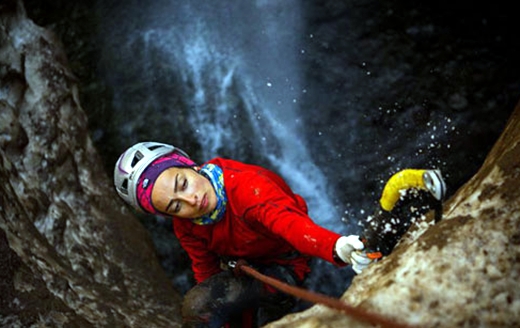
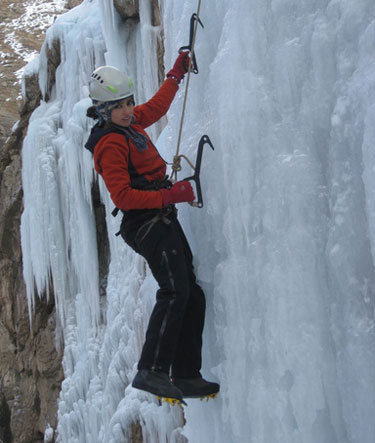
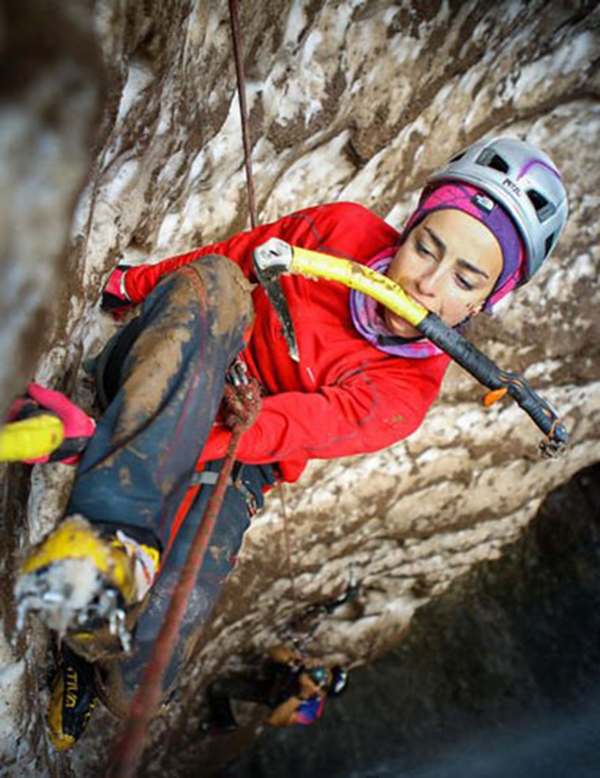
She is not in the habit of walking on solid or hard earth. Zohreh Abdollahkhani, 31, is always doing climbing here and there. When she was a child, she started mountain climbing with her parents just for fun. At 18, she decided to do sports professionally.

Iran Icy girl
Zohreh Abdollahkhani

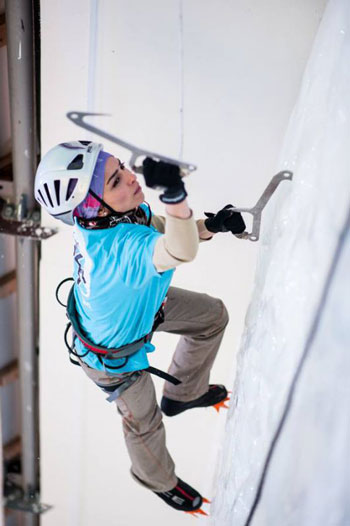
In 2003, she took up rock climbing despite her coach’s opposition and two years later she won her first national medal. In 2010, Zohreh decided to embark on a profession that would later earn her a nickname: Iran’s icy girl. Her success came in a climbing trend: she placed third in the Asian Ice Climbing Championship [in 2014] and was invited to the ice climbing competition in Sochi during the 2014 Winter Olympics.

Alef.ir on December published an interview with the Iranian ice climber, who is also a national top student in aviation. The following is a brief translation of the interview:

Why rock and ice climbing?

[…] I started climbing with my parents. At first I didn’t think I would ever do professional sport. I simply didn’t want to focus on science and lead a one-dimensional life.

A late start

[…] I started climbing in 2003 and secured my first national medal in 2005. I have yet to pull off an international medal; now I stand tenth in the world.

Titles and medals

[…] In 2014, I finished third in the Asian Ice Climbing Championship. In 2015, the world’s top 30 athletes were invited to the Olympic Games. Mr. Masoud Zeinali (who won a silver medal in the Asian Championship) and I represented Iran, and we were named as members of an inspiring team from Iran.

[…]

Any support

We are not given enough support. […] If we receive more support, the result would be better. When you take care of everything singlehandedly, the going gets tough.

[…]

Spending

The costs of ice climbing are high, because the equipment we use is imported and only a few countries possess the technology to make such devices. In Iran, only a few women are doing this sport professionally and the importer prefers to import the equipment and devices the male athletes use. […]

Iran Icy girl-2Iran vs. other countries

The medal I won in the Asian games was the first medal a non-Korean athlete had secured. The Koreans had already secured all Asian medals. […] When the medal-awarding ceremony came to an end, the head of the Japanese team came over and thanked me, saying that what I did showed that a non-Korean too can collect a medal. It was a turning point in efforts to end the Korean dominance in the Asian ice climbing.

[…]

We went to the competitions on our own and nobody expected us to win medals. When we came home, those in charge couldn’t believe that we had been awarded medals. It is not the case in other countries. The athletes are treated differently; they are given credit and confidence to be able to win medals and titles. We in Iran did reverse engineering. First we won medals, then we said that such a discipline did exist.

[…]

Future plans

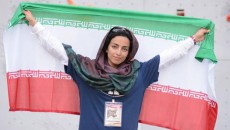
I will forge on with my efforts as long as I think there is hope. I hope my hope will not be dashed. I always think of an Olympic medal and the [raising of the] Iranian flag. I hope this becomes a reality. Also I have a personal wish: to go to the Pole and do ice climbing there.

First Iranian girl in Pole

Iran Icy girl-4The environment has been one of my concerns all these years. Ice climbers can send images of ice melting and can tell the world of a disaster in the making. I think we can show these images to the world. […] After all, I cannot do ice climbing when there is no ice.

[…]

Family support

To do sports at a professional level, women need family support. A large number of girls abandon sports only because their husbands, fathers or men in their families do not lend them support. I was lucky I had my family’s support.

[…]

A woman such as Niloufar Ardalan, the captain of the national women’s futsal team lacked such a support. Many women make progress thanks to their spouses’ support. […]

A sense of confidence

Once I was asked what I would do if I were left in a desert. I said I would find a way out. To tell the truth, I’ve learnt it from sports: I suffer failures, sustain losses, cry and then wipe my tears and stand on my own two feet. I do not allow a problem to affect me for long. This is the spirit of sports; you have to stand up again.

Iran Icy girl-1


Ice climbing is the activity of ascending inclined ice formations. Usually, ice climbing refers to roped and protected climbing of features such as icefalls, frozen waterfalls, and cliffs and rock slabs covered with ice refrozen from flows of water.

Iran denounces PGCC claim on Persian Gulf islands as “baseless”

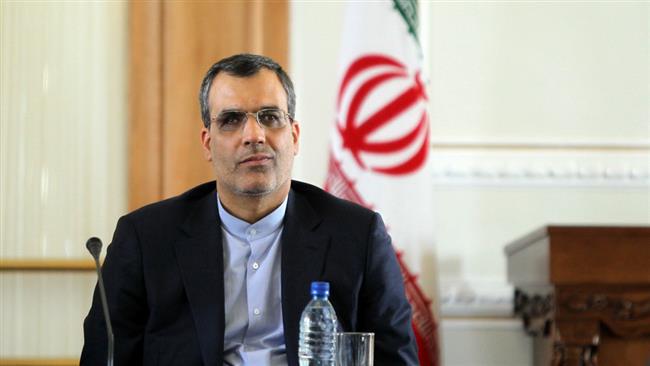
Jaberi Ansari

Iranian Foreign Ministry Spokesman Hossein Jaberi Ansari has dismissed as repetitive and unfounded the claims that the Persian Gulf Cooperation Council (PGCC) has recently made about the three Iranian Persian Gulf islands.

In a statement on Friday, Jaberi Ansari reaffirmed Iran’s sovereignty over the three Persian Gulf islands of the Greater Tunb, the Lesser Tunb, and Abu Musa, stressing that these islands are an indispensable part of the country.

He made the remarks in response to a statement, issued in the 36th session of the PGCC in Riyadh, which claimed that the three islands belong to the United Arab Emirates.

“The repetition of the baseless allegations has no effect on the territorial integrity of the Islamic Republic of Iran,” the spokesman said, adding that Tehran considers the claim an “unconstructive stance”.

“The Islamic Republic of Iran categorically rejects any irresponsible remarks about its territorial integrity, and has put friendly relations, non-interference in the internal affairs of (other countries) and mutual respect for territorial integrity of the neighboring countries atop the list of policy priorities,” Jaberi Ansari noted.

The islands of the Greater Tunb, the Lesser Tunb, and Abu Musa have historically been part of Iran, proof of which can be found and corroborated by countless historical, legal, and geographical documents in Iran and other parts of the world.

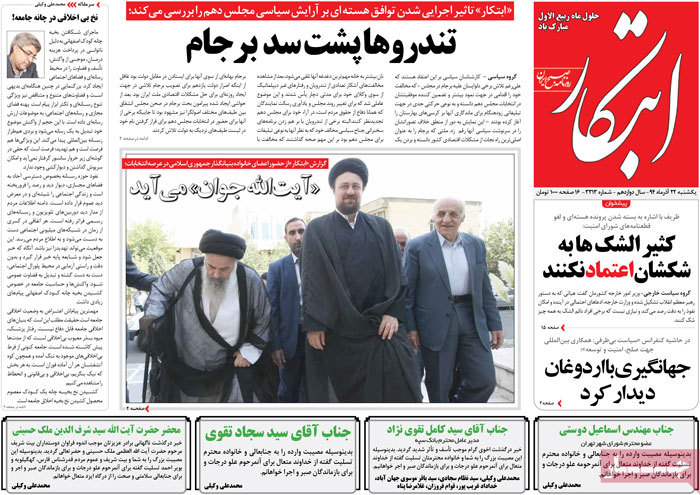
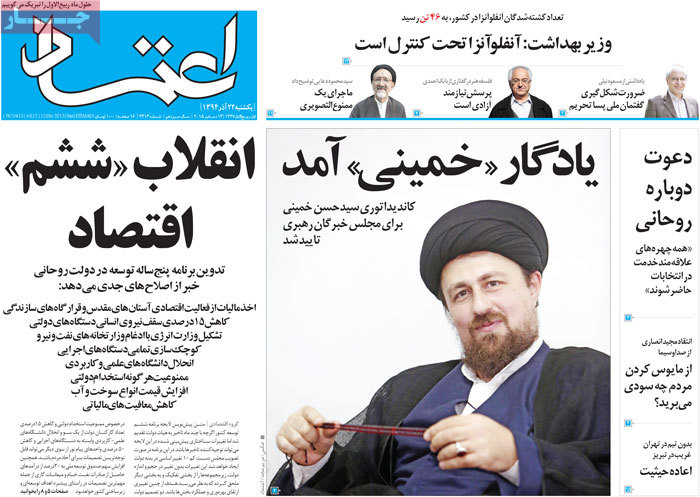
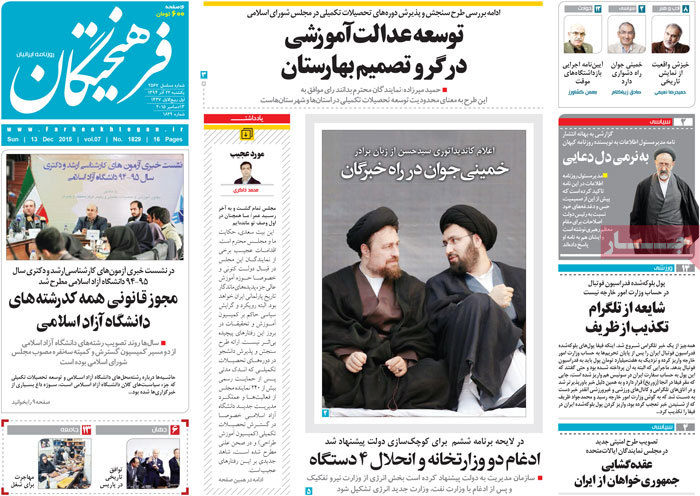
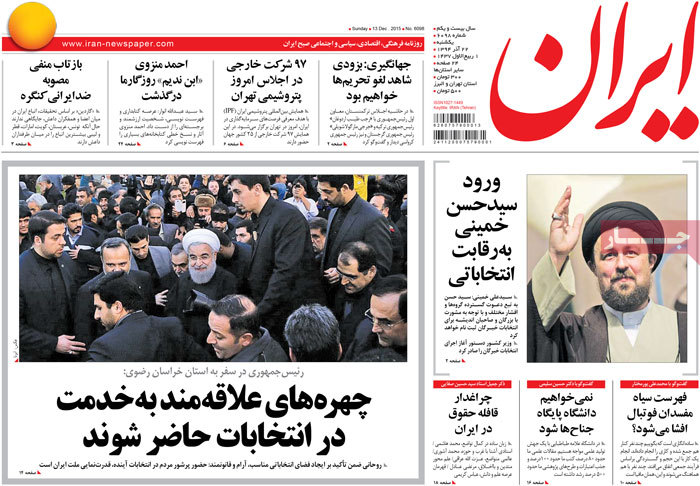
A look at Iranian newspaper front pages on Dec. 13

Iranian Newspapers Headlines

News about upcoming elections dominated the front pages of Iranian newspapers on Sunday. Reformist dailies gave extensive coverage to the candidacy of the grandson of the late Imam for the Assembly of Experts elections.


Ettela’at: President Rouhani has urged all those interested in serving to field their candidacy [in the upcoming parliamentary and Assembly of Experts elections.]

He said that he hopes that the next parliament is stronger than the current one in standing up for the integrity of the establishment as well as the rights of the people.

Ettela’at: The parliament speaker has said that only support for the production sector will settle the problem of unemployment.

Ali Larijani further said that some of the problems stem from mismanagement of the past which will be settled with proper management and contribution of the public.

Ettela’at: Attacks in Kabul and Kandahar left 67 people dead.

Taliban militants mounted an attack near the Spanish Embassy in Kabul, killing five Afghan police and a Spaniard.

In another deadly incident, an attack by the militants on the Kandahar Airport left 61 dead.

Ettela’at: The grandson of the late Imam Khomeini will run for the Assembly of Experts.

Ettela’at: An energy ministry will be formed.

Under a draft Sixth Development Plan, by the end of the five-year plan, a new ministry will be formed to take care of part of the responsibilities of the ministries of power and oil as well as the Environment Protection Organization and the Forestry and Pastureland Organization.

Ettela’at: Ahmad Monzavi, an expert in handwritten Islamic texts, has passed away.

A funeral procession is expected to be held for the prominent scholar on Tuesday.


A look at Iranian newspaper front pages on Dec. 13


Abrar-e Eghtesadi: The ceiling of the government’s foreign debts will rise to $50 billion.


A look at Iranian newspaper front pages on Dec. 13


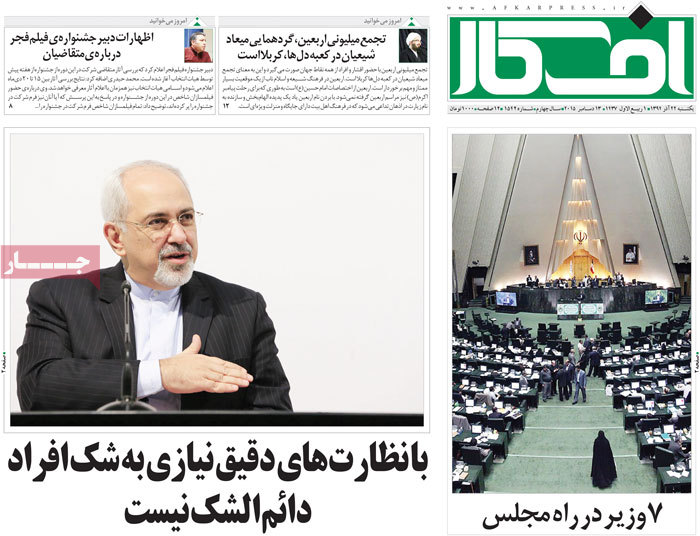
Afkar: With proper supervision, pessimists should shake off their doubtfulness, said Foreign Minister Mohammad Javad Zarif [in reference to those who constantly doubt the performance of the executive as far as the implementation of the nuclear deal is concerned].


A look at Iranian newspaper front pages on Dec. 13


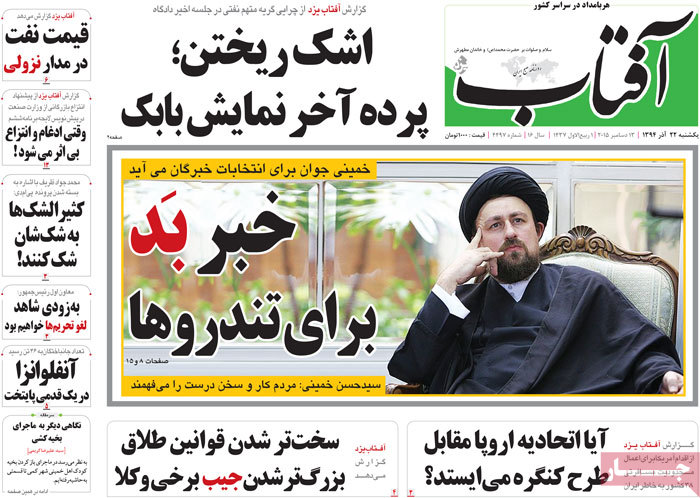
Aftab-e Yazd: The final act in the courtroom drama

Babak Zanjani has shed tears in the most recent hearing in his corruption trial


A look at Iranian newspaper front pages on Dec. 13


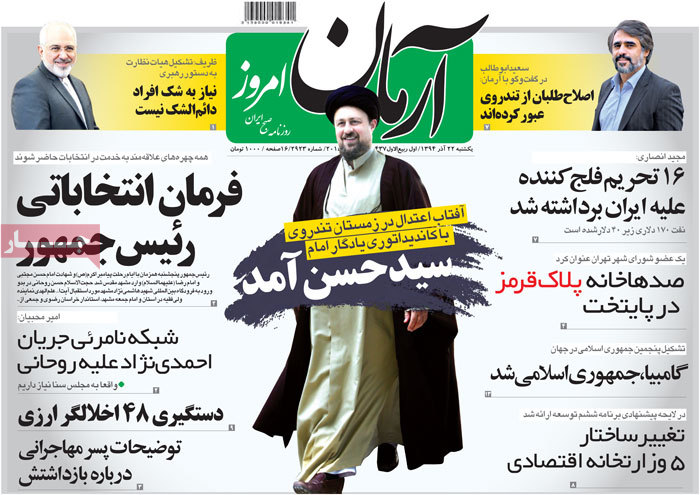
Arman-e Emrooz: The vice-president for parliamentary affairs has said that 16 paralyzing sanctions have been lifted.

Arman-e Emrooz: A draft of the Sixth Development Plan introduces structural changes to five ministries which deal with economic issues.


A look at Iranian newspaper front pages on Dec. 13


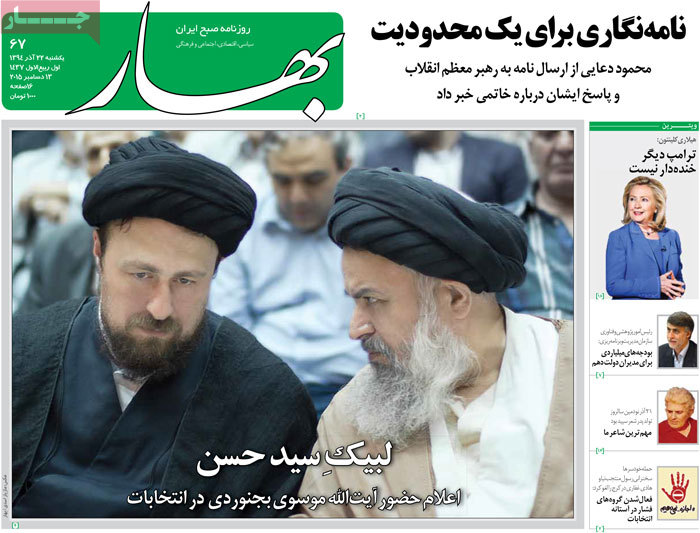
Bahar: The managing editor of Ettela’at daily has sent a letter to the Supreme Leader on [restrictions regarding coverage of news featuring] Mohammad Khatami and received a response.


A look at Iranian newspaper front pages on Dec. 13


Ebtekar: First Vice-President Eshagh Jahangiri has met with the Turkish President Recep Tayyip Erdogan in Ashgabat.


A look at Iranian newspaper front pages on Dec. 13


Etemad: An economic revolution under the Sixth Development Plan

Among other things, the plan would subject the economic activities of religious entities and reconstruction bases to tax, downsize the ranks of human resources in state institutions by 15 percent; downsize all executive bodies; slap a ban on new government hiring, raise fuel and water prices and cut tax exemptions.


A look at Iranian newspaper front pages on Dec. 13


Farhikhtegan: Foreign Minister Zarif has denied reports [first circulated on Telegram messaging app] that the frozen cash that belonged to the Football Federation has been deposited to the Foreign Ministry account.


A look at Iranian newspaper front pages on Dec. 13


Hamdeli: Dissolution of four organizations on the agenda of the government.

Hamdeli: The decision of the young Ayatollah to run for the Assembly of Experts has enraged hardliners.


A look at Iranian newspaper front pages on Dec. 13


Iran: Ninety-seven foreign companies attend a petrochemical conference in Tehran on Sunday.

Iran: Seyyed Hassan Khomeini [the grandson of the late Imam] has stepped onto the electoral stage.


A look at Iranian newspaper front pages on Dec. 13


Jahan-e Eghtesad: Foreign Minister Zarif has recalled the formation of a panel designated by the Supreme Leader and said that those who are constantly doubtful do not need to worry [about the implementation of the Joint Comprehensive Plan of Action].


A look at Iranian newspaper front pages on Dec. 13


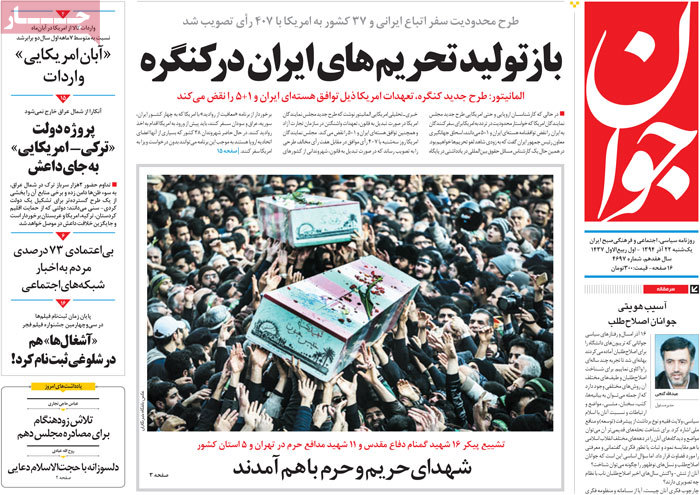
Javan: The US Congress has voted for a motion to ban travel by citizens of 38 countries, including Iran, to the United States.


A look at Iranian newspaper front pages on Dec. 13


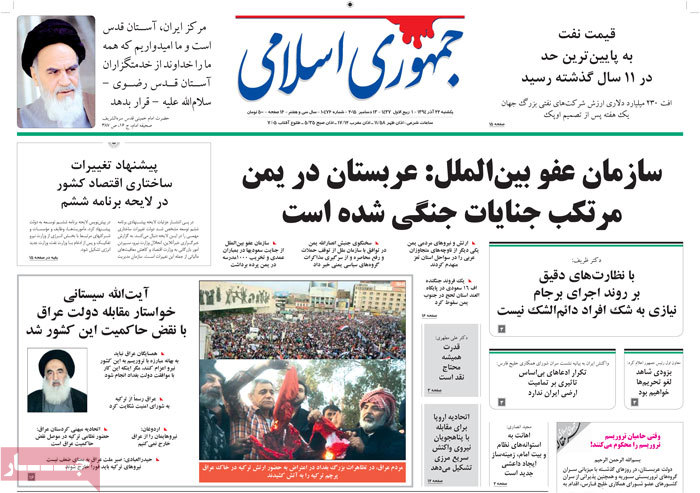
Jomhouri Islami: Oil prices have hit an 11-year low.

Jomhouri Islami: Prominent Iraqi Shiite cleric Ayatollah Sistani has called on the Iraqi government to stand up to violation of the country’s sovereignty.


A look at Iranian newspaper front pages on Dec. 13


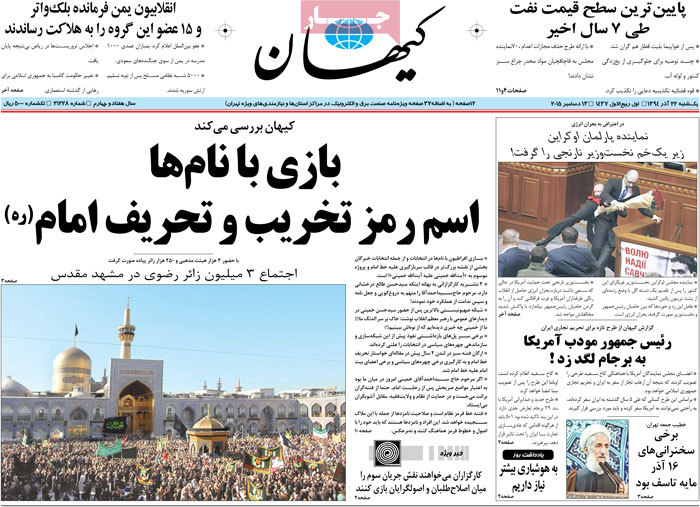
Kayhan: Revolutionaries in Yemen have killed 16 Blackwater contractors, including a commander.


A look at Iranian newspaper front pages on Dec. 13


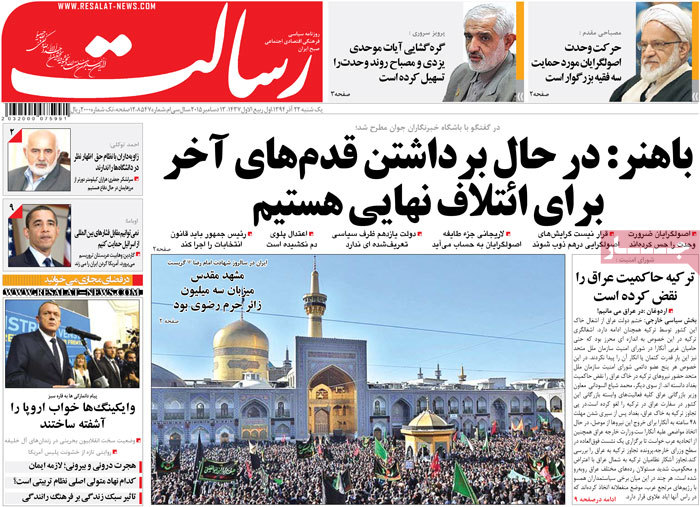
Resalat: The holy city of Mashhad hosted 3 million pilgrims who were there to mark the martyrdom anniversary of the 8th Shiite Imam.


A look at Iranian newspaper front pages on Dec. 13


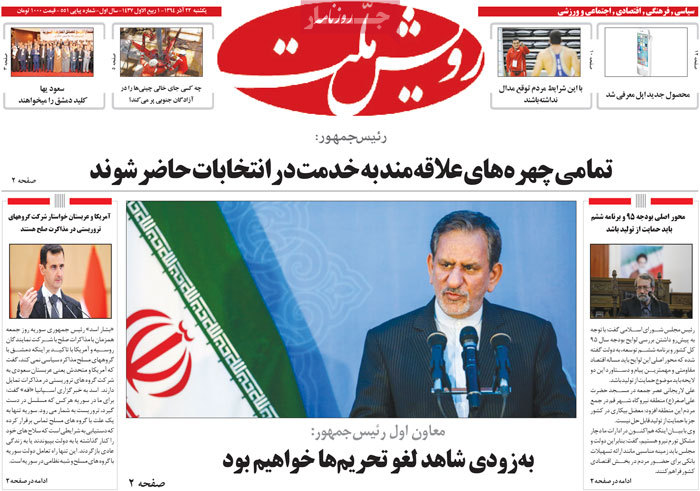
Rooyesh Mellat: The first vice-president has said that sanctions will be lifted soon.


A look at Iranian newspaper front pages on Dec. 13


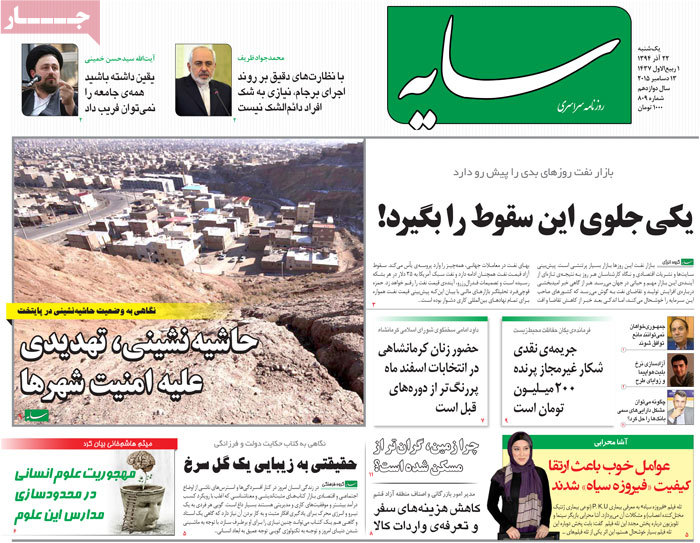
Sayeh: A senior official at the Environment Protection Organization has said that poaching birds is punishable by $66,000 in fines.


A look at Iranian newspaper front pages on Dec. 13


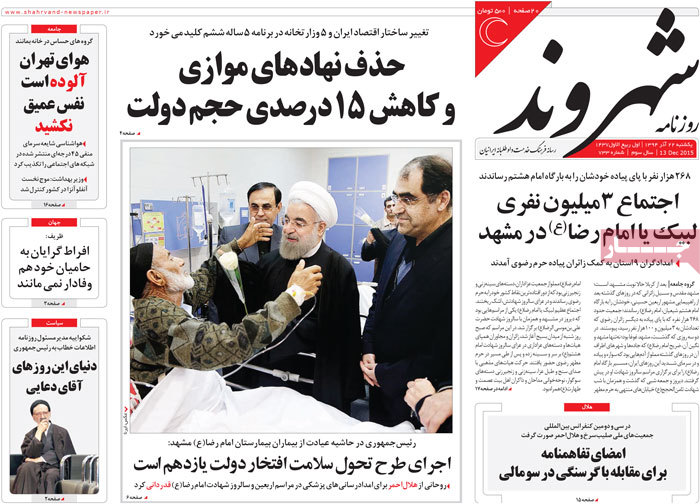
Shahrvand: President Rouhani has said that his administration takes pride in implementing the Healthcare Transformation Plan.


A look at Iranian newspaper front pages on Dec. 13


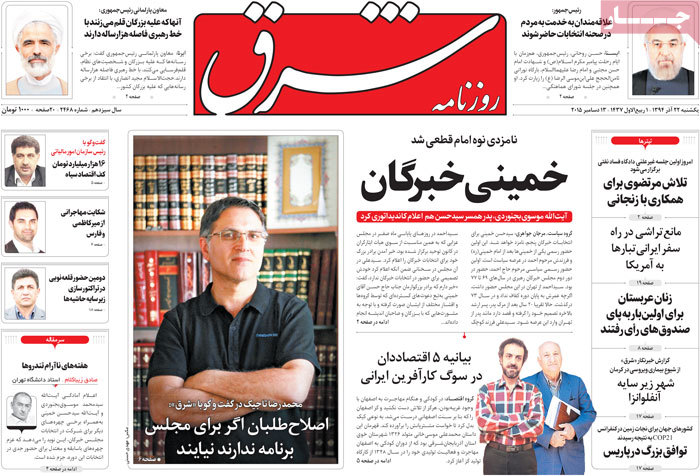
Sharq: Saudi women have cast ballot for the first time.


A look at Iranian newspaper front pages on Dec. 13


Vaghaye-e Etefaghiyeh: Iran’s tourism in the crosshairs of the US Congress

The new motion limits travel to Iran, Iraq, Syria and Sudan.


Iran urges vigilance against plots to harm Tehran-Baku ties

Jaber Ansari

Iran has warned of plots by ill-wishers to harm the country’s relations with Azerbaijan, stressing the importance of remaining vigilant to thwart such schemes.

Iran’s Foreign Ministry Spokesman Hossein Jaber-Ansari said on Saturday that the Iranian people are concerned about Azerbaijan’s intensified wave of arrests and the killing of Shias in Nardaran district, north of the Azeri capital of Baku.

“The Iranian Foreign Ministry closely monitors different aspects of these events and is in constant contact with the country (Azerbaijan)’s relevant officials,” he said.

Following close consultation between Iranian and Azeri officials, a more suitable condition was created for Azeris to respect Islamic ceremonies as well as the sanctity of religious sites in Azerbaijan, including mosques, Jaber-Ansari said.

Azerbaijan has been carrying out a fresh wave of attacks on the majority Shias since November 26 when security forces killed four members of the Movement for Muslim Unity (MMU) during a raid in the village of Nardaran. At least 14 people were nabbed in the raid, including the MMU leader Tale’ Bagirzade, who is also known as Sheikh Bagirov.

In a later attack on Nardaran on December 3, policemen shot and killed five Shia Muslims and arrested 32 others.

Azerbaijan is a majority Shia state of more than nine million people. Shias account for 85 percent of the population.

The secular government of President Ilham Aliyev suppressed a Shia-dominated popular uprising in 2010 amid international outcry over his heavy-handed crackdown.​

On Thursday, ethnic Azeris in the northwestern Iranian province of East Azerbaijan gathered in front of Azerbaijan’s Consulate in the provincial capital of Tabriz to denounce Baku’s crackdown on Shia Muslims in Nardaran.

The protesters, who were marking the demise of the Prophet Muhammad (PBUH), called on Azerbaijan’s government to stop its anti-Islamic moves and immediately release those arrested in Nardaran over the past days.

Iran arrests main culprit behind 2014 attack

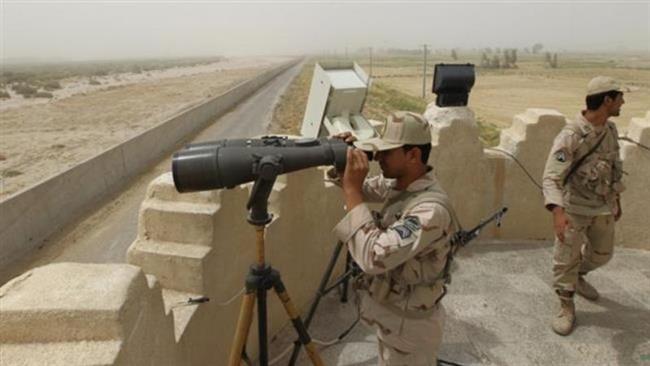
Iranian boarder guard

Authorities have arrested a main culprit behind last year’s killing of three security forces in the southeastern province ofSistan and Baluchestan.

Security forces launched a surprise attack on a residential building earlier identified as a hideout of armed bandits and smugglers outside the town of Zahak, provincial Police Chief Brigadier General Hossein Rahimi said on Saturday.

All six individuals inside the building were arrested during the operation, according to Rahimi.

One of the main perpetrators behind the killing of three security forces in November 2014 was among the detainees, he said.

During the operations, security guards also discovered and confiscated a cache of weapons and ammunition from the criminal gang.

Sistan and Baluchestan Province has been the scene of a number of terrorist attacks in recent years.

The insecurity in the province is mainly caused by terror groups that cross the border into Iran from neighboring Pakistan.

On November 21, Iranian security forces busted a terror cell in Sistan and Baluchestan. The terrorists were planning to blow up over 150 kilograms of explosives in the form of ten bombs in the eastern Iranian border region.

Iran ready to help resolve Turkey-Russia tensions: First VP

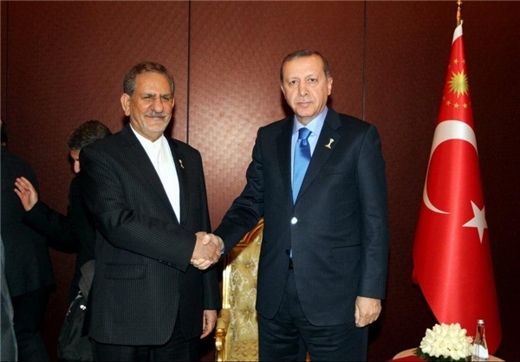
Erdogan-Jahangiri

Iran’s First Vice-President Es’hagh Jahangiri says the recent escalation of tensions between Moscow and Ankara over Turkey’s downing of a Russian jet is worrisome, expressing Tehran’s readiness to help settle the dispute.

“We are concerned about the tension created in relations between Turkey and Russia and do not regard this tension as beneficial to the region at all and are ready to help ease the tension,” Jahangiri said in a meeting with Turkish President Recep Tayyip Erdogan on the sidelines of a meeting in Turkmenistan’s capital of Ashgabat on Saturday.

Moscow and Ankara have been locked in a war of words since November 24, when Turkey downed the Russian Su-24 fighter jet over Syria, claiming that it had entered Turkish airspace, an accusation strongly rejected by Moscow.

Of the two pilots aboard the warplane, one was rescued with the help of the Syrian army, but the other was wounded by militant fire while he was parachuting down and was killed on the ground.

Jahangiri further said Iran’s foreign policy stipulates the expansion of relations with all countries, particularly the neighboring states, on the bases of good neighborliness and mutual trust.

He stressed the importance of holding more consultation between Iranian and Turkish officials to find peaceful solutions to the ongoing crises in the region.

“Despite the difference of opinion [between Tehran and Ankara] about the Syrian issue, we should cooperate with each other in the fight against extremism and terrorism,” Jahangiri added.

He emphasized that interaction, respect for the country’s national sovereignty and territorial integrity and efforts to solve differences can lead to the establishment of sustainable peace and stability in the region.

Dialog to solve regional tensions: Erdogan

The Turkish president said his country does not welcome the escalation of tensions in the region and calls for dialog to clear misunderstandings.

Erdogan added that Tehran-Ankara relations should not be affected by foreign influences and said the two sides should foil attempts to cause religious discord as soon as possible.

He called on the two countries to make use of their capacities to strengthen cooperation in various fields.

Erdogan unhappy with Iran media

The Turkish president criticized certain reports in Iranian media against his family members and said the Iranian government should control the media inside the country. Erdogan was apparently referring to the coverage in Iranian media of the reports of the links between some of his family members and the Daesh Takfiri militants in Syria.

In response to Erdogan’s remarks, Jahangiri said the Iranian administration does not impose any restrictions on media, adding that even the administration is itself criticized in the media.

He added that Iranian officials have never made any comment against the Turkish government.

“However, your authorities have expressed many negative and incorrect statements against the Islamic Republic of Iran, the government and sanctities of the Iranian people,” the Iranian vice-president added.

FM Zarif confident about closure of Iran’s PMD case

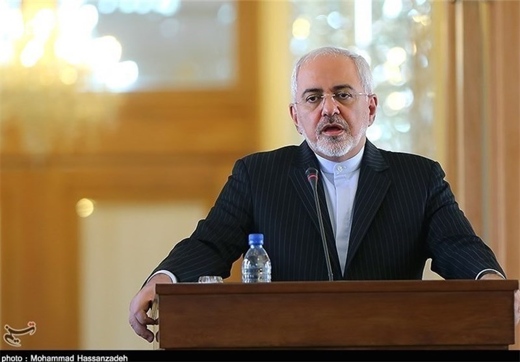
zarif-22

Iranian Foreign Minister Mohammad Javad Zarif has given assurances that the case on the so-called PMD (possible military dimensions) in Tehran’s nuclear program will be closed by a UN resolution next week.

Speaking to Tasnim News Agency, Zarif pointed to a draft resolution recently submitted to the International Atomic Energy Agency (IAEA) Board of Governors by the P5+1 (Russia, China, the US, Britain, France and Germany), and said, “In the paragraph 9 of the draft resolution, there is emphasis on the closure of the PMD issue.”

The Iranian top diplomat added that the draft resolution explicitly says it has fully considered IAEA Director General Yukiya Amano’ report on Iran’s PMD case and has closed it.

The IAEA report is clear and says the agency has not found any sign or reason that shows Iran’s nuclear program has diverted to military activities, the foreign minister noted.

The draft resolution, which will be put to the vote in a session of the IAEA Board of Governors on December 15, will make it possible to close Teheran’s nuclear dossier and begin the implementation phase of the nuclear deal between the Islamic Republic and six world powers, also known as Joint Comprehensive Plan of Action (JCPOA).

The IAEA has been given the role of verifying Iran’s commitments under the nuclear deal with six world powers.

As part of a Road-map signed between Iran and the IAEA on July 14, the agency was required to finish its investigations about Iran’s nuclear activities and submit a report to the Board of Governors by December 15.

A report released on December 2 by Amano on Iran’s nuclear program confirmed that the agency has no credible indications of suspicious work in Tehran’s nuclear activities.

The Road-map was signed on the same day that Tehran and the Group 5+1 reached a conclusion on a lasting nuclear agreement.

The agreement was officially adopted on October 18, and is going to take effect within the next few weeks.

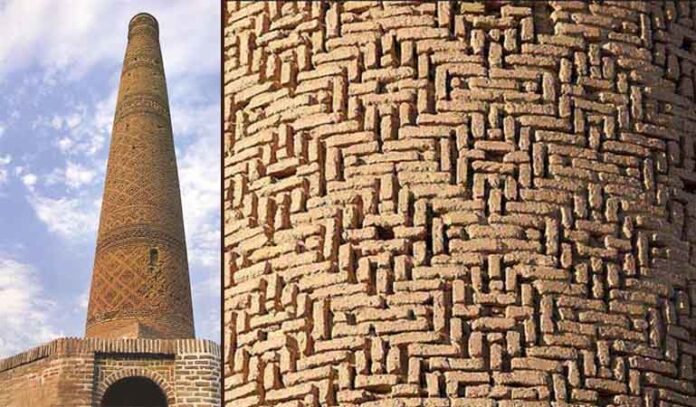
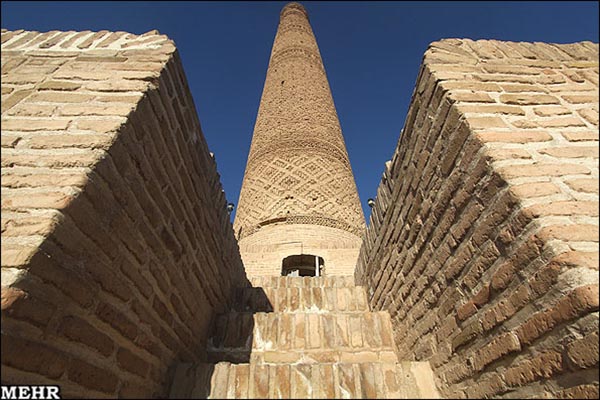
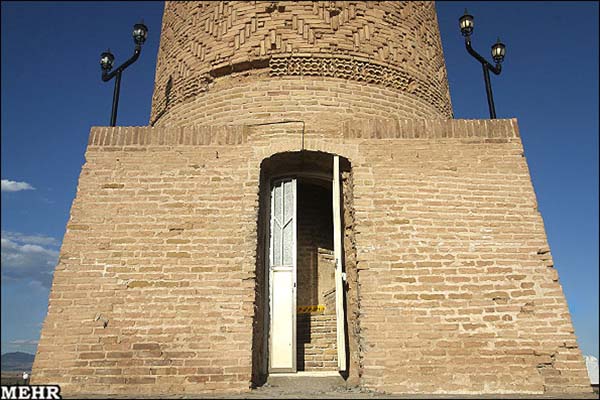
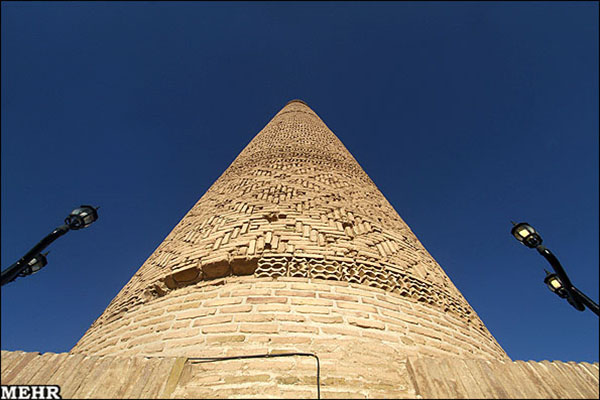
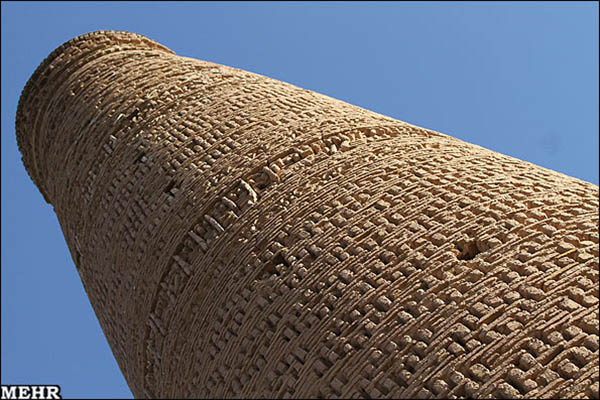
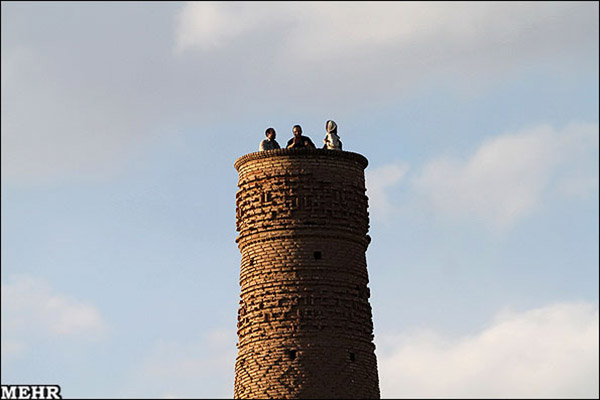
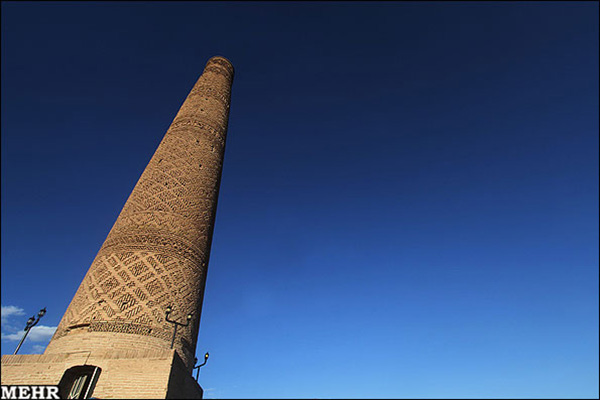
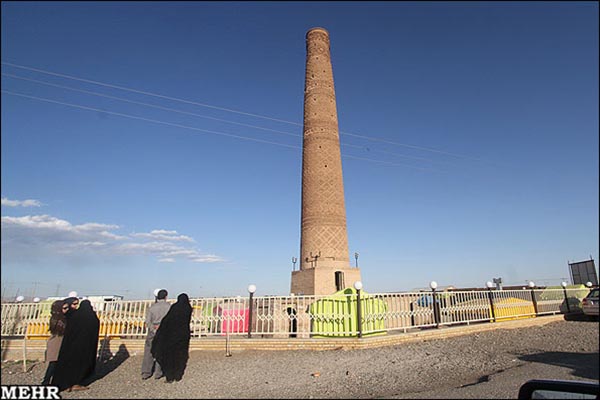
Old minaret along Silk Road (PHOTOS)

Old minaret0

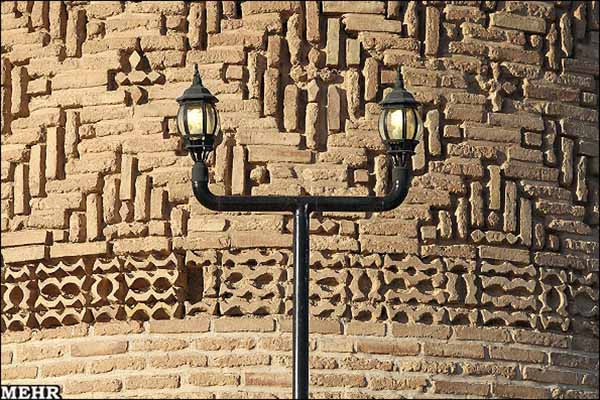
Khosrogerd Minaret, located to the west of Sabzevar, in northeastern Iran is a unique historical monument.

The structure which is 38 meters in height dates back to the Seljuq era (1037–1194).

It is one of the oldest and tallest historical minarets in Iran. Archeological research shows that the minaret – a desertanswer to the light house – was meant to guide caravans in the desert.