Saturday, December 27, 2025
Home Blog Page 4484

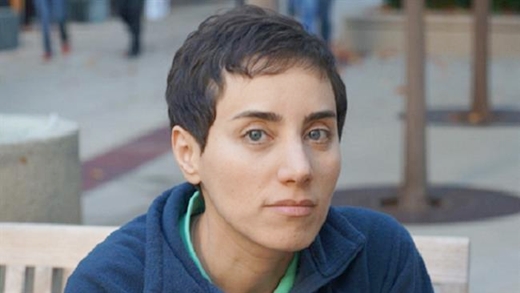
First Iranian Woman Elected to US National Academy of Sciences

The 39-year-old mathematician, currently a professor at Stanford University, was recently elected to NAS, by its current members, in recognition of her “distinguished and continuing achievement in original research.”

With past honourees including renowned physicist Albert Einstein, and inventors Thomas Edison, and Alexander Graham Bell, being a member of the organization is considered to be as one of the highest achievements for scientists in the United States.

Mirzakhani, along with 83 other new members and 21 foreign associates from 14 countries, will be formally inducted next April in Washington DC.

The organization, along with its two sister organizations, the National Academy of Engineering (NAE) and the National Academy of Medicine (NAM) serve pro bono as “advisers to the nation on science, engineering, and medicine.”

Born in 1977 in Tehran, Mirzakhani was raised in the Iranian capital. As a brilliant teenager, she won gold medals in both the International Mathematical Olympiad (Hong Kong 1994), in which she scored 41 out of 42 points, and the International Mathematical Olympiad (Canada 1995) with a perfect score of 42 out of 42 points, ranking her first jointly with 14 other participants.

The math genius received her Bachelor of Science in mathematics from Iran’s prestigious Sharif University of Technology in 1999. She later went to the US to further her education, earning a PhD degree in mathematics from Harvard University in 2004.

She became full professor of mathematics at the age of 31 in 2008 at Stanford University where she is currently lecturing.

Mirzakhani received Blumenthal Award from the American Mathematical Society in 2009. She was also awarded the 2013 biennial Ruth Lyttle Satter Prize in Mathematics by the American Mathematical Society, and garnered the 2014 Clay Research Award from the Clay Mathematics Institute.

But the most important of all her awards is the 2014 Fields Medal that she won in recognition of her contributions to the understanding of the symmetry of curved surfaces. This medal, commonly viewed as the highest honour a mathematician can receive, is given every four years to mathematicians under the age of 40, by the International Congress of the International Mathematical Union (IMU).

Mirzakhani’s research interests mainly include Teichmüller theory and ergodic theory. About her mathematical approach to developing new proofs, she has said “it is like being lost in a jungle and trying to use all the knowledge that you can gather to come up with some new tricks, and with some luck you might find a way out.”

Mirzakhani is married to Jan Vondrák, a Czech theoretical computer scientist who works at IBM Almaden Research Centre. They have a daughter named Anahita.
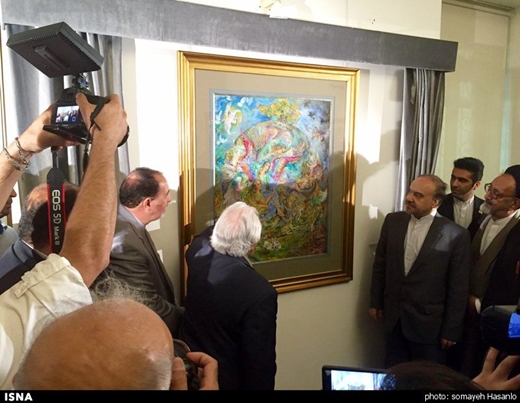
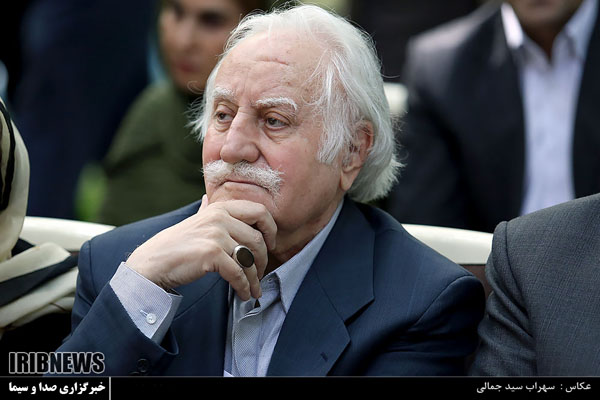
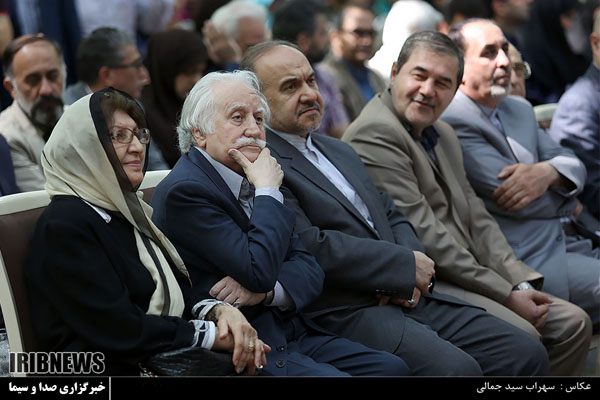
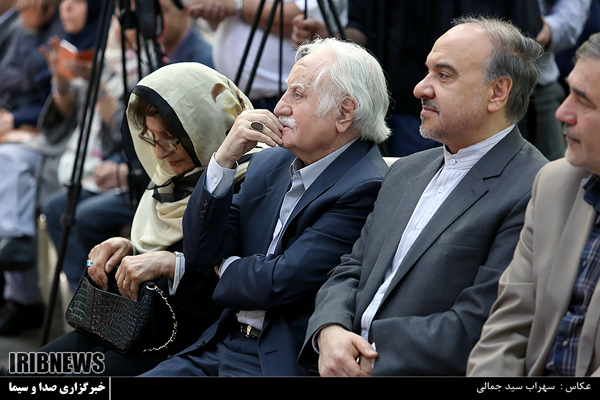
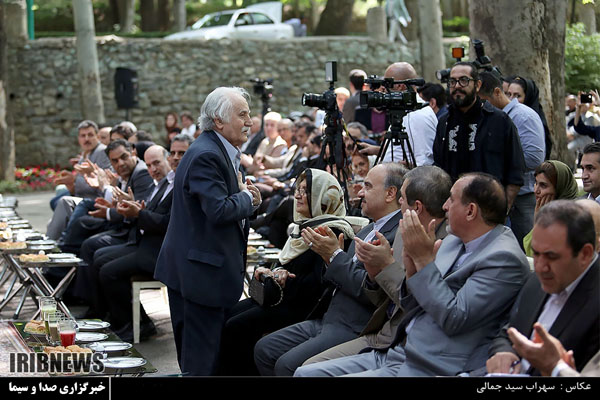
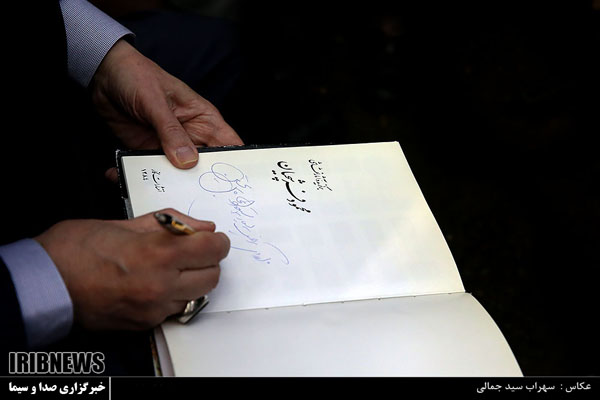
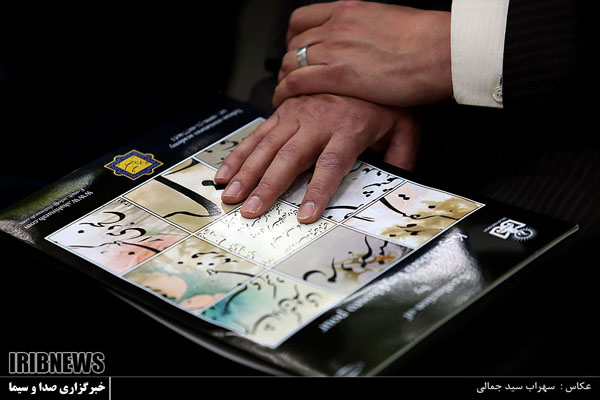
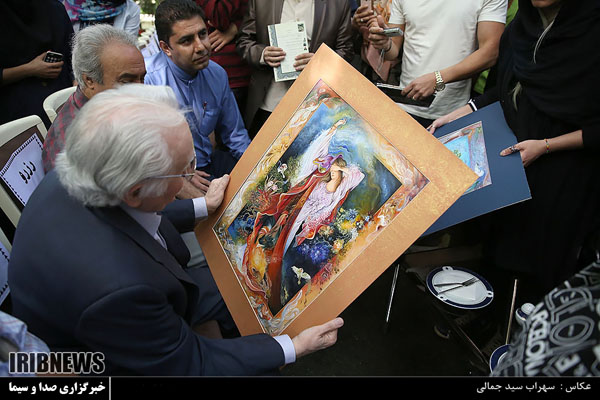
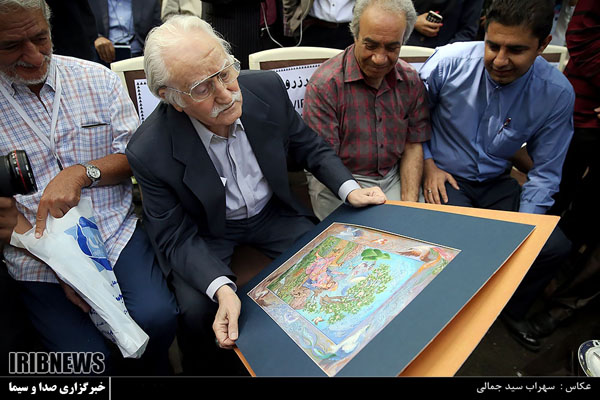
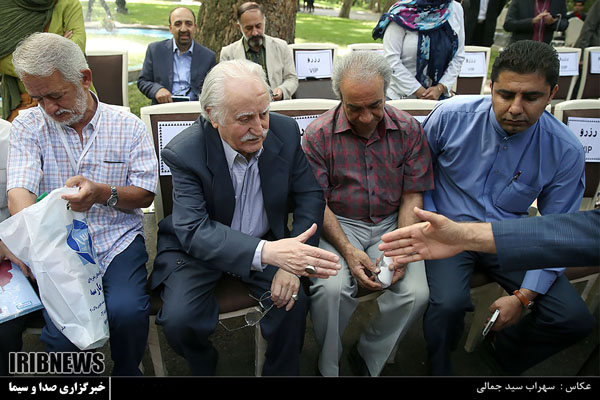
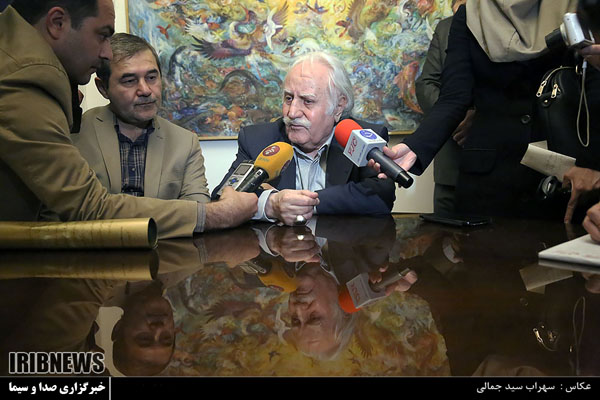
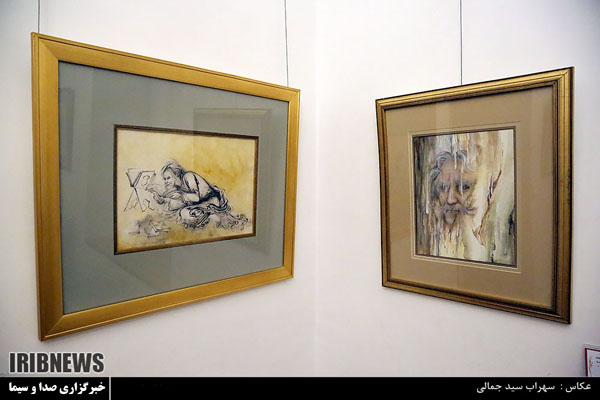
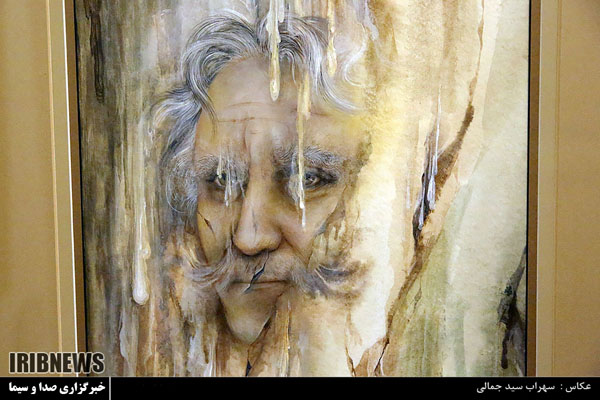
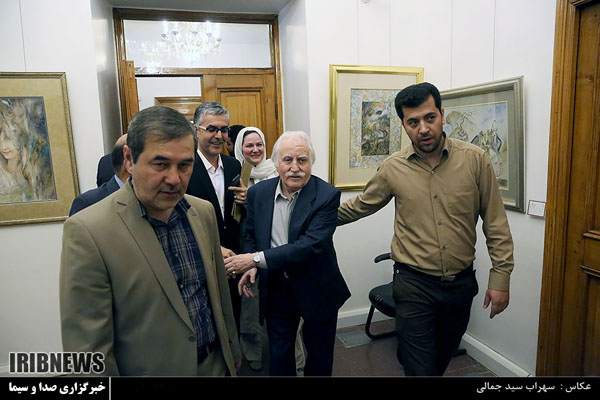
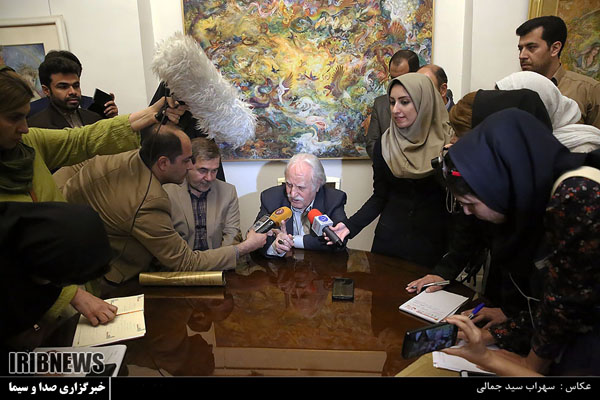
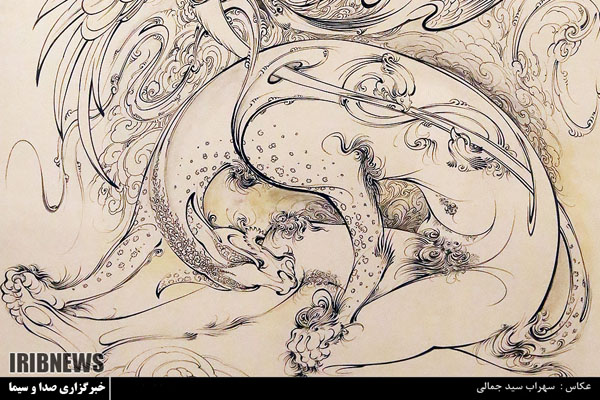
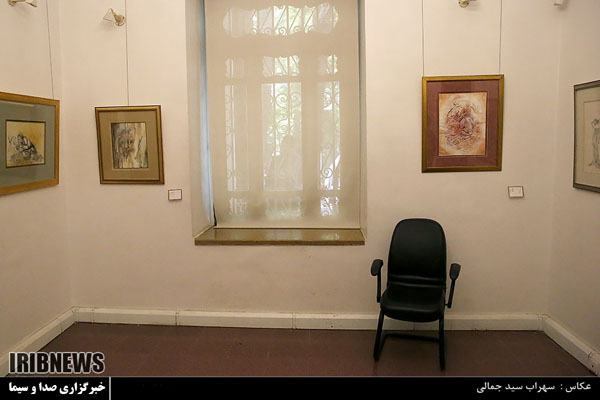
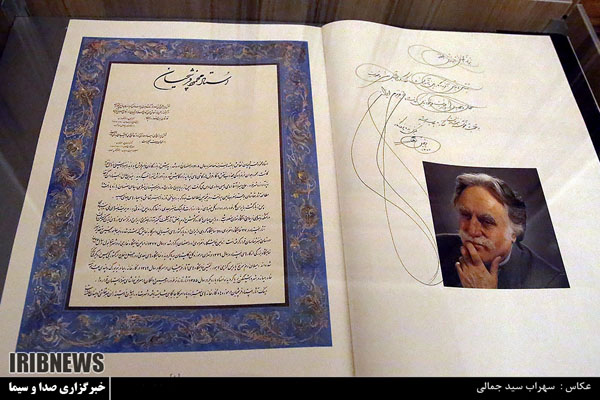
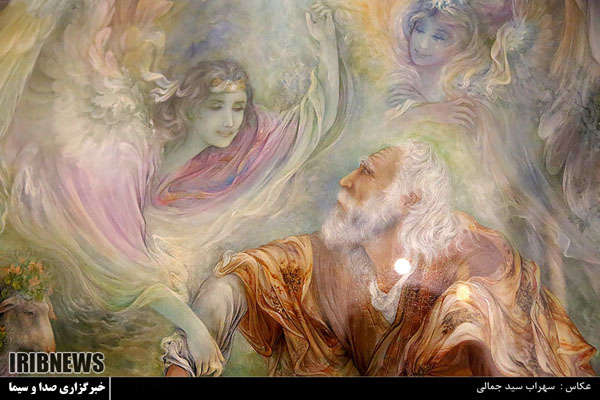
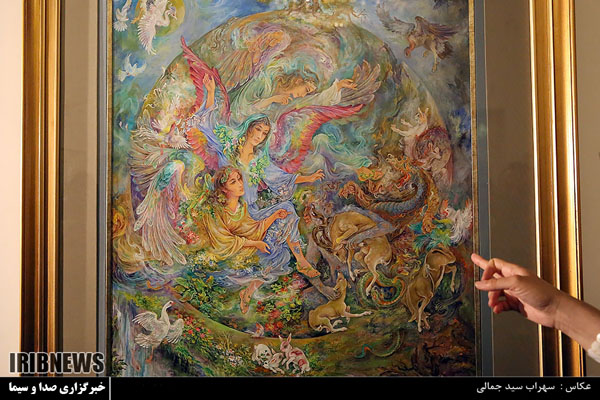
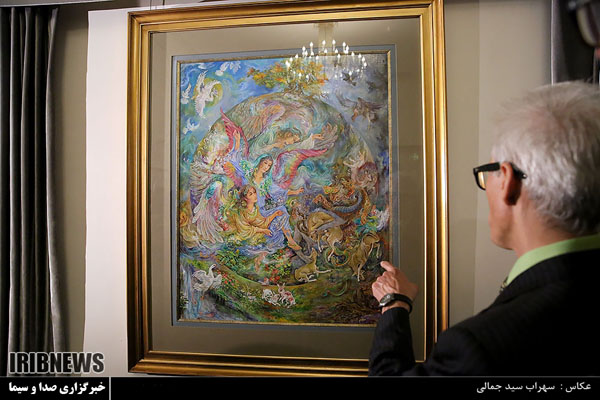
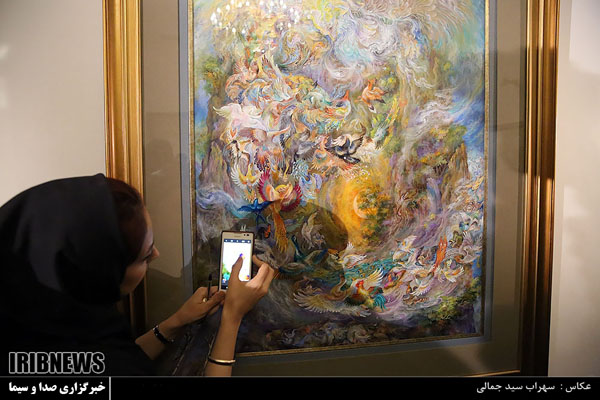
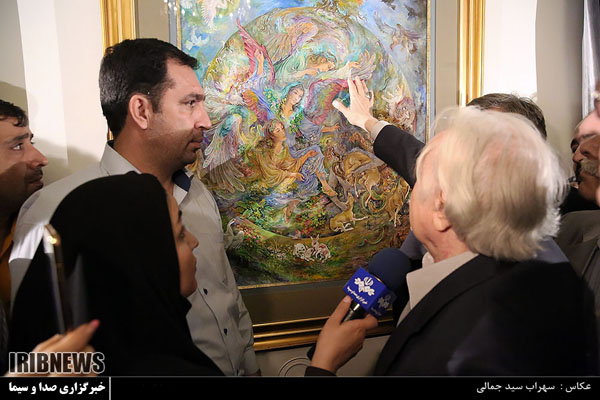
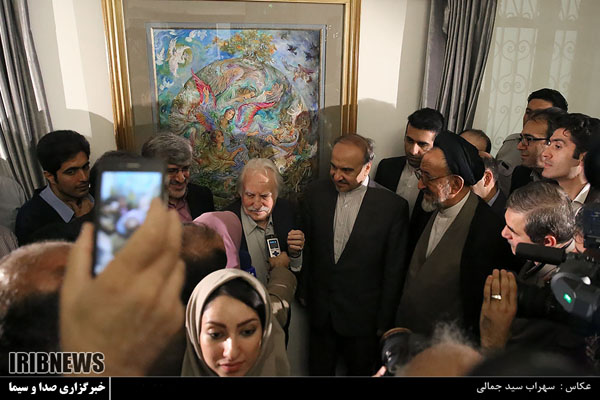
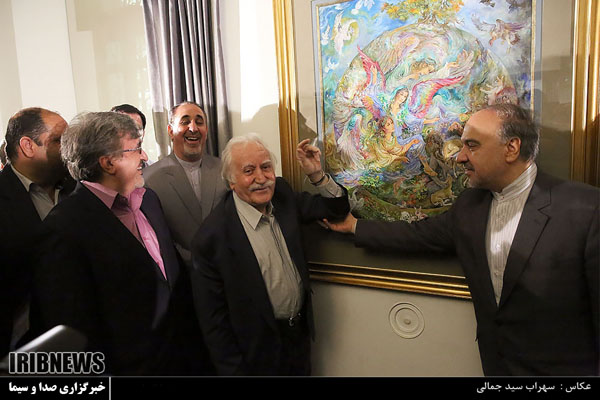
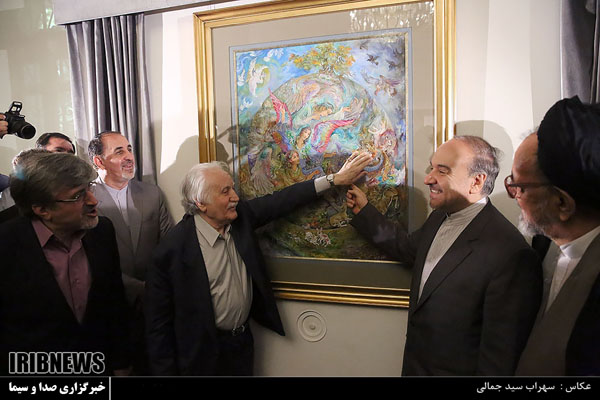
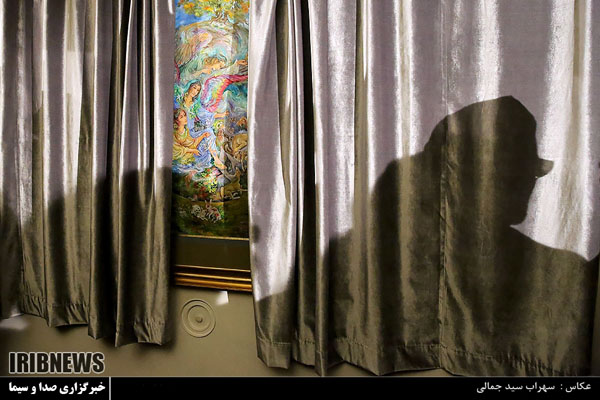
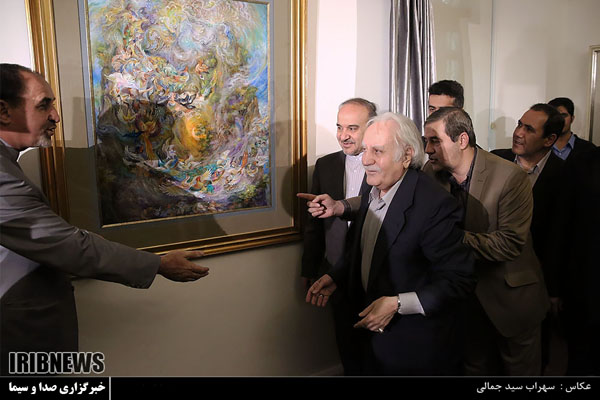
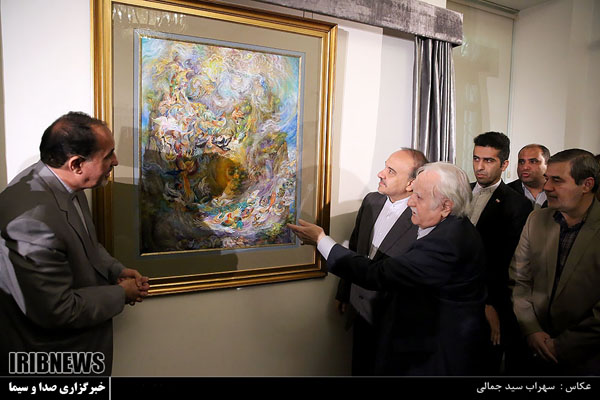
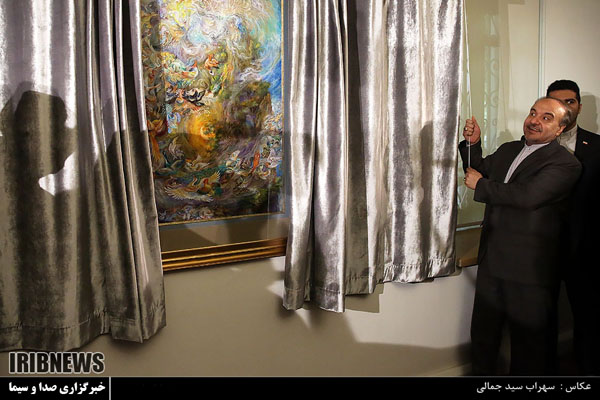
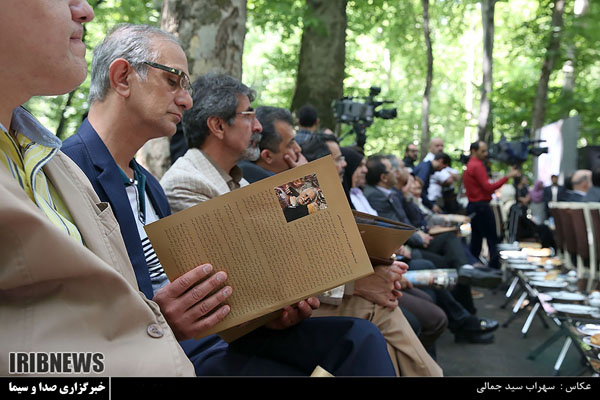
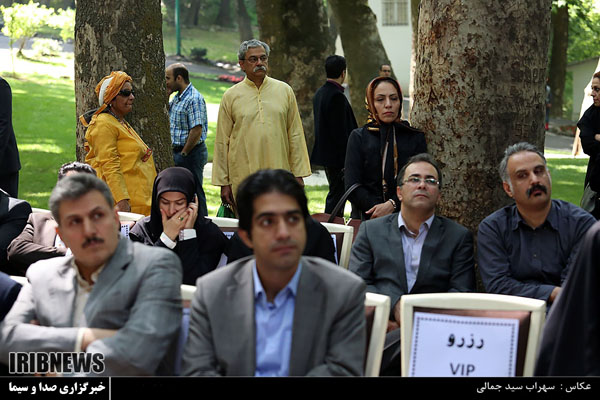
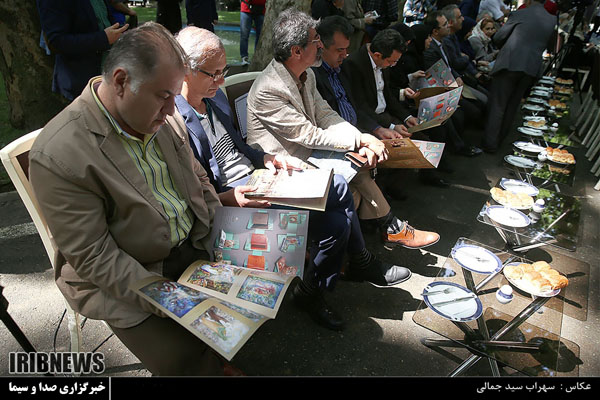
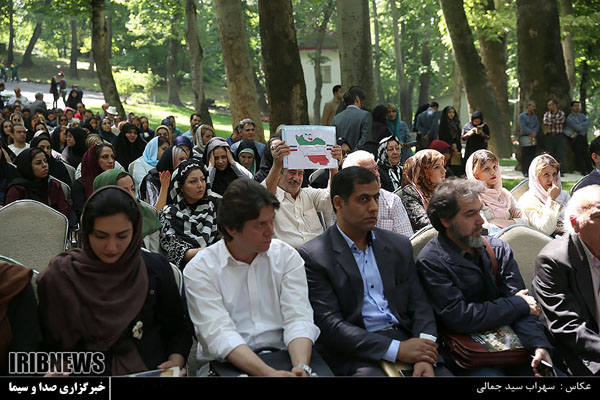
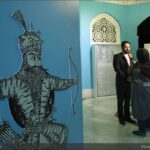
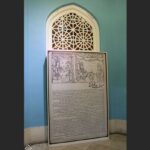
Master Miniaturist Mahmud Farshchian Unveils New Works in Tehran

Director of Cultural Heritage Tourism and Handicrafts Organization (CHTHO) Masoud Soltanifar, and CHTHO deputy director Bahman Namvar Motalq attended the ceremony, Persian media reported.

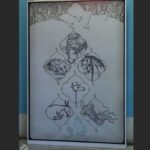
Simorgh, which wasproposed by grand Ayatollah Abdollah Javadi Amoli, is a symbol of humanity,  and shows  that people are always seeking the truth,” Farshchian said at the ceremony.

He added that the idea of his second tableau Environment, Man and Nature, was prompted last year by the head of Iran’s Department of Environment, Masoumeh Ebtekar.

“In one corner of the painting a monster that has polluted the earth can be seen, and on the other side there are angels who are cleaning up the environment,” he explained.

“I believe protecting the environment is quite simple, and I ask citizens to truly love their environment and to help preserve it.”

Namvar Motalq also said that Farshchian’s painting would be very influential in environmental protection.

“Our environment has been damaged, and we need to improve it, both in Iran and around the world,” said Mohammad Mojabi, a top official at the Department of Environment.


Photos of the unveiling ceremony were received from IRIB News.

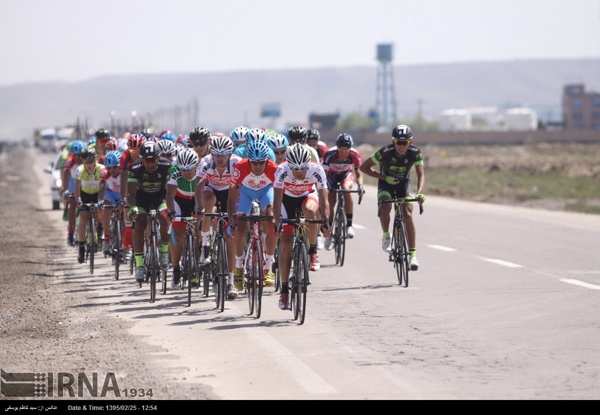
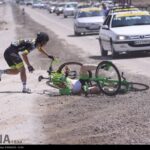
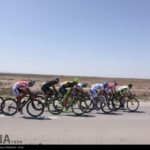
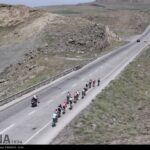
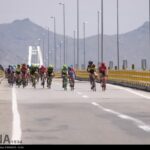
Iran International Cycling Tour Held in Azarbaijan Province

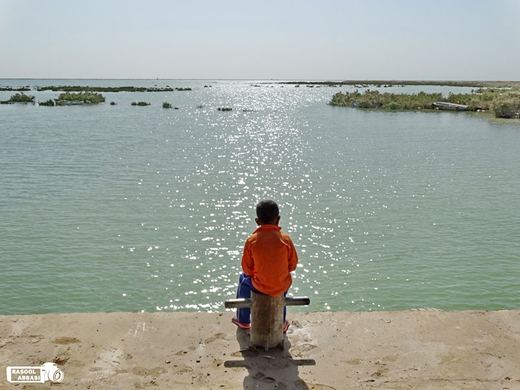
UNESCO to Present Plaque to Iran on Hamoun Lake Registration

Head of Iran’s Department of Environment Massoumeh Ebtekar, Director of UNESCO’s Cluster Office in Tehran Esther Kuisch Laroche and Director of Division of Ecological and Earth Sciences Secretary, Man and the Biosphere (MAB) Programme Han Qunli arrived in this south-eastern Iranian province on Saturday, and are due to attend the ceremony.

The plaque will be unveiled by Ebtekar at Zabol University in a ceremony attended by foreign guests.

As of today, Hamoun will continue living under the supervision of the UNESCO within the framework of the international regulations and cooperation, head of the province’s environment office Saeed Mahmoudi told IRNA.

Hamoun Lake, once a rich natural site, has dried up due to climate change and unkindness of greedy people beyond the borders, Mahmoudi said.

Dryness of Hamoun Lake has caused problems – such as dust storm and drastic heat – for the people of the region, he added.

According to UNESCO, ‘Located in the southeast of the country, the biosphere reserve [Hamoun Lake] includes terrestrial and wetland ecosystems with a total of seven habitat types, including desert and semi-desert areas, as well as Hamoun Lake, with its marshlands and watersheds. The three wetlands of the biosphere reserve are the most important in the region. The area is a hot spot for migratory birds (183 species) and home to 30 mammal species, and 55 plant species. The site is also valuable culturally due to the presence of important historical monuments and ancient temples such as Mount Kooh Khajeh and Shahr-e-Soukhteh.’

16 Real Madrid Fans Killed by ISIS

A group of Real Madrid fans were gathered in a club when 3 ISIS members opened fire on the venue. 16 were killed, and a further 20 were wounded. Following the attack, while being pursued by police and security forces, it appears that the attackers detonated suicide belts, killing themselves. Ziad Sobhan, manager of the club, said, “ISIS members don’t like football – they see it as being against their beliefs.”


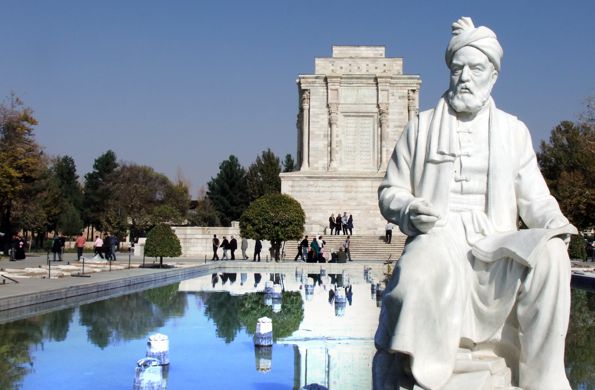
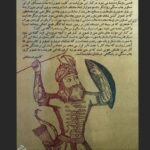
Ferdowsi Commemoration Day – The Founder of Modern Persia

Among classic Persian poets, there are none who have given as much richness to the nation’s language and literature as Ferdowsi has. His place in the pantheon of Persian literature is so important that many call him the “pillar of Farsi literature.” Mir Jalalal-din Kazazi, a prominent literary researcher, says, “Ferdowsi re-discovered the pillars of existence and essence in Iran.”

A Global Poet

Ferdowsi’s poetry has been studied in many prestigious universities, not only in Iran, but across the world. A study about the Shahnameh was recently carried out by the Centre for Islamic and Middle Eastern Studies at Cambridge University. In Nowrouz last year, a new translation of Shahnameh was published in America. Dick Davis, the translator of this new edition, and a Professor of Farsi language and literature at Ohio University, and member of the Royal Society of Literature, praised the Persian tradition of Nowrouz at the book dedication.


Ferdowsi in the Eyes of Others

As we can see clearly from Ferdowsi’s words, Ferdowsi didn’t have any religious obsession. In a legendary story from Islamic mythology, Alexander makes a pilgrimage to Kabaa, and said that the Creator of the Earth needs neither time nor space. He also says that for our ancestors, fire was something which at which prayer was directed, as stone was used by Arabs.

Foroughi (a writer, philosopher and historian) believes that purity of the language is one of Ferdowsi’s characteristics, saying that in all of the Shahnameh it is impossible to find any obscene words. This shows that Ferdowsi, unlike other poets, tries to avoid corrupting himself with ugliness and immorality. Even when, due to the narrator of his stories, he must tackle an impolite subject, he finds the most subtle euphemisms. Ferdowsi was a very moral man, with weighty views, a kind heart, sensitive feelings, pure passions, and a wise nature. He always was aware of events around him, and guides the readers towards the fact that a bad act gives bad results; a crooked path will never lead humans to realize their dreams.

No-one believed in rationalism, science and preserving knowledge as much as Ferdowsi did. Like Omar Khayyam, Ferdowsi also regrets life’s brevity, displaying his perplexity about where we come from, why we are here, and where we will go after this world.

Abdulali Adib Boroumand, a contemporary poet, writes, “Shahnameh, without a doubt, is one of the world’s most important poetry collections, and Ferdowsi one of the greatest epic poets.”

Multiple translations and adaptations, studies and events, all go to demonstrate that Shahnameh remains an immortal masterpiece.

The literature of the book displays all the features of good poetry, including eloquence, clarity, melody, beauty of words, and deep meaning.

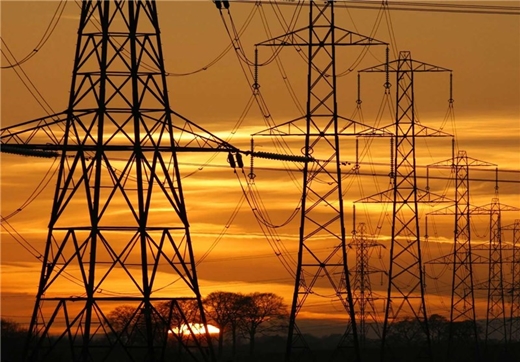
Iran, Tunisia Discuss Development of Energy Cooperation

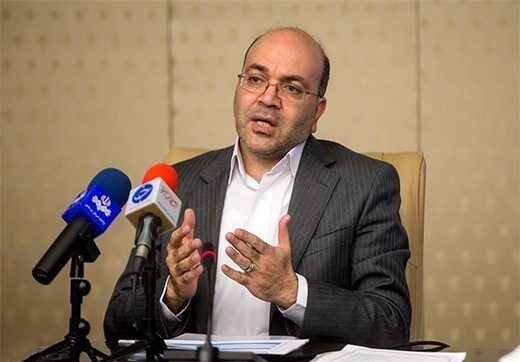
During a meeting in Tehran, Chitchian and Marzouk exchanged views on key aspects of Iranian-Tunisian cooperation and explored potential capacities and needs of the two sides in the field of energy.

The Iranian minister described the meeting as a major step forward for the two countries to boost their energy cooperation and address each other’s needs.

Heading a high-ranking delegation, Marzouk arrived in Tehran earlier on Saturday.

Iran’s capabilities in the electricity industry will be introduced to the Tunisian minister during his stay, Chitchian further said.

In an interview with Tasnim following the meeting, Homayoun Haeri, the managing director of Iranian Energy Ministry’s Water and Energy Industries and Exports Support Center, said Tunisia is a new destination for Iran’s electricity industry exports.

He added that Iran will increase its export of technical and engineering services to Tunisia.

The visit by the Tunisian minster comes against the backdrop of a new wave of interest in ties with Iran after Tehran and the Group 5+1 (Russia, China, the US, Britain, France and Germany) on July 14, 2015 reached a conclusion over the text of a comprehensive 159-page deal on Tehran’s nuclear program and started implementing it on January 16.

The comprehensive nuclear deal, known as the Joint Comprehensive Plan of Action (JCPOA), terminated all nuclear-related sanctions imposed on Iran.

Joint Credit Line to Help Boost Iran-Japan Cooperation in Water Projects

Managing director of Iran’s National Water and Wastewater Engineering Company Hamidreza Janbaz said a substantial portion of the joint credit line with Japan is expected be allocated to the implementation of water and wastewater projects.

He made the comments at the 2nd conference on Iran-Japan cooperation in the water and wastewater industry, held in Tehran on Saturday.

Janbaz emphasized the need for closer interaction between the Iranian and Japanese private sectors in the water industry.

The official had already told Tasnim that Japan’s advanced technologies in water management, together with Iran’s scientific potential and human resources, can help improve efficiency of water systems in the country.

Hezbollah Commander’s Blood to Uproot Terrorism: Iran’s DM

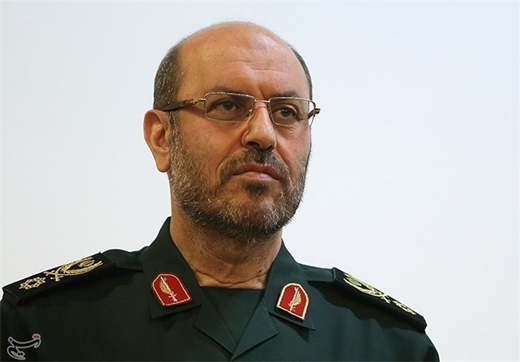
In a message to Hezbollah Secretary General Seyed Hassan Nasrallah on Saturday, Dehqan offered condolences to Hezbollah and the bereaved family of Badreddine, and said, “Undoubtedly, the blood of Mustafa Badreddine and other martyrs of teh resistance movement shed in the battle against the Zionist (Israeli) regime and Daesh (also known as ISIL and ISIS) mercenaries will root out terrorism in the region.”

Referring to attempts by major supporters of the Daesh Takfiri terrorist group, including the US, Israel and certain ‘treacherous’ regional regimes, to prevent the defeat of terrorism, the Defense Minister underlined that Daesh is, notwithstanding, nearing its end due to the sacrifices and steadfastness of the resistance front.

Mustafa Badreddine was martyred in a massive explosion near Damascus International Airport on Friday, in an attack Hezbollah later said had been carried out by “Takfiri groups”.

He was the commander of Hezbollah’s military arm, its chief of intelligence, and adviser to Nasrallah.

Badreddine was also the cousin and brother-in-law of the top Hezbollah commander, Imad Mughniyeh, who was likewise assassinated by the Israeli regime in Damascus in 2008.

Malaysia’s AirAsia X to Resume Flights to Iran

“We believe that the revival of direct flights to Tehran from Kuala Lumpur is timely and we foresee that our direct flights from both Asean cities of Kuala Lumpur and Bangkok can improve bilateral relations while encouraging trade and tourism activities between the cities,” AirAsia X Chief Executive Officer Benyamin Ismail said in a statement, The Rakyat Post reported.

He added that the flights to Tehran from Kuala Lumpur (klia2 Airport) and Bangkok (Don Mueang International Airport) will start on June 21 and 22, respectively.

The klia2 flights leave every Sunday, Tuesday and Thursday at 7:05 p.m., arriving in Tehran at 11:40 p.m. local time. The return flights take off at 1:05 a.m. every Monday, Wednesday and Friday, arriving at klia2 at 12:45 p.m.

From Bangkok, the flights take off every Monday, Wednesday and Friday at 3:10 p.m., arriving in Tehran at 10:20 p.m. local time. Return flights take off at 9:50 p.m. and arrive in Bangkok the next day at 8:00 a.m.

The resumption of flights will come against the backdrop of a new wave of interest in ties with Iran after Tehran and the Group 5+1 (Russia, China, the US, Britain, France and Germany) on July 14, 2015 reached a conclusion over the text of a comprehensive 159-page deal on Tehran’s nuclear program and started implementing it on January 16.

The comprehensive nuclear deal, known as the Joint Comprehensive Plan of Action (JCPOA), terminated all nuclear-related sanctions imposed on Iran.