Monday, April 20, 2026
Home Blog Page 4352

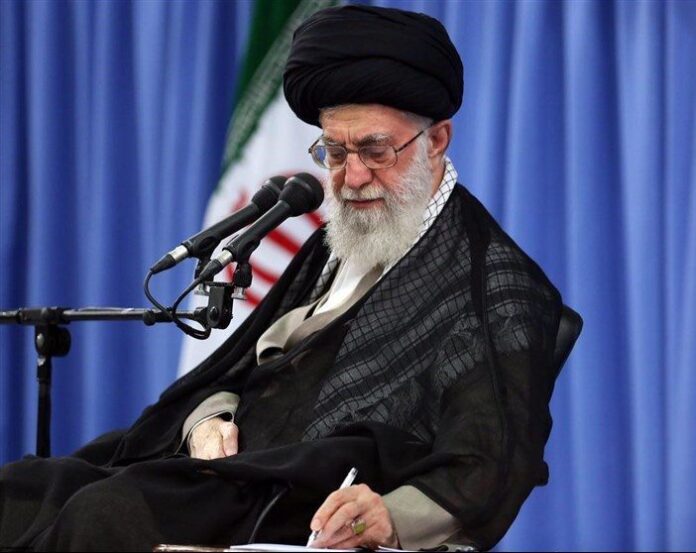
Iran Leader’s Message to Muslim World: Muslims Must Understand Blasphemous, Faithless Nature of Saudi Rulers

Iran Leader

In a message to the Hajj pilgrims posted on the Leader’s official website on Monday, Ayatollah Seyyed Ali Khamenei described the ritual pilgrimage as a “heavenly, earthly, divine and communal obligation”.

Elsewhere in his comments, Ayatollah Khamenei pointed to last year’s Mina crush which claimed the lives of over 4,700 pilgrims, including 465 Iranians, and said, “Several thousand families from different countries lost their loved ones and their nations were bereaved. From the Islamic Republic, close to five hundred people were among the martyrs. The hearts of their families are still broken and bereaved and our people remain grief-stricken and angry.”

“Instead of apology and remorse and judicial prosecution of those who were directly at fault in that horrifying event, Saudi rulers- with utmost shamelessness and insolence- refused to allow the formation of an international Islamic fact-finding committee.”

Ayatollah Khamenei further stressed, “The world of Islam, including Muslim governments and peoples, must familiarize themselves with the Saudi rulers and correctly understand their blasphemous, faithless, dependent and materialistic nature. They must not let those rulers escape responsibility for the crimes they have caused throughout the world of Islam.”

Following is the full text of the Leader’s message:

In the Name of Allah, the Beneficent, the Merciful
And all praise belongs to Allah, the Lord of the Worlds, and Allah’s greetings be upon our Master, Muhammad, and upon his immaculate household and chosen companions and upon those who follow them rightfully until the Day of Judgment.

Muslim brothers and sisters across the world!

For Muslims, the season of hajj is the season of pride and glory in the eyes of God’s servants, the season of enlightening hearts, the season of humility before the Creator and of solemn prayer.

Hajj is a heavenly, earthly, divine and communal obligation. On the one hand, the commands “then remember Allah as you remembered your fathers, rather a greater remembering” [the Holy Quran, Sura al-Baqara, Ayah 200] and “remember Allah during the appointed days” [the Holy Quran, Sura al-Baqara, Ayah 203] and on the other hand, the declaration “whoever shall incline therein to wrong unjustly, We will make him taste of a painful chastisement” [the Holy Quran, Sura al-Hajj, Ayah 25] shed light on its infinite and diverse dimensions.

During this unparalleled obligation, temporal and spatial security bestows tranquility on the hearts of human beings like a clear sign and a brilliant star and draws hajj pilgrims out of the siege of insecurity by domineering oppressors that constantly threatens humanity and it helps humanity taste the pleasure of security during a particular period of time.

Abrahamic hajj, which Islam has presented to Muslims as a gift, is the manifestation of pride, spirituality, unity and glory. It demonstrates to ill-wishers and enemies the greatness of the Islamic Ummah and its reliance on God’s eternal power. It highlights the distance between Muslims and the cesspool of corruption, humiliation and tyranny that international oppressors and bullies impose on human communities.

The Islamic and monotheistic hajj is the manifestation of being “firm against the unbelievers, compassionate among themselves” [the Holy Quran, Sura Fath, Ayah 29]. It is the stronghold of renouncing unbelievers and promoting friendship and unity among believers.

Those who have reduced hajj to a religious-tourist trip and have hidden their enmity and malevolence towards the faithful and revolutionary people of Iran under the name of “politicizing hajj”, are themselves small and puny satans who tremble for fear of jeopardizing the interests of the Great Satan, U.S.

Saudi rulers, who have obstructed the path of Allah and Masjid ul-Haraam this year and who have blocked the proud and faithful Iranian pilgrims’ path to the Beloved’s House, are disgraced and misguided people who think their survival on the throne of oppression is dependent on defending the arrogant powers of the world, on alliances with Zionism and U.S. and on fulfilling their demands. And on this path, they do not shy away from any treason.

Almost one year has now passed since the horrifying events in Mina, as a result of which several thousand people tragically lost their lives- under the hot sun with thirsty lips- and this happened on the day of Eid while they were in the clothes of ihram. Shortly before that, another group of people were crushed to death in Masjid ul-Haraam while they were worshiping and performing tawaf and salat.

Saudi rulers were at fault in both cases. This is what all those present, observers and technical analysts agree upon. Some experts maintain that the events were premeditated. The hesitation and failure to rescue the half-dead and injured people, whose enthusiastic souls and enthralled hearts were accompanying their praying tongues on Eid ul-Adha, is also obvious and incontrovertible. The heartless and murderous Saudis locked up the injured with the dead in containers- instead of providing medical treatment and helping them or at least quenching their thirst. They murdered them.

Several thousand families from different countries lost their loved ones and their nations were bereaved. From the Islamic Republic, close to five hundred people were among the martyrs. The hearts of their families are still broken and bereaved and our people remain grief-stricken and angry.

Instead of apology and remorse and judicial prosecution of those who were directly at fault in that horrifying event, Saudi rulers- with utmost shamelessness and insolence- refused to allow the formation of an international Islamic fact-finding committee.

Instead of being tried as the accused, they acted like the plaintiff and with increased malice and vileness, they revealed their long-standing enmity towards the Islamic Republic and towards any flag of Islam raised to confront kufr and arrogance.

Their propaganda mouthpieces- from the politicians whose behavior towards the Zionists and U.S. is a source of disgrace for the world of Islam, to impious and haraam-eating muftis who blatantly issue fatwas against the Book and Sunnah, and to media minions who are not even deterred by codes of professional conduct from spreading and telling lies- are making futile efforts to show that the Islamic Republic is at fault for depriving Iranian pilgrims of this year’s hajj pilgrimage.

The fitna-promoting rulers who by forming and arming wicked takfiri groups, have plunged the world of Islam into civil wars, murdering and injuring the innocent and shed blood in Yemen, Iraq, the Levant, Libya and other countries- the godless politicians who have extended the hand of friendship towards the Zionist regime, have closed their eyes on the Palestinians’ sufferings and heartrending tragedies and have spread their oppression and betrayal to the cities and villages of Bahrain- the irreligious and unconscionable rulers who gave rise to the great tragedy in Mina and in the name of being servants of the two holy places, sacrificed divine sanctity and God’s guests on the day of Eid in Mina and in Masjid ul-Haraam shortly before that- these same people are now claiming the need to avoid politicizing hajj and are accusing others of the great sins that they themselves have committed and caused.

They are the perfect example of the enlightening Quranic description: “And when he turns his back, his aim everywhere is to spread mischief through the earth and to destroy crops and cattle and Allah does not love mischief.  And when it is said unto him: Be careful of your duty to Allah, pride takes him to sin. Hell will settle his account, an evil resting-place” [the Holy Quran, Sura al-Baqara, Ayahs 205-206].

Based on reports, this year as well, besides barring the participation of Iranian pilgrims and pilgrims from certain other countries, they have placed pilgrims from the participating countries under unprecedented surveillance with the help of the spy agencies of U.S. and the Zionist regime. They have made the divine sanctuary unsafe for everybody.

The world of Islam, including Muslim governments and peoples, must familiarize themselves with the Saudi rulers and correctly understand their blasphemous, faithless, dependent and materialistic nature. They must not let those rulers escape responsibility for the crimes they have caused throughout the world of Islam.

Because of these rulers’ oppressive behavior towards God’s guests, the world of Islam must fundamentally reconsider the management of the two holy places and the issue of hajj. Negligence in this regard will confront the Islamic Ummah with more serious problems in the future.

Muslim brothers and sisters! This year enthusiastic and sincere Iranian pilgrims are absent from the hajj ceremonies, but they are spiritually present among the pilgrims from different parts of the world and they are concerned about them and they pray that the evil progeny of the taghut do not succeed in harming them.

In your duas, worship and prayers, remember your Iranian brothers and sisters and pray that the sufferings be removed from Islamic communities and that the Islamic Ummah be liberated from the hands of the arrogant powers, the Zionists and their followers.

I commemorate those who were martyred in Mina and Masjid ul-Haraam last year and the martyrs of Makka of the year 1987. I pray to Glorious God to bestow clemency and mercy and the highest positions on them.

I extend my greetings to the Imam of the Age- may my soul be sacrificed for his sake- and I ask Allah that the accepted prayers of that honorable Imam improve the Islamic Ummah and save Muslims from the fitna and malevolence of the enemies.

And providence belongs to Allah and reliance is on Him.

Sayyid Ali Khamenei
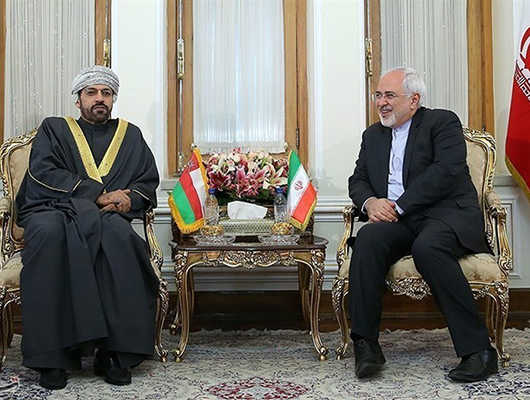
Oman Sees Regional Enthusiasm for Iran Ties

Oman-zarif

In a meeting with Iranian Foreign Minister Mohammad Javad Zarif in Tehran on Sunday, visiting Omani Interior Minister Hamoud bin Faisal Al Busaidi said the bilateral relations have reached a “premium level.”

He also voiced the sultanate of Oman’s readiness to enhance relations with Iran in all fields.

The Iranian minister, for his part, hailed Iran-Oman ties as a role model for the other countries.

Zarif also touched on the “historical juncture” in the regional developments, stressing that “constructive cooperation and mutual understanding should replace the illusion of rivalry.”

He further noted that instability and insecurity in any country will pose a threat to the other parts of the region and even to the world.

At the end of the meeting, the ministers signed an agreement on demarcation of sea borders between the two countries.

Heading a political and economic delegation, Al Busaidi arrived in Tehran on Sunday and held another meeting with Iranian Interior Minister Abdolreza Rahmani Fazli.

Iranian Banks to Open Branches in Munich

bank-munich

The Muenchner Merkur newspaper reported on Sunday that the three Iranian banks have told Bavaria’s Economy Minister Ilse Aigner about their plans to open branches in Munich.

They have been named as Middle East Bank, Parsian Bank and Sina Bank. The German daily further quoted Aigner as saying that the banks have received approval from Iran’s central bank to set up branches overseas.

“Business ties between Bavarian companies and Iran often fail today because of barriers in the payment process,” Reuters quoted Aigner as having told the Muenchner Merkur.

“That is why having branches of Iranian banks in Munich is particularly important for our businesses. Especially our small- to medium-sized firms have enormous export prospects to Iran that they will be able to utilize more easily in the future.”

Iran has been persistently urging European countries to take the required measures to encourage their banks to facilitate transactions with Tehran now that the sanctions have been removed.

However, the country’s plea appears to have fallen on deaf ears so far.

Analysts have already emphasized that the banks remain wary of the impacts of the remaining American sanctions against Iran, specifically those that address banking transactions with the country.

Reports earlier said they want a promise that the US will not prosecute or punish them for transactions involving Iran — a step the US has so far been reluctant to take.

In May, US Secretary of State John Kerry told a meeting of top EU bankers that they will not be penalized for conducting or facilitating business with Iran.

However, European banks have already emphasized that Kerry’s assurances are not enough and a series of confusions that remain over transactions with Iran need to be cleared by Washington.

Aigner further told the Muenchner Merkur that the Iranian banks would now get professional help for setting up satellite offices in Munich and navigating the approval process.

She cited strong interest in exporting items to Iran from the German engineering, automotive, aerospace, environmental technology, pharmaceutical and medical technology sectors, Reuters added.

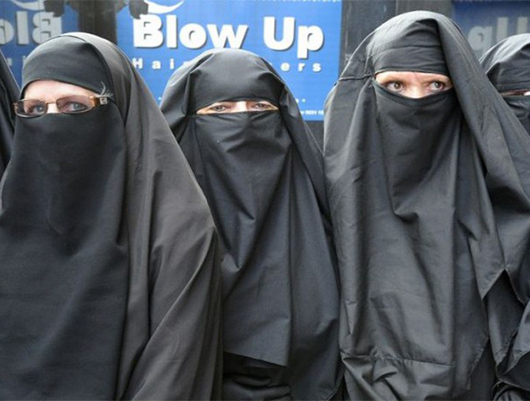
Women Banned from Wearing Burqa When Entering ISIS’ Security Centres

burqa

According to a report by Al Alam News Network, as translated by IFP, within the past two years, the ISIS used to force women in Iraq and Syria to wear burqa and niqab; however, now the group has no choice but to prevent women with burqa from entering its security centres.

A local source in the Iraqi province of Nineveh announced on Friday, September 2, that the terrorist group has released an order, based on which no woman is allowed to be wearing niqab or burqa when entering the security and military centres.

The decision, according to the source, came after some fully veiled women killed a number of ISIS commanders and members in the past months.

Earlier, media reports released photos of women in the liberated Syrian city of Manbij burning the sombre outfits, including what appears to be a burqa, which they had been forced to wear under ISIS control.

Tehran, Tokyo to Enhance Economic Cooperation in Post-Sanctions Era: Diplomat

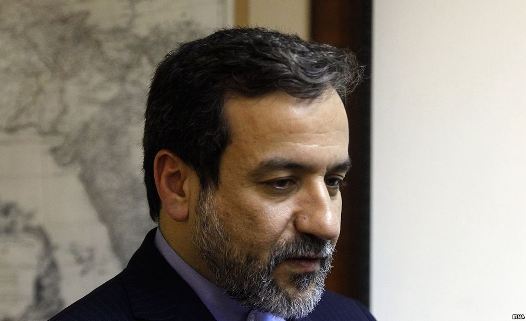
Iran-US Talks-Araqchi

“We had a very good meeting today and mainly we talked about how to expand mutual relations and cooperation in order to prepare needed infrastructures to reach goals in financial and economic issues in the post-sanctions era,” Iran’s Deputy Foreign Minister for Legal and International Affairs Seyed Abbas Araqchi told Japan’s Kyodo News.

He made the remarks following a Saturday meeting with his Japanese counterpart Kentaro Sonoura in Tehran.

“Iran is grateful to Japan for the allocation of the $10 billion credit line and we are sure that this action by Japan will lead to the blossoming of the two countries’ financial ties,” he further said.

Sonoura arrived in the Iranian capital on Friday and left the country for Qatar late on Saturday. He is also planned to visit a number of other Middle Eastern countries, including Jordan and Egypt.

The Japanese government lifted its sanctions on Iran in January and signed a bilateral investment pact in February in a bid to help Japanese companies do business there amid intensifying foreign competition for access to the Iranian market.

International interest in ties with Iran has been growing since Tehran and the Group 5+1 (Russia, China, the US, Britain, France and Germany) on July 14, 2015 finalized the comprehensive nuclear deal and started implementing it on January 16.

The agreement, known as the Joint Comprehensive Plan of Action (JCPOA), terminated all nuclear-related sanctions imposed on Iran.

Official Calls Appointment of UN Rapporteur on Human Rights in Iran “Unjustified”

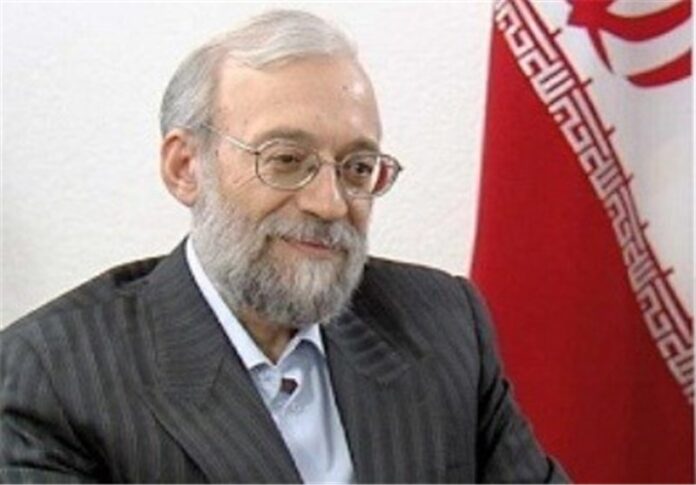
larijani

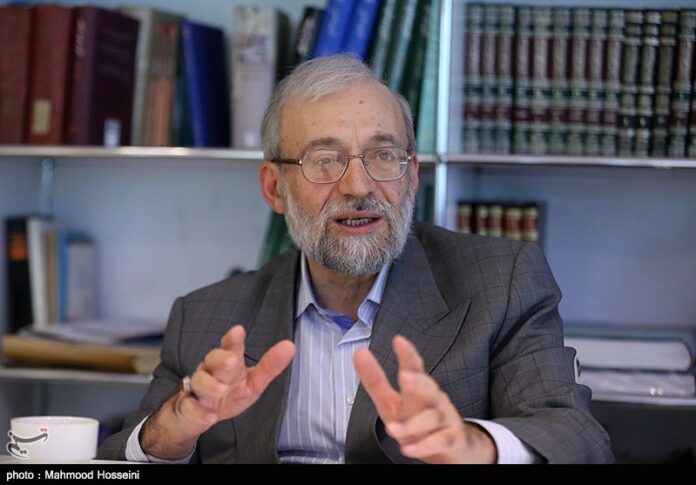
“The Islamic Republic of Iran has always had a fundamental stance on the appointment of a special rapporteur for any country,” Mohammad Javad Larijani, the secretary general of Iranian High Council for Human Rights, said.

He further emphasized that double-standard policies and selective approaches to human rights issues adopted by certain Western governments have led to such an appointment.

The Islamic Republic believes that the appointment of the special rapporteur on the human rights situation in Iran is totally “rejected and unjustified”.

The remarks came after the UN Special Rapporteur on the situation of human rights in Iran, Ahmed Shaheed, said in his twitter account on Wednesday that Pakistani human rights activist Asma Jahangir will replace him.

Shaheed also expressed his congratulations to Jahangir and said she will start her work in November.

On June 17, 2011, the UN Human Rights Council, under pressure from the United States and its allies, named former Maldivian foreign minister Shaheed as its human rights investigator on Iran. On March 24, 2016, he was appointed to the position for the sixth year.

Iran Ready to Assist UN with Humanitarian Aid Plans

velayati

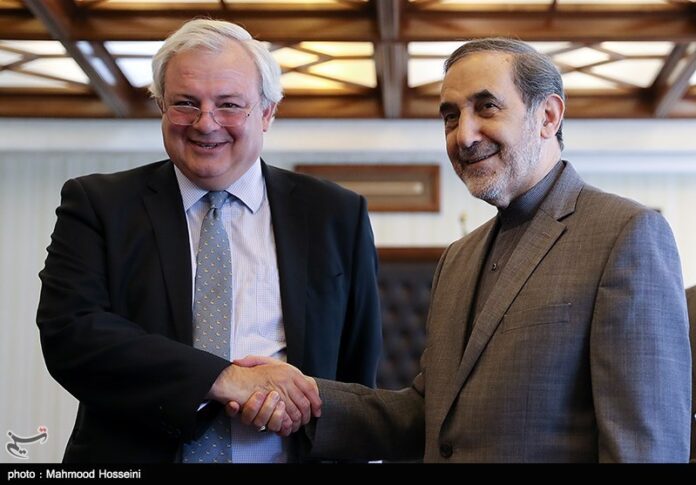
“The Islamic Republic of Iran is ready to aid the United Nations, in any shape and any way, with relieving the pains of people in areas of crisis-hit countries,” Velayati said in a meeting with UN Under-Secretary-General for Humanitarian Affairs and Emergency Relief Coordinator Stephen O’Brien, in Tehran on Sunday.

Deploring the crises that have gripped civilians in Syria and Yemen, Velayati said Iran has focused efforts on the “peaceful settlement” of those conflicts.

For his part, O’Brien said the UN pays regard to Iran’s attitude towards the humanitarian aid plans in the war-hit areas, expressing the hope for effective measures to help people, particularly in the beleaguered cities.

Iran has already expressed readiness for contribution to the UN humanitarian aid plans for civilians in the region’s crisis-hit areas.

An Iranian deputy foreign minister had announced earlier that Tehran can immediately send oil tankers to different Yemeni ports, dispatch medical teams and build field hospitals in Yemen’s Sana’a, Aden, Sa’ dah or any other province the UN chooses, airlift consignments of medical and food aid to Yemen directly or through Djibouti, and help speed up the UN humanitarian plan by providing cargo planes and ships.

Since March 2015, Saudi Arabia and some of its Arab allies have been launching deadly airstrikes against the Houthi Ansarullah movement in an attempt to restore power to the fugitive former President Abd Rabbuh Mansour Hadi, a close ally of Riyadh.

Nearly 9,400 Yemenis, including 4,000 women and children, have lost their lives in the deadly military campaign.

Iran Rebukes Saudi Arabia ahead of OPEC Meeting

59b285ec-50ba-4785-a6a2-e4a89bdf5e3c

“Naturally, if a country wants to produce at full capacity, there will be no balance in the market,” Deputy Petroleum Minister for Trade and International Affairs Amir Hossein Zamaninia said late Saturday.

The official did not name a country, but his comments were apparently directed at Saudi Arabia which recently backed out of an agreement with Russia and other countries to freeze crude production.

Riyadh has been insisting that all countries join the freeze initiative, singling out Iran which has been ramping up production to redeem its lost market share after the lifting of Western sanctions.

Zamaninia stressed that Iran is ready for cooperation but that it has to return to former production levels first. “Iran can cooperate in this regard when it returns to the (market) share before the sanctions.”


Reviving Quota System

He said OPEC countries need to find a way to revive the quota system which Saudi Arabia scuppered in December 2011 and introduced an output ceiling of 30 million barrels per day (bpd).

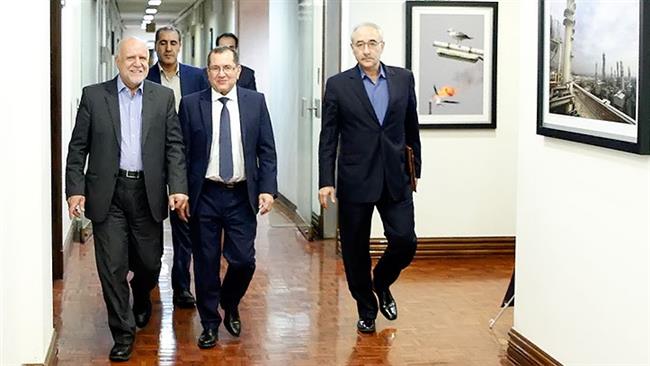
His remarks to reporters came after Algerian Energy Minister Nouredine Bouterfa met with Iran’s Minister of Petroleum Bijan Zanganeh in Tehran. Bouterfa has travelled to Iran ahead of an OPEC meeting on the sidelines of the International Energy Forum (IEF), which groups producers and consumers, in Algeria on Sept. 26-28.

Zamaninia said 90% of Algeria’s budget depends on oil and gas revenues, but that lower prices have extremely put the North African country’s finances under strain.

He said Bouterfa had made some proposals to strike a balance in the oil market in order to prop up prices in a reasonable way.

Speaking to reporters after his meeting with Zanganeh, the Algerian energy minister said a crude oil price of $50 per barrel is “not acceptable.”

“OPEC members are trying to reach a price of $50 to $60 per barrel and we have made a request for reaching consensus on a price and coordination among OPEC members in this regard,” Bouterfa said.

The Algerian minister said conditions were ready for reaching consensus on a price in the next OPEC meeting which all members will attend and the outcome will be “positive.”

Bouterfa said Iran’s participation in the next meeting was important even as he did not say whether the Islamic Republic would accept other members’ views about production and prices.

“This depends on Iran’s view. How much consensus would be there, I cannot answer this question and you must ask this from Iranian officials,” he told reporters.


Putin’s Compromise on Iran

On Friday, Russian President Vladimir Putin was quoted as saying that a potential oil output freeze deal among oil-exporting countries should involve some compromise on Iran’s production levels.

“I think that from the point of view of economic expediency and logic, it would be right to find some sort of compromise” on the Iranian output level, Putin told Bloomberg.

He said countries now recognize that Iran should be allowed to continue raising production as sanctions have been lifted against the country.

“Iran is starting from a very low position, connected with the well-known sanctions in relation to this country,” the Russian president said, adding, “It would be unfair to leave it on this sanctioned level.”

Global oil prices have seen a fall from a high of 147 dollars a barrel to a low of around 25 dollars in recent years.

Putin held Saudi Arabia responsible for failed attempts by OPEC and non-OPEC oil exporters to reach a pact on stabilizing production levels.

“It wasn’t us who rejected a freeze on production volumes, it was our Saudi partners who at the last minute changed their point of view and decided to take a time out in taking this decision,” Putin said, referring to a deal reached in Qatar in April.

Official Calls Appointment of UN Rapporteur on Human Rights in Iran “Unjustified”

“The Islamic Republic of Iran has always had a fundamental stance on the appointment of a special rapporteur for any country,” Mohammad Javad Larijani, the secretary general of Iranian High Council for Human Rights, said.

He further emphasized that double-standard policies and selective approaches to human rights issues adopted by certain Western governments have led to such an appointment.

The Islamic Republic believes that the appointment of the special rapporteur on the human rights situation in Iran is totally “rejected and unjustified”.

The remarks came after the UN Special Rapporteur on the situation of human rights in Iran, Ahmed Shaheed, said in his twitter account on Wednesday that Pakistani human rights activist Asma Jahangir will replace him.

Shaheed also expressed his congratulations to Jahangir and said she will start her work in November.

On June 17, 2011, the UN Human Rights Council, under pressure from the United States and its allies, named former Maldivian foreign minister Shaheed as its human rights investigator on Iran. On March 24, 2016, he was appointed to the position for the sixth year.

Iran’s Khadem Elected as United World Wrestling Bureau Member

2070929

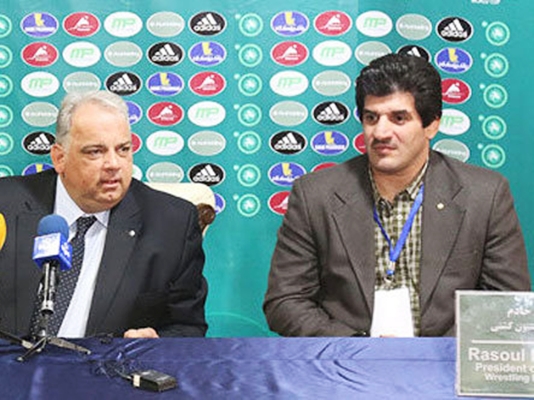
During the United World Wrestling Congress held on Sunday on the sidelines of the ongoing World Championships in Macon, France, Iran’s Khadem was elected as the bureau member with 76 votes.

According to a report by Mehr, as translated by IFP, the former Iranian wrestler received the highest number of votes, being followed by Namig Aliev from Azerbaijan Republic and Michel Dusson from France who received 75 and 69 votes, respectively.

For years, Iran did not have any representative in the United World Wrestling boards and bureaus. The last Iranian member was Mohammad Tavakkol.