Monday, December 22, 2025
Home Blog Page 4294

China Is Banned from Buying Donkeys!

139507101317194418809554


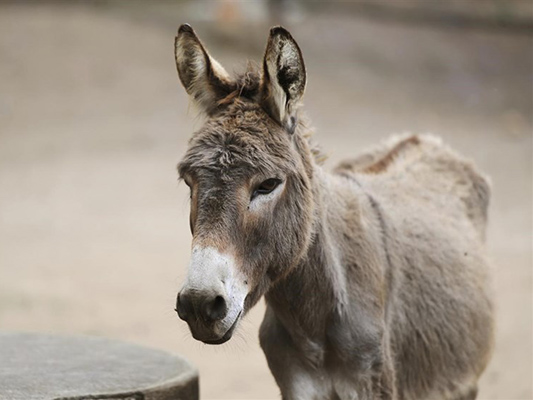
According to a report by CNN, as covered by Tasnim, Gelatin produced from donkey hide is a key ingredient of one of China’s favorite traditional remedies, known as ejiao, which is used to treat a range of ailments from colds to insomnia.

But as the rising power shifts towards advanced industry and away from traditional agriculture, donkeys are in decline. State statistics show the population has fallen from 11 million to six million over the last 20 years.

China is now increasingly looking to Africa to boost its stocks, and imports donkeys from countries across the continent. But flourishing trade has hit several roadblocks.


Donkeys Decimated

Niger recently became the latest African state to ban exports of donkeys, following a surge in sales to China.

Government officials reported that 80,000 animals had been sold in the year to date, compared with 27,000 in 2015, and warned that the donkey population would be “decimated” on current trends.

In August, Burkina Faso took the same step, after 45,000 donkeys were slaughtered in six months from a total population of 1.4 million.

In both cases, the value of donkeys soared and the fledgling industry delivered a valuable stream of foreign currency. But growth came at a cost.


Growing Pains

Beyond the severe damage to donkey populations, the new industry caused environmental and economic problems.

The spread of abattoirs generated a backlash. In the Burkinabe village of Balole, local farmers reportedly attacked and closed a slaughterhouse in protest at blood and offal leaking into their water supplies.

The donkey boom also attracted farmers from other livestock trades, which suffered as a result, and were also affected by inflation.

The exporting countries suffered from a lack of regulation, according to Eric Olander, co-founder of the China Africa Project and host of the China in Africa podcast.
Iran, Pakistan Hold Joint Naval Drill

iran-pakistan

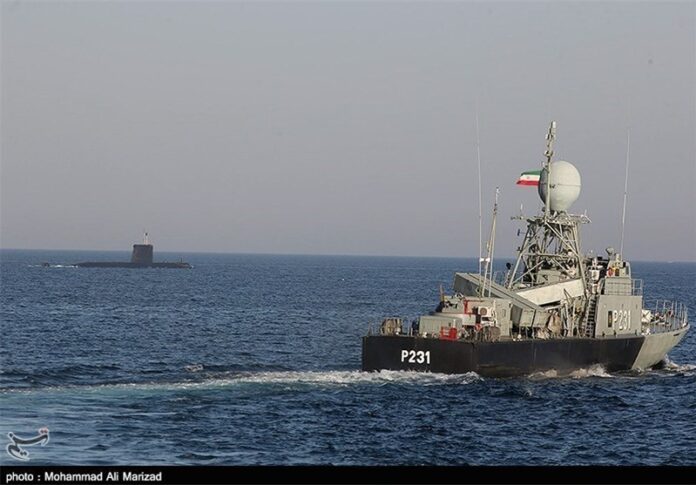
The Iranian Navy’s 43rd flotilla docked at Karachi port on September 27.

On Saturday, the Iranian flotilla held a joint drill with the Pakistani forces off the coasts of Karachi to practice naval rescue and relief operations.

Four vessels and a helicopter attended the drill on behalf of Iran, including Lavan logistic warship, Falakhan and Khanjar missile-launching vessels and Konarak warship.

Back in April, two warships of the Pakistani Navy docked at Iran’s southern port of Bandar Abbas for four days.

On the final day of their stay in Iran, the Pakistanis held joint naval exercises with Iranian naval forces.

Diplomat: Iran Favors Visa-Free Regime with Iraq

Qashqavi

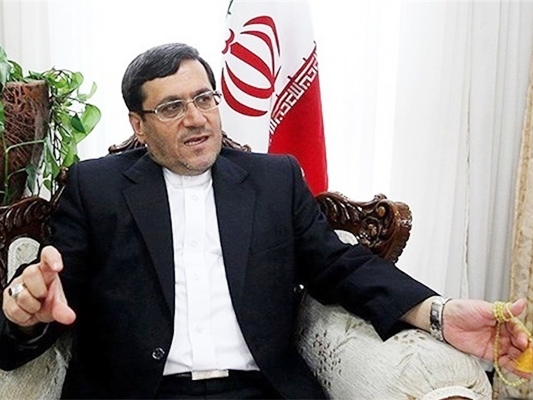
“I have announced in my latest consular trip (to Iraq) that we are willing to remove the visa requirements or take any measure reciprocally,” Iran’s Deputy Foreign Minister for Consular, Parliamentary and Expatriates’ Affairs Hassan Qashqavi told reporters on Saturday.

Iran will abolish visa requirements for Iraqi citizens once Iranian pilgrims are allowed entry into Iraq without having to pay any fee for a visa, he stated.

The deputy foreign minister then emphasized that all Iranian pilgrims planning to visit Iraq this year for the mourning rituals of Arbaeen will still need to apply for a visa, which costs $40.

Arbaeen marks the 40th day after the martyrdom anniversary of the grandson of Prophet Mohammad (PBUH), Imam Hussein (AS), the third Shiite imam.

Each year, millions of pilgrims, mainly from Iraq and Iran, travel long routes on foot to Karbala, where the holy shrine of Imam Hussein (AS) is located.

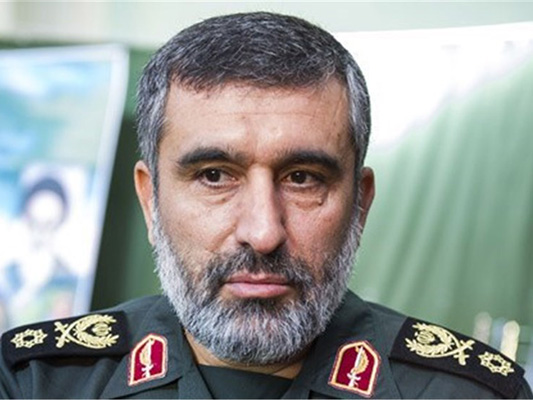
US Trying to Catch Up with Iran in Stealth, Bomber Drone Technology: Commander

ali-hajizadeh

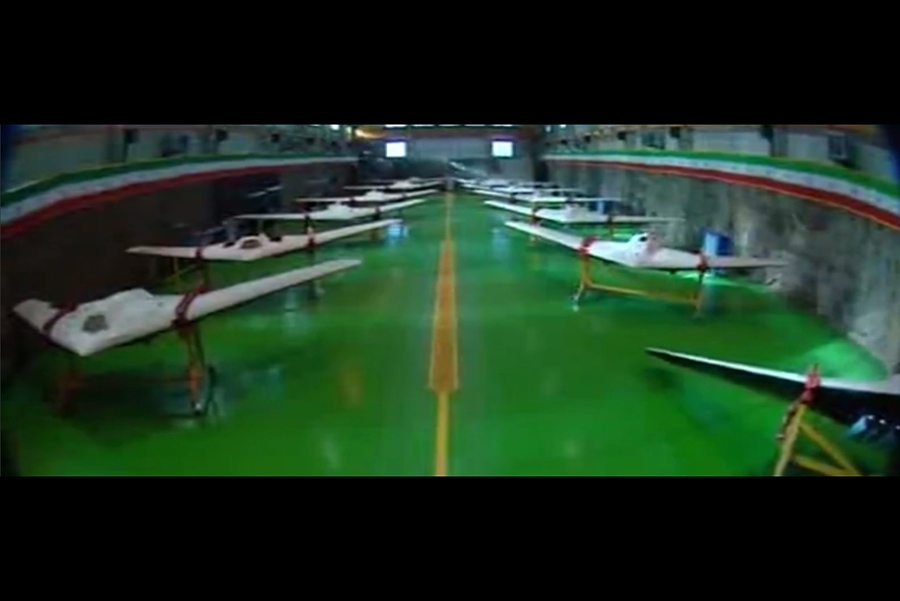
Iran has devised unique methods by combining its expertise in the drone industry with asymmetrical war tactics, IRGC Aerospace Force Commander Brigadier General Amir Ali Hajizadeh said on Saturday.

He made the comments on the sidelines of an exhibition of the IRGC’s advancements in the drone technology.

Highlighting Iran’s great capabilities, the general said even the US is trying to draw level with Iran in making stealth and bomber drones.

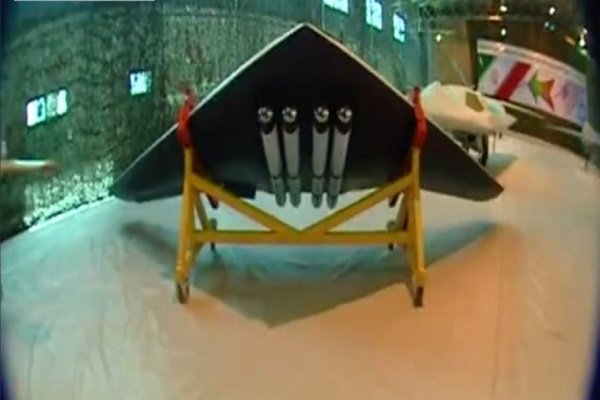
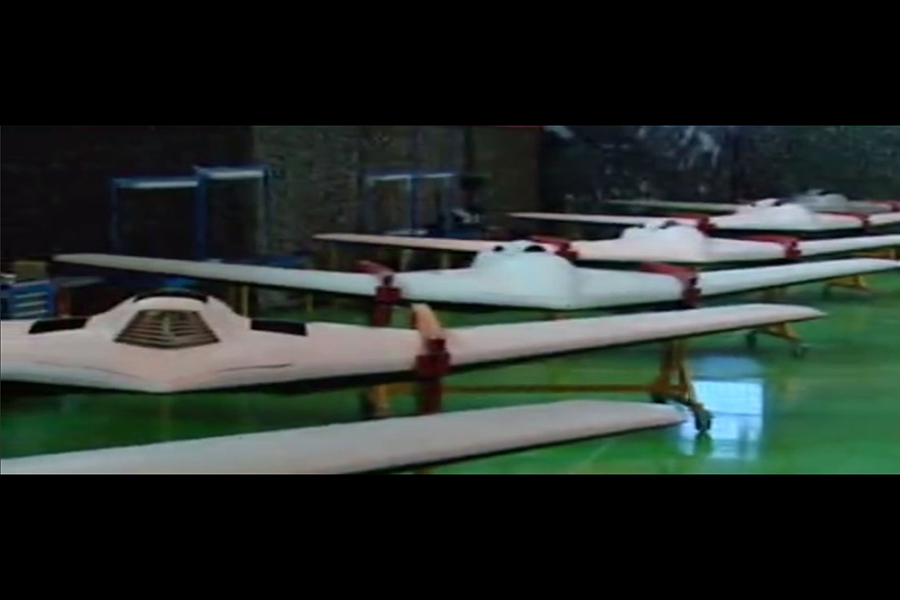
Among the products displayed at the exhibition was a new combat drone, dubbed Saeqeh (lightning), which can detonate four different targets with precision-guided bombs.

Saeqeh is the newest model of Simorgh-class UAVs, a homegrown sophisticated aircraft made by reverse engineering of American Lockheed Martin RQ-170 which Iran could capture in its airspace in December 2011.

Iran has now a broad range of UAVs which can be used for both civilian and military purposes.

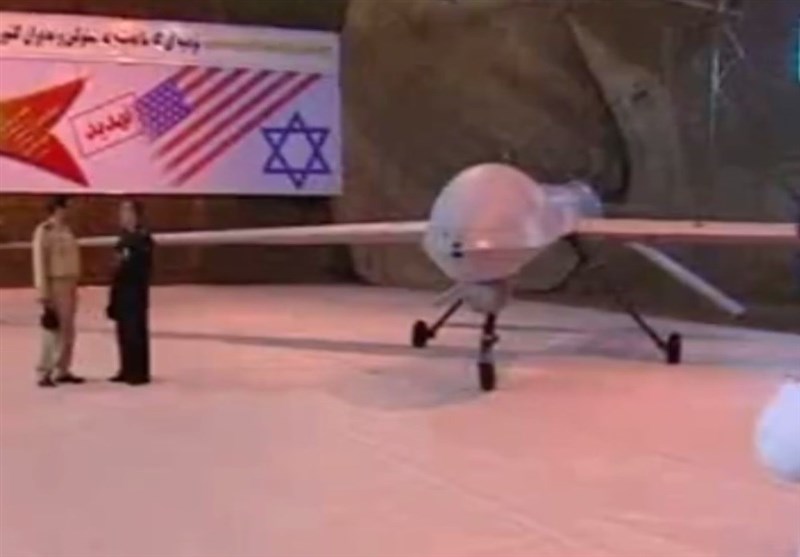
IRGC Releases First Photo of Captured American Drone

mq-1c

According to the IRGC, the above photo shows an American MQ-1C Unmanned Aerial Vehicle (UAV) now in possession of the IRGC forces.

It is not clear when exactly the drone has been captured by Iran.

The General Atomics MQ-1C Gray Eagle attack drone is a medium altitude long endurance (MALE) unmanned aircraft that is an upgraded MQ-1 Predator as an extended-range multi-purpose UAV.

The aircraft can be fitted with the AGM-114 Hellfire missile or GBU-44/B Viper Strike guided bomb for attack missions.

IRGC Releases First Photo of Captured American Drone

IRGC Releases First Photo of Captured American Drone

In 2011, too, Iran had downed a US pilotless aircraft.

On December 4, 2011, an American Lockheed Martin RQ-170 sentinel unmanned aerial vehicle (UAV) was captured by Iranian forces near the city of Kashmar in northeastern Iran.

The drone was brought down by the Iranian Armed Forces’ electronic warfare unit which commandeered the aircraft and safely landed it.

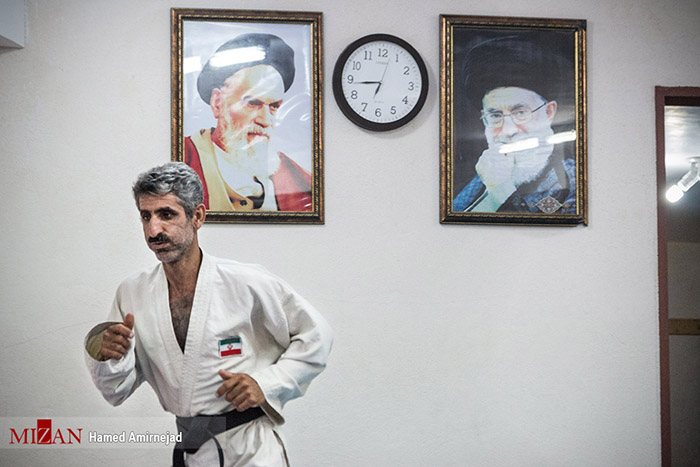
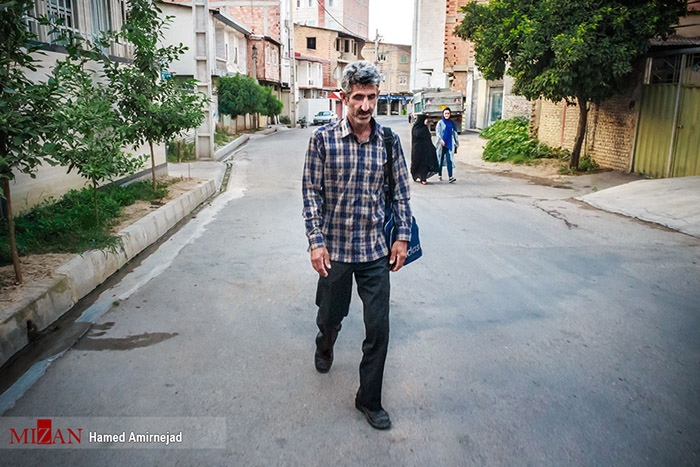
Karate Champion in Uniform of Street Sweepers

Yadollah Javanian

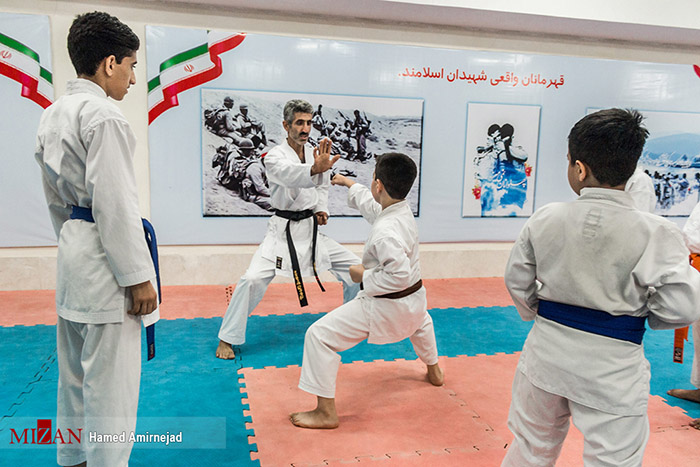
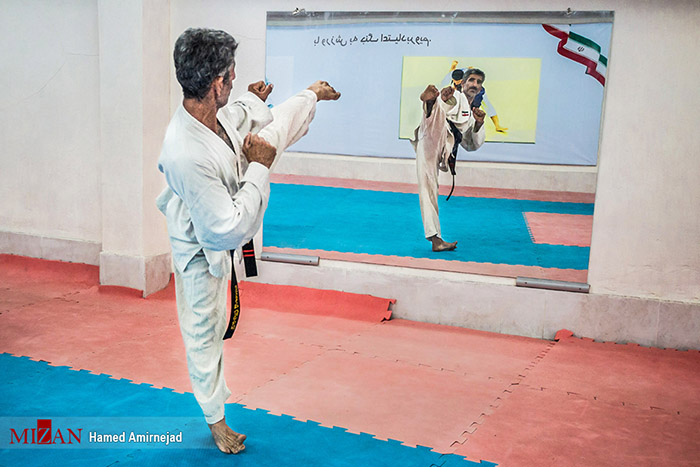
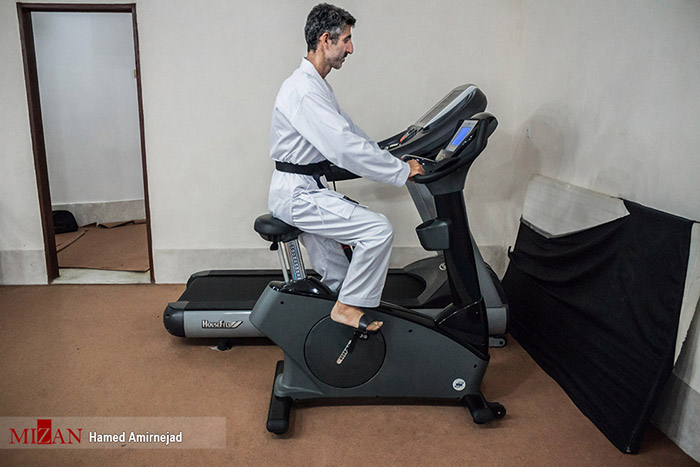
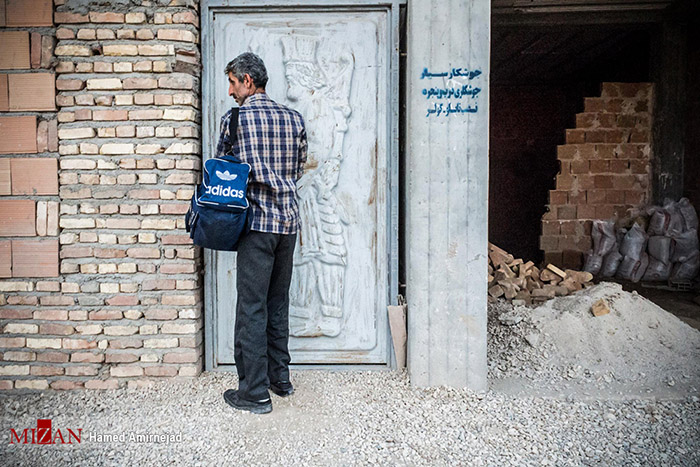
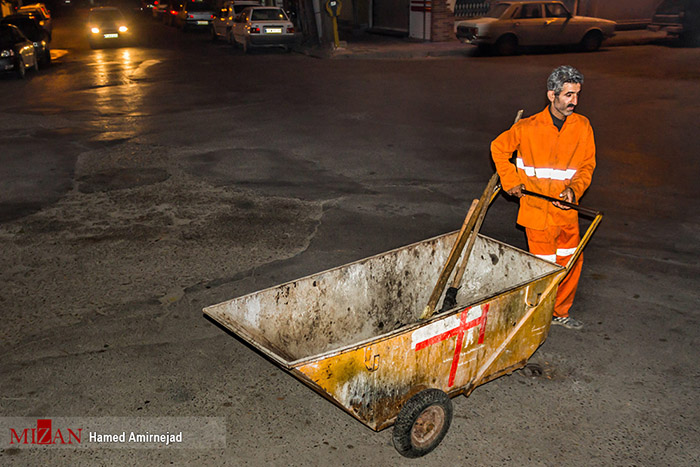
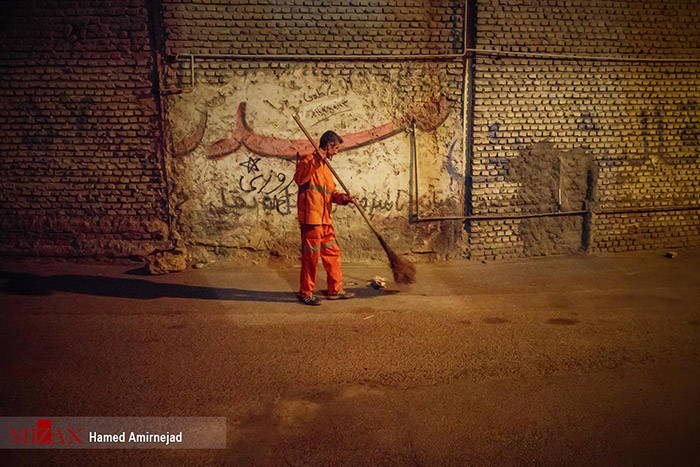
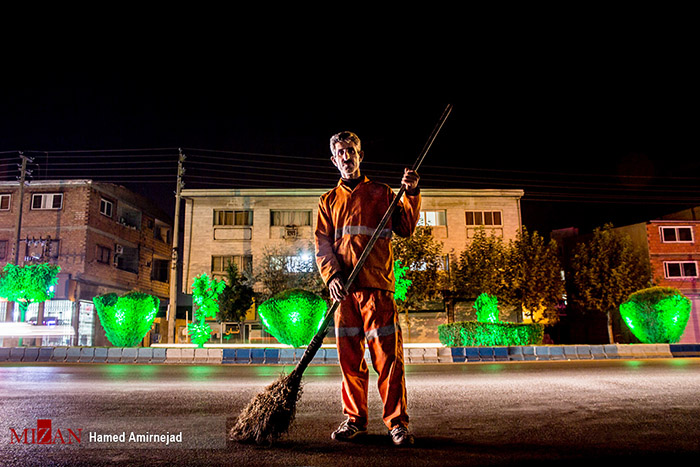
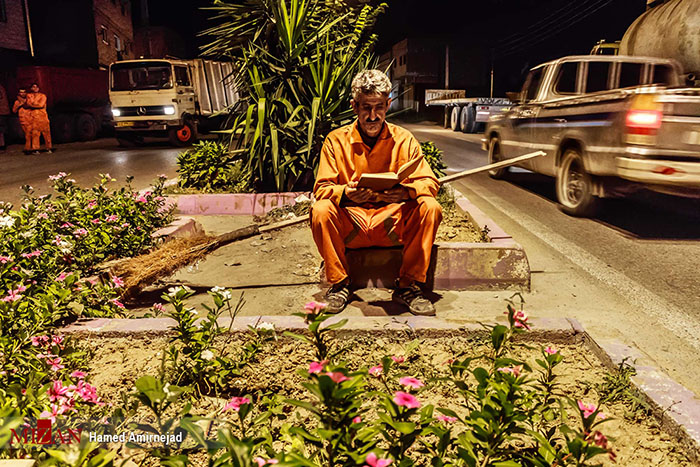
Yadollah Javanian is an industrious street sweeper who has emerged victorious in Iran’s Karate championships and speaks English fluently.

Social media users have been recently talking about the Iranian street sweeper who has won the third place in Gōjū-ryū style of national karate championships.

Born and bred in Iran’s northern province of Mazandaran, Javanian, 40, is said to have started professional practicing of karate over 20 years ago.

Here’s IFP’s translation of a report by Shahrvand Newspaper.


Javanian, a Karate Medallist

Despite his older age, Javanian is a tough rival for karate fighters. He said, “I take part in the national games almost every year, and in 2014 I managed to win gold medal in Gōjū-ryū style.”

He said he has won bronze medal in the current and last year’s games, and added, “I started karate in 1996 and even became a medal winner for my country in 1998. In 2004, I attended the classes of a Japanese karate master of Gōjū-ryū style in Tehran.”


Javanian Speaks English Fluently

It is quite surprising to know that Javanian’s talents and capacity are not limited to martial arts only, as he takes English classes too.

“My working hours at nights finish at 4 am, so I have an opportunity to go to an English institute in the morning and from there I head right to the karate club,” he said.

Expressing surprise that some people find it strange that he, as a street sweeper, knows English, Javanian concluded, “I have always had a strong liking for English language and now I have almost gained a mastery over it.”


My Family Doesn’t Like My Job

Javanian pointed to his family’s discontentment over his job as a street sweeper and said, “I have been a worker in Mazandaran’s municipality for years and only a few years ago I started sweeping streets in Mazandaran’s Neka County.”

“My family became upset when they saw my championship picture in the orange uniform of a street sweeper,” he noted, while stressing that he is proud of his job though.


I’m Proud of My Job

Javanian went on to say that he has not become a street sweeper under the pressure of financial problems and argued, “It never bothers me to be a street sweeper. I hold a firm belief that in a country where thousands of martyrs have given up their lives so that Iranians can sleep in comfort, I can also provide people with this convenience by making the environment beautiful even if I’m not someone important.”


Two Kurdish Dissident Groups to Stop Armed Clashes in Iranian Kurdistan

Kurdish

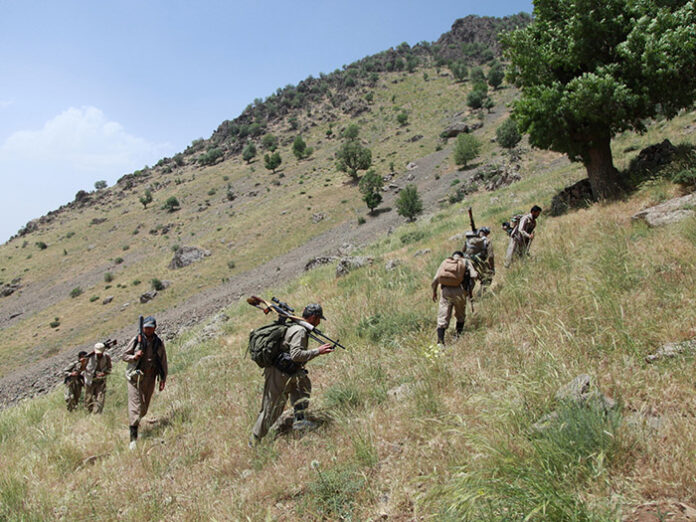
Two Kurdish armed dissident groups, the Kurdistan Democratic Party – Iran (PDKI), and Kurdistan Democratic Party (PDK), have reportedly stopped their armed resistance against Iran and withdrew their so-called Peshmerga fighters from Iranian Kurdistan, said a high-ranking dissident source on Saturday.

The decision of both Kurdish opposition groups followed after a series of meetings with the Kurdistan Regional Government (KRG), the source told Kurdistan24.

The source stated both parties chose to stop their armed activities in Rojhilat and on the Kurdistan Region border for the safety and stability of the Region.

“Both groups have decided to withdraw their Peshmerga fighters in Rojhilat [Iranian Kurdistan] and on the Kurdistan Region border,” the source explained.

The move came as these groups regularly engage in armed clashes with Iranian security forces along the country’s western borders with Iraq’s semi-autonomous Kurdistan region.

Many of their deadly operations in Western Iran have been foiled by Iranian security forces, particularly the Islamic Revolution Guards Corps (IRGC) Ground Force.

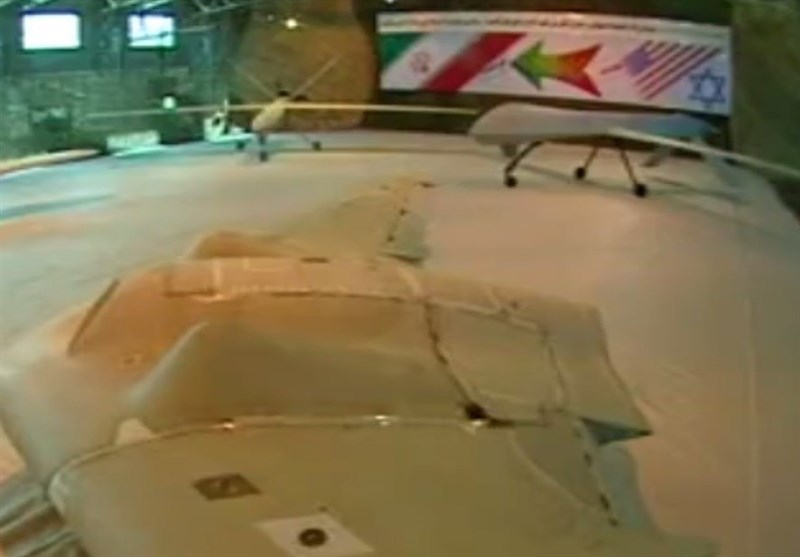
IRGC Develops New Long-Range Bomber Drone

saeqeh

Dubbed Saeqeh (Lightning), the new aircraft is a Simorgh-class drone capable of carrying out combat missions with a long operational range, Brigadier General Amir Ali Hajizadeh said at an exhibition of IRGC drone technologies, held in Tehran on Saturday.

According to the commander, Saeqeh can detonate four different targets with smart bombs with pin-point accuracy and return to its base safely.

Saeqeh is the newest model of Simorgh-class Unmanned Aerial Vehicles (UAVs), a homegrown sophisticated aircraft made by reverse engineering of American Lockheed Martin RQ-170 which Iran could capture in its airspace in December 2011.

Iran has now a broad range of UAVs which can be used for both civilian and military purposes.

Back in August, the Army Ground Force unveiled a homegrown drone used for jamming and deception operations. In December 2014, the Ground Force for the first time utilized a type of suicide drone in a large-scale military exercise.


9/11 Widow First to Sue Saudis under New Law

11 September

According to a report by Associated Press, as covered by Al Alam, Stephanie Ross DeSimone alleged that the Saudi kingdom provided material support to al-Qaeda and its leader, Osama bin Laden, in a complaint filed Friday at a US court in Washington. Her suit is also filed on behalf of the couple’s daughter. DeSimone was pregnant when Navy Cmdr. Patrick Dunn was killed.

Fifteen of the 19 men who hijacked airliners used in the attacks were Saudis. One jet struck the Pentagon, seat of the US military, and two others destroyed the World Trade Centre’s twin towers in New York, while a fourth crashed in a Pennsylvania field as its passengers fought back against the hijackers.

A US commission that investigated the 2001 attacks said in a 2004 report that it “found no evidence that the Saudi government, as an institution, or senior officials within the Saudi government funded al-Qaeda.” Long-classified portions of a congressional inquiry released in July 2016 found the hijackers may have had help from some Saudi officials.

The kingdom has denied culpability. An official at Saudi Arabia’s Ministry of Foreign Affairs told the state-run Saudi Press Agency on Thursday that the US Congress must correct the 9/11 bill to avoid “serious unintended consequences,” adding the law is of “great concern” to the Kingdom.

Opponents of the measure, including President Barack Obama, whose veto of the measure was overridden by the Congress, argue that opening the Saudis to liability could prompt that nation and others to take similar steps against the US by targeting American troops with lawsuits.

DeSimone, who is suing for wrongful death and intentional infliction of emotional distress, is seeking unspecified compensatory and punitive damages.

The case is DeSimone v. Kingdom of Saudi Arabia, 16-cv-1944, US District Court, District of Columbia (Washington).

Commander: Iranian Version of S-300 Outdoes Russian Model in Range

Bavar-373

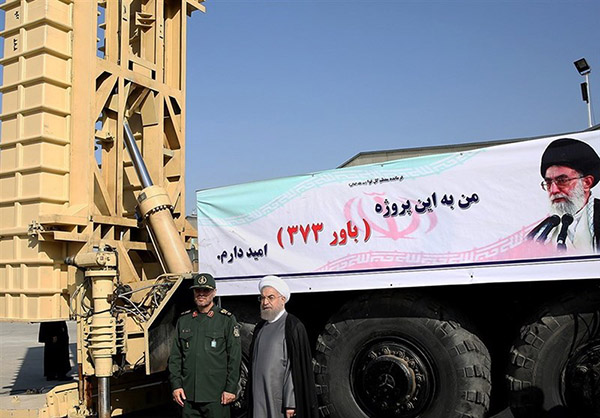
According to Air Defense Commander Brigadier General Farzad Esmaili, the range of Bavar-373 has increased 1.5-fold in comparison with S-300.

The commander did not elaborate any further, so it is not clear whether the improvement applies to detection or engagement range.

S-300 can identify the targets within a range of 300 kilometers and can take action against the objects within a 200-km radius.

Iran officially displayed components of Bavar-373, including its launchers and fire-control radar, in a ceremony in August, attended by President Hassan Rouhani.

Images of the Iranian missile system demonstrate the square shape of the final version of its launchers, as opposed to the initial cylindrical shape.

A distinguishing feature of Bavar-373 is its vertical launching system with square launchers, mostly used for air defense on warships.

The air defense system employs three different types of missiles to hit targets at various altitudes.

Iranian military technicians have in recent years made great headways in manufacturing a broad range of indigenous equipment, making the armed forces self-sufficient in the arms sphere.

Tehran has always assured other nations that its military might poses no threat to regional countries, saying that the Islamic Republic’s defense doctrine is entirely based on deterrence.