
Tehran Photo Agency has published beautiful photos of a mountain park in Tehran, named Abshar (waterfall), where trees have taken the colour of autumn.
Here are the photos:
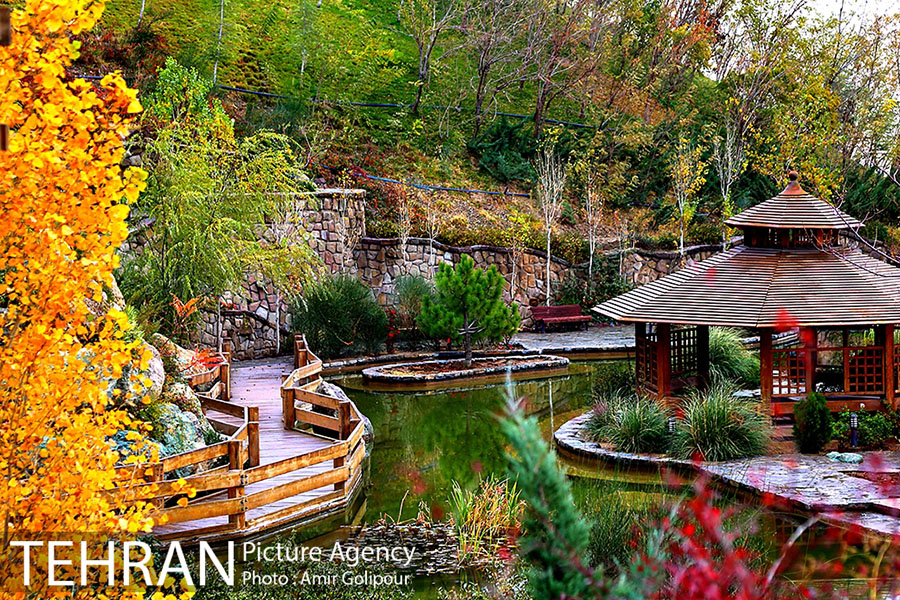
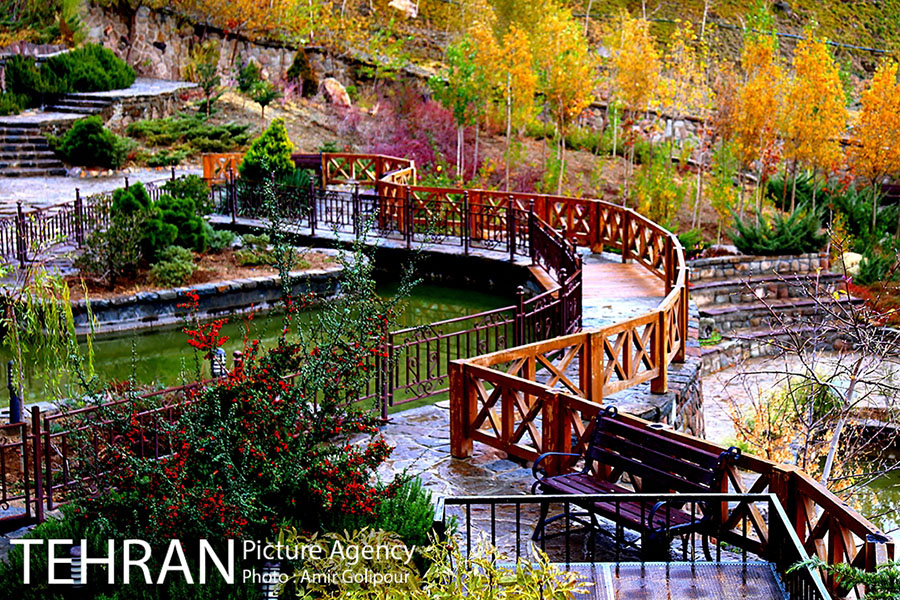
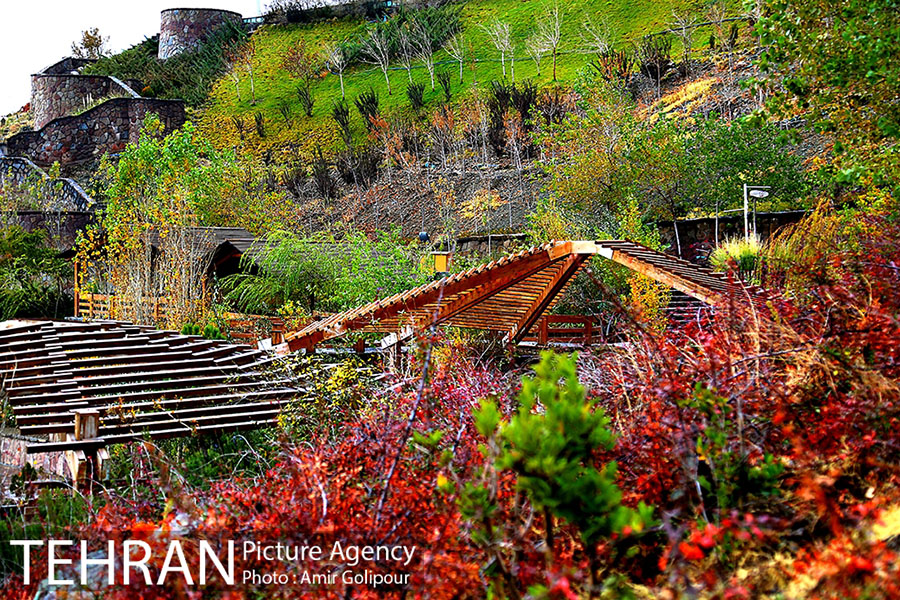
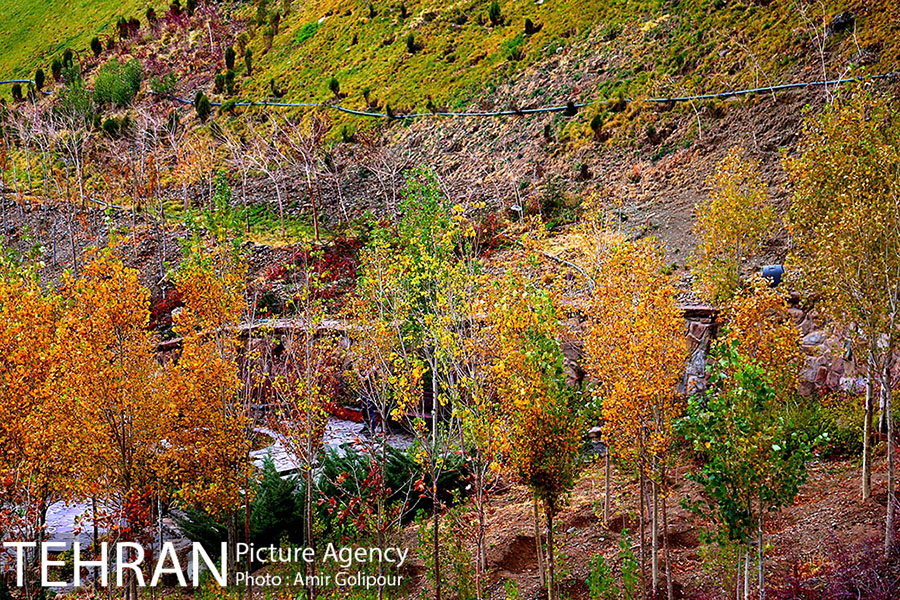

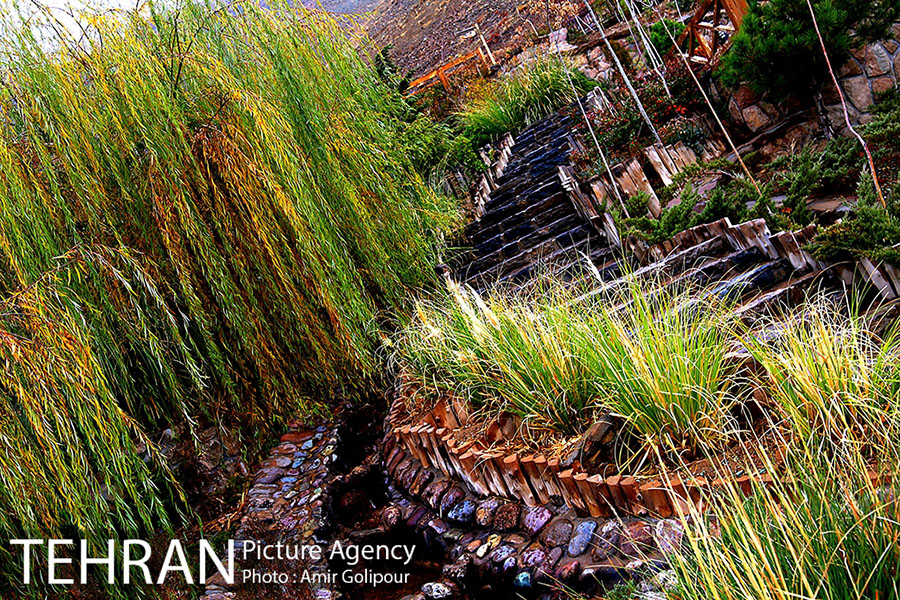
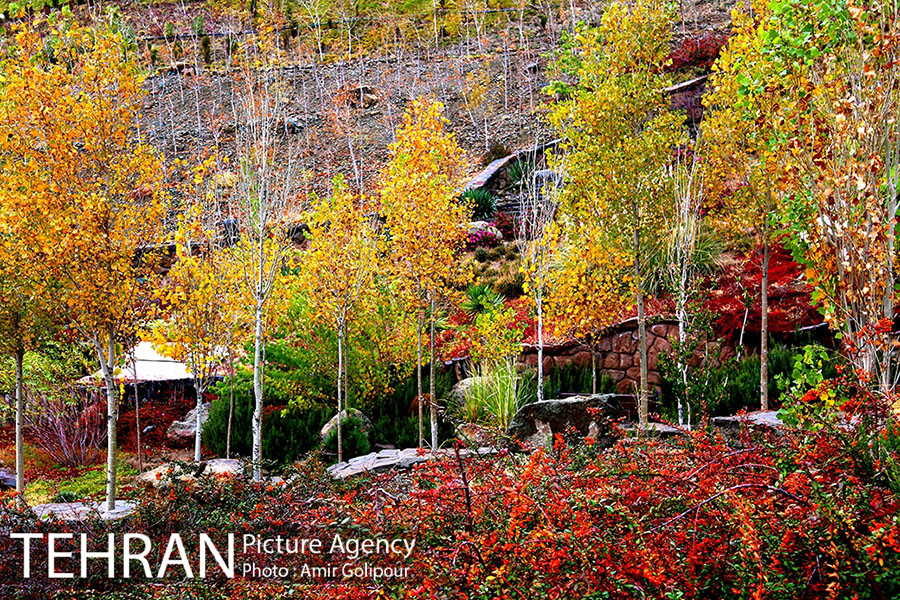

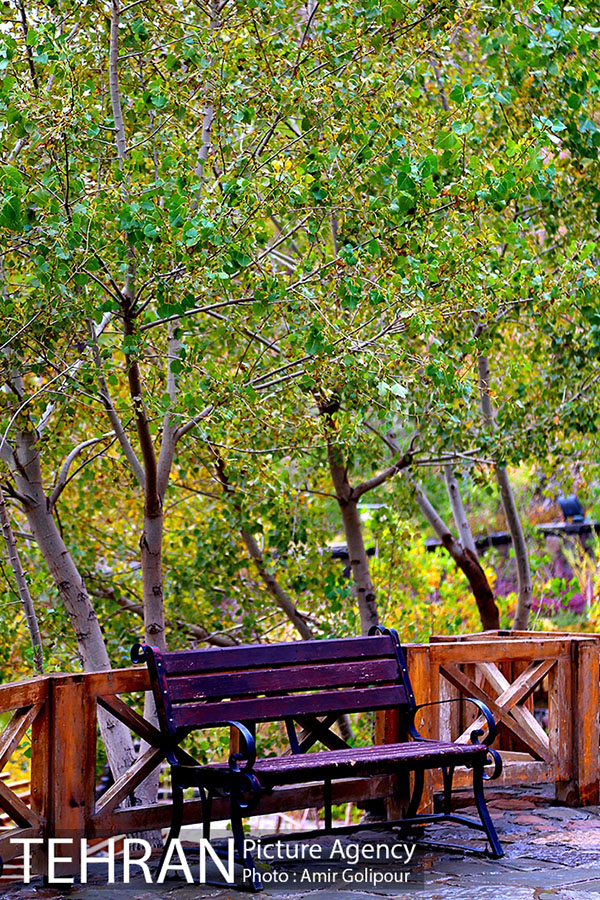
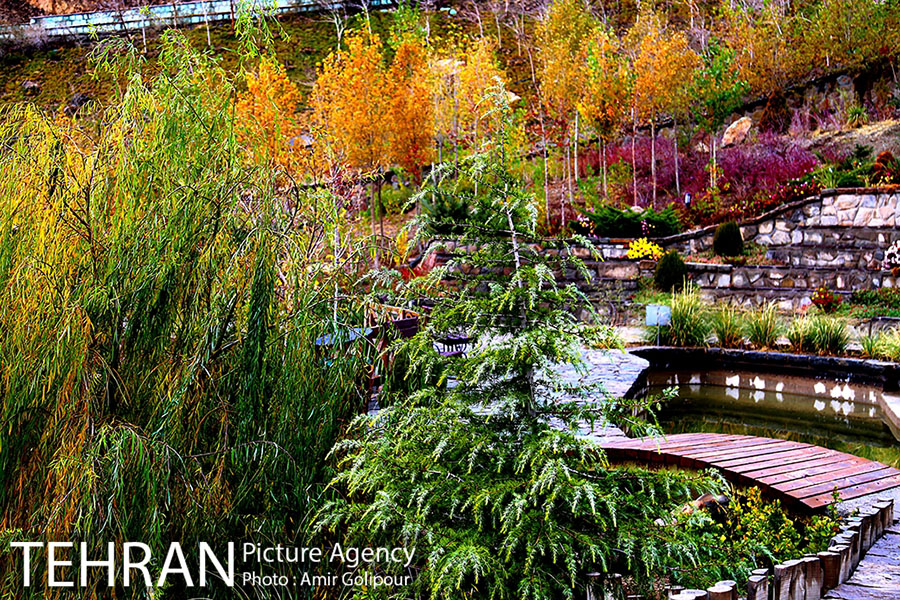
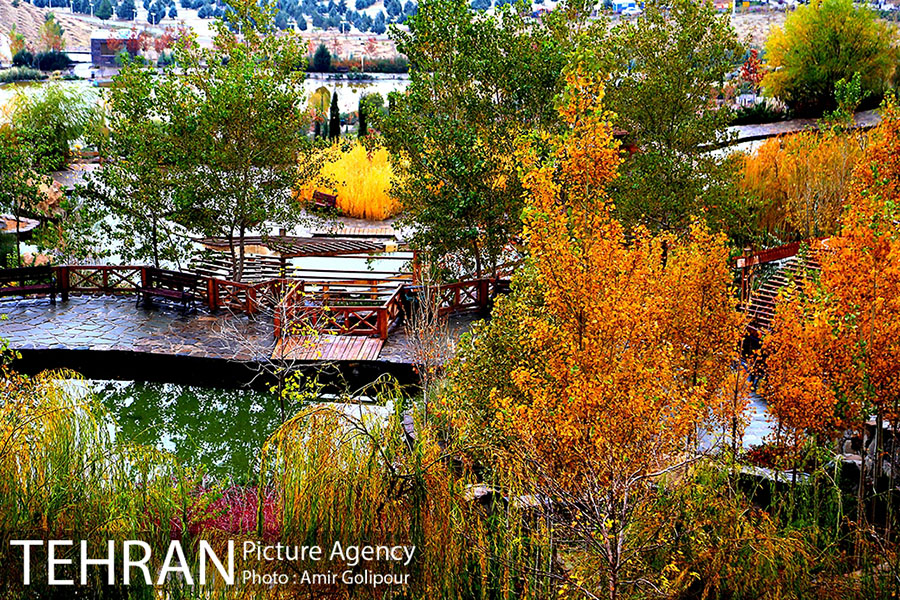

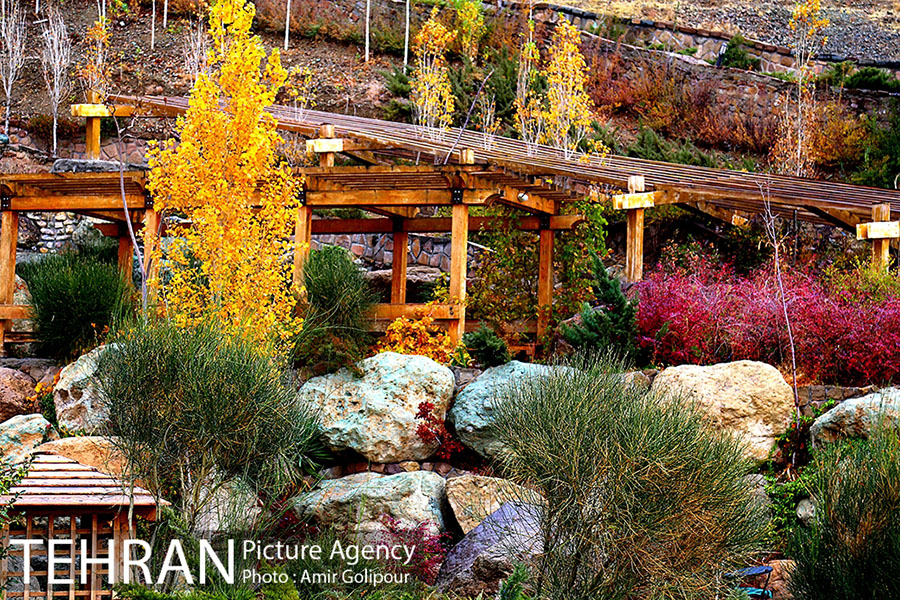
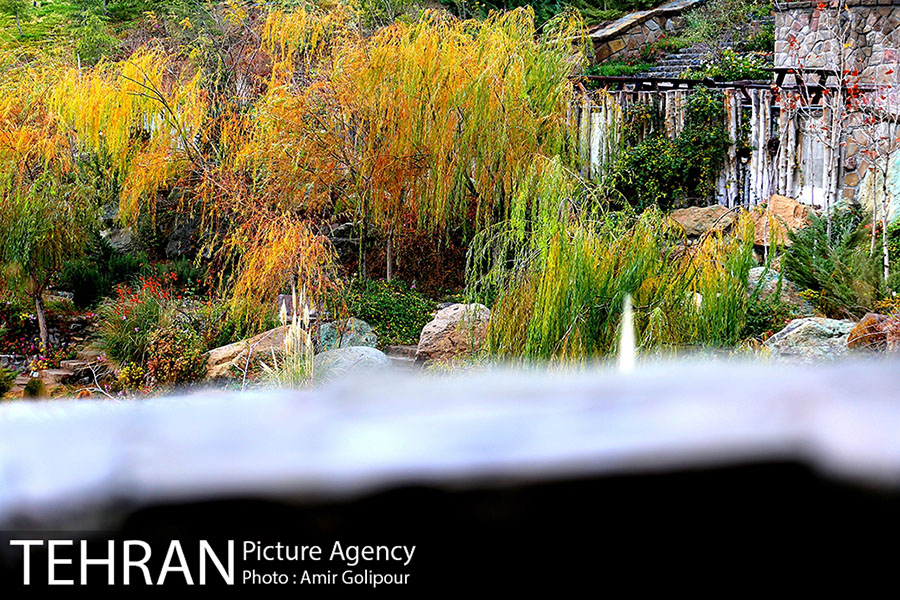
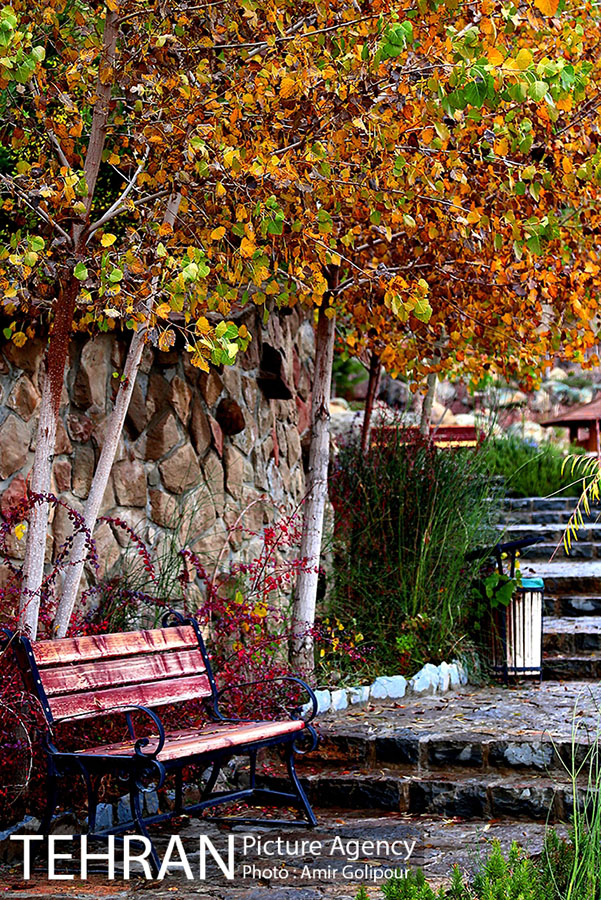
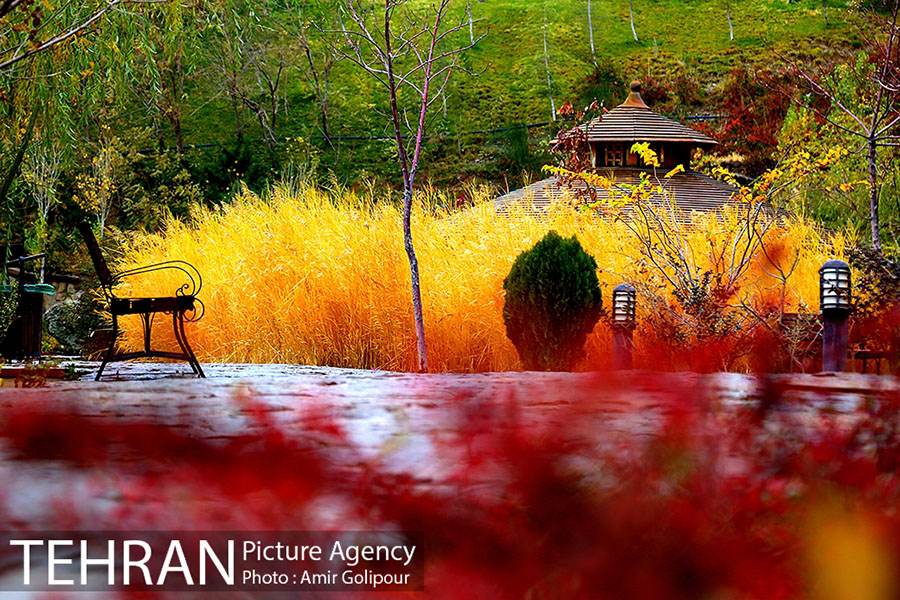
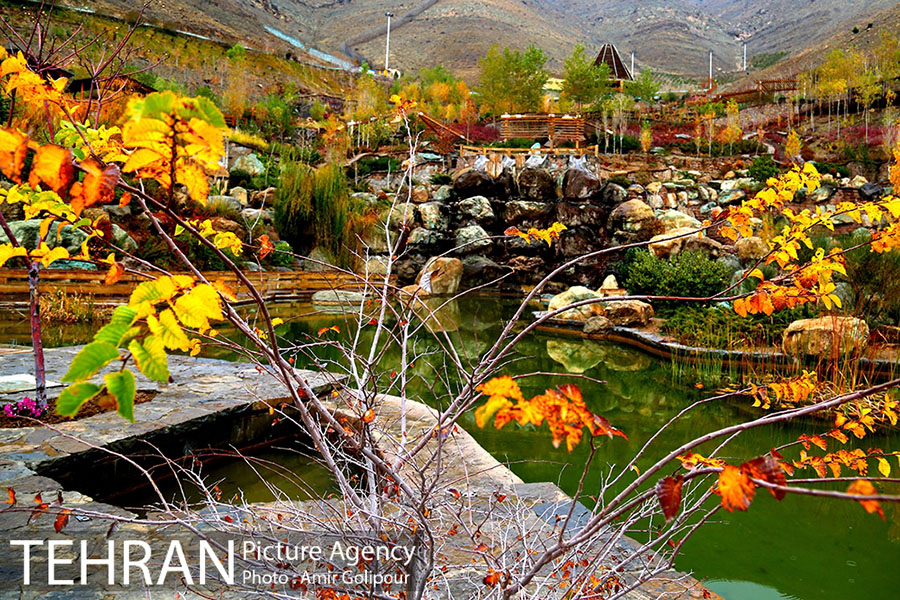
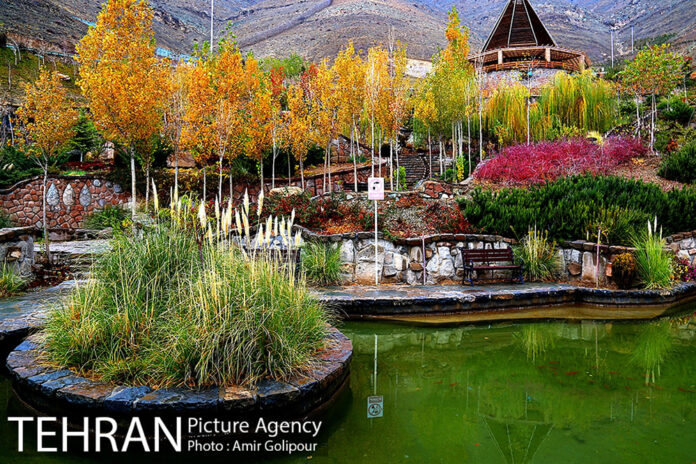
Tehran Photo Agency has published beautiful photos of a mountain park in Tehran, named Abshar (waterfall), where trees have taken the colour of autumn.
Here are the photos:
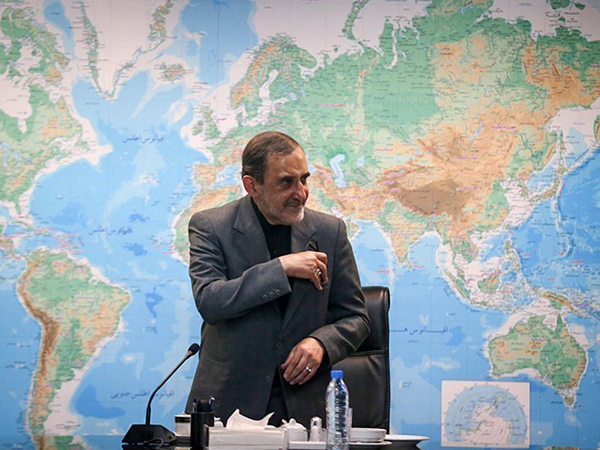
“European countries, including Denmark, can play a better, more independent and more effective role in resolving regional issues, specifically in the fight against terrorism and the extremist and Takfiri currents that are fostered by foreign countries and elements,” Velayati said at a meeting with Danish State Secretary for Foreign Policy Lone Dencker Wisborg, in Tehran on Tuesday.
Pointing to the presence of militants from more than 80 countries, including European states, in the Middle East, Velayati said a “small-scale world war” has been imposed on the innocent people of the region.
For her part, the Danish diplomat emphasized the need for political and peaceful settlement of the conflicts in the Middle East.
In September, Iranian Foreign Minister Mohammad Javad Zarif underscored that an “inclusive political settlement” is the only way out of the ongoing crises in Syria and Yemen.
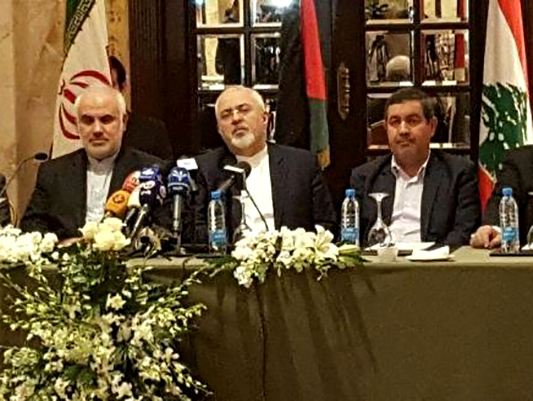
The innocent people of Syria and Yemen are paying the price for the destructive political game played by certain angry countries in the region, Zarif said in Beirut on Monday, without directly naming Saudi Arabia and its military campaign against Yemen.
He made the comments at a gathering of Iranian diplomats and representatives residing in Lebanon.
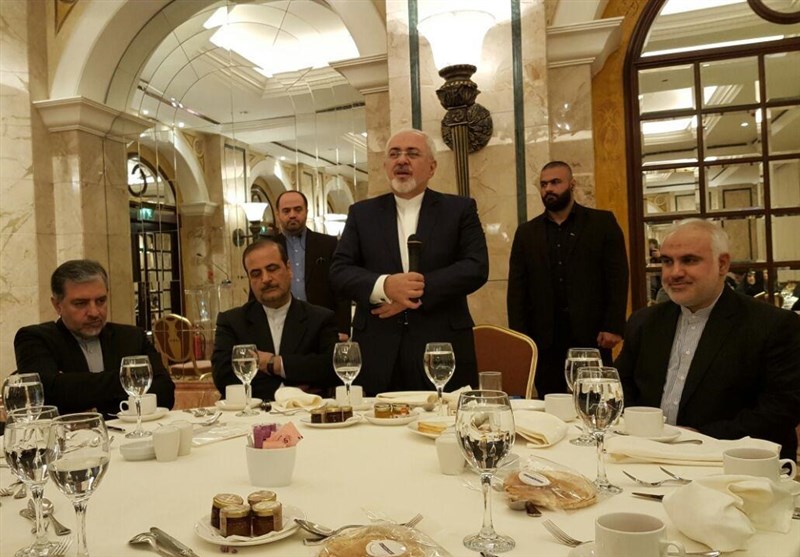
Elsewhere, Foreign Minister Zarif highlighted the far-reaching impacts of the Joint Comprehensive Plan of Action (JCPOA), a nuclear agreement between Tehran and the Group 5+1 (Russia, China, the US, Britain, France and Germany), and made it clear that the accord “did not create power for Iran, but removed the obstacles” that were aimed at restricting Iran’s power.
“That is why some countries are worried and furious about this new situation,” he added.
The Iranian foreign minister further hailed Lebanon, Hezbollah and its secretary general, Seyed Hassan Nasrallah, as the symbols of resistance whose role is “a source of pride to us all”.
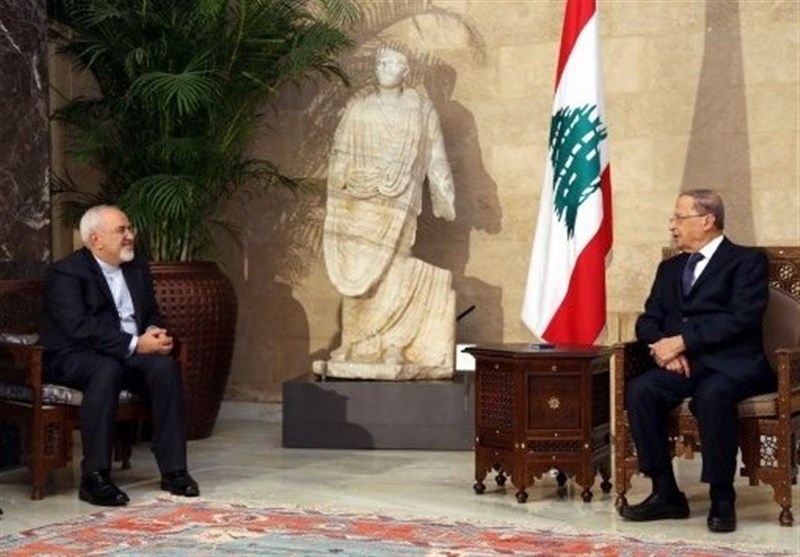
Zarif arrived in Beirut on Monday and held a meeting with Lebanon’s new President Michel Aoun, becoming the first foreign minister to meet with the newly-elected leader.
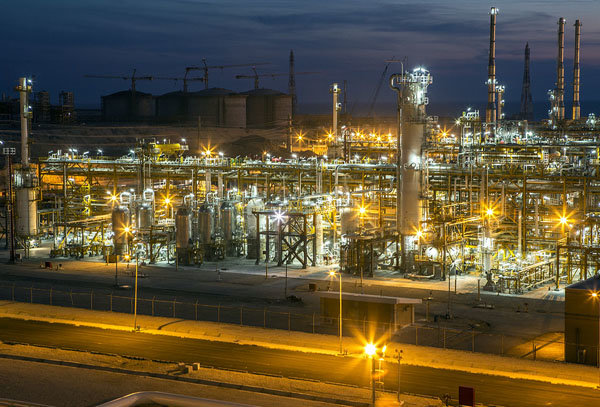
An Agreement in Principle (AiP) for development of South Pars Phase 11 was signed today in Tehran between the National Iranian Oil Company (NIOC) and a consortium comprising France’s Total S.A., CNPCI (China National Petroleum Corporation International) as well as Iran’s Petropars Oilfield Services Company (POSCO).
The agreement was sealed today on November 8, 2016 at the presence of Iran’s Minister of Petroleum Bijan Zanganeh.
Iran’s Zanganeh had earlier in March reported on the signing of a confidentiality agreement with Total over expansion of the Iranian field, stressing “the signing of the contract would not mean complete assignment of the project to the French firm.”
On the other hand, a noticeable point about the quadrilateral agreement is that CNPCI of China had been removed from the developmental project in South Pars Phase 11 for using delaying tactics and frequent stalls, Mehr reported.
Presently, developmental projects for all South Pars phases have been assigned to Iranian firms and the Phase 11 remains as the only untouched section of the joint gas field with Qatar.
NIOC officials have announced that the boosting of recovery factor marks the most important term in the developmental contract for Phase 11 in the post-JCPOA era.
Expansion of South Pars Phase 11 is expected to increase daily gas production by approximately 50 million cubic meters.
“The [level] of security governing our country is, as in the words of Leader of the Islamic Revolution [Ayatollah Seyyed Ali Khamenei], unparalleled,” Alavi said on Monday.
Alavi attributed the advantage to the smart efforts by the country’s undercover intelligence agents, “who would detect any suspicious activity and nip every plot in the bud,” and to diligence by and cooperation among all police, security, military forces, and political directorships and other influential sectors.
Last month, the minister said the intelligence command possessed and practiced by Iranian security forces had led to “unparalleled security in Iran.” He also said that the country had been identifying and neutralizing enemy schemes aimed at creating sectarian divide within its borders.
Iran has been successful in protecting itself from the spillover of terrorism and conflict — constant occurrences in a number of regional countries — due to high vigilance by its intelligence and security forces.
On October 4, Brigadier General Mohammad Pakpour, the commander of the Ground Forces of the Islamic Revolution Guards Corps (IRGC), said a terrorist group, backed by the United States and the Israeli regime, had been dismantled in the country’s west near the border with Iraq.
In a similar announcement in July, Pakpour said the IRGC forces had captured two members of a terrorist group in the southwest, saying the detainees had admitted to US and Saudi support.
Earlier in the year, a plot to stage attacks in Iran’s major cities, including Tehran, was thwarted. The country’s Intelligence Ministry then released a video showing the security forces raiding the hideout of the would-be attackers in the capital.
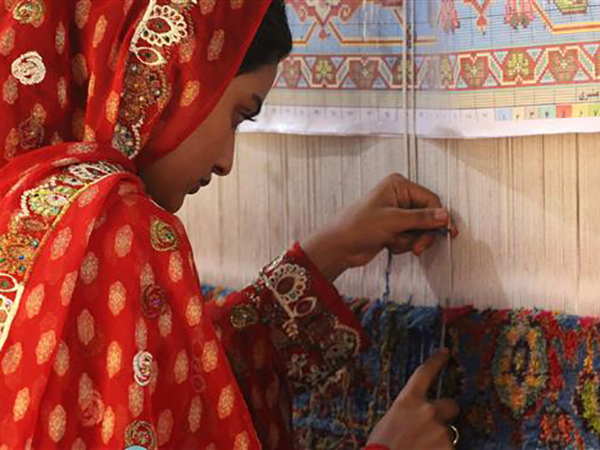
Gholam-Reza Soleymani, the deputy industries minister for small businesses and industrial townships, said Iran exported about $150 million worth of hand-woven carpets from March to October.
Soleymani added that around $50 million of the exports had been made to the US.
The official said Iran would soon launch a plan in which three key export zones – the US, Lebanon and China – have been identified, stressing that this would facilitate a better coordination in export activities for each zone.
He also said that Iran plans to hold nine specialized carpet exhibitions across the world to promote its hand-woven carpets, IRNA reported.
Earlier this week, Hamid Karegar, the head of Iran’s National Carpet Center, said Iran would start direct shipments of its hand-woven carpets to the United States from early 2017. The shipments that used to be carried out from Germany would be made from Iran’s southern ports, Karegar added.
The official added that Iran’s exports of carpets had increased 18 percent in value and 11 percent in weight from March to September compared to the same period last year.
Karegar emphasized that Iran had sent a cargo of carpets to the US worth $37 million after the removal of the sanctions against Iran in January.
He added that Iran used to export as much as $80 million of carpets to the US, but the sanctions, had brought them to zero in 2010.
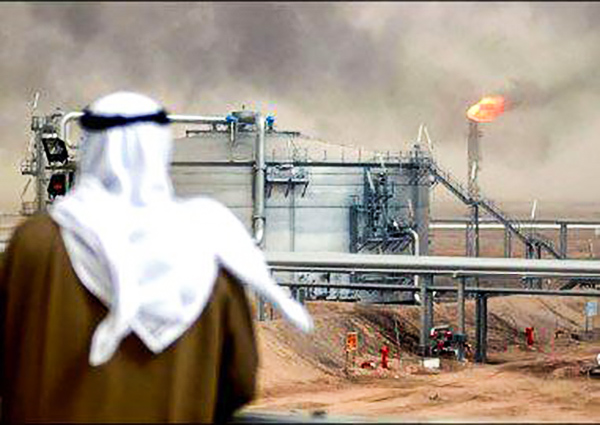
According to a report by IRNA, as translated by IFP, the Saudi Newspaper Elwatan wrote in a column, “The world recognizes us [Arabs] for our money because Western media have depicted Arabs as Bedouins that have piles of oil barrels stacked out of their tents.
“When they ask us whether we are Persian Gulf Arabs, they are in fact implying that we are just rich,” wrote the article.
“What have our embassies done except for issuing visas for pilgrims and considering students’ affairs?” asked the article.
“When sitting in a foreign taxi, they say, ‘Oh! You are rich in oil and gasoline.’ This view is only caused by our indolence.”
“We are stereotyped negatively in the world which is only caused by having too much oil and doing nothing.”
The article also added, “We Arabs have overlooked the role media and diplomacy play in the world unlike Iranians that enjoy strong embassies and media as well as nationals in European countries that can impact decision-making processes in these countries. This is the result of long-term planning by Iranians; there are even many successful Iranian expatriates in countries like the US that reach high-level positions in the decision-making branches of the US government.”
The article also proposed that the potentialities of Saudi students in western countries, trying to infiltrate American and European media outlets and exploiting western stars to promote Arabs are some of the methods that can be used for uplifting the Arab image in the world.
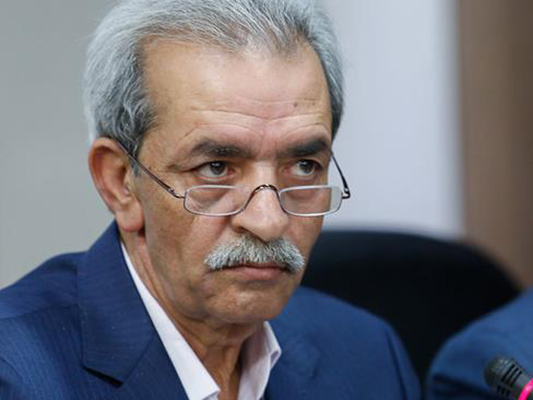
Gholam Hossein Shafei, the Chairman of Iran’s Chamber of Commerce, Industries, Mines and Industries, told IRNA that Iran can increase its economic presence in Africa through Lebanon.
Shafei, who has traveled to Beirut along with Foreign Minister Mohammad Javad Zarif, said the trade meeting between Iranian and Lebanese businesspersons is to be held later in the day (Tuesday).
‘Lebanon is a real friend for Iran,’ Shafei said, adding that Tehran and Beirut enjoy special relations.
Iran’s Zarif heading a delegation arrived in Beirut on Monday afternoon.
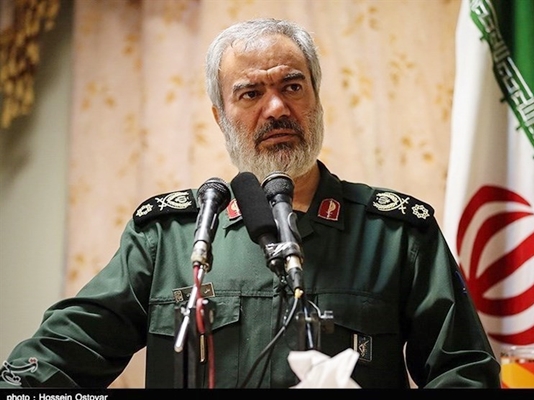
Speaking to reporters in the northern city of Chalous on Tuesday, IRGC Navy Commander Rear Admiral Ali Fadavi said the new naval vessel, currently under construction, is a much bigger version of ‘Nazeri’ vessel.
The huge watercraft will be used for ‘special missions’ in the international waters, he added.
In mid-September, the IRGC unveiled a high-speed military vessel with the capability to carry helicopters, named after Mohammad Nazeri –commander of the elite commando units of the IRGC Navy who was martyred in May.
It is the biggest Iranian aluminum-hulled ship with a length of 55 meters that has an operational range of 10,000 kilometers.
Nazeri vessel can accommodate 100 passengers and carry a helicopter on board, with the capability to sail into rough seas.
The IRGC has in recent years acquired technical expertise in the production of speed boats.
Back in May 2015, Rear Admiral Fadavi said his forces were testing military speed boats with the breakneck velocity of 110 knots (203 km/h).
The speed boats are seen by many military experts as the IRGC’s trump card in case of any direct confrontation with US warships.
The IRGC Navy says the security of the Persian Gulf will be ensured without the presence of foreign forces, particularly the Americans.
The National Iranian South Oil Company has held talks with 22 domestic and foreign companies for contracts to develop Karanj, Parsi, Rag Sefid and Shadegan Oilfields, Alipour said Monday, speaking on the sidelines of an exhibition of oil industry equipment in Ahvaz, capital of southwestern province of Khuzestan.
Among them are Russian and Chinese firms as well as BP, he said, predicting that the negotiations will lead to signing of memorandums of understanding in a few months.
According to the official, deals for developing the fields will be signed using the new model of oil contracts.
Back in August, President Hassan Rouhani’s cabinet approved an amended draft of the new model for oil and gas contracts.
The new amendments were endorsed after Leader of the Islamic Revolution Ayatollah Seyed Ali Khamenei stressed that no new oil and gas contracts for international companies would be awarded without necessary reforms.
The new oil and investment contract for international firms, known as the Iran Petroleum Contract (IPC), will replace Iran’s buyback oil deals.
Iran worked on the oil contract model for two years. The country hopes to draw as much as $50 billion investment a year from major oil companies such as Italy’s Eni SpA, Britain’s BP and France’s Total to develop its oil and gas fields.
© All Content by IFP News ( Iran Front Page ) is licensed under a Creative Commons Attribution 4.0 International License.
