Thursday, December 25, 2025
Home Blog Page 4234

Trump Registered 8 Companies in Saudi Arabia during Campaign: Report

Trump

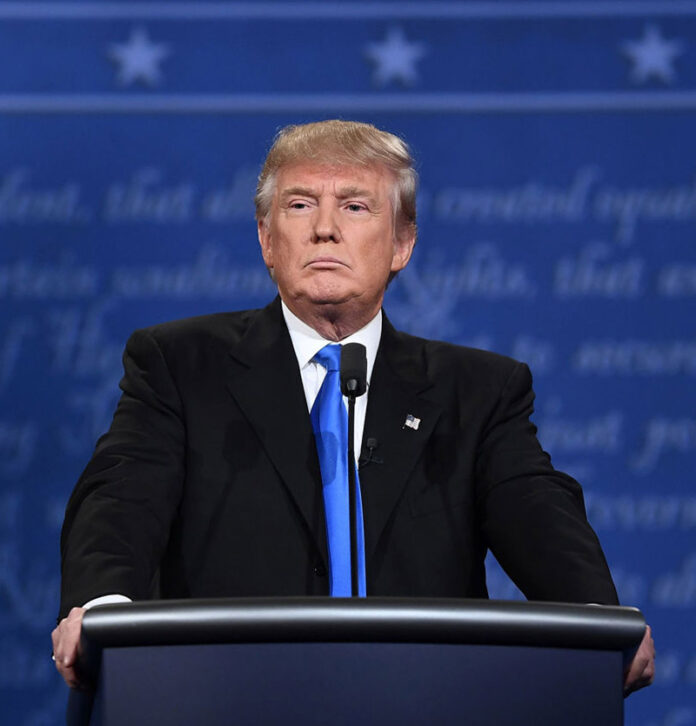
According to a report covered by Fars, Trump registered the eight companies in August 2015, shortly after launching his presidential bid.

The companies were registered under names such as THC Jeddah Hotel and DT Jeddah Technical Services, according to financial disclosure filings, according to The Washington Post.

The Post reported that by the time of Trump’s May financial filing, four of those companies in which Trump was the president or director were still active. Trump has in the past said he wants to protect the oil-rich Arab kingdom.

Slovenia president arrives in Iran for talks to enhance ties

Iran-Slovenia

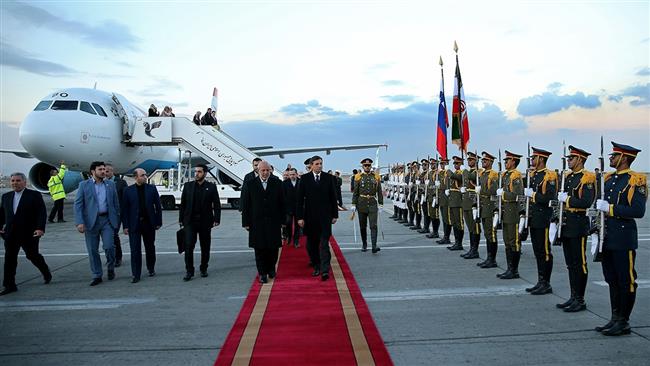
Heading a high-ranking politico-economic delegation, Pahor arrived in Tehran on Monday and was welcomed by Iran’s Energy Minister Hamid Chitchian upon his arrival at the Imam Khomeini International Airport.

Slovenia’s Minister of Foreign Affairs Karl Erjavec has said his country plans to reopen its embassy in Tehran in November.

In a meeting with Iranian Foreign Minister Mohammad Javad Zarif in Tehran earlier this month, state secretary at Slovenia’s Ministry of Foreign Affairs, Darja Bavdaž Kuret, had announced the Slovenian president’s visit to Tehran.

During Pahor’s stay in Tehran, Slovenia’s embassy would be reopened, she added.

Slovenia’s Foreign Ministry announced in March 2013 that the country decided to shrink its diplomatic network as part of general austerity and close its embassy in Tehran in response to the difficult financial and economic situation in Slovenia.

The value of trade exchanges between Iran and Slovenia has decreased in recent years and fallen from 96 million euros in 2011 to 46 million euros in 2012 and 25.5 million euros in 2013.

However, Tehran and Ljubljana have been seeking to improve trade and economic cooperation along with political relations after the implementation of a nuclear agreement, known as the Joint Comprehensive Plan of Action (JCPOA), signed between Iran and the P5+1 group of countries in July 2015.

Iran and the five permanent members of the United Nations Security Council – the United States, France, Britain, Russia and China – plus Germany started implementing the JCPOA in January 2016.

Under the JCPOA, Iran undertook to put limitations on its nuclear program in exchange for the removal of nuclear-related sanctions imposed against Tehran.

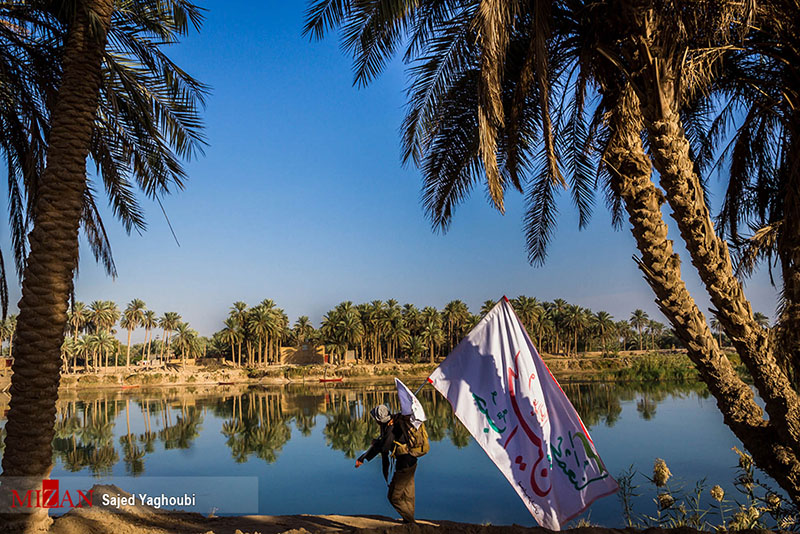
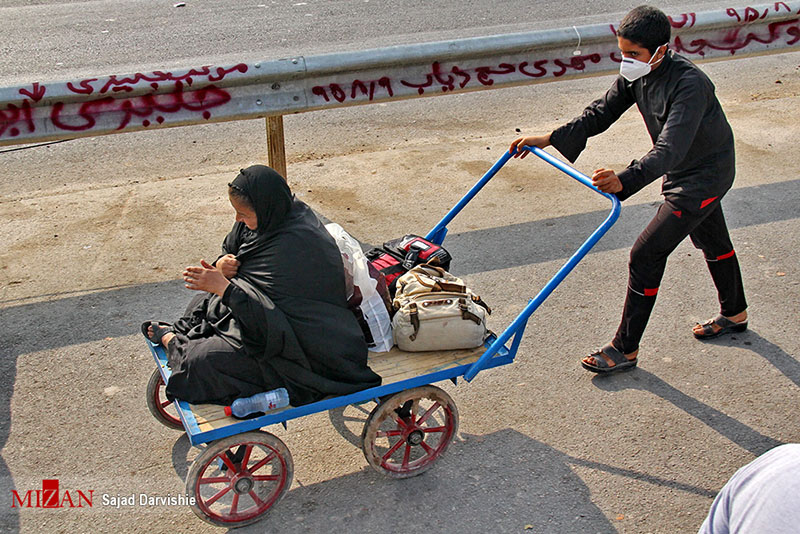
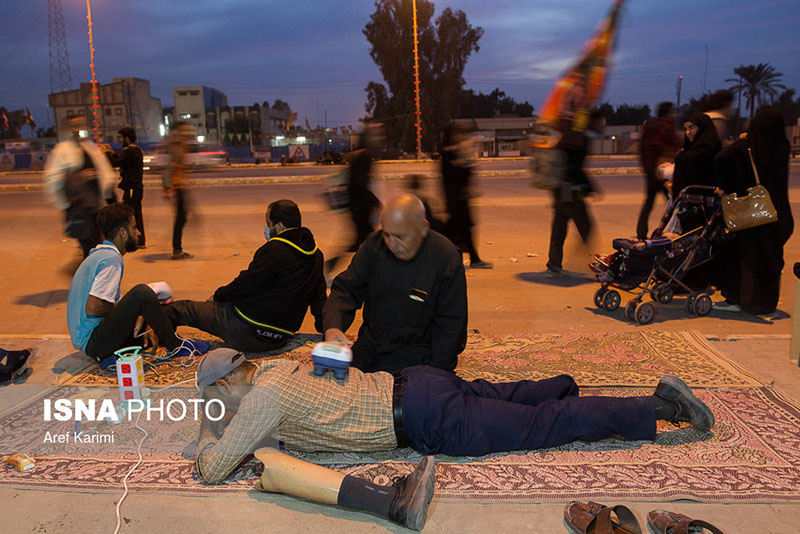
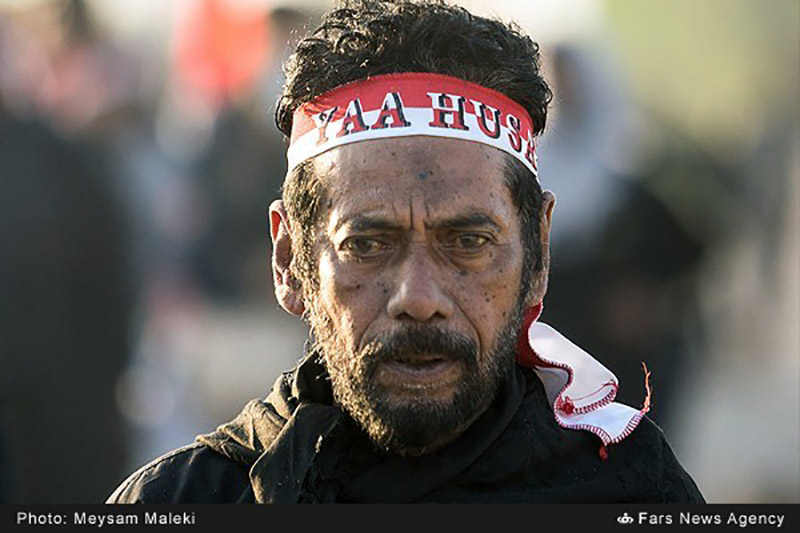
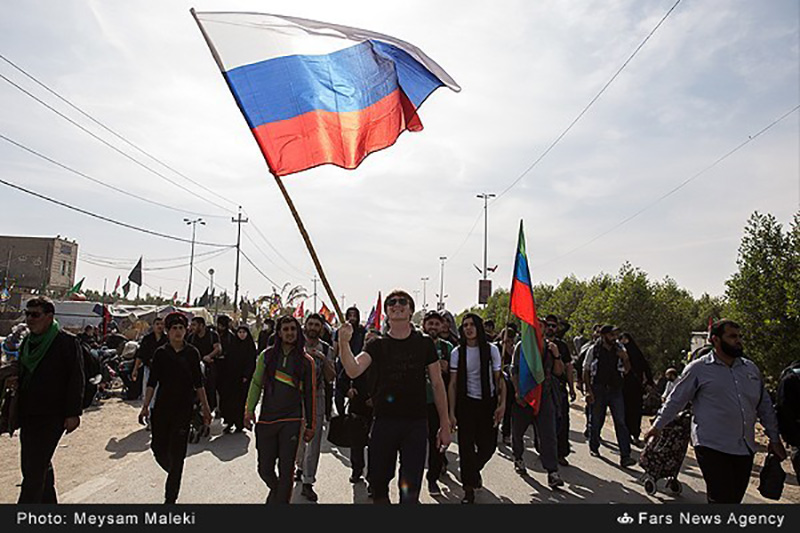
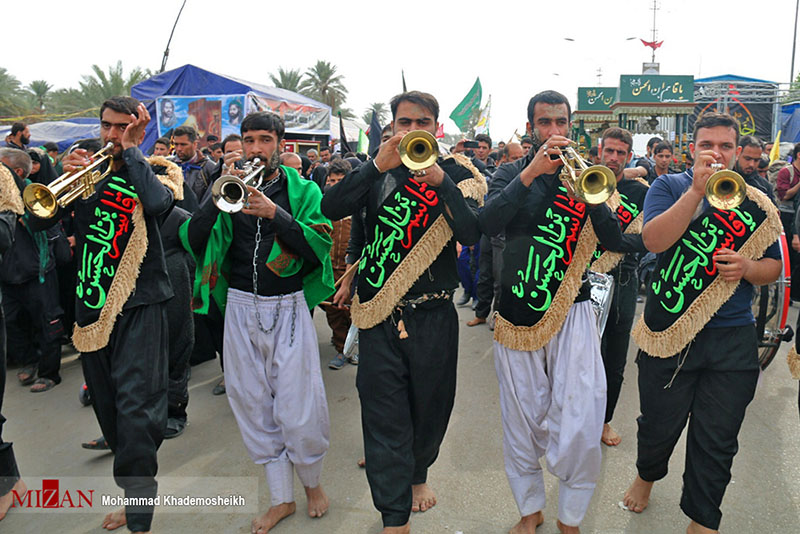
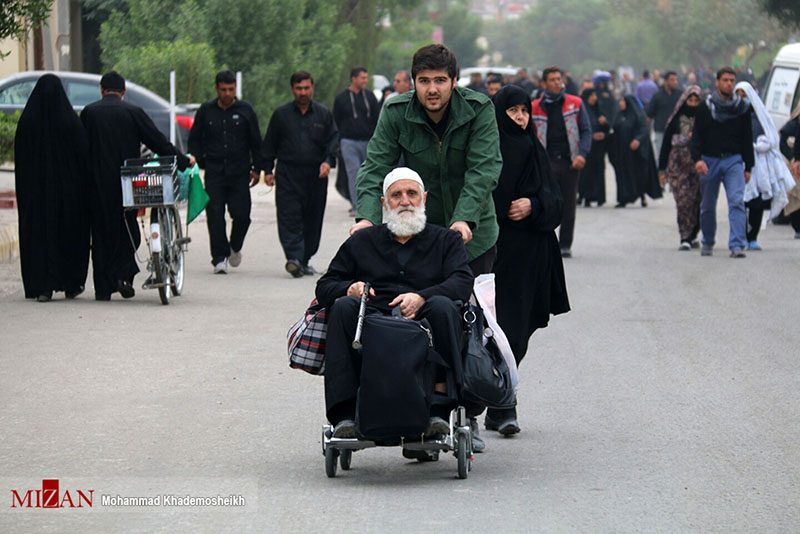
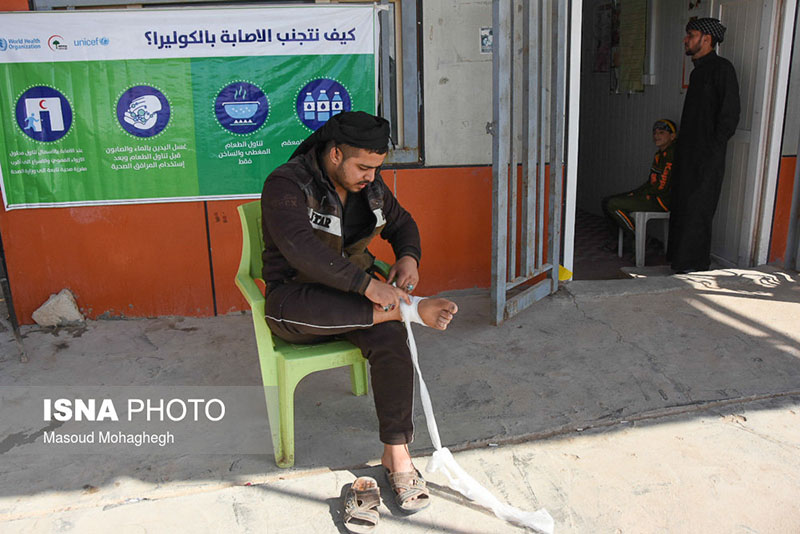
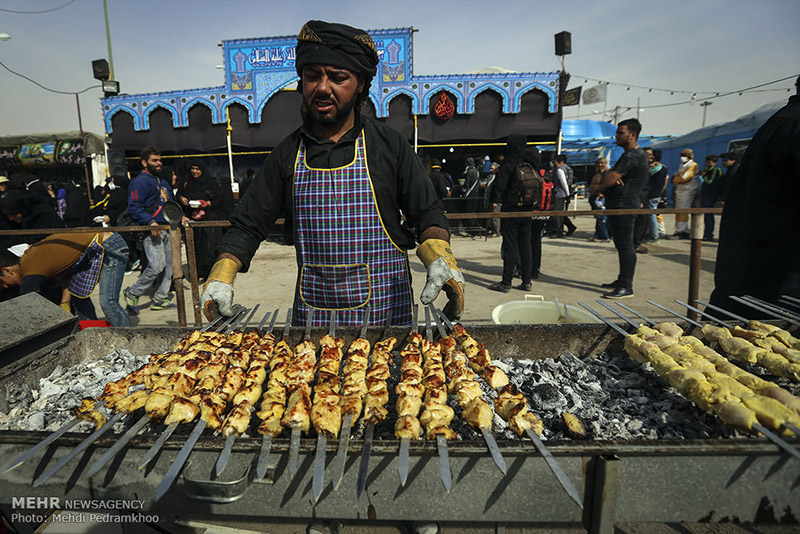
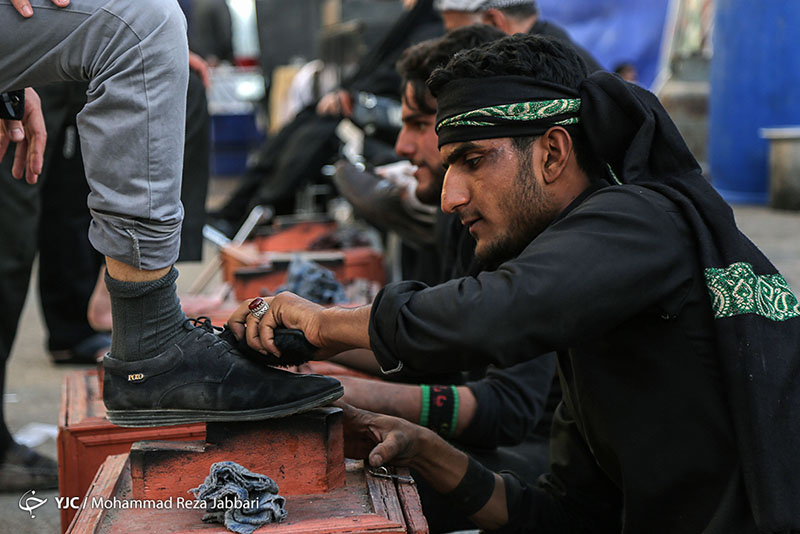
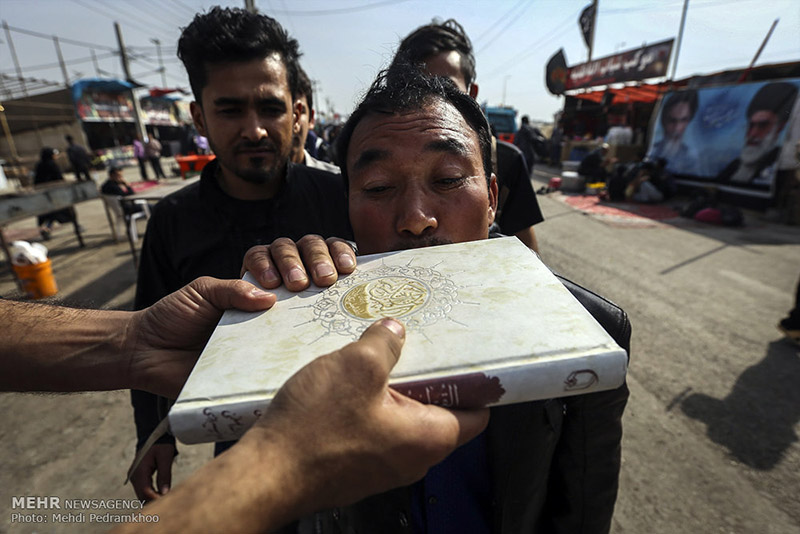
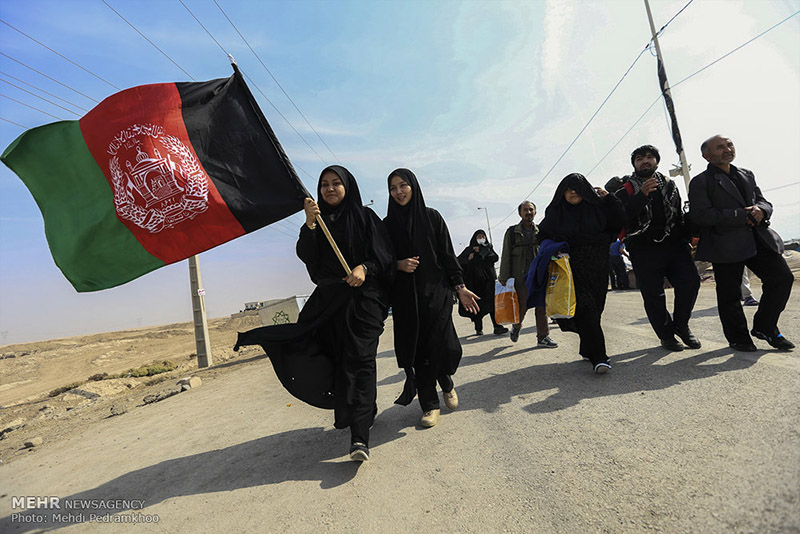
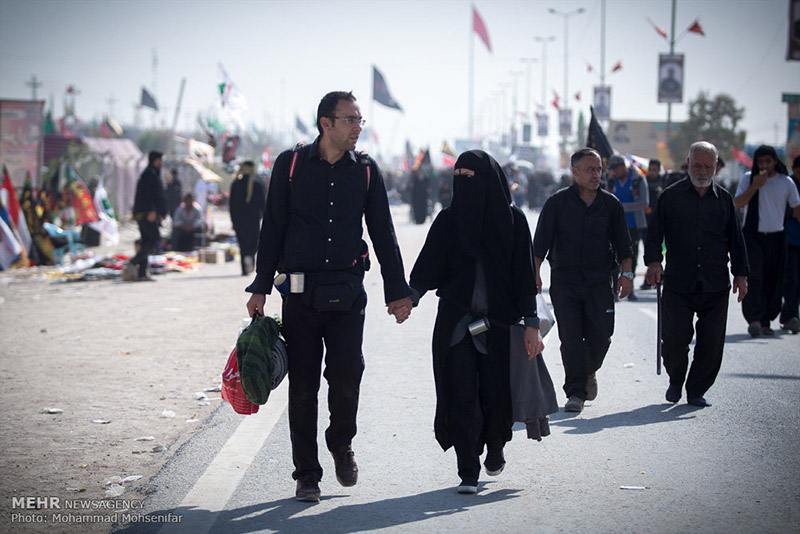
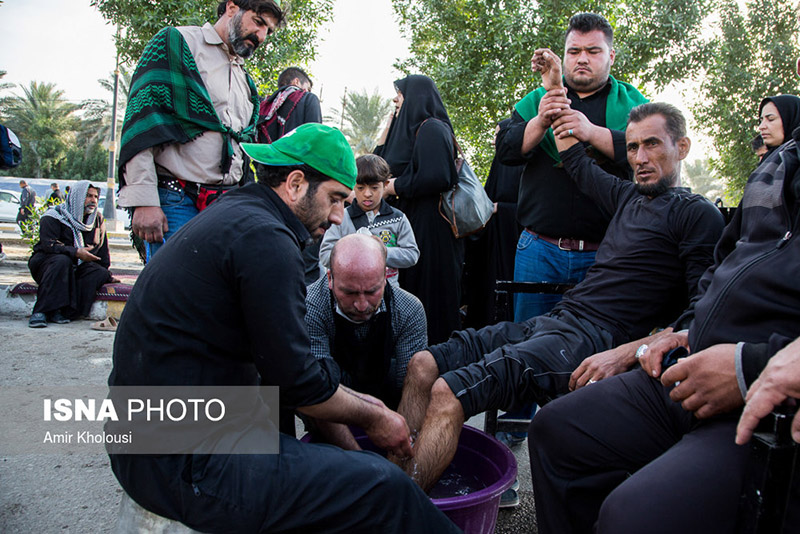
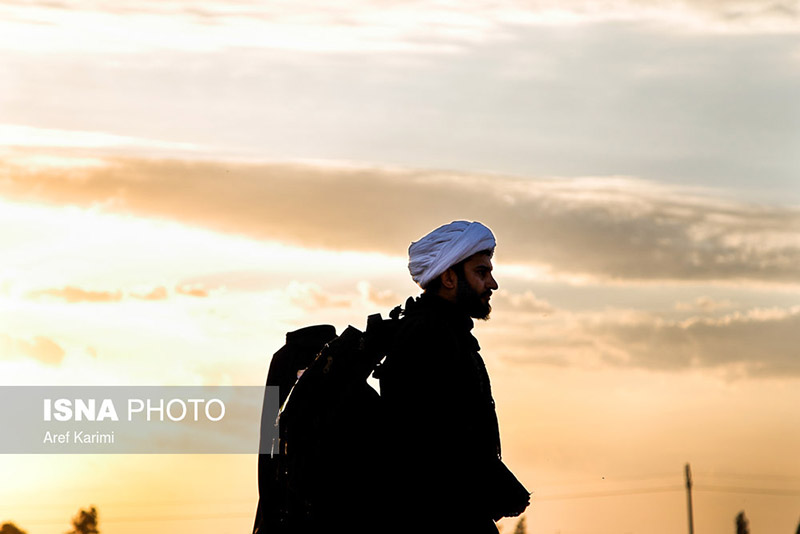
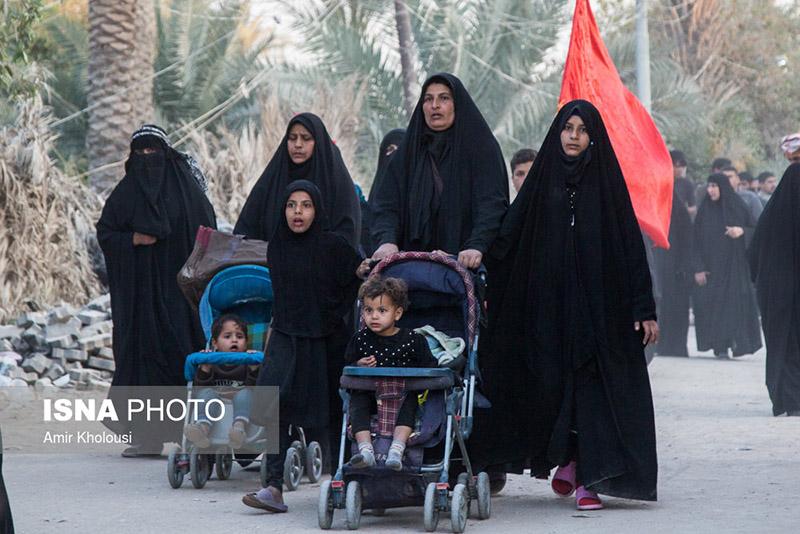
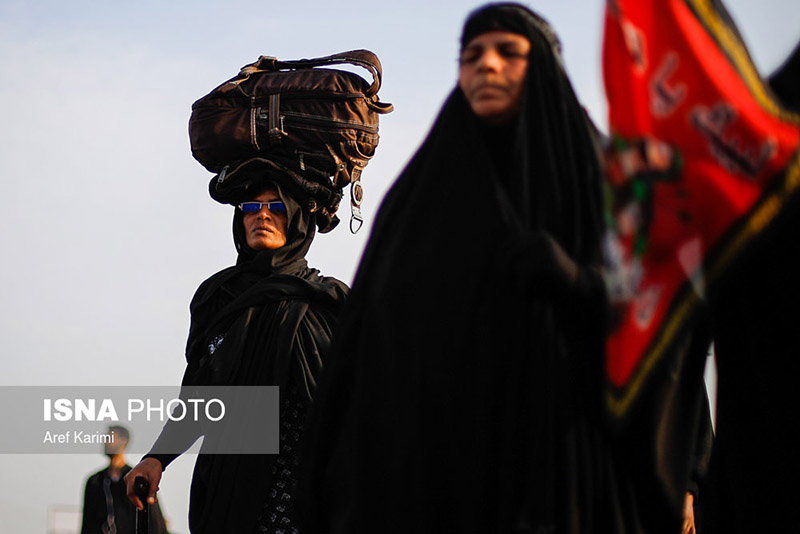
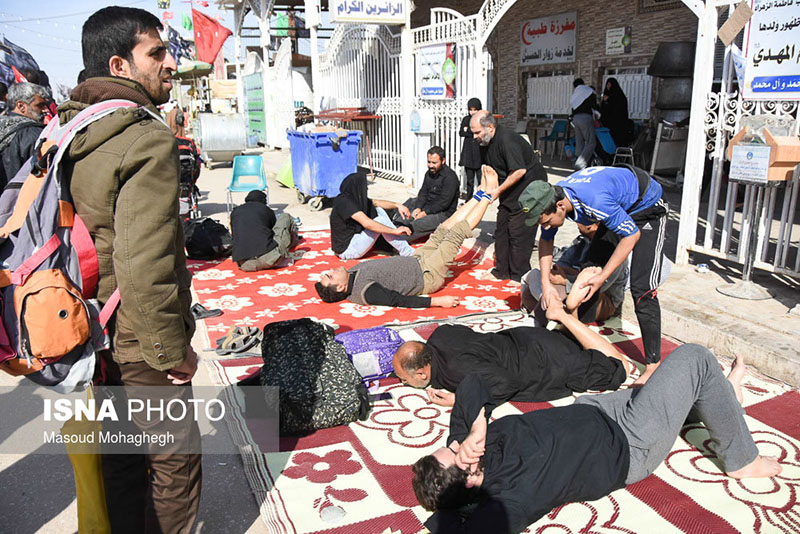
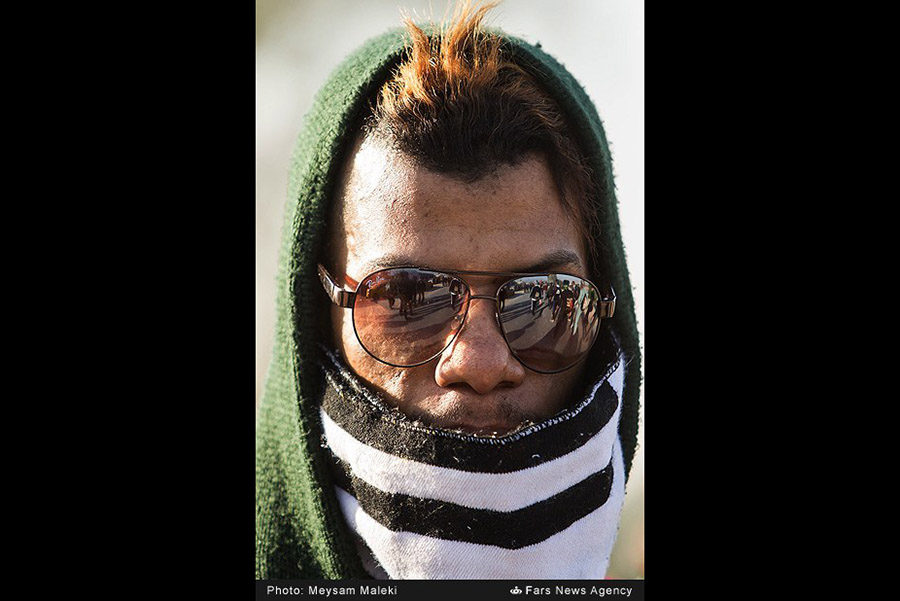
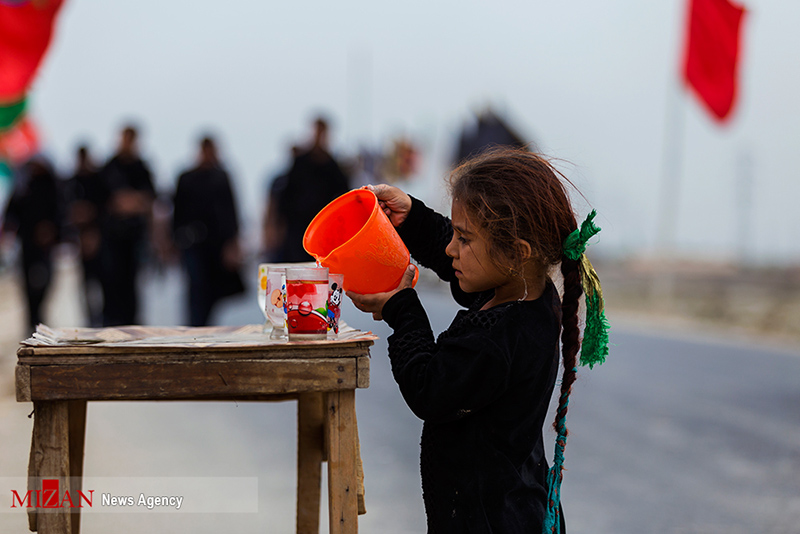
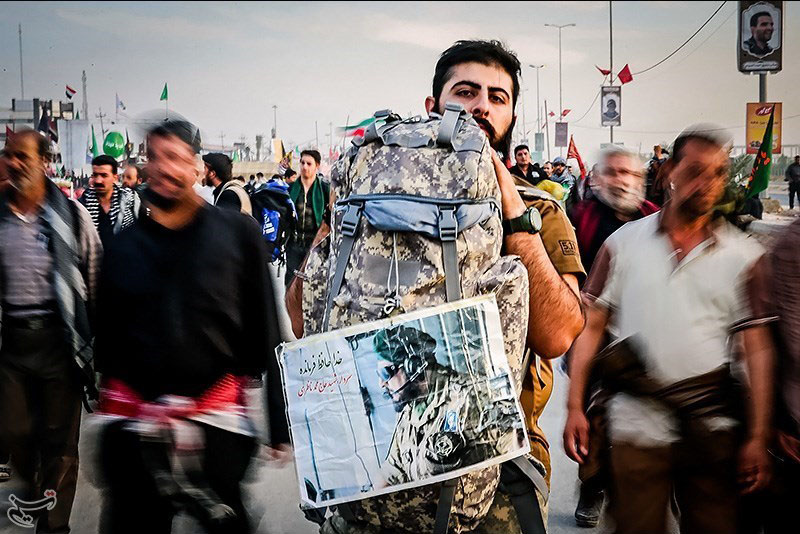
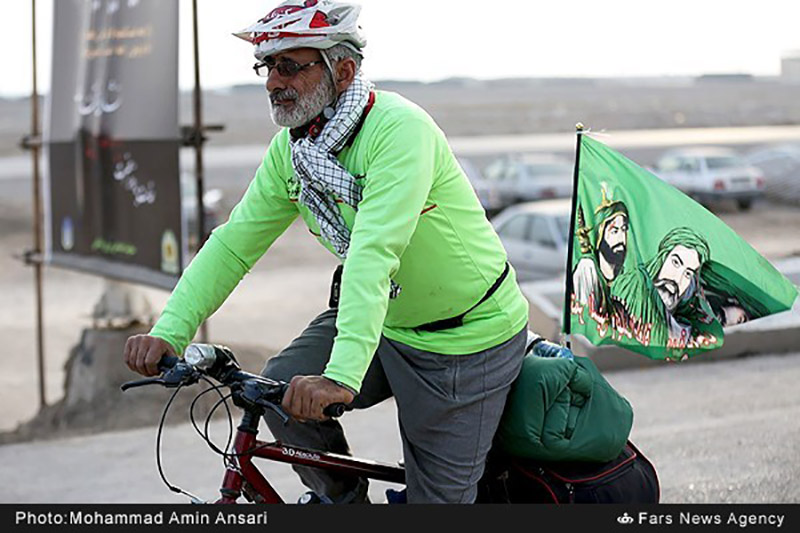
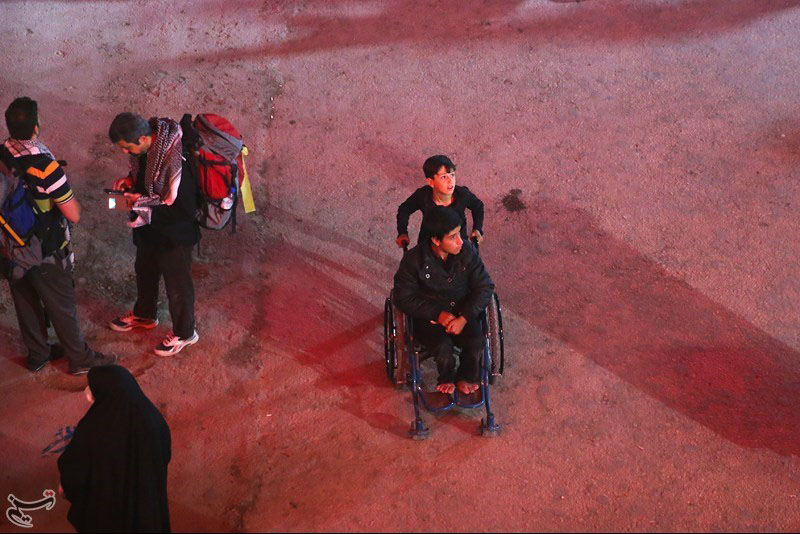
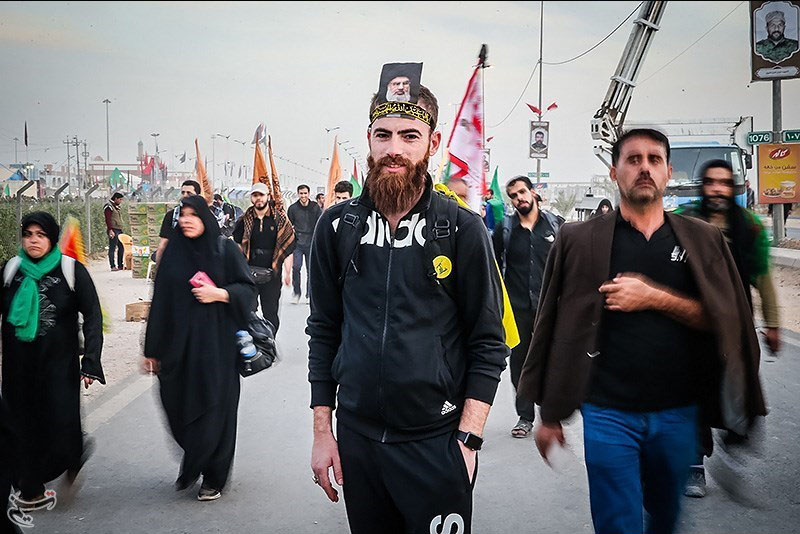
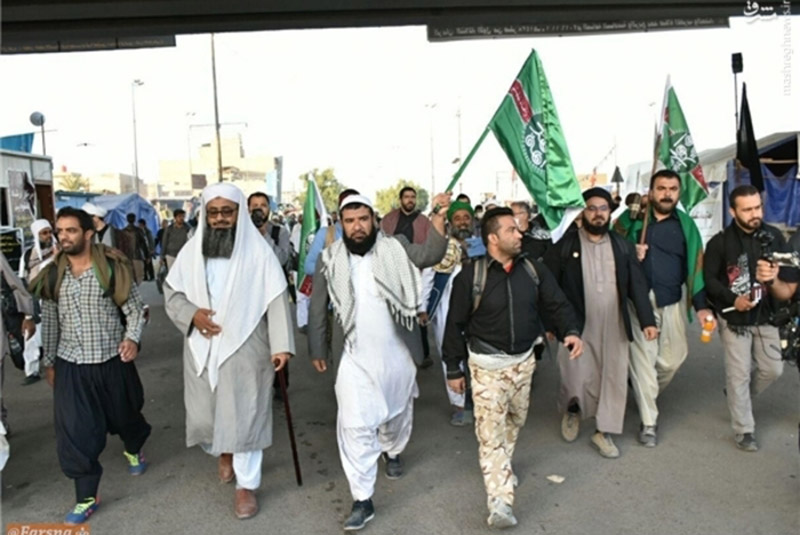
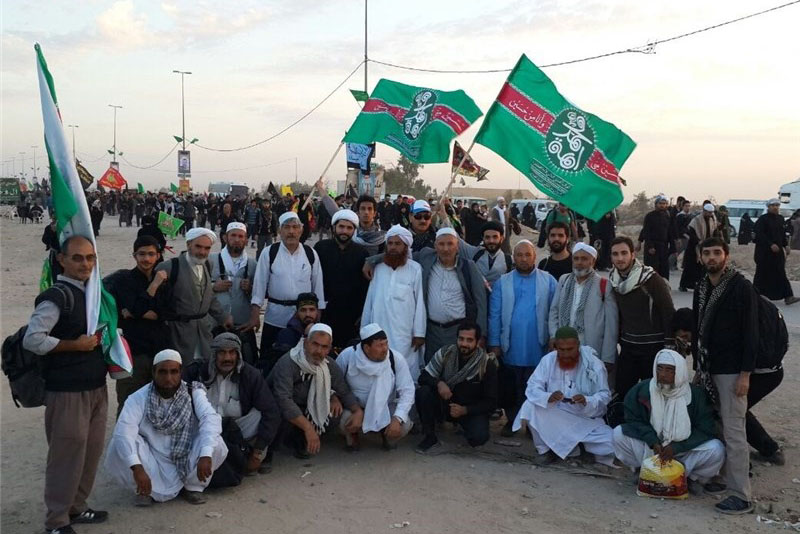
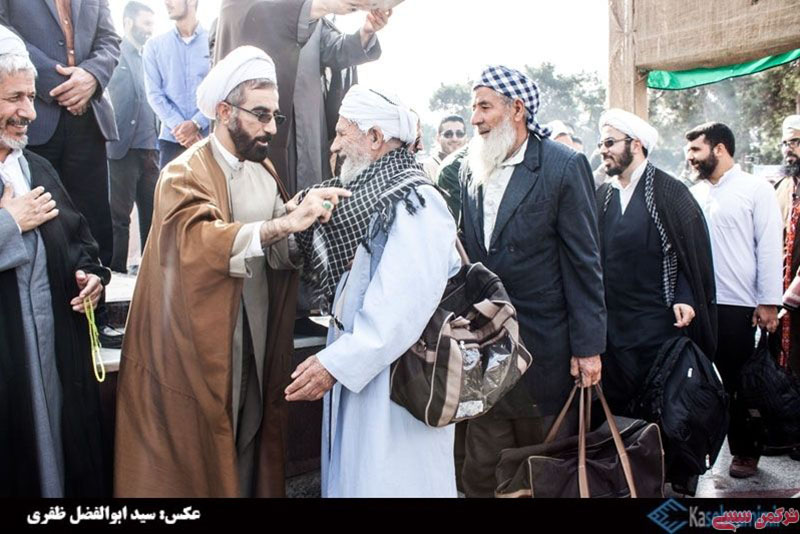
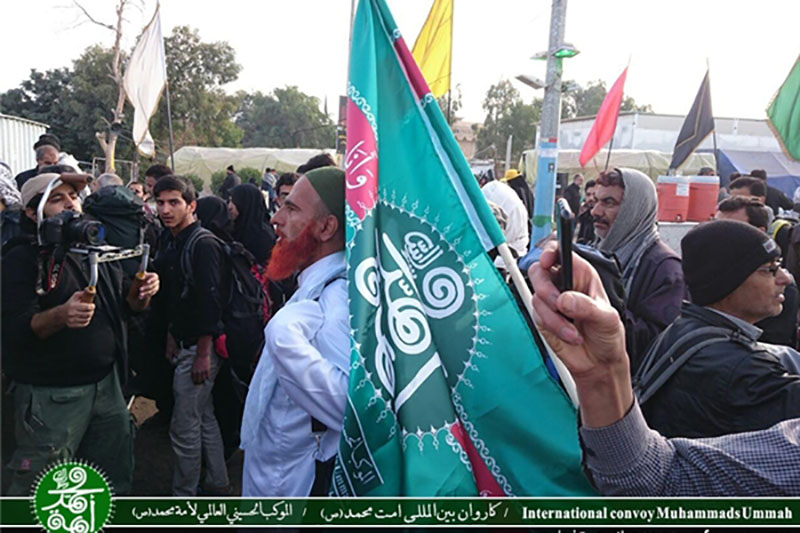
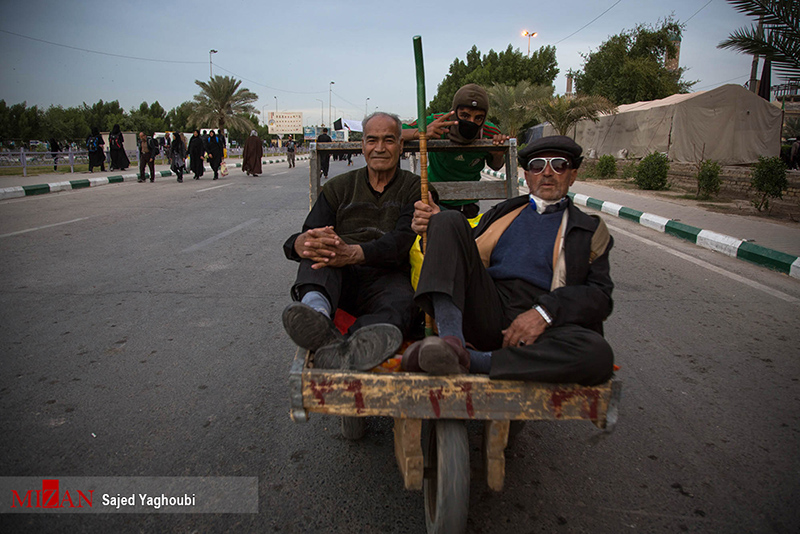
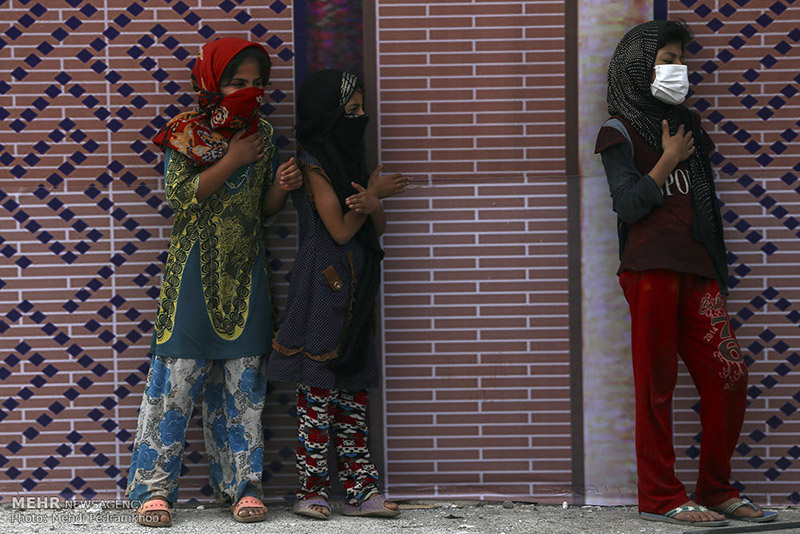
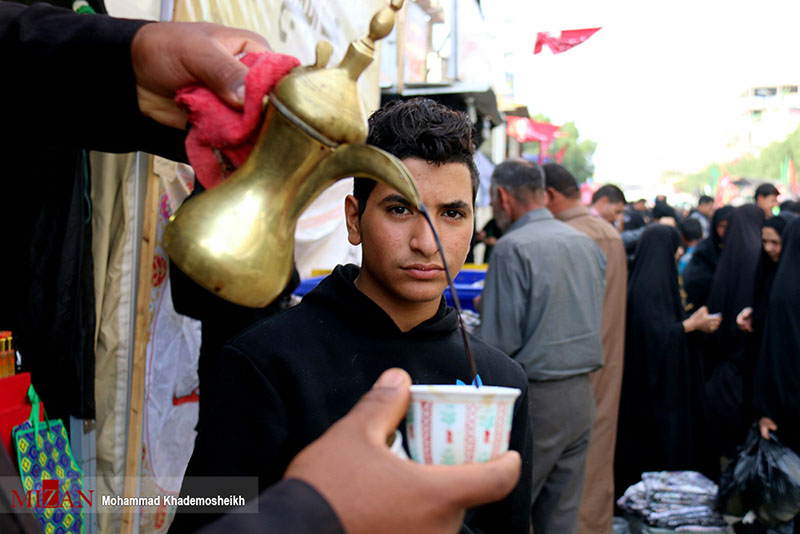
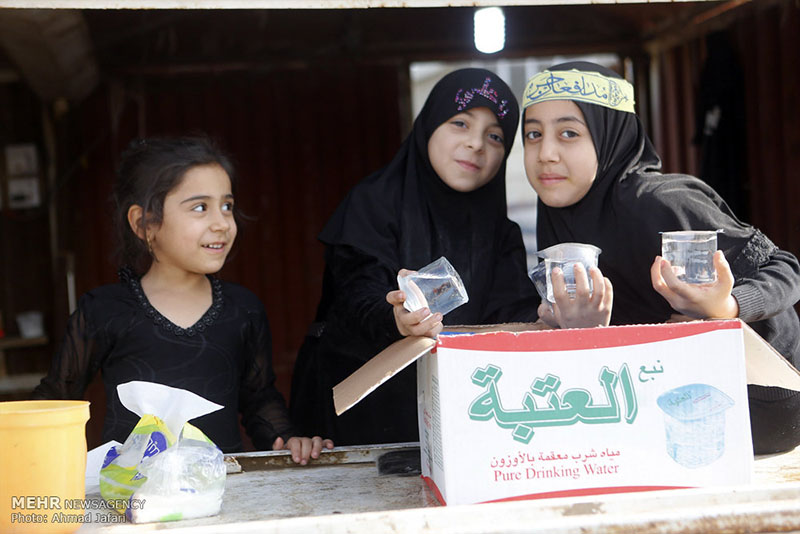
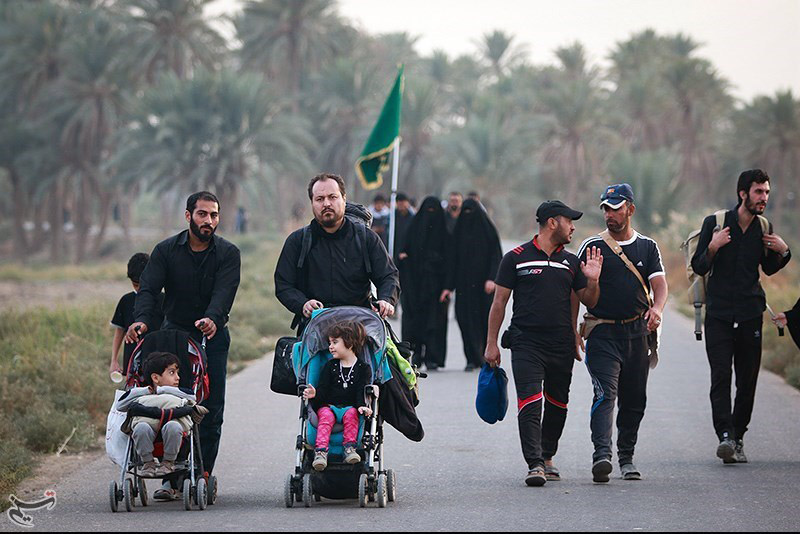
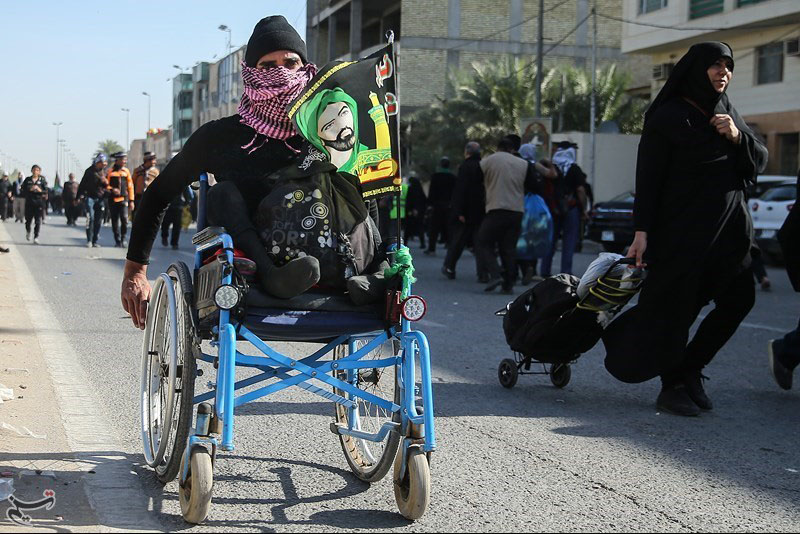
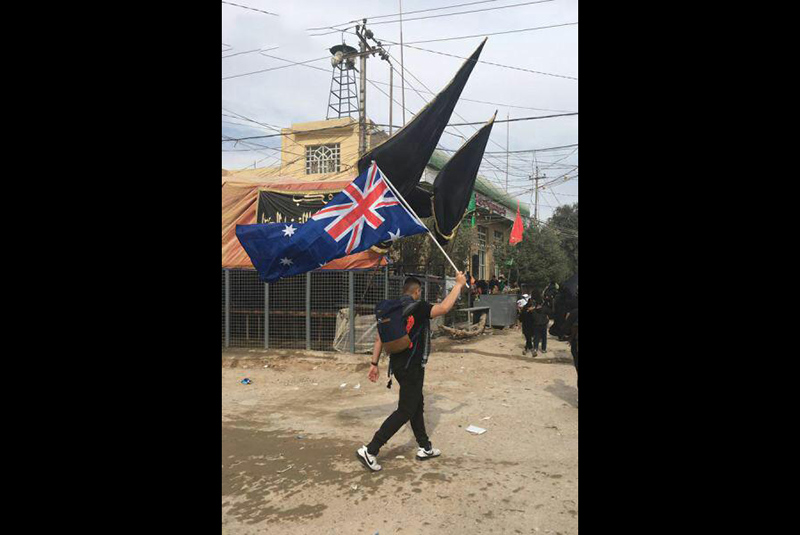
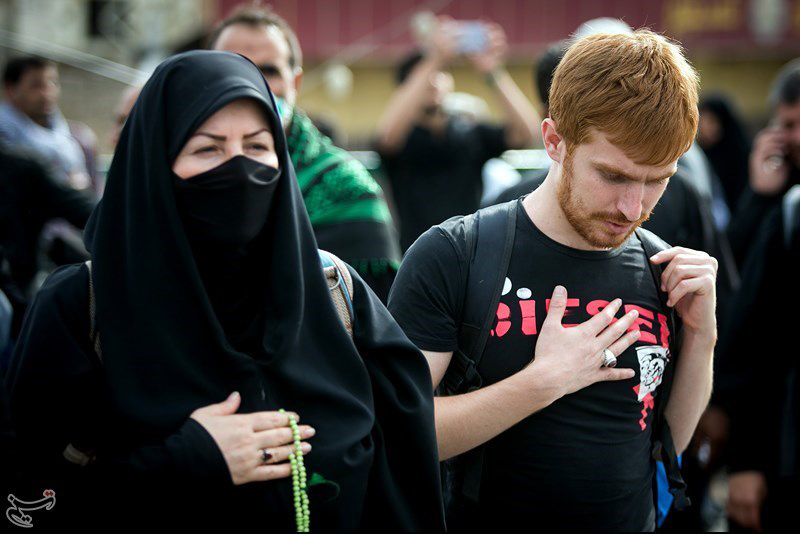
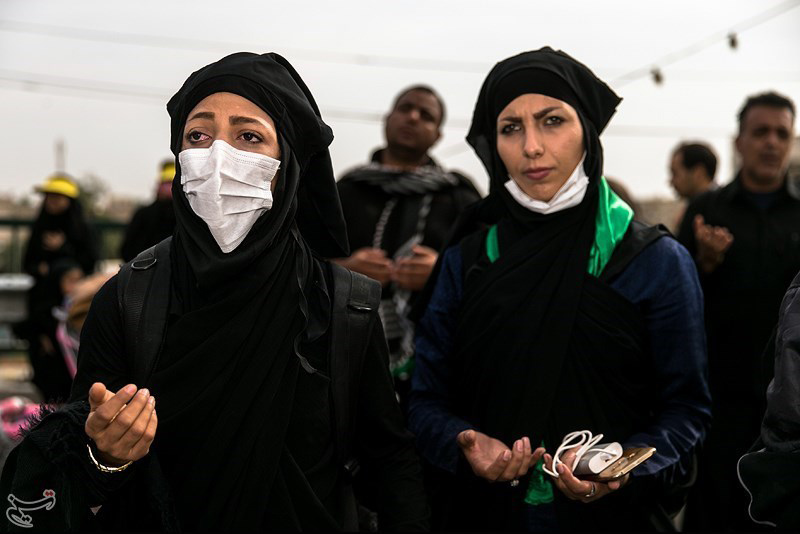
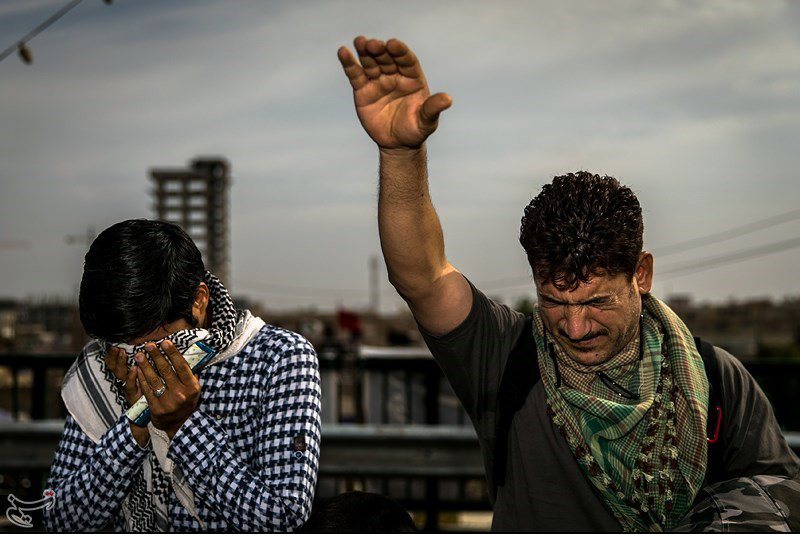
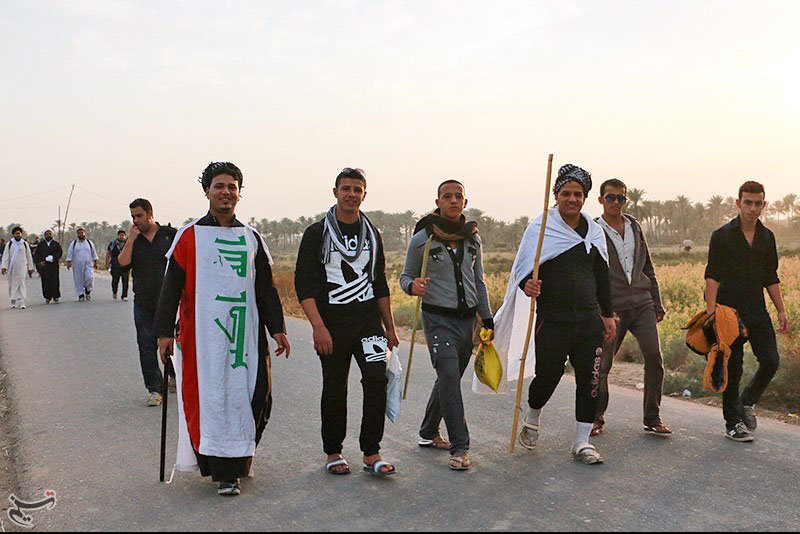
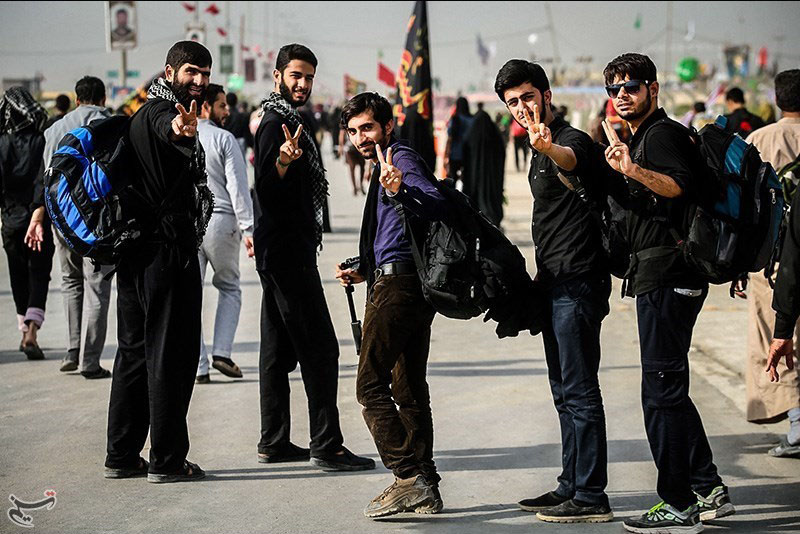
Gathering of 20 Million Pilgrims in 100 Frames

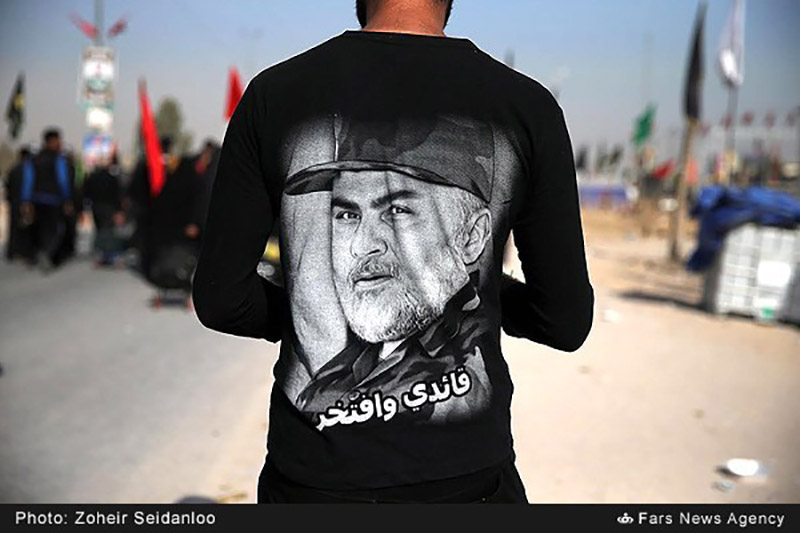
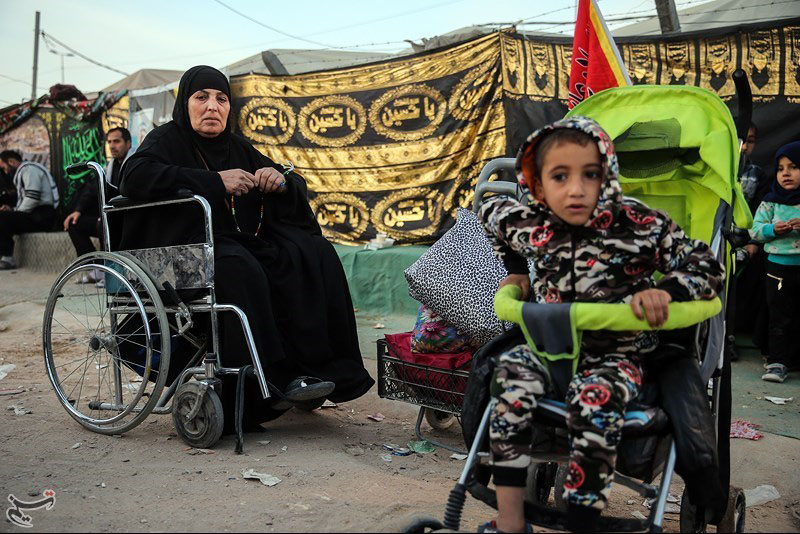
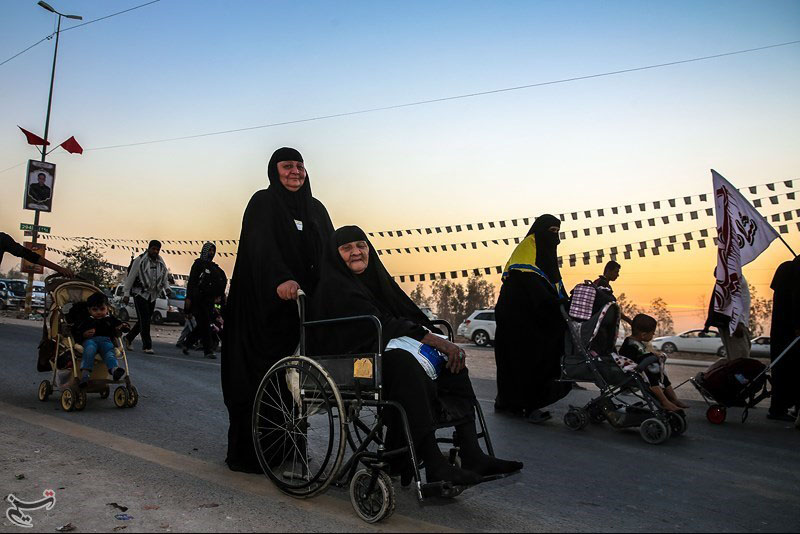
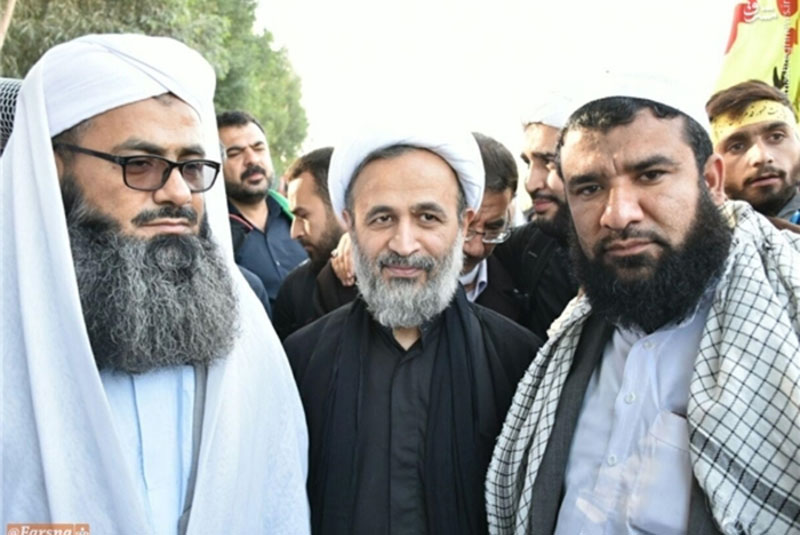
Arbaeen-2016

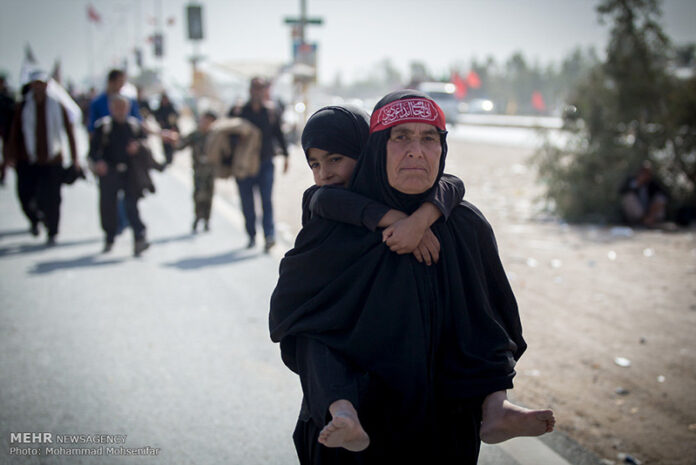
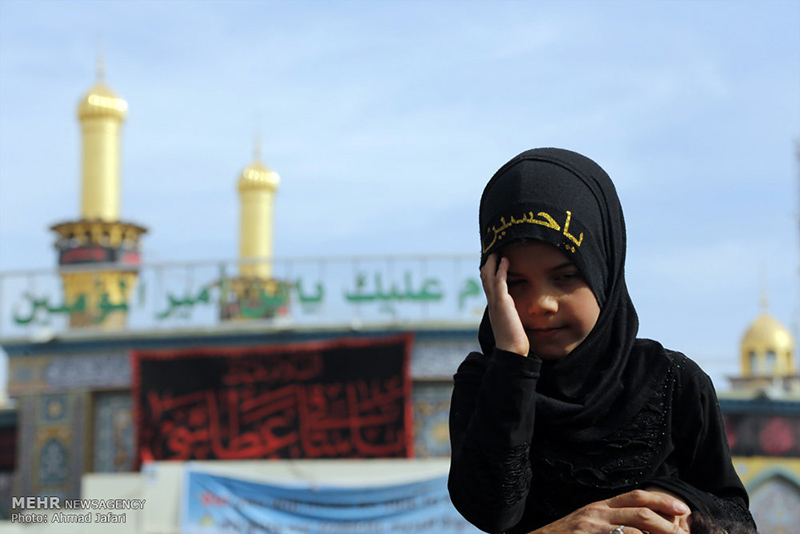
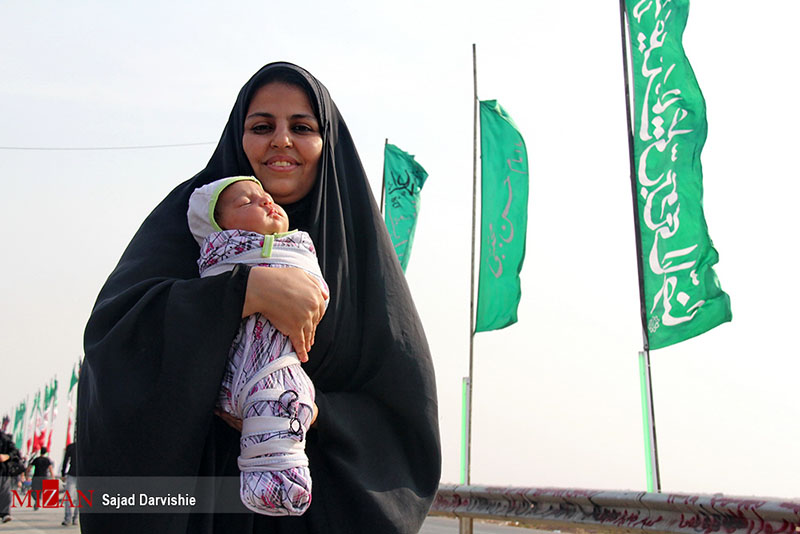
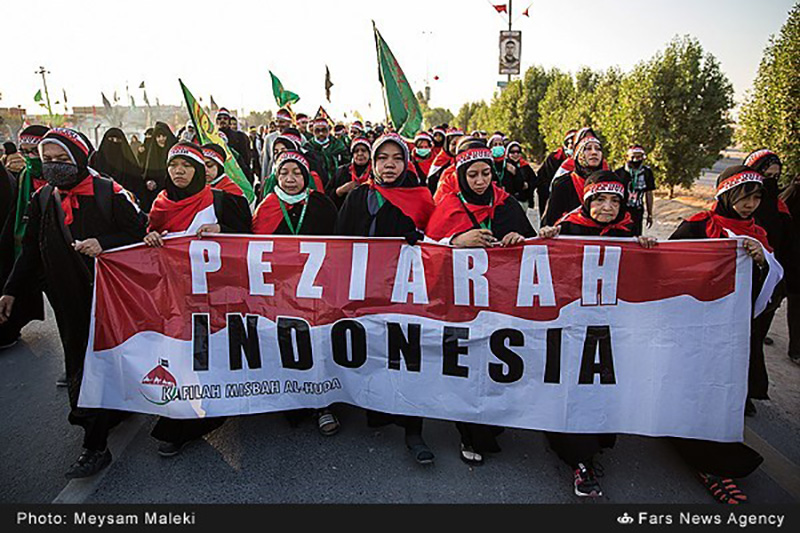
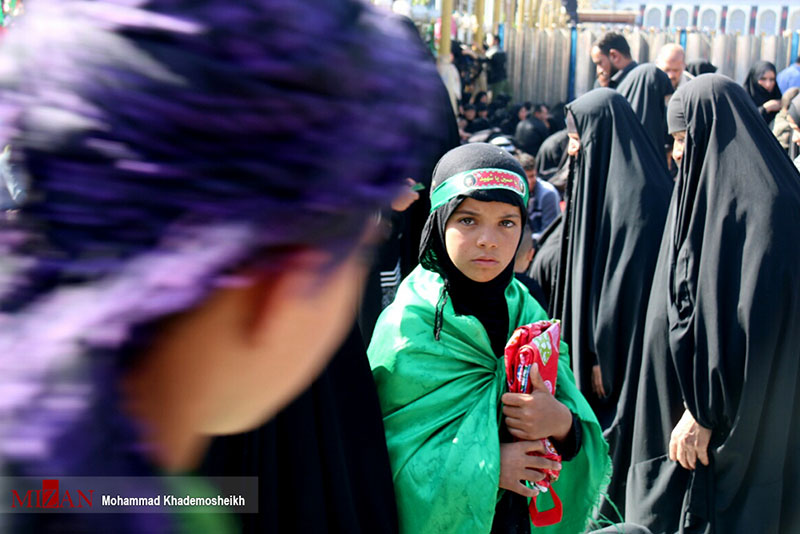
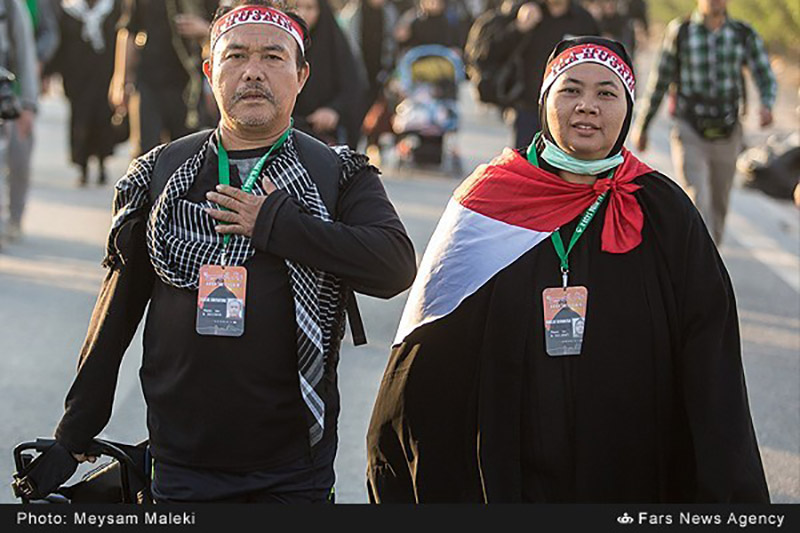
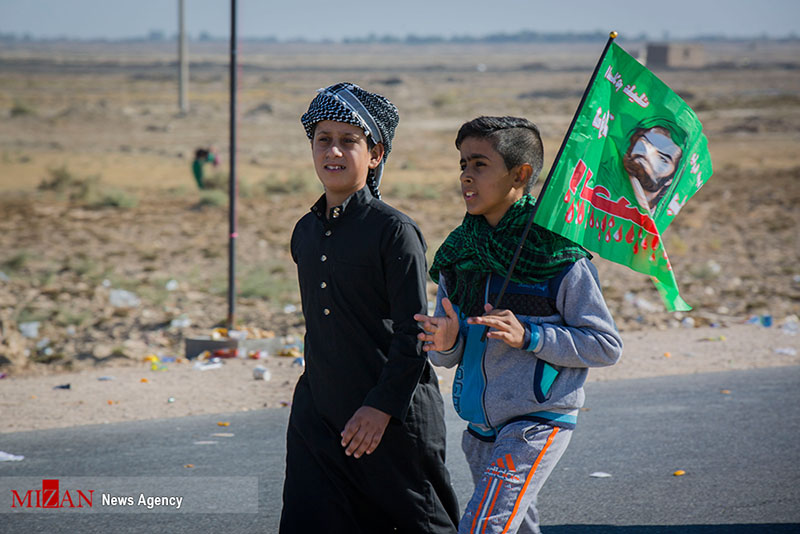
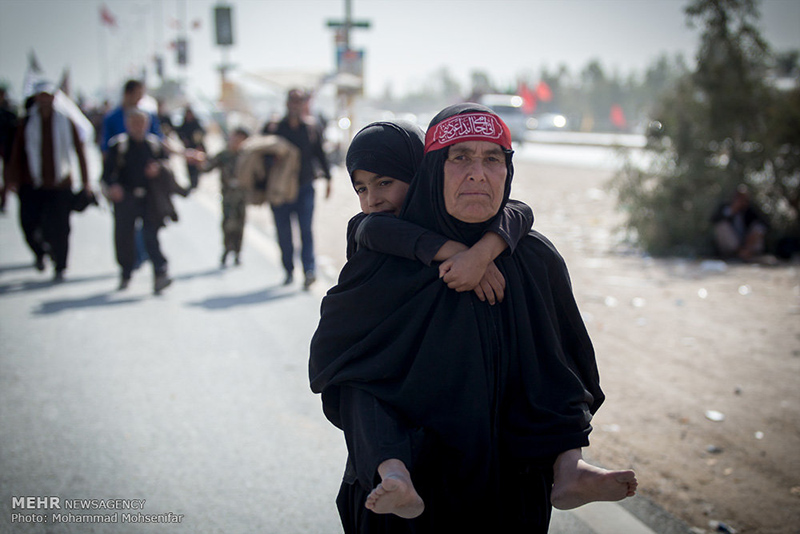
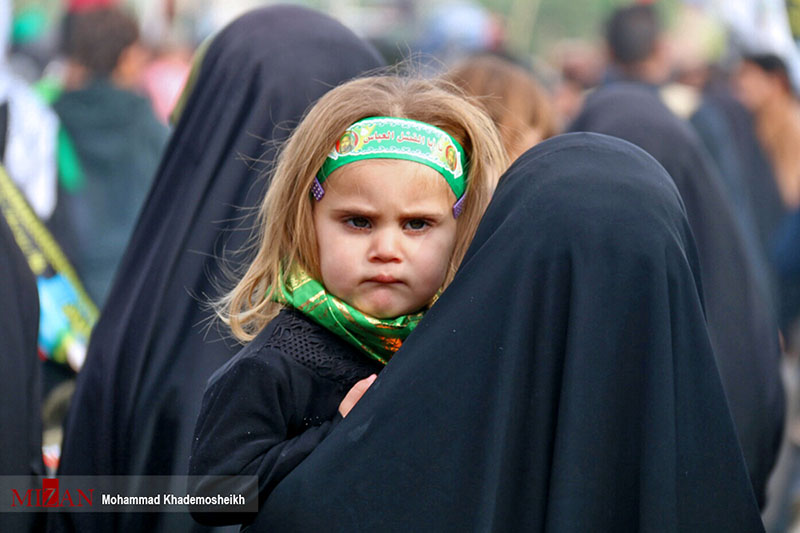
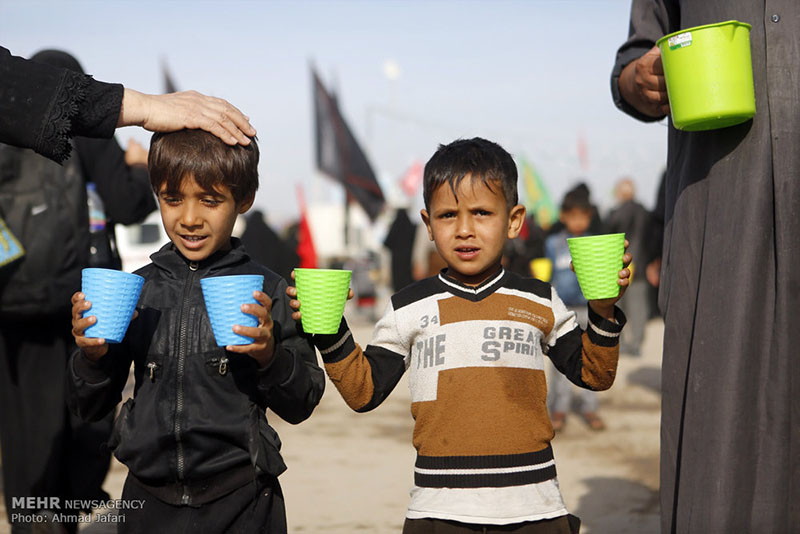
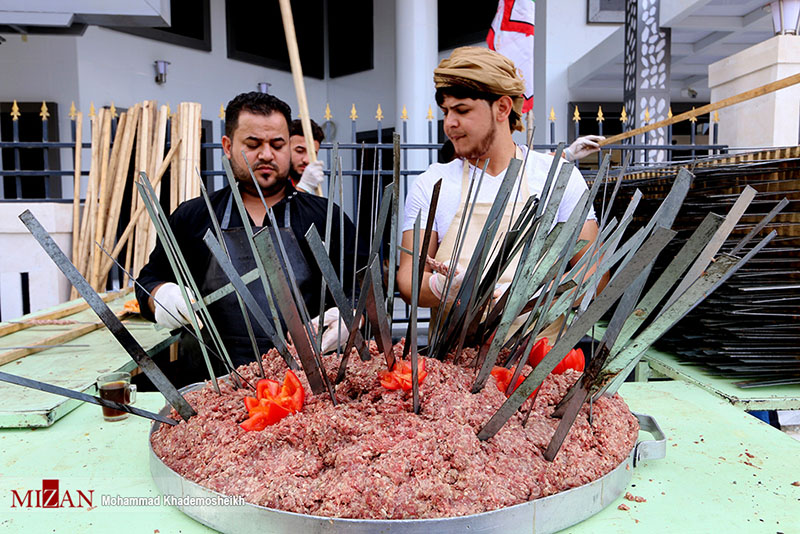
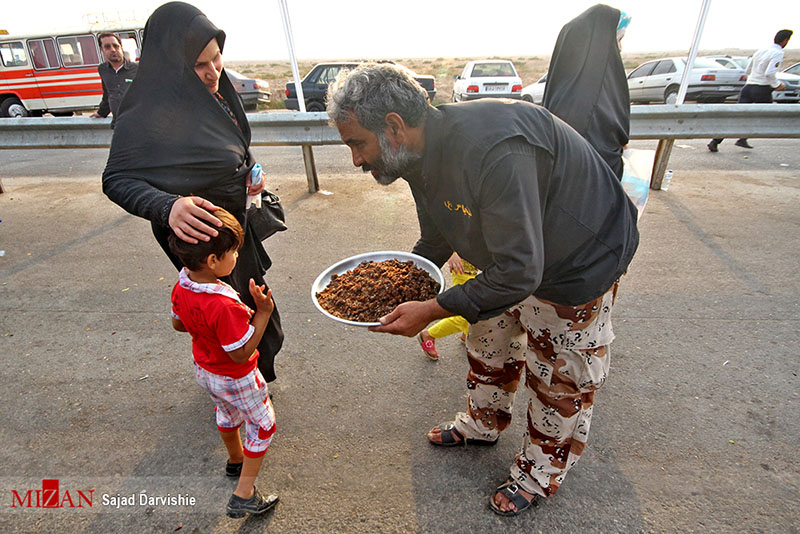
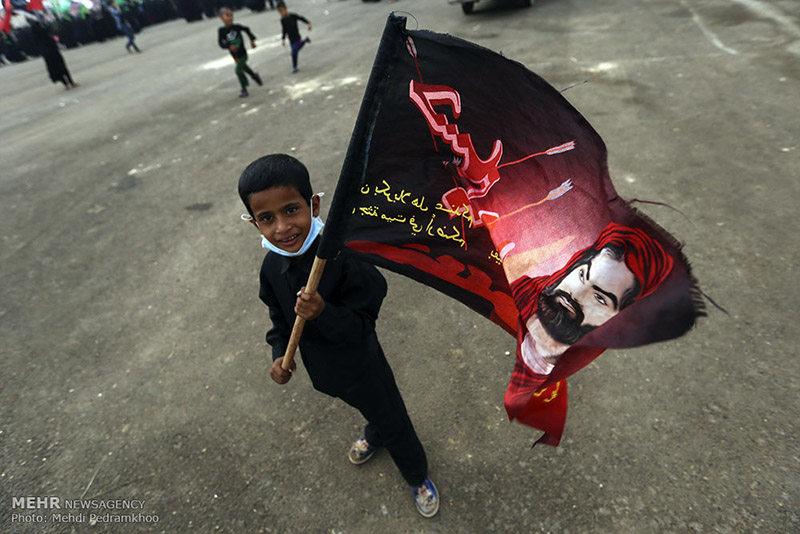
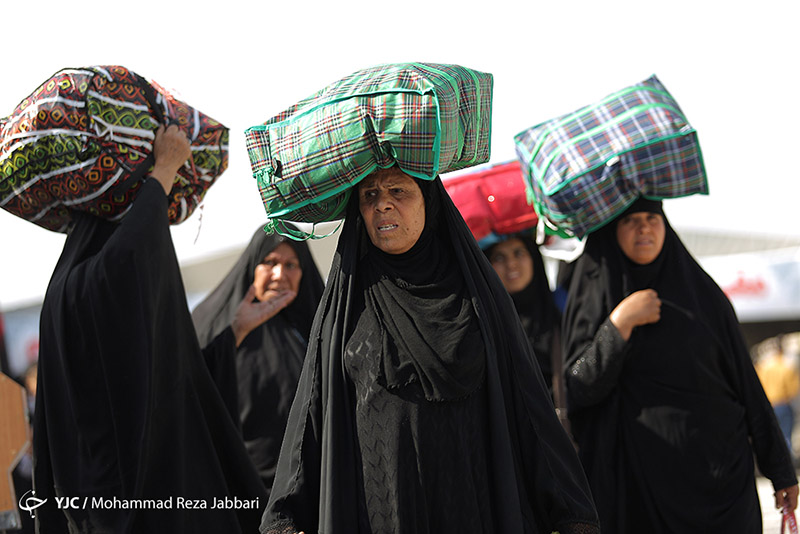
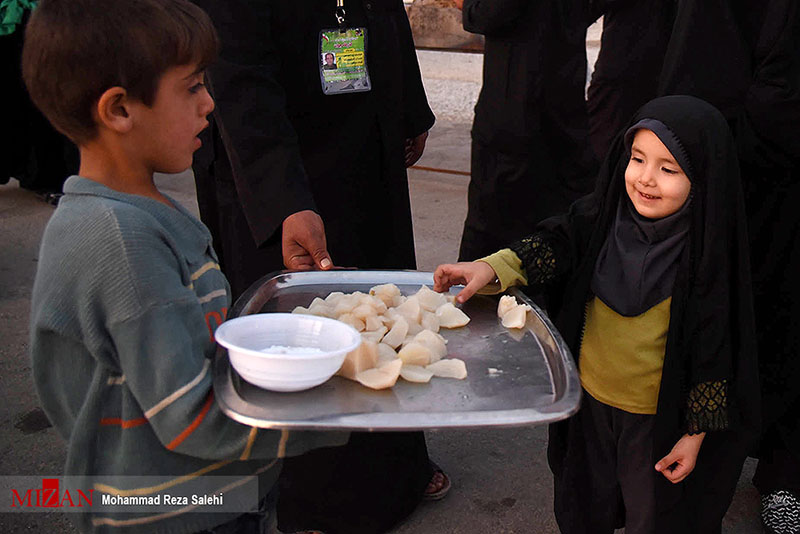
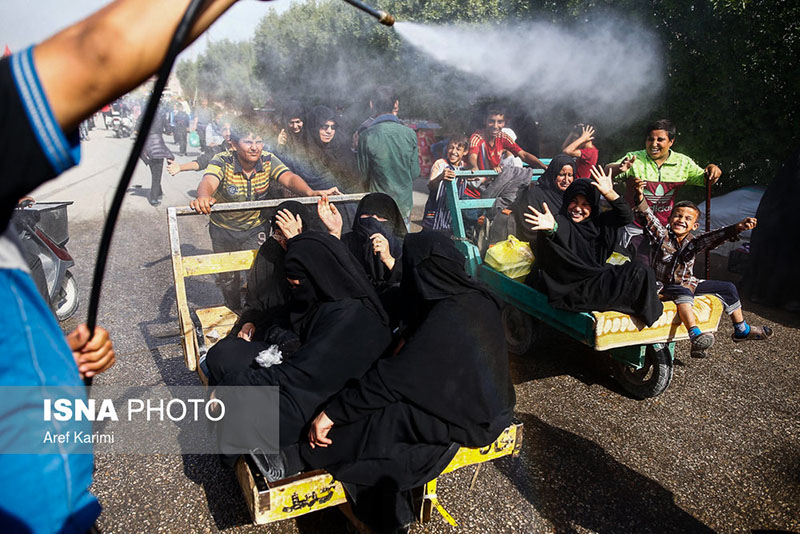
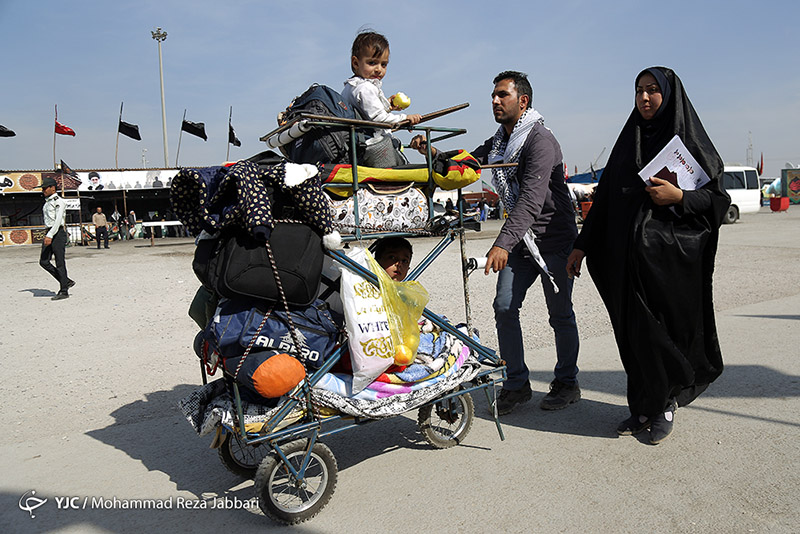
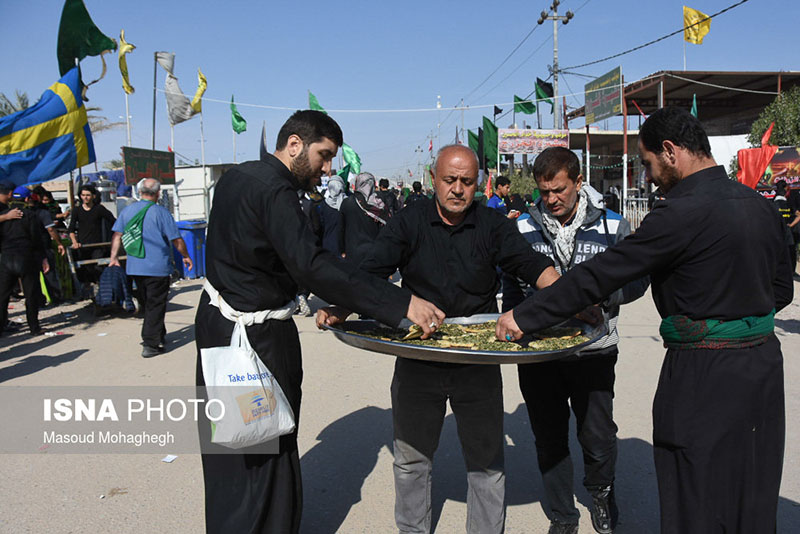
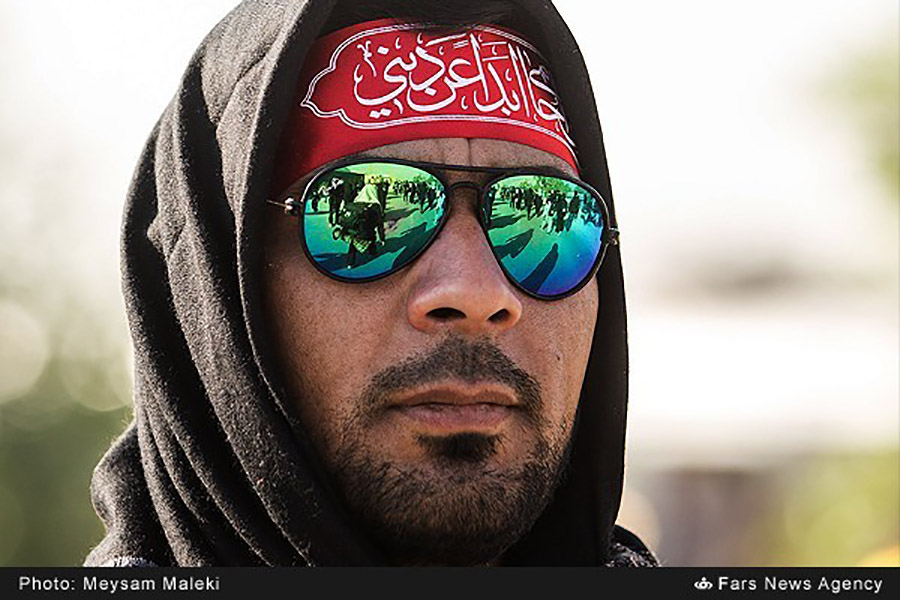
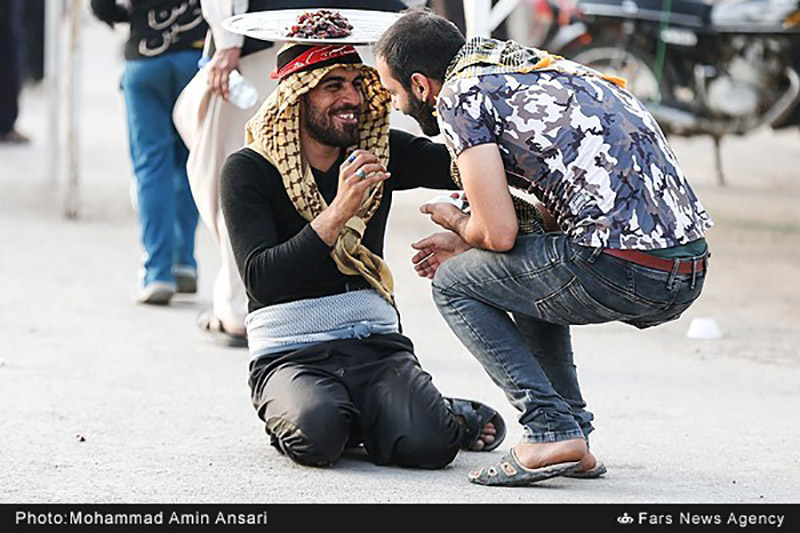
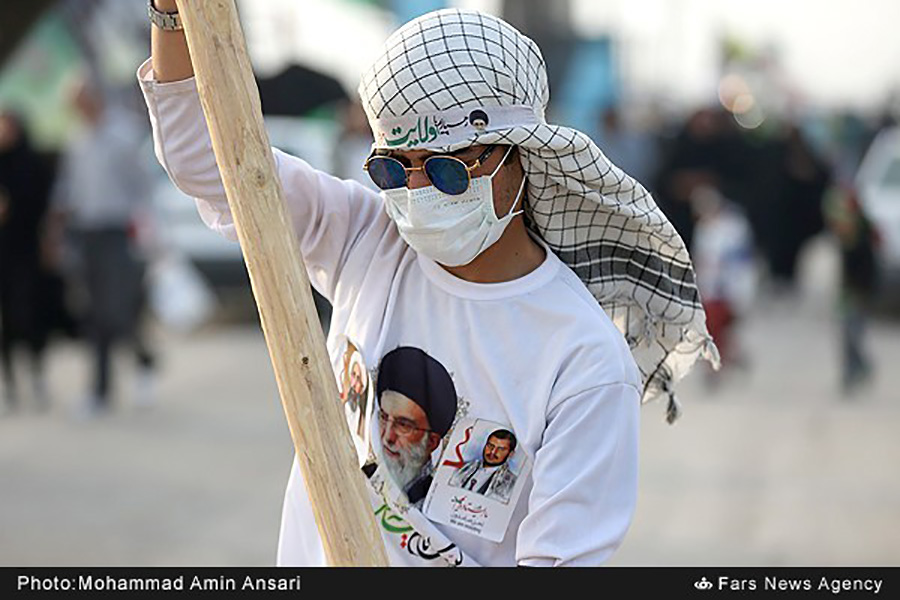
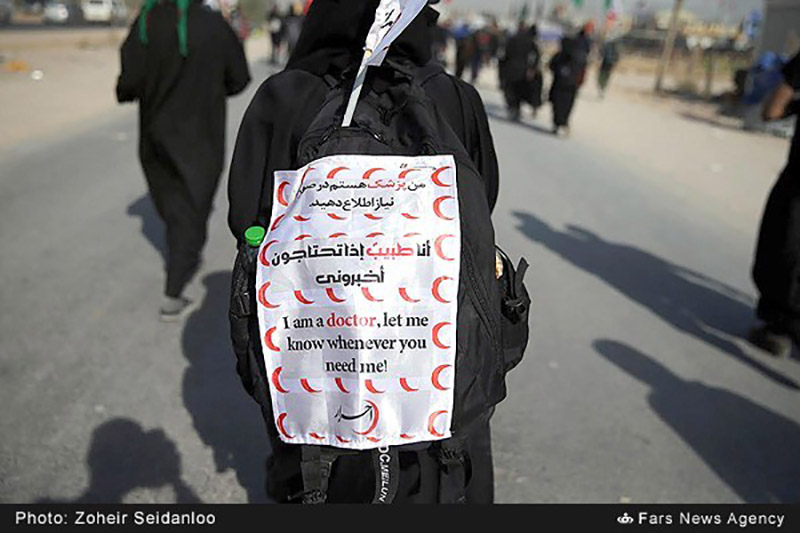
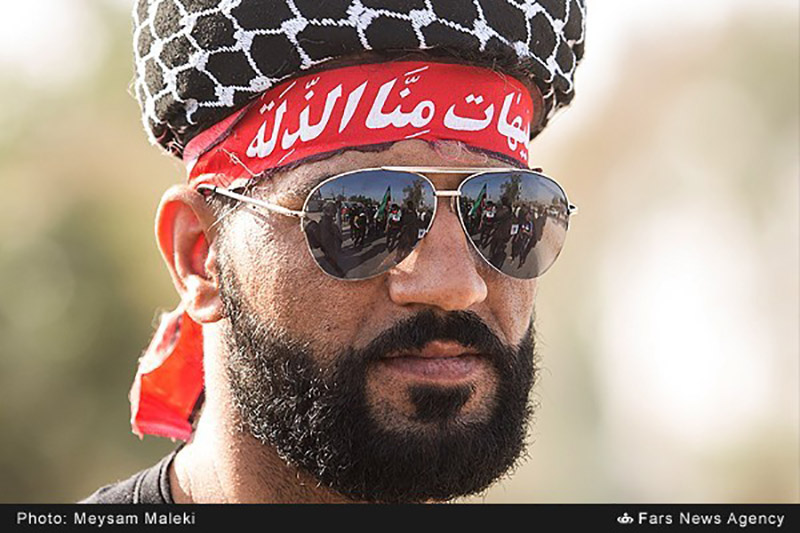
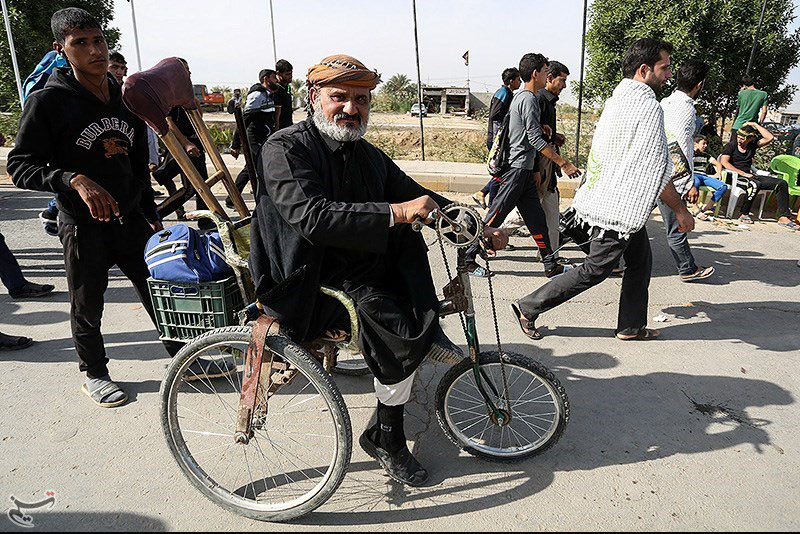
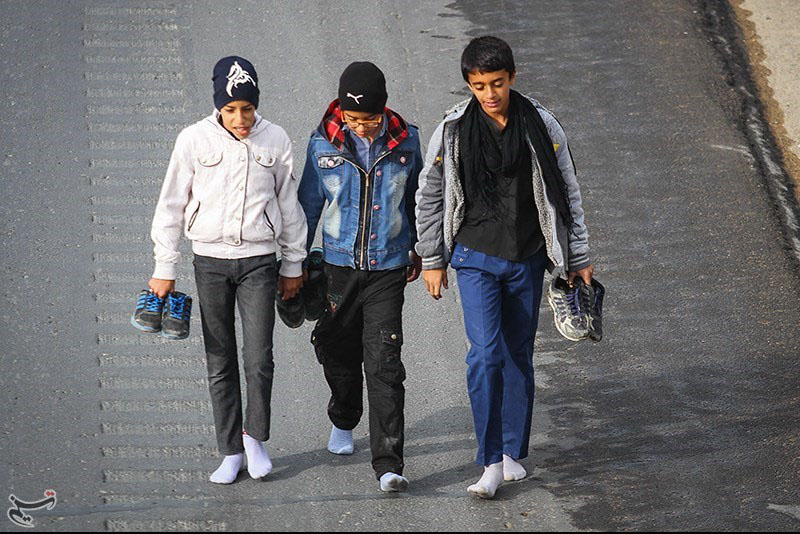
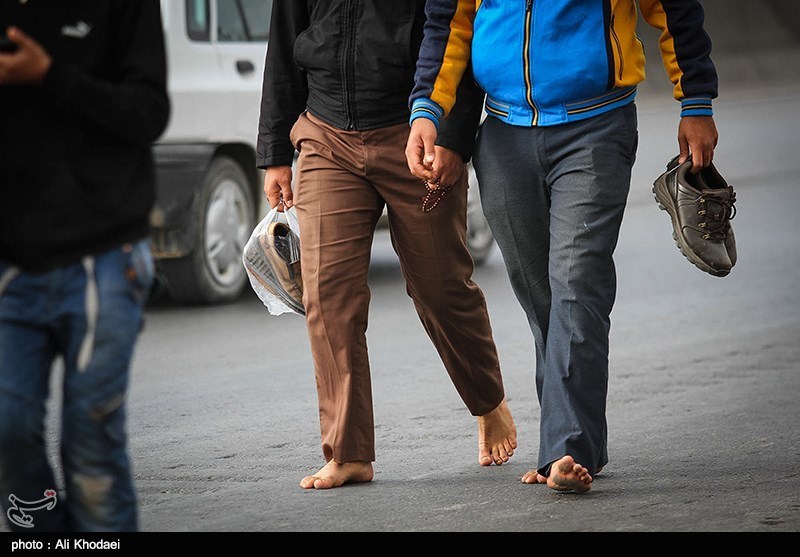
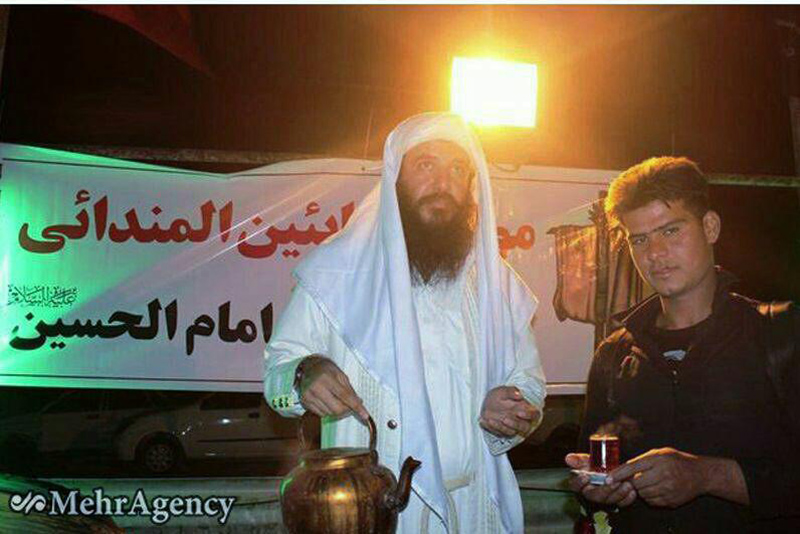
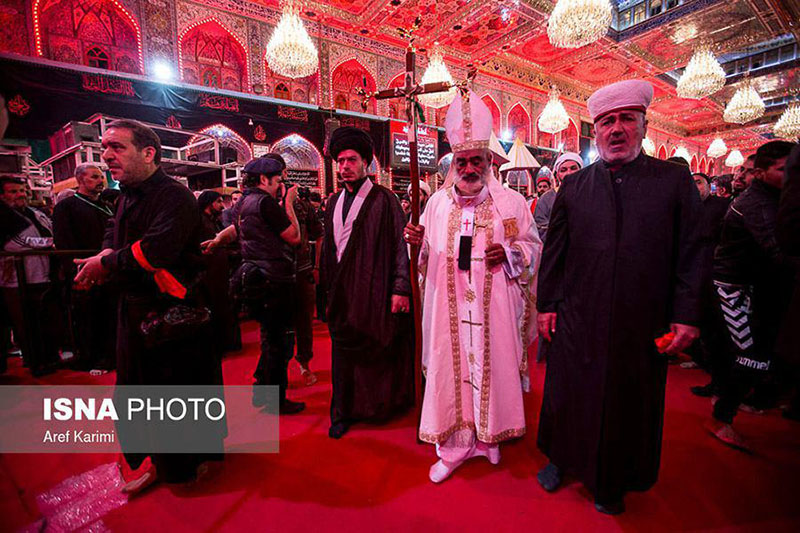
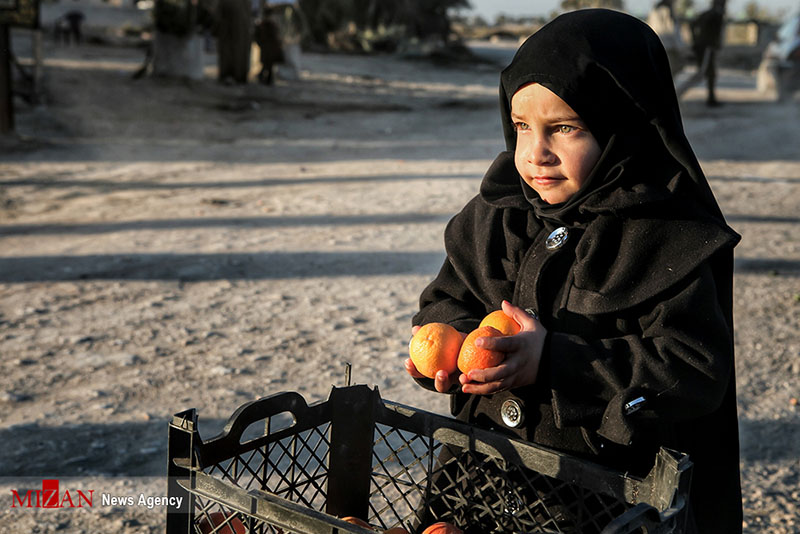
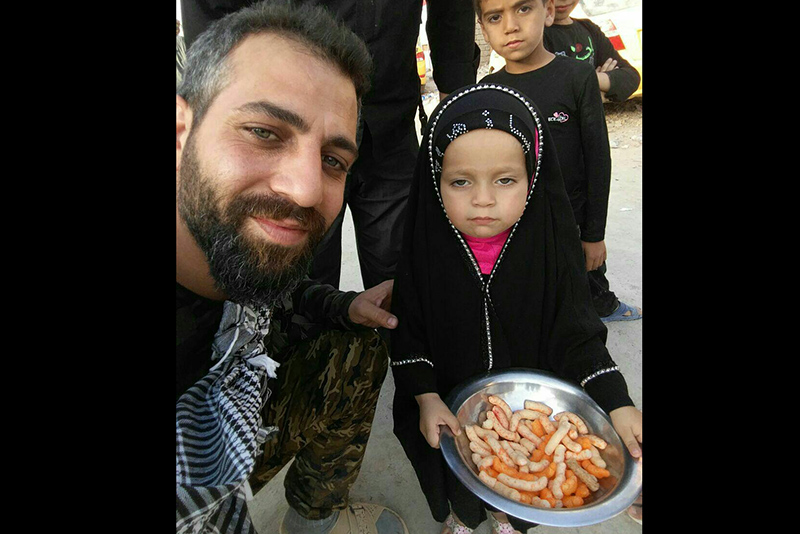
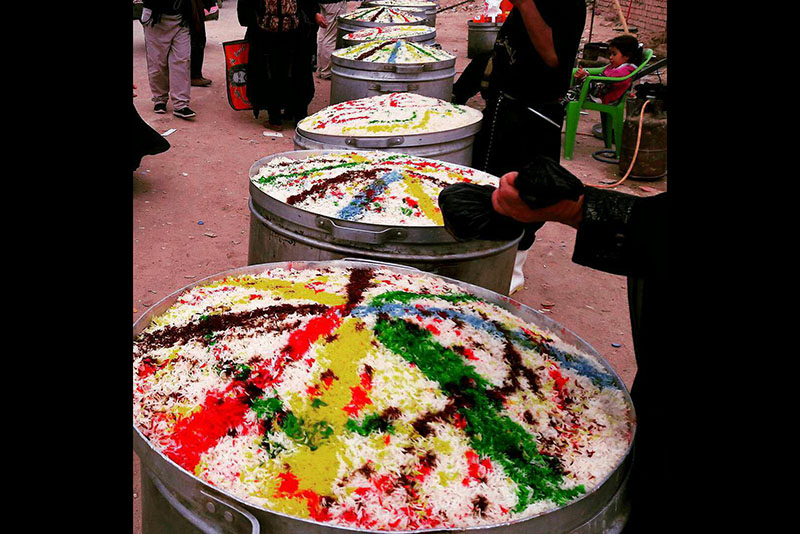
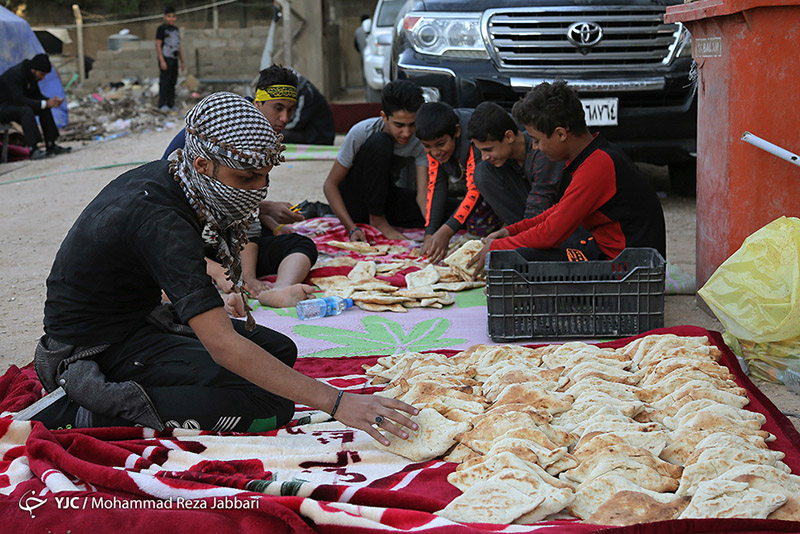
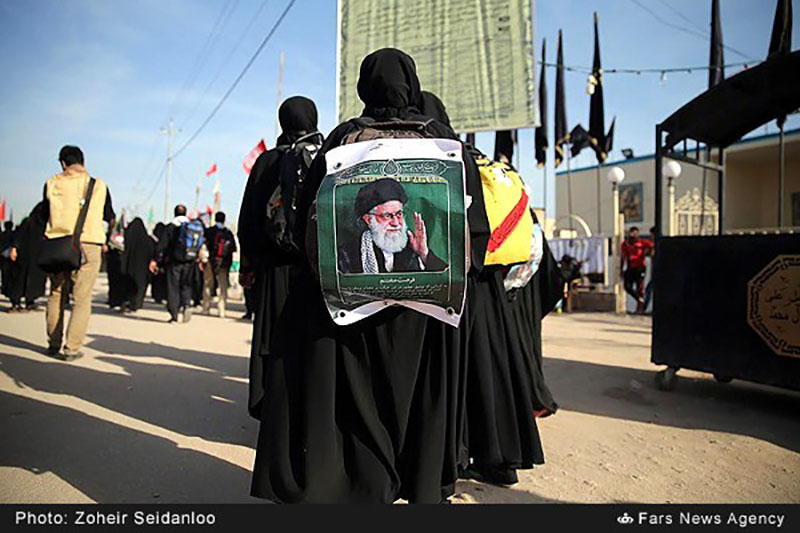
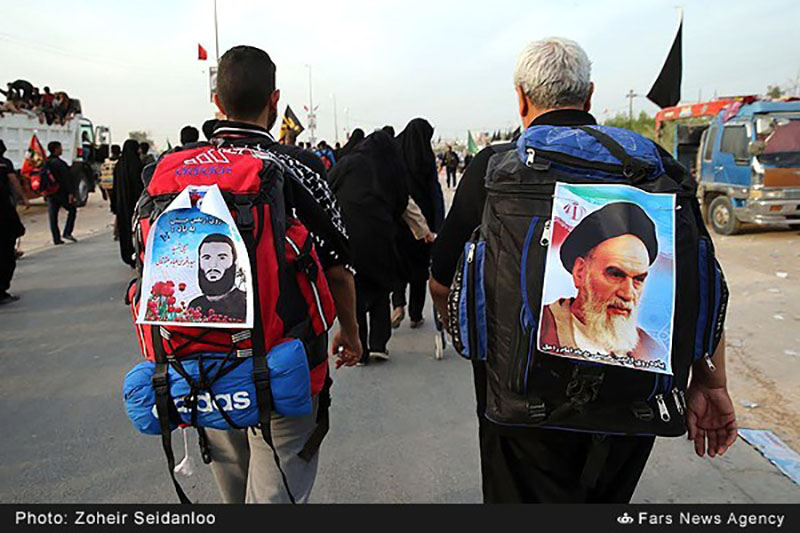
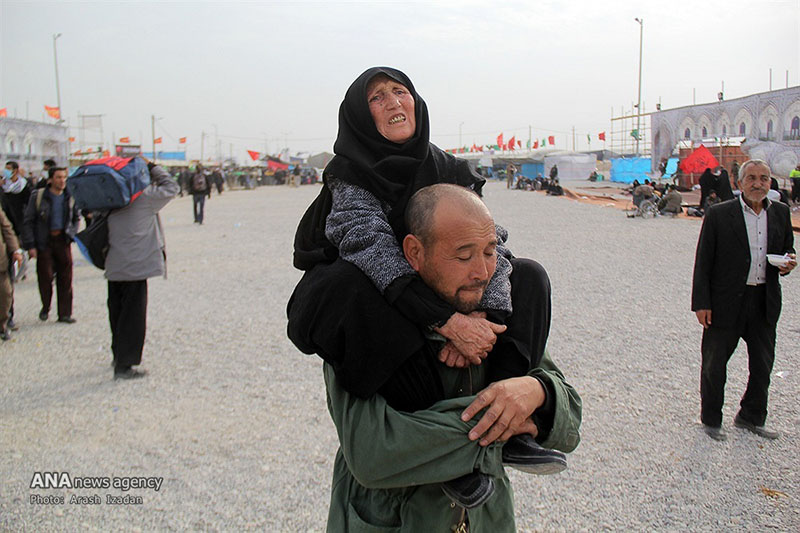
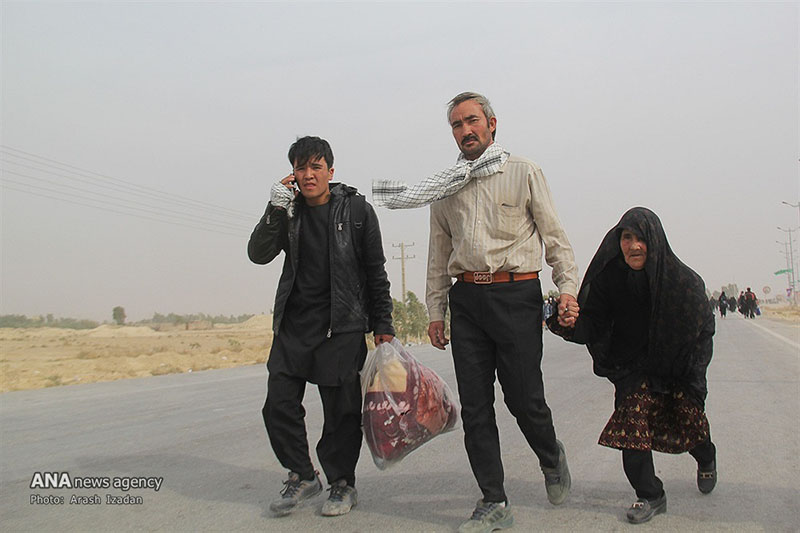
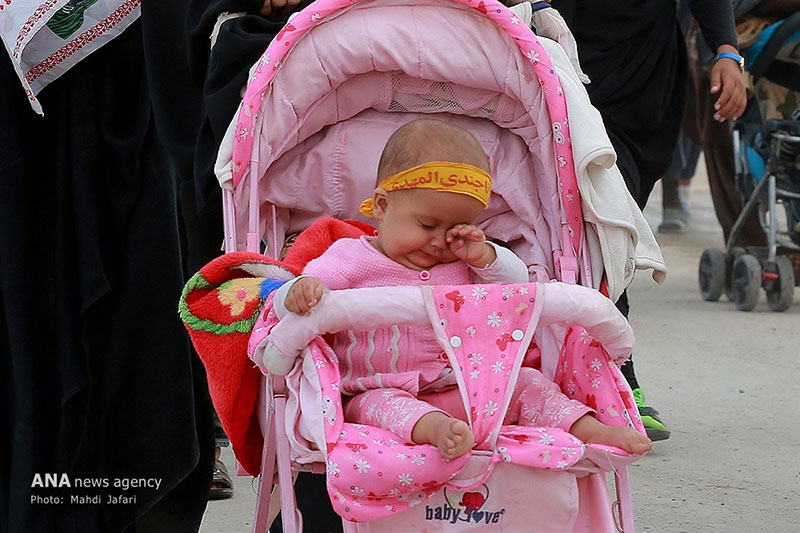
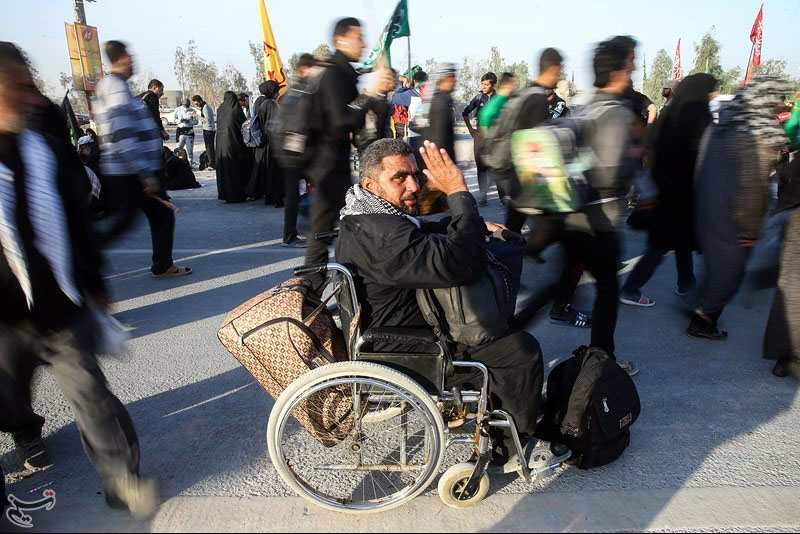
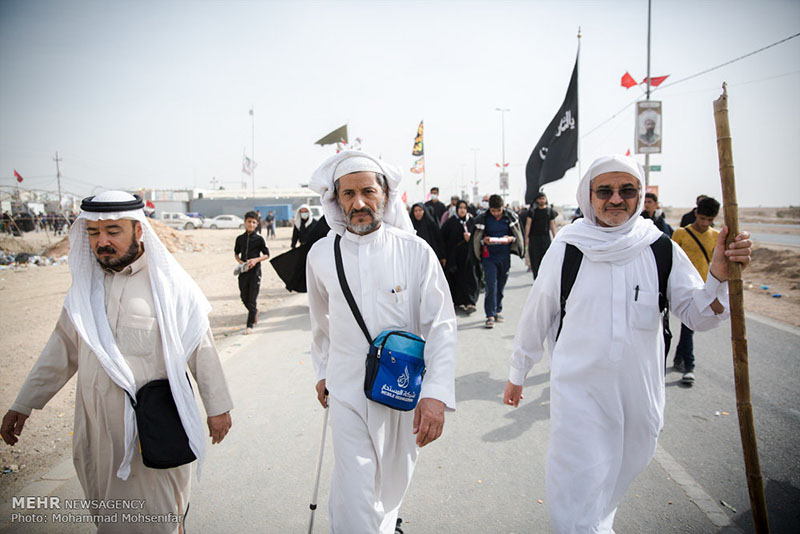
IFP has selected 100 photos of this year’s Arbaeen mourning ceremony, which is one of the largest religious gatherings in the world.

Here are the photos selected from various news agencies:


Iran Willing to Mend Ties with Egypt: Spokesman

Speaking at a weekly press conference in Tehran on Monday, Foreign Ministry Spokesman Bahram Qassemi hailed Egypt as a leading country in the Islamic world, saying Iran favors brotherly ties among all Muslim nations.

“We have always been willing to have relations with Egypt and its people under better conditions and be able to tap into the two countries’ potential,” he added.

Pointing to Tehran and Cairo’s “common stances” on certain regional issues, the spokesman underlined that the two sides will need to resolve differences on some bilateral issues before a thaw in relations.

Qassemi further took a swipe at Saudi Arabia for intensifying anti-Iran measures in the Organization of Islamic Cooperation (OIC) in recent weeks, saying such hostile moves derive from the Riyadh regime’s internal and foreign problems.

“We have good relations with Arab and regional countries, and they tell us in the contacts (with us) that they are under fierce pressure from Saudi Arabia (to adopt anti-Iran stances),” he said.

A country like Saudi Arabia that is the “creator, source and exporter of terrorism” is not expected to adopt a rational approach at present, when the kingdom is mired in crises and has failed to achieve anything in its costly war against Yemen, Qassemi deplored.

Since March 2015, Saudi Arabia and some of its Arab allies have been launching deadly airstrikes against the Houthi Ansarullah movement in an attempt to restore power to the fugitive former President Abd Rabbuh Mansour Hadi, a close ally of Riyadh.

According to the UN, over 10,000 Yemenis, including 4,000 women and children, have lost their lives in the military campaign.

Global Campaign Introducing Imam Hussein to the World

2268574-1

According to a report by Mehr, as translated by IFP, Imam Hussain, the grandson of Prophet Muhammad (PBUH) is not only an important religious figure for Shiite Muslims, he is also a unique personality in human history. About 1,400 years after his martyrdom, millions of people are mourning on Arba’een, the fortieth day after the Day of Ashura – his martyrdom anniversary – to recount his story and to value “freedom” and “justice”. However, there are still people who don`t know Imam Hussain; and maybe the ISIS` barbarism has shaped the picture of Islam for them.

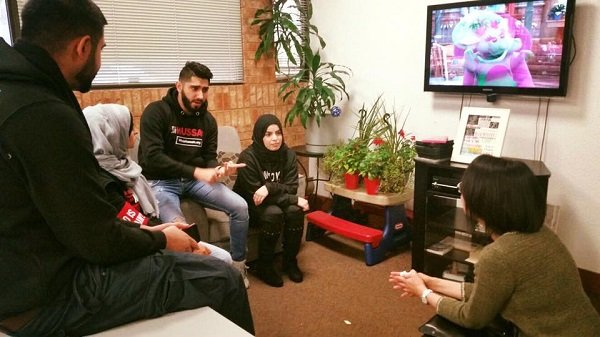
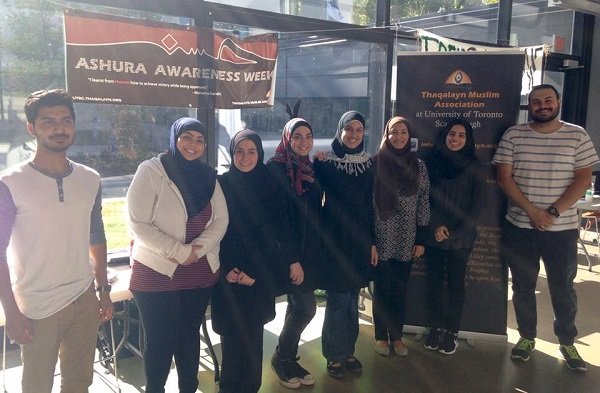
It has been a few years that “Who is Hussain” campaign is introducing Imam Hussain to the world and talking about social justice. Mehr has interviewed the campaign’s members in Toronto, Canada, to hear about their experiences this year.

Christian and Hindu volunteers

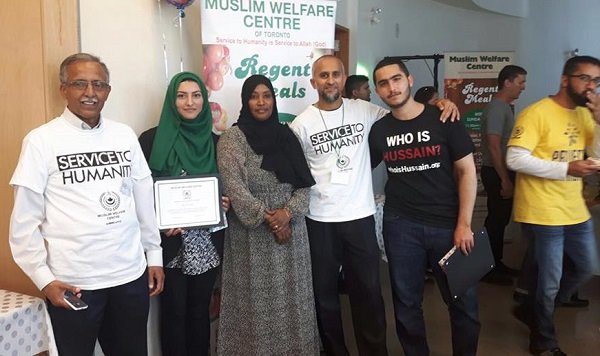
The campaign was set up by young people living in London in 2012. Now you can meet the members in the US, France, India, Germany, Norway, Australia, etc. Not all of them are Muslims: “We have volunteers from different Islamic sects, as well as Christians and Hindus, and we work closely with Syrian refugees in Canada; among them are Muslims, Christians and Yazidis.”

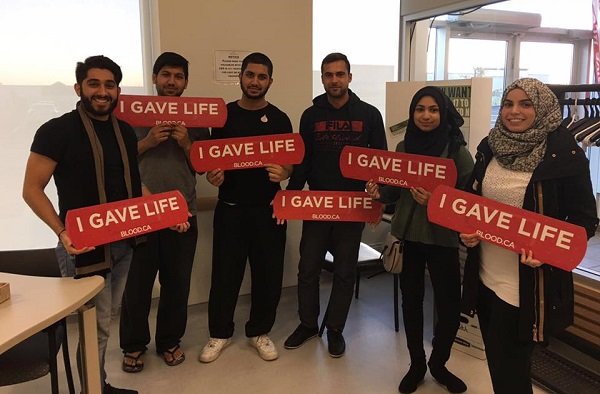
This movement endeavours to present Imam Hussain`s personality through charitable and peaceful activities. So far in this campaign, members have distributed food among the poor, donated blood, and helped the victims of wars and disasters, all to introduce Imam Hussain and the philosophy of Ashura.

Global Campaign Introducing Imam Hussein to the World

We find the ones who never heard about Imam Hussain

“When we talk about Imam Hussain, people are wondered and like to know more; we generally choose non-Muslim people, the ones who never heard about Imam Hussain before,” says Emtiaz Karamali, the group`s leader in Toronto.

Global Campaign Introducing Imam Hussein to the World

Introducing Imam Hussain as a social reformist

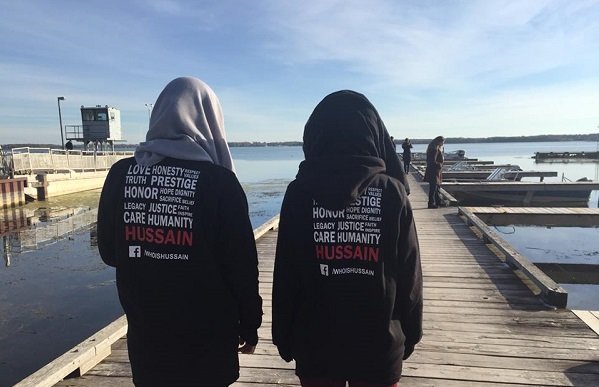
“Who is Hussain” campaign is active throughout the year and not only in the days when people mourn for Imam Hussain. The members affirm that they have no intention to change people`s religions; they are in search for the alien concept of “social justice” in today`s world, and they present Imam Hussain as their representative.

“After introducing Imam Hussain as a social reformist, we talk about his sacrifice and resistance for the sake of honour, equality and justice, and his lesson that teaches us it is better to die with honour rather than to live in humiliation,” says a member about their way of communication with people.

Global Campaign Introducing Imam Hussein to the World

They are fascinated when they learn about 20 million people in Arba’een pilgrimage

The Ashura uprising took place 14 centuries ago; however, it is an eternal and universal story that still attracts people after all these years.

“Various parts of the story can be interesting to our audience. For example, the fact that Imam Hussain resisted the oppression with an army of just 72 people, consisting young and old, Arab and Persian people. In our days when various cases of social injustice, inequality, racism and religious discrimination are rampant, our audience is fascinated by the story of a man who strongly resisted  the injustice of the Arab society 1,400 years ago,” campaign members in Toronto said.

Global Campaign Introducing Imam Hussein to the World

We began with lighting candles for victims

In Canada, the campaign started its activities with lighting candles for victims of Baghdad 2016 explosion in [Islamic month of] Ramadan. Because of that, a meeting was held with 3,000 people in attendance. Mainstream news channels highlighted the event, and this contributed to “Who Is Hussain” campaign’s other activities in North America.

Global Campaign Introducing Imam Hussein to the World

A Sunni Muslim thought Shiites worship Imam Hussain

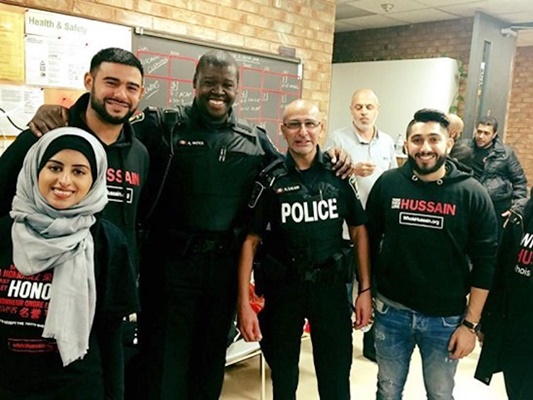
“Some weeks ago, we participated in a police workshop for Syrian refugees to talk about our campaign… we discussed it with two policemen who wanted to know more about Imam Hussain. One of them was a Sunni Muslim, and the other, a Christian black man. The first told us that he thought we, the Shiites, worshipped Imam Hussain. We made it clear to him that we respected Imam Hussain but only worship God. After that, he gave us his contact information and asked us to give him more information.

The second policeman was black. Not only was he impressed by the story of Imam Hussain, but he also wanted to know more about Islam because he believed that this religion was like Christianity in many regards, that the message of Imam Hussain was for all people around the world and everyone should know him,” the members added.

Oil-Rich Kuwait and UAE Start Importing US Shale Gas

1395013111280591584023

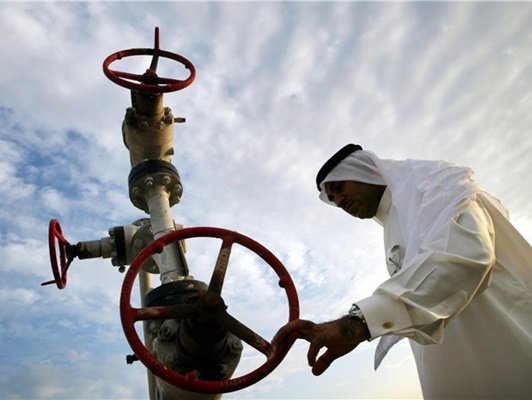
According to a report covered by IRNA, two cargoes of US shale gas liquefied at Cheniere Energy’s Sabine Pass terminal in Louisiana were exported to Kuwait. A third went to the United Arab Emirates. Jordan imported two more.

Kuwait and the UAE are two of the most petroleum-rich countries on earth, with a combined 12% of global oil and 4% of global gas reserves.

The usual narrative suggests that America is dependent on the Middle East for energy, not the other way around. President-elect Trump is even suggesting Washington will reduce its dependence by halting imports from Saudi Arabia.

Why would Kuwait and UAE need American gas? They sit in a region that holds more than 40% of global gas. Iran alone owns 18% of known reserves. Qatar has 13%.

And, just 90 miles from Kuwait City, Iraq flares off 700 million cubic feet per day of asso1ciated gas from its southern oilfields. Estimates put the value of the wasted gas at $1.8 billion per year.

Even though Kuwait and the UAE each hold more than 100 years of gas reserves at current rates of production, they are genuinely short on natural gas.

The root cause is government subsidies that fix domestic natural gas prices at very low levels – less than $2 per million BTUs. At those prices, demand for gas is rampant. So is demand for electricity, which is also subsidized.

But with prices fixed at a dollar or two, nobody wants to invest in natural gas production. There is no money in it, as reported by Forbes.

Kuwait and the UAE have also been frustrated in their attempts to import gas from their neighbors. Some of this is politics. Neither country has good relations with Iran. A gas pipeline crossing Persian Gulf from Iran to the UAE sits unused because the two countries cannot agree on a price.

Kuwait and Iraq are not on speaking terms. And Kuwait’s attempt to import gas from Qatar has been blocked by Saudi Arabia, which refused permission for a pipeline to cross its territorial waters.

Poland Seeking Sister City Pact between Krakow, Iran’s Isfahan

139509011626444419273424

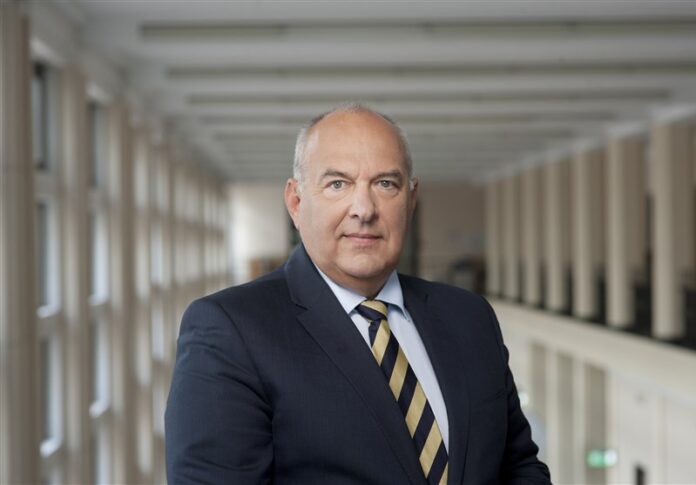
Speaking in a meeting with the representative of Iran-Poland Friendship Association in Isfahan, Tadeusz Koscinski said he will raise and support the issue of signing a sister city pact between Isfahan and Krakow in his upcoming meetings with Krakow’s authorities, who are willing to ink the deal.

Poland’s economic development ministry is seeking to establish a business development office in Iran, he further said.

In a meeting in Warsaw back in May, Iranian Foreign Minister Mohammad Javad Zarif and Polish Prime Minister Beata Szydlo weighed plans to build up a strong economic partnership between Tehran and Warsaw and immediately implement the trade deals the two countries have already signed.

Zarif paid a visit to Poland as part of a European tour, which took him also to Finland, Sweden, and Latvia.

A Look at Iranian Newspaper Front Pages on November 21

Newspapers today covered the huge Arbaeen processions where 20 millions of pilgrims flocked to the Iraqi holy city of Karbala to mark the fortieth day after Imam Hussein’s martyrdom.

They also covered the appointment of two new army commanders by the Leader of the Islamic Revolution Ayatollah Seyyed Ali Khamenei. The Leader gave Brigadier General Ahmad Reza Pourdastan the job of Army second-in-command, and also appointed Brigadier General Kiomars Heidari as commander of the Army Ground Force.

Another top story was the cancellation of Iranian Parliament Vice-Speaker Ali Motahari’s scheduled speech in northeastern city of Mashhad, and the criticisms raised against Interior Minister.

The above issues, as well as many more, are highlighted in the following headlines:

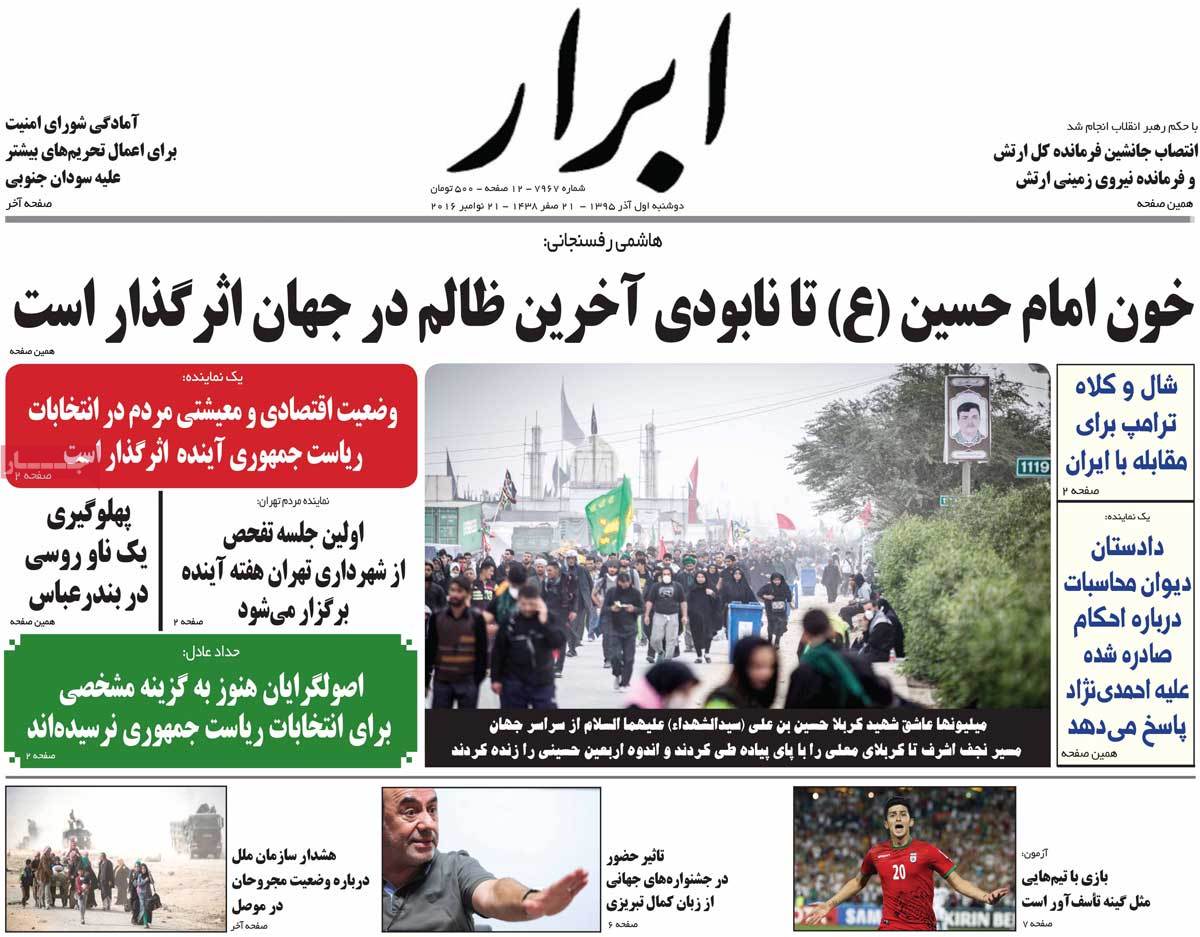
Abrar:

1- MP: People’s Economic and Living Conditions Influential in Next Year’s Presidential Elections

2- Russian Warship Docks at Iran’s Bandar Abbas

3- Senior Conservative Haddad Adel: Conservatives Have Yet to Choose a Candidate for Presidential Votes

4- Trump Starts Countering Iran

5- UNSC Ready to Impose Further Sanctions on South Sudan
A Look at Iranian Newspaper Front Pages on November 21


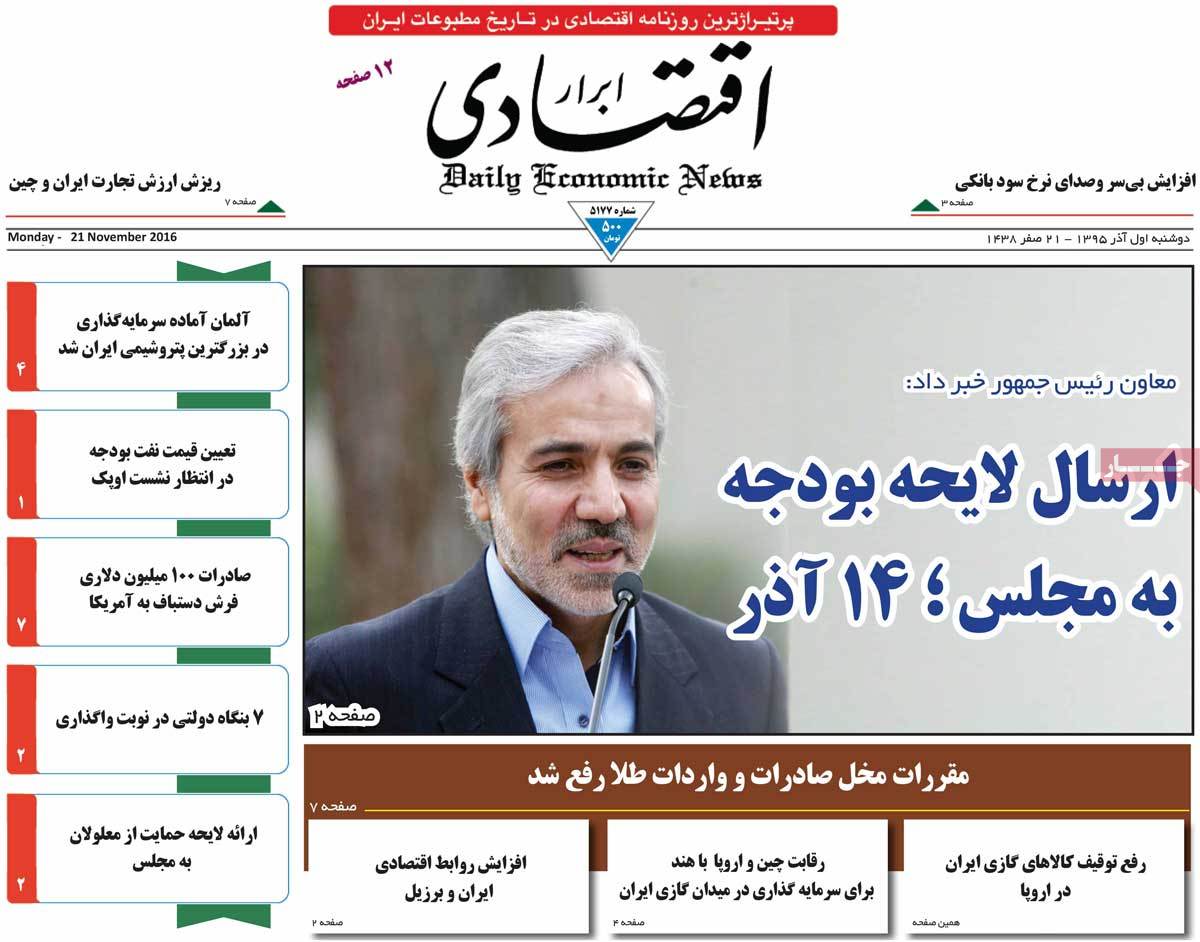
Abrar-e Eqtesadi:

1- Iran-China Trade Value Has Decreased

2- Germany Ready to Make Investment in Iran’s Biggest Petchem Complex

3- Iran Exports $100m Hand-Woven Carpets

4- Increase in Iran-Brazil Economic Ties

5- China and Europe Competing with India for Making Investment in Iranian Gas Field

6- Release of Iran’s Gas Products Frozen in Europe
A Look at Iranian Newspaper Front Pages on November 21


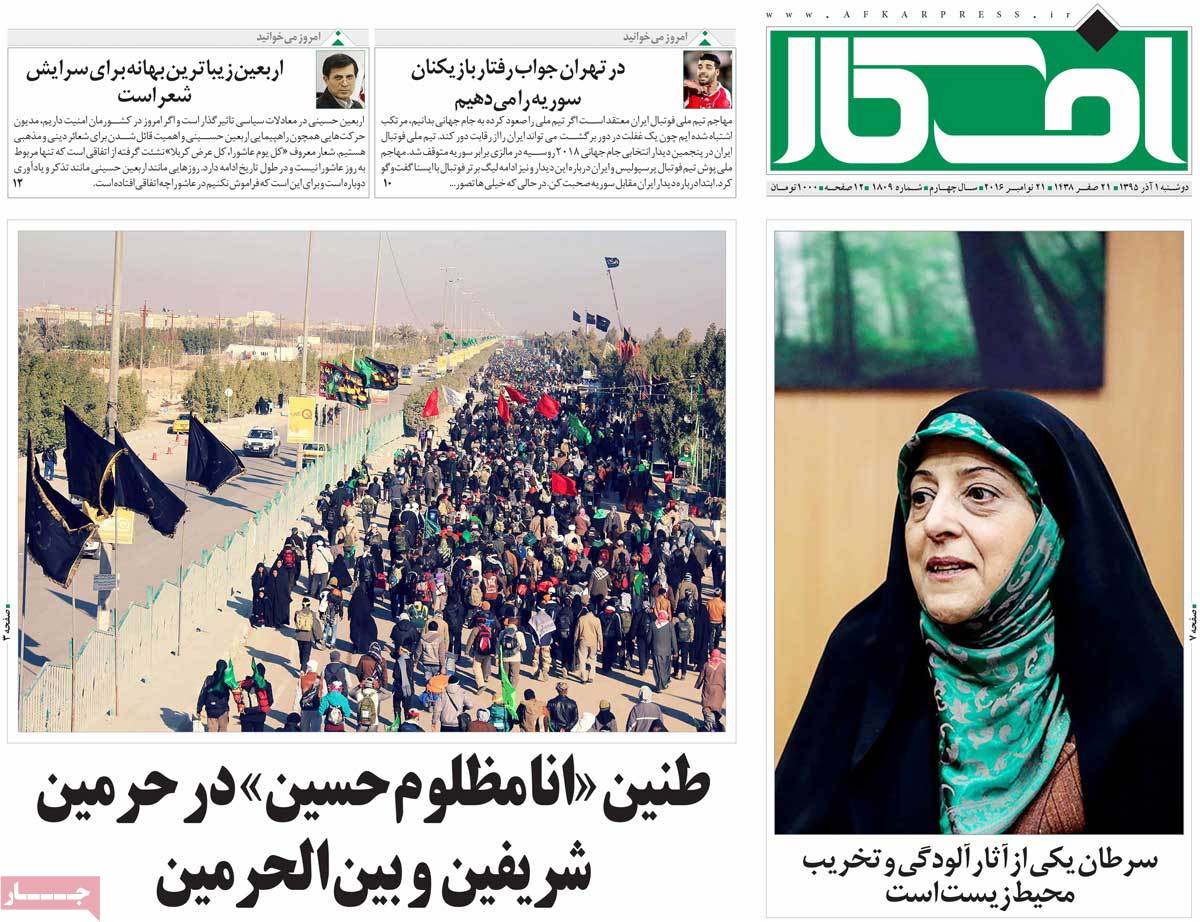
Afkar:

1- Environment Chief: Cancer Is One of the Consequences of Pollution and Environmental Degradation
A Look at Iranian Newspaper Front Pages on November 21


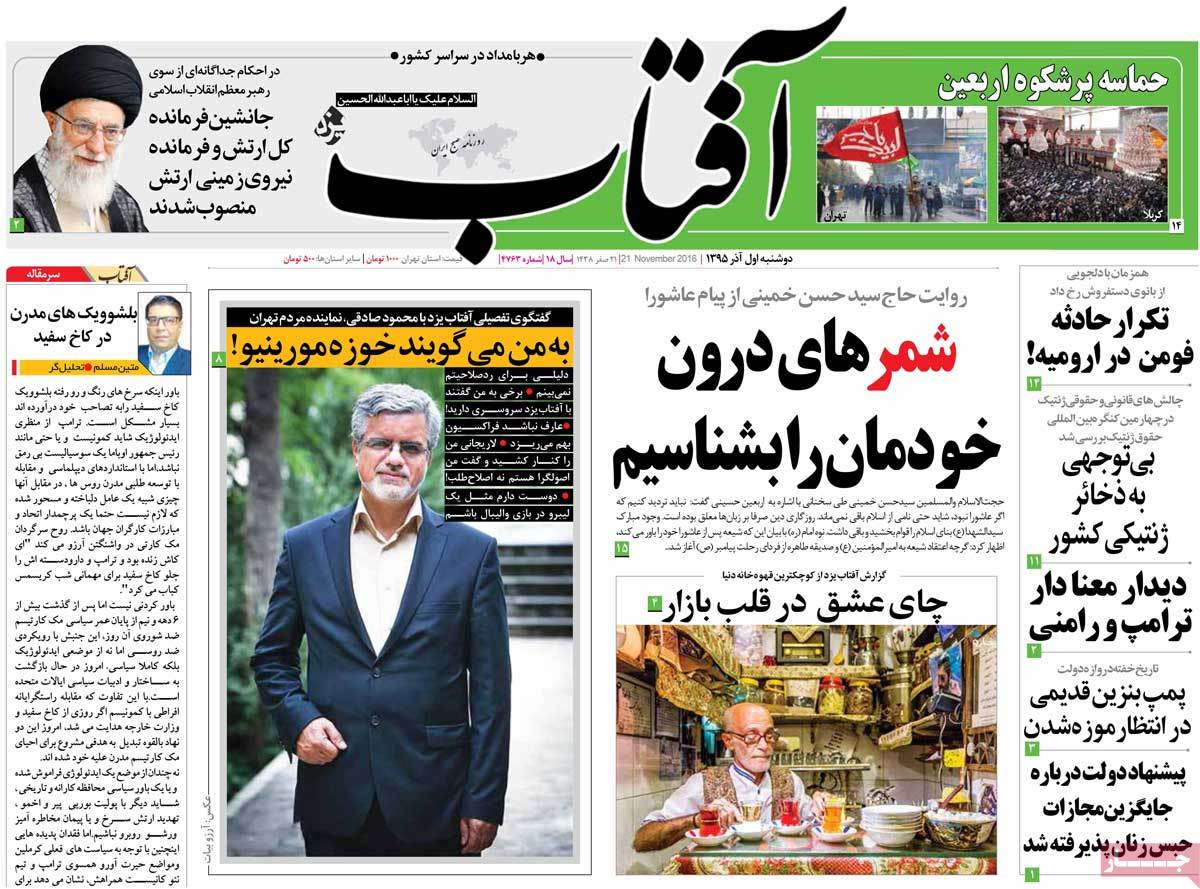
Aftab-e Yazd:

1- In Separate Decrees, Leader Appoints New Second-in-Command of Iran’s Army and Commander of Army Ground Force

2- Modern Bolsheviks of White House [Editorial]

3- Meaningful Meeting between Trump and Romney

4- Government’s Offer for an Alternative Punishment to Women’s Imprisonment Accepted
A Look at Iranian Newspaper Front Pages on November 21


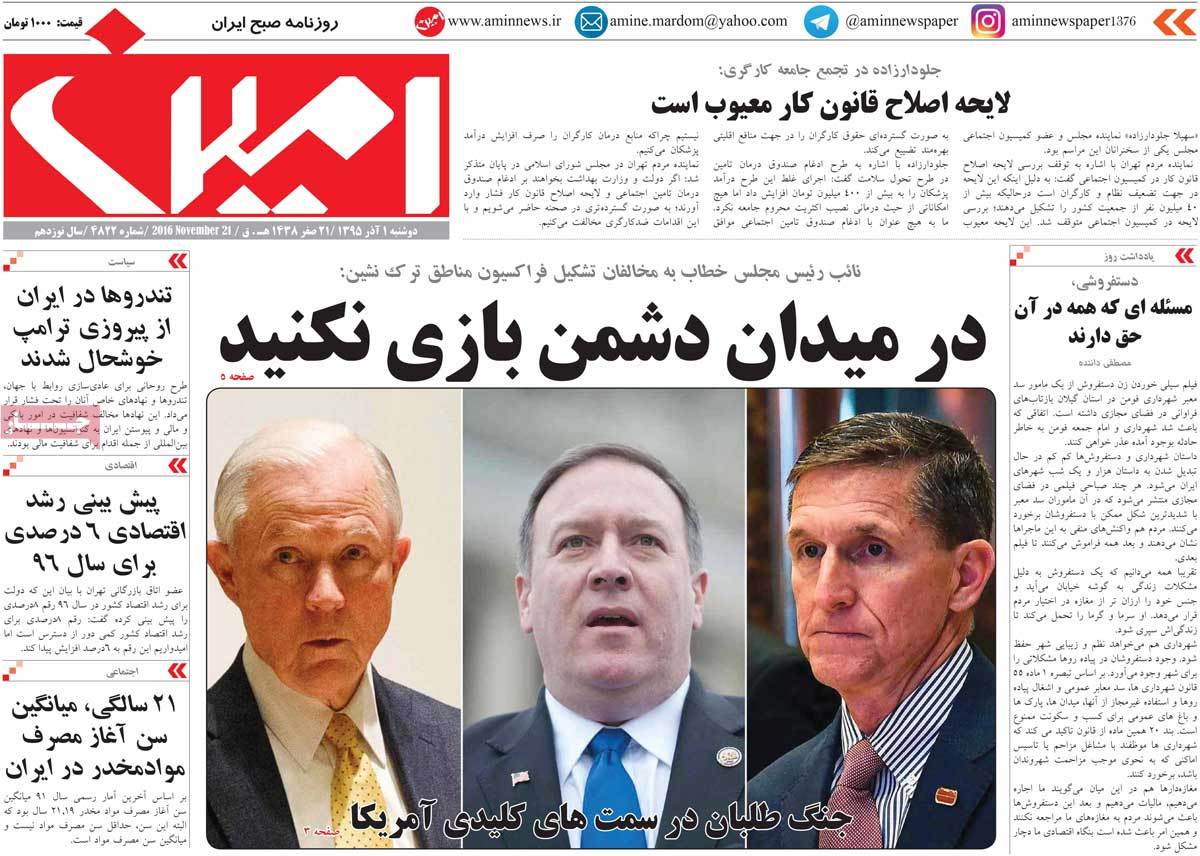
Amin:

1- Don’t Play in the Enemy’s Side: Parliament’s Vice-Speaker to Those Who Are Opposed with Formation of a Faction in the Parliament for Turkish-Majority Areas

2- Warmongers in Key US Posts
A Look at Iranian Newspaper Front Pages on November 21


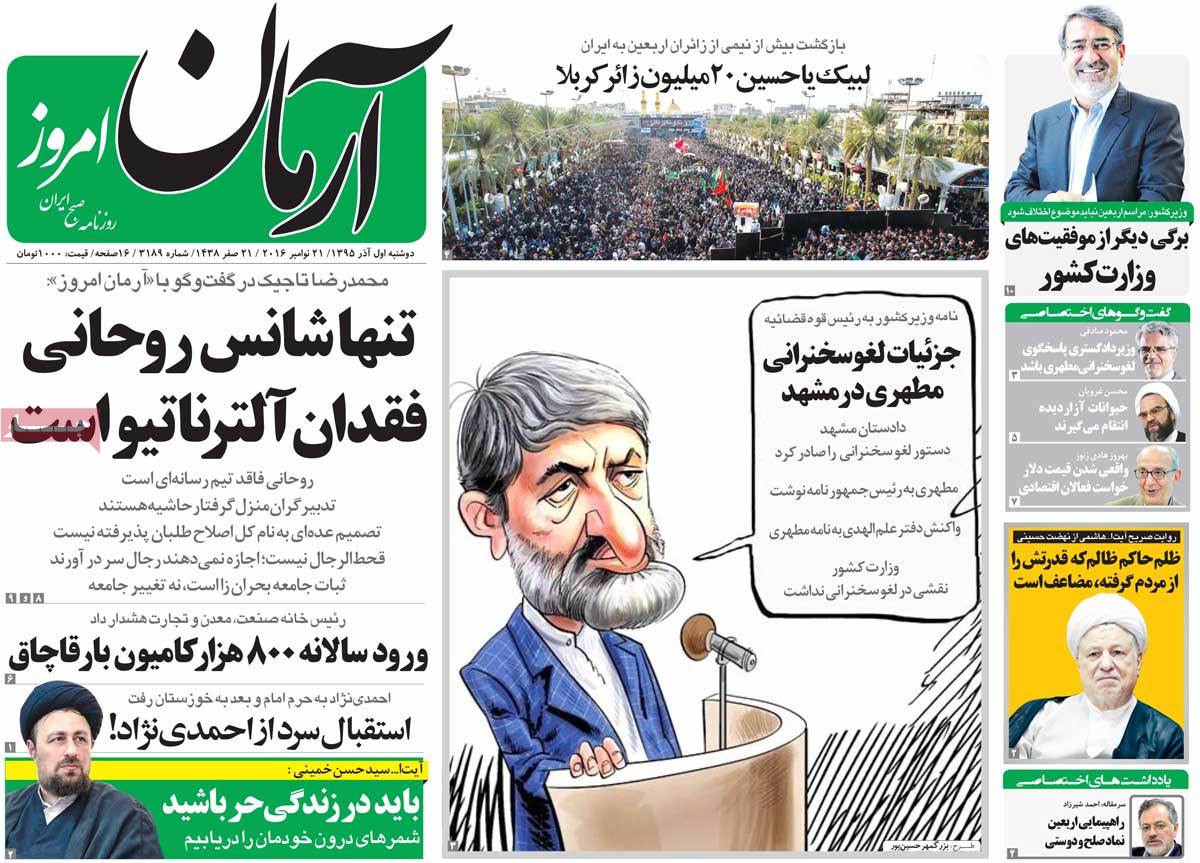
Arman-e Emrooz:

1- A Lack of Alternative Is the Only Chance of Rouhani: Analyst

2- Cleric: Tortured Animals Will Take Revenge
A Look at Iranian Newspaper Front Pages on November 21


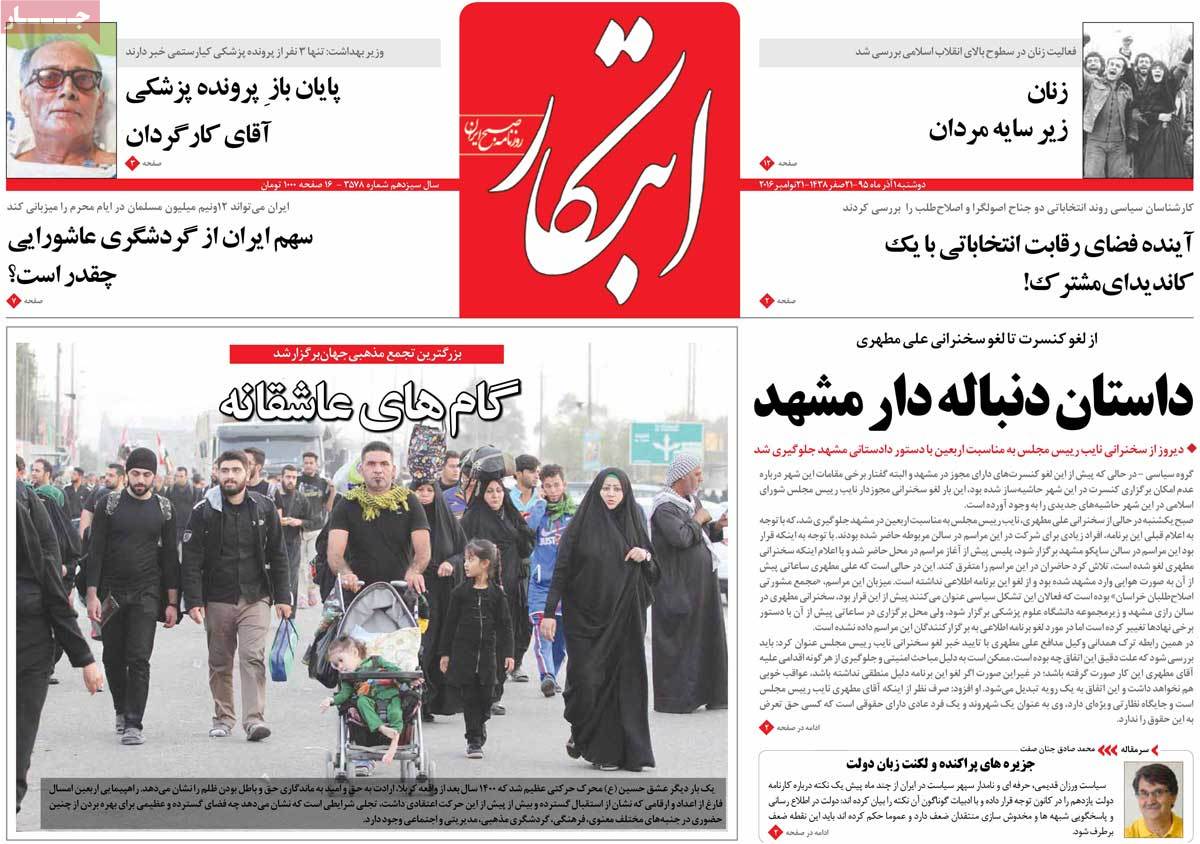
Ebtekar:

1- Future of Election with a Common Candidate! Experts Discuss the Current Atmosphere in Reformists’ and Conservatives’ Camps
A Look at Iranian Newspaper Front Pages on November 21


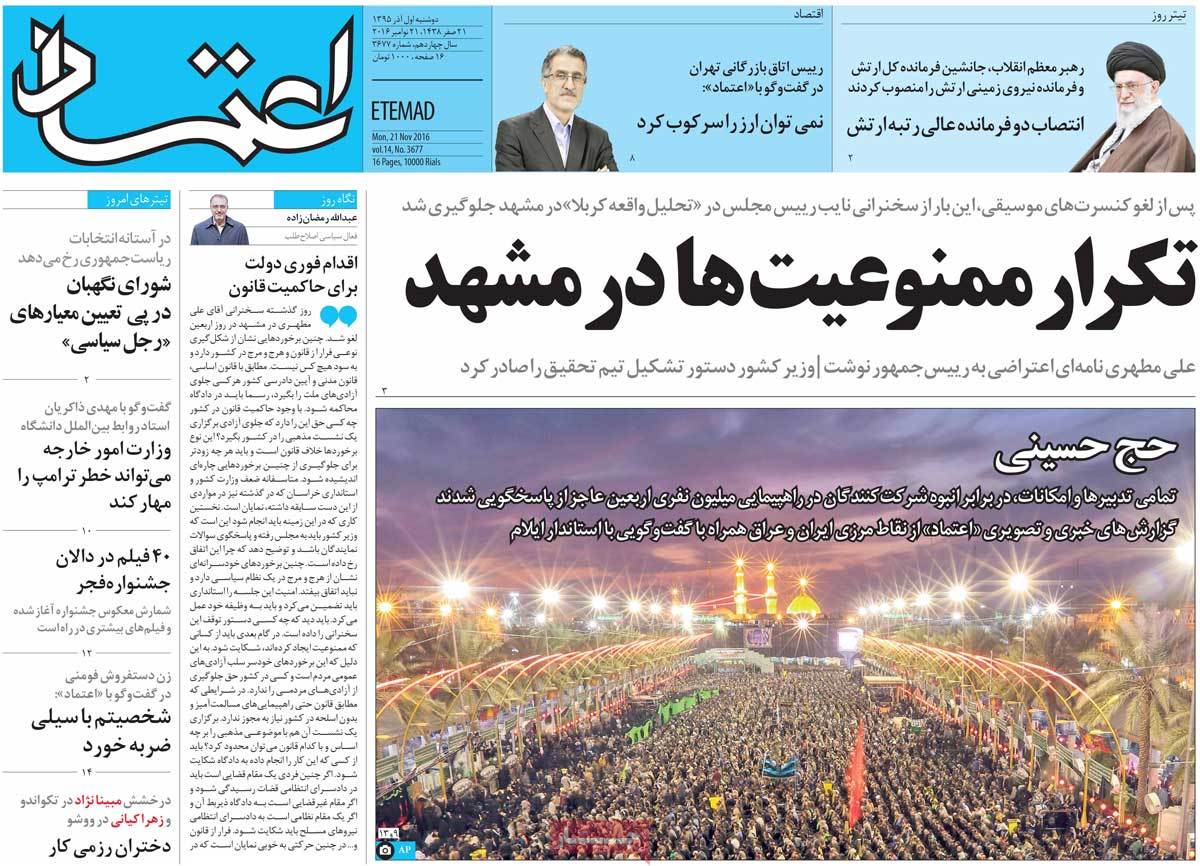
Etemad:

1- Ahead of Iran’s Presidential Elections: Guardian Council Looking for Clear Definition of ‘Man of Politics’ [whether women will be allowed to run for presidential votes or not]

2- Academic: Iran’s Foreign Ministry Can Control Trump’s Danger

3- Iranian Female Martial Artists: Mobina Nejad in Taekwondo and Zahra Kiani in Wushu Claim Titles
A Look at Iranian Newspaper Front Pages on November 21


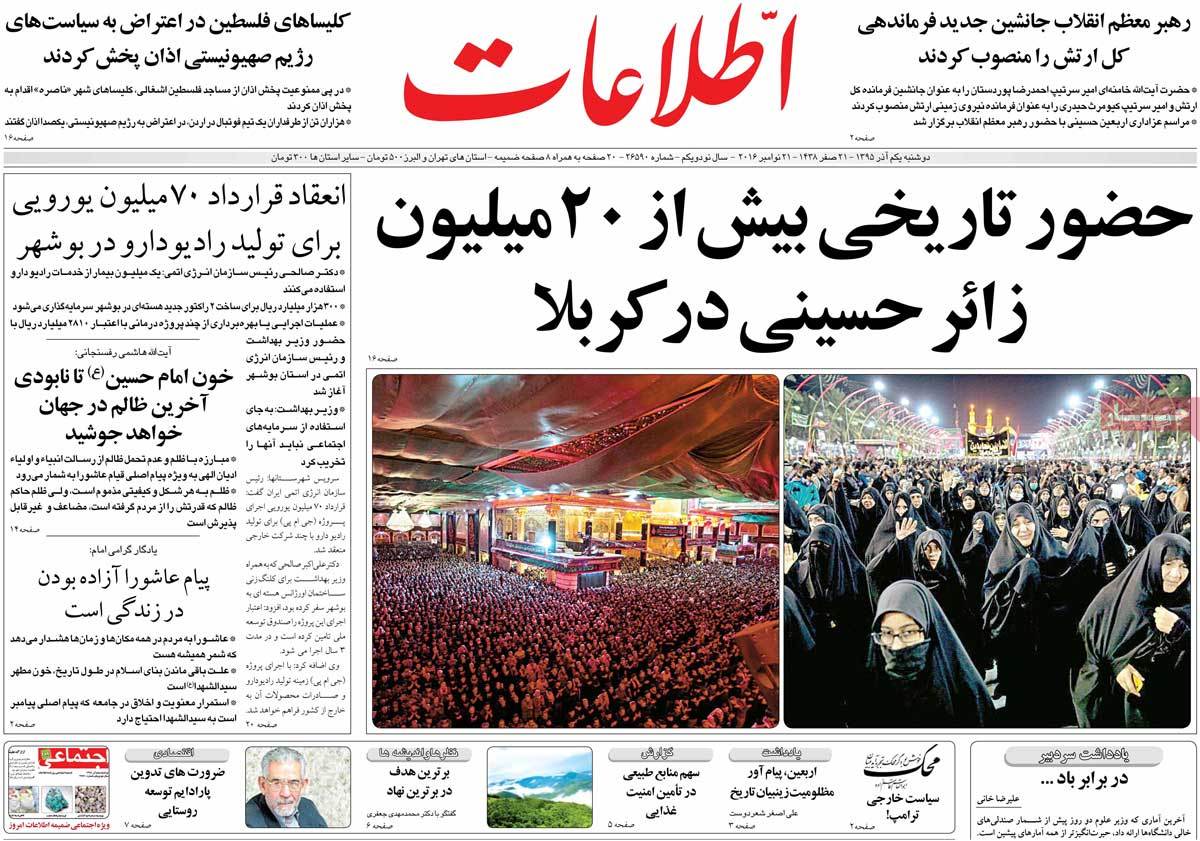
Ettela’at:

1- Historic Attendance of over 20 Million Pilgrims in Karbala on Arbaeen

2- €70m Deal for Production of Nuclear Medicine in Iran’s Bushehr

3- Palestinian Churches Broadcast Islamic Call for Prayers in Protest at Zionist Regime [Israel]’s Policies
A Look at Iranian Newspaper Front Pages on November 21


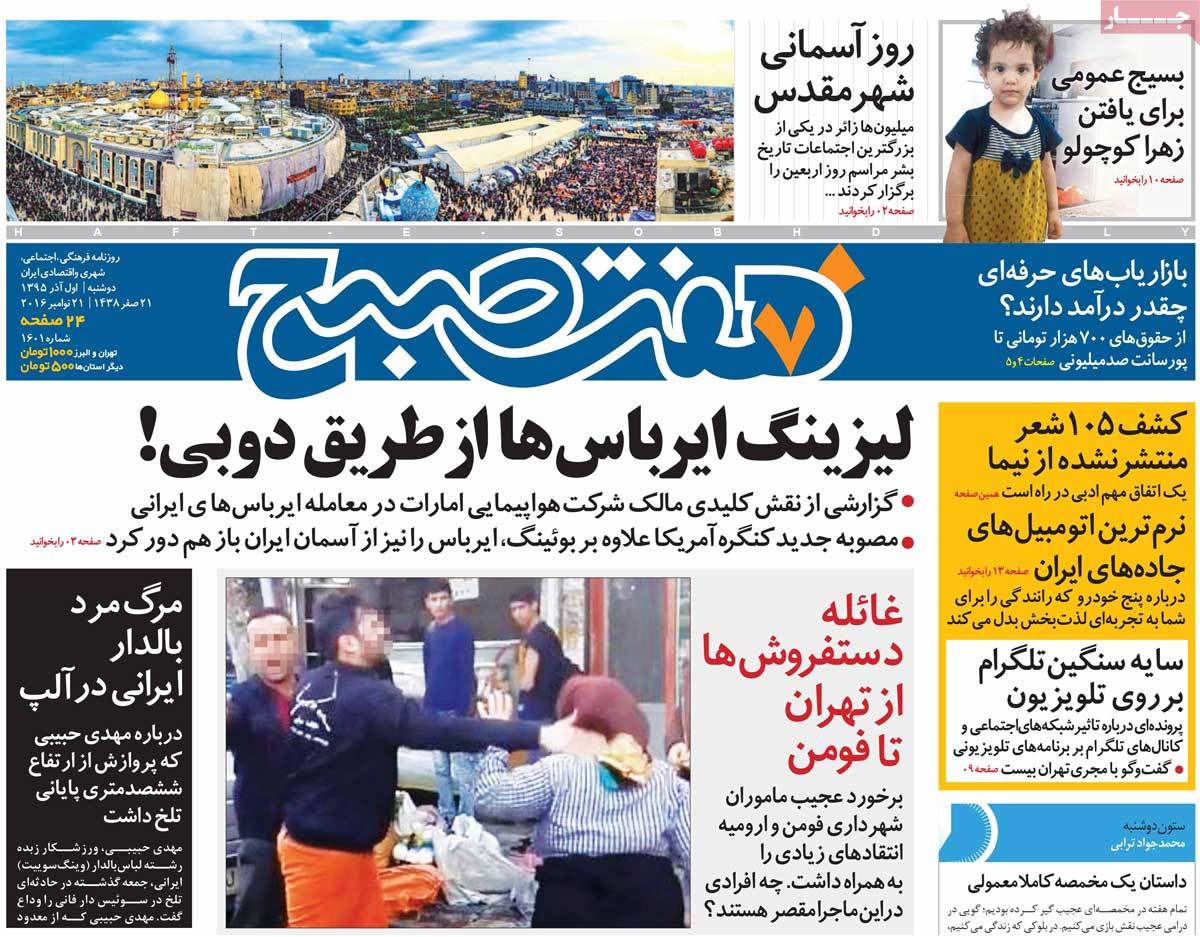
Haft-e Sobh:

1- Death of Iranian Wingsuit Athlete in the Alps: Mahdi Habibi, the Iranian Man Whose 600-Metre Flight Had a Bitter End
A Look at Iranian Newspaper Front Pages on November 21


Iran:

1- Massive Attendance in Arbaeen Processions: Iraqi Officials Say 20 Million Pilgrims Visited the Arab Country

2- Later This Week, First Session to Be Held for Inspection of Tehran Municipality
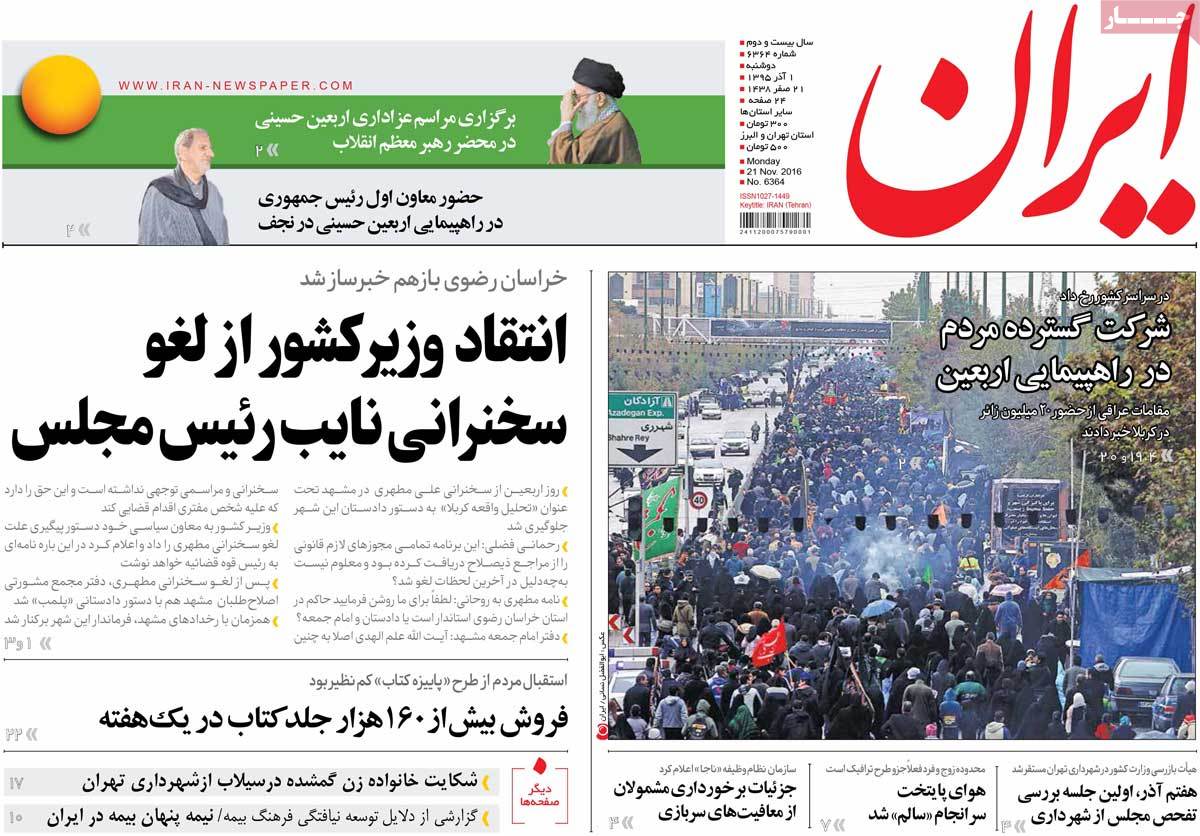
A Look at Iranian Newspaper Front Pages on November 21


Javan:

1- Boeing: Whatever Trump Wants! Airbus: If Iran Pays in Cash, We May Give Them 1 Plane by Year-End

2- Boycott of Arbaeen Pilgrimage: Arab and Western Media Didn’t See 20 Million Pilgrims
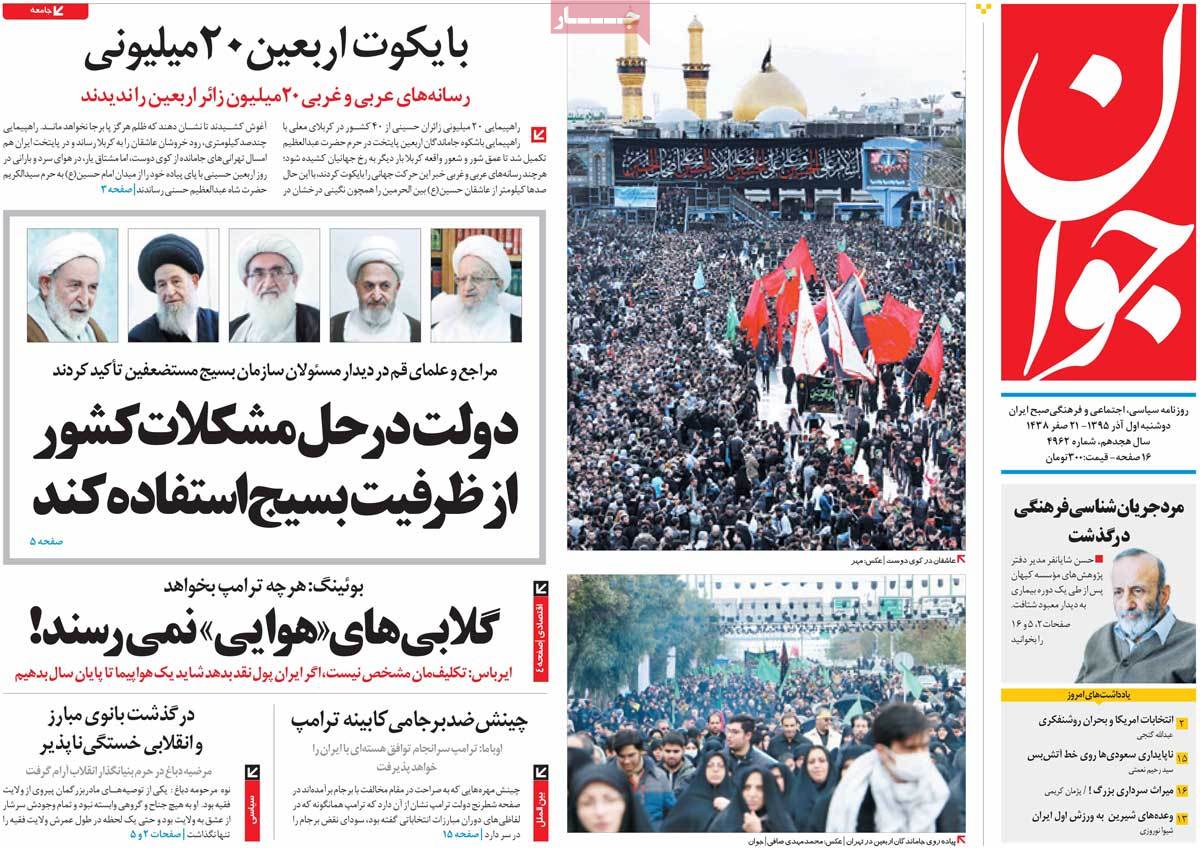
A Look at Iranian Newspaper Front Pages on November 21


Jomhouri Eslami:

1- OPEC Secretary General: Iran Is New OPEC Leader; OPEC Member States’ Deal in Algeria Was Not Possible without Iran’s Cooperation and Leadership

2- Airbus Official: $27bn Deal for Sale of 118 Airbus Planes to Iran Not Halted
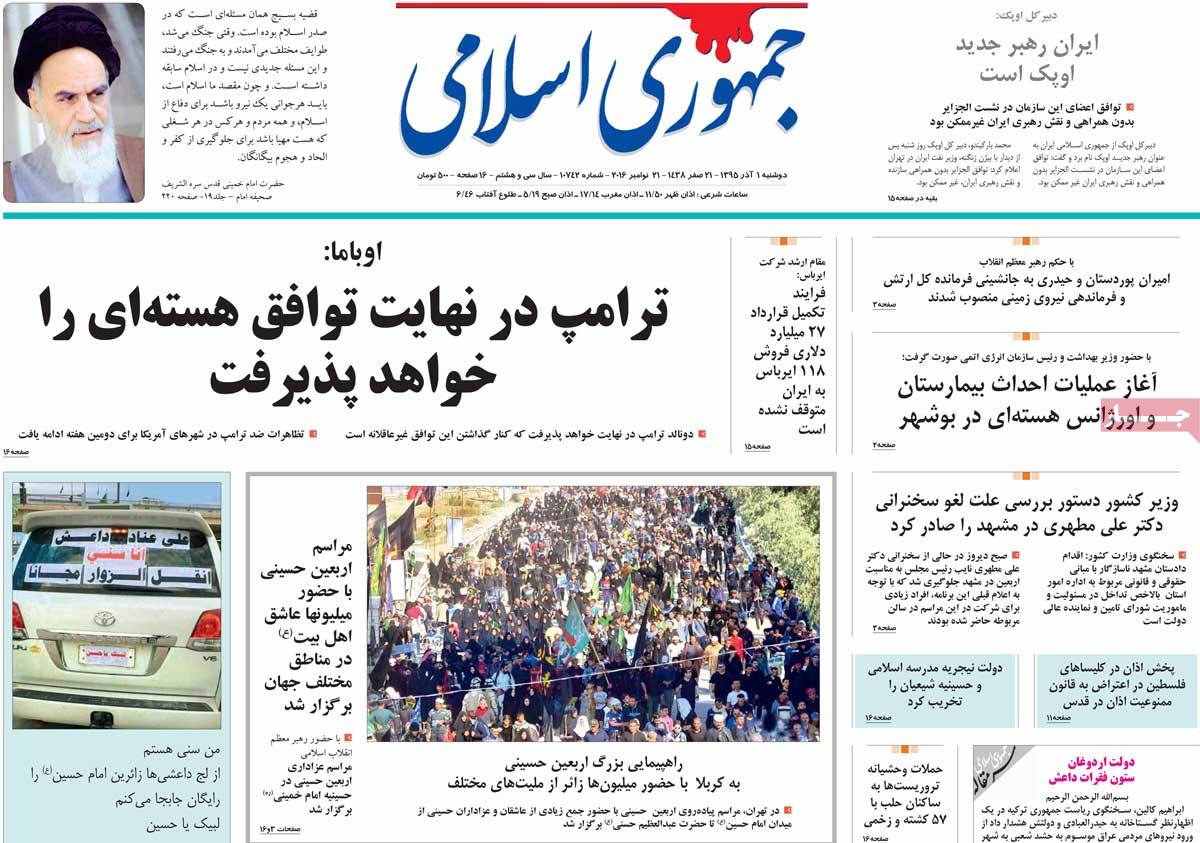
A Look at Iranian Newspaper Front Pages on November 21


Kayhan:

1- Censorship of Biggest Event in World’s History in Western, Arab, and Hebrew Media

2- If Trump Doesn’t Allow Us, We Won’t Sell Plane to Iran: Boeing and Airbus

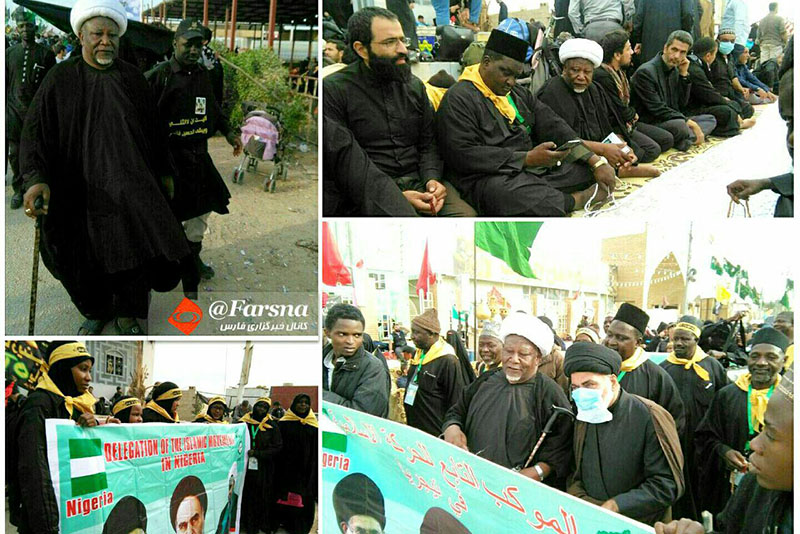
3- Nigerian Army Destructs Shiites’ Seminaries, Schools, and Hospitals
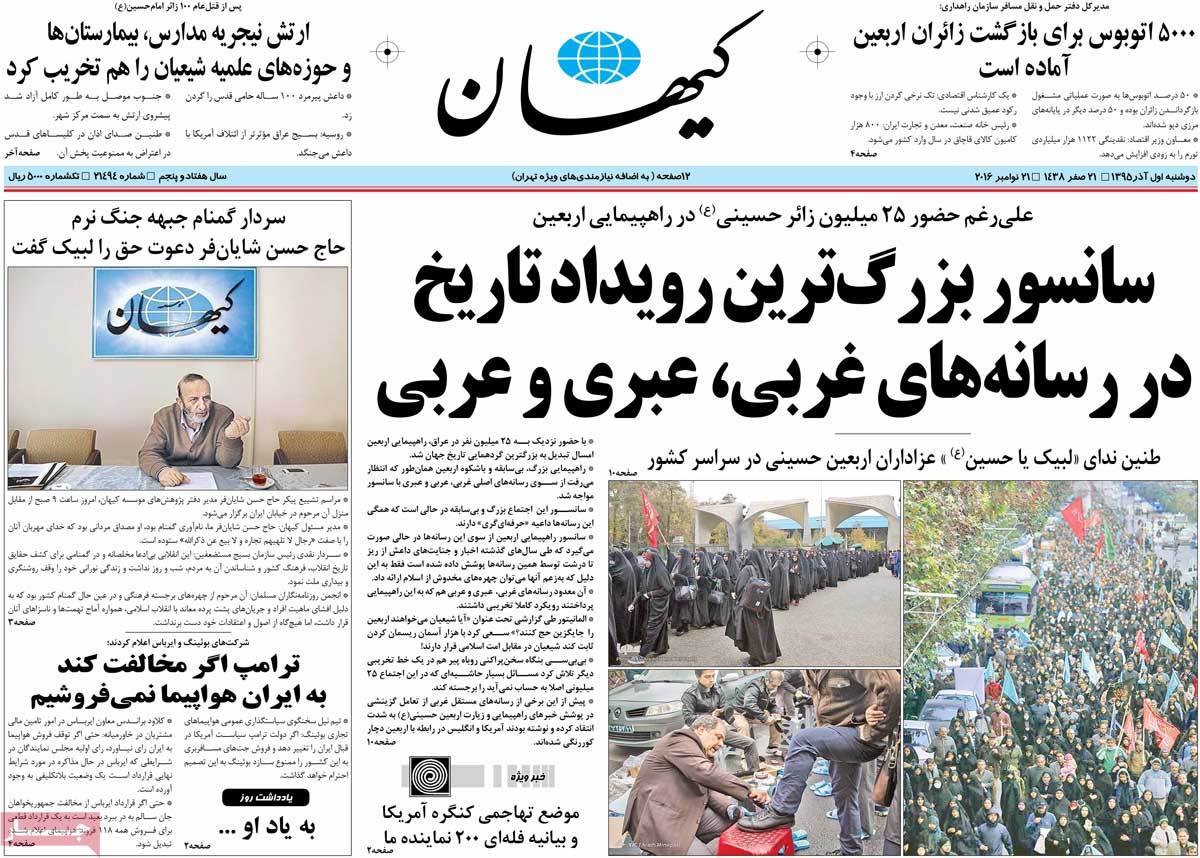
A Look at Iranian Newspaper Front Pages on November 21


Khorasan:

1- Concentration of Particles in the Air of Iranian Province Sistan and Baluchestan Is 11 Times More than Standard

2- Searching for Airplane, This Time in China: Transport Minister’s Conditional OK for Purchase of Chinese Planes

3- Trump’s Women in Competition with Each Other
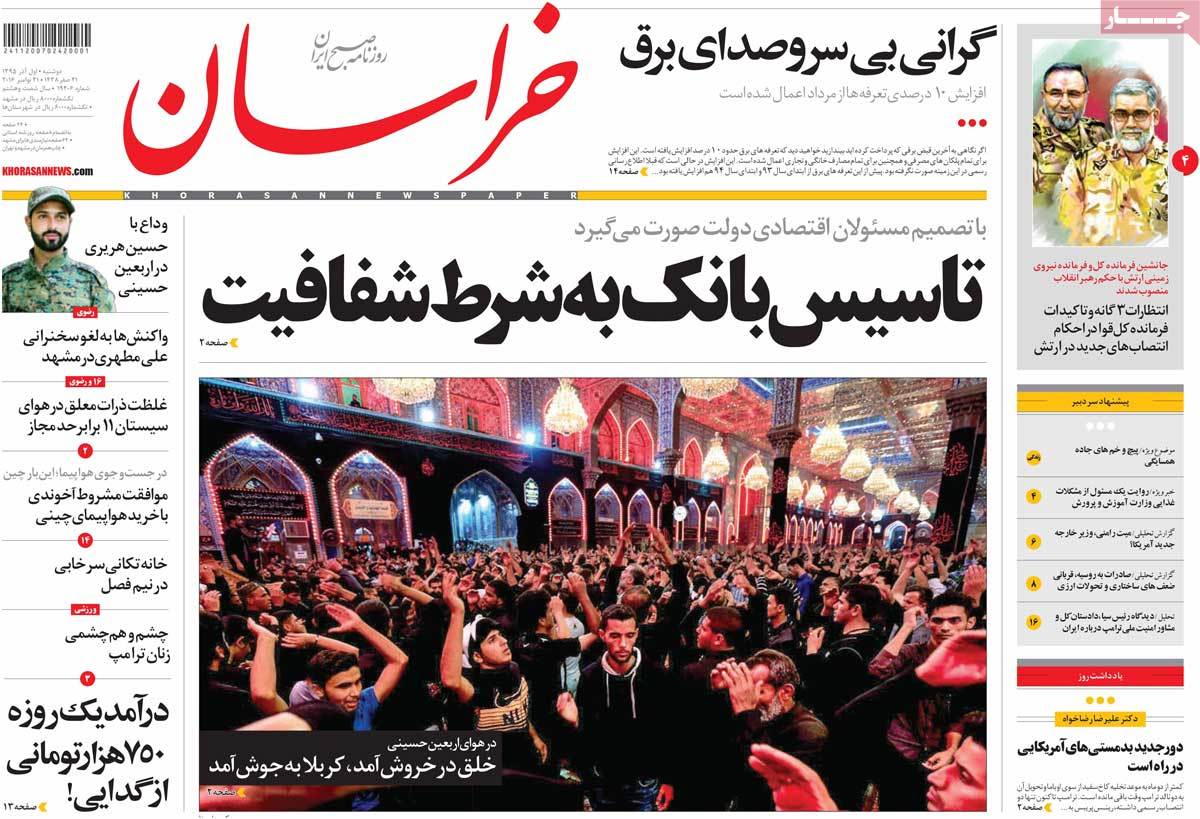
A Look at Iranian Newspaper Front Pages on November 21


Payam-e Zaman:

1- Oil Minister: $60 Is a Fair Price for Oil

2- AFC Praises Iranian Referee Faghani and His Assistants for Their Performance
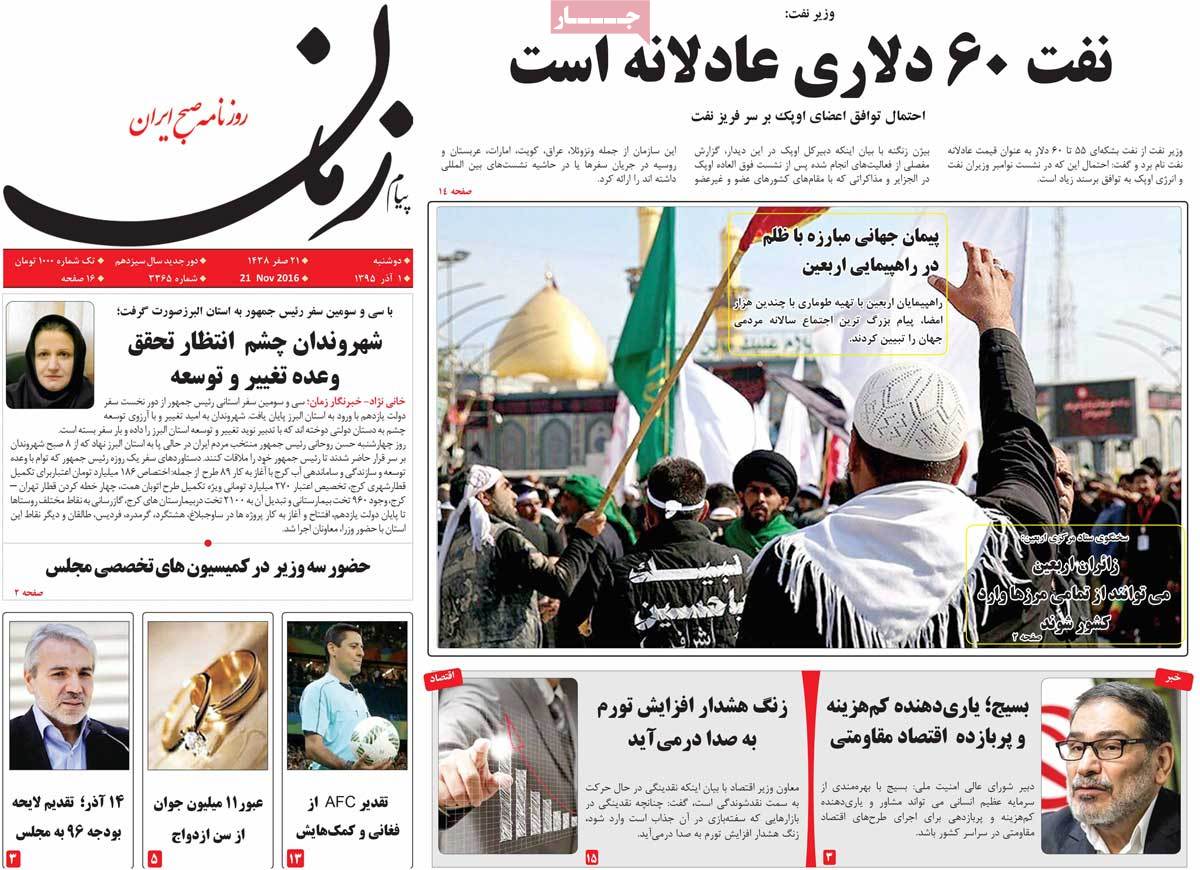
A Look at Iranian Newspaper Front Pages on November 21


Resalat:

1- Politician: What Does Government’s Silence on JCPOA Violation Mean?

2- Biggest Human Gathering in Karbala

3- US Federal Judge: Opponents of Trump Can Leave the Country

4- Consequences of Stupidity: Will Trump Be Able to Scrap Nuclear Deal?
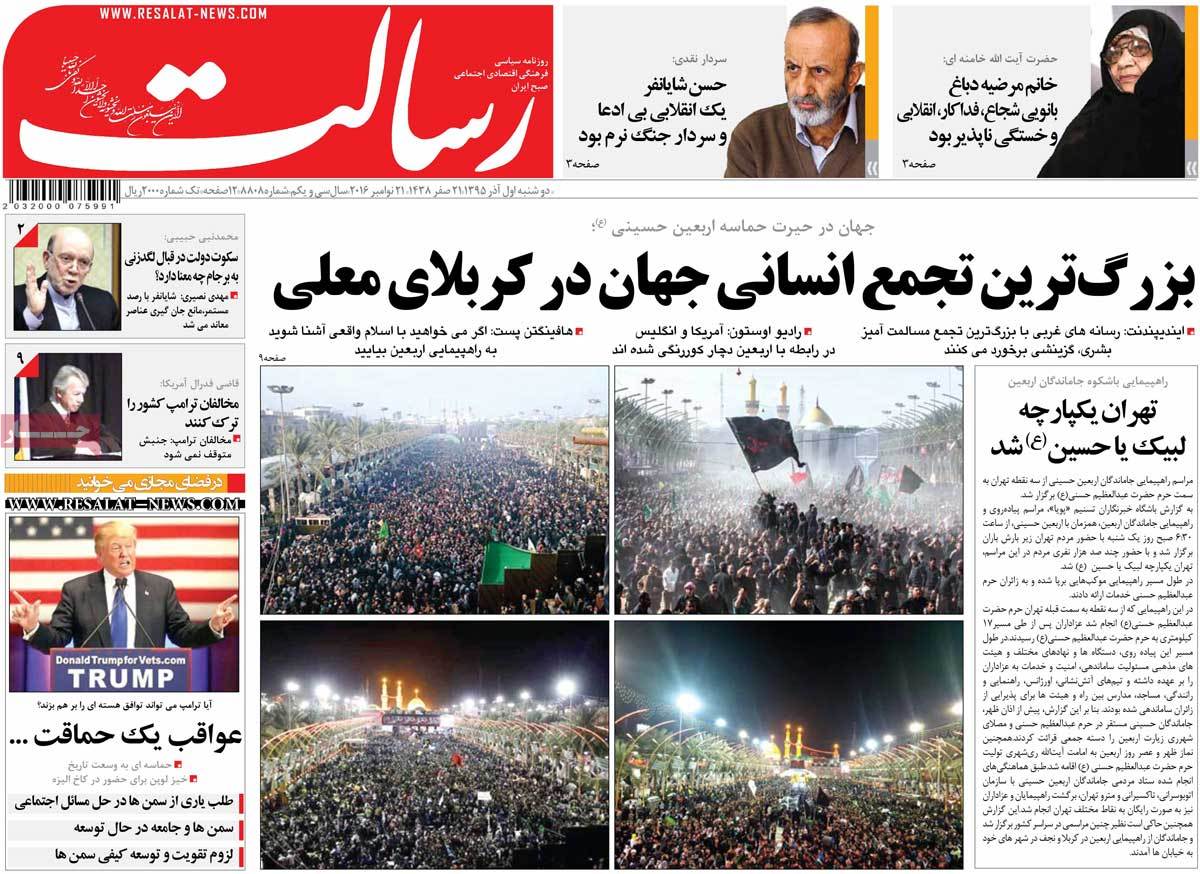
A Look at Iranian Newspaper Front Pages on November 21


Rooyesh-e Mellat:

1- Israel’s Military Request from Russia against Iran
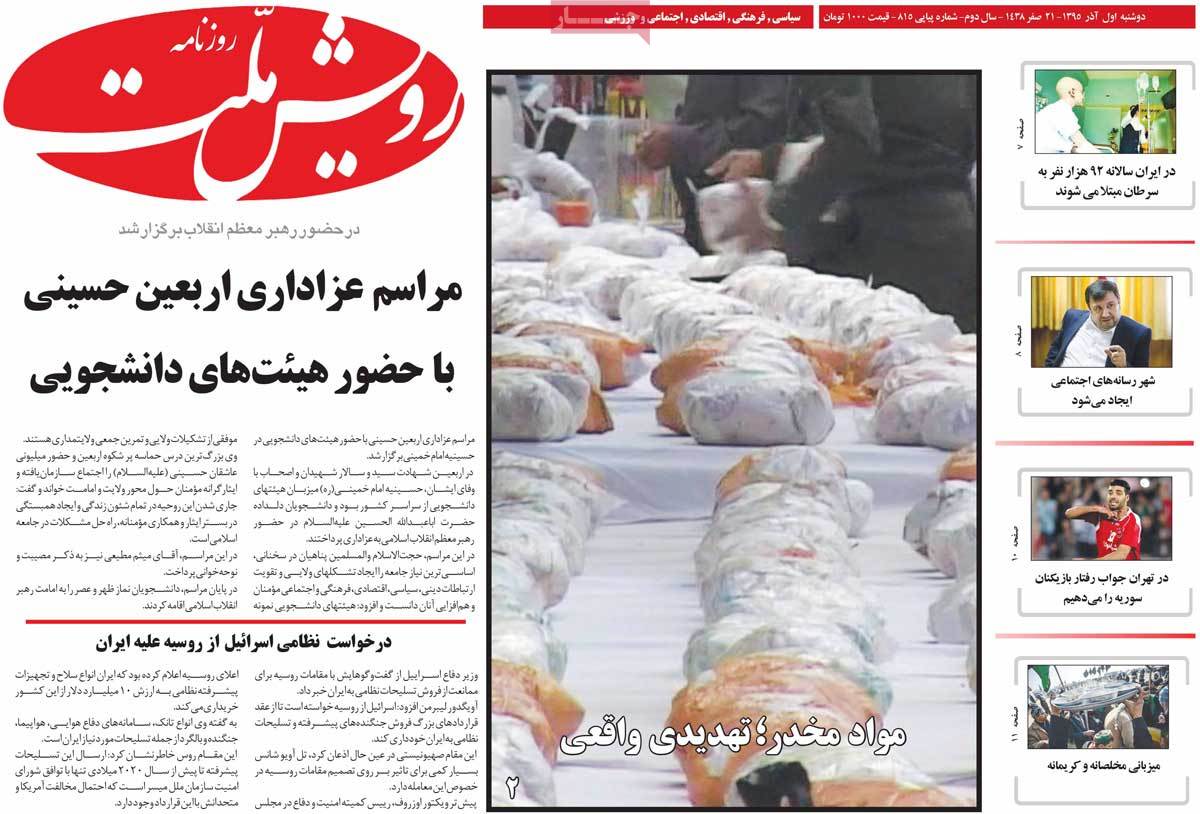
A Look at Iranian Newspaper Front Pages on November 21


Setareh Sobh:

1- World’s Horizon without Carbon; Iran’s Environment Chief Ebtekar: We Let the World Hear Voice of Iranian People; John Kerry: Not a Long Time Left for Saving the Earth

A Look at Iranian Newspaper Front Pages on November 21


Shahrvand:

1- Political Earthquake in Mashhad: Iranian Parliament Vice-Speaker Motahari’s Speech Cancelled in Northeastern Holy City

2- Red Face of Street Vendors: Two Vendors in Iranian Cities of Fouman and Oroumiyeh Beaten by Municipality Forces

3- Waiting for a Surprise: Asghar Farhadi’s ‘The Salesman’ among the Five Films Predicted to Win Oscar
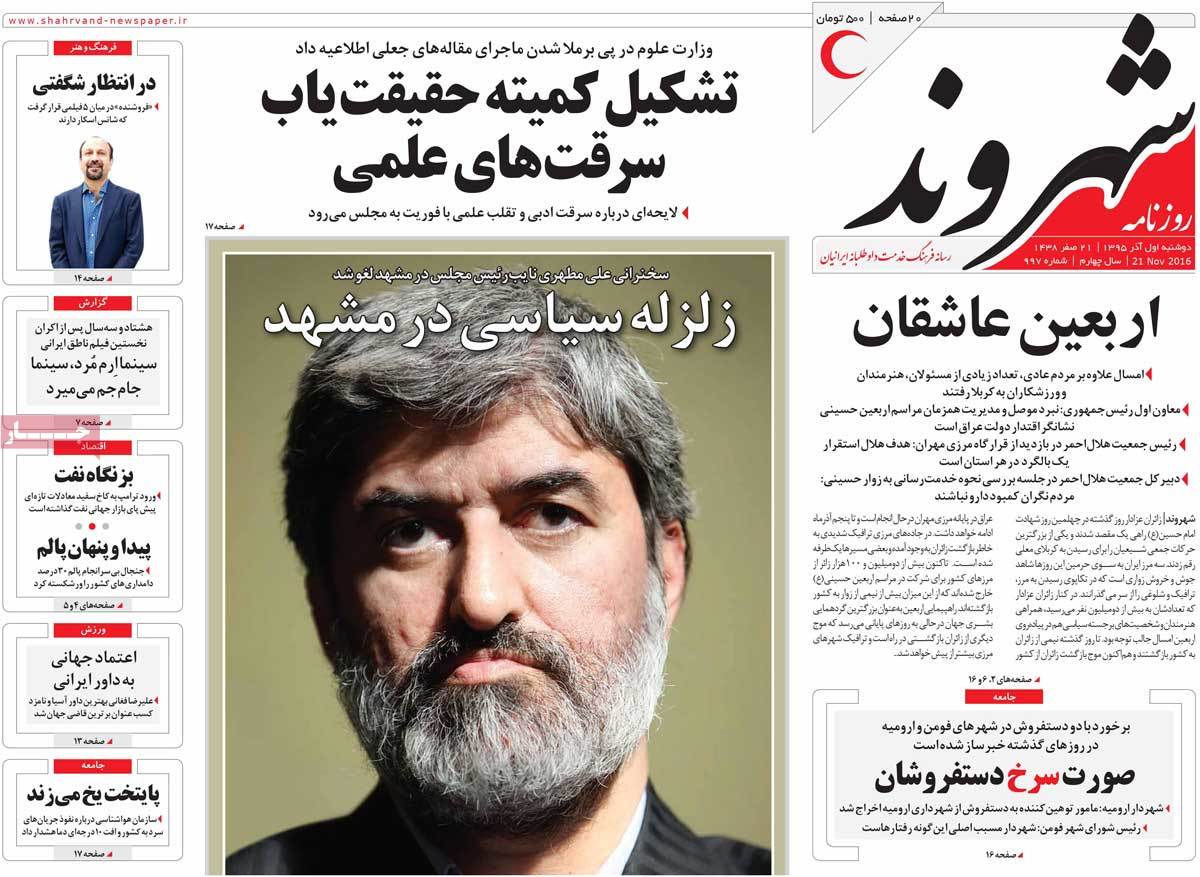
A Look at Iranian Newspaper Front Pages on November 21


Tejarat:

1- Danger of Return of Uncontrollable Inflation

2- 800,000 Trucks of Goods Illegally Imported to Iran
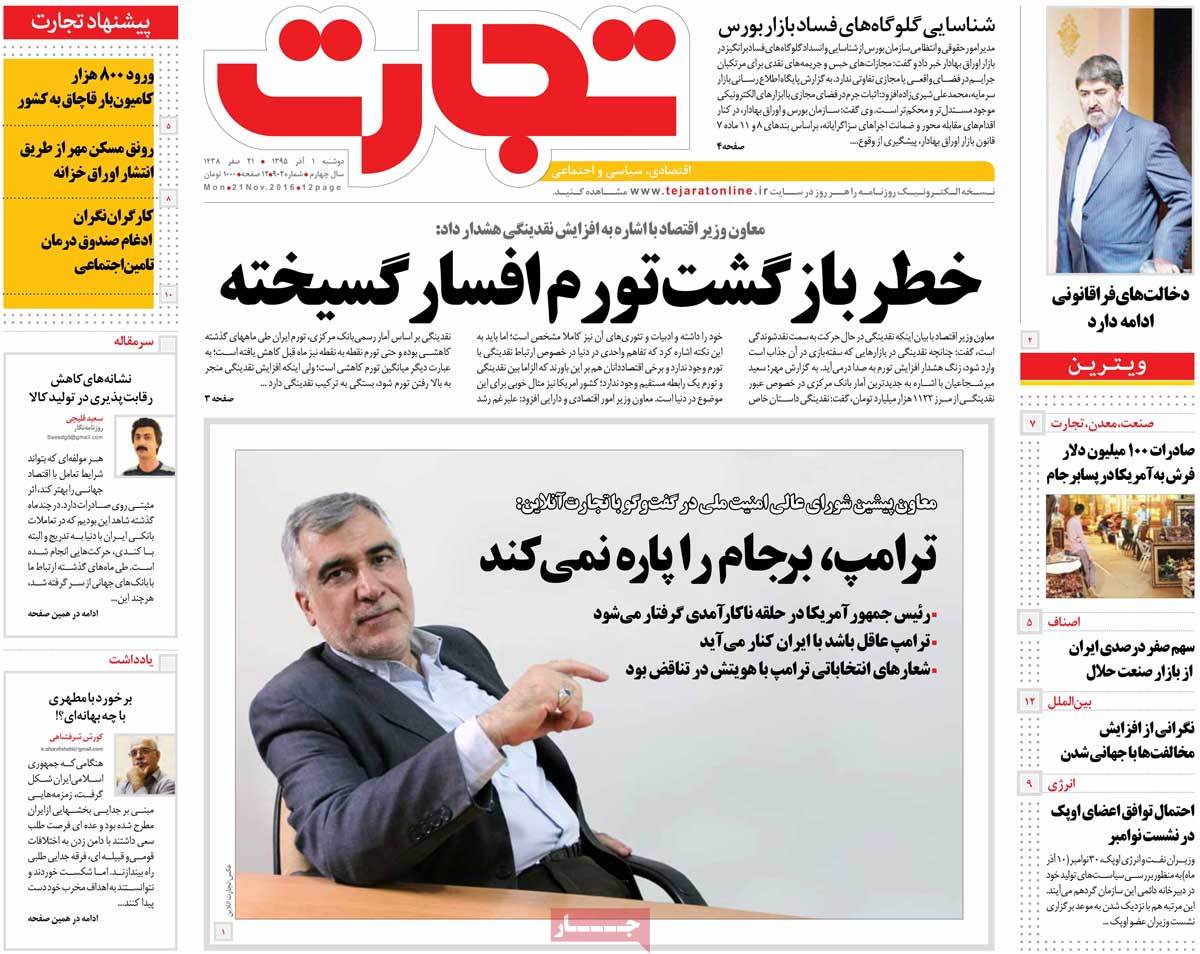
A Look at Iranian Newspaper Front Pages on November 21


Vaghaye Ettefaghieh:

1- JCPOA Tension in US

2- Iran, the Forgotten Peak of World’s Tourism!
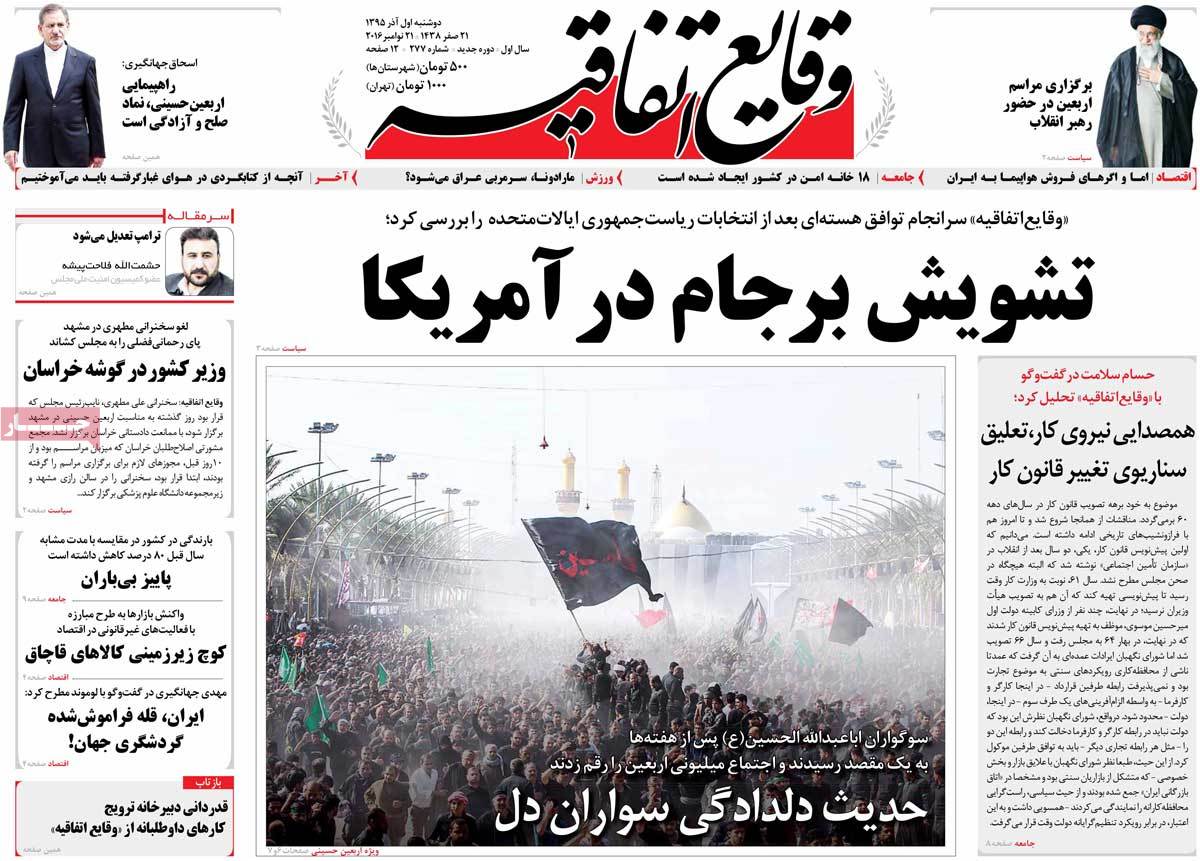
A Look at Iranian Newspaper Front Pages on November 21


Vatan-e Emrooz:

1- Hello from Iran: Arbaeen Ceremony Held in Tehran and 800 Iranian Cities with Millions of People in Attendance
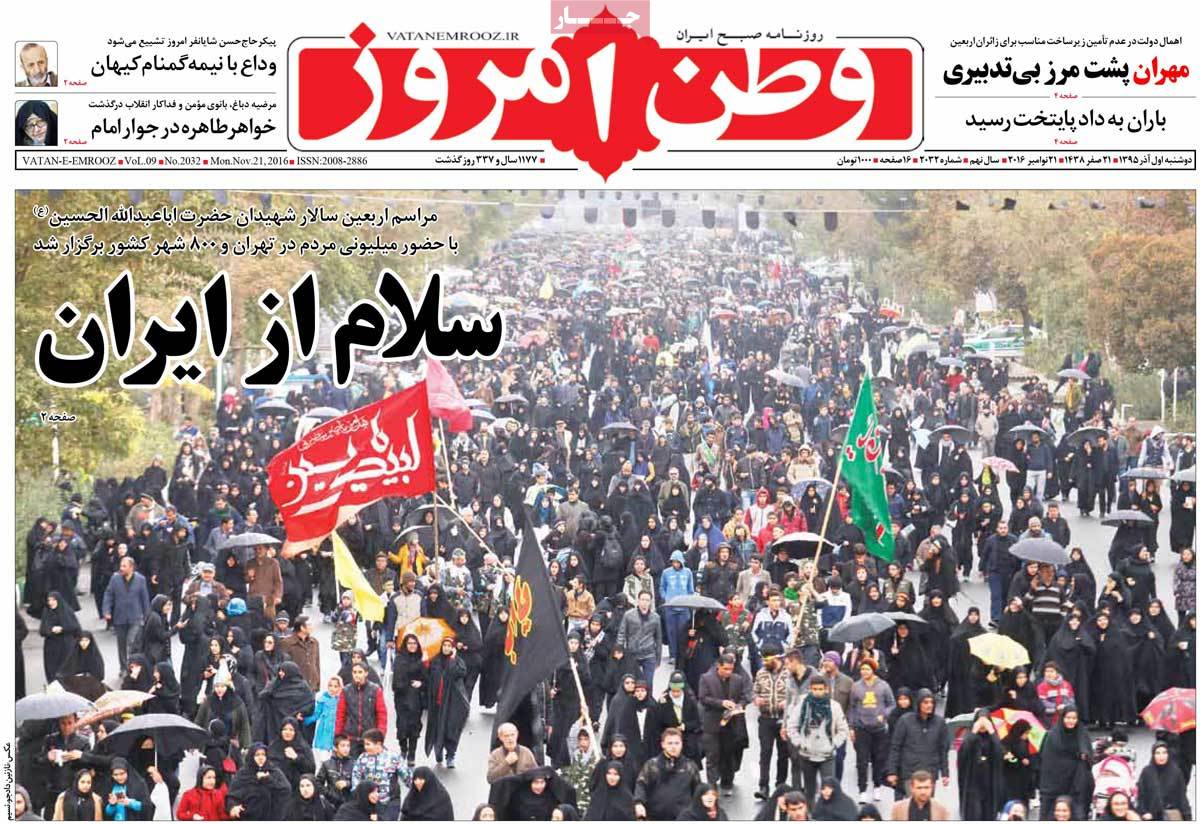

A Look at Iranian Newspaper Front Pages on November 21

US Likely Wiser Than to Harm Own Interests: Iran

Bahram Ghasemi

There have been indications that a potential Trump administration may act to breach the deal or entirely stop implementing US commitments under the agreement, which was struck between Iran and six other countries, including the US, in July 2015.

Trump himself has exhibited bellicose rhetoric toward Iran, including by threatening to “tear up” the deal. However, Trump, who is a business tycoon with no background in diplomacy or governance, has also regretted that US businesses, according to him, are not profiting as a result of the deal as much as businesses in other countries are.

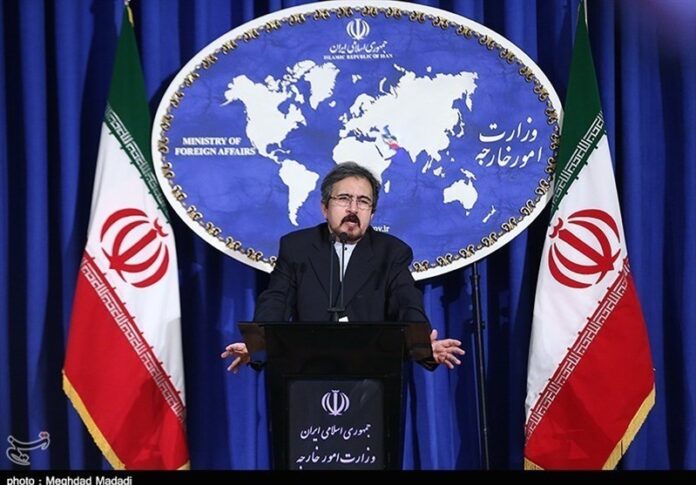
Referring to the rhetoric flip-flops by Trump, Iranian Foreign Ministry Spokesperson Bahram Qassemi said on Tuesday that it was still too soon to say what implications a Trump presidency would have for the nuclear deal.

“It is still soon to judge what is going to come about,” he said, adding that he believed there was enough rationality within the American society to prevent the potential endangerment of American and international interests.

He did say, however, that Iran would have contingency plans for any scenario that may play out.

“Iran anyway maintains its readiness and has prepared its options for whatever contingency. When the time comes, and if we feel that the American side is eventually about to take certain [unwelcome] measures in this regard, Iran will take necessary measures [of its own],” the Iranian Foreign Ministry spokesman said.

Qassemi said that the Joint Comprehensive Plan of Action (JCPOA), as the agreement is known, is a multilateral agreement, not a bilateral one, and that it has been endorsed by the United Nations Security Council.

“I do not think it would be an easy thing for a single party to trample upon the deal or offer to renegotiate it,” he said.

On the campaign trail, Trump had also said several times that he would renegotiate the deal. The bombastic president-elect has, however, not commented on Iran-related issues since winning the US presidential election on November 8.
Optimism about ties with EU

Qassemi also said the Islamic Republic was optimistic about future convergence between Iran and the European Union (EU).

He hailed a recent statement by the EU that followed Trump’s victory and that urged commitment to the JCPOA.

“We have a lot in common with Europe and are not geographically so wide apart, and therefore, we can arrive at shared viewpoints concerning the Middle East and North Africa,” he said.

He also said that it had been agreed during a Friday meeting in Paris between French Foreign Minister Jean-Marc Ayrault and Iranian Deputy Foreign Minister Majid Takht-e Ravanchi that the countries’ joint economic commission resume work in the second half of January 2017 after a 20-year hiatus.

‘Syria breakup plans abortive’

Elsewhere in his remarks, Qassemi referred to a United Nations (UN) proposal for the establishment of an autonomous region in the militant-held district of a Syrian city and said such measures have always failed.

“Syria has many players and influence-wielders. Syria’s disintegration has many and serious opponents and cannot happen easily. We are not yet anywhere to start to treat these arguments as serious [ideas],” he said, referring to the plan for the partition of Aleppo, the Syrian city.

Syrian Foreign Minister Walid al-Muallem has strongly rejected the idea, calling it “a violation of our sovereignty.”

‘NATO not welcome in Mideast’

The Iranian ministry spokesman also pointed to Kuwait’s recent announcement that it is ready to host regional headquarters for NATO.

Qassemi said that the entry of foreign forces to the region has never proven to be a solution to regional woes and has always been cause for instability and insecurity.

‘Anti-Iran letter result of ignorance’

Qassemi also referred to a recent letter to the UN by Saudi Arabia and 10 other Arab countries that accused Iran of “supporting terrorism” and said the signatories of the letter had little or no grounding in the history and culture of Iran and the Iranian people.

Among the signatories to the letter were such Saudi allies as Bahrain, Jordan, Kuwait, and Qatar.

Qassemi said it was Saudi Arabia that was the real sponsor of terrorism and that had been exporting it throughout the world for decades.

“Saudi Arabia harbors the chimera and irrelevant delusion that it can surmount its problems by having an enemy in, say, Iran,” he said.

Through such jockeying, he said, Riyadh believes it can derive some kind of advantage and cause some kind of trouble for Iran at the current juncture in time, which he said may be a “period of transition” in the US.

End of ISIS Imminent: Iran’s Army Chief

Salehi

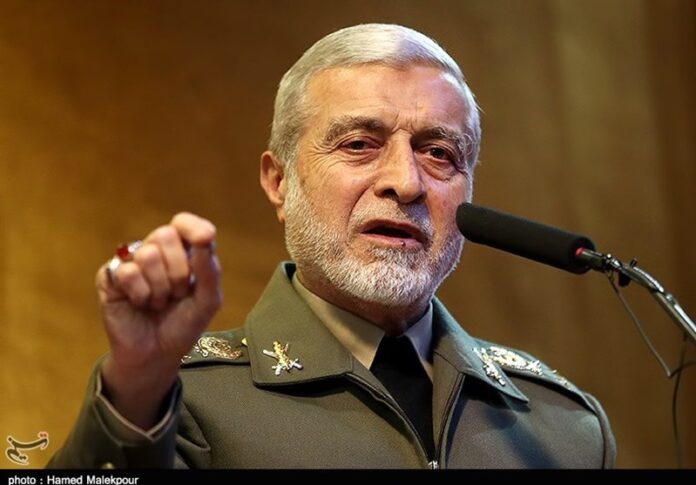
ISIS and other Takfiri terrorist groups will die out in the near future, the top commander said at a farewell ceremony in Tehran on Monday, held to acknowledge outgoing Commander of Army Ground Force Brigadier General Ahmad Reza Pourdastan’s services.

Highlighting Iran’s foresight in realizing threats, the general said the country’s top military officials had anticipated four years ago that enemies had plans to pose a threat to Iran from the western borders.

He further pointed to the US long-lasting enmity toward Iran, saying such a wolfish enemy is only after harming Iran.

In comments in August, Leader of the Islamic Revolution Ayatollah Seyed Ali Khamenei said the US and Israel created ISIS to use it as a tool to deflect Muslims’ attention from major issues, like Palestine.

Iran’s western neighbor, Iraq, has been gripped by a deadly militancy since ISIS captured areas in north and west of the Arab country in the summer of 2014.
In recent months, the Iraqi army and Popular Mobilization Forces have managed to retake many positions from the terrorists.

Iran, a close ally of Iraq, has been supporting the Arab nation in the fight against ISIS since the terrorist group invaded Iraq.