Monday, May 4, 2026
Home Blog Page 423

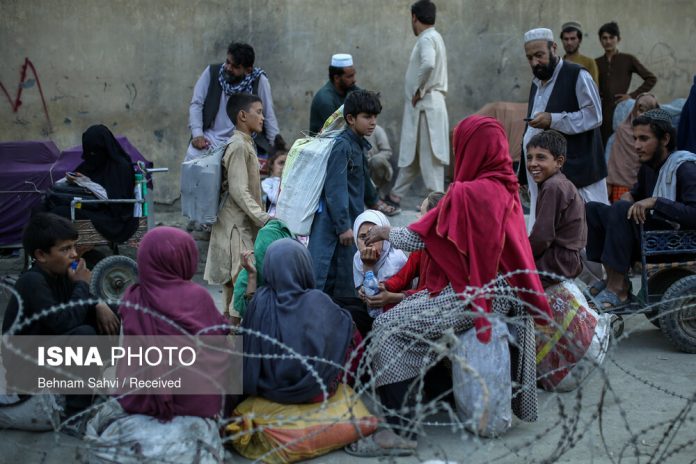
Interior minister: Iran returned 1.2 million illegal Afghans to their country last year

Afghan Refugees in Iran

Eskandar Momeni noted that Iran faces limitations when it comes to taking in Afghans “despite our historical and cultural commonalities”.

He expressed hope that through synergy with the National Migration Organization, the issue of organizing illegal Afghan nationals, which is currently on Parliament’s agenda, will quickly reach its final stages and become a high-level legal document available for use.

Iran has hosted millions of Afghans over decades, which has put a strain on the country’s economy and resources.

The number of illegal Afghans sneaking into Iran has surged since the 2021 takeover of Afghanistan by the Taliban. Tehran has frequently asked the UN to provide sufficient assistance in this regard.

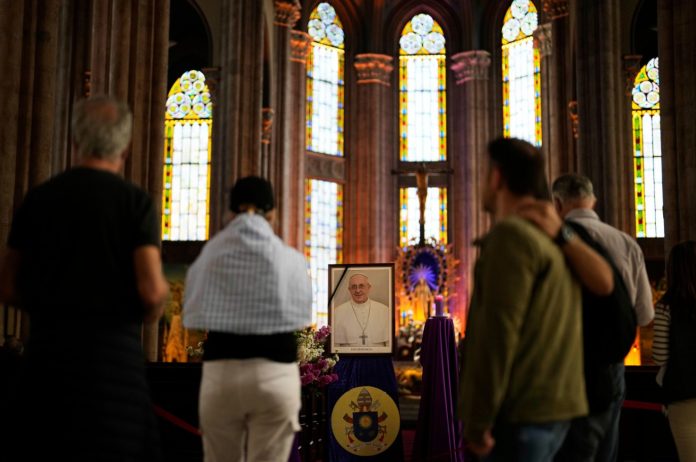
President Pezeshkian offers condolences on death of Pope Francis

In a message on Monday, Pezeshkian offered his condolences to Catholics across the world on the loss of Pope Francis, who passed away at the age of 88.

The Iranian president hailed the late Pope for devoting his life to the promotion of the teachings of Prophet Jesus (PBUH), especially peace, justice, freedom, interaction among religions, and dialogue for friendship and world security.

Pezeshkian noted that one of the prominent features of the late Christian leader was his humanitarian stances against the anti-human measures in the world, particularly his outspoken condemnation of the Israeli regime’s genocidal crimes in Gaza and his call for an end to the massacre of Palestinian women and children.

The president stated that the Iranian nation, a pioneer of establishment of global peace and security as well as dialogue and solidarity among religions, honors the memory of the Pope and asks God to bless his soul.

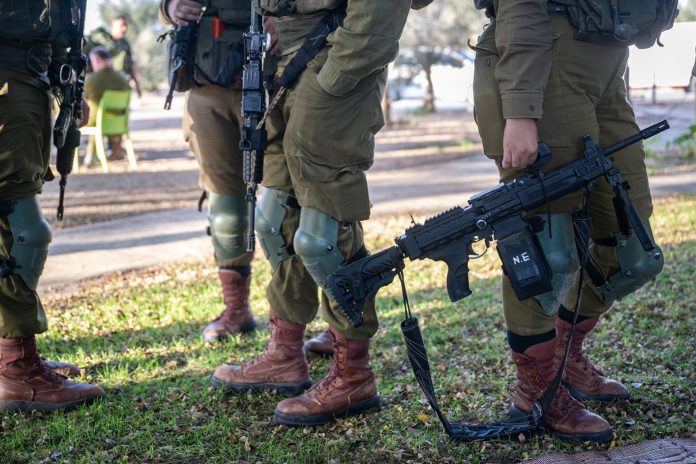
Israeli military deploys undertrained forces to Gaza amid troop shortage: KAN

Israel Army

The recruits have been sent to the battlefield since last December, according to the report.

The move reflects the growing strain on the Israeli military, which has acknowledged a significant manpower shortage.

Last week, the Yedioth Ahronoth reported that Army Chief of Staff Eyal Zamir had informed Prime Minister Benjamin Netanyahu and his Cabinet that the army’s ability to achieve the political leadership’s objectives in Gaza could be hindered by the dwindling number of soldiers.

The army has struggled with a lack of regular soldiers over the past few months, exacerbated by the exemption of ultra-Orthodox Jews (Haredim) from conscription and a 30% to 40% dropout rate among reservists, citing exhaustion from the prolonged war, according to local media outlets.

The shortage may worsen amid a growing number of petitions signed by Israelis, including active and former soldiers, demanding the release of hostages, even if it requires halting the Gaza war.

More than 140,000 Israelis have signed petitions calling for a ceasefire in exchange for hostages. Among them, 21 petitions have each been signed by more than 10,000 active and former reservists.

Israel estimates that 59 of its citizens remain captive in Gaza, including 24 believed to be alive, while it holds over 9,900 Palestinians in its prisons, where reports of torture, starvation and medical neglect have led to numerous deaths, according to Palestinian and Israeli human rights groups.

Netanyahu and his ministers have threatened to dismiss the signatories, labeling the campaigns “rebellion” and “disobedience” that “strengthen enemies during wartime.”

More than 51,200 Palestinians have been killed in Gaza in a brutal Israeli onslaught since October 2023, most of them women and children.

In November 2024, the International Criminal Court issued arrest warrants for Netanyahu and his former Defense Minister Yoav Gallant for war crimes and crimes against humanity in Gaza.

Israel also faces a genocide case at the International Court of Justice for its war on the enclave.

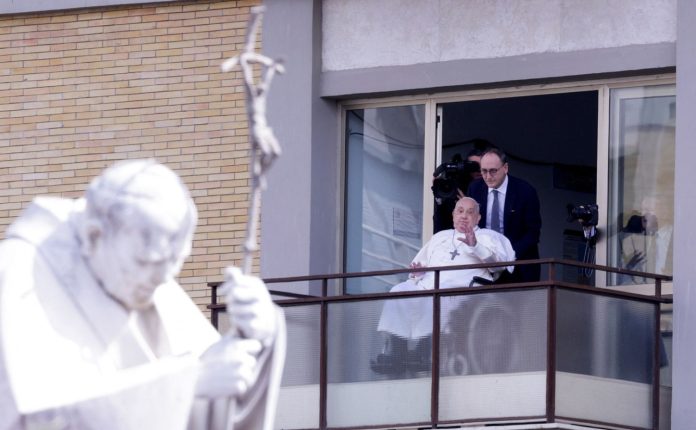
Vatican says 88-year-old Pope Francis has died

He was 88, and had survived a serious bout of double pneumonia.

“Dear brothers and sisters, it is with profound sadness I must announce the death of our Holy Father Francis,” Cardinal Kevin Farrell announced on the Vatican’s TV channel.

“At 7:35 this morning the Bishop of Rome, Francis, returned to the house of the Father.”

Francis’ death comes a day after the pope had made his first prolonged public appearance since being discharged on March 23 from a 38-day hospital stay for pneumonia.

On Easter Sunday, Francis had entered St. Peter’s Square in an open-air popemobile shortly after mid-day, greeting cheering crowds. He had also offered a special blessing for the first time since Christmas.

Leaders across the world were reacting to the pope’s death with praise for his efforts to reform the worldwide church and offering condolences to the world’s 1.4 billion Catholics.

Jorge Mario Bergoglio was elected pope on March 13, 2013, surprising many church watchers who had seen the Argentine cleric, known for his concern for the poor, as an outsider.

He sought to project simplicity into the grand role and never took possession of the ornate papal apartments in the Apostolic Palace used by his predecessors, saying he preferred to live in a community setting for his “psychological health”.

He inherited a church under attack over a child sex abuse scandal and torn by infighting in the Vatican bureaucracy, and was elected with a clear mandate to restore order.

But as his papacy progressed, he faced fierce criticism from conservatives, who accused him of trashing cherished traditions. He also drew the ire of progressives, who felt he should have done much more to reshape the 2,000-year-old church.

While he struggled with internal dissent, Francis became a global superstar, drawing huge crowds on his many foreign travels as he tirelessly promoted interfaith dialogue and peace, taking the side of the marginalised, such as migrants.

Unique in modern times, there were two men wearing white in the Vatican for much of Francis’ rule, with his predecessor Benedict opting to continue to live in the Holy See after his shock resignation in 2013 had opened the way for a new pontiff.

Benedict, a hero of the conservative cause, died in December 2022.

Francis appointed nearly 80% of the cardinal electors who will choose the next pope, increasing the possibility that his successor will continue his progressive policies, despite the strong pushback from traditionalists.

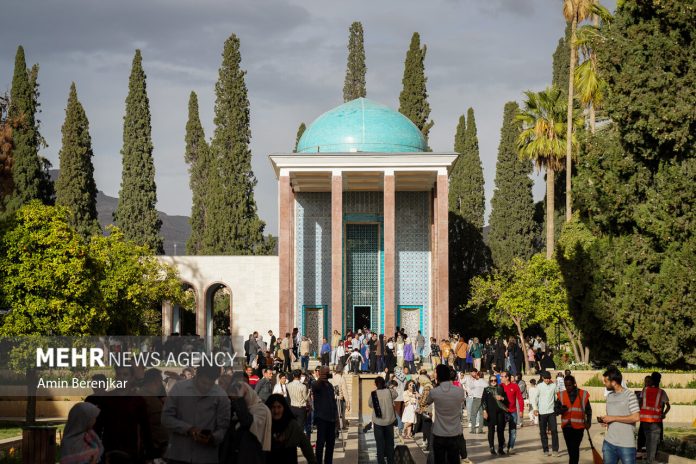
Iran celebrates National Saadi Day, honoring ‘poet of wisdom, humanity’

Mowlana Abu-Muhammad Muslih al-Din bin Abdallah Shirazi, known as Saadi, authored timeless masterpieces including Golestan (The Rose Garden) and Bustan (The Orchard).

Born in Shiraz (1210-1291 CE), his works uniquely blend lyrical beauty with moral philosophy, making him one of history’s most translated Persian poets.

Culture Minister Abbas Salehi emphasized Saadi’s contemporary relevance in a public message, saying, “In these turbulent times, Saadi’s call for solidarity – ‘Human beings are limbs of one body’ – reminds us that dialogue and empathy are not slogans, but necessities for national progress.”

The minister particularly highlighted Saadi’s couplet: “Better to journey through deserts than sit idle in doubt/If I fail, I’ll strive within my means” as guidance for youth.

Academic institutions nationwide hosted symposiums analyzing Saadi’s influence on global literature, while UNESCO-affiliated cultural centers held recitations of his works in Persian, English, and 12 other languages.

Saadi’s mausoleum in Shiraz saw record attendance, with visitors placing roses, as a tribute to Golestan, beneath his iconic marble cenotaph.

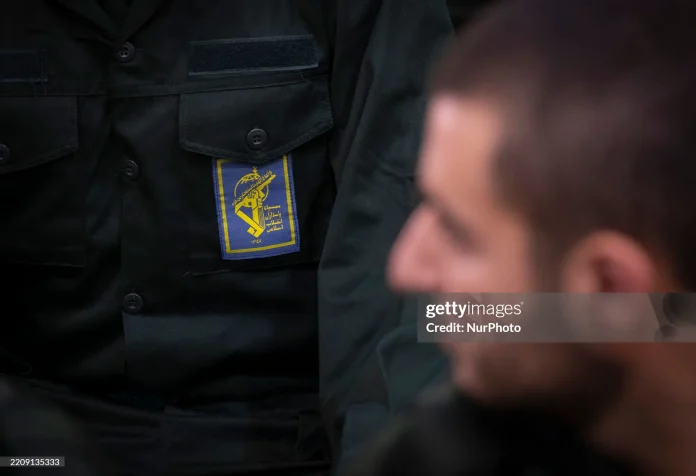
Iran’s armed forces commemorate IRGC founding anniversary

The statement emphasized the IRGC’s evolution into a multifaceted institution since its 1979 founding by Imam Khomeini, founder of Iran’s Islamic Republic.

It credited the force with developing advanced military capabilities while simultaneously contributing to national development projects.

The declaration referenced recent operations against Israel as evidence of the IRGC’s operational readiness and deterrent power.

Beyond its military role, the statement detailed the IRGC’s extensive civilian contributions, including major infrastructure development, poverty alleviation programs, and energy sector projects.

The armed forces leadership portrayed the dual military-civilian roles as complementary aspects of the IRGC’s revolutionary mission.

The anniversary message included warning against adversaries, particularly the US and Israel, vowing to continue strengthening Iran’s defensive capabilities.

It also honored IRGC members who have martyred in various conflicts, reinforcing the organization’s martyrdom narrative.

The commemoration comes at a time of heightened regional tensions due to the Israeli aggression on Gaza and regional countries.

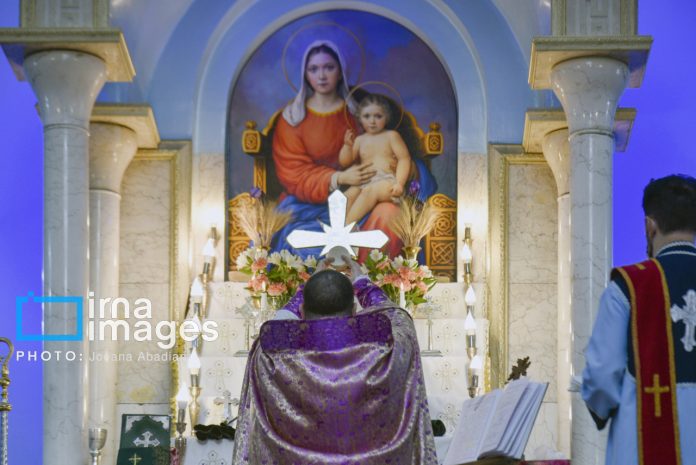
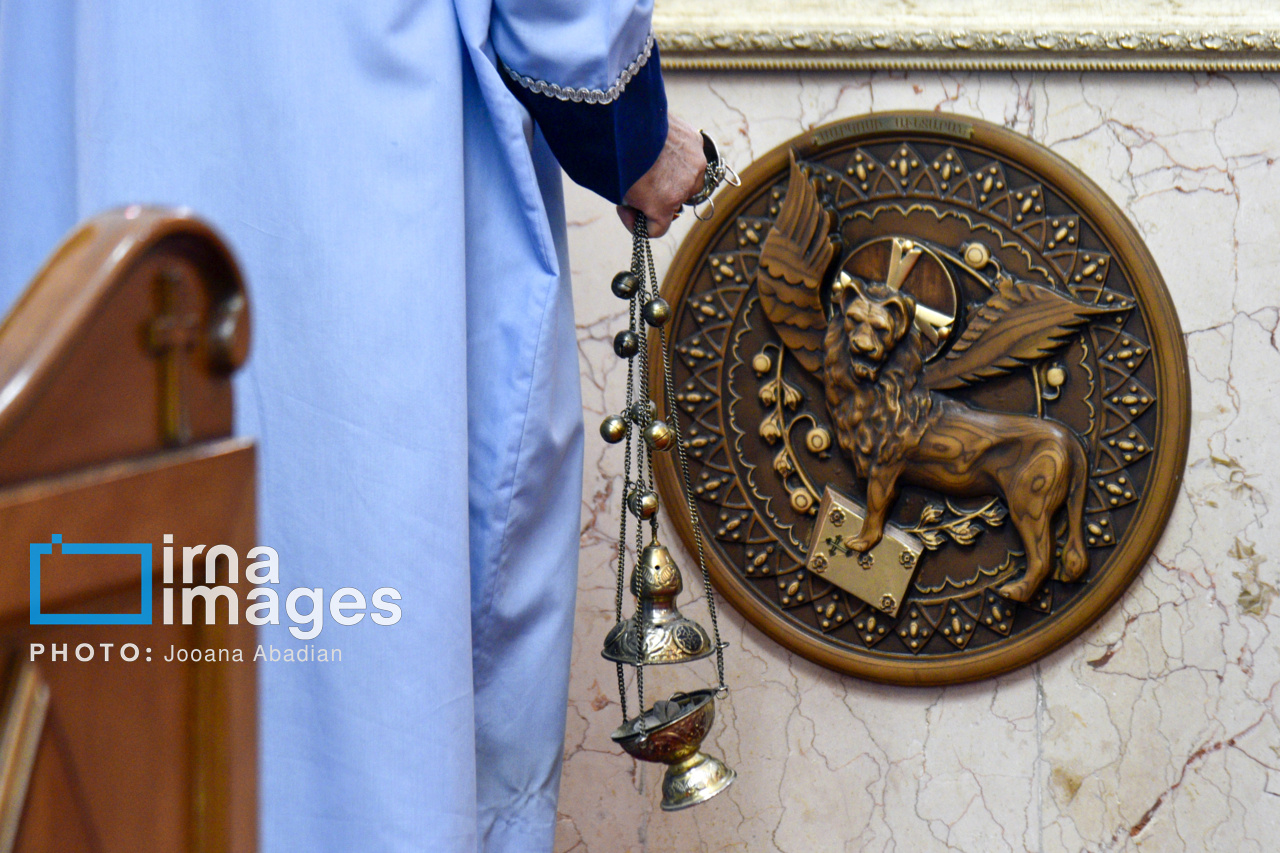
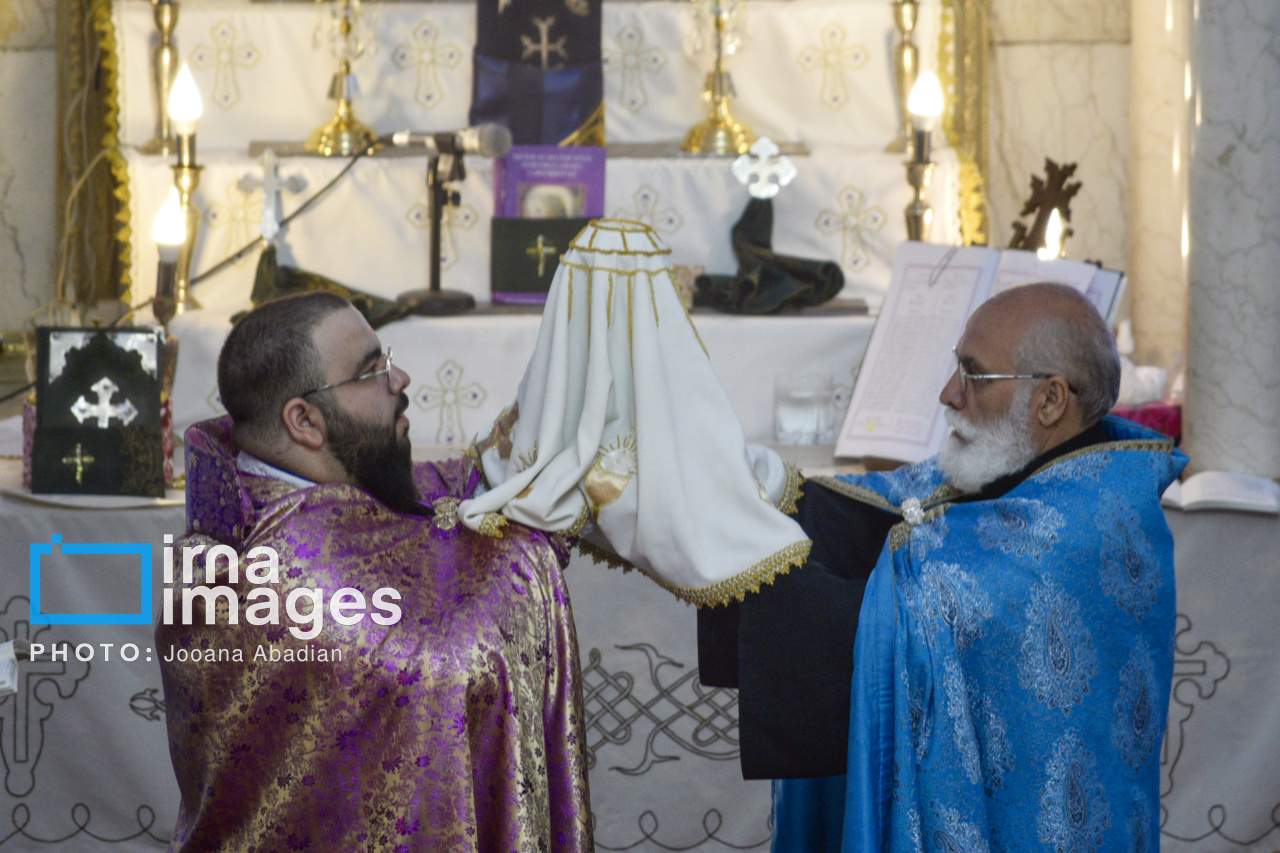
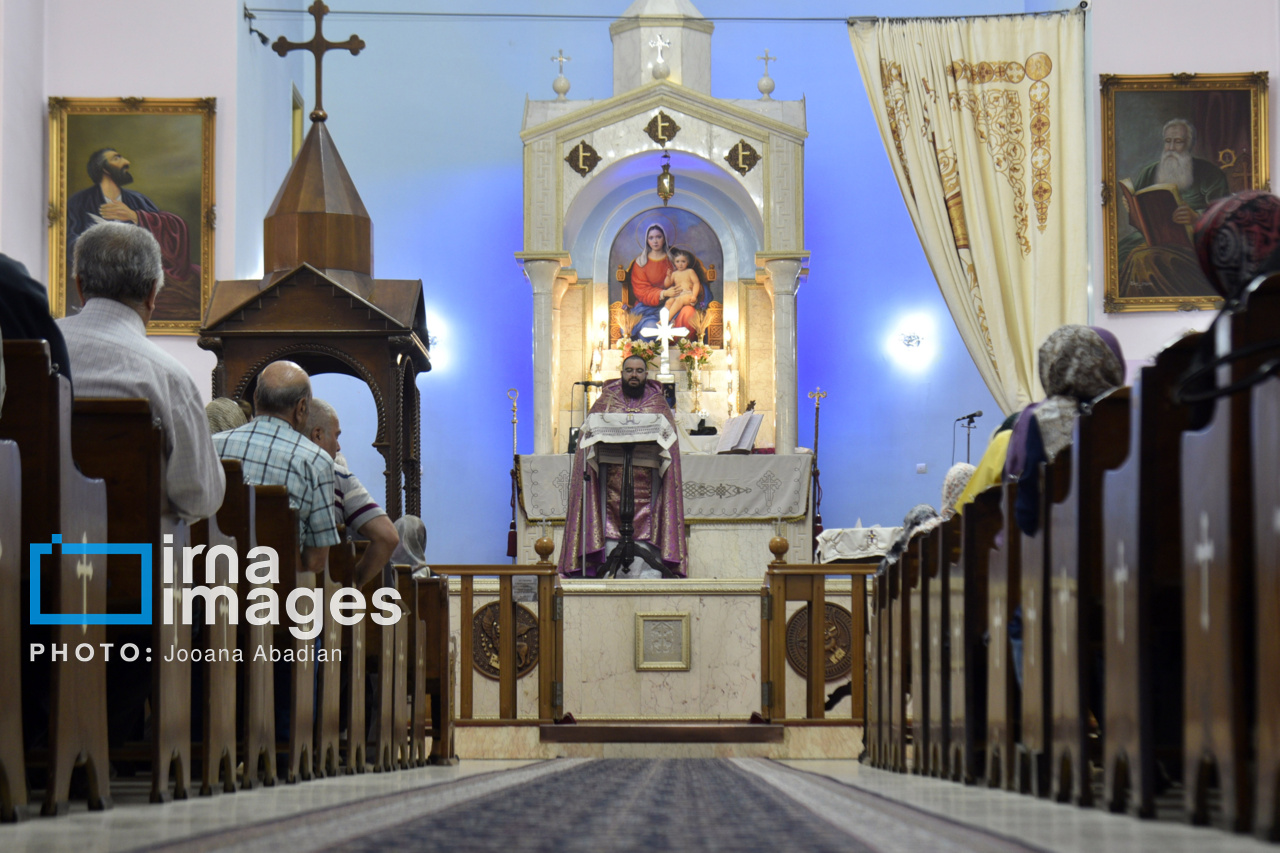
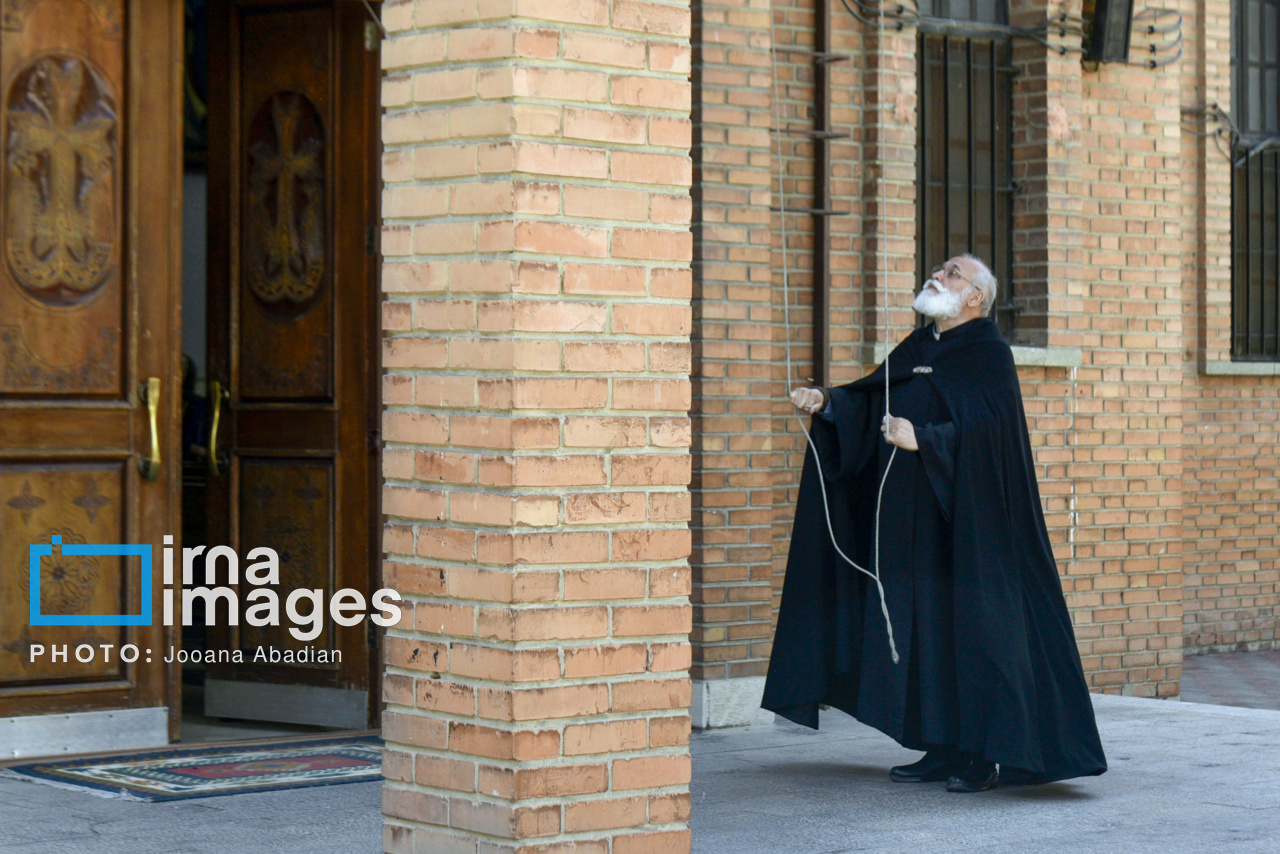
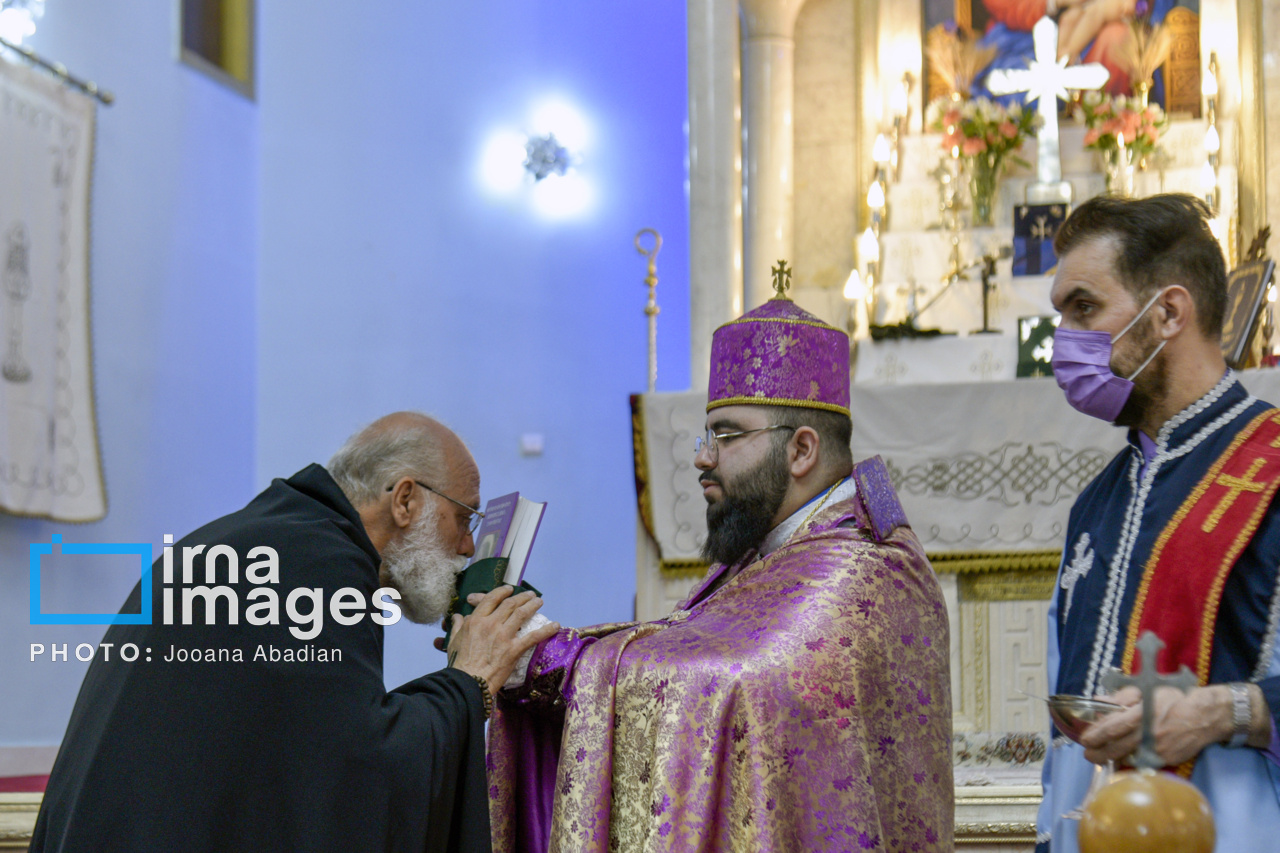
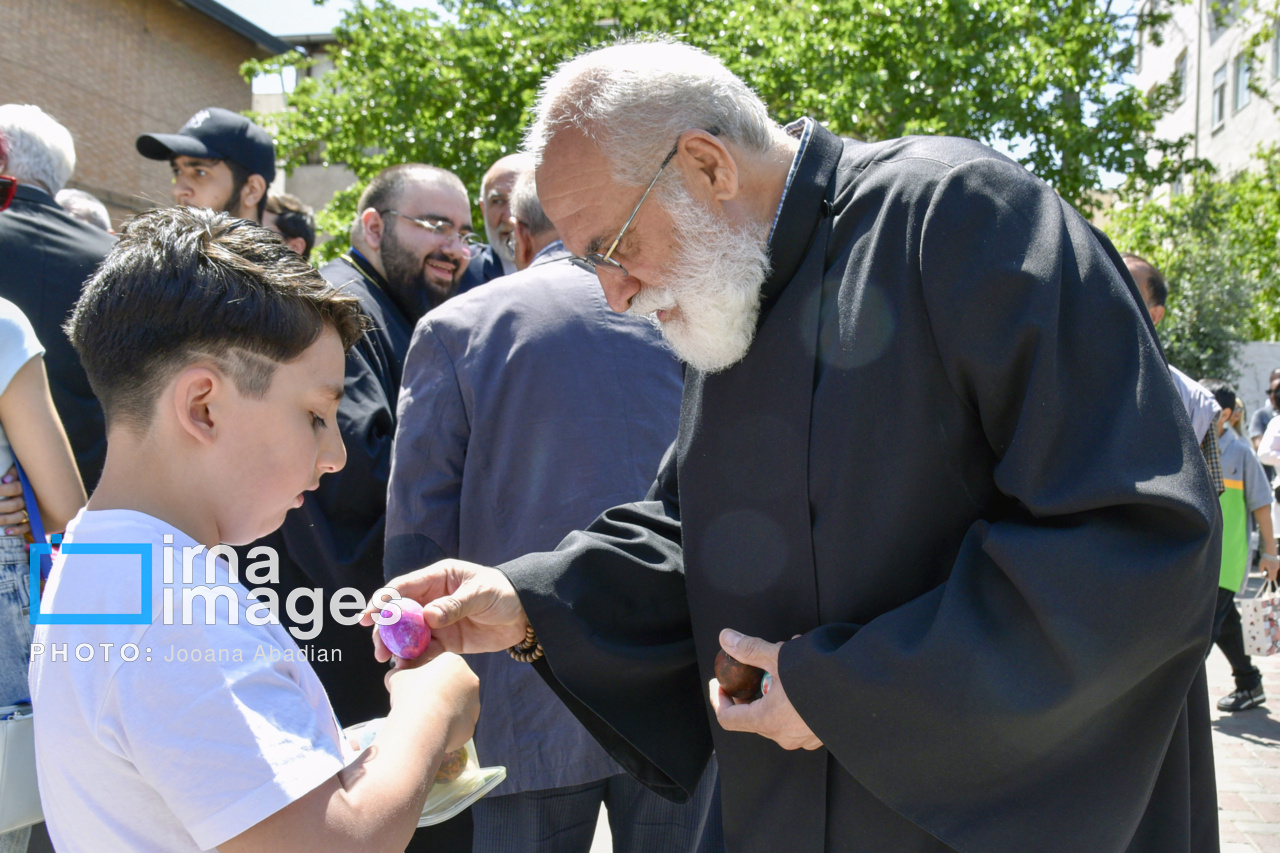
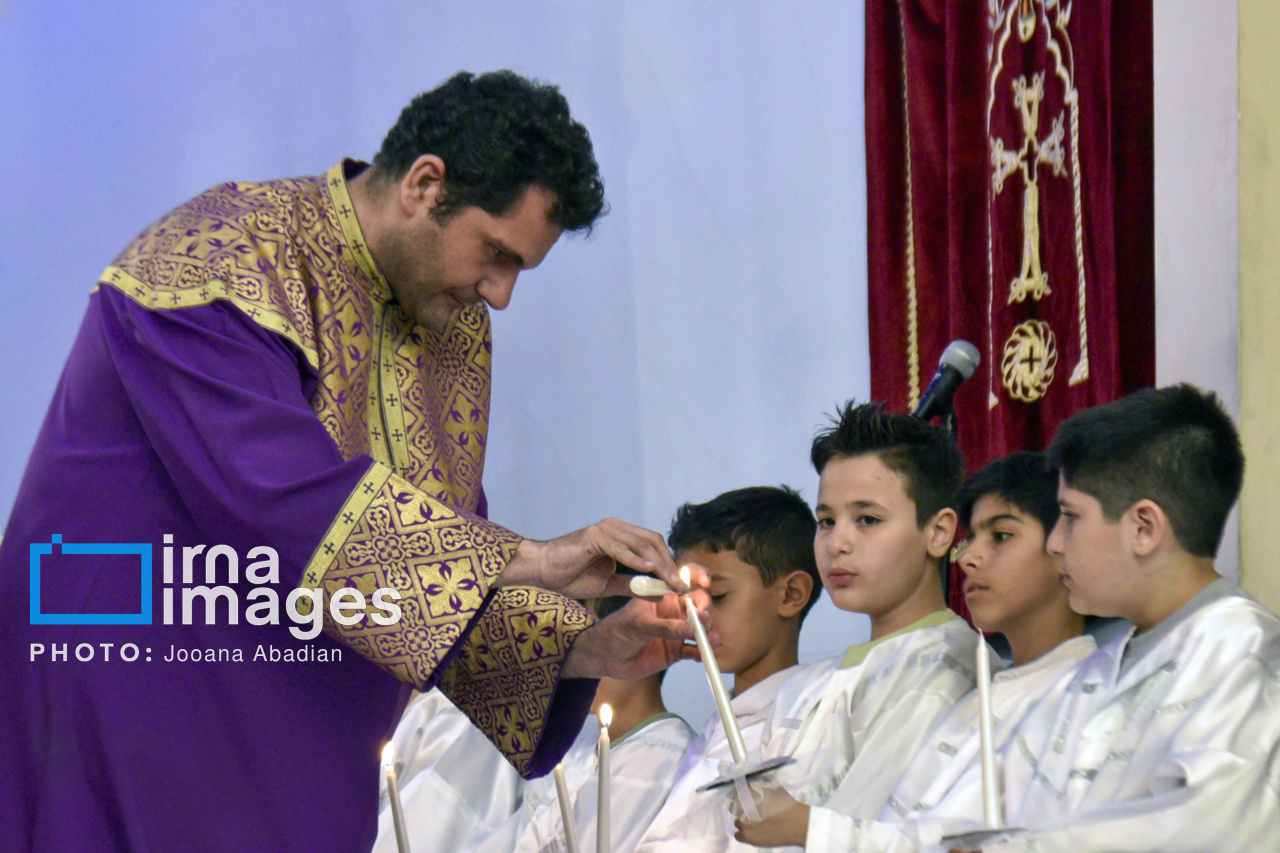
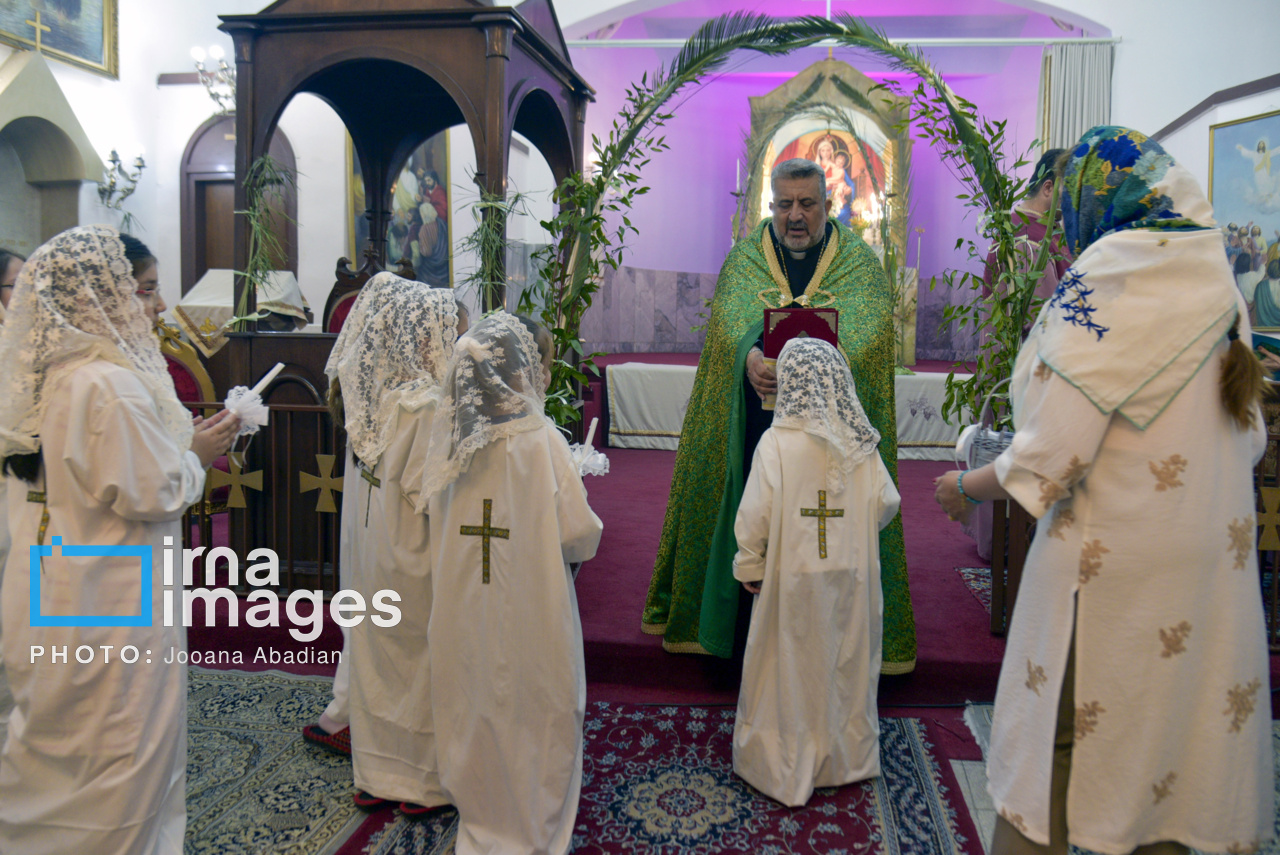
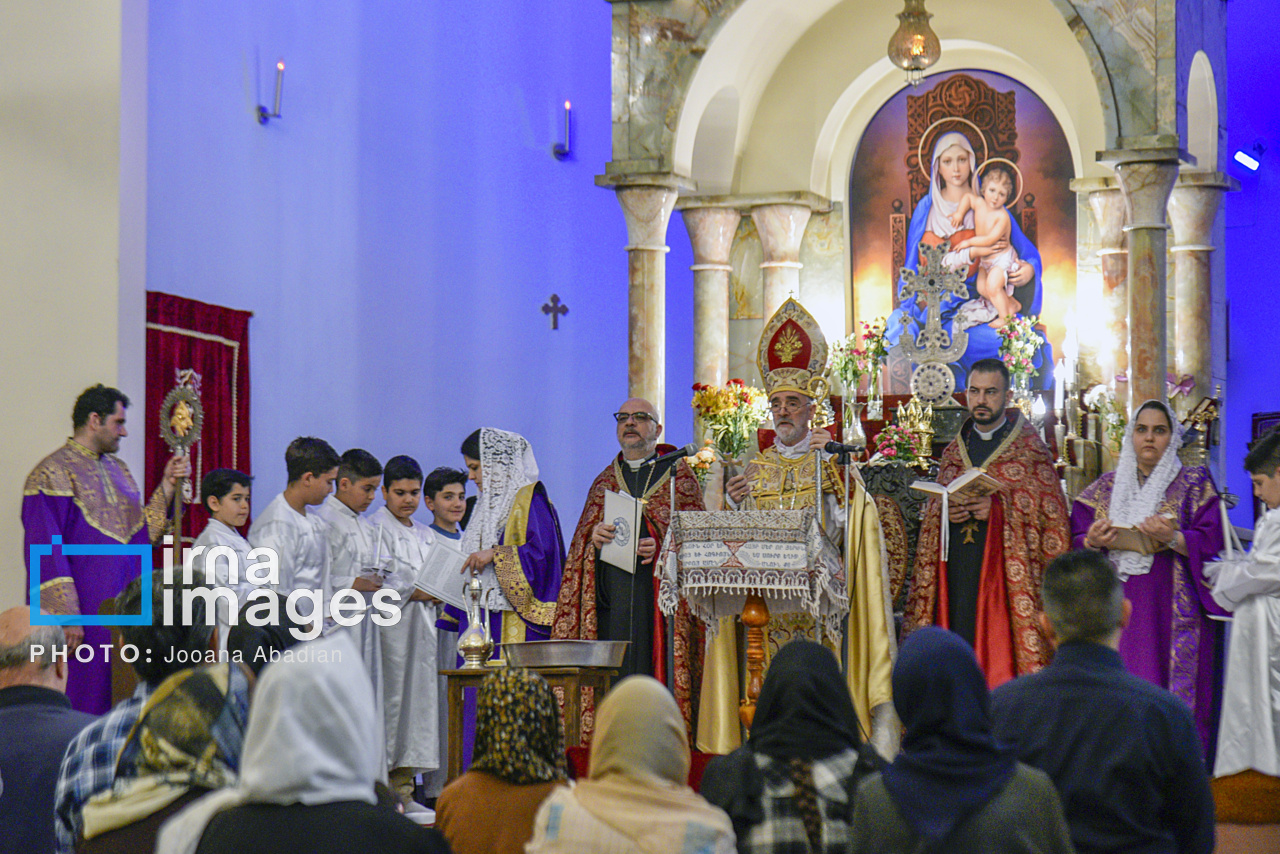
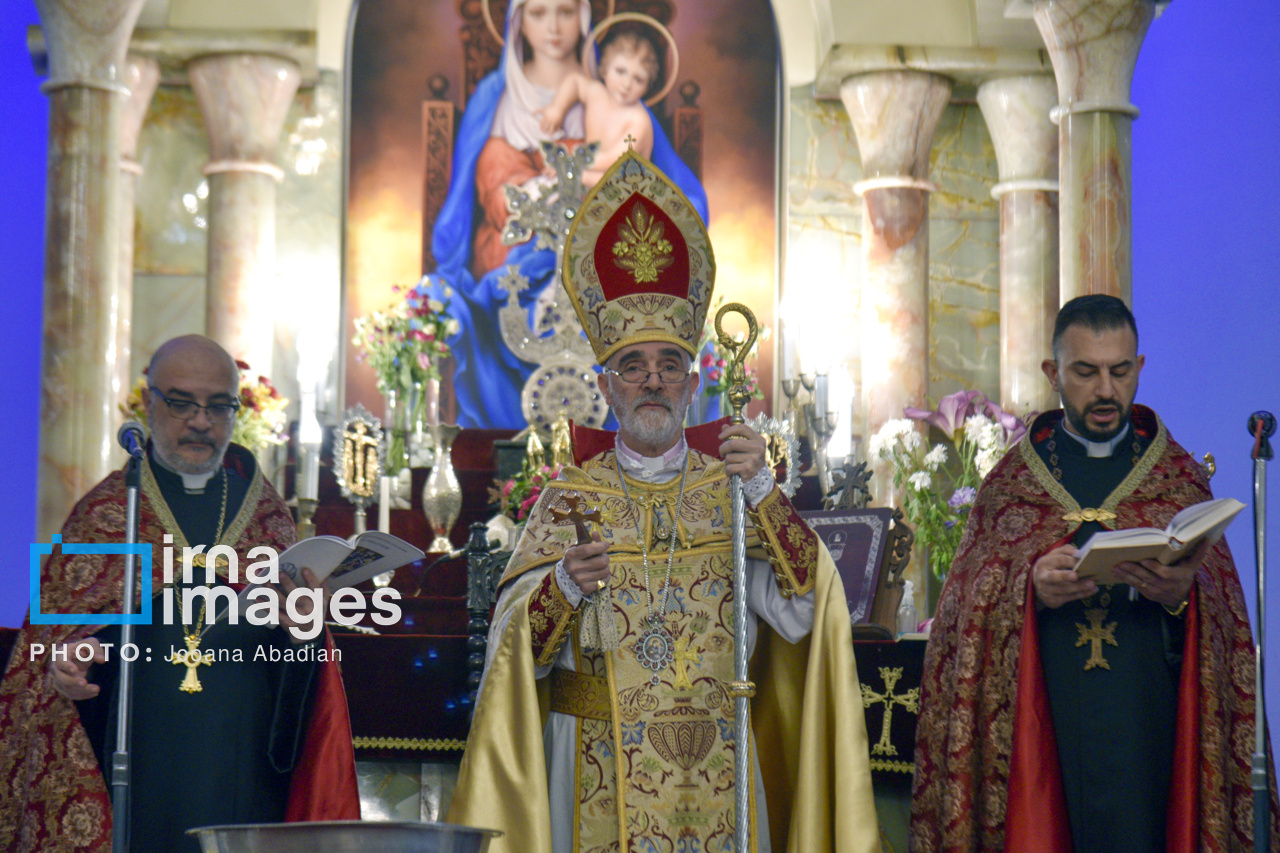
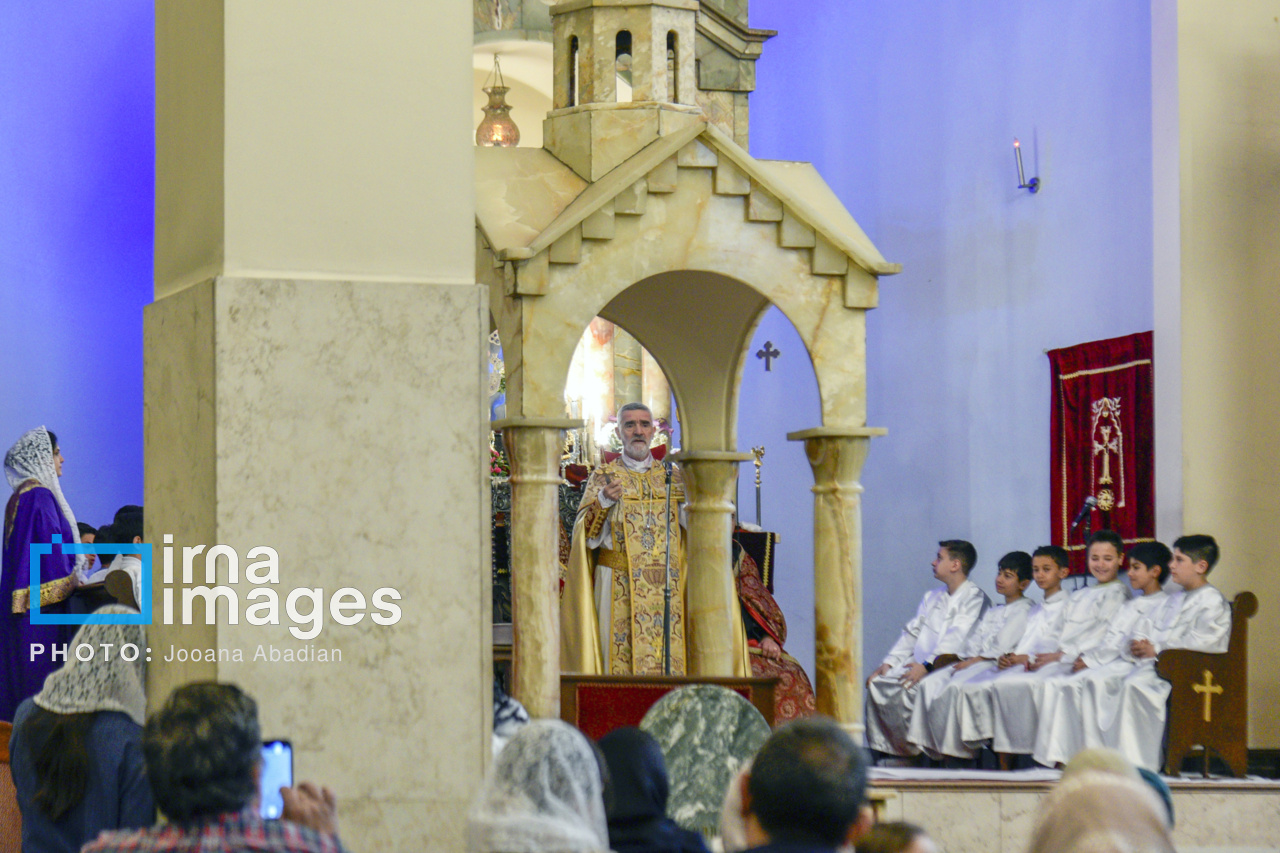
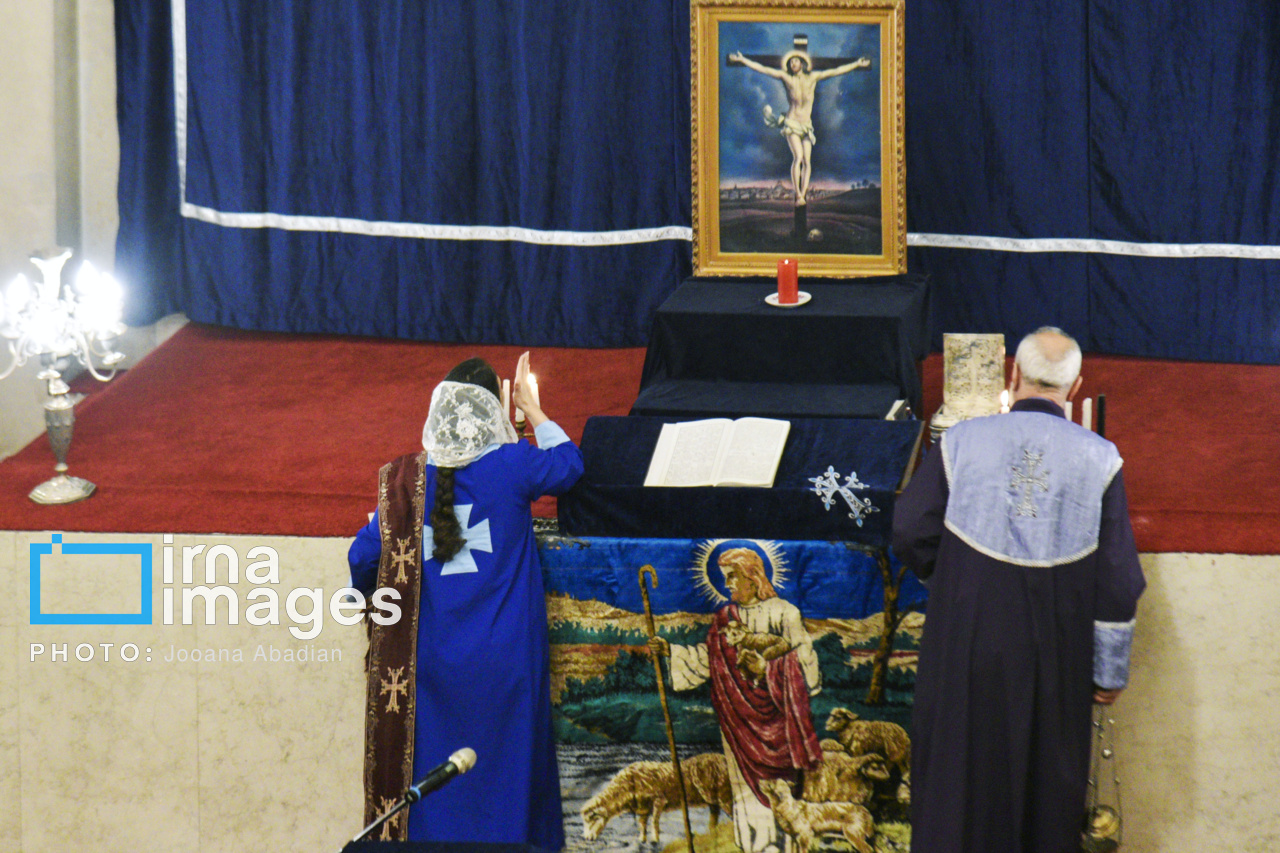
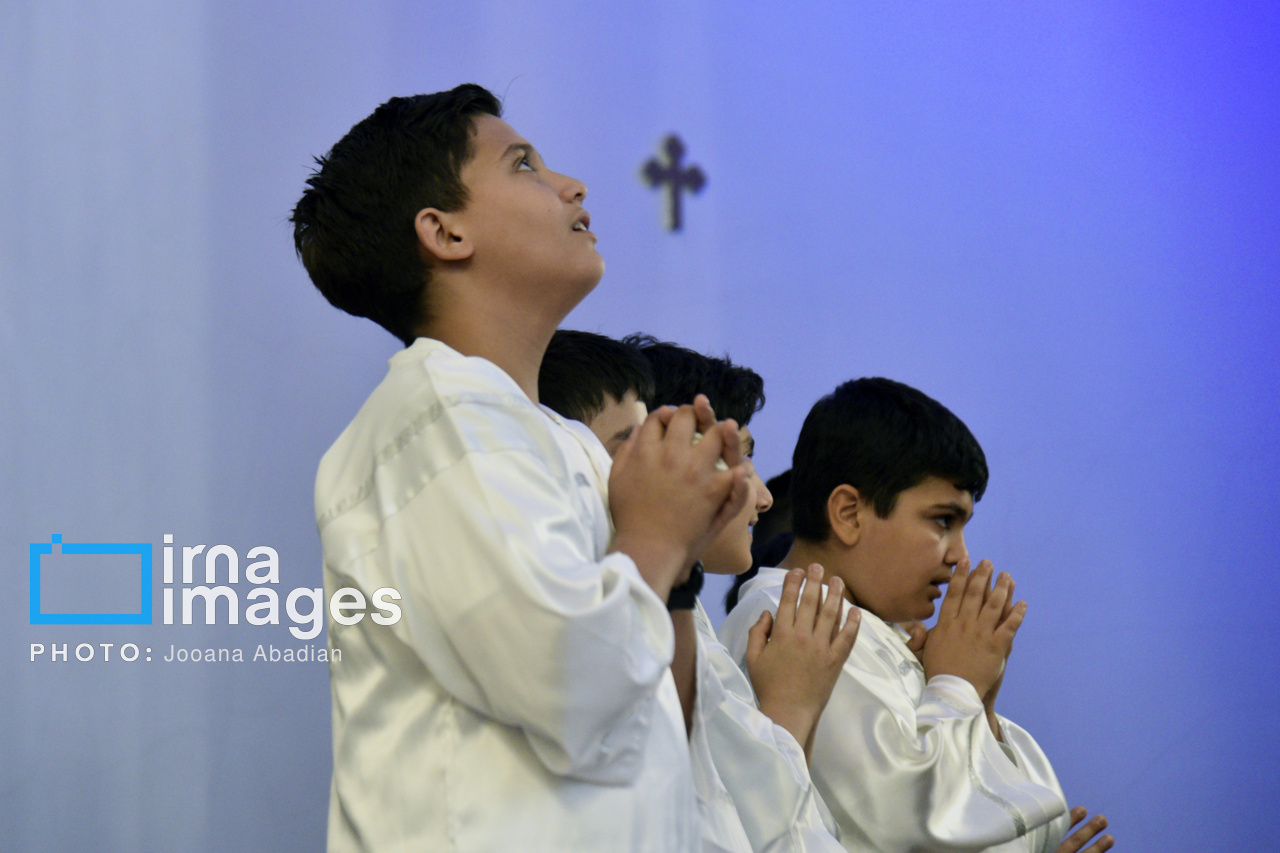
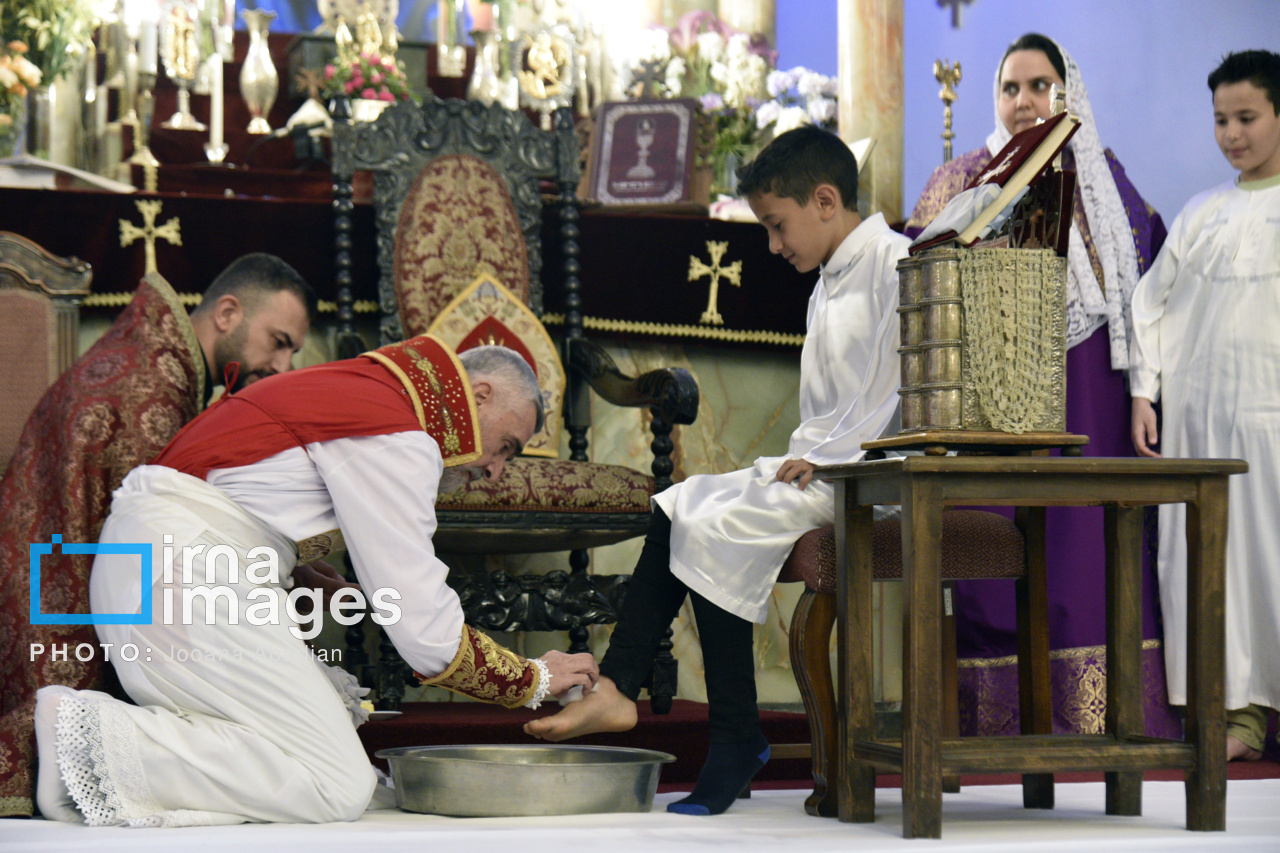
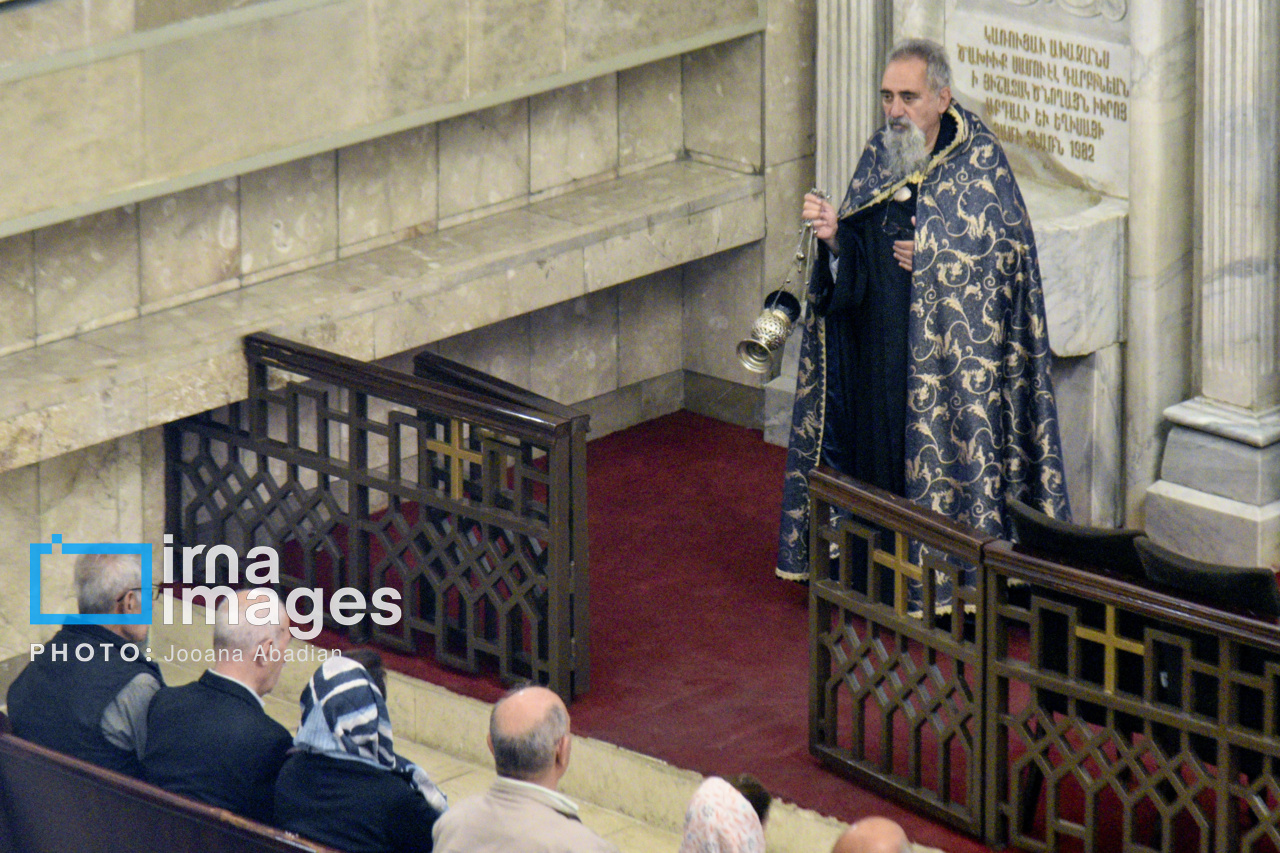
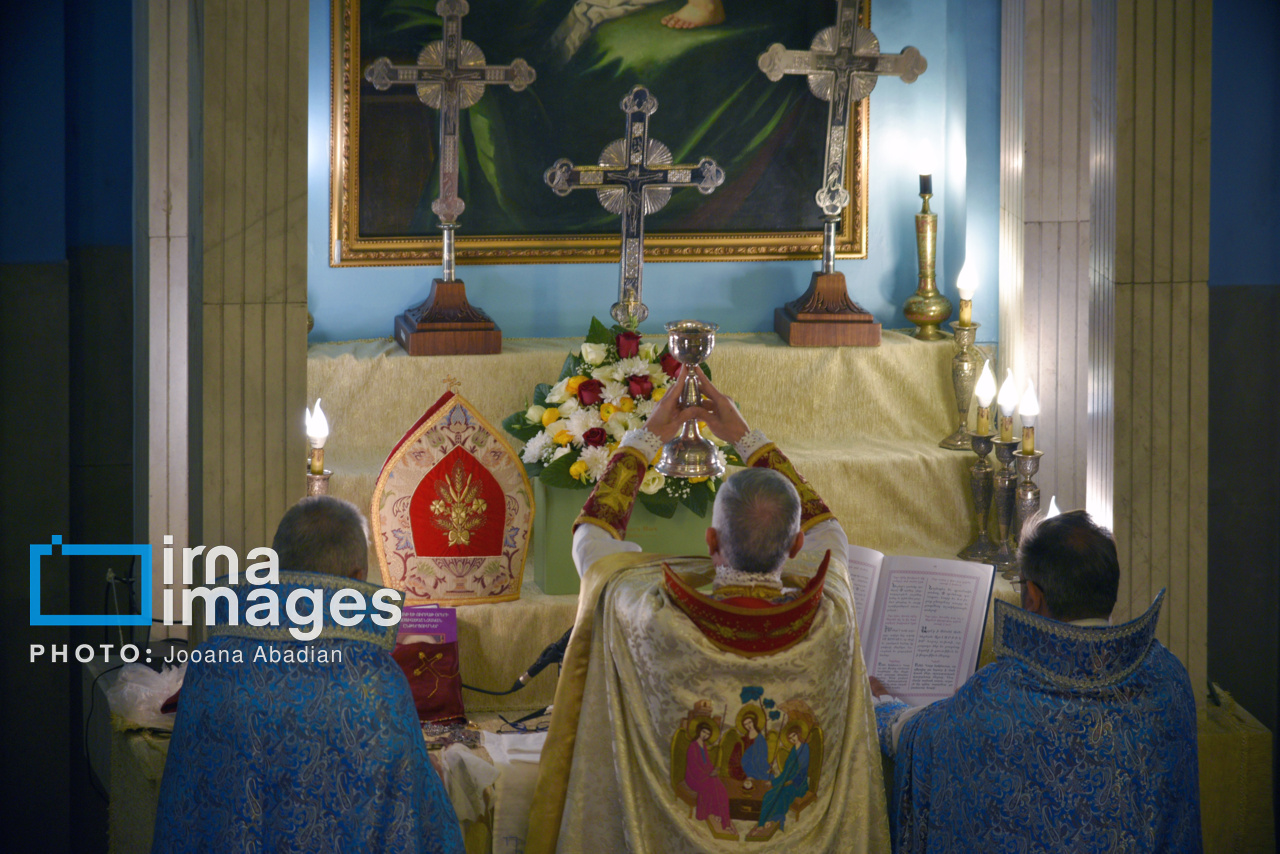
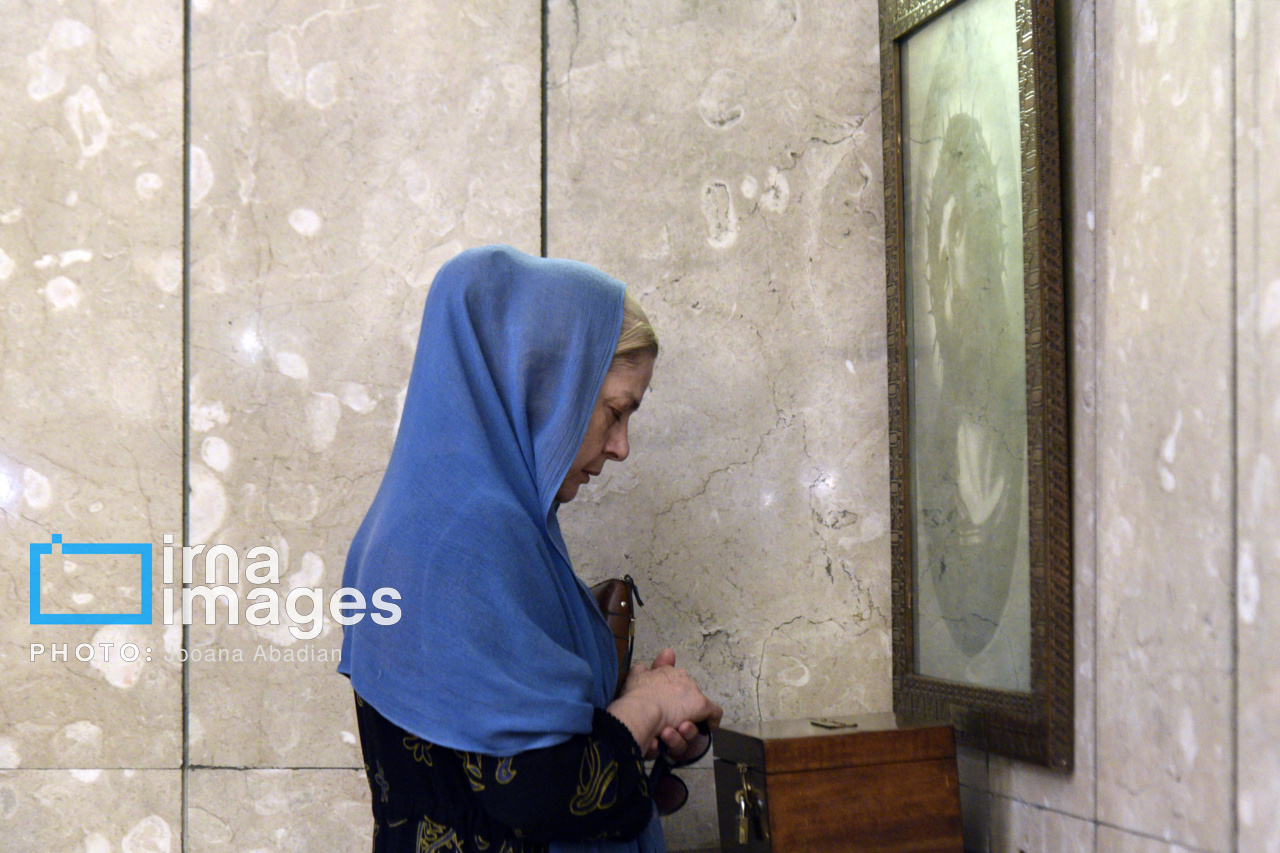
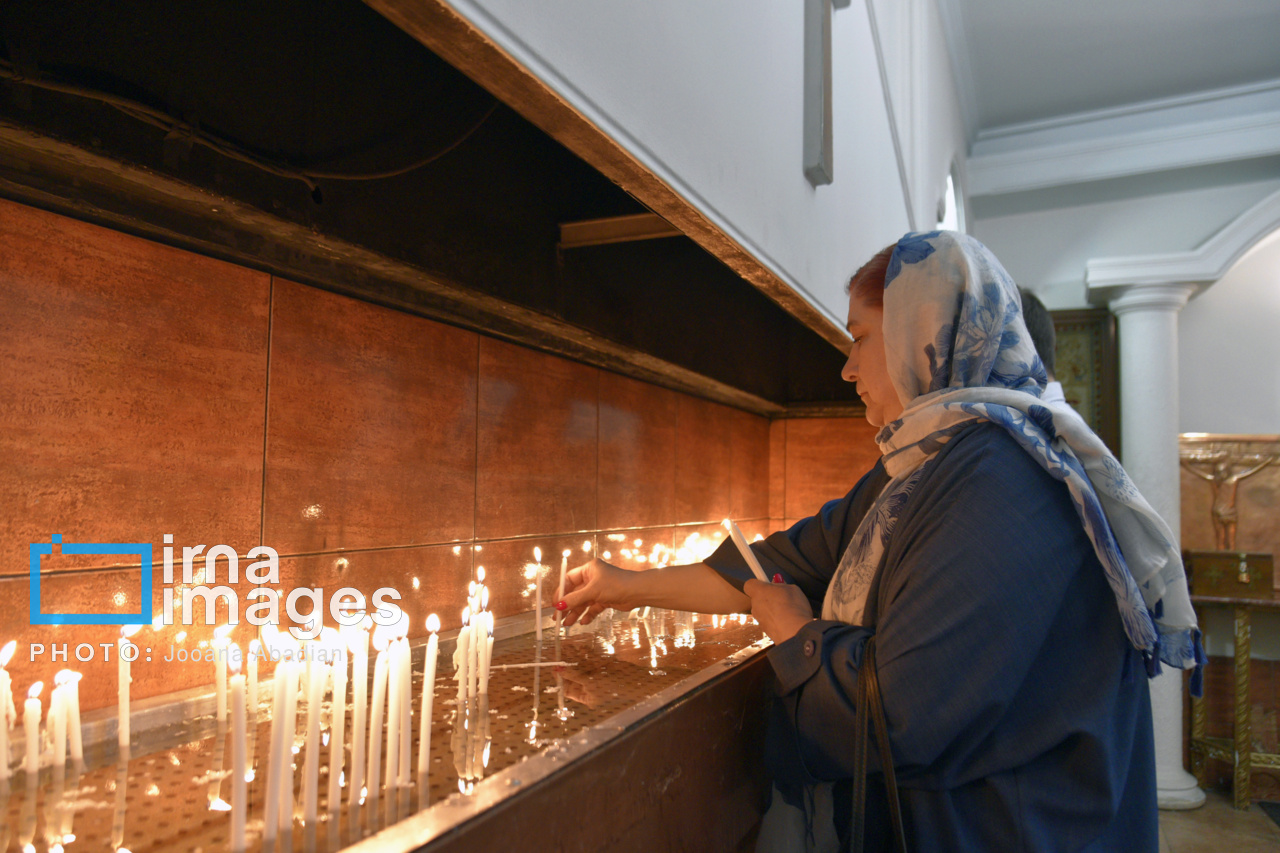
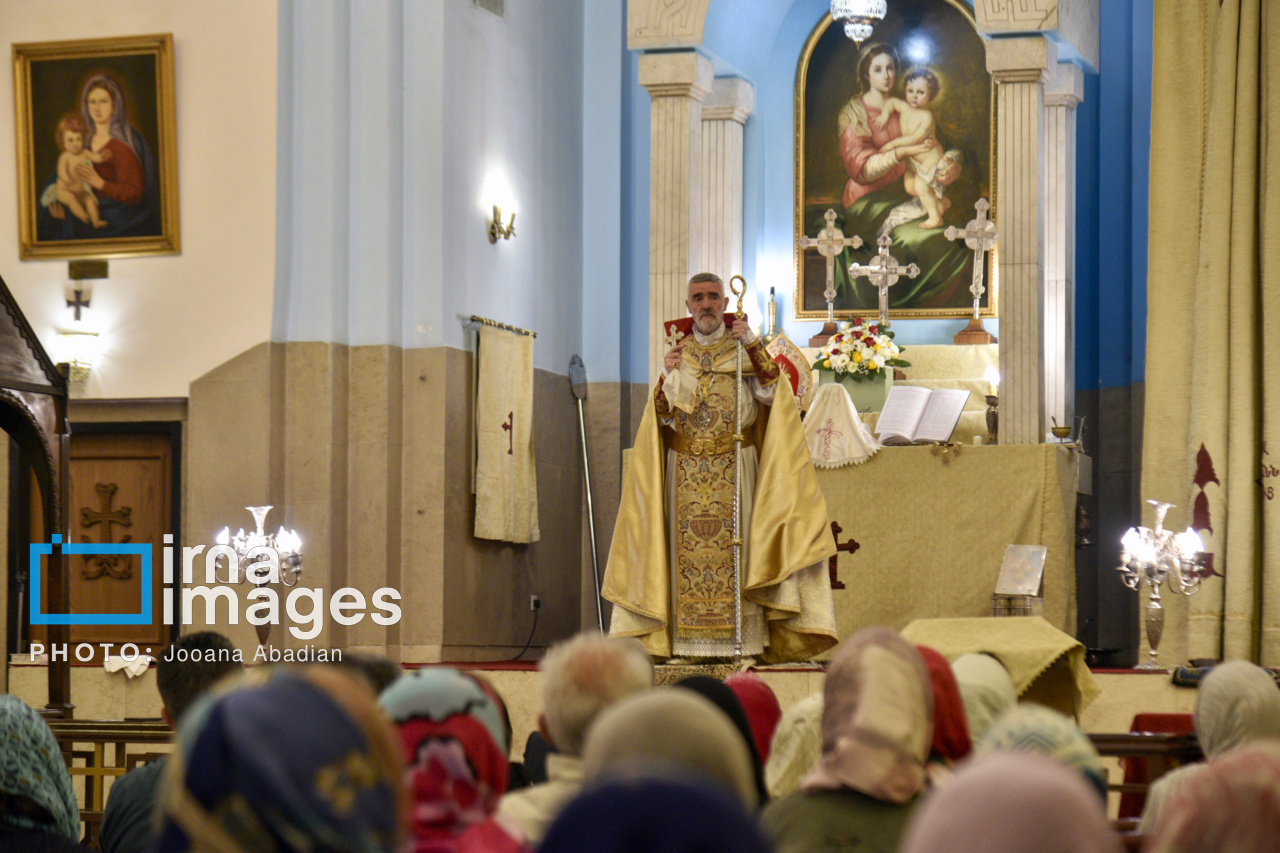
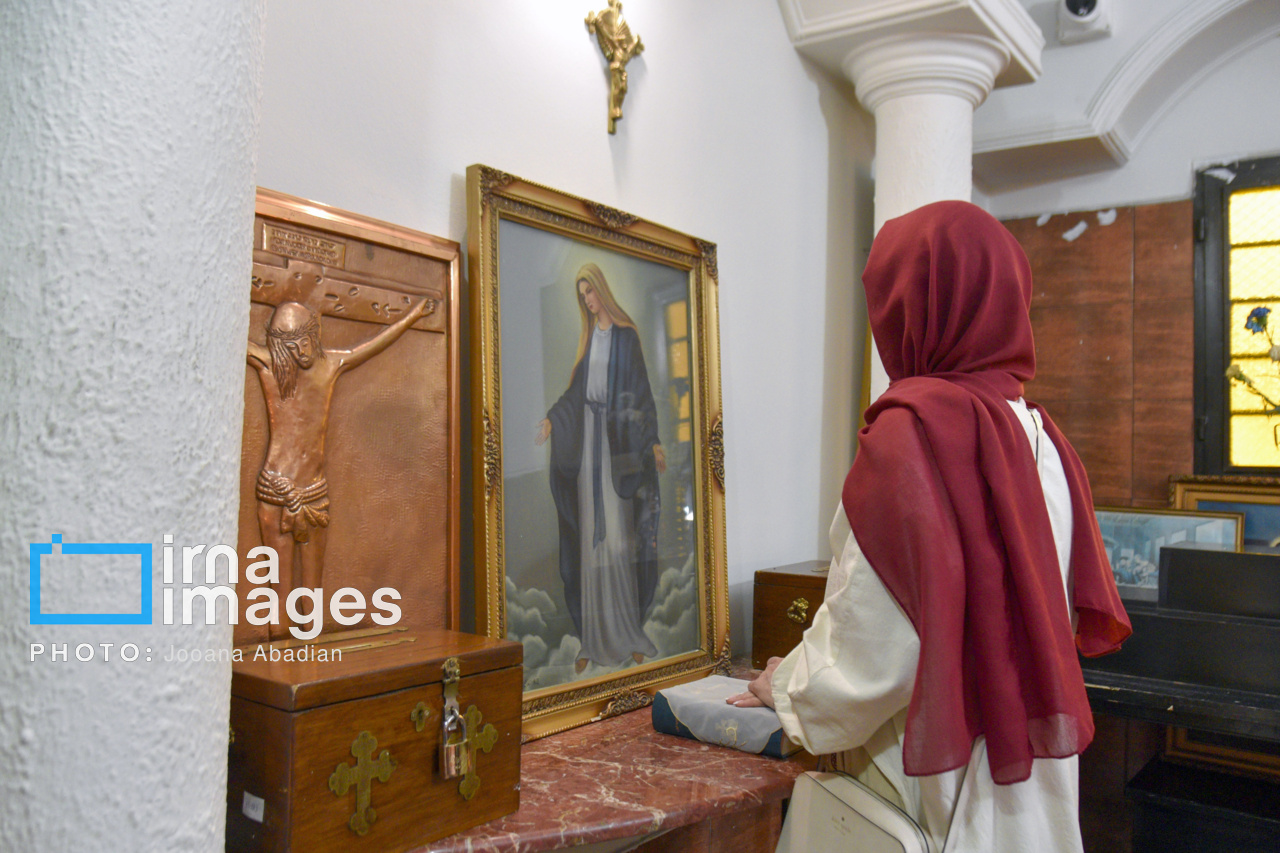
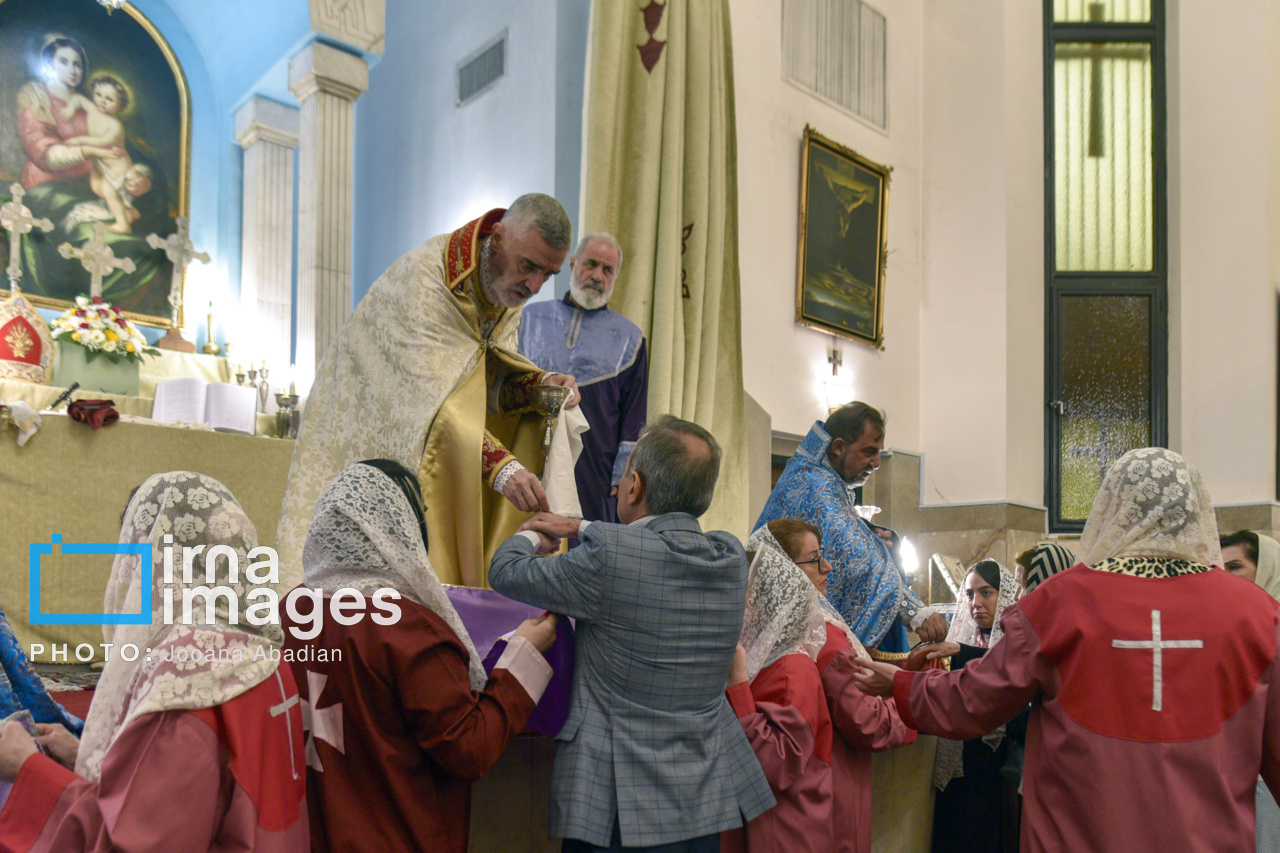
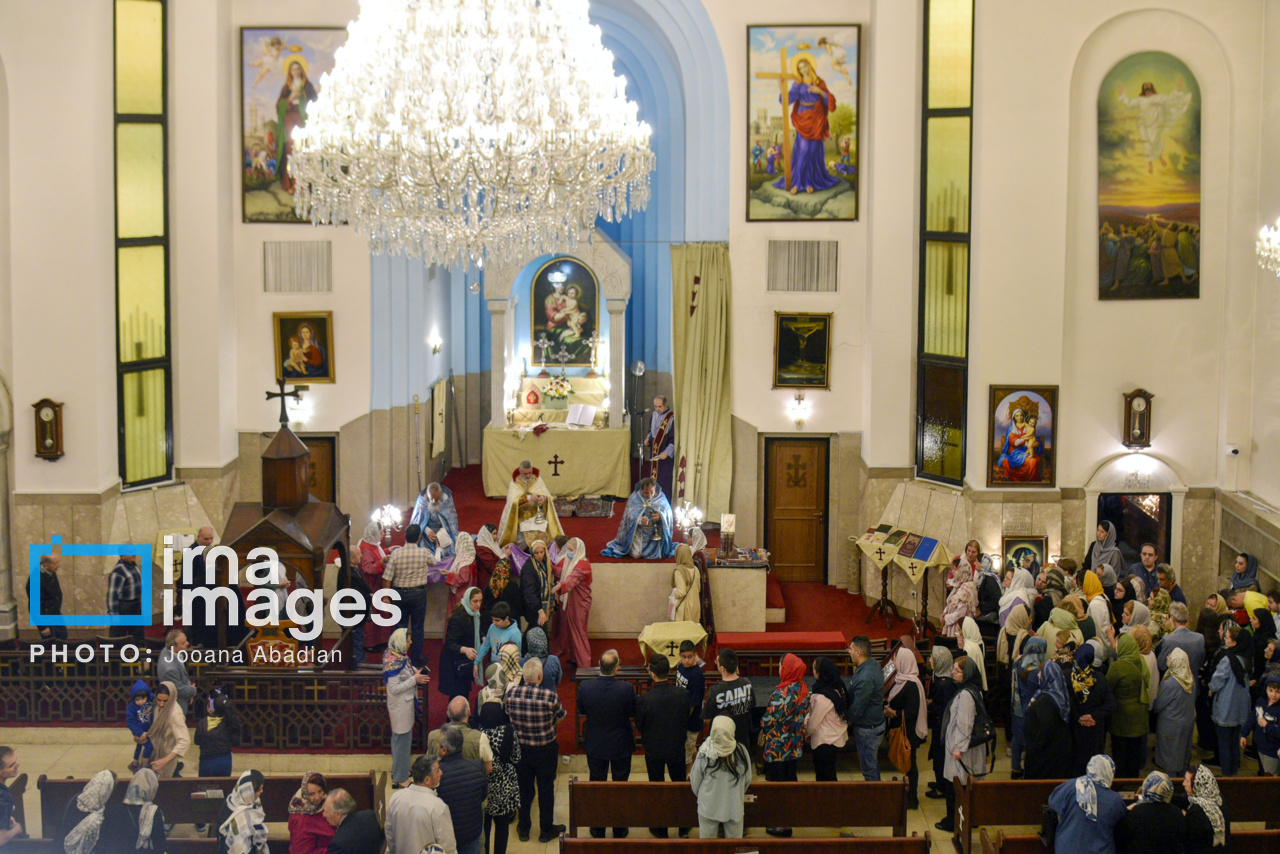
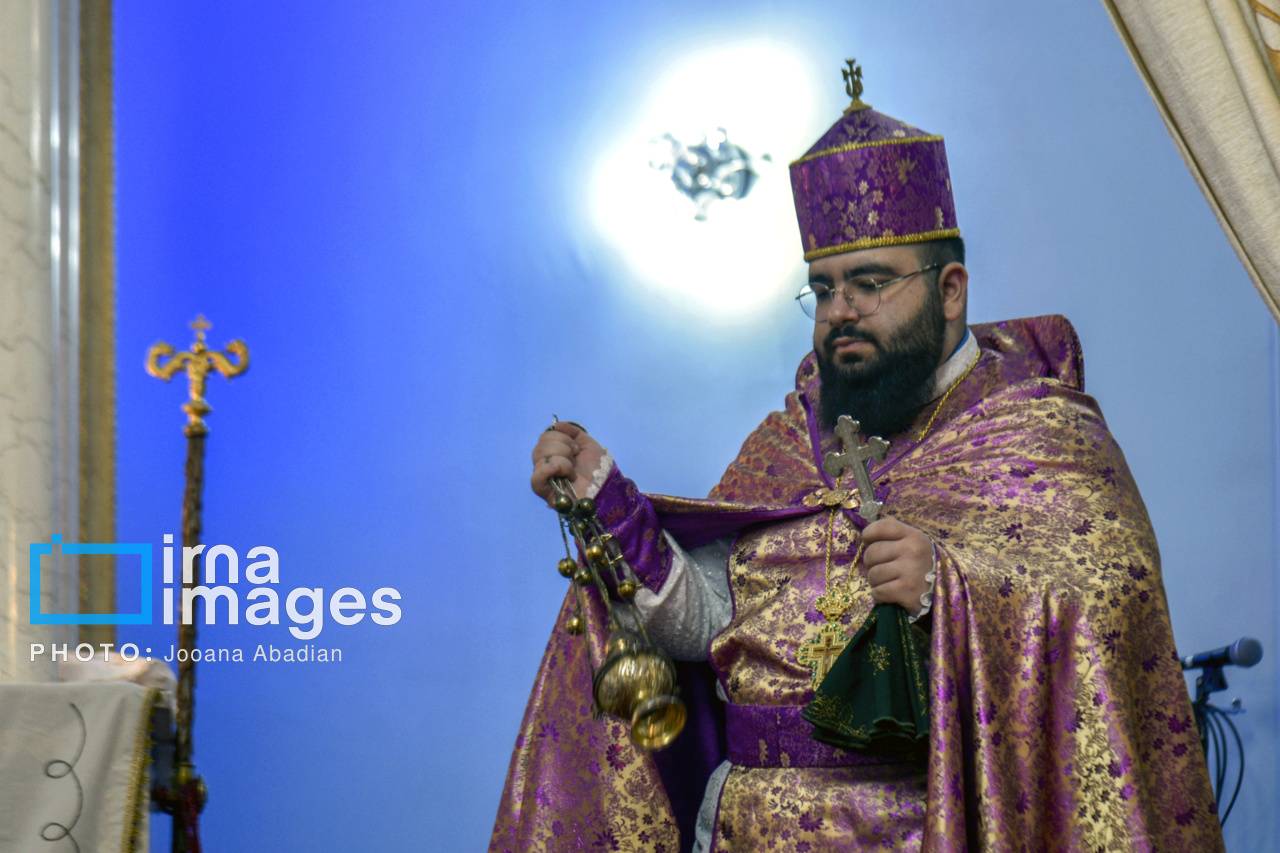
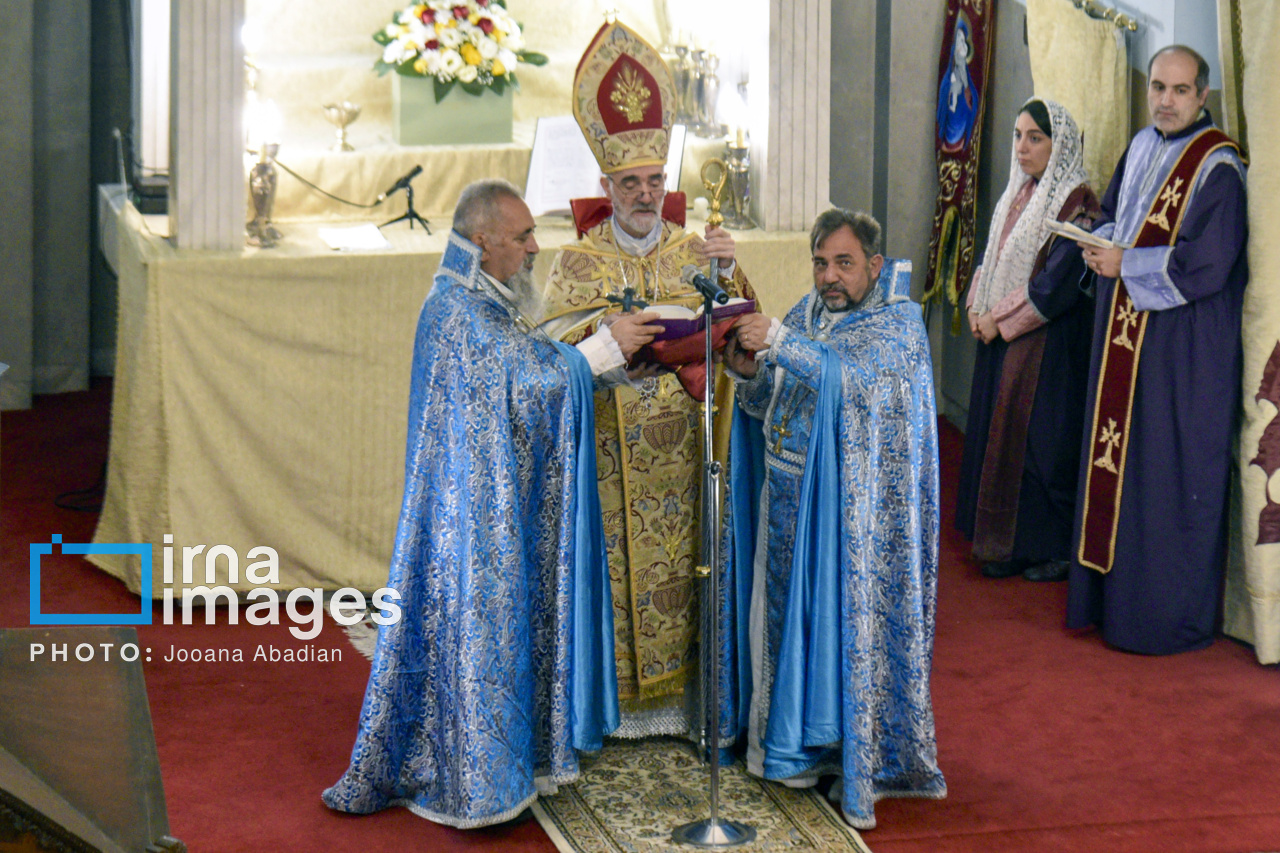
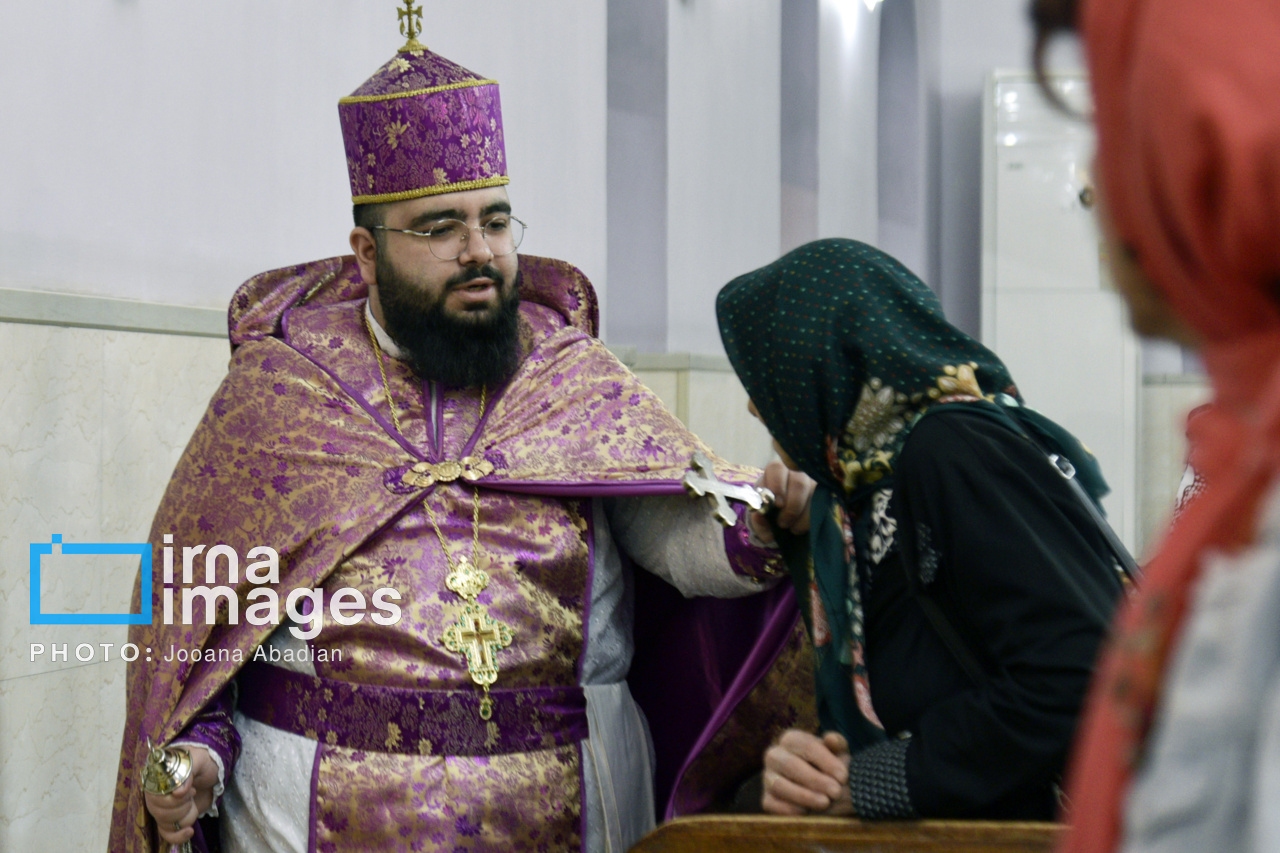
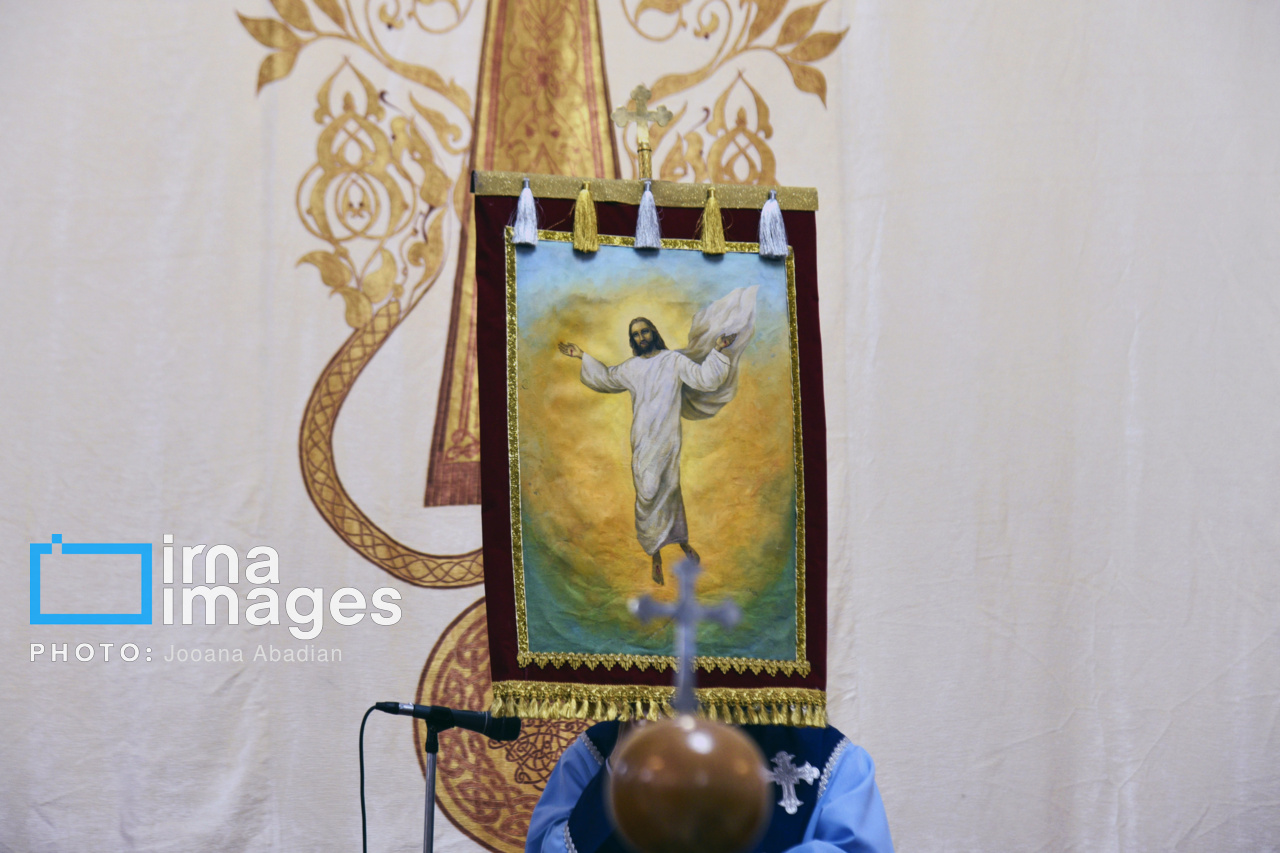
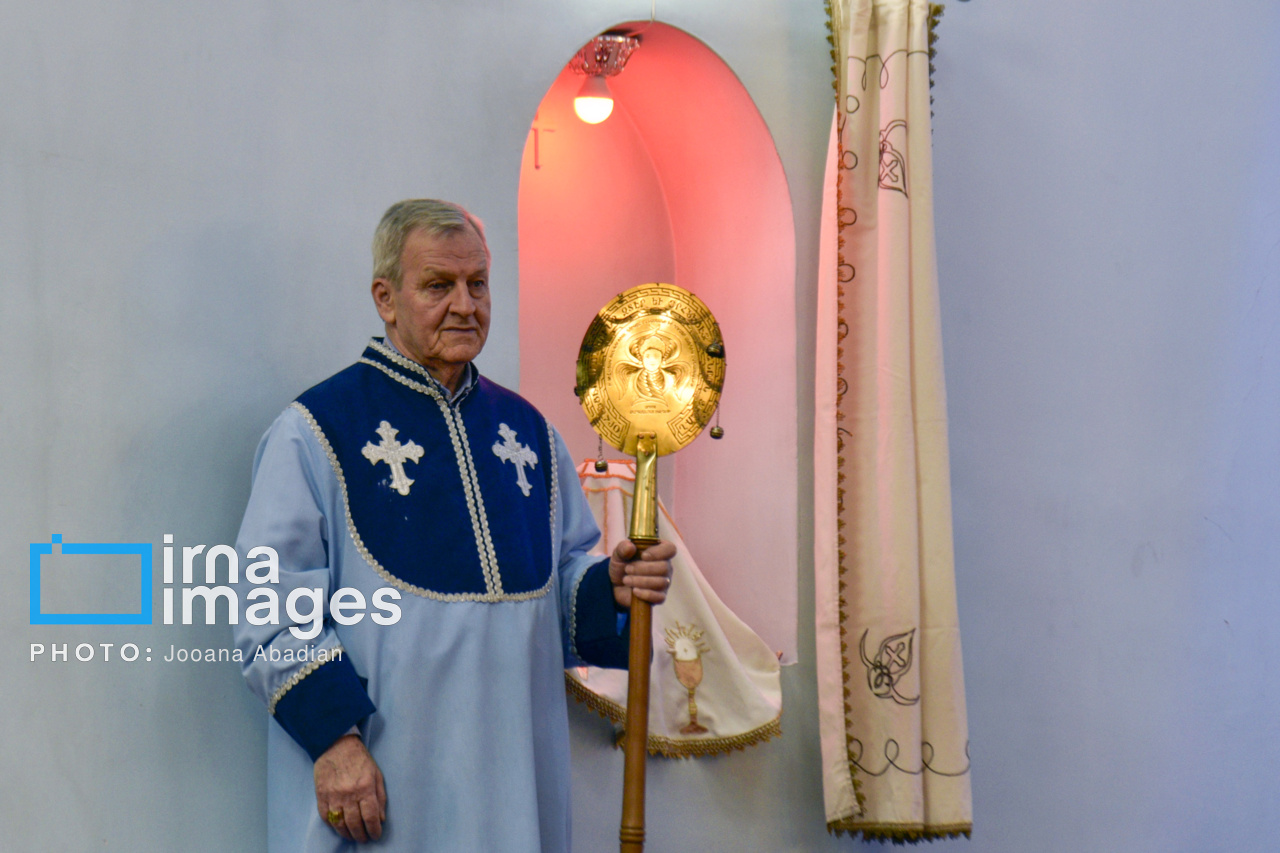
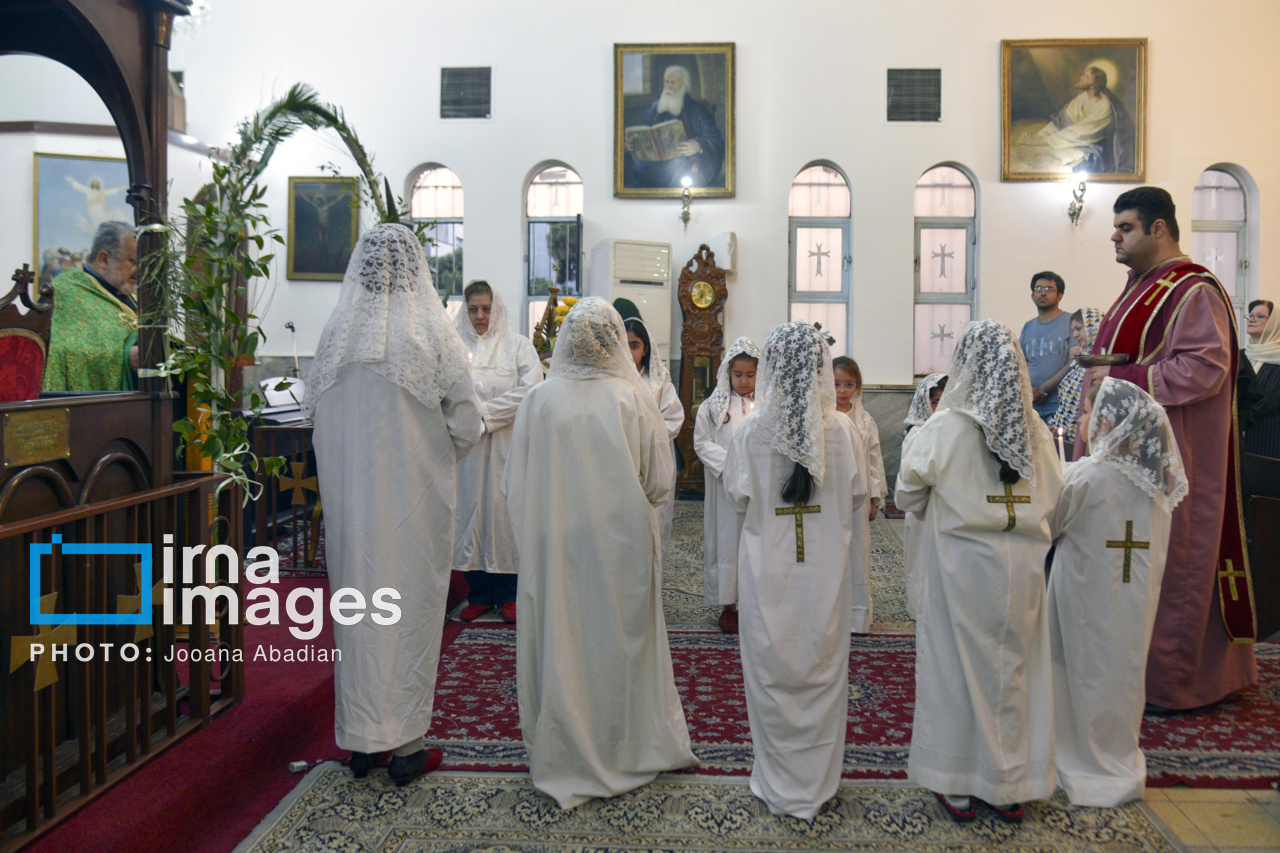
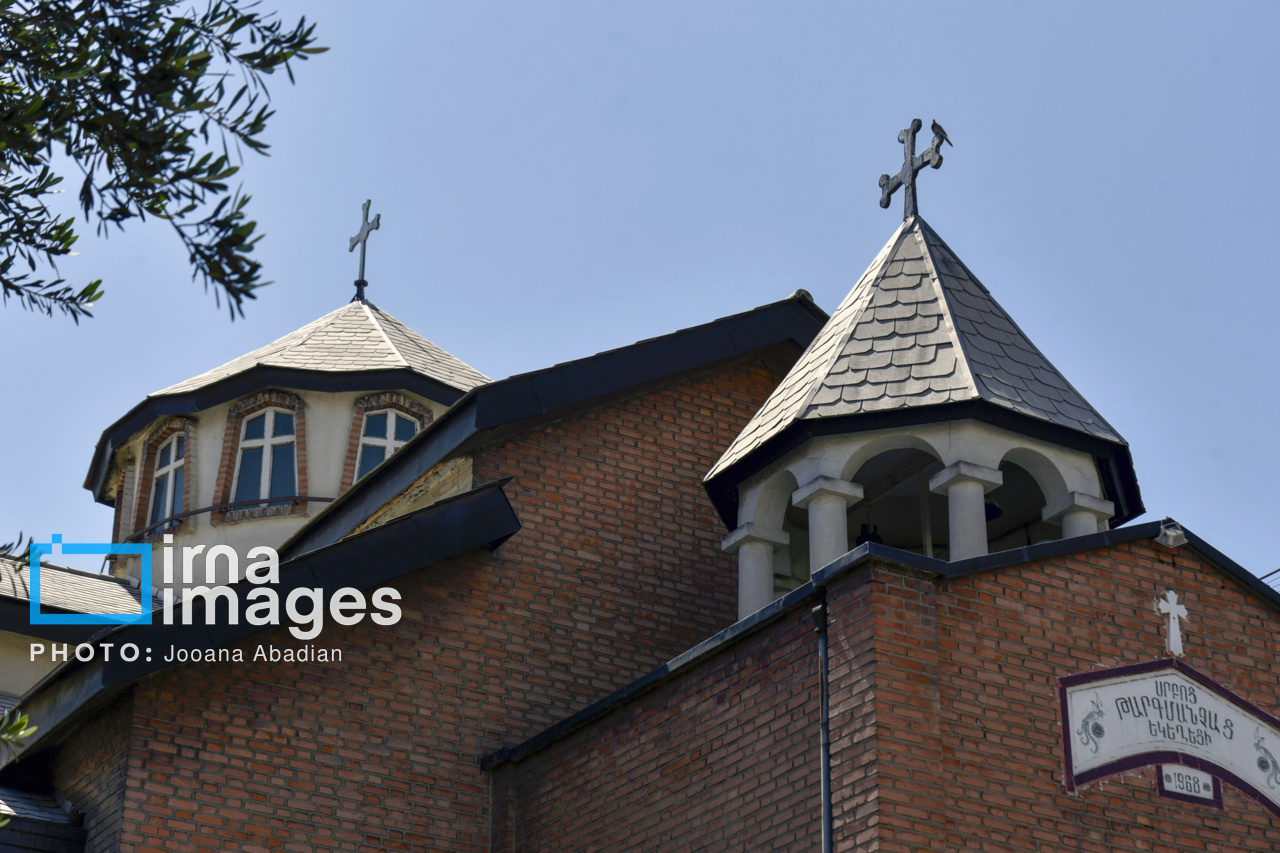
Armenian Christian community observes Holy Week, and Easter in Tehran

Iran’s Armenian community, recognized as a religious minority under the constitution, freely practices Christianity.

The ceremonies concluded with Easter celebrations, symbolizing renewal and hope.

More in pictures:

Israel cancels visas for several French lawmakers ahead of visit

The action came only days after Israel stopped two British members of parliament from the governing Labour party from entering the occupied territories.

It also came amidst diplomatic tensions after President Emmanuel Macron said France would soon recognise a Palestinian state. Macron has in turn sought to pressure Prime Minister Benjamin Netanyahu over conditions in Gaza amid the Israel-Hamas war.

Israel’s interior ministry said visas for the 27 had been cancelled under a law that allows authorities to ban people who could act against “the state of Israel”.

Seventeen members of the group, from France’s Ecologist and Communist parties, said they had been victims of “collective punishment” by Israel and called on Macron to intervene.

They announced in a statement that they had been invited on a five-day trip by the French consulate in Jerusalem.

They had intended to visit Israel and the Palestinian territories as part of their mission to “strengthen international cooperation and the culture of peace”, they added.

“For the first time, two days before our departure, the Israeli authorities cancelled our entry visas that had been approved one month ago,” they noted.

“We want to understand what led to this sudden decision, which resembles collective punishment,” stated the group.

The delegation included National Assembly deputies Francois Ruffin, Alexis Corbière and Julie Ozenne from the Ecologist party, Communist deputy Soumya Bourouaha and Communist senator Marianne Margate.

The other members were left-wing town mayors and local lawmakers.

The statement denounced the ban as a “major rupture in diplomatic ties”.

“Deliberately preventing elected officials and parliamentarians from travelling cannot be without consequences,” the group noted, demanding a meeting with Macron and action by the government to ensure Israel let them into the occupied territories.

The group added their parties had for decades called for recognition of a Palestinian state, which Macron said last week could come at an international conference in June.

Israeli authorities this month detained British members of parliament Yuan Yang and Abtisam Mohamed at Tel Aviv airport and deported them, citing the same reason. Britain’s Foreign Secretary David Lammy called the action “unacceptable”.

In February, Israel stopped two left-wing European parliament deputies, Franco-Palestinian Rima Hassan and Lynn Boylan from Ireland, from entering.

Netanyahu has reacted with fury to France’s possible recognition of a Palestinian state. He said establishing a Palestinian state next to Israel would be a “huge reward for terrorism”.

Report: Afghan student beaten at Kabul’s Embassy in Tehran, fears for safety

Mehraga Mosaddeq, an Afghan national from Parwan province, said embassy staff abruptly refused his passport renewal without justification before assaulting him.

“They punched me, strangled me, and dragged me into a room. I thought they would kill me there,” he told Shargh newspaper. The attack left him with visible injuries, requiring emergency treatment.
Mosaddeq, a political science student in Iran for over seven years, claims the violence was racially motivated, citing mistreatment of ethnic Tajiks and others opposed to the Taliban.

Despite filing a police report, he fears returning to the embassy, saying, “I just want a guarantee I’ll leave alive.”

Activists note a rise in violent incidents since the Taliban took control of Afghanistan’s diplomatic missions.

“This isn’t isolated – we’ve seen similar brutality before,” said Qamar Takavaran, a migration rights advocate. In 2023, an Iranian photographer was reportedly slapped by Taliban guards at Afghanistan’s consulate in Mashhad.

While embassies operate under their home country’s laws, legal expert Saleh Noghrehkar stressed that victims retain the right to seek international justice.

Israeli military finds ‘professional failures’ in killing of Gaza aid workers

The Palestine Red Crescent Society (PRCS) and the Israeli rights organisation Breaking the Silence rejected the findings of the Israeli probe on Sunday.

PRCS’s president told Al-Araby TV that the Israeli narrative on the killings in Rafah was “contradictory”.

“It is incomprehensible why the occupation soldiers buried the bodies of the paramedics in a criminal manner,” Younis al-Khatib said.

Al-Khatib added that the Israeli army communicated with the paramedics before killing them and that the evidence – including a video showing their ambulances flashing emergency lights – proved “the falsity of the occupation’s narrative regarding the limited visibility at the site”.

“An independent and impartial investigation must be conducted by a UN body.”

PRCS, which had medics killed by Israel in the incident, also denounced the Israeli report as “full of lies” on Sunday.

“It is invalid and unacceptable, as it justifies the killing and shifts responsibility to a personal error in the field command when the truth is quite different,” Nebal Farsakh, spokesperson for the organisation, told the AFP news agency.

The PRCS announced last week that it received confirmation from the International Committee of the Red Cross (ICRC) that one of its medics who was missing is being held by Israel.

The Israeli army on Sunday claimed that six of the aid workers who were killed and buried in a shallow mass grave along with their ambulances were Hamas “terrorists”, without providing any evidence.

It admitted its probe detected a series of “professional failures”, including partial and inaccurate reporting by the commanding officers in the field invading southern Gaza’s Rafah.

The deputy commander of the Golani Reconnaissance Battalion will be dismissed, while the commanding officer of the 14th Brigade is to receive a reprimand.

The examination also found “no evidence to support claims of execution or that any of the deceased were bound before or after the shooting”, despite the testimonies and the evidence.

The Israeli military had initially claimed that the ambulances and aid workers were not clearly marked as first responders and approached its troops “suspiciously”.

A mobile phone video recorded by one of the killed aid workers that was obtained by the New York Times showed that the crew were clearly marked and visible to Israeli forces, and were killed by Israeli fire that lasted several minutes.

United Nations and Palestinian officials later found the mass grave and the bulldozed ambulances and bodies after Israeli authorities granted access to the area of the mostly destroyed city of Rafah bordering Egypt.
The Israeli anti-occupation group Breaking the Silence said the military investigation is “riddled with contradictions, vague phrasing, and selective details”.

“Not every lie has a video to expose it, but this report doesn’t even attempt to engage with the truth,” the group announced, adding, “Another day, another cover-up. More innocent lives taken, with no accountability.”

Israel has a track record of denying accusations of wrongdoing and contradicting its own earlier statements.

Past investigations have exonerated the armed forces or placed the blame on a single individual without broader repercussions.

The UN accused the Israeli military of being responsible for the killing of the 15 aid workers, along with the killing of a Bulgarian UN staff member and wounding of six other foreign staff in Gaza’s Deir el-Balah last month.

The organisation has been forced to significantly cut its staff in Gaza as the war’s death toll continues to mount.