Friday, December 26, 2025
Home Blog Page 4188

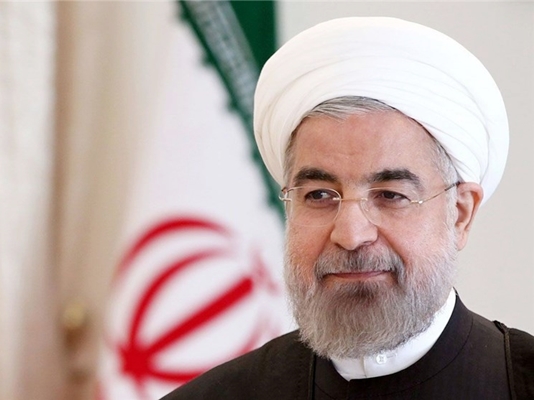
Iranian President Congratulates Pope, World Christians on Christmas

Rouhani

In his message on Saturday, the Iranian president expressed his felicitations over the auspicious birthday anniversary of the prophet of friendship and brotherhood, Jesus Christ.

He expressed the hope that the new year would be one of spirituality, tolerance, progress and dignity along with peace and justice for all humans across the world.

The Iranian president also hoped that interaction and kindness would be further promoted among followers of all divine religions and called on all moderate, wise and justice-seeking well-wishers to tread the path of patience and dialogue in 2017.

The Iranian president also congratulated world leaders on the auspicious occasion of the birth anniversary of the prophet of peace and kindness and the advent of the new Gregorian calendar year.

Rouhani expressed hope that in line with the teachings of the prophets, which brought dialogue and understanding among nations, the world would witness stability and security and the end of the sufferings of the countless people plagued by oppression, corruption and terrorism.

The Iranian president also prayed that God bestow “happiness and prosperity” upon nations and governments, Press TV reported.

First VP Felicitates Christian Counterparts on Christmas

Iranian First Vice-President Es’hagh Jahangiri also congratulated his Christian counterparts on the birthday anniversary of Jesus Christ, the herald of justice, peace and freedom.

In separate messages addressed to counterparts in Christian countries, Jahangiri hoped for the elimination of root causes of terrorism in 2017.

Jahangiri further wished a year replete with health and prosperity for all Christian nations.

He expressed hope that friendship, solidarity and cooperation among world nations would further expand, based on virtue and truth, in the New Year and the world would witness establishment of peace and stability in 2017.

Iran Welcomes UNSC Resolution against Illegal Israeli Settlements

Bahram Qassemi

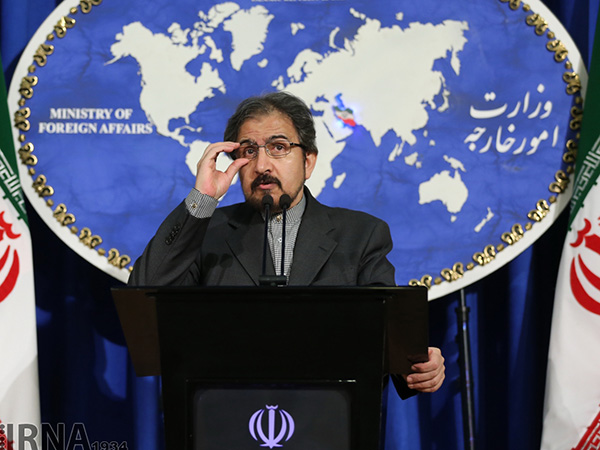
Considering the record of support for the Israeli crimes provided by certain powers, most notably by wielding veto power in the UN Security Council, the recent UNSC resolution is a token of “the international society’s determination to end the Zionist regime’s occupation and restore the rights of the Palestinian people,” Iranian Foreign Ministry Spokesman Bahram Qassemi said on Saturday.

His comments came after the UNSC voted in favor of the resolution demanding the halt of Israeli settlement on occupied Palestinian lands. The resolution was put forward at the 15-member council for a vote on Friday by New Zealand, Malaysia, Venezuela and Senegal, a day after Egypt withdrew it under pressure from Israel and US President-elect Donald Trump.

Elsewhere in his remarks, the Iranian spokesman reiterated that Israeli settlement plans in Palestine are clearly in violation of international law, saying experience shows that the Tel Aviv regime is not committed to any legal or international regulations.

Qassemi also praised the raising awareness in the world about the Israeli crimes and the “usurping and occupying nature” of that regime, calling on the international community, the UN in particular, to take effective steps in addressing the problem after more than seven decades.

The UNSC resolution was adopted with 14 votes in favor to a resounding round of applause. It was the first resolution the Security Council adopted on Israel and the Palestinians in nearly eight years.

The UN Security Council has condemned the Israeli settlements and continuing construction in Palestinian territory occupied since 1967 as a “flagrant violation” of international law, saying it has “no legal validity.”

While the UN maintains that settlements are illegal, the UN officials have reported a surge in construction over the past months.

Some 430,000 Israeli settlers currently live in the West Bank and a further 200,000 Israelis live in occupied East Jerusalem, which the Palestinians see as the capital of their future state.

Iran, Russia Presidents on Phone for 3rd Time in Month, Discuss Terrorism

Rouhani-Putin

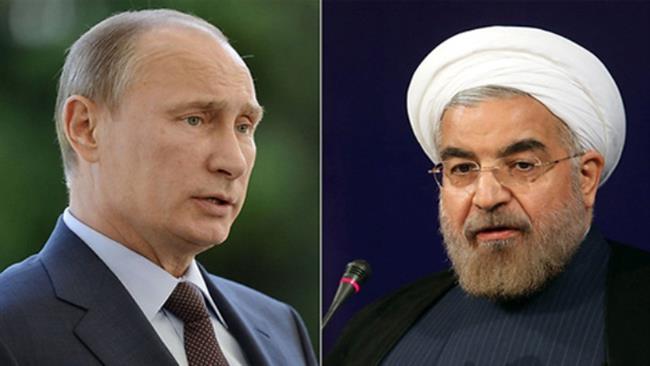
Iranian President Hassan Rouhani and his Russian counterpart Vladimir Putin held a conversation on the telephone on Saturday for the third time over the past month.

They exchanged views about the latest developments in Syria, particularly after the recent major defeat of terrorists and full liberation of the strategic city of Aleppo from the grips of foreign-backed militants.

The Iranian and Russian presidents also stressed the importance of developing cooperation to help the resumption of dialogue and negotiations to find a political solution to the crisis in Syria.

The Iranian and Russian chief executives had also held phone talks on December 19 and November 28.

The Syrian military announced on Thursday that it had attained full control of the northwestern city of Aleppo, having completely cleansed its eastern side of militants for the first time since 2012.

The victory came about despite military support for the militants by the United States, Turkey, and some Arab countries in the Persian Gulf region.

The Russian president on Friday called his Syrian counterpart Bashar al-Assad to congratulate him on the full liberation of Aleppo, saying, “This success was possible thanks to mutual efforts of all who came together in the fight with international terrorism in Syria.”

Also in an annual conference on Friday, Putin said the evacuations in Aleppo would not have been possible without the help of his country, Iran, and Turkey and the goodwill of President Assad.

He urged a nationwide ceasefire deal and said the four sides had agreed to attend peace talks in the Kazakh capital, Astana, to try to resolve the conflict in Syria.

Russia has been carrying out an aerial campaign against militants in Syria, including formerly in Aleppo, on a request from the Syrian government. Iran, too, has been offering Damascus advisory military help.

Iranian Foreign Minister Mohammad Javad Zarif and his Russian and Turkish counterparts Sergei Lavrov and Mevlut Cavusoglu, respectively, held a meeting in Moscow on Tuesday and discussed the latest developments in Syria, particularly those concerning Aleppo.

Preparing Qavout: An Ancient Winter Custom in Northwestern Iran

Qavout -tradition- Food

People in northwestern Iran believe in specific definitions for seasons, especially autumn and winter. They divide seasons based on myths and legends. This shows how rich is the basis of the region’s traditions.

In Ardabil province, northwestern Iran, women – who are symbols of birth and life – are the main followers of customs throughout the year. They share the transitions of earth by observing customs based on the nature’s evolutions.

There is an ancient custom among them to bless their household’s winter food in honour of Prophet Khidr four days before the winter begins.

“In Ardabil, housewives cook Qavout – a special kind of food – when ‘Garmij’ wind blows and slushy snow falls during the last four days of autumn and the first four days of winter. This period is called ‘Charchar’ or ‘Khidr’ among locals,” said a cultural researcher, according to a Farsi report by Mehr.

Due to the lack of living facilities, Iranian families modified their lifestyles according to what was accessible in the past. This is clearly visible in what they eat, including Qavout.

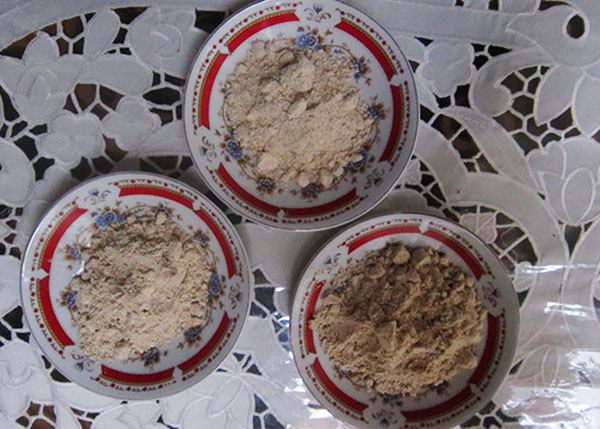
The ingredients of Qavout include heated wheat, white pea, heated  corn, cannabis, seeds of melon and watermelon, linseed, peeled black pea, sugar, lentil, pumpkin seed, apricot stone, California almond,  wild bean, white bean, broad bean and cowpea.

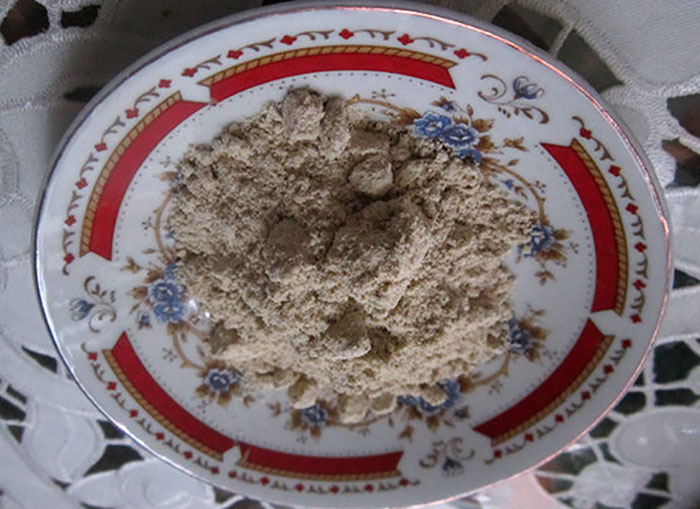
A wooden spoon or broomstick is used to mix the nuts. After heating and cooking the ingredients, women grind them up in stone mills: this is the main part of preparation. Then they sift the powder. People of Ardabil analogize sifting to falling snows; the women of Ardabil sift Qavout in the cold season, right in the time when the nature hibernates, to repulse misfortunes.

Qavout -tradition- FoodQavout is eaten in the form of paste or sugared powder with grape extract, sugar syrup, water or milk.

Often prepared and distributed as a religious vow, people decide for how many years they will cook Qavout. Being prepared with special sensibility, it is offered to family members, friends and neighbours as a small gift of joy.

Qavout preparation is also an opportunity to strengthen family ties by coming together, chatting and discussing problems.

Last but not least, Qavout is said to have originated from eastern Iranian province of Kerman and is nationally known as Kerman’s souvenir, but people in northwestern Iran also make it, particularly as part of their winter customs.

Story of Afghan Woman Who Went from Refugee to Military Pilot

Afghan Pilot

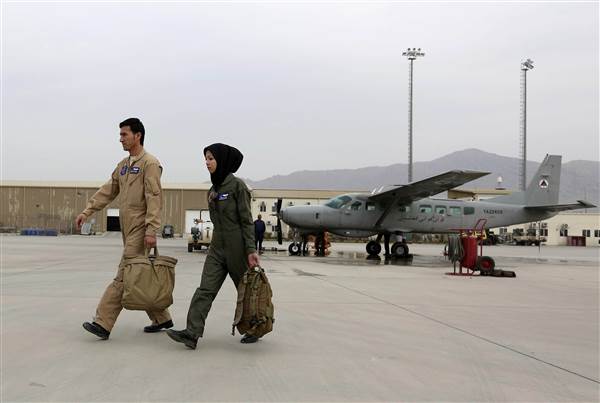
According to a Farsi report by YJC, Captain Safia Ferozi, 26, who spent her childhood as a refugee, is now a shining example of how an Afghan woman can be successful.

Safia pilots a Cessna 208 Caravan turboprop to transport army forces. She is married to another pilot whom she met in her unit of service. They are both members of a small Afghan Air Force, which has a key role in fighting against Taliban insurgents.

Ferozi and her family left their home in Kabul and sought asylum in Pakistan during Afghan Civil Wars in the 1990s. They returned to their country just after the fall of Taliban in 2001.

Before she finished high school, Safia saw an advertising message on television which invited women to join army forces. So she enrolled in The National Military Academy of Afghanistan after her graduation; however, students were announced after a while that the Afghan Air Force intended to employ women to take pilot courses.

Among 13 female students, Safia was the only one who managed to pass all entrance exams and receive training.  She met Captain Mohammd Javad Najafi while being trained in Herat in western Afghanistan. They got married two years ago, and have an 8-month-old daughter named “Narges”. Her husband always encouraged Safia in her ambitions.

Captain Ferozi finished her training courses in 2015, and is one of two Afghan female pilots in recent three decades. During 1980s, several female pilots worked under the supervision of The Soviet Union in Afghanistan. Niloofar Rahmani, who began her career at 2013, was the first Afghan female pilot in 30 years, and the first to pilot a fixed-wing aircraft. Now she is in the US to receive training in navigation of large transport planes such as Lockheed C-130 Hercules. However, she recently declared that she will seek asylum in the US and won’t come back to Afghanistan.

Five other women receive pilot training in Afghanistan.

General Mohammad Radmanesh, the spokesman of Afghan Ministry of Defense, announced that 195,000 army forces serve in Afghanistan, among them are 1,800 women. He went on to say that in the next seven years, women are due to form 10% of Afghan military forces.

Iran and Syria Strengthen Their Academic Cooperation

Iran-Syria-Culture

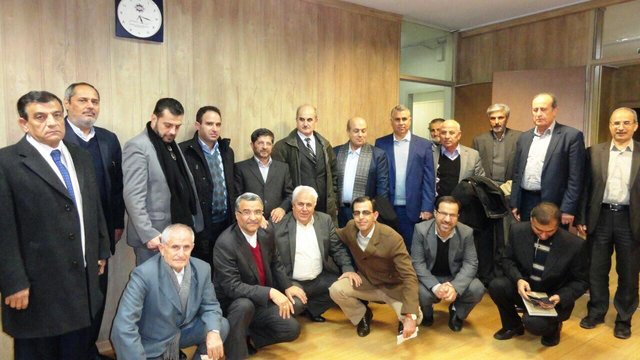
According to a Farsi report by ISNA, Hani Shaban, the president of Tishreen University in Latakia, Syria, recently visited Iran along with a delegation including the heads of its faculties.

After a series of specialized meetings in Isfahan University and signing an academic agreement with this university, they went to Tehran to meet Abbas Khameh-Yar, a Deputy Head of the Islamic Culture and Relations Organization (ICRO).

“Looking at Syrian war from a cultural point of view, we should ask ourselves as witnesses why no one takes care of museums and monuments of Islamic countries during the conflicts,” Kameh-Yar noted during the meeting.

“After the fall of Saddam Hussein in Iraq, the country’s museums were left to be looted. This was repeated after the fall of Hosni Mubarak in Egypt, and then in Syria.”

Khameh-Yar went on to say that more than 60% of Islamic and national Syrian antiquities have been destroyed during the 6-year war in this country. “The enemies of Muslim community have planned to annihilate the Islamic history.”

He then offered a report on the activities of Iranian Cultural attachés in all continents.

Mentioning the efforts made by ICRO to promote Persian language and literature in the world, especially in Syria, he said, “As there is no financial interest in learning Persian, the foreigners who learn this language are mentally attracted to it.”

“Despite all unjust sanctions developed countries imposed on Iran, we have made remarkable progress in nanotechnology, nuclear technology and manufacturing subway trains,” he noted.

Khameh-Yar also pointed to the increased number of Iranian students, which used to be 75,000 in last years before 1979 Islamic Revolution, and is now increased to 4.4 million.

Hani Shaban, the president of Tishreen University, said for his part, “We are resolved to write our own history based on gallantry of our youths. We don’t let strangers interfere in our affairs.”

“While regional media, particularly in Persian Gulf states, makes propaganda against Iran, we owe our survival to Iranian administration and people. The majority of Arab states turned against Syria, even became our worst enemies. Meanwhile our Iranian brothers stood firm beside us. Syria will always be fond of Iranian people and government. I say it wholeheartedly, not merely as an authority.”

Expressing his hopes about developing academic relationships and cooperation between Iran and Syria, he talked about demands of Tishreen University for exchange of professors and students and establishing a department for Persian language and literature.

Later in the meeting, Mehrdad Rakhshandeh, the head of the Academic Cooperation Development Centre of the ICRO, briefly introduced the activities of this centre and announced its preparation for development of joint projects with Syria, including cooperation in offering study opportunities and scholarships, hosting academic boards, running courses of Islamic and Iranian studies in Syria, sending Iranian professors to Syrian universities in case of their request, and any other academic/scientific measure to solidify the relationship between Iran and Syria.

Also in the meeting, Amir Pour-Pezeshk, the director of representatives in Saadi Foundation – a centre for global teaching of Persian language – talked about the activities of this foundation.

“Iranians’ empathy with Syrian people comes from the doctrine of Saadi, the great Iranian poet, after whom is named our centre.”

He went on to say that Saadi Foundation is prepared to collaborate with Syrian universities on different levels, whether the activities are to be coordinated within the centre, or be jointly projected with other organisations such as Iranian Ministry of Science, Research and Technology.

“The measures included founding the departments of Persian language in Syrian universities, running Persian courses, and offering synergy courses in Iran and Syria, even through cyberspace.”

At the end of meeting, the head of Faculty of Languages and Humanities of Tishreen University thanked Iranian parties. Introducing the activities of this faculty, he expressed his desire to establish the department of Persian language there.

Other guests attending the meeting included Mostafa Omidi, the head of the Arab Middle East and North Africa Office, and Alireza Fadavi, the expert responsible for the development of cultural relations with Syria.

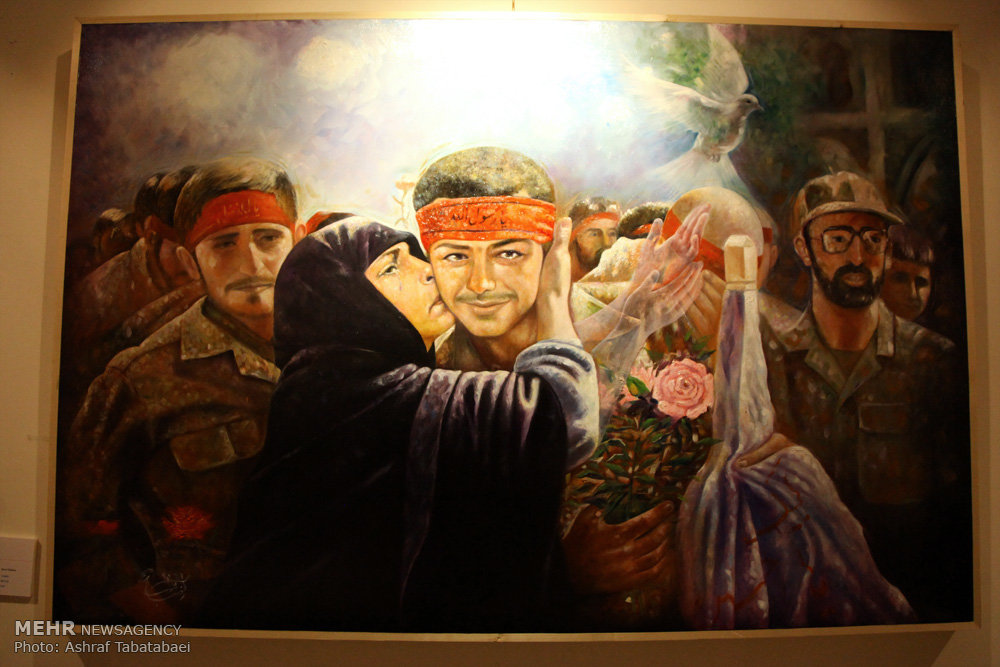
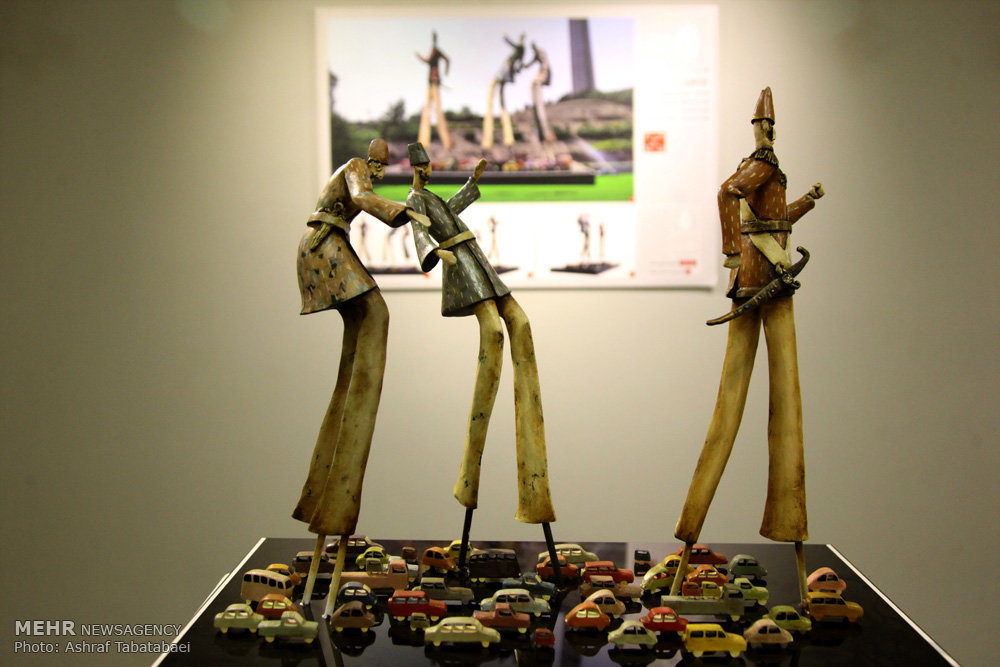
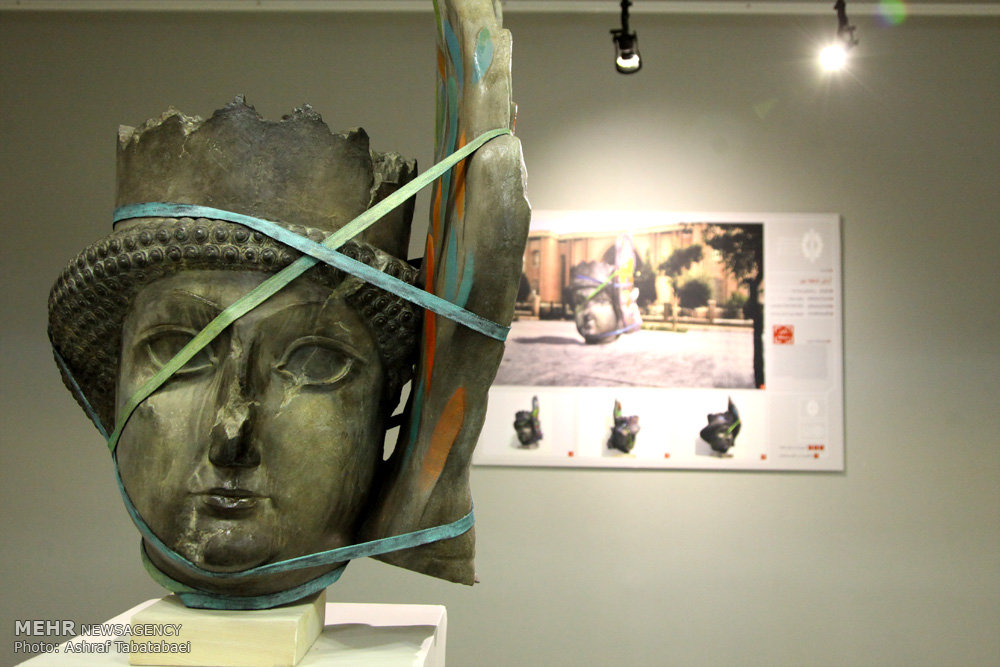
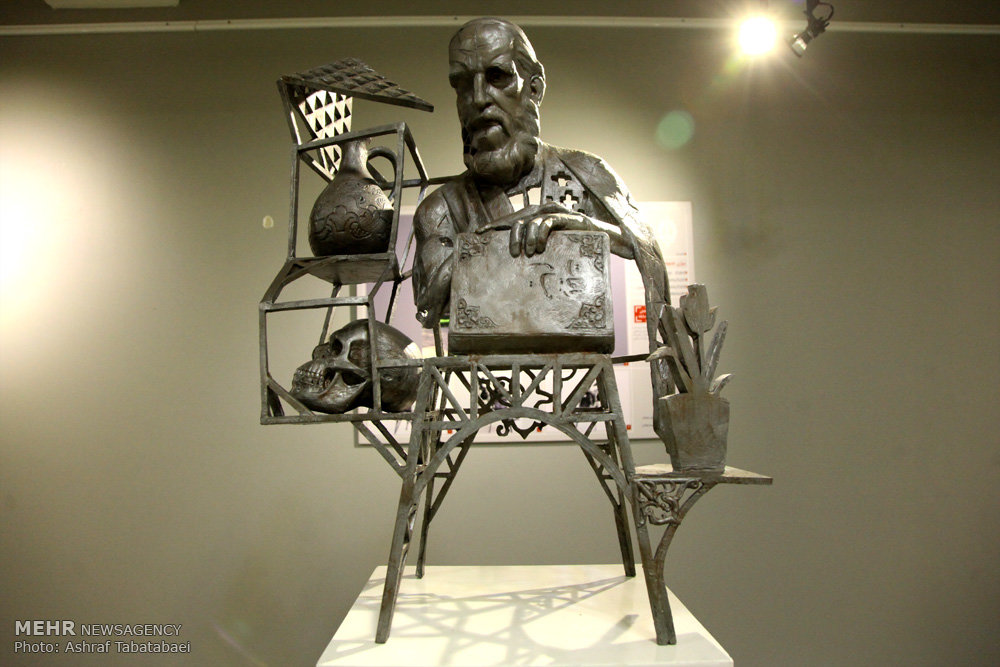
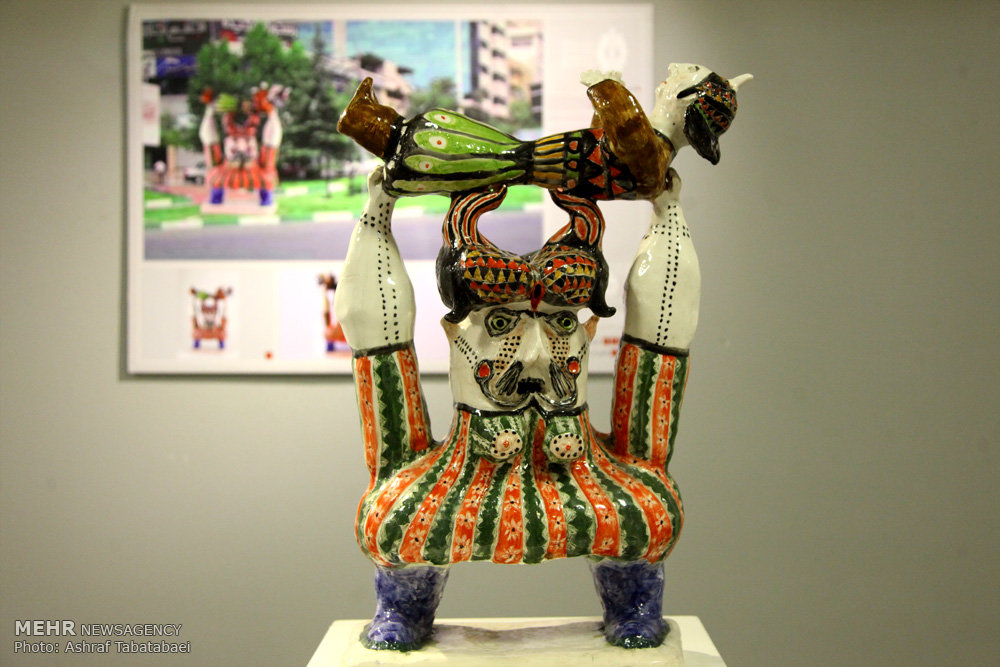
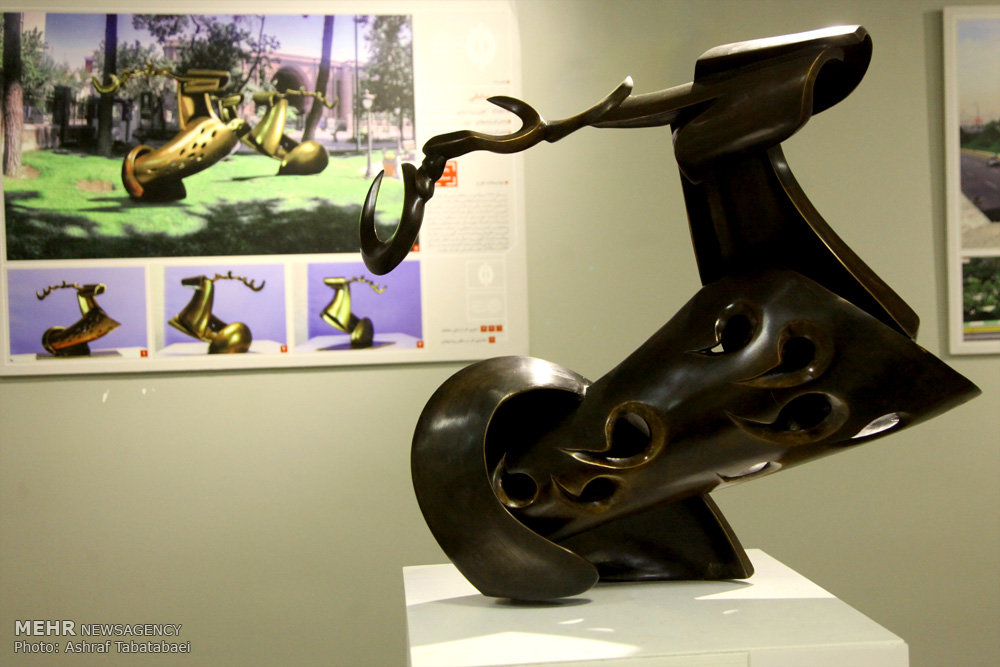
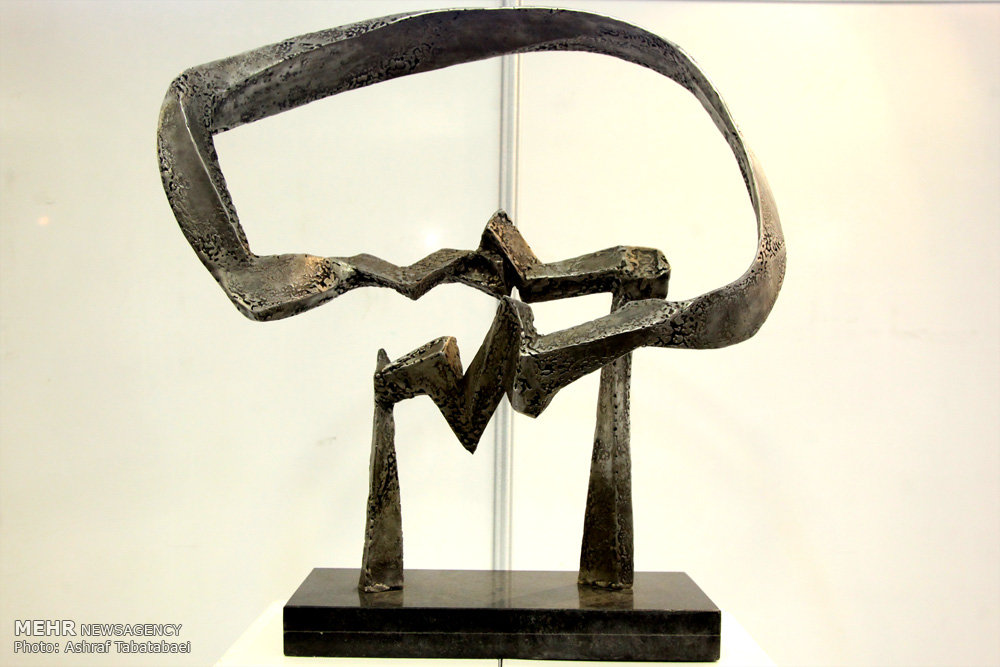
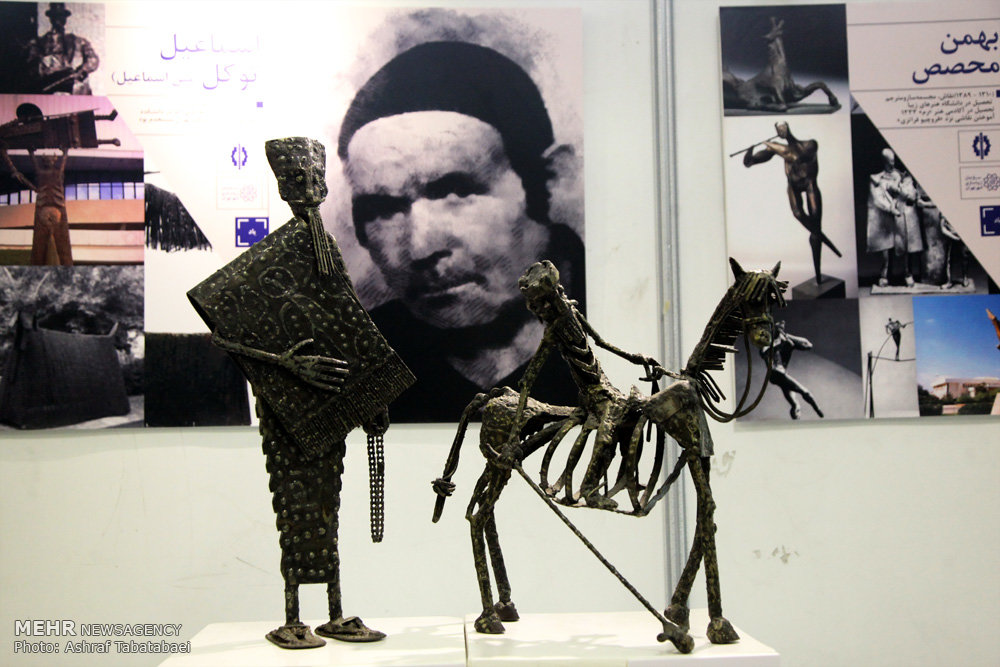
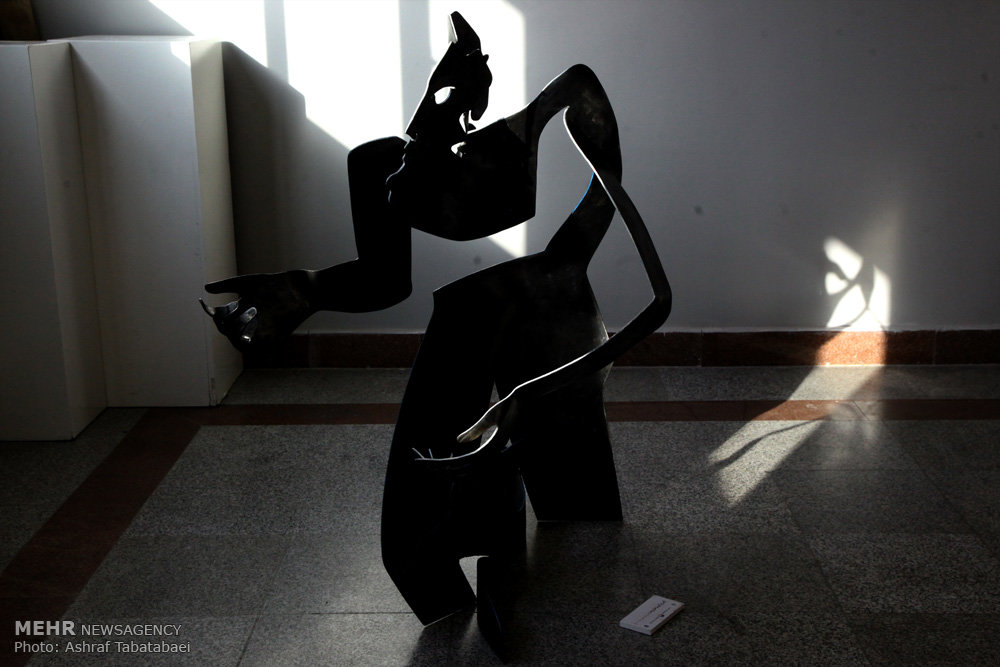
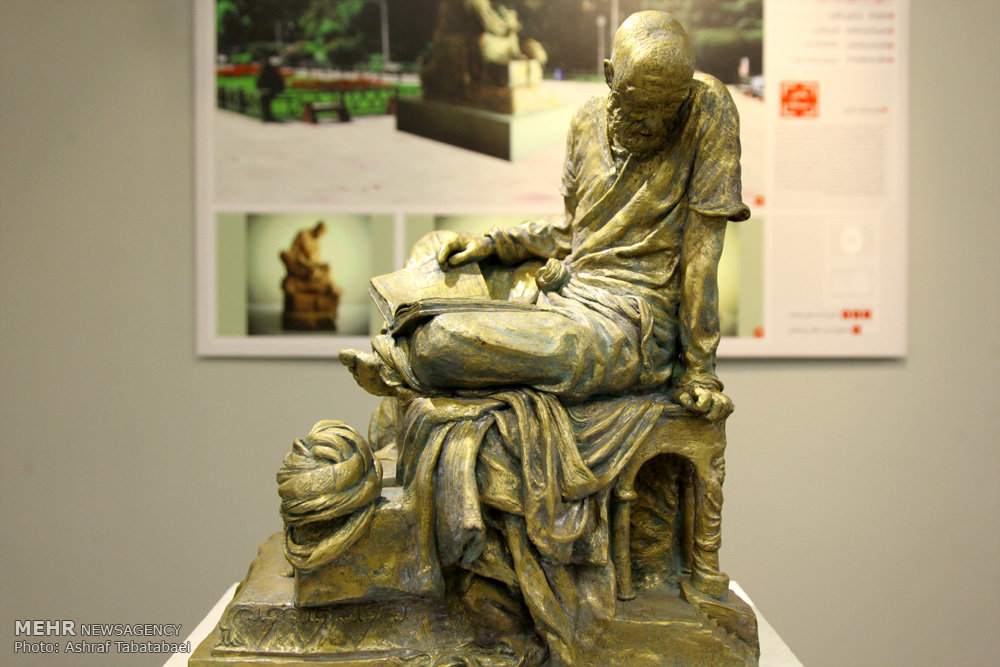
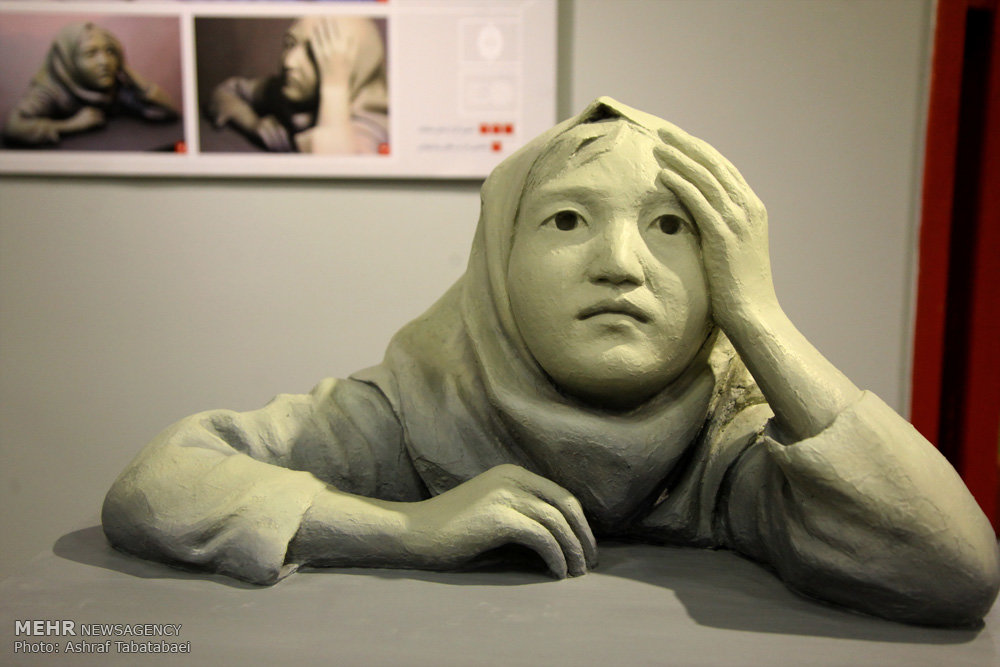
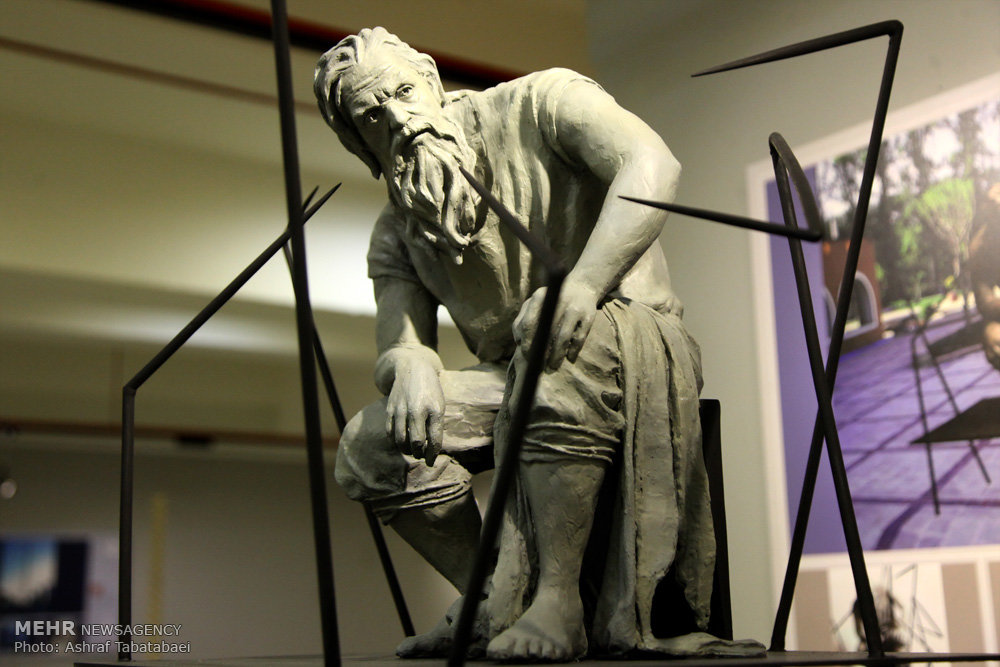
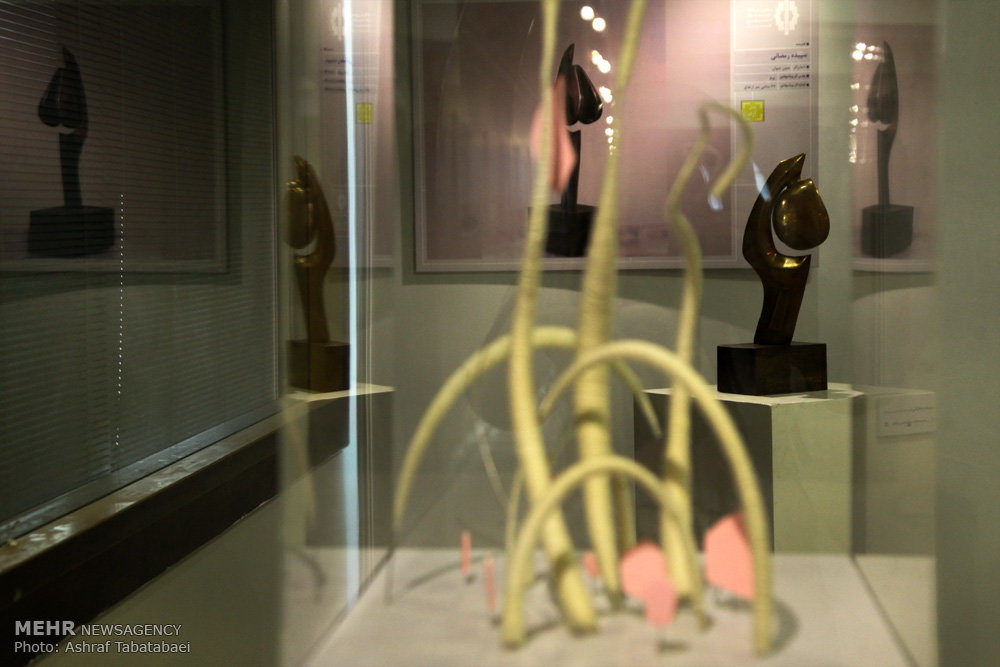
Two Art Expositions Underway in Tehran

Saba Art Academy

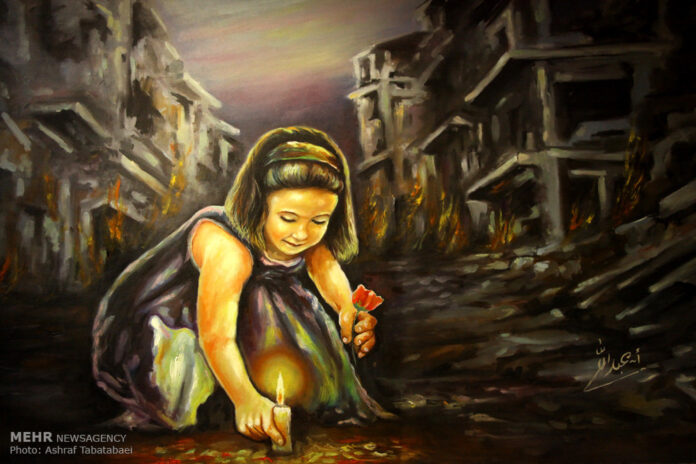
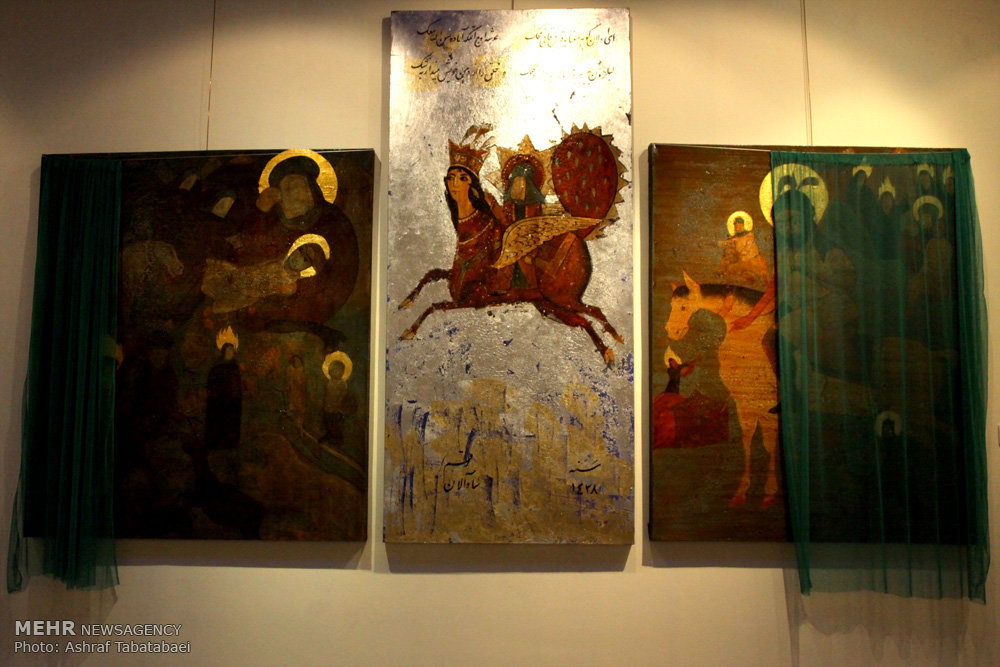
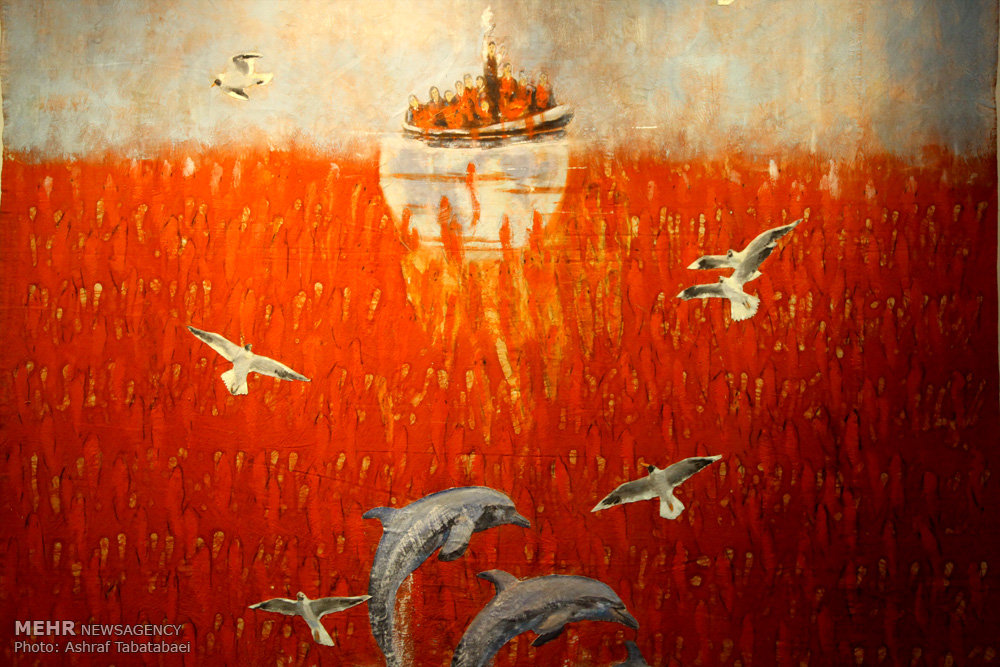
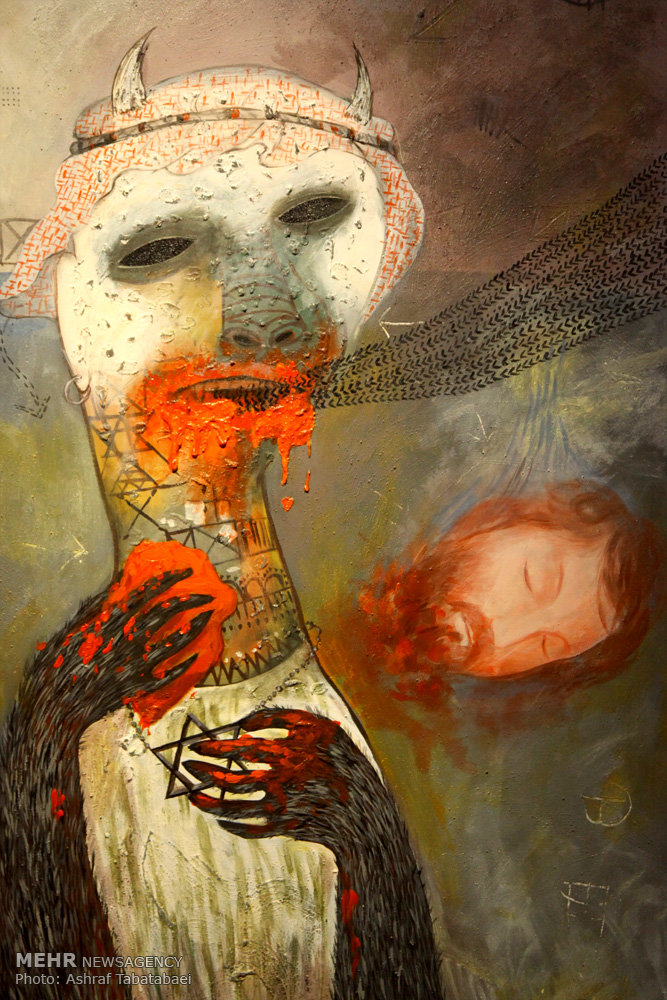
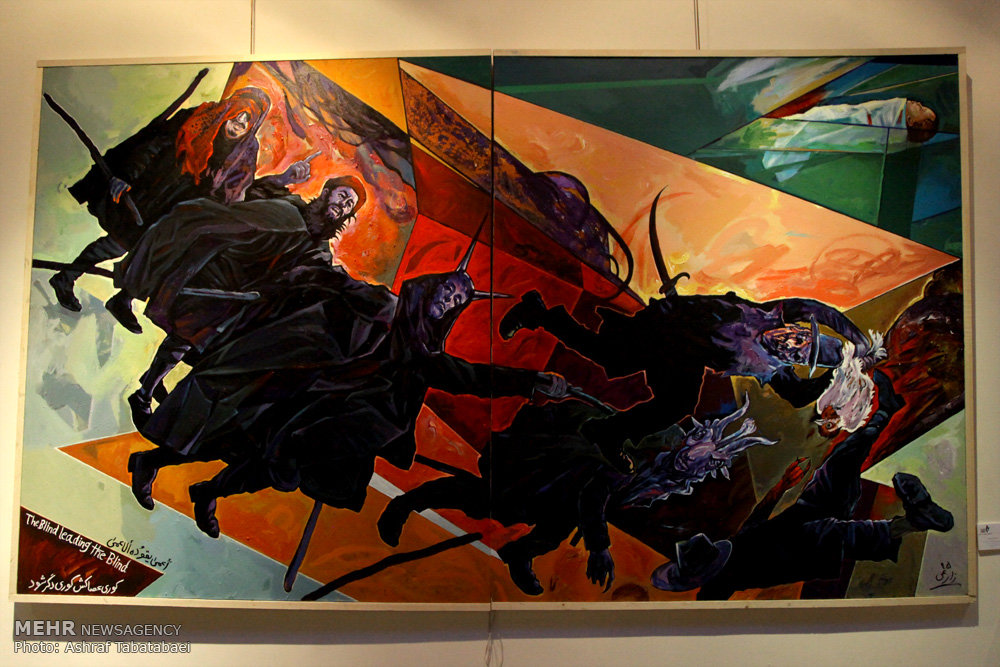
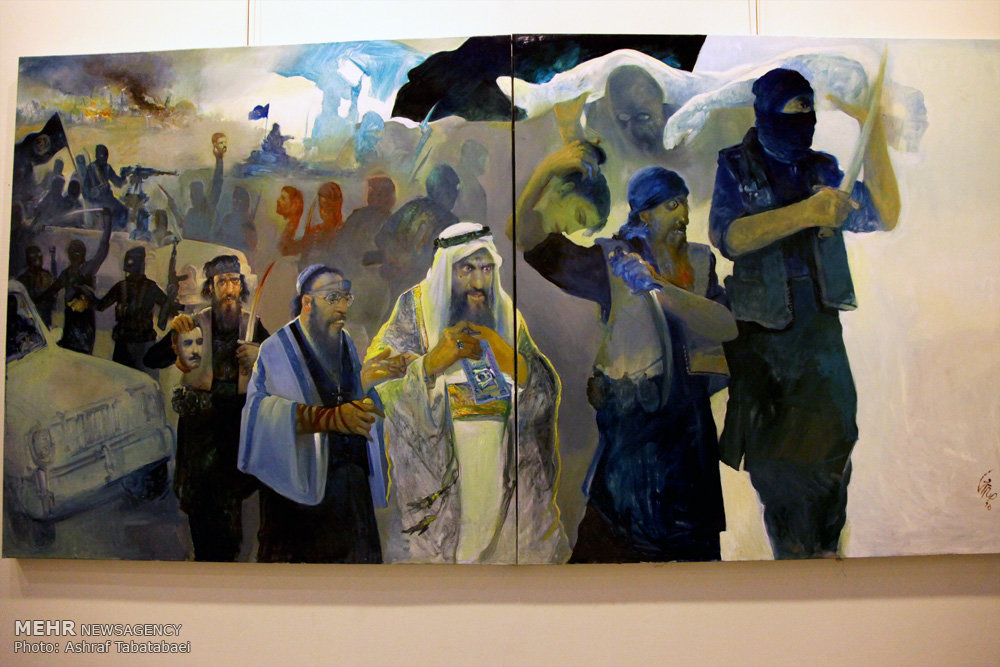
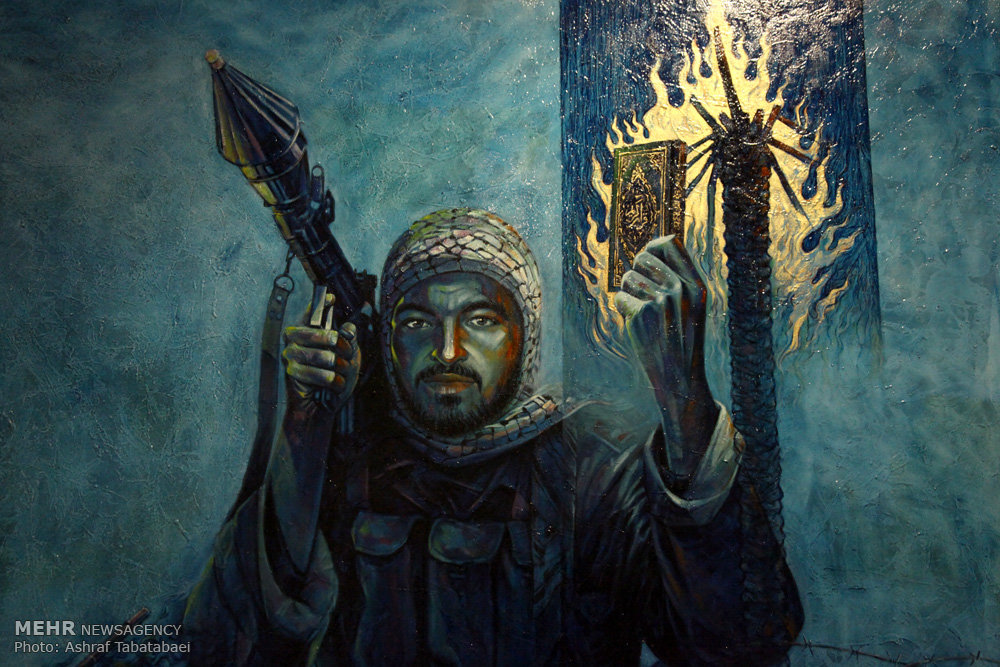
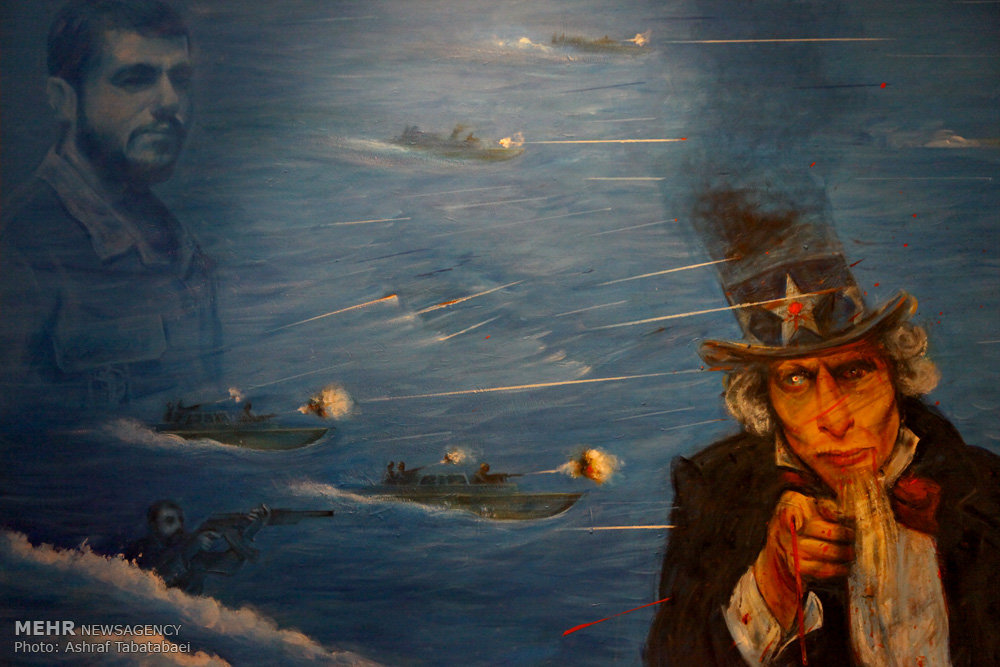
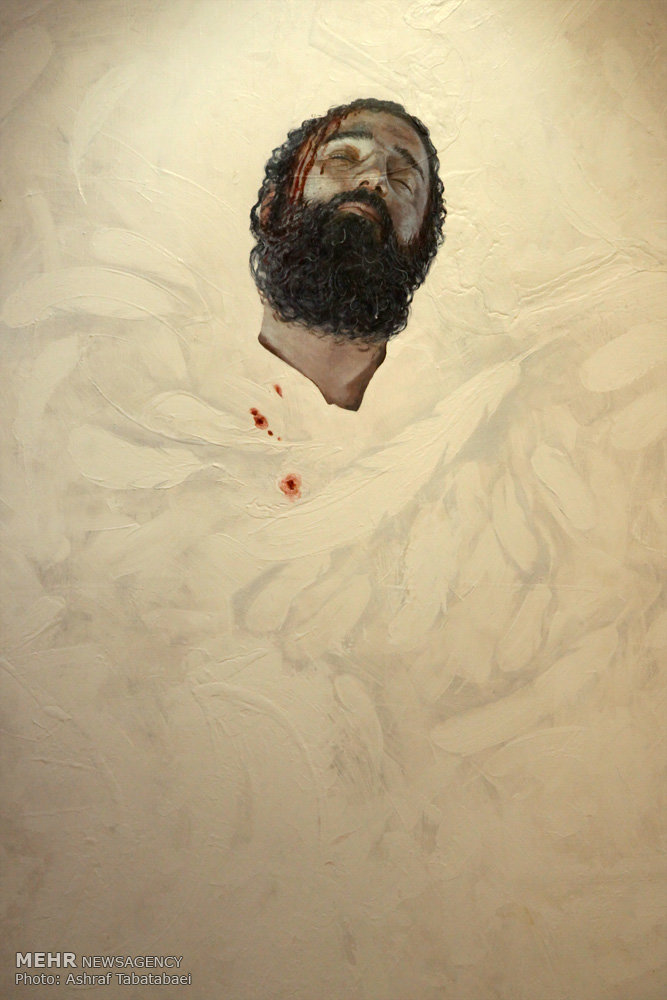
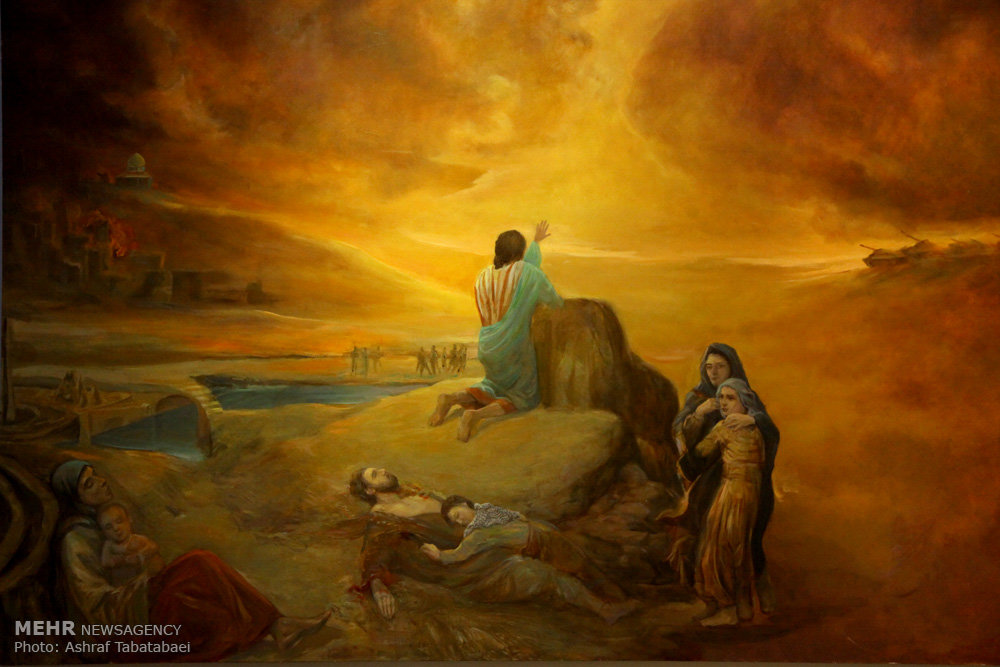
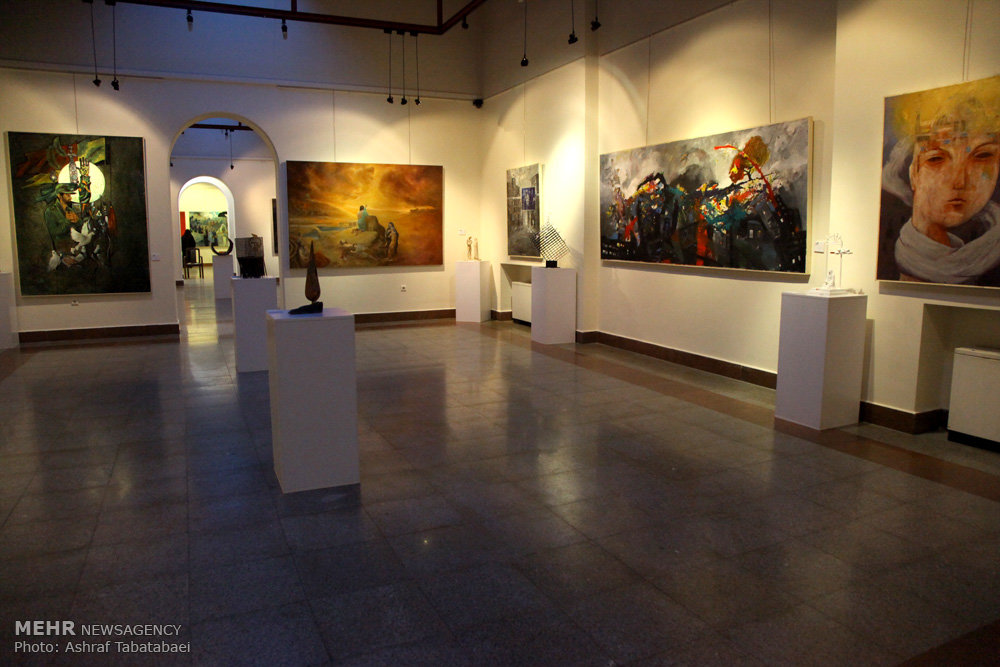
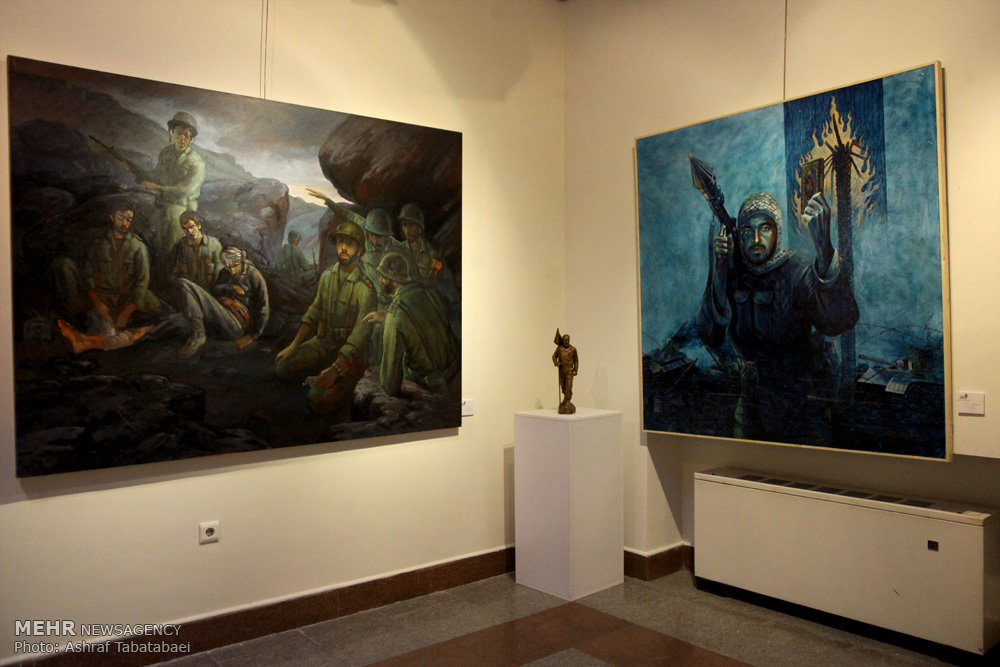
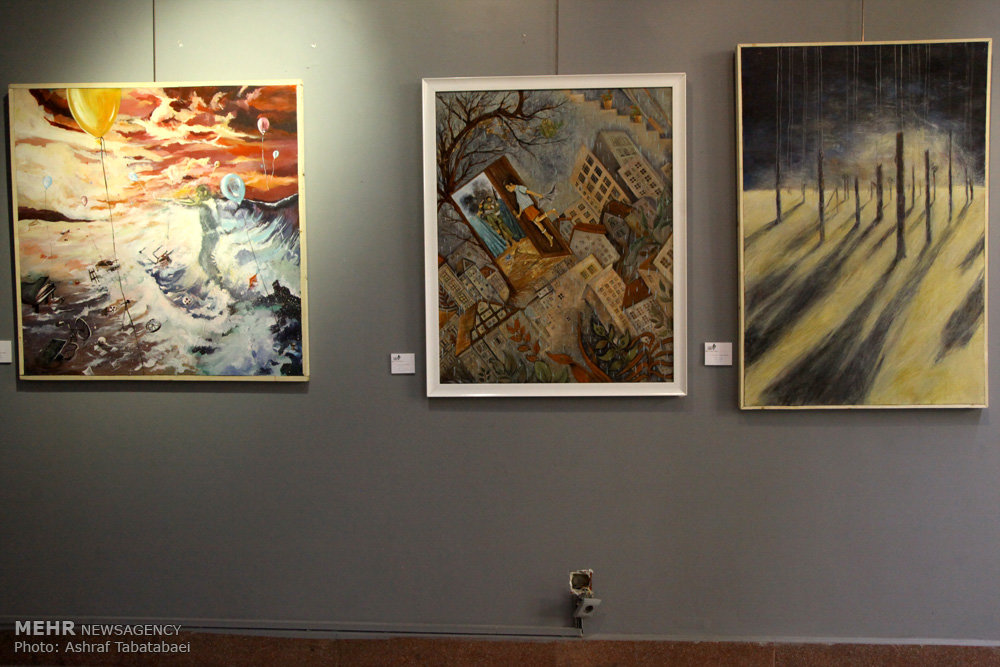
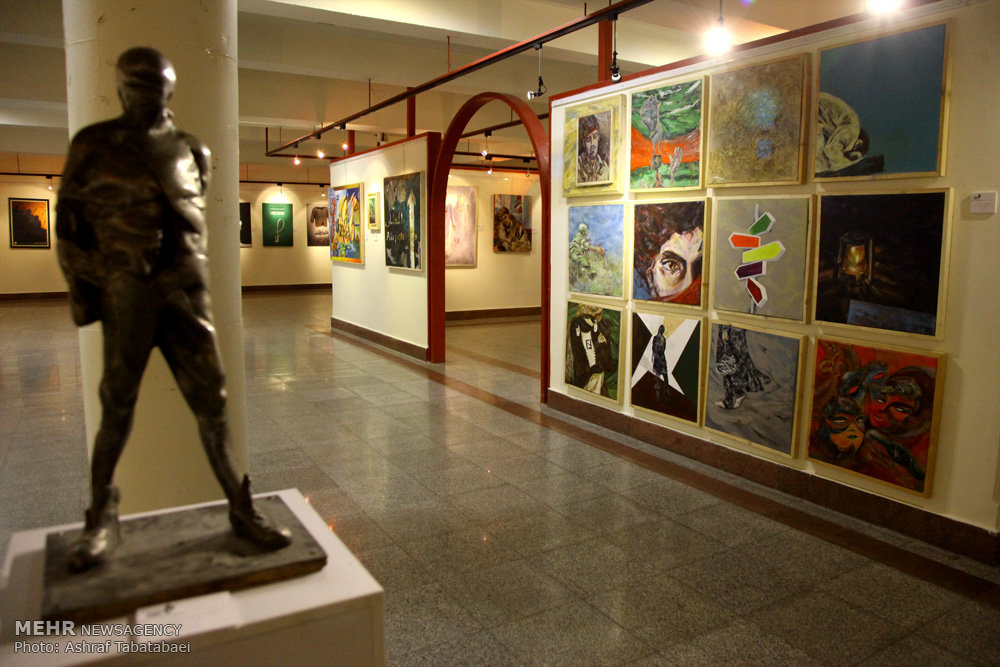
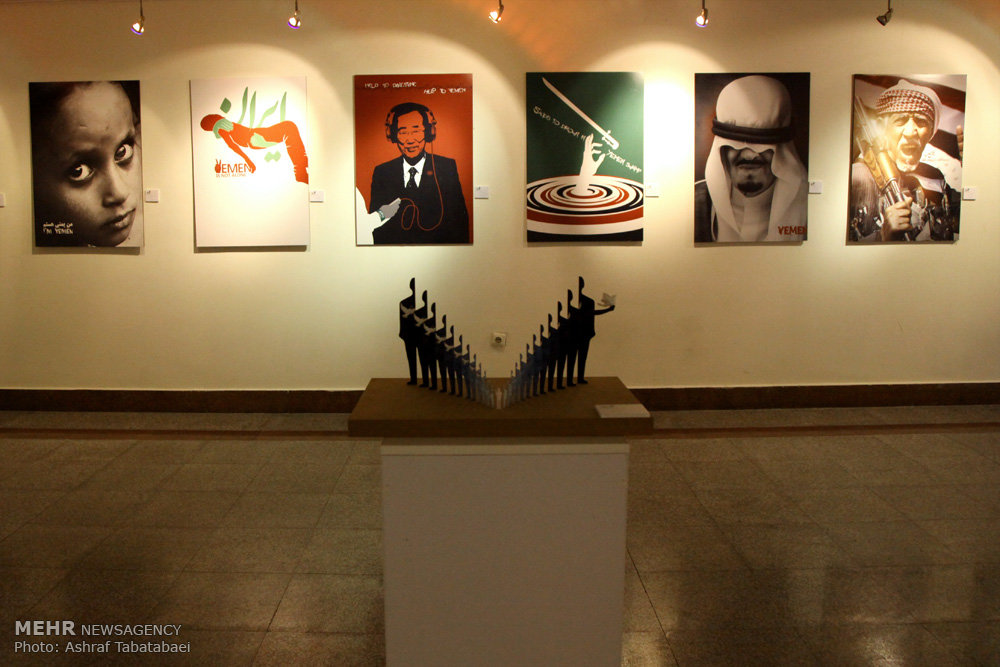
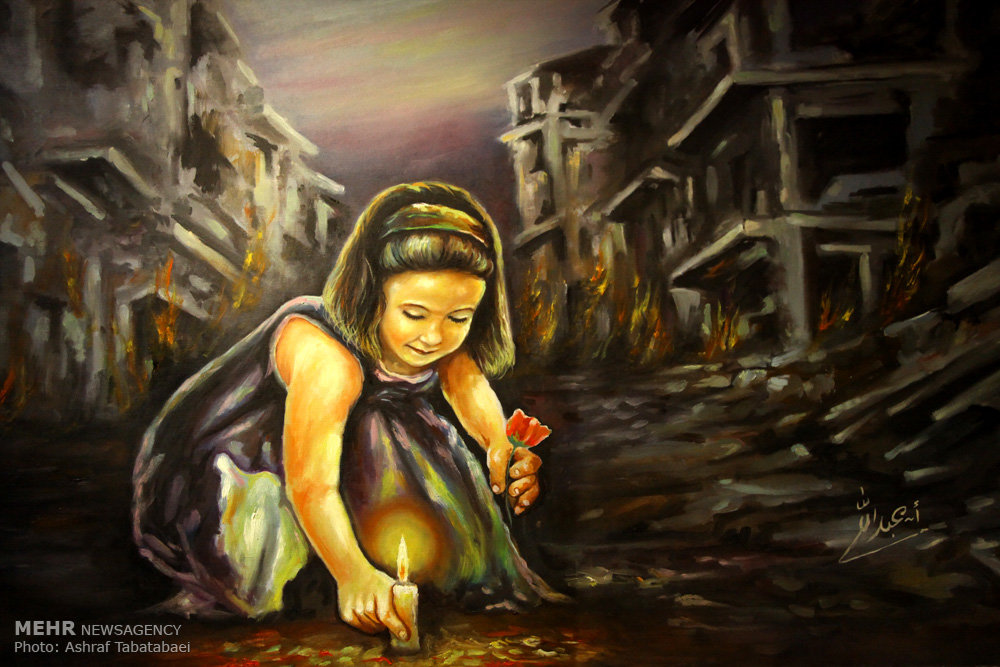
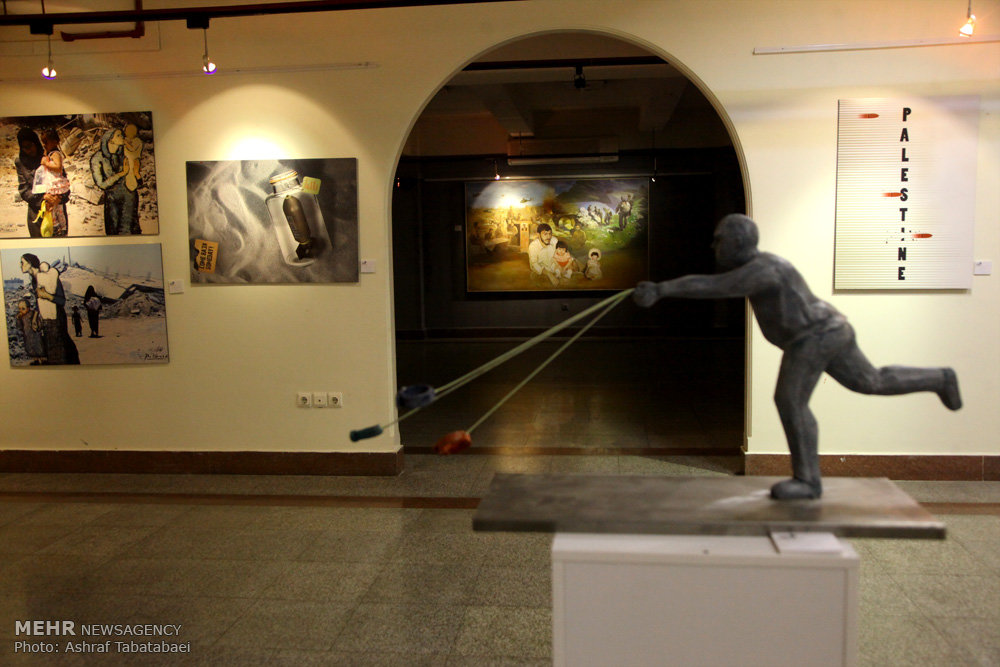
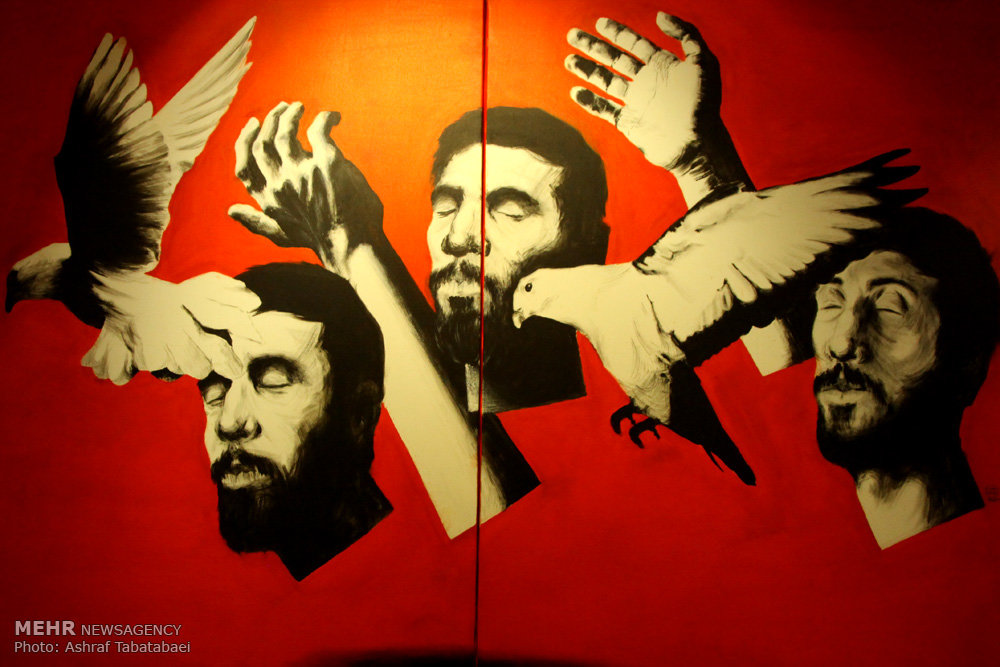
According to a Farsi report by Mehr, the two art expositions are being held in Saba Art Academy in Tehran, and will be open to visitors until Sunday, December 25.
Here are Mehr’s photos of the exhibitions:

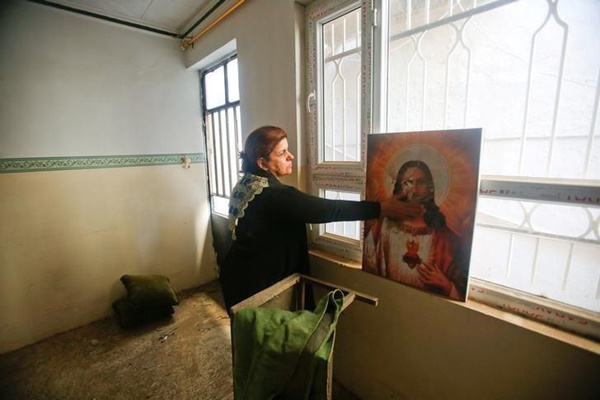
Christians in Northern Iraq Celebrate First Christmas after ISIS Pushback

photo_2016-12-24_15-55-42

Bartella, once home to thousands of Assyrian Christians, emptied in August 2014 when it fell to ISIS’ blitz across large parts of Iraq and neighbouring Syria. Iraqi forces took it back in the first few days of the offensive that started in October.

“It is a mix of sadness and happiness,” said Bishop Mussa Shemali before a Christmas eve ceremony at Mar Shimoni church, which has been badly damaged, with crosses taken down and statues of saints defaced.

“We are sad to see what has been done to our holiest places by our own countrymen, but at the same time we are happy to celebrate the first mass in two years.”

The region of Nineveh is one of the most ancient settlements of Christianity, going back nearly 2,000 years, Reuters reported.

The region’s Christians were given an ultimatum: pay a tax, convert to Islam, or die by the sword. Most of them fled to the autonomous Kurdish region, across the Zab river, to the east.

It will be some time before people can return to the town which remains without basic services, and many buildings still bear the scars of the fighting.

“This is the best day of my life. Sometimes I thought it would never come,” said Shrook Tawfiq, a 52-year-old housewife displaced to the nearby Kurdish city of Erbil.

The front line in the battle to retake Mosul – the ISIS’ last major stronghold in Iraq, has moved a few kilometres to the west, into eastern districts where the militants are dug in among civilians, fighting off the advance of elite Iraqi units with suicide car bombs, mortars and snipers.

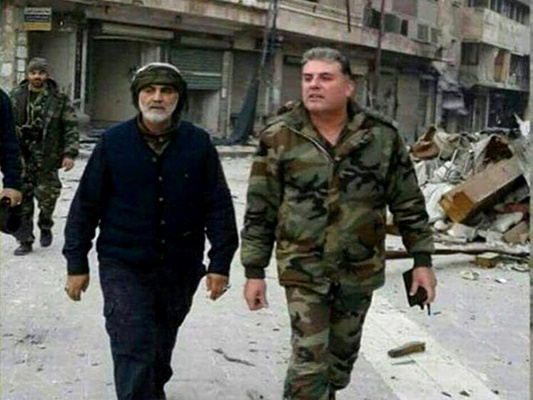
Iranian MPs Condemn US Allegations about General Soleimani’s Presence in Syria

General Soleimani

After the full liberation of Aleppo from Takfiri [extremist] terrorists, the US is creating a hostile atmosphere against Iran by accusing it of violating the UNSC Resolution that led to removal of all anti-Iran sanctions imposed by the UN.

John Kirby, the US State Department spokesman, claimed that the recent visit of General Soleimani, the Commander of IRGC Quds Force, to Syria has been a violation of UN Security Council Resolution 2231.

As regards the photos showing General Soleimani in Aleppo, Kirby said, “His travel is a violation,” according to a Farsi report by ICANA.

“He is one of the designated individuals.” He added. “No exemption to the travel ban was sought, and so it does constitute a violation of UNSCR 2231.”

“We do intend to consult with our partners on the Security Council about how to address our concerns with this,” he said.

“We’ve long said that Iran needs to choose whether it’s going to play a positive role in helping peacefully resolve conflicts such as in Syria or whether it will choose to prolong them.”

The US makes these claims while violating the JCPOA by extending the sanctions against Iran. Plus, General Soleimani had appeared in Iraq several times before, and there was no allegation of deal violation.

Meanwhile, Iranian Parliament Members have reacted to the accusation.

“It is none of their business where in the world Iranian authorities go,” commented Morteza Saffari Natanzi, an Iranian MP, about American claims about the violation of UNSC Resolution by the Iranian commander travelling to Syria.

“Such a claim is unjustifiable,” he added. “The US is just following its old ways of spreading anti-Iran propaganda.”

He went on to say that Iran would never give up considering its national interests and resistance, and doesn’t seek the approval of others for it.

“There is no relationship between the Resolution and the trips of Iranian authorities. We have not violated the Resolution.”

“The allegations are baseless. We have legal consular relationships with the official administration of Syria,” said Seyyed Hossein Naqavi Hosseini, another Iranian lawmaker. “No resolution is preventing Iran from sending its authorities to regional countries.”

“Those Western countries would seek permission from Iran to travel to the region in the future, as here is the home of Muslims,” said Javad Karimi Qoddousi, another MP. “We travel easily around the region, as the authorities of regional countries come to Iran.”

“The West is covering up its abject failure in Aleppo by these undignified claims,” he added. “Western countries should open their eyes to see that the Middle East is no more a place to boss people about.”

“The presence of General Soleimani in Syria is just a pretext for claims about the violation of UNSCR 2231,” noted Ardeshir Nourian, another lawmaker.

“Washington is projecting its own false strategies,” he added. “It is an excuse to exert pressure on Iran and influence public opinion.”

The Islamic Revolution Guards Corps (IRGC) Quds Force has been providing Syria and Iraq with advisory help in their fights against terrorism based on the requests of their legitimate governments.

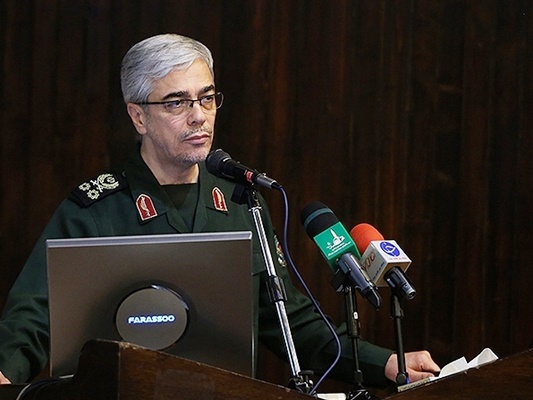
Iran’s Top Officer Congratulates Christian Counterparts on Christmas, New Year

bagheri

In the separate messages sent on Saturday, the senior Iranian commander offered his congratulations over the birthday anniversary of Jesus Christ, the messenger of peace, justice and mercy.

He also expressed the hope that peace, stability, and tranquillity would spread throughout the world by following the teachings of the great Prophet Jesus Christ.

Major General Baqeri also wished health and prosperity for his counterparts and the military forces in Christian countries, IRNA reported.

The auspicious occasion of the birth anniversary of Jesus Christ is an annual commemoration and a widely observed cultural holiday, celebrated generally on December 25 by billions of people around the world.