Monday, May 4, 2026
Home Blog Page 416

Ukraine and its backers reject key aspects of US peace plan: Reuters

Russia Ukraine War

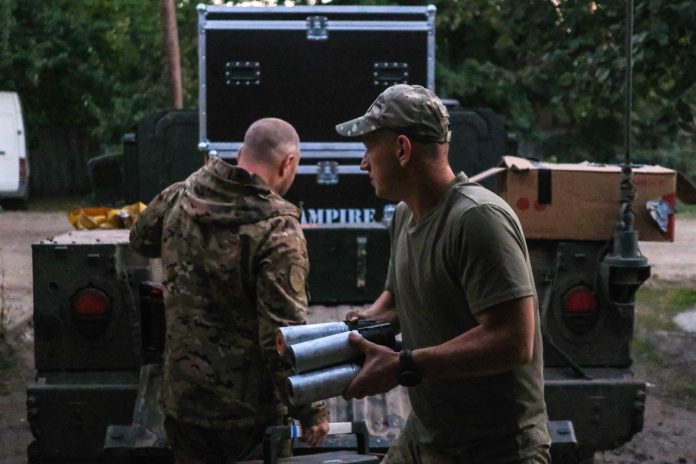
Washington tabled a proposed deal to end hostilities between Kiev and Moscow during a meeting in Paris on Thursday last week. A follow-up meeting took place in London on Wednesday, at which Ukrainian officials and their NATO European counterparts drafted counterproposal.

The London talks were downgraded at the last minute after Ukraine’s President Volodymyr Zelensky publicly rejected key American suggestions. He declared on Thursday that the European-backed “strategy” was now “on President Trump’s table.”

Having examined the drafts “in full and explicit detail” on Friday, Reuters identified four critical areas of disagreement.

The US is proposing Washington’s formal recognition of Russian sovereignty over Crimea — the former Ukrainian region that voted to join Russia following the 2014 Western-backed armed coup in Kiev — and a cessation of hostilities along the current frontline.

Kiev and its European backers are only willing to discuss territorial issues after a ceasefire has been established.

The US document offers a “robust security guarantee” for Ukraine from willing nations, according to Reuters. The Euro-proposal rival proposal insists that no restrictions be placed on Ukraine’s military, including the deployment of foreign troops on its territory, and calls for the US to provide NATO-like protection to Ukraine.

Russia demands Ukraine remains neutral and insists that it will not accept any NATO troop presence, or troops from bloc members as part of a coalition, in the country.

Reuters reported that the US is advocating for the removal of restrictions imposed on Russia since 2014, while Kiev and the Europeans propose a “gradual easing of sanctions after a sustainable peace is achieved,” paired with a threat of snapback measures for non-compliance.

The US framework includes mentions of financial compensation for Ukraine, but lacks specifics. The Kiev-backed counterproposal identifies frozen Russian assets in Western countries as a source for such payments, according to Reuters. Russia has labeled the seizure of its funds illegal and views any use of these assets to support Ukraine as “theft.”

Members of the Trump administration have blasted Zelensky for attempting to negotiate a deal through the media rather than in confidential discussions. The US president has warned that he may withdraw from his mediation efforts altogether if either party stalls progress.
Official: Iran hosts 6.1 million Afghan nationals, immigration growth rate stops

Afghan Refugees

The announcement by the committee spokesperson, Ebrahim Rezaei, came during a parliamentary meeting on Friday attended by senior officials, including security and immigration representatives.

Officials highlighted key issues, including infrastructure strain in the northeastern provincial capital, Mashhad, where 1.2 million of the city’s 2.5 million marginalized residents are Afghans.

Economic burdens, such as subsidies for healthcare, education, and energy, were also discussed, alongside efforts to combat human smuggling networks.

Security concerns dominated the meeting, with officials citing geopolitical threats and the activities of Israel as major risks.

Criticism was directed at bureaucratic delays, with demands for stricter border enforcement and diplomatic talks with Afghanistan’s Taliban.

The committee urged balanced policies, stressing Iran’s civilizational ties to Afghanistan while demanding firm action against illegal entry.

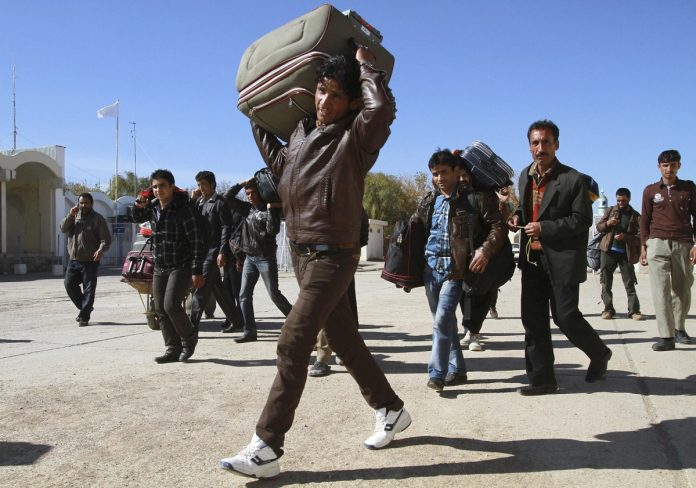
Iran has been hosting Afghan migrants, millions of them undocumented, for several decades. However, their bulging presence in recent years, specifically since the Taliban takeover in 2021, has caused serious social and economic problems in the country, which has triggered outcries at home to expel them.

Gaza government warns of imminent mass deaths from famine due to Israel’s siege

Gaza War

In a statement, the Government Media Office held Israel and its backers responsible for a “genocide documented in sound and image.”

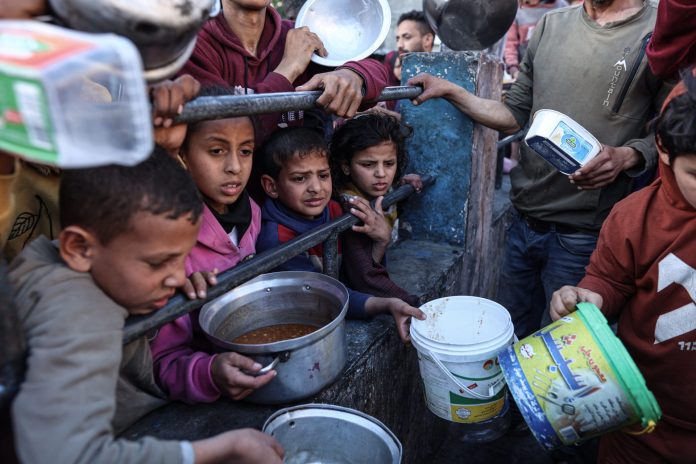
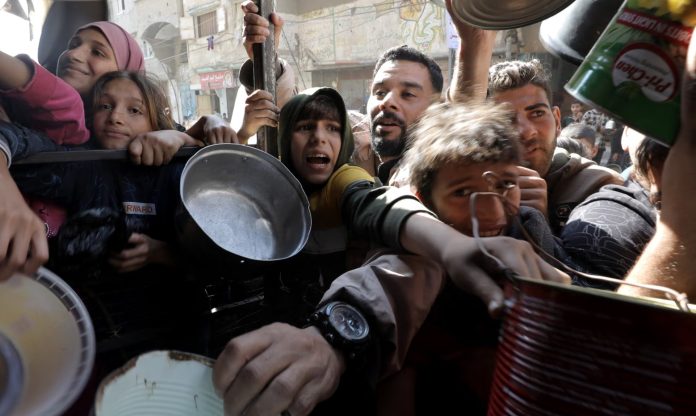
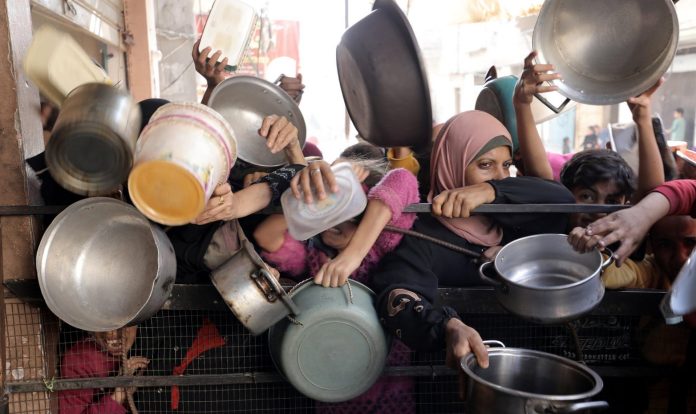
“We warn of the worsening humanitarian catastrophe in Gaza as the complete Israeli siege and closure of crossings enters its 55th day, leading to the spread of famine and endangering the lives of over 2.4 million people,” the office said.

The office added that famine in Gaza is now “a grim reality, not a threat,” with 52 recorded deaths due to hunger and malnutrition including 50 children, describing the situation as “one of the most horrifying forms of slow, deliberate killing.”

It noted that more than 60,000 children suffer from acute malnutrition, while over a million children are facing daily hunger, leading to visible wasting and frailty.

Calling it “a final call before the catastrophe,” the office stressed that any delay in response would amount to “clear complicity and active participation in the crime, a stain on the conscience of humanity and history.”

It demanded the urgent and unconditional opening of a safe humanitarian corridor “to save the lives of over 2.4 million Palestinians in Gaza before it’s too late.”

The office also called for independent international investigation of “the crime of starvation and slow killing committed by the Israeli occupation.”

On March 2, Israel shut all three Gaza crossings to humanitarian aid and fuel, resuming its onslaught. The blockade has plunged Gaza’s 2.4 million residents, already dependent on aid after nearly 19 months of war, into extreme poverty, according to World Bank data.

Nearly 51,400 Palestinians have been killed in Gaza in a brutal Israeli onslaught since October 2023, most of them women and children.

The International Criminal Court issued arrest warrants last November for Israeli Prime Minister Benjamin Netanyahu and his former Defense Minister Yoav Gallant for war crimes and crimes against humanity in Gaza.

Israel also faces a genocide case at the International Court of Justice for its war on the enclave.

Weeks into Israel’s aid blockade, Gaza faces deepening hunger: UNRWA

Gaza War

In a statement, the agency said on Friday it has “nearly 3,000 UNRWA trucks of lifesaving aid (that) are ready to enter Gaza,” but Israeli authorities continue to block aid supplies from entering.

“The people in Gaza are hungry and the situation is desperate,” the agency added, decrying how “humanitarian aid is being used as a bargaining chip and a weapon of war.”

The UN agency reiterated its appeal that Israel’s “siege must be lifted, supplies must flow in, the hostages must be released, the ceasefire must resume.”

The UNRWA earlier stated that “overcrowded shelters (across Gaza) are in a terrible condition, service providers are struggling to operate, and the last resources are being depleted.”

Israel has closed Gaza’s border crossings to food, medical supplies, and humanitarian aid since March 2, triggering a deepening humanitarian disaster, according to reports from government bodies, human rights groups, and international agencies.

The UNRWA recently warned that Gaza is on the brink of “extreme hunger” due to the continued blockade.

The Israeli army resumed its onslaught on Gaza on March 18, shattering a Jan. 19 ceasefire and prisoner exchange agreement.

Israel has killed more than 51,400 Palestinians in the enclave since October 2023, most of them women and children.

The International Criminal Court issued arrest warrants last November for Israeli Prime Minister Benjamin Netanyahu and his former Defense Minister Yoav Gallant for war crimes and crimes against humanity in Gaza.

Israel also faces a genocide case at the International Court of Justice for its war on the enclave.

The UN has also warned of the growing malnutrition problem in the Gaza Strip due to Israel’s nearly two-month blockade of humanitarian aid to the enclave.

“As a result, hunger is spreading in Gaza. Malnutrition is deepening in Gaza, and injured people and other patients remain untreated in Gaza, and as we’ve said before, people are dying,” spokesman Stephane Dujarric told reporters on Friday.

Citing the Office for the Coordination of Humanitarian Affairs (OCHA), Dujarric said Israel, “as the occupying power, has clear obligations under international law, which include ensuring food, medical supplies, public health services are available, and facilitating humanitarian relief when they’re not otherwise supplied.”

Also addressing the displacement of Palestinians in the besieged enclave, Dujarric stated it remains a “major concern.”

He noted the OCHA had completed an initial analysis of the displacement order issued on Thursday by Israel for areas of North Gaza.

“The order covers 7.5 square kilometers, which is roughly 2% of the Gaza Strip. Overall, about 70% of the Gaza Strip is now under displacement orders or in ‘no-go’ zones, where Israeli authorities require aid personnel to coordinate their movements,” he added.

Crimea will stay with Russia: US

Crimea officially joined the Russian Federation in 2014 after a referendum that followed a Western-backed coup in Kiev. Ukraine and its backers have dismissed the results of the referendum as illegitimate, and Kiev has continued to claim sovereignty over the peninsula, vowing to take it back by any means necessary.

In an interview to mark his first 100 days in office, Trump said Crimea “went to the Russians” long ago and suggested that “everyone understands” that Ukraine will not be able to get it back.

“Crimea will stay with Russia” under a final settlement of the Ukraine conflict, Trump went on to say, adding that even Ukraine’s Volodymyrr Zelensky understands this.

“It’s been with them for a long time,” the US president stated, noting that Russia had its submarines there “long before any period that we’re talking about” and that the majority of Crimeans speak Russian.

Trump also stressed that the peninsula was “given” to Russia by former US President Barack Obama, claiming that the whole conflict is “Obama’s war,” which “should have never happened.”

Since returning to office in January, Trump has been pressuring both Moscow and Kiev to settle the conflict. During last year’s election campaign, he said he would end the hostilities “within 24 hours” of entering the White House. He told Time, however, that he said this “figuratively” as an “exaggeration.”

Recently, Trump has signaled that he has grown frustrated with the lack of progress on reaching a resolution of the Ukraine conflict. He has expressed dissatisfaction with Zelensky, saying he has found Russia much easier to negotiate with than the Ukrainian leader. In a Truth Social post this week, the US president criticized Zelensky for refusing to even consider any territorial concessions.

Russia has expressed its appreciation for Trump’s peace efforts and has repeatedly indicated that it is open to negotiations. However, Russian officials have stressed that a final peace deal must respect the territorial realities on the ground and address the root causes of the conflict, such as Ukraine’s NATO aspirations.

In his interview with Time, Trump acknowledged that Ukraine would likely never be able to join NATO. He cited Kiev’s ambitions to enter the US-led bloc as the issue that “caused the war to start.”

“If that weren’t brought up, there would have been a much better chance that [the conflict] wouldn’t have started,” he said.

Trump says open to meeting Ayatollah Khamenei, Pezeshkian

Donald Trump

Trump interview with Time magazine published on Friday, said “I think we’re going to make a deal with Iran” following indirect U.S.-Iranian talks last week in which the side agreed to draw up a framework for a potential deal.

The Republican U.S. president, speaking separately to reporters at the White House on Friday, reiterated his positive prognosis, stressing: “Iran, I think, is going very well. We’ll see what happens.”

Asked by Time whether he was open to meeting Ayatollah Khamenei or President Pezeshkian, Trump replied: “Sure.”

Expert-level talks are set to resume on Saturday in Oman, which has acted as intermediary between the longtime adversaries, with a third round of high-level nuclear discussions planned for the same day.

Asked in the interview if he was concerned Israeli Prime Minister Benjamin Netanyahu might drag the United States into a war with Iran, Trump stated: “No.”

However, when asked if the U.S. would join a war against Iran should Israel take action, he responded: “I may go in very willingly if we can’t get a deal. If we don’t make a deal, I’ll be leading the pack.”

Yemen’s Houthi fighters shot down $200mN worth of US drones in recent weeks

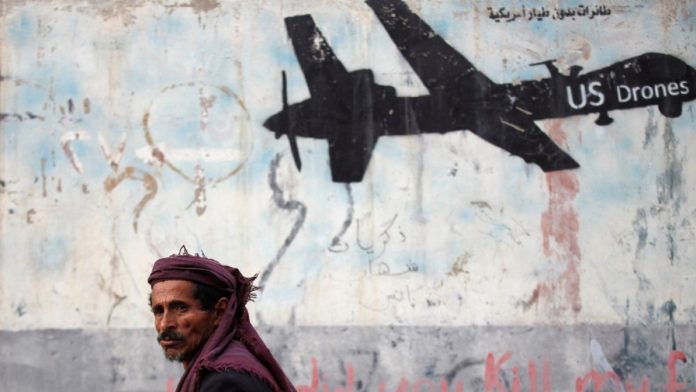
The drones were destroyed between March 31 and April 22, according to defence officials, as the Houthis step up efforts to target United States aircraft operating over Yemen.

Three of the drones were lost in the past week alone, suggesting an improvement in the Houthis’ ability to strike high-altitude US aircraft.

The drones – each costing about $30m – were conducting surveillance or attack missions when they crashed into water or land. A defence official stated the strikes occurred on March 31 and on April 3, 9, 13, 18, 19 and 22, according to The Associated Press news agency.

Dozens of civilians have been reported killed in Houthi-controlled parts of Yemen since March 15 after US President Donald Trump ordered daily strikes against the group.

Central Command spokesperson Dave Eastburn said on Thursday that US forces have struck more than 800 targets, destroying command centres, weapons depots and air defences, and killing hundreds of Houthi fighters and leaders. This claim could not be independently verified.

Another US official, speaking on condition of anonymity, added the drone losses are under investigation but are likely the result of hostile fire, the AP reported.

The Houthis have targeted mainly Israeli, US and British ships passing through the Bab al-Mandeb Strait in protest against Israel’s war on Gaza. The group has announced the attacks would stop if Israel agreed to a permanent ceasefire.

The Trump administration appears to have shifted from targeting only infrastructure to deliberately striking figures within the Houthi movement.

The strategic change comes amid rising civilian casualties from the US-led campaign, according to Airwars, a UK-based monitoring group.

Airwars estimates that between 27 and 55 civilians were killed in US strikes during March. The group believes the toll in April is already considerably higher, though full figures remain unconfirmed.

Earlier this month, a US air strike targeted the Ras Isa port, also in Hodeidah, killing at least 80 people and wounding more than 150.

This was followed by another attack on Monday, which killed 12 people and wounded more than 30 others in Yemen’s capital Sanaa.

Concerns are growing in Washington over the human cost of the campaign.

Senators Chris Van Hollen, Elizabeth Warren and Tim Kaine have written to Defence Secretary Pete Hegseth, questioning whether the administration is abandoning its responsibility to reduce civilian harm, particularly after reports emerged about the high civilian death toll on the Ras Isa fuel terminal.

US plans to offer Saudi Arabia $100bn weapons deal: Reuters

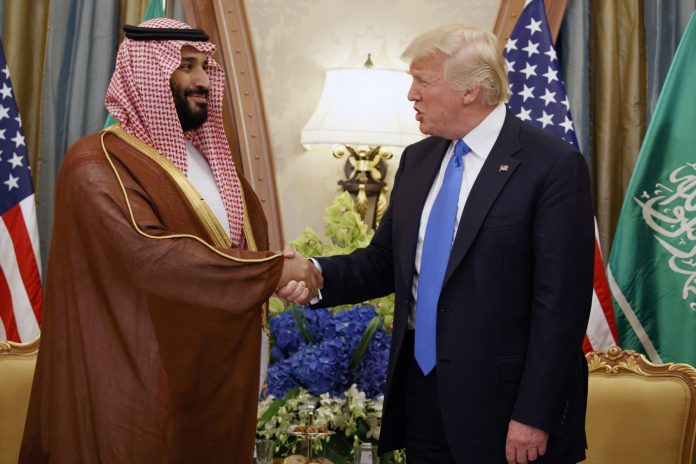
The deal is reportedly in the works in advance of a planned trip by US President Donald Trump to Saudi Arabia, Qatar and the United Arab Emirates next month, Reuters reported.

Top defence contractors such as Lockheed Martin, RTX Corp, Boeing, Northrop Grumman and General Atomics are reported to be involved in the supply of advanced weapons systems, according to Reuters, and several executives from the companies are expected to join Trump’s delegation for the visit.

The sources cited by Reuters say the contractor could see Riyadh supplied with a range of weapons including C-130 transport aircraft, missiles and radar systems.

It is unlikely, however, that Saudi Arabia will gain access to Lockheed Martin’s F-35 fighter jet. Only a select number of countries can buy F-35s from the US, such as NATO allies, Japan, South Korea and Australia.

Trump’s predecessor, President Joe Biden, tried unsuccessfully to sign a new defence pact with Saudi Arabia with the broader aim of normalising relations with Israel. Biden’s pact also called for Riyadh to restrict Chinese investment and halt arms purchases from Beijing, but Reuters said it could not establish whether Trump’s proposed deal would call for similar restrictions.

Neither the White House nor Saudi officials immediately responded to the request for comment, but a US defence official told Reuters that “security cooperation remains an important component” of the US-Saudi relationship. None of the defence contractors named by Reuters replied to queries.

While the US has long supplied Saudi Arabia with weapons, sales dropped off in 2018 following the murder of Saudi journalist Jamal Khashoggi. In 2021, the US Congress banned the sale of offensive weapons to Saudi Arabia in the wake of the murder and Riyadh’s involvement in the war in Yemen.

The Biden administration began to soften its stance on Saudi Arabia in 2022 after Russia’s invasion of Ukraine impacted global oil supplies, and the ban on offensive weapons sales was lifted in 2024 as Saudi Arabia was seen as a key partner by the US in the post-war reconstruction of Gaza.

Iran says ready to give assurances regarding peaceful nature of its nuclear work

Esmael baghaei

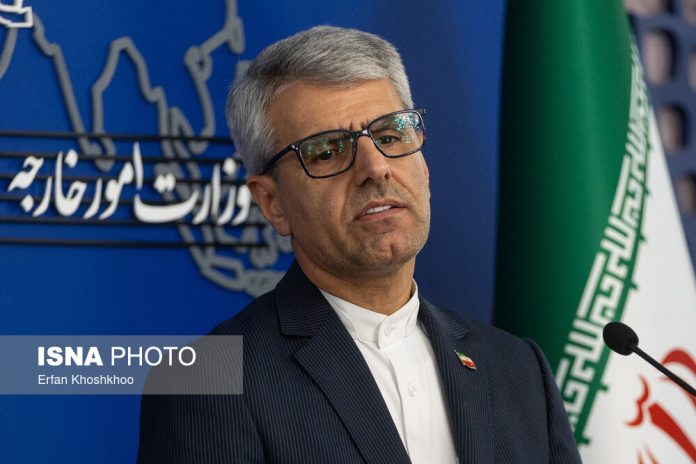
On the eve of the third round of indirect nuclear talks between Iran and the US, Esmail Baqaei, emphasized that ending the illegal and inhumane sanctions against the Iranian people is an immediate and tangible priority for the Islamic Republic of Iran.

On Friday Iran’s Foreign Minister, Seyed Abbas Araghchi, arrived in Muscat for the third round of nuclear talks between Iran and the US.

Baqaei stated Tehran is determined to safeguard the legal and legitimate rights of the Iranian people to use nuclear energy for peaceful purposes.

The third round of the Iran-US talks is set to take place on Saturday under Oman’s mediation.

The Iranian Foreign Ministry spokesperson added: “We must see to what extent the other side is serious and prepared for a fair and realistic agreement.”

The first round of the Iran-US  talks was held in Muscat, and the second round took place in Rome.

On Saturday, alongside expert-level meetings, talks will be held between Iran’s Foreign Minister Araqchi and US President’s Special
Envoy Steve Wittkof in the Omani capital.

Iran spokesman: Preventing aid from entering Gaza war crime

Gaza War

Esmail Baqaei, referring to the intensification of the Zionist regime’s attacks on Palestinian refugee camps and temporary shelters, called for decisive global action to prosecute and punish the leaders of the Zionist regime for genocide and war crimes.

Baqaei criticized the United Nations Security Council’s inaction regarding these crimes, stating that the US and certain European countries—which continue to provide military aid to the Zionist regime—are complicit in these atrocities.

The Iranian Foreign Ministry spokesperson stressed that the Zionist regime’s continued impunity, the ongoing slaughter of defenseless people in Gaza and the West Bank, and the occupation of parts of Lebanon and Syria severely threaten peace and security in West Asia.

Baqaei also strongly condemned the Zionist regime’s repeated violations of Lebanon’s sovereignty and territorial integrity, breaches of ceasefire agreements, and the assassination of political and social activists in the country.