Thursday, January 15, 2026
Home Blog Page 4114

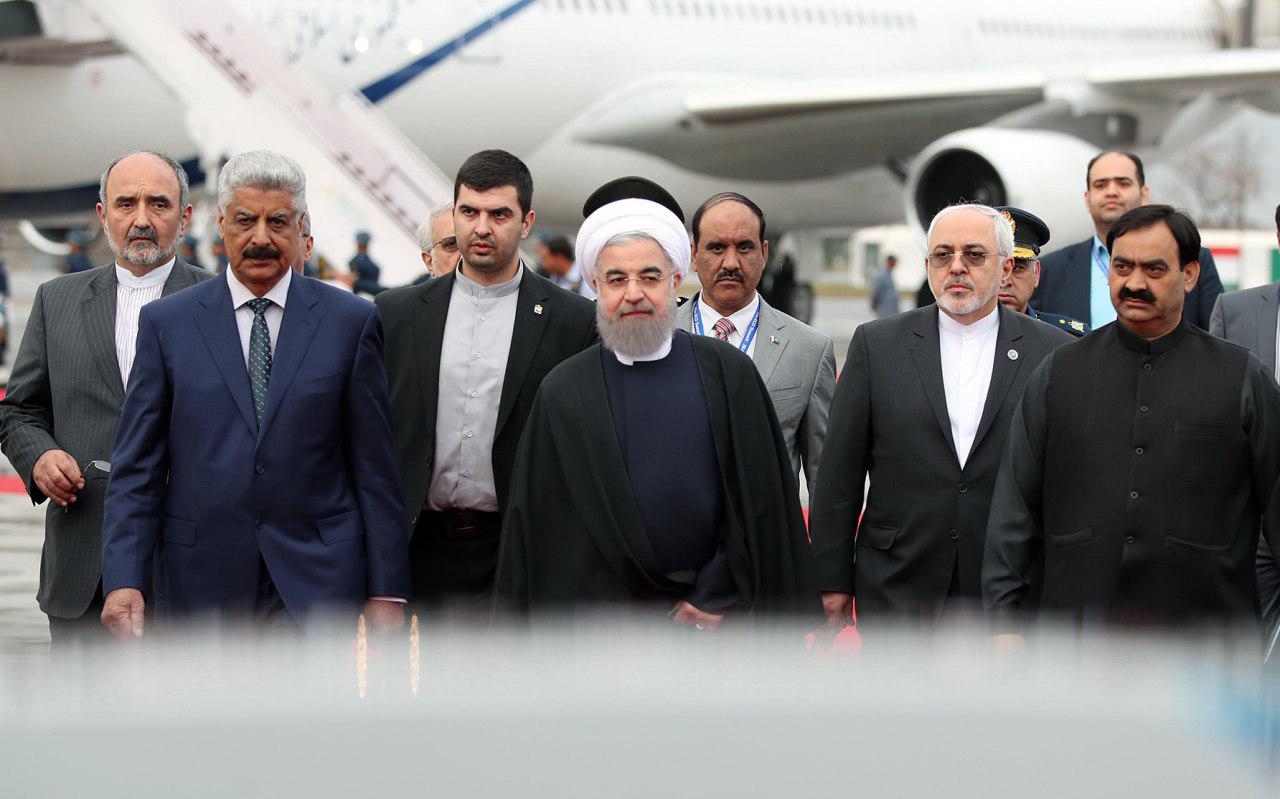
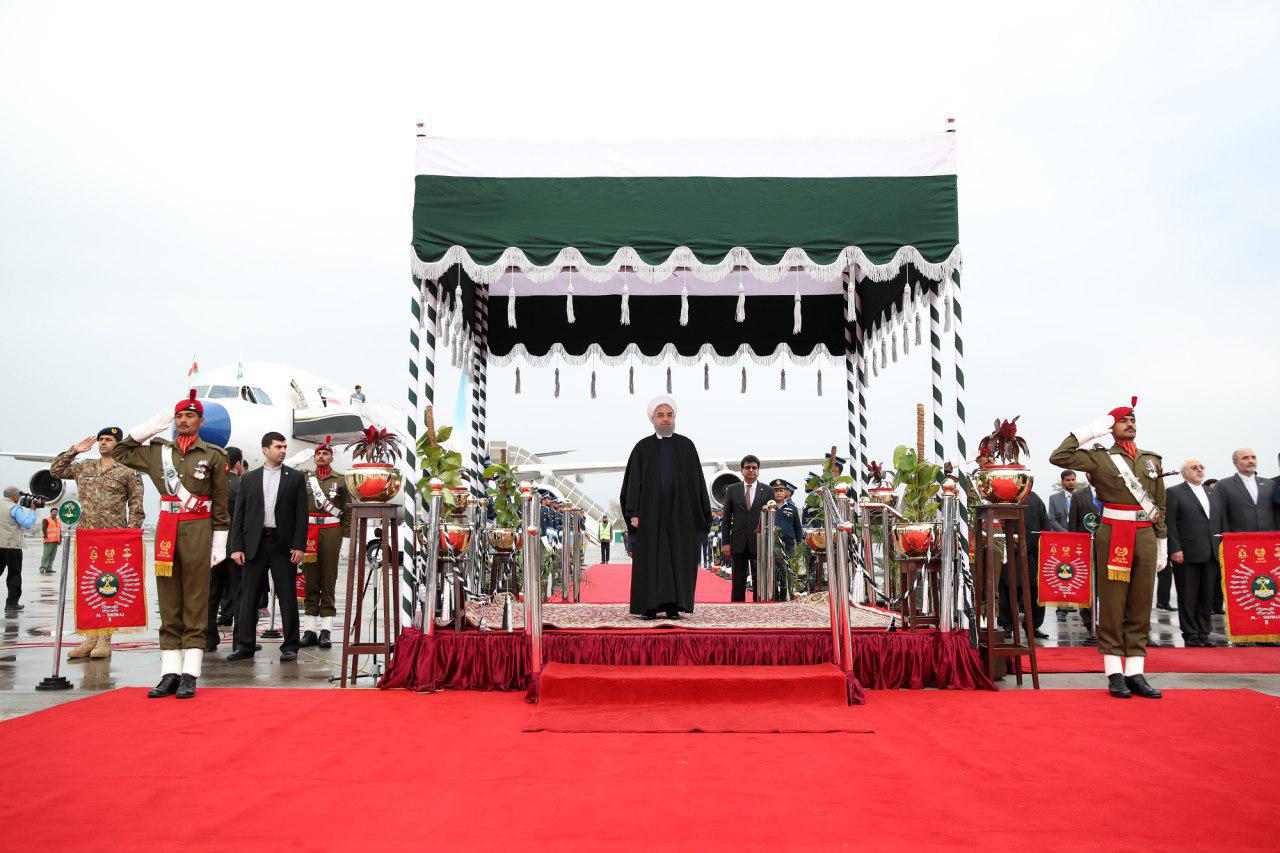
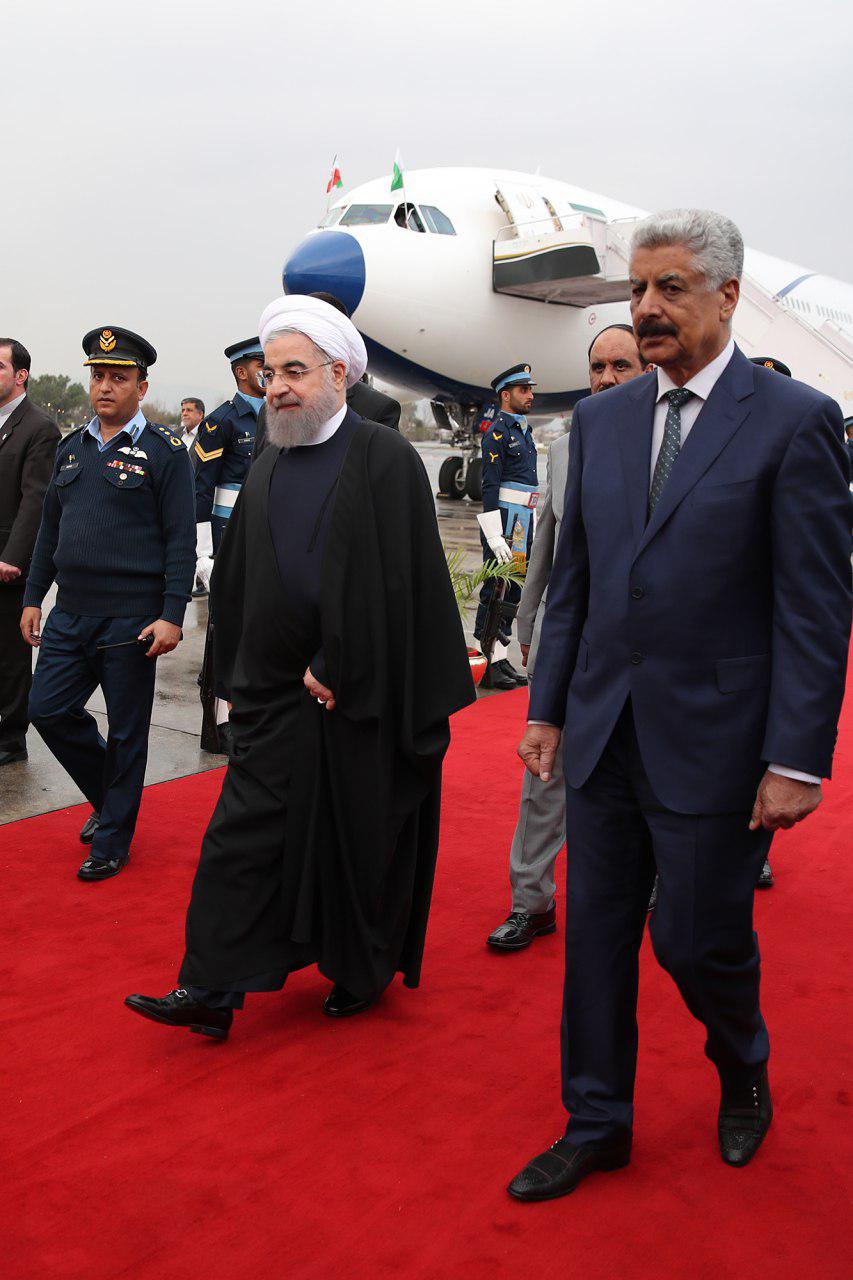
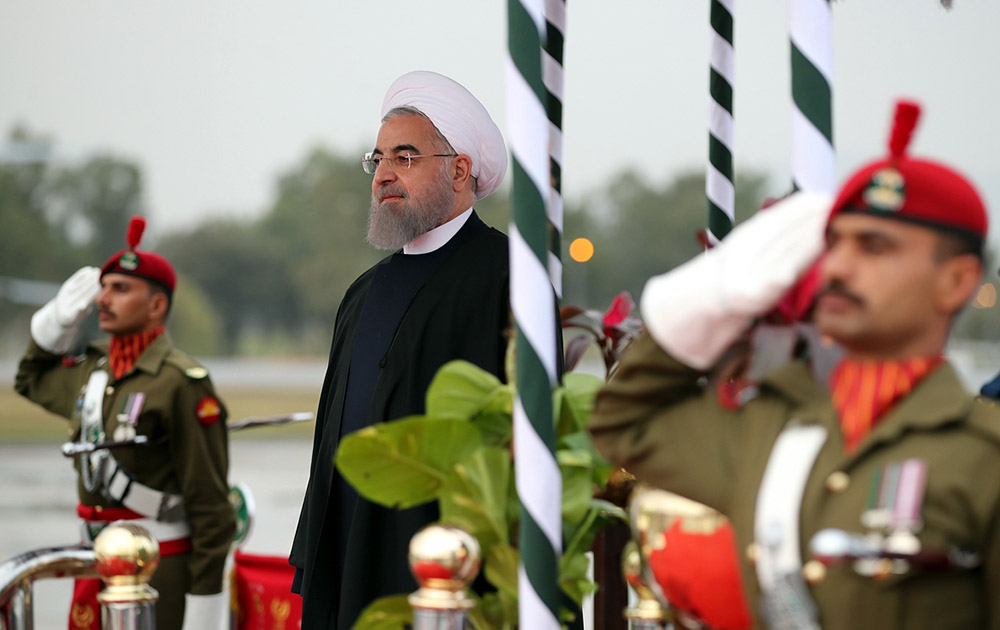
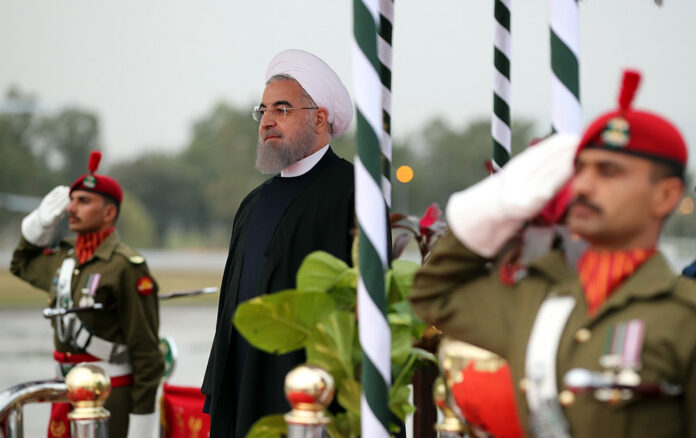
Iran’s President Arrives in Islamabad for ECO Summit

Rouhani-Islamabad

Heading a high-ranking delegation, Rouhani is in Islamabad at the invitation of Pakistan’s Prime Minister Nawaz Sharif.

The ECO summit will open on Wednesday and the Iranian president is slated to deliver a speech briefing leaders of the prominent regional economic body on the Islamic Republic’s stances and positions on various issues.


On the sidelines of the summit, Rouhani will also hold meetings with senior officials of the participating countries, according to president’s deputy chief of staff for communications and information, Parviz Esmaeili.

The summit will review the standing of the ECO in the light of the new and emerging global and regional circumstances and discuss the course of action the organization should follow in expanding regional economic cooperation among its member states.

The new ECO Vision 2025 is also expected to be adopted in Islamabad, Press TV reported.

The last ECO summit was held in October 2012 in Baku, Azerbaijan, and the 21st meeting of Council of Foreign Ministers was held in November 2013 in the Iranian capital, Tehran.

ECO is an intergovernmental regional organization which was established in 1985 by Iran, Pakistan and Turkey for the purpose of promoting economic, technical and cultural cooperation among the member states.

In 1992, the organization was expanded to include seven new members. Afghanistan, Azerbaijan, Iran, Kazakhstan, Kyrgyzstan, Pakistan, Tajikistan, Turkey, Turkmenistan and Uzbekistan are currently ECO member states.

Iran’s Dust Pollution Originates from ISIS-Controlled Areas: UN

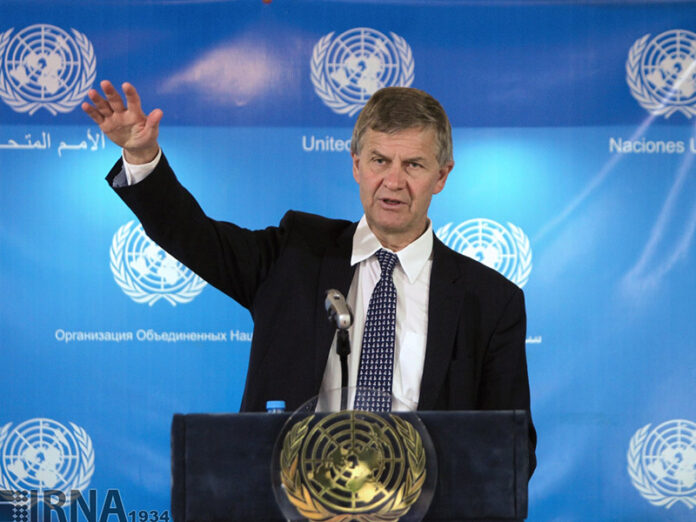
erik Solheim
United Nations Environment Program Executive Director Erik Solheim

United Nations Environment Program Executive Director Erik Solheim said at a press briefing in Tehran that the issue of airborne particulates has been put forward at the international level, and that Iran has offered solutions as well.

He said Iran has played a key role in fighting climatic changes, according to a report by IFP.

He added there are solutions to the problem of particle pollution. First, although the origins of the particulate matter are outside Iran, efforts should be made inside the country to eliminate the sources. Iran should revive Lake Urmia in northwest of the country and plant trees on a large scale.

The UN official said the origin of the particulate matter which has polluted air in southern Iran is Iraq, Turkey and Saudi Arabia. Iraq, in particular, is a key source of the particle pollution.

He said Iran and regional countries play a pivotal role in fighting dust and particle pollution.

He also said management of water resources and protection of lagoons is instrumental in controlling pollution caused by airborne particulates.

The UN official also underscored the importance of supporting international coalitions to defeat ISIS in a bid to restore security to the region as the terrorist group has control over certain origins of dust and particulate pollution.

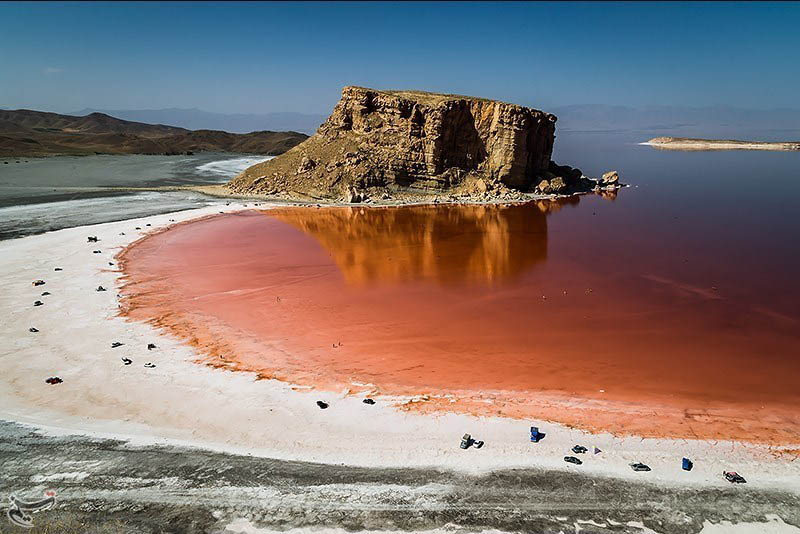
Urmia

Elsewhere in his remarks, Solheim referred to his visit to Lake Urmia, and said it has been of great significance throughout history.

He noted that Urmia was Iran’s biggest lake, but its surface area has reduced from 5,000 to 500 square kilometres.

The top official congratulated Iranian President Hassan Rouhani on efforts made to revive the body of water, and stressed that the president has personally supported the efforts.

“I also thank [UN coordinator in Iran] Mr. Gary Lewis for his efforts,” said Solheim.

He also expressed his gratitude to the Japanese government for providing resources and thanked residents in the provinces of East Azarbaijan, West Azarbaijan and Kordestan for trying to change their patterns of cultivation and helping improve the waste water treatment process.

The UN official also said Iran enjoys rich wildlife, but unfortunately it is diminishing day by day. He said different species, especially the Asiatic cheetah, should be protected.

He said among the key challenges facing Iran are management of water resources, environmental issues, energy efficiency and climatic changes.

The UN official noted that Iranian people showed their problems to the world through social media and they will definitely draw international support.

“Illegal Lodgings for Chinese Identified in Tehran”

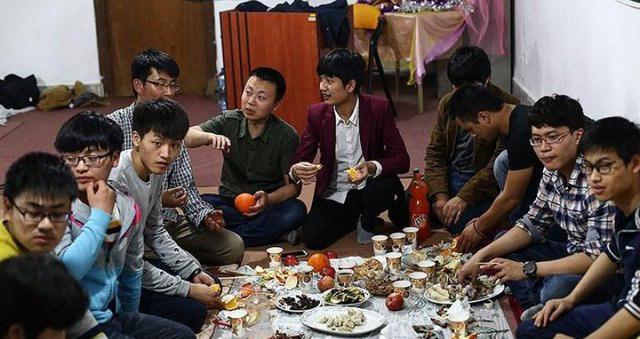
chinese tourist

Media reports show that certain homes in Tehran are illegally rented out to Chinese tourists and used by Chinese workers or students pursuing studies here. In other words, some Chinese nationals are running hotels in Iran without an official permit.

Ali Rafi’ee, the deputy director for tourism affairs in Tehran, told ISNA in a Farsi interview about the illegal housing of these Chinese tourists in Iran.

“After media reports about the illegal activities of Chinese in Tehran, some owners of accommodations housing Chinese tourists came to the Tehran Office for Tourists’ Affairs as they had realized that they were providing lodgings to Chinese tourists illegally. We tried to apply the law to their cases. These accommodations have been banned from giving services for the time being until a final decision is made on the case,” he said.

He was asked how it is possible that the owners of the accommodations might not have realized they were engaged in illegal activity.

In response, Rafi’ee said they may not have known that their activity had been considered illegal, or that they needed permits to run their lodgings, or even that they had been monitored. So, he said, when the issue received media coverage, some of the owners voluntarily came forward to get the problem solved. He said authorities, in turn, tried to handle the case based on the law.

The tourism official underlined now that illegal accommodations for Chinese nationals have been identified, the owners have been banned from giving services on a large scale for now.

Nevertheless, he said, what course of action should be taken in that regard is subject to a final review of the case by the Committee to Ensure Security for Foreign Tourists.

The case is still out and relevant investigations are underway until the committee reaches a final decision, he said, adding that none of those accommodations have been sealed so far.

“Given the sensitivity of the issue, watchdog and security institutions are still reviewing the case and no final decision has been made on that, yet,” he said.

He said all lodgings used by Chinese tourists in Tehran have been identified, noting that the case on illegal accommodations housing Arabs in Tehran is also under review and being followed up in parallel with the case on accommodations for Chinese nationals.

Such illegal activities are believed to have been going on for around three years, but the authorities only began to address the matter six months ago, according to Financial Tribune.

The Chinese are active in a variety of sectors, from hospitality to leisure, which has drawn the ire of a number of Iranian entrepreneurs who say their businesses are suffering as a result, according to the travel news website Safar.

A number of Chinese students are said to be working as interpreters for visitors from their home country, especially business tourists.

Iran’s Leader Welcomes Being in Contact with Reformists

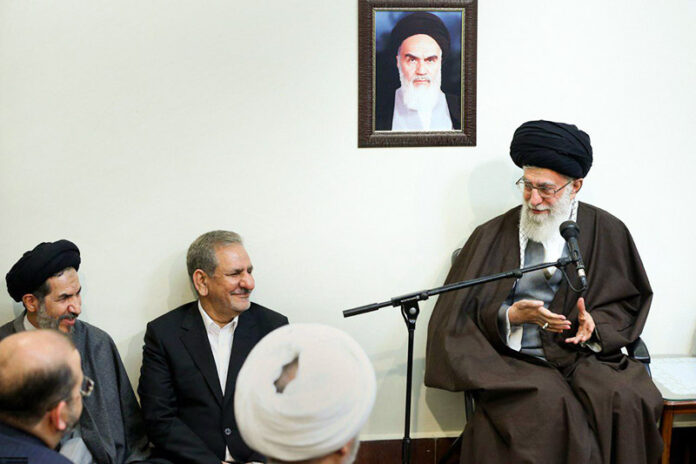
jahangiri-leader

Two months have passed since Ayatollah Akbar Hashemi Rafsanjani passed away. In addition to his unique position in Iran’s Islamic Revolution, Rafsanjani enjoyed a special status among reformists and had so much credit as a top official. The need to fill the void after his demise is one of the key issues facing all political currents in the country, including reformists.

In a Farsi interview with Shargh daily newspaper, Iranian First Vice-President Es’haq Jahangiri speaks of efforts to make up for the loss, including attempts he has made in that regard on behalf of reformists. He had earlier served as provincial governor and minister in reformist administrations. He is a reliable figure with reformists and the Islamic Establishment.

These days, in addition to fulfilling his responsibilities as vice-president, he has undertaken a mission which is of great importance for the future of reforms and the country.

Here are excerpts from Jahangiri’s remarks in the interview.

Situation of Reformists Discussed with Ayatollah Khamenei

I had a meeting with Ayatollah Khamenei. Before the meeting, we had held discussions with senior reformist authorities. They all stressed that the meeting should be held. I also consulted the president, who also believed I should call on the Leader. Finally I met the Leader. We discussed the situation of late Ayatollah Rafsanjani, the situation of reformists and their role and status in the Islamic Revolution and the Establishment. We also talked about reformist leaders.

It was a very good meeting and I gave senior reformist figures a full report of the meeting. I believe reformists are a strong and influential current within the Islamic Republic of Iran’s system and they are interested in the Establishment. They have held management positions in the system and among them are disabled war veterans, martyrs’ families and revolutionaries. Reformists also include a whole range of ordinary people with moderate tendencies. Of course, some may have more hardline approaches. Ayatollah Khamenei has very clear viewpoints about reformists and welcomes them. I, for one, will try my utmost to establish a channel of communication between reformists and the Leader.

Ayatollah Khamenei has always stressed that he and reformists should be in contact. The contact has never been interrupted. If the connection has been severed at some point, it was the reformists that stopped keeping in touch. At the moment, they are in contact. Even the Leader said he accepted requests by certain figures to run for presidency. That means Ayatollah Khamenei has no problem with reformists being in the political arena. The Leader wants to be in direct contact with reformists and he asked me to help facilitate the communication.

[In response to a question on whether or not restrictions on reformists were discussed with the Leader, Jahangiri said] I think reformists should abide by certain principles for cooperation within the Establishment. Both the Leader and reformists are sensitive about these principles. Among these principles are the criteria highlighted by the late Imam Khomeini, including the fight against hegemonic powers led by the US. Washington has never engaged with Iran with a smiling face. Fighting aristocracy and poverty was another criterion stressed by Imam Khomeini.

Leader’s Role in Development of Iran’s Economy

Article 44 of the Iranian Constitution was a serious impediment to economic growth. When I was minister of mines and industries, during my visits to foreign countries and talks with investors on direct investment in Iran, they would say Iran’s economy was a state-run one and it would not be possible to invest in it. “If we invest in an industry, for example, and later on Iran decides that the industry is too big and, under the Constitution, should be handed over to the government, then what we would have to do?”, the investors argued. They said they could not make investment in Iran until the ambiguities were removed.

Leader of the Islamic Revolution Ayatollah Seyyed Ali Khamenei made a great and brave decision. He referred to Article 44, which stipulates that no sector can impede the country’s development by focusing on a given sphere of activity. The Leader said such concentration on the state sector has hampered the country’s progress. Accordingly, Ayatollah Khamenei said activities should be handed over to the private sector. Ayatollah Khamenei’s decision was a major development for the country’s economy and helped removed many ambiguities in the economy sector. The sanctions that Iran was under had created restrictions for the country. The same restrictions were a good opportunity for rente-seekers and opportunists. That increased corruption in the country.

It was at this juncture when such individuals as Babak Zanjani emerged. He has been in jail for more than two years now, and has been handed down a death sentence. Everybody believes the death penalty will not make up for the money he has embezzled. The government has also stressed time and again that Zanjani’s secret affairs should be unmasked. How long should we wait for this to be revealed? We have met with the Judiciary chief in that regard and have sat down with judicial officials as well. I personally believe the Judiciary has acted well so far in the Zanjani case.

First and foremost, the misappropriated money must be returned to the public purse. Second, in order to prevent such incidents from happening again, it must become clear what has been going on behind the scenes. And thirdly, the Judiciary should mete out the right punishment to the offender. Some may like to see the verdict lose its effect as time passes by. But this is impossible. The Leader wants the case clarified. Ayatollah Khamenei instructed me and the Anti-Corruption Committee both in private and official meetings to follow up the case. The Judiciary and the executive branch are also determined to see the case settled.

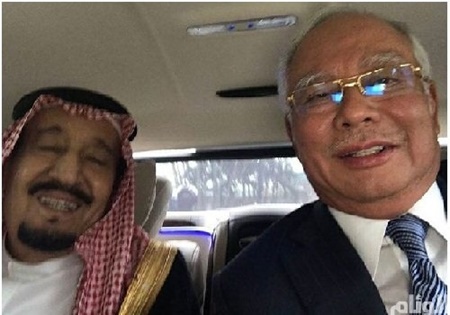
Saudi King Salman Takes Selfie with Malaysian PM

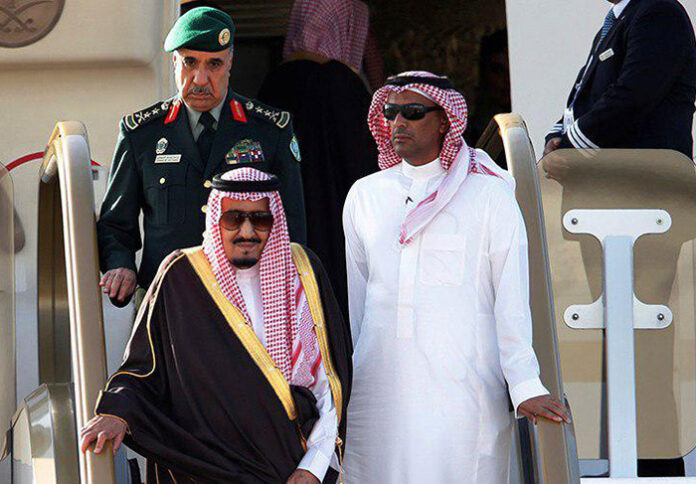
Saudi King Salman

The Malaysian prime minister tweeted a photo of himself and the Saudi monarch while they were being transported between events in Kuala Lumpur.

King Salman’s month-long Asia tour will see him visit Indonesia, Brunei, Japan, China, the Maldives and Jordan “to meet with the leaders of those countries to discuss bilateral relations and regional and international issues of common concern”.

Saudi King Brings 459 Tonnes of Luggage on Asian Tour

king salman

King Salman’s entourage will be 1,500-strong during the trip aimed at forging economic ties with the region at a time when the kingdom aims to diversify its economy to reduce its dependency on oil.

After four days in Malaysia, the royal will head to Indonesia and take in, amongst others, trips to China and Japan as part of a rare diplomatic mission.

According to airfreight cargo company PT Jasa Angkasa Semesta (JAS), the elderly king has two Mercedes-Benz S600 limousines among his 459 tonnes (metric) of cargo with him for his nine-day trip to Indonesia.

The limousines arrived in Denpasar, Bali, on February 18. Two electric lifts have also arrived in the country for the 81-year-old king.

“We have been officially appointed to handle all [cargo] belonging to the King’s entourage aircraft,” JAS Director Adji Gunawan said, as reported by the Strait Times. The company will need more than 570 staff to accommodate the King’s needs.

Gunawan reported that the King’s 600-strong entourage, currently in Malaysia with him, will join him in Indonesia, along with an additional 800 delegates, including princes and ministers. The total figure is expected to be close to 1,500, RT reported.

The delegation began to arrive over the last two weeks across 36 flights. Three luxury hotels in Kuala Lumpur have been completely booked out by the entourage for the duration of the visit.

Iranian FM Calls for Reforms in ECO Structure

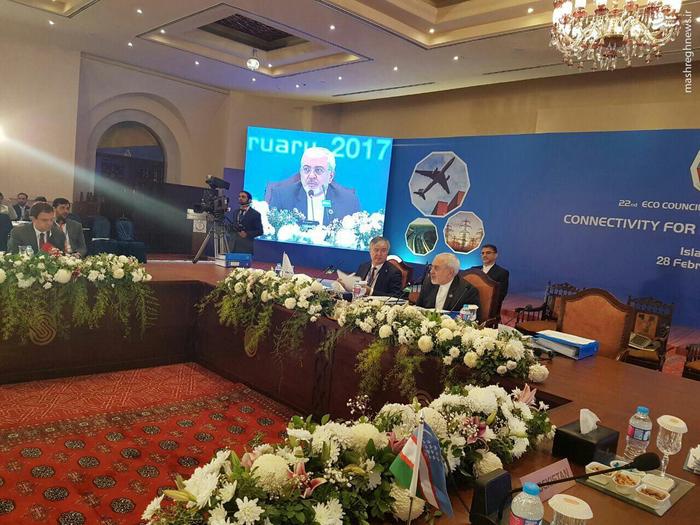
Addressing a conference of ECO foreign ministers in Islamabad on Monday, Zarif stressed that the restructuring of the Organization needed to be based on an inclusive economic plan as well as adequate growth models.

Zarif added that ECO also needed to strengthen the mechanisms to respond to the requirements of its member states.

This, he added, could be part of the reforms that were launched over the past few years but were yet to be finished.

Here is the full text of his remarks:

In the name of God, the Compassionate, the Merciful

Fellow Ministers; Distinguished Secretary General

Excellencies; Ladies and Gentlemen

At the outset, allow me to express my profound appreciation for your participation in the 33rd Council of Ministers of our Economic Cooperation Organization. I would like to begin by paying tribute to the people and the Government of the Islamic Republic of Pakistan for hosting this meeting and for the excellent arrangements and gracious hospitality extended to us.

Since last COM Meeting, ECO’s existing frameworks and networks for regional cooperation continued to function; thanks to the ECO Member States, ECO Secretariat and our partner organizations. Distinguished Secretary General has extensively elaborated in his Report on the sectoral achievements and challenges that the Organization has experienced since the 32nd COM Meeting. I would like to express my heartfelt thanks to him and his colleagues in the Secretariat for their dedication and efforts towards implementation of the ECO overall agenda.

zarif-eco

Dear Colleagues

At the end of my tenure as the Chairman of the Council of Ministers, I would like to briefly share with you my views about the ECO as it stands now and as it ventures ahead to play a large role in the future of relations among our countries. In the 32nd COM Meeting in November 3124, and in the “Tehran Communiqué”, the Ministers clearly indicated that continued regional cooperation within ECO framework would require, first and foremost, enhanced institutional and operational capacities in the Organization, enabling it to respond in a timely and effective manner to the needs and aspirations of the Member States. Accordingly, the imperative of reform attained momentum, which was reinforced further by the evolving global trends in the context of the post-3122 global development agenda.

Notwithstanding the pending reforms and changes, the corresponding roadmap is now developed: the new “ECO Vision 3132″. Member States, assisted by the Secretariat, have charted the “Vision” which lays out the ECO goals and programs in the coming decade. The “Vision”, along with its associated plans for action, is expected to drive us towards further regional integration and cohesion. If it happens, ECO will celebrate an important milestone in its three-decade history of evolution. Ensuring that the “Vision” and other such frameworks will deliver their expected output, in a timely and effective way, predominantly requires a new regional economic architecture for cooperation and integration within the ECO. This should be based on a development paradigm and supported by fitting economic growth models for our Region. I firmly believe that ECO should invest more time and energy to carefully devise Vision’s implementation frameworks and mechanisms, and to ensure conducive policy environment for its realization.

محمدجواد ظریف در سازمان اکو

Distinguished Friends,

As a member-driven organization, no success in the ECO can be envisaged unless all Member States are actively involved. The “less than full membership” arrangements or agreements have revealed their negative structural and institutional impacts on the Organization. We need to have all Member States on broad; while ECO in return needs to prove that it works for the whole membership. There has been a clear request by Member States that ECO should now focus on projects and programs which bring about maximum economic benefits to the Member States and the Region as a whole. ECO needs to prove its added value for each and every single Member State, enhancing the sense of ownership among them. Conversely, we, the Member States, should lend our full support to the Organization and its activities.

The Islamic Republic of Iran is committed to continue its unwavering support for the ECO. We believe that the Economic Cooperation Organization is by far the best option for cooperation among the countries of the Region. We firmly believe ECO-sponsored regionalism not only improves prospects for individual and collective economic development, but enhances political and security relations among the Member States. We can ensure a more stable, peaceful and resilient community of countries through ECO’s cooperation and integration schemes, uplifting also our capacities to respond individually and collectively to the challenges and vulnerabilities.

Let me conclude by assuring the new ECO chairmanship, the Islamic Republic of Pakistan, of the full support of the Islamic Republic of Iran. We will also continue our advocacy policy towards the Secretary General and the ECO Secretariat to accomplish their critical role in initiating, implementing and monitoring the activities within the Organization.

US State Dept. Removes Tweet in Praise of Iranian Oscar Winner

usadarfarsi-twitte

The state department’s official Persian-language Twitter account, @USAdarFarsi, tweeted congratulations to the Iranian people and Asghar Farhadi, director of The Salesman, after the movie won an Oscar for best foreign-language film on Sunday, according to screenshots of the message circulated on Twitter.

However, it later removed the tweet “to avoid any misperception that the USG [US government] endorsed the comments made in the acceptance speech,” according to a US State Department spokeswoman.

A second state department official said the decision to delete the tweet was made within the department.

Farhadi boycotted the Oscars ceremony and issued a statement criticising Trump’s January executive order that temporarily banned entry to the United States by Iranians and citizens of six other Muslim-majority countries. The ban was blocked by federal courts, although the administration has said it is working on a new order, The Guardian reported.

Farhadi chose two Iranian-Americans – a female engineer and a former NASA scientist – to represent him at the ceremony. Anousheh Ansari, an engineer who was the first female space tourist, read a statement on Farhadi’s behalf calling the travel ban “inhumane”.

Official Explains Why No Terrorist Attack Occurs in Iran

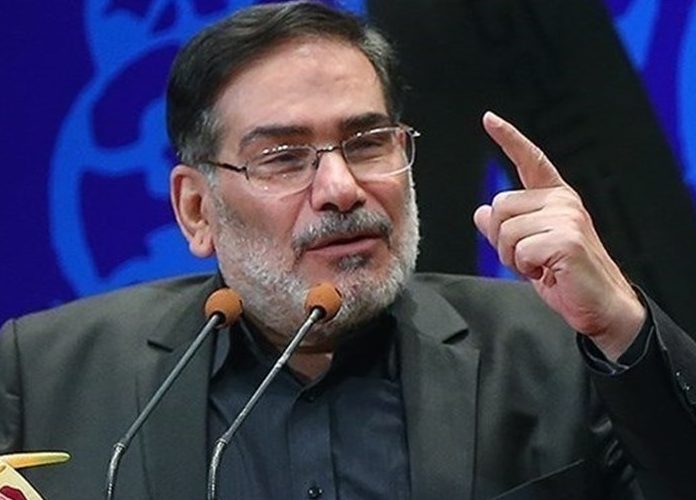
“Terrorists can carry out bombings and terrorist measures in countries that have been the origin of their nurturing and training and where they have bases and support for their evil intentions,” Shamkhani said on Monday.

Shamkhani described the social, political and cultural conditions in Iran as being completely at odds with terrorist ideologies and teachings, Press TV reported.

“The presence of a vigilant security apparatus and wise and discerning citizens,” he said, “prevents the presence, growth and operation of terrorist elements inside the country.”

Iranian Teams in ACL Defeat Saudi, Emirati Rivals

Esteghlal

In its match against Saudi Arabia’s Al Taawoun, Esteghlal’s Kaveh Rezaei was on target just 50 seconds into the match at Sultan Qaboos Sports Complex, Oman. Al Taawoun backline failed to clear a long throw-in from the right and the ball eventually fell kindly to Rezaei, who finished through a crowd of defenders from eight yards, Tasnim reported.

The Iranian football team extended the lead in the 70th minute when Al Taawoun again was unable to clear the ball, Mohsen Karimi was on hand to finish from six yards.

With two minutes remaining, Brazilian defender Leandro Padovani scored with a header to seal a 3-0 victory for Esteghlal.


EsteghlalIn another match of the day, Iran’s Esteghlal Khuzestan, kept its record unblemished in Group B of the AFC Champions League, Press TV reported.

The continental debutants from Ahvaz opened the scoring in the second minute of the fixture against Al Jazira of the United Arab Emirates at Mohammed bin Zayed Stadium is in Abu Dhabi, when forward Mehdi Momeni picked up Arash Afshin’s header and laid the ball into the path of Cameroonian footballer Aloys Nong to net the winner.