
“Saudi Arabia has cast covetous eyes on Malaysia,” Iranian MP Mohammad Javad Abtahi said, according to a Farsi report by ICANA.
“Riyadh is pursuing the Wahhabi economic and ideological goals there.”
He went on to say that Saudis intend to form an economic, ideological front among the Muslim people living in East Asia in order to recruit Takfiri forces, and achieve further financial resources.
“It was predictable that Malaysia would be the first destination of Saudi Arabian King’s East Asia tour,” he noted.
“Saudi Arabia, however, has now its eyes on India and Indonesia as its next conquests, so that their Muslim population comes under the domination of Wahhabism.”
He assimilated Malaysia to a progressive dragon is south-eastern Asia with considerable industrial assets.
“As the majority of Malaysians are Muslim, it is regarded by Saudi Arabia as a special target for Wahhabi aims,” he added, pointing that Riyadh is to open Wahhabi schools in Malaysia, as it did in Peshawar, to promote Wahhabism in the Far East and south-eastern Asia.
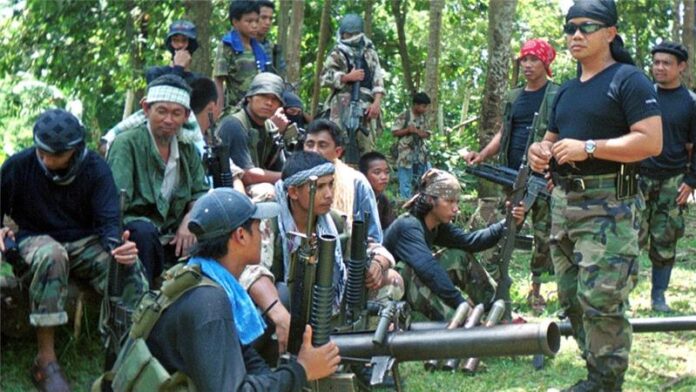
“Saudi Arabia had earlier infiltrated into the East Asia through Abu Sayyaf terrorist group, a former ally of Al-Qaeda. Now, the ISIS will be given a specific operational space thanks to Saudi plans.”
“During a meeting with Mahathir Mohammad, the founder of modern Malaysia, I found that he was seriously concerned about the Saudi influence over this country,” Abtahi mentioned.
“The 680-million-dollar bribe paid by Riyadh during the Malaysia elections led to a turn in Jakarta’s positions against Iran, worrying many Iranian students in this country,” he added.
Iranian MP Warns against Formation of Takfiri Front in East Asia
Iran to Enhance Trade Ties with France: FM
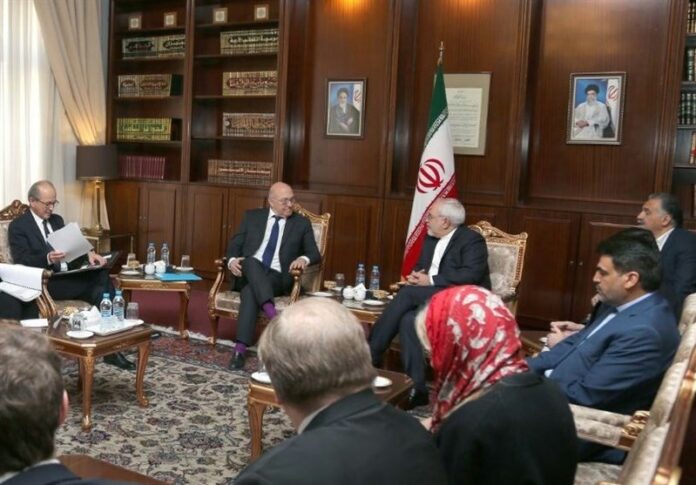
“We regard France as an important economic and political partner,” Zarif said in a meeting with French Minister of Finance Michel Sapin in Tehran on Saturday.
Lauding Iran and France’s move to hold joint economic commissions, the foreign minister expressed Tehran’s determination to enhance relations with Paris in all fields.
He also highlighted the Iranian market’s potential and the workforce available in the country, hoping for broader joint investment in the automotive industry.
Sapin, for his part, expressed French politicians and companies’ willingness to use opportunities for closer bilateral ties with Iran.
France seeks cooperation with Iran together with the European Union, the French minister added.
Economic ties between Iran and France gained momentum after coming into force of the Joint Comprehensive Plan of Action (JCPOA), a nuclear agreement between Iran and the Group 5+1 (Russia, China, the US, Britain, France and Germany), in January 2016.
During a January 2016 visit to Paris by Iranian President Hassan Rouhani, Tehran signed a major contract with Airbus worth about $27 billion to buy 118 planes.
Also in January 2016, Iran Khodro, the Middle East’s biggest carmaker, and French carmaker PSA Peugeot Citroen signed an agreement over a joint-venture to produce cars, worth 500 million euros ($545 million).
Iran Has No Problem with Arab People: IRGC General
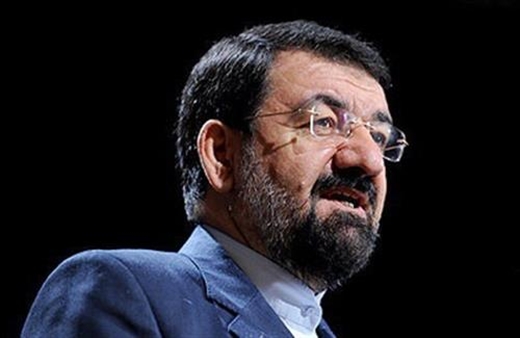
“Our problem is not with Arabs, but with their despotic rulers who serve Israel,” Major General Mohsen Rezaei said in a Saturday Farsi post in his Twitter account.
“People of Saudi Arabia and the UAE are thirsty for democracy,” he added.
Spokesman Rejects Saudi-Malaysian Anti-Iran Statement
Riyadh and Kuala Lumpur “expressed serious concerns over the Iranian interference in the internal affairs of countries in the region,” as the Saudi king wrapped up his lavish trip to Malaysia on the first leg of a month-long Asia journey.
Read more:
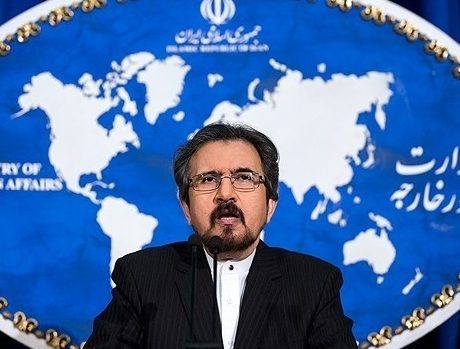
Iran’s Foreign Ministry spokesman Bahram Qassemi on Thursday rejected those accusations as “delusional,” saying they are in line with Saudi Arabia’s “improper, totally false, and targeted campaign, which is being waged at a very high cost” against the Islamic Republic.
“The cultural influence and presence of a country has roots in its history, culture and civilization and is an inherent, cultural and quite natural and popular issue, which is basically not achievable through any military, economic and even political leverage,” Qassemi said.
“The principled policy of the Islamic Republic of Iran, as an effective and peaceful country, is based on mutual respect and non-interference in the affairs of other countries,” he said.
Iran’s policy, he added, is also based on “coexistence and cooperation with all neighbors and countries of the region and the world in order to strengthen stability, security and peace and a relentless fight on terrorism.”
Qassemi further stated that Iran’s “advice to all Islamic countries is that they should analyze regional and global situations with more vigilance and care and avoid being drawn into disputes, which are against the principle of friendship and peaceful relationship.”
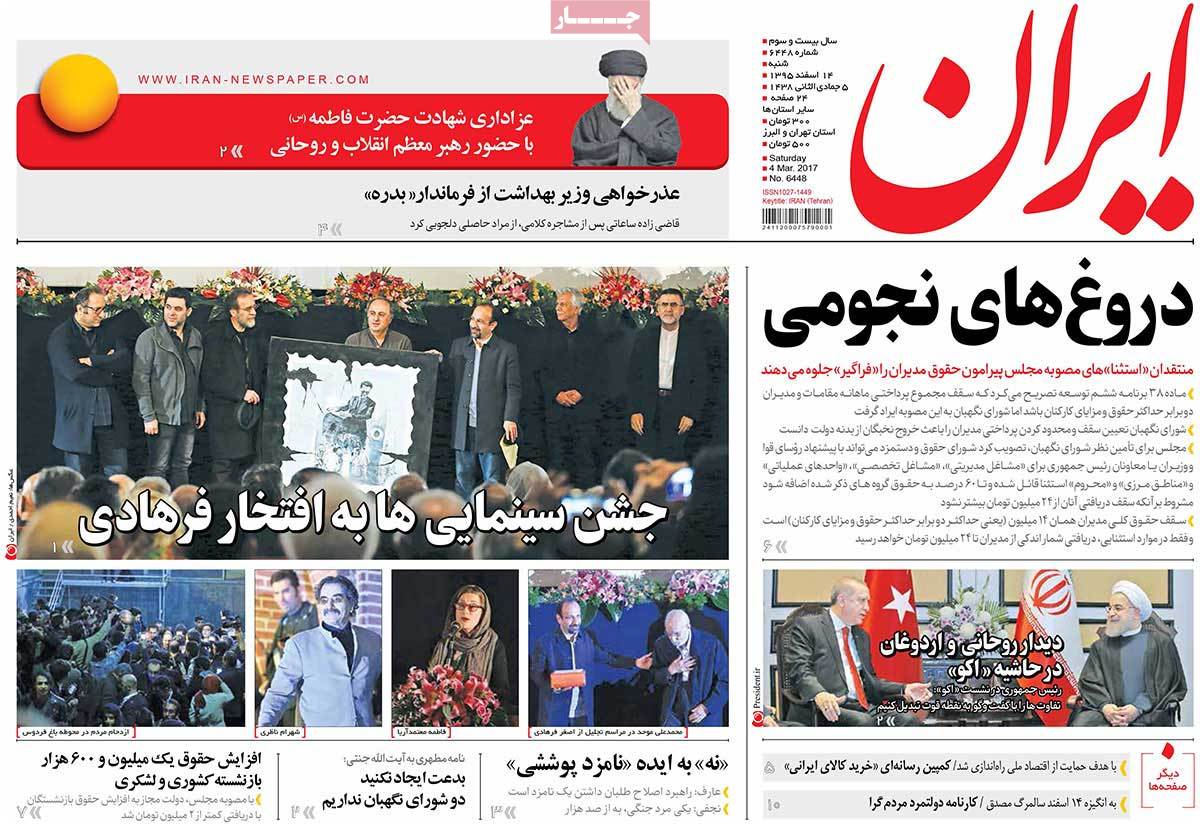
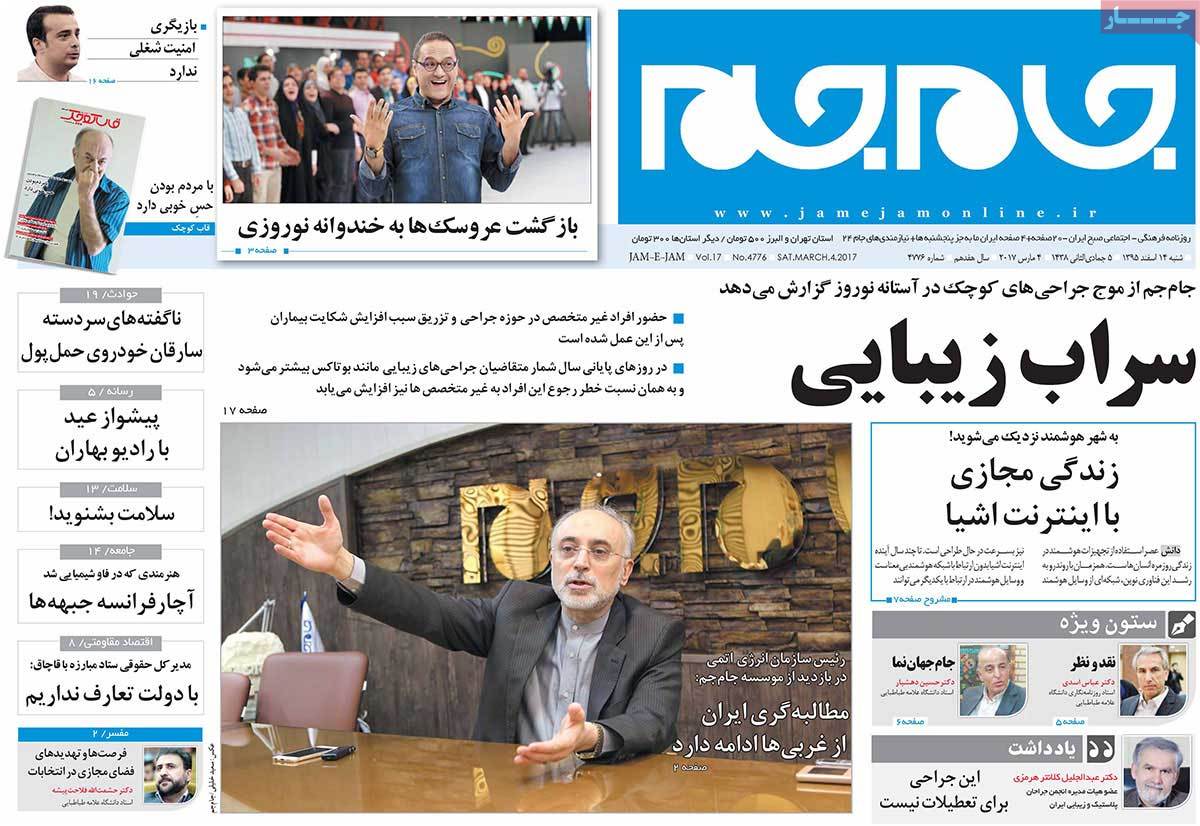
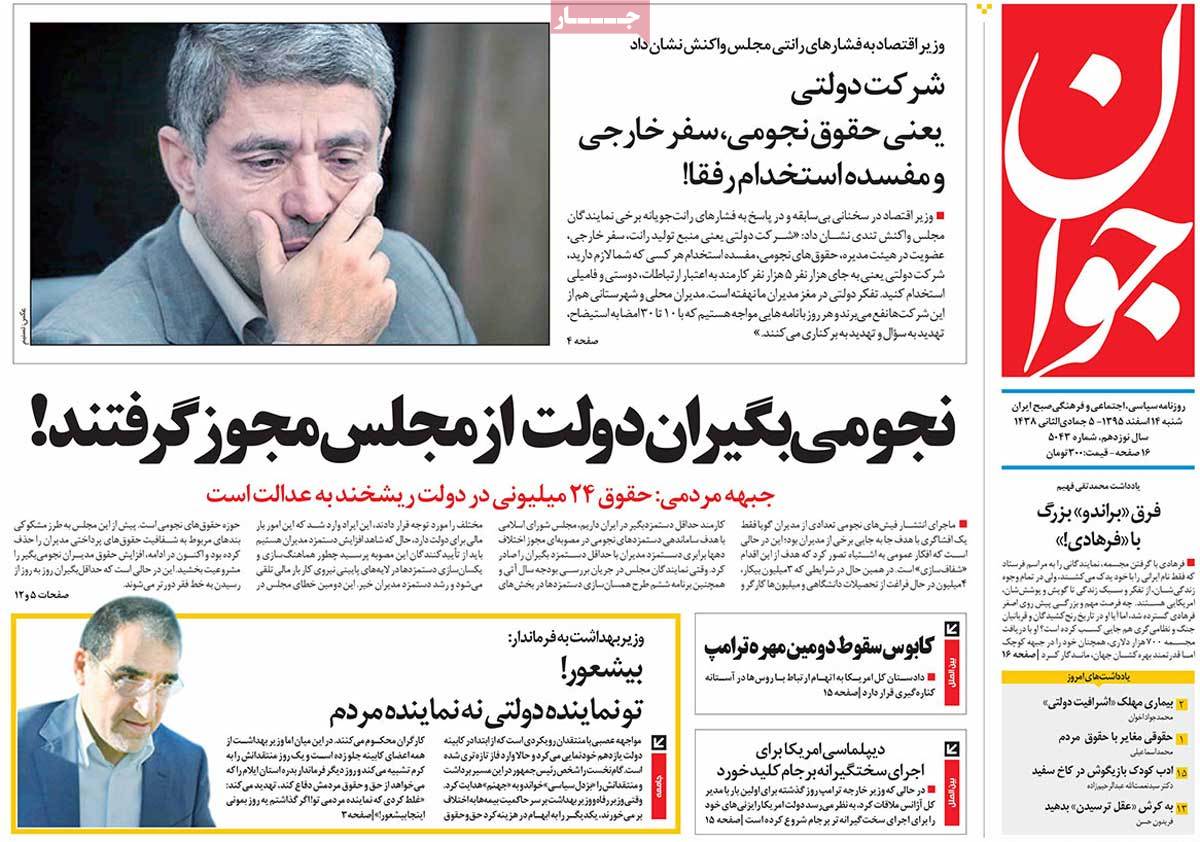
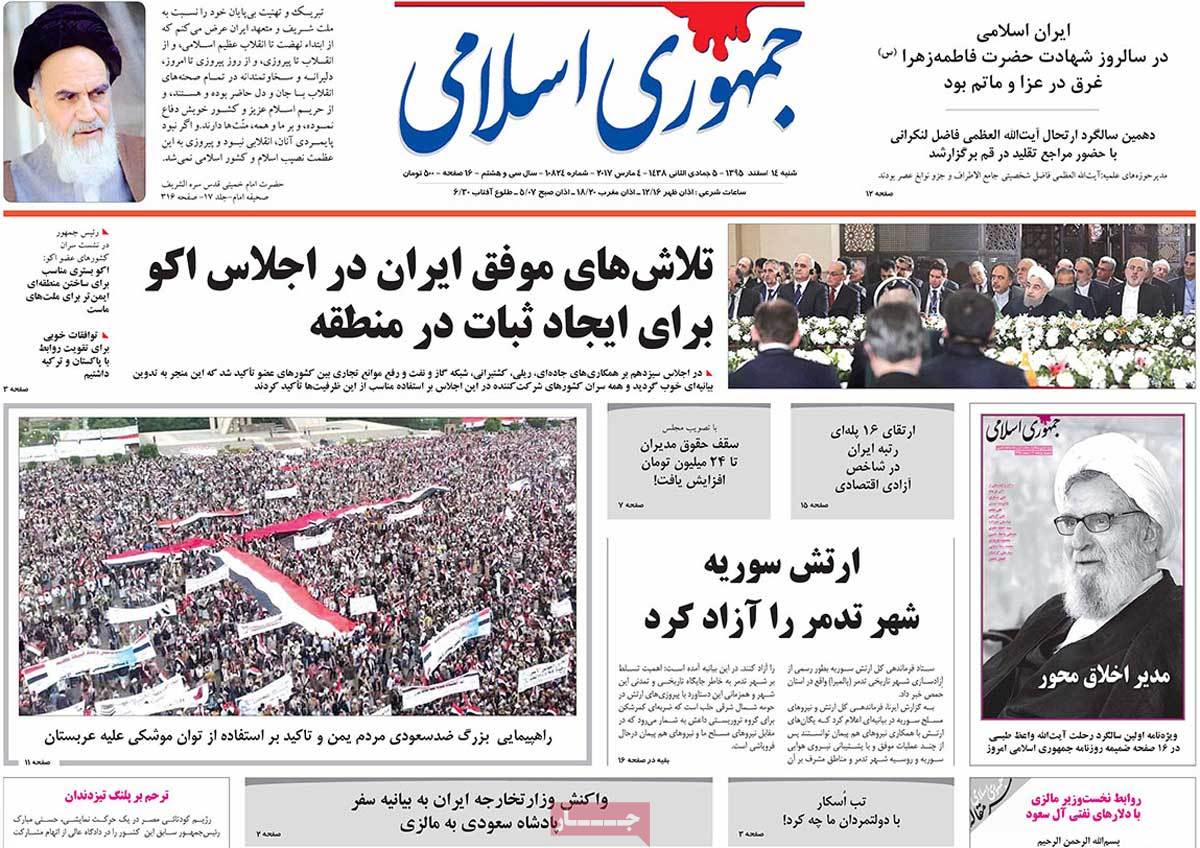
A Look at Iranian Newspaper Front Pages on March 4
Newspapers today widely covered the reactions to a bill approved by Iranian Parliament that legalizes salaries as high as nearly $6,300 for executives.
The disclosure of Trump cabinet’s ties with Russia and the possible resignations in his justice department also received great coverage.
Iranian President Hassan Rouhani’s meeting with his Turkish president and the remarks he made on the sidelines of the Economic Cooperation Organisation (ECO) Summit in Islamabad were among other top stories today.
Newspapers also covered the ongoing visits by Saudi Arabia’s King Salman to Southeast Asian countries.
The above issues, as well as many more, are highlighted in the following headlines and top stories:
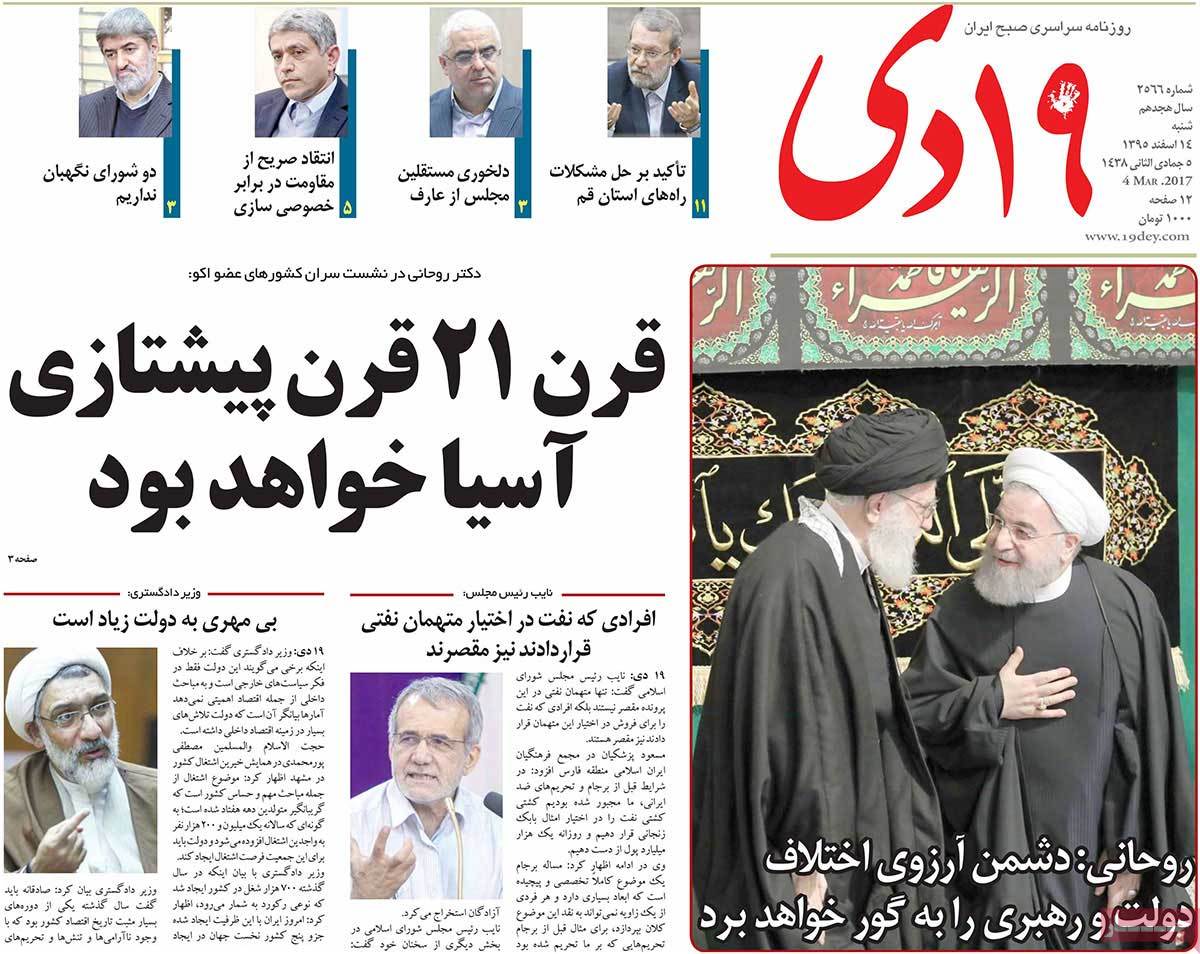
19 Dey:
1- Iran President in ECO Summit: Asia to Be Pioneer in 21st Century
2- Rouhani: Enemies’ Dream about Leader-President Conflict Won’t Come True
Abrar:
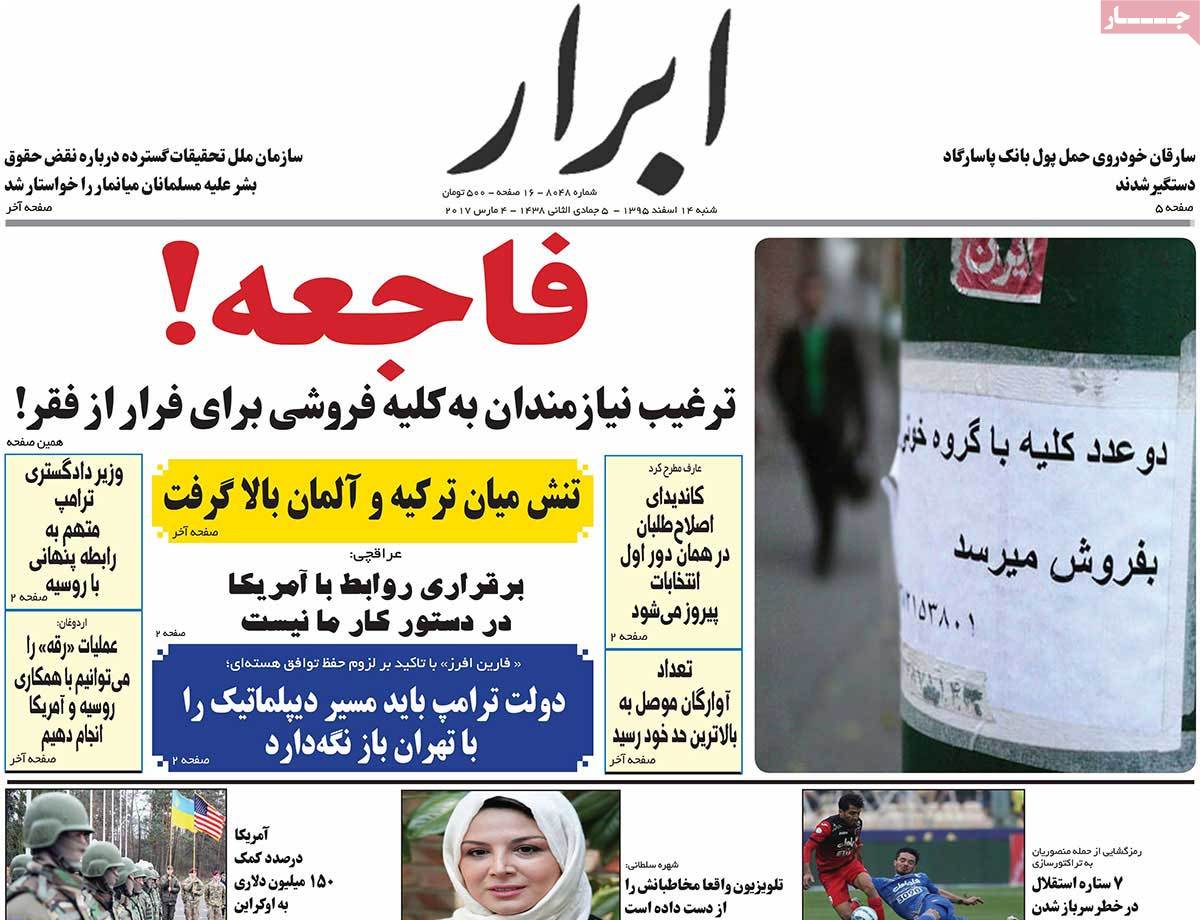
1- Deputy FM: It’s Not on Iran’s Agenda to Establish Ties with US
2- Foreign Affairs: Trump Should Keep Open Diplomacy Channel with Iran
3- Number of Displaced Mosul Residents at Highest Level
4- Erdogan: We Can Conduct Raqqa Operation in Cooperation with Russia, US
Abrar-e Eqtesadi:
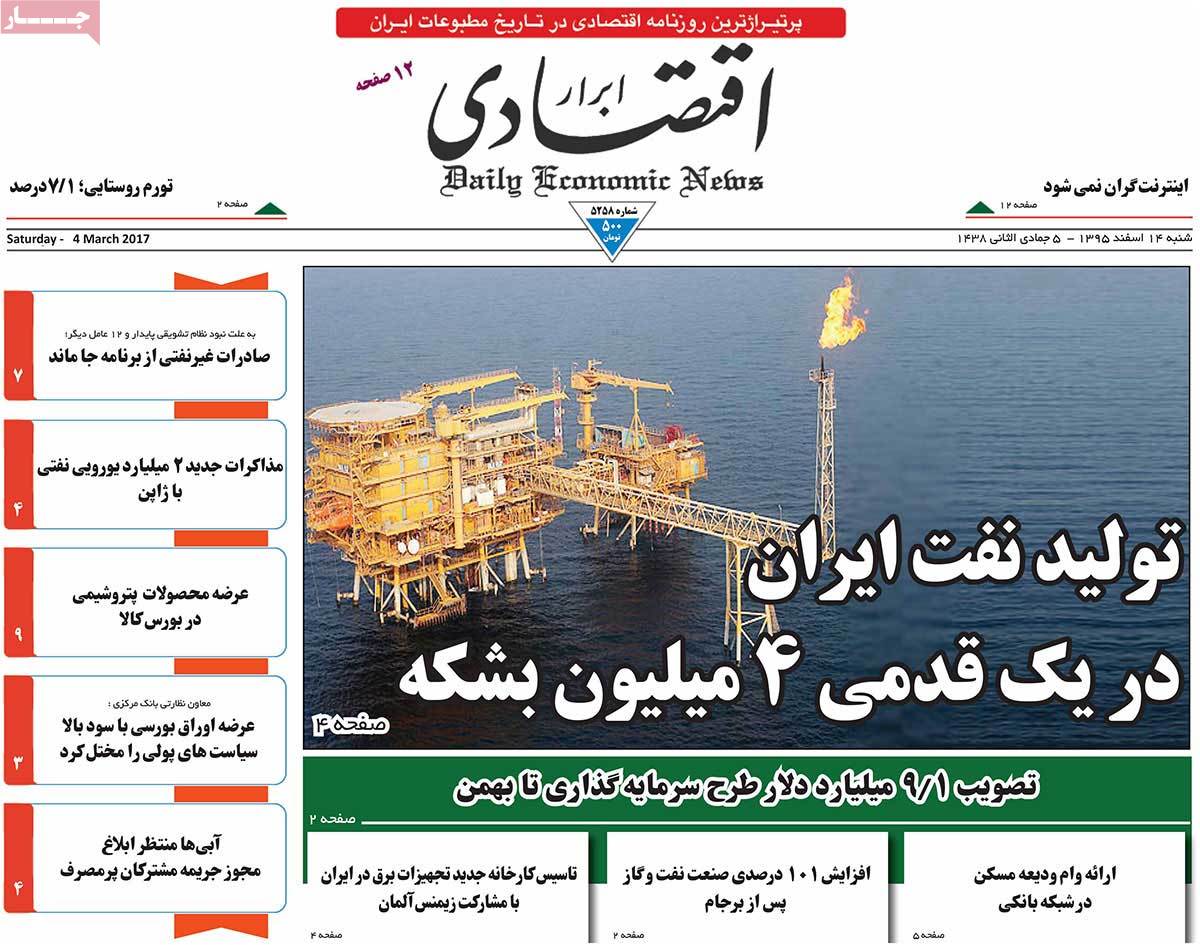
1- Iran’s Oil Output Close to 4m bpd
2- Iran’s €2-Billion Oil Talks with Japan
3- 101-Percent Expansion in Iran’s Oil and Gas Industry after JCPOA
4- Iran, Germany’s Siemens to Launch Joint Power Factory
Afkar:
1- Putin Nominated for Nobel Peace Prize

Aftab-e Yazd:
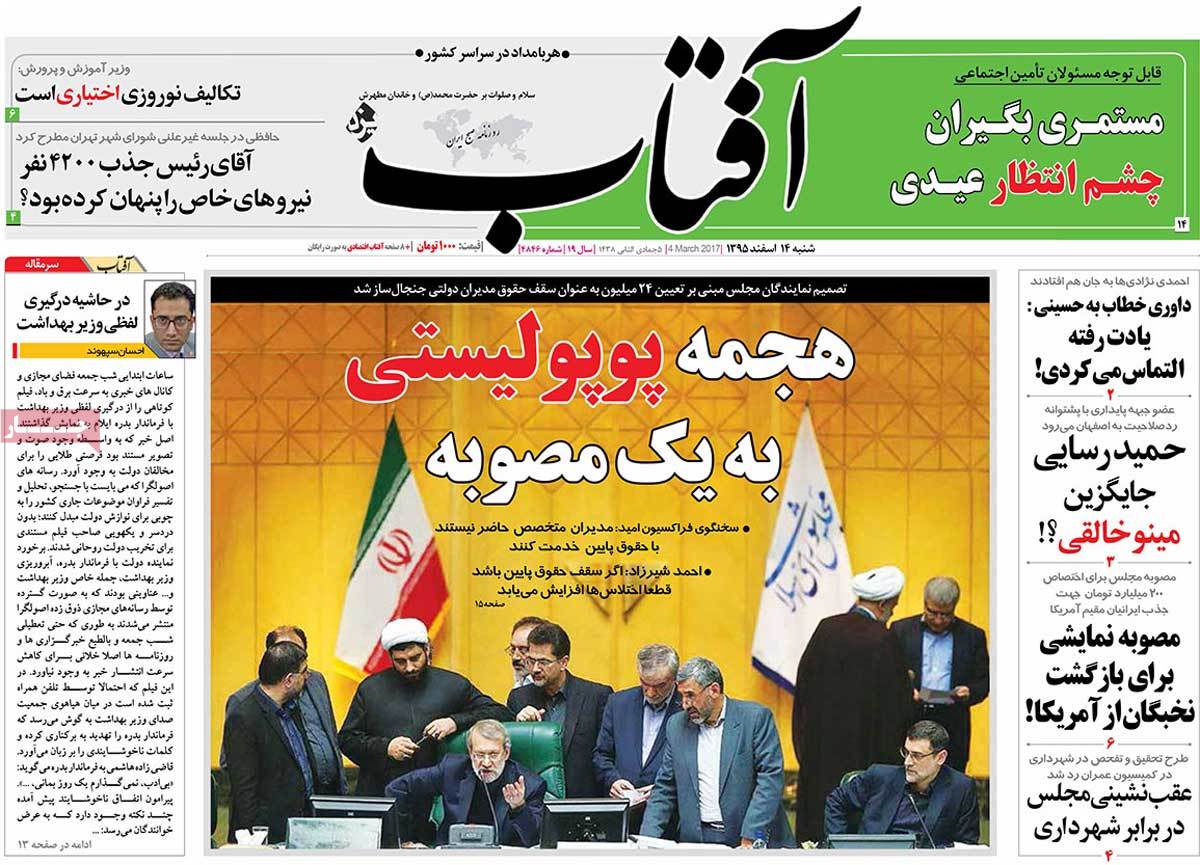
1- MPs’ Decision to Set $6,300 as Maximum Salary for Executives Sparks Controversy
2- Iran Parliament’s Bill to Allocate $52m to Return Iranian Elites Living in US Is a Show
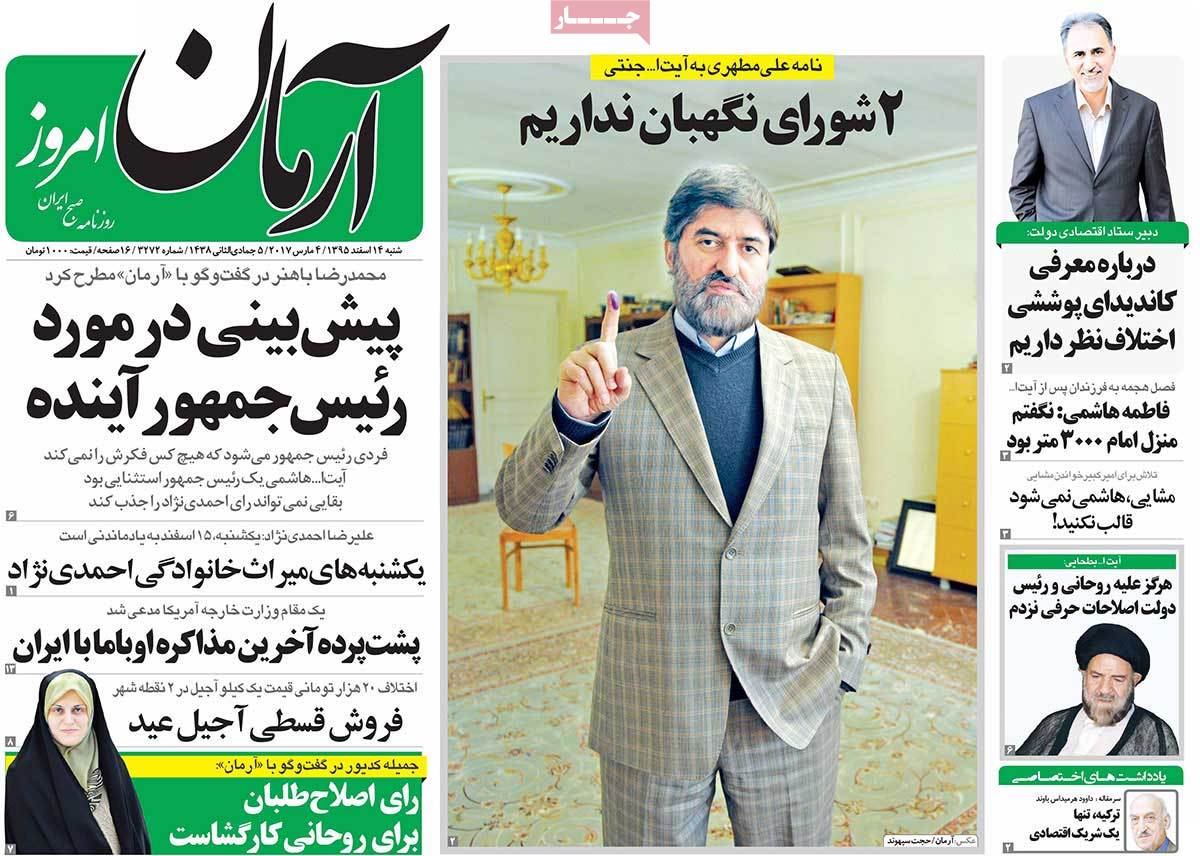
Arman-e Emrooz:
1- We Don’t Have 2 Guardian Councils: Vice-Speaker Writes to Ayatollah Jannati
2- State Dept. Official: Secrets behind Obama’s Last Negotiation with Iran
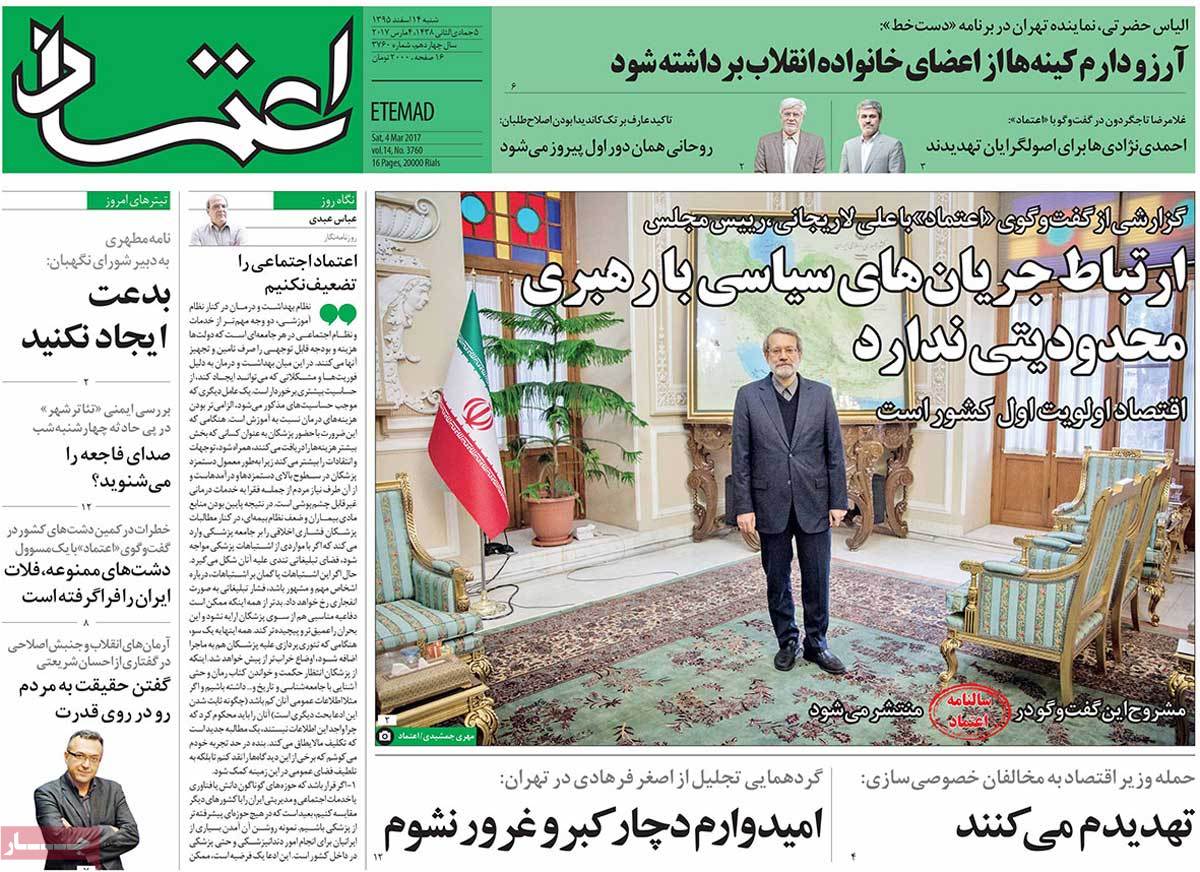
Etemad:
1- Larijani: No Limit to Political Groups’ Contact with Iran’s Leader
2- Asghar Farhadi in Appreciation Ceremony in Tehran: I Hope I Won’t Become Stuck-Up
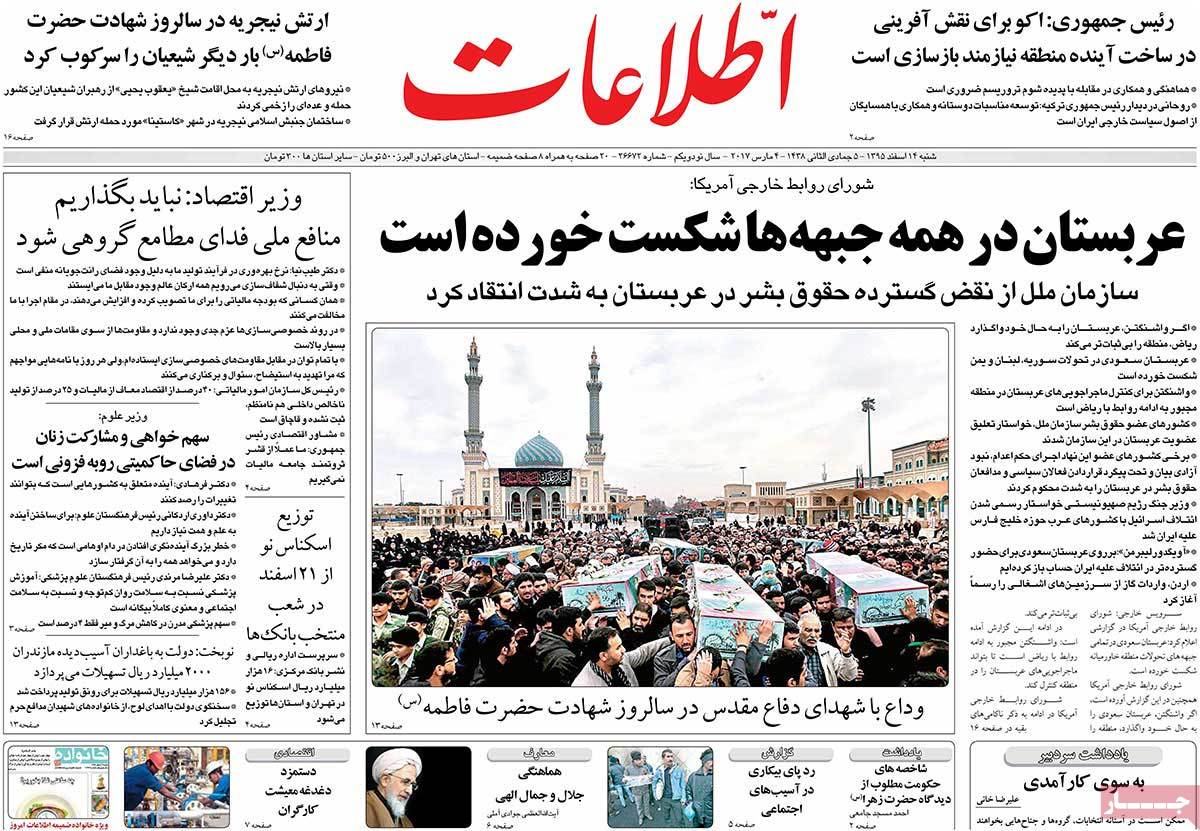
Ettela’at:
1- US Council on Foreign Relations: Saudi Arabia Has Failed in All Fronts
2- UN Harshly Criticizes Saudi Arabia for Human Rights Violation
3- Nigerian Army Once Again Oppresses Shiites
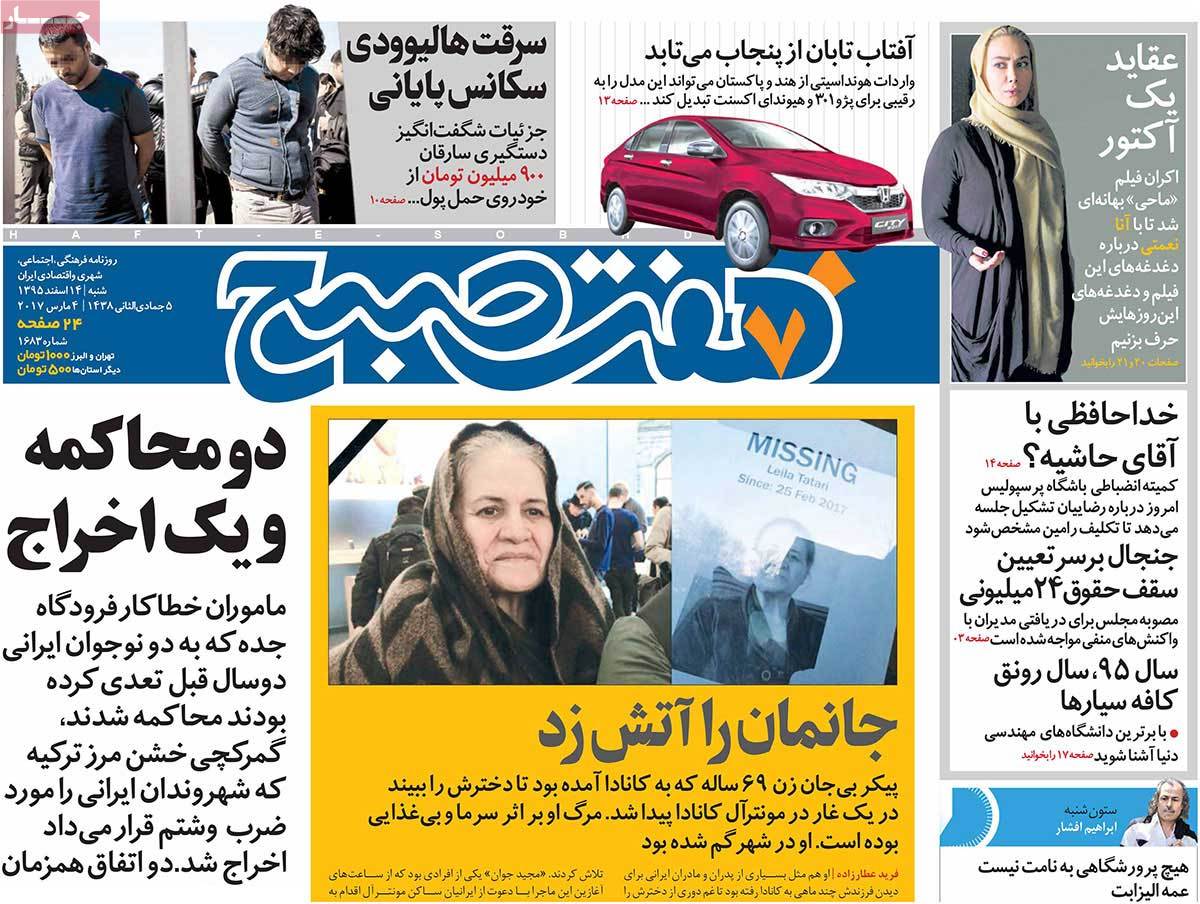
Haft-e Sobh:
1- Iranian Old Woman Dies of Cold, Hunger in Canada Where She Came to Visit Daughter
Iran:
1- Iranian Cinema Holds Celebration in Honour of Farhadi
2- Rouhani and Erdogan Meet on Sidelines of ECO
3- Iranian President: We’ll Turn Differences to Strengths through Dialogue
Jame Jam:
1- Nuclear Chief: Iran Continues Demanding Its Rights of Westerners
Javan:
1- US Attorney General on Verge of Resignation over Ties with Russia
2- Difference between the Great Brando and Farhadi!
Jomhouri Eslami:
1- Iran’s Successful Efforts in ECO Summit to Create Stability in Region
2- Syrian Army Liberates Palmyra
3- Yemenis Hold Anti-Saudi Rallies, Underline Use of Missile against Riyadh
Kayhan:
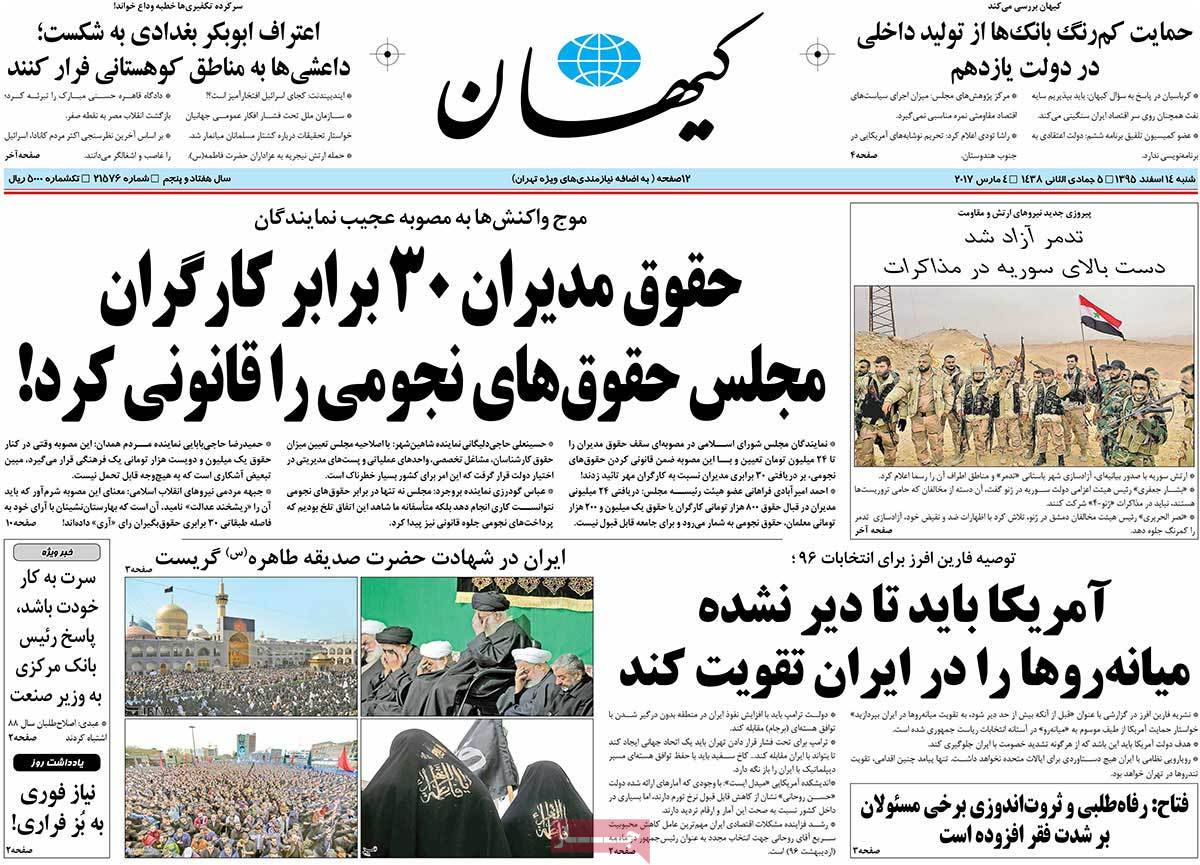
1- Wave of Reactions to Parliament’s Strange Bill: Majlis legitimises astronomical salaries; Executives can receive 30 times more than workers
2- ISIS Leader Admits Defeat; Terrorists Escape to Mountainous Areas
3- Foreign Affairs: US Should Reinforce Moderates in Iran for May Election before It’s Too Late
Mardom Salari:
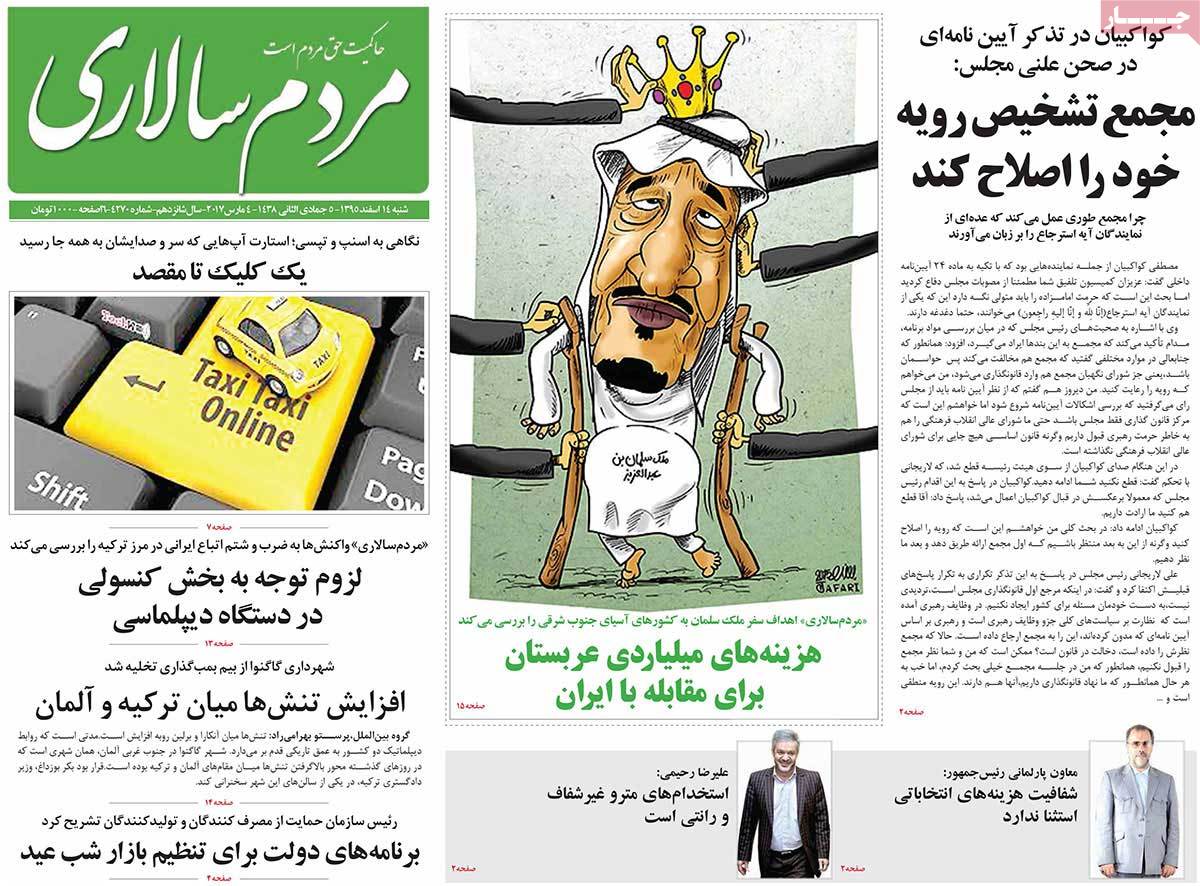
1- Saudi Arabia Spends Billions to Counter Iran: A Report on King Salman’s Southeast Asia Tour
Resalat:
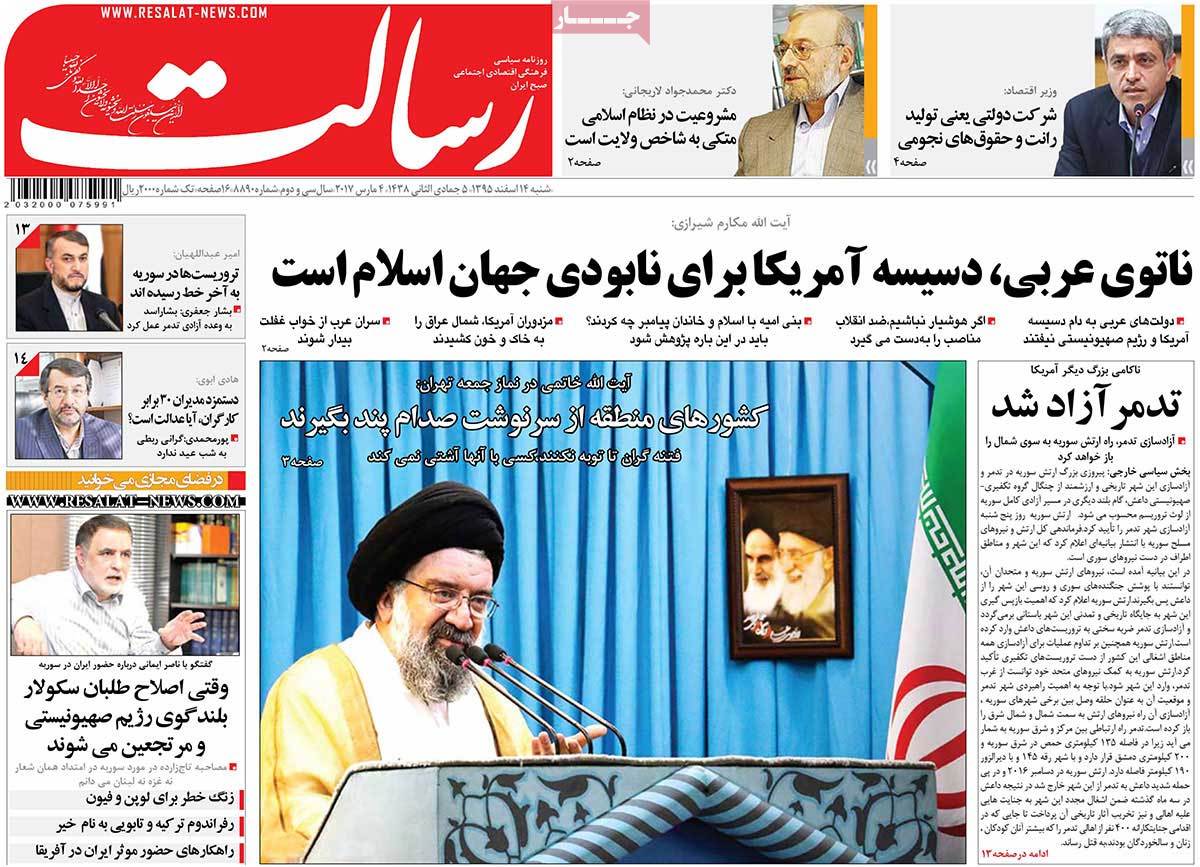
1- Ayatollah Makarem Shirazi: Arab NATO Is US Plot to Destroy Muslim World
2- Ayatollah Khatami: Regional Countries Should Take Lesson from Saddam’s Fate
Setareh Sobh:
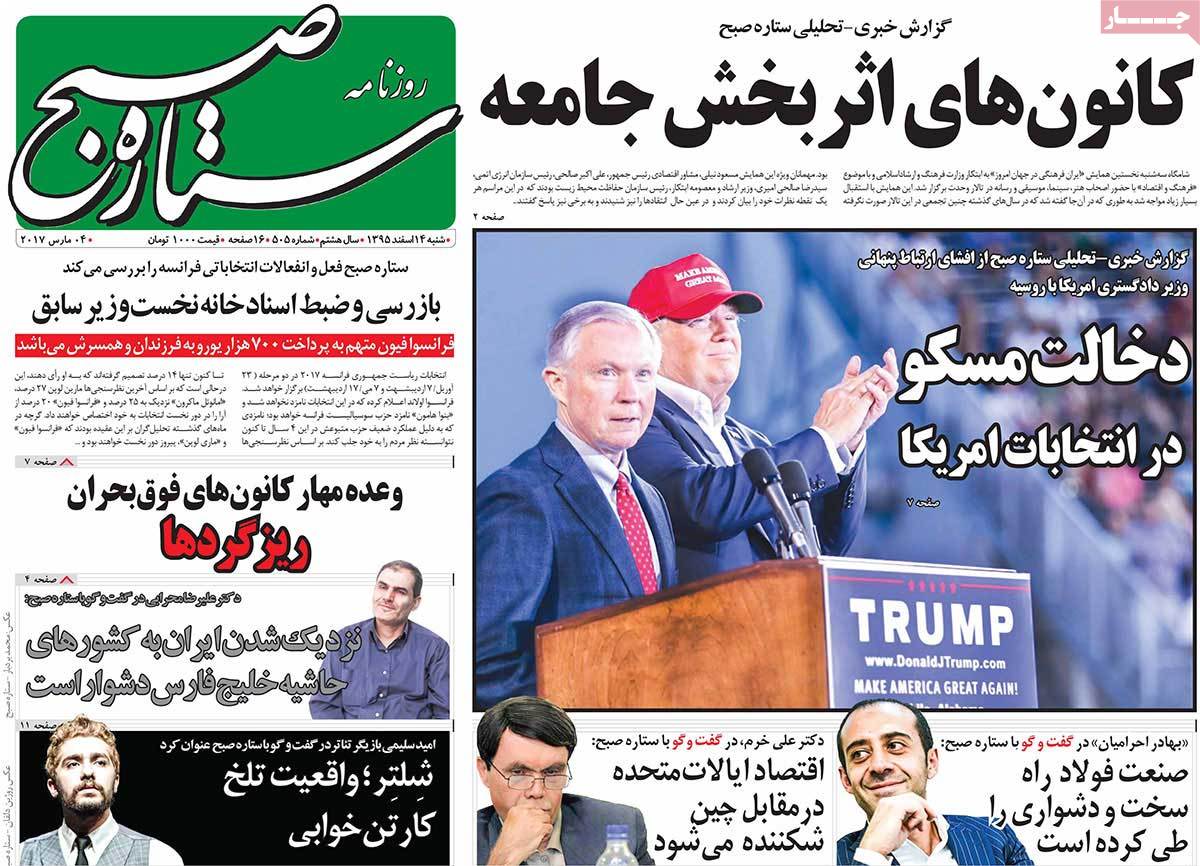
1- French Ex-PM, Presidential Candidate Accused of Paying $700,000 to Wife, Children
2- US Economy to Become Fragile vis-à-vis China: Analyst
Shahrvand:
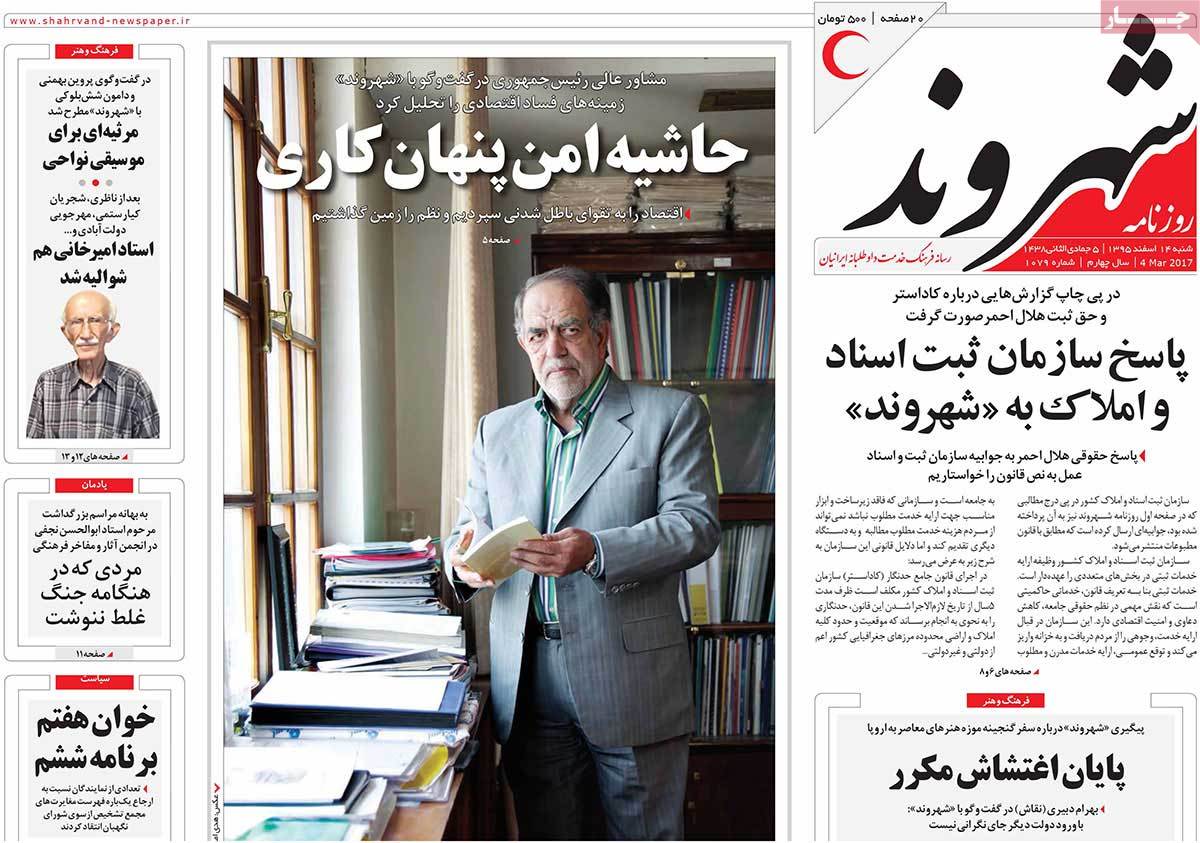
1- Iranian Calligrapher Amirkhani Receives Chevalier Order in French Embassy
Shargh:
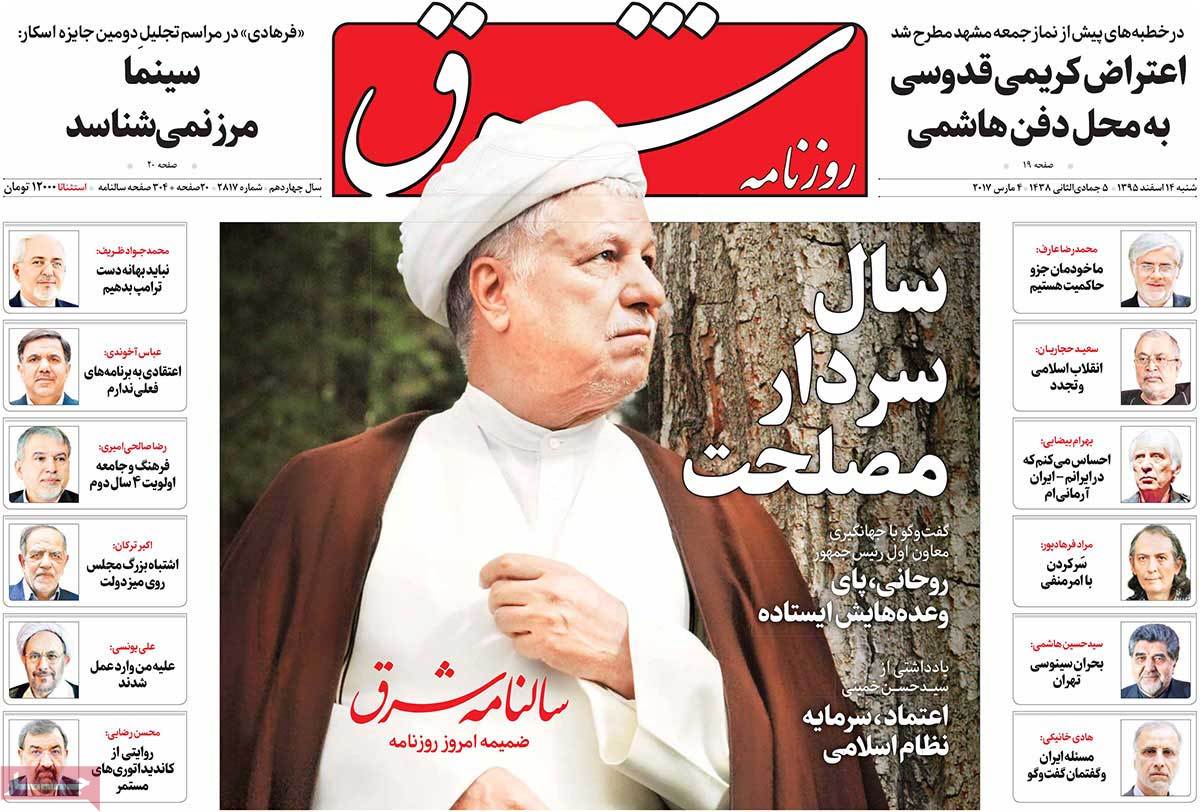
1- Farhadi in Appreciation Ceremony: Cinema Knows No Border
Vatan-e Emrooz:
1- Astronomical Salaries Repeated! Widespread protests against parliament’s bill that legalises astronomical salaries for executives
2- Culture Minister: 6 Ministers Pursuing Issue of ‘Clash of Clans’!
3- Trump’s State Dept. Shut Down: Atlantic’s Report about Chaotic Situation of US Diplomacy Apparatus

Iran’s Abbasi Is Middle East’s Most Beautiful Hotel: CNN
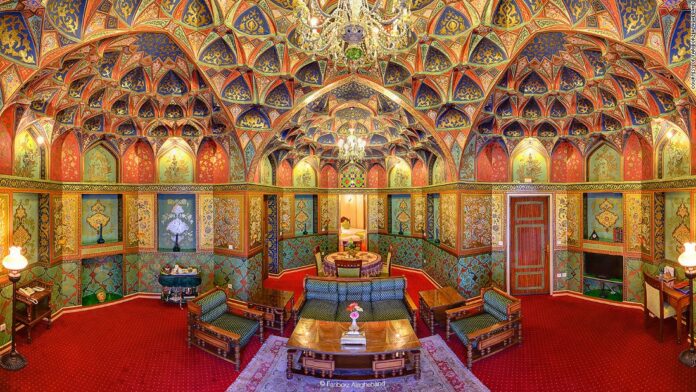
Here is CNN’s account of Abbasi Hotel and its ‘unique’ beauty:
Flick through almost any travel magazine these days and you’re bound to come across an article hailing Iran as the next big destination.
Prompting the spike in interest in the Islamic Republic is recent geopolitical wrangling in the shape of a nuclear deal with world powers that has ended some longstanding sanctions.
But while the country is trying to modernize its tourism industry in the face of increasing visitor numbers — 5.2 million came in 2016 and more are expected in 2017 — its more traditional offerings still have the potential to charm.
None more so than the Abbasi Hotel, an opulent if careworn establishment located in the ancient city of Isfahan.
It’s a place like no other.
Isfahan has its fair share of historical wonders (some which are UNESCO World Heritage sites), but in many ways the Abbasi has become a tourist attraction in its own right.
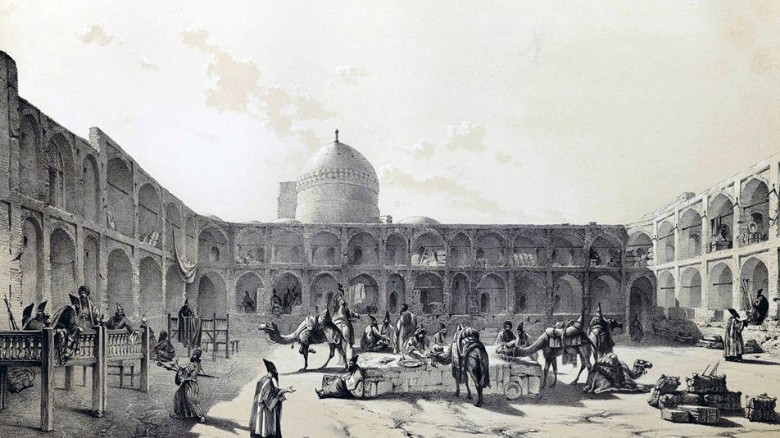
Built around 300 years ago, under the Safavid dynasty reign of Shah Sultan Hossein, it was originally used as a pit stop for merchants traveling the ancient Silk Road.
Uniquely and Beautifully Persian
The complex provided shelter not only for traders but also for the camels and horses they used to help transport their goods.
The years, decades and centuries that followed took their toll on the old caravanserai (during the early 1900s it was used as a military complex) and it started to fall into disrepair.
In the 1950s French archaeologist André Godard, working in Iran at the time, took it upon himself to fight for its restoration.
Soon after that, the Abbasi became what it is today: a 4-star hotel drenched in an ancient past.
The Abbasi may not have an abundance of modern amenities. There are no state-of-the-art gym or in-room cappuccino machines (although it does have great Wi-Fi), but that adds to its charm.
In a globalised and franchise-dominated world, the Abbasi is unique.
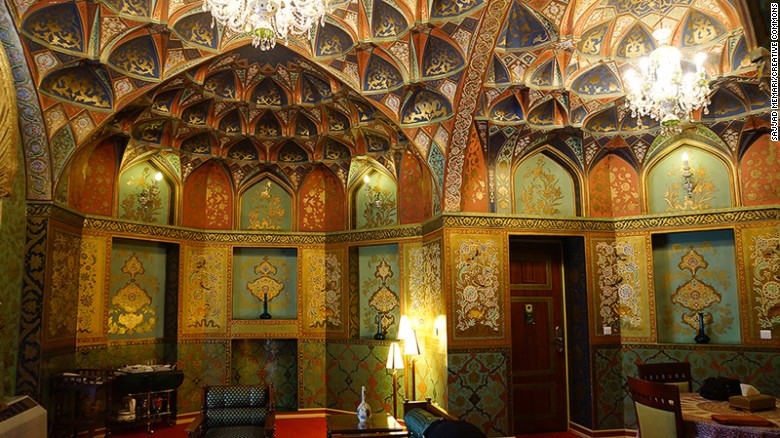
This hotel is all about atmosphere. Moreover, it’s uniquely Persian.
“I’d highly encourage anyone traveling to Iran to stay here as it’s an experience of a lifetime,” says general manager Jamal Zandi.
He’s not really exaggerating.
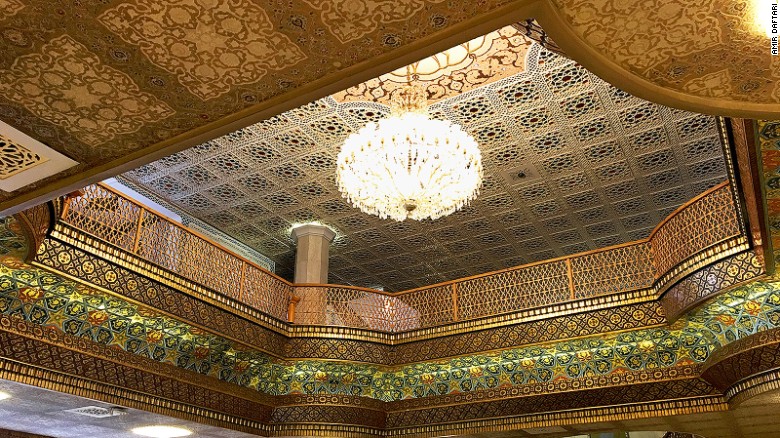
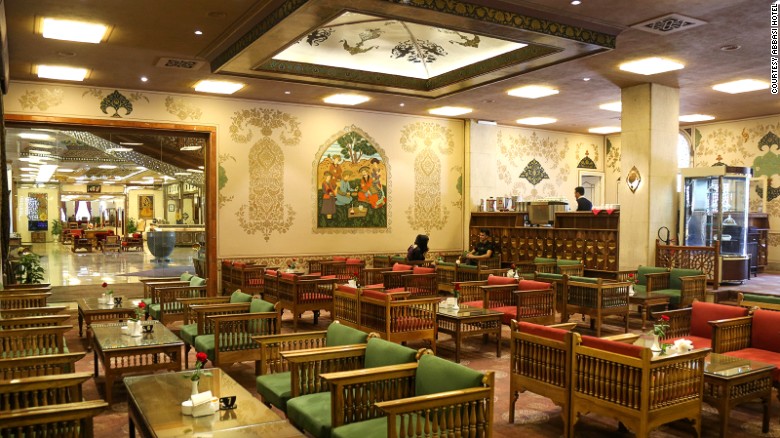
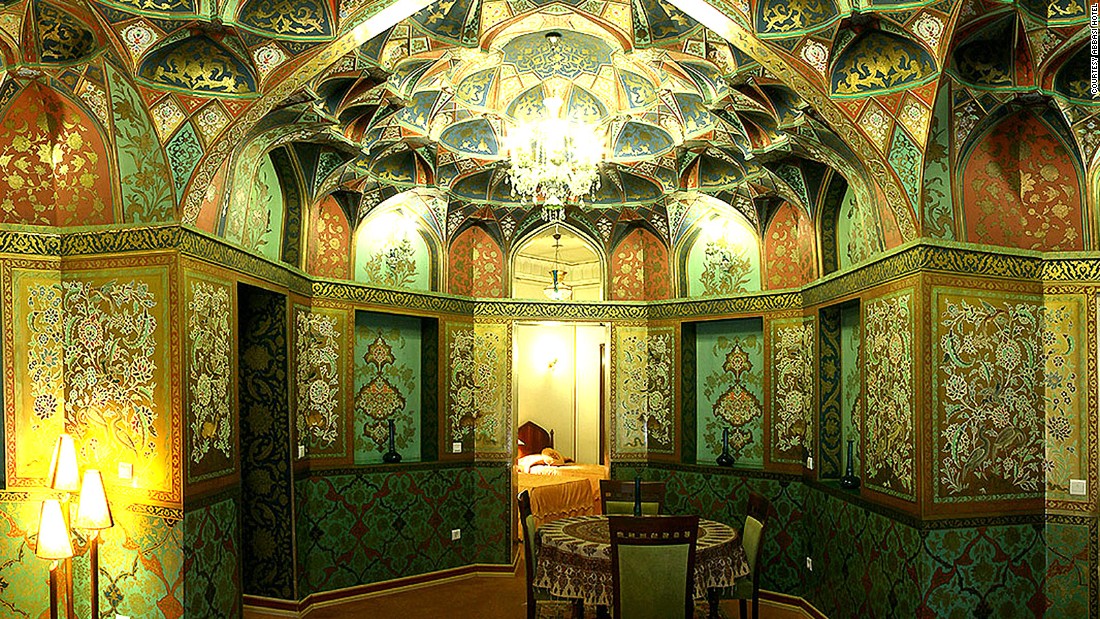
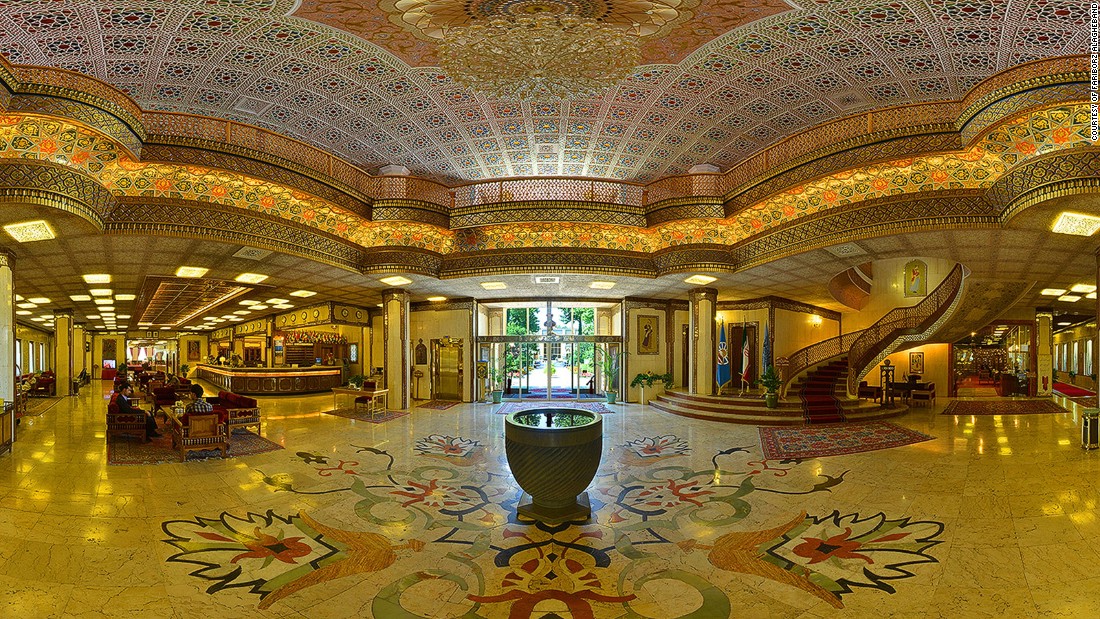
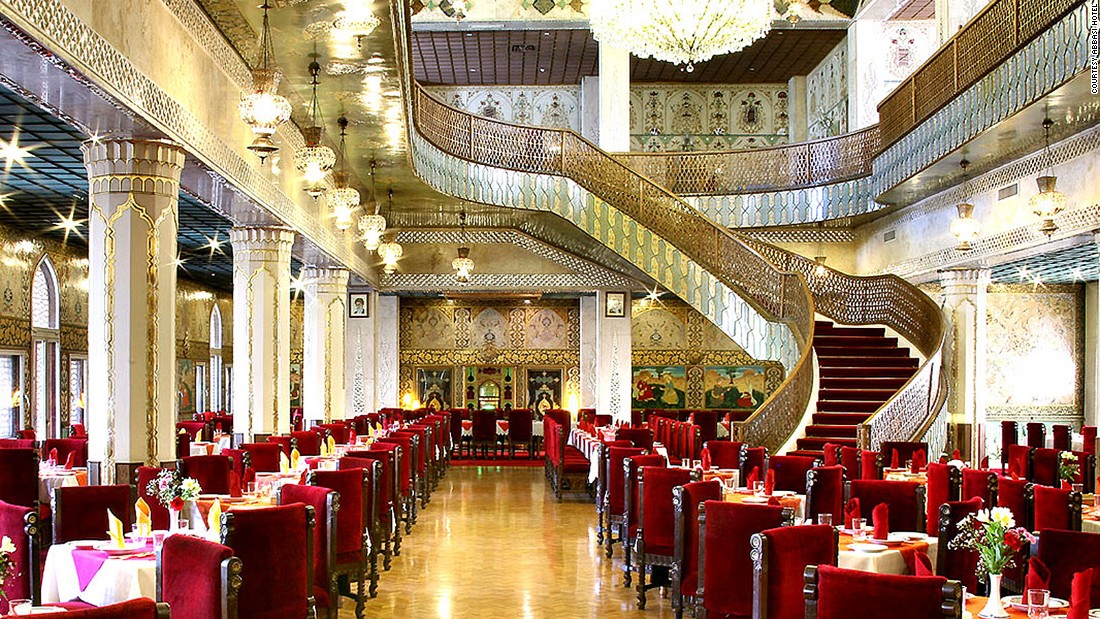
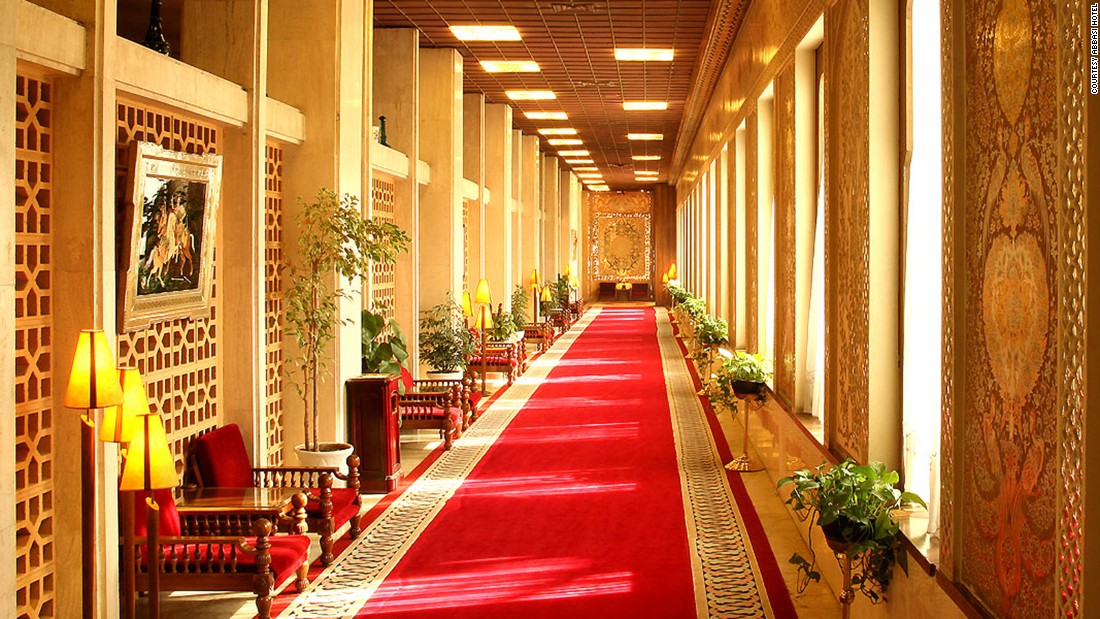
Hallways are lined with authentic miniature paintings, the ceiling of the lobby is finely detailed and the dining areas adorned with beautiful mirror work, glittering chandeliers, and exquisite colourful wall motifs often associated with romantic notions of “the orient.”
An array of emerald greens, jasmine blues and deep golds inevitably make visitors reach for their cameras as soon as they walk in.
The hotel has around 225 rooms, including 23 suites, and is divided between the hotel’s old wing and new wing.
Built in the 1970s, the rooms in the new wing are rather characterless — it seems that the re-creation of the hotel’s original look and feel was not a priority at the time of construction and the rooms are bland in colour and nondescript.
Guests who get to stay in the old wing, especially the Qajar and Safavid suites, are in for a treat. These rooms have been superbly restored and are decorated in an elegant traditional style without being overloaded.
At about $350 a night, they’re relatively pricey.
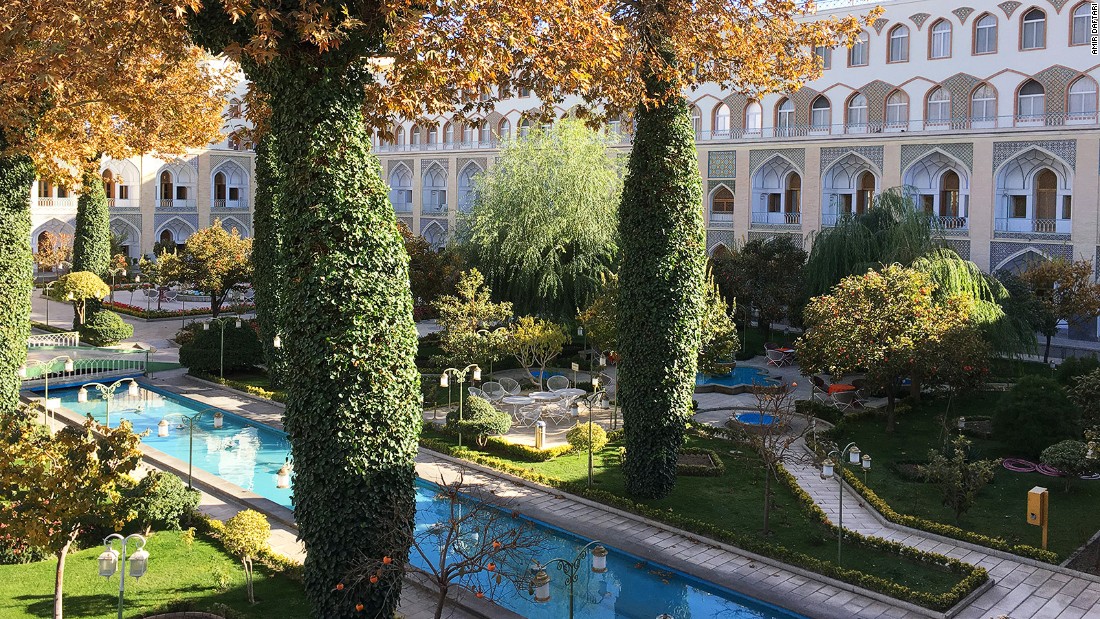
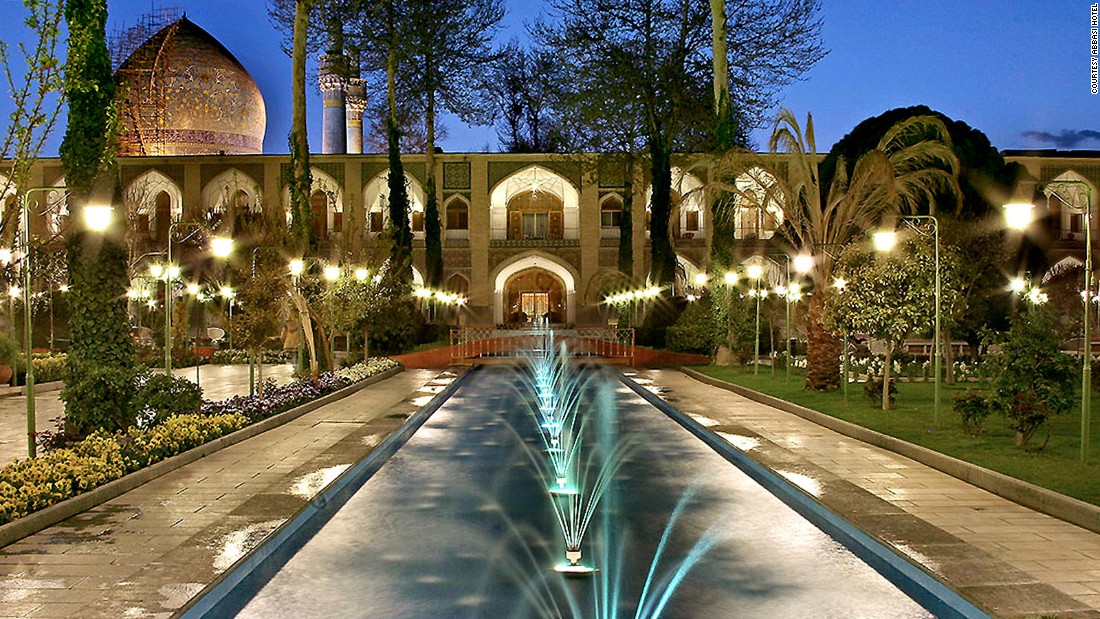
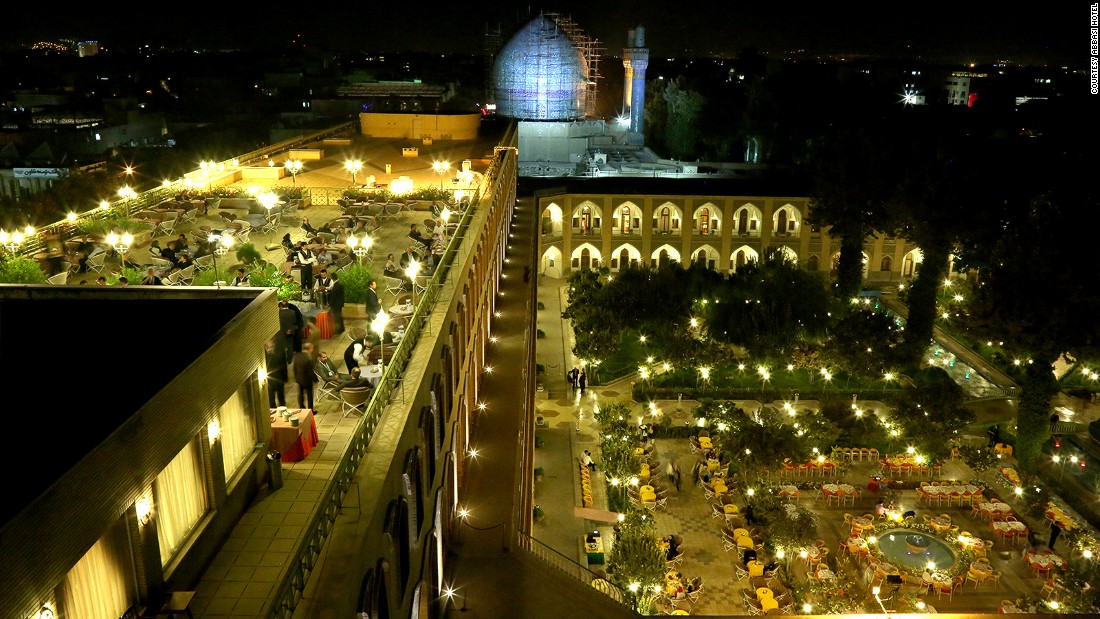
What really makes the Abbasi particularly special is its open-air courtyard.
It’s a large, beautiful, well-maintained Persian garden, complete with little fountains, brook-lined avenues, bright flower beds and quince-laden trees.
People spend their time drinking tea, reading a book or just hiding away from the hustle and bustle of the city in this oasis.
The courtyard restaurant is famous for an Iranian dish called Ash-e Reshteh, a thick type of noodle soup filled with all types of beans and herbs.
“Many Iranians think a visit to the Abbasi for its soup is an essential part of coming to Isfahan,” says Arian Aghamardi, a frequent guest at the hotel. “Nothing better to warm you up on a cold day.”
It was winter when CNN visited, yet the garden was still green and beautiful. It can only be more spectacular in the spring.
Times are clearly changing in Iran and new hotels are appearing on the scene.
While the US still has its sanctions in place, a situation unlikely to change under new President Donald Trump, hotel groups headquartered outside America have already started to move in.
The French Accor group became the first in 2016. Others are following, including the UAE’s Rotana and Spain’s Melia. It’s expected that by 2018 Iran will have six different international brands.
But anyone visiting Esfahan and staying elsewhere would be missing out if they didn’t at least stop by the Abbasi and take a look around.
It’s guaranteed to be one of the best memories of any stay in Iran.




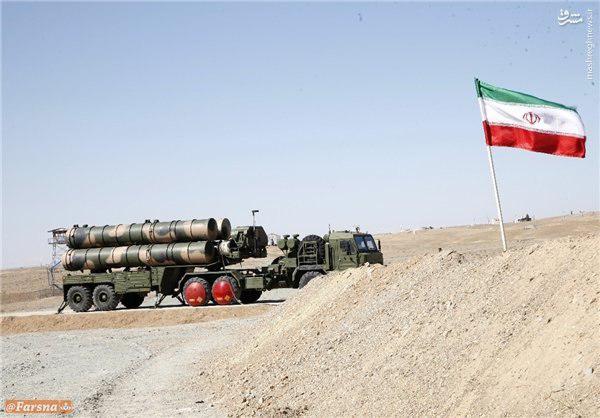
Iran Tests S-300 Missile Defence System
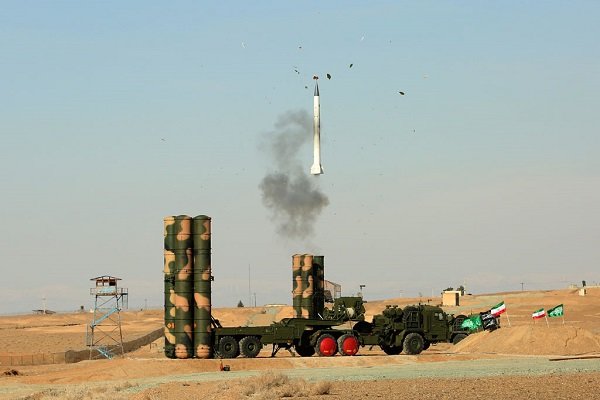
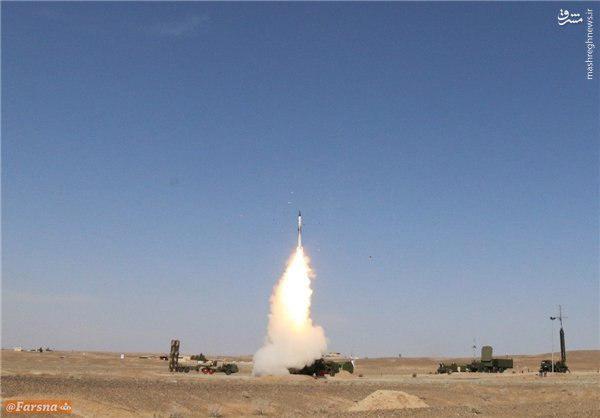
According to a Farsi report by Fars News, the missile defence system was tested in a drill codenamed ‘Damavand’ attended by top officials and generals.
Russia concluded the supply of its S-300 surface-to-air missile defence systems to Iran back in October 2016 after years of dispute.
Moscow was committed to delivering the systems — which are used to target tactical and ballistic aircraft and projectiles — to Tehran under an $800-million deal in 2007.
However, Russia banned the delivery of the systems to Tehran back in 2010, citing the fourth round of the UN Security Council sanctions, which bars hi-tech weapons sales to the Islamic Republic.
Moscow’s refusal to deliver the systems prompted Iran to file a complaint against the relevant Russian arms manufacturer with the International Court of Arbitration in Geneva, Press TV reported.
In April 2015, Russian President Vladimir Putin lifted the ban on the delivery of the S-300 and Moscow subsequently signed a new contract to supply Iran with the systems by the end of that year.
Months later, Tehran dropped the lawsuit after Moscow agreed to fulfill its commitments under the 2007 accord.

ISIS Uses Chemical Weapons in Iraq’s Mosul: Red Cross
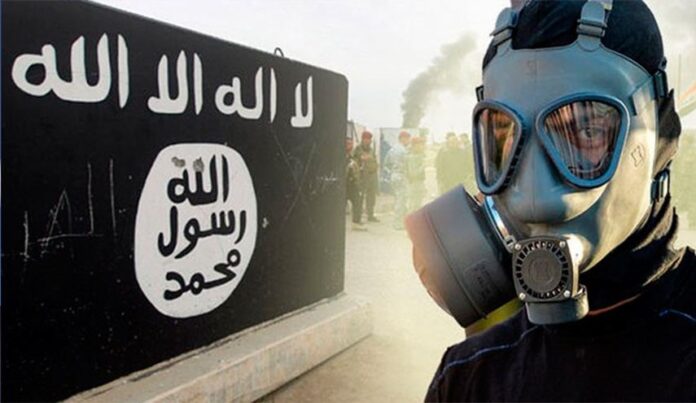
The patients, who are being treated at a hospital in nearby Irbil, are “showing clinical symptoms consistent with an exposure to a blistering chemical agent,” the organization’s regional director for the Middle East, Robert Mardini, said.
Several children, men, and women have symptoms that include blisters, coughing, redness in the eyes, irritation, and vomiting.
“The use of chemical weapons is absolutely prohibited under international humanitarian law. We are deeply alarmed by what our colleagues have seen, and we strongly condemn any use of chemical weapons, by any party, anywhere,” ICRC’s Mardini said.
The World Health Organization has responded to the reported use of chemical weapons agents in eastern Mosul, activating an emergency response plan to treat those who may be exposed to the highly toxic chemicals, the WHO said Friday.
ISIS has used chemical weapons on numerous occasions in Iraq and Syria, including in the battlefield in northern Iraq, according to Iraqi and US officials.
This is believed to be the first such attack in Mosul since the October start of the offensive to retake Iraq’s second most populous city from ISIS control.
Palestinian Woman Dies at 40 after Giving Birth to 69 Children
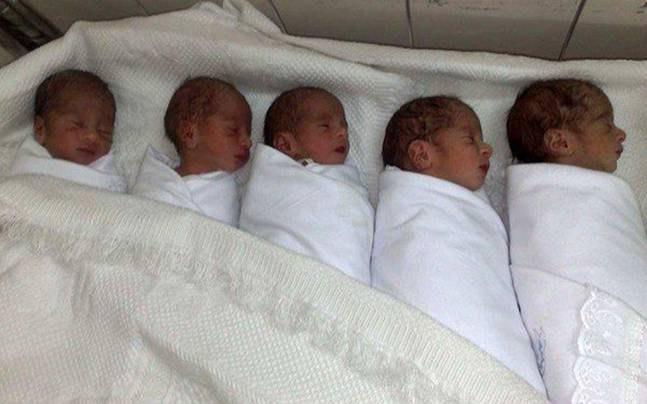
The Palestinian woman who had given birth to 69 children died last Sunday in the Gaza Strip at the age of 40, her husband reported to Gaza Al-An news agency.
The Palestinian woman, who was known as one of the most fertile women in the world, had given birth to twins 16 times, triplets seven times and quadruplets four times.
This is not the first time a woman gives birth to so many children. According to a Guinness World Record, a Russian woman named Vassilyeva had also given birth to 69 children.
Turkey Fires Officer Who Mistreated Iranian Nationals
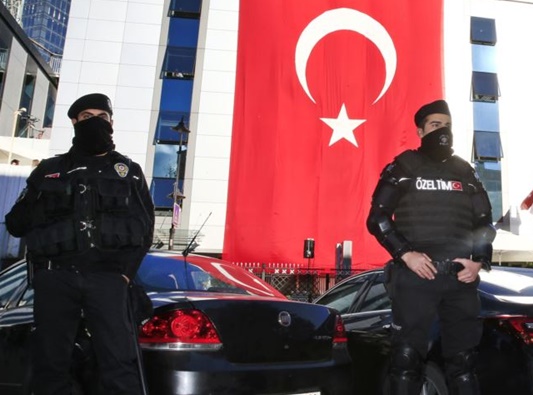
According to a report by ISNA, the Turkish officer was fired after Iran’s Foreign Ministry formally protested against what it called “disrespect” to Iranian tourists by some Turkish police forces.
Iranian Ambassador to Turkey Mohammad Ebrahim Taherianfard had also noted that Tehran will seriously pursue the case of Iranian nationals beaten by Turkish police.
The objection was motivated by a footage showing an Iranian being beaten by Turkish security guards in Gurbulak, a village in province Agri in eastern Turkey, which is a border checkpoint into Iran.
“Authenticity of the video has not been confirmed yet and the case is now under investigation,” the ambassador said, Fars reported.
He reiterated that the Iranian embassies all-over the world are responsible to protect the rights and dignity of the Iranian nationals, adding, “Those who are to lodge complaints in this connection can do it through Iranian embassy in Turkey or any other judiciary offices inside Iran.”
“Iran foreign ministry under no circumstances allows disrespect of Iranian nationals in neighbouring countries and will show proper reaction in dealing with any disrespect or beating up according to international rules and regulations,” the envoy added.
