Saturday, January 17, 2026
Home Blog Page 4084

Nuclear Technology, a Necessity for Iran: President

rouhani

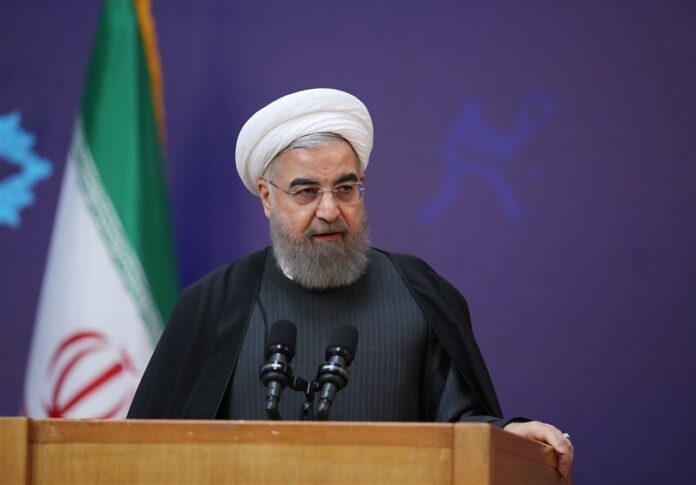
Iran’s President Rouhani on Sunday stressed that having nuclear technology is absolutely crucial for the country, saying the constant emphasis laid by the Leader of the Islamic Revolution Ayatollah Seyyed Ali Khamenei on continuing the development of the technology has been just and appropriate.

According to a Farsi report by IRNA, addressing a ceremony to celebrate the 11th anniversary of the National Day of Nuclear Technology held in Iran International Conference Centre in Tehran, President Rouhani noted that the Iranian nation, who, for years, in practice and with their resistance, shouted the slogan of “Nuclear energy is our absolute right” patiently, was chanting the right slogan and endeavouring to achieve a high aspiration all these years.

This is a great skill to make the world powers in Lausanne, Geneva, Vienna and New York hear the slogan chanted in Iran’s streets and convince them to agree to the Iranian nation’s legitimate demand by drafting and approving an international bill which has very precise technological, diplomatic and legal dimensions, he added.

“Although it is very important that an entire nation demands having nuclear energy as its absolute right, besides people’s presence, will and quote, these are a country’s experts who should put the slogan into practice technically. Our lawyers and diplomats are the ones who should defend this absolute right in the national and international communities.”

Iranian organizations, gallant youths and experts have completed 42 important nuclear projects over the course of 12 months to prove it to the nation and the world that nuclear energy is being used peacefully in different sectors of the country and numerous aspects of the Iranians’ life, he went on to say.

“Efforts were underway by some countries to deprive Iran from the right to develop nuclear technology. However, currently, Iran is a member of the International Atomic Energy Agency’s Expert Group on Multilateral Approaches to the Nuclear Fuel Cycle (MNA) and has officially joined the group of countries with the uranium enrichment technology.”

President Rouhani said the world has acknowledged that Iran has indigenized the nuclear technology.

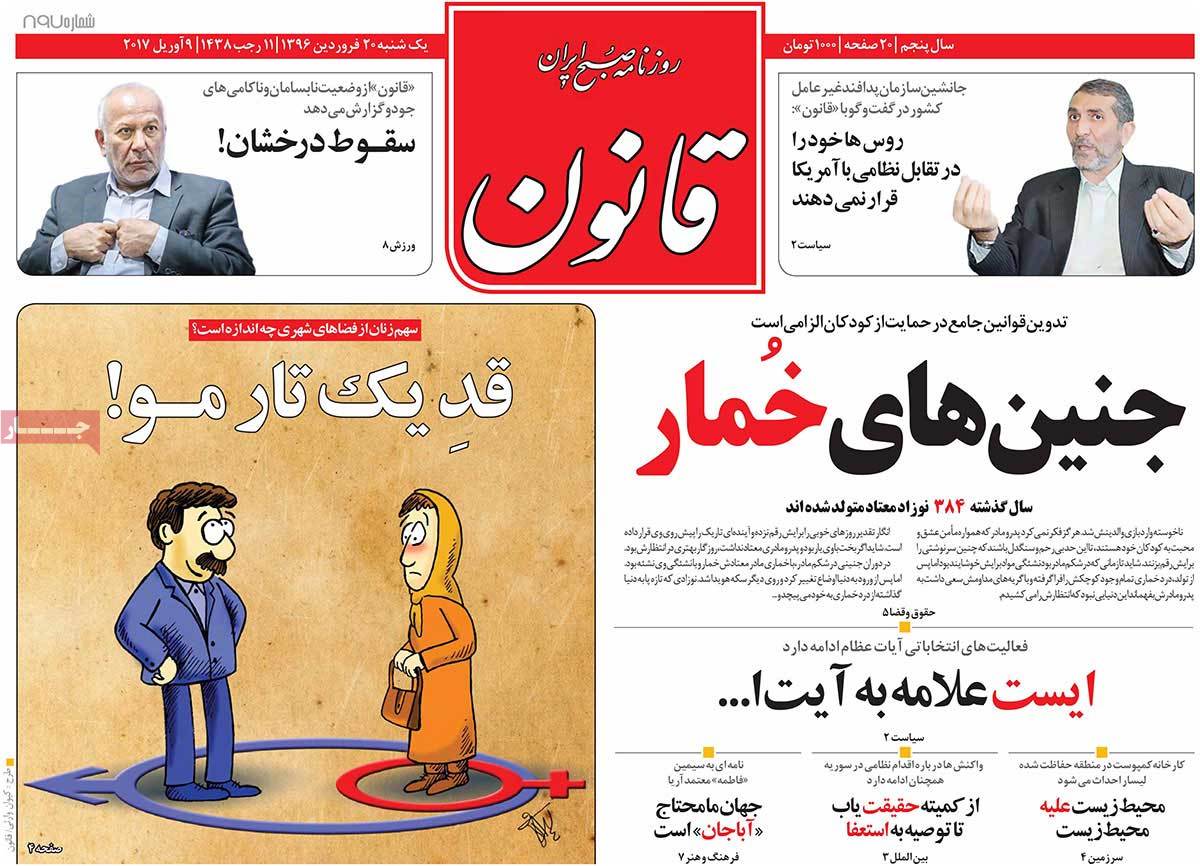
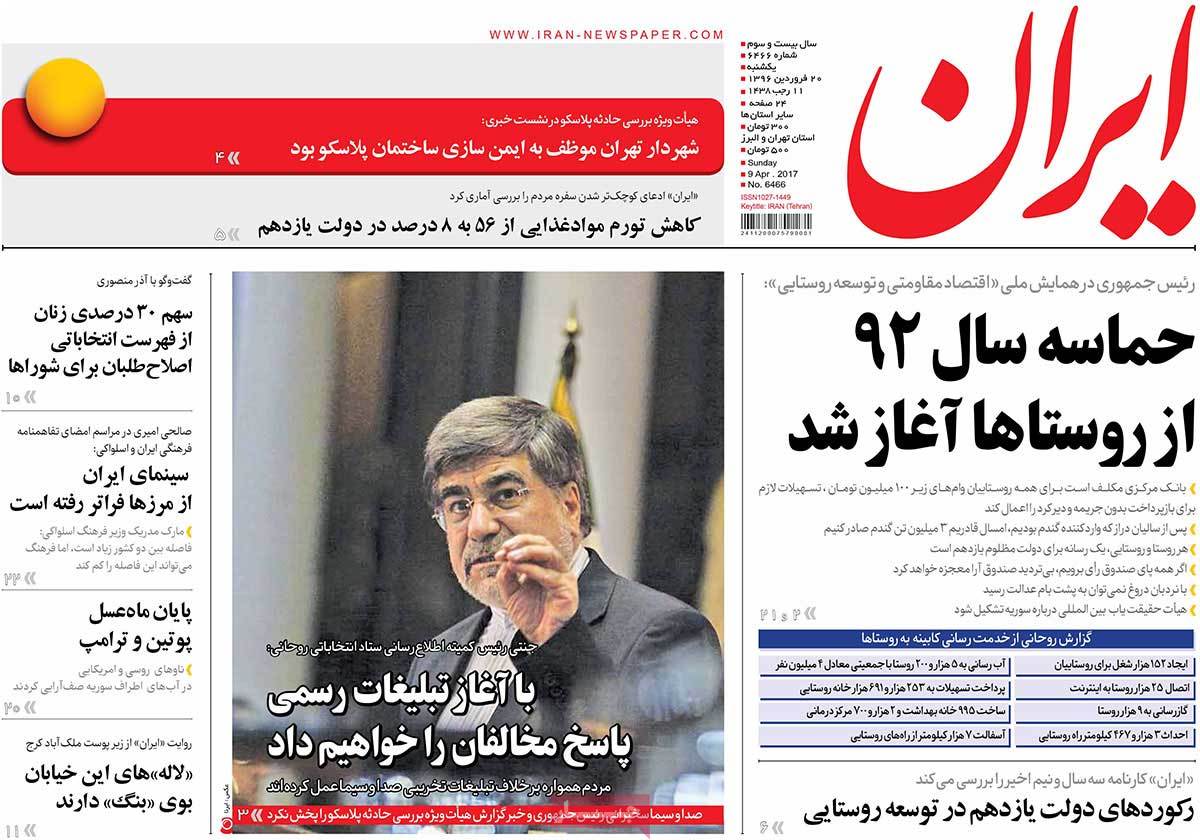
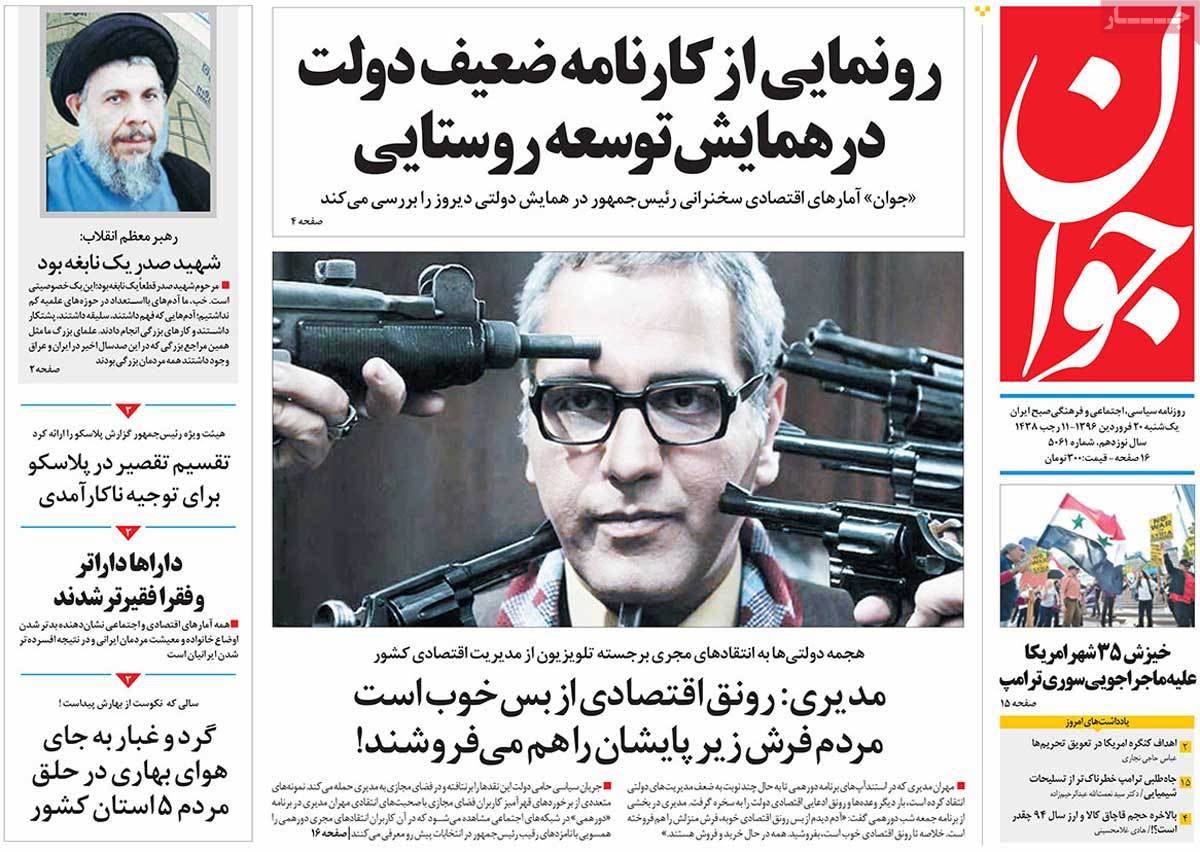
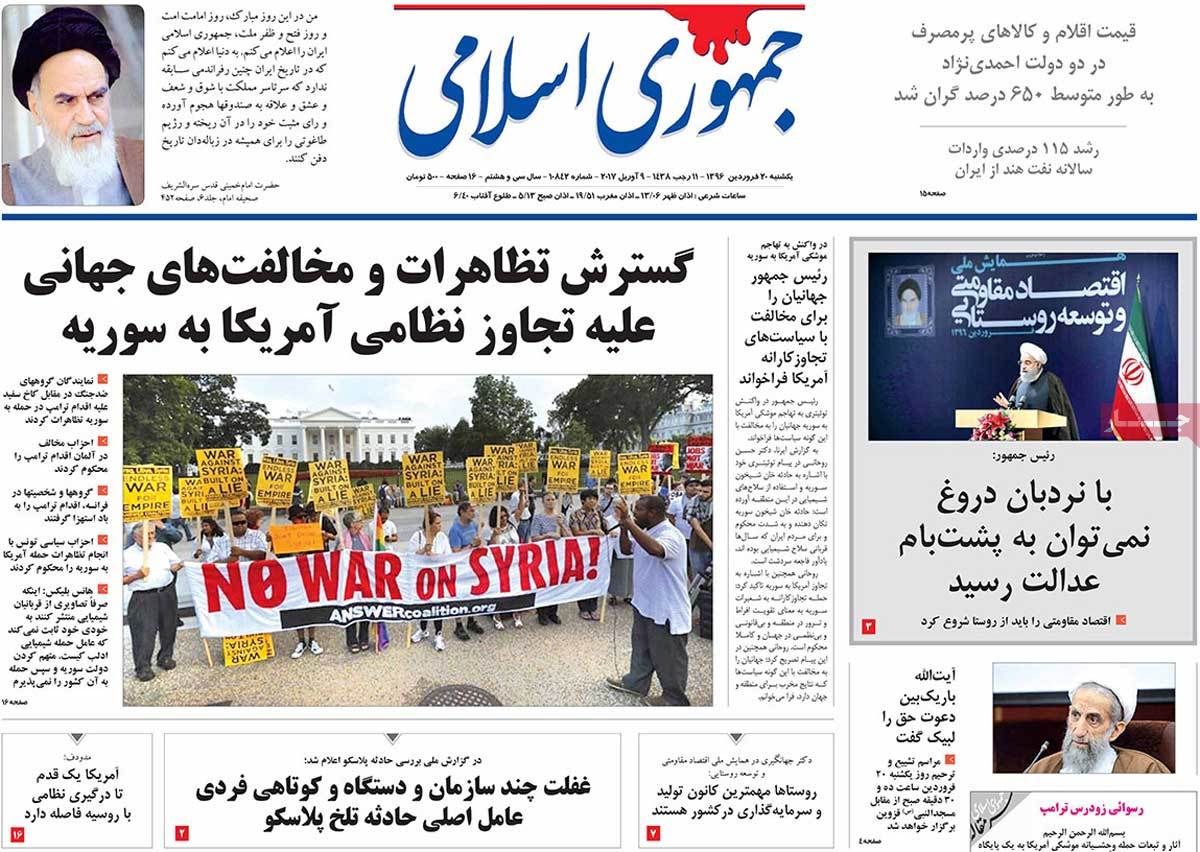
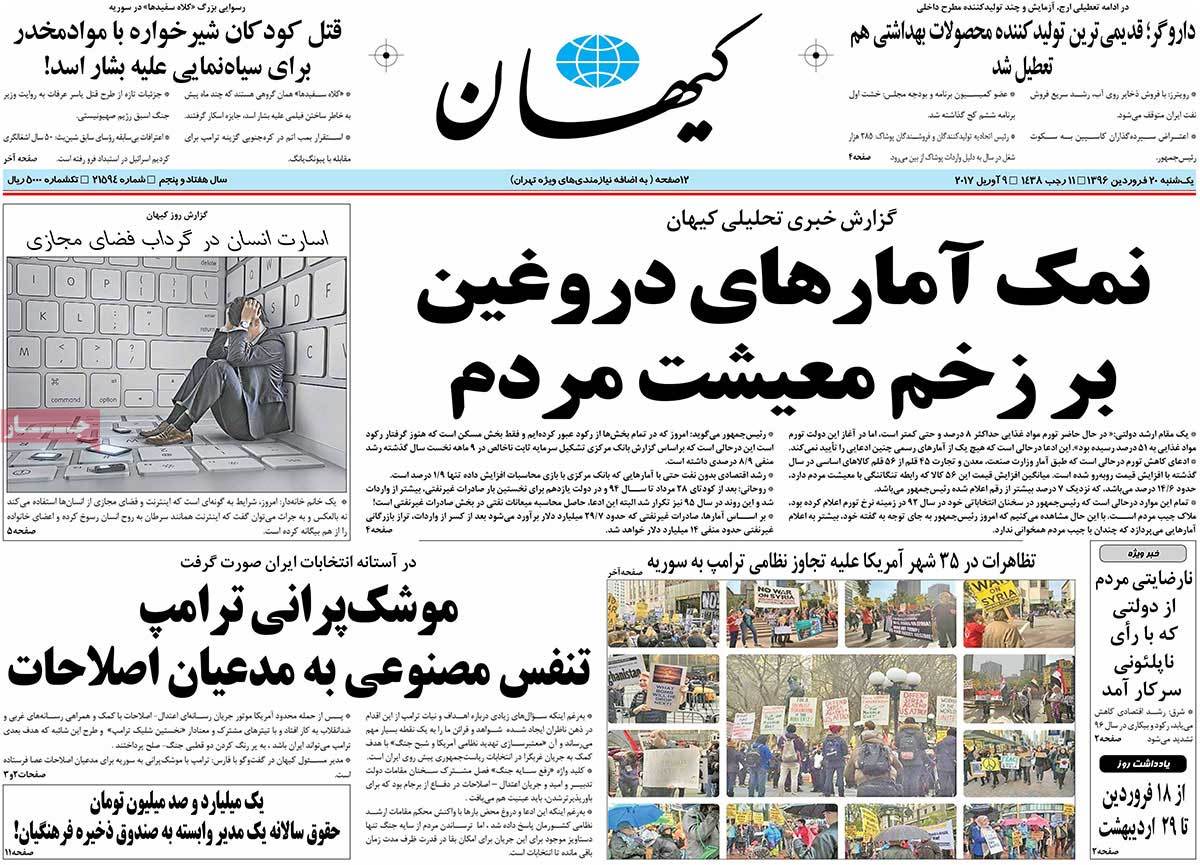
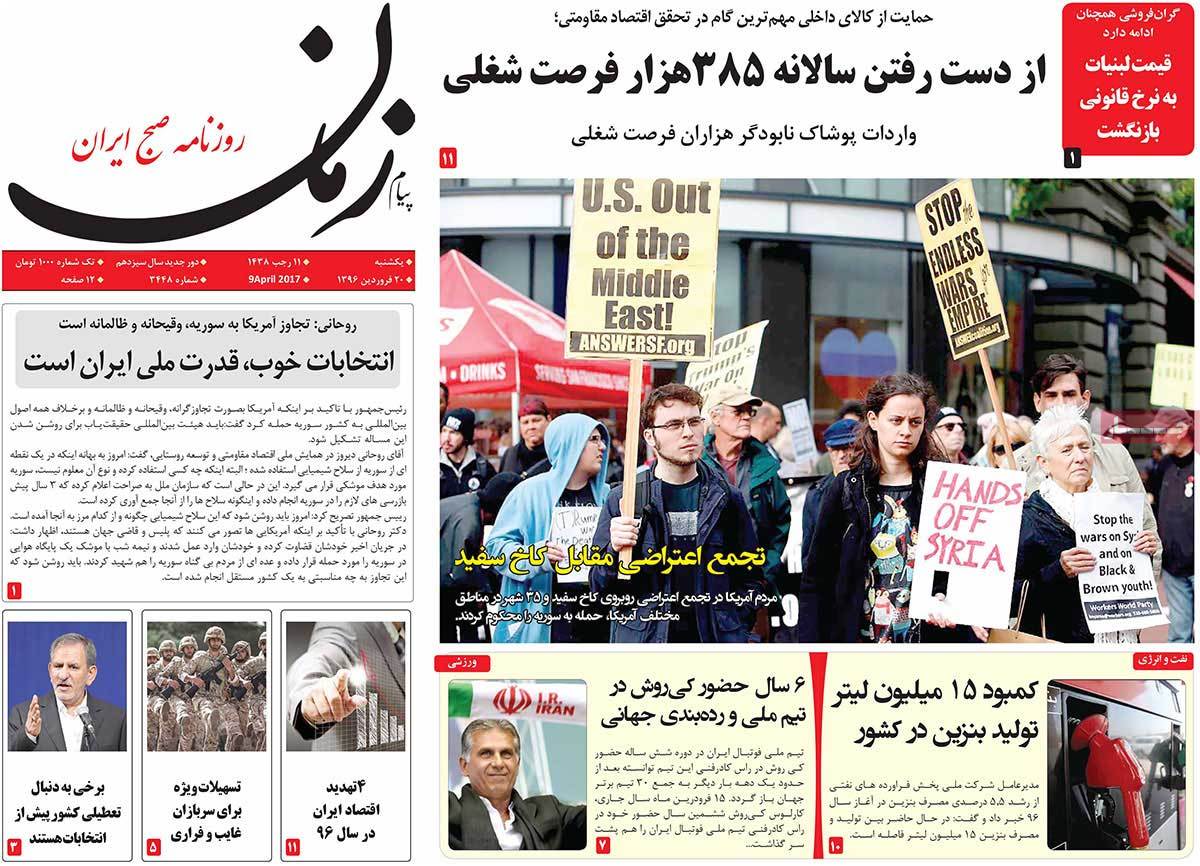
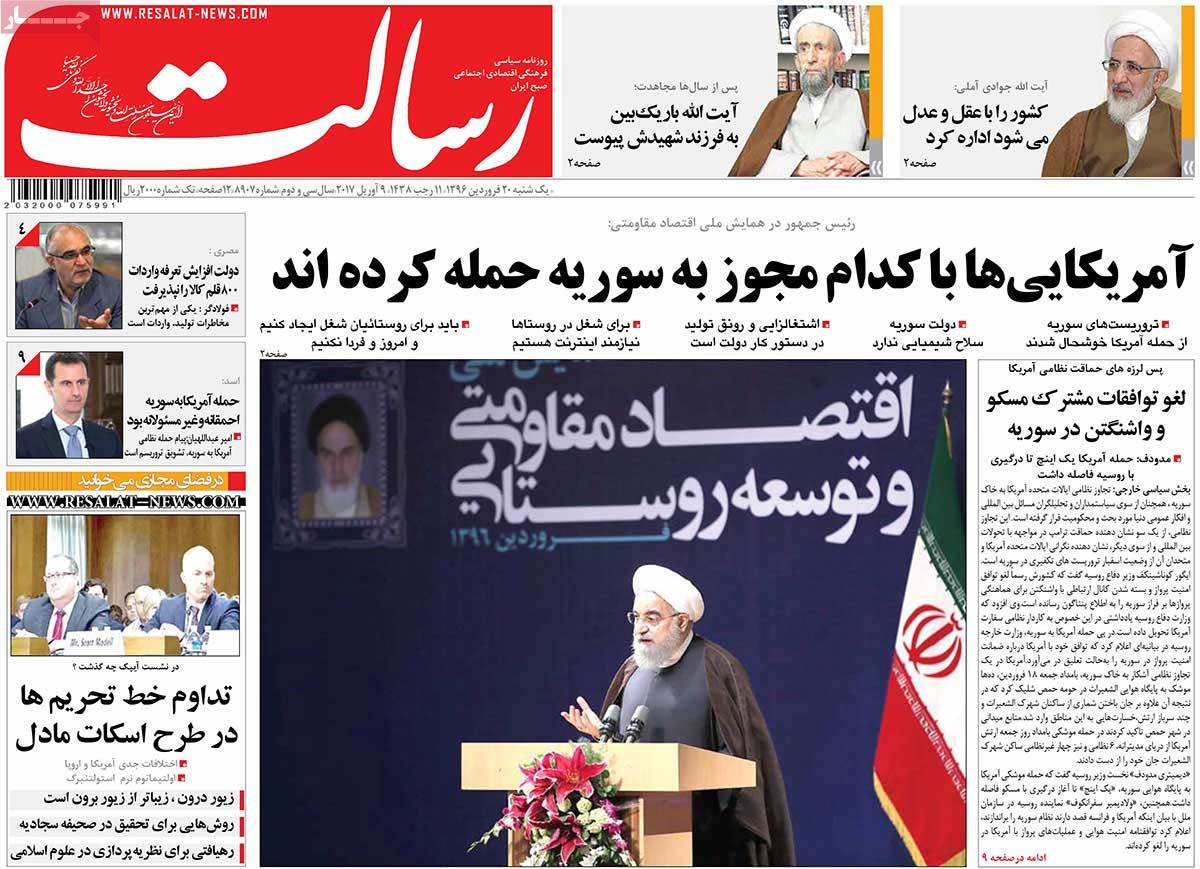
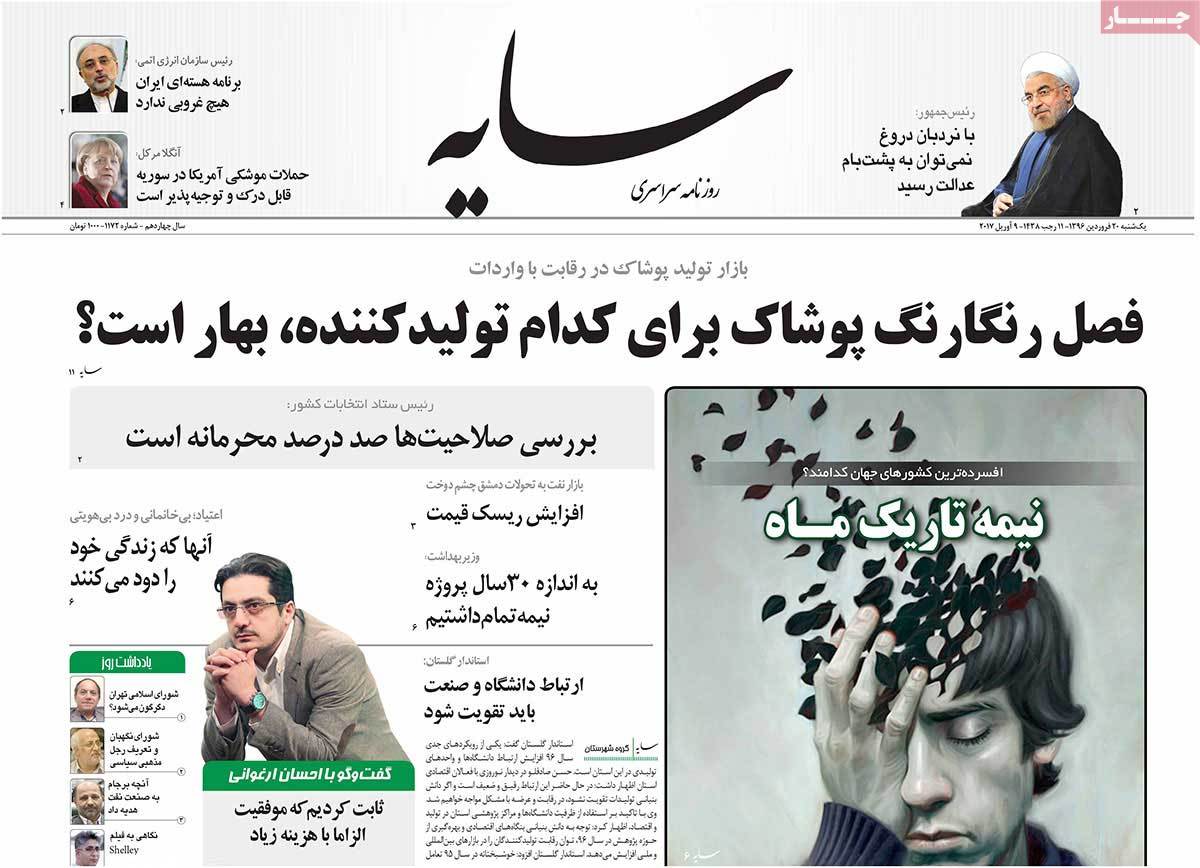
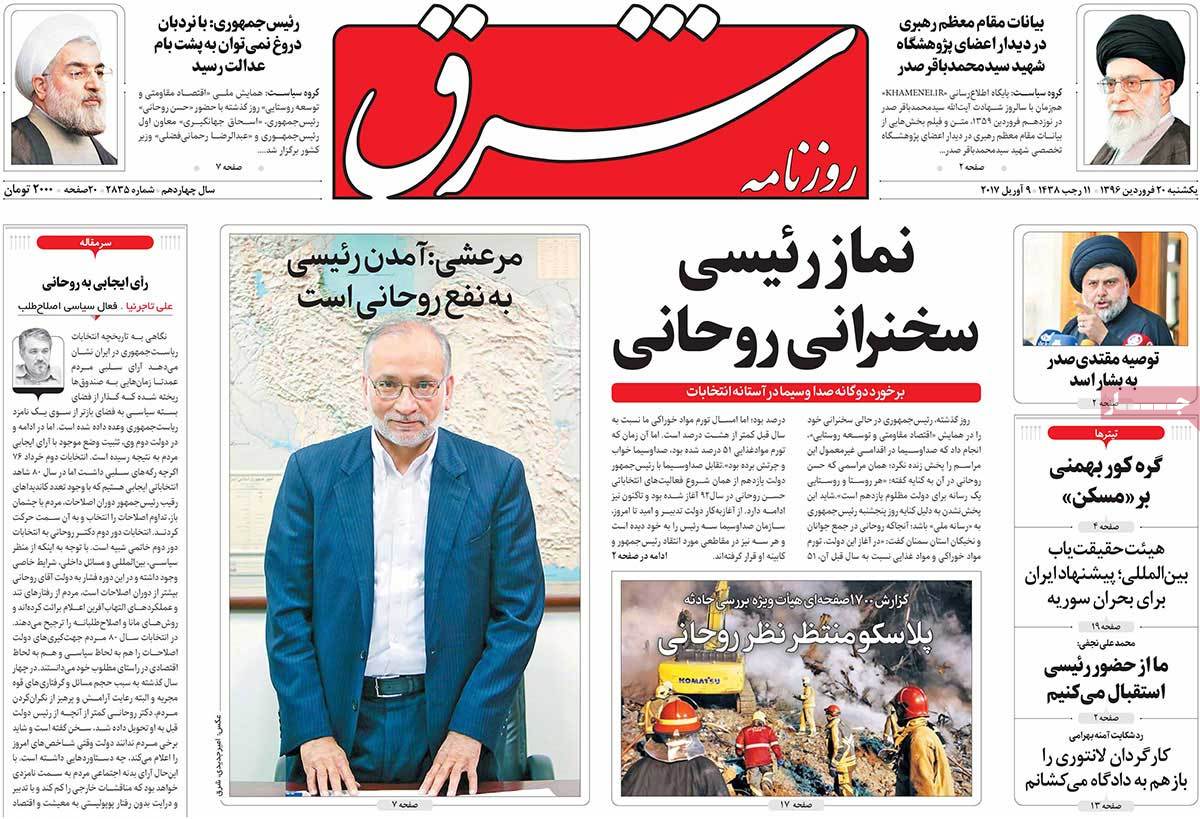
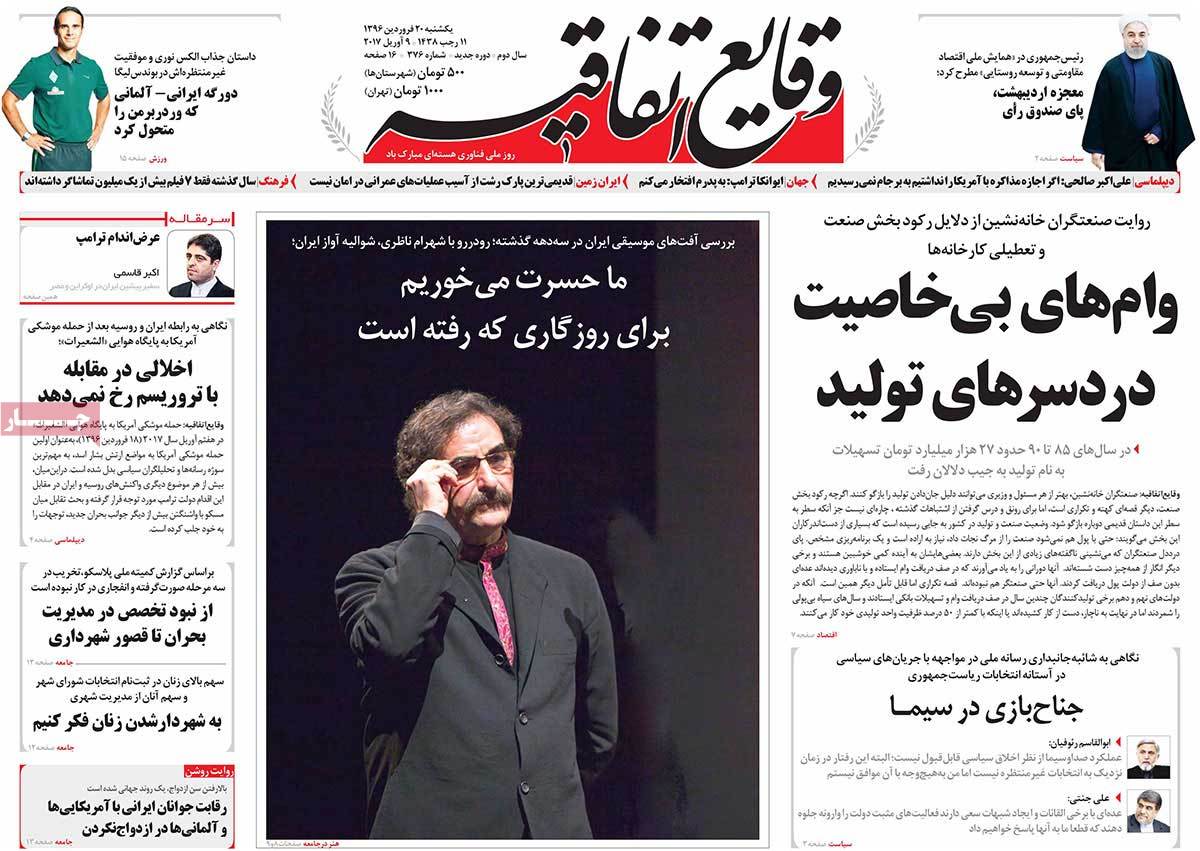
A Look at Iranian Newspaper Front Pages on April 9

Newspapers today continued covering the reactions to the US military attack on Syria and the possible confrontation between Moscow and Washington following the strike.

The report released by a committee tasked with probing into the deadly Plasco Building collapse also received great coverage.

The speculations and reviews about Iran’s May presidential election also remained a top story today.

The above issues, as well as many more, are highlighted in the following headlines and top stories:


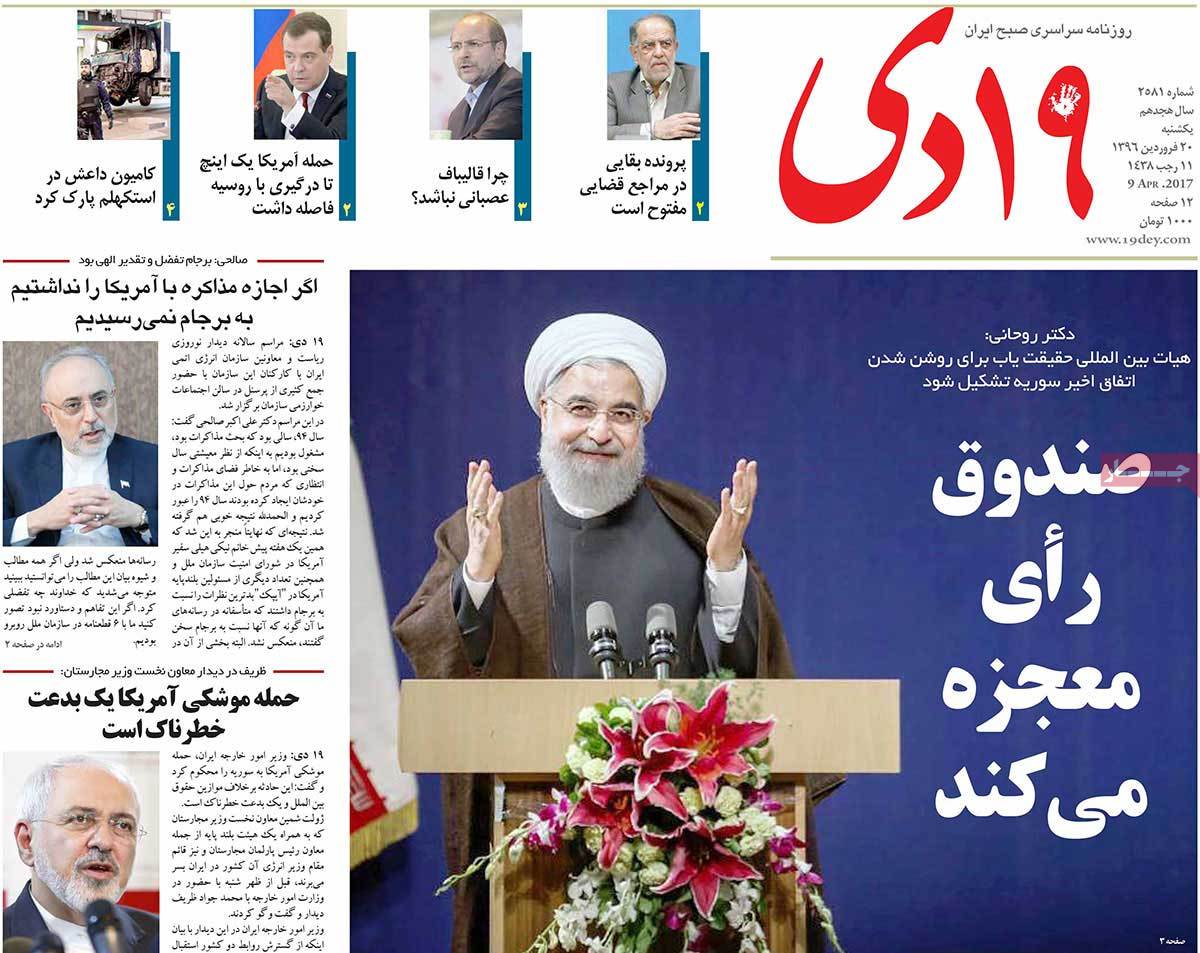
19 Dey:

1- Rouhani: Ballot Boxes Do Miracle

2- Nuclear Chief: JCPOA Was Divine Destiny

3- JCPOA Impossible If Iranian Negotiators Weren’t Allowed to Hold Talks with US: Salehi

4- Zarif: US Missile Attack Sets Dangerous Precedent

A Look at Iranian Newspaper Front Pages on April 9 - 19 dey


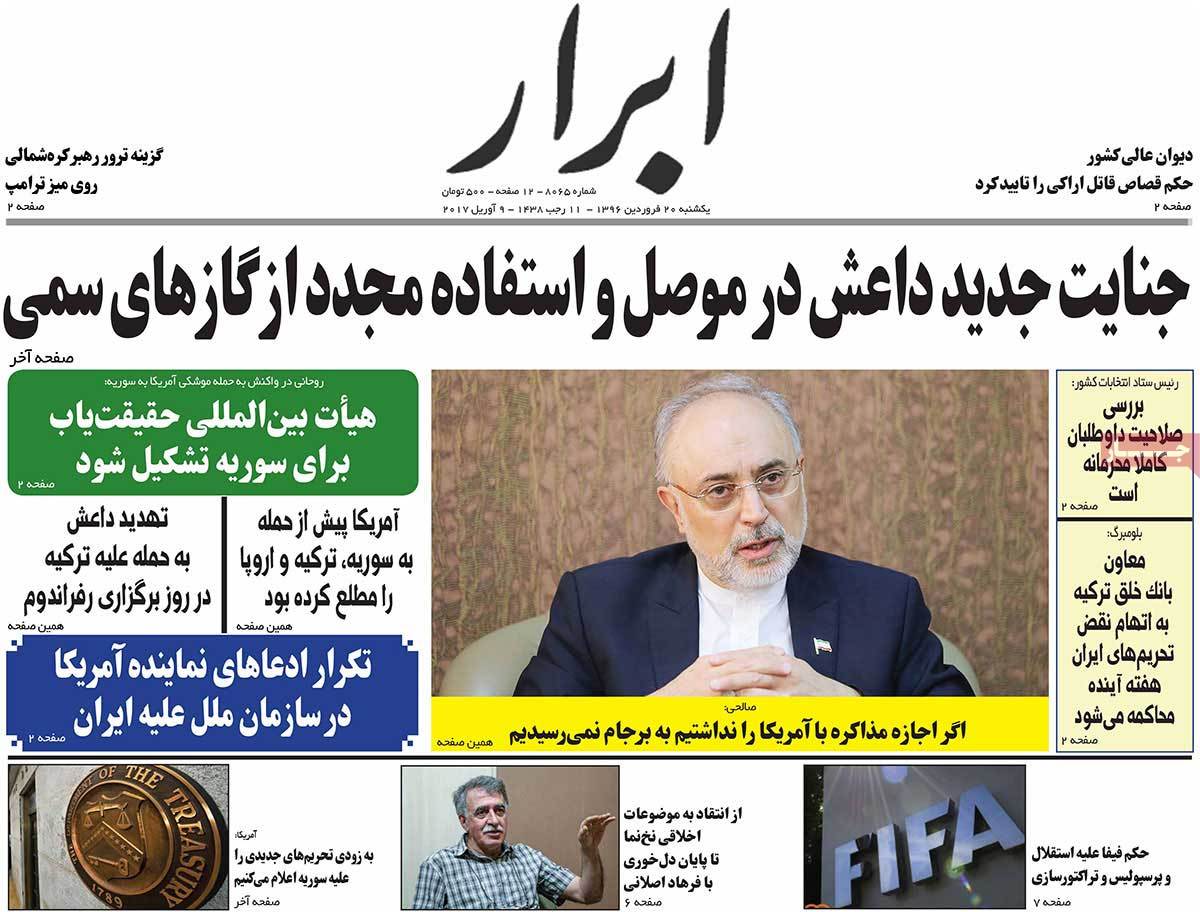
Abrar:

1- New Crime in Mosul: ISIS Once Again Uses Chemical Gases

2- Rouhani Calls for Formation of Int’l Fact-Finding Committee for Syria

3- ISIS Threatens to Attack Turkey on Referendum Day

A Look at Iranian Newspaper Front Pages on April 9 - abrar


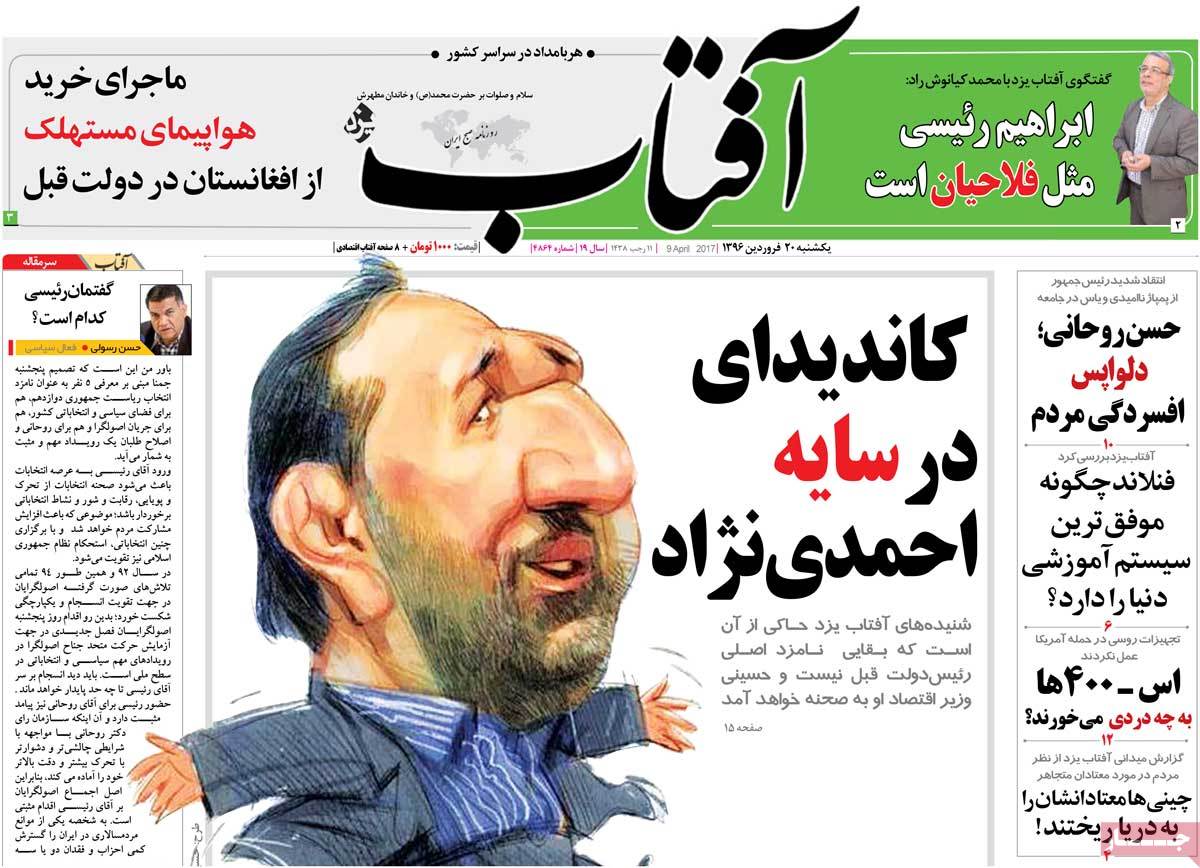
Aftab-e Yazd:

1- Ahmadinejad’s Alternative Candidate

  • Rumours say Baqaei is not Ahmadinejad’s main candidate. His economy minister Hosseini will probably run

A Look at Iranian Newspaper Front Pages on April 9 - aftab


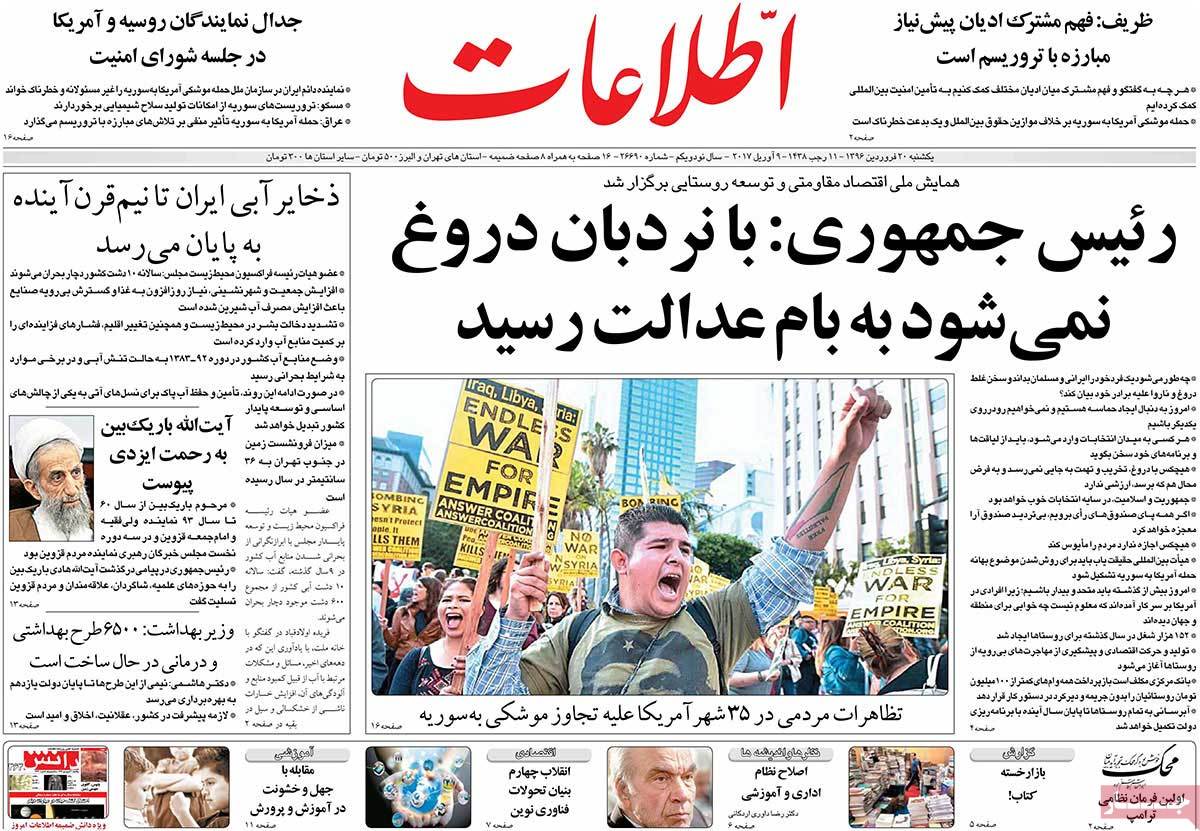
Ettela’at:

1- President: You Can’t Get to Roof of Justice Using Ladder of Lie

2- Iran to Run out of Water in 50 Years

3- Zarif: Common Understanding among Religions Needed for Fight against Terror

A Look at Iranian Newspaper Front Pages on April 9 - eleaat


Ghanoon:

1- Official: Russians Won’t Get Engaged in Military Confrontation with US

2- 384 Drug-Addicted Babies Born Last Year

A Look at Iranian Newspaper Front Pages on April 9 - ghanoon


Iran:

1- IRIB’s Attacks on Presidential Candidates Always Backfire: Rouhani’s Aide

2- Tehran Mayor Was Obliged to Immunize Plasco Building: Investigation Team

A Look at Iranian Newspaper Front Pages on April 9 - iran


Javan:

1- A Review of Rouhani Government’s Poor Performance, Economic Statistics

A Look at Iranian Newspaper Front Pages on April 9 - javan


Jomhouri Eslami:

1- Growing Trend of Worldwide Rallies, Reactions against US Invasion of Syria

2- Medvedev: US Very Close to Military Confrontation with Russia

A Look at Iranian Newspaper Front Pages on April 9 - jomhori


Kayhan:

1- Daroogar Factory, Oldest Producer of Hygiene Products, Shut Down after Several Others

A Look at Iranian Newspaper Front Pages on April 9 - keyhan


Payam-e Zaman:

1- Rouhani: US Aggression on Syria Is Cruel

2- Protest Rallies in Front of White House against Syria Strike

A Look at Iranian Newspaper Front Pages on April 9 - zaman


Resalat:

1- President: What Permit Did Americans Use to Attack Syria?

2- Assad: US Attack on Syria Was Stupid, Irresponsible

3- Amir Abdollahian: US Syria Strike Encourages Terrorism

A Look at Iranian Newspaper Front Pages on April 9 - resalat


Sayeh:

1- Nuclear Chief: No Sunset for Iran’s Nuclear Energy Program

2- Merkel: US Missile Attack on Syria Is Understandable, Justifiable

3- Qualifications of Candidates to Be Reviewed Confidentially: Official

A Look at Iranian Newspaper Front Pages on April 9 -sayeh


Shargh:

1- Raeesi’s Bid for Presidency to Serve Rouhani’s Interests: Advisor

2- 1,700-Page Report on Plasco Incident Pending Rouhani’s Opinion

A Look at Iranian Newspaper Front Pages on April 9 - shargh


Vaghaye Ettefaghieh:

1- Story of Alex Noori and His Unexpected Success in Bundesliga

A Look at Iranian Newspaper Front Pages on April 9 - vaghaye

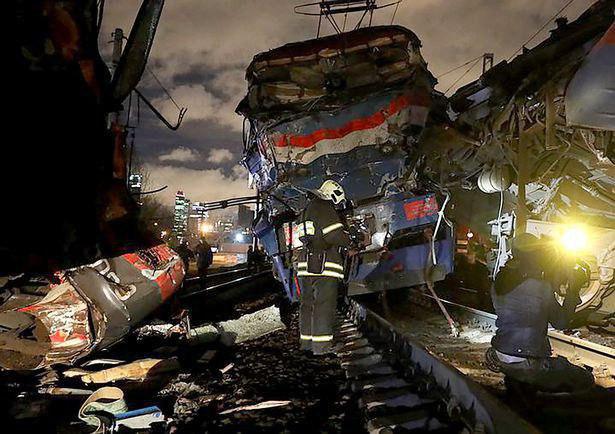
Dozens Injured in Moscow Train Crash

An intercity service between the Russian capital and Brest in Belarus crashed into a local electric commuter train which had braked suddenly after a man crossed the lines.

The driver of the local train then lost control as his suburban train rolled backwards into the path of the intercity service which followed it on the same line, it was reported.

Four carriages were derailed according to initial accounts, Mirror reported.

Passengers from both trains – with 445 on board in total – suffered injuries.

At least 50 needed medical assistance with 16 from the mangled carriages rushed to local hospitals, including one child.

“50 people have applied for medical assistance after the railway accident,” reported news agency TASS.

Foreigners were among the injured, according to Emergencies Minister Vladimir Puchkov.

“According to preliminary data, the injured include both Russian nationals and citizens of several countries,” he said.

President Vladimir Putin was briefed on the accident immediately after the collision, said Kremlin spokesman Dmirty Peskov.

“Moscow Mayor Sergey Sobyanin, Emergencies Minister Vladimir Puchkov and Russian Railways President Oleg Belozerov briefed the head of state over the phone on steps taken to deal with the aftermath of the accident,” he said.

“Putin instructed to do take all necessary steps to remedy the situation.”

Rail services were blocked on the main westward line out of the city.

“Unfortunately, people have been affected by the accident,” said an Emergencies Ministry spokesman.

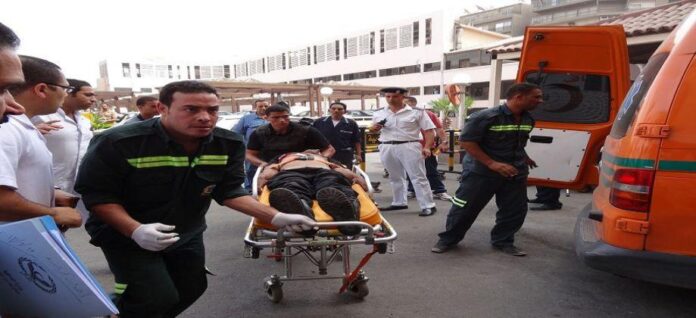
Blast in Egyptian Church Leaves 30 Dead, Dozens Injured

egypt explotion

A bomb attack at a Coptic church in Tanta City, north of the capital Cairo, has killed at least 30 people, according to media reports.

Dozens were also wounded in the explosion, local media reports said.

Egyptian Church

“Military Confrontation between Iran, US Very Unlikely”

Majid-Takht-e-Ravanchi

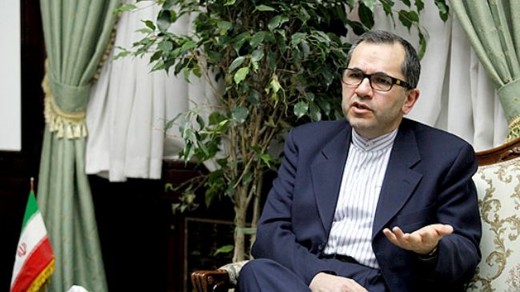
In a Farsi interview with the Vaghaye Ettefaqieh daily newspaper, Majid Takht-e-Ravanchi, Iran’s deputy foreign minister for European and American affairs, has talked about the ongoing tension between Tehran and Washington.

Excerpts from his remarks are as follows:


It is too early to judge Trump. Not only Iran, but the Europeans and East Asian countries have the same opinion as well, and the reasons for such an idea is quite clear. For one thing, Trump has no political background. He was more of a businessman, and has now become President. It remains to be seen what approach he will adopt in the political arena.

As for whether or not Trump is a threat to Iran, we don’t look at the issue that way. The reality is that we have seen numerous cases [of threats] over the past 38 years. Our people will not only refuse to back down, but will become more determined. Another point is that there have been few changes in policies adopted by either Democratic or Republican US administrations on Iran since the [1979 Islamic] Revolution [of Iran]. Of course, some US presidents might have focused on certain areas more than others.

Some bring up the issue of Obama, arguing that he had that sort of view toward Iran given the Joint Comprehensive Plan of Action (the nuclear deal signed between Iran and the P5+1 group on Tehran’s nuclear program). However, one shouldn’t forget that the toughest sanctions were imposed on Iran during the presidency of Obama.

All in all, one shouldn’t think that a president comes to power in the US whose approach is so much different from that of another, or that one approach is in our interest and the other is to our detriment. The difference between their approaches is minimal.

Zionists, anti-Iran lobbies and certain regional countries seek to cash in on the situation which has emerged after Trump’s coming to power in order to blow the tension between Iran and the US out of all proportion. Efforts are underway to achieve that end. Still, Iran and the United States are highly unlikely to get engaged in a military conflict. The key reason for that is that Americans are well aware of our military capabilities. Iran enjoys special potential in the military domain. They have witnessed [Iran’s potentialities during] the more than eight years of war [with Iraq] and the 30 years during which Iran was under sanctions. Given that, Americans have come to the conclusion that if they take any hasty and irrational action against Iran, it will have consequences for them. They don’t make decisions on impulse. To put it in a nutshell, our potentials and capabilities suggest that it is a far-fetched idea that Iran and the US will get involved in a military confrontation.


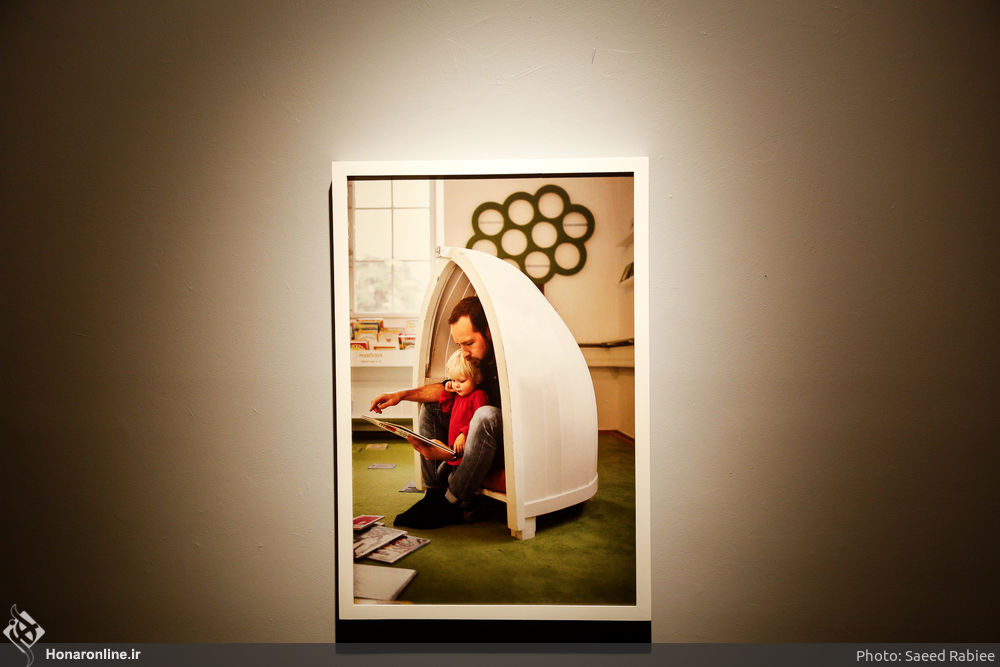
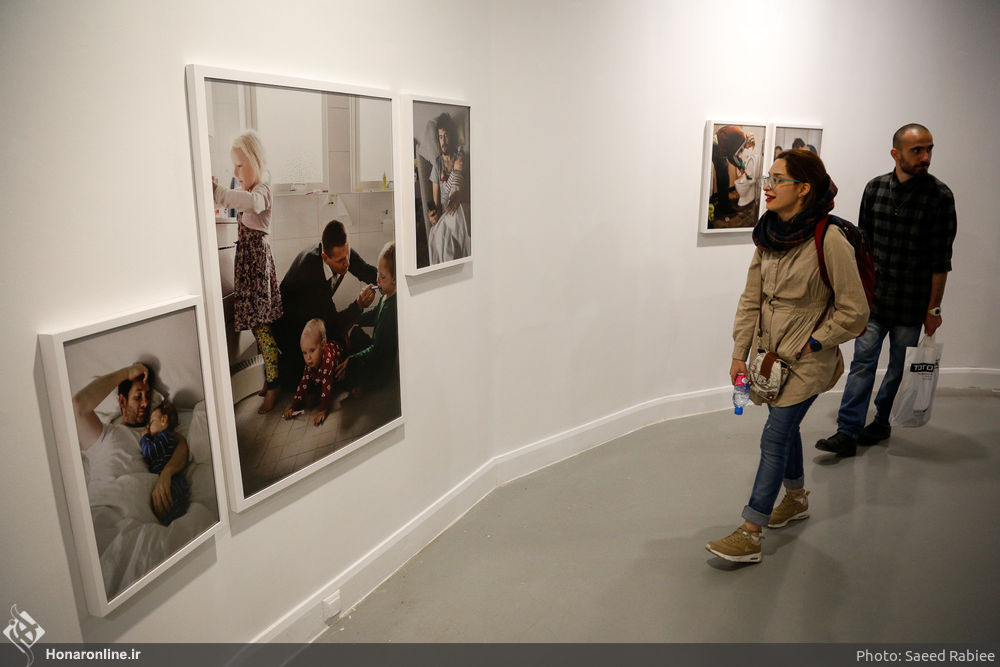
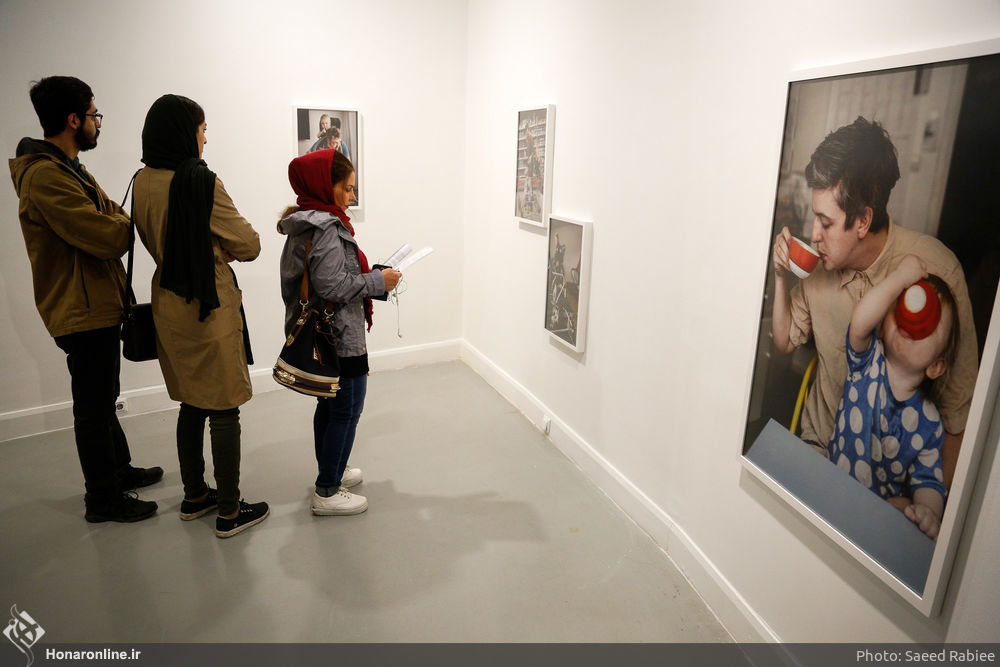
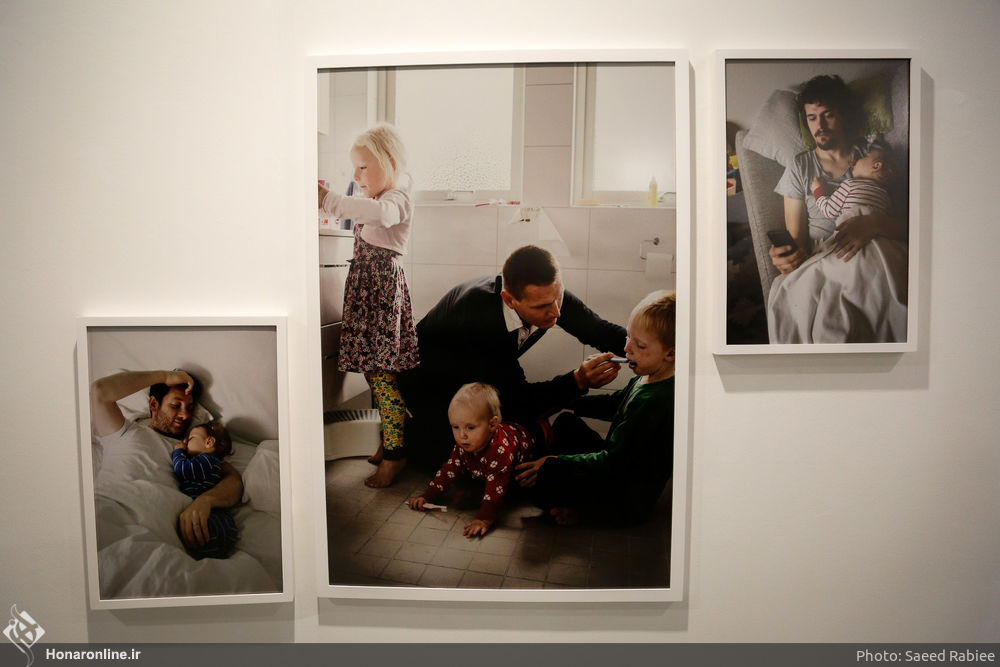
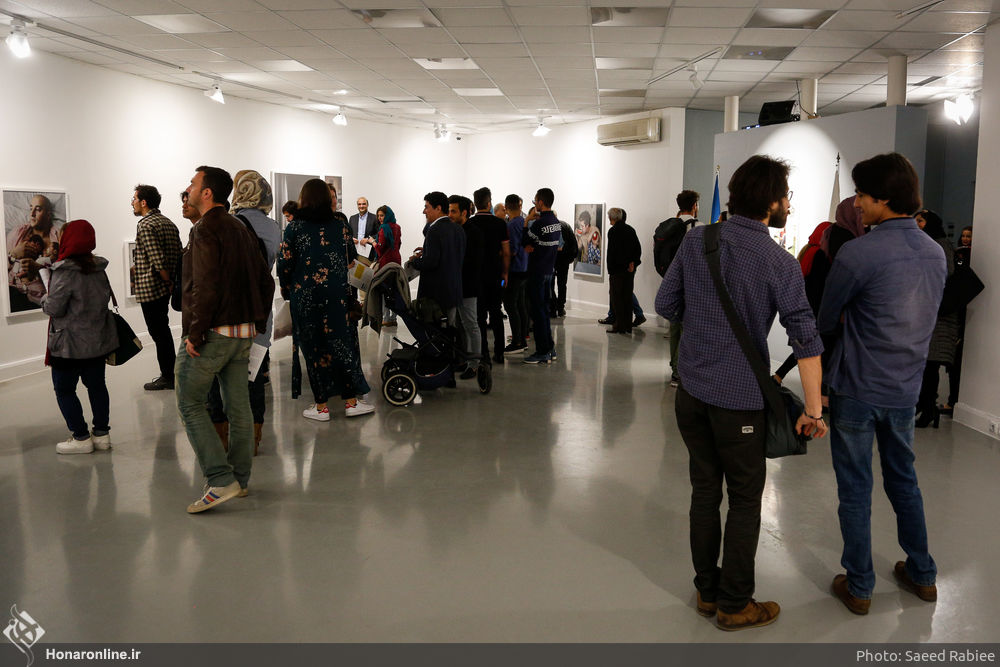
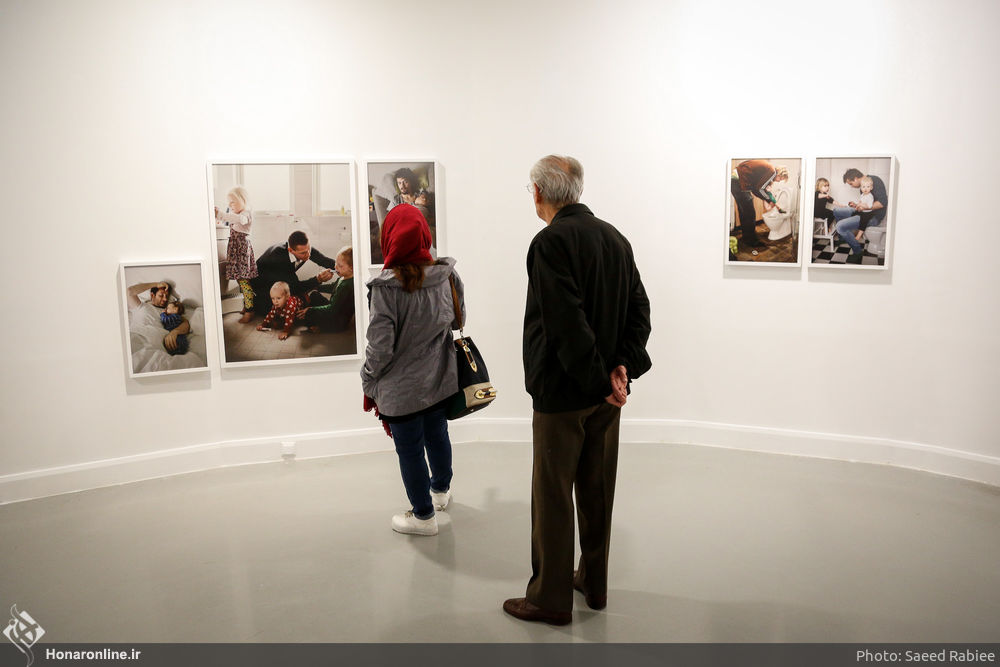
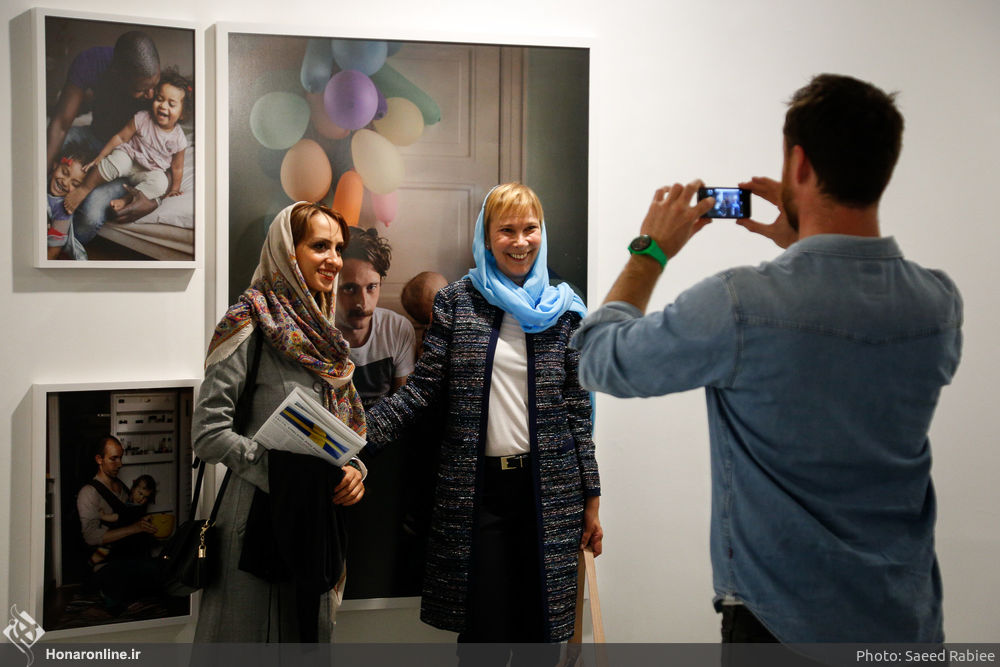
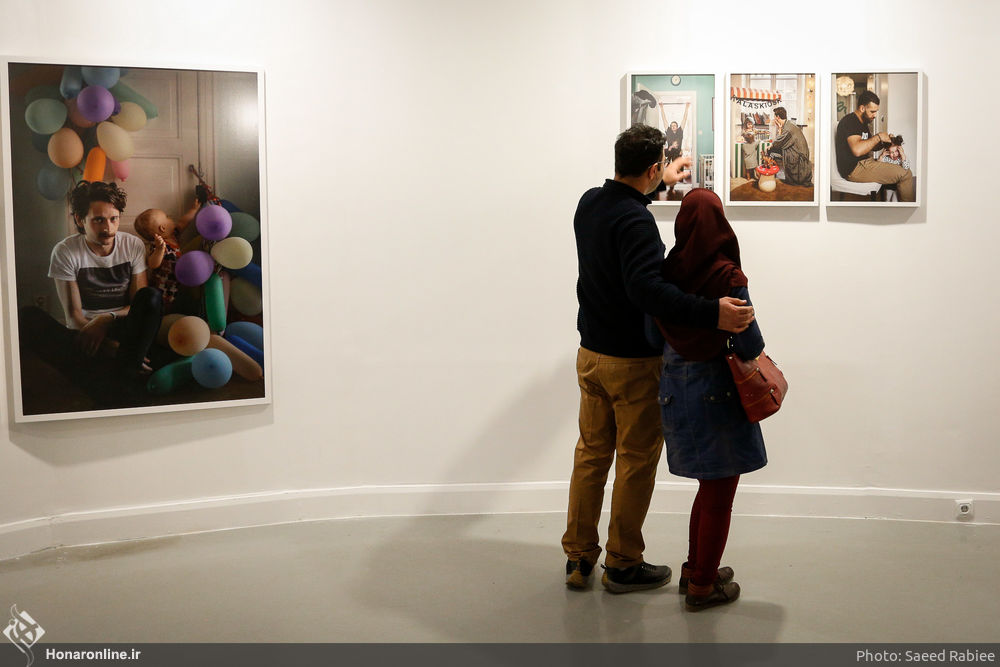
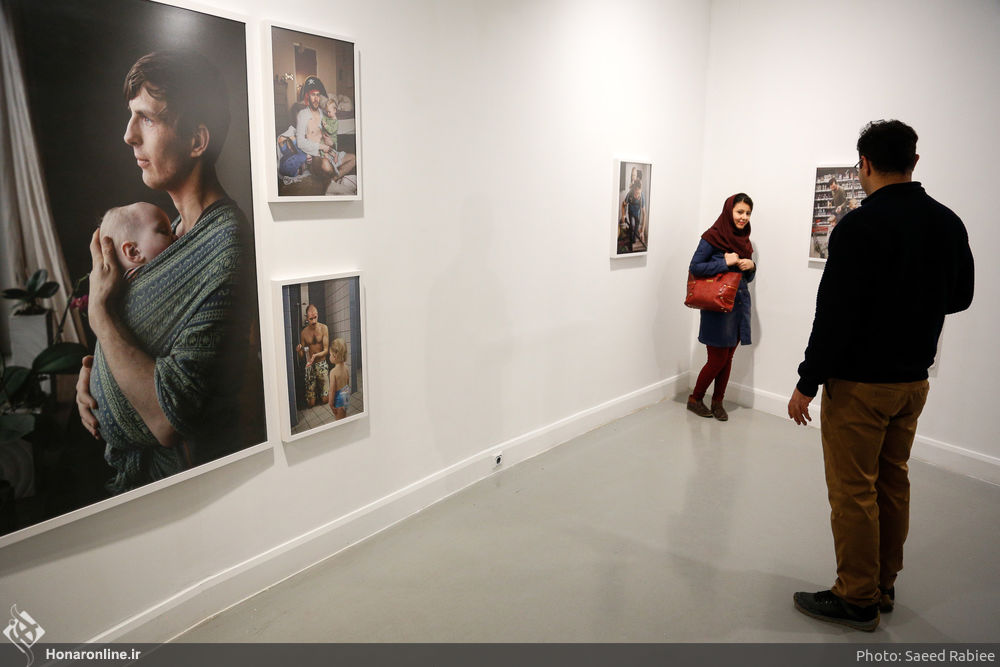
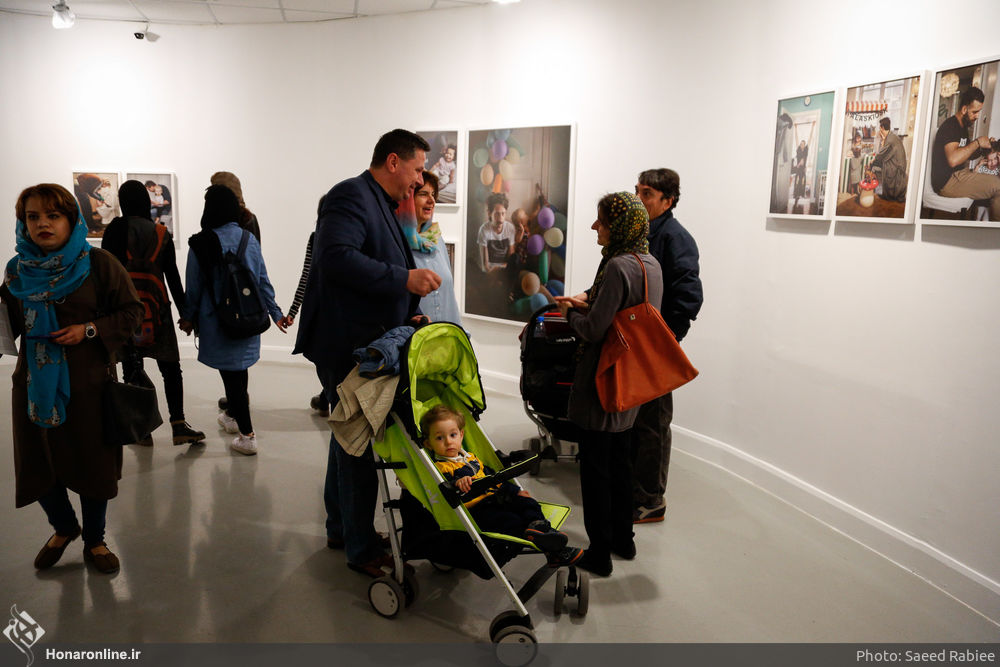
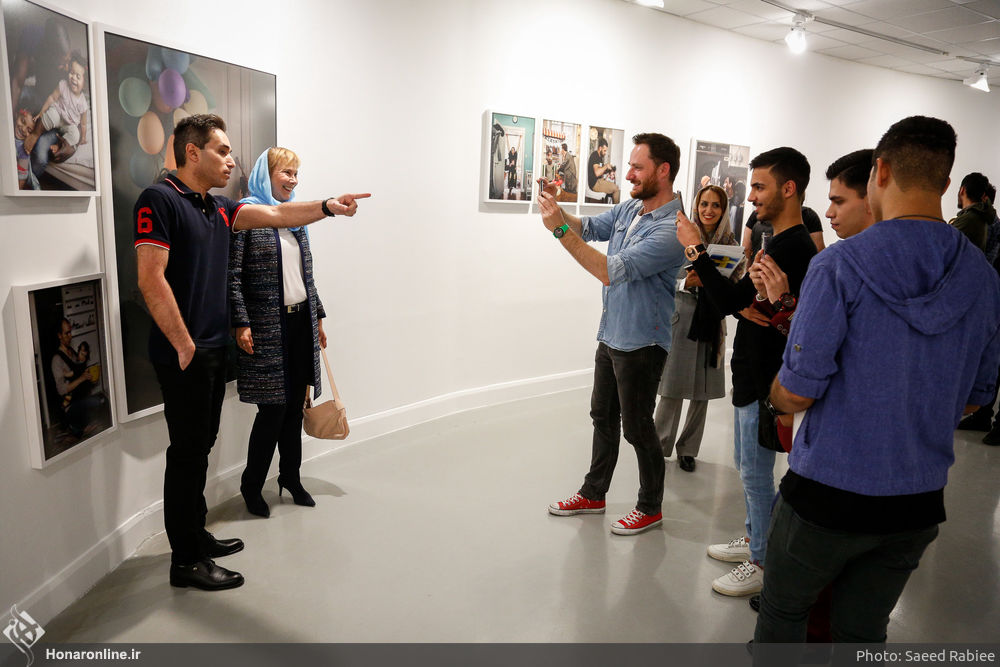
‘Swedish Dads’ Put on Display in Iranian Artists Forum

‘Swedish Dads’ Put on Display in Iranian Artists Forum (7)

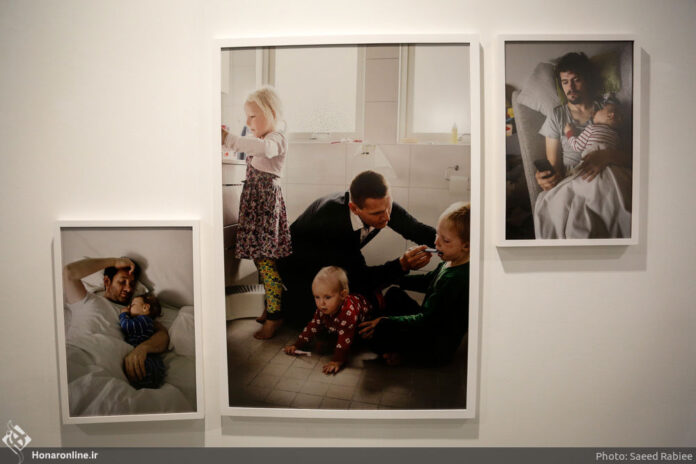
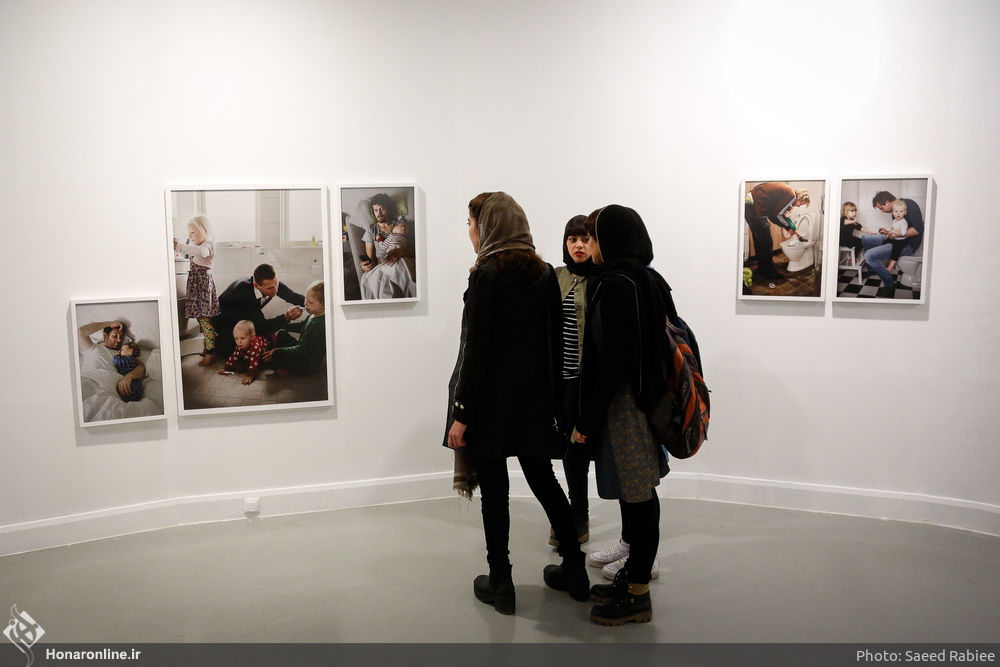
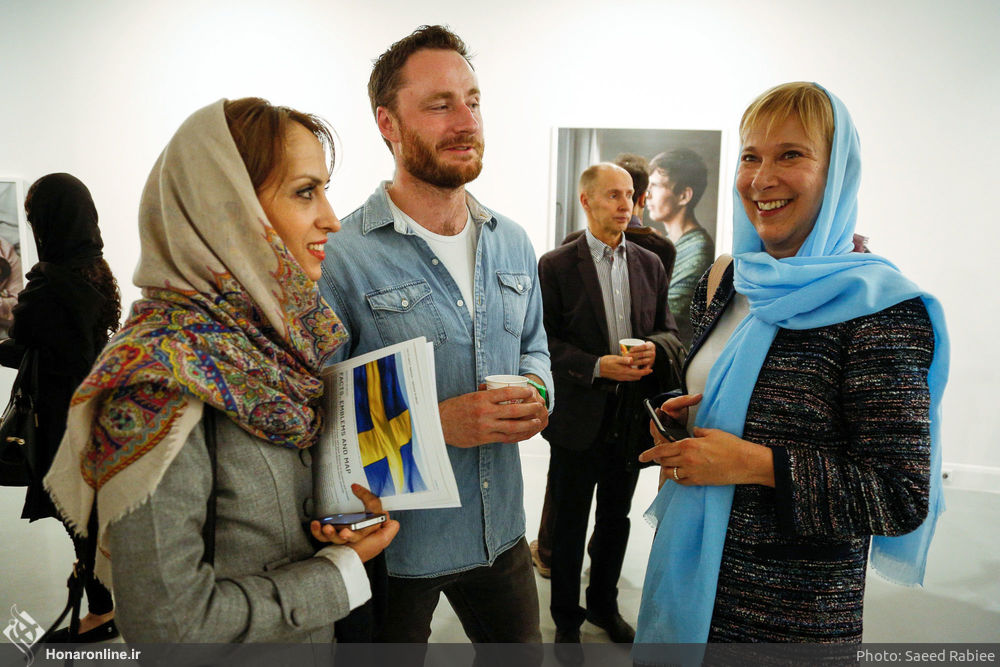
A photo expo by Swedish photographer Johan Bävman titled “Swedish Dads” was launched at the Zemestan Art Gallery at the Iranian Artists Forum in Tehran on Friday (April 7), in a ceremony attended by Swedish Ambassador to Iran Helena Sangeland and a number of guests from Sweden.

According to a Farsi report by Honar Online news website, the exposition has been organized by Sweden’s Culture Institution and the Swedish Embassy’s cultural section with the cooperation of the Iranian Artists Forum.

Addressing the opening ceremony, Sangeland said Sweden is among the countries which endeavours to promote its art and culture across the world by undertaking cultural activities.

Since 2003, she added, Sweden has kicked off its artistic and cultural activities in Iran.

“I am very happy that the exhibition has opened [almost] at the beginning of the Iranian New Year, which started on March 20. Next week, the chorus ensemble of one of the most prominent Swedish universities will perform a concert at Niavaran Cultural House in Tehran.”

Commenting on the theme of the exhibition and its title “Swedish Dads”, she said in 1974, the Swedish government raised the issue of fathers’ having parental leave after the birth of their children and implemented a system to this end [enabling parents to stay at home with their child for a total of 480 days].

“Since then, numerous activities have been carried out in this regard. Despite the government’s support for Swedish fathers, only 25 percent of them have so far opted to use the opportunity provided by the government. I am optimistic that the figure would soon rise.”

On the exhibition, Sangeland said Bävman, a Swedish photographer who has a bright future ahead of him, has held this expo in different parts of the world.

“I am happy that today, these 25 photos have been put on display in Iran as well, so that this visual experience of Swedish fathers can be shared with Iranians.”

She said the main focus of this photo essay [showcased in the exhibition] is on those fathers who have chosen to use their parental leave and spend the six-month stint with their child at home.

All the photos portray Swedish fathers at home, while taking care of their children, she added.

Speaking in the same ceremony, Asieh Mazinani, the art deputy of the Iranian Artists Forum, said “Swedish Dads” is among the exhibitions which has received considerable attention worldwide.

“The photos of this collection have been posted and viewed on social media for many times.”

Born in Sweden in 1982, Bävman is a prominent Swedish photographers who has won numerous international awards such as World Press Photo and UNICEF Photo of the Year.

Earlier, commenting on his photos in an interview, he said, “By using the portraits of fathers who are in ordinary daily positions and situations with their children or are carrying out daily activities with them and through having conversations with them, I somehow intended to draw greater attention to those fathers who prefer to stay at home and improve their relationship with their children instead of going to work.”

Also, on his website “www.johanbavman.se“, he writes: “With this project, I want to find out why these men have chosen to stay at home so much longer than the majority of Swedish dads. What has it done for them, how have their relationships with their partner and their child changed, and what expectations did they have before taking parental leave?

“There are two aims to this project. The first is to describe the background to Sweden’s unique parental allowance. The second is to inspire other fathers – in Sweden, and further afield – to consider the positive benefits of such a system.”

Objectives, Consequences of US Strike on Syria

Objectives, Consequences of US Strike on Syria

Political commentator Farzan Shahidi has weighed in on Washington’s military aggression against Syria. The following are his comments on the incident as published in Basirat Political Centre’s website:


US First Military Aggression on Syria

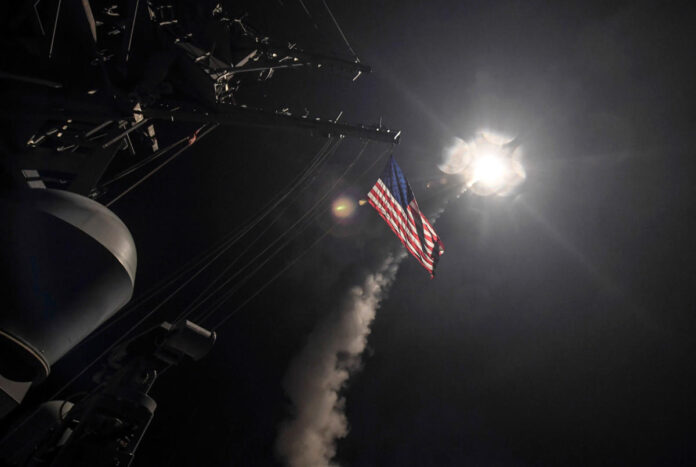
The Trump administration’s first military intervention in Syria began to unfold on Friday, April 7, when the US targeted the al-Shayrat airbase in the Syrian province of Homs with 59 Tomahawk missiles.

So far, the attack has left at least 10 people dead and several wounded, among them civilians. Nine Syrian jet fighters were destroyed in the missile strike as well.


Objectives of US Missile Attack

The White House’s pretext for the missile strike was the unsubstantiated allegation that Damascus used chemical weapons in the town of Khan Shaykhun in Syria’s Idlib province. Washington announced the missile attack was a punitive measure against the government of Syrian President Bashar Assad. The US claimed it targeted the runway, fuel depots and jet fighters at the al-Shayrat military airbase. The Pentagon also claims the airbase was used to stockpile chemical arms.

Choosing the al-Shayrat military airbase as the target was a calculated move. One of the goals and ambitions of the US is to undermine the strength of the Syrian army and Air Force in order to tip the balance of power in the Syrian conflict.

The Syrian Air Force backed by Russian warplanes has managed to carry out targeted and successful attacks against the positions of terrorist groups and gain the upper hand in the conflict. Therefore, striking Syrian targets will reduce the Syrian army’s power in the current war. In comments following the US missile strike, US President Donald Trump said the attack was in line with Washington’s vital national interests. He asked all countries to join the US to, in his words, end killing and bloodshed in Syria. According to American sources, Russia had been informed prior to the attack. Russian troops had been told to leave the al-Shayrat military airbase, so Russian forces and military hardware were not harmed in the attack.

Washington’s having informed Moscow of the attack beforehand suggests that the US is not seeking direct confrontation with Russia in Syria. The US missile strike followed the UN Security Council’s Thursday meeting convened to review the chemical incident in Khan Shaykhun. The session had ended without a vote on the proposed draft resolutions.


Reactions

Iranian Foreign Ministry Spokesman Bahram Qassemi categorically condemned the US missile strike.

“The Islamic Republic of Iran, as the biggest victim of chemical weapons in contemporary history, denounces any use of chemical arms irrespective of [who] the perpetrators and victims [are], and at the same time, regards using this pretext to take unilateral action as dangerous, destructive and contrary to the principles of international law,” said the spokesman.

He said Iran decries the missile attack on Syria by American vessels, and believes the move will only strengthen dwindling terrorists and further complicate the situation in Syria as well as in the whole region. He said the attack was conducted under the pretext of a suspected chemical attack in Idlib, whose timing, perpetrators and beneficiaries remain in a shroud of secrecy.


Ramifications and Consequences

The missile attack on al-Shayrat airbase in Homs province was the first direct and officially announced US military strike on a Syrian military base, which was unprecedented and suggests a change in the US policy vis-à-vis Syria. What is noteworthy, and at the same time contradictory, is that Trump, both during his election campaign and after assuming office as president, always took a swipe at Barack Obama’s policies and approach toward the Syria crisis. Trump also questioned Obama’s allegation regarding the use of chemical weapons in 2012. But the recent US missile strike brought to light the fact that Trump, too, believes the Syrian army has used chemical arms. The only difference is that Obama did not take military action against Syria. However, Trump got engaged in military intervention at the beginning of his tenure as president.

With this attack, political and field equations in Syria have entered a new phase, and efforts by Iran and Russia to establish peace might be undermined. Until the attack took place, Syria and its allies, Iran and Russia, had the upper hand in the Syria conflict. But the US move has served as a shot in the arm and a new green light for terrorists and their regional supporters. Moreover, the Syrian National Alliance, which is the official opposition authority in Syria, has welcomed the US attack and called for the continuation of such strikes.

Ahmad Ramadan, the spokesman for the Syrian National Alliance, says the opposition coalition embraces the missile attack and calls on the White House to destroy the Assad government’s capabilities in such a way that Syria would not be able to use warplanes in its attacks. The European allies of the United States together with Saudi Arabia, Turkey and the Israeli regime have all welcomed Washington’s military aggression against Syria, which gives Trump an open hand to assume the leadership of the opposition and militants and exert more pressure on Syria, Russia and the resistance front. Of course, it is unlikely that Trump is trying to open a new front in Syria and west Asia, because any military action, especially one against Syria, would harm Washington-Moscow relations and pit the US against Russia. Naturally, Trump and his Cabinet wouldn’t like to see such a thing happen, and that is why voices opposing the US strike on Syria are being heard inside the United States.

To cap it all, we can say that the US missile strike was conducted on a small scale under the pretext that Damascus used chemical arms, so that, on the one hand, the strike would be justifiable to the international public opinion, and on the other, the US would avoid a serious confrontation with Russia. Furthermore, by adopting a security-military approach at the beginning of his presidency, Trump is trying to redress the image of Washington’s failed diplomacy in the region and in the whole world, which is a legacy of the Obama administration, and to present himself as a powerful and influential figure. It is not clear whether or not the novice US president will succeed or not, and, hence, he should be awaiting the negative consequences and ensuing challenges of this scenario.

Iran Unveils New Achievements on National Nuclear Day

It is the 11th year Iran is celebrating a national day to mark its achievements in the nuclear industry.

President Rouhani and Head of the Atomic Energy Organization of Iran (AEOI) Ali Akbar Salehi made speeches at the ceremony.

This year, the AEOI celebrated five new achievements by the country’s scientists.

During the ceremony, President Rouhani unveiled three projects via video conference calls, including the first phase of an industrial radiation center using Rhodotron accelerator in the city of Qazvin, a center in the province of Alborz for production of nuclear medicine using PET (positron emission tomography) method focusing on the production of radio medicine with fluorodeoxyglucose (FDG), and Iran’s first factory for upgrading uranium ore in Yazd.

Two other homegrown products were also unveiled at the ceremony, including a condensate pump used in Iran’s Bushehr nuclear power plant, and a stone centrifuge device.

In recent years, Iranian scientists have made remarkable progress in the field of peaceful nuclear technology despite the sanctions imposed by the West.

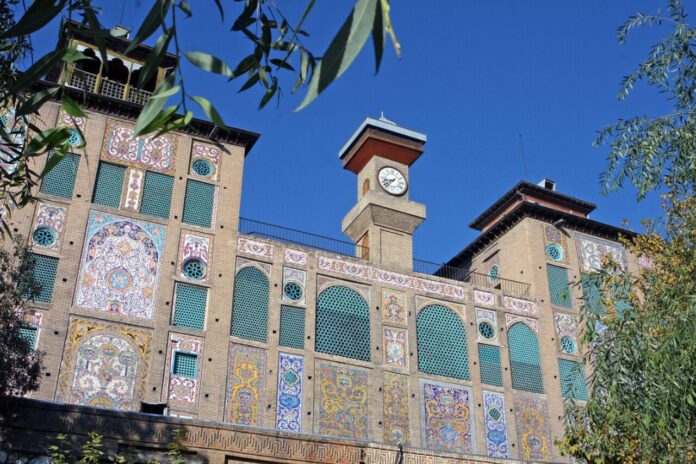
Golestan Palace’s Clock Finally Fixed after 90 Years

Golestan Palace's Clock Finally Fixed after 90 Years

Shamsolemareh, literally meaning ‘edifice of sun’ is the tallest building in Golestan Palace and fuses Persian and European architecture into a five-story structure with two imposing  towers and a small clock tower in the middle.

For 90 years, people walking down Nasser Khosrow Street in downtown Tehran read 6:10 when they cared to look up at the clock, Mehr News Agency reported.

The famous clock was gifted by the British Queen Victoria (1819-1901) to Nasser al Din Shah (1831-1896) of the Qajar Dynasty more than a century ago. But it ticked a bit too noisily annoying the people who, at the time, used Golestan Palace as residence and court. Eventually complaints piled up and the authorities tried to reduce the unfriendly noise only causing damage to the clock.
Thus, the damaged clock was left unattended for almost nine decades until in 2010, master clocksmith Mohammad Saatchi Hamedani, 81, was asked to come over and take care of it. He complied. But barely 10 months later the clock again stopped working, because the sate-owned Iran Cultural Heritage, Handicrafts and Tourism Organization (ICHHTO) had no specific budget to be allocated to its maintenance.

However, according to the head of Golestan Palace Masoud Nosrati, the clock is now back to life. The ICHHTO has signed a contract for one year with Master Saatchi to keep an eye on the device.

“We’re going to renew the date of our agreement (with Saatchi) each year,” Nosrati said. “But the clock is now digitally driven, and there is no way of returning to the mechanical motor it once had.”

Clocks were among the special interests of Nasser al Din Shah. By collecting his clocks and watches, “we can showcase a valuable treasure for the public.”

The clock in Shamsolemareh is now working again, this time with no annoying noise.

Golestan Palace is the only remnant of Tehran’s historical citadel, a collection of erstwhile royal buildings that were once enclosed within large thatched walls. The citadel was built during the time of Shah Tahmasb I of the Safavid Dynasty (1501-1722). It was rebuilt in the time of Karim Khan (1705-1779) of the Zand Dynasty and was later turned into a residence and court for the Qajar rulers (1785-1925).

Jordanian King’s View of Mideast Developments ‘Shallow’: Iran

“The king of Jordan seems to have made a strategic and fundamental mistake in defining terrorism, and the interpretations is his remarks simply show the shallowness of his view on the regional developments,” Iranian Foreign Ministry Spokesman Bahram Qassemi said on Saturday.

His comments came after Jordanian King Abdullah highlighted the need for countering Iran and ISIS terrorist group in a recent interview with The Washington Post.

The Arab leader has also accused Iran of posing “potential threat to the region”, and has called for efforts to guarantee Israel’s security.

In reaction, Qassemi said the king had better review the figures about the Jordanian nationals who has joined ISIS terrorists before making comments on Iran, which has been at the forefront of the fight against terrorism and extremism for ensuring the region’s security.

The spokesman also described King Abdullah’s support for the Tel Aviv regime’s security as an indicator of how complicated and tough the situation in the Middle East is.

The Jordanian king had better spend some time reading logic, as well as the Middle East’s history and geography in order to contribute to the regional security, stability and unity, the Iranian spokesman added.