Sunday, May 3, 2026
Home Blog Page 401

Families of missing victims rally outside site of Iran port blast

Holding photographs of their loved ones, the protesters demanded clarity on the fate of those still unaccounted for, Fars News Agency reported.

“We urge the authorities to return the bodies of our loved ones without further delay”, one participant told Fars.

Meanwhile, efforts are still underway to confirm the identities of the deceased.

Earlier on Saturday, the director general of the Hormozgan Province Forensic Medicine Organization announced that three more bodies had been identified, bringing the total number of identified victims to 36.

Due to the severity of the explosion and subsequent fire, several of the recovered bodies were initially unrecognizable. The incident claimed the lives of at least 70 individuals.

The deadly explosion happened last Saturday Shahid Rajaee Port, one of Iran’s key commercial hubs located near the Strait of Hormuz. The blast triggered a massive fire.

An official investigation into the cause of the incident is ongoing, and authorities continue to work to identify the deceased and provide answers to grieving families.

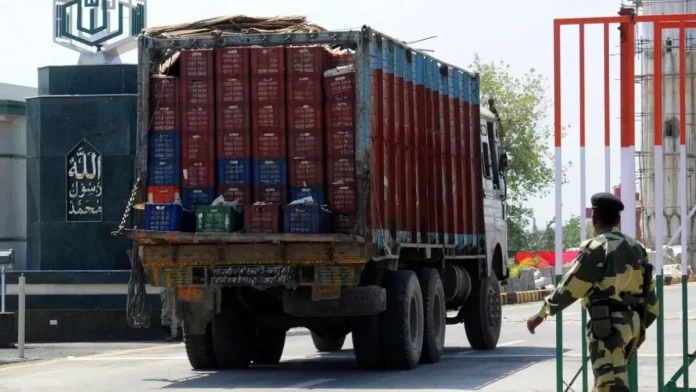
India blocks Pakistani exports, transit amid tensions

According to the notification, “all goods originating in or exported from Pakistan, whether directly or indirectly, freely importable or otherwise permitted, shall be prohibited with immediate effect, until further orders.”

The statement notes that the restriction is imposed in the wake of national security and public policy.

The notice comes amid deteriorated India-Pakistan relations following the April 22 terrorist attack in Pahalgam in India’s Union Territory of Jammu and Kashmir. The incident claimed the lives of 25 Indian nationals and one Nepali. India allegedly uncovered evidence of Pakistani inter-services intelligence involvement in the attack, carried out by Lashkar-e-Taiba.

In the wake of the attack, Indian authorities decided to halve the embassy staff in Islamabad, suspend the bilateral agreement on water allocation, and freeze visa issuance for Pakistani citizens. New Delhi also declared the military advisers of the Islamic republic’s diplomatic mission personae non gratae.

On April 29, Indian Prime Minister Narendra Modi held a high-level security meeting at which, sources said, he declared that the Indian Armed Forces have full freedom to choose the manner, objectives, and timing of their response to the terrorist strike in Jammu and Kashmir.

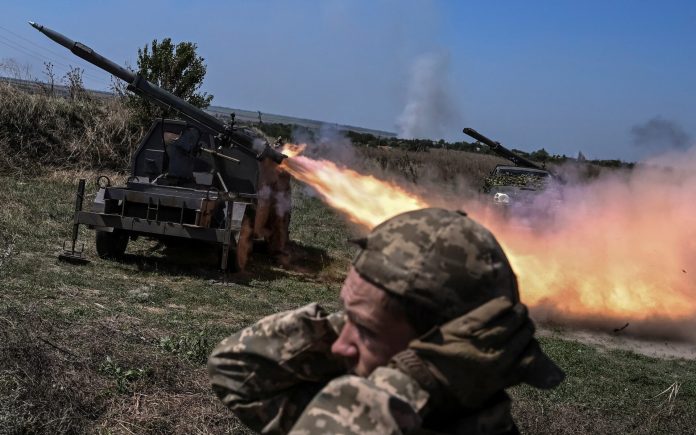
Ukraine refutes Russia’s Victory Day truce proposal

Russia Ukraine War

“[Ukraine will not be] playing games to create a pleasant atmosphere to allow for [Russian President Vladimir] Putin’s exit from isolation on 9 May,” Zelensky was quoted as saying by Ukrainian media.

The Ukrainian president also warned that Ukraine cannot guarantee the safety of foreign guests who will attend the May 9 parade in Moscow.

Earlier, Russia declared a ceasefire during the 80th anniversary of the World War II Victory: from midnight on May 7-8 until midnight on May 10-11.

Russia will fully guarantee the security of all the guests at the Victory Parade, the chairman of the Russian State Duma Committee on International Affairs, Leonid Slutsky stated. He also added that Zelensky is undermining peace efforts with his threats and is once again trying to derail the negotiation process.

Pakistan says successfully test-fired ballistic missile as tensions with India rise

The surface-to-surface missile, named the Abdali Weapon System, with a range of 450km (280 miles), was successfully tested as part of an exercise on Saturday, Pakistan’s government said.

It added that the launch was “aimed at ensuring the operational readiness of troops and validating key technical parameters, including the missile’s advanced navigation system and enhanced maneuverability features”.

The tactical missile, which can carry conventional and nuclear warheads, is named after Ahmad Shah Abdali, the 18th-century founder of modern Afghanistan who led numerous invasions of the Indian subcontinent.

Pakistan’s President Asif Ali Zardari and Prime Minister Shehbaz Sharif congratulated the scientists, engineers and those behind the successful missile test.

The ballistic missile’s test-firing came three days after Pakistan’s Information Minister Attaullah Tarar stated Islamabad had “credible intelligence” that India intends to launch a military strike within 24 to 36 hours in response to the killing of 25 male tourists and a Kashmiri last month in Indian-administered Kashmir.

India and Pakistan both stake a claim on the entire Kashmir region, but rule over parts of it. They have seen tensions spike over the issue frequently since their independence from British rule in 1947.

New Delhi accuses Islamabad of backing the April 22 attack in the scenic Pahalgam area by suspected Kashmiri rebels, and alleges that Pakistani nationals were involved in the killings. Pakistan has denied any involvement in the attack.

Indian Prime Minister Narendra Modi has stressed that he has given his military “full operational freedom” to respond as he promised to pursue those who had supported the attack “to the ends of the Earth”.

Pakistani minister Tarar said the Indian leaders want to use the Pahalgam attack as a “false pretext” to potentially strike Pakistan.

On Friday, Pakistan’s Chief of Army Staff General Syed Asim Munir presided over a meeting of his top commanders about the “current Pakistan-India standoff”, a military statement read.

Munir “underscored the critical importance of heightened vigilance and proactive readiness across all fronts”.

Since the attack – the deadliest in Kashmir on civilians in years – India and Pakistan have exchanged tit-for-tat diplomatic barbs and expulsions, and shut border crossings. India also suspended its participation in the 1960 Indus Waters Treaty with Pakistan.

The two nuclear-armed countries have also exchanged gunfire along the militarised Line of Control (LoC), the de facto border dividing Kashmir between them, while Pakistan has threatened to suspend its participation in the 1972 Simla Agreement that underpins the LoC.

People in Indian-administered Kashmir have been concerned about the devastating ramifications of a potential military conflict between the two nations.

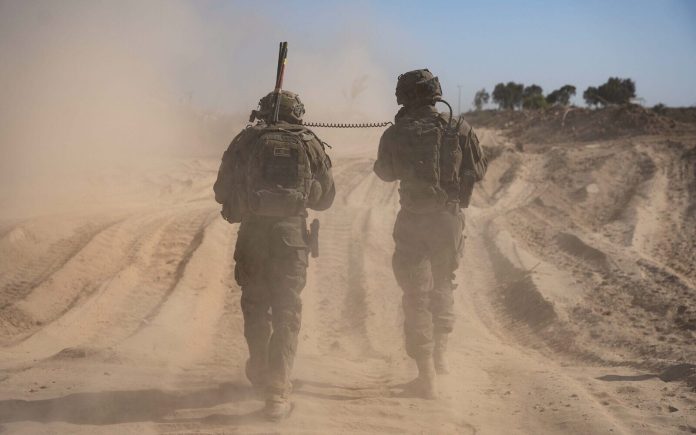
Israeli military prepares mass reserve call-up to expand Gaza offensive amid shortage of soldiers: Report

Israeli Army

According to the daily Yedioth Ahronoth, “With the 36th Division continuing its offensive in Rafah (southern Gaza), the Israeli army is preparing to ramp up its military efforts in Gaza next week if no progress is made in negotiations over a potential agreement.”

Prime Minister Benjamin Netanyahu is expected to hold high-level security consultations with senior ministers and military officials regarding plans to expand the offensive, the newspaper claimed, adding that the Security Cabinet is set to convene on Sunday evening to make final decisions on the matter.

Hamas has offered a proposal to exchange all Israeli captives for a full ceasefire, complete Israeli withdrawal from Gaza, and the release of Palestinian prisoners from Israeli jails, a proposal rejected by Tel Aviv.

“In recent days, several reserve officers have alerted their units to prepare for a sudden call-up,” the paper said.

Over the weekend, the Israeli army issued a statement indicating that reserve deployments would be carried out “with care and responsibility, based on objective and professional considerations.”

Tensions escalated further Thursday when Netanyahu declared that completing the Gaza war was a higher priority than rescuing Israeli captives.

This statement sparked outrage among the families of captives, who have been urging the government to prioritize their release even if it requires halting the war.

On April 21, Finance Minister Bezalel Smotrich similarly angered families by saying retrieving the captives was “not the most important objective.”

Israel estimates that 59 of its citizens are held captive in Gaza, 24 of whom are believed to be alive. Meanwhile, over 9,900 Palestinians are currently imprisoned in Israeli jails, where they suffer from torture, starvation, and medical neglect, leading to numerous deaths, according to Palestinian and Israeli rights groups.

As Israel threatens to expand its offensive, the military is grappling with a severe shortage of troops.

Chief of Staff Eyal Zamir has warned that the army cannot fulfill its missions without substantial reinforcement from reserve forces.

Yedioth Ahronoth reported that the army had originally planned to limit each reservist’s service to two and a half months in 2025.

However, this limit was exceeded three weeks ago after two battalions were called up for a second round of duty due to increasing operational pressure.

Amid what is described as “severe force depletion,” Zamir has called for imposing “civil penalties on draft dodgers,” a reference to the widespread exemption of ultra-Orthodox Jews (Haredim) from military service.

According to the daily, the military is expected to issue around 24,000 preliminary draft notices to Haredi youth by the end of June.

However, only about 300 of these draft orders have been formally processed, and enforcement has been weak due to the Israeli government’s policies.

Netanyahu is reportedly pushing legislation to grant blanket exemptions to Haredim, facing strong opposition from the military and political opponents alike.

Paper: Iran may reduce uranium enrichment to civilian levels, no full nuclear disarmament

Iran nuclear program

The publication on Saturday emphasized that Tehran views its nuclear program as non-negotiable, despite ongoing diplomatic tensions.

The report, titled “A Spectacularly Destructive Fool Who Wants to Be Seen as a Genius!”, criticized US President Donald Trump’s foreign policy approach, arguing that his aggressive stance on Iran, Ukraine, and Russia risks geopolitical instability.

While Trump has sought to position himself as a transformative dealmaker, Kayhan warned that his strategy could backfire, leading to dangerous miscalculations in nuclear negotiations.

The newspaper cited an analysis by Bloomberg that echoed concerns over Trump’s ambitious foreign policy moves, noting that while success could bolster his legacy, failure might leave global affairs more volatile.

The report suggested that Trump’s pressure tactics – such as demanding Ukraine concede territorial and economic control in exchange for a ceasefire – could instead strengthen Russia’s position.

On Iran, Kayhan reiterated that while limited enrichment rollbacks are possible, the country will never dismantle its nuclear program entirely.

The article framed current diplomacy as a last-ditch effort, urging Trump to reconsider his hardline approach before triggering further escalation.

US approves $3.5 billion missile sale to Saudi Arabia

Washington is poised to offer Saudi Arabia an arms package worth well over $100 billion during U.S. President Donald Trump’s visit to the kingdom in May.

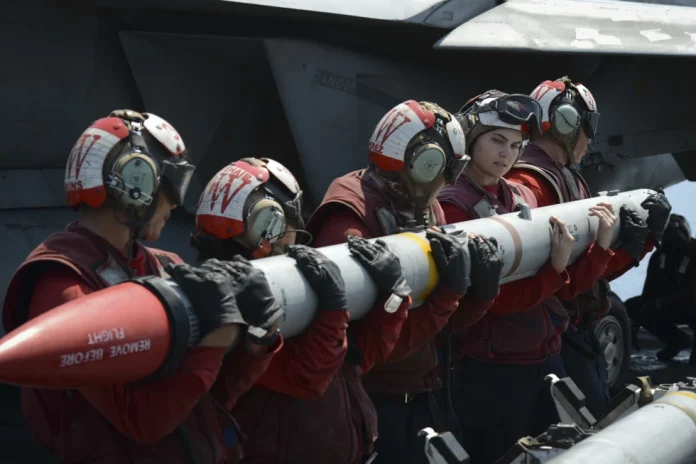
The Kingdom of Saudi Arabia requested 1,000 Advanced Medium Range Air-to-Air Missiles (AMRAAM), 50 AMRAAM guidance sections and other equipment including spares, missile containers, and spare parts, and logistics support services.

The Pentagon’s Defense Security Cooperation Agency notified Congress of the possible sale on Friday.

Despite approval by the State Department, the notification does not indicate that a contract has been signed or that negotiations have concluded.

The principal contractor will be RTX Corp according to the Pentagon.

Data: Iran faces longest sustained high inflation in modern history

Iran Bazaar

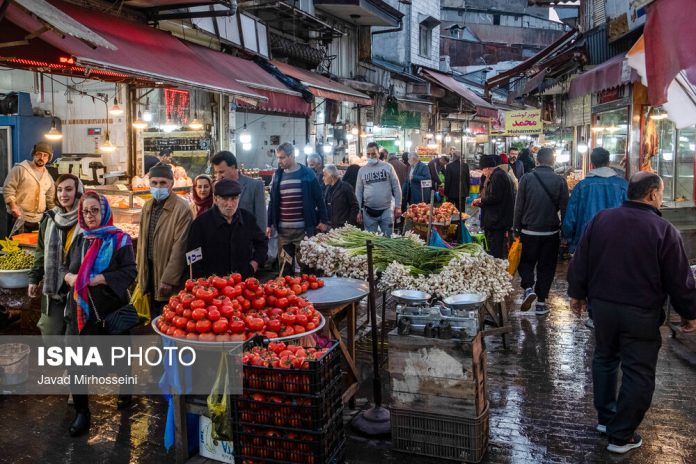
The point-to-point inflation rate has remained above 30% for 57 straight months – an unprecedented stretch in Iran’s economic records that surpasses even wartime inflationary periods.

The sustained price surges have devastated purchasing power, with the rial losing 99% of its value against the US dollar since 2005.

“What cost 890 rials in 2005 now requires about 81,000 rials, rendering savings worthless and forcing citizens toward hard assets like gold and foreign currency,” the paper wrote.

Economic analysts point to multiple structural causes, including excessive money printing to fund budget deficits, mismanaged banking policies, and the compounding effects of international sanctions.

This inflationary crisis has created severe economic distortions. Manufacturers struggle with unpredictable costs, banks face deposit flight, and households increasingly abandon the national currency for stable-value alternatives.

According to the report, the middle class has been particularly hard-hit, with many families sliding into poverty as wages fail to keep pace with soaring prices.

While economic theory offers clear solutions – including central bank independence, fiscal discipline, and monetary restraint – implementation has proven politically challenging.

The government continues to rely on inflationary financing methods, and policy reforms remain incomplete, the paper concluded.

US approves possible sale of F-16 training, sustainment for Ukraine

F-16

Days before the deal, Ukraine and the U.S. signed a deal heavily promoted by U.S. President Donald Trump, to give the U.S. preferential access to new Ukrainian minerals deals and fund investment in Ukraine’s reconstruction.

Ukraine has previously received F-16 jets from U.S. allies under a jet transfer authorized by former President Joe Biden’s administration. Trump has not been as eager to assist Kyiv with weapons support, instead relying on transfers authorized by Biden.

Under Biden, more than $31 billion worth of weapons and equipment was pledged to Ukraine under the Presidential Drawdown Authority (PDA), which allows the president to approve rapid transfers to foreign countries from U.S. military stockpiles, without having to seek congressional approval.

These weapons and others purchased with U.S. funds on behalf of Ukraine and shipped via the same channels continue to flow. This sale is separate from that, and represents an actual weapons deal whose principal contractors include Lockheed Martin Aeronautics, BAE Systems and AAR Corporation, the Pentagon said in a statement.

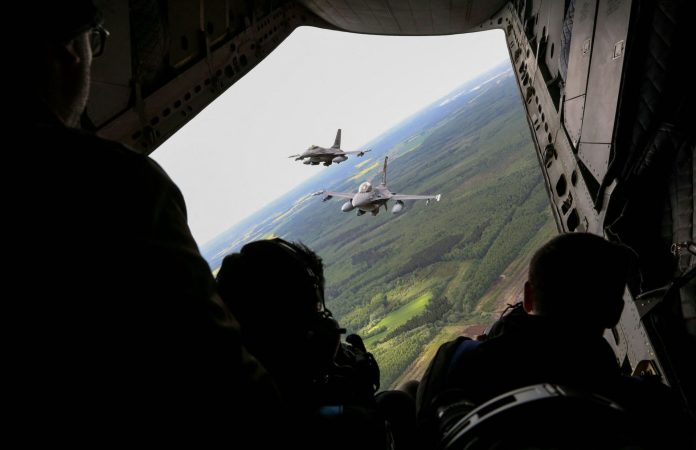
The sale could include aircraft modifications and upgrades, flight training, maintenance, and sustainment support; spare parts, repair, ground handling equipment, classified software, classified publications and support.

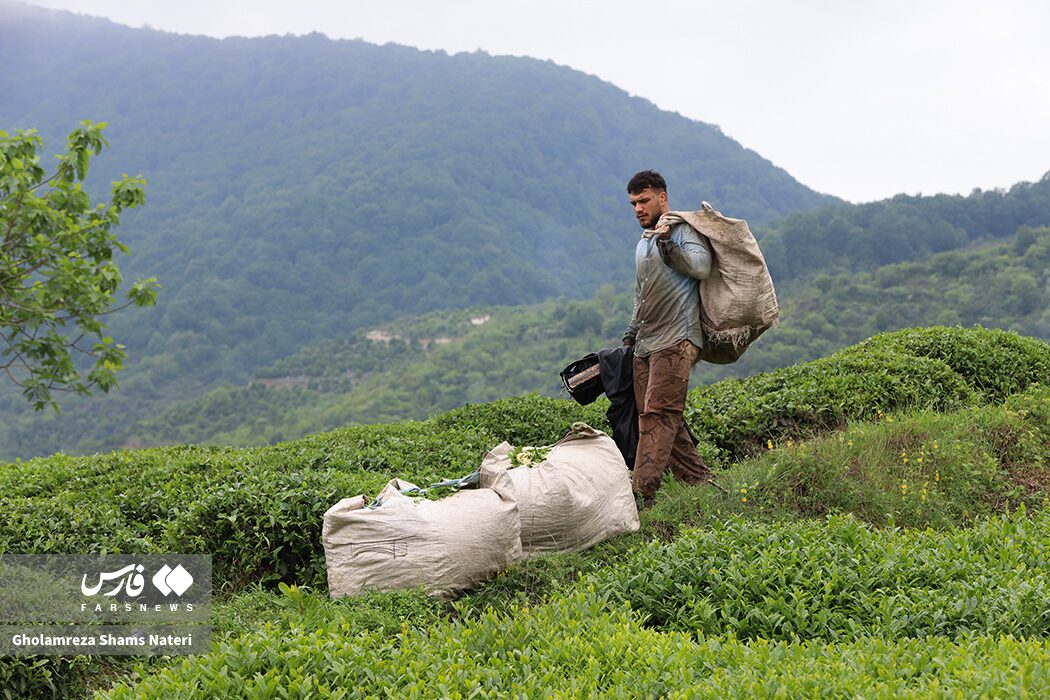
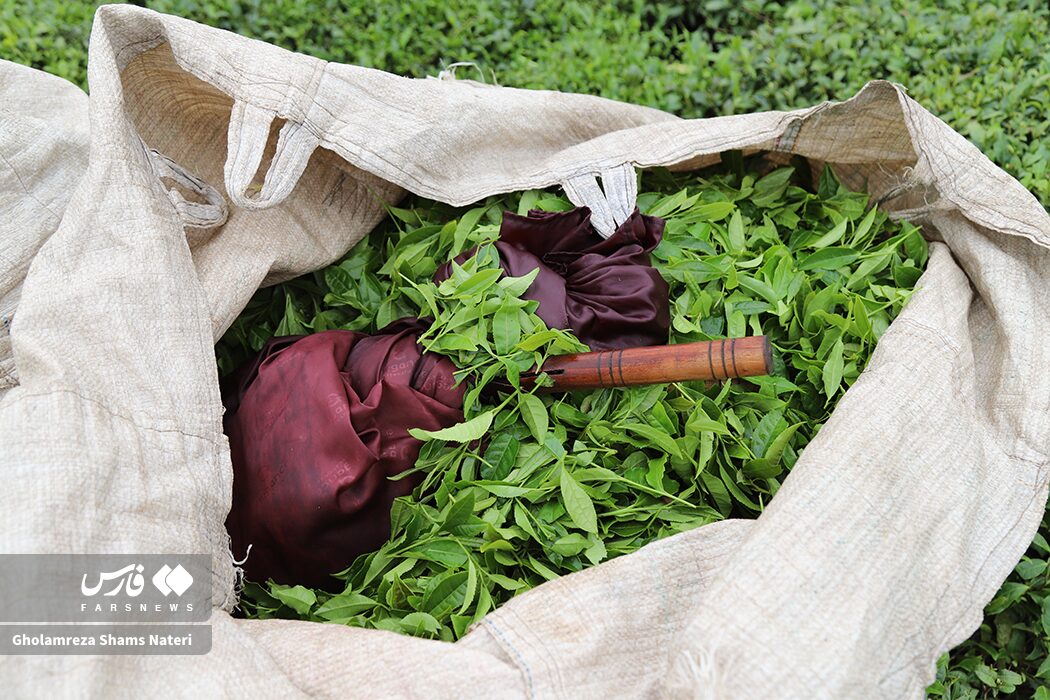
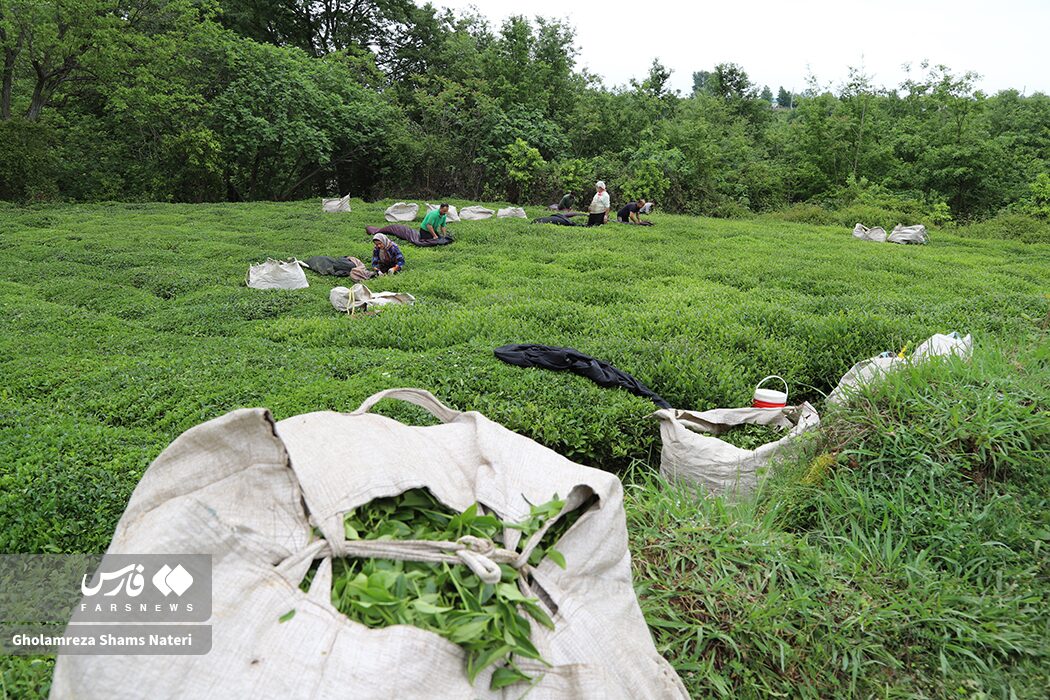
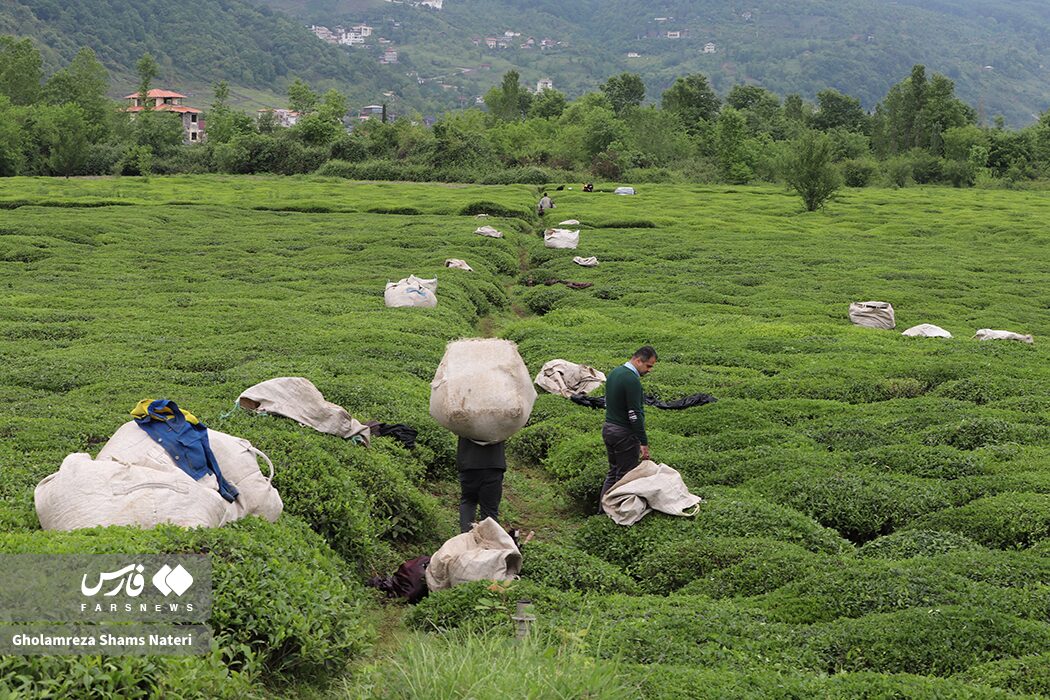
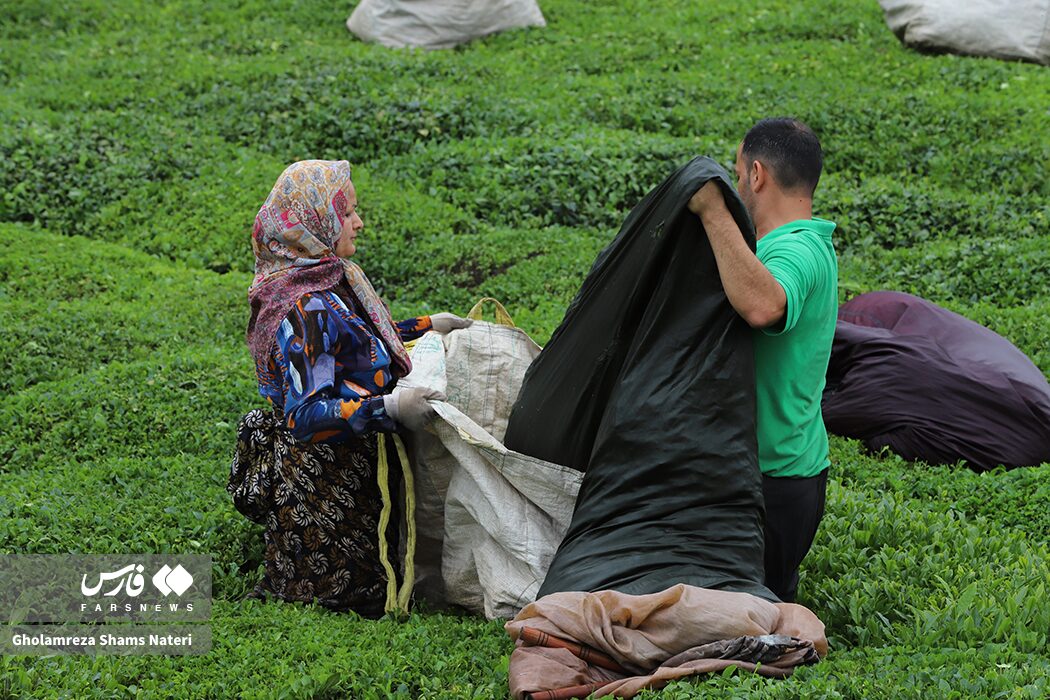
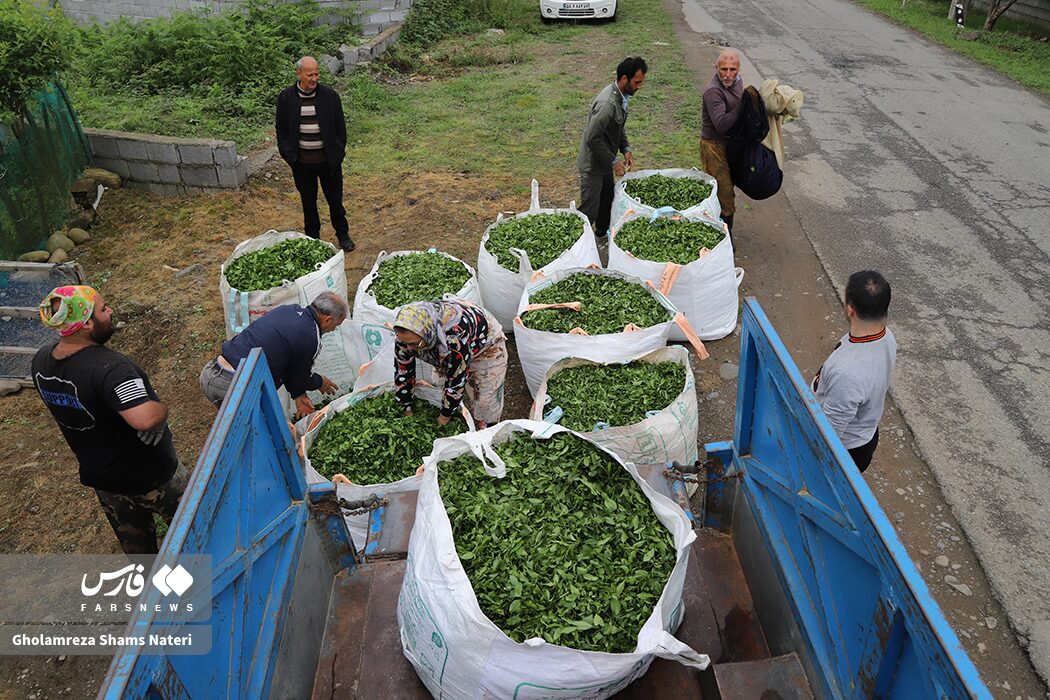
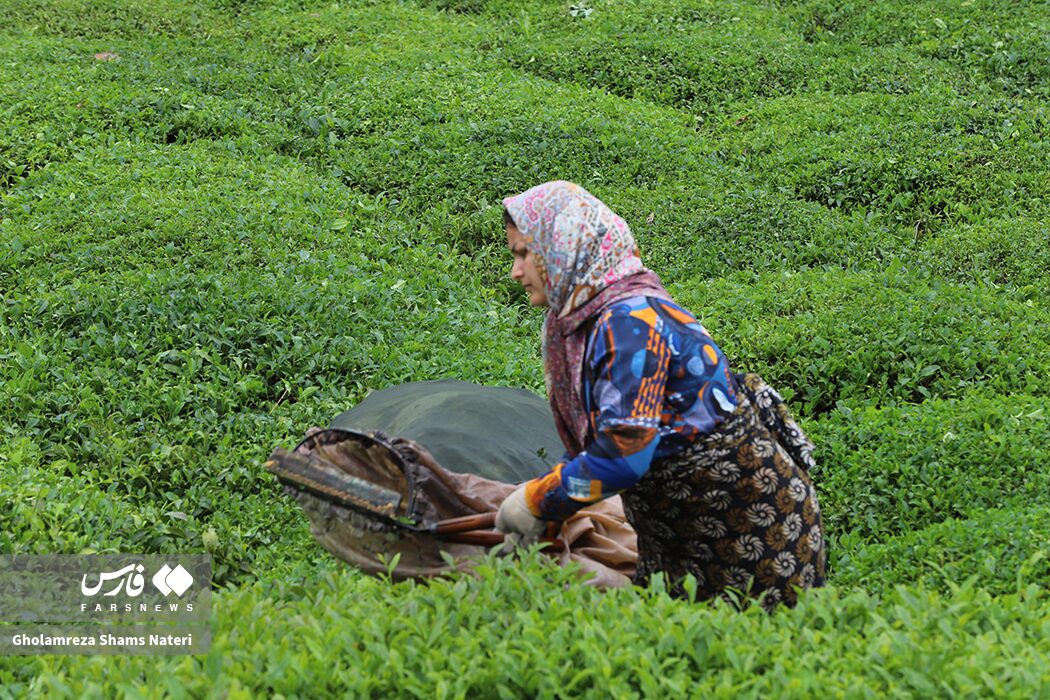
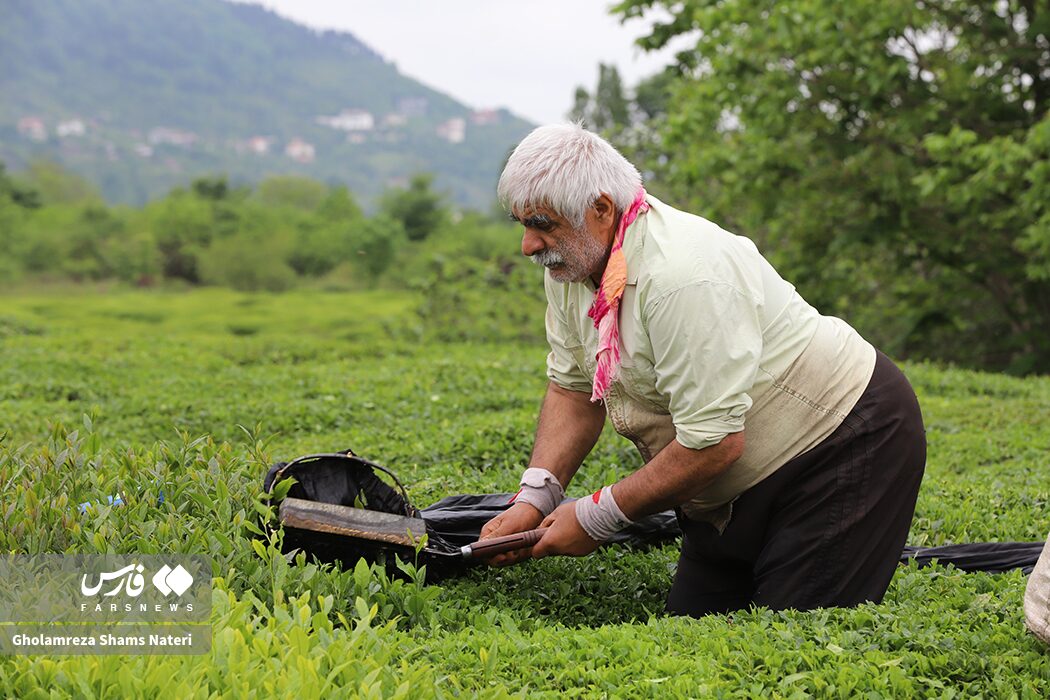
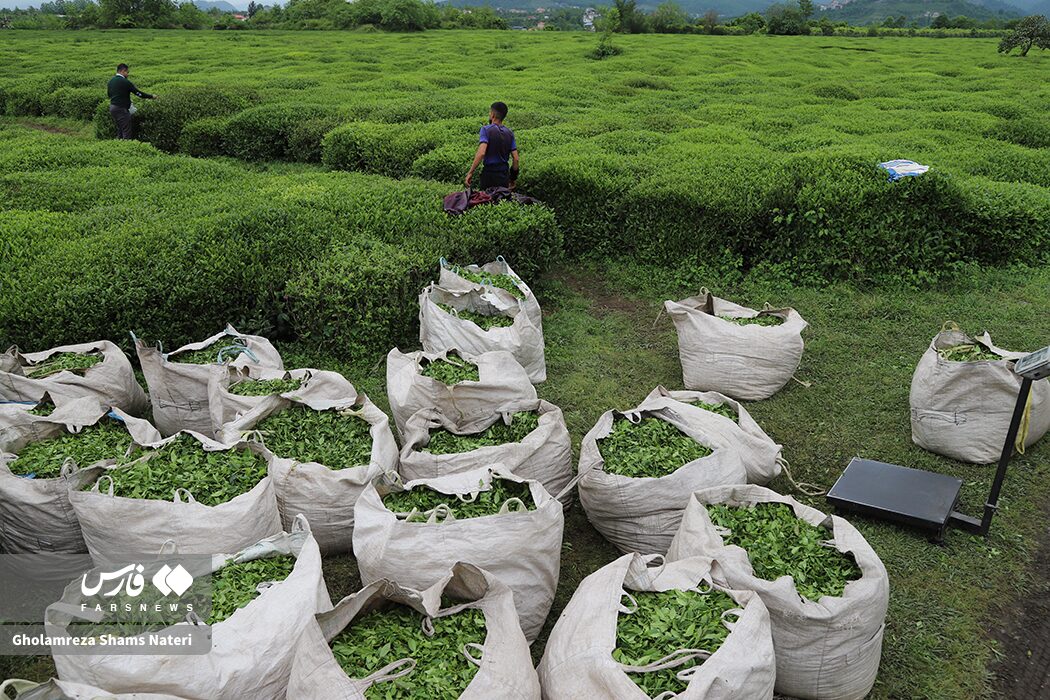
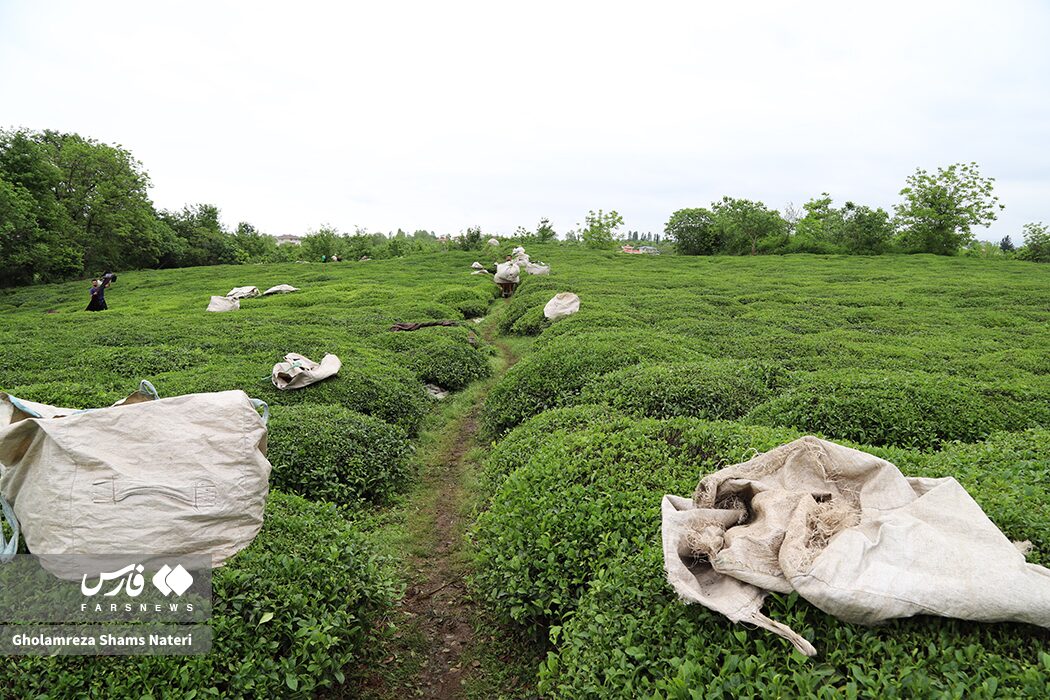
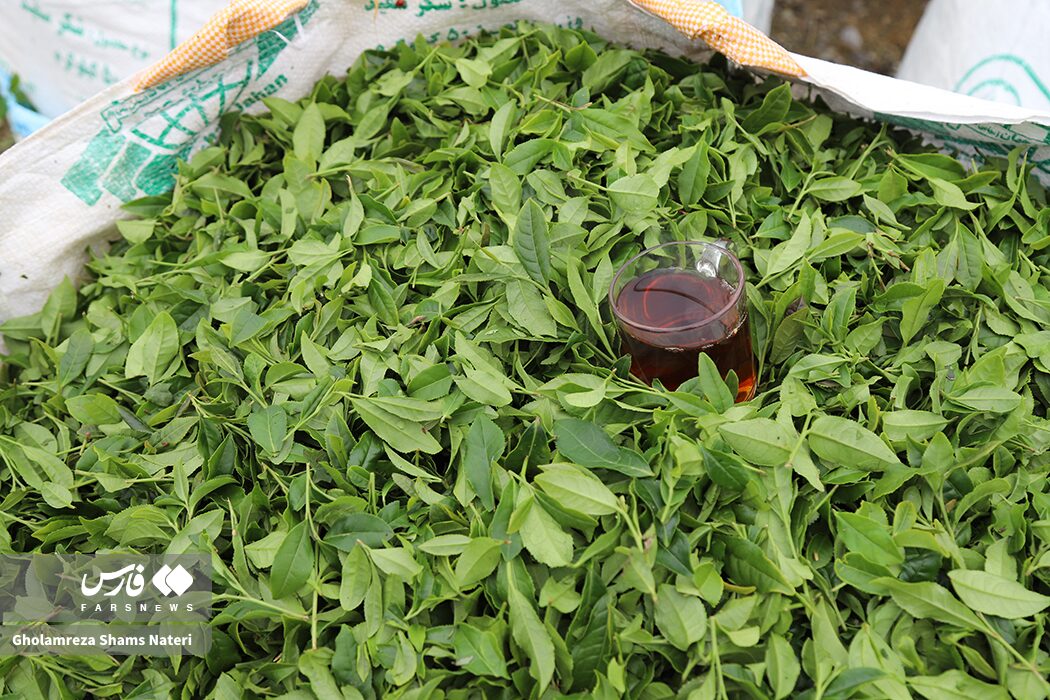
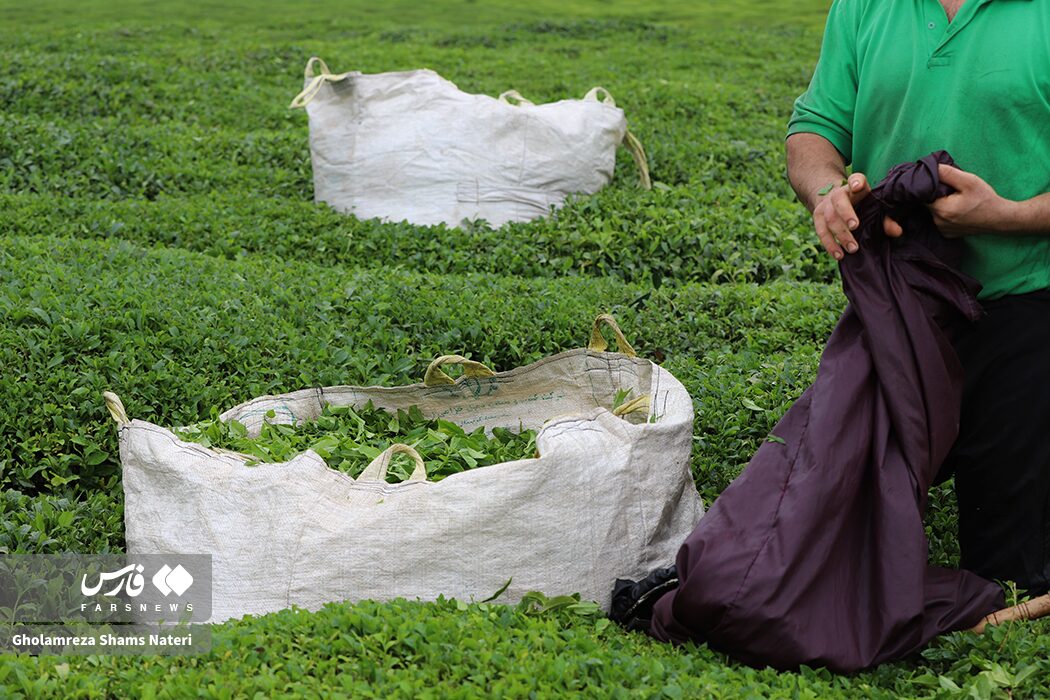
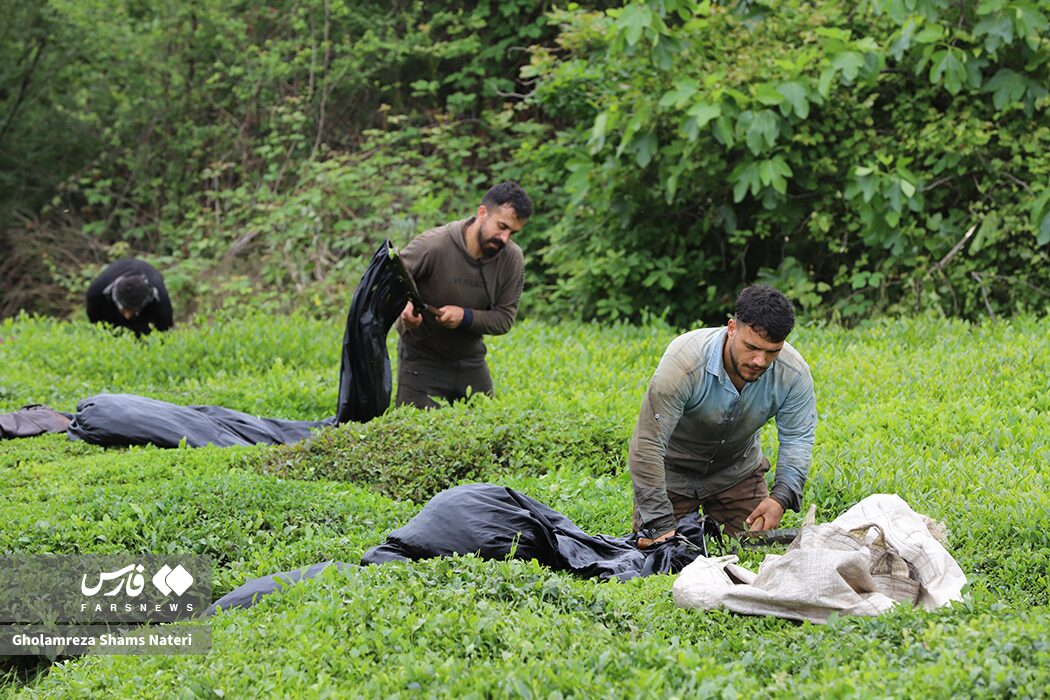
Spring tea harvest begins in Iran’s Tonekabon

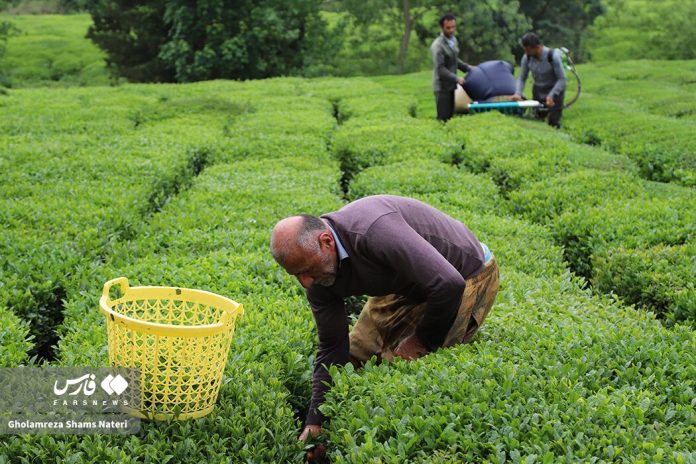
Local farmers expect to collect approximately 3,200 tons of fresh tea leaves this season.

The western Mazandaran and eastern Gilan provinces remain Iran’s primary tea-producing regions, known for their ideal growing conditions.

Workers carefully hand-pick the tender young leaves during this crucial early harvest period, which typically yields the highest quality product.

More in pictures: