Saturday, April 25, 2026
Home Blog Page 3997

Iran FM Holds Talks with Top Italian Officials in Rome

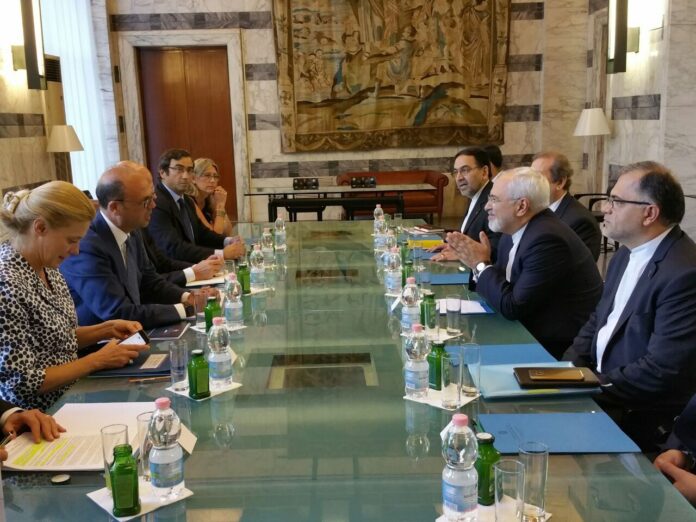
Speaking in a Wednesday meeting with his Italian counterpart Angelino Alfano in Rome, Zarif hailed the good level of relations between Tehran and Rome, saying that the two countries could strengthen bilateral ties by exchanging business delegations.
Elsewhere in his statements, Zarif also pointed to the US warning to Syria over its alleged preparation for a chemical attack, and warned that any attack under false pretexts on Syria by the United States could reinforce ISIS in the region.
For his part, the Italian foreign minister referred to the recent twin terrorist attacks in Tehran and stressed that fight against terrorism and extremism is a must.
Regarding the expansion of bilateral ties, Alfano noted that the Italian companies’ attitude toward Iran is positive and his country is keen to boost bilateral relations with the Islamic Republic.
The Italian official also threw his weight behind the nuclear deal between Tehran and world powers, acknowledging that it has provided regional and international security. He also talked about the recent report by the IAEA that verified Iran’s commitments to the JCPOA.

Iran FM Holds Talks with Top Italian Officials in Rome
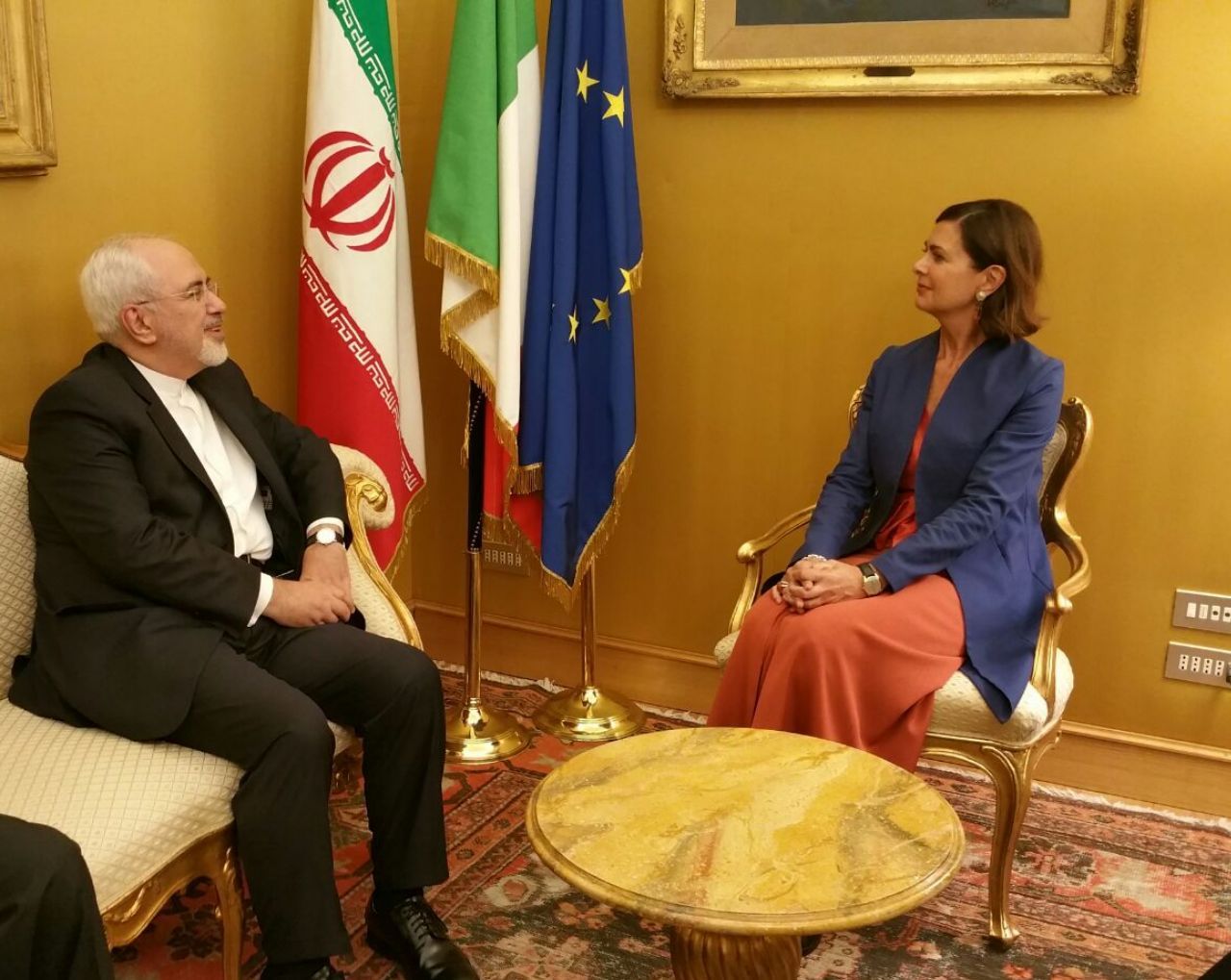
Earlier in the day, Zarif held a meeting with President of the Chamber of Deputies of Italy, Laura Boldrini. During the meeting, the two sides discussed ways to expand mutual cooperation especially in the parliamentary fields.
Zarif and Boldrini also talked about regional issues and stressed that the ongoing problems must be resolved through negotiations. Immigration crisis, asylum seeking, and fight against terrorism and extremism were among other issues discussed by the two sides.

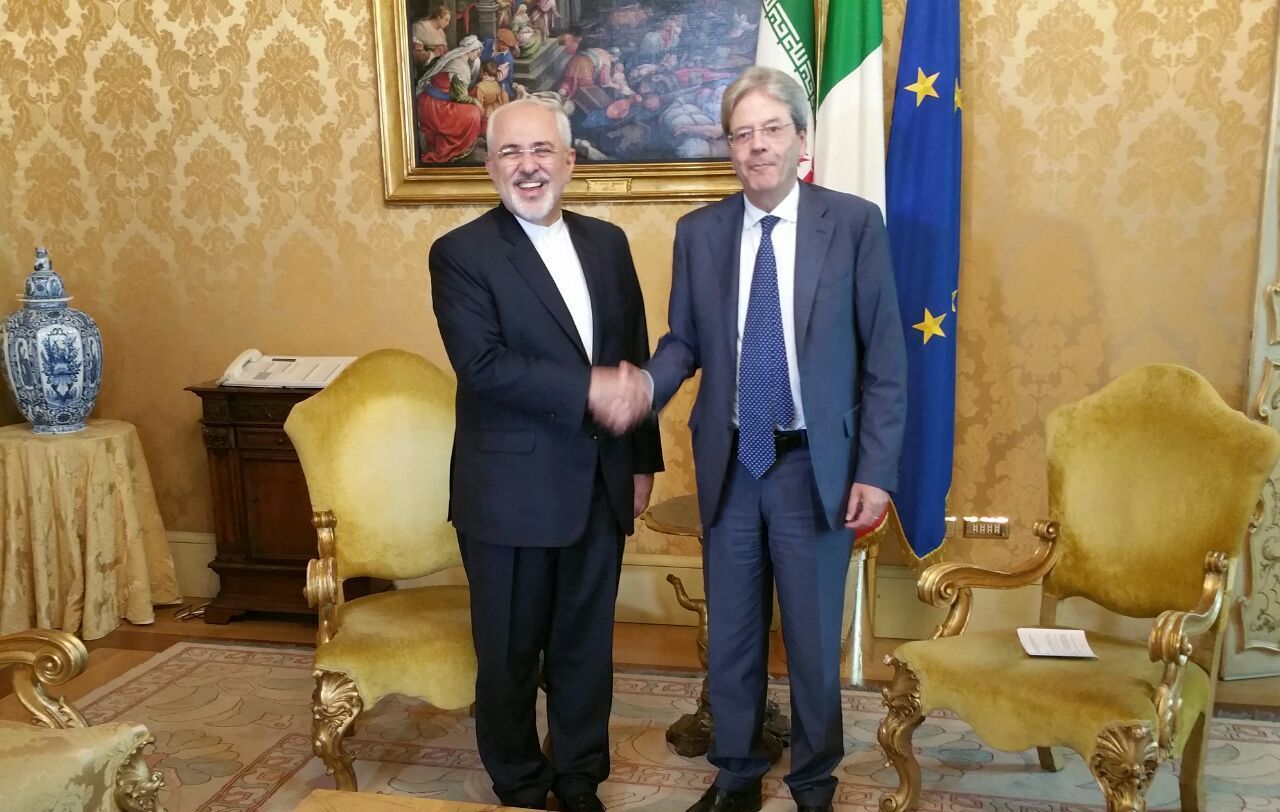
Iran FM Holds Talks with Top Italian Officials in Rome On Wednesday afternoon, the Iranian foreign minister also met with Italian Prime Minister Paolo Gentiloni and discussed expansion of ties and the most important developments across the region and the world.
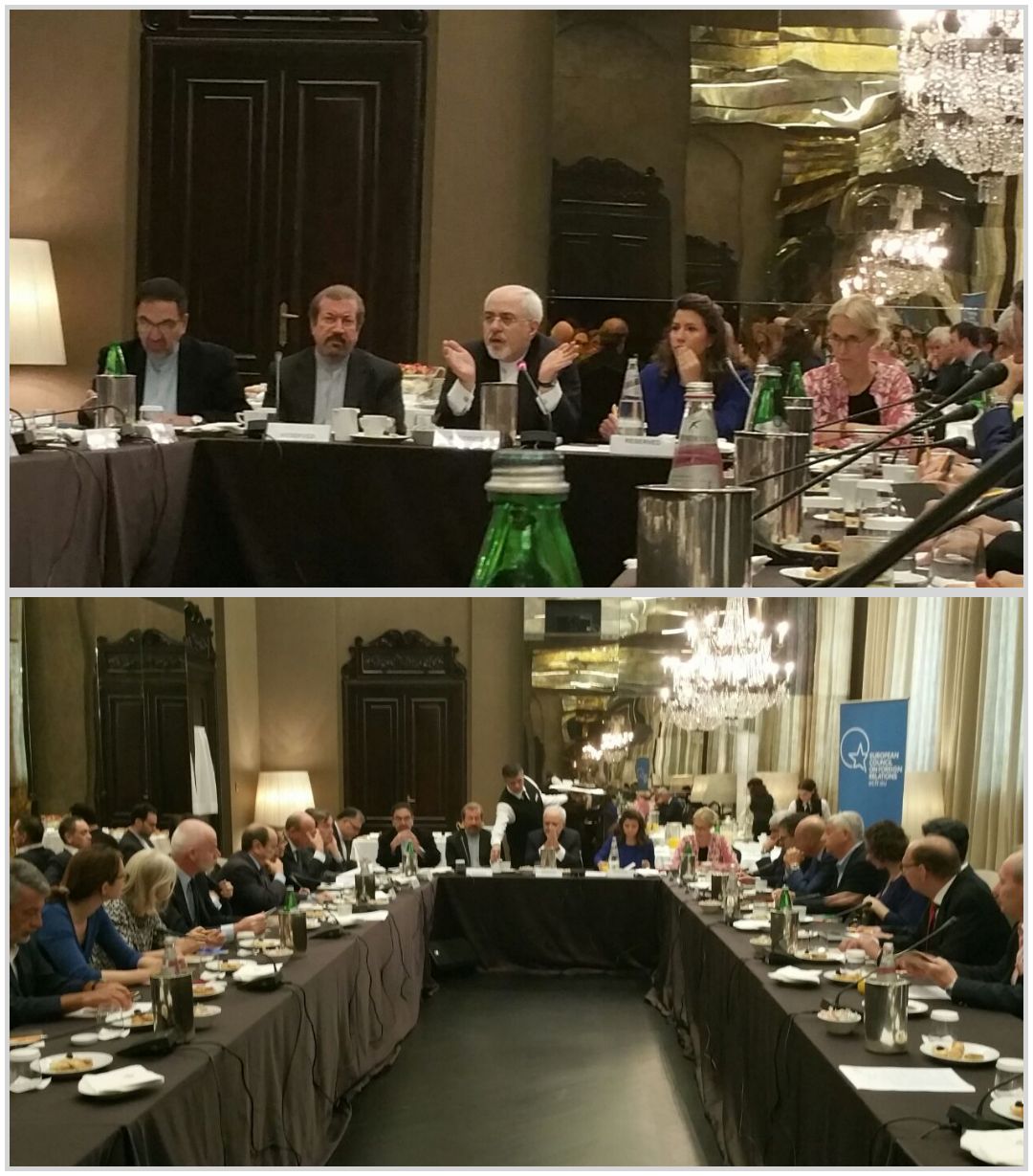
Zarif, who arrived in Rome on Wednesday morning after his visit to Berlin, participated in the European Council on Foreign Relations (ECFR) meeting held in the Italian capital.

Iran FM Holds Talks with Top Italian Officials in Rome

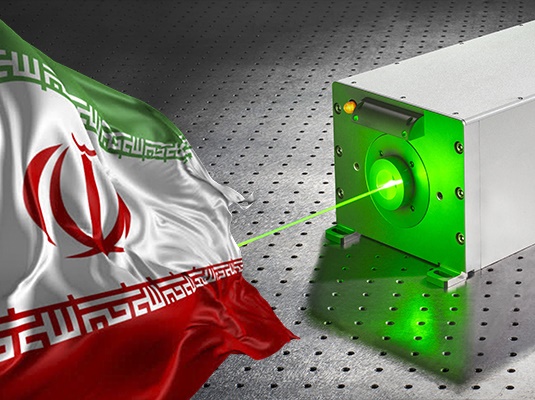
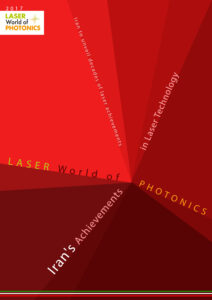
“Iran Displays Laser Achievements in Laser World of Photonics 2017”

laser-iran

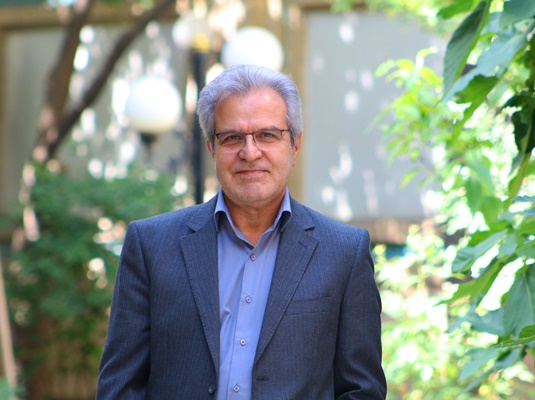
With nearly five decades of activity in the field of photonics and laser technology, Iran is now among the countries which have a say in that area. An exhibition hosted by the German city of Munich in June each year is perhaps the biggest and most important gathering of experts and authorities in the field of laser technology. This year, Iran is presenting its companies and products at the event for the first time. As Iran marks its first presence in the exhibition, we have conducted an interview with Dr Nabavi, the director of Iran’s Laser Science and Technology Centre. The following are highlights of the interview:


What’s Iran’s standing in the field of laser technology given the country’s background in this area? How does the world see Iran’s capability in this field?

Iranians and Iran each have a say in the field of laser technology. The most renowned Iranian in this field is professor Javan, who invented gas lasers in the world in 1960 and is a source of honour for all Iranians. As for Iran’s standing in the domain of laser technology, the country has been active in this field for nearly 50 years now. Iran began its work by building the necessary infrastructure both in terms of human resources and equipment. The centre was established with the aim of boosting the country’s capabilities in the field of laser in industry and medicine.

The first phase pertains to solid lasers, i.e. fibres, discs and semi-conductors, all of which have medical applications.


When it comes to self-sufficiency in laser products, are there any items that we can produce ourselves and we are not dependent on other countries for them, items that we would have to import before?

We have also reached self-sufficiency in some laser products. I’ll give examples in the fields of industry, medicine and higher educations. In industry, all countries, including Iran, tend to use turning and welding devices which use the laser technology in order to cut costs and improve quality. That is why those working in the industry in our country tend to use the laser technology in their workshops. The centre has also been working to design special industrial lasers, which has created jobs as well. One of the problems of Iran’s industry sector is that it does not readily trust domestic products. But now our industries are using numerous domestically-made products and we hope more and more locally-developed products will be used by local industries.

In the field of medicine, we made a device used for kidney, urinary tract and prostate surgeries. Other countries wouldn’t give Iran laser-operated equipment for prostate treatment as it is among dual-use devices. Under no circumstances will they sell Iran the equipment. So, the centre developed the equipment in just a few months and now our hospitals are using it.

In the laboratory domain, which pertains to universities, the laser technology is regarded as an interdisciplinary science and almost all university majors contribute to its development. For instance, those studying and working in the fields of mechanical engineering, materials engineering, chemistry, physics, electronics, et cetera can help both develop the laser technology and diversify its applications. So, we drew up a plan in 2014 to build equipment needed by universities which would be so expensive if it were to be imported. Now, we have produced almost 30 types of laser which could be used in any discipline. Universities can buy these devices at a lower price, with a higher quality and with better after-sales services. The Technology Department of the Presidential Office also pays 50% of the costs if our products are bought by science-based companies.


How do you see Iran’s participation, for the first time, in the Munich exhibition?

I personally asked the Technology Department of the Presidential Office to make the arrangements for us to have a pavilion at the Munich exhibition and present Iran’s accomplishments in the field. I said this time, which is our first, we can introduce our achievements and brief visitors on what areas Iran’s laser accomplishments are used in.

Laser needs to go through several stages to be created and applied. In the first phase, we should teach courses on the laser technology. This has been on the agenda since the very beginning and has been done actually. In the second phase, we should use the expertise of graduates and design laser parts based on the knowledge that we have acquired. Before that, simulation work must be done as well.

We have anything that is required for designing and simulation as well as doing calculations and theoretical work for any kind of laser in Iran. We have good scientific capability as well and are capable enough in designing. This means there has been consensus and agreement among different disciplines to create products. After that, we need to have parts required to produce laser equipment. These parts include optical parts, precise mechanical parts, an active environment and pumping systems. We are now capable of producing all parts required for laser devices in the fields of research, industry and medicine, and we don’t need to buy any of these from other countries.

Fortunately, by trusting science-based companies and supporting them and stopping buying required parts from abroad, the centre is now able to produce electrical pumping equipment. We have no problems in the control and electronics areas and we can take any orders. And the same goes for mechanics as well as optical pumping. This infrastructure is very important.

We can produce different types of electrical pumping devices with different wavelengths. Any country which wants to make progress in the field of laser should make progress in developing laser diodes. Fortunately, we have good infrastructure at the centre for this and we are completing it.


How do you see the prospects of laser technology in Iran?

Economy is very important when it comes to prospects for anything. In the laser domain, we have drawn on the science and technology available in the country to produce wealth and create jobs, especially through the support of the Technology Department of the Presidential Office and the backing given to science-based companies as well as the establishment of numerous companies.

The first customer of these companies is us ourselves. We are moving toward self-sufficiency in line with having a resilient economy and efforts to empower the whole society in different domains such as medicine, industry and higher education.

At the centre, we have drawn up an outlook plan under which we are going to develop gas lasers after solid lasers. We are going to invite different institutions and even the private sector to invest in establishing a large centre to render services, meet local needs and export our products. We hope these investments coupled with the support that we receive to empower the country will help result in more successes day by day.

“Iran among Leading Countries in Laser Technology”

Dr.Zabihi

With nearly five decades of activity in the field of photonics and laser technology, Iran is now among the countries which have a say in that area. An exhibition hosted by the German city of Munich in June each year is perhaps the biggest and most important gathering of experts and authorities in the field of laser technology. This year, Iran is presenting its companies and products at the event for the first time. As Iran marks its first presence in the exhibition, we have conducted an interview with Dr Zabihi, the director of the Laser Committee at the Science and Technology Department of the Presidential Office. The following is the full text of the interview:

To begin with, Zabihi gave us a general explanation on the history of laser in Iran and in the world.

The laser technology does not have a long history in terms of practical applications. One could say laser began to make its presence felt on the world market in 1960. Laser began to be used practically in Iran 30 years ago when optical telecommunications was introduced in the country and optical telecoms networks became operational across the nation. However, lasers used in medicine or industry are not more than a decade old. What is important is that the world has come to realize that the future of technologies in the world will depend on laser and photonics. Photonics is a general word which includes laser as well. However, the reason why these two words usually come together is that today, laser is the centrepiece of photonics. Laser is a beam which does not exist in the nature; rather, it is man-made. Today, laser has such a wide range of applications that almost no technology can do without it.

In what areas is laser used in Iran today?

Like in other countries, laser is used in Iran in different fields. Much research has been conducted in the field of environment and seeding clouds. The laser technology is also used to detect the kind and extent of environmental pollution. Laser is used to spot and repair leaks on pipelines, including urban, industrial and underwater pipelines. Laser is also used in industry for cutting, welding, engraving and many other industrial processes.

Iran Laser AchievementsWe can say laser technology has resulted in an overhaul in medicine. Today, it is possible to perform difficult operations very quickly and easily, with less side effects for the patient. The laser technology even makes the treatment of diseases such as diabetes much easier.
Our country has taken numerous steps at research centres over the past 40 years, and has achieved many breakthroughs in laser technology which has put us ahead of other regional countries. The development of science-based companies coupled with supporting the laser industry and the private sector is an important issue pursued by the Science and Technology Department of the Presidential Office, which has secured numerous achievements in that field.

The presence of the Iranian delegation at the Munich Exhibition 2017 is very important to us. Apparently it was the first time Iran took part in the exhibition, wasn’t it?

Yes. It is the first time Iran is taking part in the Munich Exhibition 2017, and is, in fact, the first time Iran is attending an international event in the field of laser. The Munich event aims to introduce science-based companies and their products in the field of laser and photonics. We have asked all science-based companies working in the field of laser technology to send us their latest findings and products.

How do you see the prospects of the laser technology and photonics in Iran?

If we want to achieve modern technologies as stipulated in Iran’s Vision 2025 Plan and always be ahead of others, we need the laser technology. There are different types of lasers around the world. What is very important to us today and can meet our needs more than anything else is solid lasers. Based on our projections, we know what kinds of lasers will be much in demand in the country in the future. Iran’s Laser Science and Technology Centre was established ten years ago to help meet the country’s needs in this domain. Among measures adopted has been the incorporation of new disciplines into university curricula and to help develop lasers with different applications.

“Iran Successful in Seizing Contraband Goods”

“Iran Successful in Seizing Contraband Goods”

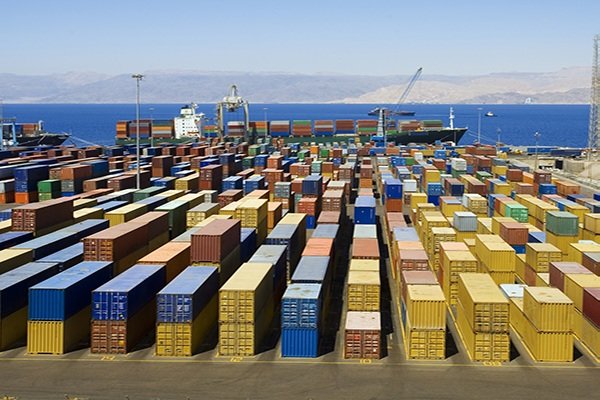
Iran’s Customs Office is witnessing its most successful years in terms of fighting the smuggling of goods and narcotics, according to a Farsi report by Tejarat News.

Among the most noticeable successes of the Customs is a considerable drop in the value of smuggled commodities from $25 billion to around $12 billion over the past four years.

Iran also stands first on the ranking of the Regional Intelligence Liaison Office of the World Customs Organization in terms of seizing different types of illicit drugs.

These achievements are the result of a change in the management style and Rouhani administration’s due attention to the customs. Iran’s Customs has bought another seven X-ray machines, bringing to 12 the total number of X-ray devices at its ports.

Moreover, employing well-trained manpower has made the country’s borders at customs offices more secure than before as far as the smuggling of goods is concerned. A great part of this accomplishment is due to the customs services being offered electronically as well as the establishment of a comprehensive customs system.

The system has greatly facilitated foreign trade and enhanced supervision over it. Reduced time of the customs procedure, a rise in the amount of contraband goods seized and an increase in customs revenues are among the results of the plan.

The system has saved the country’s business cycle some Rls. 330 trillion (around $8.8 billion) annually, and reduced the time of clearance of goods. The clearance time for imports has also decreased from 26 to 4 days, and for exports from 7 days to one.

US Claims about Syria ‘Useless, Suspicious’: Iran

Bahram Qassemi

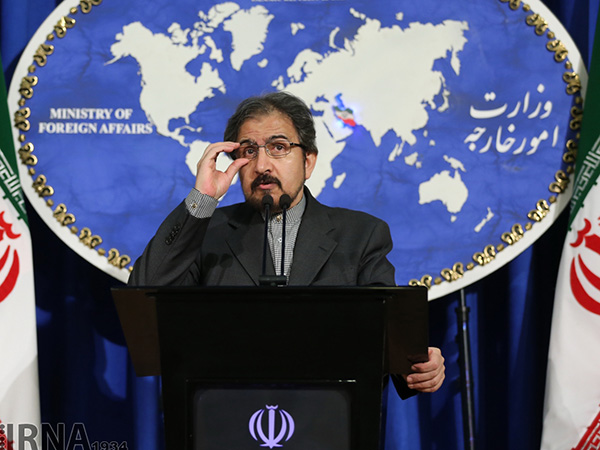
Iran’s Foreign Ministry Spokesman Bahram Qassemi on Wednesday slammed the recent remarks by US officials who had spoken of “preventive attacks” against Syria under the pretext of Damascus’ preparation for a chemical attack.

Qassemi called on the international community to counter this adventurism as it thinks about its consequences and considers the fact that such moves will further worsen the security and humanitarian situation in the region.

“While the Syrian government has, for more than six years now, been fighting terrorism and terrorist groups with full force using all its resources and has paid a heavy price in this path, making such baseless claims [that Syria may be preparing for a chemical attack] and adopting measures that will only strengthen the position and situation of terrorist groups and further complicate the campaign against such groups, is useless, questionable and suspicious, and that is why the international community should seriously show proper and deterrent reaction to such unilateral and illegal moves,” said the spokesman.

He then referred to attacks that the US carried out against Syria a few months ago under the pretext that Damascus had used chemical weapons.

“After making the claim [that Damascus had conducted a chemical attack], the US government, in a unilateral move, carried out missile attacks on Syrian soil while there was no conclusive evidence suggesting the Syrian government was involved in the attack,” he said.

“After that, the Islamic Republic of Iran along with Syrian and Russian governments called for a fact-finding committee to be set up and a fact-finding team to be dispatched to Syria, but strangely enough, the proposal was opposed by the US and some of its allies which did not allow an international and impartial investigation to be conducted into the incident,” he said.

Qassemi warned against any wrong and unilateral military move by the US and called on the world community and relevant bodies to tap into all their potentialities and mechanisms to prevent this destabilizing move.

ISIS Element Rips Off Eid al-Fitr Donations

The ISIS commander, called Abu Obeida, has plundered Zakat al-Fitr, or the charity given to the poor at the end of the fasting in the holy month of Ramadan.

After stealing the donations worth $5 million, he fled and vanished into thin air.

According to Syrian media sources, the move by Abu Obeida, who heads the so-called ISIS Zakat department in Deir ez-Zor, has become an object of ridicule for social media users.

They have posted job advertisements on social media inviting all the criminals looking for a job to join the ISIS, saying to gain membership to the group they are required to possess no special qualifications or capabilities.

A Kiss that May Outrage Saudis, Escalate Qatar Crisis (+Video)

A Kiss that May Outrage Saudis, Escalate Qatar Crisis

A video that has gone viral on social media shows Qatari Emir Sheikh Tamim bin Hamad al-Thani meeting and greeting the Qatar-based Egyptian cleric, Yusuf al-Qaradawi, in a challenging move in his palace on the occasion of Eid al-Fitr.

In this video, the Qatari emir is shown kissing Qaradawi’s turban in a move that is highly likely to make the members of the Persian Gulf Cooperation Council furious as they have put al-Qaradawi’s name, along with those of dozens of other individuals and organisations, on the list of people with alleged links to Qatar as terrorists. Qaradawi is also the spiritual leader of Egypt’s now-banned Muslim Brotherhood movement.

According to the video, the Qatari emir and al-Qaradawi had exchanged a few friendly words before the former kissed the latter’s turban.

A joint statement by Saudi Arabia, Bahrain, Egypt and the UAE has placed 59 individuals and 12 organisations – either Qatar-based or funded by Qatar – on a “terror list”.

These countries have recently relayed to Doha officials via mediators from Kuwait a list of demands as their preconditions for normalising ties with Qatar.

One of the conditions set for Qatar is to sever its ties, as claimed by the Persian Gulf Cooperation Council members, with all “terrorist, ideological and sectarian organizations,” including the ISIS, the Muslim Brotherhood, Al-Qaeda and Hezbollah.

Prior to this, a number of other Arab leaders, including the UAE’s Vice President, Prime Minister and Ruler of Dubai, had kissed al-Qaradawi’s forehead when meeting him. Nevertheless, following the souring of the relations between the GCC member states and Qatar, al-Qaradawi has become a red-line.

The Qatari emir’s recent kiss on the cleric’s turban can further worsen the ongoing crisis in the Middle East.

Tehran, Seoul Keen to Expand Business Ties: Larijani

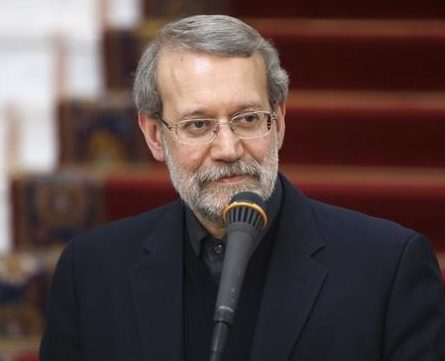
ALi Larijani

The Iranian parliament speaker has called for closer cooperation between Tehran and Seoul in the field of bilateral investment, reports ICANA.

Ali Larijani told reporters that he held meetings with South Korea’s prime minister and parliament speaker where closer cooperation between the two sides was discussed.

“In the talks that I had, I said diverse areas exist for investment; we had serious discussions on some areas to boost mutual cooperation,” said the Iranian speaker.

He expressed hope that there will be more potentialities for investment and job creation in the future.

The South Korean parliament speaker, in turn, said relations between the two governments are important, and added that good results will be achieved if parliaments of Iran and South Korea have good relations with one another.

Larijani has been in South Korea since Monday to attend the second Meeting of Parliament Speakers of Eurasian Countries.

Iran Warns US against Playing with Fire in Syria

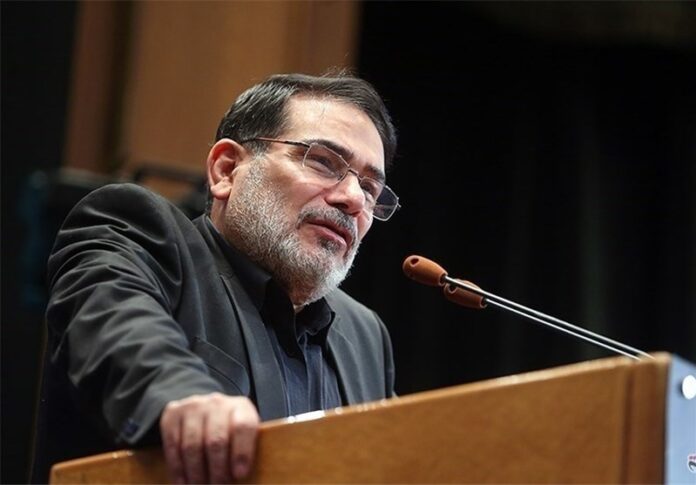
Secretary of Iran’s Supreme National Security Council (SNSC), Ali Shamkhani, called the latest US claim about Syrian government’s preparation for a chemical attack a clear example of adventurism and warned Washington against playing with fire.

He went on saying that repeating baseless claims against the Syrian government is part of the US scenario to cover up its failures in several fronts against terrorism and to hamper Assad government’s advances in its fight against terrorists.

Shamkhani, who is also an advisor to the Leader of the Islamic Revolution Ayatollah Khamenei, also said this is only the Organisation for the Prohibition of Chemical Weapons (OPCW) that has jurisdiction to address issues like that.

“If the US is really sincere in its claim about the Syrian government’s plan for a chemical attack, it must share its information with the OPCW inspectors to provide the ground for an impartial verification of the claim,” he said.

He pointed to Washington’s unjustified missile attacks on Syria’s Shayrat airbase carried out under the pretext of the Syrian government’s alleged involvement in the Khan Shaykhoun chemical attack back in April and said immediately after the alleged chemical attack, Iran and Russia called for an international fact-finding mission to visit the site and verify the US claim.

“However, the US never agreed to dispatch the mission because it was sure there was no basis for its empty claim,” Shamkhani added.

He warned against any unilateral action, violation of international law as well as the sovereignty of Syria, and said, “It goes without saying that any adventurism and unjustified action by US in Syria amounts to playing with fire.”

“The US can’t go on with its unilateral action in Syria without facing a military response from the Syrian army,” he concluded.

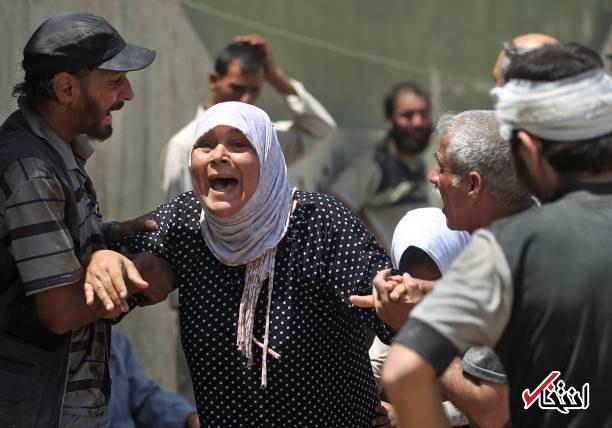
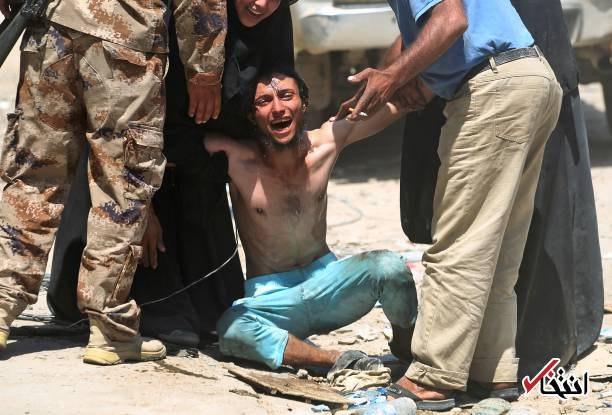
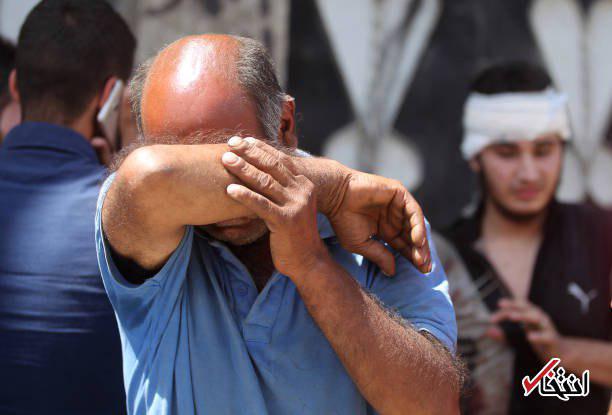
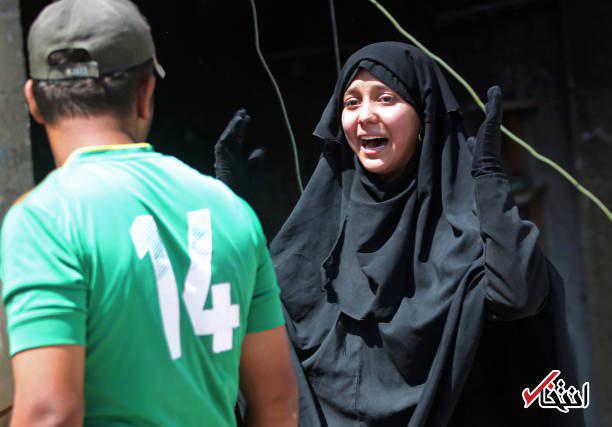
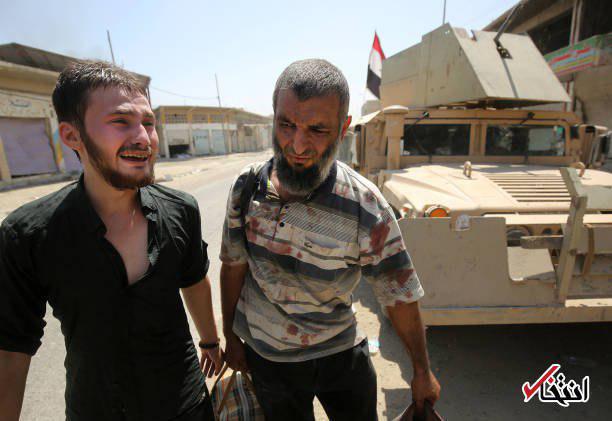
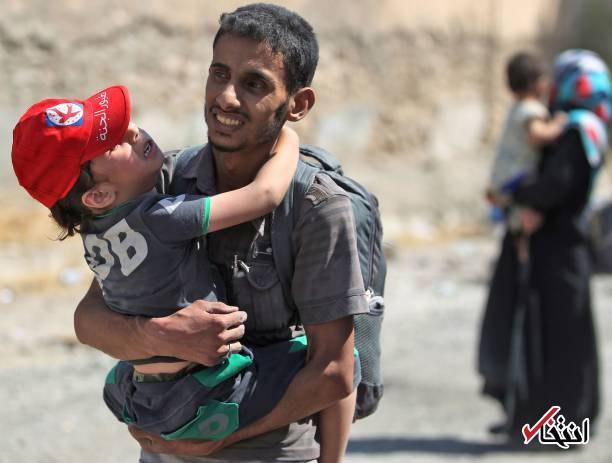
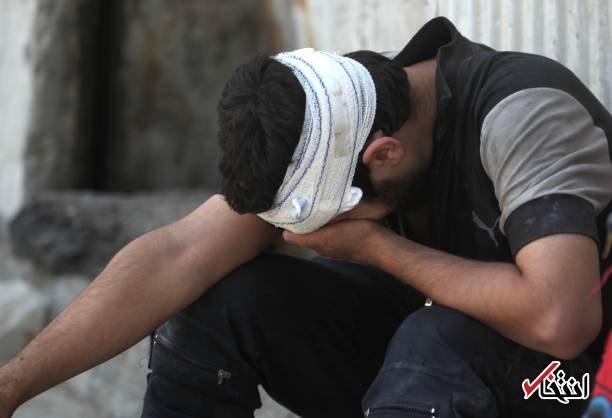
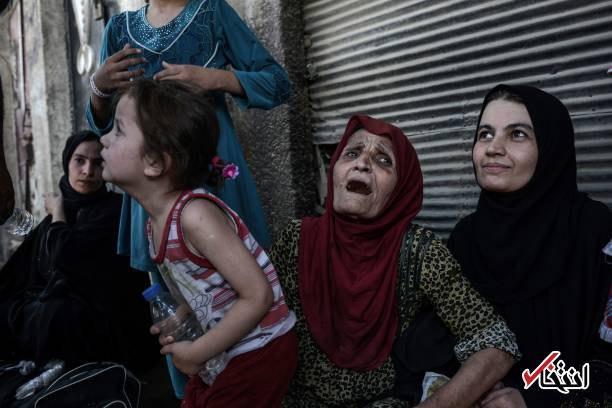
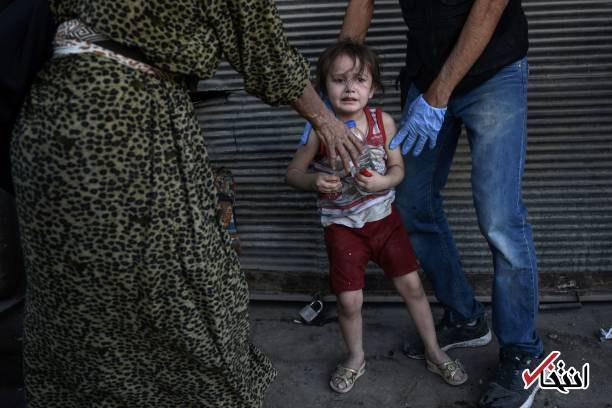
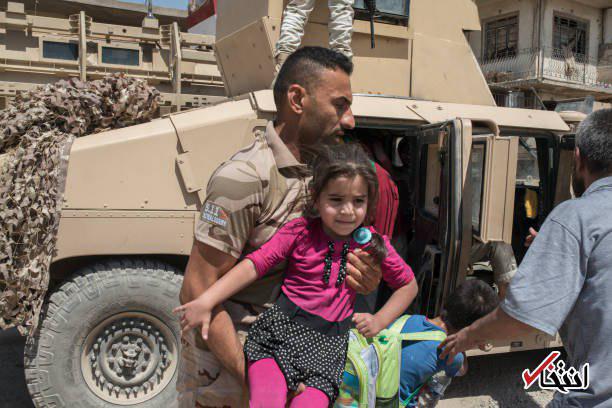
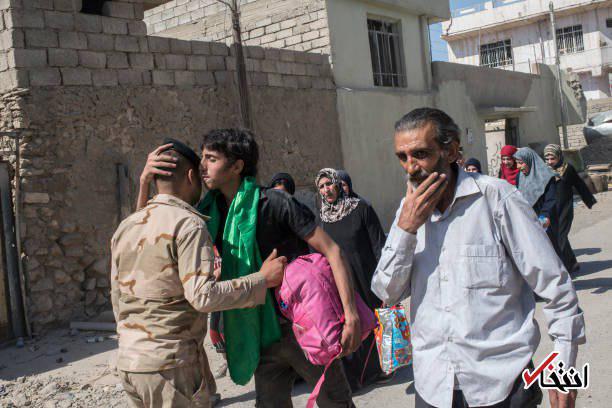
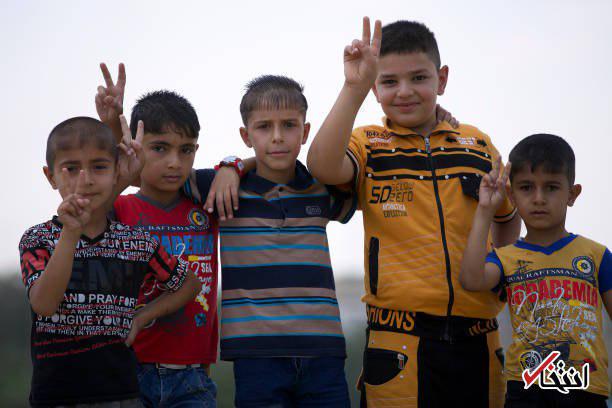
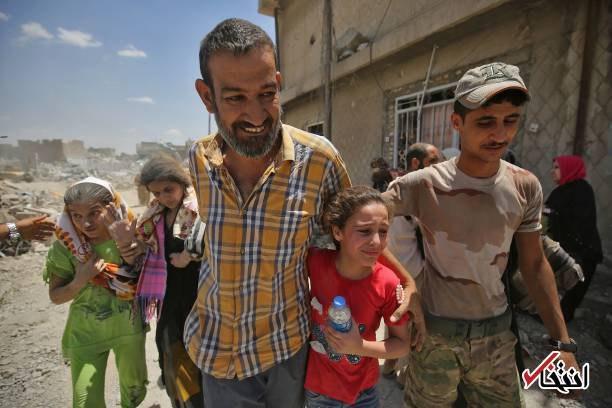
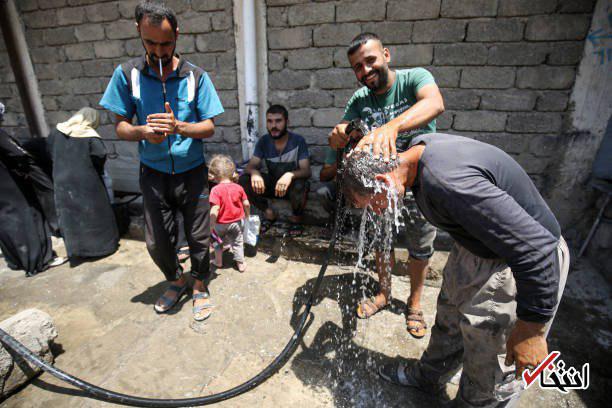
Tears, Smiles of Mosul Residents in Photos

According to a Farsi report by Entekhab, as Mosul liberation operation is underway, the Iraqi army has saved a large number of the city’s residents who had been used by ISIS as human shields. Reports say the residents are suffering from severe shortage of food and medicines.

Chief of Iraq’s Counterterrorism Command, Major General Abdul-Wahhab al-Saedi said the Iraqi army has created some safe corridors paving the way for the release of civilians from Mosul’s old city.

He went on saying that the Iraqi forces are still struggling to fully liberate the city from ISIS militants.

The operation to liberate the western part of Mosul has been underway since February 19.

Earlier this week, a senior commander said Iraqi forces have managed to liberate two-thirds of Mosul’s Old City from the grip of ISIS terrorists as they are engaged in fierce street battles to purge the country’s second largest city of the militants.

Backed by Iraqi air force, the army continues to make more advances in its fight against ISIS towards al-Zeitoun Grand Mosque. ISIS uses car bombs as well as snipers to hamper the advances of the Iraqi army. Clashes are now underway in al-Farough as well as around Serishkhaneh and al-Beiz areas. So, far the church of Sham’oun and al-Hamedein mosque have been liberated from ISIS.

Here are photos of the tears and smiles of Mosul residents freed from the ISIS captivity, but grappling with shortage of food and medicine: