Friday, April 24, 2026
Home Blog Page 3989

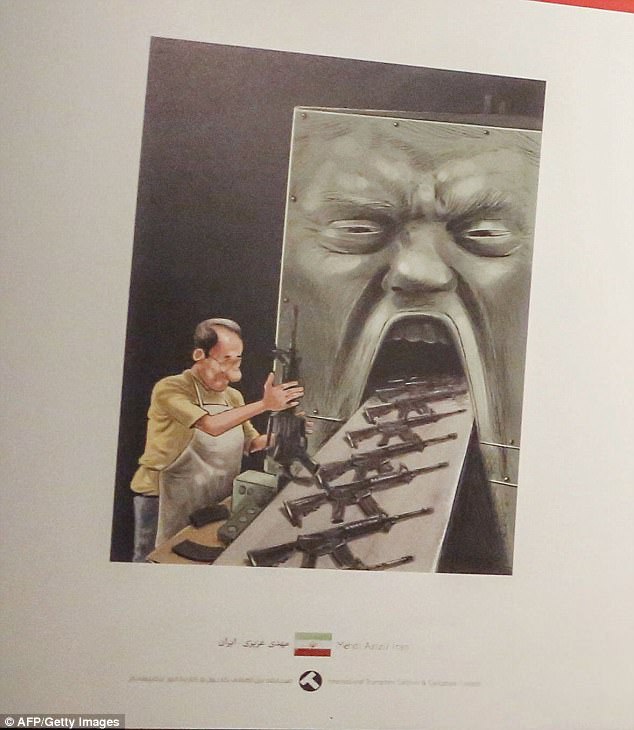
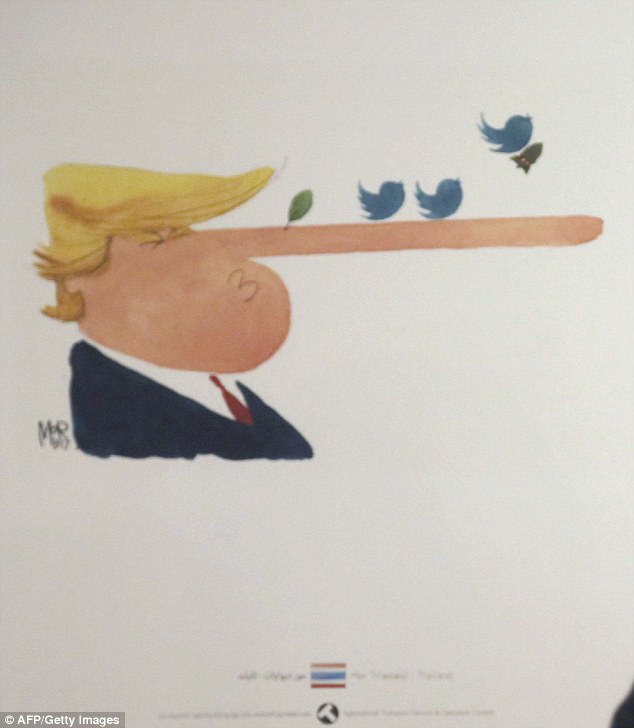
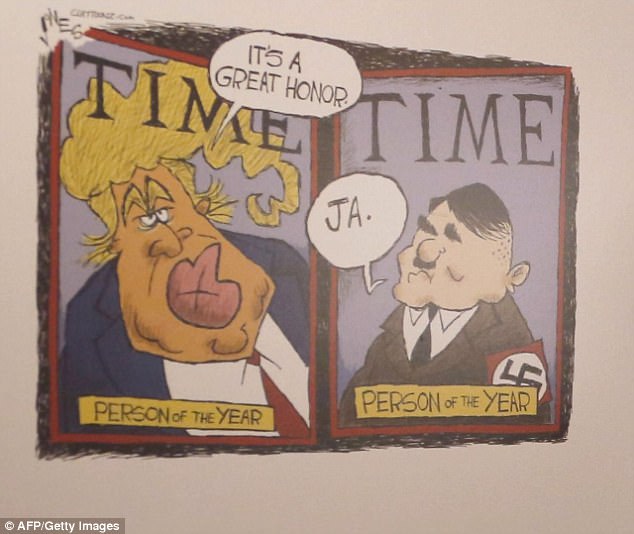
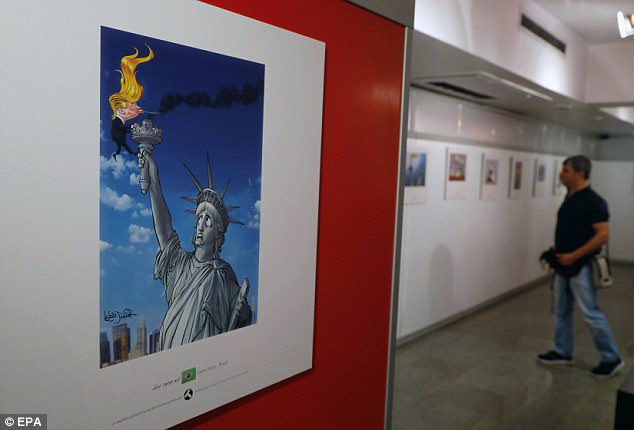
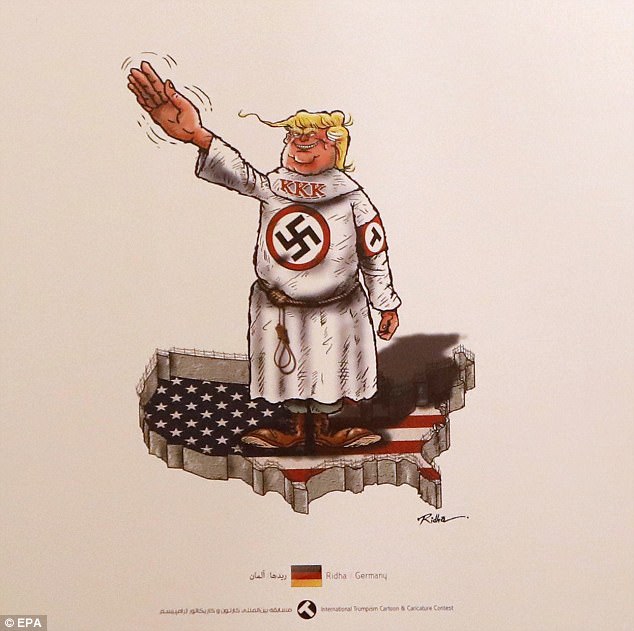
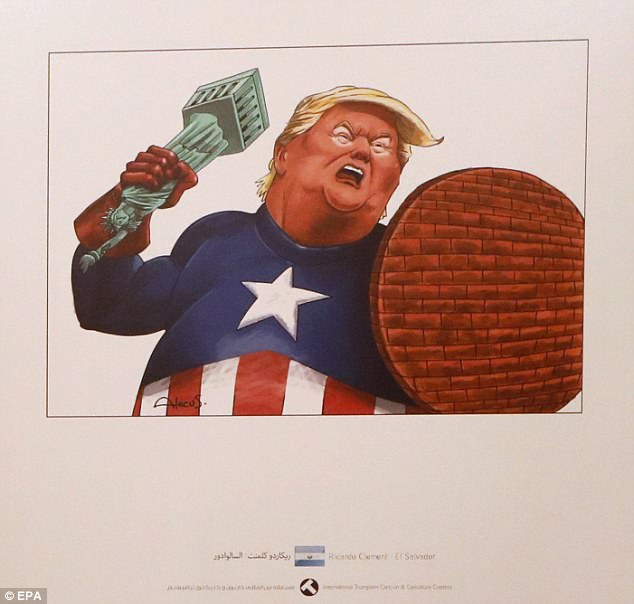
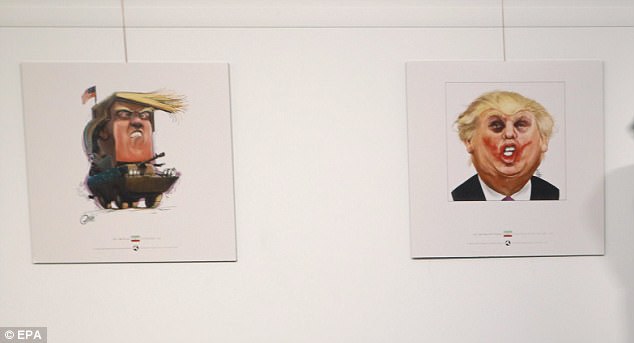
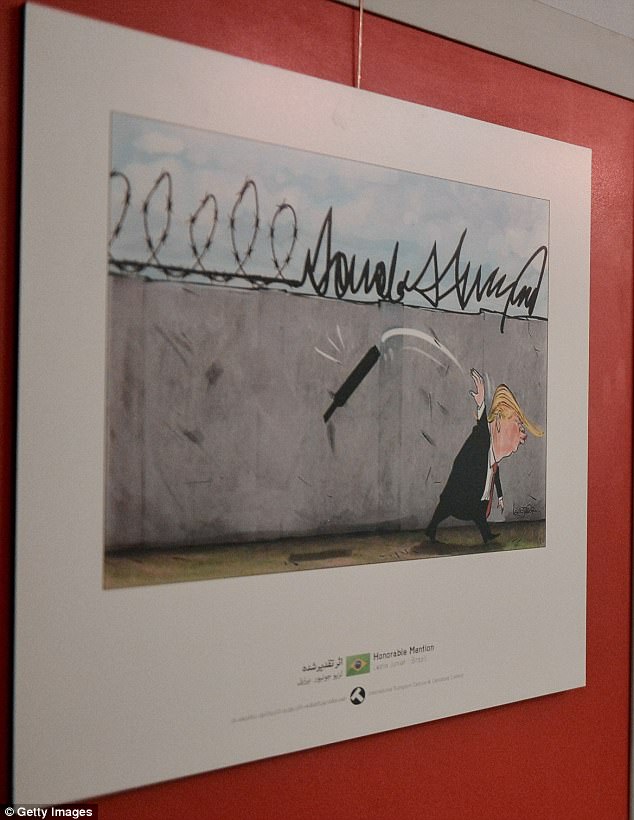
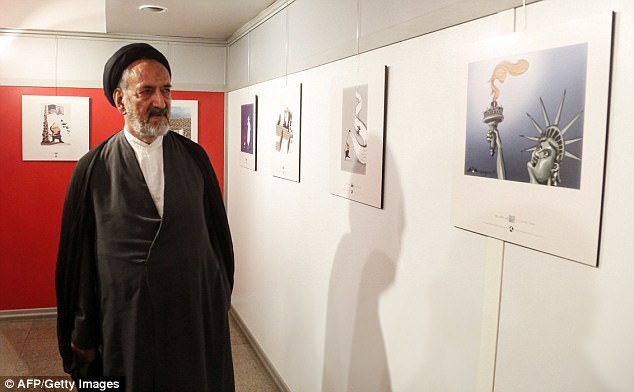
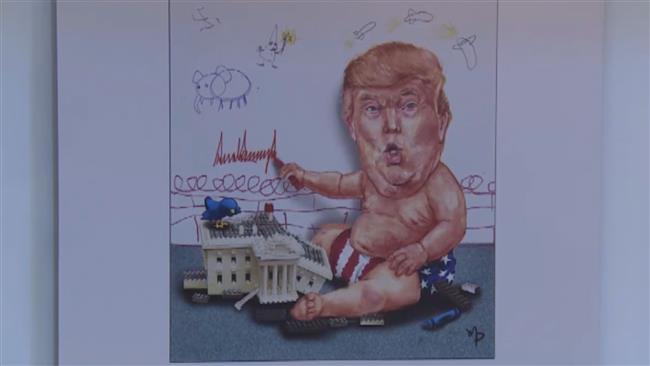
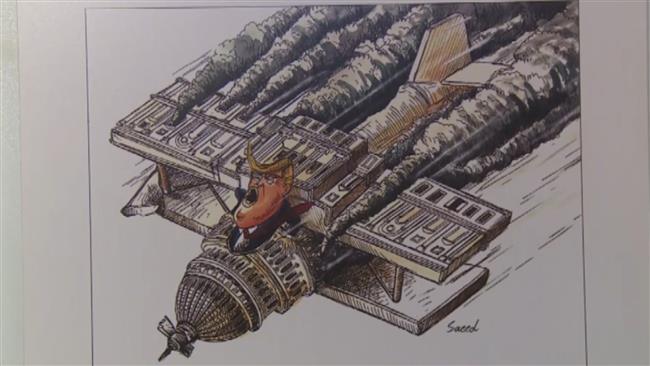
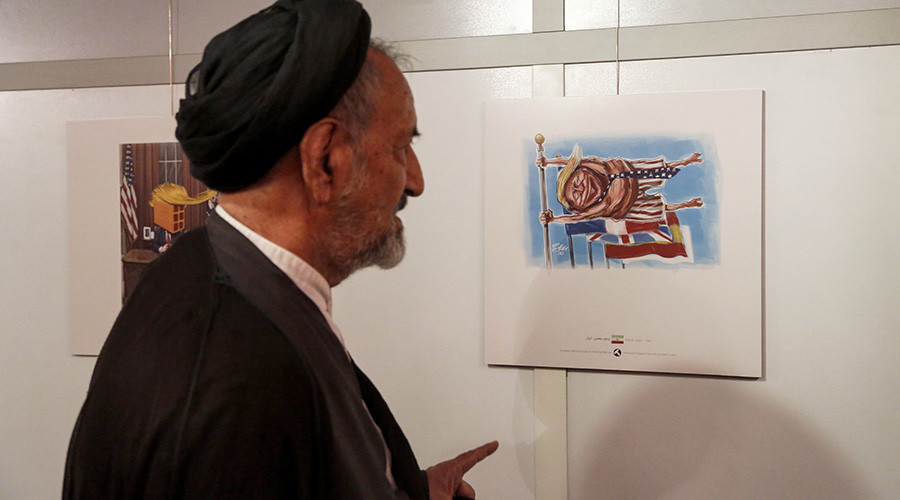
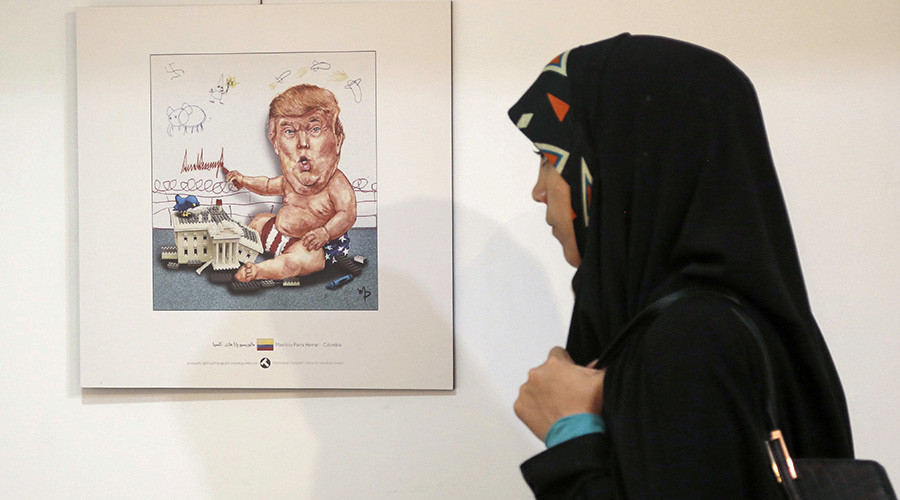
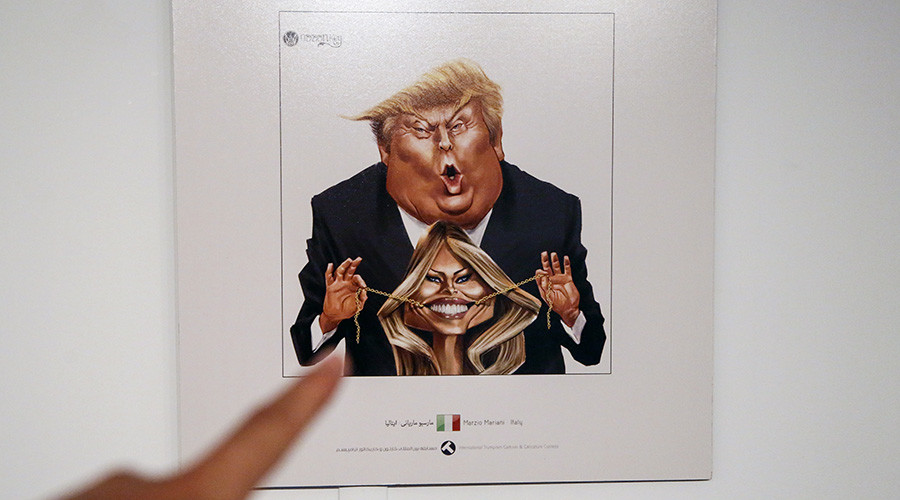
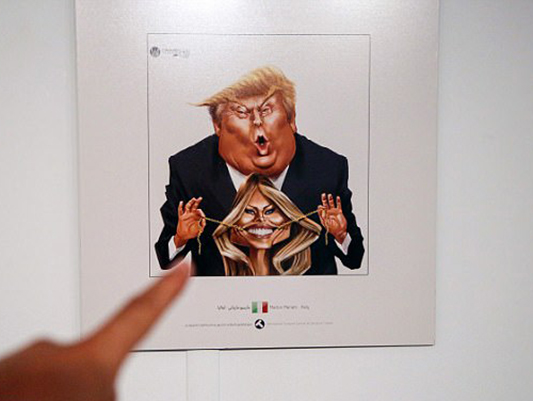
‘Trumpism’ Cartoon Contest Held in Tehran

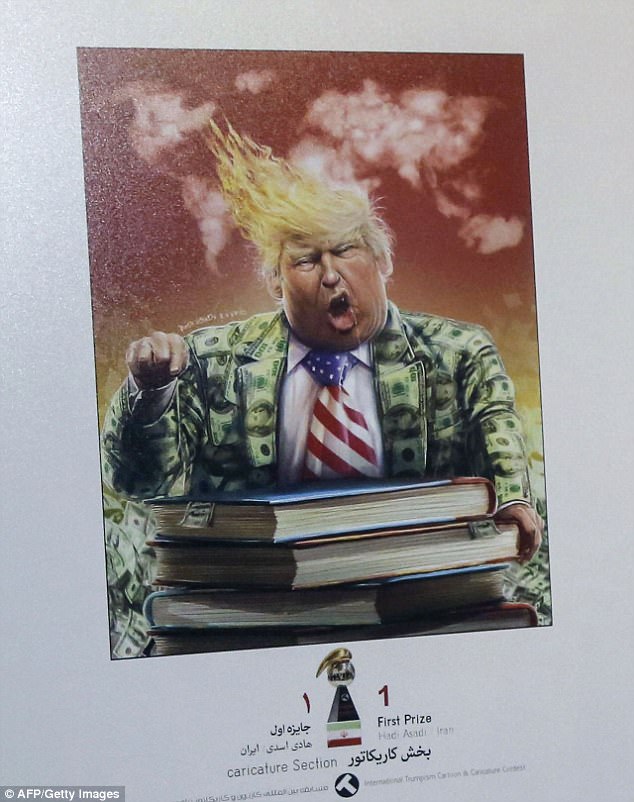
Iranian cartoonist Hadi Asadi won the first prize.

His cartoon shows Trump wearing a jacket made of dollar notes while drooling on books.

It also displays Trump’s hair in the style of flames, with smoke plumes in the shape of the continents in the background.

The organizers say they received over 1,600 submissions from 74 countries, including four artists from the US.

The same organizers held an infamous Holocaust cartoon contest last year, denouncing Western double standards on free speech.

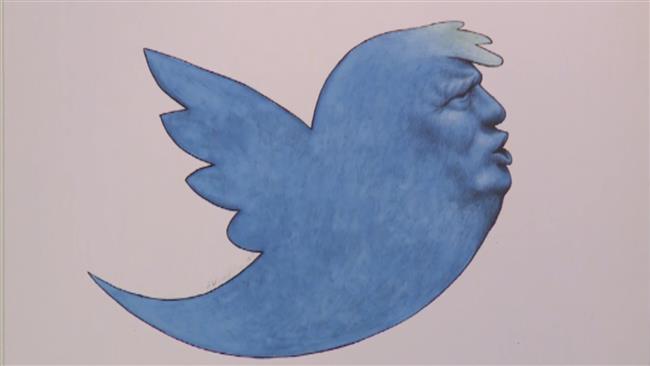
Other artists focused on the US president’s social media habits, with Twitter featuring in a number of works.

Here are photos of the cartoons and caricatures retrieved from various news agencies:

Iran’s MCI Signs MoU with Nokia for 5G Network Development

5G stands for fifth generation and refers to the next mobile standard based on the IEEE 802.11ac standard of broadband technology, although a formal standard for 5G is yet to be set.

Vahid Sadouqi, the CEO of MCI, and Amr Karim El-Leithy, Nokia director for Middle East and North Africa, signed the MOU on Monday in Tehran, local technology website CITNA reported.

Many foreign firms are showing growing interest in the Iranian market ever since the nuclear deal with the six world powers came into effect last year.

Iran’s mobile communications market is growing exponentially and high-speed Internet is finally being accepted as a need and advantage to local business.

Iran, Russia Should Prevent US Interference in Syria: Official

Iran Urges Collective Cooperation to Tackle Regional Security Challenges

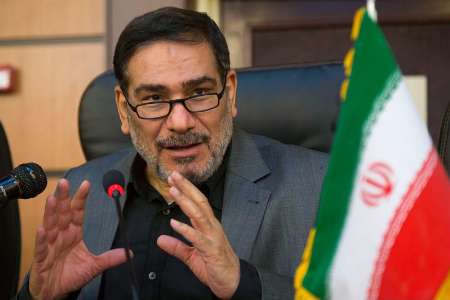
In a telephone conversation on Tuesday, Shamkhani and his Russian counterpart, Nikolai Patrushev, exchanged views on a range of issues, including the latest developments in Syria, the process of Tehran-Moscow cooperation to help resolve the Arab country’s crisis, and the upcoming Syria peace talks in the Kazakh capital of Astana.

Shamkhani further referred to some “adventurous moves” by Washington in Syria and called for closer cooperation between Iran and Russia to prevent further US meddling in the Arab country.

“Boosting coordination between Iran and Russia to prevent the US from interfering in Syria illegally and undermining the country’s territorial integrity and sovereignty is an inevitable necessity in the course of Tehran-Moscow cooperation,” he stressed.

Patrushev, for his part, pointed to the pace talks in Astana and stressed the need to boost coordination between the Islamic Republic and the Russian Federation with the aim of determining mechanisms for deployment of forces to monitor the ongoing ceasefire in Syria.

According to Kazakh Foreign Ministry Spokesman Anuar Zhainakov, all of the delegations scheduled to take part in the peace talks in Astana have arrived in the Kazakh capital.

“To this moment, all delegations which participate in the Astana process have arrived in the Kazakh capital, including the representatives of the Syrian armed opposition,” Zhainakov told reporters on Tuesday.

He added that the delegations will hold negotiations in the bilateral format on Tuesday, while on Wednesday a plenary session will take place.

The fifth round of the talks, which are aimed at securing a lasting ceasefire in the war-ravaged Arab country, will conclude on Wednesday.

Iran and Russia, along with Turkey, a backer of the Syrian government’s armed opponents, signed a deal to establish safe zones in Syria in the previous round of talks in May.

The three countries, which are guarantors of an ongoing ceasefire covering most of Syria, held consultations in Astana on Monday.

Iran Congratulates Venezuela on Independence Day

In a message to his Venezuelan counterpart Nicolas Maduro on Wednesday, Iranian President Hassan Rouhani congratulated the Bolivarian Republic’s government and nation on the 206th anniversary of independence.

He also expressed the hope that joint efforts by the officials of the two countries would mark closer friendship, expansion of relations in all fields, and promotion of international cooperation between the two nations.

The congress of Venezuelan provinces adopted The Venezuelan Declaration of Independence on July 5, 1811. The declaration proclaimed a new nation called the American Confederacy of Venezuela and was ratified by Congress on July 7, 1811.

Iran and Venezuela enjoy a high level of diplomatic ties and are known as allies, as both are opposed to the US policies.

While street riots and anti-government protests have escalated in Venezuela in recent weeks, Iran has voiced backing for Venezuela’s democratically elected government, saying Tehran supports talks between the government and the opposition for peaceful resolution of differences.

Iran President Warns of Divisive Plots against Baghdad

“Any move undermining Iraq’s unity and integrity will not be beneficial to anybody and is unacceptable,” Rouhani said in a meeting with the head of the Iraqi National Alliance (INA), Ammar al-Hakim, in Tehran on Tuesday.

He emphasized that all Iraqis must avoid divisive issues and reinforce their unity.

Iran’s chief executive also hailed the recent gains made by the Iraqi government, army and popular forces in fighting terrorism and liberating the country’s second largest city of Mosul from Daesh Takfiris.

Rouhani said the prudence of Iraqi officials and enhanced unity among the country’s ethnic groups would double the Iraqi nation’s joy following Mosul’s liberation.

He expressed hope that victories achieved in Mosul and the defeat of terrorists in the city would further strengthen security, stability and unity across Iraq.

“Undoubtedly, this stability and security will be beneficial to relations between the Iranian and Iraqi nations,” the Iranian president added.

Iraqi government forces on Monday pushed deeper into the last pocket of Mosul, which is controlled by Daesh Takfiri terrorists, as the battle for the country’s second largest city approached its end.

The Iraqi forces took control of eastern Mosul in January after 100 days of fighting, and launched the battle in the west on February 19.

The full recapture of Mosul, Daesh’s de facto capital in the Arab country, would mark the effective end of the terror group in Iraq.

Elsewhere in his remarks, the Iranian president pointed to Tehran’s policy to bolster cordial relations with all neighboring countries, saying that the Islamic Republic always seeks strong relations with all neighbors, particularly Iraq.

Mosul liberation boosts Iraq’s national unity: Hakim

The head of the Iraqi National Alliance, for his part, commended Iran’s support for the Iraqi government and nation in the fight against Daesh terrorists.

Hakim added that the liberation of Mosul had reinforced Iraq’s national unity.

The INA head then called for proper planning and cooperation of all Iraqi ethnic and political groups to overcome the new challenges in the country after the liberation of Mosul.

Hakim also stressed the importance of further development of relations between Tehran and Baghdad.

Iran Leader’s Aide Blames US for Qatar Crisis

In a Monday address to the Centre of Islamic-Iranian Pattern of Progress, General Rahim Safavi said the US and its regional allies are seeking to provoke sedition in the Persian Gulf.

According to a Farsi report by Fars News Agency, he referred to Qatar’s $400bn reserve currency and said Washington has put Qatar under pressure to accept a deal: Washington provides Doha with security and in return Doha pays protection money to Washington and cut its support for the Palestinian resistance movement of Hamas.

General Rahim Safavi noted the Saudi regime is likewise forced to pay protection money to the US in order to continue its military operation against defenseless people of Yemen and Bahrain.

He also referred to the US new plots in the region and said, “After their failures in Iraq and Syria, the US, Saudi Arabia and the Zionists are hatching a new plot to provoke sedition in the Persian Gulf.”

General Rahim Safavi said Iran is impressed directly or indirectly by the developments of Asia, Europe and Africa continents due to its special geographical location.

Due to its unique geographical location, Iran can play a key role in the creation of new regional organizations in various fields including economy, tourism as well as politics, he added.

The top advisor also touched on the ideologies prevalent across the region and said, “Neither the western philosophies nor the Islamic views of some Arab states as well as Turkey are capable of leading the regional people to a promising future.”

“Only the true Islamic vision can lead the human being and freedom-seeking nations to independence,” he said.

General Rahim Safavi, who is also a professor of geopolitics at the University of Tarbiat Modarres, referred to Shanghai Cooperation Organization (SCO) and underlined the necessity of gaining a permanent membership in the organization.

“The Shanghai Cooperation Organization can replace Warsaw Treaty in the future to challenge the North Atlantic Treaty Organization (NATO),” he said.

He further warned against the latest developments in the region, particularly the UK’s interest to play a more active role in the Persian Gulf, and said London’s return to the region is significantly strategic.

“The UK is seeking to reorganize the Arab states with the US support,” General Rahim Safavi noted.

He said the projects of the US-led coalition including Saudi Arabia, Turkey and Jordan have failed in Iraq and Syria, and the coalition is seeking to create a new entity like NATO in the region to take their revenge.

The Iranian military advisor also referred to the liberation of the Iraqi city of Mosul from ISIS and said the ISIS terrorist group’s retreat from Iraq means the US-led coalition has been defeated.

“The US will not leave Iraq. And now with their latest defeats, we should expect new sedition provoked by the US and its regional allies,” he noted.

Interaction, US Trick to Make Inroads into Iran: Official

Saeedi said the US is seeking to broaden support for pro-Western technocrats and manipulate public opinion in Iran, adding Washington uses interaction with other nations as a trick to infiltrate.

According to a Farsi report by Tanvir.ir, the Iranian official also referred to the IRGC’s defensive capabilities and said Iran uses the power as a preventive measure to guarantee the survival of the Islamic Republic.

In a Monday address to the “Great Conference of Fars Province Clergies”, Saeedi also noted that over the last decades, the US strategy towards Iran has been based on military threats, economic sanctions and cultural infiltration.

“To establish its strategic domination over the world in the second half of 20th century, the US launched military attacks on 22 countries including Vietnam. The hardware half of the strategy led the US to interfere in the internal affairs of at least 16 countries including Cuba and Iran. And for its software half, the US fomented velvet revolutions in many countries,” he said.

The Leader’s representative at the IRGC went on saying the US presses ahead with its strategy to dominate the world through sanctions and interactions.

“After the collapse of the Soviet Union, the US has come to the conclusion that Muslims are the main challenge to the country,” he said.   

He said the Islamic Revolution is distinguished from the Soviet Union’s ideology by the close relation between the nation and its leader.

Today the ideology of Islamic Revolution has spread into many countries across the globe, Saeedi noted.

He elaborated on the main differences between the Islamic Republic and the US and said Washington’s support for former dictator of Iraq, Saddam Hussein, the country’s military interference as in Nojeh Coup, and its meddling in Iran’s unrest back in 2009 are among the plots hatched by the US to strengthen its grip on the world.

“Today, interaction has turned into the US trick to infiltrate into other nations. It is no secret any more that the US problem with Iran goes beyond Tehran’s nuclear programme. When they couldn’t reach their goal to defeat Iran, they began to interact and hold talks,” he said.

He said during the nuclear negotiation, Iran paid in cash, but received in instalments.

Saeedi said the US plans to confront the Islamic Republic and the main parts of the US plot against the Islamic Republic are providing support for pro-Western elements and manipulating public opinion.   

He said Iran has developed a strategy to thwart the US plots including offering support to the axis of resistance, fighting the current dominant system, changing the global balance of power and relying on national defence capabilities.

“By 2010, the US used to get engaged in wars directly, but today the country only wages proxy wars. Saudi Arabia and the UAE also spend their money in indirect fight against Iran. Today we see how the US is taking the money out of Saudi Arabia’s pocket under the pretext of coping with Iran’s threats,” he said.

He added some officials say Iran should spend its money in other fields instead of missile programme.

“But the main question is why liberal democracies in the US and Europe have increased their military budgets over the past years,” he asked, stressing that Iran’s weapons serve as a pre-emptive measure against the enemies’ threats.

Iranian Official Meets Russian, Turkish Diplomats in Astana

Iran's Deputy Foreign Minister Hossein Jaberi Ansari meeting Sedat Onal, the head of Turkish delegation to Astana talks on Syria / Photo retrieved from Jaberi Ansari's Telegram channel

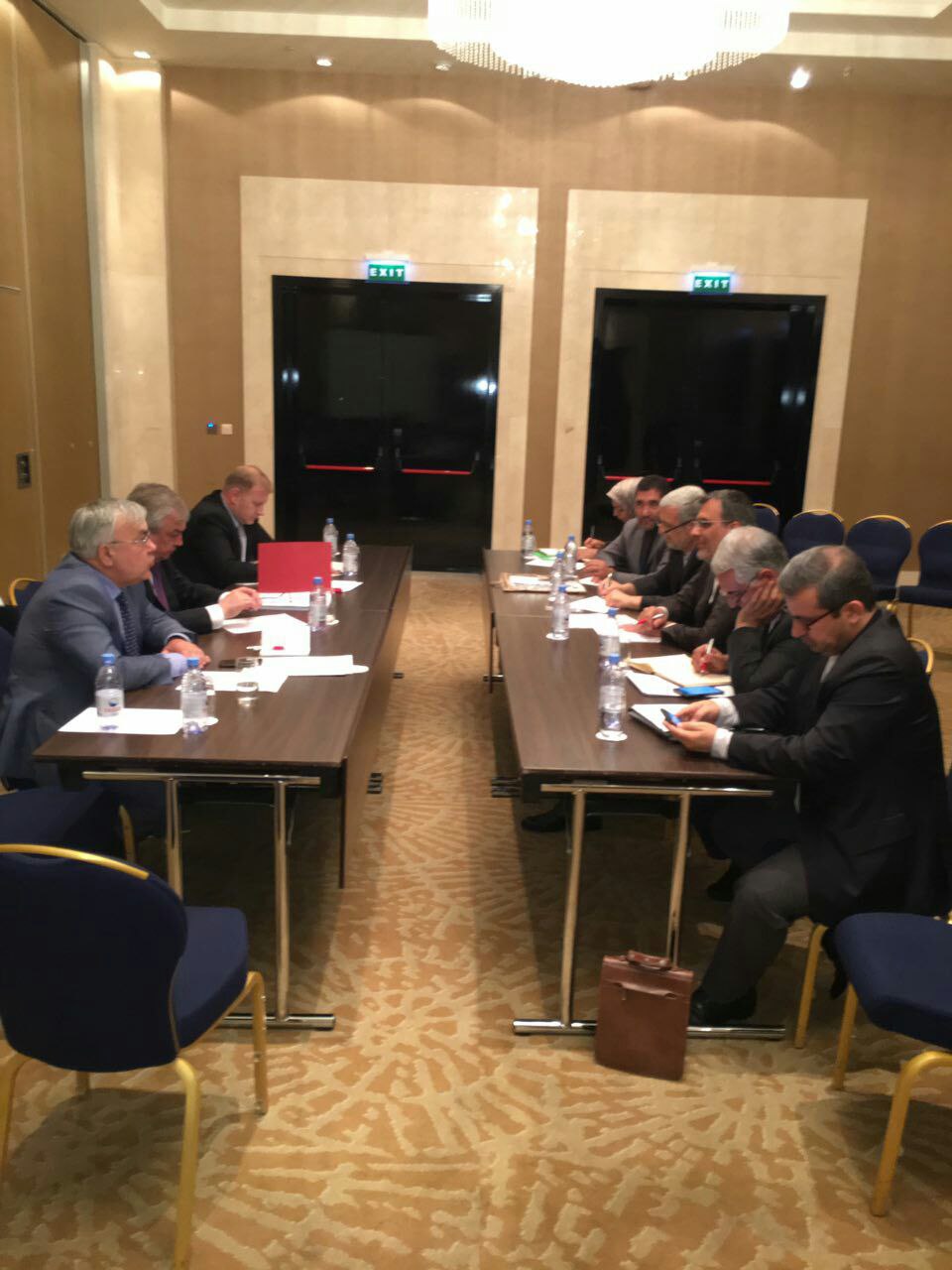
Iranian Deputy Foreign Minister for Arab and African Affairs Hossein Jaberi Ansari, who heads the Iranian delegation to Astana Talks on Syria, has met with the heads of Russian and Turkish delegations.In a meeting with Russian President Vladimir Putin’s point man on Syria, Alexander Lavrentiev, on Tuesday afternoon, the two sides discussed the latest developments in Astana talks and exchanged views on the political and field conditions in Syria.

Iranian Official Meets Russian, Turkish Diplomats in Astana
Iran’s Deputy Foreign Minister Hossein Jaberi Ansari meeting Russian President Vladimir Putin’s special representative on Syria, Alexander Lavrentiev, on the sidelines of Astana talks on July 4 / Photo retrieved from Jaberi Ansari’s Telegram channel 

Jaberi Ansari and Lavrentiev also talked about the de-escalation zones, as well as documents prepared at the experts’ meetings in Astana.

In another meeting on the same day, Jaberi Ansari met Turkish Deputy Foreign Minister Sedat Onal who is leading the Turkish delegation in Astana negotiations.

During the meeting, the two sides discussed the achievements of expert meetings in Ankara, Tehran and Moscow.

The Iranian and Turkish officials also talked about the latest developments in preparing the documents that are on the agenda in Astana-5 Talks on Syria.

The fifth round of talks between the Syrian government and the opposition, with Iran, Russia, and Turkey as mediators, is being held in Kazakh capital, Astana.

Spokesman Blasts Canadian Court’s Anti-Iran Ruling

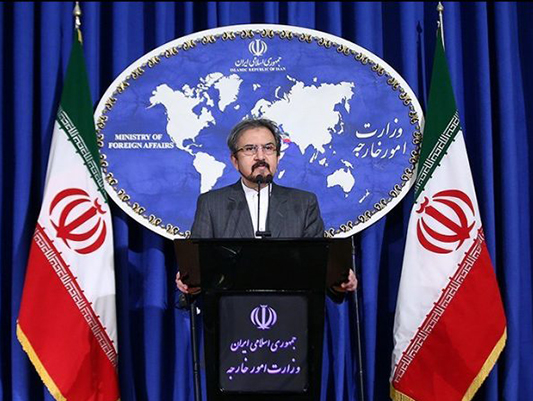
Bahram Qassemi

Iran’s foreign ministry has slammed a Canadian court’s decision to uphold a US court ruling against the Islamic Republic, calling it a breach of international law.

In a statement on Tuesday, Iranian Foreign Ministry Spokesman Bahram Qassemi dismissed a Canadian court’s decision to recognize the anti-Iran verdicts issued in absentia by US courts.

He rejected the move as being contrary to the common international legal procedure for such cases.

“Basically, the issuance of court rulings against a foreign government runs counter to the principle of equality of states and violates their immunity as stipulated in international law,” Qassemi said, stressing that Iran reserves the right to protest and pursue the court ruling.

“Regardless of the division of government branches in Canada, the Ottawa government will be directly responsible for any possible material or spiritual loss [incurred by Iran] as a result of such moves by different branches of the Canadian government,” he noted, reiterating that the court ruling is in contravention to the international law.

Ontario’s Court of Appeal upheld a previous ruling that requires the Islamic Republic to pay around $1.7 billion in damages to “American victims of terrorism.”

The Canadian court rejected Iran’s request to reconsider the ruling on Monday night, arguing that doing so would amount to a breach of Canada’s Justice for Victims of Terrorism Act (JVTA).

The accusation came despite Iran’s firm response to similar cases in the past, where various American and European courts had taken punitive measures against Tehran over unproven claims of complicity in terror.

The new case was brought by families of Americans citizens who had been killed in a series of attacks between 1980s and 2002, mostly blamed on Palestinian and Lebanese resistance movements Hamas and Hezbollah.

The families claimed that the Iranian government supported the two organizations and was therefore responsible for their actions.

Unverified Details of Qatar’s Response to Saudi Demands

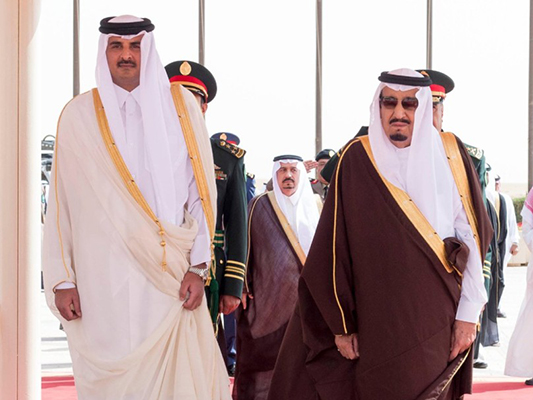
tamim-salman

Qatari Foreign Minister Sheikh Mohammed bin Abdulrahman Al-Thani delivered Doha’s response to Saudi Arabia and its allies in a short visit to Kuwait.

The details of the response have not been officially released, but the Lebanon-based Al Mayadeen TV published unconfirmed details of the Arab country’s response on Tuesday.

According to the report, Qatar has told Saudi Arabia and its allies that it will lower the level of its ties with Iran only if all Persian Gulf littoral states do the same and expel all Iranian nationals.

It will also cut its economic ties with Tehran only if all Persian Gulf littoral states, particularly the United Arab Emirates, do the same. The UAE, particularly Dubai, has great business relations with the Islamic Republic.

Qatar has also vowed to close Turkey’s military base in the Qatari territory only if all Persian Gulf littoral states shut down foreign bases in their countries.

In its response, the Doha government denied having any ties with terrorist groups designated by the United Nations. It also reminded Saudi Arabia and its allies that the UN does not regard the Muslim Brotherhood as a terrorist group. The boycotters have urged Qatar to cut its support for the Brotherhood.

Qatar also rejected all groundless allegations about its support for terror. “We only accept the UN list of terrorists,” it said in the response.

The Doha government has also emphasized it will not hand over political refugees and Sunni figures oppressed in their own countries.

Qatar also vowed that it will close its media outlets, including the Al Jazeera TV, only if Al Arabiya, Sky News Arabia, Al-Hadath, Egyptian media are shut down.

The report also quoted Qatar as saying that it does not meddle in Arab countries’ affairs, while “the UAE interferes in Qatar and Kuwait’s affairs, and is working on a coup in Oman.”

Qatar has also denied having ties with certain opposition figures in Persian Gulf littoral states. However, it added, giving citizenship to those interested is a territorial issue.

As the final article of its response, Qatar has also rejected paying any compensation to boycotters, and even demanded compensation for ‘stupid moves’ made against Doha in recent days.

Neither Qatar nor Saudi Arabia and its allies have confirmed the abovementioned details yet; however, the preconditions set by Riyadh and other Arab states for normalization of ties with Doha had also been disclosed in Arab media a few days before their official release, and were finally confirmed.