Friday, April 24, 2026
Home Blog Page 3986

Post-ISIS Iraq: Challenges, Opportunities

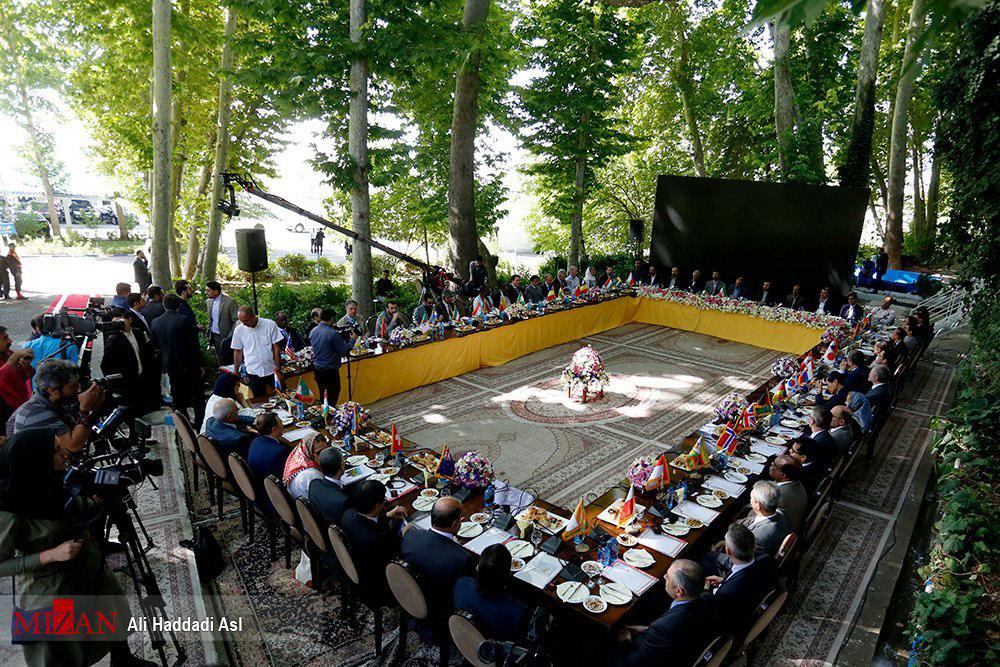
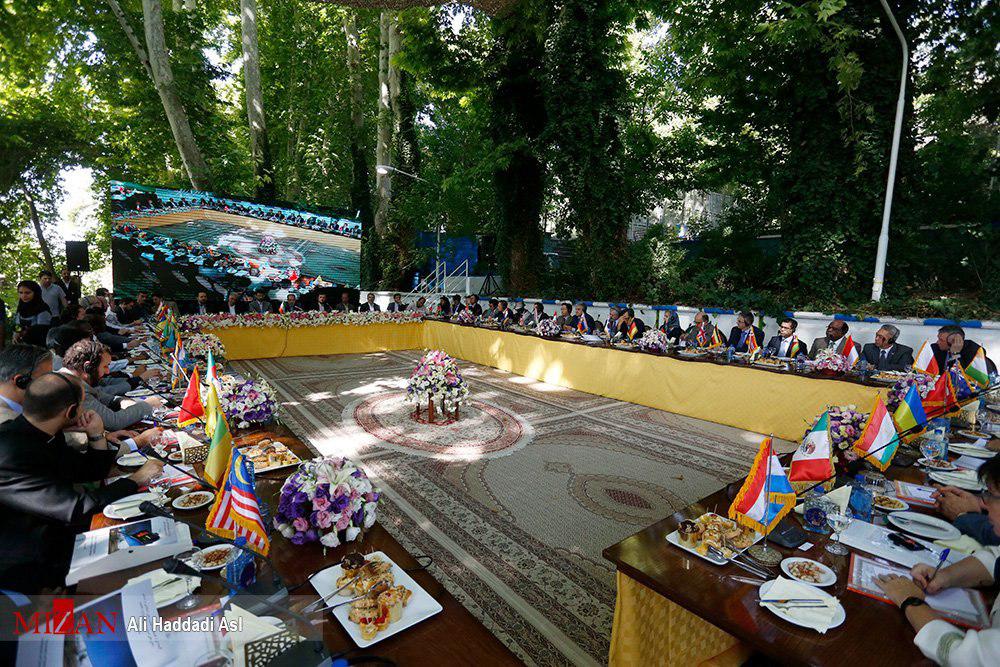
The Iranian Diplomacy news website recently held a panel in the capital Tehran to discuss the challenges and opportunities that a post-ISIS Iraq is going to face in the near future. The participating experts raised their hopes and concerns about the future of Iraq.

During the “Post-ISIS Iraq” panel, the participants warned that though the military branch of ISIS is drawing its last breaths in Iraq, the ideological ISIS remains alive hovering over the region.

Here is a review some of the key points raised by the experts during the panel.
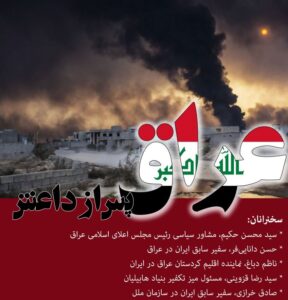
 

Post-ISIS Iraq: Challenges, OpportunitiesAmmar Hakim, leader of the Islamic Supreme Council of Iraq (ISCI), the largest political party in Iraq:

* ISIS is the third generation of al-Qaeda terrorist group in Iraq.

* ISIS has left no stone unturned to destabilize the whore region through violence and brutality. There are three key factors which foiled ISIS plot: The historical fatwa of top Iraqi Shiite Leader, Ayatollah Sistani, the tremendous support of the Islamic Republic of Iran, and the great uprising of the Iraqi nation against ISIS.

* Today ISIS controls only 4 percent of Iraq. This comes as back in 2014, the group occupied 40 percent of our country. Today, ISIS controls only a very small area of Mosul’s old city which will be retaken soon by the Iraqi forces.

* ISIS will target our security in future. The group’s threats will change from military to security. To cope with the security threat of ISIS, we have to adopt certain security measures.

* So far, over two millions of displaced Iraqis have returned to their homes.

* In Ramadi, over 80 percent of the city has been razed to the ground. In Baiji, almost all homes have been demolished.

* ISIS seeks to manipulate Iraq’s public opinion. Now that the Iraqi army has managed to cleanse the country of the group’s militants by big efforts, the government has to thwart the group’s cultural and ideological projects and re-attract those deceived by ISIS.

* We earlier warned that ISIS is not limited to Iraq and the region. They come from about 80 countries. The “lone wolves” are now returning their home countries to create instability.

* Nearly 5 thousands of Tunisians are fighting against Iraqi and Syrian forces. Meanwhile, there are many people from France, Belgium, Germany and the UK who have joined the group in Iraq and Syria.

* Iraqi government has good information about ISIS members and leaders which can be shared with other countries.

* We have a common history with the Kurds which cannot be ignored.

* Our Kurdish brothers call for a federalist government within the Constitution. Today, all of the oil revenues from Shiite-populated areas are deposited to the central government account.

* The oil of Kurdish populated areas is exported without the approval of central government in Baghdad.


Hassan Danaeifar, Iran’s Ambassador to Baghdad  

* Iraq is still involved in Nation-State making process.

* Special condition of Iraq triggered over 46,000 people from across the world and 12,000 from Europe only to join ISIS in the country.

* In 2013, most Iraqis were just seeking to survive.

* I met Mr. Maleki about four years ago and warned that ISIS is to implement its Syria project in Iraq. It was six months before Mosul occupation. I told him that ISIS is to establish a new Aleppo in northern Iraq. I also warned Nechervan Barzani, the Prime Minister of Kurdistan Regional Government? against ISIS project in Iraq.

*Arab Spring as well as Iraq’s internal condition contributed to Mosul occupation.

* US set four conditions to back Iraq in fight against ISIS. This comes as Washington had signed a bilateral military and security deal with Baghdad. The Islamic Republic of Iran provided Iraq with military aid immediately.

*Today, ISIS is in retreat in its last stronghold in Iraq, Mosul.

*The military ISIS has come to an end, but the ideological ISIS remains active and can survive in future. ISIS has inflicted heavy blows on Iraq. Now that the group has been crushed militarily, we should remain vigilant against its security threats.

*Today, with the complete defeat of ISIS, Iraq has entered a new phase in its history. The country is now presented with three opportunities: Spiritual support of top religious leaders for nation-state making, Restoration of self-confidence among Iraqi forces and economic chances. There are also other opportunities including the support of the Islamic Republic for the war-torn country.

*There are also some challenges that the Iraqi government has to deal with including: Total destruction of the country over the past ten years, separation aspirations sought by certain groups in Iraq and fierce political competences.

*Iraq’s government should take seriously the idea of national reconciliation as well as peaceful coexistence.


Nazim Dabbagh, Representative of Kurdistan Regional Government in Iran

* Today, ISIS has turned into an ideology and is no longer limited to militancy.

* ISIS growth in Iraq has dramatically changed the cultural, economic and social conditions of Iraq.

* About 300 ISIS members managed to occupy a large swath of Iraq in 2014. This was only the Kurdish Peshmerga who stopped ISIS advance particularly when the Iraq army was in chaos.

* The Kurds played a key role in the liberation of Mosul and Anbar. So, the Iraqi government should include them in the future power structure.

* ISIS will reproduce itself in the future.

* We should resolve regional problems. To do so, military power is not enough. We also need social and political mechanisms. We should know how ISIS can attract foreigners.

* After several deadly wars in 20th century, the Europeans decided to remove their borders and turn them into an opportunity instead of threat.


Seyyed Reza Qazvini, Political Analyst

* There were over 50 secular parties and groups in Iraq in the early years of 20th century. So, the Salafi movements couldn’t take root in the country then. The first Salafi movements began to emerge in 1960s. By the end of 1980s, during Iraq’s imposed war on Iran, the Salafi movements managed to spread their ideology. This was mainly due to the appropriate ground provided for them by the close relations that had been established between Saudi Arabia and Saddam. The groups were suppressed after the severance of relations between Iraq and Saudi Arabia in 1990s.

* Salafi movements are not deeply rooted in Iraq. They are mostly influenced by foreign policies.

* In 2003, some regional Salafi movements began to infiltrate into Iraq. These movements were the source of today’s ISIS ideology.

* Today, with the heavy blows that ISIS has received in Iraq, we are going to see the return of the lone wolves to their home countries in Europe.


Sadeq Kharazi, Former Iranian Diplomat

* Today, ISIS is transforming into an ideological threat.

* If the holy city of Najaf remains safe this is solely due to the presence of the top Shiite Cleric Ayatollah Sistani.

* If the Axis of Resistance leaves Iraq, ISIS can return and inflict heavy blows on the whole region.

* The current unity in Iraq needs to be preserved to eradicate terrorism in the country.

* Iraq crisis should not negatively affect internal politics in Iran. The Islamic Republic Guards Corps’ Quds Force plays a key role in growing strength and dignity of the Islamic Republic of Iran in the region. Today, our standing in the region is totally different with that of the previous years. This is mainly due to the guidelines of the leader of the Islamic Revolution. Iran is a strong regional player. Iran’s power goes beyond politics. Iran has paid a high price to gain such a massive regional influence.

* Iran has never sought to establish a Shiite hegemony in the region. We also support Sunnite movements in different parts of the world.

* We can play a constructive role in the regional and global conflicts relying on our today’s standing in the region.

* The world powers would close their eyes to Lebanon and Syria if we hadn’t had a strong constructive presence in the countries. We have paid a price to be included in any political talks on the region.
Turkey Not to Abandon Tigris-Euphrates Dam Project

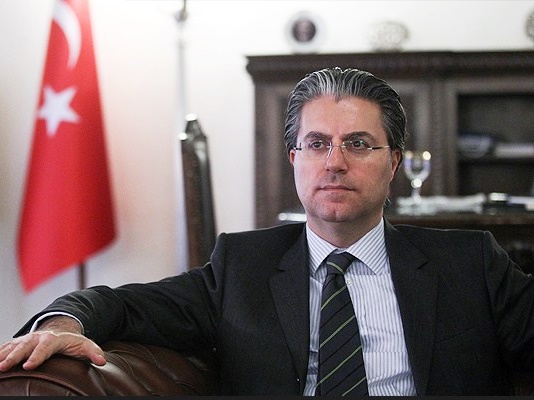
Reza Hakan Tekin

Turkish ambassador to Tehran Reza Hakan Tekin says Turkey will not abandon its project to build a dam on the Tigris-Euphrates Rivers because the project is aimed at managing Turkey’s water resources and cope with droughts in the dry seasons.

The Iranians had earlier signed a petition and sent it to the UN Secretary General Antonio Guterres, calling on Turkey to stop building dams on Tigris River in Iraq. The dams have already contributed to the desiccation of some wetlands in Iran and sand and dust storms in the south-western provinces.

Speaking on the sidelines of the International Conference on Combating Sand and Dust Storms; Challenges and Practical Solutions in Tehran, Tekin said Turkey’s studies show that the dam on Tigris-Euphrates River does not negatively affect Iraq and Syria in environmental terms.

“During the dry seasons, there is a huge shortfall and most of the regional countries face drought. The dry seasons negatively affect the environment.”

However, he added, by building the dams, we will have the required system to manage our water resources.

“Meanwhile, we can open the dams even during the dry seasons so that the regional countries can meet their water needs,” he said in a Farsi interview with the Mehr News Agency.

The ambassador also added that rainy seasons put the region in trouble as well.

“The sources of sand and dust storms hitting the region are located in the long-time deserts of the region. So the storms have nothing to do with our projects.”
He said Turkey has conducted in-depth studies on the projects and added some countries blame Turkey unjustly for not conducting enough scientific studies.

In response to a question on whether or not Turkey will accept the decisions of the international bodies about the rights of other countries to have access to the regional water resources, he said no country is ready to give away its sovereignty rights.

“The international organizations do not have the required jurisdiction to decide about issues like this.”

He drew a comparison between the rivers and oil reserves saying water resources are highly valuable. Tekin said no country can share its natural resources with others.

“If so, why don’t we share our oil reserves with other countries?”

Water is more valuable than oil today, he said.

“We should take responsibility for our actions. For example, Iran has transferred a huge amount of water from the southern province of Khuzestan to the province of Isfahan in the centre of the country for industrial purposes and this has left Khuzestan dried out,” Tekin added.

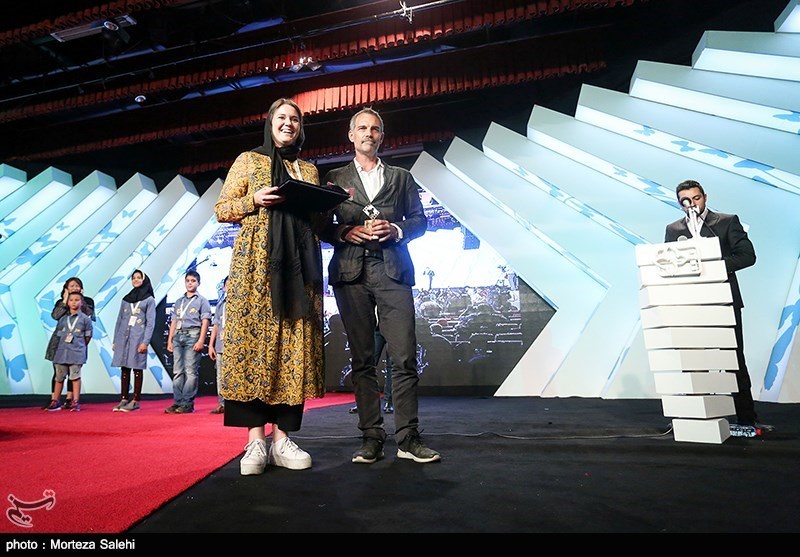
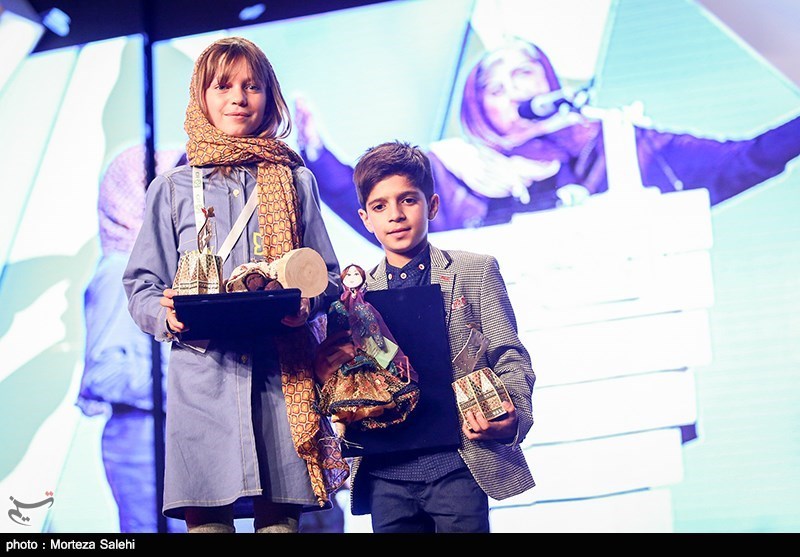
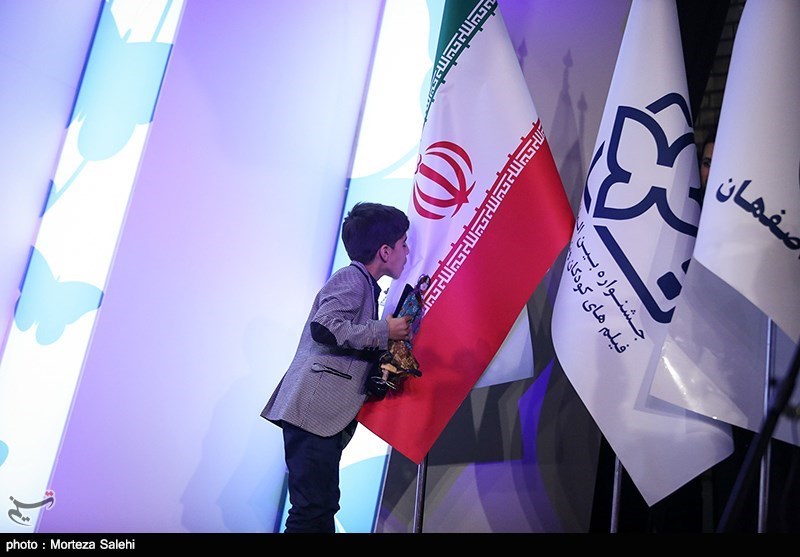
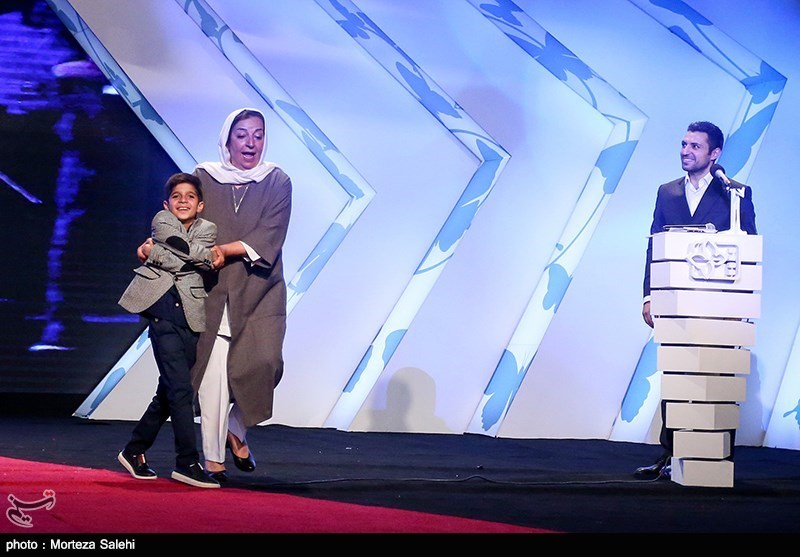
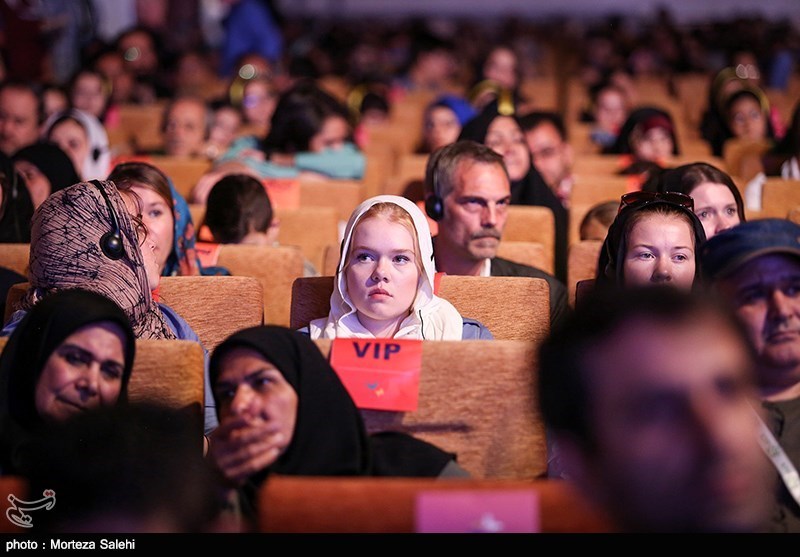
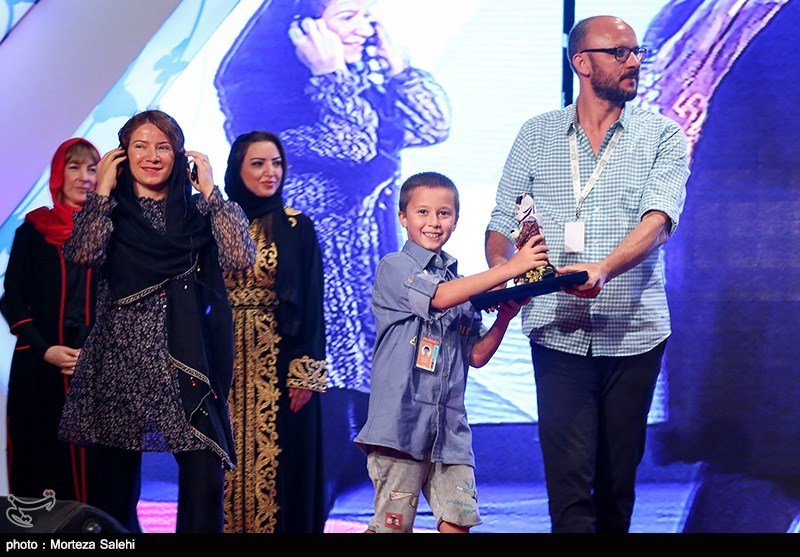
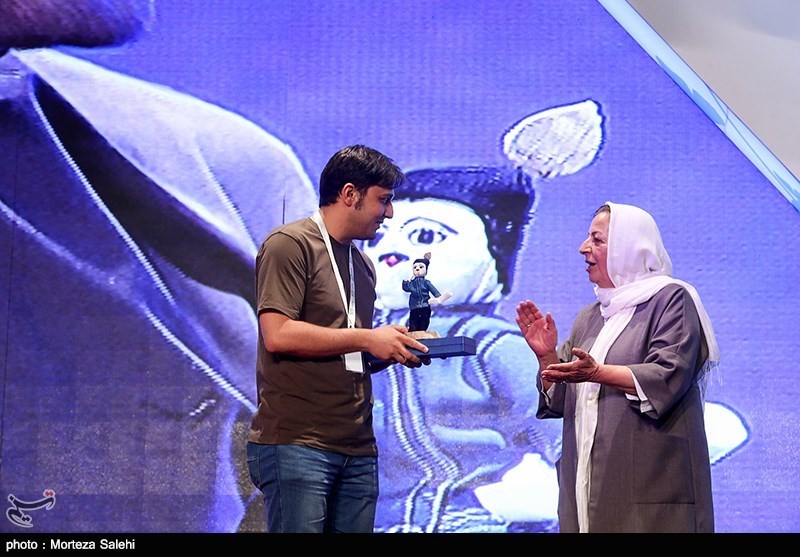
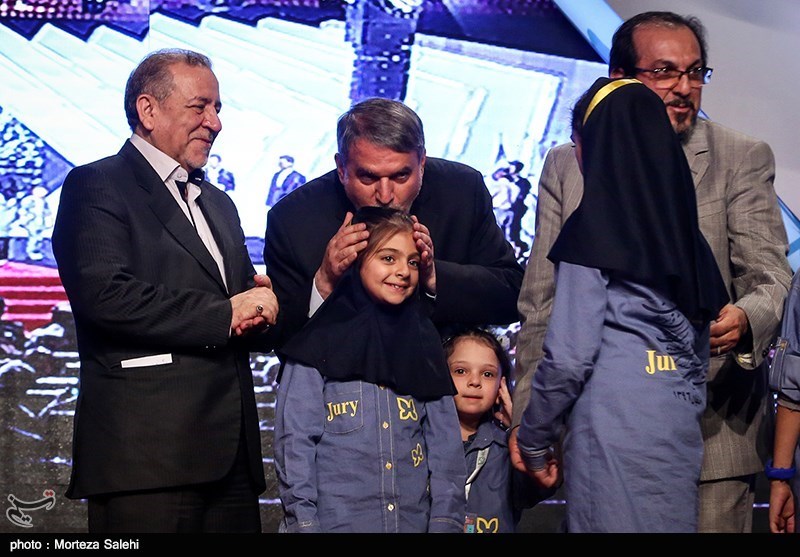
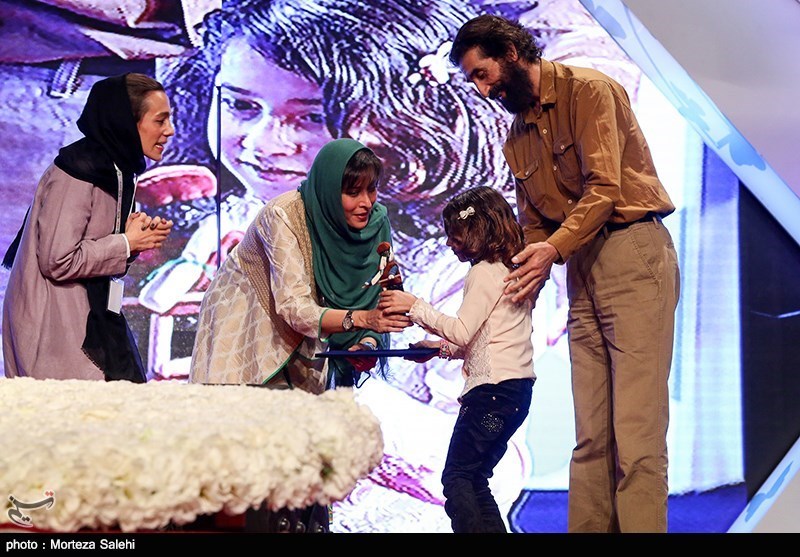
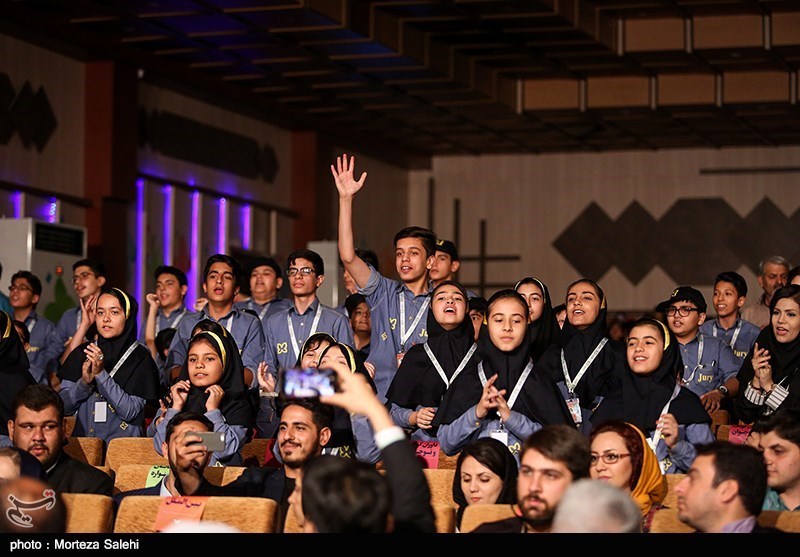
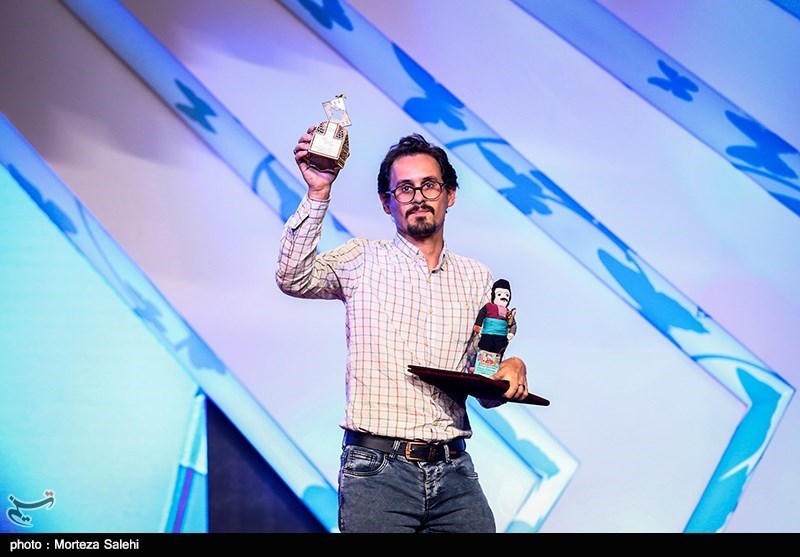
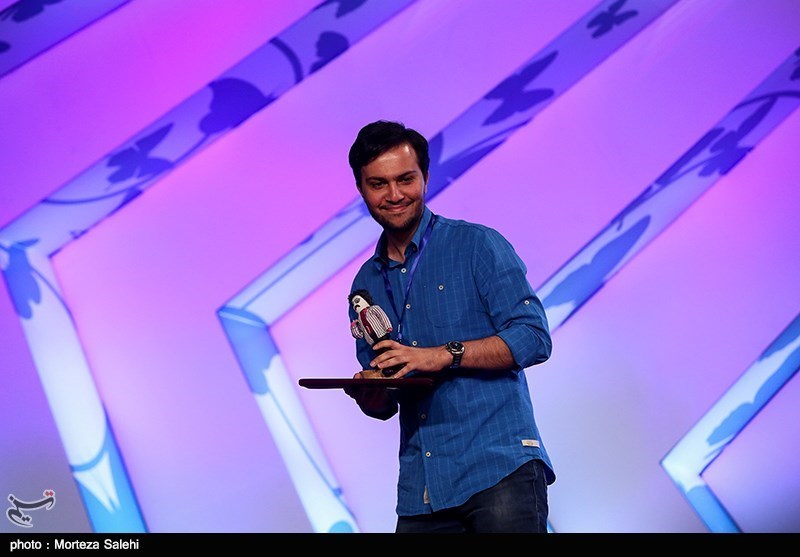
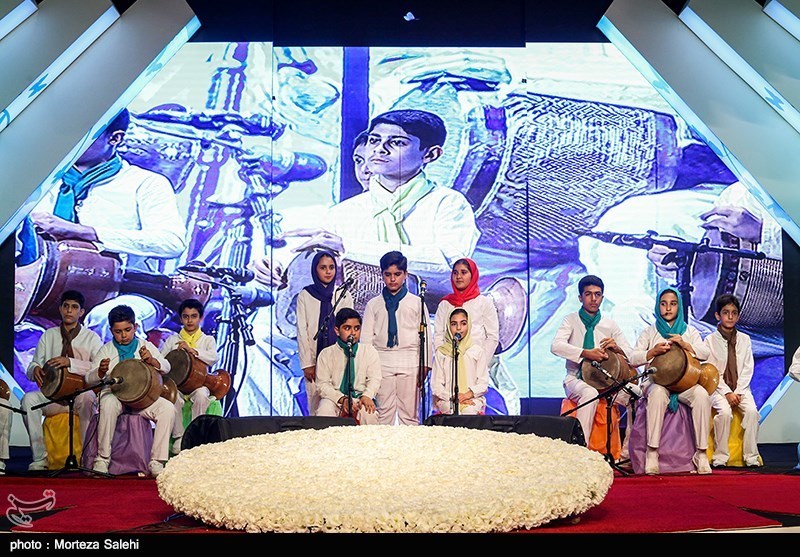
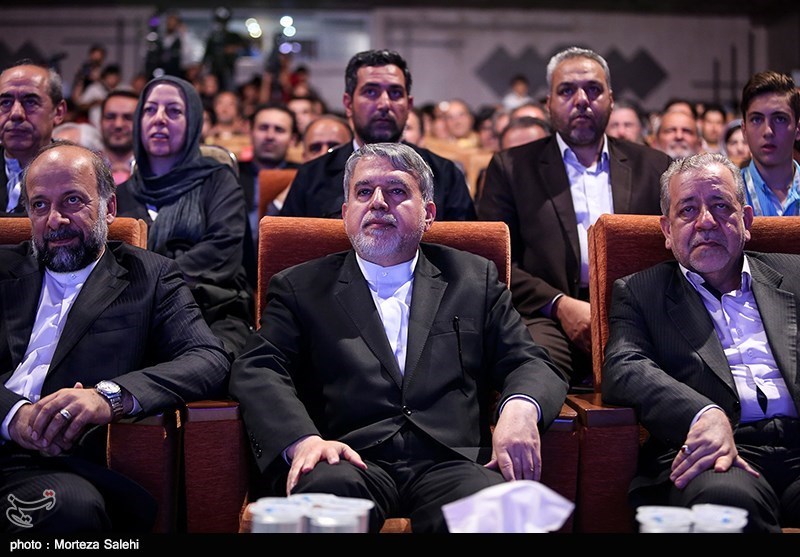
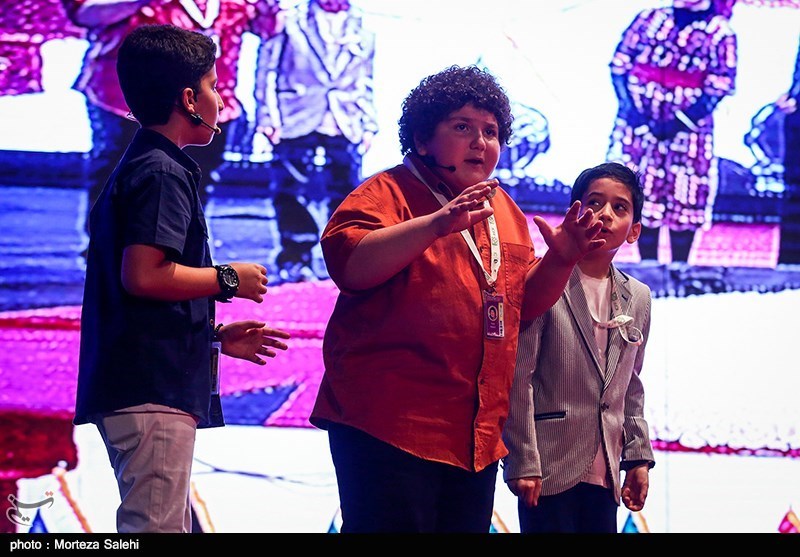
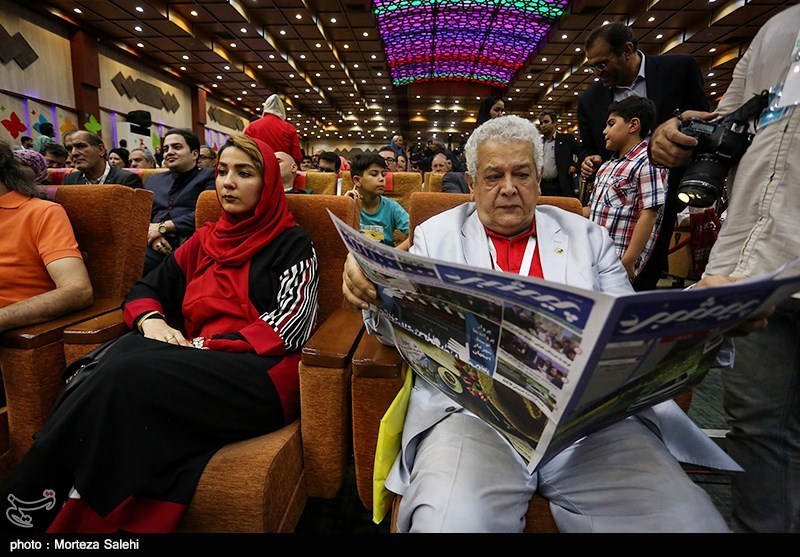
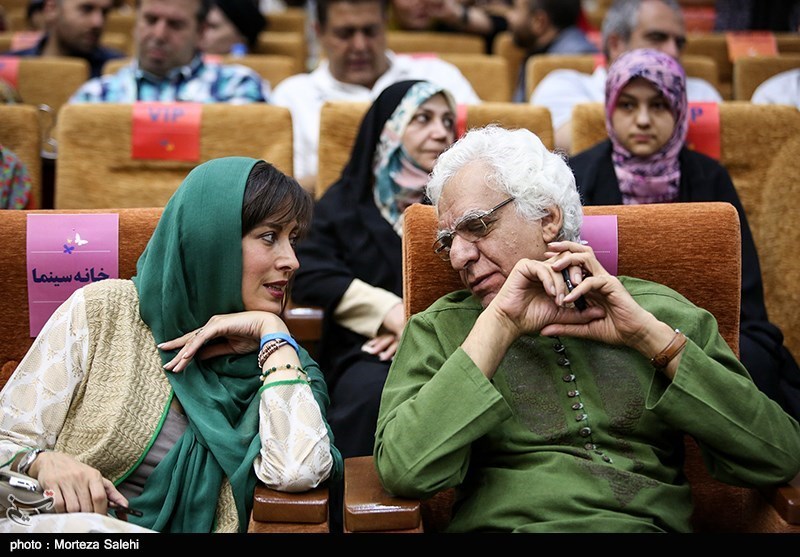
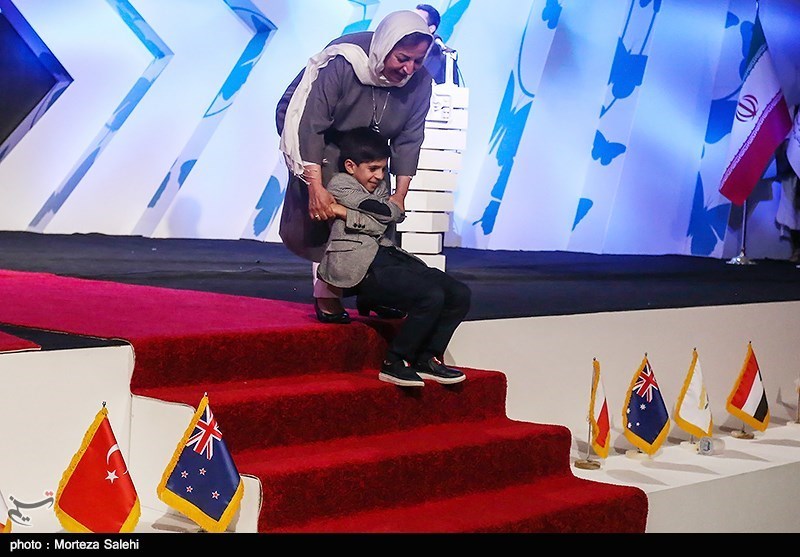
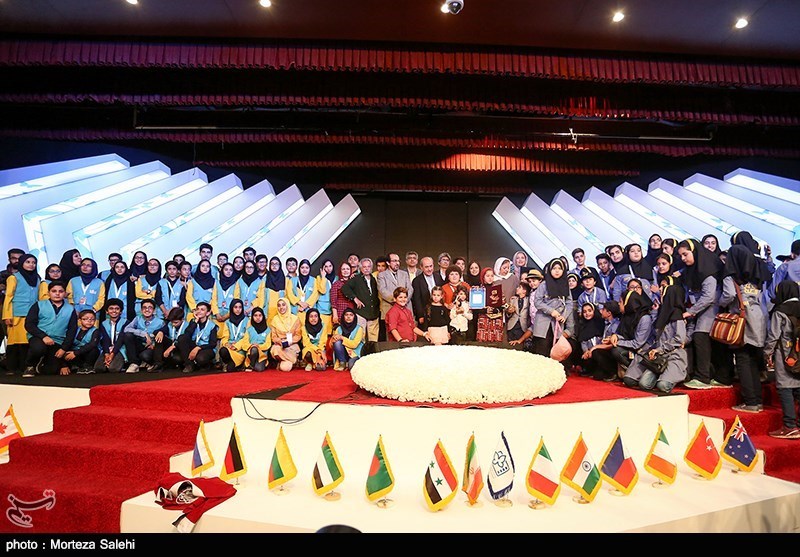
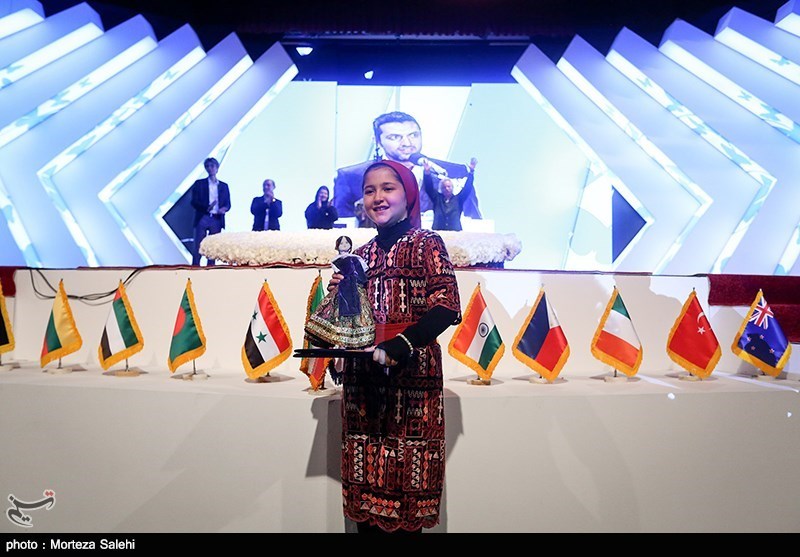
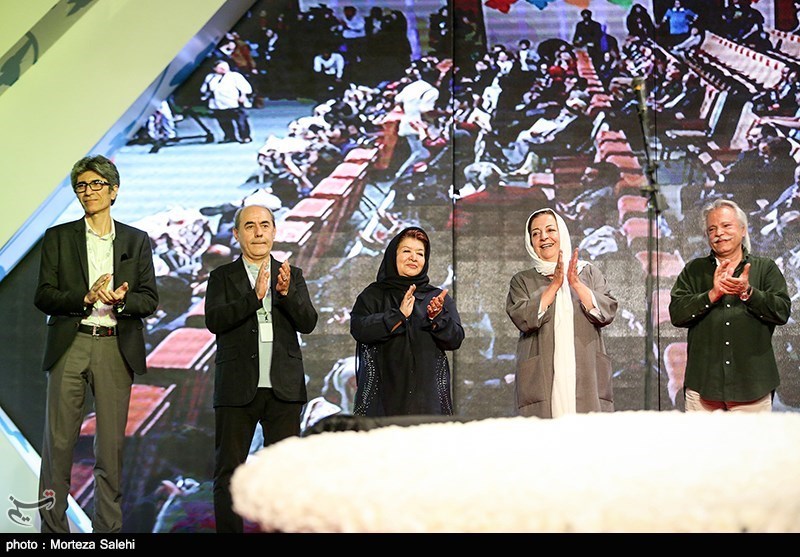
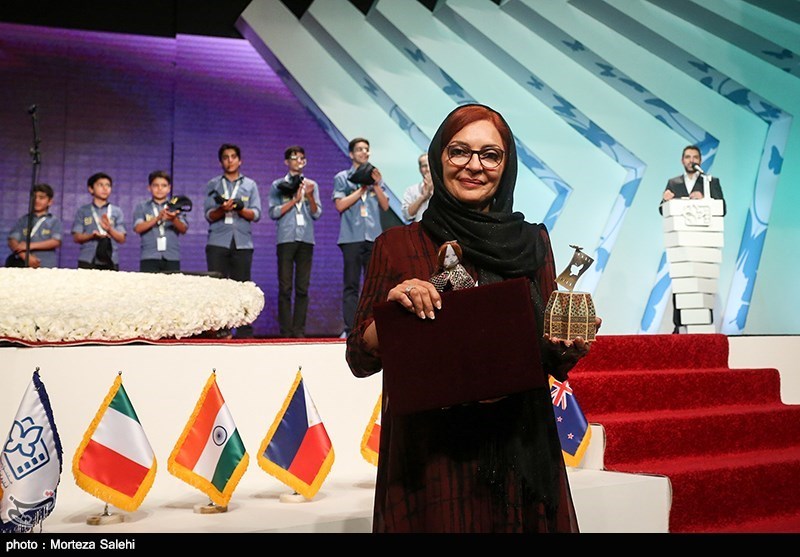
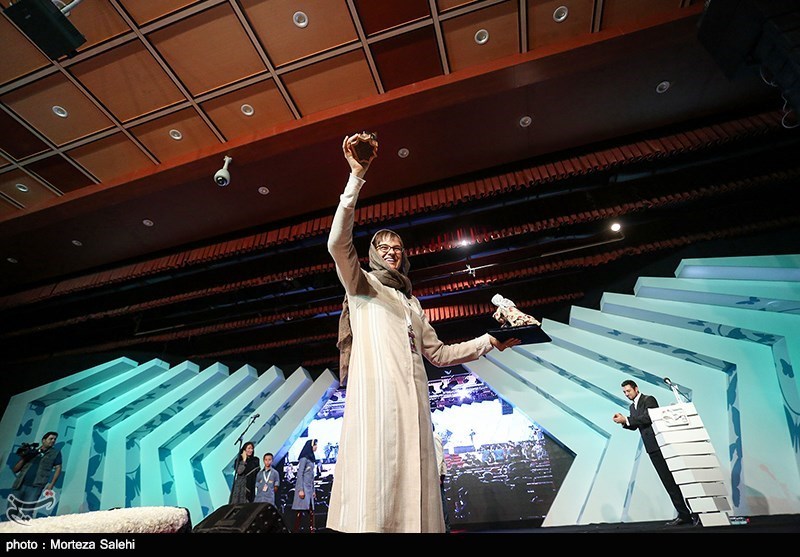
Int’l Children Film Festival Concludes in Iran’s Isfahan

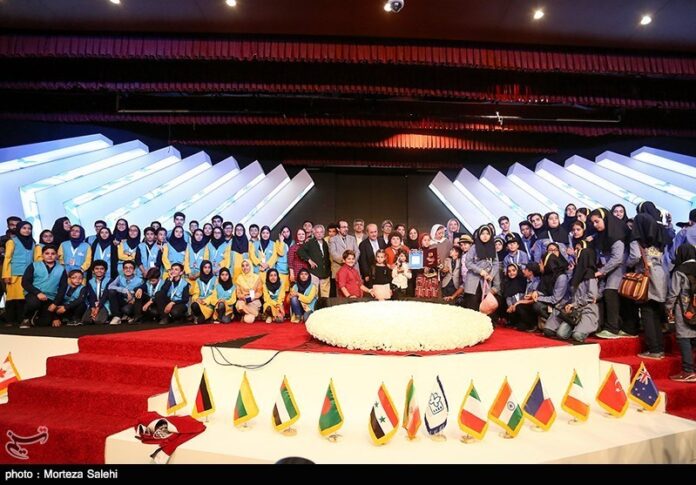
The annual event brought together some of Iran’s greatest filmmakers as well as cineastes from 30 countries.

The festival was warmly received by the people of Isfahan, particularly thanks to the appearance of well-known actors in the films screened this year.

The majority of movies have been filmed either in Tehran or in northern Iran, according to the Movie Review Magazine.

Here are Tasnim’s photos of the closing ceremony:


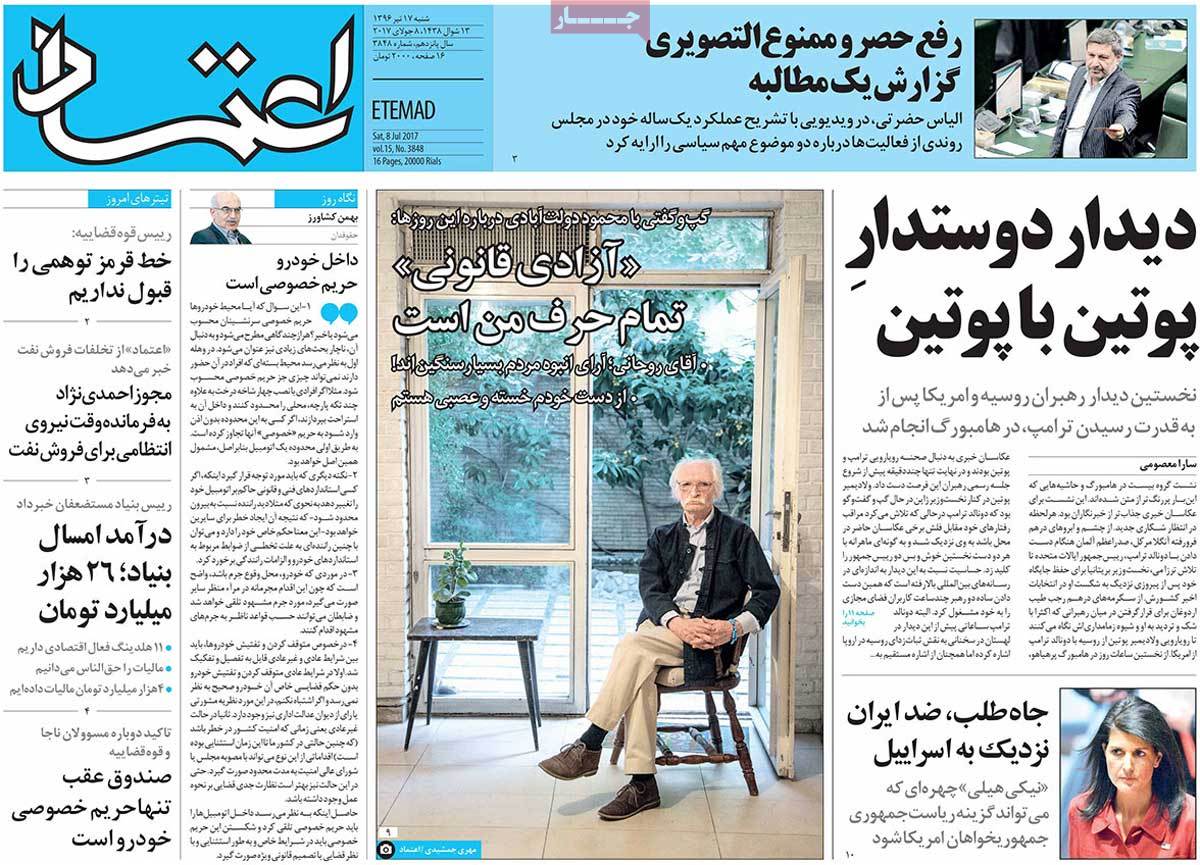
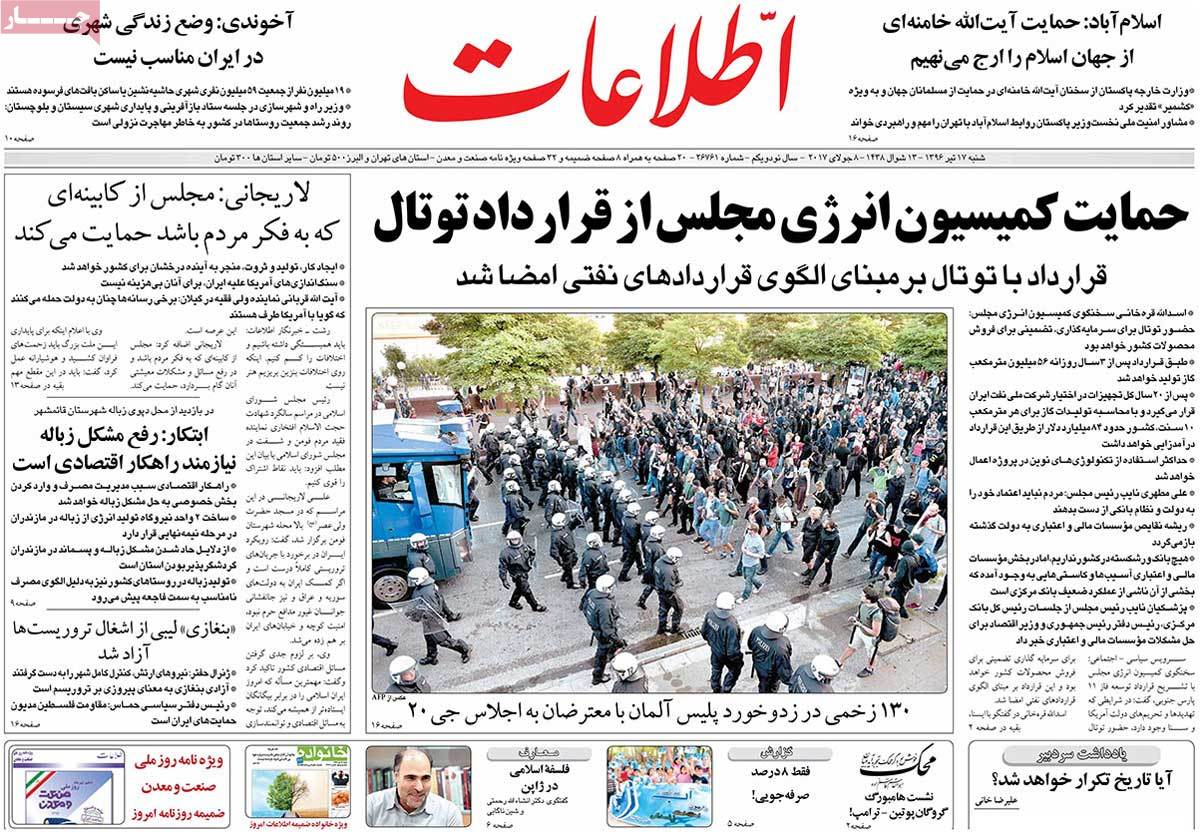
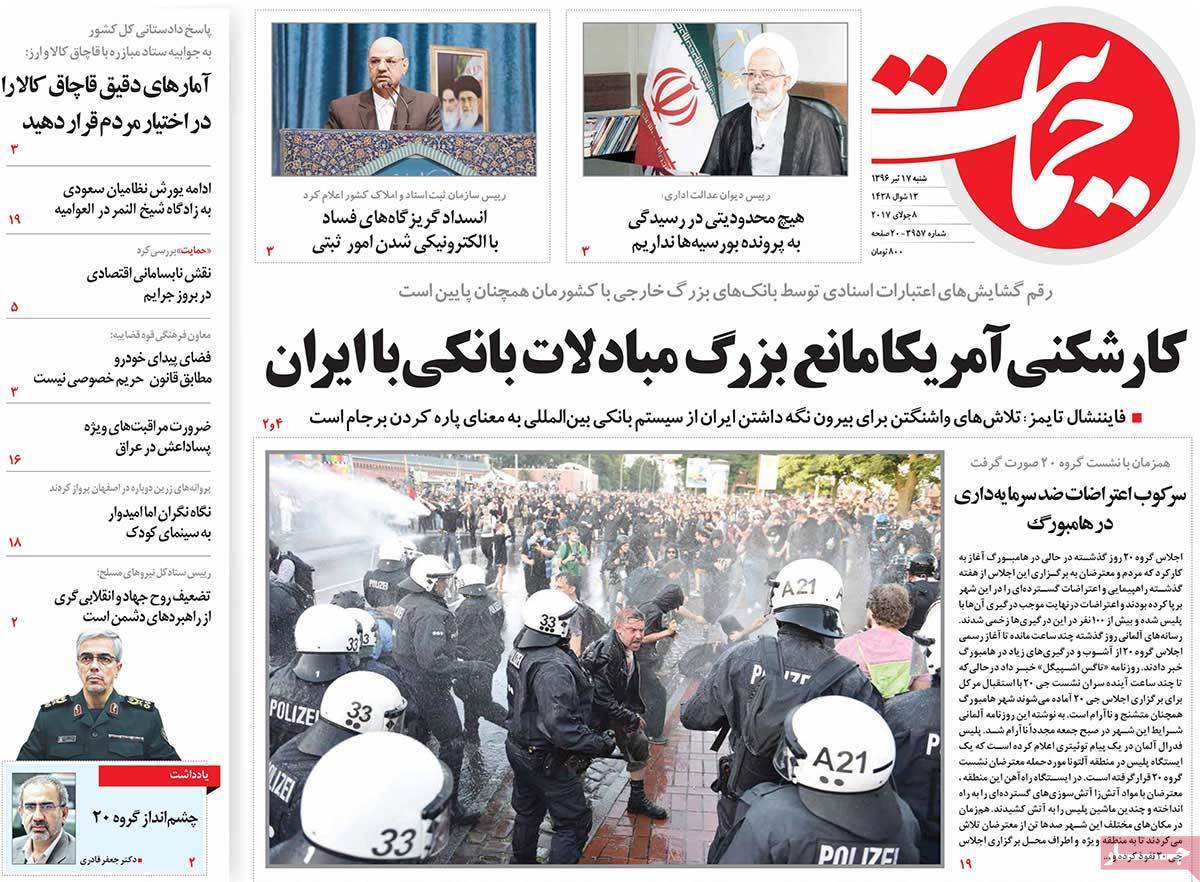
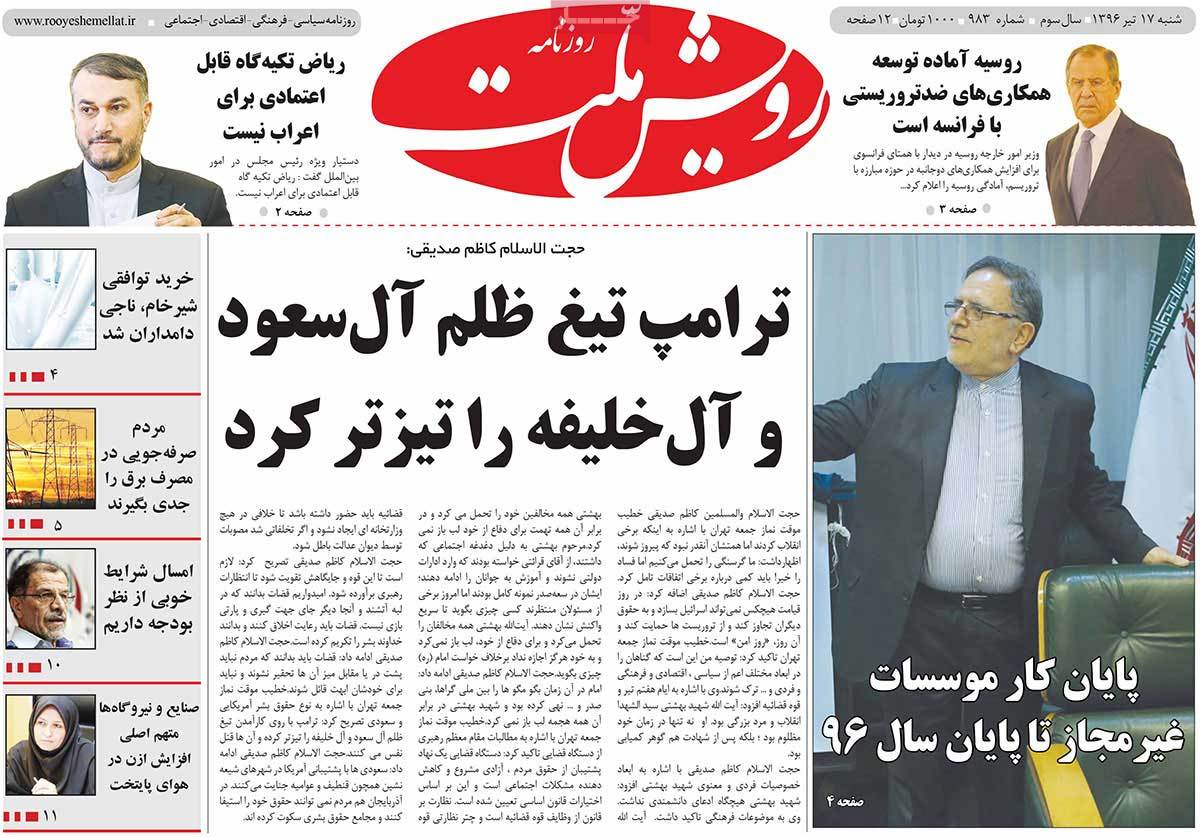
A Look at Iranian Newspaper Front Pages on July 8

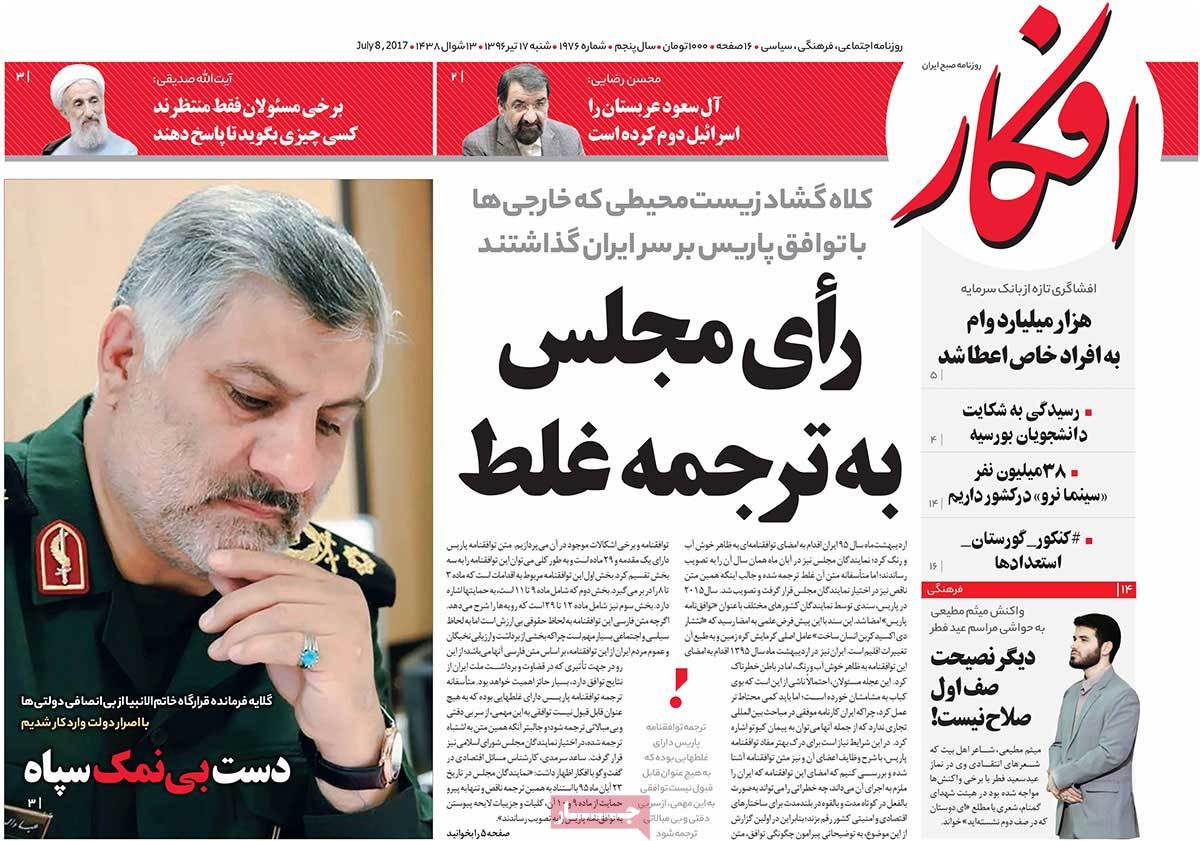
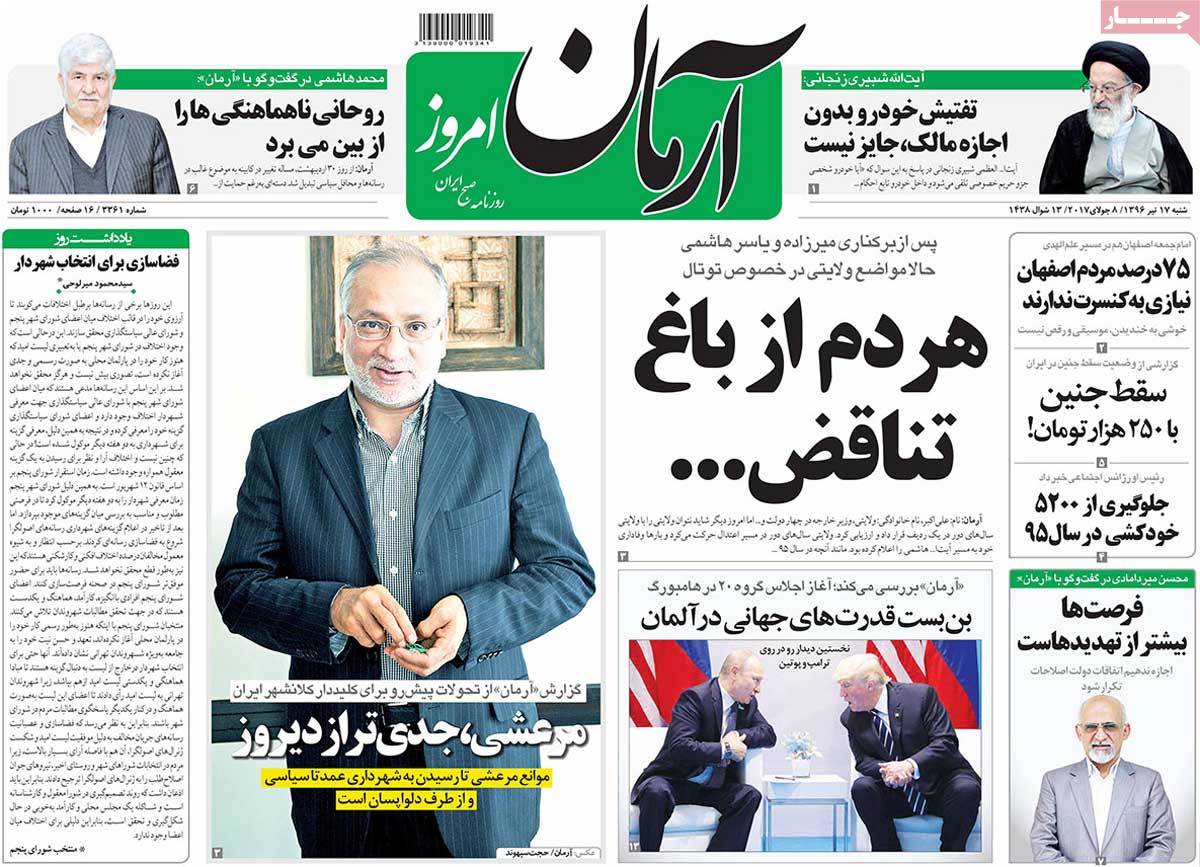
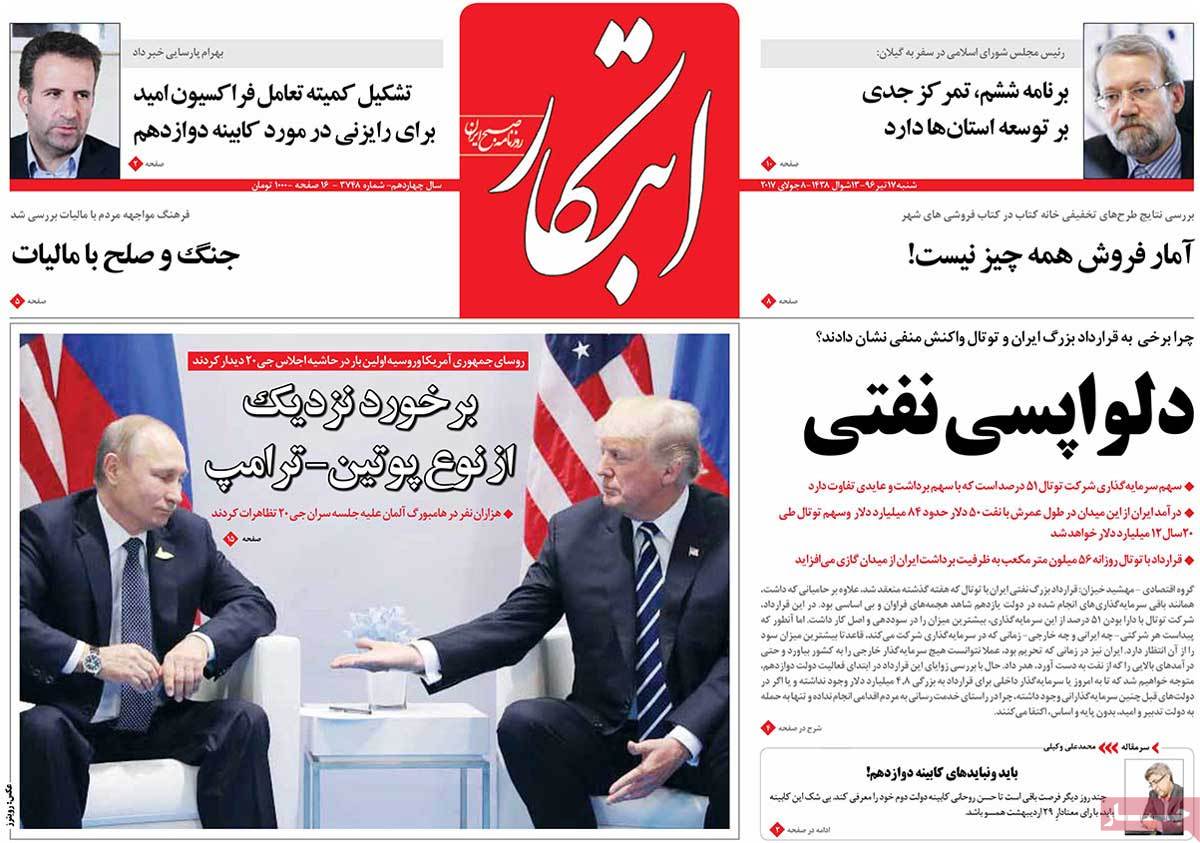
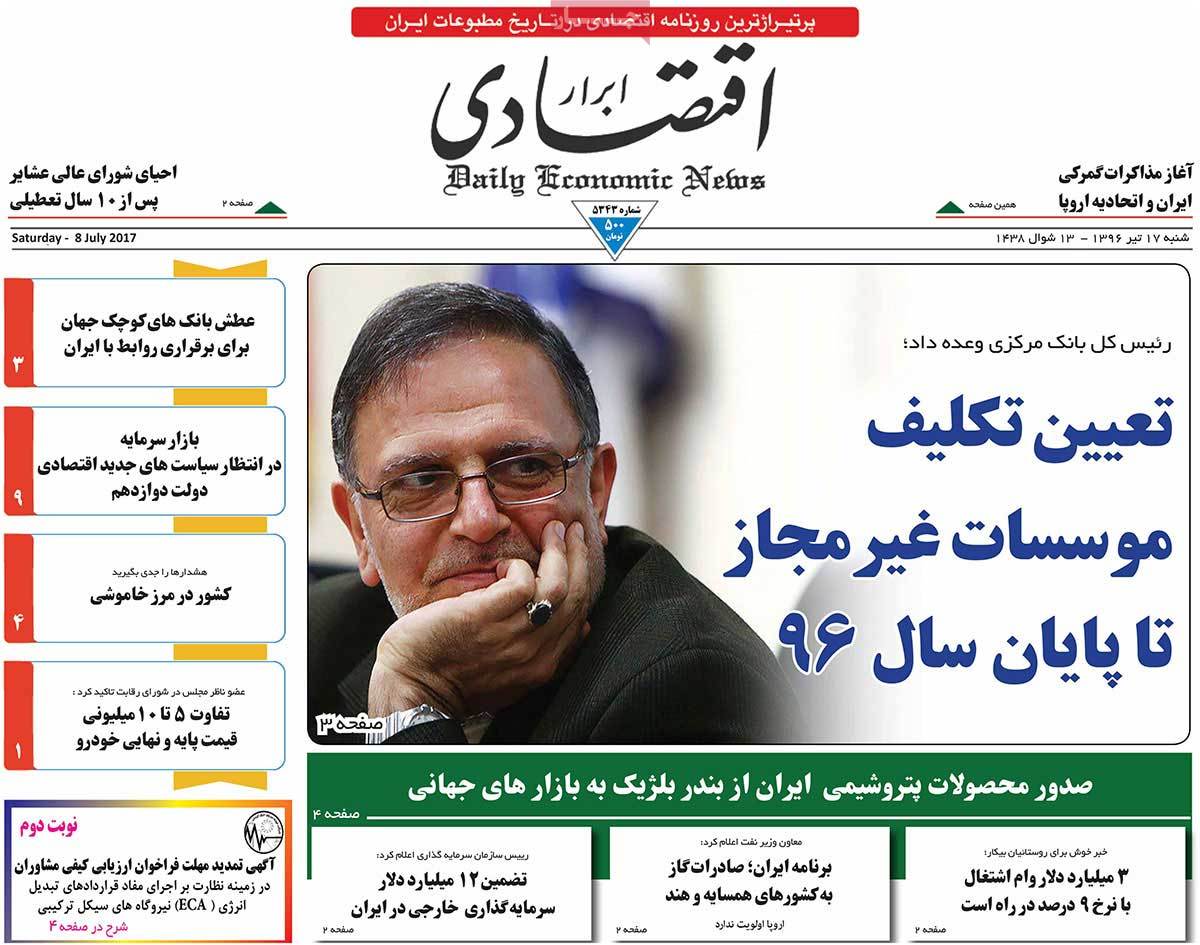
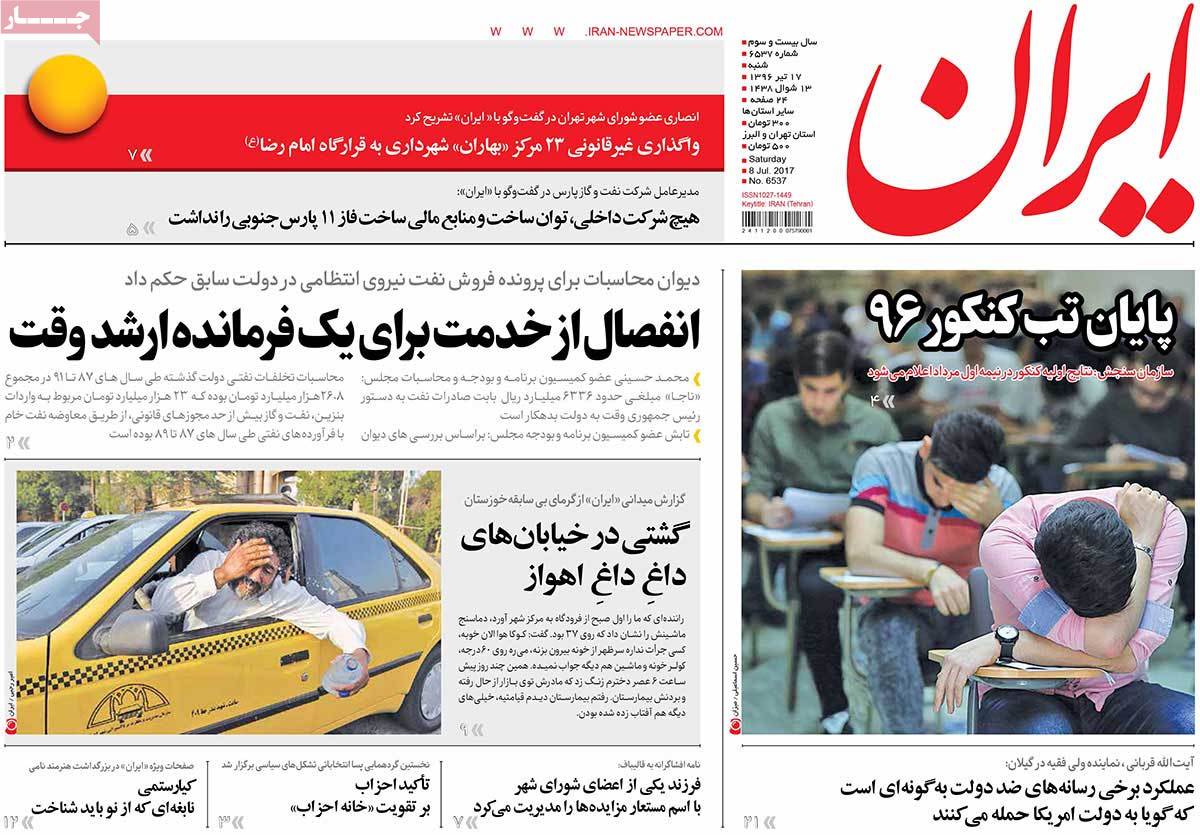
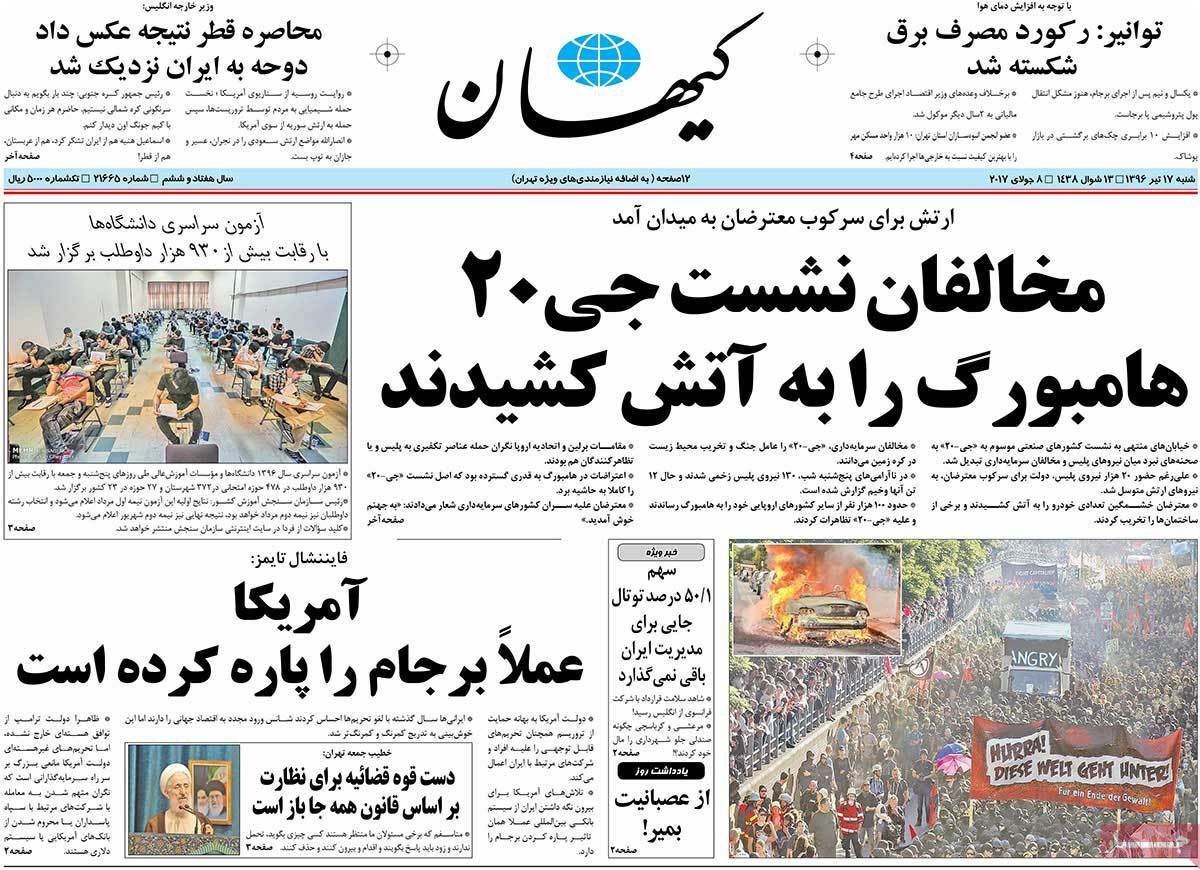
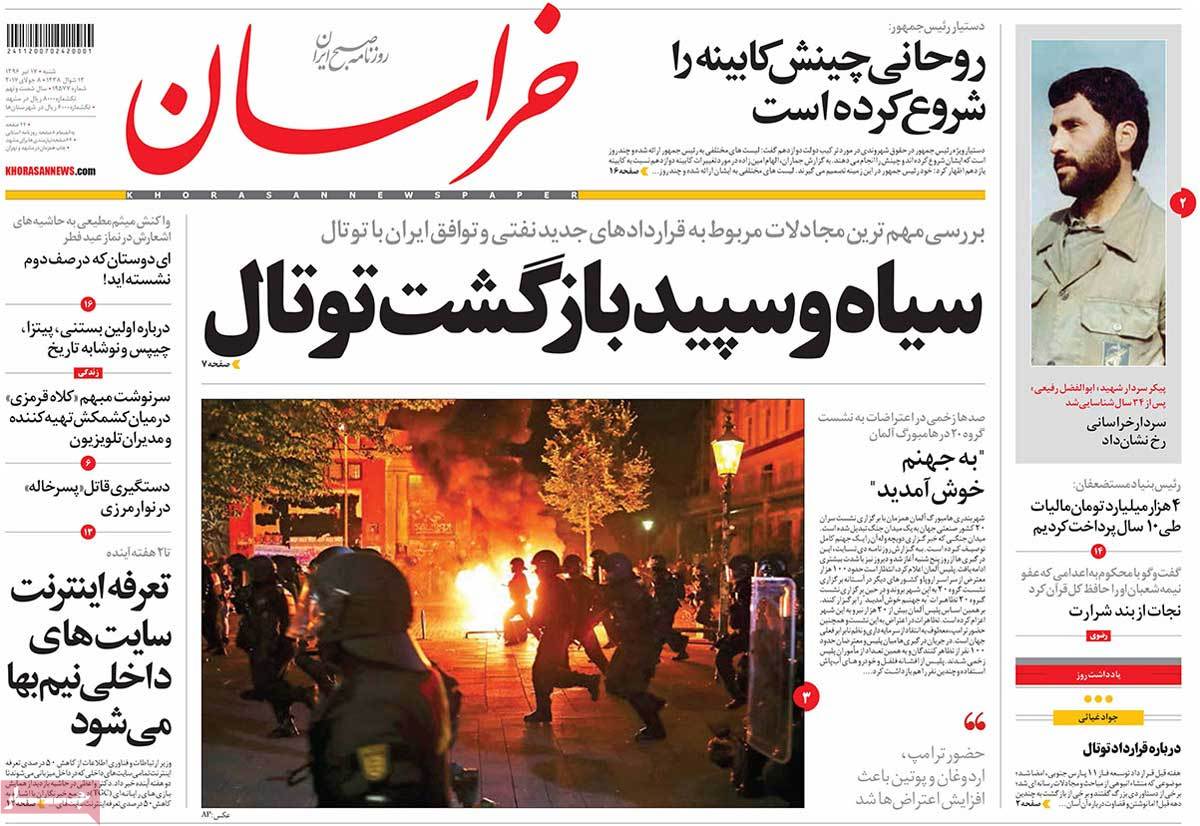
Most Iranian newspapers on Saturday covered the protest rallies held in Hamburg, Germany, against the G20 Summit. The first meeting between the US and Russian presidents also received great coverage. Trump and Putin met for the first time on the sidelines of the G20 Summit.

Some other papers, particularly the reformist ones, highlighted the issue of people’s privacy in their cars, and discussed its legal and religious aspects after the Iranian Police declared that its forces can inspect people’s cars without any legal permit as it is not part of their privacy.

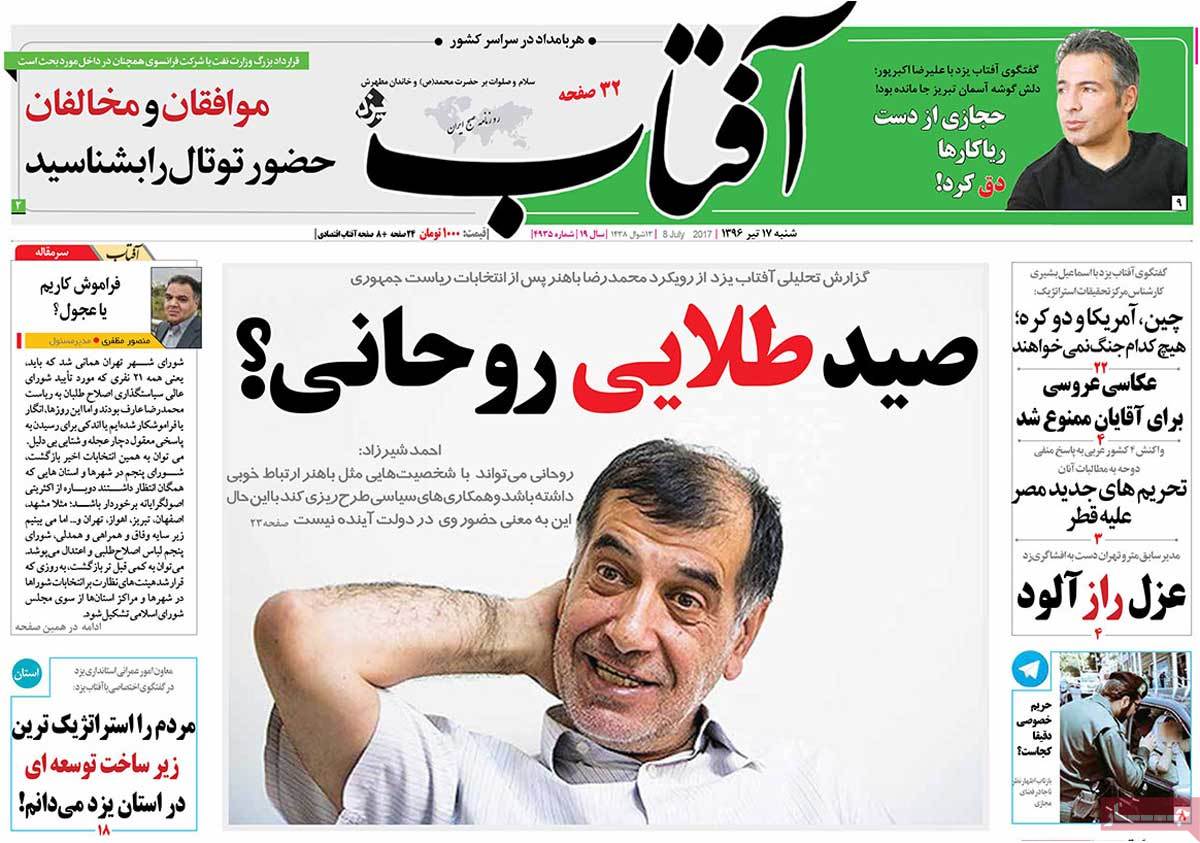
The huge gas deal between Iran and the French giant Total also remained a hotly-debated issue after five days. Reformist and pro-government papers tried to respond to criticisms, and conservative ones continued attacking the government for not using the domestic capabilities.

Some newspapers covered the possible cabinet members and the future mayor of Tehran, who is to be chosen by the 21 reformist members of the City Council.

The above issues, as well as many more, are highlighted in the following headlines and top stories:


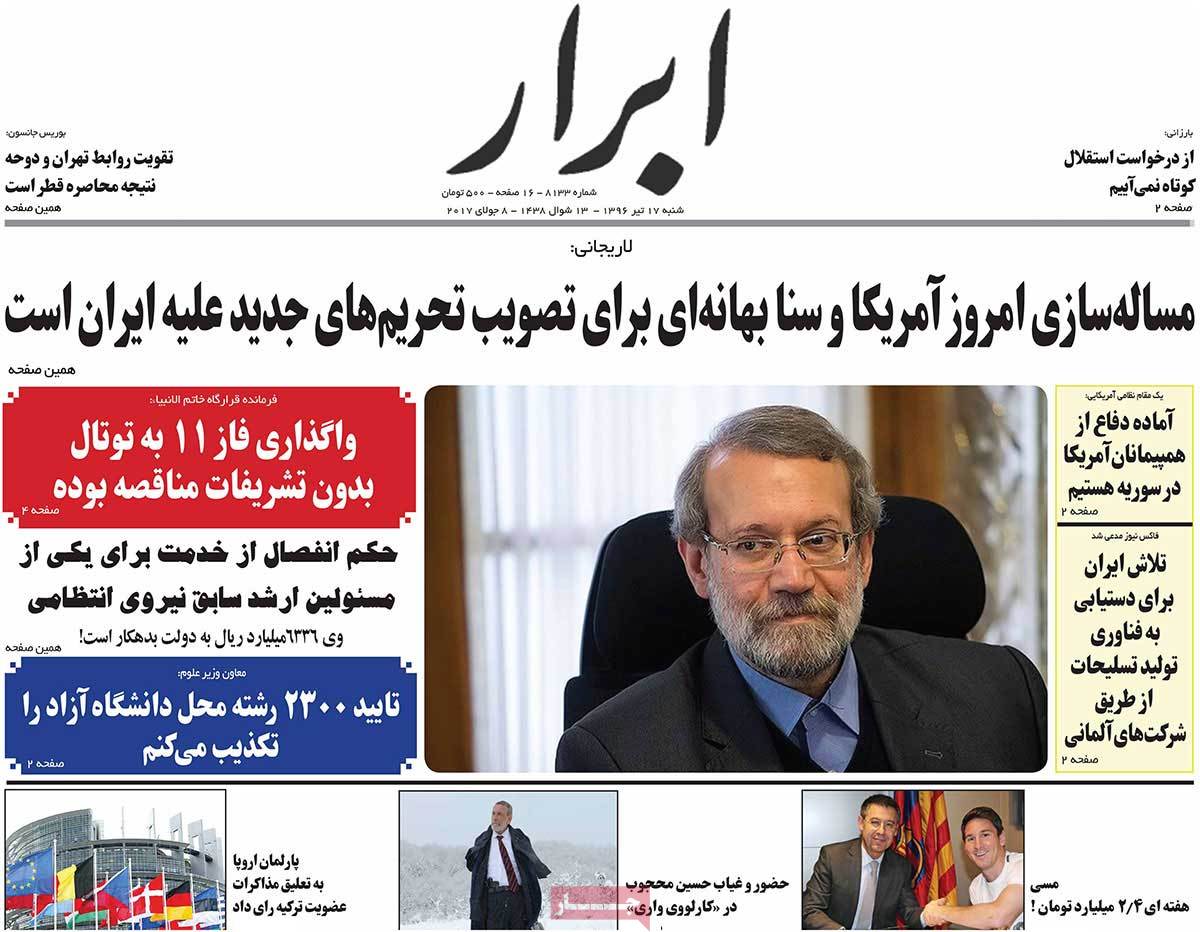
Abrar:

1- Larijani: Recent US Senate Move Pretext for Approving New Iran Sanctions

2- Military Official: US Ready to Defend Its Allies in Syria


A Look at Iranian Newspaper Front Pages on July 8


Abrar-e Eqtesadi:

1- Iran, EU Start Customs Negotiations

2- World’s Small Banks Thirsty for Establishing Ties with Iran


A Look at Iranian Newspaper Front Pages on July 8


Afkar:

1- General Rezaei: Al Saud Turns Saudi Arabia into Second Israel


A Look at Iranian Newspaper Front Pages on July 8


Aftab-e Yazd:

1- China, US, Two Koreas: None of Them Wants a War: Analyst


A Look at Iranian Newspaper Front Pages on July 8


Arman-e Emrooz:

1- World Powers in Germany’s Deadlock

2- 5,200 Dissuaded from Committing Suicide in Iran in 2016: Official


A Look at Iranian Newspaper Front Pages on July 8


Ebtekar:

1- Close Encounter between Putin, Trump

2- Why Certain Figures Show Negative Reaction to Iran-Total Deal


A Look at Iranian Newspaper Front Pages on July 8


Etemad:

1- Putin Fan Meets Putin: US, Russian Leaders Meet for First Time in Hamburg

2- Ambitious, Anti-Iran, Close to Israel: Haley Can Be Future GOP Presidential Candidate


A Look at Iranian Newspaper Front Pages on July 8


Ettela’at:

1- Iran Parliament’s Energy Commission Supports Deal with Total

2- Pakistan: We Appreciate Ayatollah Khamenei’s Support for Muslim World

3- Larijani: Parliament to Support Any Cabinet that Thinks about People

4- 130 Wounded in Clashes between German Police, G20 Protesters

5- Libya’s Benghazi Liberated from Terrorists


A Look at Iranian Newspaper Front Pages on July 8


Hemayat:

1- US Stonewalling Huge Barrier to Banking Transactions with Iran


A Look at Iranian Newspaper Front Pages on July 8


Iran:

1- No Iranian Firm Capable of Building, Funding South Pars Phase 11: Official

2- Some Anti-Gov’t Media Act as If They’re Attacking US Gov’t: Cleric


A Look at Iranian Newspaper Front Pages on July 8


Javan:

1- ‘Welcome to Hell’

  • Protesters Voice Opposition to Global Capitalism in Hamburg

2- Clear Response to Anti-Iran Human Rights Reports

  • Foreign Envoys Amazed by Evin Prison’s Suitable Conditions


A Look at Iranian Newspaper Front Pages on July 8


Kayhan:

1- Protesters Set Fire on G20 Summit in Hamburg

2- Record of Power Consumption in Iran Broken

3- Johnson: Qatar Blockade Counterproductive; Doha Closer to Iran

4- Financial Times: US Practically Torn up JCPOA


A Look at Iranian Newspaper Front Pages on July 8


Khorasan:

1- Black and White Points of Total’s Return to Iran

2- Rouhani Has Started Choosing His Cabinet Members: Aide


A Look at Iranian Newspaper Front Pages on July 8


Rooyesh-e Mellat:

1- Trump Sharpens Al Saud, Al Khalifa’s Blades of Tyranny: Cleric

2- Amir Abdollahian: Riyadh Not a Reliable Partner for Arabs


A Look at Iranian Newspaper Front Pages on July 8


Shahrvand:

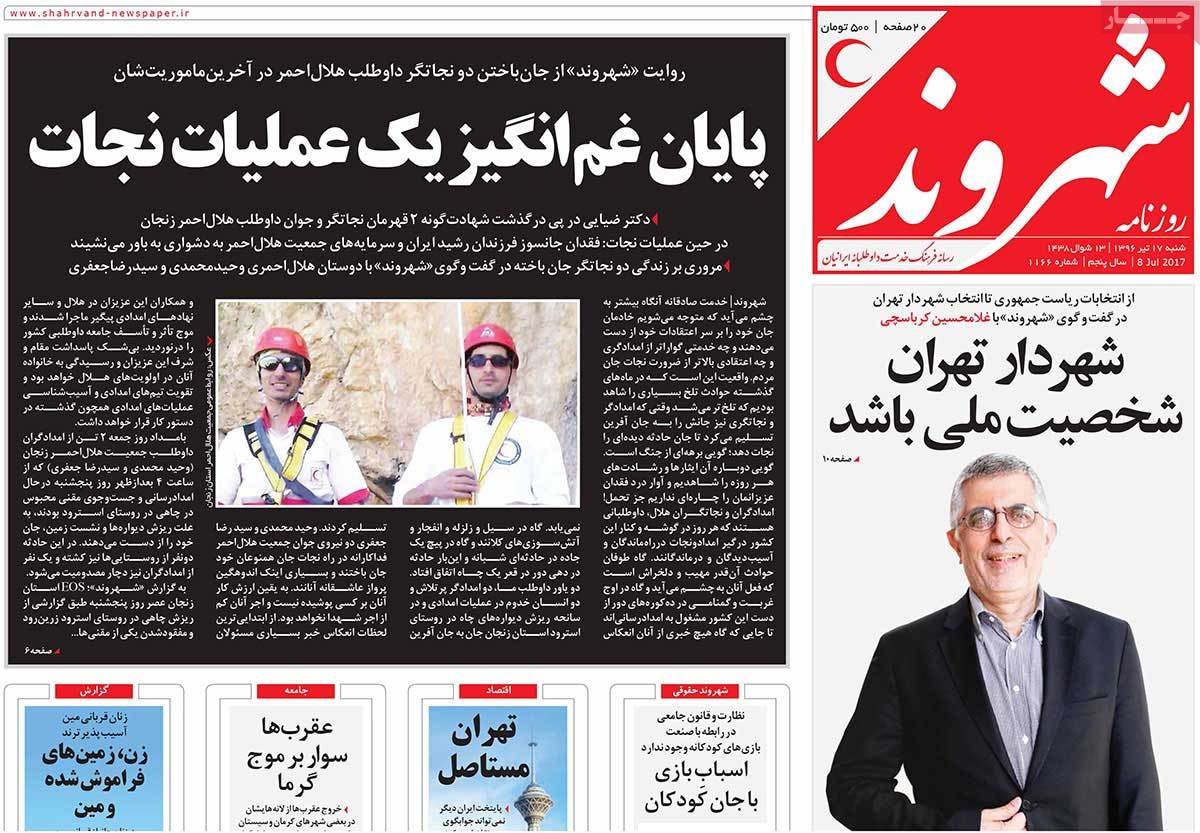
1- Sad End of Rescue Operation: Two Rescue Workers Die in Last Mission

2- Tehran Mayor Should Be National Figure: Ex-Mayor


A Look at Iranian Newspaper Front Pages on July 8


Sobh-e Now:

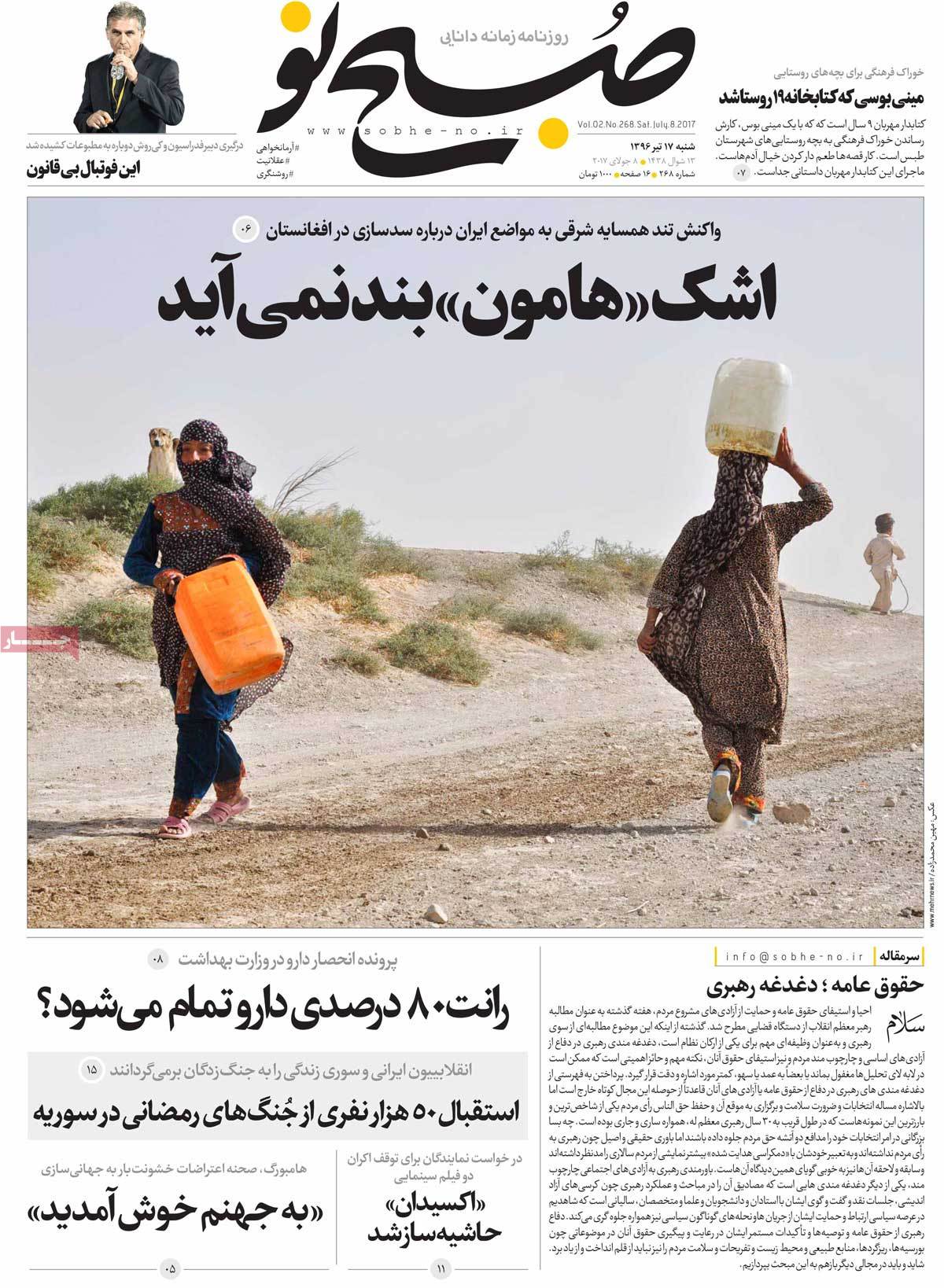
1- Hamun Lake Cannot Stop Crying

  • Iran’s Eastern neighbour harshly reacts to Tehran’s position on Afghanistan’s dam construction


A Look at Iranian Newspaper Front Pages on July 8


Tejarat:

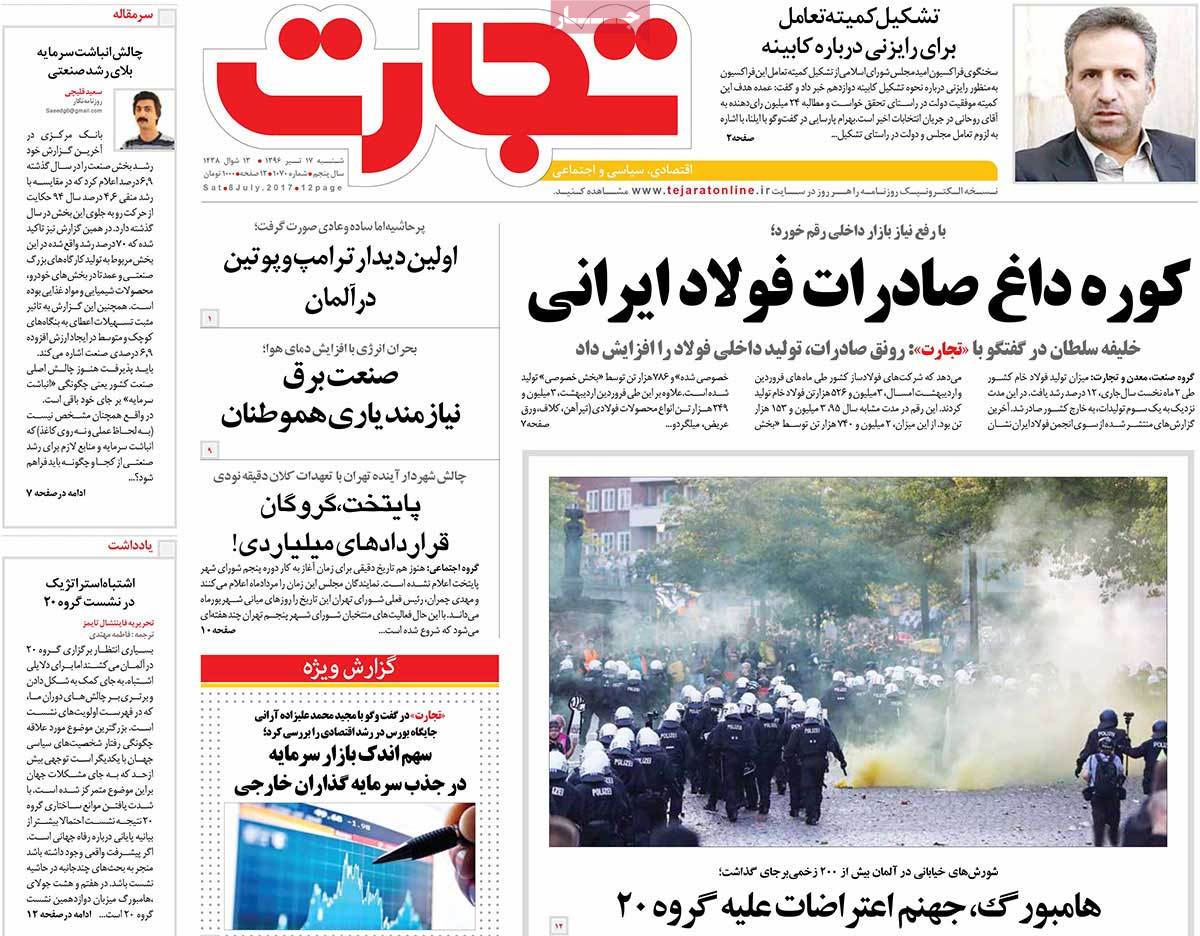
1- Hot Days of Iran’s Steel Export

2- Hamburg, Hell of Protests against G20

3- First Trump-Putin Meeting Held in Germany: Controversial, but Simple


A Look at Iranian Newspaper Front Pages on July 8


Vatan-e Emrooz:

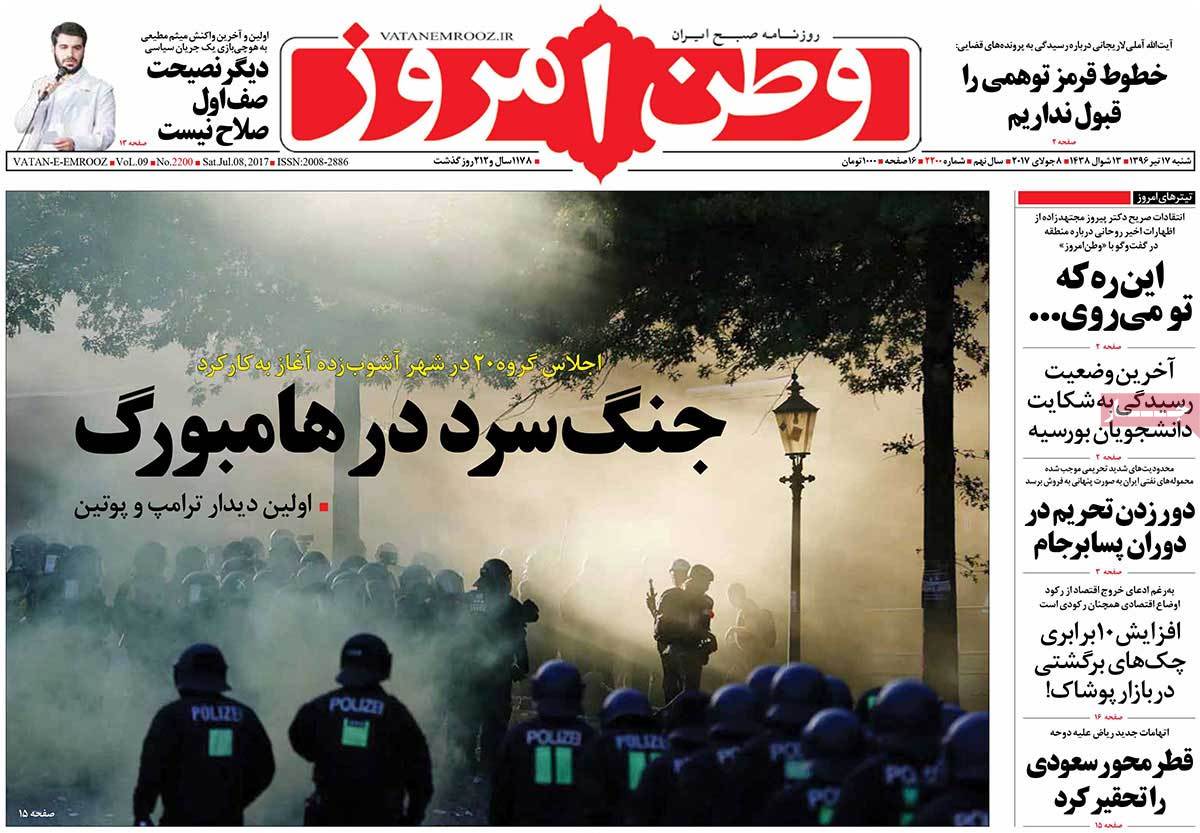
1- Cold War in Hamburg


A Look at Iranian Newspaper Front Pages on July 8

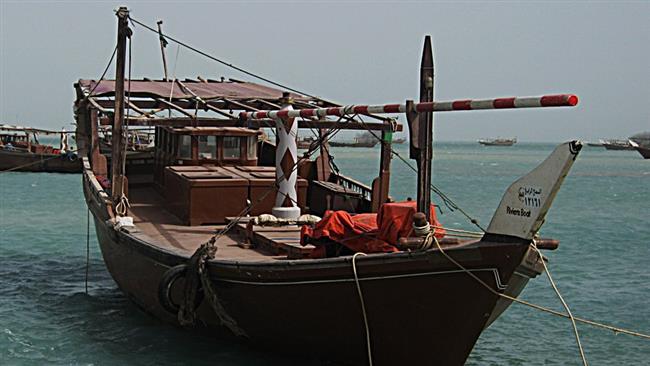
Iran Seizes Trespassing Saudi Boat with 4 on Board

Iran Seizes Trespassing Saudi Boat with 4 on Board

The vessel, which had set off from the Saudi port of Dareen, was seized in the waters off the southern Iranian province of Bushehr on Friday, an informed source told Fars news agency.

The source added that all of the vessel crew were detained and that investigations are underway.

Iranian security forces see it as a principle to safeguard the Islamic Republic’s territorial waters and will not allow anybody to trespass on Iran’s waters, the source said.

Last month, the Iranian Interior Ministry’s director general for border affairs Majid Aqa-Babaei said that Saudi Arabia’s coastguard had opened fire on Iranian fishing boats in the waters south of Iran and killed a fisherman.

The incident happened after two Iranian boats fishing in the Persian Gulf strayed from their course due to big sea waves, Aqa-Babaei said on June 17.

Relations between Iran and Saudi Arabia worsened after a deadly human crush occurred during Hajj rituals in Mina, near Mecca in September 2015.

Islamic Republic officials blamed the incompetence of Saudi officials for the incident, which, according to Iran, killed 4,700 people, including 465 Iranian nationals.

Earlier that same month, a massive construction crane had collapsed into Mecca’s Grand Mosque, killing more than 100 pilgrims, including 11 Iranians, and injuring over 200 others, among them 32 Iranian nationals.

Mutual ties deteriorated further when Riyadh executed prominent Saudi Shia cleric Sheikh Nimr al-Nimr in January 2016. Saudi Arabia unilaterally severed its diplomatic ties with Iran after protests in front of its diplomatic premises in the cities of Tehran and Mashhad against Nimr’s execution.
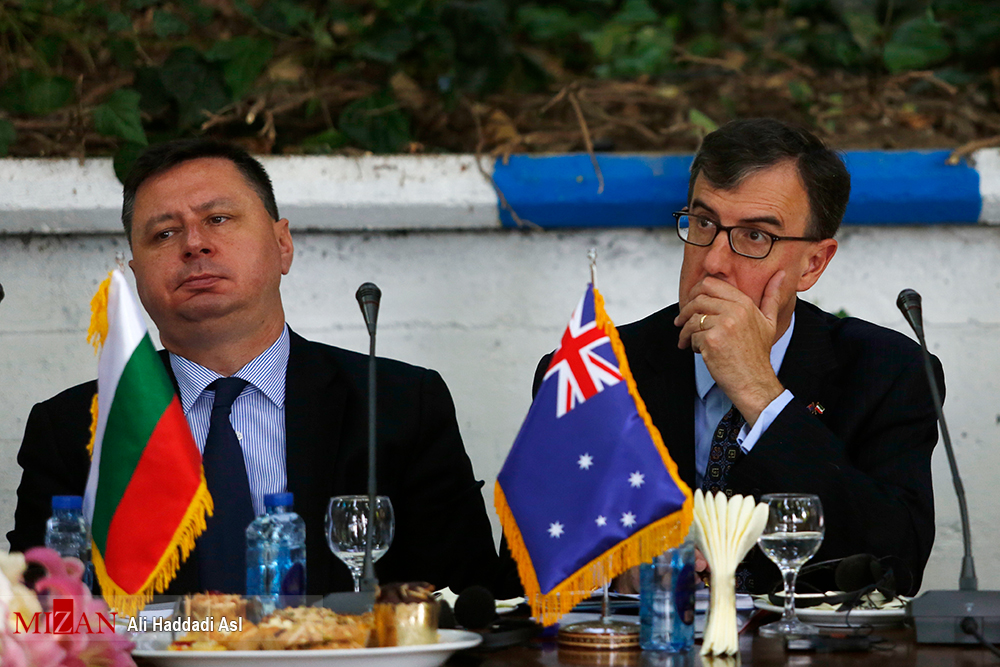
45 Foreign Ambassadors Tour Tehran’s Evin Prison

The ambassadors of 45 countries were surprised to see the ‘suitable’ conditions in a prison portrayed by world media as a notorious one.

Kazem Gharib-Abadi, the deputy head of the Iranian Judiciary’s Human Rights Office, said the tour was aimed at showing foreign ambassadors that the image portrayed of the Iranian prisons by certain countries and media is a false and untrue one.

Iran wants the foreign envoys to visit the prison in person and make a fair judgement about the way the Islamic Republic behaves towards its prisoners, he noted.

During the tour, the ambassadors were briefed on the cultural activities in Evin Prison as well as the vocational classes prisoners can take including hairdressing, car repair, computer, sewing, carpentry, and mushroom planting.

According to Mohebbi, the head of Tehran Prisons Organization, the prisoners can work in sewing and carpentry workshops and receive salary for what they do. 50% of the wage is directly paid to their families, 25% to the inmate, and the remaining 25% will be paid to them whenever they are released.

The prisoners, Mohebbi said, are free to call their family members using the phone booths inside the prison. They are also provided with all kinds of newspapers and journals.

He also noted that prisoners can have private meetings with their family members in person once in a week.

Here are photos of the foreign ambassadors’ visit to Evin Prison:


Iran Condemns Terror Attack in Egypt’s Sinai

Foreign Ministry Spokesman Bahram Qassemi slammed the suicide bombing at an army checkpoint in Egypt’s Sinai and expressed sympathy with the families of the victims.

Qassemi also warned that the escape and dispersion of terrorists following the heavy defeats they suffered in Iraq and Syria is a serious threat for the region and world.

He also noted that any appeasement or instrumental use of terrorists will result in a new wave of blind terrorism in different parts of the world.

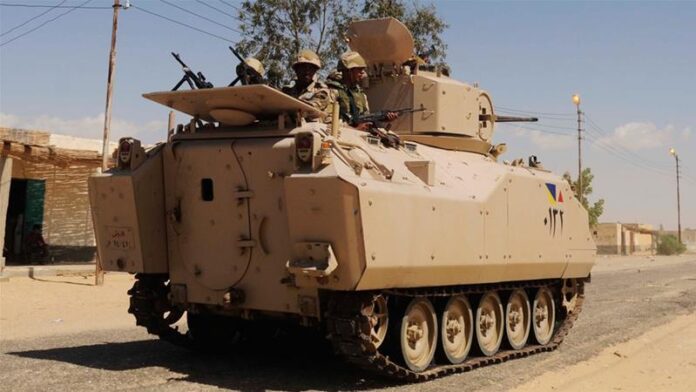
At least 23 Egyptian soldiers including a colonel were killed in a suicide bomb attack on an army checkpoint in northern Sinai, security sources said.

Another 40 fighters were killed in a subsequent gun battle with soldiers at the checkpoint, an army spokesperson said on Friday.

The attack started when a suicide car bomber rammed his vehicle into the checkpoint at a military compound in the southern Rafah village of el-Barth, followed by heavy gunfire from dozens of masked fighters on foot, officials said.

Iran Sells First Homegrown Catamaran Ship to Turkey

Iran Sells First Homegrown Catamaran Ship to Turkey

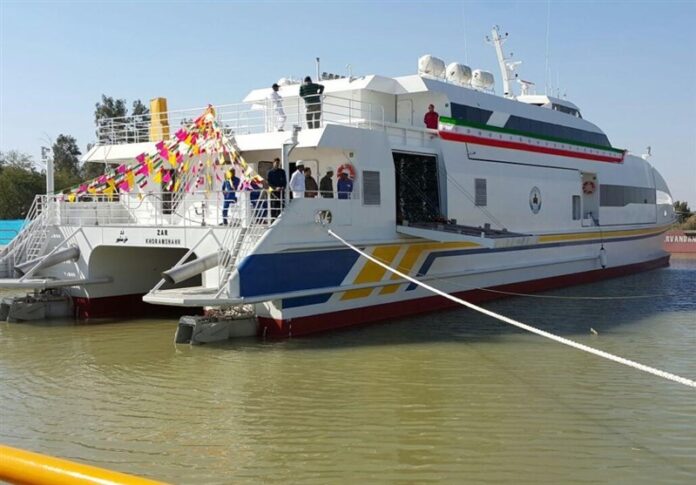
Speaking to reporters at a press conference on Thursday, Hossein Qorbani underlined that one of the features of the Iranian-made catamaran is that it is able to sail into shallow waters (two meters deep).

Another advantage of these vessels is that they can travel in bad weather conditions, he said, adding the catamaran’s speed capability is 30 knots (55 km/h).

The official further emphasized that the vessel has been sold to Turkey for around $10 million.
“It takes about 12 to 18 months to build a catamaran,” Qorbani said, adding that if the requests for the vessel increases, the Arvandan company can manufacture them in eight months.
He also said the catamaran’s body has been certified by France’s Bureau Veritas as having the highest quality.

Qorbani went on to say that the vessel was built with the help of several university professors and some Iranian expatriates living abroad.

Israel Has No Sovereignty over Jerusalem: UNESCO

Israel Has No Sovereignty over Jerusalem: UNESCO
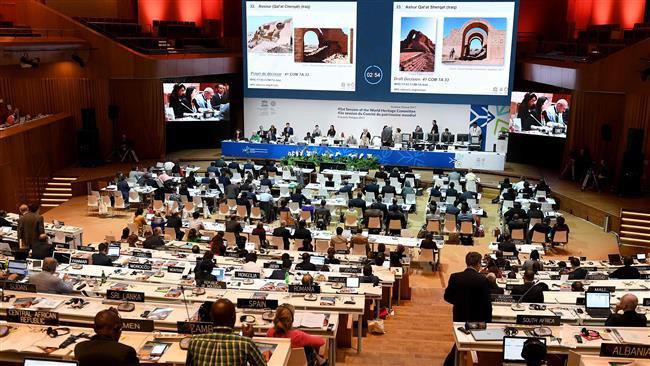
A view of main hall where the 41st session of UNESCO World Heritage Committee takes place in Krakow, Poland, July 4, 2017 / Retrieved from AFP

A committee of the United Nations Education, Science and Culture Organization (UNESCO) convened in Krakow Tuesday where it approved the wording of a Jordanian-sponsored resolution denying that Israel is the sovereign power over Jerusalem and condemning it for conducting archaeological excavations in the Old City.

The resolution slammed “the failure of the Israeli occupying authorities to cease the persistent excavations, tunnelling, works, projects and other illegal practices in East Jerusalem [al-Quds], particularly in and around the Old City of Jerusalem, which are illegal under international law.”

It further called Israel “the occupying power” and reaffirmed UN resolutions that rejected the regime’s claims to East Jerusalem al-Quds.

The proposal was submitted to the UN body’s Cultural Committee by Arab states who originally presented a much harsher version which was formulated together with the Palestinians. However, pressure exerted by Israel forced the proposal to be watered down.

Ten states supported the proposal, among them Azerbaijan, Indonesia, Lebanon, Tunisia, Kazakhstan, Kuwait, Turkey, Vietnam, Zimbabwe and Cuba. Three voted against the proposal, including The Philippines, Jamaica and Burkina Faso.

Another eight countries from several continents abstained. They included, Angola, Croatia, Finland, Peru, Poland, Portugal, South Korea and Tanzania, according to media reports.

Israel occupied the West Bank and East Jerusalem al-Quds during the Six-Day War in 1967. It later annexed East Jerusalem al-Quds in a move not recognized by the international community.

Last year, UNESCO adopted a similar resolution, titled Occupied Palestine and sponsored by several Arab countries.

21 ISIS Terrorists Nabbed in Northeast Iran

21 ISIS Terrorists Nabbed in Northeast Iran

Hassan Heidari, a deputy prosecutor in Mashhad, said a massive clampdown begun on the terror groups in Khorasan Razavi province after Tehran terrorist attacks.

“After the terrorists’ cowardly attacks on Iran’s parliament and the mausoleum of the late founder of the Islamic Republic in Tehran, which left a number of innocent civilians dead and wounded, the security forces have begun a massive crackdown on the terror groups in Khorasan,” said Heidari in a Farsi interview with the Khorasan newspaper.

“As a pre-emptive measure, we traced the suspects and found out that some of them have arrived in Iran illegally after undergoing training courses on terrorist attacks and reaffirming allegiance with ISIS leaders in some regional countries,” he added.

He also mentioned that some of the suspects played a key role in the terrorist attacks across the region and said with the hard efforts of the Iranian security forces, the suspects were traced and arrested.

“21 ISIS members were nabbed in separate concerted operations. The terrorists were still in shock even several hours after the operation,” Heidari said.

“The nabbed terrorists were put under investigation immediately. They confessed they were planning to hold a number of suicide attacks in different parts of Iran.”

“Some of the terrorists were in contact with a leading coordinator of ISIS operations who was killed a short while ago in a terrorist attack in Iraq,” the Iranian official noted.

In response to a question on the nationality of the arrested terrorists, Heidari said some of them are Iranians and some others are Afghan nationals who entered Iran using forged documents.

Heidari stressed that the anti-terrorist massive operations will keep going on. He assured the nation that the judicial system has no hesitation in inflicting heavy blows on the terrorists and their affiliated groups inside and outside the country.

He said the security forces remain vigilant against any plots hatched by the terrorists and added that the Iranian forces have taken preventive measures to foil the terror groups’ plots against the country.

“The massive arrests of the terrorists and foiling their plots reveal the great security capabilities of the Iranian security forces,” he concluded.