Friday, April 24, 2026
Home Blog Page 3974

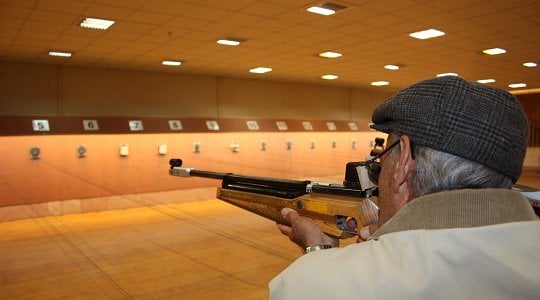
Iran to Hold Annual Sports Festival for Pensioners

Director of Iran’s Civil Servants Pension Fund, Mahmoud Eslamian, said the Sports Festival for the Retired is going to be held every year, IMNA reports.

Eslamian also added that the government is to implement a plan for the cost-free admittance of the pensioners to the provincial sports complexes.

“In this regard, sport committees are formed in coordination with the Ministry of Sports and Youth in the provinces to create conditions where pensioners could enjoy sports facilities.”

He said a sports festival with 5,000 pensioners taking part is one of the successful programs by Civil Servants Pension Fund to return vitality and health to the retired.

Eslamian expressed hope that in the coming years the festival would be held in a much better way with participation of more competitors.

The Iranian official said that 1,300,000 pensioners are considered a huge social capital and support for the Pension Fund.

“Effective interaction at different levels with the retired people, who once were top managers and experts in the country, helps manage the fund in a better way to achieve its goals and give services to its target community,” he pointed out.

Eslamian also referred to recreational and pilgrimage tours as the other plans for the pensioners saying that Civil Servants Pension Fund provided travel financial assistance for 150,000 pensioners last year, and it will hit 200,000 this year.

“The Fund pays over 170 dollars to each pensioner for pilgrimage tours and about 100 dollars for domestic tours.”

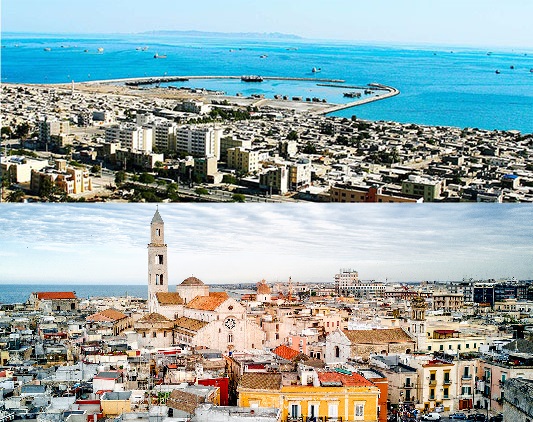
Iran’s Bandar Abbas, Italy’s Bari Become Sister Cities

The governor of Hormozgan, along with Mohsen Ziaei, the Director General of Cultural Heritage, Handicrafts and Tourism Organization of the province, are in the Puglia region in Italy to sign the agreement, Miras-e Ariya website reports.

The website quotes Ziaei as saying that “the authorities of the port of Bari have sent an official note to the Embassy of the Islamic Republic of Iran in Italy calling for the development of relations and extensive engagement with Bandar Abbas port in Hormozgan province.”

Ziaei has also mentioned that this agreement could be a major step towards realization of Hormozgan’s objectives to have access to trans-regional markets.

“This the first time that Hormozgan’s cultural heritage, handicrafts and tourism is being discussed beyond the borders of the neighbouring countries,” he added.

Iraqi Kurdistan’s Referendum Plan to Isolate Kurds: Iran’s Shamkhani

Secretary of Iran's Supreme National Security Council (SNSC) holding talks with Deputy Secretary General of the Patriotic Union of Kurdistan, Abdullah Rasoul, in Tehran on July 17 / Photo retrieved from IRNA

Ali Shamkhani on Monday stressed that the issue of holding plebiscite on Iraqi Kurdistan region’s independence will weaken Kurdistan and the entire Iraqi state.

The Iranian senior official made the remarks in a meeting with Deputy Secretary General of the Patriotic Union of Kurdistan, Abdullah Rasoul Ali, and Chief of the PUK’s Executive Body, Mullah Bakhtiar, in Tehran.

“Following up the issue of holding a referendum will separate and split the Iraqi nation,” Shamkhani said, stressing that such a plebiscite is not a priority and requirement for the country’s people and runs counter to the Iraqi officials’ policies.

He also stressed that some regional and trans-regional states are to undermine Iraq and the large countries in Western Asia.

“Considering the national interests and the interests of the Muslim world, it should not be allowed to see colonial and imported projects such as the Greater Middle East be realized.”

The representative of Iran’s Leader at the SNSC said what the Islamic Republic of Iran hopes for people, parties and groups in northern Iraq is security, economic development and prosperity.

This is a hindrance to the development and growth of terrorist groups, he pointed out.

Elsewhere in his remarks, Shamkhani stated that the victory over ISIS and the liberation of Mosul promises a better future for a united Iraq.

“The victory heralds overcoming foreign seditions that aim at creating divisions in this country.”

He went on to say that a stable and united Iraq provides security and progress across the country and those who are wishing well for Iraq should support this approach.

Iraqi Kurdistan's Referendum Plan to Isolate Kurds: Iran’s Shamkhani

In turn, Abdullah Rasoul Ali gave a report on the latest developments in Iraqi Kurdistan and said that the Islamic Republic has always been the supporter of the Kurdish people of Iraq.

“The link between Iran and Iraqi Kurdistan is historical and based on common civilization. Iraqi Kurdistan is proud of being friend with the Islamic Republic of Iran,” the Iraqi official mentioned.

Rasoul Ali also touched upon Iran’s decisive support for the security of the Kurdistan region and its people during the attacks by the ISIS terrorists.

“While the Takfiri terrorists had approached the gates of Erbil, Iran was the only country that, along with the people of Kurdistan, confronted with ISIS seriously. The Islamic Republic prevented the emergence of a security disaster in Iraq’s Kurdistan.”

Sabian Mandaeans Perform New Year Rituals in Iran

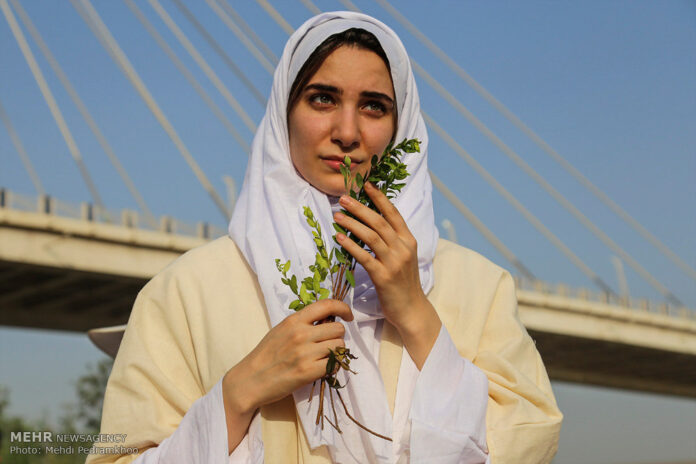
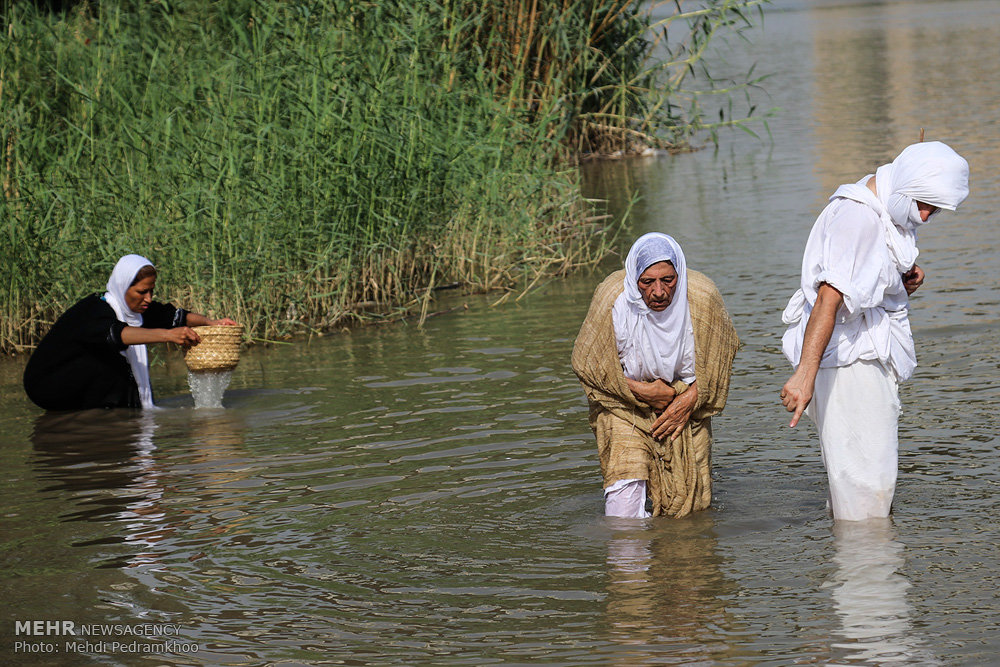
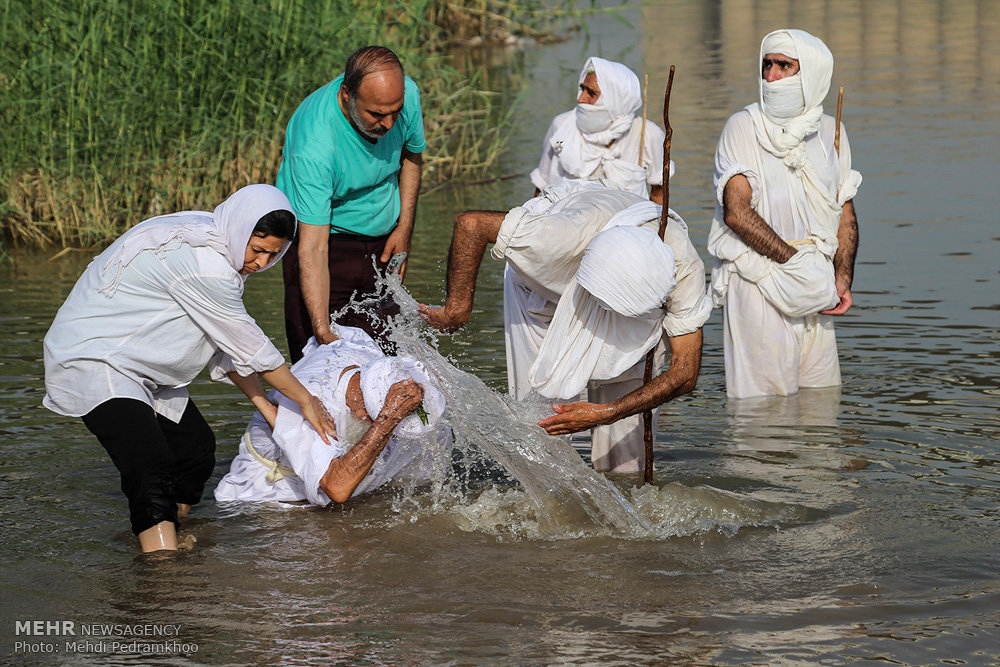
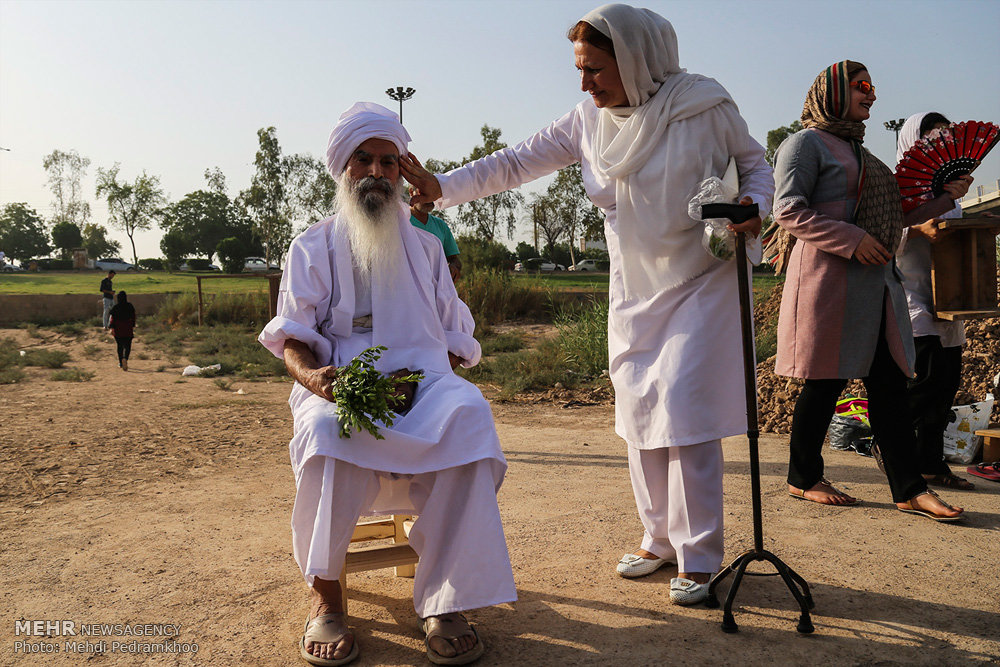
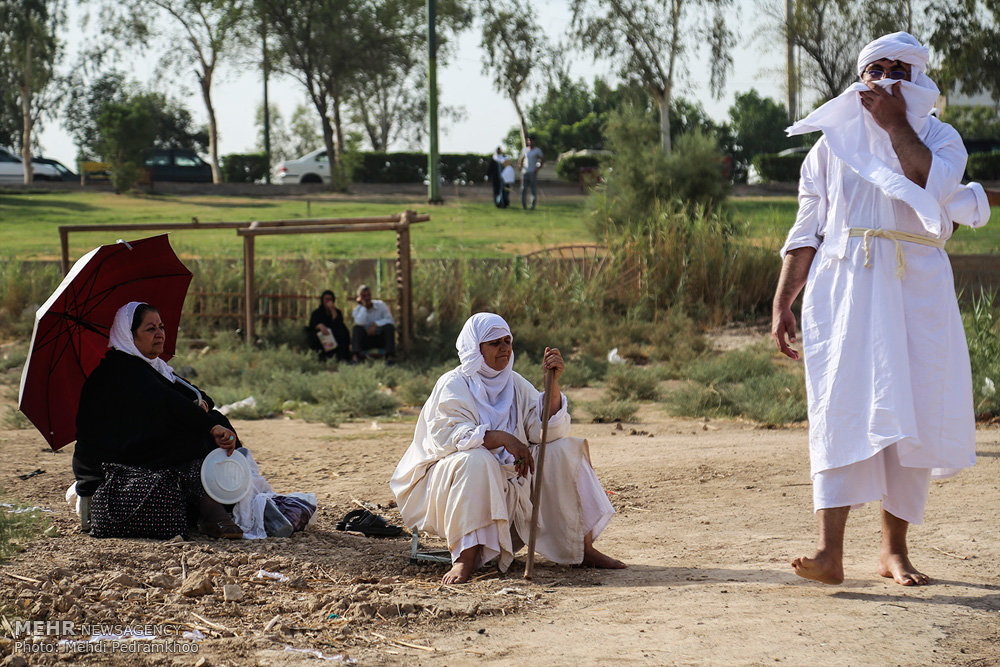
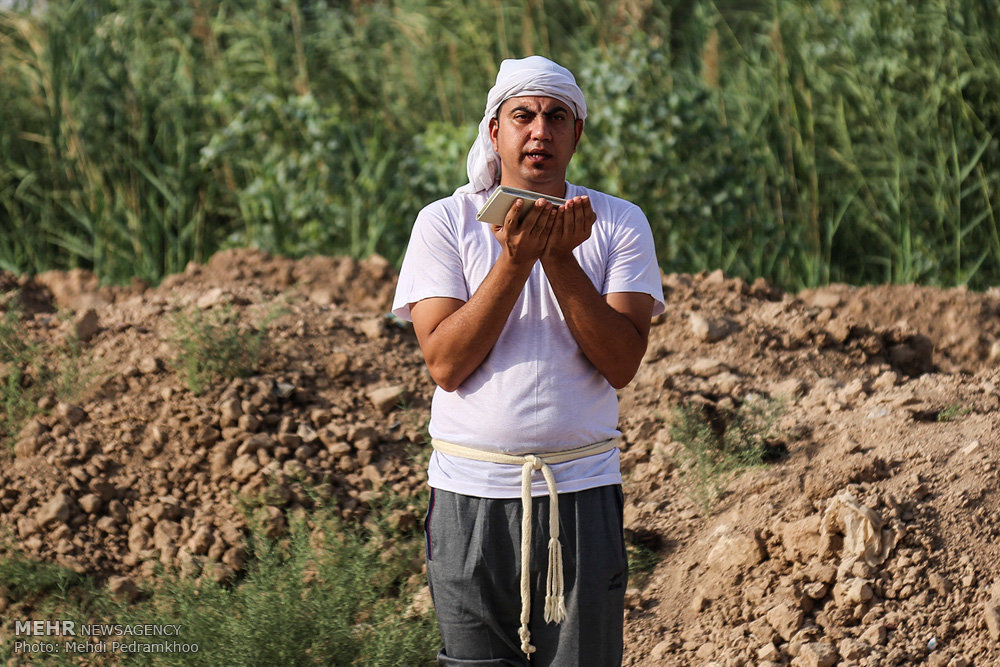
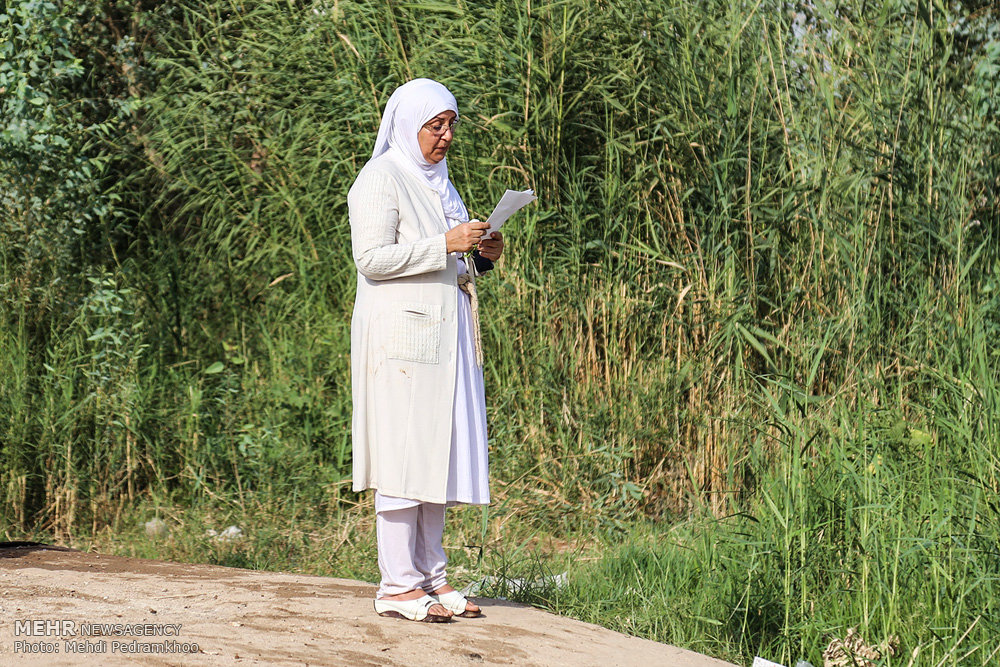
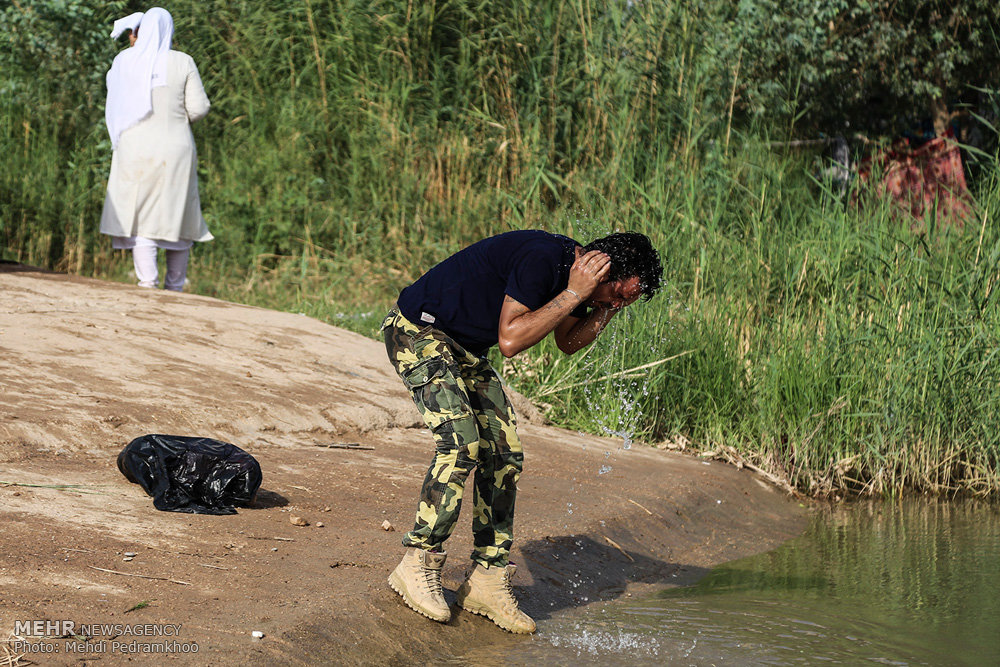
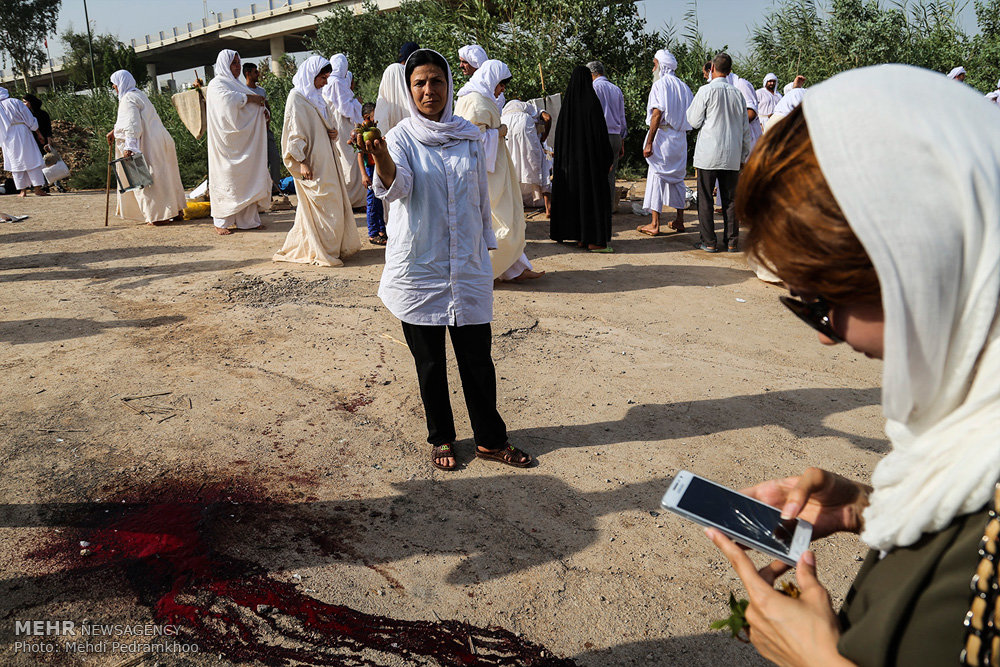
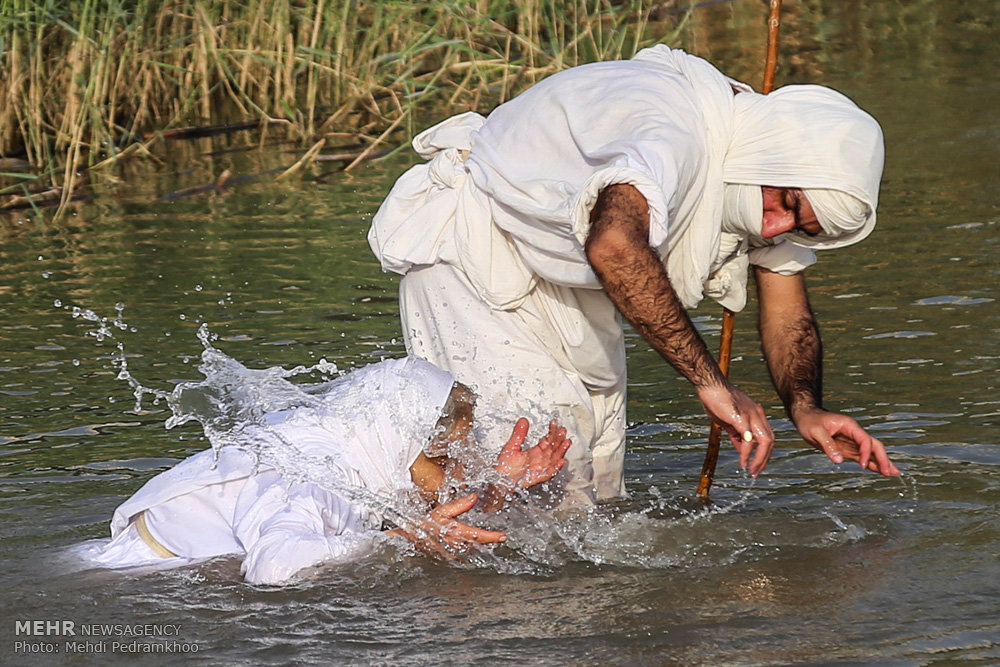
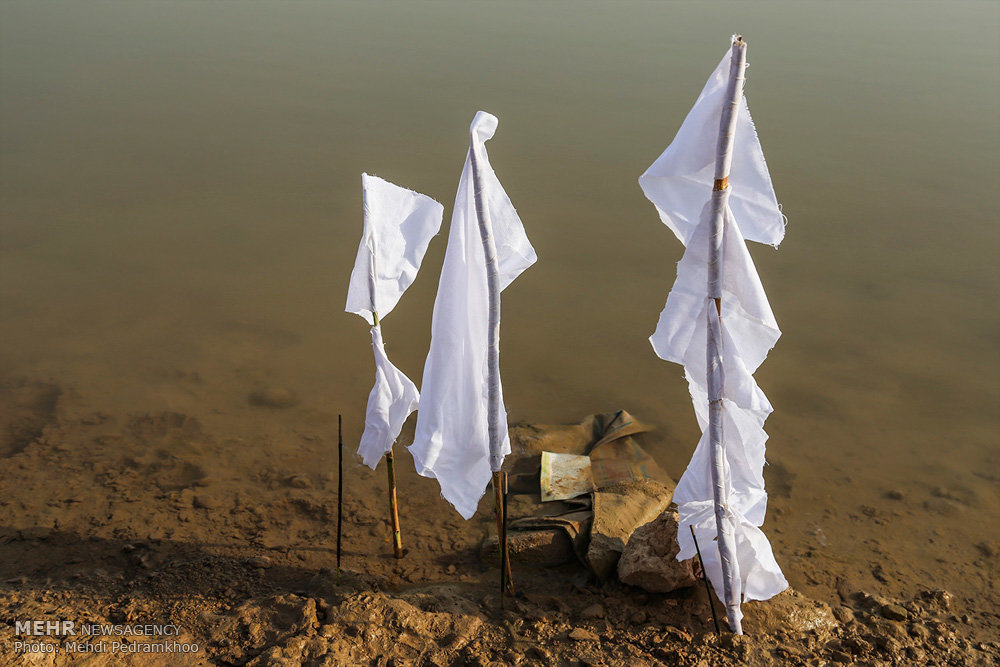
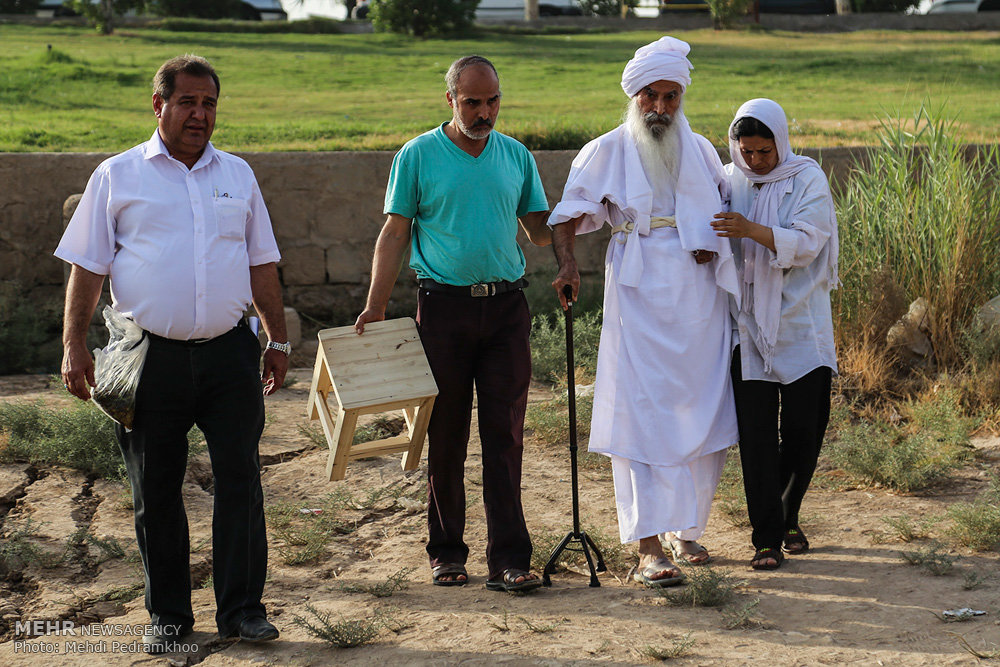
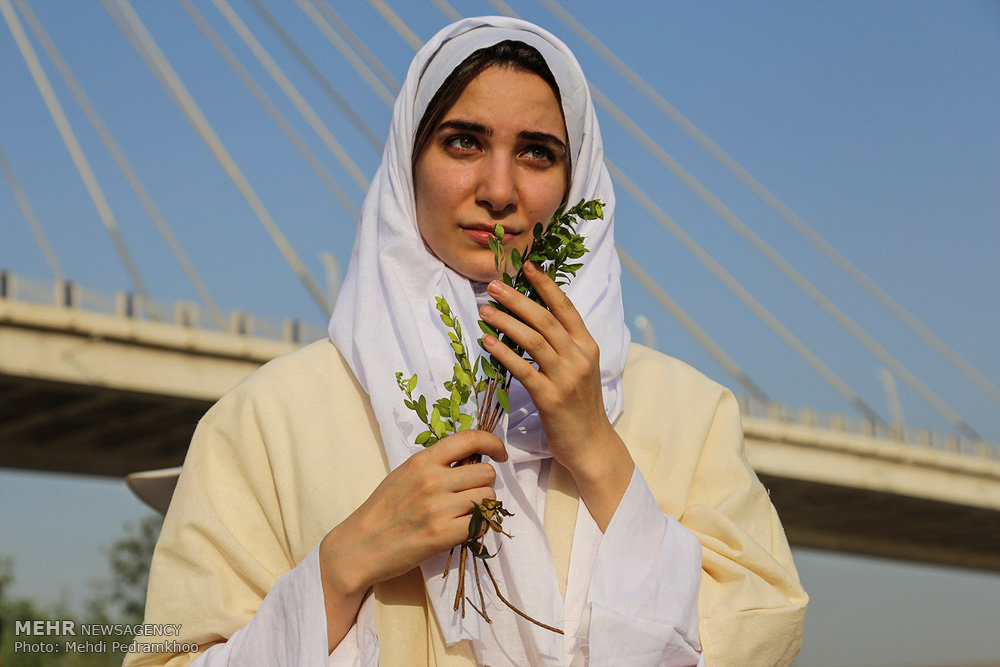
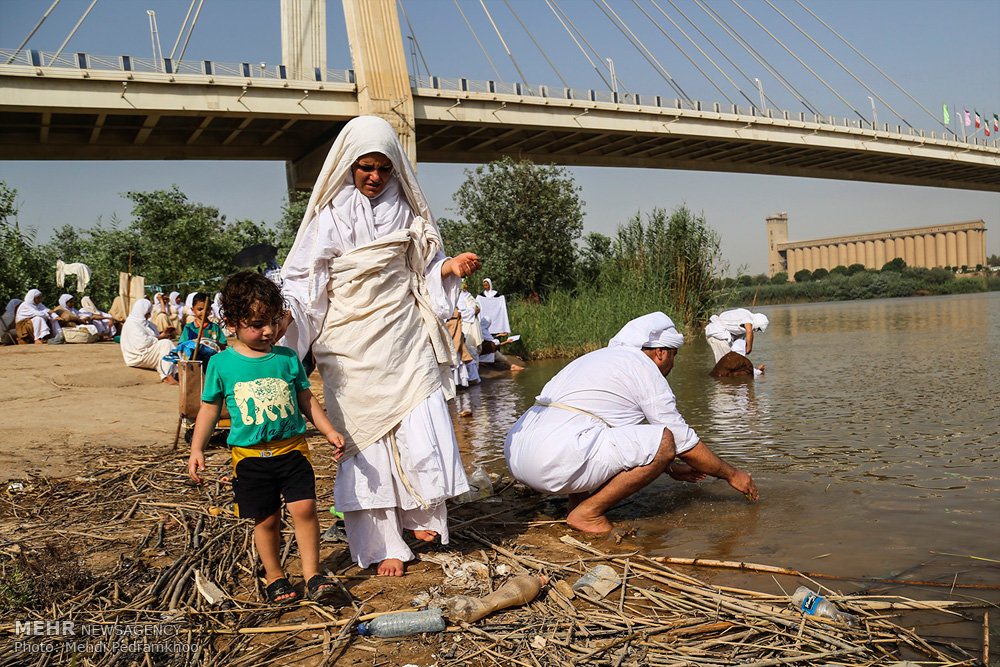
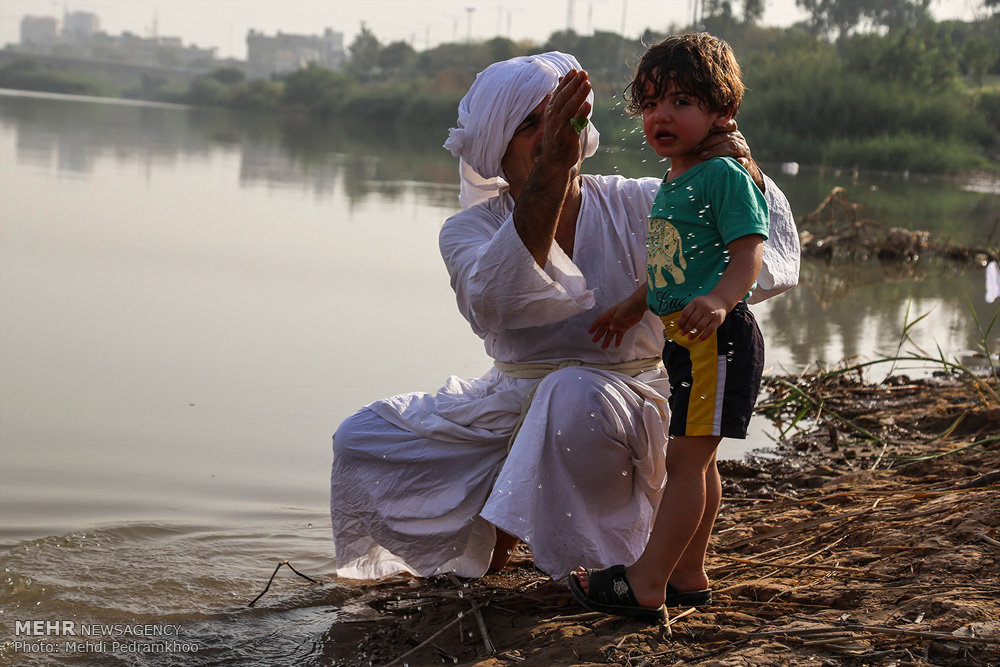
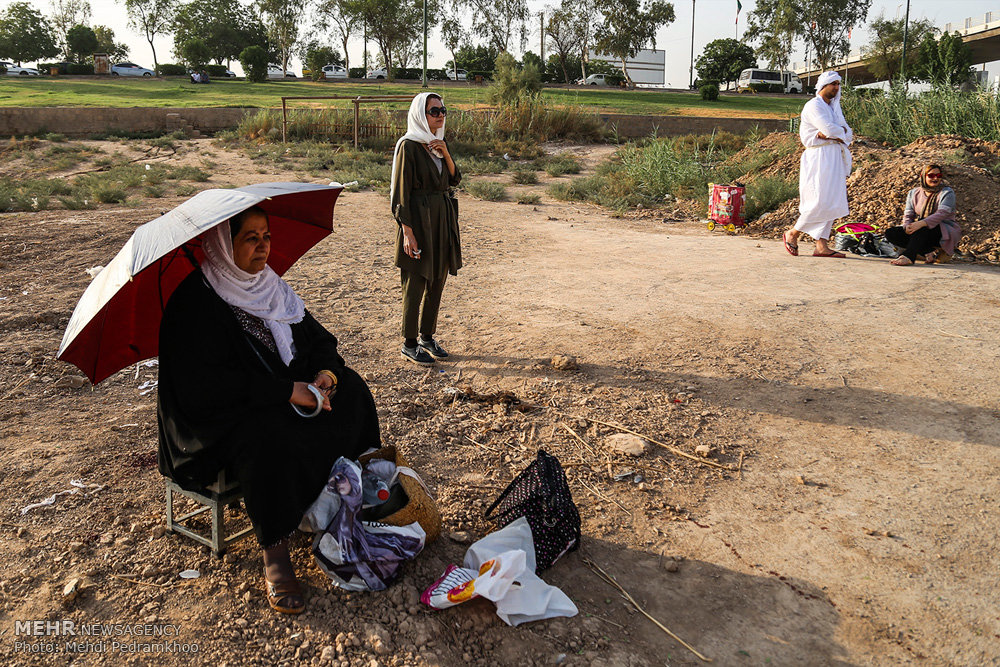
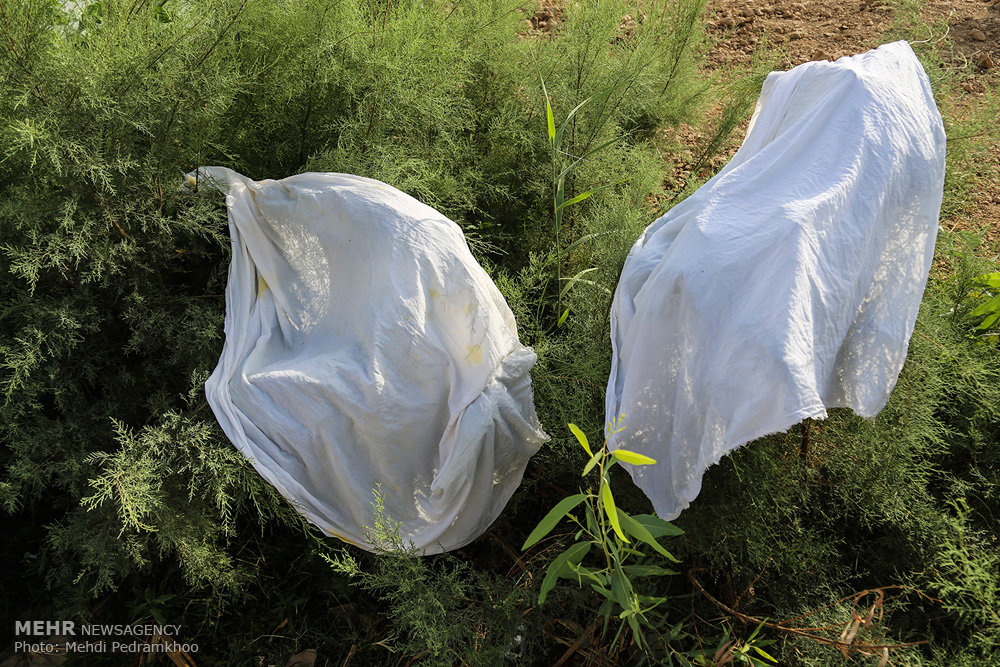
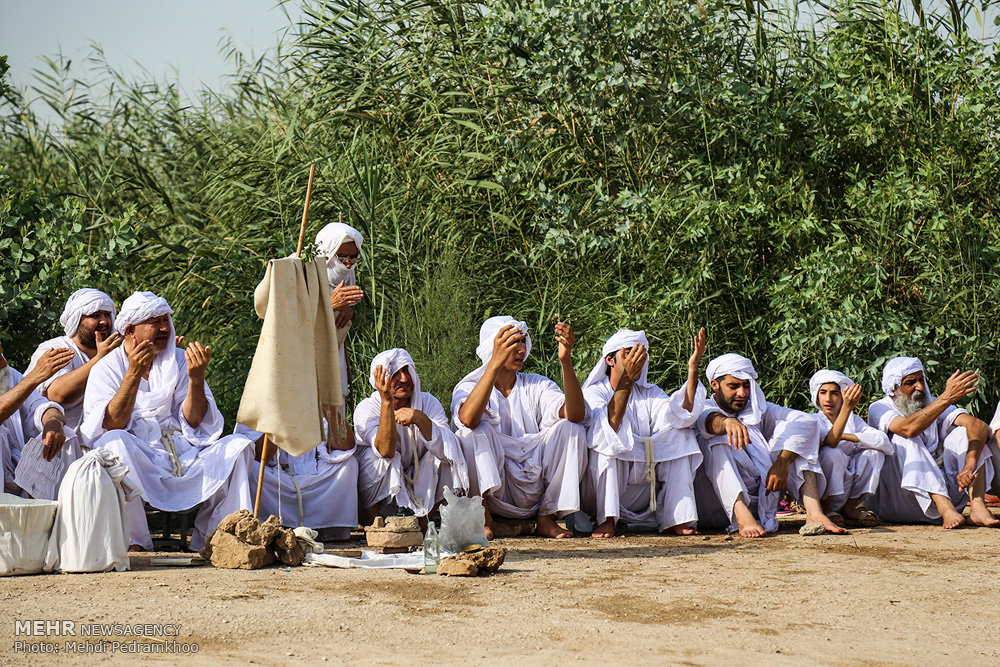
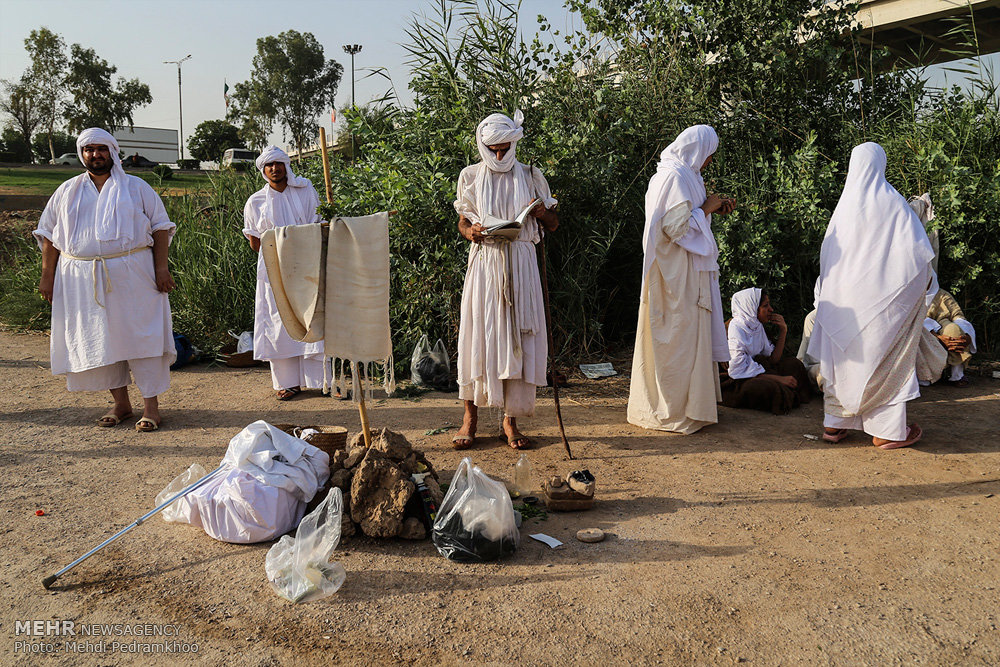
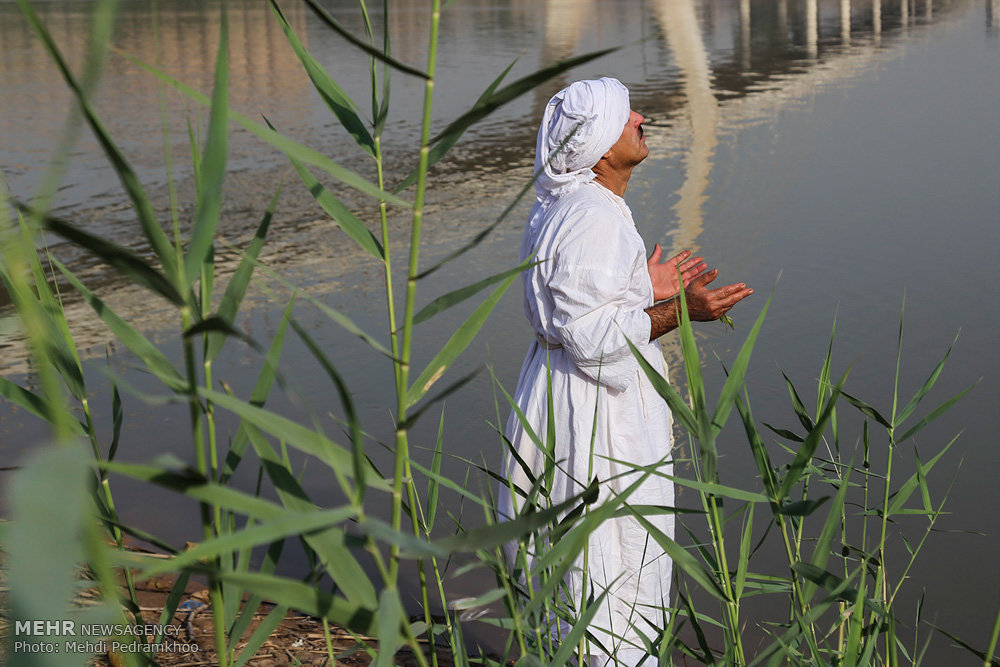
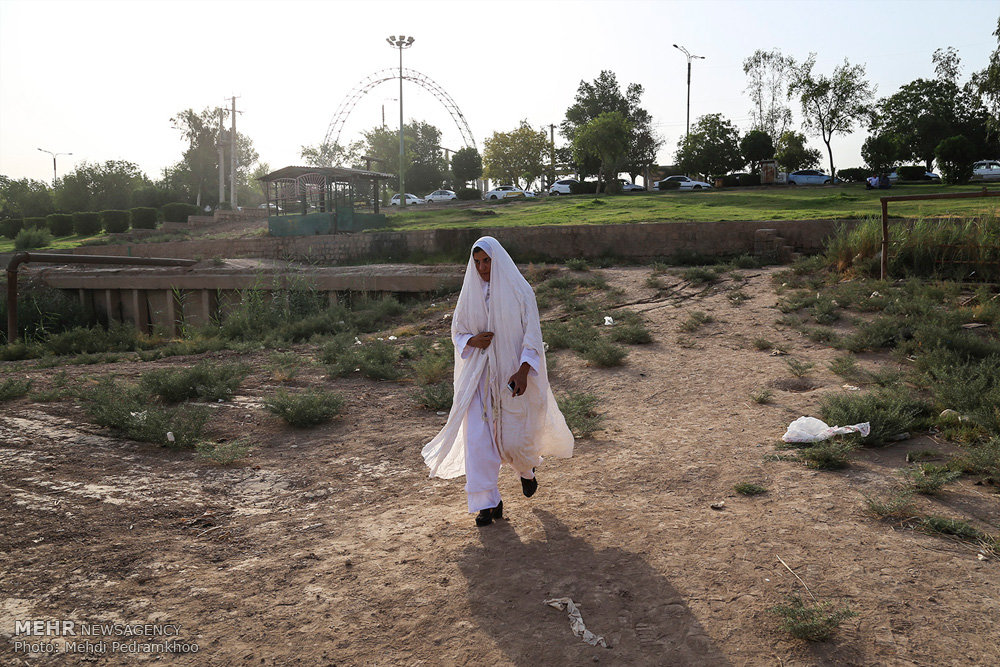
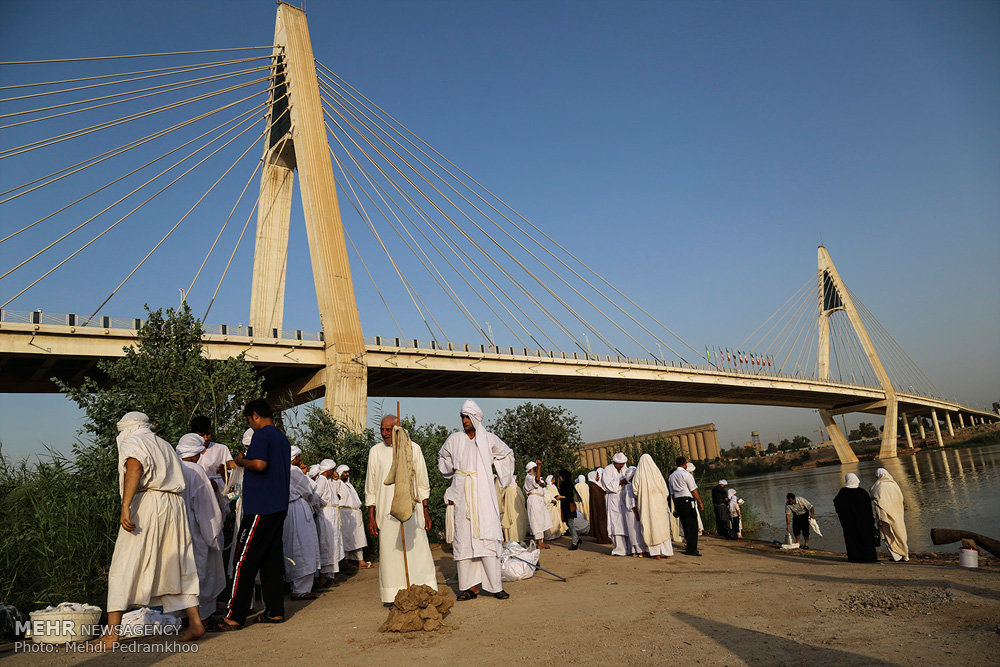
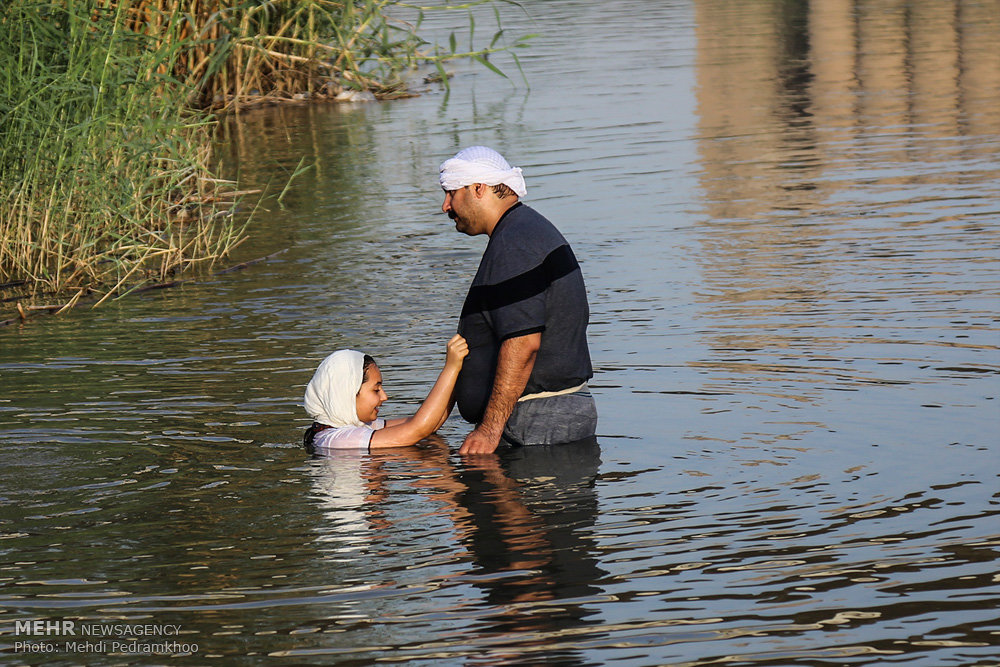
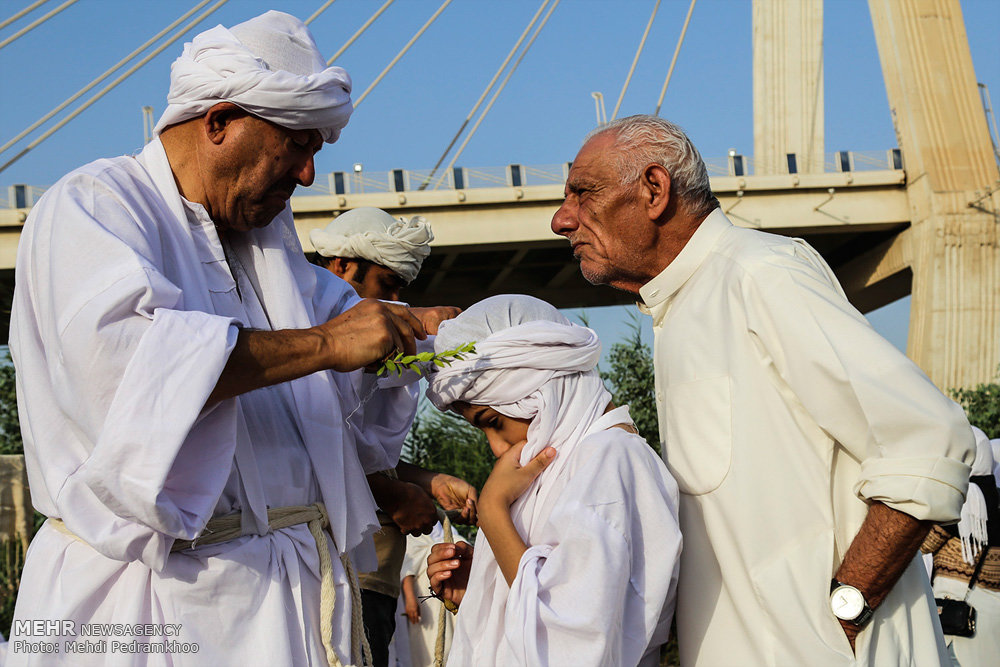
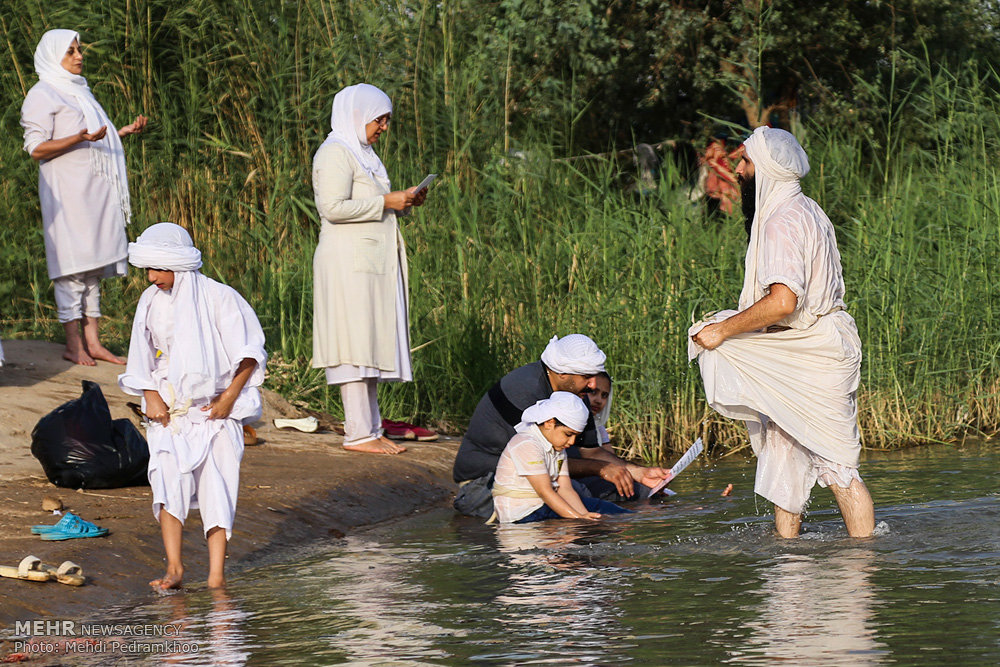
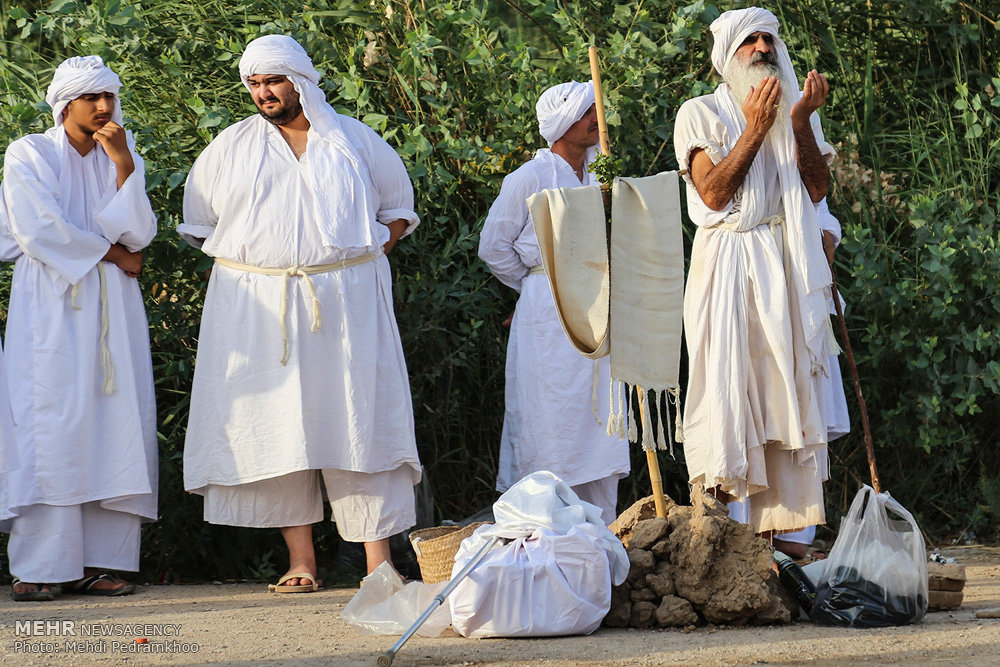
In a ceremony on Monday, a huge number of Sabian Mandaeans gathered in Ahvaz in southwestern Iran to perform the baptism rituals on the anniversary of their New Year.

The central rite of the Mandaeans is immersion in water, which is regarded not only as a symbol of life, but to a certain degree as life itself.

The name of Sabians has been mentioned three times in the Holy Quran as the People of the Book, “the Jews, the Sabians, and the Christians”.

Many scholars have identified the Sabians to be the Mandaeans, a group of individuals adhering to a form of ancient Gnosticism.

According to the UN High Commission for Refugees Background Paper on Iran, the Mandaeans are regarded as Christians, and are included among the country’s three recognized religious minorities.

However, Mandaeans regard themselves not as Christians, but as adherents of a religion that predates Christianity in both belief and practice.

Here are Mehr’s photos of their Monday ceremony in Karun River:

Iran, EU Universities Sign Several MoUs

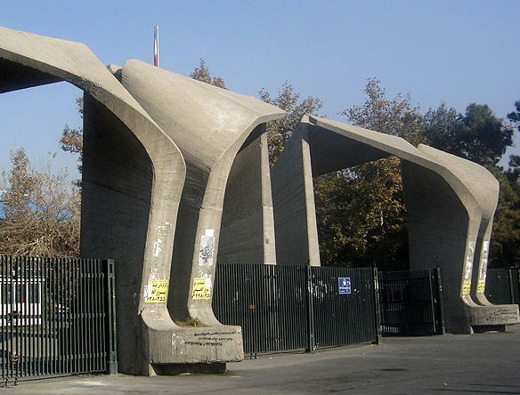
tehran university

Hossein Salar Ameli, Iran’s Deputy Minister of Science, Research and Technology, said the MoUs have been signed between 20 Iranian universities and 22 European academic centres.

According to a Farsi report by the Mehr News Agency, he went on to say that the cooperation would continue in the higher education field.

The deputy minister referred to the latest visit of the largest scientific-technological delegation of the European Union to Iran and said in a meeting with the European delegation, various ways for expansion of ties between Iranian and the EU universities in higher education were discussed.

“Representative of 22 European universities signed memoranda of understanding with 20 Iranian universities to launch joint scientific projects as well as exchange students.”

The two sides have pledged to provide the finance for these projects as soon as the MoUs are approved, he added.

Salar Ameli noted that the EU has attached great significance to the Iranian universities given their high quality education.

“Meanwhile, the European sides are interested to invest in Iran given the country’s great security in the region as well as the scientific potential of the Iranian scientists.”

Fibre Optics Overhauling Internet Services in Iran

Columnist Mohammad Hassan Kholoosi has, in a Farsi article published in the Donya-ye Eqtesad daily newspaper, elaborated on a plan to provide fibre-optic communications for homes in Iran. The full text of the piece follows:

The Fibre To The Home (FTTH) plan widely advertised in media and on billboards was unveiled around three months ago by the Iranian Telecommunications Company. Its first phase was officially inaugurated on April 24, 2017 in a ceremony attended by First Vice President Es’haq Jahangiri. Also present was the head of Iran’s Telecommunications Company who promised to get one million fibre-optic ports connected to homes by March 2018. Later on, telecoms officials said the figure could rise to one and a half million. One week later, news was published of the MTN company’s direct investment and partnership with the Iranian Net Company (Iran’s fibre optics operator), paving the way for the renewal of the license of a fourth operator.

It seemed the government, in order to increase competition between the two operators, aimed to enhance speed and improve the quality of the country’s fibre optics infrastructure, especially by boosting access and distribution layers and opening up new business opportunities on the Web. However, given the history of it all, there is uncertainty over the FTTH plan becoming operational on time. The entrepreneurs and investors who intend to create content or establish new businesses on the high-speed Internet have doubts as to whether or not the capacity of the network and the operators’ programs to develop the infrastructure will meet their needs in the near future. To show the plan was not merely an advertising move at a certain point in time, all those involved in the project should shed light on its dimensions and implementation plan and also draw up periodical progress reports to show that first, they have the necessary determination to implement it and second, the plan is going according to schedule. This would encourage entrepreneurs and investors to launch new start-ups and promote new business plans on the Internet.

For instance, it should be clear when exactly the plan will come on line. Will the one million (or one and a half million) ports promised to become operational by March 2018 come on line as scheduled? Will, at this stage, only economic enterprises and businesses be covered, or home users will be provided with the service as well? In which cities and based on what timeframe will the fourth operator expand the required fibre-optic network? What model is adopted to bankroll the project? Will users be charged from the beginning for the costs of building the network, or will they be charged gradually later on through the services they are provided with? Another key issue shrouded in ambiguity is the plan for the procurement of active and passive equipment needed by the network as well as the optic fibres required by the operators to implement the FTTH project.

These ambiguities and a lack of coordination with local producers may lead to the market being taken over by foreign producers. This comes as very good potential and active resources exist in the country to produce the fibre optics. As a case in point, it is not clear how the optic fibres needed for the one million optic-fibre ports for homes will be procured. If, optimistically speaking, the optic fibres are connected to optical cabinets, on average some 500 meters of optic fibres are required to go all the way from the optical cabinet to each home not to mention the 50 meters of drop cables needed for each flat inside an apartment building. If at the end, 1-t-16 splinters are used and if, on average, there are 10 subscribers in each building, at least 100,000 kilometres of optic fibres will be needed by March 2018. This comes as the biggest producers of optic fibres in the country are running at 50% nominal capacity due to high costs as a result of delayed payments by operators or state firms, and is scheduled to produce some 15 thousand kilometres of optic fibres by March 2018.

The need to make plans for the procurement of optic fibres is felt more when official global data show the implementation of the FTTH project in different countries has led to the growing use of optic fibres for several years in a row. For example, China, which used only 10 million kilometres of optic fibres in 2004, saw a 14-rise in the amount of optic fibres used over a ten year period after the FTTH plan became operational. The figure hit more than 140 million kilometres in 2014 in the country and is predicted to have a rising trend until 2020. Surveys show that at the moment, the fibre-optic network has been only extended to street cabinets, or at most, to distribution points, at certain telecoms centres in Tehran.


Solution to Problems in Production of Optic Fibres

In most countries, operators buy part of the shares of companies producing optic fibres and cables, so that both sides will reap the benefits of this partnership mutually. This way, not only can operators make sure they will receive supplies of optic fibres on time, but producers also may rest assured that their investment in boosting their capacity and diversifying their basket of products will bring in more customers.

Moreover, transparent policies are needed in the imports sector in order to help local companies secure a bigger share of the market for domestic products in order to run development projects. We should not allow cheap low-quality foreign products to replace domestic products. A very efficient and useful way is to run joint ventures with renowned foreign producers, which can happen with the government’s support. The reality is that the process of procuring optic fibres in the country will be incomplete and imprecise without taking into account the production of hardware, software and content. The whole process of establishing the fibre-optic network in the country should be specially designed.

 

180 Iranian Female Filmmakers to Compete in Int’l Festival

A Farsi report by the Khabar Online News Agency says more than 180 female filmmakers have already applied for taking part in Feature, Lengthy Feature, Mid-length Film, Short Film, Documentary, Mid-length Documentary, Short Documentary, Animation and Neighbourhood sections of the International Shahr Film Festival.

This establishes a record in terms of the Iranian women filmmakers’ presence in an international film festival. The women’s presence in the sections of mid-length feature is highly significant.

Nearly 50 Iranian women filmmakers have applied to take part in Mid-length Feature and Short Film sections. On the other hand, in each of the Animation and Neighbourhood Section, 39 women filmmakers have already applied to take part.

In Short and Mid-length Documentary sections, 36 Iranian women are present. In Feature section, 10 filmmakers and in Lengthy Feature and Documentary, 7 filmmakers are going to take part each.

Among the leading Iranian women filmmakers participating in the festival are Pouran Derakhshande with “Under the Smoky Roof”, Negar Azarbaijani with “Narges Season”, Monir Qeidi with “Vilaieha”, Majan Ashrafizadeh with “Sis”, Soheila Golestani with “Two”, Pegah Ahangarani with “Men of Arbab Jamshid”.

The sixth edition of International Shahr Film Festival will be held in Tehran from July 31 to August 5.

Iran Warns US against Imposing Sanctions on IRGC

“Drawing an analogy between the IRGC and terrorist groups and imposing the same sanctions (used against terrorists) on the IRGC would be a big risk to the US and its bases and forces stationed in the region,” the senior Iranian commander said in a gathering of IRGC Ground Force commanders, held in the northeastern city of Mashhad on Monday.

Slamming as a “wrong US calculation” a Congressional bill seeking to apply terrorism-related sanctions to the IRGC, Major General Baqeri said the Iranian nation has always stood up against the world hegemonic system, especially the US, and has boosted its capabilities, stressing that any fresh sanction would again become an opportunity for Iran’s progress.

He further recommended that the US legislature exercise more “caution” and “think deeper” about the decisions on new anti-Iran sanctions, stressing, “The Islamic Republic of Iran’s missile power is defensive and never would be subject to bargaining and negotiation at any level.”

In June, the US Senate passed a bill on new sanctions against Iran. The bill imposes mandatory sanctions on people involved with Iran’s ballistic missile program and those who do business with them. It also applies terrorism-related sanctions to the IRGC and enforces an arms embargo.

Elsewhere in his comments, the senior general hit back at US officials for their brazen interference in Iran’s internal affairs and for calling for a regime change in the country, recommending them to speak in a more careful and mature manner about Iran.

Last week, US Secretary of Defense James Mattis accused Tehran of sponsoring terrorism and called for regime change in Iran in an interview with the newspaper of a local American high school.

The suggestion of regime change is not the first by a Donald Trump administration official. In June, Secretary of State Rex Tillerson stated that the US would support those wanting to bring about a regime change in Iran.

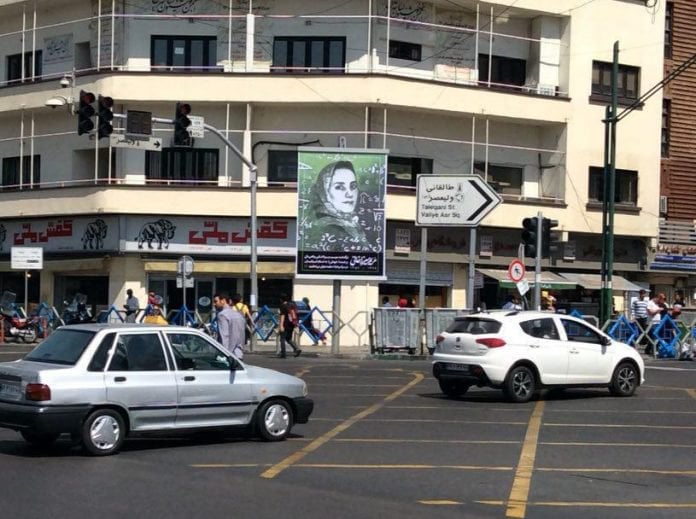
Tehran Considering Plan to Name Street after Mirzakhani

Mohammad Salari, a senior member of Tehran City Council, declared in a post in his Twitter account that a plan to name a street after Mirzakhani will be discussed in the Council on Tuesday.

Babak Negahdari, the head of the City Council’s Planning and Study Centre, also noted that naming a street or place after the late genius provides an opportunity to keep alive her memory.

It will also serve as a manifestation of Iran’s recent progress in the fields of science and technology, he added.
According to a Farsi report by Mashregh News website, Negahdari went on saying that Mirzakhani’s unexpected death deeply moved the Iranian scientific community.

“To honour the life and memory of late Mirzakhani, we have already offered our suggestions to Tehran Municipality,” he said.
Negahdari said naming one of the streets or places of Tehran after Mirzakhani can promote national confidence and encourage spirit of research among the Iranian youth.
“The names of places and streets are part of our history and collective identity. As part of Tehran’s history, these names also make up our city’s identity. So, pursuing the policy of naming the streets and places [after such figures] is highly significant,” he noted.

Mirzakhani was a 40-year-old professor of the Stanford University when she succumbed to cancer in a US hospital. She won a gold medal in the Hong Kong International Mathematical Olympiad in 1994 as the first female Iranian student to have received a gold medal in mathematics.

In the 1995 Toronto International Mathematical Olympiad, she became the first Iranian student to receive a perfect score and win two gold medals.

Mirzakhani obtained her BS in mathematics (1999) from Sharif University of Technology, Tehran. She then went to the US and received a PhD from Harvard University in 2004. She later received the Fields Medal as the first woman in history to win the prestigious award, commonly known as the Nobel Prize in Math.

Born in 1977, she was diagnosed with breast cancer in 2013.

Robot Made by Iranian Students Helps Disabled People

Robot Made by Iranian Students Helps Disabled People

Deputy Director of Research and Technology Department at the Islamic Azad University (IAU), Morteza Mousakhani, says the university has financially supported the students to build the robot.
He also added that building some robots with new capabilities is top on the agenda of the IAU, according to a Farsi report by the Fars News Agency.
“A firefighter robot is in the construction phase. We are planning to build a robot that can operate at high temperatures to put out fire.”
Researchers at the IAU are also building robots that could be of more use in different fields, he added.
Mousakhani stressed that providing financial support for the inventors is among the main priorities of this university.
“Likewise, rescuer robots are built which can be used to identify victims of accidents that have vital signs. These robots send rescue teams the location of live casualties,” he said.