Sunday, April 12, 2026
Home Blog Page 3959

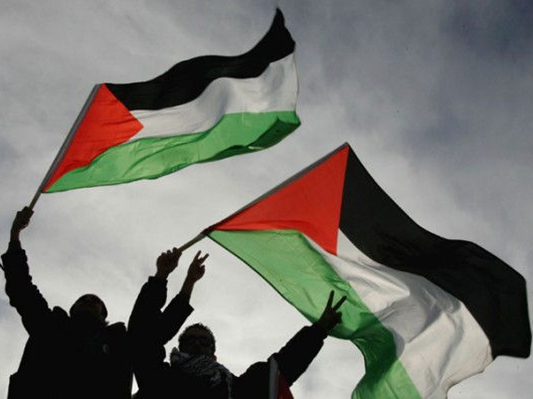
Hamas Sends Letter to Iran President on Al-Quds Developments

palestine

Khaled Qaddoumi, the Hamas representative in Iran, sat down with Iranian Deputy Foreign Minister for Arab and African Affairs Hossein Jaberi Ansari on Sunday.

During the meeting held in Tehran, Qaddoumi presented to the Iranian official a written message from Hamas’ political bureau chief Ismail Haniya addressing Iranian President Hassan Rouhani.

The message was related to the latest developments in al-Quds and at al-Aqsa mosque.

The two sides also discussed the latest developments in the occupied Palestine as well as the region.

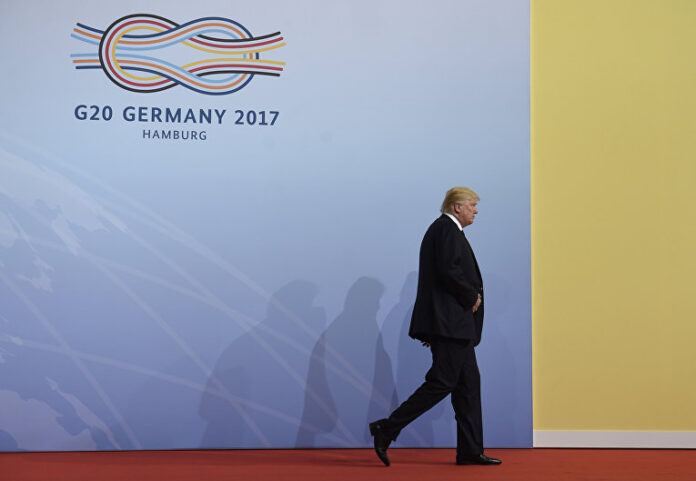
US Moving towards Int’l Isolation: Analyst

Trump - Isolation

Political analyst and former Iranian diplomat Mohsen Paakaein has, in a Farsi peace published in the Jame Jam daily newspaper, weighed in on the repercussions of the US Congress’ move to impose new sanctions on Iran, Russia and North Korea. The following is the full text of the article:

The US House of Representatives’ slapping fresh sanctions on Russia, Iran and North Korea can be reviewed from different perspectives.

  1. Although the motion needs to be signed by the US president to come into force, Iran will definitely react to the US lawmakers’ move and will reciprocate through necessary measures at the Parliament.
  2. The US Congress passing the legislation at a time when Takfiri terrorists in Syria and Iraq have suffered crushing defeats indicate neo-conservatives’ anger and proves the White House lacks serious determination to tackle terrorism. It goes without saying that by imposing sanctions on Iran and Russia, which are at the forefront of the campaign against terrorism, the US is targeting countries which are fighting terrorists.
  3. The Congress’s recent move, which has raised serious opposition and concern in Europe, will increase Washington’s divisions with European states and speed up the trend of Washington becoming isolated on the international stage. Moreover, the United States’ animosity with Russia and North Korea, which has somehow targeted China as well, will reduce the number of Washington’s friends. All these developments have set the stage for Iran to take diplomatic action in the face of Washington’s breach of promises. Iran’s diplomacy apparatus can take advantage of the situation to turn US threats into opportunities.
  4. The reality is that the nuclear deal signed between Iran and six world powers known as the Joint Comprehensive Plan of Action (JCPOA), which is an international agreement, has circumscribed the United States’ chances of exerting pressure on Iran. The Capitol Hill’s recent move also looks more like a cold war and is much less likely to go into effect now compared to the time before the JCPOA was signed. By slapping sanctions on Iran, Washington seeks to make the Islamic Republic pull out of the JCPOA, so that it will be able to get other European countries on board and form an international coalition against Iran. By pressing ahead with its prudent diplomacy, Iran should get European countries, Russia and China to realize that the US is impeding the implementation of the JCPOA by reneging on its commitments. At this juncture, Iran should avoid any move which might be regarded as non-compliance with the JCPOA, and, hence, prevent the formation of any global consensus against itself.
  5. US media are seeking to blow the new bans out of all proportion, call them the “mother of sanctions” and, in their estimation, intimidate Iran with a war of nerves. But the reality is that the possible new sanctions against Iran are a far cry from the possible bans against North Korea or Russia. The sanctions on Iran would, in fact, be a repeat of past sanctions without the approval of the UN Security Council, and show that using sanctions as a tool is more inefficient than in the past.
  6. The Islamic Republic of Iran will definitely show reciprocal reaction to the US Congress’ new move. In the meantime, boosting national solidarity and unity as well as reinforcing the country’s defense capability will be the strongest and most serious response to the US sanctions. We need to improve our defense capability and national solidarity, and at the same time press ahead with our activities in the defense sector. Some 40 years ago, the Americans put pressure on Iran with different tools, namely sanctions, but, by God’s grace, they suffered defeats in all stages. Washington’s recent sanctions, too, will end up having the same fate.


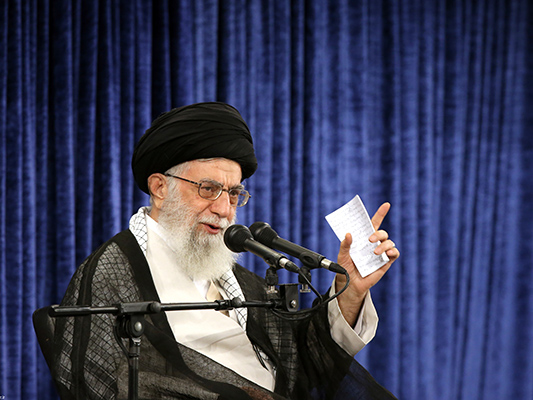
Iran Leader Calls on Hajj Pilgrims to Take United Stand against Israel

Tensions are still high at Islam’s third holiest site in Jerusalem al-Quds where Israel deployed troops last week to restrict access to Palestinian worshipers but had to retreat amid fears that the standoff could turn to a large-scale revolt.

“The Zionists have become emboldened and rude, giving themselves the right to get tough with the owners of the al-Aqsa Mosque and prevent them,” Ayatollah Khamenei told a group of officials in charge of annual Hajj in Tehran Sunday.

“Where can the Islamic Ummah find a better venue than Hajj to comment on the al-Aqsa Mosque? Where is the place to take a position against the mischievous presence of America in the region? Hajj is the best venue,” the Leader added.

Ayatollah Khamenei also recommended that the pilgrims focus on the issue of unity, saying no one should do anything which may help create friction.

The Leader further asked pilgrims to participate in congregational prayers in the Masjid al-Haram in Mecca which surrounds Islam’s holiest site and the Masjid al-Nabawi which is the second holiest site to Muslims, situated in Medina.

“While billions of dollars are spent to create disunity, friction and hostility among Muslims, Muslims should be careful not to help this effort, because each Islamic nation that contributes to this plot will be a partner in the consequences of this great sin.”

The Leader stressed that the security of pilgrims is very important and must be guaranteed. “The pain left in the hearts of Iranians due to the 2015 Hajj tragic incidents is unforgettable,” he said.

Ayatollah Khamenei was referring to two deadly incidents in September 2015, when more than 100 pilgrims lost their lives after the collapse of a massive construction crane into Mecca’s Grand Mosque and about 4,700 people who died later in a human crush, according to the figures provided by Iran.

The Leader said the ritual of the “disavowal of disbelievers” which was always emphasized by the late founder of the Islamic Republic Imam Khomeini is an opportunity to declare positions on the subjects on which there is consensus among the Islamic Ummah.

“One of these issues is the case of al-Aqsa Mosque and al-Quds, which these days because of the insolence, brazenness and wickedness of the usurious and fake Zionist regime, has become  the focus of attention more than before.

“The meddling and mischievous presence of America in the Islamic countries and the region and the creation of Takfiri terrorist groups is another important issue that Muslim nations should take a stand on during the Hajj,” Ayatollah Khamenei said.

“More mischievous and wicked than all terrorist currents is the American regime itself,” the Leader added.

International Olympiad in Informatics Kicks Off in Tehran

The 29th International Olympiad in Informatics (IOI 2017) was kicked off in Tehran on Friday, July 28, and will last until Friday, 4th of August, 2017. The IOI 2017 is hosted and organized by the Iranian Ministry of Education.

The IOI aims to discover, encourage, bring together, challenge, and give recognition to young people who are exceptionally talented in the field of informatics.

It also seeks to foster friendly international relationships among computer scientists and informatics educators and bring the discipline of informatics to the attention of young people.

Here are the Fars News Agency’s photos of the opening ceremony:

400 Firms to Attend West Asia’s Biggest Furniture Expo in Tehran

Tehran’s International Permanent Fairground will host the 26th International Exhibition of Home Furniture (HOFEX 2017) from August 1 to 4.

According to a Farsi report by the Azad News Agency (ANA), more than 400 domestic and foreign production units will participate in the fair which is the biggest and most important furniture industry exposition in Iran and West Asia.

Foreign production units to take part in the exhibition will come from Italy, Spain, China, Turkey and Switzerland. They will put their latest capabilities and products on show in an area extending over 40,000 square metres.

The fair will play host to most of the leading Iranian and foreign export brands. Organized by Iran’s Furniture Manufacturers and Exporters Association, Iran’s Trade Promotion Organization has granted the permit for holding the expo.

The motto of this edition of the exhibition is “Furniture Exports, National Project”. The holding of the exposition is aimed at securing the Iranian government’s support the for domestic furniture industry to improve the quality and increase the quantity of the country’s furniture exports.

Among the other aims of the exposition are to encourage export-oriented industrial activities, prepare the grounds for raising the quality of the Iranian furniture’s designs and boost the production of such products.

A number of foreign trade delegations have also been invited to visit this year’s exhibition, which may lead to the signing of MoUs. The exhibition will be open to visitors from 10 am to 6 pm during the four-day period.

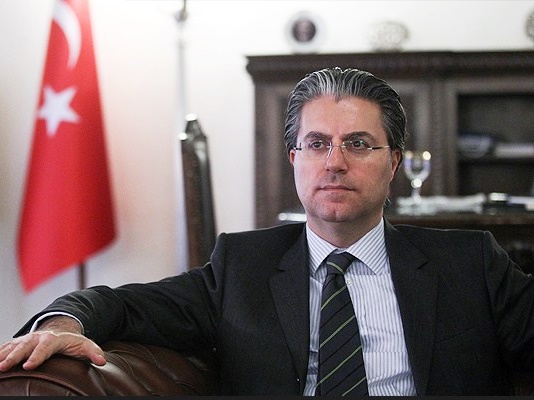
Giving Ultimatums Not to Resolve Qatar Crisis: Turkish Envoy

Reza Hakan Tekin

In an exclusive interview with the Etemad daily newspaper, Turkey’s Ambassador to Tehran Reza Hakan Tekin has discussed a range of issues including Ankara’s role in the ongoing crises in the region and the relations between Iran and Turkey.

The Turkish ambassador gave the interview to Etemad’s Sara Massoumi on July 23. What follows is the first part of his remarks:

President Erdogan recently visited Saudi Arabia and Qatar. The Qatari crisis escalates every day and none of the sides seems willing to accept conditions set by the other. Turkey insists on having deep ties with Saudi Arabia but it seems to be more strongly siding with Doha. Where does Turkey stand in the crisis?

As you said, we do have very close relations with all countries who are party to this dispute, especially Saudi Arabia and Qatar but I cannot say that we are taking sides in this conflict. But we are not happy the way it has evolved, I mean, how it has erupted. Any country may have some concerns about other countries’ policies, some steps they take, but the way to overcome those differences is not suddenly one day taking up a stance and putting on ultimatum like demands to the other country without engaging in a meaningful dialogue. Actually this was what we were not happy with. Furthermore, these are a group of countries which have very close relations, contacts among themselves, I mean through the [P]GCC. Yes, they did have similar problems in the recent past, but still this is not the way to solve problems. That’s why while not taking sides, we were not agreeing with the approach of the other parties against Qatar.

And we wanted to contribute to overcoming this problem. As you know, within the [P]GCC a reconciliation effort was spearheaded by Kuwait. We may not have much progress in our efforts at this point, but we still hope that we can resolve this problem. Our president visited Saudi Arabia, Kuwait and Doha. So at the highest level we will see where we stand and what we can do to resolve it. Because we already have a lot of problems in our region and we don’t need another tension. So these are the parameters of our approach to this problem.

Do you think Turkey is in a position to play a positive mediation role in this conflict?

Absolutely. We hope so. But of course we cannot be sure about the outcome as it’s not solely in our power to do that. These are sovereign countries and they have to make their own decisions for themselves. We can only facilitate the process, contribute to any existing process or to start a new process in terms of achieving a meaningful result. So that is our main aim. President Erdogan is a respected statesman by both parties, especially by Saudi Arabia. He has very close personal relationship both with the king of Saudi Arabia and also with the ruling family of Qatar. So let’s hope that we will achieve something. Although it is not easy; we are not naïve, we understand the challenges, complexities of the existing situation. But we believe that we cannot sit idle, we have to make some efforts.

Saudi Arabia has demanded that Qatar downgrade its ties with Tehran. How does Turkey view such preconditions for ties between countries in the region?

Of course, we stick to the principal rule of international law. Every country has its sovereign right to develop its relationships with other countries. Hence you cannot impose on any other country to control, or either upgrade or downgrade your relationship with a certain country or a group of countries. We don’t believe that is a right approach. So we don’t agree with that approach and traditionally as you know our policy, especially vis-à-vis Iran, has always been for engagement. Even though when we do not agree with Iran on many issues, on regional issues, we have never pursued a policy of isolating Iran. This is not right. And in addition to that of course, when you see some of those countries in that group having quite extensive relations with Iran, it doesn’t also make sense to ask for another country to downgrade their relations with Iran.


At the beginning of Bahrain crisis when Saudi Arabia had sent troops to Manama, Erdogan made a very strong statement by saying we do not want another Karbala. This is a very important statement by a Sunni-majority country’s leader drawing parallels with Karbala in Bahrain.


In recent days, we have seen a downgrade in Iran-Kuwait ties and there is some analysis about Saudi Arabia’s role in this new crisis. How do you see Saudi Arabia’s recruiting allies against Iran?

I’m not sure if that is the real reason. I mean, of course, you have to ask that from Kuwaiti or Saudi officials. Kuwait’s position has always been a little bit different, more nuanced, towards Iran within the [P]GCC. I’m sure you are aware of that. Even after this recent crisis, Kuwait did not take a hardline approach to Iran as the others. They were not among those four countries anyway. And as I said earlier, they started a reconciliation process. According to the information I have seen in the press and some other reports, there has been some legal process in Kuwait regarding some terrorist activity in the country and they had some conclusions that these steps had to be taken. So it is their sovereign right to do so. I think it would be a bit of an oversimplification to present the recent decision of Kuwait as ordered by Saudi Arabia or as a result of Saudi pressure on Kuwait. I think it could be more complicated than that.

In recent years, Saudi Arabia has accused Iran of destructive activities in the region. We have heard similar remarks from President Erdogan. Is Turkey siding with Saudi Arabia and the UAE?

We believe Iran is a very important country in the region and it has to have a stake on the affairs of the region. Nobody can ignore Iran. Nobody can say Iran should have no role in our region. This is not a realistic policy, not a right policy and not a legitimate demand. But how that role should be played is another question. Yes, we also do have some concerns about Iran’s policies in the region. We believe Iran should play a more constructive role for strengthening stability in our part of the world. It has influential actors on the ground in several countries in our region. And the perception about Iran’s role in the region is not positive, this is not a secret. So, there are lots of concerns about Iran’s activities in the region and we share some of them. We don’t say all of them are fully right, but there is indeed a point in this approach and we also share those concerns. We say this to our counterparts when we have, even at the highest levels, meetings with Iran that you know this should not be the way it is. But of course those perceptions could be both ways. So we have to make efforts to change this mentality in the region. I mean, if there exists a mistrust on Iran, Iranian leaders and the Iranian government should also think why this is the case, why is there such a perception. You cannot make a conclusion that all of them are just making it up, that because there is a sectarian tension, Iran is Shiite, they are Sunni, so they don’t want Iran to be powerful so that’s why they are exaggerating Iran’s activity and role in the region. This is not the way to deal with it in my opinion. Iran should also think about why this is the case.

Does Turkey have same concerns about Saudi Arabia‘s activities in the region too? Don’t you think closing our eyes on what Saudis do in Yemen and Bahrain couldn’t be the solution anymore?

Every issue has a different background and different context. We are not happy when there is bloodshed, be it in Yemen, or in Bahrain, or in Syria or in Iraq. And the blood spilled or the oppression done is always among Muslims themselves. So we are not happy with that and we want to change this situation. But when you look at the background of all these issues, it is not always black and white, that one party is fully innocent and the other party has the full responsibility of the situation. Reality is always more complicated.

Yes it’s not black and white but president Erdogan criticized Iran so many times but we never heard a word from him about Saudis’ actions in the region, especially in Yemen.

Some things are done in different ways. With any country, when we have concerns, you can do it in different ways. Sometimes, publicly, sometimes privately. You remember when Bahrain crisis was simmering a few years ago, and Saudi Arabia and some other countries had sent troops to Bahrain. At that time Erdogan was Prime Minister and he made a very strong statement. That was at the beginning of the crisis, he said we do not want another Karbala. This is very important, I mean, you would not hear from any Sunni-majority country leader such a statement, drawing parallels with Karbala in Bahrain. So it would be unfair to criticize us that we’re being not objective on these issues. There are some nuances in our reactions, so that is what it is.


You can read the second part of the interview here.

Iran No Longer Needs Turkmenistan’s Natural Gas

As of next week, the Islamic Republic will no longer need to import natural gas from Turkmenistan, Iranian lawmaker Assadollah Qarehkhani said.

According to a Farsi report by ICANA, a new pipeline is to become operational in northern Iran in the coming days, which would obviate the need for imports of natural gas from Turkmenistan.

The 175-km pipeline, which measures up to environmental standards, will meet the need for natural gas in north of the country, said Qarehkhani, who sits on the Parliament’s Energy Commission.

With the pipeline coming on line, he said, there will be no drop in the pressure of the supplied natural gas anymore.
The MP then touched upon a lawsuit filed by Iran with the International Court of Justice against Turkmenistan for its breach of commitment, and said the country will demand damages from Ashgabat.

“Turkmenistan has pulled out of the agreement unilaterally without any justifiable excuse and has illogical demands from Iran,” he said.

In its lawsuit, he added, Iran has also called on the court to get Turkmenistan to reduce the price of its natural gas exports.

“Turkmenistan put Iran in a bind by increasing the price of natural gas in 2007 when Iran had no other alternative for the gas imports; hence, Turkmenistan should pay fines for its breach of obligations,” said the legislator.

“If Iran’s demands related to natural gas imports from Turkmenistan are met and the two countries reach a compromise on natural gas imports, we can import natural gas from Turkmenistan, and, instead, export Iran’s natural gas to western neighbours via swap deals,” said the lawmaker.

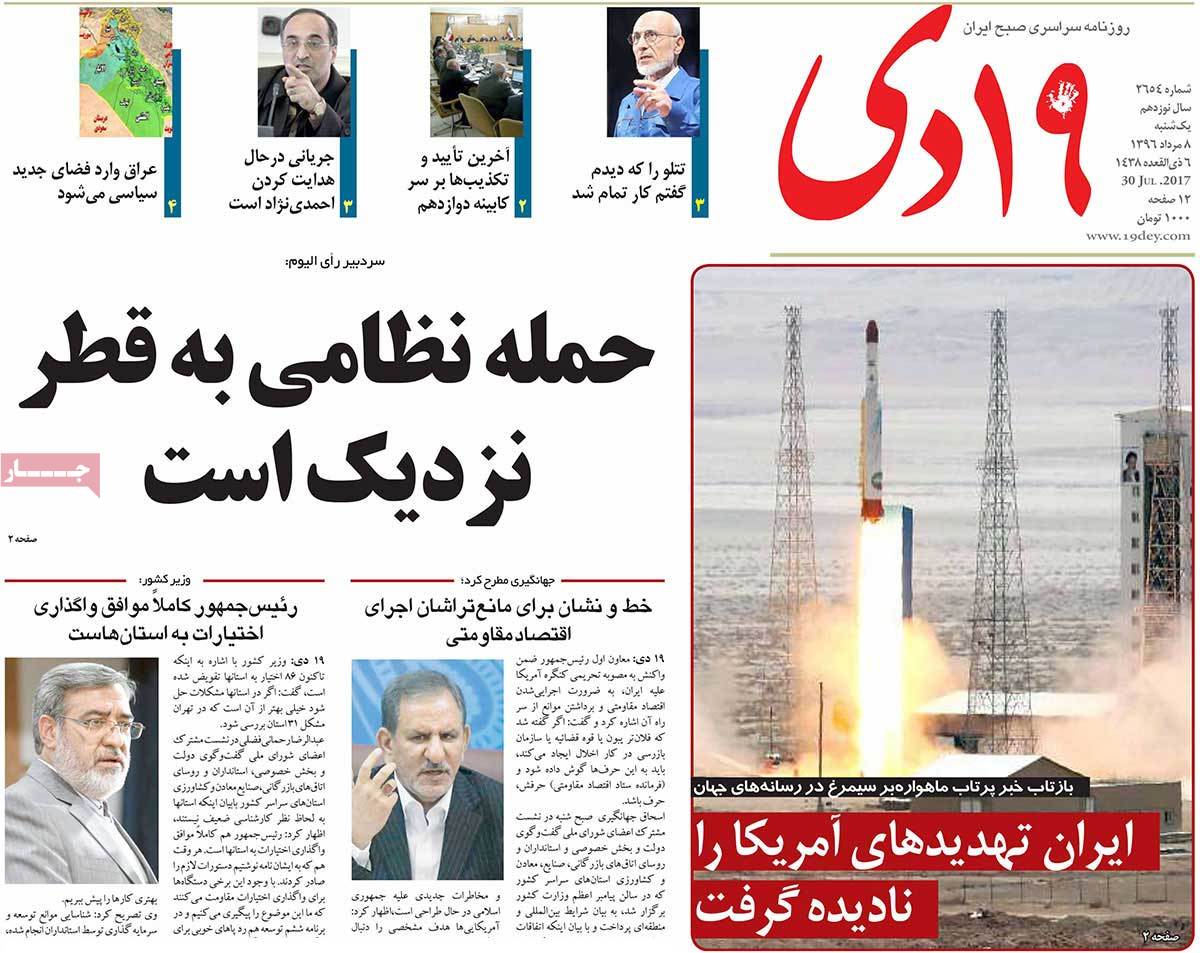
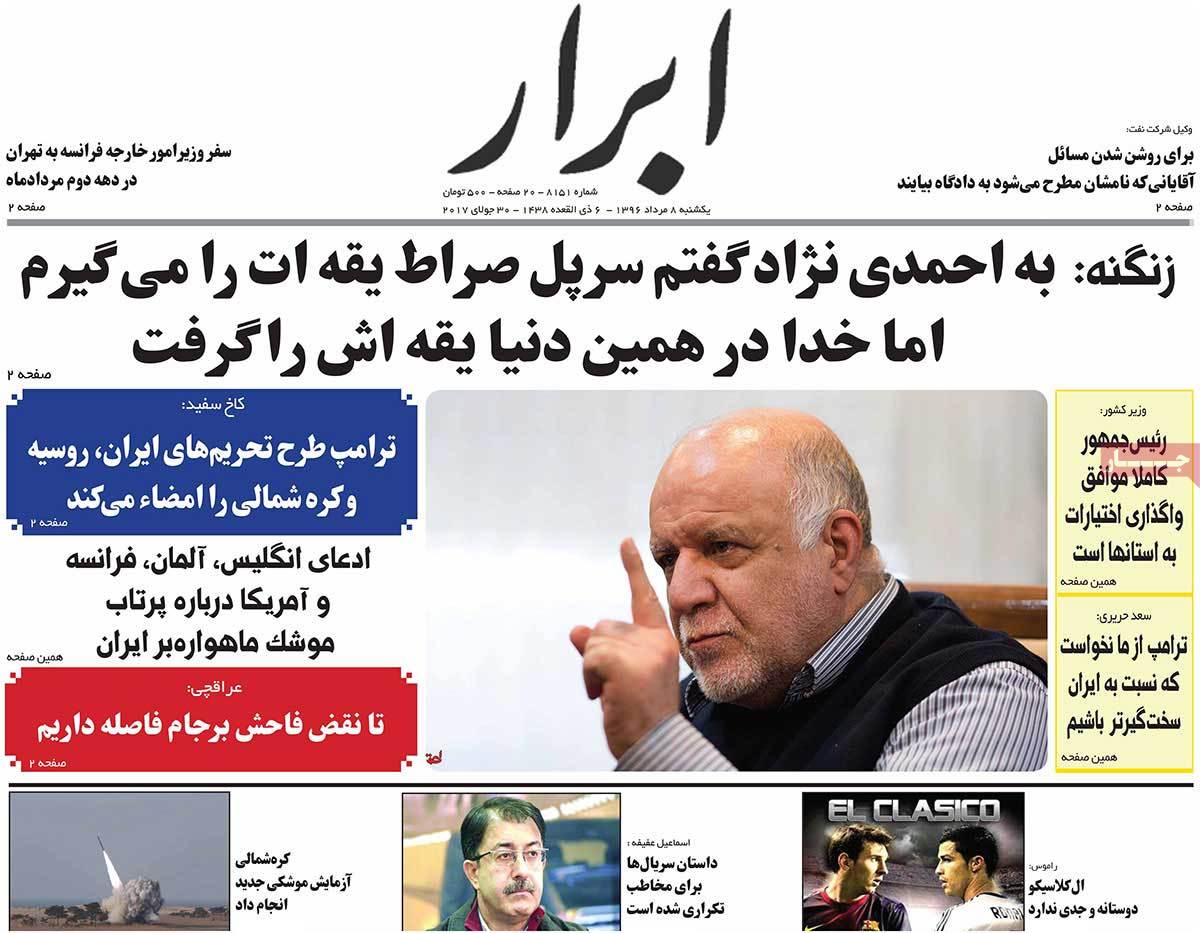
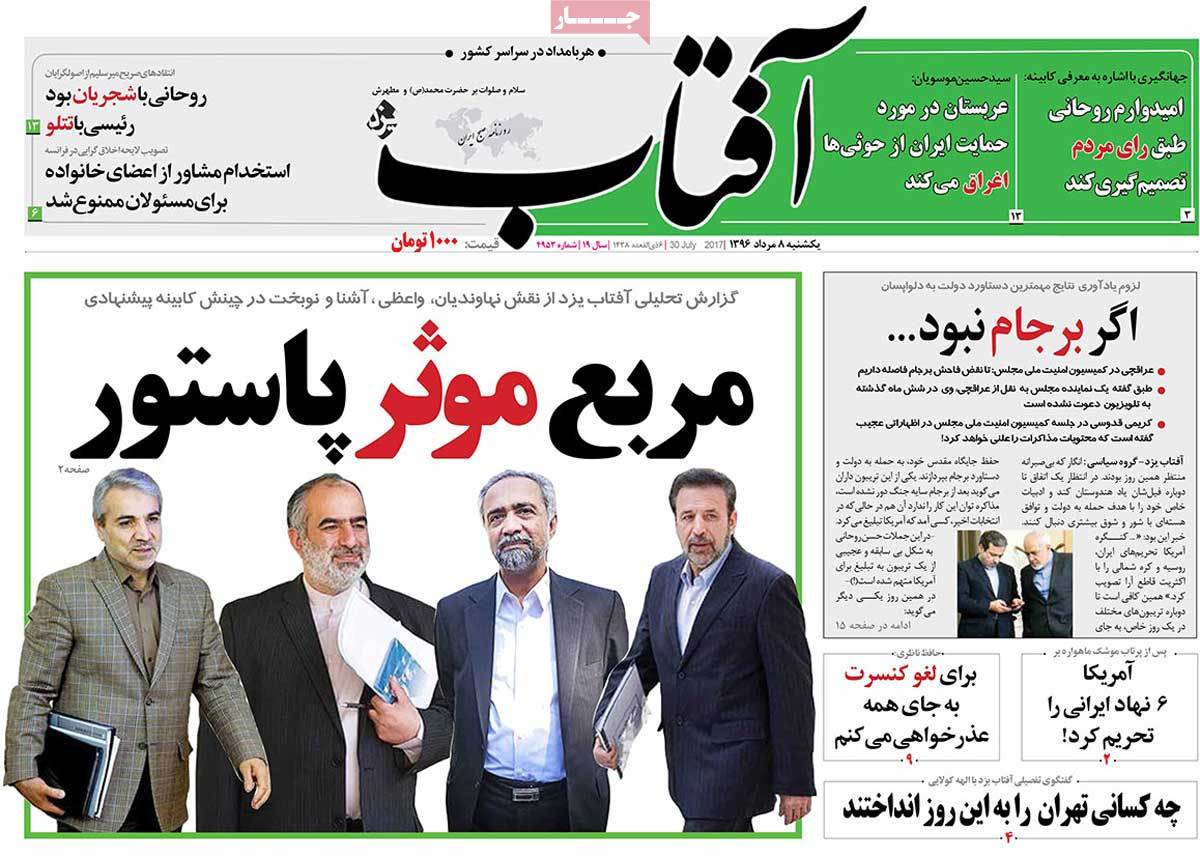
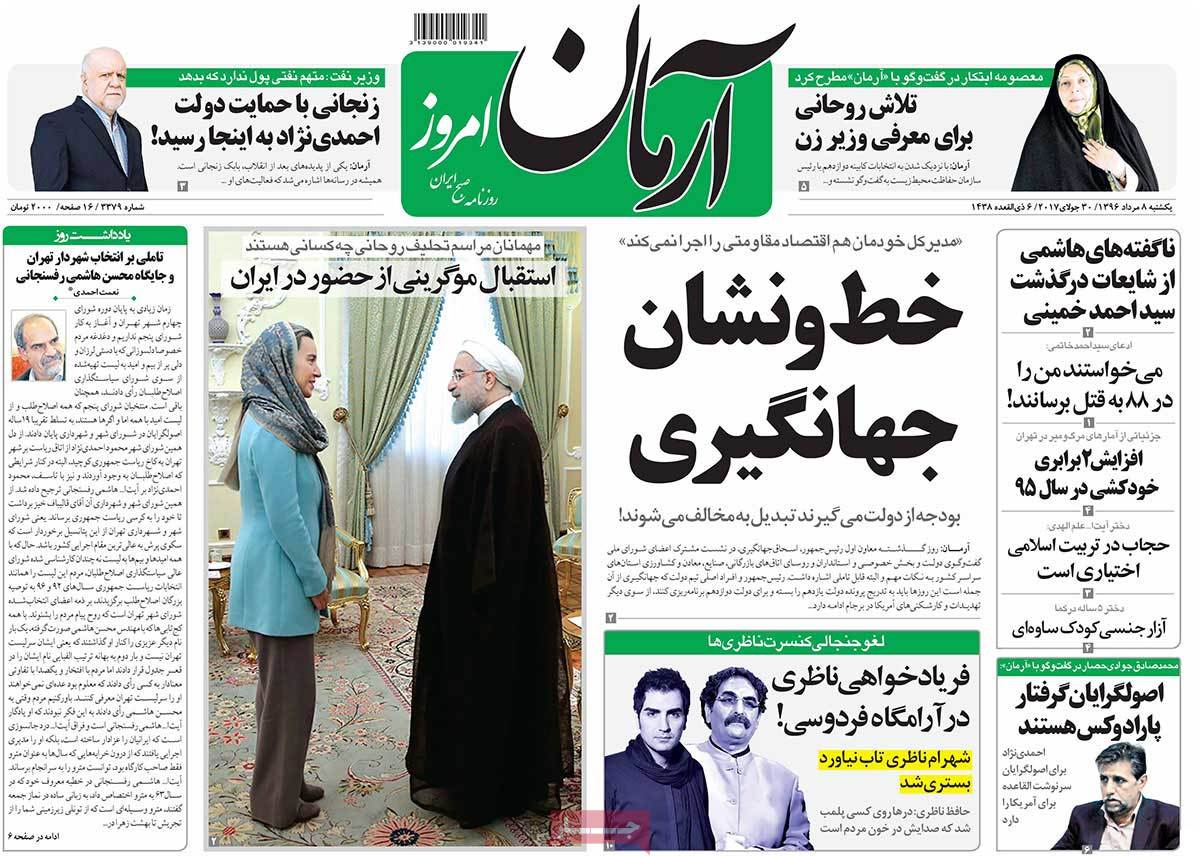
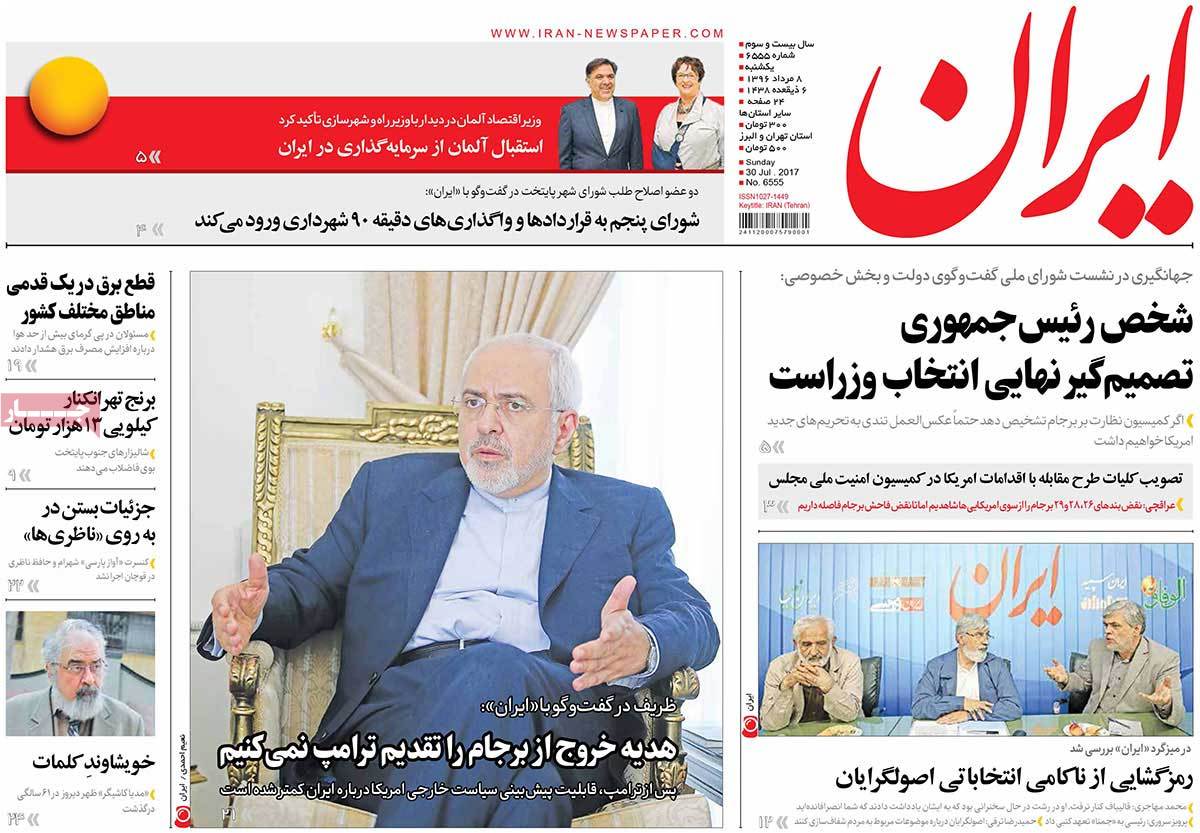
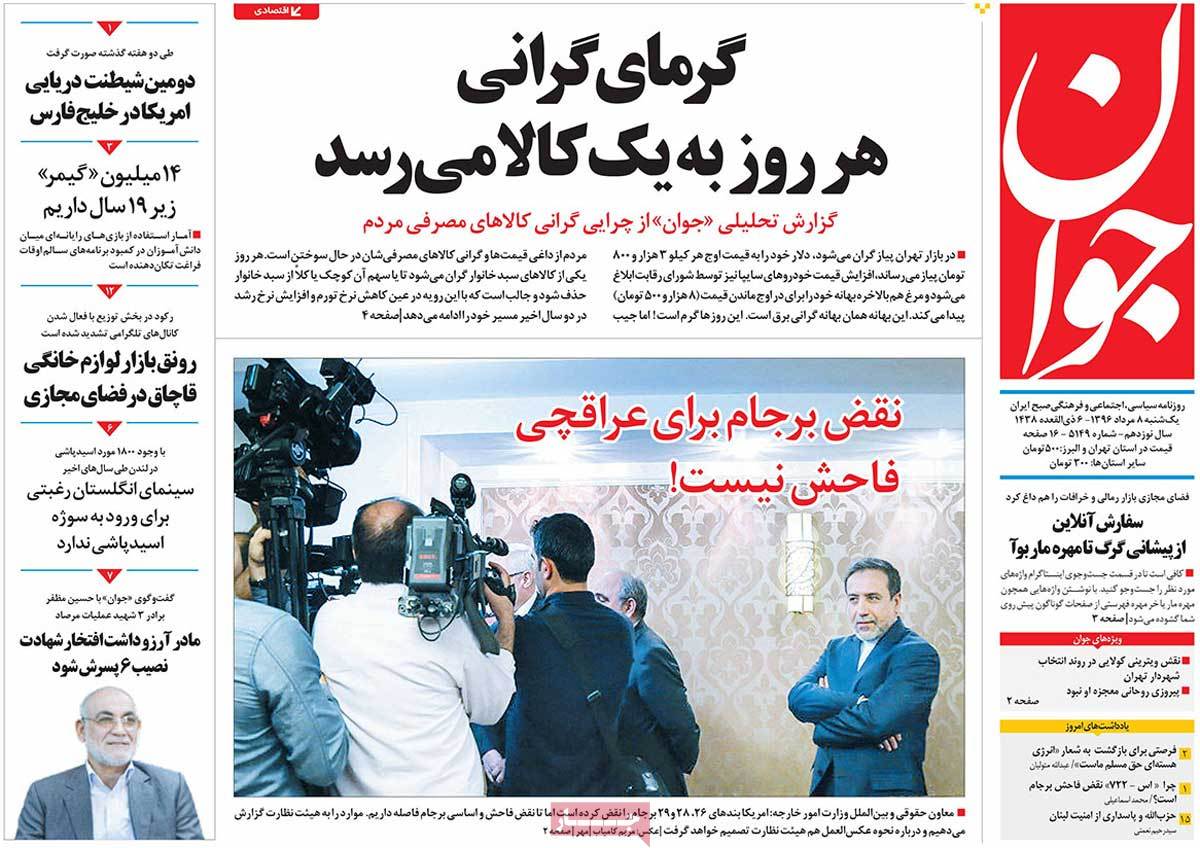
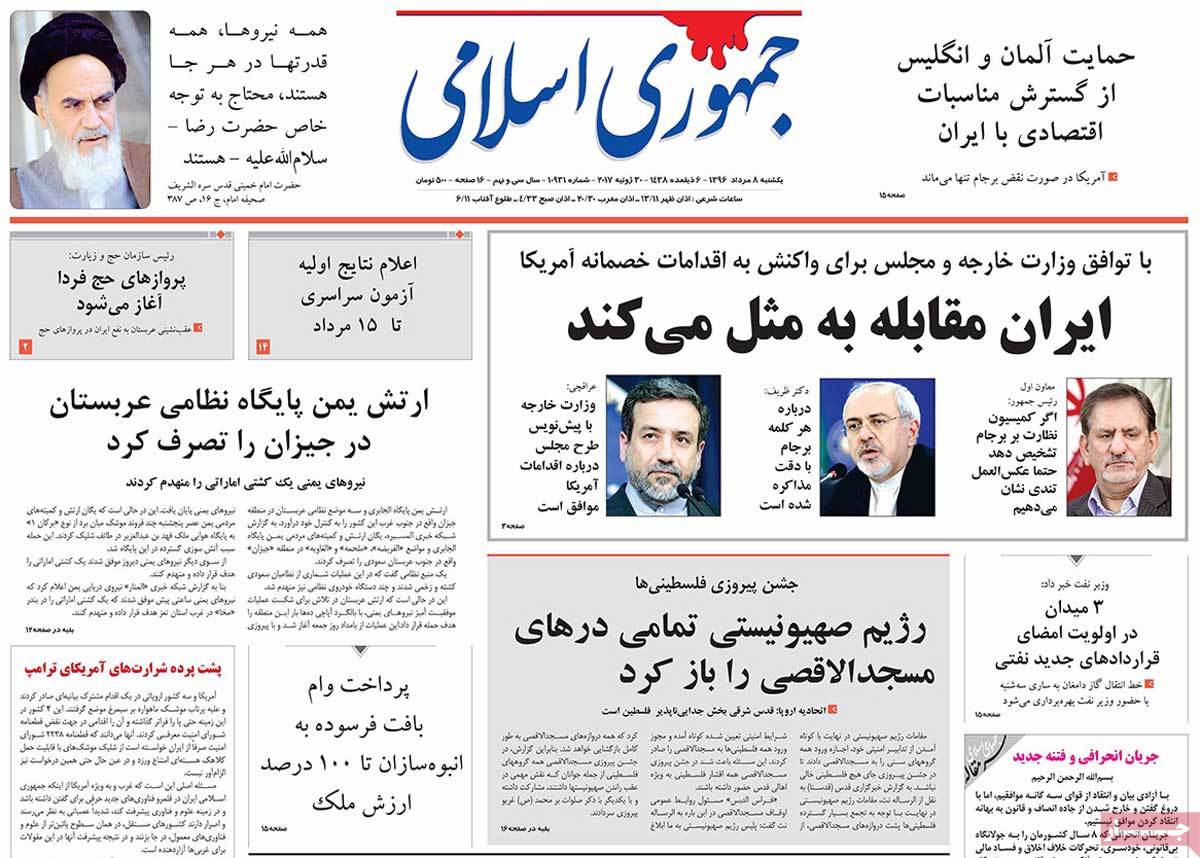
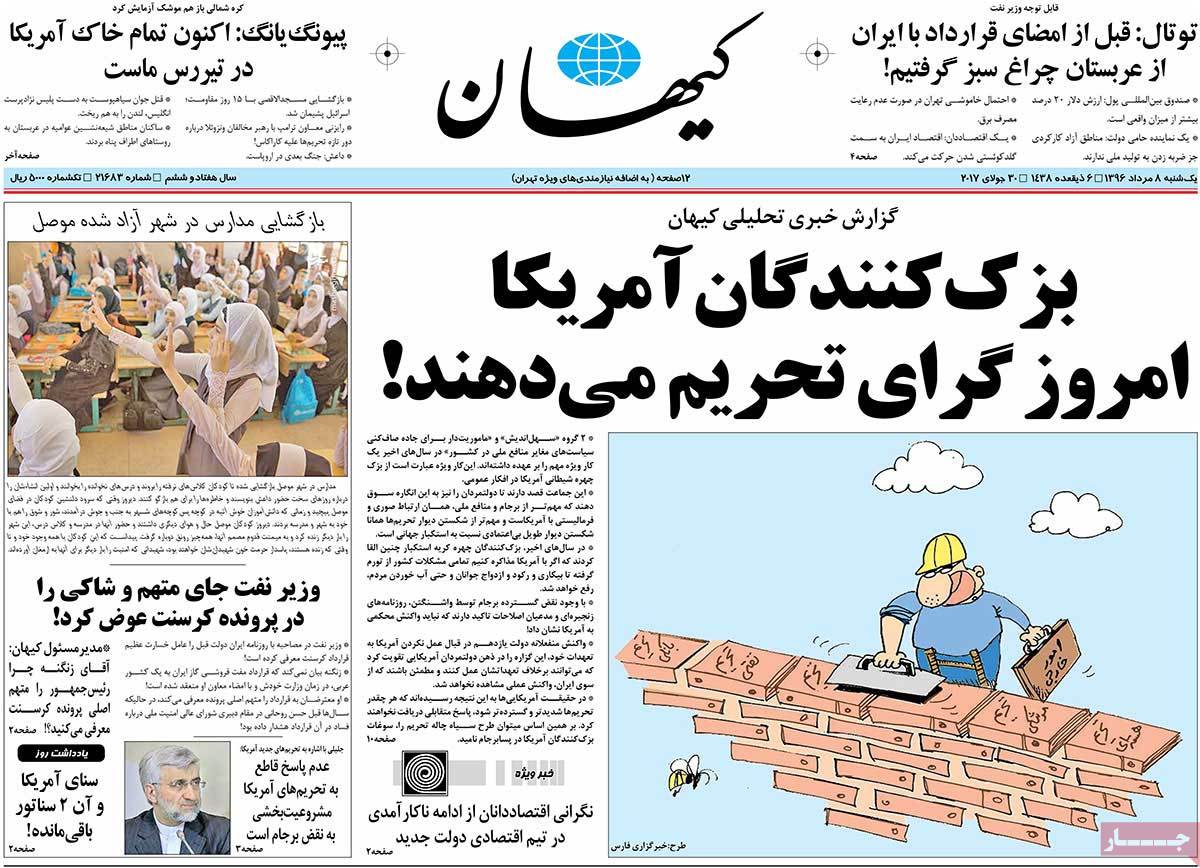
A Look at Iranian Newspaper Front Pages on July 30

Newspapers today covered the attendance of EU Foreign Policy Chief Federica Mogherini in Iranian President Hassan Rouhani’s inauguration ceremony, due to be held on August 5.

The worldwide reactions to Iran’s test-launch of Simorgh satellite carrier also received great coverage today.

The line-up of President Rouhani’s future cabinet and the speculations about it also remained a top story today.

The above issues, as well as many more, are highlighted in the following headlines and top stories:


19 Dey:

1- Military Attack on Qatar Imminent: Ray al-Youm

2- Iran Ignores US Threats; Iran Satellite Carrier Launch Widely Covered in World

A Look at Iranian Newspaper Front Pages on July 30


Abrar:

1- Hariri: Trump Didn’t Want Us to Take Harder Line on Iran

2- Claims Raised by Britain, Germany, France, US about Iran’s Satellite Carrier Launch

3- Araqchi: We’re Still Away from Blatant Violation of JCPOA

A Look at Iranian Newspaper Front Pages on July 30


Aftab-e Yazd:

1- Effective Rectangle of Government

  • Roles of Nahavandian, Vaezi, Ashna, Nobakht in Cabinet Line-up

2- First VP: I Hope Rouhani Would Make Decision Based on People’s Demands

3- US Puts 6 Iranian Institutions on Sanctions after Satellite Carrier Launch


A Look at Iranian Newspaper Front Pages on July 30


Arman-e Emrooz:

1- Who Are Guests of Rouhani’s Inauguration Ceremony?

  • Mogherini Welcomes Idea of Visiting Iran

2- Ebtekar: Rouhani Trying to Appoint Female Minister


A Look at Iranian Newspaper Front Pages on July 30


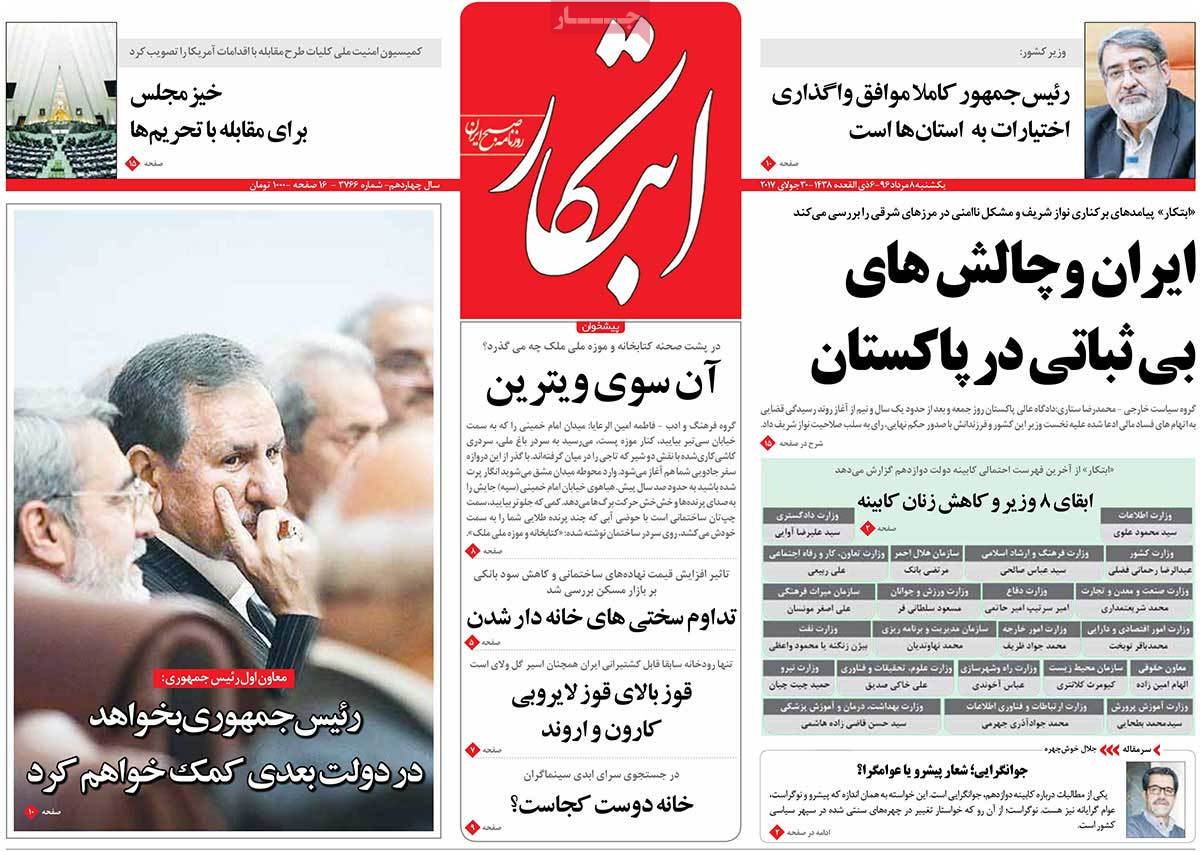
Ebtekar:

1- Iran and Challenges of Instability in Pakistan

2- Parliament Poised to Counter Sanctions

3- First VP: I’ll Help Rouhani in Next Gov’t If He Wants Me to


A Look at Iranian Newspaper Front Pages on July 30


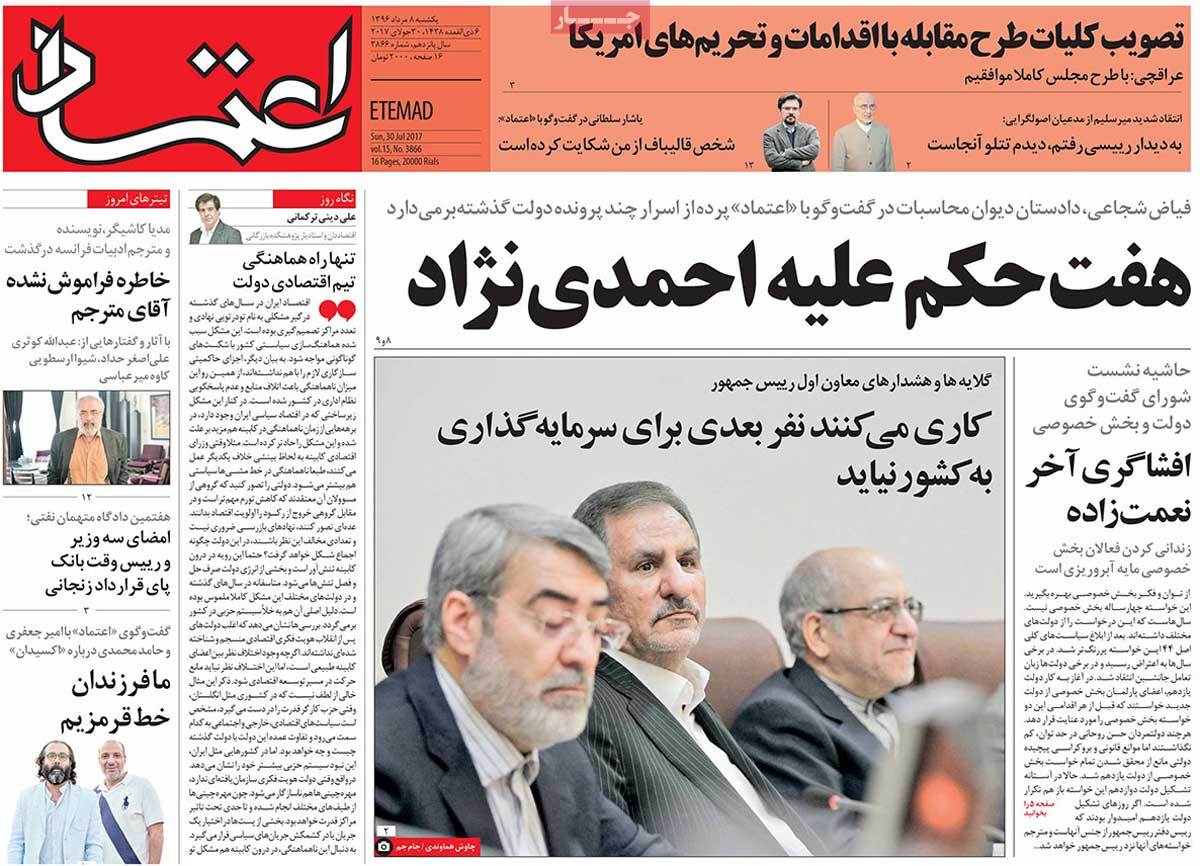
Etemad:

1- Seven Sentences against Ahmadinejad

  • Prosecutor Reveals Secrets of Previous Government’s Cases

2- Seventh Court Held for Oil Corrupts: 3 Ministers, Bank Managers Sign Zanjani’s Contract


A Look at Iranian Newspaper Front Pages on July 30


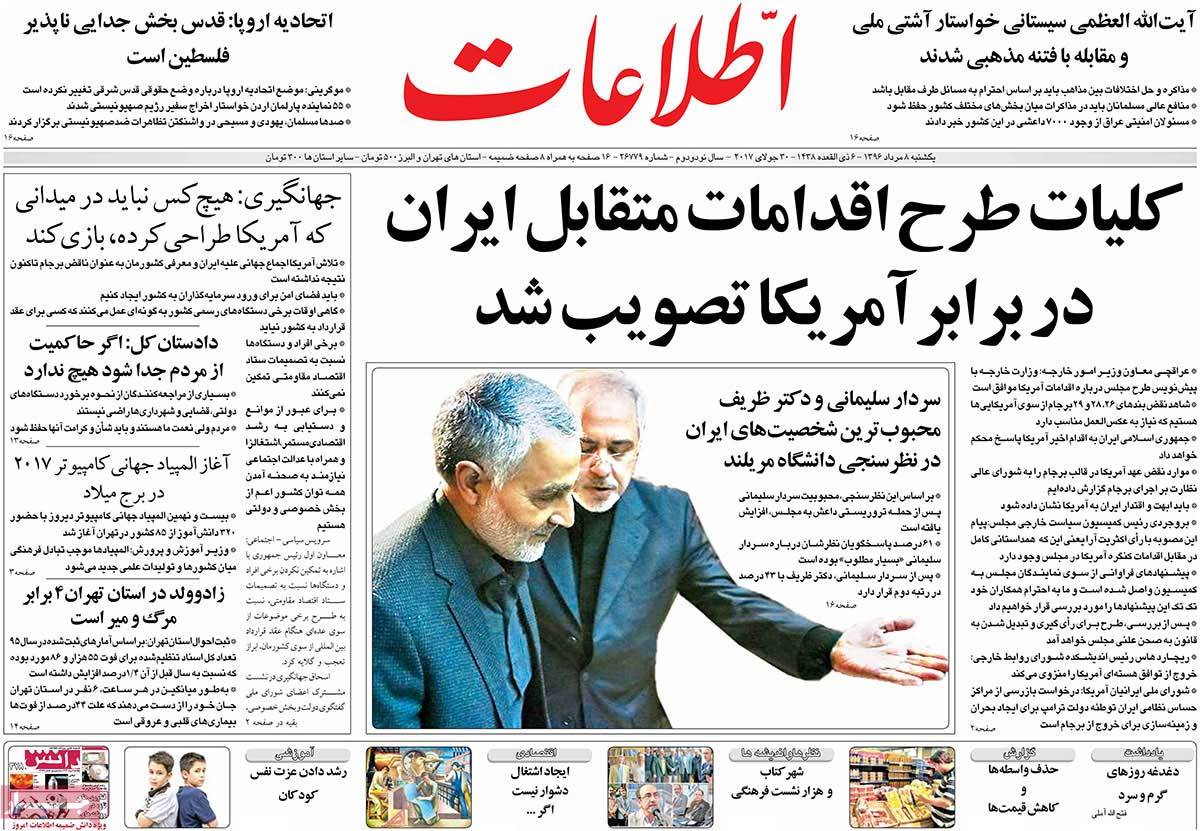
Ettela’at:

1- Iran Approves General Provisions of Plan to Counter US Measures

2- General Soleimani, Dr Zarif Most Popular Iranian Figures: Poll

3- First VP: No One Should Play in Ground US Has Designed

4- Ayatollah Sistani Calls for National Reconciliation, Countering Religious Sedition

5- Quds Inseparable Part of Palestine: EU

6- Birth Rate in Tehran Four Times Higher than Death Rate

A Look at Iranian Newspaper Front Pages on July 30


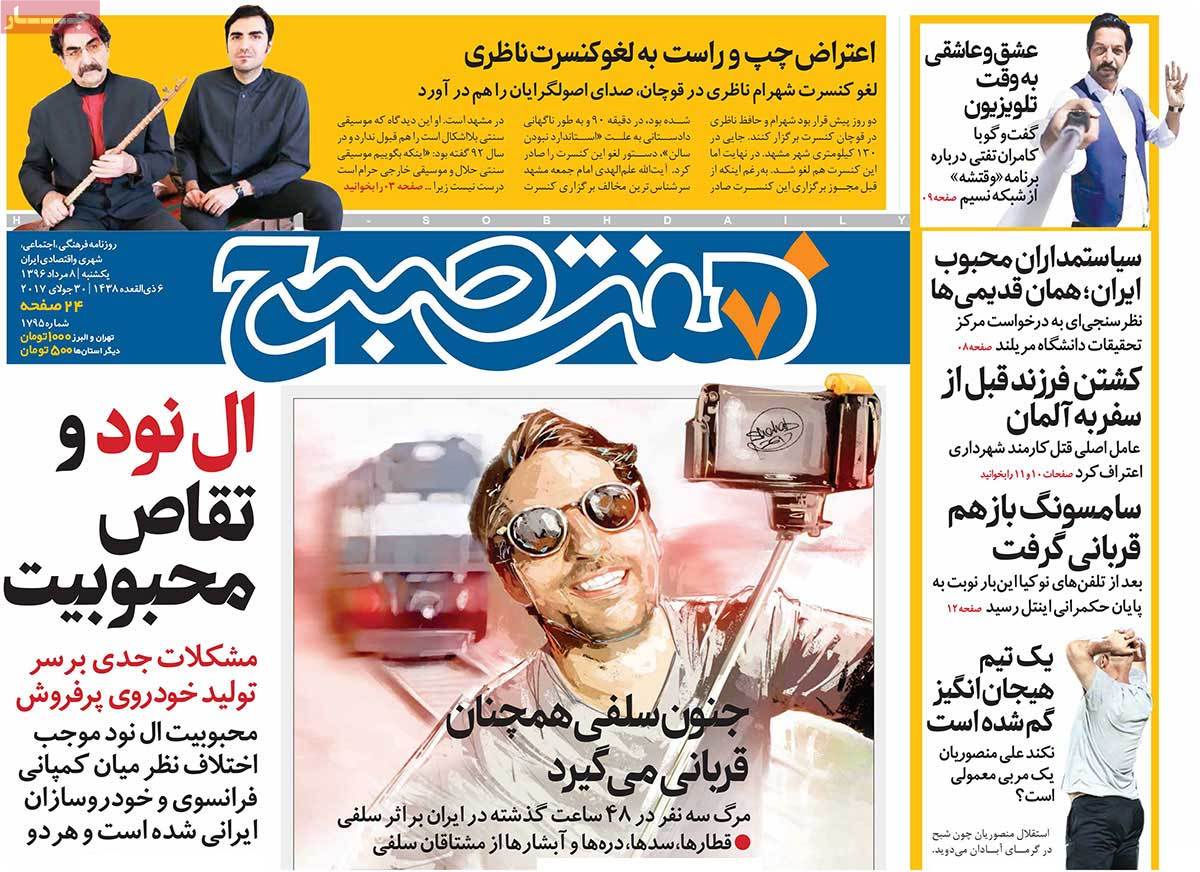
Haft-e Sobh:

1- Madness of Selfie Still Taking Lives: 3 Die in 48 Hours in Iran for Taking Selfie

A Look at Iranian Newspaper Front Pages on July 30


Iran:

1- Zarif: We Won’t Offer Our Withdrawal from JCPOA as a Gift to Trump

2- First VP: President Makes Final Decision on Ministers

A Look at Iranian Newspaper Front Pages on July 30


Javan:

1- JCPOA Violation Not ‘Blatant’ to Araqchi!

2- US Navy’s Second Provocation in Persian Gulf in Two Weeks

A Look at Iranian Newspaper Front Pages on July 30


Jomhouri Eslami:

1- Iran to Reciprocate US Hostile Moves after Agreement between Parliament, Foreign Ministry

2- Yemeni Army Captures Saudi Military Base in Jizan

3- Palestinians Celebrate Their Victory: Zionist Regime Opens All Doors to Al-Aqsa Mosque


A Look at Iranian Newspaper Front Pages on July 30


Kayhan:

1- Those Used to Embellishing US Are Now Giving Them Orientation for Sanctions!

2- Total: We Received Green Light from Saudi Arabia before Signing Deal with Iran

3- Pyongyang: Entire US Now within Range of Our Missiles


A Look at Iranian Newspaper Front Pages on July 30


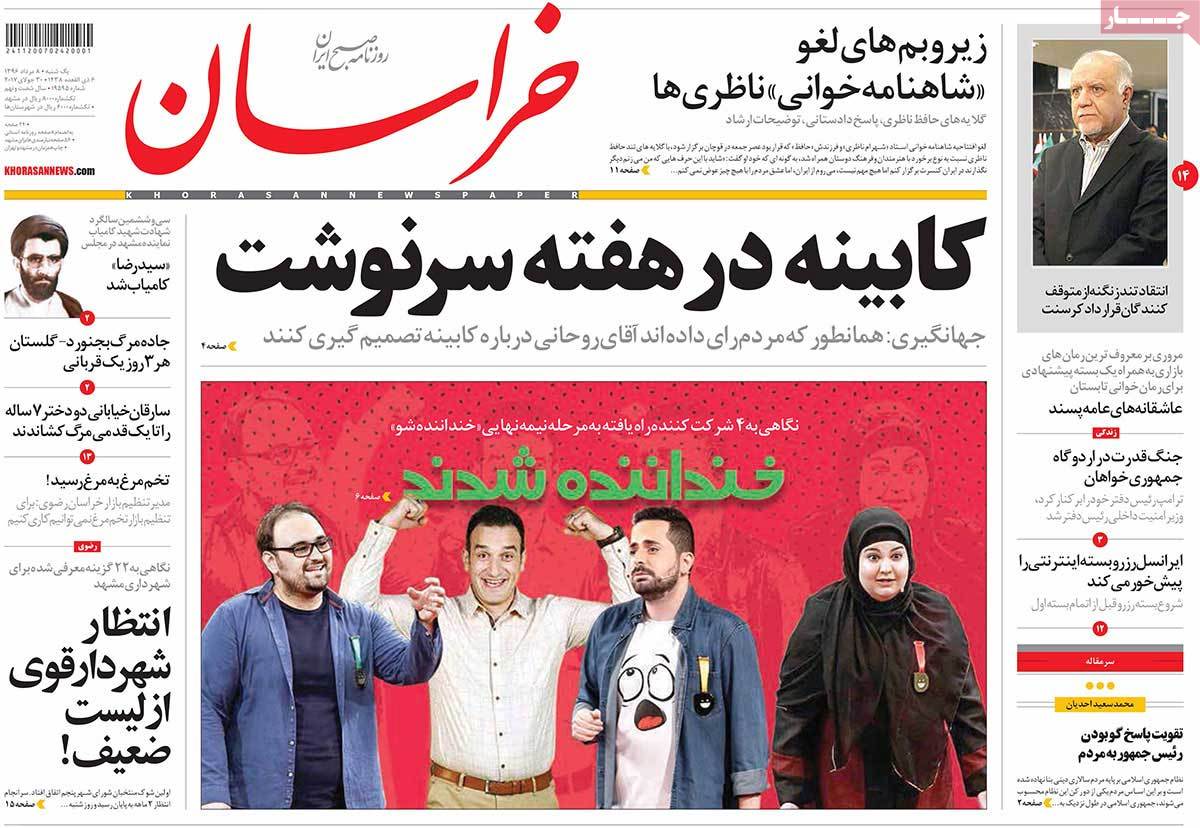
Khorasan:

1- Decisive Week for Rouhani’s Cabinet


A Look at Iranian Newspaper Front Pages on July 30


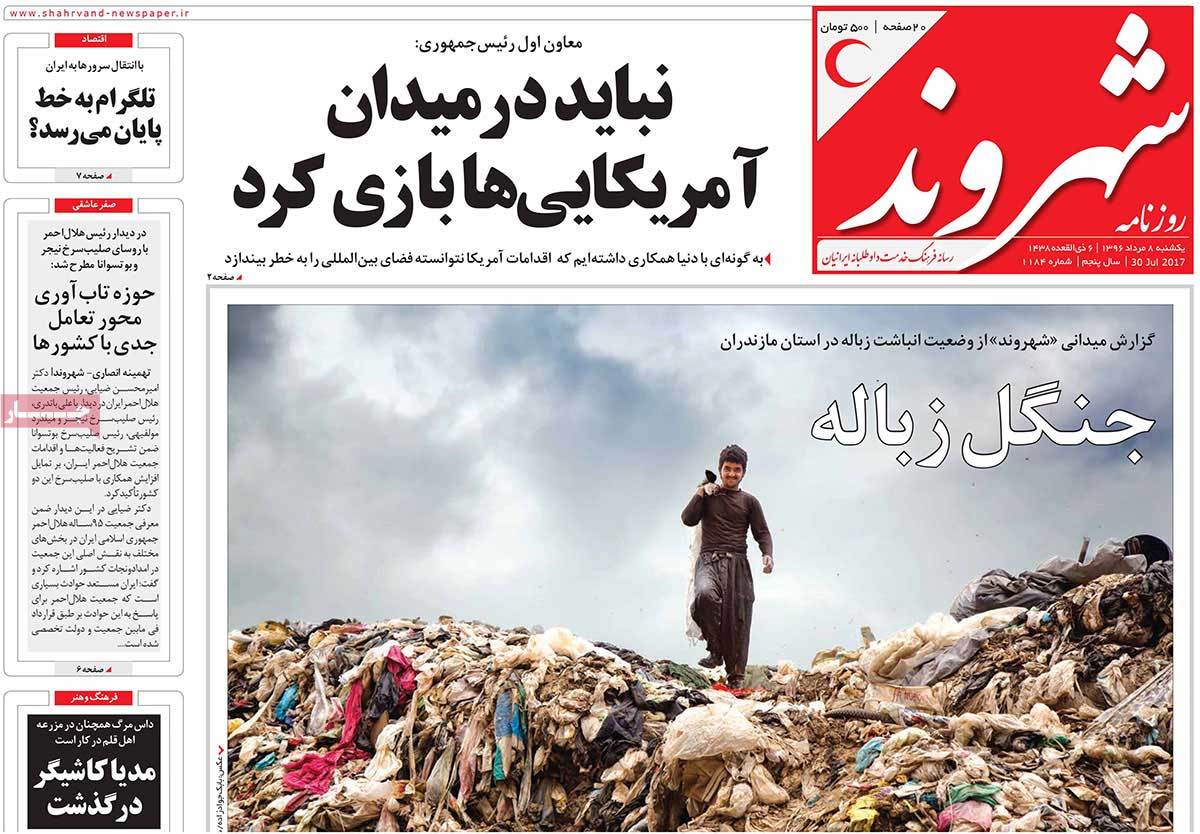
Shahrvand:

1- Jungle of Trash: A Report on Garbage Accumulation in Mazandaran Province

2- Will Users Stop Using Telegram after Transfer of Servers to Iran?


A Look at Iranian Newspaper Front Pages on July 30


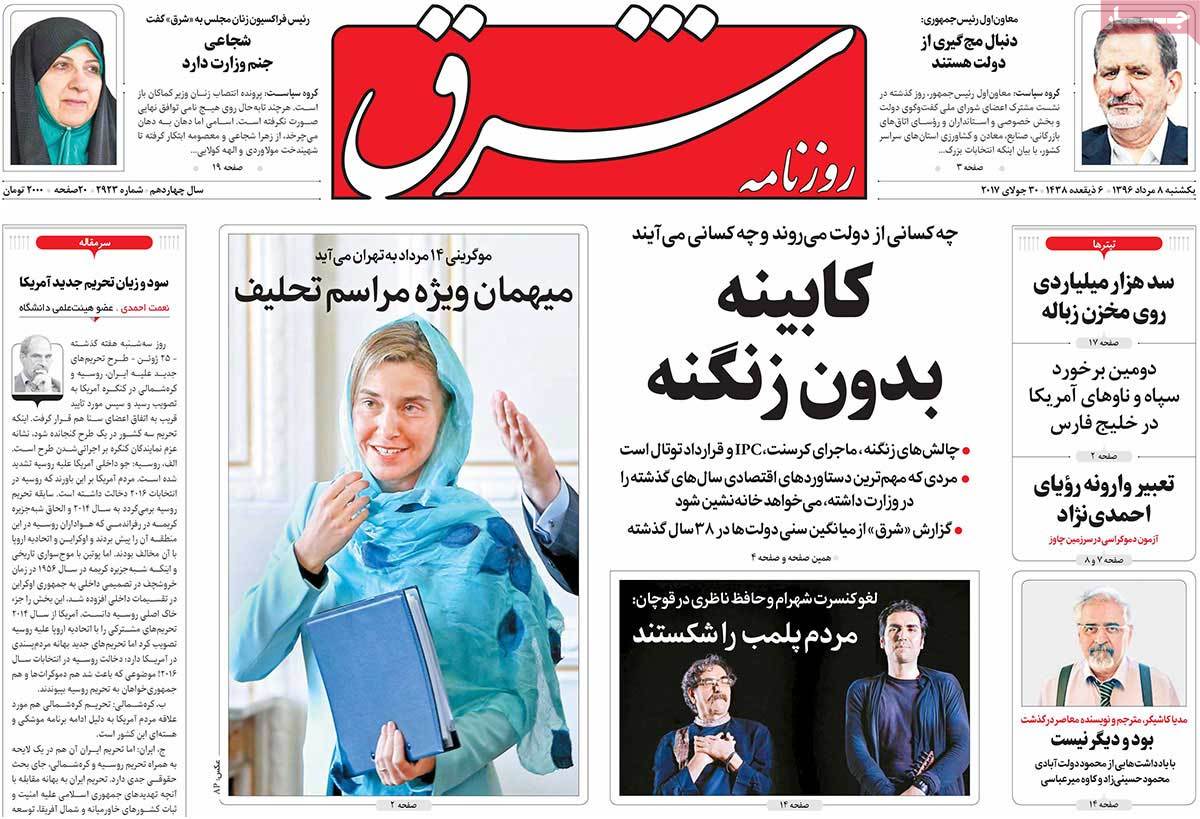
Shargh:

1- Cabinet without Zanganeh: Who Will Be Removed from, Added to Cabinet

2- Mogherini, Special Guest of Rouhani’s Swearing-in Ceremony

3- Benefits, Losses of US New Sanctions [Editorial]


A Look at Iranian Newspaper Front Pages on July 30


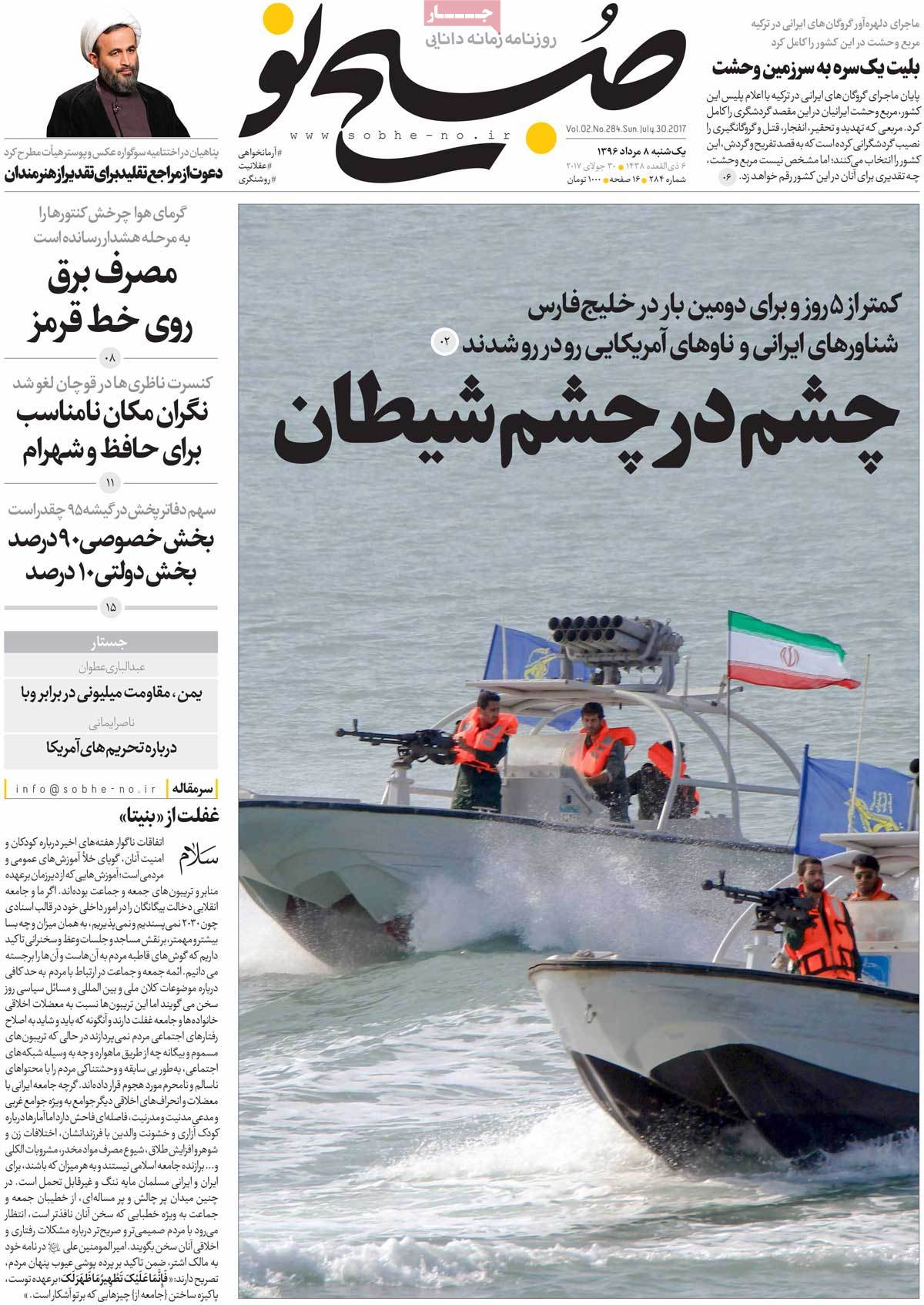
Sobh-e Now:

1- Face to Face with Satan: In Less than 5 Days, Iranian, US Navies Encounter Once Again


A Look at Iranian Newspaper Front Pages on July 30


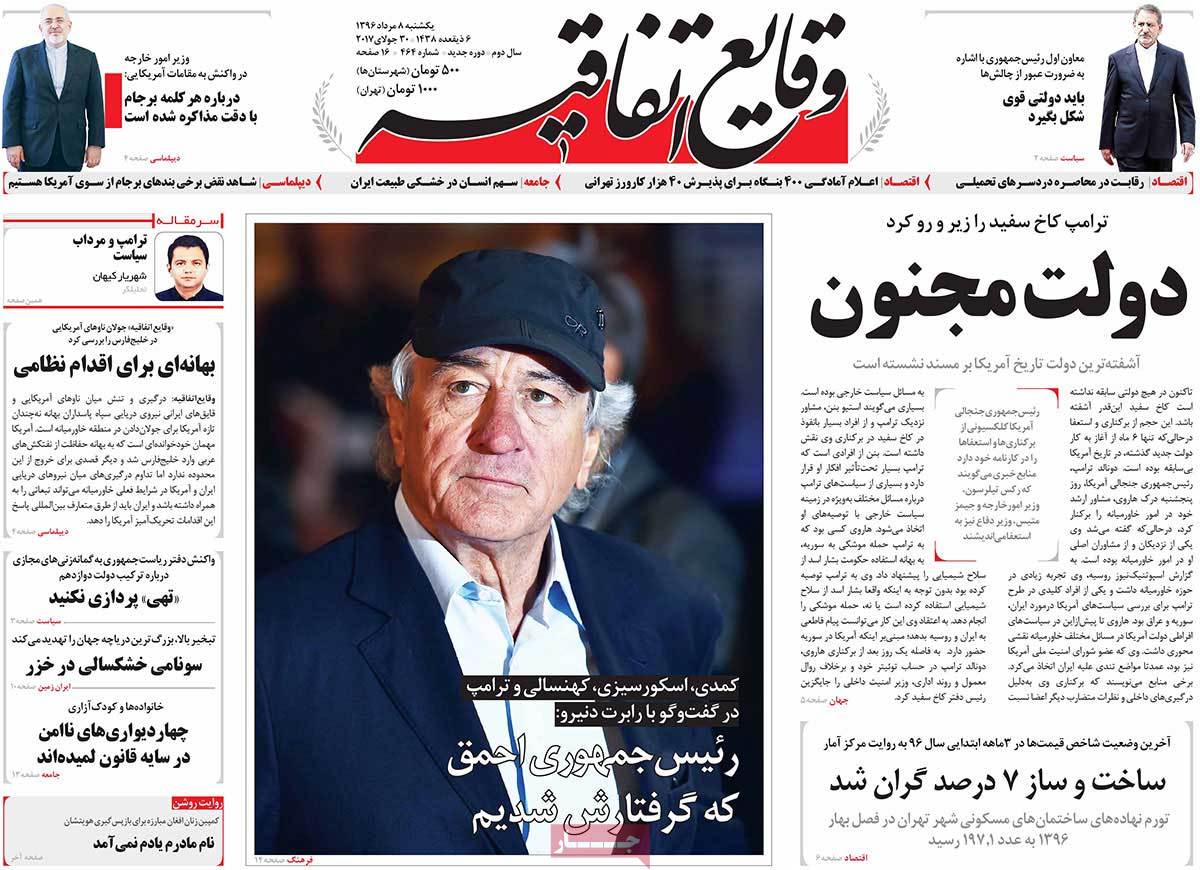
Vaghaye Etteghaieh:

1- Comedy, Scorsese, Ageing, Trump in Interview with De Niro: The Stupid President We Got

2- Crazy Government: Trump Reshuffles White House

3- Zarif: Every Single Word of JCPOA Carefully Negotiated

A Look at Iranian Newspaper Front Pages on July 30


Khorasan Razavi Province; Tourism Hub in NE Iran

Khorasan Razavi Province (1)

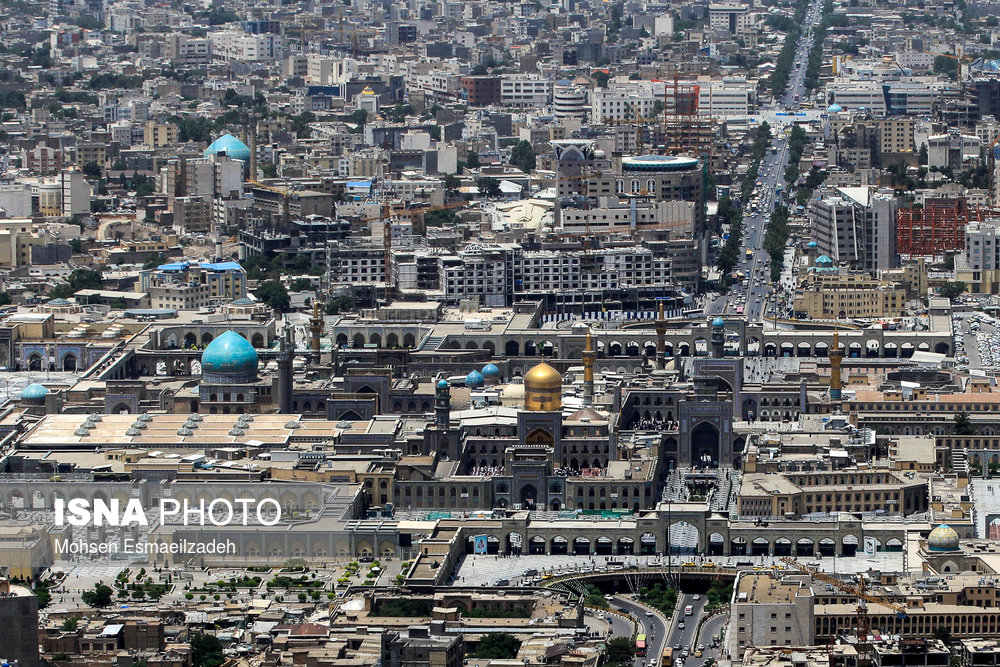
Mashhad, where the Holy Shrine of Imam Reza (AS) is located, is the capital of Khorasan Razavi and the second most populous city in Iran. This city was the capital of Iran during Afsharid dynasty.

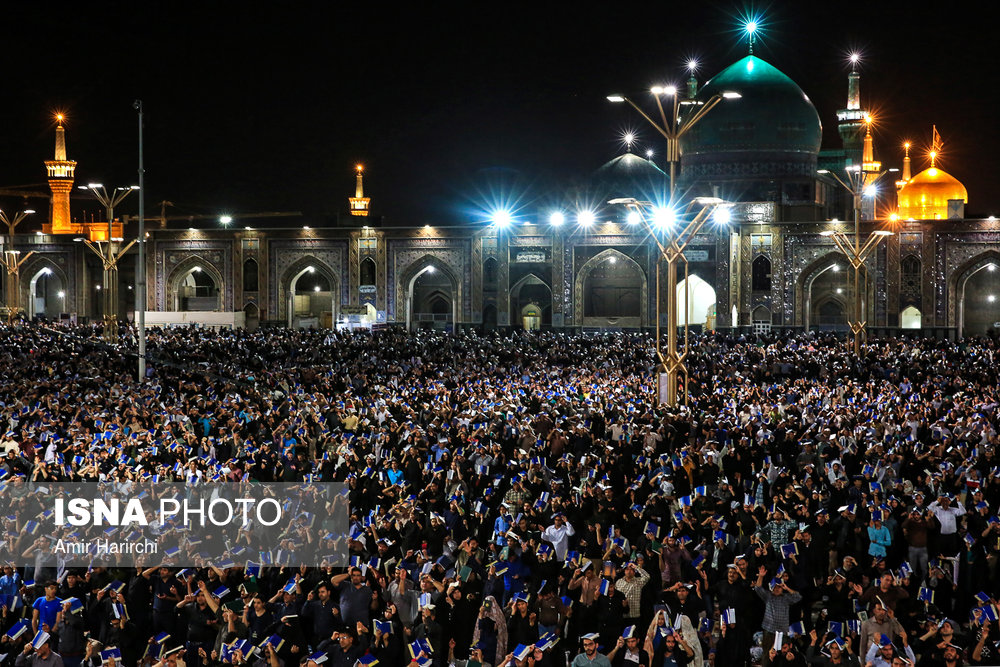
Mashhad welcomes over 27 million pilgrims from inside the country and two million pilgrims from abroad every year. Next to the holy shrine of Imam Reza (AS), the province has various tourist attractions.

Khorasan Razavi Province (21)


Here are ISNA’s photos of Khorasan Razavi’s most-visited sites:

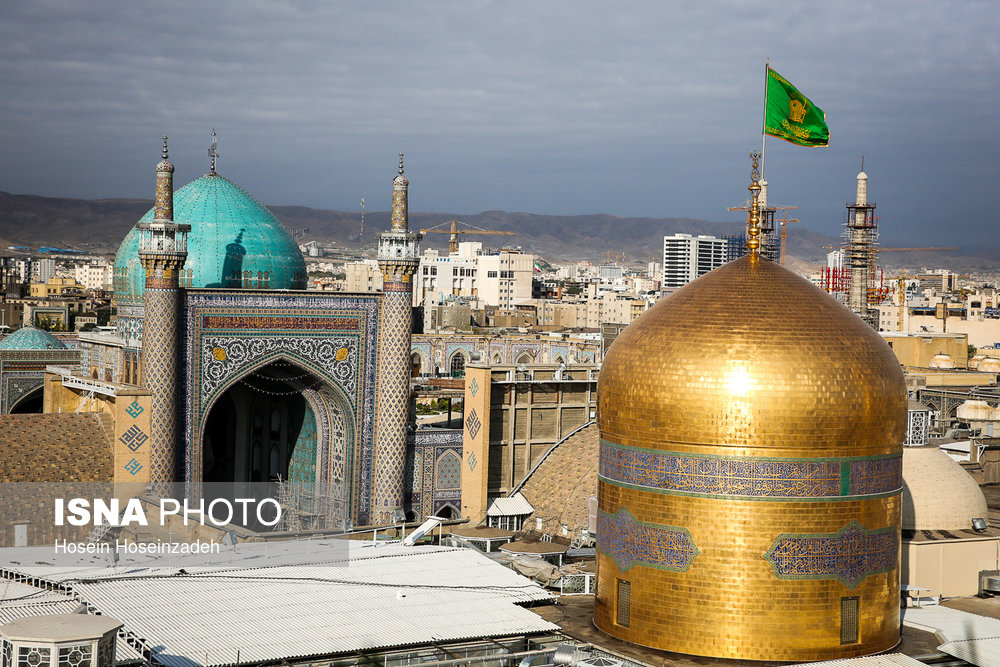
The Shrine of Imam Reza (AS) is the tomb of the eighth Imam of Shiites. In terms of area it is the largest mosque in the world, and in terms of population it is the second.

Khorasan Razavi Province (1)

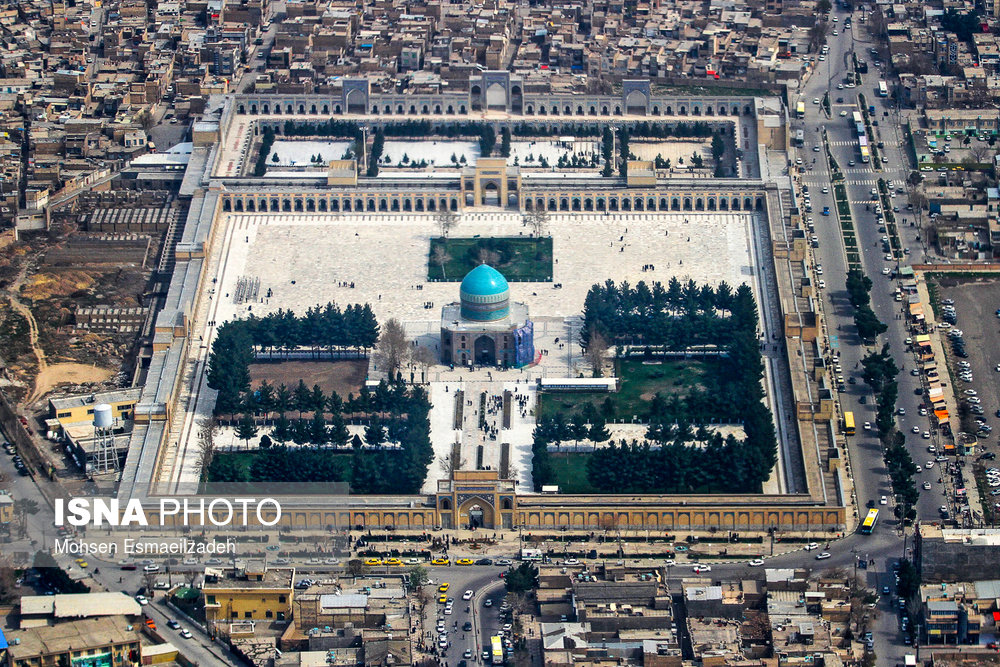
Among the places associated with the shrine of Imam Reza (AS) are Goharshad Mosque, the museum, two libraries, four religious science schools, the cemetery, Razavi Islamic Sciences University, are large porches for worshipers.

Khorasan Razavi Province (2)


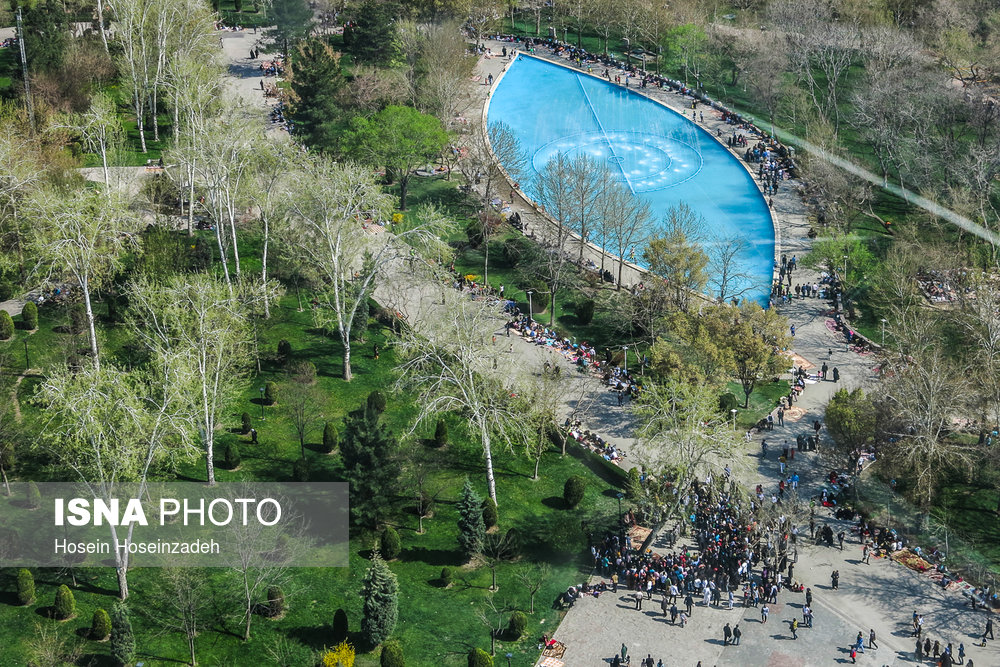
‘Mellat Park’ in Mashhad, is the oldest park in the city, built in 1964. This park is located west of Mashhad along the Vakilabad highway.

Khorasan Razavi Province (3)


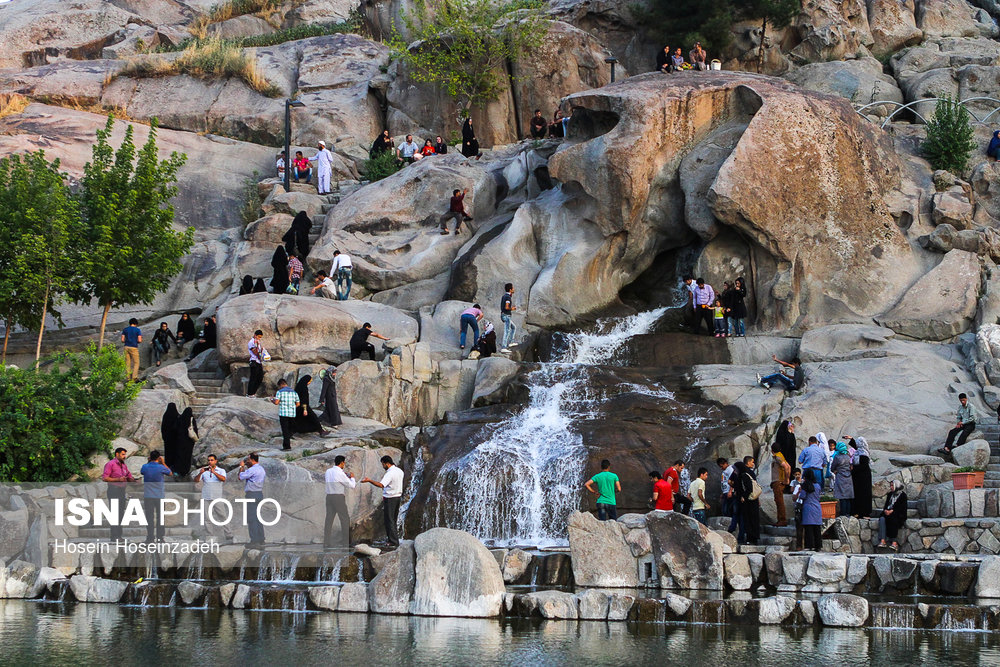
‘Kooh Sangi’ is a famous mountain and also the second largest recreational complex and park (after Mellat Park) in Mashhad.

Khorasan Razavi Province (4)


The tomb of Khawja Rabi is one of the other tourist attractions of Mashahd and it dates back to Safavid period. This structure was built by Shah Abbas in Safavid period on the recommendation of Sheikh Baha’i.

Khorasan Razavi Province (5)


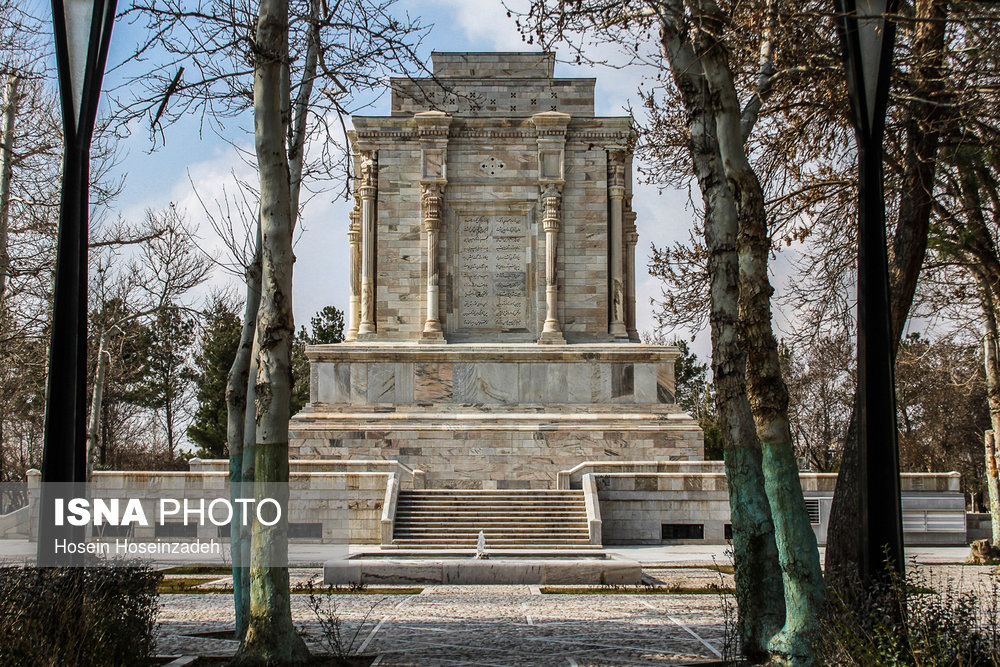
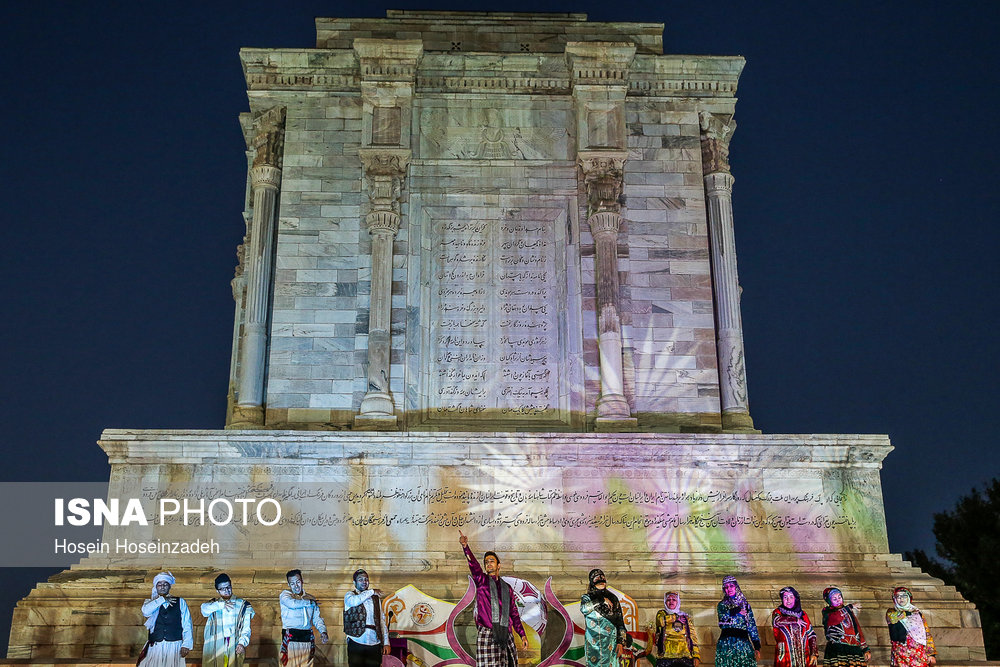
The Abolqasem Ferdowsi’s Mausoleum is located in a beautiful garden 20 kilometres north of Mashhad. The building has an area of 900 square metres and is made of concrete, stone and tile.

Khorasan Razavi Province (6)


The building of Ferdowsi’s tomb was renovated by Hooshang Seyhoun based on the previous designs of Hossein Lorzadeh with some changes. The current building was opened in 1934.
Khorasan Razavi Province (7)


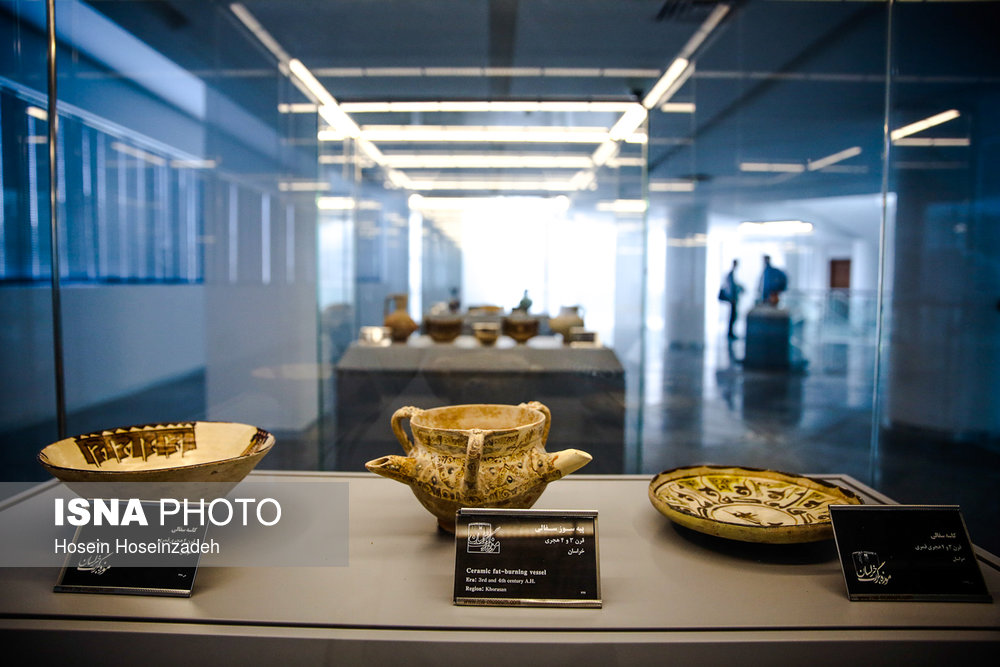
The Great Museum of Khorasan has a treasure or a repository of objects, specialized halls of historical and anthropological objects, a special corner of cosmology, a library, a laboratory and workshops to repair historical objects.

Khorasan Razavi Province (8)


The Mausoleum of Attar Neyshaburi, the famous Iranian poet, is a monument built during the Timurid period. This building was renovated in the second Pahlavi period and was restored to some extent in the 90’s.

Khorasan Razavi Province (9)


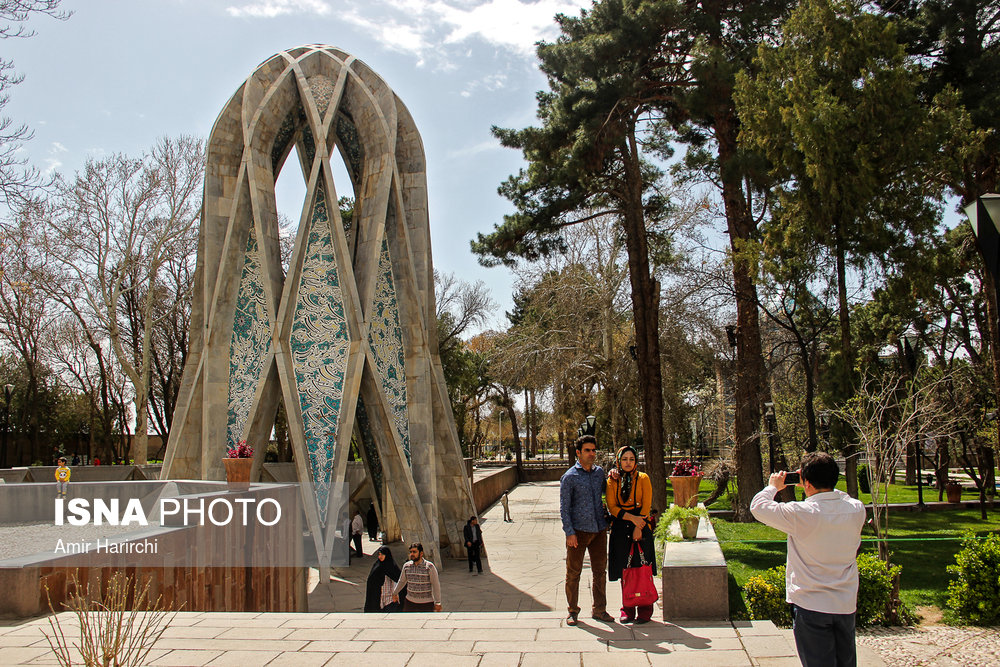
The Mausoleum of Omar Khayyam is a salient example of modern Iranian architecture. The design of this building is based on the thoughts of Omar Khayyam, which shows Khayyam as mathematician, astronomer, and poet.

Khorasan Razavi Province (10)


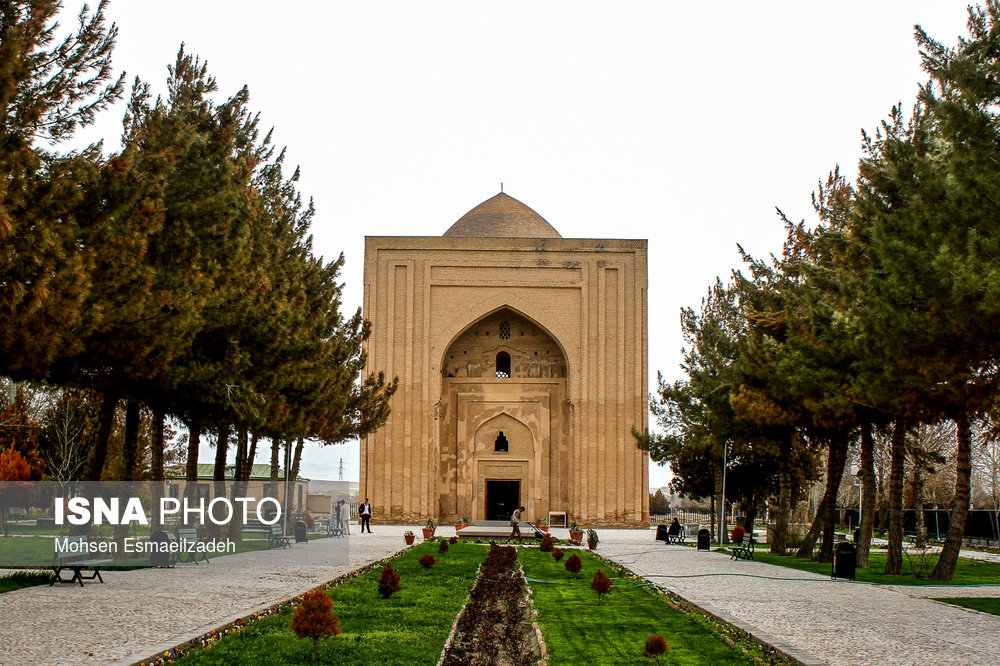
The Harouniyeh building is the oldest monument in the city of Tus.

Harouniyeh, historical monument in northeastern Iran


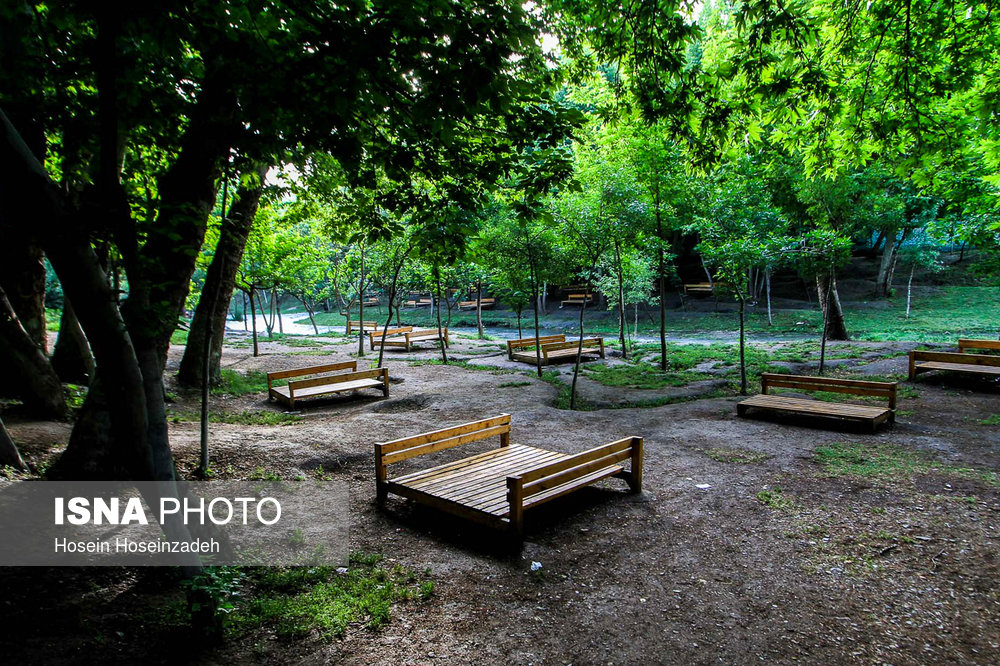
The Vakilabad Forest Park is a park with seasonal rivers and a nice weather. The trees of the park are irrigated by Vakilabad Qanat or underground channel.

Khorasan Razavi Province (12)


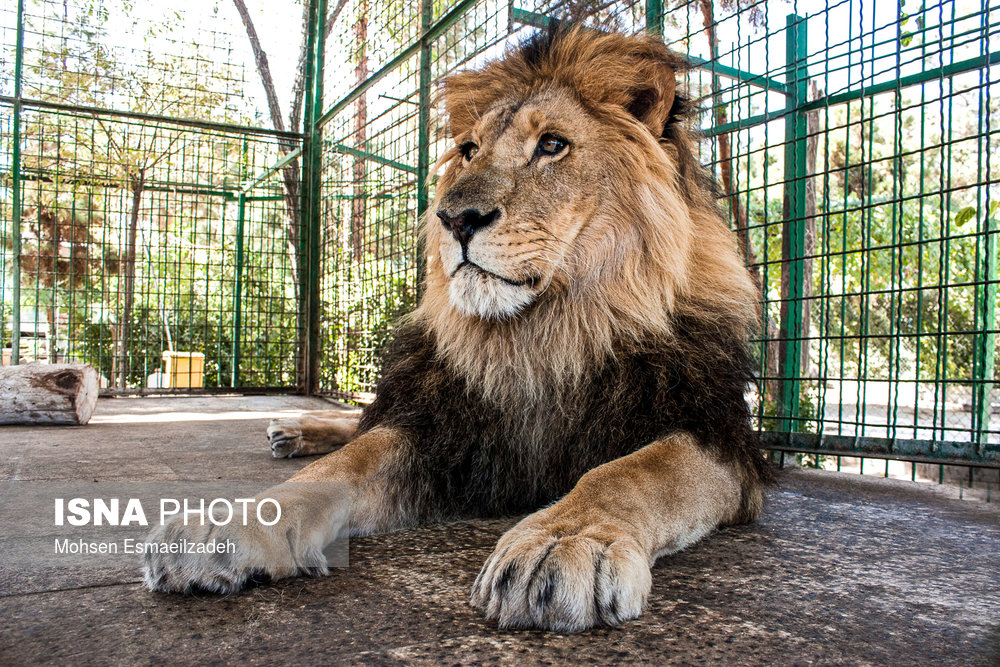
The Vakilabad Zoo, the only zoo in Mashhad, is located in the southwest of the city and next to the Vakilabad Forest Park.

Lion, Iran


The Mazinan Caravanserai near Mashhad dates back to the Safavid period and is located in the city of Davarzan.

Mazinan Caravanserai, Northeastern Iran


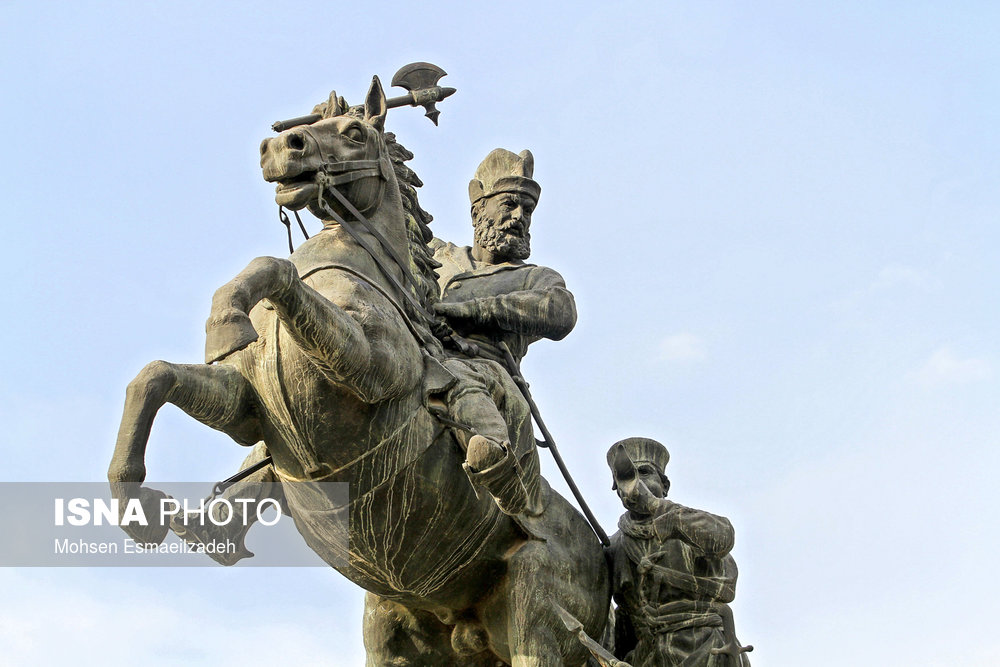
The Burial Chamber of Nader Shah is a building inside Garden Complex of Naderi Museum. It is built to commemorate Nader Shah Afshar. The building has two sections: Nader Shah’s burial site and two museum galleries.

Khorasan Razavi Province (15)


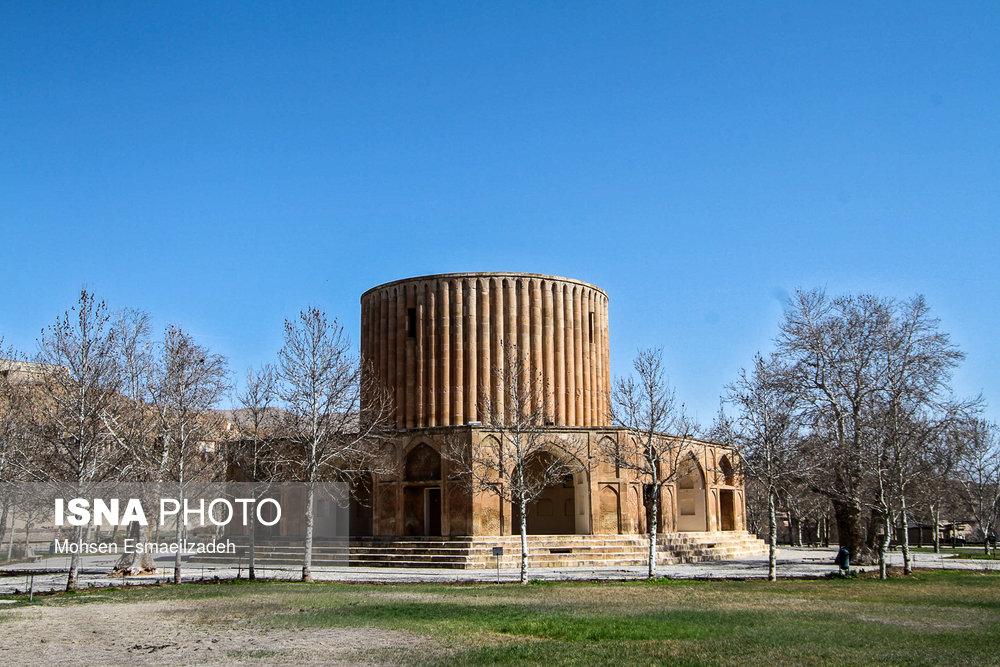
‘Khorshid Buiding’ was built in Kalat city on the order of Nader Shah to serve as a resort and a treasury for jewelleries and the spoils of war.

Khorasan Razavi Province (16)


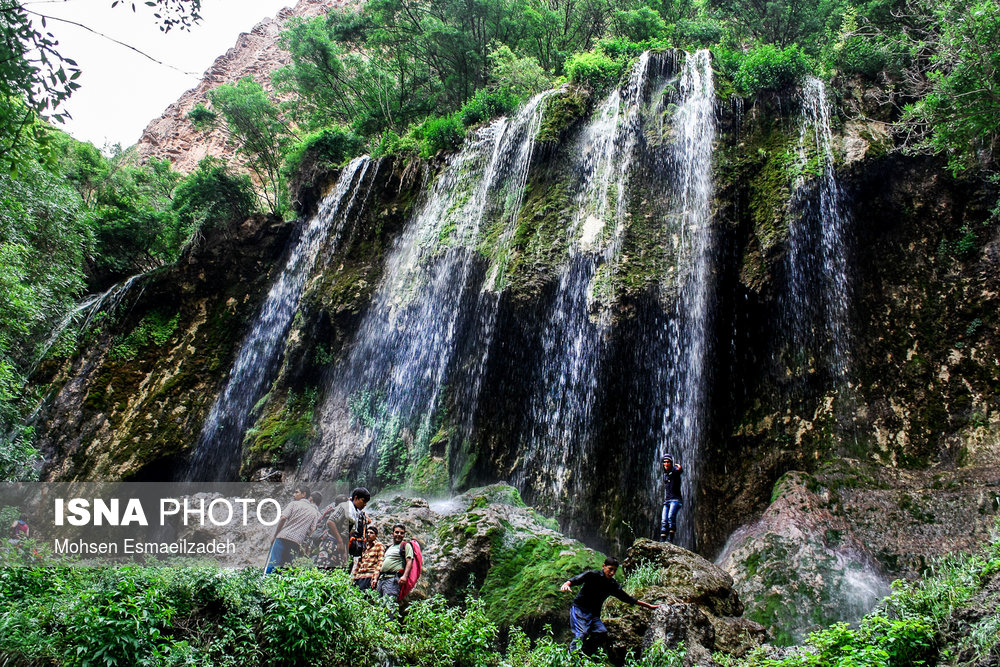
Akhlamad waterfall is one of the waterfalls of Khorasan Razavi province, 15 km from Chenaran facing Mount Binalud. Akhlamad consists of two waterfalls, each of them more than 85 meters high.

Akhlamad waterfall, Northeastern Iran


Mazdavand Cave is located near Sarakhs city. It is estimated that this cave dates backs to the second millennium BC.

Mazdavand Cave, Northeastern Iran


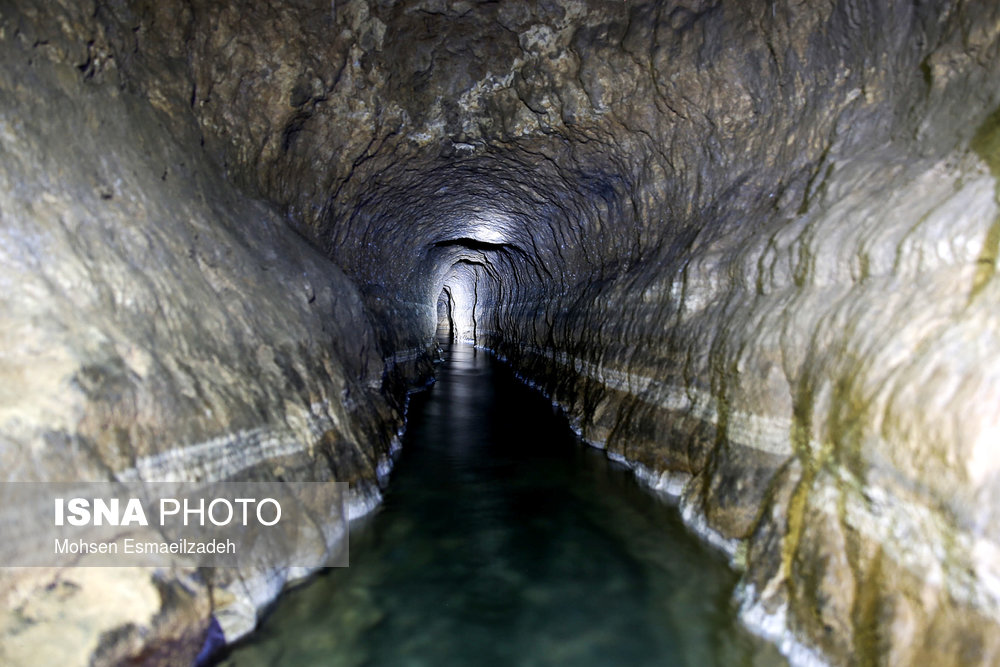
The Ghasabe Qanat is the largest Qanat of Gonabad and perhaps one of the wonders of the human civilization history. Ghasabe Qanat wells are in two forms: shallow and vertical wells and deep wells.

Khorasan Razavi Province (19)


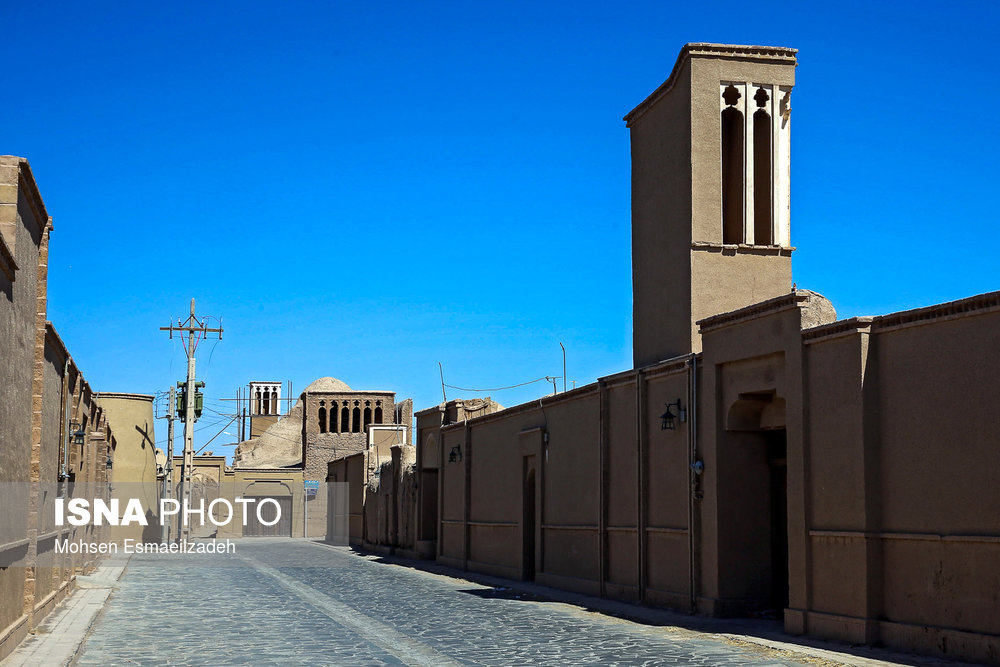
‘Riab’, is a historic village about five kilometres from the city of Gonabad. The mosque, castle door, Ab anbars (water reservoirs), Abu Mansoor Riabi’s tomb, castle towers, old school and Riab’s Hammam are among the attractions of this village.

Riab Village, Northeastern Iran


Iranian Food Packs Handed Out among Palestinians at Al-Aqsa Mosque

Food packs have been distributed among Palestinians at al-Aqsa mosque despite efforts by the Israeli forces to keep the packs from being handed out.

To celebrate the breaking of the siege of the al-Aqsa mosque in Jerusalem al-Quds, the Palestinian members of an NGO called Justice for Peace distributed food packs provided by Iranian youths. The packs were handed out among hundreds of Palestinians who had been on a sit-in outside the al-Aqsa mosque for two weeks to defend the Muslims’ holy site.

A sentence by Leader of Iran’s Islamic Revolution Ayatollah Seyyed Ali Khamenei was written on the packs. It read “the divine destiny is that occupied Palestine will be liberated” as well as “al-Quds is ours.” The packs were distributed amid tight security measures, pressure by Israeli intelligence services and the Israeli forces’ siege of al-Quds.

Mohammad Asghari, the spokesman for Justice for Peace, touched upon Tel Aviv’s unprecedented disrespect for al-Quds. He said distribution of food packs showed Iranians support the Palestinians’ popular resistance and are standing by the freedom-seekers defending the al-Aqsa mosque.

He said the food packs were provided by some families of those martyred while defending holy sites as well as youths advocating the cause of Palestine. He said the move was in solidarity with Palestinians who had been on a sit-in outside the mosque despite tight security measures to defend the holy site.

He said Israeli security forces did not allow the packs to be handed out while some of the distributors were arrested. However, he added, the food packs were finally distributed outside one of the mosque’s gates as a sign of the Iranian youths’ solidarity with Palestinians.

The al-Aqsa mosque had been under siege by Israeli forces since mid-July. Dozens of people who had come to defend the holy site had been killed or wounded by Israeli forces. Finally, the siege was broken on July 28 on the back of efforts by Palestinians.