Wednesday, April 22, 2026
Home Blog Page 3949

Saudi Crown Prince Proposes Ceasefire in Yemen: Report

Qatari newspaper Al-Sharq has quoted Yemeni sources as saying that a joint delegation representing Ansarullah movement and former President Ali Abdullah Saleh will soon travel to one of the Arab countries to review the latest developments in Yemen and the crisis in the improvised country.

According to a Farsi report by the Tasnim News Agency, the sources also said that Saudi Crown Prince Mohammed bin Salman had sent the UN special envoy Ismail Ould Cheikh to Muscat in order to mediate between the two sides and submit his proposal to Ansarullah and Ali Abdullah Saleh so as to declare a truce in the border areas.

The sources have not mentioned anything about the details of bin Salman’s ceasefire suggestion in these areas.

The army and popular forces of Yemen have been targeting bases and positions of Saudi military forces in Jizan and Najran border regions by their heavy artilleries and missiles in recent weeks killing and wounding a number of Saudi troops.

The Saudi government, in form of a coalition, launched an all-out war against Yemen three years ago, killing over 8,000 people and wounding thousands of others. The attacks have destroyed the country’s infrastructure and displaced millions of people. It has also led to the spread of contagious diseases and famine in this country.

While Riyadh has failed to achieve its goals of launching war against Yemen, it still continues committing crimes against the Yemeni citizens.

Iraqi Forces Discover Tonnes of ISIS’ Explosive Chemicals

Iraq’s Federal Police Forces commander, Raed Shaker Jawdat, has said more than 10 tonnes of ammonium nitrate were discovered in search operations performed by Iraqi forces in Mosul from July 7 to August 6, 2017.

According to a Farsi report by Al-Alam News Network, he added the chemical precursors were used by the ISIS terrorists to make explosives such as missiles and handmade bombs.

The weapons and explosives were used to target civilians and hinder Iraqi forces’ advancement in the eastern parts of Mosul, he noted.

Jawdat added Iraqi forces also captured more than 47 elements of the terrorist group in the same region.

The Iraqi commander said in addition, the Iraqi forces have discovered some 184 explosive belts, four workshops used to make explosive traps and five barrels containing C-4 with a high level of energy release during their inspection of the houses, buildings and the ISIS elements’ strongholds.

In these operations, Iraq’s Federal Police Forces also discovered more than 2,000 shells, five mortars, 70 bazookas, 125 missiles and 10 telecommunication systems.

In his statement, Jawdat added as the Iraqi police forces continued to cleanse the Old City of Mosul of the ISIS terrorists and their weaponry, they discovered a factory used for making explosives and grad missiles.

The Iraqi forces have also found large amounts of phosphate and diluted chlorine which were used by the terrorists to make chemical warfare.

Jawdat said another workshop has been found in the eastern coast of Mosul in which the terrorists made explosives, adding all the discovered chemicals, weaponry and explosives will be transferred to non-residential areas.

The ISIS has frequently used mustard and chlorine gas against the Iraqi forces and non-military people, killing dozens including a number of children.

Iran President Submits List of Ministerial Candidates

Iran President Submits List of Ministerial Candidates

The Iranian president has not yet proposed his nominee for the post of Minister of Science, Research, and Technology. However, based on media speculations, he will definitely change the incumbent minister Mohammad Farhadi.

Taking that into account, the full list of ministerial candidates proposed by Rouhani shows a fifty-percent change in his cabinet line-up.

The lawmakers will soon start reviewing and voting for or against the nominated ministers.

The 17 ministers proposed so far is as follows:

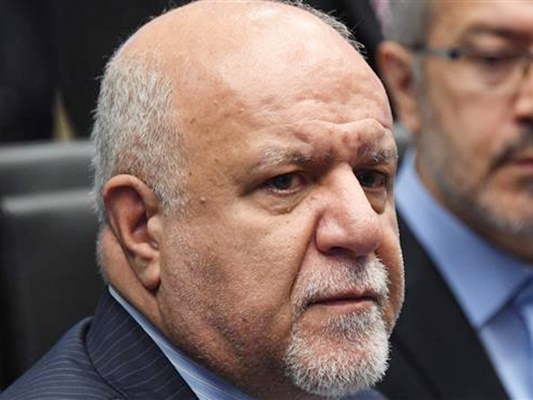
ZangenehMinister of Petroleum: Bijan Namdar Zanganeh


Abdolreza Rahmani-FazliMinister of Interior: Abdolreza Rahmani Fazli


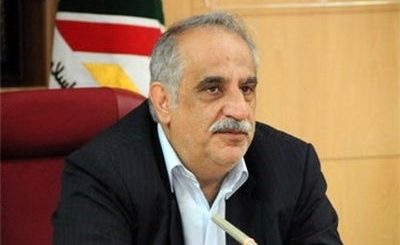
Massoud KarbasianMinister of Economic Affairs and Finance: Massoud Karbasian


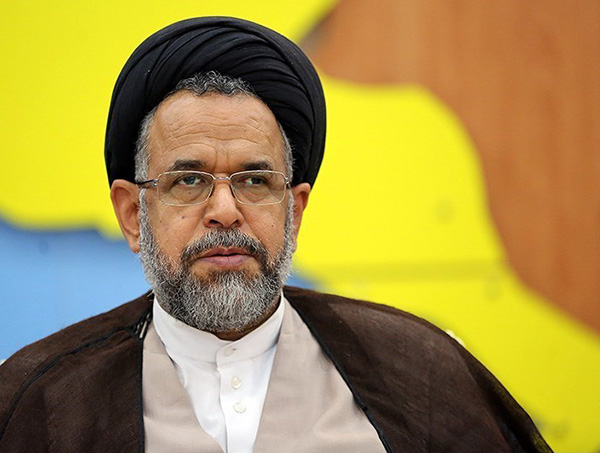
alaviMinister of Intelligence: Seyyed Mahmoud Alavi


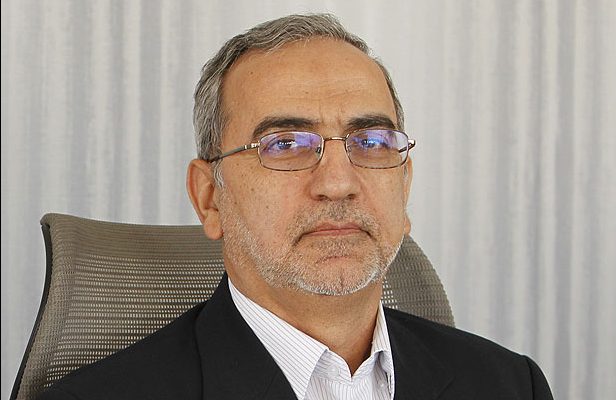
Habibollah BitarafMinister of Energy: Habibollah Bitaraf


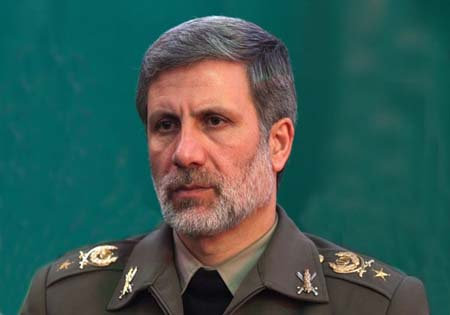
Iran President Submits List of Ministerial CandidatesMinister of Defence and Armed Forces Logistics: Amir Hatami


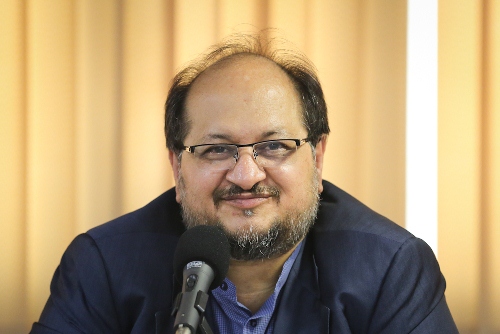
Mohammad ShariatmadariMinister of Industry, Mine, and Trade: Mohammad Shariatmadari


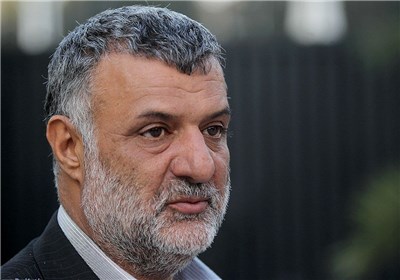
Mahmoud HojjatiMinister of Agricultural Jihad: Mahmoud Hojjati


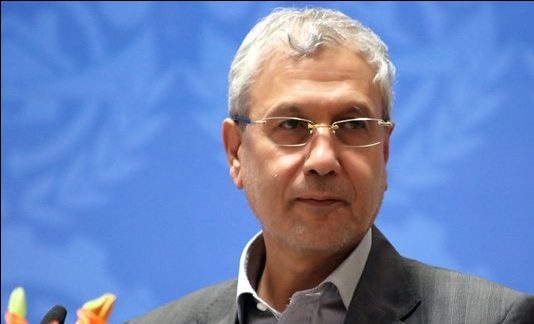
rabieiMinister of Labor, Cooperatives, and Welfare: Ali Rabi’ee


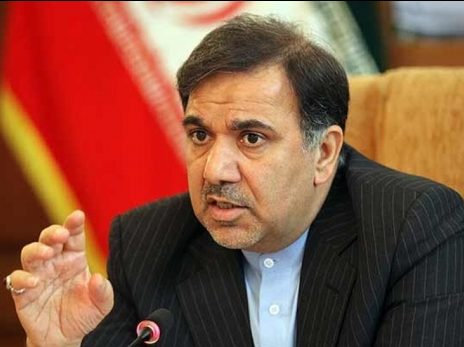
Iran President Submits List of Ministerial CandidatesMinister of Roads and Urban Development: Abbas Akhoundi


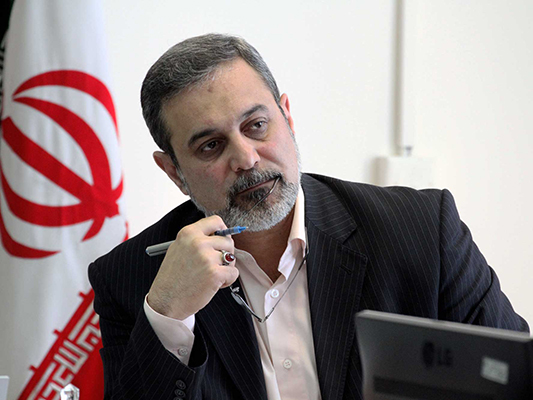
Seyyed Mohammad Bat’haeiMinister of Education: Seyyed Mohammad Bat’haei


HashemiMinister of Health, Treatment, and Medical Education:

Seyyed Hassan Qazizadeh Hashemi


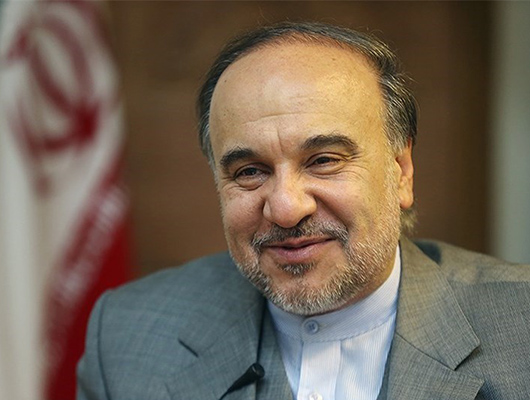
Masoud SoltanifarMinister of Sports and Youth: Massoud Soltanifar


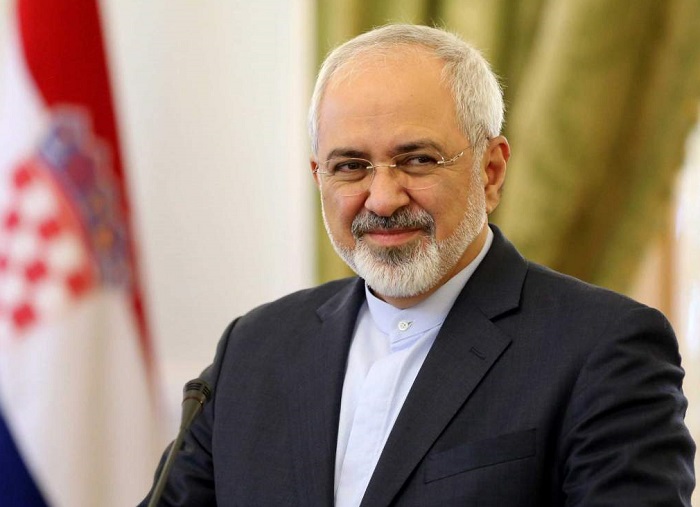
Mohammad Javad ZarifMinister of Foreign Affairs: Mohammad Javad Zarif


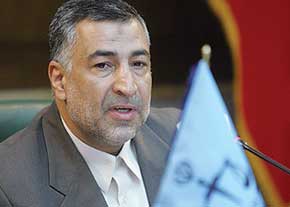
Seyyed Alireza AvaeiMinister of Justice: Seyyed Alireza Avaei


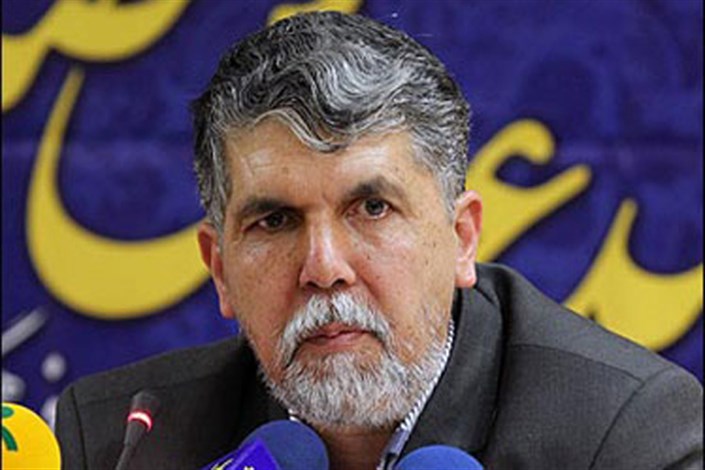
Seyyed Abbas SalehiMinister of Culture and Islamic Guidance: Seyyed Abbas Salehi


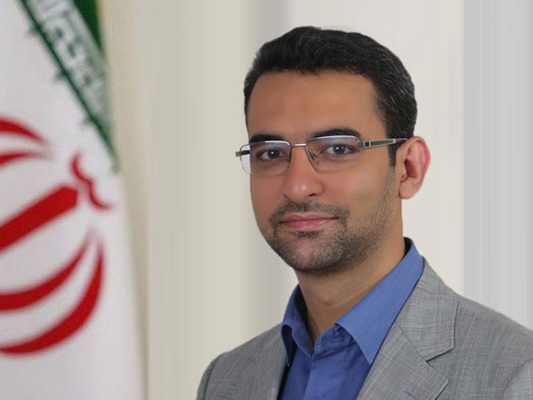
Mohammad Javad Azari JahromiMinister of Communication and Information Technology:Mohammad Javad Azari Jahromi

Man Sentenced to Do Research for Illegal Use of Groundwater

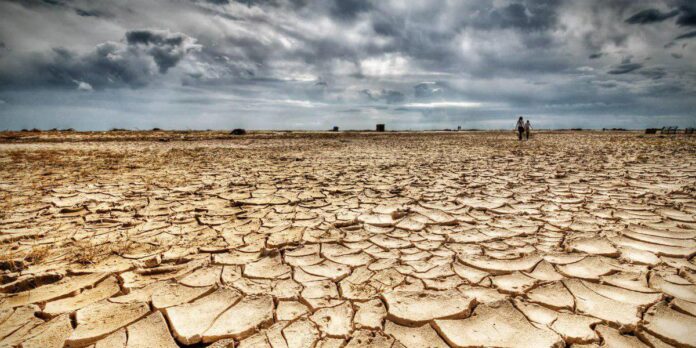
An Iranian judge has sentenced a person illegally exploiting groundwater to conducting a survey on the current trend of using underground water tables.

In his article, the individual must explain the impact on people’s lives of the current trend of using groundwater, present an overview of the situation of Iran’s groundwater resources over the past century, and offer practical suggestions, among other things, says the Justice Department of Golestan province in northern Iran.

The judge has instructed the individual to draw on the theories of Professor Parviz Kardavani, the founding father of eremology in Iran, while doing his research work.

The individual must also share his findings with locals living in his village.

Introduction of interesting penalties for breaking environmental laws is not unprecedented in Iran.

A few weeks ago, a violator of local hunting laws in Kohgiluyeh and Boyer-Ahmad Province was sentenced to transcribe the hunting laws twice as his penalty for an illegal hunt.

About one month earlier, a hunter was arrested in the southeastern province of Kerman for carrying an illegal gun and hunting two turtle doves. A local court sentenced him to three months in jail. But he was also obliged to create two social media accounts in Instagram and Telegram and acquire at least 2,000 followers in each of the platforms.

Foreign Dignitaries Visit Tehran’s Museums

Foreign Dignitaries Visit Tehran’s Museums

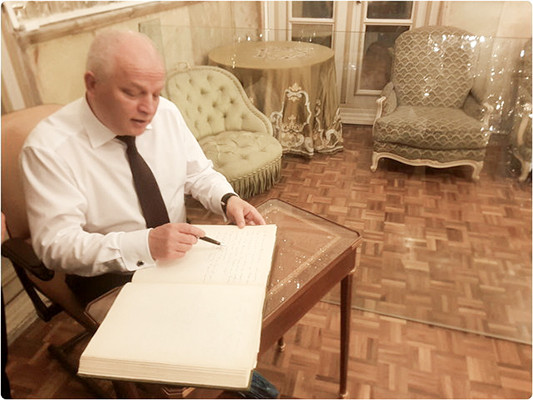
Senior officials from 16 countries, who were among the dozens of dignitaries present in Tehran to attend the swearing-in ceremony of President Hassan Rouhani, have visited the historical Golestan Palace registered on the UNESCO’s list of the World Heritage Sites.

Some of them also visited the National Museum of Iran.

High-ranking officials from Spain, Germany, Ukraine, Hungary, South Korea, the Maldives, Poland, Thailand, the Vatican, Tunisia, Denmark, Chile, Austria, Vietnam and Senegal, along with their accompanying delegations, were among those who visited different parts of the Golestan Palace, said Massoud Nosrati, the manager of the historical-cultural Golestan Complex.
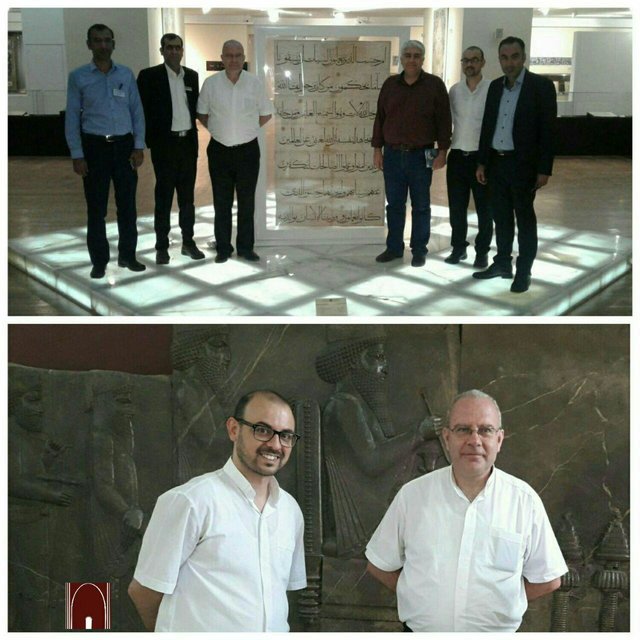
Foreign Dignitaries Visit Tehran’s Museums1“During the three-day visit to the Golestan Palace by senior political officials, they marvelled at the masterpiece architecture and artwork at the historical complex,” said Nosrati.

The officials, he said, discussed Iran’s culture, civilization and historical values during their visit. Also in their notes about their presence in Iran, they expressed happiness at having visited the historical attractions at the Golestan Plalace as Tehran’s only ancient monument which has been registered as an international cultural heritage site.

Jebreil Nokandeh, the director general of the National Museum of Iran, also weighed in on the officials’ visit to the museum in an interview with ISNA.

“Over the past few days, a number of the top officials attending the presidential oath-taking ceremony have visited the National Museum of Iran,” he said.

“Spanish Senate President Pío García-Escudero and Alberto Ortega Martin, the Special envoy of world Catholic Church Leader and Bishop of Rome Pope Francis, were among the officials who visited the museum,” he said.
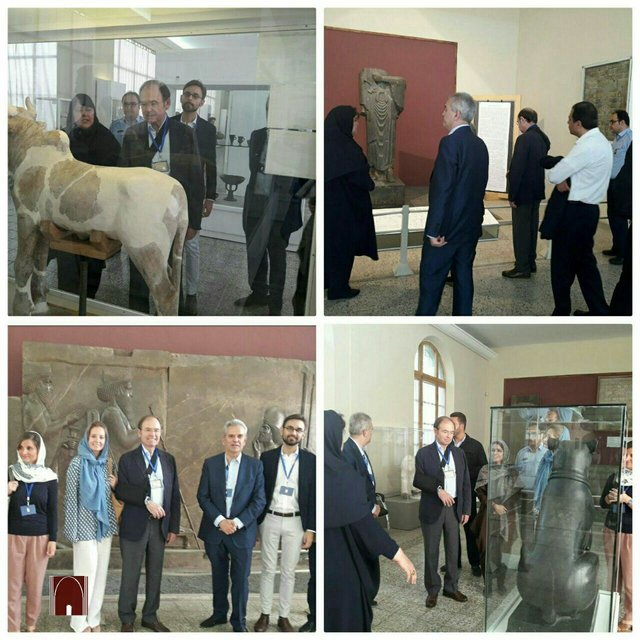
Foreign Dignitaries Visit Tehran’s MuseumsAccording to Nokandeh, the Spanish official said he was pleased to be visiting Iran and getting familiar with the country’s rich history and civilization while visiting the museum.

“It was a really interesting visit to the National Museum of Iran for the Spanish royal delegation. Many thanks, Pío García-Escudero,” wrote the Spanish official in the visitor’s book.

According to Nokandeh, Alberto Ortega Martin also visited the Ancient Iran Museum and the Islamic Era Museum, both part of the National Museum of Iran.

“I’m very pleased to have visited this beautiful and wonderful museum, and I offer you my congratulations,” said Martin.

Moldovan President Igor Dodon also paid a visit to the museum.

“During his tour of the museum, he specifically visited the Pre-History Hall, the halls showcasing the history of the Achaemenid Empire, Parthians and Sassanids, and saw artefacts such as the pottery vessel and its drawing found in the Burnt City (known as the first animation in history), statue of Darius, statue of Parthian noble man, and the Salt Man Mummy,” said Nokandeh.

A Chinese vice-president was also among the visitors to the museum, said Nokandeh, adding he specifically visited part of the museum which showcases the history of Sino-Iranian trade ties in the past.

Iran Ready to Enhance Cooperation with Gambia

Iran Ready to Enhance Cooperation with Gambia

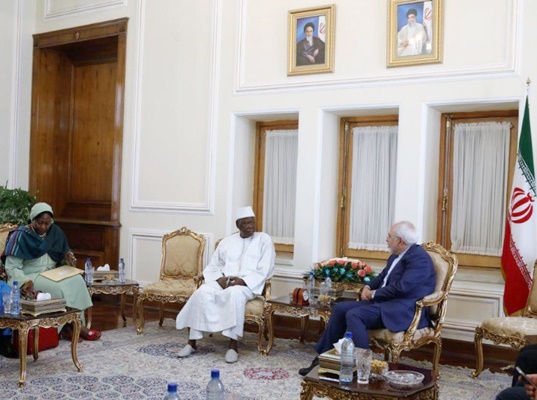
During the Monday meeting, Sanneh underlined the need for promotion of mutual cooperation between Iran and The Gambia.

He said both countries have governments that are just going to start their work, and thus new plans should be implemented to develop these collaborations.

“There are very good grounds for Tehran-Banjul cooperation in the fields of agriculture, technology, health, and investment in economic infrastructures,” he added.

Zarif, for his part, voiced Tehran’s preparedness to start a new chapter of cooperation with The Gambia in such fields as agriculture, health, technology, power plants, and fight against extremism and terrorism.

Elsewhere in the meeting, Zarif also received the Gambian president’s written message for Iranian President Hassan Rouhani.

Iran FM Holds Talks with Grand Mufti of Caucasus

Iran FM Holds Talks with Grand Mufti of Caucasus

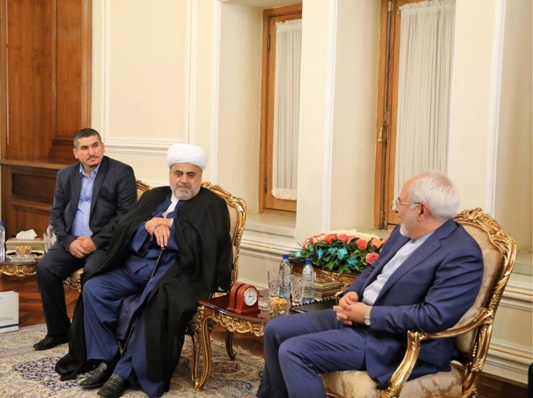
During the meeting, Zarif referred to the frequent meetings between Iranian and Azerbaijani presidents, and hailed Tehran-Baku outstanding bilateral relations.

“The development and stability of Azerbaijan Republic is of great importance to us, and Iran considers it as its own development and stability,” he went on to say.

Sheikh ul-Islam Pashazadeh, for his part, referred to Azerbaijan’s good ties with the Islamic Republic of Iran, and praised Zarif’s efforts to strengthen the relations.

“We will endeavour to reinforce the relations more than ever,” he added.

‘Riyadh Can’t Continue Bombing Yemen Forever’

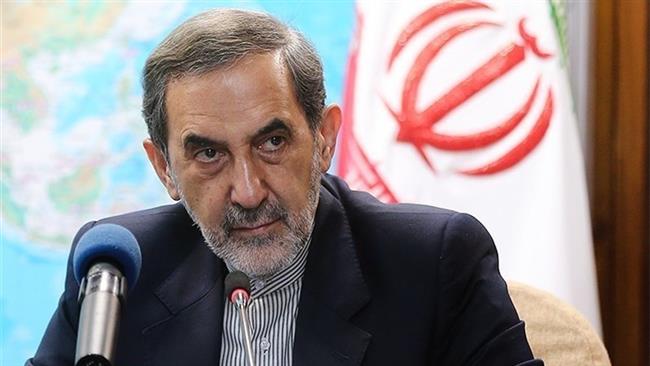
Ali-Akbar Velayati, a senior international advisor to Iran’s Leader, has expressed regret that international organizations are not fulfilling their responsibilities regarding Yemen.

Speaking on the sidelines of his meeting with Danish Deputy Foreign Minister Jonas Bering Liisberg, Velayati said Saudi Arabia cannot go on bombarding Yemen forever.

He further called on the international community to stop remaining indifferent toward Riyadh’s aggression against Yemen.

Velayati also said that he was confident the resistance of Yemeni people will ultimately bear fruit.

According to a Farsi report by Al Alam News Network, he then touched upon the calamities of Yemeni people.

“They are under siege and suffering from pharmaceutical and food shortage. They are under Saudi bombardments round the clock for no good reason,” he noted.


Iranian Pilgrims’ Security Must Be Ensured

Elsewhere in his remarks, Velayati said it falls upon Riyadh to ensure the security of Iranian pilgrims and to respect them.

“This has been among Iran’s key preconditions as agreed by Saudi Arabia.”

He said the Saudi government is duty-bound to guarantee the security of the holy shrines and pilgrims.

“So far, there have been no problems as far as I know.”

“Iran has shown that it is very sensitive about the security of its pilgrims, and we hope Saudi Arabia, too, will be sensitive about its responsibilities, and rethink its policies, especially its interference in some Arab countries like Yemen,” said Velayati.

Saudi Arabia Using Biological Bombs in Yemen: Sources

At a time when Yemen is under siege by Saudi Arabia from the air, sea and land for more than two and a half years, the sufferings of Yemeni people are growing in the face of the international community’s unprecedented silence.

According to a Farsi report by Al-Alam News Network, part of the catastrophic situation in Yemen is related to the outbreak of diseases. The last epidemic was that of cholera which has so far afflicted hundreds of thousands of people and claimed thousands of lives.

In addition to cholera, meningitis has also broken out in Yemen, afflicting dozens of people so far, say sources close to the World Health Organization.

According to Yemeni hospital sources, the Riyadh regime is using biological bombs in its attacks on different parts of the country. The use of internationally banned weapons in Yemen has resulted in the outbreak of several diseases.

A large number of Yemeni people have come down with meningitis, says a hospital source in the Yemeni capital, Sana’a.

As Saudi Arabia continues to attack and destroy medical centres and prevent pharmaceuticals and medical aid from getting in while pressing ahead with its devastating siege of Yemen, the number of meningitis-sufferers is increasing while hundreds of thousands of women and children have lost their lives to cholera.

Meningitis is an acute inflammation of the protective membranes covering the brain and spinal cord, known collectively as the meninges. The inflammation could be caused by viruses or bacteria, or less frequently, by certain medicines.

It is one of the most dangerous diseases that the people of a community may contract.

Iran Planning to Raise Women’s Legal Age of Marriage

Iran Planning to Raise Women’s Legal Age of Marriage

Iranian lawmaker Fatemeh Zolqadr said the Iranian Parliament, in coordination with the country’s Vice-Presidency for Women and Family Affairs, has decided to compile a plan to raise the legal age for women’s marriage in Iran and set a number of restrictions to prevent child marriage.

According to a Farsi report by ICANA, she went on to say that the issue of modifying the marriage age of Iranian women was raised in a meeting held last Iranian year (ended mid-March 2017) between the cultural faction of the Iranian Parliament and a number of the country’s top clerics.

Iran Planning to Raise Women’s Legal Age of Marriage
‘Child Marriage’ cartoon by Ehsan Ganji / Shahrvand Newspaper

The MP said a senior Iranian cleric, Ayatollah Nasser Makarem Shirazi, has also consented to raising Iranian women’s marriage age.

“This comes as opposition is still being voiced by some in the country against the plan. Nevertheless, the issue has not yet been done away with.”

She said meetings are being held to further discuss the subject and follow ups are being done to this end, adding this plan needs time to produce favourable results.

“In the first step, women’s marriage under the age of 13 is required to be prohibited under any circumstances. This is because, unfortunately, some Iranian girls are [currently] still being allowed by their fathers to marry under this age. Such a permission is given by their fathers out of poverty or due to their addiction. In such cases, usually no complaint is lodged in Iranian courts to enable us to prevent their occurrence.”

Zolqadr stressed that certain restrictions are required to be put on women’s marriage age, for child marriage would eventually lead to divorce and cause social harms.