Wednesday, April 22, 2026
Home Blog Page 3948

Structural Changes in Iran Foreign Ministry; Speculations, Implications

When Rouhani’s first presidential term started in 2013, the case of the Islamic Republic’s nuclear activities was taken from the country’s Supreme National Security Council (SNSC) and instead the ministry of foreign affairs took over the responsibility to pursue this important international case.

It seems to be the first and the most important dual mission of the Iranian foreign ministry, since it is difficult to separate the political and economic dimensions of the nuclear case.

After the nuclear deal and signing the JCPOA, the ministry of foreign affairs had to shoulder the heavy responsibility of this case which was in fact a combination of economic and political issues. However, the traditional structure of the ministry was not ready to play this role.

The nuclear agreement could not be achieved and no one could take over the complicated process of maintaining the deal in the domestic and international arena without FM Mohammad Javad Zarif’s great talent and the capacities of the active team of negotiators.

Zarif and his colleagues, who also enjoyed the trust of Iran’s Leader Ayatollah Seyyed Ali Khamenei and the special trans-organizational permissions he gave the foreign minister, actually compensated for the heterogeneous and bureaucratic structure of Iran’s foreign ministry.

It should be acknowledged that, although US has not complied with its commitments under the deal, for several times the international organizations including the International Atomic Energy Agency (IAEA) have certified Iran’s compliance with the nuclear agreement which is  a success for the Iranian ministry of foreign affairs.

Now after having successfully completed the first “political-economic” mission in the international arena, the foreign ministry of the Islamic Republic of Iran seeks to reorganise its administrative structure and its bureaucratic system to continue the process that it has been working on in the past four years.

Following the reintroduction of Zarif as the foreign minister in the second administration of Hassan Rouhani on August 8, the Tasnim News Agency has, in a Farsi article, unveiled a structural reorganization plan at the ministry of foreign affairs, which shows that the plan is in its final stages.

If this plan is approved and implemented, the responsibility of the nuclear deal will be transferred from the legal deputy to the political deputy, which means a more significant role for politics in smoothing the course of nuclear deal implementation.


Changes in the Structure of Ministry of Foreign Affairs

There are media speculations about structural and fundamental changes in Iran’s ministry of foreign affairs. According to a Farsi report by Tasnim, the media and even the lawmakers insist that the ministry needs some drastic changes in its economic departments to become more agile.


Draft Bill Ready to Be Submitted in Near Future

Recently, Deputy Chairman of the Iranian Parliament’s National Security and Foreign Policy Commission, Abolfazl Hassan-Beigi, said that a new structure of economic diplomacy will be created in the foreign ministry. He also announced that qualified people and experts would be recruited for this purpose.

Hassan-Beigi also stated that changes in some structures of the foreign ministry require parliamentary authorization, and some others have to be approved by the government.

“Provisions have been provided and the foreign ministry is supposed to submit a draft bill to the government, and then the government will send the bill to the parliament,” Hassan-Beigi added.

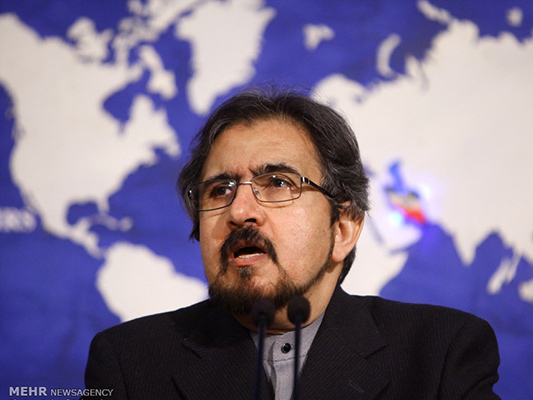
Moreover, Foreign Ministry Spokesman Bahram Qassemi has recently defended the ministry’s performance in the economic sphere, saying they are considering some mechanisms to boost the economic structure of the foreign ministry.

Based on some media speculations, four new posts called “Neighbourhood Deputy,” “Political Deputy”, “Citizens’ and Iranians’ Rights Deputy”, and “Economic Deputy” will be added to the structure of the foreign ministry and the “Political Deputy” will follow up the nuclear deal case.

Prior to this, there were only economic attachés in four countries of the world, but with the establishment of the “Economic Deputy”, this issue would be followed up more seriously. No news has yet been released on the removing or merging of other departments of the ministry.

Tasnim has come up with some new findings on the structural changes in the ministry.

The following are the possible changes in the ministry’s structure which are currently being discussed there.


Political Deputy; Link between Minister and Director-Generals

In this regard, it has been decided to demote the minister’s field deputies – including Deputy for European and American Affairs, Deputy for Arab and African Affairs, and Deputy for Asia and Pacific Affairs – to Director-Generals.

All of these director-generals will be linked to the minister via a deputy called “Political Deputy”, and the affairs will be followed up through this deputy. This change is being sought for what is called the “Agility in Foreign Affairs Ministry”.


Political Deputy to Take Over Responsibility for JCPOA

In another change, the nuclear agreement case will be forwarded to the Political Deputy from the Legal and International Affairs Deputy.

The purpose of this change seems to be sending a message to the world, especially the United States, saying that the legal proceedings of the JCPOA are over for Iran and are not subject to revision.

It seems that these changes to the foreign ministry are inevitable since its structure has not undergone a fundamental change over the past few decades. On the other hand, the world has been rapidly transformed over the course of these decades. However, it seems that no final agreement has been reached on this issue yet.

Furthermore, given the global and regional developments, it is important to pay more attention to the issue of economic diplomacy in the foreign ministry’s structure.
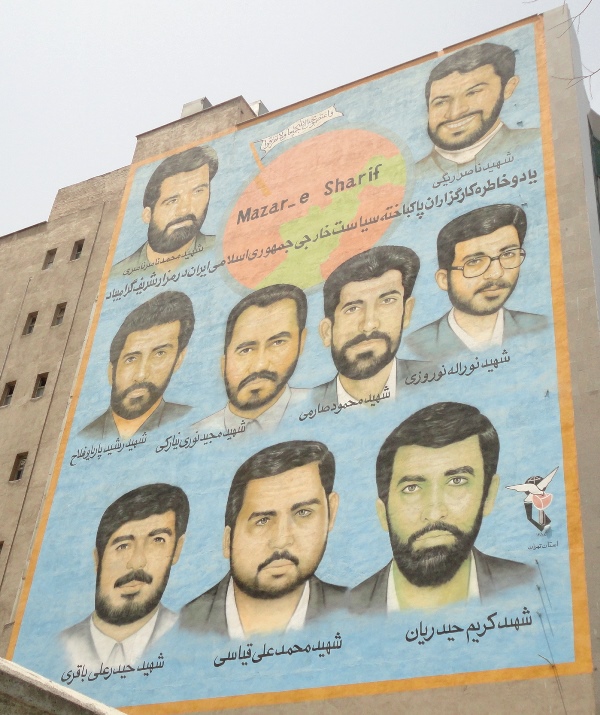
Iran FM Commemorates 1998 Mazar-i-Sharif Martyrs

Foreign Minister Mohammad Javad Zarif has, in a message, honoured the memory of the Iranian diplomats and journalists killed by the Taliban during a siege of the Iranian consulate in Mazar-i-Sharif in Afghanistan back in 1998. The full text of the message follows:

Nineteen years have passed since a number of elite Iranian reporters and diplomats were martyred in Mazar-i-Sharif while on duty and offering sincere services abroad. The tragedy tore the hearts of Iranians as well as all Muslims and justice-seekers across the world.

The contravention of international laws and human principles as well as resorting to violence and terror to violate the immunity of the Iranian diplomats in Mazar-i-Sharif was among the darkest and most painful events in Iran’s history, which has had many ups and downs.

Now, nearly two decades on since the sorrowful and heinous crime was committed, those who serve at Iran’s diplomacy apparatus together with the country’s journalists still mourn the demise of their colleagues.

I commemorate those who lost their lives in the painful tragedy and renew allegiance to all martyrs who gave their lives for Islam and the 1979 Revolution. I ask God Almighty to bestow his blessings upon them and wish their families success, dignity and prosperity.

Iran Says All Options on Table If US Breaches Nuclear Deal

Ali Akbar Salehi, the head of the Atomic Energy Organization of Iran (AEOI), says all options are on the table in case the US violates the nuclear deal signed between Tehran and six world powers, also known as the Joint Comprehensive Plan of Action (JCPOA).

“Washington is unlikely to do this (violate the JCPOA) because such a move will be to its detriment,” he added in an interview with Al-Mayadeen TV, as cited in Farsi by the Fars News Agency.

“Iran’s response will be proportionate to the way the US deals with it (the nuclear deal),” he said.

The European Union, China, Russia and other countries have approved of the JCPOA, so Washington’s withdrawal from the deal will have no bearing on its implementation, said Salehi.

He said if the US contravenes the agreement, the responsibility for it will rest with Washington itself.

“It is not our responsibility. The [International Atomic Energy] Agency has announced almost seven times that Iran has remained committed to the JCPOA, and hence, there are no grounds for violating the deal,” he said.

He expressed the hope that a day will not come when Iran will have to return to the pre-JCPOA situation.

“At the beginning of the [nuclear] talks, the possibility of the deal being violated was put forward as well. So, several channels were envisaged to get back to the previous situation, even a situation better than before.”

Salehi described the JCPOA as a “history” whose impacts will be noticed more and more as time goes by. He also said he was pleased to have had a key role in the nuclear negotiations.

“Nuclear activities such as uranium enrichment, production of heavy water, the re-designing of the Arak reactor with China’s help in addition to exploitation of uranium quarries are underway better than before, and media reports of internal differences in Iran over the JCPOA are simply political dreams,” said Salehi.

He further noted that Iran and Russia are further expanding their relations.

Salehi touched upon joint ventures by Tehran and Moscow, including the construction of two new large power stations in Bushehr next to the current nuclear facility there.

“Iran has very deep and extensive ties with Russia in the nuclear field,” he noted.

‘Lebanon’s Golden Triangle: Army, Hezbollah, People’

Hezbollah

The Persian-language Tasnim News Agency has, in a report, elaborated on the secret behind Lebanon’s success in countering the Zionist aggression. The full text of the report follows.

The Lebanese resistance movement Hezbollah, the Lebanese army, and people constitute a golden triangle which has protected Lebanon against relentless aggression. The three safeguard the country against acts of aggression by Zionists and Takfiri groups. Experience has proved that the defense strategy has been fruitful.

Walid Sukkarieh, an expert on Lebanon’s military affairs, has also supported the formation of the three-pronged front.

“Can we establish an army which could be superior to the Israeli army militarily? [Can we establish] an army with whose help we will be able to attack Israeli forces, secure military domination over them and free our homeland? Lebanon does not have what it takes to do this. It is only the help of the [Lebanese] resistance [movement Hezbollah] that protects our land against any aggression or occupation. And this resistance is the result of a resistant society,” he said.

“This is a military strategy for all weak countries in confronting powers which are militarily superior,” the expert added.

Hezbollah stood up to aggressors in 2006 when the Zionist regime of Israel launched aggression against Lebanon. The army defended the nation on the domestic front. The people, for their part, put up a stiff resistance. Therefore, they emerged victorious, exactly like in 2017 when a similar triumph was secured against terrorist groups.
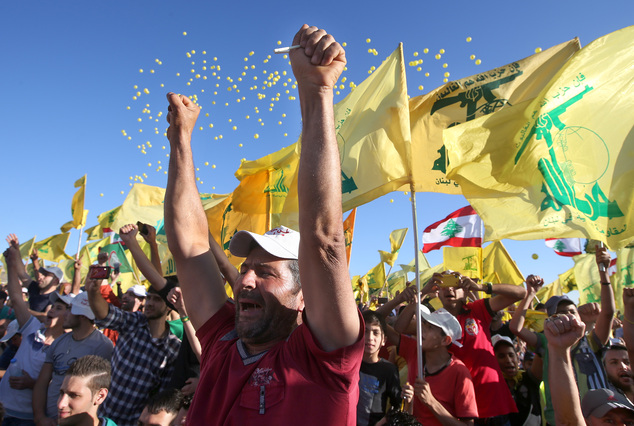
“Both in the recent war and in the July conflict back in 2006, it was Hezbollah that stood up to the Israeli enemy in the first place. Of course, the army and people were also on the scene. In the recent conflict on Arsal heights, Hezbollah launched a combat operation, and the army served as a bulwark against terrorism. The army did not allow terrorism to spill over from borders to villages and other areas in Lebanon. Here, the army’s artillery backup was very important. Even now if it is necessary to put up resistance against ISIS once again, the army stands ready to do so,” the expert added.

The Golden Triangle has proved itself in practice. In the eyes of the Lebanese people, this three-pronged front proves its efficiency more and more every day, showing that it is the best option to support Lebanon against foreign threats posed by both Zionists and Takfiris.

Lebanese citizens have, in their interviews with Tasnim, stressed the efficiency and effectiveness of the triangle comprising the army, the people and Hezbollah, and confirm its key role in defending Lebanon against the Israeli regime’s aggression.

A Lebanese citizen said she does believe in the three-pronged front made up of the army, the people and Hezbollah, and that every patriotic person should believe in them.

“We are with the army, and we’re specifically with the Lebanese resistance [movement Hezbollah,] which managed to set us and Lebanon free,” says another citizen.

A Beirut resident says the Lebanese take pride in the army, the people and Hezbollah.

Another Lebanese lady says, “Our blood is for resistance.”

She says the Lebanese have given their lives for their country, saying, “We believe all others took action for our sake, and we will act for them, too.”

Despite different points of view, the army-people-Hezbollah triangle is an undeniable, deep-rooted fact and a national necessity for Lebanon to help protect the country’s frontiers and territorial integrity.

A Look at Iranian Newspaper Front Pages on August 8

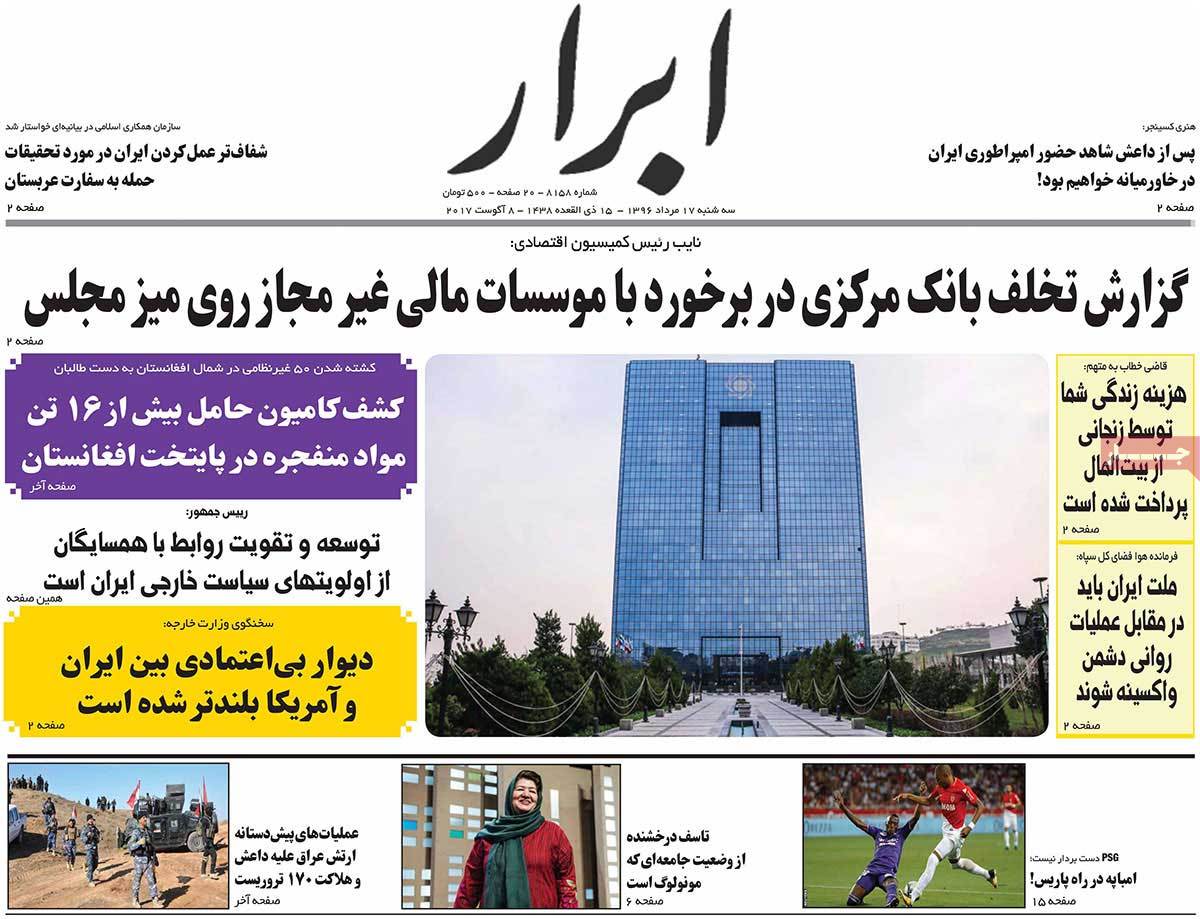
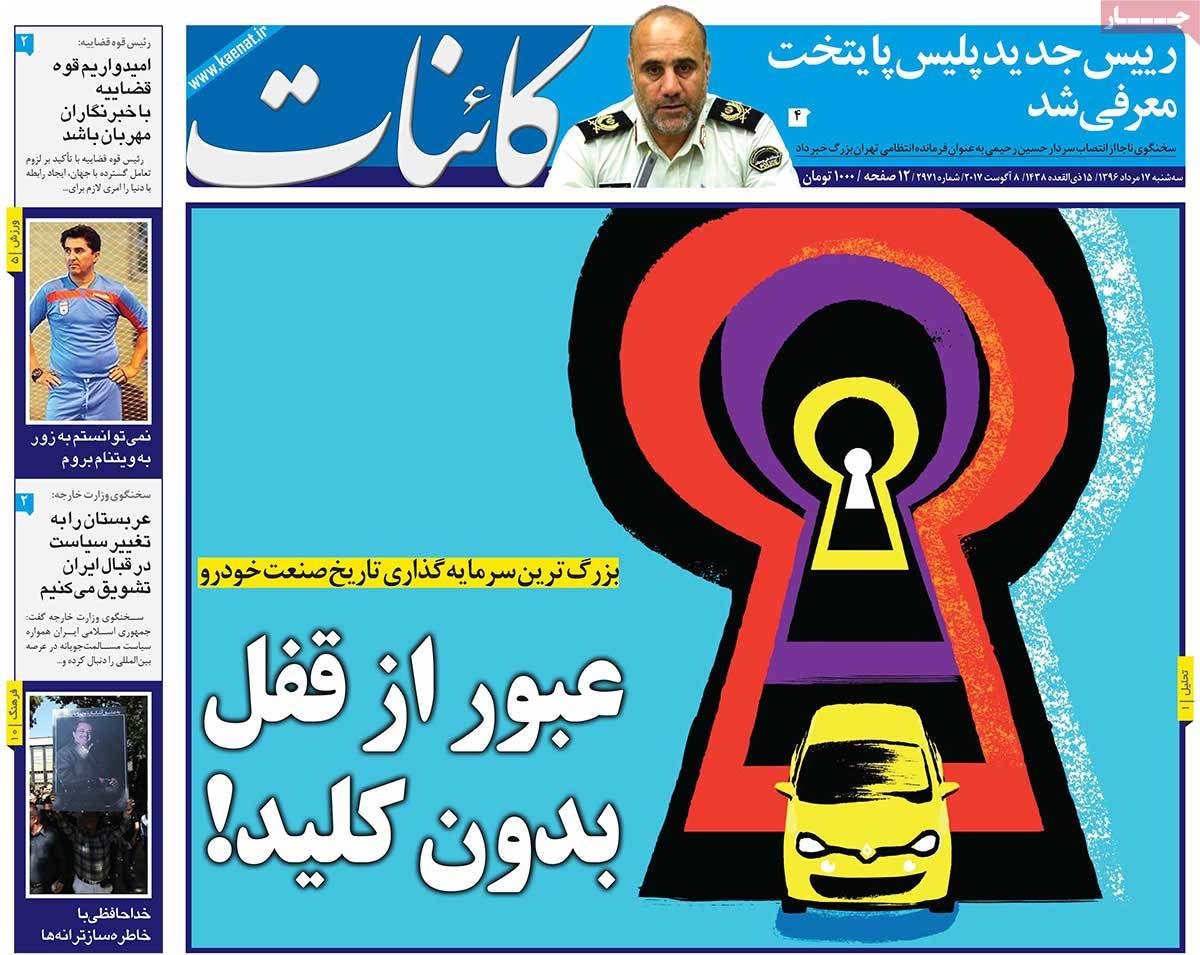
The top story in today’s newspapers was the huge car deal signed between Iran and the French auto manufacturer Renault. Based on the deal, which is the biggest in Iran’s history, Renault will become the third giant carmaker in Iran after Iran Khodro and SAIPA.

Iranian President Hassan Rouhani’s list of ministerial nominees also received great coverage. Rouhani was expected to submit the list to the Parliament on Tuesday morning.

The National Journalists’ Day was also a top story, widely covered by Iranian newspapers today.

The above issues, as well as many more, are highlighted in the following headlines and top stories:


Abrar:

1- Kissinger: After ISIS, We’ll Face Iranian Empire Ruling Mideast!

2- Foreign Ministry Spokesman: Wall of Iran-US Distrust Heightened

A Look at Iranian Newspaper Front Pages on August 8 - abrar


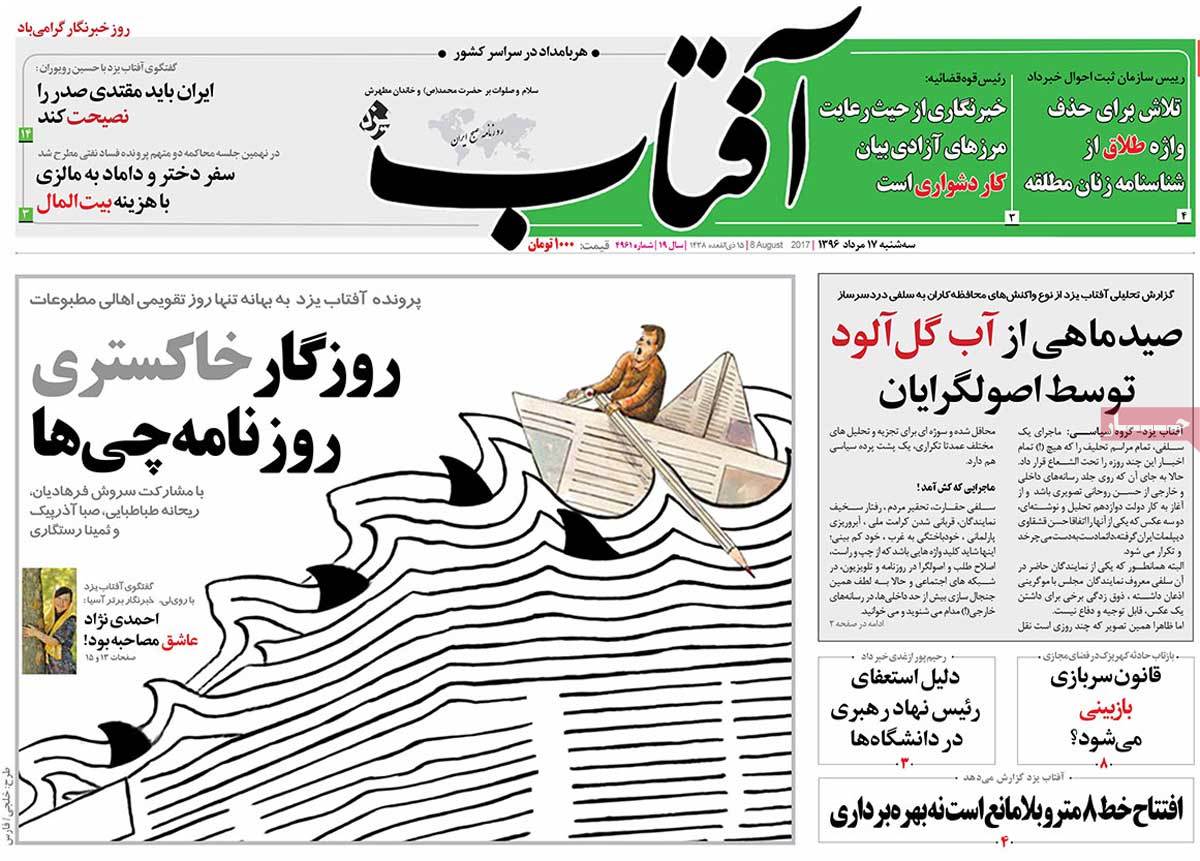
Aftab-e Yazd:

1- Grey Day of Journalists: On Occasion of Only Calendar Day for Journos

2- Iran Should Give Muqtada Sadr Some Pieces of Advice: Analyst

3- The Word ‘Divorced’ to Be Removed from ID Certificates of Divorced Women

A Look at Iranian Newspaper Front Pages on August 8 - aftab


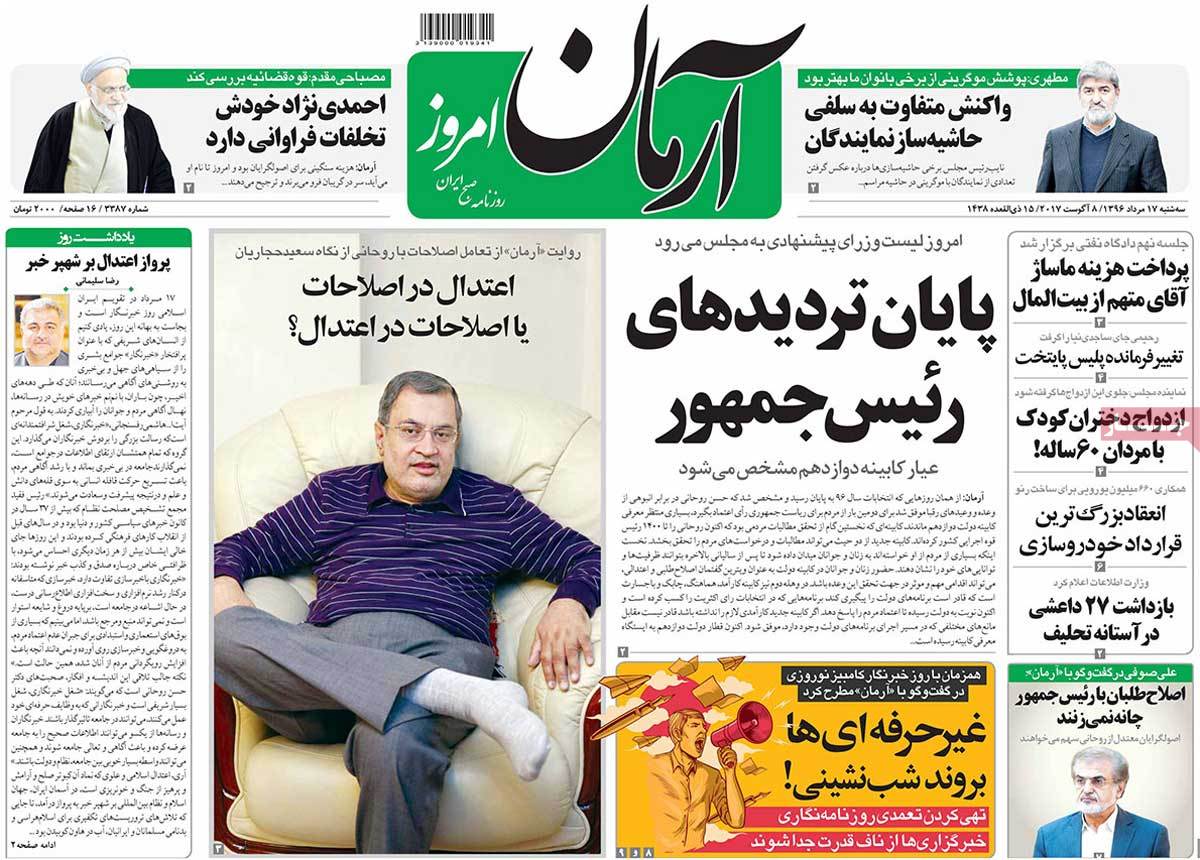
Arman-e Emrooz:

1- Reformists’ Interaction with Rouhani in Hajjarian’s View

  • Moderation in Reformism or Reformism in Moderation?

2- Motahari: The Way Mogherini Covered Herself Better than Some Iranians

  • Different Reaction to MPs’ Controversial Selfie

3- End of President’s Doubts: List of Proposed Ministers to Be Submitted to Parliament Today

4- Intelligence Ministry: 27 ISIS Elements Arrested before Inauguration Ceremony

A Look at Iranian Newspaper Front Pages on August 8 - arman


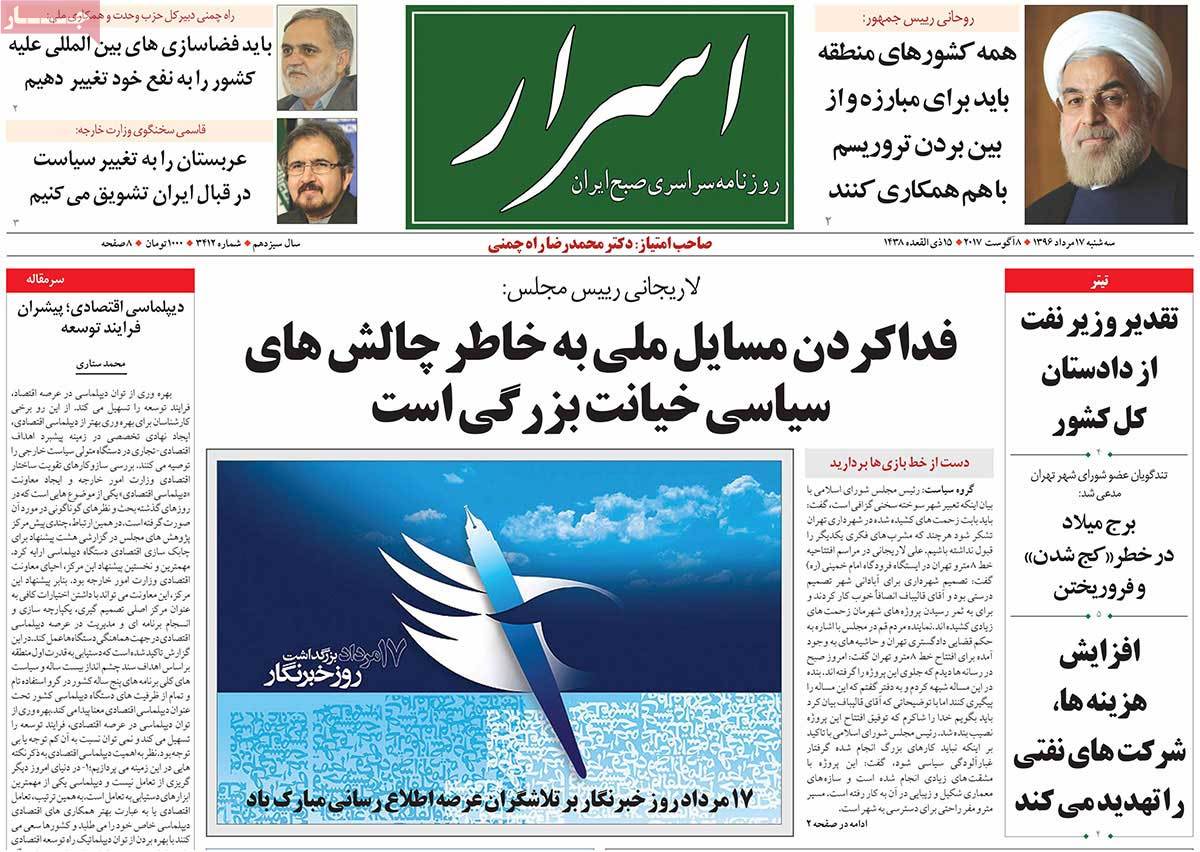
Asrar:

1- Parliament Speaker: Sacrificing National Issues for Political Challenges Big Treason

A Look at Iranian Newspaper Front Pages on August 8 -asrar


Ebtekar:

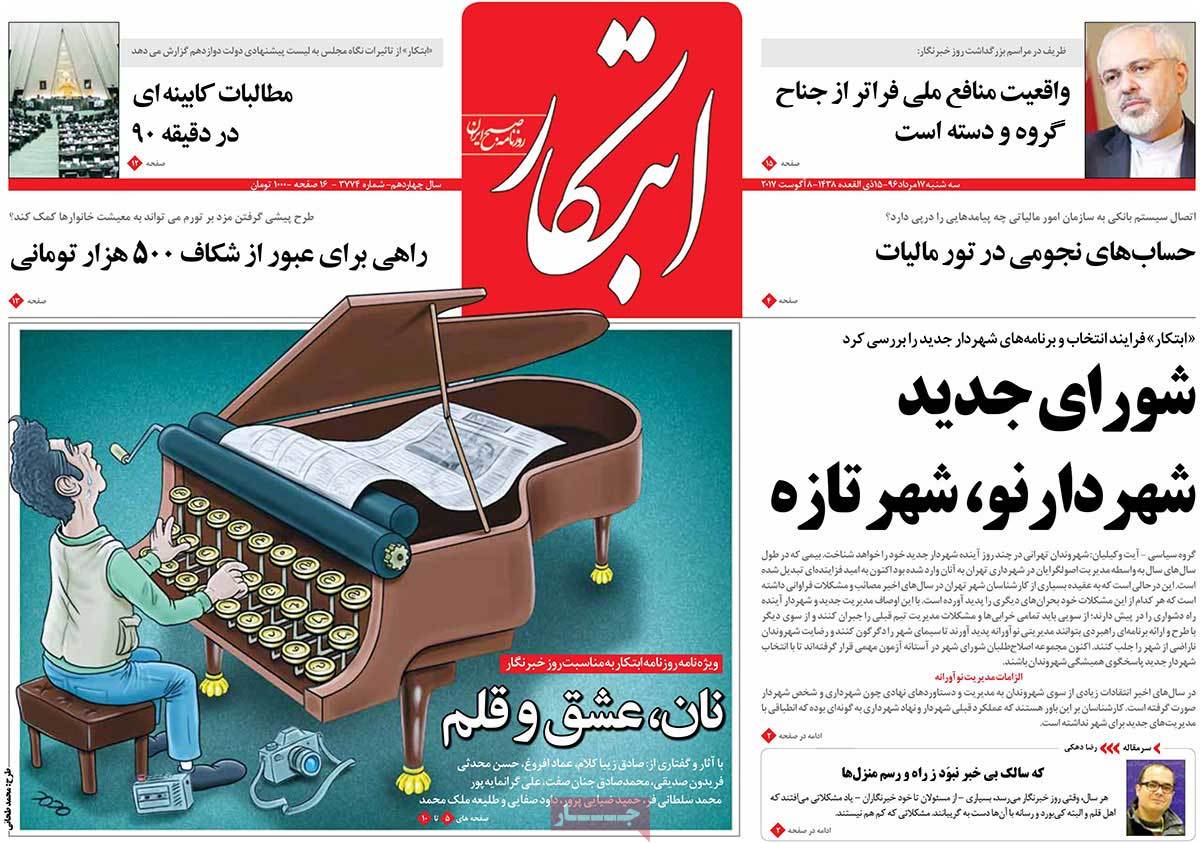
1- Zarif: Reality of National Interests beyond Parties, Camps

A Look at Iranian Newspaper Front Pages on August 8 - ebtekar


Etemad:

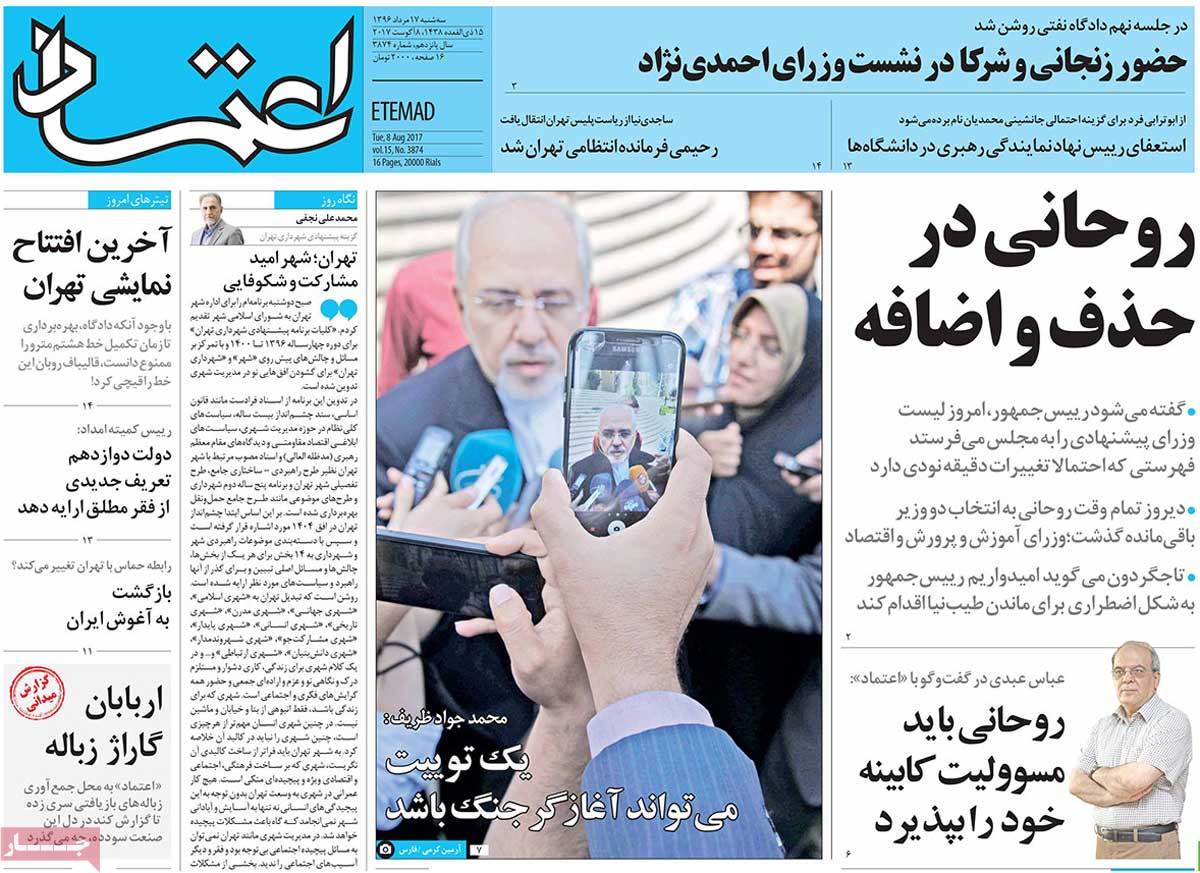
1- Rouhani Still Thinking on His Cabinet Line-up

2- Zarif: One Single Tweet Can Trigger a War

A Look at Iranian Newspaper Front Pages on August 8 - etemad


Ettela’at:

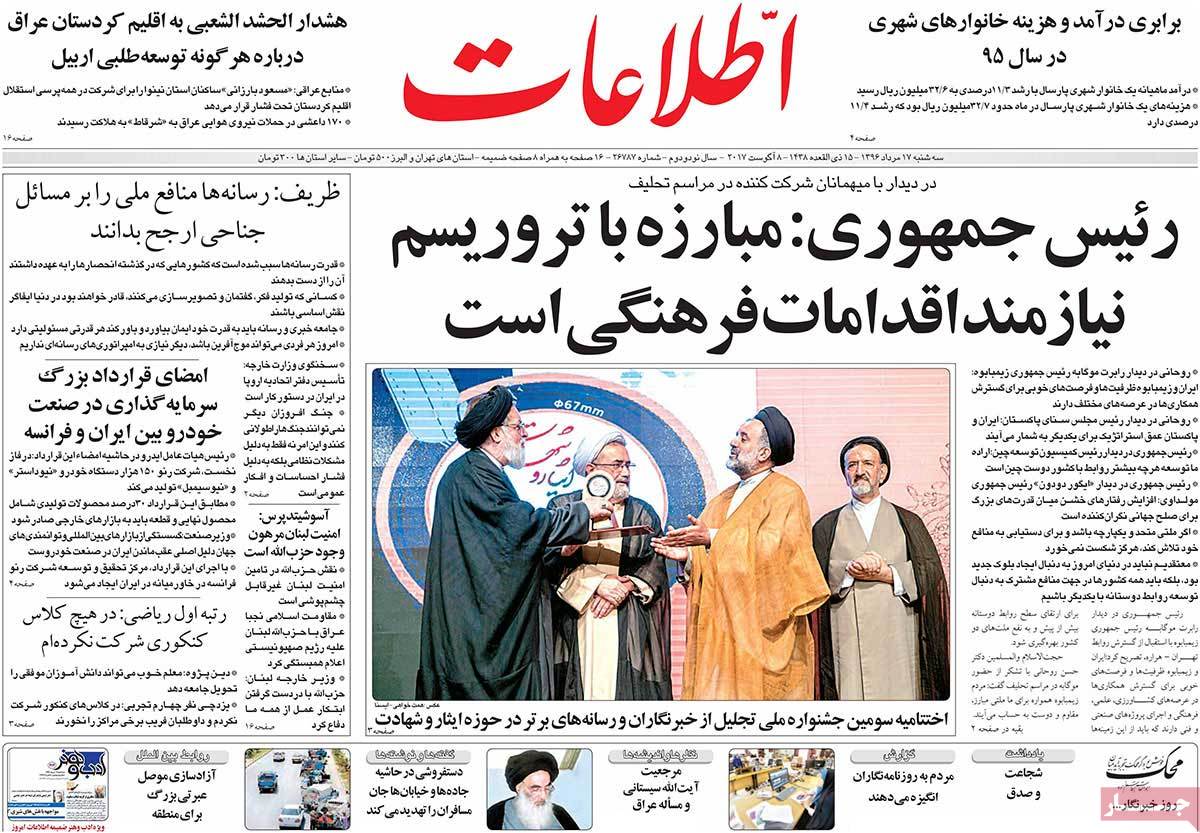
1- President: Fight against Terror Needs Cultural Measures

2- Iraqi Popular Forces Warn KRG against Erbil’s Expansionist Policies

A Look at Iranian Newspaper Front Pages on August 8 - etelaat


Haft-e Sobh:

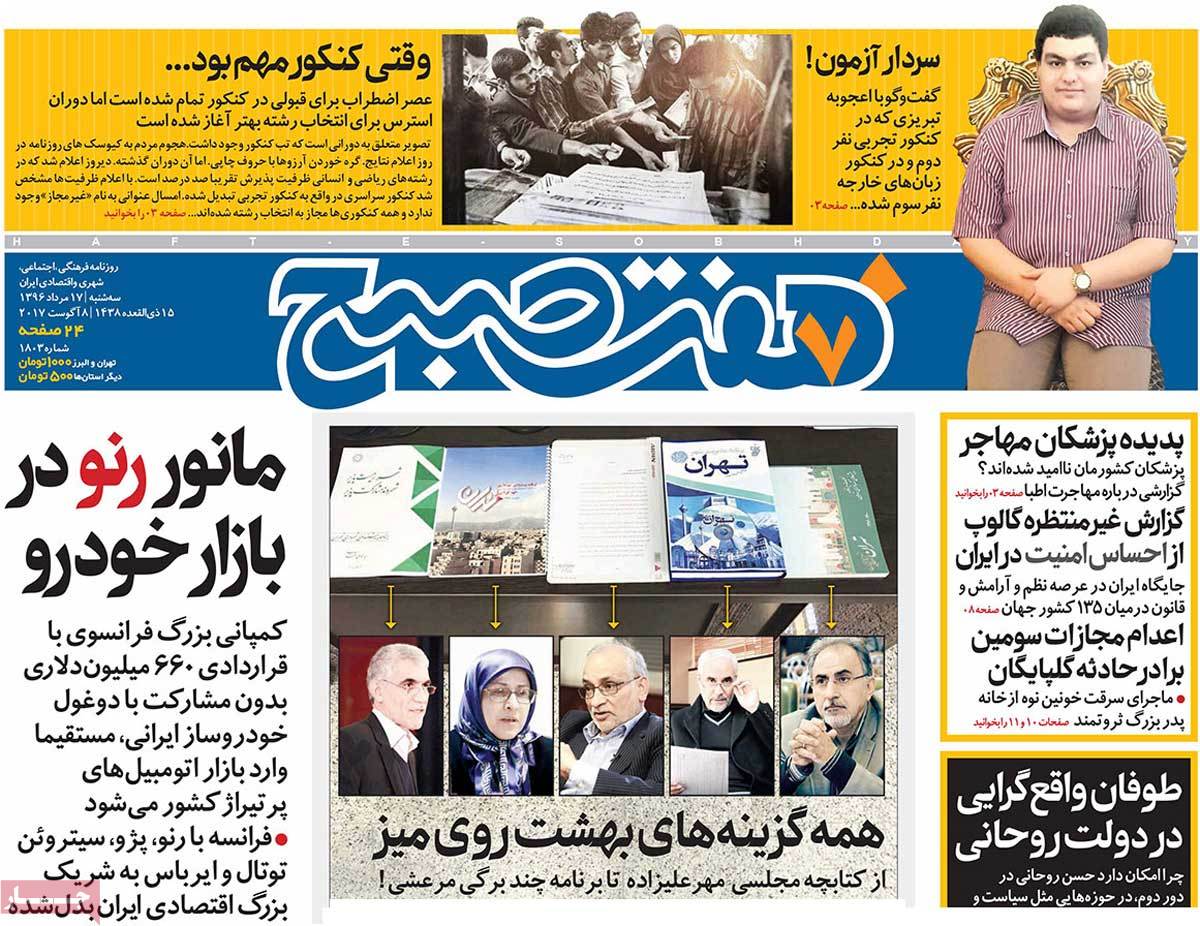
1- Renault’s Manoeuvre in Iran’s Car Market

  • $660m Deal without Partnership with Two Iranian Giant Carmakers

A Look at Iranian Newspaper Front Pages on August 8 - haftesobh


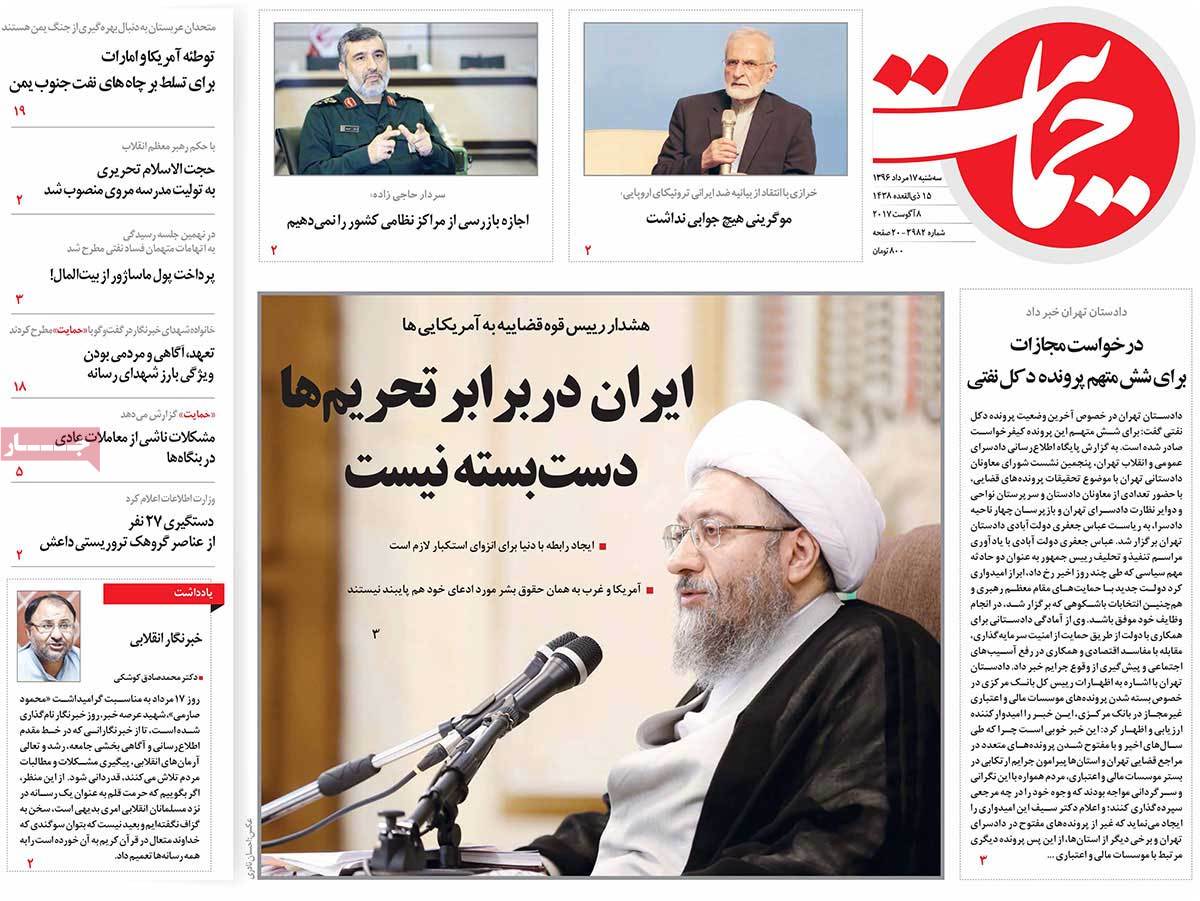
Hemayat:

1- Judiciary Chief to Americans: Iran’s Hands Not Tied in Reaction to Sanctions

A Look at Iranian Newspaper Front Pages on August 8 - hemayat


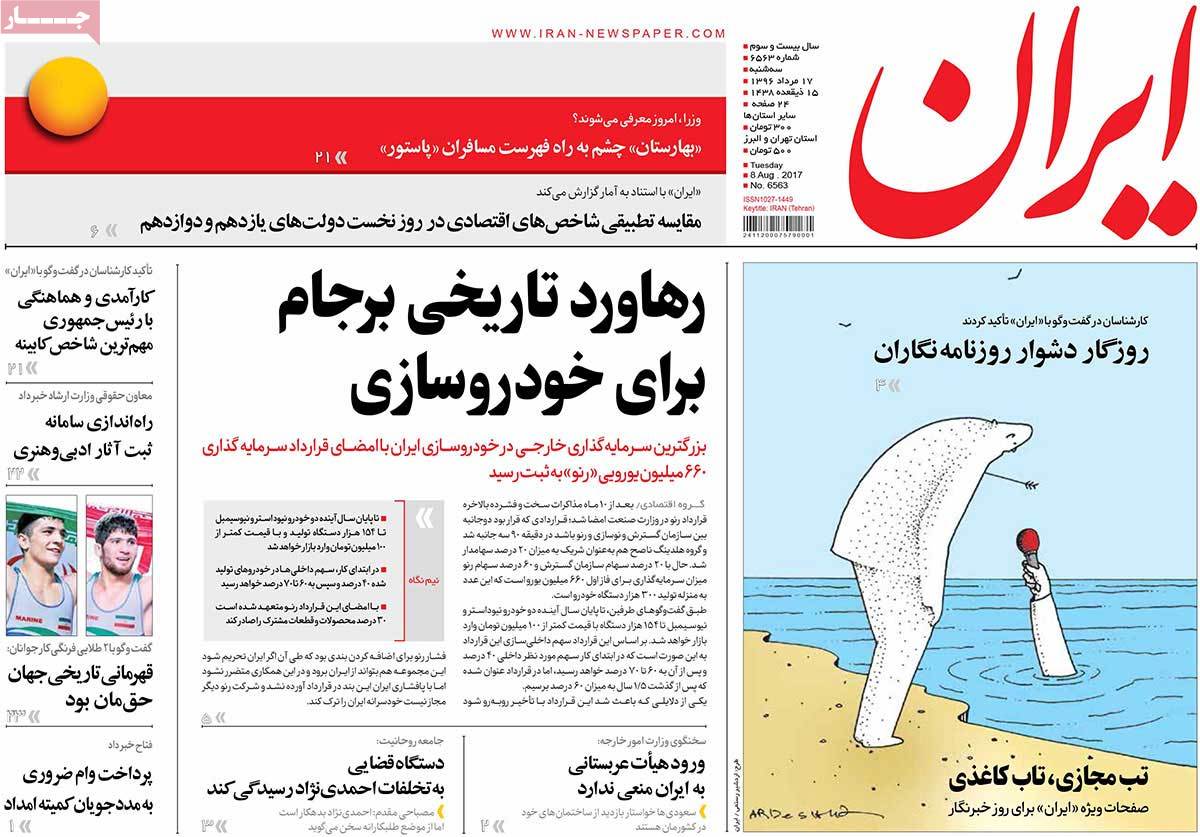
Iran:

1- JCPOA’s Historic Souvenir for Carmakers

  • $660m Investment Deal Signed with Renault

2- Hard Days of Journalists: On Occasion of National Journalists’ Day

3- Efficiency, Coordination with Rouhani Main Features of Cabinet

A Look at Iranian Newspaper Front Pages on August 8 - iran


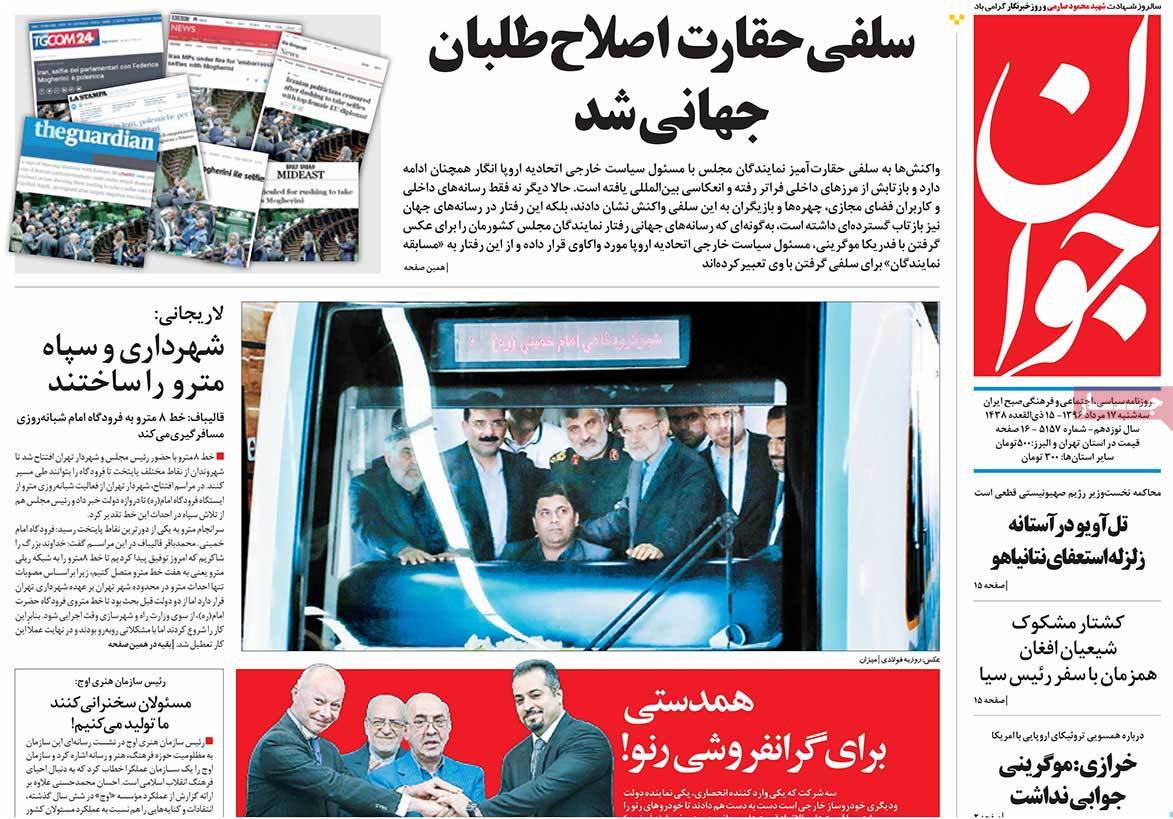
Javan:

1- Complicity in Renault’s Overcharging

2- Tel Aviv on Verge of Earthquake Caused by Bibi’s Resignation

A Look at Iranian Newspaper Front Pages on August 8 - javan


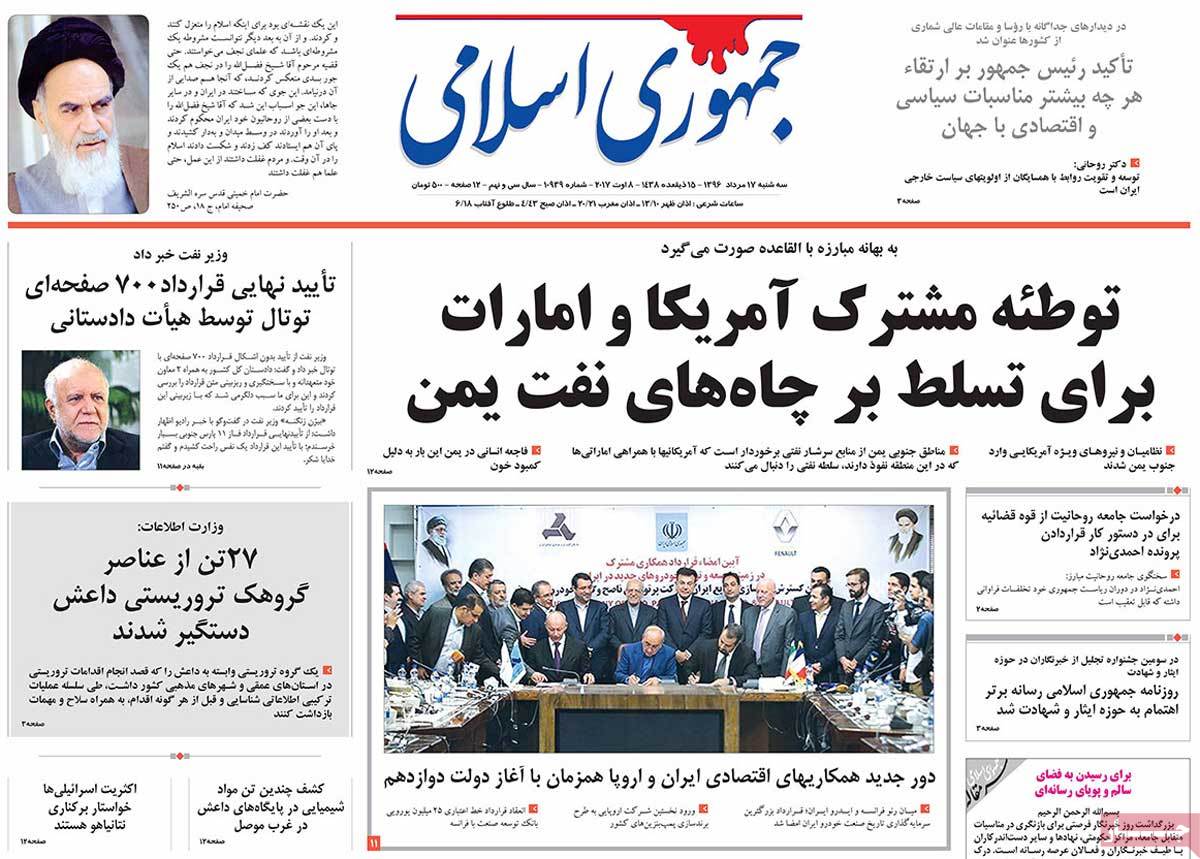
Jomhouri Eslami:

1- US-UAE Joint Plot to Dominate Yemen’s Oil Wells on Pretext of Fighting Al-Qaeda

2- Oil Minister: 700-Page Deal with Total Approved by Iran Judiciary

A Look at Iranian Newspaper Front Pages on August 8 - jomhori


Ka’enat:

1- Opening the Locks without Any Key

  • Biggest Investment in History of Iran’s Car Industry

A Look at Iranian Newspaper Front Pages on August 8 - kaenat


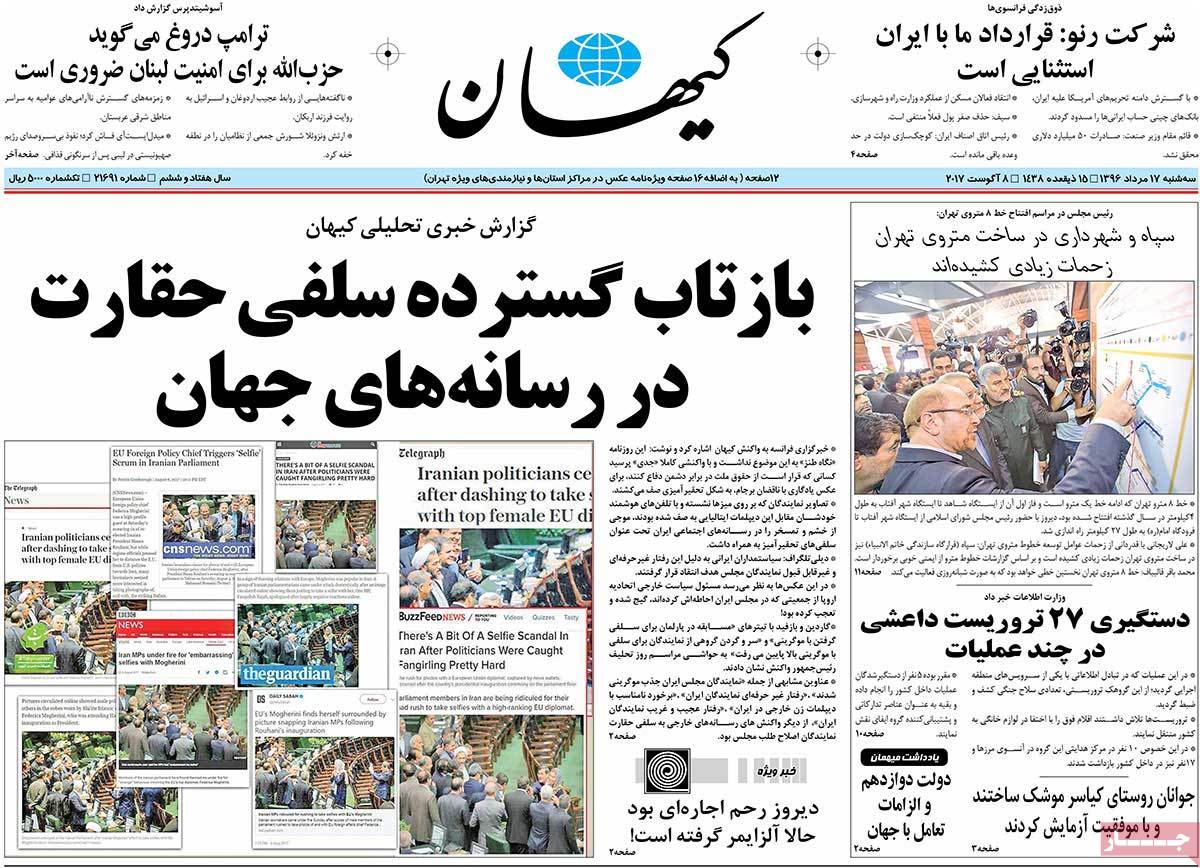
Kayhan:

1- Selfie of Humiliation Widely Covered by World Media

2- French Businesspeople Excited about Their ‘Extraordinary’ Deal with Iran

A Look at Iranian Newspaper Front Pages on August 8 - kayhan


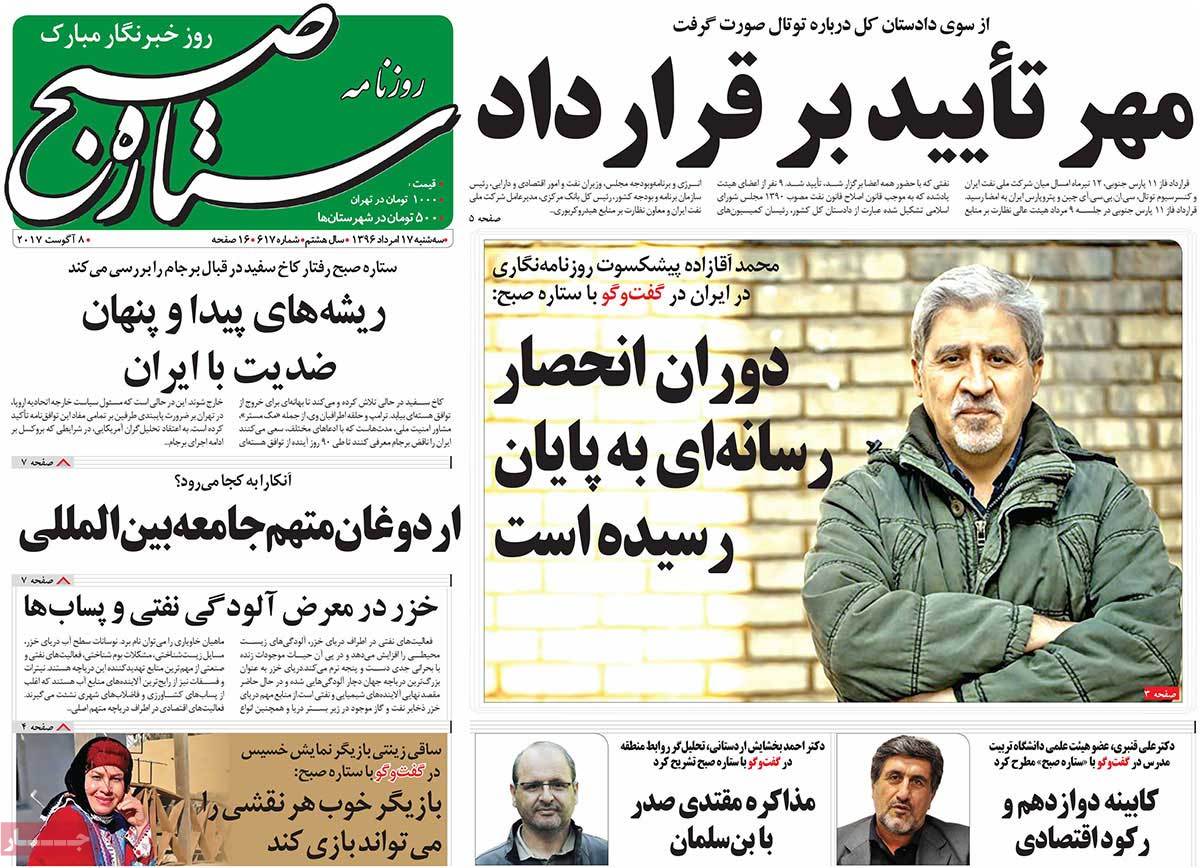
Setareh Sobh:

1- Total Deal Approved by Prosecutor General

2- Roots of White House’s Hostility towards Iran

3- Where’s Ankara Heading to? Erdogan Accused by Int’l Community

A Look at Iranian Newspaper Front Pages on August 8 - setaresobh


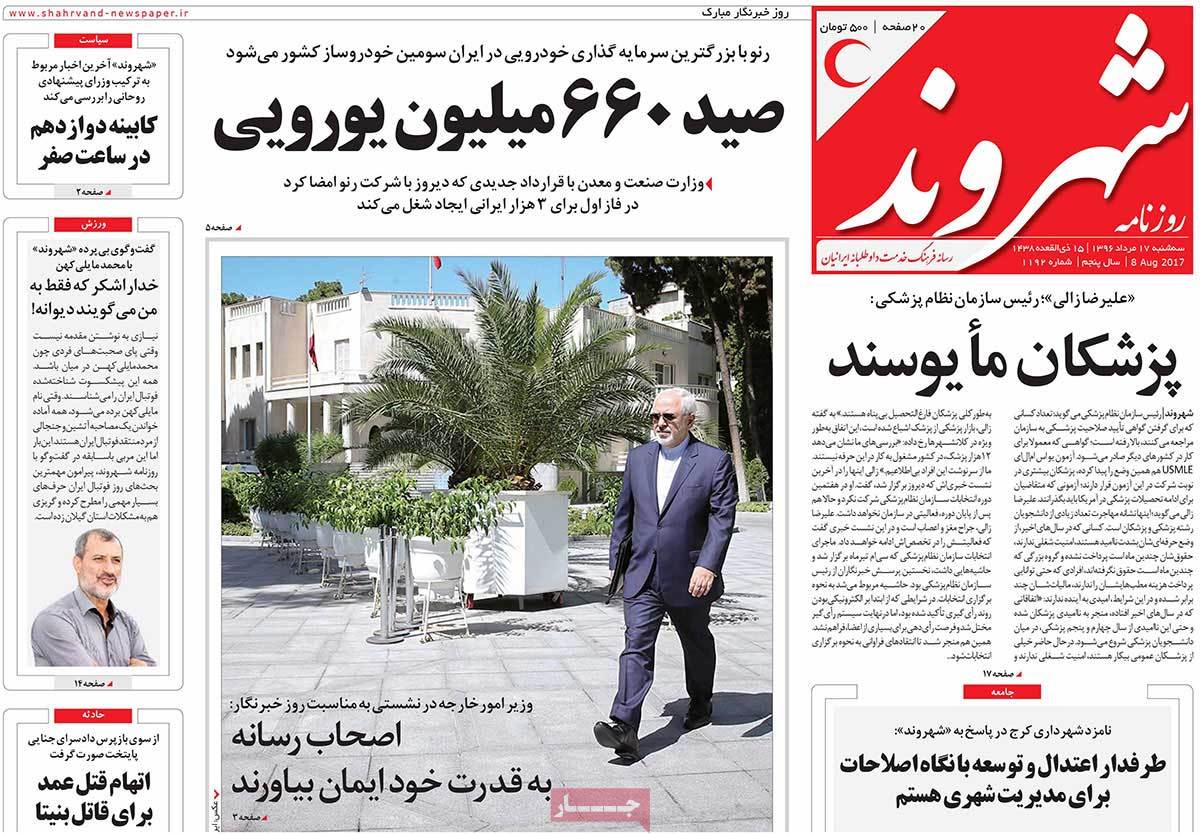
Shahrvand:

1- Rouhani’s New Cabinet in Zero Hour

2- Zarif: Media Professionals Should Believe in Their Power

A Look at Iranian Newspaper Front Pages on August 8 - shahrvand


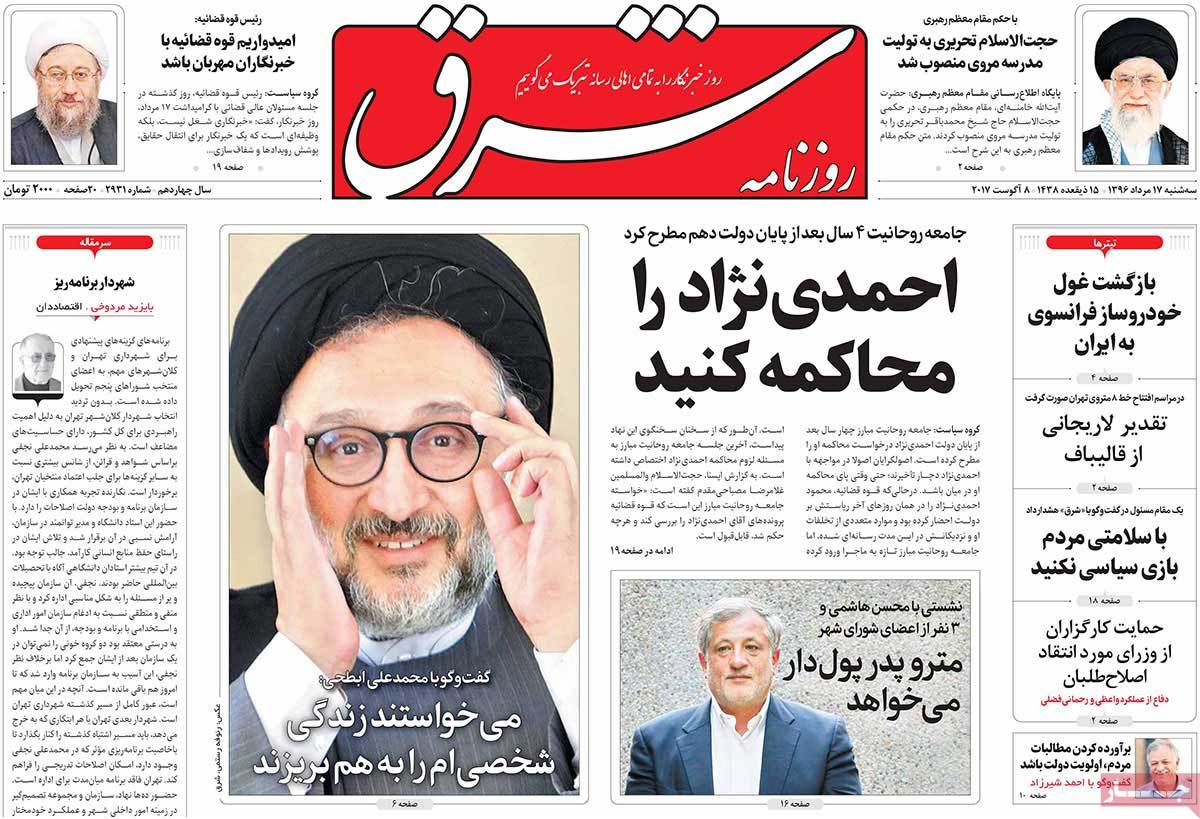
Shargh:

1- Society of Clerics: Ahmadinejad Should Be Tried

2- Return of French Giant Carmaker to Iran

A Look at Iranian Newspaper Front Pages on August 8 - shargh


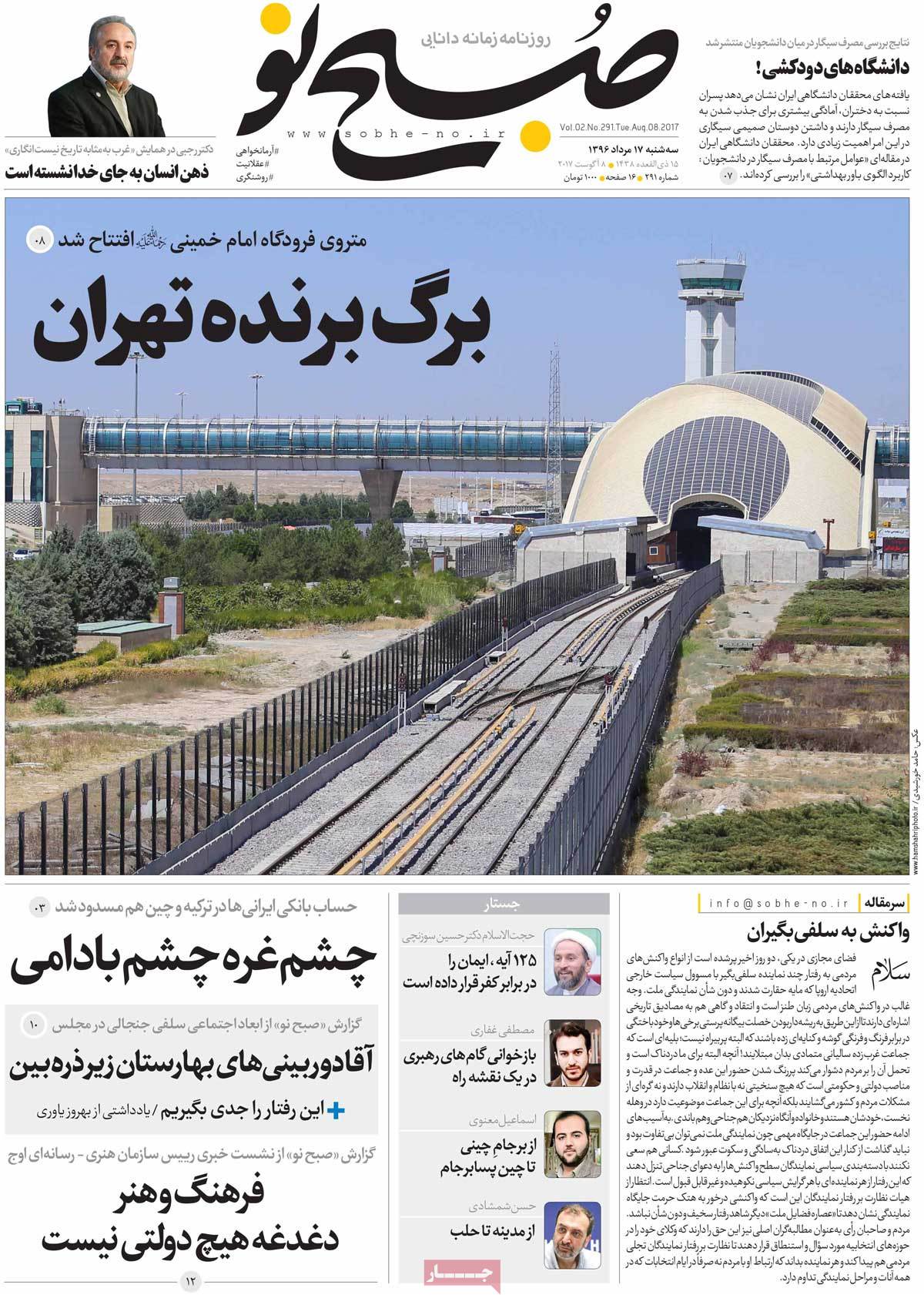
Sobh-e Now:

1- Tehran’s Winning Card: Imam Khomeini Int’l Airport Subway Station Opened

A Look at Iranian Newspaper Front Pages on August 8 - sobheno


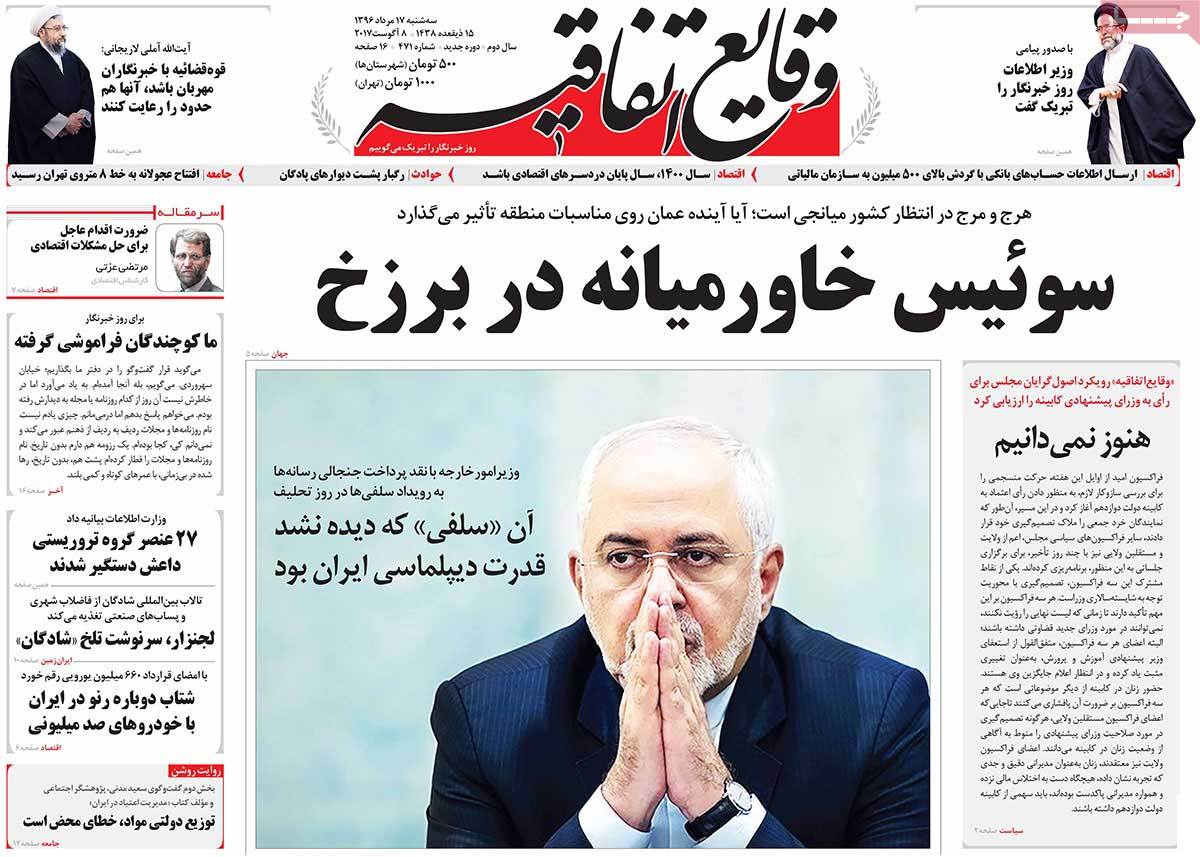
Vaghaye Ettefaghieh:

1- FM: The Selfie Which Wasn’t Noticed Was Power of Iran’s Diplomacy

[Zarif referred to several parliament speakers of developed countries who wanted to take selfies with him, but Iranian media only circulated the photo of Iranian MPs’ selfie with Mogherini]

2- Switzerland of Middle East in Limbo: Oman on Verge of Chaos

  • Will Oman’s Future Influence Regional Ties?

A Look at Iranian Newspaper Front Pages on August 8 - vagaye


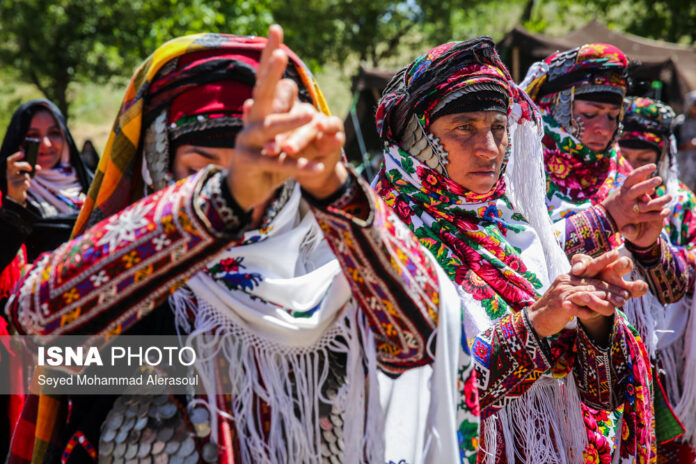
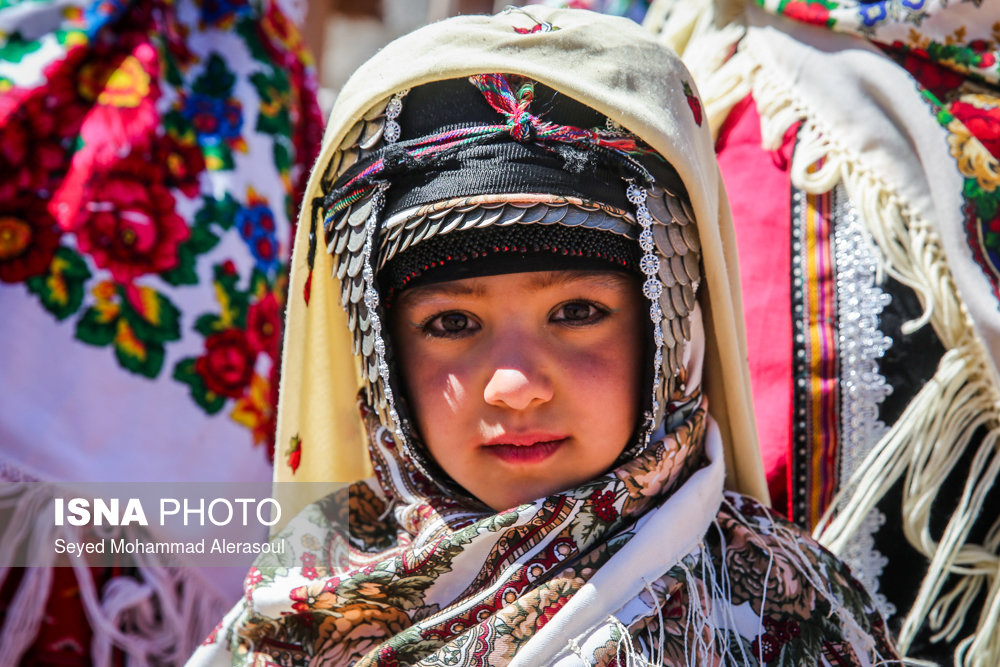
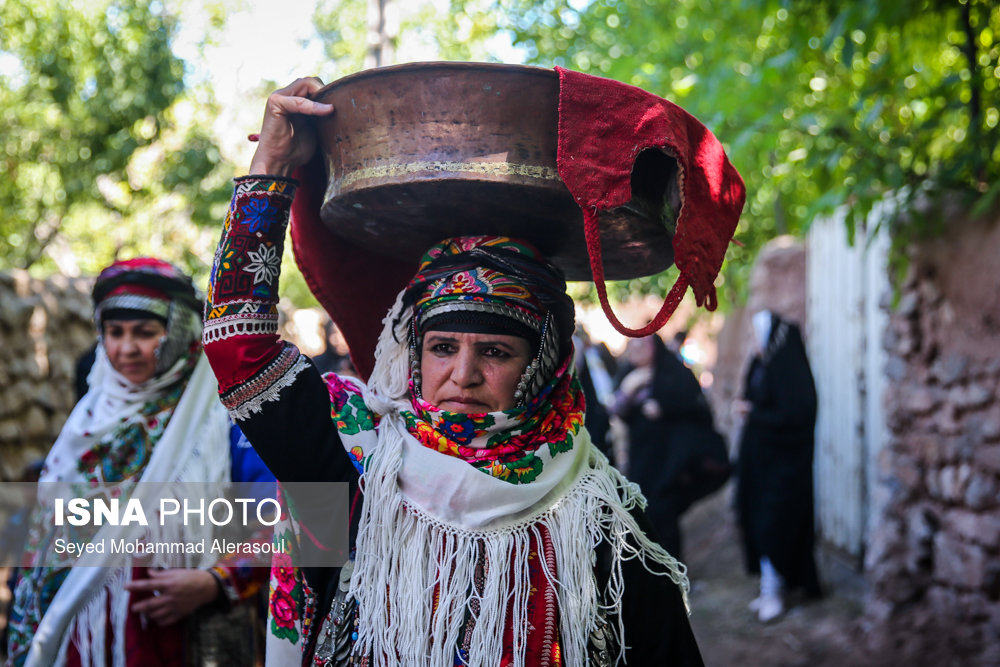
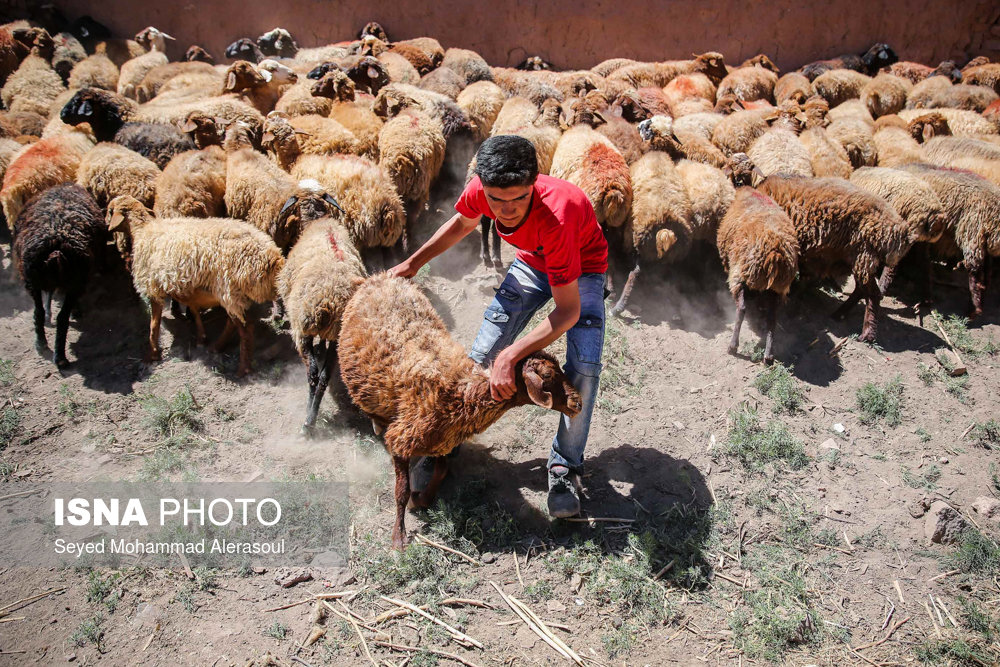
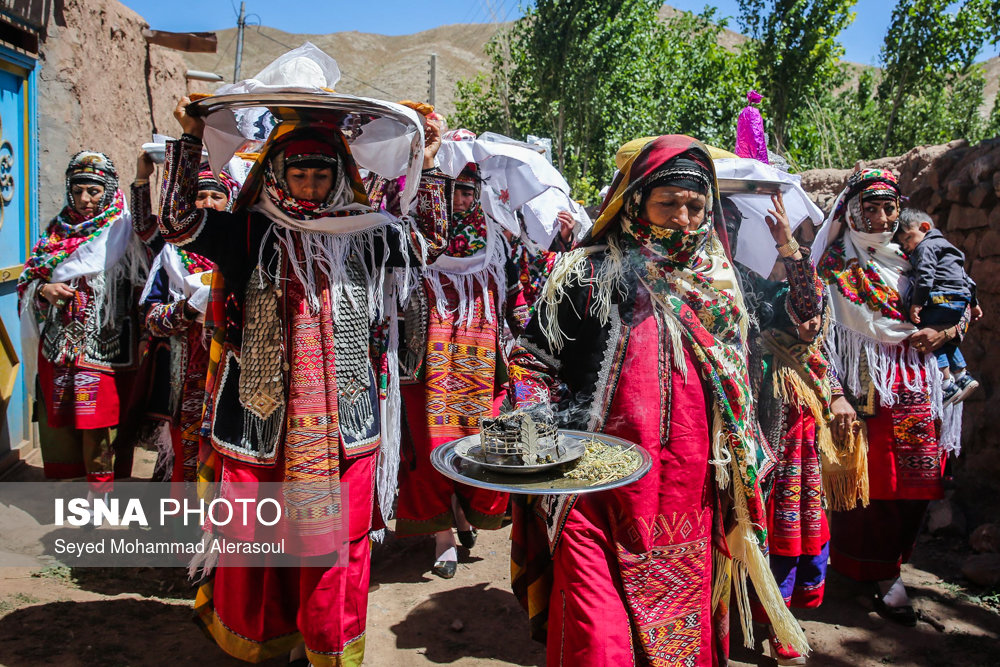
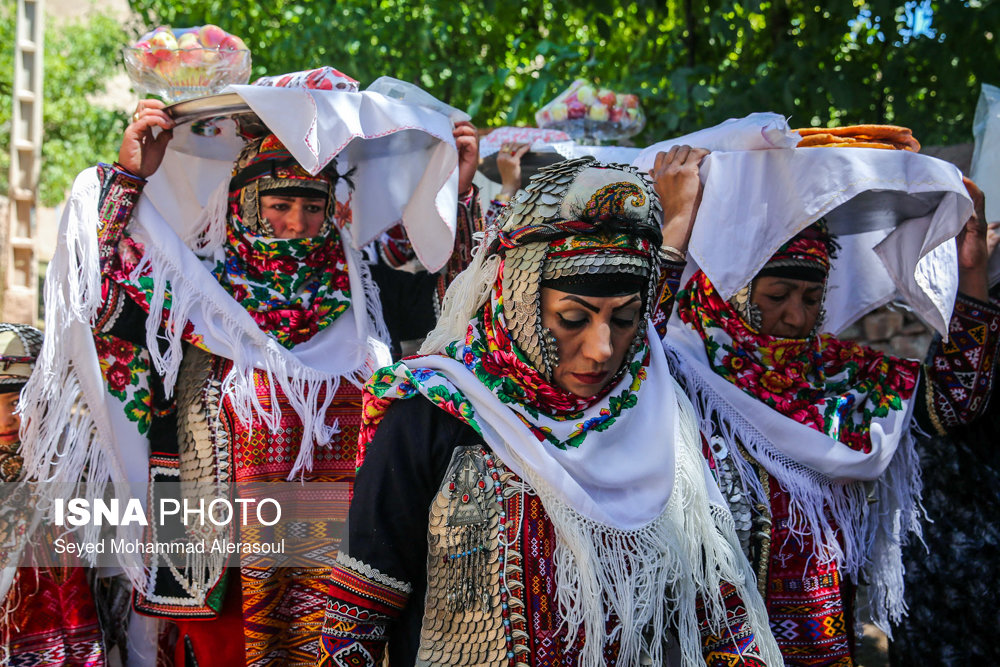
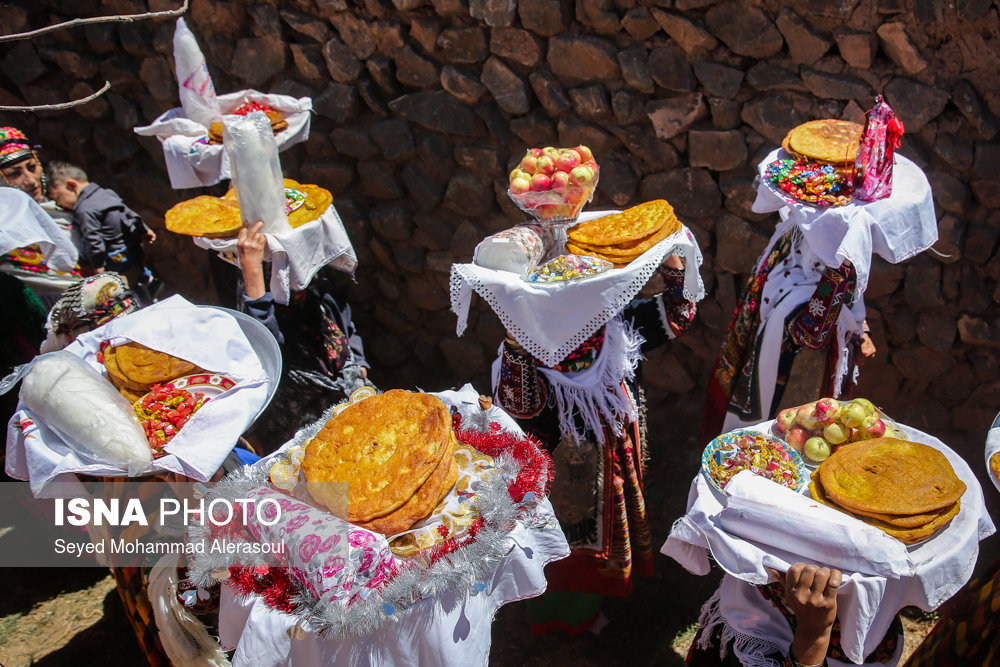
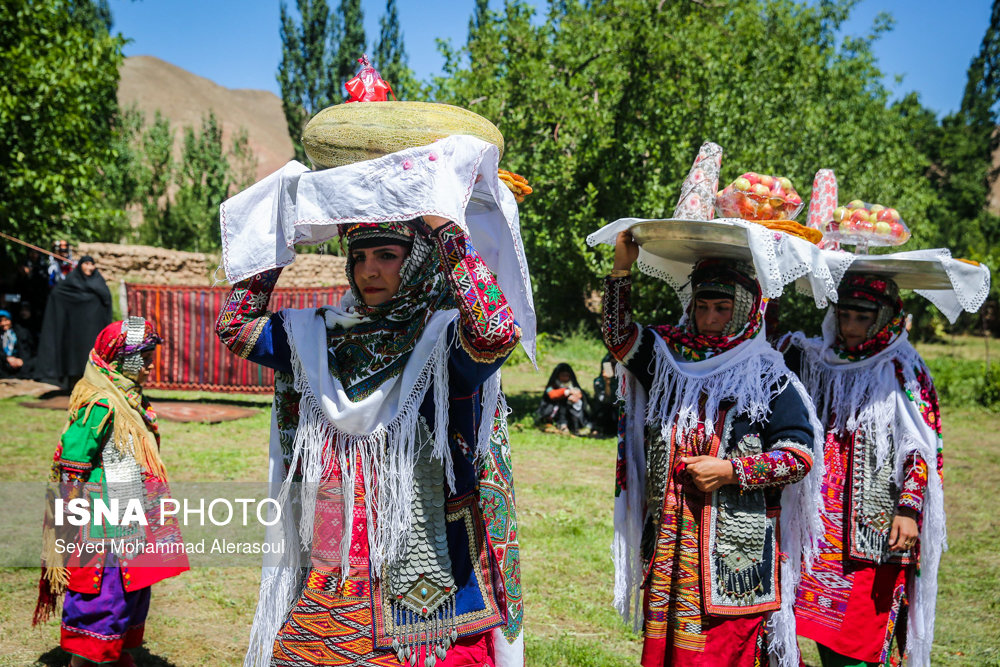
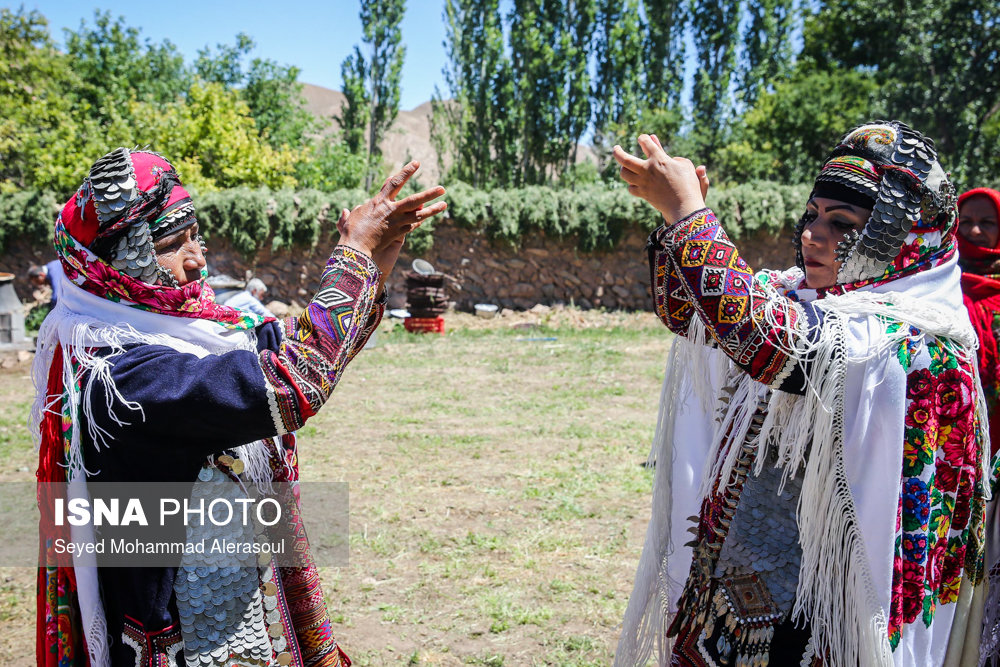
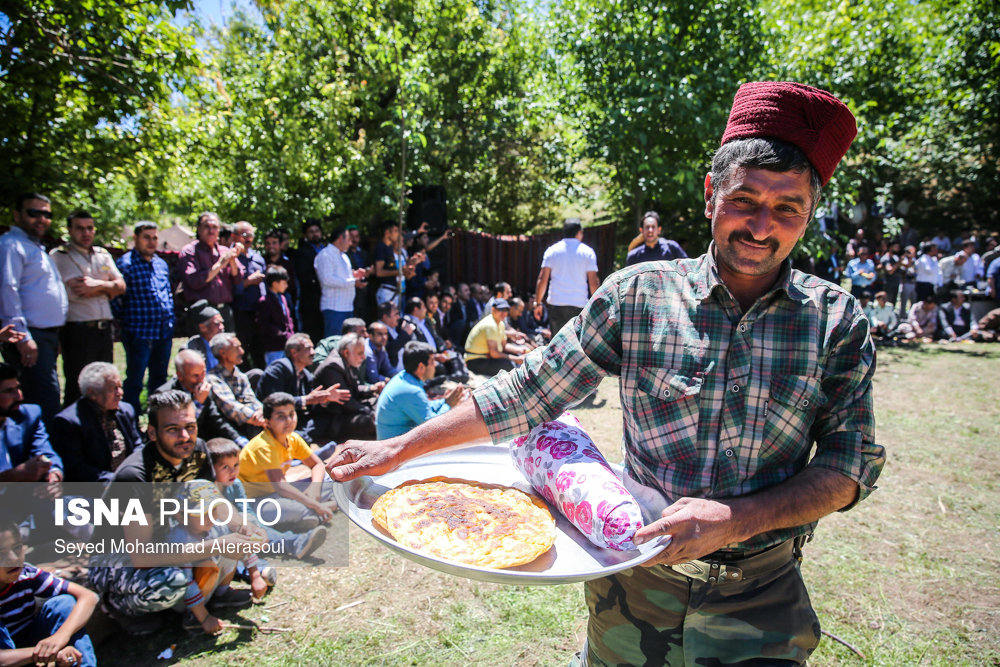
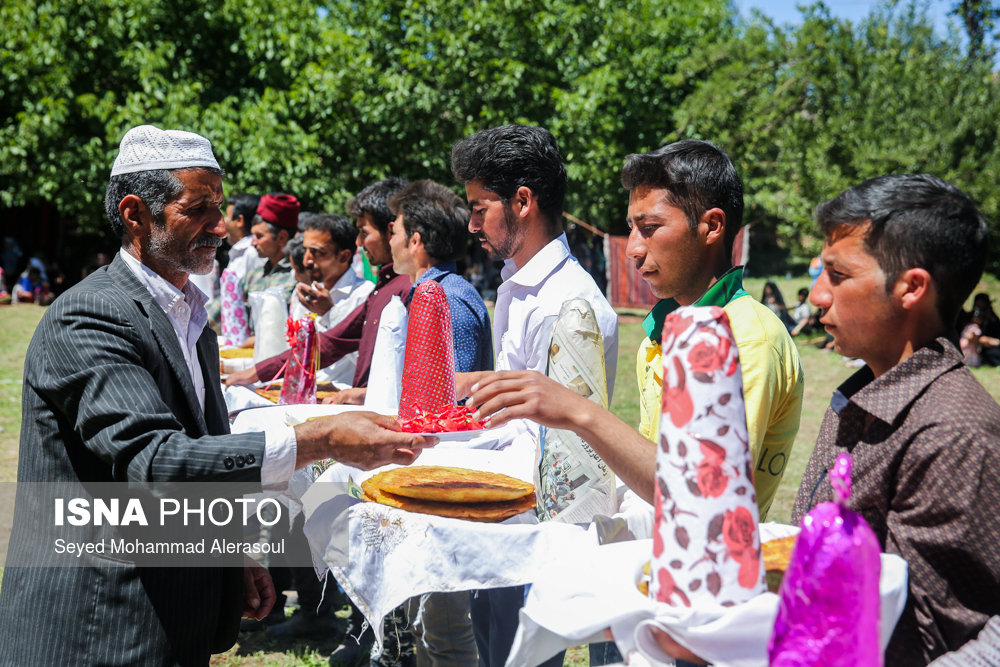
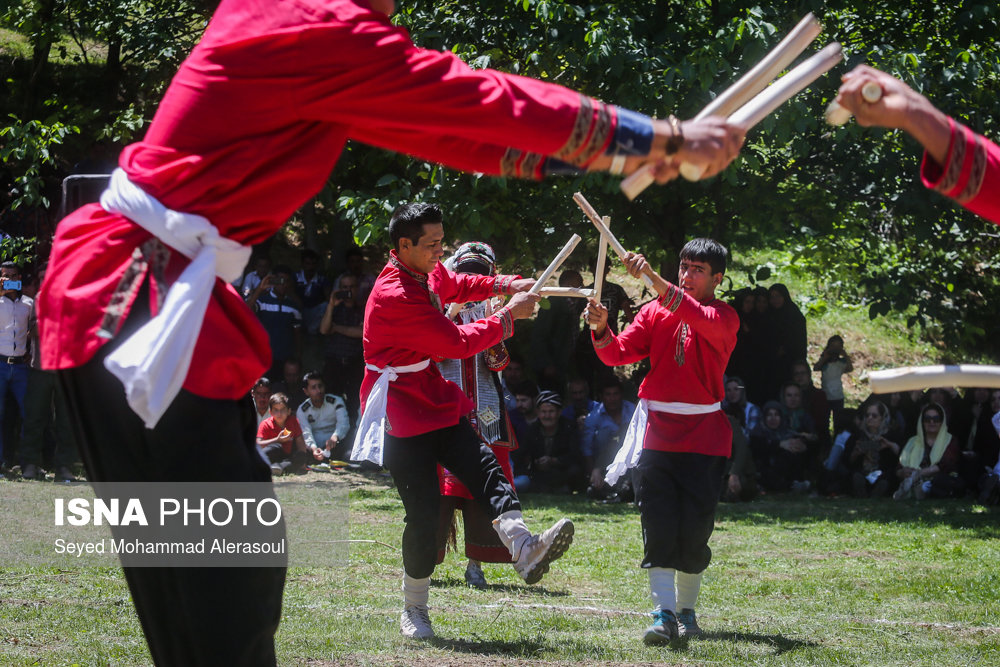
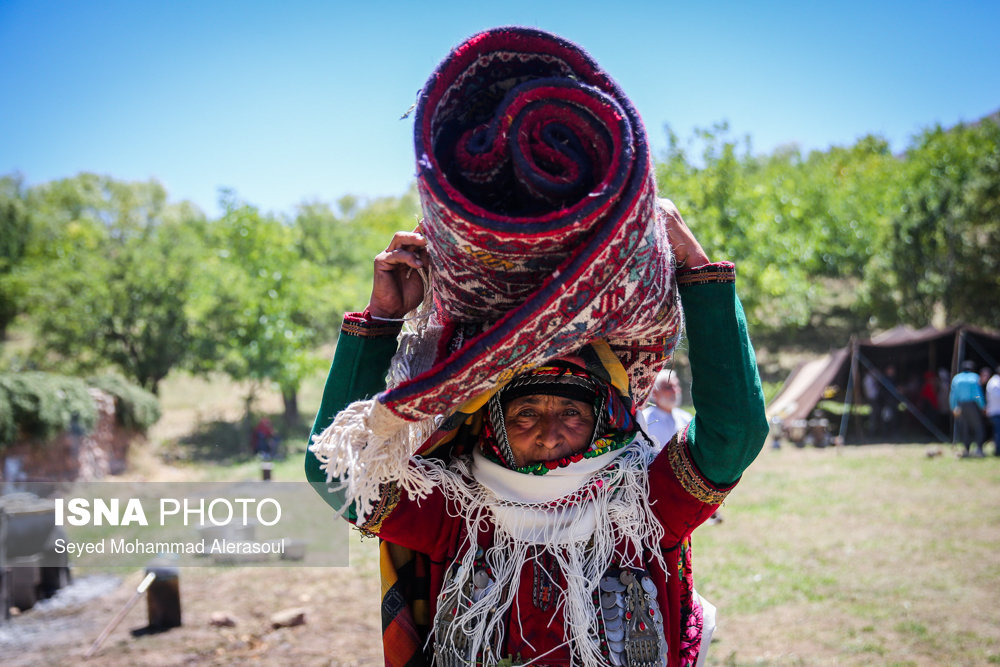
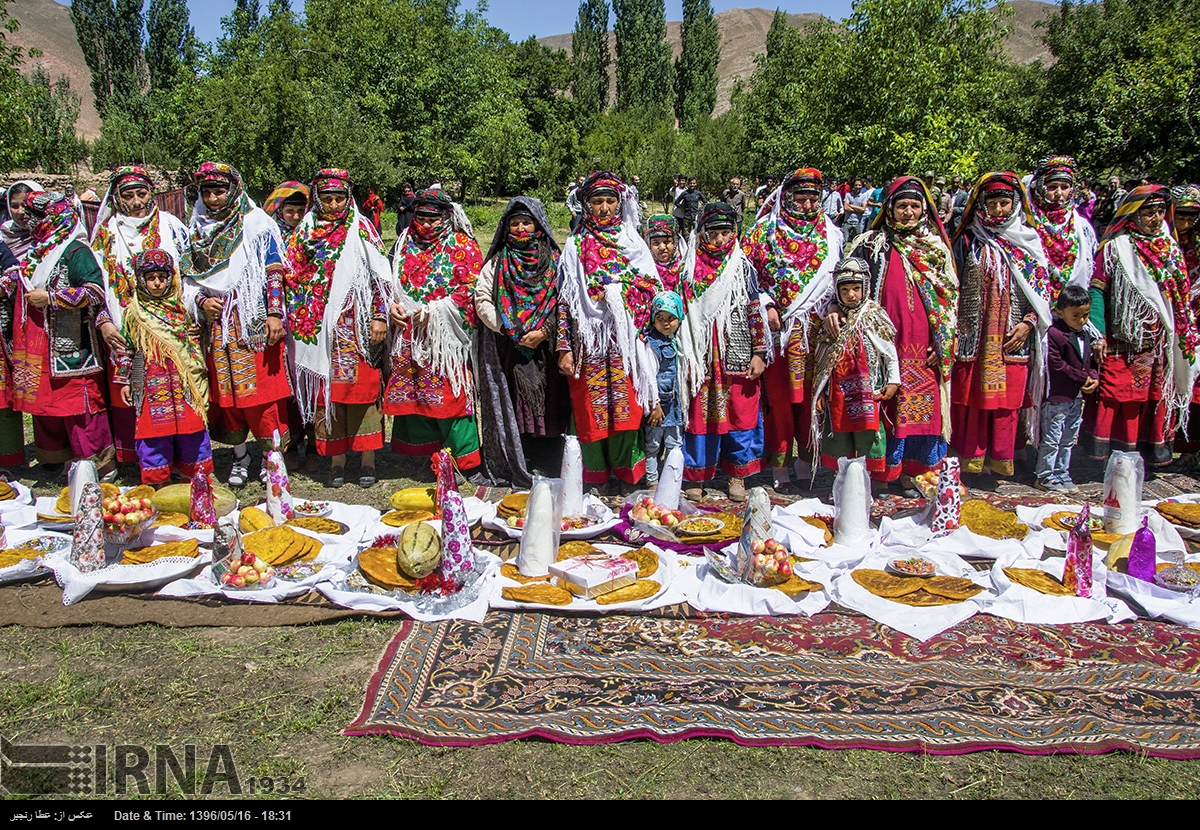
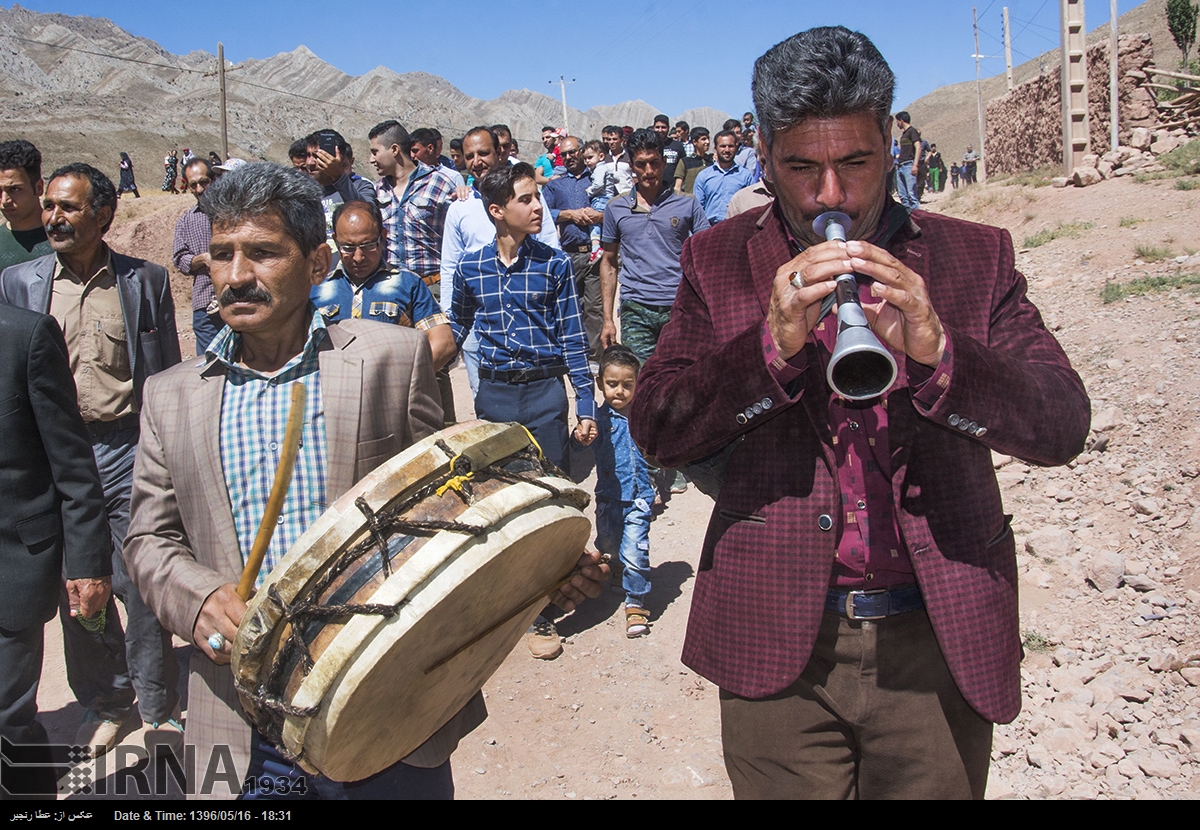
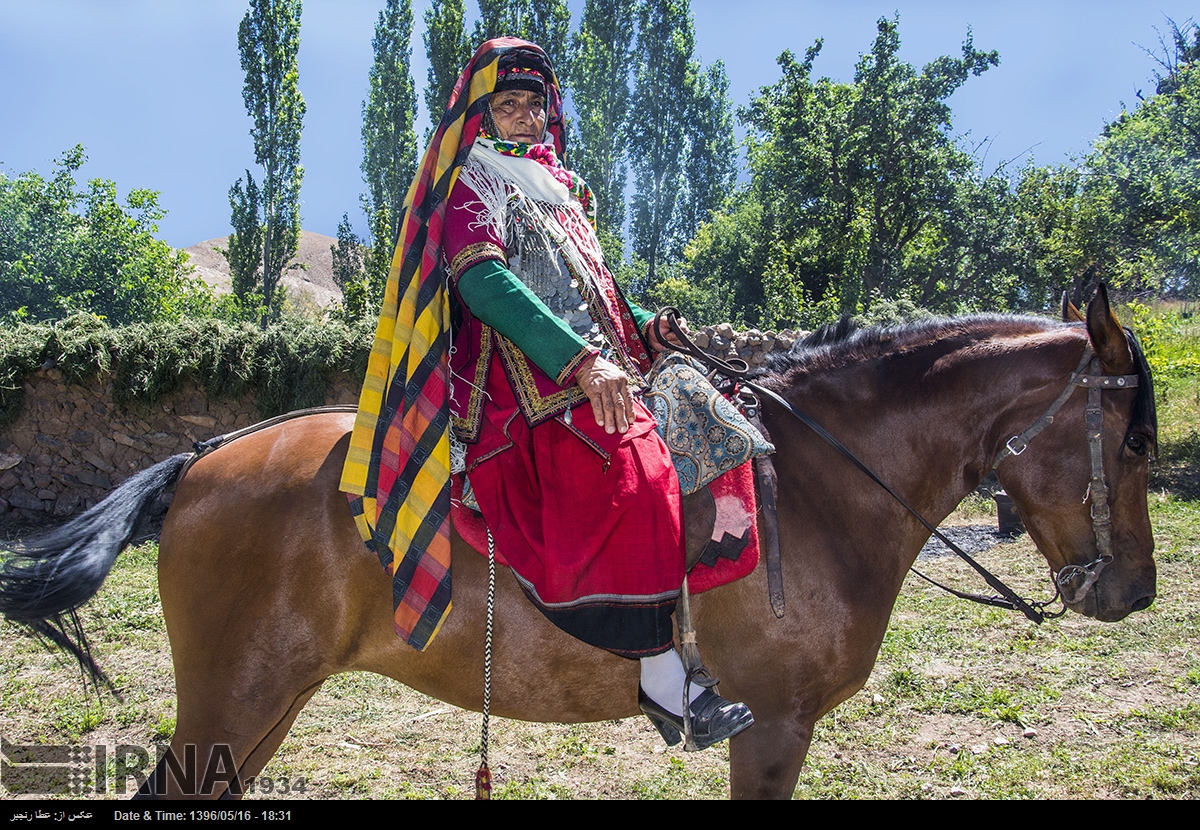
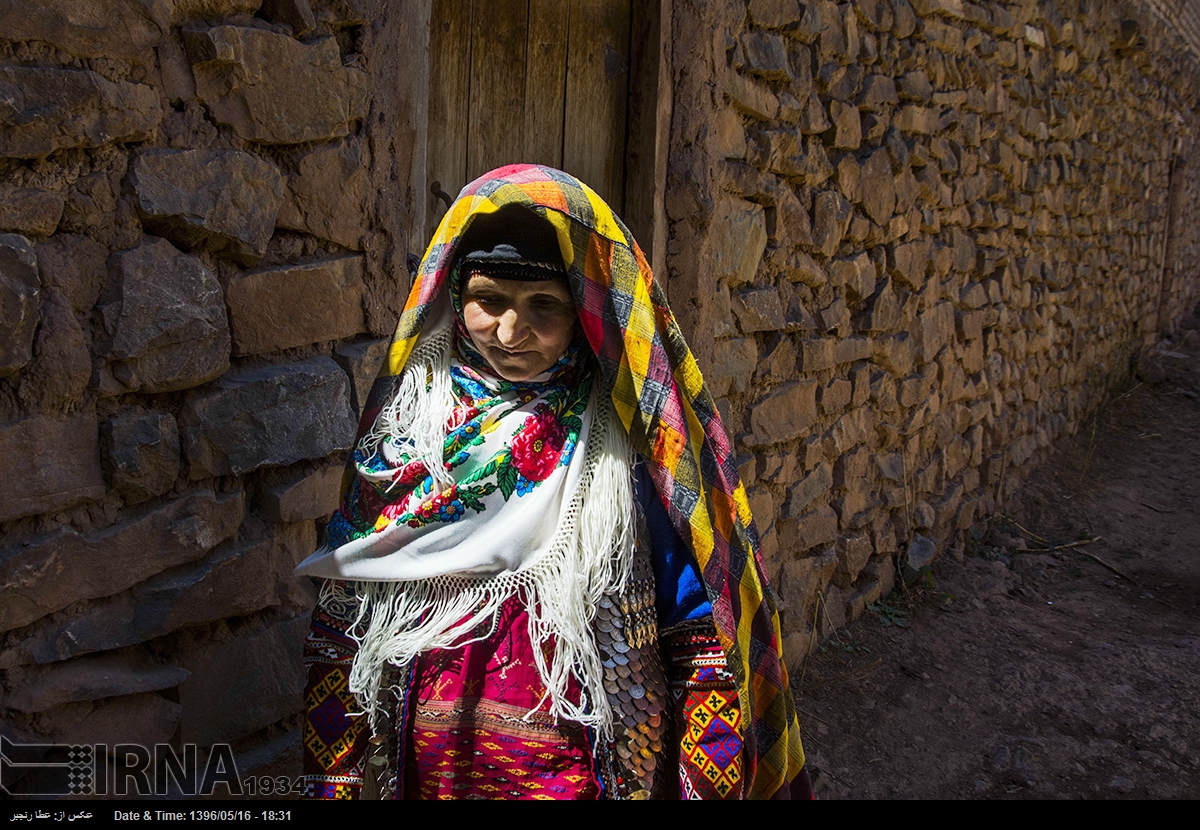
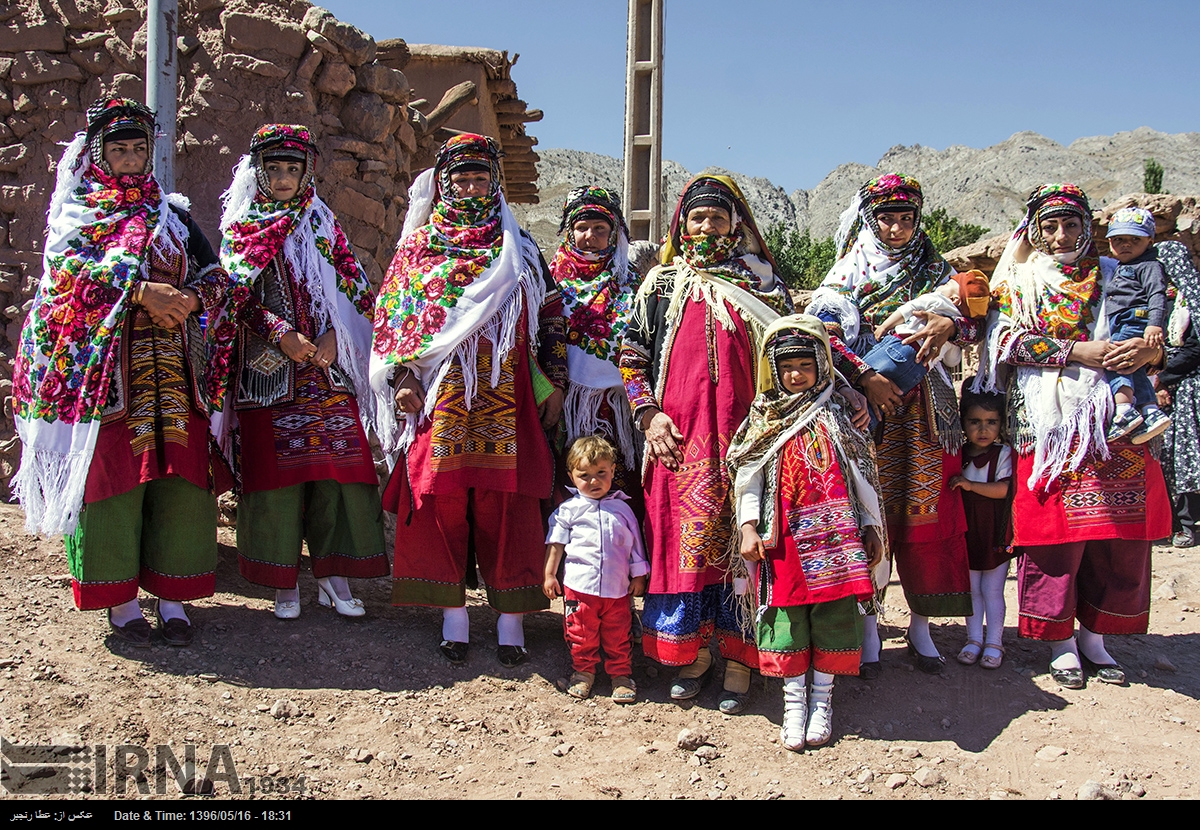
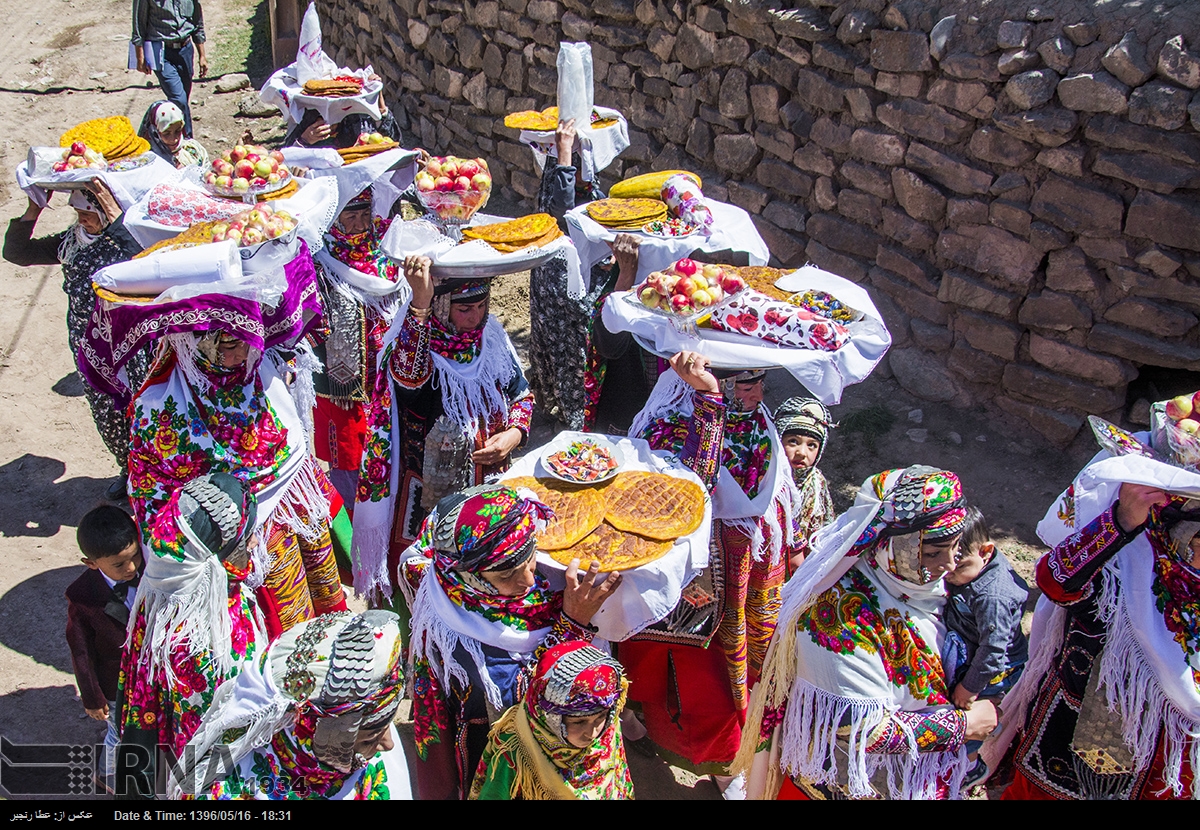
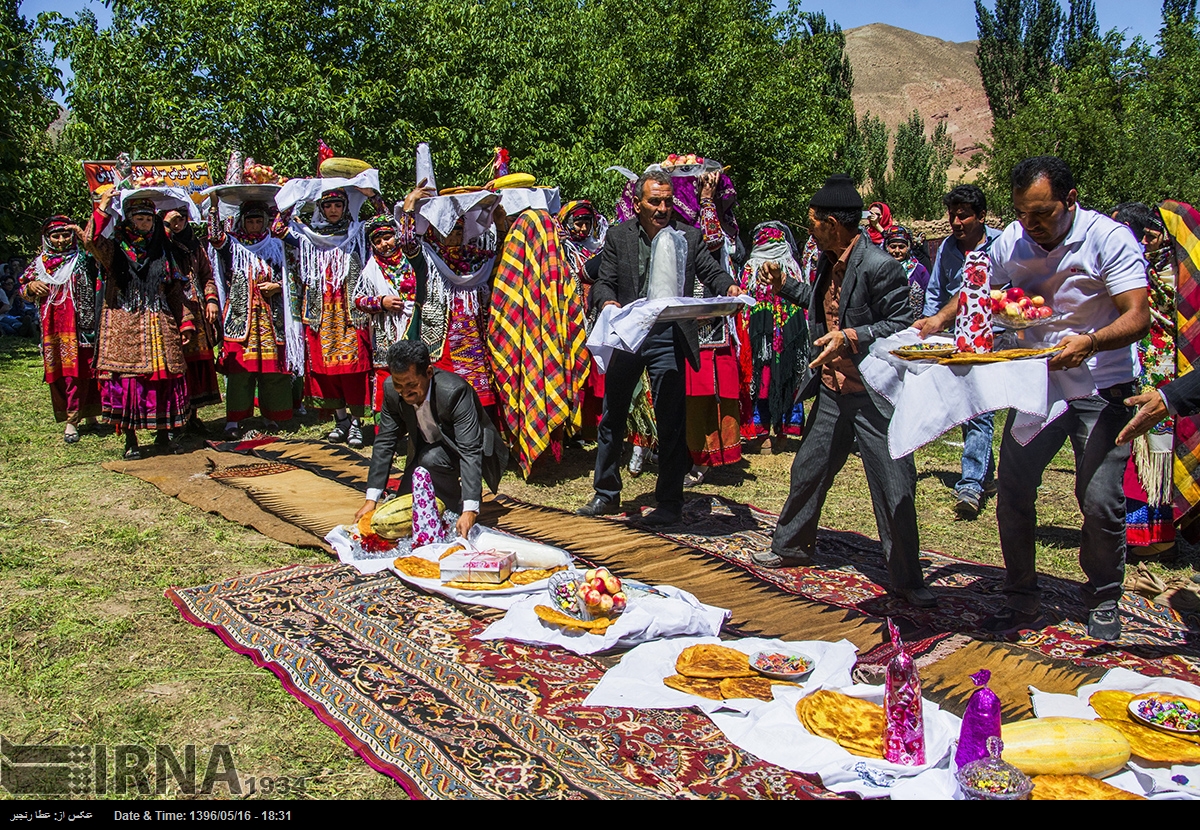
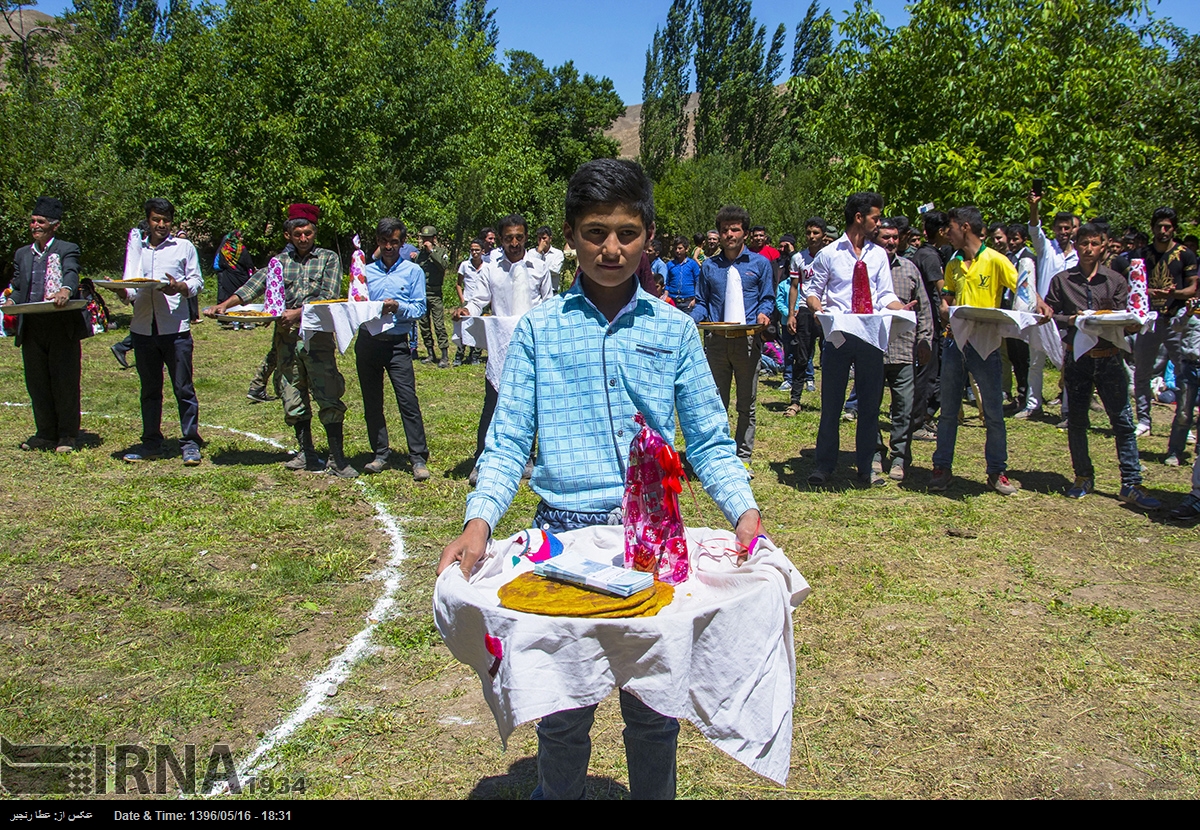
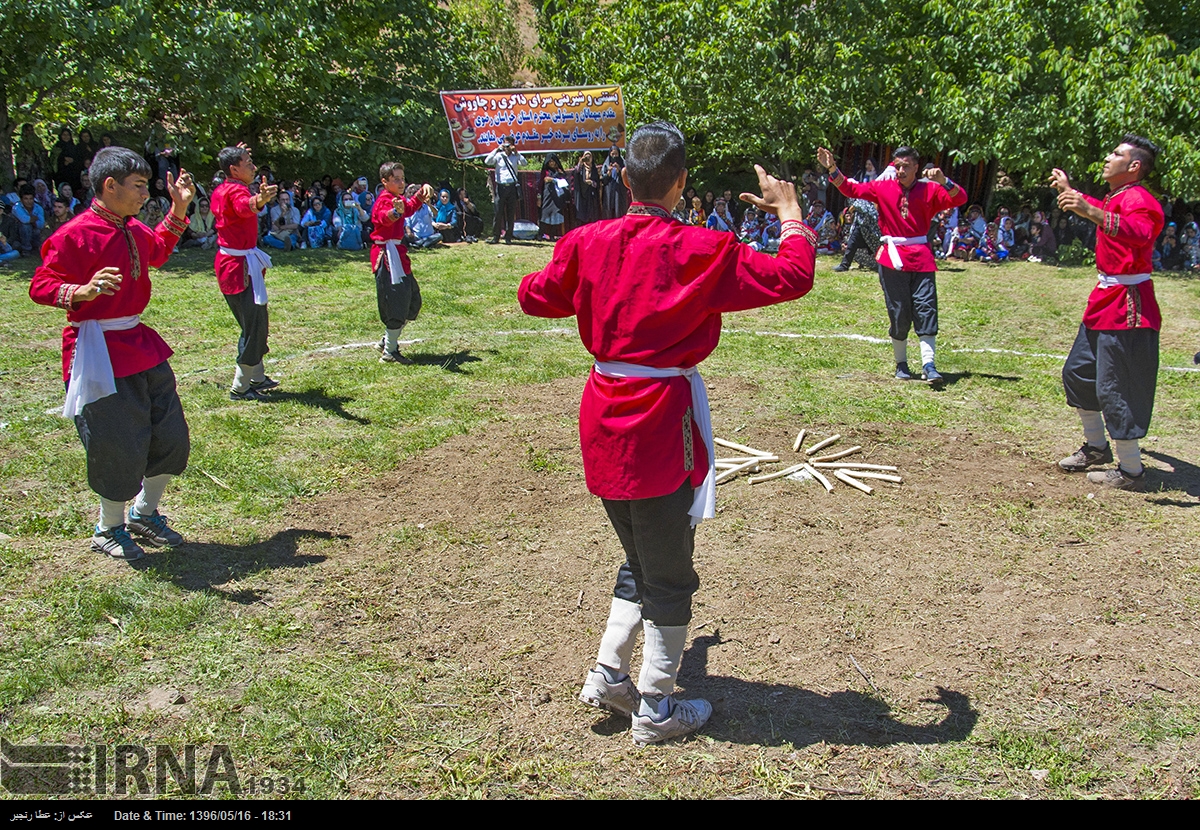
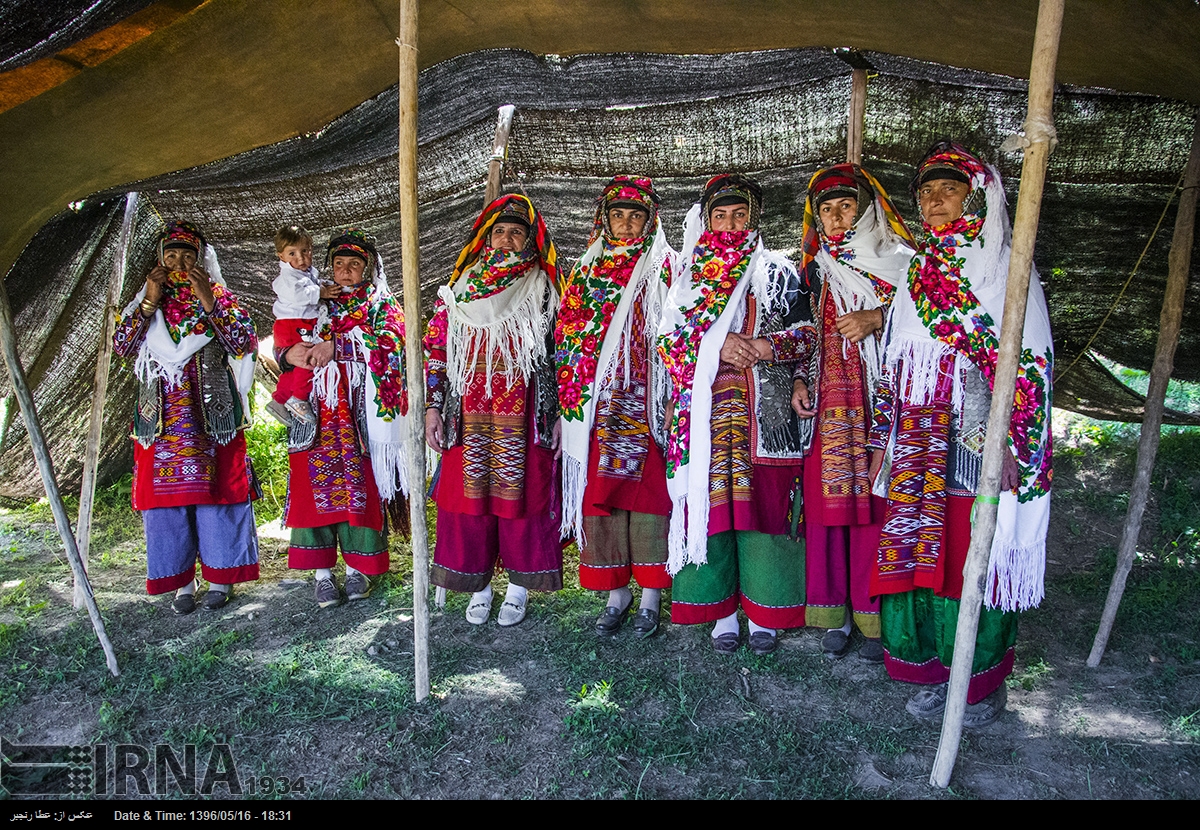
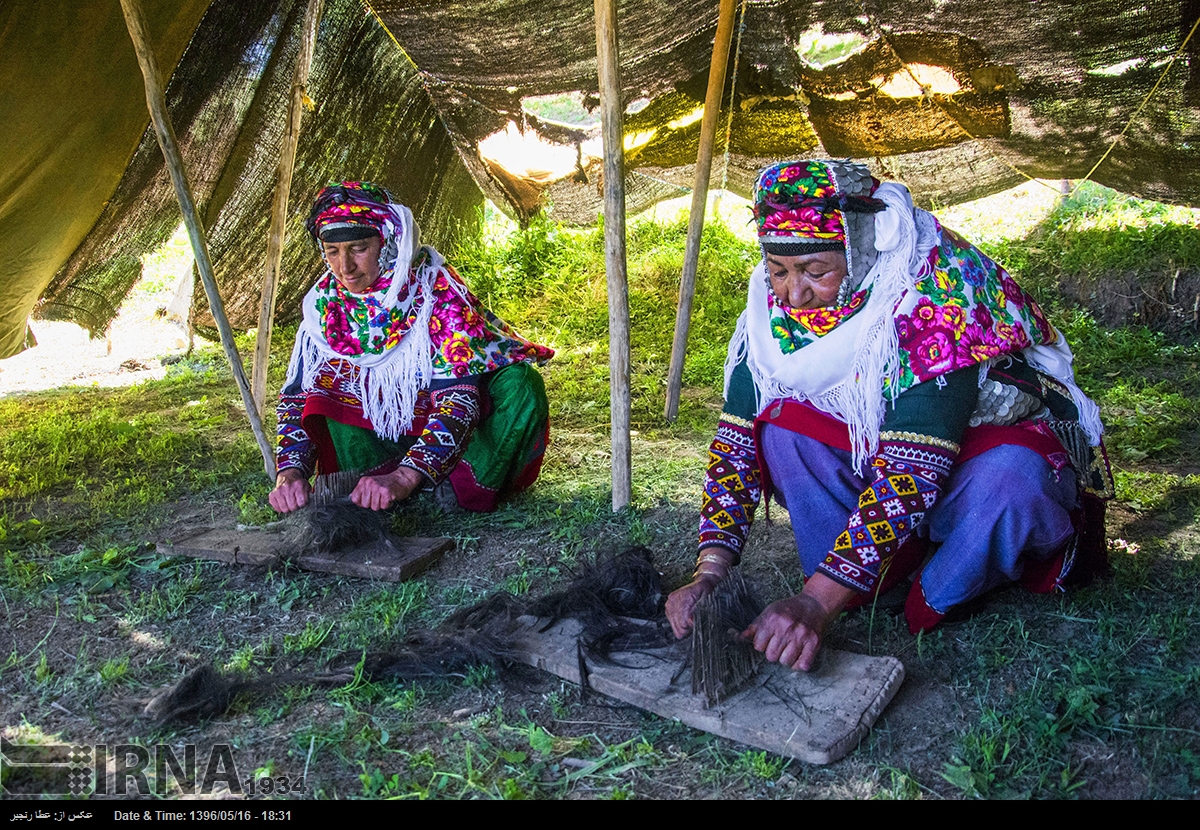
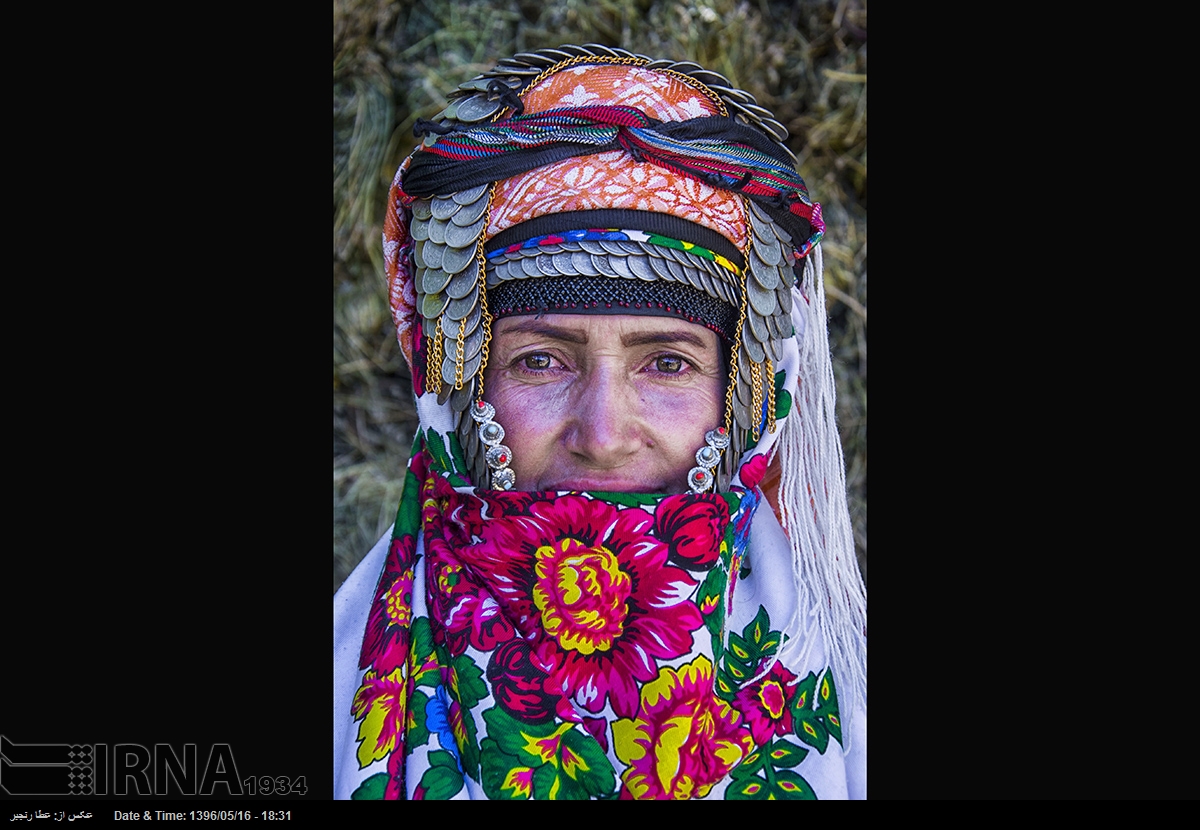
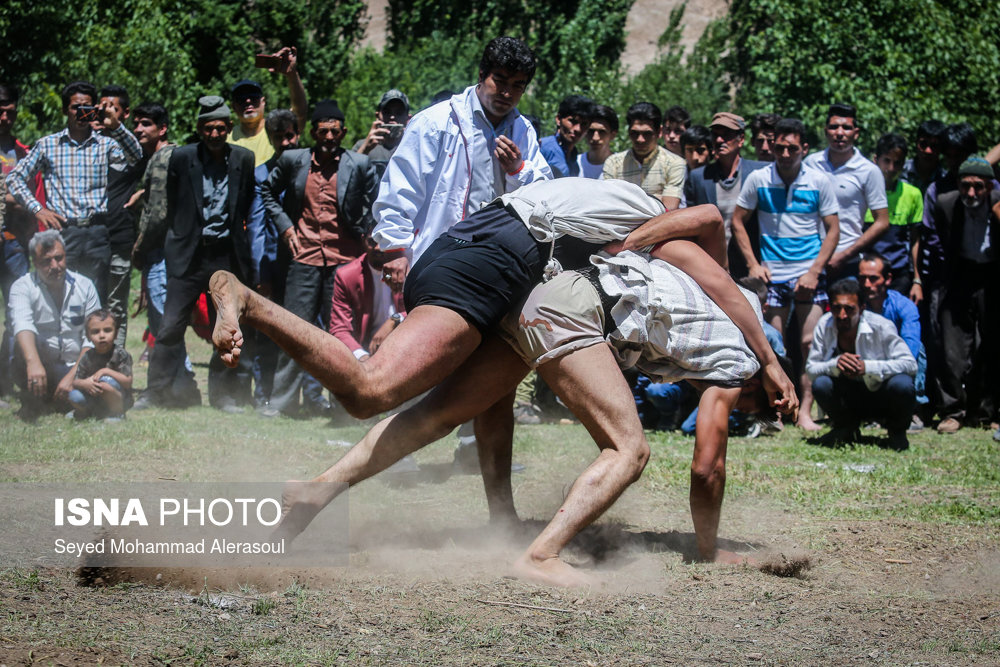
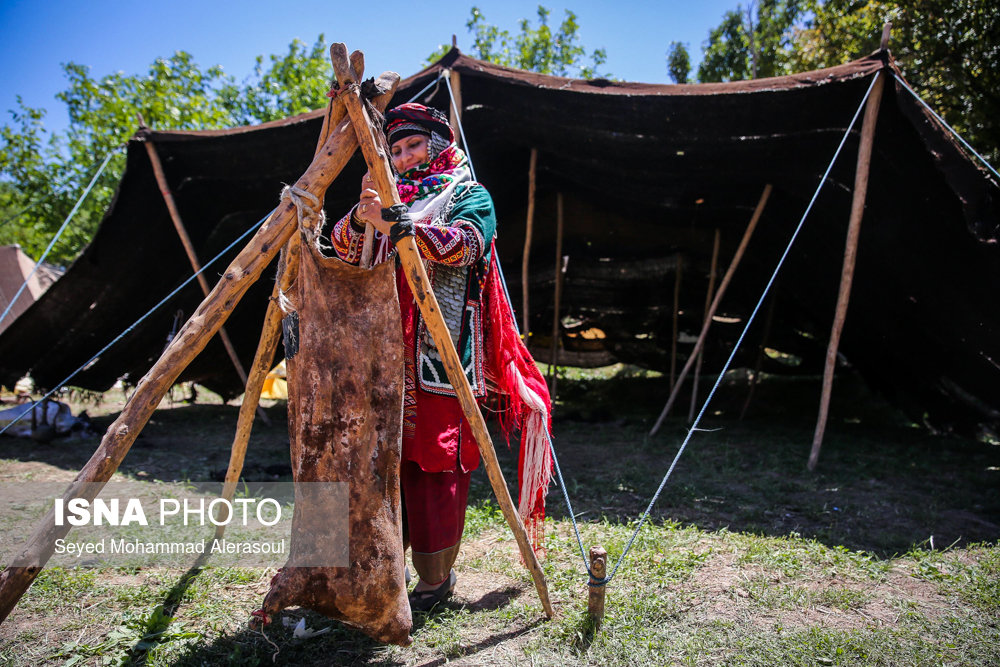
Qouch-Gozar; Traditional Ceremony for Iranian Shepherds

The traditional ceremony has always been held as a local celebration, but it was recently held officially, for the first time, in Bardeh village near the city of Kalat city in Khorasan Razavi province, northeast of Iran.

According to a Farsi report by IRNA, in this ceremony the owner of the sheep appreciates the efforts of the shepherd and if the two come to an agreement, the shepherd will take care of the herd for another year. However, if they do not agree, a new shepherd will take over this responsibility.

The sheep owners also distribute Fatir (or unleavened bread) baked by women among herdsmen at the feast. According to the number of herds, each owner also offers sugarloaf to his shepherd.

Among the other traditions are Choukheh wrestling and horseracing.

Here are photos of this attention-grabbing ceremony retrieved from ISNA and IRNA:

Iran Expresses Sympathy over Death of Tass Reporter in Tehran

bahram qassemi

In a statement on Tuesday, Foreign Ministry Spokesman Bahram Qassemi offered condolences over the demise of Kazeev, the ‘professional’ and ‘experienced’ correspondent of the Tass news agency in Tehran.

Qassemi described the news as a source of deep sorrow on the National Journalists’ Day, and expressed sympathy with the media community, his family and colleagues.

Kazeev was an excellent expert in history, culture and policy of Iran, according to Russian media. He selflessly and brightly covered the major events in the region, and worked at the international conferences on Iran and the Middle East.

Kazeev was a benevolent and cheerful person, whose friends and colleagues are shocked by his premature demise.

Iraq’s Popular Forces Vow to Respond to US Deadly Airstrikes

The Sayyid al-Shuhada Brigades, an offshoot of the Hashd al-Shaabi, in a statement on Monday, said the artillery attack by the US on its positions has killed and injured “a large number” of its forces, the Arabic-language Alsumaria news agency reported.

The “criminal forces” of the US heavily pounded the positions of Sayyid al-Shuhada Brigades along the common border between Iraq and Syria which led to the martyrdom and injuring of a large number of fighters, the statement said.

“We declare that this move will not go unpunished,” the statement read.

“We want to protect the common borders of Iraq with Syria,” the statement underlined, adding that the US, which is pursuing its evil aims of killing and undermining the dignified Resistance Front, should be deprived of investing on these borders.

The Hashd al-Shaabi is a group of Shiite and Sunni fighters that was formed after the emergence of the Takfiri Daesh (ISIS or ISIL) terrorist group in Iraq. Daesh militants made swift advances in northern and western Iraq over the summer of 2014, after capturing swaths of northern Syria.

Prime Minister Haider al-Abadi declared victory over Daesh in Mosul on July 10 after a nine-month battle, marking the biggest defeat for the terror group since its sweep through northern Iraq three years ago.

Stripped of Mosul, Daesh’s dominion in Iraq has been reduced to mainly rural, desert areas.

World’s Largest Inlaid Frame to Be Unveiled Next Summer

World's Largest Inlaid Frame to Be Unveiled Next Summer

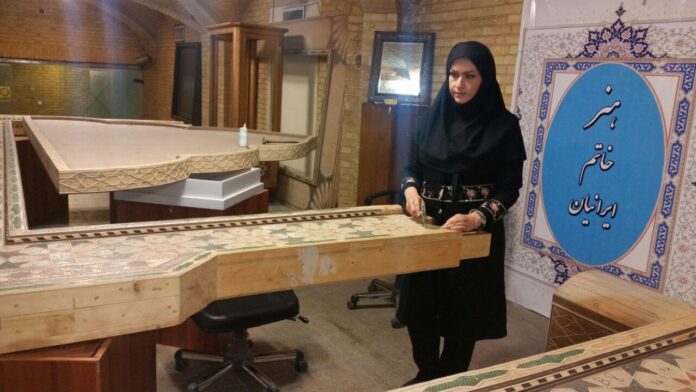
The Iranian inlaying craftswoman, Maliheh Fakhreddin, in a Farsi interview with IRNA has talked about the characteristics of the world’s largest Khatam frame, which is under construction at the moment.

“The frame is 7 by 8.4 metres, weighing more than 2 tonnes, and will be introduced to be registered in the Guinness Book of Records after the completion,” she added.

According to Fakhreddin, the knitting process of this inlaid frame has been completed, and it will be ornamented with marquetry, wood-carving and turquoise-laying as well.

“I believe that Khatam is the end of all arts, and the creativity and elegance of this art is not comparable to any other one,” she went on to say.

This artisan also emphasized that although art of crafting Khatam is common in countries like India, the Khatam made in the Iranian south-central city of Shiraz is very high-quality and incomparable to foreign and even domestic samples.

“The difference between Shiraz’s Khatam and other domestic Khatams is that camel or cow bones and bronze are used in it while in other types plastic fibres are used instead of bone, and bronze metal is rarely used. Moreover, they use liquid adhesive instead of wood glue.”

The Iranian craftswoman added that the theme of this frame is to pay homage to the four greatest women of the world, i.e. (Hazrat Fatima Zahra (SA) (daughter of Prophet Muhammad), Saint Mary (mother of Jesus), Hazrat Asiyah (wife of the Pharaoh) and Hazrat Khadijeh (SA) (wife of Prophet Muhammad).

“In this project, whose idea was set forth by Hadi Chabok, we tried to put Hazrat Fatima Zahra (SA) at the centre of the frame, and the name of three other great women are placed inside this central frame,” she noted.

“We’ve done our best to create an international work having elements from different religions. Therefore, there are lines and texts in the form of scriptures of the holy Quran, Gospels and the Torah. The texts are in Persian, Arabic, English and Hebrew and they are placed on frames by art of marquetry.”

Fakhreddin also pointed out that the work on this inlaid frame began in 2016 and it would be completed by the summer of 2018.

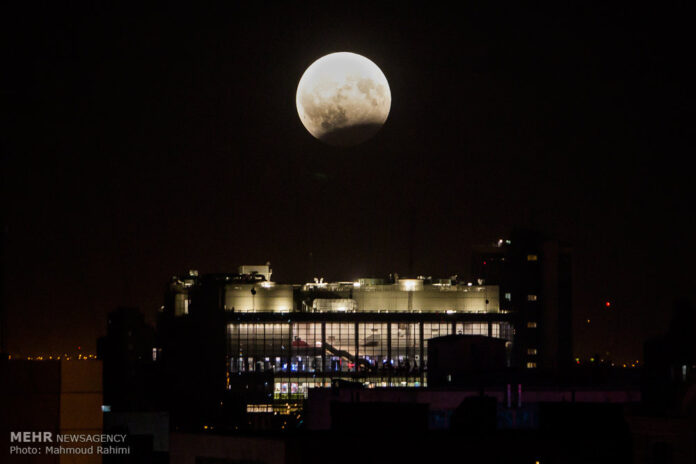
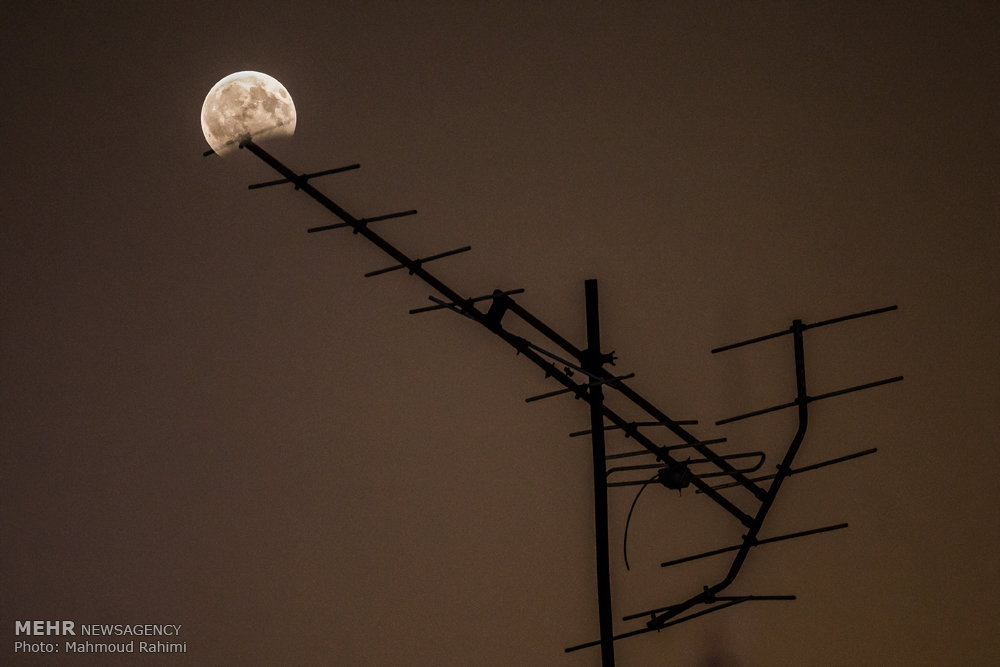
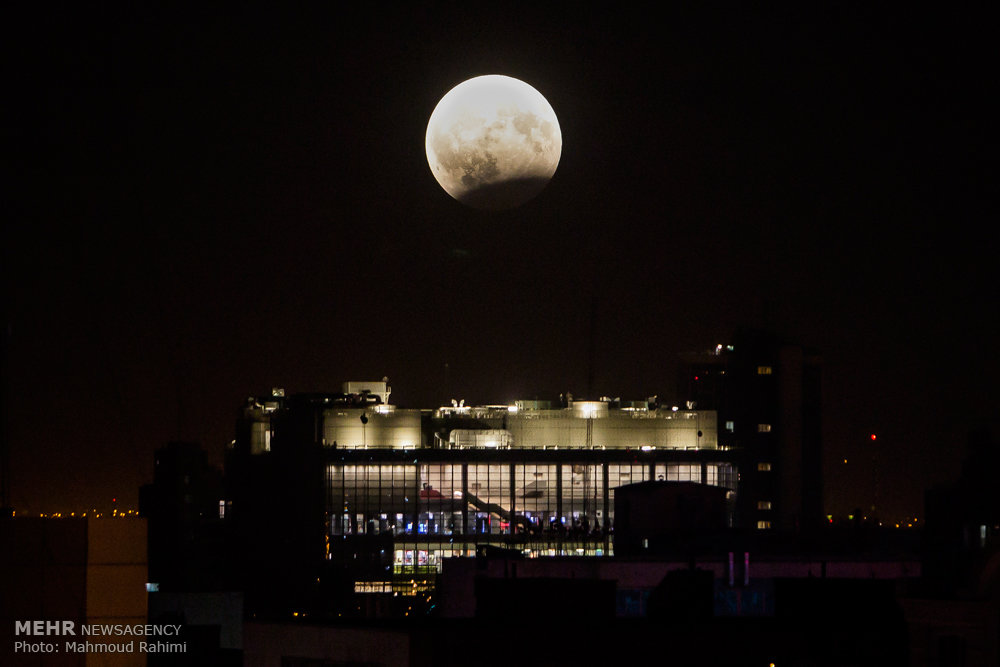
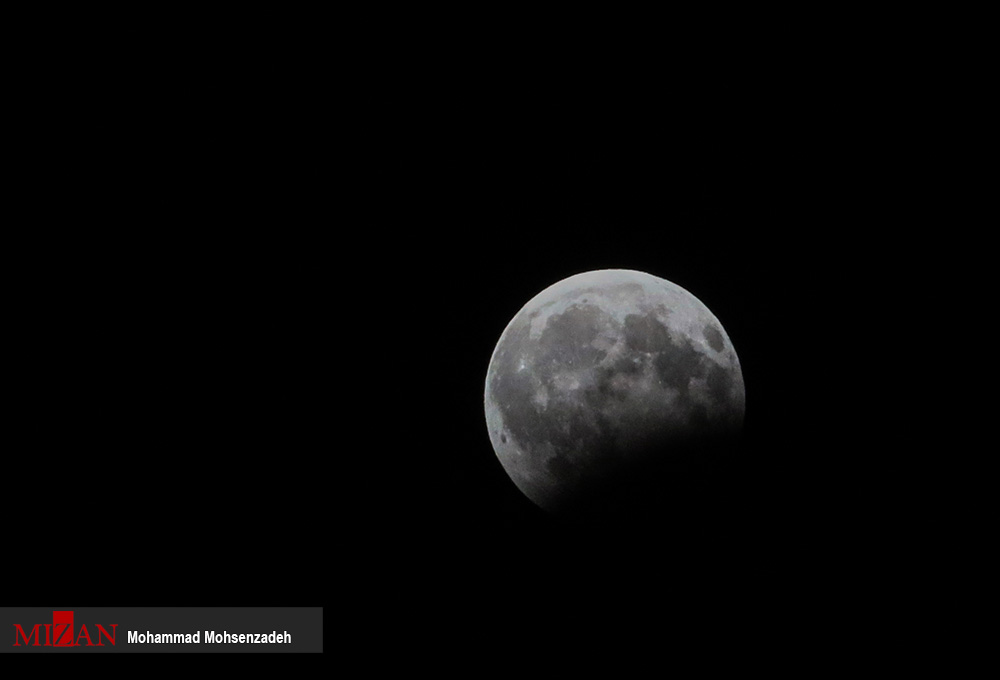
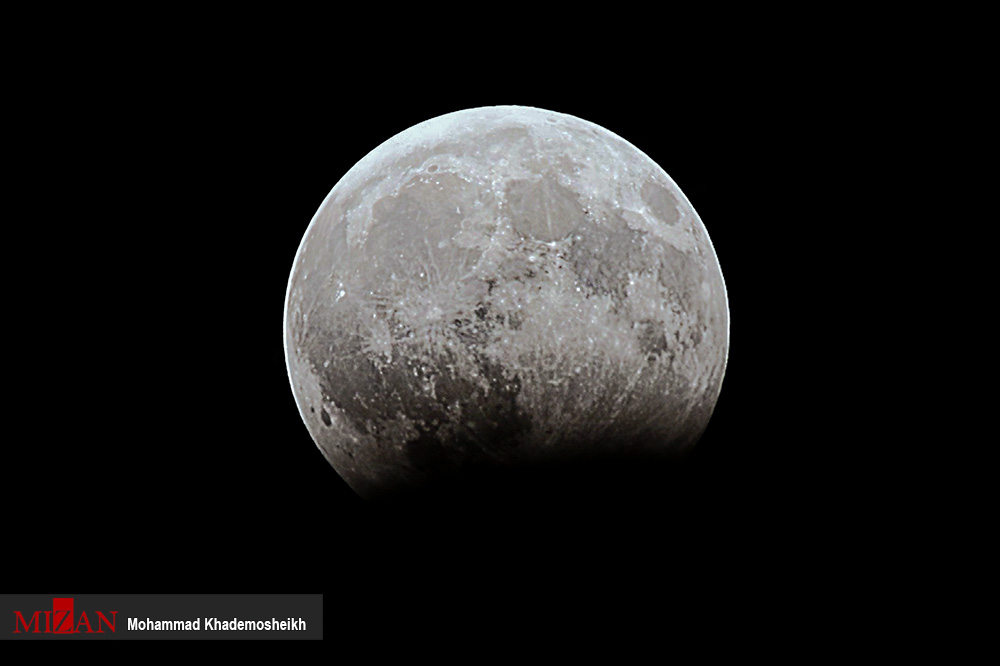
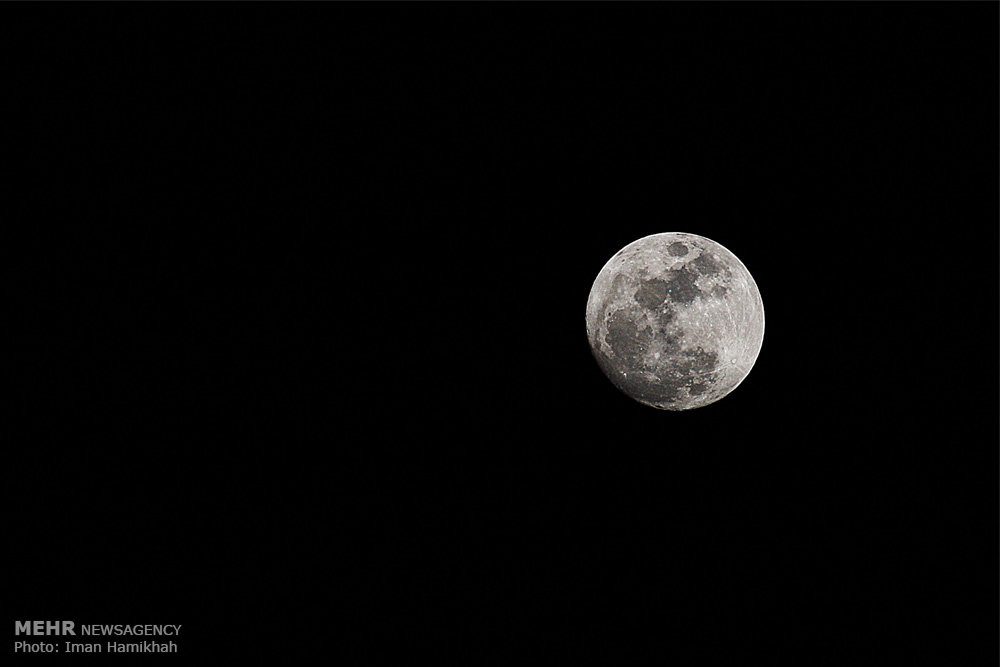
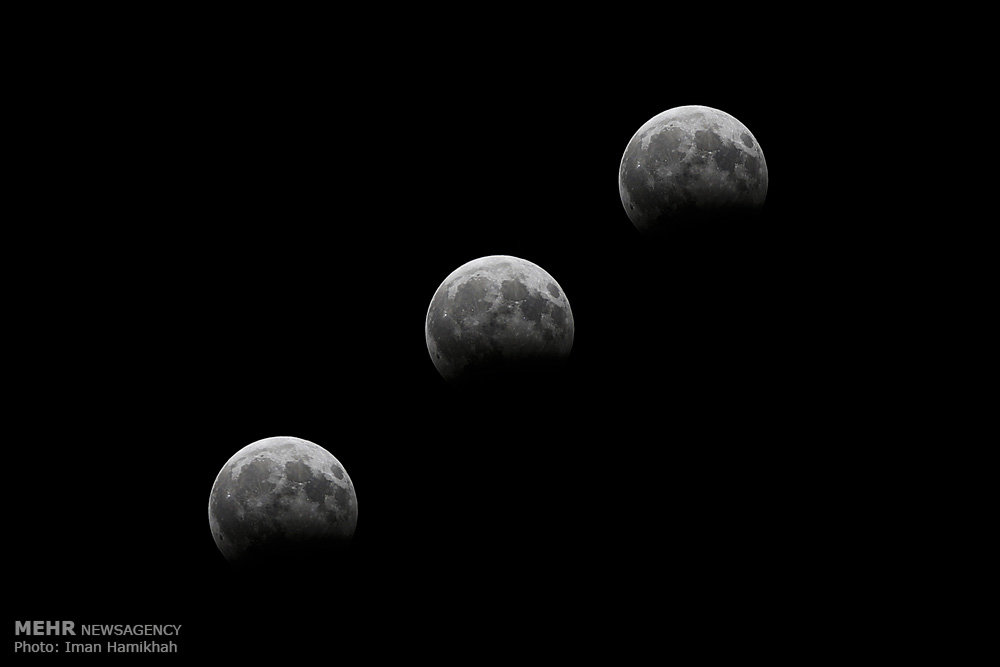
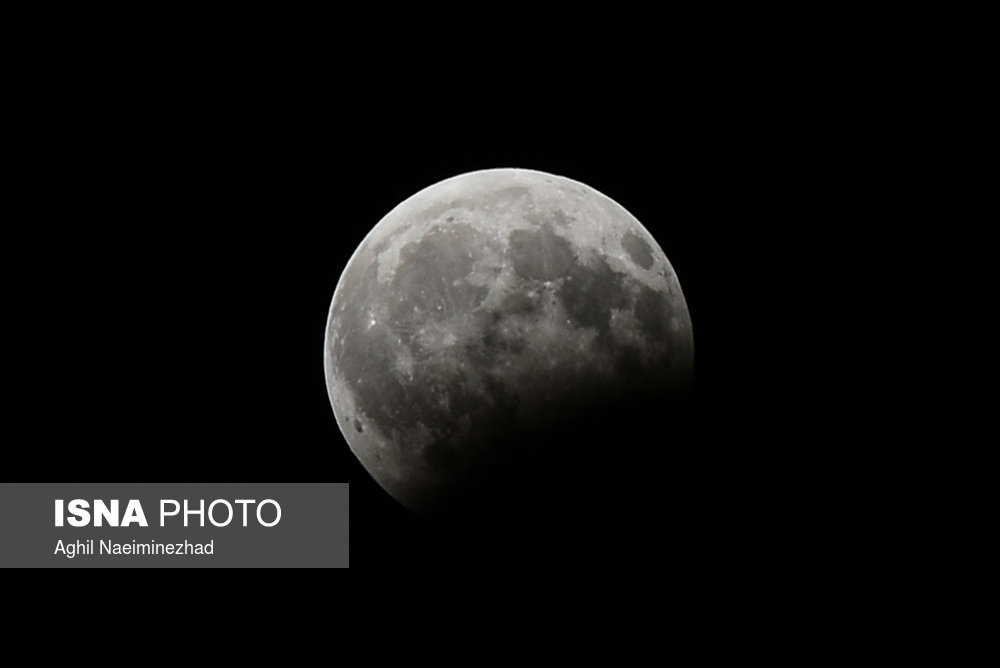
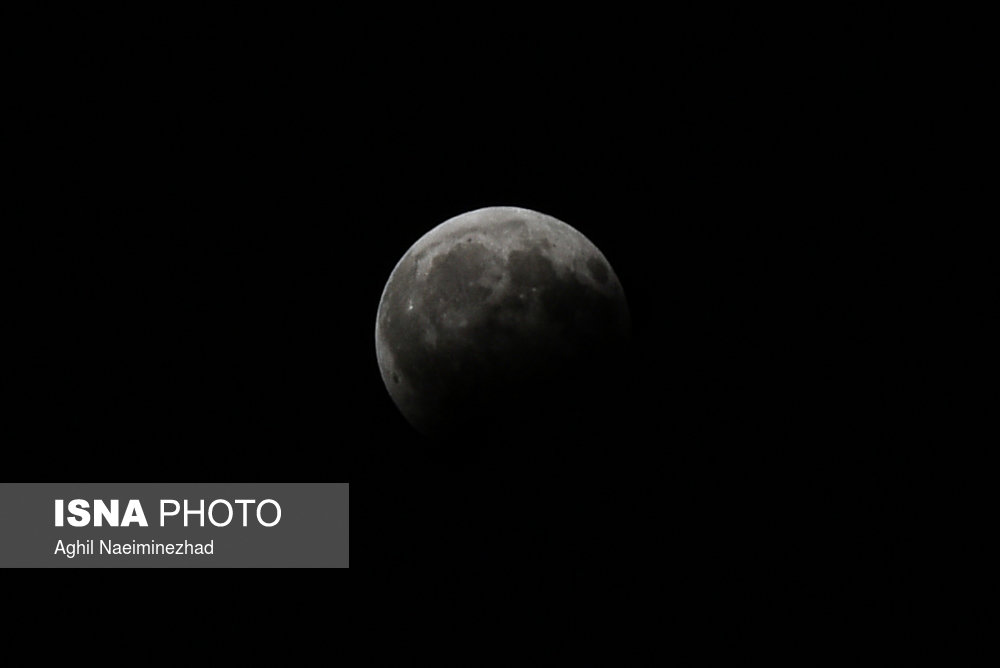
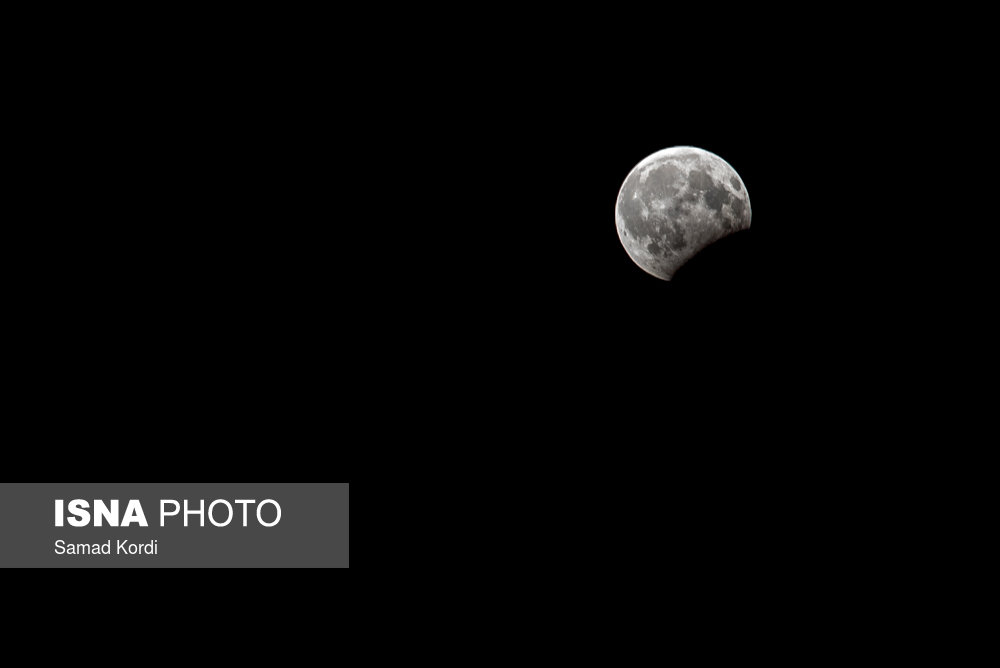
Partial Lunar Eclipse Observed across Iran (+Photos)

The partial eclipse was visible from much of Europe, Asia, Australia, Africa, New Zealand and the eastern edge of South America.

A lunar eclipse happens when the Earth is between the Sun and the Moon. The first lunar eclipse for 2017 was in February.

Lunar eclipses always happen about two weeks before or after a solar eclipse – when the Moon passes between the Sun and Earth – and there will be one in a fortnight.

Here are photos of the lunar eclipse in Iran retrieved from Mizan, ISNA, and Mehr: