Tuesday, January 20, 2026
Home Blog Page 3853

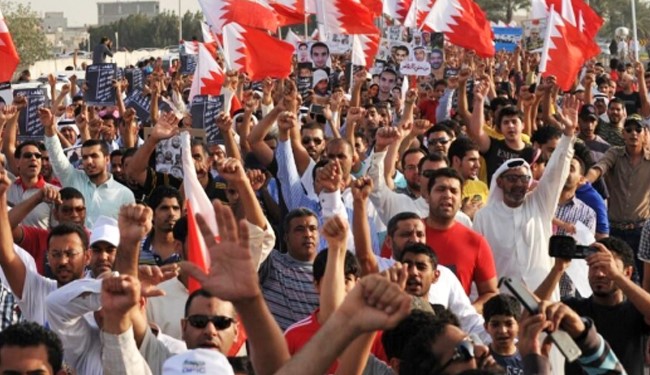
Iran Urges Bahrain to Stop Suppressing Dissidents

Iran Urges Bahrain to Stop Suppressing Dissidents

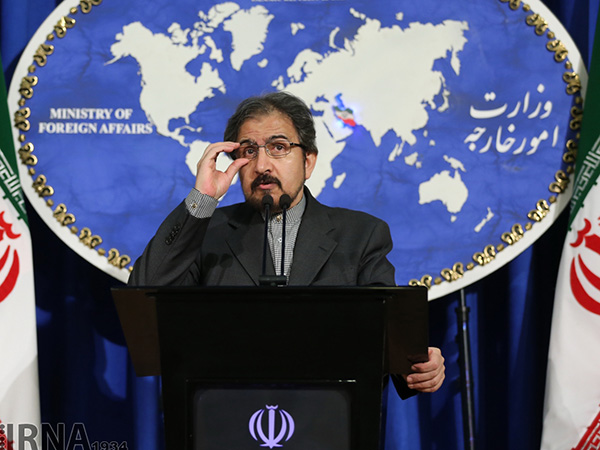
In a statement on Friday, Iran’s Foreign Ministry Spokesperson Bahram Qassemi called on Bahrain’s rulers to stop suppression and torture of the dissidents, and end their desperate efforts to derail the peaceful protests of Bahraini people.

The spokesperson said the government of Bahrain also needs to put aside failed security measures.

“Instead of resorting to military power of foreign states, it is better for the Bahraini government to sit for talks with the protesters who make up a large part of the country’s population and tackle the current problems through reconciliatory and civil methods,” he noted.

Qassemi dismissed as ‘baseless’ and ‘ridiculous’ the latest accusations raised by Bahrain’s Interior Ministry on the alleged interference of Iranian agents and organizations in the Arab country’s internal affairs, saying the reports on Tehran’s role in the internal chaos in Bahrain are totally groundless.

“The Islamic Republic of Iran has never promoted violence and destabilizing measures in any of its neighbouring countries, including Bahrain,” he noted.

“Simultaneous with the release of new reports by human rights organizations unveiling massive tortures of political activists in Bahrain’s jails, the Kingdom’s government has once again resorted to playing the blame-game, spreading lies, and making baseless claims to blame others for its internal problems,” he said.

Iran Blasts US New Strategy towards Pakistan

In a statement on Thursday, Foreign Ministry Spokesperson Bahram Qassemi said, “The US condemns other states for what is the result of its own wrong and inappropriate policies for years in the region, particularly in Afghanistan.”

He went on saying that Washington’s opportunistic strategies as well as its unilateral and meddlesome policies have only contributed to the current chaos and tensions and paved the way for growth of terrorism and extremism in the region.

The spokesperson advised the US administration not to meddle in the internal affairs of the regional states and not to impose its agenda on them.

“The regional states enjoy a high capacity to cooperate in fight against terrorism and restore stability and security to the region, and there is no need for the US destabilizing strategies which lead to the spread of terrorism,” he added.

Absolute Military Power No Longer A Decisive Factor: Iran FM

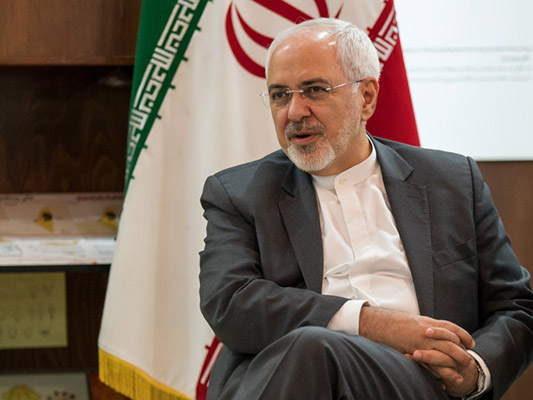
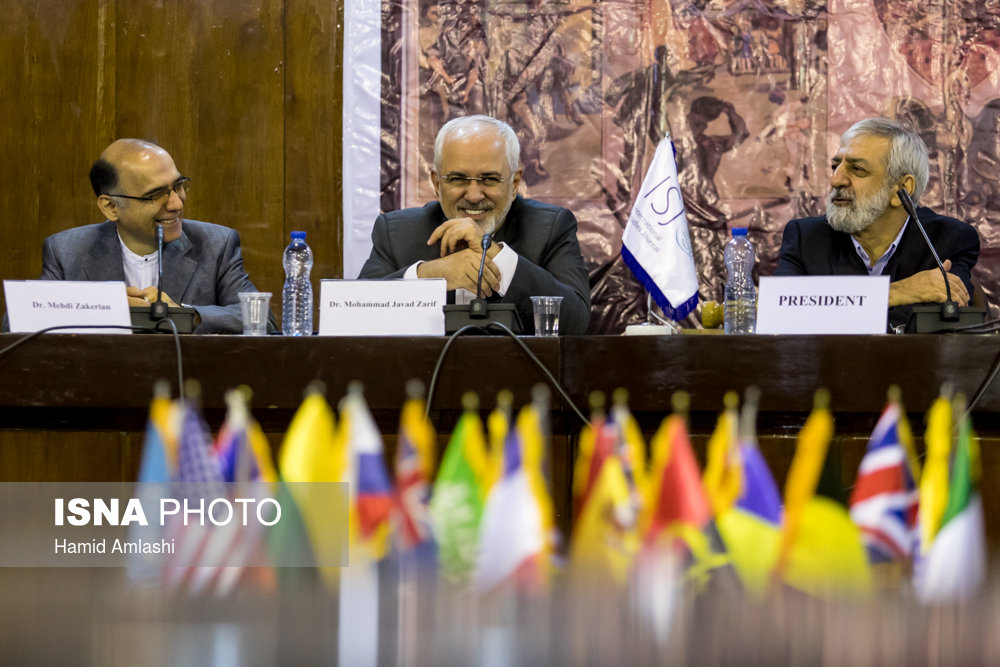
Iranian Foreign Minister Mohammad Javad Zarif says the countries regarded as “powers” in the 1970s, 80s, and 90s no longer have a determining role, and that “other instruments of power are available to us” now.

“This does not mean we want to square off against the world; rather, it means we can use all modern instruments of power such as establishing dialogue, creating concepts, reaching a consensus, etc. to make a difference in the future of our country and in developing nations,” said Zarif.

He made the remarks during a visit to a training workshop named “Simulating the UN Security Council session with a look to North Korea.” The workshop was held in Tehran’s Museum of Peace, which has been built by Iranian war veterans.

“In today’s world, players such as ISIS, the Taliban, al-Qaeda and the Nusra Front are non-state players which influence international developments,” the foreign minister added, according to a Farsi report by the Entekhab news website.
Absolute Military Power No Longer A Decisive Factor: Iran FMZarif touched upon his presence in the Munich Security Conference where, as he said, the key question raised was, “What is happening in the post-Western world?”

“Westerners are seriously looking at the world after them and publish books on it. This comes as some people criticised us [when we spoke of the post-Western world.] Unfortunately, in our country we don’t believe that we have entered the post-Western world, and this is while Westerners themselves have accepted it. I’m not saying that the West’s role has ended; what I’m saying is that the West’s monopoly in the world and in international relations has come to an end.”

“We, as representatives of governments, don’t want to accept that there are players other than governments. This is while governments take part in international discussions depending on the topic at hand such as the environment, social development and human rights.”

He said governments, especially those in the West, have claimed monopoly over international relations, but such a monopoly does not exist anymore.

“We should accept this issue as an important factor in international decision-making: If the governments’ monopoly has ended, then monopoly over instruments of power has come to an end, too.”

Iran’s diplomacy chief, who has a history of attending the meetings of the UN Security Council, General Assembly and other departments of the world body in the past as Iran’s ambassador to the UN, referred to instruments of power in the past.

“At a certain point in time in international relations, the only instrument of power was military power, from the gunboat policy to policies which legitimized war as a foreign policy instrument. War was a legitimate tool for infiltration,” added Zarif.

“First, power was only associated with the military domain; however, other instruments of power such as economy, education, etc. came onto the scene later on. Some instruments of power continue to be recognized today, and they are conceptual instruments of power. Countries and players which traditionally enjoy a low level of power use this conceptual instrument of power to make a difference. These instruments include independence-seeking, getting engaged in dialogue and consensus-building in the world.”
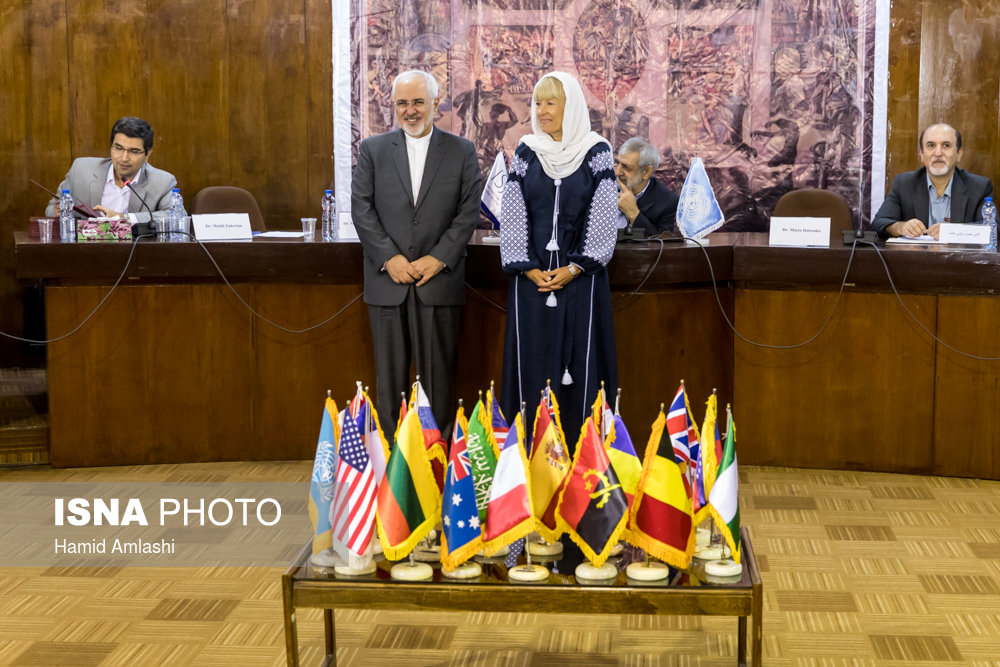
Absolute Military Power No Longer A Decisive Factor: Iran FM“What you do in these UNSC simulation workshops is that you review a mix of traditional powers. For instance, when it comes to North Korea, China and the US, they play a greater role because of their military power. In the simulated negotiations that you will hold, you’ll see that the US and China will have a greater role than Senegal or Ethiopia due to this very element of power. Still, today there is another element of power, and that is consensus-making, which is used in the UN Security Council as well.”

“Small countries such as Malta and Cape Verde have played a role in international issues in the UN Security Council, but not because of their military might; rather, because of their ideas and expertise in a particular domain. For example, Malta played a role in the rights of the seas issue. Cape Verde, because of its knowledge in that domain, has turned into one of the key players as far as the rights of the seas are concerned; so, as you see, these instruments of power move from UNESCO’s general conference and the General Assembly to the Security Council where they result in power when coupled with idea-creation, concept-building and consensus-making.”

“In the simulation exercises, those serving as representatives of countries which are not members of the UN Security Council should practice with these instruments of power as well, instruments such as thought and discourse-making.”


Our understanding of the international situation should change, and we should know that UN Security Council Resolutions are neither everything nor worthless paper.


He stressed that these instruments of power are effective in power-building.

“Our understanding of the international situation should change, and we should know that UN Security Council resolutions are neither everything nor worthless paper. When I was Iran’s ambassador to the UN, the ambassador of one of the countries said that international law is our tool box, and we use it whenever necessary. So, international law cannot be everything, and power cannot be everything, either.”

Zarif went on to say that in consensus-making or discourse-building, there are key factors which contribute to the adoption of an international decision.

“Practicing this issue is something which should be taken into consideration in the simulation process. We should learn that we should not only pay attention to the meaning of power as it was in the past, but we should understand the modern meaning of power as well.”
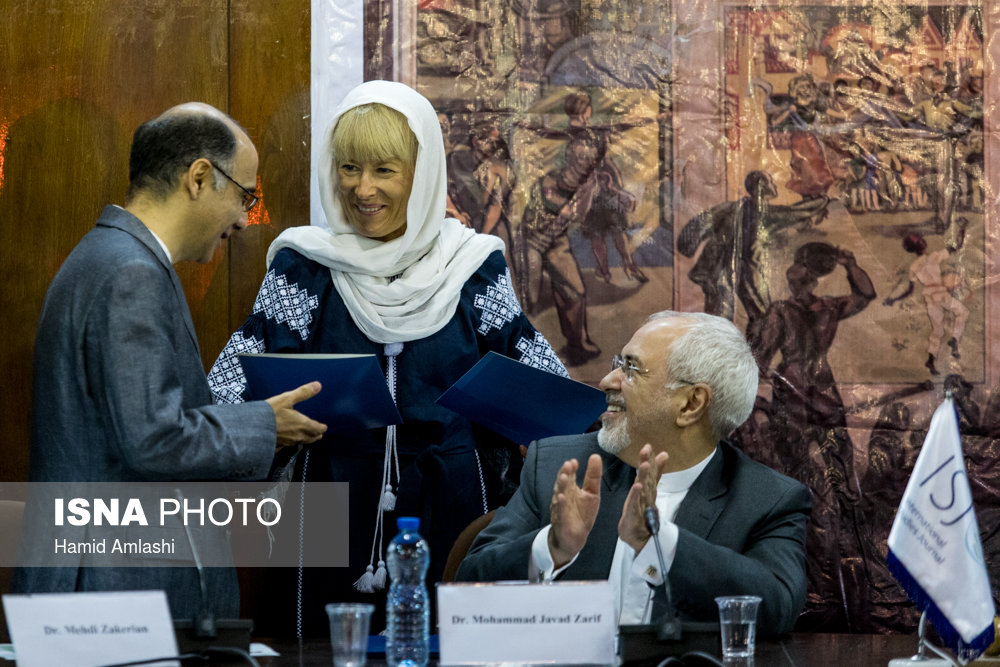
Absolute Military Power No Longer A Decisive Factor: Iran FM“The five permanent powers of the UN Security Council must like the whole world to believe that nukes mean everything and that nuclear weapons states have the final say. But such a thing has not happened. If it had happened, it would have meant that the world had to accept the five powers’ domination over all international relations because each one of these five powers can destroy itself and its enemies for dozens of times with the weapons they possess, which is called ‘mutually guaranteed destruction’.”

Iran’s foreign minister, who attended the negotiations on the eight-year Iraqi imposed war on Iran in the 1980s, further touched upon Baghdad’s use of chemical arms against Iran.

“In the [Iraqi] imposed war, chemical weapons were used, but the whole world supported [former Iraqi dictator] Saddam Hussein and did not allow the issue of chemical weapons’ use against Iran to be brought up at the UN Security Council.”

“Don’t forget that and don’t be fooled by slogans. We were there and saw that until Saddam Hussein invaded Kuwait, members of the Security Council did not issue a single statement or resolution in which the word ‘Iraq’ was mentioned despite the fact that the then UN secretary general had released six reports explicitly saying that Saddam Hussein had used chemical arms against Iranians and civilians. The Security Council members only mentioned the use of chemical arms against Iranian troops. The wording of the sentence was as if we ourselves had used chemical arms against our people.”

“Iran has paid the price for countering the absolute power in those days, and even at that time Iran showed that power is not a determining factor.”

“What is important is that we should know there are other instruments of power which we can use successfully. This does not mean we want to confront the world, but it is an approach that can have a bearing on the future of our country and developing nations and the region and international relations.”
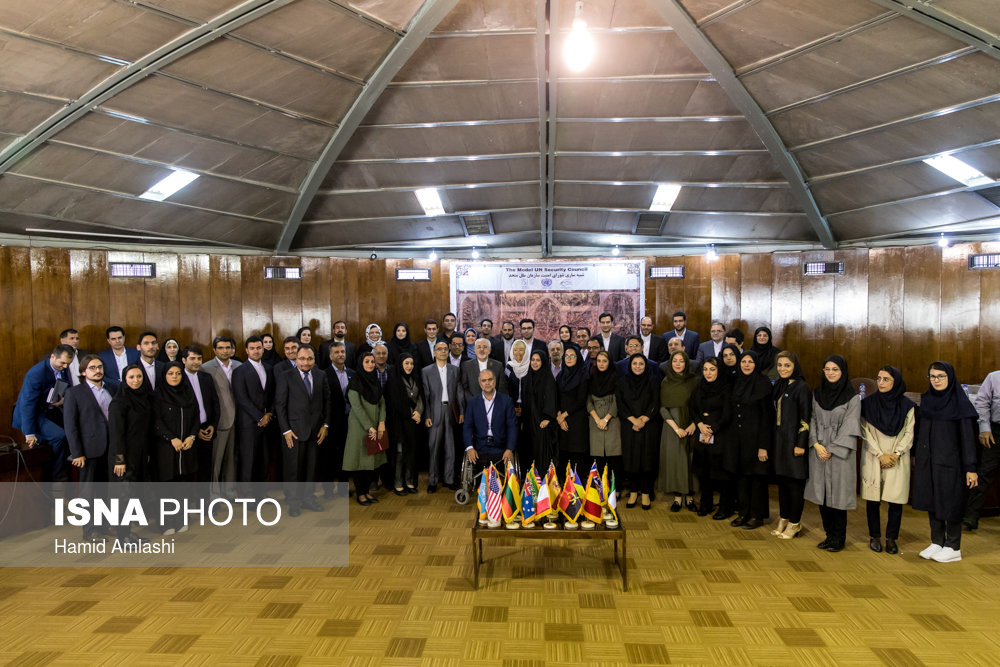

Absolute Military Power No Longer A Decisive Factor: Iran FM

Iran Opens Its Booth at Beijing Book Fair

Iran’s booth was opened in Beijing Book Fair in a ceremony attended by a number of Iranian and Chinese officials including the head of Iran’s Islamic culture and communications organization, Abouzar Ebrahimi Torkaman, General Manager of Iran’s Cultural Exhibition Institute, Amir Massoud Shahramnia, and Iran’s cultural attaché in Beijing.

In an address to the opening ceremony, Shahramnia welcomed the guests saying the presence of Iran in Beijing Book Fair as the special guest is a good opportunity for Iran and China to expand their cultural ties.

“Iran’s booth consists of about 100 Iranians from different literary fields including representatives of 14 top publishers and 13 literary agencies. Meanwhile, nine top Iranian writers, 10 artists from different sectors of Iran’s publication industry and 4 artist groups would play a role in running the booth during the fair,” he said, according to a Farsi report by Mehr.

He went on saying that during the book fair, Iran’s booth will hold more than 40 events providing Iranian writers and publishers with an opportunity to get in direct touch with their Chinese counterparts. “We also hope the events would pave the way for more cultural ties between the two sides,” he added.

For his part, Ebrahimi Torkaman took the podium and welcomed the participants in the opening ceremony, saying Iran has joined the book fair to establish emotional connection with the Chinese side.

Head of Iran’s Islamic culture and communications organization also said Iranians come from a rich culture and are interested in cultural ties.

“You would feel the interest during the book fair as in each book published by Iranian publishers, violence and war has been condemned because we are a nation who has nothing to do with war-mongering,” he added.

Elsewhere in his statements, the Iranian official referred to the literary icons of Iran and said a nation with great poets like Khaqani, Hafez, Saadi Shirazi, and Omar Khayyam, is a peace-seeking nation.

“During the book fair, we would try to display our rich culture,” he said.

Meanwhile, the head of State Administration of Press, Publication, Radio, Film and Television of the People’s Republic of China warmly welcomed Iran’s participation in the fair and expressed the hope that the presence would serve as a prelude to further expansion of cultural ties between the two sides.

He also praised Iran and China as two civilized countries which have preserved their cultural ties in history through the Silk Road.

“Today, we see that our bilateral cultural ties have expanded and the presence of Iran as our special guest in the fair provides us with a good platform to expand the ties further.”

He went on saying that China welcomes the translation and publication of Chinese literary books in Iran.

The ceremony came to an end with the live concert of an Iranian music band called Liyan which was warmly welcomed by the participants.

The 25th edition of Beijing Book Fair kicked off on August 23 and will be open to visitors until August 27.

A Look at Iranian Newspaper Front Pages on August 24

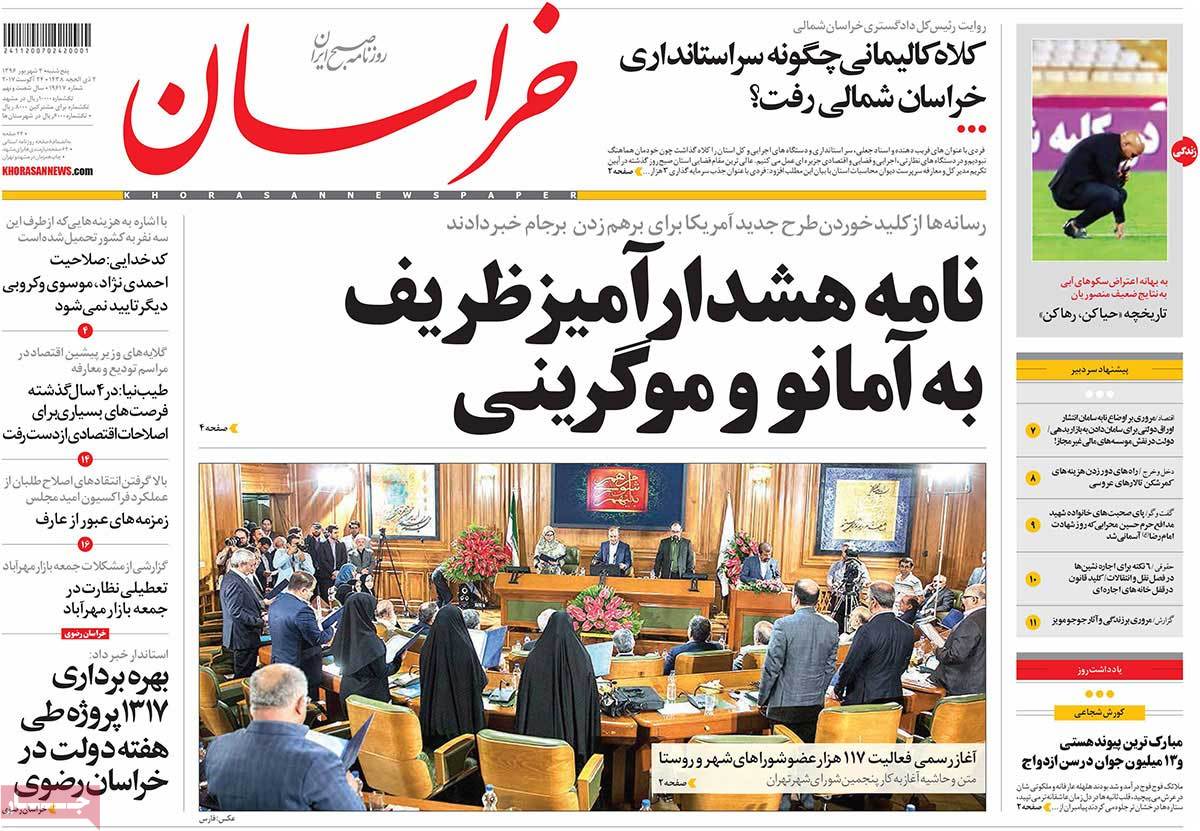
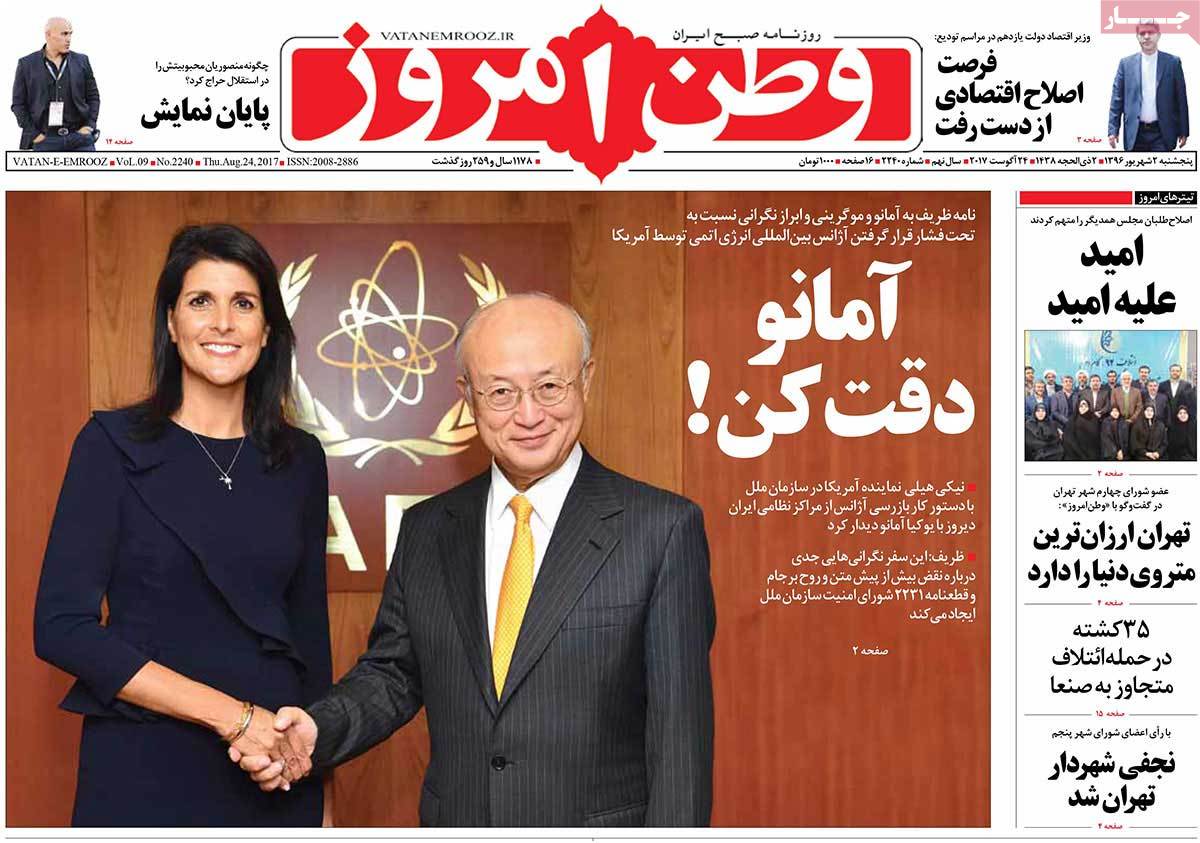
The top story today was a letter by Iranian Foreign Minister Mohammad Javad Zarif to the Director-General of the International Atomic Energy Agency Yukia Amano and EU Foreign Policy Chief Federica Mogherini to warn them against the US pressure on the IAEA and the US Ambassador to UN Nikki Haley’s visit to Vienna in this regard.

Newspapers also covered the first session of new Tehran City Council, during which Mohsen Hashemi Rafsanjani and Mohammad-Ali Najafi were respectively elected as the head of City Council and the mayor of Tehran with unanimous votes.

The above issues, as well as many more, are highlighted in the following headlines and top stories:


Abrar:

1- UN: ISIS Elements Have Raped Thousands of Women

2- Rouhani’s Chief of Staff: President’s Visit to New York under Consideration

3- Zarif: Iranian, Saudi Diplomats to Visit Their Respective Embassies after Hajj

4- Rouhani: Gov’t to Brief People on Its Services during Week of Government

A Look at Iranian Newspaper Front Pages on August 24


Afkar:

1- Outspoken Politician Tavakoli: Mr Rouhani! Declare Your Assets!

2- MP: Rouhani’s Move to Appoint VP for Economy Not Appropriate

A Look at Iranian Newspaper Front Pages on August 24


Aftab-e Yazd:

1- Qalibaf’s Absence, Lump in Hashemi Rafsanjani’s Throat

  • New City Council Elects Tehran Mayor in First Session

2- Directive Needed to Prevent Iranian Athletes from Playing against Israel: MP

3- Iraqi PM: We Won’t Let US Attack Iran through Iraqi Territory

A Look at Iranian Newspaper Front Pages on August 24


Ebtekar:

1- Rouhani: Responding to People’s Demands Top Priority of Gov’t

2- Controversial Beginning of Tehran’s Fifth City Council

3- Imam Khomeini’s Grandson: City Council Should Be Highly Sensitive to Financial Corruption

A Look at Iranian Newspaper Front Pages on August 24


 Ettela’at:

1- First VP: Administrative System Hindering Iran’s Development

2- Zarif: Saudi Arabia Should Change Its Regional Attitudes

3- Iran Opens Booth in Beijing Book Fair

A Look at Iranian Newspaper Front Pages on August 24


Iran:

1- 224% Growth in Iran’s Exports to Europe

2- First VP: Privatization Absolute Way to Heal Iran’s Economy

3- Global Isolation of Iraqi Kurdistan Region’s Independence Referendum

A Look at Iranian Newspaper Front Pages on August 24


Jahan-e San’at:

1- Activity of Banks in Capital Market Restricted: Economic Turn

2- Challenges Facing Mayors

A Look at Iranian Newspaper Front Pages on August 24


Javan:

1- Exhumation of Nuclear Deal

  • US Ambassador in Vienna to Pressurize Amano, Zarif Writes Warning Letter

2- Ex-Minister: We’re Worried about Lack of Coordination in Economic Policies

A Look at Iranian Newspaper Front Pages on August 24


 Jomhouri Eslami:

1- Over 39,000 City, Village Councils Start Work across Iran

2- Iran’s €9.9-Million Trade with Europe in 6 Months

3- First VP: We’re Seriously Pursuing Economy of Resistance

A Look at Iranian Newspaper Front Pages on August 24


 Kayhan:

1- American Protesters in Arizona: We Won’t Stop until Trump’s Removal

2- Zarif Protests at US Efforts to Inspect Iran’s Military Sites

3- Najafi Becomes Tehran Mayor without Any Rival

4- Michel Aoun: Victory Is Close

  • Last ISIS Strongholds Destroyed in Lebanon-Syria Borders

A Look at Iranian Newspaper Front Pages on August 24


 Kelid:

1- Advocates of Unity: From Municipality to Government

2- Foreign Ministry’s Priority Changed to Economic Diplomacy

A Look at Iranian Newspaper Front Pages on August 24


 Khorasan:

1- Zarif’s Warning Letter to Amano, Mogherini

2- 117,000 Members of City, Village Councils Start Work

3- Many Opportunities for Economic Reform Missed in Past 4 Years: Ex-Minister

A Look at Iranian Newspaper Front Pages on August 24


Resalat:

1- On Haley’s Vienna Visit; Will IAEA Give in to US?

2- Outspoken MP Calls on Rouhani to Declare His, His Children’s Assets

A Look at Iranian Newspaper Front Pages on August 24


Tejarat:

1- Dream Finally Coming True

  • 85% Progress in Project to Construct Expressway Linking Tehran to Northern Iran

A Look at Iranian Newspaper Front Pages on August 24


Vatan-e Emrooz:

1- Amano! Be Careful!

  • Zarif Pens Letter to Amano, Mogherini, Voices Concerns about US Pressure on IAEA

2- Tehran Has World’s Cheapest Subway Transport System: Ex-Councillor

A Look at Iranian Newspaper Front Pages on August 24

Iran Hails Qatar’s Decision to Restore Ambassador to Tehran

Bahram Qassemi

Foreign Ministry Spokesman Bahram Qassemi on Thursday confirmed to IRNA that Iranian and Qatari foreign ministers had a phone conversation on Wednesday night.

“The phone call was made last night, and the Qatari side expressed their interest in returning their ambassador to Tehran,” Qassemi said, adding that the Islamic Republic welcomes the Qatari government’s decision.

“Their ambassador had been recalled to Doha for certain consultations, and his return to Tehran is considered a logical and positive move and decision,” he went on to say.

“As we have repeatedly declared, the Islamic Republic of Iran’s principled policy has always been, and will be, the development of its relations with all neighbours,” Qassemi said.

“Iran always stands ready to have better ties with all its neighbours within the framework of mutual respect and maintenance of mutual interests,” he added.

“As the foreign ministry [Zarif] earlier declared, promoting cooperation and prioritizing the enhancement of all-out ties with neighbouring countries will be one of our basic or ‘super’ priorities in foreign policy during President Rouhani’s new term in office,” added the spokesman.

“Iran believes the only way to ensure security and stability and preparing the grounds for economic development in the region is the normalisation and promotion of relations between regional countries and the non-interference of ultra-regional states in the Middle East’s affairs,” he noted.

“Iran is prepared to make political efforts aimed at boosting interaction between these [regional] countries and settle certain ambiguities and problems between them,” Qassemi added.

“What the region needs today is cooperation among all parties, settlement of differences, and preparation of the grounds for further consultations and dialogue in this sensitive region of the world,” he went on to say.

Qassemi finally stressed that the Islamic Republic welcomes and appreciates any positive and constructive move by its neighbours aimed at improving and reinforcing bilateral relations.

Prune-Spinach Stew: A Tasty, Traditional Iranian Meal

Prune-Spinach Stew A Tasty, Traditional Iranian Meal

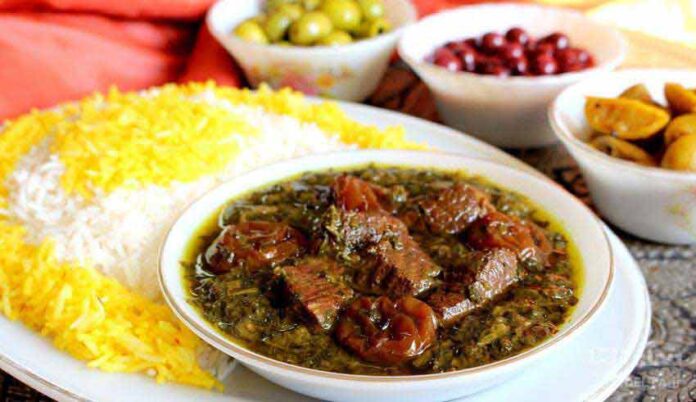
The prune-spinach stew is a well-known traditional Iranian stew which is very popular among families. It is very delicious and regarded as a culinary delight both in casual get-togethers and formal parties.

Ingredients

Salt: As much as needed

Chopped meat or chicken: 500gr

Prunes: 300gr

Pepper: As much as needed

Oil: As much as needed

Onions: 1 big onion

Spinach: 750gr

Recipe

Cut the onion to very small pieces before frying them. Then add the chopped meat and sauté it until the meat changes colour. Add two cupfuls of water and lower the temperature, waiting for the water to start boiling. Let the meat cook for quite some time.

Wash the spinach and chop it before putting it in a pan on fire until its water evaporates. Then add some oil and sauté the spinach. Afterwards, add the prunes, salt and pepper and fry the spinach well. Then add meat and leave it on fire until the stew is cooked through.

Comments:

  1. Depending on their taste, some people prefer to add sugar to the stew, so that it would taste sweet rather than sour. However, some people add spices to make the stew sour.
  2. Adding saffron will make the stew more delicious.
  3. You may use chicken instead of meat.
  4. You may add forest prunes to the stew if you like it sour.
  5. You may add 4 to 5 spoonfuls of lime juice plus a little sugar to make the stew tastier.

More Western Tourists, Less Arab Ones Visiting Iran

Although, compared to last year’s figure, the overall number of foreign tourists to Iran has reduced 6.9 percent in the current Iranian year (started mid-March 2017), statistics indicate that the decrease pertains to the number of visitors from the Persian Gulf littoral states, and not that of the European and American ones.

According to a Farsi report by ISNA, the director-general of Iran’s Office for Planning and Supporting Expansion of Tourism Industry, Abdolreza Mohajeri-Nejad, said over 1.14 million foreign tourists travelled to Iran during March 21-June 21, 2017.

This comes as, in the same period last year, the figure stood at more than 1.18 million, up by 6.9 percent, he added.

Mohajeri-Nejad said the decline in the number of tourists from the Persian Gulf littoral states and Iraq is the main reason for the drop in the average number of foreign visitors to the country during the three-month period.

“The number of visitors from these states to Iran was subject to a 9-percent decrease, year-on-year, in the said timespan, under the impact of the country’s weakened ties with the Persian Gulf littoral states – following the attacks on Saudi Arabia’s Embassy and diplomatic mission in Tehran and Mashhad (eastern Iran) in early 2016 – insecurities in the regional states and unfavorable economic condition in Iraq and Syria.”

The downward trend has continued in the past two years, he added.

Mohajeri-Nejad said from March 2016 to March 2017, the average total number of foreign tourists to Iran (over 4.91 million) was also 5.2 percent less than that of the same 12-month period ending mid-March 2016.

However, he said, despite the decrease in the number of tourists from regional countries to Iran during the 15-month period to June 21, 2017, that of European and American visitors to the country has grown 56.6 percent in the same duration.

“The increase has occurred as a result of the going into effect of the Joint Comprehensive Plan of Action (JCPOA) [signed in July 2015 between Tehran and the P5+1].”

Mohajeri-Nejad added from August 2015 to March 2017, a total of 478,826 tourists from western states, particularly Europe, travelled to Iran. This is while, prior to the signing of the JCPOA, from December 2013 to June 2015, the figure stood at 35,852, he said.

He expressed the hope that in case the upward trend in the number of European and American tourists to Iran would continue, the country will definitely manage to achieve the targets stipulated in Iran’s Vision 2025.

As per the Vision 2025, Iran’s annual income from tourism sector is required to reach $25 billion (20 billion tourists per year) in eight years from now. To achieve the target, the country needs to be a destination for 5.1 percent of the total global number of tourists per annum.

Izadi Girl Helps Iraqi Forces Arrest ISIS Slave Trader

Iraqi security forces have seized the infamous slave trader after the Izadi girl, based in Tal Afar, has discovered his true identity and reported him to them.

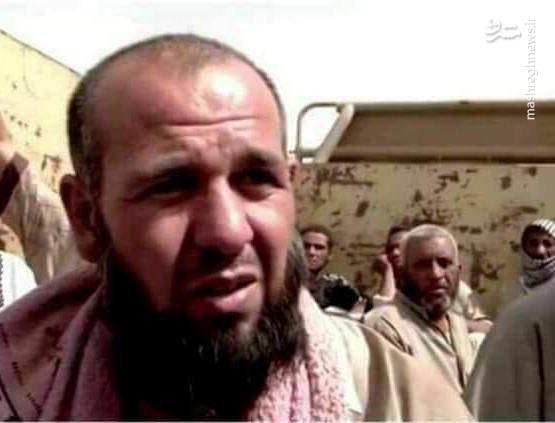
According to a Farsi report by the Al-Alam News Network, the Izadi girl managed to identify the captured slave owner, nicknamed ‘Abu Ali’, after Iraqi media published photos of the man while exiting Tal Afar as a refugee.

ISIS Slave Trader‘Abu Ali’ has been responsible for buying and selling Izadi Kurd women and girls in the ISIS stronghold in Tal Afar.

The Izadi girl who, herself, used to be a victim of the slave trader gave a full account of the appalling crimes perpetrated by ‘Abu Ali’ to the security forces and demanded them to inflict the severest punishment on him.

It is reported that the Iraqi security forces found and arrested ‘Abu Ali’ in one of the refugee camps for settlement of Tal Afar citizens on Tuesday.

Tal Afar is a Shiite-populated district near the northern Iraqi city of Mosul in Nineveh Province. Izadis are also followers of an ancient religion practiced by more than half a million people in northern Iraq.

Since June 2014, ISIS militants have committed heinous crimes against all ethnic and religious communities in Iraq, including Shiites, Sunnis, Kurds and Christians.

Iran to Host Int’l Conference on Diplomacy of Unity

The second International Diplomacy of Unity Conference is slated to be held in Tehran on

October 11, 2017, marking the anniversary of the establishment of The World Forum for Proximity of Islamic Schools of Thought.

The event will bring together scholars from Iran and other countries. High on the agenda of the day-long conference will be issues such as a united Islamic community, Islamic civilization, resistance and the social assets of the Muslim world.

According to a Farsi report by the Mehr News Agency, the event will comprise four specialized committees where delegates from specialized proximity unions will also be present.

The first conference on diplomacy of unity was held around four months ago, bringing together prominent Iranian scholars and intellectuals.