Monday, January 19, 2026
Home Blog Page 3839

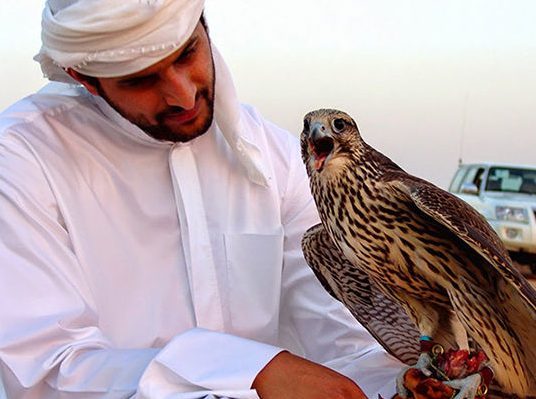
Playing with Iranian Raptors, Popular Entertainment of Arab Sheikhs

Playing with Iranian Raptors, Popular Entertainment of Arab Sheikhs

Manager of the Hunt and Prey Office at Iran’s Department of Environment, Ali Teymouri, referred to the smuggling of Iranian raptors to other countries, especially the Arab states of the Persian Gulf, and said playing with these birds is among the most popular amusements of the Arab sheikhs.

“Due to its closeness to these countries, Iran has turned into a profitable hub for bird smugglers particularly in the southern provinces of Hormozgan, Khuzestan, and Fars which are home to these types of birds,” he was quoted as saying in a Farsi report by the Young Journalists Club (YJC).

Predatory birds include vultures, hawks and eagles. During September and November, these birds are seen in the Iranian sky and turn it into a great scene for birdwatching. However, bird hunters ambush to hunt these birds and sell them to the smugglers in return for small amounts of Arabic money.

Referring to the hunting bird trade in the Persian Gulf market, Teymouri said the trade dates back to a long time ago. “There is no doubt that an external network of bird smugglers is active in this trade in Iran. This means either the hunters or the smugglers are foreign nationals,” he said.

Raptors are among the unique symbols of the Iranian nature. Many believe that this is the officials in charge who should step into the fray and put an end to this nasty smuggling by adopting legal mechanism.

Int’l Sporting Goods Exhibition Underway in Iran

Int’l Sporting Goods Exhibition Underway in Iran

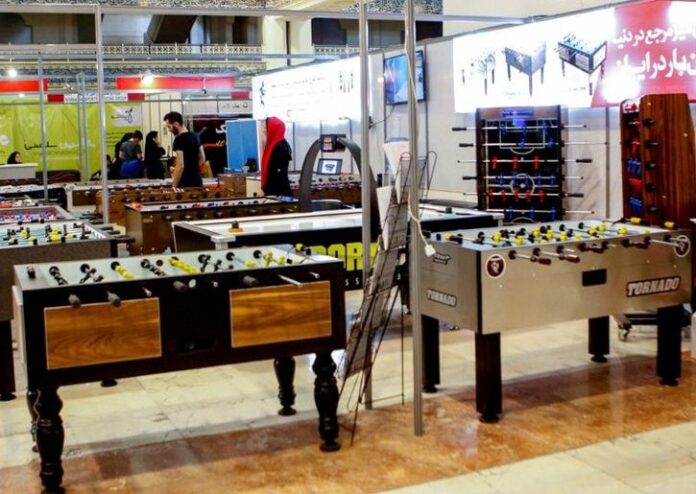
The expo opened on Monday (September 4) in a ceremony attended by the country’s minister of sport and youth, Massoud Soltanifar.

Tehran’s Imam Khomeini Grand Prayer Grounds (Mosalla) is hosting the exhibition, according to a Farsi report by IRNA.

A large number of domestic and leading foreign companies, involved in the field of manufacturing sporting goods and equipment, have taken part in the exposition. Foreign participants are from 11 countries, including Italy, Germany, Australia, Turkey, Spain, the Netherlands, China, Switzerland, France, India and Russia.

The exhibition, which is being held in an area spanning over 20,000 square metres, will be open to visitors until September 7.

The expo has been organized by Iran’s Ministry of Sport and Youth and Ministry of Industry, Mine and Trade, National Olympic Committee of the Islamic Republic of Iran, Milad-e Noor Exhibition company, Trade Promotion Organization of Iran as well as a number of the country’s sport federations and manufacturers of sporting equipment and clothing.

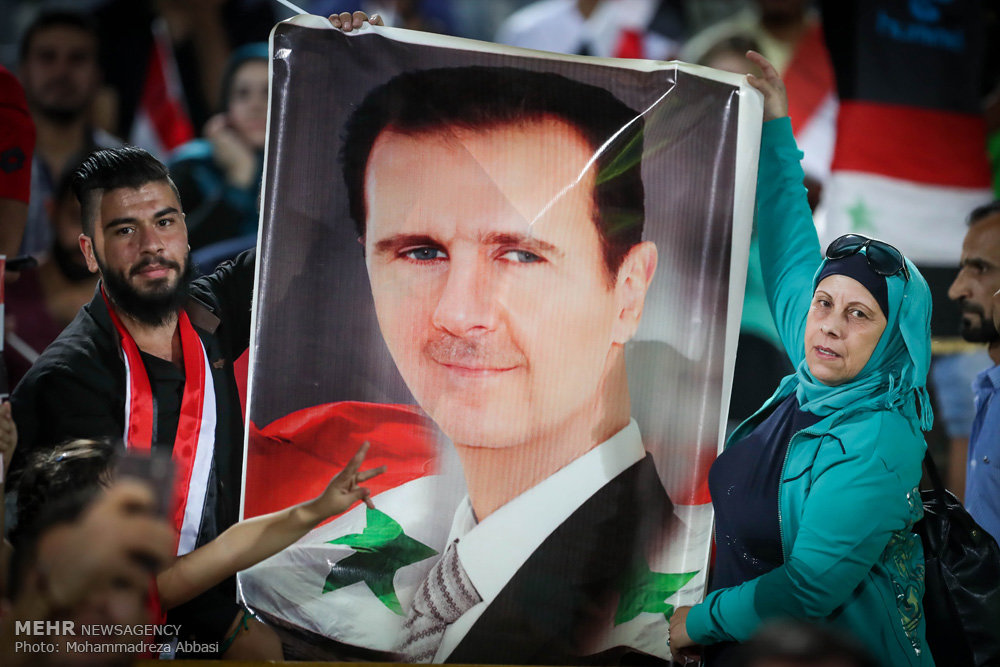
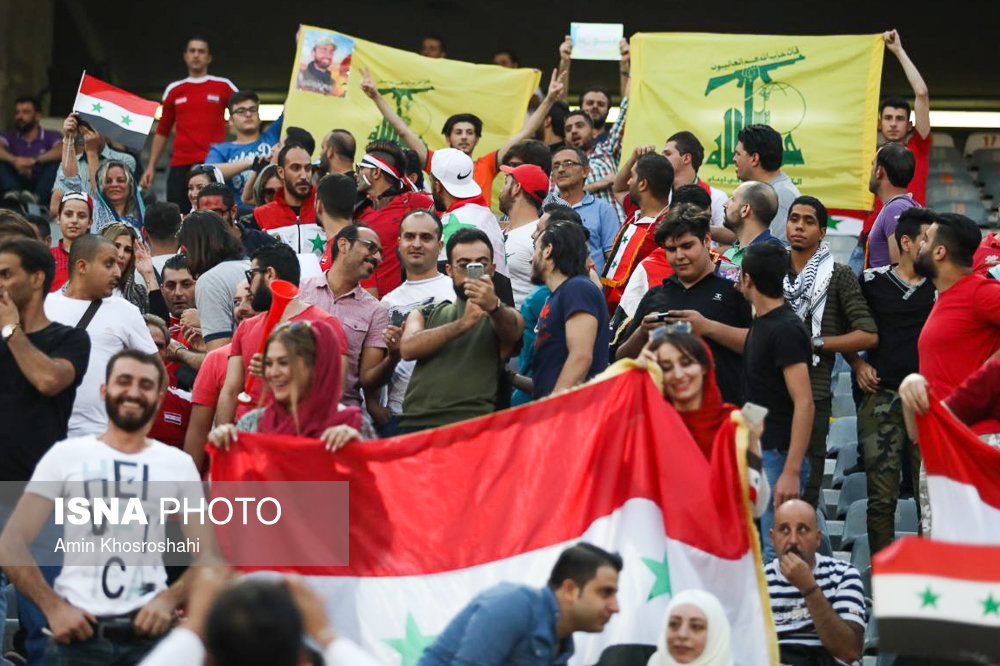
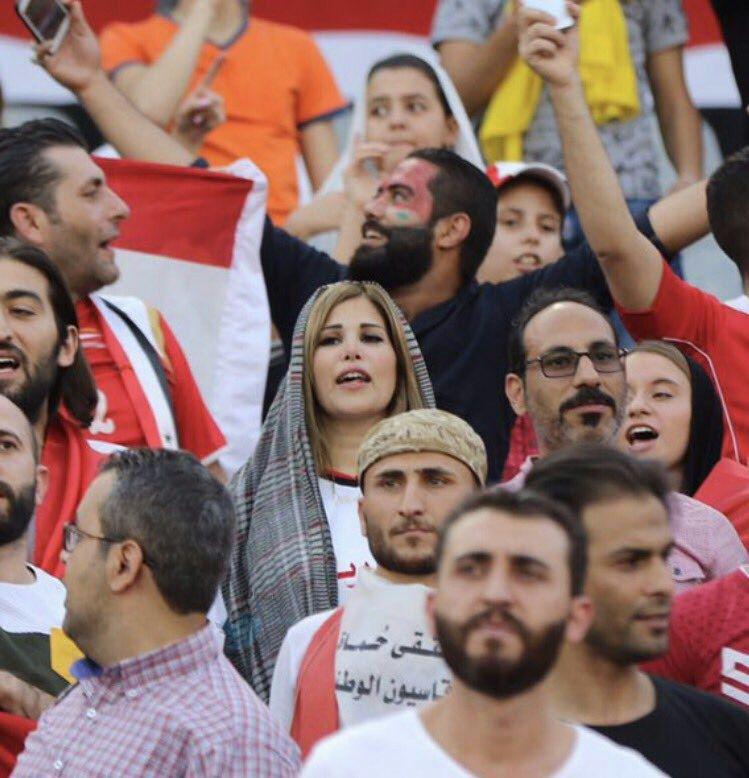
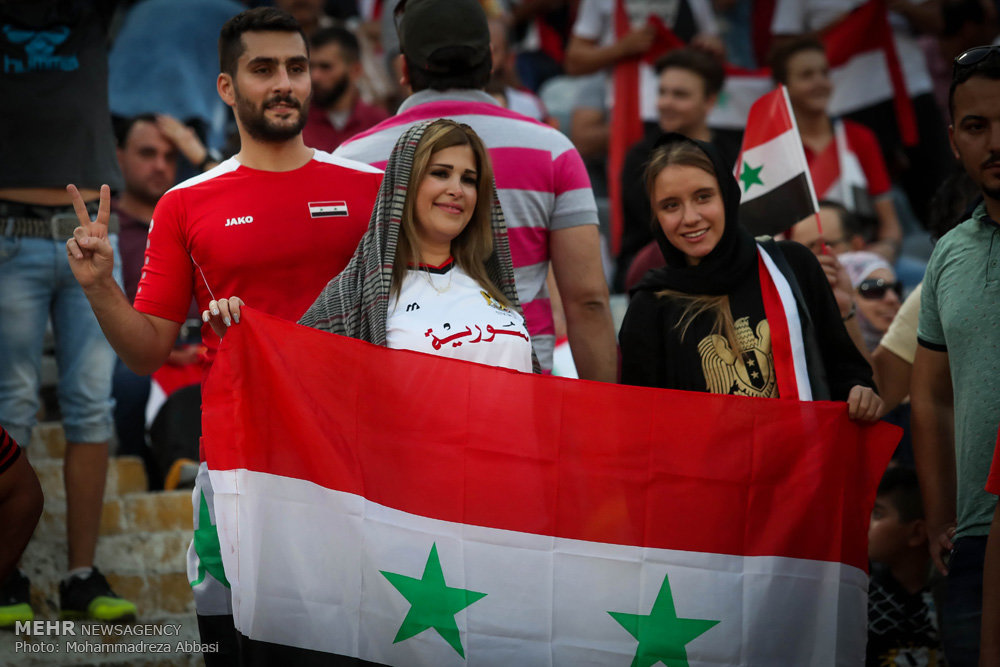
Assad’s Supporters, Dissidents Keep Syria’s Hopes Alive for FIFA World Cup

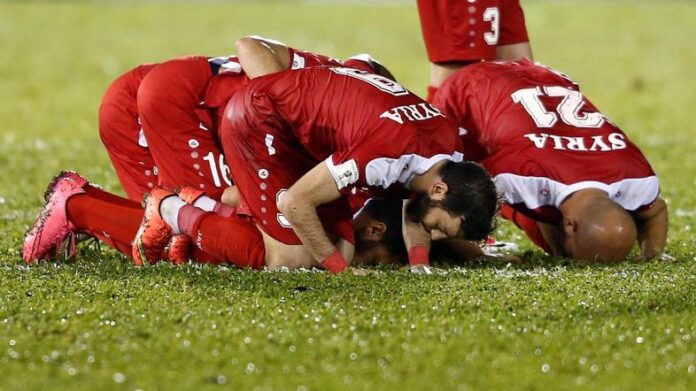
A late goal by Omar Al Somah kept Syria’s hopes alive for a first-ever FIFA World Cup qualification.
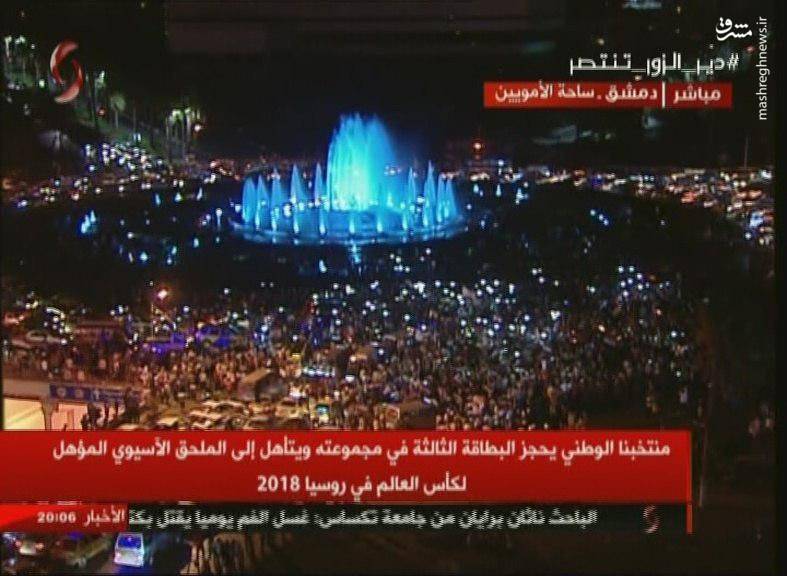
Assad’s Supporters, Dissidents Keep Syria’s Hopes Alive for FIFA World CupThe qualifier between Iran and Syria kicked off on Tuesday in Tehran, with only 13 minutes passing before Syria’s Tamer Haj Mohammad scored his side’s first goal, ending Iran’s 12-match clean sheet record.

Iran, however, equalized at the end of the first half through Sardar Azmoun, thus leaving the score at 1 – 1 for all at the end of the half.

Azmoun scored a second at the 66th minute to give the Iranians the lead at 2-1.

Syrians, who were losing their chance of booking a place in the 2018 FIFA World Cup in Russia, got involved in fights and quarrels with Iranian players, but the referee did not let the fights get more violent.

Somah finally scored a last minute equalizer, ending the game at 2 – 2. This leaves the Syrians playing in the 4th round of the qualifiers, which is two wounds of play-off against either Australia or Saudi Arabia. The winner of the play-off match will have to face an opponent from the North America to win a place in Russia World Cup.

Before the match, Iranian national team coach Carlos Queiroz had stressed that his team will not ease up against Syria despite having already qualified for a fifth World Cup appearance.

“To think that these players are going to make it easy against Syria is to not know them, their professionalism, character, and pride serving the Iranian nation,” said Queiroz.

The two teams drew in November last year in a match that raised many questions. The game, which was played on a subpar swampy pitch in Malaysia, was harshly criticized by the Iranian side who said the Syrians did not observe the fair play rules.

A win away to Iran on Tuesday coupled with defeat or draw for South Korea by Uzbekistan in the final round could give Syria second spot and direct entry to the finals next year.

However, South Korea and Uzbekistan shared the points in Tashkent, a result that sent the Koreans directly to the World Cup, and ending the hopes of Uzbekistan.
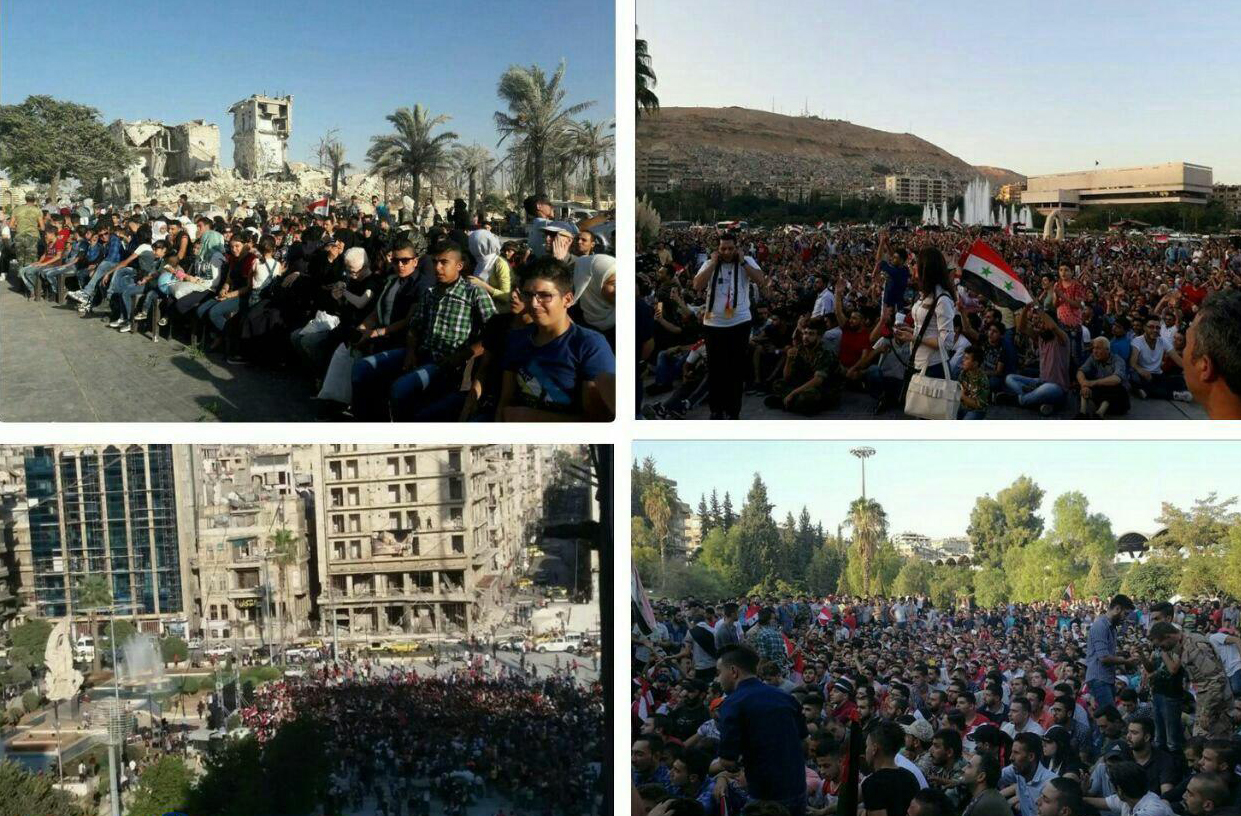
Assad’s Supporters, Dissidents Keep Syria’s Hopes Alive for FIFA World CupSyria have overcome more than six years of civil war and internal political rifts to raise hopes of qualifying for their first ever World Cup.

During the Tuesday match against Iran, several anti-government players including Somah and Firas Al Khatib fought for their country along with other players who might or might not support Syrian President Bashar al-Assad’s government.

Considered by many as the finest footballer the country ever produced, Al Khatib had been frozen out of the national side since 2012 for political reasons.

However, the Syrian government, which is accused of being intolerant of its dissidents, gave the green light to the Syrian coach Ayman Al Hakim earlier this year and he added the 33-year-old al-Khatib to his list.


Asian football is no stranger to war-affected nations making a big impact. Iraq won their first Asian Cup in 2007, at the height of the insurgency triggered by the United States-led coalition invasion in 2003.

80% Jump in Iran’s Exports to Turkey in 7 Months

80% Jump in Iran's Exports to Turkey in 7 Months

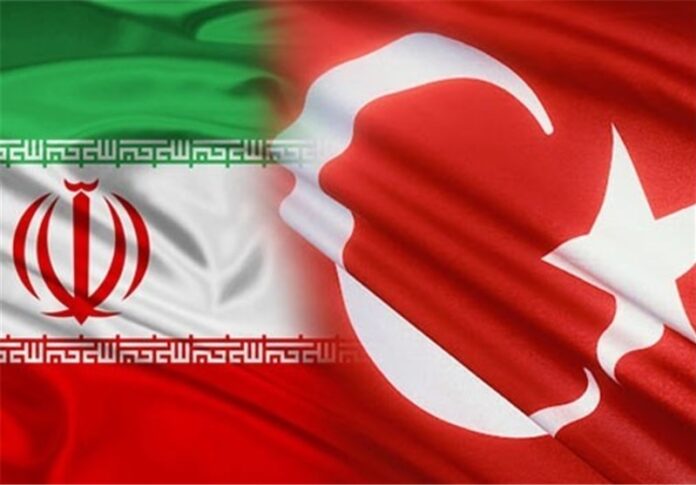
Iran exported $4.5 billion worth of goods to Turkey from January to July 2017, indicating an 80% increase compared to a year earlier, in which the figure amounted to $2.5 billion, according to the Turkish Statistical Institute.

The total value of bilateral trade between the two neighboring countries over the mentioned period has also witnessed a 16 percent increase, reaching $6.3 billion.

The trade exchanges between Iran and Turkey from January to July 2016 had stood at $5.4 billion.

Oil and gas are Iran’s main exports to Turkey, according to the report.

Iran and Turkey have ramped up efforts to boost bilateral trade since the implementation of the Joint Comprehensive Plan of Action (JCPOA), a lasting nuclear deal between Iran and the Group 5+1 (Russia, China, the US, Britain, France and Germany).

The deal took effect in January 2016, terminating all nuclear-related sanctions on Iran.

In April last year, Iran and Turkey signed eight memorandums of understanding (MoUs) to strengthen bilateral cooperation in various areas.

The cooperation documents were signed in a ceremony in Ankara attended by the two countries’ presidents.

The documents covered a range of fields, including higher education, social security, plant maintenance services and standardization.

Iran’s Deputy FM, Russian Envoy Discuss Syria Crisis

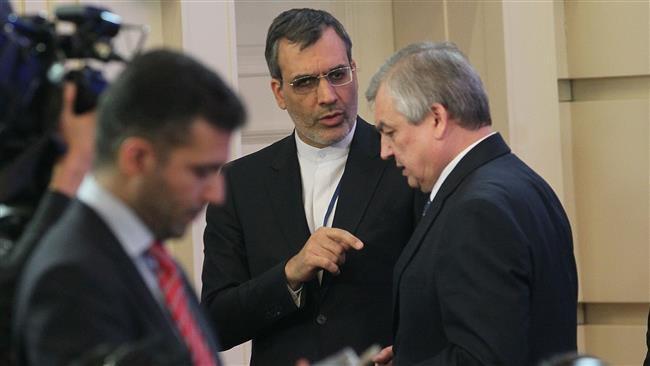
During the Tuesday meeting held in Tehran, the two sides explored the latest military and political developments in Syria.

They also discussed the agenda of the sixth round of Astana talks and the details of the four de-escalation zones in Syria.

Lavrentiev is on an official visit to Iran for exchanging views with the Iranian officials on the latest developments in Syria and strengthening the ceasefire regime in the war-torn country within the framework of Astana Process.

Iran, Qatar to Expand Economic, Urban Development Ties

Iran FM Discusses Myanmar Plight with Turkey, Malaysia, Indonesia

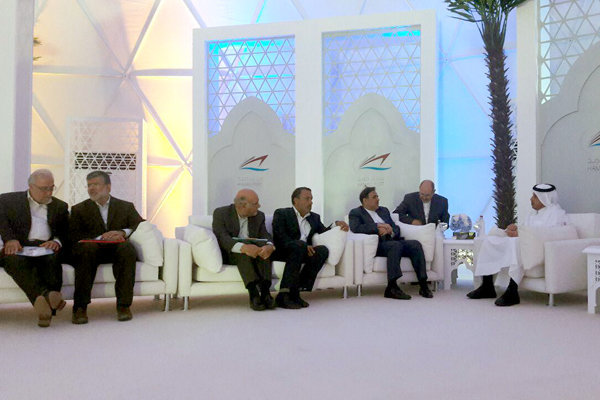
Iranian Road and Urban Development Minister Abbas Akhoundi, who is on an official visit to Qatar, held talks with the Emir of Qatar Tamim bin Hamad Al Thani on Tuesday.

During his stay in Doha, Akhoundi also held talks with Qatari Prime Minister Tamim bin Hamad Al Thani on bilateral relations in different fields especially in road and urban development.

According to a Farsi report by ISNA, Akhoundi signed a number of MoUs on international transportation and transits with the aim of expanding economic cooperation among the Islamic Republic of Iran, Qatar and Turkey.

The Iranian minister, who has made the visit at the official invitation of the Qatari Emir, also took part in the inauguration ceremony of Bin Hamad port in Qatar. More than $7.1 billion has been invested in the construction of the port which connects Qatar to countries like India, Oman, Turkey and Pakistan.

Iranian Filmmaker Receives Italy’s Mutti Prize

Iranian Filmmaker Receives Italy's Mutti Prize

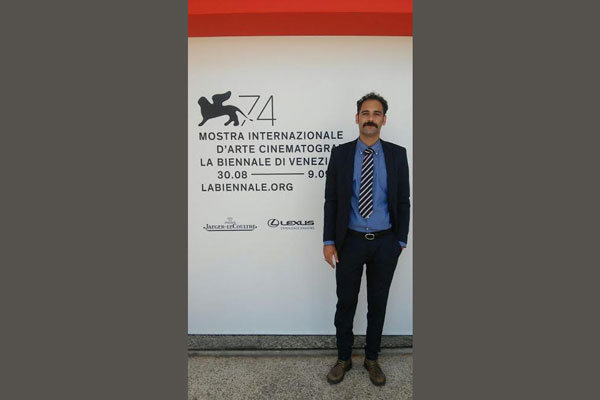
He received the prize for his 2016 documentary “Salmon” at the Excelsior Hotel in Venice on Saturday, the Iranian Youth Cinema Society (IYCS) announced on Monday.

The Mutti Prize – Archivio delle Memorie Migranti (AMM) was established by the Cinema of Bologna in 2008.

Iranian University Ready to Admit Students from Iraqi Kurdistan

Iranian University Ready to Admit Students from Iraqi Kurdistan

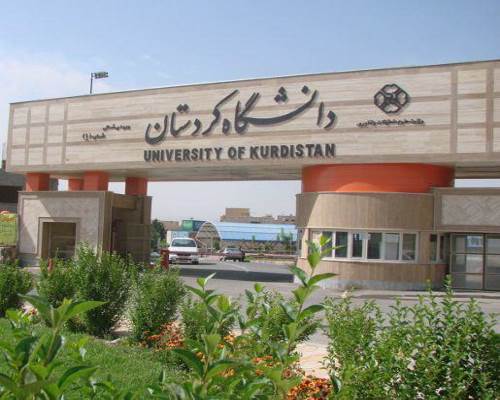
Fardin Akhlaqian, the head of Iran’s Kurdistan University in Sanandaj, in a meeting with the faculty members of the Iraqi Kurdistan’s Raparin University, said that Iran and the Iraqi Kurdistan need to expand ties especially in the field of science because they have common cultures.

“We must use the capacities of the two sides to help the quantitative and qualitative growth of knowledge and science,” Akhlaqian underscored, according to a Farsi report by ISNA.

He announced that the university is ready to accept students from universities of Iraqi Kurdistan Region, adding that special facilities are provided for foreign students and these capacities are used to expand scientific relations.

Akhlaqian also noted that in the context of relationships between the professors, the Kurdistan University is ready to support the joint projects of the professors of Iranian universities and those teaching at Iraqi Kurdistan Region universities, especially in the field of research.

He also added that the university’s most important task is to find the path to produce and develop knowledge, stressing, “We must move on to implement programs to improve our quality of life.”

2.5m Iranians to Take Part in Arba’een Pilgrimage

2.5m Iranians to Take Part in Arba’een Pilgrimage

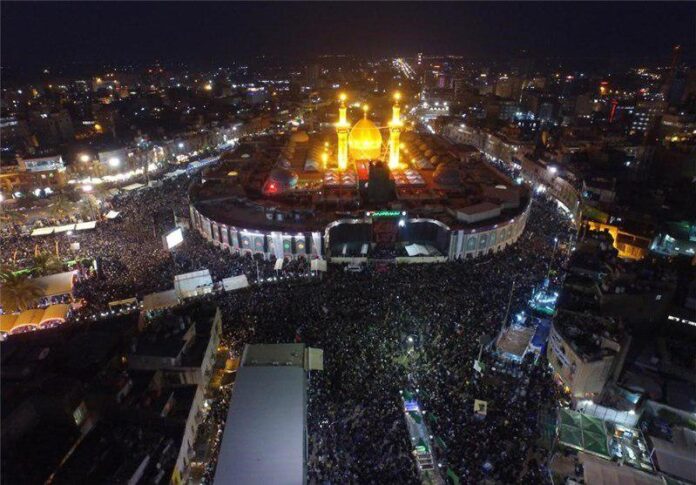
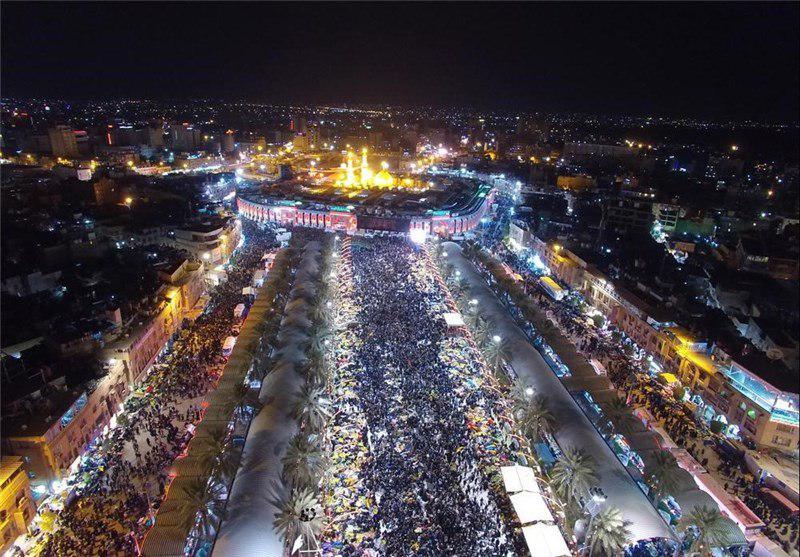
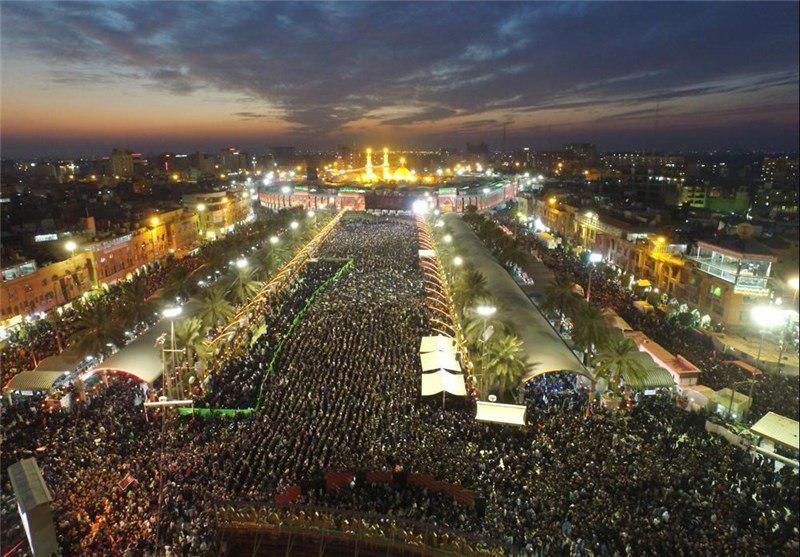
Mohsen Nezafati, a senior Iranian pilgrimage official, said last year 2 million Iranians took part in the Arba’een pilgrimage “but this year, we estimate the number will reach 2.5m.”

According to a Farsi report by ISNA, he called Arba’een pilgrimage the largest gathering of the world’s Shiite Muslims and added besides its spiritual aspect, Arba’een pilgrimage serves as a massive political maneuver.

“Given the Takfiri terrorists’ active presence in the region over the past years, Arba’een pilgrimage has gained more momentum,” he added.

The Iranian official went on saying that the presence of such a large number of Iranians in Arba’een pilgrimage each year is not possible without close cooperation between Iran and Iraq.

2.5m Iranians to Take Part in Arba’een Pilgrimage1The pilgrims are expected to observers the recommendations made by two sides, he added.

The Iranian consulate in Karbala also called on the Iranian pilgrims to avoid any wayward move during the pilgrimage and asked them to sign up for the pilgrimage through the Hajj and Pilgrimage Organization’s website.

The Iranian official also urged the pilgrims to prepare their passports and visas earlier, saying no one is allowed to pass through Iraqi borders without passports and visas.

He finally called on the pilgrims to remain patient during the pilgrimage, saying they have to put up with some logistical shortcomings because offering full services to all pilgrims is impossible during the massive pilgrimage.

2.5m Iranians to Take Part in Arba’een PilgrimageArba’een comes 40 days after Ashura, the martyrdom anniversary of the third Shiite Imam, Imam Hussein (AS).

Each year, a huge crowd of Shiites flock to Karbala, where the holy shrine of Imam Hussein (AS) is located, to perform mourning rites of Arba’een.

Last year, the total number of pilgrims going to Karbala for Arba’een reached 20 million.

No US, Saudi Aircraft Allowed to Cross Iran’s Airspace: Commander

“We do not allow American aircraft, even the passenger airliners, to cross Iran’s airspace, because we disagree with the policies of the US government,” Brigadier General Esmaili said.

“Moreover, the countries which are committing crimes in Yemen cannot use Iran’s airspace either,” he underlined.

“A while ago a Saudi official said we can capture the Islamic Republic’s airspace in four hours! After that, Iran’s air defence came into action and declared that the Saudi aircraft had no right to cross the airspace of the Islamic Republic of Iran.”

Esmaili went on to say that the International Civil Aviation Organization gave the title “Safest Airspace in the Middle East” to the Islamic Republic of Iran.

He also explained the capabilities and plans of Khatam al-Anbia Air Defence Base in a Farsi interview with the Vatan-e Emrouz newspaper on the anniversary of the formation of the base.

Talking about the new forms of threat, he said the neighbouring countries surrounding Iran are sometimes not well controlled and put their territories at the disposal of trans-national and arrogant states, or they eventually have a military treaty and contracts, and give part of their territory or military bases to trans-regional countries.

This helps the countries that are thousands of miles far away from Iran to get practically located next to the country, he added.

Regarding the new weapons bought by Saudi Arabia, this Iranian military official stated that with the money of the Saudi nation and the petrodollars that belong to the next generations, Saudis buy equipment that they cannot even use in the right way.

“The people of Saudi Arabia are Muslims, and we have Mecca and Medina there, so we respect them, but if the Saudi regime wants to start a game to pursue US policies like the one adopted in Yemen, they must know that we are not Yemen and we will respond immediately.”

“We brought down the aircraft which belonged to the Saudis’ master (US) and kept it for seven hours. The United States could wage a war in less than 10 minutes, but why it did not? Because Washington knew that it will not benefit from it. Be sure that the US will not benefit from any conflict with the Islamic Republic of Iran”, Brigadier General Esmaili stressed.