Saturday, May 2, 2026
Home Blog Page 381

US imposes new oil-related sanctions on Iran

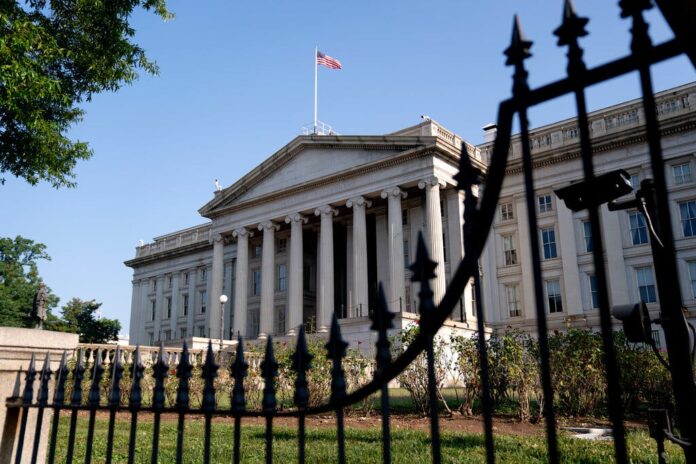
United States Department of the Treasury

The US Treasury Department announced on Tuesday that it had targeted nearly two dozen companies in a global network that it claimed has been shipping Iranian oil to China.

The sanctions came just days after Iran and the US carried out a fourth round of indirect talks aimed at working out a deal that can remove US sanctions from Iran in return for curbs on Tehran’s nuclear program.

The Treasury’s Office of Foreign Assets Control (OFAC) said in a statement that the new sanctions target companies, buyers, and facilitators that work with Iran’s Armed Forces General Staff and what it described as the force’s main commercial affiliate, Sepehr Energy.

It added the sanctions are the 19th such action taken by the US government against Iran since February 4, when US President Donald Trump signed a presidential memorandum ordering a campaign of maximum pressure on the country.

Iran has repeatedly dismissed the significance of US sanctions and their impacts on its economy. However, authorities have warned that issuing sanctions amid ongoing nuclear talks may undermine Tehran’s confidence in the process.

The talks between Iran and the US began in early April under Oman’s mediation. Both sides have described their indirect meetings as generally positive.

The new designations announced by OFAC included companies based in Singapore, Hong Kong, China, and Seychelles, two tankers, and an Iranian individual claimed to be a financial inspector of Sepehr Energy.
Trump says he will ease sanctions on Damascus, to meet Syria’s new ruler on Wednesday

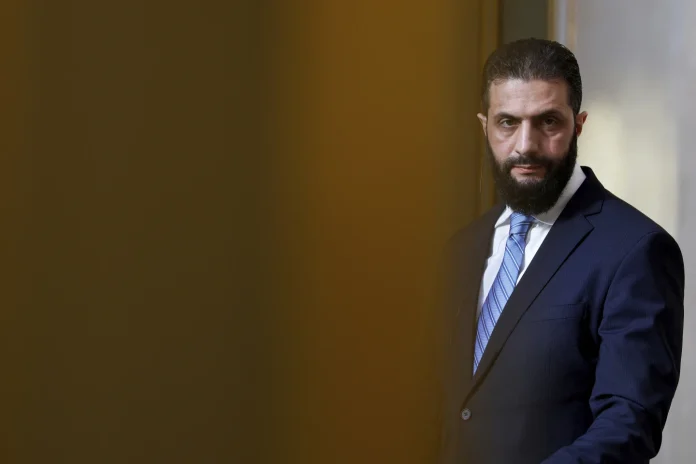
Trump was set to meet Wednesday in Saudi Arabia with Syrian President Ahmad al-Sharaa, the onetime insurgent who last year led the overthrow of former leader Bashar Assad.

He stated the effort at rapprochement came at the urging of Crown Prince Mohammed bin Salman, the Saudi de facto ruler, and Turkish President Recep Tayyip Erdogan.

“There is a new government that will hopefully succeed,” Trump said of Syria, adding, “I say good luck, Syria. Show us something special.”

The developments were a major boost for the Syrian president who at one point was imprisoned in Iraq for his role in the insurgency following the 2003 U.S.-led invasion of the Arab country. Al-Sharaa was named president of Syria in January, a month after a stunning offensive by insurgent groups led by al-Sharaa’s Hayat Tahrir al-Sham or HTS that stormed Damascus ending the 54-year rule of the Assad family.

The U.S. has been weighing how to handle al-Sharaa since he took power in December. Persian Gulf leaders, have rallied behind the new government in Damascus and will want Trump to follow, believing it is a bulwark against Iran’s return to influence in Syria, where it had helped prop up Assad’s government during a decade-long war.

Then-President Joe Biden left the decision to Trump, whose administration has yet to formally recognize the new Syrian government. Sanctions imposed on Damascus under Assad also remain in place.

“The President agreed to say hello to the Syrian President while in Saudi Arabia tomorrow,” the White House announced before Trump’s remarks.

The comments marked a striking change in tone from Trump and put him at odds with longtime U.S. ally Israel, which has been deeply skeptical of Al-Sharaa’s extremist past and cautioned against swift recognition of the new government.

Formerly known by the nom de guerre Abu Mohammed al-Golani, al-Sharaa joined the ranks of al-Qaida insurgents battling U.S. forces in Iraq after the U.S.-led invasion in 2003 and still faces a warrant for his arrest on terrorism charges in Iraq.

Al-Sharaa, whom the U.S. once offered $10 million for information about his whereabouts because of his links to al-Qaida, came back to his home country after the conflict began in 2011 where he led al-Qaida’s branch that used to be known as the Nusra Front. He later changed the name of his group to Hayat Tahrir al-Sham (HTS) and cut links with al-Qaida.

Al-Sharaa is set to become the first Syrian leader to meet an American president since the late Hafez Assad met Bill Clinton in Geneva in 2000.

Iran: Outcome of talks with U.S. still uncertain

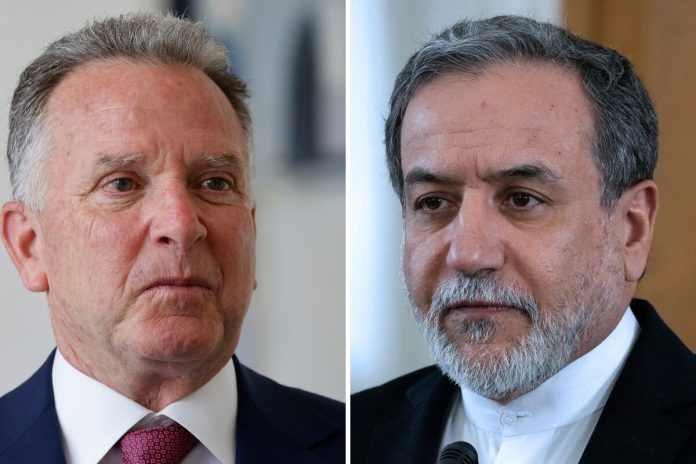
Araghchi Witkoff

“Our position remains unchanged. Negotiations cannot proceed meaningfully while sanctions are still being imposed,” Esmaeil Baqaei stated. He emphasized that Tehran remains steadfast in its approach.

Baqaei noted that the Islamic Republic’s primary goal in the talks is twofold: “To safeguard our legitimate rights and to bring an end to unjustified sanctions.”

He also criticized Washington’s conflicting messaging, urging the U.S. side to “align its statements and avoid contradictory rhetoric.”

The fourth round of indirect negotiations was held on Sunday in Muscat, Oman. According to Iranian officials, both sides agreed to continue the dialogue in the near future.

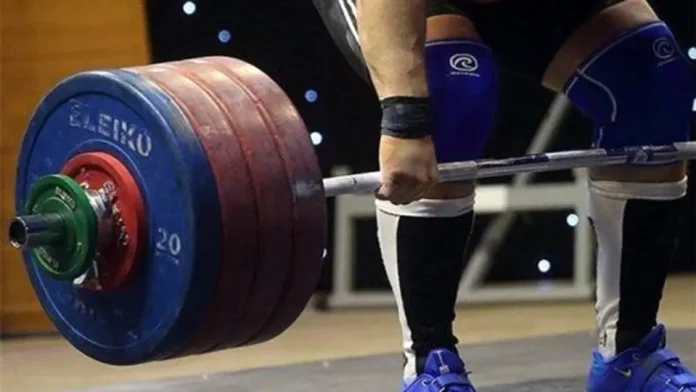
Iran’s Ali Alipour wins gold at Asian weightlifting championships

In the snatch, Alireza Moeini lifted 180kg to take gold, while Alipour followed with 174kg, securing silver in that segment.

The decisive moment came in the clean and jerk, where the 22-year-old Alipour lifted 216kg, bringing his total to 390kg and earning him the Asian title in the overall standings.

Moeini lifted 203kg in the clean and jerk, finishing with a total of 383kg and capturing the bronze medal in the overall classification.

“U.S. talks have sparked positive sentiment in Iran’s society”

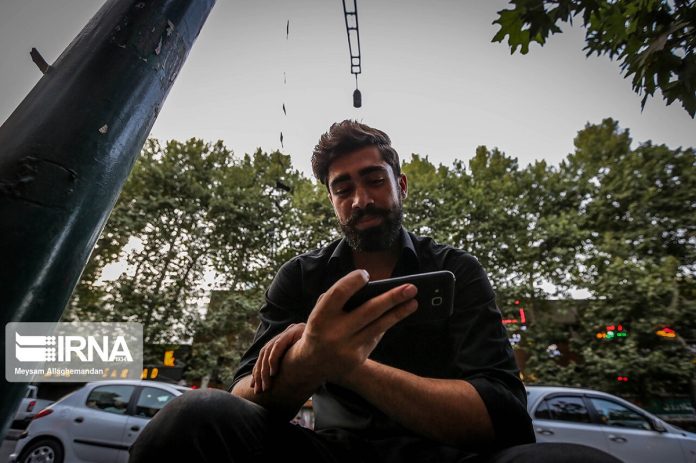
Mobile Internet Iran

Pourmohammadi, talking to IRNA, noted that “recent developments, particularly over the past two months, have emerged amid shifting regional and international dynamics. Diplomatic engagement with neighboring countries—and beyond—as well as the opening of dialogue with the United States, have sparked a sense of optimism among the public.”

He emphasized that the entire governing structure, including the state, executive, judiciary, and other institutions, is actively prioritizing public welfare, stability, and problem-solving. “This approach not only fosters hope but also facilitates conditions for broader improvement,” he said.

Pourmohammadi stressed that the Islamic Republic is working to harness current momentum to advance national interests, adding that the trend is already yielding tangible economic and geopolitical outcomes.

“Increased social capital and public optimism are among the key benefits we are witnessing,” he added, describing these developments as indicators of a growing sense of national confidence and constructive engagement.

Pakistan confirms 51 dead in Indian attacks; New Delhi reports 20 fatalities

Pakistan’s army announced on Tuesday that more than 50 people were killed in last week’s military clashes with India which ended in a ceasefire agreed by the nuclear-armed neighbours, restoring peace to their border.

The arch rivals fired missiles and drones targeting each other’s military installations after India said it struck “terrorist infrastructure” sites in Pakistan and Pakistani Kashmir on Wednesday in retaliation for an attack on tourists.

Pakistan said the targets were all civilian. Its military said the dead in the attacks comprised 40 civilians and 11 of its armed forces.

India has said at least five military personnel and 16 civilians died.

Both agreed to a ceasefire on Saturday, following diplomacy and pressure from the United States.

On Monday, India Prime Minister Narendra Modi warned Pakistan that New Delhi would again target “terrorist hideouts” across the border if there were new attacks on India and would not be deterred by what he called Islamabad’s “nuclear blackmail”.

India blames Pakistan for an attack in Kashmir on April 22 targeting Hindu tourists that killed 26 men. Islamabad denies the accusations.

Expert: Halting uranium enrichment in Iran inconceivable

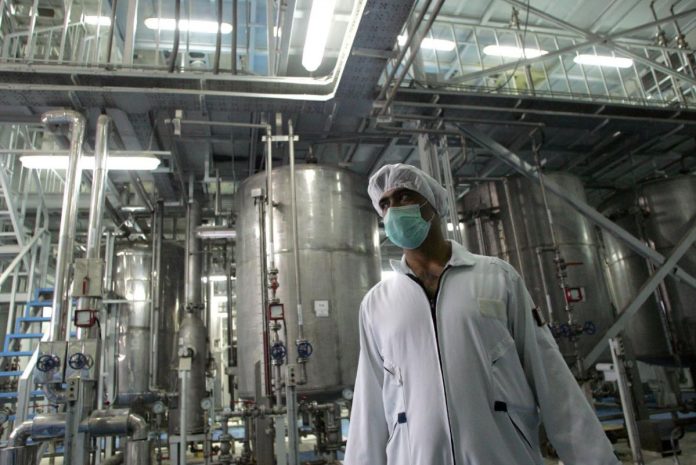
Iran Nuclear Program

In an interview with Etemad news outlet, Beheshtipour commented on recent diplomatic efforts, including the latest round of indirect Iran-U.S. negotiations, stating: “When officials describe the talks as moving forward, it indicates that no deadlock has been reached. Both parties have managed to agree on the contours of the situation and are preparing for the next round.”

He firmly rejected any suggestion that Iran might abandon enrichment: “The complete halt of Iran’s nuclear activities—particularly enrichment—is unacceptable. Enrichment is the core of Iran’s nuclear infrastructure. If it were to stop, it would be akin to severing the thread that holds the entire structure together.”

His remarks come amid ongoing indirect talks between Iran and the United States about the potential outcomes of renewed diplomatic engagements aimed at resolving the longstanding nuclear impasse.

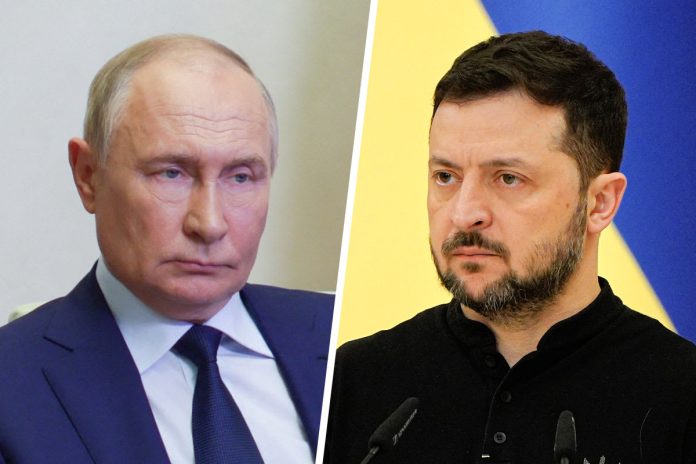
Zelensky will only meet with Putin in Turkey, lower-level talks pointless: Aide

Putin Zelensky

Zelensky has invited Putin to peace talks in Turkey on May 15, which would mark their first meeting during the full-scale war. Moscow has declared readiness to launch direct talks with Kyiv this week, but has not confirmed a possible meeting of the two leaders.

“No, of course. Well, this is not the format,” Podolyak said when asked about Zelensky meeting another Russian representative if the Kremlin’s chief does not attend.

According to the advisor, even high-level Russian officials like ministers cannot make fundamental decisions on ending the war.

“That is, only Putin can make a decision to continue the war or stop the war,” Podolyak added.

The comments echo Presidential Office chief Andriy Yermak, who stated that Putin might “delegate the technical and preparatory stages,” but Ukraine understands “who is ultimately in charge.”

U.S. President Donald Trump expressed optimism about the potential meeting between the two leaders, suggesting he might attend as well.

“Thursday’s meeting between Russia and Ukraine is very important. I strongly pushed for it to happen. I think good things can come from it,” the U.S. president said.

Reacting to Trump’s comment, Zelensky noted he welcomed the possibility of Trump attending the meeting in Turkey, calling it “the right idea.”

Ukraine and its European allies have urged an unconditional ceasefire starting on May 12 as the first step toward peace. Russia has ignored this proposal, continuing its attacks on Ukraine.

Asked by the Kyiv Independent whether Zelensky plans to make the trip even if Russia does not support the truce or if Putin declines to attend, a source close to the president said, “We are ready for all options. But of course, we are separately waiting for a response on the ceasefire.”

The last face-to-face meeting between Putin and Zelensky took place in 2019 in Paris during a Normandy Format summit. Since then, there have been no direct in-person meetings between the two leaders.

Ukraine and Russia have not held direct peace talks since the unsuccessful negotiations in Istanbul in 2022.

Iranian court overturns verdict in controversial case of singer Amir Tataloo

Tatallo

According to defense attorney Majid Naqshi, the judiciary accepted the procedural review, effectively nullifying the previous ruling.

While official details remain limited, the development comes after weeks of public attention and mounting online campaigns demanding a reconsideration of Tataloo’s case.

Tataloo was previously sentenced to death on charges of “insulting the Prophet,” a serious offense under Iranian law. His case had been under review by Iran’s Supreme Court.

Efforts to secure his release on bail have so far been unsuccessful, and parts of the legal rulings against him remain contested. Despite reports suggesting repentance and remorse from Tataloo during court proceedings, the legal process continues.

A high-profile online petition seeking to overturn his death sentence was taken offline by Iran’s Committee for Determining Offensive Content, despite being among the most-signed campaigns on the Karzar platform.

British veterans detail war crimes by British forces in Afghanistan, Iraq

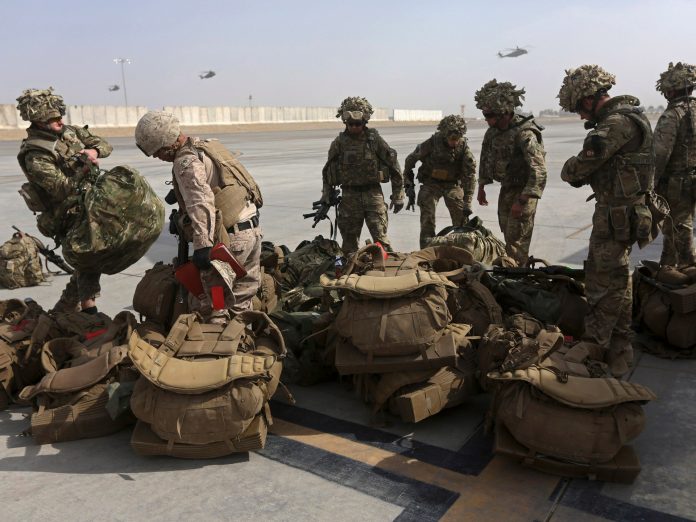
More than 30 witnesses who served with or alongside special forces soldiers broke their silence to the BBC’s Panorama programme and spoke about illegal killings and executions of detainees, including children, during the invasions of the two countries.

David Cameron – who was prime minister from June 2010 to November 2013, the period now under scrutiny by a judge-led public inquiry into special forces – was repeatedly made aware of concerns about night raids and killings raised by then-Afghan President Hamid Karzai, according to the BBC.

A spokesman for Cameron said “any suggestion that [he] colluded in covering up allegations of serious criminal wrongdoing is total nonsense”.

The special air service and the navy’s special boat service, the UK’s top special forces units, were at the centre of the testimonies.

“They handcuffed a young boy and shot him,” recalled one veteran who served with the elite soldiers in Afghanistan. ”He was clearly a child, not even close to fighting age.”

Killing of detainees “became routine”, the veteran said, adding that the soldiers would remove plastic handcuffs from executed detainees and plant weapons by their bodies to make it look like they were fighters in photographs taken from the scene.

Another veteran with the navy’s special forces regiment said some service members displayed “barbaric” and “psychopathic” behaviour as they felt untouchable by the law.

One former soldier described the killings as something that could turn “addictive” as some soldiers became “intoxicated by that feeling” in Afghanistan.

“On some operations, the troops would go into guesthouse-type buildings and kill everyone there,” he stated.

“They’d go in and shoot everyone sleeping there, on entry. It’s not justified, killing people in their sleep.”

Even wounded people who did not pose a threat to anyone were executed in breach of international law, witnesses said, speaking on condition of anonymity.

A former special forces operator said an execution of an unarmed person in Iraq was never properly investigated, adding that senior commanders were aware of the problem long before deploying to Afghanistan.

The BBC also obtained new video evidence that showed squadrons kept kill counts to compete with others.

One veteran stated a former colleague was trying to get kills on every single operation, having become “notorious” for killing dozens of people.

Another veteran added “everyone knew” about the killings in the UK special forces command with testimonies indicating officers would falsify postoperational reports to avoid scrutiny.