
The event was held at Azadi Sports Complex on Friday, December 24.
What follows are the Mehr News Agency’s photos of this exhibition:







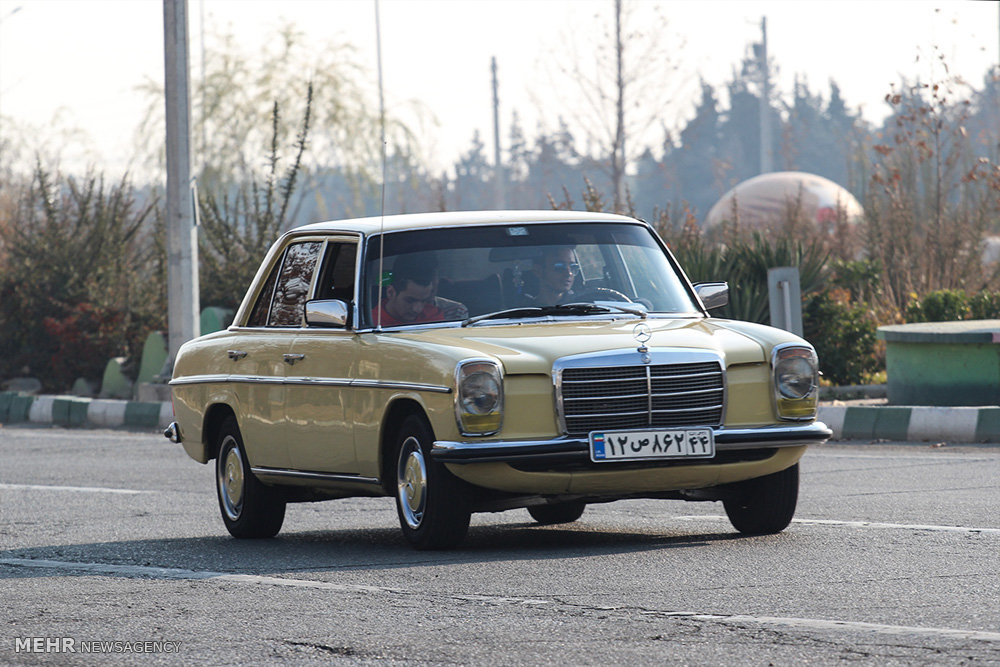












The event was held at Azadi Sports Complex on Friday, December 24.
What follows are the Mehr News Agency’s photos of this exhibition:
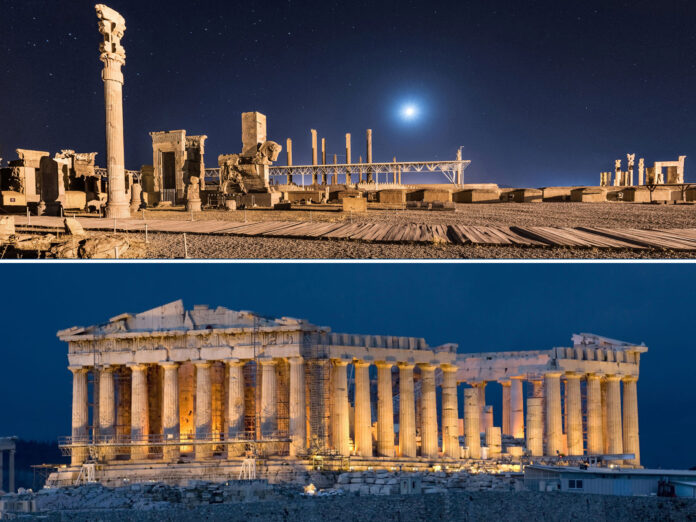
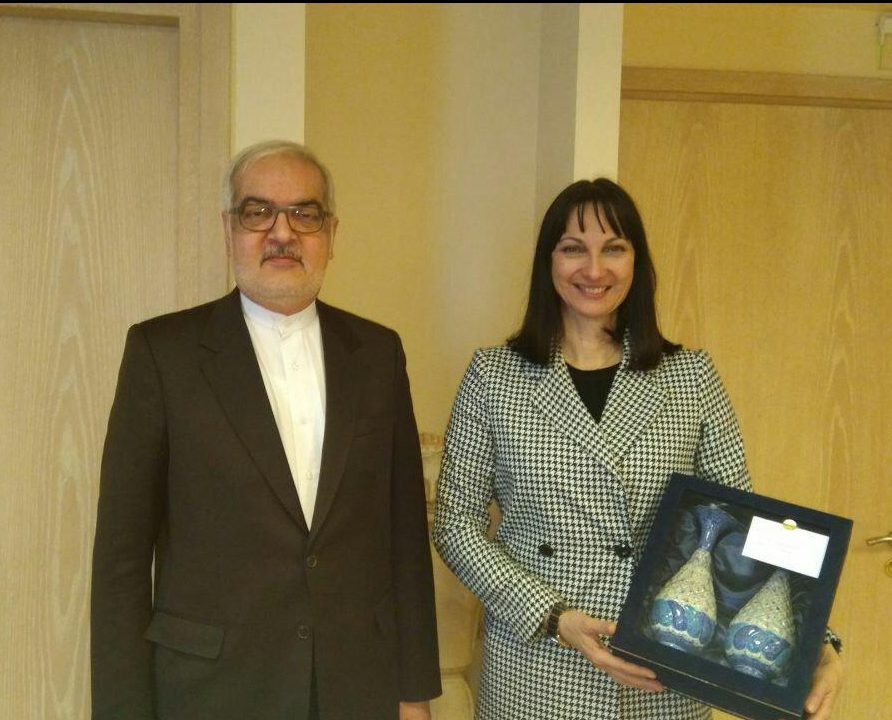 Iranian Ambassador to Athens Majid Motallebi Shabestari and Greek Tourism Minister Elena Kountoura have discussed ways of boosting mutual cooperation in the tourism sector.
In the meeting, the top Iranian diplomat touched upon the long history of both countries’ civilization and tourist attractions on the one hand, and the interest of people of both countries in getting familiar with one another’s rich culture and numerous tourist attractions on the other. According to a Farsi report by IRNA, they also stressed the need to enhance cooperation and provide more facilities in the tourism sector. They further urged relevant institutions to contribute to efforts to further develop the tourism sector.
For her part, the Greek minister welcomed closer cooperation between the two sides in the tourism sector.
She referred to the long history of Iran and said she favours closer ties in the tourism industry. She noted Iran’s tourist attractions, namely historical monuments, can draw many visitors.
She then referred to the climatic diversity in Iran the numerous tourist attractions in the country, expressing her country’s readiness to contribute to efforts to further develop the potential in Iran’s tourism sector.
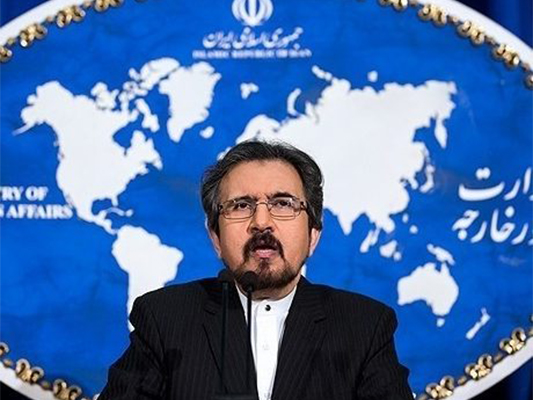
In a statement on Saturday, Qassemi said the ancient land of Iran with a genuine and cultured people is home to a very unique history, culture, civilisation, and democracy, and is one of the most independent countries in the region.
The Iranian spokesman added that the Islamic Republic of Iran is the nightmare of the failed rulers of Bahrain and other reactionary states, who only suppress the majority of (their own) people, and commit crimes against the people with the support of other trans-regional countries.
In a series of rude and offensive tweets, Bahraini Foreign Minister Khalid bin Ahmed Al Khalifa claimed on Friday that Iran has been living on the sufferings of the Palestinian people for decades and is utilising their cause to ensure that terrorist organisations, such as Hezbollah, remain.
“The biggest harm to the Palestinian cause is those who benefit from the sufferings of the people of Palestine”, the minister said on Twitter.
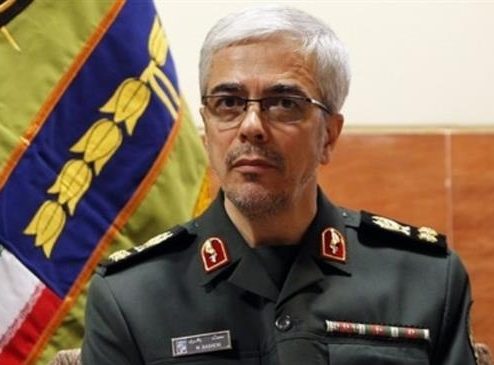
In these congratulatory messages, General Baqeri said undoubtedly humanity’s return to the teachings of divine religions and holy prophets, next to the boosting of friendship, fraternity and interaction among all nations, will improve the peace and stability, and would lead the humanitarian community towards truth and justice.
According to a Farsi report by Fars News Agency, the Iranian commander also noted that the teachings of prophets would eradicate such elements as oppression, discrimination, injustice and terrorism which threaten security and salvation of societies and nations.
Baqeri further expressed regret over the US president’s decision on Jerusalem al-Quds and condemned the recognition of the first kiblah of Muslims as the capital of the occupying regime.
The Iranian top commander hoped that one day all Palestinians, including Muslims, Jews and Christians could live in peace next to each other based on justice.
General Baqeri also wished health and prosperity for his counterparts and the military forces in Christian countries.
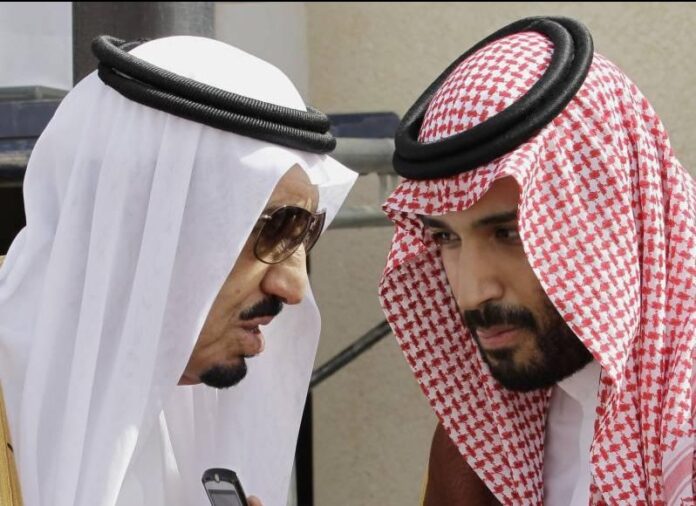
A Farsi opinion piece published by the Khabar Online news website has discussed why tougher days await Saudi Arabia and its staunch supporter, the Trump administration.
Here you can find the full text of this article:
These days are not the days of Nikki Haley and Mohammed bin Salman. Haley is a belligerent woman, who under different pretexts, wants to wage war on Iran, and Bin Salman is a man, who dreams of becoming a king, but is not as mature as previous Saudi kings since he looks at everything through the lens of tension and chaos. The US ambassador to the United Nations and the crown prince of Saudi Arabia will do their best to compensate for a defeat they themselves have inflicted on their own countries. However, apparently the more they try, the more they get stuck in their own-made quagmire.
These days the US and Saudi Arabia have directed their efforts to Yemen and of course Iran, in order to have the poor and war-torn country (Yemen) under fire; a country which is still resisting by launching missiles over Saudi Arabia and even King Khalid airport.
Washington and Riyadh assume that in this way they could inflict sort of a defeat on Iran. Yemen’s second missile targeted Riyadh and the headquarters of the kingdom showing that the Saudis would have tough days ahead, and Yemen is not that much weak as they initially assumed. In this regard, a spokesman for Yemen’s military and popular forces said targeting of Saudi Arabia’s command centre was a pre-emptive operation to counter the enemy’s moves.
Landing of the Burkan-2 missile at Saudi airport was a very heavy blow to the Saudis. Launching rockets from war-torn Yemen, breaking up of political and military equations, and seeing their security at stake have forced them to achieve a victory for themselves in this lost game at any cost. Hence, instead of finding the leak in their plans and strategies, they seek to condemn Iran. Nikki Haley appeared in front of the cameras with documents that she knew was not acceptable for anyone, to accuse Iran of providing rockets for the Yemeni people. She did not mention when and how the missiles were transferred from Iran to Yemen. She only attributed it to Iran and called for an international coalition against the Islamic Republic.
This is not the first time they are making such accusations against Iran, and it seems to be a project to increase pressures on Iran. This was not even accepted by Trump’s aides. The US Secretary of Defence dismissed the claim within nearly 24 hours. Pointing out that none of the military figures were next to Haley, James Mattis implicitly said that Haley’s claims are not credible. He also added that the coalition against Iran is a political one, not a military one. Mattis responded to Haley’s remarks saying that the US is thinking of a diplomatic coalition against Iran, not a military one! He told reporters at the Pentagon that there is no need to change the US defence strategy on Iran and escalate it.
This approach was not bought by Europeans as well. The French took a negative stance, and the United Nations rejected the claims that the missile was of an Iranian origin. After investigating the wreckage of missiles launched by the Ansarullah movement over Saudi Arabia, UN experts said in a report that they would not be able to confirm the missiles are made in Iran.
The only country that confirmed the words was Saudi Arabia. The Saudis completed Haley’s blame game and repeated their anti-Iran positions again; the words that show their frustration after the failure of their recent policies in the region.
The Independent in a recent article introduced Bin Salman as the man of 2017 in the Middle East. It was not because of his successes, but it was for his failures; a man whose foreign policies in the Mideast have failed in the current year.
Bin Salman sees his aggressive and illogical foreign policy have failed in Yemen, Syria, Iraq and Lebanon. Bashar al-Assad is still in power, Sana’a is under Ansarullah’s control, Saad Hariri has revoked his resignation, and Iraq is in its post-ISIS days to achieve stability. It is confusing enough to think of any of these, which caused great costs to Saudi Arabia in either of these countries.
However, why doesn’t Saudi Arabia want to put an end to creating tensions? This comes as Riyadh knows Trump’s administration will support the aggressive and illogical Saudi policies to a limited extent. Nevertheless, Bin Salman does not want to stop thinking about this because for him an opportunity like Trump will not be repeated again. Perhaps this is because Bin Salman sees the region and its equations as a gamble that he should win at any cost. Nonetheless, his successive failures make him more fervent to play another game as he cannot resist the temptations of a win.
Likewise, Haley has the same feelings about the strategies she has whispered to Trump. Iran and the nuclear deal have turned into a nightmare for them. They punted the case to the Congress and after 60 days it has become a headache for Trump.
However, Haley may be the developer of this strategy; a woman, who went to Vienna and the International Atomic Energy Agency (IAEA) to change the equations to find a way to bypass the JCPOA, but after trying different ways, Yemen and rockets launched over Saudi Arabia with a handful of documents and photos were all she has.
This was a path that very soon turned out to be a fiasco at the end. Trump and his envoy to the United Nations should have sooner found out that waging a war with lame excuses is more difficult than they imagine. Especially, when an experienced diplomat like Mohammad Javad Zarif not only does not act like them, but using his Twitter diplomacy he speaks with logic and reasoning to reveal their secret strategies. Zarif on his Twitter account referred to US’s past and the baseless charges they brought against Iraq to launch a ruinous war writing “When I was based at the UN, I saw this show and what it begat.”
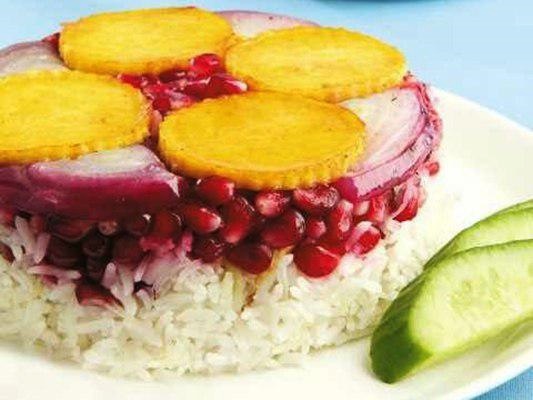
Baastermerh, a popular Turkmen food, has been around since the distant past and is cooked and served in parties and ceremonies. One of the features of the food is that it is made with pomegranates, potatoes, onions and fish, which give it a unique taste. Turkmens usually use sturgeon to cook Baastermeh.
Ingredients:
Rice: 500gr
Sturgeon: 400gr
Potatoes: 2
Onions: 2
Pomegranate: One deseeded pomegranate
Butter: 80gr
Olive oil: 2 spoonfuls
Crushed coriander seeds: 1 teaspoonful
Turmeric: 1 teaspoonful
Salt and pepper: as much as necessary
Liquid saffron: 2 spoonfuls
Recipe:
Phase 1:
Leave the rice in a mixture of water and salt for several hours.
Clean the fish and cut it into pieces as big or small as you wish. Mix the olive oil, coriander seeds, salt, pepper, turmeric and saffron to make a special sauce. Lie the fish in it for several minutes.
Phase 2:
Boil the rice in a casserole before draining it.
Phase 3:
Pick a casserole, put it on the flame and put some oil in it. Wait until the oil gets hot. Put potato slices inside. Lay onion slices, pieces of fish and pomegranate seeds on the potato slices respectively. Then add rice, put the lid on, and turn up the heat. When vapour begins to come out of the casserole, add melted butter to the rice and turn down the heat. Put the casserole lid back on and let the food cook on low temperature for 30 to 60 minutes.
After Baastermeh is ready, remove the lid, put a bigger dish on the casserole and turn the casserole upside down.
Notes:
Turkmens usually make Baastermeh in as many small dishes as there are people to be served. When the food is ready, they turn the dishes upside down onto plates.
If sturgeon is not available, you may use any other boneless types of fish.
If you are using sour pomegranates, you can add some sugar to the pomegranate seeds to make its taste better.

The top Iranian parliamentarian will join his counterparts from Pakistan, Russia, Turkey, China and Afghanistan for the two-day meeting.
It will be held on December 24-25 to discuss and address the challenges of terrorism and inter-regional connectivity.
The idea to hold such a gathering was put forward by Speaker of the National Assembly of Pakistan Sardar Ayaz Sadiq during the 2nd meeting of the Eurasian Parliaments’ Speakers in Seoul, back in June, according to Pakistani sources.
In 2015, Iran’s Interior Ministry unveiled plans for a series of joint meetings with Pakistani experts to discuss how the two neighbors can coordinate efforts in the fight against terrorism and narcotics smuggling.
Earlier in December 2014, Iranian President Hassan Rouhani expressed the country’s preparedness to cooperate with Pakistan in the fight against terrorism and extremism, after gunmen attacked a school in Peshawar and killed 132 students.
Iran has always called for concerted action by the regional countries in the fight against terrorism, and has launched security and intelligence cooperation with the neighbors in countering terrorist operations, particularly along the border areas.

Major General Soleimani, who commands the Quds Force of Iran’s Islamic Revolution Guards Corps (IRGC), has recounted a harrowing story about two ISIS militants.
The top general’s story indicates how deeply the Takfiri ideology has infiltrated the minds of the terrorists and how brazen the militants are in killing people.
The shocking tale shows that the acts of terror committed by ISIS and triggered by the Wahhabi ideology would not be eliminated simply by military operations, but that a well-thought-out plan and cultural work is needed to counter terrorist acts. In the meantime, as long as blatant injustice and poverty are the order of the day in the four corners of the world, there will be a breeding ground for violence and extremism.
In a video released in General Soleimani’s Instagram account, the top commander says when he was listening in on a conversation between two ISIS terrorists and their commander, he was really shocked.
The top general says he heard one of the terrorists complaining to his commander about a fellow terrorist.
The disgruntled terrorist was saying that it was his turn to conduct a suicide attack, but his fellow terrorist did not allow him to do so and assigned another militant to do the job, according to General Soleimani.
The complaining terrorist was even telling his commander that he would leave the group and defect to another terror cell because his right to carry out a suicide attack had been violated!
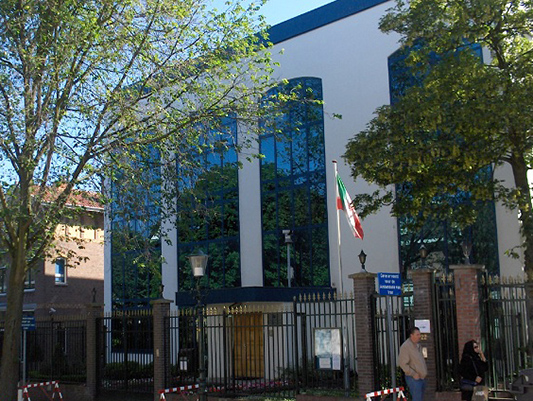
 A video recently aired by POW channel showed Henk Krol, the parliamentary leader of 50PLUS party in the House of Representatives of the Netherlands, dumping a Christmas gift he had received from the Iranian embassy. Krol claimed in this video that the gift had been sent only to male members of the Dutch parliament.
In reaction to the move, Iran’s embassy in The Hague said many women have been among the recipients of the message of the Iranian Ambassador as well.
According to a Farsi report by IRNA, the embassy announced in its statement that the video of throwing away of the Christmas gift sent by Iran’s embassy has been released by a cheap and yellow media.
Iran’s embassy said that every year the embassy sends a greeting card and a small gift to Dutch officials and salient figures on the New Year’s Eve.
“This year, the number of recipients of the message increased and the congratulatory message was sent to the parliamentary figures as well. Unfortunately, this person, with an incomplete and negative outlook at the Islamic Republic of Iran, claimed that the embassy congratulations were sent only to men. While the fact is that the New Year greetings have been sent to officials and personalities regardless of their gender, and many women have also been among the recipients of the greetings of the Iranian Ambassador,” reads the statement.
According to the statement, the Dutch Ministry of Foreign Affairs has also expressed regret at this ignorant act of the Dutch party figure.
Many Iranians living in the Netherlands have also denounced the move calling on this person to apologize.
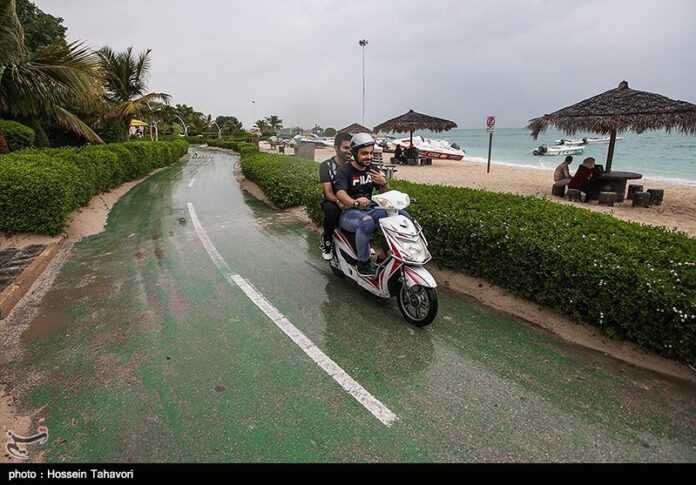
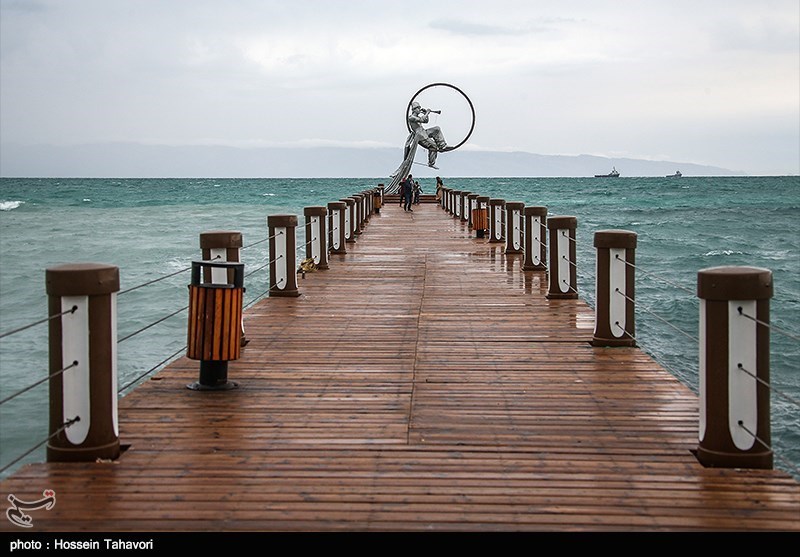
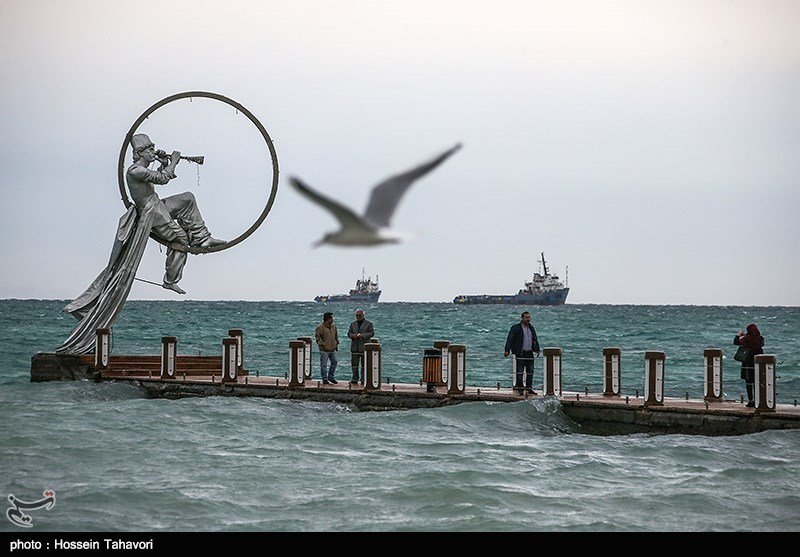
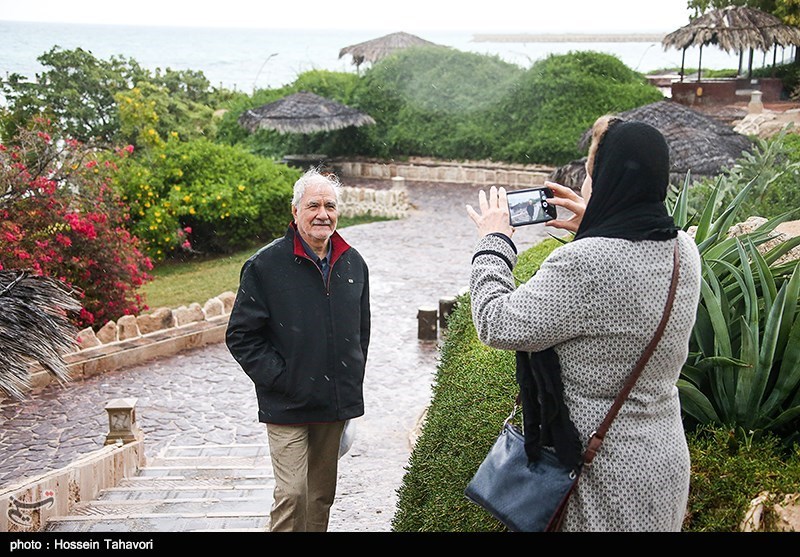
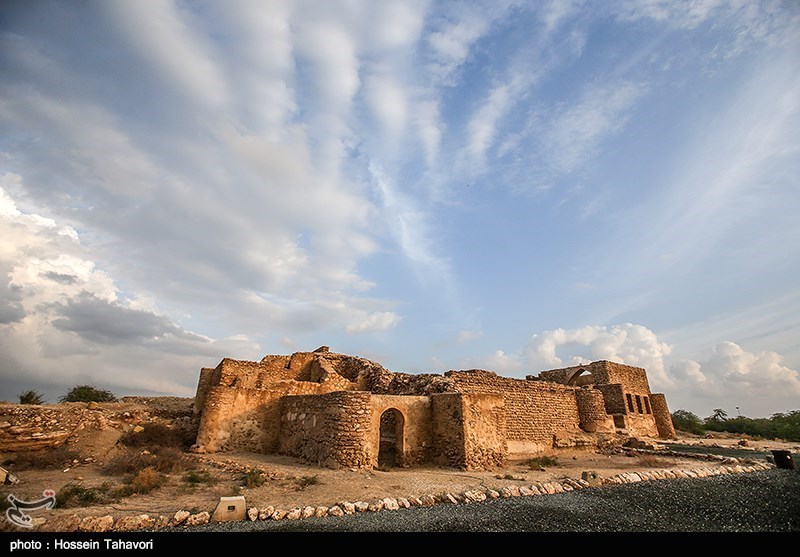
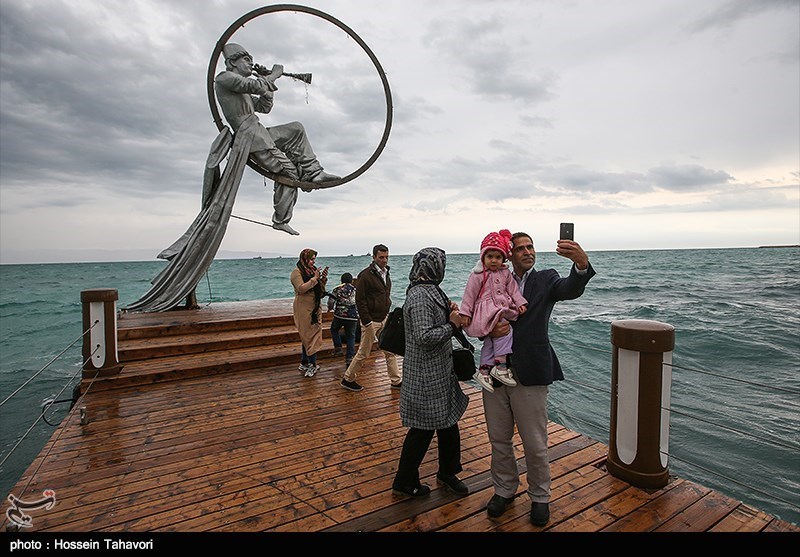
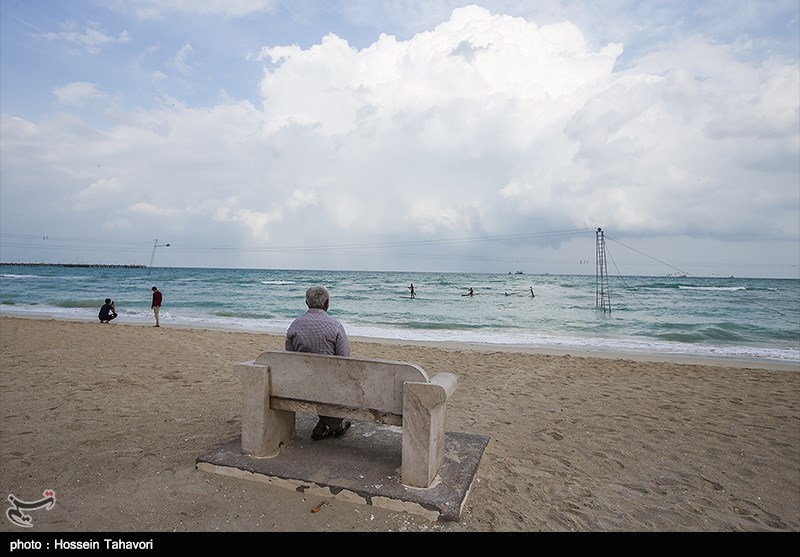
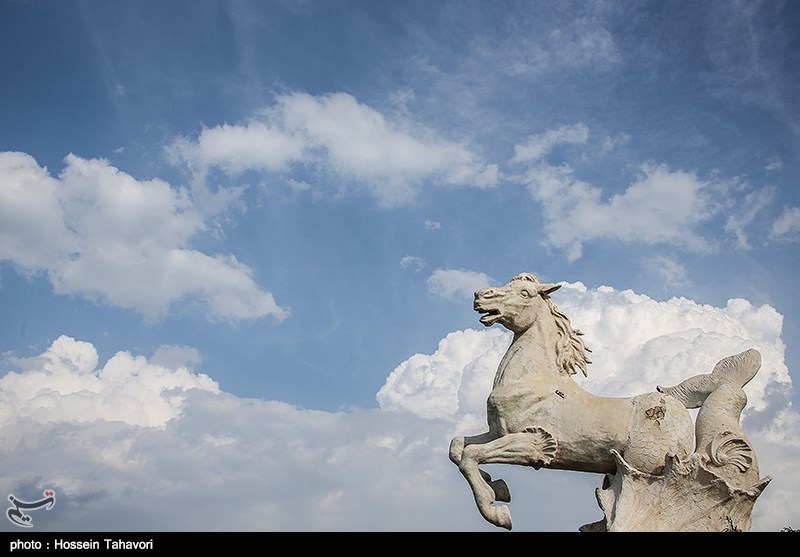
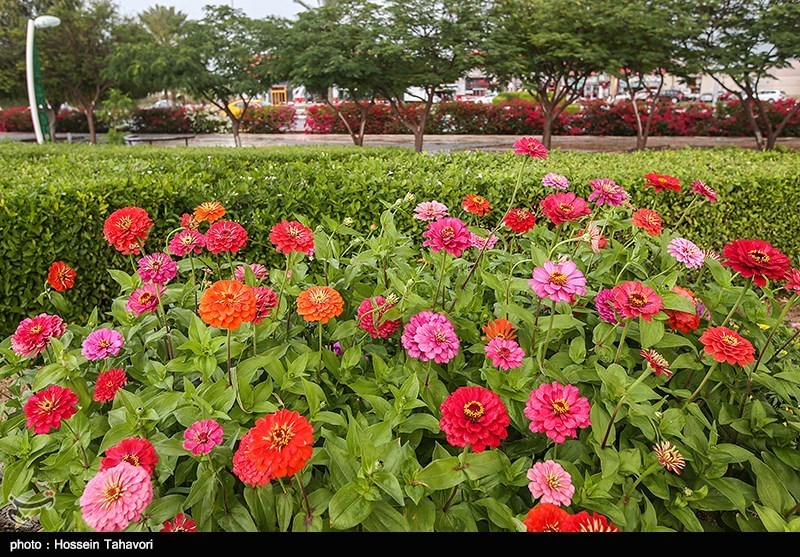
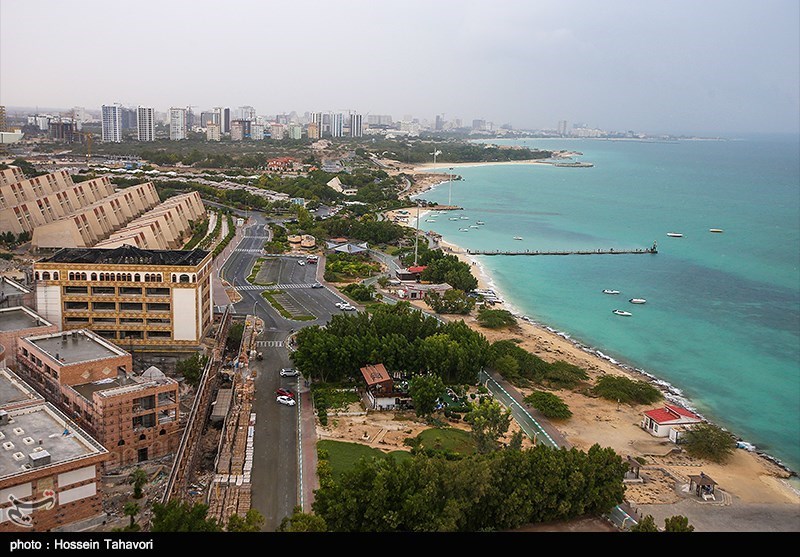
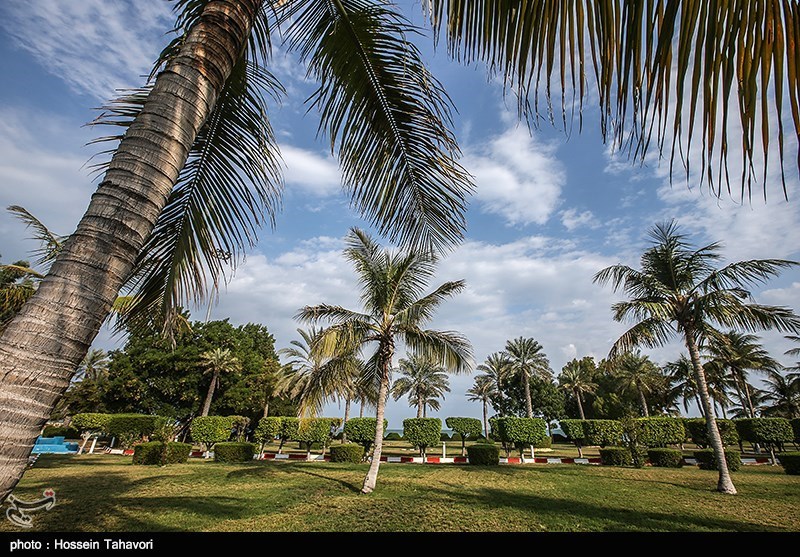
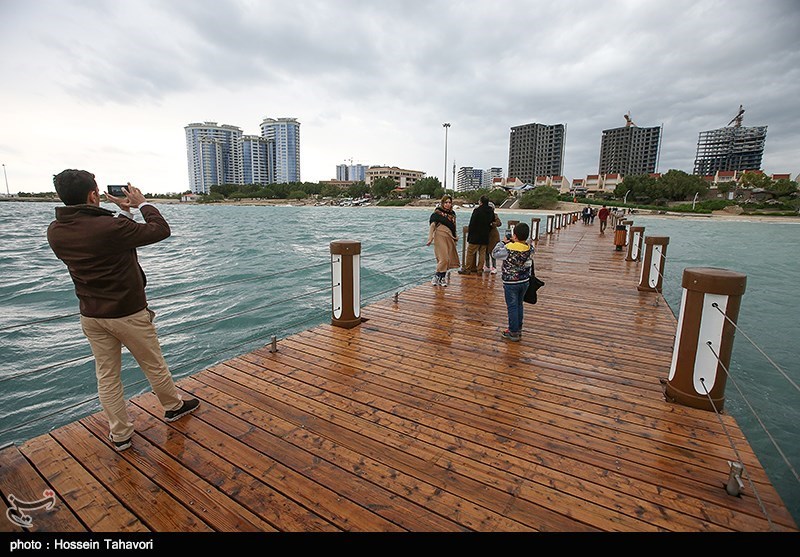
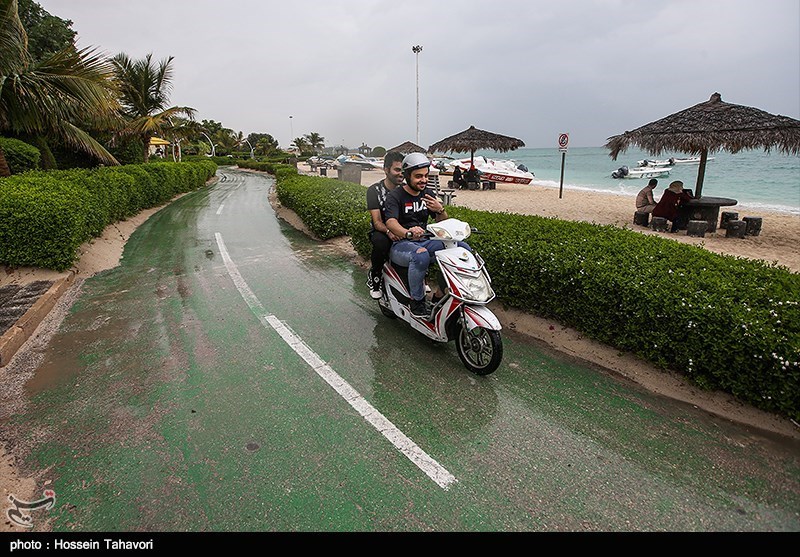
The wide, palm tree-lined boulevards that circle the island of 100 square kilometres attract any tourist, especially during the autumn season when the weather is very pleasant. If you are energetic, walking is one of the best activities on this island, which is often called the Pearl of the Persian Gulf.
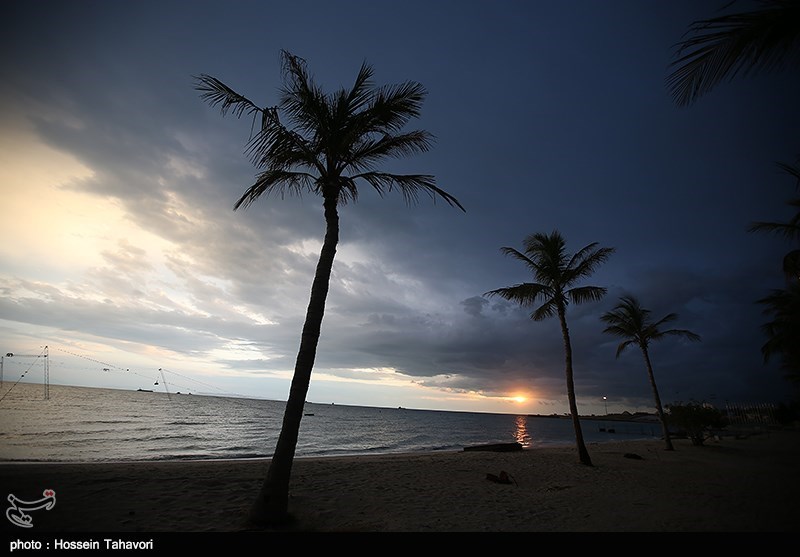
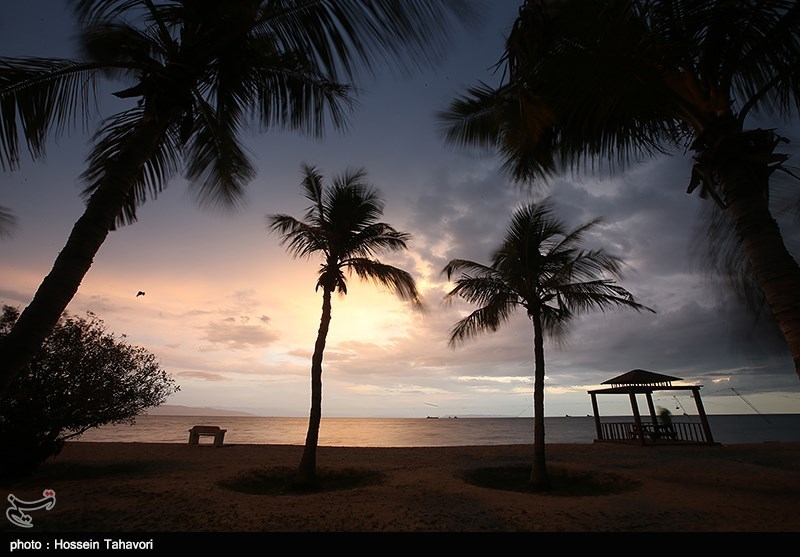
The Kish coastline is one of the least dangerous coasts in the world. Kish has gorgeous white sandy beaches for relaxing walks. The number of Kish visitors has leapt from 2.2 million a year in 2009 to 5.2 million in 2015, and an even bigger increase is expected.
Following you can see the Tasnim News Agency’s photos of the lovely island:




© All Content by IFP News ( Iran Front Page ) is licensed under a Creative Commons Attribution 4.0 International License.
