Tuesday, December 23, 2025
Home Blog Page 3748

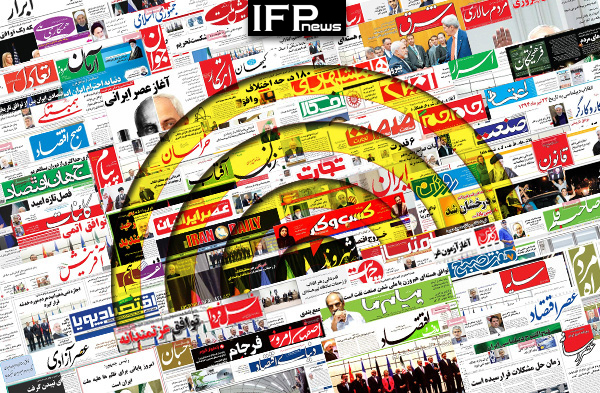
A Look at Iranian Newspaper Front Pages on December 28

A Look at Iranian Newspaper Front Pages on November 18

The top story in all Iranian newspapers today was the remarks made by the Leader of Iran’s Islamic Revolution Ayatollah Seyyed Ali Khamenei in a meeting with a group of Iranian officials on Wednesday.

During the address, the Leader said the enemy tries to make the Iranian nation frustrated and sceptical of the Islamic Establishment. He also urged certain Iranian figures who have once been in power not to play the role of an opposition figure.

Other top stories today included the controversies over a surge in price of certain consumer goods, the issue of Palestine and Jerusalem al-Quds, and the earthquakes happening in various parts of Iran.

The above issues, as well as many more, are highlighted in the following headlines and top stories:


Aftab-e Yazd:

1- Iran Leader: Enemy’s Most Important Goal Is to Make People Frustrated

2- Economists Who Know Nothing about Economy

3- This Woman Echoes Voice of Trump’s Thoughts

  • What Role Does Nikki Haley Play in US President’s Foreign Policy?


A Look at Iranian Newspaper Front Pages on December 28


Ebtekar:

1- Iran to Establish National Body of Woman, Family

2- Iran First VP: We Won’t Let Prices Surge

3- MPs to Probe into Tehran Municipality’s Financial Records

4- Iran Judiciary Has Its Own Deficits, but One Should Also See Its Strengths: Leader

5- A Look at Impacts of Nateq Noori’s Return to Politics

  • The Sheikh Who Is beyond Parties


A Look at Iranian Newspaper Front Pages on December 28


Ettela’at:

1- Iran Leader: Raising Accusations, Nonsense Claims Forbidden

2- Iran Judiciary Chief Criticizes Poor Supervision over Constructions

3- Nothing Worse than Frustration: Imam Khomeini’s Grandson

4- One Killed, 57 Wounded in Alborz Aftershock

5- Labour Minister: 40 Million People Eligible to Receive Cash Subsidies


A Look at Iranian Newspaper Front Pages on December 28


Hamshahri:

1- Living with Earth’s Tremors

2- Iran Leader: Criticism Necessary, Accusation Forbidden

3- Foreign Nationals to Become Literate in Iran

4- 130% Increase in Official Import of Mobile Phones


A Look at Iranian Newspaper Front Pages on December 28


Iran:

1- First VP Calls on People Not to Worry about Increase in Prices

2- Rouhani’s Ultimatum for Real Privatization

3- Iran Leader: You Can’t Start Opposing Establishment after Being in Power for 10 Years

4- Tehran Mayor Urges People Not to Get Out of Their Neighbourhood during Quake

5- Limits on Car Imports to Be Lifted


A Look at Iranian Newspaper Front Pages on December 28


Javan:

1- Iran Leader: Instead of Playing Role of Opposition Figure, Say What You Did in Power

2- Getting Out of Population Crisis

3- Lebanese, Palestinian Sources: Resistance Front to Form Joint Command to Defend Quds


A Look at Iranian Newspaper Front Pages on December 28


Jomhouri Eslami:

1- 50% Increase in Number of Real Estate Contracts, 15% Growth in Price

2- Iran’s Biggest Natural Gas Transfer Project Inaugurated in Khorasan Razavi

3- Health Minister: 24,000 Beds Added to Public Hospitals in 5 Years

4- Palestinians Call on Muslim States to Cut Ties with Supporters of Trump Decision


A Look at Iranian Newspaper Front Pages on December 28


Kayhan:

1- Egyptian MPs: Al Saud More Dangerous to Arab Society than Israel Is

2- Parliament: Iran Gov’t Takes Money from People’s Pockets Whenever It Fails

3- Iran Leader: Those Who Were, or Are, in Power Not Allowed to Play Role of Opposition

4- Iran Parliament Obliges Gov’t to Recognize Quds as Eternal Capital of Palestine

5- Al Jazeera: Iran to Become Hero of Muslim World If Arabs Normalize Ties with Israel


A Look at Iranian Newspaper Front Pages on December 28


Khorasan:

1- Oil-Free Economic Growth Rate More than Oil-Dependent Rate


A Look at Iranian Newspaper Front Pages on December 28

China Calls for Transit Link between Pakistan’s Gwadar, Iran’s Chabahar

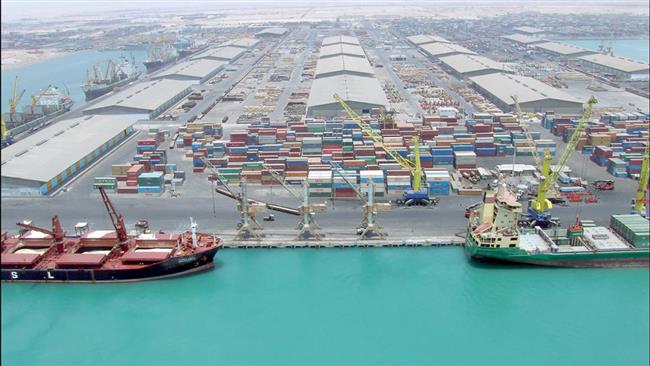
Abdolrahim Kordi, the managing director of Chabahar Free Trade Zone, was quoted by Iran’s media as saying that China had informed Iran that it was interested in using Chabahr to transit goods from Gwadar to regional and extra-regional destination points.

Kordi emphasized that there was no competition between Iran’s Chabahar and Pakistan’s Gawadr, stressing that the two could complement each other in terms of market access potentials.

Nevertheless, the official emphasized that the advantages of Chabahar were better than Gwadar in terms of road and rail connection facilities to key transportation points in regions as far as Central Asia and Europe.

Iran started an ambitious project to develop Chabahar port in 2007 through an investment that officials previously said already amounted to $1 billion.

The annual cargo tonnage of the port has now almost tripled to reach as high as 8.5 million tonnes.

It can also accommodate 100,000-tonne ships – what officials say can help promote the country’s international trade activities.

The overall development project is planned in four phases and is expected to bring the port’s total annual cargo capacity to 82 million tonnes.

The development of Chabahr port is being carried out by India. The country has committed $500 million to Chabahar which lies on the Gulf of Oman, aiming to join an increasingly important transport corridor to the resource-rich regional countries.

Massive investment plans are already on the cards, with the government of Prime Minister Narendra Modi offering to build a sprawling artery of roads and railways which is estimated to cost $15 billion.

When development is complete, Chabahar will link with the International North-South Transportation Corridor (INSTC) which is currently stretches from the Iranian port of Bandar Abbas in the Persian Gulf to Russia, Eurasia and Europe.

Tehran Condemns Killing of Iranian Expat by Canadian Police

qassemi

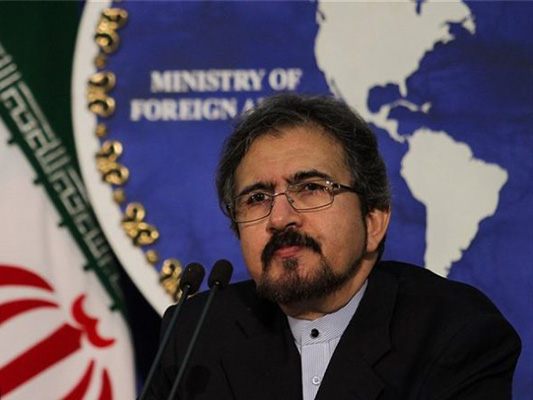
“Unfortunately, we’ve learned that an Iranian citizen named Babak Saeedi, who lived in Canada and who was ill, was gunned down by the [Canadian] police,” said Qassemi in a Wednesday statement.

“We are reviewing the details of the issue and will call on official and relevant bodies to look into the issue to shed light on its dimensions and will demand an explanation from the Canadian government,” he said.

Qassemi further noted that Iranians residing in Canada face numerous problems practicing their consular rights.

“Over the past two years, extensive efforts have been made to create more favourable conditions to offer consular services to Iranian expats living in Canada, but the desirable result has not been achieved yet,” the spokesman said.

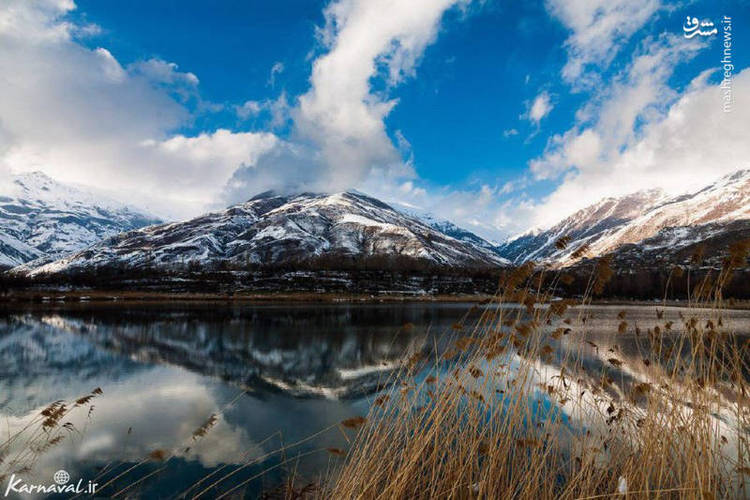
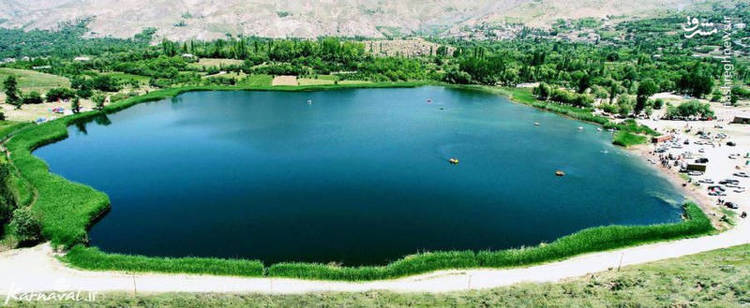
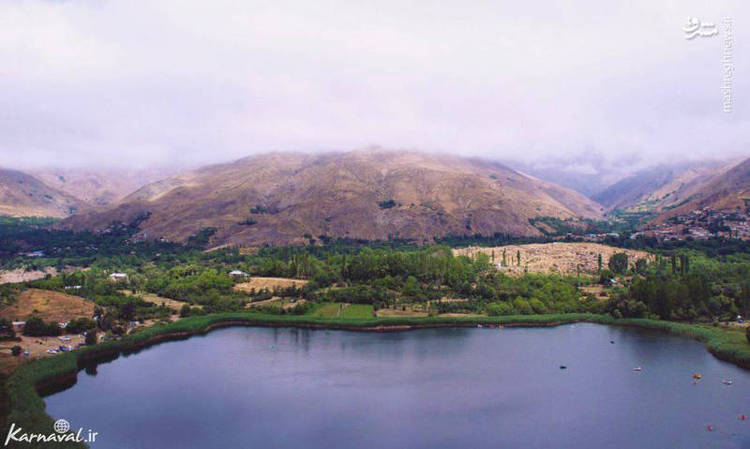
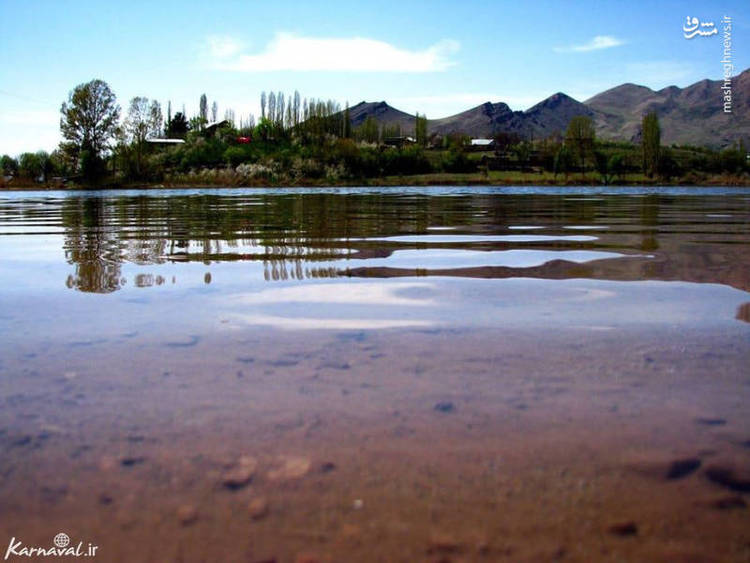
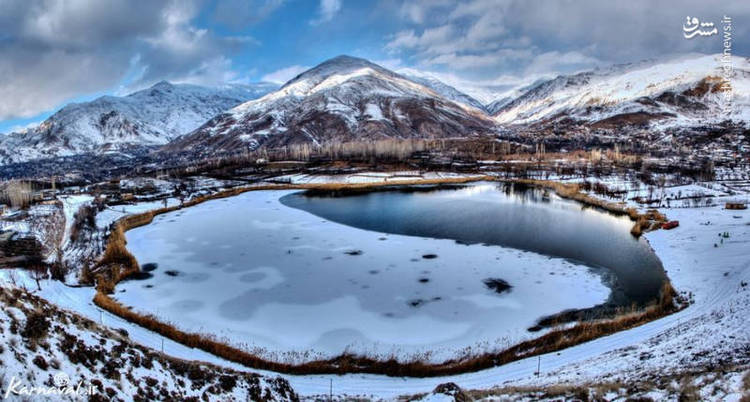
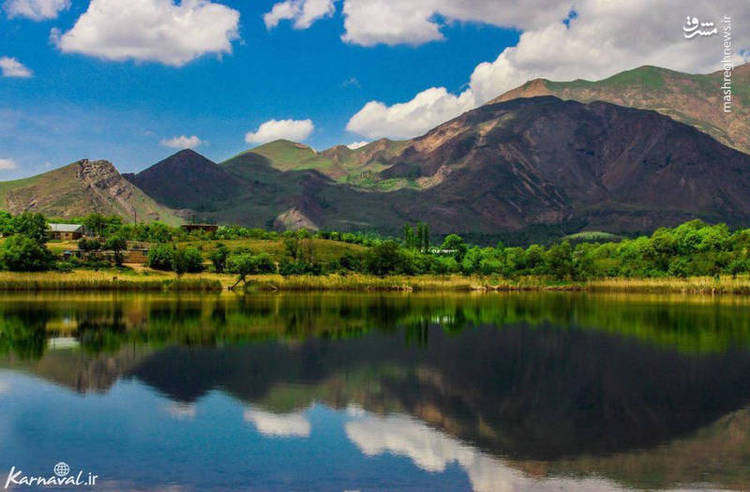
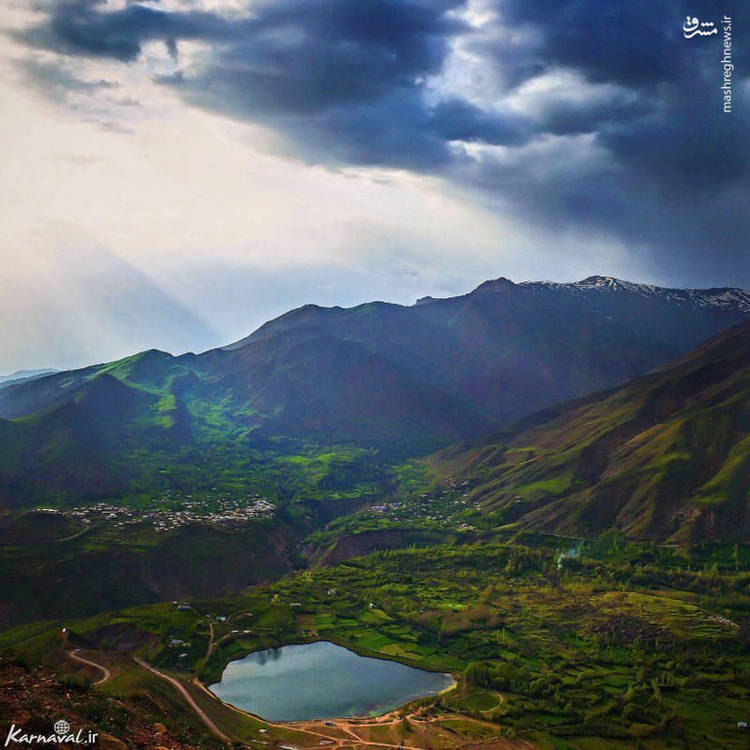
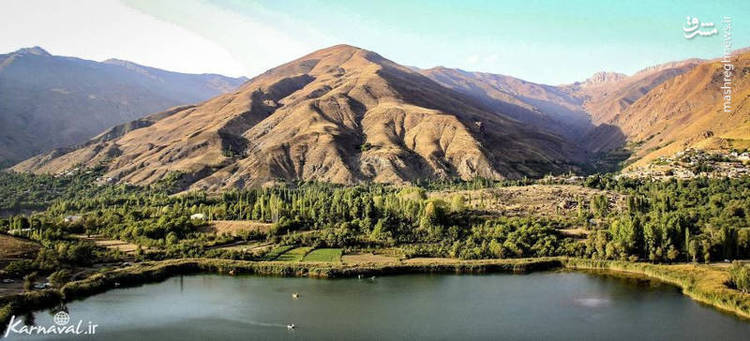
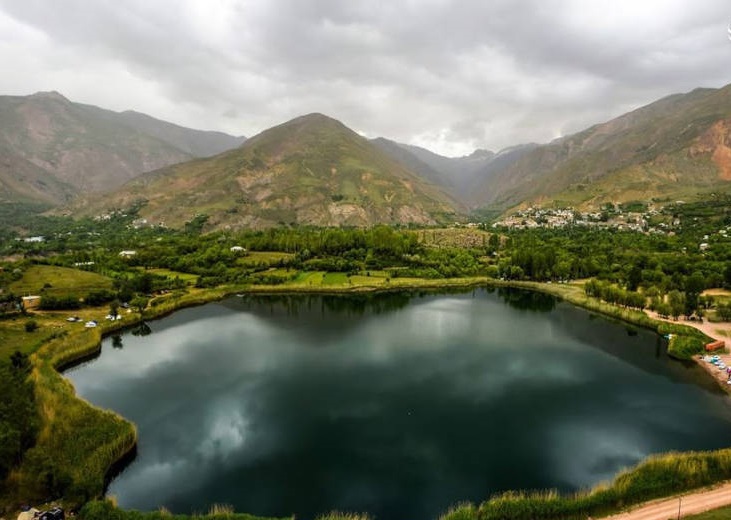
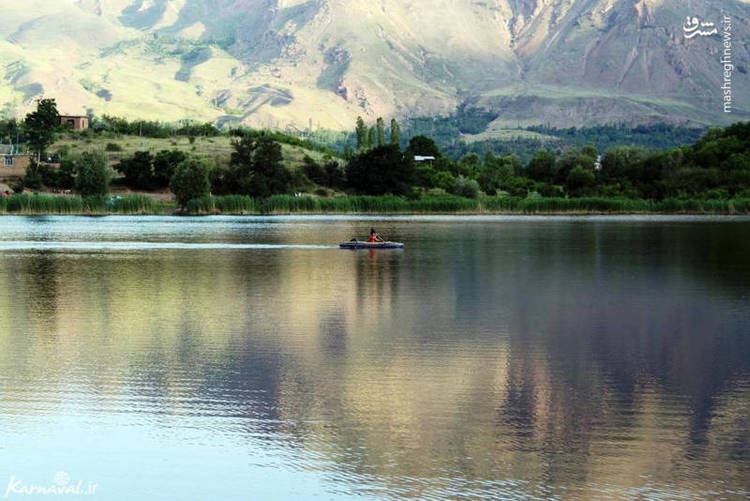
Iran’s Beauties in Photos: Ovan Lake

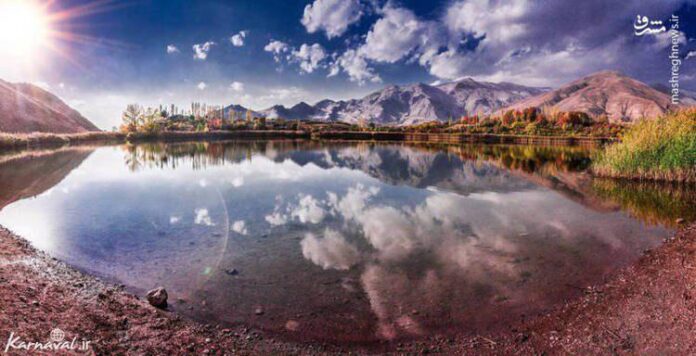
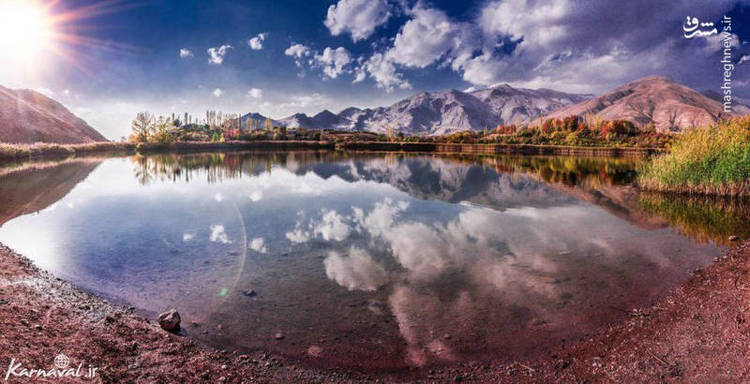
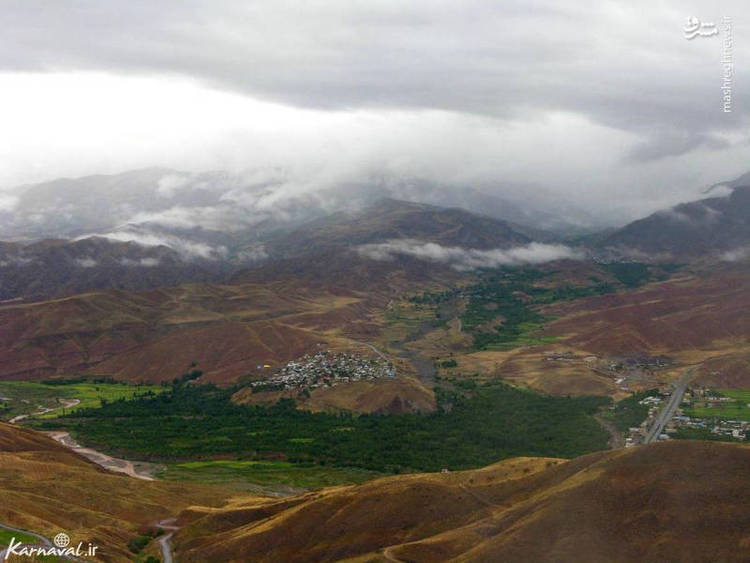
The only tributary that flows into the lake is a stream with the same name, Ovan, coming down from northern mounts. The north of the lake is also surrounded by three small villages, namely from east to west: Varbon, Ovan and Zar-abaad.

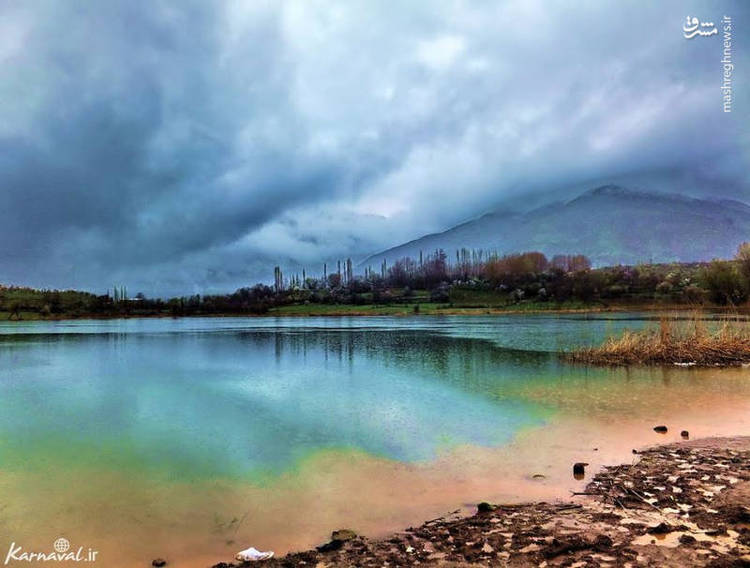
The lake is located in an altitude of 1,800 metres above sea level. The deepest section of the lake is 7.5 metres and extends over 70,000 square meters. Ovan Lake is suitable for fishing, swimming and riding boats in summer while in fall it hosts migratory birds and such species as swan, goose and duck. In winter, the lake can be used for sports such as skiing and ice skating while its surface becomes slippery with ice in winter.

Here are Mashregh News Agency’s photos of this beautiful lake:

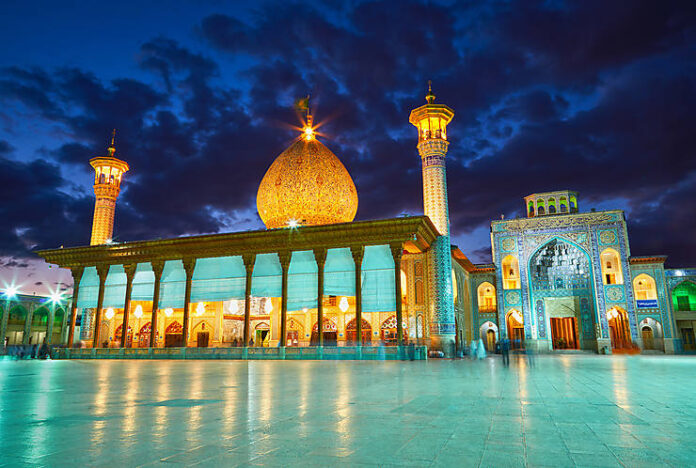
Italian Paper Praises Beauty of Shah Cheragh Mosque

Italian Paper Praises Beauty of Shah Cheragh Mosque

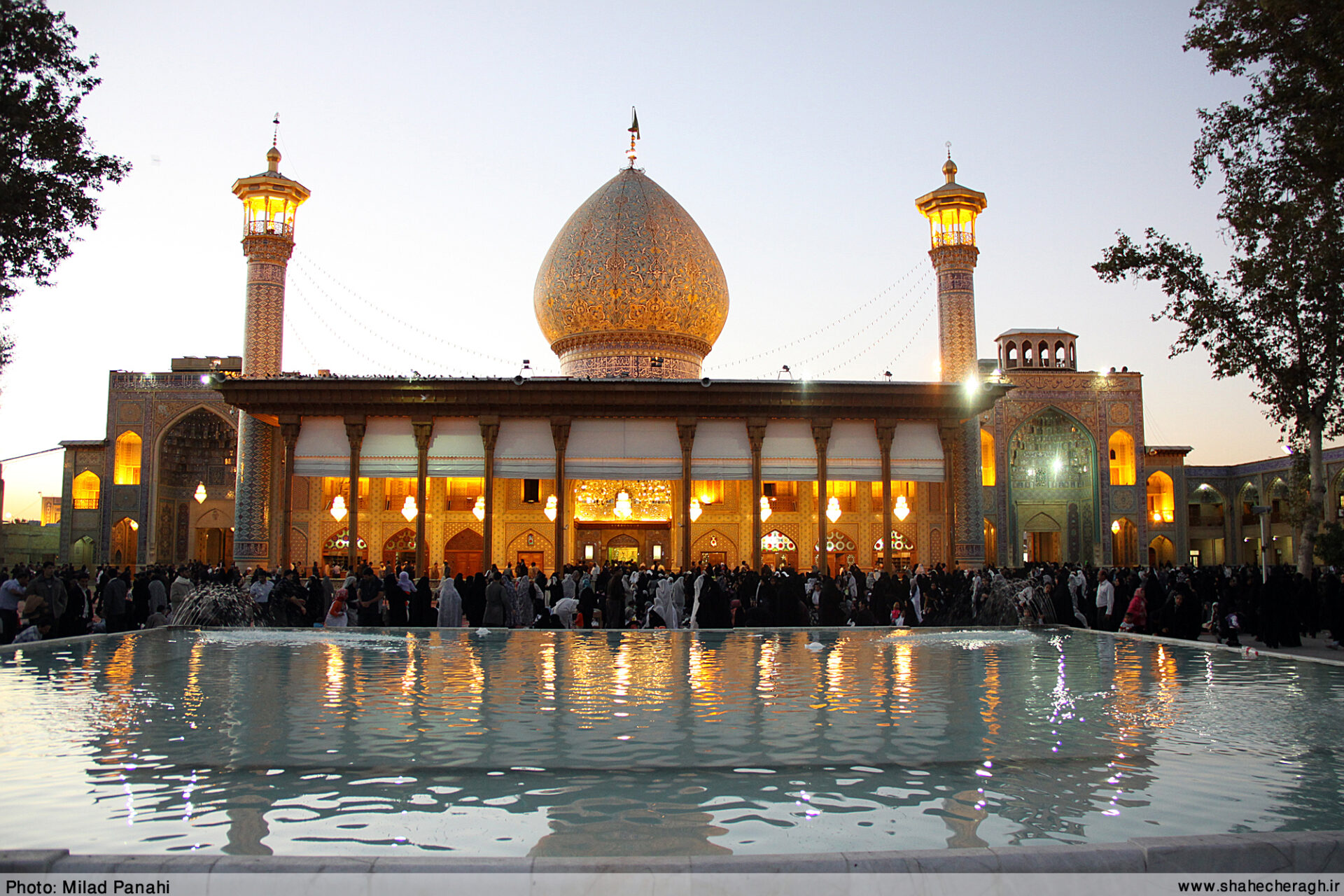
Italian paper La Stampa has said in its recent report that Shah Cheragh mosque, with its thousands of small mirror works, is a unique ancient piece of art.

“The sky is depicted on the ceiling of the mosque so professionally and artistically that any visitor feels at first blush that the sky dome is held in the ceiling of the mosque,” the paper was quoted as saying in a Farsi report by IRNA.

According to La Stampa, in Shah Cheragh Mosque there is a unique reflection of lights on the walls, ceiling and dome.

Shah Cheragh is a funerary monument and mosque in the southern province of Shiraz housing the tomb of the brothers Ahmad and Muhammad, sons of Imam Mūsā al-Kādhim and brothers of Imam Reza, who is himself buried in Mashhad. The two took refuge in Shiraz during the Abbasid persecution of Shiite Muslims.

The tombs became celebrated pilgrimage centres in the 14th century; when Queen Tashi Khatun erected a mosque with interior decoration and theological school in the vicinity.

Shah Cheragh is the Persian equivalent of “King of the Light”.Italian Paper Praises Beauty of Shah Cheragh Mosque

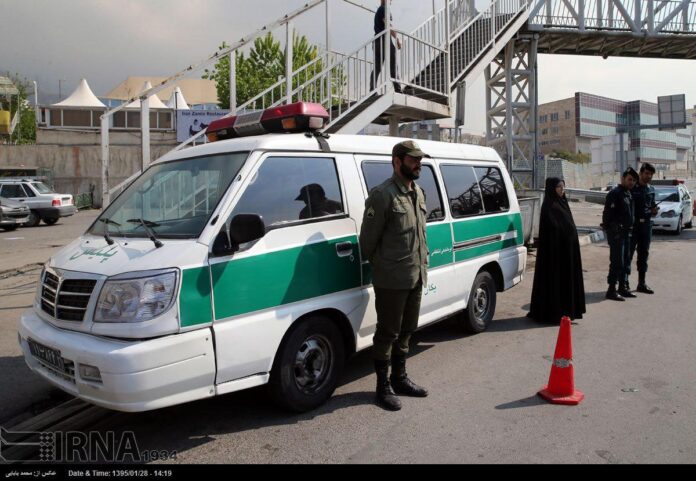
“Iranian Police Not to Arrest People for Not Observing Islamic Dress Code”

Brigadier General Hossein Rahimi, the police chief of the Iranian capital, Tehran, says the Law Enforcement have adopted a society-oriented educational approach toward social misconduct and offences which are not criminal.

He said more than 287,000 students and workers of different guilds have been trained by police to rectify their behaviour, reports the Persian-language Fars News Agency.

In their new approach, he said, the police try to give non-criminal offenders awareness about their mistakes through training.

“In 22 spots in Tehran, tents have been set up where law-breaking motorcyclists are trained,” the police chief noted.

He also said those who do not observe Islamic norms and regulations (including the Islamic dress code or hijab) will not be arrested, but rather will have to attend training classes held by police.

He, however, said police will get tough on drug-traffickers, thieves and those who breach the peace and disrupt security.

He further noted that Tehran enjoys high security compared to European capitals, and added people’s worries mostly emanate from a “feeling of insecurity.”

“The most important and fundamental need of a society is security, and it is the ruling establishment which is responsible for ensuring order and security,” the police chief noted.

He described security as a “precious gemstone,” and said security is the base of social, economic, scientific, educational and other activities.

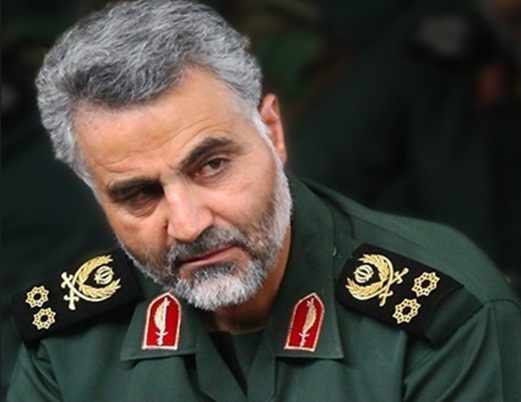
Qassem Soleimani, Most Powerful General in Mideast: French Analyst

Iran Detects 40 Americans Involved in General Soleimani’s Assassination

Speaking to the French radio station Europe 1, François said, “Whether it is in Iraq, in Syria or even in Lebanon, in fact in all the Middle East, nobody is more powerful than General Qassem Soleimani.”
“General Soleimani is the chief of the external operations of the IRGC, the famous guardians of the Islamic Revolution formed after the 1979 Revolution by Ayatollah Khomeini and who are always the armed wing of Iran.”Qassem Soleimani, Most Powerful General in Mideast: French Analyst
“After summer 2014 when the fight against ISIS began, General Soleimani was tasked by Iran to help coordinate the anti-terror campaign. He is a kind of super-military advisor who has done perfectly well in this task since he is actually in the front line to stop the columns of extremists who swept from Syria on Iraq,” he added.
“Since then, he has actively participated in all major battles against the self-proclaimed Caliphate, beginning with that of Mosul. Where all the anti-ISIS forces had to try to coordinate their efforts, we could sometimes see General Soleimani meet other military advisers.”

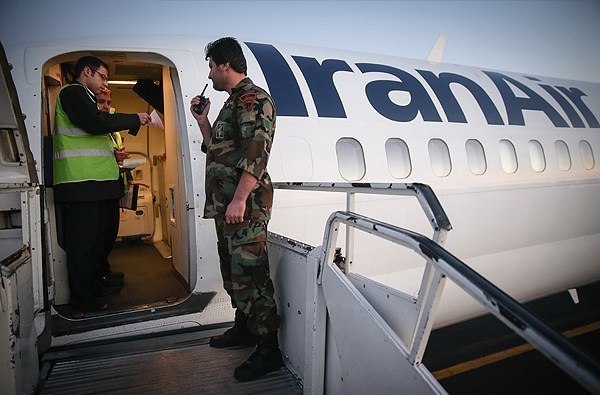
No Successful Hijack Attempt in Iran in 30 Years Thanks to IRGC Efforts

The counter-hijack unit of Iran’s Islamic Revolution Guards Corps (IRGC) was formed 30 years ago upon orders by late Leader of the Islamic Revolution Imam Khomeini. Since then, no successful hijack attempt has taken place in Iran. The Persian-language Tasnim News Agency has, in an article, explained the issue more. The highlights of the article follow.
The aviation industry is of great significance as it is one of the world’s leading industries associated with the rapid transport of passengers and cargo.
According to the statistics released by Iran’s Civil Aviation Organization, well over 22 million passengers were transported by the country’s air fleet in the year to March 2017. There were also 714,000 takeoffs and landings during the same period.
In a country which has so much air traffic and which lies on one of the world’s busiest air corridors, one of the key issues would be ensuring the security of air routes and airports.

Wave of Hijackings Begins after Iran’s Revolution
Amid threats facing the country following the 1979 Islamic Revolution of Iran, a few planes were hijacked by elements of the Mojahedin-e-Khalq Organization (MKO) terrorist group in the early years after the revolution.
“In 1984, MKO elements hijacked two planes from Iran every week, and they hijacked 16 airliners altogether,” said Mohsen Rezaei, the then IRGC commander.
Tensions in relations between Iran and France provoked hijackings in 1979 and 1980. Some high-profile figures of the former Iranian regime were in France which refused to extradite them. Moreover, Paris provided Baghdad with arms.
Several Iranian airplanes were hijacked in those years, which prompted the IRGC to go into action. The Late Imam Khomeini adopted a serious decision to put an end to the hijacking saga in Iran. Based on the Imam orders, no plane was allowed to take off without an IRGC guard on board. The Imam’s order was announced to the Intelligence Department of the IRGC.
Four days after Imam Khomeini’s order was issued, the first plane was hijacked and MKO elements forced the pilot to change course and fly toward Iraq. Then the plain-clothes air marshals on board, who were IRGC guards, shot at the hijackers. A bullet hit the heart of one of the MKO terrorists, and the people aboard were saved.
After that incident, the IRGC’s counter-hijack unit was formed whereby the IRGC was tasked with providing security along air routes and the country’s airports.
Thirty years on since then, there has been no successful hijacking attempt in the country, nor has there happened any terrorist act in the country’s airports.
This shows the IRGC’s high capability to ensure security along the country’s air routes and airports. According to international aviation organizations, Iran’s air routes are among the ones with highest security in the world.

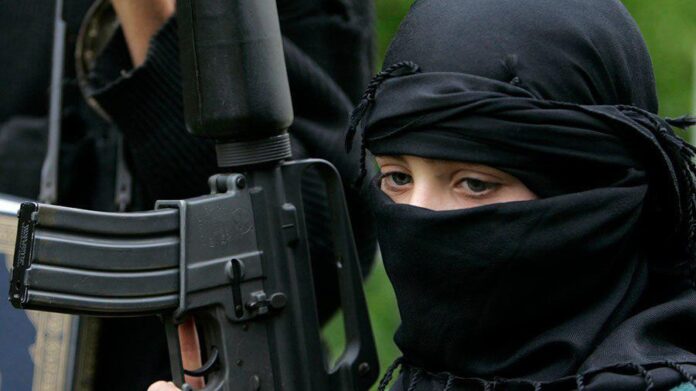
Germany Disbands ISIS Network Made Up of 40 Women

Burkhard Freier, the head of the North Rhine-Westphalian Office for the Protection of the Constitution, told Frankfurter Allgemeine Zeitung newspaper that the local female extremist network of “40 sisters” followed a strict Salafist doctrine —informing their advice on everything from raising children to interpreting the religious rules of Islam and stirring up hatred against so-called “non-believers.”

According to RT, the network was active on the internet, determined to proselytize their Salafist ideology (an ultra-conservative interpretation of Islam) aggressively to other would-be members.

“The women are now ideology promoters,” Freier said.

Additionally, the women indoctrinate their own children from an early age. “This makes Salafism a family affair,” and the result, Freier said, could be something “much more difficult to dissolve, namely Salafist pockets within society.”

What’s worse is that these female extremist leaders, some of whom have several hundred Facebook followers, now have a new role in society, feeling accepted and included. “The men have realized that women can network much better and are therefore more capable of expanding the scene and keeping it active,” Freier said.

Salafists follow an ultra-conservative, fundamentalist interpretation of Islam which is sponsored by Saudi Arabia, and Salafist organizations perceive Western-style democracy as incompatible with obeying God. Their beliefs provide the spiritual basis for groups like Al-Qaeda and ISIS.

Iran Gov’t Urged to Declare Jerusalem al-Quds as Palestine’s Eternal Capital

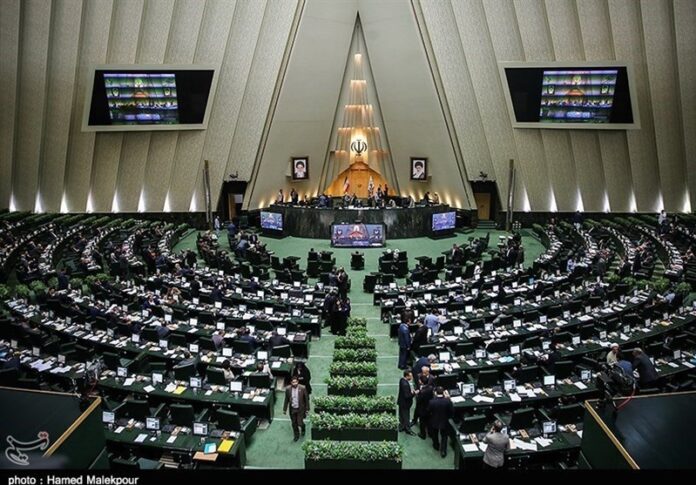
During an open session of the parliament on Wednesday morning, the MPs ratified the motion to add a note to the article one of the act on supporting the Islamic revolution of the Palestinian people indicating that Tehran will recognize Quds as “the everlasting capital of Palestine”.

The generalities of the motion were approved with 198 votes in favor and one abstention.

The details of the motion were also passed with 207 votes in favor and without any opposition vote.

The measure came in response to a recent decision by US President Donald Trump to recognize Quds as the Israeli regime’s capital.

Trump officially declared the decision, despite warnings from around the world that the measure risks triggering a fresh wave of violence in the Middle East.

In a speech at the White House on December 6, Trump said his administration would also begin a years-long process of moving the American embassy in Tel Aviv to the holy city.

The announcement was a major shift by Washington that overturns decades of US foreign policy.

Palestinian leaders had previously warned the move would threaten a two-state solution.

Israel has occupied East Quds since the 1967 Middle East war. It annexed the area in 1980 and sees it as its exclusive domain. Under international law, the area is considered to be occupied territory.