Iranian Consul General in Shanghai Alireza Irvash says the bodies of these brave sailors will be transferred to Tehran aboard Mahan Airline flight No. w5060 tomorrow night.
“All the procedures and measures necessary to transfer the bodies of the sailors have been conducted, and based on the planning and follow-up work done, the transfer of the bodies are final,” he said, according to a Farsi report by IRIB News Agency.
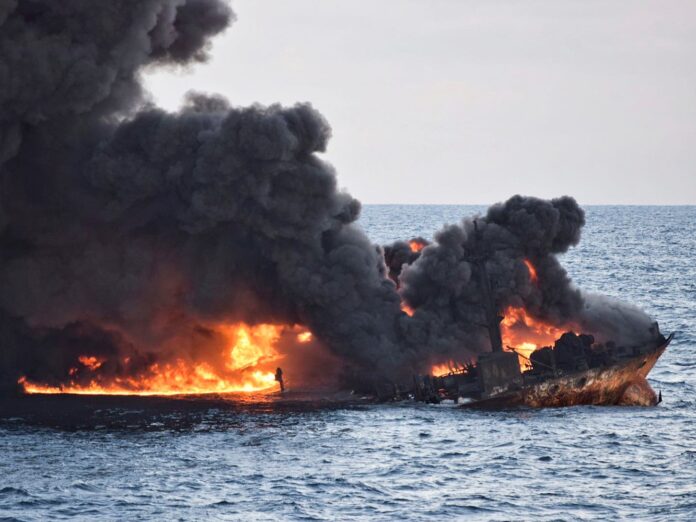
The Sanchi oil tanker carrying 136 thousand tonnes of oil condensates collided with a freight ship belonging to Hong Kong on January 1, 2018.
Upon impact, the oil tanker caught fire and exploded, leaving all 32 sailors, including 30 Iranians and two Bangladeshis, missing. Sanchi was ablaze for several days and rescue workers only managed to recover the bodies of three sailors. DNA tests proved that they were all Iranian, and now the bodies are ready to be flown to Iran.
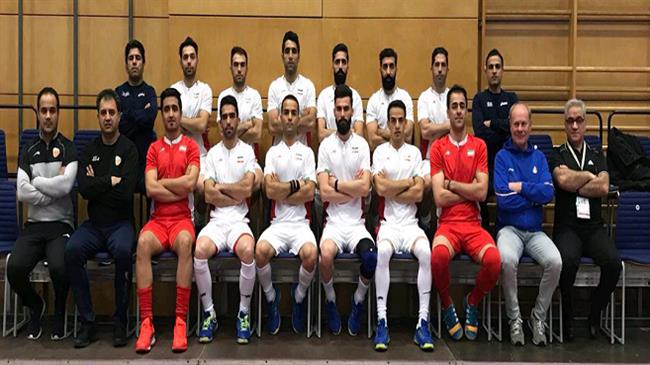
On Sunday, the Iranian outfit thrashed Australia 5-0 in the bronze medal game, which was staged at the multi-purpose Max-Schmeling-Halle arena in the German capital city of Berlin.
Navid Taherirad netted Iran’s opener nearly a quarter into the game; and Reza Norouzzadeh doubled the Persians’ lead in the 19th minute.
Hamid Nooranian took up a favorable opportunity in the 31st minute, and jabbed the Iran field hockey team’s third goal.
Norouzzadeh was on target twice before the final whistle, and completed a stunning hat trick in the span of just 21 minutes.
Later in the day, Austria beat Germany 3-2 in the penalty shoot-out and shattered the hosts’ championship hopes, after both teams were tied 3-3 at full time.
The 2018 Men’s Indoor Hockey World Cup, which was the fifth edition of the tournament, kicked off on February 7, and wrapped up on February 11.
The Iranian squad comprised Behdad Biranvand, Yaghoub Bahrami, Abbas Aruei, Amir Aruei, Hamid Nouraniyan, Alireza Chezani Sharahi, Behnam Fardi, Mohsen Bohlouli, Mohammad Asnaashari, Reza Norouzzadeh, Sasan Hataminejad and Navid Taherirad. The team was led by Esfandiar Safaei as the head couch.
This is not the first time that the BBC propaganda outlet comes under fire for its biased approach and violation of professional ethics when it comes to covering events related to Iran. The well-established media giant, using the cliché “You’re watching BBC World News/You’re listening to BBC Radio,” shaped a determining chapter in Iran’s history decades ago. A considerable number of Iranian politicians and the masses will not forget that the media outlet’s control room turned into a nerve centre for a military coup in 1953 against the government of former Iranian Prime Minister Mohammad Mosaddeq, a popular and patriotic figure. The coup came in retaliation for his nationalization of Iran’s oil industry.
Despite such a role played by BBC, Iranians interested in politics traditionally do not miss its programs in order to keep abreast of Britain’s schemes for Iran’s future. Truly and clearly, Iranians today are not comparable to what they were six decades ago, and the general public, thanks to years of struggles to secure their country’s independence, happen to be able to read, even more intelligently than professional politicians, the minds of those running domestic and foreign media, so they will not have to pay, once again, the price of getting caught unawares and forgetting the lessons of the contemporary history of their country.
The Persian-language Fars News Agency has, in a memo, blasted the BBC’s performance when it comes to covering events and developments pertaining to Iran. The full text of the memo follows:
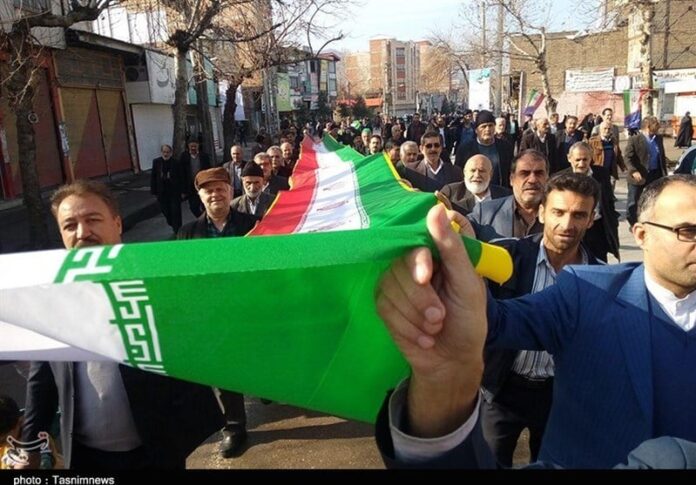
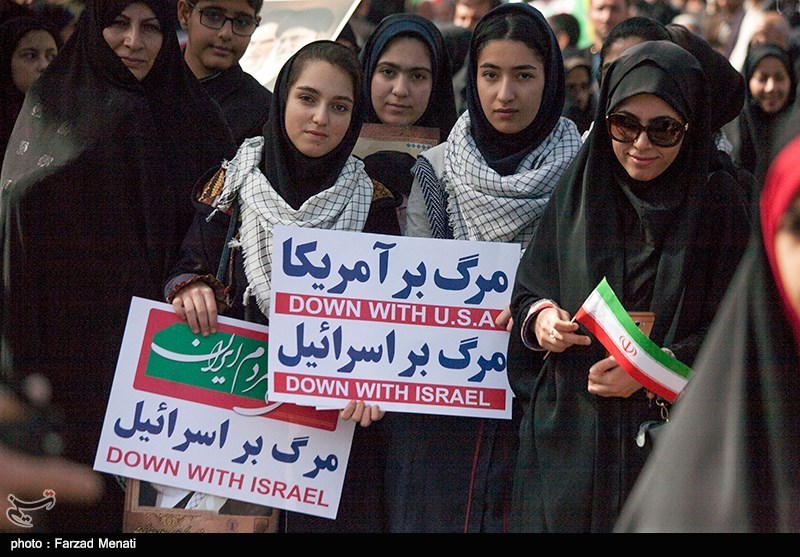
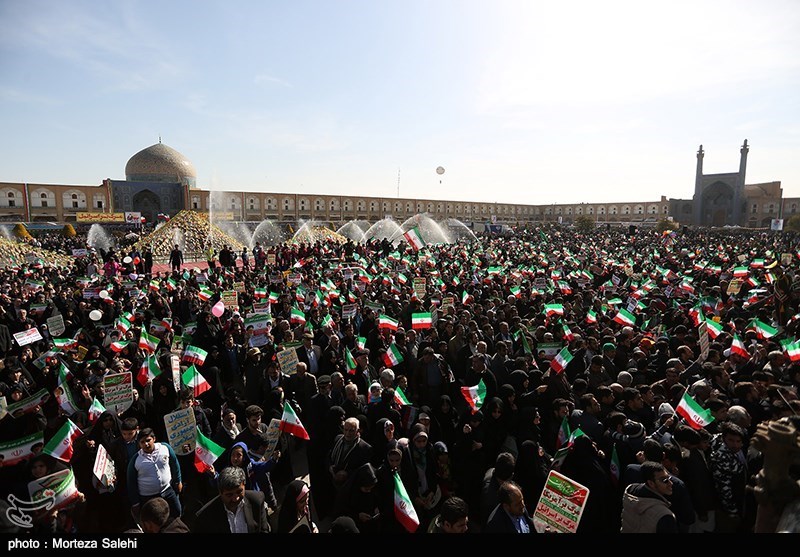
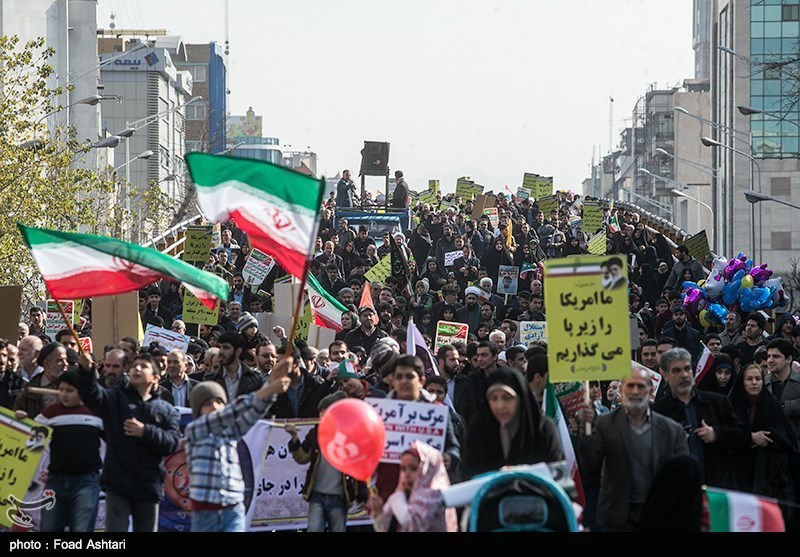
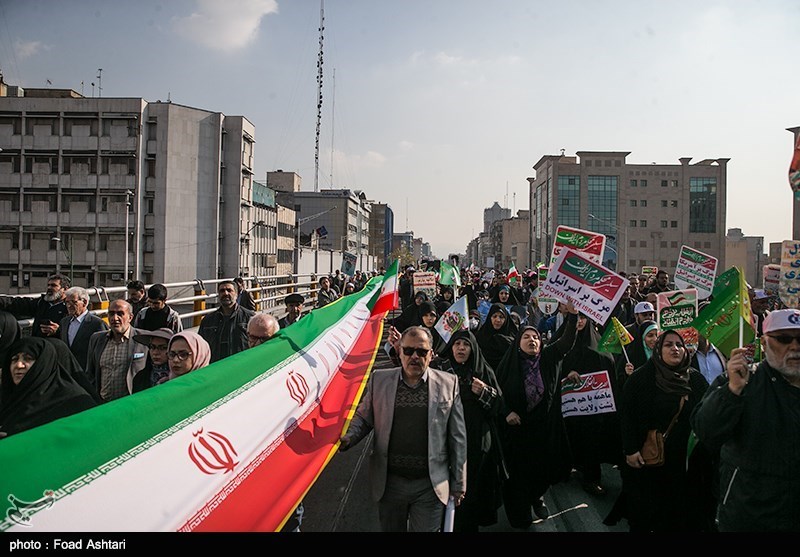
Iranian people turned out in droves in different towns and cities across the nation Sunday for rallies marking the anniversary of the triumph of the 1979 Islamic Revolution of Iran.
The turnout was so large that different media outlets across the world, even Israeli media, had to cover the event, describing it as hundreds-of-thousands-strong or millions-strong rallies.
Not to mention Saudi and Emirati media, probably the only media outlet which preferred to remain tight-lipped on the huge rallies was the BBC. The British media company has not broadcast any news on the event so far as if February 11 was an ordinary day in Iran like other days.
This comes as the recent unrest in some Iranian cities a few months ago made headlines in the BBC news, so much so that the British company broadcast news on the Iran unrest every minute, sometimes using unconfirmed images.
The BBC’s double standards on Iran developments is reminiscent of the fact that the media outlet is acting against its own motto of neutrality, and rather than covering events as they unfold, it has politicized the developments, and only broadcasts the news which has a place in the media outlet’s jigsaw.
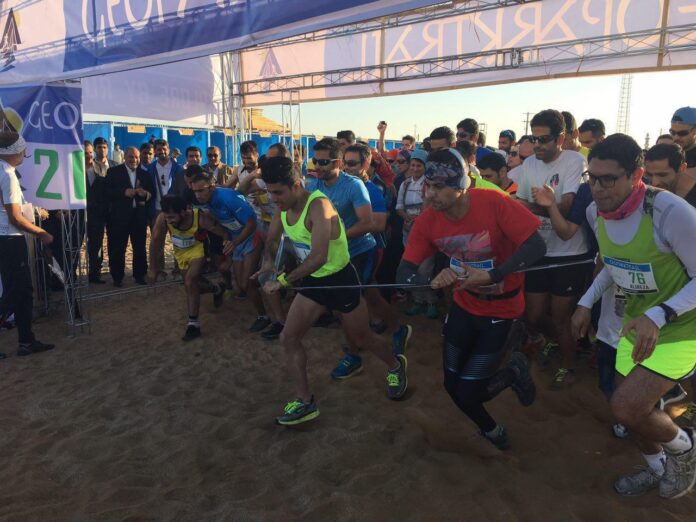
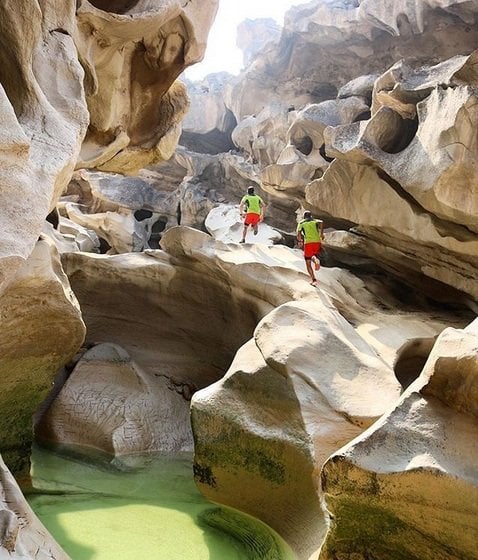
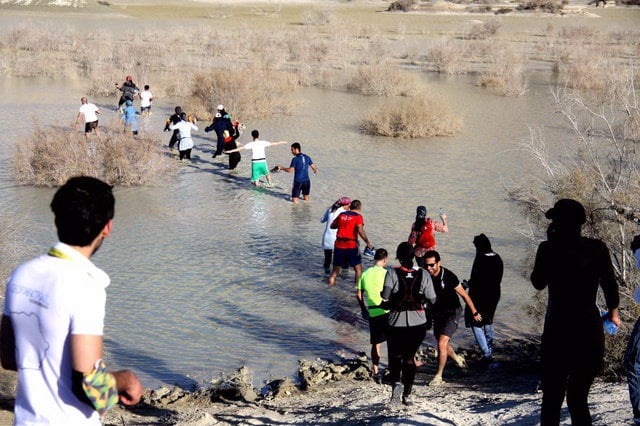
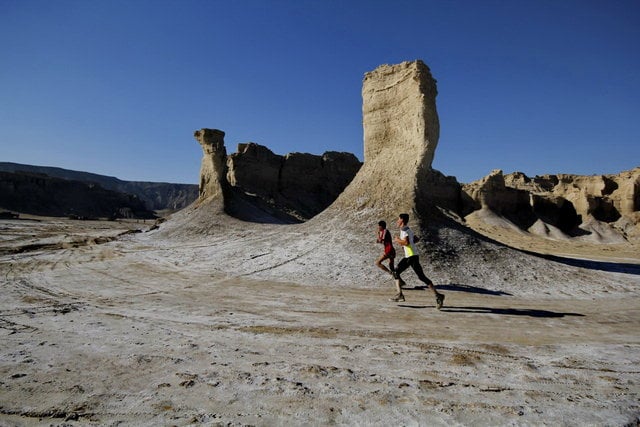
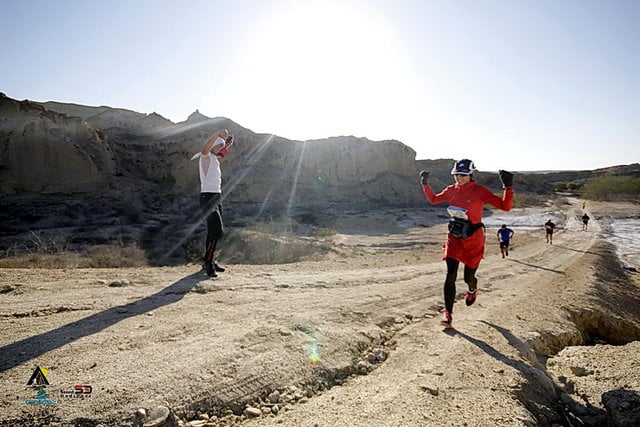
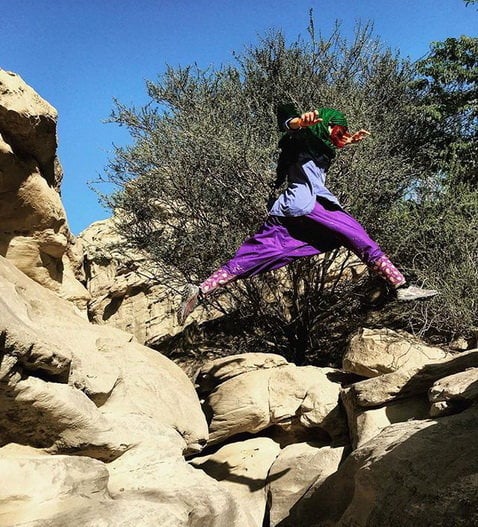
<p>Athletes from the UK, Germany, Turkey, France, and the Islamic Republic of Iran took part in the marathon contest with the slogan of “Discover with Running”.</p><p>Both male and female athletes took part in the marathon contest, and crossed the distance between several villages to see <a href=”https://ifpnews.com/unesco-to-name-qeshm-island-as-centre-for-development-of-global-geoparks”>Qeshm Island geosites</a>.</p><p>Here are <i>ISNA</i>’s photos of the marathon contest:</p><p>
1 of 7
</p><p> </p><p>One of the main goals of holding the marathon contest was to introduce the Island’s tourist attractions.</p><p><strong>Qeshm Attractions</strong></p><p>Qeshm is an Iranian island in the Strait of Hormuz. It is separated from the mainland by the Khuran Strait in the Persian Gulf. It is the largest island in Iran.</p><p>Qeshm is located a few kilometers off the southern coast of Iran, opposite the port cities of Bandar Abbas and Bandar Khamir. The island, which hosts a 300-square-kilometre free zone jurisdiction, is 135 km long.</p><p>The island comprises 59 towns and villages. The local population of Qeshm is involved in fishing, dhow construction, trade and services. Thousands are also involved in administrative and industrial jobs or live there as students.</p><p>Qeshm is famous for its wide range of ecotourism attractions such as the Hara marine forests. According to environmentalists, about 1.5% of the world birds and 25% of Iran’s native birds annually migrate to Qeshm forests, which are the first national geo park in Iran.</p>
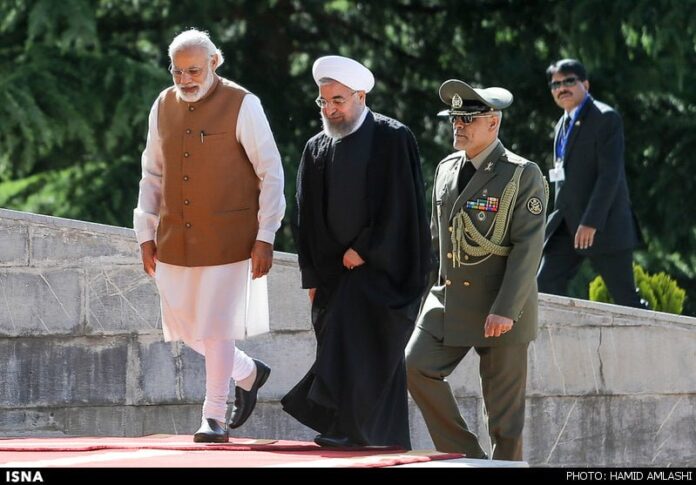
The three-day visit will begin on Thursday February 15 and is expected to strengthen New Delhi’s ties with Tehran.
Rouhani’s visit is taking place after Prime Minister Modi’s return from a trip to West Asia, including Palestine, the UAE and Oman, ISNA said in a Farsi report.
New Delhi has been looking at Tehran for emboldening its connectivity plans with Western Asia and also secure its energy needs.
Indian PM Modi made a historic visit to Iran in May 2016, making it the first visit of an Indian prime minister to Iran after 15 years.
During Modi’s visit, the two sides signed a $500-million deal to develop the Chabahar port to boost regional connectivity and encourage more maritime links and services between the two countries. The agreement also included funding of a rail link to Iran’s southeastern city of Zahedan.
India, Iran and Afghanistan are also part of the Trilateral Agreement on Establishment of International Transport and Transit Corridor at Chabahar. India has massive plans to set up manufacturing plants in segments such as fertilisers, petrochemicals and metallurgy in the Chabahar Free Trade-Industrial Zone.
During President Rouhani’s visit, the two sides might come to an amicable solution on the ongoing row regarding Farzad B gas fields, which has become a sore point in the bilateral ties between New Delhi and Tehran.
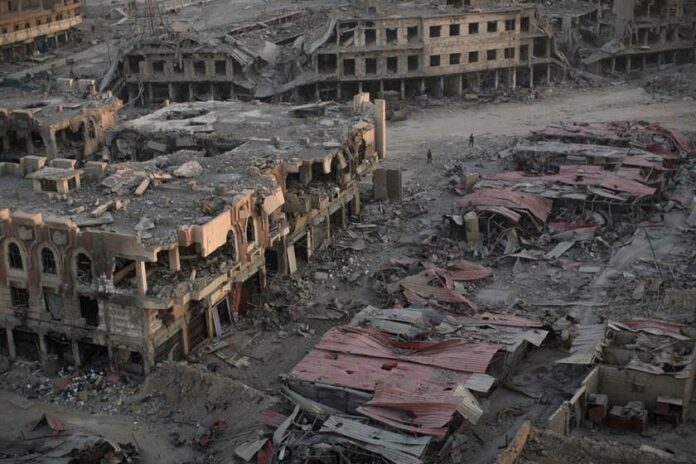
Tens of donor countries including the Islamic Republic of Iran and around 2,000 organizations have attended the conference to announce financial contributions at the meeting.
According to a Farsi report by IRIB News Agency, Kuwaiti Foreign Ministry Undersecretary Khaled al-Jarallah had earlier announced that the event will run through February 12 to 14.
He made the remarks in a joint press conference in Kuwait City with the secretary general of the Iraqi cabinet, Mahdi al-Allaq, who said for his part, “Iraq needs at least $100 billion in assistance to rebuild homes, businesses and infrastructure including oil and telecommunications facilities.”
The three-day meeting will also discuss several developments and vital aspects pertaining to Iraq, including the participation of the private sector in the reconstruction process.
The meeting is co-chaired by Kuwait and Iraq, as well as the United Nations, the European Union and the World Bank.
On the other hand, the NGO Conference will also begin to support the humanitarian situation in Iraq, where the humanitarian situation and humanitarian efforts in Iraq will be presented as well as the role of civil society in the reconstruction of the country and rebuilding confidence among the members of society.
The two first days of this meeting will be held at the level of businessmen with the priority of economic issues and at February 14, foreign ministries of the invited countries will meet and consult about the conference.
Given the close economic relations between Iran and Iraq and the key role of Tehran in the fight against terrorism in the Arab country, Iran will have an active and serious participation in the conference.
Iran’s ambassador to Iraq said last week that Iranian foreign Minister Mohammad Javad Zarif will attend the conference.
Iraj Masjedi satated that “The Islamic Republic will strongly support the Iraqi reconstruction process.”
Iraqi Prime Minister Haider al-Abadi last month declared victory in the war against the militants, who controlled as much as a third of Iraq’s territory three years ago.
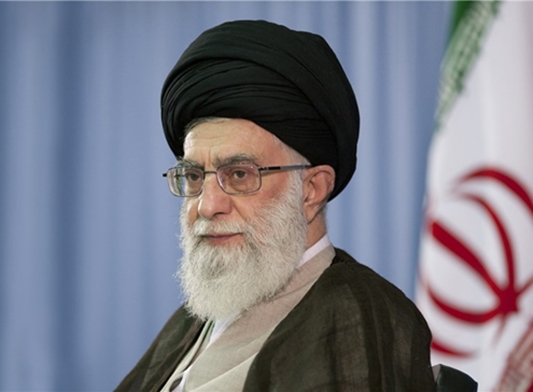
In a message on Sunday, Leader of the Islamic Revolution Ayatollah Seyyed Ali Khamenei praised the Iranian nation for turning out en masse for nationwide February 11 rallies marking the anniversary of the victory of the 1979 Islamic Revolution of Iran.
“You showed off to the enemies, in practice, the living and dynamic nature of the Revolution, and through your chants and fervid participation shouted out loud your commitment to the ideals of the late Imam [Khomeini],” said the Leader in the message following the mass rallies.
The Leader underlined in his message that the demonstrations were a “crushing response” to enemies and hailed the Iranian nation’s determination.
He also urged the country’s authorities not to take the nation’s resolution and support for granted.
“The country’s officials must appreciate this unique phenomenon and serve the dear nation and defend the goals of the Revolution with full perseverance, a revolutionary spirit and diligence,” Ayatollah Khamenei underscored.
The Leader had asked the nation a few days ago to turn out in their millions for the February 11 rallies.
Ayatollah Khamenei’s message was issued in the wake of huge rallies across Iran on Sunday, February 11, in which Iranians once again displayed their loyalty to the Islamic Revolution and the ideals of the late Imam Khomeini.
Millions of Iranians took to the streets for the event, creating yet another epic on the anniversary of the triumph of Iran’s Islamic Revolution.
In a statement on Sunday, Qassemi offered sympathy to the Russian nation and government, and the bereaved families of the victims.
The Russian airliner crashed earlier on Sunday after leaving Moscow’s Domodedovo airport, killing all 65 passengers and six crew on board.
The Saratov Airlines jet vanished minutes after take-off and crashed near the village of Argunovo, about 80km (50 miles) south-east of Moscow.
The cause of crash is unclear. Investigators and emergency crews are working at the snow-covered site.
Eyewitnesses told Russian media that the jet was on fire as it plummeted.
Investigators said the causes they were considering included weather conditions, human error and technical failure – but they did not mention the possibility of terrorism.
The Antonov An-148 was en route to the city of Orsk in the Ural Mountains.
Pieces of wreckage and bodies were found spread over a large area. One of the flight recorders has been recovered, officials say.
Russian President Vladimir Putin has expressed his condolences to the victims’ families and announced an inquiry into the cause of the crash.
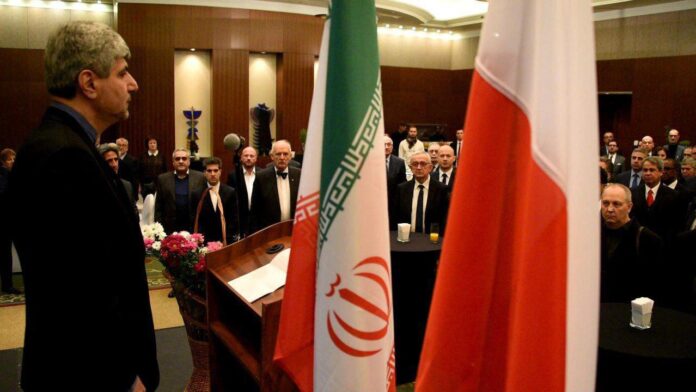
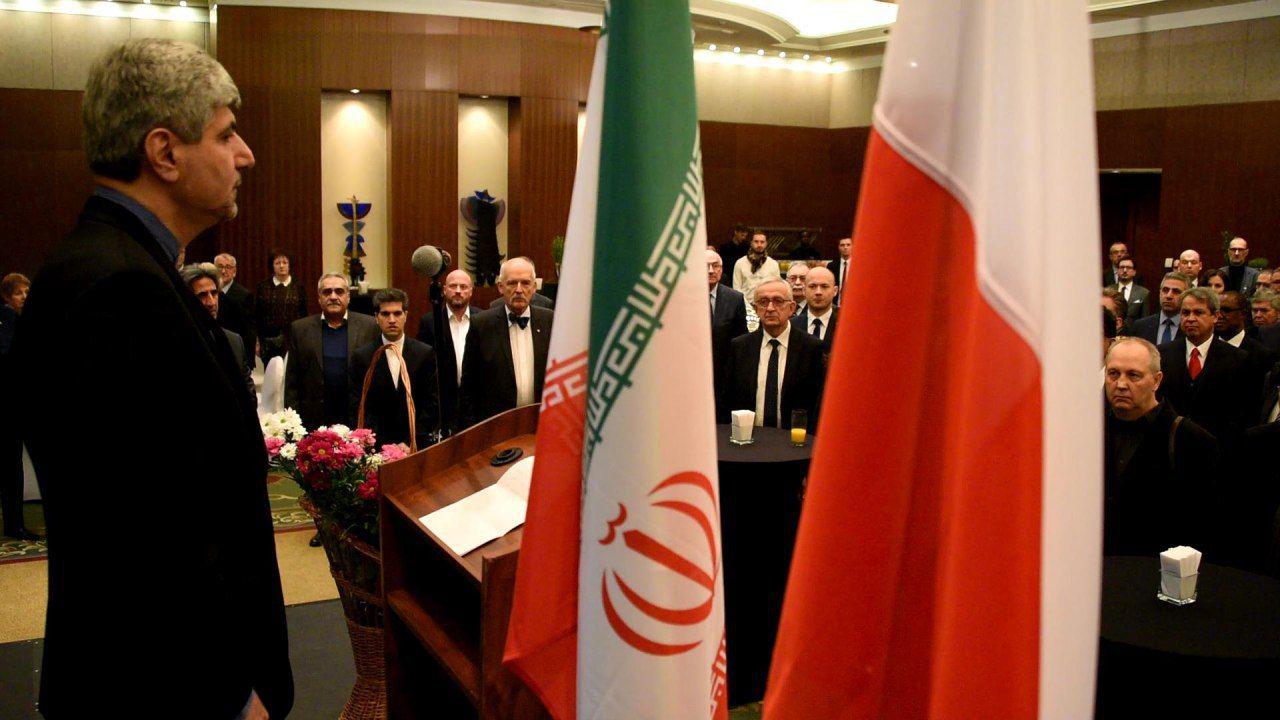
Photo of the ceremony held in Warsaw, Poland, to mark the 39th anniversary of the victory of Iran’s 1979 Islamic Revolution
In February 1979, the Islamic Revolution led by the late Imam Khomeini toppled the US-backed Pahlavi monarchy and set the stage for the establishment of the Islamic Republic of Iran.
Iranian people annually celebrate the anniversary of the victory in massive demonstrations in which anti-arrogance slogans are usually chanted.
Photo of the ceremony held in Warsaw, Poland, to mark the 39th anniversary of the victory of Iran’s 1979 Islamic Revolution / Retrieved from IRIB News Agency
The anniversary is also celebrated by Iranian missions and embassies across the world in ceremonies that are usually attended by high-ranking officials and diplomats residing in those countries.
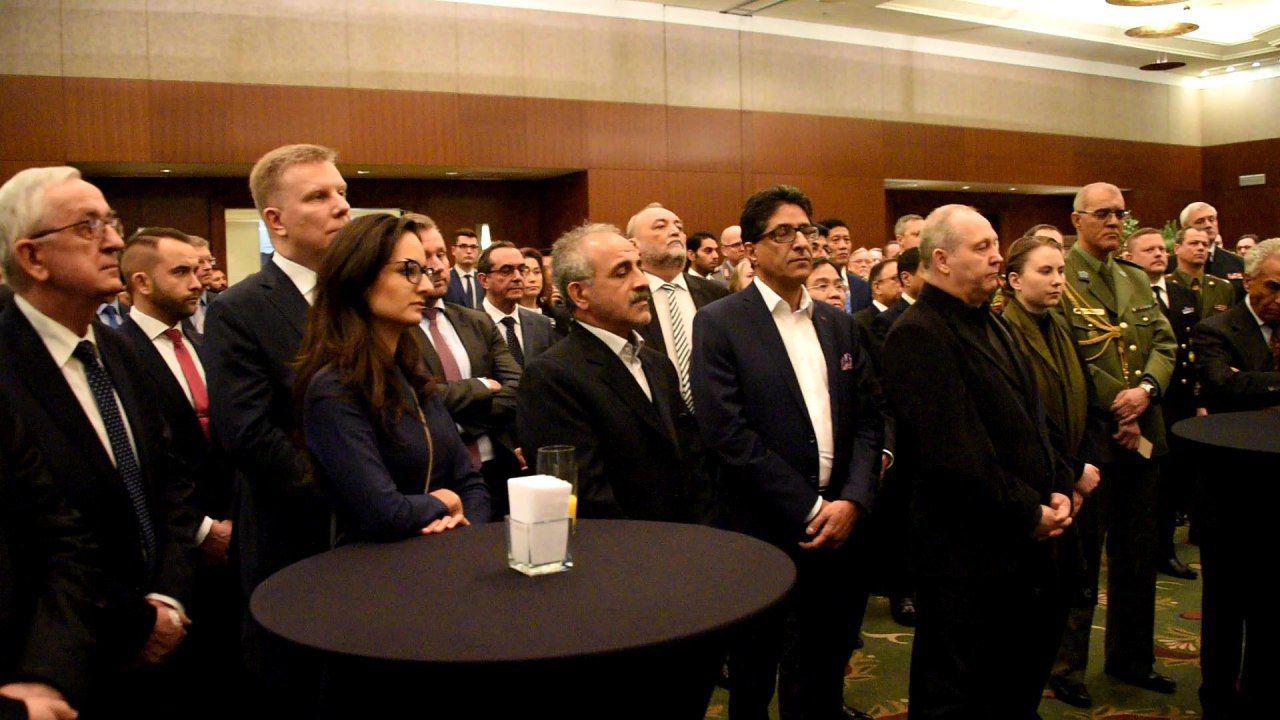
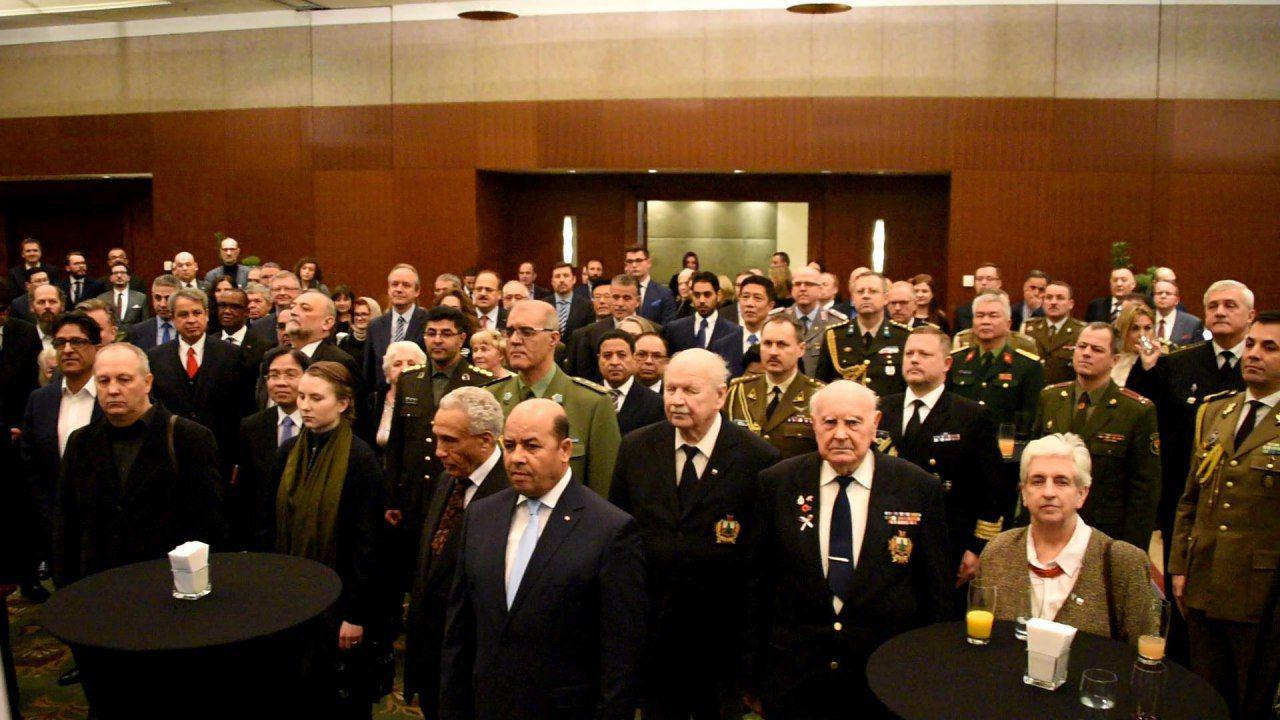
According to a Farsi report by the IRIB News Agency, several foreign ambassadors, military attaches, diplomats, and representatives of international organizations attended a ceremony held in the Polish capital Warsaw to mark the 39th anniversary of the victory of Iran’s 1979 Islamic Revolution.
During the ceremony, Iranian Ambassador to Poland Ramin Mehmanparast described the Islamic Revolution of Iran as one of the most important developments of the 20th century, and highlighted its influence on popular and regional movements.
He also pointed to the 500-year-old history of ties between Tehran and Warsaw, and noted that the expansion of bilateral relations with Poland is high on the agenda of the Iranian administration.
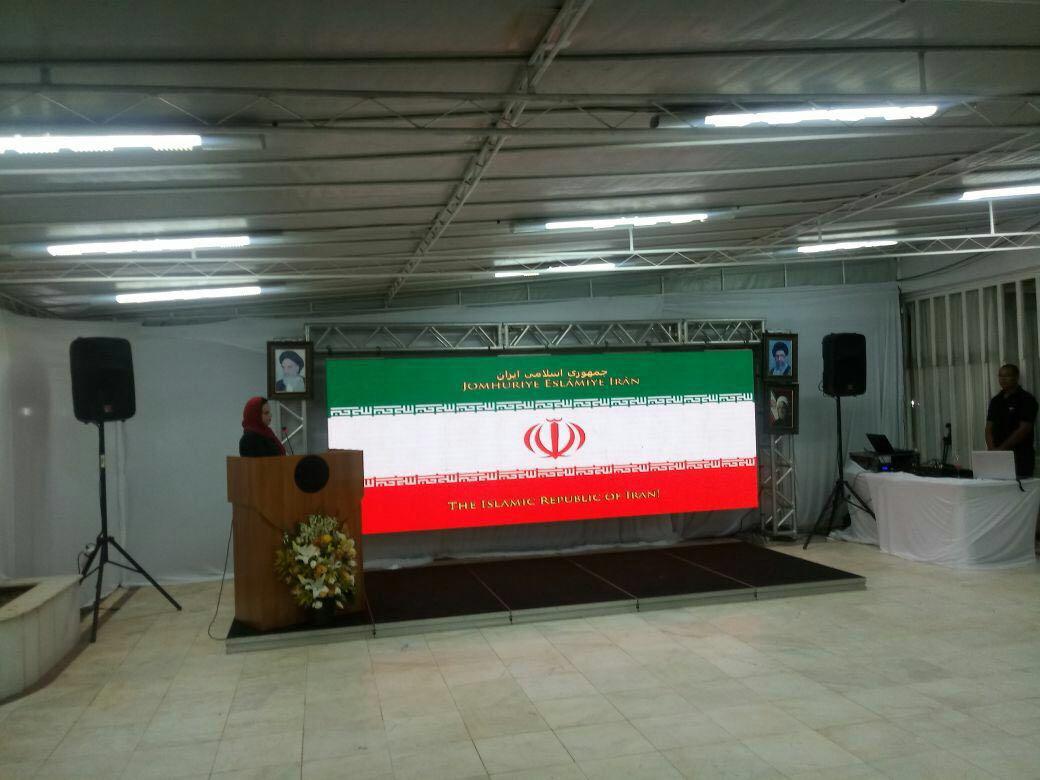
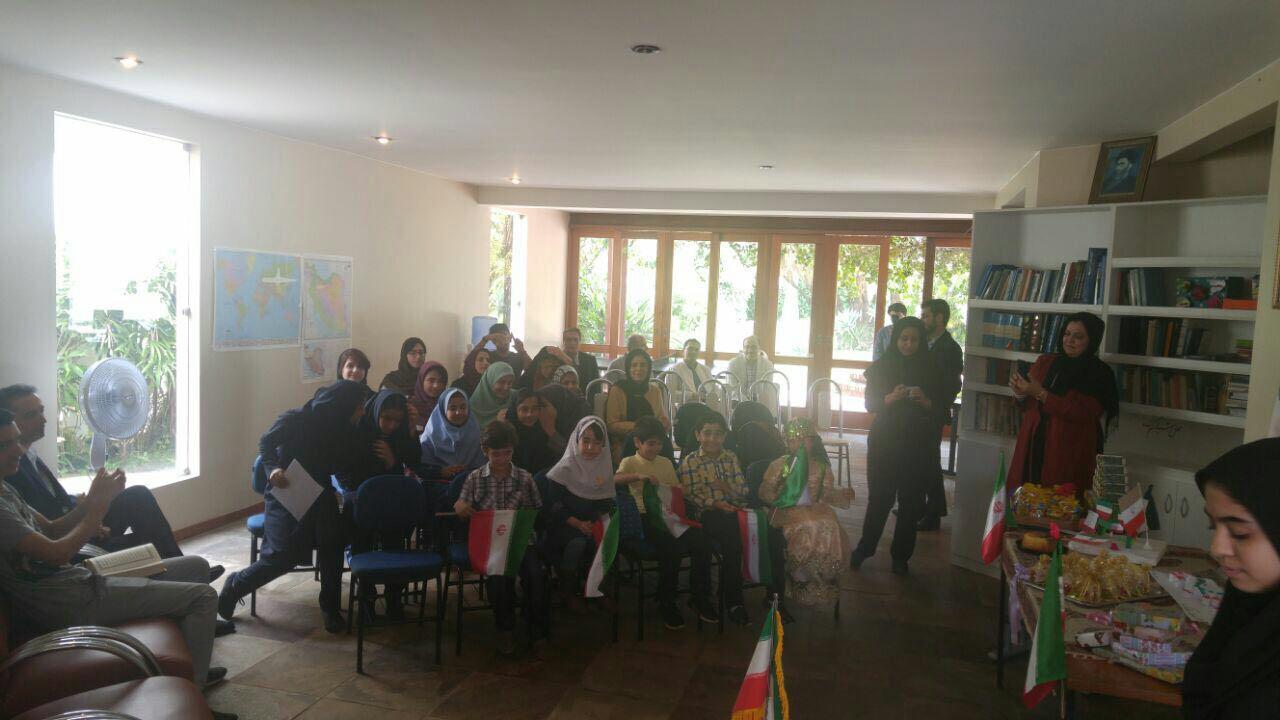
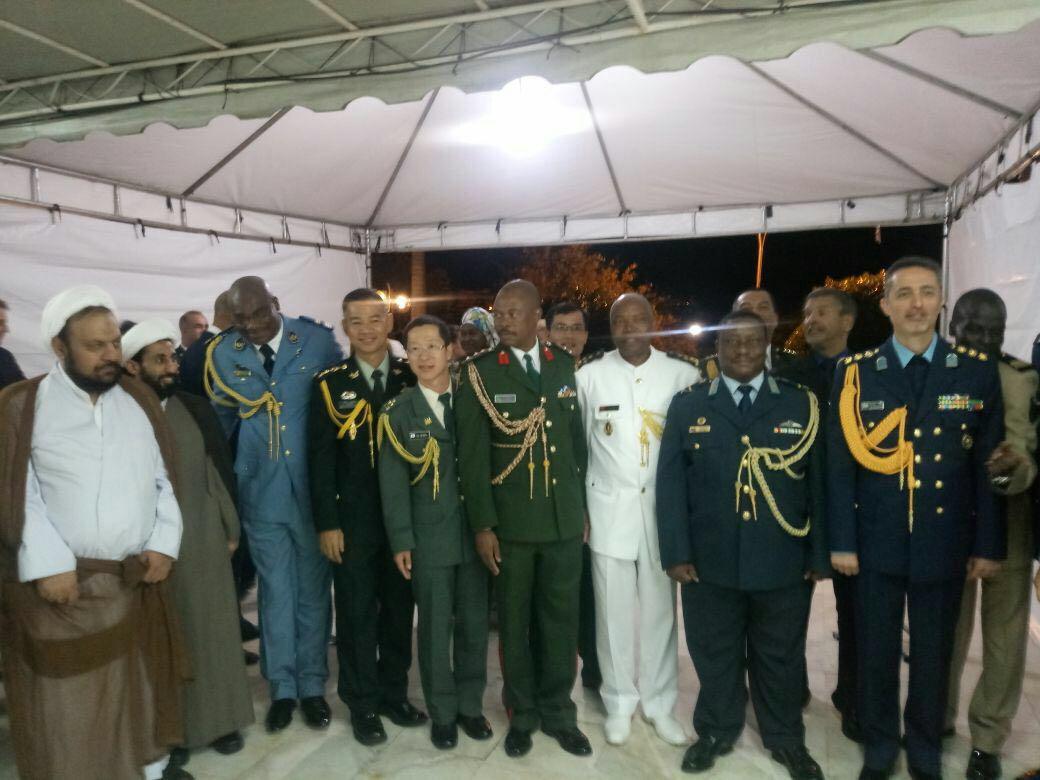
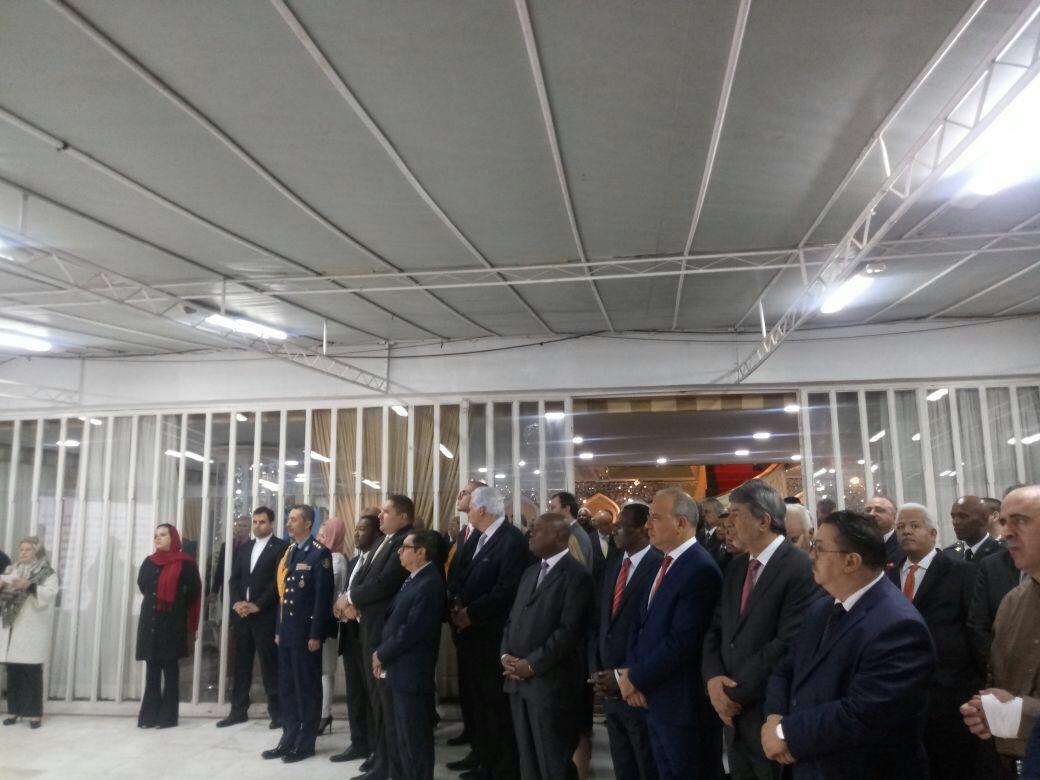
The anniversary was also commemorated in a ceremony in Brasília, where several Brazilian officials, ambassadors and diplomats residing in the country were in attendance.
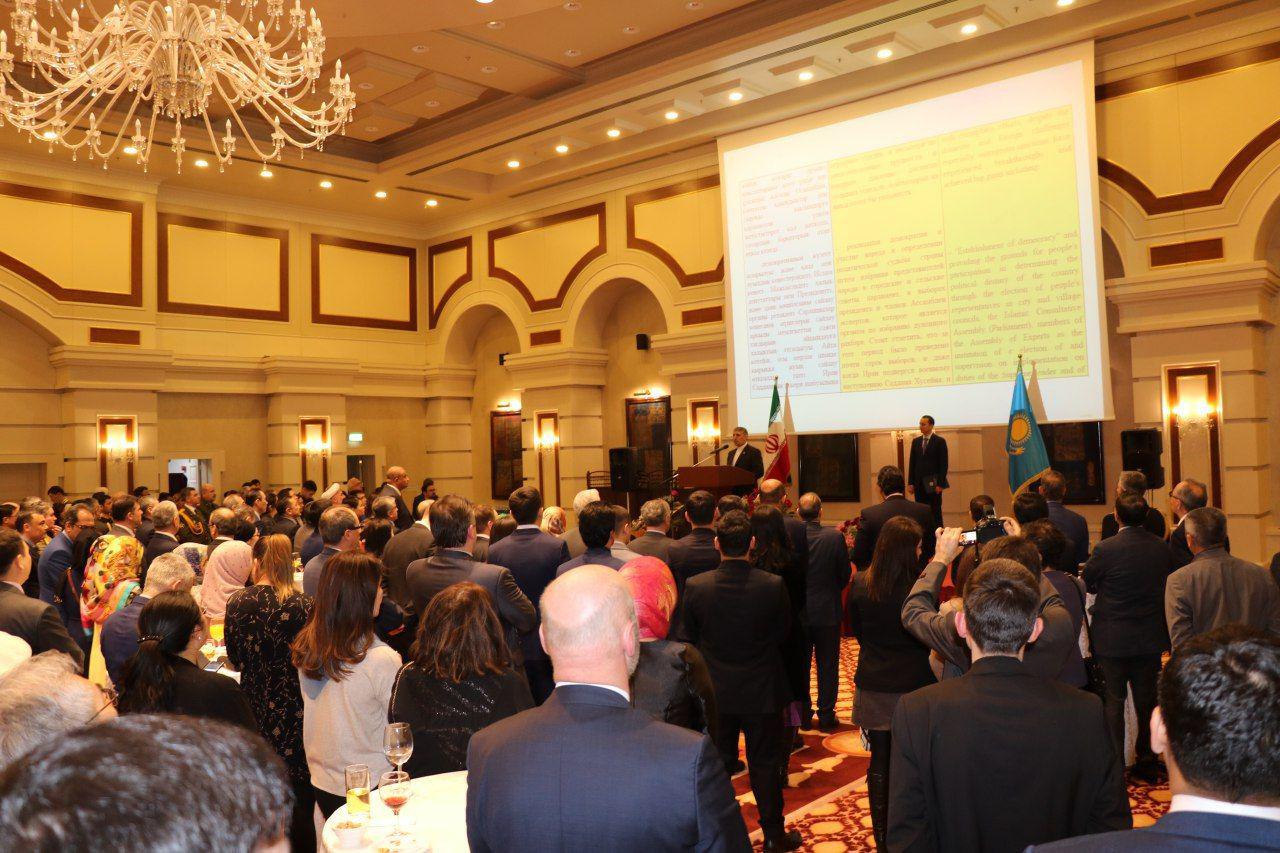
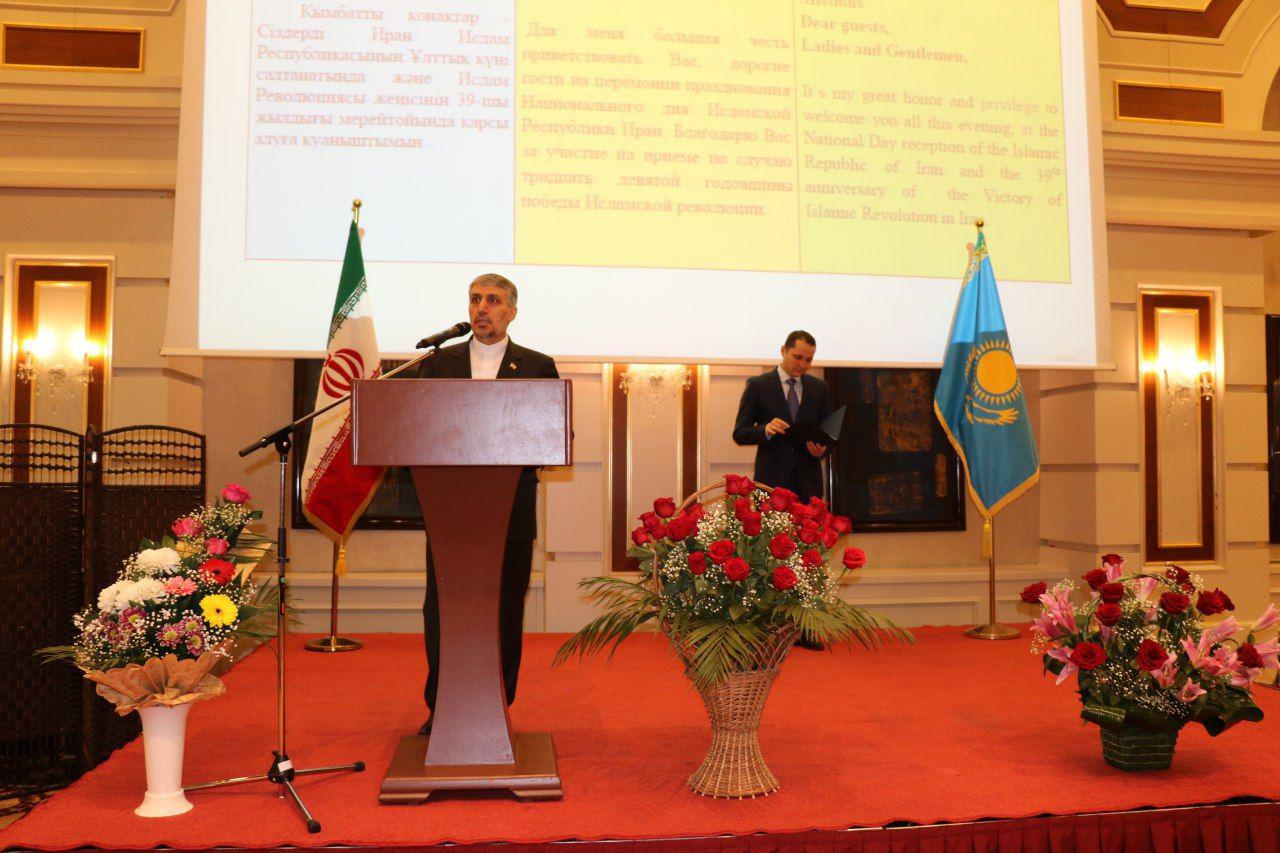
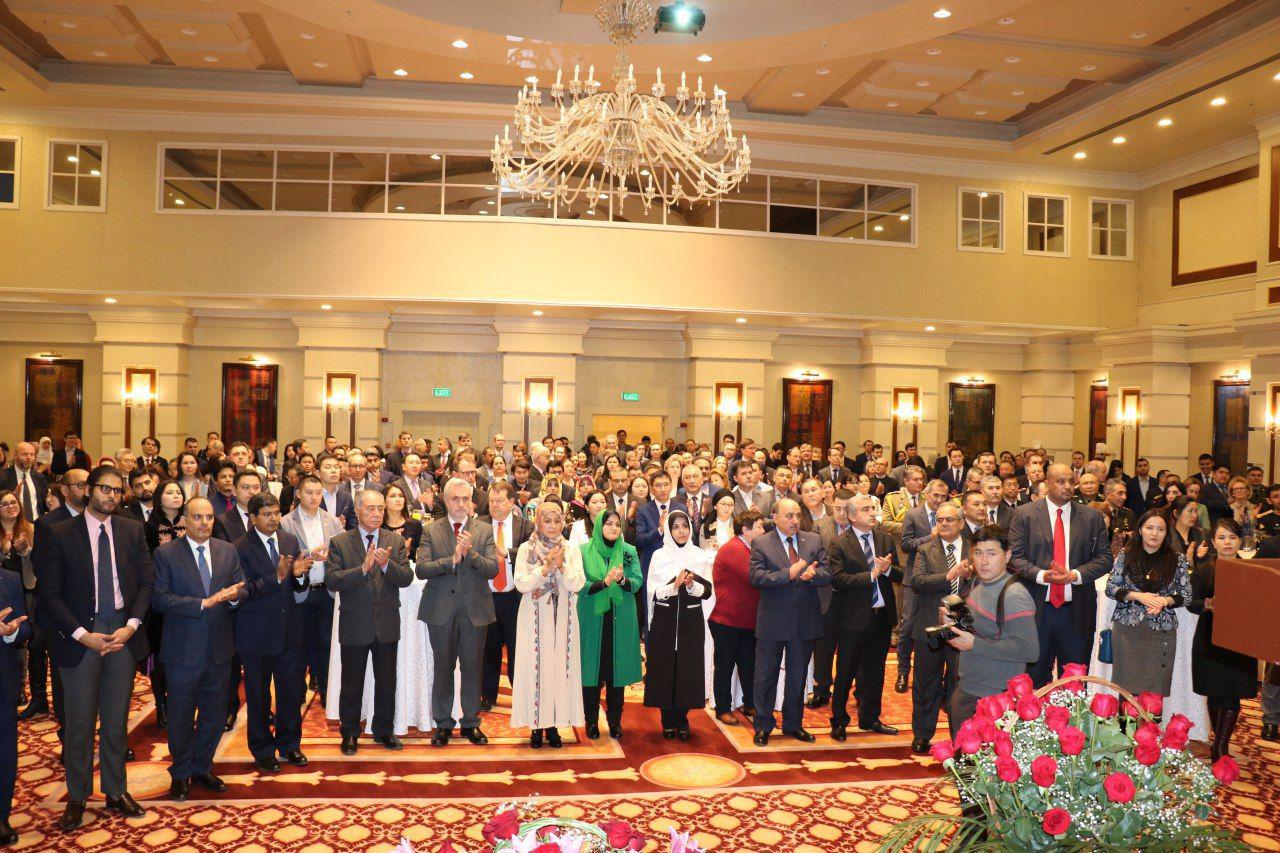
Photo of the ceremony held in the Kazakh capital of Astana to mark the 39th anniversary of the victory of Iran’s 1979 Islamic Revolution / Retrieved from IRIB News Agency
The Kazakh capital of Astana hosted a ceremony attended by the Central Asian state’s deputy minister of development and investment, and a number of military officials, lawmakers, academics, economic and social activists, diplomats and military attaches, and a group of Iranian expatriates living in Astana.
During the ceremony, Iranian Ambassador to Kazakhstan Mojtaba Damirchiloo described the 1979 Revolution as a movement aimed at rejecting domestic tyranny and foreign hegemony, and realizing freedom, justice, and independence.
He referred to the increased presence of women in different social fields as well as the country’s move towards democracy as the major achievements of the Islamic Revolution, saying, “Following the Revolution, the Iranian people started to make decision about the political fate of their country by choosing their representatives in local councils, the Parliament, the President, and the Assembly of Experts, which elects the country’s Leader.”
Damirchiloo also pointed to 26 years of relations between Iran and Kazakhstan, and hailed the growing trend of Tehran-Astana economic and political ties. The Kazakh deputy minister, for his part, congratulated Iran on its national day, and lauded the positive prospect of mutual cooperation between the two states.
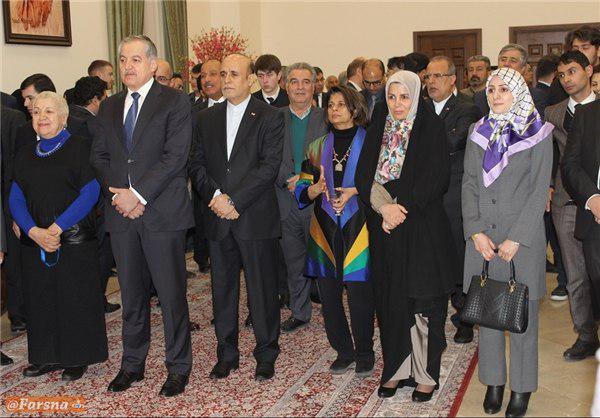
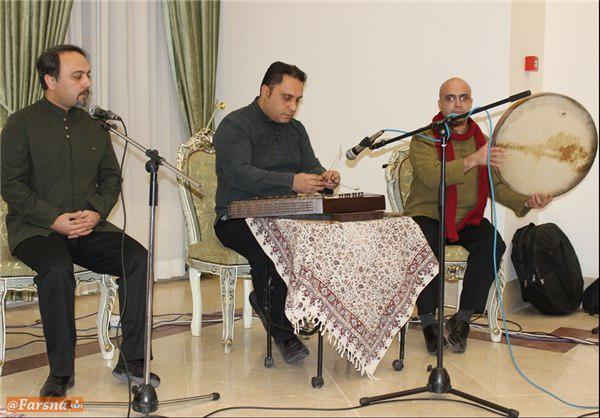
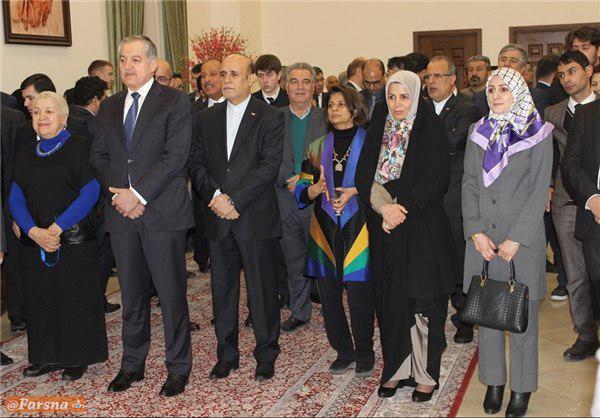
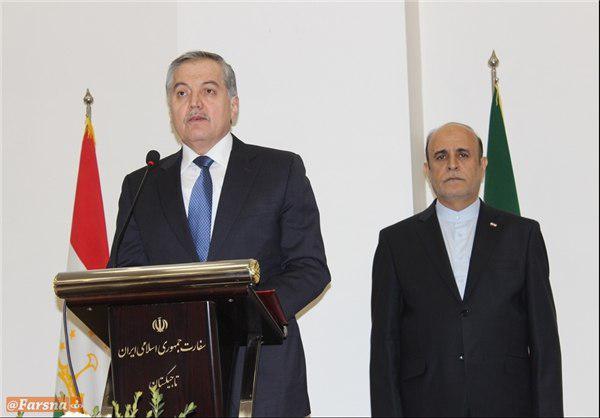
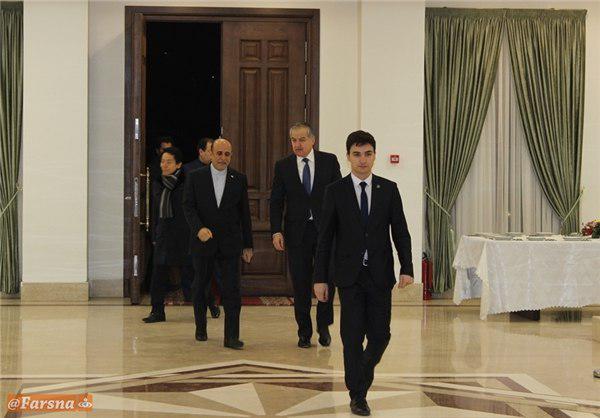
Photo of the ceremony held in Dushanbe,Tajikistan to mark the 39th anniversary of the victory of Iran’s 1979 Islamic Revolution / Retrieved from Fars News Agency
A similar ceremony was also held in the Tajik capital of Dushanbe. During the ceremony, Tajikistan’s Foreign Minister Sirodjidin Aslov congratulated Iran on the anniversary of the 1979 Revolution’s victory, and highlighted the special position of the Islamic Republic of Iran in his country’s foreign policy agenda.
Referring to various untapped capacities for expansion of mutual cooperation between Tehran and Dushanbe, he called on the officials of both countries to pay more attention to such potentialities.
“We must maintain the achievements gained within over two decades of relations in political, economic, business, scientific, and cultural fields,” Aslov noted, according to a report by Fars News Agency.
Also in the future, he added, we should promote our ties based on the principle of mutual respect, trust, non-interference in the internal affairs of the other country, friendship, and preserving the joint historical and cultural values in line with the interests of the two countries, which share Persian language and culture.
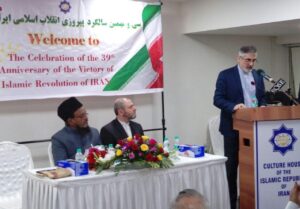
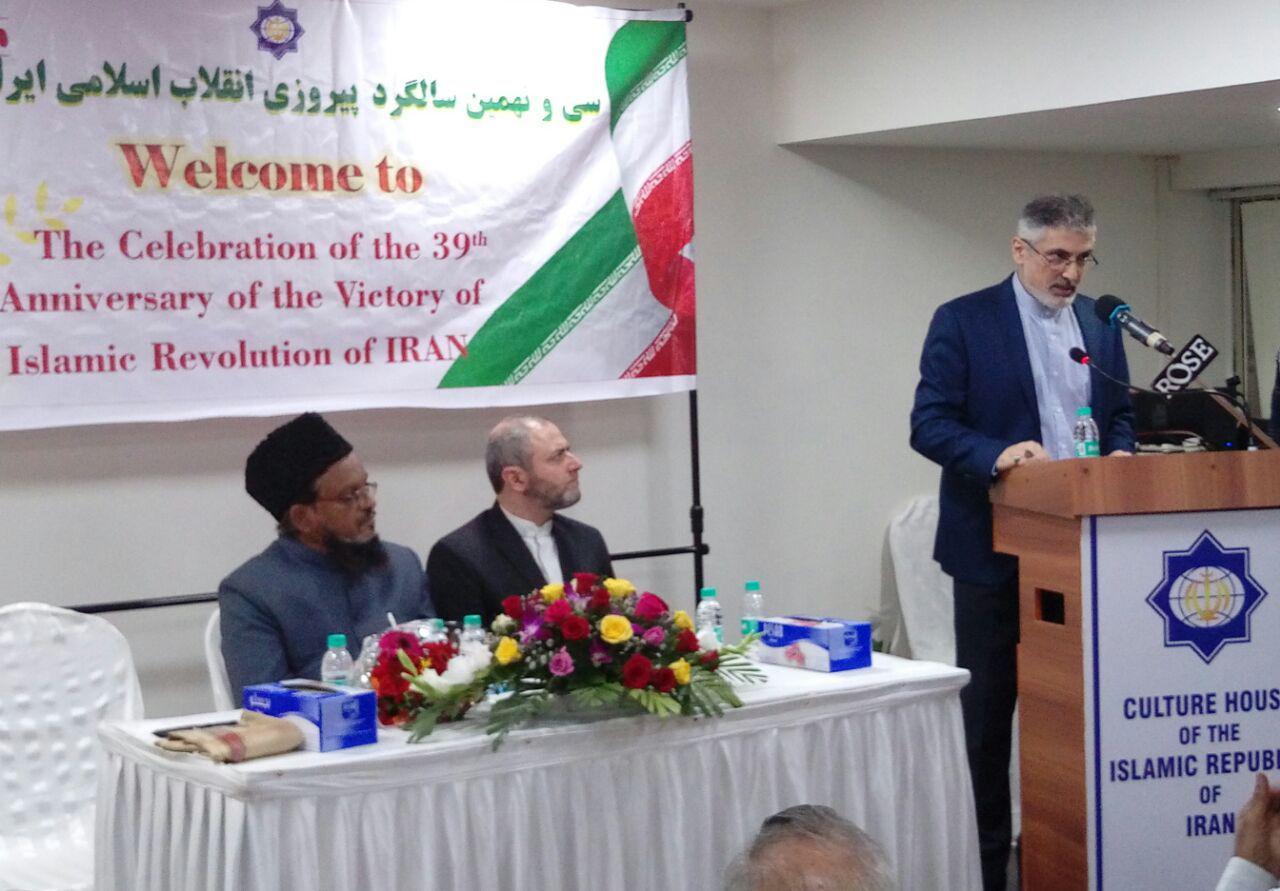
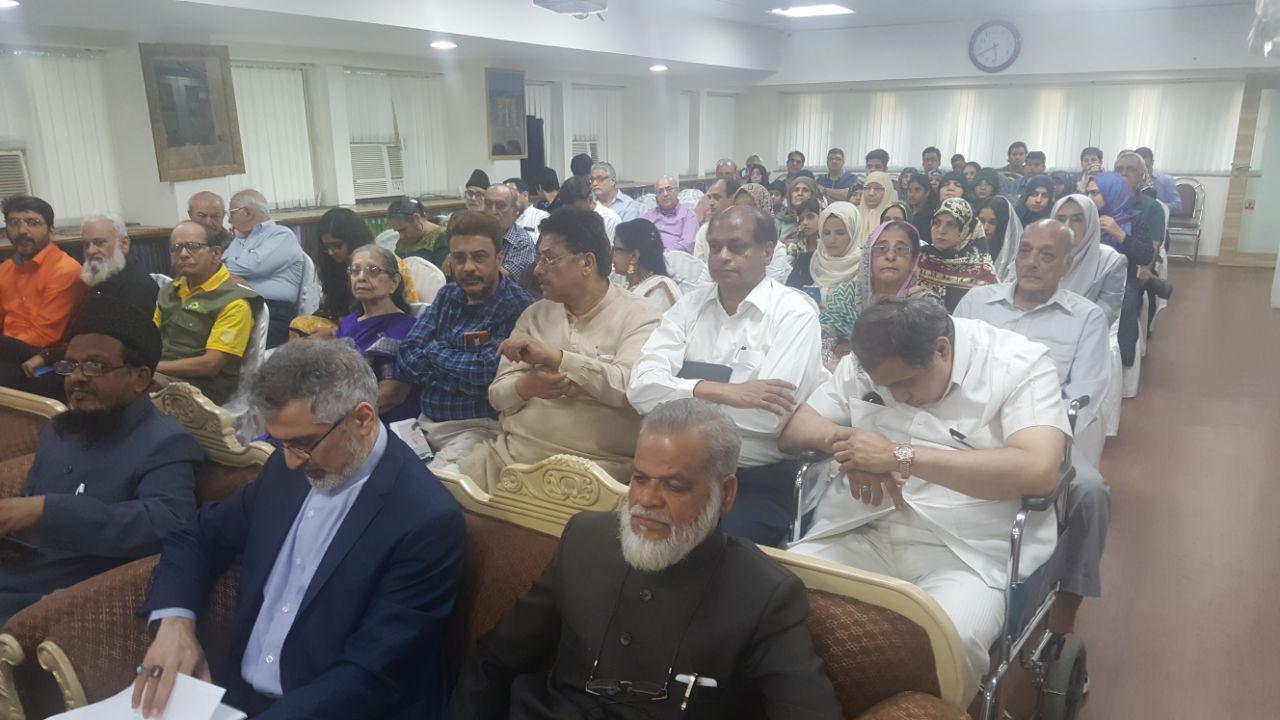
Photo of the ceremony held in Mumbai, India, to mark the 39th anniversary of the victory of Iran’s 1979 Islamic Revolution / Retrieved from IRIB News Agency
Indian people in the cities of Mumbai and Kargil in India’s Kashmir also celebrated the anniversary. The people of Kargil, the northernmost city of India, poured into the streets and chanted revolutionary slogans like Independence, Freedom, Islamic Republic, and Labbayk Ya Khamenei in support of the Leader of Iran’s Islamic Revolution Ayatollah Seyyed Ali Khamenei.
The people of Kargil are fond of the Islamic Iran and its 1979 Revolution, and annually hold glorious ceremonies and light up their streets to celebrate the anniversary of Iran’s Revolution.
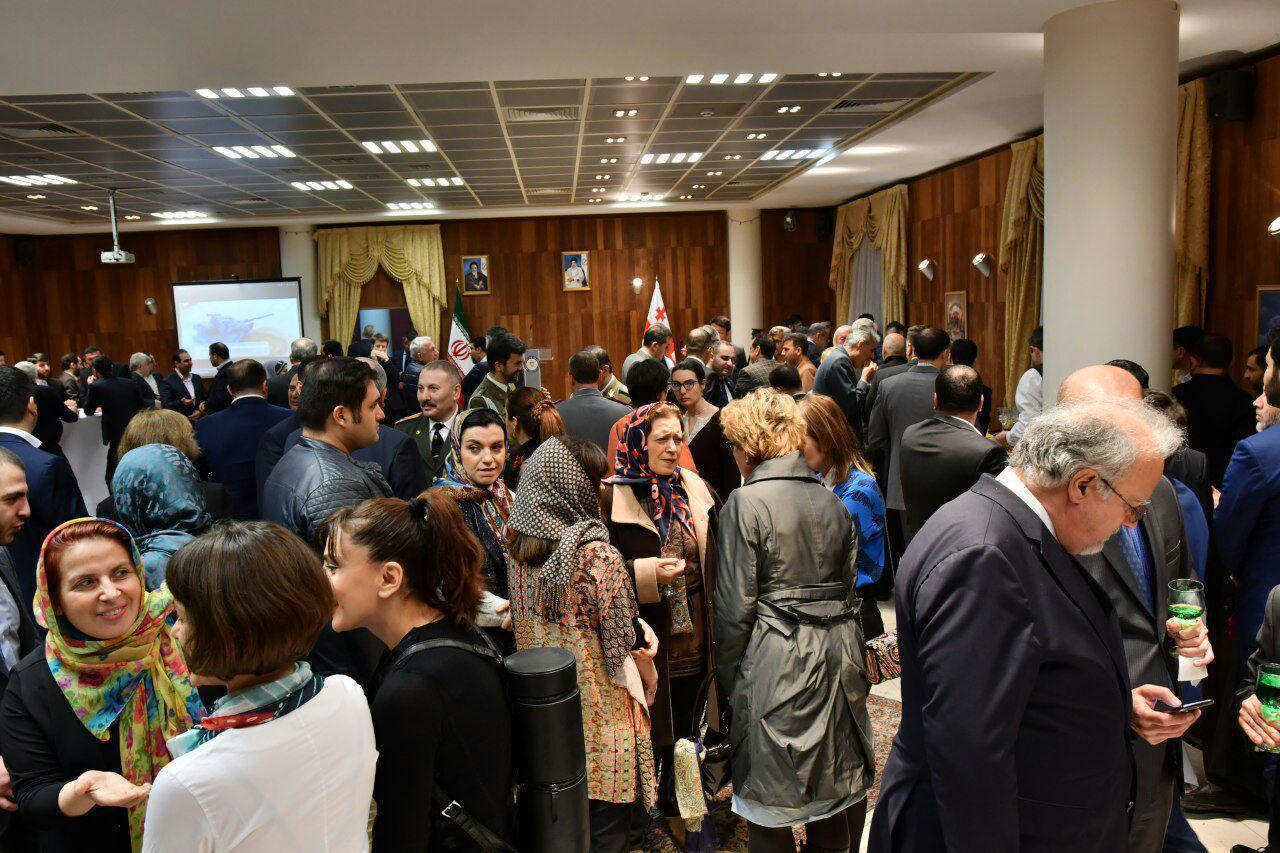
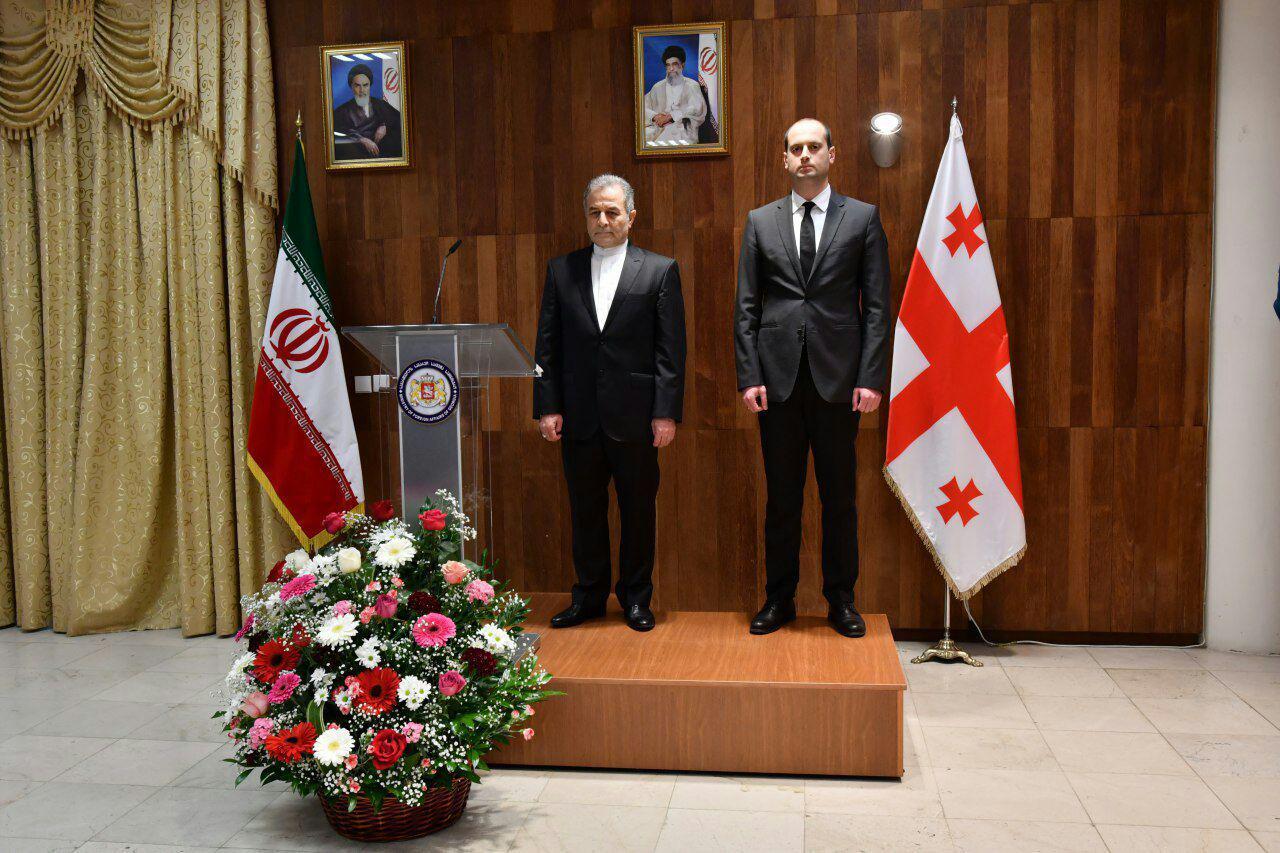
Photo of the ceremony held in Georgia to mark the 39th anniversary of the victory of Iran’s 1979 Islamic Revolution / Retrieved from IRIB News Agency
Another major ceremony to mark the anniversary was the one held in Georgia. The ceremony was attended by Mikheil Janelidze, the vice-PM and foreign minister of Georgia, who lauded the growing relations between Tehran and Tbilisi, particularly in the fields of tourism and trade.
Also in attendance were the Georgian deputy minister of finance, deputy minister of economy, a number of Georgian lawmakers including the head of Iran-Georgia parliamentary friendship group, European ambassadors, and a group of Shiites living in the country.
Addressing the ceremony, Qavam Shahidi, the Iranian ambassador to Georgia, praised the Islamic Republic’s role in fight against terrorism and the uprooting of the inauspicious phenomenon, and called for further expansion of Tehran-Tbilisi cooperation in various fields.
He also referred to a 38-percent growth in the volume of Iran-Georgia trade ties during the past year, and highlighted the key role played by the two countries in the North-South corridor, linking the Black Sea to the Persian Gulf.
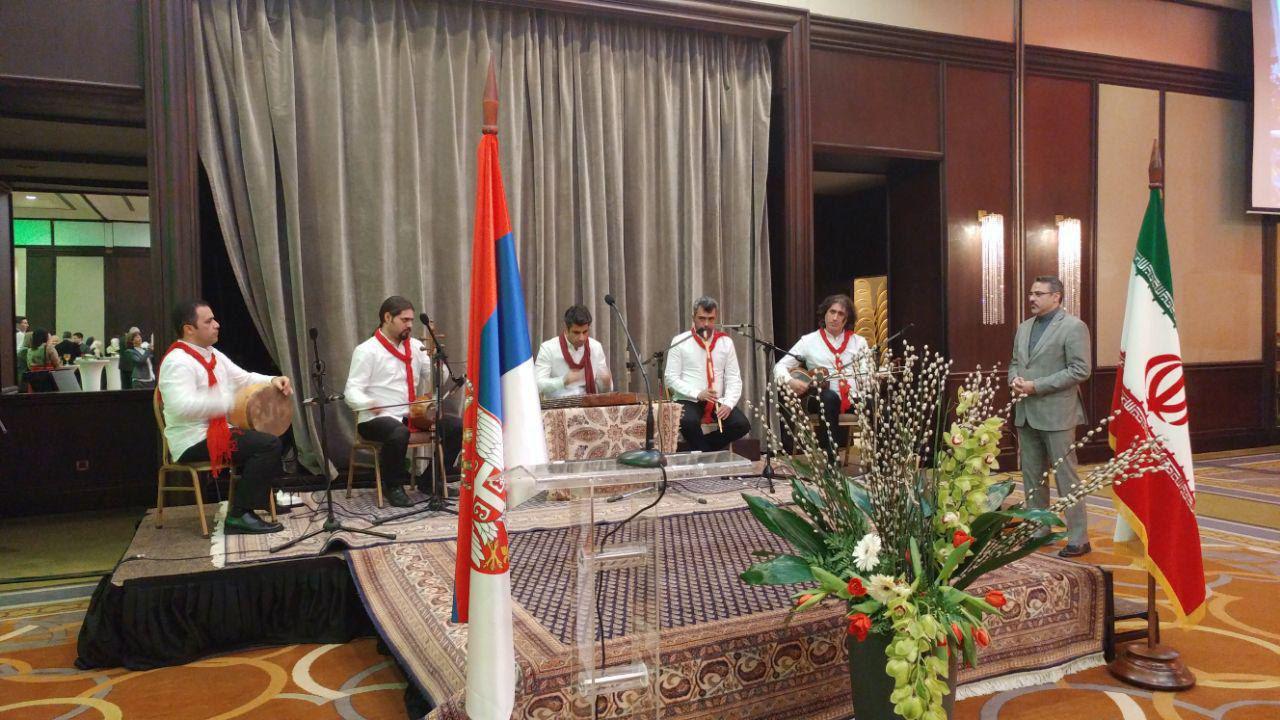
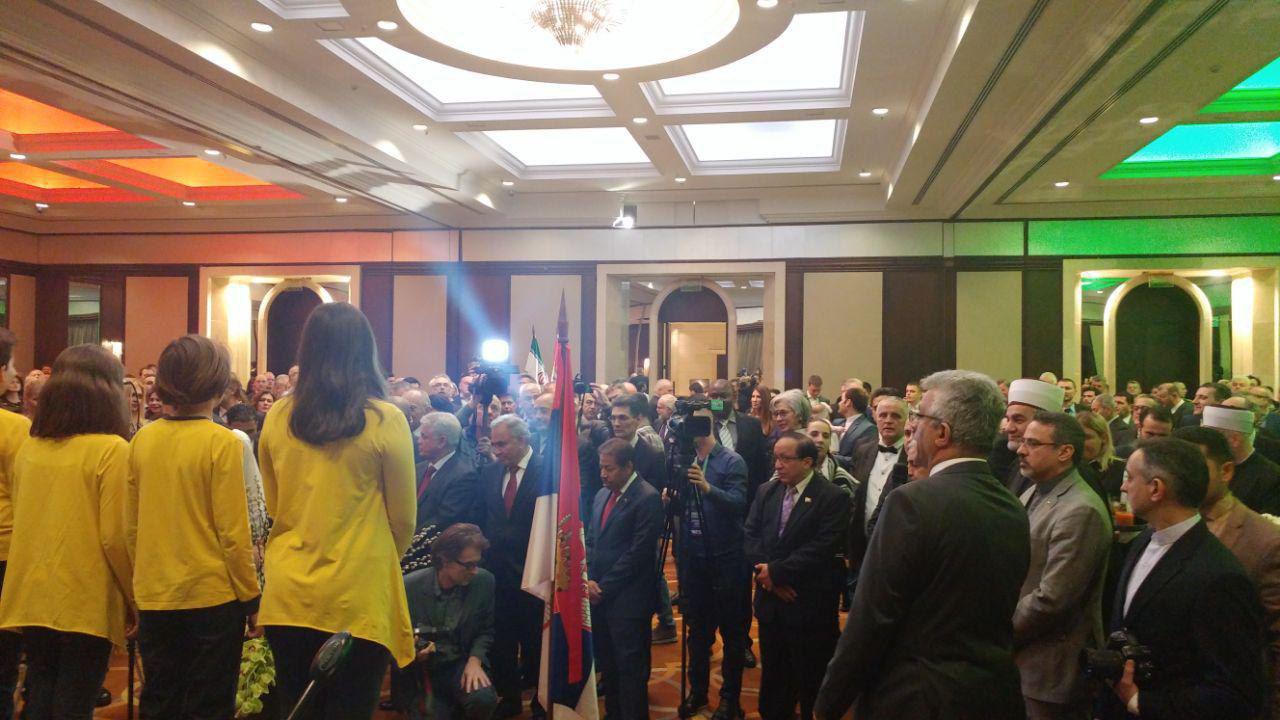
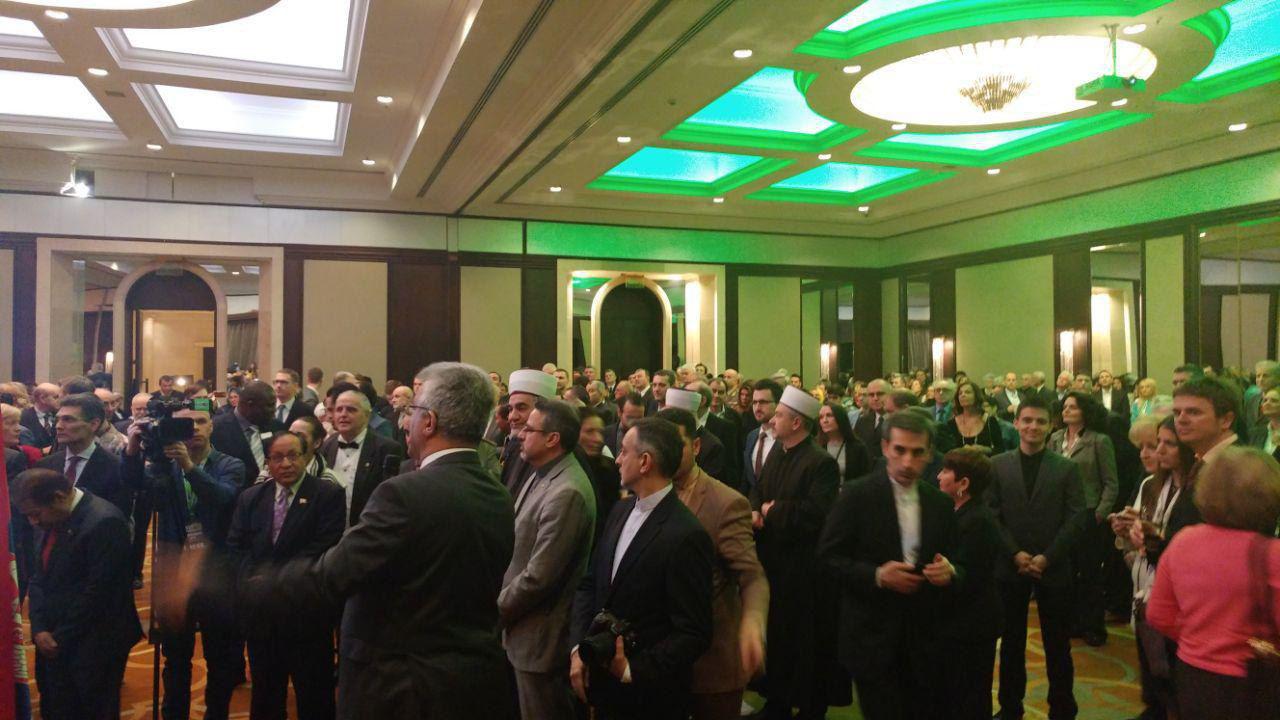
Photo of the ceremony held in Serbia to mark the 39th anniversary of the victory of Iran’s 1979 Islamic Revolution / Retrieved from IRIB News Agency
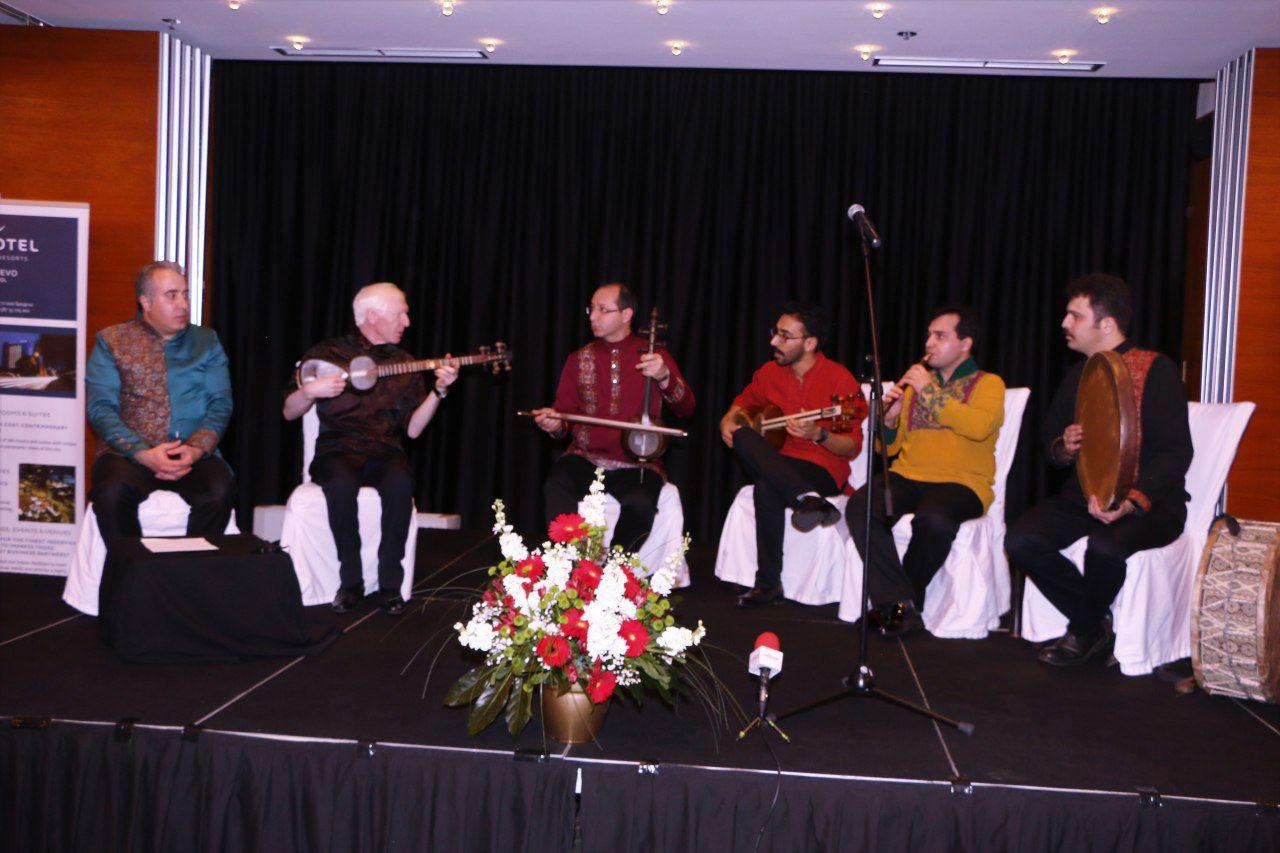
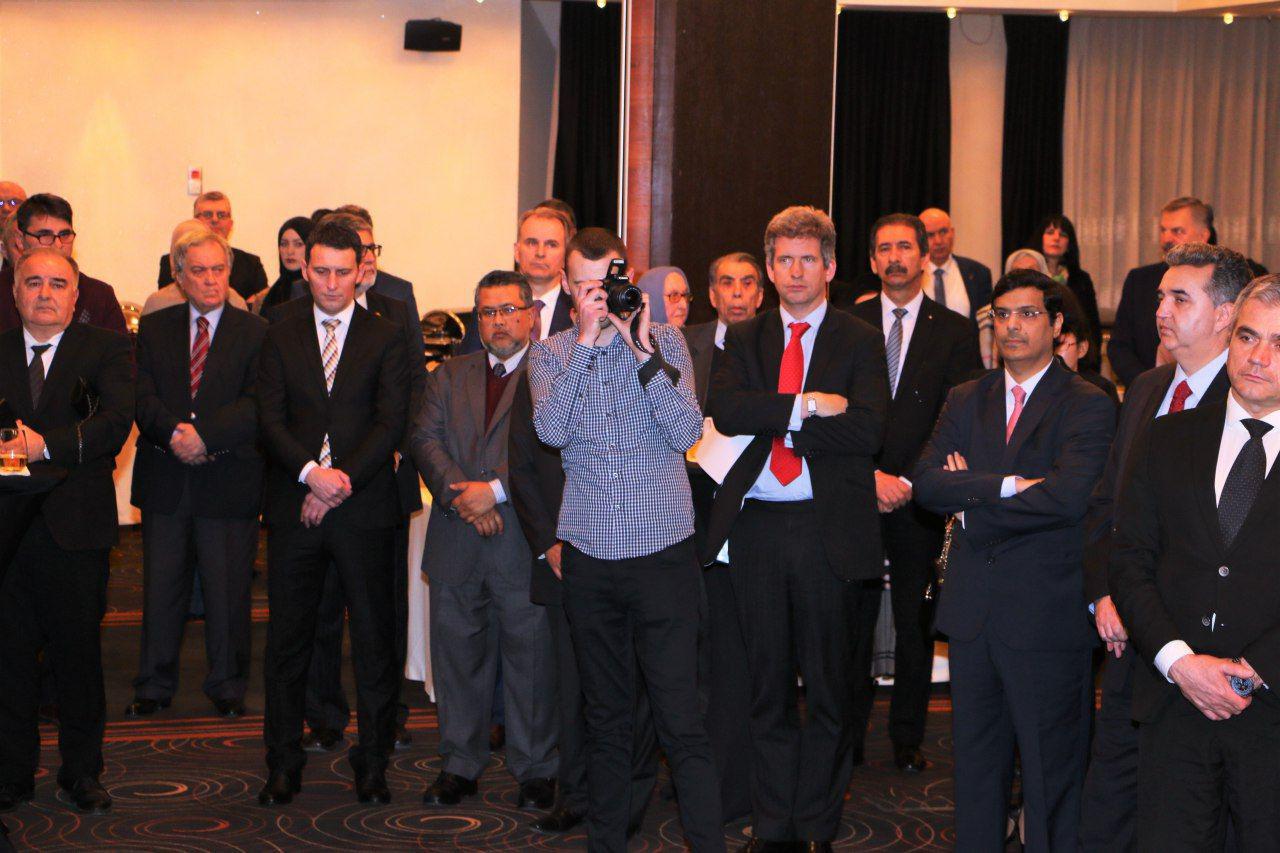
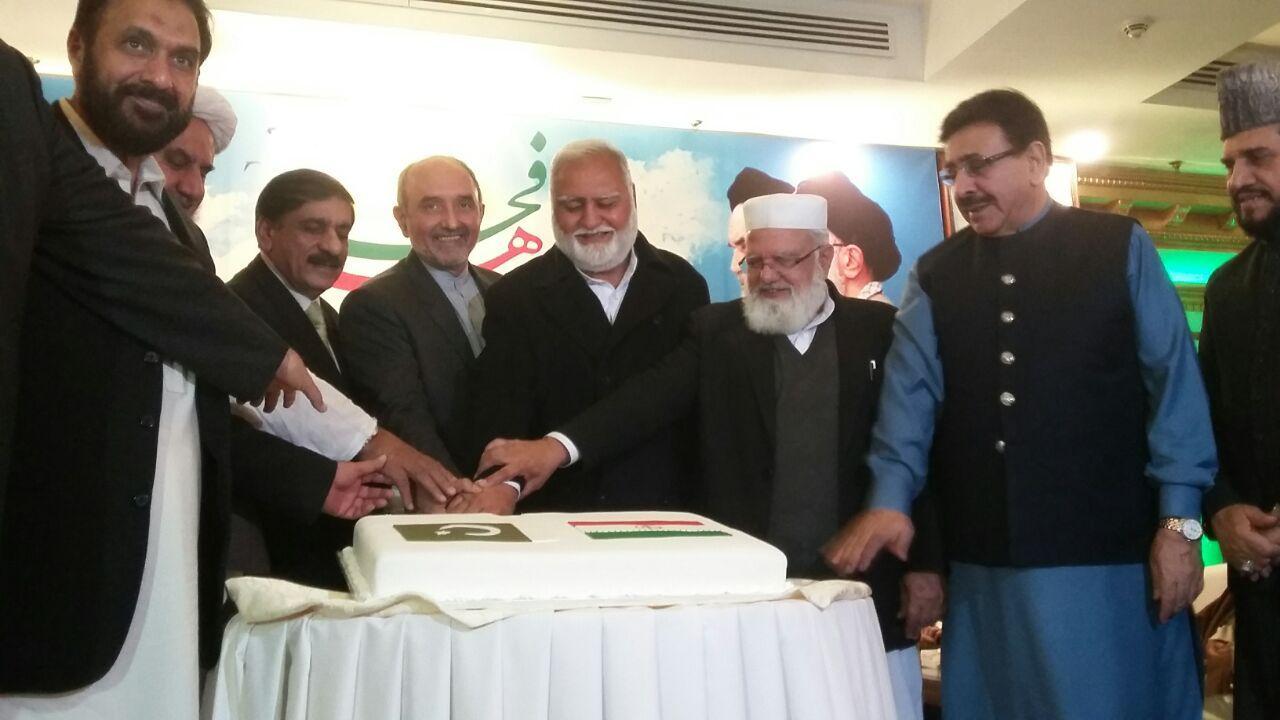
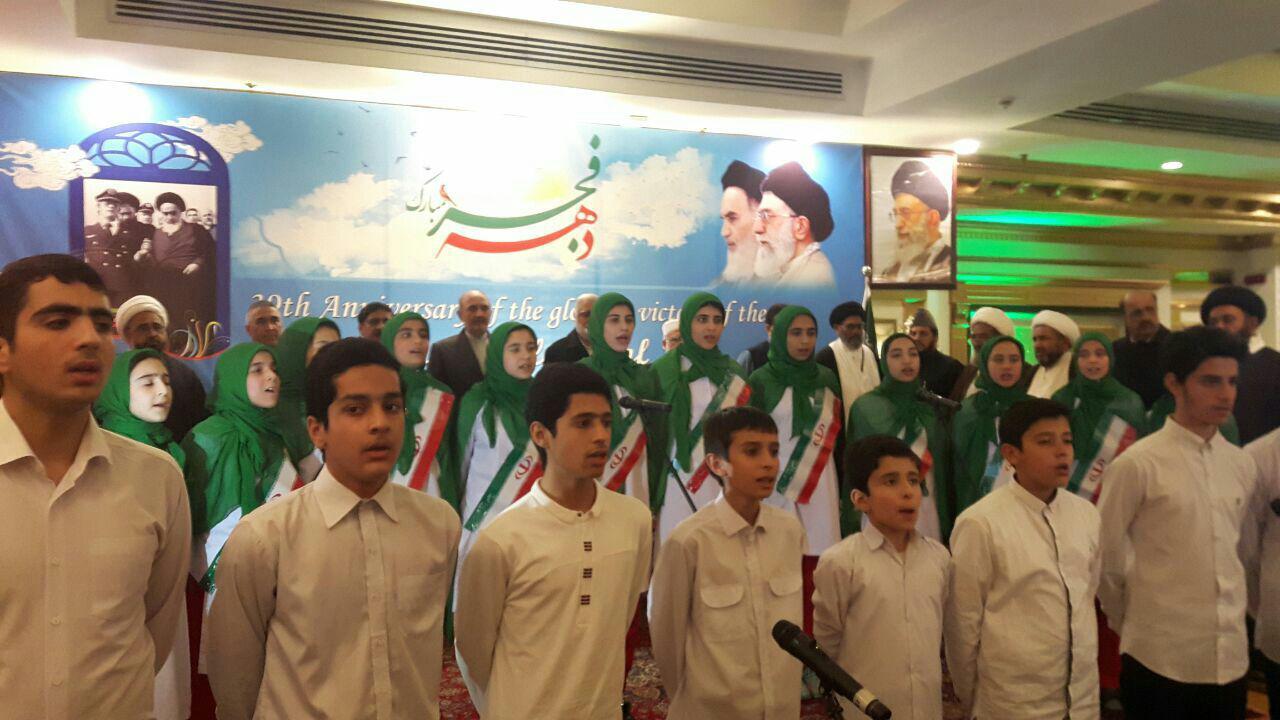
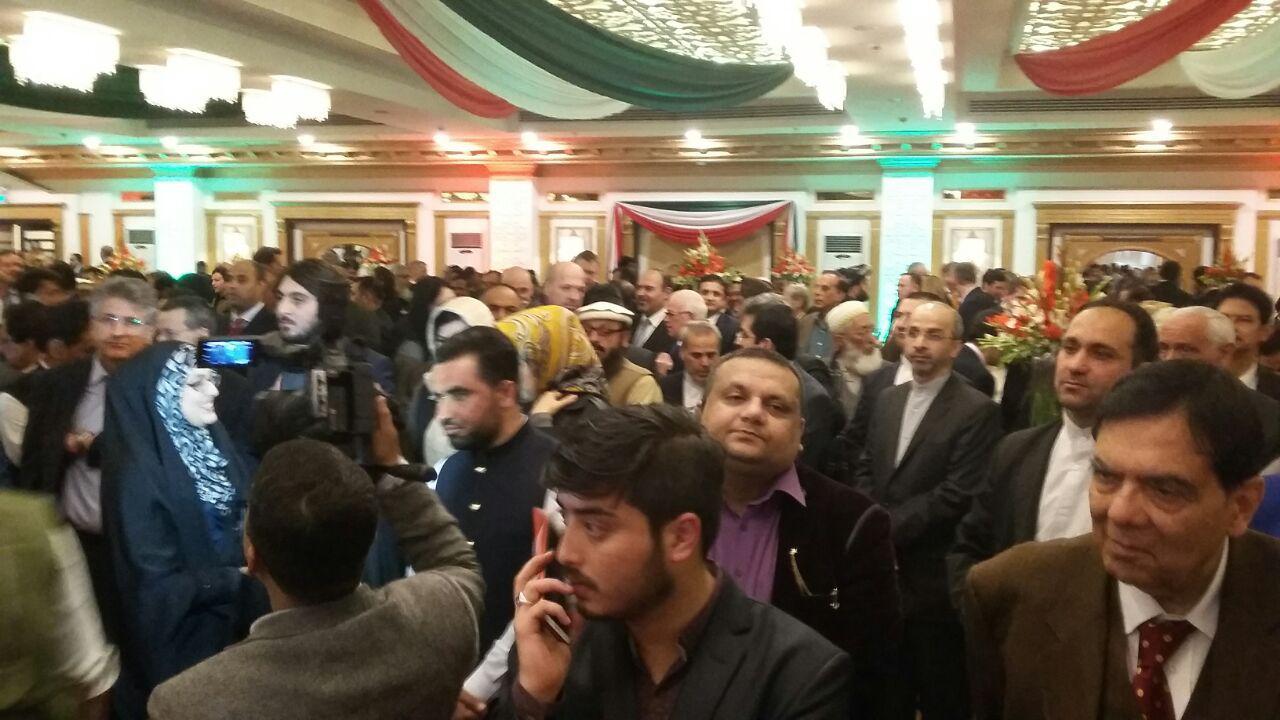
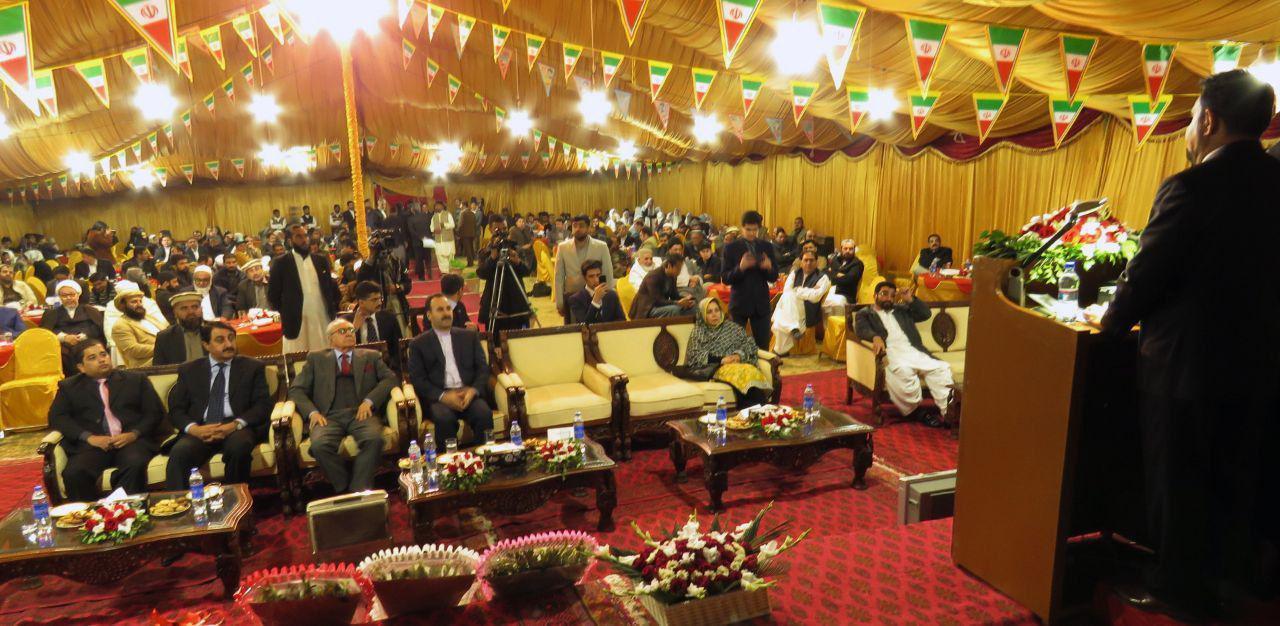
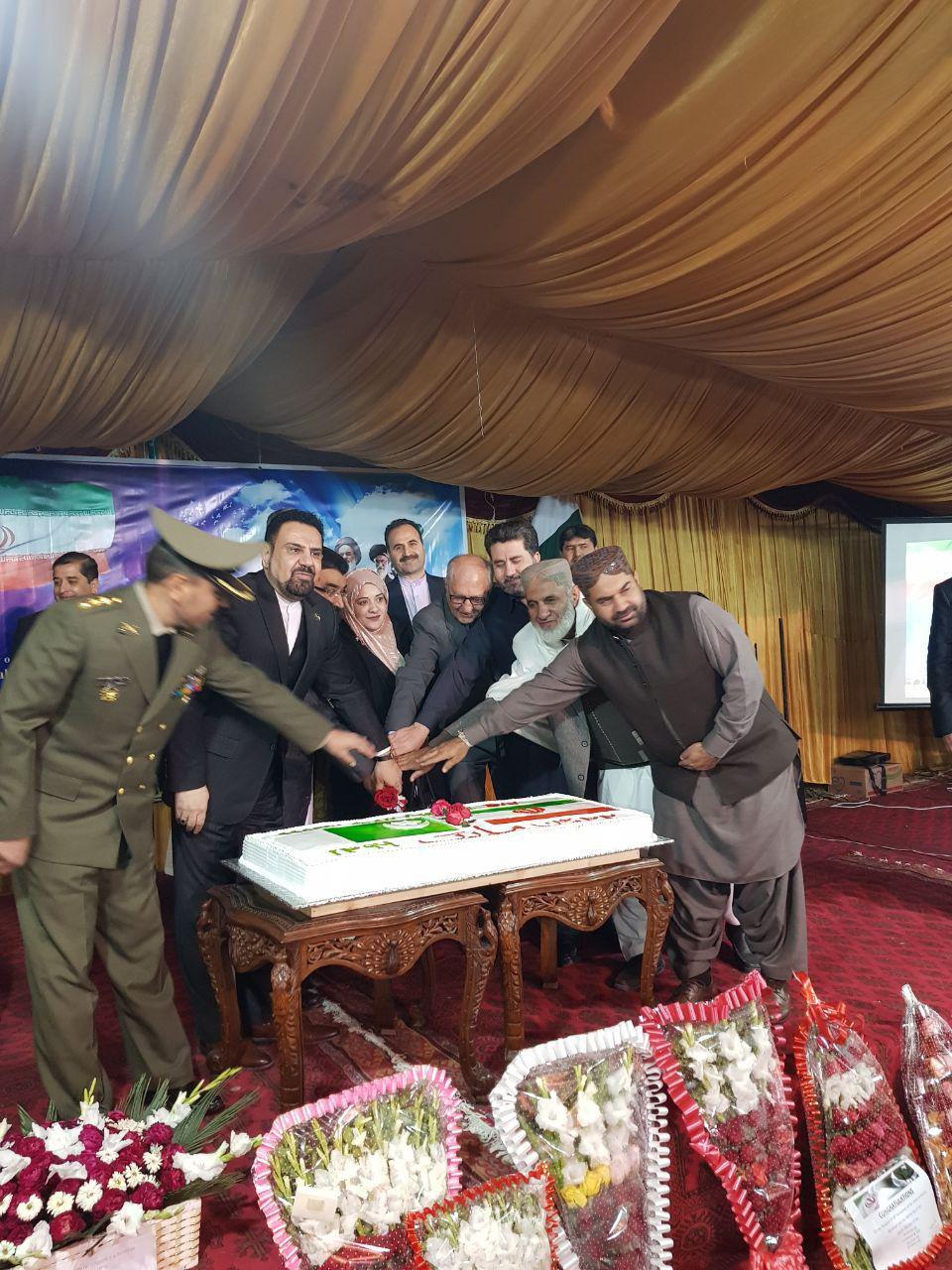
Ceremonies were also held in Bosnia and Herzegovina, Serbia, Albania, and Pakistan (one in Quetta and another one in Islamabad), among others.
A ceremony was also organized by a group of Iranian people residing in Washington DC in a mosque near the US capital, and was attended by elites, American Muslims, journalists, and Iranian expatriates.
Here are IRIB’s photos of the ceremonies held across the world:
1 of 38
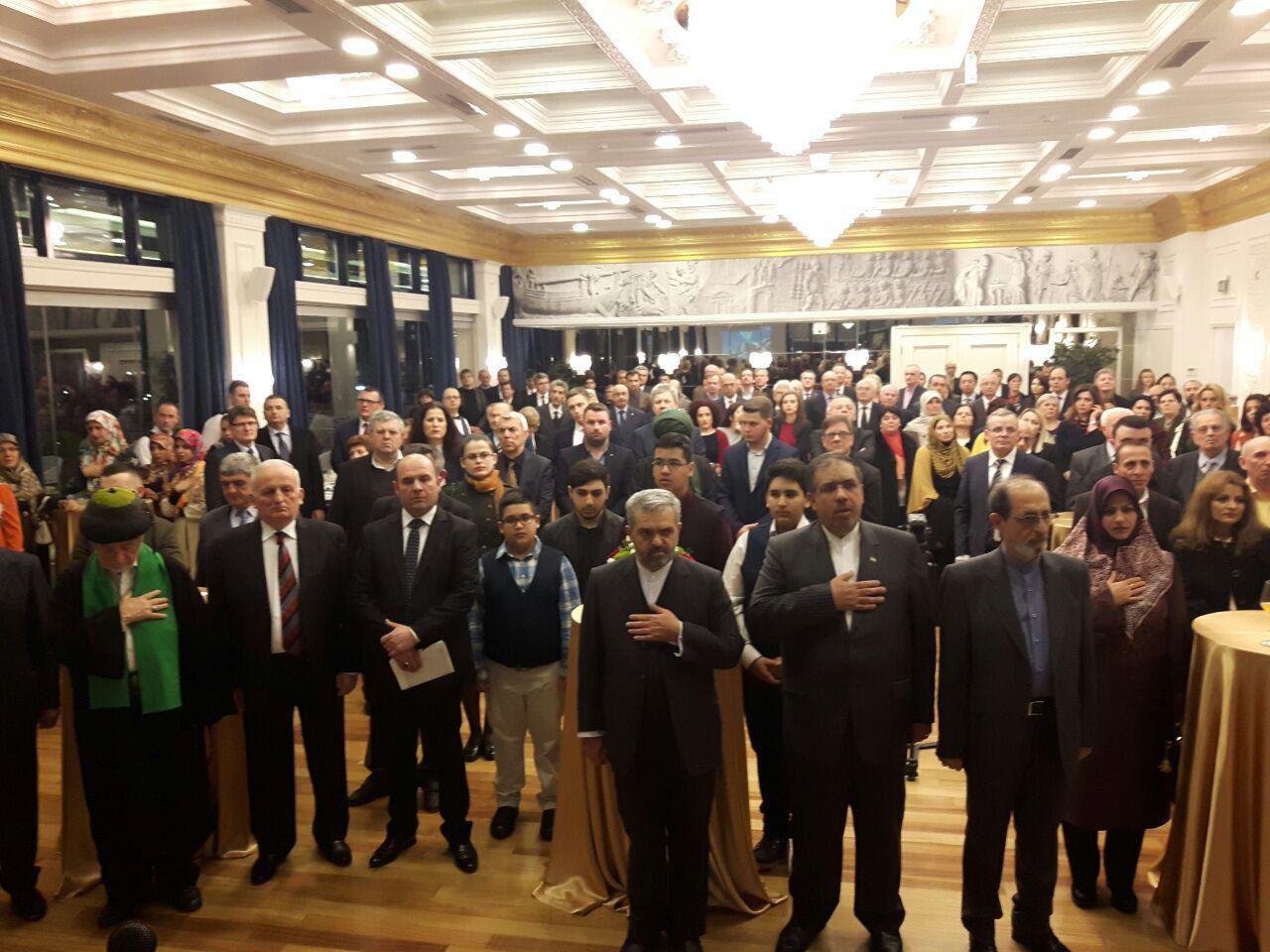
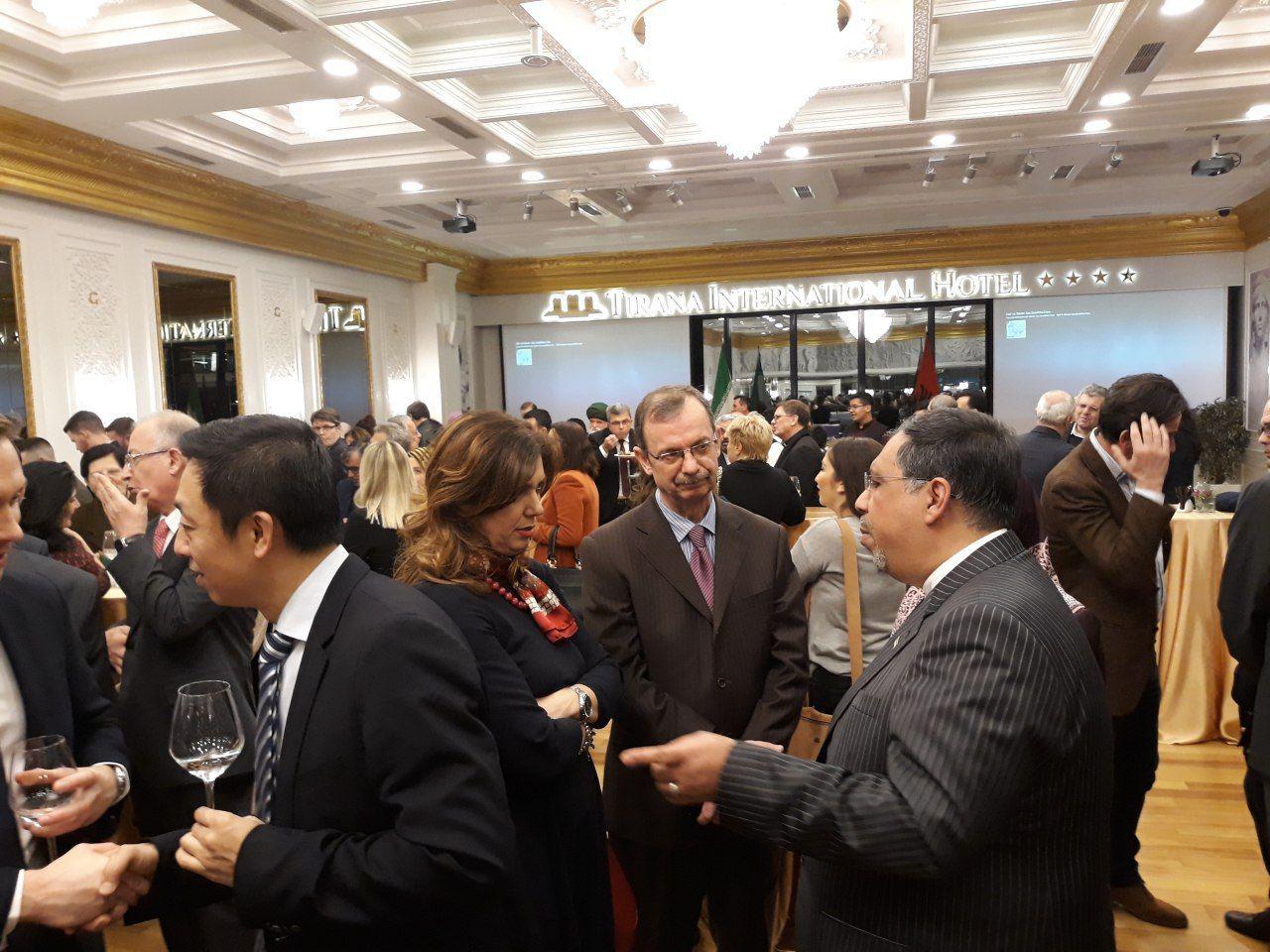
Photo of the ceremony held in Tirana, Albania, to mark the 39th anniversary of the victory of Iran’s 1979 Islamic Revolution
Photo of the ceremony held in Tirana, Albania, to mark the 39th anniversary of the victory of Iran’s 1979 Islamic Revolution
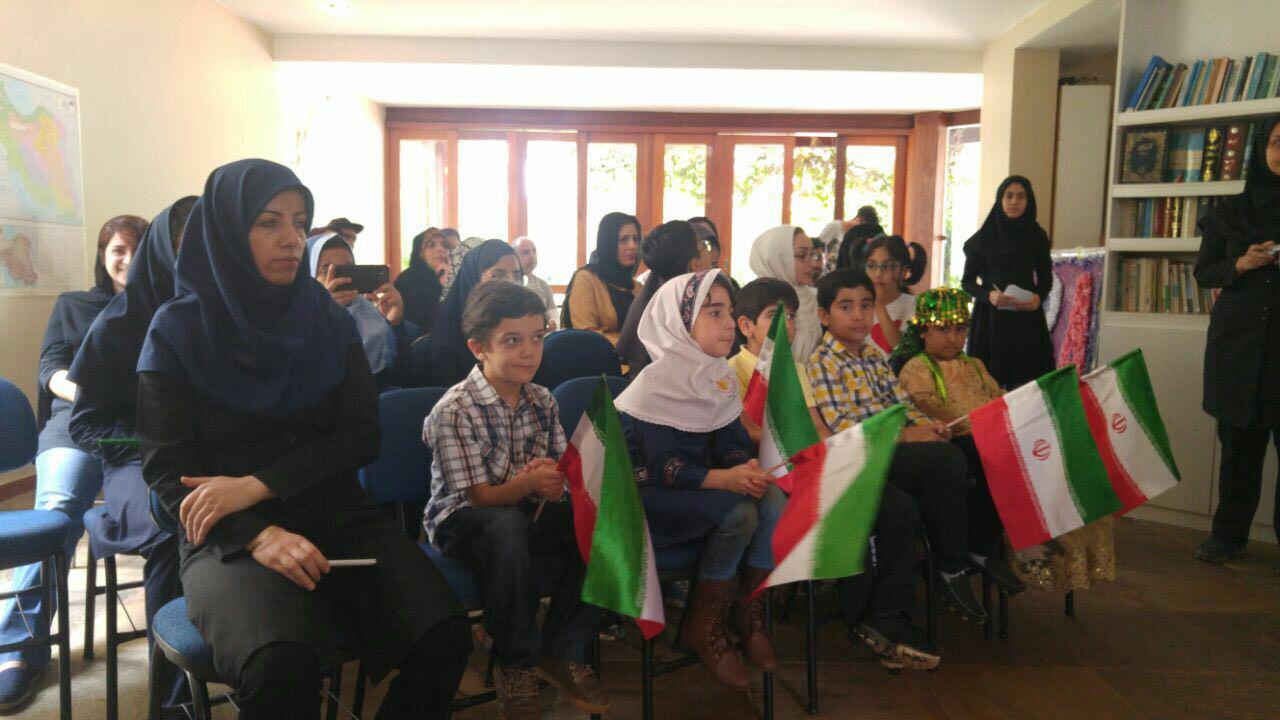
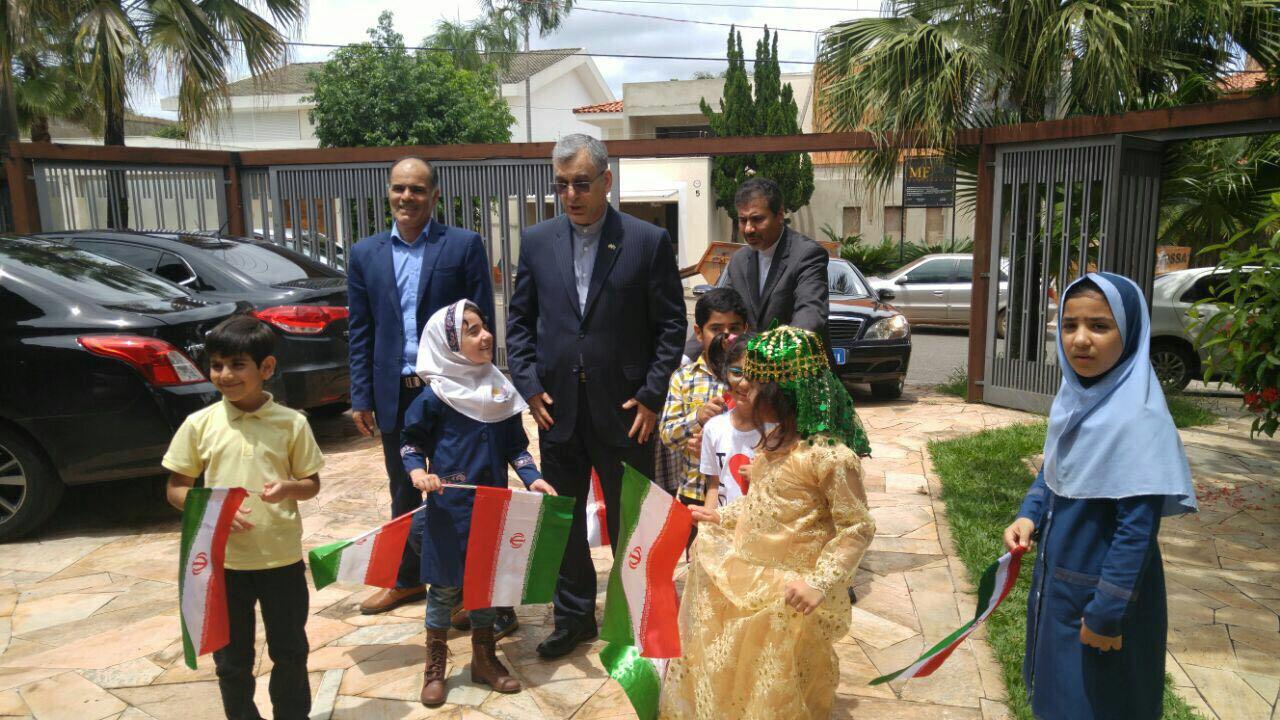
Photo of the ceremony held in Brasilia, the capital of Brazil, to mark the 39th anniversary of the victory of Iran’s 1979 Islamic Revolution
Photo of the ceremony held in Brasilia, the capital of Brazil, to mark the 39th anniversary of the victory of Iran’s 1979 Islamic Revolution
Photo of the ceremony held in Brasilia, the capital of Brazil, to mark the 39th anniversary of the victory of Iran’s 1979 Islamic Revolution
Photo of the ceremony held in Brasilia, the capital of Brazil, to mark the 39th anniversary of the victory of Iran’s 1979 Islamic Revolution
Photo of the ceremony held in Brasilia, the capital of Brazil, to mark the 39th anniversary of the victory of Iran’s 1979 Islamic Revolution
Photo of the ceremony held in Brasilia, the capital of Brazil, to mark the 39th anniversary of the victory of Iran’s 1979 Islamic Revolution
Photo of the ceremony held in Brasilia, the capital of Brazil, to mark the 39th anniversary of the victory of Iran’s 1979 Islamic Revolution
Photo of the ceremony held in Brasilia, the capital of Brazil, to mark the 39th anniversary of the victory of Iran’s 1979 Islamic Revolution
Photo of the ceremony held in Bosnia and Herzegovina to mark the 39th anniversary of the victory of Iran’s 1979 Islamic Revolution
Photo of the ceremony held in Bosnia and Herzegovina to mark the 39th anniversary of the victory of Iran’s 1979 Islamic Revolution
Photo of the ceremony held in Bosnia and Herzegovina to mark the 39th anniversary of the victory of Iran’s 1979 Islamic Revolution
Photo of the ceremony held in Islamabad, the capital of Pakistan, to mark the 39th anniversary of the victory of Iran’s 1979 Islamic Revolution
Photo of the ceremony held in Islamabad, the capital of Pakistan, to mark the 39th anniversary of the victory of Iran’s 1979 Islamic Revolution
Photo of the ceremony held in Islamabad, the capital of Pakistan, to mark the 39th anniversary of the victory of Iran’s 1979 Islamic Revolution
Photo of the ceremony held in Islamabad, the capital of Pakistan, to mark the 39th anniversary of the victory of Iran’s 1979 Islamic Revolution
Photo of the ceremony held in Serbia to mark the 39th anniversary of the victory of Iran’s 1979 Islamic Revolution
Photo of the ceremony held in Serbia to mark the 39th anniversary of the victory of Iran’s 1979 Islamic Revolution
Photo of the ceremony held in Serbia to mark the 39th anniversary of the victory of Iran’s 1979 Islamic Revolution
Photo of the ceremony held in the Kazakh capital of Astana to mark the 39th anniversary of the victory of Iran’s 1979 Islamic Revolution
Photo of the ceremony held in the Kazakh capital of Astana to mark the 39th anniversary of the victory of Iran’s 1979 Islamic Revolution
Photo of the ceremony held in the Kazakh capital of Astana to mark the 39th anniversary of the victory of Iran’s 1979 Islamic Revolution
Photo of the ceremony held in Warsaw, Poland, to mark the 39th anniversary of the victory of Iran’s 1979 Islamic Revolution
Photo of the ceremony held in Warsaw, Poland, to mark the 39th anniversary of the victory of Iran’s 1979 Islamic Revolution
Photo of the ceremony held in Warsaw, Poland, to mark the 39th anniversary of the victory of Iran’s 1979 Islamic Revolution
Photo of the ceremony held in Warsaw, Poland, to mark the 39th anniversary of the victory of Iran’s 1979 Islamic Revolution
Photo of the ceremony held in Quetta, Pakistan, to mark the 39th anniversary of the victory of Iran’s 1979 Islamic Revolution
Photo of the ceremony held in Quetta, Pakistan, to mark the 39th anniversary of the victory of Iran’s 1979 Islamic Revolution
Photo of the ceremony held in Dushanbe,Tajikistan to mark the 39th anniversary of the victory of Iran’s 1979 Islamic Revolution / Retrieved from Fars News Agency
Photo of the ceremony held in Dushanbe,Tajikistan to mark the 39th anniversary of the victory of Iran’s 1979 Islamic Revolution / Retrieved from Fars News Agency
Photo of the ceremony held in Dushanbe,Tajikistan to mark the 39th anniversary of the victory of Iran’s 1979 Islamic Revolution / Retrieved from Fars News Agency
Photo of the ceremony held in Dushanbe,Tajikistan to mark the 39th anniversary of the victory of Iran’s 1979 Islamic Revolution / Retrieved from Fars News Agency
Photo of the ceremony held in Georgia to mark the 39th anniversary of the victory of Iran’s 1979 Islamic Revolution
Photo of the ceremony held in Georgia to mark the 39th anniversary of the victory of Iran’s 1979 Islamic Revolution
Photo of the ceremony held in Mumbai, India, to mark the 39th anniversary of the victory of Iran’s 1979 Islamic Revolution
Photo of the ceremony held in Mumbai, India, to mark the 39th anniversary of the victory of Iran’s 1979 Islamic Revolution
Photo of the ceremony held in Mumbai, India, to mark the 39th anniversary of the victory of Iran’s 1979 Islamic Revolution
In a statement at the conclusion of celebratory demonstrations in capital Tehran and other cities on Sunday, ralliers reaffirmed commitment to countering the hostile plots, saying the Iranian nation sees the US as its “enemy number one.”
Denouncing the US for breaching the Joint Comprehensive Plan of Action (JCPOA) and certain European officials for following the hostile American policies, the statement called on the Iranian officials to take decisive stances in protecting the rights of Iranian people and countering plots, such as sanctions and acts of sabotage.
Demonstrators also renewed allegiance to the Islamic Republic and the religious leadership, voicing support for the country’s progress in scientific and military areas, including the missile and defense industries.
People in more than 1,000 cities and towns as well as 4,000 villages attended the Sunday rallies with flags of Iran and banners in support of the Islamic Republic to mark the revolution’s 39th victory anniversary, known as Bahman 22nd in Iran.
In capital Tehran, demonstrators marched across different routes to reach the Azadi (Liberty) Square, where President Hassan gave an address.
This year, rally organizers in Tehran have put on display the country’s latest achievements in the scientific and military spheres, including long-range ballistic missiles.
The crowd of demonstrators in the rallies paid tribute to the late founder of the Islamic Republic, Imam Khomeini, under whose leadership the revolutionary movements triumphed over the despotic regime of Pahlavi on February 11, 1979.
Imam Khomeini had lived many years in exile, in Iraq and France, before returning home and leading a historical revolution that overthrew Pahlavi regime.
The 10-day period from the return of Imam Khomeini until the revolution’s victory is celebrated annually in Iran, and is known as the Ten-Day Fajr (Dawn).