Sunday, December 21, 2025
Home Blog Page 3726

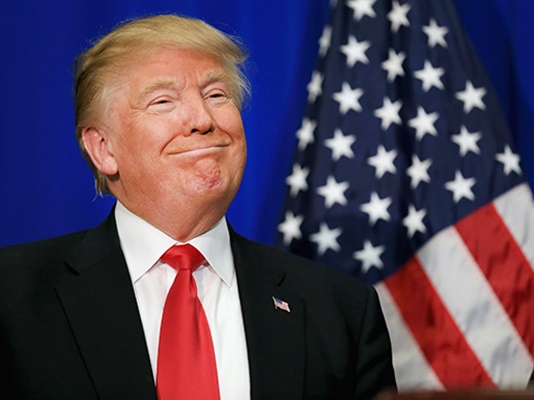
Trump’s Re-Election Even Hard to Imagine: US Author

Slavin, the director of the Future of Iran Initiative at the Atlantic Council and the author of Bitter Friends, Bosom Enemies: Iran, the US and the Twisted Path to Confrontation (2007), says “Trump was elected because many Americans didn’t like Hillary Clinton for a variety of reasons and because he presented himself as a champion of ‘forgotten Americans’ – rather like Ahmadinejad.”
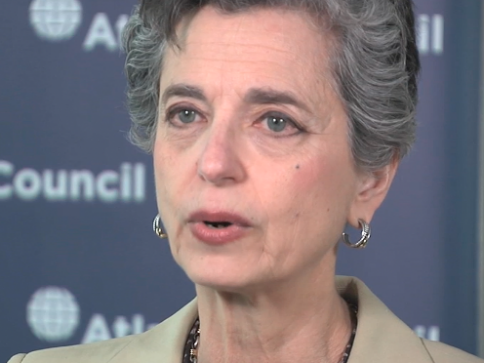
Trump’s Re-Election Even Hard to Imagine: US AuthorHowever, she added, “many Americans are now embarrassed by his rhetoric and his Tweets and by the chaotic, melodramatic way in which he acts.”

Here is the full text of her interview with ILNA’s Khadijeh Ghobeishavi:

What do you think about the situation of world in whole after one year of Trump’s presidency? Is it safer and more stable?

Fortunately, we have not seen an outbreak of another war and it appears that ISIS has been defeated. However, we have seen an increase of tensions with North Korea, continuing conflict in Yemen and rising tensions among Arab countries and between Arab countries and Iran.

What do you think about the Trump policies in the US and Europe and Middle East in the three remaining years of his presidency?

It is very hard to predict what Trump will do but we are beginning to see patterns. He has pushed Europe to spend more on its own defence but alienated many leaders there by leaving the Paris climate agreement and threatening the Iran nuclear deal. He will continue to insist he is promoting US interests but in my view, will hurt US national security by undermining US global leadership.

What do you think about Trump’s policy regarding the Iran deal? Do you think Washington would withdraw from the Iran deal?

Trump has already accomplished his objective by casting so much uncertainty over the deal and dissuading many foreign companies from investing in Iran. It is still my hope that the US will not withdraw and that it can reach separate side understandings with Europe about how to react to possible Iranian non-compliance and the so-called “sunset” provisions of the agreement.

Do you think that Trump will be elected again as US president? Some analysts say that the first term of his presidency will remain unfinished, what do you think?

It is hard for me to imagine that he would be re-elected as he has aroused so much opposition from so many Americans. But of course it depends on who the Democrats nominate, the state of the US economy and whether the US becomes embroiled in another conflict – with North Korea, for example.

What do you think about the effect of book “Fire and Fury: Inside the Trump White House” on America’s public opinion?

The book has gotten a lot of attention but probably hasn’t changed many minds. Those who dislike Trump – a majority of the country – found more ammunition for their views and those who like him either don’t believe or don’t care about the allegations in the book.

While Trump has had good record on economy and fulfilling his campaign promises, why does he still lack popularity in the America’s public opinion?

Trump was elected because many Americans didn’t like Hillary Clinton for a variety of reasons and because he presented himself as a champion of “forgotten Americans” – rather like Ahmadinejad. Some of his supporters hoped he would change in office and become more “presidential.” That hasn’t happened and many Americans are now embarrassed by his rhetoric and his Tweets and by the chaotic, melodramatic way in which he acts. Also, his one major achievement – a big tax cut – is likely to help the rich far more than the poor and middle class.

What do you think about Iran-US relation under the presidency of Trump?

I have written that we are back to the ‘Axis of Evil’ stage in many ways with Trump advocating regime change and expressing hostility toward the Iranian government.

This will be a tough period in US-Iran relations, but then, that has unfortunately been more the rule than the exception over the last 40 years. And Trump won’t be president forever. I still hope to see the day when the US Embassy reopens in Tehran and we have normal diplomatic ties.
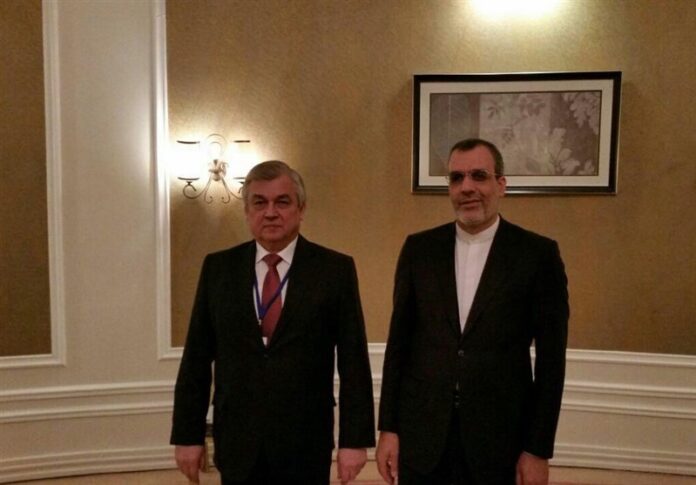
Iran, Russia Discuss Syria Peace Process in Sochi

During the Saturday meeting in Sochi, the two diplomats conferred on the agenda of the Syrian National Dialogue Congress. They also discussed arrangements for holding the conference which is to be held on January 30 in Sochi.

Jaberi Ansari and Lavrentiev, who are the top negotiators of Iran and Russia in the Astana Process, further talked about the upcoming trilateral meeting between the three guarantor states of Astana Process – Iran, Russia, and Turkey – which will be held in later on Saturday.

Jaberi Ansari met Lavrentiev after a short visit to Moscow, where he held talks with Russian Deputy Foreign Minister Mikhail Bogdanov.

In the Friday meeting, which was held at the Russian Foreign Ministry building, the two sides discussed the latest developments in Yemen, Iraq, Libya, Palestine, and also the Syrian National Dialogue Congress.

The Iranian diplomat stressed that the issue of Syria constitutes an important part of consultations, saying that on Saturday these talks would continue at the Sochi tripartite Summit with Russian and Turkish partners who are part of Astana Talks as well.

“Given the vast potentialities of Iran and Russia, these consultations can help resolve the current crises in the Arab region and restore peace and stability to this region of the world,” he added.

The Syrian National Dialogue Congress will be held in Sochi on January 29-30 following a similar initiative by Russia, Iran and Turkey in Kazakhstan.

Many hope the talks could bring an end or significantly reduce the militancy in Syria although the United Nations insists that the initiative should not circumvent efforts led by the world body for reaching a political solution in Syria.

On November 22, Iranian President Hassan Rouhani and his Russian and Turkish counterparts Vladimir Putin and Recep Tayyip Erdogan met in Sochi. They agreed to hold the Syrian National Dialogue Congress in the Russian city aimed at bringing to the table both the Syrian government and various opposition groups willing to enter into peace talks with Damascus.

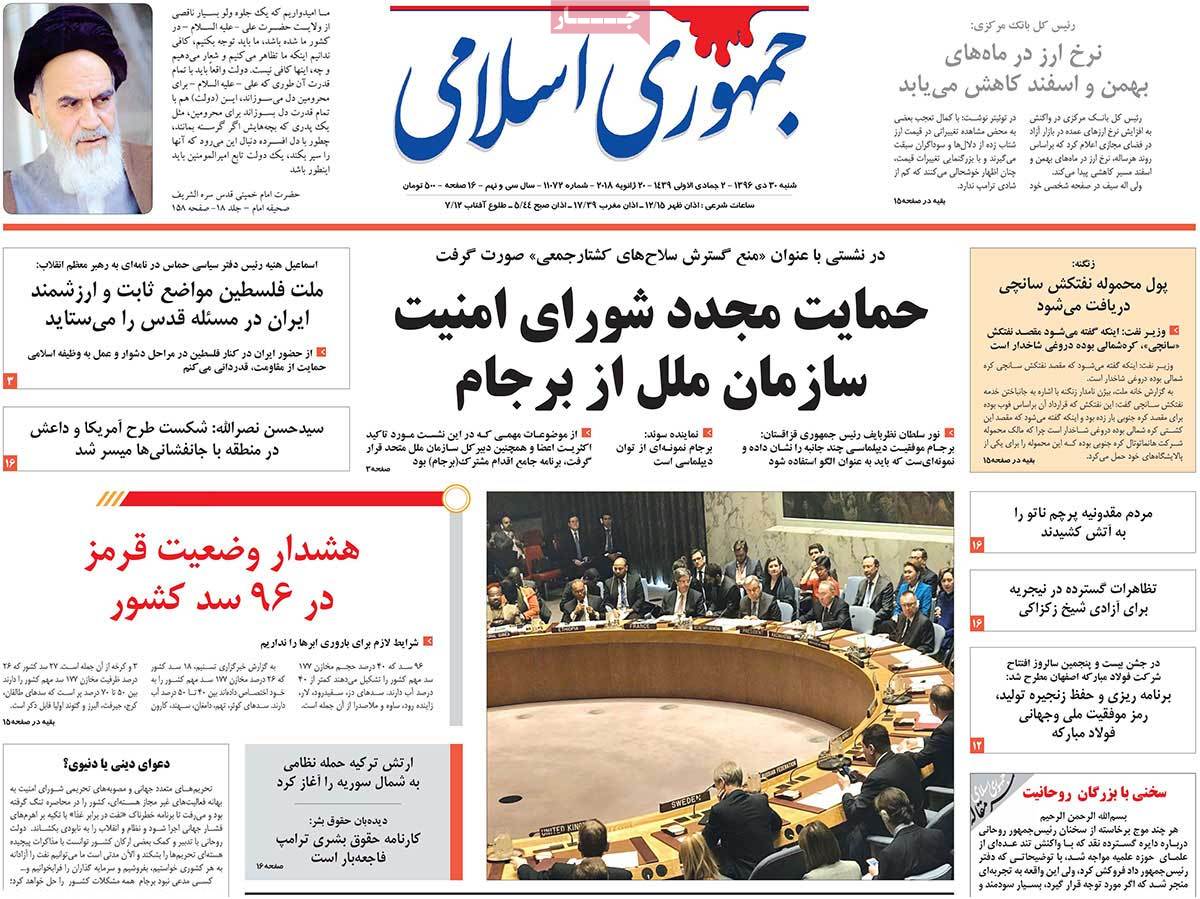
A Look at Iranian Newspaper Front Pages on January 20

A Look at Iranian Newspaper Front Pages on November 18

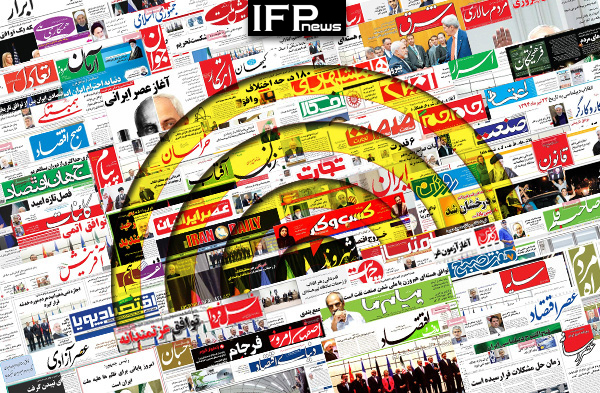
Several newspapers today covered a letter by Ismail Haniyah, the head of Hamas political bureau, to the Leader of Iran’s Islamic Revolution Ayatollah Seyyed Ali Khamenei, in which the Palestinian figure praised Iran for its stances on Jerusalem al-Quds.

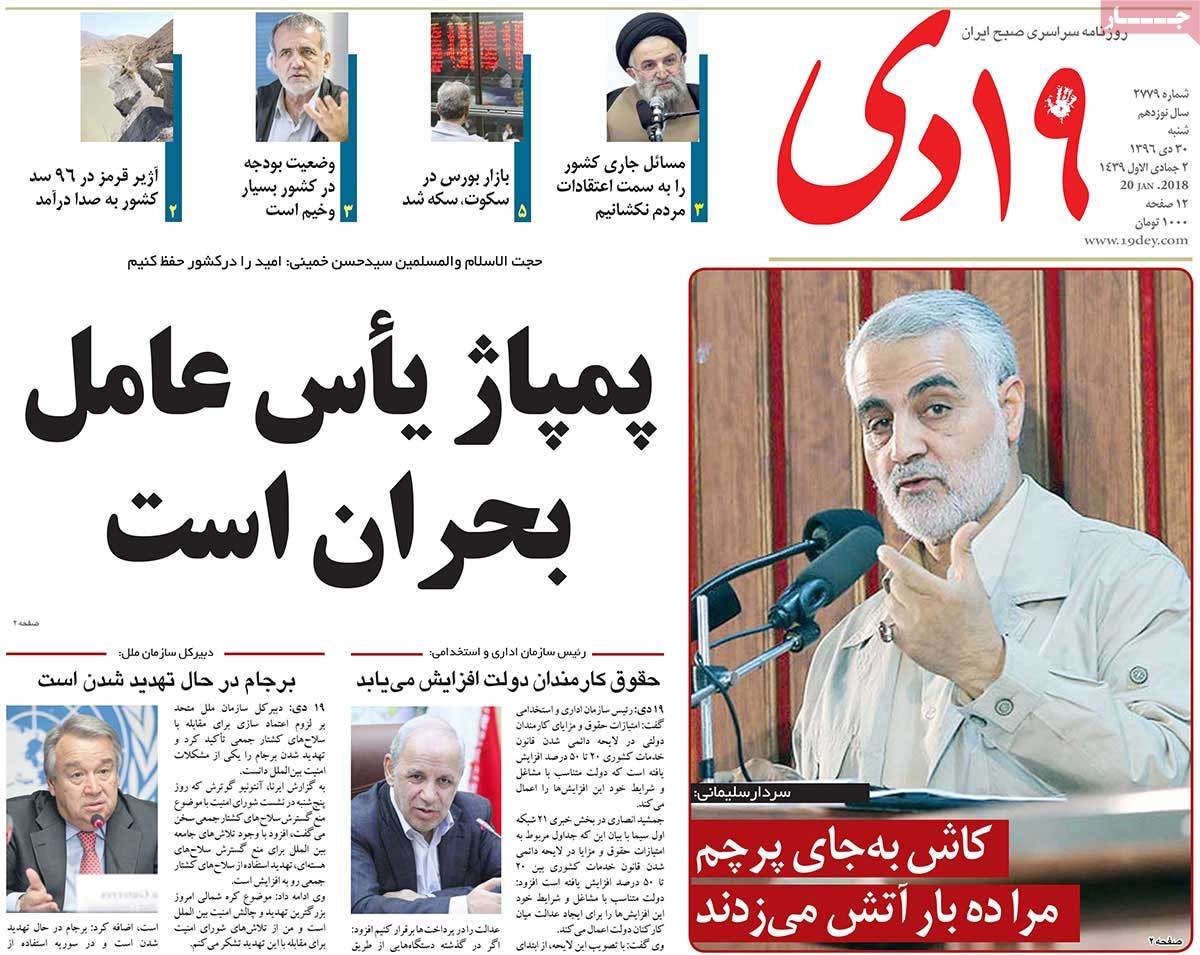
Also a top story was the remarks made by IRGC Quds Force Commander Major General Qassem Soleimani about the recent riots in Iran, where the Iranian flag was set ablaze. General Soleimani said he wished he had been set on fire for 10 times instead of the flag.

A plan by the US Congress to add tougher articles to the Iran nuclear deal also received great coverage today.

The above issues, as well as many more, are highlighted in the following headlines and top stories:


19 Dey:

1- Gen. Soleimani: I Wish They Had Set Me Ablaze Ten Times instead of Iran Flag

2- UN Secretary General: JCPOA Being Threatened


A Look at Iranian Newspaper Front Pages on January 20


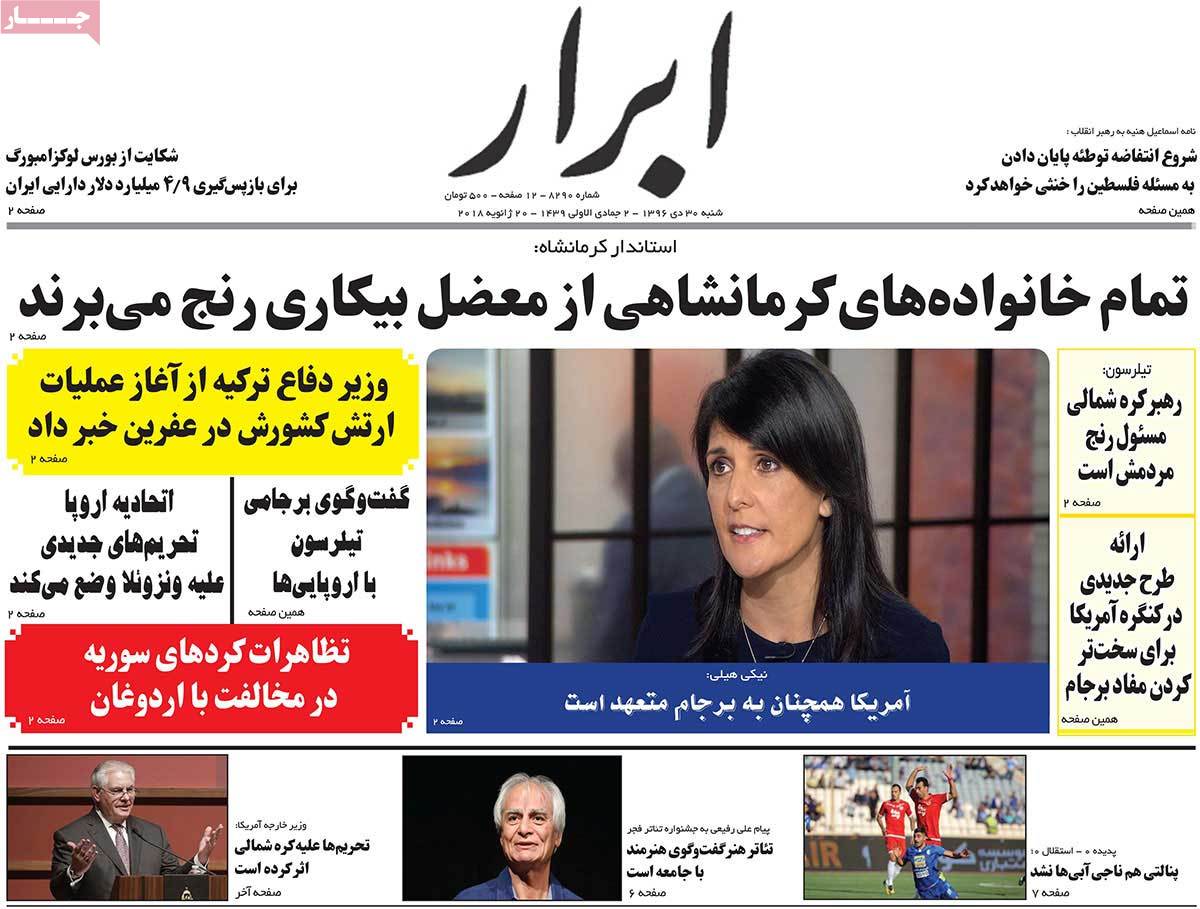
Abrar:

1- Kermanshah Governor: All Families Here Suffering from Unemployment Problem

2- Tillerson: N. Korean Leader Responsible for His People’s Suffering

3- Hamas Chief to Iran Leader: Intifada to Thwart Plot of Ending Palestine Issue

4- Haley: US Still Committed to Iran Nuclear Deal


A Look at Iranian Newspaper Front Pages on January 20


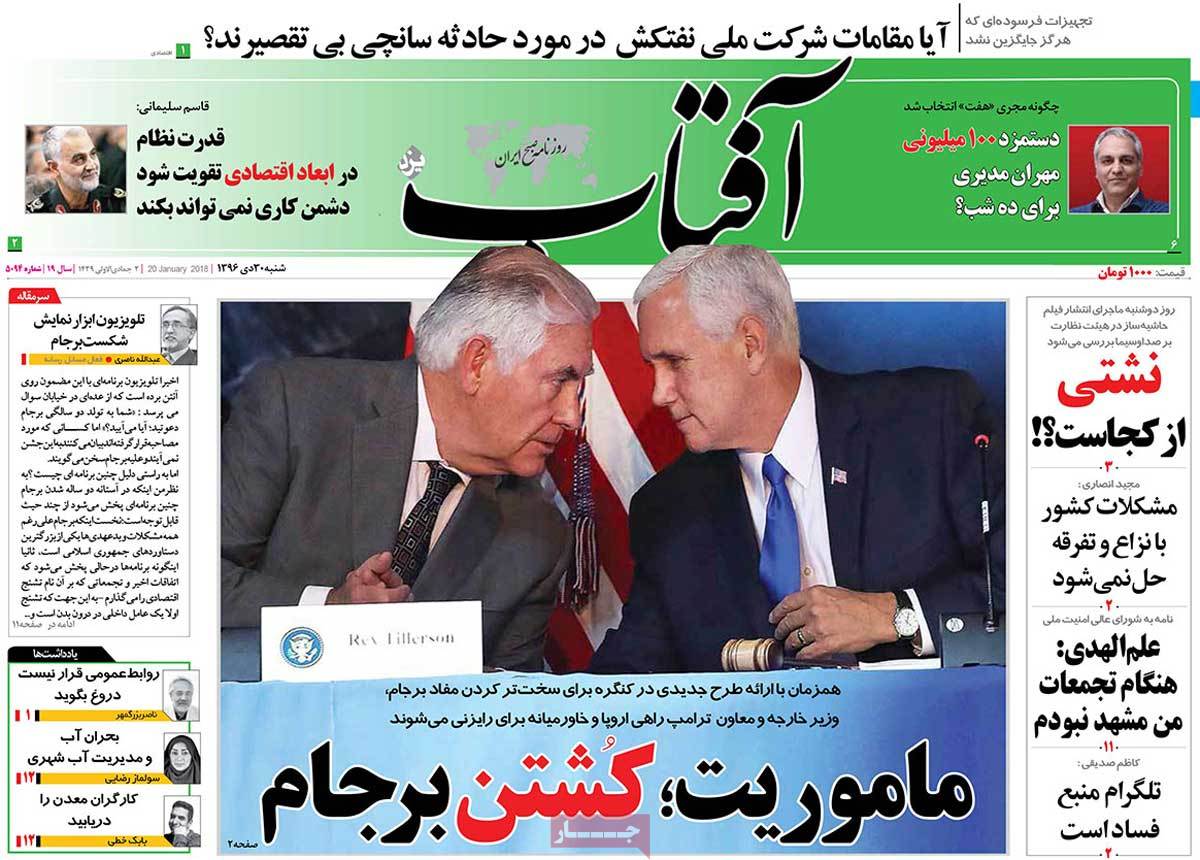
Aftab-e Yazd:

1- Mission: Killing Iran Nuclear Deal

  • US Congress Calls for Addition to Tougher Articles to Iran Deal
  • Trump’s Secretary, Deputy to Visit Europe, Middle East for Consultations

2- Gen. Soleimani: Islamic Establishment’s Economic Power to Be Reinforced


A Look at Iranian Newspaper Front Pages on January 20


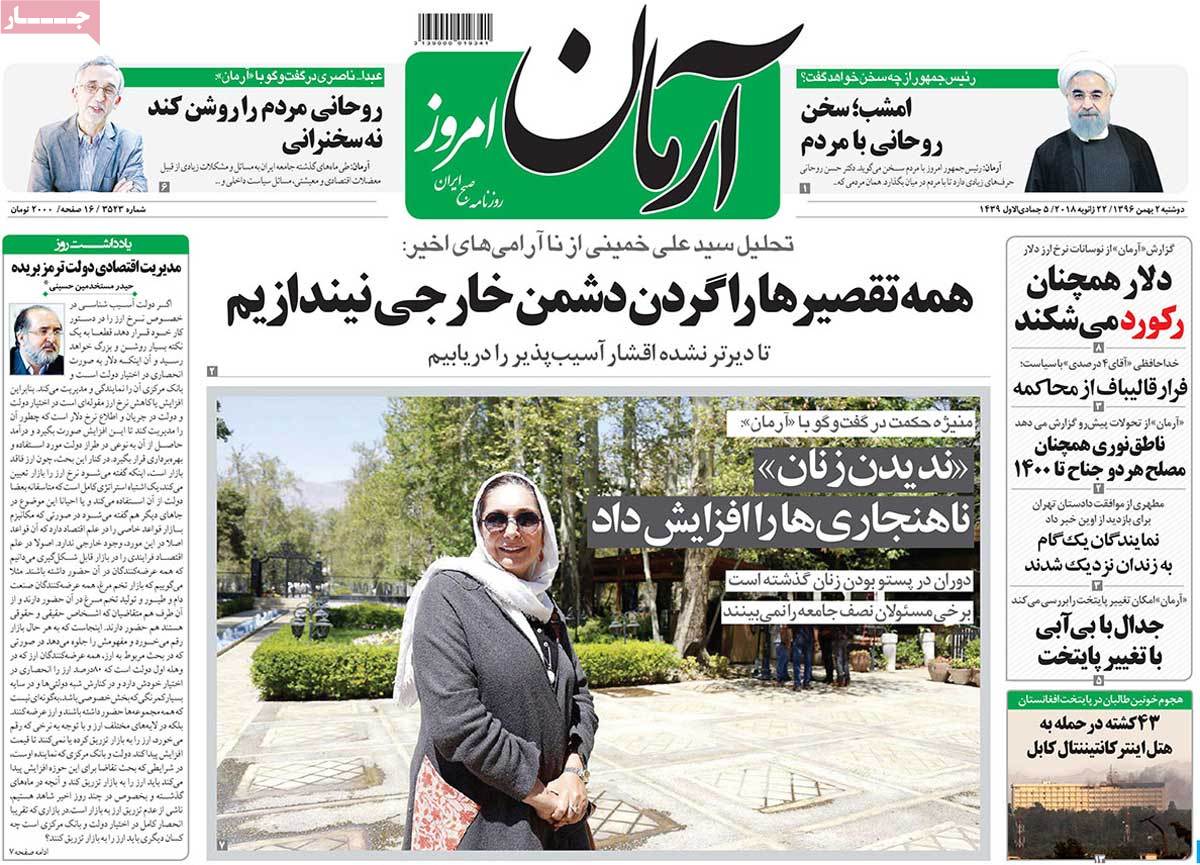
Arman-e Emrooz:

1- Without Iran Nuclear Deal, We Would Lose $222m Each Day: Top MP

2- Increased Emotional Violence among Women: 60%


A Look at Iranian Newspaper Front Pages on January 20


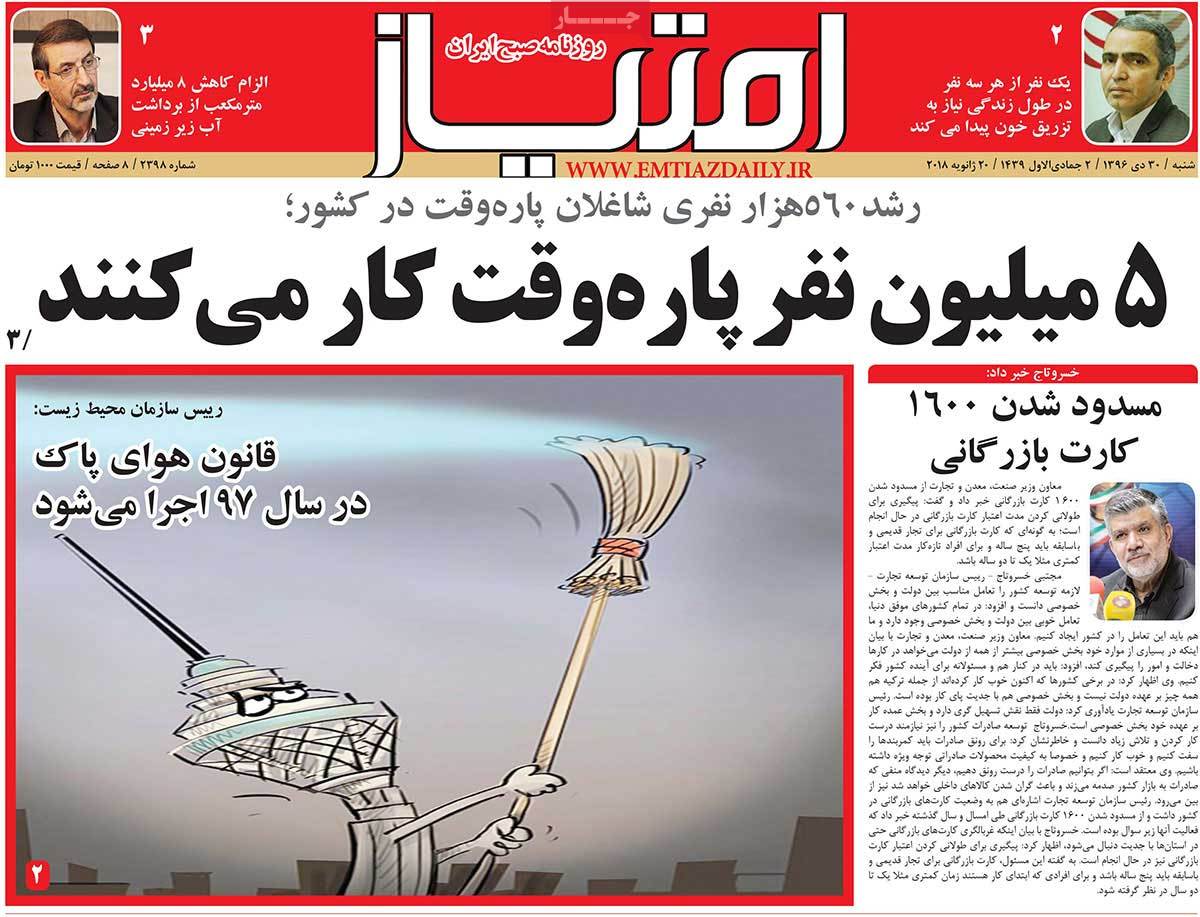
Emtiaz:

1- Environment Chief: Clean Air Regulations to Be Implemented Next Year

2- Number of Part-Time Employees Increased by 560,000 People

  • 5 Million People Working as Part-Time Employees


A Look at Iranian Newspaper Front Pages on January 20


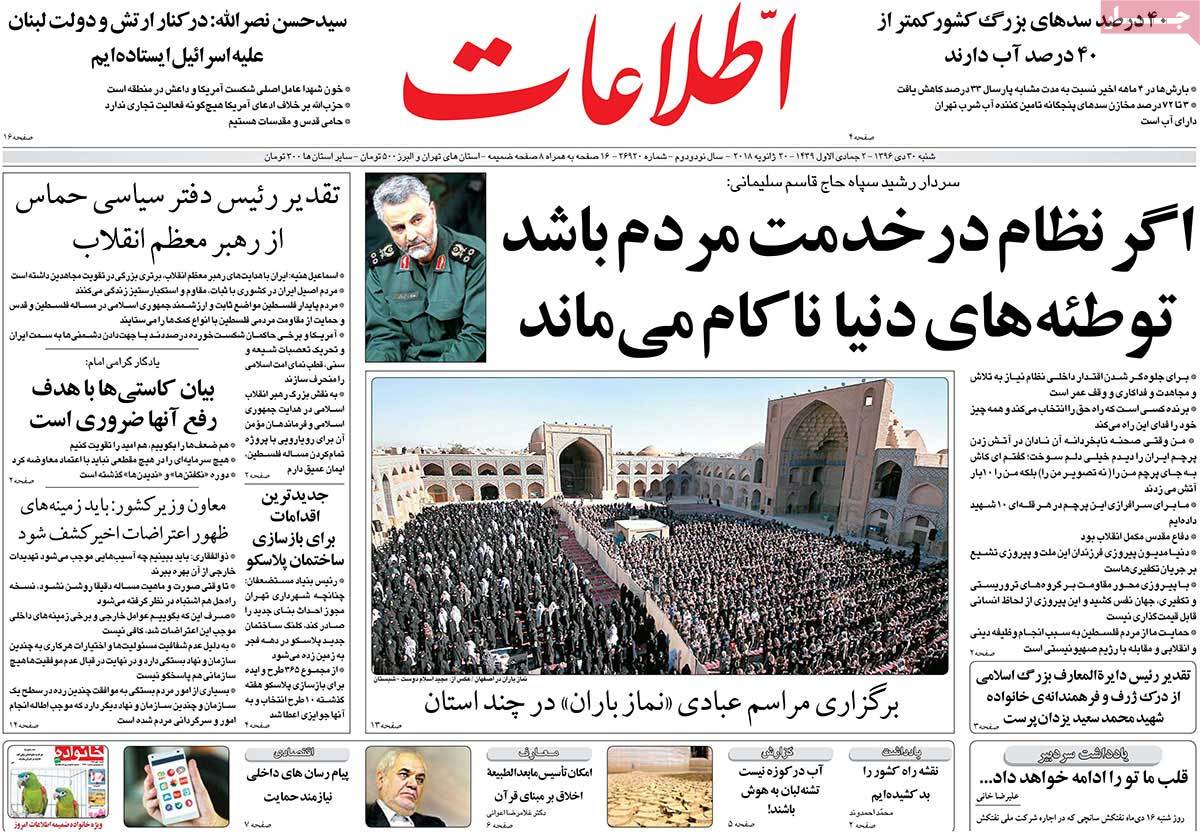
Ettela’at:

1- Gen. Soleimani: Global Plots to Be Foiled If Islamic Establishment Serves People

2- Water Level in 40% of Major Dams in Iran Less than 40% of Their Capacities

3- Nasrallah: We’re Standing by Lebanese Army, Gov’t against Israel


A Look at Iranian Newspaper Front Pages on January 20


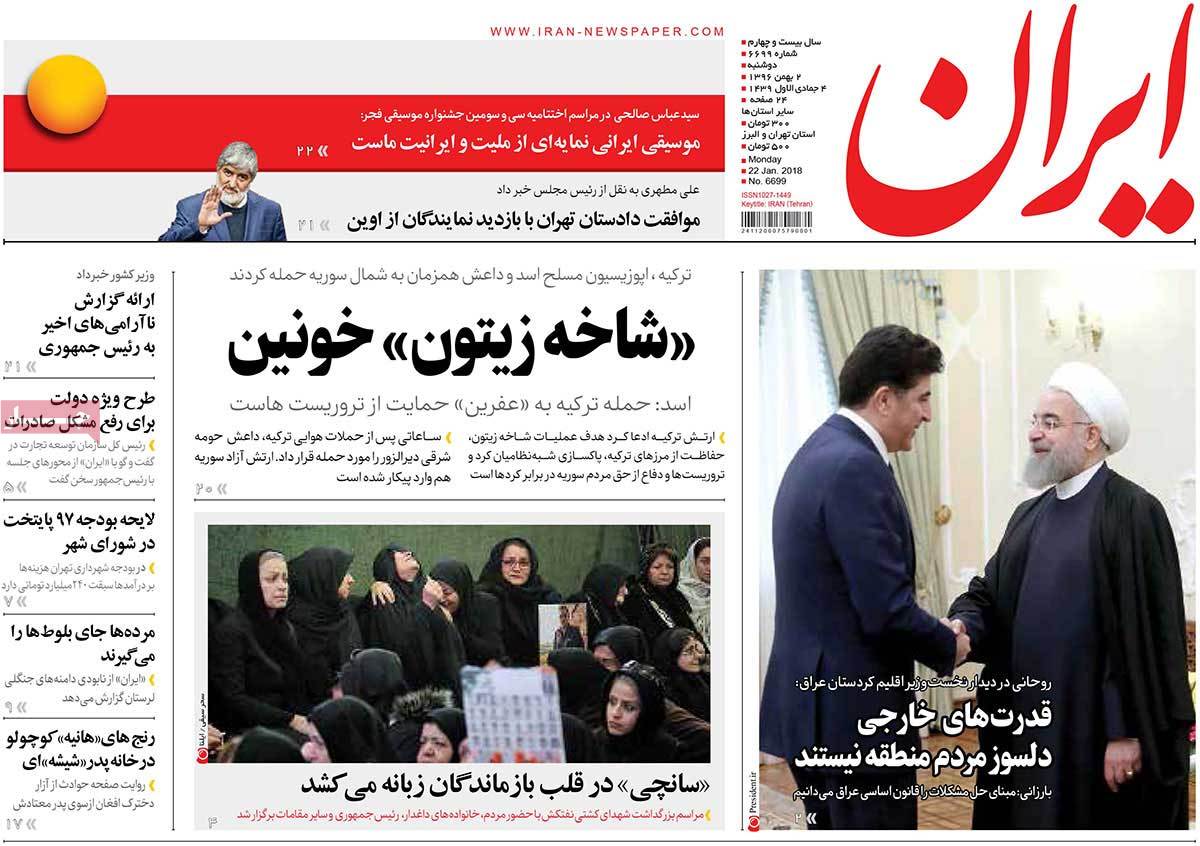
Iran:

1- One Year after Plasco Incident

2- Turkey Starts Artillery Attacks on Syria’s Kurds


A Look at Iranian Newspaper Front Pages on January 20


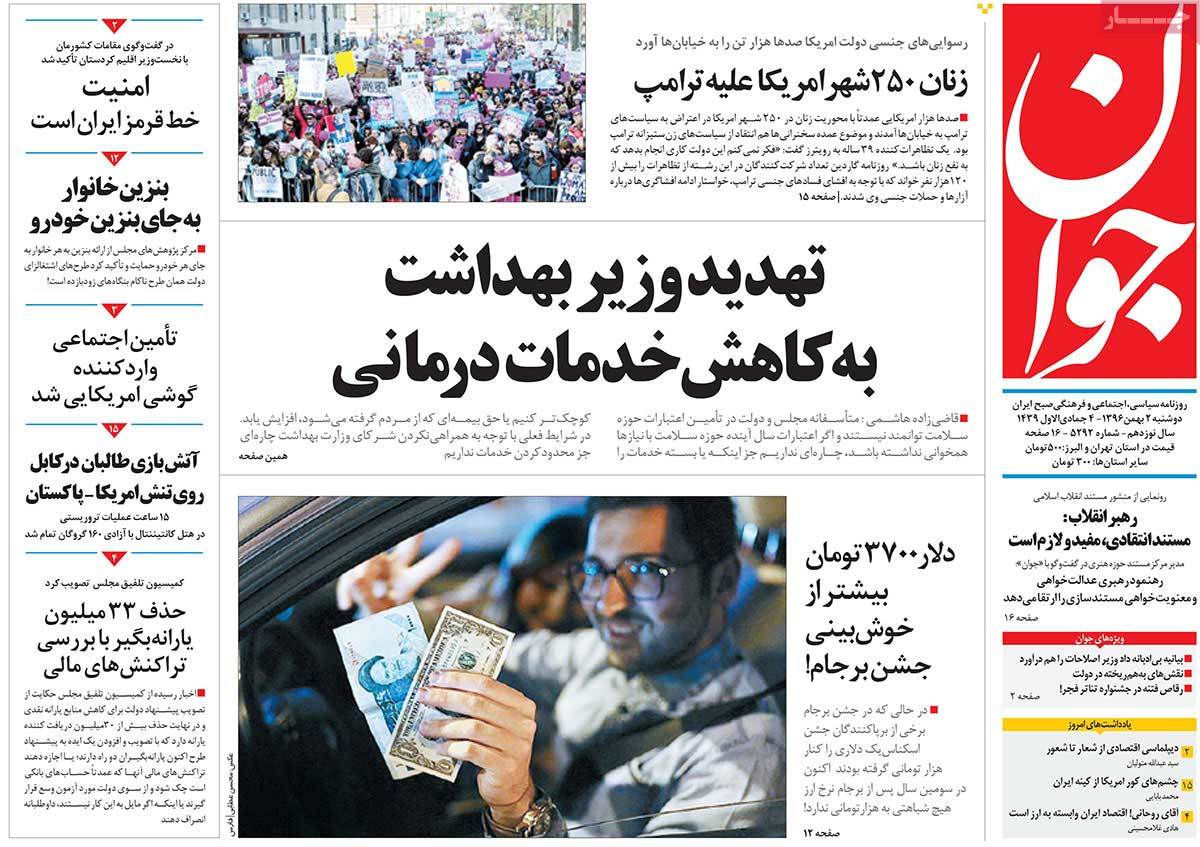
Javan:

1- Haniyah in Letter to Iran Leader: Palestinian Nation Praise Iran’s Quds Stances


A Look at Iranian Newspaper Front Pages on January 20


Jomhouri Eslami:

1- UN Security Council Once Again Supports Iran Nuclear Deal

2- Oil Minister: Iran to Receive Sanchi Oil Tanker’s Cargo Money

3- Alarming Level of 96 Dams in Iran


A Look at Iranian Newspaper Front Pages on January 20


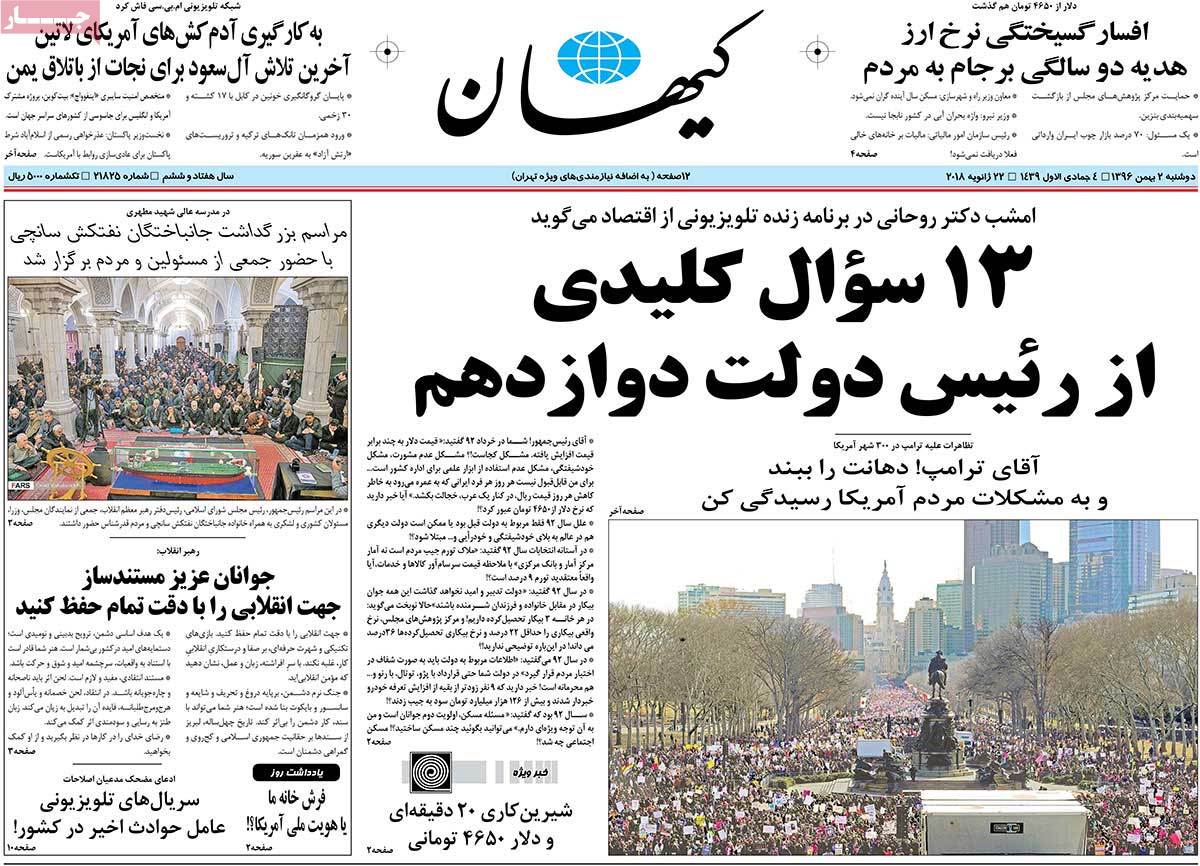
Kayhan:

1- Europe Standing by US in Increasing Anti-Iran Sanctions

  • US Congress Working on Plan to Unilaterally Change JCPOA Articles

2- General Soleimani: We’ve Lost Many Soldiers for Iran Flag to Remain Hoisted


A Look at Iranian Newspaper Front Pages on January 20


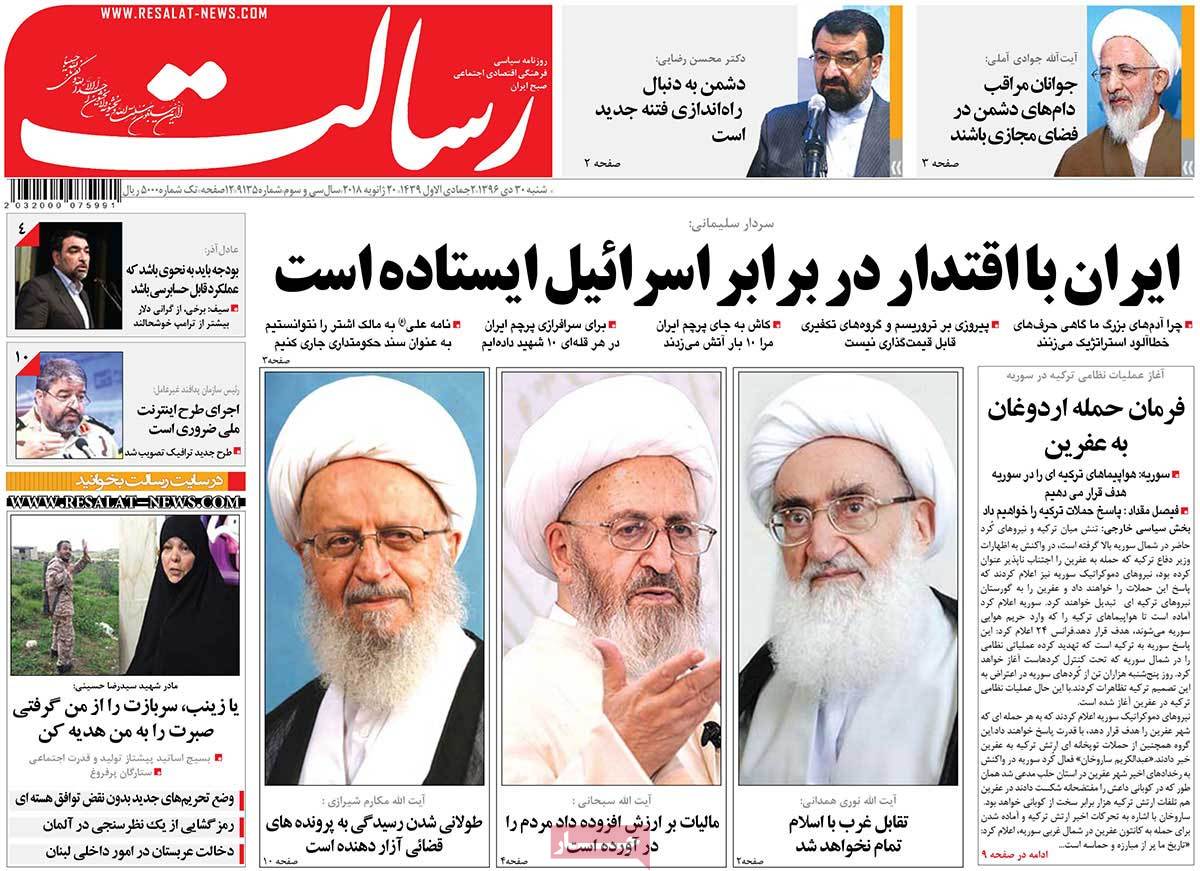
Resalat:

1- Gen. Soleimani: Iran Strongly Standing against Israel

2- IRGC General Rezaei: Enemy Seeks to Cause New Sedition in Iran

3- Implementation of National Internet Plan Necessary: Official


A Look at Iranian Newspaper Front Pages on January 20


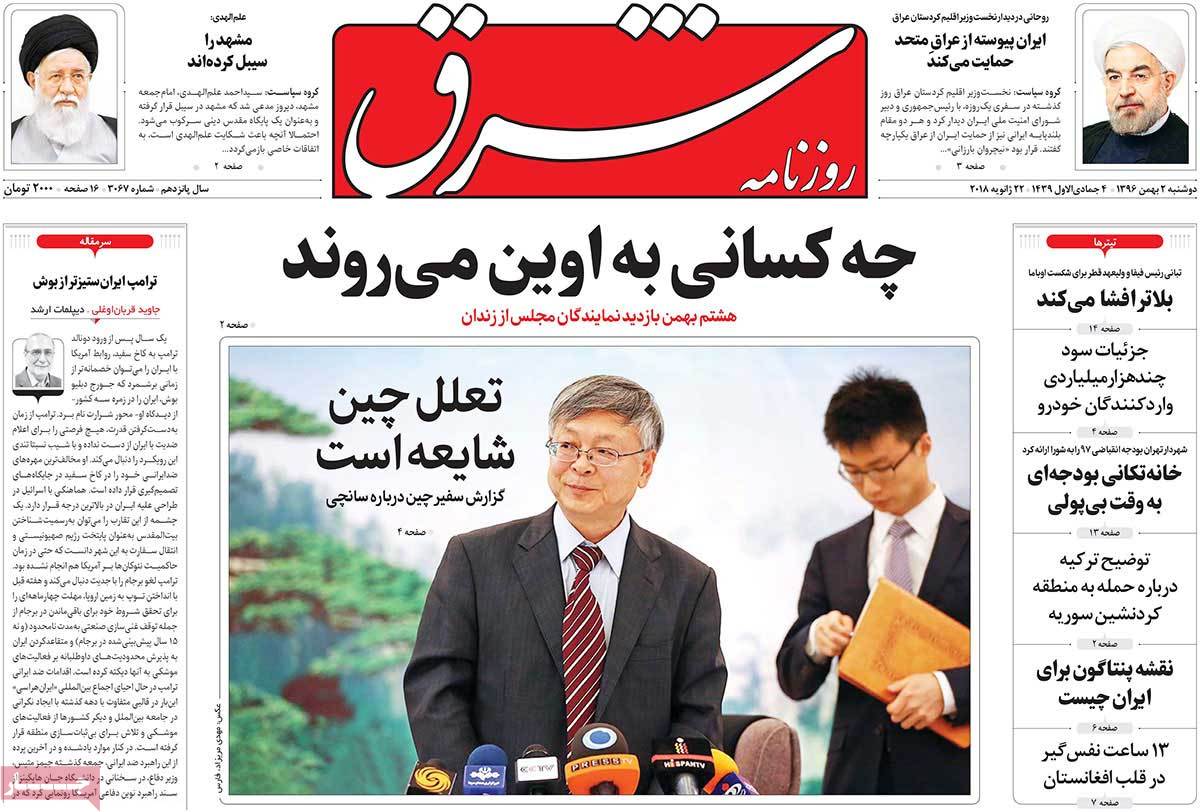
Shargh:

1- Gov’t, Parliament’s Reactions to Ayatollah Shahroudi’s Visit to Germany

  • He Could Be Treated in Iran


A Look at Iranian Newspaper Front Pages on January 20

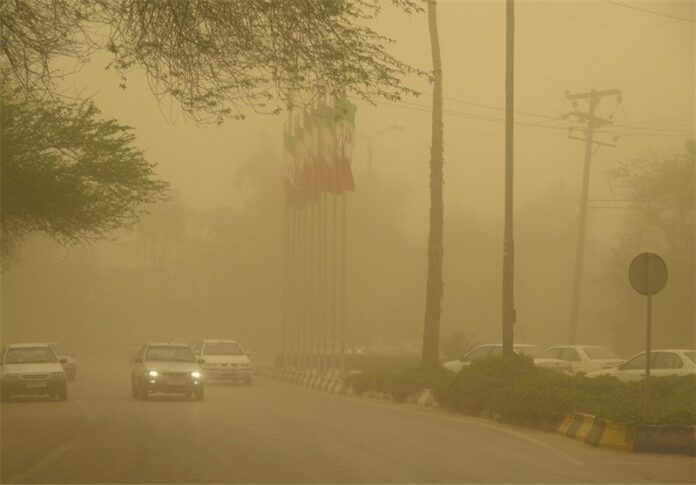
Dangerous Level of Air Pollution Shuts Schools in Iran’s Khuzestan

The Crisis Management Department of Khuzestan Province, in a statement, announced that kindergartens, as well as primary, secondary and high schools in 15 cities of the province would remain closed on Saturday due to heavy air pollution.

The cities include Ahvaz, Abadan, Khorramshahr, Mahshahr, Shadegan, Bavi, Karoun, Hamidieh, Hoveizeh, Dasht-e Azadegan, Shush, Ramshir, Hendijan, Andimeshk, and Dezful, the statement said.

According to the latest data released by the Environmental Organization of Khuzestan Province, the air pollution index in Ahvaz has breached the “hazardous” level upper limit of 500, at which it stops measuring levels of PM2.5, with 53 times worse than the moderate level.

A hazardous level is an alert in which everyone may experience ill effects and are advised to stay indoors.

Iranian residents in the western and southwestern provinces that border Iraq face a growing trend in the influx of fine particles, which are generated by drought-hit marshlands in neighboring countries.

The disruptive dust storms have pushed pollution in those border areas to alarming levels in recent years, raising health concerns.

The particles, carried by winds, can penetrate the lungs and enter the bloodstream, causing serious diseases such as lung cancer, asthma and heart problems.

Mercedes Benz to Produce E-Class Cars in Iran

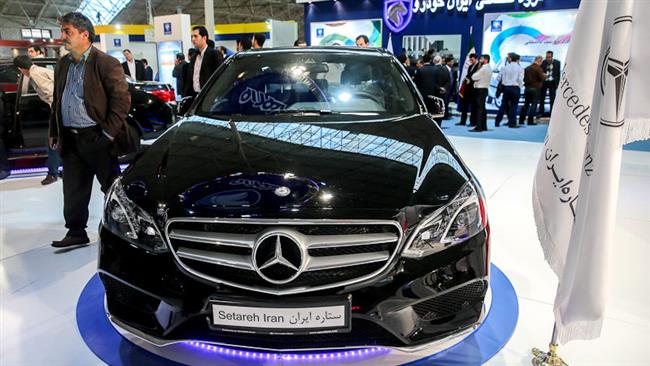
Mercedes Benz

The company is about to produce 2,500 middle of the pack E-class cars in the year, with 20% of the production to be done inside Iran and the rest supplied to the country in the form of CKD (completely knocked down) kits.

Mercedes-Benz has a long track record in Iran with a business dating back to the 1950s, where it sold up to 10,000 vehicles a year. However, the company stopped business in Iran after the US and Europeans intensified sanctions on the country in 2012.

According to ISNA, the production line for Mercedes cars in Iran is currently being updated and prepared for resuming assembly.

The contract goes back to January 2016 when Daimler signed letters of intent with local partners Iran Khodro Diesel and Mammut Group to arrange a “comprehensive re-entry” into Iran.

In September, Mercedes-Benz signed a contract with Iran Khodro to resume distribution of its trucks in the country. The deal included creating a joint venture to provide sales and after-sale services in the Islamic Republic.

Daimler has also indicated interest to return as a shareholder in the former engine joint venture Iranian Diesel Engine Manufacturing Co (IDEM) based in Tabriz to build diesel engines.

Other German automaker Volkswagen started exporting cars to Iran in August after signing an agreement with Mammut Khodro for sales of VW brand models Tiguan and Passat.

Iran is an extremely attractive market for international automakers. Since the lifting of sanctions on the country in early 2016, French carmakers PSA and Renault have pushed hard to regain lost ground after leaving the country when sanctions were imposed.

On Tuesday, Peugeot said its global sales jumped by 15% last year on strong growth in Iran where the company sold 444,600 vehicles.

Fars news agency meanwhile cited data released by Renault as showing year-on-year growth of 54% in sales to Iran where the automaker sold 144,862 cars in the year up to November.

However, both Renault and Peugeot as well as other European automakers withdrew from Iran in 2012 when the country came under the Western sanctions.

US President Donald Trump’s ultimatum to Congress and Europe to toughen a nuclear agreement with Iran has raised fresh questions about whether European countries would hold their ground.

Iranian Deputy FM in Berlin for Bilateral Talks

araqchi

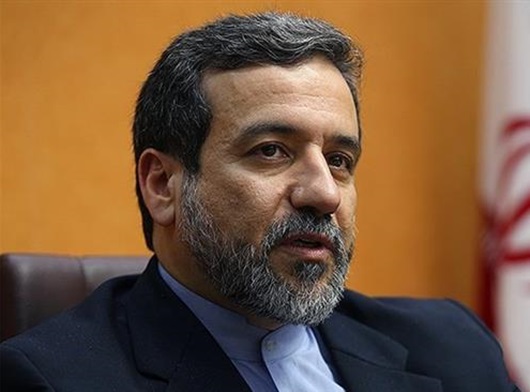
Araqchi’s visit to Germany, which started on Thursday, is aimed at expansion of political consultations between Iran’s Foreign Ministry and the German Ministry for Foreign Affairs.

During the two-day stay, Araqchi met with Walter J. Lindner, a State Secretary of the German Federal Foreign Office, to discuss various issues in the field of bilateral, regional and international ties.
Among the main topics of the meeting was the review of the latest developments related to the Iran nuclear deal. The two sides also stressed the necessity of maintaining the JCPOA and the need for all parties to fulfil their obligations as per the agreement.

Araqchi also met with Matthias Machnig, a State Secretary at the German Federal Ministry for Economic Affairs and Energy. During the meeting, the latest bilateral developments in the economic sphere were discussed.

The Iranian diplomat then went to the Körber Foundation to elaborate on the positions of the Islamic Republic of Iran regarding regional and international affairs.

Iranian, Russian Diplomats Discuss Regional Issues in Moscow

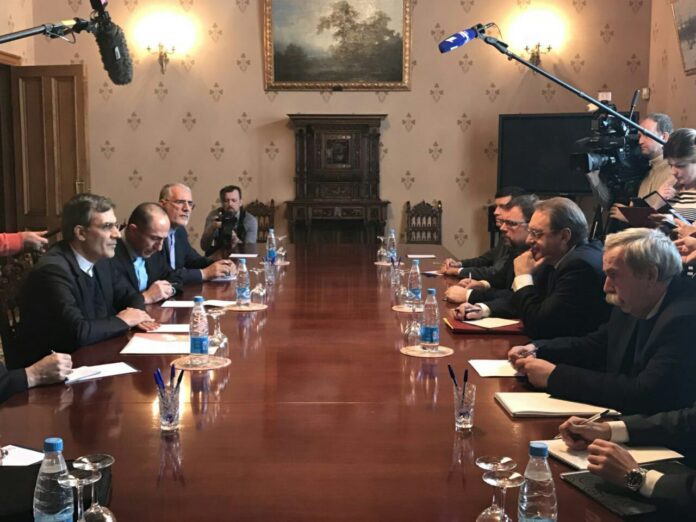
In the Friday meeting, which was held at the Russian Foreign Ministry building and lasted three hours, the two sides discussed the latest developments in Yemen, Iraq, Libya, Palestine, and also the Syrian National Dialogue Congress.

At the beginning of the meeting, Bogdanov told reporters, “The situation in the Middle East and North Africa region is developing dynamically. Complex processes are unfolding in the area; sometimes they are very controversial.”

Therefore, he added, it is very interesting and important for Russia to exchange views, considerations and predictions with its Iranian partners and friends.

Touching upon the significance of the Syrian National Dialogue Congress, the senior Russian diplomat added, “The presidents, foreign ministers and their deputies next to other officials of the two countries, maintain very close contacts and coordination and it reflects the strong ties between the two countries.”

In turn, Jaberi Ansari said at the beginning of the meeting that the high level of Tehran-Moscow relations and cooperation, as well as the speed and depth of the developments in the region and the world, have made diplomatic talks and consultations of the two countries a necessity at short intervals.

The senior assistant to Iran’s foreign minister further emphasized, “Today, we would discuss the whole regional developments, particularly those in Iraq, Libya, Palestine, Syria and Yemen.”

Jaberi Ansari also referred to the war and siege on Yemen and the massacre of the Yemeni people in such situation and called for a serious dialogue to help end the cruel war against Yemenis.

“The occupation of Palestine and the Jerusalem al-Quds crisis, which has lasted for decades and has escalated with the recent moves of the United States and the Israeli regime, is another important issue that will be raised in our talks today,” noted Jaberi Ansari.

The Iranian top diplomat also pointed out that the issue of Syria also constitutes an important part of consultations, saying that tomorrow these talks would continue at the Sochi tripartite Summit with Russian and Turkish partners who are part of Asatana Talks as well.

“Given the vast potentialities of Iran and Russia, these consultations can help resolve the current crises in the Arab region and restore peace and stability to this region of the world,” he added.

Furthermore, he stressed the need for continued Russian-Iranian cooperation in the area of fight against terrorism, adding that cooperation between the two countries in fight against terrorism will be continued with great seriousness.

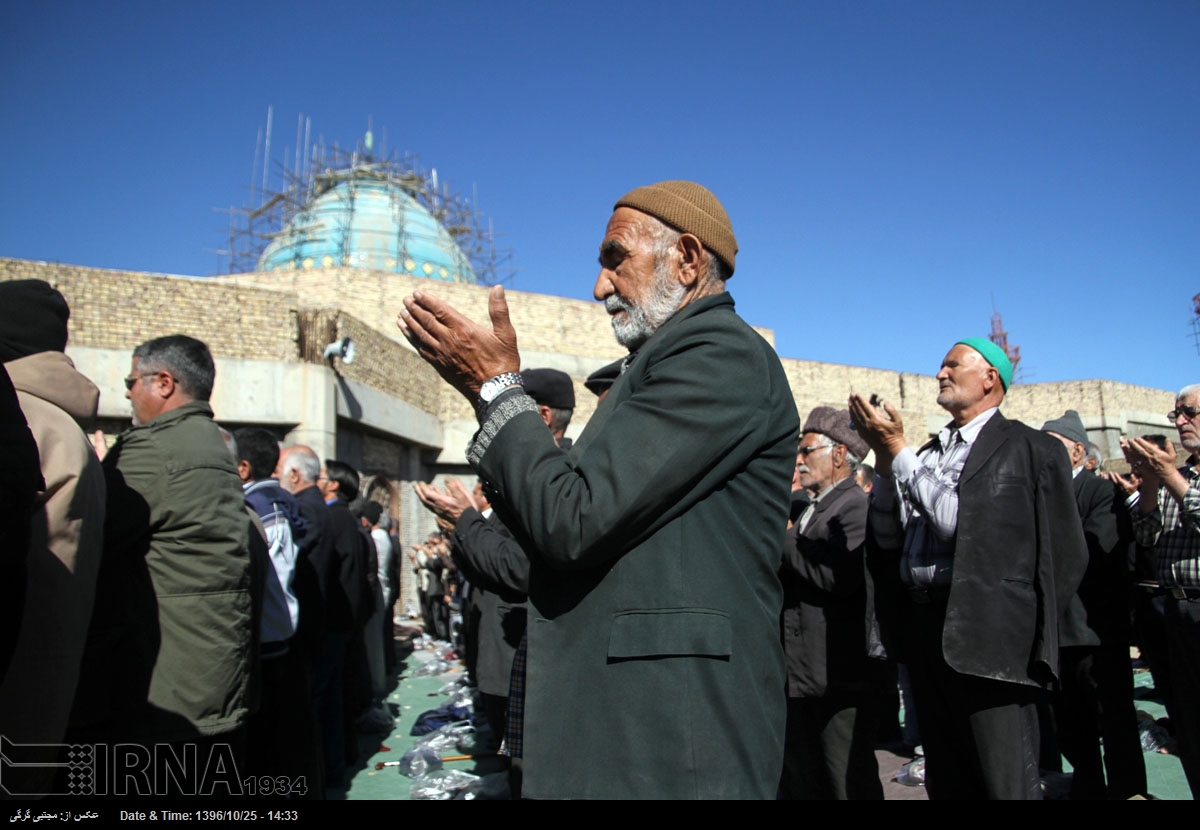
Photo of Iranian Man Supplicating for Rain Goes Viral

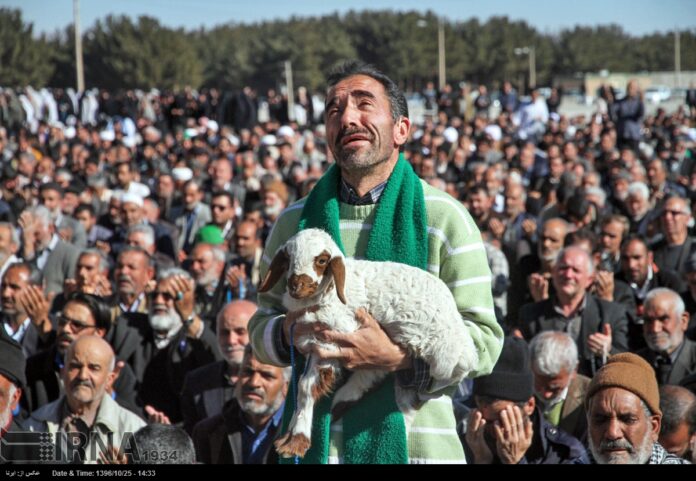
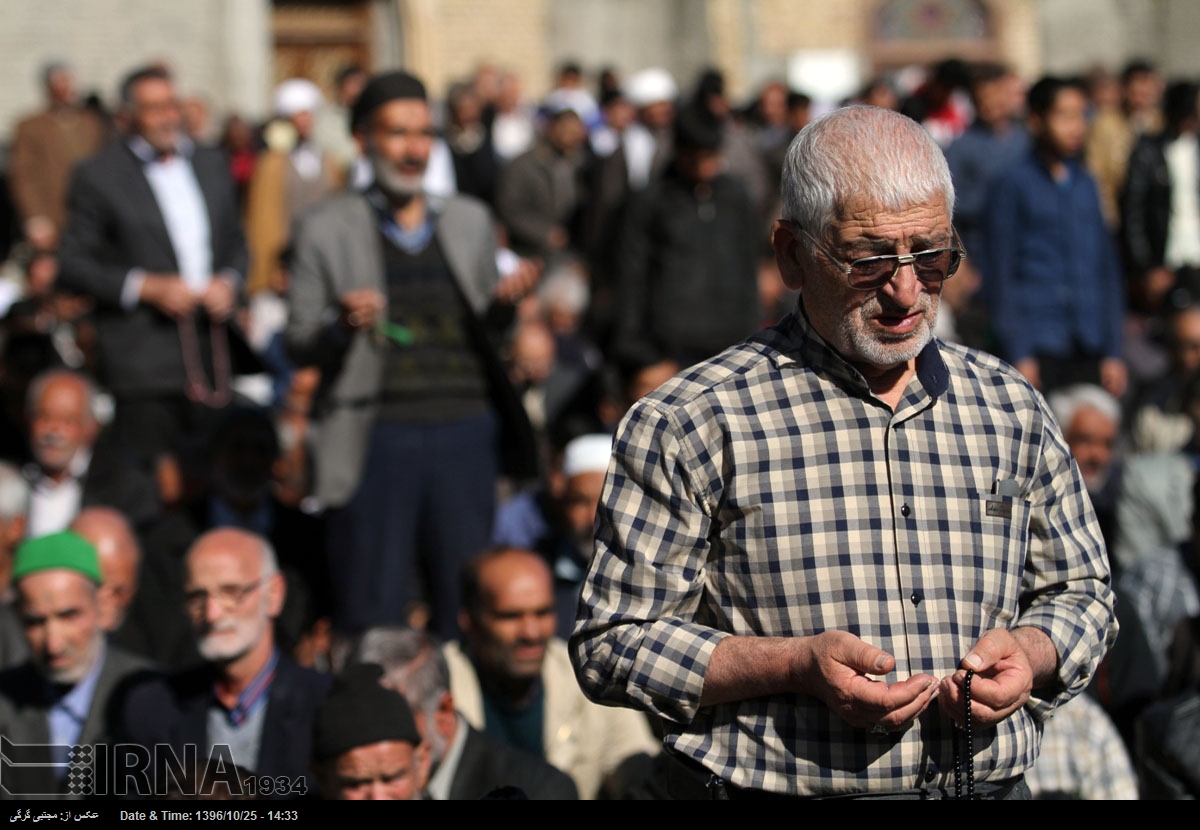
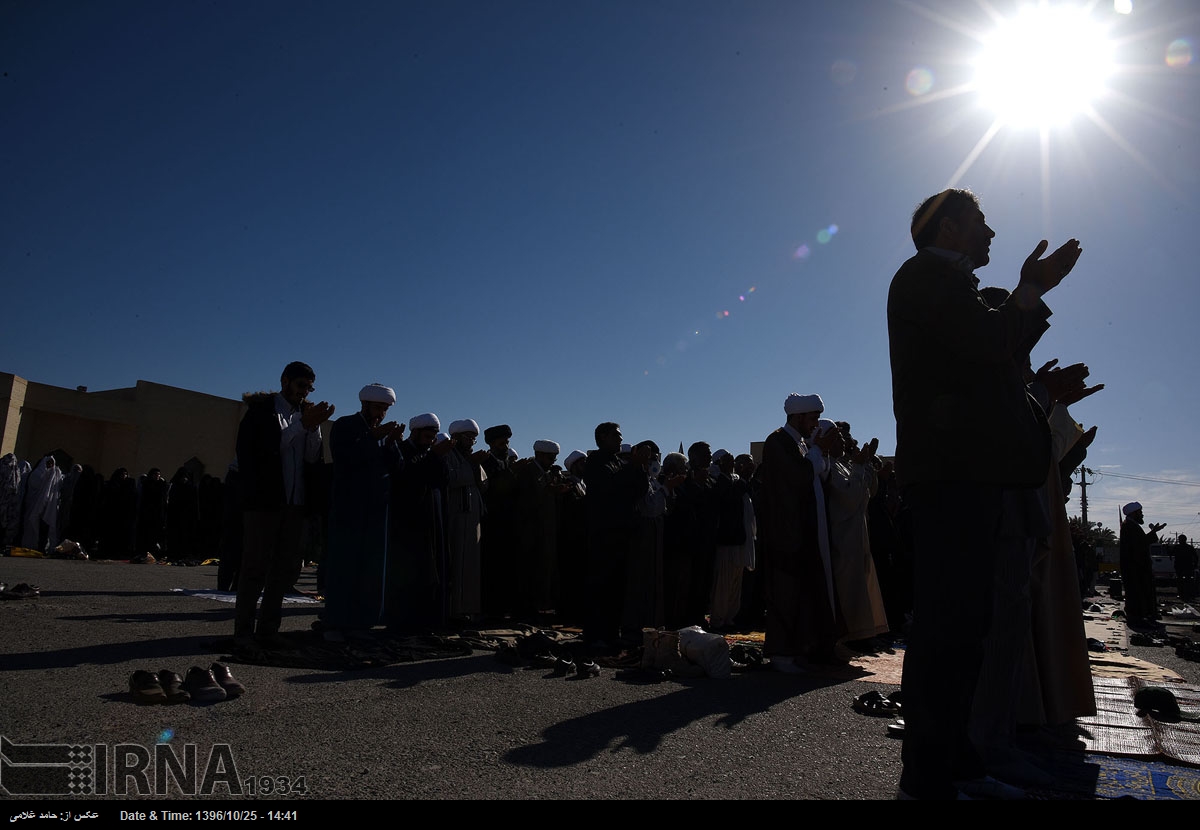
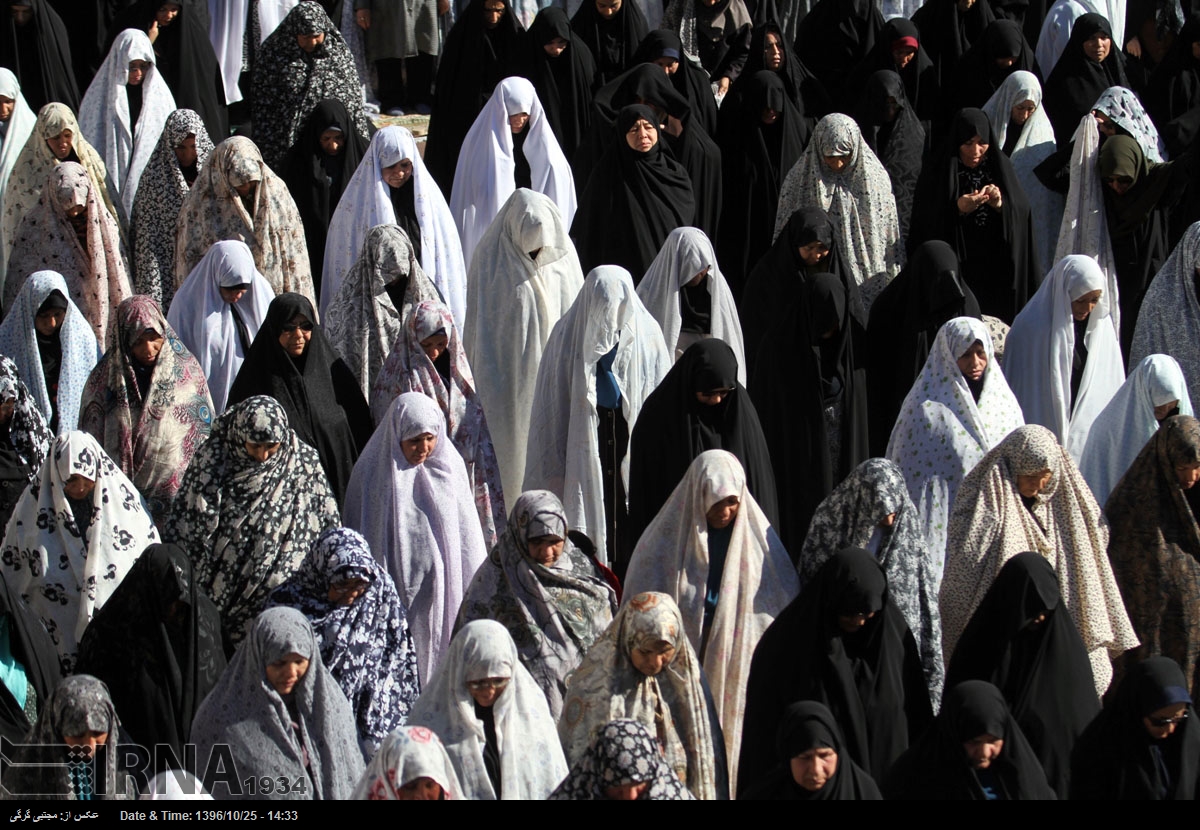
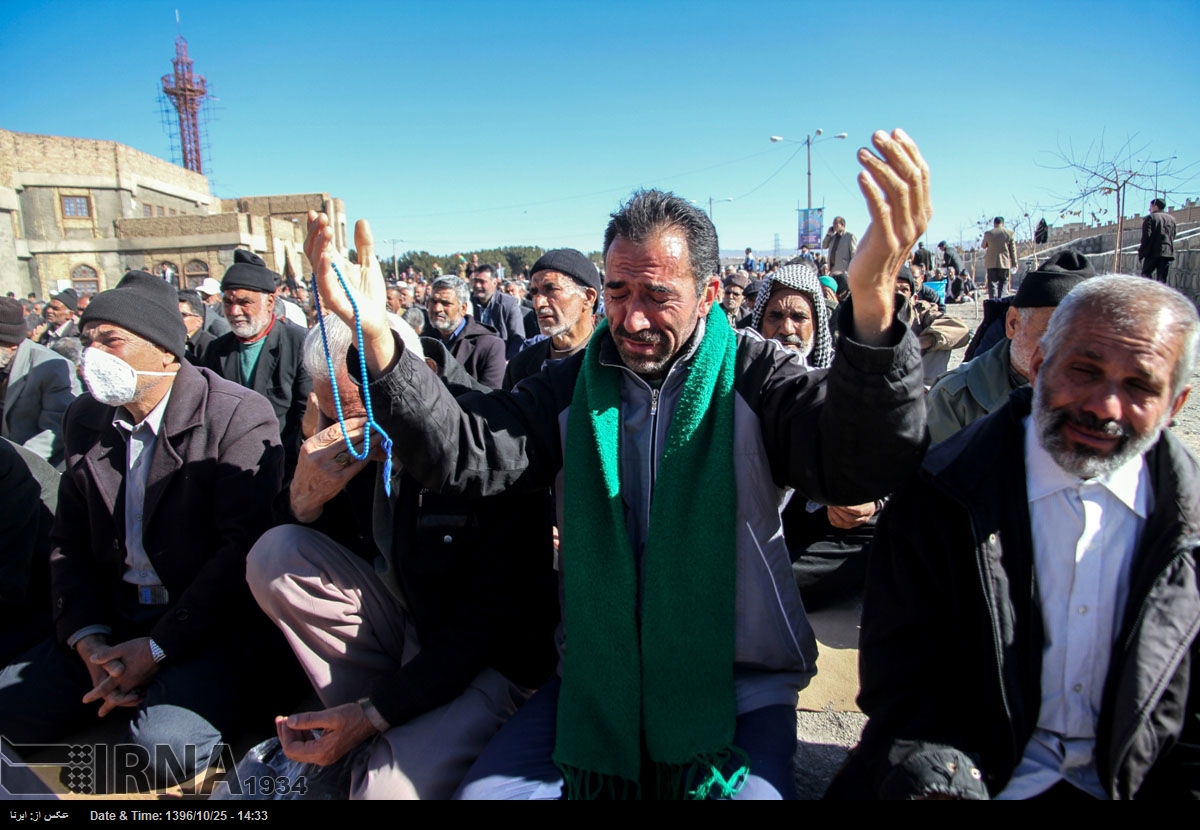
The photo by Mojtaba Gorgi depicts the grief of people in Birjand showing a man hugging a lamb while crying for rain.

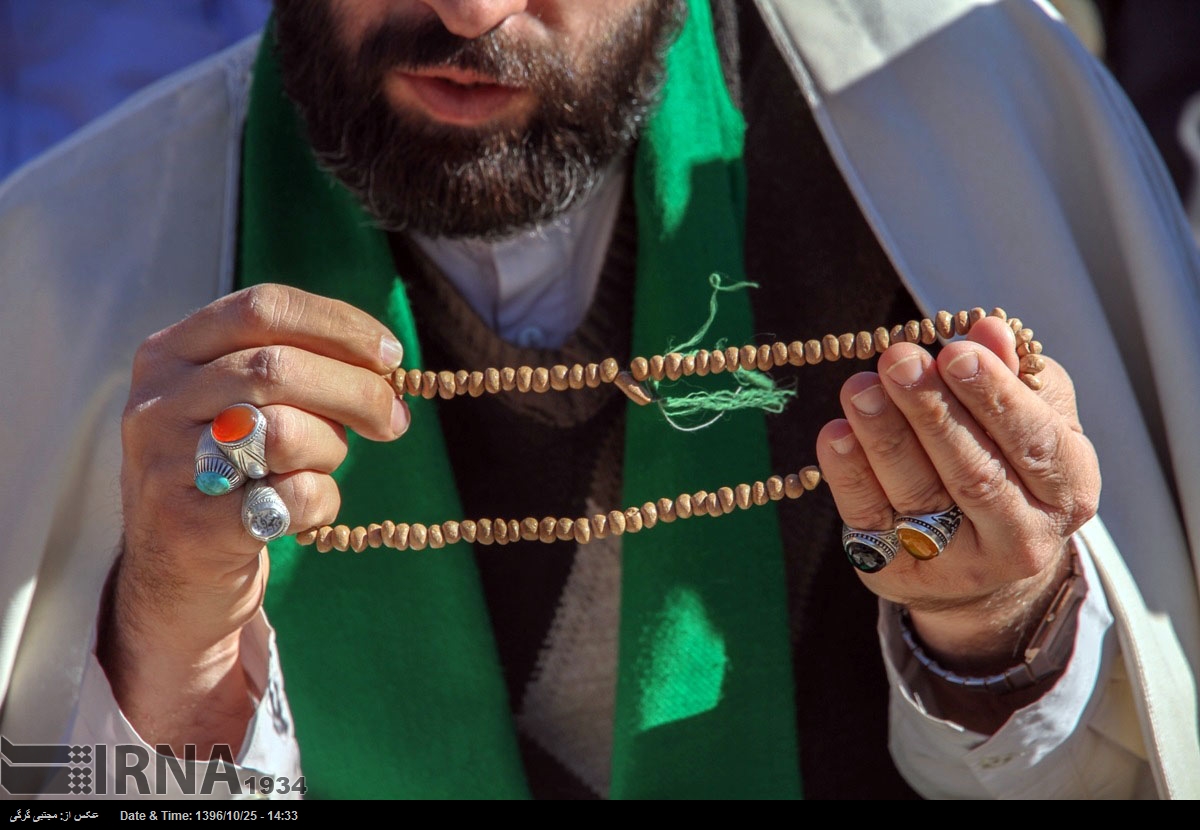
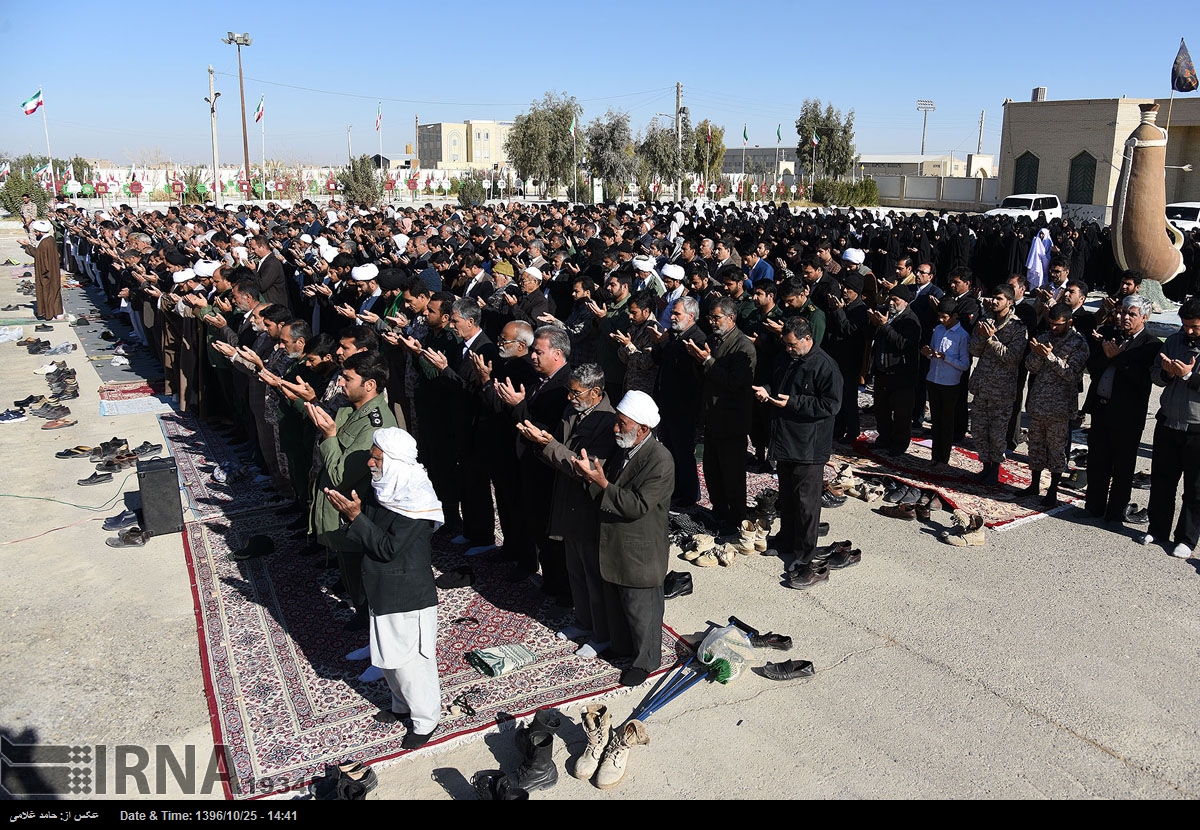
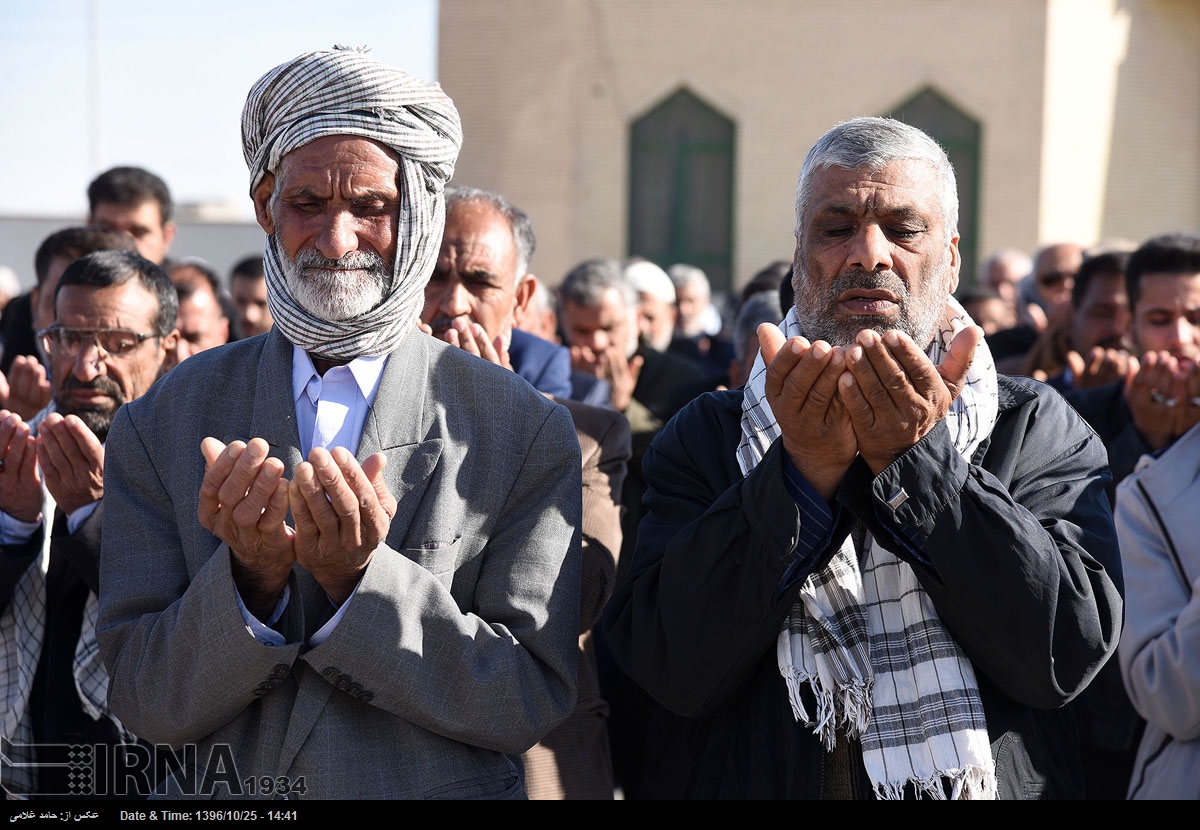
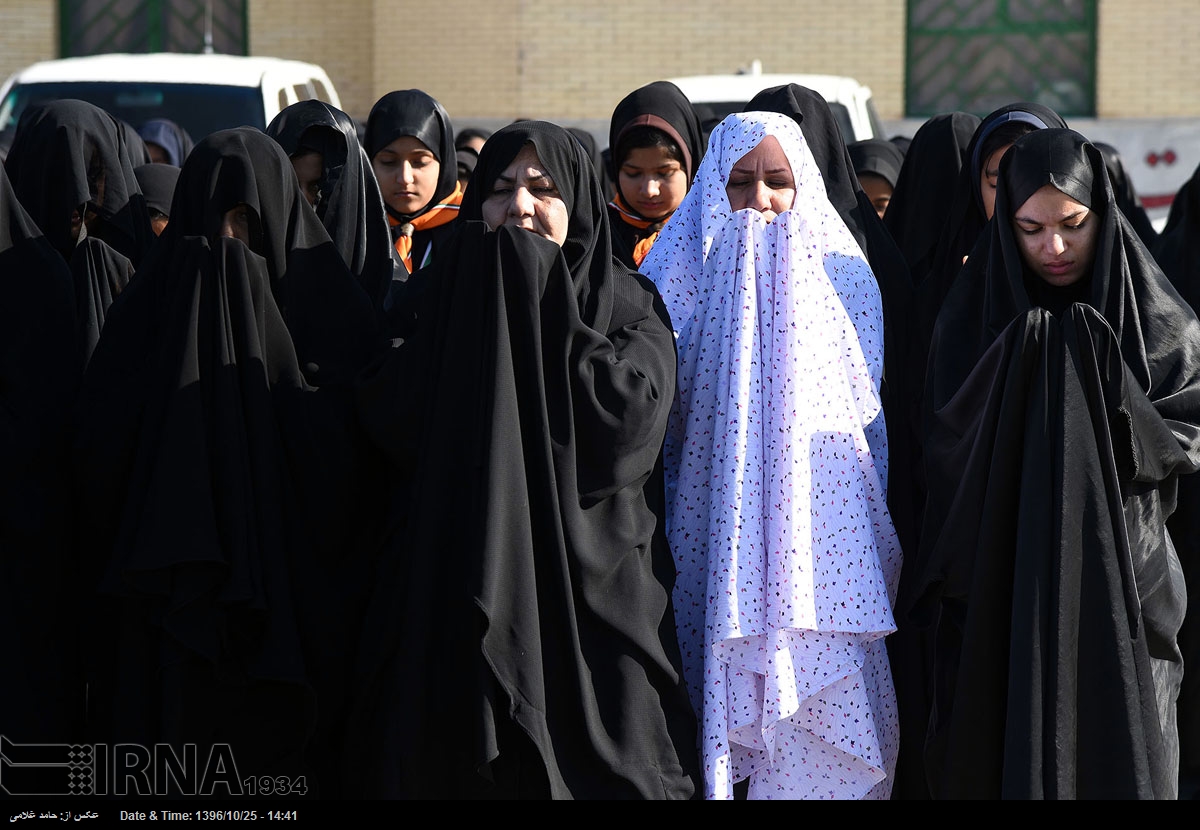
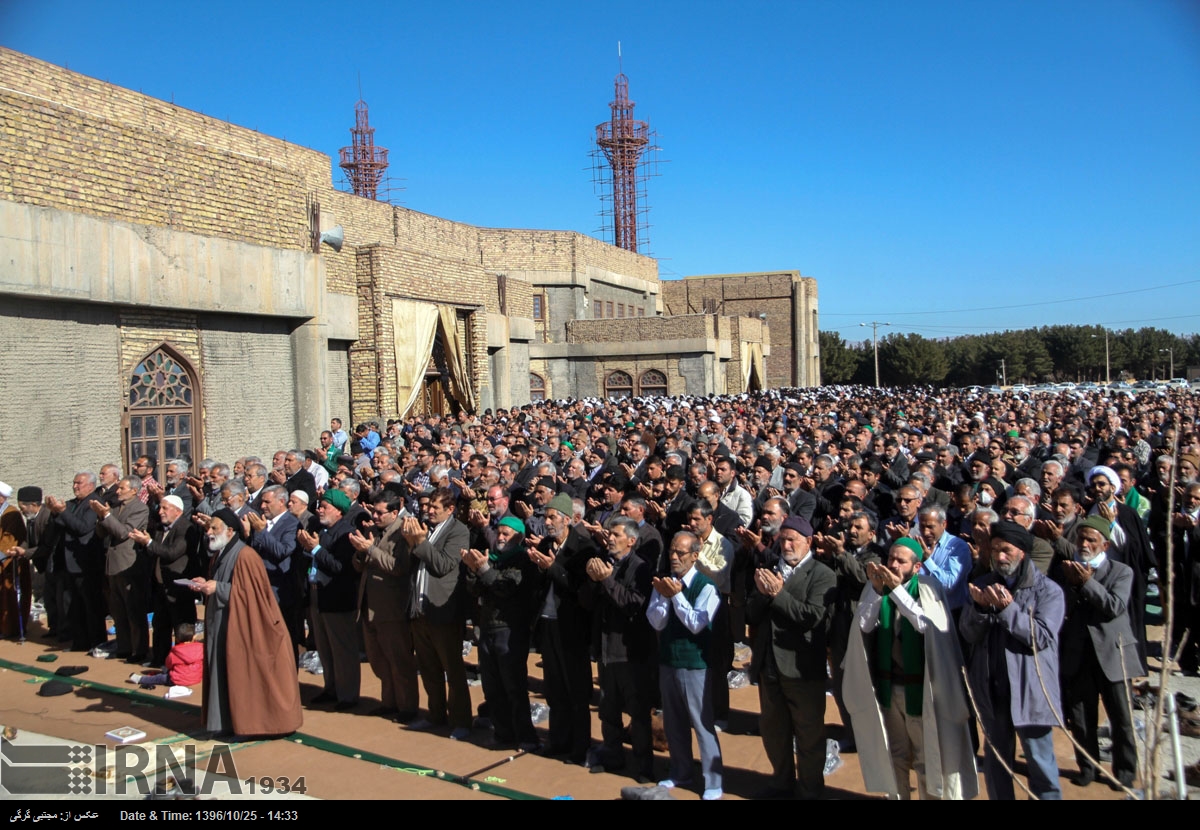
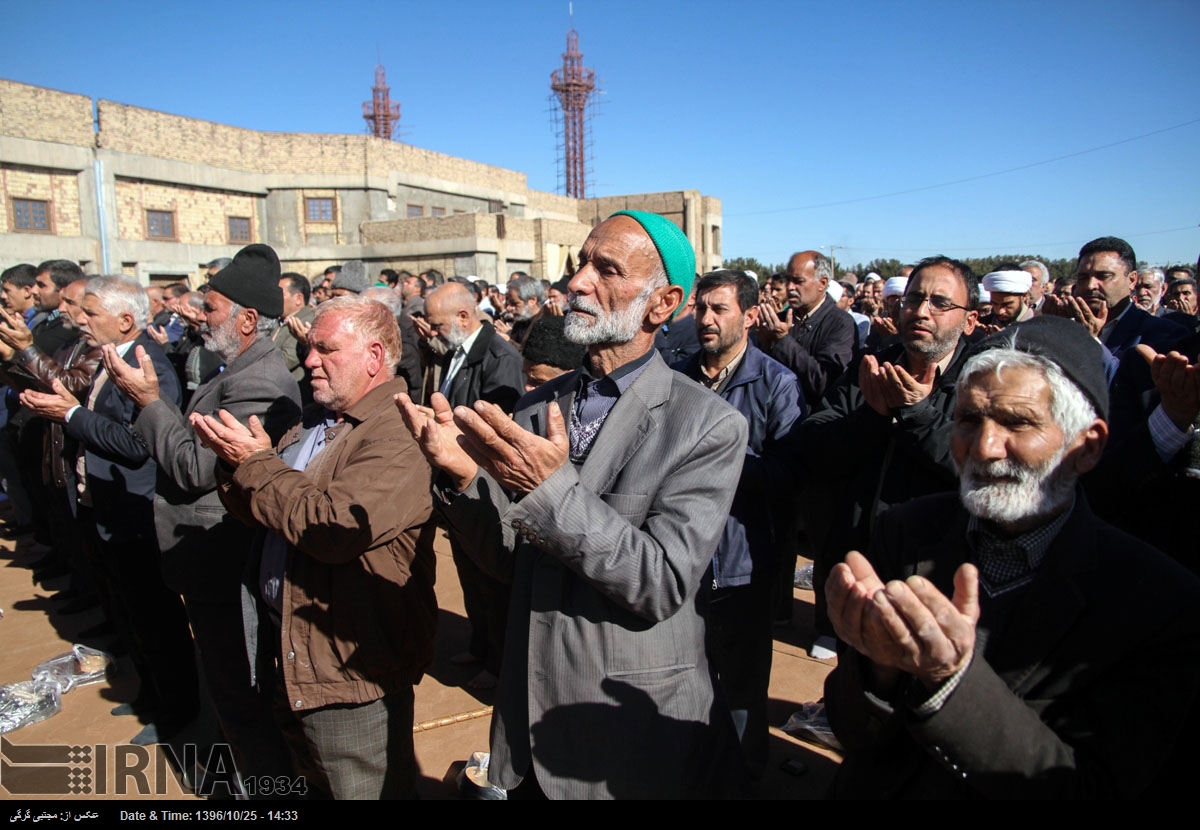
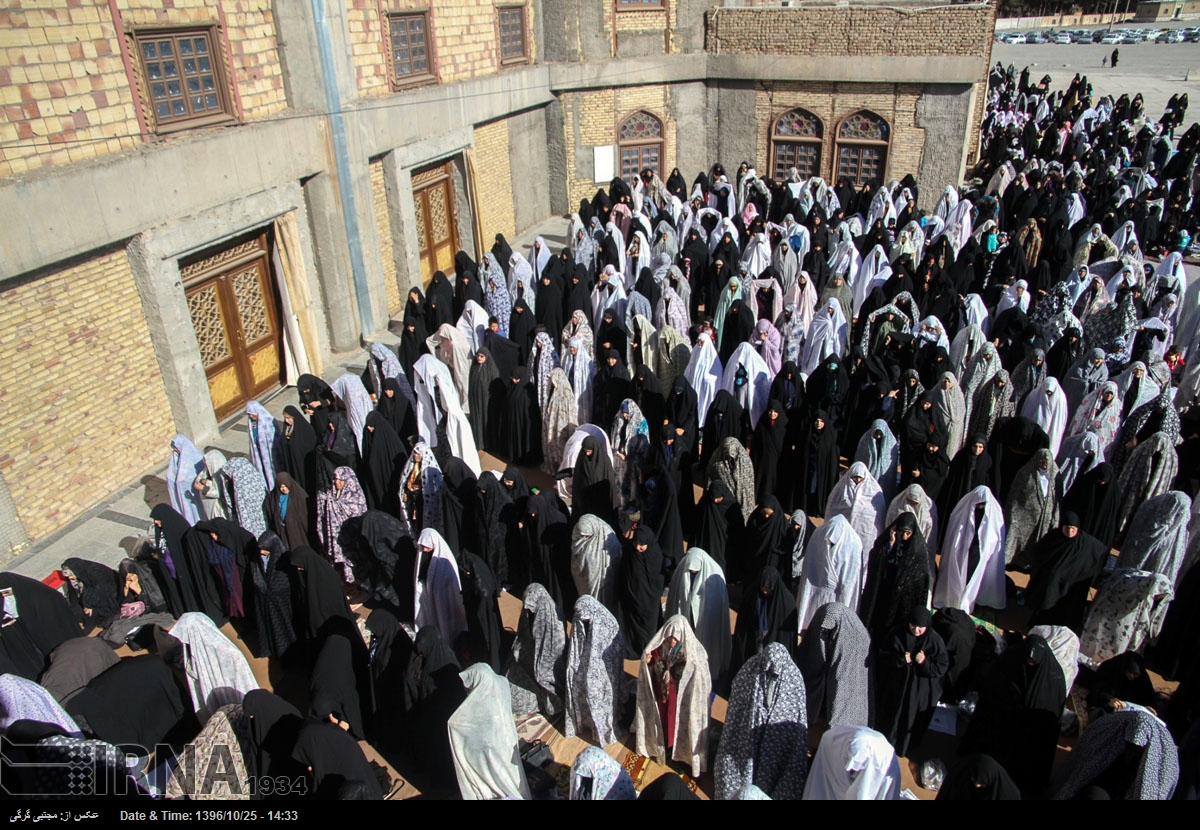
In the cities of Birjand in South Khorasan and Zabol in the southeastern Sistan-Baluchestan province religious services have been held in a bid to end the dry spell and ease the strain on Iran’s dwindling water supplies.
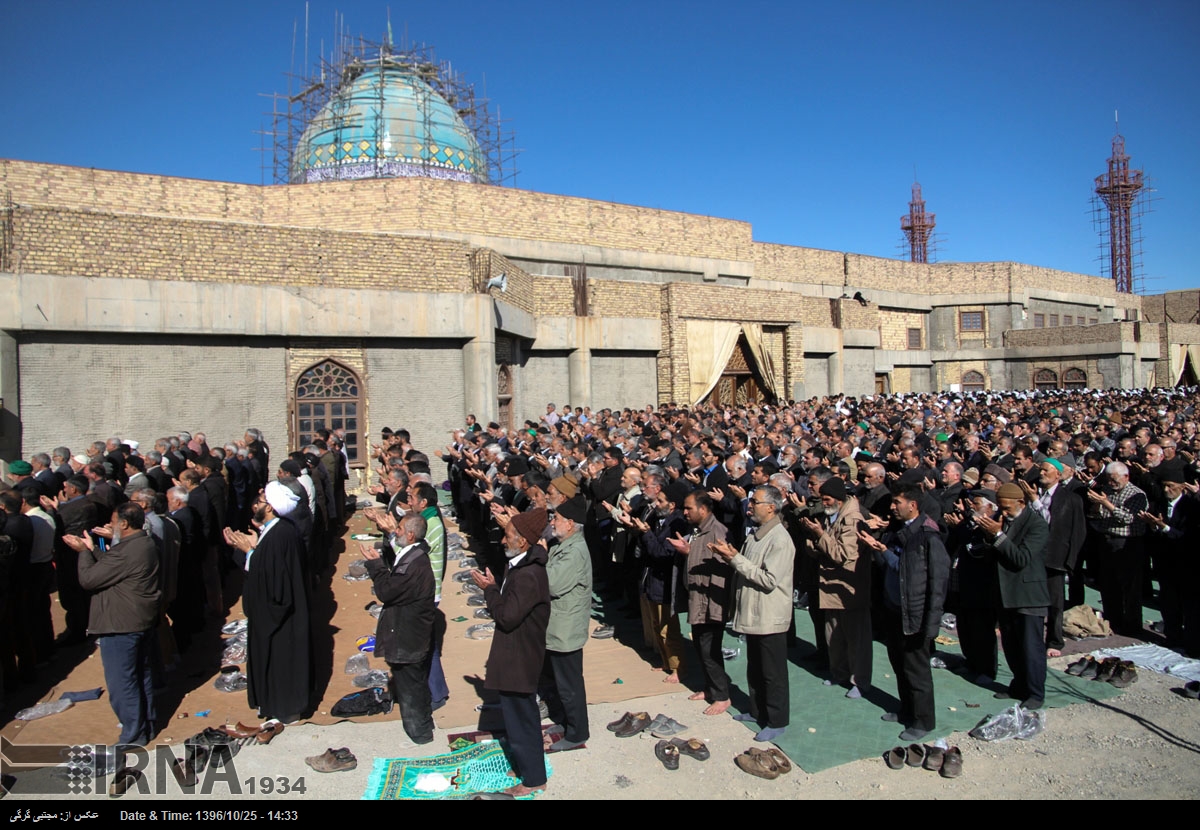
According to the photographer, since the old days, it was necessary to separate lambs from their mothers while praying for rain.

“The rationale behind the move is to ask God to show mercy and pour rain for the sake of the innocence of these lambs. So, when I went to the prayers, I saw some people bringing their lambs.” said Gorgi in a Farsi interview with IRNA.

He went on to say that when these animals were separated from the mother, they were making a sound like moaning during the rain prayers.

“On the other hand, people themselves were crying for rain asking for God’s mercy. The man you see in the photo was one of the people who had brought a lamb.”

Gorgi noted that the people of South Khorasan are very religious people, and whenever they have prayed for rain, God has showed them mercy.

He also pointed out that once it started to snow after such prayers; therefore, it has turned into a ritual among the people of Birjand to hold such ceremony once or twice a year.

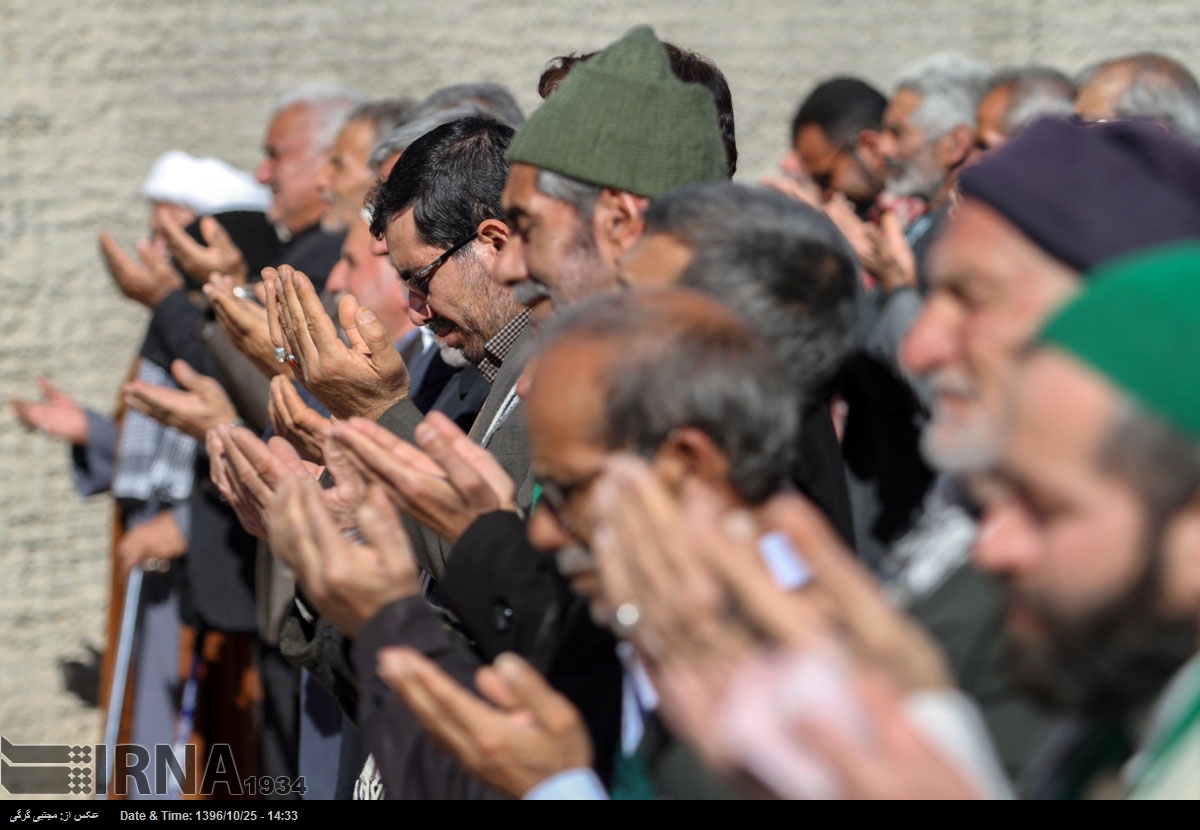
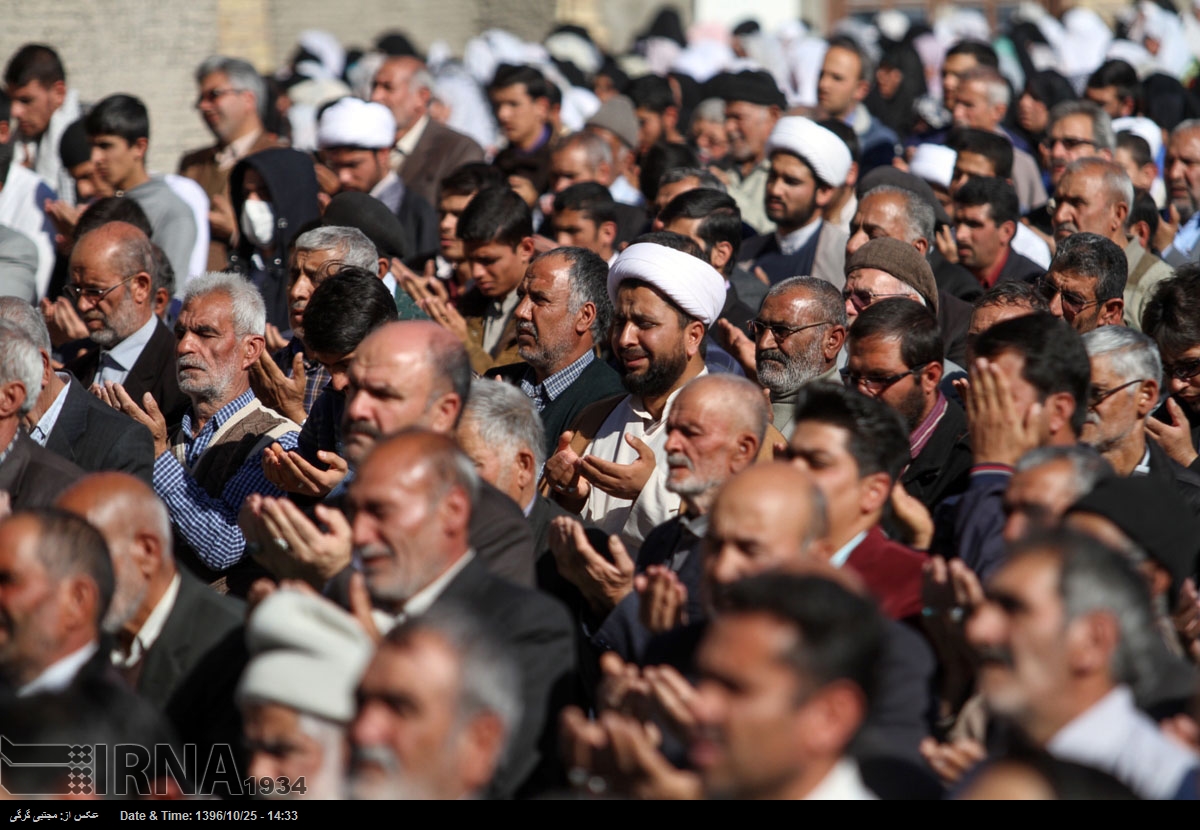
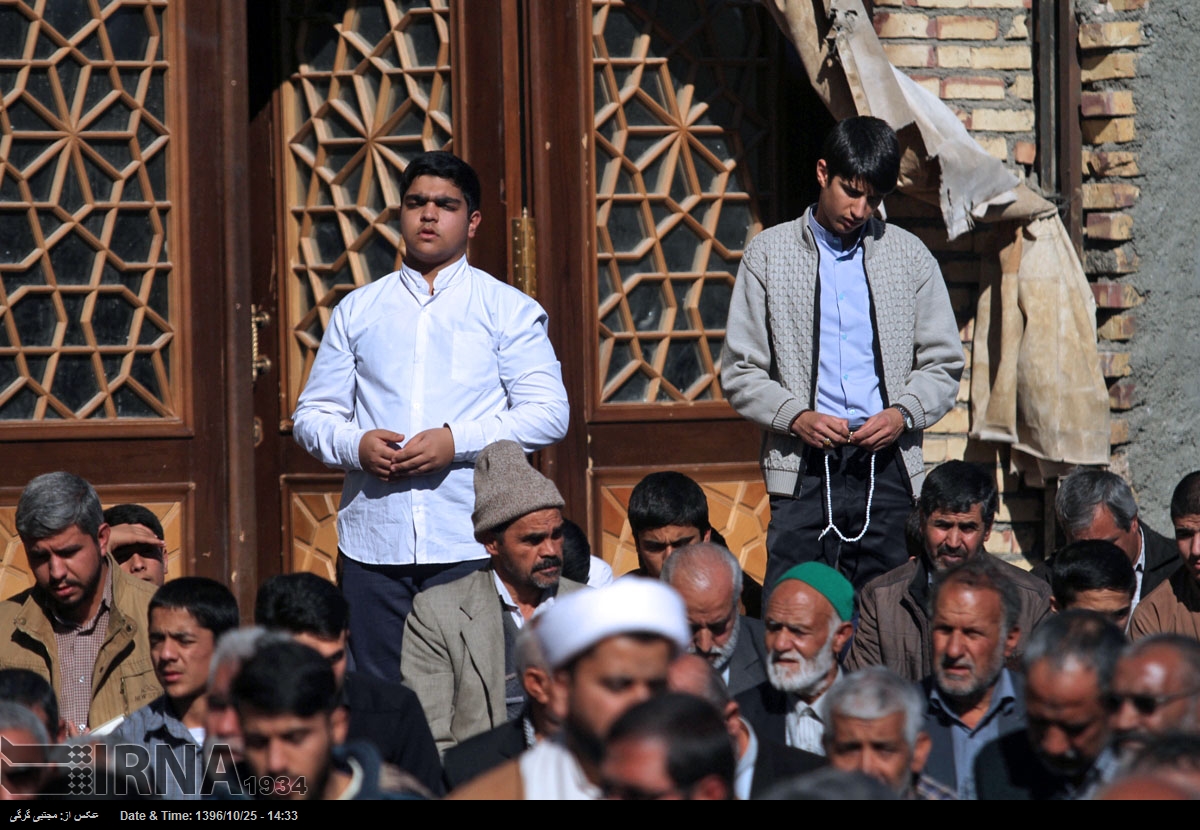
Photos from Qaen, another city in South Khorasan, and Zabol in Sistan and Baluchestan posted by IRNA also show citizens praying together for rain in the deserts.

Reports say that rainfall in the South Khorasan province has fallen by 81 percent from a year ago, placing the province among the regions with the least rainfall in the country.

South Khorasan is home to many farmers who are being directly affected by the drought and water shortages.

Iran’s Deputy Energy Minister, Rahim Meidani, warned over the weekend that the decline in rainfall is unprecedented in the last 50 years.
Meidani also mentioned that if this continues, the ministry will have problems in the field of power generation from hydroelectric power plants at the summer peak.

Meidani said on January 14 that precipitation was only normal in Ardebil in the northwest and Golestan in the north.

According to Iran’s meteorological organization Iran has experienced a 56-percent decrease in average precipitation over the period from September 23 to December 25 compared to the same period in the long run.

Moreover, nearly 96 percent of Iran’s total area is suffering from different levels of prolonged drought.

Experts cite a number of factors for the water shortages in Iran, including climate change, and wasteful agriculture practices.

Following you can find the photos of the rituals retrieved from IRNA:

Iran Approves Strategic Plan for Passive Defence of Genetic Resources

The document of the strategic plan, which was approved in 20 articles on Thursday, is aimed at protecting and preserving the country’s genetic resources, and contributing to promotion of food, health, and economic security of the country against potential threats and biological dangers.

According to a Farsi report by ISNA, the plan was passed during the 23rd session of the Committee of Iran’s Passive Defence, which was chaired by Chief of Staff for the Armed Forces of the Islamic Republic of Iran Major General Mohammad Baqeri. Brigadier General Gholam-Reza Jalali, the head of Iran’s Passive Defence Organization, and the members of the Committee also attended the meeting.

During the meeting, General Baqeri underlined the necessity of protecting the country’s biological and genetic resources by taking national interests and preservation of the country’s biological assets into consideration. He said this important inter-organisational issue must be protected by the country’s passive defence strategy.

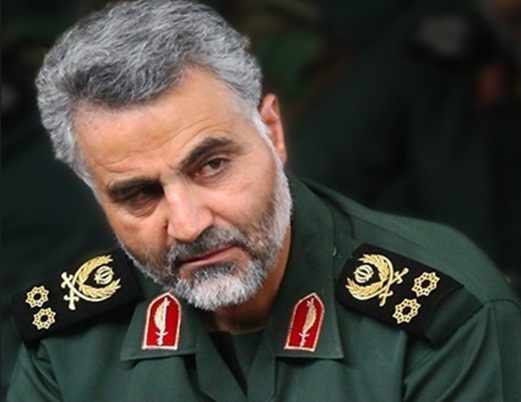
Iran Standing Firm against Israeli Regime: Gen. Soleimani

Iran Detects 40 Americans Involved in General Soleimani’s Assassination

Speaking in a ceremony on Thursday, Major General Qassem Soleimani said, “In addition to its forces inside the country, Iran has other soldiers in other areas [outside the country] who have stopped this enemy (Israel).”

The top commander said Iran’s fight against terrorists in Syria could also be regarded as part of a move to stop the Israeli regime.

“They ask why we put up a fight in Syria. Well, because a deviant and impudent regime like the Zionist regime [of Israel], which is in possession of more than 300 nuclear warheads and has adopted a preemptive war strategy, would destroy and bombard whatever capability before it is actualized,” said the senior commander, as quoted by the Persian-language Mehr News Agency.

General Soleimani said the resistance front’s victory over Takifiri terrorist currents in Iraq and Syria was a triumph for all people around the world as well as for the regional people and Iranians.

He touched upon Iran’s fight against US-backed terrorist groups in Syria and Iraq, adding Iran is strong enough to stand up to the enemy outside the country as well.

“We are strong outside the country, too, and we have thwarted all enemy plots, and, by God’s grace, will continue to do so,” general Soleimani noted.

Elsewhere in his remarks, the top commander said Iran’s Judiciary Chief Ayatollah Sadeq Amoli Larijani being placed on Washington’s list of sanctioned individuals is a source of pride for Iran as the imposition of sanctions against Amoli Larijani shows he has been defending the Islamic Republic’s establishment.

The top general also reacted to some rioters setting fire to the Iranian flag during the recent chaos and unrest in the country.

“I wish they would have set me ablaze ten times instead of the flag,” said the senior commander.

He underlined that many people have been martyred and sacrificed their lives in order to keep the Iranian flag hoisted.