Friday, December 26, 2025
Home Blog Page 3639

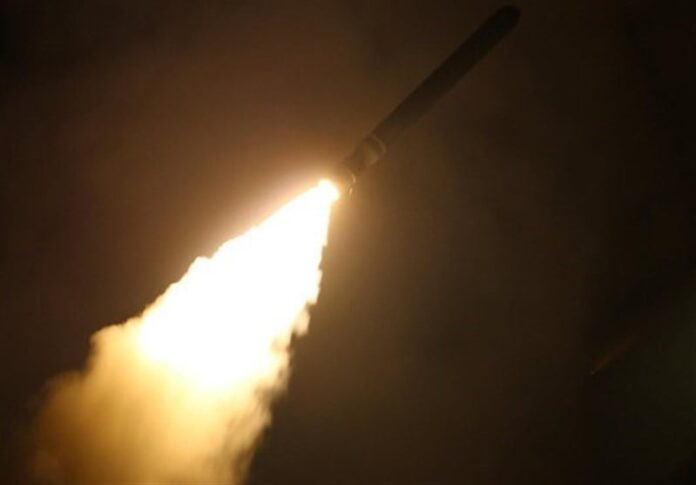
Syria Shoots Down Missiles Fired at Homs: Report

According to the report carried by SANA news agency early on Tuesday, the Syrian air defense intercepted all the missiles over Shayrat airbase in Homs and the Dumair military airport in Damascus.

“Syrian air defense shot down missiles that entered its airspace over Homs,” said the report.

Lebanon’s Al Mayadeen broadcaster also reported that Syrian air defense had intercepted three missiles aimed at Dumair military airport northeast of Damascus.

The US and Israel have denied being behind that attack.

A Pentagon spokesman said there was no US military activity in that area at this time.

Asked about the missile attack, an Israeli military spokesman said, “We don’t comment on such reports.”

Shayrat airbase was targeted last year in a US cruise missile attack in response to an alleged chemical attack on the militant-held town of Khan Shaykhun.

Iran Calls for Joint Regional Campaign against Narcotics

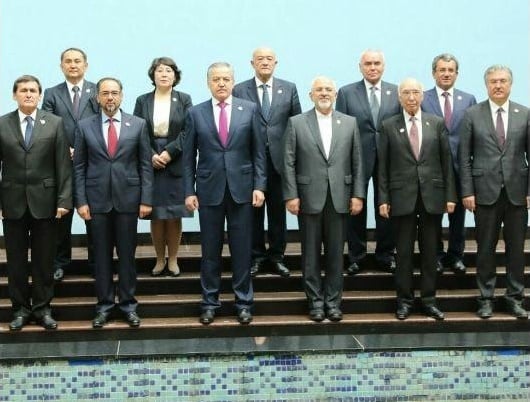
In a Tuesday address to a ministerial meeting of ECO in Dushanbe, the capital of Tajikistan, Zarif said we need to synergize and forge a common regional strategy to halt the spread of terrorists’ ideology of hate and cut their financial resources.

“My government has always been ready to cooperate in devising a comprehensive counter-extremism and terrorism strategy that fits the situation in our region,” he noted.

“In this context, a joint counter-narcotics campaign can drain one of the most important resources of extremist terror groups,” he added.

What follows is the full text of his speech:


Mr. Chairman,

Dear Friends and Colleagues

At the outset, let me express my deep appreciation to the Government and people of the Republic of Tajikistan for graciously hosting this important meeting in beautiful Dushanbe.

Dear Brothers and sisters,

Our destinies are intertwined as members of one region; failure or success in one part of this region will impact all of us. Our cooperation is facilitated not just because of our geographical proximity, but also many affinities in so many areas, including civilization, culture, religion and shared history. We are all sitting in the same boat facing the same challenges and opportunities.

Geopolitics of the region that we share has become ever more complicated mostly due to uncertainties and persistent challenges triggered by systemic transitional fluidity since the 1990s. The mutually reinforcing foreign intervention and terrorism and extremism have destabilized many parts of our wider region for close to two decades. Violent extremism continues to represent a threat to the ECO region.  Despite the territorial defeat of Daesh [ISIS] and other terrorist groups and the destruction of their self-proclaimed caliphate, extensive networks of extremist groups, especially Daesh in West, South and Central Asia, represent the most serious threat to the ECO region. We need to synergize and forge a common regional strategy to halt the spread of their ideology of hate and cut their financial resources. My government has always been ready to cooperate in devising a comprehensive counter-extremism and terrorism strategy that fits the situation in our region.  In this context, a joint counter-narcotics campaign can drain one of the most important resources of extremist terror groups.

We are also facing a host of other challenges, including environment degradation, climate change, drought, dust storms and poverty in some sections of population, that we need to address.  In the face of these challenges, we, as ECO Member States, should expand ECO’s capacity and tap its potentials in the fullest possible way. ECO is a unique multilateral platform to mobilize our individual resources to meet collective objectives and confront common transnational calamities.

We can together establish a strong ECO region. Each ECO Member State enjoys various resources and potentials. We can synergize to unleash huge energy for robust, inclusive and sustainable regional development. The ECO has played a prominent role in exploring these potentials and formulating mechanisms for regional cooperation.

At this juncture and after three decades of existence, ECO has proved its capacity to help Member States move towards development and integration. In recent years, ECO has become a visible player in the global arena and a reliable partner for the international community in implementing SDGs and other global agenda and programs.

Iran firmly believes in the benefits arising from regional cooperation and interaction and has always manifested its full commitment to the objectives of the Organization and acceded to all initiatives, programs and agreements within the Organization. We are committed to developing a strong and prosperous ECO region, have allocated substantial resources in the form of development assistance and are determined to promote south – south cooperation within the ECO framework.

Dear Colleagues,

Since the adoption of ECO Vision 2025 during the ECO Summit in Islamabad, a range of activities and programs have been implemented by the Secretariat and Member States. However, the pace of activities and involvement of Member States fall short of the expectations of our leaders.

Apart from ensuring a conductive policy environment by all Member States for the realization of ECO Vision 2025, mobilization of budget and financial resources for its effective implementation is also of high importance. Therefore, all ECO Member States should allocate extra-budgetary financial resources to help achieve our common goals and objectives through a well- formulated scheme.

With the ECO Vision as our agenda for the coming years, we expect to achieve by 2025 increased intra-regional trade and a bigger slice of global trade, facilitating commercial environment and flourishing tourism industry, better connectivity, improved energy cooperation, healthy environment and smooth visa regimes. On this path, it is imperative for all of us to employ our resources to help enhance institutional and operational capacities of the Organization to enable it to respond in a timely and effective manner to the needs and aspirations of Member States.

With welfare and prosperity of our people as the prime target of all the plans and activities of this Organization, the ECO should now focus on projects and programs which bring about maximum economic benefit to our peoples and the entire region.

In the meantime, materializing the envisaged goals and objectives of the ECO Vision requires a very professional and strong Secretariat to follow-up and implement the directives of the ECO-decision-making bodies and be more responsive to developments within and outside the region. Hence, strengthening the ECO Secretariat through providing high quality human resource as well as granting greater authority to the Secretary-General in the recruitment process in this regard should be seriously considered. Let us hope that the reform process, already under discussion, will result in an efficient Secretariat, better and more responsive rules and regulations and professional staffing of the Secretariat. 

Mr. Chairman,

Ladies and Gentlemen

Over the recent years, Iran’s economy demonstrated that it has great potential for expansion and growth. Economic sanctions not only did not impede Iran, but instead solidified popular resolve to enhance domestic capacities. Achieving a good growth rate last year proved that the Iranian economy can become one of the vibrant global emerging economies within the next twenty years. Our strategic choice for achieving such sustainable and balanced growth is extensive global partnership through regional and multilateral arrangements, including utilizing our vast and developed transit and transport linkages on the North–South and South–West Corridors. We are of the strong belief that economy and security can only grow together, and common interests can bind us regionally and globally to guarantee both regional and global security.

We warmly applaud the efforts of our distinguished Secretary-General, H.E. Mr. Halil Ibrahim Akca, and recognize the many achievements under his able leadership. We are also grateful to all of you for placing your valuable confidence in Ambassador Soleimanpour to assume the immense responsibilities of ECO Secretary-General.

Allow me to conclude by underlining our unreserved support for ECO as it moves to accomplish its valuable objectives and programs, including those adopted here in Dushanbe. I am confident that the active commitment and involvement of all Member States will ensure our success in building a strong ECO region.

Thank you.

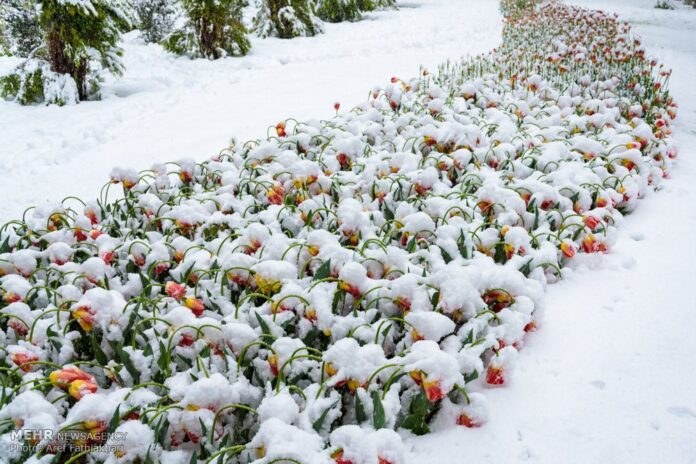
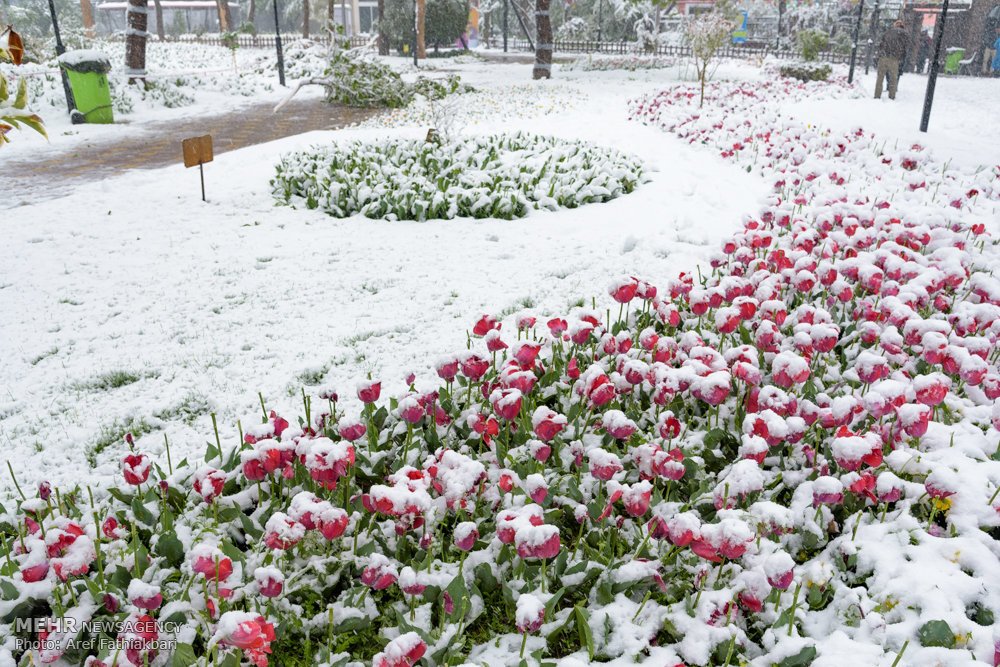
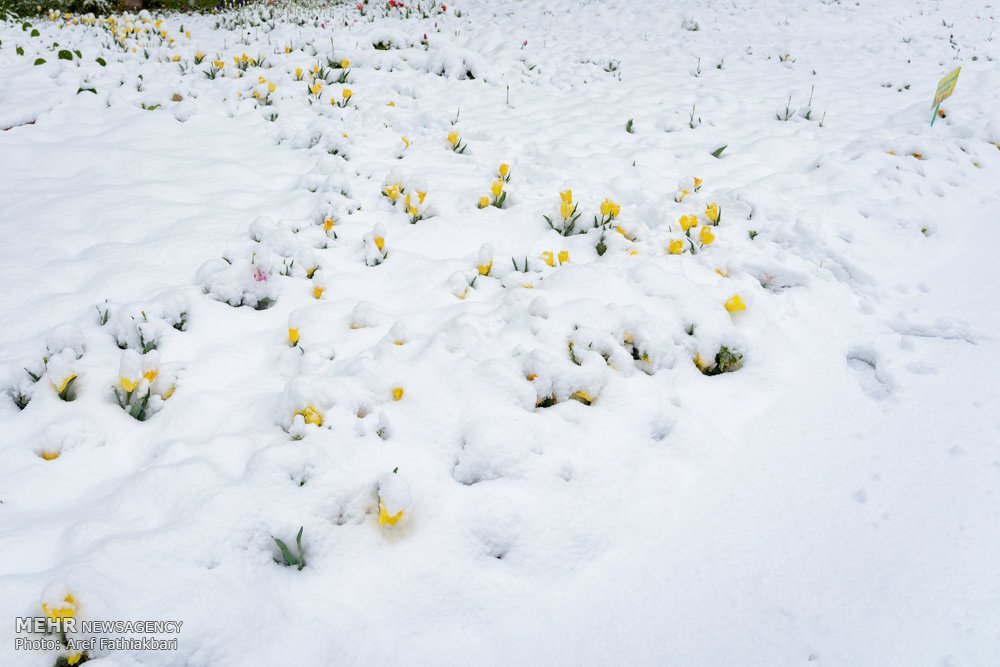
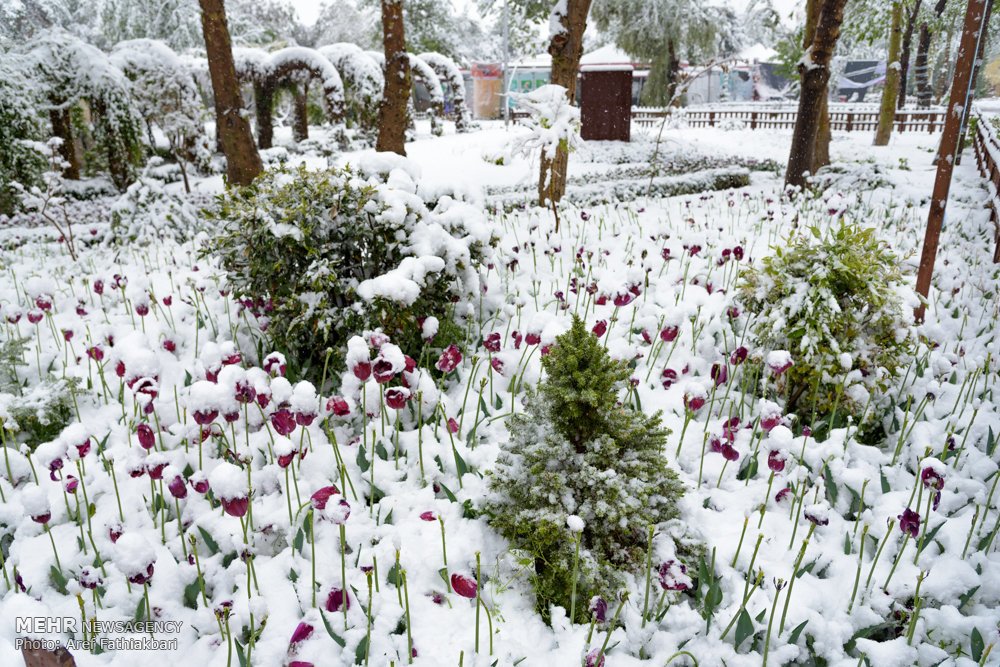
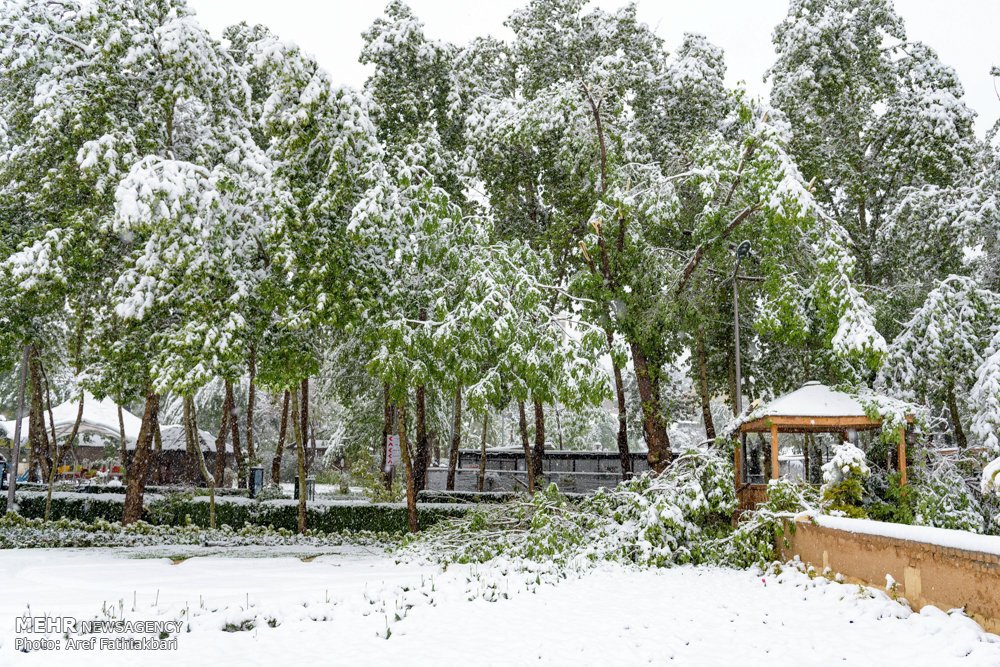
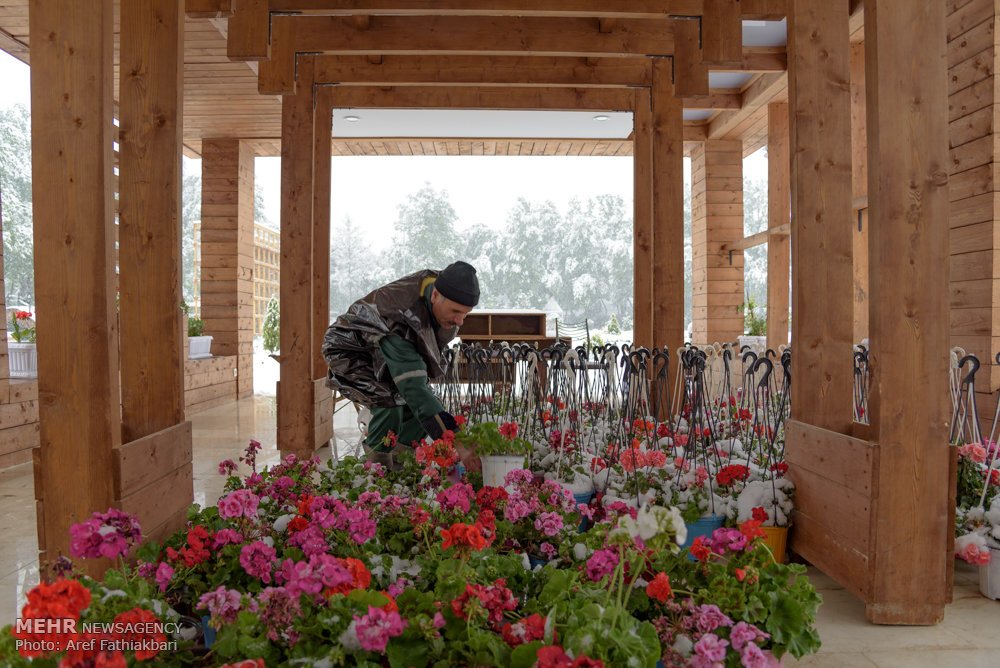
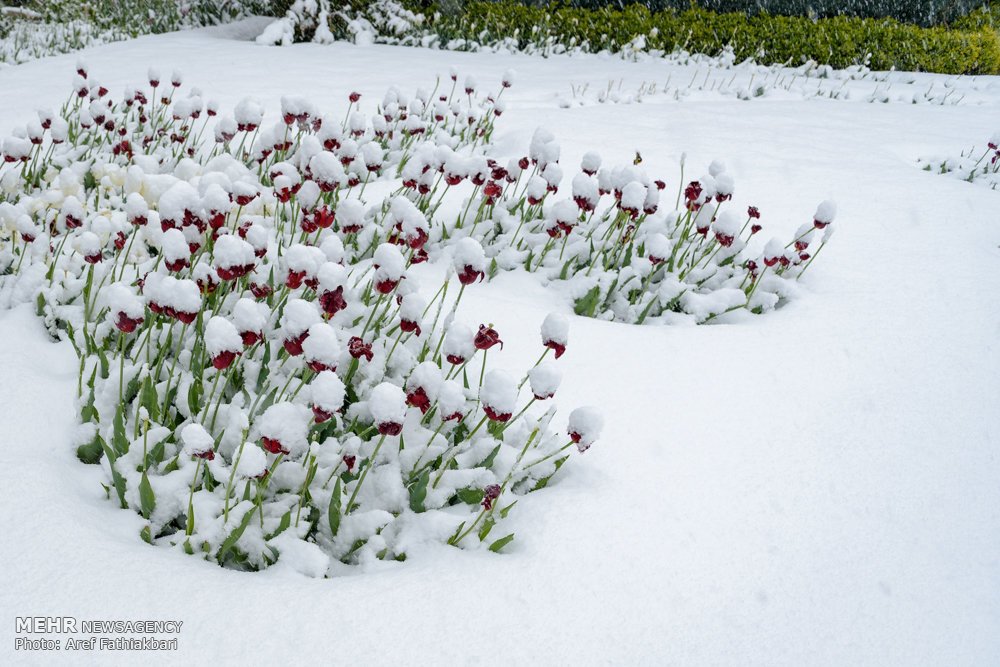
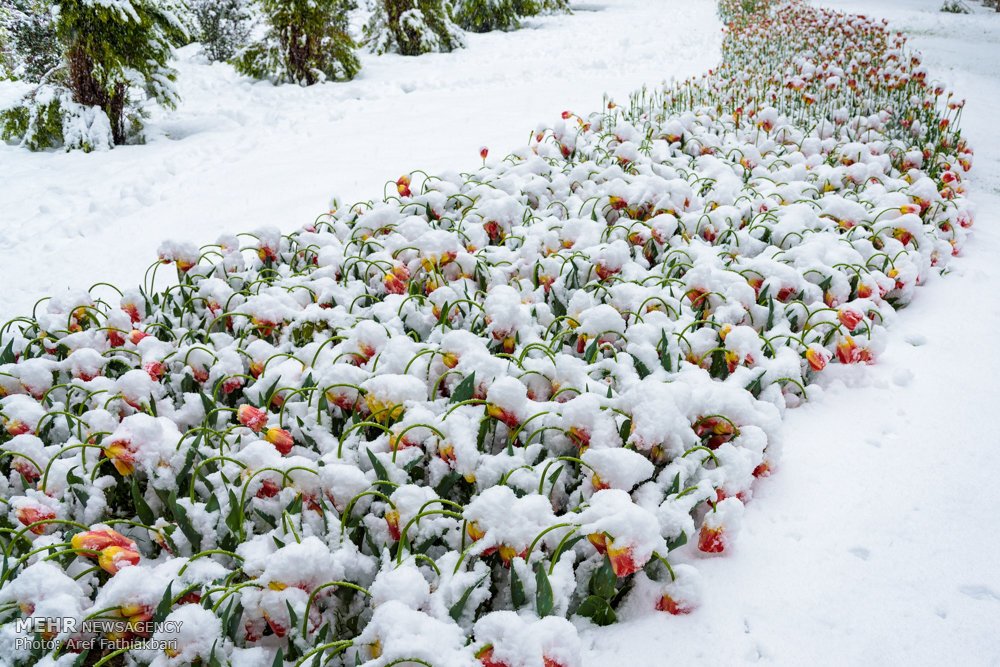
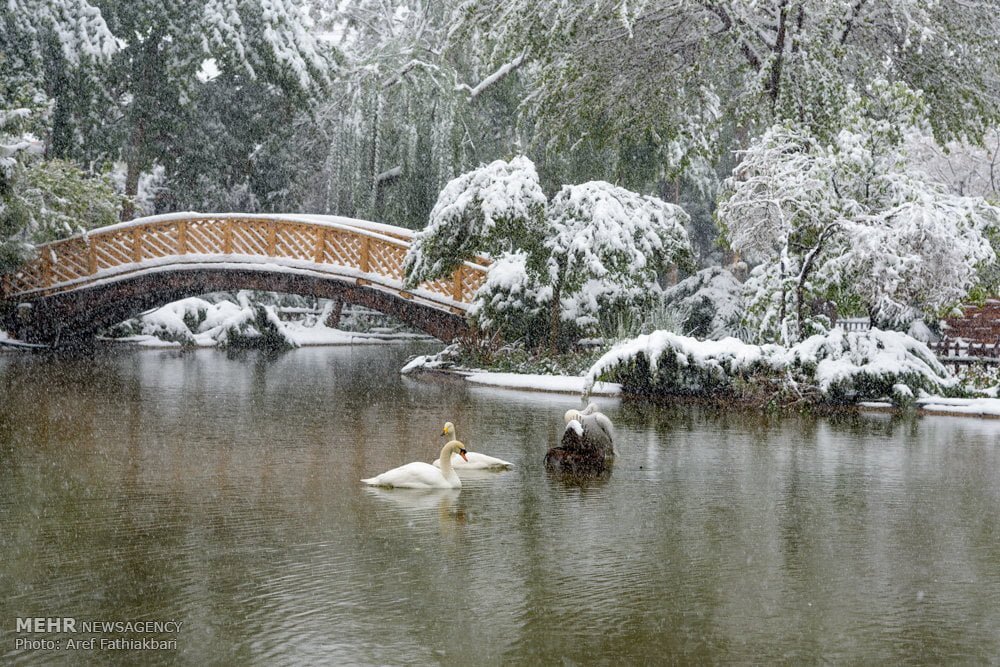
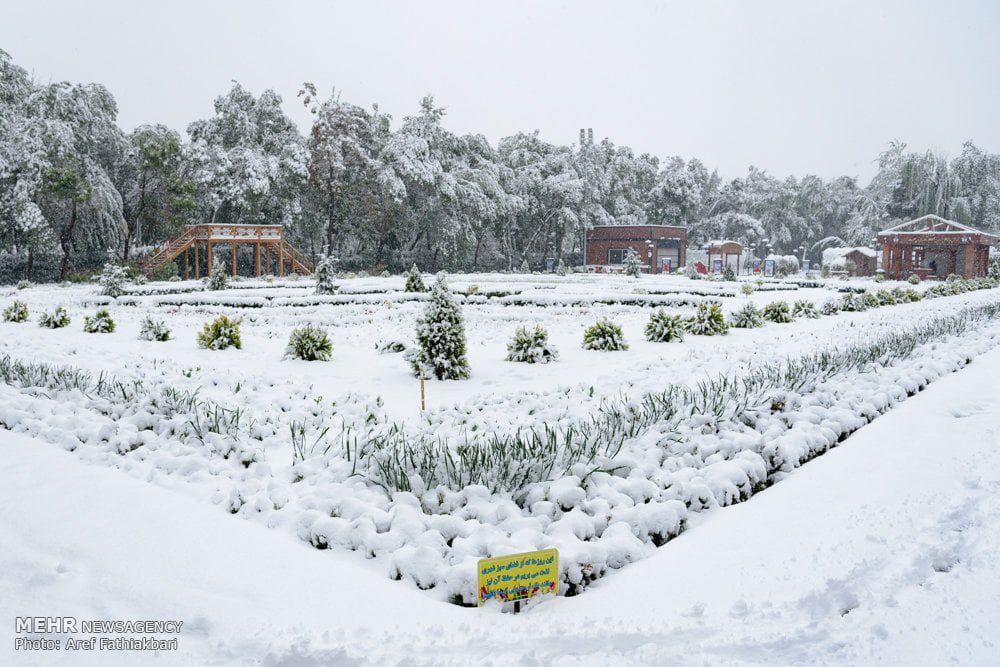
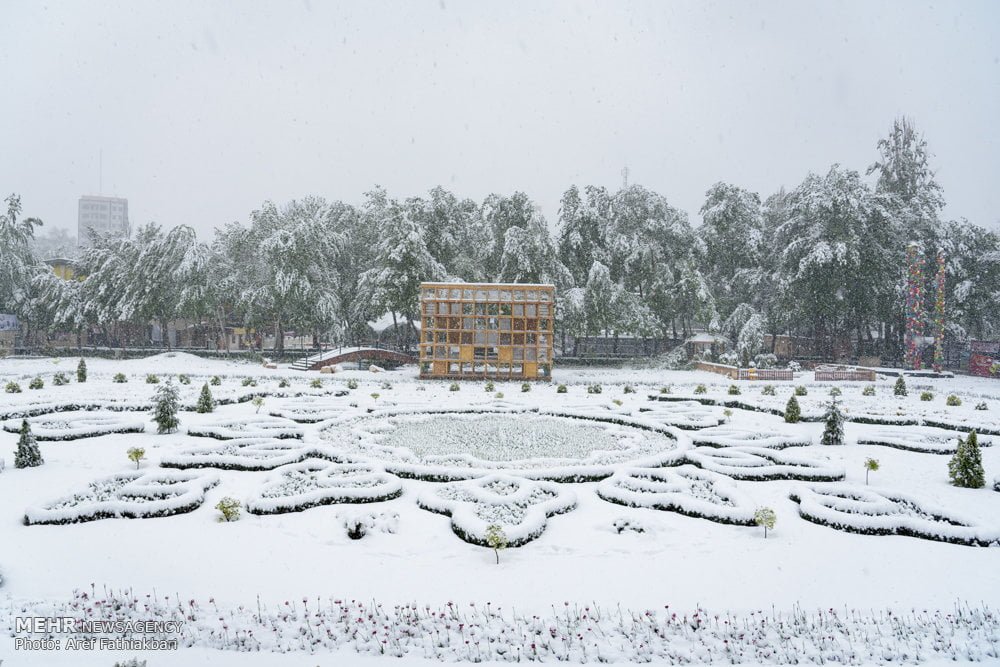
Spring Snow Covers Tulip Garden in Iran’s Karaj

This is the sixth edition of Tulip Festival that is being held at Karaj’s Chamran Park, west of Tehran. Nearly 50 different varieties of tulips are exhibited at the show.

The visitors come from across Iran and other countries to visit the colourful event.

What follows are Mehr News Agency’s photos of the snowy festival:

Red Cross Chief Impressed by Iran’s Humanitarian Aid Measures

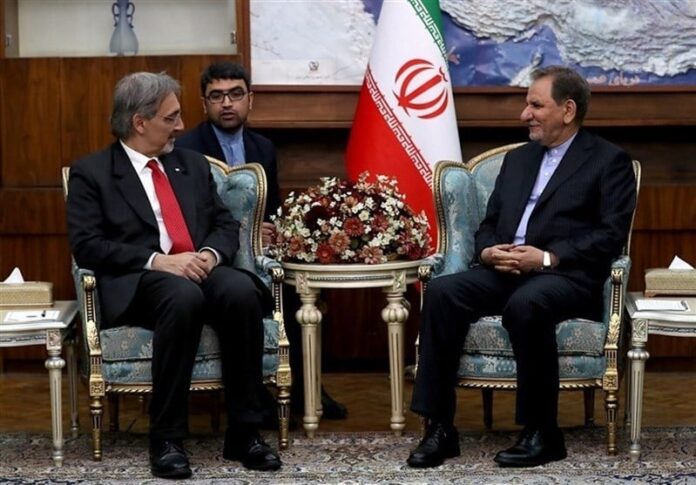
In a Monday meeting with Iranian First Vice-President Eshaq Jahangiri in Tehran, Francesco Rocca praised Iran for the top-notch services that its Red Crescent Society offers both in the country and abroad.

The outstanding qualities of the Iranian Red Crescent Society include high readiness level, their equipment, as well as their commitment and eagerness, the IFRC president said.

He added that he has witnessed the active partnership of Iranian Red Crescent staff in Niger, Ivory Coast, and Syria, voicing the IFRC’s willingness to work in close cooperation with Iran in helping people in crisis-hit areas.

The Iranian vice president, for his part, expressed the country’s readiness to enhance cooperation with IFRC to provide relief aid for people in Yemen and other countries gripped by wars or natural disasters.

He further highlighted the active role that the Iranian Red Crescent Society volunteers have played in addressing crises, saying also that Iran has been hosting millions of Afghan and Iraqi refugees displaced by US invasions and subsequent conflicts.

The IFRC is the world’s largest humanitarian organization, created to provide assistance without discrimination as to nationality, race, religious beliefs, class or political opinions.

Founded in 1919, the IFRC comprises 190 member Red Cross and Red Crescent National Societies, a secretariat in Geneva and more than 60 delegations around the world.

The Red Crescent is used in place of the Red Cross in Islamic countries.

Iran Foils Terrorist Attack on Post near Pakistan Border

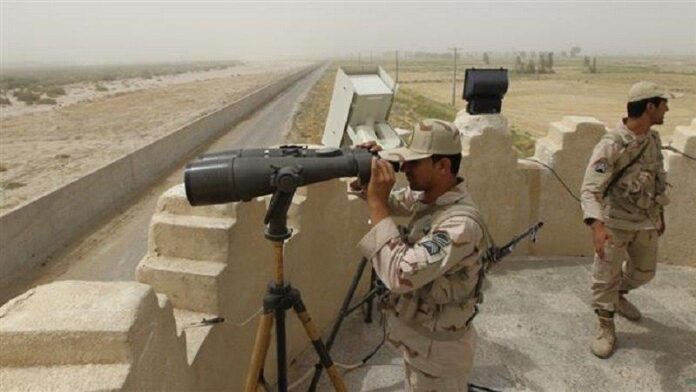
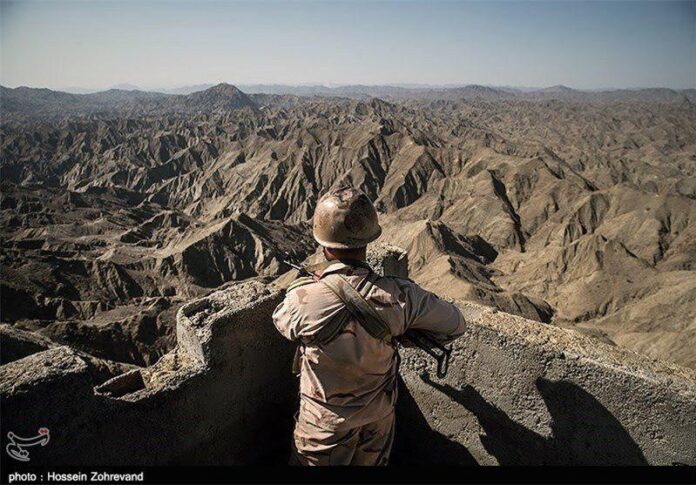
A terrorist team launched an attack from inside Pakistan Tuesday morning on a border post in Mirjaveh manned by the ground forces of the Iranian Armed Forces. The terrorists wanted to capture the border post near the Pakistani territory, but faced stiff resistance by the border guards there.

Backup troops were immediately sent in to help. The Iranian forces got engaged in fierce fighting with the terrorists and foiled their attack.

The shootout left three terrorists dead and several others wounded. A number of them also fled the scene. Two Iranian border guards were also killed by the terrorists during the attack.

Meanwhile, a vehicle of the Iranian forces struck a booby trap, killing two soldiers of the Islamic Revolution Guards Corps (IRGC) and wounding two others.

France, UK, Germany Fail to Convince EU to Pass New Iran Sanctions

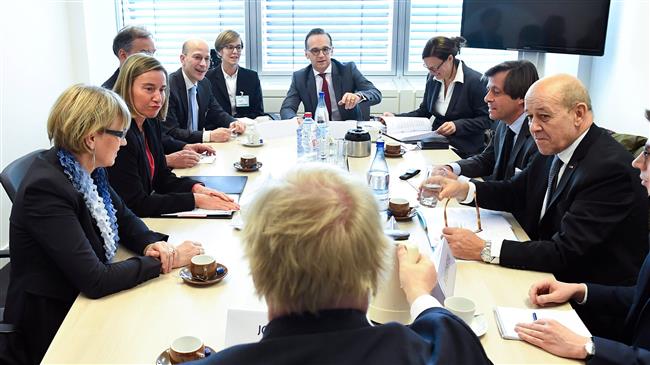
In a meeting of the EU foreign ministers in Luxembourg on Monday, Britain, France and Germany proposed expanding sanctions against Iran over its alleged ballistic missile program and its role in regional conflicts, particularly Syria and Yemen.

They hoped that the expansion of sanctions against Tehran can help convince the US president not to follow through on his threat to walk away from the nuclear agreement, officially known as the Joint Comprehensive Plan of Action (JCPOA).

Trump is a stern critic of the nuclear deal reached between Iran and the five permanent members of the UN Security Council — the United States, France, Britain, China, Russia – plus Germany. Under the agreement, nuclear-related sanctions put in place against Iran were lifted in exchange for curbs on Tehran’s nuclear program.

The US president on January 12 reluctantly agreed to waive sanctions against Iran that were lifted as part of the landmark deal, but threatened to withdraw from the accord if some “disastrous flaws” were not fixed.

He said he wanted America’s European allies to use the 120-day period before sanctions relief again came up for renewal to agree to tougher measures and new conditions; otherwise Washington would pull out of the deal.

Danish Foreign Minister Anders Samuelson said “a very broad majority” was in favor of fresh sanctions, as the clock ticks down to Trump’s May 12 deadline.

Speaking after the Luxembourg discussions, Irish Foreign Minister Simon Coveney also said it is needed to “send a strong signal to Iran that we’re concerned in relation to some of their activity particularly in Syria.”

“But also to send a message to Washington that we share their concerns in some of those areas,” Coveney added.

An EU diplomat said new sanctions could direct both Iranians and also non-Iranian forces in Syria.

Iran has repeatedly dismissed Western allegations about its regional presence, saying it is offering help to countries in the region in the fight against terrorism based on their requests.

Any decision on Iran sanctions requires unanimous support from all EU members but several states, including Italy and Sweden, have not been convinced yet.

The EU is eager to safeguard the nuclear accord. A diplomat from one of the three European powers said the bloc still had four weeks to go, adding, “We are clearly heading there, though we need a bit more time.”

The bloc’s foreign ministers agreed to continue work on the matter in the coming days and weeks. “The issue remains on the agenda,” said Germany’s new Foreign Minister Heiko Maas.

Speaking to reporters on Monday ahead of the Luxembourg meeting, EU foreign policy chief, Federica Mogherini, reiterated the bloc’s strong and unequivocal commitment to the full implementation of the JCPOA by all sides, saying preserving the deal is vital.

“The Europeans have always made it clear, the European Union has always made it clear that for us, keeping the agreement in place is vital. It is a strategic interest for the European Union and we will stick to it,” Mogherini said.

French President Emmanuel Macron and Germany’s Chancellor Angela Merkel plan to make separate official visits to Washington before May 12 in part to lobby Trump on the issue.

US’ Military Attacks Root Cause of Terrorism in Region: Larijani

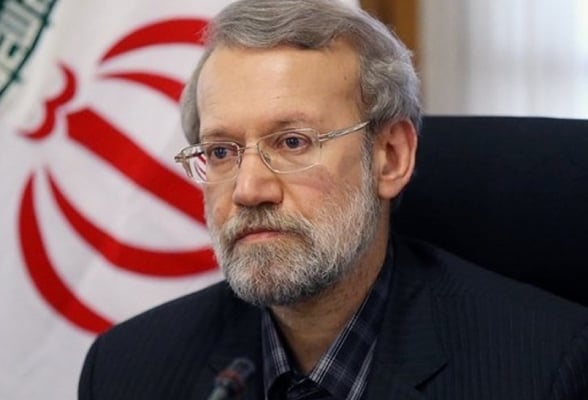
Ali Larijani

Ali Larijani said the region is grappled with terrorist conflicts adding that “in Iraq, Syria and also Afghanistan, we are witnessing terrorist acts that are mainly rooted in the US military aggression in the region.”

Larijani made the comments in a Monday meeting with his Vietnamese counterpart Nguyen Thi Kim Ngan during a visit to the Asian country.

“Experience shows that wherever the US has interfered, terrorist currents have begun their work, and actually Americans are involved in the creation and spread of terrorism,” he pointed out.

Iran has been determined to fight terrorism and has helped the regional countries that have asked for help, he added.

“Iran, Russia and Turkey have taken good steps to fight terrorism and establish security in Syria.”

He emphasised that the recent attack of the United States against Syria showed they were not in favour of peace in the country, noting that the Westerners use the turmoil in the region to sell their weapons, but we are resolved to make the region secure.

“In the case of Yemen, we have emphasised that political dialogue is the only solution to the problem, but unfortunately some countries are after a military option that has created problems.”

Elsewhere in his remarks Larijani said the Islamic Republic of Iran condemns the use of chemical, biological and nuclear weapons.

“In Syria, the West under the pretext of an alleged use of chemical weapons launched an attack which was not the right thing. In this case, they should have given the opportunity to the UN delegation to look into the case.”

He further noted that Vietnam’s resistance has always been familiar for the Iranians adding that the Iranian people always talk proudly about Vietnam.

He also pointed to his visit to the house of Vietnamese leader Ho Chi Minh, and said it was totally clear that he was a popular leader.

Elsewhere in his remarks, Larijani said that Iran’s parliament is interested in expanding relations with Vietnam’s National Assembly at different levels as there are various areas for cooperation.

“The two countries’ parliaments can help achieve the goals introduced to expand mutual cooperation during the meeting of Iran and Vietnam presidents,” he underlined.

“The trade relations between Iran and Vietnam are relatively at a good level, but it should increase. In the past, the two sides called for $2 billion trade relations, and now considering the existing capacities, this volume must be realised.”

Larijani further underscored that the Islamic Republic can provide opportunities for the investment of Vietnam in the oil and gas field.

“Vietnam has good capacities that can be used to increase the level of trade relations between the two countries, and the Joint Commission has reached agreements in different areas,” Larijani went on to say.

He said Vietnam has made good progress in the field of agriculture that Tehran can make use of it. In addition, he stressed that the Islamic Republic has made good progress in producing pharmaceuticals and medical equipment that could help Vietnam.

Iran’s parliament speaker further referred to the interest of Iranian businessmen in expanding trade ties with Vietnam saying that tourism and cultural cooperation are among the areas in which the Iranian parliament is interested.

For her part, Nguyen Thi Kim Ngan gave a report on the economic situation in Vietnam saying that political and social stability has contributed to attracting investment and improving the lives of the people of Vietnam.

“We understand the conditions in Iran and we know that the economic sanctions and regional instability affect Iran more or less; therefore, we are ready to cooperate with Iran.”

She further mentioned that Vietnam welcomes the nuclear agreement and supports this deal, and hopes that the people of Iran could improve their lives with this accord.

Nguyen Thi Kim Ngan also touched upon boosting ties with Iran saying that cooperation with Tehran, especially in the field of business and economy, needs to be expanded in order to increase trade volume, and in this regard, restrictions such as banking problems have to be removed.

Moreover, she called for the strengthening of cooperation with Iran in the field of telecommunications and information technology adding that the expansion of these relations is necessary for the development of the two countries.

The chairwoman of the Vietnamese National Assembly also expressed concern over the US airstrikes in Syria saying that “We are opposed to any action against the innocent people of this country, and all countries must act in accordance with the UN Charter.”

Larijani arrived in Vietnam on April 15 for an official visit upon the invitation of Vietnam’s National Assembly Chairwoman. He will be in the country until April 18.

Vietnam and Iran set up diplomatic ties on August 4, 1973. Since then, the two countries have continuously enhanced bilateral cooperation in all fields and supported each other at global multilateral forums.

Iran Seizes Hauls of Explosives at Eastern Borders

Following a round-the-clock operation, the intelligence forces in the southeastern province of Sistan and Baluchestan managed to seize the hauls of explosive devices which were embedded in a large narcotics cargo.

A terrorist group was smuggling a large cargo weighing 80 kilogram of explosive devices including 17 explosive traps mainly used for road bombs, 28 pistols with at least 2,000 cartridges, 35 grenades and tens of electronic detonators as well as other explosive warfare, a Farsi report by IRIB News Agency said.

The intelligence forces also confiscated at least 580 kilogram of narcotics from the terrorists.

Last year, Iranian intelligence forces seized a similar cargo in southern Kerman province.

Officials believe the presence of explosive devices and narcotics in cargos smuggled into Iran reveals the close links between narcotics trafficking and terrorism.

According to the United Nations Office on Drugs and Crime (UNODC), the link between terrorism and drugs trafficking is evident and has been recognized by the UN Security Council.

There have been numerous accounts identifying a linkage between drugs and terrorist networks that take multiple different forms, ranging from facilitation, protection, transportation, and taxation, to direct trafficking by the terrorist organizations itself in order to finance its activities, UN reports say.

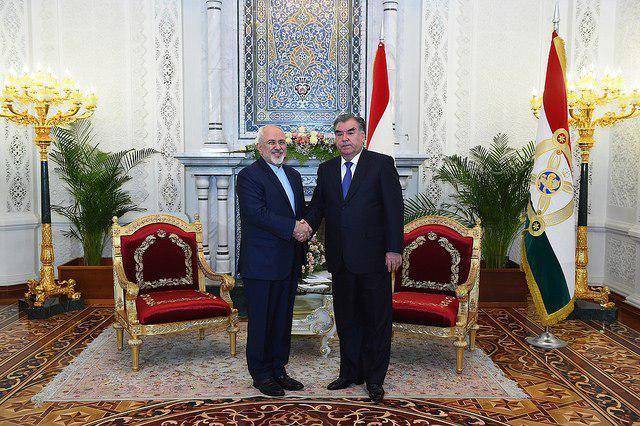
Iran FM, Tajik President Discuss Bilateral Ties

In the Monday meeting, the two sides exchanged views on bilateral, regional and international issues.

They also touched upon the numerous commonalities between the two countries and stressed the need to forge closer cooperation and relations in different political, economic cultural areas as well as energy and technology.

Accompanied by a political entourage, Zarif arrived in Dushanbe earlier in the day to attend the 23rd ECO Ministerial Meeting in the Tajik capital.

This is the second visit of Zarif to Tajikistan within the past few months.

In November 2017, the Iranian top diplomat had made a trip the central Asian country as the first of its kind in the past couple of years.

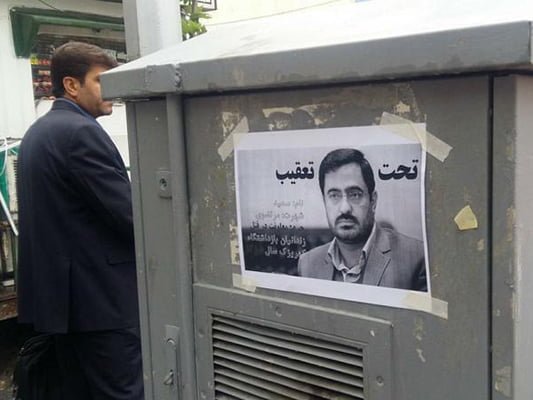
Iranians Launch Campaign to Find “Most Wanted” Ex-Prosecutor

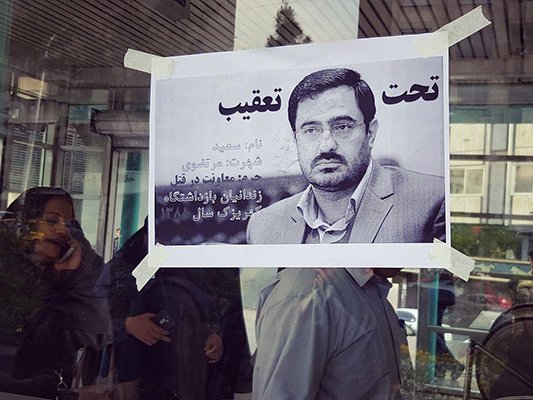
The reformist daily newspaper Ghanoon wrote on Monday that undoubtedly, the poster initiative is not to find him; it is rather a way to express the public demand for the arrest of Mortazavi in a sarcastic way.

“Perhaps the city-wide posters show people’s dissatisfaction with the judicial situation in Mortazavi’s case. The massive reaction to Saeed Mortazavi’s absence is a stern warning to the authorities because people have understood that sometimes some ones escape justice because of their former position.”

Iranians Launch Campaign to Find "Most Wanted" Ex-ProsecutorGhanoon also warned that if the national warning is not heard, one cannot expect to have a democratic and, of course, Islamic society.

Another reformist daily Arman-e Emrooz also wrote that Iranian lawmakers are going to summon two ministers over the controversial case. Arman has referred to the tweets by Iranian lawmaker Fatemeh Saeedi in which she had written, “I call on the judiciary and the interior ministers to explain why Mortazavi has not been apprehended. If the final verdict is announced, it must be implemented.”

According to Arman, the Iranian MP has assumed that those who can apprehend Mortazavi know where he is.

“But the point is the possibility of the disappearance of a person like Mortazavi. Is this possible? Could the man, who appeared at court sessions with his bodyguards, disappear without informing the relevant organisations?”

“This comes as even his bodyguards do not know where he is! One cannot easily digest someone like Mortazavi has disappeared and nobody knows his whereabouts. Although it seems to be a deliberate attempt to appease the public opinion, but this can produce contrary results.”

According to Iran’s Judiciary, Tehran’s former Prosecutor Saeed Mortazavi who was supposed to serve a two-year prison term is nowhere to be found.

Earlier, Iranian Judiciary Spokesperson Gholam-Hossein Mohseni Ejei said that a court verdict calls for imprisoning Mortazavi for two years, but unfortunately he has not been arrested as his whereabouts are not known.

President Hassan Rouhani’s media adviser Hesamoddin Ashna had also warned on April 13 that Mortazavi might want to evade justice.

Mortazavi has been sentenced to two years in prison for complicity in the death of a prisoner in Kahrizak detention centre following the 2009 post-election unrest in Iran.