Friday, December 26, 2025
Home Blog Page 3616

Iran Learns Its Opponents at AFC Asian Cup 2019

After more than three years of qualifying suspense, Asia’s best 24 teams finally discovered their challengers on Friday.

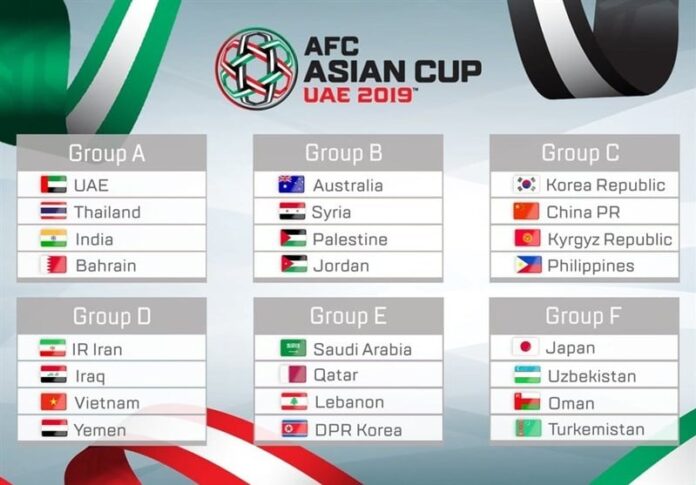
In a grand spectacle at the United Arab Emirates Burj Khalifa, host UAE, who was positioned in first place in Group A, will kick-off Asia’s most prestigious tournament against Bahrain at the Zayed Sports City Stadium in Abu Dhabi on January 5, 2019.

The host nation will be looking to improve on its second place finish the last time the competition was held in the UAE in 1996, but will face formidable opponents in India and Thailand who complete the cast in Group A.

Meanwhile defending champion Australia was drawn in Group B with 2004 and 2011 quarter-finalist Jordan, Palestine, and Syria, who return to the competition following their absence in Australia 2015.

Continent powerhouse and 2015 finalist Korea Republic, who is on the hunt for its first title since 1960, was drawn in Group C with two-time runner-up China PR as well as two debutants in the UAE 2019 – Kyrgyz Republic and Philippines.

Asia’s best ranked side, Islamic of Republic of Iran who is looking to secure its fourth title and its first since 1976, has been drawn in Group D alongside 2007 winner Iraq, Vietnam and Yemen, who will be appearing in its first tournament since its unification.

In Group E, two-time champion Saudi Arabia was drawn with 2011 host Qatar, Lebanon, who will be returning to the competition for only the second time after a 19 year absence as well as DPR Korea.

The tournament’s most successful side with four titles, Japan is in Group F and will face Uzbekistan, who has progressed past the group stage for the last four editions of the competition as well as Oman and Turkmenistan.

The Zayed Sports City Stadium will also host the final on February 1, 2019 after 28 days of enthralling action with the Mohammed Bin Zayed Stadium and Al Nahyan Stadium hosting the remaining matches in Abu Dhabi.

Hazza bin Zayed Stadium and the Khalifa bin Zayed Stadium will host the matches in Al Ain and Sharjah Stadium in the Emirate of Sharjah. Al Maktoum Stadium and Al Rashid Stadium are the two venues in Dubai.

Renowned Iranian Musician Cheshmazar Dies at 67

Chashamzar, known for composing music for so many well-known films and songs, died of cardiac arrest at the age of 67.

A funeral procession will be held for the late artist in Tehran at 9:30 am local time on Sunday May 6, 2018.

The illustrious musician, composer, and instrumentalist was born in in the Iranian city of Ardabil in 1950. Trained by his father Esmail Cheshmazar, he learned the fundamentals of music. He began with the accordion.

He joined the Azarbaijan Orchestra of Radio Iran at the age of 12, and received a special award of music at high school for playing the accordion when he was 13. He began his official career at the age of 18. He was one of the pioneers of electronic musical instruments.

“US Seeking to Promote Liberal-Democratic System of Ruling”

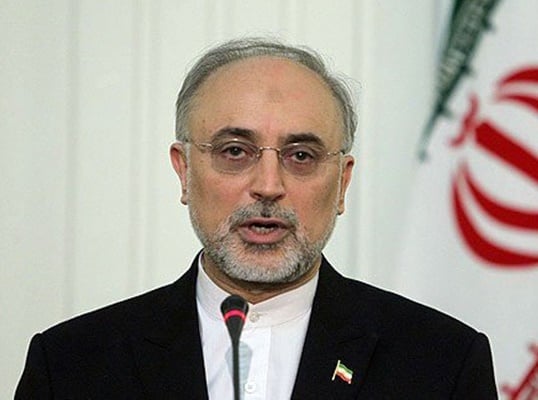
Ali-Akbar Salehi say the Islamic Republic of Iran has established a new method of ruling which is unacceptable and not understandable by the Americans.

“[This method of ruling] has jeopardised their colonial existence, and that is why they have got into a challenge with us,” the top official said, as quoted by the Persian-language Fars News Agency.

He then touched upon the dynamic nature of the Islamic Revolution of Iran which emerged victorious in 1979.

“The revolution is not that old. ‘Forty years’ is not a long period of time as part of the history of a nation. However, this revolution has found its path and is moving on. A lot of infrastructure has been established during this period, and there are also a lot of problems that no one can deny. There is a long way to go to attain one’s ideals,” said Salehi.
The nuclear chief then stressed that the era of trial and error to run the country’s affairs is long gone.
“Today, conceptual studies are used to run the country, which has a bright future,” he noted.

“Our country does not want to be placed in the political orbit of others and wants to make decisions itself,” he said.

“We draw on our own experiences and tell good from evil. We do not want others to decide for us,” he underlined.

He said Islamic nations pride themselves on the accomplishments of the Islamic Republic of Iran.

“Today, the people of Muslim countries proudly become happy with Iran’s achievements and talk about them (those achievements). This is a great accomplishment. They have also realized that we have found the way, which has worried colonial powers,” Salehi said.

Iran President Says Telegram Not Blocked by His Administration

rouhani

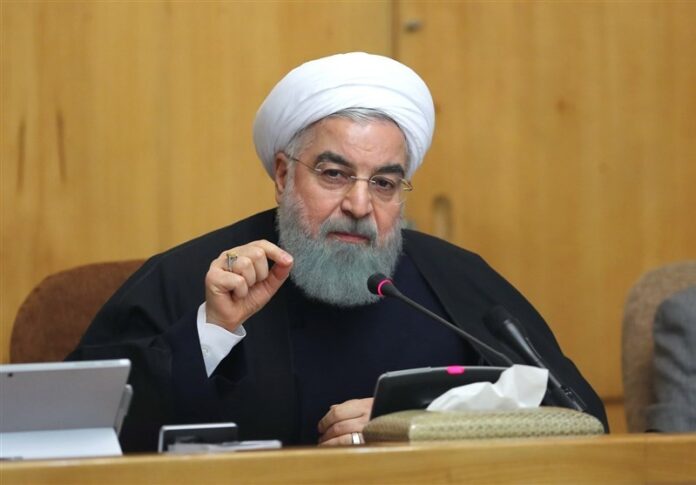
Hassan Rouhani wrote on his Instagram page that the policy of the eleventh administration has been to create a “safe” virtual space, not a “securitized” one.

“So far, no social network or messenger has been blocked by this administration, and will not. The recent filtering and blocking of Telegram was neither done, nor is approved by the administration,” wrote Rouhani.

“On April 30, 2018, a judicial decree was issued to block the abovesaid messenger (Telegram), and was communicated to all cell phone operators and internet service providers to disrupt connections on their own (A similar move was also done last year during the presidential election to affect Telegram’s voice call service.)” Rouhani’s Telegram statement also read.

Any move pertaining to executive affairs which is done without going through legal procedures by using force and judicial channels runs counter to the motto “Independence, Freedom, Islamic Republic” and is the direct opposite to democracy, the president further wrote.

“If a decision is made at the highest level of the Establishment to restrict or block people’s communications, the real owners of this country, i.e., the people, should be informed of the trend of affairs,” he added.

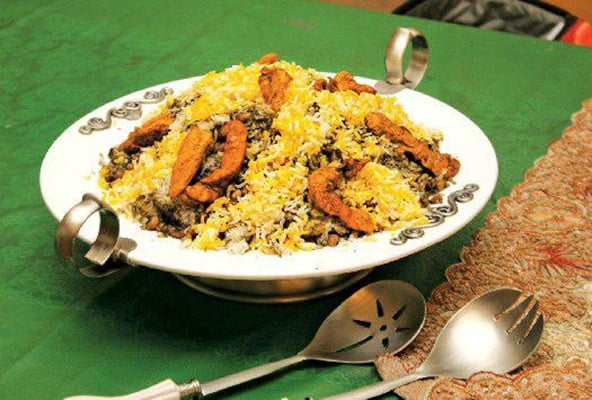
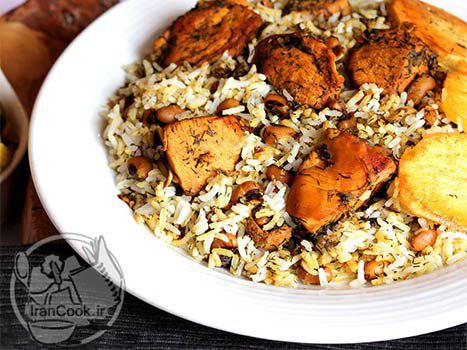
Shooshtari Pillaf; A Meal for Parties

Ingredients:

Rice: 1kg

Chicken fillets: 500gr

Cooked Cowpeas: 2 cupfuls

Fresh Dill: 2 cupfuls

Fried Onions: 1 onion

Saffron: a teaspoonful

Melted Butter, Salt, Pepper: As Needed

Shooshtari Pillaf; A Meal for Parties

Recipe

First, boil the cowpeas in a casserole on intense heat until cooked. Then put water and salt in another casserole and turn up the heat till the water begins to boil.

In the meantime, put the chicken fillets on the cutting board and chop them into rather big pieces. Then peel the onions and cut them into small pieces.

Pour some oil in a frying pan and put it on low heat until the oil gets hot. Then sauté the onions in the oil until they are fried well and become golden in colour. After that, add the chopped chicken fillets to the fried onions and sauté them before adding saffron. Now sprinkle salt, pepper and other spices on the fillets.

Now the water in the casserole is boiling. Put the rice in the boiling water and wait until the rice is cooked. Taste some of the rice to see how well the rice is cooked. If the upper layer of the rice is soft and inside the grain is a little hard, it’s time to drain the rice. So, drain the rice and put it aside. Then go check on the frying pan. If the fillets are completely dry with no water left on them, add the dill and cooked cowpeas.

Put some oil in a casserole, put some rice on the bottom of it, and put the fillets along with other materials on the rice. Again, put another layer of rice and one layer of fillets and materials. Keep doing this for several times. Put the lid on and put it on low heat. The Shooshtari Pilaf will be ready in 45 to 60 minutes.

Shooshtari Pillaf; A Meal for Parties


Iran Discusses Yemen Crisis with European Officials

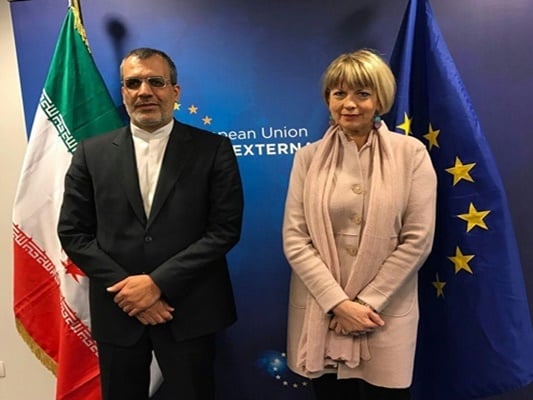
During the Thursday talks in Rome, Jaberi Ansari conferred on the Yemen crisis with Helga Schmid, the Secretary General of the EU’s External Action; and the political directors of the British, Italian, German and French Foreign Ministries.

The officials attending the talks explored various aspects of Yemen crisis, particularly the deteriorating humanitarian conditions in the war-torn country.

Preliminary steps to build trust among the conflicting sides in Yemen were also discussed in the talks.

The first round of talks on Yemen crisis was held in February in Germany’s Munich. Based on the agreements made in the Rome talks, the third round of the negotiations is expected to be held by the EU in Brussels in mid-June.

Earlier on Thursday, Jaberi Ansari had sat for talks with Luca Giansanti, the Director General for Political and Security Affairs at the Italian Ministry of Foreign Affairs.  During the meeting, the two sides exchanged views on regional and bilateral issues.

Years of mediatory efforts by the UN and other international players have failed to bring a peaceful resolution to the ongoing conflict in Yemen.

Meanwhile, a Saudi-led military intervention in the impoverished country has brought the country to the brink of a catastrophic humanitarian crisis.

According to the UN, a record 22.2 million people are in need of food aid, including 8.4 million threatened by severe hunger.

A high-ranking UN aid official recently warned against the “catastrophic” living conditions in Yemen, stating that there was a growing risk of famine and cholera there.

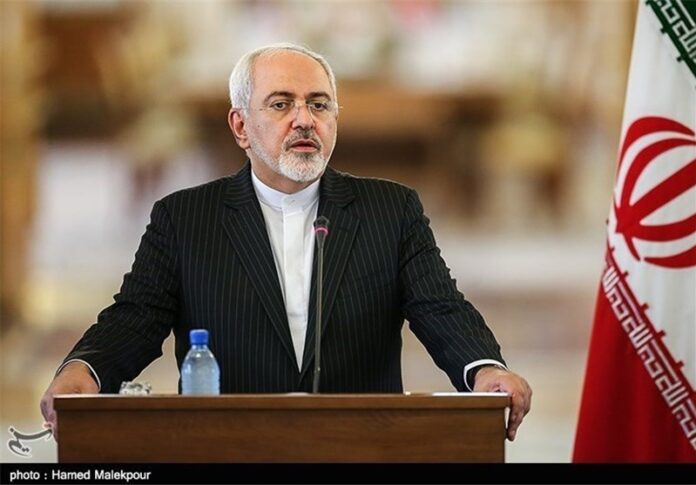
Iran Not to Accept Any Change to JCPOA, Zarif Reaffirms

Zarif

In a video message on Thursday, the Iranian top diplomat called the JCPOA a binding deal for all sides as it was unanimously approved by the United Nation’s Security Council.

“The UN nuclear watchdog has confirmed that Iran has implemented all its obligations. In contrast the US has consistently violated the agreement especially by bullying others against doing business with Iran,” he said.

He expressed regret that apparently the response of some European states to US President Donald Trump’s unhappiness with the deal has been to offer the US more concessions from “Iran’s pocket”.

“This appeasement entails promises of a new deal that include matters that we all decided to exclude at the outset of our negotiations including Iran’s defence capabilities and regional influence. But please understand on both issues it is Iran and not the West that has serious grievances and much to demand,” he noted.

The Iranian foreign minister also said Iran has not attacked any state for centuries but had been invaded by others, the most recent case of which was the invasion by Iraq under former dictator Saddam Hussein backed by the US and its allies.

“Despite that haunting experience, we still spend a fraction of countries like Saudi Arabia and the United Arab Emirates on defence and our missiles have a shorter range than those of Saudi Arabia. And unlike US allies in the region who have brainwashed, financed and armed such groups as al-Qaeda, the Taliban and the ISIS, we have been pivotal in defeating these extremist groups,” he added.

Zarif underlined that Iran will never hold new round of talks on the JCPOA and said threats would not lead to a new deal.

He finally advised the US officials to honour their commitments under the deal or they have to accept responsibility for the consequences of their violations of the deal.

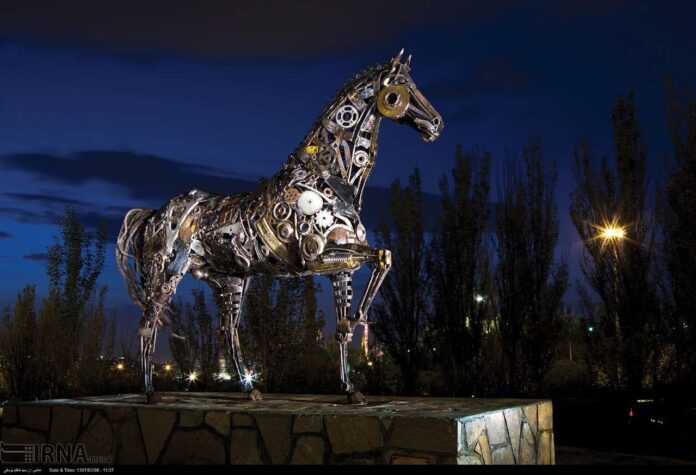
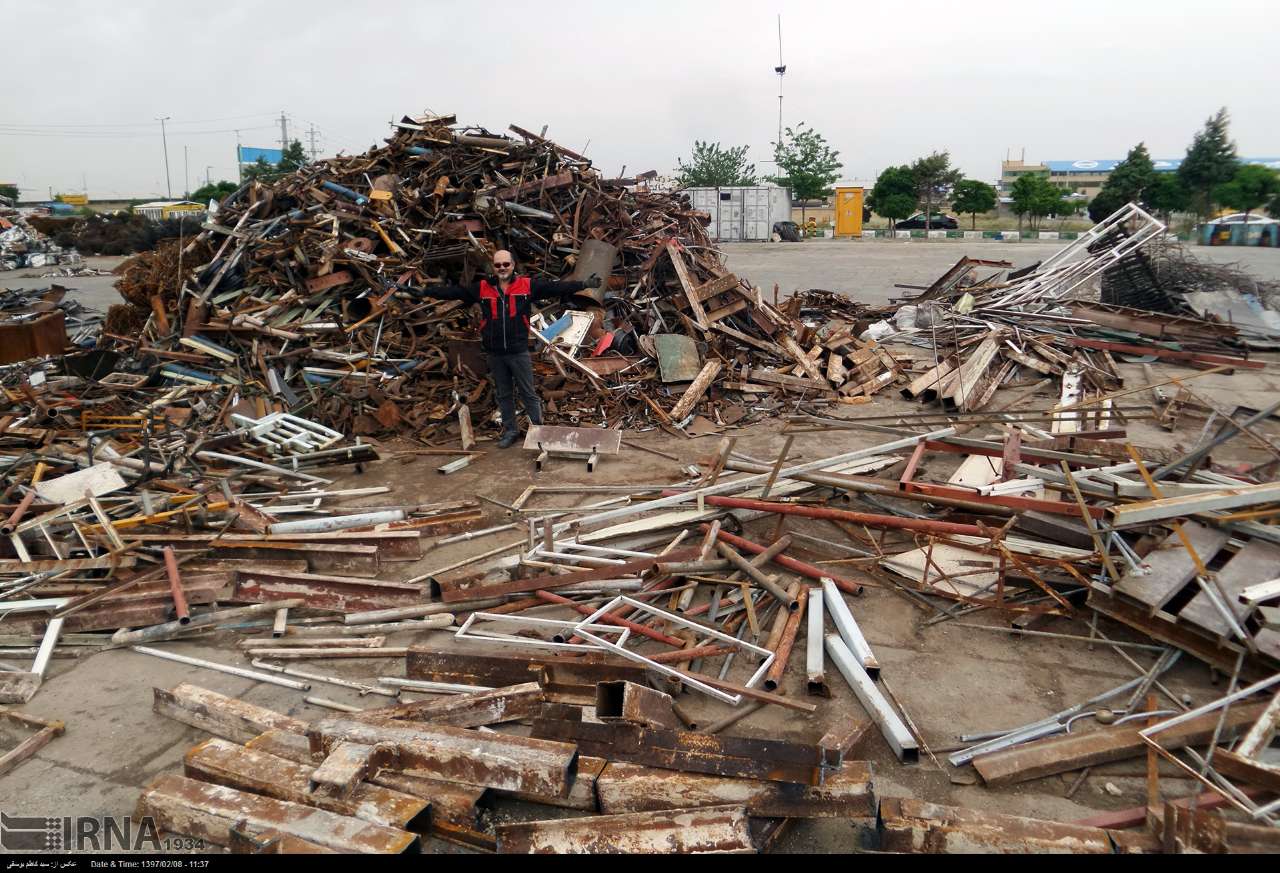
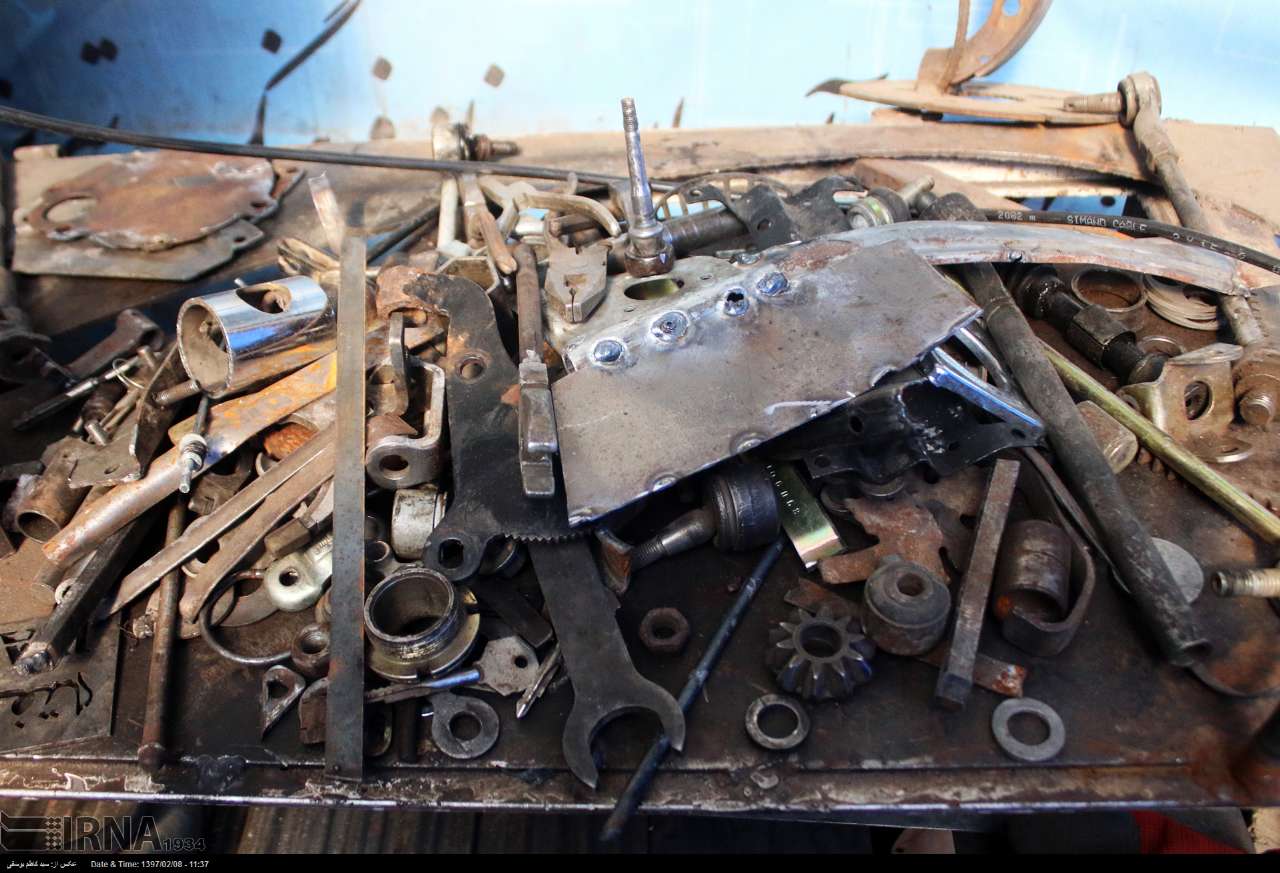
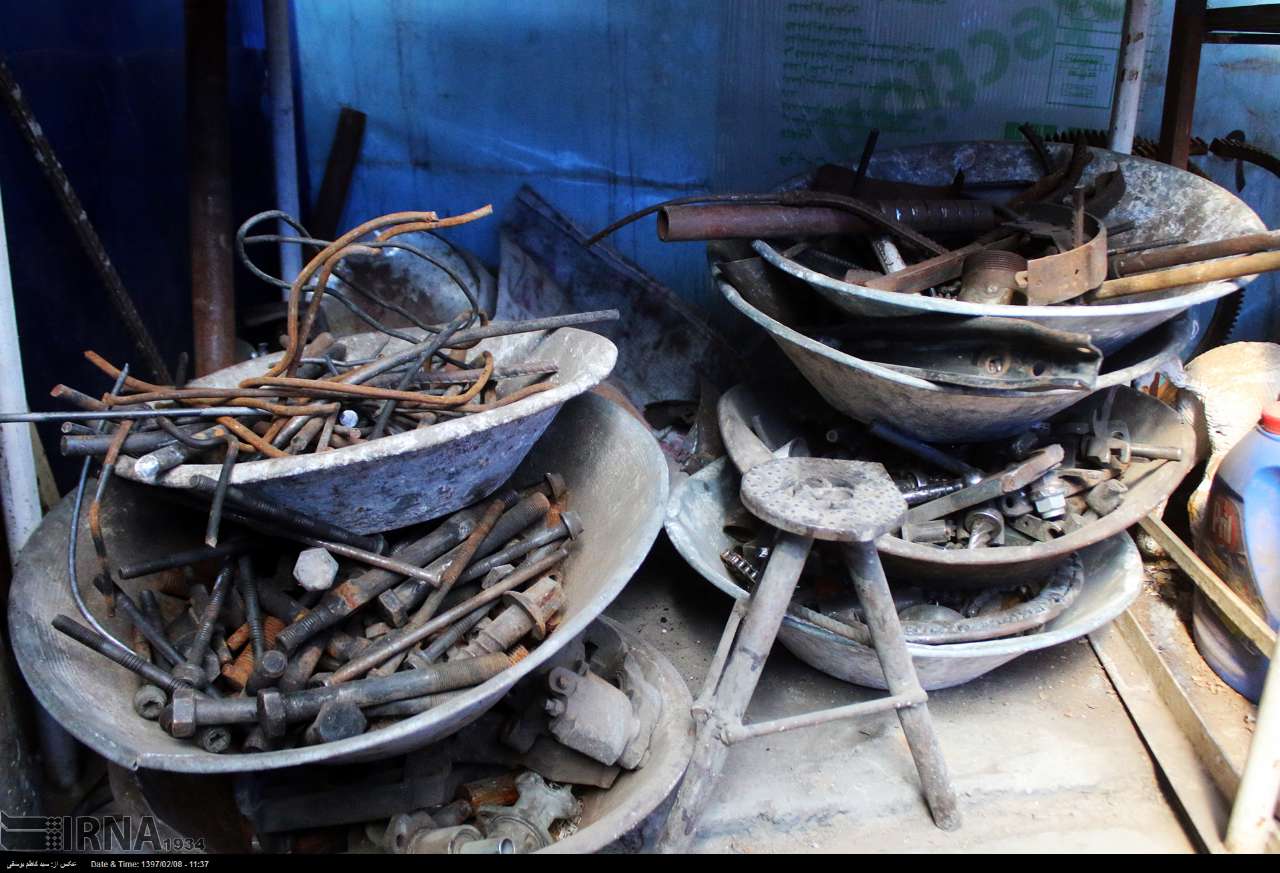
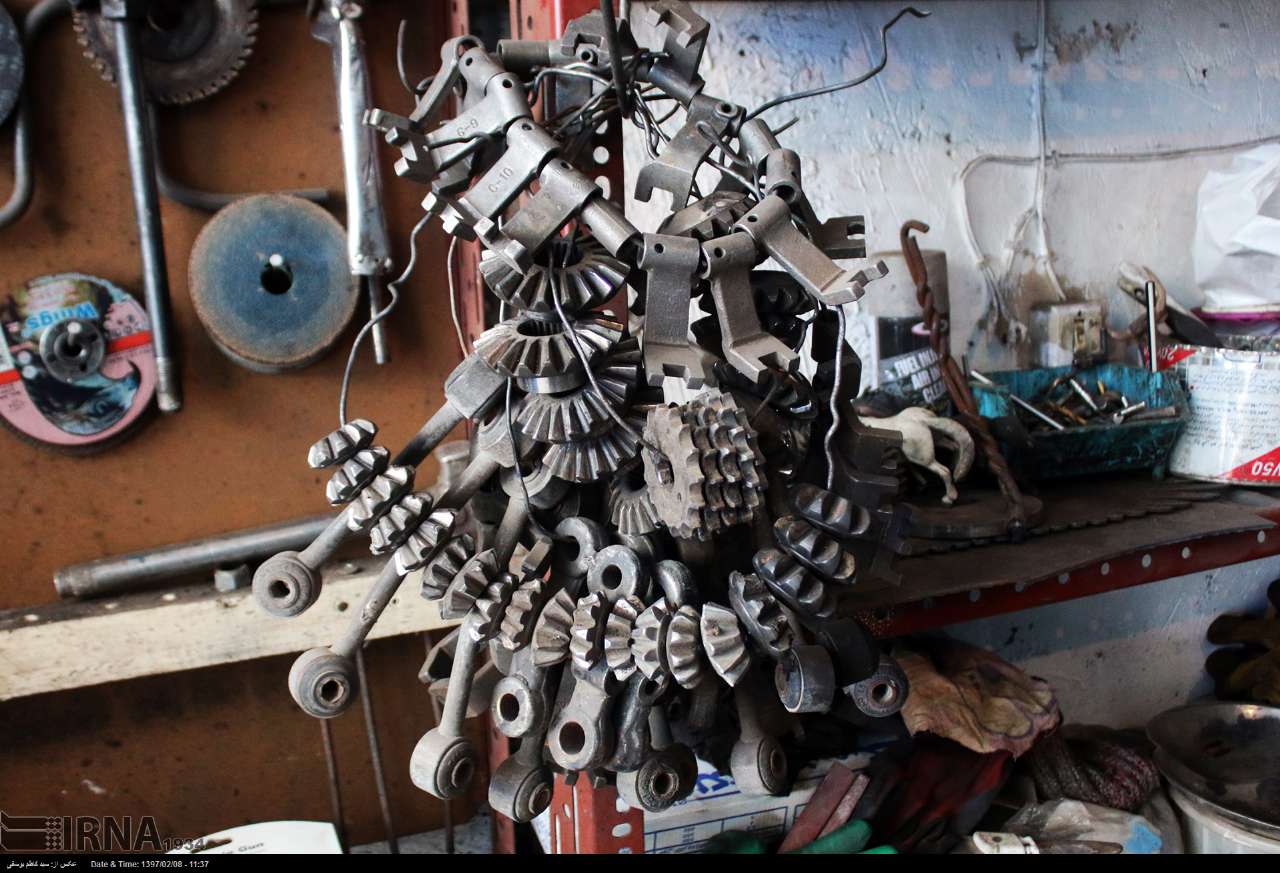
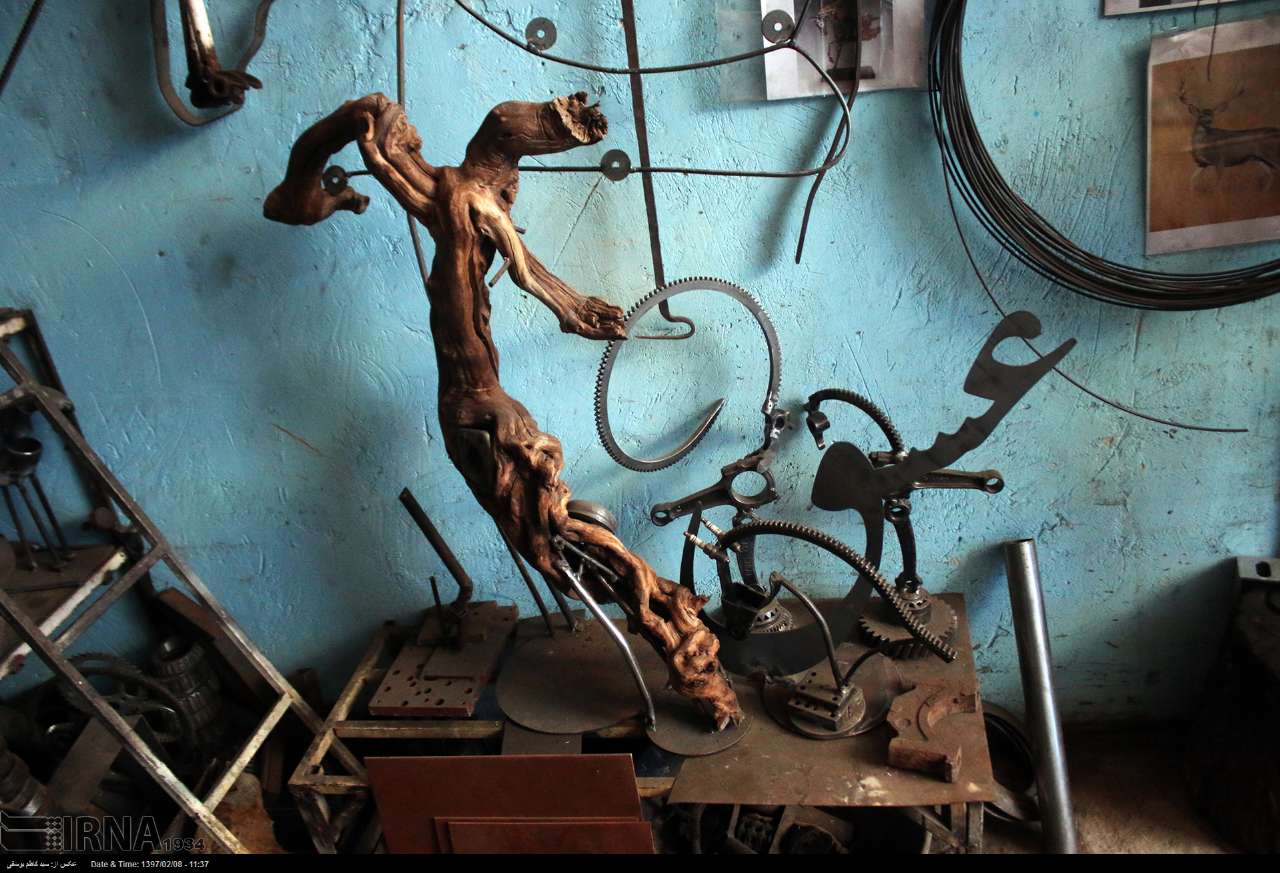
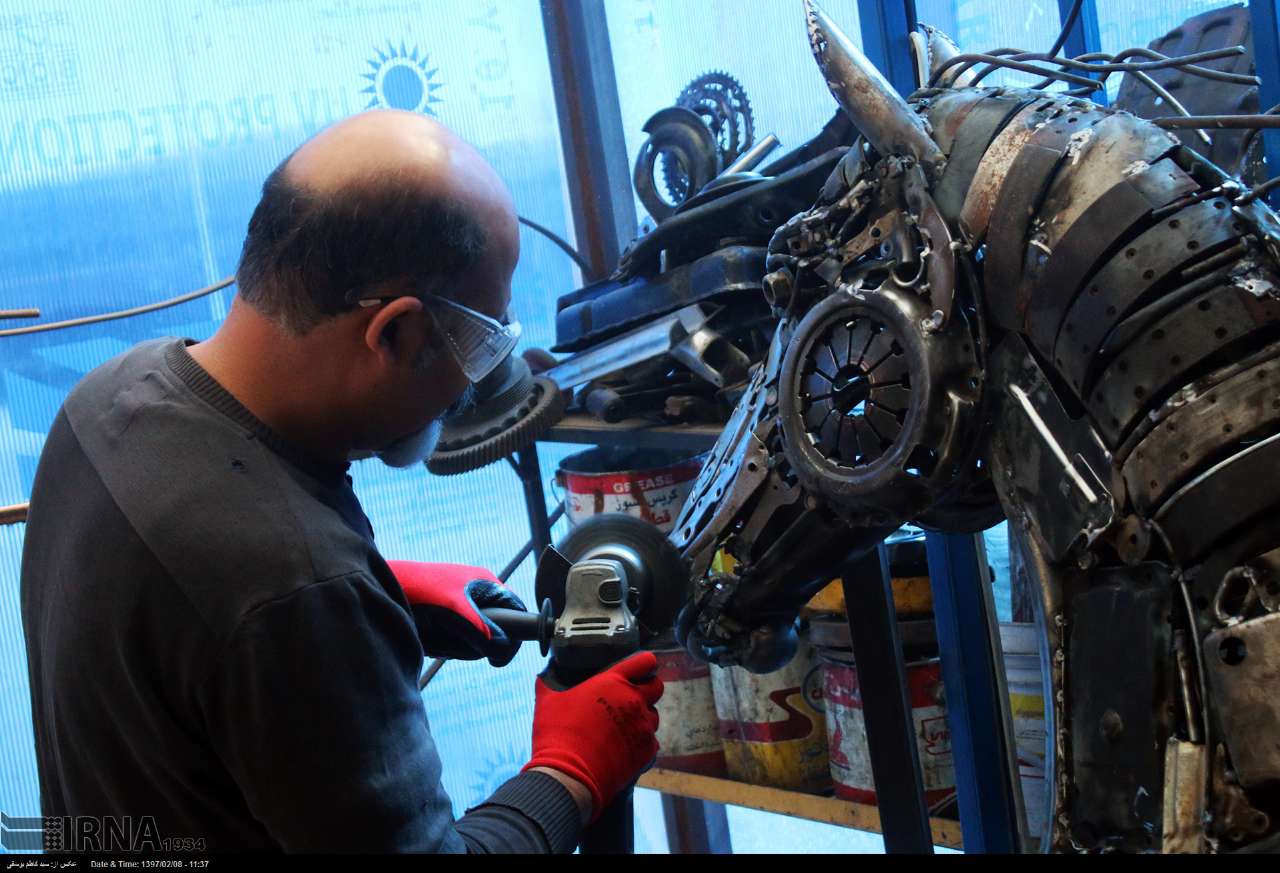
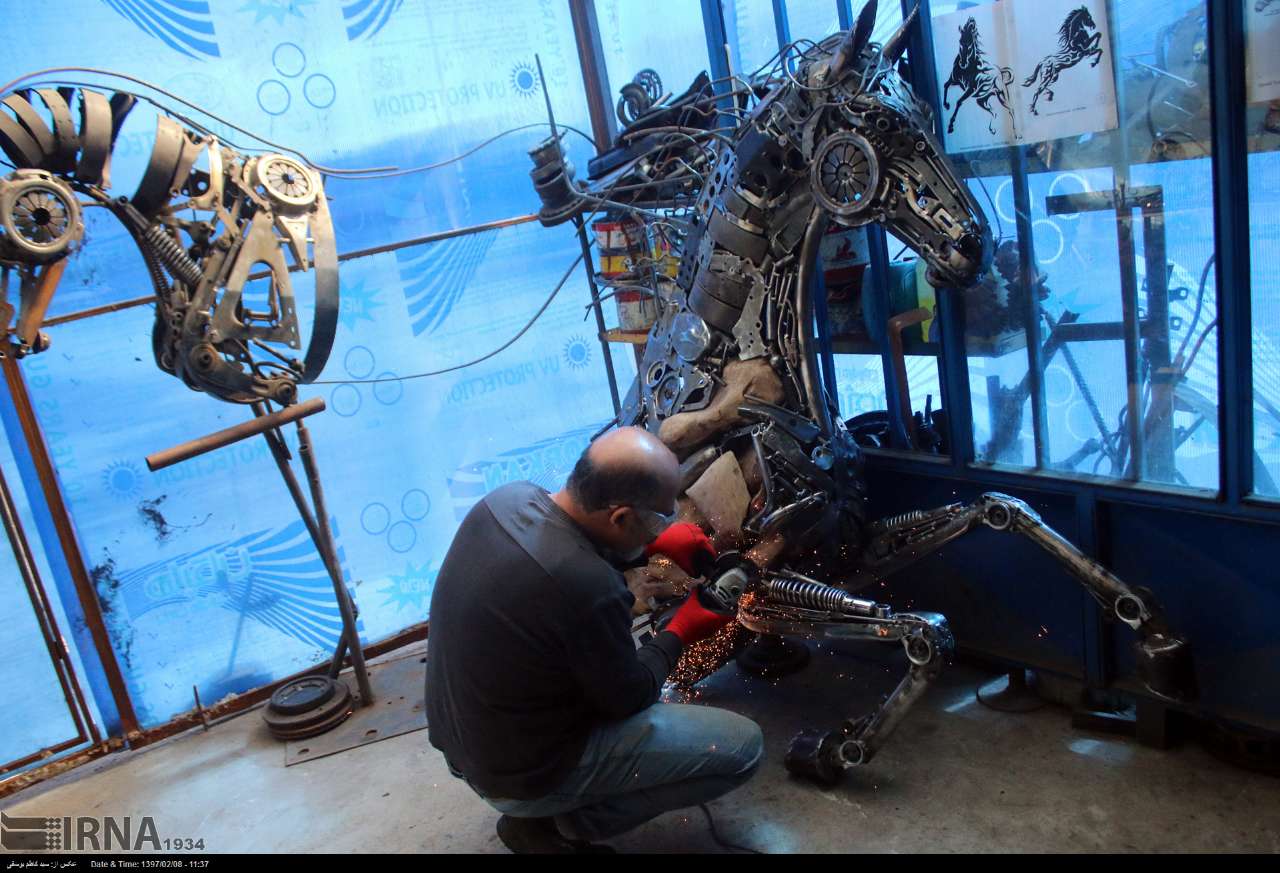
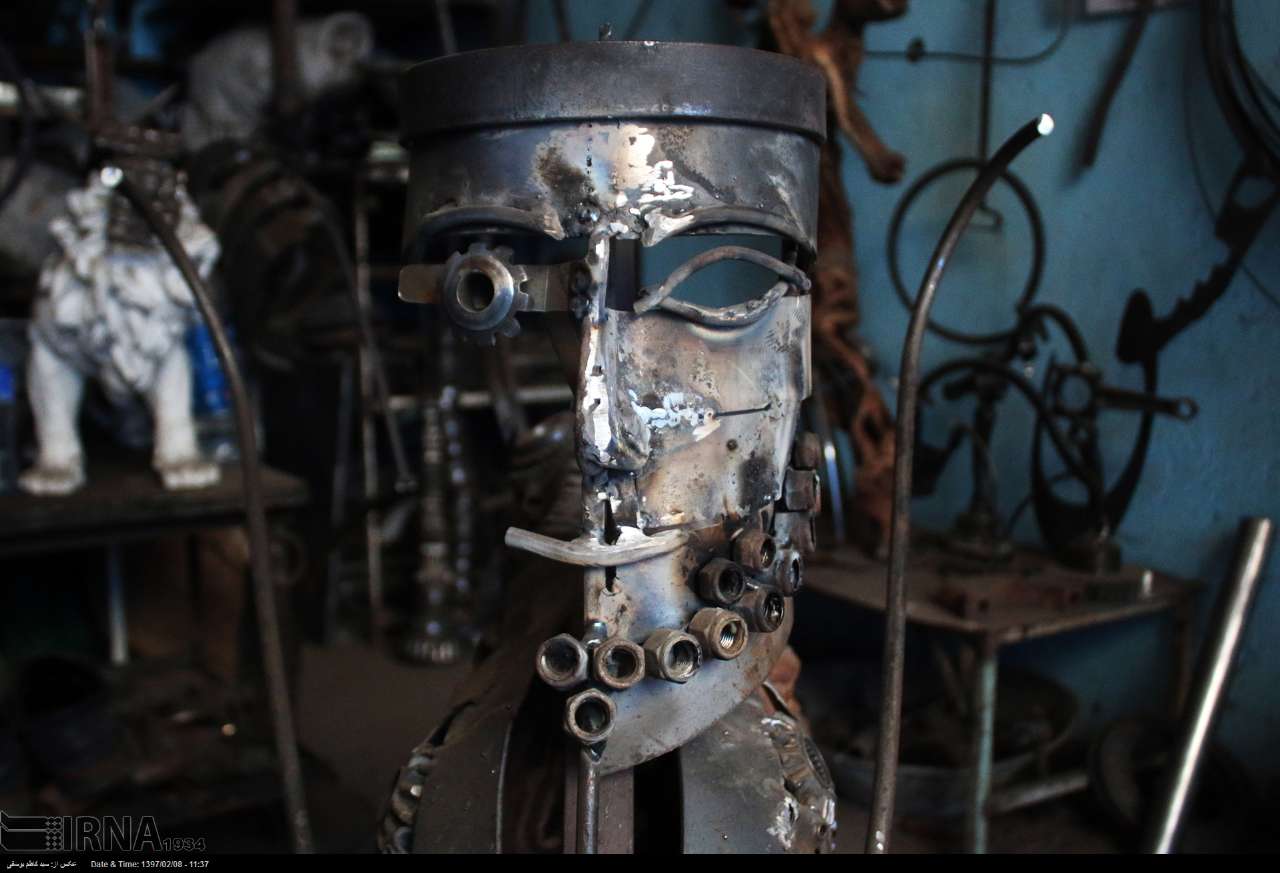
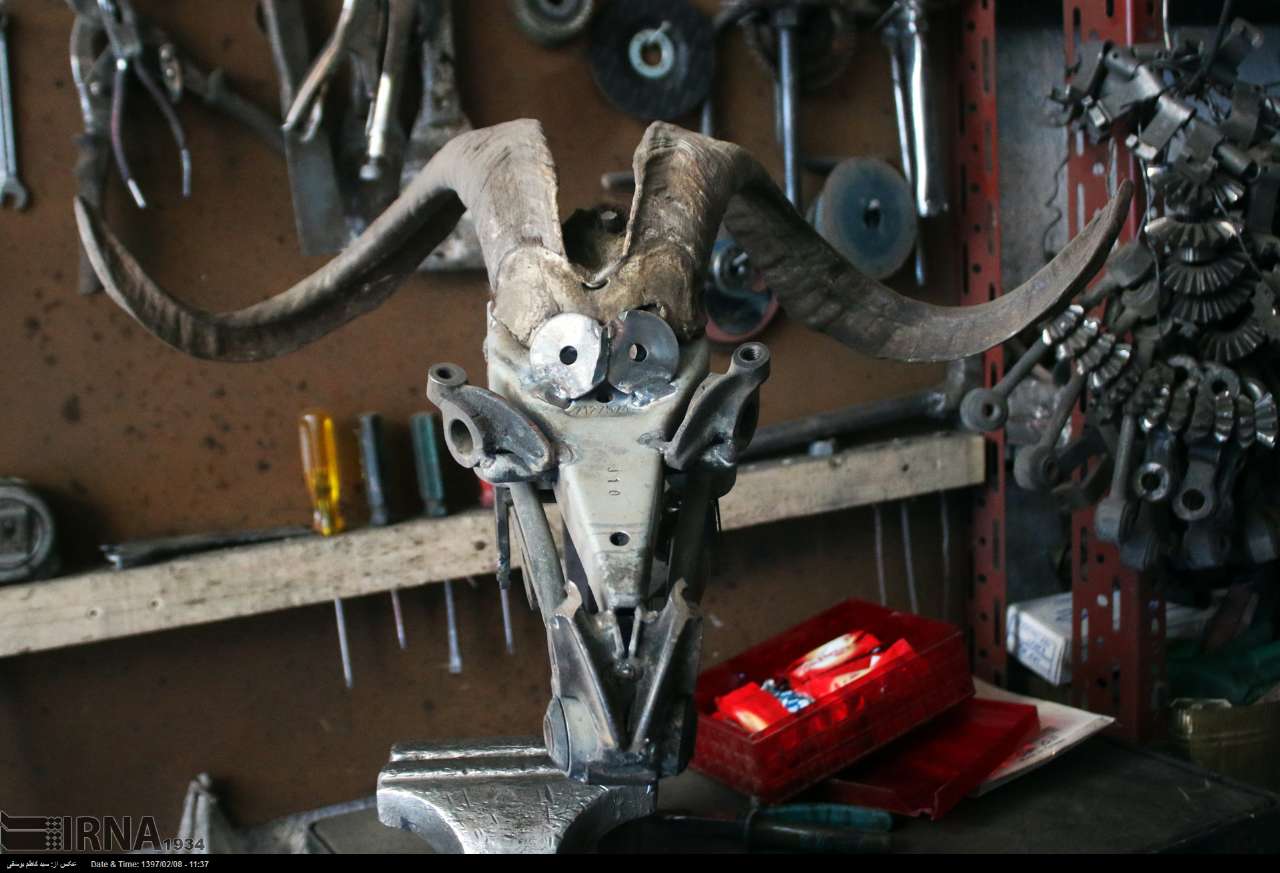
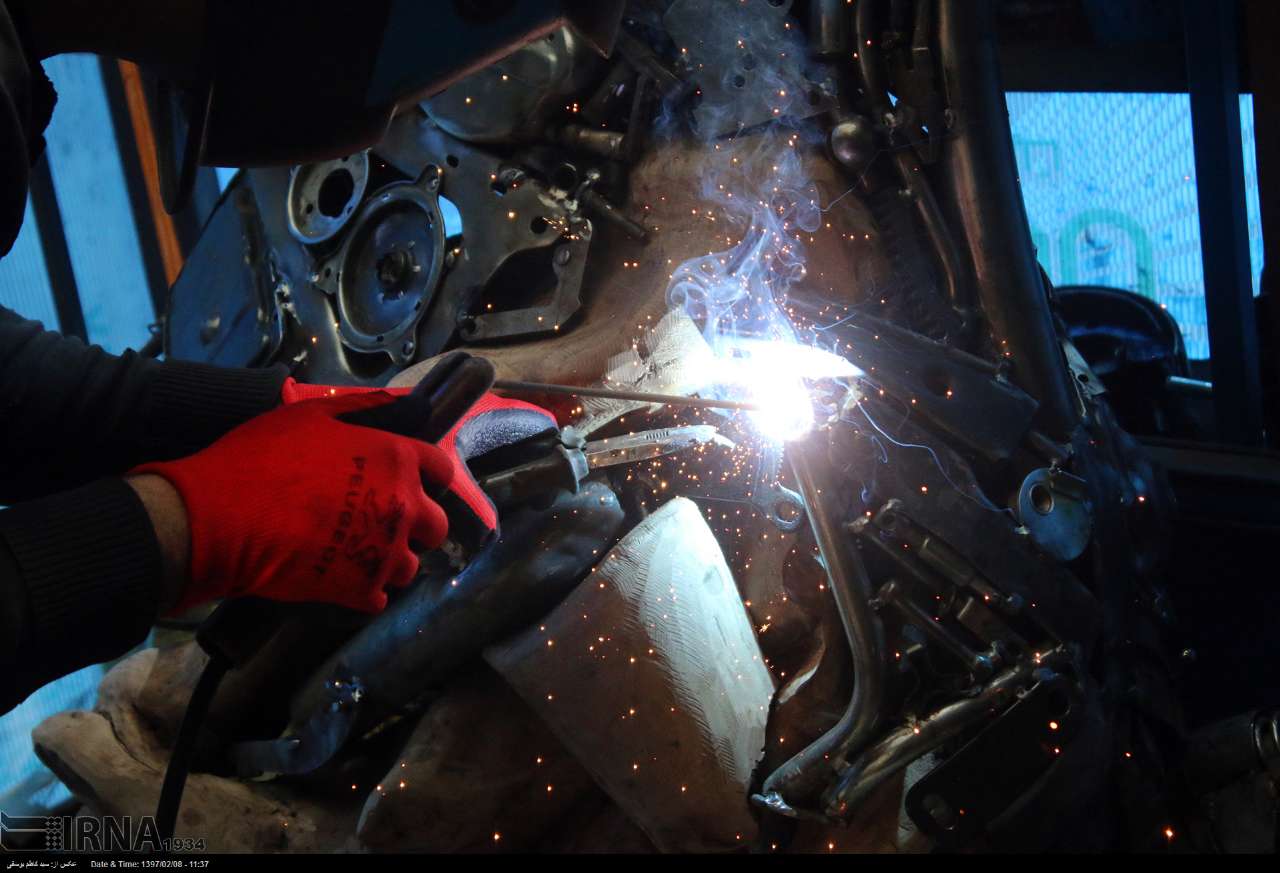
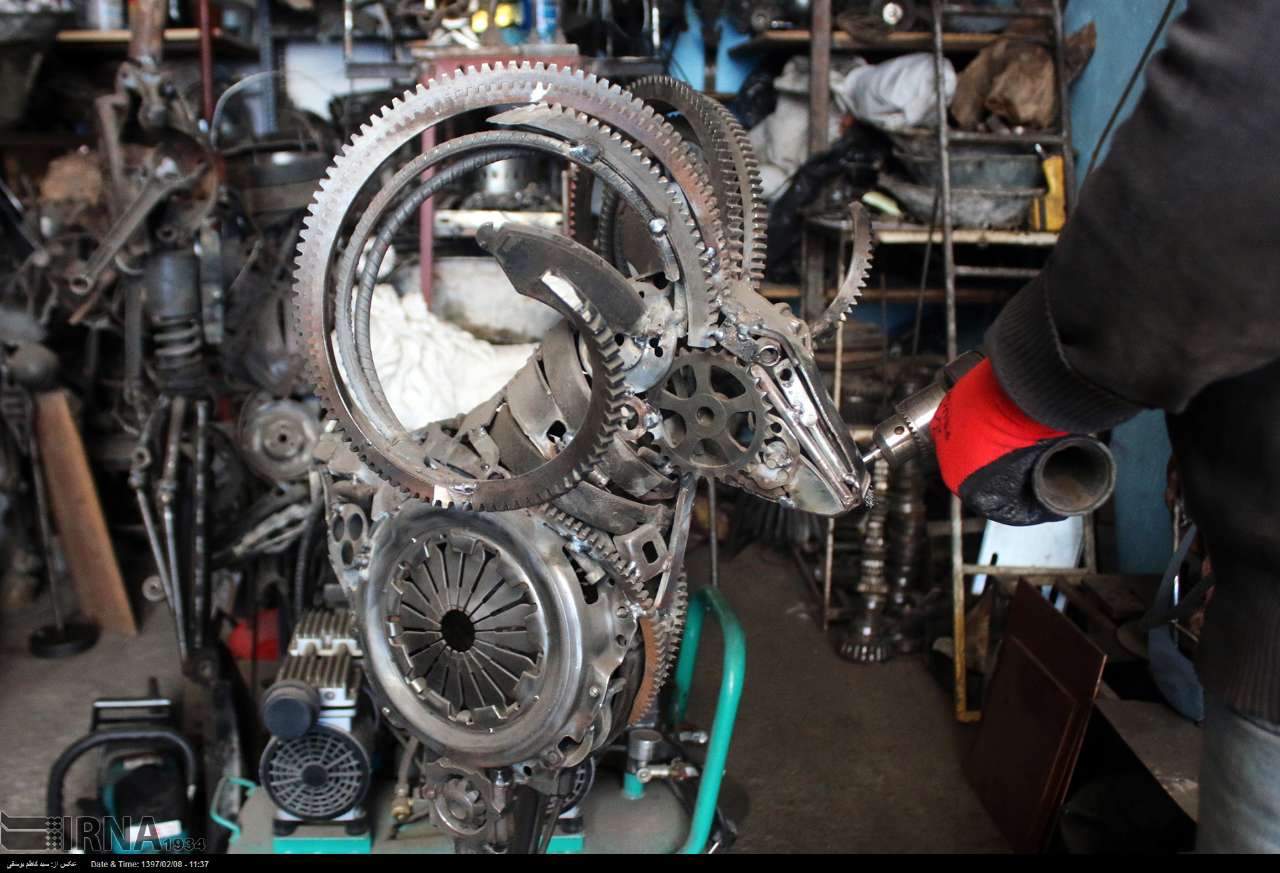
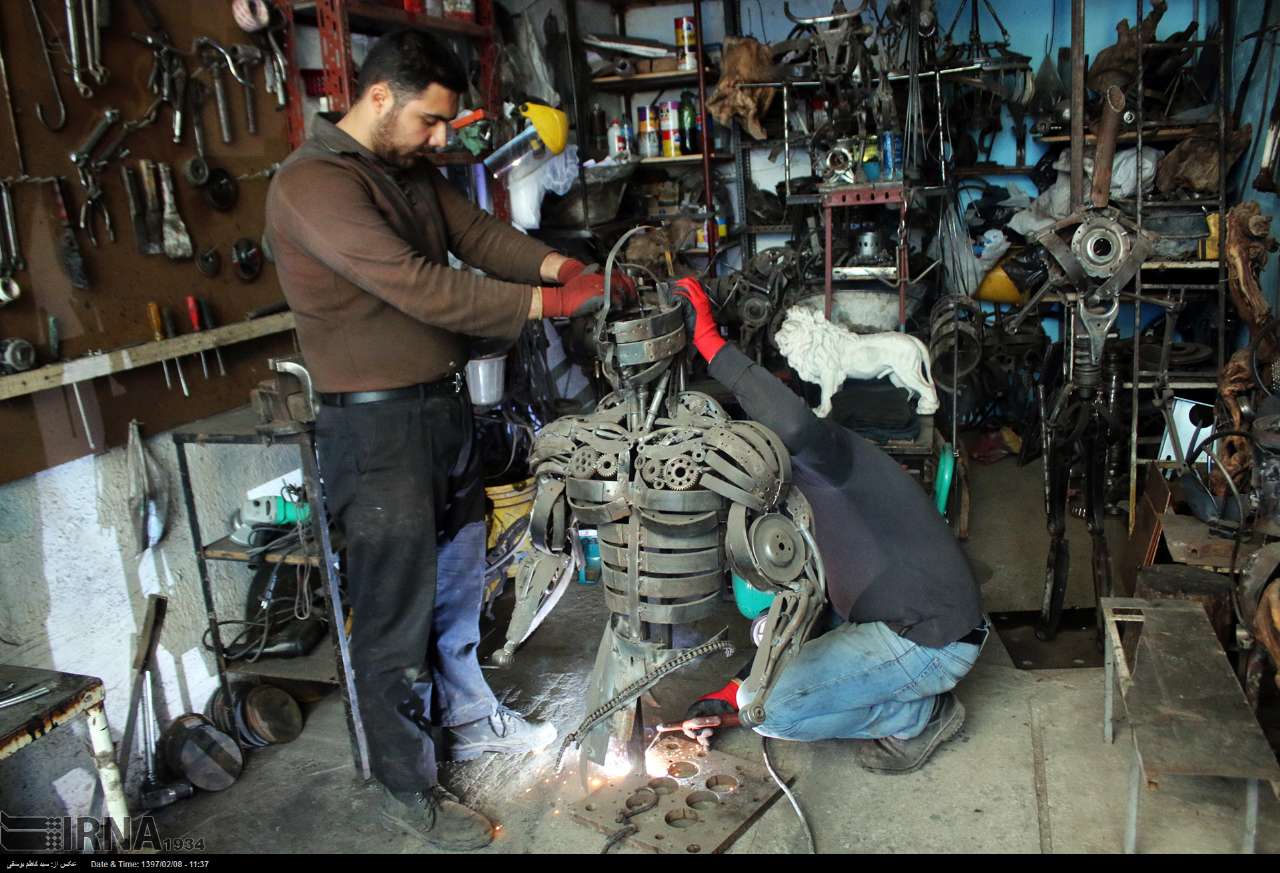
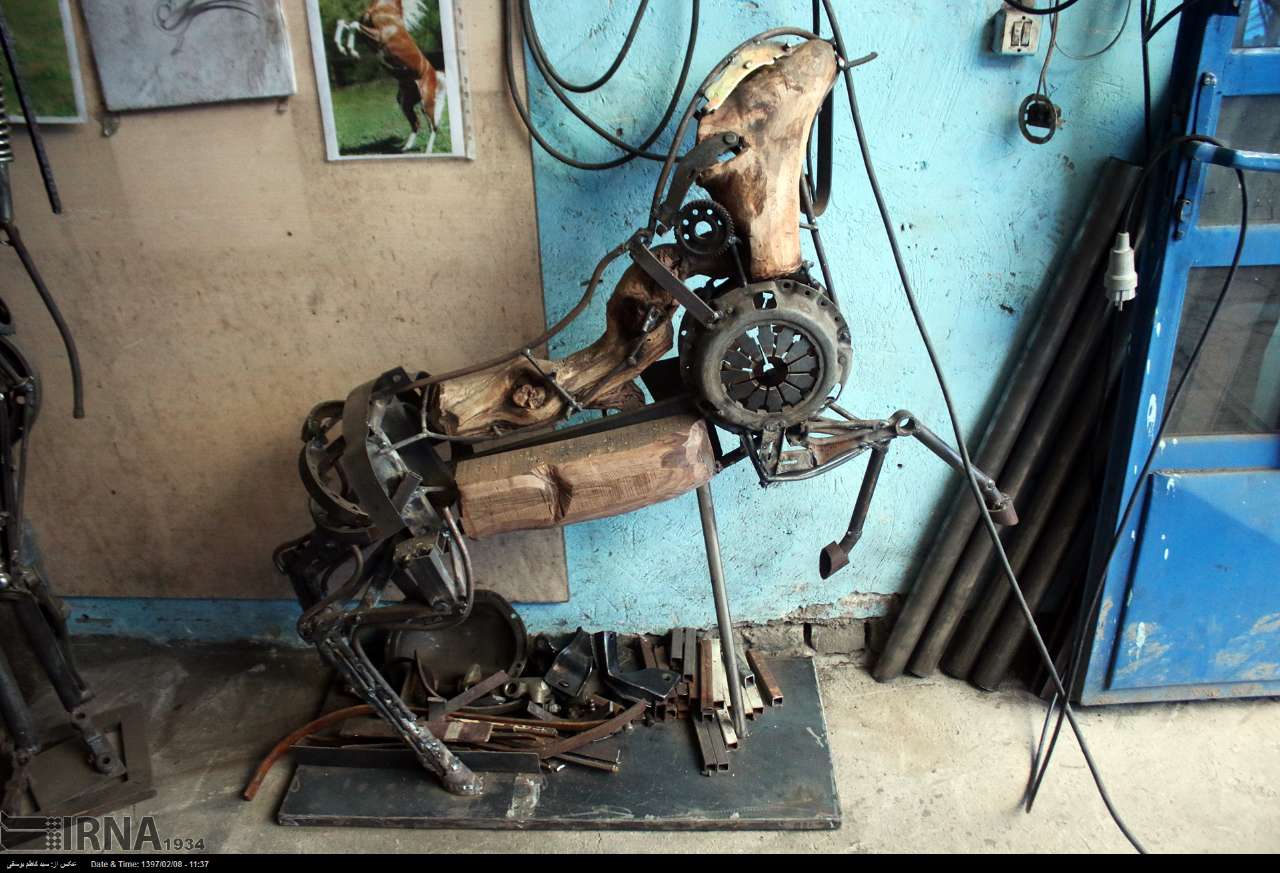
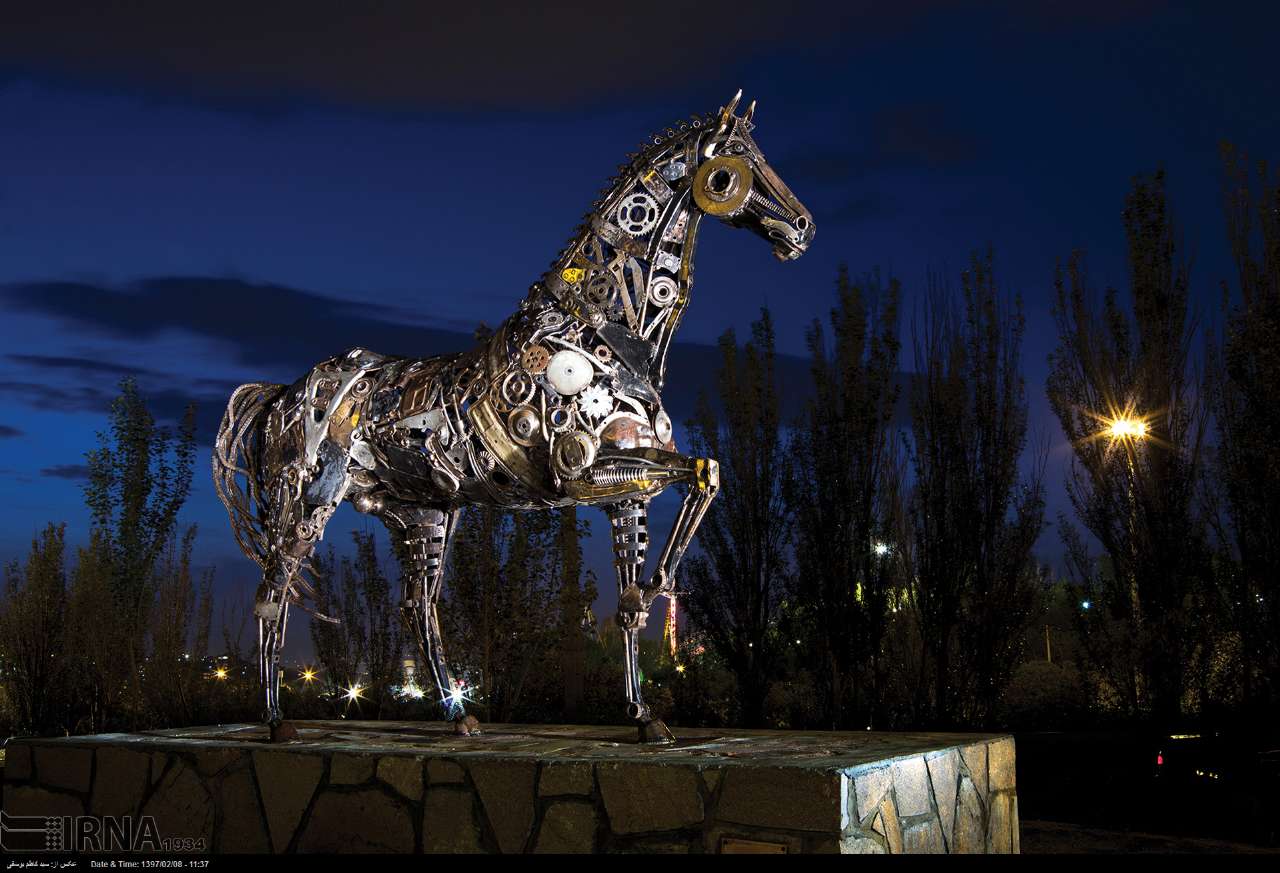
Iranian Artisan Uses Scrap Metal to Make Lovely Statues

Ashofteh, who is from the city of Tabriz in northwestern Iran, makes stunning statues of animals, ancient artifacts, and historical characters.

This Tabrizi designer has displayed his artworks in 10 individual exhibitions and about 50 group exhibitions up to now.

Following you can find photos of his works retrieved from IRNA:

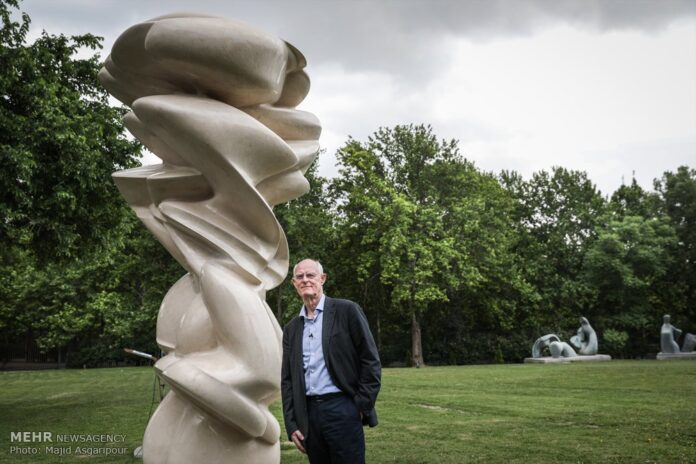
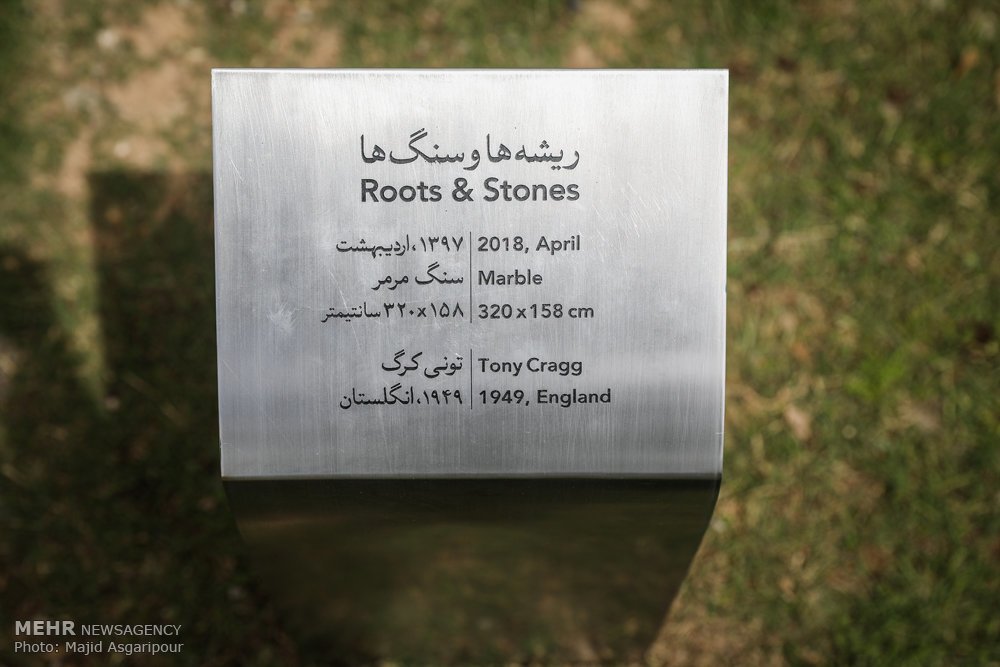
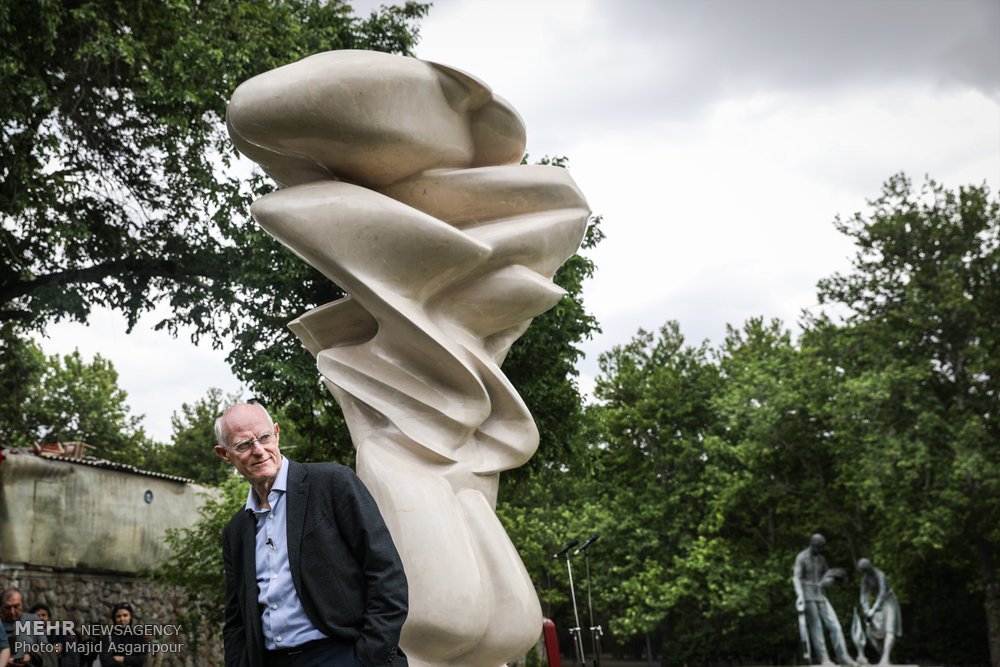
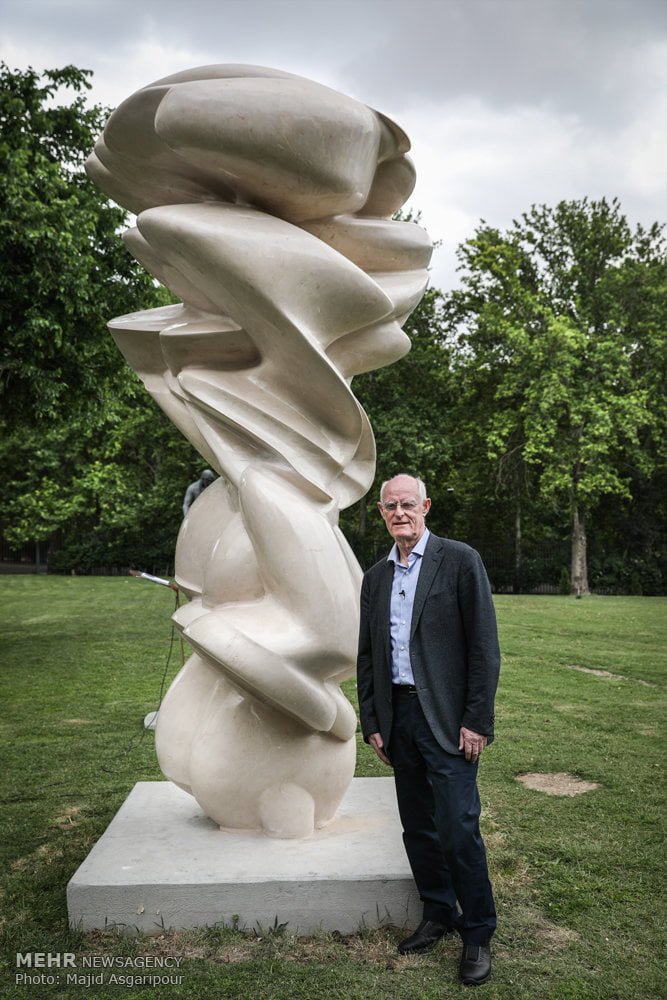
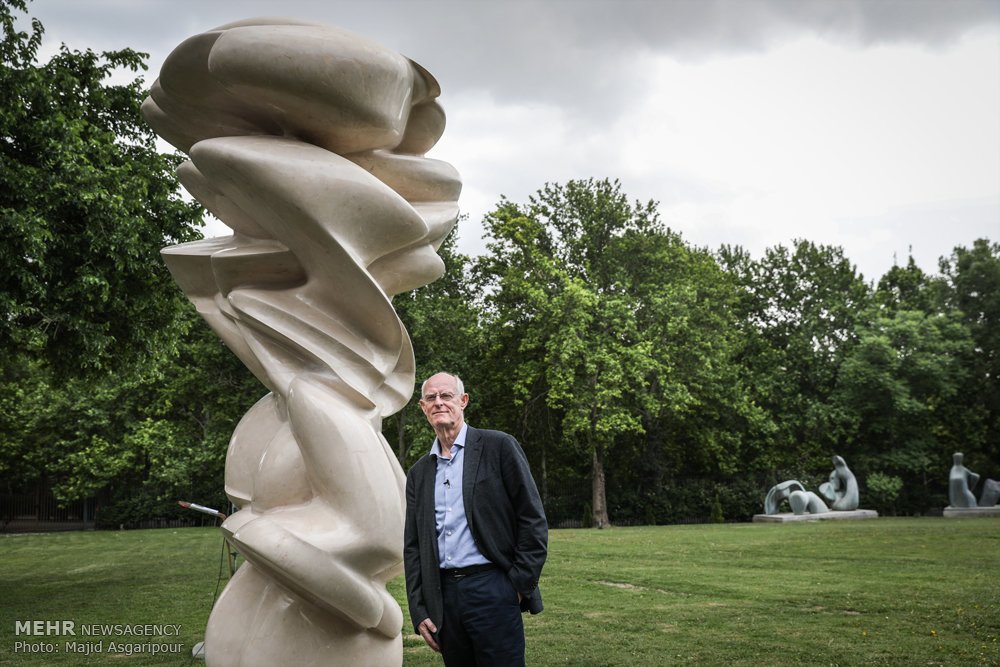
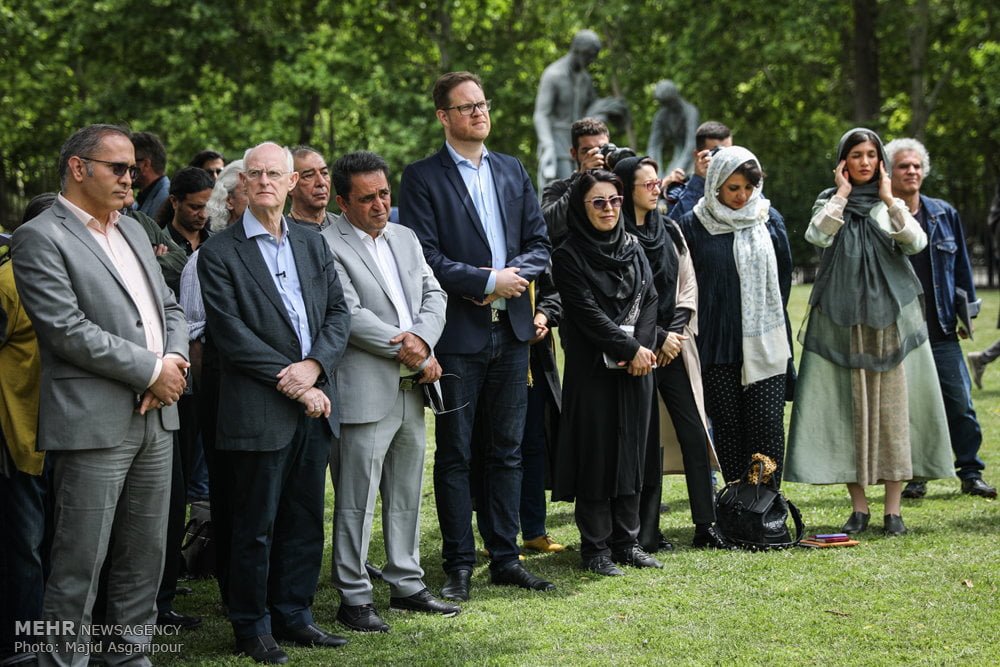
Tony Cragg Gifts Iran with His “Roots and Stones” Sculpture

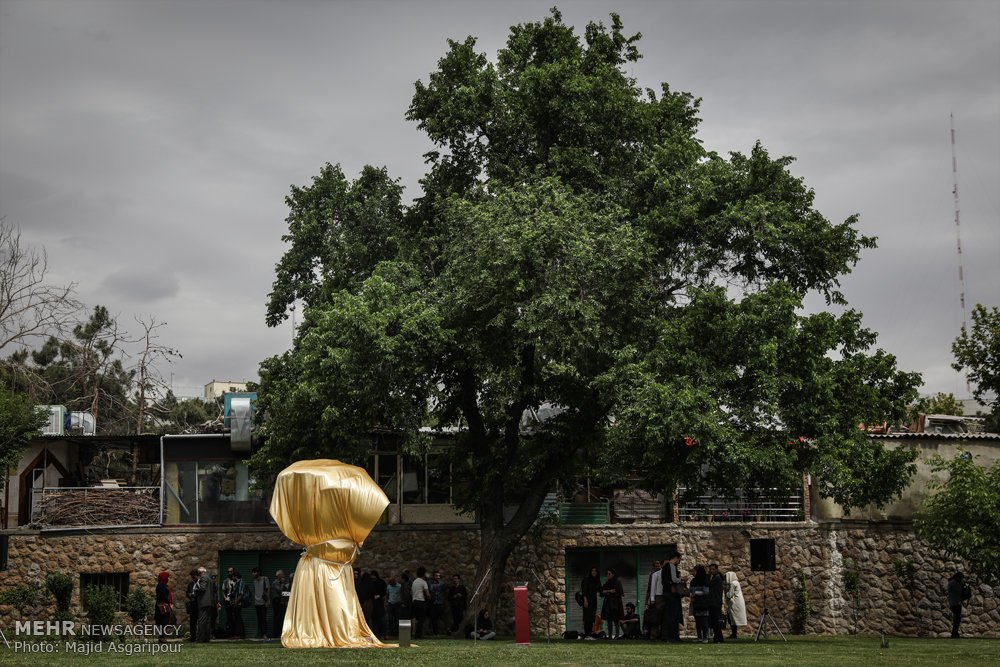
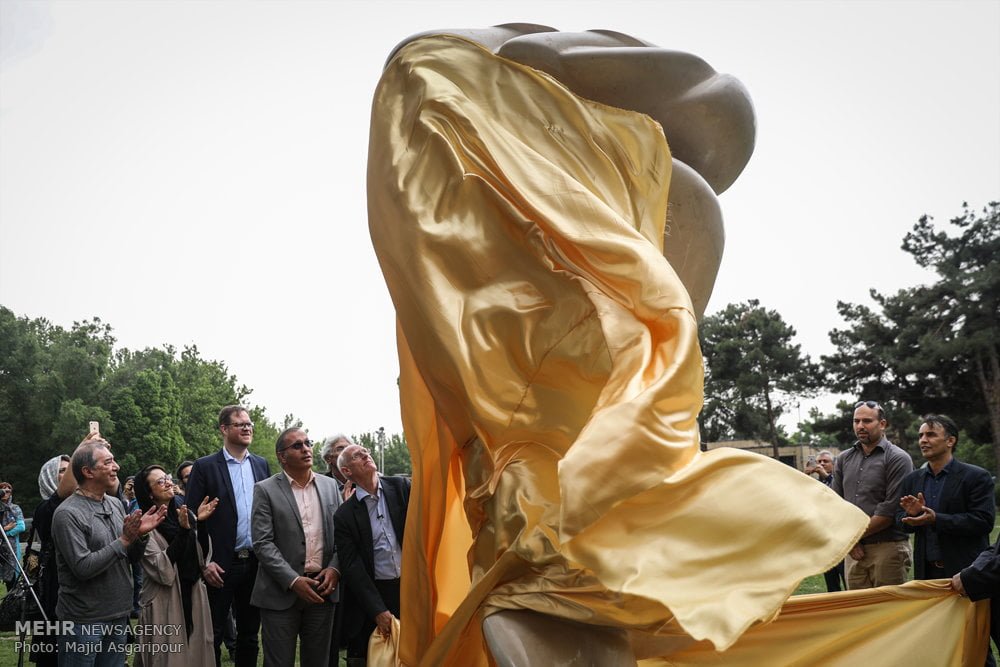
The sculpture has been erected in the TMoCA’s Art Garden in central Tehran.

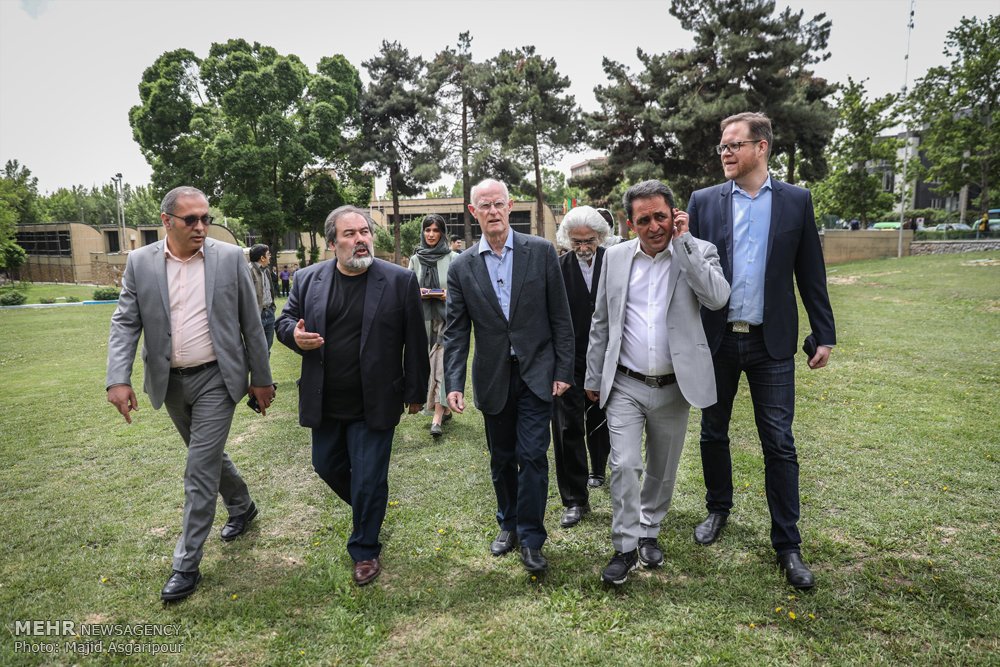
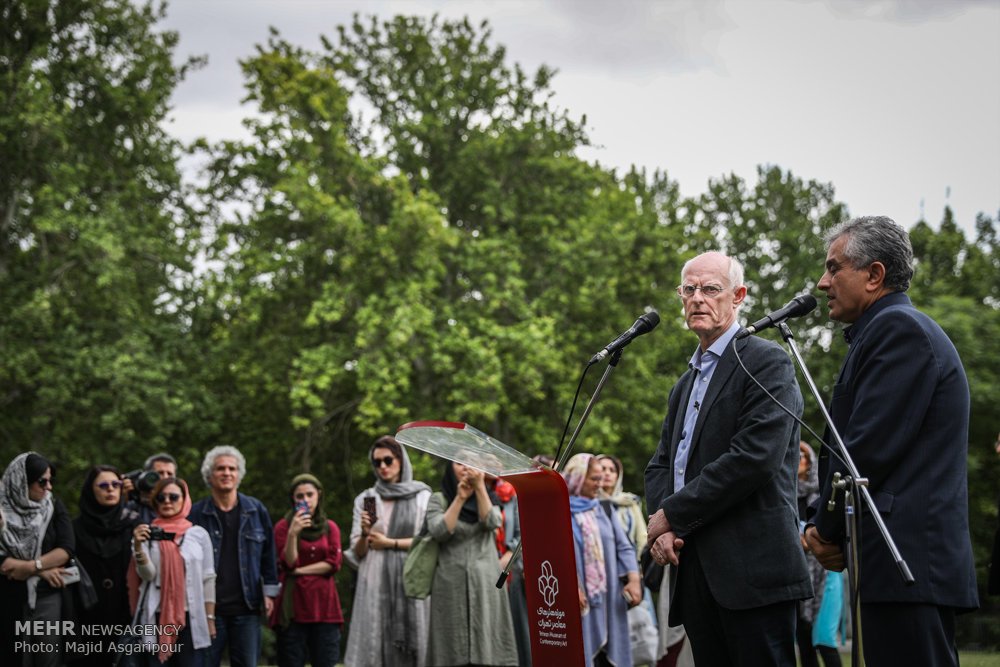
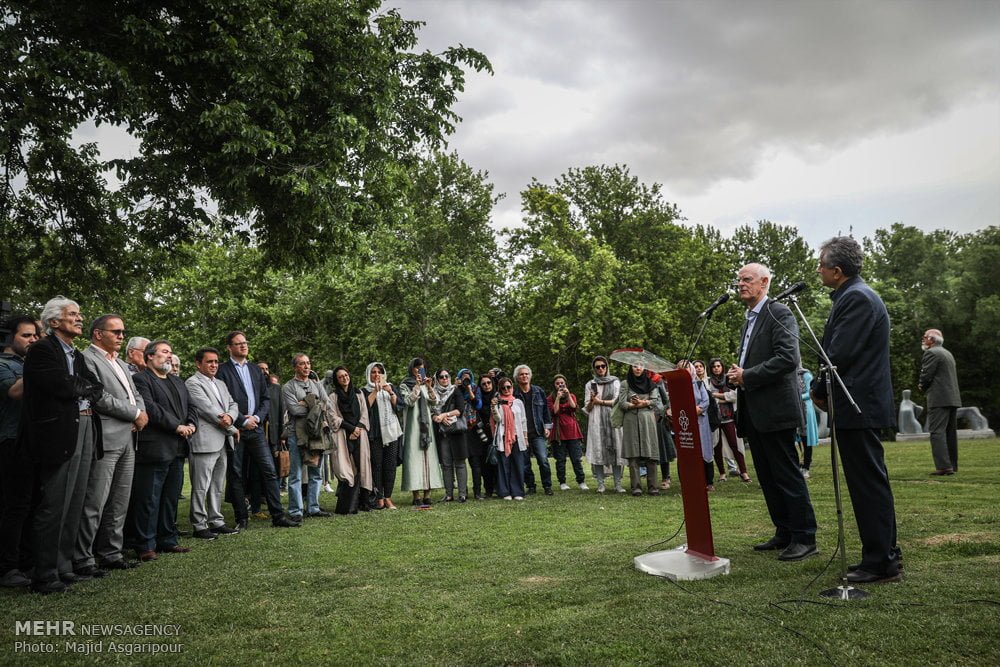
In an address to the recent unveiling ceremony, Majid Molla-Nowruzi, the director of Iran’s Visual Arts Department, described the unveiling of “Roots and Stones” as a milestone in the history of the Museum, the Persian-language Iranian Students’ News Agency (ISNA) reported.

“Over the past four years, the museum has established strong interactions with artists from around the world and held several exhibitions showcasing their art pieces in Tehran,” he noted.

Molla-Nowruzi referred to the exhibition of Cragg’s pieces in Tehran last year and said he first visited Tony Cragg’s workshop three years ago in Dusseldorf.

“At that time, given our financial problems, I couldn’t even imagine that one day we coul hold his exhibition in Tehran. But we managed to realise this goal through the hard works of our staff and close cooperation of the British-German artist.”

Elsewhere in his address, he said such exhibitions could pave the way for effective cultural diplomacy which in turn can promote the Iranian culture and art amid the current chaotic situation of the Middle East region.

During the ceremony, Tonny Cragg took the podium and said the exhibition of his pieces in Tehran is highly significant for him.

“I enjoyed the atmosphere of the exhibition. I was deeply moved during the first day of the exhibition by the overwhelming presence of the visitors. It was too crowded to watch the pieces easily,” he noted.

Cragg referred to his first visit to Iran two years ago and added as a professor he used to have some Iranian students.

“But during my first visit to Iran, I was deeply impressed by the Iranian culture and decided to establish a dialogue with it,” he noted.

He described himself as an introvert person and called the exhibition a good chance to exchange views and make friendship between the cultures. “Though I’m not a cultural diplomat, I think we can establish peace, friendship and reach mutual understanding by exchanging views.”

He finally concluded that he donated the “Roots and Stones” to the Tehran Museum of Contemporary Art as a sign of friendship and understanding.

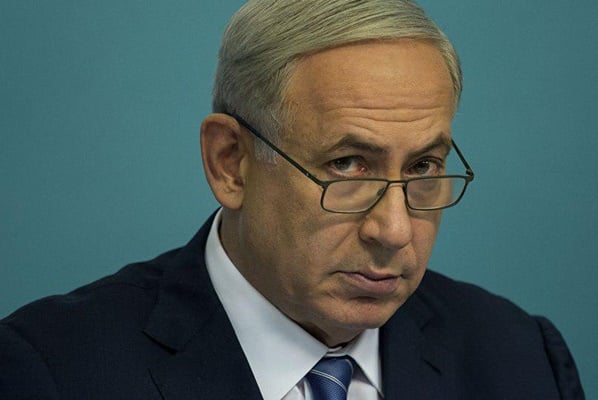
“Netanyahu’s Claims on Iran Nuclear Program Insult to IAEA”

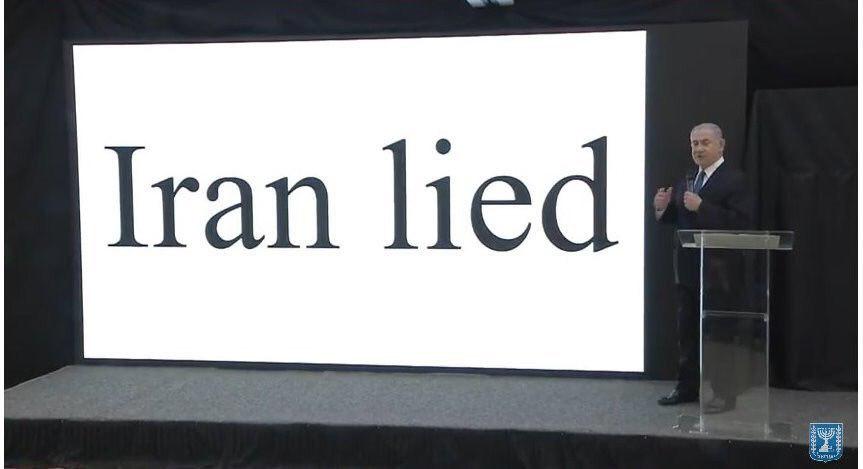
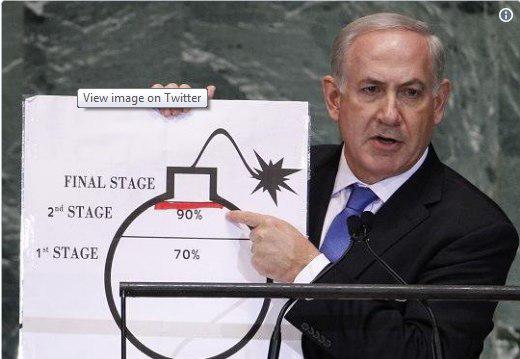
Israeli intelligence agencies claim they have acquired 55,000 pages of documents and other materials detailing an alleged military nuclear program called “Project Amad,” according to Netanyahu, who noted that Israel had shared its intelligence with Washington.

The announcement came ahead of the May 12 deadline for US President Donald Trump to extend his country’s deal with Iran concerning the latter’s nuclear program, which he is expected not to do. It also came amid US Secretary of State Mike Pompeo’s first foreign visit over the weekend. Pompeo visited both Israel and Saudi Arabia — key regional foes of the Islamic Republic.

Political analyst Marwa Osman has lashed out at the Israeli government’s attempt to shape the narrative around the Iran nuclear deal ahead of Trump’s decision deadline. “One of my students in freshman year could do better than that,” she told Loud & Clear hosts John Kiriakou and Brian Becker.

“We all had our laughs, we all made fun, but to be honest with you — this was the most insulting 15 to 20 minutes for the IAEA [International Atomic Energy Agency] that I’ve ever heard,” said Osman, a senior Middle East commentator.

“Benjamin Netanyahu was basically saying that every inspector, investigative team that went into Iran to try to mediate the nuclear deal… is either a liar or an idiot. That’s what he said.”

“Does he really think that with such a presentation he’ll be able to wage war against Iran or against Iranian presence in Syria,” Osman wondered.

“Netanyahu — Israel — has been attacking Syria nonstop for the past six years, if not for the past seven years. But let’s say, with documented evidence, six years, and lately, last night at 10 p.m., with new weaponry,” Osman said.

Specifically, she says that the weapons used in the attack on the 47th Brigade of the Syrian Arab Army, a unit made up of Iranian forces and forces from Hezbollah, were similar to either depleted uranium or an “enhanced nuclear weapon.”

“Netanyahu’s Claims on Iran Nuclear Program Insult to IAEA”The attack, on an military base between the Syrian cities of Hama and Homs, killed a number of Iranian forces Sunday night. Nobody has claimed responsibility for the attack; however, Israel has been blamed by many, Sputnik News reported.

“They have been going wild for the past two weeks,” Osman said, “to provoke an Iranian response.”

“Unfortunately we’re seeing a repeat of disastrous history where the US, Israel and Saudi Arabia are all trying to present, as facts, what is really justifications for a war they already want to do,” author and activist Medea Benjamin told Loud & Clear.

“We have seen that [Secretary of State] Mike Pompeo and [National Security Adviser] John Bolton have, years ago, talked about bombing Iran. John Bolton did it in a New York Times op-ed, saying that to get rid of Iran’s bombs you have to bomb Iran,” Benjamin said.

“They are also thinking that because the economy in Iran is weak — which is their doing, the US’s doing — that this is the time to really hit them hard. And I think they’re under the illusions, just as they were under the illusion back in 2002, that they could easily overthrow [Iraqi leader] Saddam Hussein and put a new government in place,” Benjamin said about the lead-up to the Iraq War. “I think they think they can overthrow, or the ‘people of Iran’ will get rid of this government and then somehow, miraculously, a US-Western-friendly government would be put in place without massive chaos.”

“This is déjà vu all over again, and it is very dangerous,” Benjamin warned.

“Netanyahu’s Claims on Iran Nuclear Program Insult to IAEA”