Thursday, December 25, 2025
Home Blog Page 3594

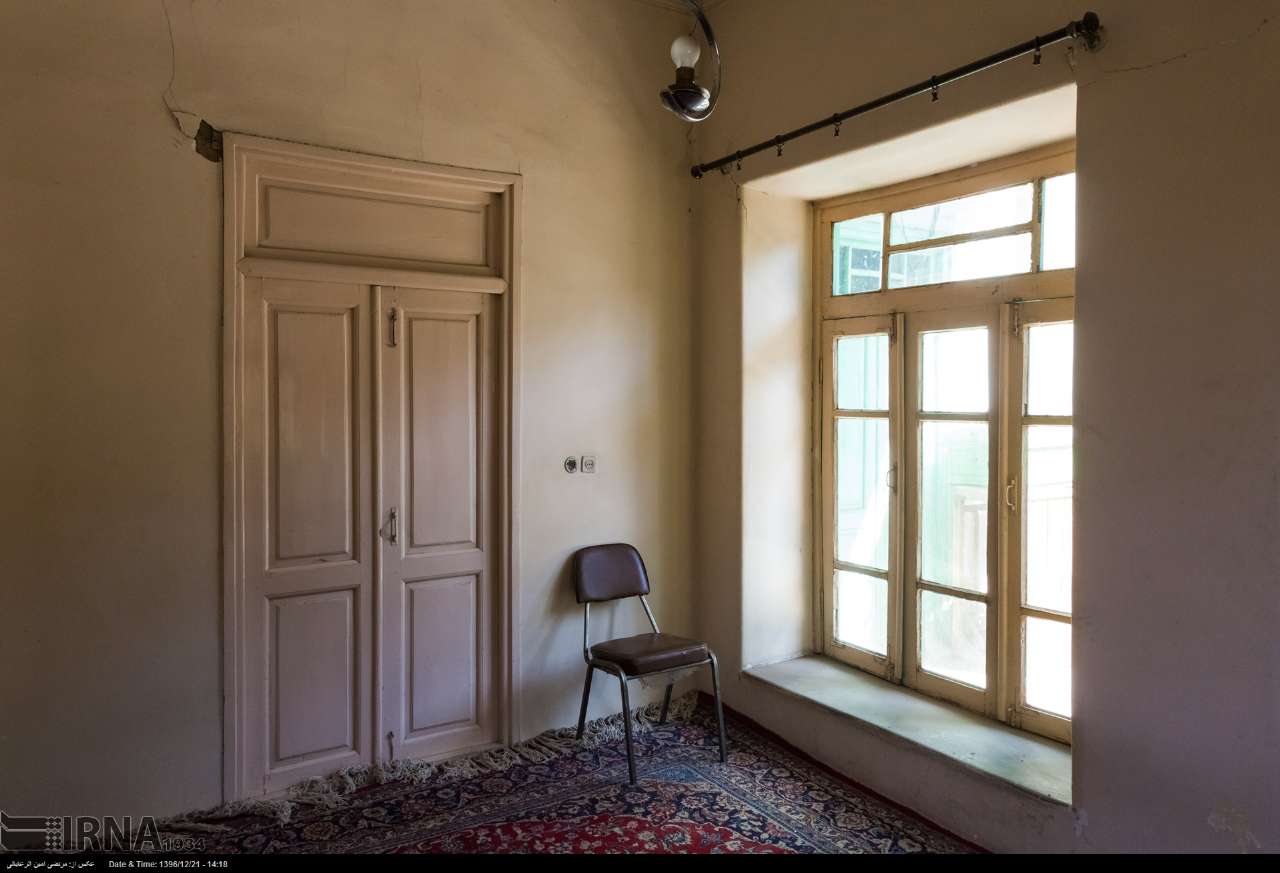
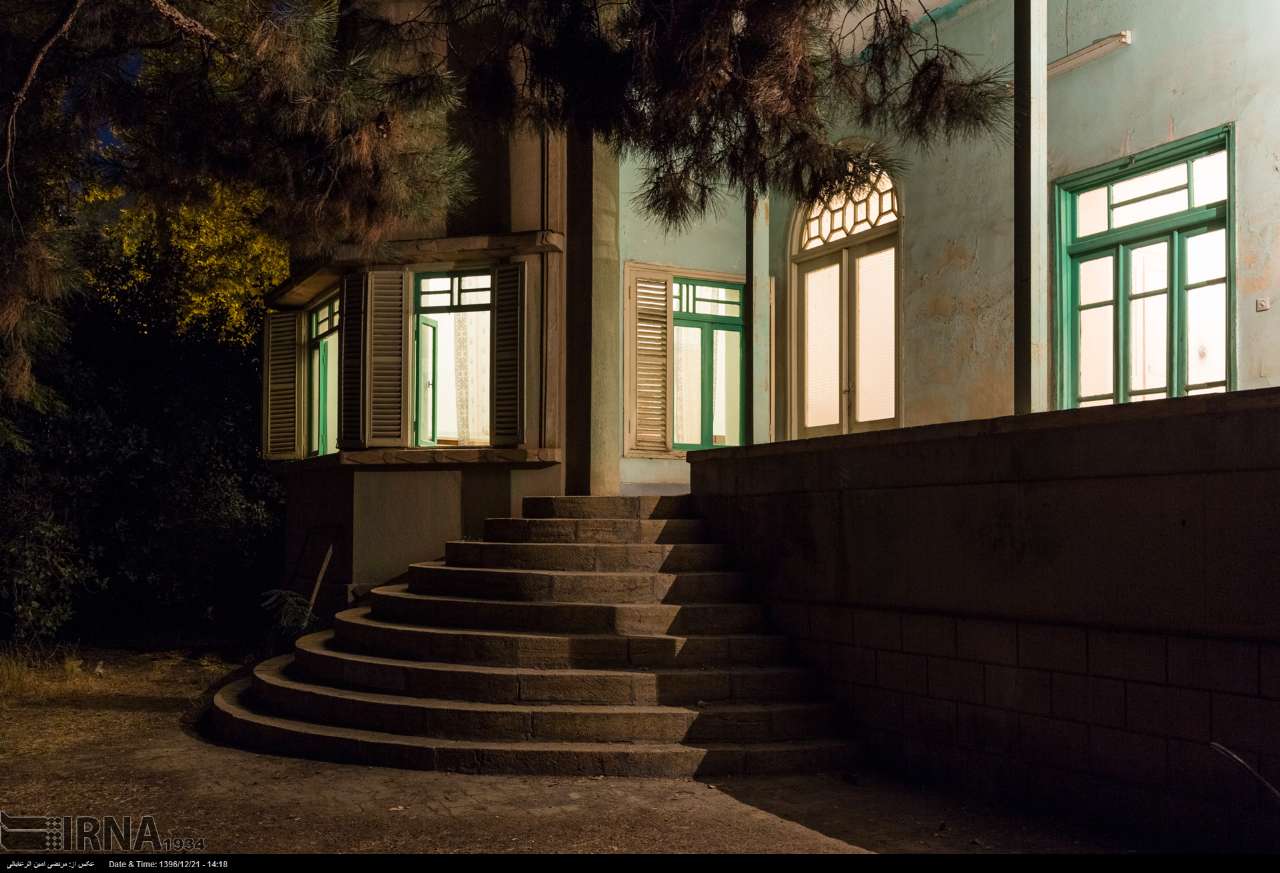
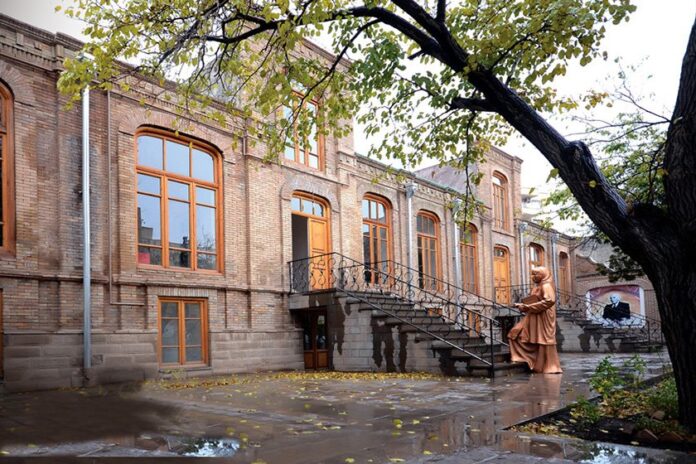
Persian Architecture in Photos: Qavami Mansion

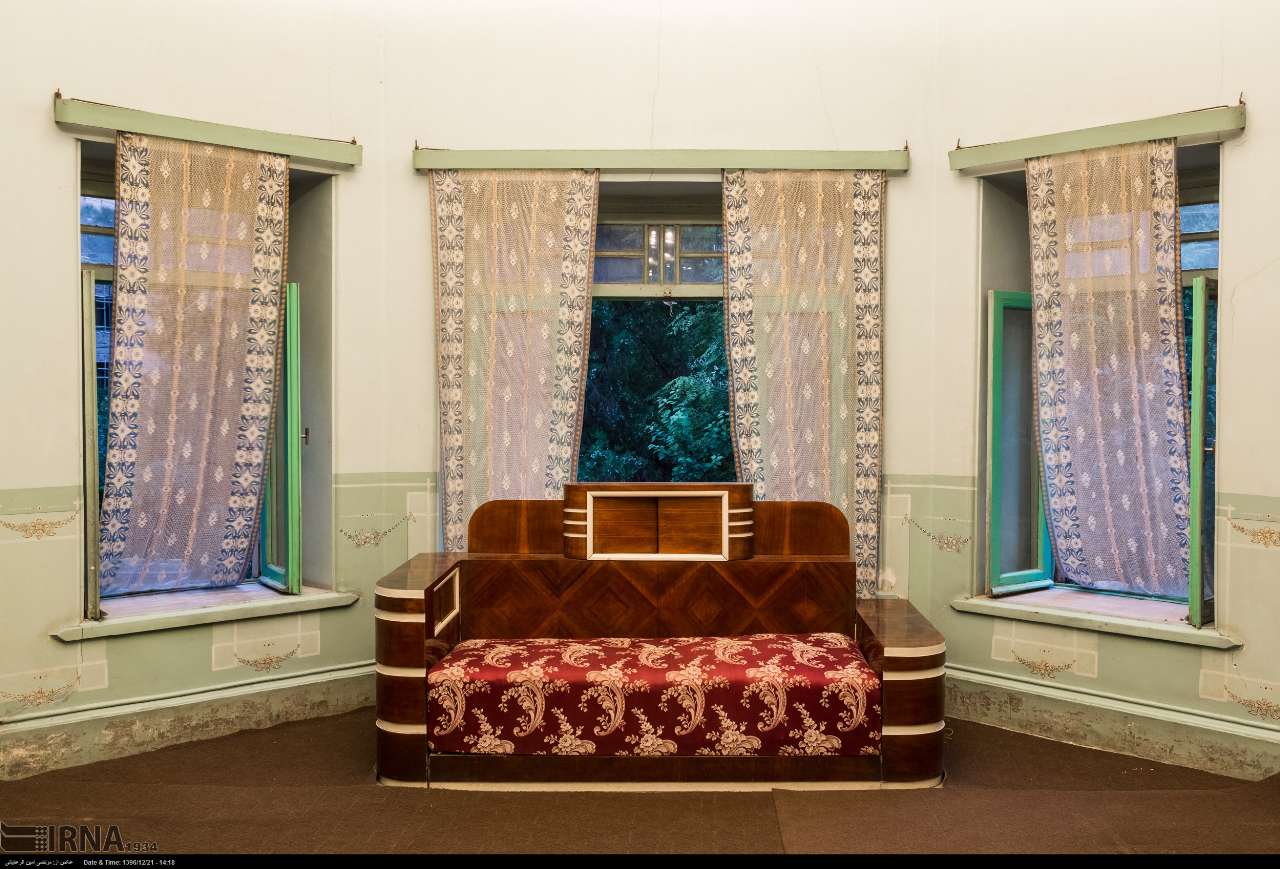
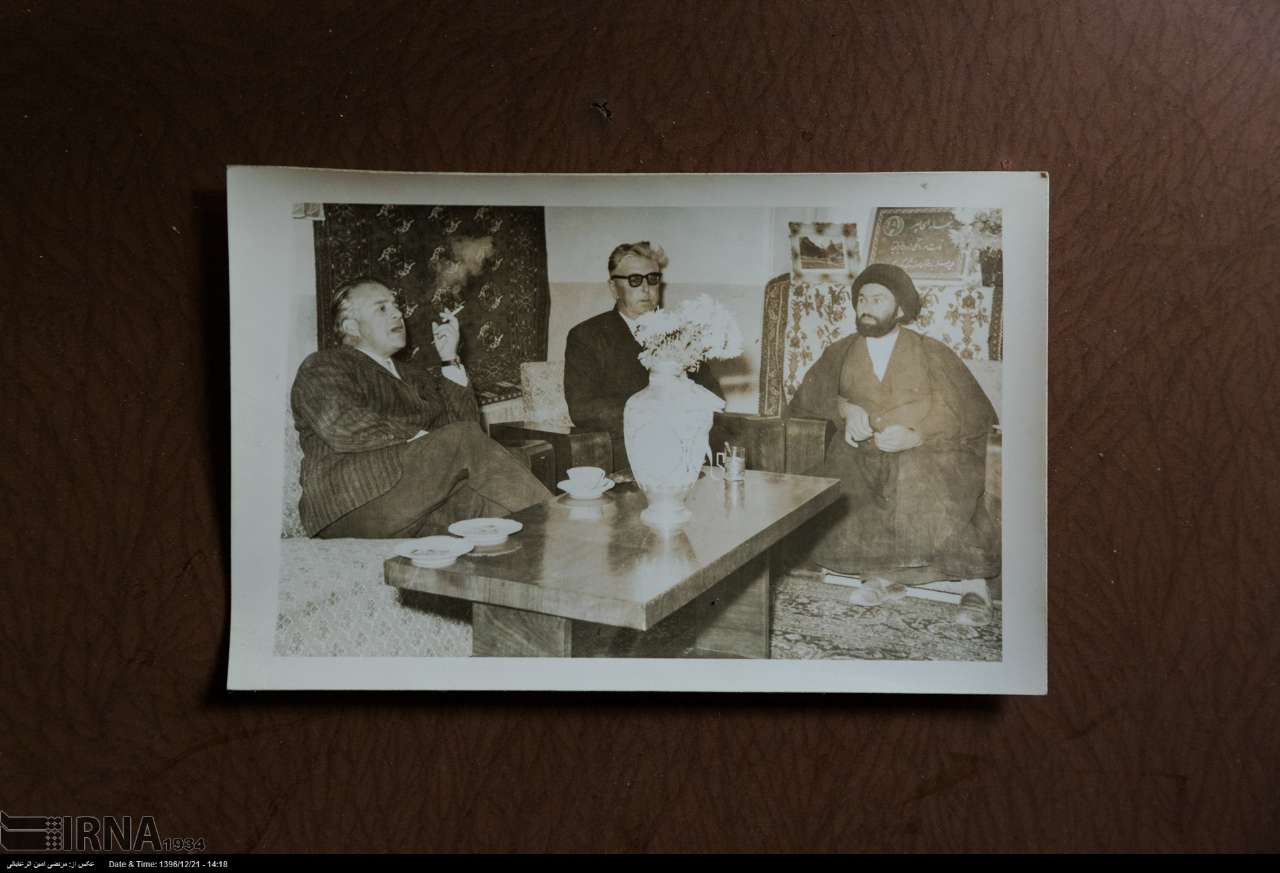
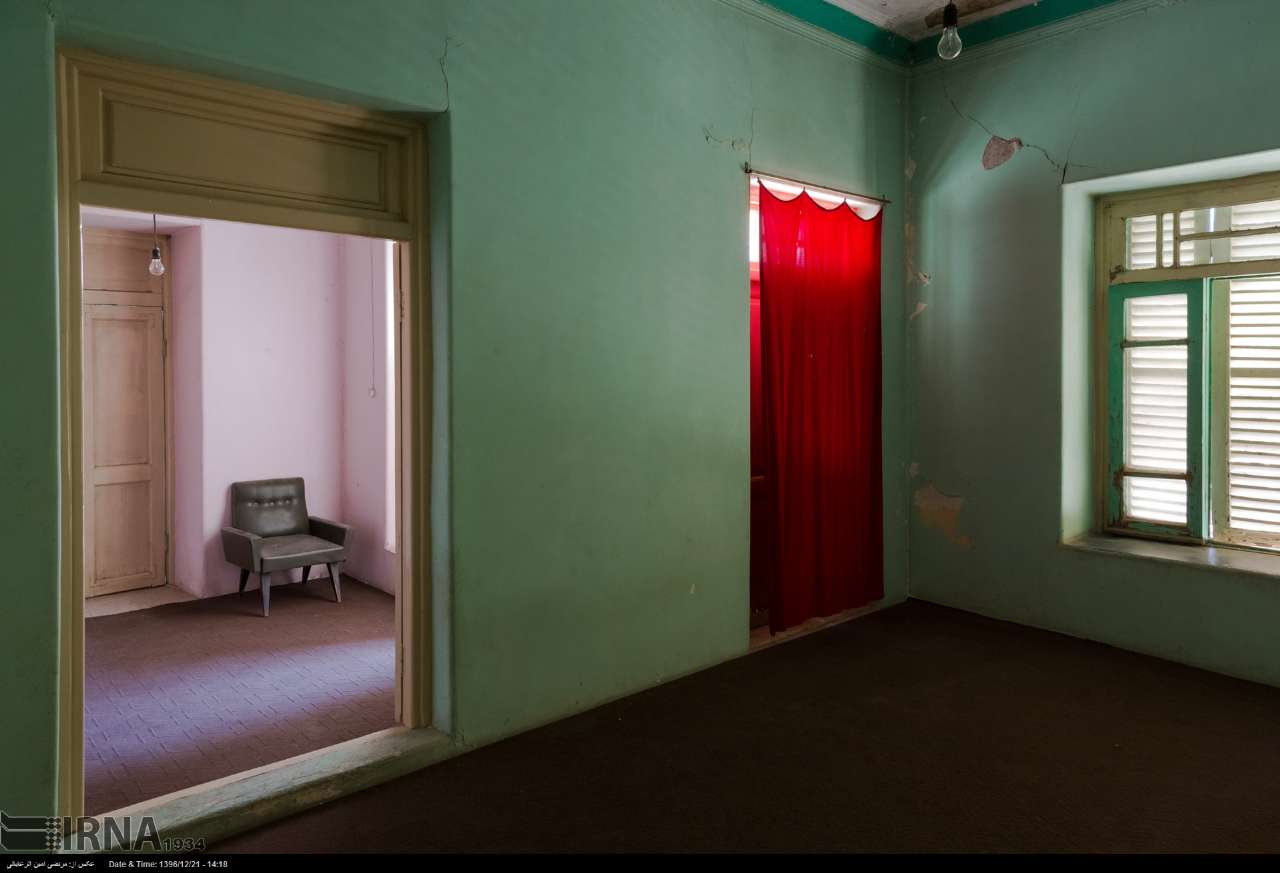
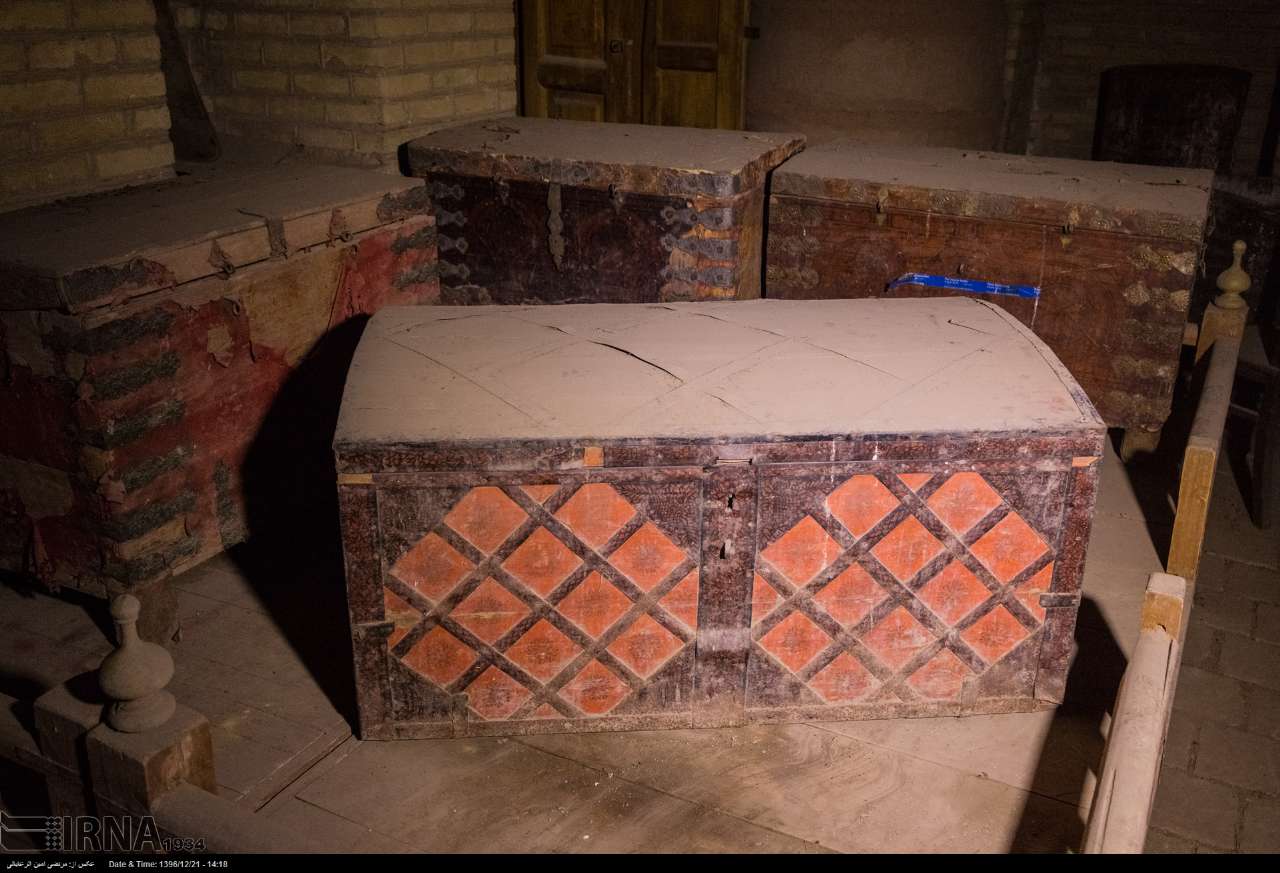
The old edifice belonged to Reza Qavami also known as Moayyeddin. He was the son of Abdolhossein Qavam ul-Islam (the representatives of the people of Neyshabur in the former Iranian Parliament known as the National Consultative Assembly in 1909).

What follows are IRNA’s photos of the mansion:

Iran Condemns Terrorist Acts in France, Afghanistan, Egypt

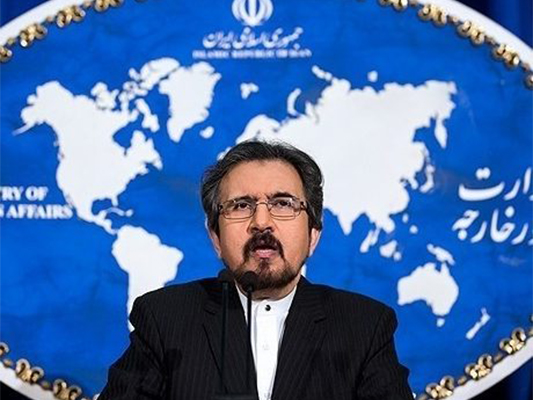
In a Saturday statement, Bahram Qassemi condemned the acts of terror in the French city of Trebes, the city of Lashkargah in Afghanistan’s Helmand province, and the Egyptian coastal city of Alexandria, expressing condolences to the families of the victims.

Qassemi said the geographical dispersion of the incidents shows terrorism is a global scourge and has a global solution.

“The only way to eradicate this global threat is to counter the key sources of ideological, financial and logistical support for terrorism,” the spokesman said.

At least four people were killed and 16 wounded at a hostage-taking incident at a supermarket in Trebes on Friday.The incident happenedwhen a man claiming allegiance to the ISIS terror group entered the supermarket at around 11.15 amand shots were heard.

In another incident, at least 14 people were killed and dozens wounded when a car bomb went off near a sports facility inLashkargah. It happened close to a stadium where a wrestling match was taking place.

Also, an explosion in Alexandria left at least two people dead and four wounded. The blast described by authorities as an assassination attempt occurred near the motorcade of a top security official.

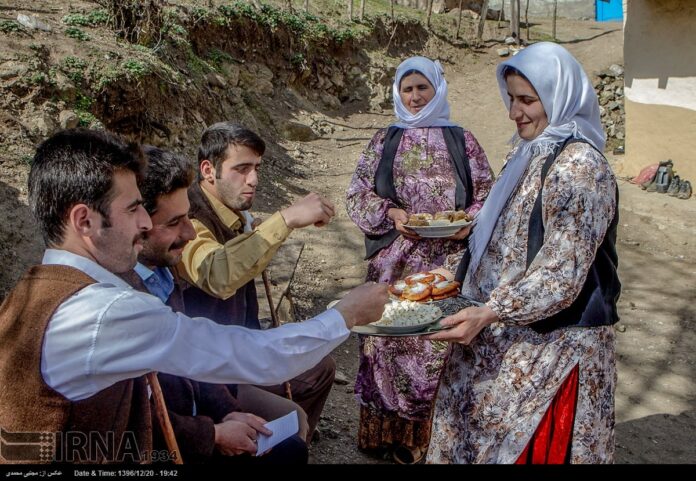
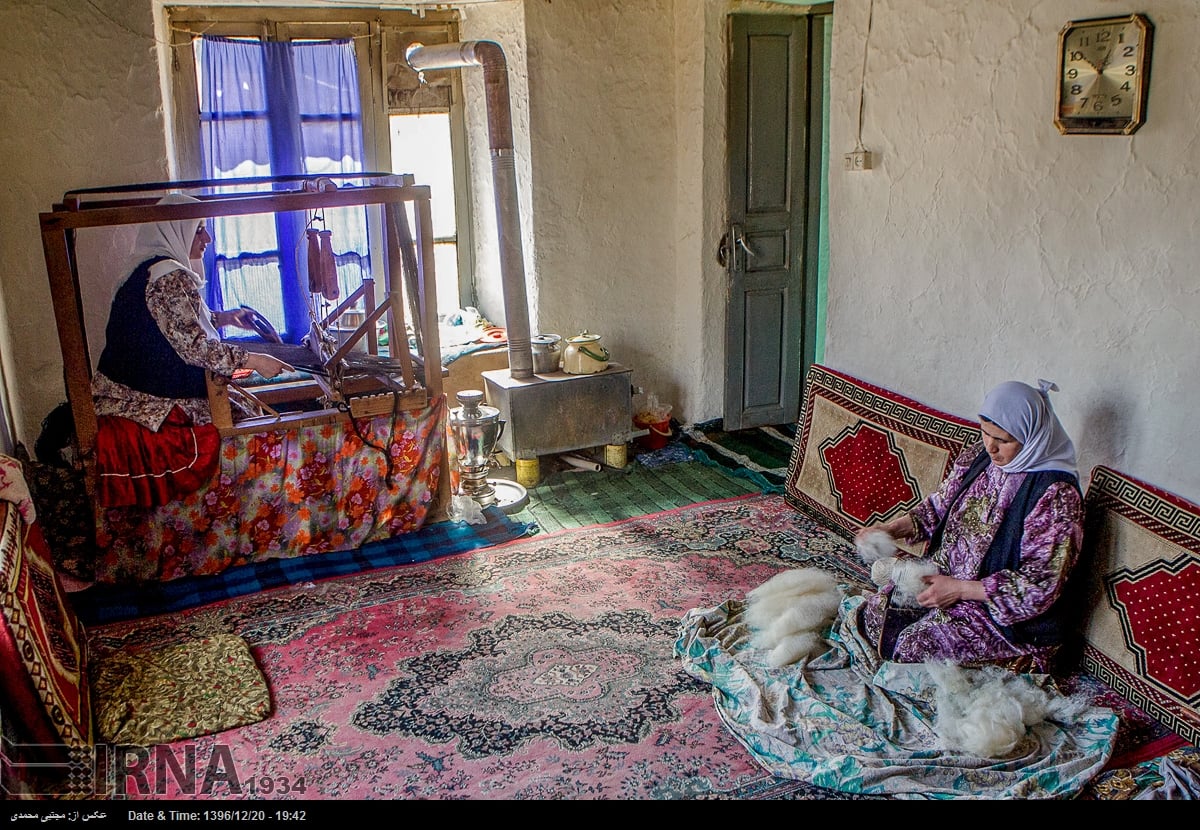
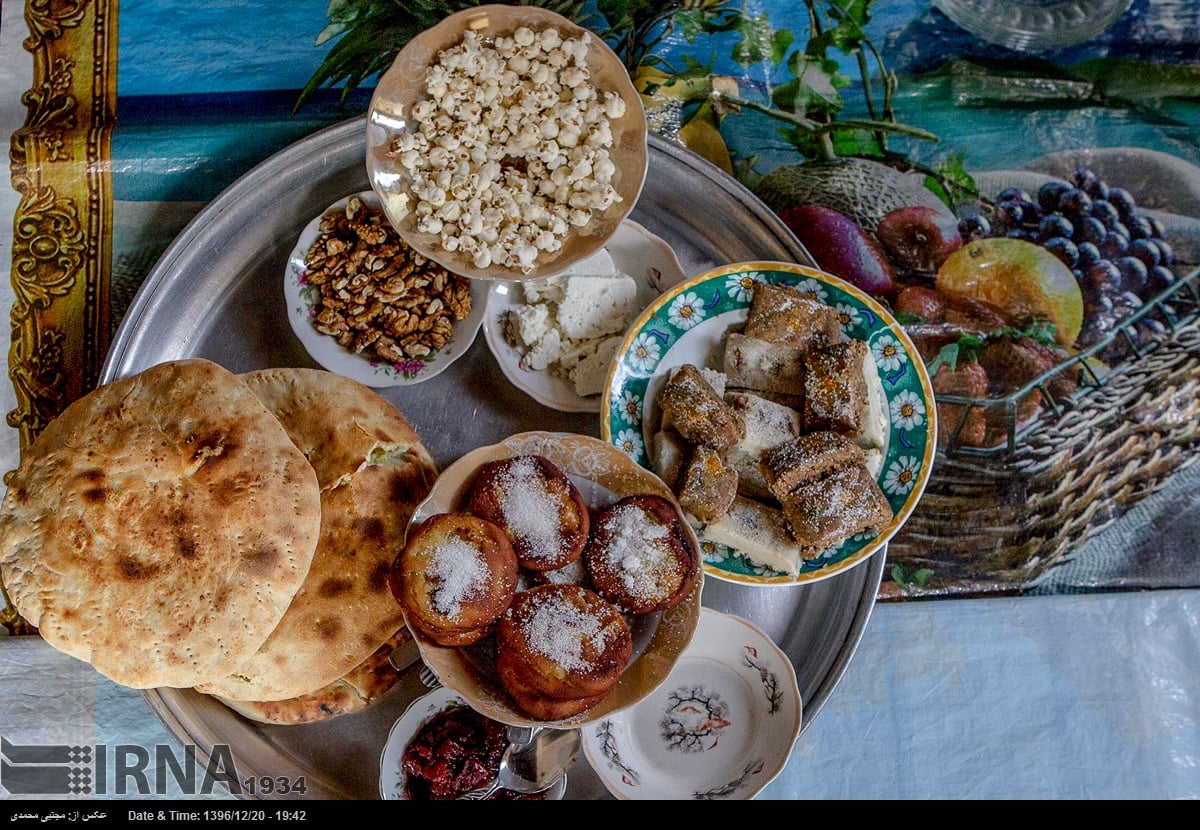
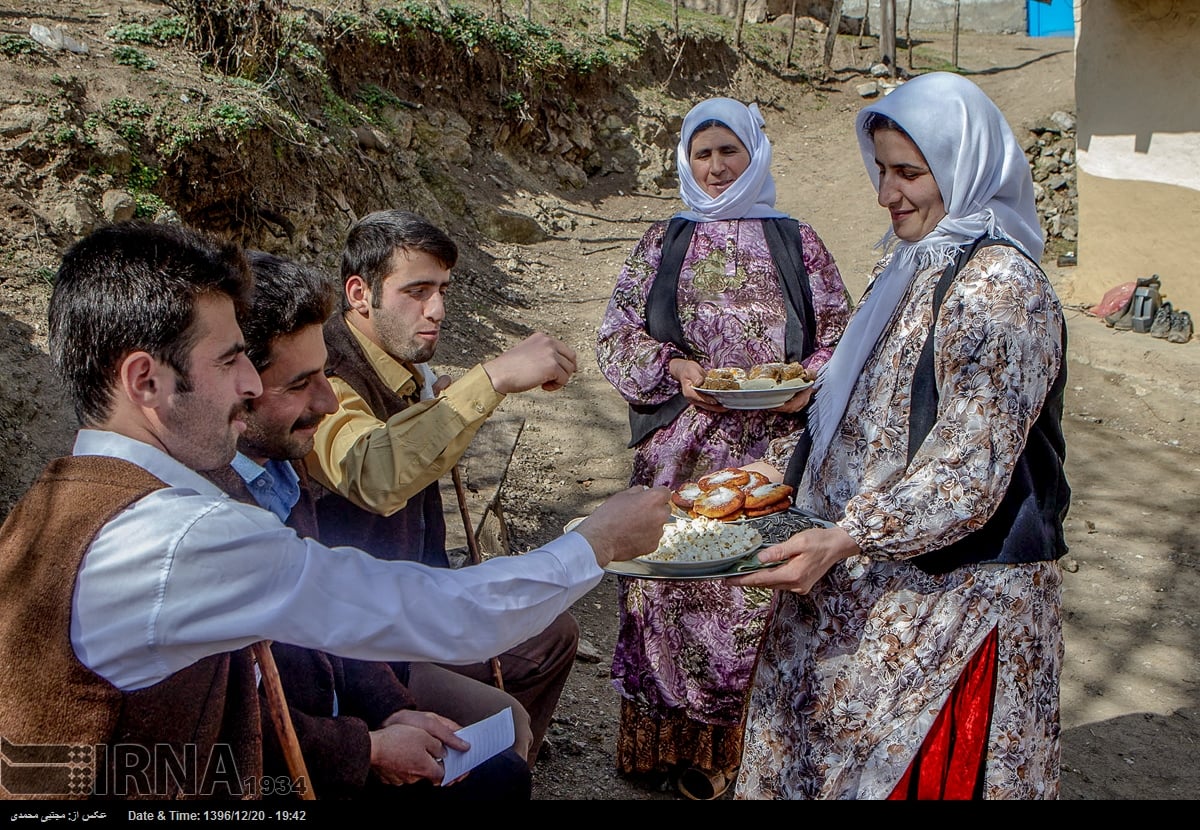
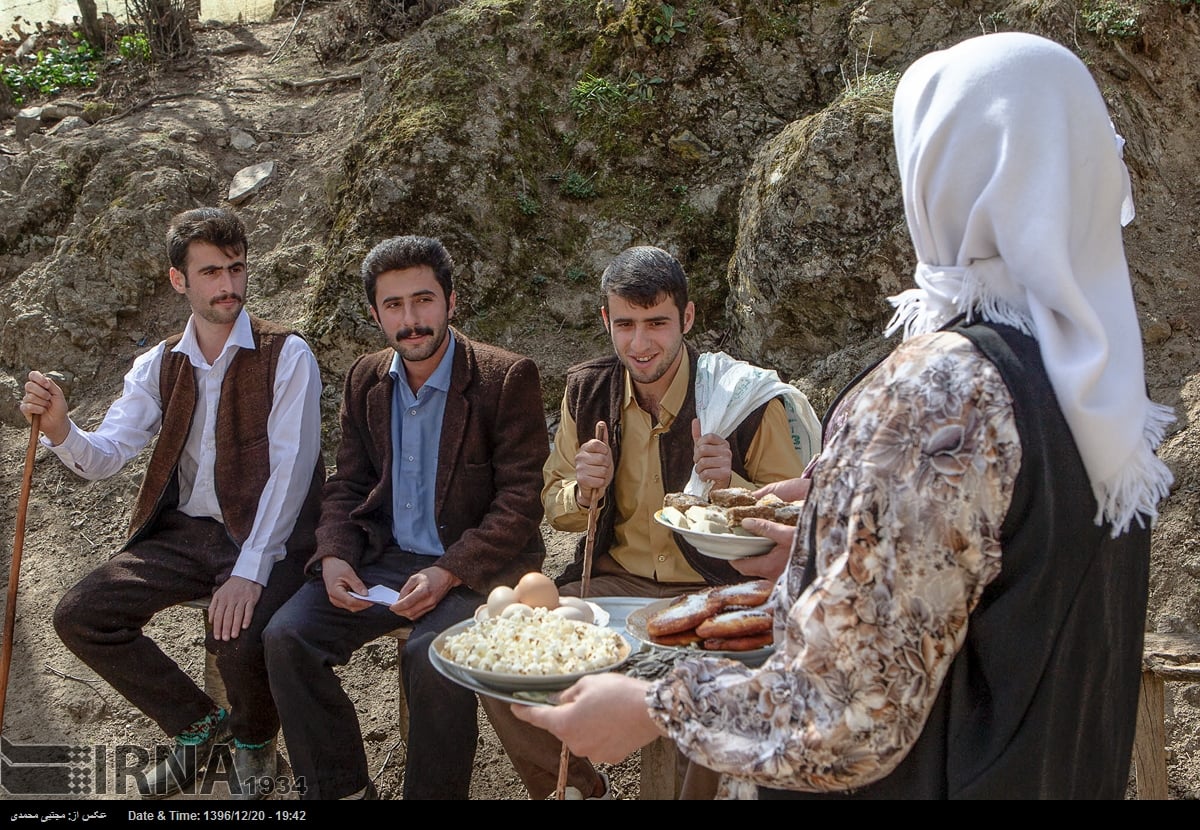
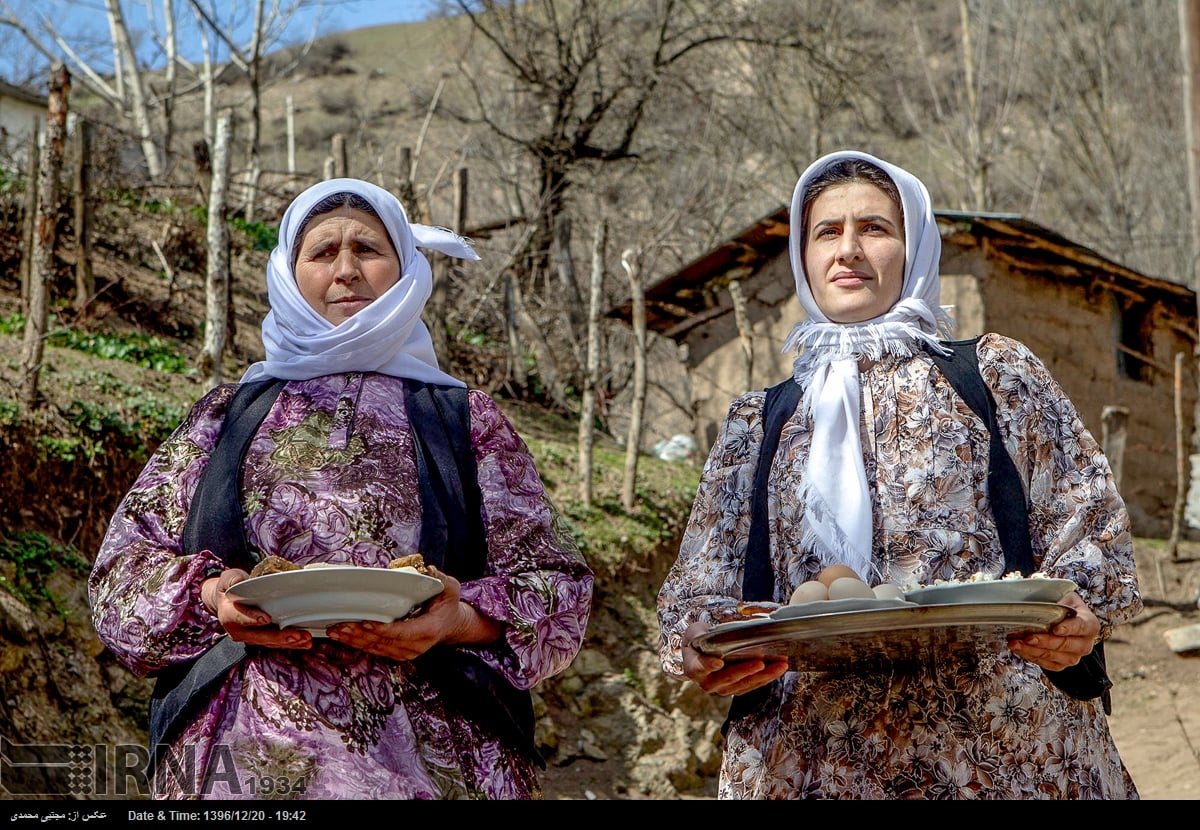
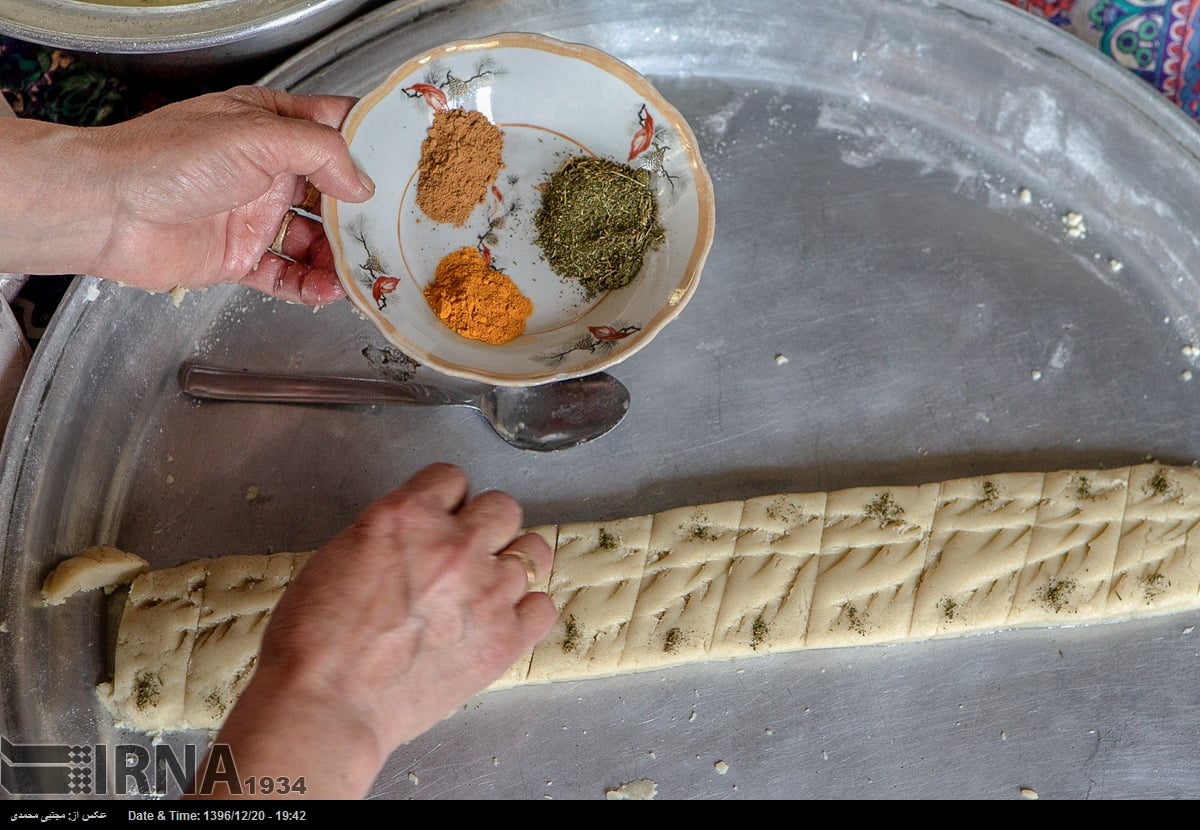
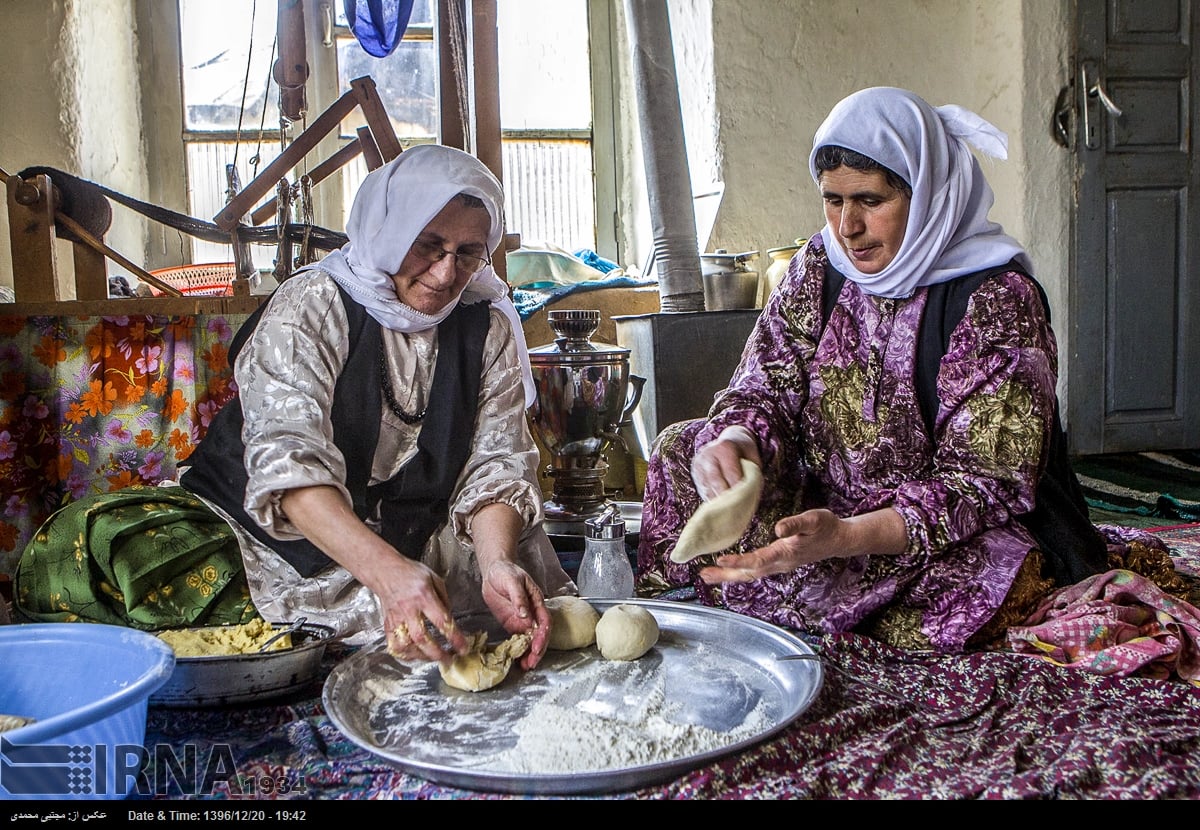
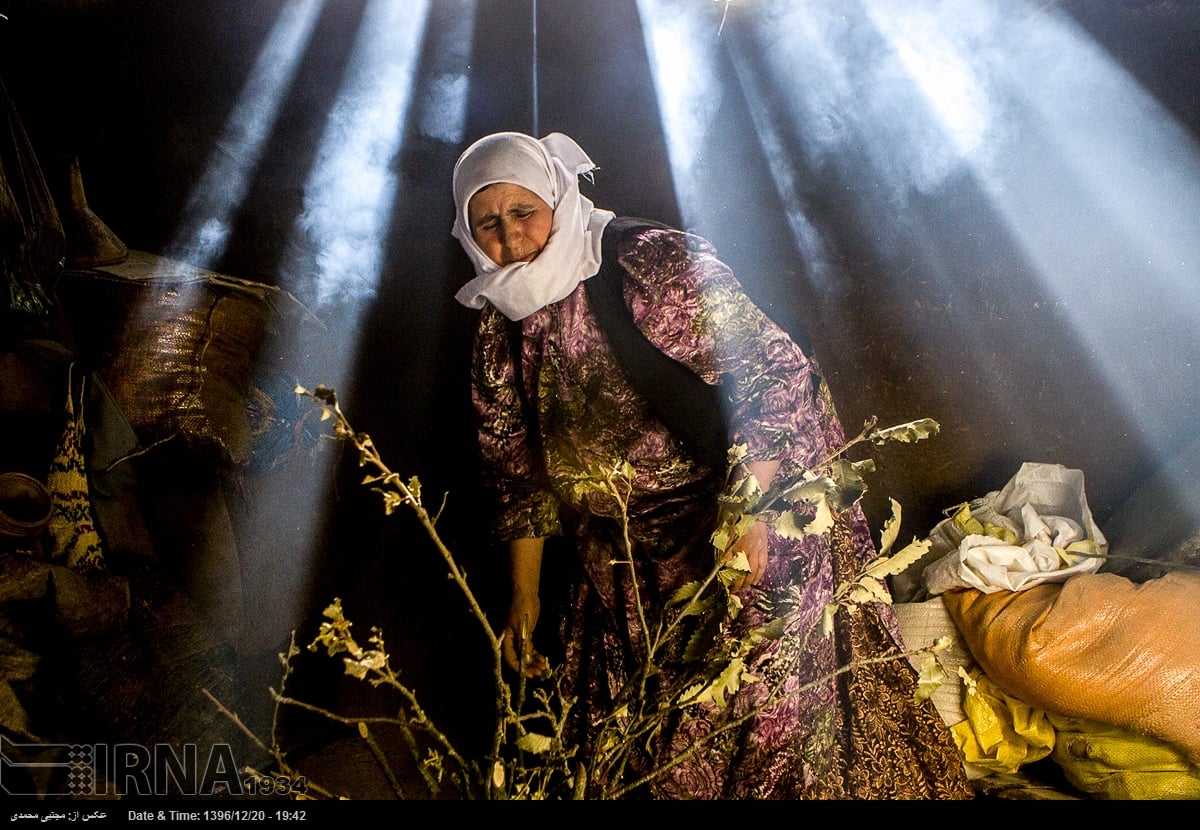
Nowruz in Northern Iran Sweetened with Homemade Pastry, Halva

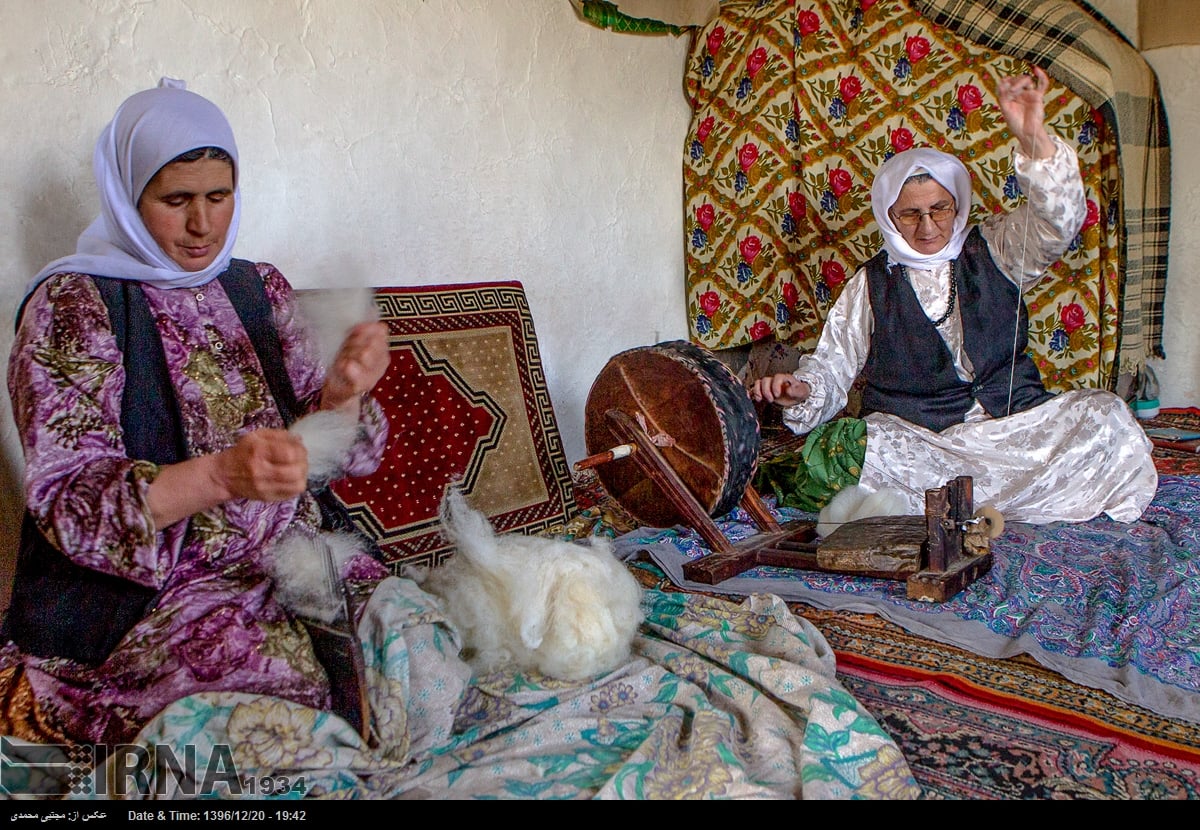
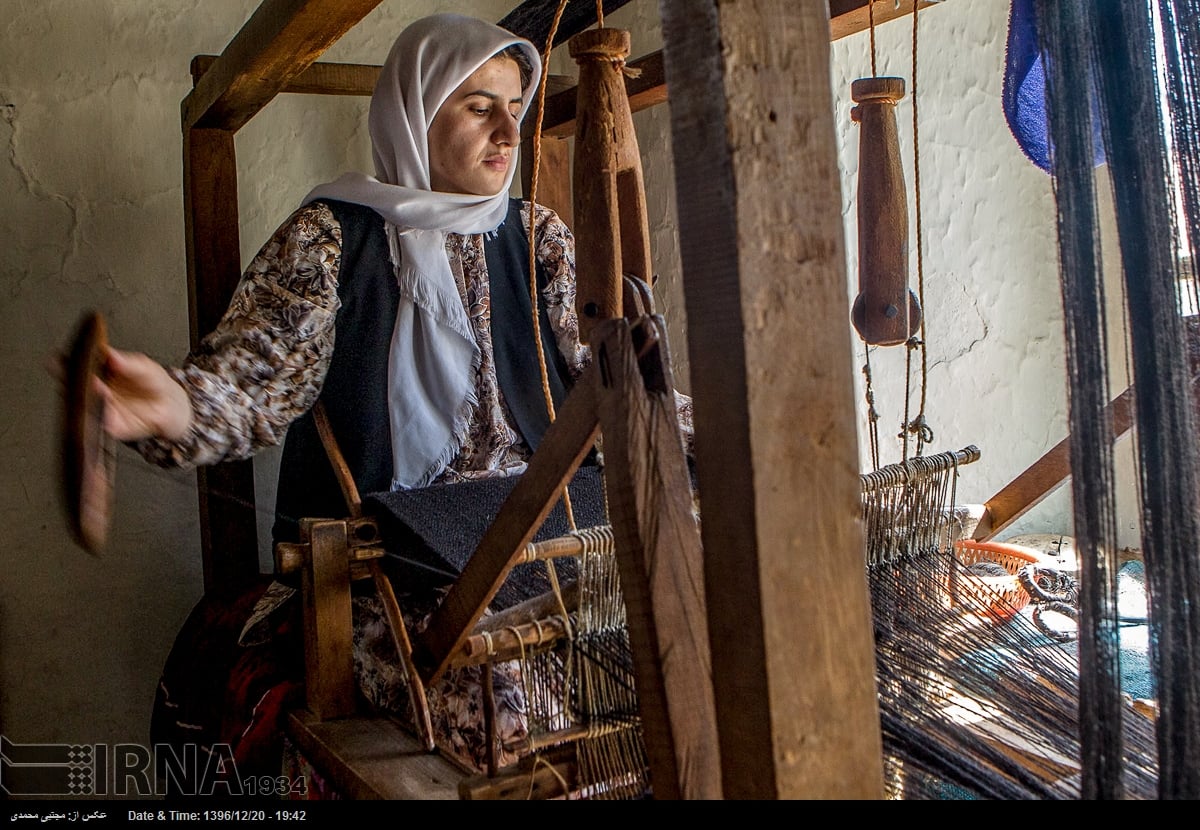
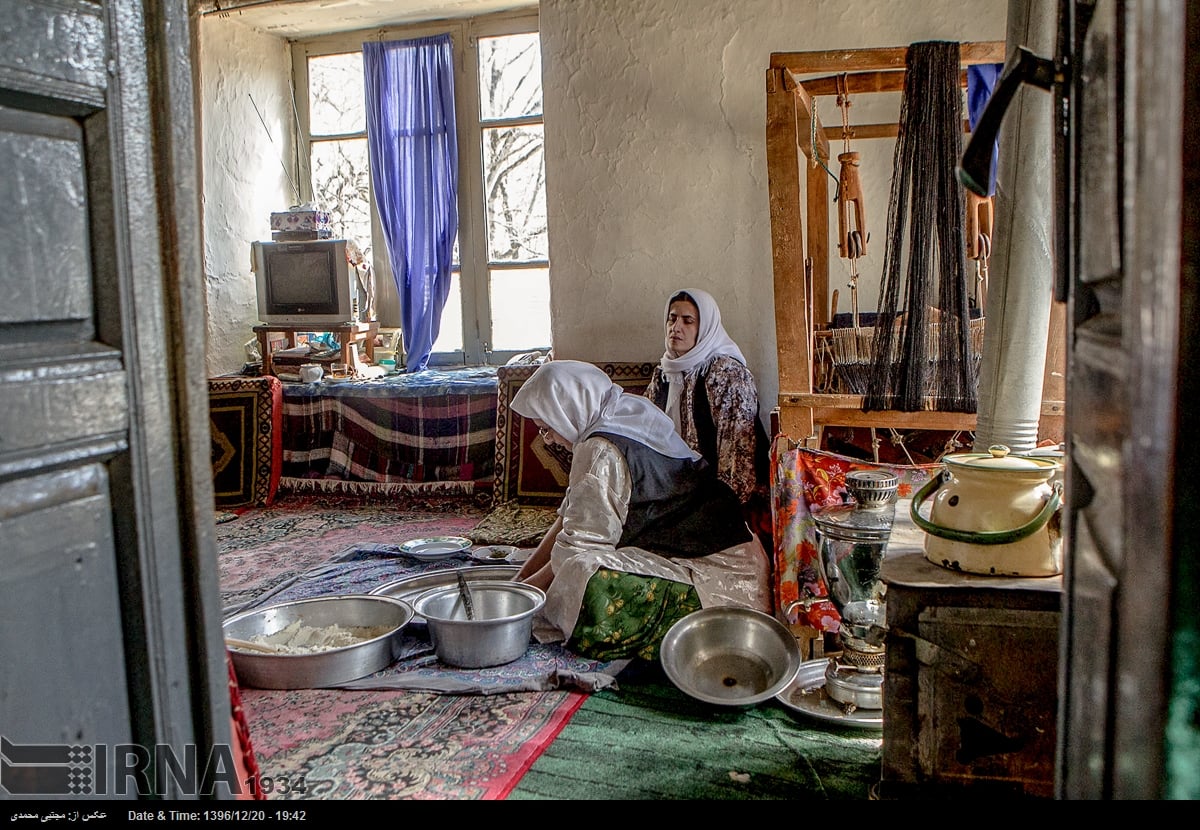
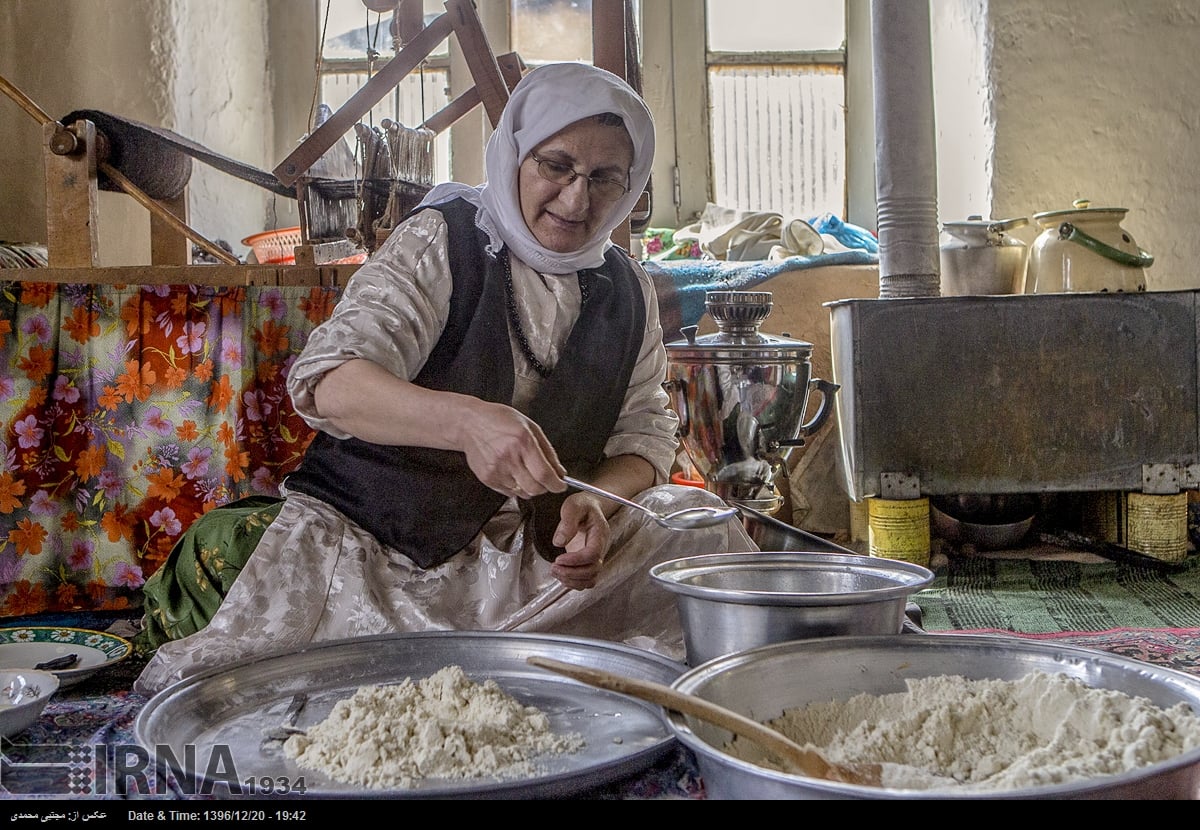
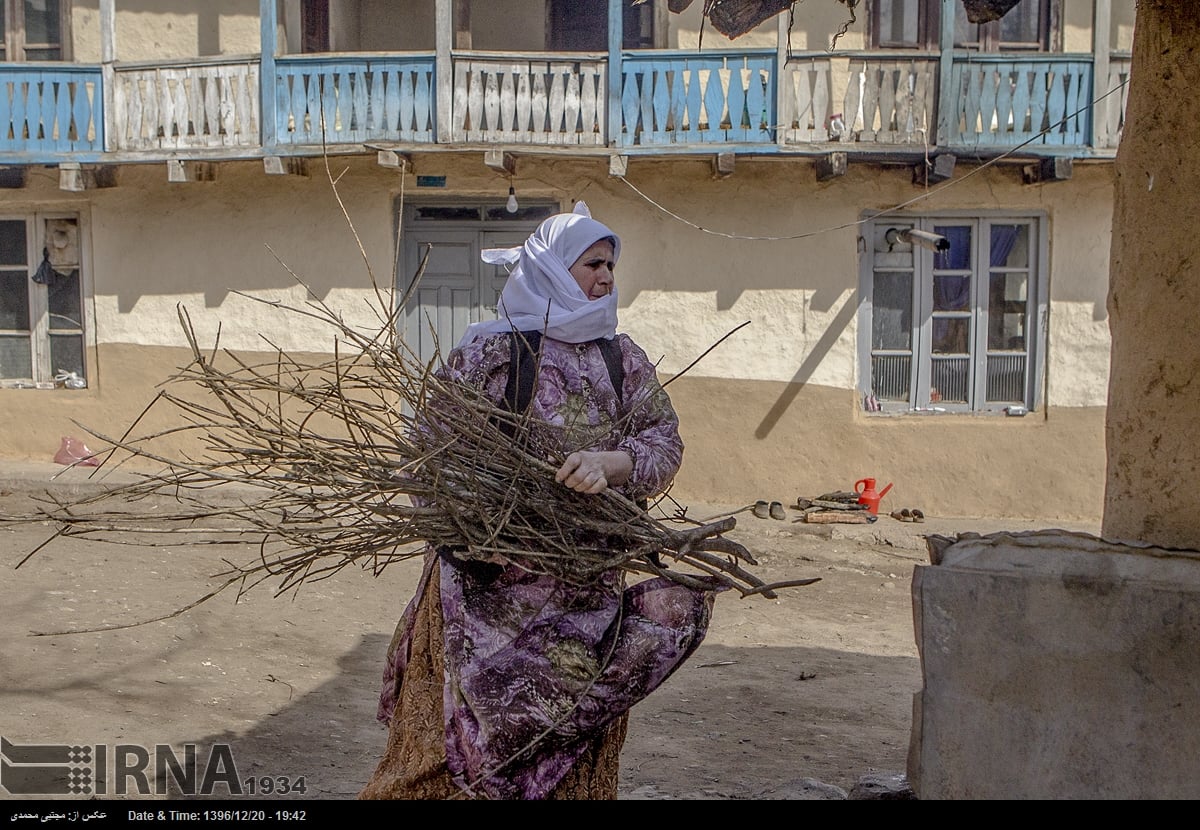
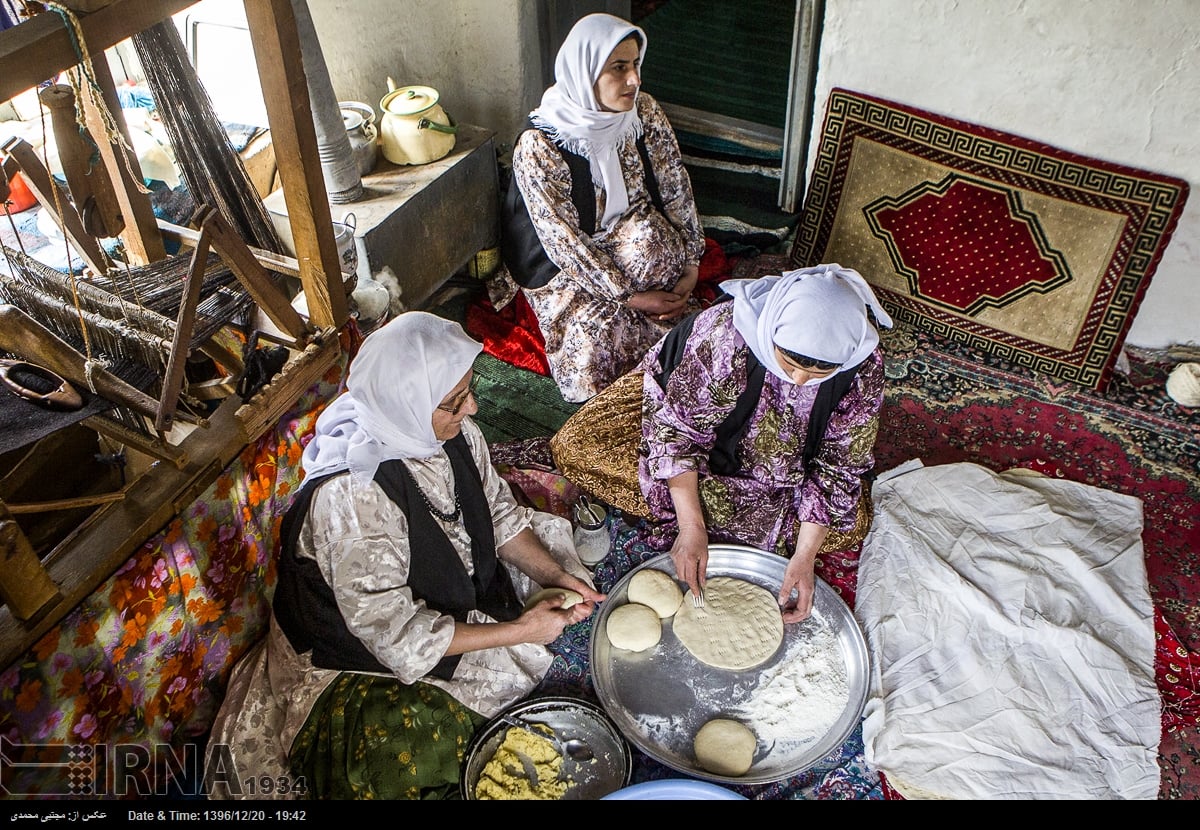
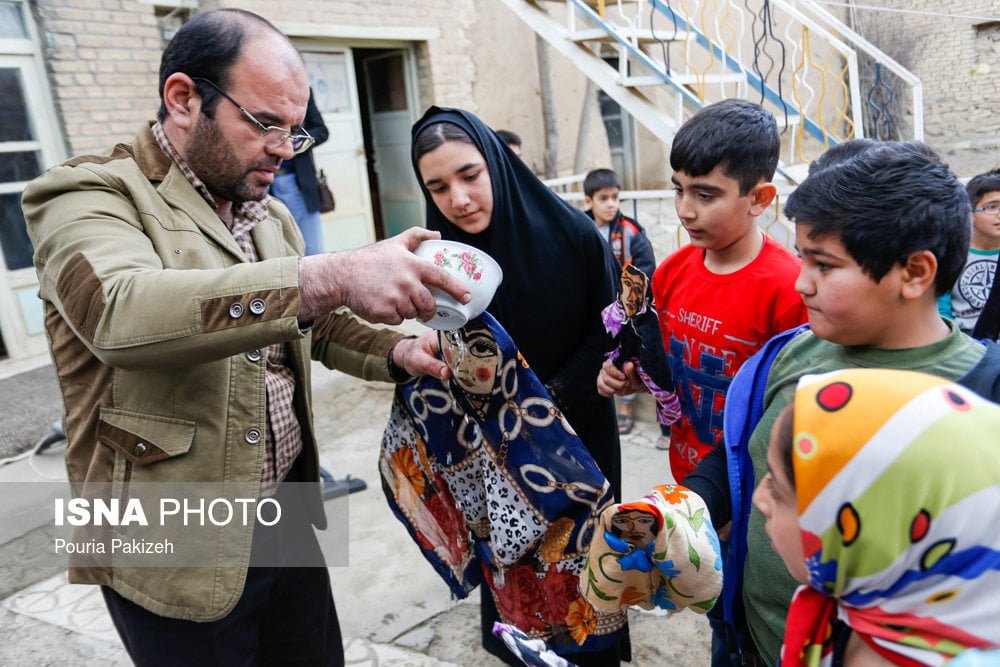
Apart from cooking the pastry and halva, women in this village make shawls with knitting machine a few weeks ahead of Nowruz.

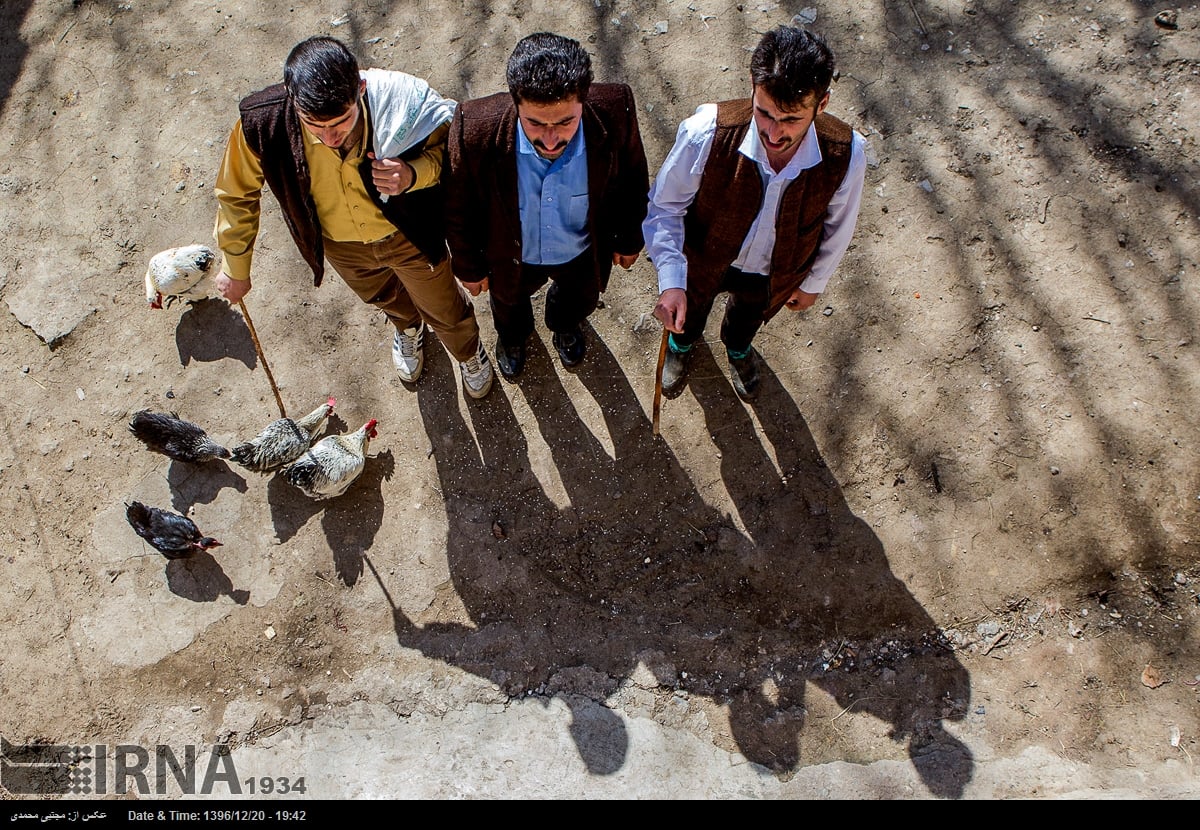
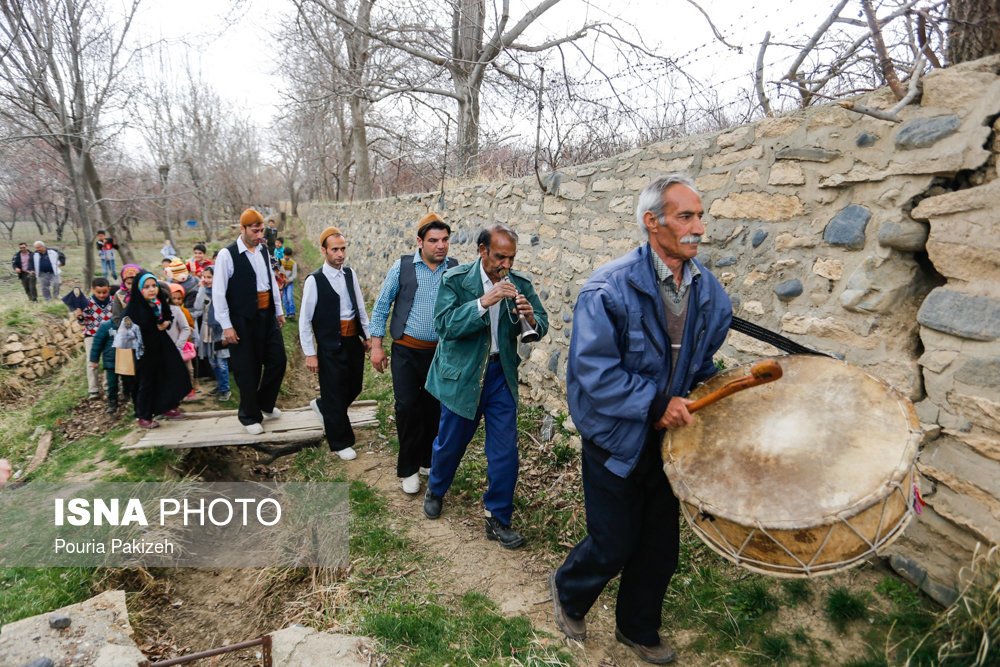
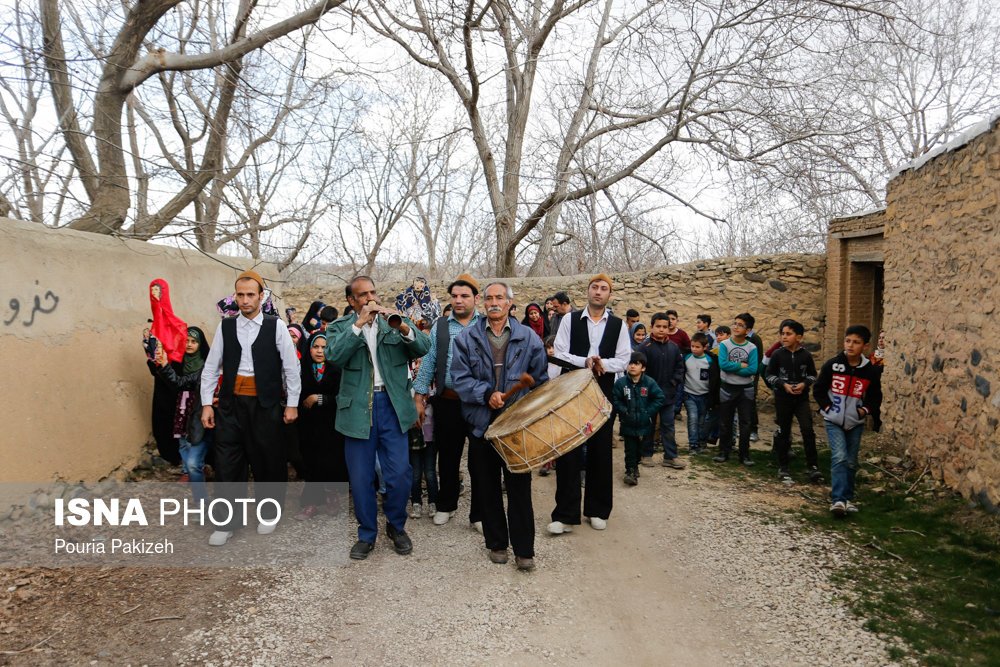
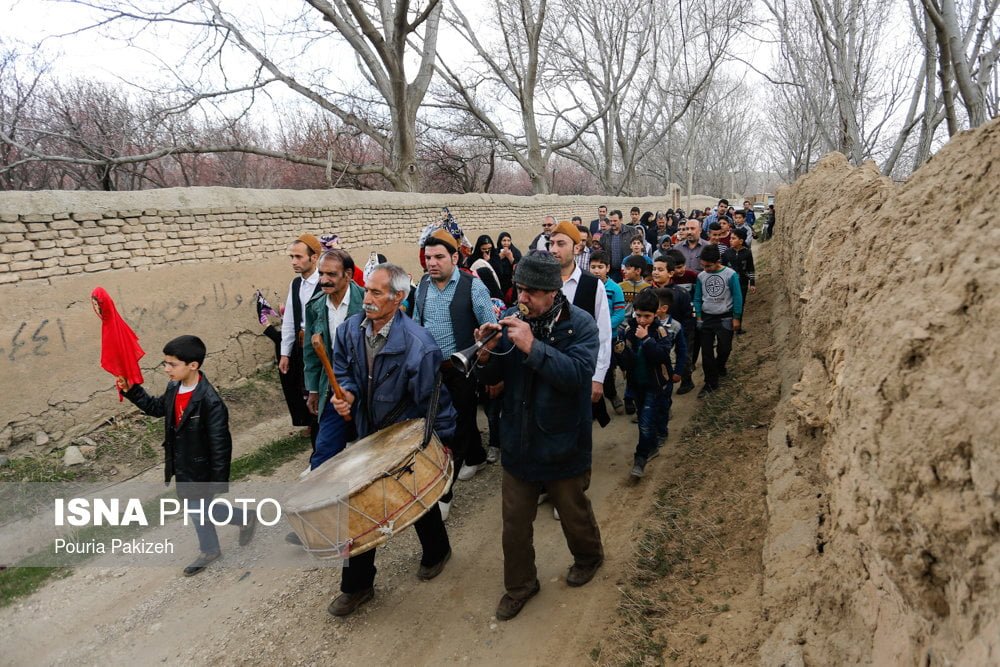
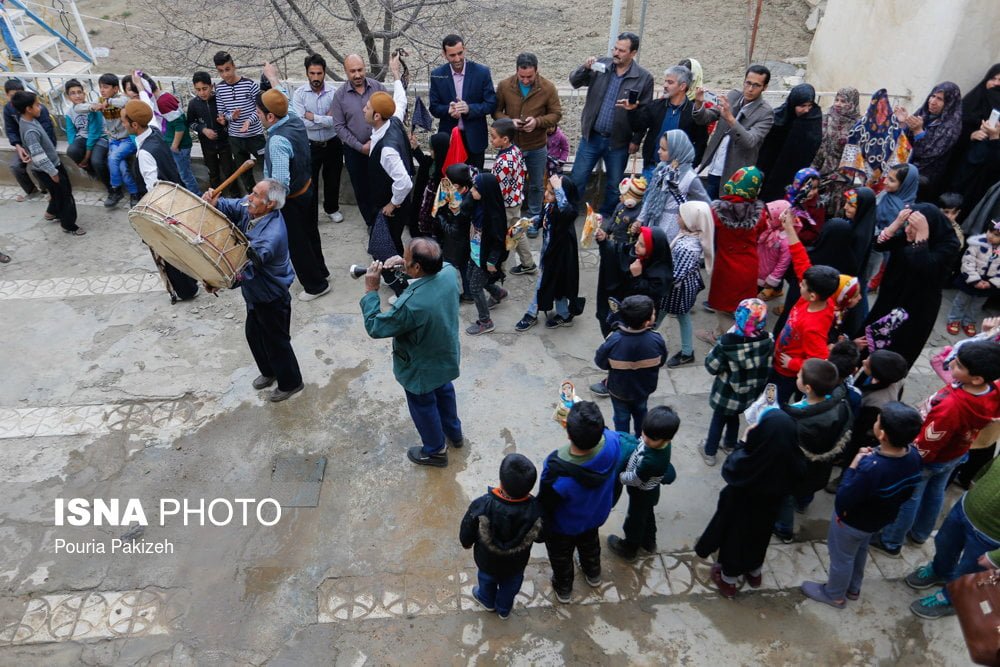
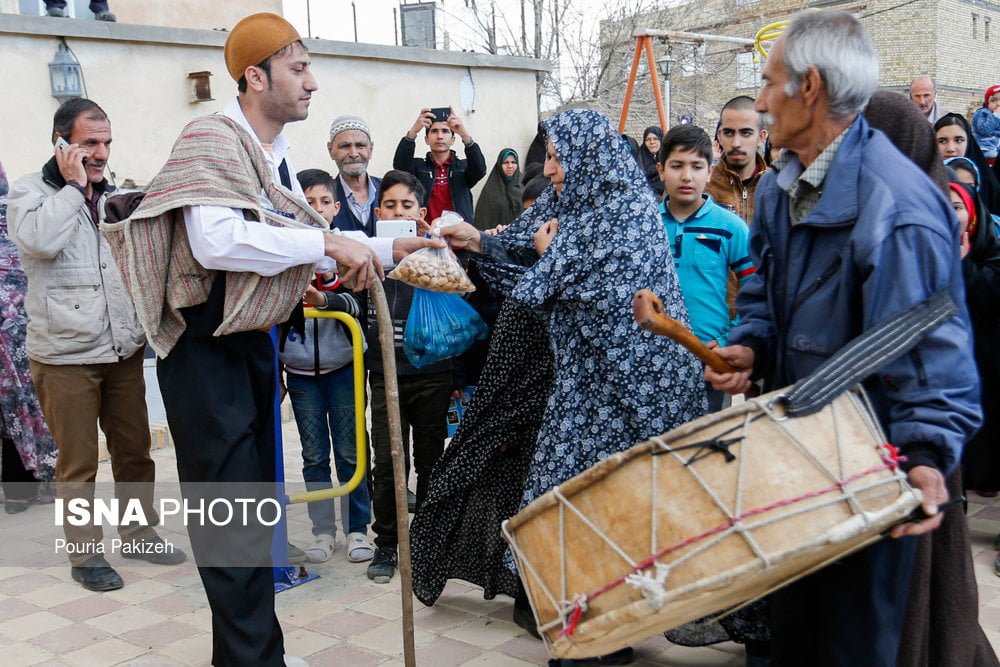
Once the pastries are ready, boys and men also start performing the traditional ritual of “Nowruz-Khani”, accompanied by their mothers, sisters, and wives who offer the sweet homemade pastries to other villagers.

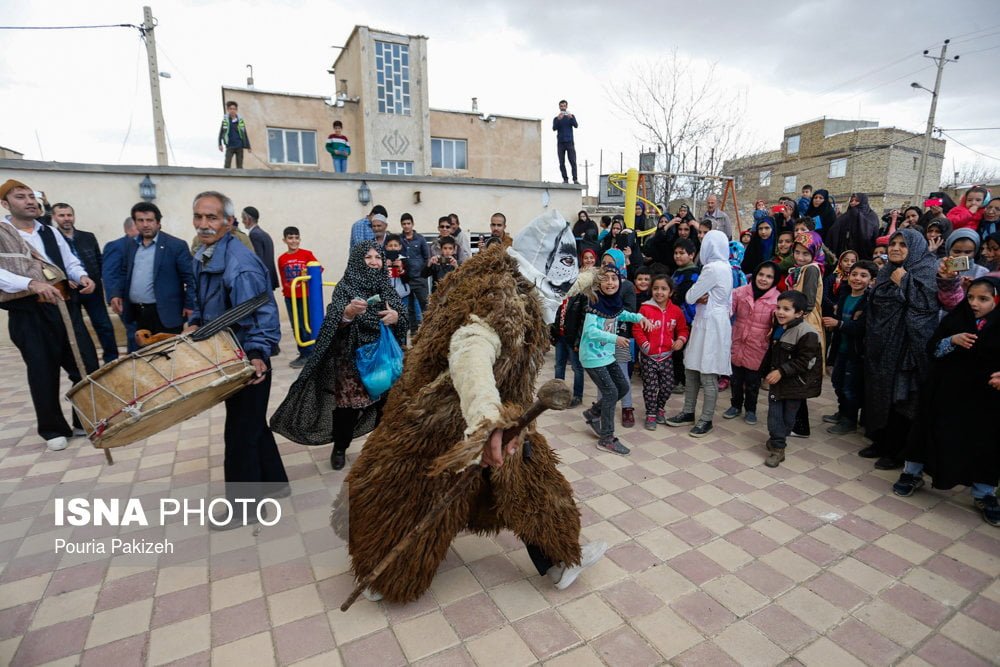
In Nowruz-Khani ritual, men sing songs and play instruments to herald the advent of the New Year. Nowruz Khans improvise their songs and poems. An experienced Nowruz-Khan is the one who is more skilled at extemporizing. Sometimes, their performance features music and, sometimes, only singing. Most of the poems and songs are recited or sung either in the local dialect or Farsi.

Nowruz-Khani is a pretext for preserving the ancient tradition of the ancestors, commemorate and respect life, create happiness and bring people joy. The tradition is aimed at promoting friendship among people and bringing them greater satisfaction prior to the arrival of the New Year.

The youths developing an interest in Nowruz-Khani over the past few years and it being upheld and practiced in Iranian festivals, have been effective in keeping the tradition alive.

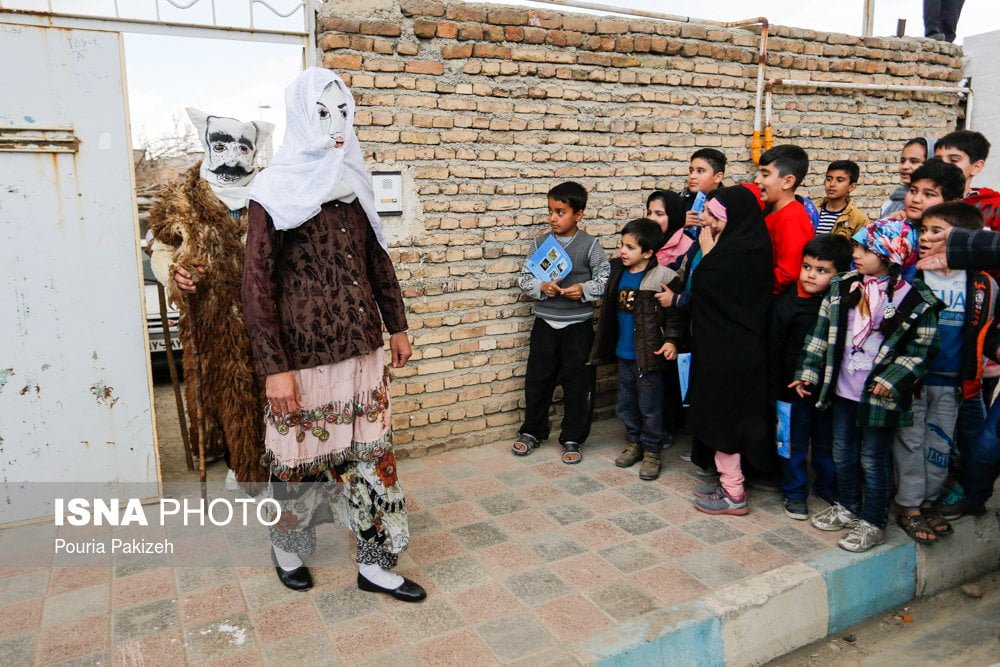
Here are IRNA’s photos of the ceremony held a few days ago in Ardeh:

Iran Condemns New US Sanctions as ‘Provocative, Illegal’

Bahram Qassemi dismissed as provocative and illegal the US government’s slapping sanctions on several Iranian nationals as well as a company operating in the field of engineering and technology services under the pretext and the false accusation that Iran was conducting activities in the cyberspace against American academic institutions.

In a Friday statement, Qassemi said the move lacked any justifiable reason and was yet another clear sign of the US ruling elite’s inherent hostility and enmity towards the Iranian nation.

“Indubitably, the US will not be able to use such ploys to stop or prevent Iranian people’s scientific progress,” said Qassemi.

The Trump administration on Friday announced sanctions and criminal indictments against an alleged Iranian hacker network it claimed was involved in “one of the largest state-sponsored hacking campaigns” ever prosecuted by the United States, targeting hundreds of US and foreign universities, as well as dozens of US companies and government agencies, and the United Nations.

“Saudi FM’s Anti-Iran Claims False, Hypocritical”

In a Friday statement, Bahram Qassemi said the Saudi FM’s claims were hypocritical and devoid of truth as always.

“This is not the first time that Saudi officials become too impudent and talk nonsense when they step into the land of bullying rulers who sell security to them,” said Qassemi.

“Today, everyone across the world, even their American rulers, know which country and which ideology is, if not the only [source], the major source of and contributor to terrorism, insecurity, extremism and instability in the region and in the world,” the spokesman said.

“Mr. Jubeir speaks of a political solution to regional crises, especially in Yemen, while it has been more than three years that he has brought all political initiatives to a deadlock and does not speak to oppressed and famine-stricken people of Yemen with any language other than that of bombs, shelling and violence,” Qassemi said.

The spokesman underlined Iran is a country with natural borders as well as an ancient and age-old history and civilisation.

“Undoubtedly, Iran’s cultural borders go beyond its geographical borders, and this inherent influence is historical and ever-lasting,” Qassemi said.

He underscored that Iran has made constant efforts to help establish peace and tranquility and ensure security and stability, and to counter the terrorism, extremism and savage violence imposed on the regional countries with reliance on petro-dollars and US support.

Al-Jubeir claimed on Thursday that Iran was the source of terrorism in the region, accusing it of meddling in the internal affairs of other countries and violating international laws.

“We are working on containing Iran and we have other options if the US abandoned the nuclear deal,” he told a forum discussion at the Brookings Institution in Washington.

He described the 2015 agreement reached between Tehran and world powers as “flawed”, adding that “the deal will not resolve the problem with Iran.”

Furthermore, he said that Saudi Arabia has been suffering from Tehran’s “hostile” policies since the 1979 Islamic Revolution of Iran, adding Tehran must be held accountable for its actions.

People in Yazd Celebrate Nowruz with Joyful Rituals

Intangible or spiritual cultural heritage consists of a set of customs, representations, symbols, knowledge, skills as well as man-made things, art pieces and cultural sites widely known by the members of a society as their cultural heritage.

The heritage which is transferred from one generation to another one is represented continuously in the interactions between the societies on the one hand and their environment, nature and history on the other. The interactions provide the society members with a sense of identity which in turn paves the way for cultural pluralism.

Regardless of its unique rituals and traditions, the old city of Yazd shares Nowruz festivities with other Iranian cities as well as some neighbouring countries.


Welcoming Nowruz

At the turn of each Iranian calendar year, the people of Yazd welcome the New Year (which begins on March 20th) with colourful and joyful rituals.

Each year, about one month left to the end of the Iranian calendar year, people begin their spring cleaning. It is part of a traditional ritual to create fundamental changes in our lives.

Resorting to fortune Jar is another part of Nowruz rituals. At the turn of each year, the Iranians turn to the pottery jar to predict good and bad events of the New Year for them.

In the past, women were the ones who took the fortune jars at public or family gatherings to predict future events. Today, however, men also predict the future with the jar.

The fortune jar is of great importance in some neighbourhoods of Yazd like Rahmatabad, Maryamabad as well as Mehriz, Taft, Meibod and Ardakan towns.

Making Noodle Soup is another ritual for welcoming the New Year. Women from different neighbourhoods come together in the early morning to make the preparations for the soup. Through labour division, each group undertakes certain responsibility to prepare and distribute the soup among others by afternoon.

The soup is made mainly for asking God to grant the people’s wishes. To this effect, each woman provides an ingredient of the soup to have a share in the making of the dish.
People in Yazd Celebrate Nowruz with Joyful Rituals


Charshanbe Suri (Fireworks Wednesday)

Charshanbe Suri is another traditional rite which is observed by the people of Yazd ahead of the New Year. They come together at the evening of the last Tuesday of the year and eat special nuts also known as problem-solving nuts. Then they set a fire and jump over it saying “Take my yellow colour and give me your red colour.” Yellow colour is the symbol of illness and red colour a symbol of health. Meanwhile, they break their old pottery jars and buy new ones maintaining that by breaking the old jars the nastiness of the year will vanish away.


Nowruz Festivity

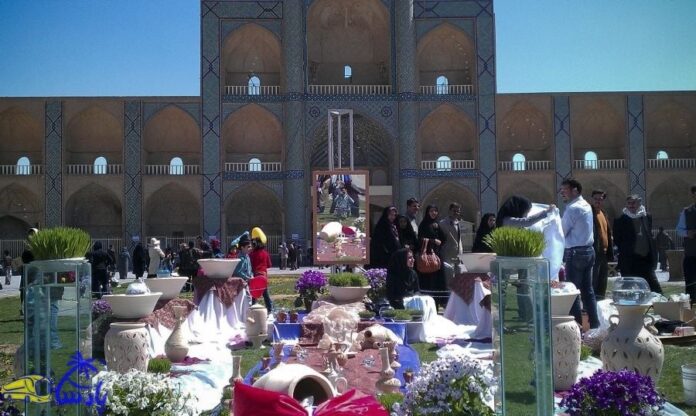
Haft-Seen table is one of the main pillars of Nowruz festivity. Haft-Seen is an arrangement of seven symbolic items traditionally displayed at Nowruz. It includes seven items (from nature and religion) all starting with the letter Seen (س) in the Persian alphabet.

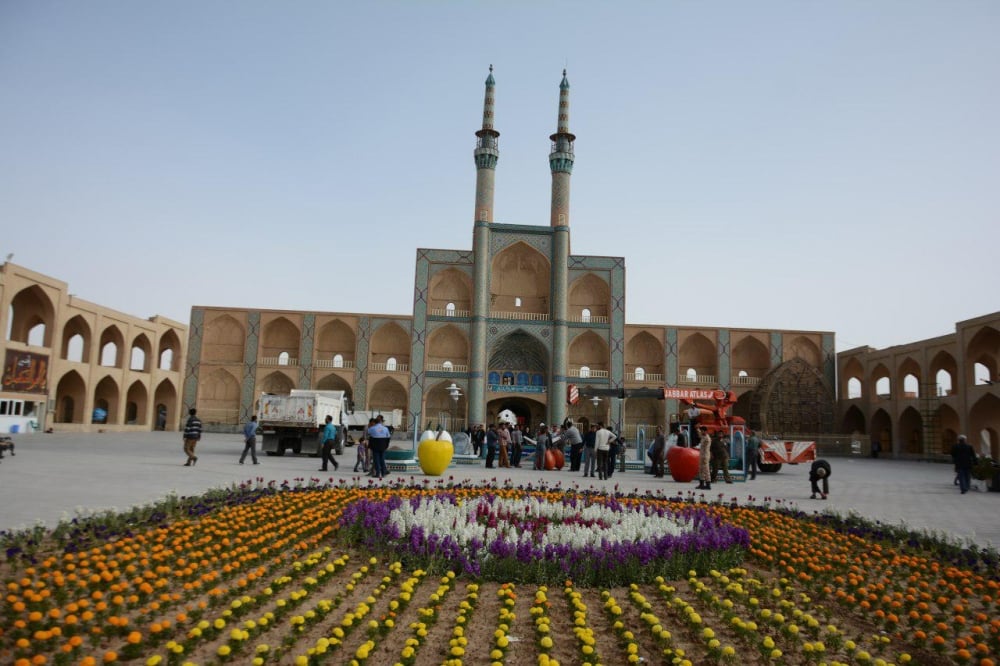
Last year, the largest Haft-Seen table in Iran was arranged in Amir Chakhmaq Complex in Yazd – near a cemetery of the martyrs of Sacred Defence – attracting domestic and foreign tourists.

Each item in the table represents something from nature and religion.

The primary Haft-Seen items are as follows:

Sabze h (Sprouts) – wheat, barley, mung bean or lentil sprouts growing in a dish,

Samanu – sweet pudding made from wheat germ,

Senjed – dried Russian olive,

Seer – garlic,

Seeb – apple,

Somāq – sumac

Serkeh – vinegar,
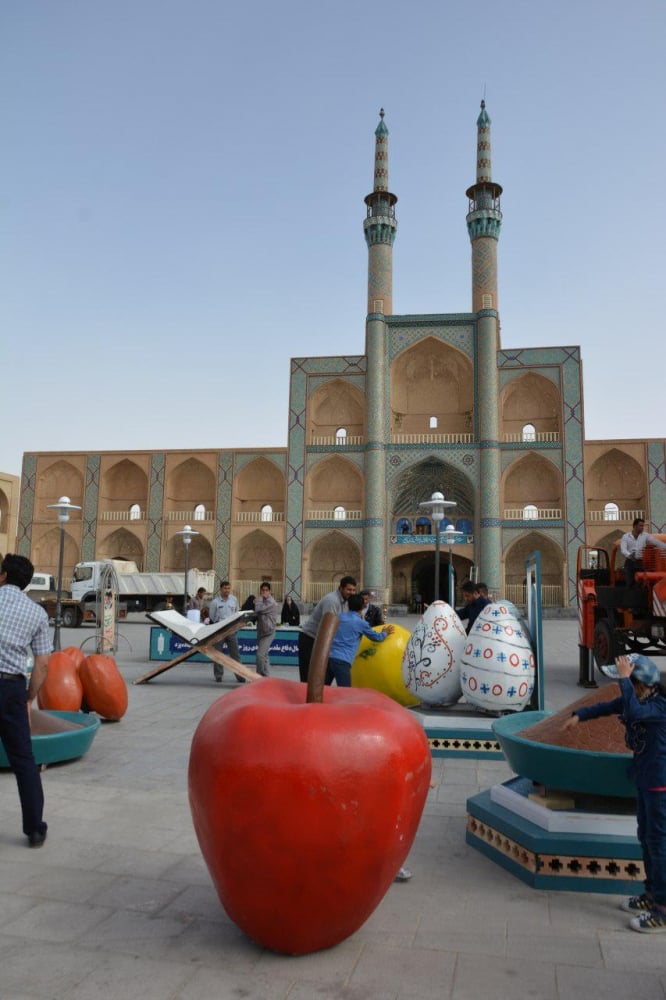
People in Yazd Celebrate Nowruz with Joyful RitualsThere are other items which may also appear on the Haft-Seen table as ornaments or for the sake of completeness including the holy book of Quran, Divan-e Hafez or Shahnameh (Iranian poetry books), a mirror with two candles and goldfish in a glass bowl.

As said the presence of the main items have their special meetings which are as follows:
Seeb (Apple): It symbolizes health. As the famous proverb says, “An apple a day keeps the doctor away!”

Sabzeh (Sprout): It’s a symbol of greenery, nature and exhilaration. Also there are some who claim it is a symbol of Love.

Senjed (Dried Russian olive): It symbolizes wisdom. In traditional medications Senjed was utilized to invigorate the brain and memory, and thus it is considered as wisdom symbol in Haft-Seen.

Serkeh (Vinegar): It symbolizes disinfection. Also some believe that it’s a symbol of surrendering and satisfaction.

Samanu: It has a history in pre-Islamic Persian Empire. Actually it is a symbol of power and bravery.

Somaq (Sumac): Sumac is a symbol of patience and tolerance. As a flavour, it is also viewed as a symbol of life stimulation.

Seer (Garlic): Some people consider it as a symbol of life. Also some believe that it is a symbol of peace. Also in Zoroastrian literature it is a symbol of disinfection.

On the eve of the New Year, the family members sit together around Haft-Seen table waiting for the arrival of the New Year. The elderly members of the family usually recite some special prayers immediately after the arrival of the New Year.

Some traditional dishes like Sabzi Polo (Harbed rice) with meat or fish are served on the eve of the New Year. After the arrival of the New Year, the younger generation go to their elders’ homes, congratulate them on the New Year and receive Eidi (gift).

The guests are entertained with Yazdi confectionary and chocolates and the visits continue till Sizdah Bedar (13th day of the New Year).


Sizdah Bedar

Sizdah Bedar also known as Nature’s Day is an Iranian festival held annually on the thirteenth day of Farvardin (the first month of the Iranian calendar), during which people spend time picnicking outdoors. People of Yazd go to gardens and green belts and spend their day by cheering and cooking dish for launch.

Sizdah Bedar is a special day for the new brides and engaged girls. During the day, their mothers-in-law, sisters-in-law and other relatives of the groom arrive in their homes with timbre and other musical instruments taking them for out-door picnicking.

Yazd is home to a collection of Iranian art, culture and civilization including religious sites, shrines, mosques, Zoroastrian Fire Temple, historic houses and gardens, water reservoirs, wind-catchers and Bazarcheh (local markets).

Yazd is also known as the city of wind-catchers, labour, Kariz and Kahgel, Darol Ebadeh (Place of praying), Darol Amal (place of work), bicycles, confectionary, fire and sun City, and Qanat.

Given its rich cultural and historical ties, so far at least five historical sites in Yazd including Dowlatabad Gardens, Zarch Qanats, and Pahlavanpour site as well as the city itself have been inscribed as UNESCO World Heritage sites.

Iran’s Hamadan Scene of Deep-Rooted New Year Rituals

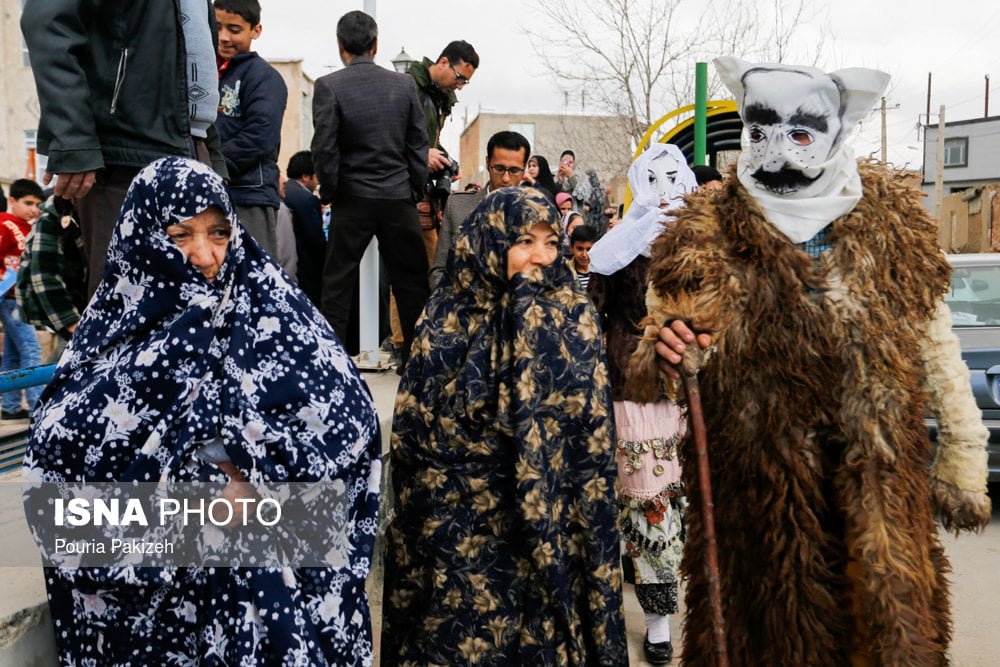
One of the rituals performed in the province to celebrate Nowruz is “Kusa” (also known as Kusa-Galin).

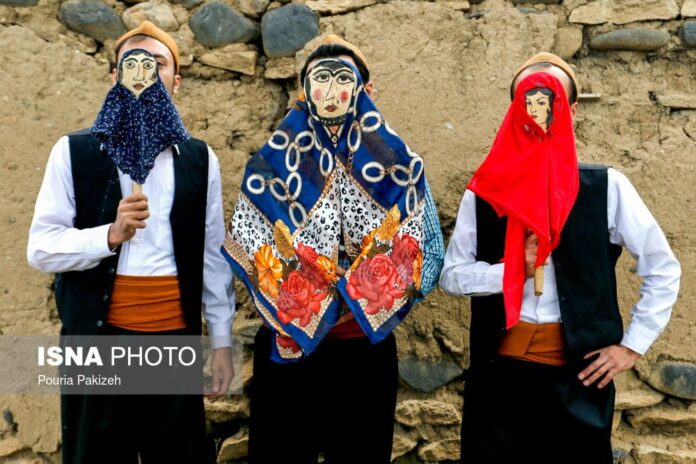
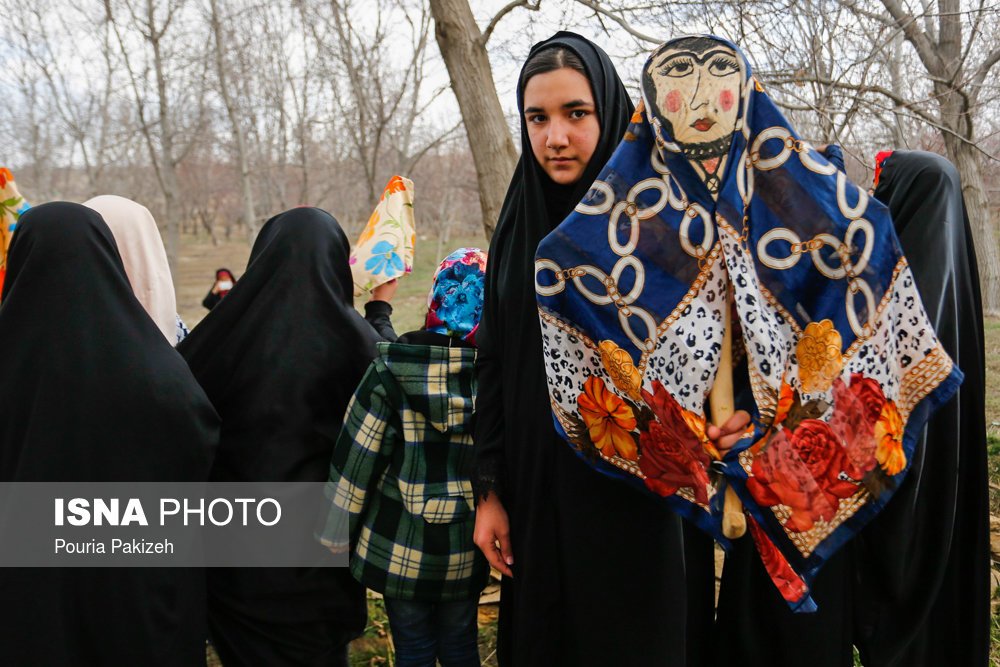
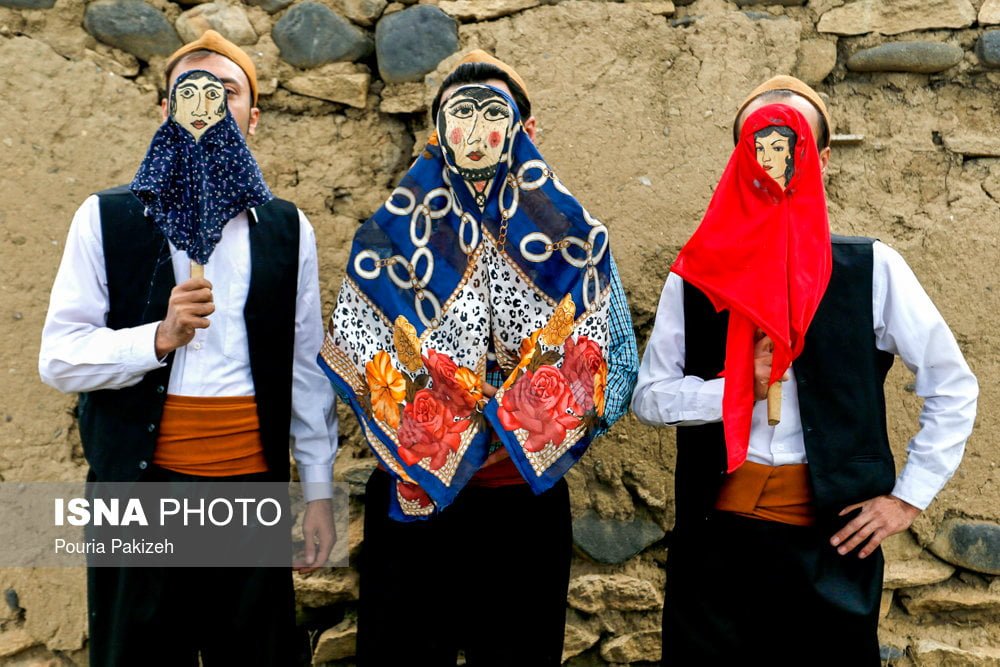
The ritual is practiced by groups of mummers, or the troupes of actors (also known as guisers) who visit people in disguise, walk from house to house, greeting their hosts, staging a sort of a play, sometimes performing a fertility magic rite, and collecting gifts in kind or in money as part of the festival.

Kusa is usually among the characters in the troupe accompanied by his rival (the white and the black Kusa), his bride (a boy disguised as a girl), a number of assistants, and some musicians.

The scenario includes a fight (in the form of chub-baazi) over the bride between Kusa and his rival, possibly her kidnapping, the death of Kusa, the girl’s lament over his body, and his revival.

The songs sung by the Kusa group comprise wishes of well-being for the household, a description of its prosperity, a plea for a gift, blessings and gratitude to the donors (or a curse for the mean ones).

This tradition, which may be traced back to the age old death-and-resurrection myth, has been reported by early Islamic authors such as Masudi and in some more recent, secondary texts. Even Zoroastrian texts that mention the ritual appear to be based on Islamic sources, according to Encyclopedia Iranica.

There are striking parallels between the Kusa and East European Christian caroling traditions.

The ritual, practiced in western, northwestern, and central parts of Iran, been inscribed on the Iran National Heritage List.


Chomchomeh-Galin

One of the other rituals practiced in Hamadan and many other Iranian provinces is “Chomchomeh-Galin”.

The rainmaking ritual is conducted by children dressing up a big wooden spoon called Chomchomeh as a doll, naming it Chomchomeh-Galin.

Walkinghome to home while carrying the ChomchomehGalin, children bid the winter farewell and herald the new year, demanding gifts for their propitious news.

The following photos show people performing the two rituals in Hamadan’s Abshinevillage.

Iranian Gov’t Bodies Obliged to Buy Domestic Products

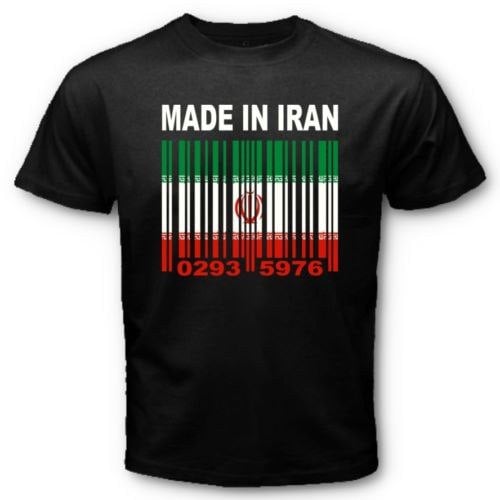
“This year, the government’s budget will not be spent on foreign goods and no governmental organization will purchase foreign products that have Iranian equivalent,” Es’haq Jahangiri said on Thursday, while addressing a gathering of people in his hometown Sirjan in Kerman Province.

The Leader has named the Iranian year as the “Year of Support for Iranian Products”, saying boosting domestic production could settle many of the country’s economic and social woes.
Increasing domestic production is a key principle of Resistance Economy, an economic concept suggested by Ayatollah Khamenei aimed at curbing dependence on oil export revenues.
Jahangiri said the government will put this year’s motto on top of its agenda, and will work hard to overcome obstacles and accelerate Iran’s economic development.
“There are no problems in this country that cannot be settled using domestic capacities and resources,” he said, adding that boosting unity and solidarity among the nation will pave the way for settling Iran’s economic woes.

Iran in recent years has been struggling with an underperforming economy hit hard by years of international sanctions and mismanagement.

Since taking power in 2013, the government of Hassan Rouhani has sought to kickstart the economy, but many say progress has been slow.

Foreign Ministry’s Initiatives to Support Iranian Products

Iran’s Foreign Ministry has also released a statement in support of domestically-made products and national production. What follows is the full text of the Friday statement:
The Islamic Republic of Iran’s Foreign Ministry and missions across the world wholeheartedly received the illuminating message of the Supreme Leader regarding support for Iranian products. We do confirm and stress that the only way to achieve real and justice-based progress is to rely on domestic workforce and potential and to get rid of an oil-driven economy, and this feat will materialise only through making endeavours to boost national production both qualitatively and quantitatively.

In line with executing the recent statements of the Supreme Leader concerning the necessity of backing the country’s businesspeople, especially with the focus being on boosting non-oil exports, the Foreign Ministry, as part of its efforts to enforce the policies declared by the Leader, has begun changing the structure of the Foreign Ministry in order to ease the realisation of the country’s economic priorities. The servants of the country in the foreign policy arena announce their readiness to support businesspeople and facilitate the promotion of economic and trade contacts and relations at the international level while taking the country’s special situation into account and inviting all government institutions across the country to remain united, help remove obstacles to the attraction of foreign investment, boost exports, observe discipline and make precise arrangements in foreign relations.

The geographical situation of Iran as the corridor connecting the east to the west, and the north to the south, has provided this land and its industrious nation with enormous potentialities, reliance on which will bring about great opportunities for the development of Iran and the regional countries.

While focusing on efforts to facilitate the conclusion of bilateral and multilateral economic agreements with neighbours and trade associations such as Eurasia and emerging economic states as well as non-hostile major economic powers, the Foreign Ministry intends to focus on other dimensions of national policies such as targeted enhancement of provinces’ foreign relations and economic cooperation in different areas, including energy, transit, and taking in technology as well as foreign investment and tourists along with the enhancement of non-oil exports to lay the groundwork for boosting production and employment in the country, quantitative and qualitative promotion of Iranian products, facilitating competition [for producers] of Iranian goods on target markets, and to set the stage for the presence of the country’s businesspeople, especially those of the private sector, in bilateral and multilateral arenas.

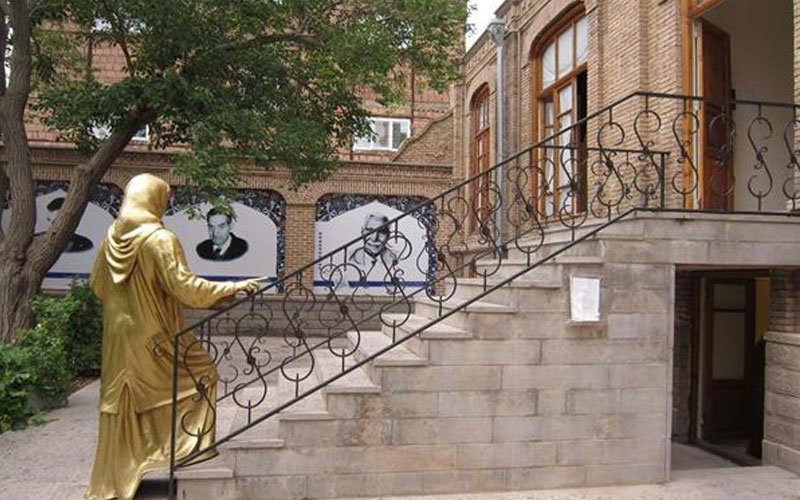
Iran’s Museums in Photos: House of Top Poetess in Tabriz

Persian Architecture

Parvin, whose given name was Rakhshandeh, was born in a house located in Sheshghelan – a district at the city center of Tabriz. It is one of the oldest quarters of the city, which includes some historic buildings and monuments.

Parvin, the daughter of the journalist and man of letters Yusuf Etesami, was born on March 16, 1907 and passed away on April 5, 1941.

She moved to Tehran in her early life, where, in addition to formal schooling, she received solid training in Arabic and classical Persian literature from her father.

Her father’s death in 1938 bereft Parvin of his loving support and virtually severed her contact with the outside world, a Farsi report by Fars News Agency said.

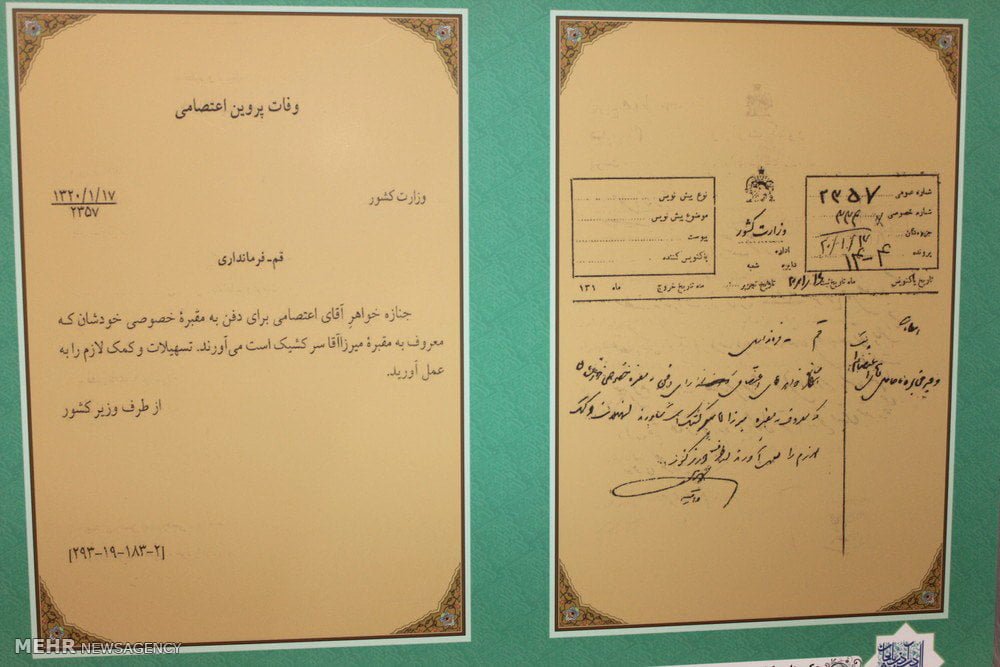
The Iranian poetess’ sudden death, which happened only three years after her father, shocked the country and was mourned in many elegies. She was buried next to her father in Qom.

Her first poem collection (divan) was published when she was still alive. However, the publication her second divan coincided with her sudden death. Overall, Parvin had more than 606 poems in different lengths and compositions of the Persian poetry like Qasideh, Qazal, etc.

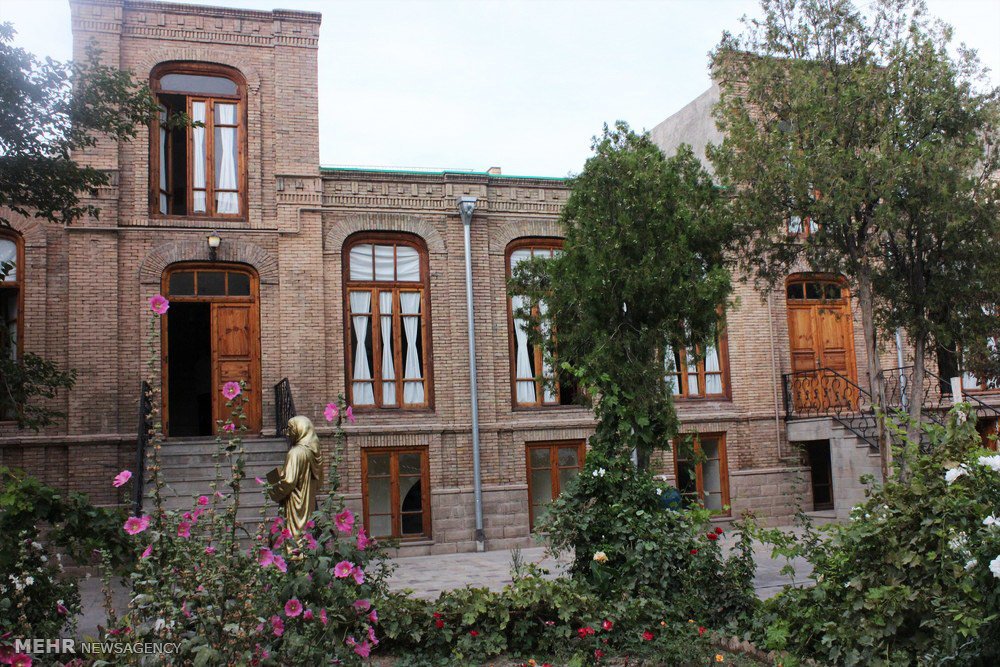
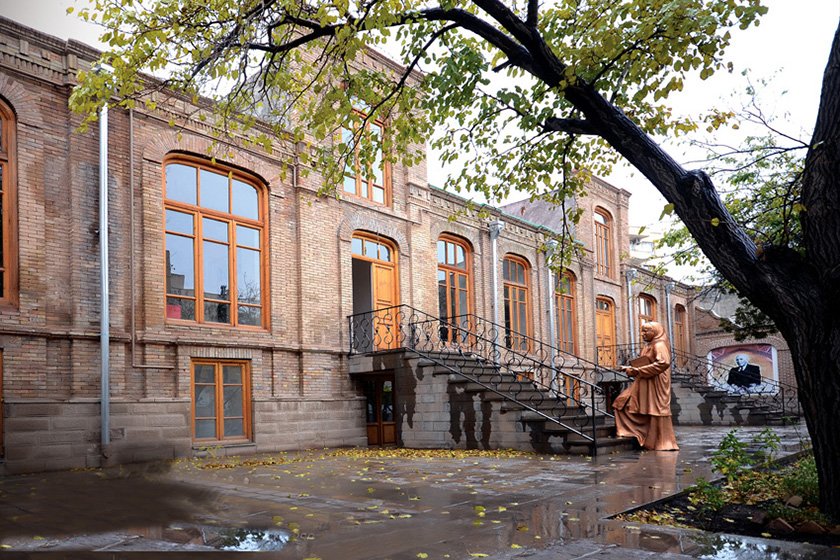
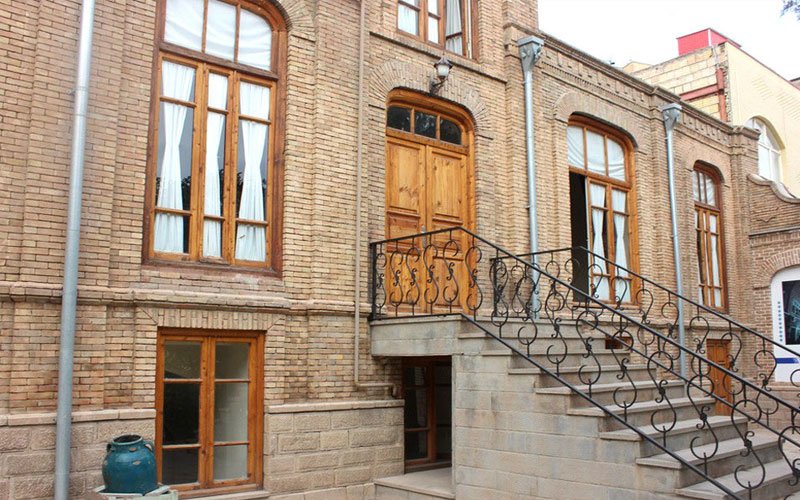
Many Iranians know Parvin’s adulthood house, which is located in Tehran’s Baharestan neighbourhood. However, her childhood house, where his father lived until the age of 70, is still standing in Tabriz – a large edifice dating back to Reza Shah Pahlavi era, circa 1900.

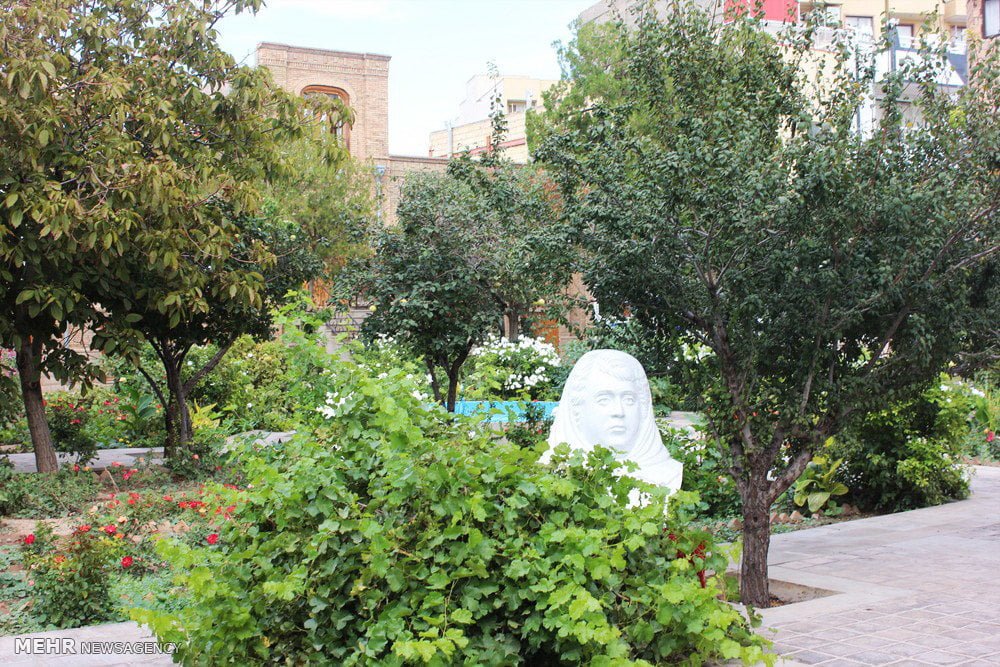
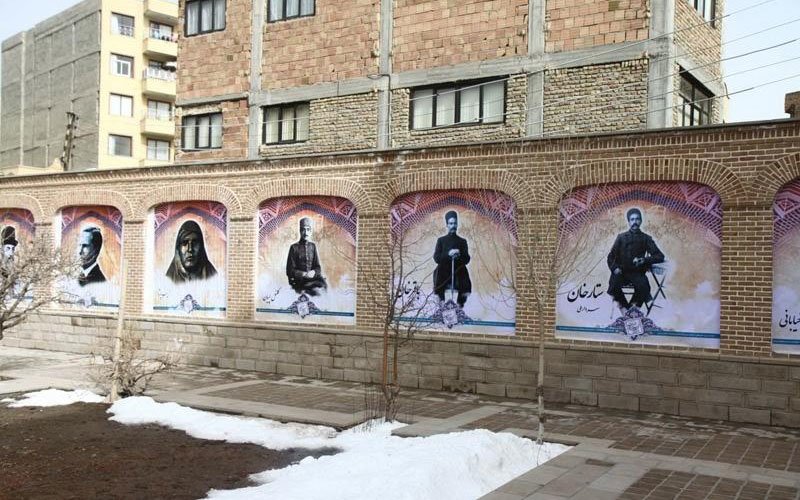
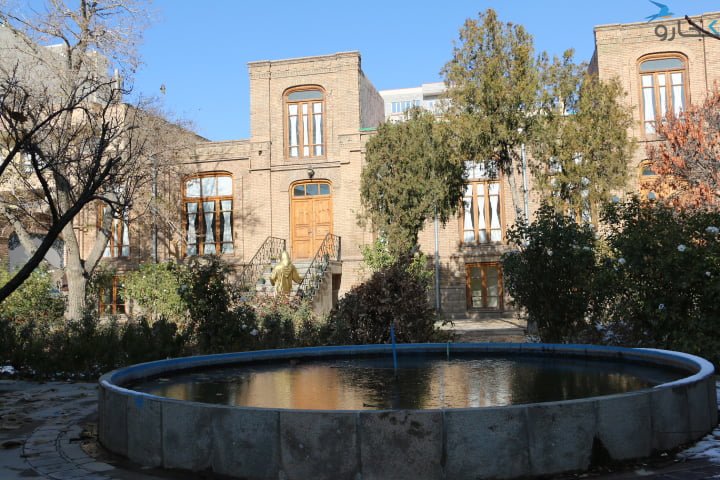
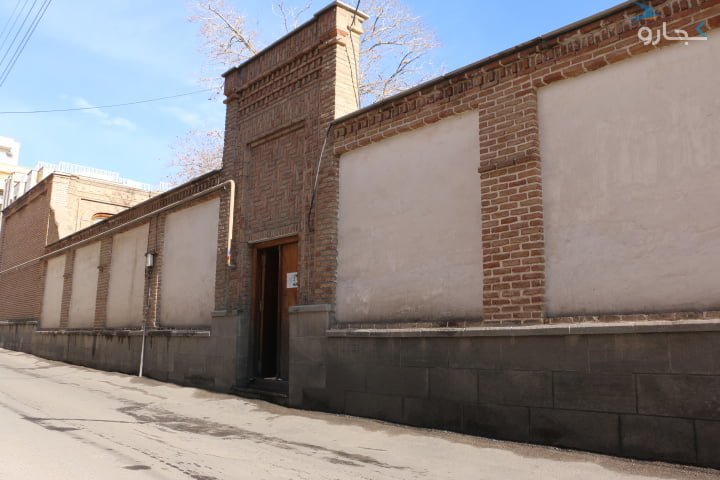
Parvin’s house in Tabriz is a two-storey edifice located in an alley named after her. The big yard, with flowerbeds and a fountain in the middle, is the first things that visitors cast their eyes upon. The yard leads to the brick wall building at the back.

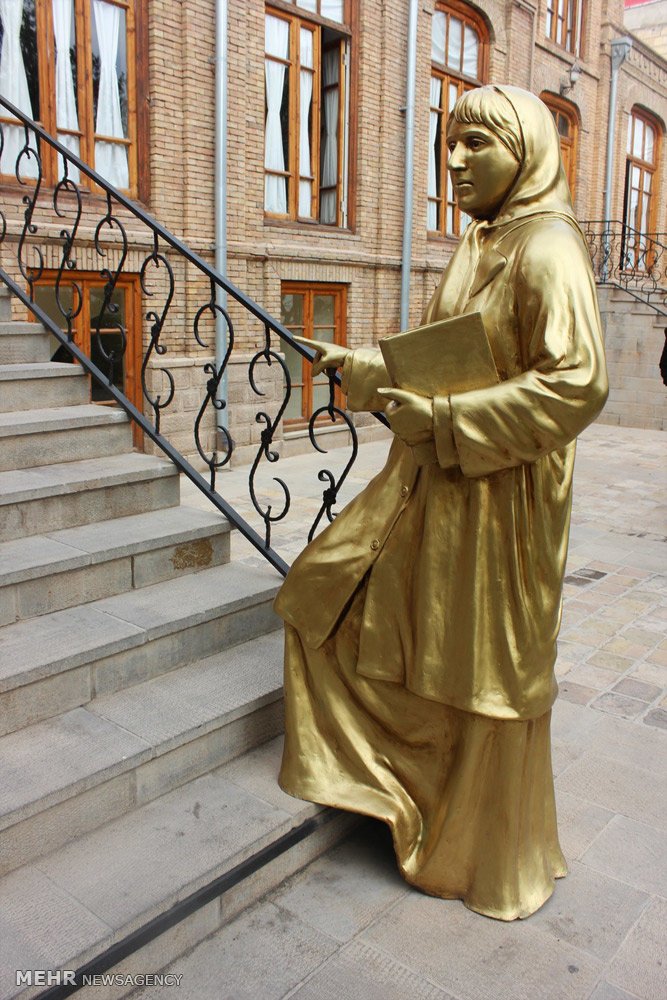
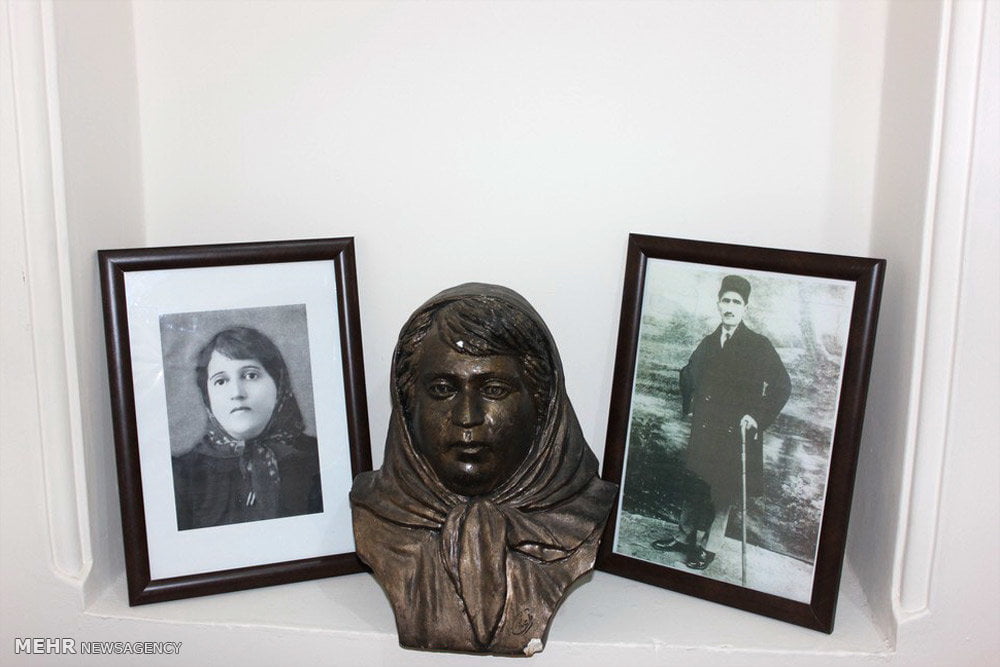
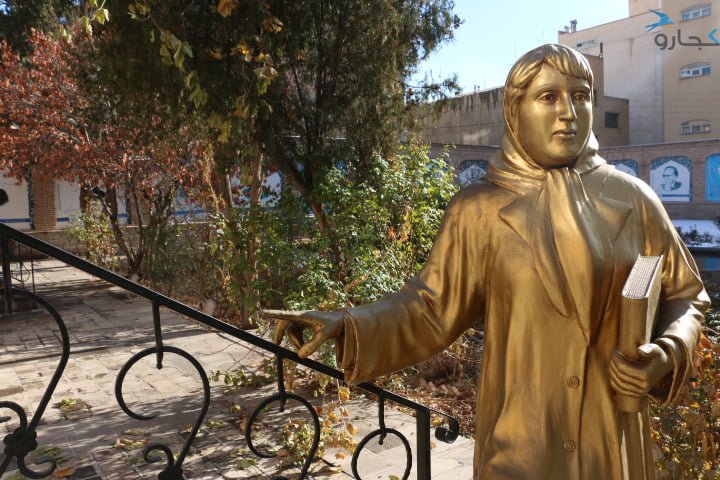
Since the inauguration of the house as a museum, a statue of Parvin has been placed at the entrance of the house, giving you the notion that she is too visiting the place.

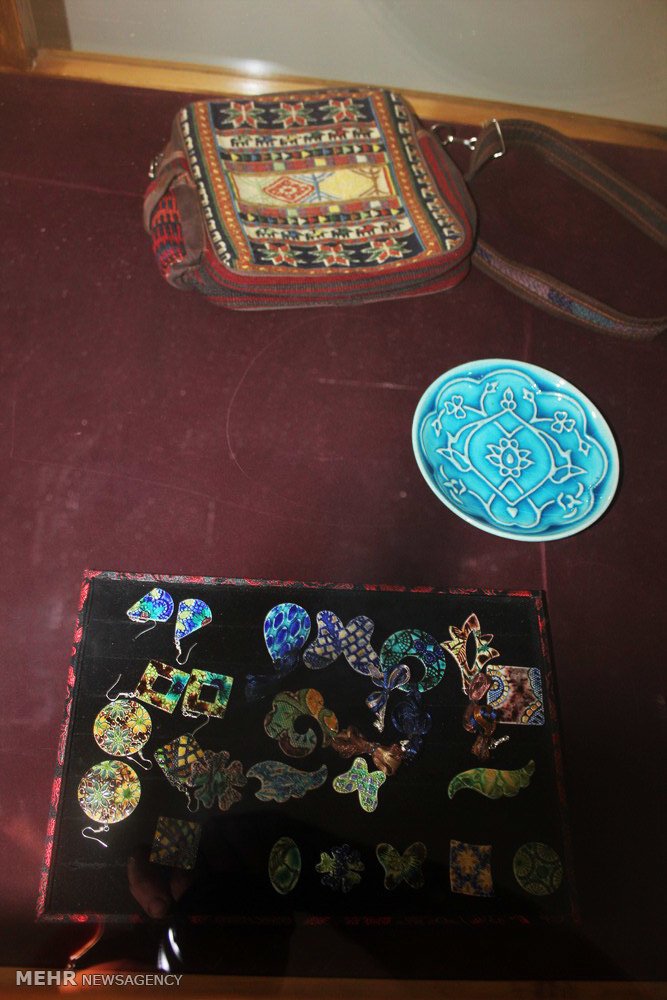
The 1,300-square-metre house has also acted as the permanent museum ground for presenting the craftworks and cultural heritage of East Azarbaijan Province.

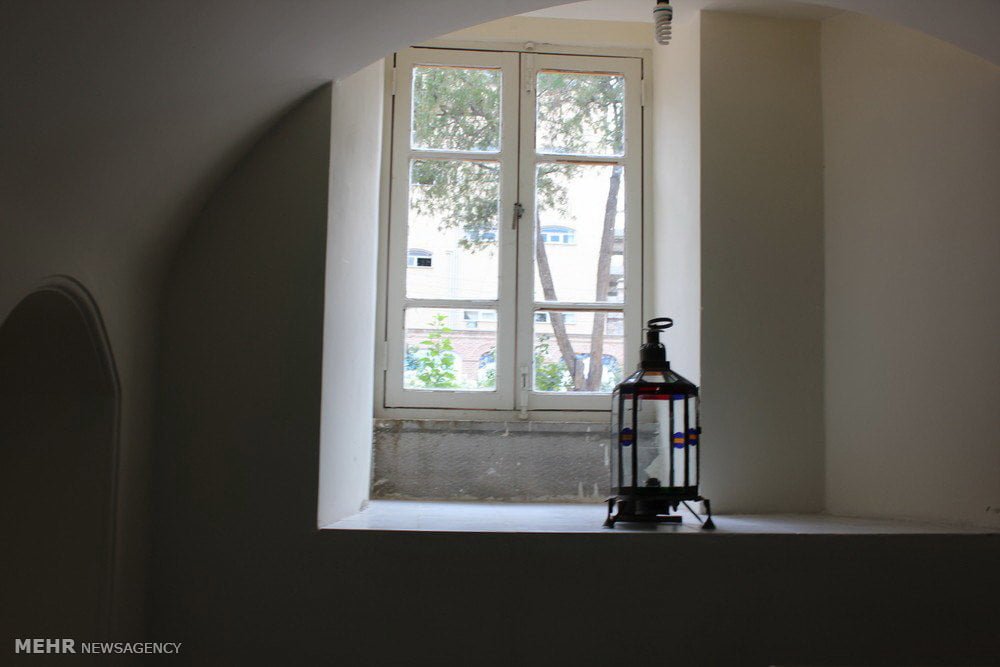
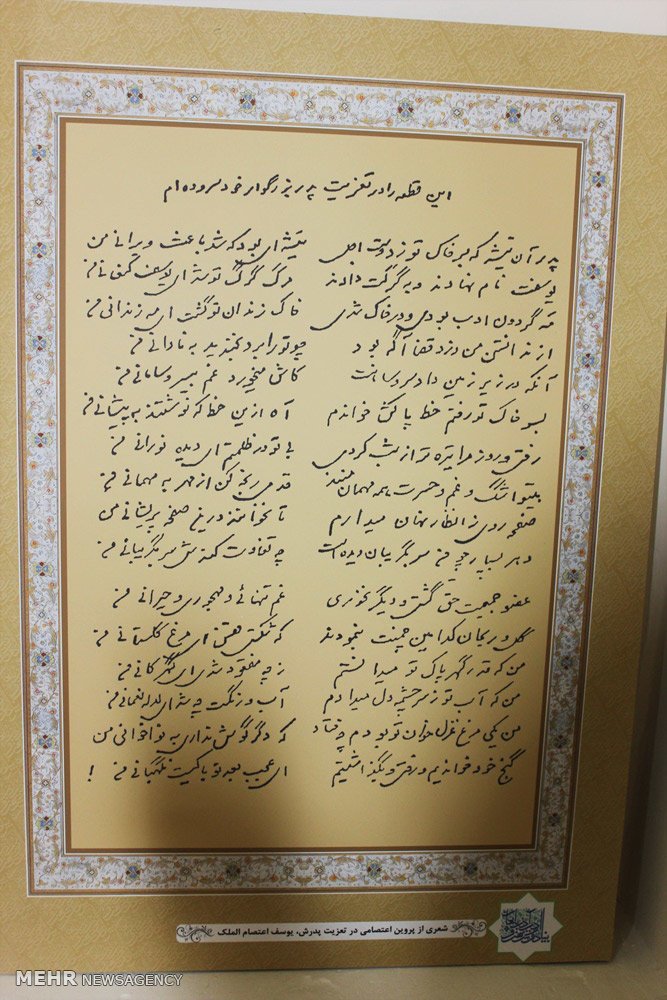
What follows are photos of the house retrieved from various sources:

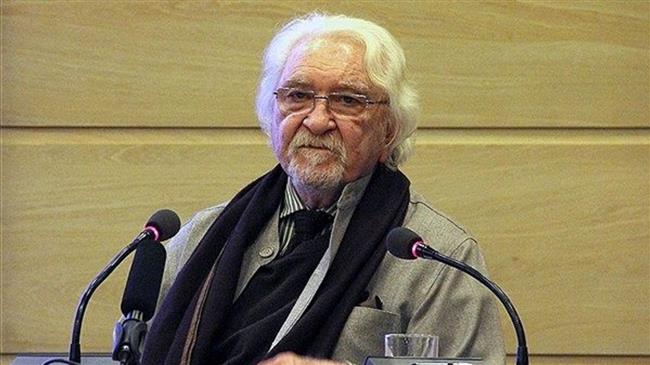
Eminent Iranian Philosopher, Intellectual Dies at 83

Shaygan departed on Thursday, less than two months after suffering apoplexy.

Born in Tehran to an Iranian businessman and a Georgian mother, he started studying at St. Louis Catholic School, which would educate him in French.

Shaygan then continued his studies abroad, culminating them with a doctoral degree in Indology.

He then returned to Iran, where he would research religions, especially those of the subcontinent. His research in the area resulted in his compilation of The Religions and Philosophical Schools of India in Persian.

Most of his works, though, are in French, and his writing also appears in French textbooks.

Also noted among his works are Asia versus the West, which contains his theoretical standpoints and is considered a weighty work in the area of current Iranian ideology, and The Five Territories of Presence, which addresses the Iranian poetic inclination.

He wrote a novel Land of Mirage in French, which won the ADELF award presented to him by the Association of French Authors on December 26, 2004.