Thursday, January 1, 2026
Home Blog Page 357

US should ‘take’ Gaza and turn it into ‘freedom zone’: Trump

Gaza War

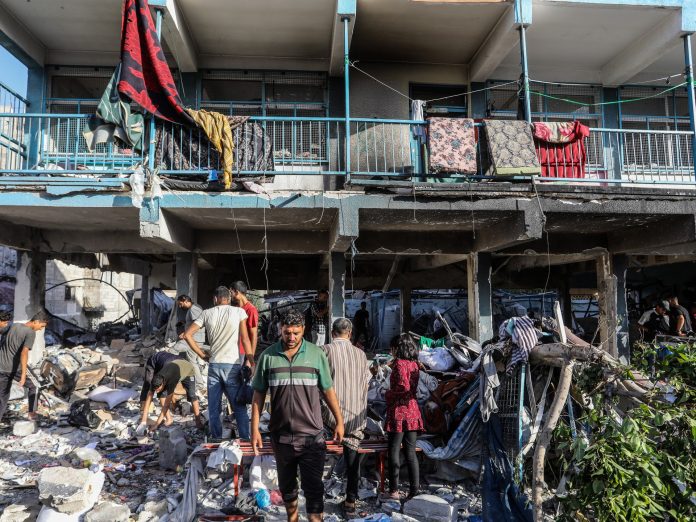
“I have concepts for Gaza that I think are very good, make it a freedom zone, let the United States get involved and make it just a freedom zone,” the US president said in Qatar, on the third day of his Middle East trip, which began with a visit to Riyadh earlier this week.

Qatar has been a key player in efforts to broker an end to the 19-month Israeli war on Gaza and to secure the release of captives held by Hamas. Doha has strongly opposed previous statements by Trump that he intends to take over Gaza and turn it into “a Riviera of the Middle East”.

“I’d be proud to have the United States have it, take it, make it a freedom zone,” Trump stated.

Trump also warned that the US would “go back on the offensive” if Yemen’s Houthi rebels launched new attacks, despite a recently agreed ceasefire with Washington.

Also on Thursday, during a meeting with business leaders, including the heads of Boeing and GE Aerospace, Trump said his administration is considering the development of a twin-engined warplane to be named the F-55, in addition to an upgrade to the Lockheed Martin F-22 Raptor called the F-22 Super.

“We’re going to do an F-55 and – I think, if we get the right price, we have to get the right price – that’ll be two engines and a super upgrade on the F-35, and then we’re going to do the F-22,” Trump added.

“I think the most beautiful fighter jet in the world is the F-22 but we’re going to do an F-22 Super and it’ll be a very modern version of the F-22 fighter jet.”

Later on Thursday, Trump addressed troops at the US Al Udeid Air Base in Qatar, where the regional headquarters of the Pentagon’s Central Command is based.

“As president, my priority is to end conflicts, not start them, but I will never hesitate to wield American power if it’s necessary to defend the United States of America or our partners,” Trump stated.

“Qatar will also be investing $10 billion to support this massive base in the coming years,” Trump said as he addressed troops.

The US president is due to travel to the United Arab Emirates later on Thursday, on the final leg of his lucrative Middle East trip, which he has touted as an opportunity for mass job creation at home.

On Wednesday, he declared what he described as the biggest deal in the history of the American jet maker Boeing, saying Qatar had agreed to order up to 210 American-made Boeing 787 Dreamliner and 777x aircraft in a $96bn deal.

“This is a record tour. There’s never been a tour that will raise – it could be a total of $3.5-$4 trillion just in these four or five days,” Trump said in Qatar.

The White House announced on Wednesday that the president had secured $1.2 trillion in “economic commitments” from Qatar, but qualified the announcement, saying the deals totalled more than $240bn, including the Boeing order.

Saudi Arabia promised $600bn in investment, including including a record $142bn in arms sales.
Trump’s announcement about Syria surprised US officials: Reuters

In Washington, senior officials at the State Department and Treasury Department scrambled to understand how to cancel the sanctions, many of which have been in place for decades, according to four U.S. officials familiar with the matter.

The White House had issued no memorandum or directive to State or Treasury sanctions officials to prepare for the unwinding and didn’t alert them that the president’s announcement was imminent, one senior U.S. official told Reuters.

The sudden removal of the sanctions appeared to be a classic Trump move – a sudden decision, a dramatic announcement and a shock not just for allies but also some of the very officials who implement the policy change.

After the announcement, officials were confused about exactly how the administration would unwind the layers of sanctions, which ones were being eased and when the White House wanted to begin the process.

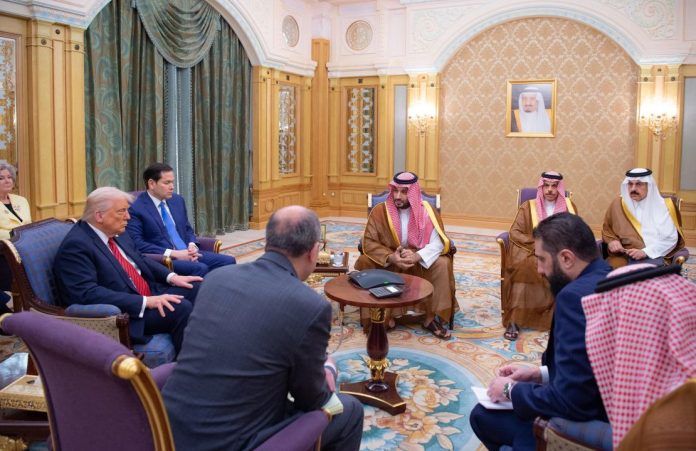
By the time Trump met interim Syrian President Ahmed al-Sharaa in Saudi Arabia on Wednesday, officials at State and Treasury were still unsure how to proceed, the senior official said.

“Everyone is trying to figure out how to implement it,” stated one U.S. official in reference to the president’s announcement.

Following the ouster of former President Bashar al-Assad late last year, officials from both State and Treasury had drafted memos and options papers to help guide the government on lifting Syria sanctions if and when the administration chose to do so.

But senior White House and national security officials, as well as some lawmakers on Capitol Hill, have for months debated whether to ease sanctions, given Sharaa’s former ties with al Qaeda. The Syrian leader severed ties with the group in 2016.

Before Trump’s trip to Saudi Arabia, there was no clear indication – at least to the officials inside State and Treasury working on sanctions – that the president had made a decision, the senior U.S. official added.

A White House official told Reuters that Turkey and Saudi Arabia had asked Trump to lift the sanctions and to meet with Sharaa. In his announcement, Trump said that he did so to give Syria a chance at a better future.

Trump’s decision may not have come completely out of the blue.

Senior Syrian officials were in Washington last month and lobbied hard to have all the sanctions removed, said Jonathan Schanzer, a former senior Treasury official who is now the executive director of the Foundation for Defense of Democracies, who met with Syrian officials during their visit.

Nevertheless, the easing of sanctions on Syria does not appear to be imminent.

A White House readout of Trump’s meeting with the Syrian leader said the president asked Syria to adhere to several conditions in exchange for sanctions relief, including telling all foreign terrorists to leave Syria, deporting “Palestinian terrorists,” and helping the U.S. prevent the resurgence of ISIS.

Removing sanctions is rarely straightforward, often requiring close coordination between multiple different agencies and Congress.

But it is particularly challenging in Syria’s case, given the layers of measures cutting it off from the international banking system and barring many international imports.

The U.S. first put the country on its state sponsor of terror list in 1979 and since then has added additional sets of sanctions, including several rounds following the country’s 2011 uprising against Assad.

Edward Fishman, a former U.S. official and the author of the book “Chokepoints,” said the unwinding of Syria sanctions, which were imposed under a mix of executive orders and statutes, could take months to ease. He added, however, that the Treasury Department has practice from sanctions relief provided to Iran as part of the nuclear deal in 2015.

Complicating the task are sanctions imposed under the “Caesar Syria Civilian Protection Act,” also known as the “Caesar Act,” which was passed in 2019 and extended late last year just after Syria’s government fell. The act imposed stiff sanctions not just on Assad’s government but also secondary sanctions on outside companies or governments that worked with it.

Overturning the bill would require congressional action, but it includes a provision allowing the president to suspend the sanctions for national security reasons. Trump could also issue a general license suspending some or all of the sanctions.

Fishman stated he would be surprised if every single sanction was lifted as part of Trump’s order, adding that some specific people or entities in Syria sanctioned for specific behavior-based reasons, such as support for a terrorist group, may not be removed from the sanctions list.

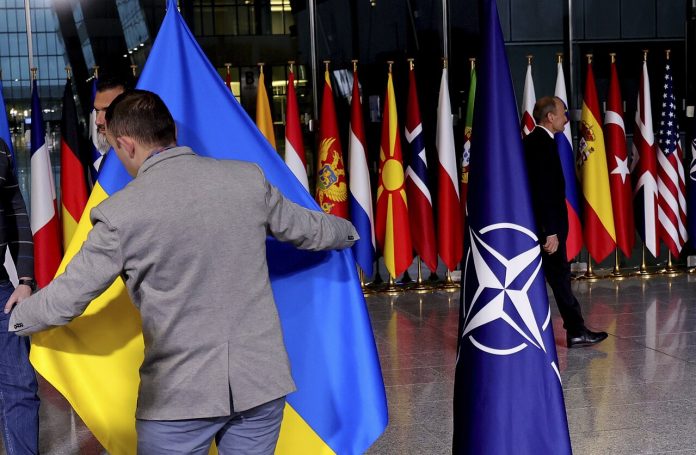
US opposes Ukraine attendance at NATO summit: Report

NATO Ukraine

Kiev has long sought membership in the US-led military bloc – something Russia considers a fundamental threat to its national security. Russian President Vladimir Putin has repeatedly described the prevention of such a scenario as one of Moscow’s top objectives in the Ukraine conflict.

Since assuming office in January, US President Donald Trump has on multiple occasions ruled out Ukraine’s accession to NATO in the foreseeable future.

In its article, ANSA reported that “for now… a NATO-Ukraine Council at the level of leaders is not planned,” adding, however, that no final decision has been made yet. According to the publication, Kiev could participate in some of the meetings on June 24-25, but only at the level of foreign and defense ministers.

The Italian outlet reported that for the time being the only non-member states that have received invitations are Japan, South Korea, Australia and New Zealand.

ANSA also reported that “at the moment, a very concise program is expected at the summit, in contrast to what has happened in recent years, to avoid possible friction with Donald Trump.”

Zelensky joined NATO leaders for sessions of the NATO-Ukraine Council at the 2023 Vilnius Summit and the 2024 Washington Summit.

Also on Wednesday, Bloomberg quoted unnamed diplomats familiar with the matter as saying that membership for Ukraine will not be on the agenda during the upcoming gathering in the Netherlands, with the main focus expected to be on ramping up defense spending. The outlet similarly reported that the NATO summit in June will likely be shorter than the previous meetings.

Speaking during a press conference last Friday, NATO Secretary General Mark Rutte stated that “we never agreed that, as part of a peace deal, there would be guaranteed NATO membership for Ukraine.”

He emphasized that Ukraine’s accession to the bloc had been agreed upon by its members, but “for the longer term, not for the peace negotiations ongoing at the moment.”

Rutte noted, however, that NATO maintains close cooperation with Kiev with respect to military aid and personnel training.

Syrian official appears to hint at normalisation of ties with Israel

Ali al-Rifai, director of public relations in Syria’s information ministry, was asked by Kan News about the prospect of his country joining the Abraham Accords, the agreement curated by US President Donald Trump in 2020 that saw a number of Arab countries recognise Israel.

“Peace with everyone, without exception,” he responded.

Rifai emphasised that Syria, which has just seen an end to 13 years of war, was keen to avoid any further conflict with its neighbours.

“Syria strives to establish peace in the region. As a nation, we genuinely want peace. Syria does not want war. We want peace with everyone,” he said.

However, he added they also did not “want any party to attack Syrian land”.

“In other words, Israeli forces must withdraw from the areas they recently seized,” he continued.

Trump met with Syria’s President Ahmed al-Sharaa in Riyadh on Wednesday, a day after his surprise announcement that he was lifting sanctions on Damascus.

The encounter, hosted by Saudi Crown Prince Mohammed bin Salman, marked Syria’s most significant re-engagement with the West since the collapse of Bashar al-Assad’s government in late 2024.

Trump used the occasion to call on Syria to join the Abraham Accords, urging Damascus to normalise ties with Israel as part of a broader US-led effort to reshape the region’s diplomatic architecture.

Officially, Syria has continued to reject normalisation with Israel, citing the ongoing Israeli occupation of the Golan Heights, which it illegally annexed during the 1967 war, as well as repeated attacks on the country since the overthrow of Assad.

Sharaa has confirmed having indirect deconfliction talks with Israel at a press conference with his French counterpart in Paris last week.

In recent months, Syria’s transitional government under Sharaa has intensified efforts to curtail the influence of Palestinian armed factions within its borders.

In April, following US demands for Syria to dismantle Palestinian armed groups operating on its soil, Syrian authorities detained two senior members of Palestinian Islamic Jihad, a group previously aligned with the Assad government.

The new government has also indicated that Palestinian factions will no longer be permitted to operate militarily within Syria.

Environmental fallout from Shahid Rajaee port blast: 36,000 cubic meters of contaminated soil

That’s according to Shahram Fadakar, Director General of Marine and Coastal Ecosystem Protection at Iran’s Department of Environment.

He attributed the disaster to improper storage of flammable and explosive materials, citing failures in zoning, transport standards, and staff training.

The blast turned approximately 8,000 tons of tea and an equal quantity of rice into unusable waste due to heat and airborne particulates. Numerous shipping containers filled with meat, fish, chicken feet, and other perishables were also destroyed.
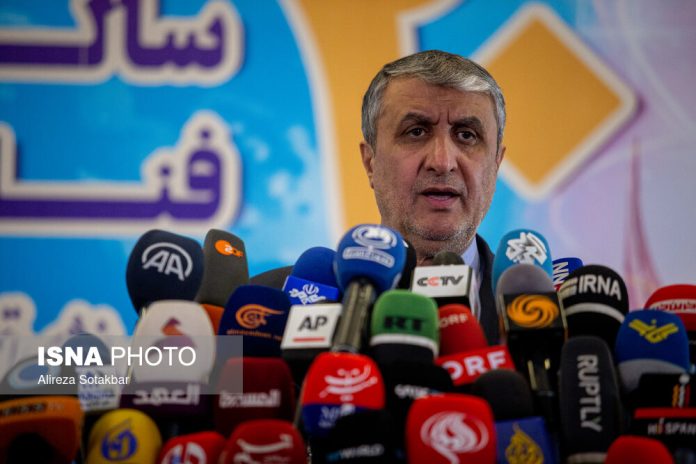
Fadakar emphasized that the affected area already suffered from pre-existing soil and water contamination. The explosion has worsened the situation, demanding immediate cleanup and remediation.

In response, multiple emergency meetings were held with the Hormozgan Governor and the Provincial Crisis Management Committee.

A special task force on environmental and public health impacts has been formed to address the aftermath.

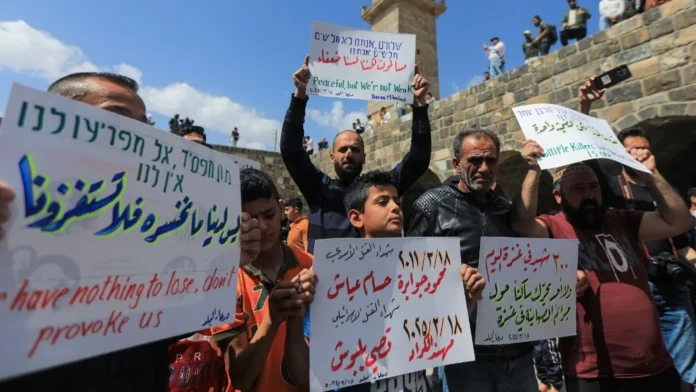
Palestinians mark Nakba Day

More than 50,000 people have been killed in Gaza since October 2023 and an aid blockade threatens famine, while Israeli leaders continue to express a desire to empty the territory of Palestinians.
In the West Bank, too, occupied since 1967, Israeli forces have displaced tens of thousands from refugee camps as part of a major military operation.
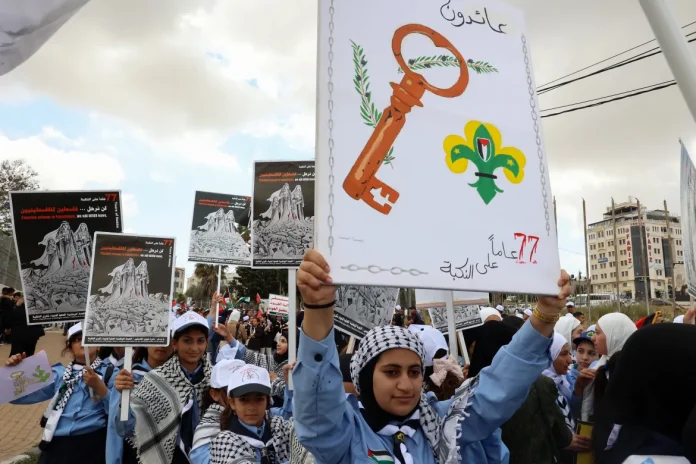
This year marks the 77th anniversary of the Nakba, during which an estimated 750,000 Palestinians fled or were expelled from their lands after Israel declared itself an independent state in the territory.

In Ramallah city, Palestinian flags and black ones branded “return” flew at road intersections on Wednesday, while schoolchildren were bussed into the city centre to take part in the weeklong commemoration.

At one event, young boys wearing Palestinian kuffiyeh scarves waved flags and carried a giant replica key, a symbol of the lost homes in what is now Israel that families hope to return to.

No events were planned in Gaza, where more than 19 months of war and Israeli bombardment have left residents destitute and displaced.

Moamen al-Sherbini, a resident of the southern Gaza city of Khan Younis, told the AFP news agency that he felt history was repeating itself.

“Our lives here in Gaza have become one long Nakba, losing loved ones, our homes destroyed, our livelihoods gone.”

Nearly all of Gaza’s 2.4 million people have been displaced at least once during Israel’s war.

In early May, Israel’s security cabinet approved plans for an expanded military offensive in Gaza, aimed at the “conquest” of the territory while displacing its people en masse, drawing international condemnation.

Israeli Prime Minister Benjamin Netanyahu has said his government is working to find third countries to take in Gaza’s population, months after United States President Donald Trump suggested they be expelled and the territory redeveloped as a holiday destination.

“Nakba Day is no longer just a memory – it’s a daily reality we live in Gaza,” said 36-year-old Malak Radwan, speaking from Nuseirat in the centre of the enclave.

“This is a miserable day in the lives of Palestinian refugees,” stated 52-year-old Nael Nakhleh in Ramallah, whose family comes from the village of al-Majdal near Jaffa in what is now Israel.

Palestinian refugees maintain their demand to return to the villages and cities in current-day Israel that they or their relatives were forced to leave in 1948. The “right of return” remains a core issue in the long-stalled negotiations between Israel and Palestine.

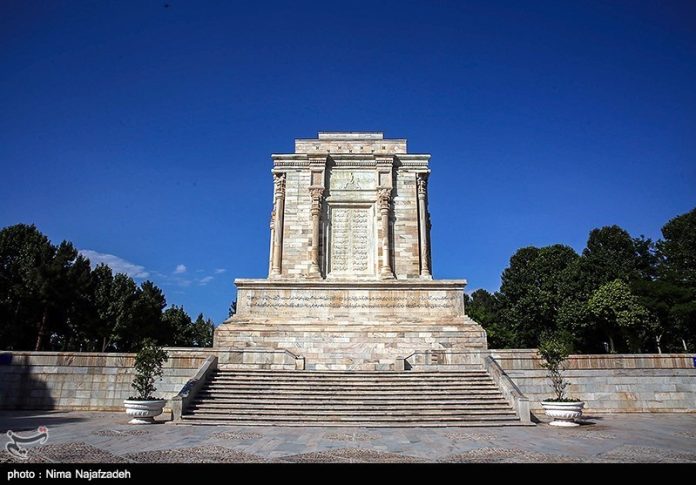
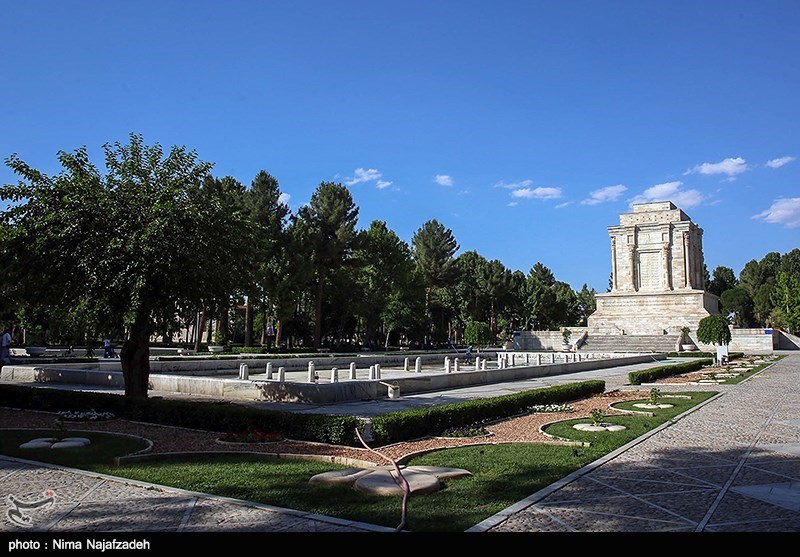
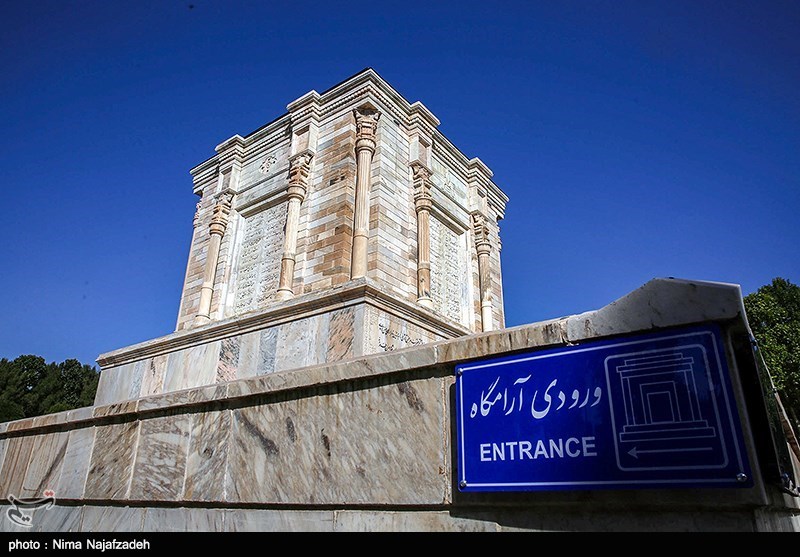
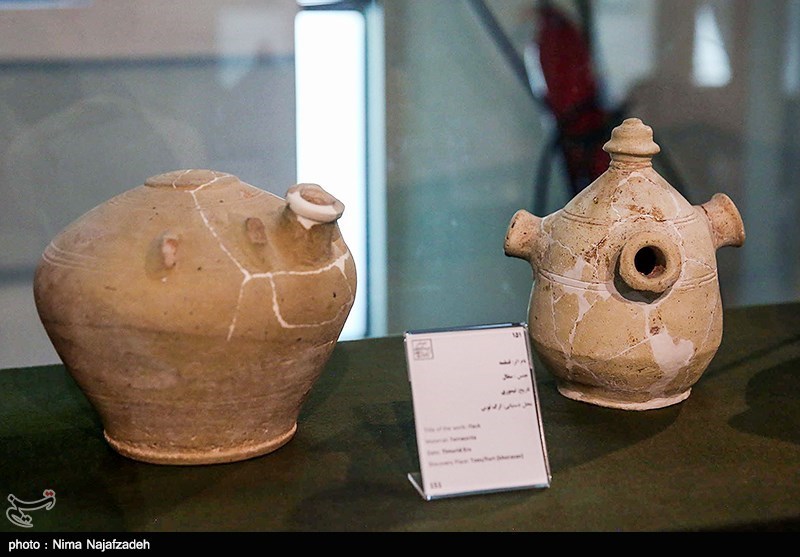
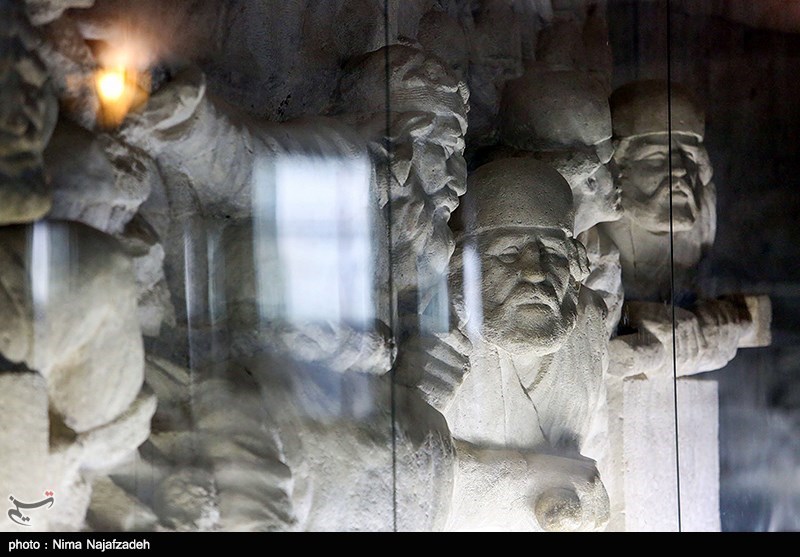
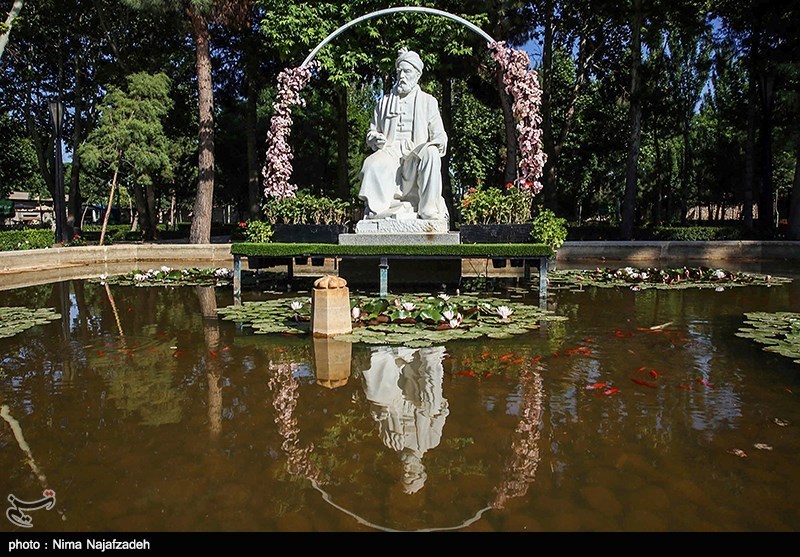
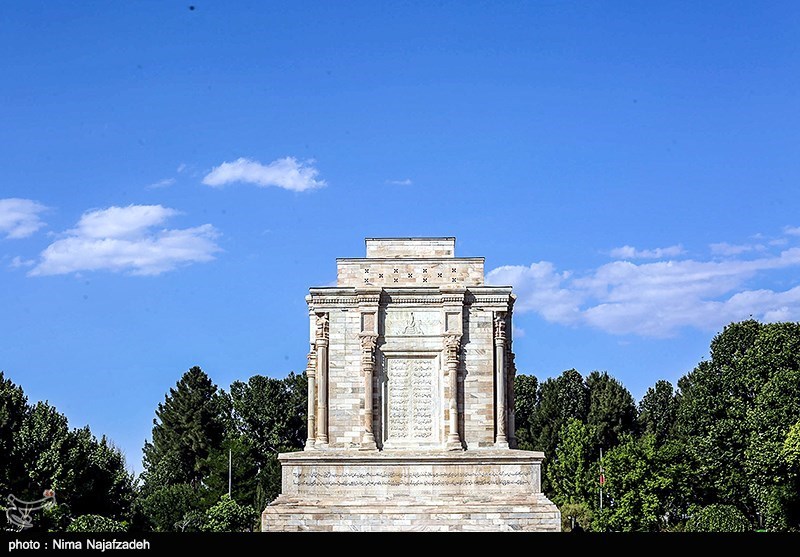
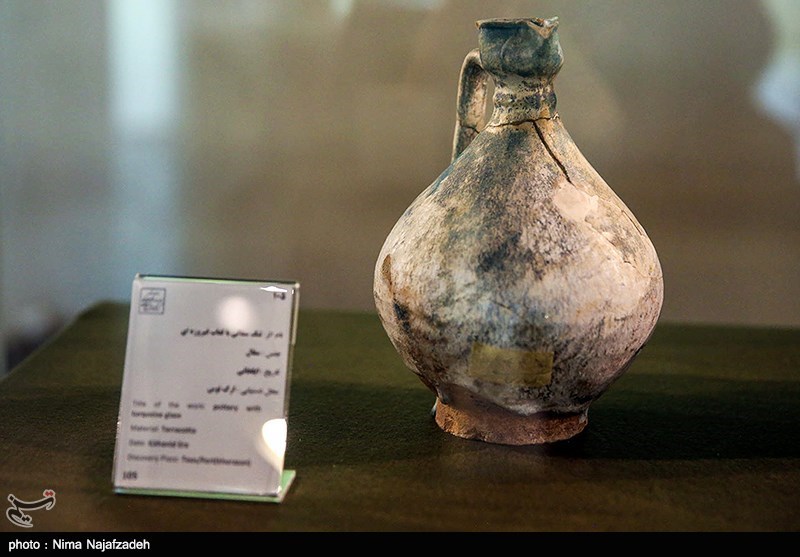
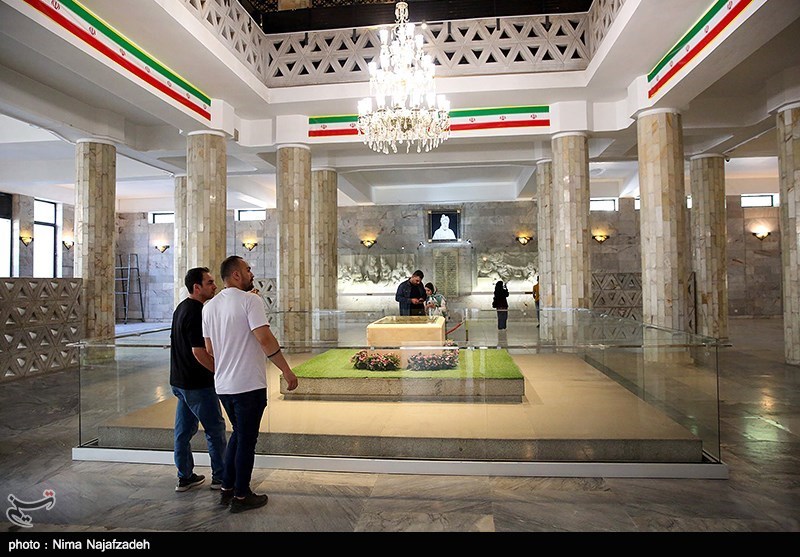
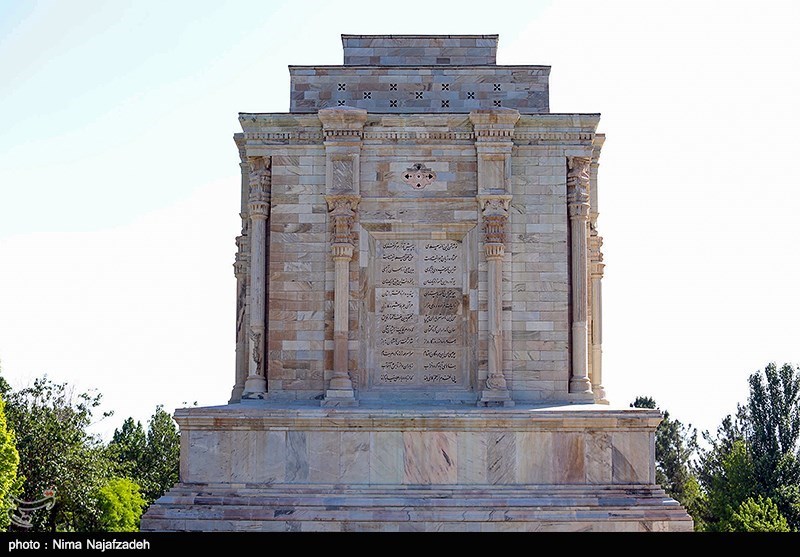
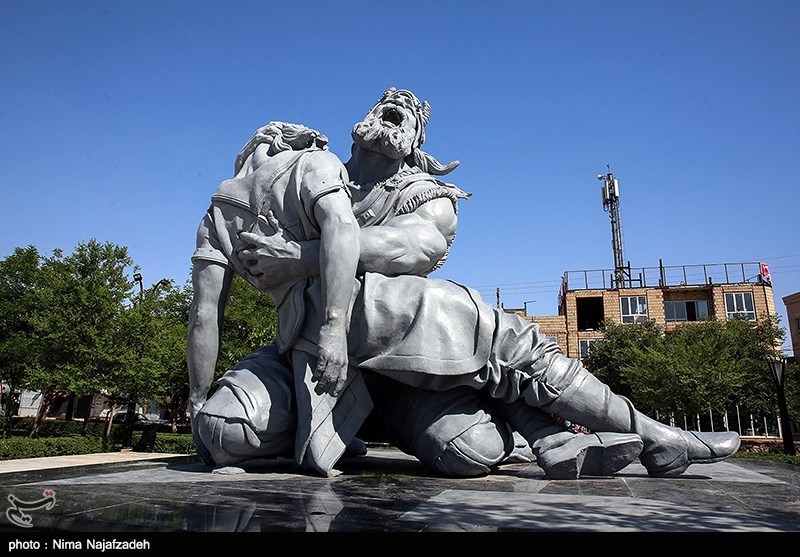
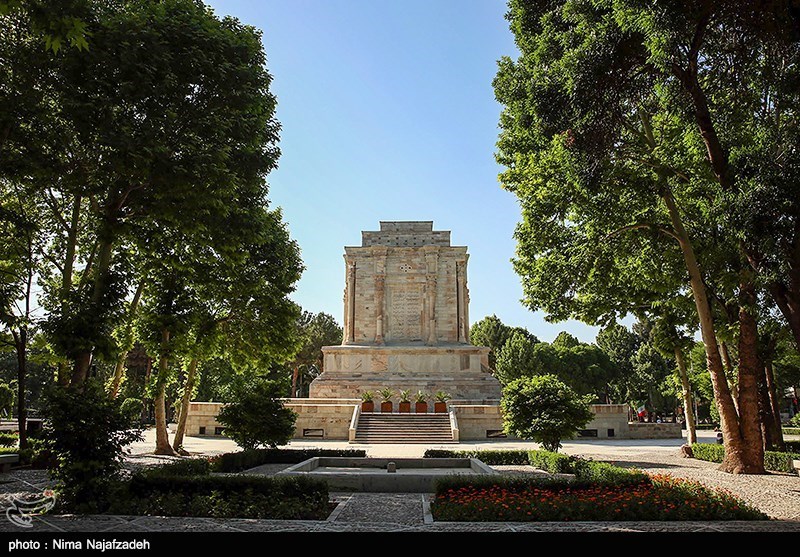
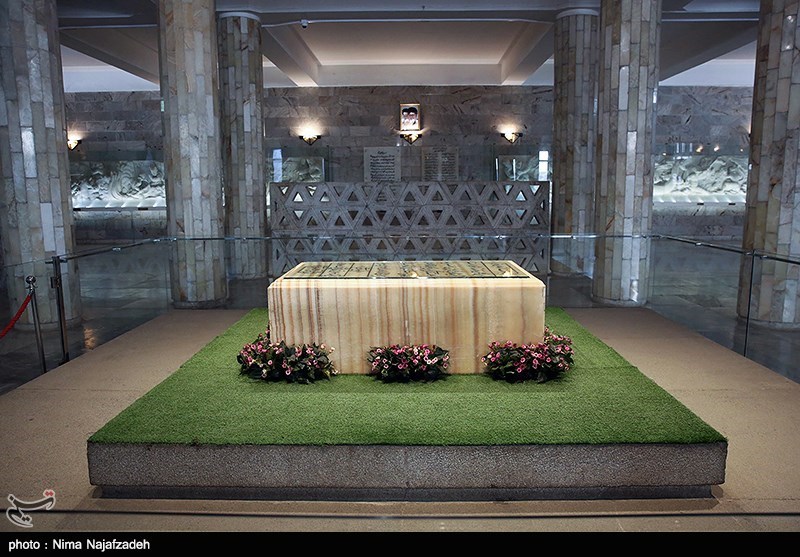
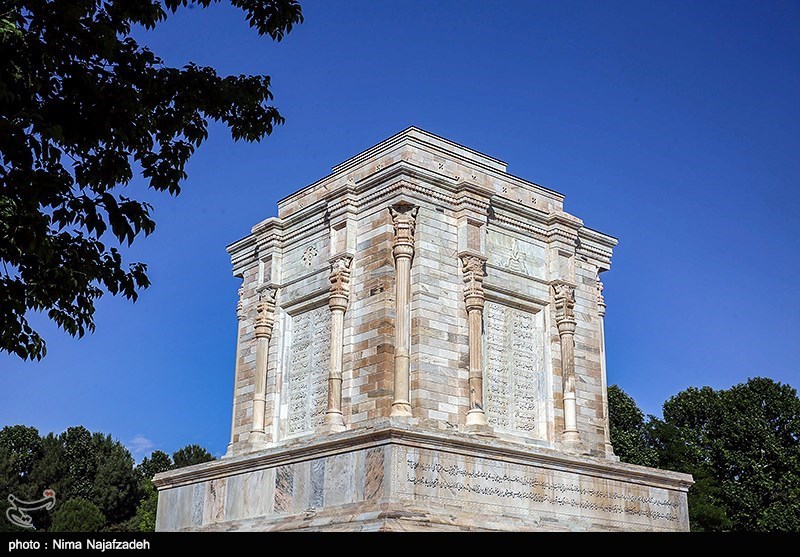
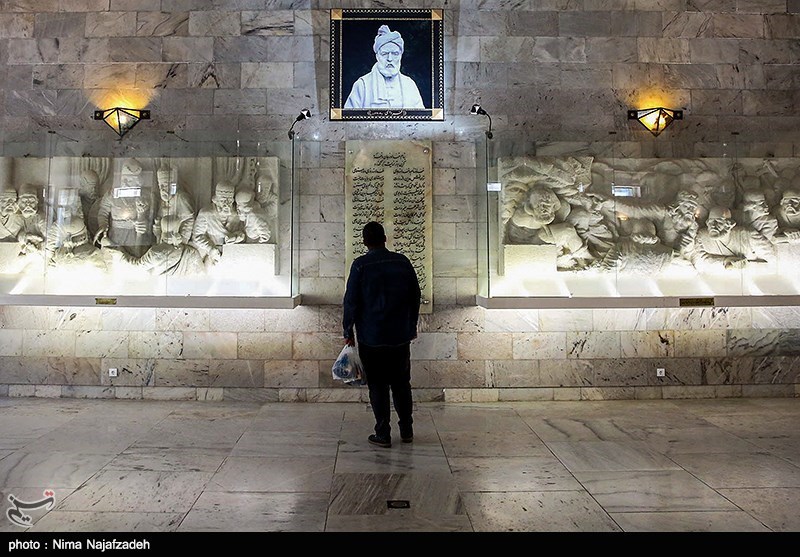
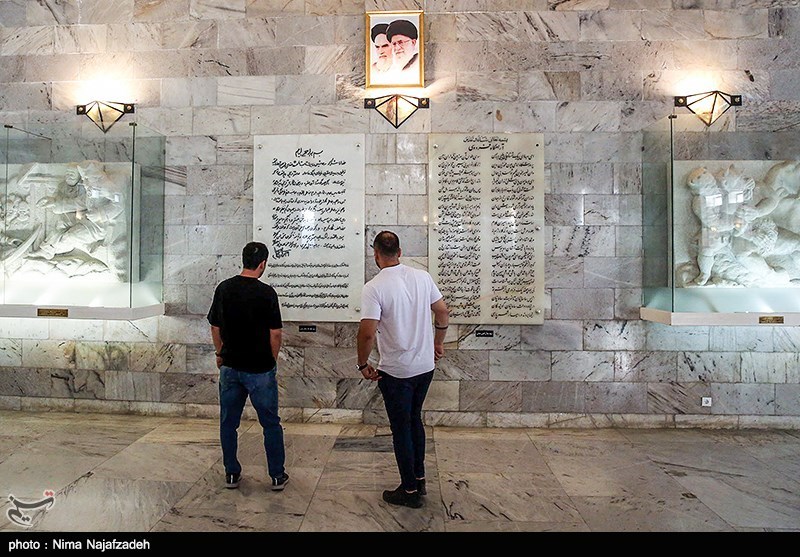
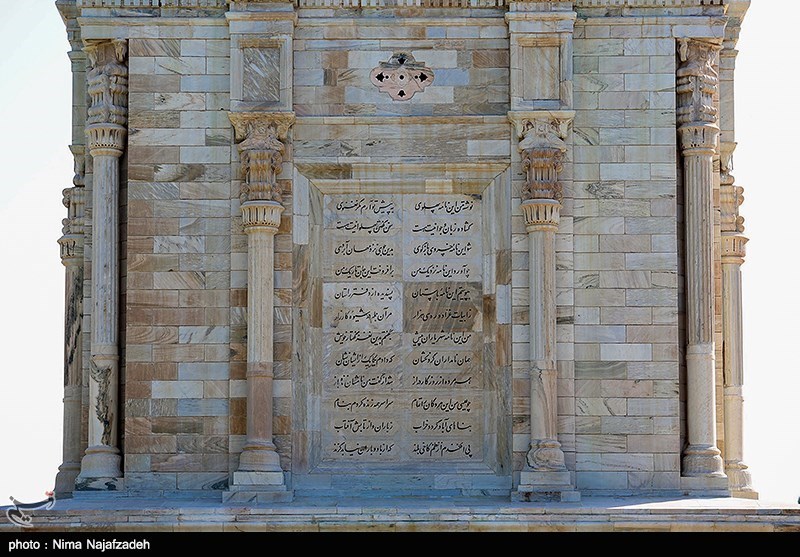
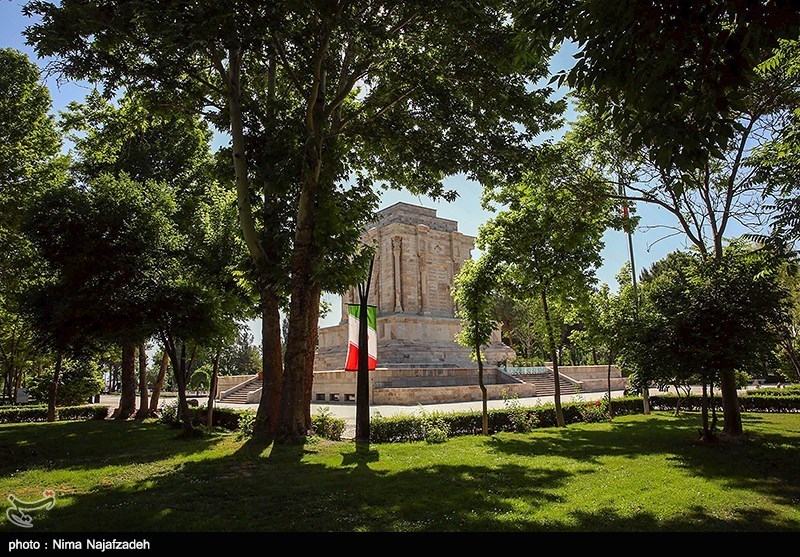
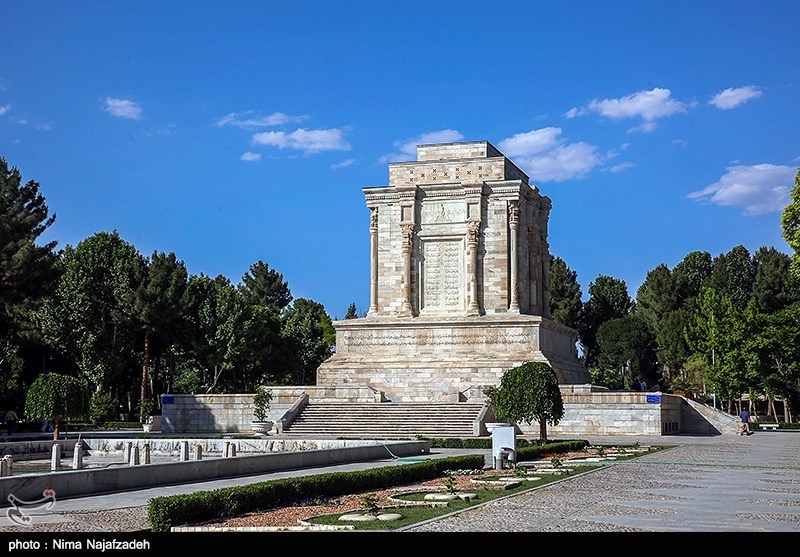
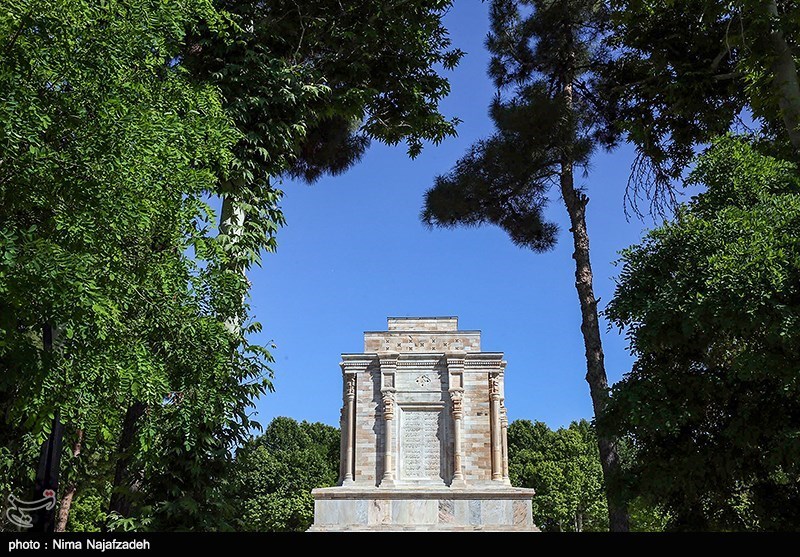
Iran marks Ferdowsi Day in honor of Persian literary giant

Born in 319 AH (circa 940 CE) in Tus, Ferdowsi dedicated over three decades of his life to composing the Shahnameh, preserving Iran’s pre-Islamic history, mythology, and cultural identity through poetic verse.

He passed away before 397 AH (circa 1010 CE).

May 15 (25 Ordibehesht in the Iranian calendar) is officially designated as Ferdowsi Day, a tribute to both the poet’s enduring legacy and the Persian language he helped protect and elevate.

Iran atomic chief: Nuclear technology nation’s inherited right

Mohammad Eslami

Speaking at the closing ceremony of the 31st Iranian Nuclear Conference in northeastern Iranian city of Mashhad on Thursday, Eslami stated that over 25% of the International Atomic Energy Agency’s (IAEA) inspections in 2024 were conducted at Iranian facilities.
He insisted Iran has no undeclared nuclear activity and all operations are within the IAEA framework.

Eslami criticized global powers, particularly the US, for attempting to suppress Iran’s nuclear progress, referring to restrictive laws like the US Atomic Energy Act of 1954.
He stressed that Iran will continue cooperation and dialogue, but not under coercion.

“Iran’s nuclear industry is not borrowed or imported,” he said. “It cannot be dismantled through threats or diplomacy.”

Eslami also honored Iran’s “nuclear martyrs” and highlighted upcoming projects, including advancements in nuclear fusion research and the launch of a major radiopharmaceutical production center, which he described as a future global hub.

The nuclear chief reaffirmed Iran’s commitment to peaceful nuclear development and called for respect for the nation’s rights, stating, “The Iranian people have chosen dignity and progress.”

Video: Spring migration of horses begins in Gilan’s Deylaman Highlands

Iran Turkmen Horse

This traditional movement marks a vital part of the region’s rural and pastoral life.


Iran environment chief: Crisis in Fars wetlands “tragic and unbearable”

Iran Water Crisis

Speaking at a meeting of the provincial Wetland Restoration Task Force on Thursday, Ansari criticized contradictory national policies that promote agricultural expansion while acknowledging water scarcity.

She said such inconsistency undermines effective water governance and contributes to the wetlands’ decline.

Referring to Bakhtegan Wetland, which was in relatively good condition in 1976, Ansari noted that it has now reached a critical state due to mismanagement and climate change.

She warned that continued disregard for ecological needs could worsen Iran’s drought crisis.

Ansari stressed the need to move restoration plans from paper to implementation, urging Fars officials to ensure ongoing oversight and submit progress reports to the national office.

She also highlighted the UNDP-supported international project for the restoration of Parishan Wetland, which involves local communities in sustainable management.

She emphasized that the current allocation of environmental water falls far short of legal targets outlined in Iran’s Development Plan, particularly the 10.7 billion cubic meters earmarked for such needs.