Tuesday, December 23, 2025
Home Blog Page 3506

“All Muslim States Must Unite against Israeli Atrocities”

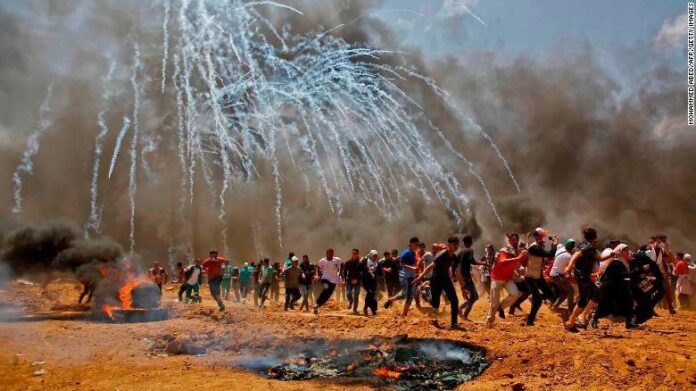
Israeli forces firing tear gas on Palestinian protesters in Gaza

In the statement published on Wednesday, the Foreign Ministry of the Islamic Republic of Iran stressed that fight against the policies and plots of the Tel Aviv regime requires the unity and support of all Muslim governments and nations and the countries in which the spirit of seeking freedom and justice is still alive.

What follows is the full text of the statement:

The International Quds Day, which is annually held on the last Friday of Ramadan based on the lasting initiative announced by Imam Khomeini nearly 40 years ago, has turned into an opportunity to promote global unity against the Zionist usurper regime’s occupation, apartheid, and massacre, and its moves to create division and crisis.

The Zionist usurper regime has a 70-year history of occupation; committing war crimes and crimes against humanity in the occupied territories; repeated and shameless violation of international rules, regulations, and law; displacement of Palestinians and Judaization of the occupied territories; slaughter of innocent Palestinians, particularly women, children, and even relief forces; invasion and violation of the national sovereignty and territorial integrity of neighbouring countries; spreading lies against the countries that support the innocent people of Palestine; and supporting terrorist groups with the aim of destabilizing regional countries.

There is no doubt that fight against the policies and plots of such a regime requires the unity and support of all Muslim governments and nations and the countries in which the spirit of seeking freedom and justice is still alive.

During the past few months and in line with its 70-year history of aggression and occupation, the Zionist regime has not hesitated to commit any shameless crime in the occupied territories of Palestine. The US government has also endorsed these crimes by relocating its embassy to the Holy Quds.

Such circumstances have turned this year’s Quds Day into one of the most sensitive periods of time in history as far as the issue of Palestine is concerned. This day can provide a glorious and golden opportunity to support the innocent and oppressed people of Palestine and their legitimate struggles.

Therefore, the Foreign Ministry of the Islamic Republic of Iran calls on all Muslim and free nations of the world, particularly the dignified, resilient, and pro-justice nation of Iran, to attend the International Quds Day rallies on the last Friday of the holy month of Ramadan.

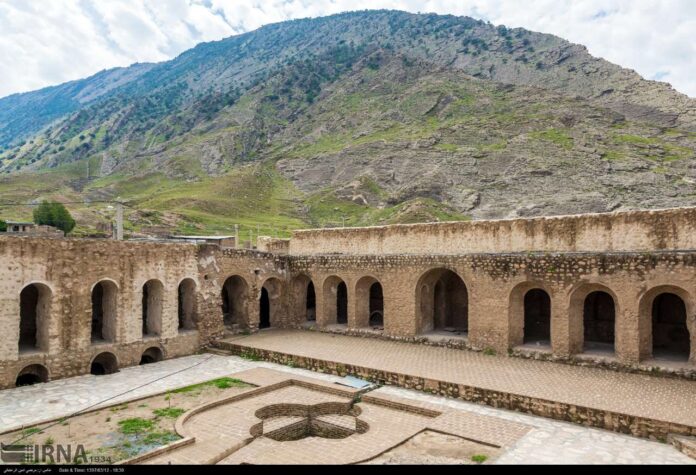
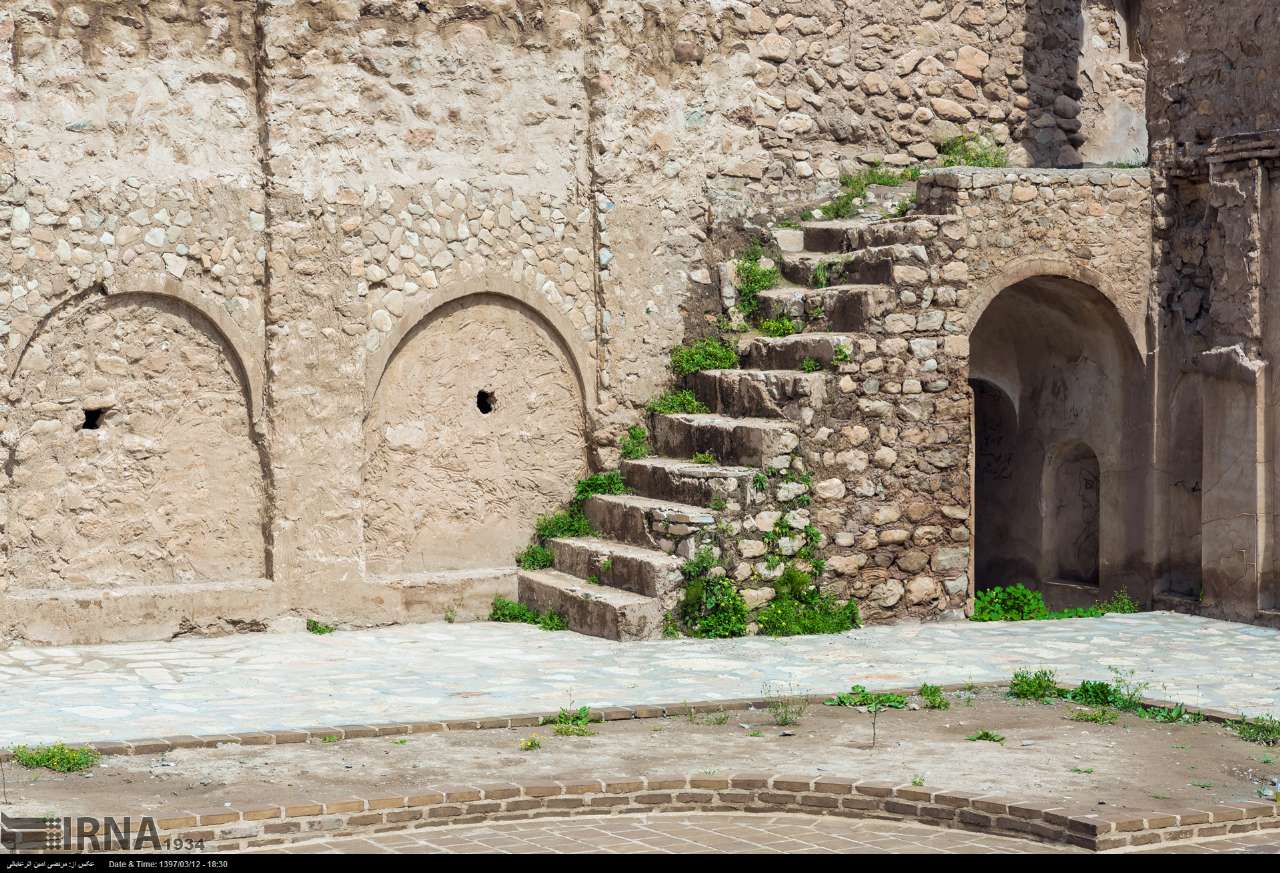
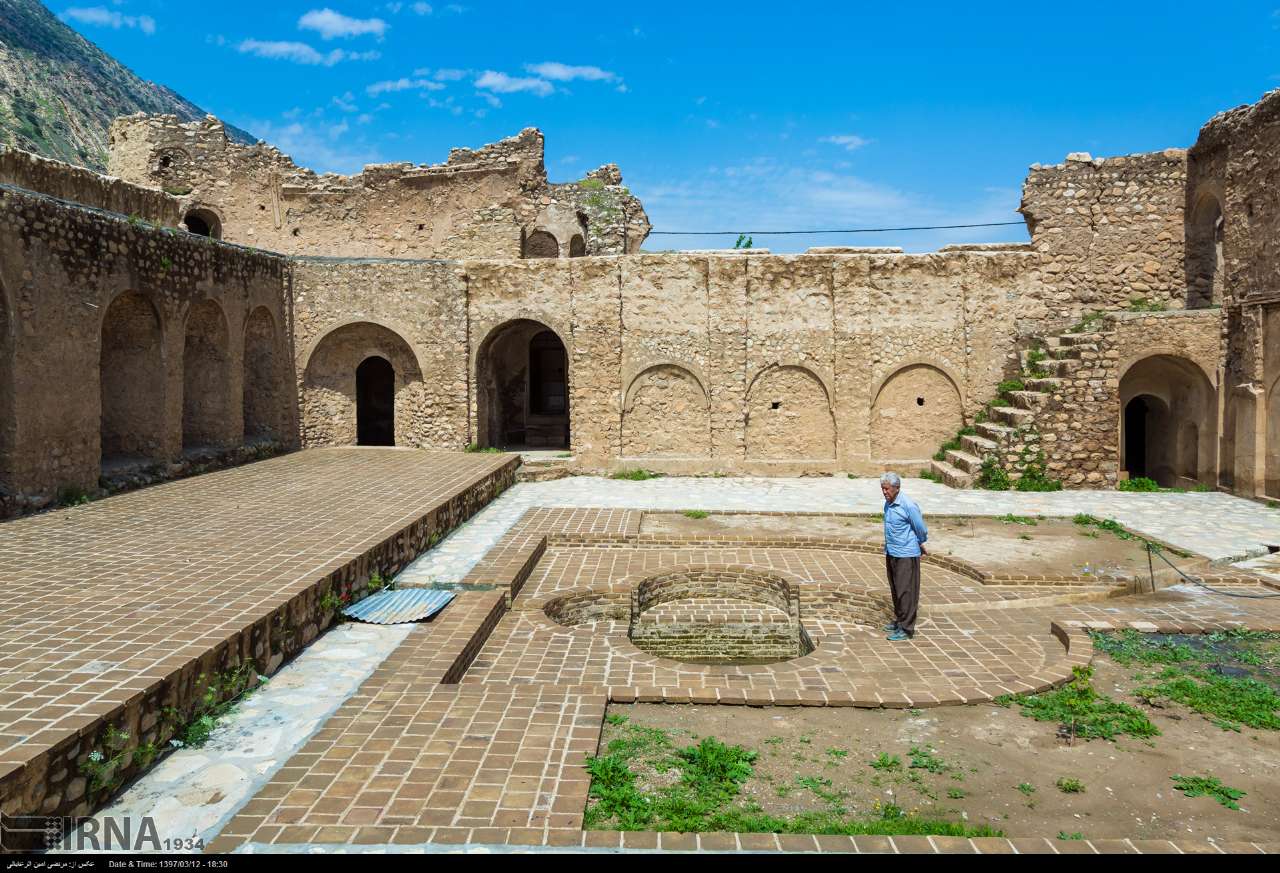
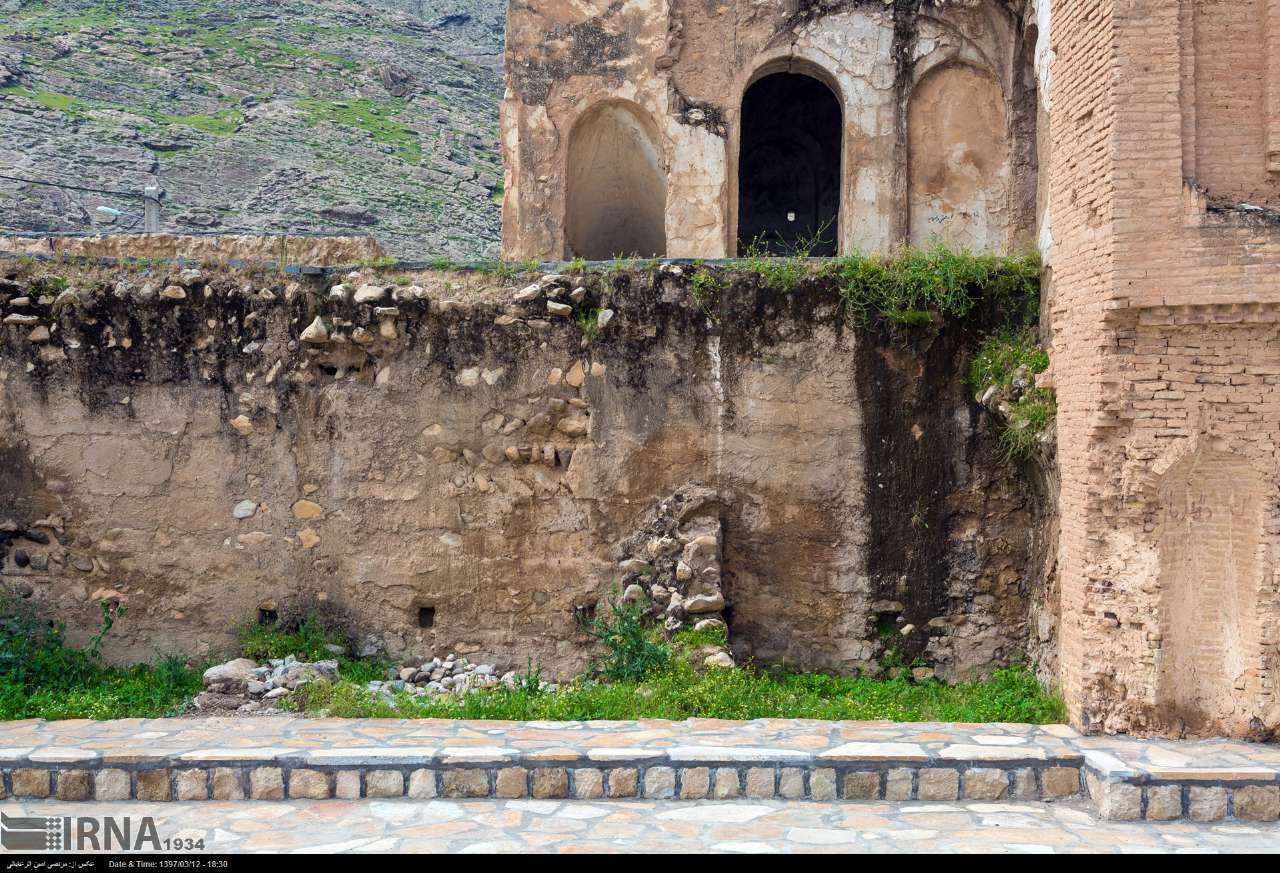
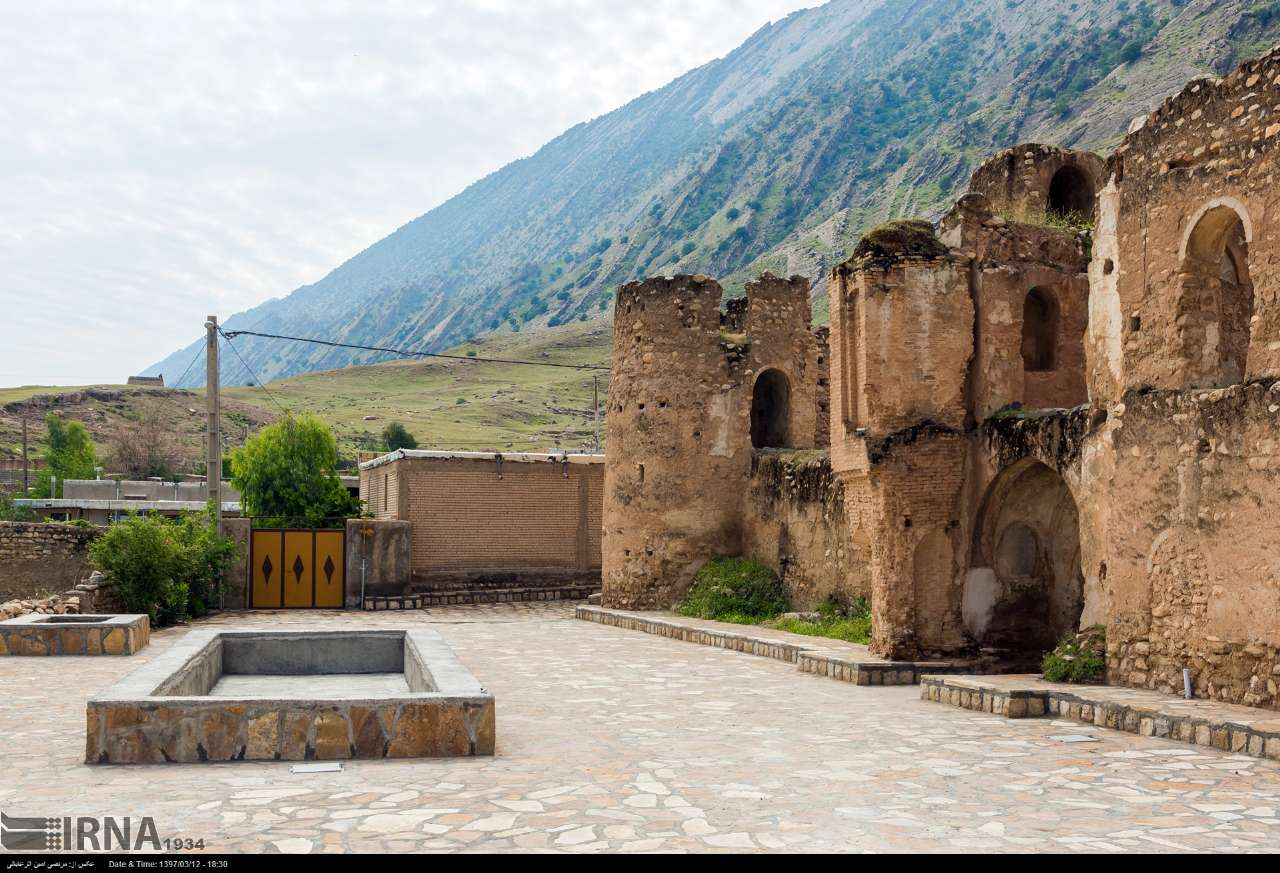
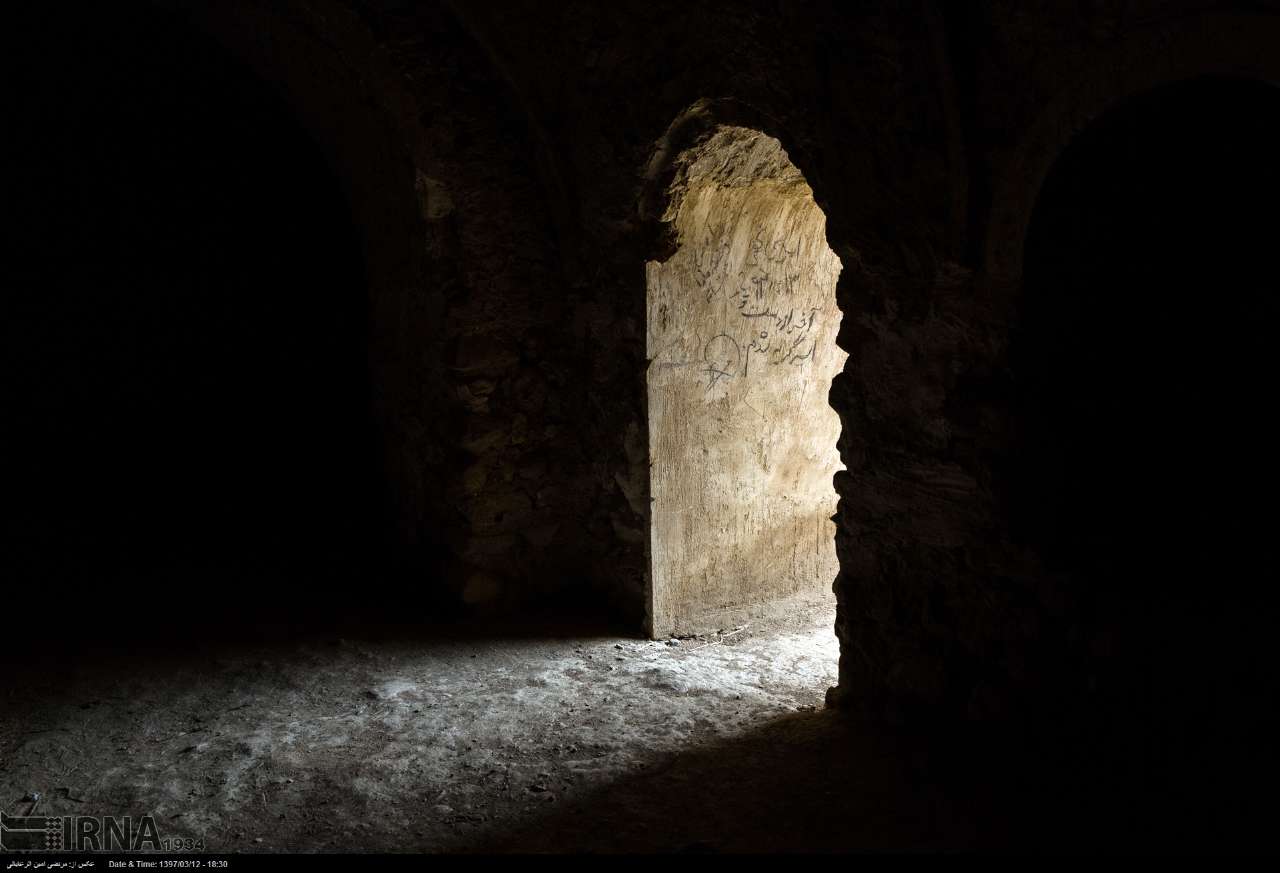
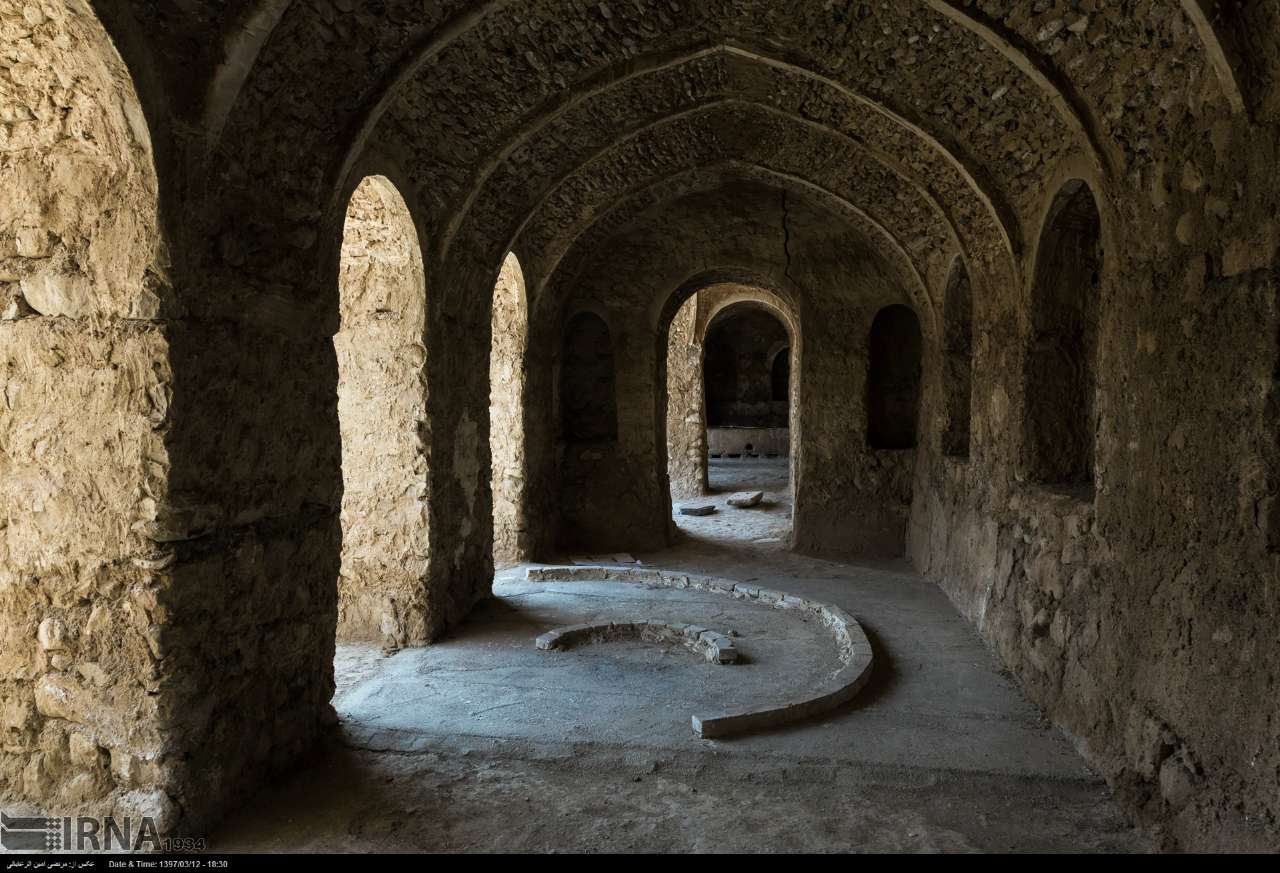
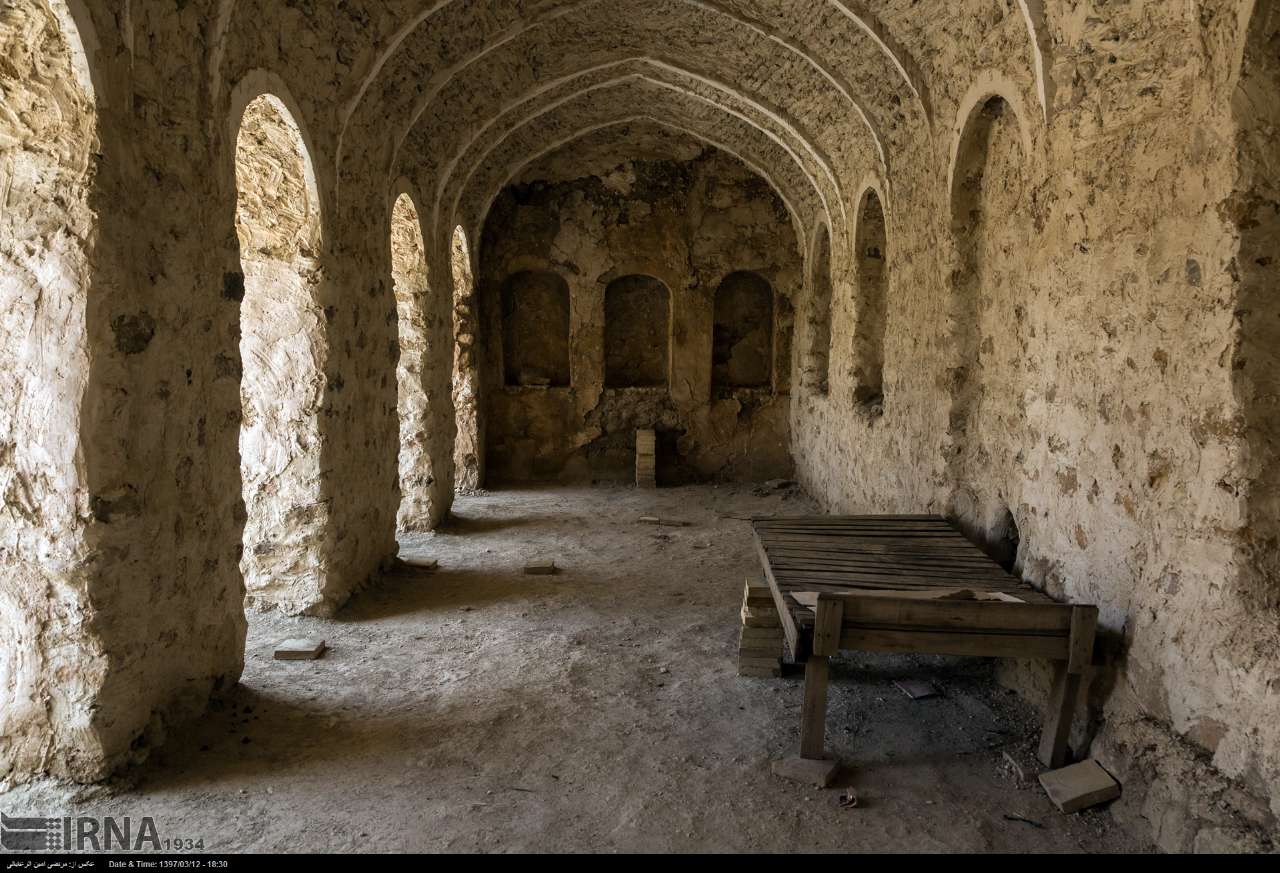
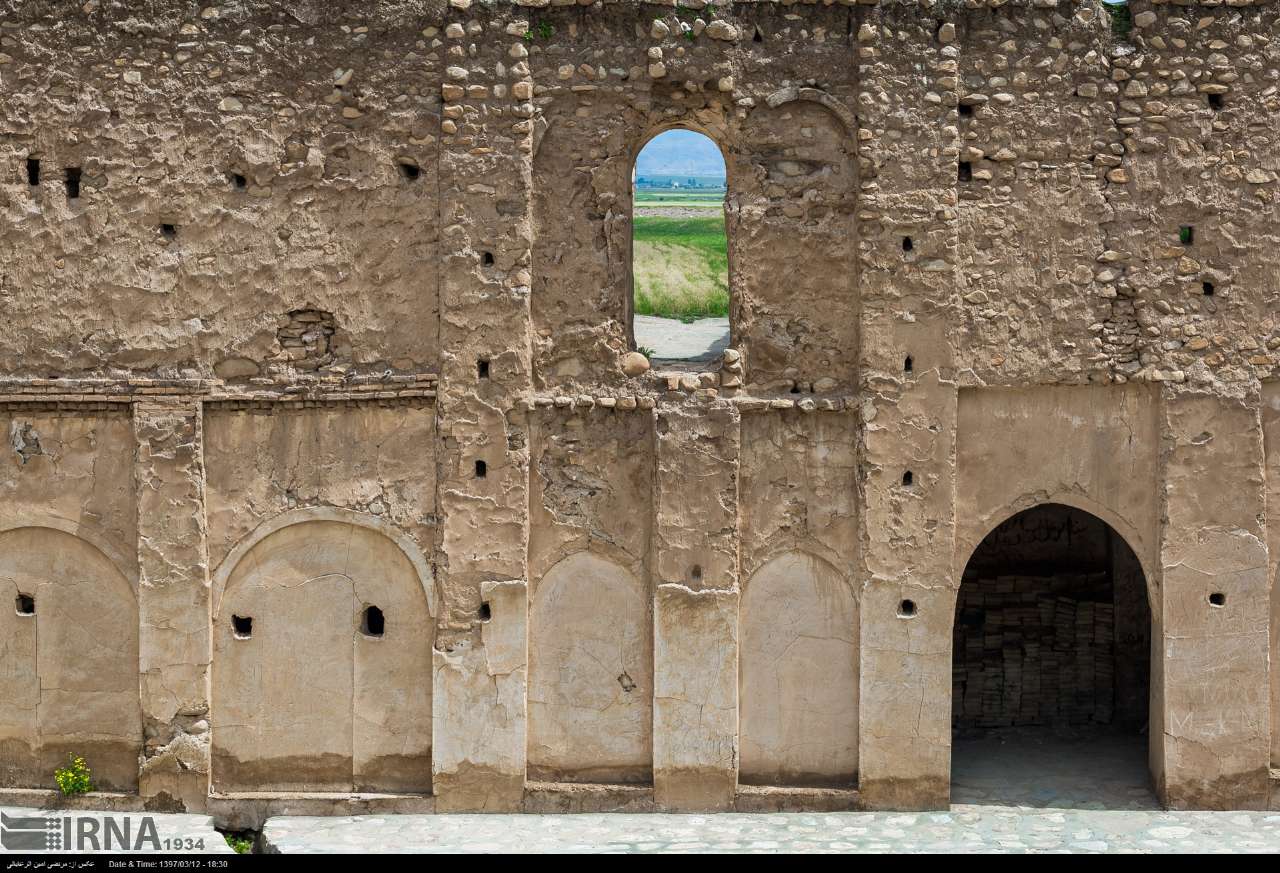
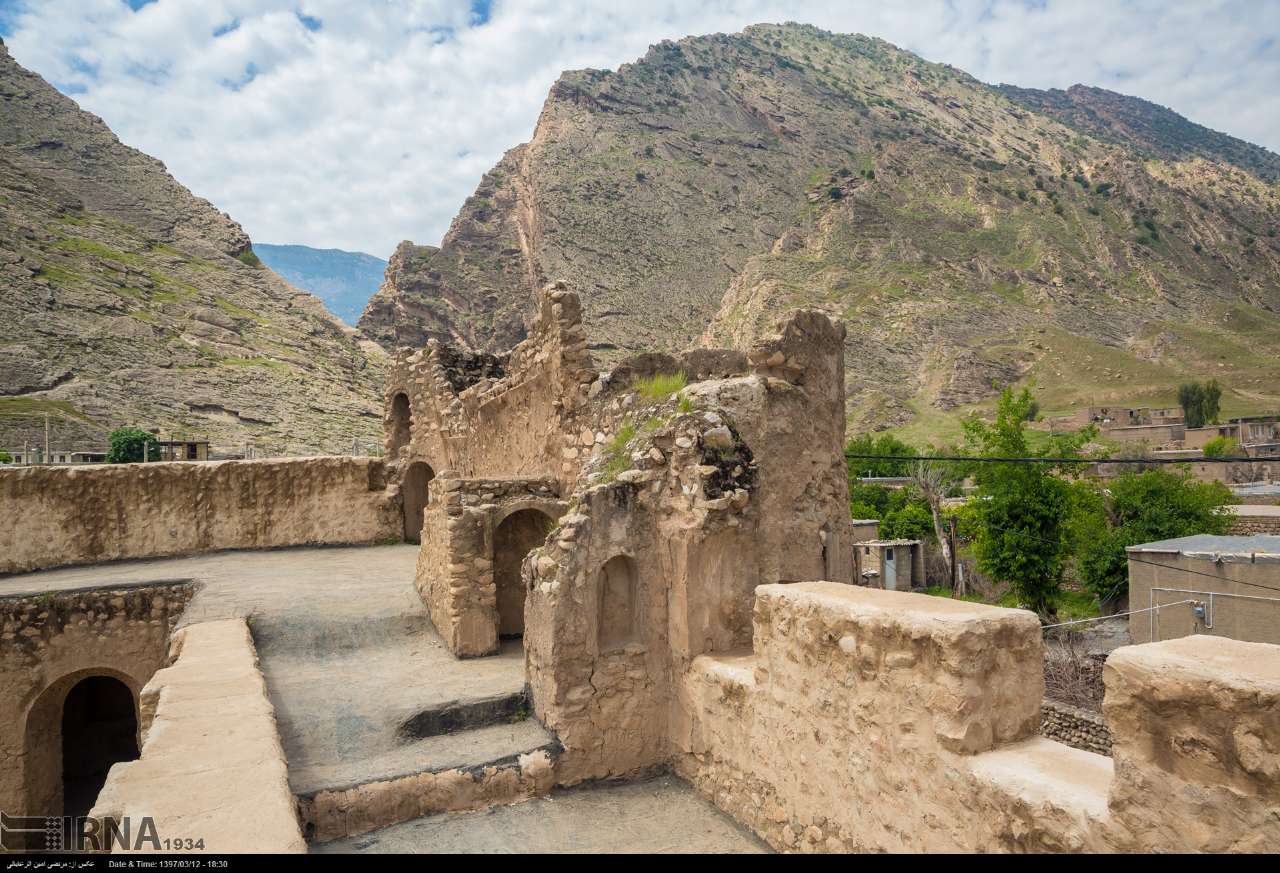
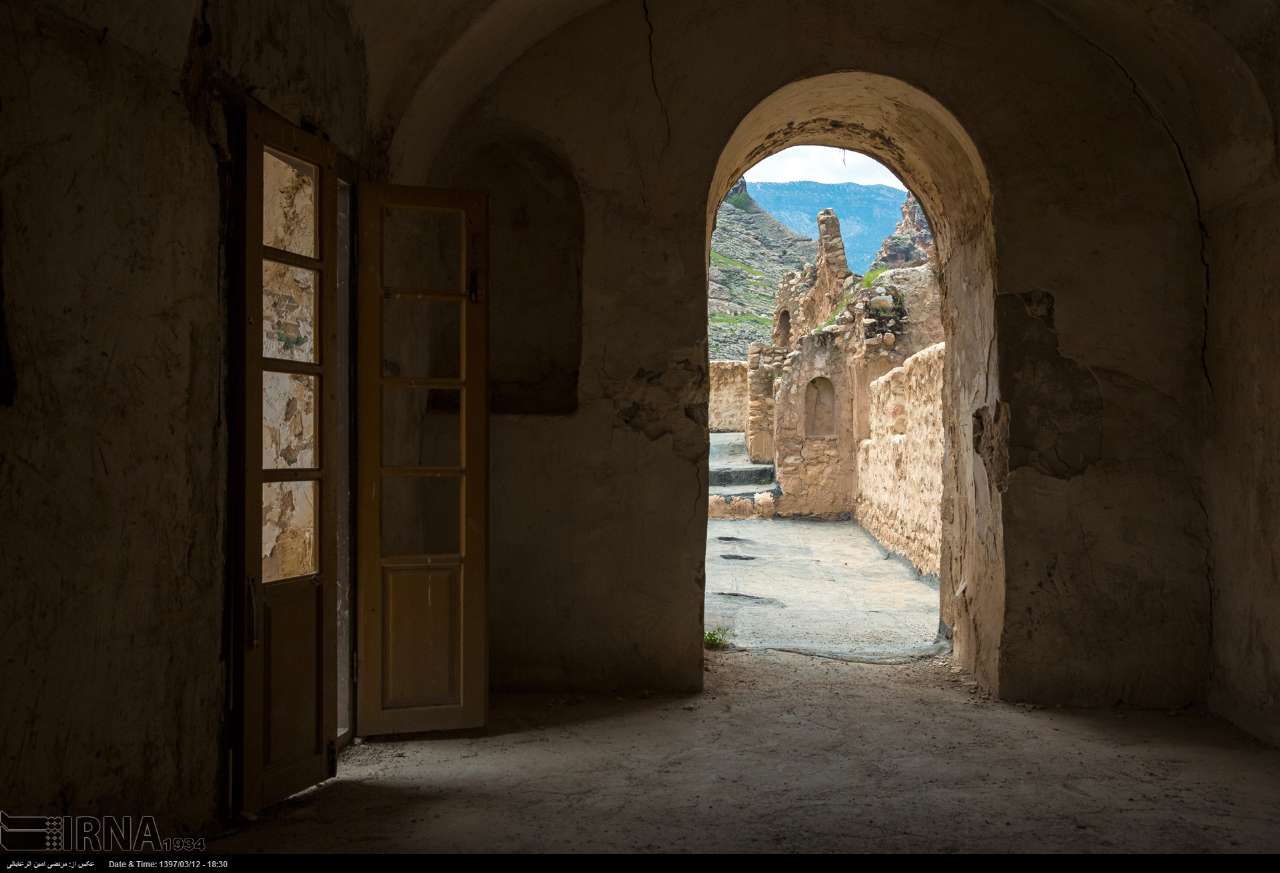
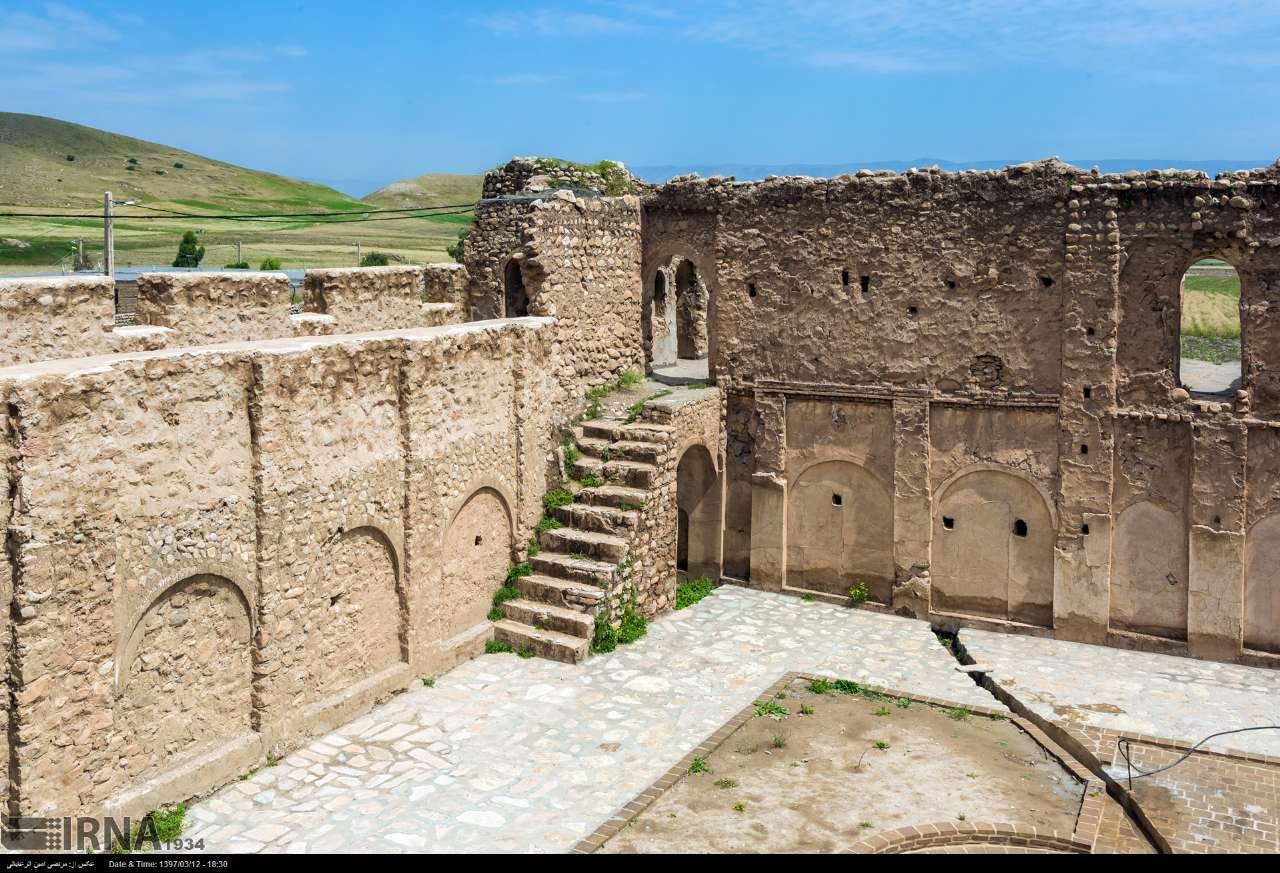
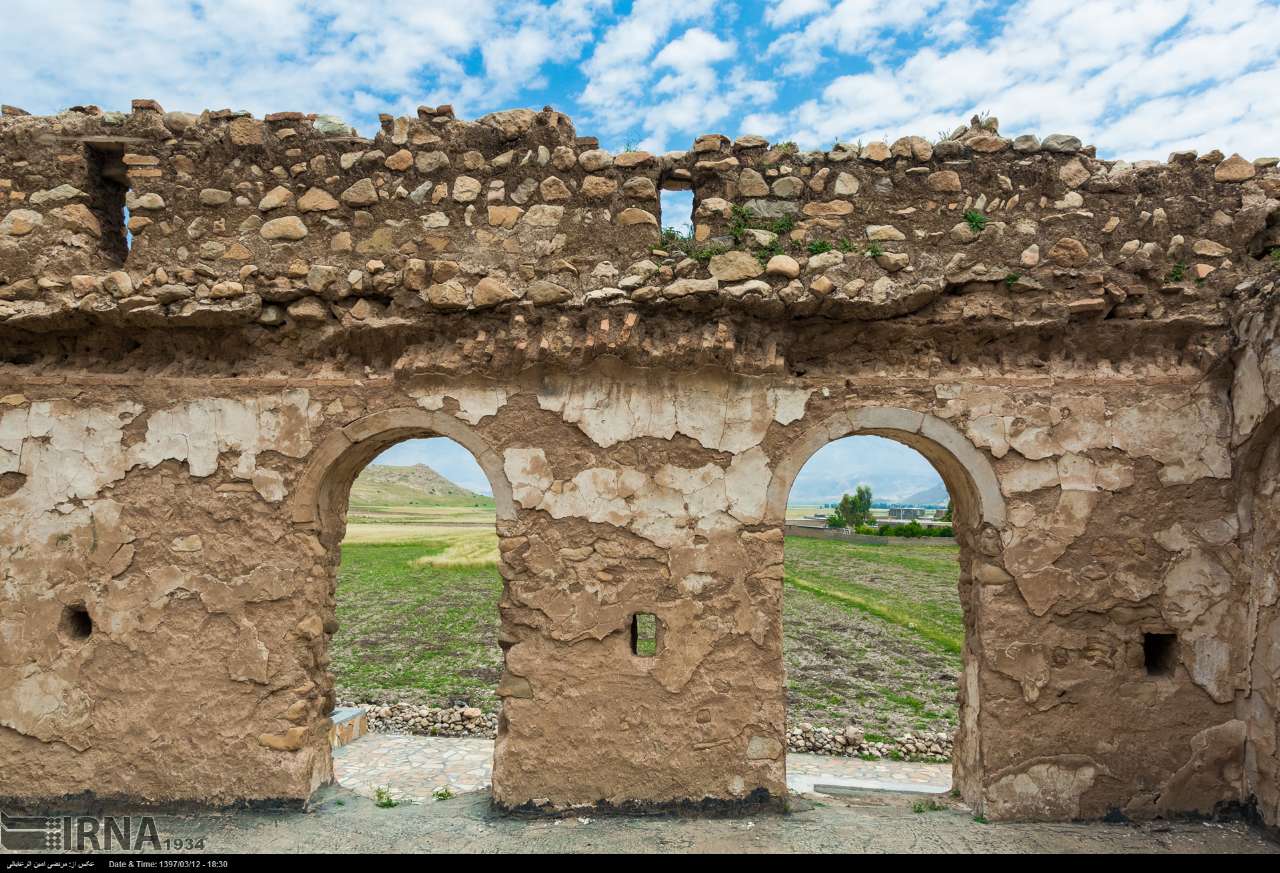
Pourashraf Castle: A Fantastic Ancient Monument in Western Iran

The Pourashraf Castle is one of Iran’s most fabulous historical monuments. It is located in Sheikh-Makan village some 6 kilometres southeast of the town of Dareshahr in Ilam province.

The castle was built upon the order of Mir Seyyed Mohammad Khan Pourashraf back in 1917. The materials used in the construction of the mansion mostly include pieces of rock, and sometimes bricks for decoration.

The three-storey castle has five towers and 30 rooms. It was used as residential-military complex, and is one of a kind in its own right.

What follows are IRNA’s photos of the castle:

“International Quds Day Nightmare for Israeli Regime”

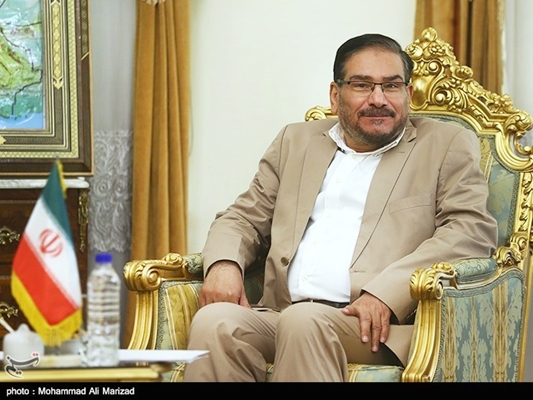
Shamkhani

Shamkhani, Secretary of Iran’s Supreme National Security Council, says the issue of Palestine and liberation of the holy Quds from the grip of the Zionist regime and its supporters will remain the first priority of the Muslim world despite various plots hatched by the dominant powers to deflect Muslims attentions.

The Iranian official called on all Iranians to turn out in huge number on Quds Day, saying Iranians’ support of the Palestinian cause is deeply firm and based on their religious belief, a report by Entekhab said.

He described the International Quds Day as a nightmare for the Zionist regime’s criminals and said the regime has shown its brutality by killing the Palestinians and directly targeting medical workers on the one hand and holding talks with Europeans to undermine Palestine’s main supporter, the Islamic republic of Iran, on the other hand.

He then said the international Quds day is the legacy of the late founder of the Islamic Republic and the symbol of Islamic world’s unity against the Zionist regime.

“The brave nation of Palestine will never wait for negotiations by those who want to decide their fate. They have already shown their courage by standing firm against plots hatched by the enemies against the holy Quds and their cause,” he said.

Shamkhani referred to the continuous victories by the resistance axis in Syria saying the victories have increased the self-confidence of Muslim countries and encouraged them to stand against the aggression of the Zionist regime.

Quds Day is an annual event held in most Islamic countries on the last Friday of the holy month of Ramadan. It was initiated by Iran’s late leader Imam Khomeini in 1979 to express support for the Palestinians and oppose Zionism and Israel.

Tehran to Host Expert-Level Meeting of JCPOA Joint Commission

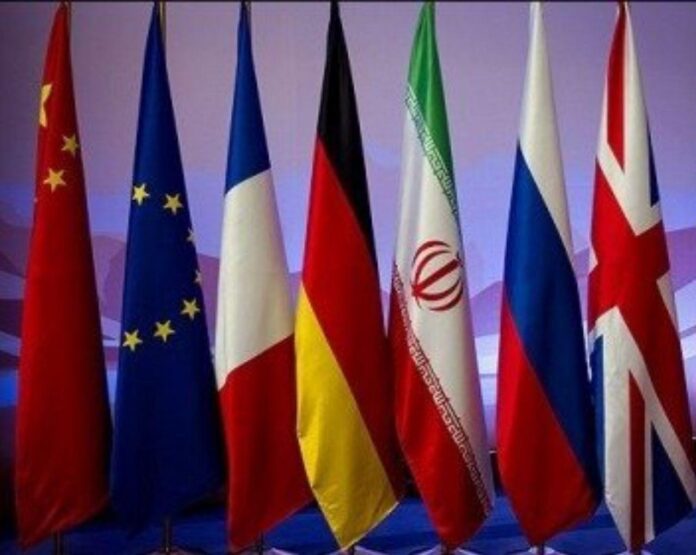
The meeting is expected to be held at the Iranian Foreign Ministry’s Institute for Political and International Studies with expert delegations from the Islamic Republic of Iran and the P4+1 group of countries (China, Russia, France, Germany and Britain) in attendance.

The meeting comes two weeks after the first meeting of the commission in Vienna following the US withdrawal from the JCPOA.

The Vienna meeting was held the level of deputy ministers and political directors, a report by ISNA said.

At the end of the Vienna meeting, the EU said in a statement that Iran has called for a meeting of the joint commission at ministerial level.

Under the terms of the JCPOA, the Joint Commission is responsible for overseeing the implementation of the nuclear deal. The commission’s meetings offer an opportunity to review the implications of the withdrawal of the US from the JCPOA and discuss the way forward to ensure the continued implementation of the deal in all its aspects.

Iran’s Leader of the Islamic Revolution Ayatollah Seyyed Ali Khamenei ordered the country’s atomic energy body on Monday to prepare for an increase in uranium enrichment capacity up to 190,000 SWU if the nuclear deal with world powers falls apart after the US pulled out.

Under the deal, the Islamic Republic curbed its nuclear energy program and in return won a lifting of most international sanctions that had hobbled its economy. The UN’s nuclear agency, the International Atomic Energy Agency (IAEA), has said in at least eleven reports that Iran continues to stay below the maximum level of uranium the deal allows it to enrich. Iran’s Leader said the latest push for enrichment would still be within the terms of the Iran deal.

Queiroz Names Final Squad for FIFA World Cup 2018

The 65-year-old Portuguese picked Amir Abedzadeh, Alireza Beiranvand and Mohammad Rashid Mazaheri as goalkeepers.

Rouzbeh Cheshmi, Seyyed Majid Hosseini, Mohammad Reza Khanzadeh, Milad Mohammadi, Pejman Montazeri, Morteza Pouraliganji and Ramin Rezaeian have joined the Iranian outfit, domestically known as Team Melli, as defenders.

Vahid Amiri, Ashkan Dejagah, Omid Ebrahimi, Saeed Ezzatollahi, Saman Ghoddos, Ehsan Hajsafi, Alireza Jahanbakhsh, Masoud Shojaei and Mehdi Torabi will be playing as midfielders.

Moreover, Karim Ansarifard, Sardar Azmoun, Reza Ghoochannejhad and Mehdi Taremi have been selected to play as forwards during Team Melli’s upcoming matches.

During the official 2018 FIFA World Cup draw ceremony at Kremlin State Palace in the Russian capital city of Moscow on December 1 last year, Team Melli joined the Portugal national football team, nicknamed A Selecção, Spain’s La Furia Roja and Atlas Lions of Morocco in the preliminary round of the tournament.

The host nation, Saudi Arabia, Egypt and Uruguay form Group A in the upcoming quadrennial international sports event.

France is drawn in Group C, and is pitted against Australia, Peru and Denmark.

Argentina, Iceland, Croatia and Nigeria are drawn in Group D.

Group E consists of Brazil, Switzerland, Costa Rica and Serbia.

While the 2014 FIFA World Cup champion Germany, Mexico, Sweden and South Korea shape Group F, Belgium, Panama, Tunisia and England are in Group G.

Group H has Poland, Senegal, Colombia and Japan.

The 2018 FIFA World Cup will take place from June 14 to July 15. Russia will open the event against Saudi Arabia in a Group A fixture at Moscow’s Luzhniki Stadium.

A total of 64 matches will be played in 12 venues located in 11 cities.

Iran will start its World Cup campaign against Morocco at Krestovsky Stadium in Saint Petersburg, Russia, on June 15.

EU Says Iran’s Enrichment Plan Not in Violation of JCPOA

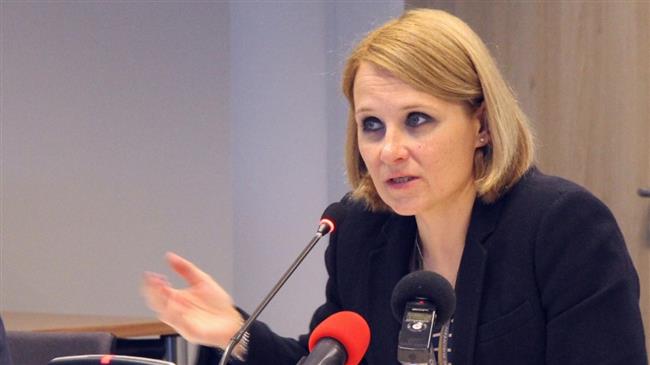
A spokeswoman for the European Union foreign policy chief Federica Mogherini said on Tuesday that Iran’s decision did not constitute a breach of the nuclear agreement, officially known as the Joint Comprehensive Plan of Action (JCPOA).

“Following a first assessment, the announced steps per se are not a violation of the JCPOA,” Maja Kocijancic told AFP.

“However, at this particularly critical juncture, they will not contribute to build confidence in the nature of the Iranian nuclear program,” she claimed.

The European Union is working to save the agreement after US President Donald Trump’s move to withdraw from it. Since the US president pulled Washington out of the historic nuclear deal, European countries have been scrambling to ensure that Iran gets enough economic benefits to persuade it to stay in the deal. The remaining parties have vowed to stay in the accord.

The Atomic Energy Organization of Iran (AEOI) said on Tuesday that the country has begun work to prepare the infrastructure for building advanced centrifuges at its Natanz enrichment facility, while respecting its commitments under the JCPOA.

“Yesterday, we took the first step and submitted a letter to the International Atomic Energy Agency (IAEA) on the start of certain activities, but we started to take the necessary practical measures today,” Ali Akbar Salehi, the AEOI chief, told a press conference in Tehran.

He made the announcement less than a day after Leader of the Islamic Revolution Ayatollah Seyyed Ali Khamenei ordered the AOEI to make preparations for enrichment of uranium up to a level of 190,000SWU (separative work unit) without any delay in case of a potential collapse of the Iran deal.

Stressing that the Iranian nation and government cannot tolerate to be both sanctioned and be put in the “nuclear custody,” Ayatollah Khamenei ordered the AEOI to take rapid steps to make preparations for starting uranium enrichment “up to a level of 190,000SWU for the time being within the framework of the JCPOA” and take other preliminary steps that the president has ordered from tomorrow.

The US president announced on May 8 that Washington was walking away from the nuclear agreement, which was reached between Iran and the five permanent members of the UN Security Council – the United States, Britain, France, Russia and China – plus Germany.

Trump also said he would reinstate US nuclear sanctions on Iran and impose “the highest level” of economic bans on the Islamic Republic.

Under the JCPOA, Iran undertook to put limits on its nuclear program in exchange for the removal of nuclear-related sanctions imposed against Tehran.

Kocijancic further said, “As stated repeatedly, we expect Iran to stick to all its JCPOA commitments, to be monitored by the (International Atomic Energy Agency) IAEA, as it has been doing so far and has been confirmed by the IAEA in 11 consecutive reports.”

“The IAEA is the only body in charge of the monitoring and verification of the implementation by Iran of its nuclear-related commitments under the JCPOA,” she added.

Speaking on Monday at the first meeting of the IAEA’s Board of Governors since the US withdrawal from the landmark nuclear deal, the IAEA Director General Yukiya Amano reaffirmed the agency’s accesses to all the required nuclear sites in Iran, calling on Tehran to ensure “timely and proactive cooperation” with inspections under a 2015 nuclear agreement with world powers.

“As stated in my latest report to the Board [of Governors], the agency has conducted complementary accesses under the Additional Protocol to all the sites and locations in Iran which we needed to visit,” Amano said in his introductory statement to the Board of Governors.

In separate letters to his counterparts in various countries, Iran’s Foreign Minister Mohammad Javad Zarif said all members of the international community must stand up to US law-breaking behavior, bullying and disregard for the rule of law after Washington announced it was withdrawing from the JCPOA.

Zarif warned of the dangerous consequences of the US “illegal and unilateral” move to pull out from the nuclear agreement and said, “Illegal withdrawal of the US government from the JCPOA, especially bullying methods used by this government to bring other governments in line, has discredited the rule of law and international law at international level while challenging the goals and principles of the Charter of the United Nations and efficiency of international bodies.”

2 Iranian Border Guards Killed in Shootout with Terrorists

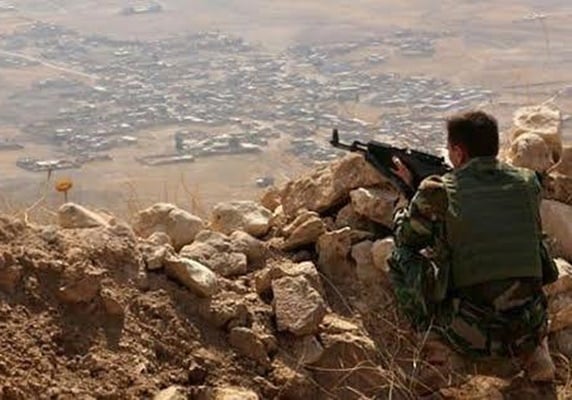
The incident happened at a border post in the northwestern Iranian city of Sardasht at around 23:00 (local time) on June 5, 2018.

The victims were First Lieutenant Yousef Piraneh and Sergeant Major Mahboub Qorbani.

The two border guards were killed in clashes with 20 terrorists, whose plot was foiled thanks to the guards’ sacrifice.

The terrorists were finally forced to flee the country and enter the Iraqi territory.

Sardasht, a city in West Azarbaijan province, borders Iraq. Border posts in the area have frequently come under attack in the past, mainly by members of PJAK terrorist group.

“Iran Has Several Options outside JCPOA, but Sticks to Nuclear Deal for Now”

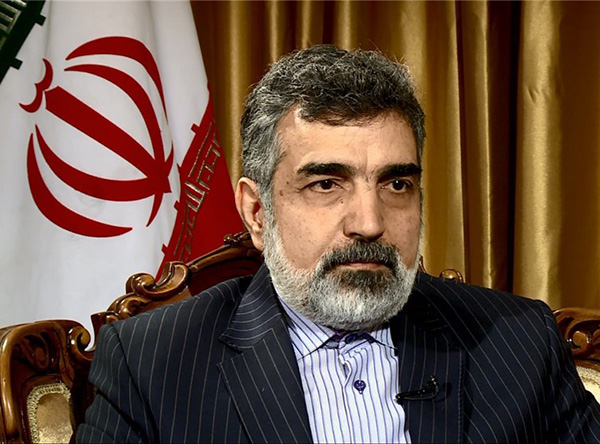
Behrouz Kamalvandi

Behrouz Kamalvandi, the spokesman for the Atomic Energy Organization of Iran (AEOI), stressed on Tuesday that Iran acts in accordance with the JCPOA for the time being, which means it is ready to act outside the agreement if need arises.

However, he said, the measures which could be adopted by Iran in the coming years might come sooner.

He made the comments at a press conference in Tehran, reports Fars News Agency.

“The measures being adopted at the moment are in keeping with the JCPOA, and we announced in the two letters we sent to the International Atomic Energy Agency (IAEA) that the capacities we are using for production are in line with Codes 1 and 3, and are not against the JCPOA and our commitments under the IAEA’s Safeguards Agreement,” he said.

Iran to Produce Necessary New Centrifuges for Research
He further underlined a facility which is to be built for centrifuges is and will be in compliance with the JCPOA.

“As long as we have remained in the JCPOA, we produce new centrifuges only if they are needed for research; otherwise, mass production [of centrifuges] is not on the agenda,” Kamalvandi noted.

“Mr Salehi (the AEOI chief) also said that the facility has a high production capacity, and we can quickly produce more centrifuges, which not only means our production capacity has increased, but also suggests we can provide the necessary requirements quickly and in a short period of time to ramp up our uranium enrichment capacity to 190,000 separative work units (SWUs), which is not in violation of the JCPOA,” he said.

“If they had lived up to their commitments, we wouldn’t need to be seeking the capacity for mass production as of now, and we would be able to take our time while doing this; however, we maintained our preparedness for every scenario and conditions fearing that the other side would keep breaching its obligations,” he said.

The AEOI spokesman was asked about whether or not the US has prompted the recent moves.
“What we are doing is not a matter of ‘who’s at fault,’ but is something which is being done at a faster pace based on requirements and needs,” he said.

“If they had made good on their obligations, we would have taken our time doing this, and we would start increasing the number of centrifuges right before the eight-and-a-half-year period of time designated for this, and would start right then, not today,” he noted.

The spokesman said that if Iran has begun increasing its uranium enrichment capacity today so quickly is because Leader of the Islamic Revolution Ayatollah Seyyed Ali Khamenei instructed authorities to do so and to be prepared.
“As Mr Salehi said, the scientific army of the AEOI is ready to obey the [Leader’s] orders,” the spokesman noted.

He then touched upon the volume of Iran’s uranium reserves.

The spokesman said the country’s UFC6 deposits stand at 300 kg, and its U reserves amount to 200 kg.

“But we have exceptions, too. That means if the fuel we produce is of the radiation type, the amount will be different,” he said.

Elsewhere in his remarks, he said the letters Iran has sent to the IAEA show the country is poised for action if the other side breaches its commitments.

“If they do not deliver on their obligations, we can quickly make up for the restrictions that we accepted voluntarily,” he underlined.

Iran’s Hands Won’t Be Tied, Whatsoever
On Iran’s possible moves if it withdraws from the JCPOA, he said, “We will cross the bridge when we come to it.”

“If we decide to leave the JCPOA, we’d better talk about it. But we have said it, time and again, that we have established the required capacity.

However, we will not use the capacity as long as the JCPOA is in place,” the spokesman said.

“An example of these capacities is the production of new machines. We have done a lot of research on it for years … as long as we remain in the JCPOA, we use a small part of its potential, and we will only use it for research and development, and not mass production,” he said.

“And the cases that we said would bewilder the other side if it pulls out of the JCPOA show we have not sat idly by over the past years and have done a lot of work, and when the circumstances change, Iran’s hands will not be tied, and the situation will unfold in such a way that the other side will be astonished,” he said.

“One example of such measures is the high rate of production of machines, especially new ones, and when these are installed, our production capacity which stands at 7,000 SWUs at the moment could be multiplied,” he said.

Kamalvandi’s comments come as AEOI chief Ali-Akbar Salehi said earlier that Iran has already prepared infrastructure required to immediately resume its nuclear activities if the nuclear agreement it signed with six world powers collapses.

Salehi said Iran has been ready for all scenarios regarding the JCPOA, including the other signatories’ failure to meet their commitments under the deal. To that end, he said, Iran has prepared vast infrastructure that would enable the country to achieve a nuclear capability higher than what it was before the nuclear deal was signed.

Salehi further said the infrastructure has been prepared to ramp up the uranium enrichment capacity at Fordow nuclear facility to 190,000 SWUs as instructed by Ayatollah Khamenei.

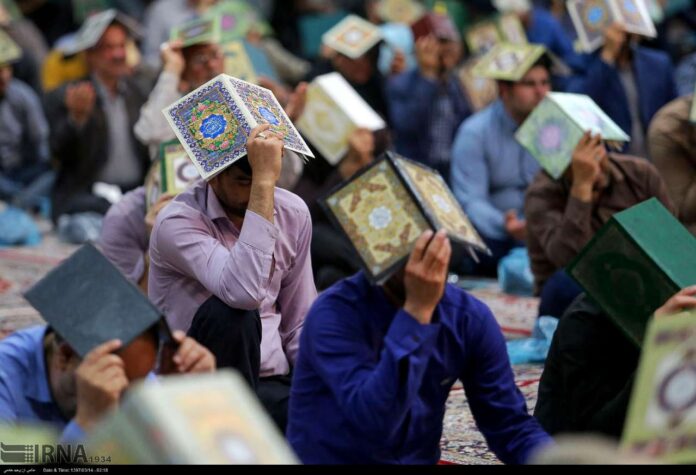
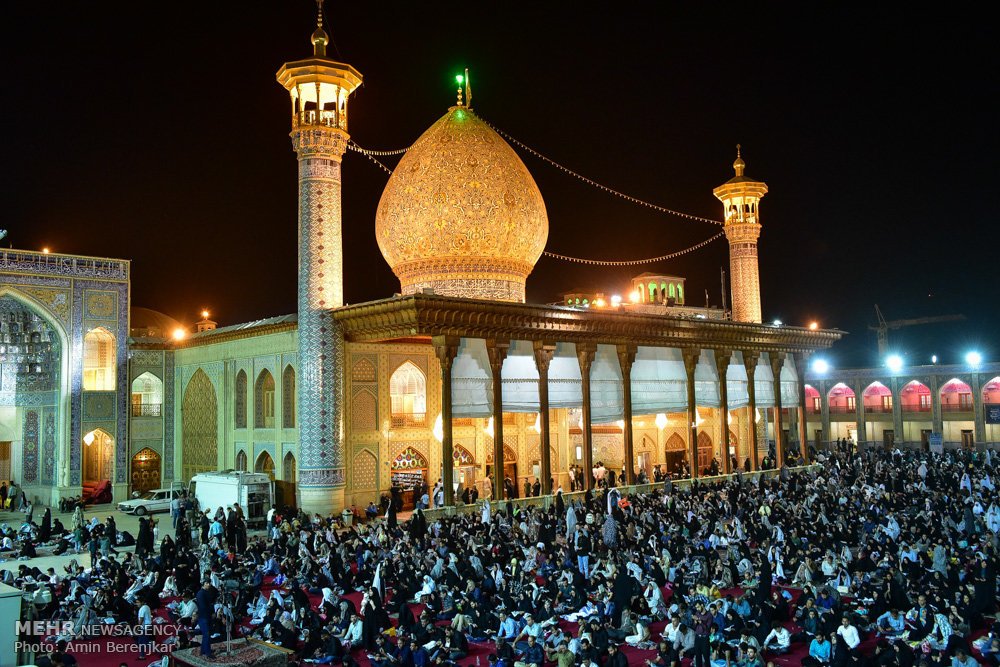
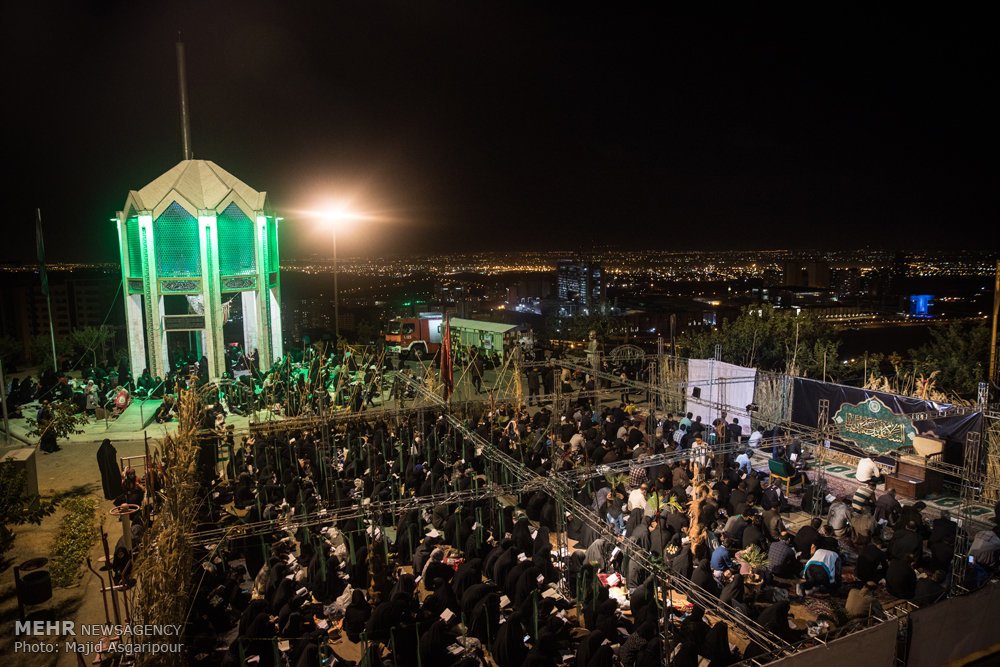
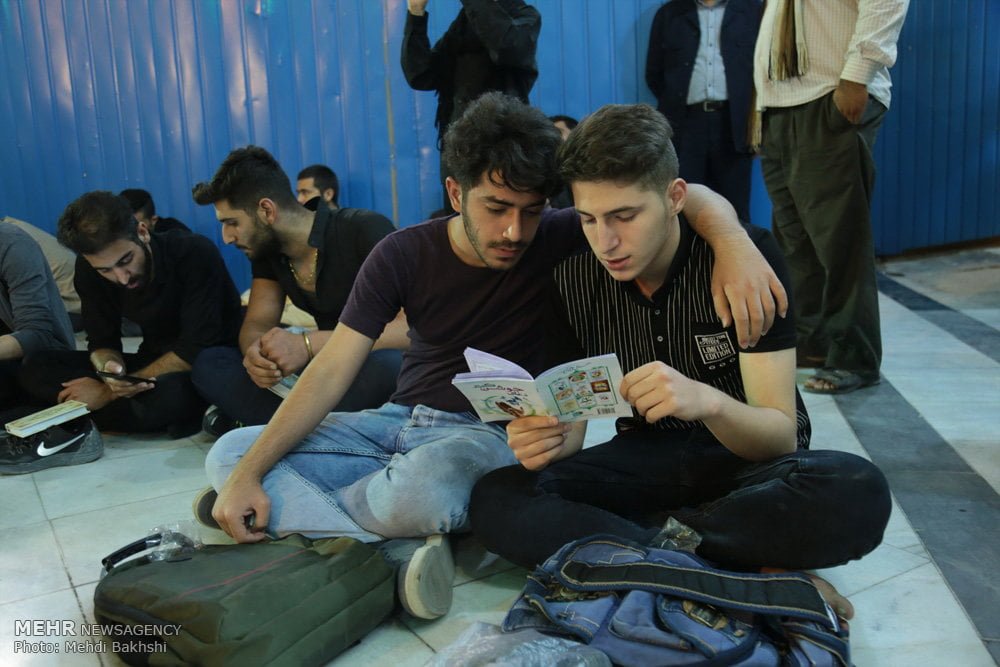
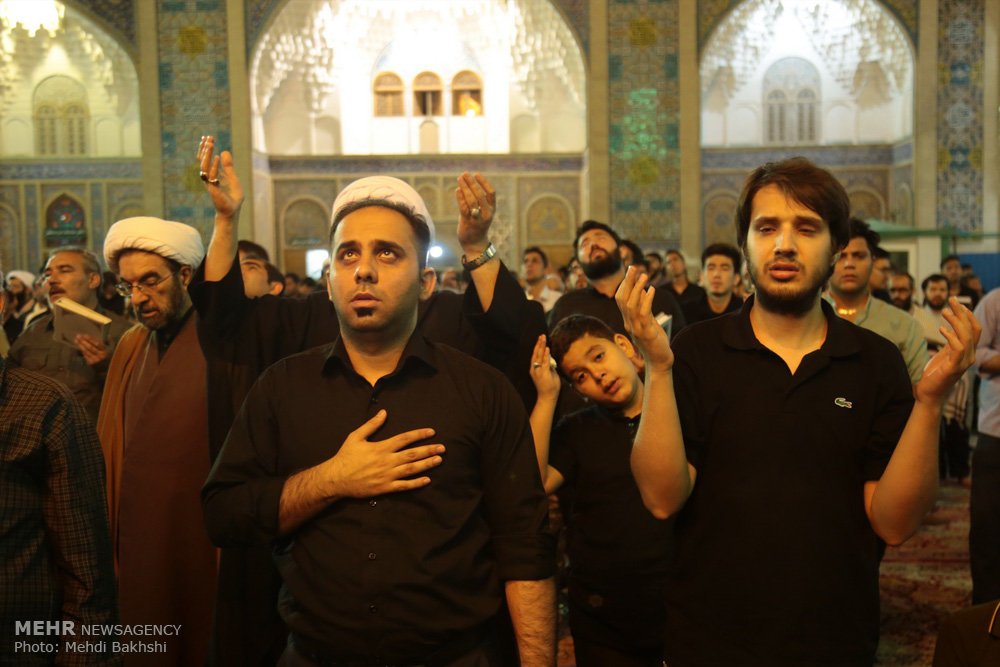
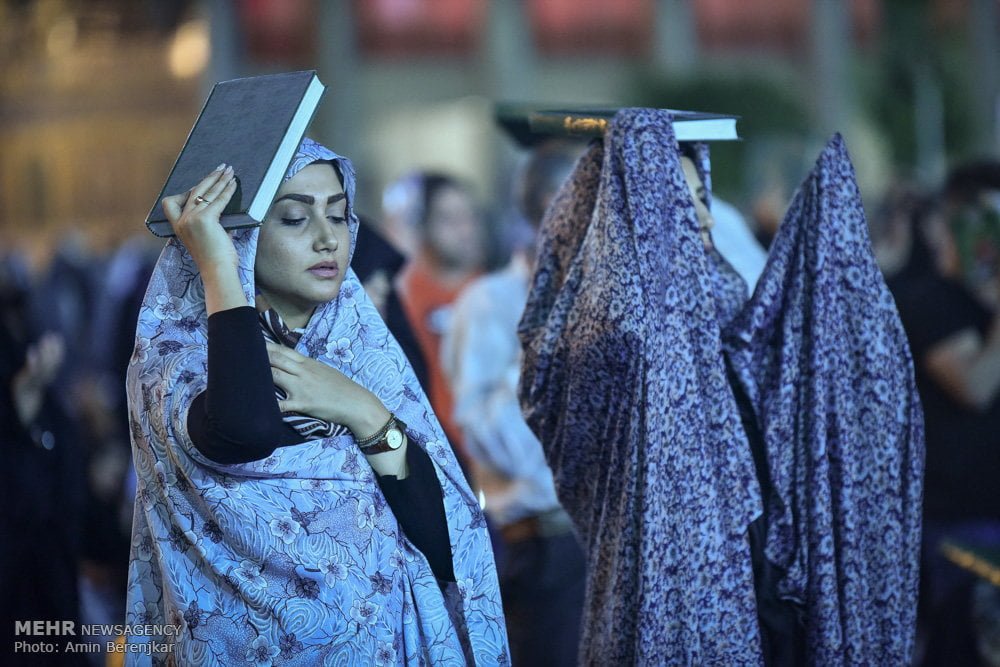
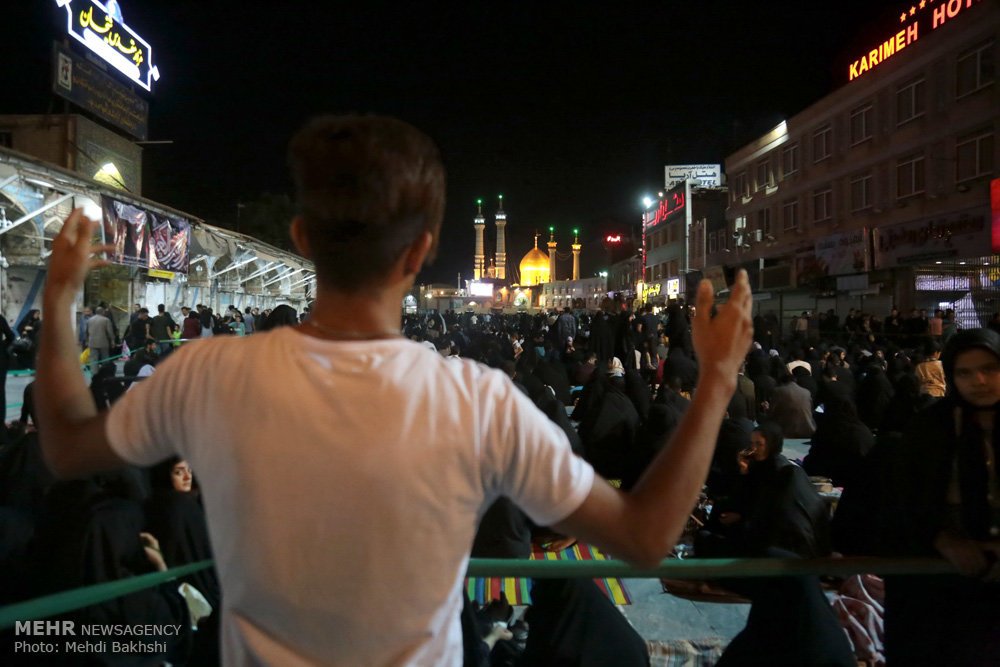
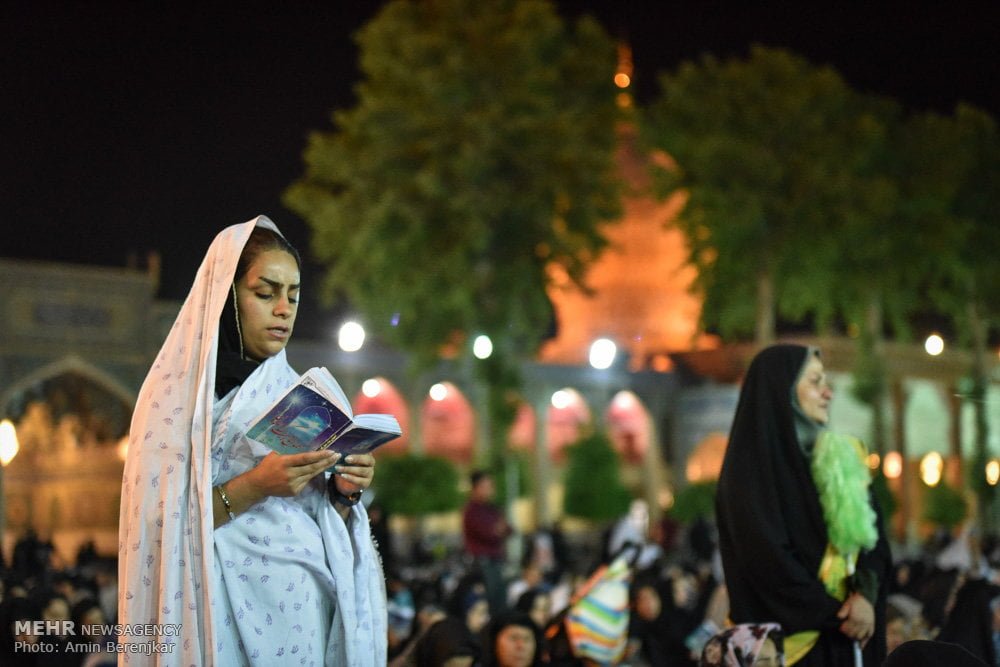
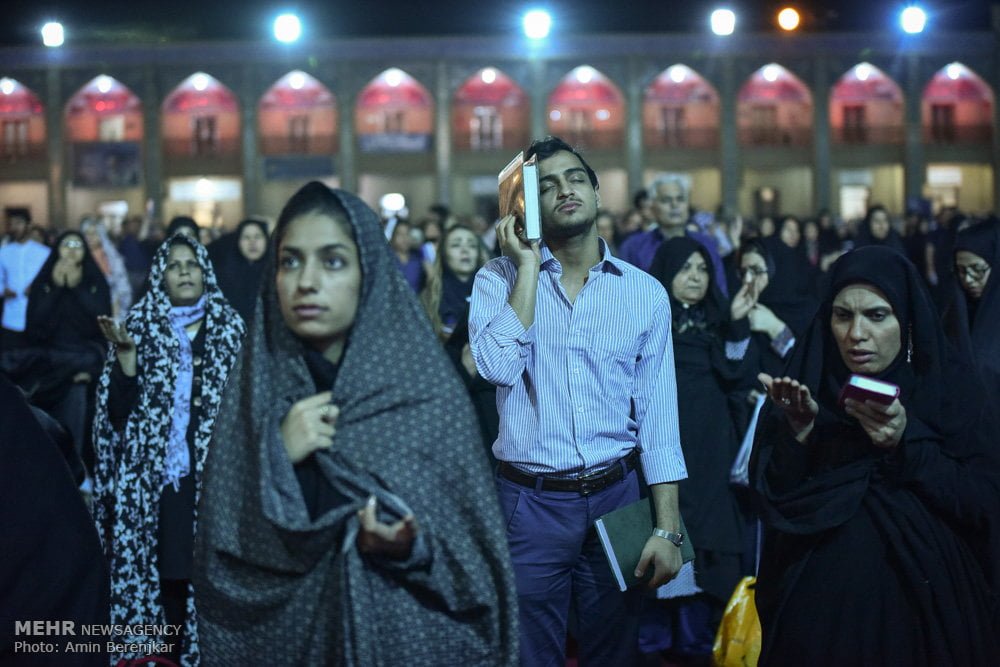
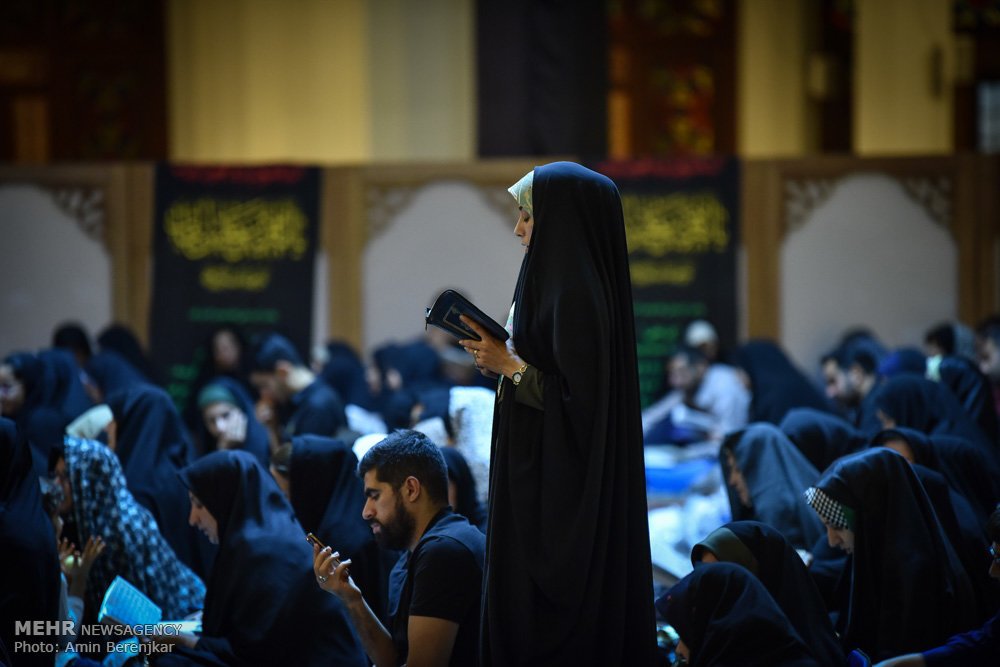
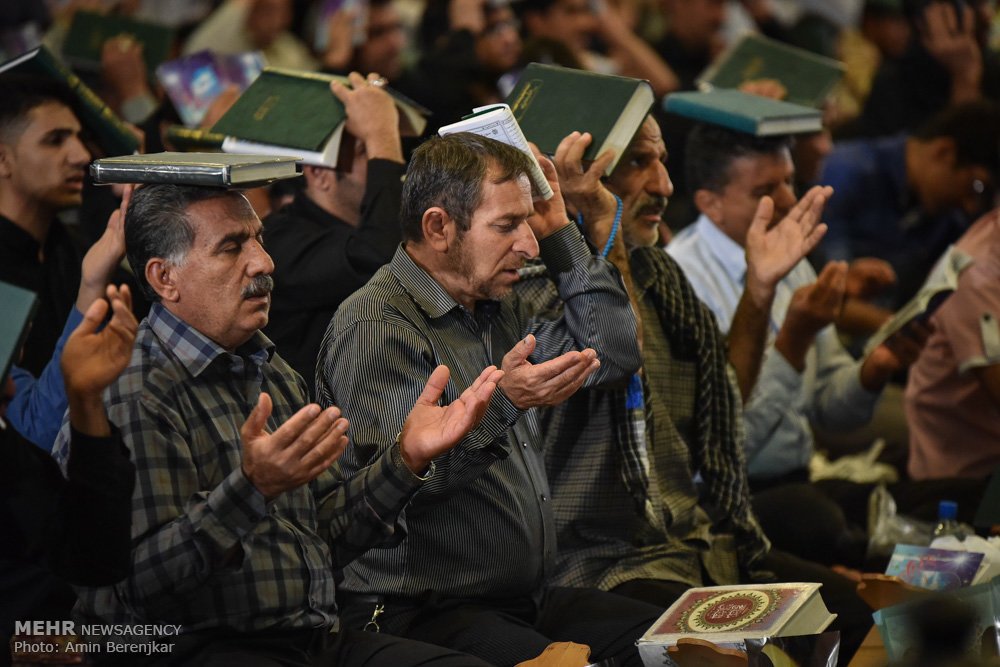
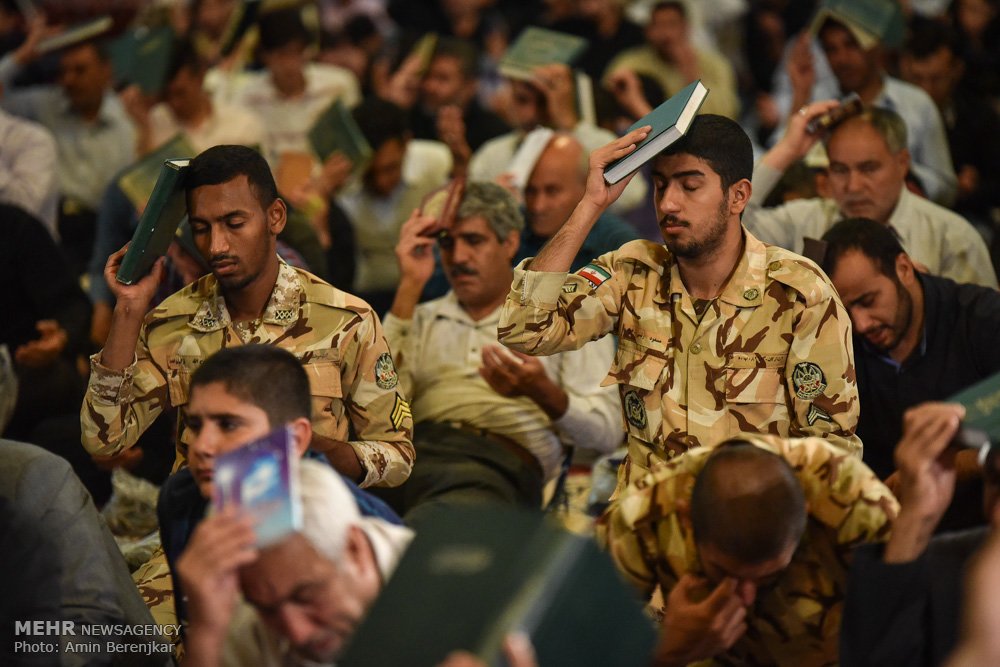
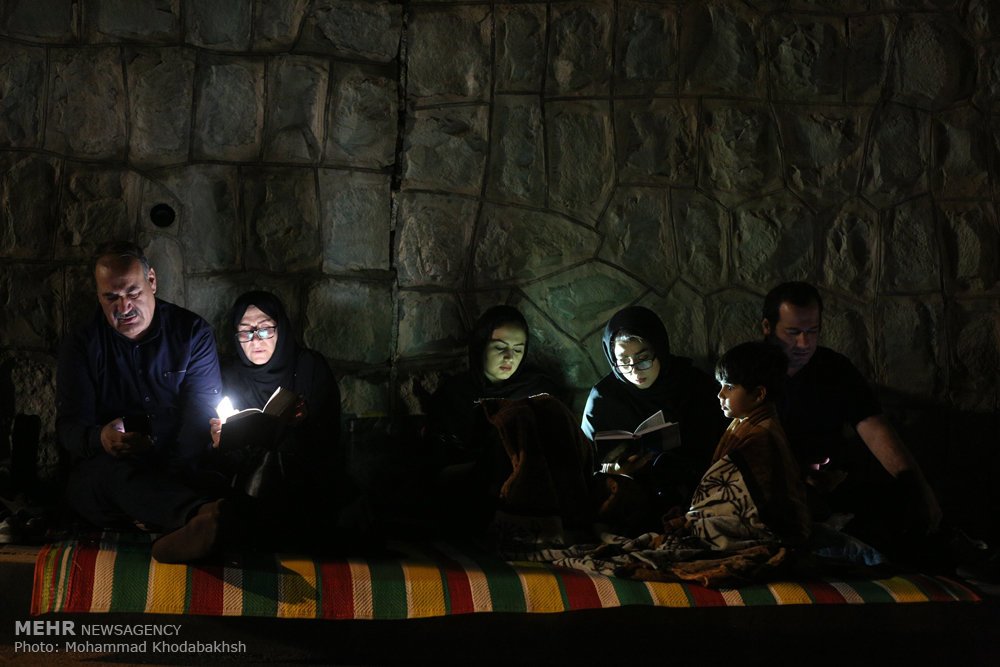
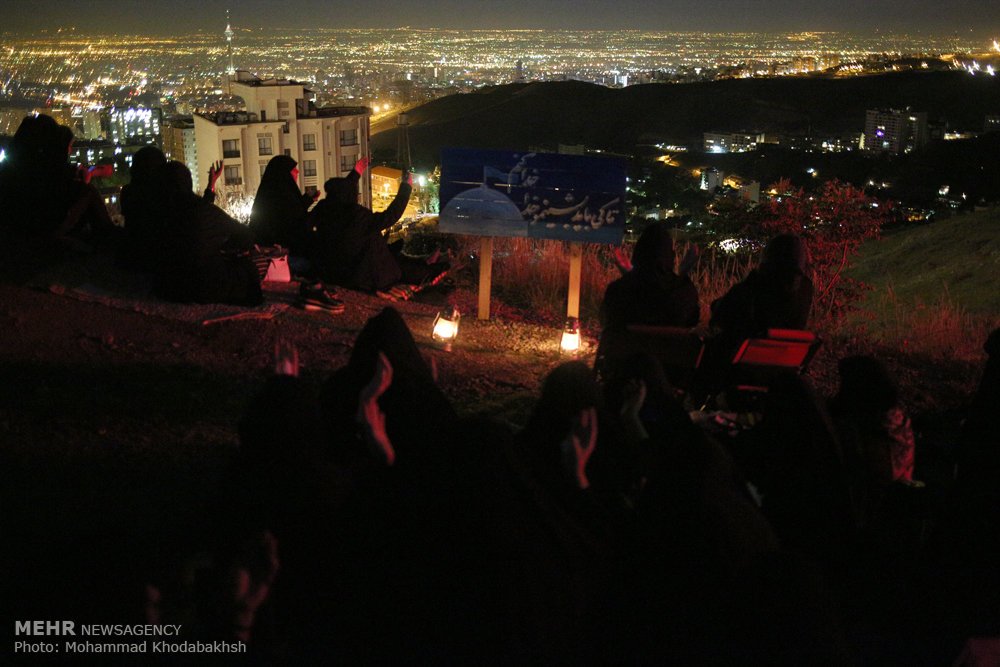
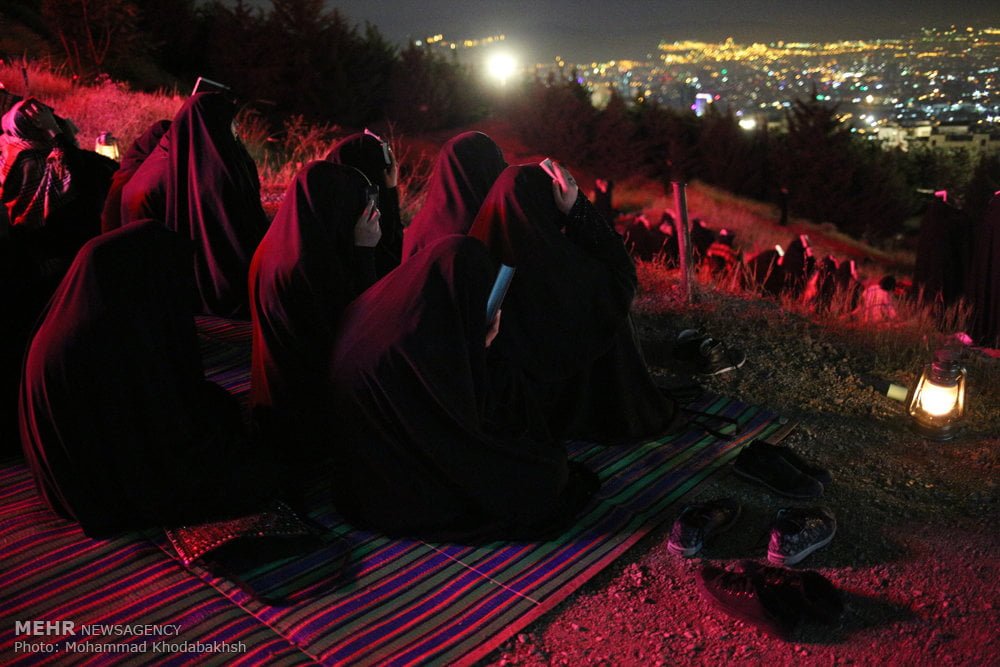
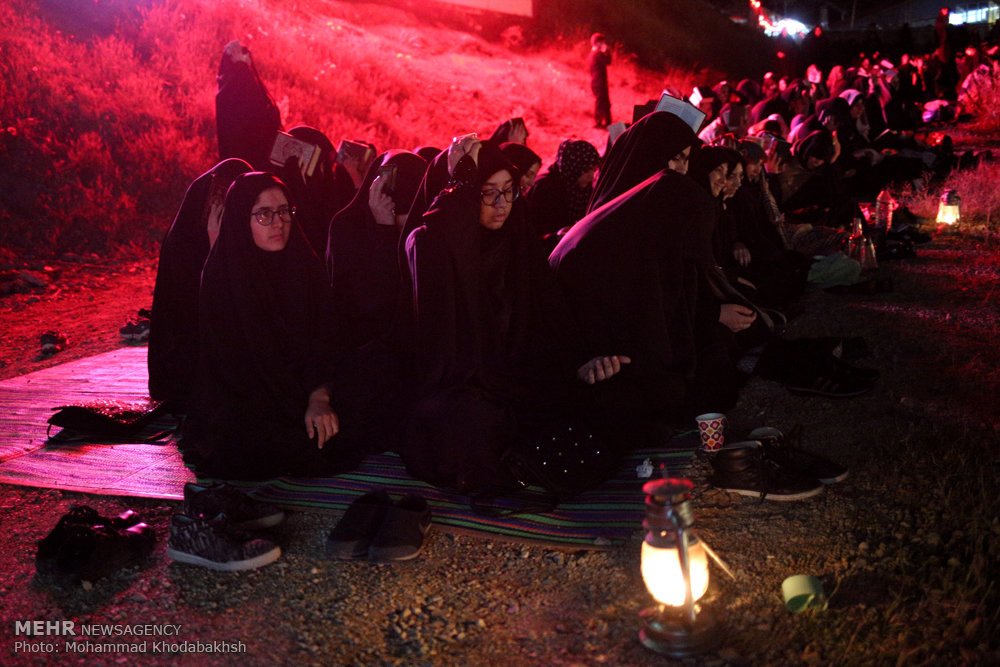
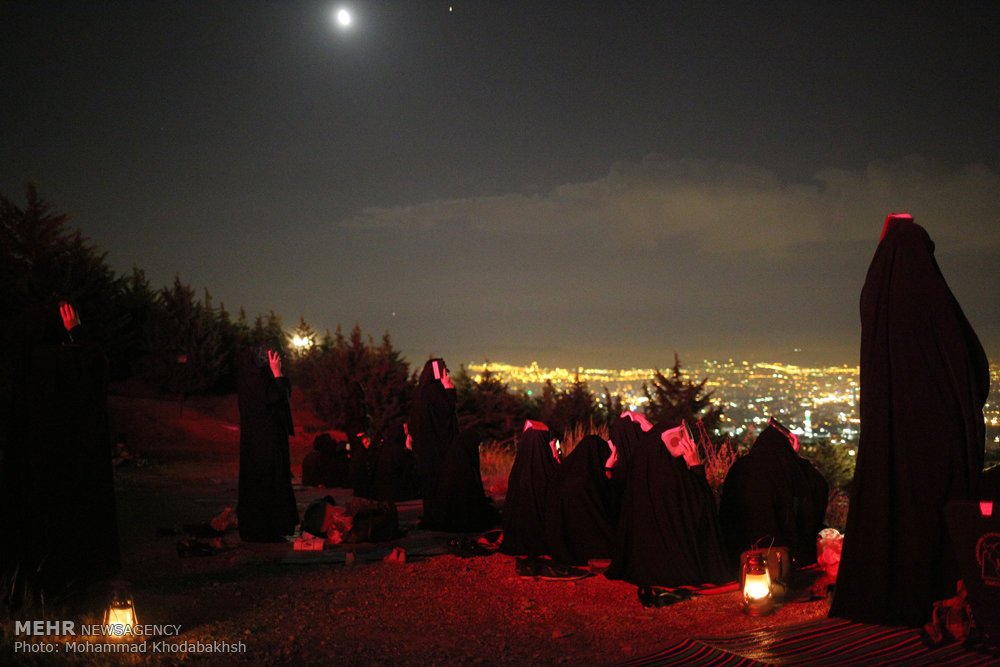
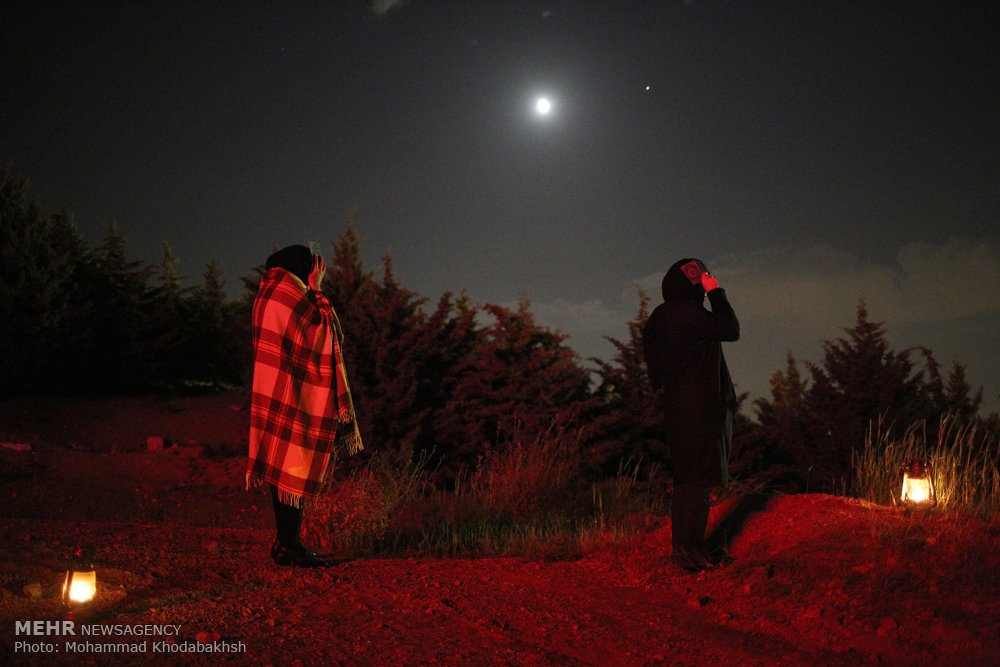
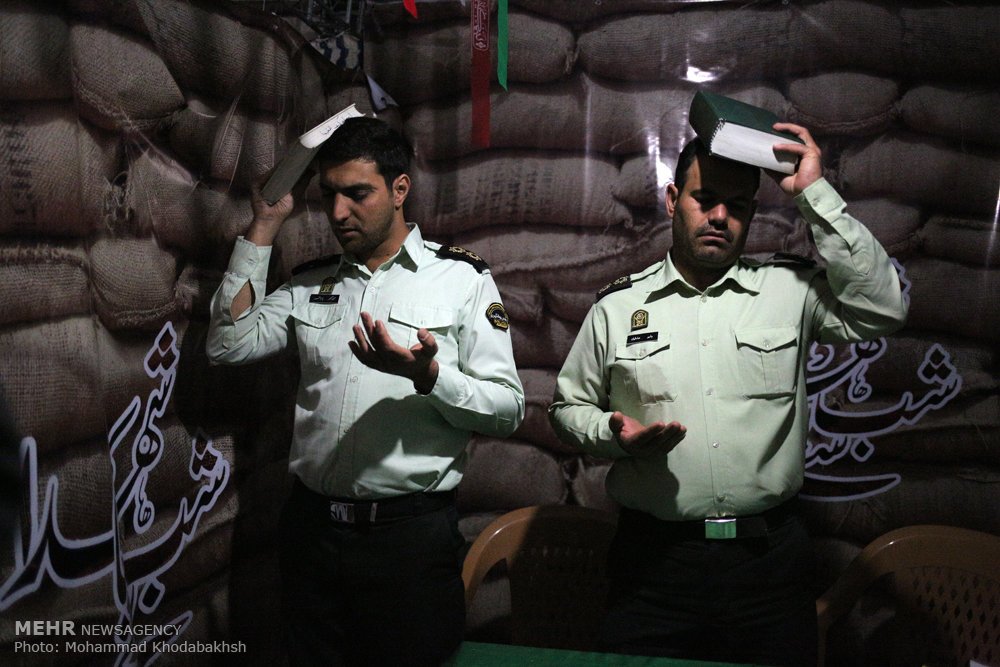
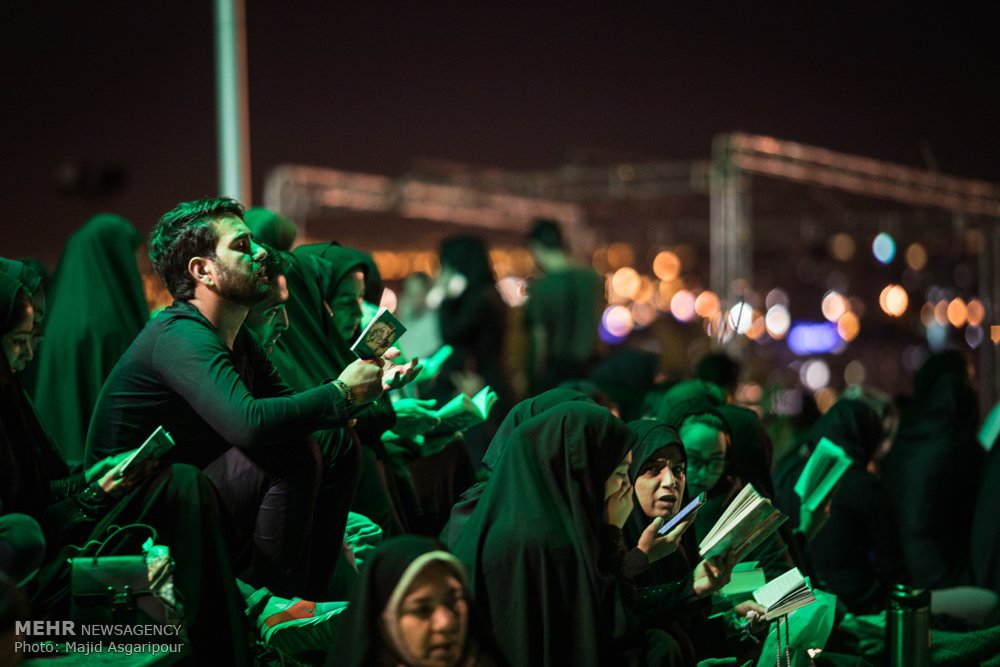
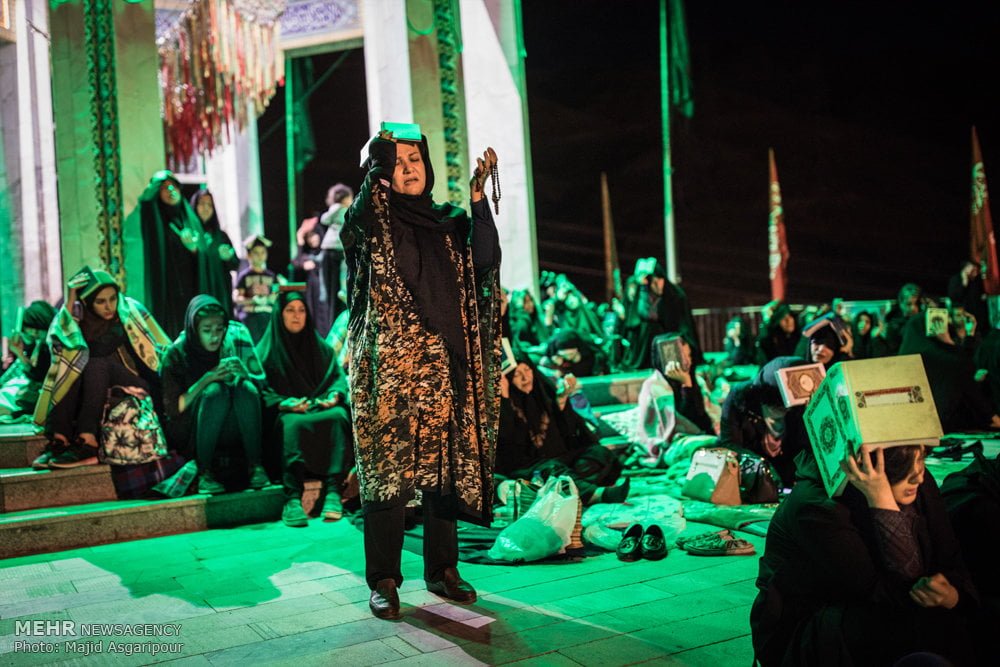
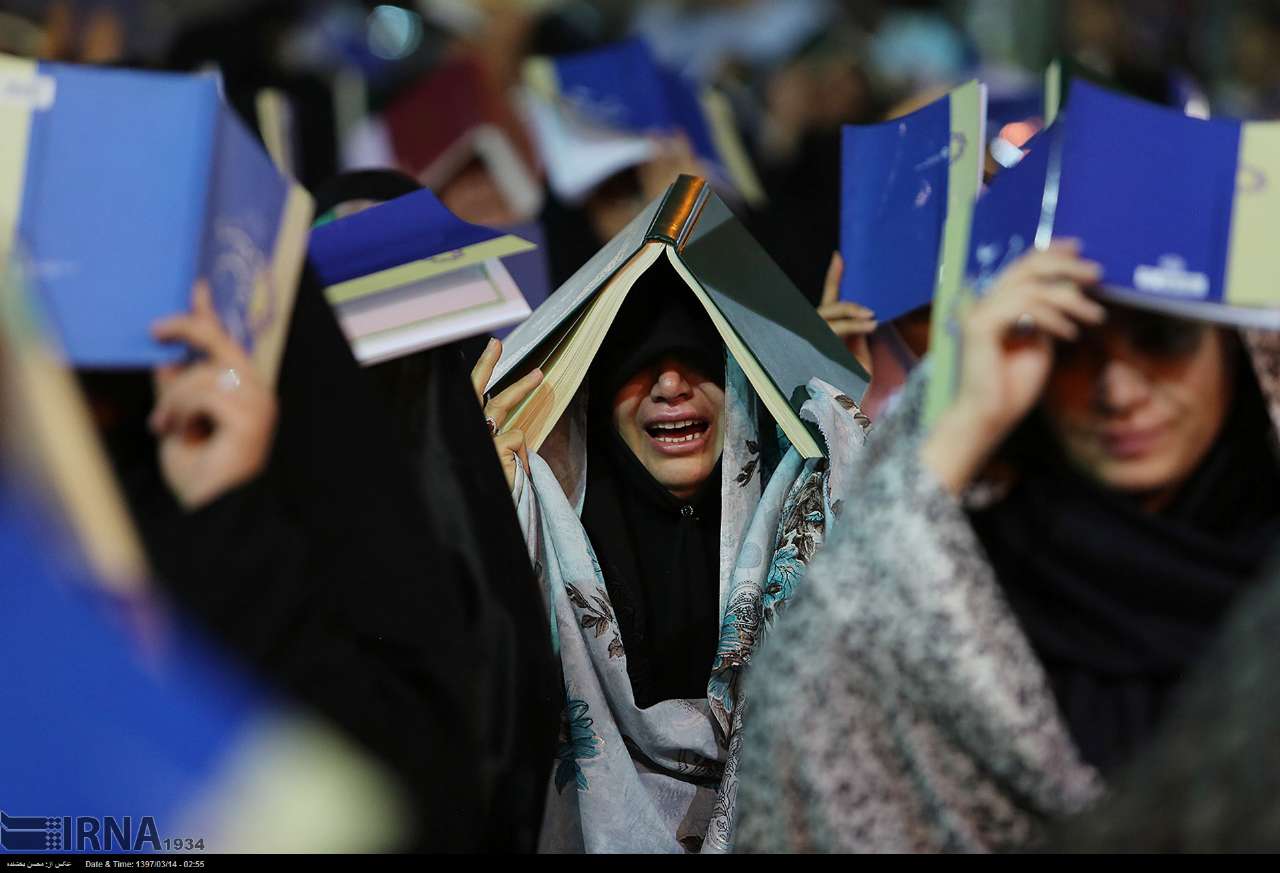
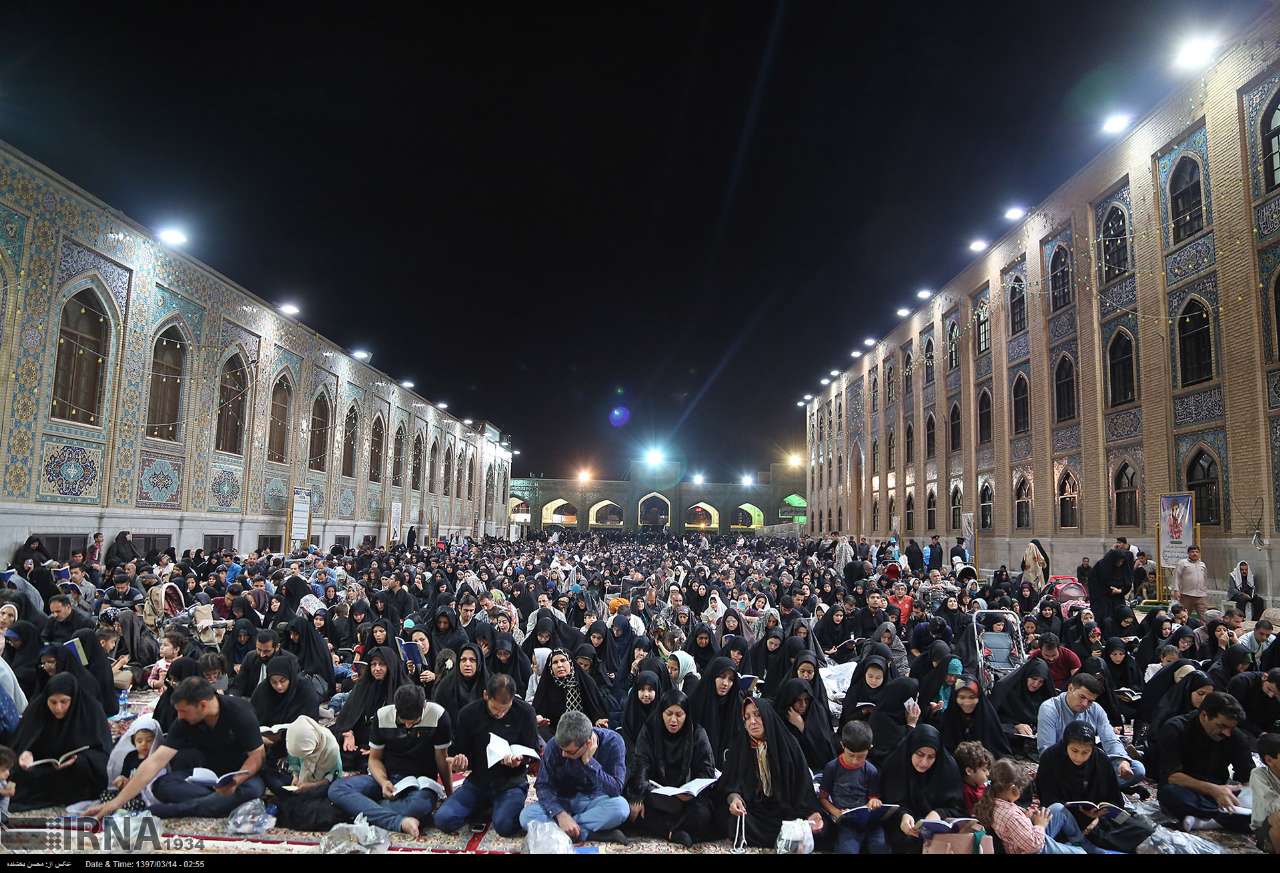
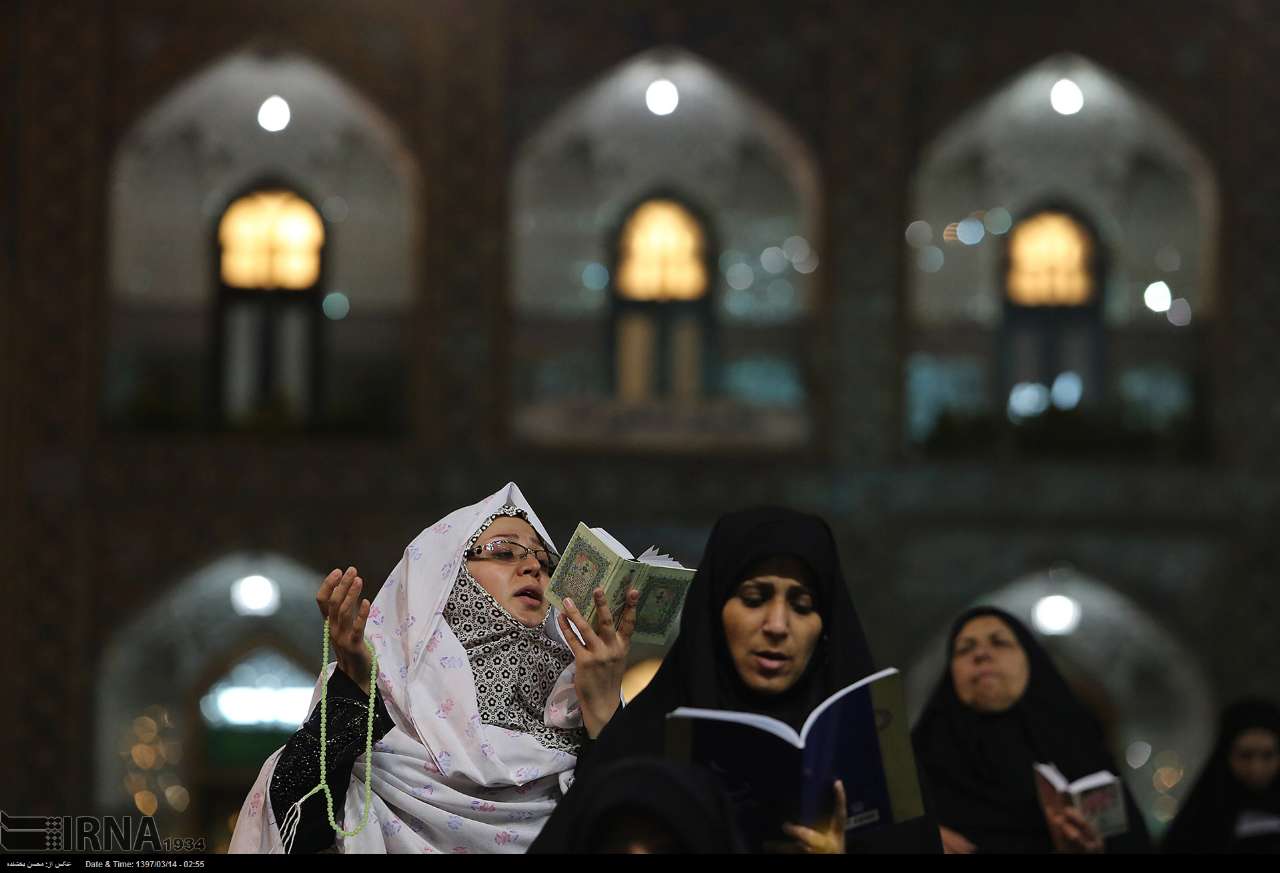
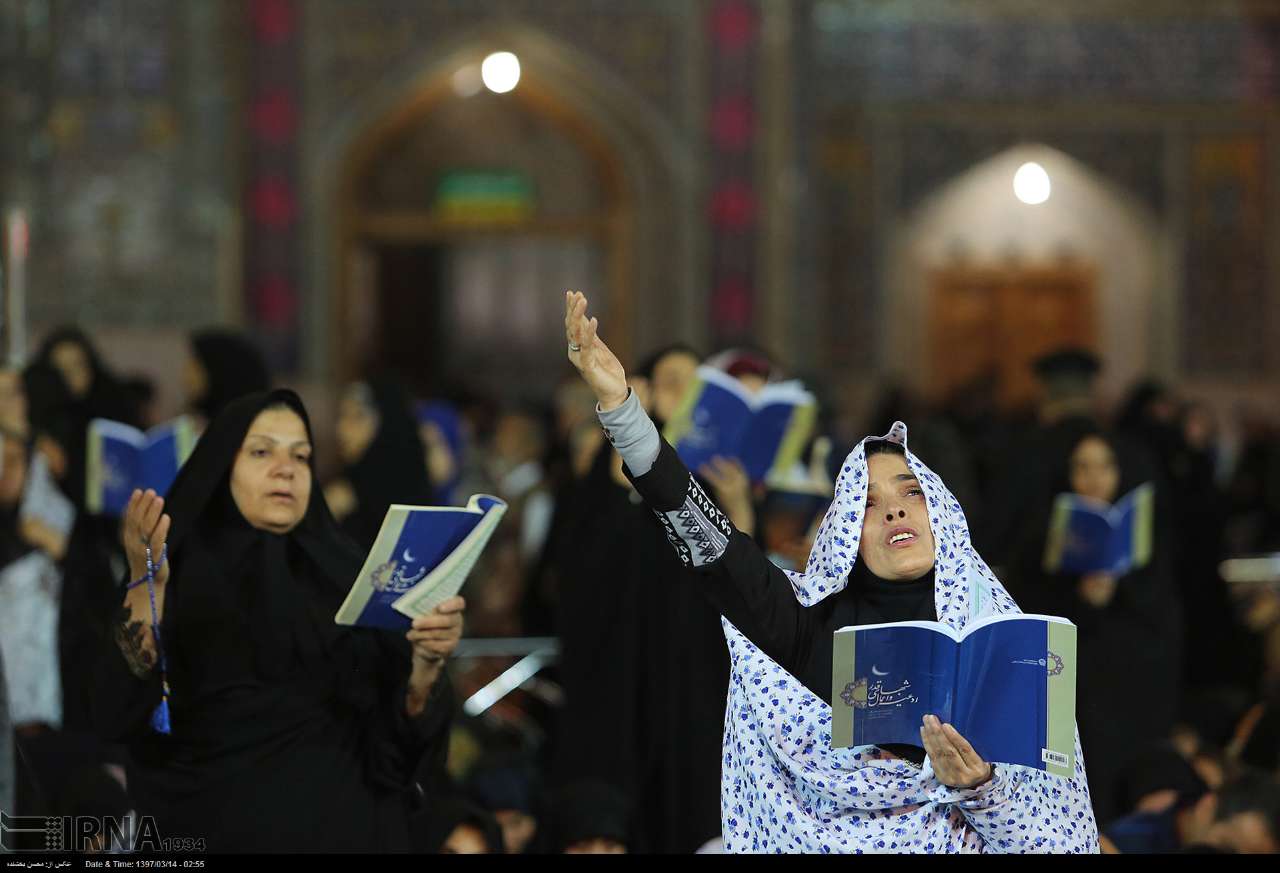
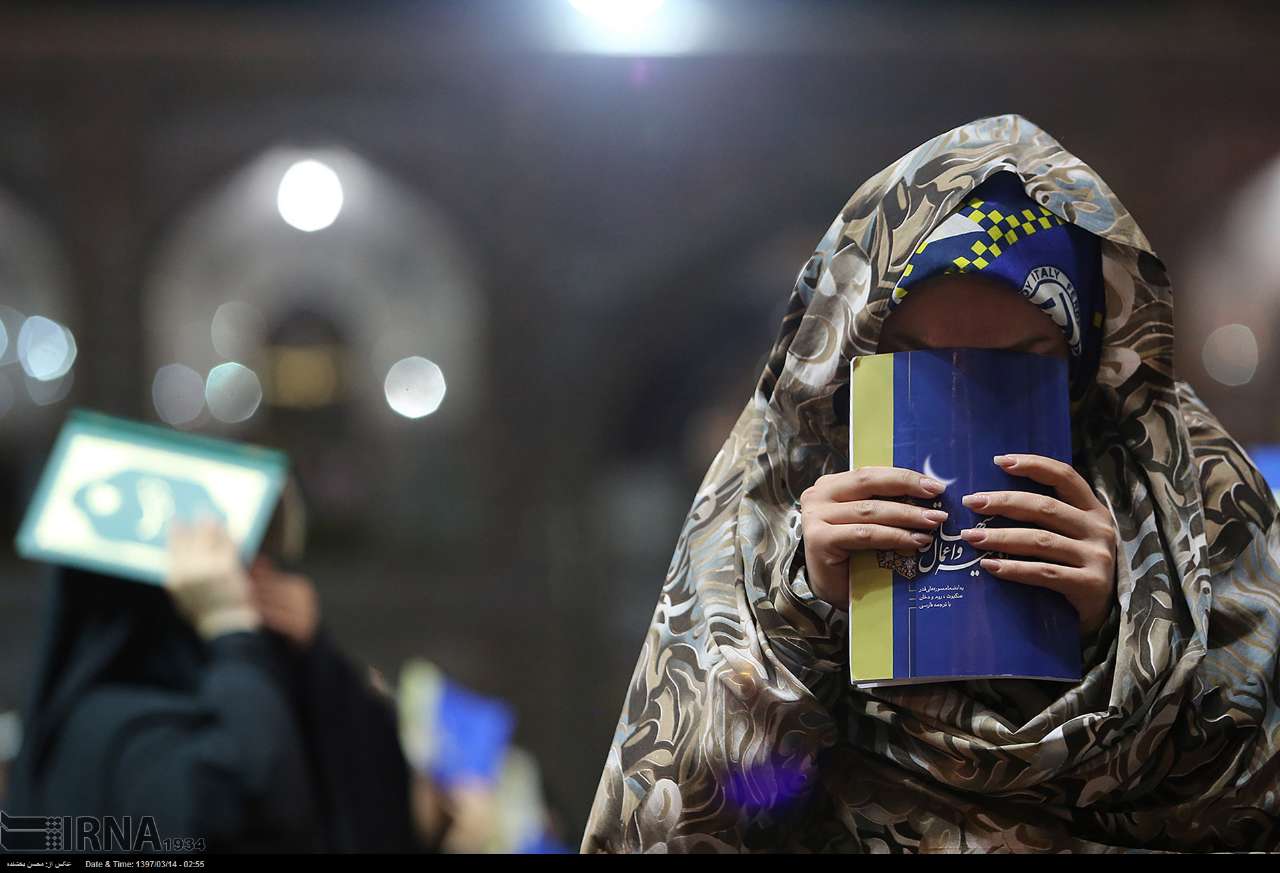
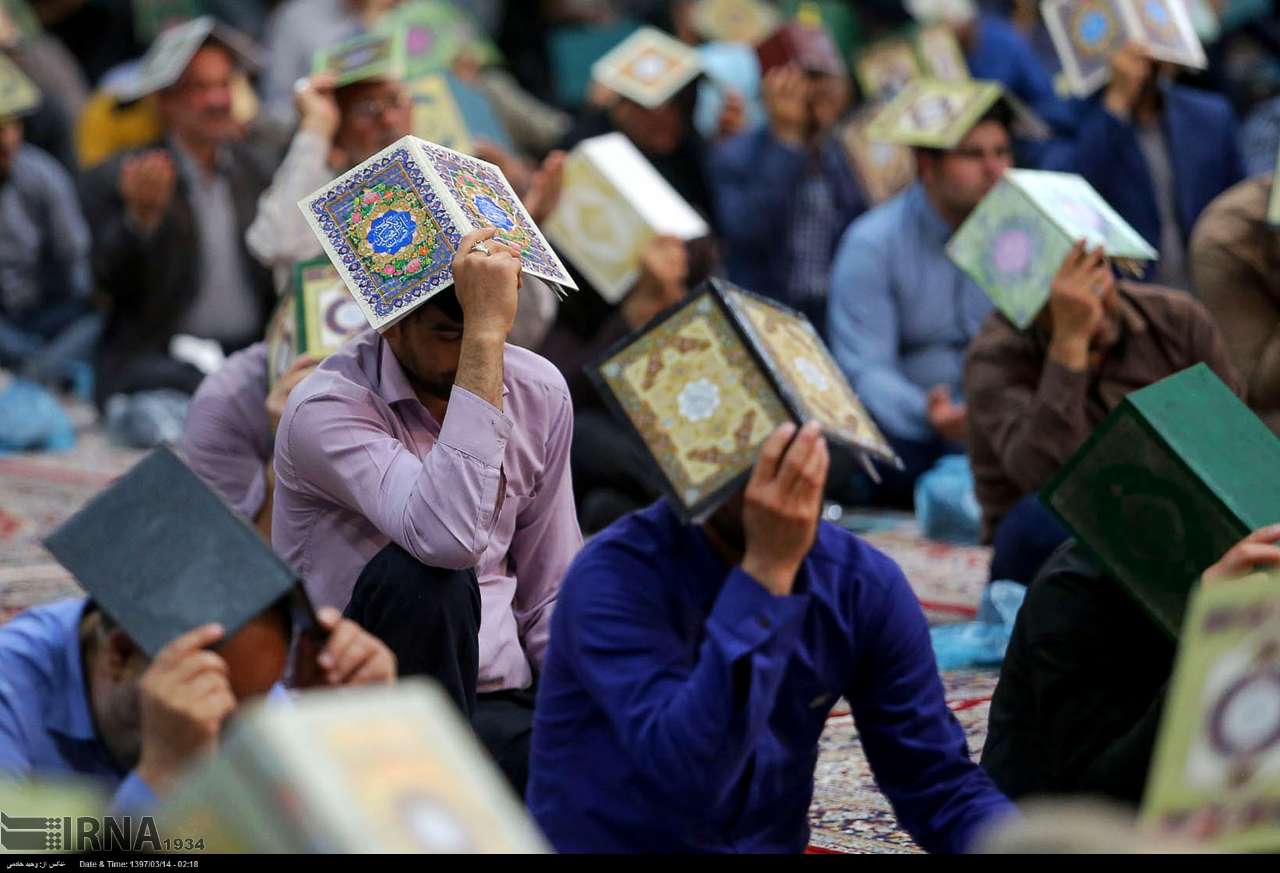
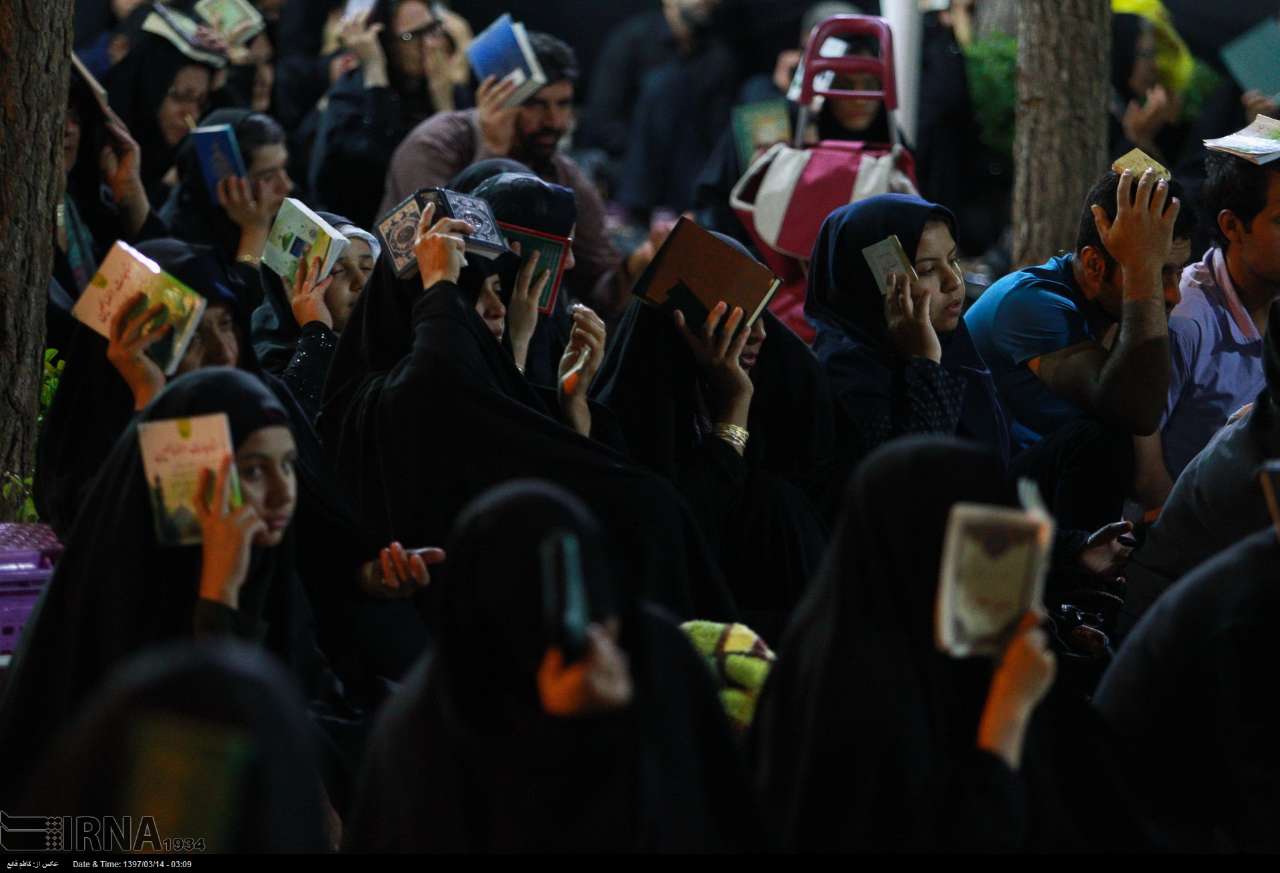
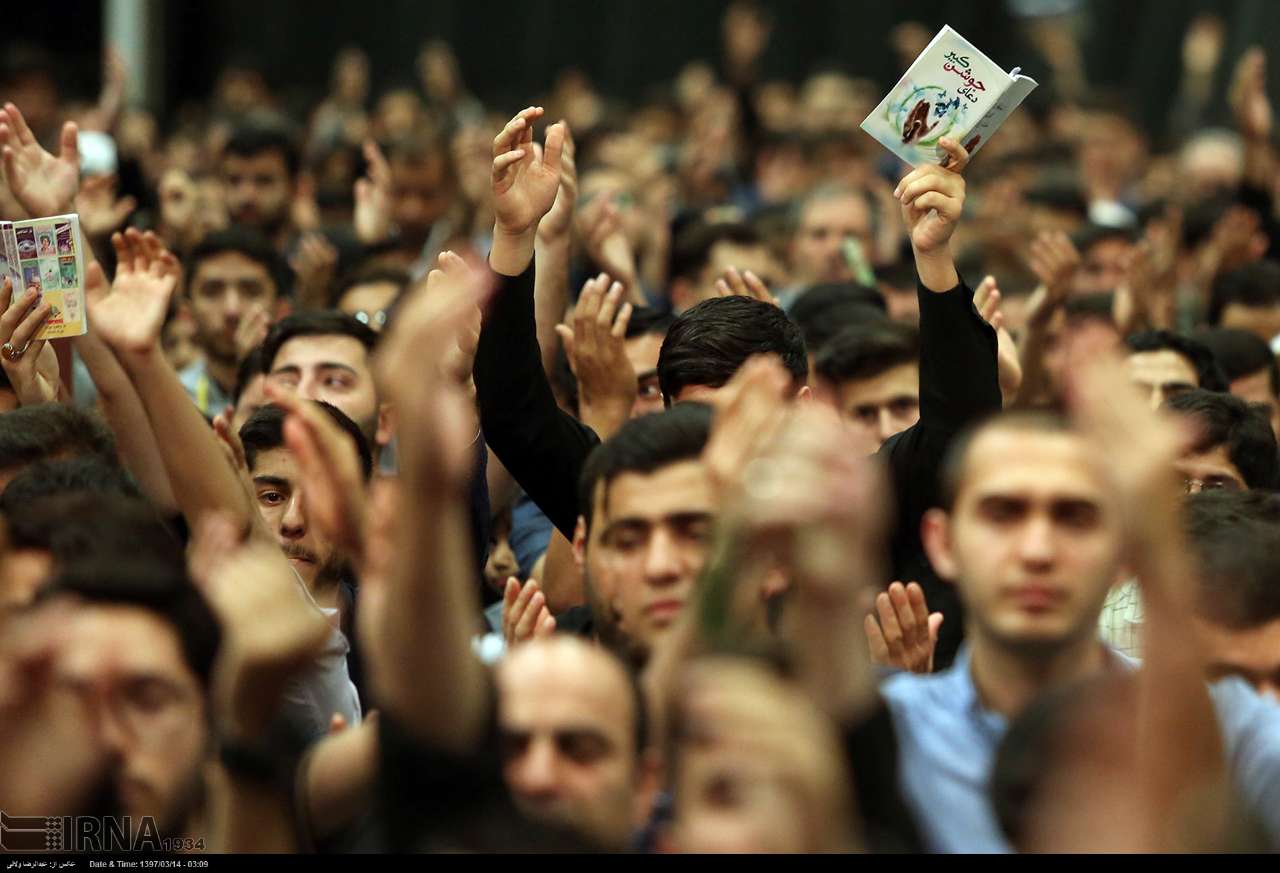
Iranian People Mark “Night of Destiny” (+Photos)

Bojnourd

Muslims believe Ramadan is an auspicious month for the revelations of God to humankind.
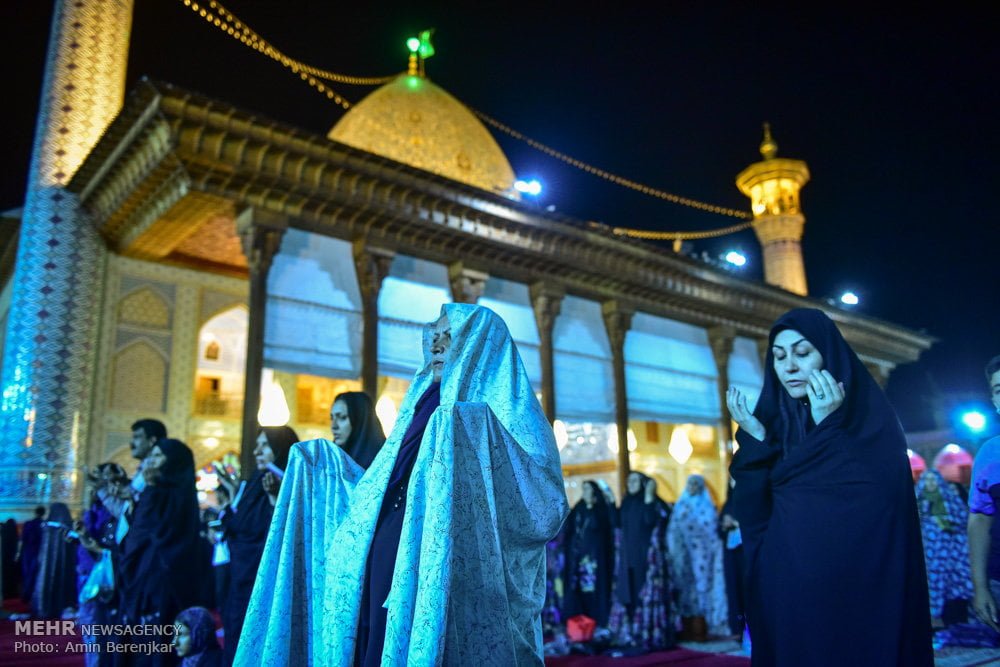
‘Laylat al-Qadr’ in Ramadan is believed to be the night when first verses of Qur’an were revealed to the Prophet Muhammad (PBUH): “Read! In the Name of your Lord, Who has created (all that exists),” Qur’an, Surat Al-Alaq.

It is also believed to be the night when God decides the destiny of everyone for the coming year. Muslims believe Laylat al-Qadr is a good time to ask for forgiveness.

During the ‘Night of Destiny’ or ‘Night of Power’ the angels and the Spirit descend therein, by God’s permission, to carry out every command.

While the exact date of the great night has not been mentioned, most scholars believe it falls on one of the odd-numbered nights of the final ten days of Ramadan, including the 19th, 21st, 23rd, 25th, or 27th days of Ramadan.

Ramadan, the ninth month of the lunar Islamic calendar, is the time to focus on self-reformation and prayer. Muslims throughout the world spend the nights worshipping God.

They recite the holy book of Qur’an more, hold vigils until dawn in prayers and supplications and ask God to forgive their sins. Muslims on this night have also special wishes and prayers.

Laylat al-Qadr has double significance for Shia Muslims as the night of the 21st of Ramadan marks the anniversary of the martyrdom of the first Shia Imam, Ali Ibn-Abi Taleb (PBUH).

Shia Muslims mourn the martyrdom anniversary of Imam Ali from the 19th of Ramadan, marking the day he was wounded and the day of his martyrdom, two days later.

What follows are IRNA and Mehr News Agency’s photos of Laylat al-Qadr ceremony held in various parts of Iran:

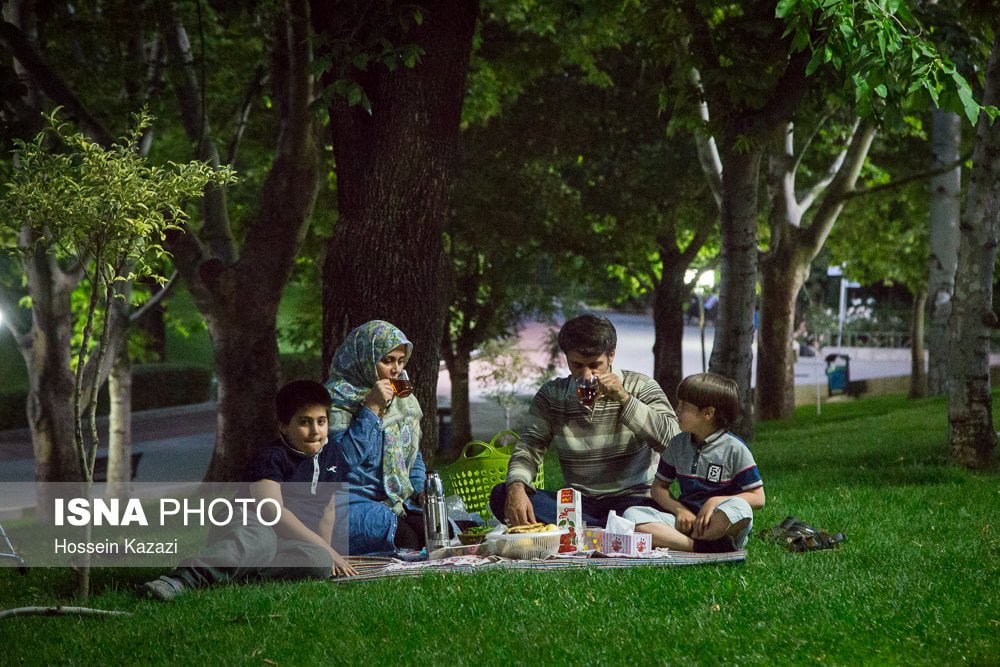
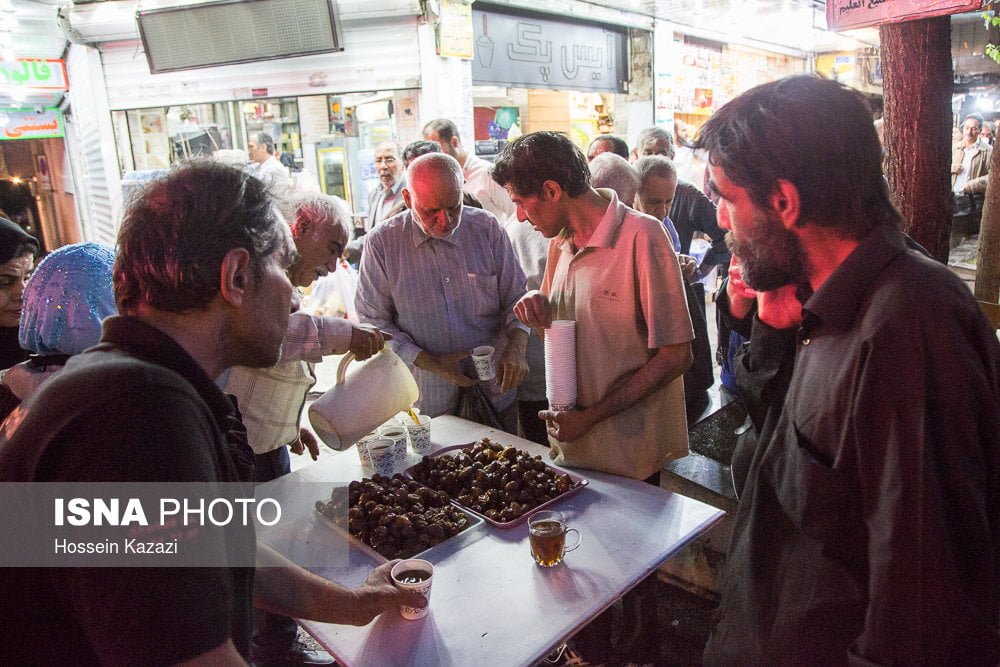
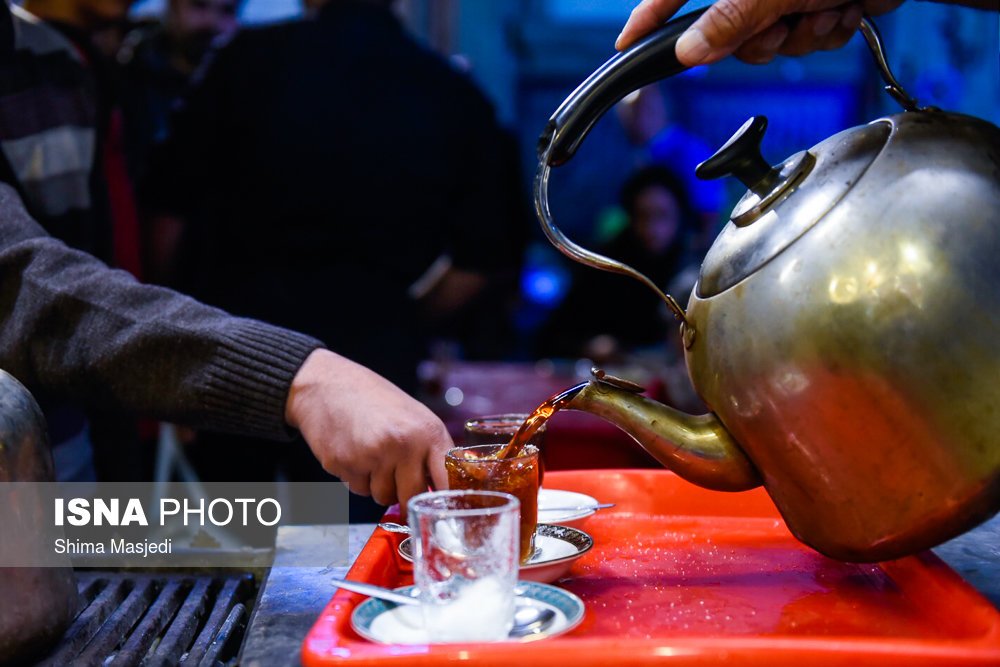
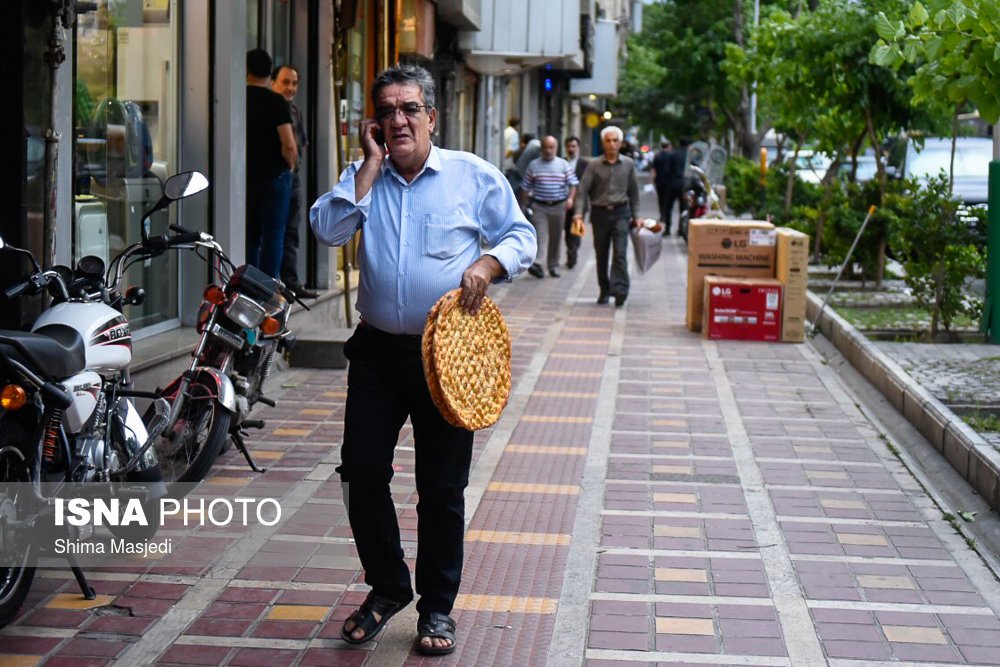
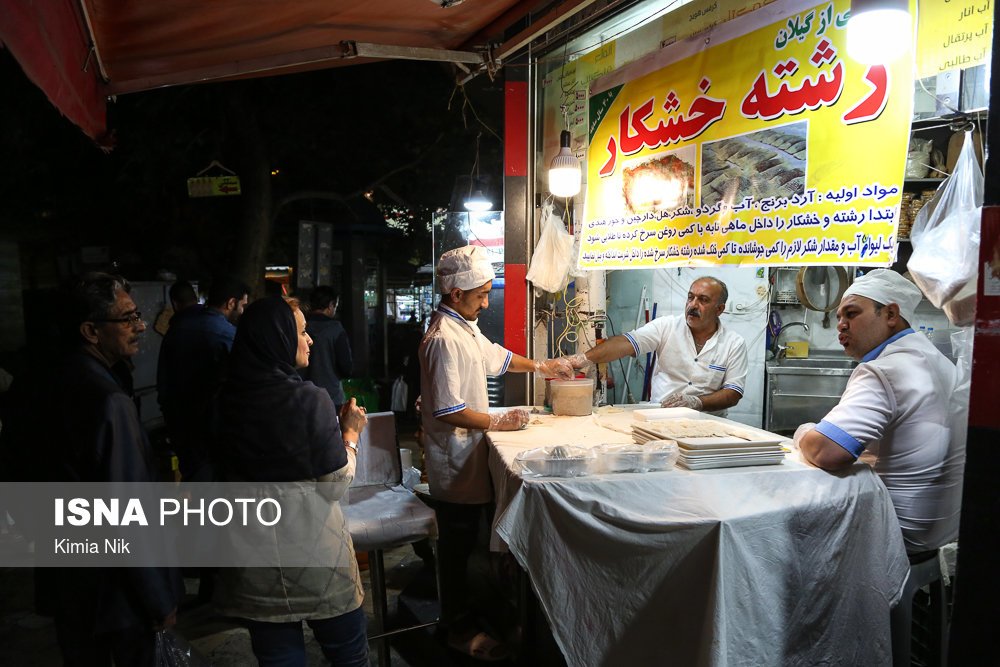
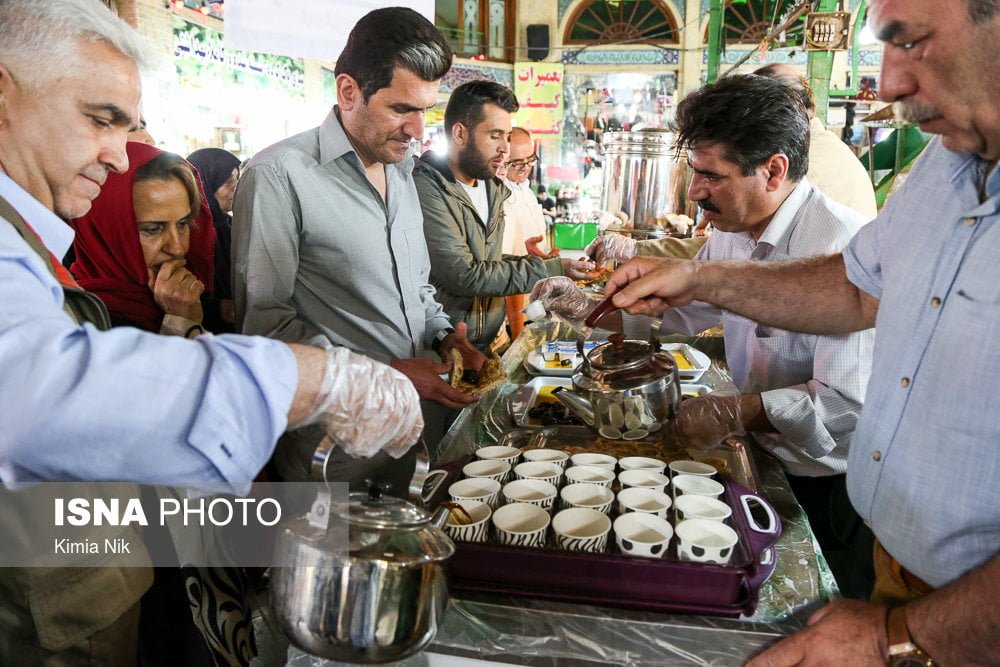
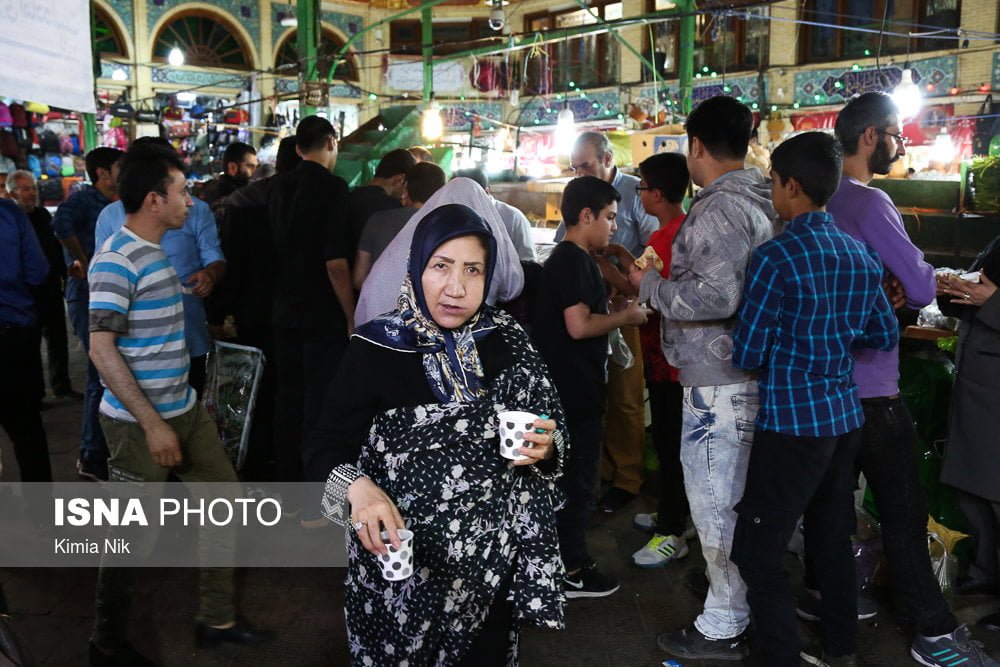
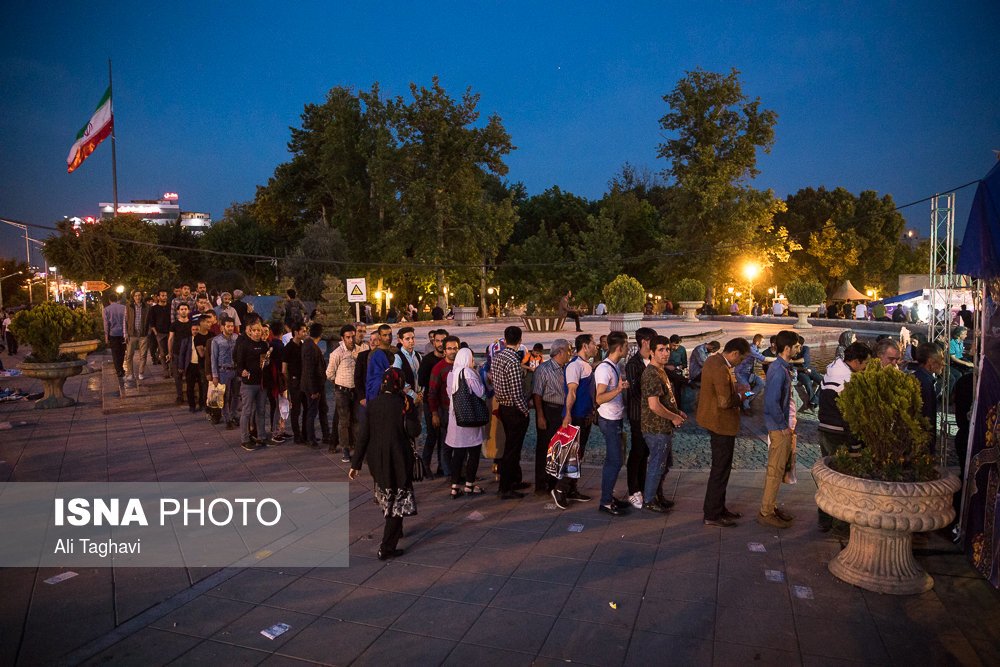
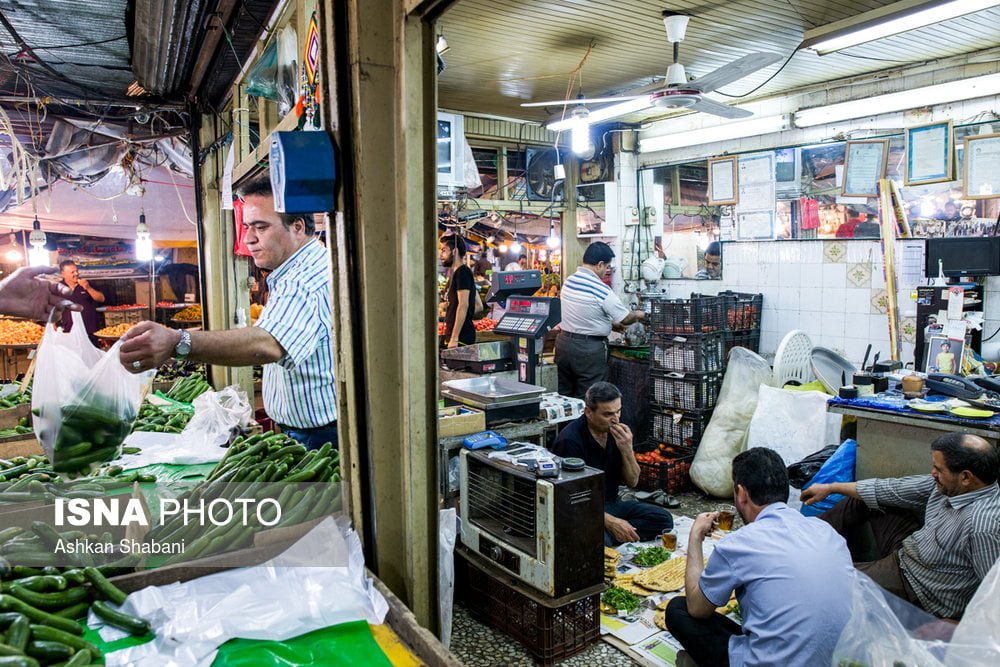
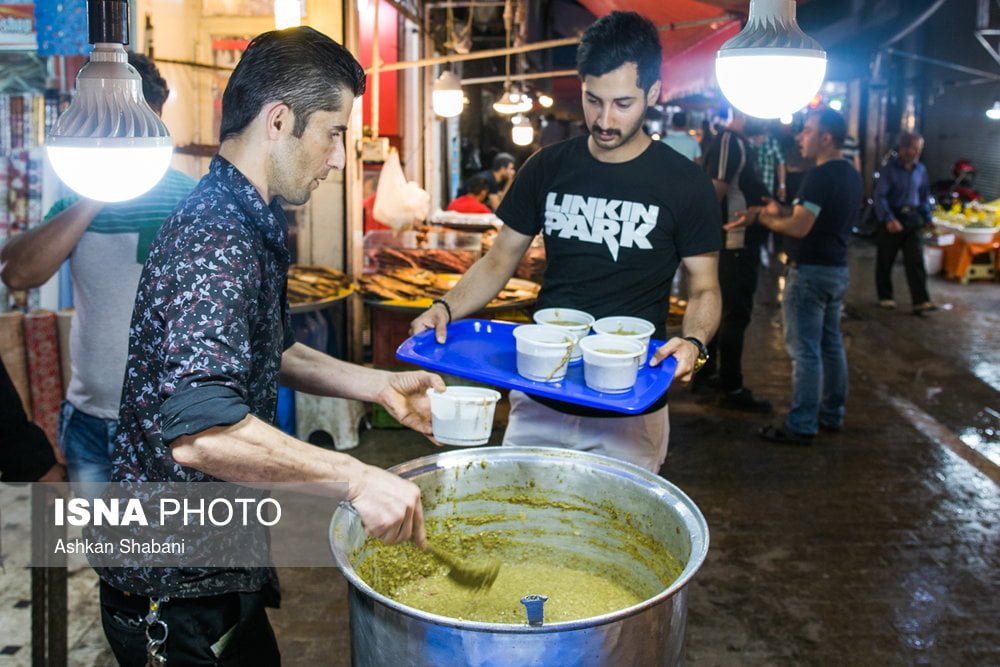
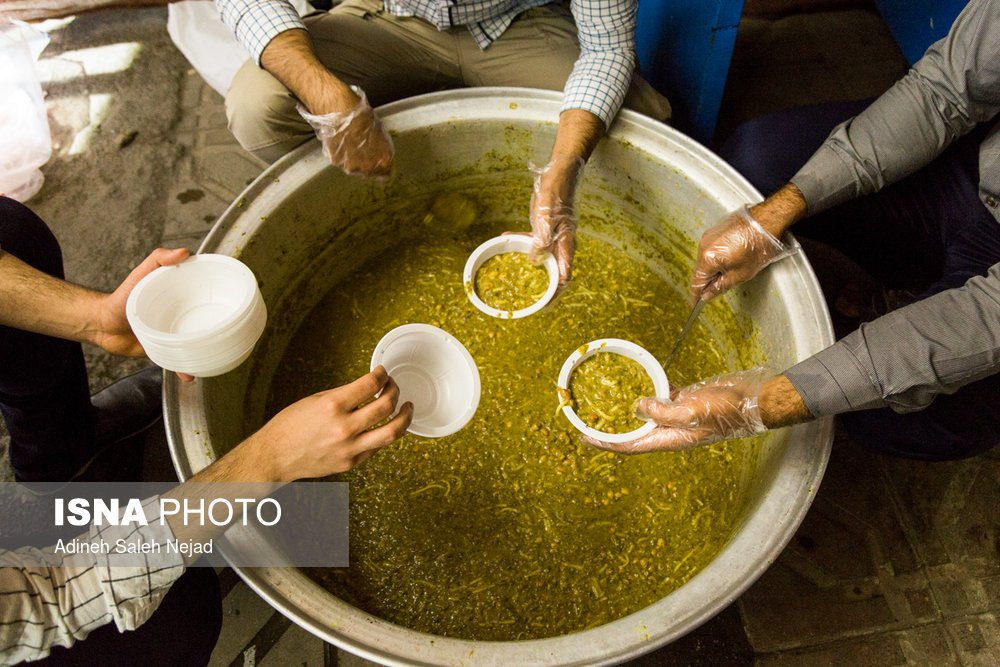
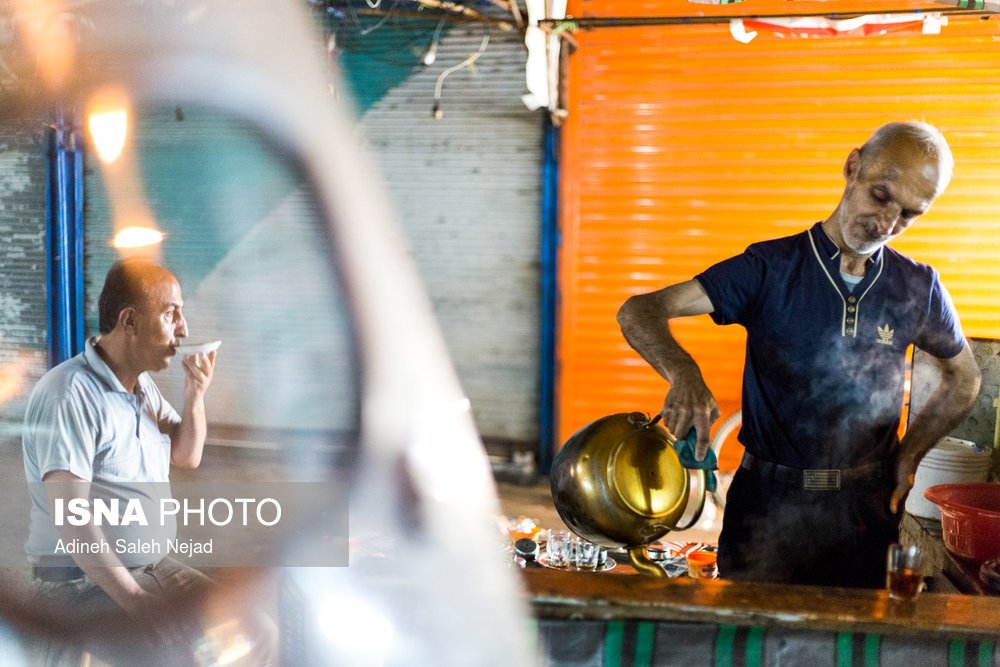
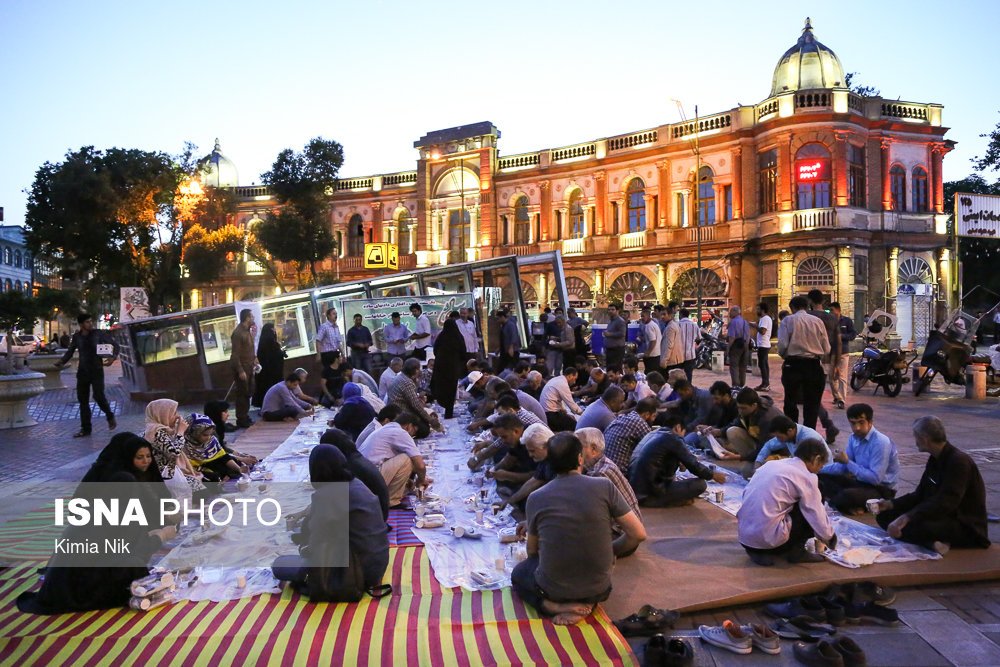
Iran in Photos: Customs Practiced in Ramadan

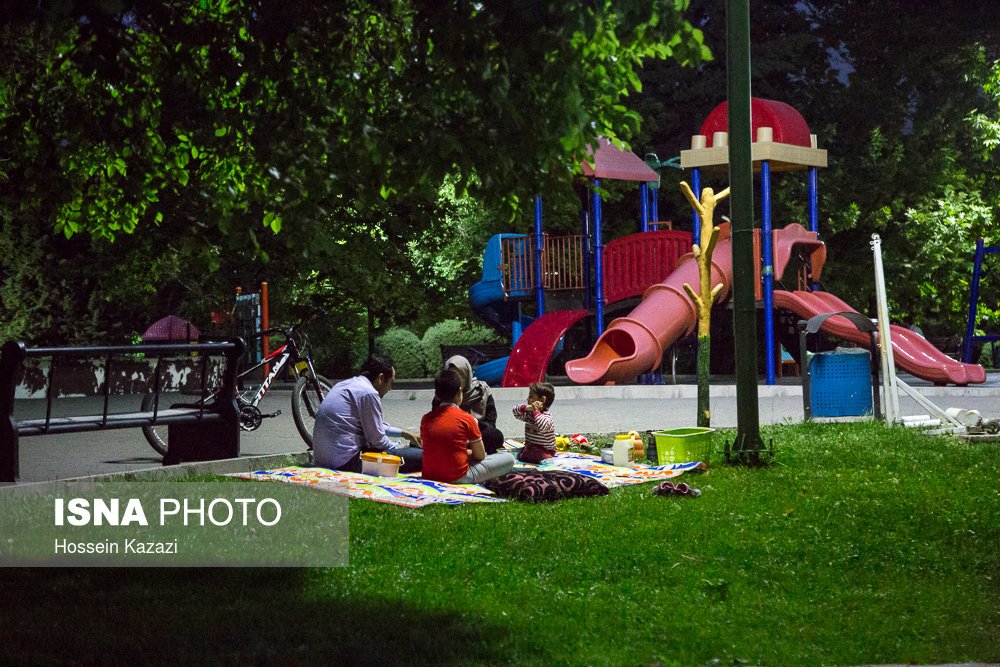
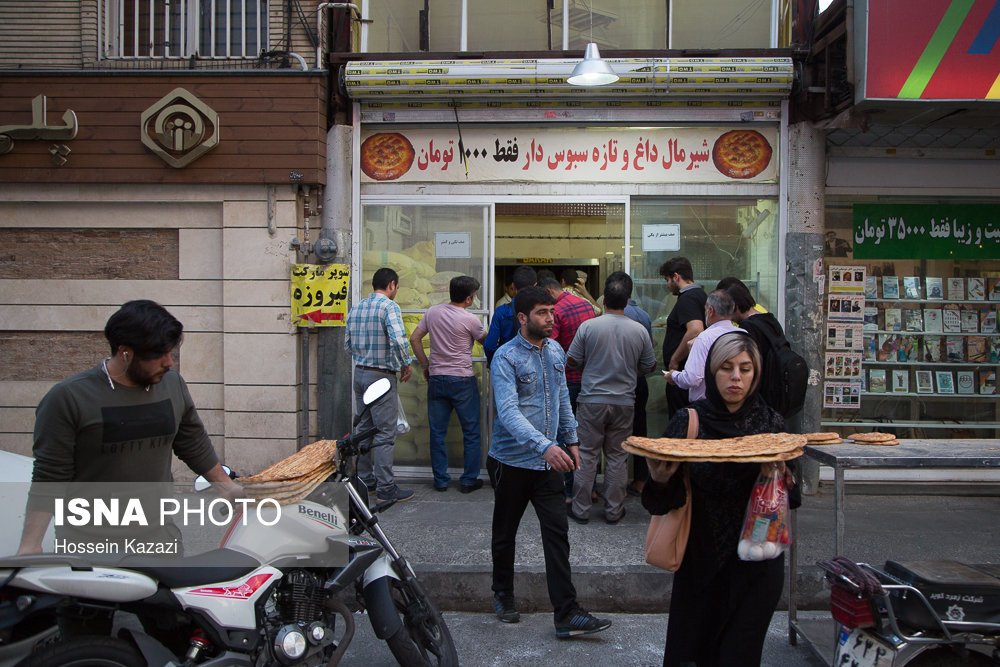
What follows are photos retrieved from ISNA showing customs and traditions observed in Ramadan across the Islamic Republic of Iran.

One of these traditions is to invite family and friends for fast-breaking (Iftar) time and of course holding special prayers on Eid al-Fitr, a religious holiday marking the end of Ramadan.

In addition to these traditions, which are common in almost all parts of Iran, there are other special traditions and customs in different Iranian cities. Some of these traditions are still practiced, and some are fading away or have slipped into oblivion altogether.

ISNA’s photo collection mostly focuses on what is practiced by people from Iftar to Suhoor.