Wednesday, December 24, 2025
Home Blog Page 3500

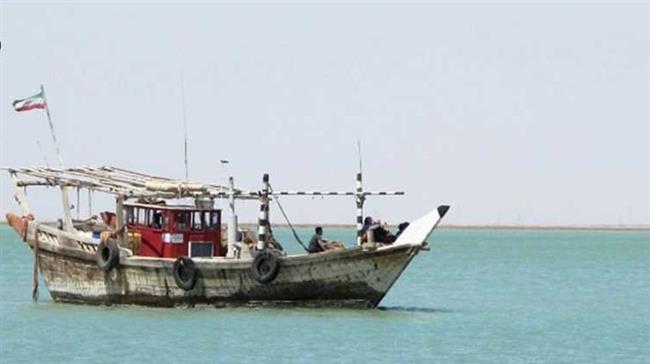
Saudi Arabia Frees Three Iranian Fishermen

Ardeshir Yarahmadi told IRNA on Tuesday that the three fishermen were arrested in June 2017 after their boat fishing in the Persian Gulf strayed from their course due to big sea waves.

He added that they were freed this week after serving their sentence in Saudi Arabia.

In a statement issued in June 2017, the Iranian Interior Ministry called on Saudi Arabia to swiftly free the three Iranian fishermen, saying Riyadh had to live up to its legal obligation of returning the fishermen, paying up compensation, and punishing those behind the incident.

Bearing licenses, three Iranian fishing boats had departed from the southern Iranian Bushehr Port, the statement explained, adding that, later during the trip, tumultuous sea conditions pushed them into Saudi waters.

Relations between Iran and Saudi Arabia first soured after a deadly human crush during the Hajj rituals in September 2015, when hundreds of Iranian pilgrims among others lost their lives.

Tensions further escalated a few months later following the kingdom’s execution of prominent Shia cleric Sheikh Nimr al-Nimr.

Riyadh cut off diplomatic ties with Tehran in January 2016 following angry protests in front of its diplomatic premises in the cities of Tehran and Mashhad against the execution.

Ever since breaking its ties with Iran, the kingdom has ramped up its negative rhetoric against the Islamic Republic over its role in the region.

However, Saudi Arabia, in a rare move after Riyadh and Tehran broke off relations two years ago, has reportedly agreed to issue visa to an Iranian diplomat to head the Islamic Republic’s interests section in the kingdom.

Following the approval by Saudi Arabia’s Foreign Ministry, the head of the Oman and Yemen Department at Iran’s Ministry of Foreign Affairs, Mohammad Alibek, had been appointed as the caretaker of the Islamic Republic’s interests section in the city of Jeddah, an informed diplomatic source told IRNA on August 5.

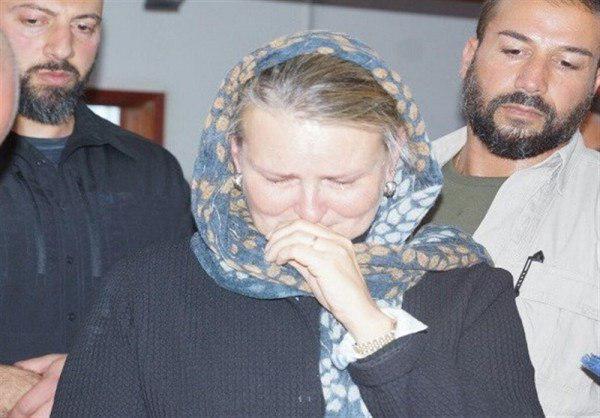
Yemen School Bus Tragedy Moves UN Envoy to Tears

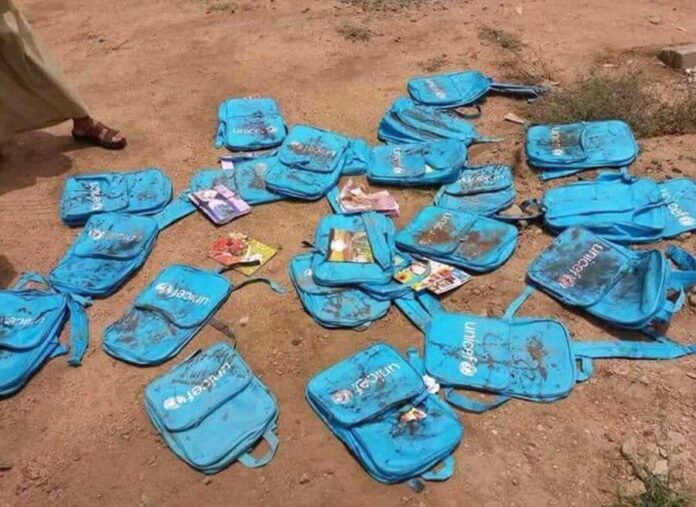
Bloodstained UNICEF bags belonging to the Yemeni children killed or wounded during a Saudi airstrike on Sa'ada

UN humanitarian coordinator in Yemen Lise Grande, who is on a trip to the war-torn country, visited hospitals treating the injured on Tuesday.

The attack happened in Yemen’s north-western province of Sa’ada last Thursday, claiming the lives of over 50 civilians, most of whom were children less than 10.

Grande said the airstrike that hit a bus carrying civilians in a busy market was a “tragedy” that could never be justified.

“What we are seeing today are the victims of the airstrike. The terrible human cost of the airstrike and of the war. The entire world condemns this,” Islam Times quoted Grande as saying.

Grande added that the UN Secretary General of has called for an “immediate transparent, comprehensive, independent investigation,” into the deadly attack on civilians.

The International Committee of the Red Cross (ICRC) has announced 40 children were among 51 civilians killed during the Saudi airstrike.

Images later circulated online showing pieces of a US-made bomb on the scene.

The Saudi-led coalition has described the attack as “legitimate” and claimed that the strikes “conformed to international and humanitarian laws.”

The United Nations says a record 22.2 million Yemenis are in need of food aid, including 8.4 million threatened by severe hunger.

Yemen School Bus Tragedy Moves UN Envoy to Tears

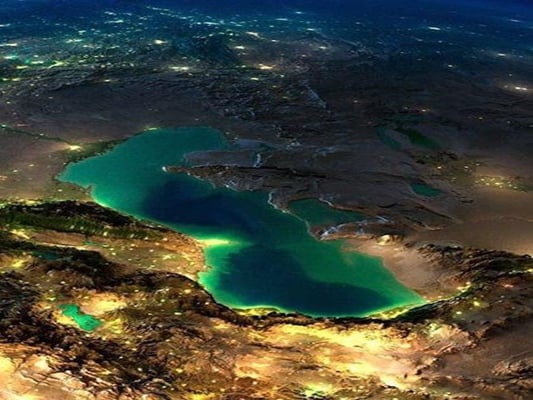
Caspian Sea Convention Ensures All Littoral States’ Interests: Iran

The Foreign Ministry made the announcement in a recent statement it released to dismiss speculations about the Convention.

In the statement, the Foreign Ministry’s Centre for Public Diplomacy and Media responded to the following frequently asked questions regarding the recent summit of the heads of the Caspian Sea littoral states held in the city of Aktau in Kazakhstan.


  1. Generally speaking, when did the Caspian Sea summits begin?

Following the collapse of the former Soviet Union, the first summit of the heads of the Caspian Sea littoral states was held in Tehran. The issue of the sea’s environment was discussed and approved at that meeting. A 25-article political statement was also issued at the summit. Later on, several other meetings were held in different countries where various issues pertaining to the Caspian Sea were discussed.

  1. What are the objectives of the Caspian Sea summit, and what achievement Iran would like to see the summit have?

After two months of negotiations between the five Caspian Sea littoral states, the convention on the legal regime of the Caspian Sea was finalized and approved by coastal states thanks to the positive will of the heads of the five states and the friendly and constructive atmosphere ruling the meetings. The littoral states signed up on the text of the convention as well as six other agreements on the sidelines of the summit in Aktau in Kazakhstan. The convention has been hammered out through the consensus of the five countries and following thousands of hours of discussions. The convention ensures the interests of all littoral countries and can be regarded as an invaluable document in Iran’s foreign relations. Twenty-one days ago, a protocol on Environmental Impact Assessment (EIA) was signed as well. These events herald a very bright future for our nations and governments.

  1. What are the six other documents mentioned above, which were signed along with the protocol on the legal regime of the Caspian Sea?

They include documents on transportation and transit, trade and economy, fighting terrorism, combating organized crime, border cooperation and prevention of military conflicts.

  1. What is the importance of signing the convention on the Caspian Sea’s legal regime?

The convention on the legal regime of the Caspian Sea is like countries’ constitutions, i.e. it is an overarching document and a framework based on which the rights and commitments of the littoral states are determined. Based on these general principles, the Caspian Sea coastal states will turn to details by signing agreements on specific matters. The signature of the convention on the legal regime of the Caspian Sea is a very significant step being taken and caps 21-year negotiations which have been underway in that regard. Nevertheless, it should be acknowledged that the convention is not the end of all talks and measures on the Caspian Sea; rather, it serves as watershed and a starting point for the implementation of already reached agreements and supervision on their implementation. It also paves the way for negotiations to clinch new and necessary deals.

  1. Are there any other unsettled issues regarding the Caspian Sea which need to be further discussed by littoral states in the future?

Almost 90% of the convention on the Caspian Sea littoral states has been finalized and was signed in Aktau. Only two issues, namely designation of base lines and demarcation of the seabed and what lies under the seabed, have remained which need further discussions by all five countries. We hope that these two cases are also finalized as soon as possible through the cooperation of all littoral states. So, the countries rimming the Caspian Sea have reached a unique consensus, which is regarded as a victory for them all.

  1. When will the base lines and boundaries be determined?

It is stipulated in the above-said convention that base lines for the sea’s legal regime must be determined through consensus by all five littoral states later on. Of course, some points are mentioned in the convention regarding the base lines. One of the clauses of the convention particularly mentions that the coastal conditions of some of the littoral states are such that they require special regulations. This clause is very important for us. However, base lines have not yet been determined in the convention and should be specified in future agreements. The convention does not provide for the limits of the boundaries on and underneath the seabed either, and they are supposed to be determined in the future as well. This has been one of the issues which the five littoral states have been discussing for around 22 years now.

  1. What are the specifications of the Caspian Sea’s legal regime?

The Caspian Sea is, in fact, a lake whose legal regime naturally has its own specific features and is different from that of the high seas as mentioned in the 1982 Convention on the Law of the Sea. The Caspian Sea littoral states have modeled the sea’s legal regime after that of other lakes, and at the same time have drawn on the provisions of the Convention of the Law of the Sea and adapted them to the situation of the Caspian Sea, coming up with a special and unique legal regime for the Caspian Sea. It is stipulated in the convention that all legal issues of the Caspian Sea must be settled through consensus by the five littoral states, which is a very important point and completely distinguishes the convention on the legal regime of the Caspian Sea from the Convention on the Law of the Sea. Moreover, the convention pertaining to the Caspian Sea forbids foreign military vessels from plying across the sea. This issue is very important for the national security of the Caspian Sea littoral countries. It is stipulated in the convention that the boundaries for the territorial waters of the coastal countries will be determined, and the locations for fishing and movement of vessels will be specified. On the whole, this is a very important convention that brings us one step forward, though very important issues have remained to be resolved in the future.

  1. Why have negotiations to draw up the convention on the Caspian Sea’s legal regime dragged on for so long?

Immediately after the collapse of the former Soviet Union and the formation of four independent republics around the Caspian Sea, talks began on how to determine a comprehensive legal regime for the Caspian Sea that would enable all littoral states to enjoy the privileges and resources of the Caspian Sea within a specific framework. Given the differences of opinion among the littoral states on different issues, the negotiations have dragged on until now, and as it was mentioned earlier, discussions still continue on the determination of base lines as well the demarcation of the seabed and what lies under the seabed. We hope we will be able to finalize these issues as well through the cooperation of other countries. In other words, the littoral states have not yet reached consensus on these important issues.

  1. What will the military and security situation of the Caspian Sea be like, and will third countries have a military presence there?

As agreed by the littoral states, the Caspian Sea will be a sea of peace and friendship for the coastal nations, and other countries are not allowed to have a military presence in the sea. Moreover, the movement of vessels in the sea will take place only under the flags of the five littoral states. Furthermore, the five states cannot allow other countries to use their territories to launch aggression against any of the littoral states. It is good news that, as stipulated in the convention, all five littoral states are of the opinion that movement of ships in the sea is allowed only under the flags of the coastal states and that the presence and movement of foreign military forces in the sea is forbidden.

  1. Given the existence of rich oil resources in the Caspian Sea, have the littoral states reached any agreement on the exploitation of the oil deposits?

The oil reserves which are not subject to disagreement will be developed by relevant littoral states. As for the common resources or the ones that are a bone of contention, the principle is that the two or three countries which have interests in that regard should reach agreement and exploit the oil resources accordingly. If the countries cannot reach agreement, those resources will not be exploited.

  1. How important is the issue of transit in the Caspian Sea for Iran?

Transit is one of the very significant issues for the Caspian Sea as well as its littoral states and regional countries. The east of the Caspian Sea, i.e. Turkmenistan and Kazakhstan, is linked to Iran through which the two countries are also connected to the Persian Gulf and the Sea of Oman to the south of Iran. Steps have also been taken to link the west of the Caspian Sea to other regions, and the Astara-Astara project has been implemented to this end. We are considering the implementation of a project to lay a railway line connecting [Iran’s] Rasht to [Azerbaijan’s] Astara, which will be done by the Islamic Republic of Iran and the Azerbaijan Republic. Through these major corridors in the east and west of the Caspian Sea and through this important transit route, Iran and many Asian countries will be connected to Central Asia, the Caucasus, Russia and Europe.

  1. Will other issues regarding cooperation among littoral states be on the agenda at the summit?

The Caspian Sea coastal countries enjoy very good potentialities and opportunities, especially in terms of economy, transportation, the transit of goods and passengers, and tourism, which will be discussed alongside other issues on the agenda. The Caspian Sea has oil and gas resources, which can contribute to development. Cooperation among littoral states on the extraction and exploitation of oil as well as oil and gas swap are among the issues which have always been a subject of discussion between Iran and other littoral countries, and discussion on those issues will continue at this summit as well.

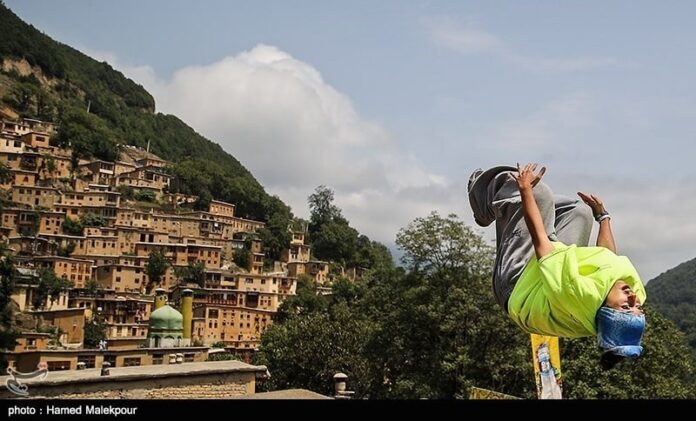
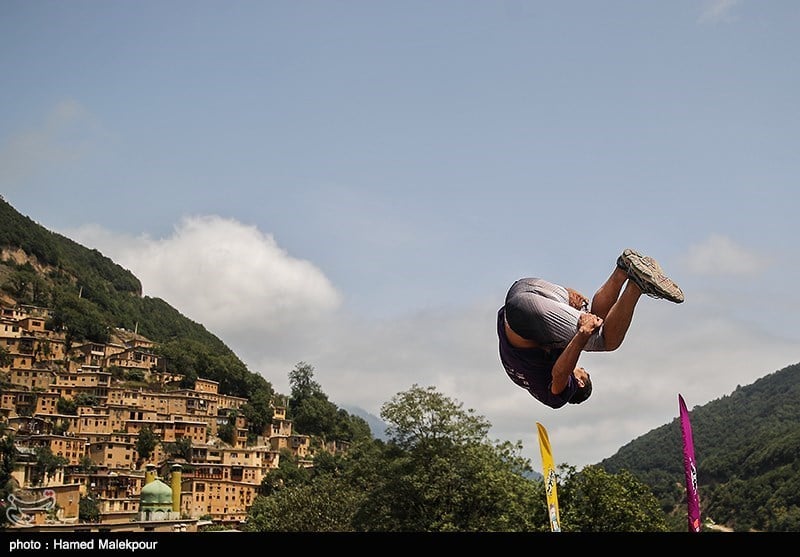
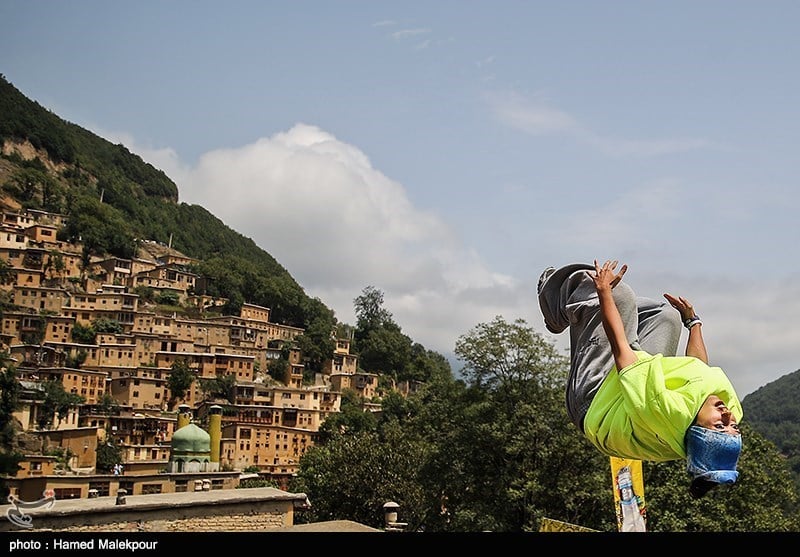
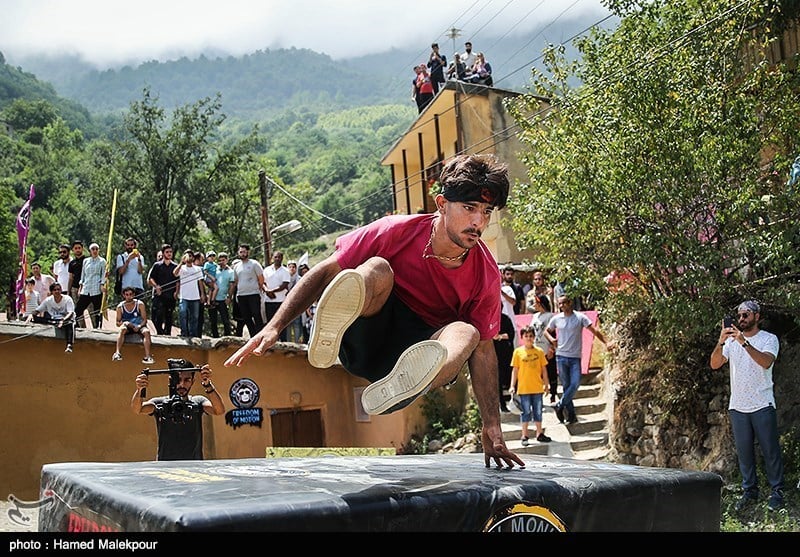
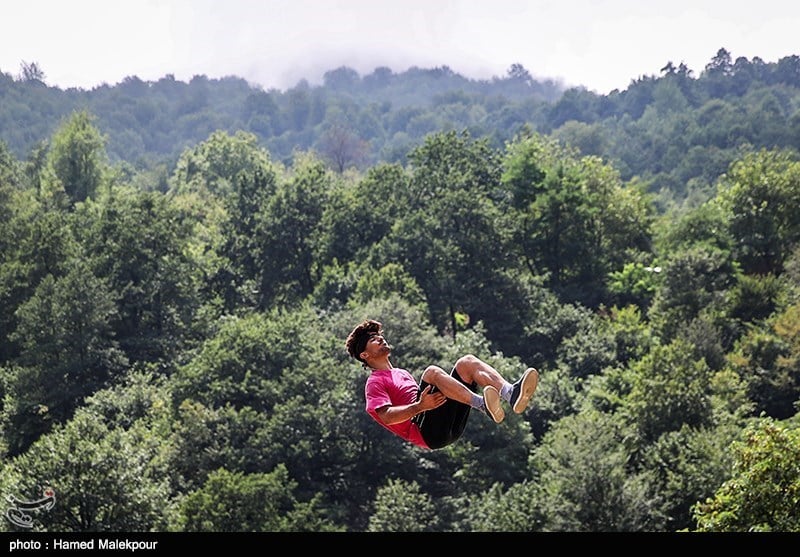
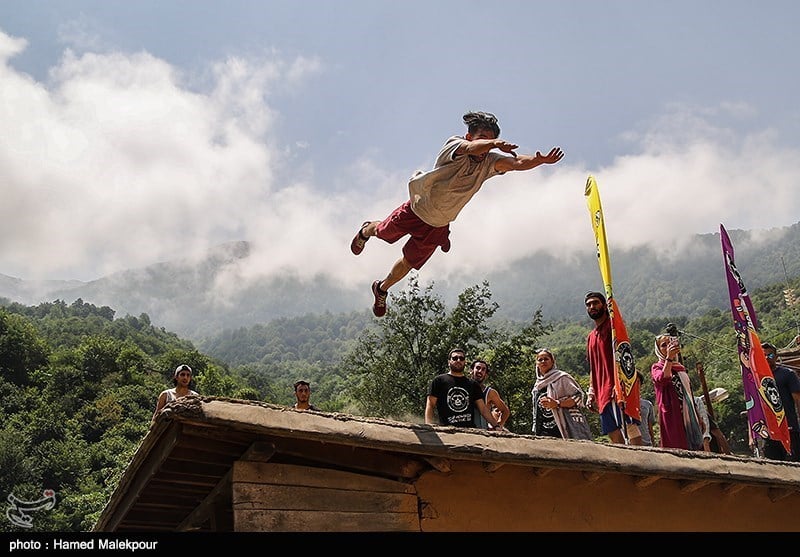
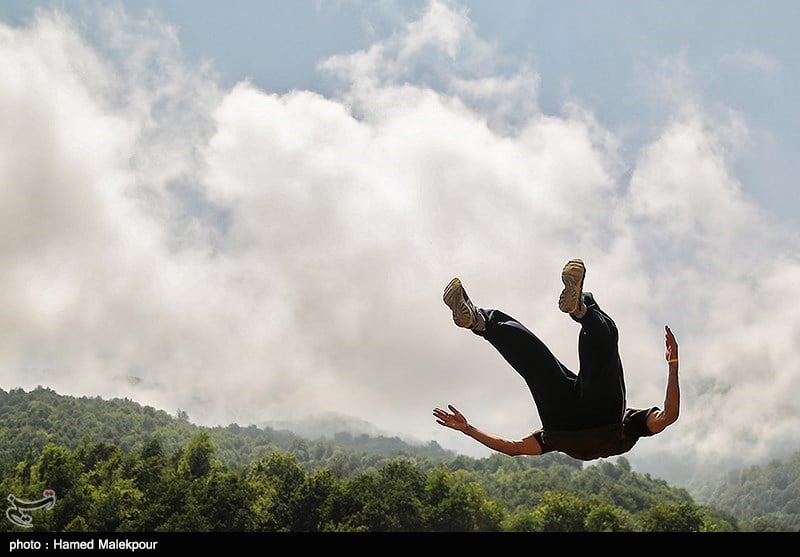
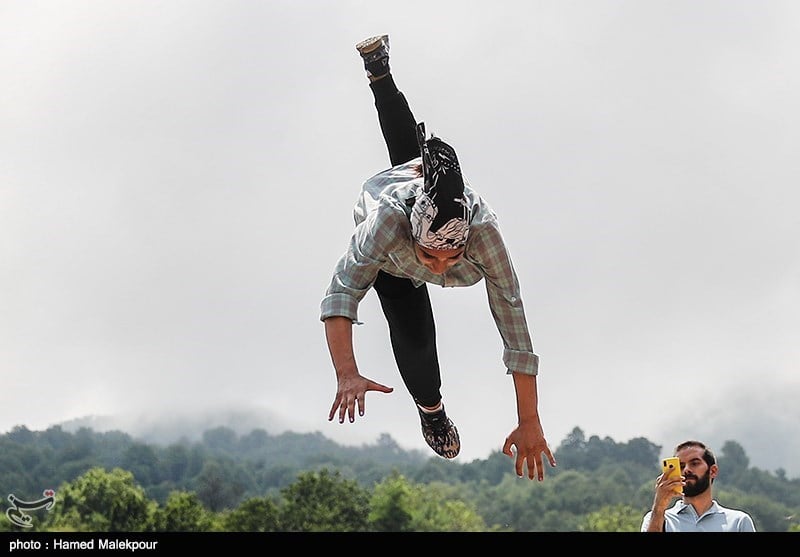
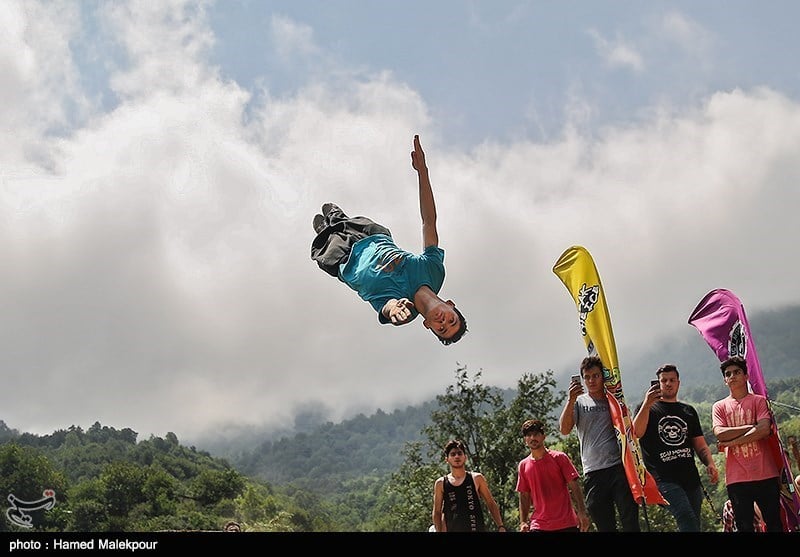
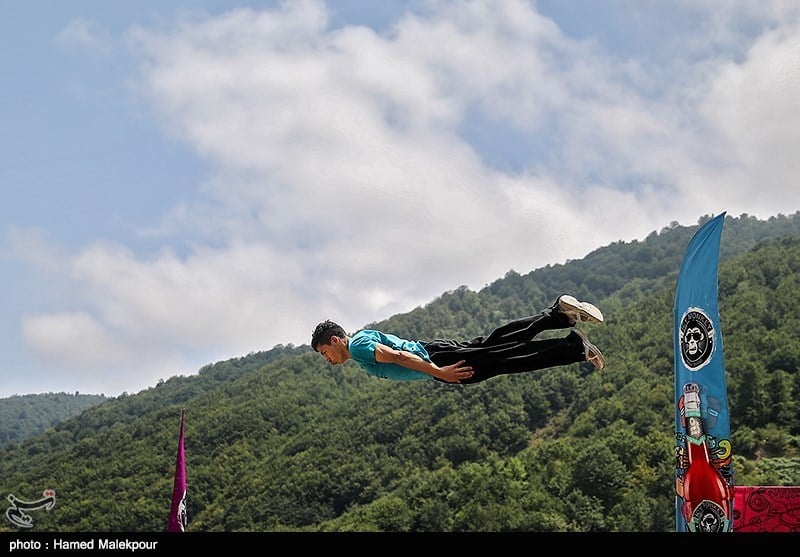
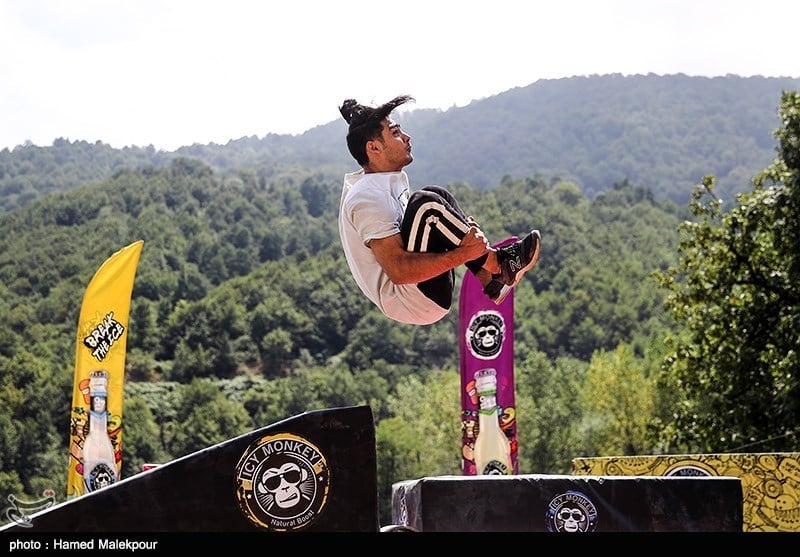
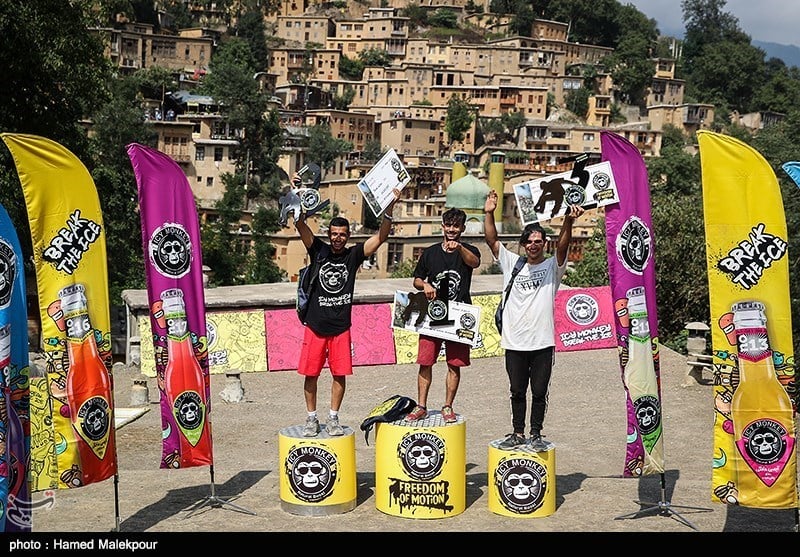
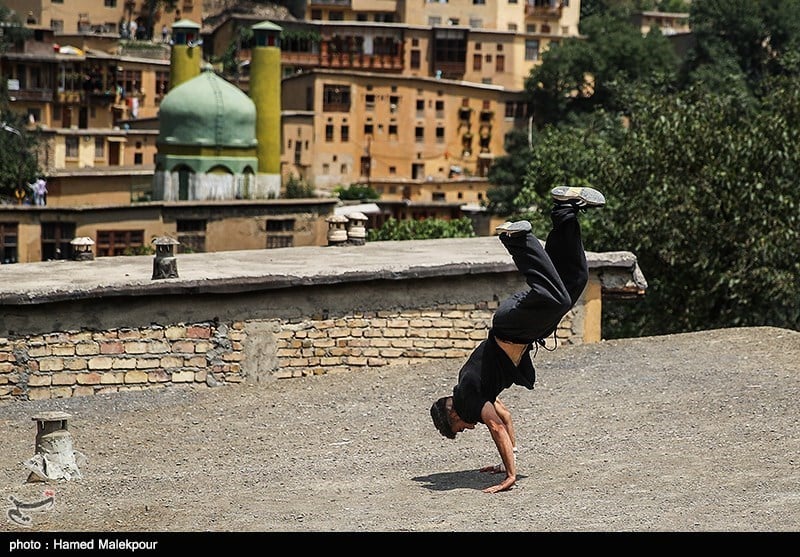
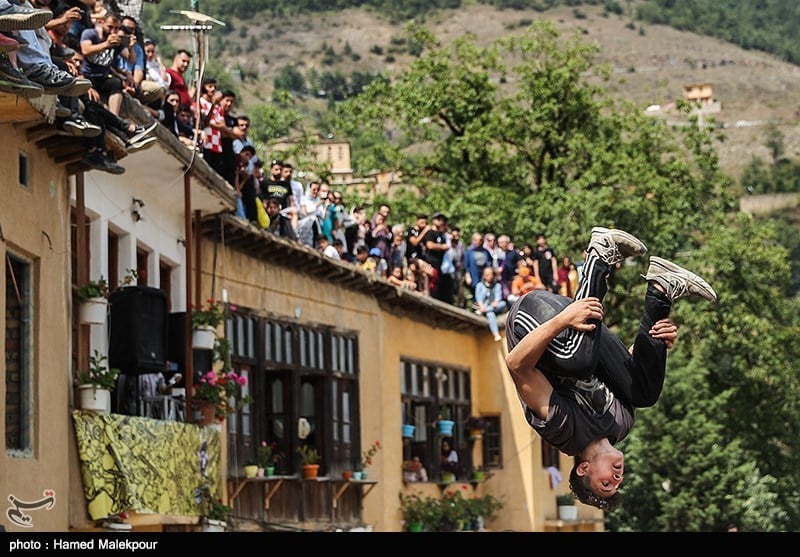
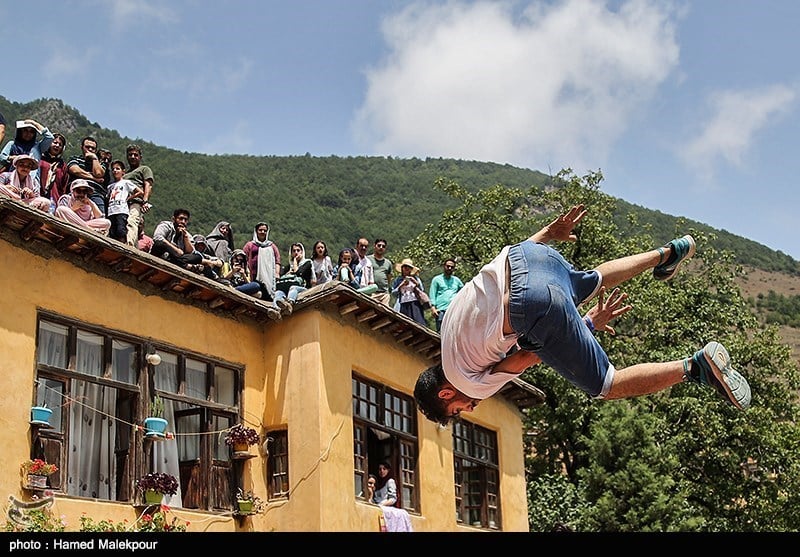
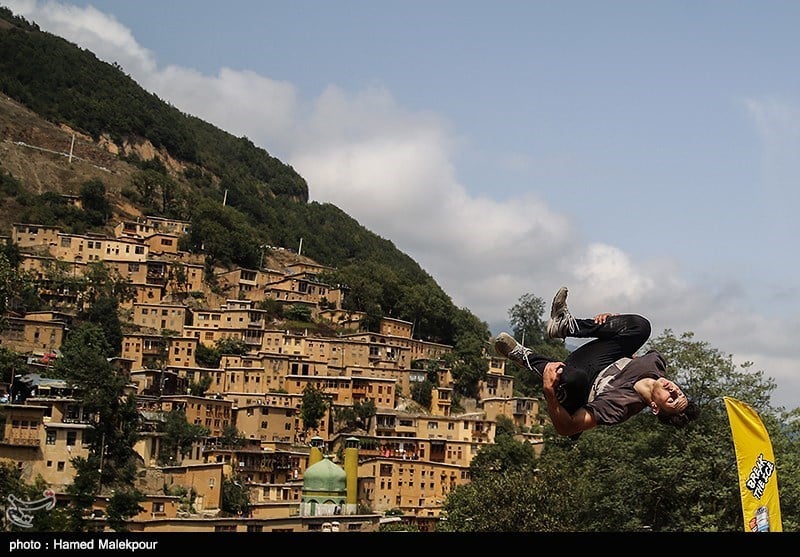
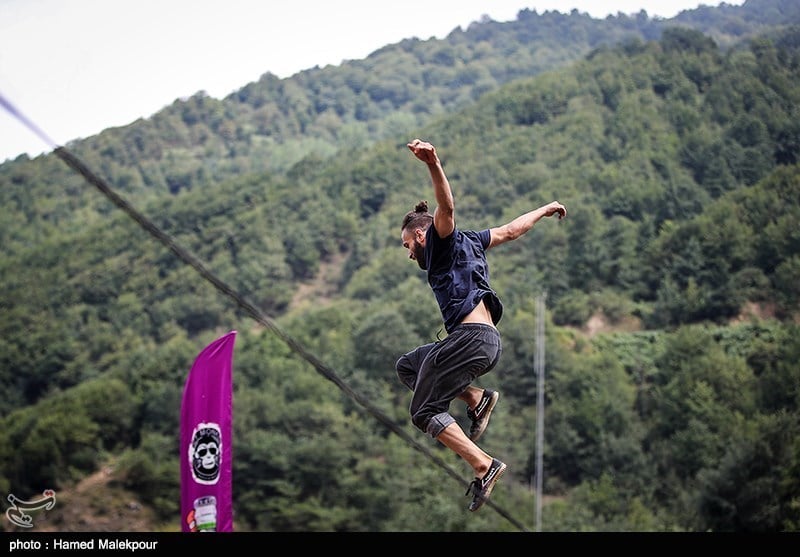
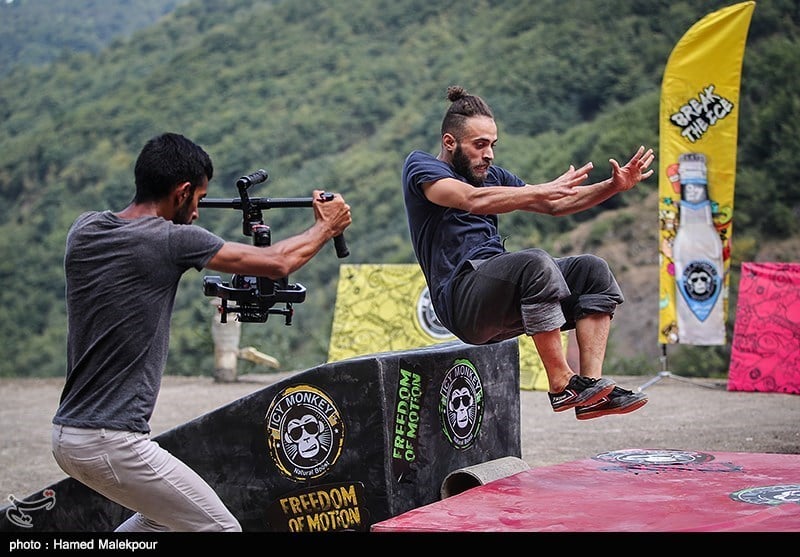
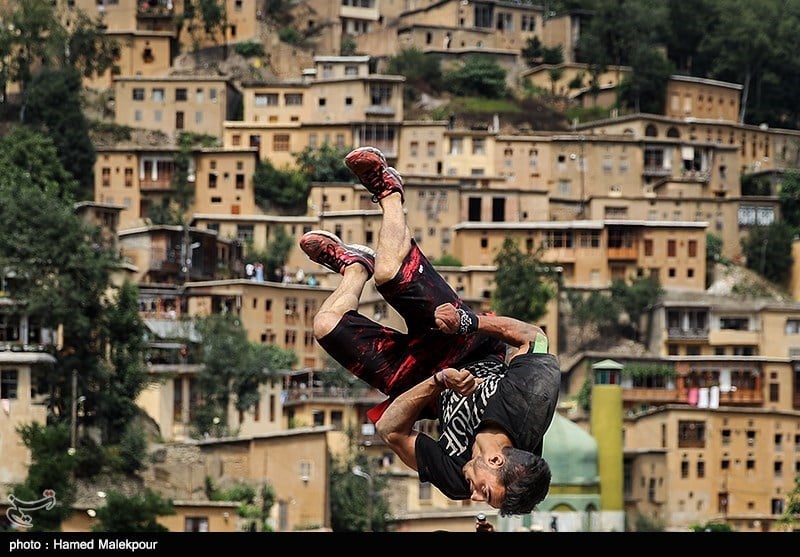
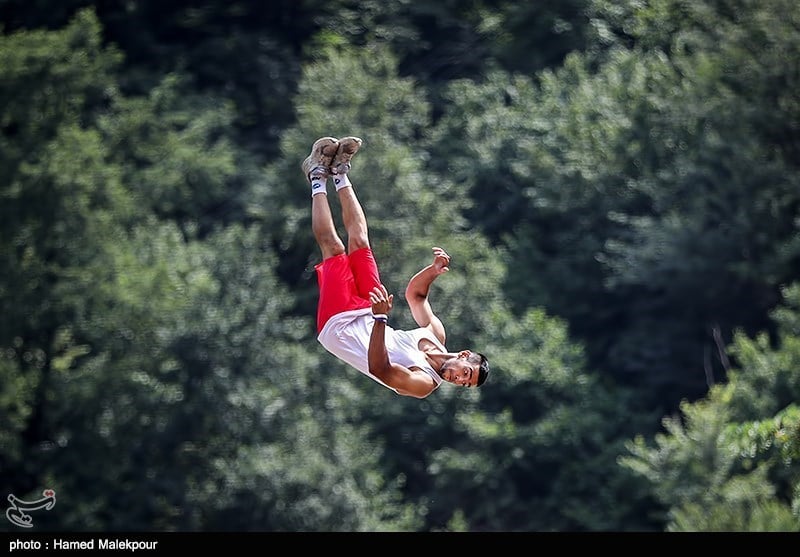
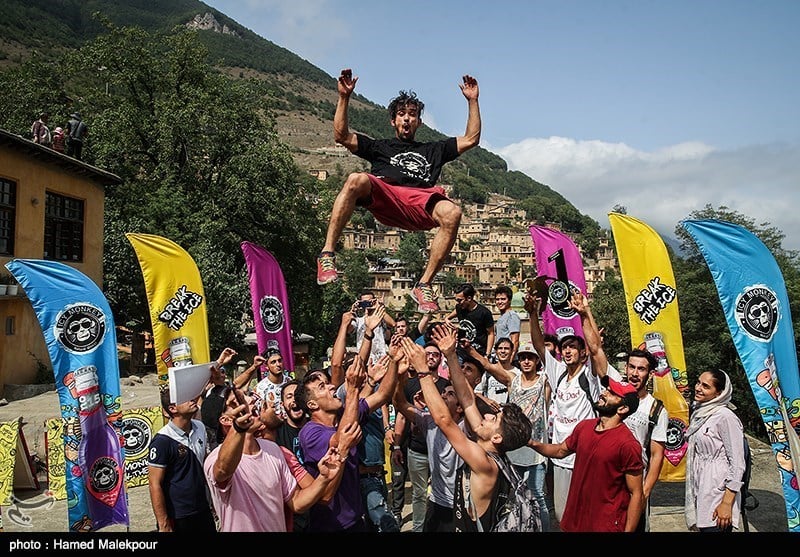
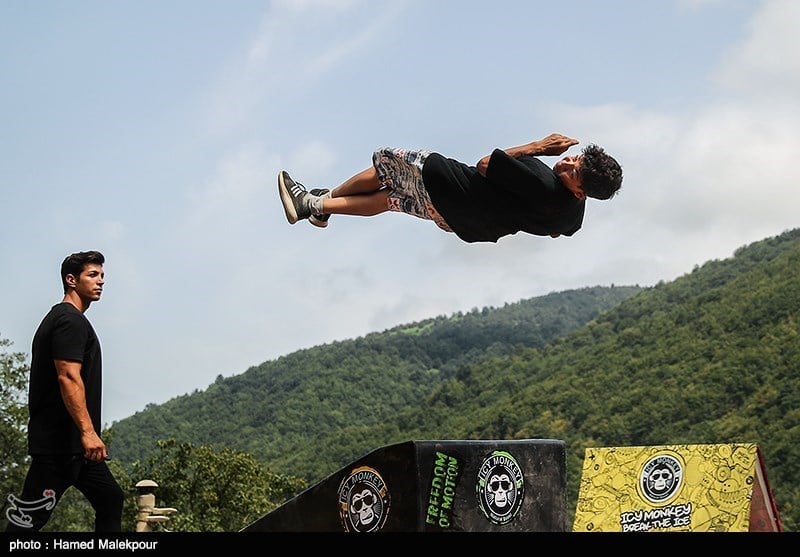
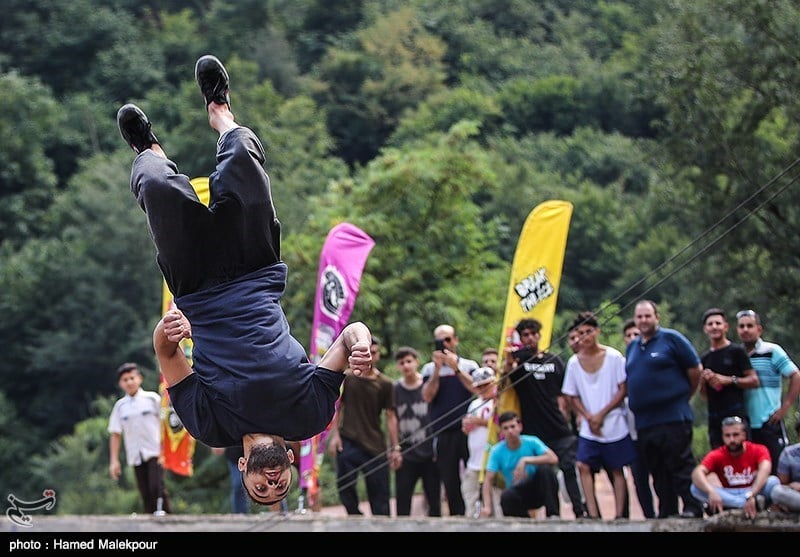
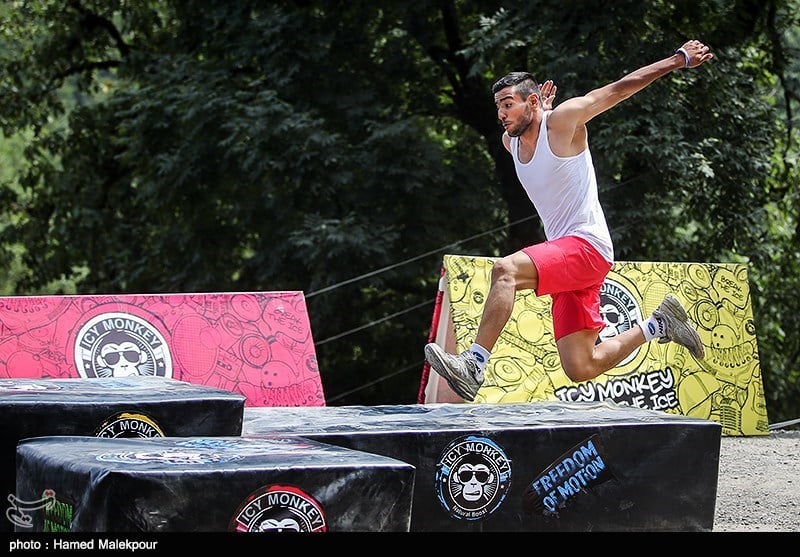
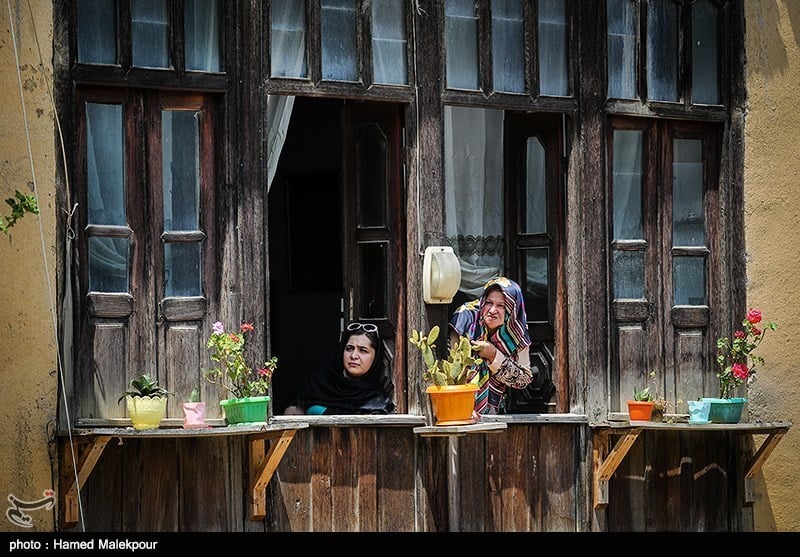
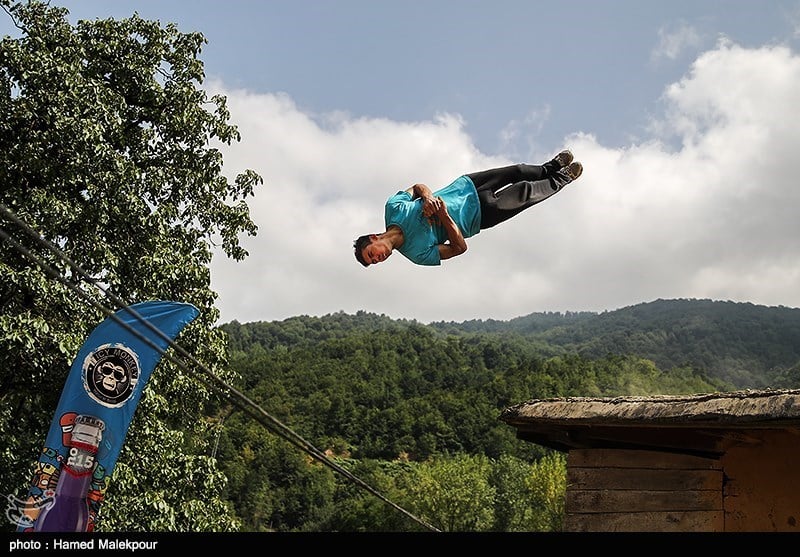
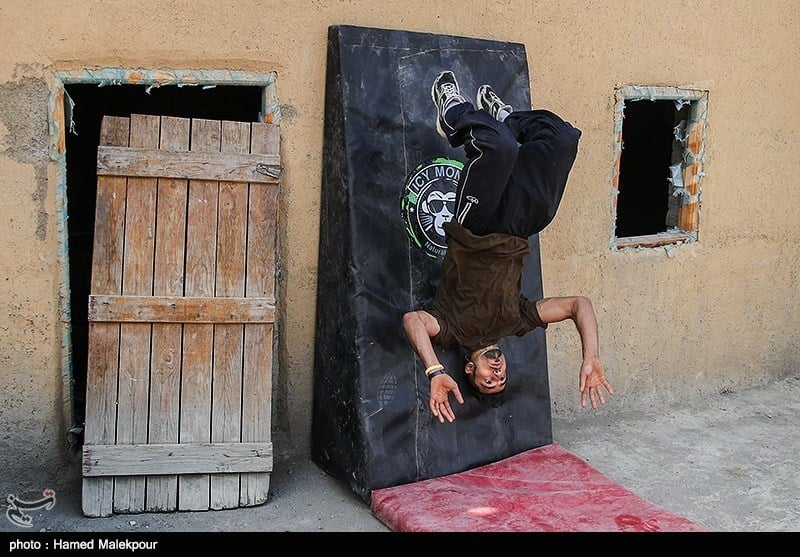
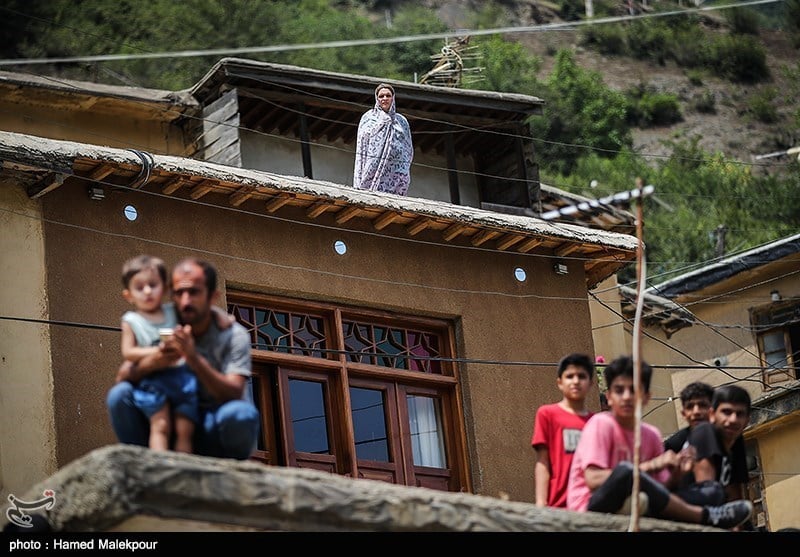
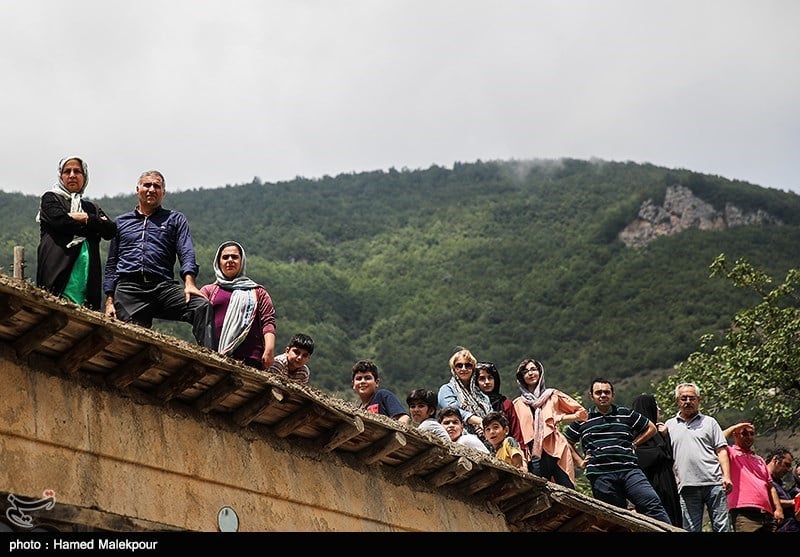
Fabulous Village of Masuleh Hosts Parkour Contest

Parkour means crossing obstacles in the fastest time possible using the easiest way to move. It is also important to minimise energy consumption from the starting point to the destination.

Parkour does not require any special equipment, and athletes in the field usually wear sportswear or lightweight and comfortable clothes.

Parkour dangers are indisputable. The twists and fractures are the most commonly dangers of Parkour.

The following photos by Tasnim News Agency show a recent parkour competition held in the fabulous village of Masuleh, in which the roof of one house forms the yard and entrance of the next house:

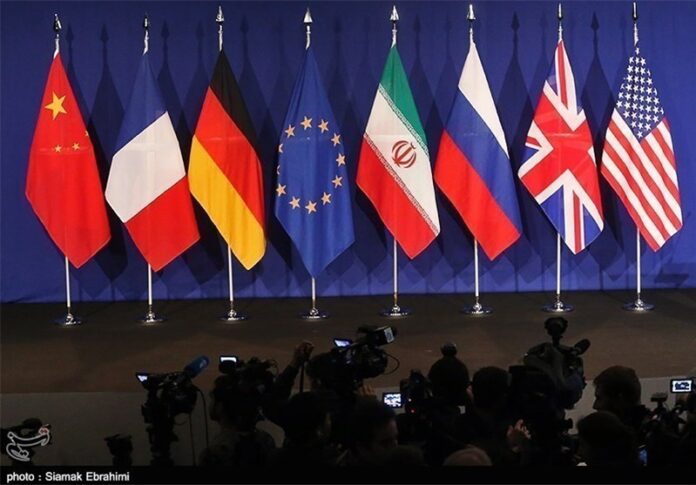
“Nuclear Deal Demonstrates Iran’s Commitment to UN Charter Principles”

Nuclear Deal Talk, JCPOA, Flags

Esmaeil Baqaei Hamaneh says the nuclear deal shows Iran respects multilateralism, international cooperation and dialogue for settling international issues.

The new envoy made the statements in a Tuesday meeting with the director-general of the UN office, Michael Moller, during which he presented his credentials, Fars News Agency reported.

Baqaei said Iran in 2013 engaged in multilateral talks to remove ambiguities that were exploited to create an unnecessary dispute over Iran’s nuclear program, and was faithful to the 2015 nuclear deal, the outcome of the talks.

However, some parties to the deal started neglecting their commitments and violating a UN resolution, he said.

The 2015 nuclear deal scaled back Iran’s nuclear program in return for the removal of international sanctions on Iran.

Early May, the US walked out of the deal, despite Iran was faithful to its confidence-building restrictions on its nuclear program.

Iran is working with other parties to the deal, particularly Europeans, to keep the nuclear pact in place.

Speaking in the meeting, Moller elaborated on the UN office’s agenda, including enhancing multilateralism, promoting dialogue, removing obstacles to gender equality and creating opportunities for woman.

Iran Marks International Left-Handers Day

Iranian Left-Handers Call for Recognition in National Calendar

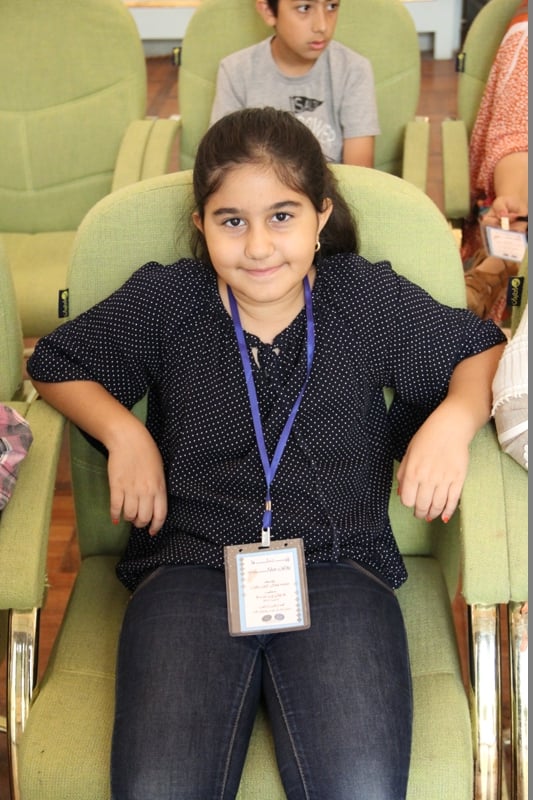
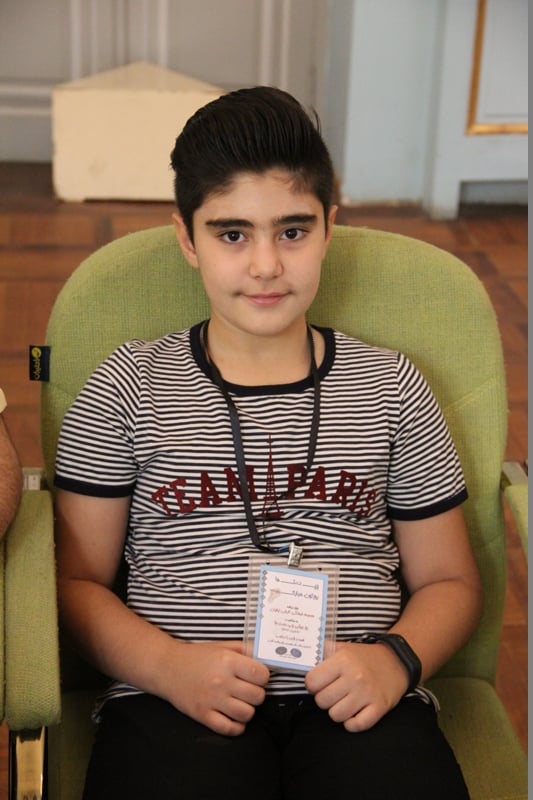
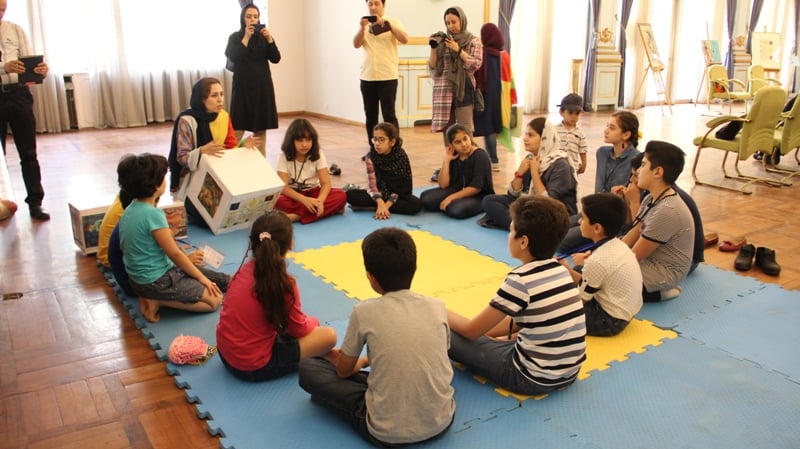
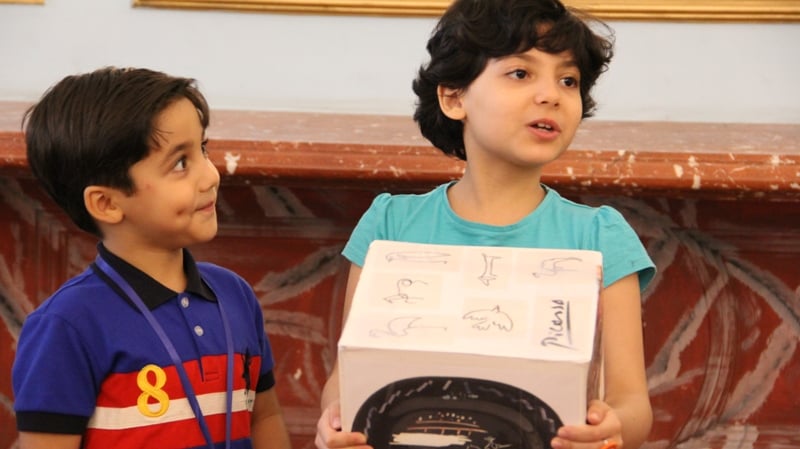
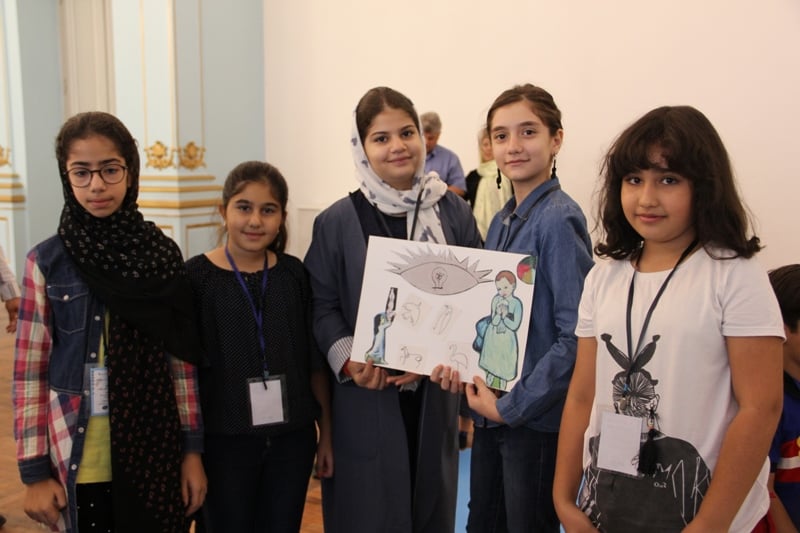
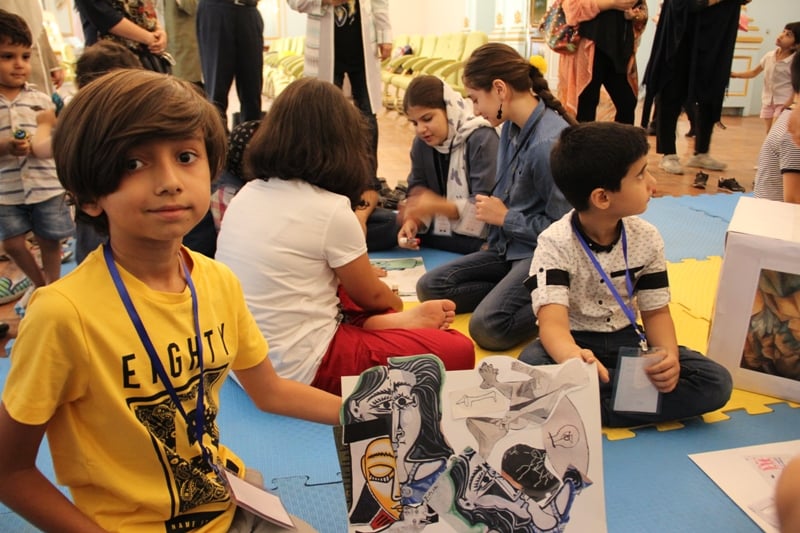
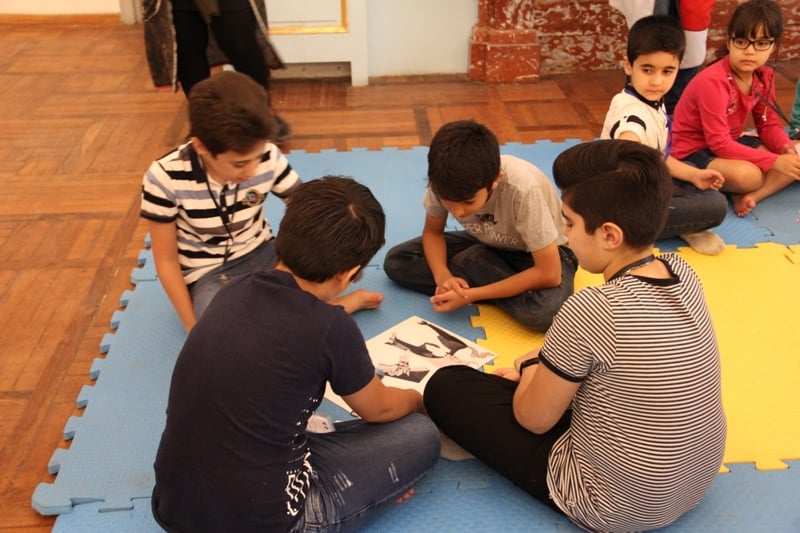
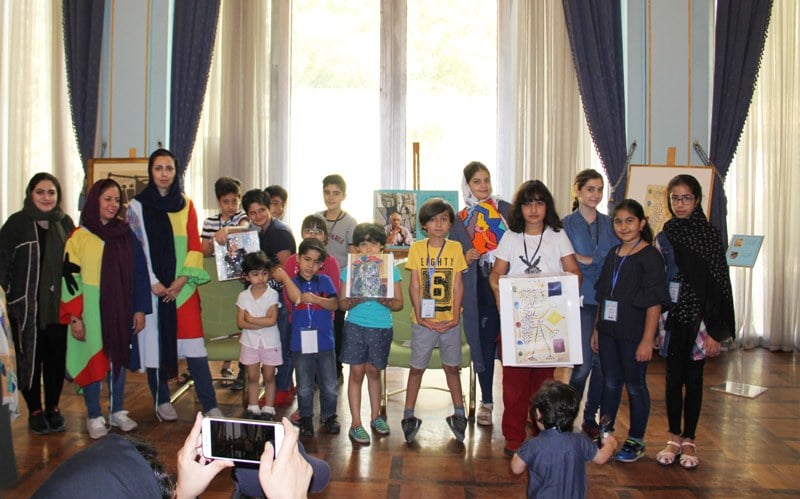
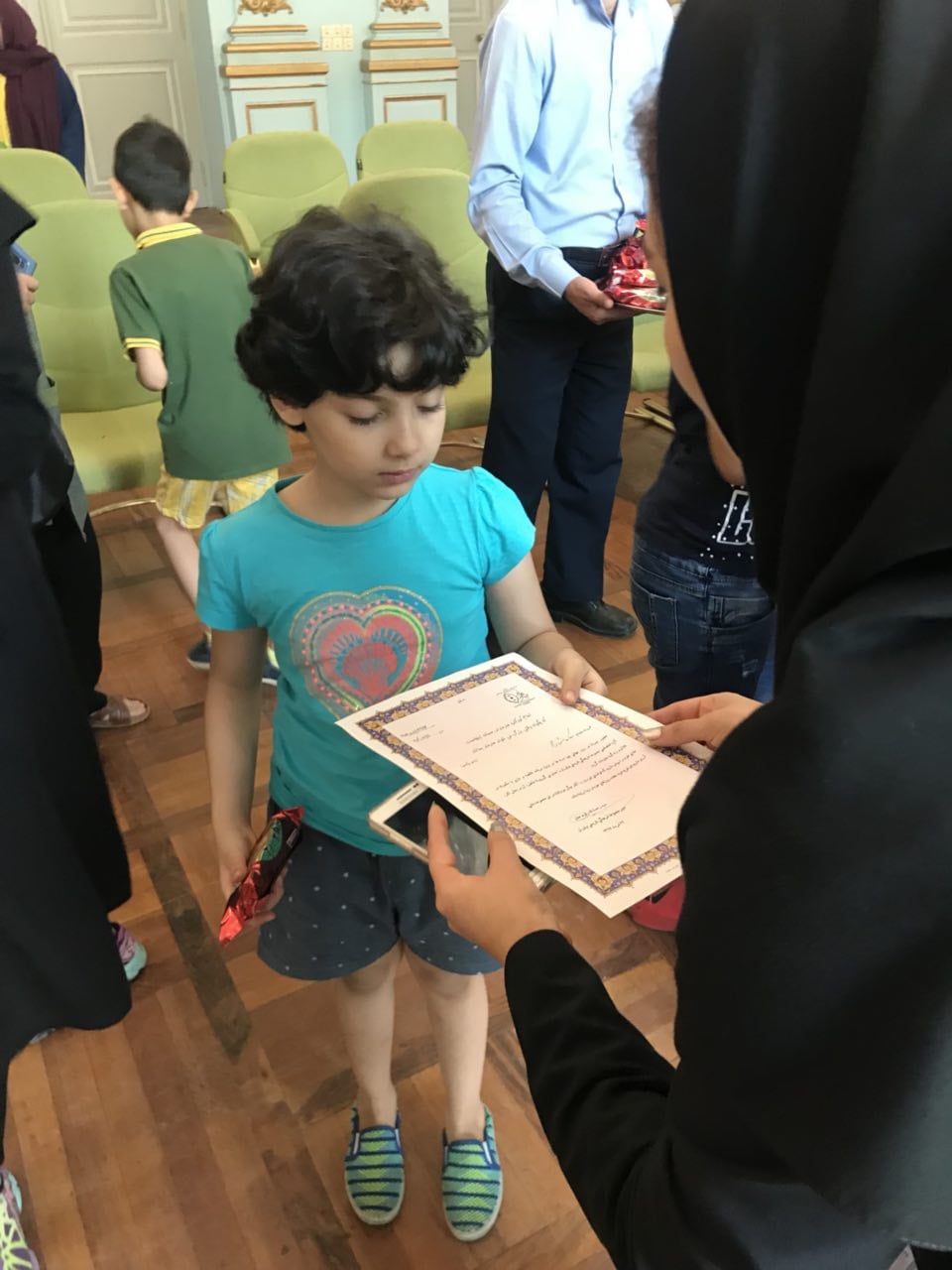
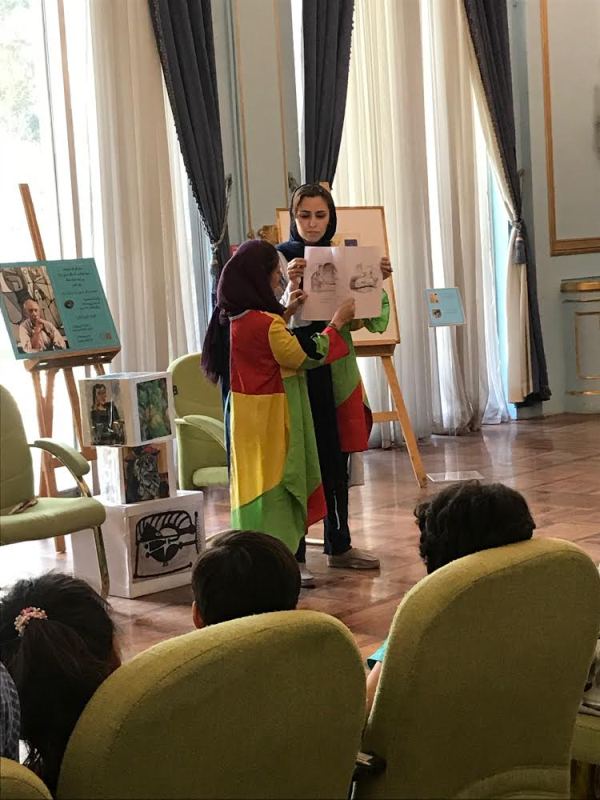
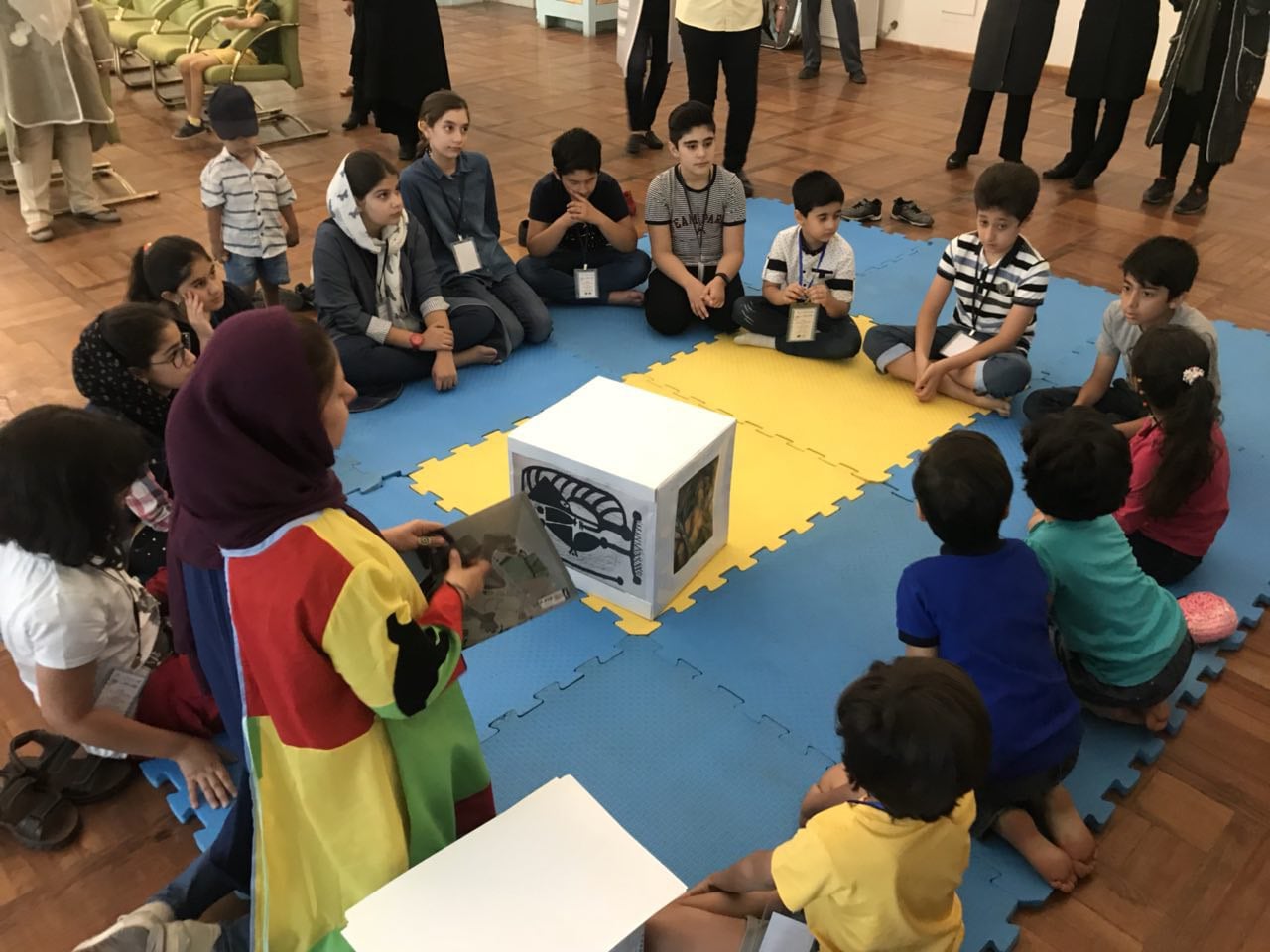
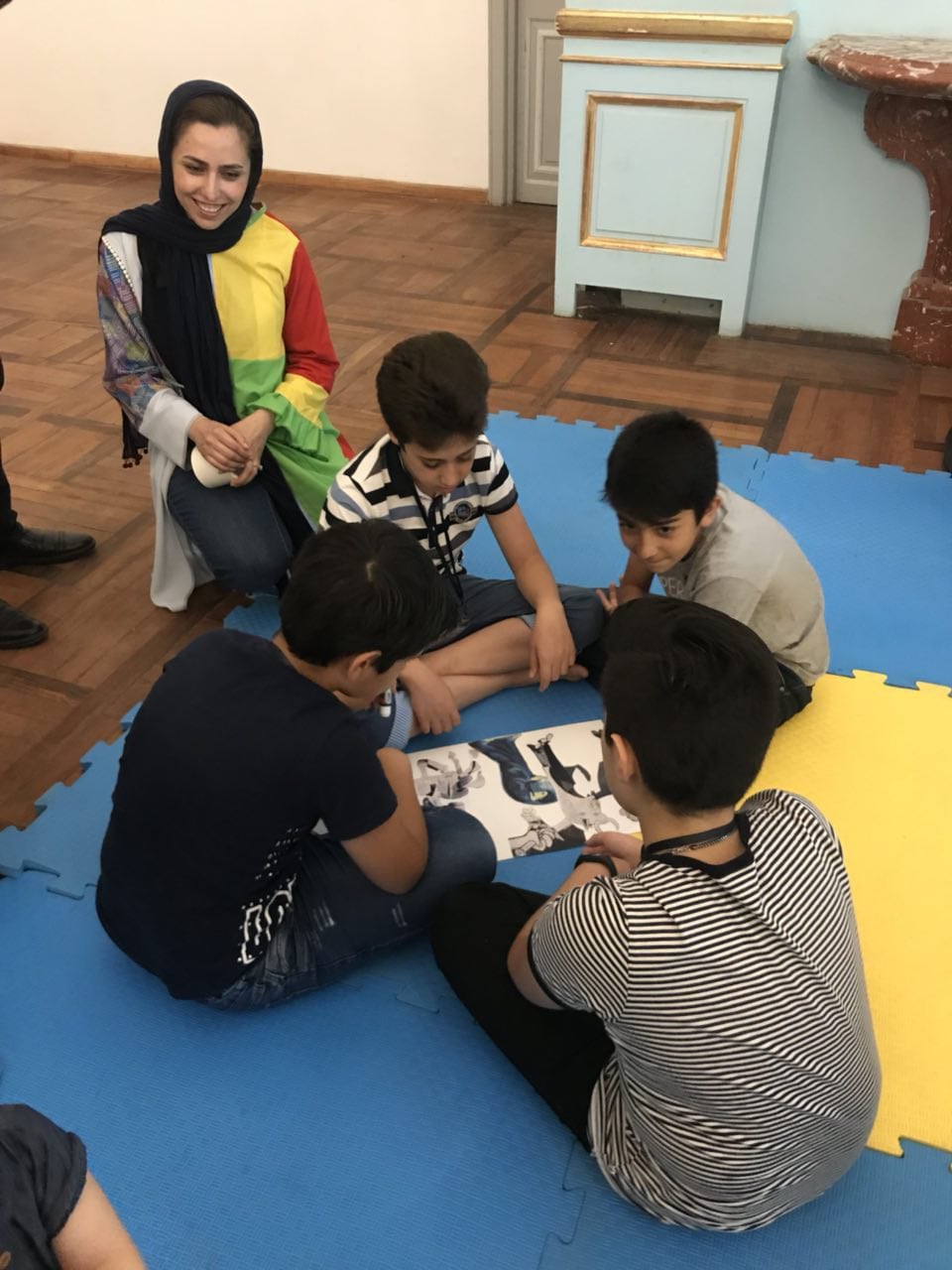
The ceremony was held in Niavaran Cultural-Historical Complex in northern Tehran, and hosted a group of left-handed children.

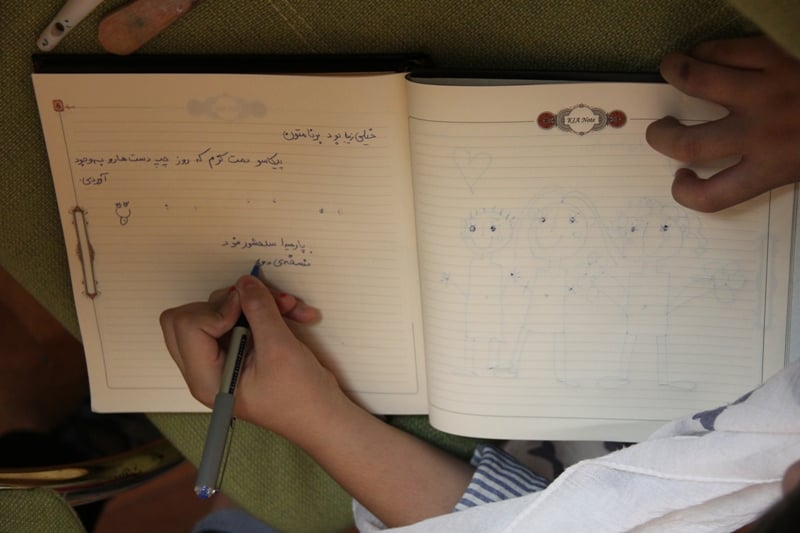
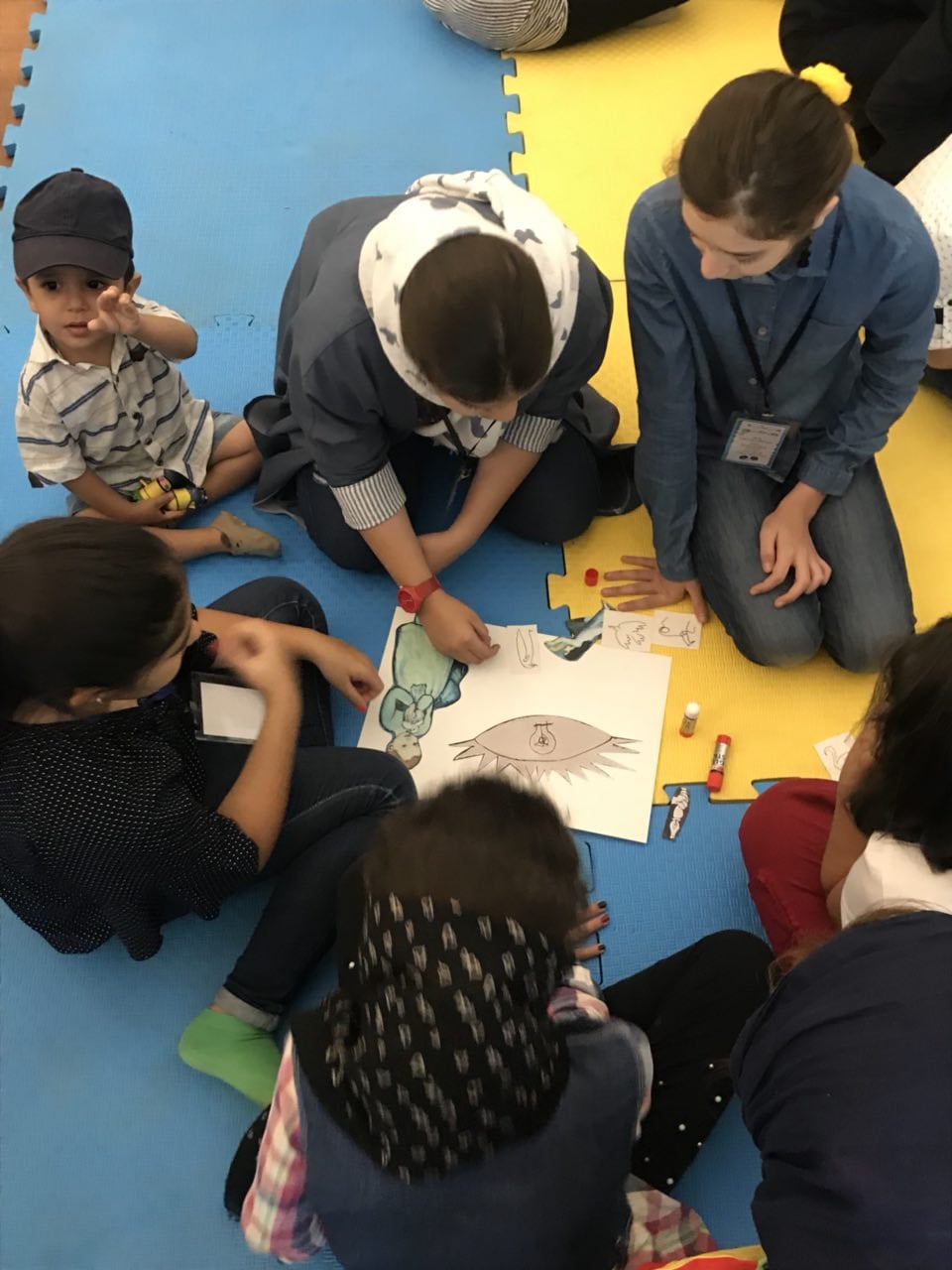
Iran Marks International Left-Handers DayDuring the event, two paintings by the left-handed Spanish painter Pablo Picasso were put on display for the first time. Then, story-tellers role-playing as Picasso and French painter Georges Braque started telling stories to 10 to 12 year old children, and finally the children began narrating their own stories using the cubes made available to them.

International Left-Handers Day is observed annually on August 13 to celebrate the uniqueness and differences of the left-handers. The day was first observed in the year 1976 by Dean R. Campbell, founder of the Left-handers International, Inc.

International Left-Handers Day was created to celebrate certain people’s sinistrality and raise awareness of the advantages and disadvantages of being left-handed in a predominantly right-handed world.

What follows are photos of the ceremony retrieved from Miras-e Arya news agency:

Iran Condoles with Italy over Deadly Bridge Collapse

In a Tuesday statement, Qassemi offered condolences to the Italian government and people as well as the survivors of the tragedy.

About 30 people were killed in the incident on Tuesday.

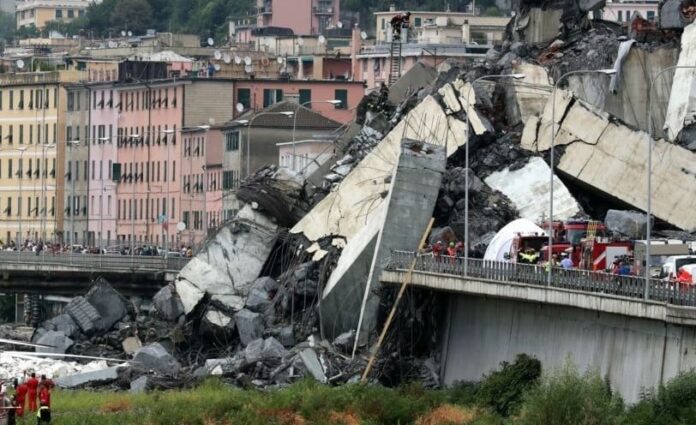
The collapse, which saw a vast stretch of the A10 freeway tumble onto railway lines in the northern port city, came as the bridge was undergoing maintenance work and as the Liguria region, where Genoa is situated, experienced torrential rainfall.
“Unfortunately there are around 30 dead and many injured in a serious condition,” Interior Minister Matteo Salvini told reporters.

Rescuers kept sifting through the wreckage, strewn among shrubland and train tracks. They said there were “dozens” of victims as rescue helicopters winched survivors on stretchers from the ruined bridge.

Cars and trucks were tangled in the rubble and nearby buildings damaged by vast chunks of concrete, according to an AFP photographer at the scene.

“We’re not giving up hope, we’ve already saved a dozen people from under the rubble,” a fire official told AFP.

“We’re going to work round the clock until the last victim is secured.”

The incident – the deadliest of its kind in Europe since 2001 – is the latest in a string of bridge collapses in Italy, a country prone to damage from seismic activity, but where infrastructure generally is showing the effects of a faltering economy.

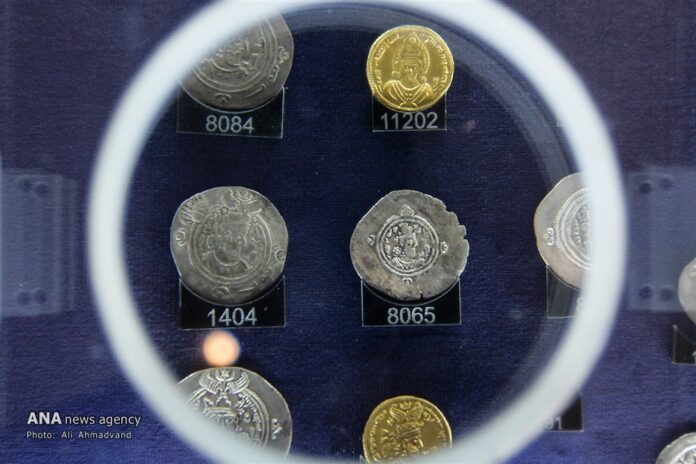
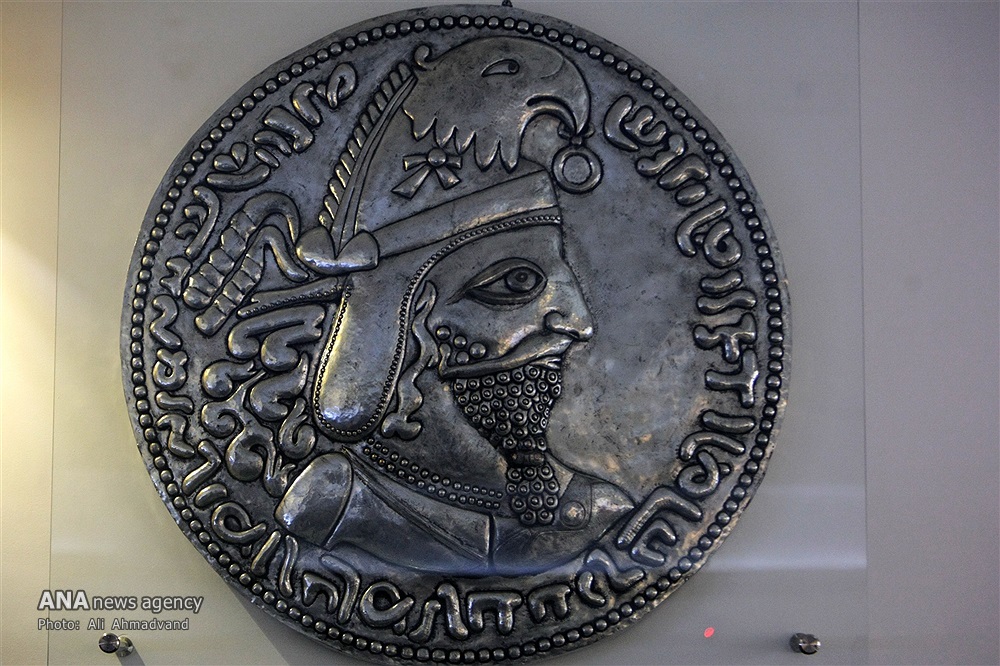
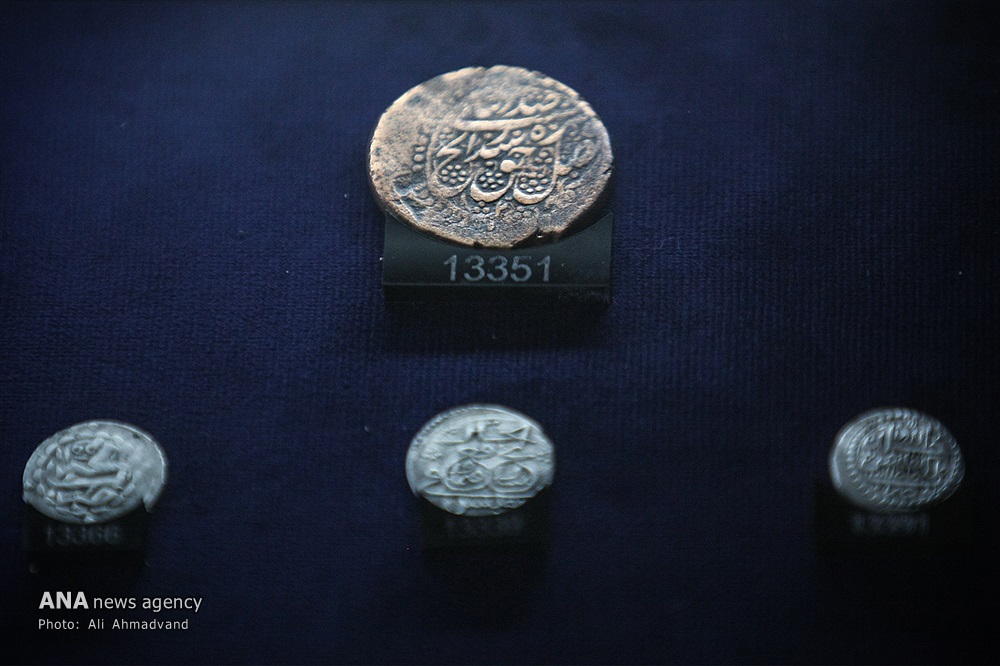
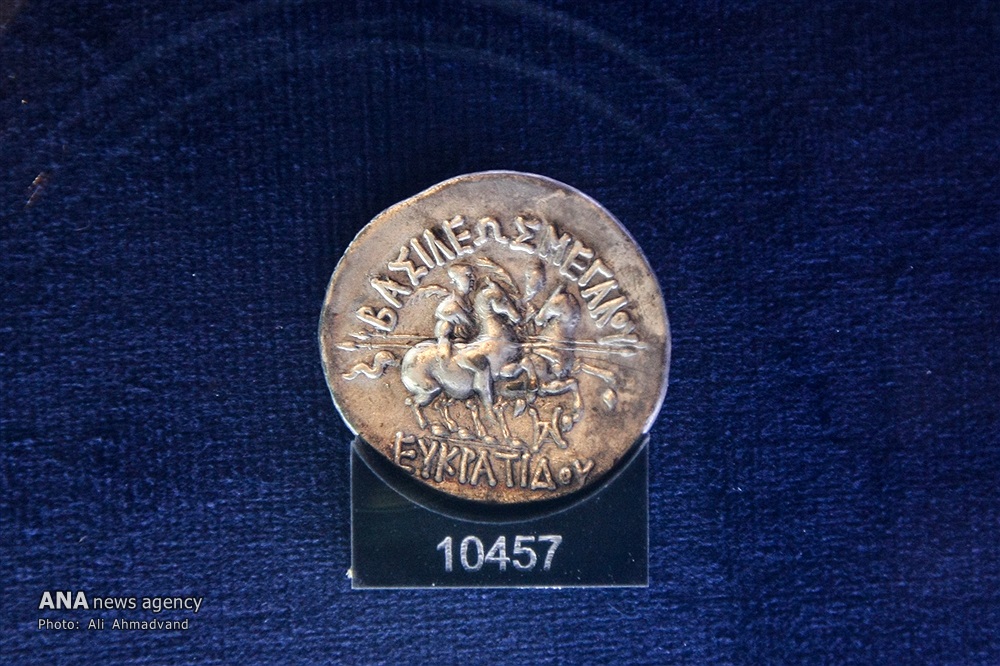
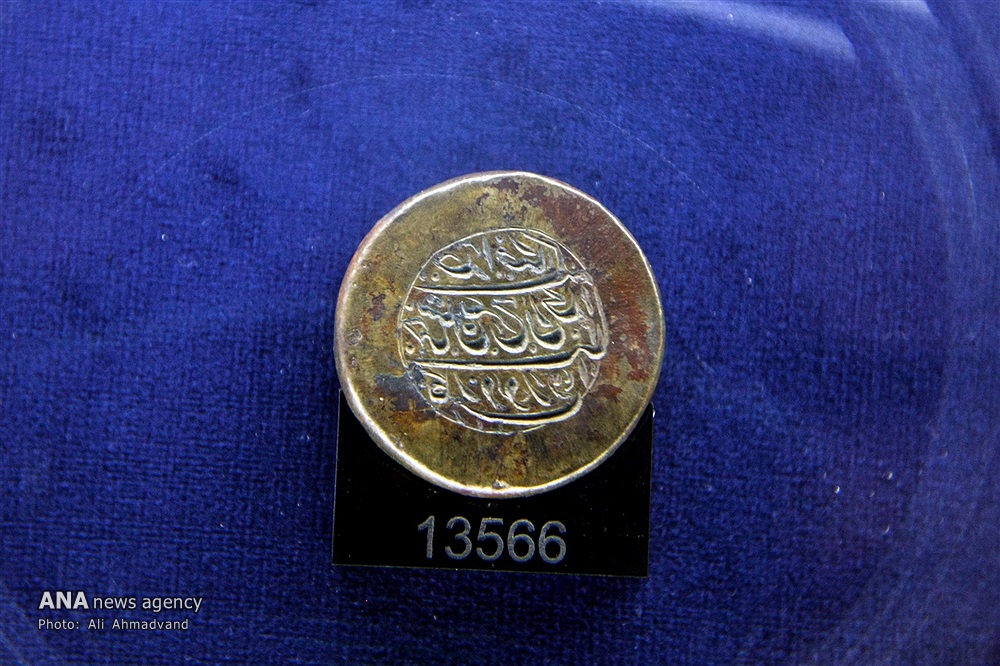
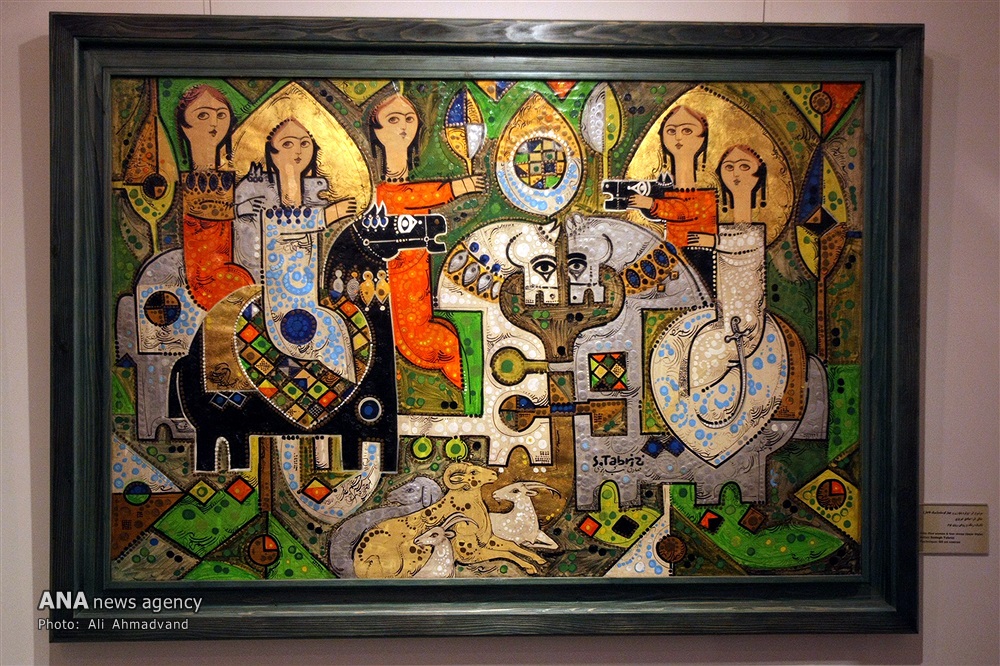
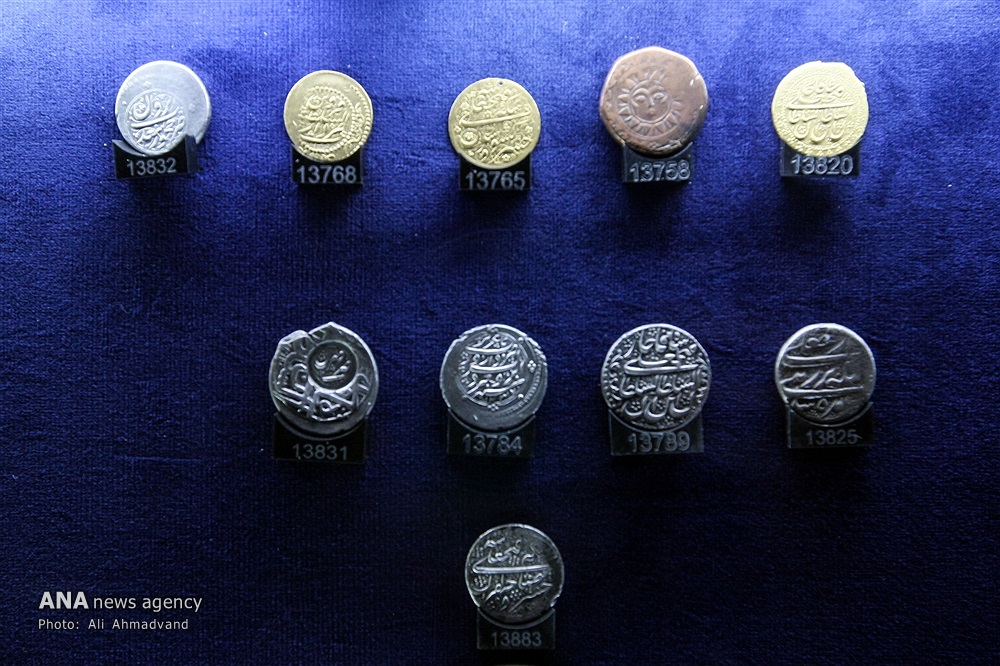
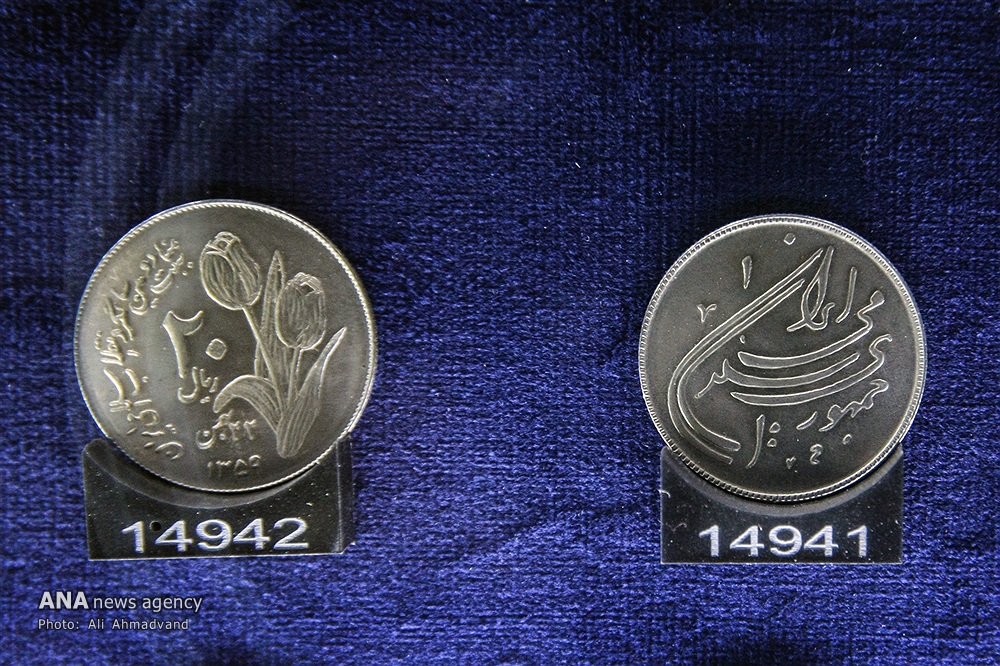
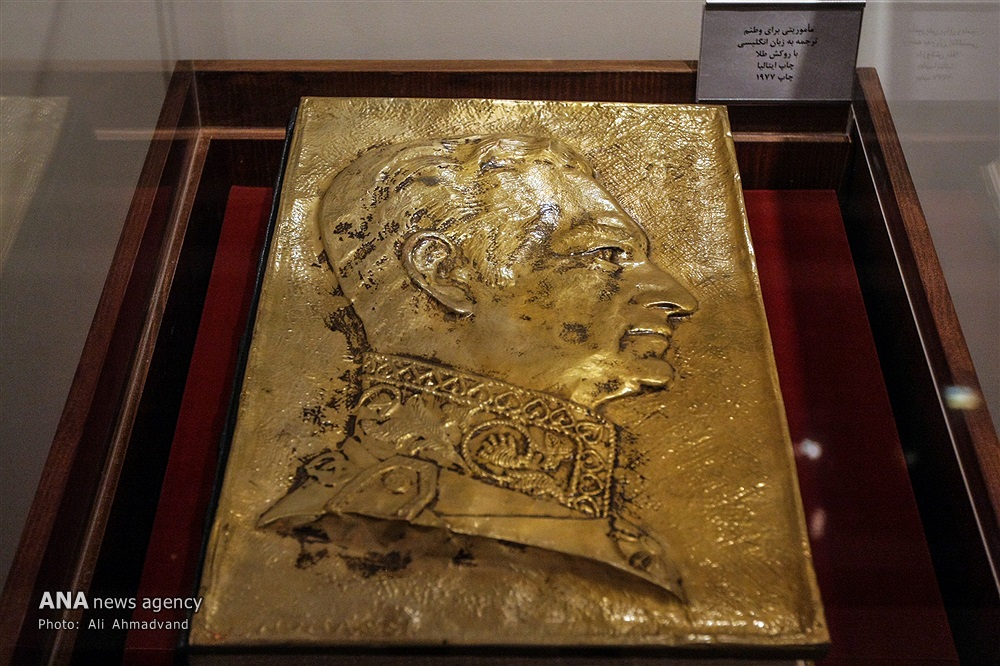
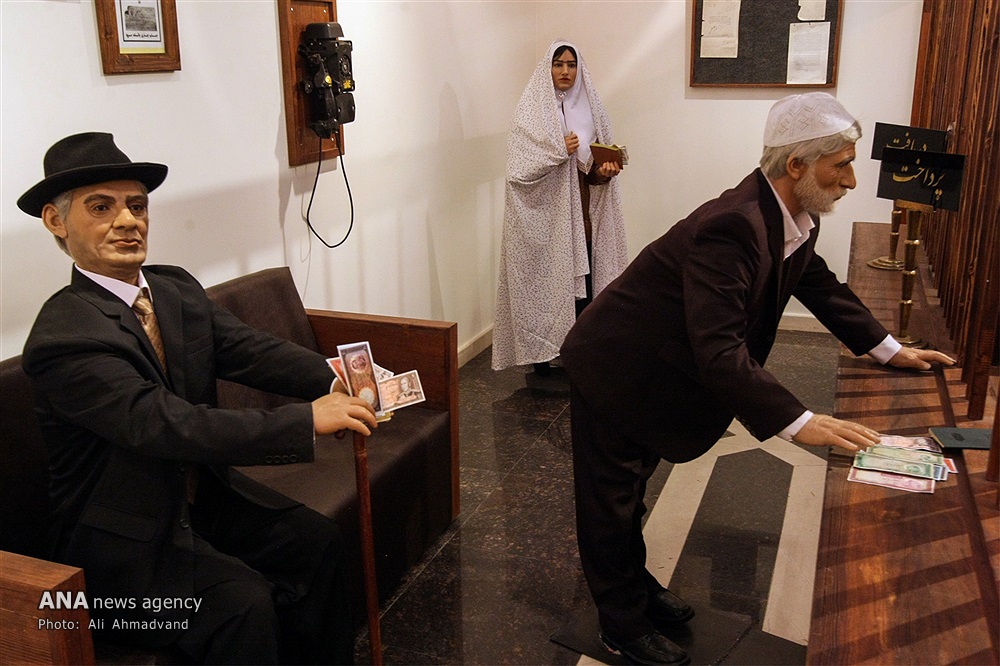
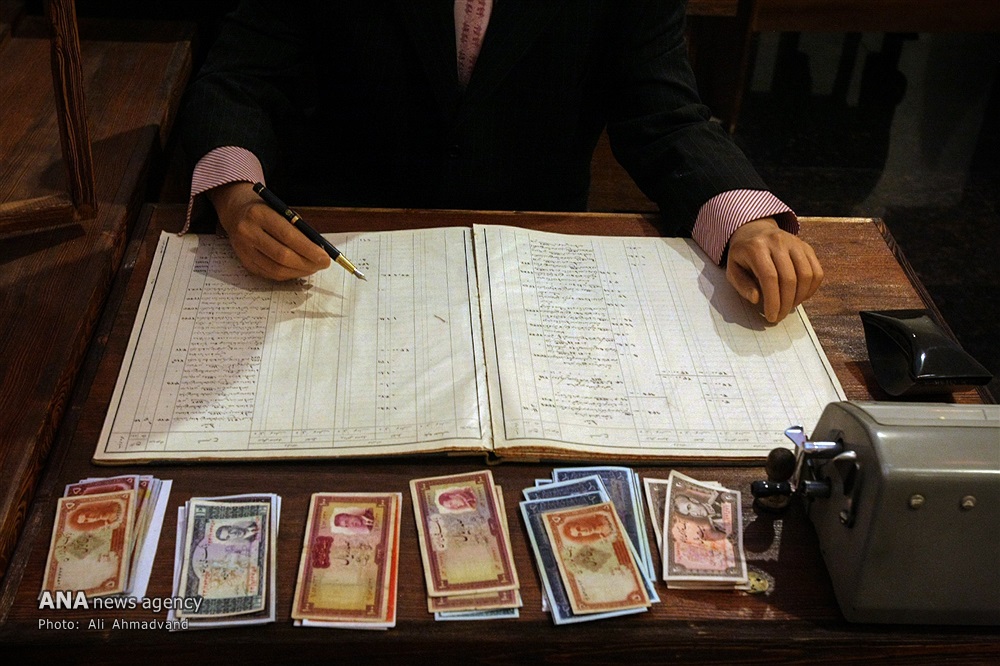
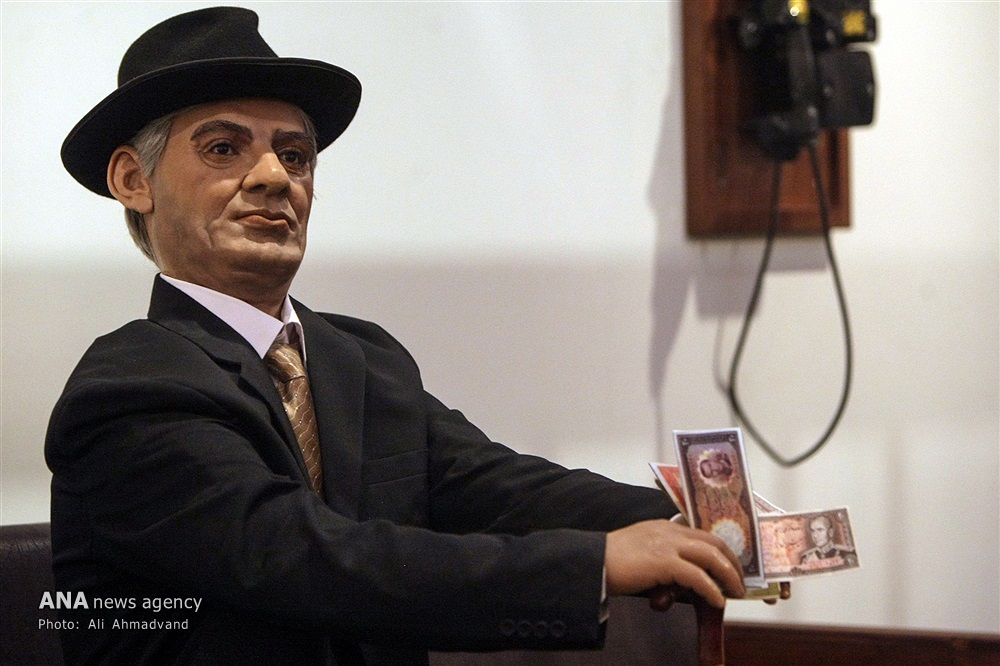
Tehran’s Coin Museum; Richest of Its Kind in Mideast

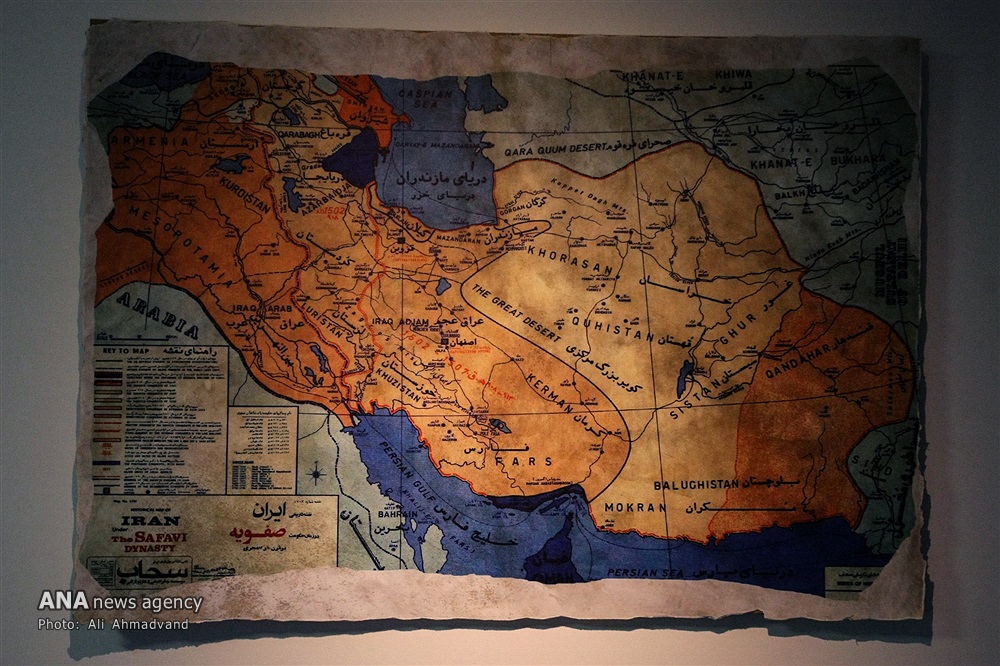
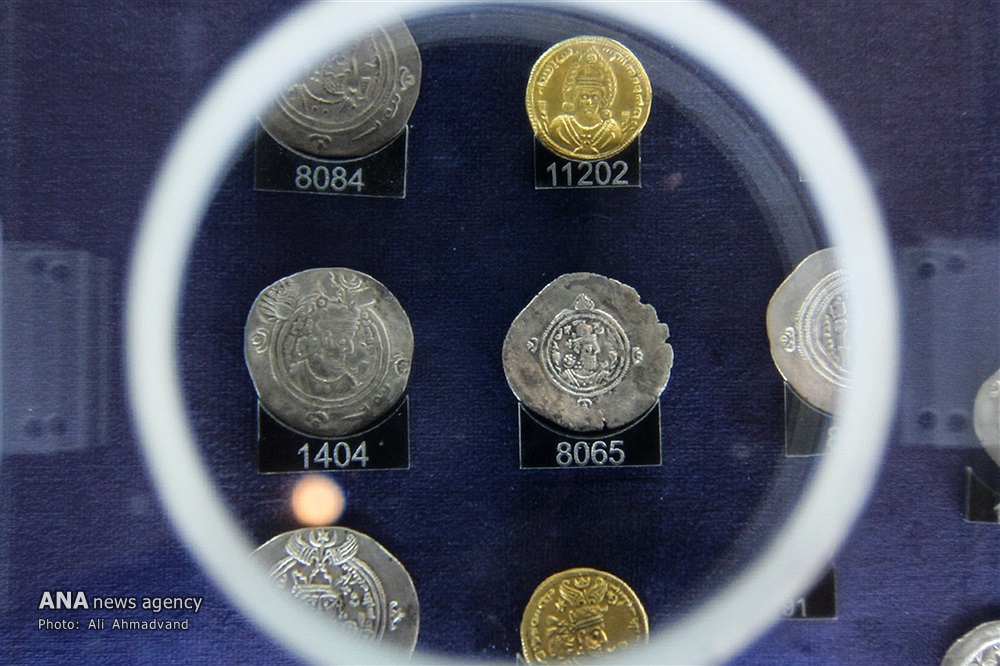
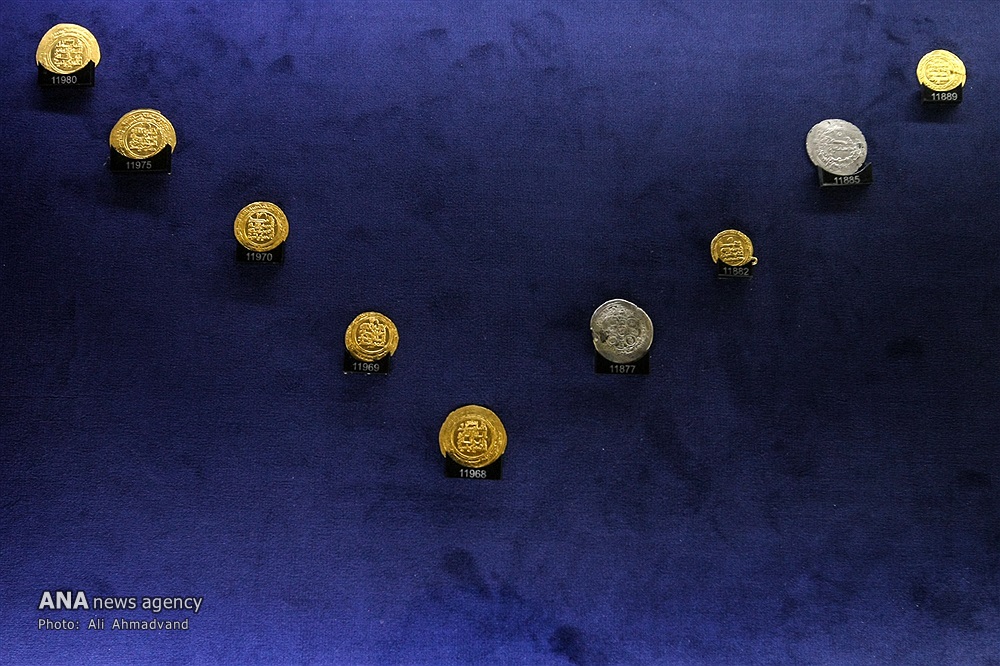
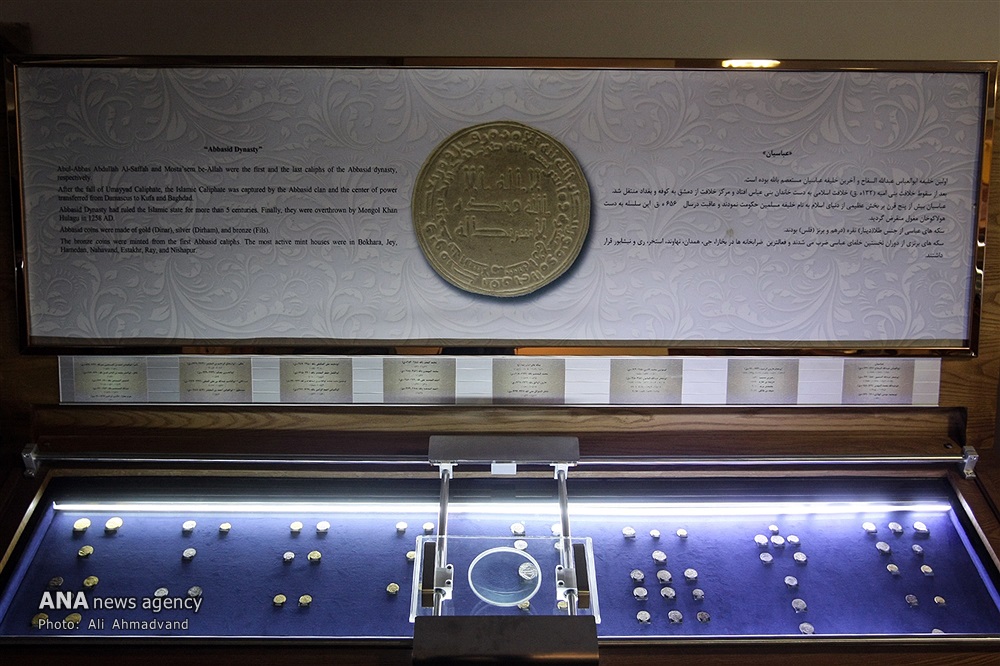
The museum was founded in 1963 in order to preserve the country’s cultural heritage. In this museum, there are 20,000 coins belonging to different periods of the Iranian history.

It is one of the richest and most valuable coin museums in the Middle East, and features coins from the Achaemenid era to the present time.

Among the items displayed in this museum are some of the gifts given to Sepah Bank as well as a special version of Ferdowsi’s Shahnameh (Book of Kings).

Here are photos of the museum retrieved from Azad News Agency (ANA):

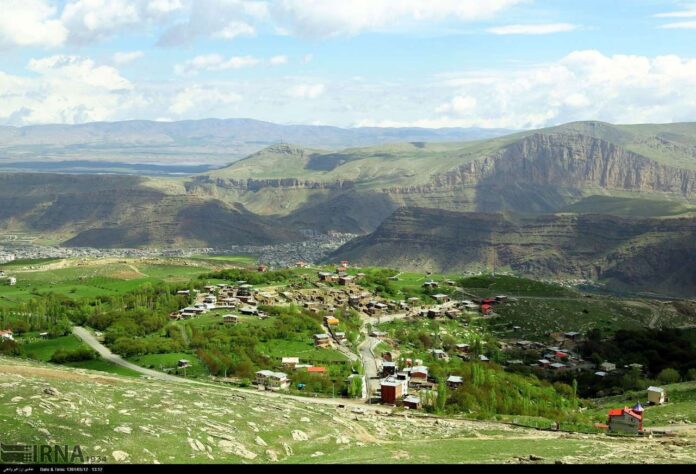
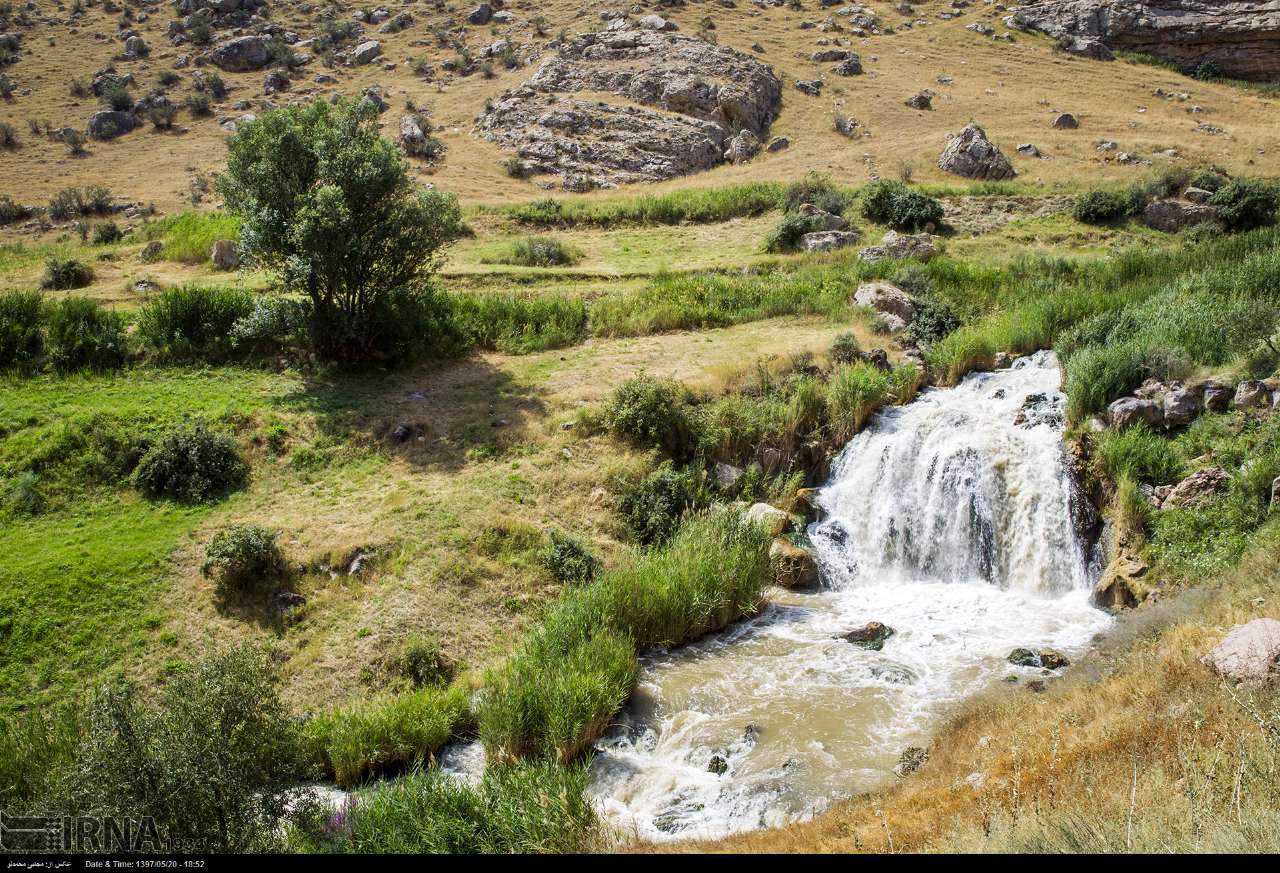
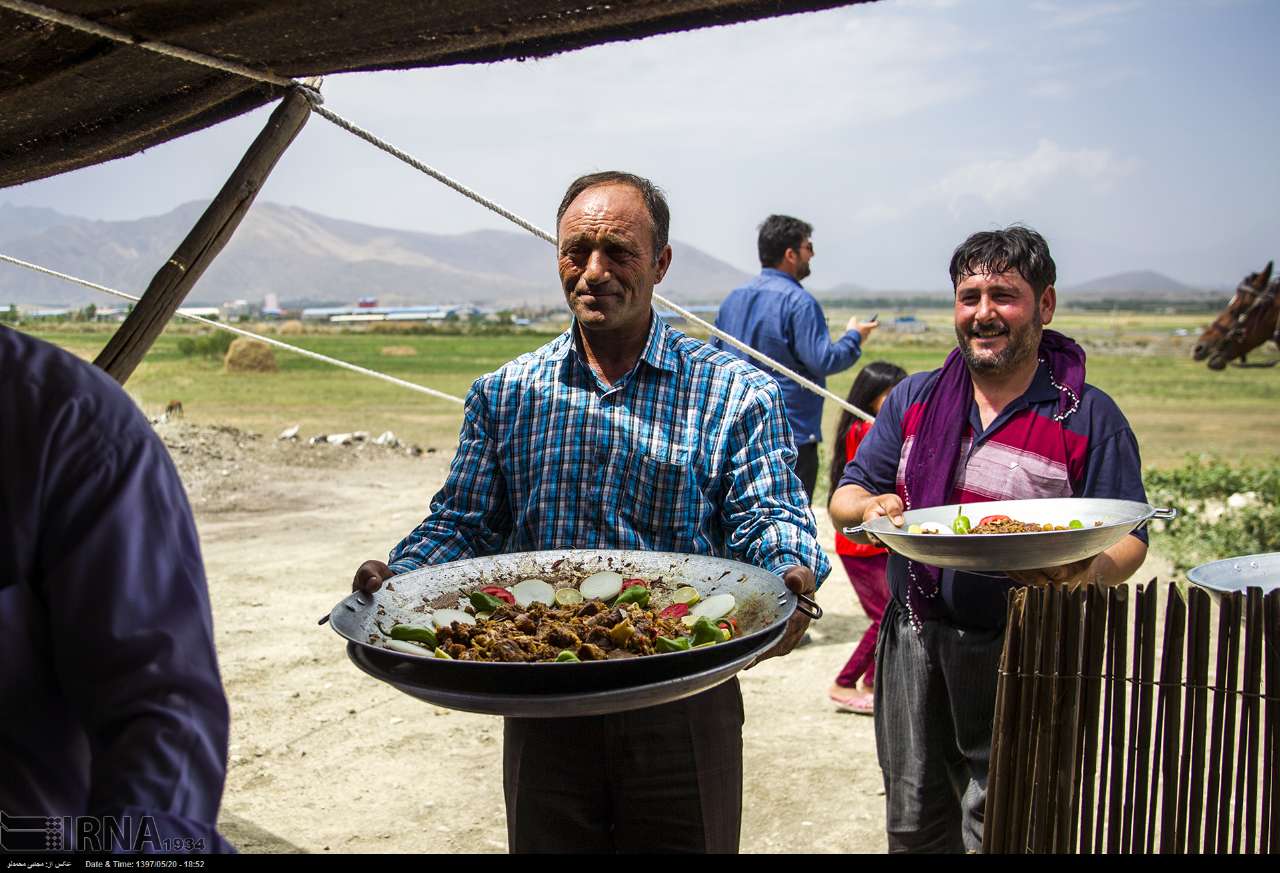
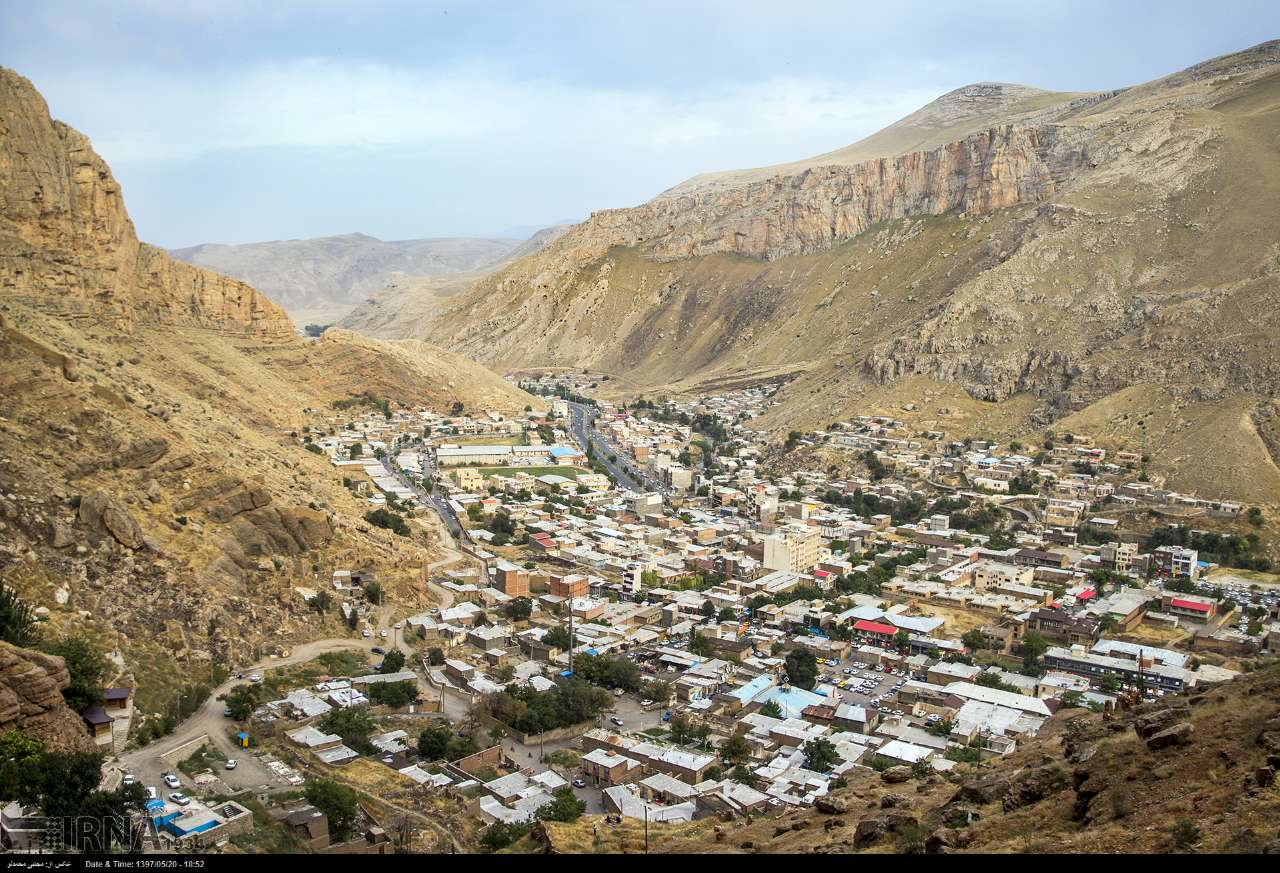
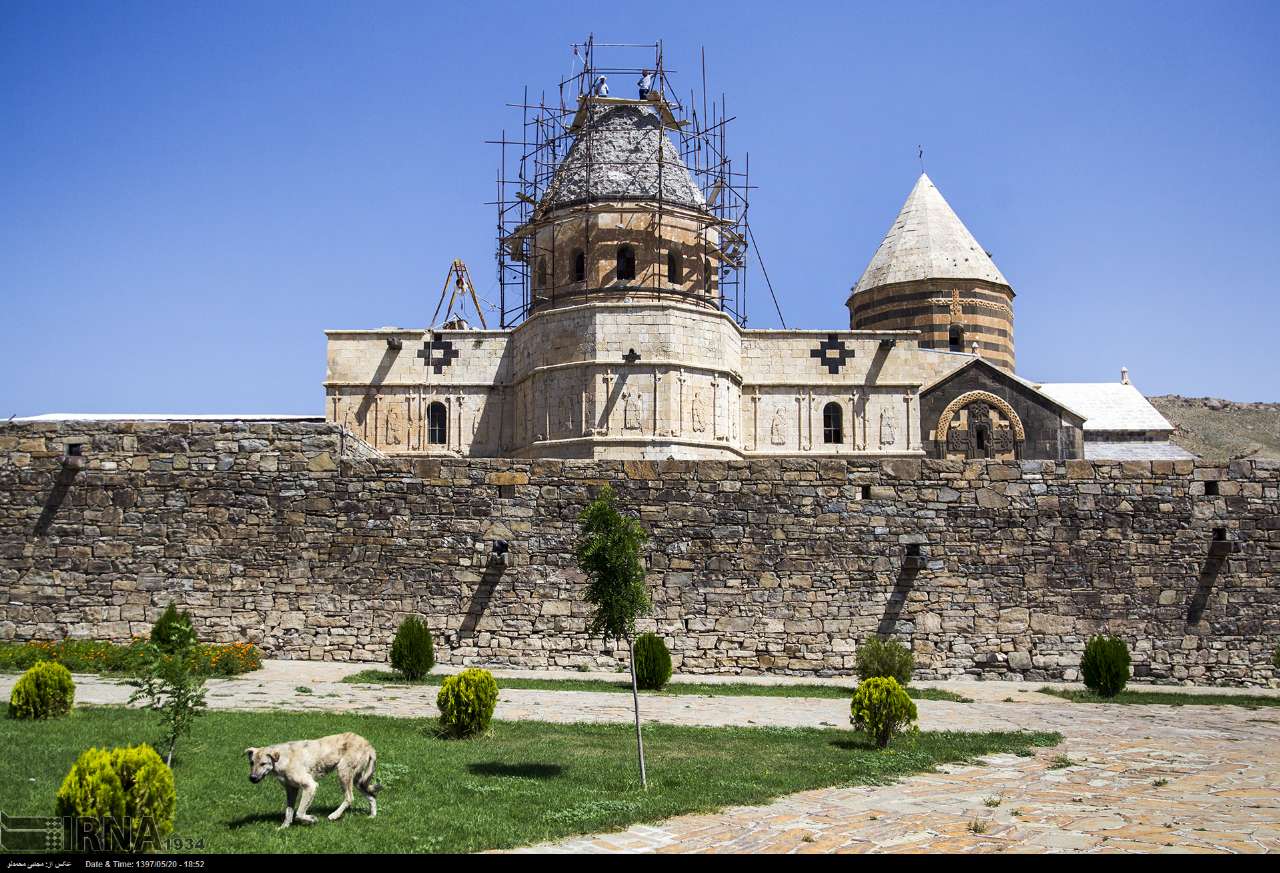
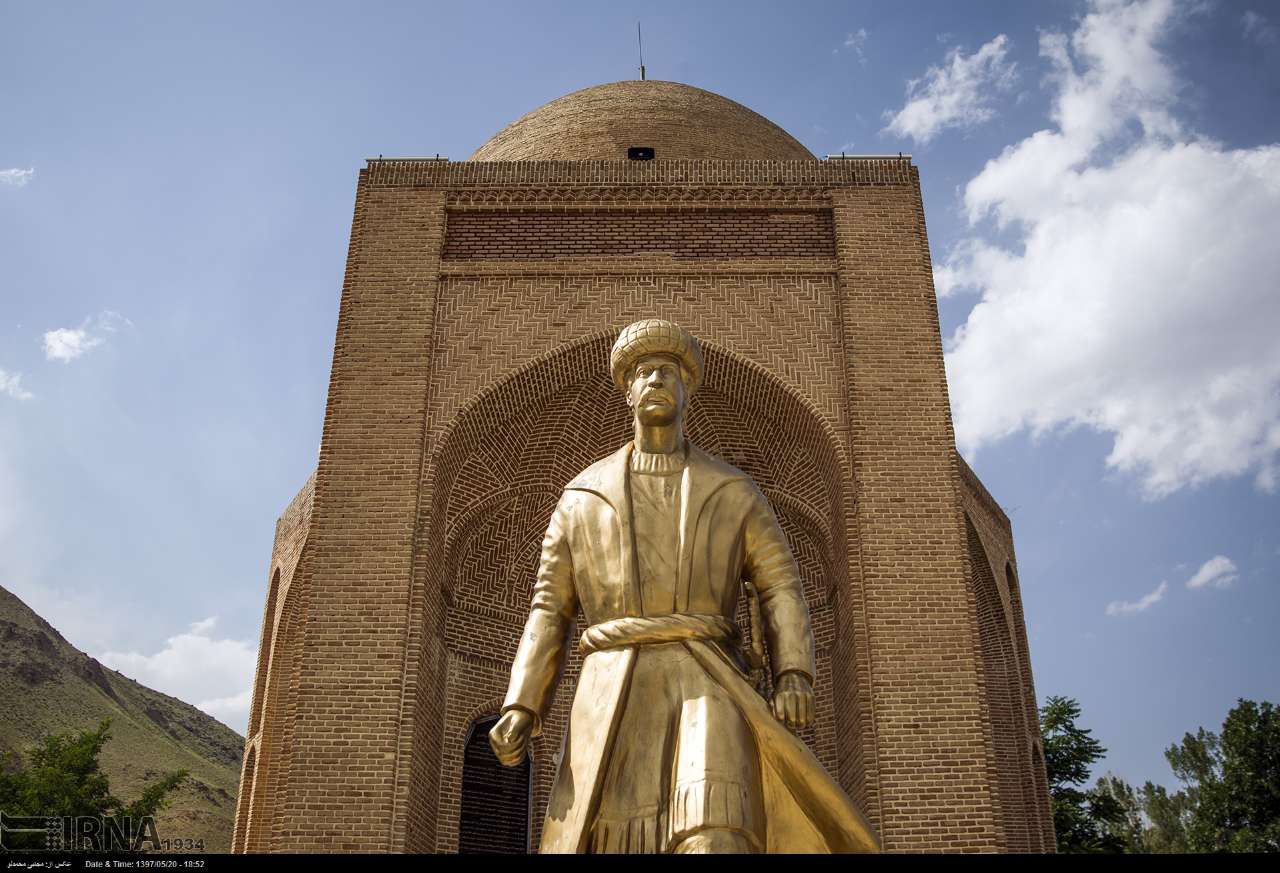
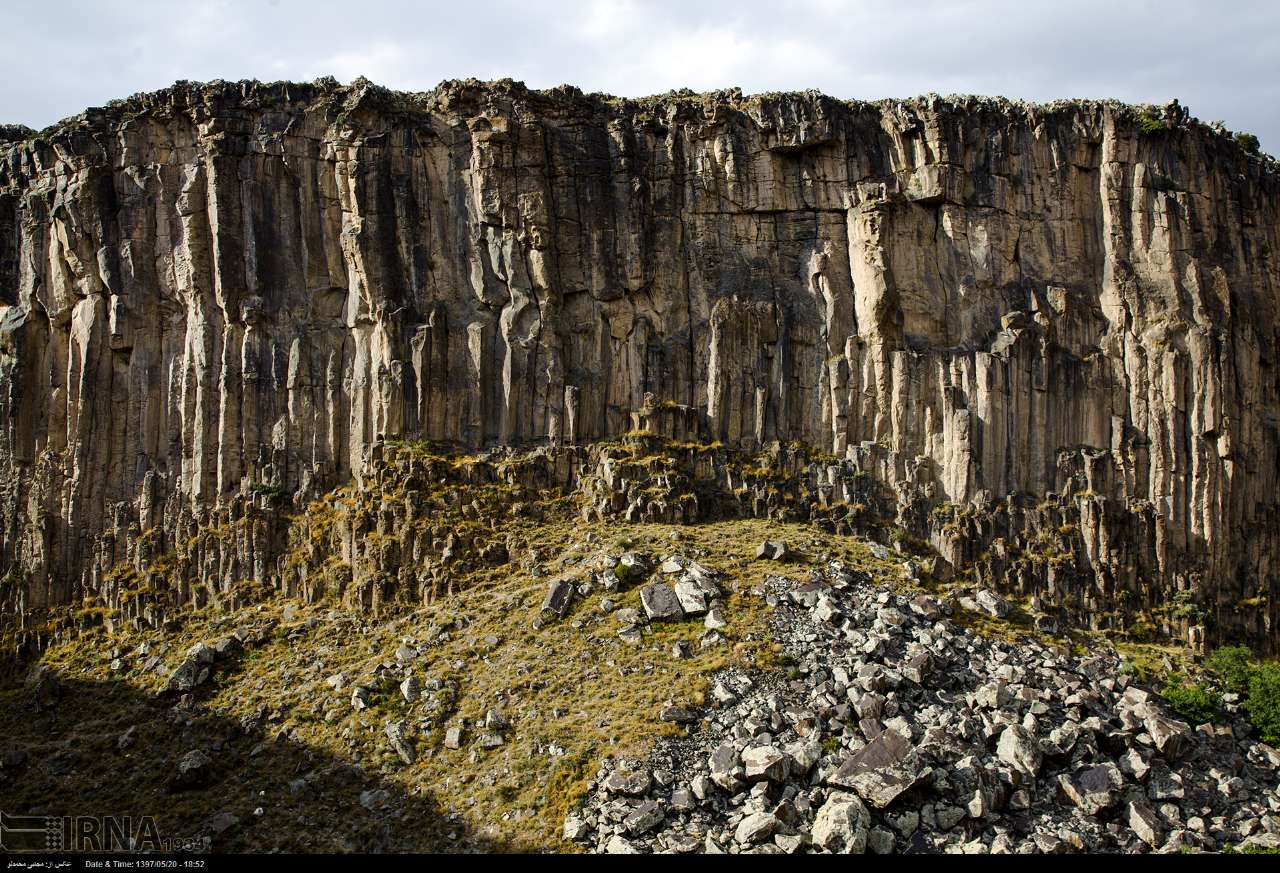
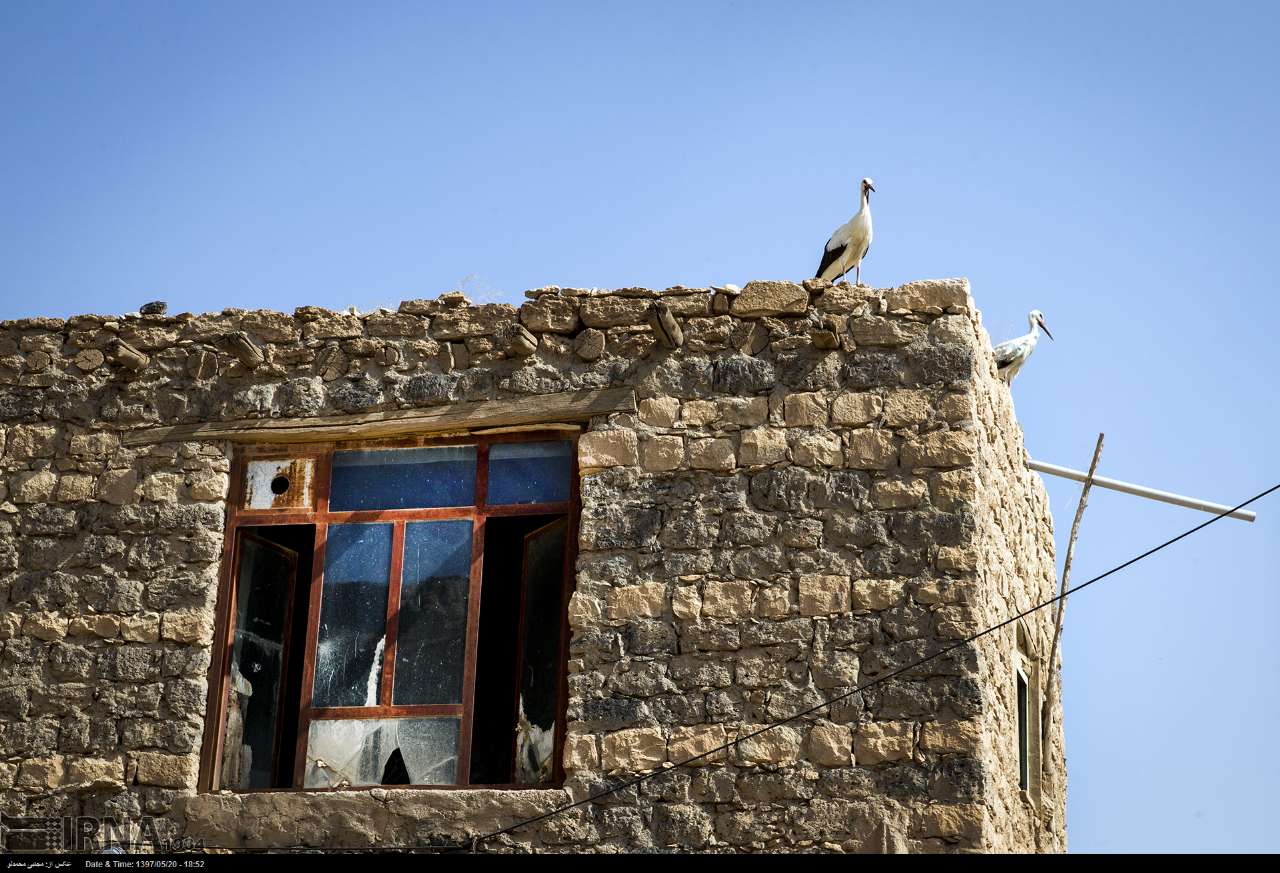
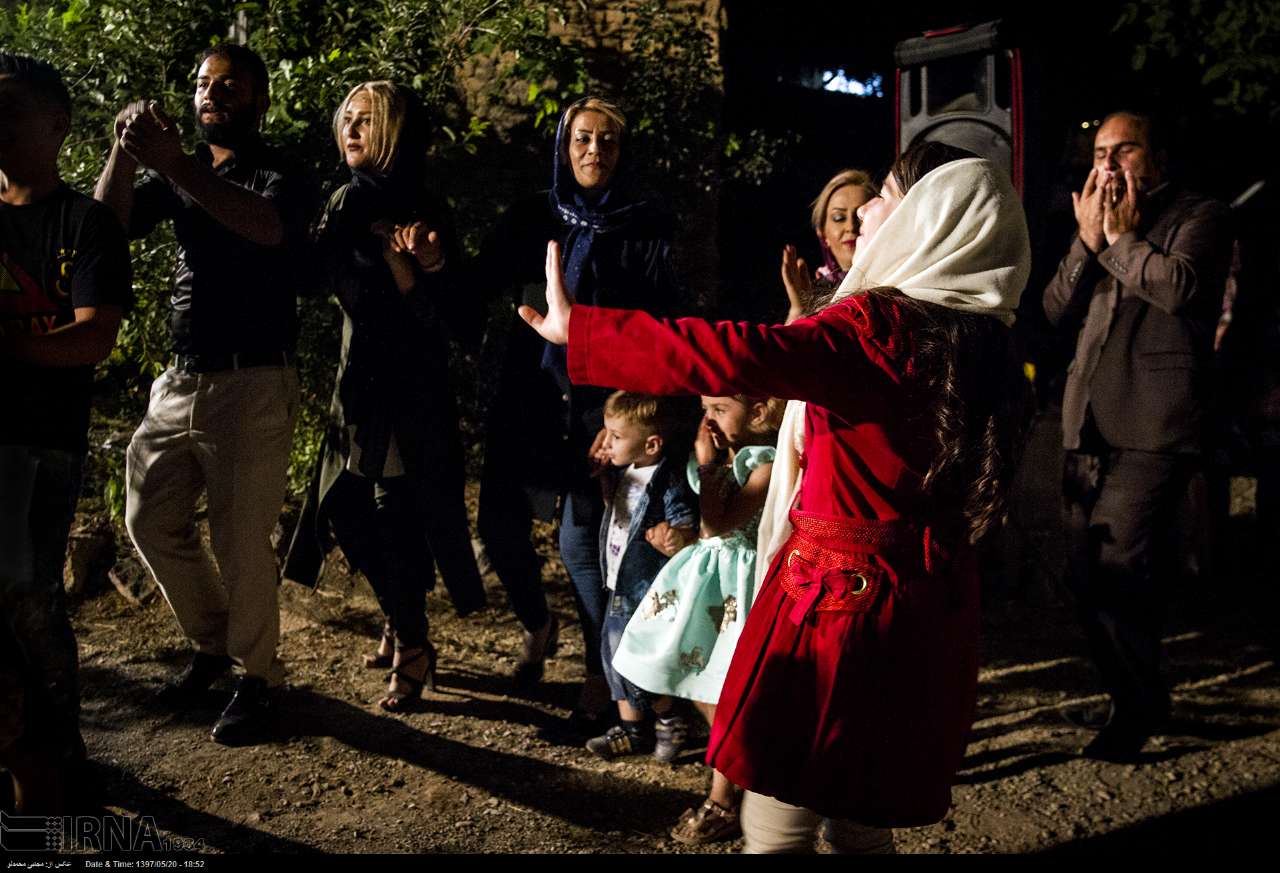
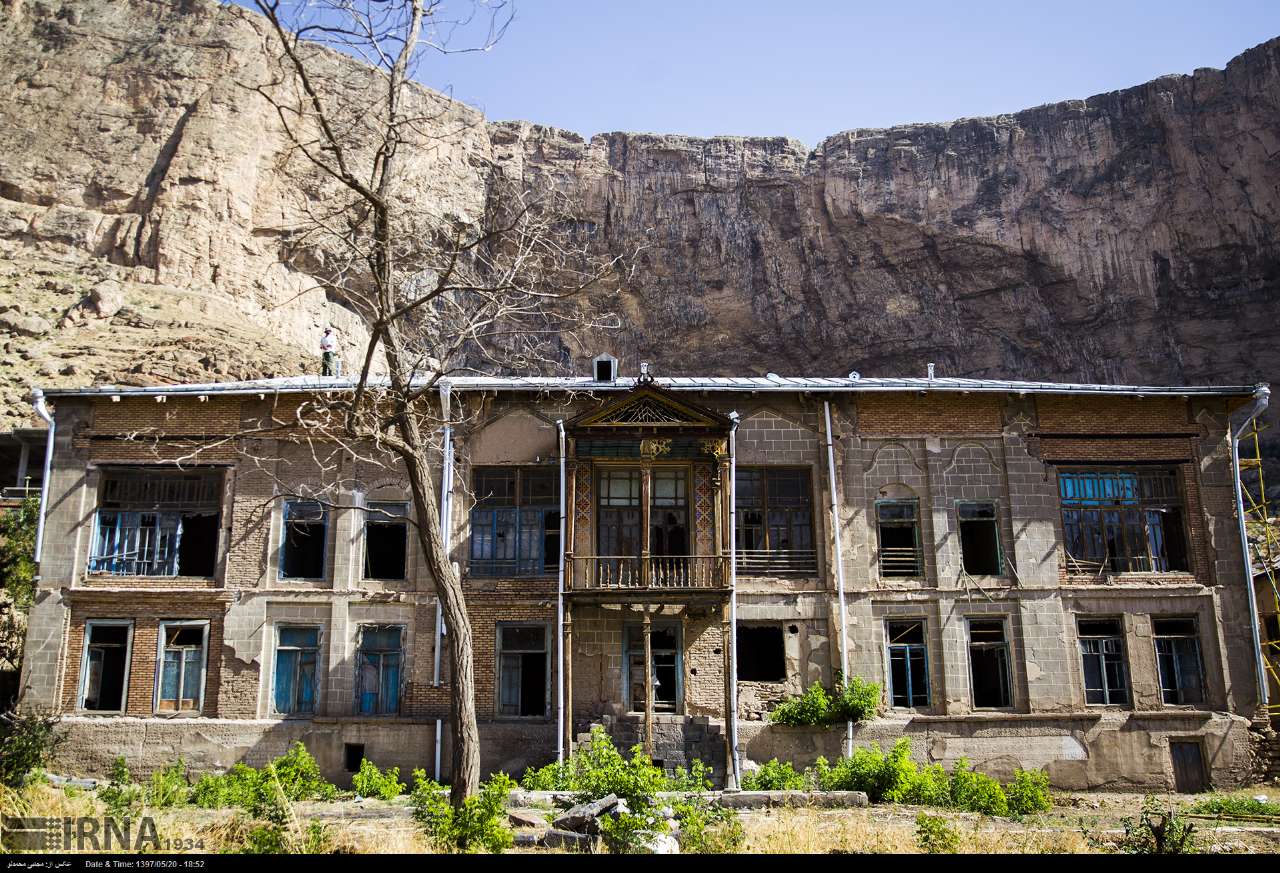
Maku Free Trade Zone; A Gem in Iran’s Azarbaijan

This city is located near the Iran-Turkey border in a valley where Zangmar River passes through and divides the city into northern and southern parts.

This region is bound to the Republic of Turkey to the north and Nakhchivan Autonomous Republic to the east. Therefore, it is a transit route for goods traded with Central Asia and Eastern Europe and one the most important zones in global trade.

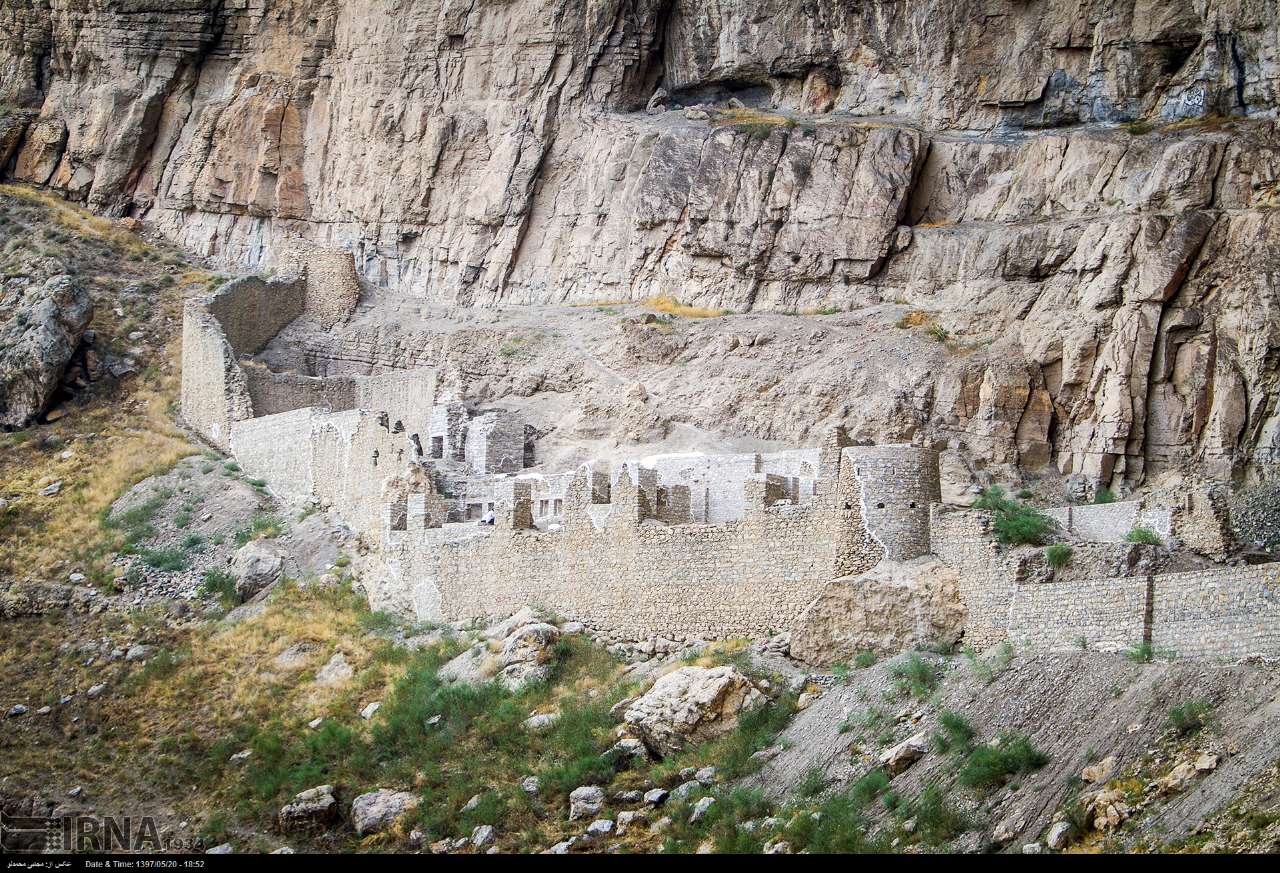
Maku is Iran’s largest free zone. More than 300 historical sites, dozens of natural works and border markets have turned this city into one of the main destinations for tourists in the northwest of the Islamic Republic.

With its natural and historic attractions, Maku can make a memorable journey for tourists.

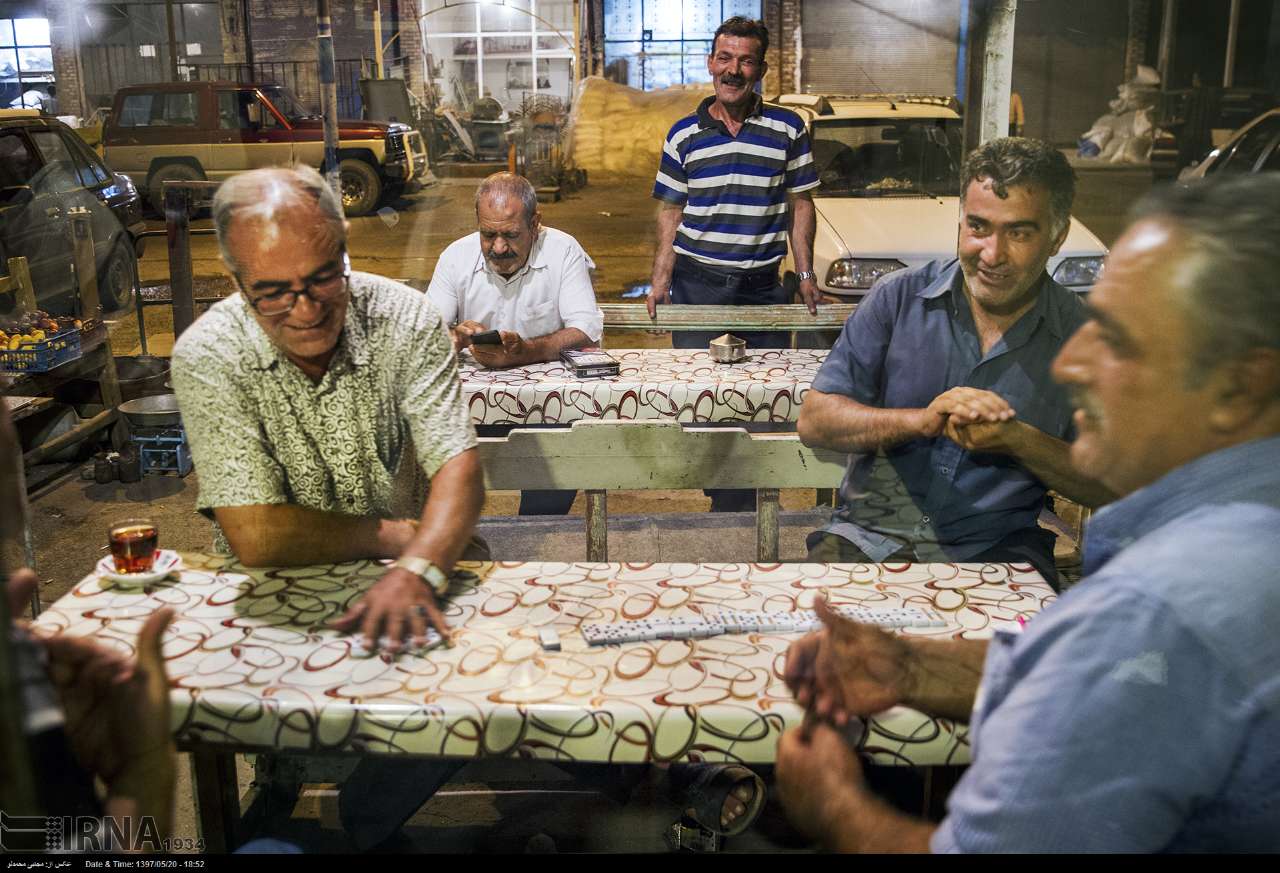
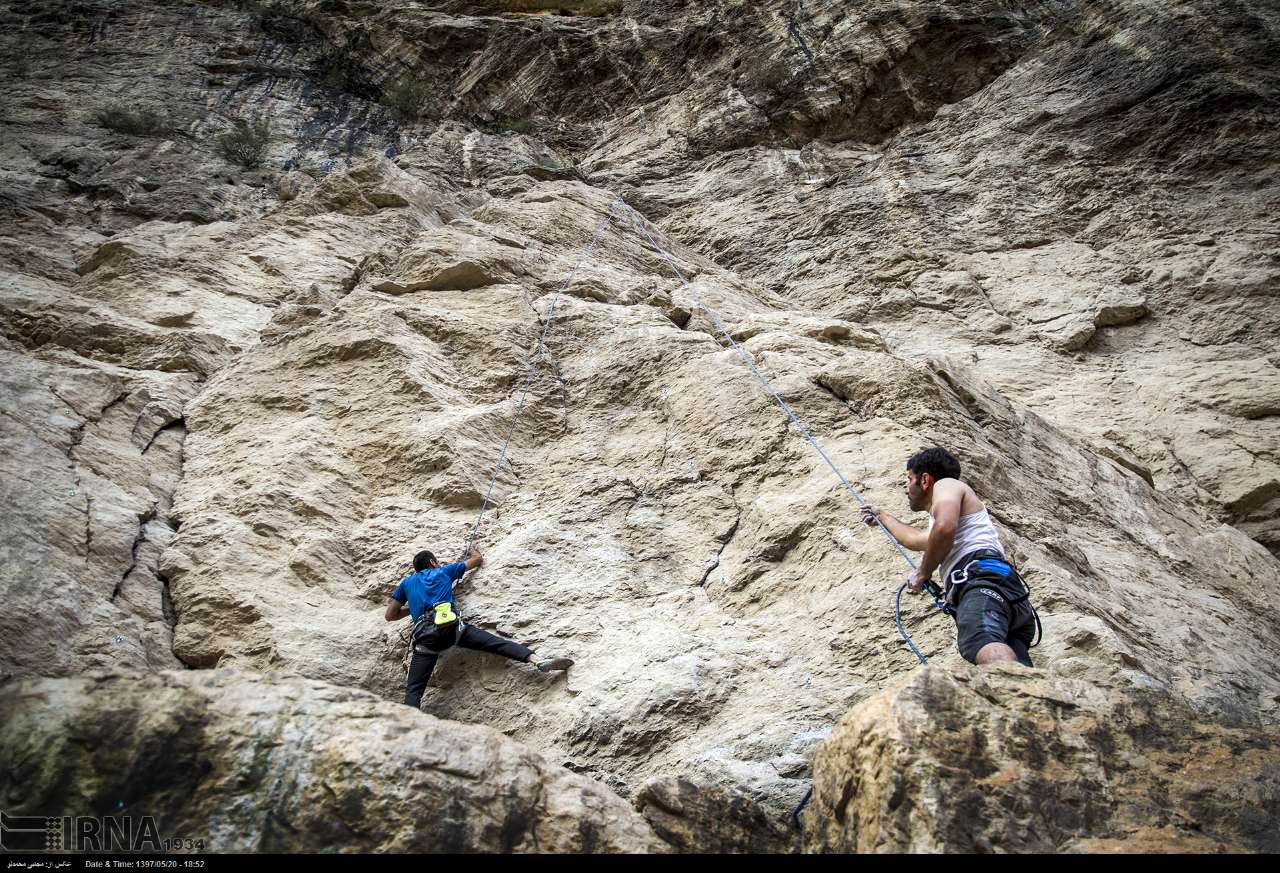
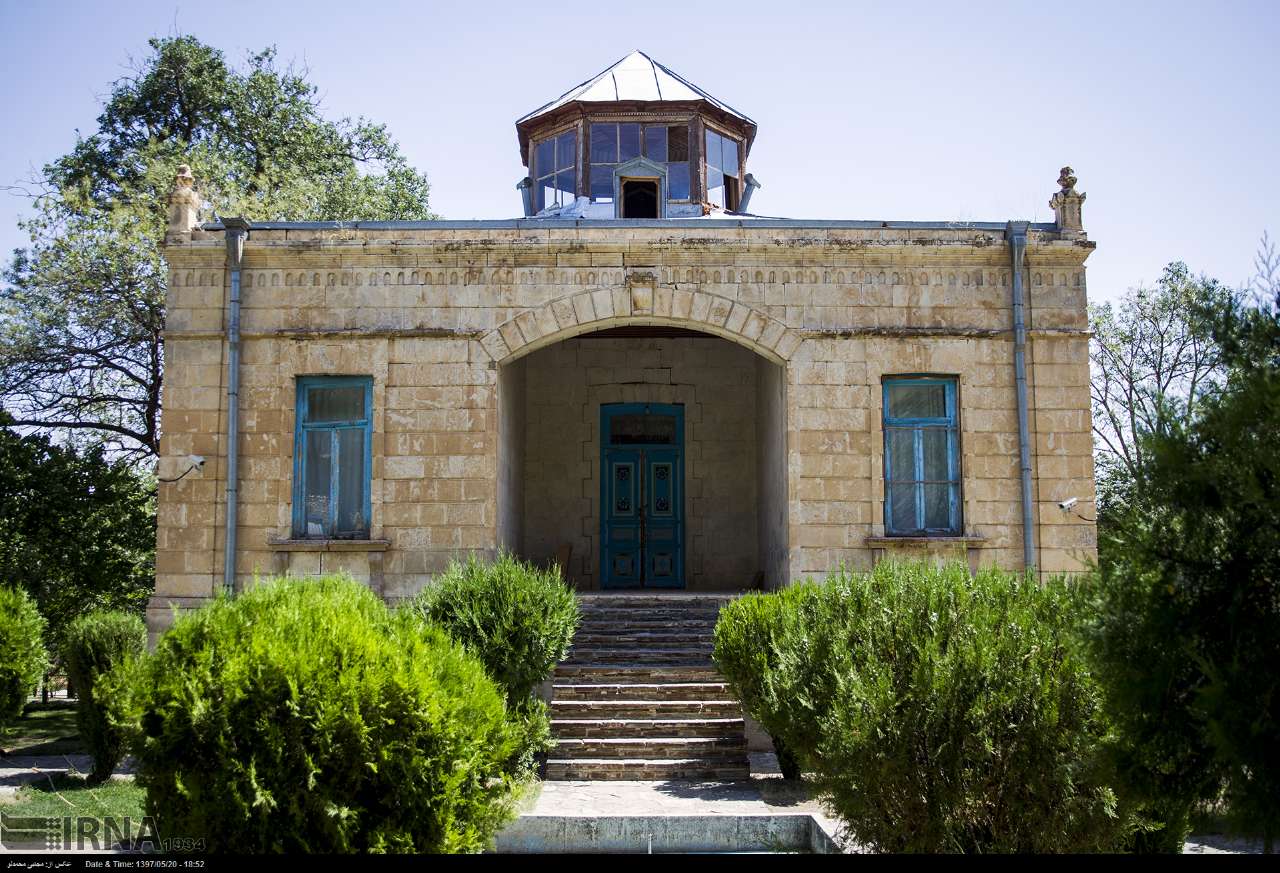
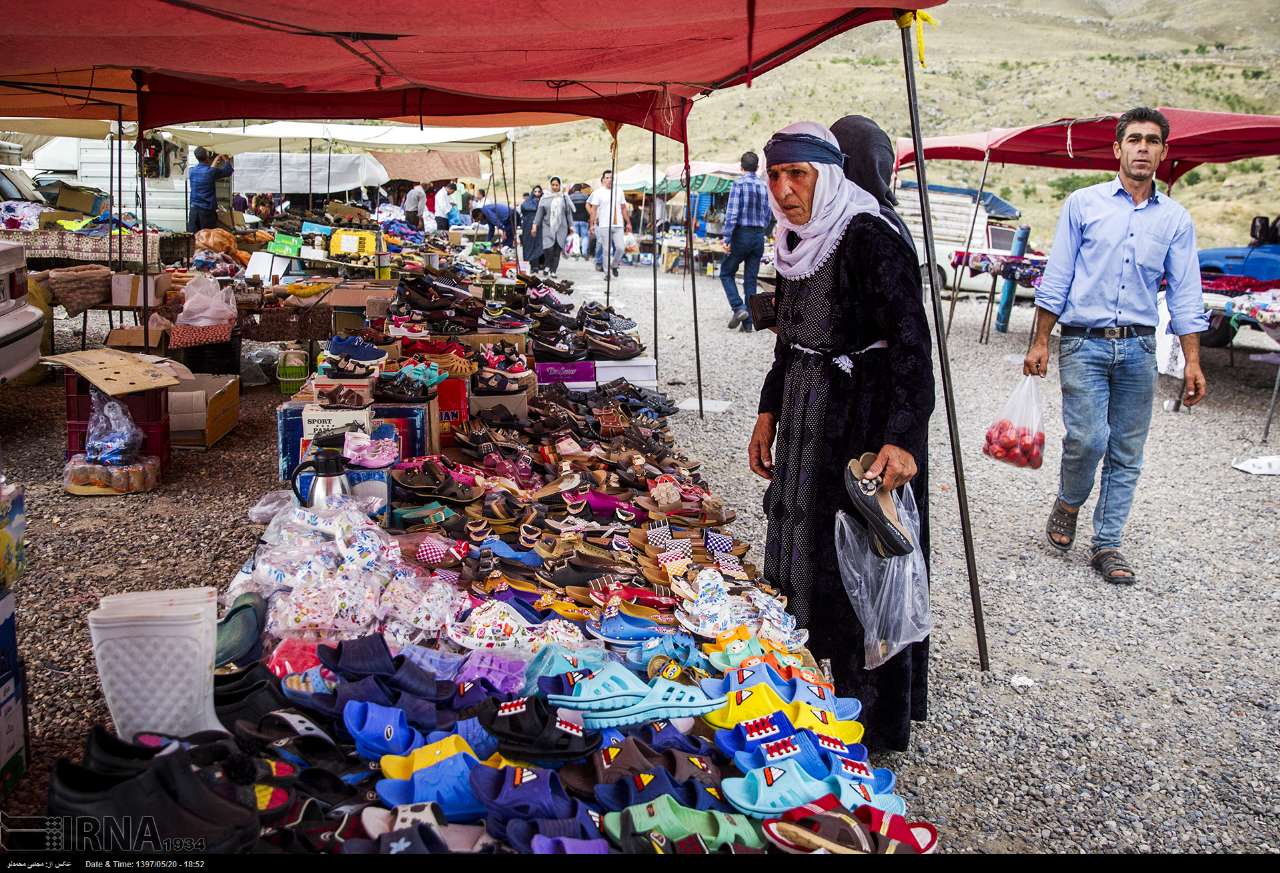
Following, you can see a selection of the best attractions of Maku, which has been published by IRNA:


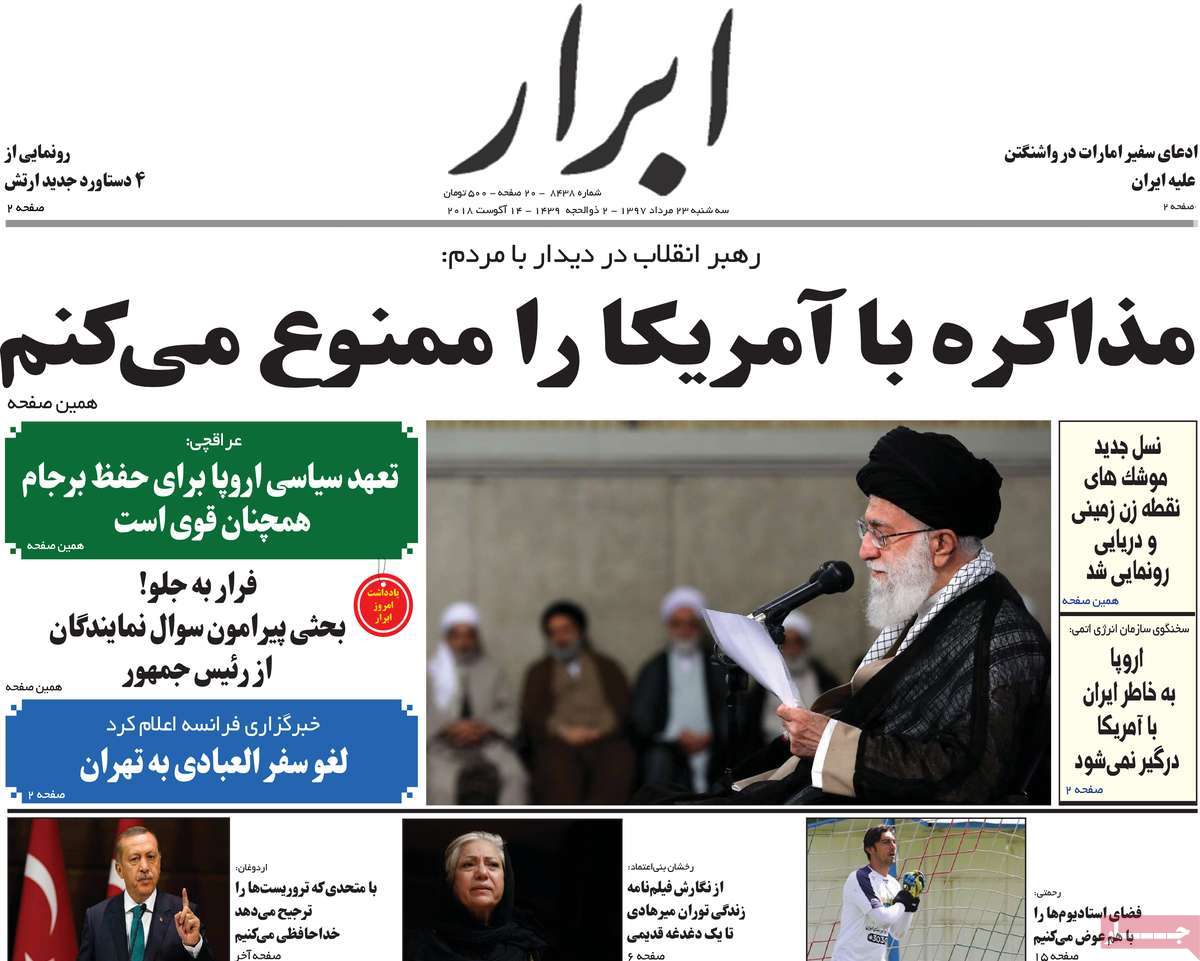
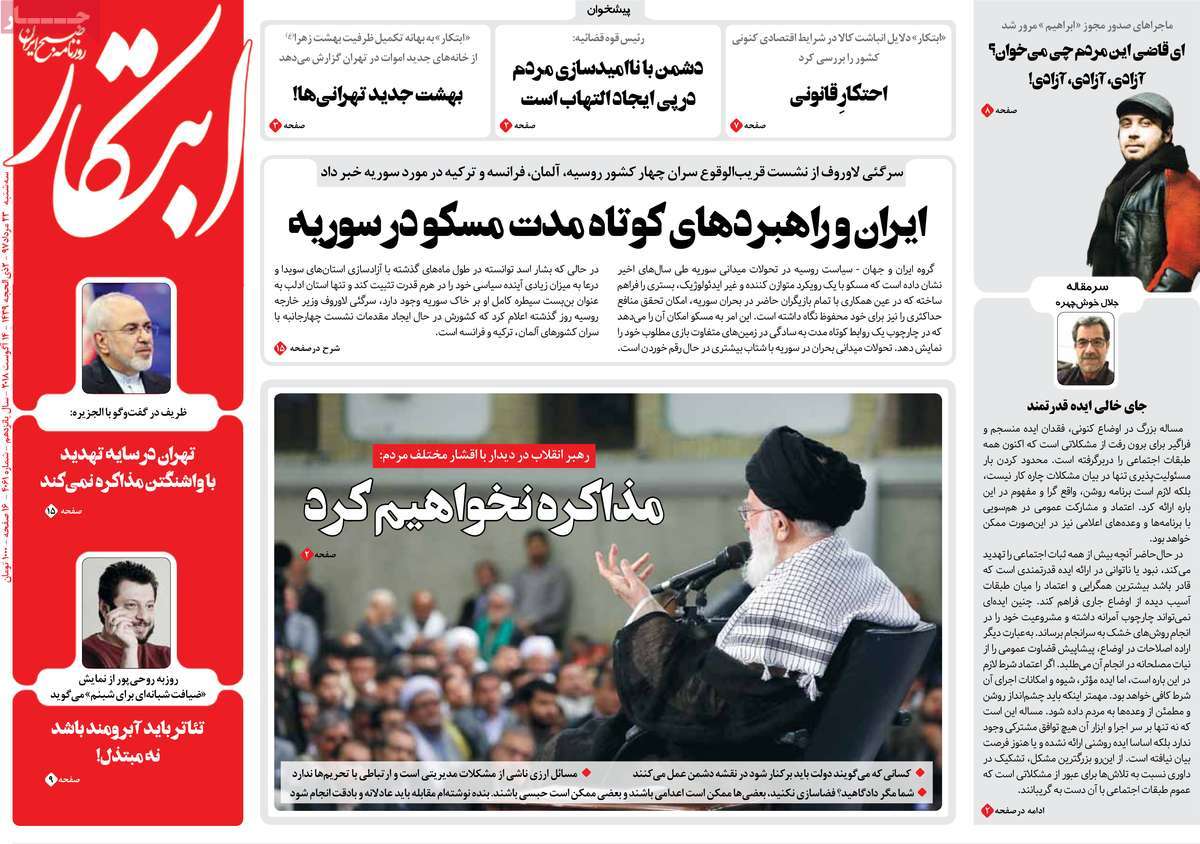
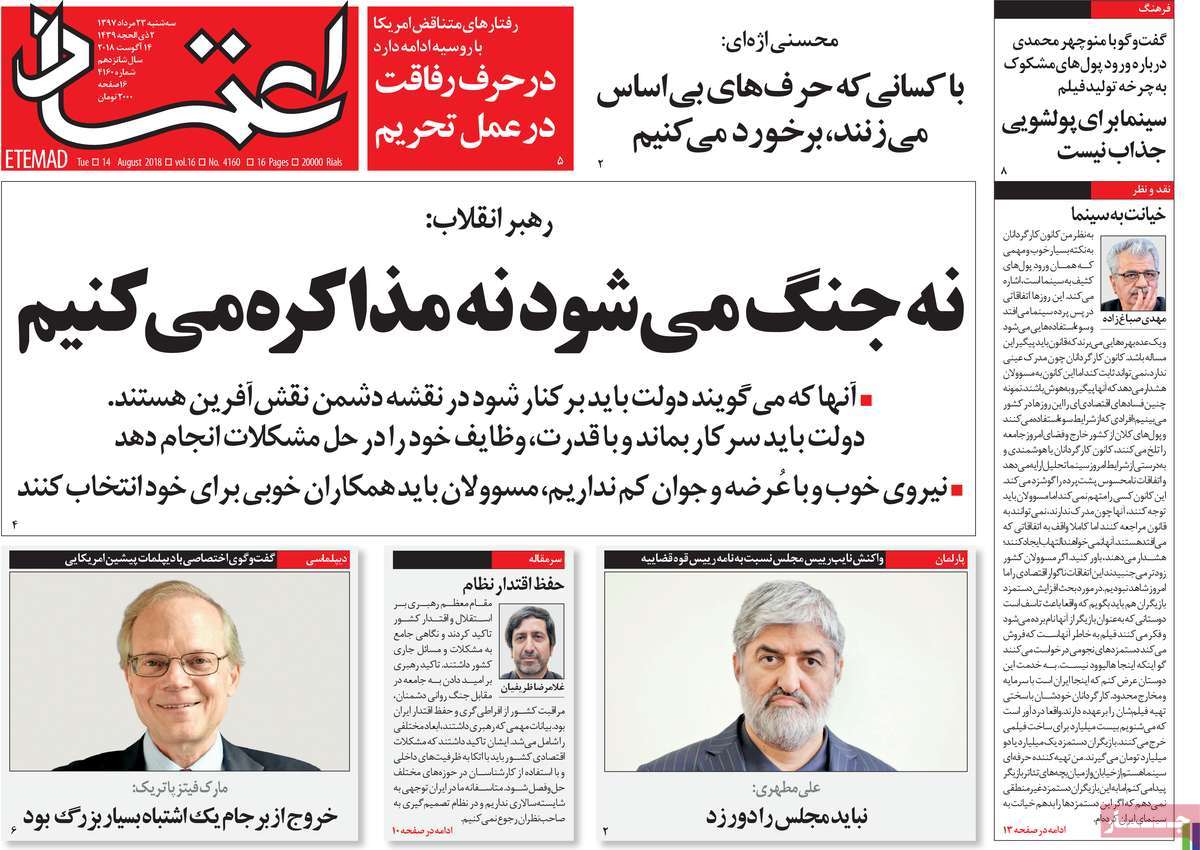
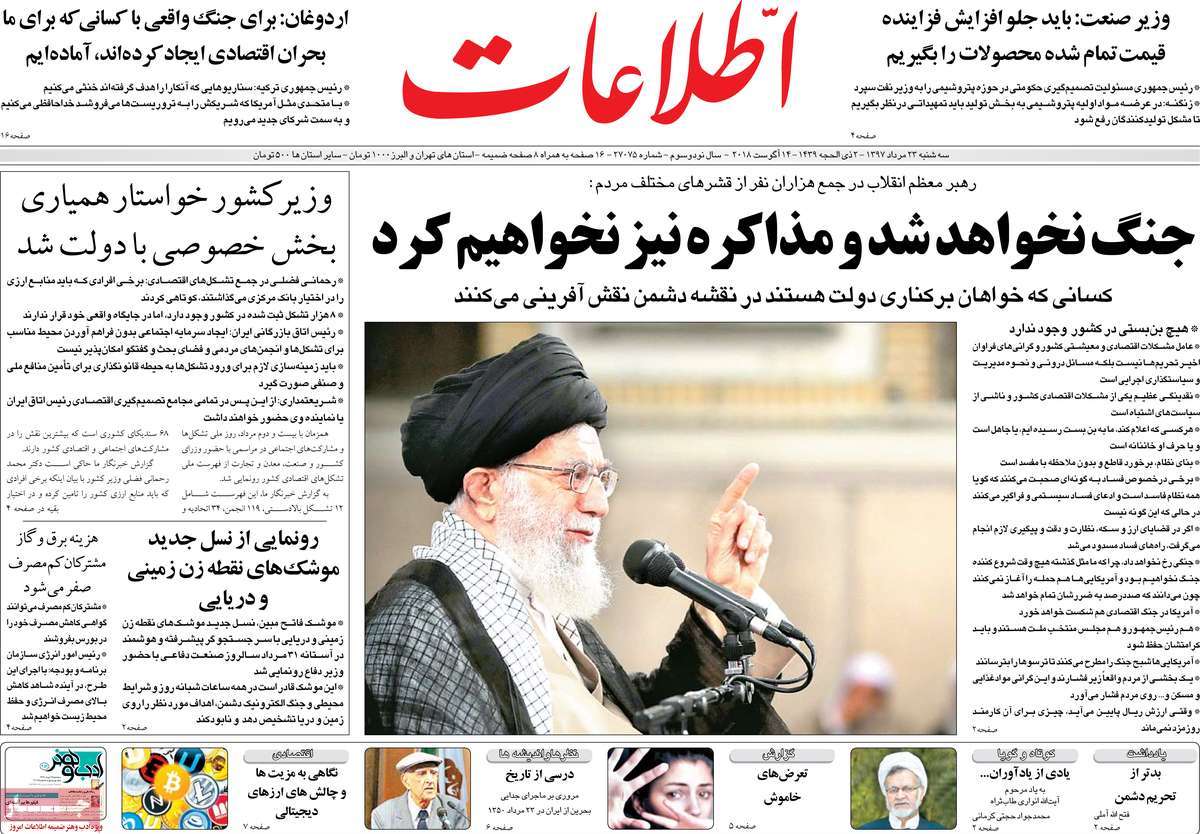
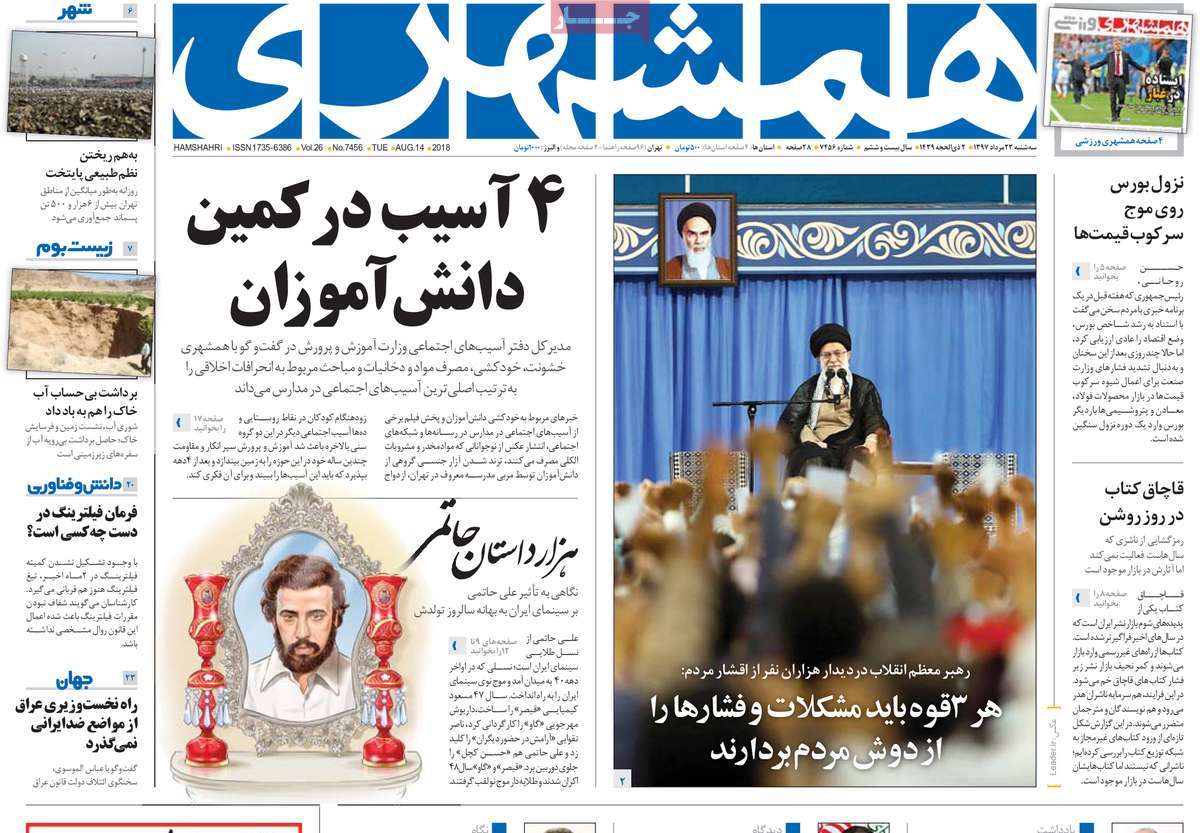
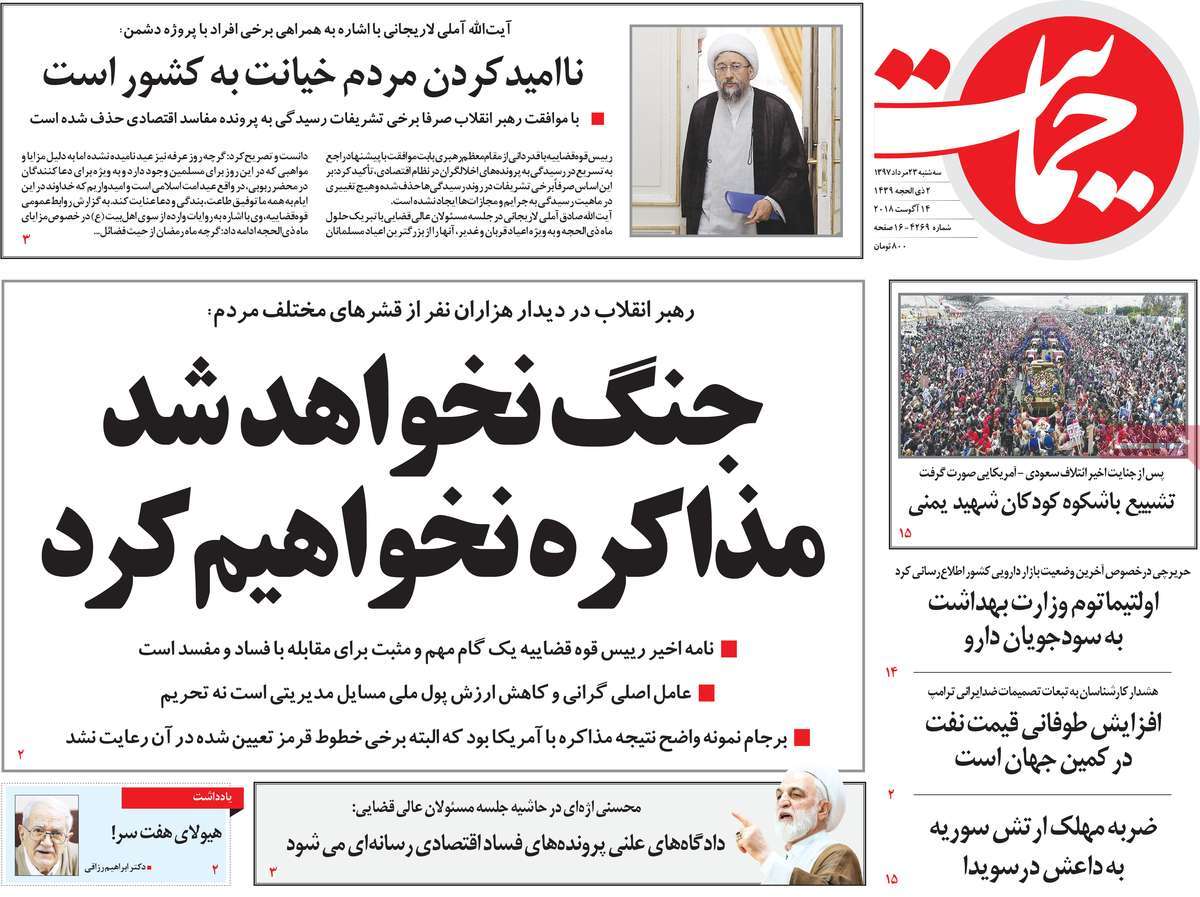
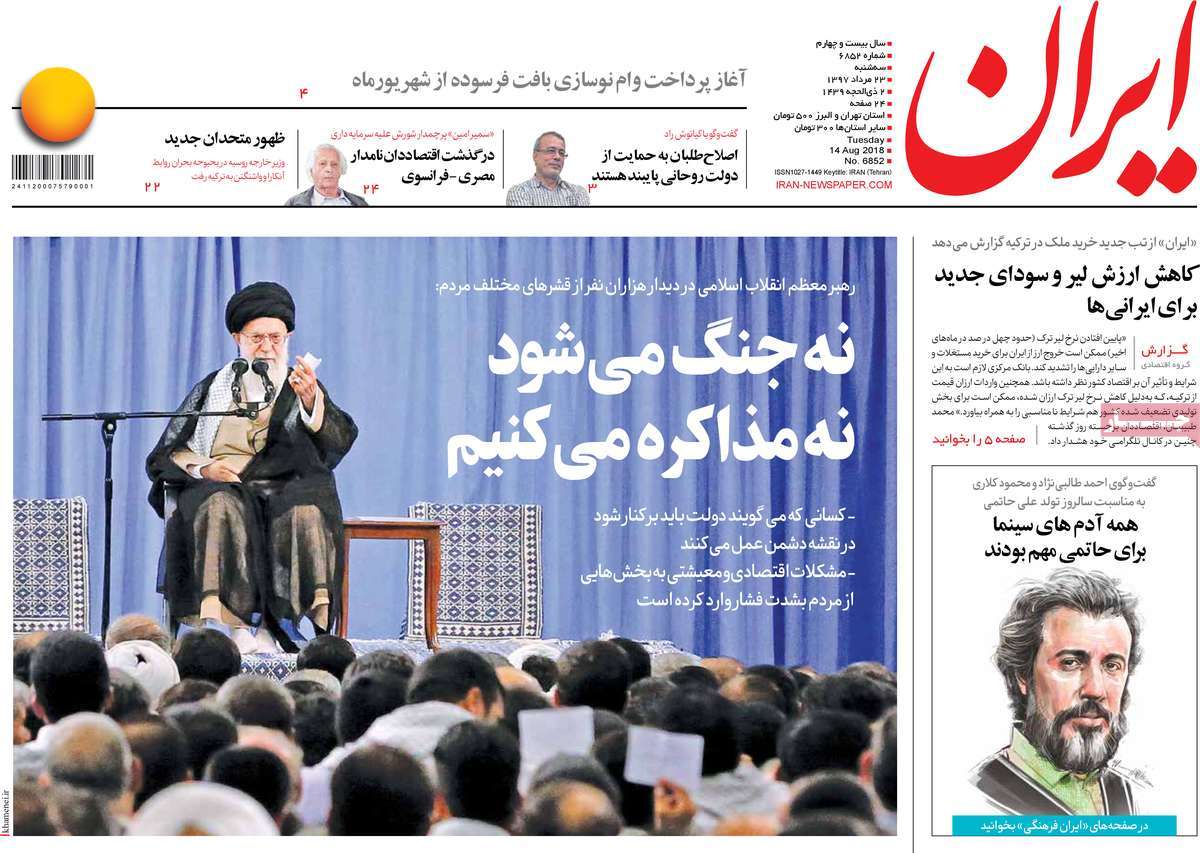
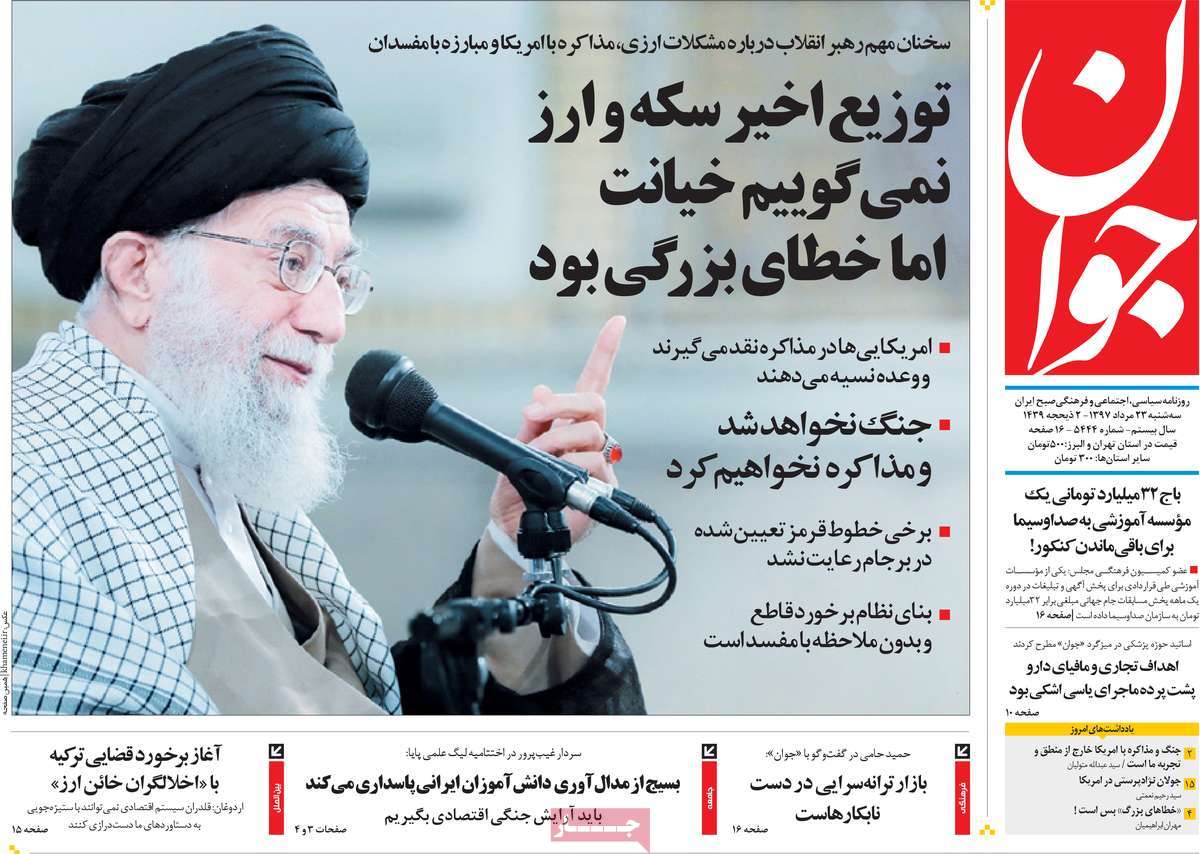
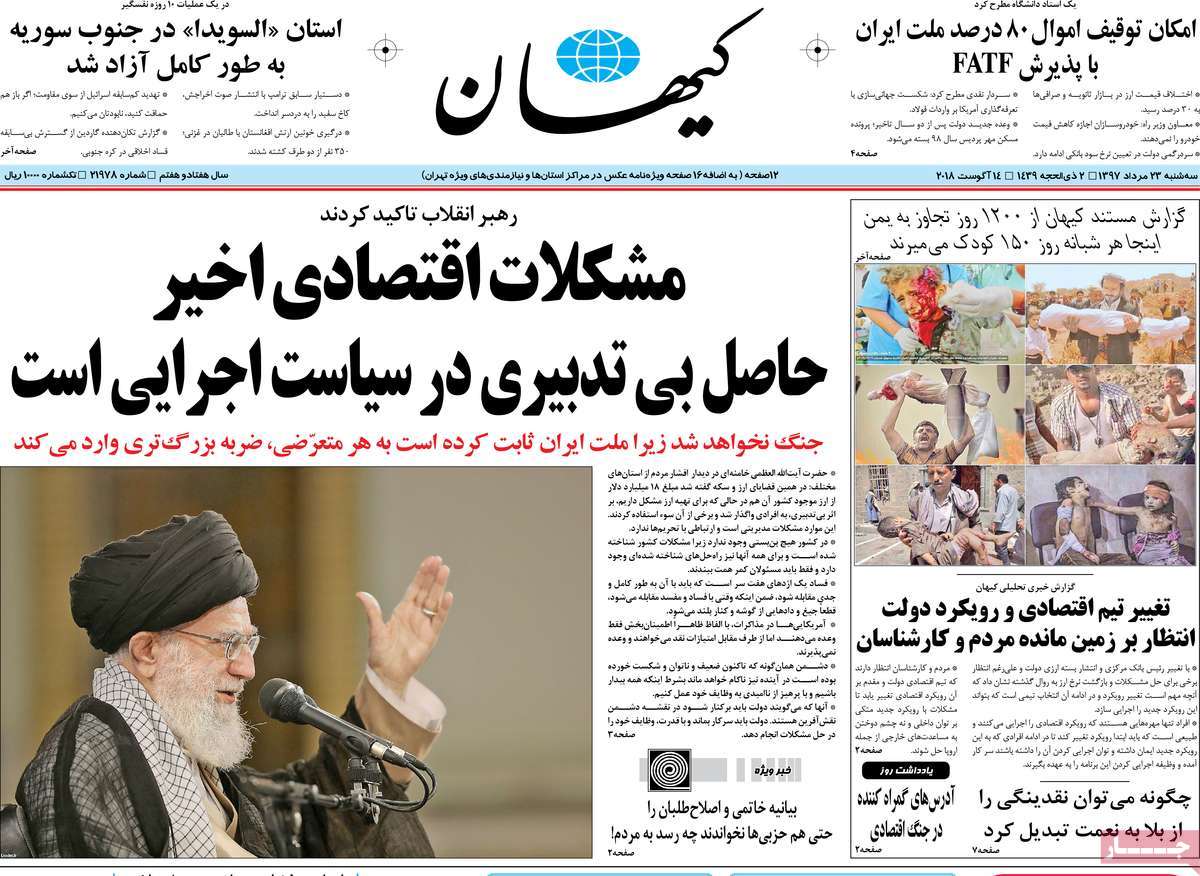
A Look at Iranian Newspaper Front Pages on August 14

A Look at Iranian Newspaper Front Pages on November 19

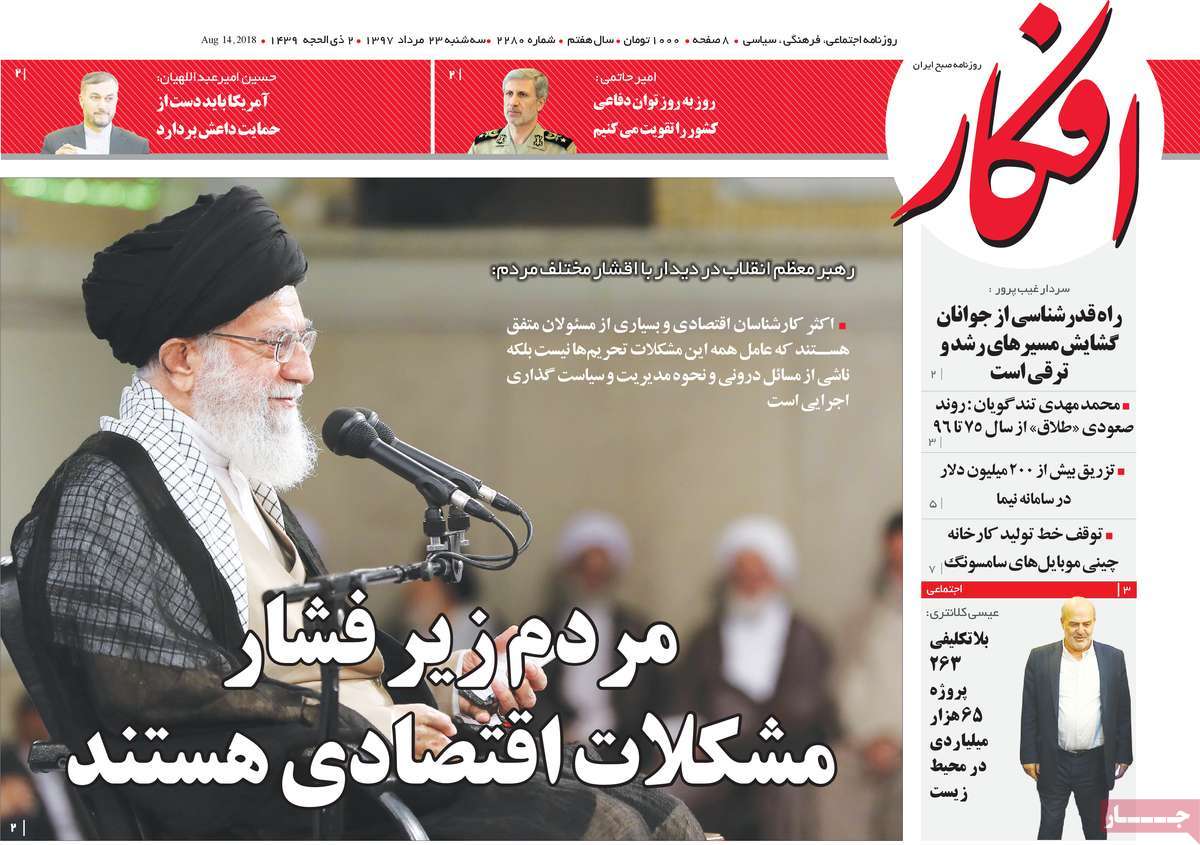
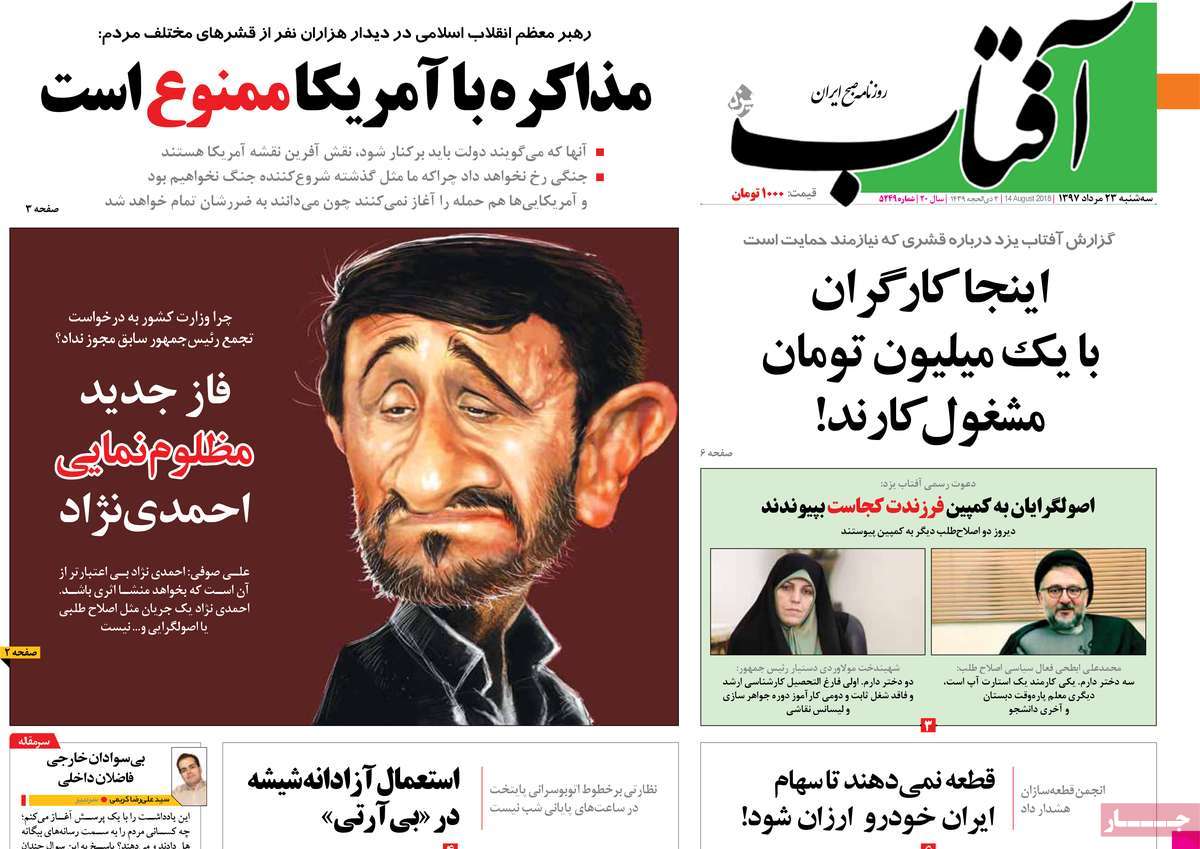
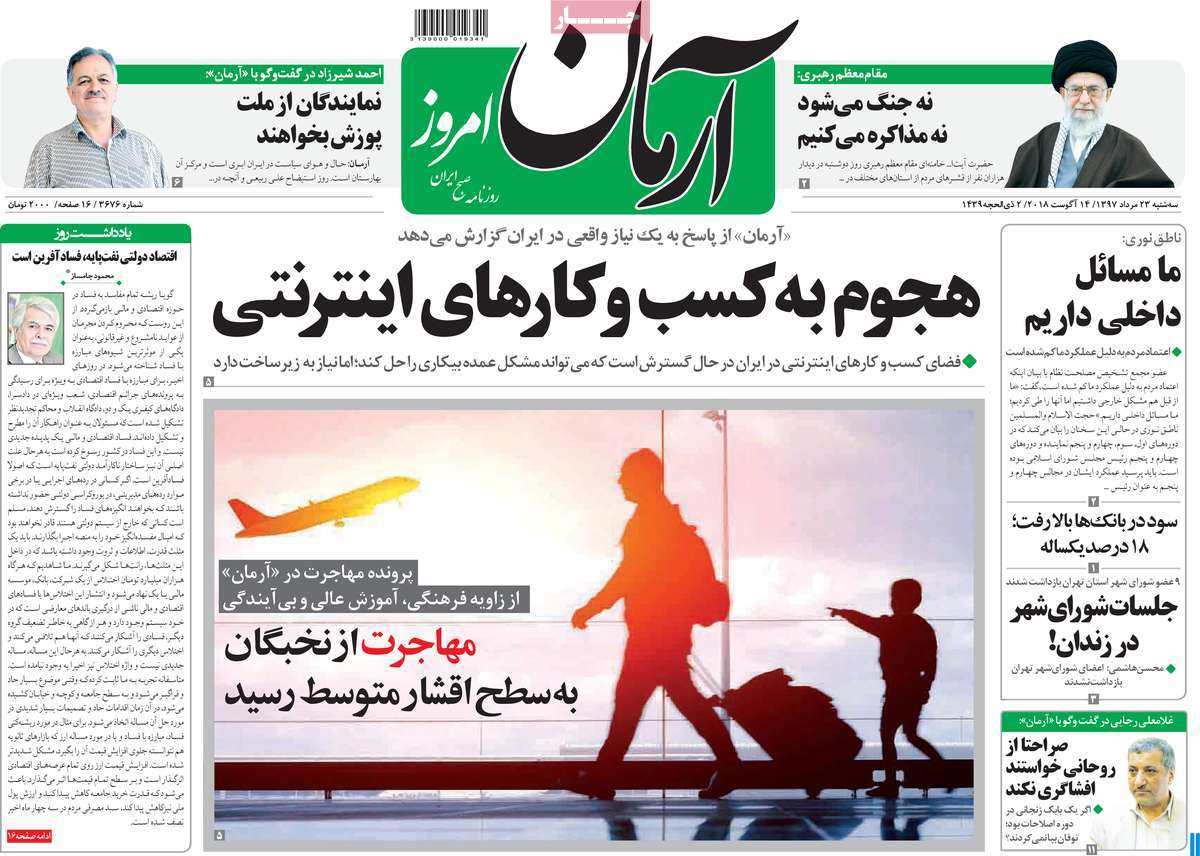
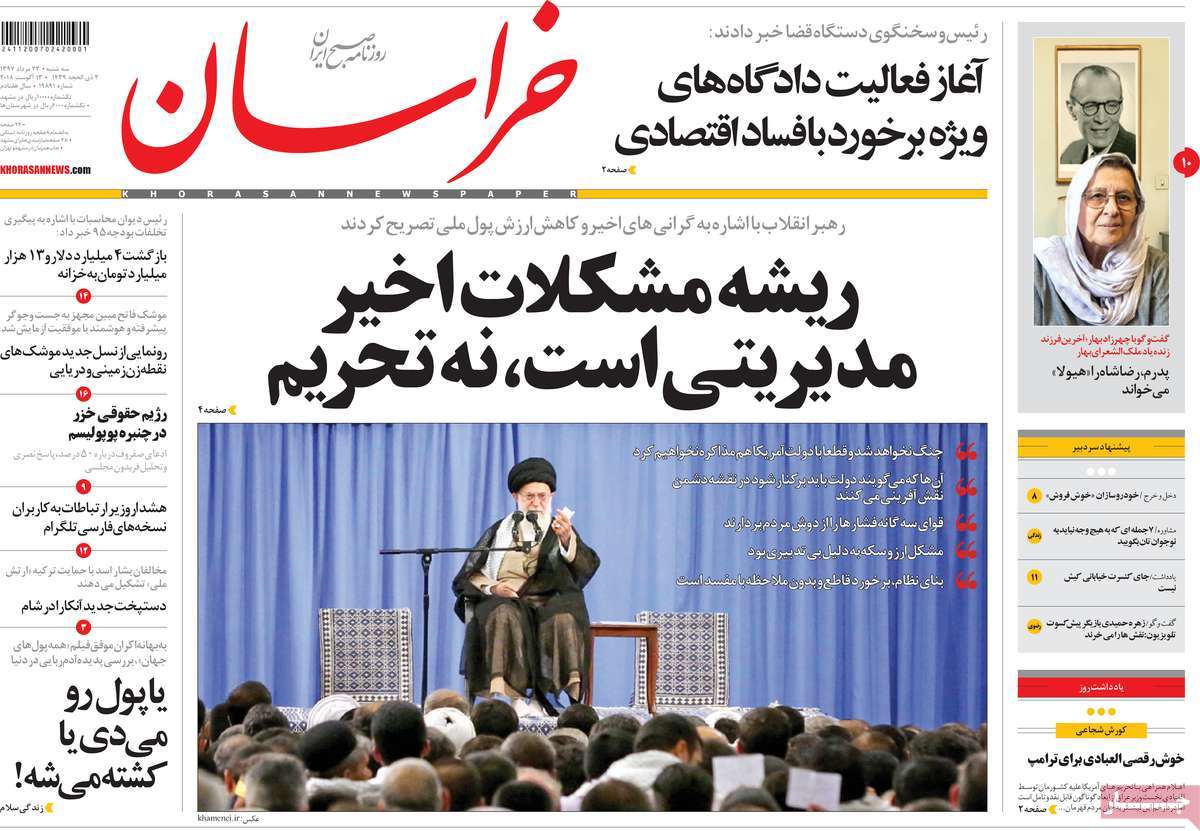
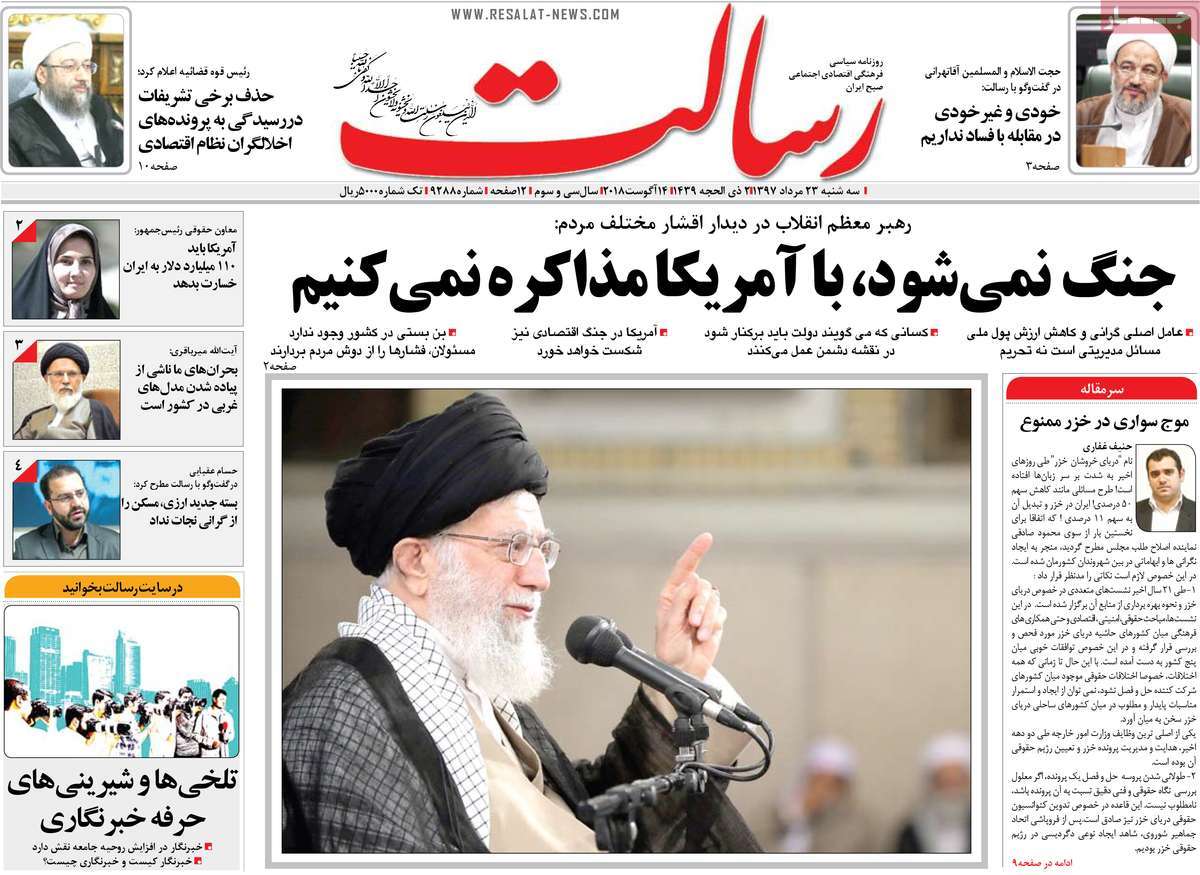
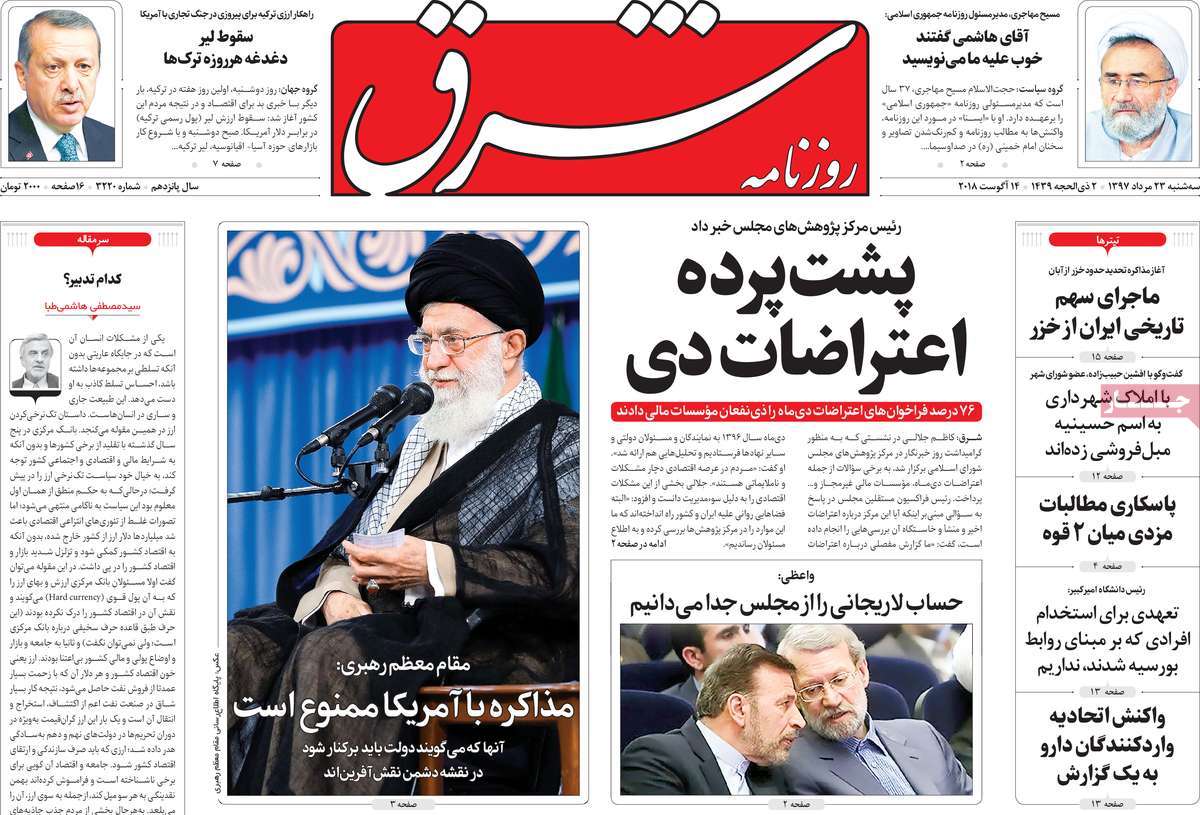
All newspapers today covered the remarks made by the Leader of Iran’s Islamic Revolution Ayatollah Seyyed Ali Khamenei, particularly his criticisms of the Rouhani administration for its poor management of the economic crisis, and the prohibition of talks with the deceitful US.

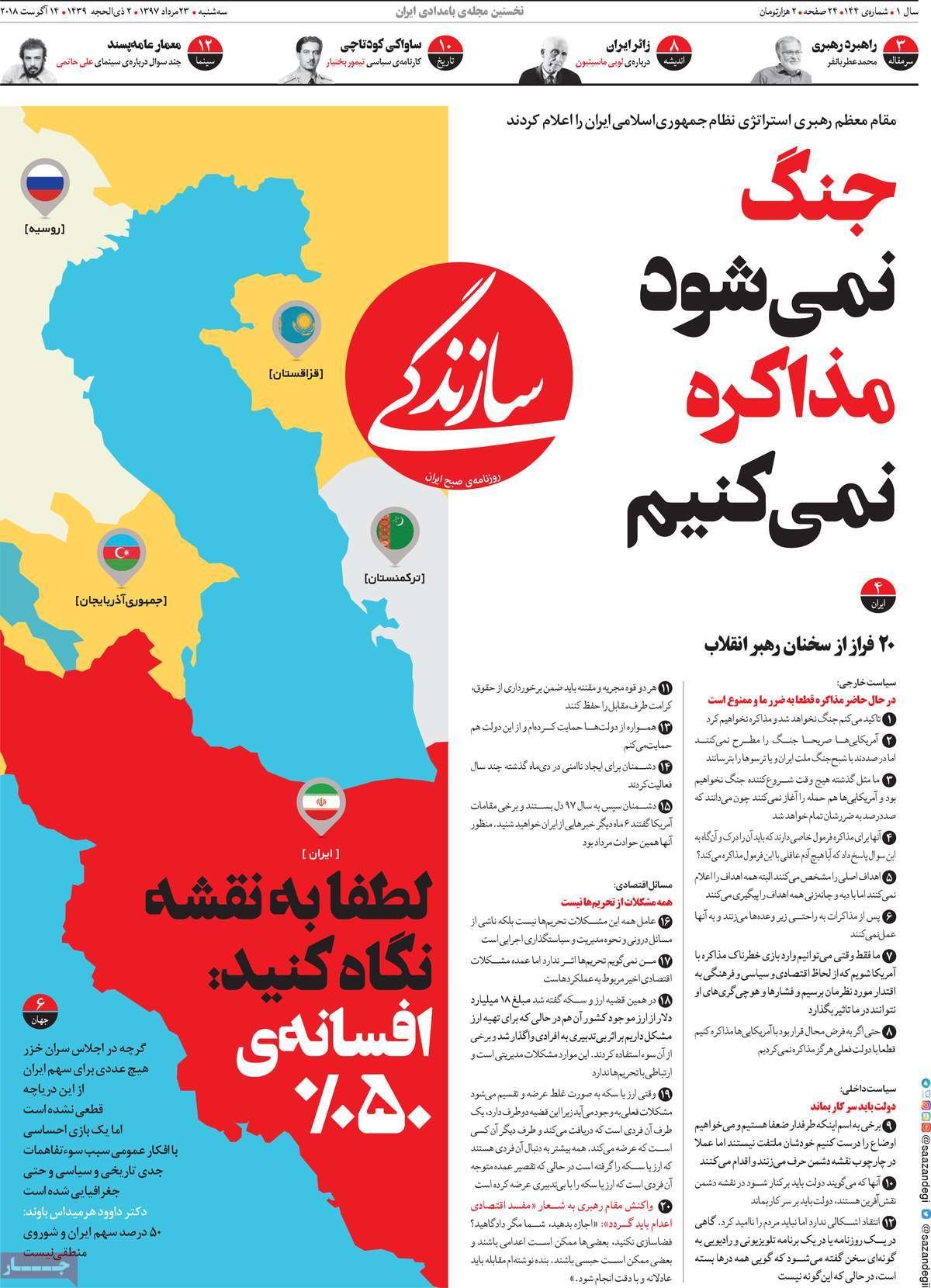
Several papers also rejected the false claims raised about Iran’s “fifty-percent” share of the Caspian Sea, which is said to be based on a deal between Iran and the USSR.

The above issues, as well as many more, are highlighted in the following headlines and top stories:


Abrar:

1- Araqchi: Europe Still Strongly Committed to Preserving JCPOA

2- Iran Unveils New Generation of Missiles with Pinpoint Accuracy

3- AEOI Spokesman: Europe Won’t Fight US over Iran

A Look at Iranian Newspaper Front Pages on August 14


Afkar:

1- Iran DM: We Reinforce Our Defensive Capabilities on Daily Basis

A Look at Iranian Newspaper Front Pages on August 14


Aftab-e Yazd:

1- Iran Leader: Negotiation with US Prohibited

A Look at Iranian Newspaper Front Pages on August 14


Arman-e Emrooz:

1- Middle-Class People Now Emmigrating from Iran

A Look at Iranian Newspaper Front Pages on August 14


Ebtekar:

1- Zarif to Al Jazeera: Tehran Won’t Negotiate with US under Shadow of Threat

2- Judiciary Chief: Enemies Trying to Provoke Tension by Making Iranians Frustrated

A Look at Iranian Newspaper Front Pages on August 14


Etemad:

1- Iran Leader: There’ll Be No War, No Negotiation with US

2- Mark Fitzpatrick: Withdrawal from Iran Nuclear Deal a Very Big Mistake

A Look at Iranian Newspaper Front Pages on August 14


Ettela’at:

1- Iran Leader: Those Calling for Dismissal of Gov’t Serving Enemies’ Plots

2- Erdogan: We’re Ready for War against Those Who Created Economic Crisis for Us

3- Industry Minister: We Should Stop Increasing Growth in Prices

A Look at Iranian Newspaper Front Pages on August 14


Hamshahri:

1- Iran Leader: All Branches of Power in Iran Must Help Resolve People’s Problems

A Look at Iranian Newspaper Front Pages on August 14


Hemayat:

1- Experts Warn about Consequences of Trump’s Anti-Iran Moves

  • Huge Increase Expected in Oil Prices

A Look at Iranian Newspaper Front Pages on August 14


Iran:

1- Iranians Buying More Houses in Turkey after Devaluation of Turkish Lira

A Look at Iranian Newspaper Front Pages on August 14


Javan:

1- Iran Leader: Gov’t Made Big Mistake in Managing Forex, Gold Coin Market

A Look at Iranian Newspaper Front Pages on August 14


Kayhan:

1- Academic: 80% of Iranian People’s Assets Might Be Seized If It Accepts FATF

A Look at Iranian Newspaper Front Pages on August 14


Khorasan:

1- Iran Leader: Mismanagement, Not Sanctions, Main Cause of Recent Woes

A Look at Iranian Newspaper Front Pages on August 14


Resalat:

1- Ayatollah Khamenei: US Will Fail in Economic War Too

2- Rouhani’s VP for Legal Affairs: US Owes Iran $110 Billion in Compensation

A Look at Iranian Newspaper Front Pages on August 14


Sazandegi:

1- Please Look at the Map; Legend of Iran’s 50% Share from Caspian Sea

  • Analyst: Iran, Russia Do Not Deserve 50% Shares from Caspian Sea
  • False Claims Raised in Social Media about Iran’s Share

A Look at Iranian Newspaper Front Pages on August 14


Shargh:

1- Fall of Turkish Lira Everyday Concern of Turks

2- Iran’s Historical Share of Caspian Sea

A Look at Iranian Newspaper Front Pages on August 14


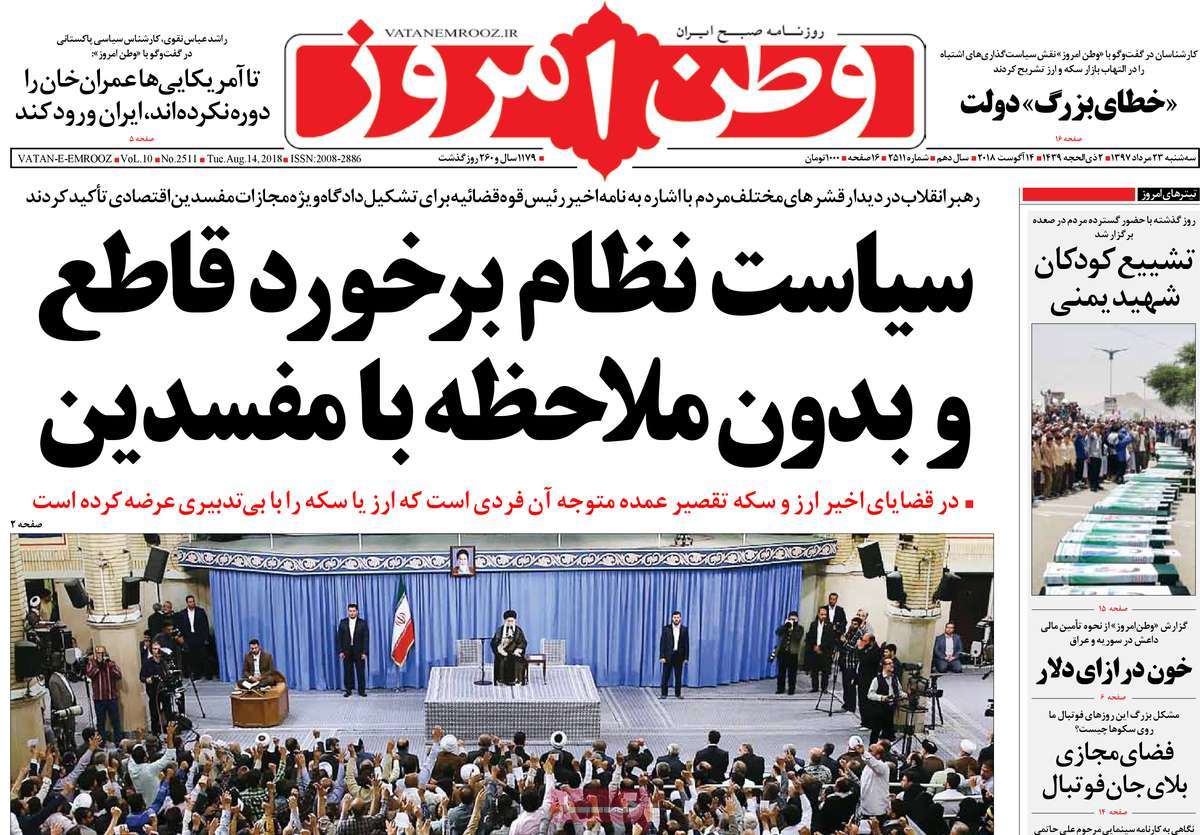
Vatan-e Emrooz:

1- Leader: Decisive Action against Corruption, Main Policy of Islamic Establishment

A Look at Iranian Newspaper Front Pages on August 14