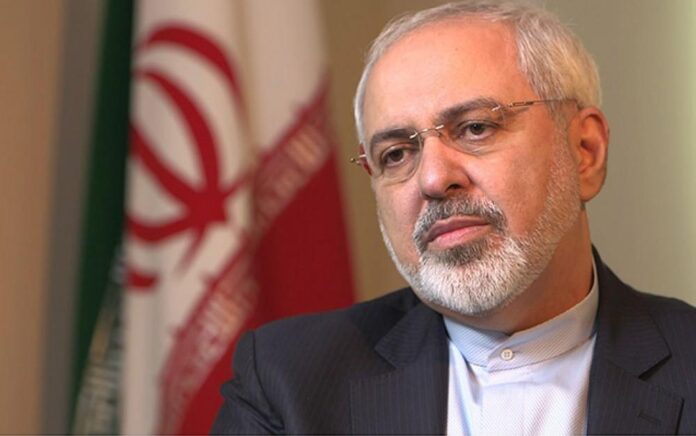
In his Wednesday article, Zarif said predicating decisions on illusions is an aspect of the US administration’s foreign policy.
“This has been especially evident with respect to West Asia. The illegal and provocative decision regarding al-Quds al-Sharif, blind support for the cruel atrocities committed by the Zionist regime against Gazans, and aerial and missile attacks against Syria are some of the more brazen aspects of such an unprincipled foreign policy,” he noted.
“The statement made by Mr. Pompeo on May 21 was the culmination of a delusional US approach to our region,” he went on to say.
What follows is the full text of his article:
In the Name of God, the Compassionate the Merciful
US Foreign Policy in Crisis
- Javad Zarif
Following the Trans-Pacific Partnership and the Paris Climate Accord, the Joint Comprehensive Plan of Action (JCPOA) is the third multilateral agreement that the current United States administration has withdrawn from. The administration has also put in jeopardy other multilateral arrangements such as NAFTA, the global trade system, and parts of the United Nations system, thus inflicting considerable damage to multilateralism, and the prospects for resolving disputes through diplomacy.
The announcement on 8 May 2018 of United States’ withdrawal from the JCPOA and the unilateral and unlawful re-imposition of nuclear sanctions — a decision opposed by majority of the American people — was the culmination of a series of violations of the terms of the accord by this administration, in spite of the fact that the International Atomic Energy Agency, as the sole competent international authority had repeatedly verified Iran’s compliance with its commitments under the accord. The U.S. decision was rejected by the international community and even its closest allies, including the European Union, Britain, France and Germany.
On 21 May 2018, US Secretary of State Mike Pompeo, in a baseless and insulting statement, issued a number of demands of and threats against Iran in brazen contravention of international law, well-established international norms, and civilized behavior. His statement reflected a desperate reaction by the US administration to the overwhelming opposition of the international community to the persistent efforts by the White House to kill the JCPOA, and the ensuing Washington’s isolation. Mr. Pompeo, in his statement, attempted to justify the US’ withdrawal from the JCPOA and divert international public opinion from the unlawful behavior of the United States and its outright violation of UN Security Council resolution 2231; a resolution drafted and proposed by the US itself and adopted unanimously by the Council. Mr. Pompeo’s 12 preconditions for Iran to follow are especially preposterous as the US administration itself is increasingly isolated internationally due to its effort to undermine diplomacy and multilateralism. It comes as no surprise that the statement and the one made by the US president on Iran were either ignored or received negatively by the international community, including by friends and allies of the United States. Only a small handful of US client states in our region welcomed it.
I seriously doubt that had the US Secretary of State even had a slight knowledge of Iran’s history and culture and the Iranian people’s struggle for independence and freedom, and had he known that Iran’s political system—in contrast to those of the American allies in the region—is based on a popular revolution and the people’s will, would he have delivered such an outlandish statement. He should, however, know that ending foreign intervention in Iran’s domestic affairs, which culminated in the 25-year period following the US-orchestrated coup in 1953, had always been one of the Iranian people’s main demands since well before the Islamic Revolution. He should also be aware that in the past 40 years the Iranian people have heroically resisted and foiled aggressions and pressures by the US, including its coup attempts, military interventions, support of the aggressor in an 8-year war, imposition of unilateral, extraterritorial and even multilateral sanctions, and even going as far as shooting down an Iranian passenger plane in the Persian Gulf in 1987. “Never forget” is our mantra, too.
The Islamic Republic of Iran derives its strength and stability from the brave and peace-loving Iranian people; a people who, while seeking constructive interaction with the world on the basis of mutual respect, are ready to resist bullying and extortions and defend in unison their country’s independence and honor. History bears testimony to the fact that those who staged aggression against this age-old land, such as Saddam and his regime’s supporters, all met an ignominious fate, while Iran has proudly and vibrantly continued its path towards a better and brighter future.
It is regrettable that in the past one-and-a-half years, US foreign policy—if we can call it that—including its policy towards Iran has been predicated on flawed assumptions and illusions—if not actual delusions. The US President and his Secretary of State have persistently made baseless and provocative allegations against Iran that constitute blatant intervention in Iran’s domestic affairs, unlawful threats against a UN Member State, and violations of the United States’ international obligations under the UN Charter, the 1955 Treaty, and the 1981 Algiers Accord. While rejecting these fictitious allegations, I would like to draw the attention of U.S. policymakers to some aspects of their nation’s current foreign policy that are detrimental to the entire international community:
- Impulsive and illogical decisions and behavior of the US President—and efforts by his subordinates to find some justification to persuade a reluctant domestic and foreign audience—have already surfaced as the main feature of the decision-making process in Washington over the past 17 months. This process, coupled with ill-conceived and hasty explanations to justify outcomes, usually lead to contradictory statements and actions. As an example, in his role as CIA Director, Mike Pompeo once in a Congressional hearing emphatically stated: “Iran has not violated its commitments.” Later, and following the US President’s decision to withdraw from the accord, now Secretary of State Pompeo in his statement on May 21 emphatically stated that “Iran has violated its commitments.”
- It wouldn’t be an exaggeration to say that some aspects of US foreign policy have been put up for auction—far beyond the routine lobbying practices. It is, for instance, unprecedented that a US president should choose the very country he had called “fanatic and a supporter of terrorism” during his election campaign as the destination for his first foreign visit as president, or to publicly make aspects of his foreign policy positions contingent on the purchase by one or another country of arms and other items from the United States. It has also been reported that in some other cases, mostly illegitimate financial interests have been the main basis for the formulation of mind-bogglingly ill-conceived US policy positions.
- Contempt for international law and attempts to undermine the rule of law in international relations have been among the main features of the current administration’s foreign policy. To the extent, according to media reports, that the US negotiators in the G7 Summit were even insisting on deleting the phrase “our commitment to promote the rules-based international order.” This destructive approach began by showing contempt for the fundamental principle of pacta sunt servanda, which is arguably the oldest principle of international law. The US withdrawal from some international agreements and undermining others, coupled with efforts to weaken international organizations, are examples of destructive moves so far by the US government, which have unfortunately darkened the outlook for the international order. Obviously, the continuation of such policies can endanger the stability of the international community, turning the U.S. into a rogue state and an international outlaw.
- Predicating decisions on illusions is another aspect of this administration’s foreign policy. This has been especially evident with respect to West Asia. The illegal and provocative decision regarding al-Quds al-Sharif, blind support for the cruel atrocities committed by the Zionist regime against Gazans, and aerial and missile attacks against Syria are some of the more brazen aspects of such an unprincipled foreign policy.
The statement made by Mr. Pompeo on May 21 was the culmination of a delusional US approach to our region. Ironically, the U.S. Secretary of State tried to set preconditions for negotiations and agreement with the Islamic Republic of Iran at a time when the international community is doubtful about the possibility or utility of negotiation or agreement with the US on any issue. How can the US government expect to be viewed or treated as a reliable party to another round of serious negotiations following its unilateral and unwarranted withdrawal from an agreement which was the result of hundreds of hours of arduous bilateral and multilateral negotiations, in which the highest ranking US foreign affairs official participated, and which was submitted to the Security Council by the US and adopted unanimously as an international commitment under Article 25 of the Charter?
Recent statements and actions by the U.S. president, including reneging on his agreement with the G7 while in the air flying back from the summit, are other examples of his erratic behavior. His remarks immediately following his meeting with the leader of the DPRK regarding his possible change of mind in 6 months are indicative of what the world is facing—an irrational and dangerous US administration. Does the US Secretary of State really expect Iran to negotiate with a government whose president says: “I may stand before you in six months and say, ‘Hey, I was wrong. I don’t know if I’ll ever admit that, but I’ll find some kind of an excuse”? Can such a government really set preconditions for Iran? Isn’t it actually confusing the plaintiff for the defendant? Mr. Pompeo has forgotten that it is the US government that needs to prove the credibility of its words and legitimacy of its signature, and not the party that has complied with its international obligations and sticks to its word. In fact, the truth is that all US administrations in the past 70 years should be held accountable for their disregard for international law, and their violations of bilateral and multilateral agreements with Iran. A short list of the rightful demands of the Iranian people from the US government could include the following:
- The US government must respect Iran’s independence and national sovereignty and assure Iran that it will end its intervention in Iran’s domestic affairs in accordance with international law in general, and the 1981 Algiers Accord in particular.
- The United States must abandon its policy of resorting to the threat or use of force – which constitute a breach of the preemptory norms of international law and principles of the Charter of the United Nations – as an option in the conduct of its foreign affairs with or against the Islamic Republic of Iran and other States.
- The US government should respect the State immunity of the government of the Islamic Republic of Iran, which is a fundamental principle of international law, and, while rescinding previous arbitrary and unlawful financial judgments, it should refrain from executing them in the US and extra-territorially.
- The US government should openly acknowledge its unwarranted and unlawful actions against the people of Iran over the past decades, including inter alia the following, take remedial measures to compensate the people of Iran for the damages incurred, and provide verifiable assurances that it will cease and desist from such illegal measures and refrain from ever repeating them:
- its role in the 1953 coup that led to the overthrow of Iran’s lawful and democratically-elected government and the subsequent 25 years of dictatorship in Iran;
- unlawful blocking, seizure and confiscation of tens of billions of dollars of assets of the Iranian people after the Islamic revolution, or under various baseless pretexts in recent years;
- direct military aggression against Iran in April 1980, which was a blatant violation of the sovereignty and territorial integrity of Iran;
- provision of massive military and intelligence assistance to the Iraqi dictator during the 8-year war he imposed on the Iranian people inflicting hundreds of billions of dollars of damages on Iran and its people;
- responsibility in the enormous suffering that Iranians have incurred over the past 3 decades as a result of the use by Saddam of chemical weapons, whose ingredients were provided by the US and some other western countries;
- the shooting down of an Iran Air passenger plane by the USS Vincennes in July 1988—a flagrant crime that led to the murder of 290 innocent passengers and crew, and the subsequent awarding of a medal to the captain of the ship rather than punishing him for his war crime;
- repeated attacks against Iran’s oil platforms in the Persian Gulf in the spring of 1988;
- repeated and unwarranted insults against the Iranian people by calling the entire nation “an outlaw and rogue nation” or “a terrorist nation” and by including Iran in the so-called “axis of evil;”
- unlawful and unreasonable establishment of a bigoted list of the nationals of some Islamic countries, including Iranians, prohibiting their entry into the US. The Iranians are among the most successful, educated and law-abiding immigrants in the US and have done great service to American society. They are now prohibited from seeing their loved ones, including even their aging grandparents;
- harboring and providing safe haven to anti-Iranian saboteurs in the USA, who openly incite blind violence against Iranian civilians, and supporting criminal gangs and militias and terrorist organizations, some of which were listed for years as terrorist groups by the US and later removed from the list following intense lobbying by those who have received money from them. Some of those lobbyists now occupy high-ranking positions in the Trump administration;
- support provided to Mossad for the multiple terrorist assassinations of Iranian nuclear scientists;
- sabotage of Iran’s nuclear peaceful program through cyber-attacks;
- fabrication of fake documents to deceive the international community over Iran’s peaceful nuclear program and to create an unnecessary crisis.
- The United States government must cease its persistent economic aggression against the Iranian people which has continued over the past four decades; nullify the cruel and extensive primary and extraterritorial sanctions, rescind hundreds of legislations and executive orders aimed at disrupting Iran’s normal development which are in flagrant contravention of international law and have been universally condemned, and compensate the Iranian people for the enormous damages to the Iranian economy and its people.
- The US government should immediately cease its violations and breaches of the JCPOA, which have caused hundreds of billions of dollars in direct and indirect damages for disrupting trade with and foreign investment in Iran, compensate Iranian people for these damages and commit to implement unconditionally and verifiably all of its obligations under the accord, and refrain (in accordance with the JCPOA) from any policy or action to adversely affect the normalization of trade and economic relations with Iran.
- The US government should release all Iranians and non-Iranians who are detained under cruel conditions in the US under fabricated charges related to the alleged violation of sanctions, or apprehended in other countries following unlawful pressure by the US government for extradition, and compensate for the damage inflicted on them. These include pregnant women, the elderly and people suffering from serious health problems; some of whom have even lost their lives in prison.
- The US government should acknowledge the consequences of its invasions and interventions in the region, including in Iraq, Afghanistan and the Persian Gulf region, and withdraw its forces from and stop interfering in the region.
- The US government should cease policies and behavior that have led to the creation of the vicious DAESH terrorist group and other extremist organizations, and compel its regional allies to verifiably stop providing financial and political support and armaments to extremist groups in West Asia and the world.
- The US government should stop providing arms and military equipment to the aggressors—who are murdering thousands of innocent Yemeni civilians and destroying the country— and cease its participation in these attacks. It should compel its allies to end their aggression against Yemen and compensate for the enormous damage done to that country.
- The US government should stop its unlimited and unconditional support for the Zionist regime in line with its obligations under international law; condemn its policy of apartheid and gross violations of human rights, and support the rights of the Palestinian people, including their right to self-determination and the establishment of an independent Palestinian State with al-Quds al-Sharif as its capital.
- The US government should stop selling hundreds of billions of lethal—not beautiful—military equipment every year to regions in crisis, especially West Asia, and instead of turning these regions into powder kegs it should allow the enormous amount of money spent on arms to serve as funding for development and combating poverty. Only a fraction of the money paid by US arms customers could alleviate hunger and abject poverty, provide for potable, clean water, and combat diseases throughout the globe.
- The US government should stop opposing the efforts by the international community for the past 5 decades to establish a zone free from weapons of mass destruction in the Middle East. It should compel the Zionist regime—with its history of aggression and occupation—to de-nuclearize, thus neutralizing the gravest real threat to regional and international peace and security, which emanates from the most destructive arms in the hands of the most warmongering regime in our time.
- The US government should stop increasingly relying on nuclear weapons and the doctrines of using nuclear weapons to counter conventional threats—a policy that is in flagrant contravention of its commitment under Article VI of the Non-Proliferation Treaty, the advisory opinion of the International Court of Justice, the 1995 NPT Review Conference Declaration, and UN Security Council resolution 984. The U.S. should comply with its moral, legal and security obligations in the field of nuclear disarmament, which is a near unanimous demand of all United Nations Member States, and virtually all people across the globe, including even former US Secretaries of State. As the only State that is stamped with the shame of ever using nuclear weapons itself, it is incumbent on the US to relieve humanity from the nightmare of a global nuclear holocaust, and give up on the illusion of security based on “mutually assured destruction” (MAD).
- The US government should once and for all commit itself to respect the principle of pacta sunt servanda (agreements must be kept), which is the most fundamental principle of international law and a foundation for civilized relations among peoples, and discard in practice the dangerous doctrine which views international law and international organizations as merely “a tool in the US toolbox”.
The aforementioned US policies are examples of what has resulted in Iranians distrusting the American government. They are also among underlying causes of injustice, violence, terrorism, war and insecurity in West Asia. These policies will bring about nothing but a heavy toll in human lives and material assets for different regions of the world, and isolation for the US in world public opinion. The only ones benefitting are and will be lethal arms manufacturers. If the US government summons the courage to renounce these policies in words and deeds, its global isolation will end and a new image of the US will emerge in the world, including in Iran, paving the path to joint efforts for security, stability, and inclusive sustainable development.
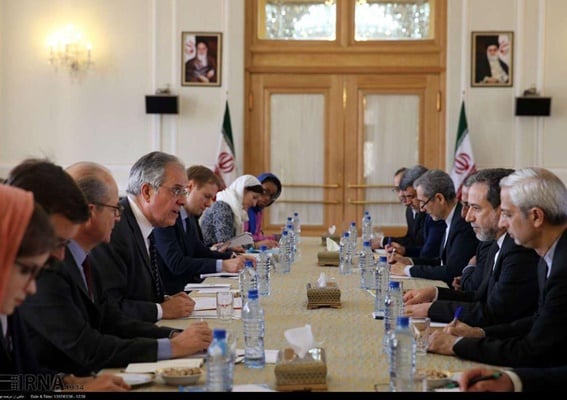
I admit that regrettably, it is not realistic to harbor a hope for such a change in US behavior. Thus, at the global level the Islamic Republic of Iran has for years promoted inclusion, multilateralism, dialogue, respect for the rule of law and nuclear disarmament through initiatives such as Dialogue among Civilizations and WAVE (World Against Violence and Extremism), and participated actively in international efforts to achieve nuclear disarmament and a rule-based international system. We have also presented practical proposals and engaged in serious diplomatic efforts to end regional conflicts in Syria and Yemen through diplomacy from the earliest stages of these unfortunate conflicts, sadly, to the deaf ears of the United States that continues to support aggressors and terrorists in every conflict in our region. And following the United States’ withdrawal from the JCPOA, Iran has earnestly engaged with the remaining JCPOA Participants (EU/E3+2) in a good faith effort to salvage this unique global diplomatic achievement. We continue to do so as of this writing.
Nationally, Iran has ensured its security and stability in the past 4 decades on the basis of its inherent domestic capabilities and its reliance on the great Iranian people, not on any foreign power’s benevolence or patronage. Despite foreign pressure and while expending comparatively the least amount in the region on armaments, it has become stronger, more stable and more advanced by the day.
And regionally, in contrast to the US and its foreign policy, Iran—in accordance with its constitution—neither seeks to dominate nor will it ever submit to domination. It believes that the era of regional and global hegemony has long passed, and any effort by any power to achieve it is futile. Instead of yielding to foreign domination or trying to dominate others, countries in our region should seek to create a stronger, more prosperous and more stable region. We in Iran view our security and stability as inseparable from those of our neighbors. We have a common history and culture as well as indivisible opportunities and challenges, and can only enjoy security and stability at home, if and only if our neighbors enjoy internal and international stability and security. We expect other regional countries to adopt a similar approach, and instead of insisting on the failed experiment of “trying to purchase or outsource security,” concentrate on dialogue, mutual understanding, confidence building, and cooperation with neighbors.
The Islamic Republic of Iran views the establishment of a “Regional Dialogue Forum” in the Persian Gulf as the best means to resolve regional crises and create a stronger region. We can begin adopting confidence-building measures to bring regional countries closer to each other on the basis of such principles as the sovereign equality of states, non-resort to the threat or use of force, peaceful settlement of disputes, respect for territorial integrity of other States, inviolability of international boundaries, non-intervention in domestic affairs of others, and respect for the right of peoples to self-determination. By fostering common understanding about threats and opportunities at the regional and global levels, we can move towards achieving a non-aggression pact and creating common mechanisms for regional cooperation. We firmly believe that we, regionally—as the inheritors of the richest civilizations the world has ever known—should stand tall and can solve our own problems amongst ourselves and secure a better future for all of our children without outside interference and patronage, both of which come at a heavy cost to our collective dignity as well as our future development.

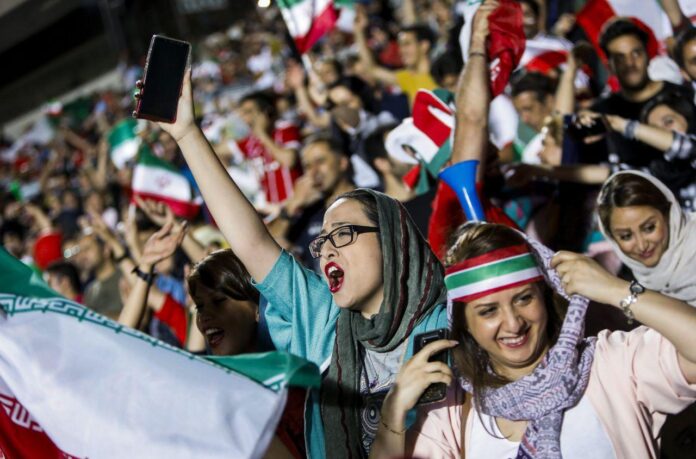
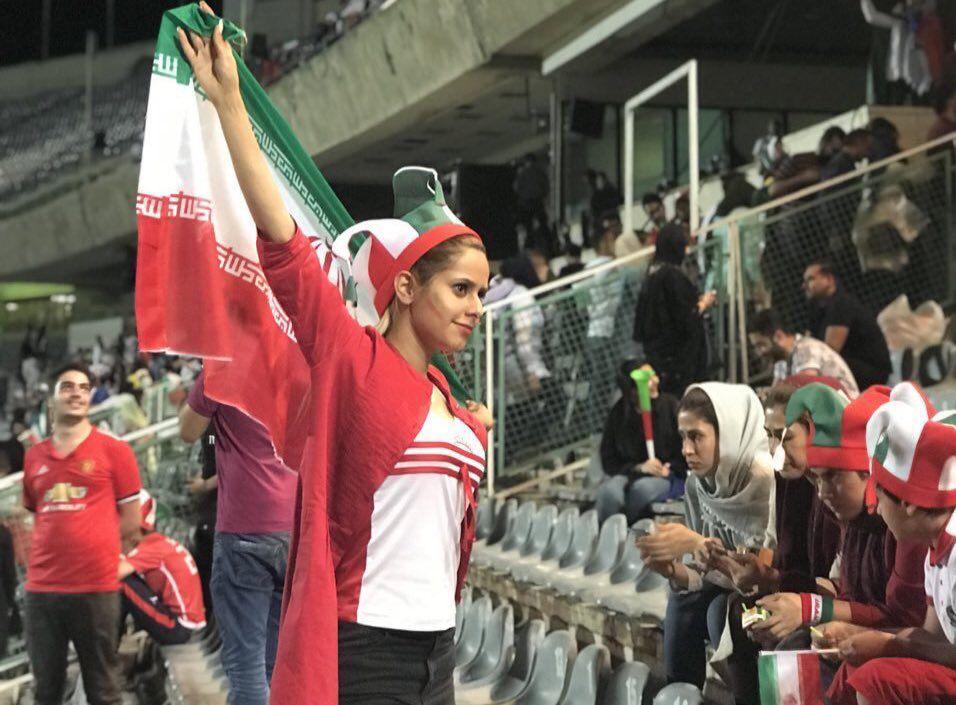
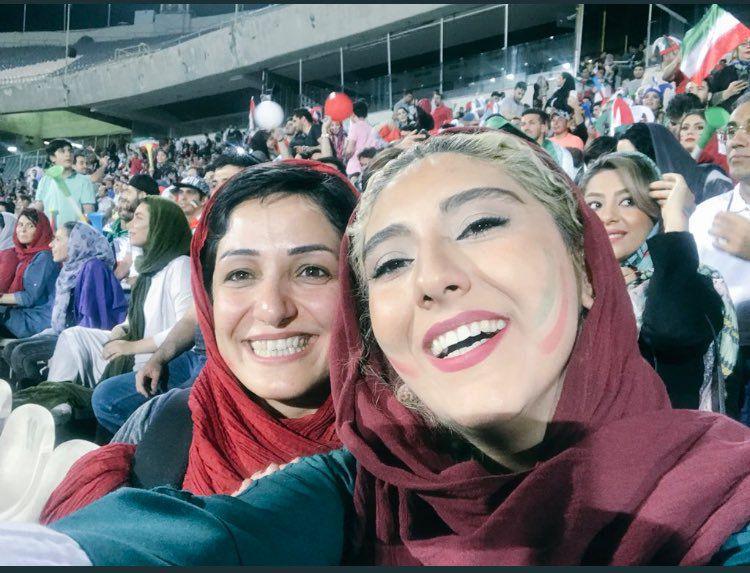
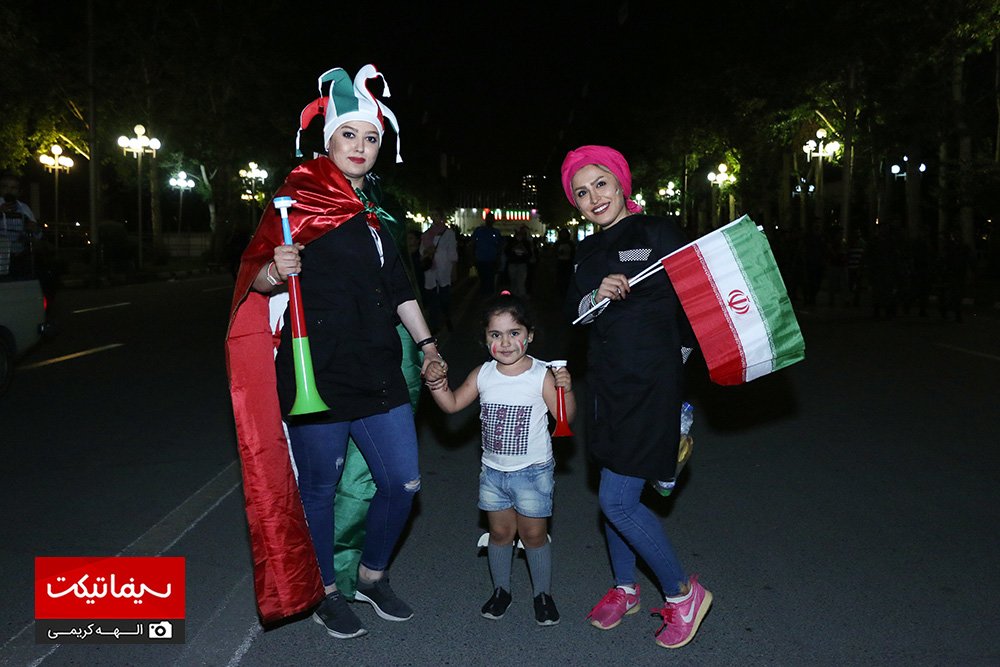


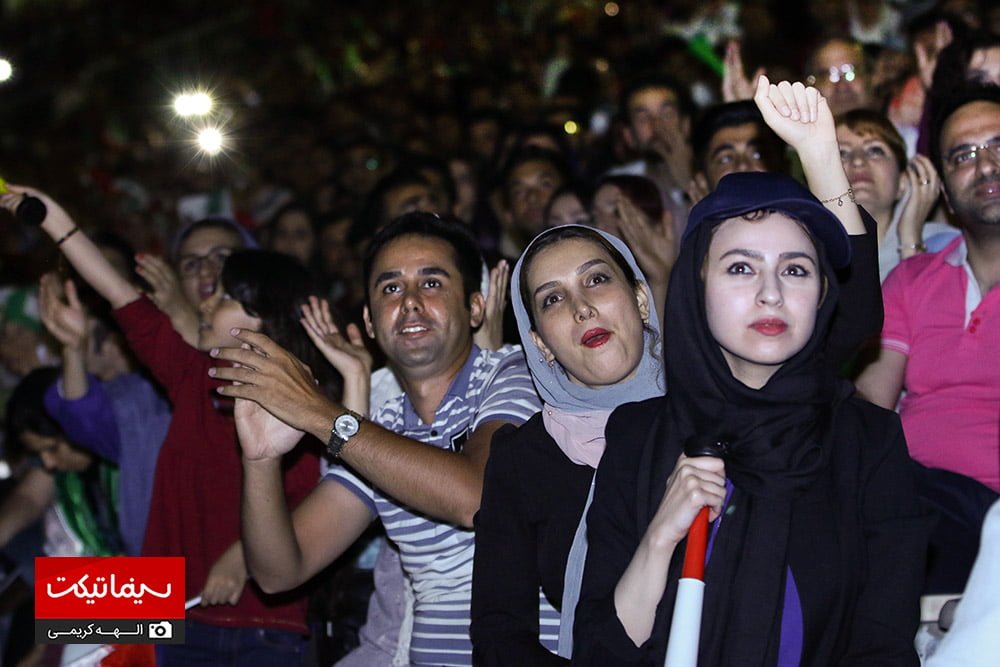

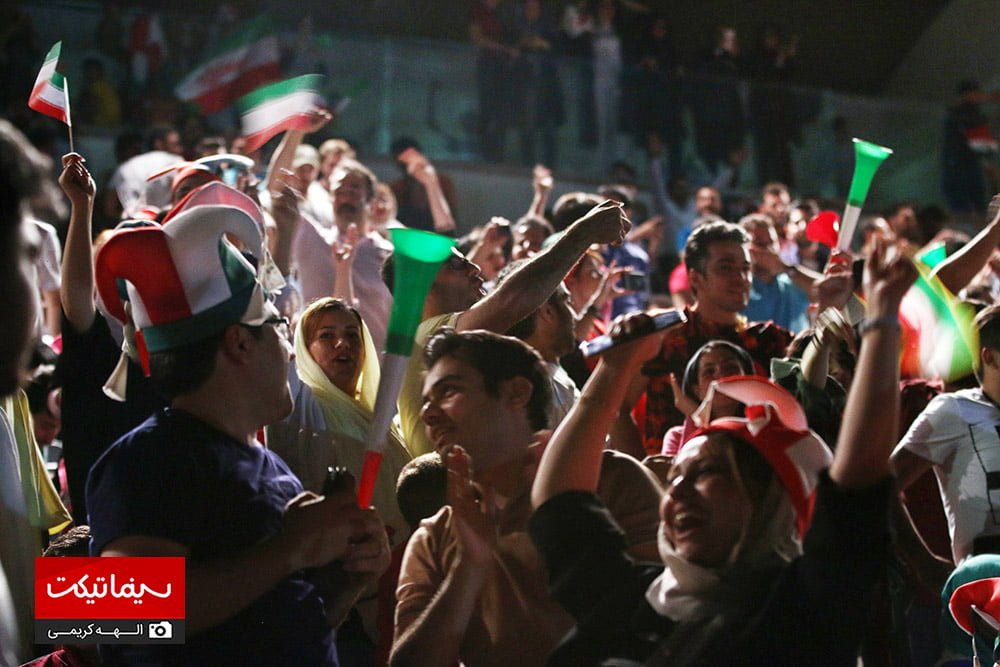
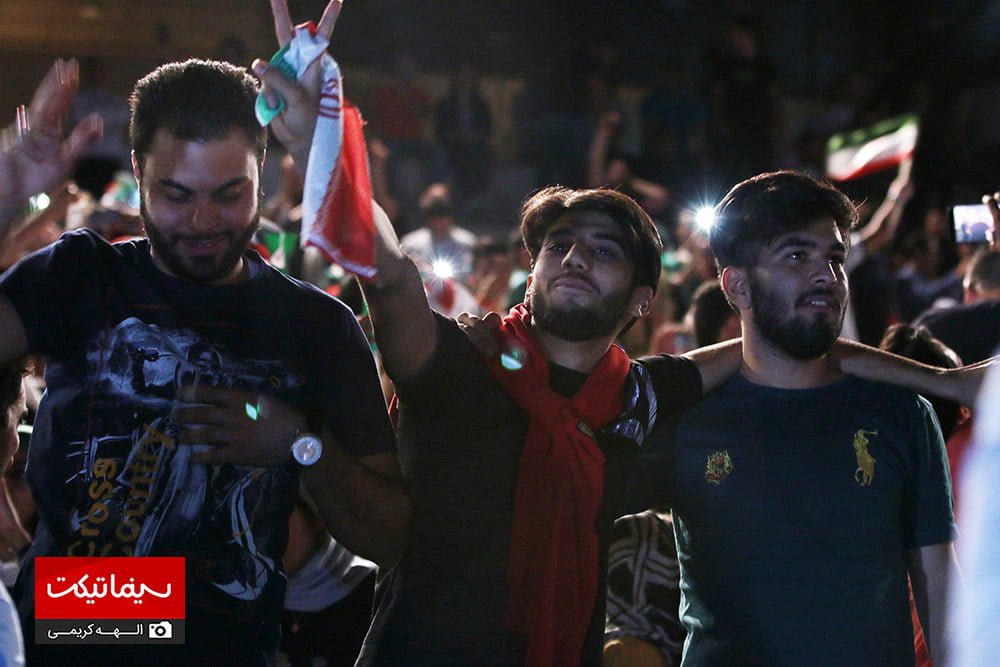
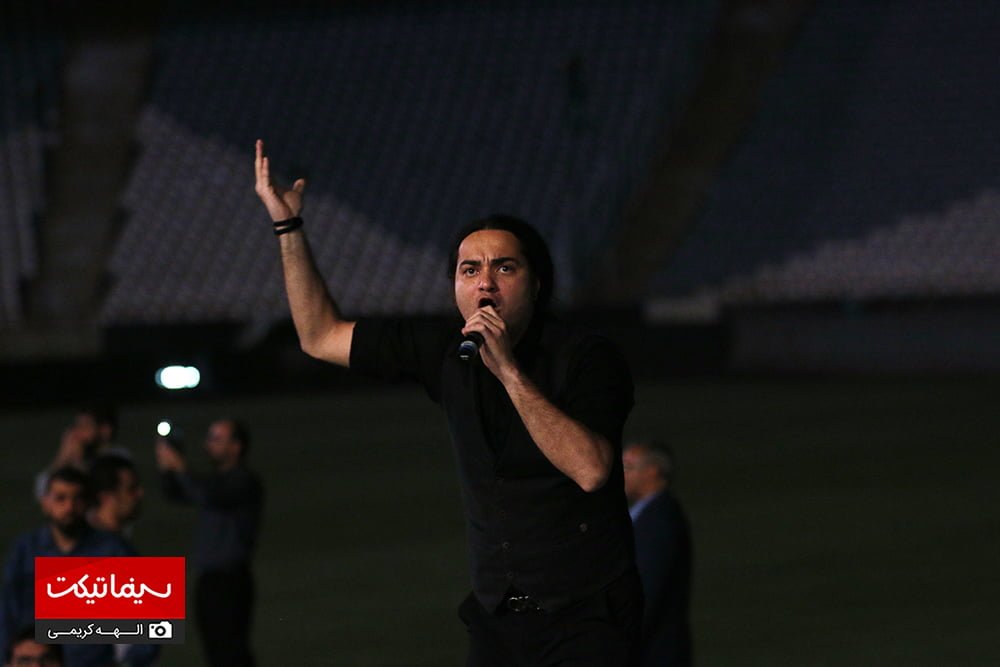
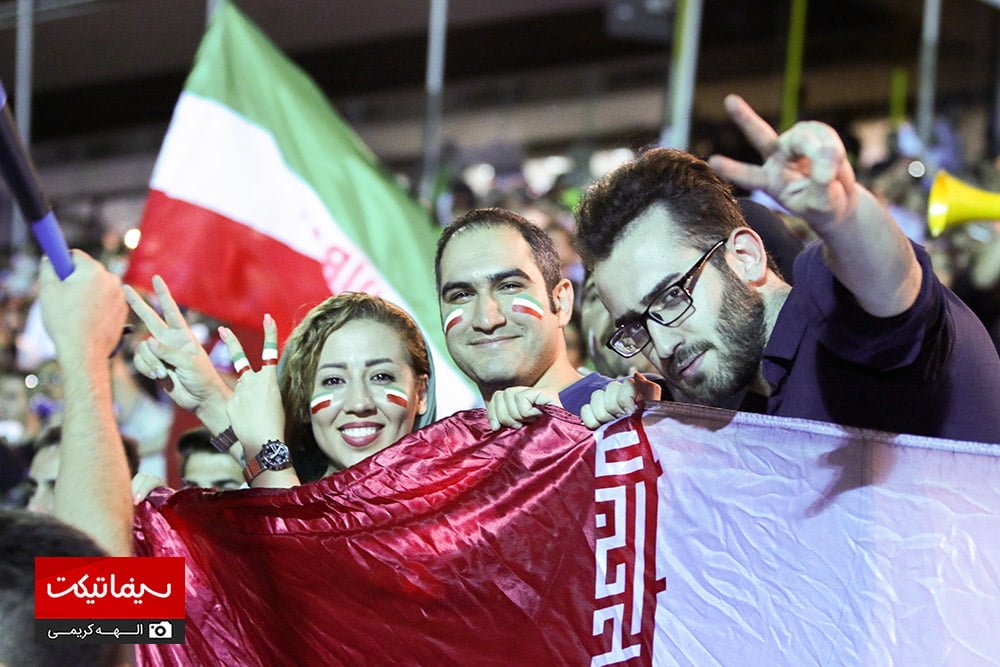
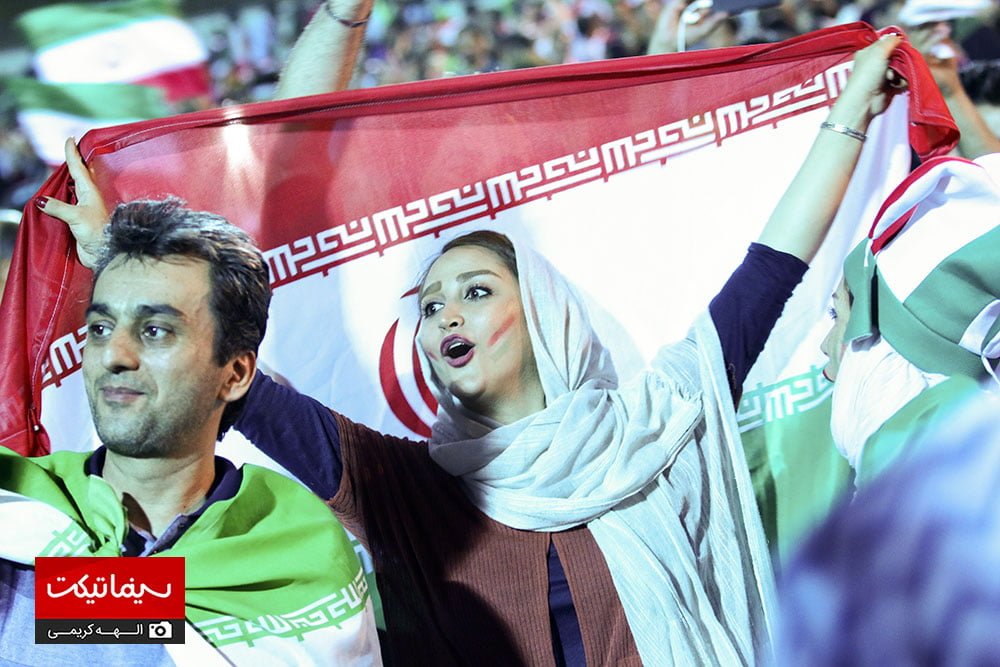
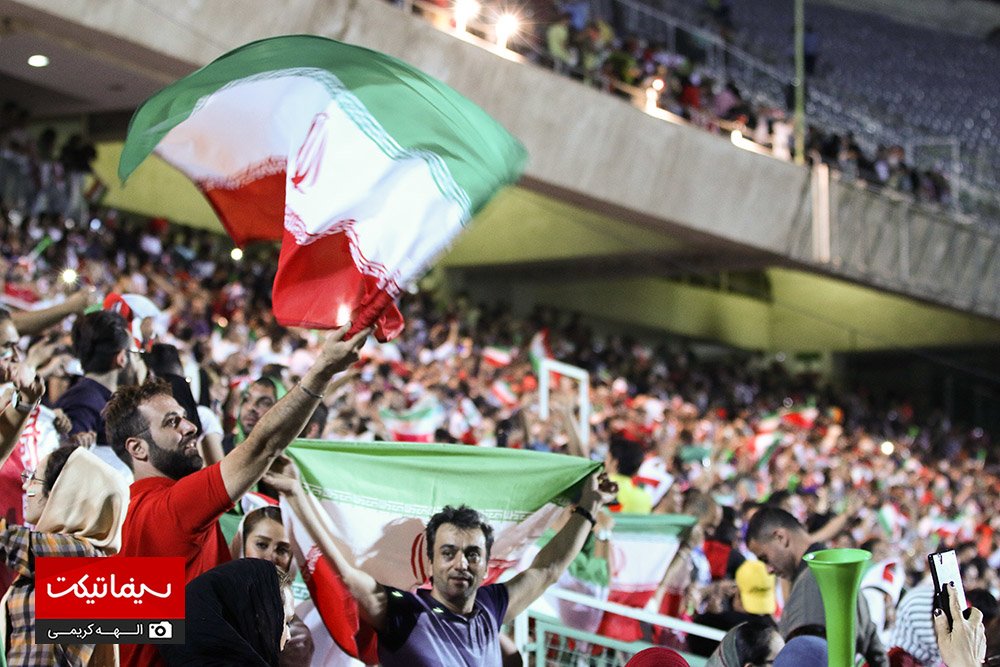
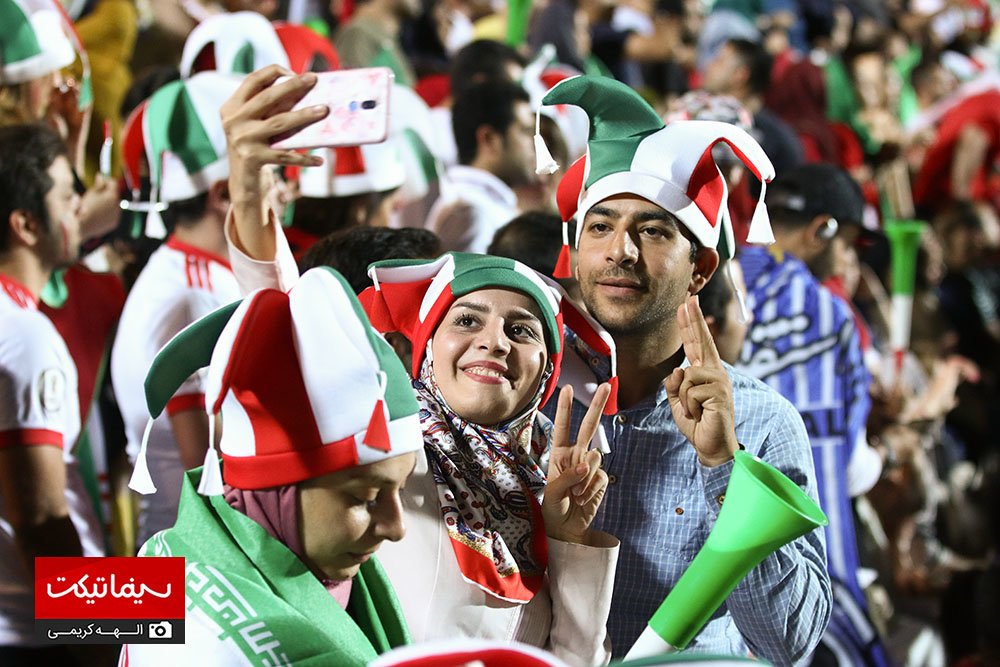
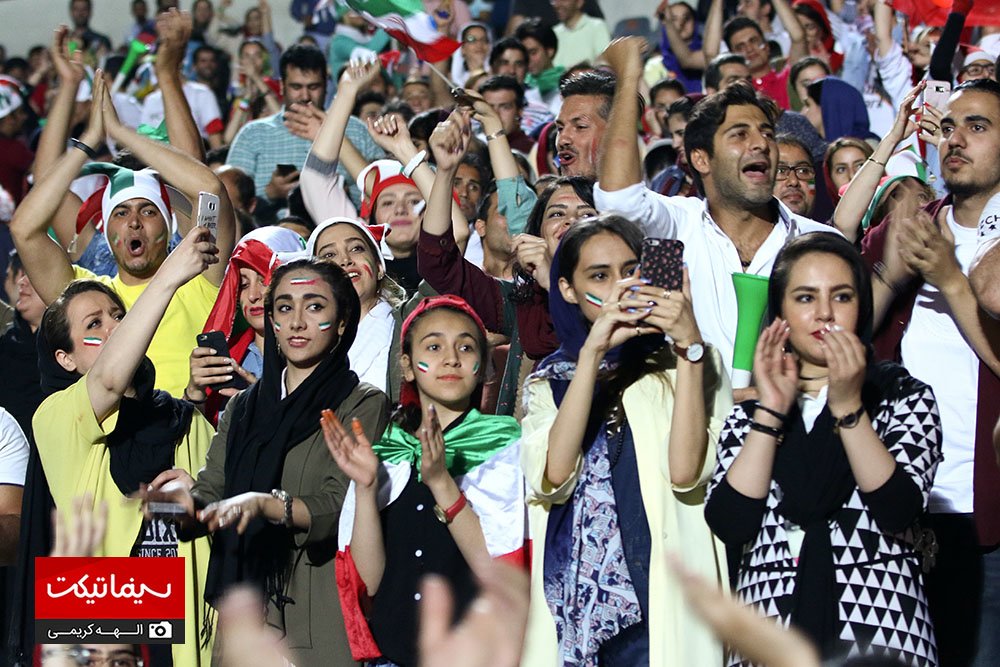
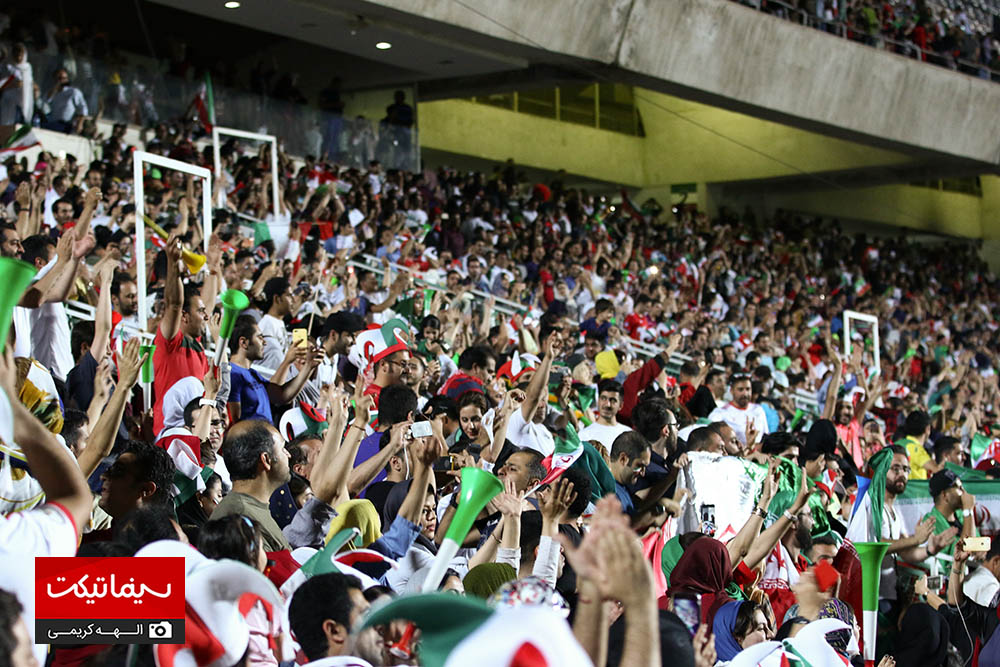
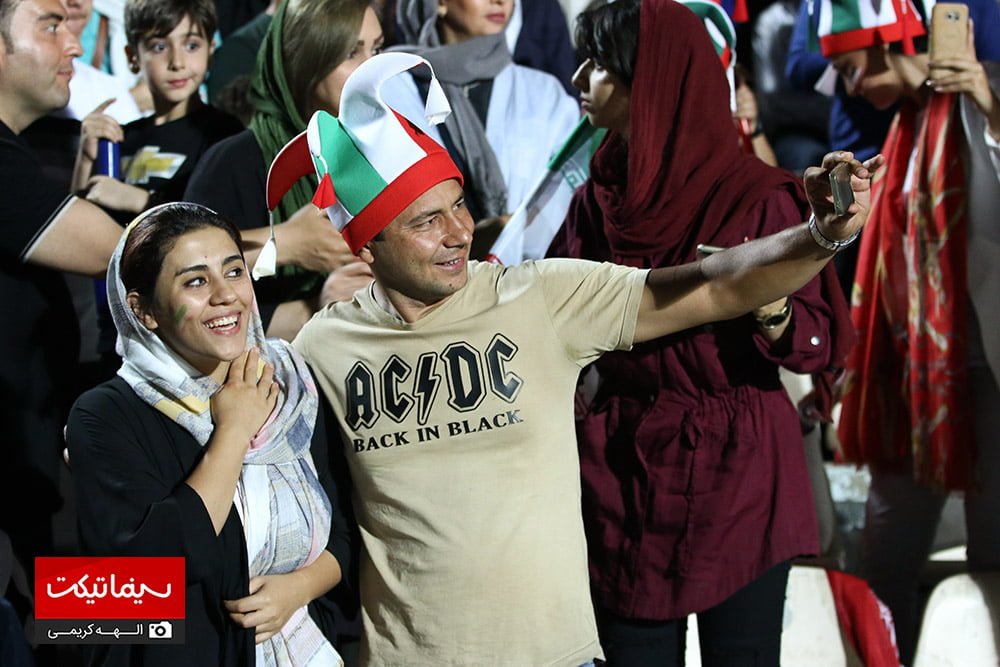
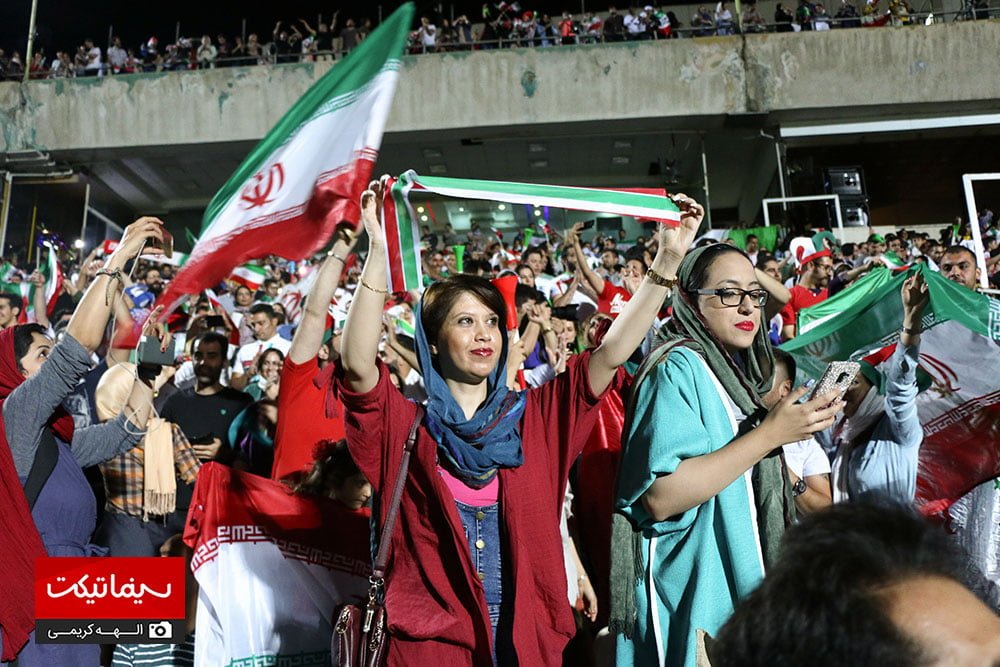
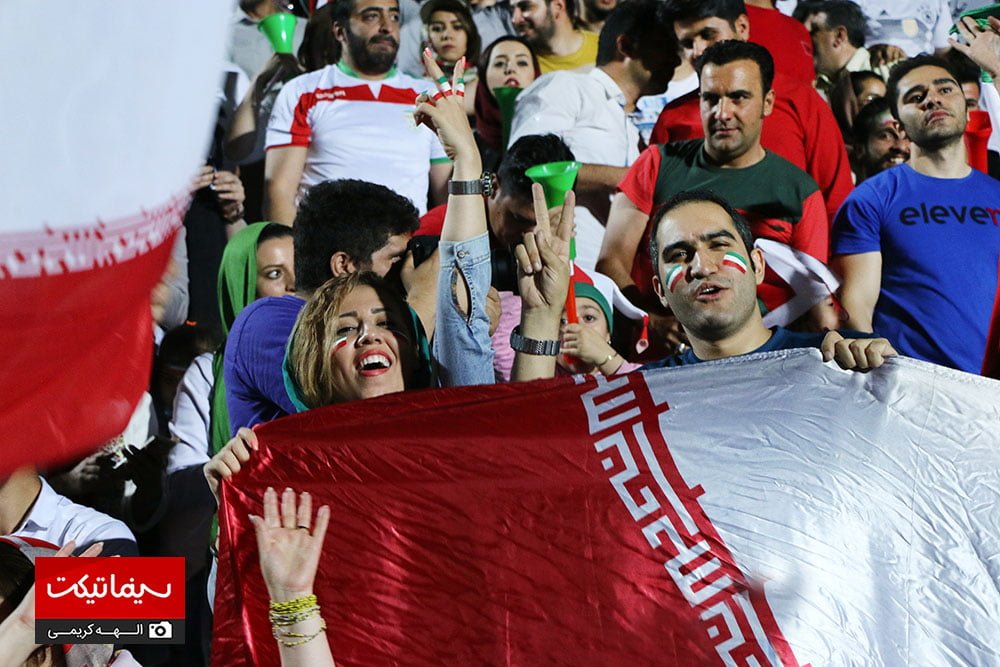

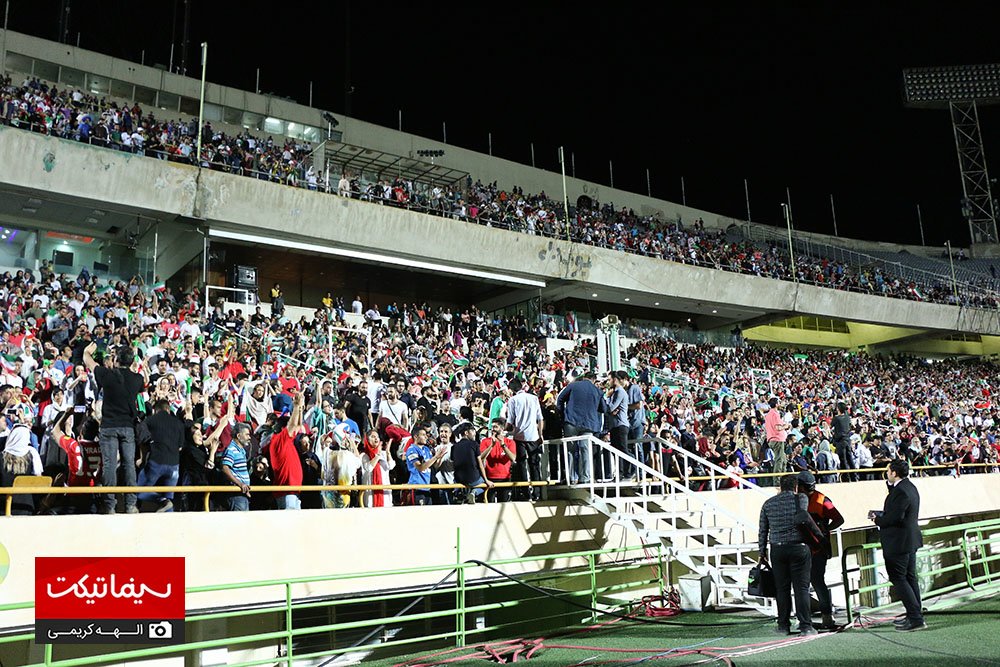
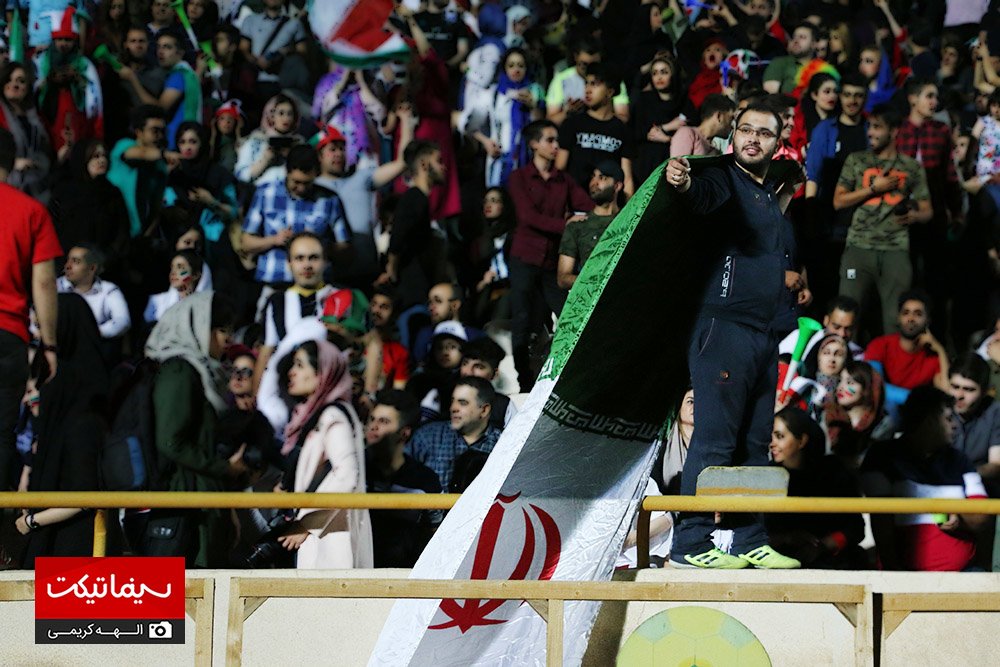
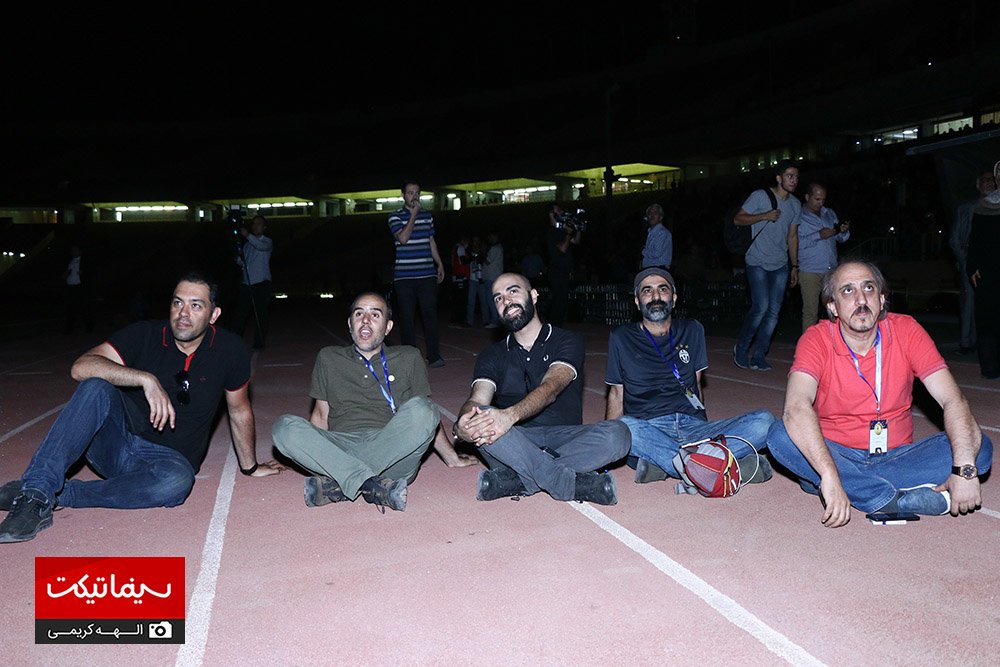

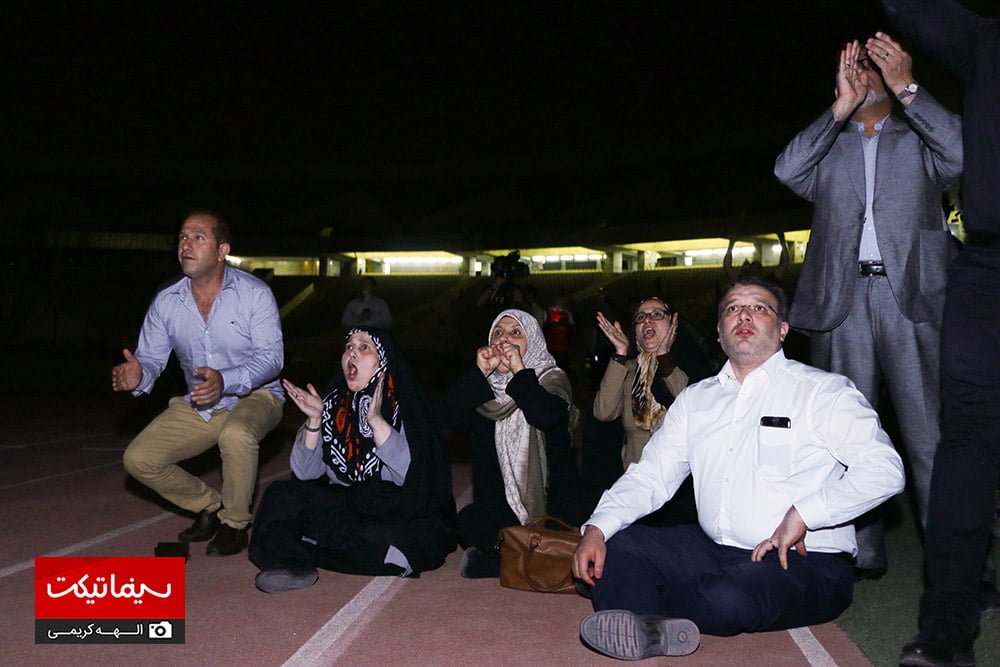



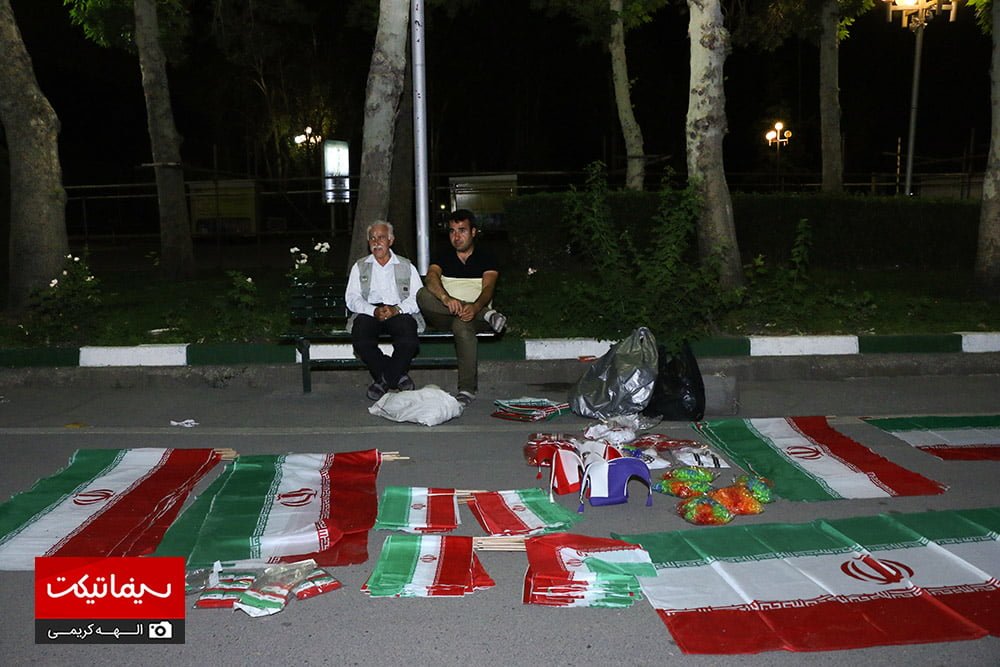
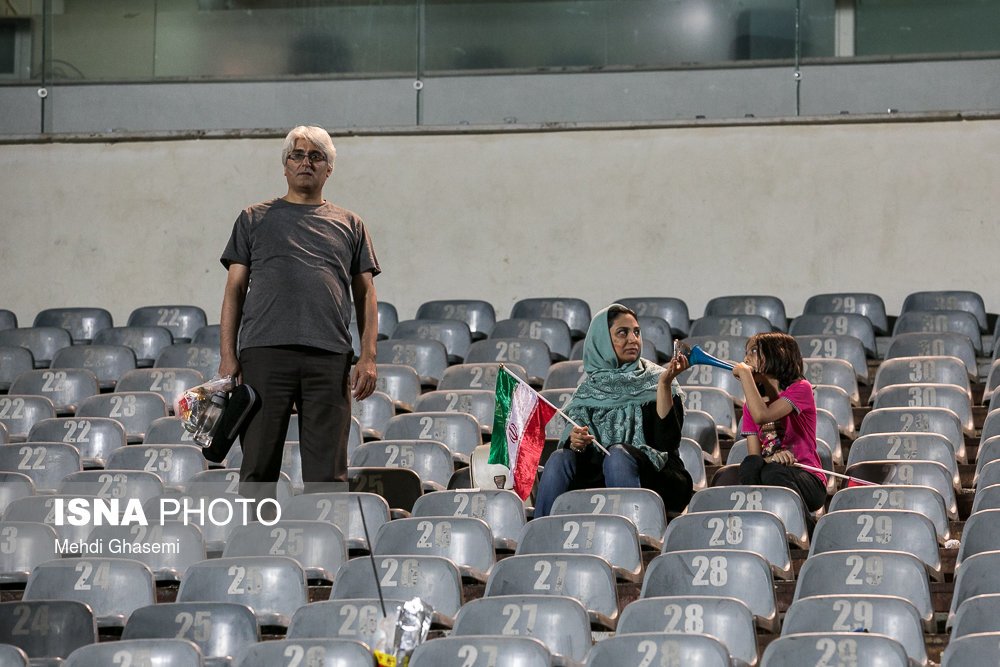
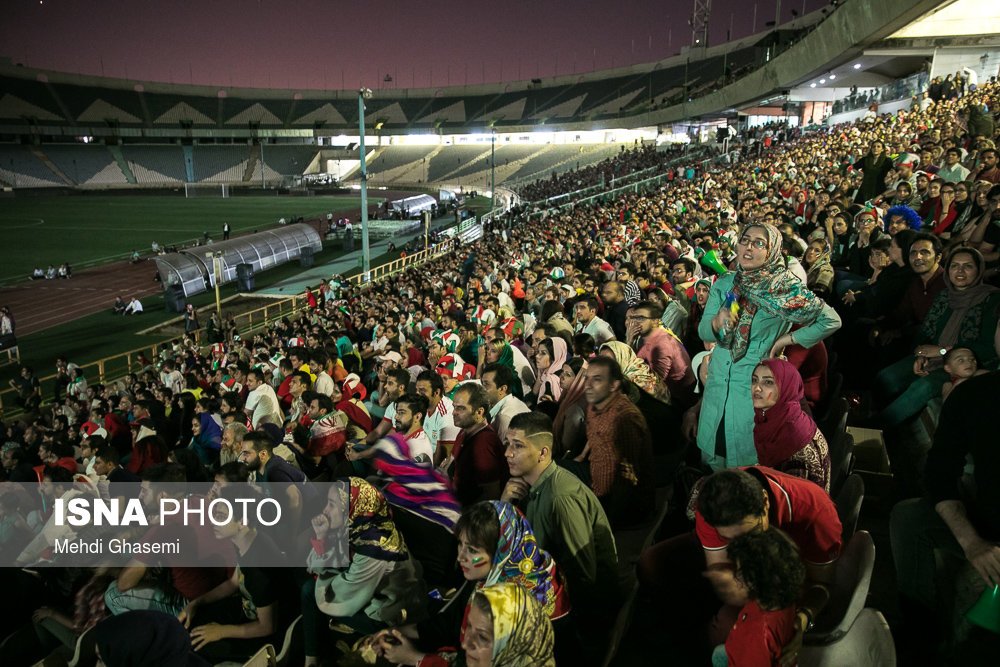
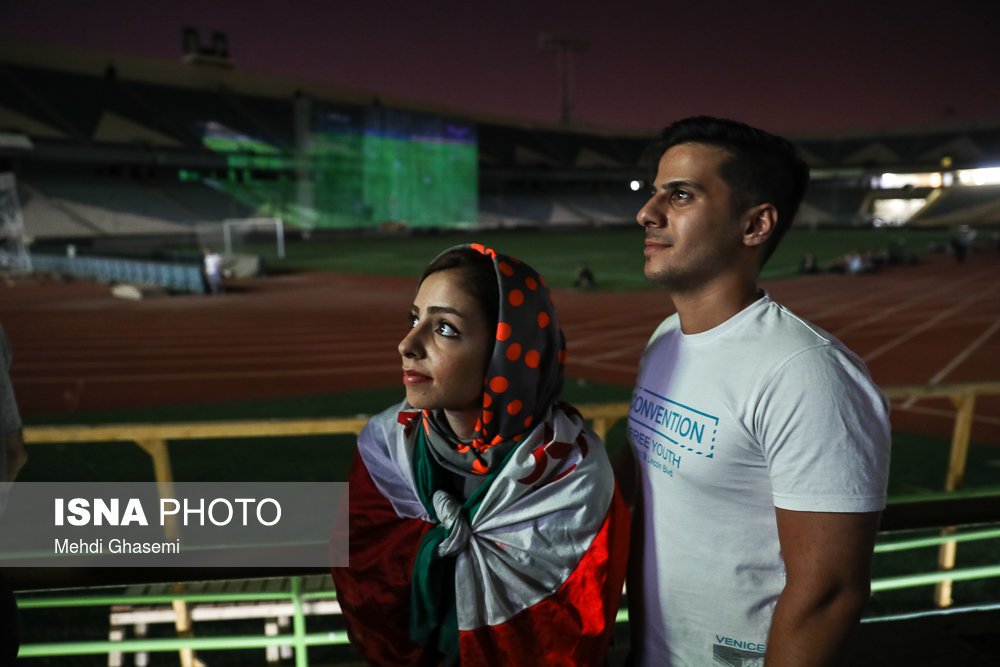
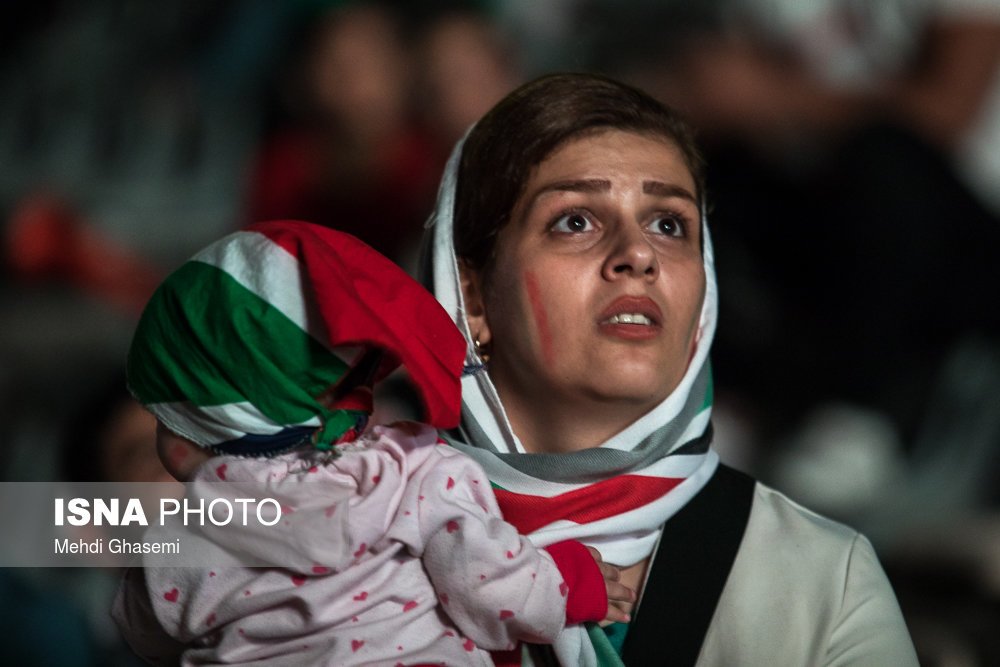
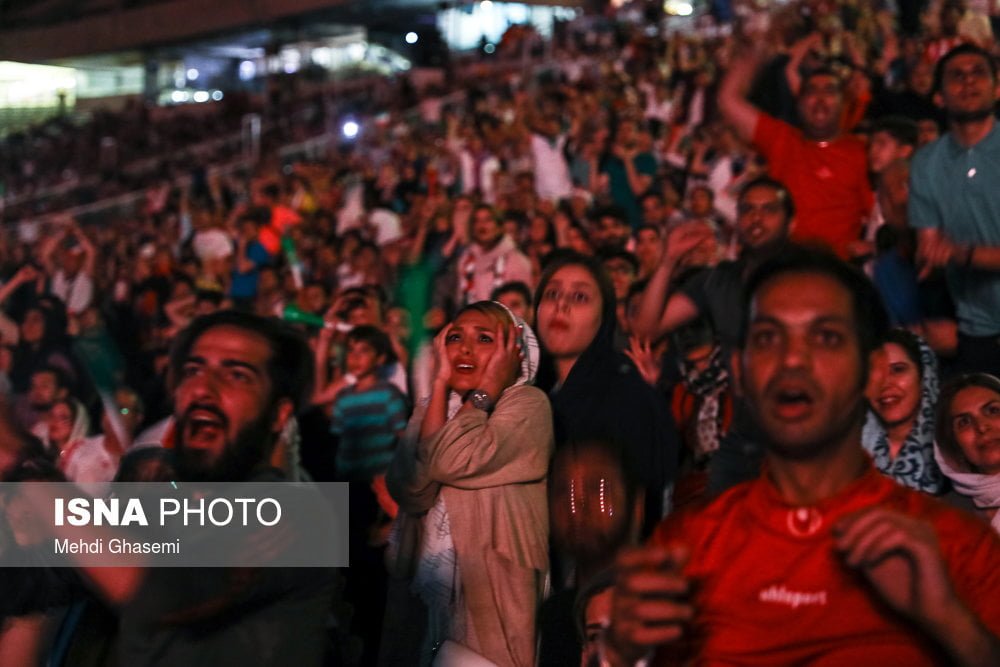
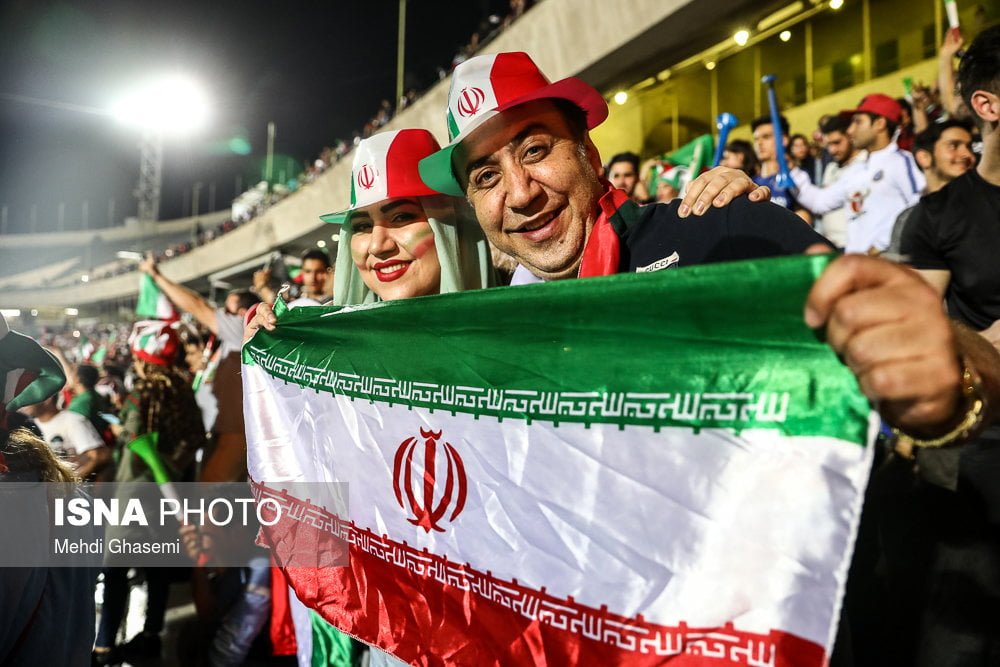
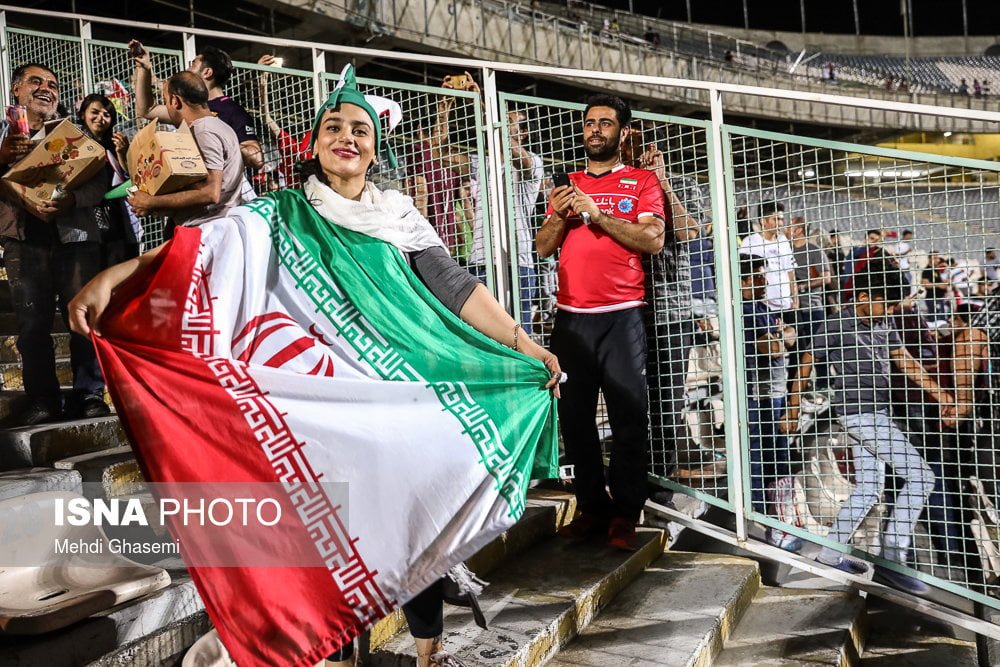
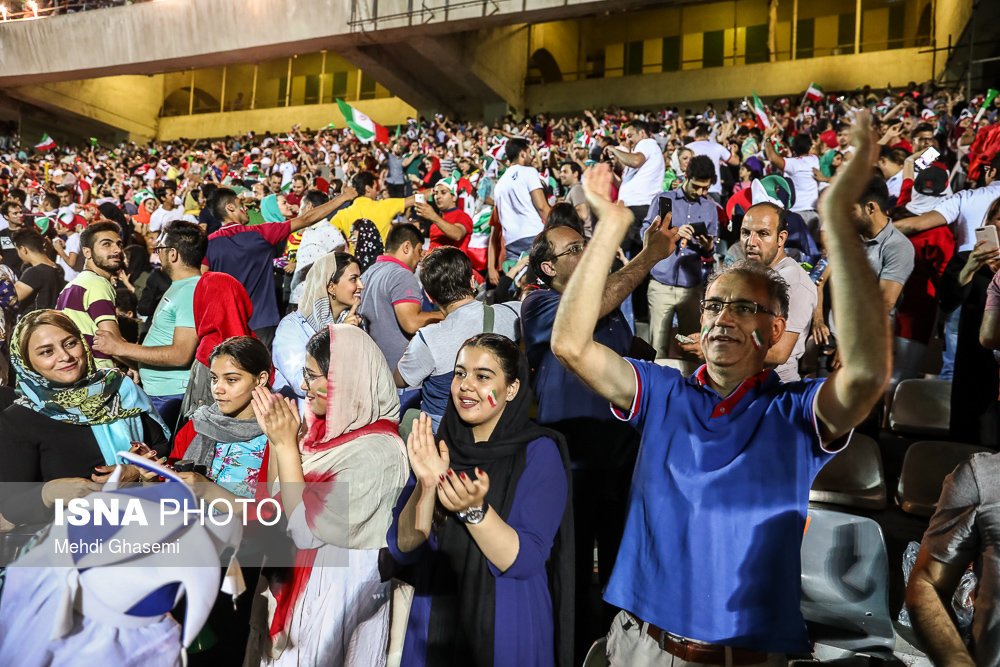





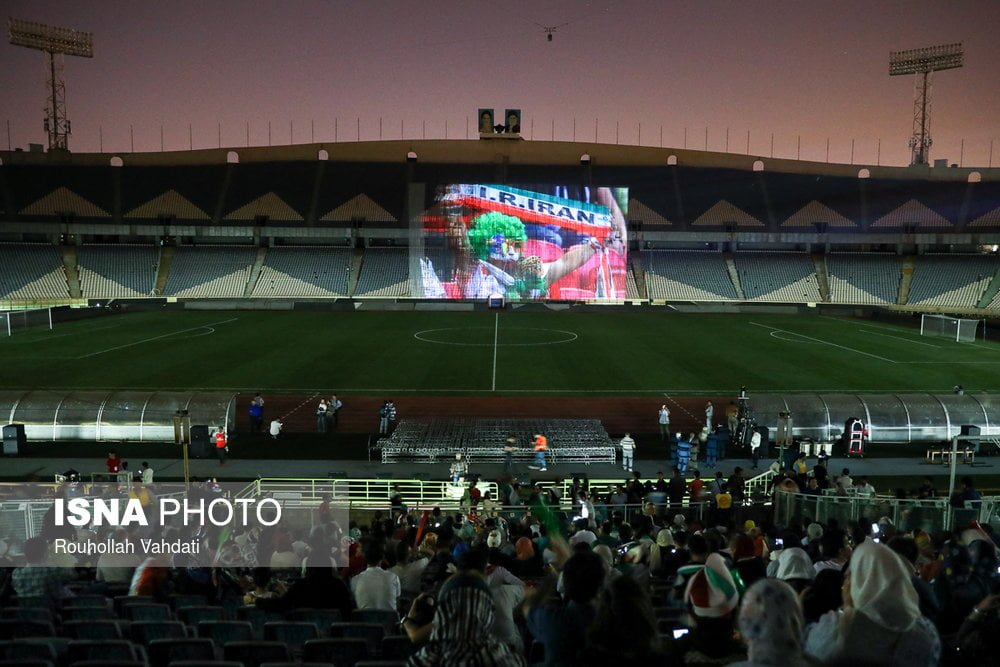
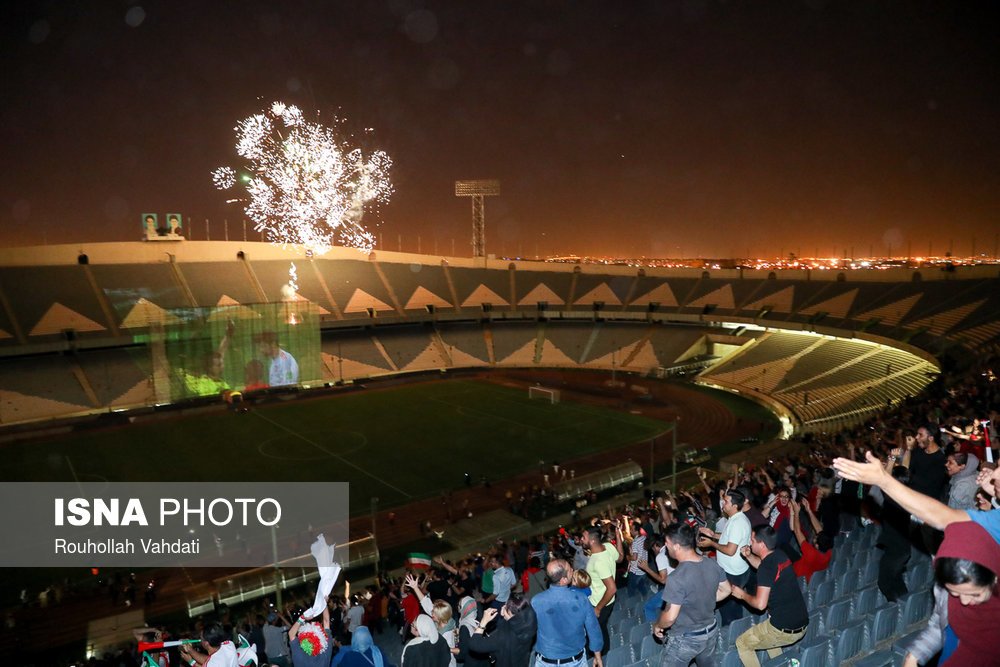
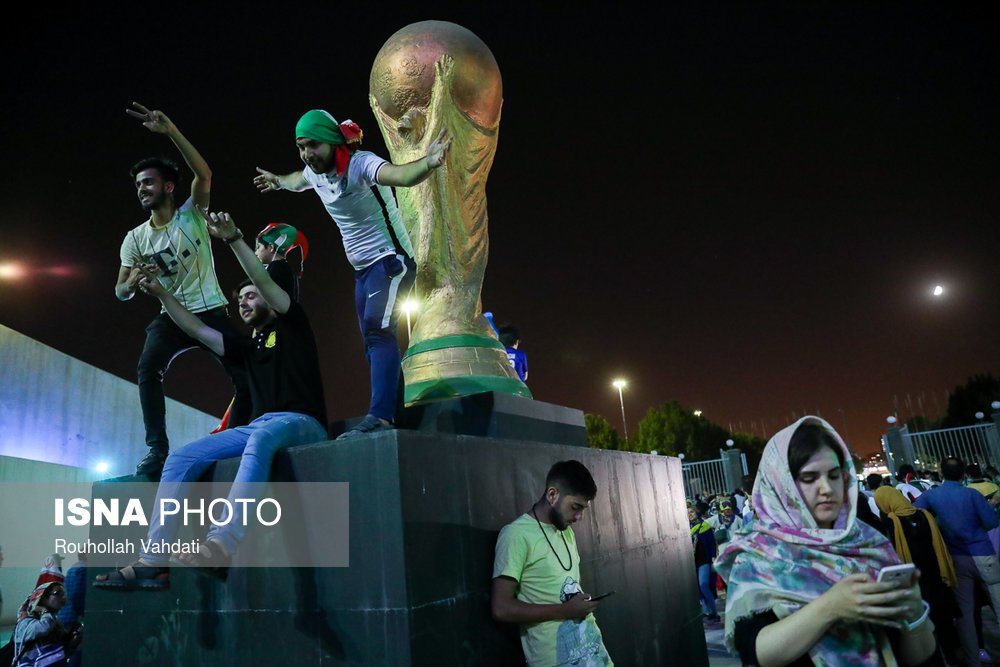
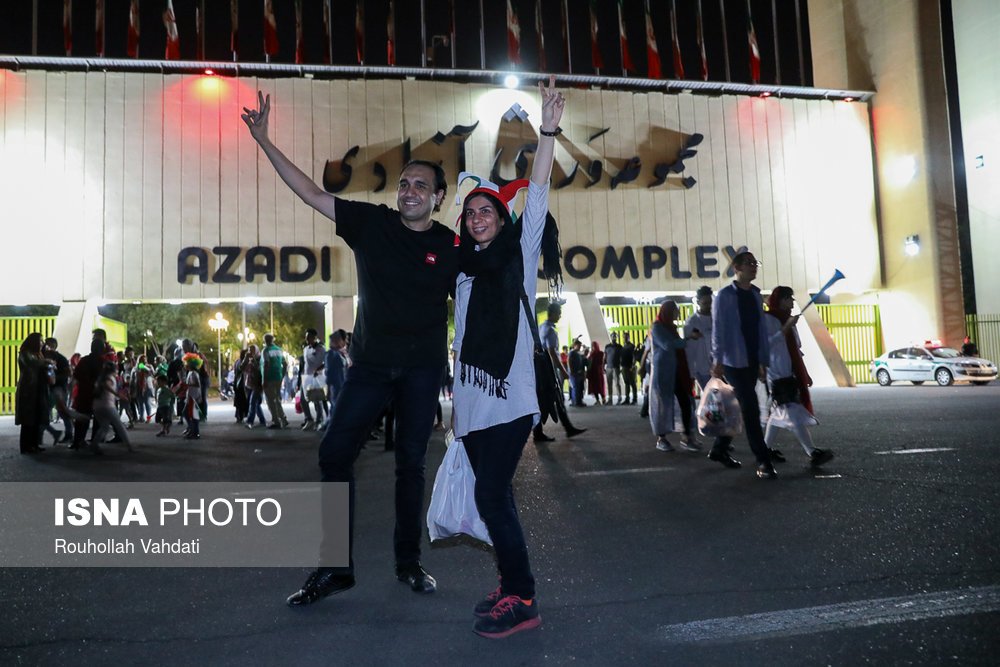
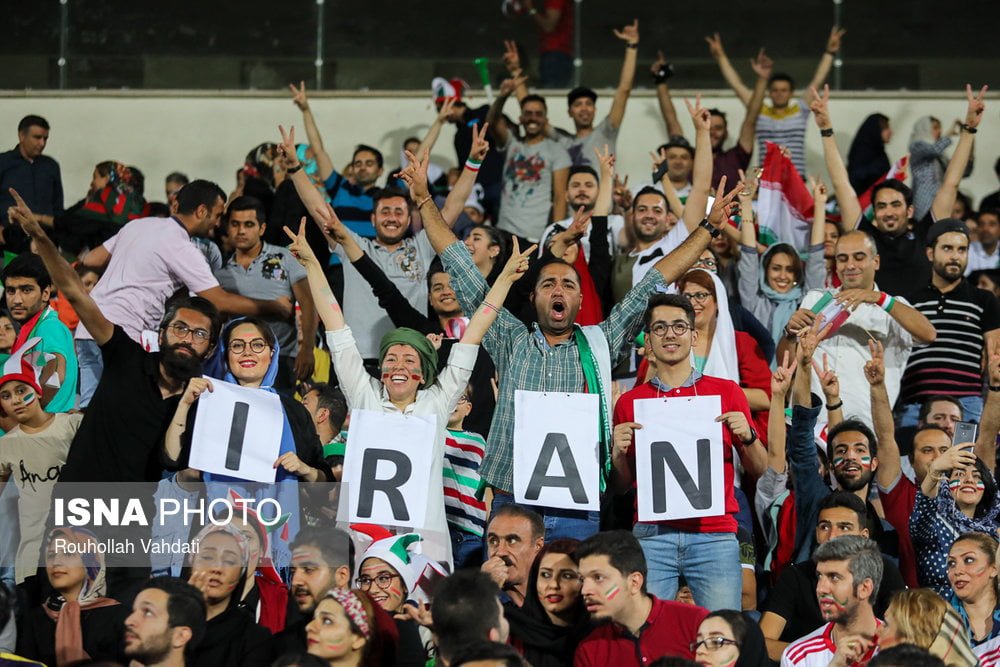
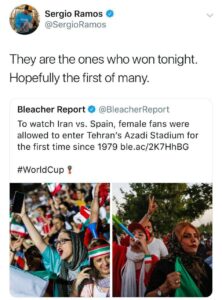 Last week, it was announced that Azadi Sports Complex was ready to give Iranian families the chance to watch the match against Morocco live on a JumboTron.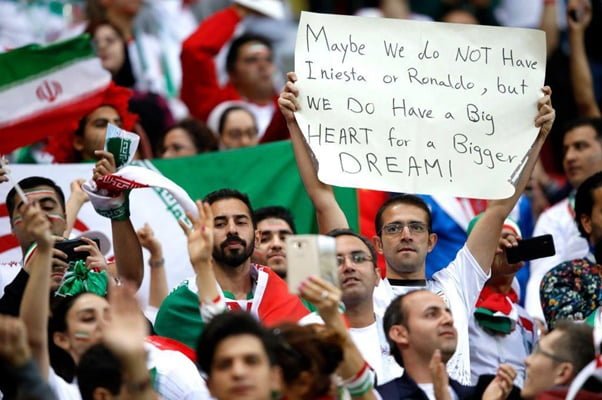
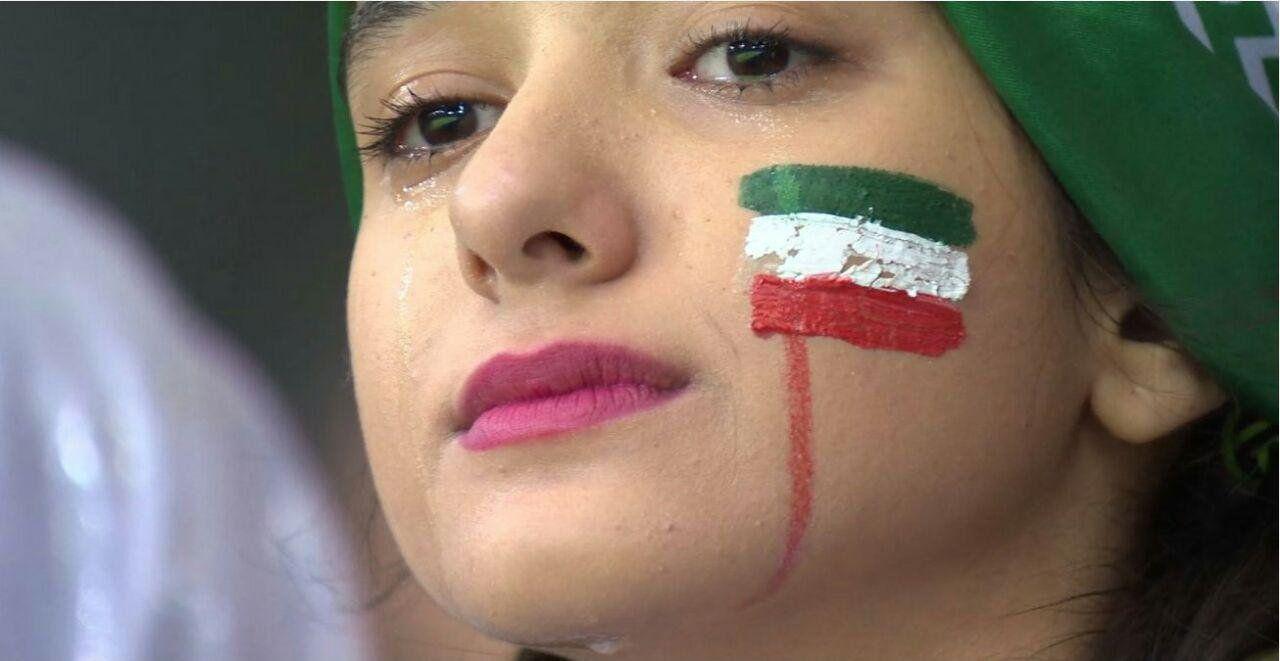 Iran initially set out to sit deep and play on the counter but were forced to change their tactics after Spain scored. They created a number of chances but were unable to convert any, leaving them ruing a dropped point.