Monday, December 22, 2025
Home Blog Page 3469

Russia Says US’ Bid to Cut Iran’s Oil Exports to Zero Not Feasible

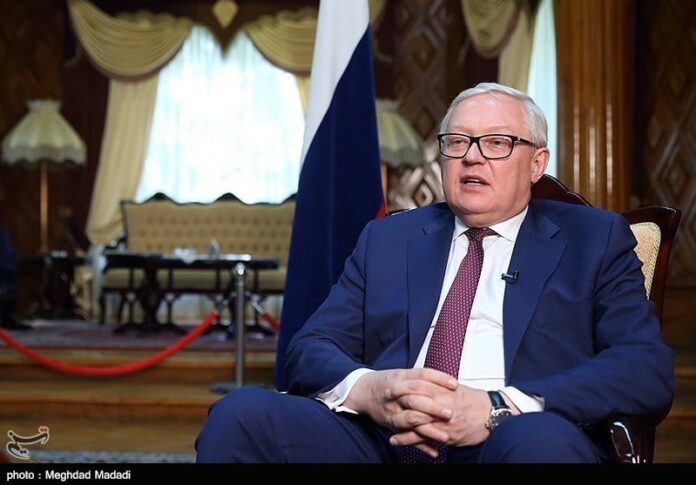
Speaking in an exclusive interview with the Tasnim News Agency in Tehran, Sergei Ryabkov expressed that the vast majority of the national community believe that JCPOA should be preserved for many reasons such as political and economical ones, adding that the United States has become nearly isolated regarding the idea of stopping Iranian oil export.

“We have some progress and you’re right that we are taking very intense contacts both with Iranian friends but also with European colleges with our Chinese partners with others who are inclined to look into this from the perspective of continuation of the deal and using benefits of the deal all this should be preserved, strengthened and protected against the US effort to defeat the deal all together,” Ryabkov said.

“We are doing this through different channels and then different levels including at a very practical level with involvement of businesses, including bankers. The Russian government is looking into it in a very proactive manner. The bilateral channel with Iran is working, we have expansion of trade and cooperation despite the US threats and we will do so, also in future we will stay firm. Collectively with involvement of Iran we are working with E3 and European Foreign Service to ensure there are channels that are workable to finance, to ensure transactions and most importantly to protect Iranian oil export and channels for Iran to receive revenues from oil export.”

“This is the central element of our efforts, there are specific ideas to this end that are being discussed,” he said, noting, “I don’t believe we should now enter into a great deal of detail of what is going on because this is working progress but moreover there is not necessarily any need for us to disclose all of our plans right in the middle of this political fight to sustain the deal and preserve it, but I give you my word that we are doing this very seriously and, yes we have a very tight timeline, which is more or less a month and half before November, but I’m very convinced that we would be able to deliver within this period.”

“So the JCPOA hopefully would be continuously implemented by all remaining parties including in the aspect of Iran getting economical and financial benefits from staying within the deal,” he reiterated.

As regards the US efforts to near Iran’s oil export to zero, the Russian diplomat said, “I don’t think it’s possible altogether. I don’t believe most importantly that this is realistic for the US to expect when the US stays almost isolated internationally on this particular issue.

The vast majority of the national community believes that JCPOA including in the aspect of Iranian oil export should be preserved for political reasons, for economic reasons, for the reasons of stability on the world energy market and also for the sustainability of the international system in the aspect of non-proliferation, it’s very unfortunate that there are politicians and in a few other capitals who completely disregard all this considerations while talking on their policies towards Iran. Russia stays very firm, we reject unilateral sanctions of US, as a matter of principle we ourselves became subjects to numerous rounds of US sanctions, it only strengthens our resolve to find ways how to not just defeat our enemies in a broader sense but also to ensure that in a broad and what I believe is a truly multipolar world, there is such a thing as democracy in international relations where there is no single power that dictates its will to all others.”

Pointing to Swift system and Russia’s central bank’s proposal to introduce parallel international payment system, Ryabkov said, “I truly think that this is a long overdue, this is something that should [have been] done long ago, we nationally have stablished a payment system which is called “Mir” and we believe that in a given situation arrangements could be made to allow different countries to become parties of this. We would also welcome any efforts to ensure that swift is modernized in the way that it is not just a simplified element of the world financial architecture that can easily be adjusted according to political preferences of one country or another one.”

“The degree of the general sustainability of international financial and payment system against voluntary measures taken for political reasons somewhere, in this case particularly the US, should be enhanced, this degree should be much higher than it is now and there are ways to do it, one of the most obvious ways is to diversify payments to use more payments in the national currencies. We are doing so in our trade transactions with Iran and other countries and I think the understanding of the necessity to hedge against political risks emanating from the US, this understanding also grows elsewhere including in Europe.”

Iran, Europe Hold Talks on Yemen, Syria Crises in Brussels

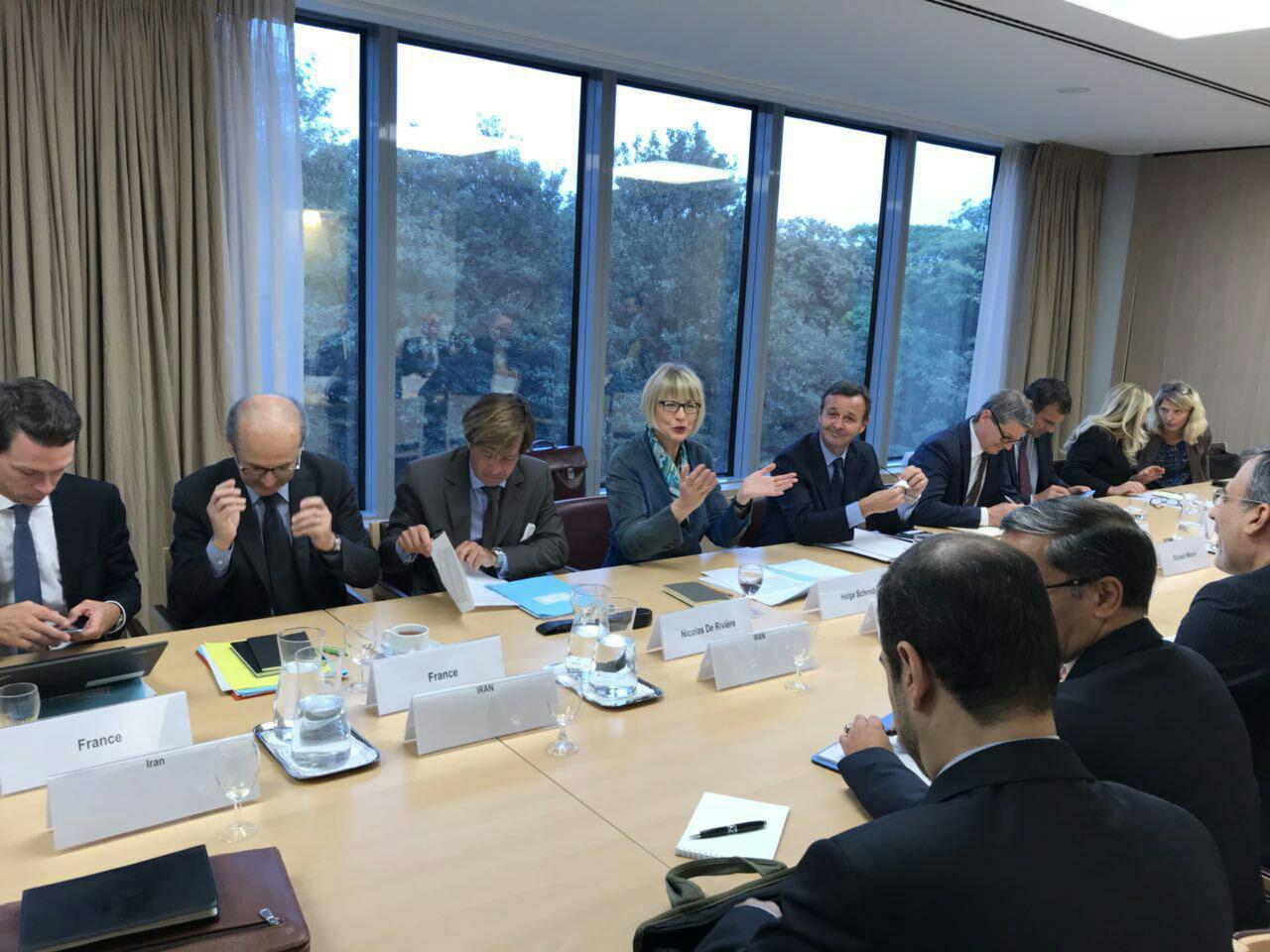
Hossein Jaberi Ansari, a senior assistant to Iran’s foreign minister for political affairs, sat down with Secretary General of the European External Action Service Helga Schmid in the Belgian capital, Brussels.

During the Wednesday talks, the two sides exchanged views on regional developments, particularly the situation in Syria and Yemen as well as the ongoing efforts to put an immediate end to the crises in the two countries.

Jaberi Ansari also took part in a joint meeting with Schmid and diplomats from Germany, Italy, Britain and France. The talks focused on the crisis in Yemen and ways of helping end the imposed war on the Yemeni nation and containing the ongoing major human disaster in the country.

Following the Yemen talks, the Iranian official also briefed the European diplomats on the outcome of the recent negotiations between, Iran, Russia and Turkey on the process of bringing back peace to Syria.

The meeting was attended by as the director generals of German, British, French, and Italian foreign ministries.

Iran, Europe Hold Talks on Yemen, Syria Crises in Brussels

Iran Rejects Arab Quartet Committee’s “Groundless” Accusations

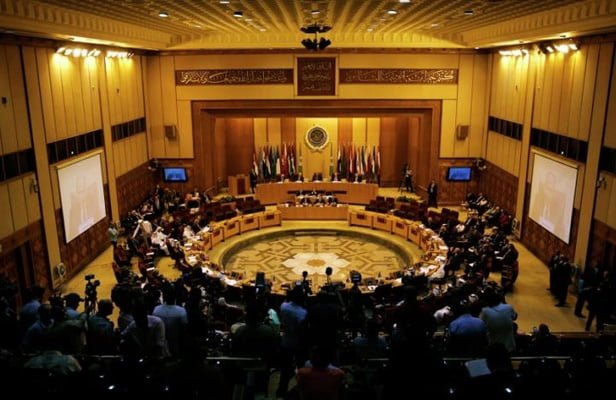
A file photo of a 2018 meeting of the Arab Quarter Committee, which wrapped up with an anti-Iran statement

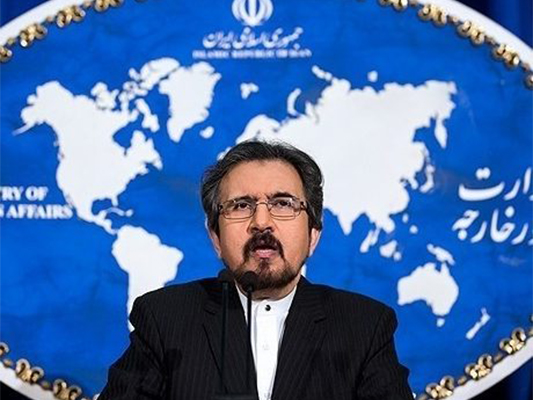
In a Wednesday statement, Qassemi rejected several unfounded accusations levelled against Tehran in the Arab Quartet’s statement and condemned the anti-Iran measures and moves of the committee.

He said the statement issued on the anniversary of the 9/11 attacks in the US, carried out by elements from Arab countries, is a blame-game and fruitless effort to divert the attention of the world’s public opinion away from the US’ warmongering and years-long support for terrorism and terrorist groups.

The spokesman went on to say that the committee members have issued the statement at a time when their destructive war on Yemen has resulted in an unprecedented humanitarian catastrophe.

“The war has not only destroyed basic infrastructure in Yemen but also left millions of innocent people starving, ill and impoverished,” he said.

Under such circumstances, he said, the aggressors, indifferent to their crimes and amid the silence of international groups and bodies, are insisting on their catastrophic mistakes and expanding the extent of this unprecedented crime by the virtue of the support provided by certain extra-regional states.

Qassemi said Tehran has always huge importance to the security and stability of its neighbours, and adopted a policy based on mutual trust and respect, seeking a stable environment along its borders.

The spokesman noted Iran has never put meddling in the internal affairs of other states on its agenda and unlike the claims raised in the statement, the Islamic Republic has stood by the regional states at their request amid terrible situation.

“We maintain that the accusations levelled and the claims raised in the statement are mainly built on unfounded and unrealistic Iranophobic illusions and policies dictated by others on the Arab states,” he said.

He finally advised the Arab League members to abandon such “doomed tactics and approaches” and give constructive responses to the attempts made and initiatives put forward by the Islamic Republic to hold regional dialogue and cooperation.

Earlier, the Arab Quartet Committee, composed of the foreign ministers of the UAE, Saudi Arabia and Bahrain, as well as the secretary general of the Arab League, condemned what it called “Iran’s attempt to arm and train elements to undermine the security and stability of Morocco.”

It went on claim that the move is “part of Tehran’s plan to disrupt security and stability in the region.”

Iran Can Meet Turkmenistan’s Trade Needs: President

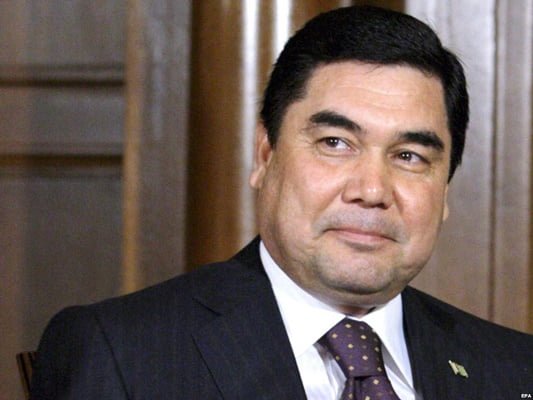
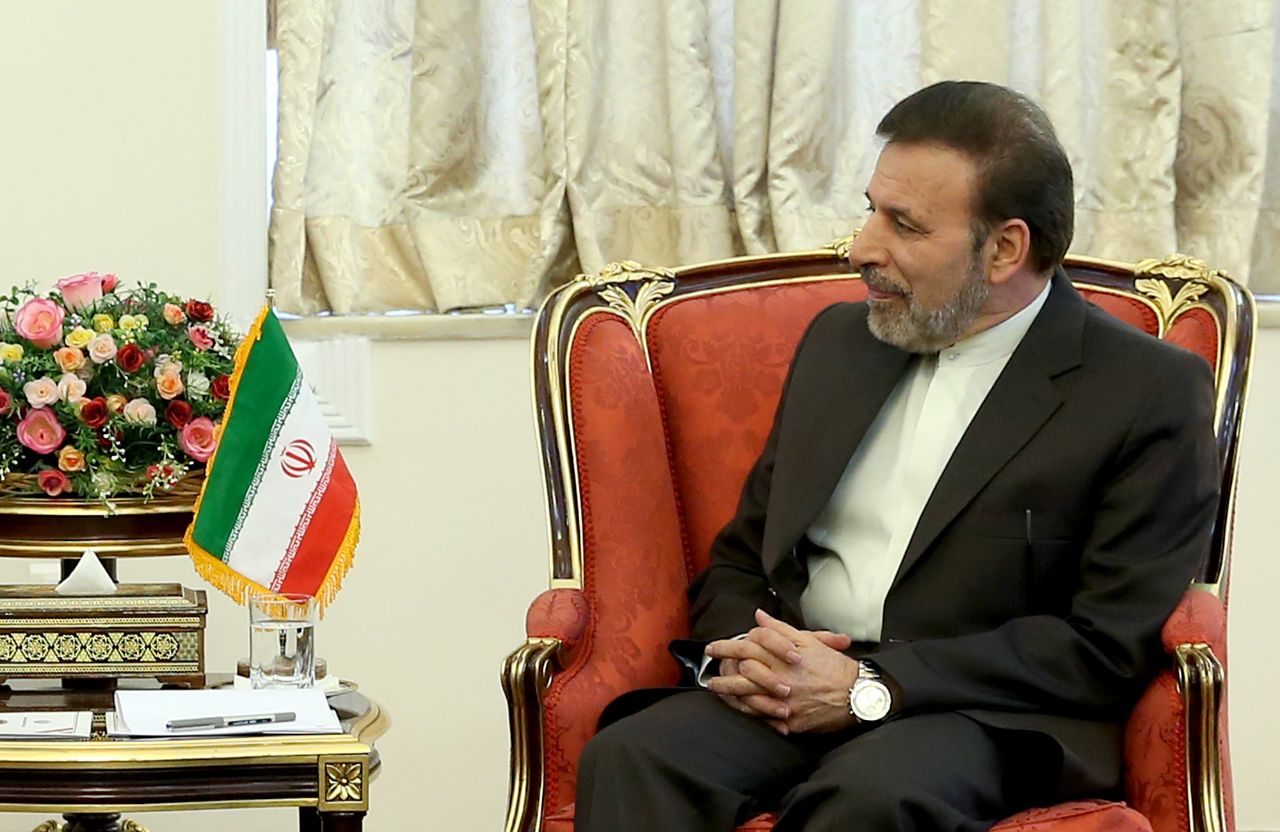
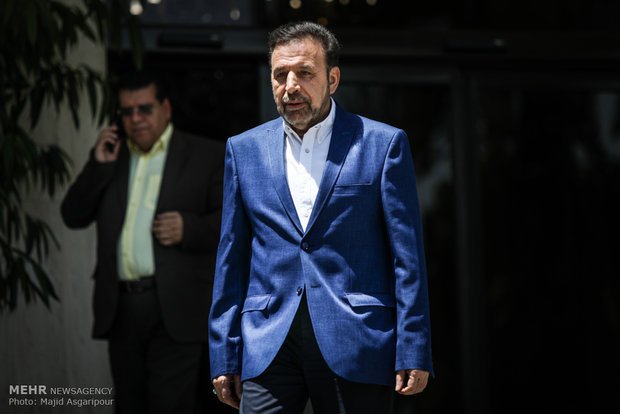
He made the remarks in a Wednesday meeting with Mahmoud Vaezi, the Chief of Staff of the Iranian president, in Ashgabat.

Berdimuhamedow described Iran as a great and respectable neighbour for Turkmenistan and added the two sides’ mutual relations are deeply rooted in their cultural, historical and civilizational commonalities.

According to a report by the Iranian government’s website, dolat.ir, Berdimuhamedow said since its establishment, Turkmenistan has always enjoyed the support provided by Iran and the two sides have similar stances towards all regional events.

He also called for taking advantage of the two sides’ capacities particularly in trade, transportation and cultural areas and said Iran can meet Turkmenistan’s economic and trade needs.

For his part, Vaezi said Iran and Turkmenistan should expand their ties in fight against terror.

He also referred to the growing waves of extremism in the region and said Tehran and Ashgabat should tap into their capacities in fight against terrorism.

Iran Can Meet Turkmenistan’s Trade Needs: President

Iran’s Significant Position in Turkmenistan’s Foreign Policy

In another meeting on Wednesday, Turkmenistan’s Foreign Minister Rashid Meredov expressed his country’s interest in expansion of ties with the Islamic Republic in all areas and said Iran has a significant position in Turkmenistan’s foreign policy.

During the meeting with Vaezi, Meredov said Tehran and Ashgabat have strong motivations to expand their ties due to their cultural commonalities.

Turkmenistan’s top diplomat also elaborated on the two sides’ mutual relations, saying since its establishment, the Republic of Turkmenistan has had the backing of Iran.

He then referred to the reciprocal visits of the two sides’ officials and said the trips reveal Iran and Turkmenistan’s will to implement agreements made in various fields.

Meredov underlined that Iran can meet Turkmenistan’s needs in various areas like maritime, aerial and rail transportation, trade as well as technical and engineering.

He then referred to the political cooperation between Iran and Turkmenistan in regional and mutual issues and said Ashgabat sees no limit to expanding its mutual and regional relations with the Islamic Republic of Iran.

“We believe that the two sides enjoy countless common interests which require them to remove any possible problems hampering their mutual ties,” he said.


Iran Can Meet Turkmenistan’s Trade Needs: President

Ahmadinejad’s VP Mashaei Sentenced to 6.5 Years in Jail

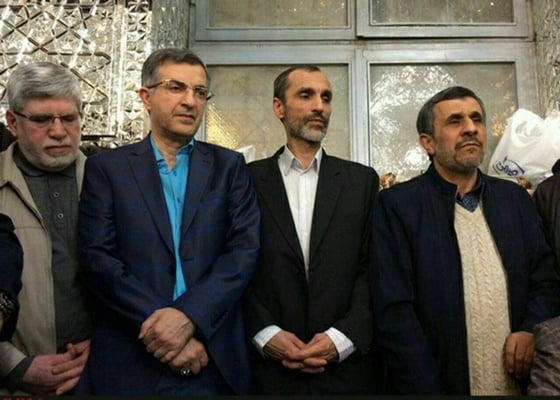
Former Iranian President Mahmoud Ahmadinejad (right) accompanied by his vice-presidents Hamid Baqaei (second from left), Esfandyar Rahim-Mashaei (second from right), and his aide Ali-Akbar Javanfekr.

Tehran Justice Department chief Gholam-Hossein Esmaili said on Wednesday Esfandyar Rahim-Mashaei has been sentenced to five years in prison for threatening Iran’s internal and external security, one year for propagating against the Islamic Republic and six months for insulting people.

Esmailti said Rahim-Mashaei could appeal against his conviction and a maximum of five years of his sentence could go into effect, Mizan News Agency said.

He said Rahim-Mashaei is also involved in other court cases, which are still under investigation.

A senior aide to Ahmadinejad, Ali-Akbar Javanfekr, has also been sentenced to four years in prison on the same charge, Fars News Agency reported.

Hamid Baqaei and Mohammad-Reza Rahimi, two other vice-presidents under Ahmadinejad, are also serving their prison terms.

Iran Blames US Policies for Attack on Its Basra Consulate

Qassemi on Wednesday dismissed the statement as astonishing, provocative and irresponsible, saying that it lacks any credibility.

The spokesman said the US government’s tension-provoking policies, interventionist acts and intrusive interference are the key contributors to instability, unrest, tension and divisions in the region.

“The United States’ policies in Iraq have no other result than creation of insecurity and instability in the region,” he noted.

“The recent chaos in Iraq, including the arson attack on the building of the Iranian Consulate in Basra, is the result of their short-sighted and unwise overt and covert support for groups that have promoted violence and extremism and turned them into an ordinary and everyday occurrence,” said Qassemi.

“The US government should be held answerable for its years-long backing for such groups in the region, and the issuance of such statements which are suspicious and amount to a blame game is regarded as a kind of ‘fleeing forward’ (fuite en avant).”

“Still, even such statements cannot reduce their responsibility in the creation of tension and launching attacks on diplomatic and state buildings in that country and in other parts of the world,” said the spokesman.

“Today, many statesmen, politicians and intellectuals across the world are well aware of the United States’ growing role in creating instability, insecurity and its making excessive demands coupled with bullying. The US should know that by resorting to such blame games, it will not be able to cover up the outcome of its wrong, fruitless and destabilizing policies in the region,” he noted.

He then reiterated Iran’s fundamental and permanent policy of contributing to the maintenance of peace, stability and security in the regional countries.

“A secure and developed Iraq has always been a demand and priority for the Islamic Republic of Iran, and third parties’ conspiracies cannot stop the enhancement and promotion of such age-old and strong relations,” Qassemi said.

The United States has threatened Iran with a response over the unrest in the Iraqi city of Basra, saying Tehran will be held accountable for any possible harm to the American citizens stationed there.

The White House issued the warning on Tuesday, days after protests over alleged corruption and government neglect escalated into deadly violence in the oil-rich port city.

At least 12 protesters were killed in Basra and many of its institutions and buildings were damaged.

“Over the past few days, we have seen life-threatening attacks in Iraq, including on the United States consulate in Basra and against the American embassy compound in Baghdad,” said White House Press Secretary Sarah Huckabee Sander, blaming Iran for that.

“Iran did not act to stop these attacks by its proxies in Iraq, which it has supported with funding, training, and weapons,” she claimed.

“The United States will hold the regime in Tehran accountable for any attack that results in injury to our personnel or damage to United States government facilities. America will respond swiftly and decisively in defense of American lives,” she said.

Public Campaign Raising Awareness about Iran’s National Heroes

Public Campaign Raising Awareness about Iran’s National HeroesThe move comes to please martyrs’ mothers and safeguard the historic value of the martyrs’ section at Behestht-e-Zahra cemetery in southern Tehran.
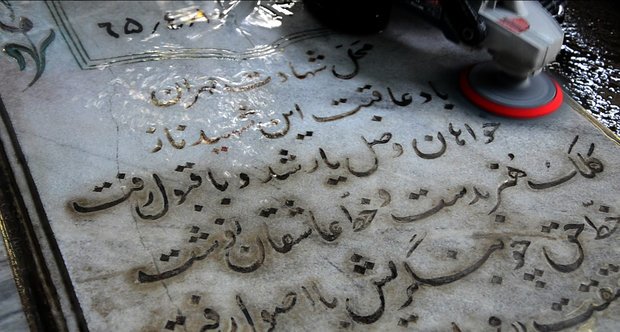
Fatemeh Baqeri has written an article on this unique initiative. The full text of the article, published by the Mehr News Agency, follows.

Life never stops at martyrs’ section of the cemetery. The reason behind it is the affinity between sons and mothers, who come to visit their sons’ final resting places at the weekend.

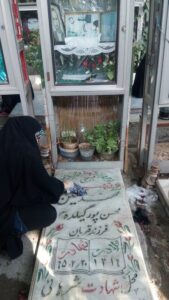
If you walk in the quite martyrs’ section of the cemetery, you may run into mothers who have wrapped their chadors around their waists and take their time to wash up and sweep the tombstones with shaky hands. When they are happy with how clean the gravestones are, they begin reciting verses from the holy Quran and keep waiting to entertain visitors to the martyrs with date and fruit.

But as the time passes by over the years, not everything remains as fresh and clean as mothers want. The tombstones tarnish and stain with the passage of time and go pale due to wind, rain, sunshine, etc., resulting in the inscriptions and lines on the gravestones wearing away.

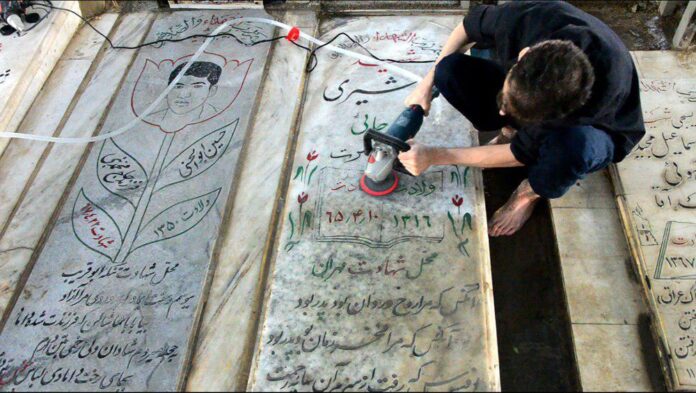
Now, a few young enthusiasts have launched the “For the Martyr” campaign on social media to restore the martyrs’ tombstones in cooperation with people.

They say they want to both make martyrs’ mothers happy and safeguard the country’s national heritage.

We talked to Mahdi Ayat, the manager of the group who, himself, is a researcher and documentarian. He said the many number of times that his friends have visited the cemetery over the past couple of years made them look at the martyrs’ section differently from those visiting the place once in a blue moon.

Public Campaign Raising Awareness about Iran’s National Heroes“Over this period, we saw a large number of the martyrs’ old tombstones had gone black. Moreover, we listened to the concerns of martyrs’ families. Maybe we don’t care about it that much, but the tarnish on the gravestones make a martyr’s mother sad and she tells herself what she’s supposed to do now. So, we decided to do something. My friends and I formed a group. One of them was a martyr’s child, one was a defender of holy shrines, another a war veteran and …,” said Ayat.
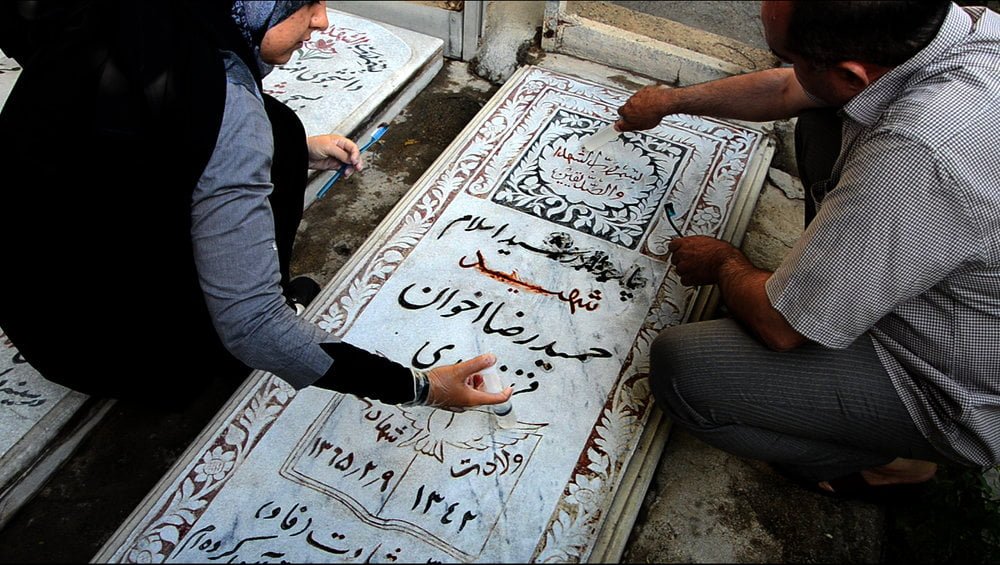
Members of the “For the Martyr” campaign seek to scrub the tombstones clean rather than having them replaced. Replacing martyrs’ gravestones is legally forbidden. Most of us are unaware of the law.

“By Replacing the tombstones, whether the Martyrs Foundation or even martyrs’ families are doing an illegal act,” said Ayat.

“On the strength of Article 564 of Book Five of the Islamic Penal Code (the section on deterrent punishment), anyone who repairs, destroys, restores or even expands whatever regarded as cultural heritage without permission from the Cultural Heritage Organization, he/she must not only compensate for the damage inflicted, but will be imprisoned for three months to two years,” he added.

“Apart from being located at a pilgrimage site, the martyrs’ section is four decades old and considered a popular arts museum of the country,” he said.

The fine and delicate designs together with the information on the tombstones also contribute to the historical value of the martyrs’ section.

Public Campaign Raising Awareness about Iran’s National Heroes“Moreover, the martyrs’ section is like a document … There are a series of words and expressions on the tombstones whose omission will look as if part of history is omitted, things like bombardment of cities, chemical attacks, SAVAK (the intelligence service of the former Pahlavi regime of Iran), torture, movement, Imam, revolution, Saddam, enemy, hegemony and …,” he said.
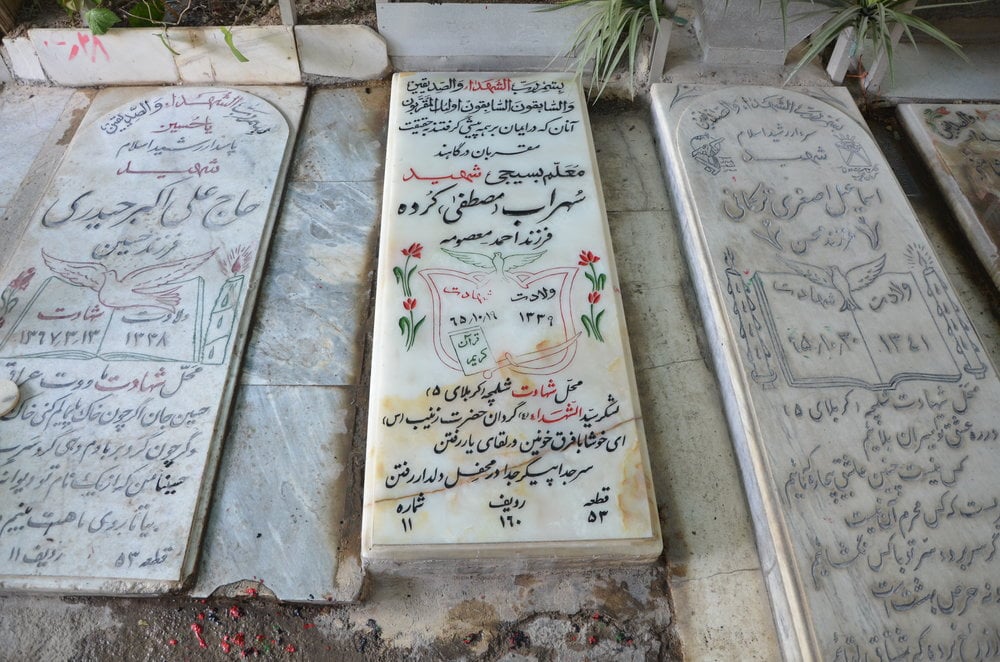
They are to get together every Tuesday and Friday with the people who announce their readiness via cyberspace and do the scrubbing and painting on the gravestones. The procedures of their work are posted on social media.

“We have collected our money to pay for the equipment and have not received any budget from any institution. We deliberately refuse to get funding from other institutions because we want to tell people that we are responsible with regards to martyrs. There are 30,000 martyrs buried in Behesht-e-Zahra: 26,000 are known and 4,000 unknown. The parents of between 50 to 60 percent of those martyrs have passed away as well, and there are a considerable number of martyrs that have few or no visitors,” he said.

Ayat says they are just at the beginning of their work and have no idea how all martyrs’ mothers will react, but he says he has met one of those mothers and she was very pleased with all the work.

Public Campaign Raising Awareness about Iran’s National Heroes


Rouhani’s Chief of Staff in Ashgabat for High-Level Talks

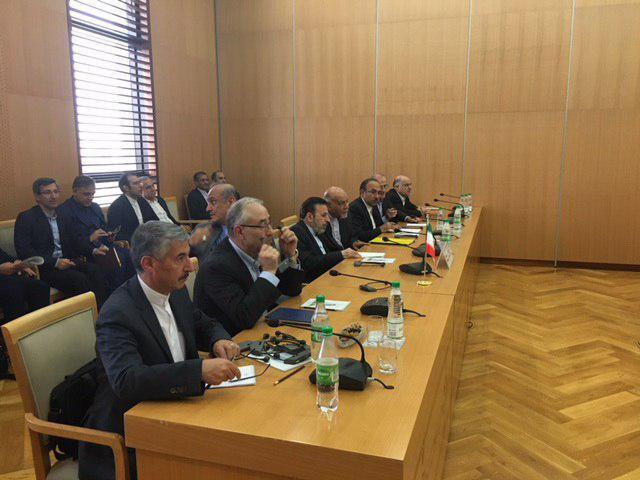
Vaezi arrived in Ashgabat on Wednesday at the head of a high-ranking political and economic delegation, and was welcomed by senior Turkmen officials and the Iranian ambassador to the central Asian country.

During his visit, Vaezi is accompanied by an entourage including officials from the Iranian ministries of Foreign Affairs, Oil, Economy, Roads and Urban Development, and Energy as well as the Central Bank of Iran (CBI), the official website of the Iranian government, dolat.ir, reported.

Vaezi is going to meet with Turkmen President Gurbanguly Berdimuhamedow, foreign minister and several other officials of the country on issues of mutual interest.

Iran, India, Afghanistan Agree to Boost Cooperation on Chabahar

Iran, India to Sign Preferential Trade Agreement Pact

The Tuesday meeting was chaired by Afghan Deputy Foreign Minister Hekmat Khalil Karzai and attended by Indian Foreign Secretary Vijay Gokhale and Iranian Deputy FM Abbas Araghchi.

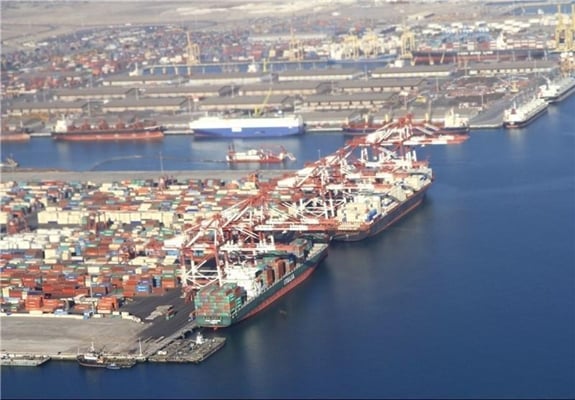
According to a statement released after the meeting, the trilateral talks focused on consolidating economic cooperation, particularly in the Iranian port city of Chabahar port.

Chabahar, a port city in Sistan and Baluchestan province in the south-eastern coasts of Iran, is easily accessible from India’s western coast, and is known as a promising rival for Pakistan’s Gwadar.

The port provides India with an easier land-sea route to Afghanistan. In November, the country sent its first cargo of wheat to Afghanistan through Chabahar.

A rail link between Chabahar and Zahedan and thereon to Afghanistan is a crucial part of India’s ambitious extra-regional connectivity plans over which Tehran, New Delhi and Kabul have signed a basic agreement.

In return for importing equipment and facilitating unloading and loading operations, Iran has handed over the right to operate the Chabahar port to India for a limited time.

Before the Kabul talks between Tehran and New Delhi, Iranian Minister of Roads and Urban Development Abbas Akhoundi paid an official visit to India to discuss the issue of Chabahar as well as India’s oil imports from Iran despite the US sanctions.

According to a report by the official website of the Iranian government, dolat.ir, Akhoundi held constructive talks with the Indian officials over those issues and a range of other topics, as a high-ranking US delegation was also visiting India to dissuade them from working with Tehran, particularly in the field of crude oil trade.

As a report by India’s Economic Times wrote, New Delhi’s talks with Akhoundi on the same day when Americans had arrived in the country were a clear indication of India’s resolve to boost its cooperation with Iran despite the US bans.

Tents Set Up across Iran to Mark Beginning of Muharram

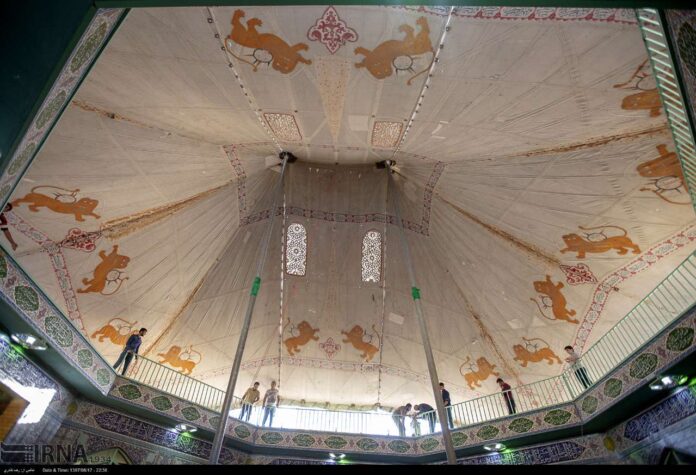
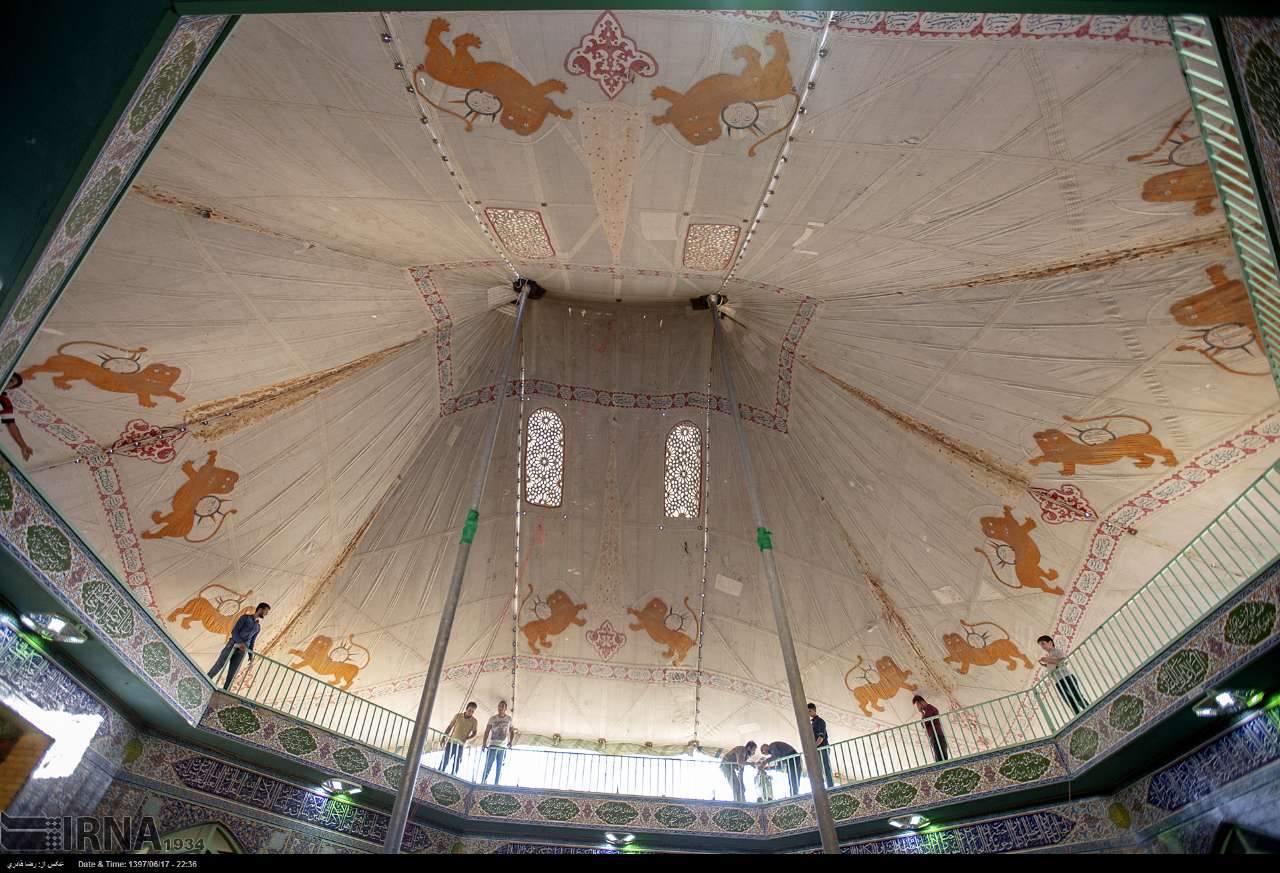
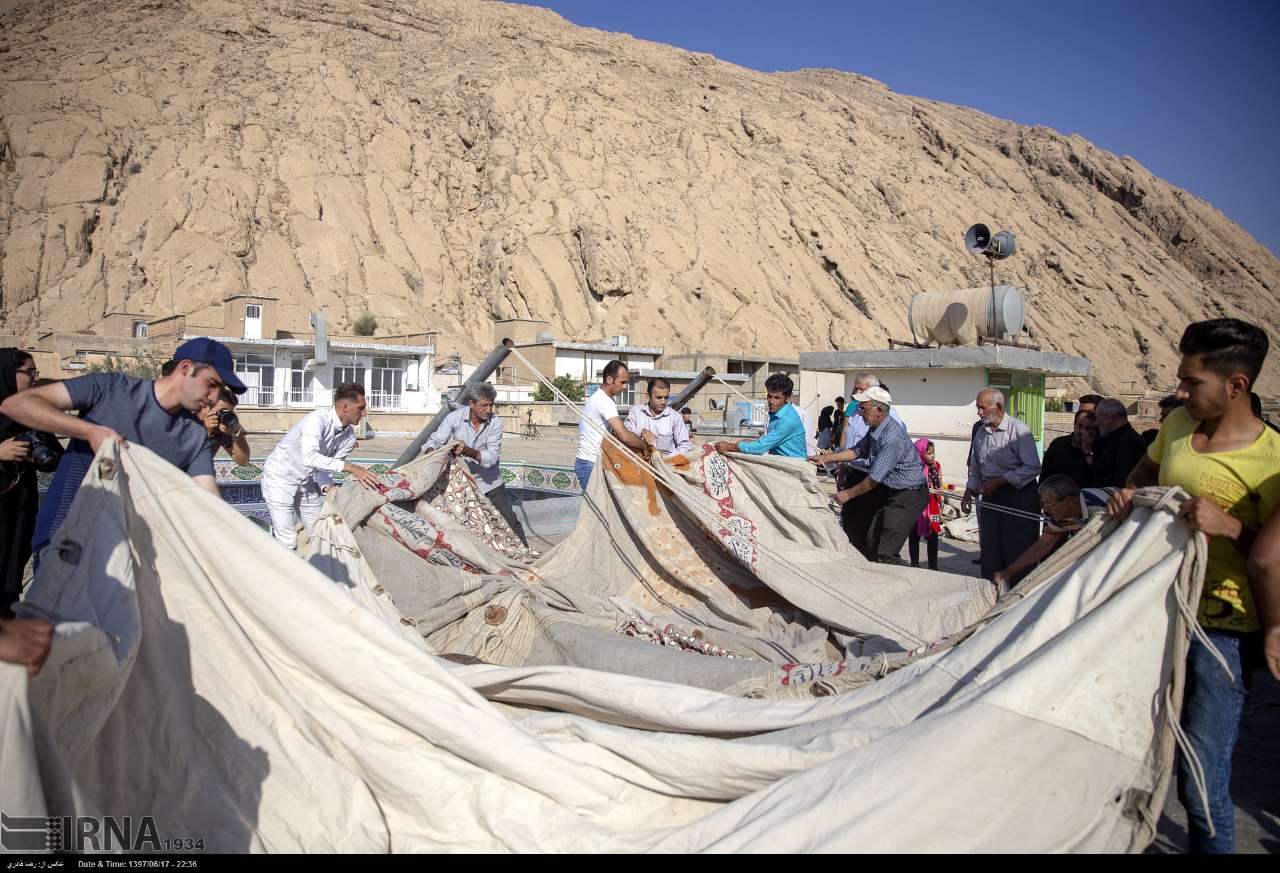
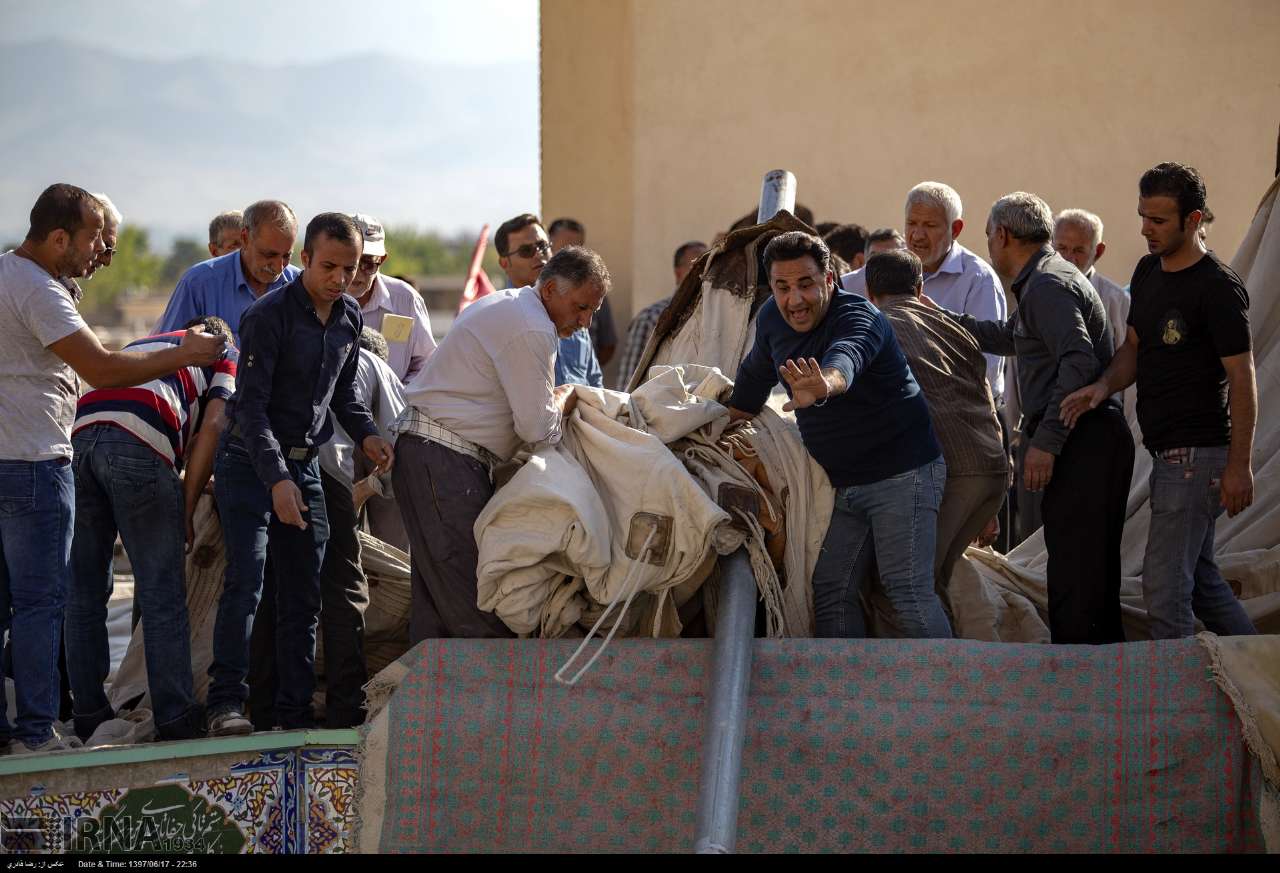
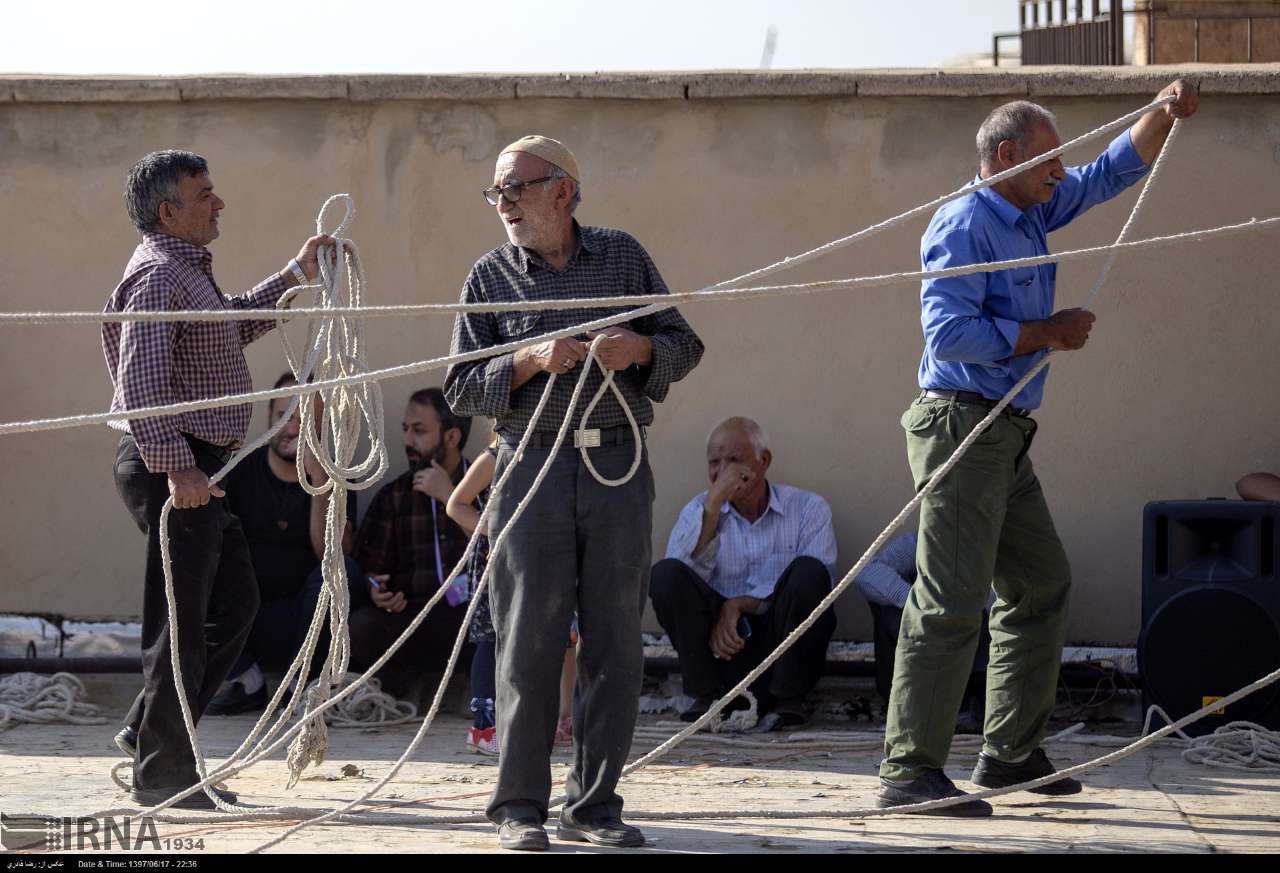
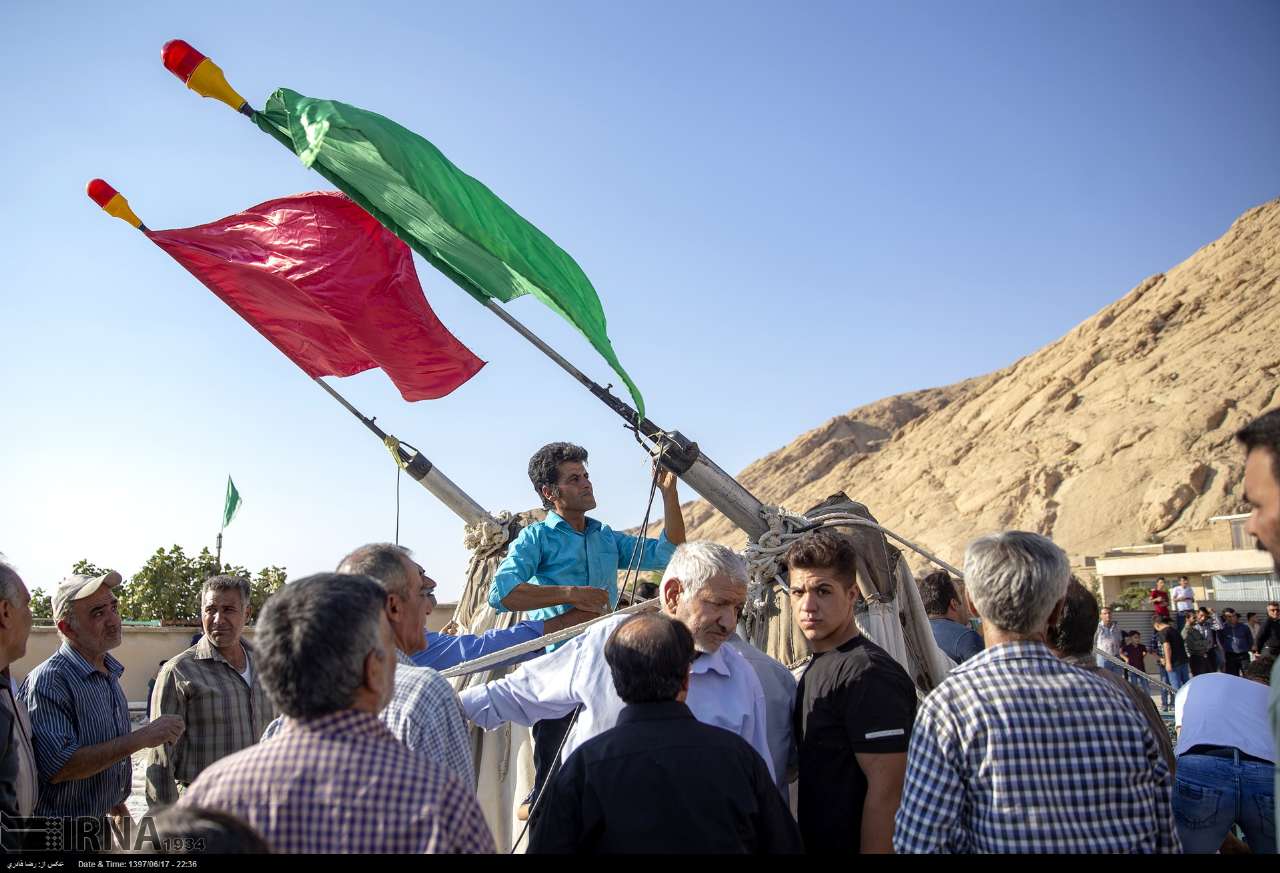
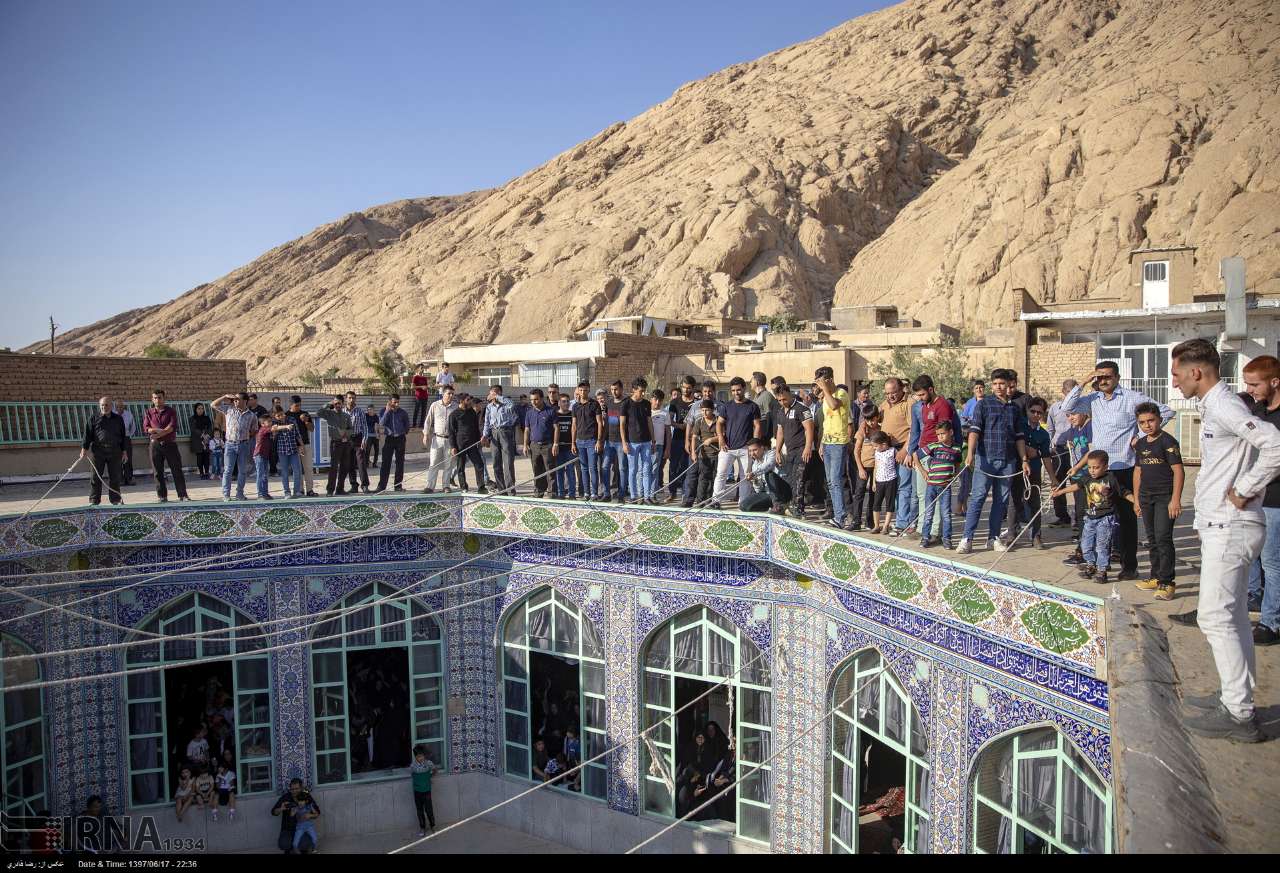
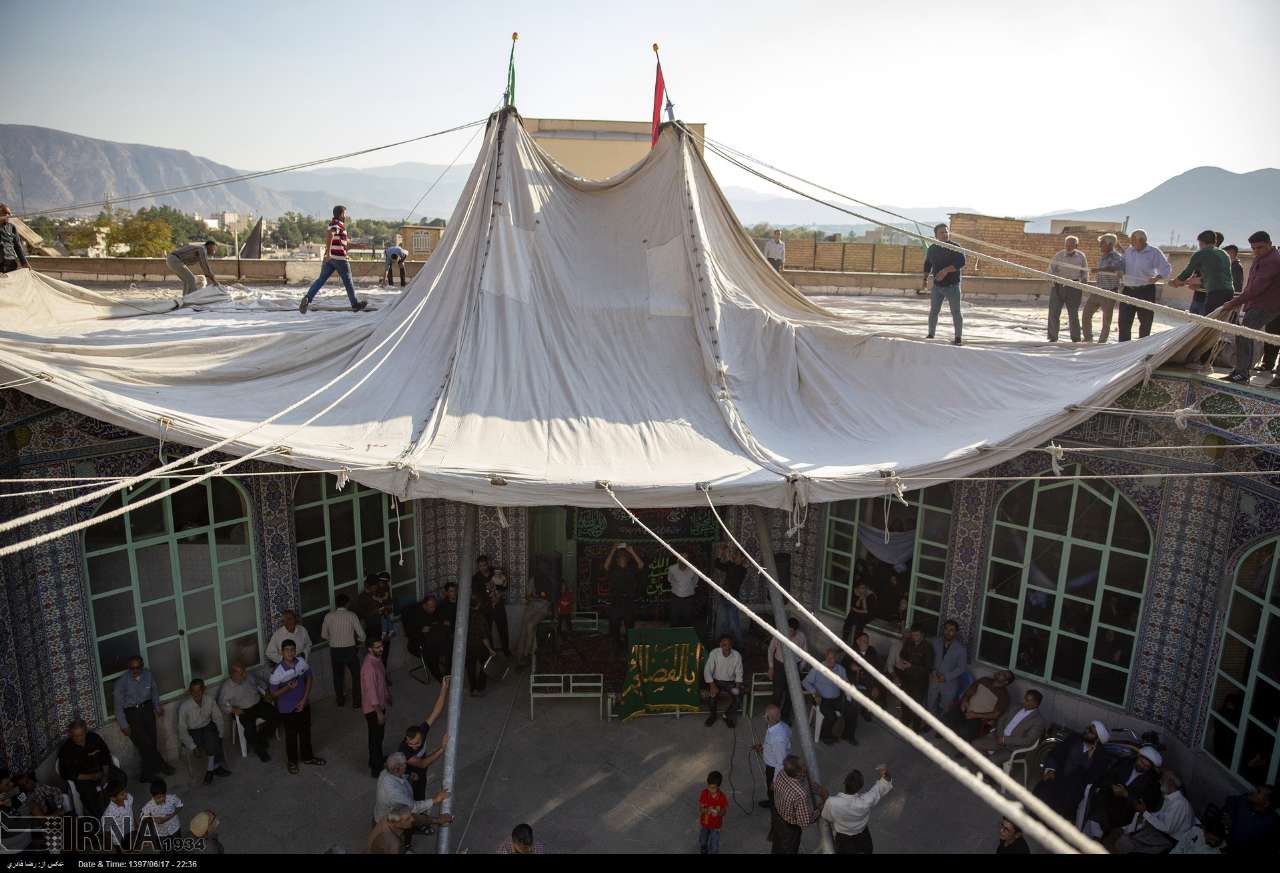
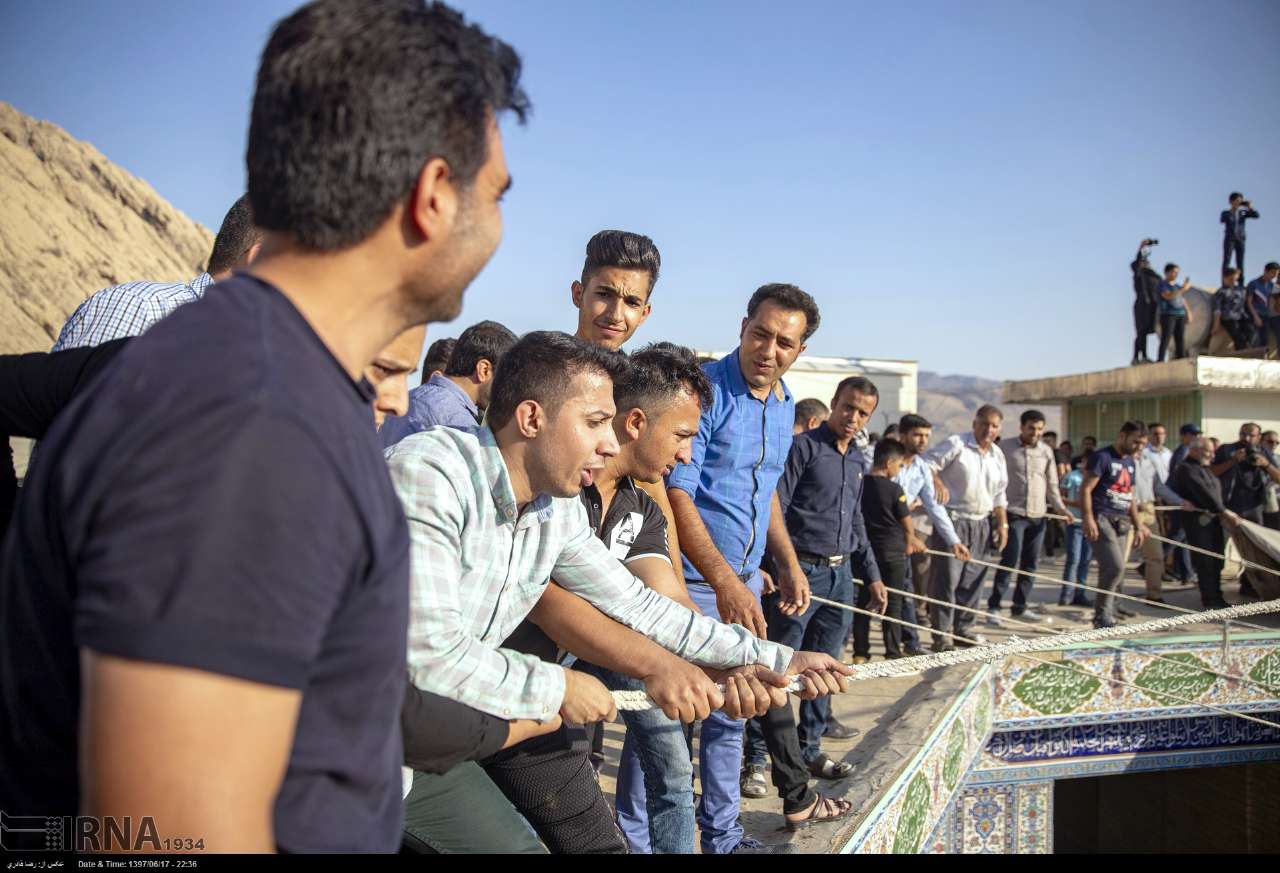
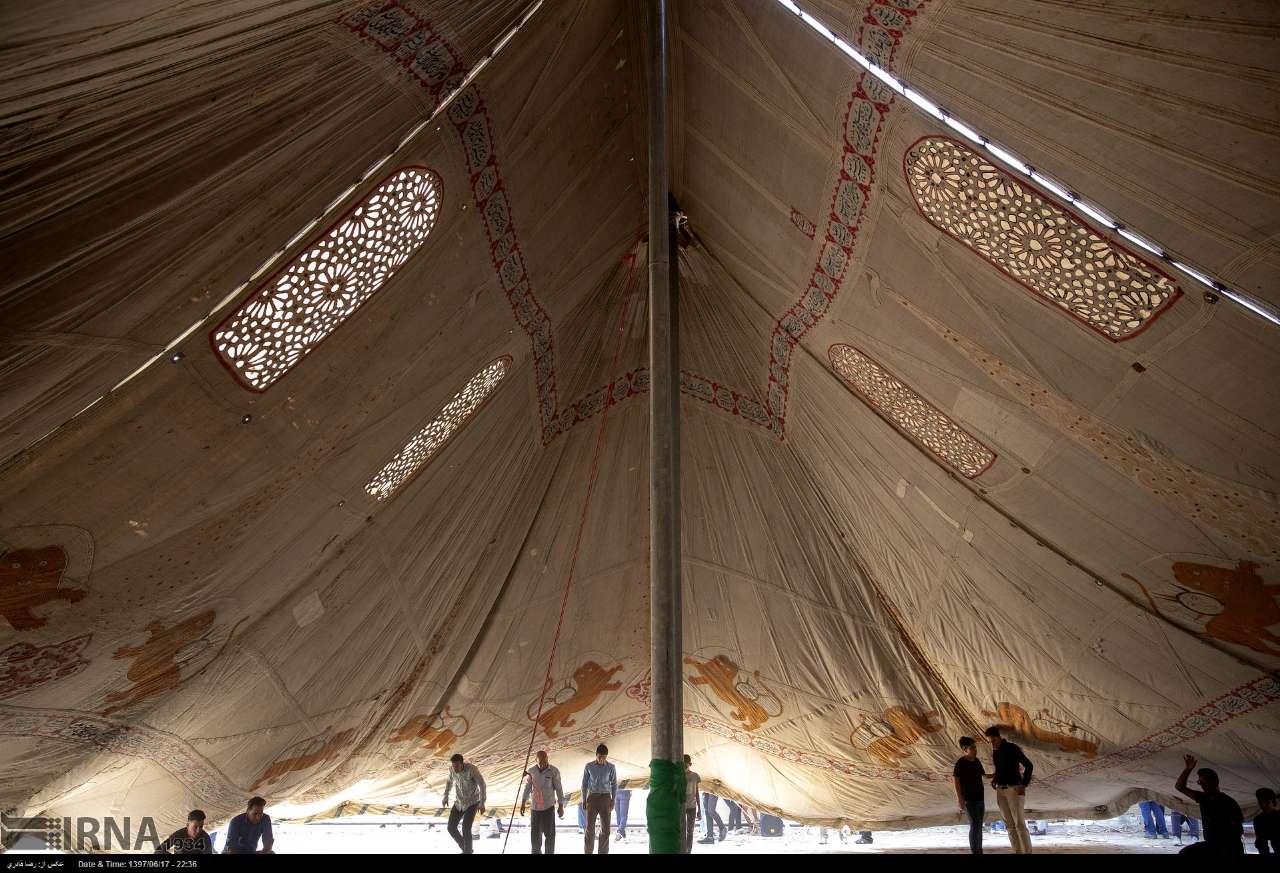
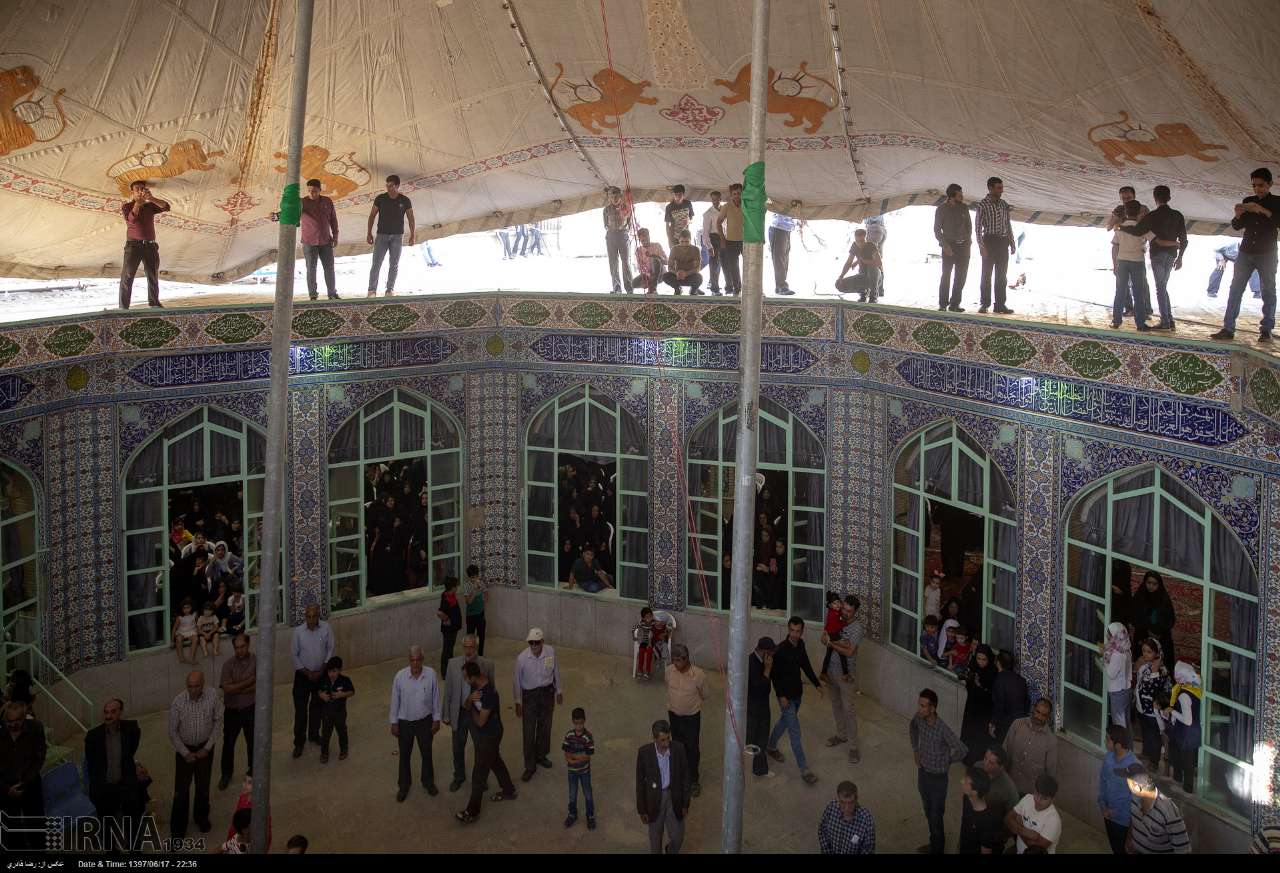
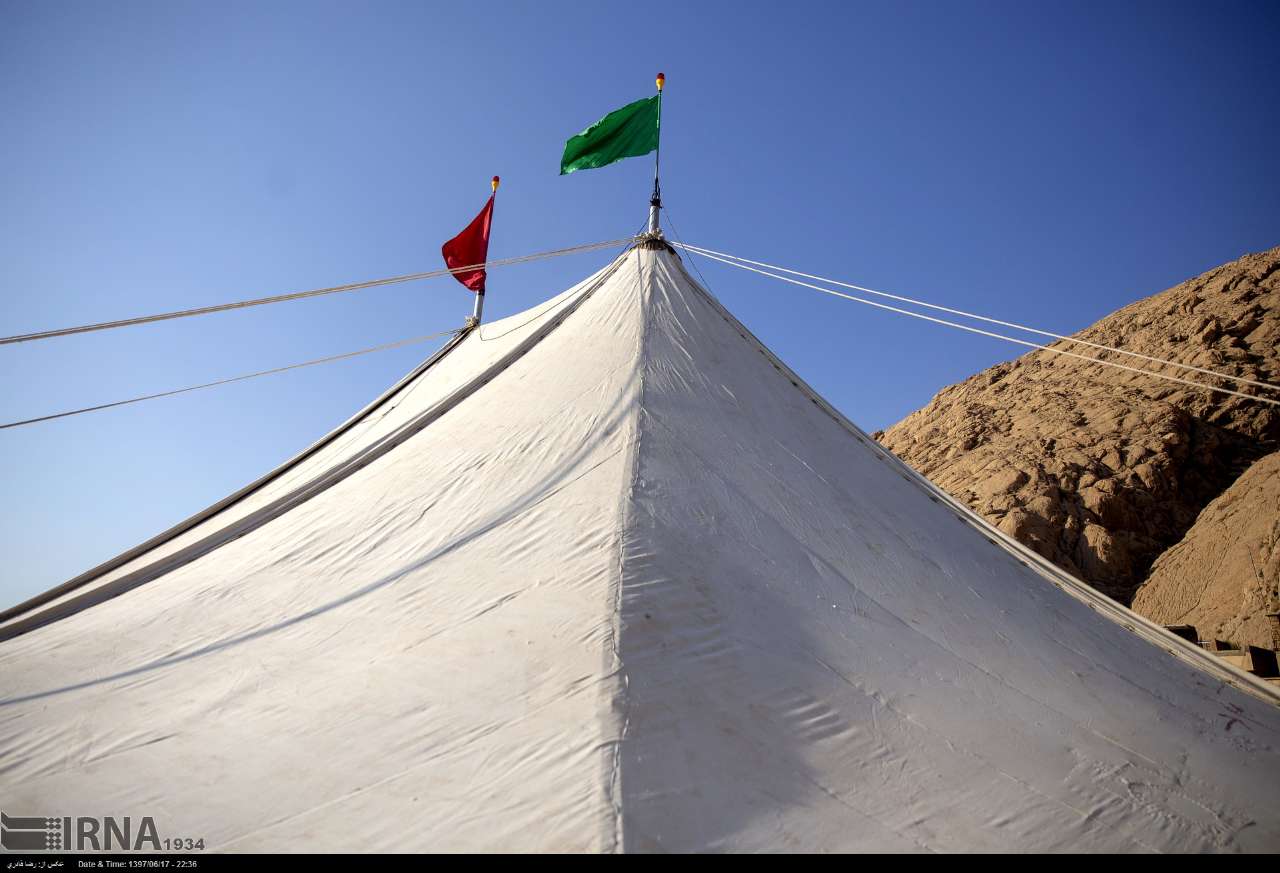
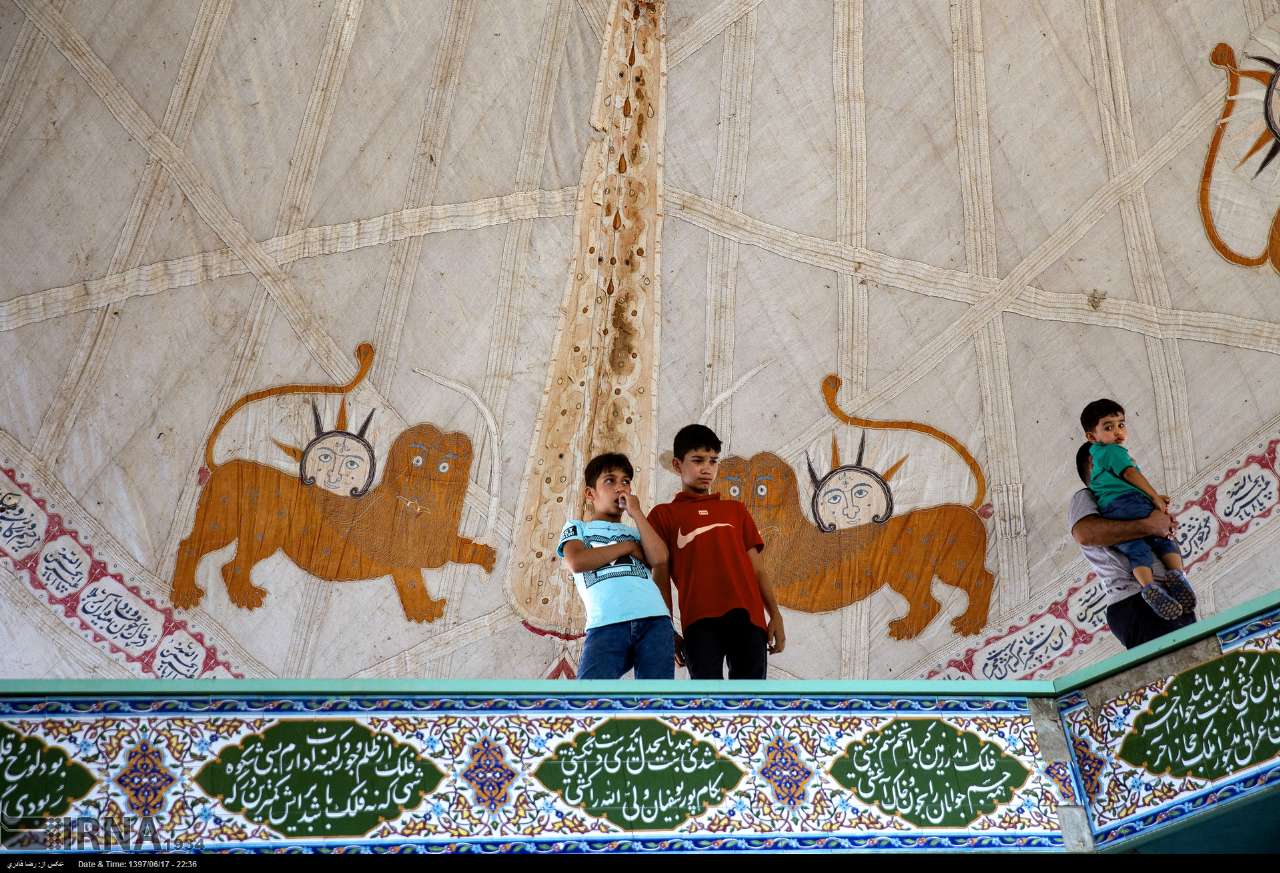
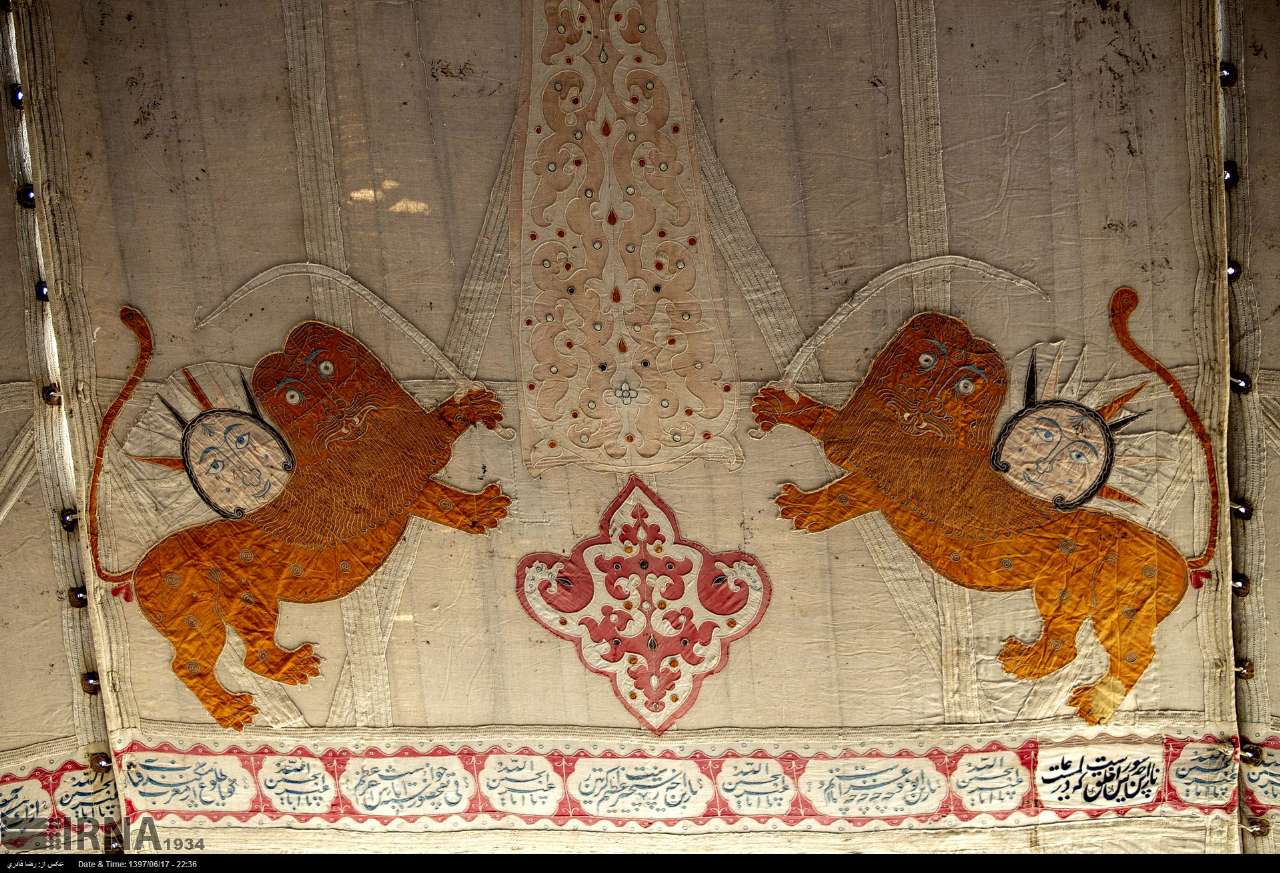
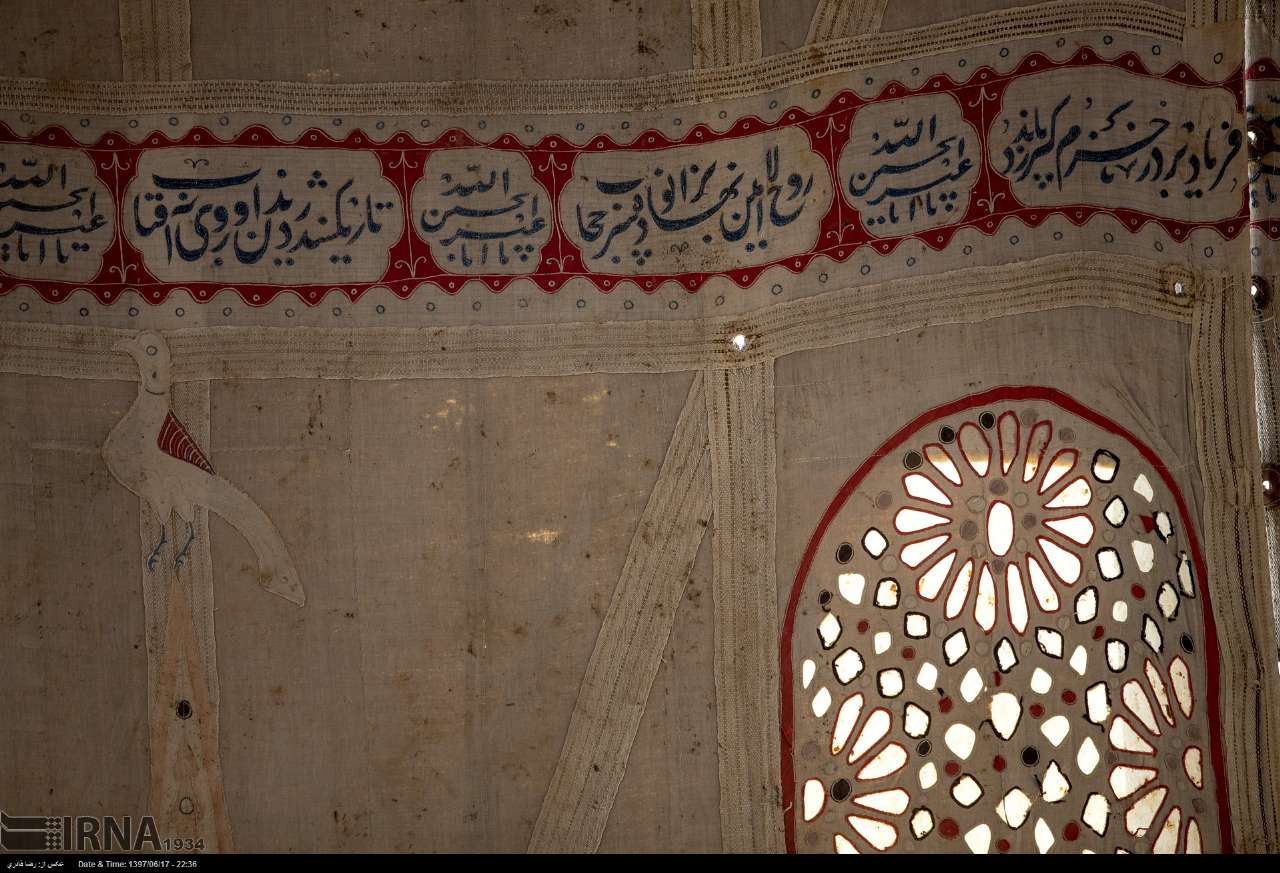
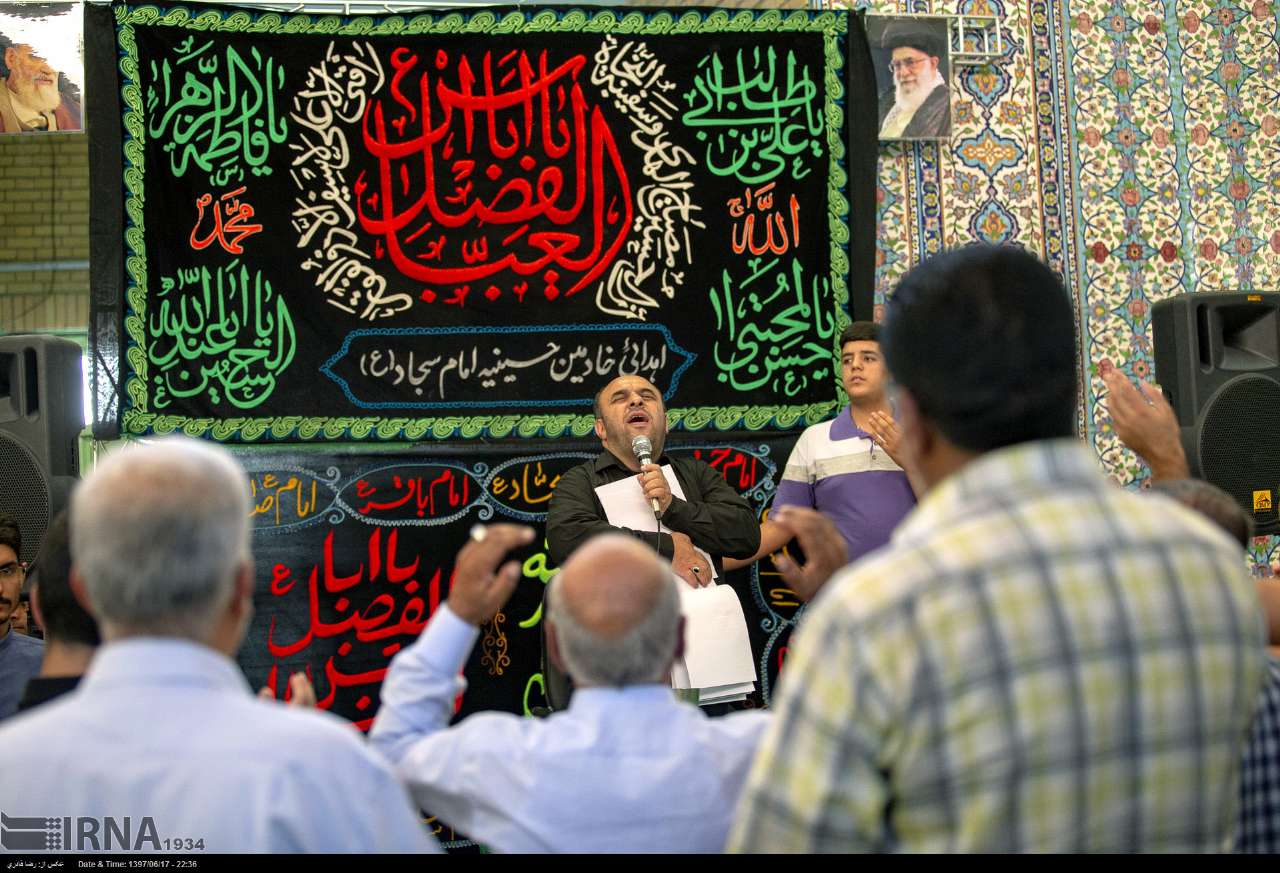
In accordance with a 400-year-old tradition, people in the town of Zarqan in Fars province set up tents on the threshold of Muharram to honour the upcoming anniversary of Ashura, the tenth day of the lunar month.

Ashura was the day when Imam Hussein, a grandson of Prophet Muhammad, and dozens of his faithful companions were martyred in an unequal battle with enemy troops in Karbala, modern day Iraq, in 680 AD.

What follows are IRNA’s photos of the tents set up in Zarqan: