Monday, December 22, 2025
Home Blog Page 3445

Iran Releases English, Arabic Versions of Law on Free Access to Information

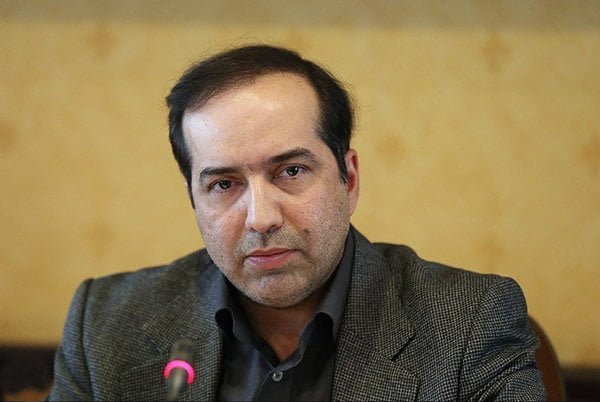
The news was announced by the Secretariat of the Commission for Dissemination of and Free Access to Information Hossein Entezami, who is also a special assistant to the Iranian culture minister.

“Given the long history of this law in many countries around the world and the attention paid to it by international institutions, it is necessary that we pay due regard to the effective dimensions of this law on the international stage,” said Entezami.
Iran Releases English, Arabic Versions of Law on Free Access to Information
Hossein Entezami

“In many societies, including European countries, good plans have been implemented with regards to free access to information over the past 100 years, and today, the law on free access to information exists in more than 100 countries,” he added.

“Accordingly, and in order for international institutions, authorities, those interested and researchers working in this field to get more familiar with the way of implementation of this law in our country, in the first step, a plan was put on the agenda to translate the text of the law and its executive bylaw into English an Arabic,” the official noted.

He said free access to information is regarded as one of the processes of democracy and helps contribute to transparency as well as the elimination of corruption, adding the Islamic Republic of Iran is a system with religious democracy, and, hence, pays due regard to this issue.

“Entitlement to free access to information is a clear example of civil rights,” he said.

The official urged the government, institutions and different organizations to work together closely to help enforce the law as soon as possible.

It is noteworthy that English and Arabic translations of the Executive Bylaw of Article 8 of the abovementioned law have been released.

The Law on Dissemination of and Free Access to Information was approved by Parliament in 2008.

The English translation of the Law on Dissemination of and Free Access to Information can be accessed via this link, and the Bylaw on Implementation of Article 8 of the Law on Dissemination of and Free Access to Information through this link.
Unique Photos Snapped of Persian Leopards

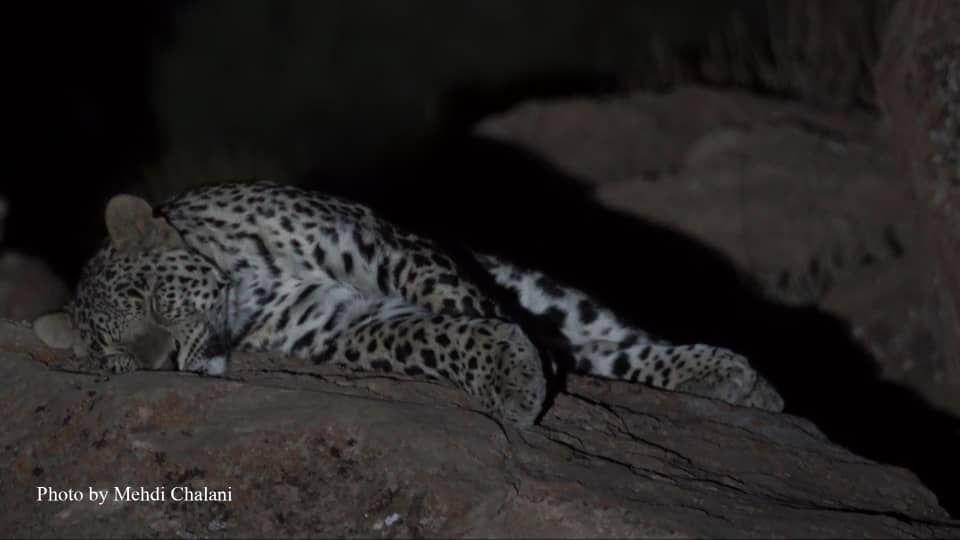
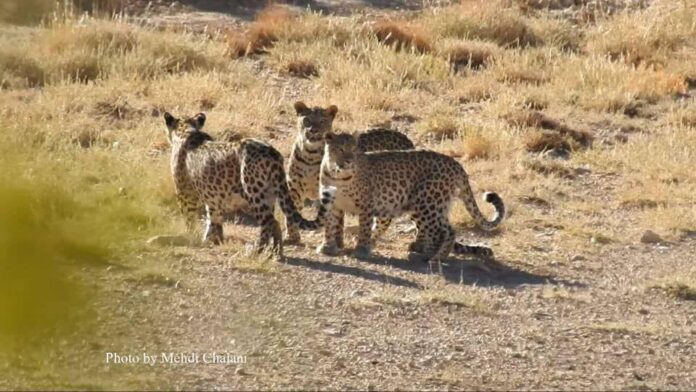
Three Persian leopards in a protected area in Iran's Semnan province / Photo by Mehdi Chalani

Abasali Damangir, the General Director of Semnan Environmental Protection Department, says “the environmental photographer managed to snap the pictures of the leopards while he was wandering around the protected area.”

The Persian leopards, which have been put on the red list of endangered species in the world, are being held in a protected area in Mehdishahr town of Semnan province, he added.
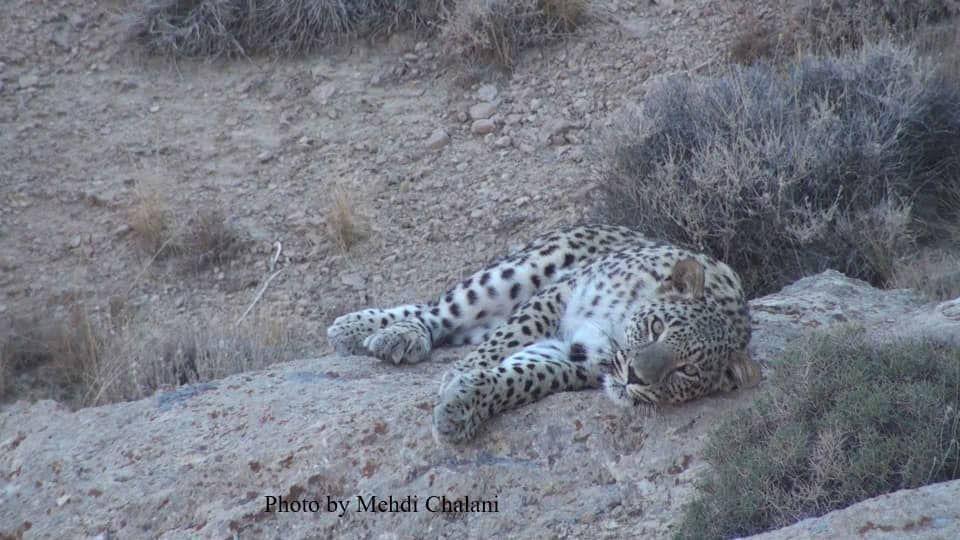
According to Damangir, due to the efforts made by Chalani, some unique pictures have been taken of the endangered species in Semnan.

He went on to say that the photos show that the animals are in good shape thanks to an increase in the population of certain species which the leopards live on.

Unique Photos Snapped of Persian Leopards
A Persian leopard in a protected area in Iran’s Semnan province / Photo by Mehdi Chalani

“Another main feature in the pictures is the tranquil moves of the leopards in the presence of the fosterers and the photographer,” he noted.

According to the Iranian officials, the leopards in the photos are idling away in the protected area without any fear or anxiety in the presence of the photographer and the foresters and this shows the high security of the protected area provided for the leopards.

The official also said filming Persian leopards is highly difficult due to the unexpected moves of the animals as well as the low density of the protected area.

According to the latest report by the International Union for Conservation of Nature (IUCN) in 2008, the Persian leopard has been put on the red list of endangered species in the world.

Asiatic cheetah, Persian leopard and Asian zebra are among the main endangered species in the world which are held in the protected area in Semnan.

Unique Photos Snapped of Persian Leopards
A Persian leopard in a protected area in Iran’s Semnan province / Photo by Mehdi Chalani

Researchers Use Marine Animals’ Waste for Wound Treatment

Researchers Use Marine Animals’ Waste for Wound Treatment

There are many constituents in the biological cycle of organisms that can be used to treat humans. With the advent of scientific approaches in the world, researchers have increasingly recognized the importance of using natural resources in scientific tests.

An Iranian knowledge-based company called Chitotech, managed by a female researcher, Dr Soheila Salahshour Kordestani, has managed to produce powerful healing agents to treat various wounds. It has carried out the job by doing research on marine animals’ waste.

These agents in biological or bioactive dressings are effective in treating various types of wounds, especially diabetic ones and bed sores.

For a brief review of Iran’s achievements in various fields of science and technology, check the book “Science and Technology in Iran: A Brief Review

Another achievement of this company is non-alcohol-based disinfectants that are manufactured with nanotechnology. The main element in these products is silver. Since ancient times, silver has been used by human for its antimicrobial properties.

With a record of 5 international patents and 22 national patents, the company now competes with European and American companies in making these products.

Currently, the company’s products are exported to the countries of Southeast Asia, the Arab states of the region and Turkey, and with the lifting of sanctions, exports to European and American countries are expected to resume.

Chitotech is one of the leading companies at the 2018 International Nano Exhibition that will be held on October 13-16 in Tehran. In this exhibition, many companies from Iran and various countries will introduce their latest findings in the field of Nano-sciences.

Dr Salahshour hopes that in the future, by relying on modern technologies, the country would not be dependent on the oil industry anymore and be equipped with other technologies.

Iran Nano 2018 - Nanotechnology Exhibition

ICJ Holds First Hearing on Iran’s New Lawsuit against US

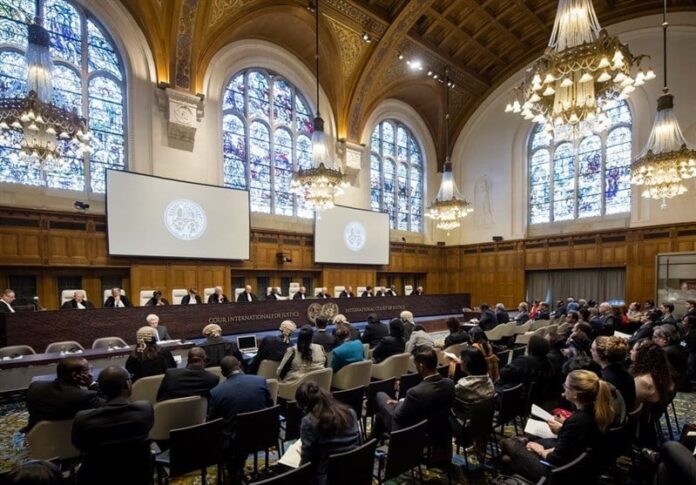
Day one of hearing sessions has opened at the ICJ’s Peace Palace to examine Iran’s suit against the illegal confiscation, in the US, of around $2 billion in assets of the Central Bank of Iran as well as Washington’s subsequent breach of a bilateral friendship agreement known as the Treaty of Amity.

The open hearing sessions are planned to take four days.

As announced by the ICJ, the United Nations’ judicial arm, in Press Communique No.28/2018 dated June 22, 2018, open hearing sessions in Iran’s lawsuit against the US seizure of Tehran’s assets will be held from October 8-12, 2018.

During the first day of the hearing, the US delegation will present its defence. The session is slated to be held in the morning (11:30-14:30) and in the afternoon (16:30-18:30).

The ICJ is a UN body established to settle international disputes. Although the court’s verdicts are binding and cannot be appealed, the ICJ has not the power to enforce the rulings, and certain countries such as the US have, in rare cases, disregarded the ICJ’s verdicts.

On June 15, 2016, Iran lodged a lawsuit with the ICJ on the US government’s breach of the Treaty of Amity, Economic Relations, And Consular Rights between the United States of America and Iran.

“The United States arguing that Iran is a supporter of terrorism (an argument that Iran categorically denies) has adopted a number of executive and law-making measures which practically affect the interests and assets of Iran and Iranian institutions, namely the Central Bank of Iran, and which run counter to the Treaty of Amity and [which are executed] through judicial proceedings against Iran,” reads part of the lawsuit.

Clause 2 of Article 21 of the Treaty of Amity, Economic Relations, And Consular Rights between the United States of America and Iran reads:

“Any dispute between the High Contracting Parties as to the interpretation or application of the present Treaty, not satisfactorily adjusted by diplomacy, shall be submitted to the International

Court of Justice, unless the High Contracting Parties agree to settlement by some other pacific means.”

Clause 2 of Article 23 of the law also says:

“Either High Contracting Party may, by giving one year’s written notice to the other High Contracting Party, terminate the present Treaty at the end of the initial ten-year period or at

any time thereafter.”

In a victory for Tehran against Washington, the ICJ ordered the United States to halt the unilateral sanctions it recently re-imposed on “humanitarian” supplies to Iran.

The court announced its ruling on October 3, 2018 regarding the July lawsuit brought by Tehran against Washington’s decision to re-impose unilateral sanctions following the US exit from the 2015 nuclear deal.

Iran’s lawsuit argued that the sanctions violate the terms of the 1955 Treaty of Amity between Iran and the US. It also called on the court to order Washington to immediately suspend the measures.

The ICJ unanimously ruled that the US must ensure that the re-imposed sanctions do not impact humanitarian aid or civil aviation safety.

According to the verdict, which was read out by Judge Abdulqawi Ahmed Yusuf, Washington “shall remove by means of its choosing any impediments arising from the measures announced on May 8 to the free exportation to Iran of medicines and medical devices, food and agricultural commodities” as well as airplane parts.

The court further said that sanctions on goods “required for humanitarian needs… may have a serious detrimental impact on the health and lives of individuals on the territory of Iran.”

US sanctions on aircraft spare parts also had the “potential to endanger civil aviation safety in Iran and the lives of its users,” it added.

Nano Pharmaceutical Developed to Target Cancer Cells

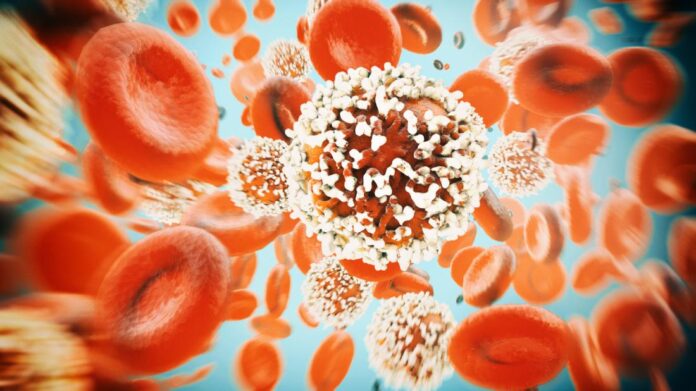
Drugs used to treat cancer are mainly divided into biological and chemical ones. In the biological treatment, which is a common cancer treatment, cancerous tissue is targeted. However, by using nanotechnology, the nano-particles take responsibility for transporting albumin into the cancerous cell.

This increases the quality, the speed of drug distribution, and the effectiveness of the medicine. This system is especially effective for the cancers that have undergone a course of treatment and are recurrent.

Nanodarou Company was founded with a small investment as a knowledge-based firm by the students and professors of Tehran University of Medical Sciences in 2011, when the Resistance Economy was introduced and recommended by the Leader of Iran’s Islamic Revolution.

The difficulty was that no imported or domestic samples of this drug were available. Despite many complications, the drug entered the market in 2016. Within three months, it was also sold in Turkey. It is now known to be the definitive medication for recurrent cancer. The production of these drugs requires a safe environment for the workers which is provided by the company.

It is currently used to treat metastatic breast cancer, pancreatic cancer, lung cancer, ovarian cancer and stomach cancer. The main purpose of producing these drugs is to increase the patient’s life and improve his/her quality of life during the course of treatment. It means that despite the illness, there is no pain in these diseases, and the patient can have normal life.

For a brief review of Iran’s achievements in various fields of science and technology, check the book “Science and Technology in Iran: A Brief Review

Another product of this company is the addiction treatment drug that is produced by macrospheric technique (spherical particles) and injected deep into the body of the patient and continuously released in a patient’s body within a month.

In this way, the need for the opiate disappears and the receptors of pleasure fail, and ultimately it is fully treated between 6 and 24 months.

In the past year, 8,000 doses of these drugs have been consumed; and about half of them have been sold in Turkish markets.

These medications are currently exported to five countries of the world, and nine other countries will receive them as soon as possible.

The Nanodarou Company will be present at the 2018 International Nanotechnology Exhibition, which will be held from October 13 to 16 in the Iranian capital Tehran.

Nano Pharmaceutical Developed to Target Cancer Cells

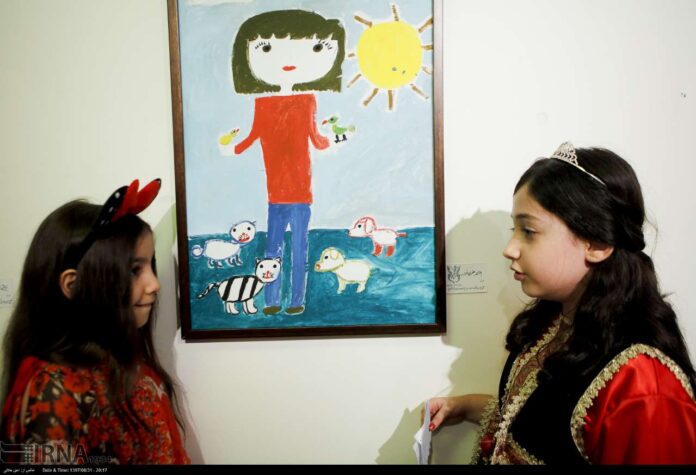
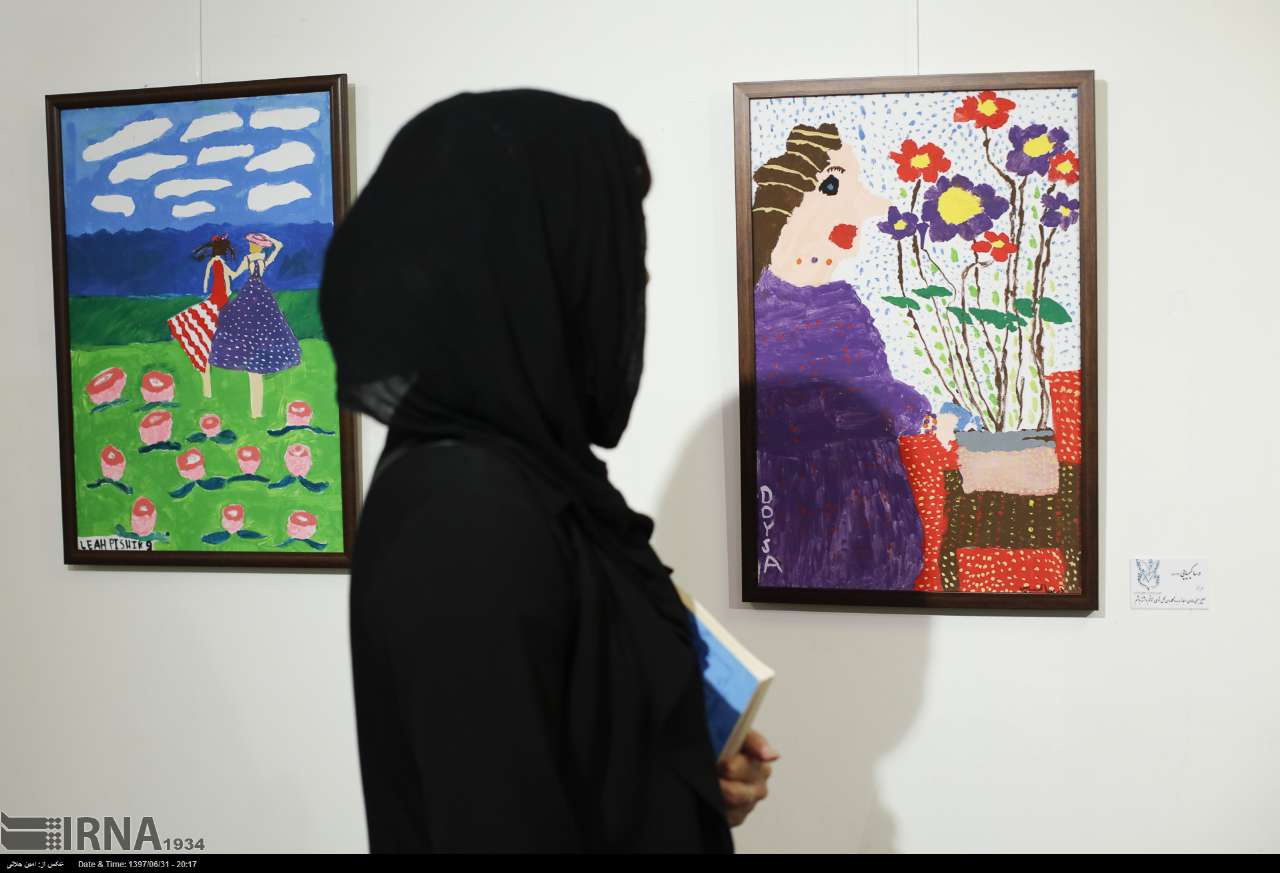
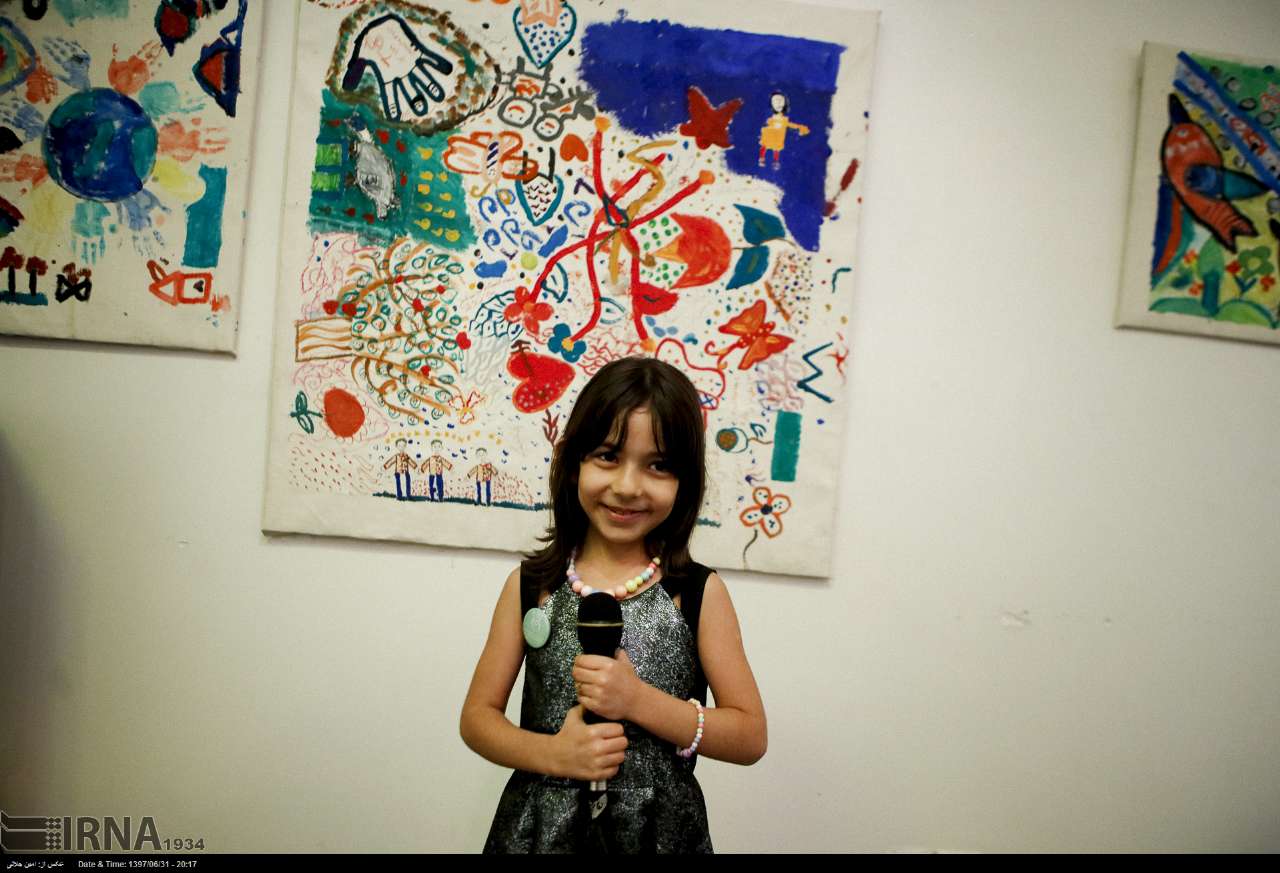
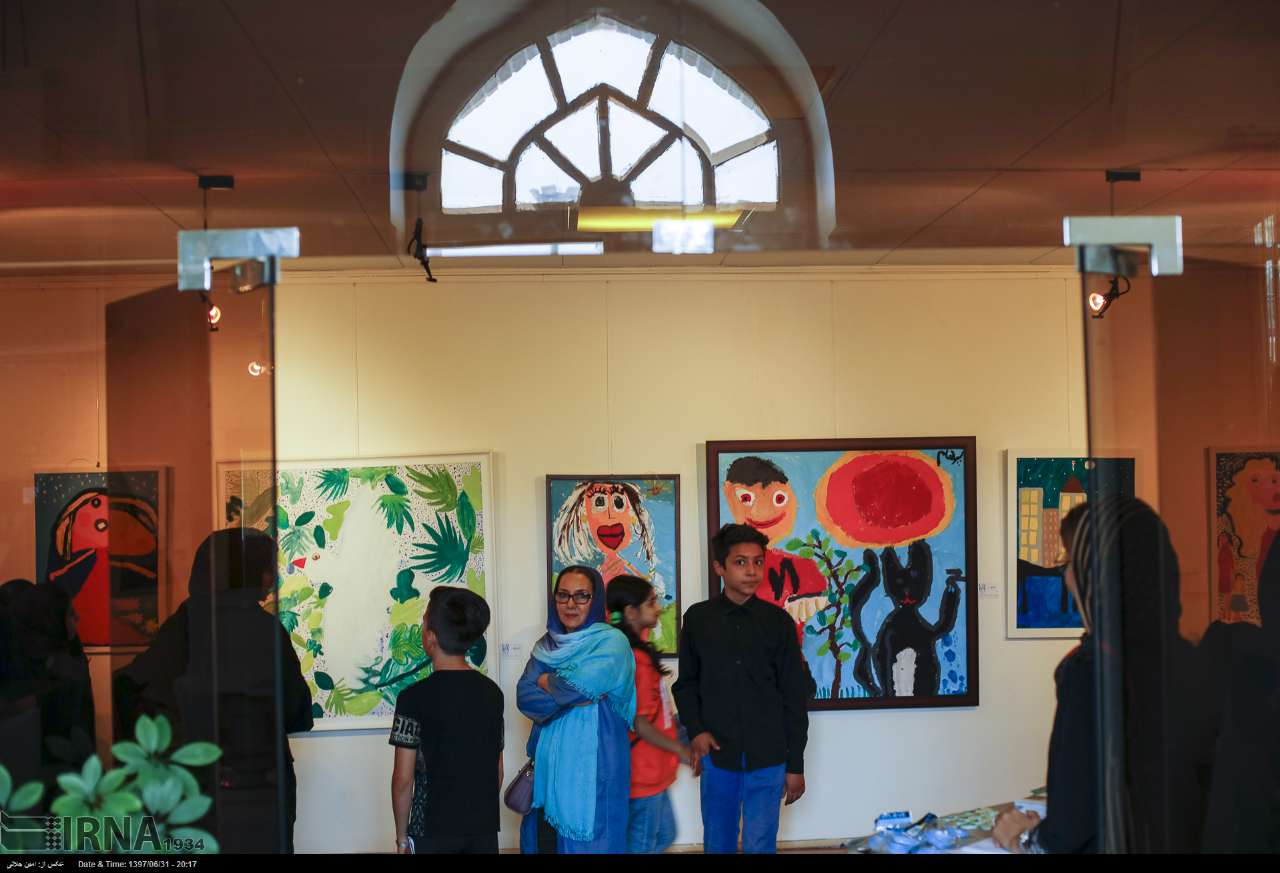
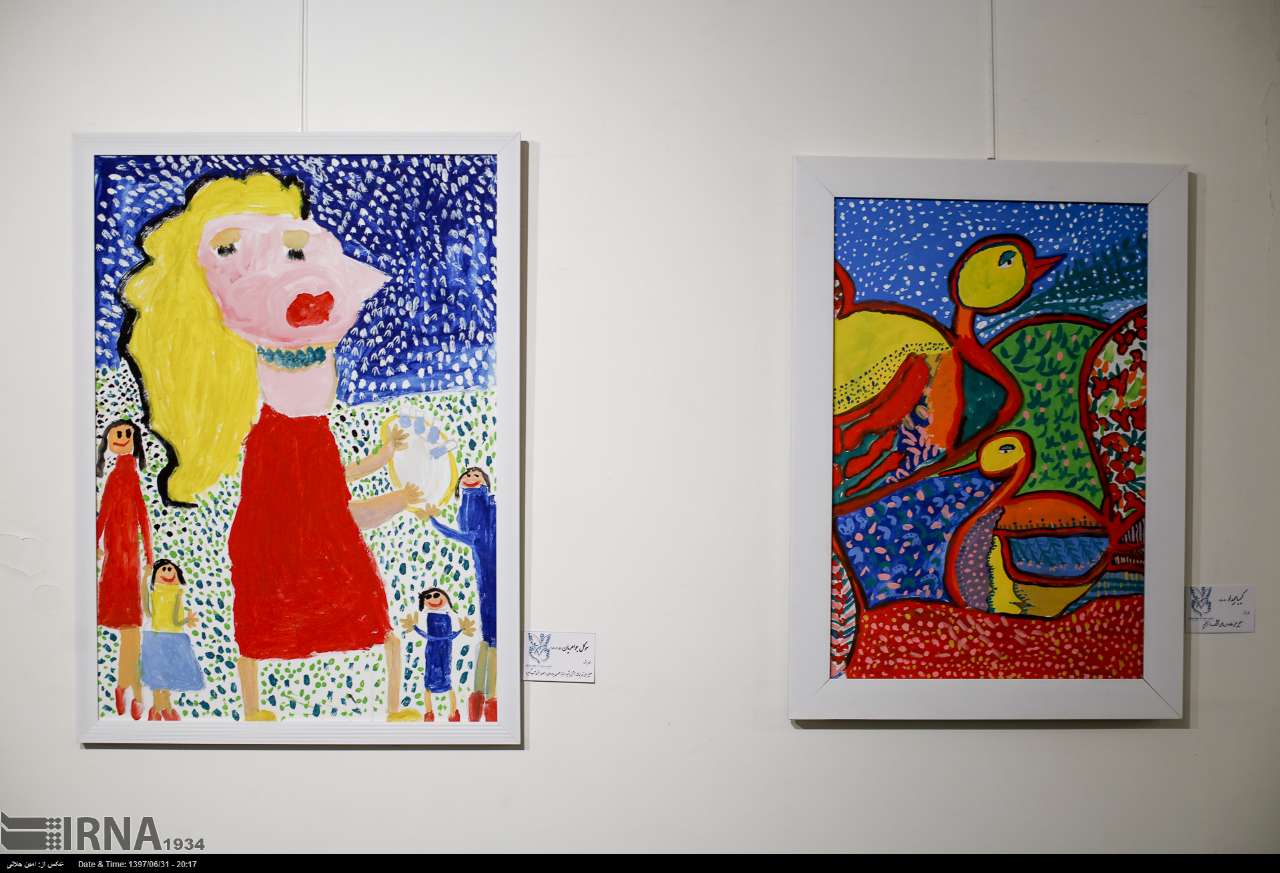
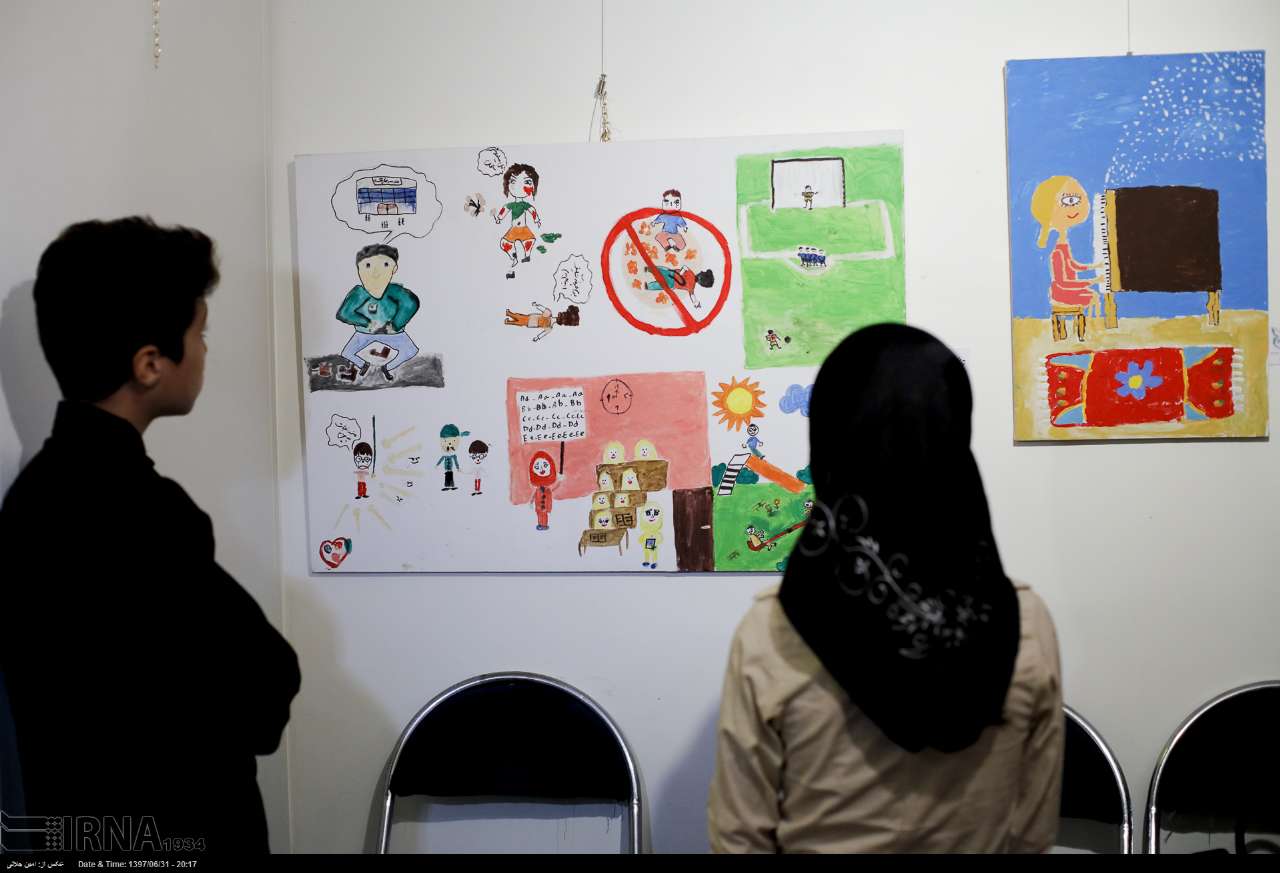
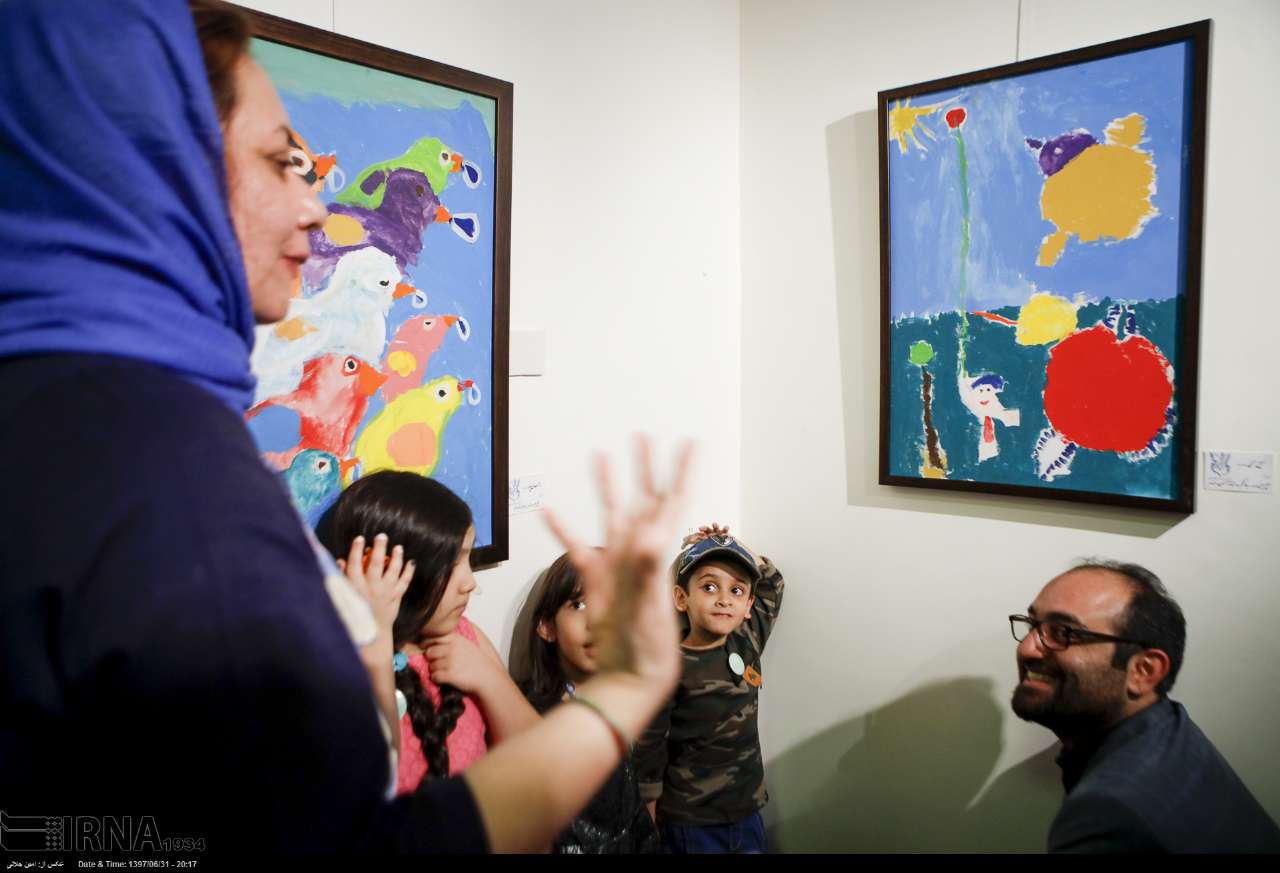
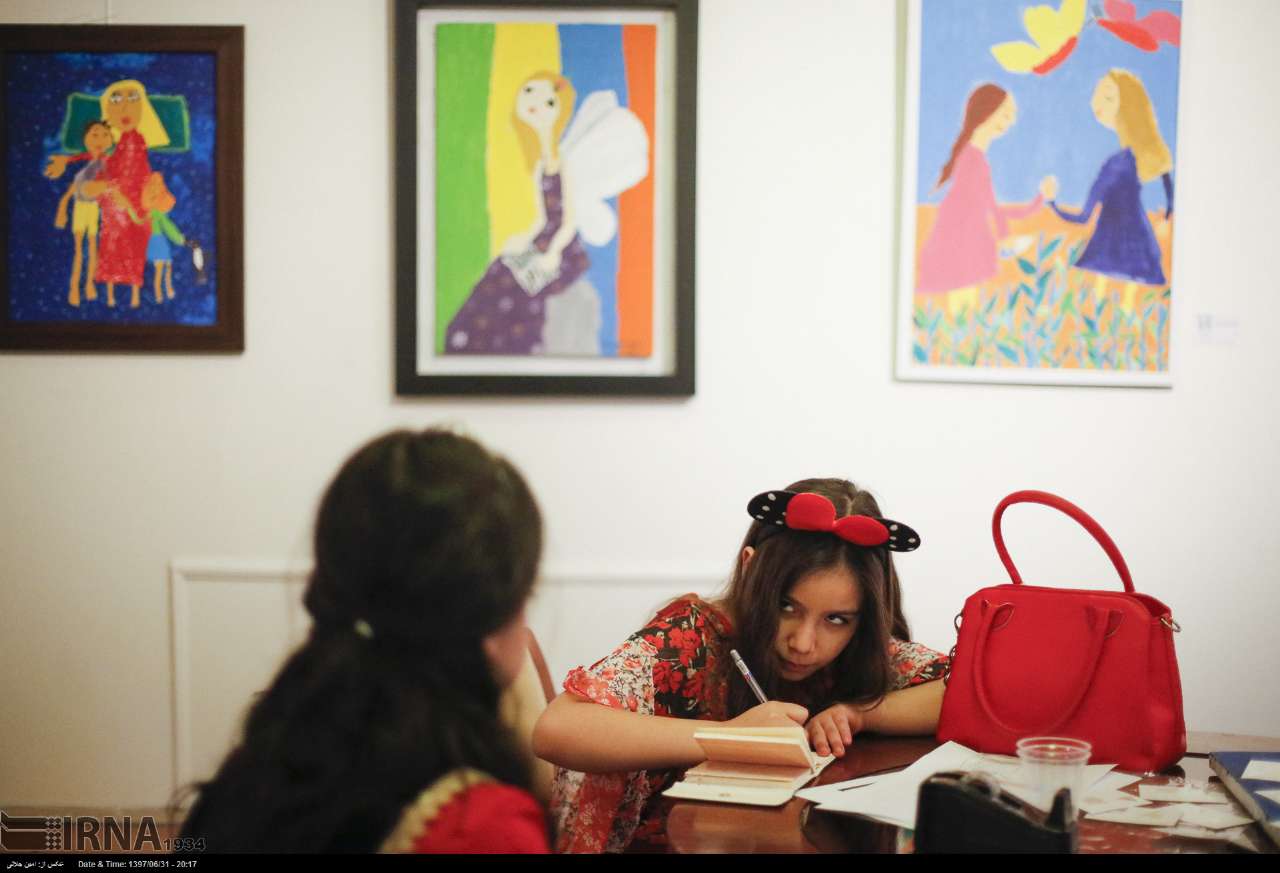
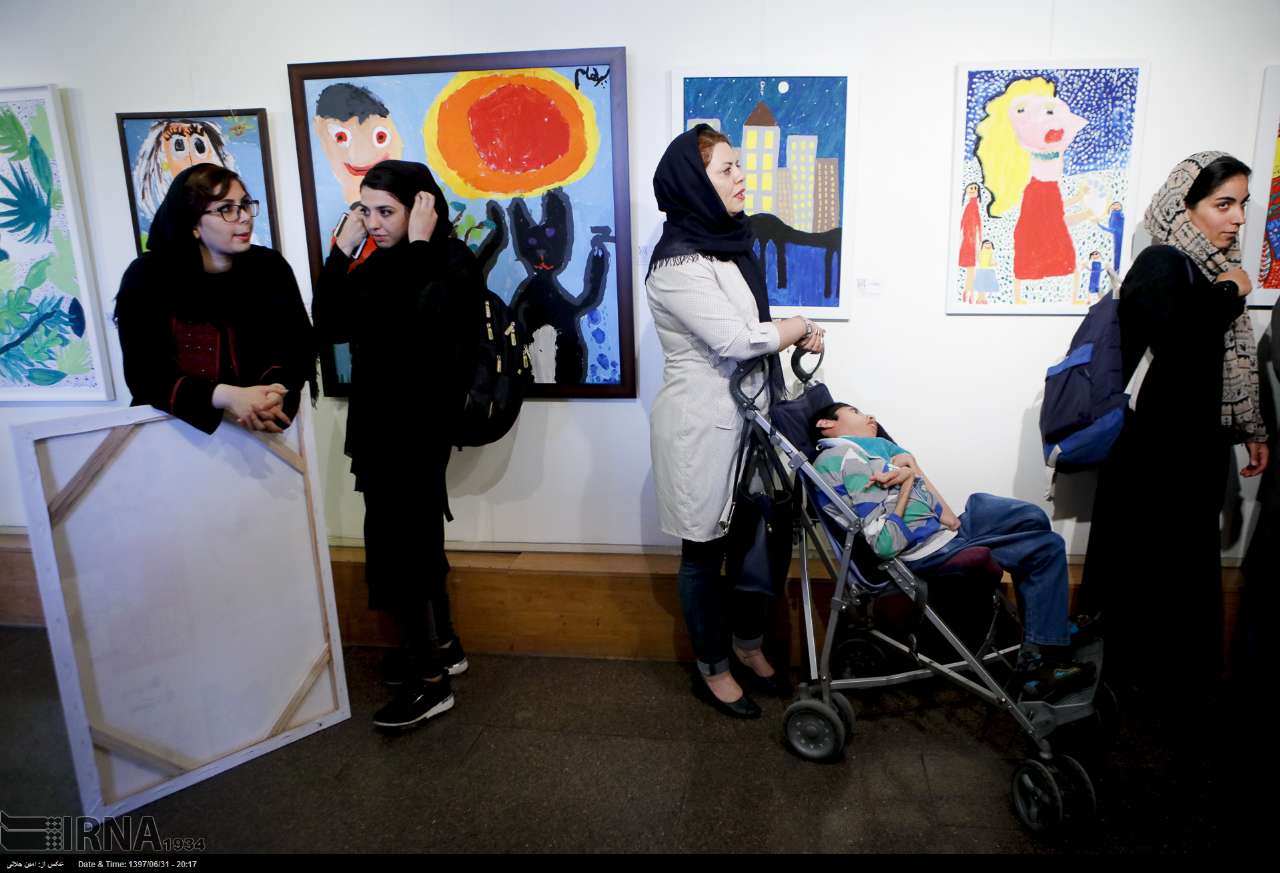
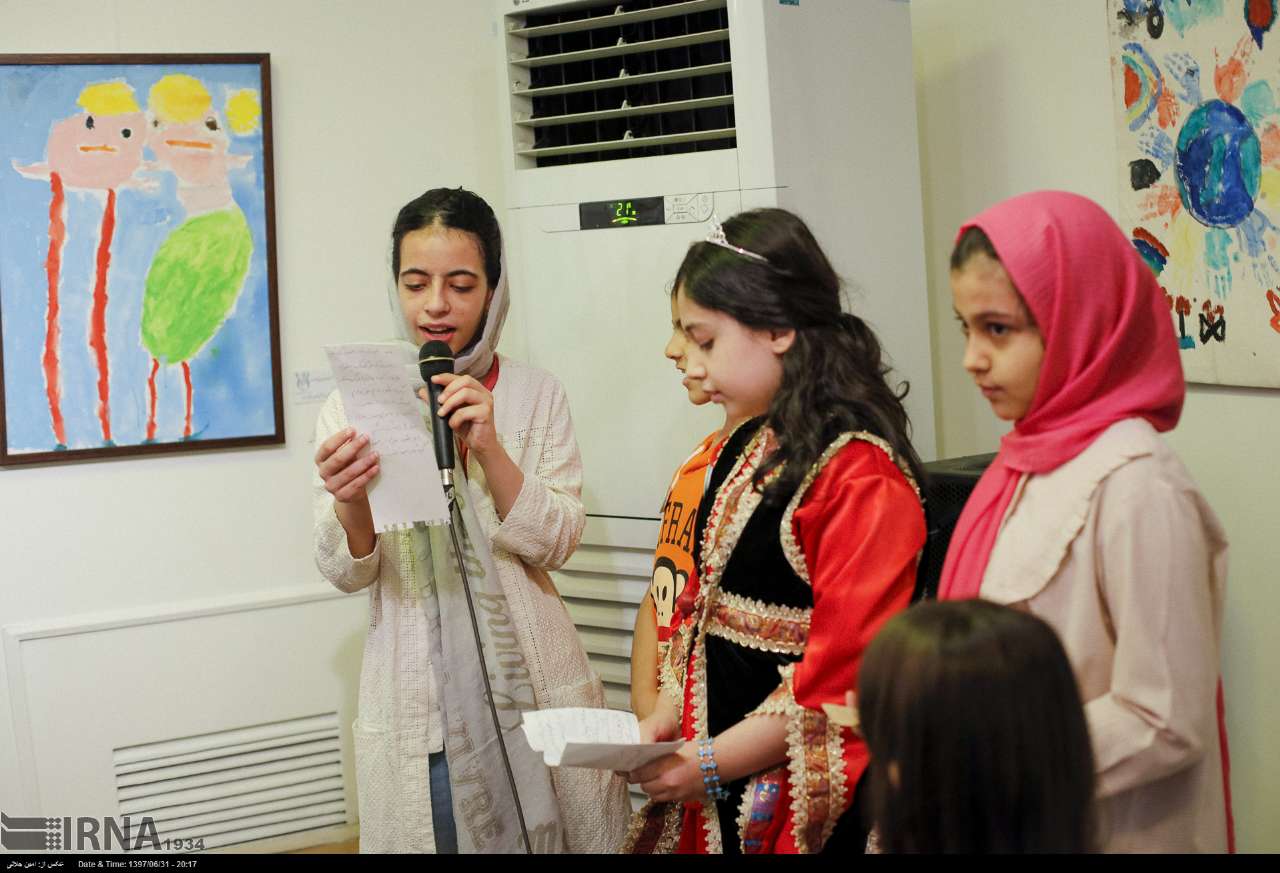
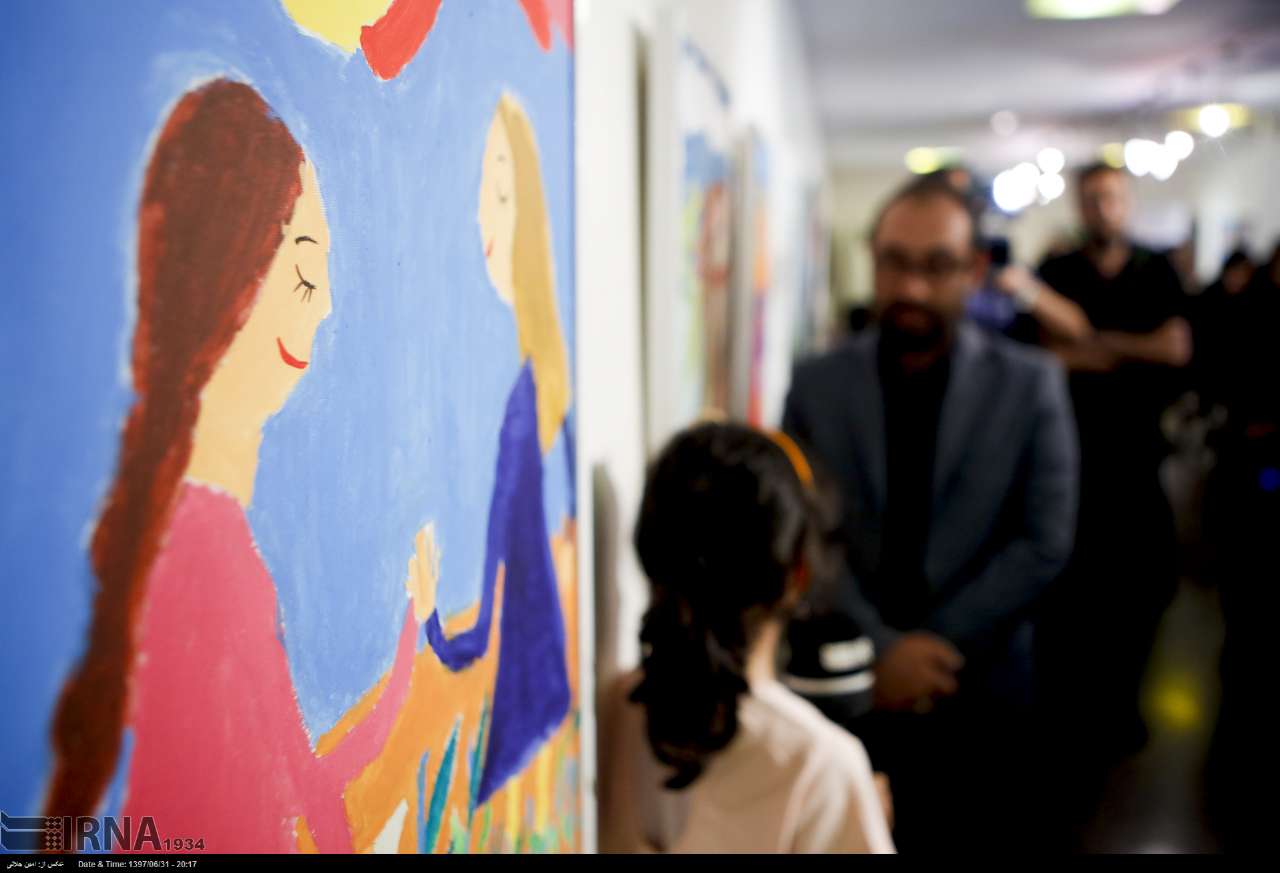
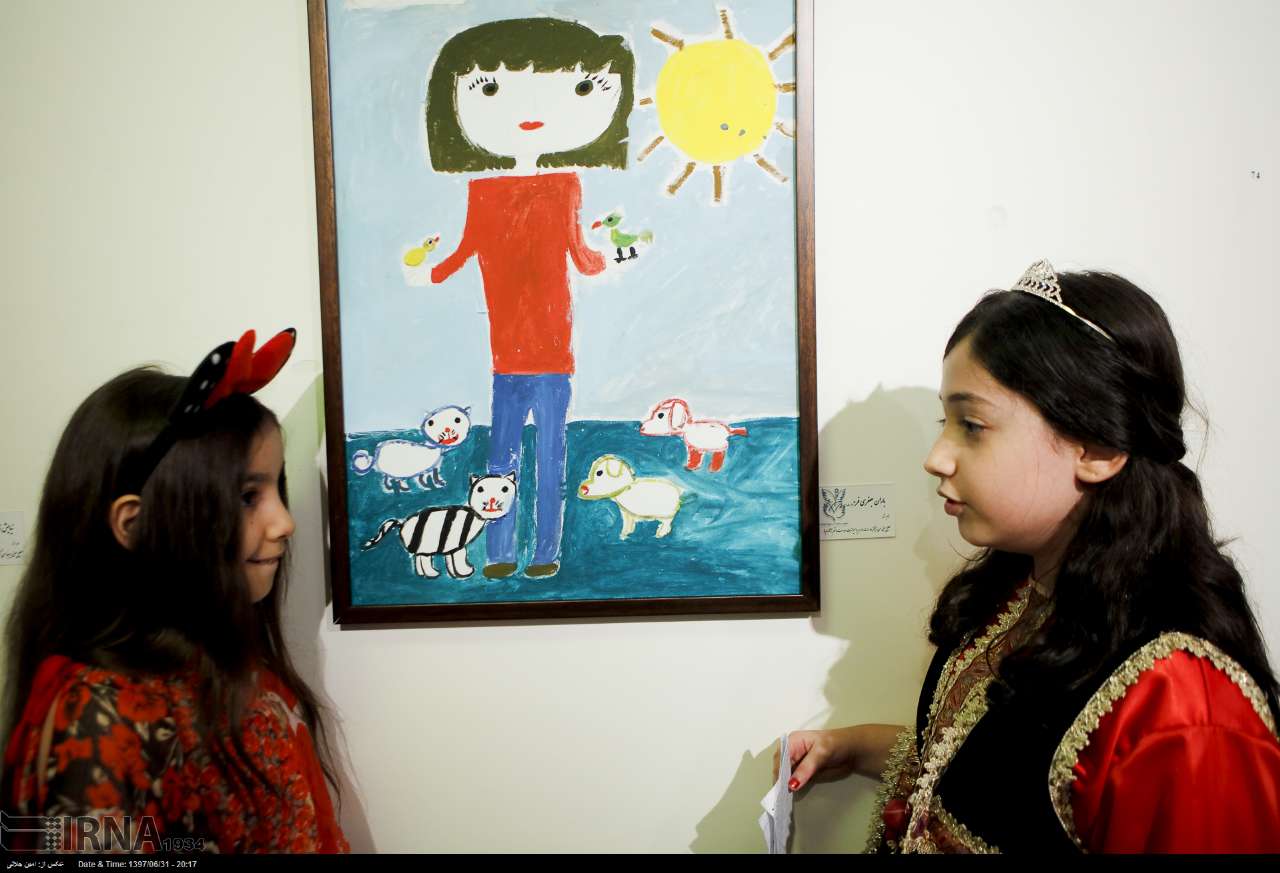
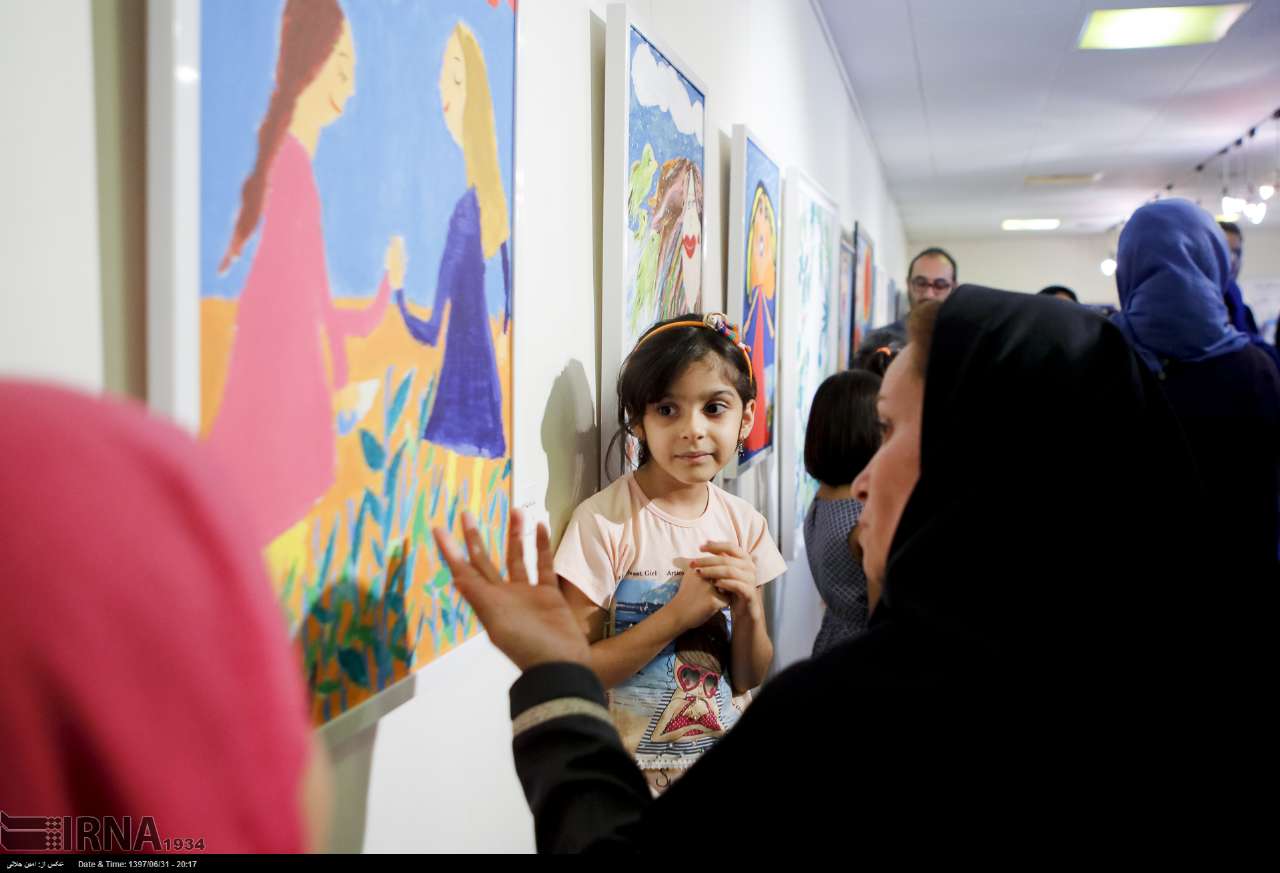
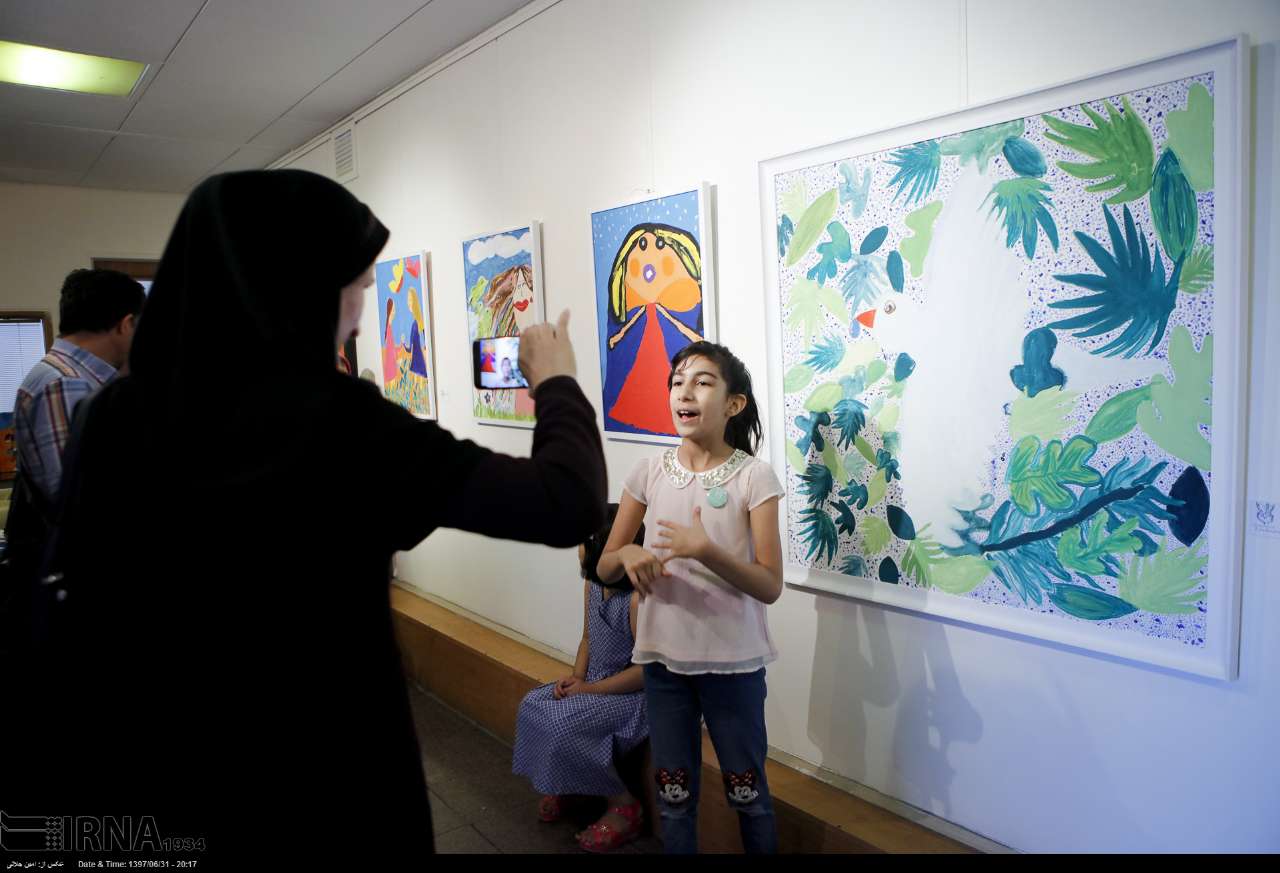
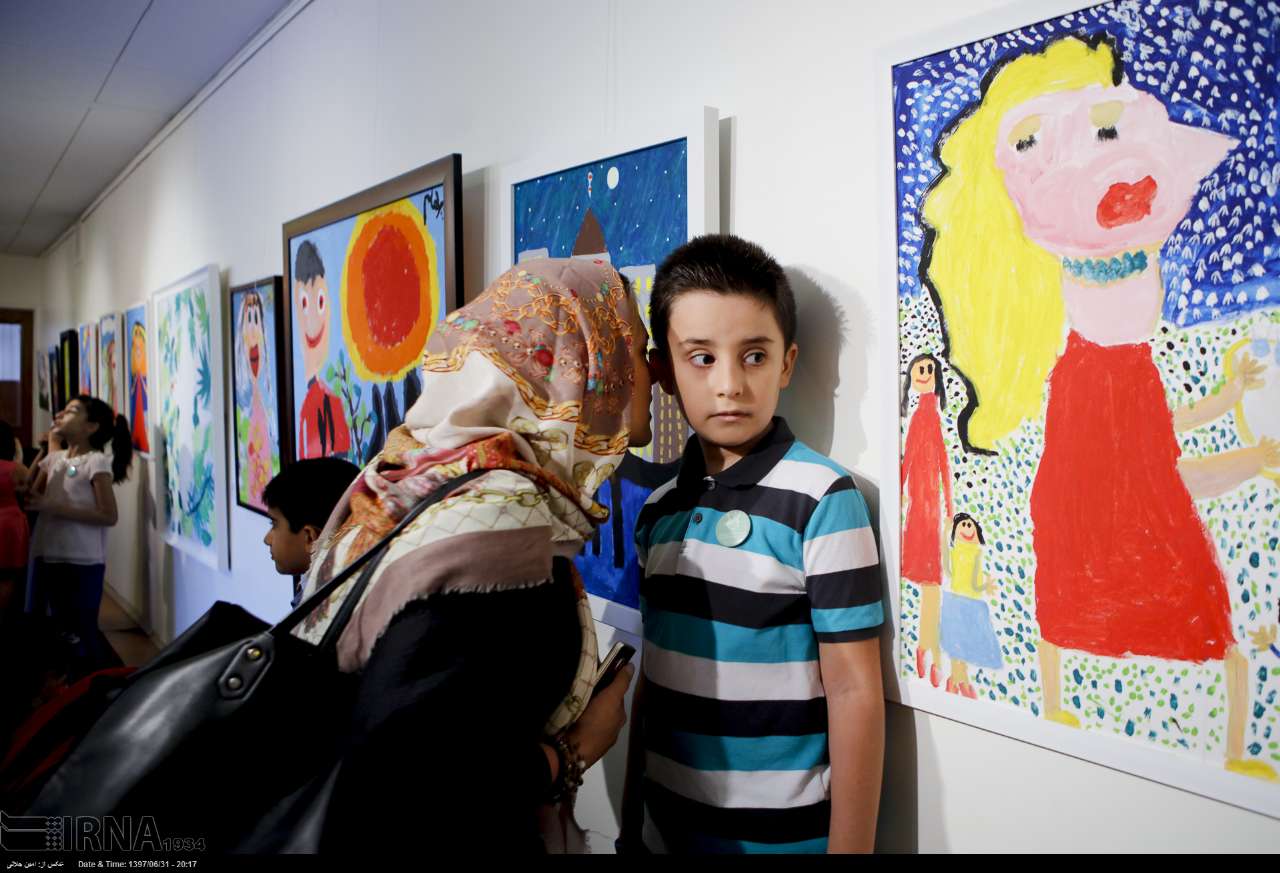
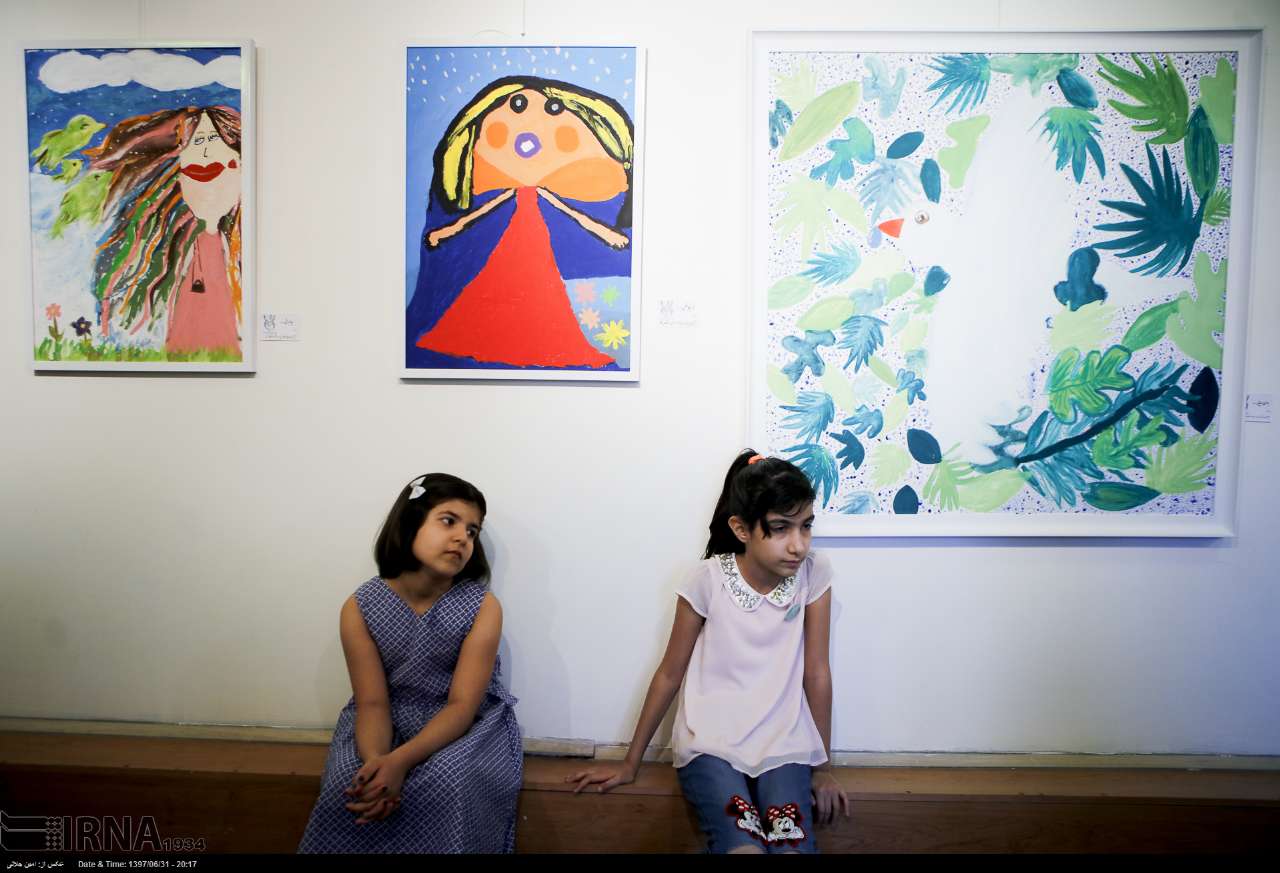
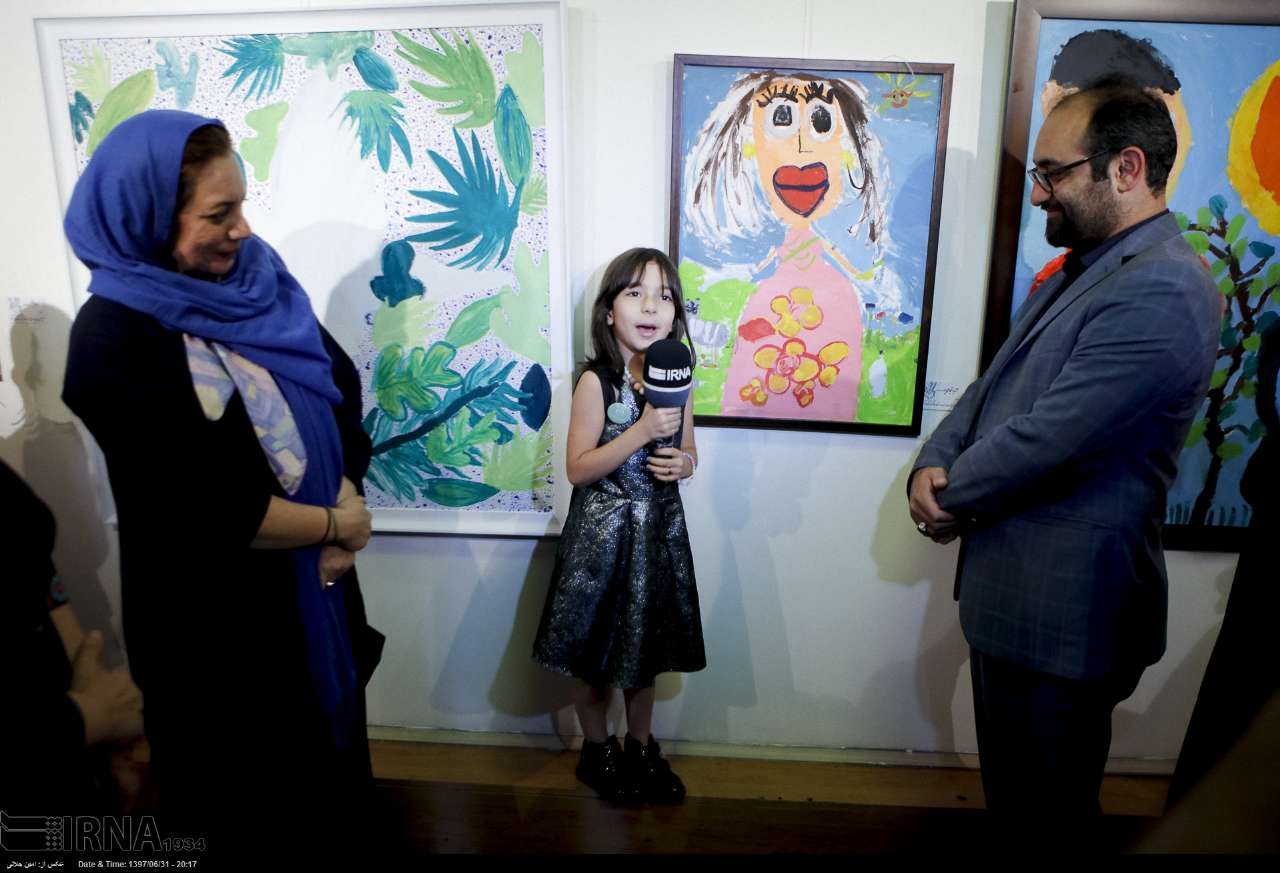
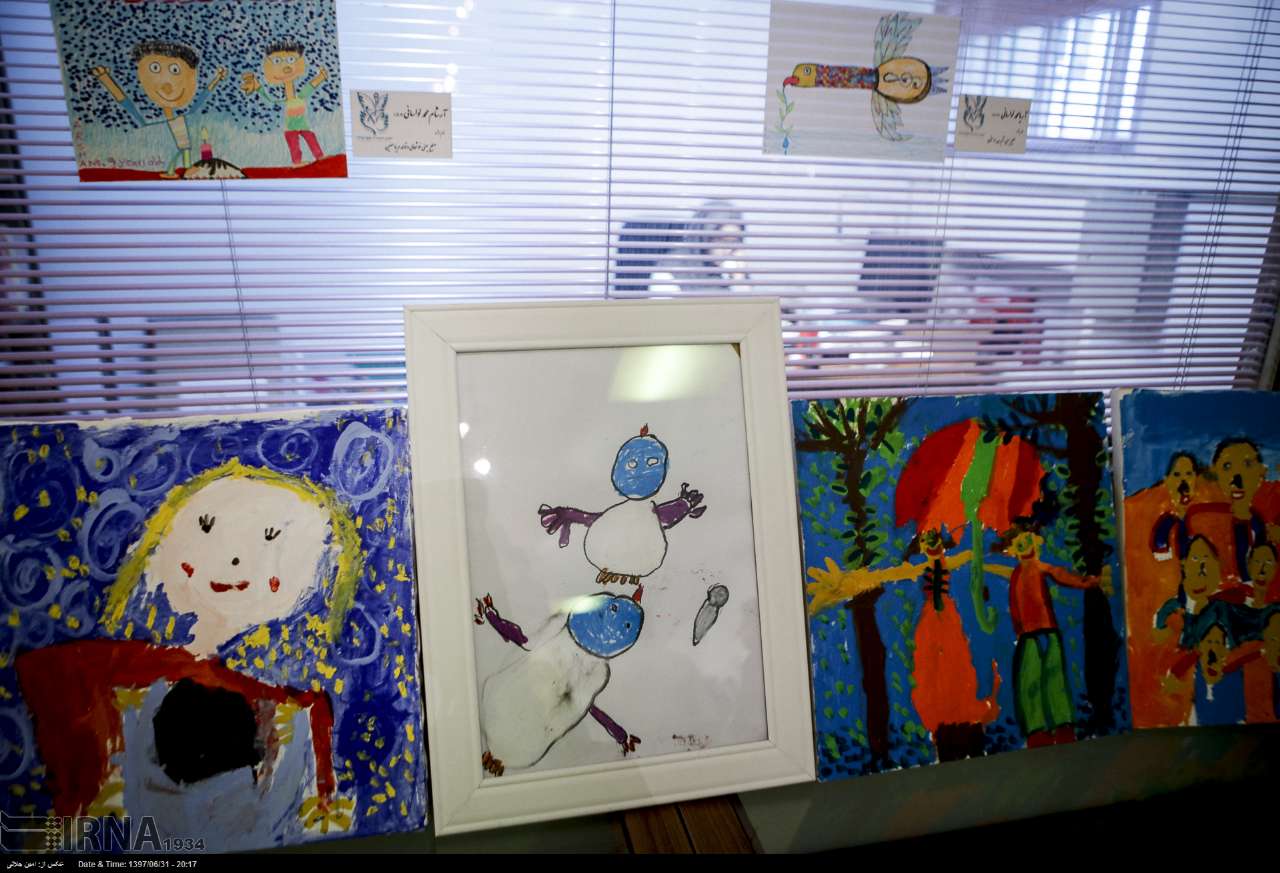
Iranian Children Use Painting to Call for Global Peace    

The exhibition, called “Peace in the Painting Frame”, was held at Shafaq Culture House.

What follows are IRNA’s photos of the exhibition:

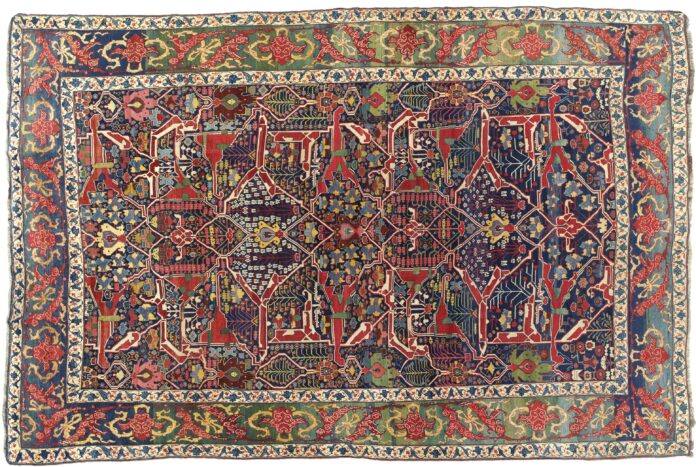
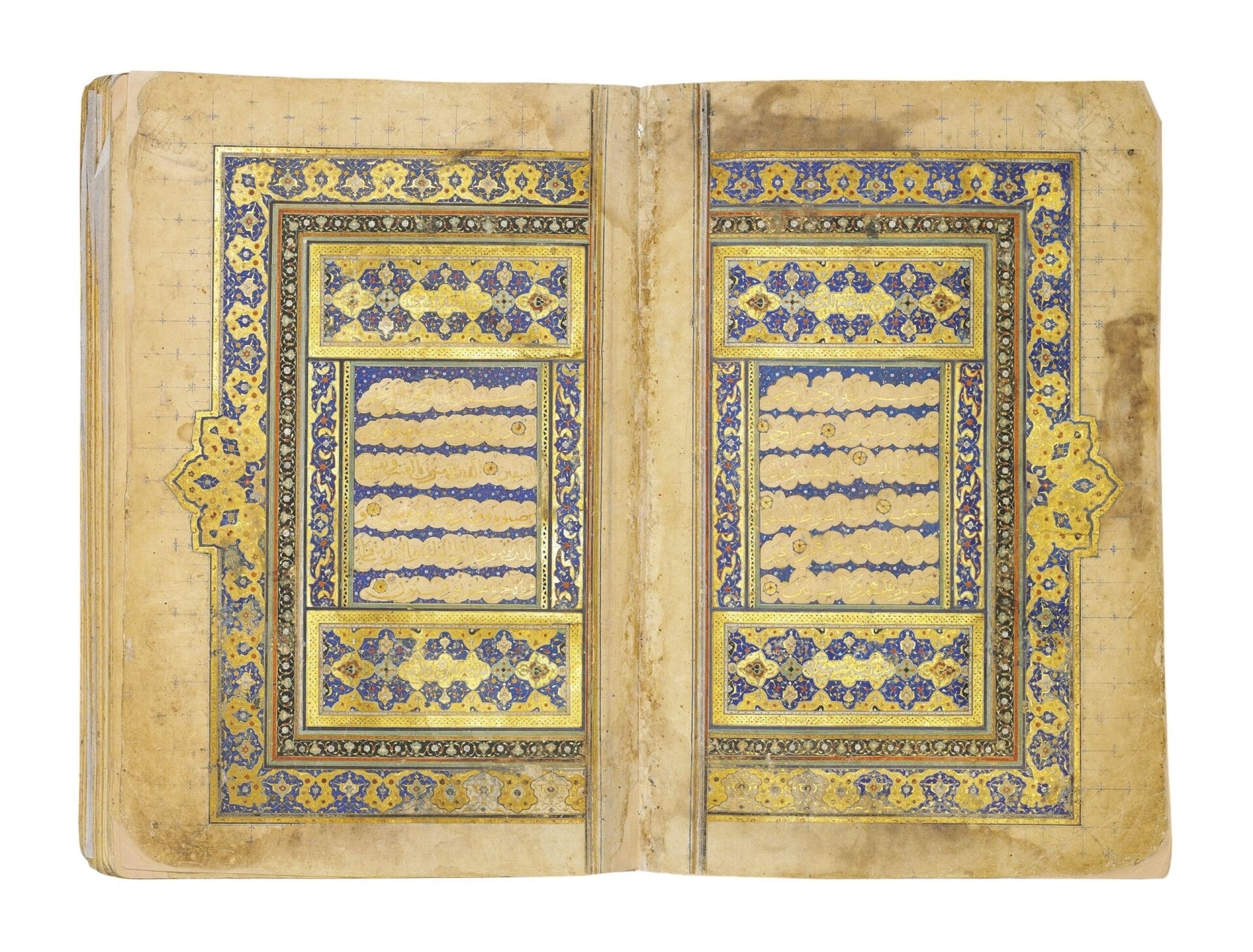
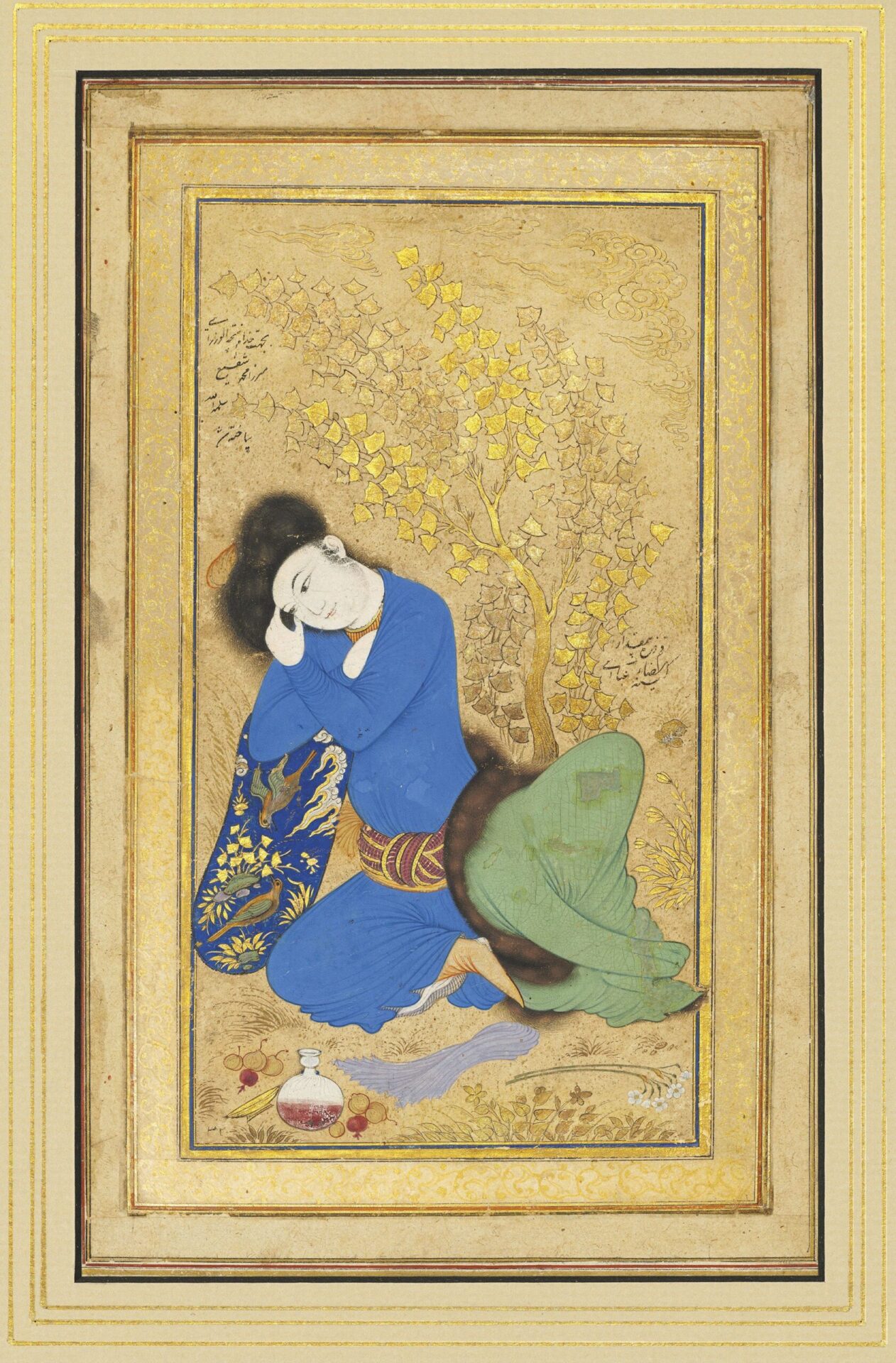
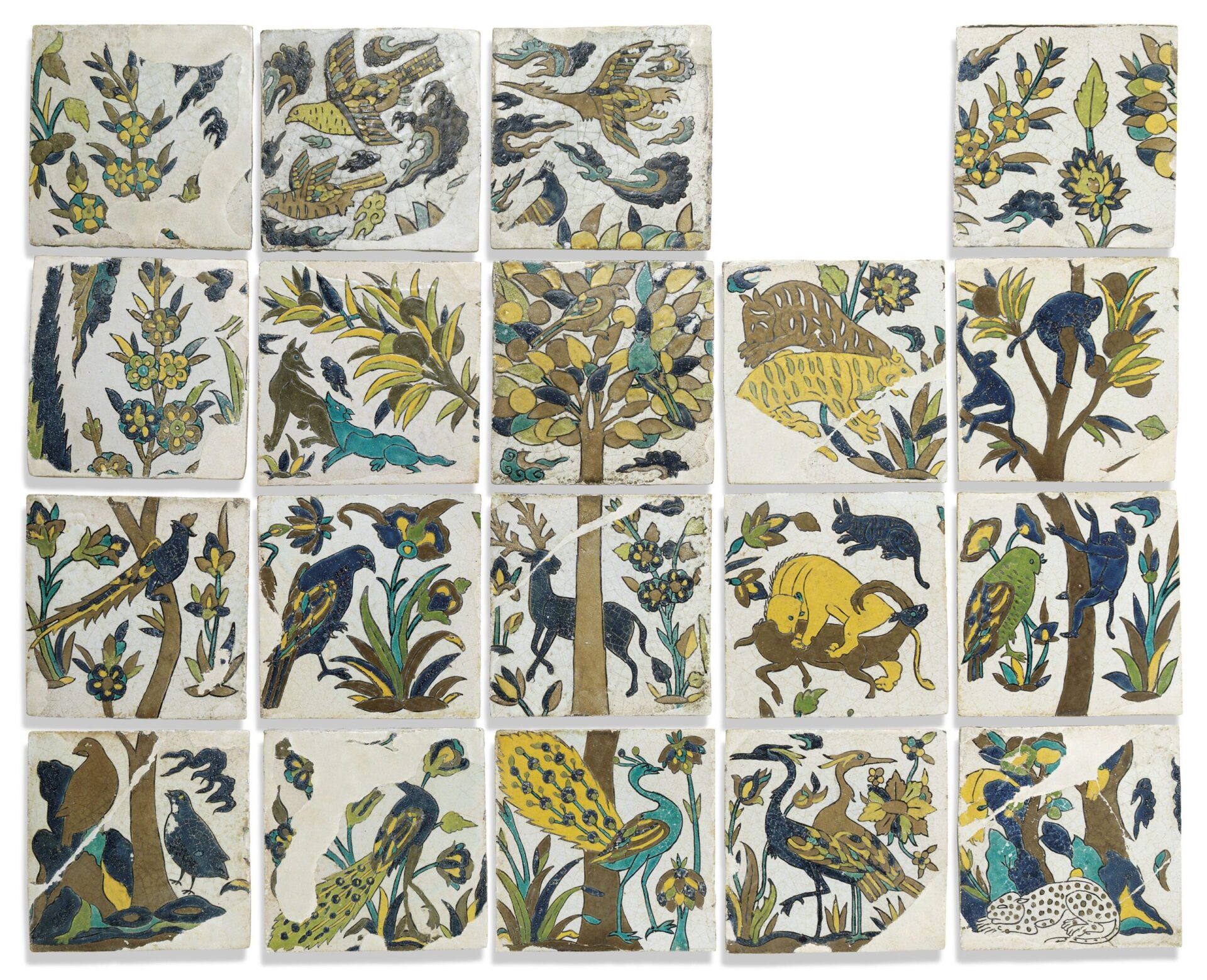
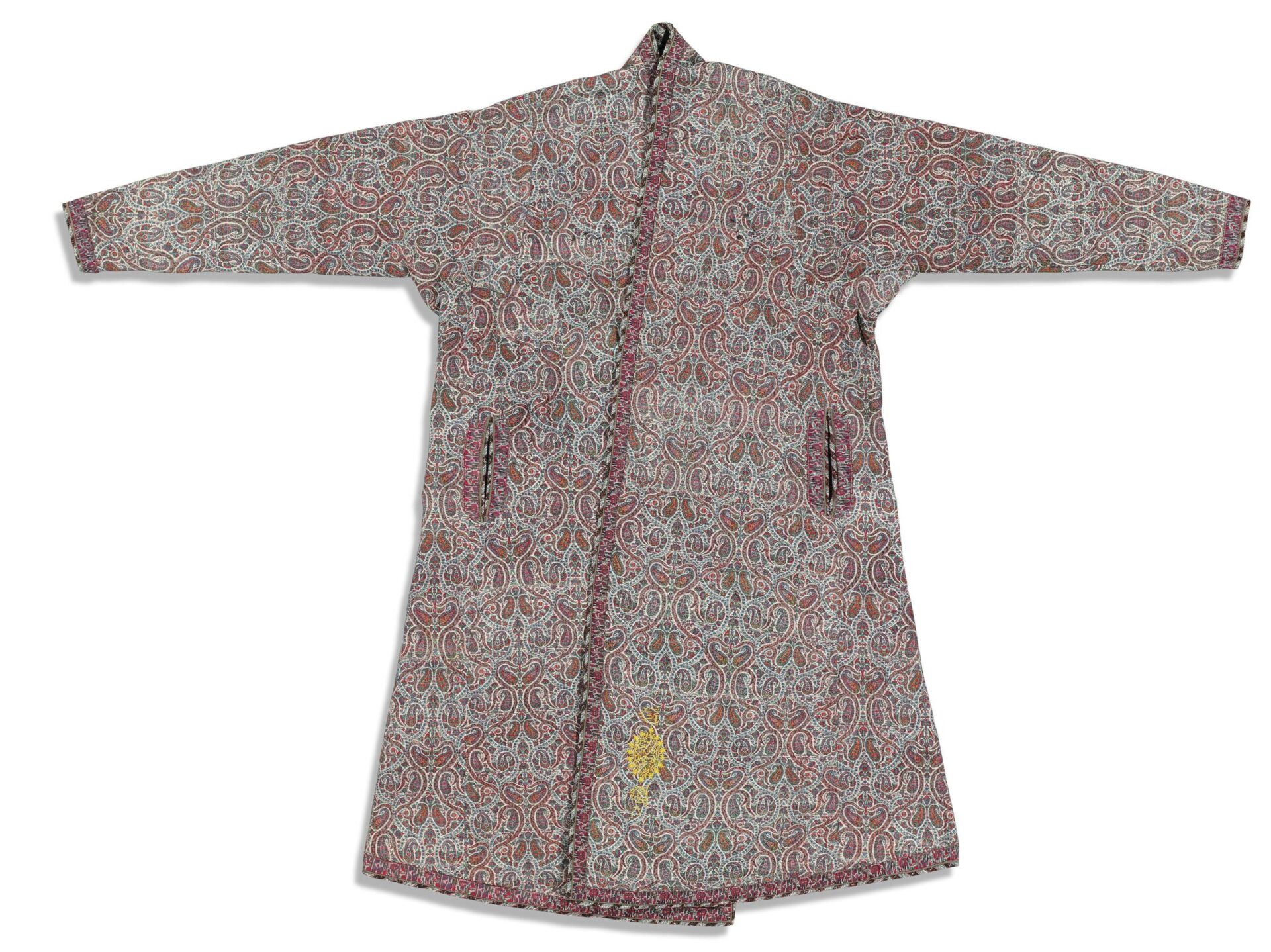
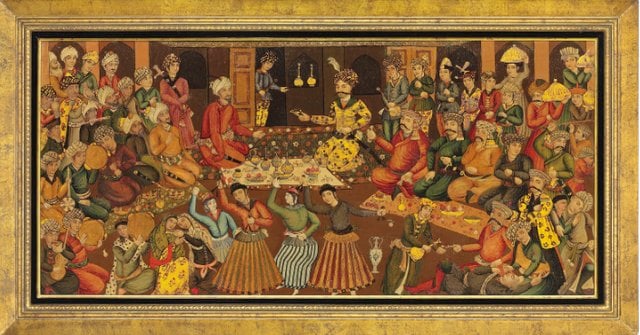
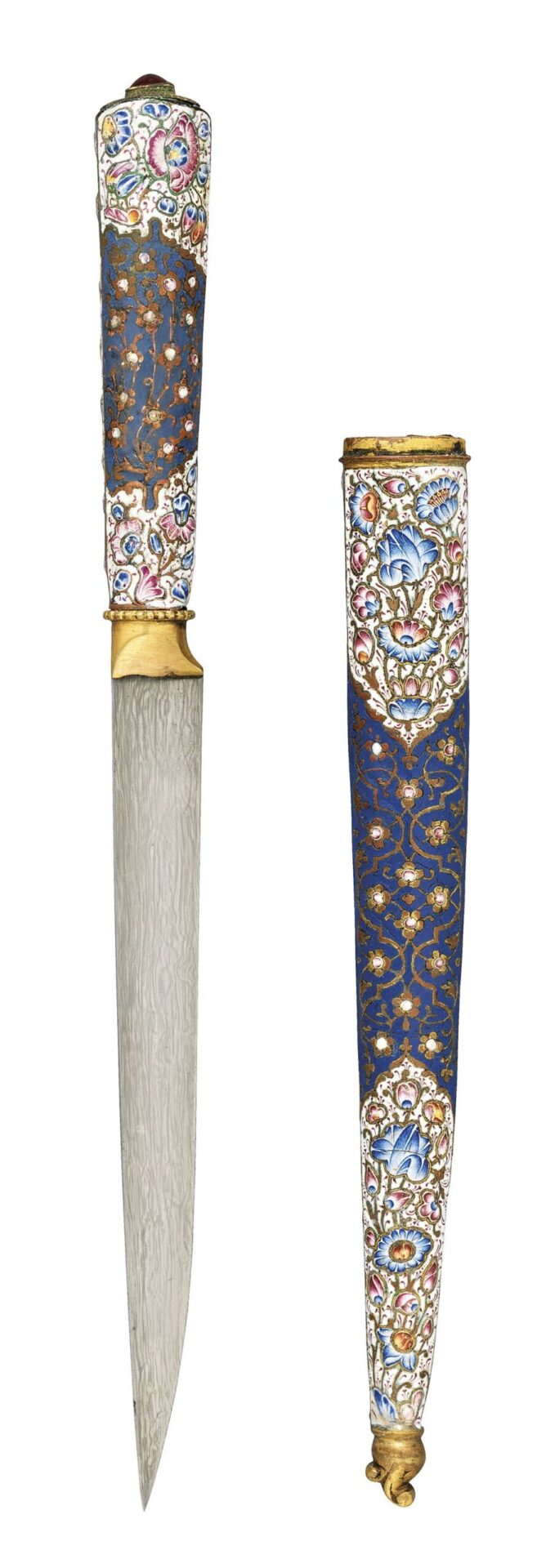
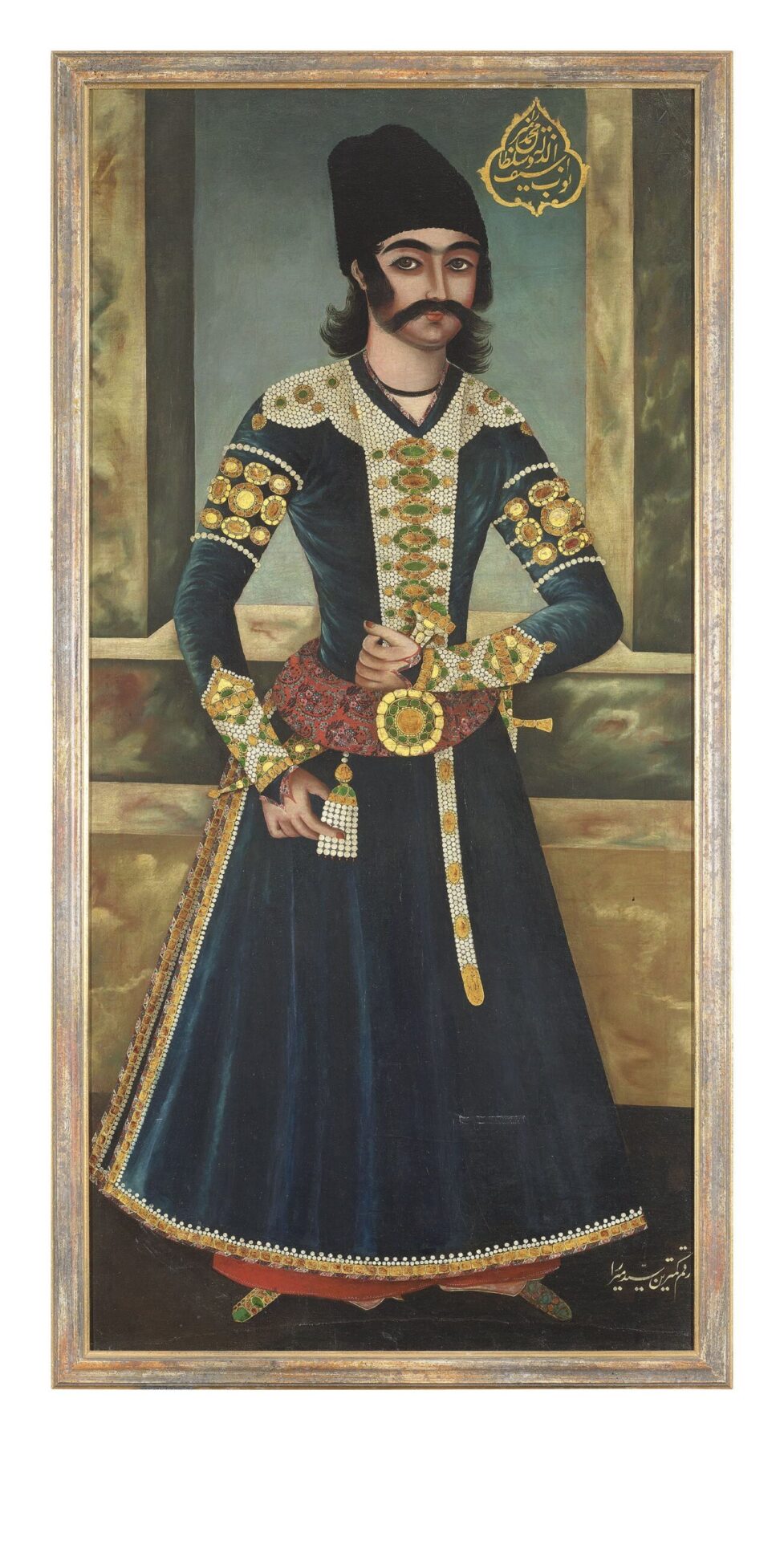
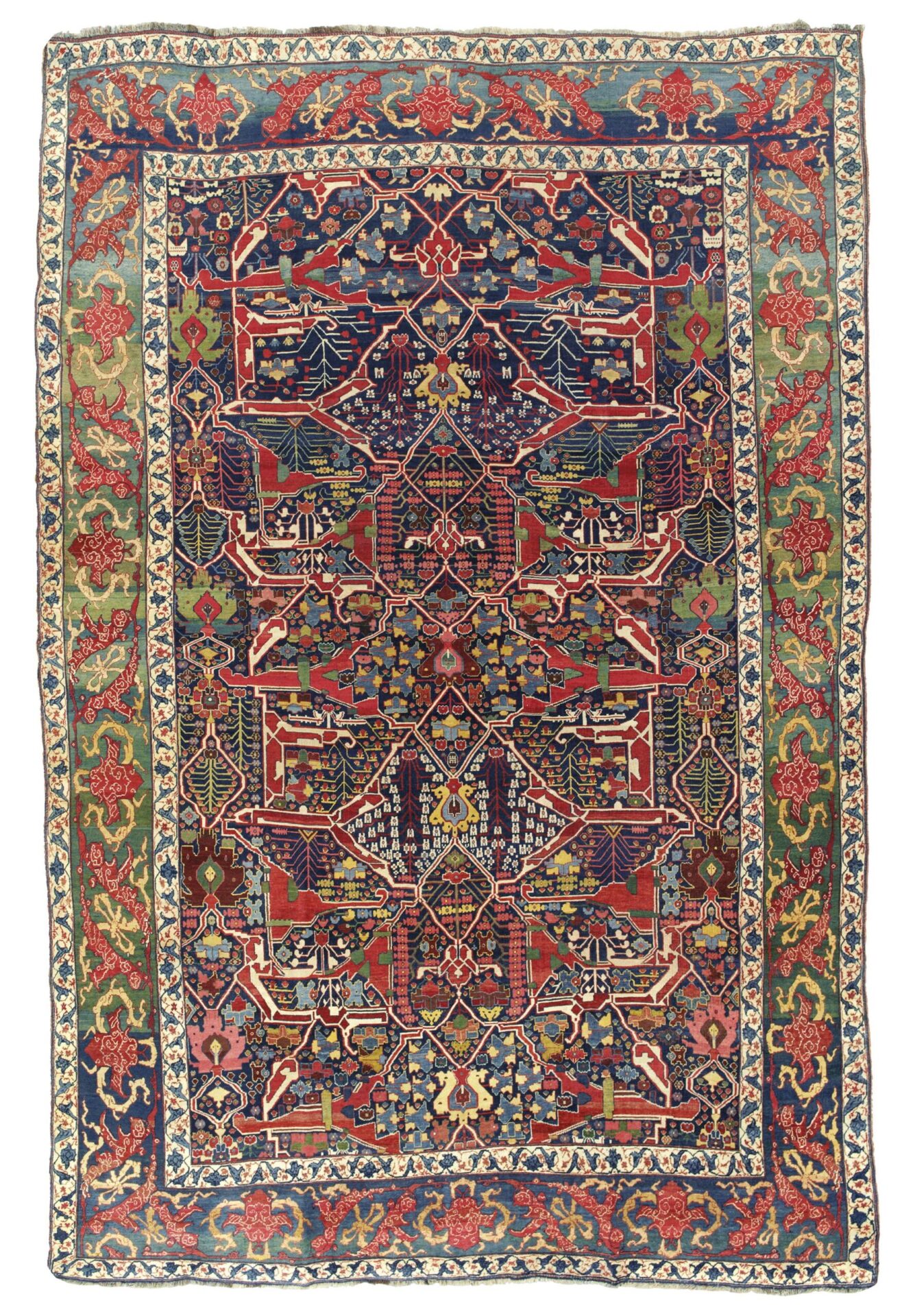
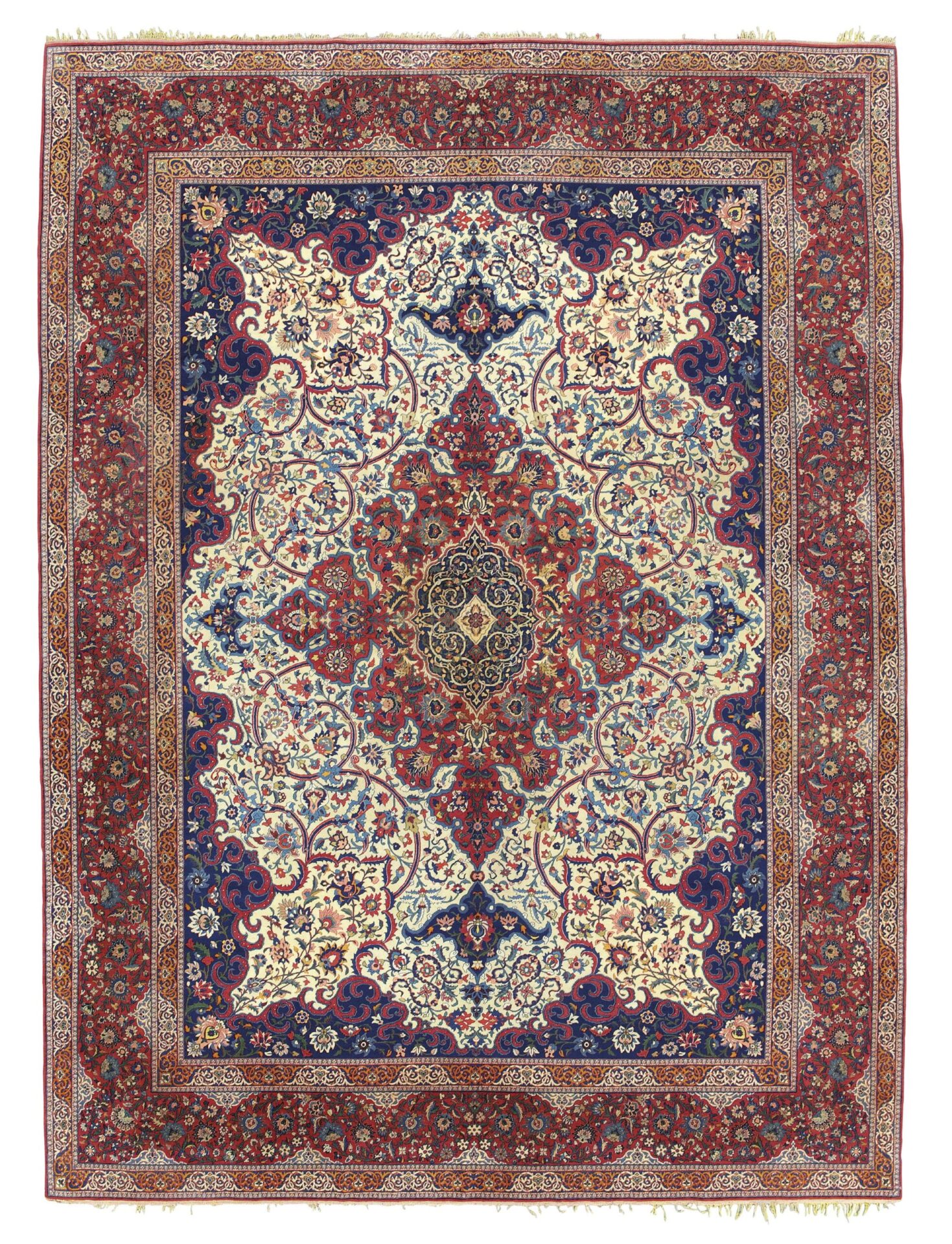
150 Iranian-Islamic Works to Be Auctioned at Christie’s London

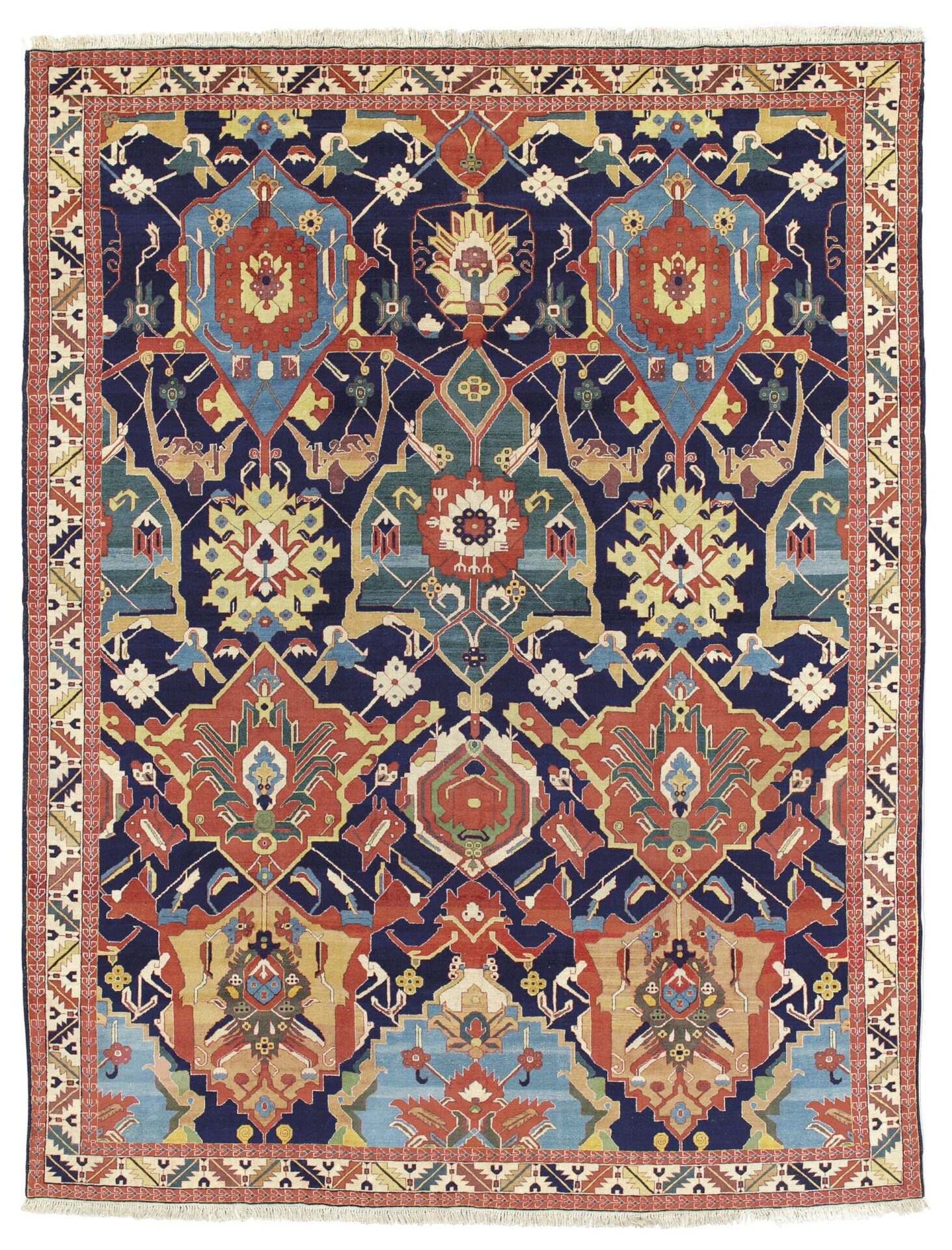
In this exhibition, which is called Art of the Islamic and Indian Worlds, nearly 150 Iranian works are going to be auctioned at an initial price of $1,000 to more than $230,000.

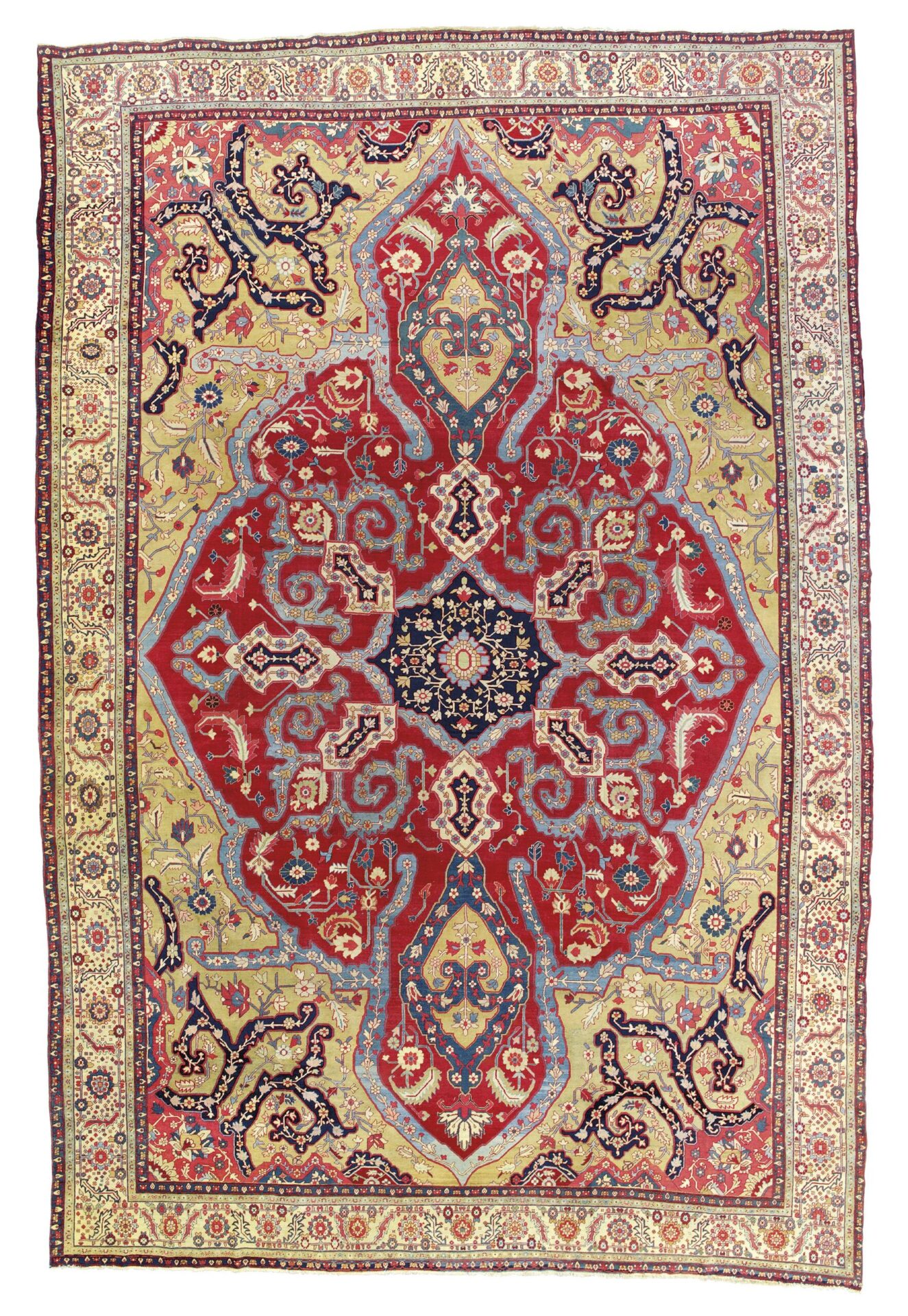
The works include the manuscripts of the holy Quran, Ferdowsi’s Shahnameh (Book of Kings), and Rumi’s Masnavi next to the paintings and tiles of the Safavid period as well as 45 Persian rugs.

At the Christie’s auction, a total of 385 works from Iran, India, Turkey, China, Syria, Saudi Arabia, Spain, Russia, Palestine, Morocco, Jordan, Italy, Egypt, Britain, Iraq, Uzbekistan, Turkmenistan and Tunisia will be sold to the visitors.

Among the Iranian works, a manuscript of holy Quran belonging to the Safavid era is ranked first as the most expensive Iranian work and the second most expensive work in the auction.

Among the 45 Iranian rugs, a Bijar carpet and a carpet of Isfahan are the most expensive ones.

Iraq President Calls for Enhanced Ties with Iran

President Saleh met with Iran’s Ambassador to Baghdad Iraj Masjedi at the seat of the Iraqi presidency, the al-Salam Palace, in the capital on Sunday night.

During that meeting, Saleh pointed to the commonalities and the long-running relationship between the two nations and called for the deepening of bilateral ties.

Saleh said that in telephone conversations with regional leaders and in meetings with envoys from various countries, he had stressed the importance of deescalating tensions in the region and the enhancement of relations with Iran, according to Islamic Republic News Agency (IRNA).

The Iraqi president said the betterment of relations among the countries in the region would serve both Iraq and other regional states.

A group of Arab countries in the Persian Gulf have developed hostilities toward Iran. And Iraq considers itself to be the field of a proxy war between those regional governments and Tehran. Iran, for its part, has said it is involved in no such war, and on October 4, Iranian Foreign Minister Mohammad Javad Zarif once again extended a hand toward regional countries in spite of their hostilities.

The United States, under former president George W. Bush invaded Iraq in 2003, claiming that the then-Iraqi regime possessed weapons of mass destruction. No such weapons were ever found. And President Bush later called his decision to order the invasion of Iraq “an emotional one.” In a memoir published in 2010, he also claimed, “No one was more shocked and angry than I was when we didn’t find the weapons [of mass destruction].”

Bush’s successor, former president Barack Obama, officially ended the occupation of the Arab country in 2011.

Despite the end of the occupation, and the tacit American expressions of guilt, Iraq continues to reel from the American invasion and years of occupation and the persisting insecurity that it has caused to this day.

Saleh, a Kurdish politician, was elected president at the Iraqi parliament on October 2. Parliamentary elections had been held earlier, in May.

Ambassador Masjedi congratulated President Saleh on his election in their Sunday meeting and affirmed the Iraqi president’s stance on the betterment of ties between Tehran and Baghdad.

Iran Seizes over One Tonne of Heroin NW Border

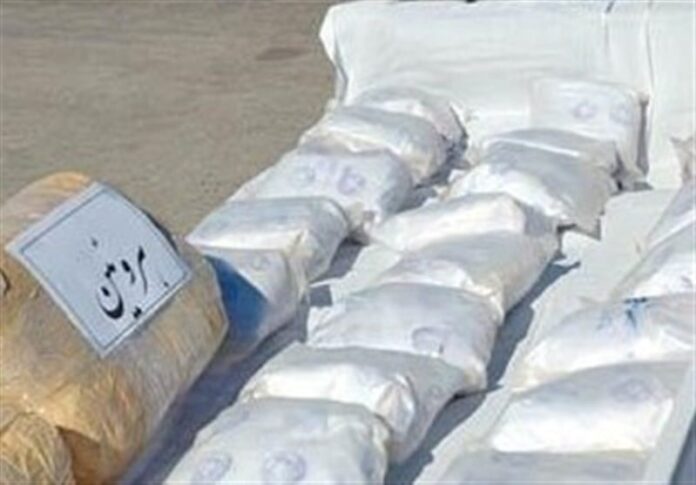
In a statement, the Intelligence Ministry said the drug shipment weighs 1,075 kilograms and is estimated to cost around 4,000 billion rials.

The shipment was detected at Bazargan border region in northwest Iran before an international drug ring could smuggle it into Europe, it added.

The smugglers had adroitly hidden the illicit drugs inside export commodities, the statement said, adding that it was one of the largest hauls seized in recent years.

Iran, which has a 900-kilometer common border with Afghanistan, has been used as the main conduit for smuggling Afghan drugs to narcotics kingpins in Europe.

Despite high economic and human costs, the Islamic Republic has been actively fighting drug-trafficking over the past three decades.

The country has spent more than $700 million on sealing its borders and preventing the transit of narcotics destined for European, Arab and Central Asian countries.

The war on drug trade originating from Afghanistan has claimed the lives of nearly 4,000 Iranian police officers over the past four decades.

Iran, Sweden Discuss Yemen Crisis in Tehran

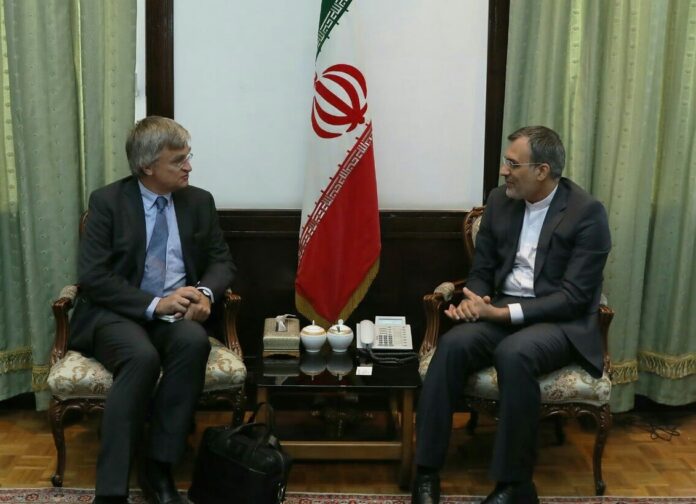
In their Sunday meeting in Tehran, Jaberi Ansari and Peter Semneby exchanged views on the latest developments in Yemen.

They also talked about Iran-Sweden cooperation in order to help put an end to the Yemen crisis and the human catastrophe in the country.

The Swedish ambassador to Tehran was also present at the meeting.

Yemen is in the grip of a humanitarian disaster with millions facing starvation and disease after years of war on the country waged by Saudi Arabia and its allies.

The Saudi-led war in Yemen started in March 2015 as an attempt to crush the Houthi Ansarollah movement in the region and reinstall former president Abd Rabbuh Mansur Hadi. The conflict has created a dire humanitarian situation in the country.