Monday, December 22, 2025
Home Blog Page 3439

Khashoggi Case to Be Closed by Scapegoating Some Consulate Staff

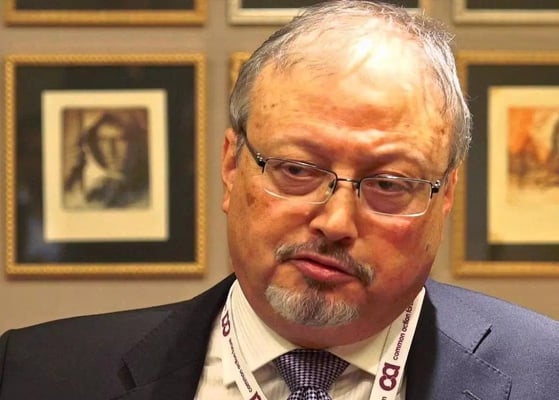
Saudi journalist Jamal Khashoggi entered Saudi Arabia’s consulate in Istanbul on October 2 to obtain a document certifying he divorced his ex-wife, but he has not been seen since. Turkish security officials claim that there is strong evidence that Khashoggi was killed inside the consulate and his body has been dismembered to be transferred outside. Saudi officials have countered the claim, asking Turkey to provide the necessary evidence to prove the allegations.

Usually when security officials in a country confirm an incident and insist on their views, they should not be ignored. Particularly, with the advancement of intelligence systems, security officials can easily understand what is happening inside foreign embassies, or even they may have the sound record or image of the incident.

Today, in many countries, especially NATO members, there are systems whose main task is to keep track of diplomats’ communications. These systems covertly watch the activities of foreign agencies.

Thanks to the advancement of technology, modern-day supercomputers available to security agencies can tap mobile phones, fax machines, e-mails, and take satellite images; therefore, the Turkish authorities cannot be unaware of what has happened inside the consulate.

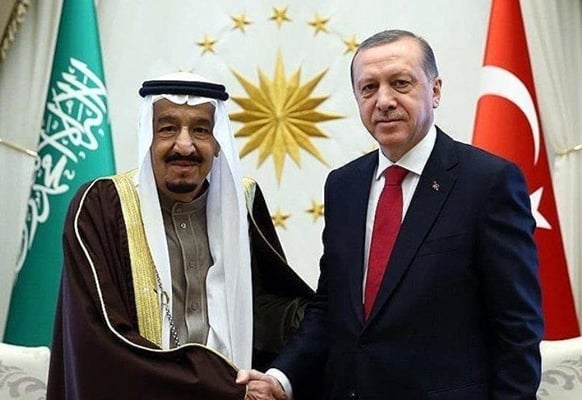
Telephone conversations between King Salman and Recep Tayyip Erdogan and the deployment of head of intelligence of the kingdom Khaled al-Hamidan to investigate Khashoggi’s case, exchange of information with security officials in Turkey, and possibly receiving evidence related to the disappearance of Saudi journalist confirm the claims raised by Turkey.

Of course, it is unlikely that the outcome of the talks between the security authorities of Turkey and Saudi Arabia will be publicly announced, and the aspects of the murder or abduction of the Saudi journalist is unlikely to be published, as Ankara and Riyadh may compromise over the case.

Naturally, the Saudi government will try to use its petrodollars to mask the case just like the crisis of abducting Saad Hariri, the massacre of the defenceless Yemeni people, the execution of Sheikh Nimr, the Mina tragedy, the suppression of religious and academic characters, the imprisonment of Saudi princes at the Ritz Carlton hotel and confiscation of their wealth.

Saudi officials will probably use one or two of the consulate General’s staff members as scapegoat and punish them to close the case.

Today, with its extreme actions, Saudi Crown Prince Mohammed bin Salman has moved towards a kind of Trumpism, and in this path he has turned into a modern Arab fascist and racist. This approach is definitely a serious threat to the security of the countries of the region. The countries of the region, the advocates of human rights, the media, and all thinkers and journalists should not be ignorant of the extreme actions of Saudi rulers and take the necessary measures to deal with this danger.
World Must Pressure Israel into Working with IAEA: Analyst

Nosratollah Tajik, a former Iranian ambassador to Jordan, in a recent interview with Jam-e-Jam Online, said that Tel Aviv must first let the IAEA inspectors visit its facilities, and then officially announce the number of its nuclear warheads.

“The Zionist regime expects other countries to comply with non-proliferation treaties while it keeps its nuclear arsenal and does not allow nuclear inspectors to monitor its activities,” Tajik said.

Under such circumstances, he added, one should not expect that other countries do the opposite and restrict themselves.

He also pointed out that one of the important strategies of Iran after the 2015 nuclear accord was to move towards a Middle East free from nuclear weapons.

This region should have maximum safety due to its vulnerabilities, lack of development, and being a strategic point in terms of supplying energy to countries in the Far East.

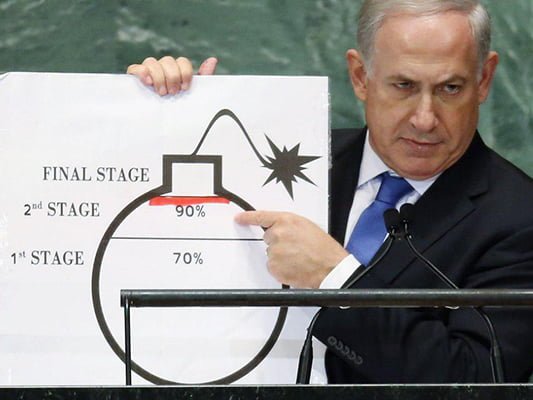
Referring to the recent statements made by Israeli Prime Minister Benjamin Netanyahu at the UN General Assembly, Tajik emphasised that to understand Bibi’s speech, one should study the Zionist regime’s strategy towards Iran.

He underlined that the Zionist regime is one of the parties that benefited the most from the Iranophobia project.

Tajik argued that before the signing of the nuclear deal, the Israeli regime’s activities had created a global consensus against Iran.

With the signing of the JCPOA, he said, all Iranophobic strategies of enemies failed. “However, with the election of Trump, a new American-Hebrew-Arab conspiracy was formed against Iran to start a project called Iranophobia 2.

Referring to a part of Netanyahu’s speech at the UN General Assembly, Tajik noted the Israeli PM was able to keep the Arab bloc away from Iran and encourage it to get closer to Israel.

He also pointed to Netanyahu’s theatrics on a “secret atomic warehouse” in southern Tehran, and said it seems a number of Iranian people or organisations, who are seeking to milk the Zionist regime, have sold the Israeli prime minister some inaccurate information in a way that he made fun of himself by repeating those information at the UNGA.

“As an analyst, when I see the IAEA has verified Iran’s implementation of its nuclear-related commitments for 12 times, there remains no doubt that the allegations raised by Netanyahu are a series of fake news aimed at influencing public opinion to make the Islamic Republic isolated.”

Iranian Schools Exempted from Paying Water, Power, Gas Bills

The dramatic devaluation of Iran’s national currency rial against the US dollar over the past few months has been taking its devastating social and cultural toll on Iranian children, hampering their education.

The devaluation has been mainly caused by the US’ sanctions on the Islamic Republic. Despite what the US officials claim, it is the Iranian people, particularly the vulnerable social classes, who are paying a heavy price for Donald Trump’s reckless policies towards other nations.

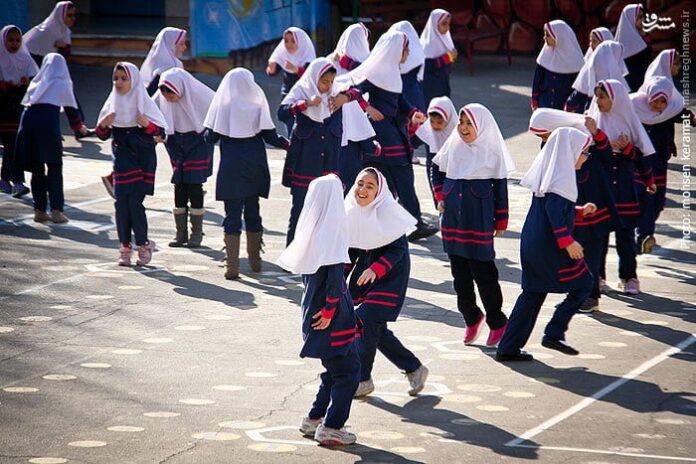
The new academic year in Iran started a few weeks ago amid a considerable growth of stationary prices due to the record depreciation of rial against the US dollar. The growing prices of basic commodities along with the soaring education fees in the new academic year have left most of the students’ parents incapable of affording to pay the hefty price of education for their children. This has led many students to leave their education unfinished.

To alleviate the problem and decrease the amount of money schools receive from students, the Iranian government has decided to increase the budget allocated to education. As part of the budget increase, the government has exempted all schools from paying water, power and gas bills.

Officials hope a long step could be taken in this field if other related organizations step into the fray and adopt similar measures for the students. This will also help the students’ families, exempting them from paying extra money to schools.

Head of the Public Relations of Tehran Education Department says schools are not allowed to receive money from parents under the pretext of holding special events for students.

“It’s illegal and the families should report any violation to the Assessment Centre of Education Departments,” he noted.

He went on to say that in the new academic year, the Education Ministry has adopted special measures to stop schools from receiving any money from parents.

“For example, exempting schools from paying power, water and gas bills, as announced by the government, is one of these measures.”

According to the official, the announcement should have been implemented as of the first month of this Persian year but the Power Distribution Company and Water and Wastewater Company continued to charge the schools until last month.

“Today, with the follow-ups made by the government, all schools will be exempted forever from paying gas, water and power bills,” he concluded.

Iranian Author on List of US 2018 National Book Awards Finalists

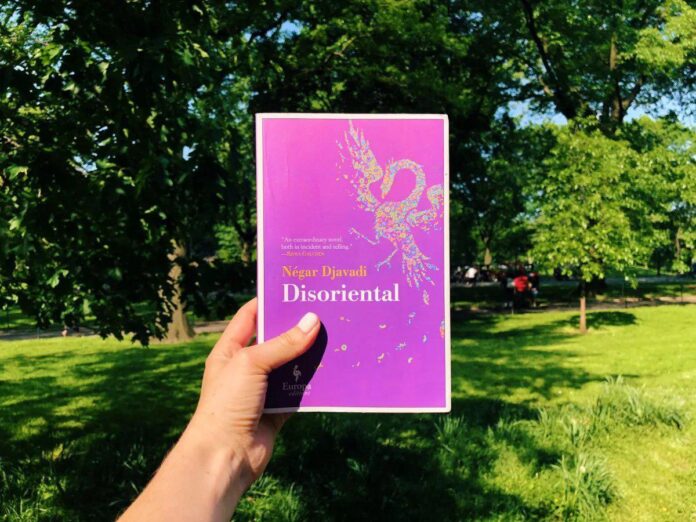
The novel Disoriental by Djavadi has found its way to the list of finalists in the translated works section. The following is the final list of nominees in the translated works section:

Disoriental by Negar Djavadi; translated by Tina Kover

Love by Hanne Ørstavik; translated by Martin Aitken

Trick by Domenico Starnone; translated by Jhumpa Lahiri

The Emissary by Yoko Tawada; translated by Margaret Mitsutani

Flights by Olga Tokarczuk; translated by Jennifer Croft

The novel Disoriental was first published in France in 2016 and won several awards.

The United States’ 2018 National Book Awards are presented to top authors in several fields, including fiction and non-fiction literature, poetry, translated works and children and young adults’ literature.

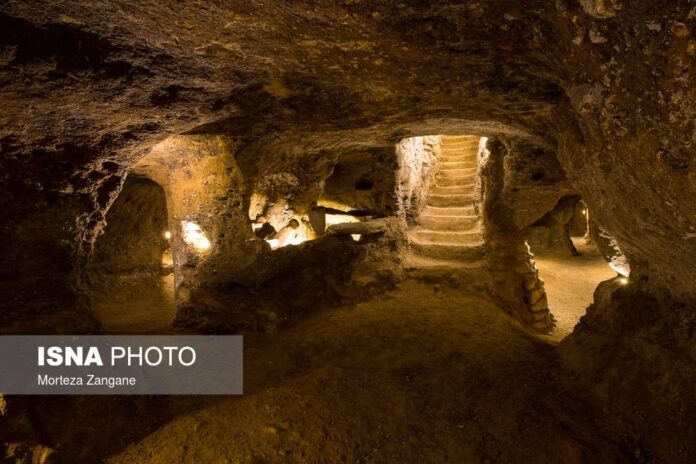
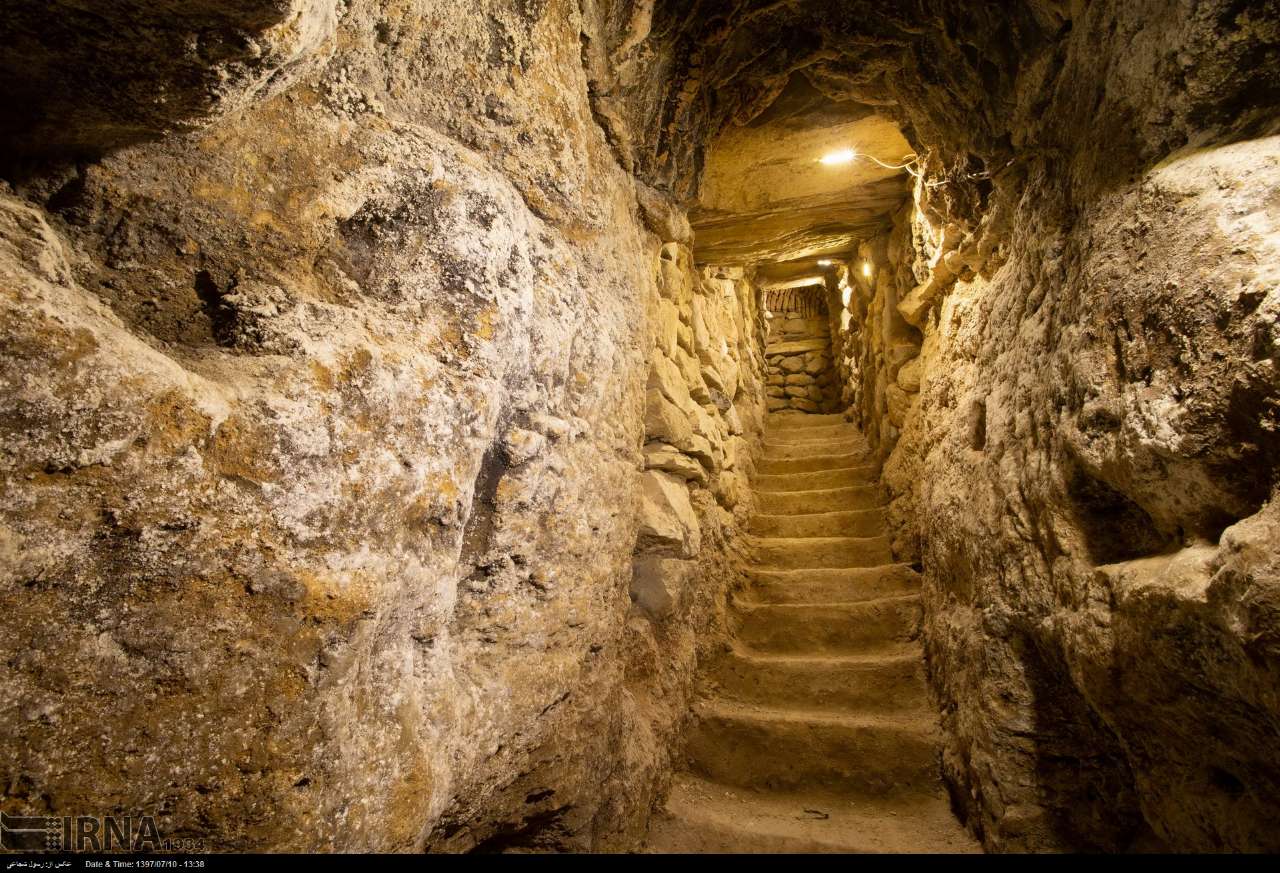
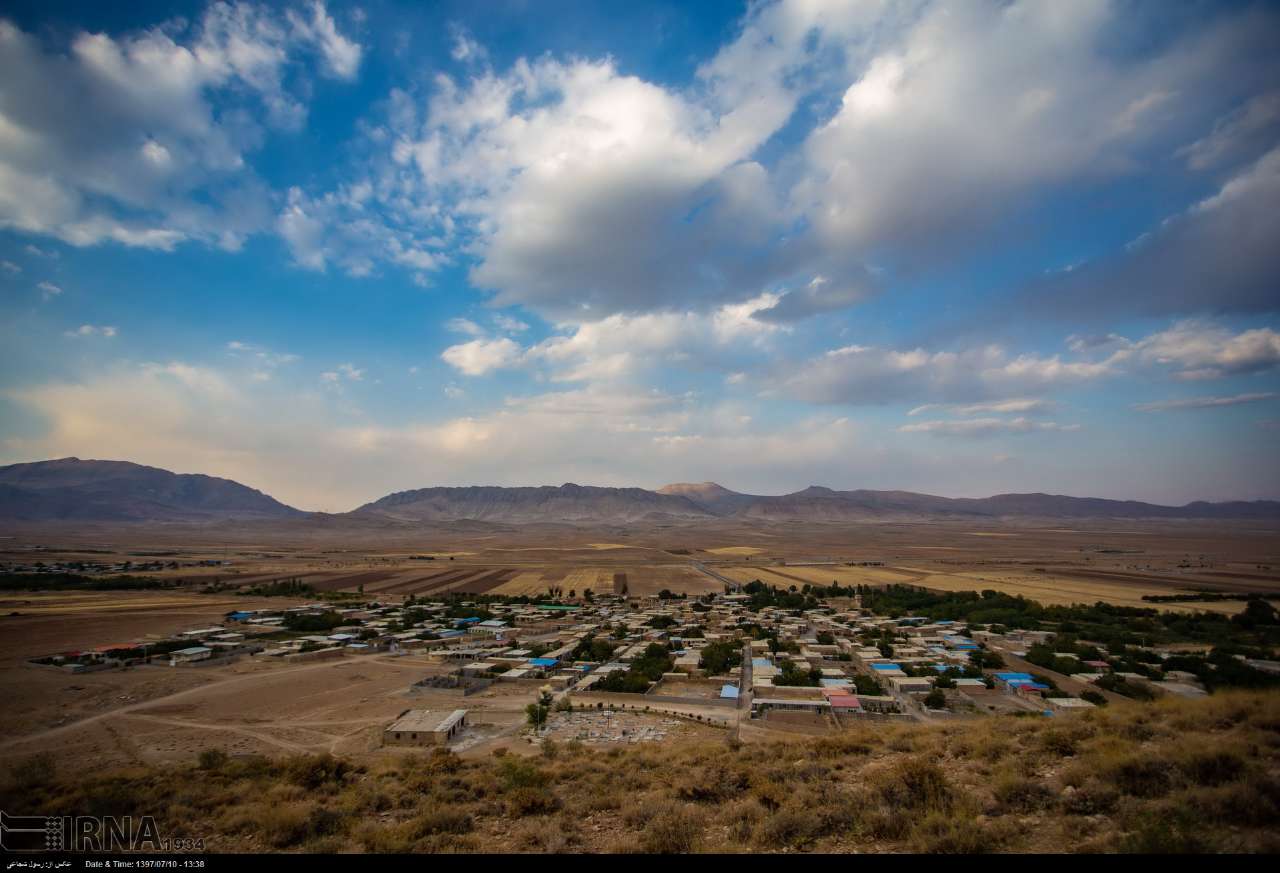
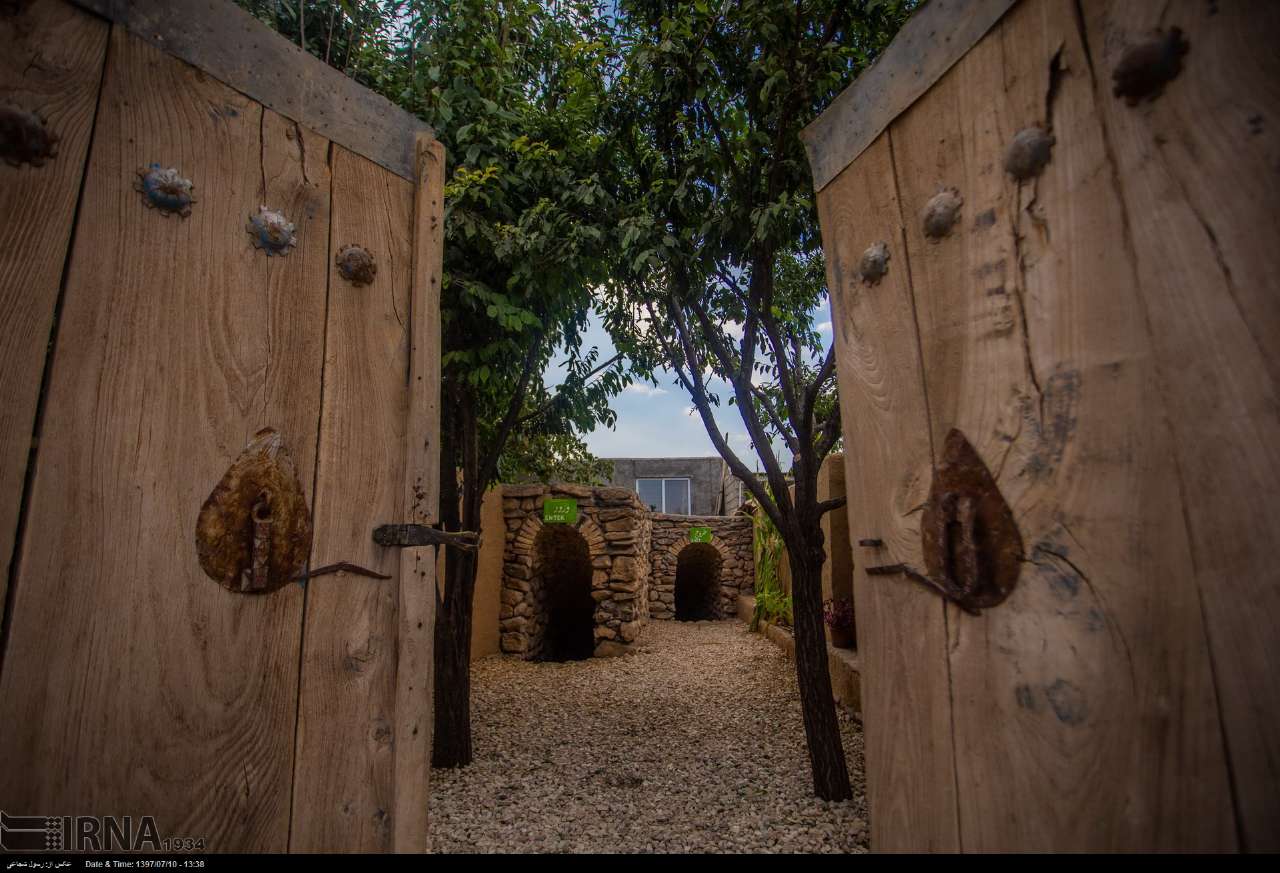
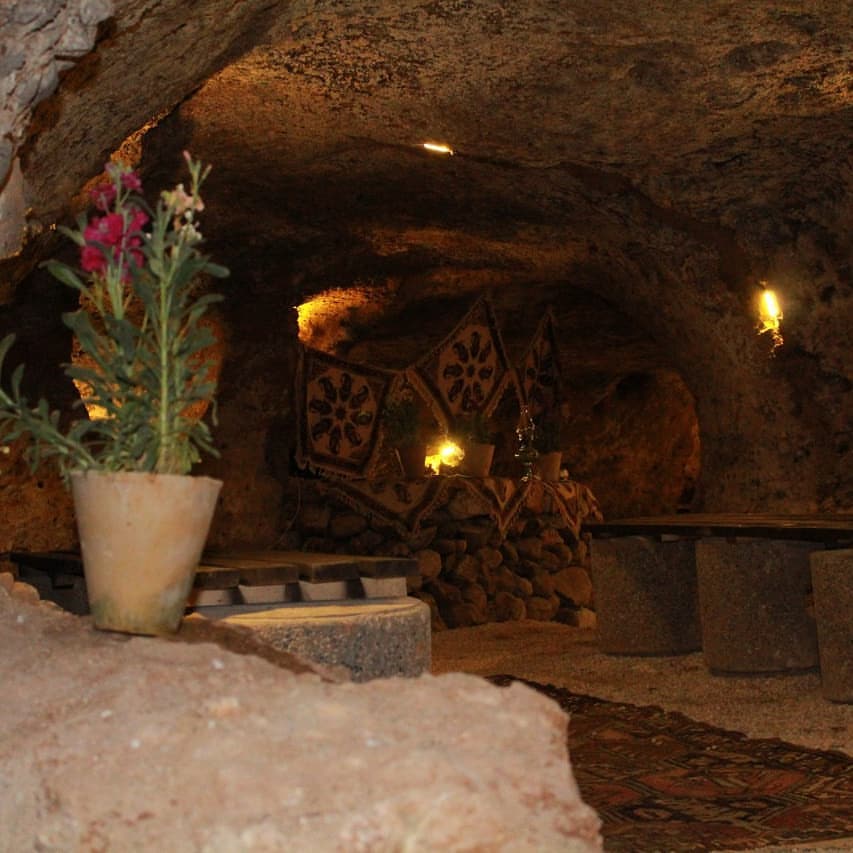
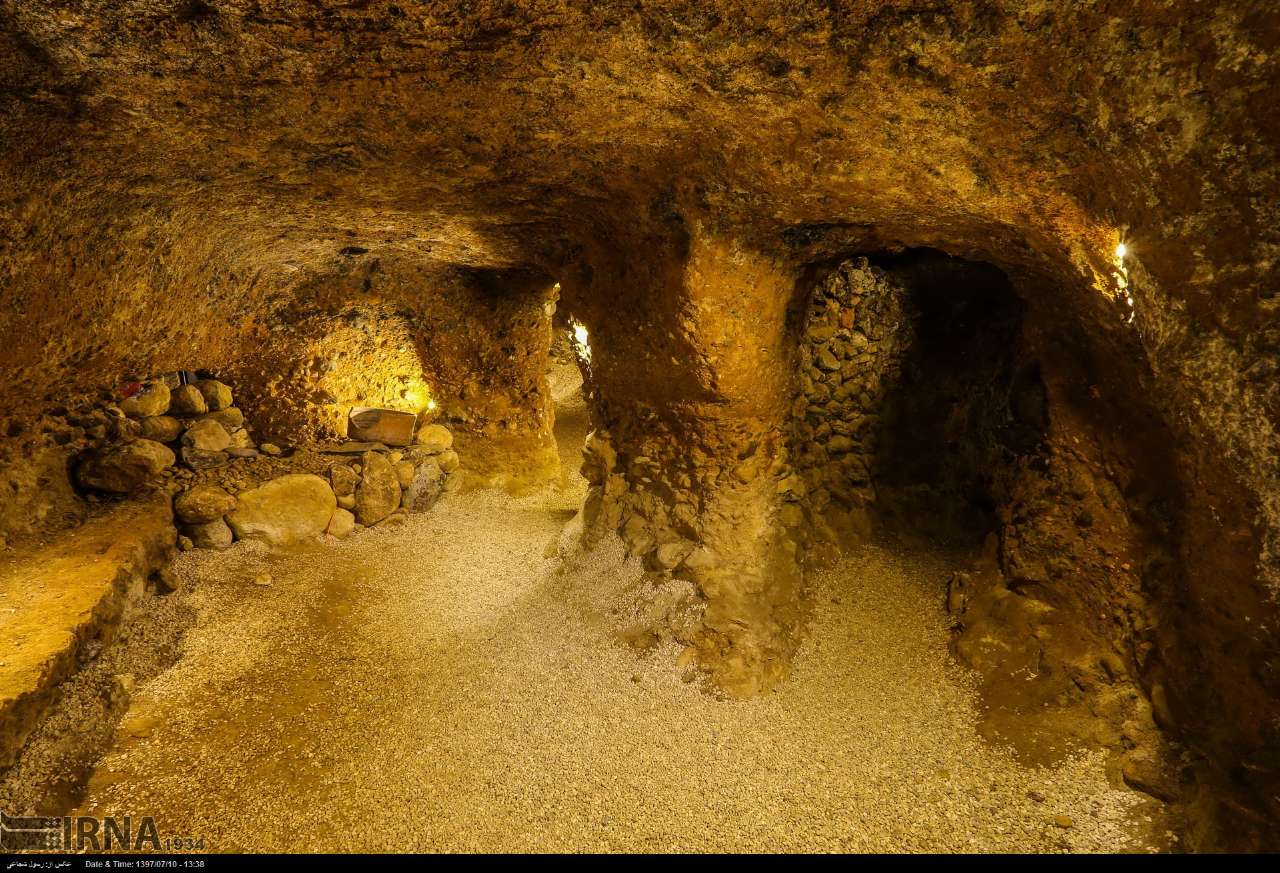
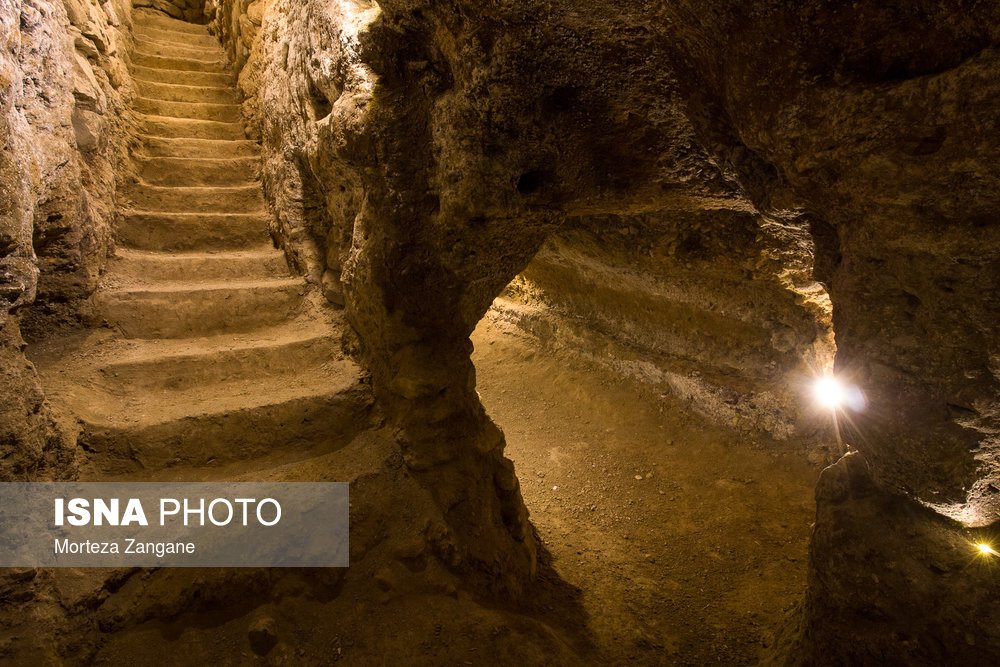
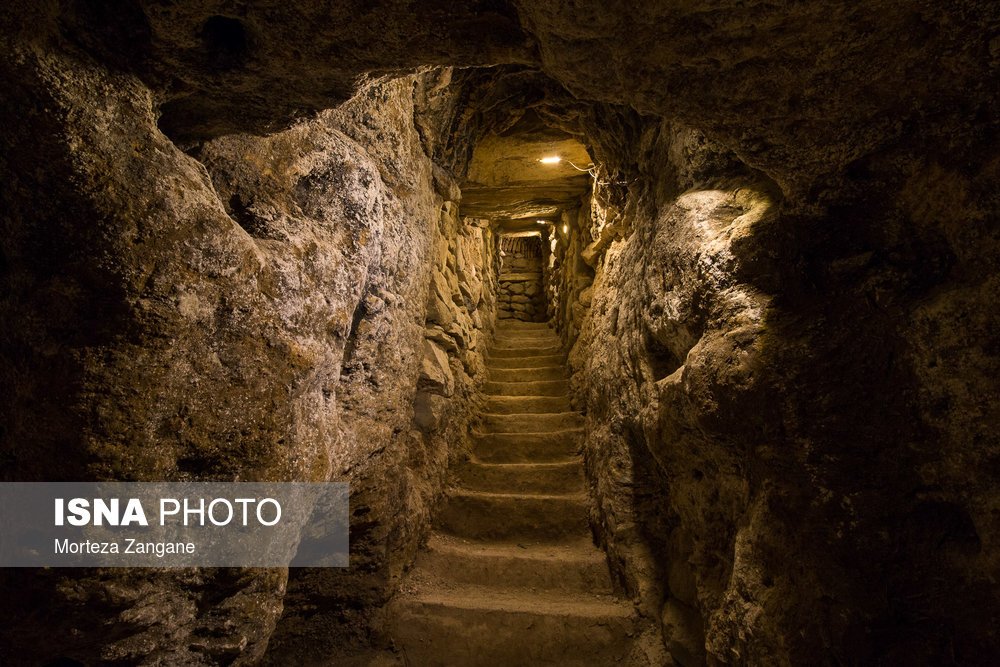
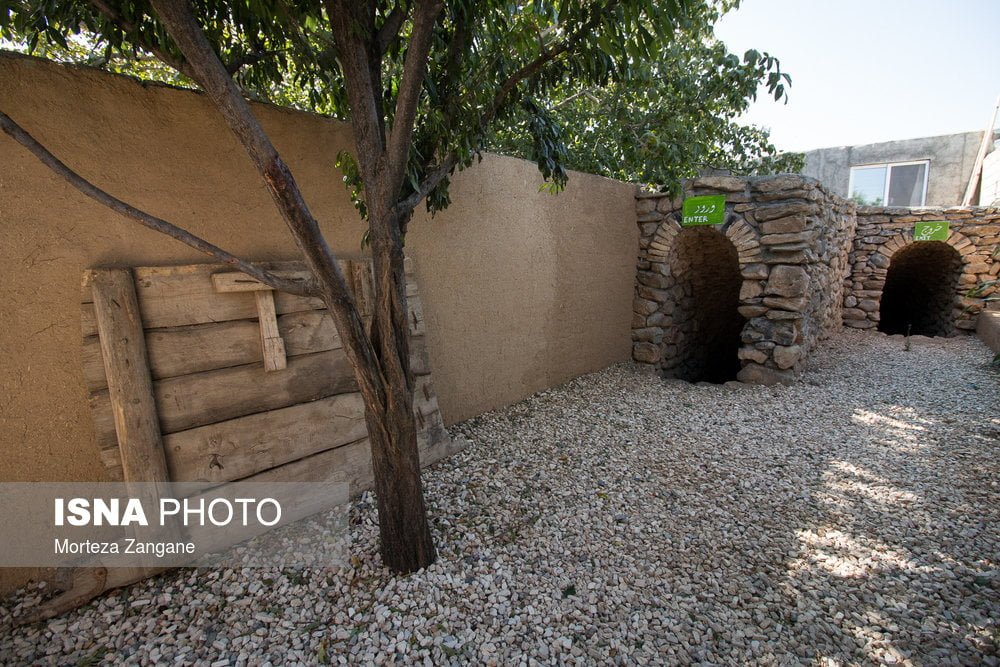
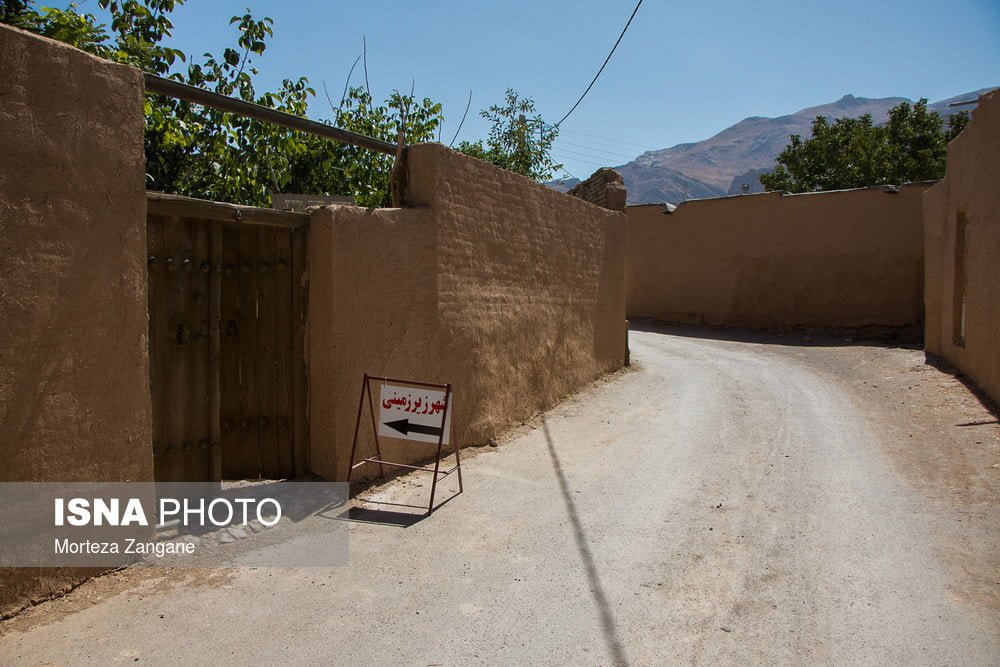
Kordolia: A Unique Ancient Underground City in Heart of Iran

The city measures more than 20 square km in area, dating back to the Safavid era.

“When King Abbas II (year 1587) made Armenians migrate to Isfahan, a group of them settled down in the westernmost part of Karvan county in Tiran town and others dwelled in Kordolia village, beginning to get engaged in agriculture and animal husbandry,” says Mohsen Mazaheri, the director of the Cultural Heritage Department of Tiran and Karvan town.

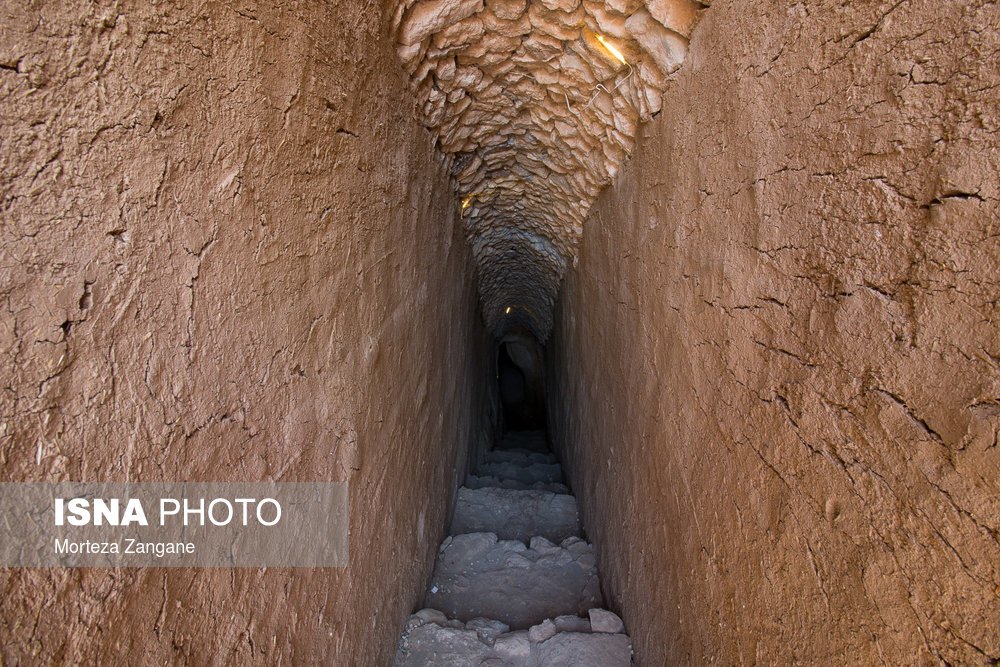
Since then, bitterly cold winter as well as the temporary insecurity gripping the area prompted residents of Kordolia village to dig tunnels under their homes to protect themselves and their cattle from freezing cold.

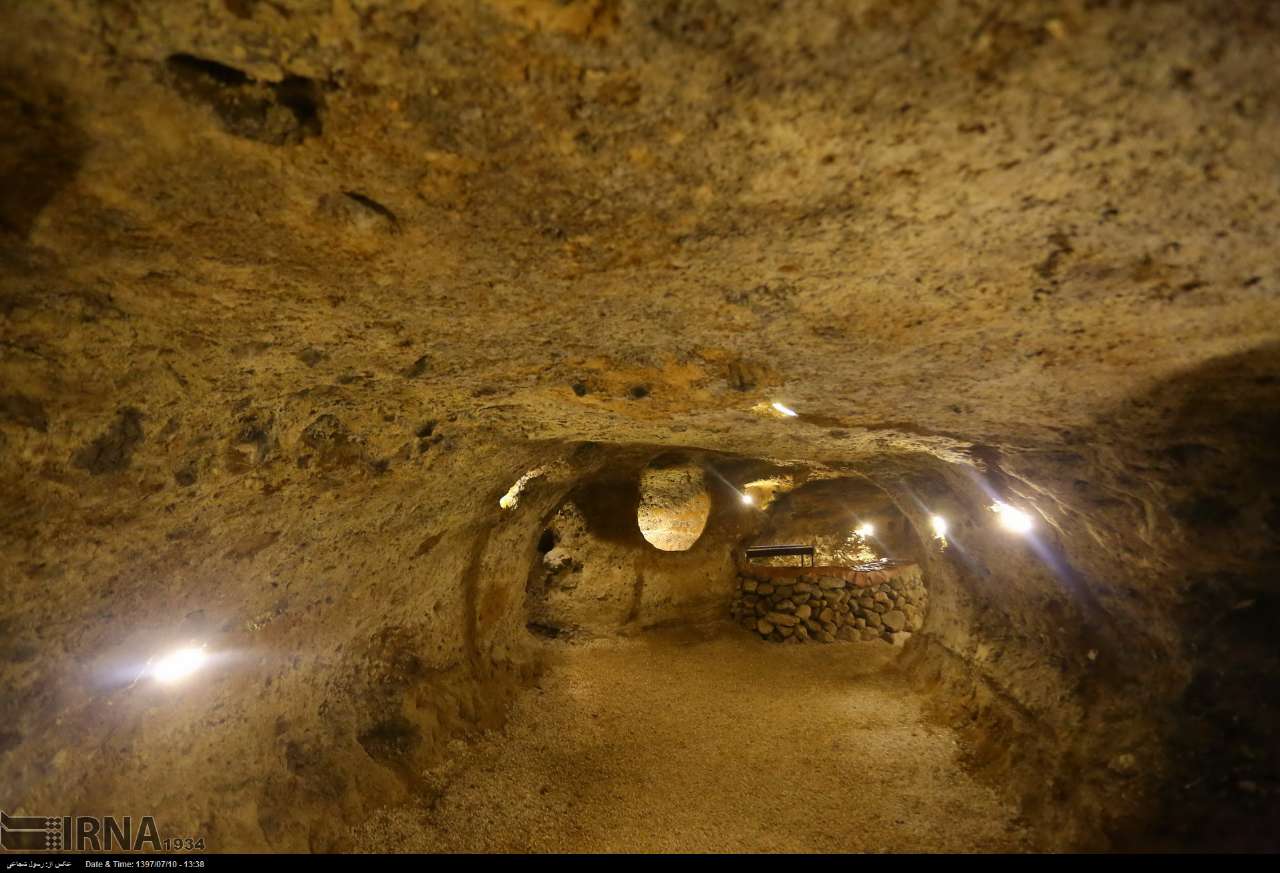
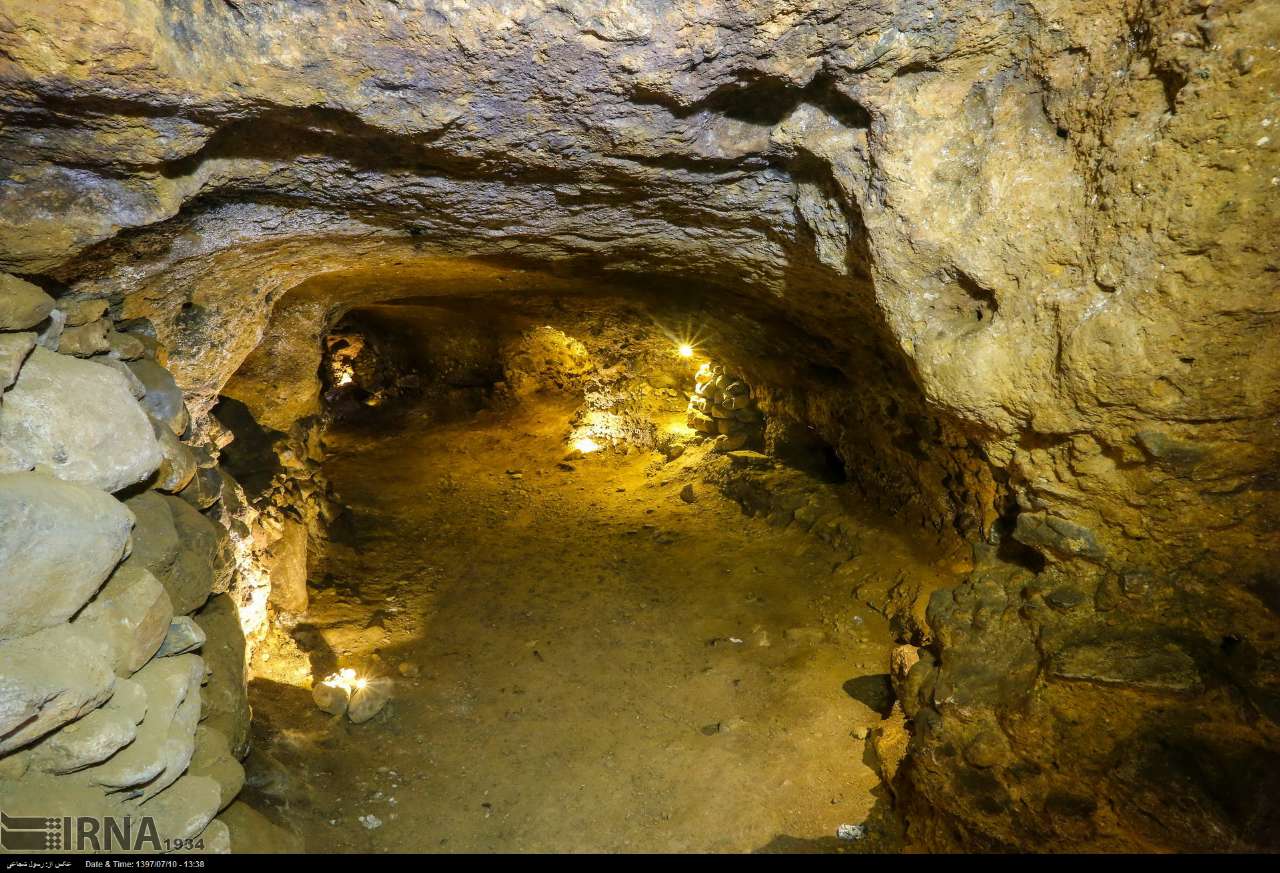
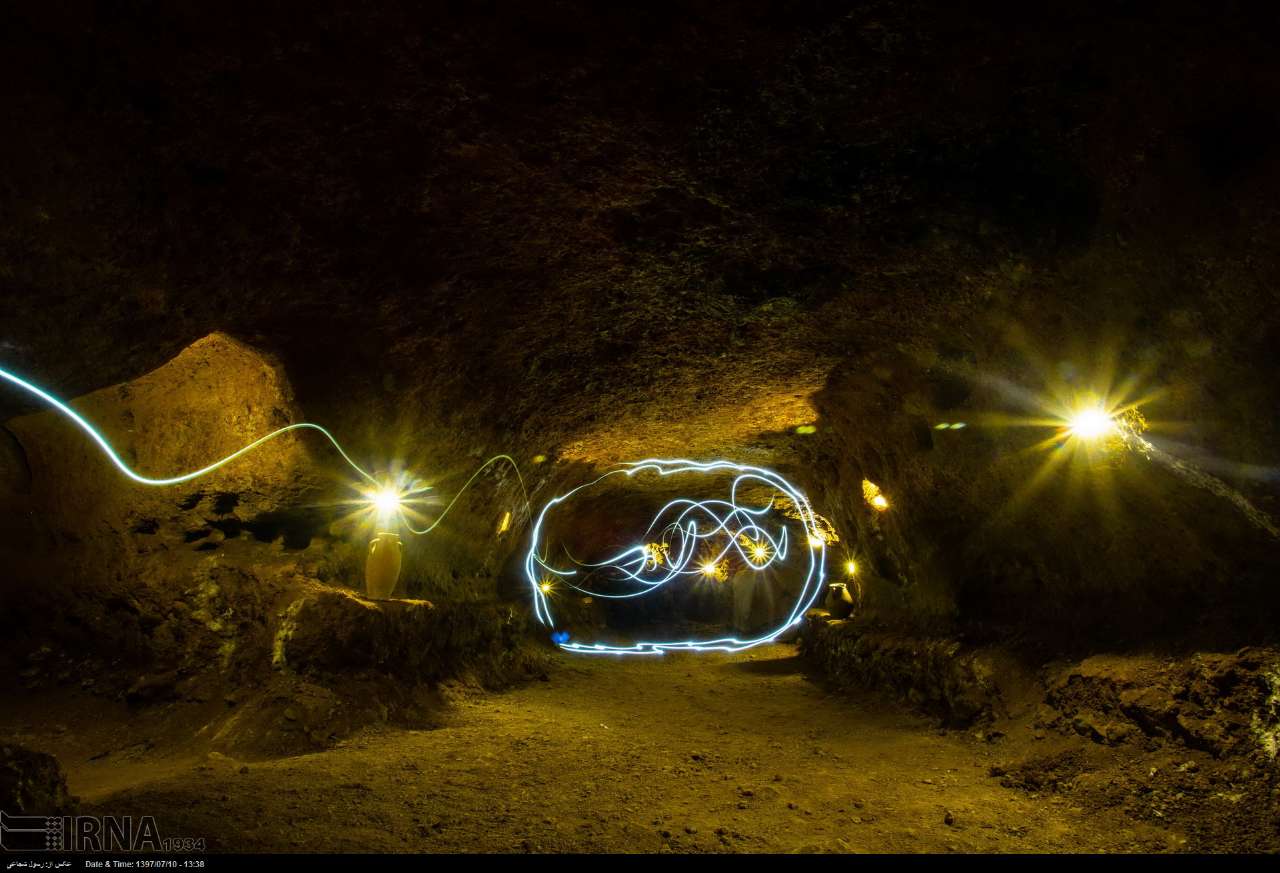
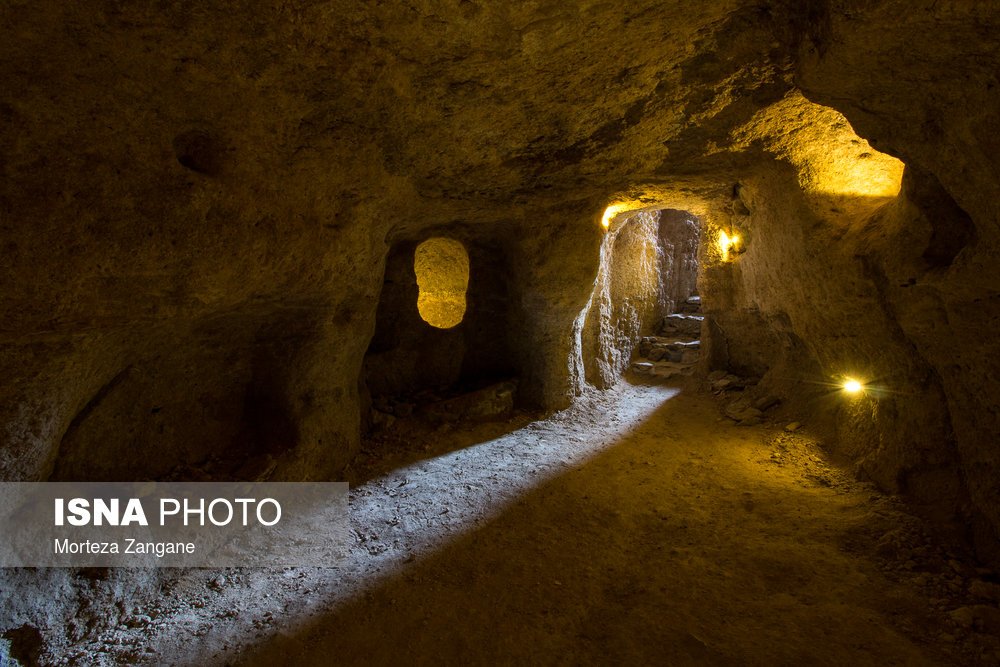
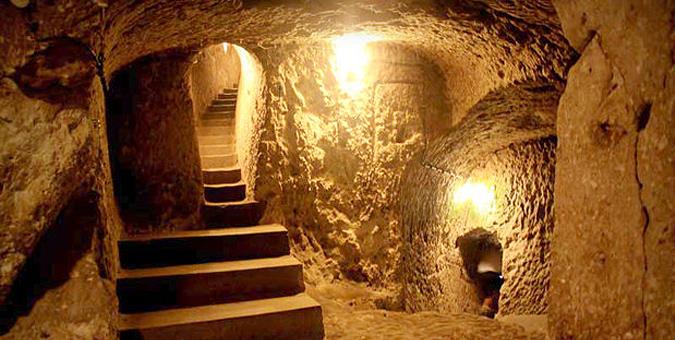
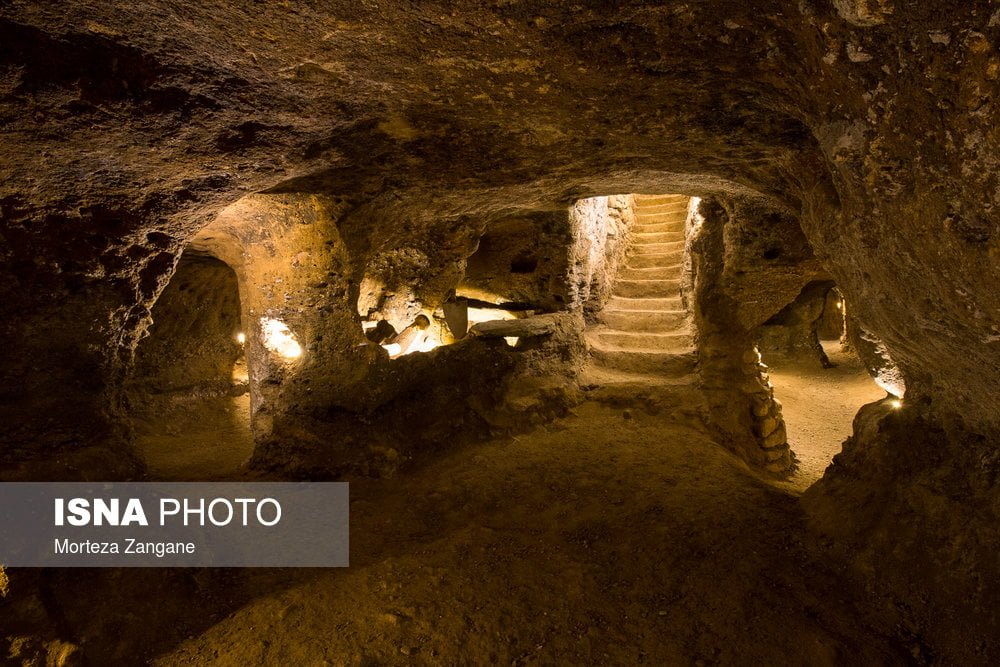
All the tunnels contain wide corridors and labyrinthine chambers which are connected to one another and they all form a large underground city.

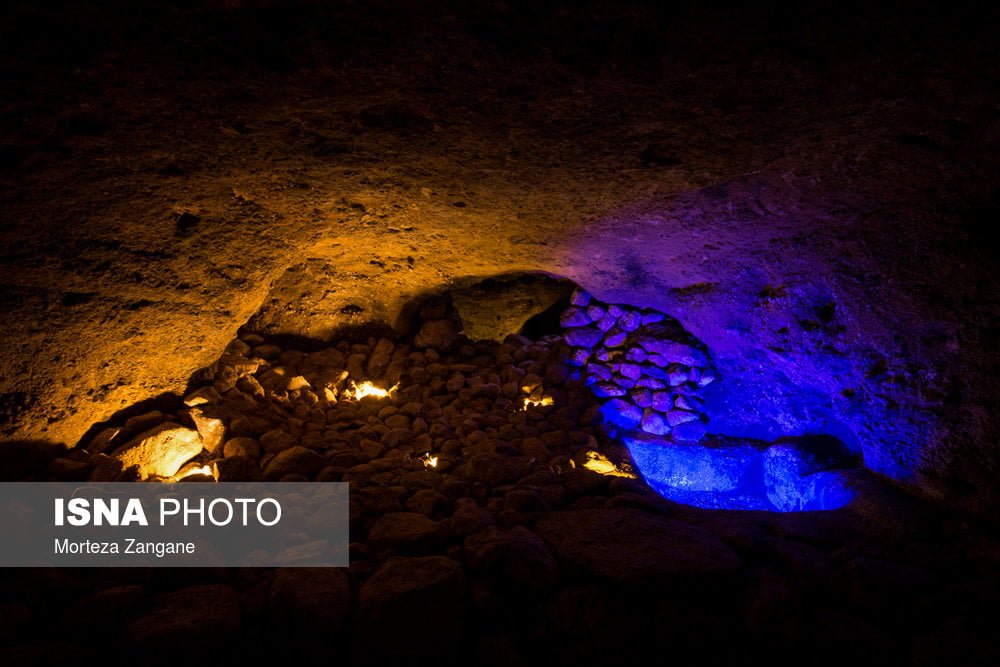
According to Mazaheri, the local cultural heritage department learned about the existence of such a subterranean city in 2016. After several visits to the site, parts of the underground city were restored and fitted with lights by the governor’s office and other officials and upon encouragement by the owners of the homes built on the ground on top of the underground city.

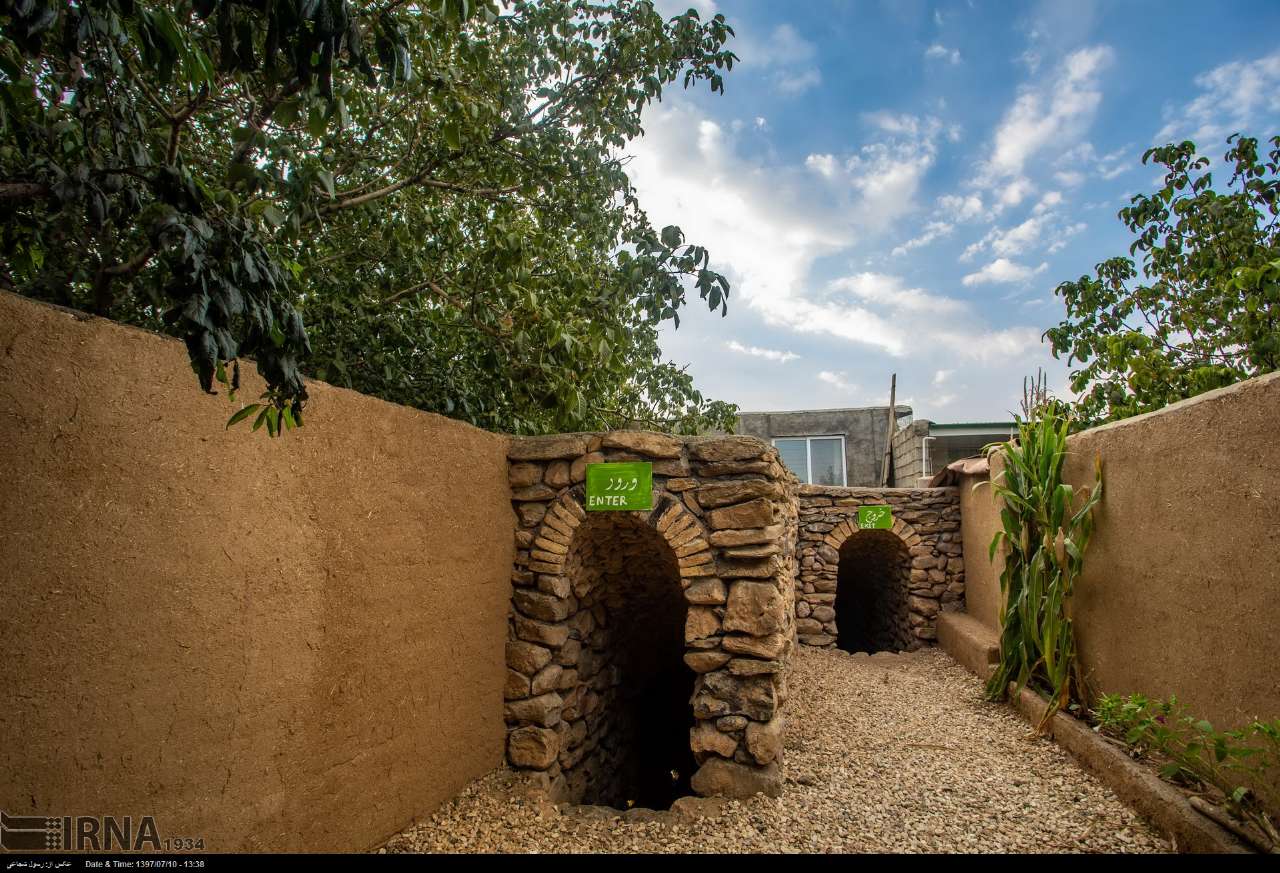
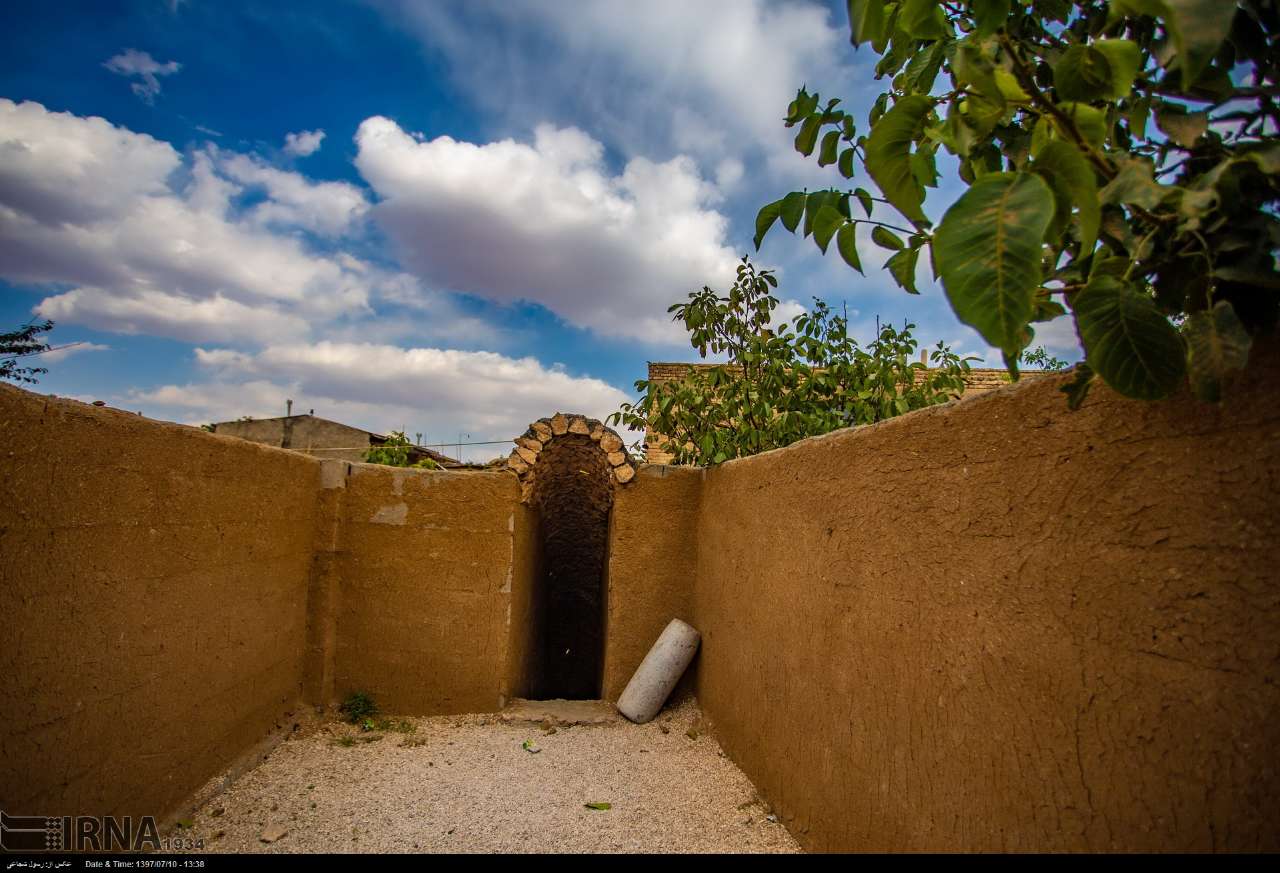
Available records as well as stories recounted by late and elderly locals suggest the city has 80 entrances and was used to fight cold and protect residents and their property as well as their cattle.

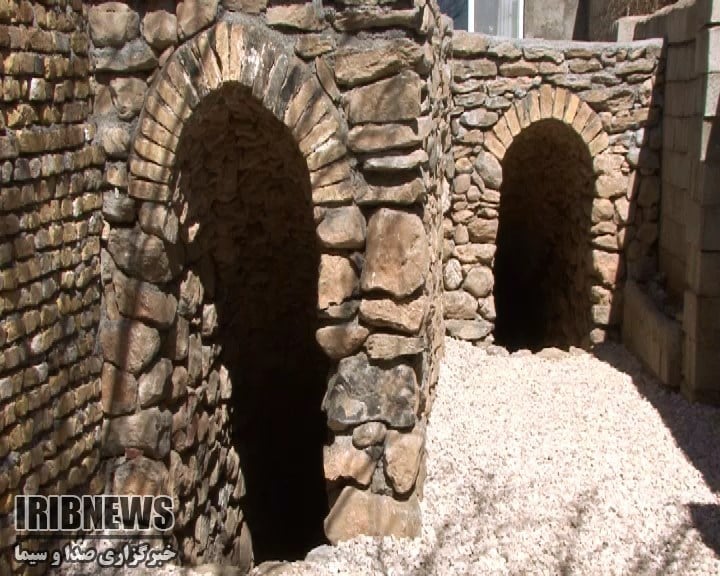
Officials say three of the entrances have been restored.

“The restored part is 400 meters long and contains 40 chambers, measuring around 2,500 square meters,” says an official.

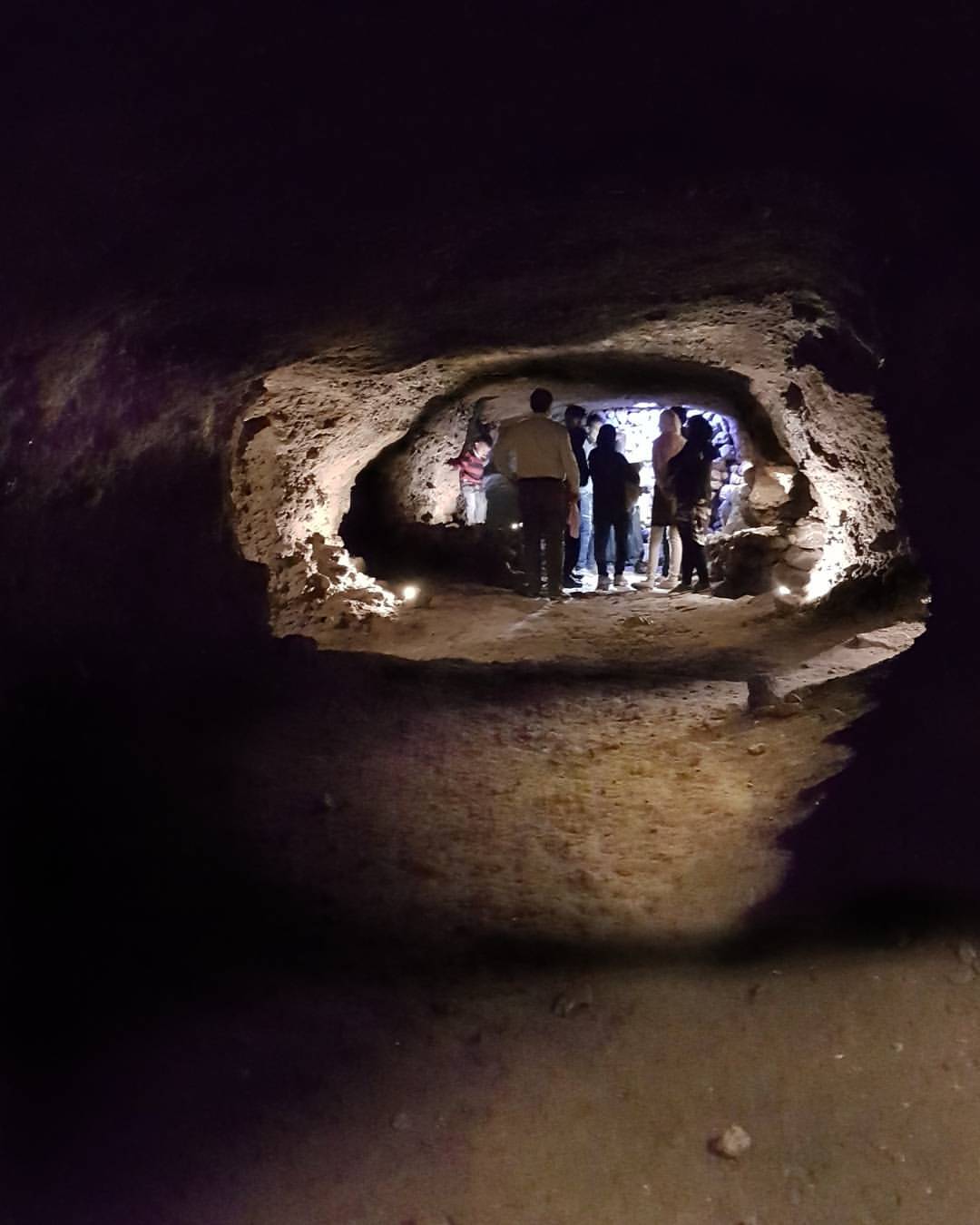
Parts of the subterranean city have been open to visitors since March 2018.

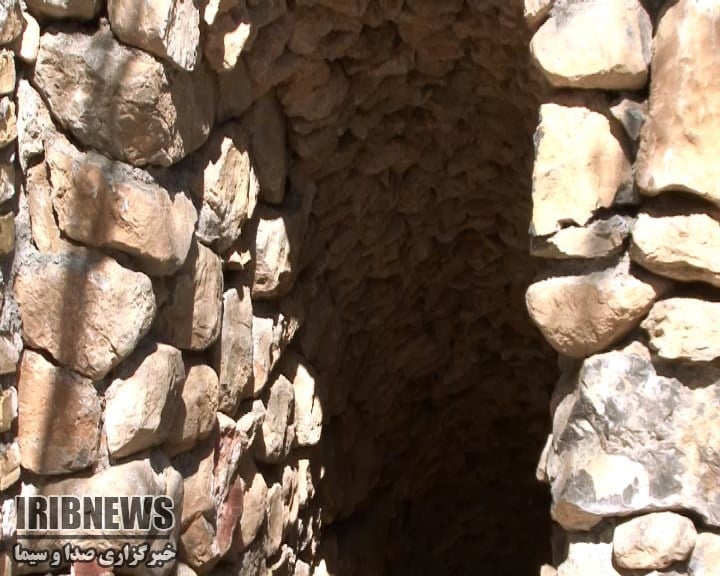
Below you find photos of this unique underground city.

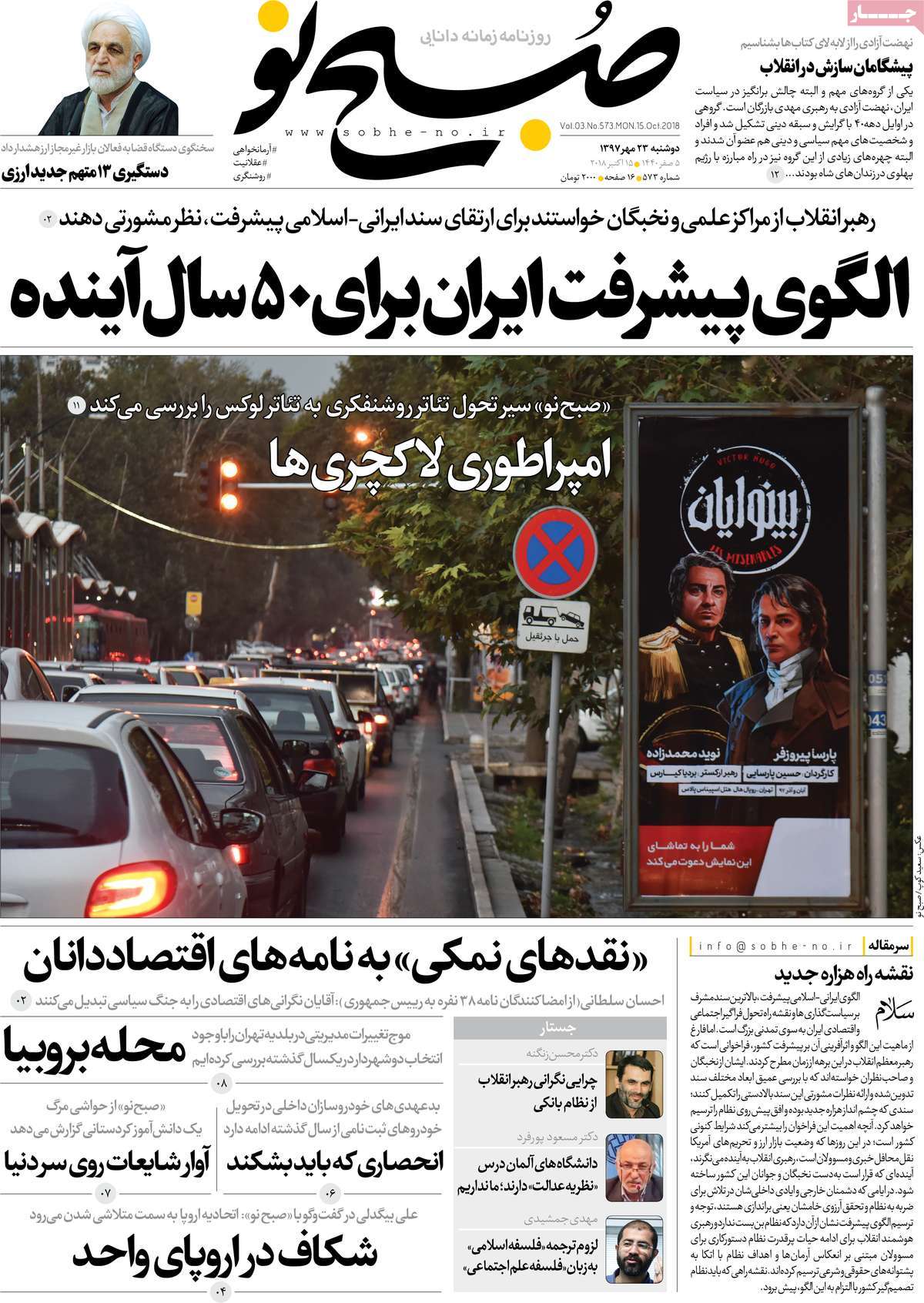
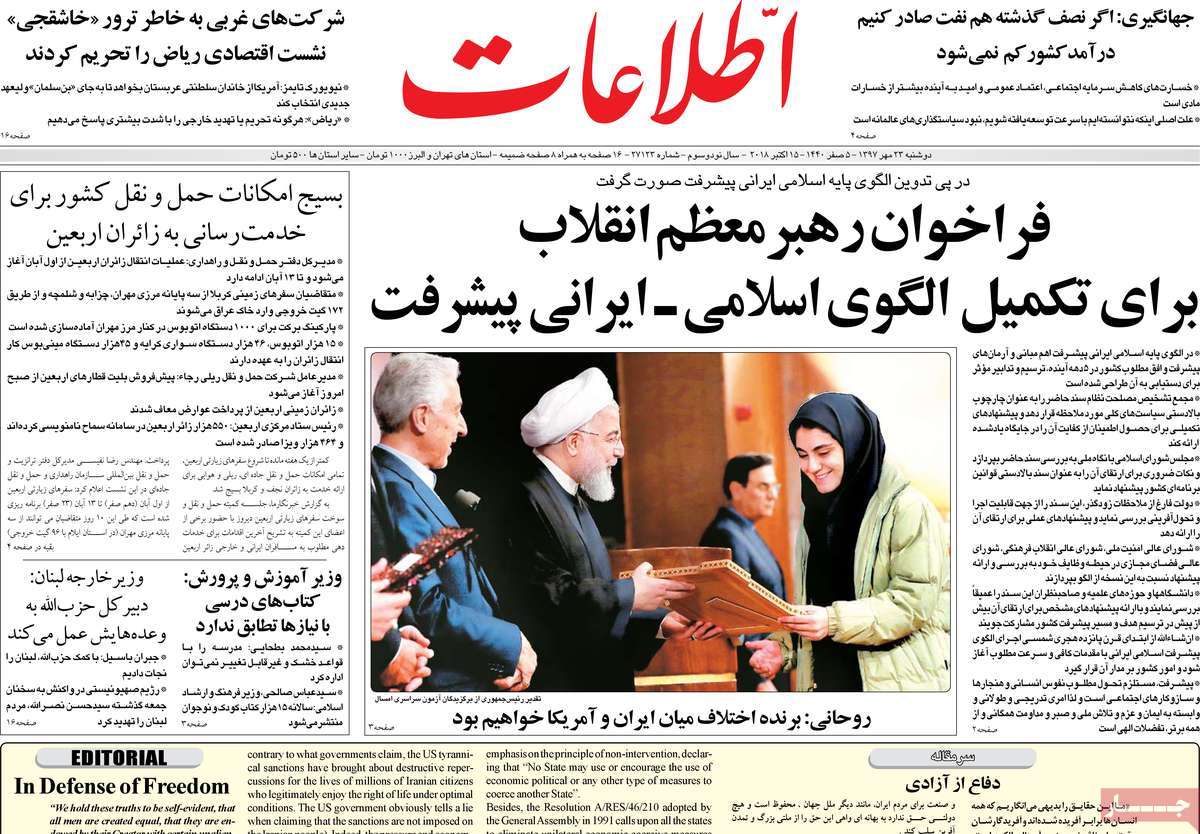
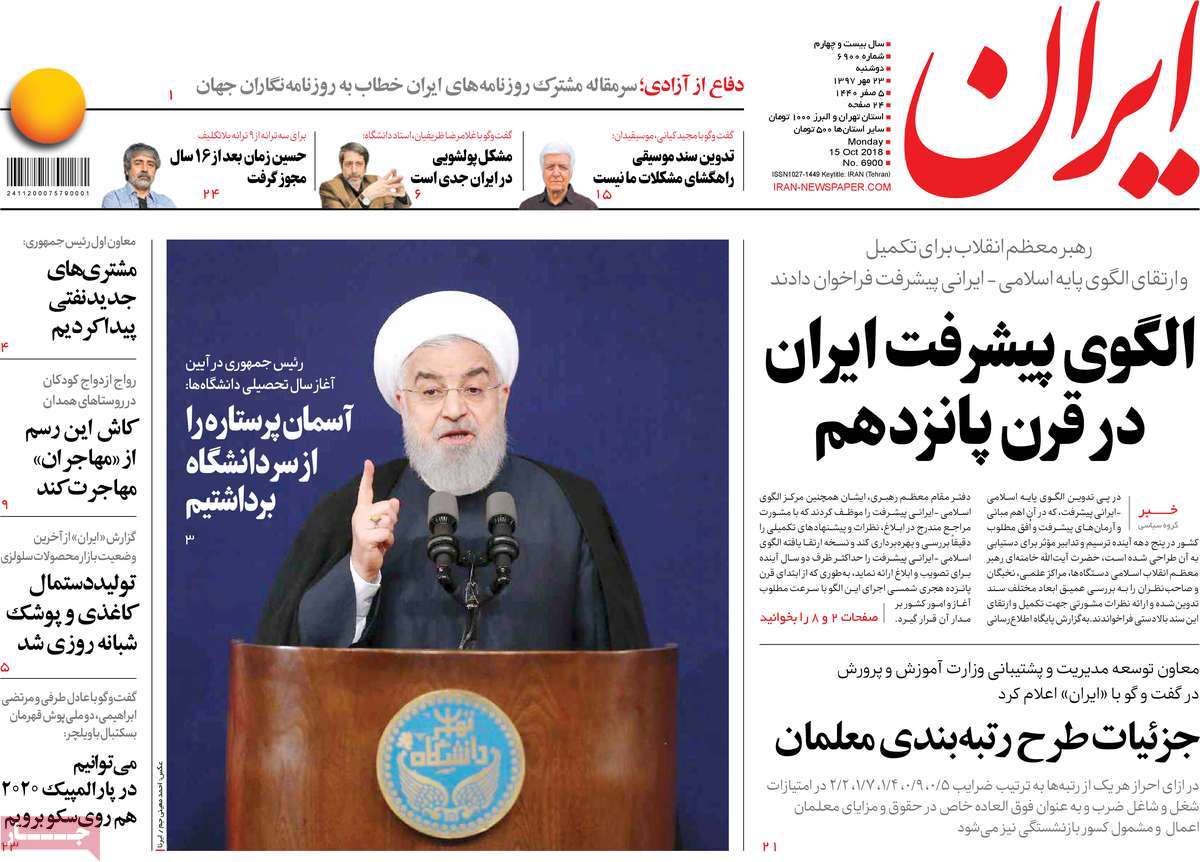
A Look at Iranian Newspaper Front Pages on October 15

A Look at Iranian Newspaper Front Pages on November 19

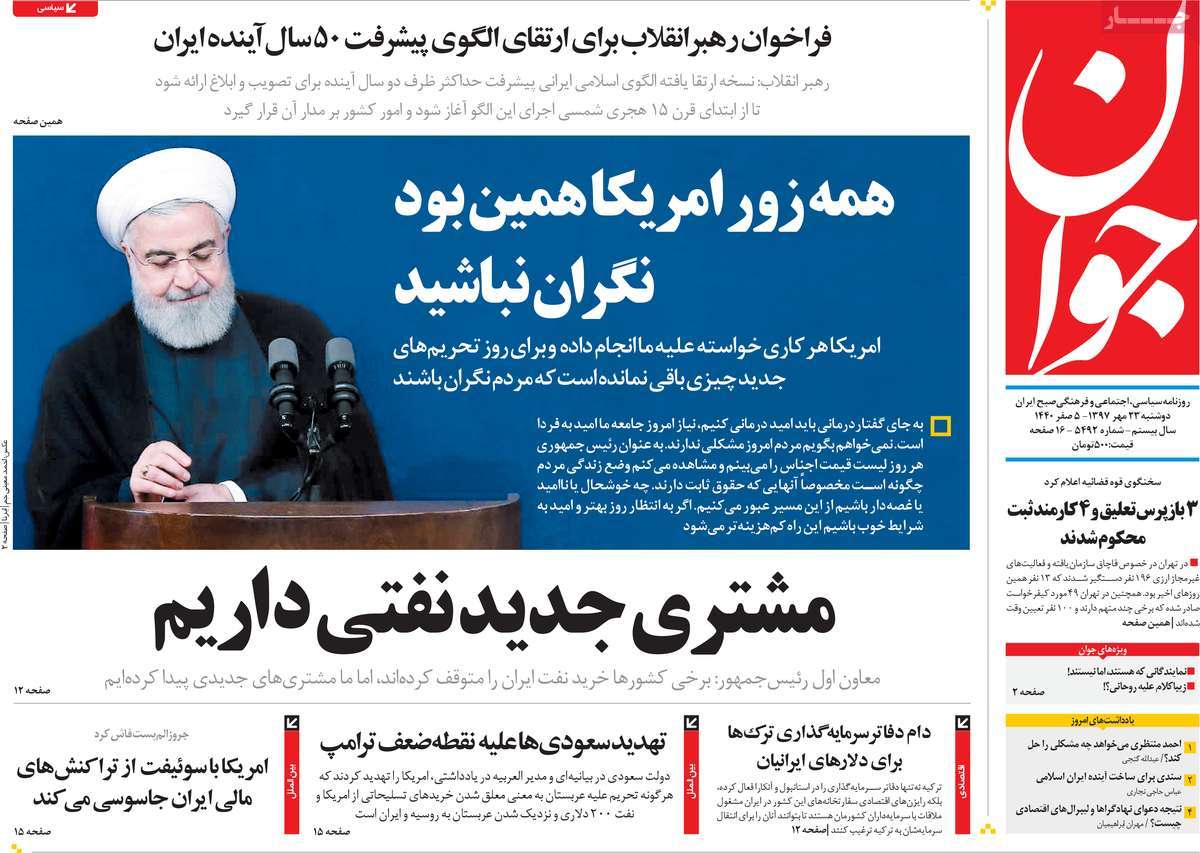
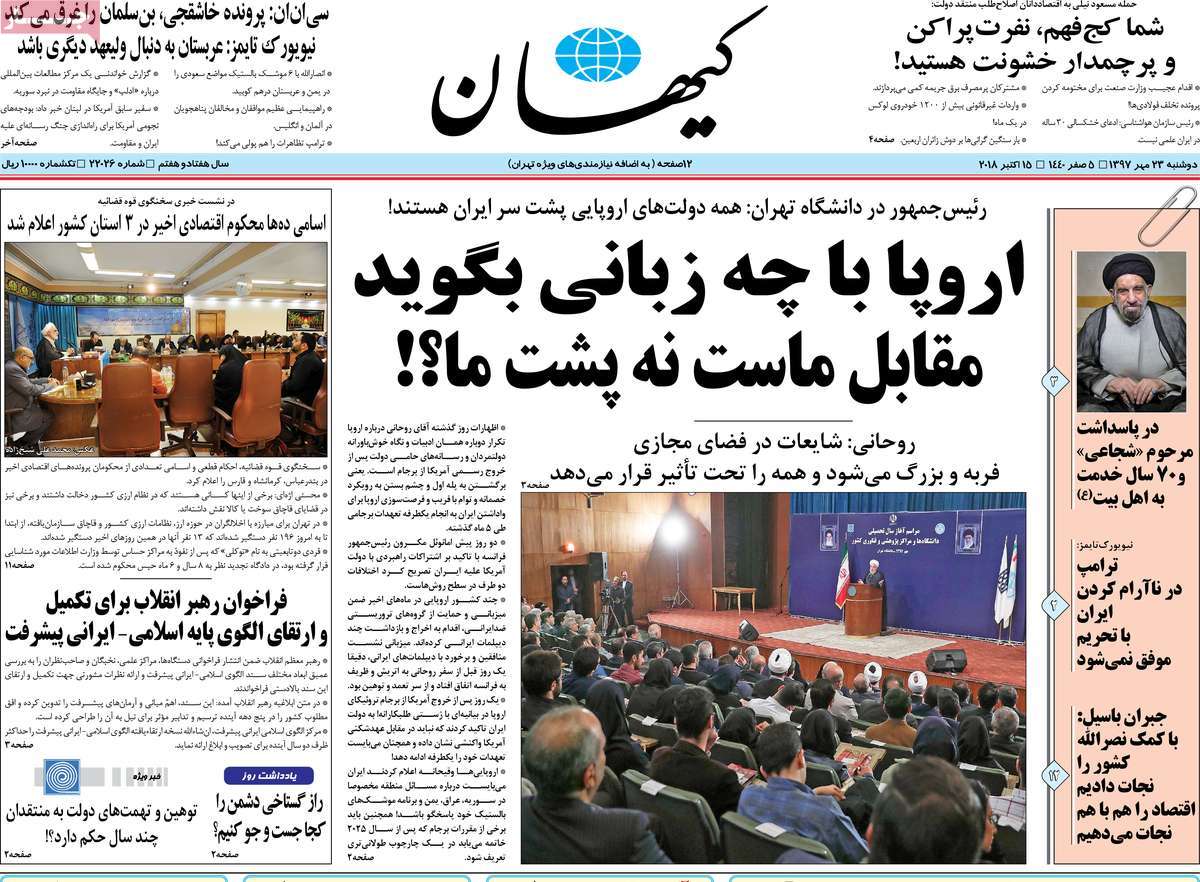
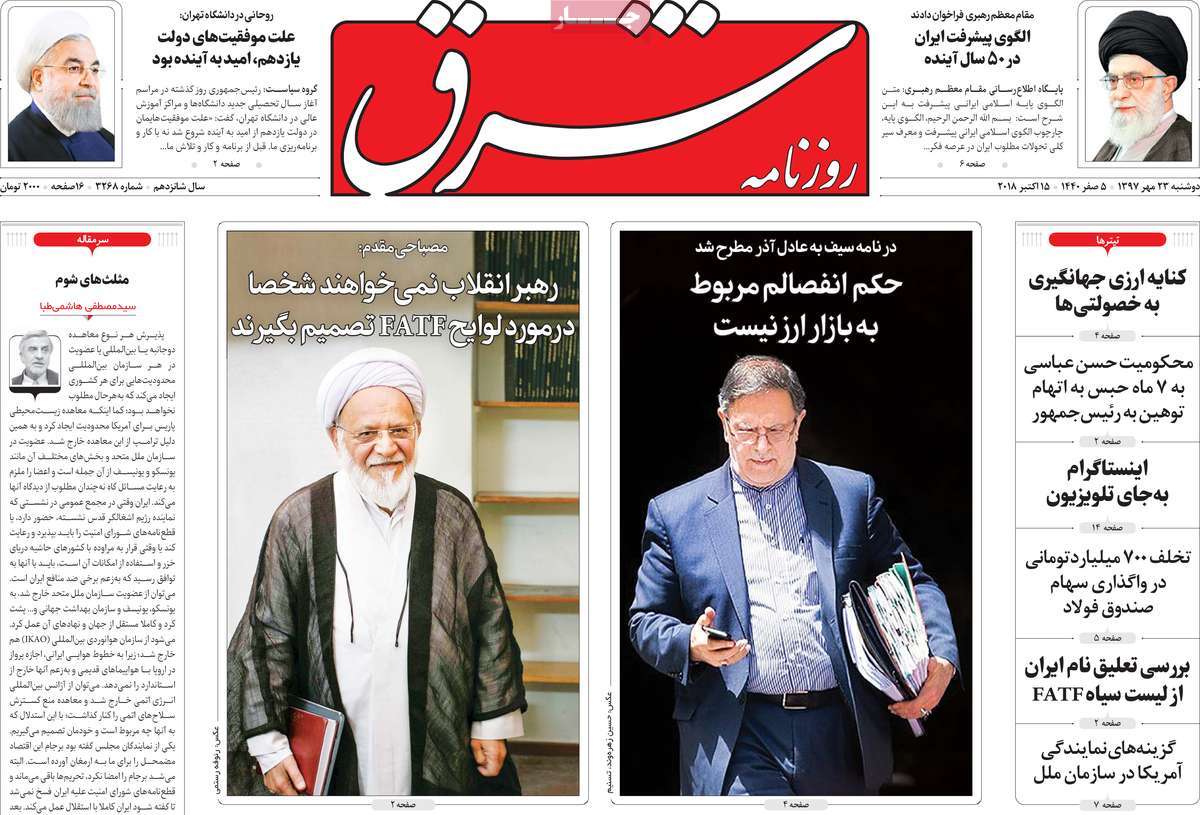
Several papers today covered the remarks by the Leader of Iran’s Islamic Revolution Ayatollah Seyyed Ali Khamenei, in which he asked Iranian elites and experts for their consultative opinion on various aspects of the Islamic-Iranian Paradigm of Progress in order to upgrade the document which defines a roadmap for the next 50 years.

Also a top story was comments by Iranian First Vice-President Es’haq Jahangiri about the country’s oil exports under the US sanctions. Jahangiri announced that Iran has already found new clients for its crude oil ahead of new round of US sanctions, due to be imposed on November 4.

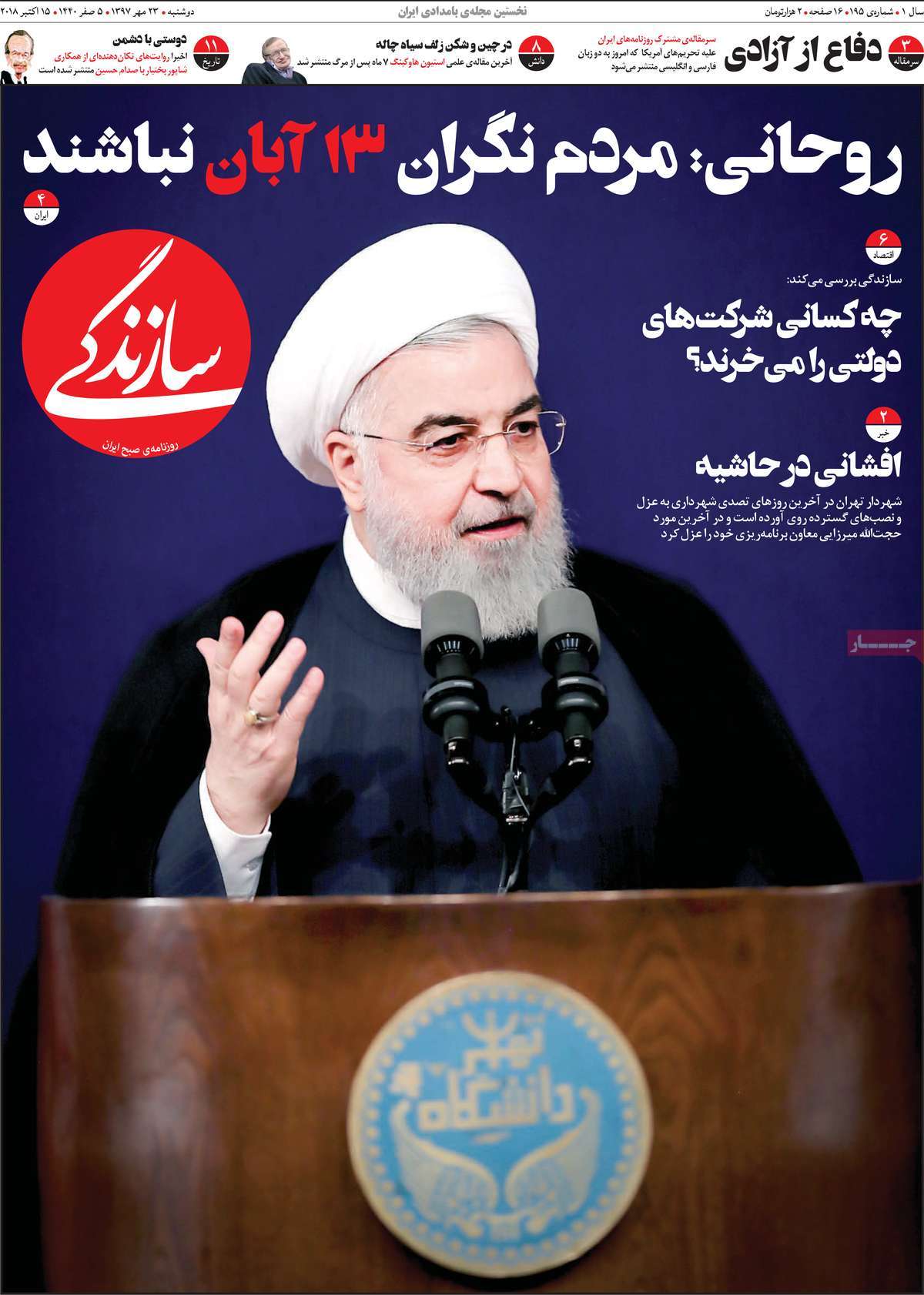
President Hassan Rouhani’s remarks in an address to university students in Tehran also received great coverage.

The above issues, as well as many more, are highlighted in the following headlines and top stories:


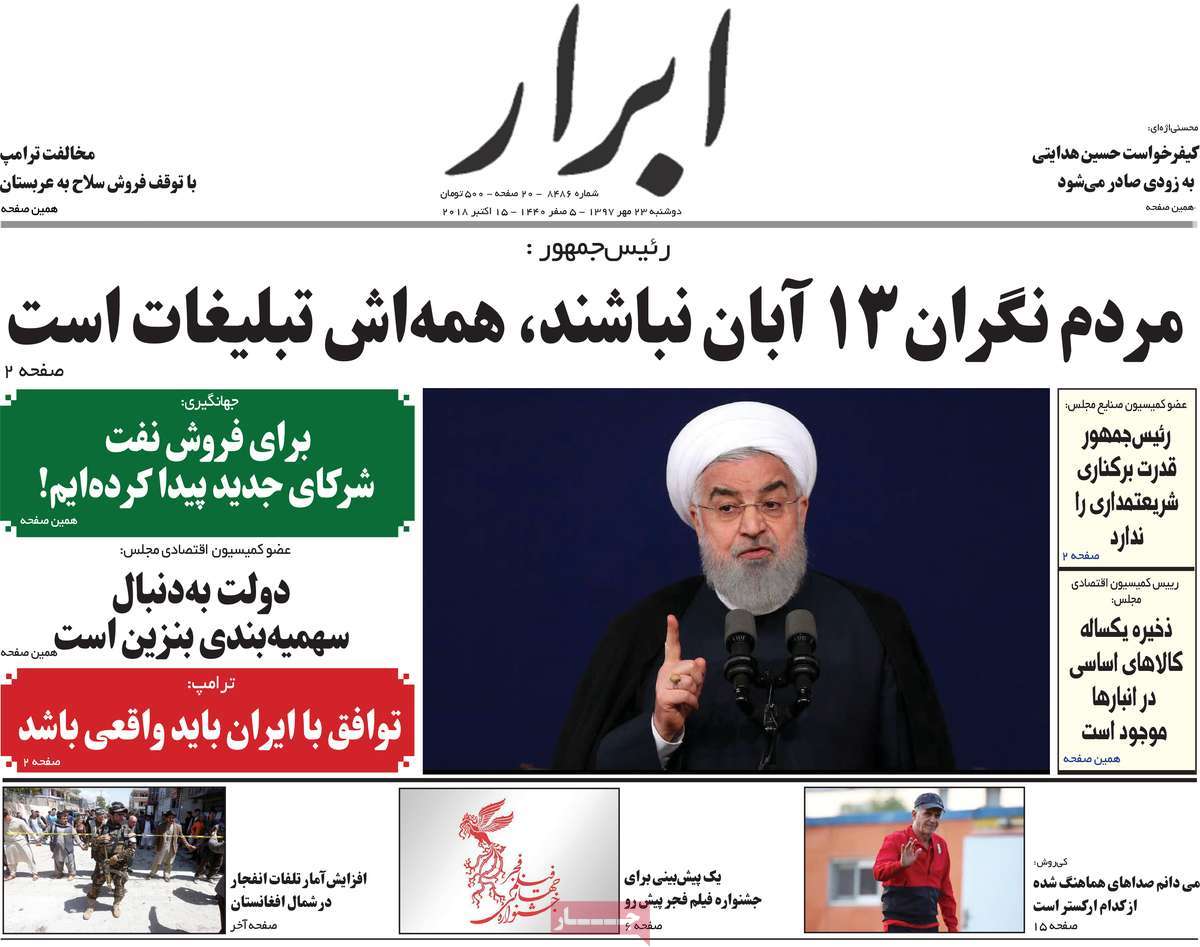
Abrar:

1- Iran Has Stored Enough Basic Supplies for One Year: MP

2- Trump: Deal with Iran Must Be a Real One

3- Increased Casualties in Northern Afghanistan

4- Trump Opposed to Halt in Arms Sales to Saudi Arabia

A Look at Iranian Newspaper Front Pages on October 15


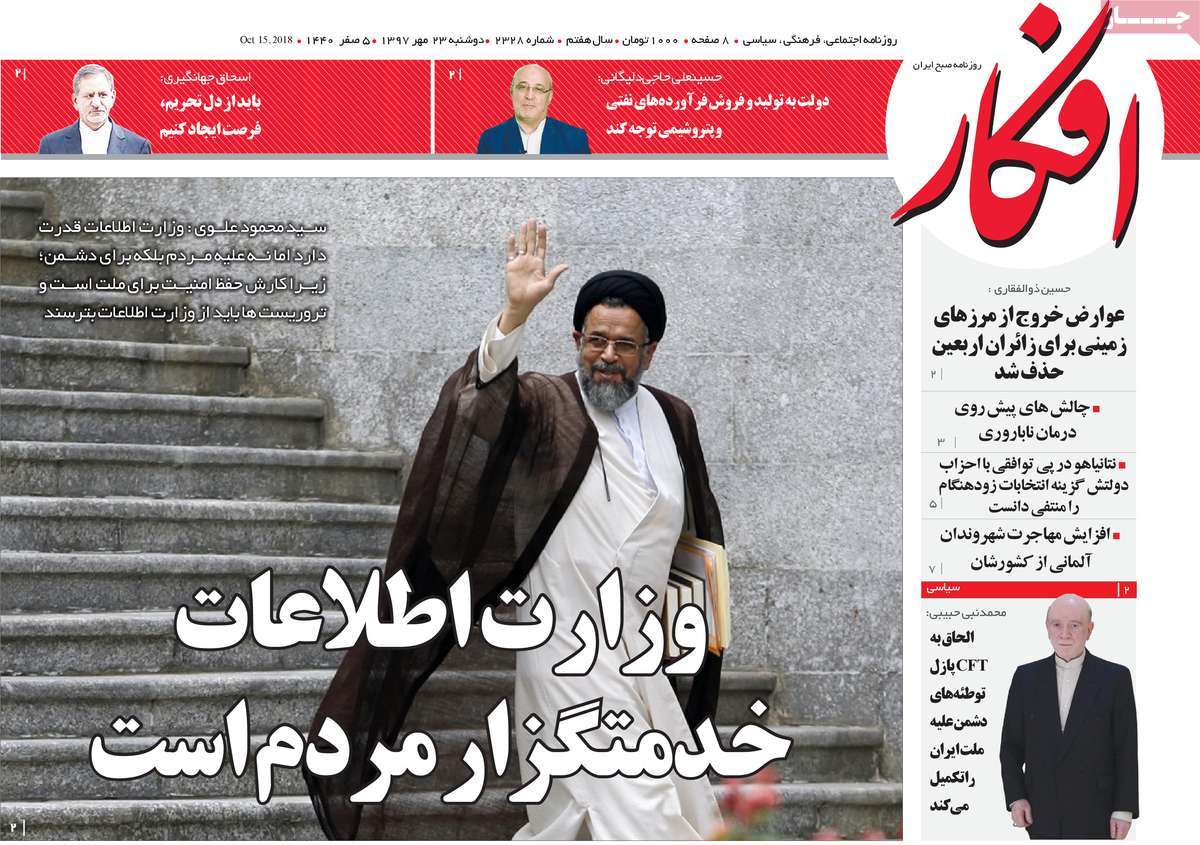
Afkar:

1- Iran First VP: We Must Use Sanctions to Create Opportunities

2- Netanyahu Rules Out Possibility of Early Elections

3- Conservative Figure: CFT Accession to Serve Enemy Plots against Iran

A Look at Iranian Newspaper Front Pages on October 15


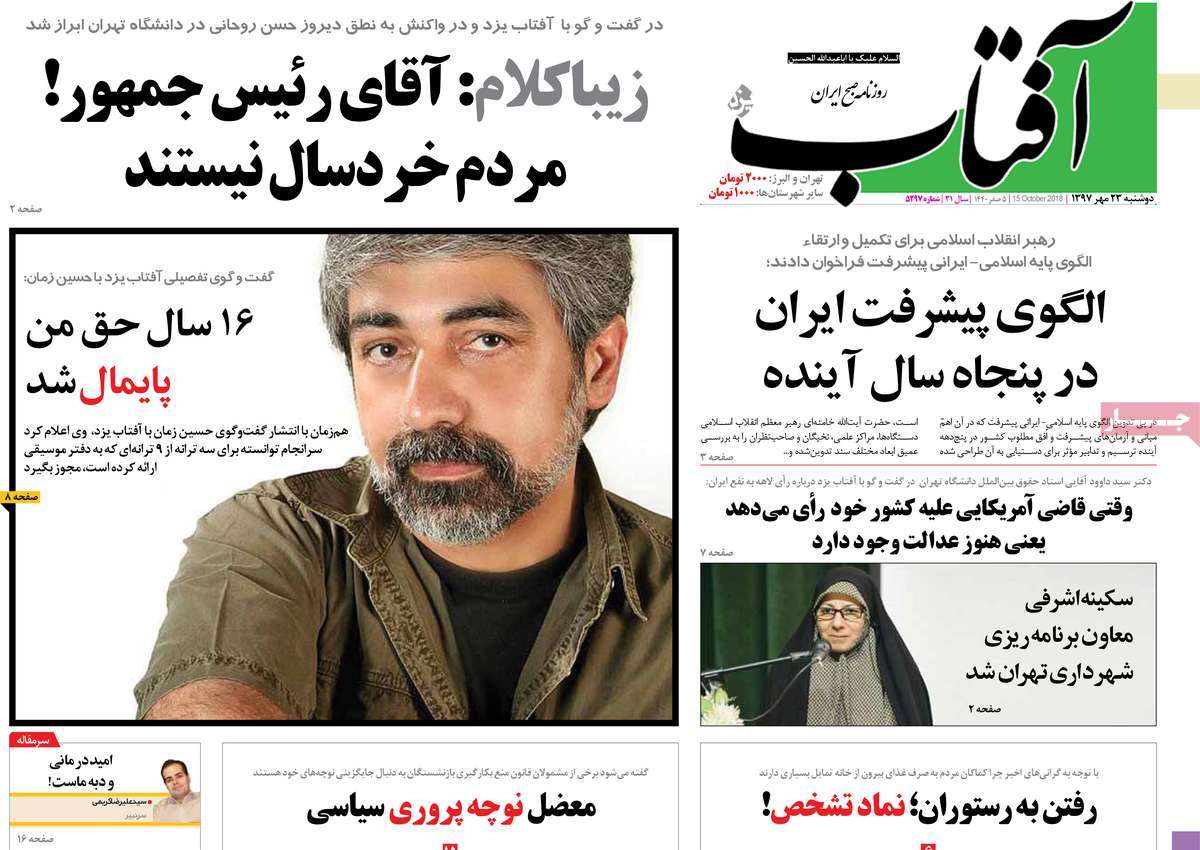
Aftab-e Yazd:

1- Paradigm for Iran’s Progress in Next 50 Years

  • Iran Leader Calls for Upgrading Islamic-Iranian Progress Paradigm

2- When American Judge Rules against His Own Country, It Means Justice Not Dead: Academic

A Look at Iranian Newspaper Front Pages on October 15


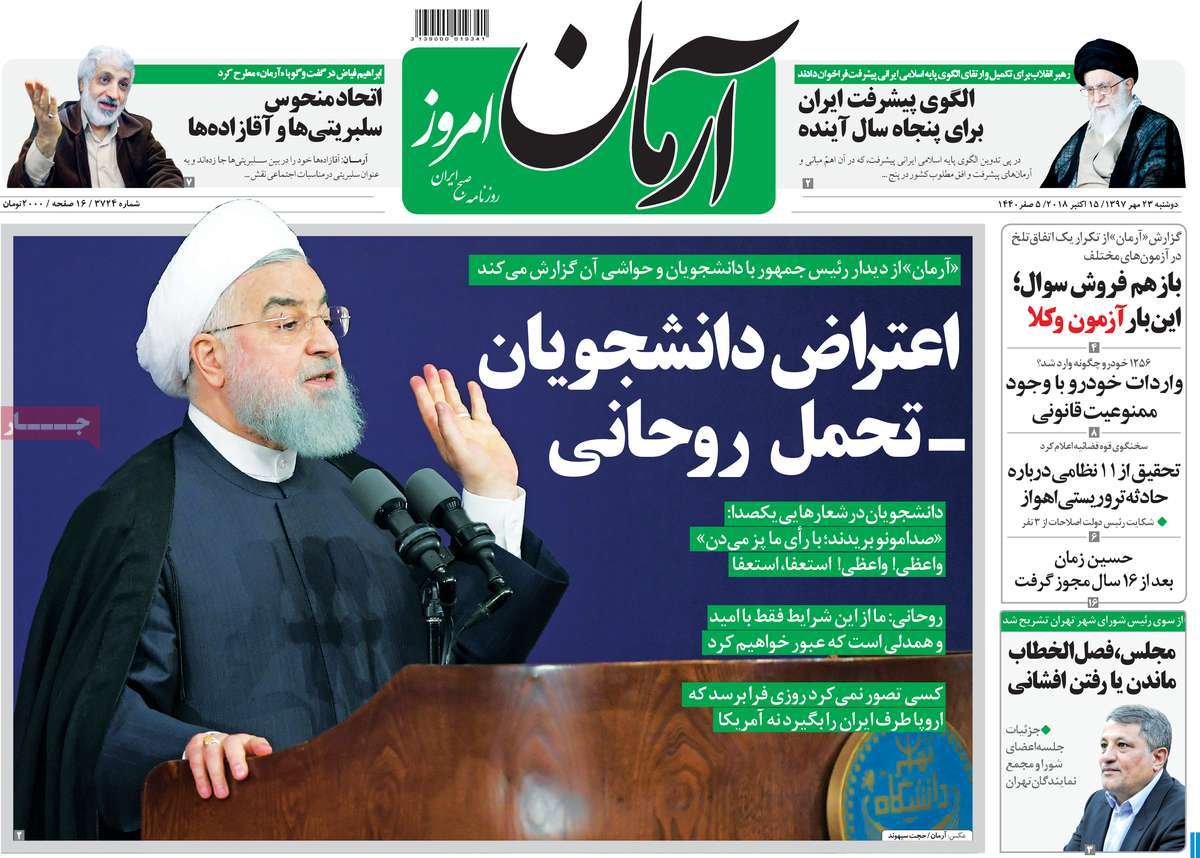
Arman-e Emrooz:

1- University Students Protest, Rouhani Tolerates

  • A Report on Rouhani’s Meeting with Students

2- Iran’s Judiciary Summons 11 Military Personnel over Ahvaz Attack

A Look at Iranian Newspaper Front Pages on October 15


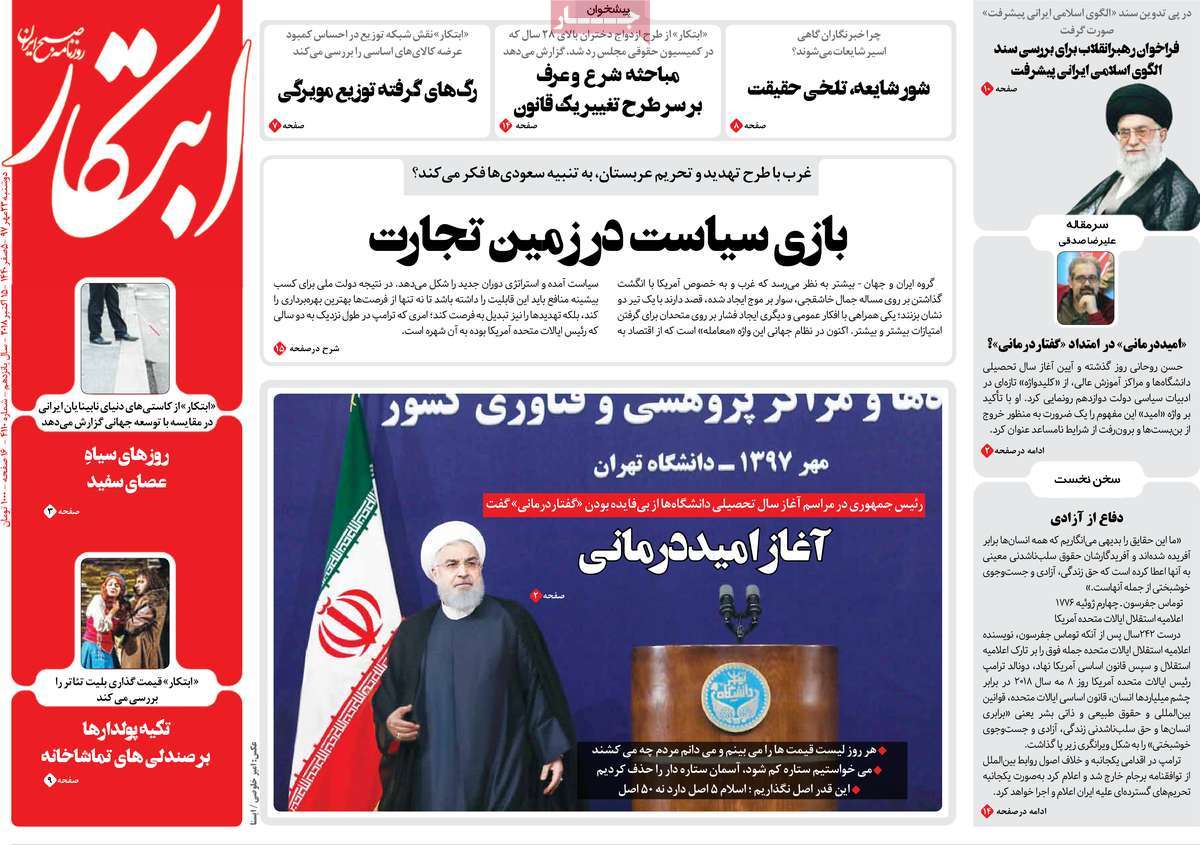
Ebtekar:

1- West Thinking of Punishing Saudis through Threat, Sanction

2- Rouhani Calls for Hope-Therapy, Says Word-Therapy Doesn’t Work

A Look at Iranian Newspaper Front Pages on October 15


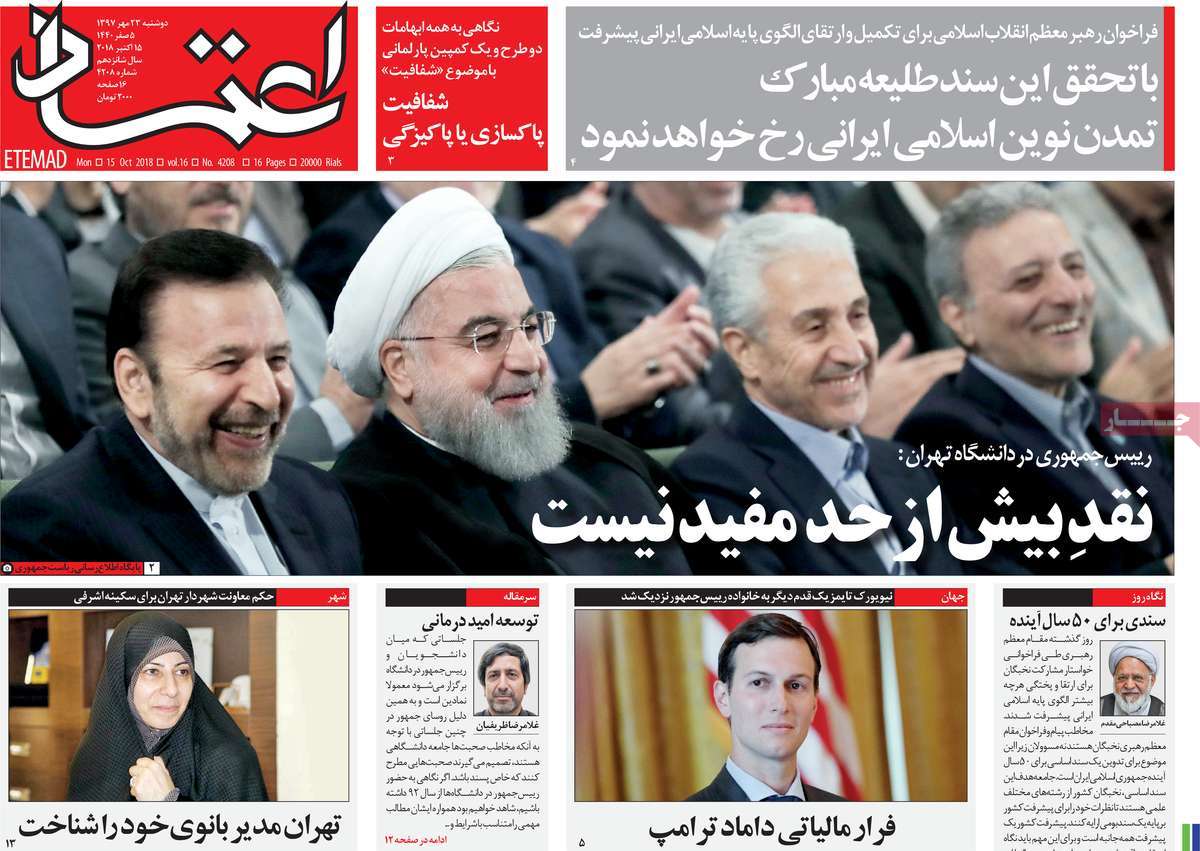
Etemad:

1- Rouhani: Excessive Criticism Not Useful

2- Tax Evasion of Trump’s Son-in-Law

A Look at Iranian Newspaper Front Pages on October 15


Ettela’at:

1- Iran First VP: Our Oil Revenues Not to Decrease Even If We Sell Half of What We Used to Sell

2- Western Companies Boycott Riyadh Economic Forum over Khashoggi’s Assassination

3- Rouhani: We’ll Be Winner of Iran-US Conflict

A Look at Iranian Newspaper Front Pages on October 15


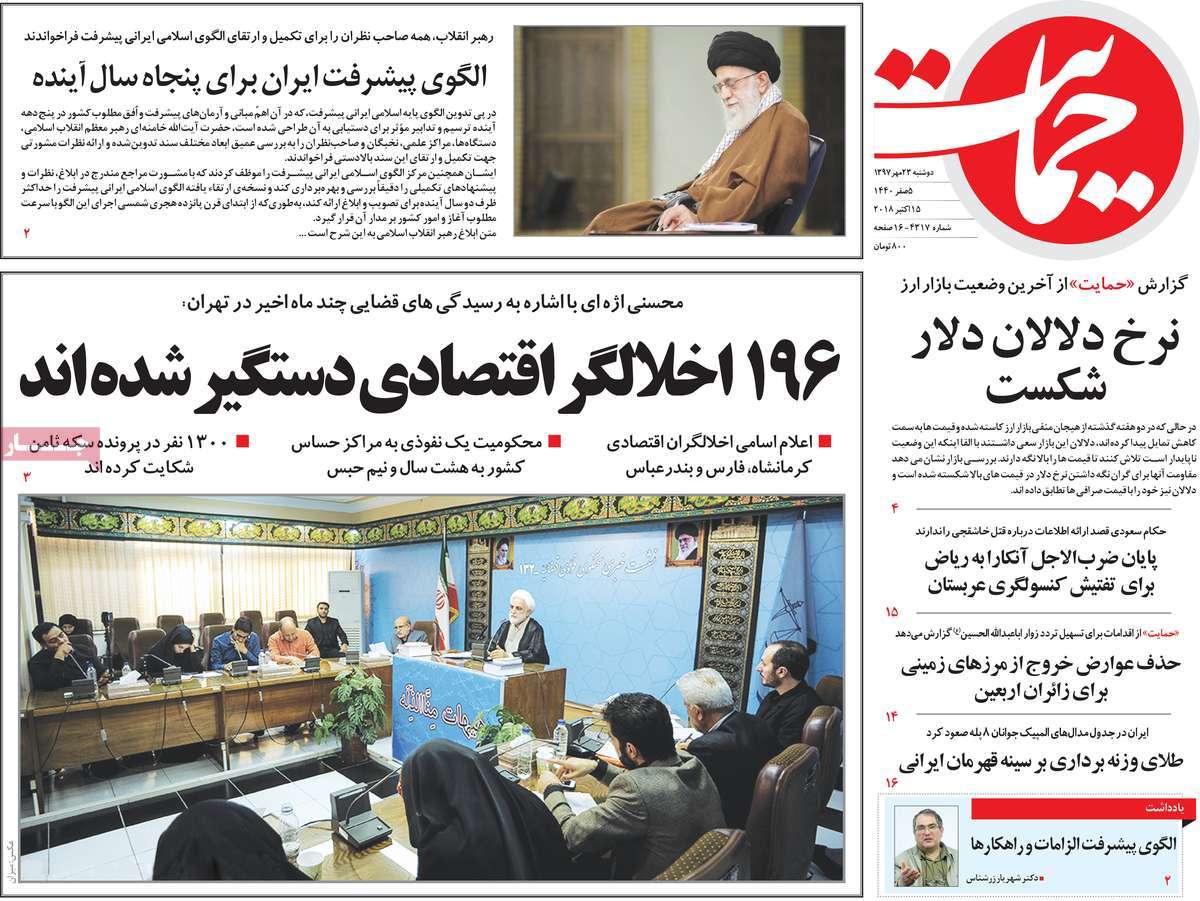
Hemayat:

1- End of Ankara’s Deadline for Inspecting Saudi Consulate

2- 196 Arrested for Disrupting Economy

A Look at Iranian Newspaper Front Pages on October 15


Iran:

1- Defending Freedom: Joint Editorial of Iranian Newspapers Addressing World Journalists

2- Iran: We’ve Found New Oil Clients

A Look at Iranian Newspaper Front Pages on October 15


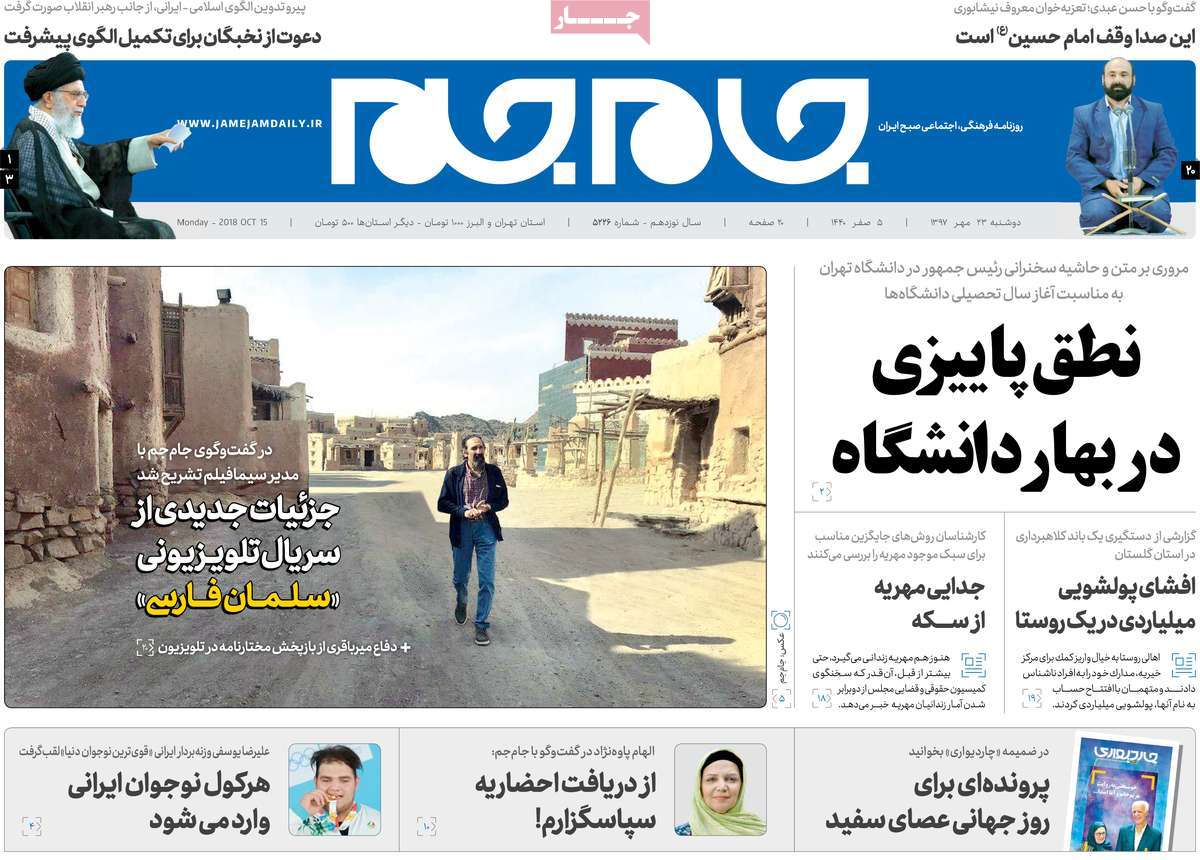
Jame Jam:

1- Iran Leader Calls on Elites to Complete Paradigm of Progress

2- Iranian Hercules: Alireza Yusefi Named World’s Most Powerful Teenage Weightlifter

A Look at Iranian Newspaper Front Pages on October 15


Javan:

1- Rouhani: This Was All US Could Do, Rest Assured

2- Iran Leader Calls for Upgrading Progress Paradigm for Next 50 Years

A Look at Iranian Newspaper Front Pages on October 15


Kayhan:

1- CNN: Khashoggi’s Case to Drown Bin Salman

2- New York Times: Saudi Arabia Must Think of another Crown Prince

3- Trump Not to Succeed in Creating Unrest in Iran through Sanctions: NY Times

A Look at Iranian Newspaper Front Pages on October 15


Sazandegi:

1- Defending Freedom: Iranian Papers Publish Joint Editorials in Persian, English

2- Stephen Hawking’s Latest Scientific Article Released 7 Months after His Death

3- Rouhani: People Should Not Be Worried about November 4 Sanctions

A Look at Iranian Newspaper Front Pages on October 15


Shargh:

1- Rouhani: Hope for Future Key Reason for My Previous Government’s Success

2- Iran Leader Doesn’t Want to Personally Decide about FATF Bills: Conservative

3- Nominees for Post of US Envoy to UN

A Look at Iranian Newspaper Front Pages on October 15


Sobh-e Now:

1- 13 People Arrested for Disrupting Forex Market

2- Roadmap for New Millennium [Editorial]

3- Gap in Unified Europe

A Look at Iranian Newspaper Front Pages on October 15


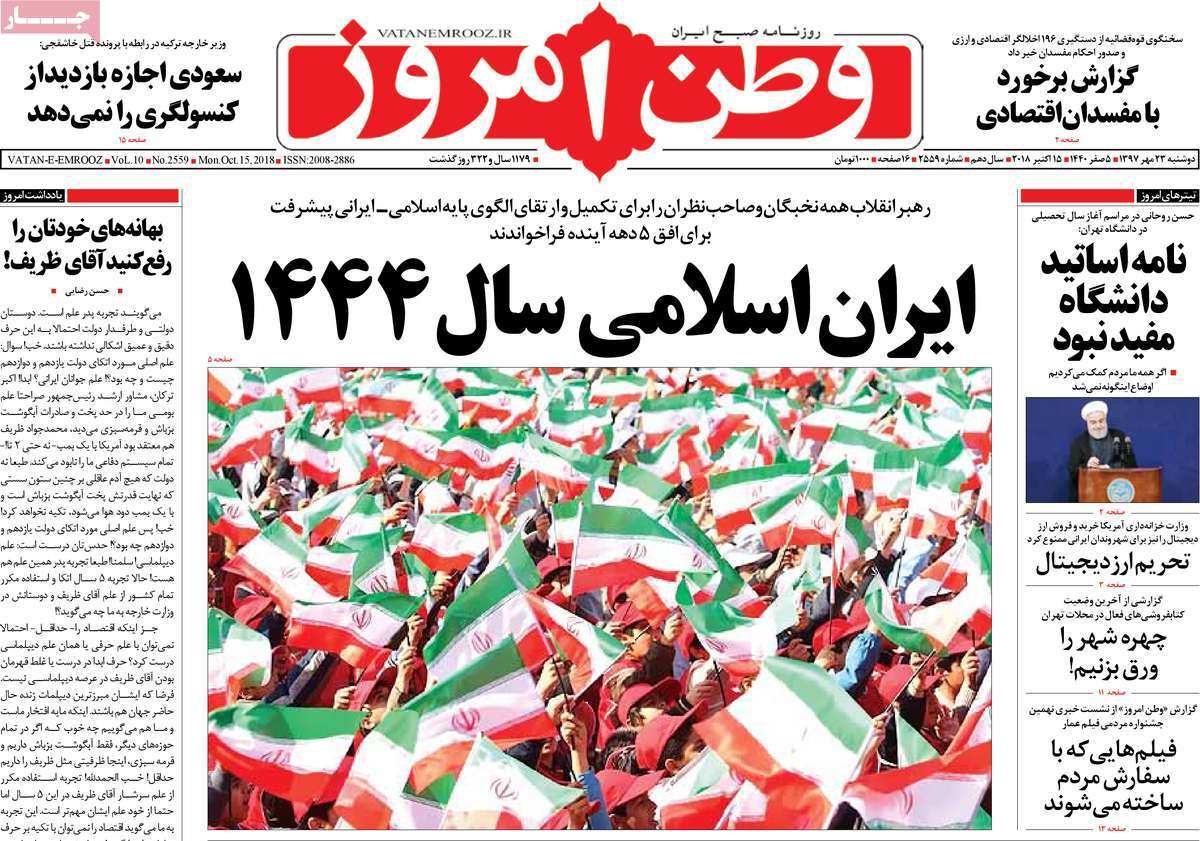
Vatan-e Emrooz:

1- Islamic Iran in 1444 (2065)

2- Saudis Not to Allow Turkey to Inspect Consulate

A Look at Iranian Newspaper Front Pages on October 15

Turkey Cautiously Handling Khashoggi Case to Avoid Tension with Saudis

The method of disseminating information and remarks made by Turkish officials about Khashoggi indicate that the country is managing the crisis of his assassination in a calculated manner and has not gone into inaction in that regard.

Since the first day when Khashoggi went missing after entering the Saudi Consulate in Istanbul, Ankara possessed the most important evidence suggesting he had been assassinated, i.e., an audio tape recorded inside the consulate, and, hence, could have revealed the evidence during the very first days following the incident, but did not do so.

Although Turkey’s sovereignty and security are now under question, the country wouldn’t like the Khashoggi issue to turn into a high-profile matter in Ankara-Riyadh ties and jeopardize billions of dollars in Saudi investment.

For the time being, Ankara intends to gradually reveal reliable information in that regard to put pressure on Riyadh into working out a joint settlement of the crisis.

So, when Turkey says Saud Arabia should cooperate in that regard, it means Riyadh should work to reach a solution, not work to prove that Khashoggi was assassinated. In fact, Ankara is sure that Khashoggi was assassinated on orders from high Saudi authorities, and does not need Saudi cooperation to shed light on the dimensions of the saga.

Saudi Arabia has announced its readiness to dispatch a security delegation to cooperate with the Turkish security apparatus on the Khashoggi case, which can show that Riyadh has received Ankara’s message. On the whole, the sending of this team can have two motives. First, getting precise information on the reliable evidence in Turkey’s possession, and second, entering into serious talks to work out a common solution to the issue.

One possible solution could be that the Saudi government announces rogue elements assassinated him without Riyadh being informed of that, and stress that it will seriously deal with perpetrators.

Here, Turkey has managed to ward off a crisis in its relations with Saudi Arabia on the one hand. Experience (for example with regards to relations with Canada and Germany) shows that Riyadh usually is not scared of making bold decisions in such circumstances. On the other hand, Turkey has been able to gain concessions from Riyadh with regards to certain issues.

The coming days and weeks will bring to light whether Ankara and Riyadh will be able to reach agreement behind the scene and somehow close the case in order to prevent a serious blow to mutual relations. In that case, Turkey will most probably stop gradually releasing evidence of Khashoggi’s assassination, and neither will it release that audio tape which is said to contain the conversation between Khashoggi and the terror team. According to American sources, Turkey has informed Washington of the content of the tape which has not been released by media, yet.

Iran Denies Ankara Embassy Evacuation, Bomb Threat

In a Monday statement, Bahram Qassemi dismissed as sheer lies news that the Iranian embassy building in Ankara was the target of a suicide bomb attack and that the embassy had been evacuated.

“Such a claim and news is a sheer lie, and the personnel at our embassy are present at their workplace in full health and security, doing their daily jobs,” said Qassemi.

Earlier, Turkish media claimed that he Iranian Embassy in Ankara had been evacuated after Turkish security forces received a tip about a possible suicide bombing plot.

The reports said Turkish police evacuated the Iranian embassy after receiving the tip and cordoned off Tehran Street where the embassy is located.

Iran Produces Cooling Fabrics Using Nanotechnology

Nanocomposite fabrics have many useful functions including cooling the skin in summer, transferring the body moisture to the environment, rapidly drying textiles, increasing blood circulation, increasing cheerfulness, decreasing vascular cramps, and eliminating the bad smell of sweat and at the same time allowing the skin to continue its natural breathing.

Tehran Zarnakh Company, as the first Iranian company, has managed to produce nylon fabrics called HEALTEX which could reflect infrared radiations, and thus cool down the body.

This product has received a nano-scale certificate from the Iranian Headquarters of Nanotechnology Development this year. These fabrics can reflect infrared radiations and have the ability to retransmit these radiations into the body.

When the infrared radiation penetrates the skin, it contacts the molecules of protein, collagen, fat and water. By creating micrometric fluctuations, a thermal reaction is created which increases the temperature of the body tissue. As blood vessels expand, circulation increases.
Among other products of Zarnakh Company, one could refer to COOLTEX fabrics, which have the ability to rapidly transfer the body moisture to the environment. The presence of micrometric channels in the cross-sectional area of the fibre results in a faster transfer of moisture to a wider level of tissue; therefore, it can increase the evaporation of moisture from the garment.

The heat required for evaporation is provided by the body, and this results in a feeling of dryness and cooling for the person wearing the cooling garment. These features will not be lost by repeated washing of these fibres.

The nanocomposite antimicrobial fibres are among other products of the company. The antimicrobial particles of these threads directly attack the cell wall of the bacterium and DNA, and reduce the possibility of bacteria spreading. In this way, they prevent the creation of odor.
For a brief review of Iran’s achievements in various fields of science and technology, check the book “Science and Technology in Iran: A Brief Review

No similar garment is being produced in Iran, and just some prominent companies of the advanced countries are active in this field. Therefore, there seems to be a good market for this product now and in the future.
Zarankh Corporation is a nano-based company participating in the 2018 International Nanotechnology Exhibition, which is currently underway in Tehran and will be open to visitors until October 16.

Iran Leader Calls for Upgrading 50-Year Paradigm of Progress

In a letter on Sunday, Ayatollah Khamenei called on Iranian organizations, scientific centers, elites and experts to explore various aspects of the Islamic-Iranian Paradigm of Progress and offer their consultative opinion in order to modify, complete and upgrade the document.

The Leader also ordered the Islamic-Iranian Paradigm of Progress Center to seek advice and fully study all ideas to introduce an upgraded and finalized version of the document within two years at most.

From the beginning of the 15th century of the Iranian calendar (2022), the Islamic-Iranian Paradigm of Progress should take effect with the necessary preparations and proper pace and become the pivot on which the country’s affairs revolve, Ayatollah Khamenei added.

The Leader also urged Iran’s Supreme National Security Council, the Parliament, the administration, universities and religious schools to help upgrade the Islamic-Iranian Paradigm of Progress.

Developing an Islamic-Iranian paradigm of progress attracted Iranian elites’ attention after Ayatollah Khamenei’s call for such an initiative in December 2010.

In March 2013, the Leader described developing such a paradigm as a great, glorious, long-term and detailed plan, and stressed, “A prerequisite for developing an Islamic-Iranian paradigm of progress and propagating it among the elites is creating a discourse of such a paradigm in society.”

In April 2016, Ayatollah Khamenei said there are deep deficiencies in the common paradigms of development in the modern world, calling for the formulation of an indigenous model on the basis of Islamic and Iranian values.

The Leader had also explained that the common paradigms were fundamentally wrong and based upon humanist and non-divine principles, saying they have failed to keep pledges of supporting values such as freedom and justice.

Signs of failure of the common paradigms of progress can be seen in some countries that follow those models, including their governments’ huge financial debts, unemployment, poverty and severe social inequality, Imam Khamenei pointed out.