Thursday, January 15, 2026
Home Blog Page 3412

Armenia Elections Part of Trend towards Democratic Changes: Iran

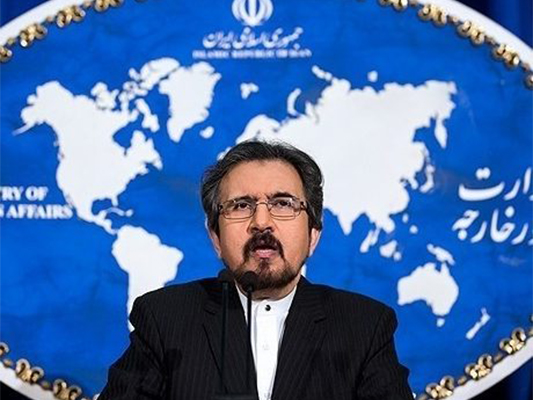
In a Tuesday statement, Qassemi referred to the elections as a significant stage in the domestic developments of Armenia.

He also expressed the hope that Iran and Armenia could increasingly strengthen their mutual relations following the public participation of the Armenians in their country’s general elections and the subsequent formation of the new government there.

Establishing ties with all neighbouring states has a very significant and decisive position in Iran’s foreign policy and for peace, stability, prosperity and security of all regional states, he added.

“Geographical proximity has created deep cultural and historical bonds between Iran and all its neighbours,” Qassemi said, adding that Tehran highly values these common roots and bonds.

The alliance of Armenia’s acting Prime Minister Nikol Pashinyan achieved a landslide victory in the snap parliamentary elections held on Sunday.
The victory enabled Pashinyan to consolidate his authority months after he took office on the back of anti-government protests in the ex-Soviet state.
Nine political parties and two electoral blocs were running in the vote to secure seats at the 101-seat parliament. Each party needs at least 5 percent of the vote to enter the legislative chamber, while blocs need 7 percent or more.

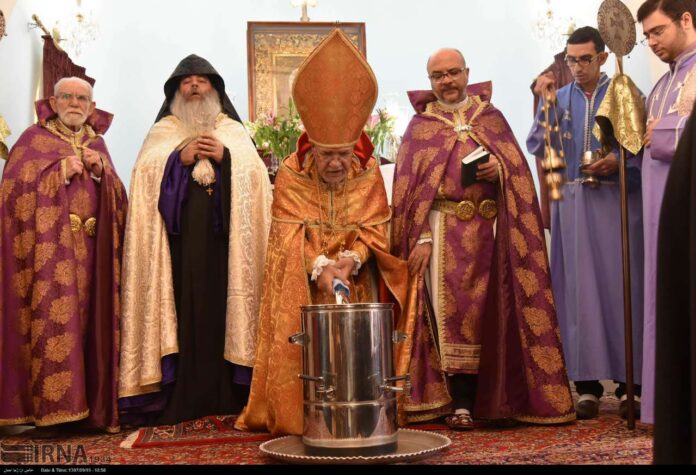
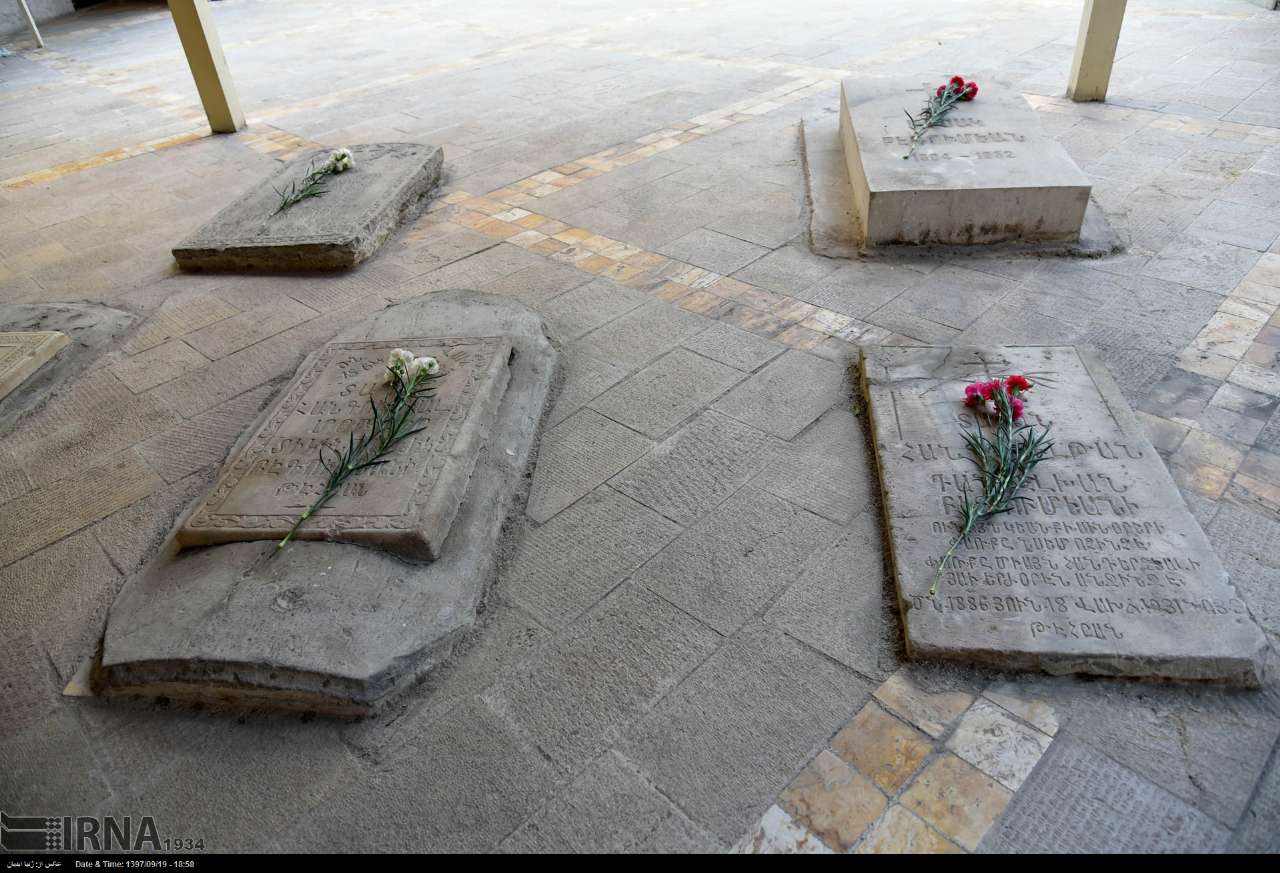
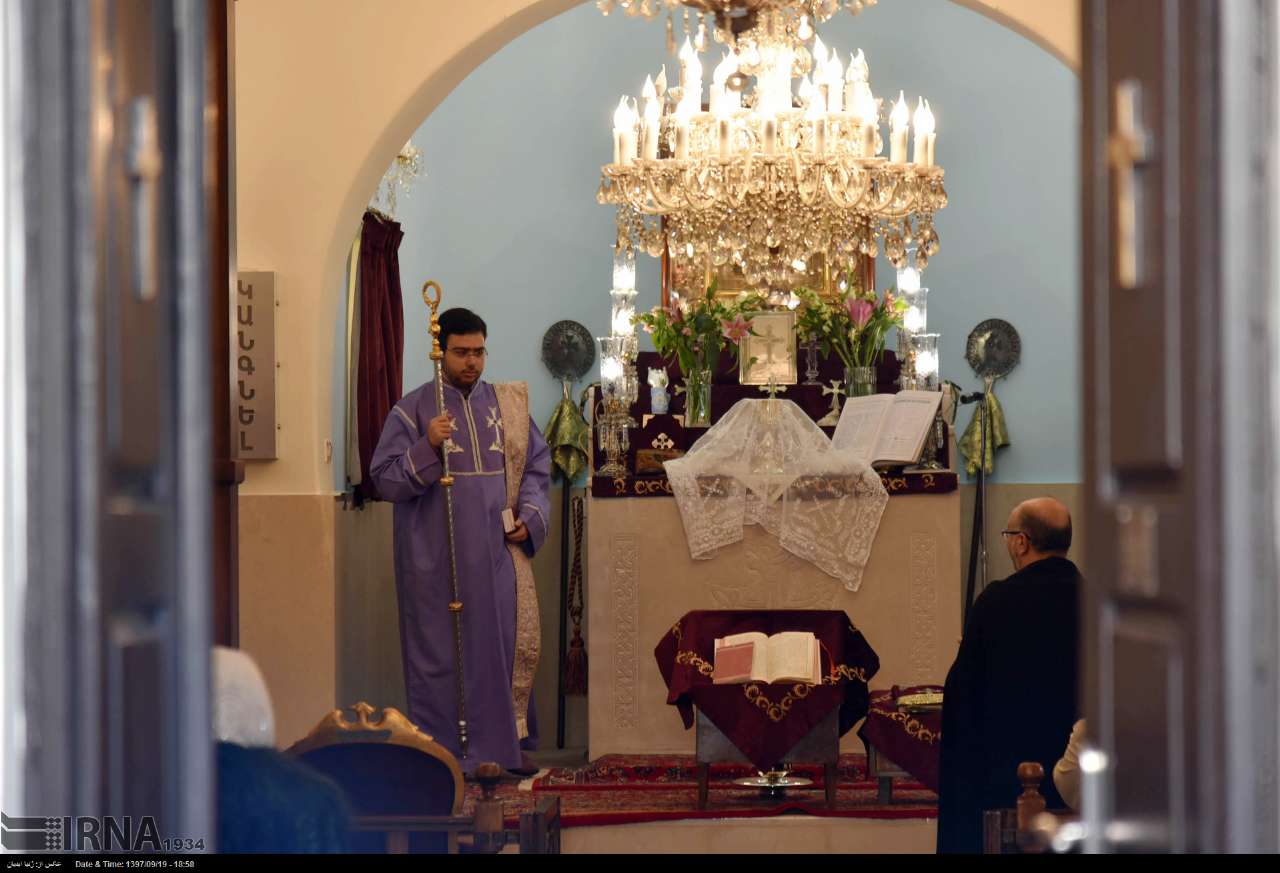
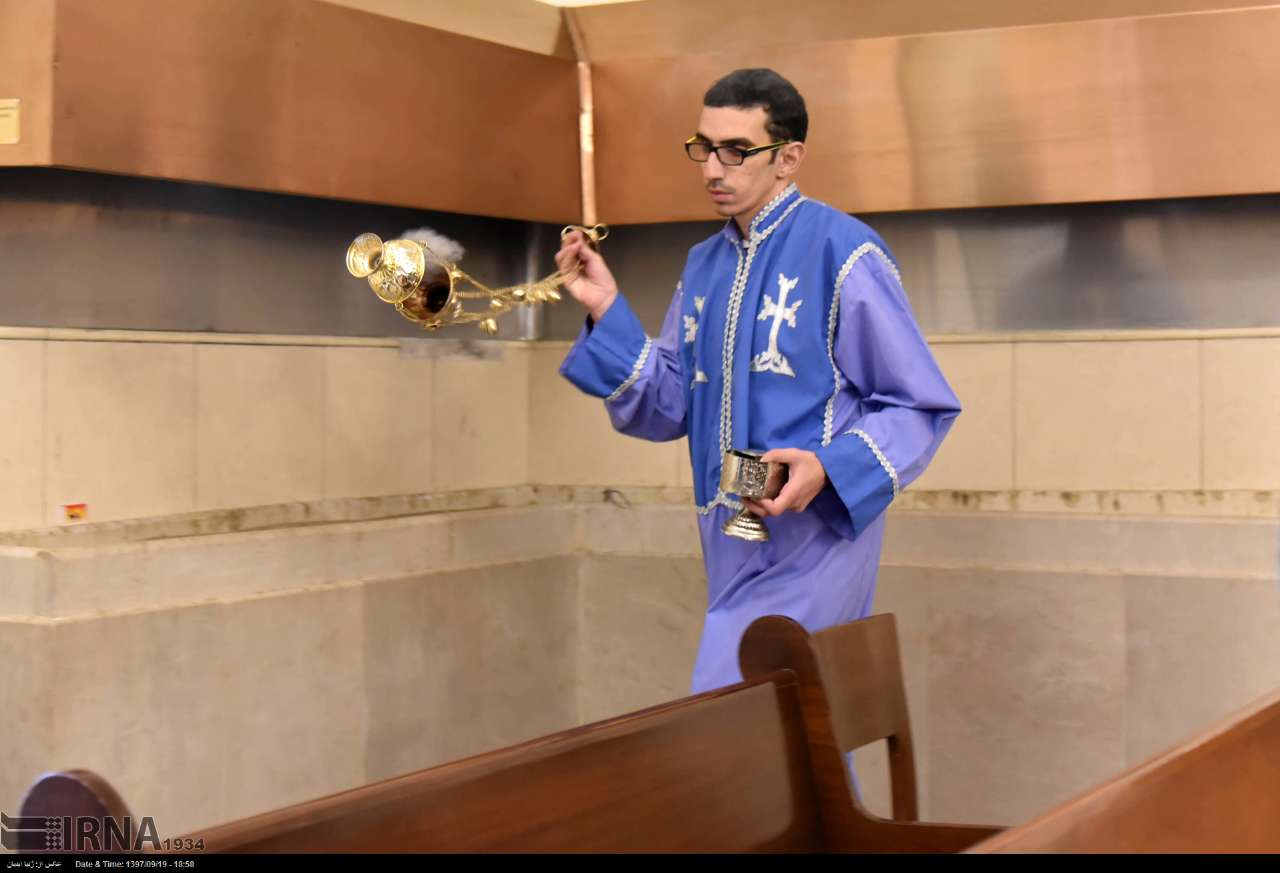
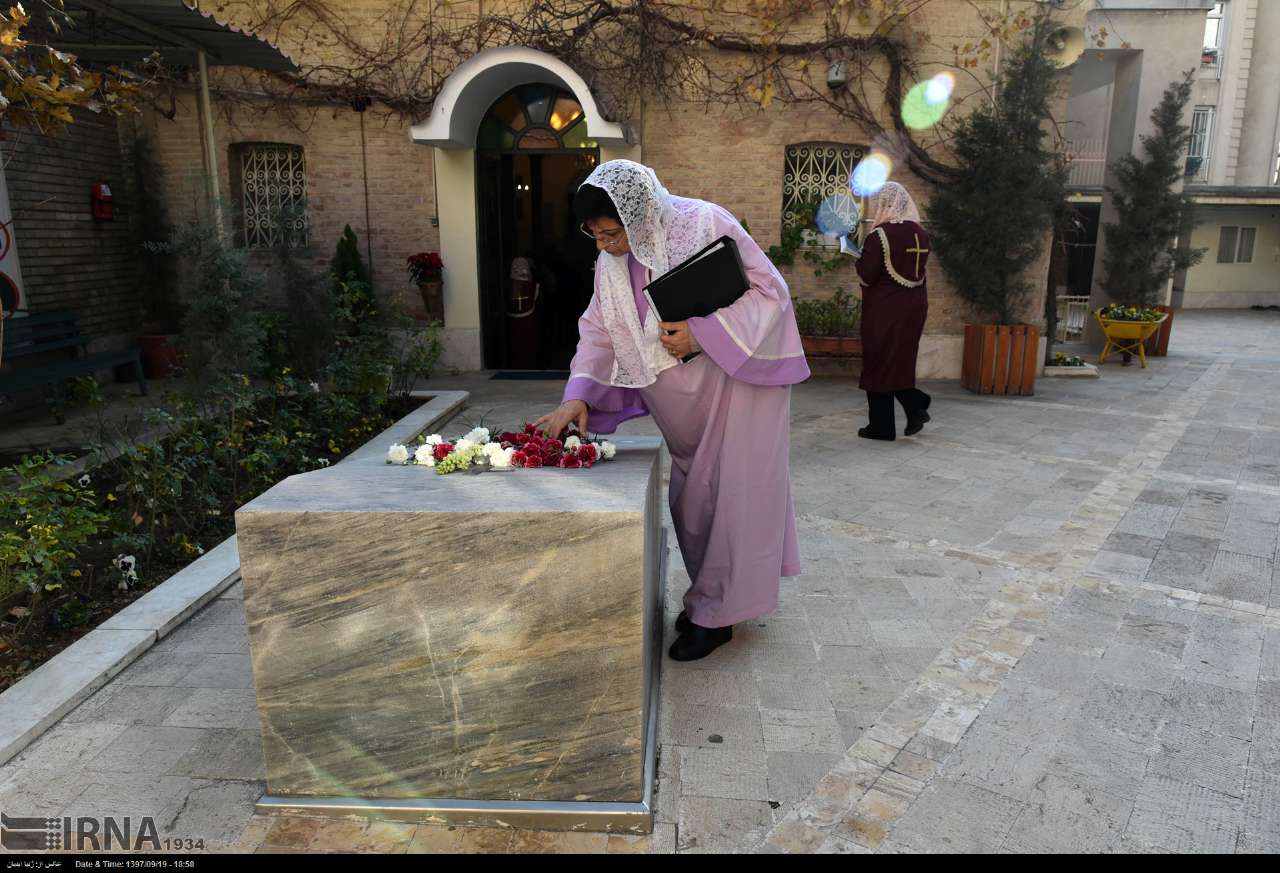
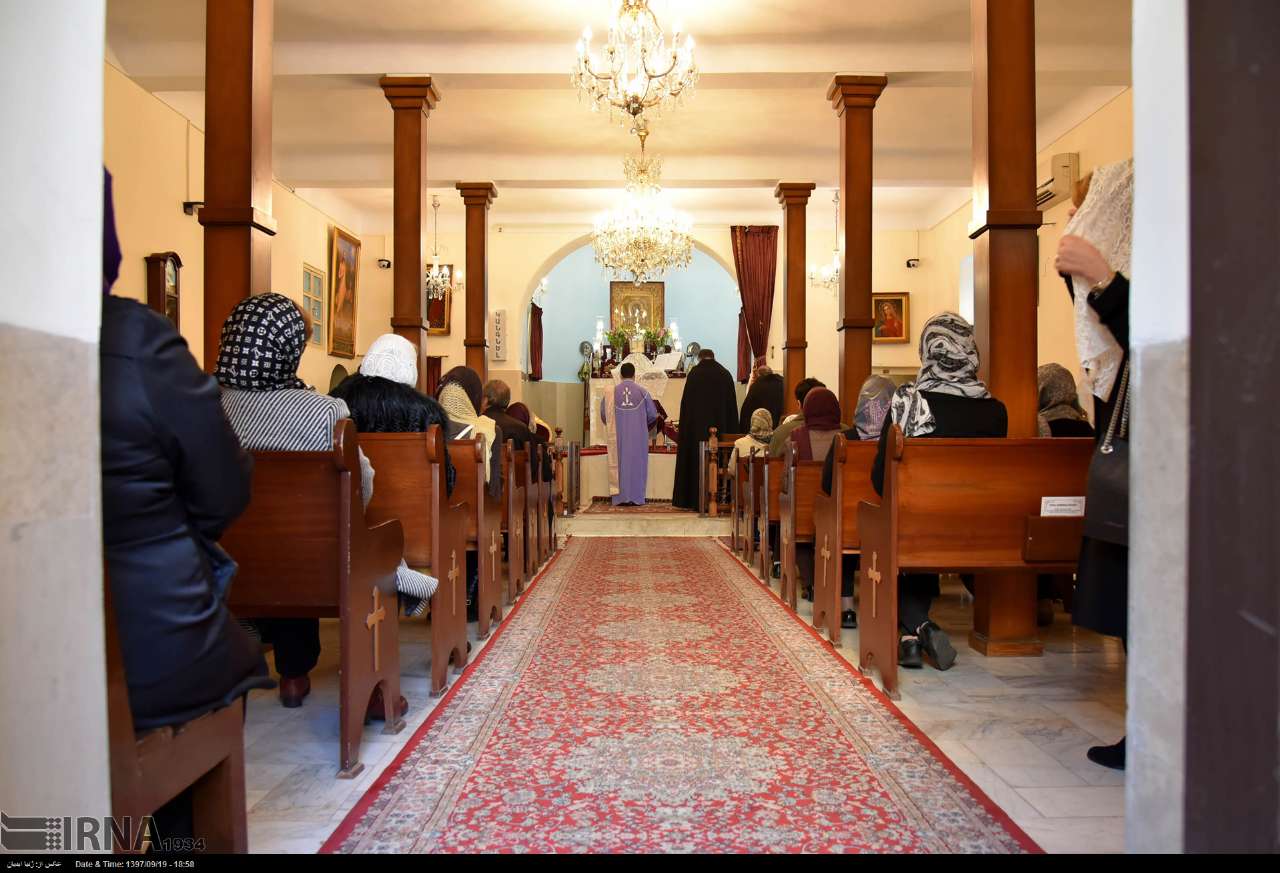
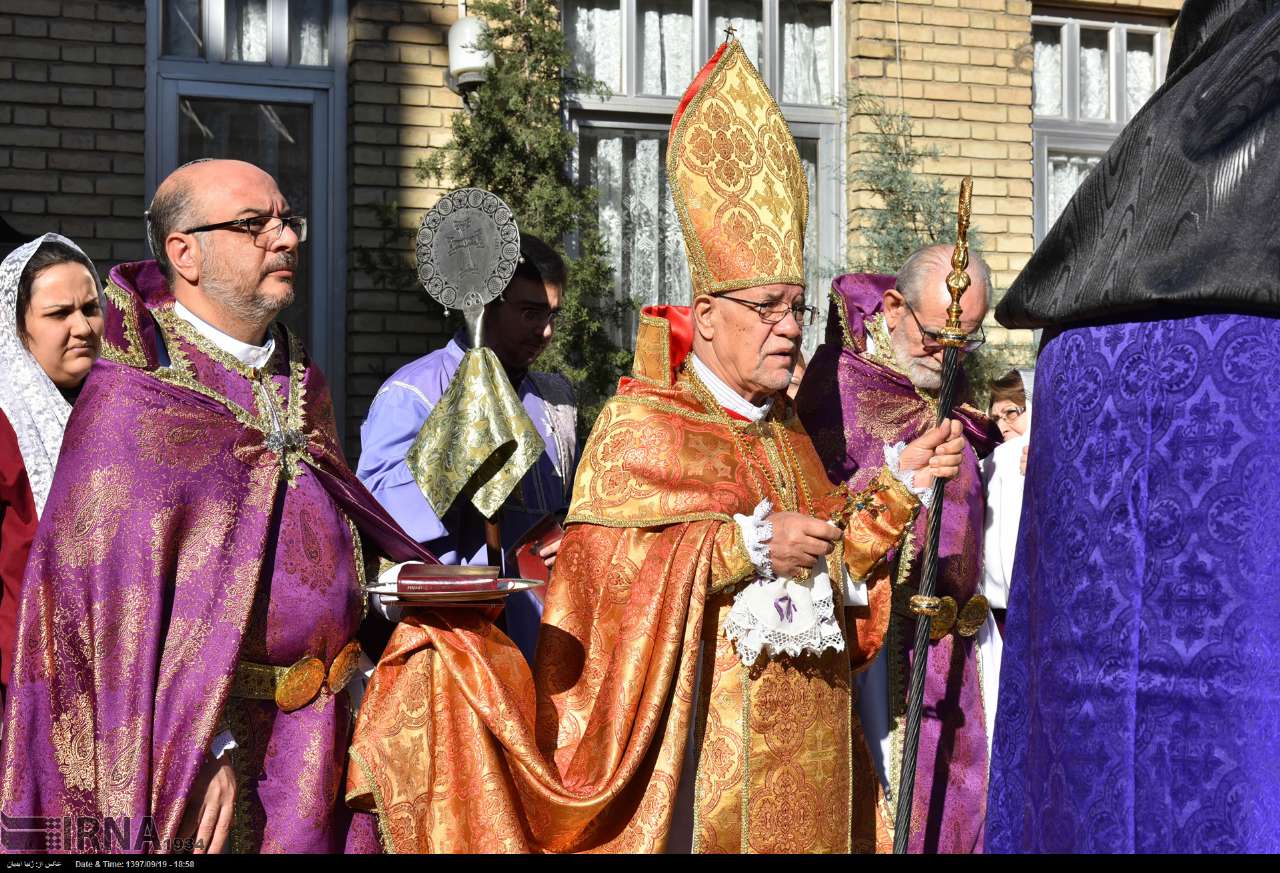
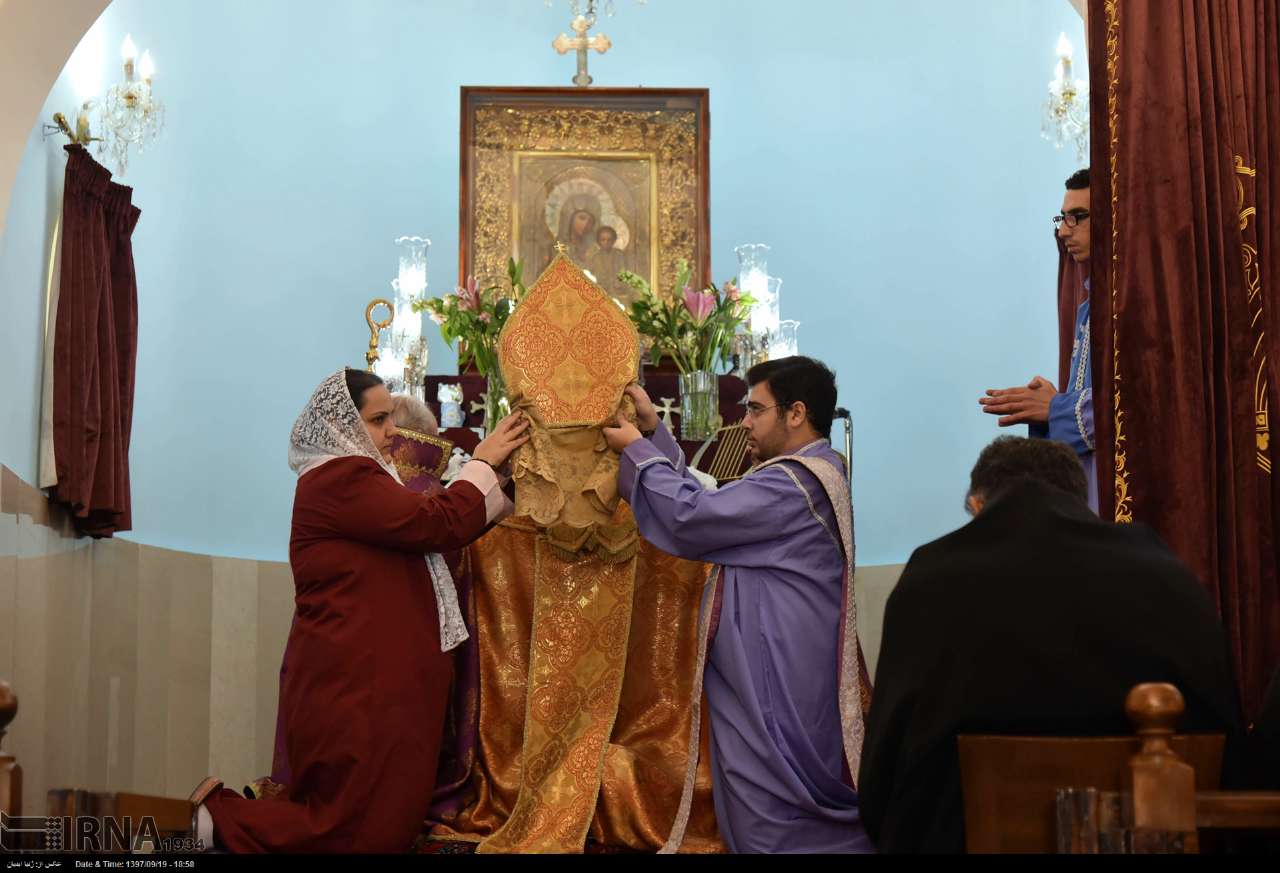
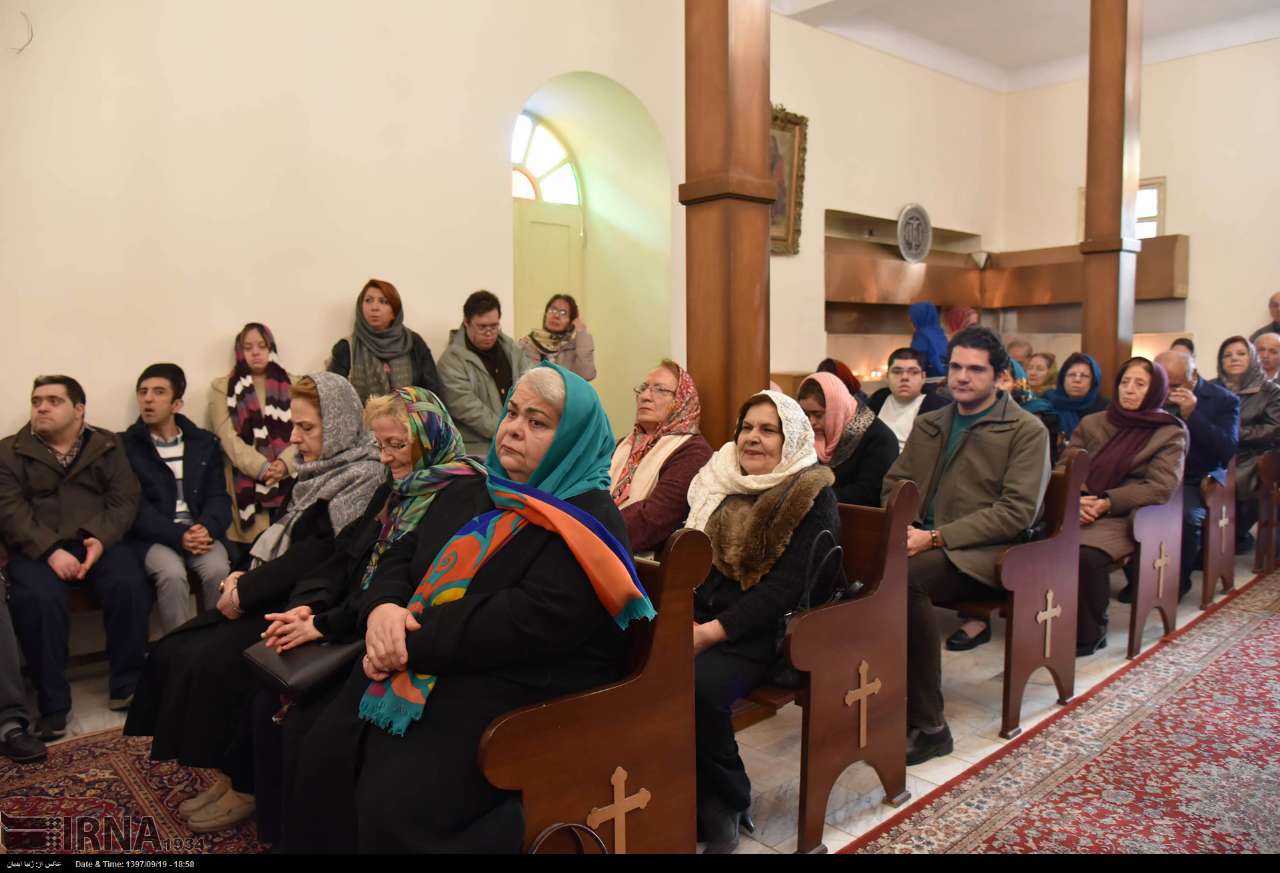
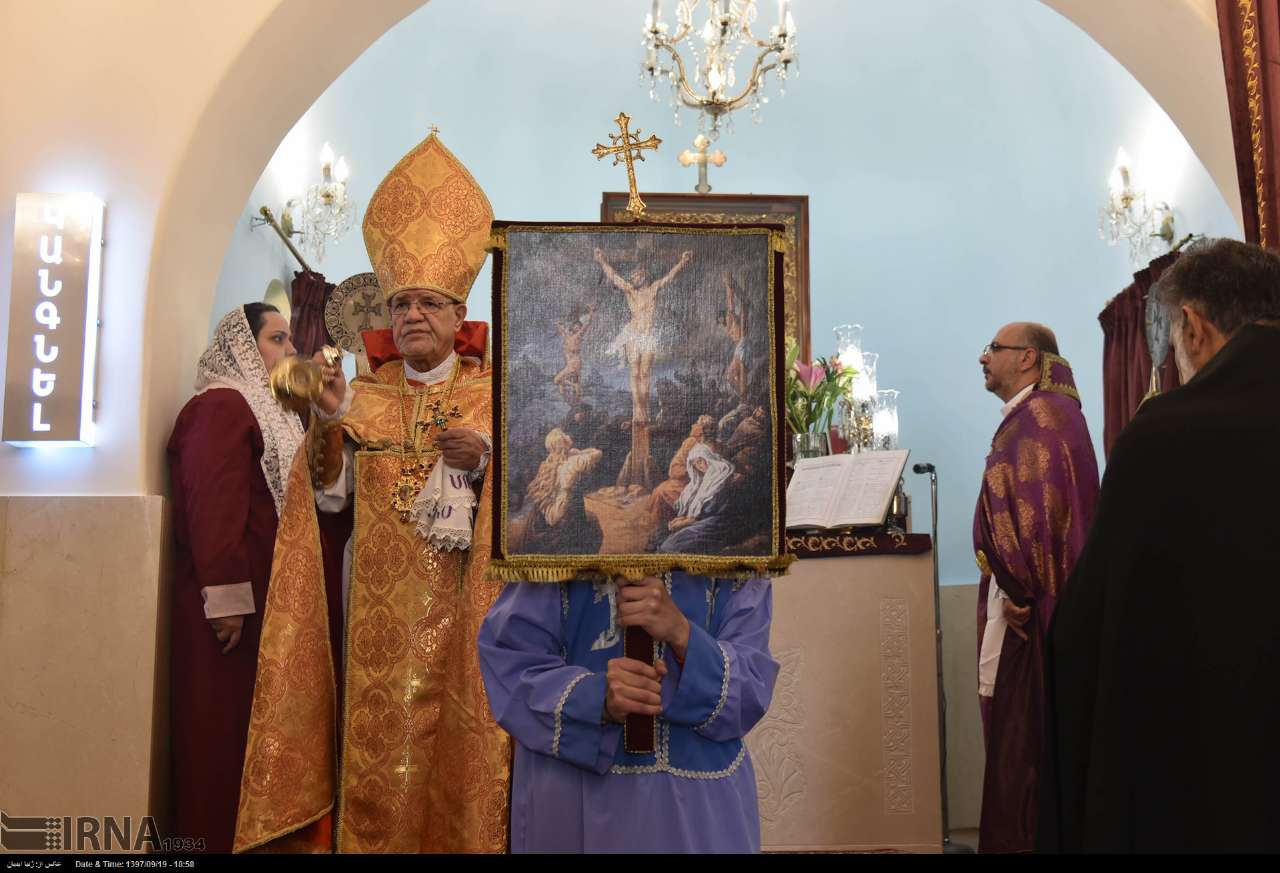
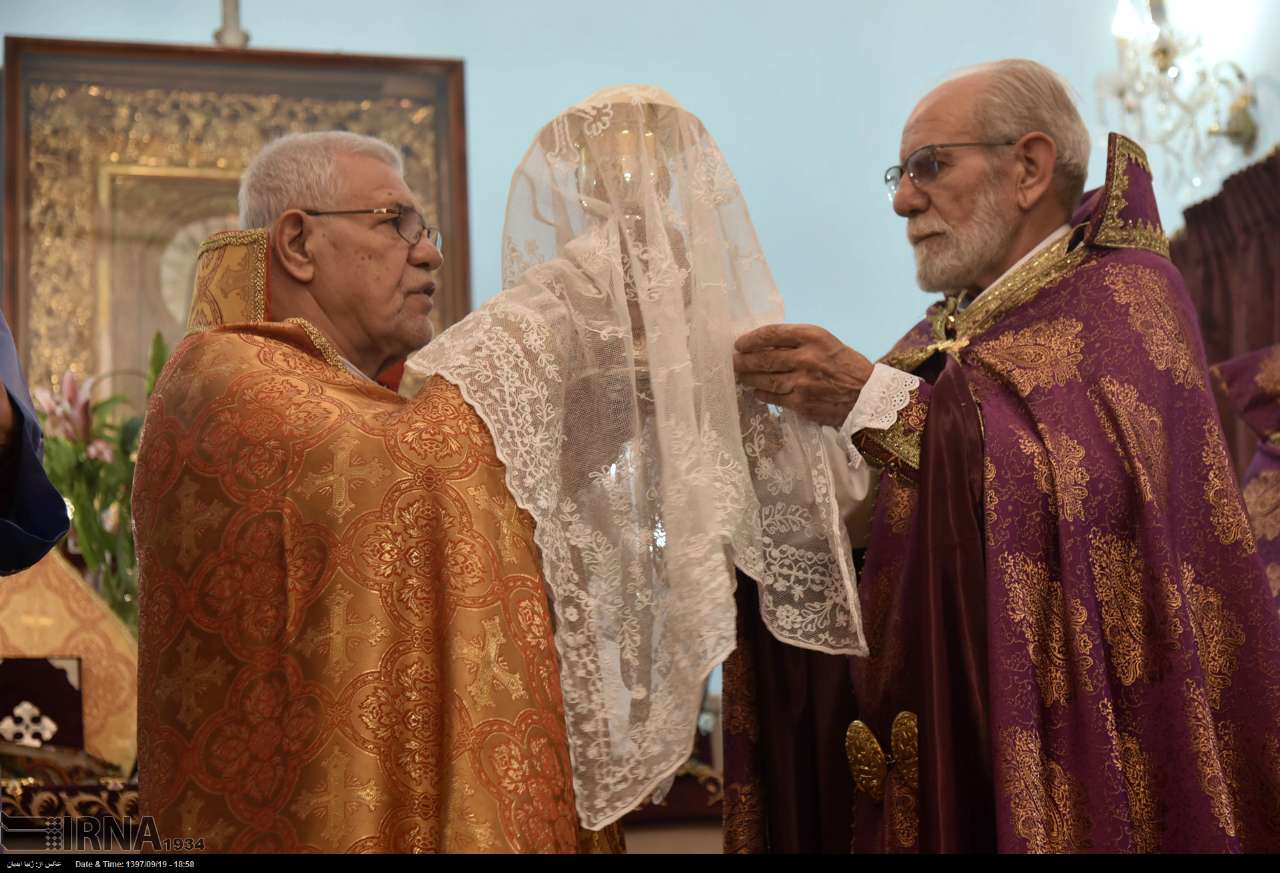
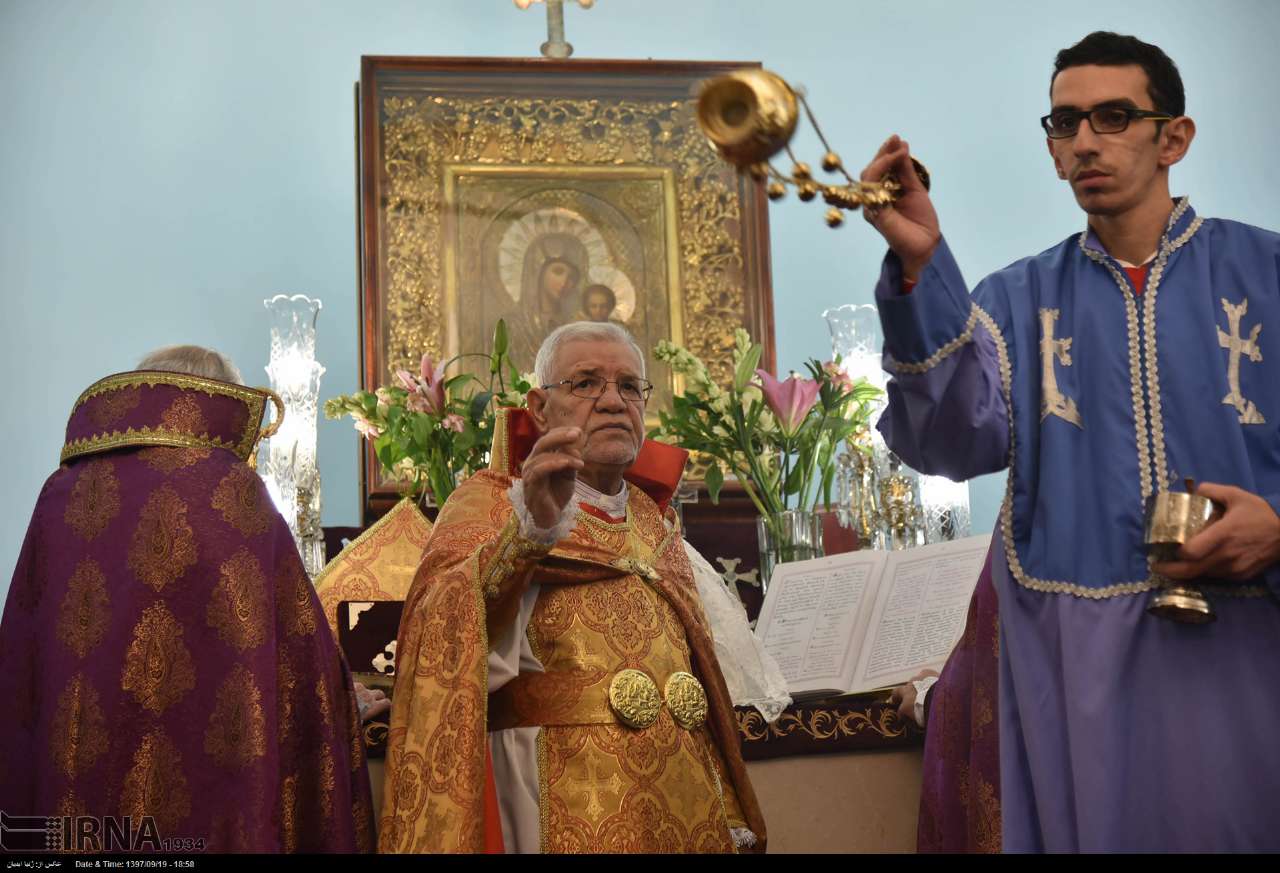
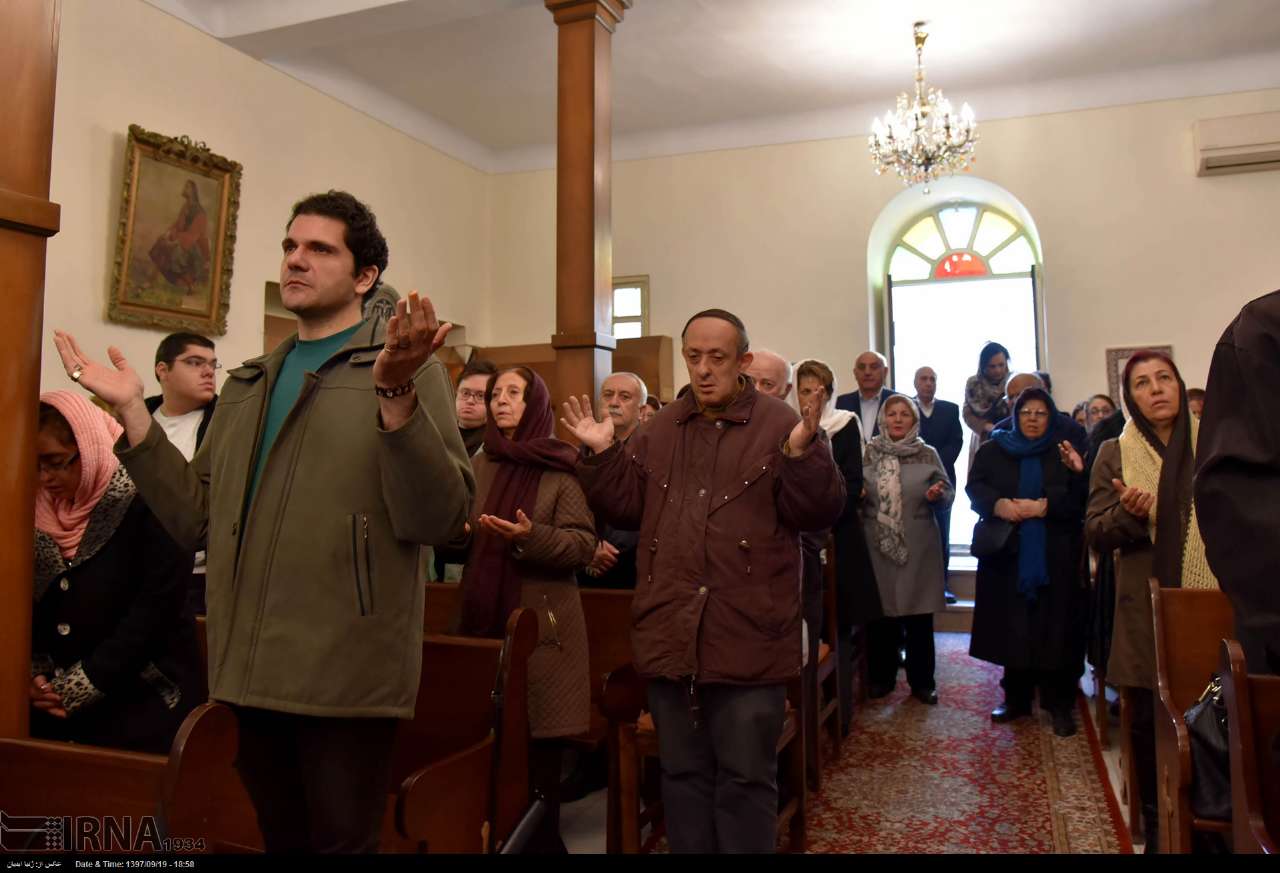
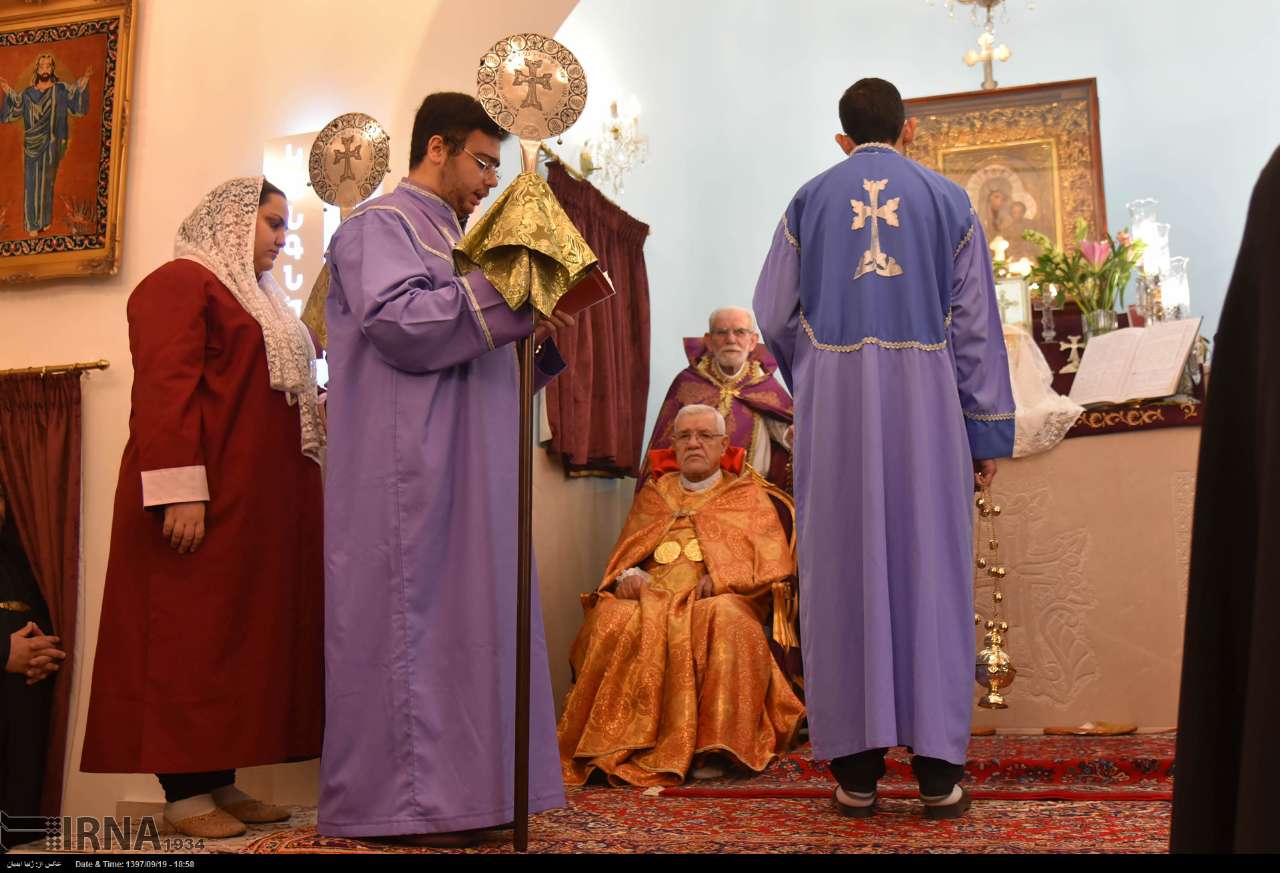
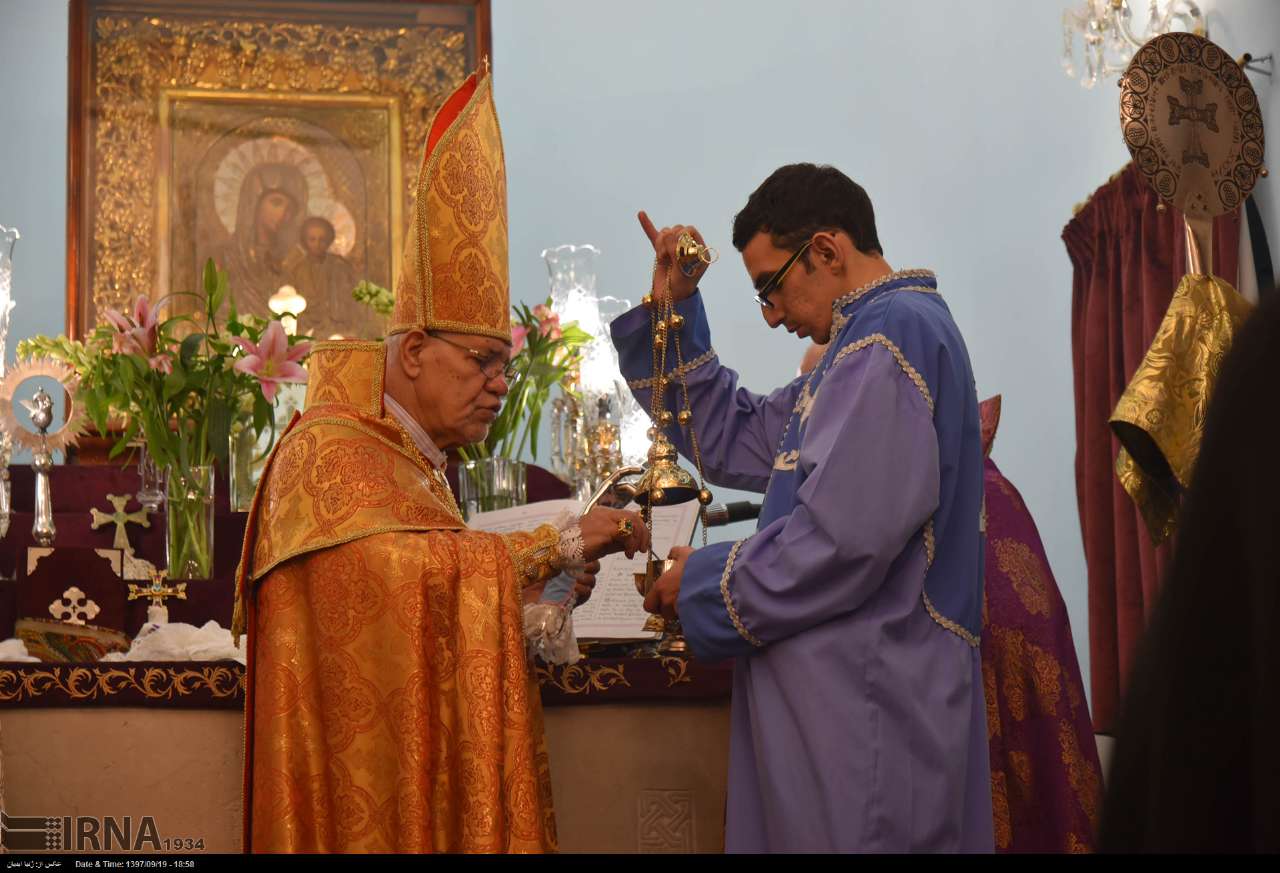
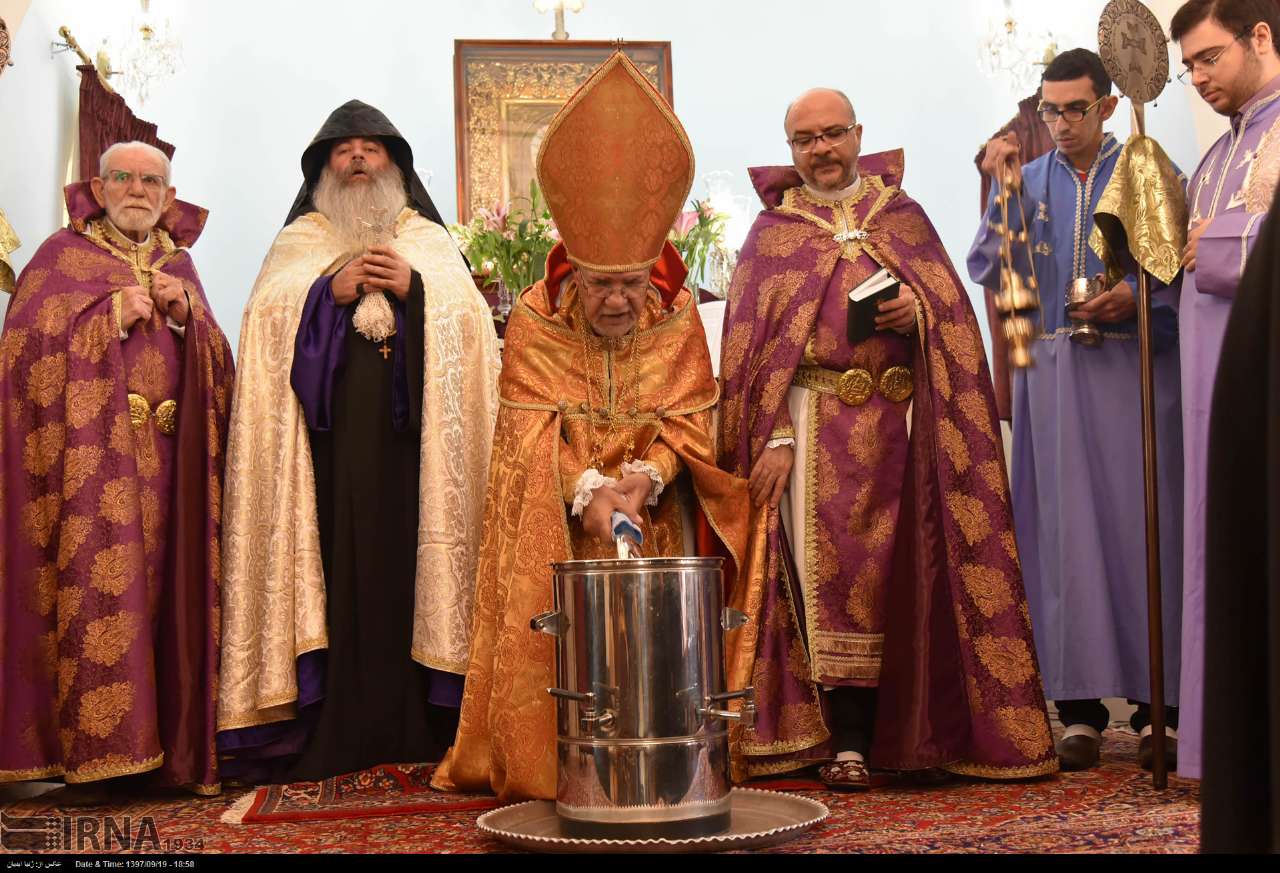
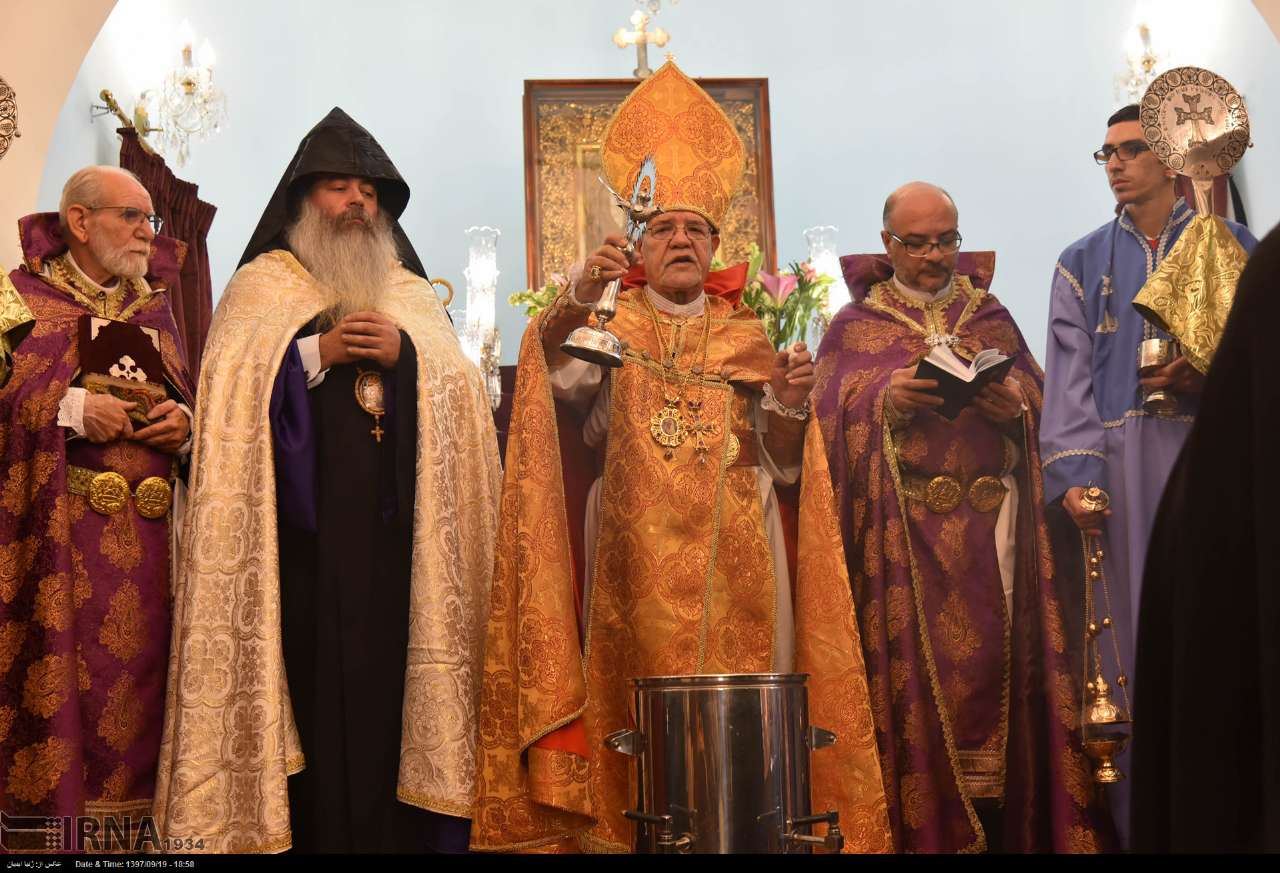
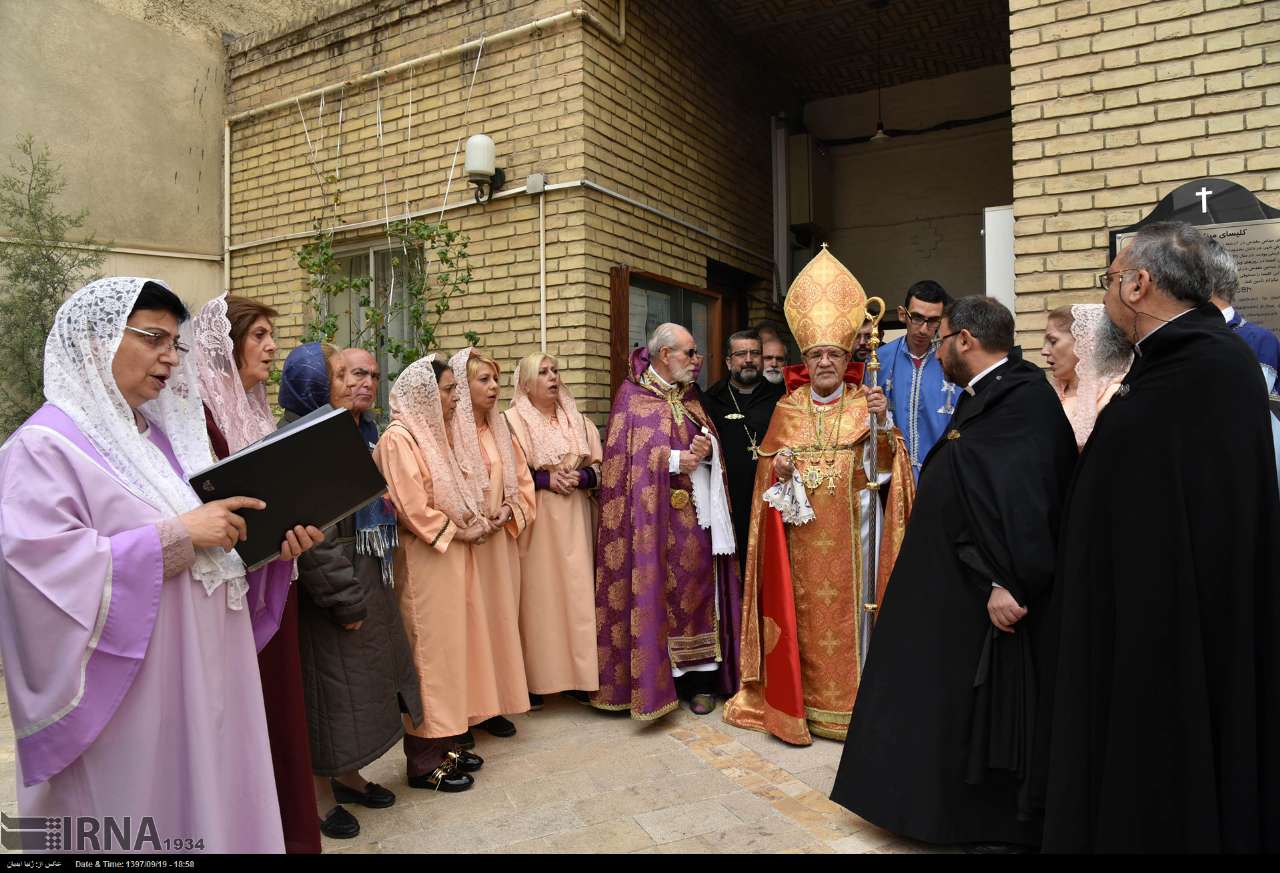
Armenians in Iran Mark Surp Minas Day

Dating back to the Qajar era (nineteenth century), the church has been designated as one of the national heritage sites of Iran.

Built by Hassan Mostofi al-Mamalek in 1856, the church has long served as a place of worship for Armenians who had come from Charmahal and Bakhtiari to Tehran.

According to historic document, Minas was a smart and wise person who was sent to Egypt by the Roman Caesar to end the battle in Alexandria. She accomplished his mission perfectly but after a while, he changed his religion and became Christian. Therefore, the Caesar ordered to cut his head. Christians deem him as sacred.

What follows are IRNA’s photos of the Monday ceremony held by Armenians in Tehran to mark the Minas Day:

Stem Cells Used to Make Skin Young Again

Stem Cells Used to Make Skin Young Again

Finding a proper treatment for wrinkles and scars left behind as a result of acne and skin problems has always been an issue of interest to dermatologists and plastic surgeons.

The human skin is a major source for the extraction of stem cells. Stem cells are the best option for cellular therapy as they have high capability for proliferation and distinction.

Surveys show that all body tissues contain stem cells which can turn into cells making up that very tissue, and can multiply whenever it is needed.

Accordingly, the newest technique is to use the stem cells of the person’s skin as a filling material capable of reproduction as well as producing collagen, which is the key substance needed to keep skin young. First, fibroblast cells, whose main function is to produce collagen, is extracted from a small part of the patient’s skin and is cultured in a special environment. Then the reproduced cells are reproduced again and re-injected into the areas where the skin is damaged such as wrinkles or scars left behind due to wounds or acne or skin damage.

At the place of the injection, the fibroblast begins to produce collagen and fill the damaged part, something which has been confirmed by electron microscopes.

This technique is used in only a few countries, and has been successfully applied by an Iranian knowledge-based company named Celltech Pharmed.

Stem Cells Used to Make Skin Young AgainIn this method, cells produce collagen gradually; so, the result can be observed in the long run. This method is, in fact, a self-adaptive cellular method, the cells belong to person himself/herself and, as a result, the individual’s immune system is not provoked. The odds of having a successful treatment in this method are between 70% and 90%. This treatment method is used as the last resort in cases patients show resistance to treatment.

In cellular therapy, first a small piece of the patient’s skin is removed. Then, melanocyte cells are extracted after certain reactions and cultured in a special environment. The melanocytes are cultured on a special plate, and then the layer of cultured melanocyte cells are placed onto the location of the skin damage

For a brief review of Iran’s achievements in various fields of science and technology, check the book “Science and Technology in Iran: A Brief Review

Another application of cellular therapy is to culture keratinocytes cells at the location of wounds caused by different diseases. Given that keratinocytes are multiplied during the process of repairing the wound and covers the skin, using cultured keratinocytes can prevent infections, keep the wound wet and expedite the trend of healing the wound.

The devising of such methods is a sign of a brighter future for patients suffering from skin diseases as well as those who would like to make their skin young again as this method could be an effective and lasting treatment.

Enemy’s Dream of Changing Iran’s Behaviour to Die on Vine: IRGC

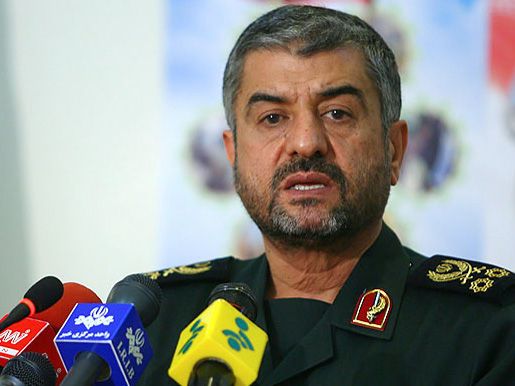
general jafari

Addressing a ceremony in South Khorasan province, Major General Mohammad Ali Jafari said the more the enemies try to tire out the people and force the Islamic Republic to surrender, the more they fail.

He also reiterated that the enemy is trying to portray Iran’s establishment as ineffective by exerting economic pressures and plotting to create insecurity in the country.

The Iranian nation is not afraid of anyone, and nothing can disturb them, he added in his Tuesday remarks.

The top commander said many other countries are following the footsteps of Iran in terms of resistance and fight against hegemony and global arrogance.

Jafari noted that enemies are confessing to the progress and achievements of the Islamic Republic, and are disappointed with their struggles and threats against Iran.

“Since the victory of the Islamic Revolution, we have always witnessed the defeat of US and the enemies of the revolution,” underlined Jafari.

The resistance of the people of Gaza, Palestine, Iraq and Yemen against the crimes and warmongering of global arrogance derives from the culture of resistance of the Iranian people, said the IRGC chief.

US Sanctions Failed to Disrupt Iranian Economy: Rouhani

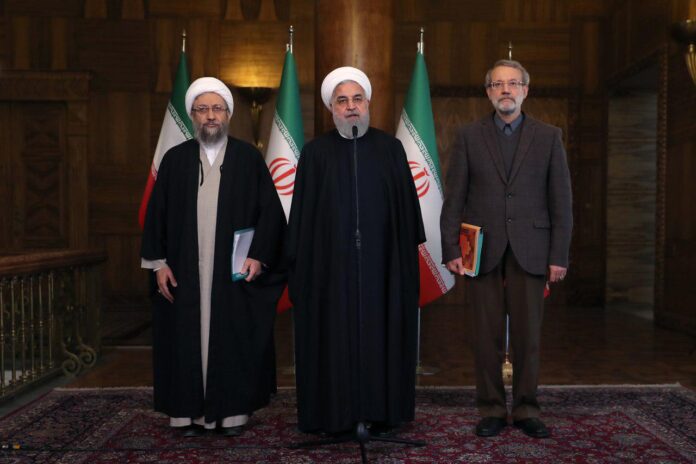
Iranian President Hassan Rouhani speaks after a joint meeting with Judiciary Chief Ayatollah Sadeq Amoli Larijani and Parliament Speaker Ali Larijani in Tehran on Dec. 11, 2018 / Photo by president.ir

Rouhani made the remarks on Tuesday after a joint meeting with Judiciary Chief Ayatollah Sadeq Amoli Larijani and Parliament Speaker Ali Larijani.

“The goal of the Americans was to cut our oil exports, but I would like to tell people clearly that our oil exports are much better than before November 4,” he said.

“Therefore, Washington was not successful in its oil policies. During the recent OPEC meeting in Vienna, they worked hard to keep OPEC’s oil production unchanged, but fortunately OPEC members resisted and non-OPEC countries made the same decision.”

The Trump administration in August re-imposed sanctions against the Islamic Republic that had been lifted as part of a nuclear agreement reached under the Obama administration. The sanctions had been lifted in exchange for limits on Iran’s nuclear program.

After the US re-imposed its illegal sanctions on November 4, it expected to see chaos in the Iranian economy, but the great nation of Iran and all the economic activists acted in a way that, fortunately, the plot was thwarted, Rouhani said.

He added that the central bank, economic sectors, and the great people of Iran behaved in a way that the whole world understood calm has been restored more than before, the government’s official website dolat.ir reported.

The president further mentioned that all the efforts are made to maintain this calm and address the people’s problems.

“A framework has been developed to determine how the revenues of non-oil exports enter the market and the country. Through this, we are anticipating an ideal solution to the problems of our forex incomes, and we will continue this strategy,” he noted, hailing the exporters’ efforts for good progress over the past year and an increase of more than 13% in the country’s exports.

President Rouhani also referred to the Islamic Republic’s regional policies, and said the moves will benefit the people of the region.

“The situation in Yemen is so that those who wanted to occupy this Arab country feel they have no other option but to make peace with the Yemenis. We have always supported the Yemeni-Yemeni negotiations,” said the Iranian president, highlighting that the signs of restoration of peace to Yemen can now be seen more evidently.

He also pointed to the relative restoration of peace to Syria, and said this means the Islamic Republic of Iran has been successful in regional affairs.

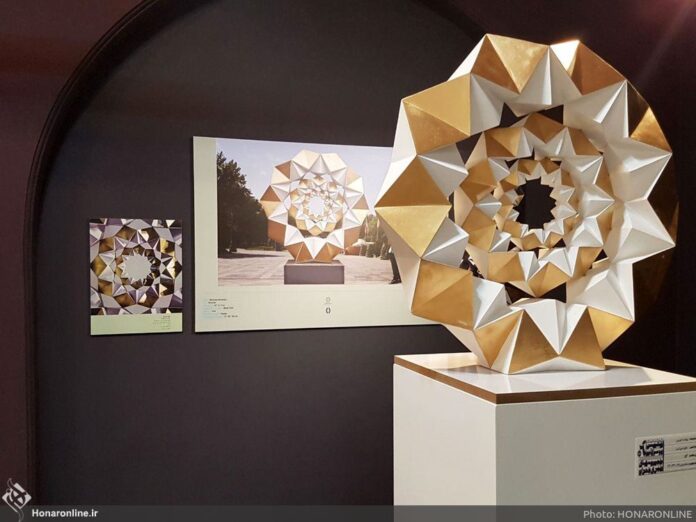
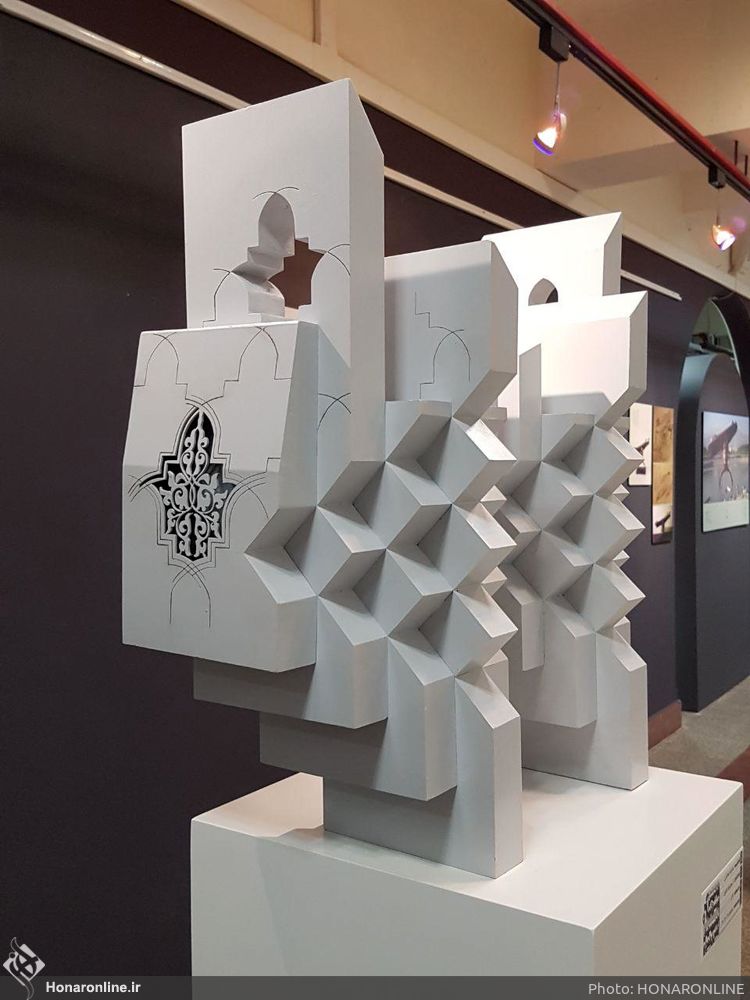
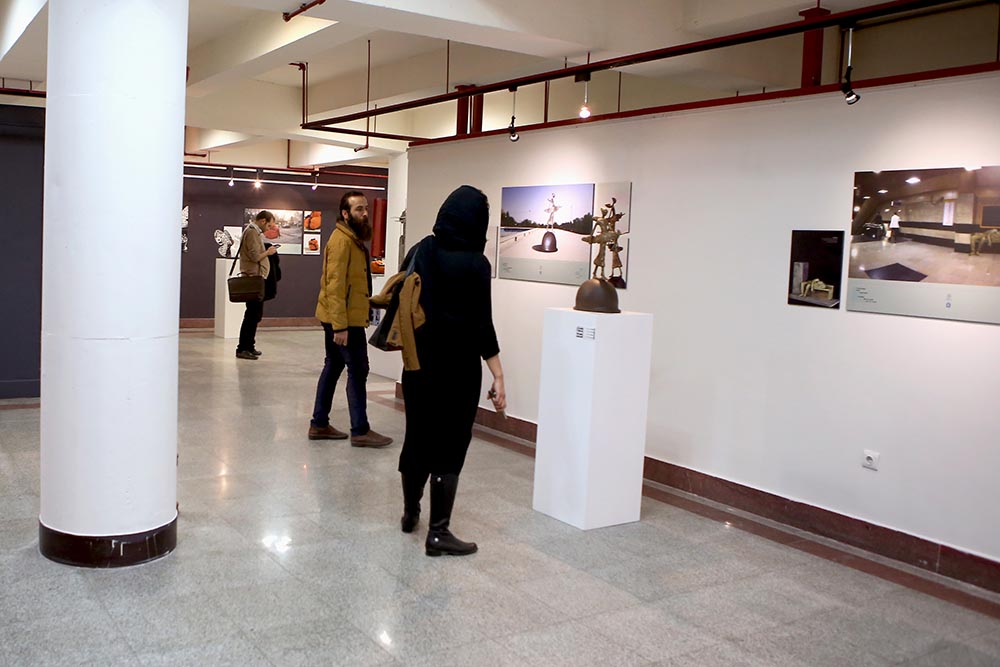
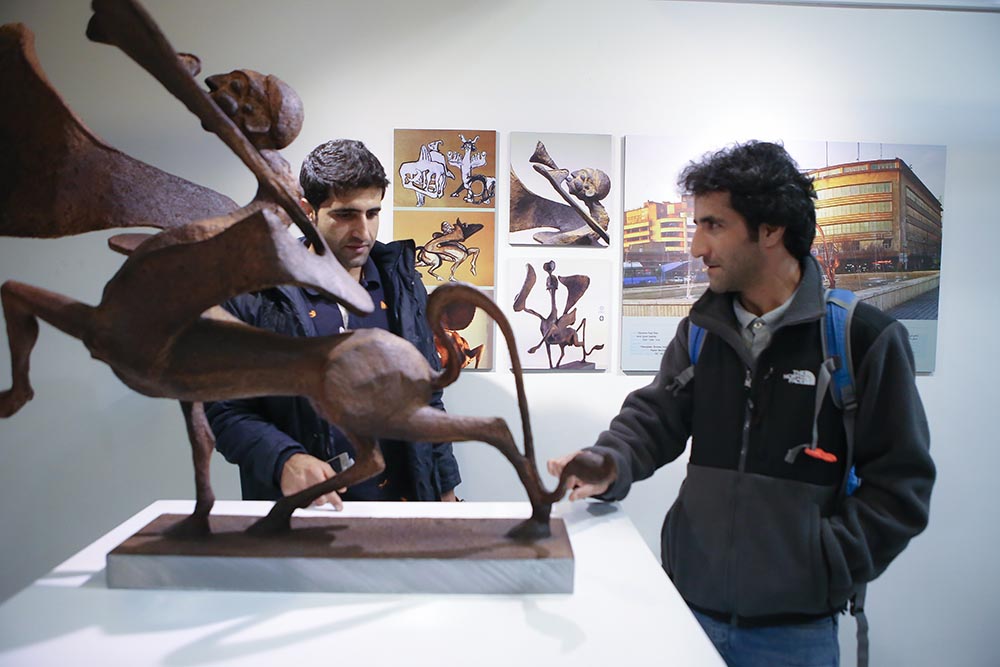
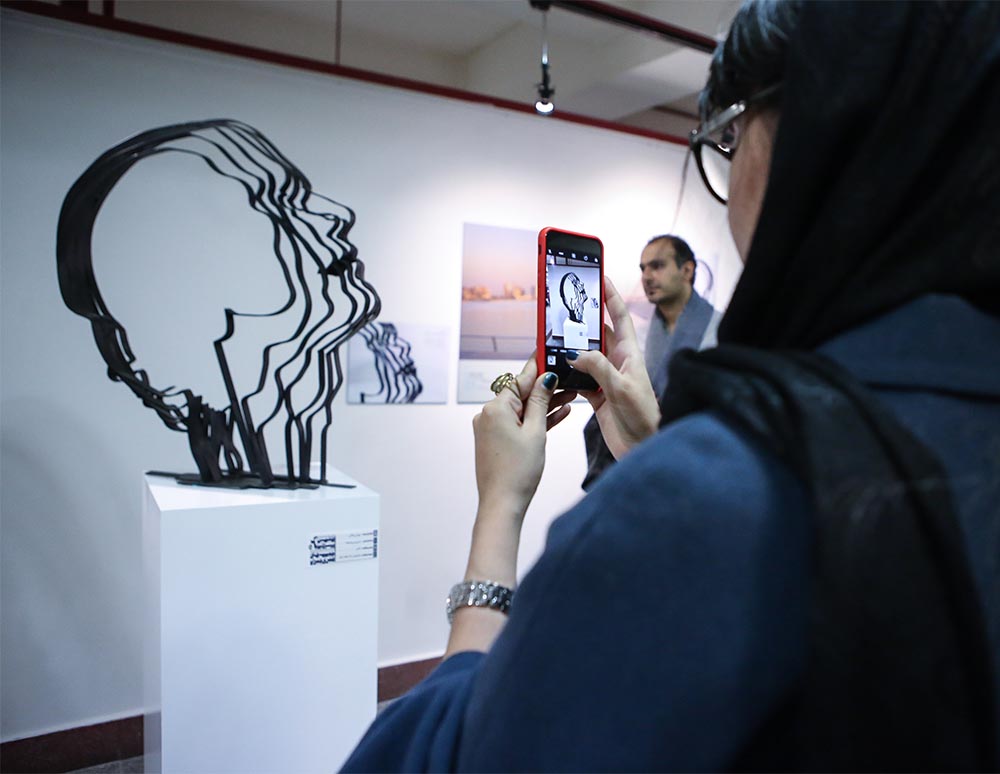
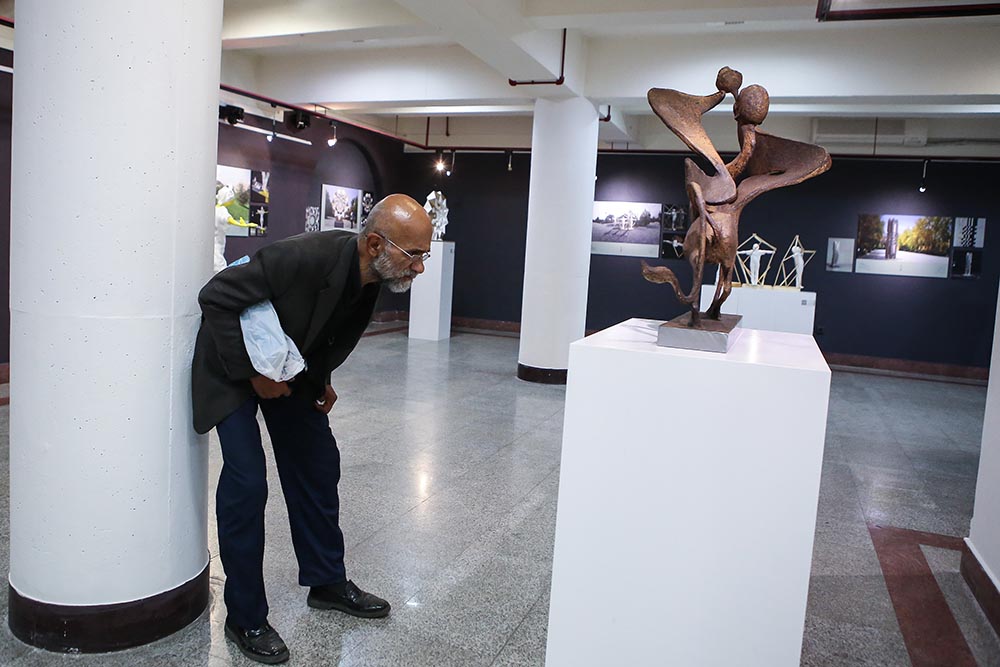
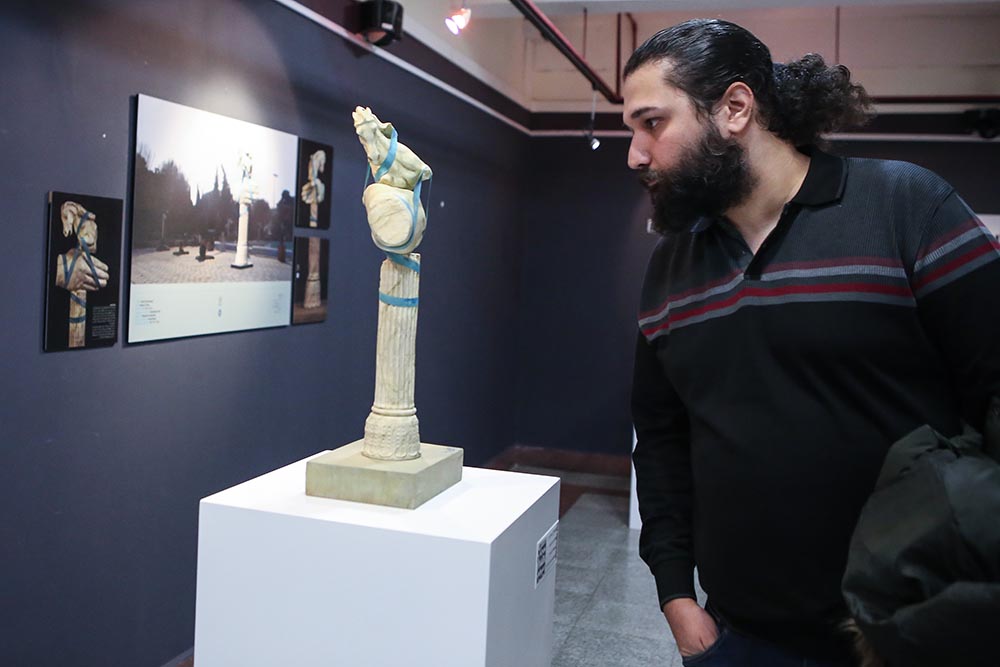
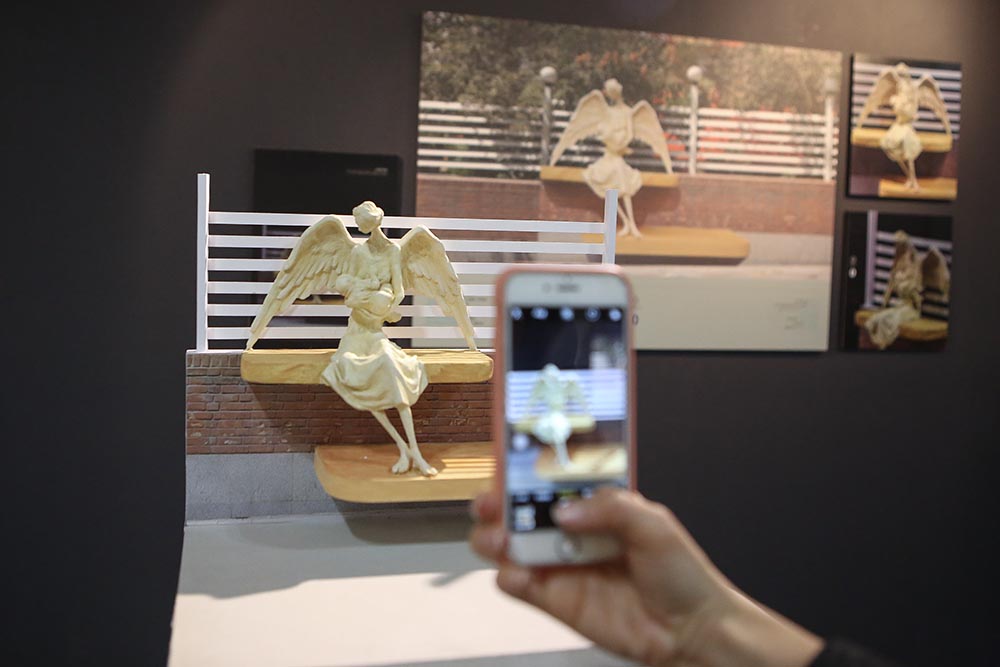
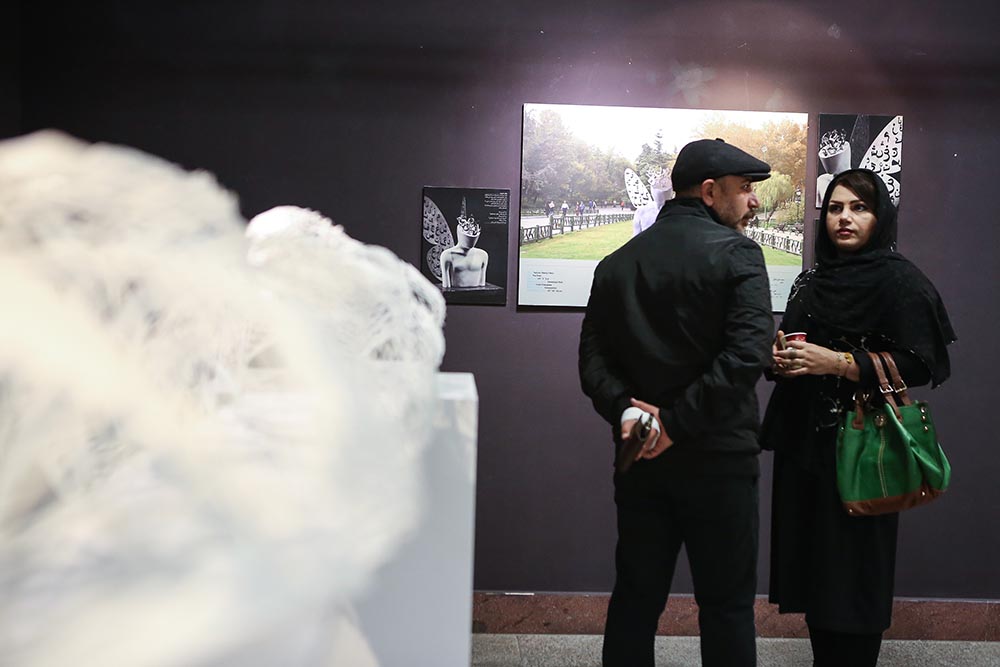
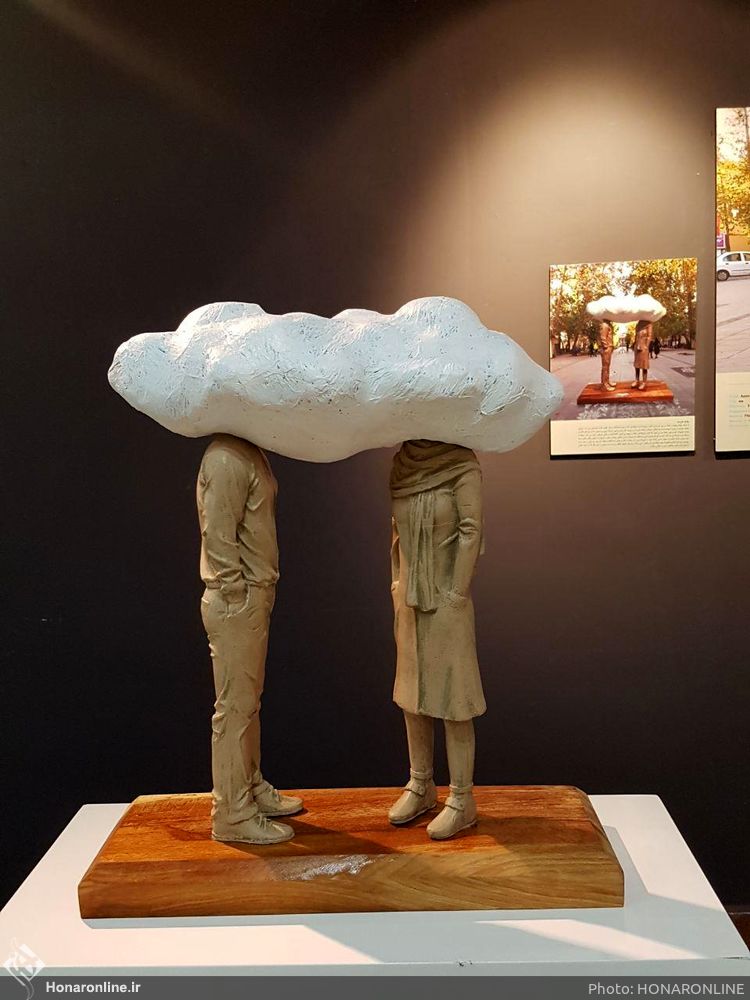
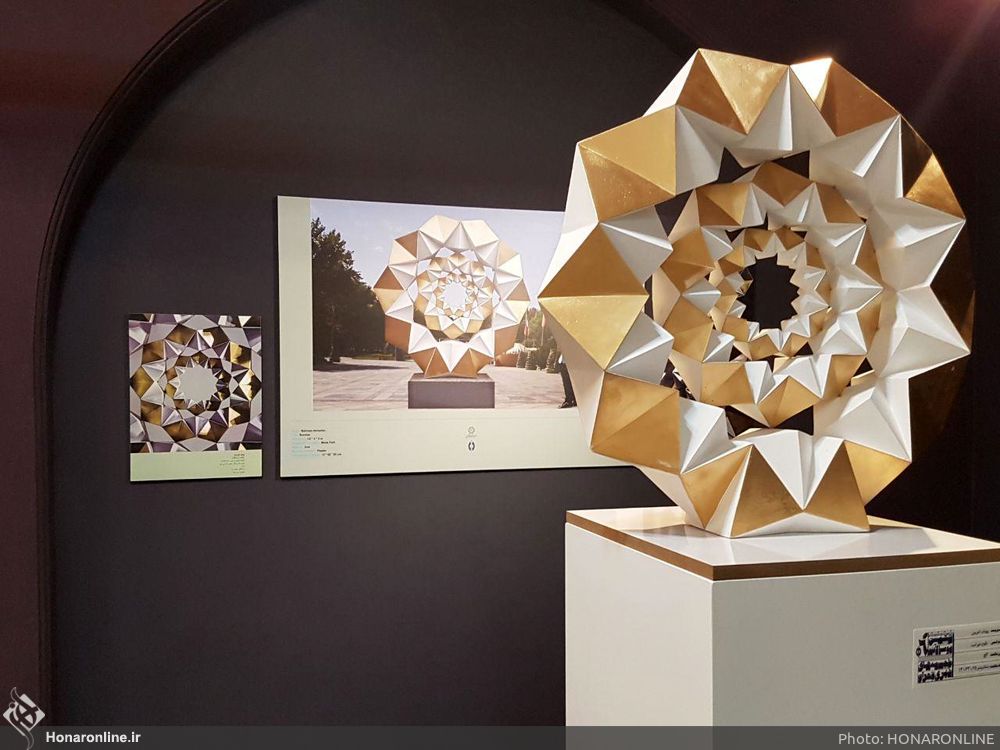
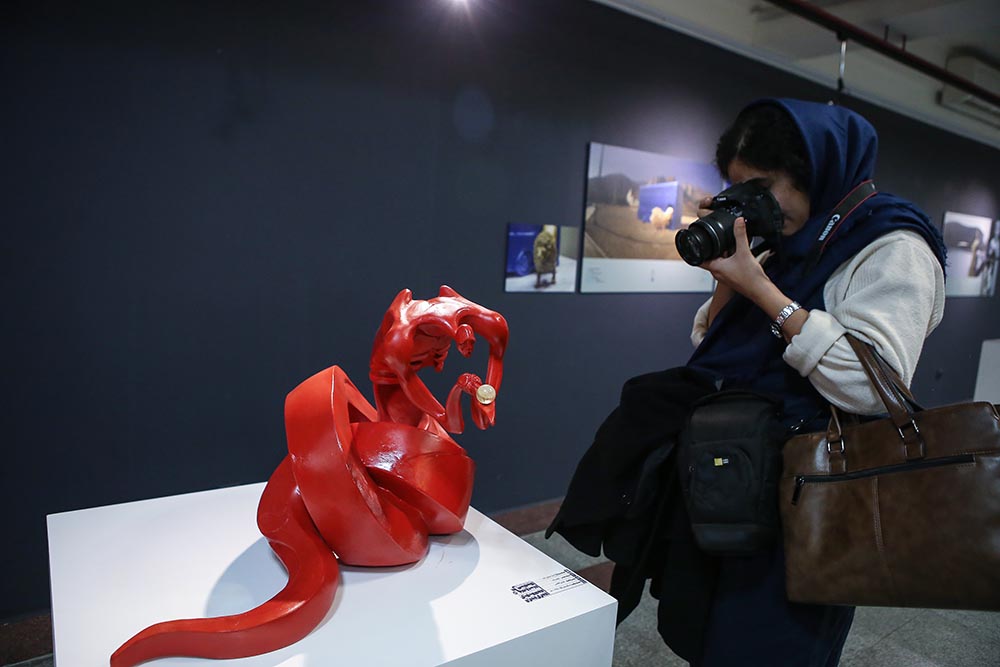
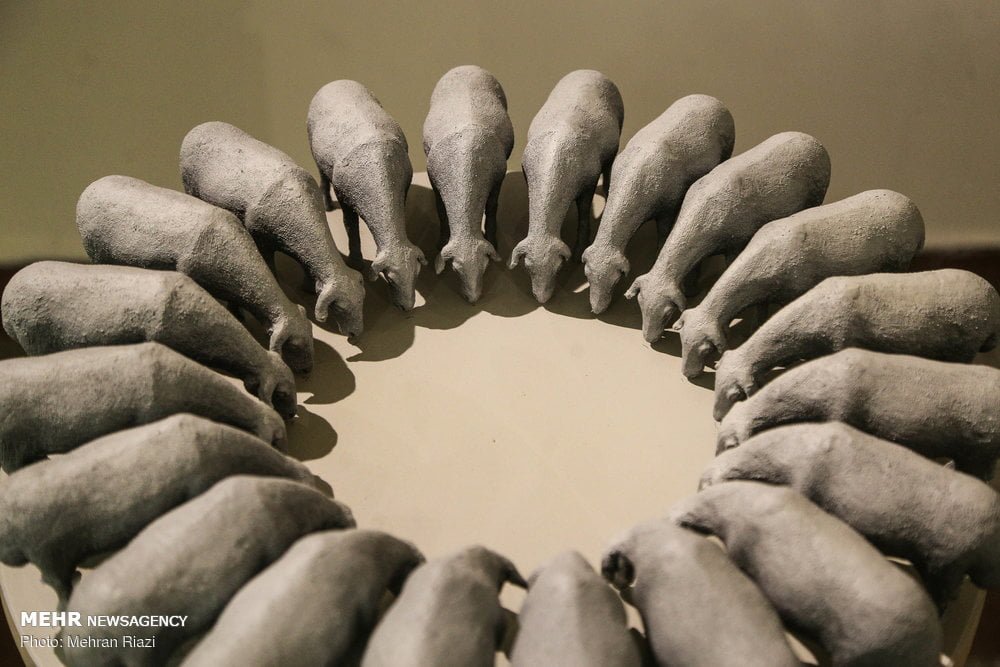
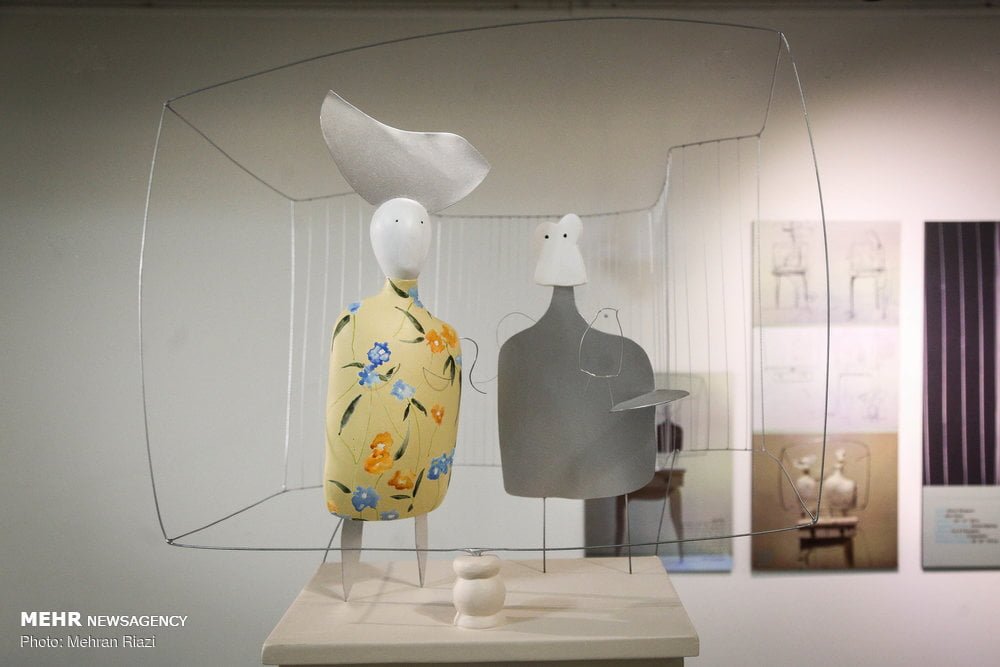
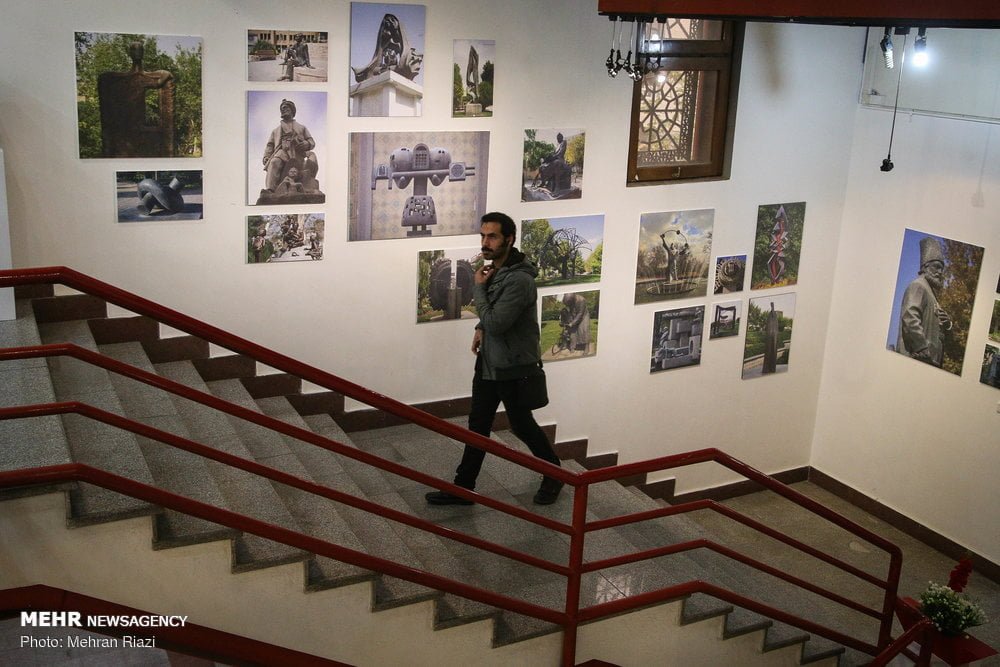
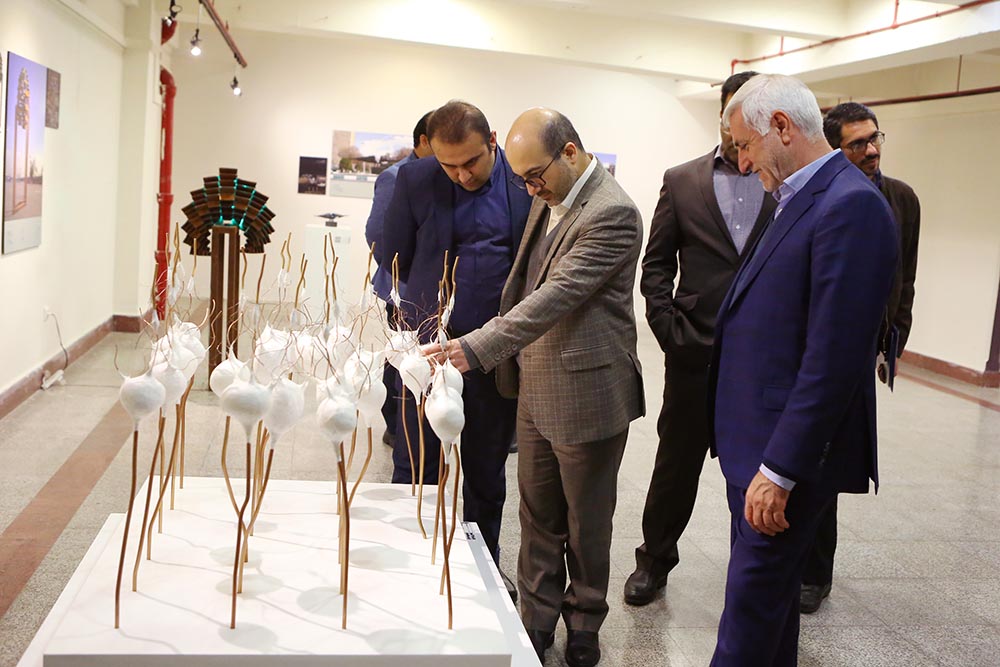
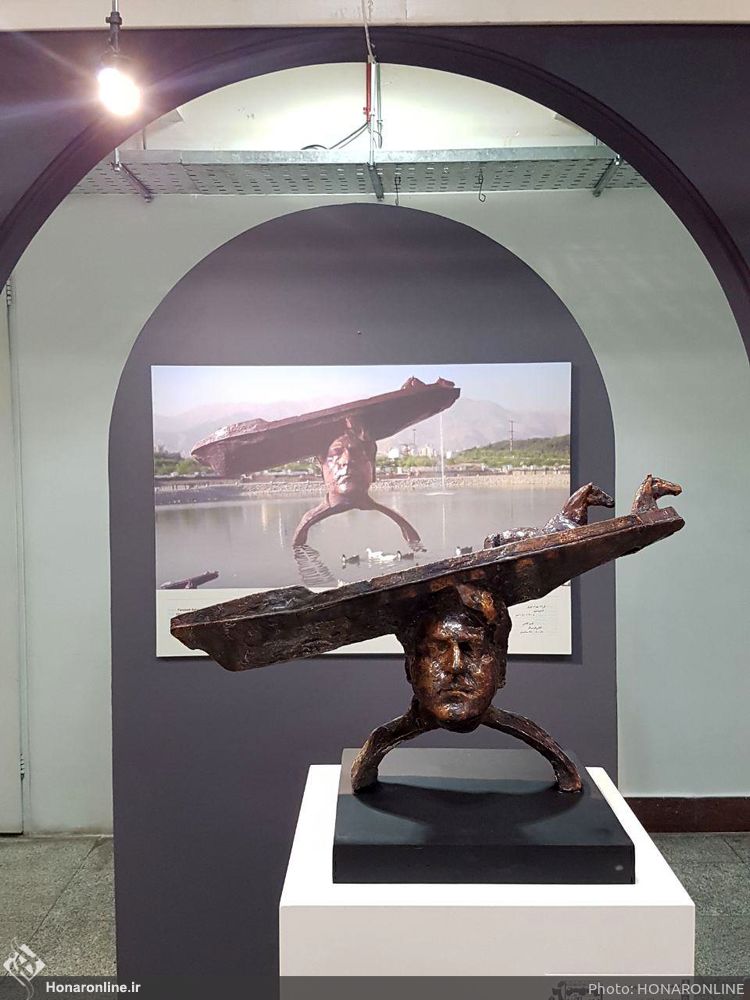
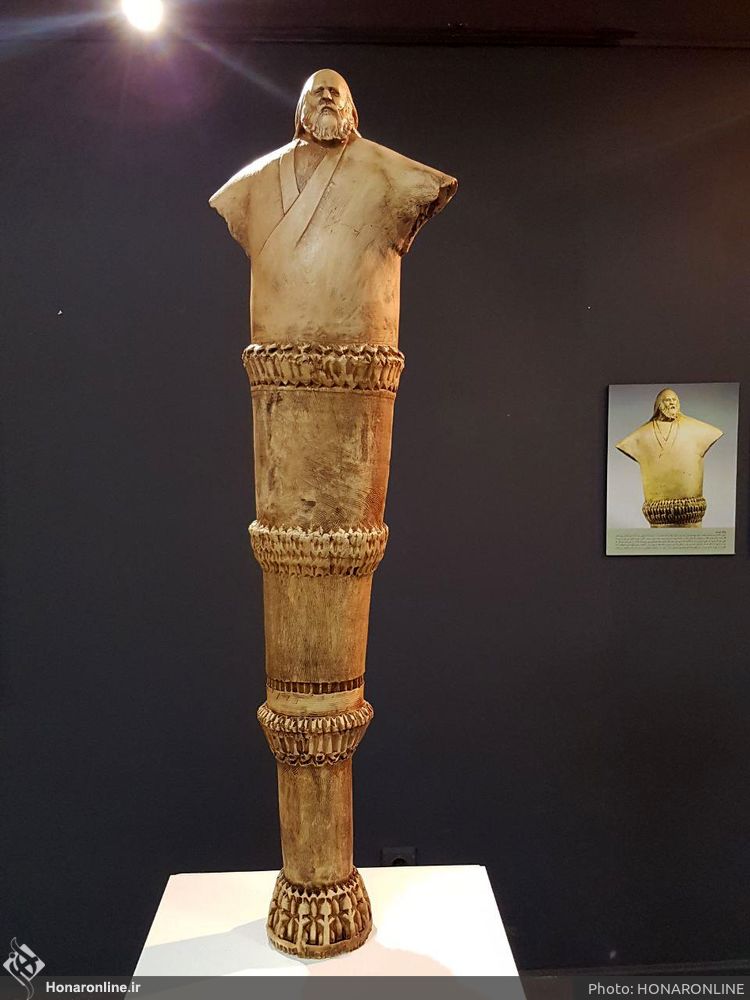
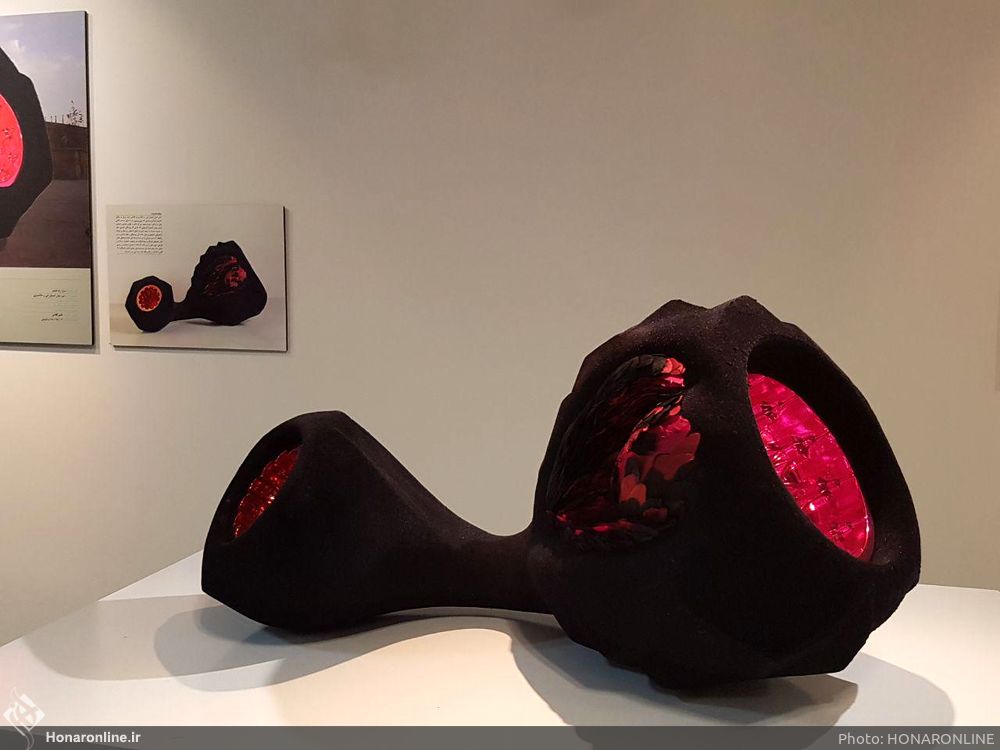
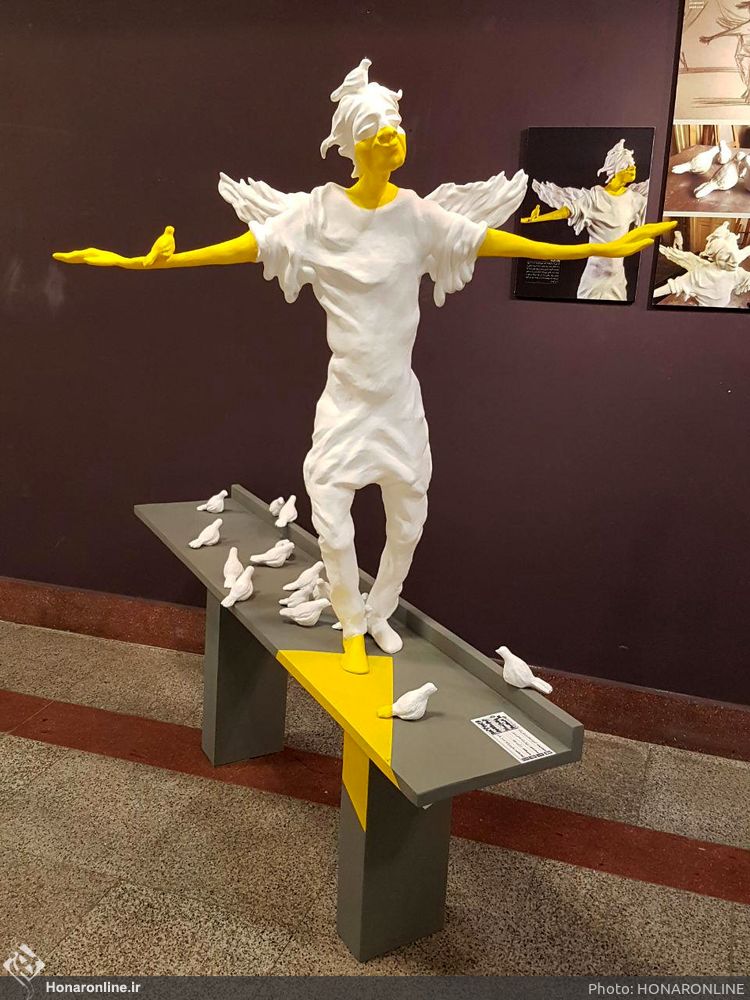
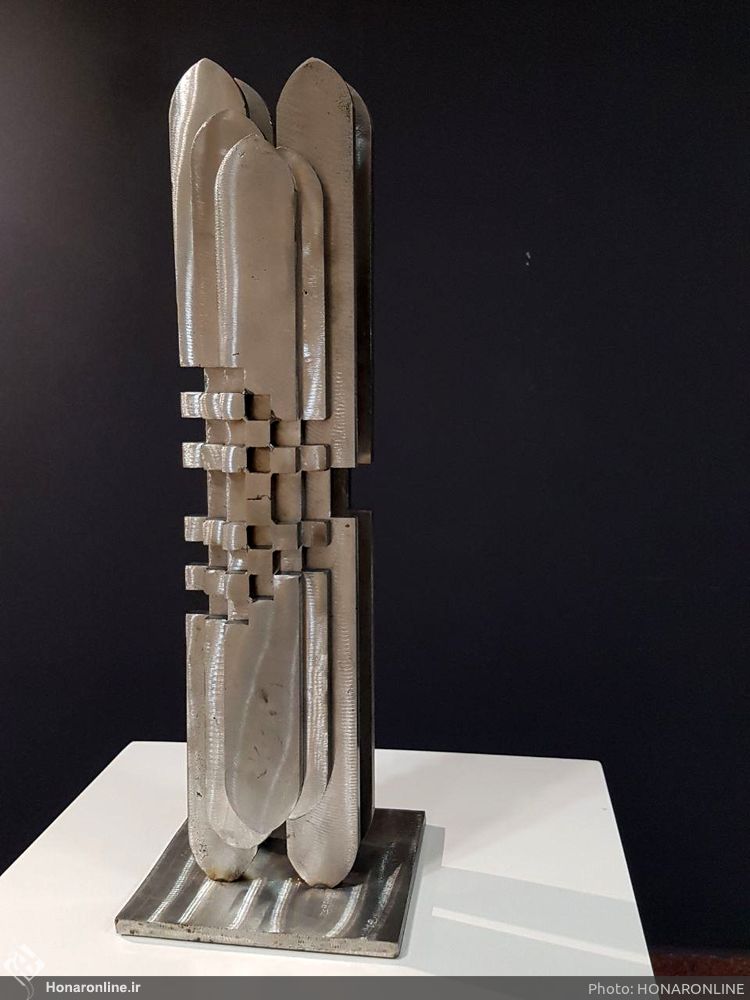
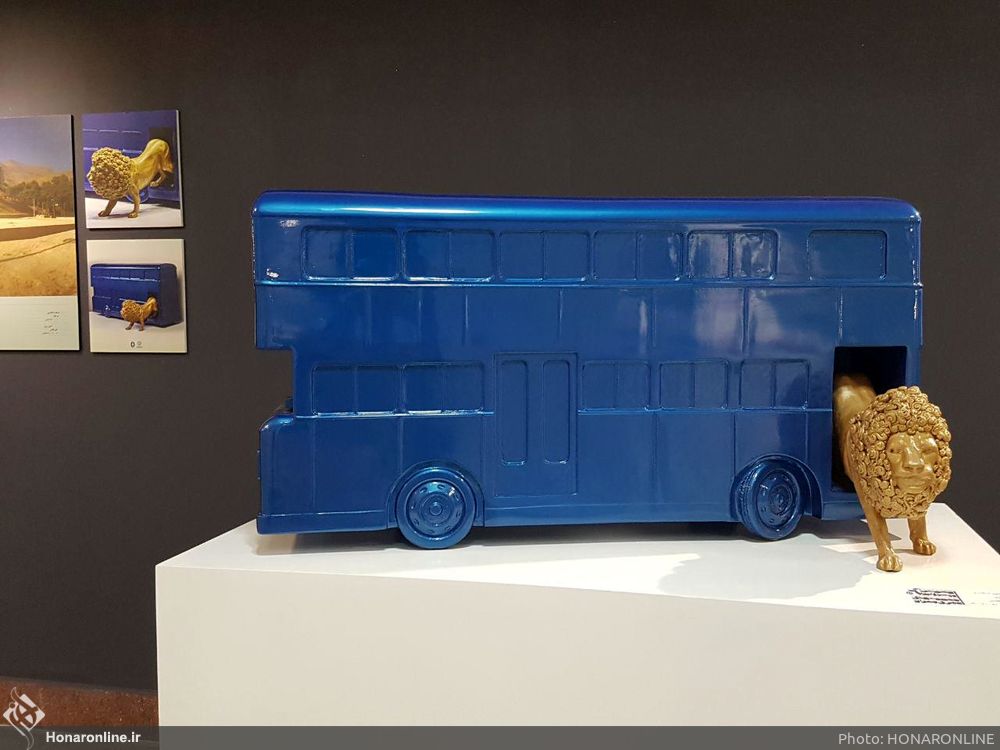
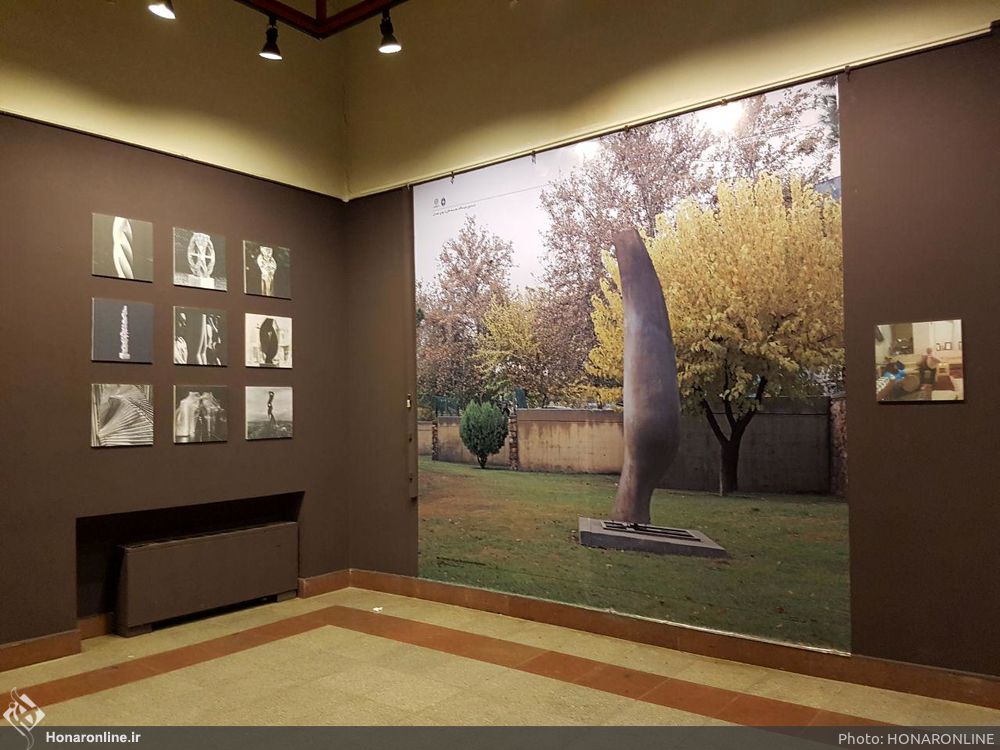
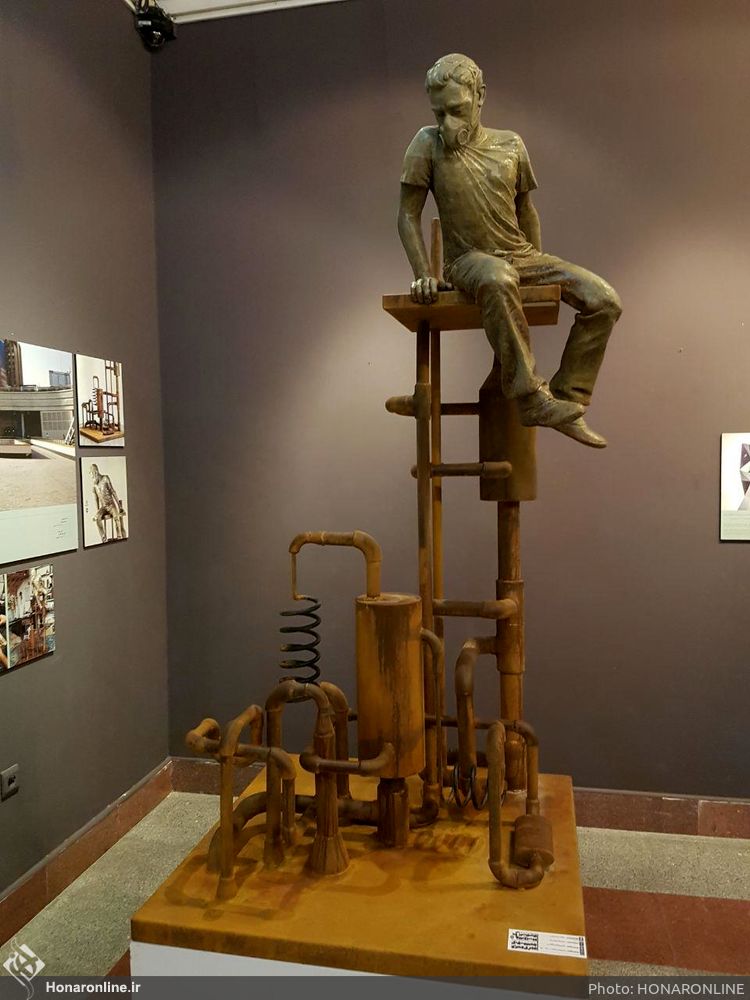
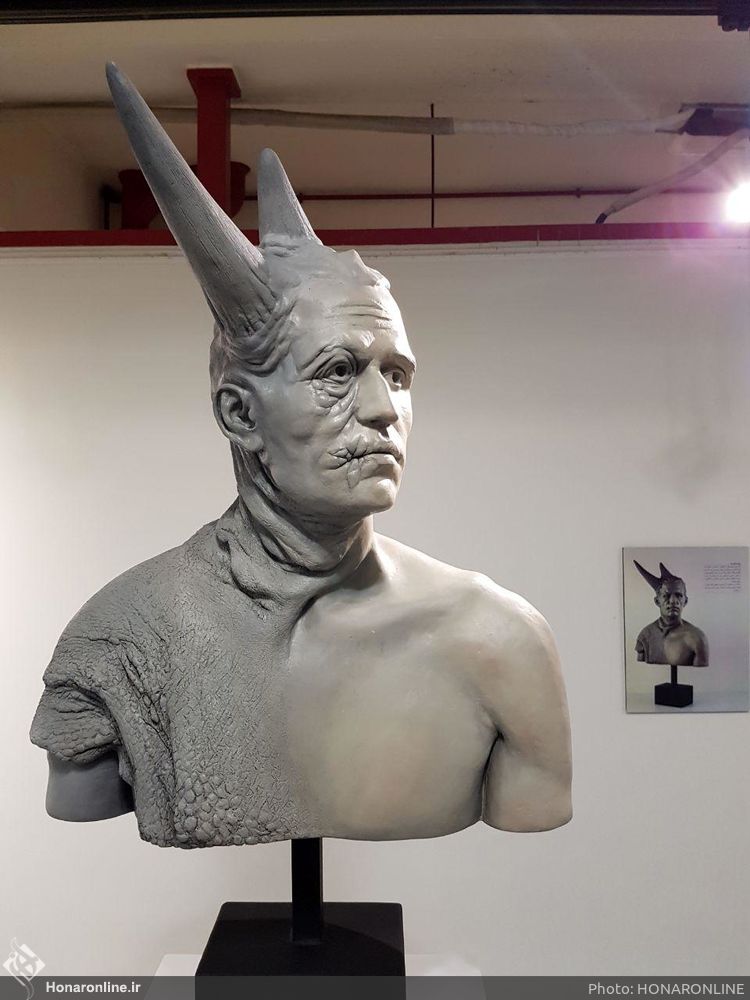
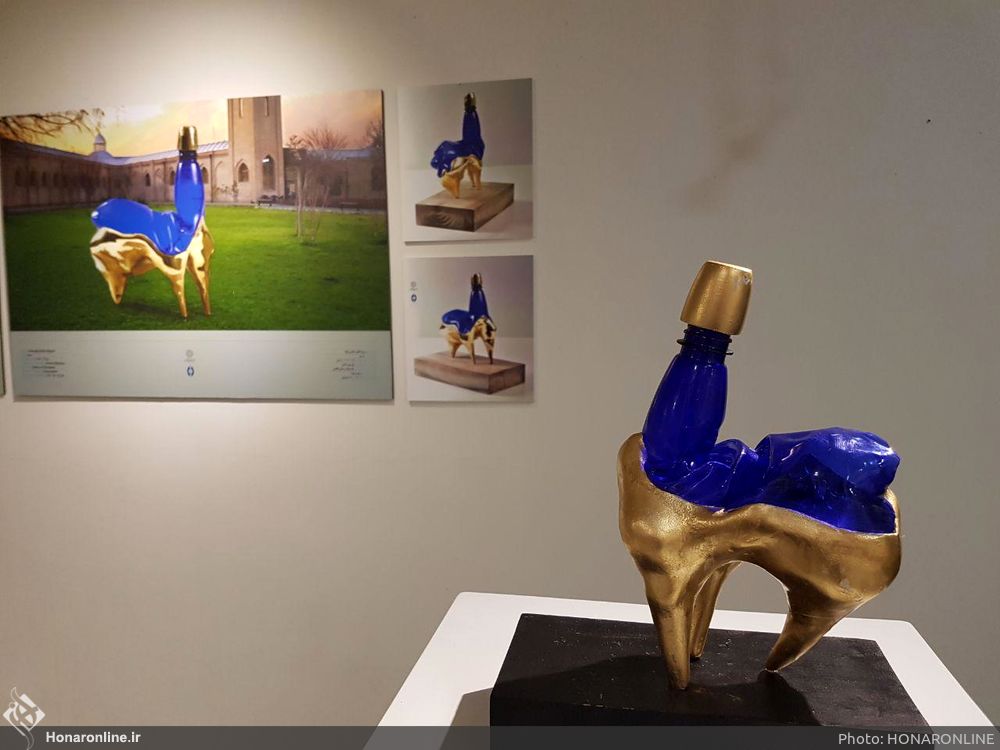
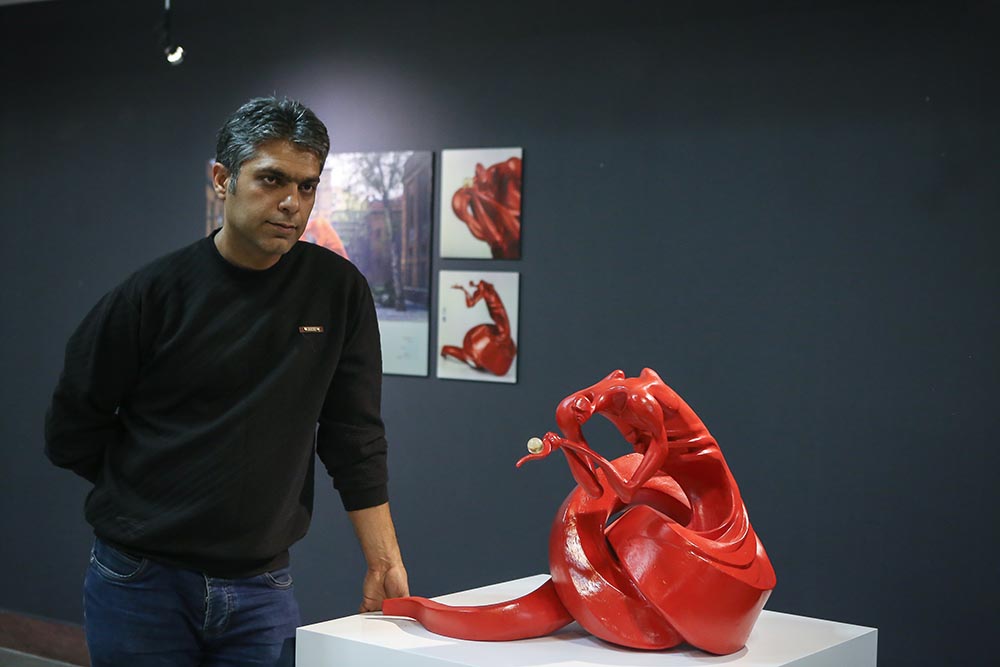
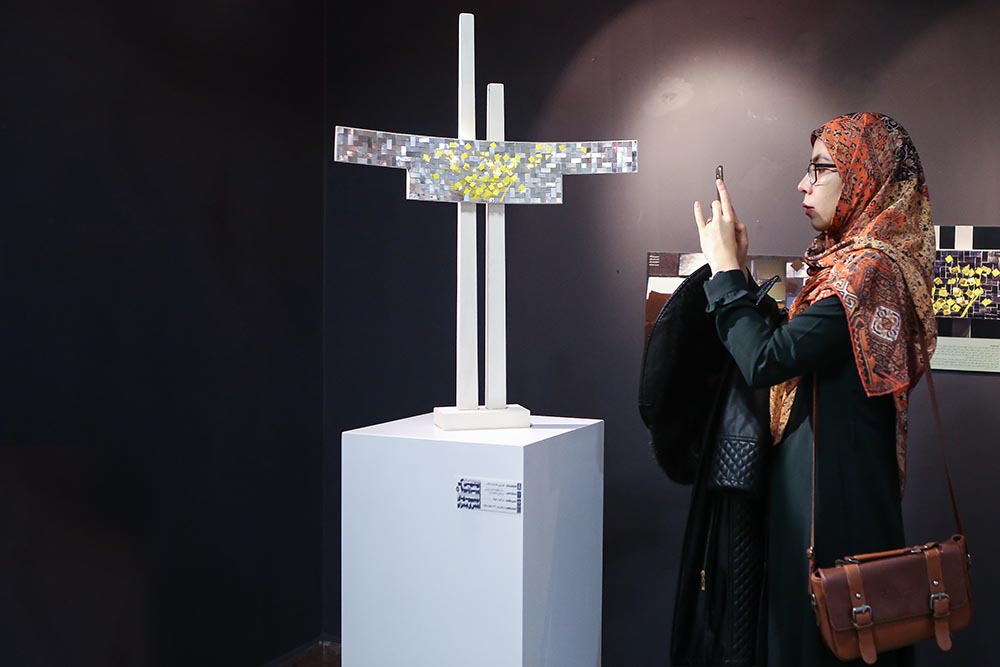
Tehran Hosting Exhibition of Urban Sculptures

During the event, which is one of the most important ongoing arts events in Tehran, visitors are asked to contribute to the process of picking the best urban sculptures by expressing their views.

As part of the process of choosing top models in this year’s exhibition, a section of the event is allocated to the best sculptures from visitors’ standpoint. Fifteen of the sculptures on show will be picked at the end of the event on December 26, and installed across the capital later on.

The models on show have been judged in three phases so far. Judgement in the first phase was based on the artists’ CVs whereby 282 sculptors were chosen from among 902. The list was narrowed down to 61 in the second phase. Then two of the artists withdrew from the event, and finally 59 sculptures were picked based on Tehran’s urban status and displayed at the exhibit.

The exhibition runs from November 30 to December 26, 2018. The biennial event drew some 400 visitors during the first week. Of that number, 320 visitors have filled in the opinion forms dedicated to people’s views on urban sculptures.

What follows are photos of the exhibition retrieved from Mehr News Agency and the municipality’s website:

Iran VP in South Africa to Boost Scientific Cooperation

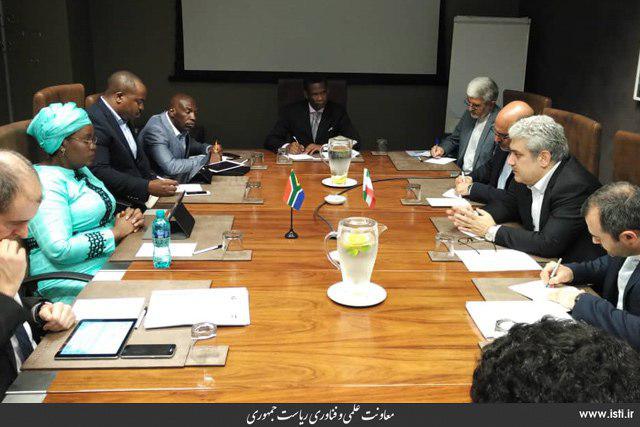
Iranian Vice-President for Science and Technology Sorena Sattari meets South African officials in Johannesburg on December 10, 2018 / Photo by isti.ir

Sattari, who left Iran for a four-day visit of the two cities of Pretoria and Johannesburg on Monday, is accompanied by a business and technology delegation including 46 fund managers and heads of knowledge-based companies in the fields of information and communication technology, health and biotechnology, mining and mineral industries, industrial equipment and machinery, and electricity.

During the visit, which is aimed at expanding the export of Iranian products and increasing international business, the country’s knowledge-based companies hold meetings with their counterparts in South Africa.

For a brief review of Iran’s achievements in various fields of science and technology, check the book “Science and Technology in Iran: A Brief Review

Participating in a science forum and visiting an exhibition held on the sidelines of the forum are among other parts of the Iranian delegation’s agenda. The representatives of these companies can attend the meetings to get familiar with the advances and needs of African countries in science and technology.

With a high population and high gross national income, South Africa is cooperating with numerous countries around the world in the economic and commercial spheres.

The visit of the Iranian delegation to South Africa is also aimed at increasing the level of cooperation and trade between the two countries.

South Africa is the most important country in the African continent, and is among the four top priorities of Iran in ties with Africa.

Iran to Miss Opportunities If It Fails to Adopt FATF: Rouhani

Addressing a group of Roads and Urban Development Ministry officials on Monday, Rouhani said the country would miss opportunities if it fails to adopt the standards of the anti-money laundering body.

“Our problems will still be solved without the cooperation of foreign banks, but if we do it via the banking system, it will certainly be less expensive,” he noted, reiterating that it would be 20% costlier to do the transactions without the FATF.

The president further mentioned that it is not possible to cut the ties with international banks at present. “Some want to tell the people if an agreement is signed, it is against Islam. But it is not against Islam.”

He said it is not acceptable to chant a slogan while the slogan is not explained to people properly, the government’s official website Dolat.ir reported.

He pointed to the Iran nuclear deal and said, “When we say the JCPOA has to be preserved, we have to give a reason, and when we say it does not have to exist we must say why we do not want it. The important thing is to ask people if they want expensive or inexpensive life?”


Life Must Be Made Easier for People

President Rouhani said there are 2,700 worn-out neighbourhoods that, with their modernising, the construction industry would be boosted, many jobs would be created, and safety can be improved for people.

“We still enjoy looking at a 500 to 1,000 year-old building and we are sure the building will never collapse. On the other hand, we build houses that after 15 years they need to be reconstructed.”

We must make life easier for the people, he added.


Call for Supporting Foreign Investment

President Rouhani also noted that the country should support foreign investors to develop its economy.

“We have made some investments in the airspace industry, which were politically and socially important and had no economic advantages. 80% of our flights are carried out in 10 airports, and the other airports have a limited number of flights. Some airports do not have financial benefits. We need equipped airports in cities like Tehran to be linked to global and regional transportation.”

Rouhani went on to say that once a foreign investment company wanted to build Tehran’s International Imam Khomeini Airport with its own money within two years, but the incumbent minister did not accept, and now, many years since then, the airport’s development has not been finished yet.

“Currently, there are some problems that need to be addressed. When we say foreign investors must come to the country, some say it makes problems. This comes as we recruit foreign football coaches with no problem. If it is allowed, why do we say foreign investment is Haram?”


Railway Expansion

The Iranian president further noted that expansion of railways is the government’s priority in the field of transportation.

In the 11th and 12th administrations, about 2,000 kilometres of railroads were constructed, while in the previous administrations totally 9,000 kilometres of railroads had been built, added Rouhani.

Referring to the fact that about 20 percent of the country’s railways were built in the past five years, he saod this shows that over the past five years a great deal of work has been done in this area.

He also called for the acceleration of connecting Khorramshahr railway to Basra in Iraq and also Khaaf railway to Herat in Afghanistan.

The president further admitted that the ports play a very important role in the country’s transit acknowledging thatChabaharport is of great significance in this regard.

“Fortunately, the transit through Chabahar has reached 8.5 million tones from 2.5 million tonnes, and considering its location, the port will be the hub of important transit links in the region,” he added.

UK Calls for Cooperation with Iran on Polo

Rob Macaire said his country is interested to be part of an international program for polo scheduled to be held in the future.

He made the comment in a meeting in Tehran with Ali-Asghar Mounesan, the Iranian vice president and head of Iran’s Cultural Heritage, Handicrafts and Tourism Organization (ICHTO).

The top British diplomat said Tehran-London relations have been growing since two years ago, and that Britain is fond of enhancing ties with Iran on all fronts.

He underlined that his country is interested to boost cooperation with Iran in new domains.

Given Iran’s go-ahead to organize joint museums, he said, Britain is keen to cooperate in that area as well because cooperation in the field of museums could help boost cooperation in other fields, too.

The British ambassador to Iran underscored that both countries should pay due regard to the issue of visa application and requirements. He said there is a long list of people applying for visa at the moment. The top diplomat said any Iranian national applying for a visa will get an appointment in a week’s time, and the trend of visa issuance begins afterwards. He said Britain stands ready to enhance cooperation and strengthen bonds with Iran. The top diplomat noted that the number of Britons visiting Iran is unfortunately low at the moment, and said that number should rise.

He said Britain also asks the Iranian Cultural Heritage Organization to introduce to us a number of experts to help restore and preserve one of the historical buildings of the embassy because London believes such buildings should be restored in accordance with Iran’s cultural heritage standards.

Also present at the meeting was Deputy Director of the Cultural Heritage Organization Mohammad Hassan Talebian, who highlighted that polo is an Iranian sport registered on the list of world heritage activities. He said Iran will study grounds for cooperation with the UK to run the international polo event.

Meanwhile, Mounesan said Iran-Britain cooperation is growing, and expressed hope the trend will continue.

He also said the number of British tourists visiting Iran in increasing as well.

“Iran has good experience in terms of organizing joint museums with other countries … Staging a joint exhibition by Iranian and British national museums can be one of the areas of cooperation between the two countries. At the moment, an exhibit showcasing Iran’s museum items is underway in the Netherlands. Several other countries are demanding such exhibitions be held there as well,’ he said.

“The issue of visa should be mutually agreed upon by both countries,” said the vice president.

“Expediting the process of visa issuance for the nationals of both countries is another area which could be agreed on because most of the Iranians applying for visas aim to conduct economic and cultural activities, and such people should not be bothered in order to get visas,” he said.

A Look at Iranian Newspaper Front Pages on December 11

A Look at Iranian Newspaper Front Pages on November 19

The top story in Iranian papers today was the remarks made by Iranian President Hassan Rouhani about the heavy costs of Iran’s failure to adopt the standards set by global anti-money laundering body, Financial Action Task Force (FATF).

The remarks were widely criticized by conservative media, which argued the previous deal, JCPOA, did not lead to what Rouhani had promised, and his new promises – that FATF will make people’s lives less costly – won’t be realized either.

The ongoing protests in France also remained a top story, with conservative media blasting the Iranian Foreign Ministry for keeping silent over the violence.

The above issues, as well as many more, are highlighted in the following headlines and top stories:


Aftab-e Yazd:

1- Lawmaker’s Strange Proposal: We Should Import Used Cars from Afghanistan!

2- Rouhani: Those Who Chant the Slogans Must Pay the Prices Themselves!

* President Lashes Out at Critics of FATF Adoption

A Look at Iranian Newspaper Front Pages on December 11


Arman-e Emrooz:

1- Increased Rivalry among Iranian Banks

2- Political Future of Iran Belongs to Moderates: Conservative Cleric

3- Don’t Travel to Georgia, Iran Warns Citizens

A Look at Iranian Newspaper Front Pages on December 11


Ebtekar:

1- I Wish You Could Understand True Islam: Rouhani to Critics of FATF Who Call It Un-Islamic

2- Government Resolved to Settle Pensioners: Official

A Look at Iranian Newspaper Front Pages on December 11


Ettela’at:

1- Europe’s Iran Trade Mechanism (SPV) to Be Implemented Soon

2- GCC Summit Ends with No Clear Result

A Look at Iranian Newspaper Front Pages on December 11


Haft-e Sobh:

1- I Wish I was from Argentina!

* Fantastic Experience of Watching Copa Libertadores Final

2- Iranian Students Bid Farewell to Education in France

* Dream of Free Education in France Turns into Dream for Iranians

A Look at Iranian Newspaper Front Pages on December 11


Hemayat:

1- Murder in Bin Salman’s Style

2- West’s Claims of Protecting Citizens’ Rights Are Sheer Lie: Iran Judiciary Chief

A Look at Iranian Newspaper Front Pages on December 11


Iran:

1- Rouhani Criticizes Opponents of JCPOA, FATF

2- The Great Dal: Prominent Journalist Dalvand Dies

3- Iran’s Judiciary Chief Urges European Leaders to Show Self-Restraint in Dealing with Their Peoples

A Look at Iranian Newspaper Front Pages on December 11


Jame Jam:

1- Under the Saudi Skin

* A Glance at Saudi Arabia’s Society

2- Latest Achievements of Iranian Scientists in Producing 3D Printers

A Look at Iranian Newspaper Front Pages on December 11


Javan:

1- Rouhani Says FATF Will Decrease Prices by 20%, While JCPOA Increased Them by 200%

2- Iran’s Foreign Ministry Avoids Condemning Violence in France

3- Telegram Was Originally Blocked with Rouhani’s Order for First Time

A Look at Iranian Newspaper Front Pages on December 11


Jomhouri Eslami:

1- If You’re against JCPOA and FATF, at Least Tell People How Much Will It Cost for Them: Rouhani

2- Iran, China Resume Banking Ties

3- Saudis Would Be Speaking Persian If It Wasn’t for US: Graham

A Look at Iranian Newspaper Front Pages on December 11


Kayhan:

1- People’s Reaction to Rouhani’s Claim of Cheaper Life after JCPOA: Mr President Is Joking!

2- Bin Salman Biggest War Criminal in Modern World

A Look at Iranian Newspaper Front Pages on December 11


Resalat:

1- 50,000 Jobs Created with Every $1 Billion of Exports: Minister

2- No Critic Says Islam Threatened with FATF: MP to Rouhani

A Look at Iranian Newspaper Front Pages on December 11


Sazandegi:

1- Goodbye Mr Dali

* Iranian Graphic Designer Ahmadreza Dalvand Dies at 60

A Look at Iranian Newspaper Front Pages on December 11


Setareh Sobh:

1- Cost of Iran’s Failure to Join FATF

2- Fifth Republic of France on Verge of Collapse: Analyst

A Look at Iranian Newspaper Front Pages on December 11


Shargh:

1- Rouhani Slams Opposition to FATF at People’s Expense

2- Long Live Reformism, Even without Reformists

3- Development of Tehran Can Be a Threat: Mayor

4- Chabahar Terror Attack Aimed at Halting Its Progress: Top Judge

5- UN Security Council and Iran’s Missile Test [Editorial]

A Look at Iranian Newspaper Front Pages on December 11


Siasat-e Rooz:

1- Why Iran’s Foreign Ministry Keeps Silent as France Arresting Protesters en Masse?

A Look at Iranian Newspaper Front Pages on December 11


Sobh-e Now:

1- Movement of Poor People in Europe

2- Lower Cost of Living with FATF: Will Rouhani Pay Price for His Slogans?

3- Iran’s Role in Iraq’s Celebration of Mosul Liberation Victory

4- Reality of Europe [Editorial]

A Look at Iranian Newspaper Front Pages on December 11