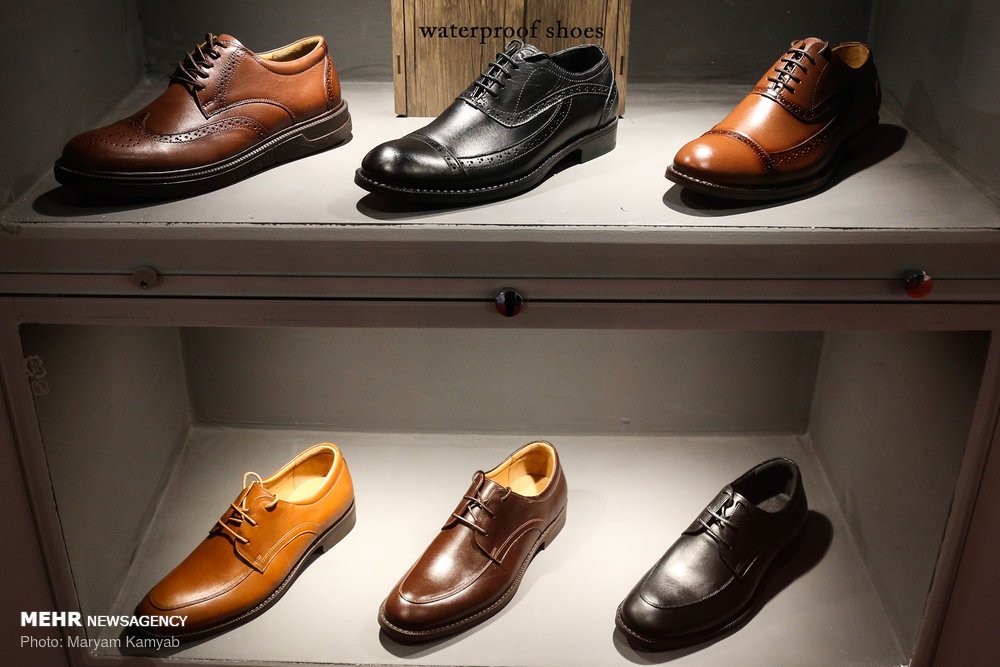
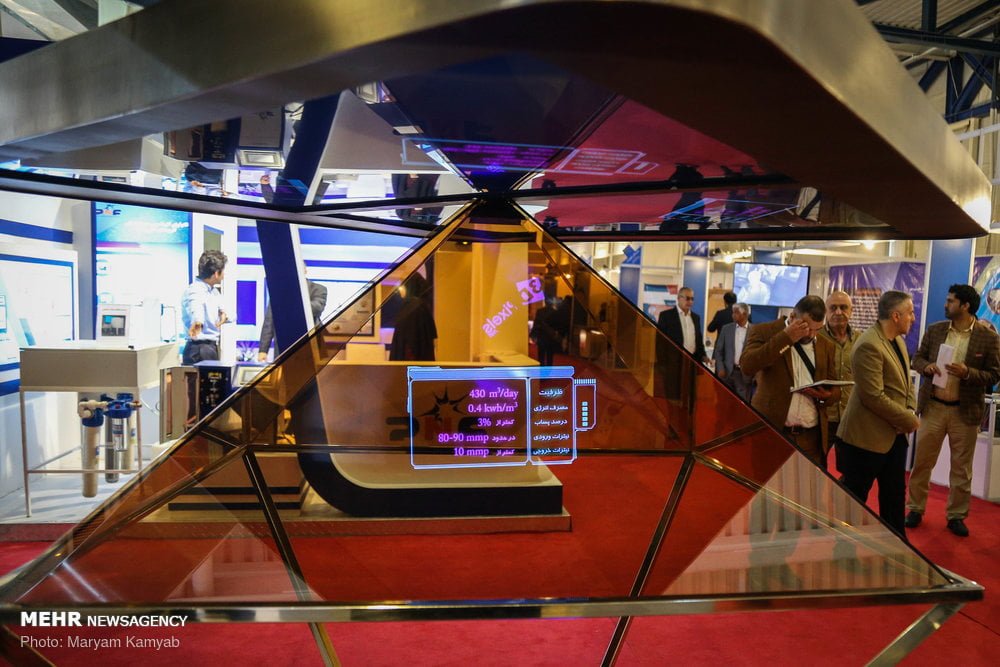
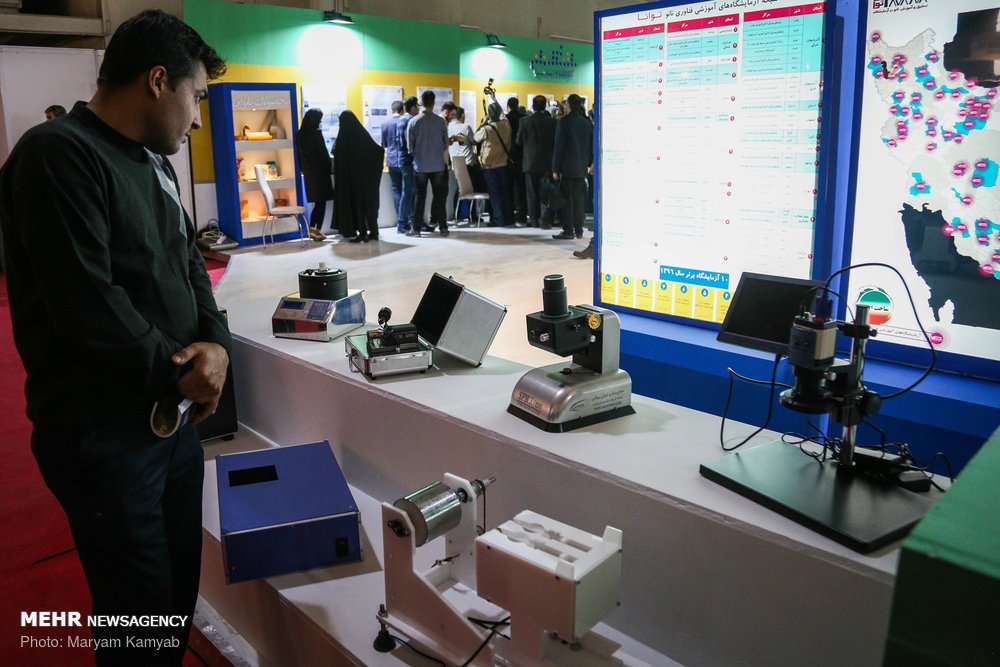
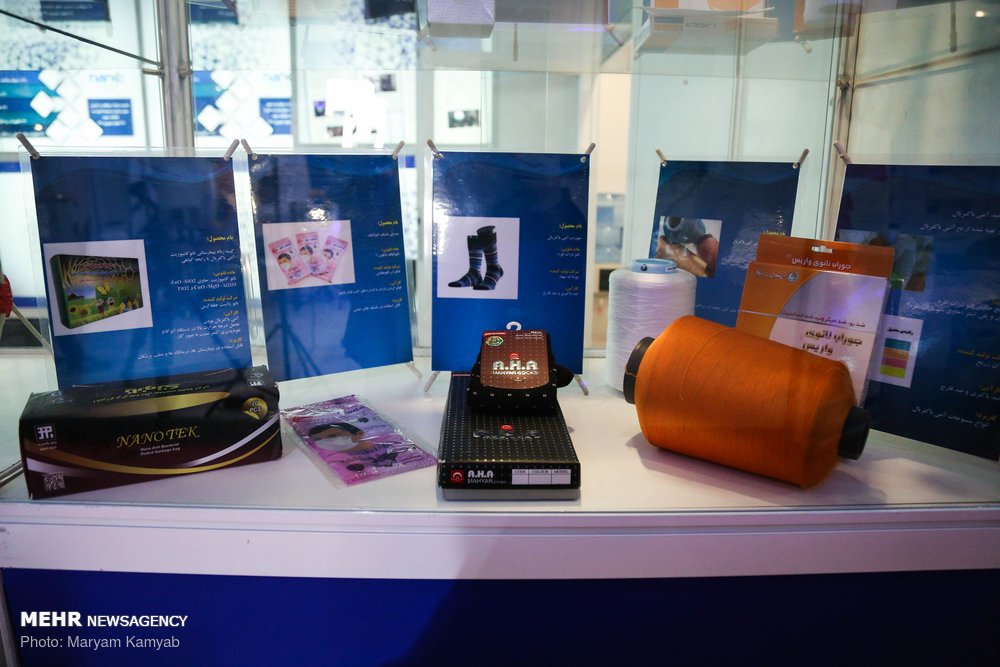
Nanocomposite layers have specific features; among others, they are resistant to friction and corrosion, and their mechanical properties have been improved.
Nano-composites are placed on different parts with the help of special instruments and through a special process.
These coating layers are mainly used in producing metal parts required for automobile, oil and gas, petrochemical, aerospace, nuclear, textile, marine and steel industries.
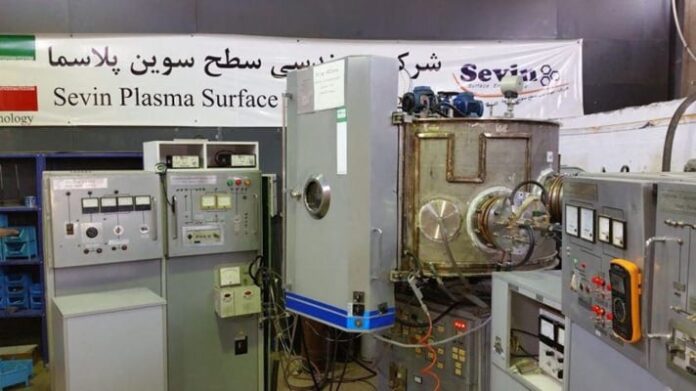
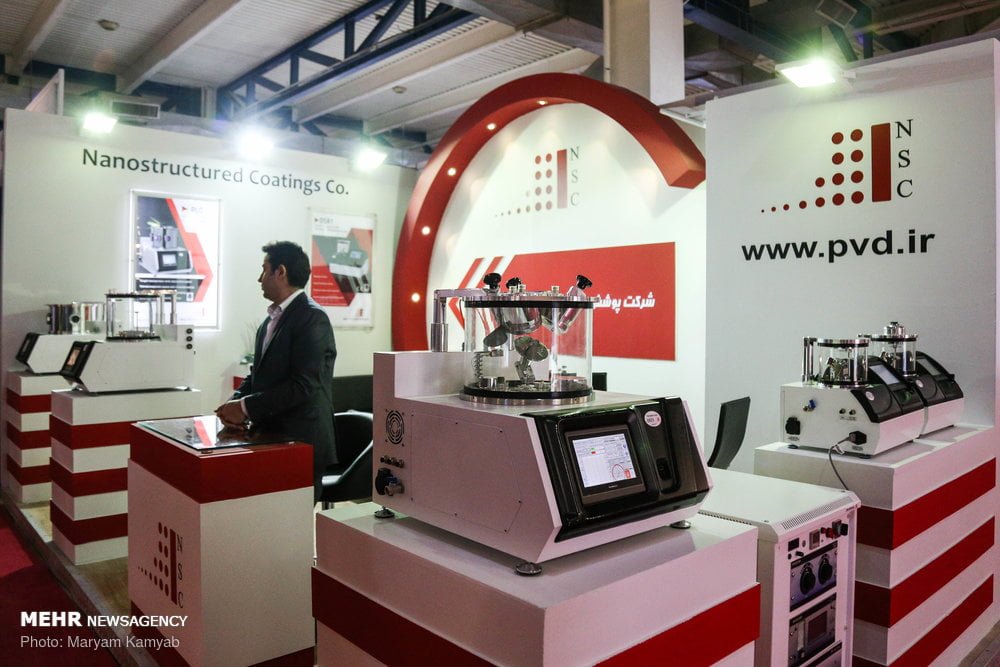
Having worked as a knowledge-based firm for seven years, the Sevin Plasma surface engineering company was introduced to the world as an international company manufacturing state-of-the-art equipment to produce thin layers used as super-hard coating. The firm operates using nano-layer technology and holds a nanoscale certificate from the Nanotechnology Development Commission of the Presidential Office.
Offering surface coating services, the company has developed the physical vapor deposition (PVD) technology and secured a good share of the market in automobile, oil and gas, and nuclear industries. The company’s activities have improved the properties and performance of layers in different conditions. The improvement of the properties of layers will increase their lifetime and resistance to corrosion, and decrease the friction coefficient and the cost of parts.
In addition to producing heavy-duty layers with high resistance on different parts, the company has also produced a layer marking apparatus. It has several features, namely a higher operational capacity and lower price compared to similar apparatuses made by foreign countries. So, the device can increase the quality of the product while being economical, which contributes to economic growth.
The company has also managed to design and develop the first ultramodern coating reactor which measures up to international standards and is planned to be exported to China. Now, the company is concluding exports agreements in that regard.
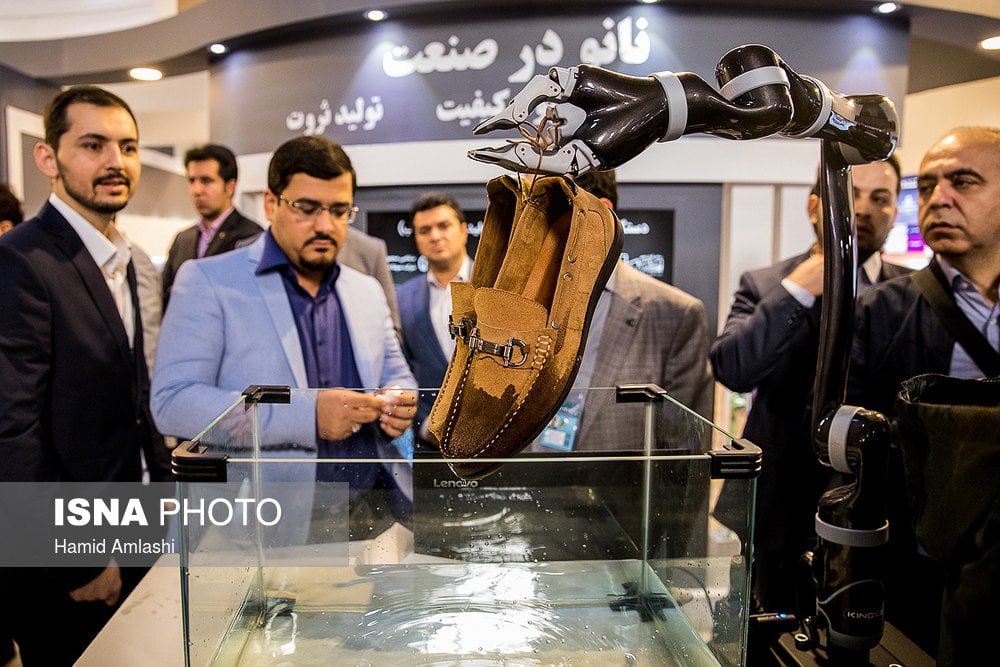
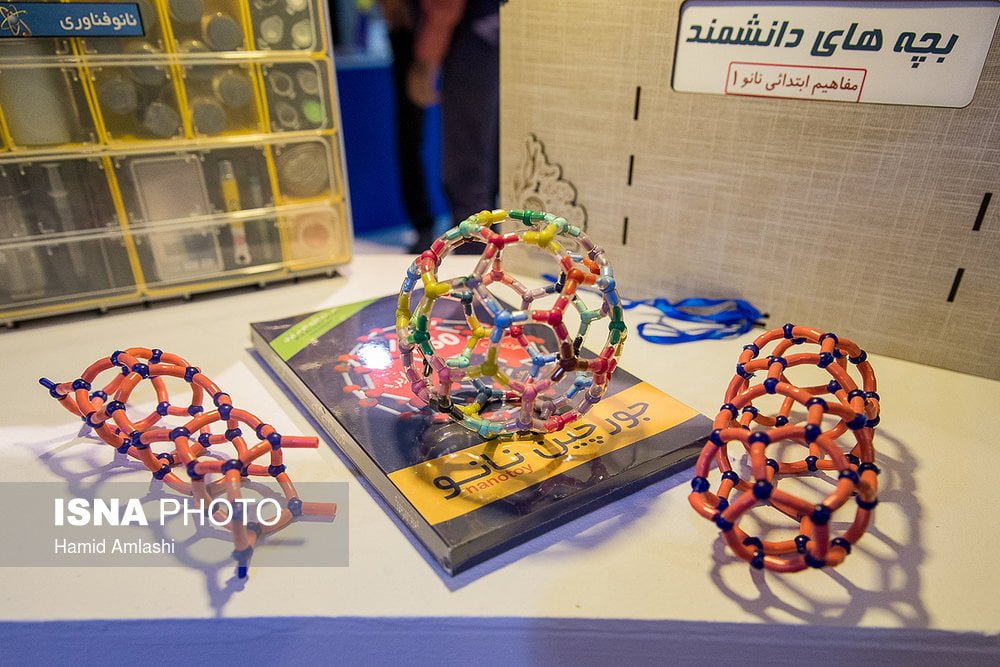
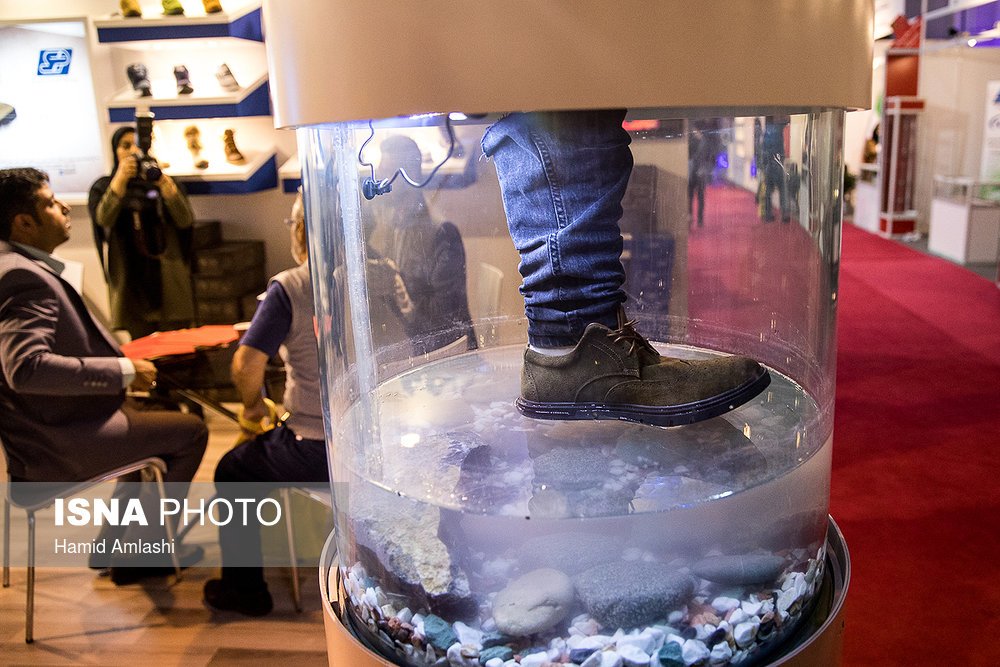
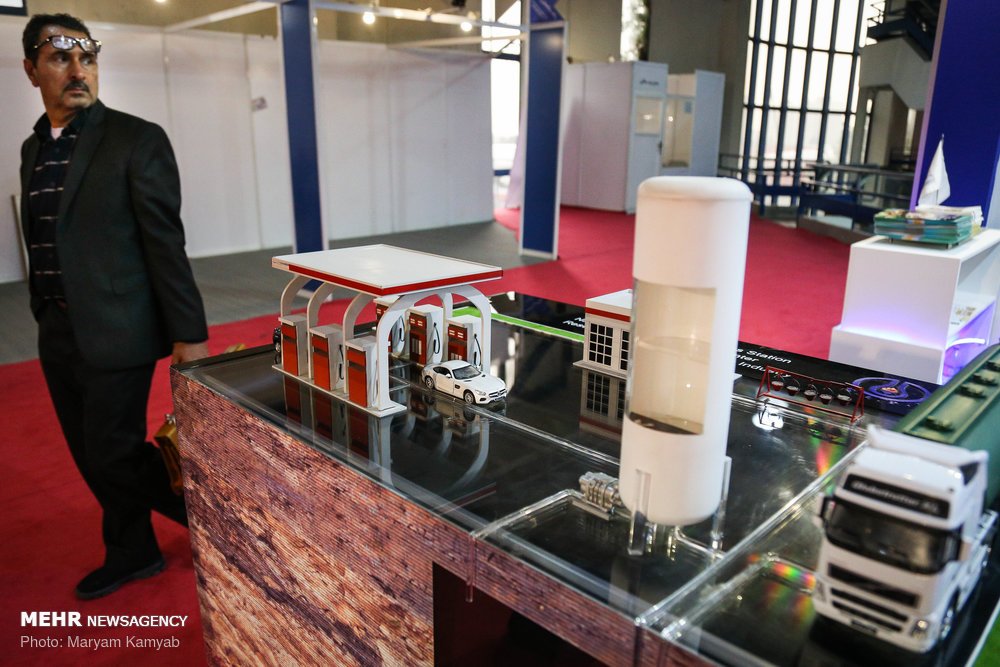
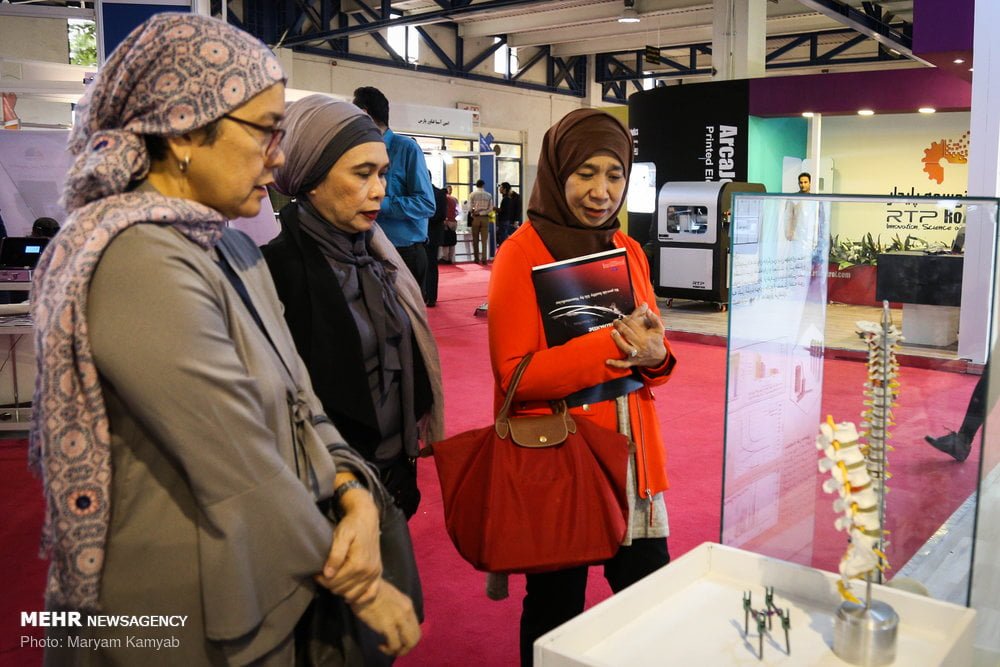
The company is one of the major firms attending the 2018 International Nano Exhibitionwhich is underway in Tehran from October 13-16. The event brings together many companies from Iran and other countries, which are displaying their latest achievements in the domain of nanotechnology.
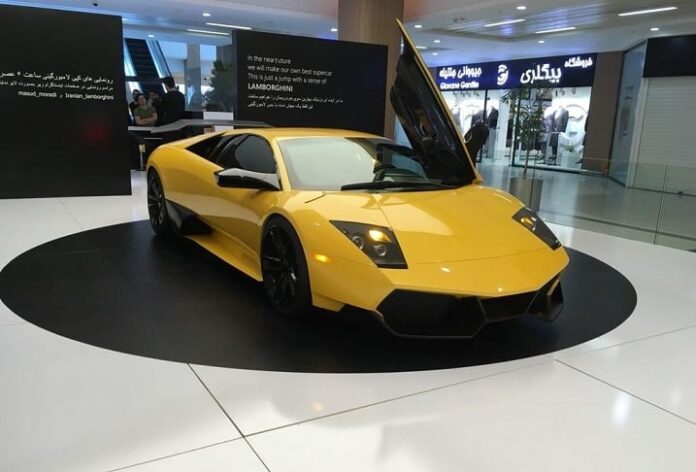
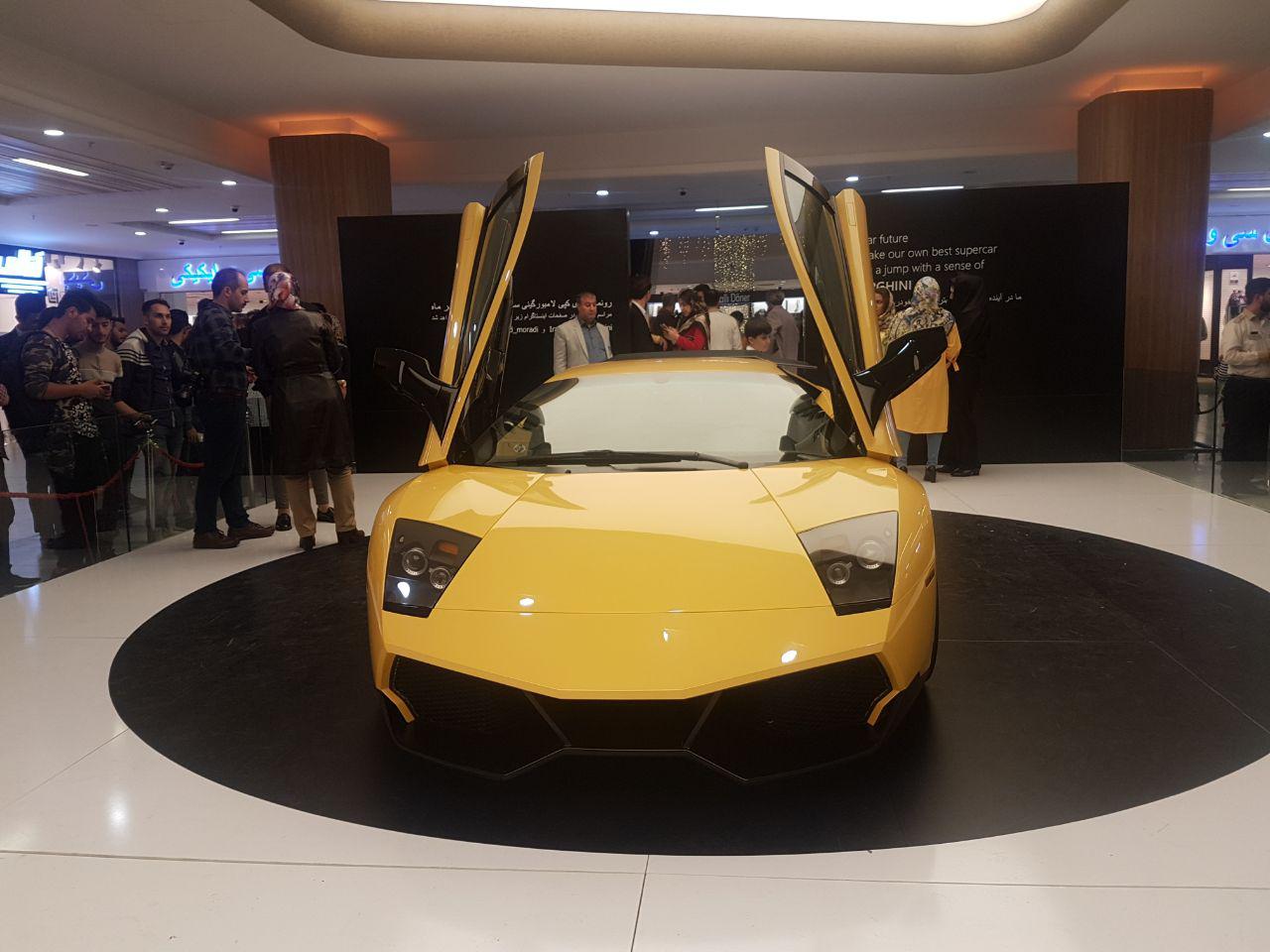
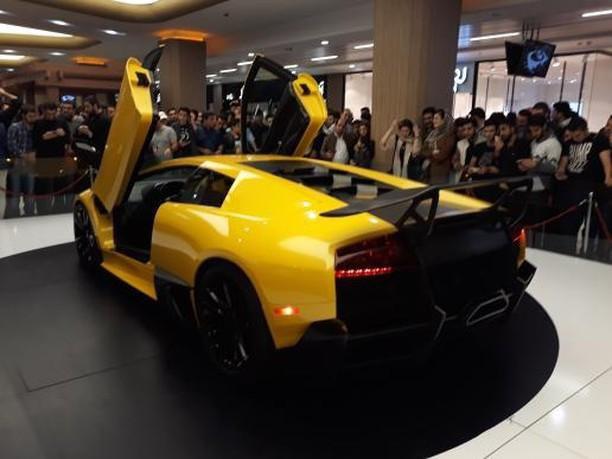
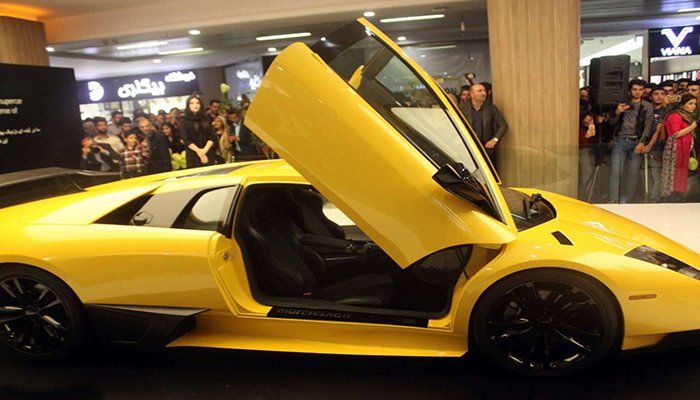
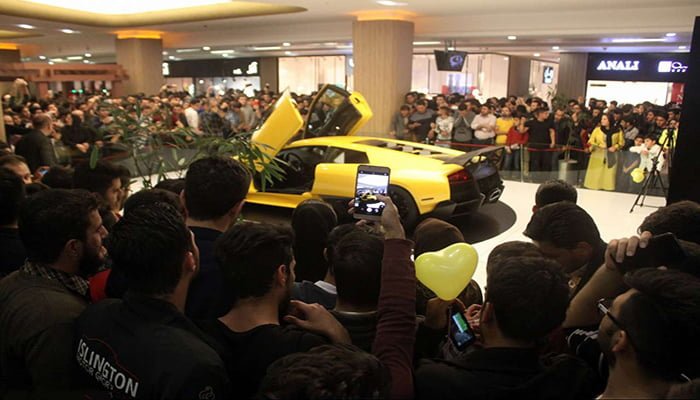
A Lamborghini Murciélago designed and built by Iranian car designer Massoud Moradi, unveiled on October 13, 2018, in Tabriz.
Massoud Moradi unveiled his Lamborghini Murciélago on Saturday. Although the appearance of the car is similar to the original, its engine has been made built based on the Korean technology.
The Stnews.ir has conducted an interview with Moradi, the director of the project, the full text of which follows:
Q: When did you start designing this car and how much did it cost?
A: We started this project about four years ago, and we spent a lot of time on doing research. A fairly large amount of money was spent on the production, but since we wanted to commercialise it, I’d rather not disclose the final cost.
Q: To what extent are the dimensions and size of your car similar to the Lamborghini Murciélago?
A Lamborghini Murciélago designed and built by Iranian car designer Massoud Moradi, unveiled on October 13, 2018, in Tabriz.
A: The size and dimensions of the car are exactly the same as the original one, so is the size of the parts, the body frame and the car’s details. For example, at the beginning of the project, we thought we would not be able to build a windshield, so we had to buy an original windshield from a European company that supplies the Lamborghini stock parts. In fact, one of our concerns was that the designed model would not be in harmony with the original windshield. So after the end of the physical work, we brought the windshield to the modeling workshop, and at the time of installation we realised that there was only 2 millimetres of difference in dimensions, so we resolved it during the modeling process. At this stage, we found out how rigorous the original designing was because our designed car was a little different from the original one. In fact, it can be said that the differences are very small and only specialists and designers of the car can recognise them.
Q: How did you design the car?
A: The design of this vehicle is computer-based and the data code is prepared based on the same model which is checked out at each stage of the data coding. By the end of the modelling, the finishing process was started, during which we made the body charming. Moulded parts were re-manufactured and sent to the assembling hall. We built the chassis based on the original Murciélago platform and according to the data we received. The original windshield fractured during the transport process and we had to mould and produce it again. Thus, the only part provided by Lamborghini was removed from the car.
Q: Of course, it has not been easy to access the platform, so what platform and chassis did you use for this car?
A Lamborghini Murciélago designed and built by Iranian car designer Massoud Moradi, unveiled on October 13, 2018, in Tabriz.
A: We were lucky that in the process of construction we could receive the car’s data code. Based on this, we did not spend any time planning or testing the car. By checking the chassis with the body and fixing it with the body fittings, we began to build a chassis and platform, which is exactly the same as the platform and chassis of the original version of Murciélago.
Q: You earlier mentioned that a Hyundai engine and a German gearbox were used on the vehicle. Why didn’t you use the Lamborghini engine and gearbox?
A: We used a 3.8-litre six-cylinder engine on this car. The gearbox was also suitable for this engine. We also used electronic components and options of Hyundai. One of the main concerns about super sport vehicles is the place where a car should go for repairs and services. Lamborghini is a brand that does not have any offices in our country. So we designed a car that has the appearance of a Lamborghini, but based on its technical specifications, you can easily go to repair shops in the country and fix it. In fact, you can drive a Lamborghini, whose maintenance costs are the same as imported cars, and it does not incur extra costs for the owner.
Q: Is the engine and gearbox capable of generating the power needed for such a car?
A Lamborghini Murciélago designed and built by Iranian car designer Massoud Moradi, unveiled on October 13, 2018, in Tabriz.
A: Of course, the acceleration and speed of the car will not be as much as that of Murciélago, but its power is high enough to be considered as a fast-moving car. In the future, if the vehicle is manufactured, we will install different engines on it. I should also point out that it is designed to be powered by a 12-cylinder engine. As a result, in the next models we will be able to use 8 and 10 cylinders on the vehicle.
Q: In the photos released of the car, the exterior design and details of the car are exactly the same as the Murciélago. Is the interior design the same as the original one as well?
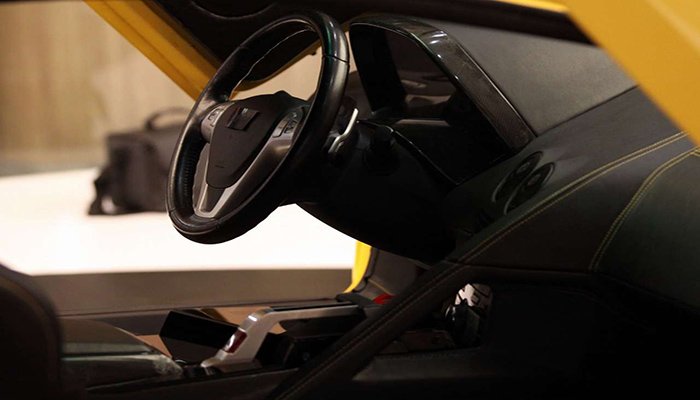
A: We designed all the parts inside the car like the outer parts. Everything was designed and then modelled based on the original design. After that, we went through the moulding, parts production, and assembling stages. Then, we sent them to the interior designing section. For example, the leather used in this car meets the standards, and all car lights are designed and manufactured based on the original model. None of the vehicle parts has been purchased from Lamborghini. In fact, decorative pieces are all designed and manufactured inside Iran.
Q: If you’d decide to manufacture it, how many can you produce each year?
A Lamborghini Murciélago designed and built by Iranian car designer Massoud Moradi, unveiled on October 13, 2018, in Tabriz.
A: The annual production of this car depends on investment on this project. If the investment is appropriate, we can produce 50 to 100 ones each year.
Q: Is the suspension, steering and the vehicle’s handling the same as the original one? Have you tested the car so far?
A: It’s definitely not possible to compare the handling of this car with the original version, but the point that our test driver mentioned after the road test was the proper handling of the car on the road. In fact, the car is under the control of driver and its safety is perfect. Due to lack of proper infrastructure, the speed test is not done on this car, but it can be said that with regards to the engine and gearbox used in this car and its heavy body it can easily reach 280 km/h. However, given its lightness, we expect it to have more power.
Q: What kinds of alloys are used in the body, and how the moulds are produced for the production of body parts?
A: The body is made of composite material. The parts have passed the thermal cycle tests and retrofitted. The team in charge of producing the parts had earlier been sent to France by a car company to increase their knowledge of producing the parts. Therefore, we produced the parts based on the same knowledge. Carbon fibre has been used to make the body parts, but it has a lot of difference with other commercially available carbon fibres. This material is used in the engine, rear fins and the bases.
Q: What were the problems at the time of designing?
A Lamborghini Murciélago designed and built by Iranian car designer Massoud Moradi, unveiled on October 13, 2018, in Tabriz.
A: During the designing process, we had to study the details in order to know how parts were made and assembled. There were also problems with wood modelling and prototype moulding. For example, creating a constant temperature in the assembling workshop was a serious challenge for us. If the temperature was not steady, the length of the car or parts could change, and that could result in problems in the assembling process.
Q: If the domestic automotive companies ask you to co-operate with them, do you want to work with them?
A: Domestic automakers’ mission is to solve the problem of the community in terms of transportation, so they try to produce cars that all people can buy. Never has their mission been to produce sports cars or super sport ones, so I’m doubtful we could work together in this area.
Hamed Afshari, the secretary of the 11th edition of the exhibition, says 28 technologies that can attract investments have been featured in this year’s exhibition.
Speaking on the sidelines of the exhibition, Afshari announced that 114 booths have been created and 75 companies are offering their products here.
He further touched upon the commercialisation of nanotechnology-based products and stressed that 33 nano-industrial designs that were introduced into the industry have been showcased at this edition.
Referring to the Nano Match section, Afshari said in this section, 47 companies are offering 28 products, all of which have a business plan with the capability of attracting investment.
The official noted that 40 special guests will also visit this exhibition in eight groups from South Korea, Oman, Indonesia and Malaysia.
He also expressed hope that a suitable ground would be provided for attracting foreign investment.
Iran’s Global Position in Nanotechnology
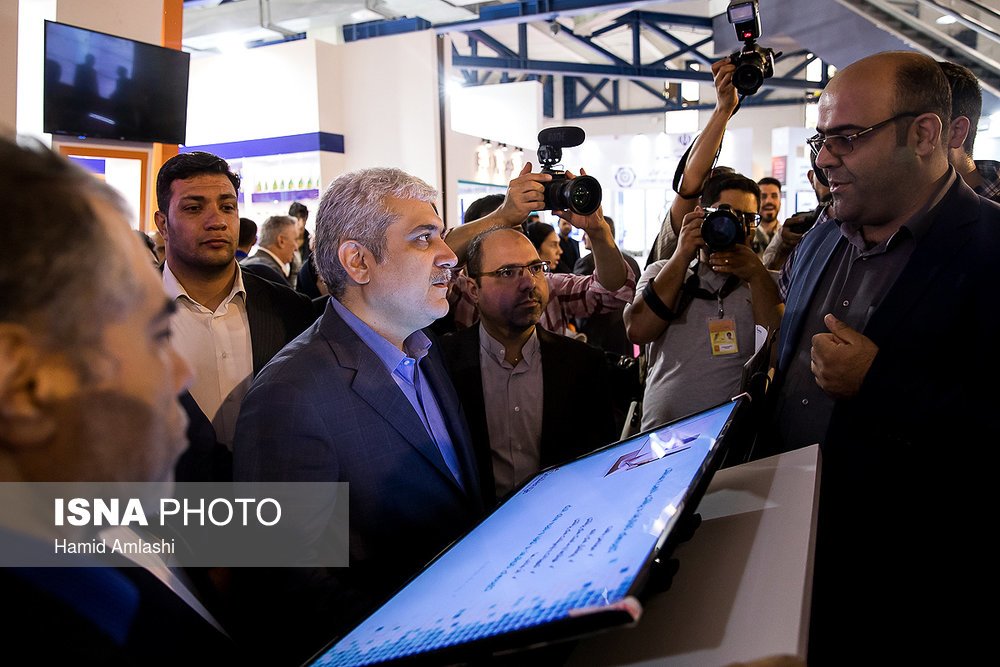
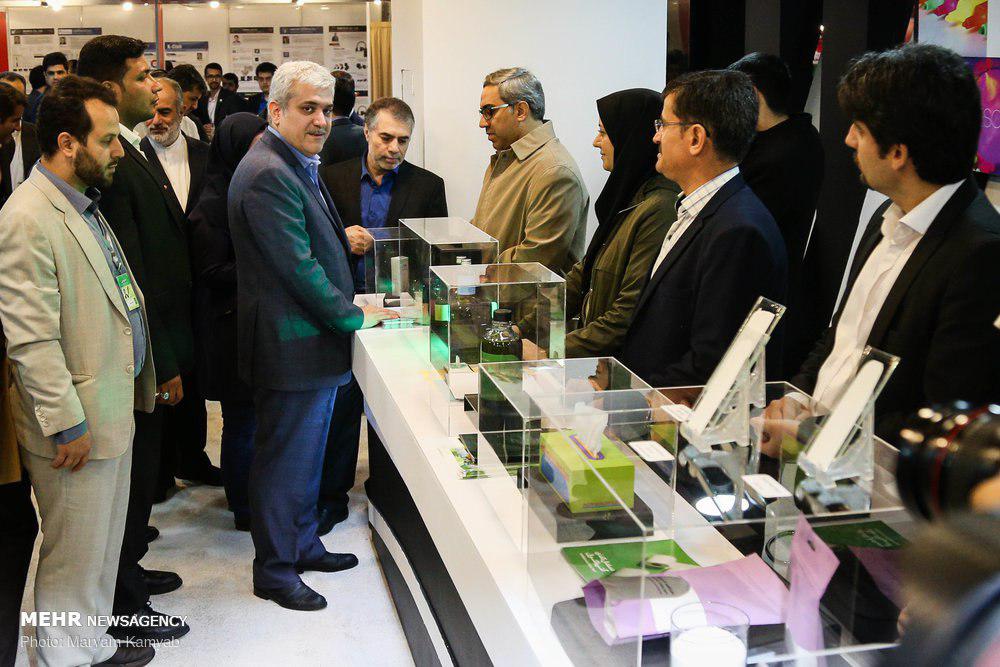
Iranian Vice-President for Science and Technology Sorenna Sattari was the highest-ranking official who attended the exhibition in its opening day.
Speaking on the sidelines of the event, Sattari hailed the country’s scientific growth in the past few years, and said Iran’s nanotechnology ranking has improved from the ninth and tenth to the fourth across the world.
In addition to the improved ranking, which was achieved thanks to increased publication of Iranian papers in international journals, the Islamic Republic managed to develop and sell the technology last year, underlined the Iranian VP.
Sattari went on to say that the sales of nano products last year amounted to $92 million, adding that the amount was higher than the target projected by the Nano Headquarters.
Sattari underscored that the country’s exports is expected to further increase this year.
Nano is a new and up-to-date science in the world, he said, adding that Iran entered the field 15 years ago, and today it is one of the countries manufacturing nano-based products.
He also noted that the industrial sale of these products has exceeded $9 million, and will certainly increase in the coming years. “This shows that nanotechnology has found its place among the Iranian industries.”
He expressed satisfaction that a proper ecosystem is in the making across the country while more companies are getting involved in this field day by day.
Pointing to the establishment of more than 3,400 knowledge-based companies in the country, Sattari emphasised that “we are doing our best to ensure that this ecosystem would not be a state-owned one.”
He said the hard currency fluctuations in Iran certainly influenced companies over the past few months, but I must say that knowledge-based companies have suffered the least impact from these fluctuations.
Referring to sanctions due to be imposed on Iran in November, Sattari said, “With the imposition of these sanctions, I do not think something special would happen in the country on November 4, and the knowledge-based companies will not be affected because sanctions have long been in place.”
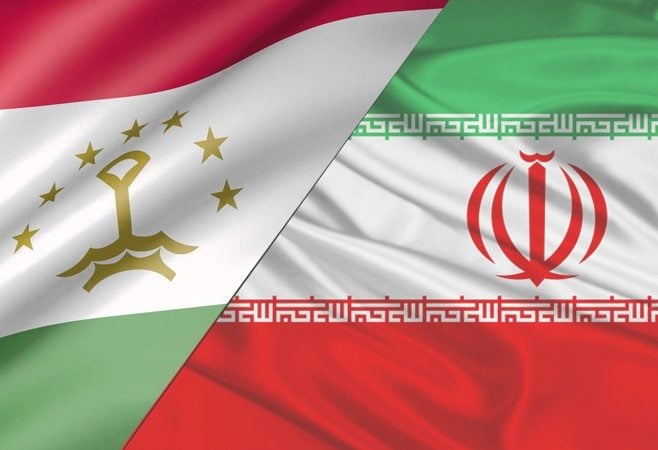
Sarmadi on Thursday held separate talks with Tajik Minister of Energy Osman Ali Osmanzadeh as well as the country’s Foreign Minister Sirojiddin Muhriddin on the sidelines of the 17th Council of the Meeting of Heads of Government of the Shanghai Cooperation Organization (SCO).
In the meeting between Sarmadi and the Tajik energy minister, who co-chairs the Iran-Tajikistan Joint Economic Commission, the two sides discussed the latest status of economic, trade and technical cooperation between the two countries. They also underlined the necessity of boosting and enhancing mutual collaboration within the framework of the joint economic commission.
In the meeting, the top Iranian official said neighbouring countries have a special status in Iran’s foreign policy. He said Tehran stands ready to forge closer cooperation with Dushanbe, especially on the economic front.
Osmanzadeh, in turn, referred to Tehran-Dushanbe good cooperation, especially in the energy sector. He also lauded the performance of Iranian companies and engineers working on projects in Tajikistan, especially a power station under construction in Tajikistan.
In his meeting with the Tajik foreign minister, Sarmadi touched upon the deep-rooted relations between the two countries. He also referred to Iran’s fundamental policy of supporting the progress and development of Tajikistan. The Iranian official underscored the need to open a new chapter in all-out cooperation between the two countries.
Muhriddin, in for his part, touched upon the constructive trips to Tajikistan by Iranian authorities, especially Foreign Minister Mohammad Javad Zarif, and expressed his country’s readiness to upgrade mutual cooperation and relations.
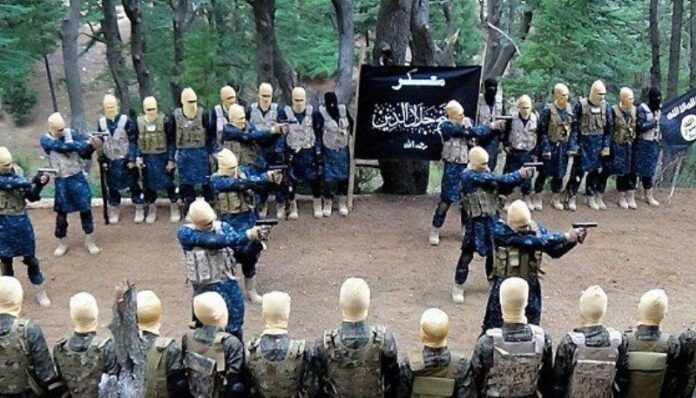
A group of ISIS loyalists being trained in Afghanistan. / Photo by Khaama Press
Sarmadi made the comments in a meeting with Afghanistan’s Chief Executive Officer Abdullah Abdullah on the sidelines of the 17th Meeting of the Council of Heads of Government of Member States of the Shanghai Cooperation Organization (SCO) in the Tajik capital of Dushanbe.
During the Friday meeting, Sarmadi pointed to the security situation in the region, particularly the transfer of members of terrorist groups to Afghanistan and Central Asia after their failure in Iraq and Syria, and said, “We consider Afghanistan’s security as our own security and will not hesitate to help Afghans.”
He pointed to the need for implementation of earlier agreements between Tehran and Kabul, saying that mutual issues are being followed up by five working groups.
Sarmadi also highlighted the Islamic Republic’s resistance against the new sanctions imposed by the US administration, the denunciation of unilateralism in the world, and the gradual formation of a global will to end sanctions.
The Iranian official finally wished success for Afghanistan in holding its upcoming parliamentary elections.
In turn, Abdullah Abdullah referred to the meeting with the Iranian President at the United Nations General Assembly last month and expressed the preparedness of the Afghan government to expedite the finalisation of the comprehensive cooperation agreement between the two countries.
“The basic issues, such as security, water and economic cooperation, as stipulated in the comprehensive agreement, are the priorities of the Afghan government and we do all we can to conclude these agreements and strengthen bilateral relations,” added the Afghan official.
The two sides also reviewed the latest status of bilateral relations and emphasised the need to strengthen the ties.
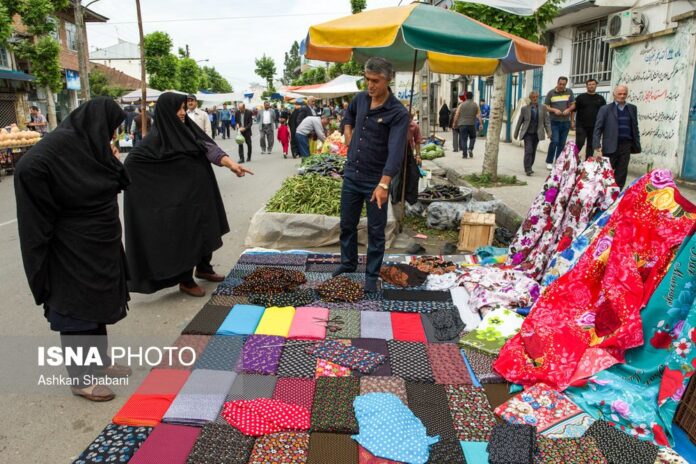
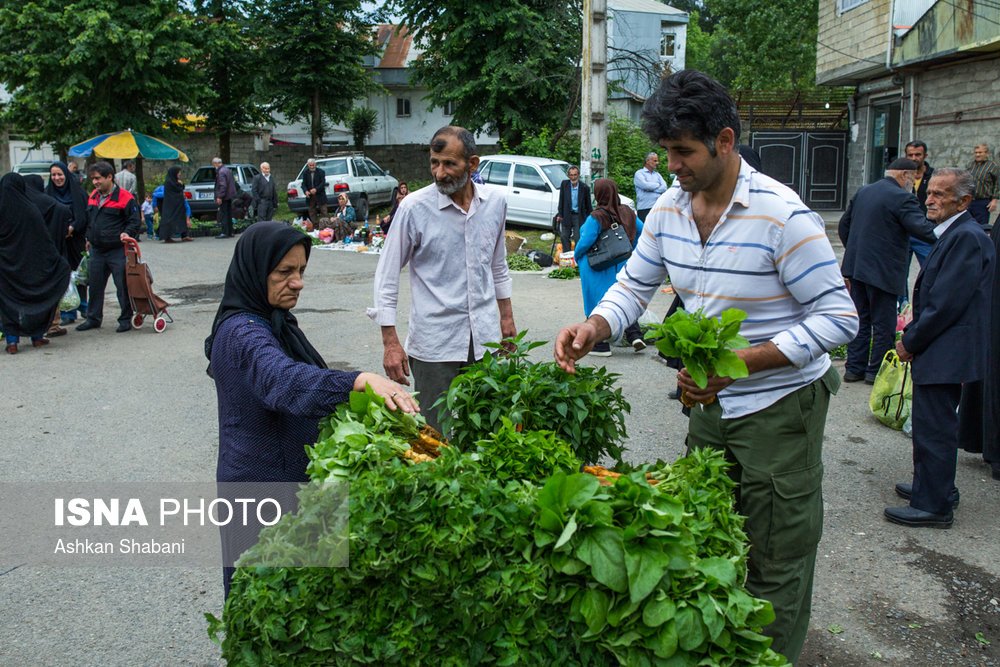
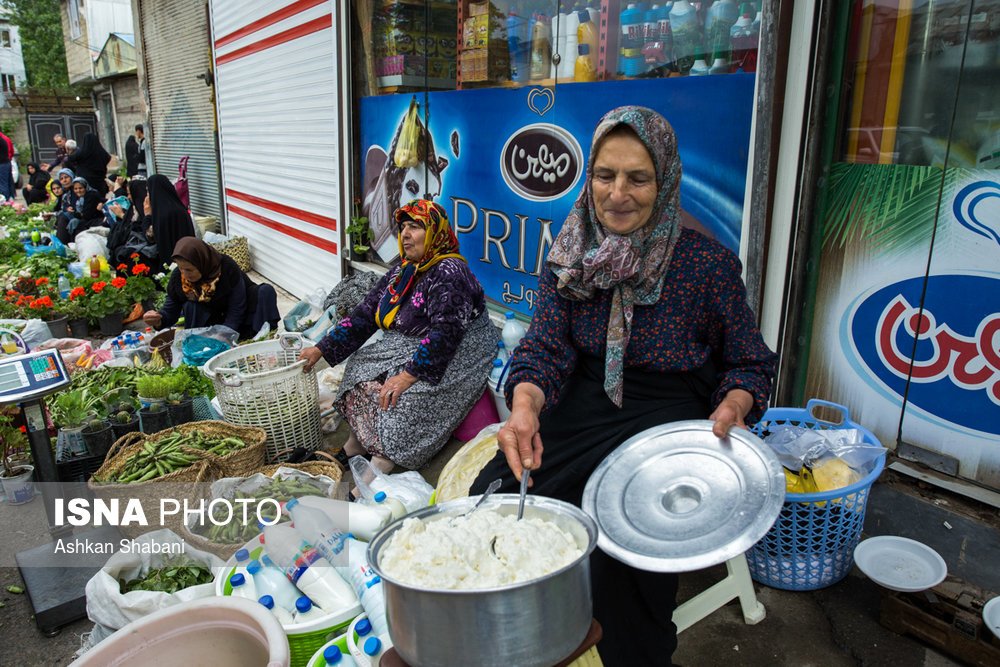
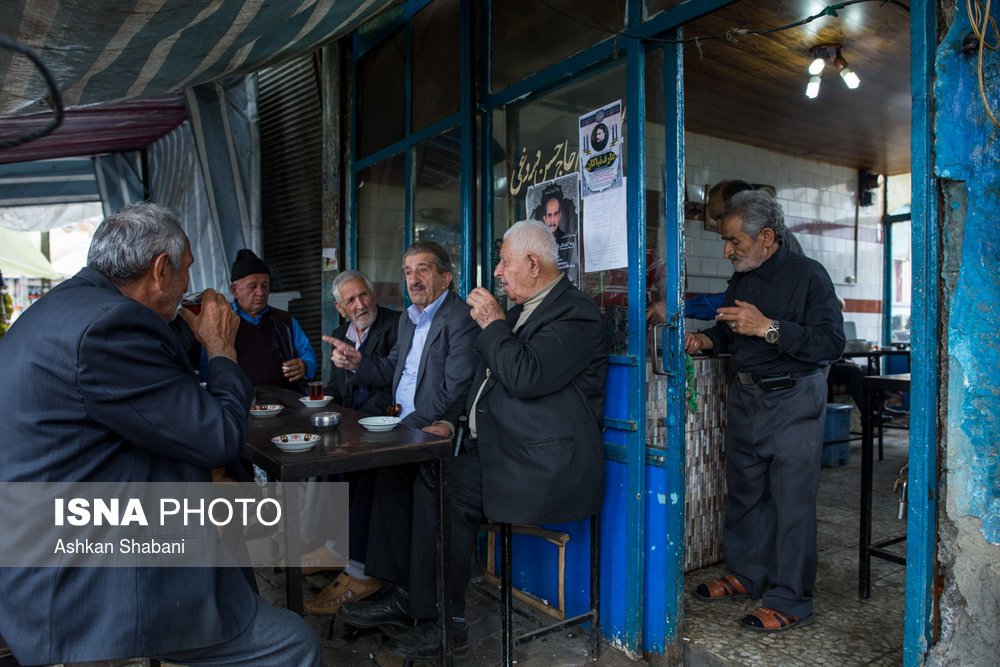
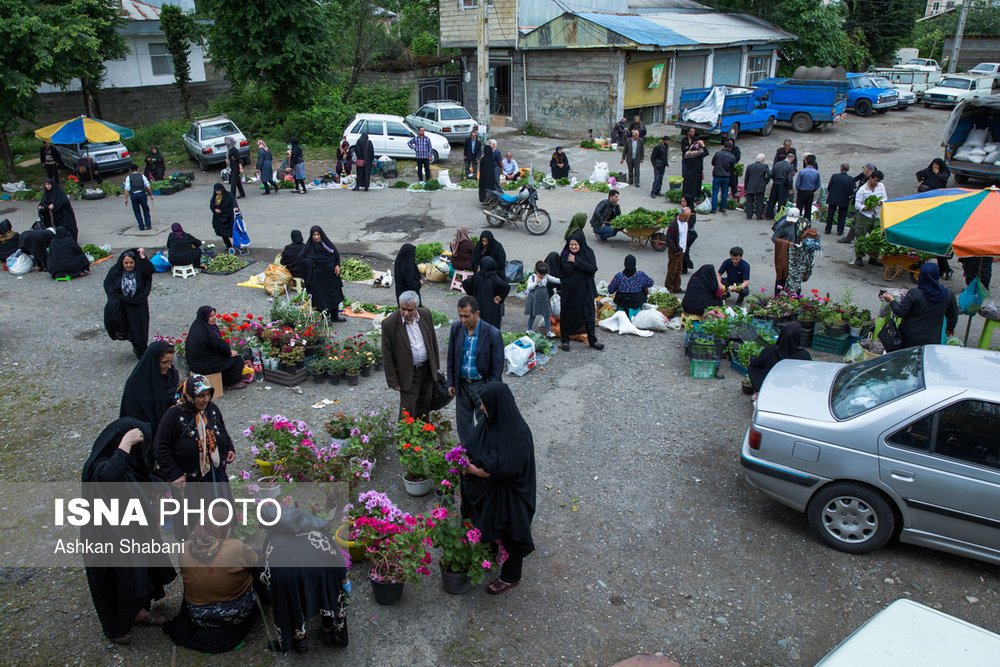
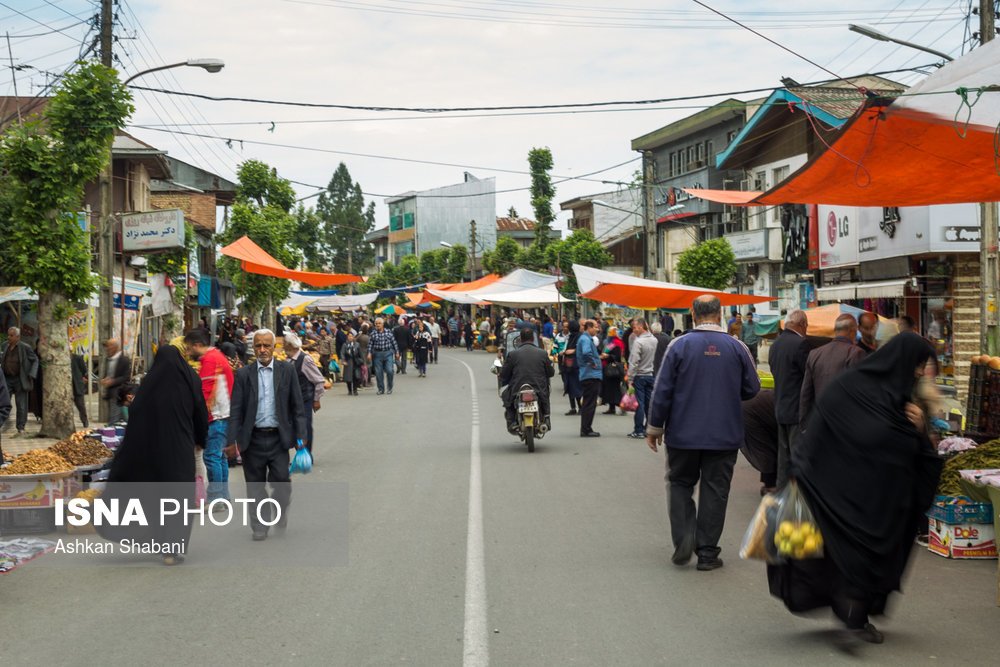
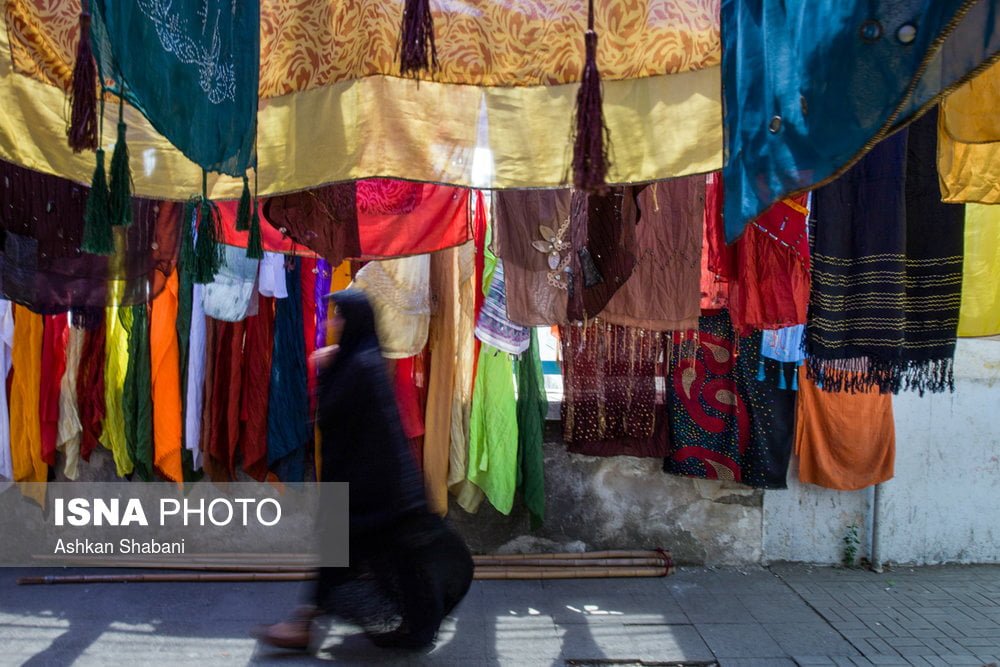
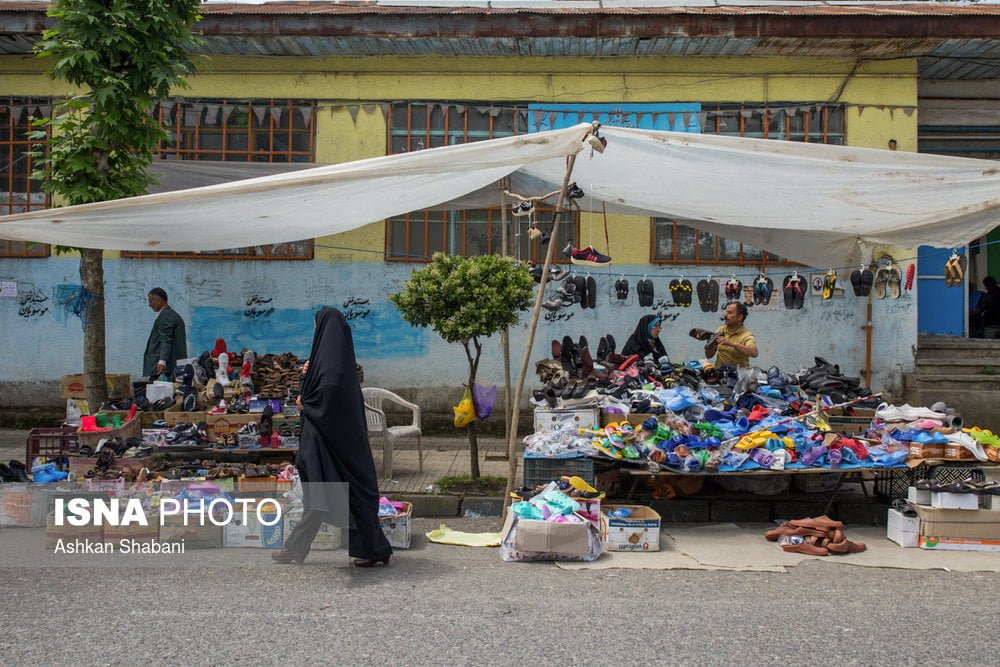
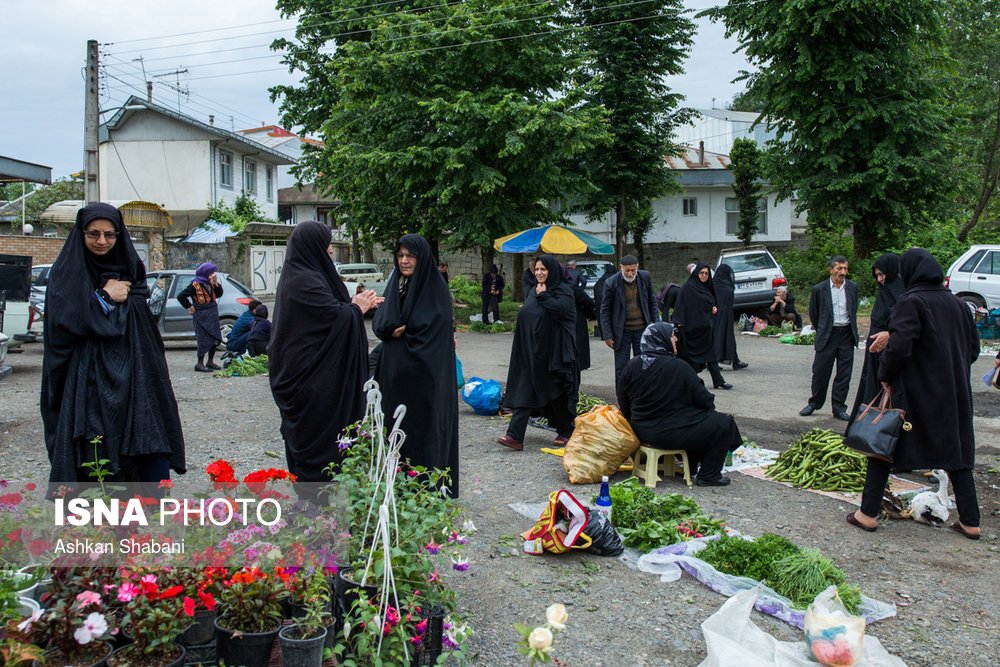
The weekly markets of Gilan have long been considered as a major destination for both Iranian and non-Iranian tourists travelling to the region.
Despite the expansion of communication networks, weekly markets are still popular among Iranian people and are annually visited by millions of travellers.
In the past, when the villagers’ commute was not like today, markets were more important. However today, given the development of roads and the increase in number of vehicles, villagers do not need much to visit these markets to buy what the need. Nevertheless, the markets are still attractive.
The first settlements in Gilan province have come into existence based on weekly markets. There are still villages called “Friday Market” or “Monday Market”.
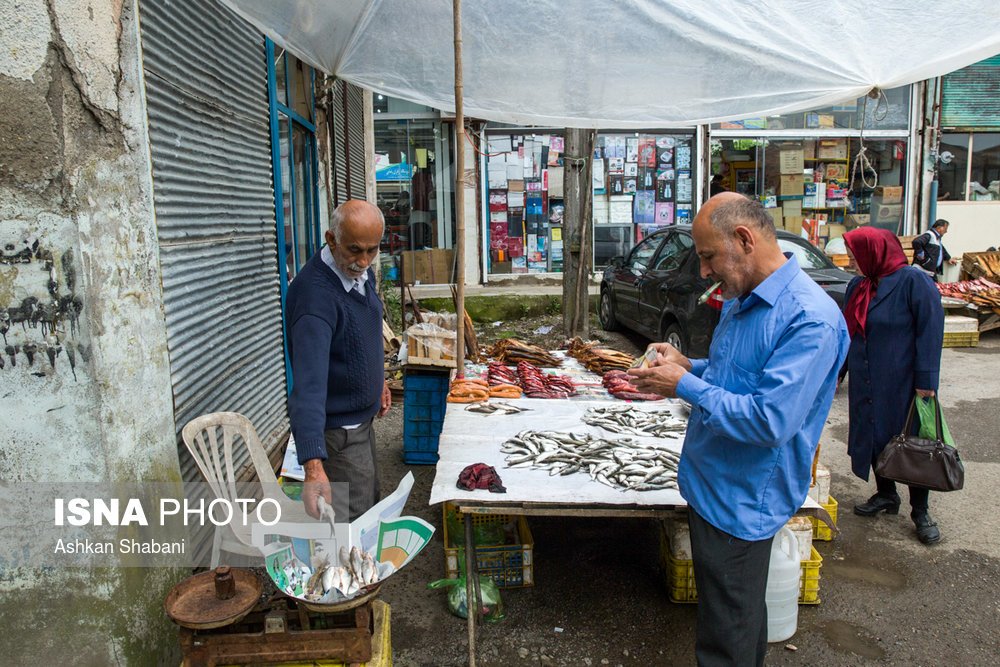
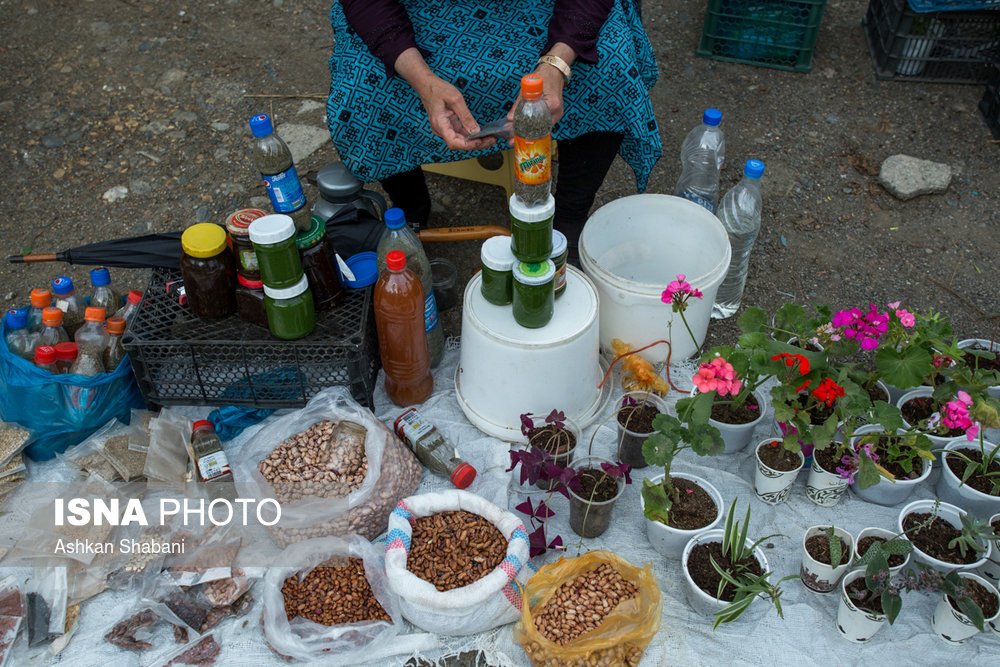
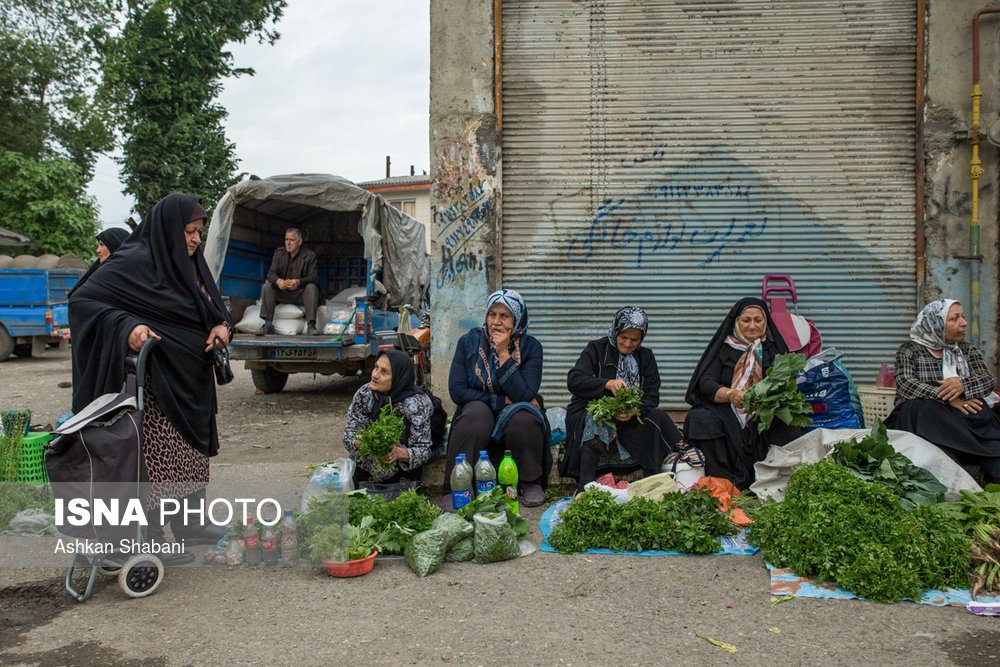
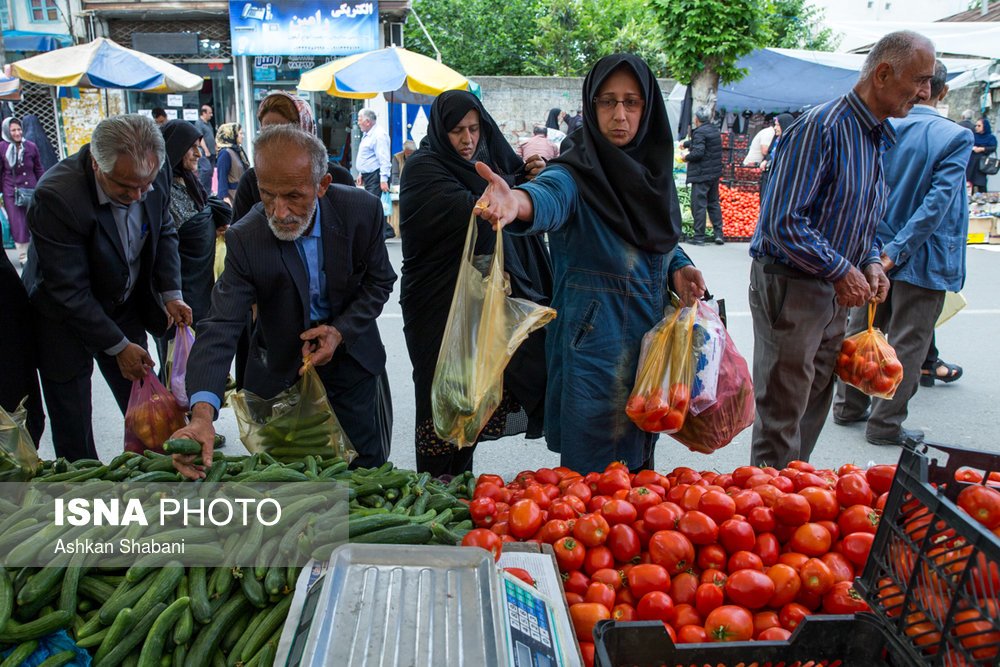
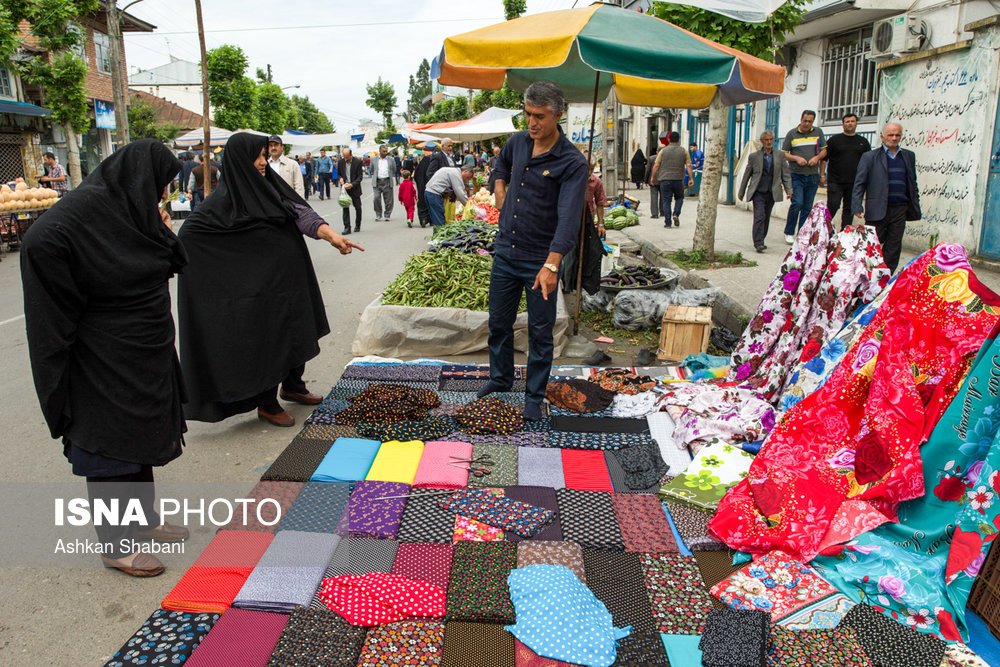
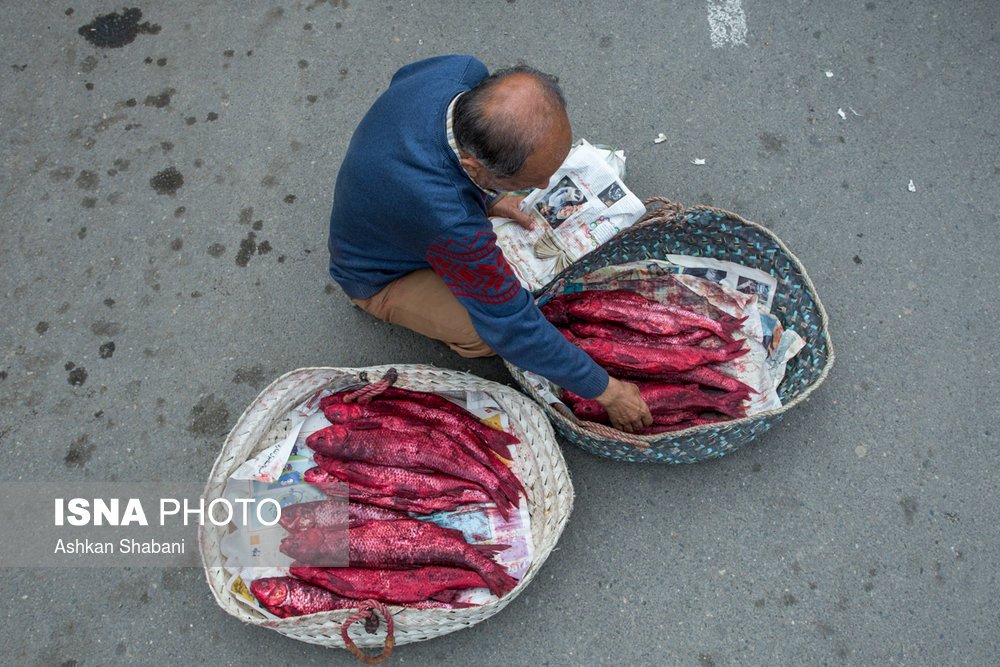
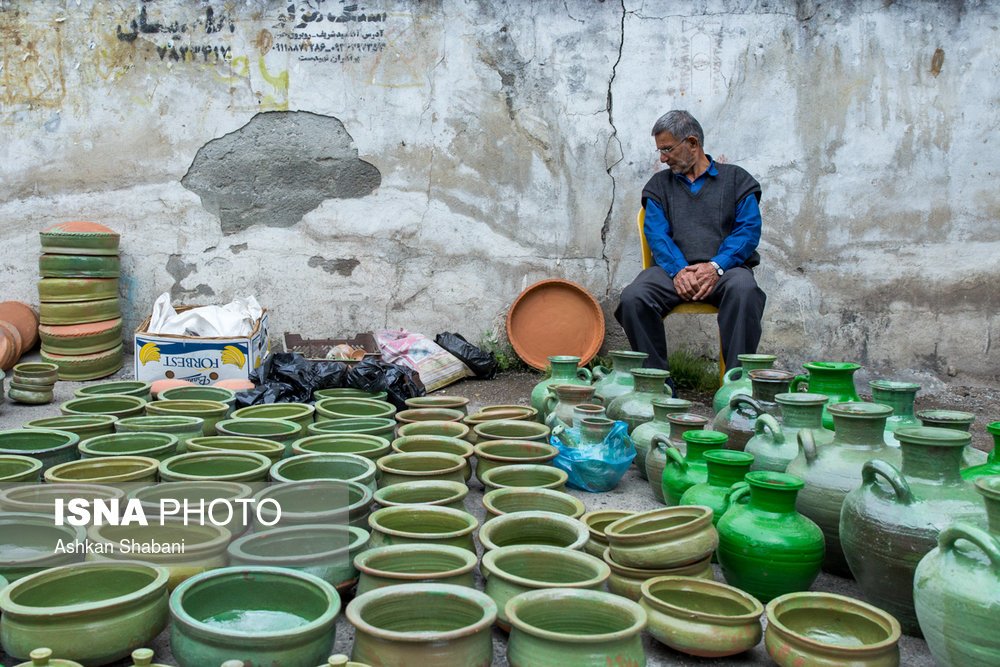
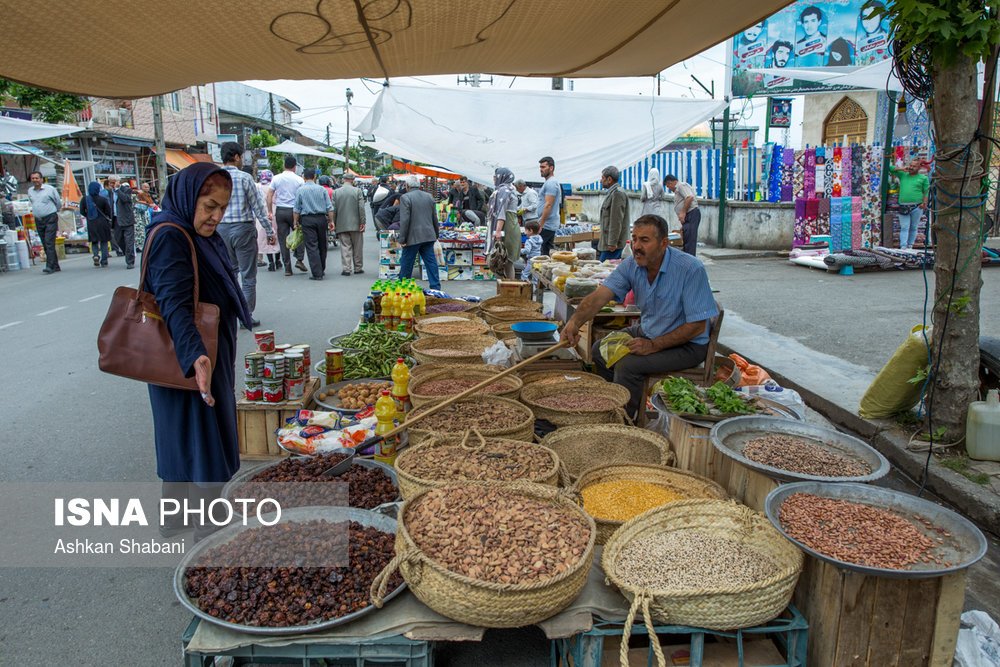
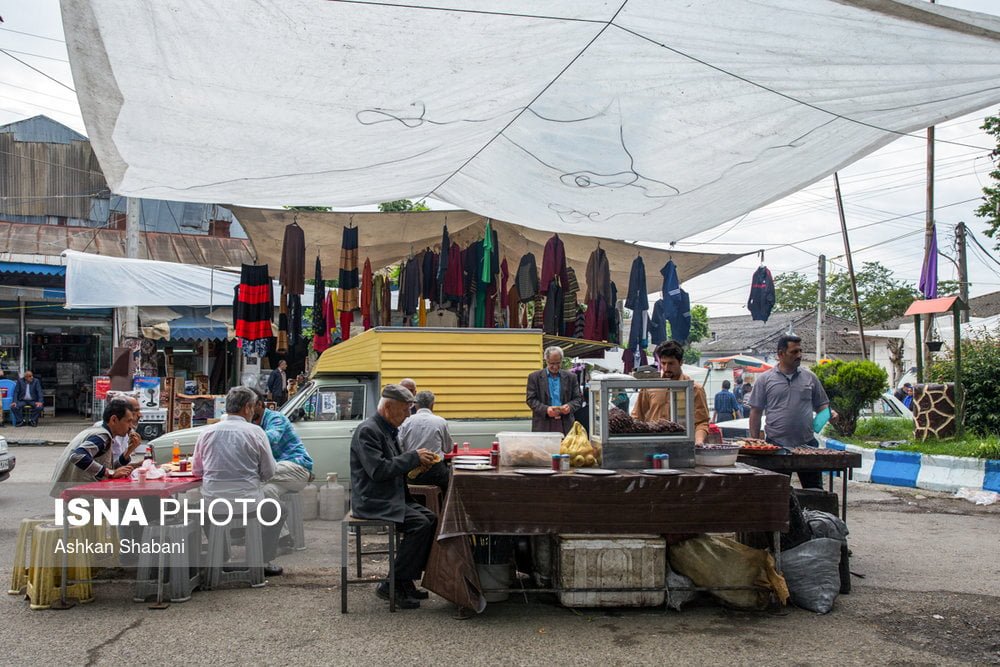
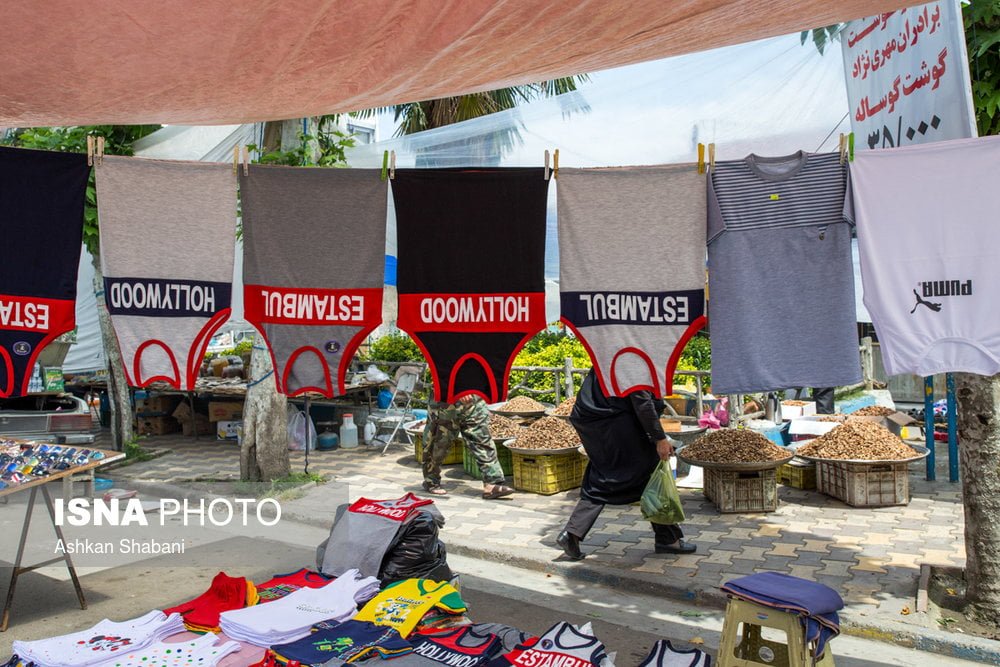
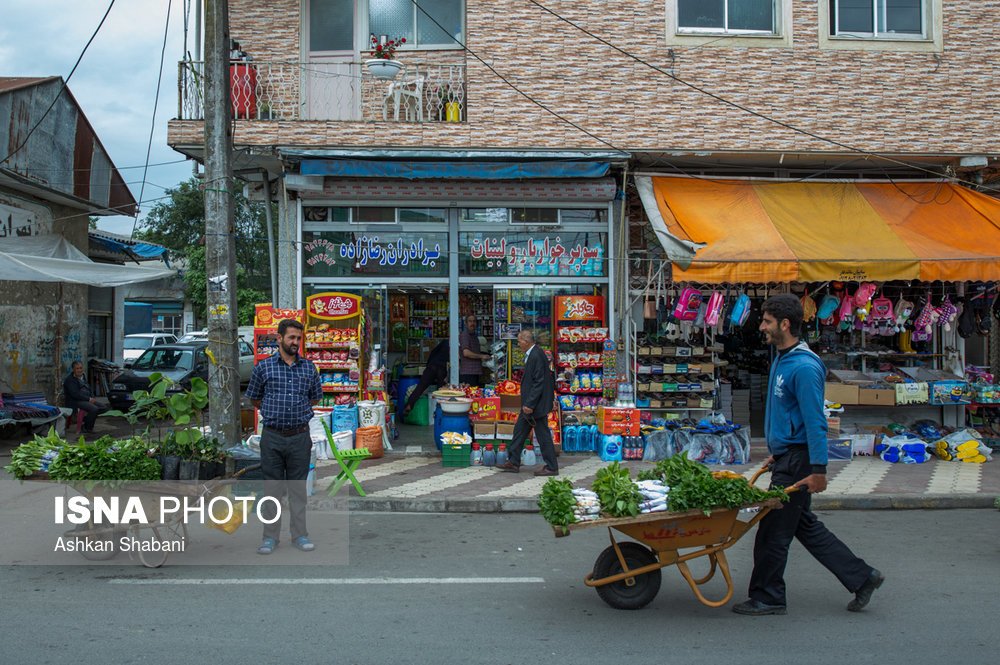
These local markets are places for exchanging goods, selling rural products and handicrafts and purchasing the goods one needs.
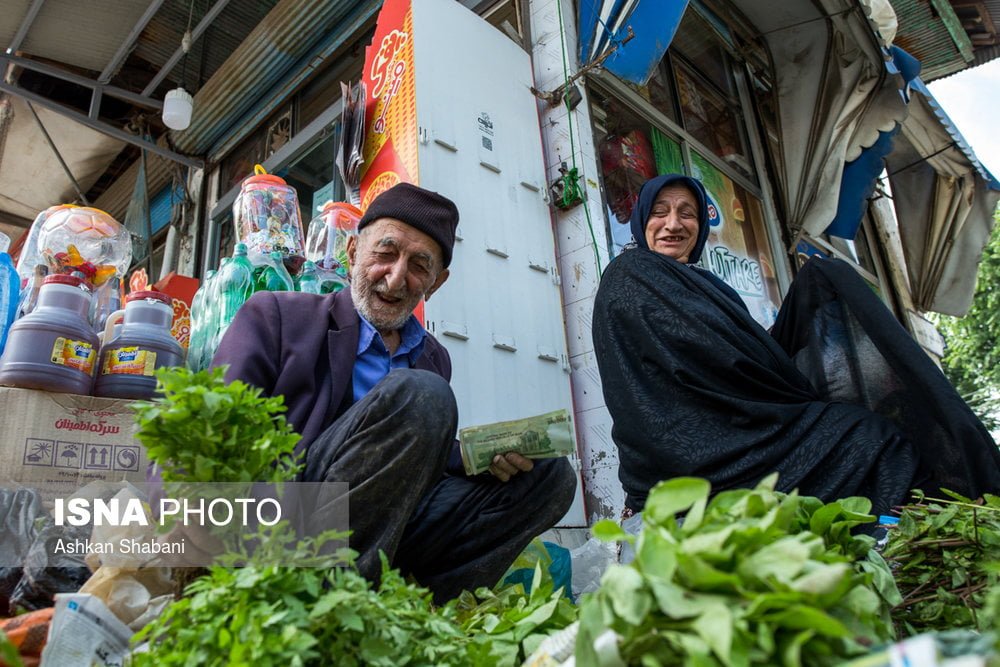
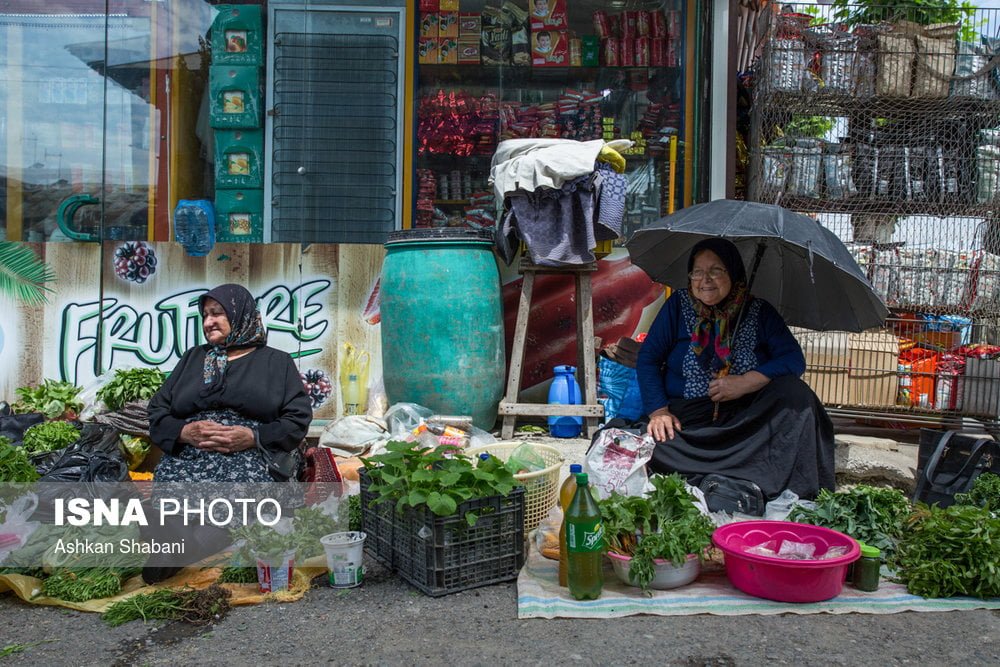
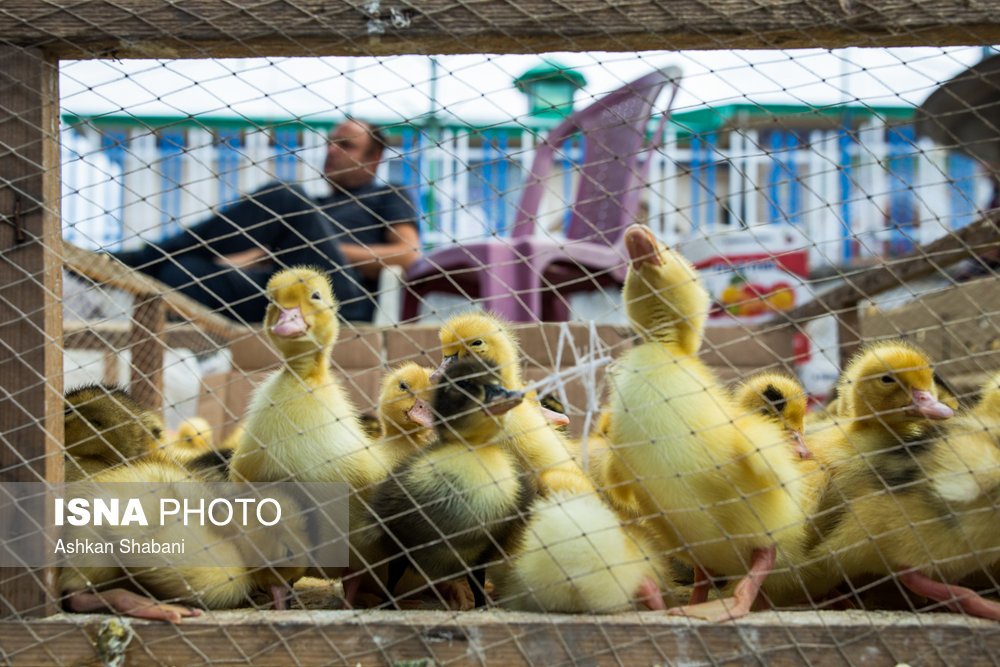
Villagers regularly come to these markets once or twice a week and sell their crops, livestock products and crafts to locals and tourists.
Shaft County in Foumanat region has had a weekly market since a long time ago.
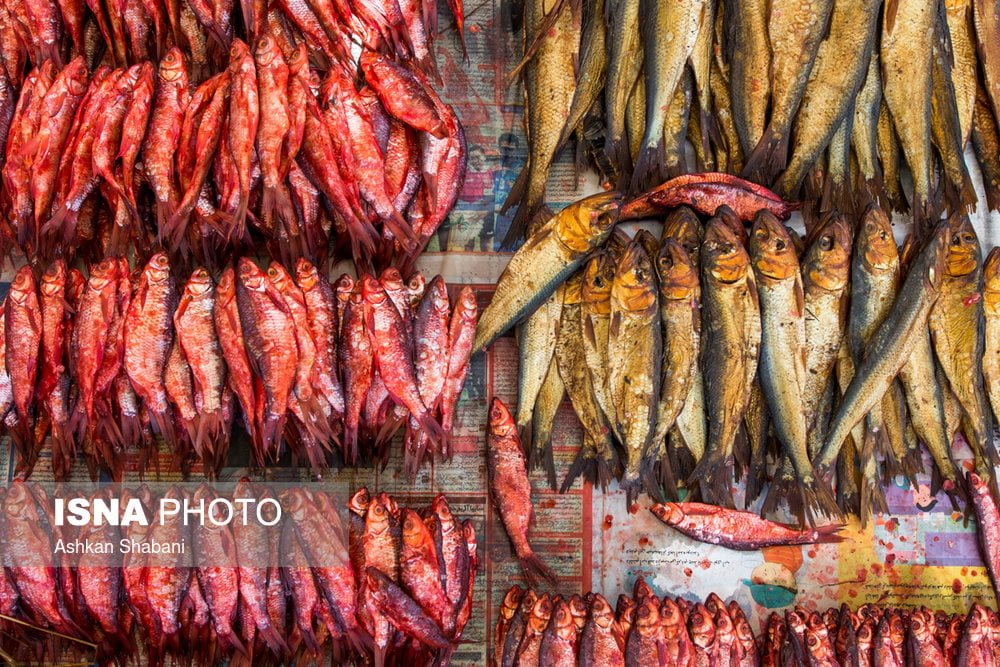
The Monday Market of Shaft, 25 km from the capital city of Rasht, supplies goods including livestock products, rice and local women’s products.
The market also has a side part known as the “Women’s Market”. Here, women sell their products as female sellers are not allowed to work in the main street.
Here are photos of the market retrieved from ISNA:
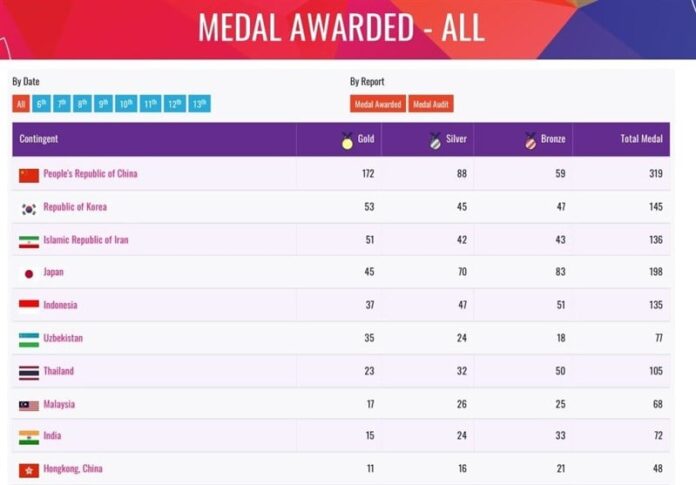
The Iranian athletes claimed 51 gold, 42 silver and 43 bronze medals in the Games.
The Iranian para athletes won 27 gold, 25 silver and 29 bronze medals.
Para swimmer Shahin Izadyar claimed six gold medals and one silver while Mohammad Hossein Karimi won a bronze.
The chess players grabbed four gold, six silver and four bronze medals.
Iran won four gold, four silver and two bronze medals in powerlifting.
Para shooters snatched three gold medals and one silver.
Judokas seized two gold, two silver and three bronze medals.
Para archers took two gold, two silver and one bronze.
Iranian men and women sitting volleyball team came first and second respectively.
Goalball men and women sides finished in first and third places respectively.
Iran men’s wheelchair basketball team won gold medal while Iran seized one bronze in table tennis and one bronze in cycling.
Continental giant China was at the top of the pecking order with 172 gold, 88 silver and 59 bronze followed by South Korea (53 gold, 25 silver and 47 bronze).
Iran participated in the Games with 209 athletes, 136 men and 73 women competed in 13 disciplines.
Iran finished in fourth place in the past two editions in Guangzhou (2010) and Incheon (2014).
The 2018 Asian Para Games were held from October 6th to 13th at the Bung Karno Sports Complex in the capital city of Jakarta.
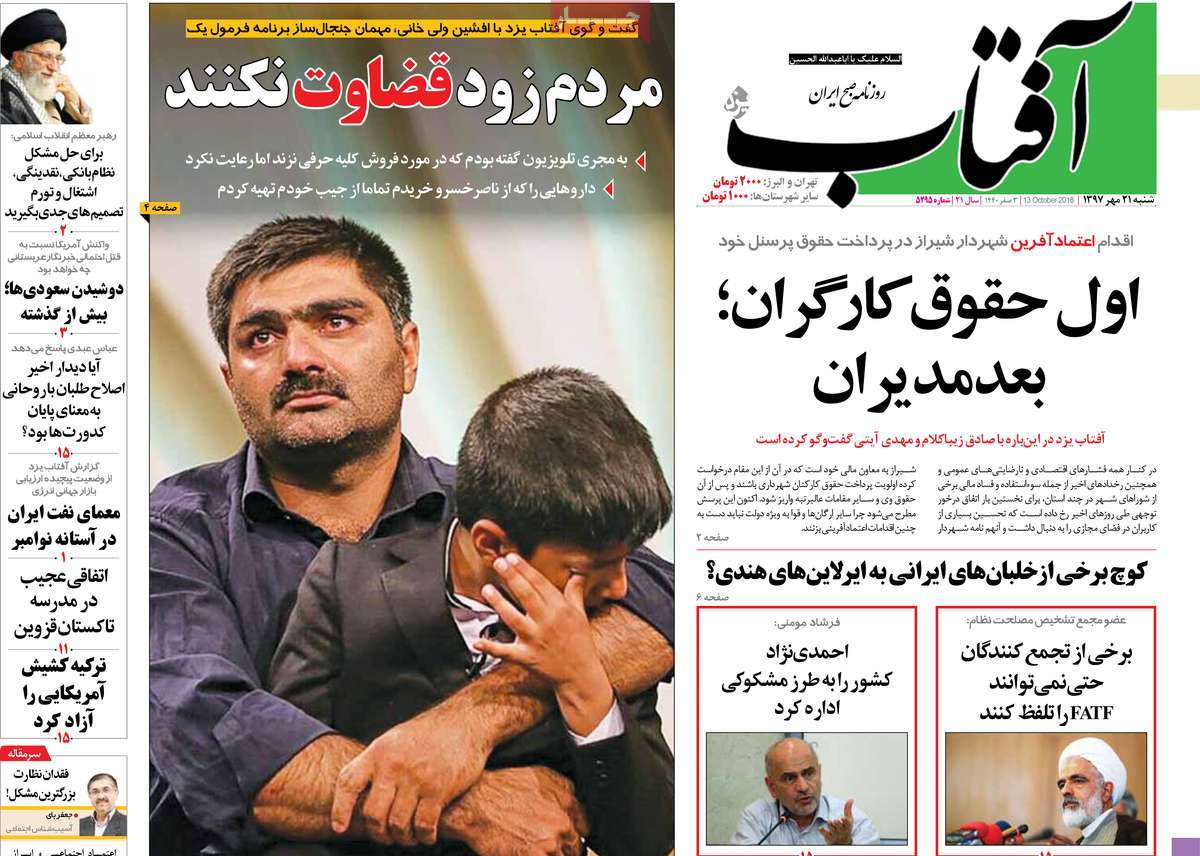
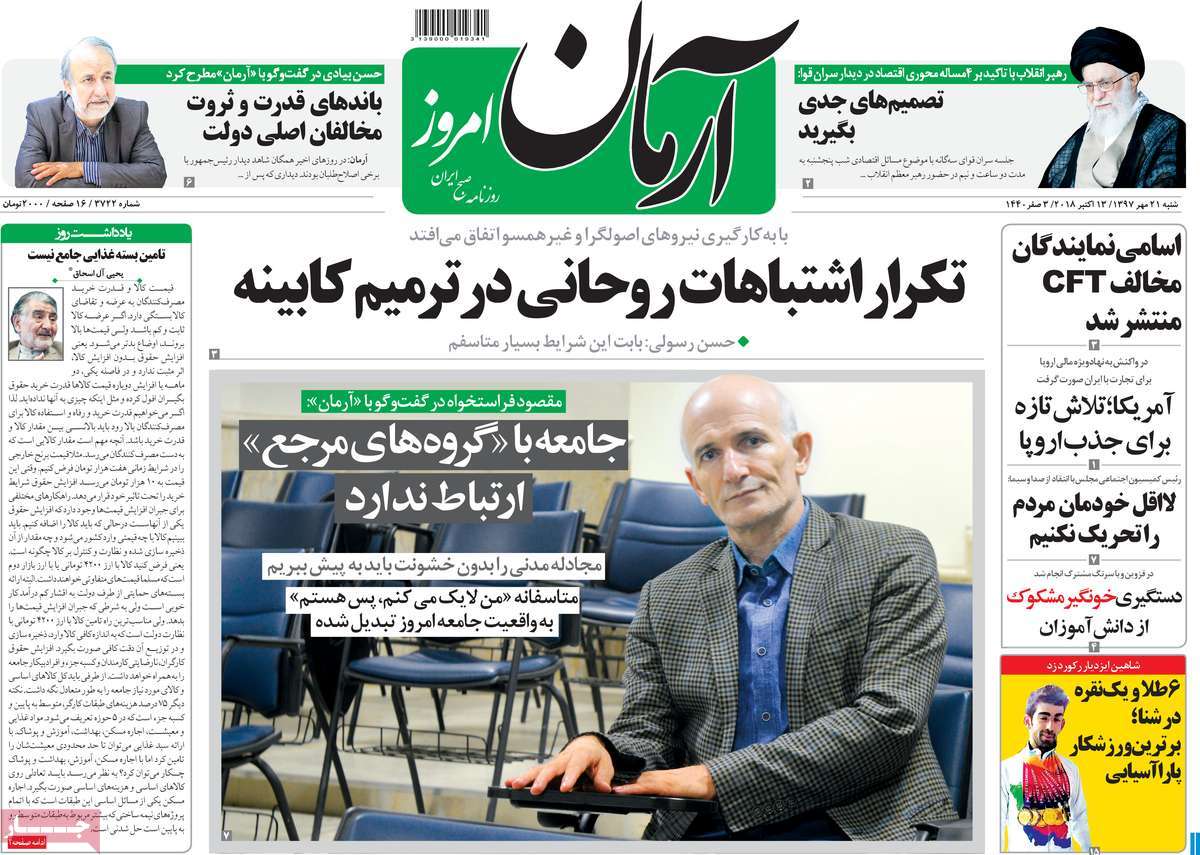
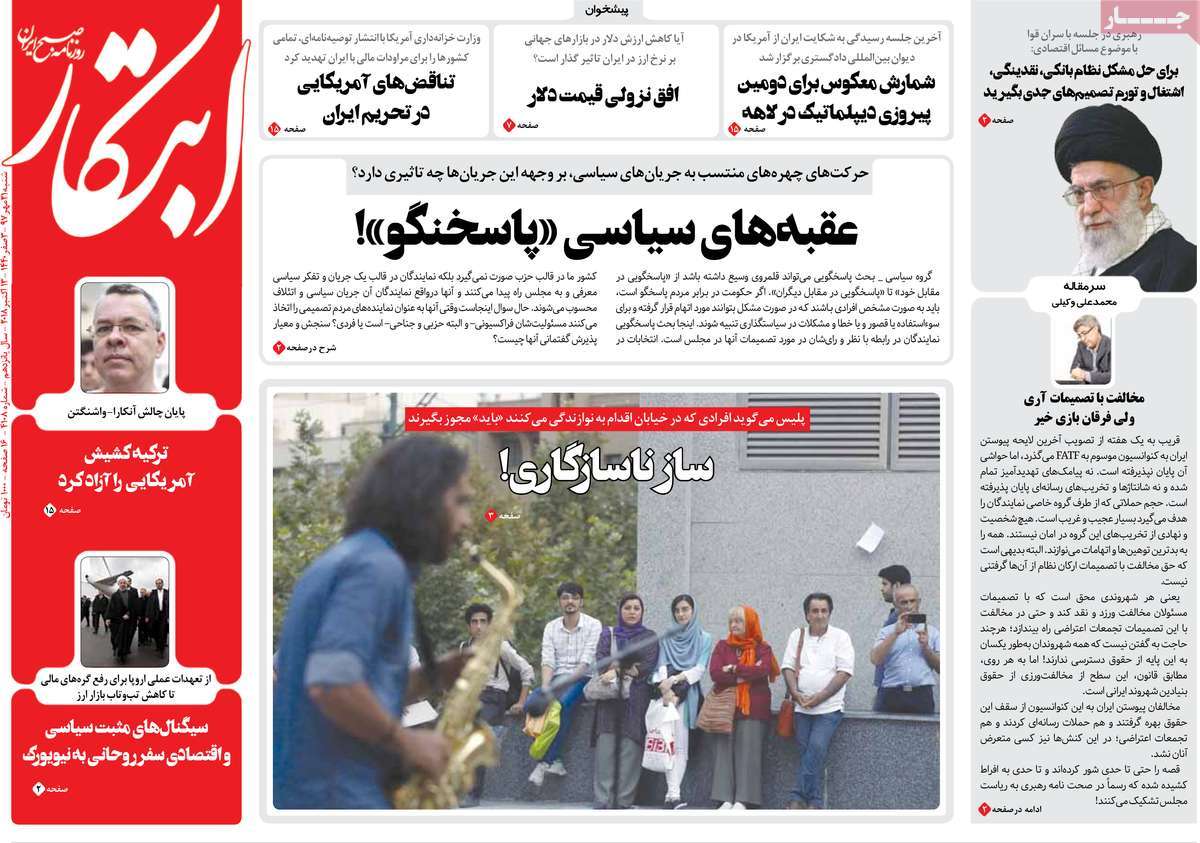
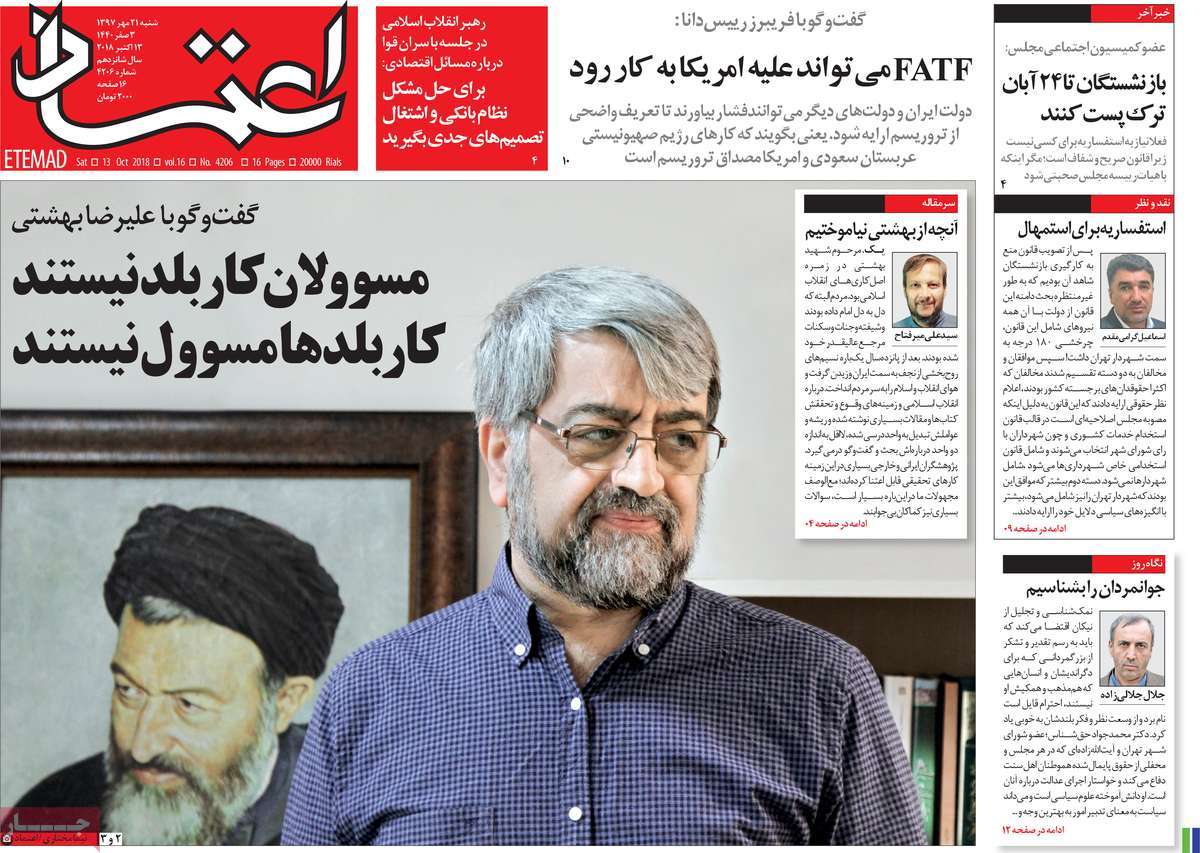
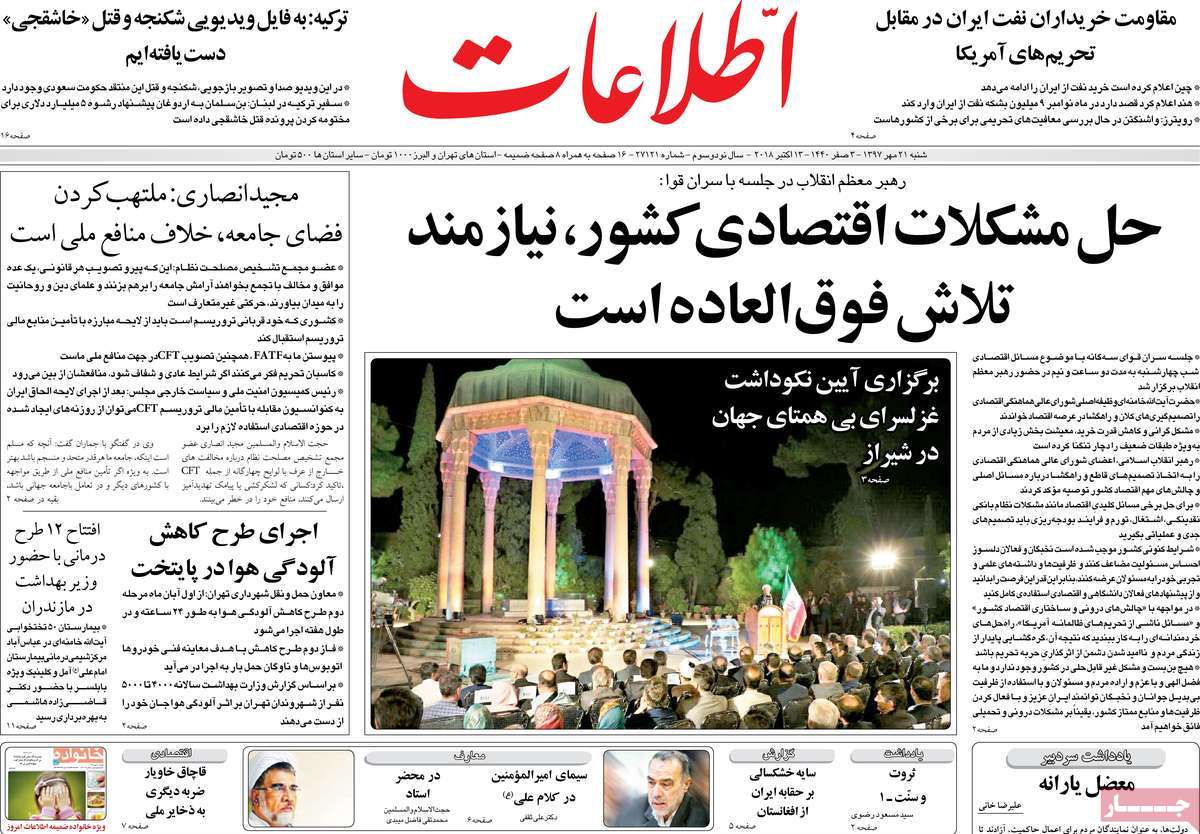
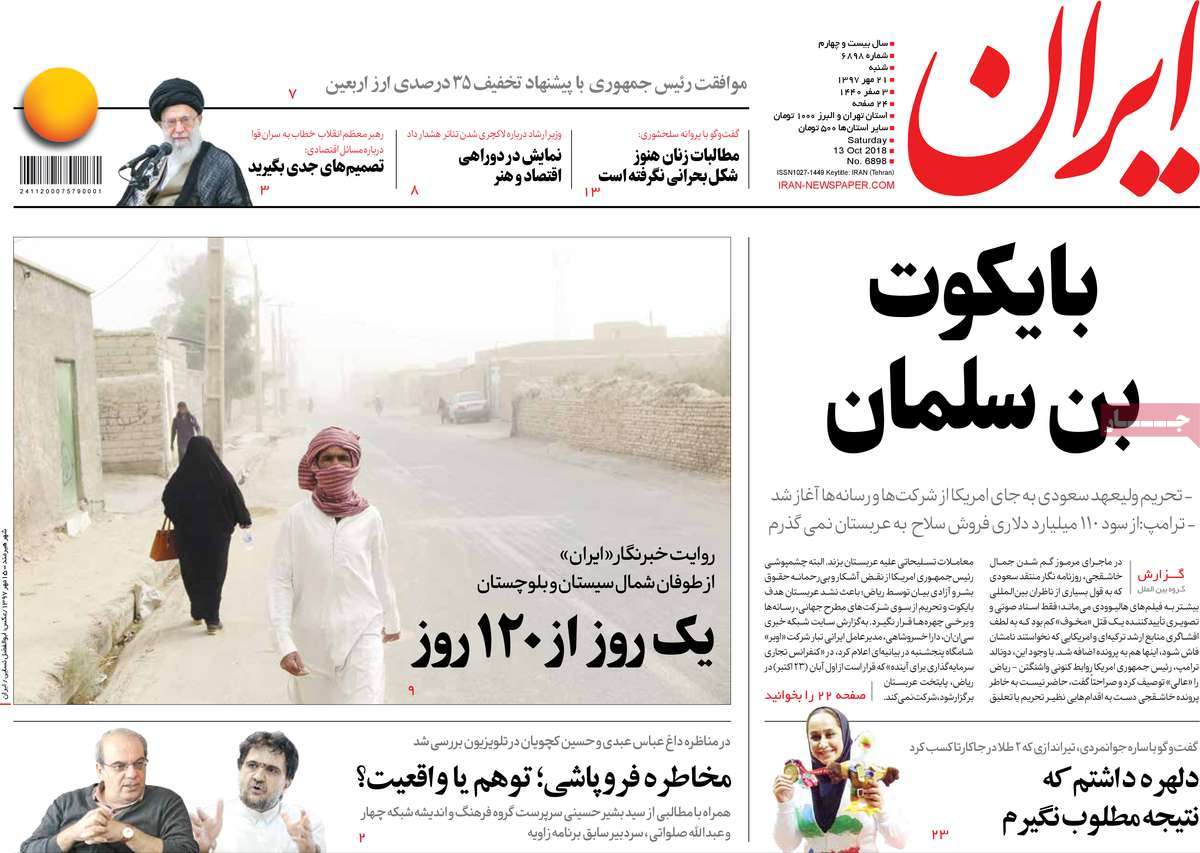
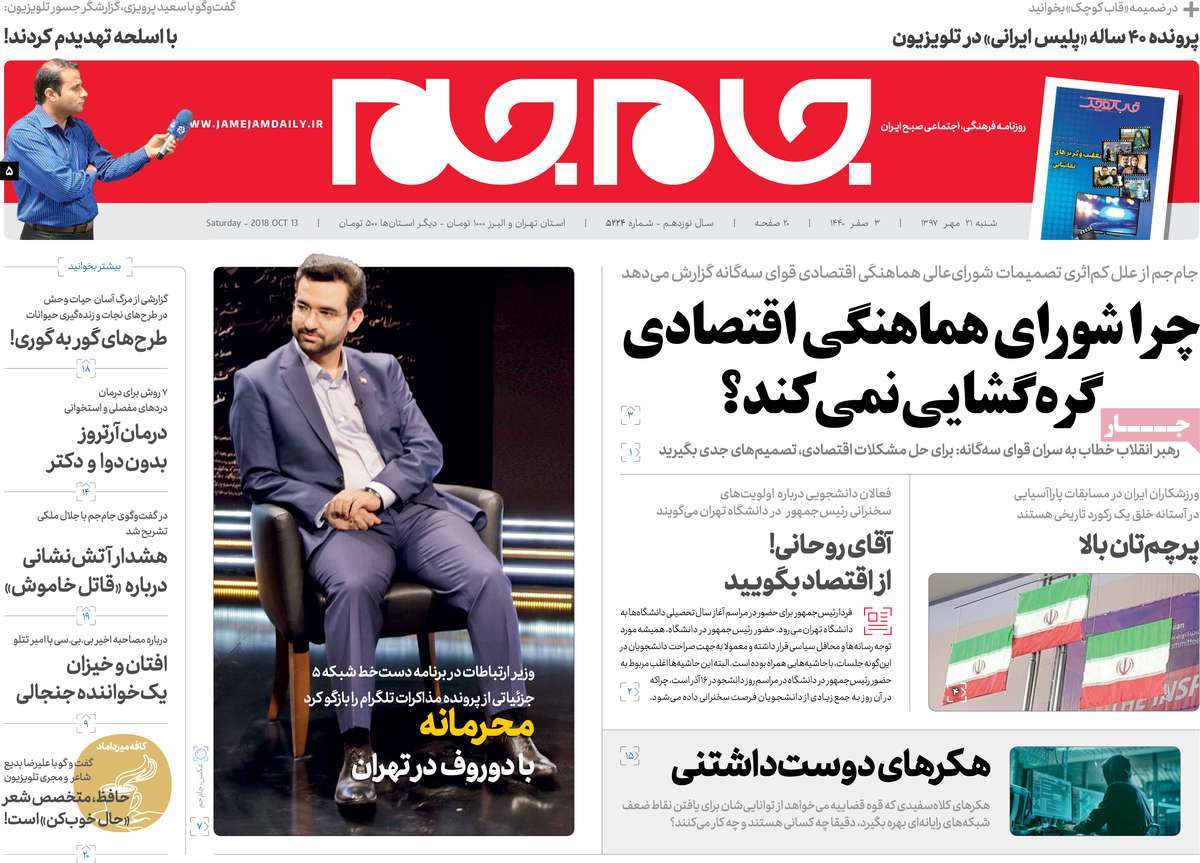
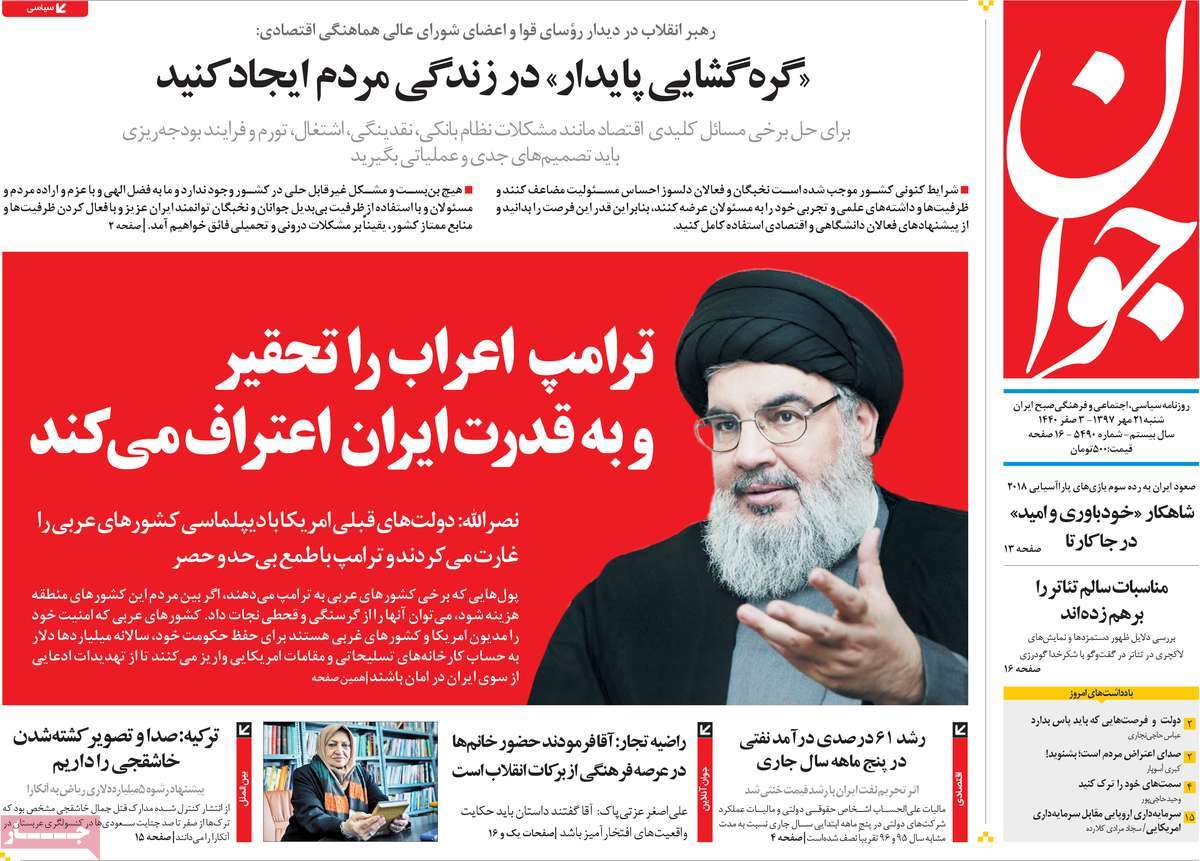
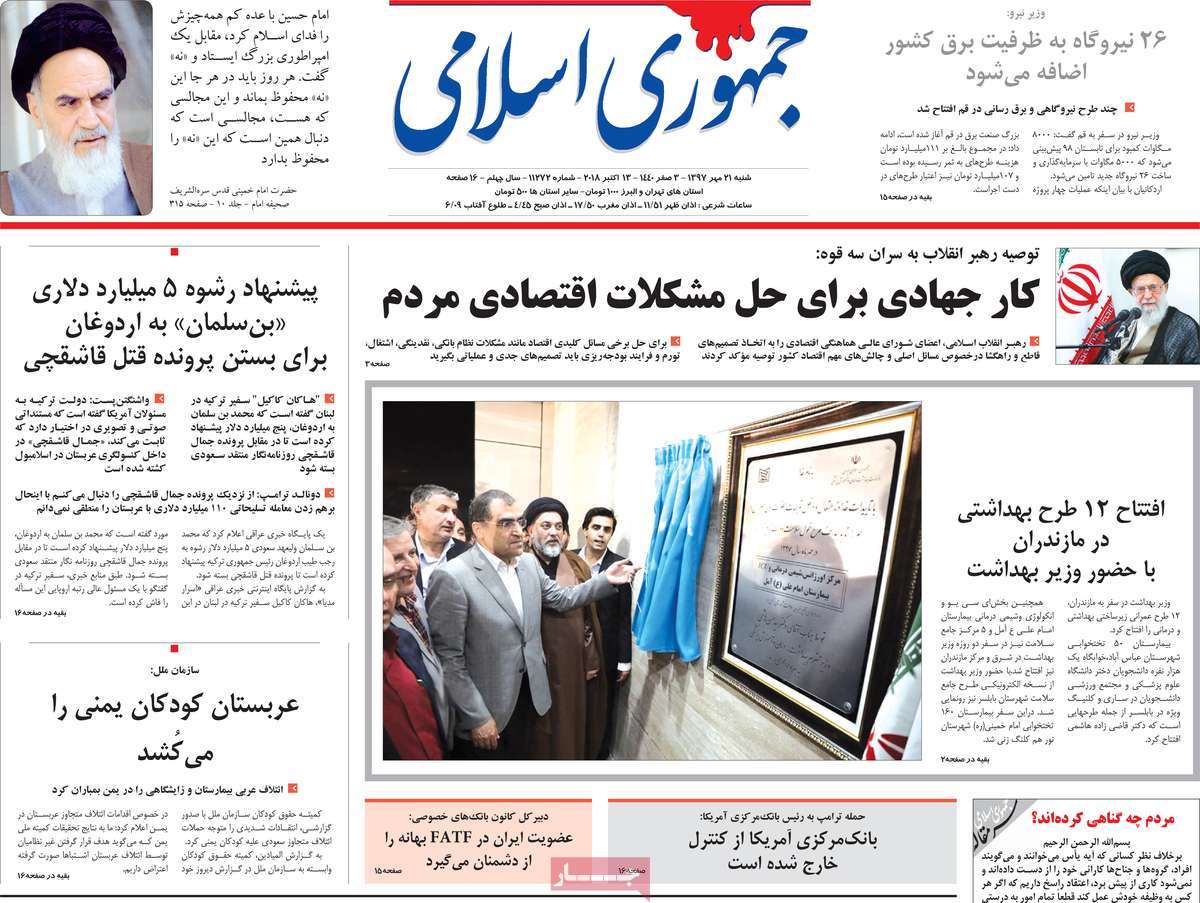
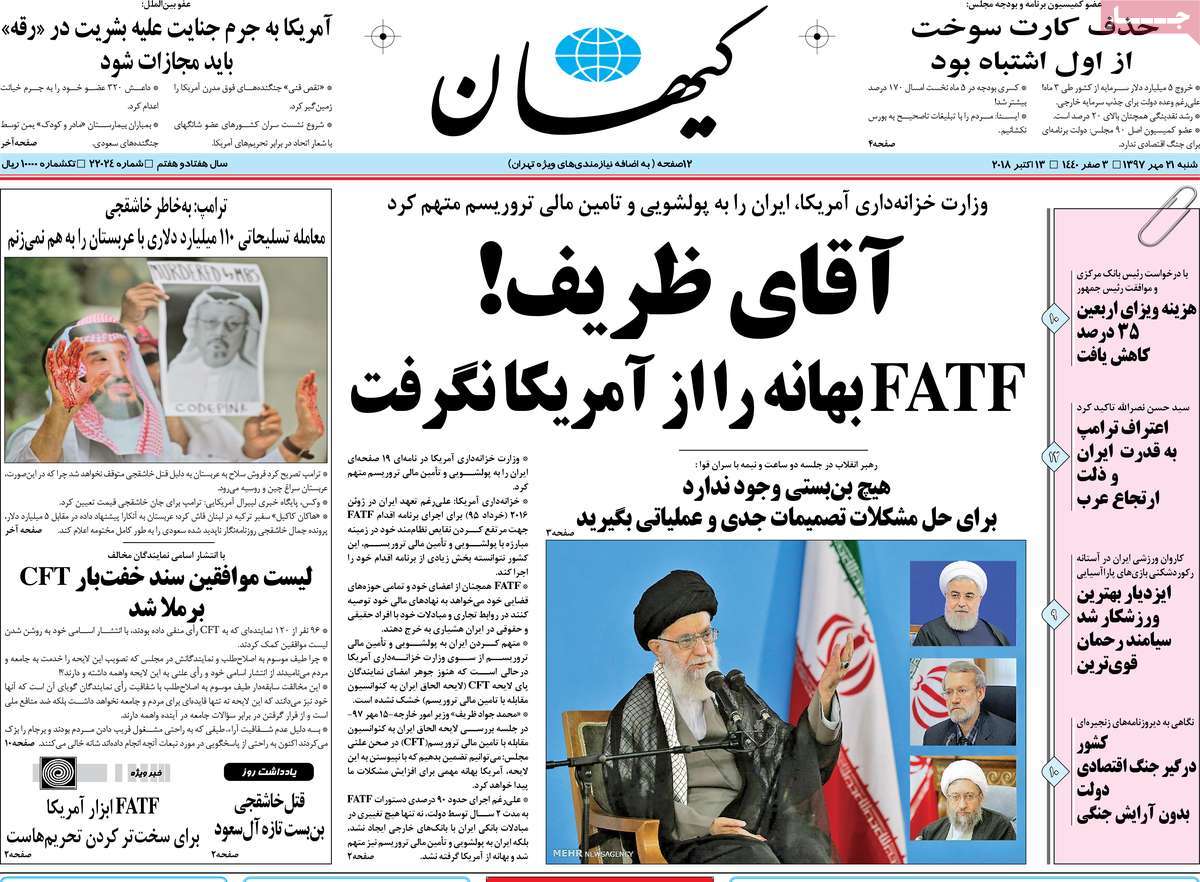
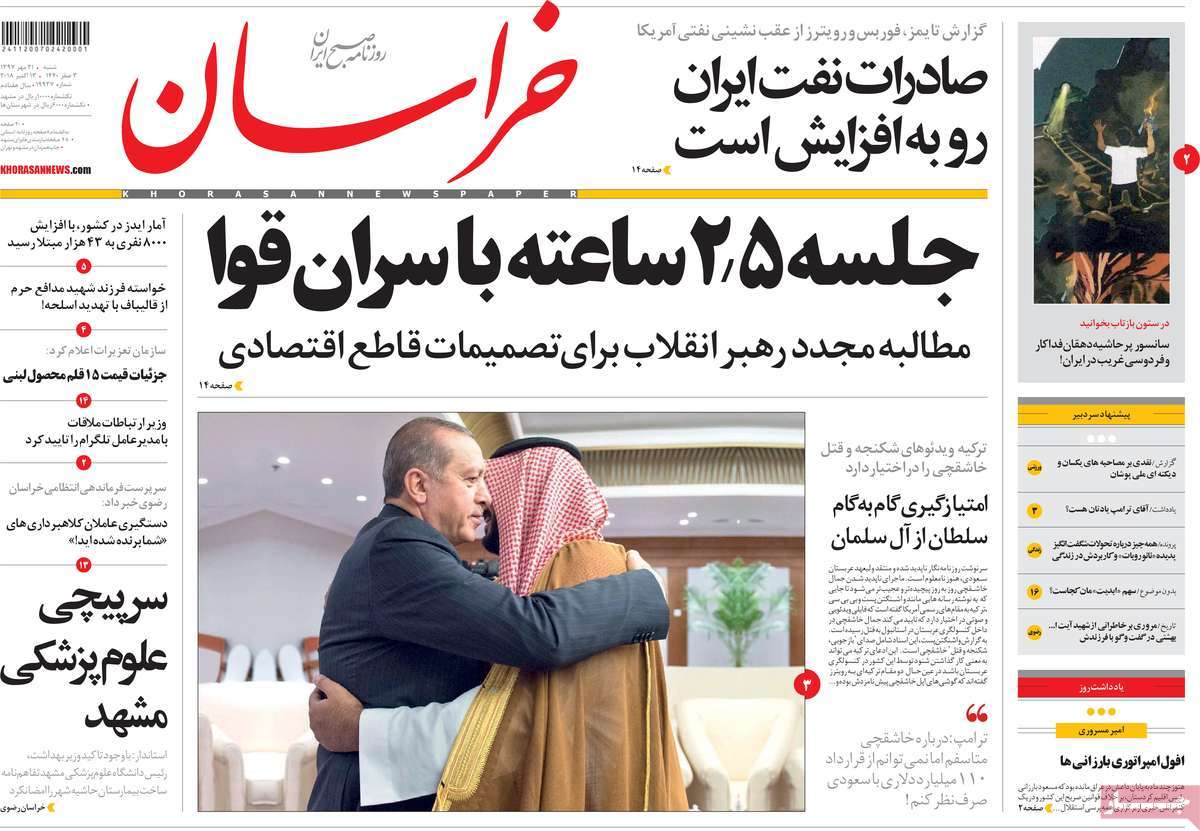
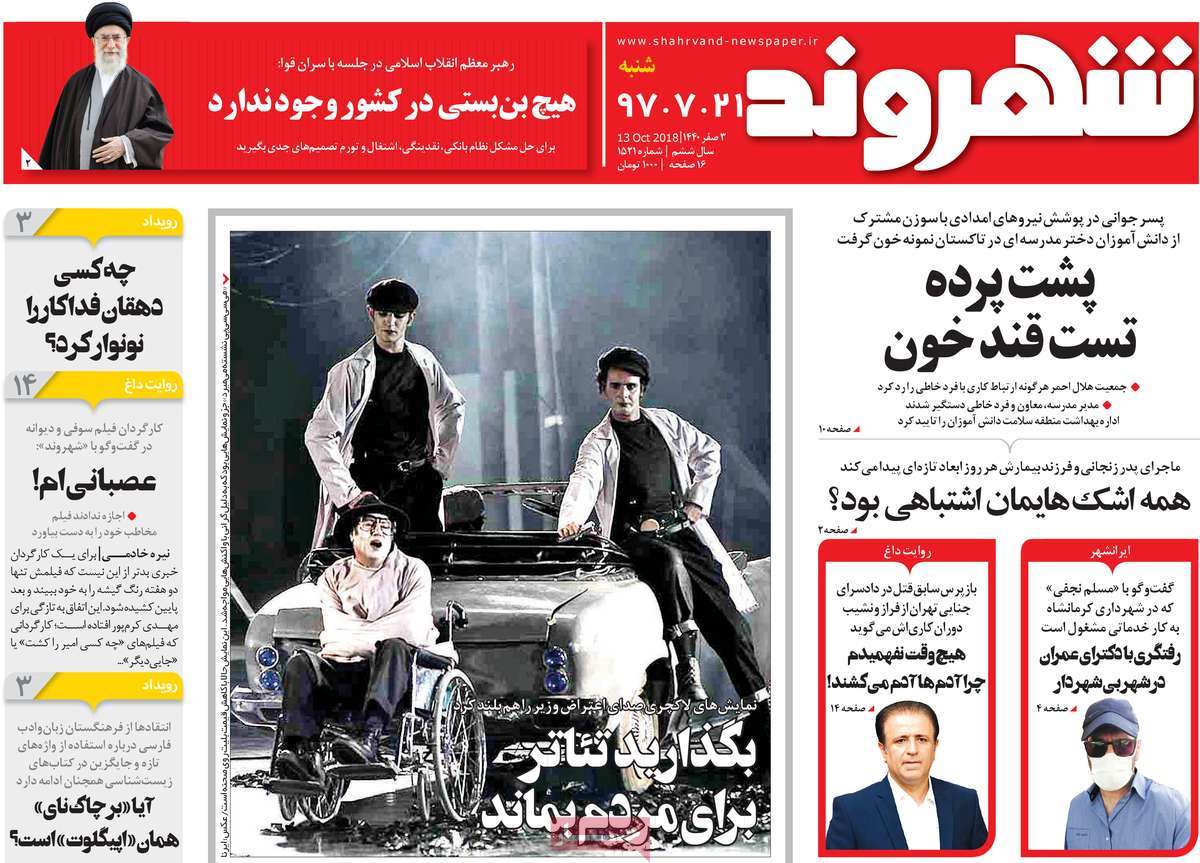
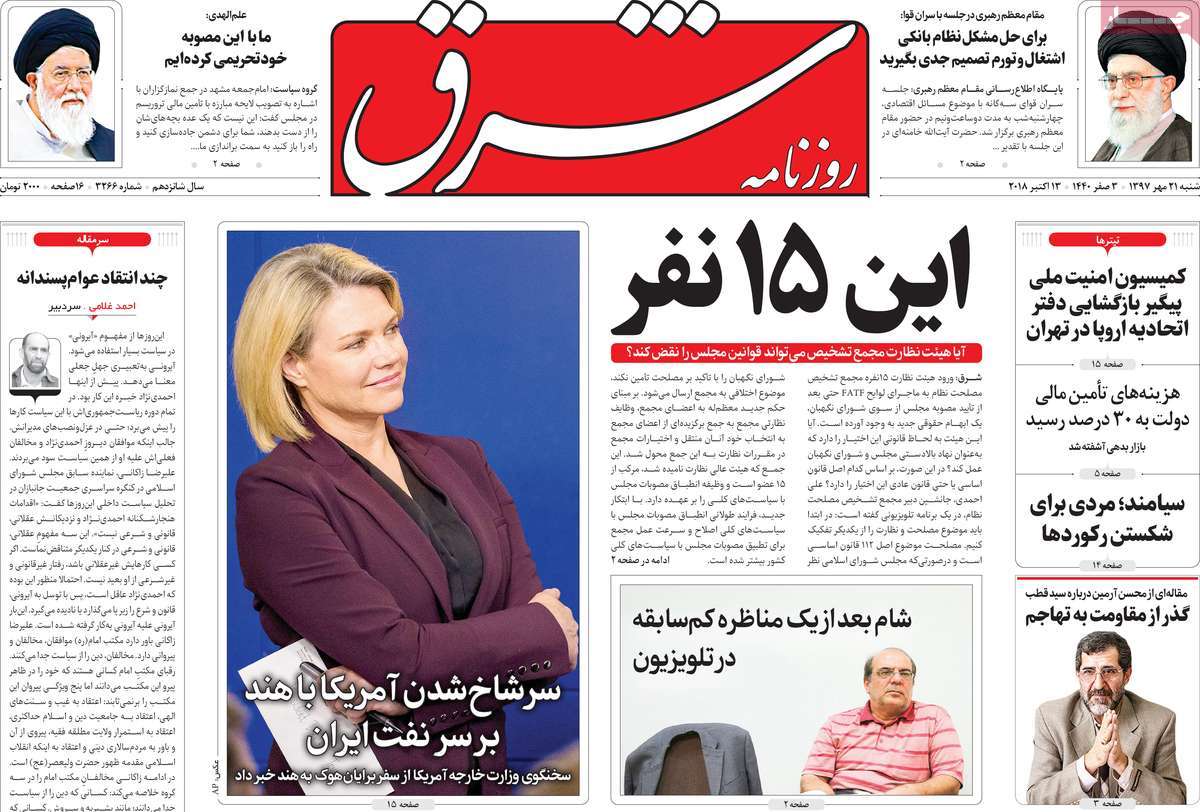
Several newspapers today covered the comments made by the Leader of Iran’s Islamic Revolution Ayatollah Seyyed Ali Khamenei on the need to quickly resolve the country’s economic woes in a meeting with President Hassan Rouhani, Judiciary Chief Ayatollah Sadeq Amoli Larijani, and Parliament Speaker Ali Larijani.
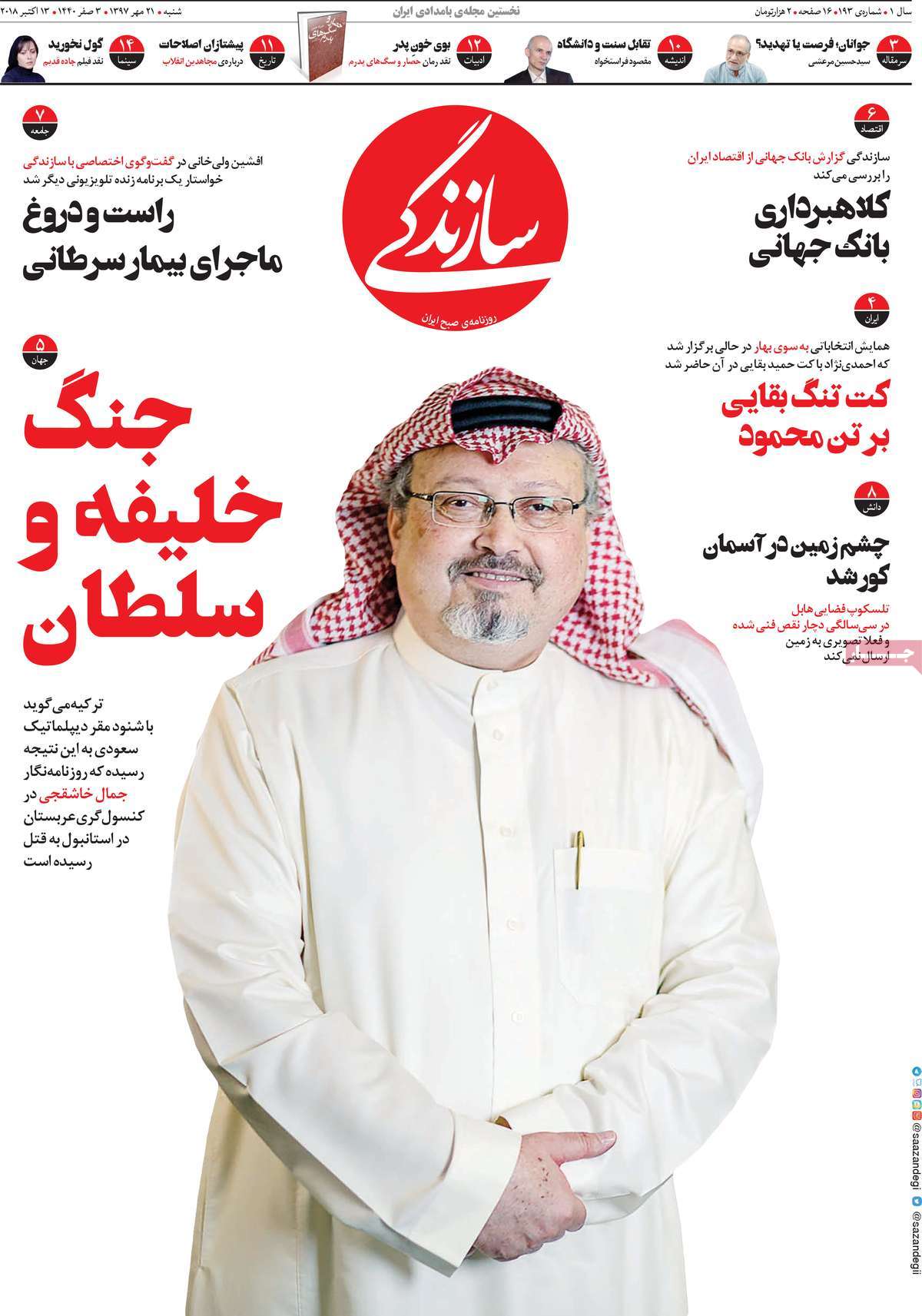
The top story in all papers today was the alleged murderof Saudi journalist Jamal Khashoggi in the Saudi Arabian consulate in Istanbul, Turkey.
Headlines today particularly covered US President Donald Trump’s reaction to the alleged murder which is blamed on the Saudi government, and his remarks that US cannot jeopardize its arms deal with Riyadh over the assassination.
The above issues, as well as many more, are highlighted in the following headlines and top stories:
Aftab-e Yazd:
1- Mystery of Iran’s Oil ahead of November Sanctions
2- Milking Saudis More than Ever: How Would US React to Possible Murder of Khashoggi
Arman-e Emrooz:
1- US Making New Attempt to Attract Europe in Reaction to SPV Initiative
Ebtekar:
1- Police Says Those Playing Music in Streets Must Obtain Licence
2- Countdown for Second Diplomatic Victory at The Hague
3- US’ Paradoxes in Iran Sanctions
US Treasury Threatens All Countries to Avoid Doing Business with Iran
Etemad:
1- FATF Can Be Used against US: Analyst
2- Iran Leader: Make Decisive Decisions to Resolve Banking, Unemployment Problems
Ettela’at:
1- Iran Leader: Extraordinary Effort Needed to Resolve Economic Woes
2- Purchasers of Iran’s Oil Showing Resistance against US Sanctions
3- Special Plan Implemented in Tehran to Control Air Pollution
Iran:
1- Boycotting Bin Salman: World Media, Corporations Start Boycotting Saudi Crown Prince
2- Heavy Storms Start in North of Sistan and Baluchestan Province
Jame Jam:
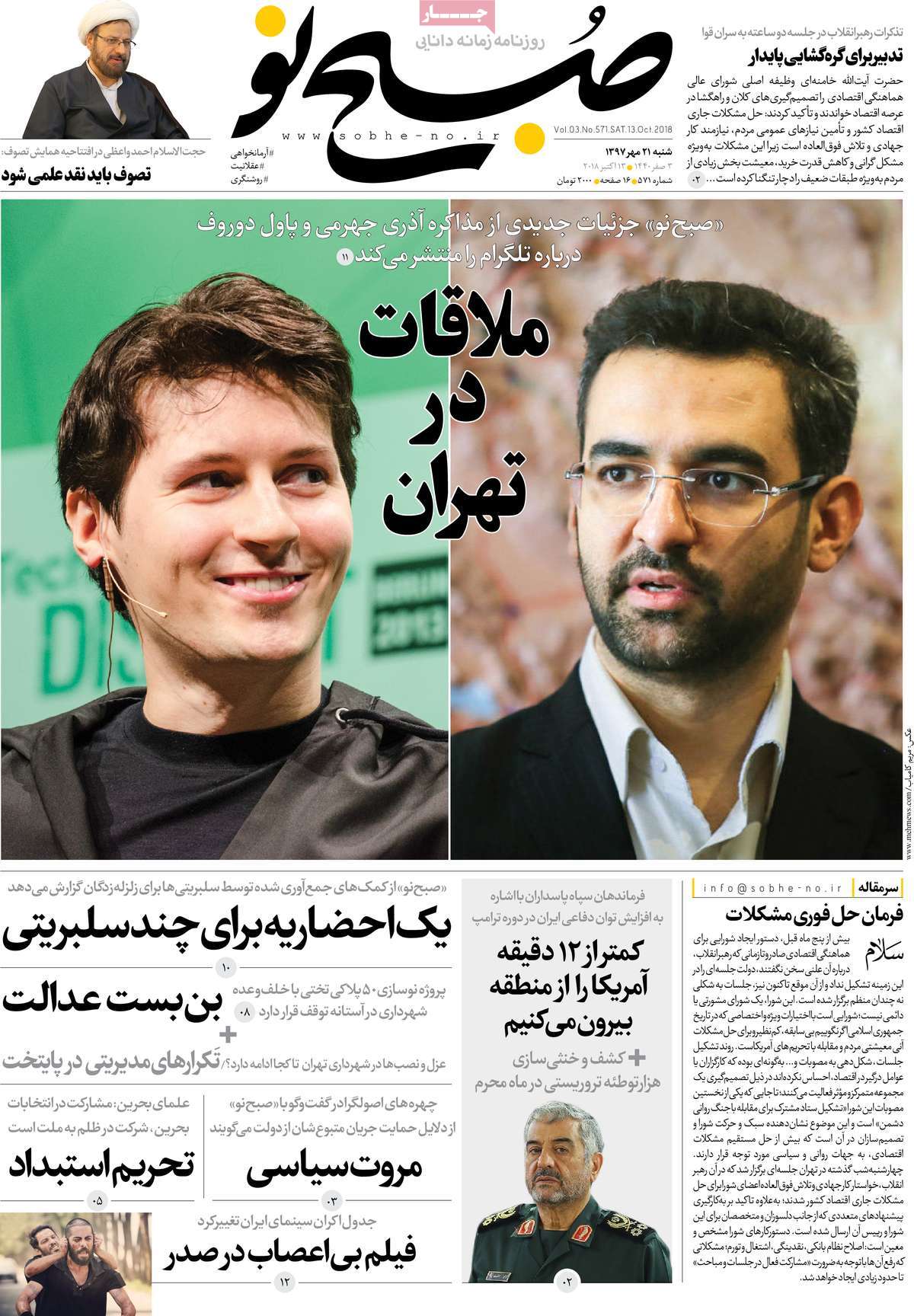
1- Confidential Meeting with Durov in Tehran
ICT Minister Reveals Details of Negotiations with Telegram
Javan:
1- Nasrallah: Trump Humiliates Arabs, Confesses to Iran’s Power
2- Turkey: We Have Audio, Video of Khashoggi’s Murder
Jomhouri Eslami:
1- Bin Salman Offers $5 Billion Bribe to Erdogan to Close Khashoggi’s Case
2- UN: Saudi Arabia Slaughtering Yemeni Children
Kayhan:
1- Mr Zarif! FATF Didn’t Stop US from Accusing Iran
US Treasury Accuses Iran of Money Laundering, Financing of Terror
2- US Must Be Prosecuted for Crime against Humanity in Raqqa
3- Trump: I Won’t Break Up $110 Billion Arms Deal with Saudis for Khashoggi’s Case
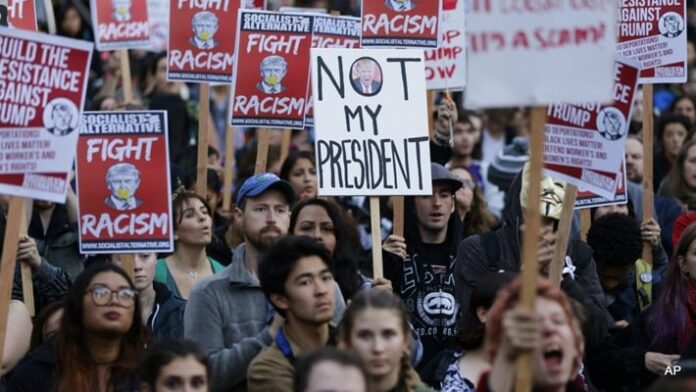
American protesters holding anti-Trump placards in a rally in Seattle / Photo by AP
“We should not shut the door on diplomacy with the US, as America is not just Trump,” said Heshmatollah Falahatpisheh, the head of the Iranian Parliament’s National Security and Foreign Policy Commission.
Speaking to IRNA, Falahatpisheh said figures inside the US have been showing opposition with Trump’s maximum pressure policy on Iran, demonstrated by August announcements by J.P. Morgan and Citibank, two top American financial institutions, that they will not commit to cutting Iranian access to international markets.
Falahatpisheh said Iran should start making efforts to de-escalate tensions with the US and work in line with Americans who believe Trump is pushing the US towards isolation or seek to prevent further deterioration of US-Iran ties.
“We should talk with politicians, officials and others who can prevent the imposition of broad sanctions against Iran,” he said.
Trump, who has been hardening the line on Iran since coming to power in January, withdrew the US from the 2015 nuclear deal early May.
Afterwards, Trump reinstated parts of anti-Iran sanctions suspended under the nuclear accord weeks ago and he is set to restore sanctions on oil and transactions with the central bank of Iran in November.
Washington is also pushing the world to cut trade with Iran and stop purchasing the country’s oil.
This is while other signatories to the nuclear deal and other countries have censured the US exit from the JCPOA and are working to salvage the accord.
Iran’s JCPOA Strategy Worked
Falahatpisheh said JCPOA-related developments following the US withdrawal from the nuclear deal shows the world is not just America.
The lawmaker said exemptions from anti-Iran sanctions given to certain countries, including the US administration’s green light to a gas field partly owned by Iran in the North Sea to keep operating, shows the US government has been disappointed with the maximum pressure policy.
Falahatpisheh said Europe’s anti-US position regarding the JCPOA testifies that Iran’s soft line on the US and its cooperative stance on JCPOA have worked and Tehran should strengthen this policy.
The lawmaker said a verdict by the International Court of Justice earlier this month demanding the US not to take certain moves against Iran and the International Atomic Energy Agency’s repeated confirmation of the peaceful nature of Iran’s nuclear program further shows the current US holds not much leverage on global bodies.
The EU announced last month it will work to create a special mechanism the EU to facilitate trade with Iran known as Special Purpose Vehicle (SPV).
European officials have announced the mechanism could also be used by other countries, protecting Iran from efforts by the US to hamper its Asia and Europe trade.
Iranian reformist politician Mohammad Atrianfar has, in an interview with Khabar Online, weighed in on the recent ratification of the CFT bill in the Iranian Parliament.
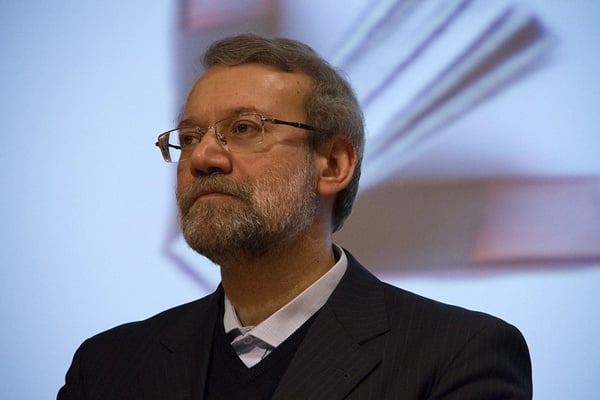
Atrianfar says the “prudence” of moderate speaker Ali Larijani helped reformists and moderate lawmakers defeat the hardliners who were strongly opposed to Iran’s accession to the Financial Action Task Force (FATF).
The reformist figure says the ratification, which is key to decreasing the impact of US sanctions, was not possible without the formerly conservative Larijani.
The full text of the interview follows:
Khabar Online: Before the joint meeting of reformists and President [Hassan Rouhani], there was word that the reformist current was distancing itself from Mr Rouhani. Can the meeting be a sign that the coalition of reformists as well as moderation have remained in place?
Atrianfar: It is not a right assumption that a rift has emerged between reformists and the president. Reformists criticize the Rouhani administration over the economic problems in the country. In fact, ill-wishers imposed sanctions on Iran that affected people’s economic situation and livelihood. Under such circumstances, reformists believe the government should get out of inaction, roll up its sleeves and redeem the situation. However, it was not right to say a rift had emerged between reformists and Mr Rouhani. Of course, the speculation was made by some reformist folks who had somehow gone to extremes. Nevertheless, what they said was their personal viewpoint.
Khabar Online: Did reformists’ meeting with Mr Rouhani show that the radical extremists who believe they should distance themselves from Rouhani are in the minority?
Atrianfar: Yes. In fact, the meeting showed that the key reformist current still maintain their position, i.e. approving of the government while criticizing its performance. In other words, they endorse the government, but at the same time express their criticisms in a friendly manner aimed at reforming the situation. The specific symbol of us reformists is Mr Khatami, who also approves of the government. Mr Rouhani made a comment at the meeting which I think was very illuminating. He said, :”Reformists are not only my supporters, but they are my partners in the administration and in executive affairs.” This was a very prudent, delicate and determining point, which meant that Mr Rouhani had never forgotten his relationship with reformists and that he had openly expressed his opinion. On the whole, the meeting was more of an opportunity to give the president a clearer picture of what was going on in society than simply being a chance to convey some criticisms to the president. The outcome of the session also showed that the bonds between reformists and moderation (the slogan of President Rouhani’s administration) remain in place. These were the two main objectives of the meeting.
Generally speaking, extremism and radicalism, and reforms, are mutually exclusive. Folks which adopt an extremist stance are practically breaching their position of reforms one way or another. In fact, they are sitting at the top while striking at the root. I do not care much about this dimension of the reformist current because it does not have much weight. The reformist current is a growing self-correcting trend. Generally speaking, reformism and radicalism are mutually exclusive. So, this has always been a clear position, and as I said before, if a few individuals make some comments, they are just their personal views; therefore, we cannot generalize their opinions to the whole reformist camp. Radicalism cannot emerge within the reformist current. Some single voices may be heard, which can be tackled with just a little dialogue.
Khabar Online: One of the signs of the alliance between reformists and the Rouhani administration was the passage of the bill on Countering the Financing of Terrorism (CFT) in Parliament, which showed the solicitous (a terms used to refer to those concerned about national interests and about the appropriateness of certain measures) and conservatives are still in the minority. What’s your take on that?
Atrianfar: The story of the CFT, which is part of the FATF (Financial Action Task Force), needed to have been reviewed in Parliament. Parliament Speaker Ali Larijani managed the parliament sessions very prudently and with national zeal, and did not allow the ballyhoo raised on parliament floor and the conservatives, whose symbol is the so-called Resistance Front party, hijack the hectic atmosphere there. The parliament speaker rendered ineffective the seven scenarios orchestrated by the opposition with regards to the CFT.
The first scenario was to keep Parliament from reaching a majority and, hence, keep an open session from being held. In other words, they wanted to obstruct the process, but failed to. The second scenario was that radicals tried to derail the parliament’s normal trend by kicking up a fuss and showing behaviour which was beneath the parliament’s dignity. The third scenario was that radicals organized a current from outside. It is customary that sometimes some radicals do not follow the normal course and disrupt the social atmosphere a little bit to achieve their objective. On the day the bill on CFT was being reviewed, they assembled a number of young people outside the parliament building to create a hectic atmosphere. However, this scenario failed as well. The fourth scenario was to make the CFT bill go through two readings. However, this was out of the question as details of the bill had already been discussed. The fifth scenario was that they gave warnings to disrupt the atmosphere in parliament, which failed as well. The sixth scenario was to make efforts to create the impression that the Leader [of the Islamic Revolution Ayatollah Seyyed Ali Khamenei] was against the CFT bill. In fact, the radicals attributed their own viewpoint to the Leader and said the Leader was against the bill. However, if the Leader is opposed to an issue, Mr Larijani, as Speaker, pays attention to it more than anybody else.
Fortunately, Mr Larijani had adopted the necessary preventive measures beforehand and by reading a letter from the Leader’s office announced that Ayatollah Khamenei was not opposed to the bill being reviewed on parliament floor. I think this move was very important. In fact, one of the radicals’ major scenarios in parliament was tackled through Mr Larijani’s prudence. The seventh scenario was to put pressure on two thirds of the MPs. As this group represents people from deprived areas and small towns, some of which have only one representative in parliament, they have a very limited choice in voting.
The radicals insisted that the votes cast in parliament needed to be open votes, which would give them the chance to stir up sentiments among the MPs in favour of the bill. However, their proposal for holding an open vote was rejected. On the whole, every measure adopted by those against the bill failed on that day. What happened in parliament was a positive development for the country’s national interests and was, in fact, a victory for government and reformists.
Khabar Online: Can we say that those opposed to the government are still on the defensive?
Atrianfar: I believe the government is facing a major obstacle part of which is due to the inaction and weakness of some of the executive arms of the government. The most important reason behind this is rooted in issues outside the government. It contains the problems imposed on us via the imposition of sanctions on our political system. People see these issues and know that the government is not to blame. If fact, the people know that the government has no intention of remaining inactive and turning a blind eye to the people. With this in mind, I believe those opposing the government do not have the upper hand on the country’s political scene.