Sunday, December 28, 2025
Home Blog Page 3369

Iranian Shepherd Constructs First New Underground City of Mideast

There are not many underground cities in the country, but the ones that have been discovered so far are the main attractions of the country.

Many domestic and foreign tourists visit these cities including Samen underground city in Hamedan or the Noushabad underground city in Kashan.

According to Mehr News Agency, now, a farmer has created such an attraction in a farm. This residential complex has been created in a situation that the establishment of a small accommodation facility costs billions of dollars, and the import of facilities for these residential centres is hindered by sanctions.

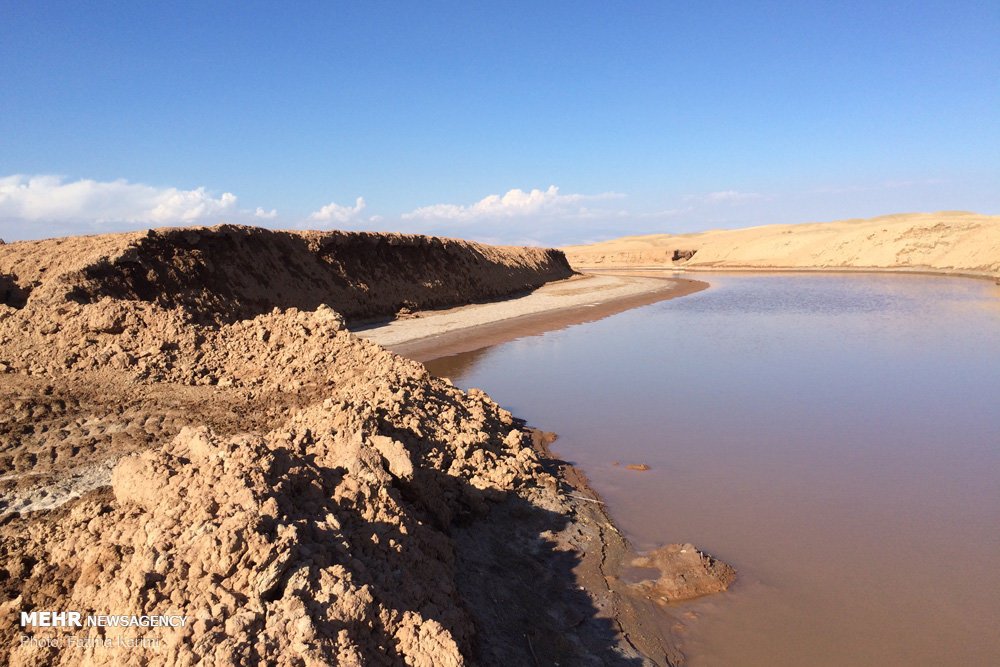
Bahram Nik Eghbal is a miner from the city of Garmsar in Iran’s Semnan province, who took some 400 hectares of his father’s farm a few years ago to run a business there. He was keen in studying various sciences, including geology, and since a long time ago, he was thinking of creating a residence for himself and his family. Last year, he decided to dig in his paternal land to reach its underground.
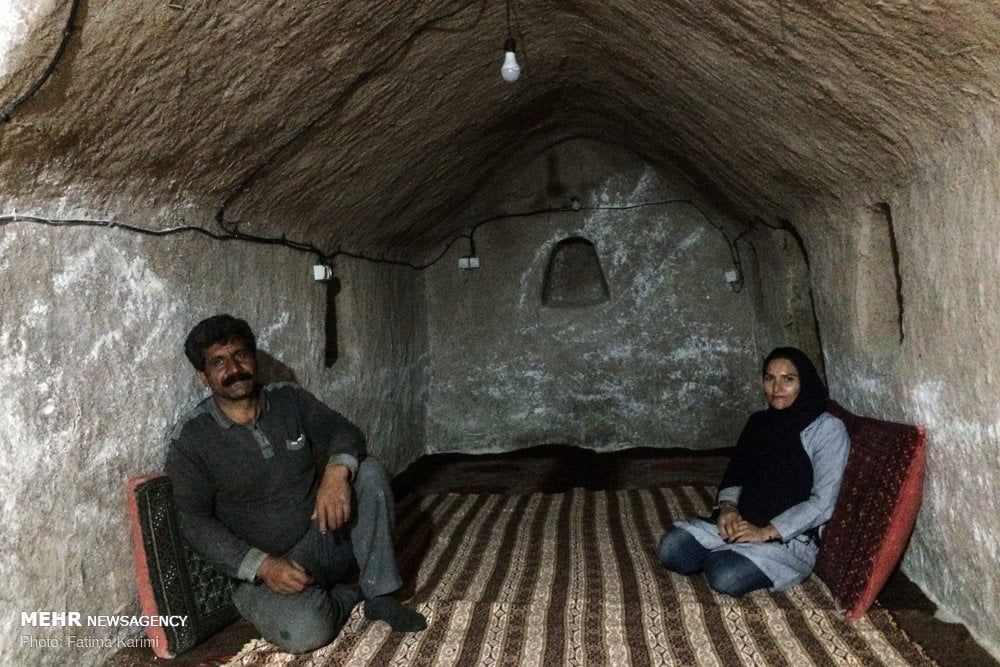
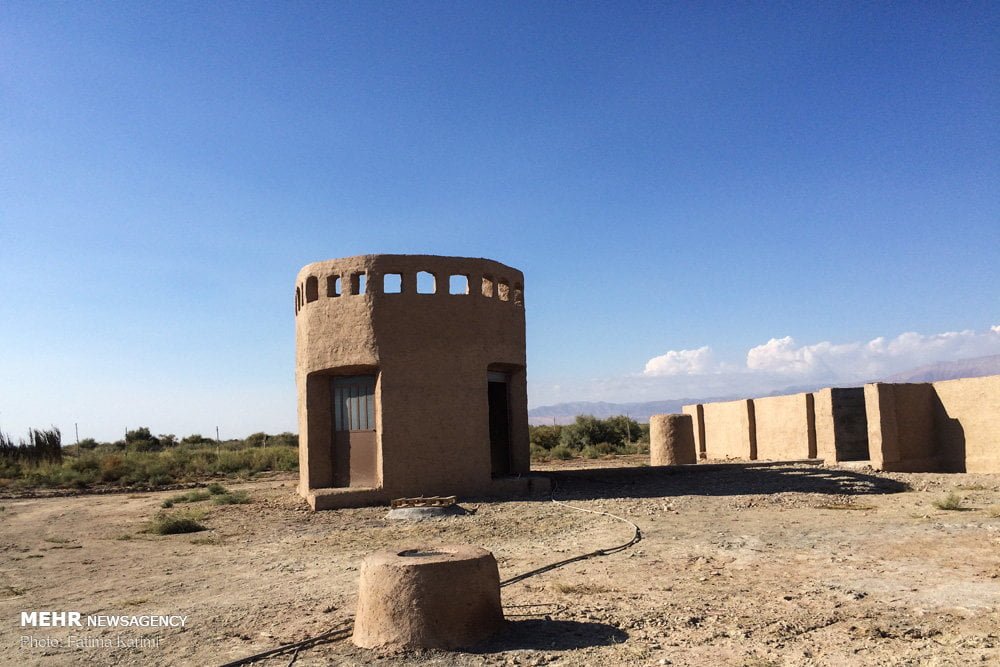
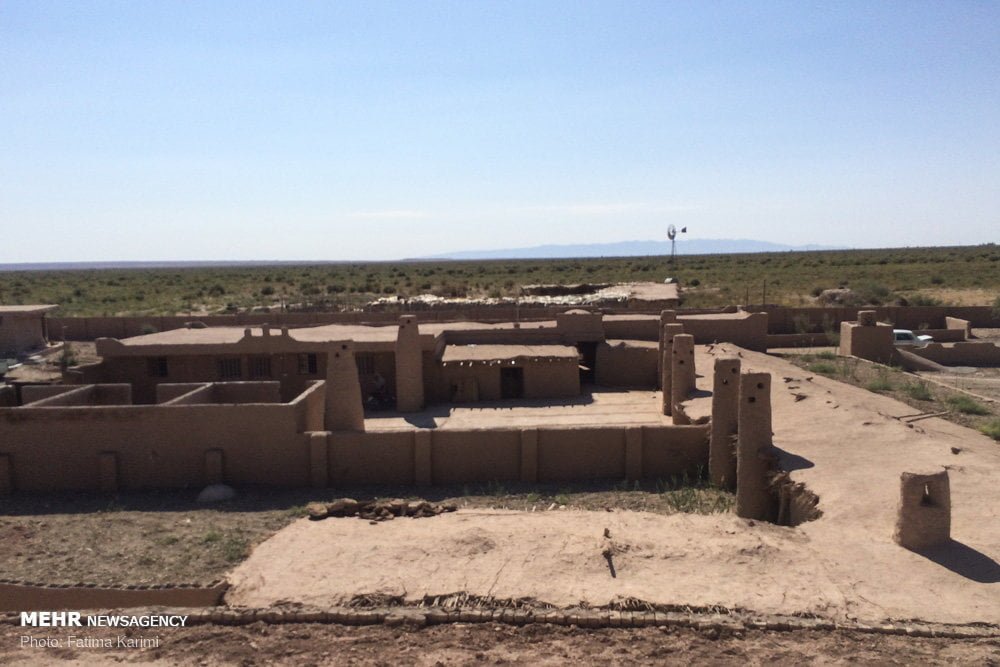
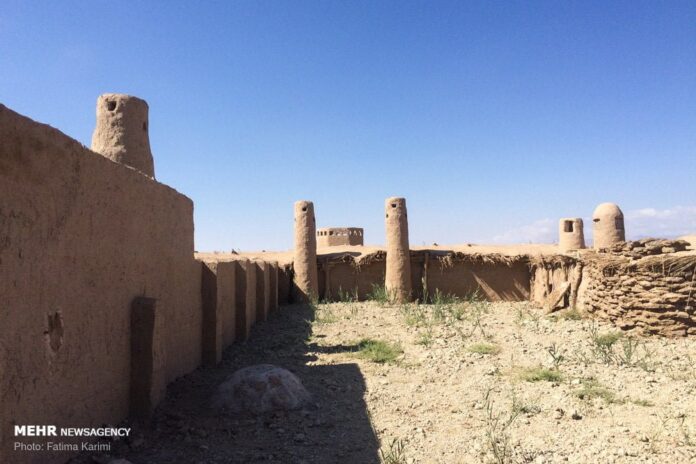
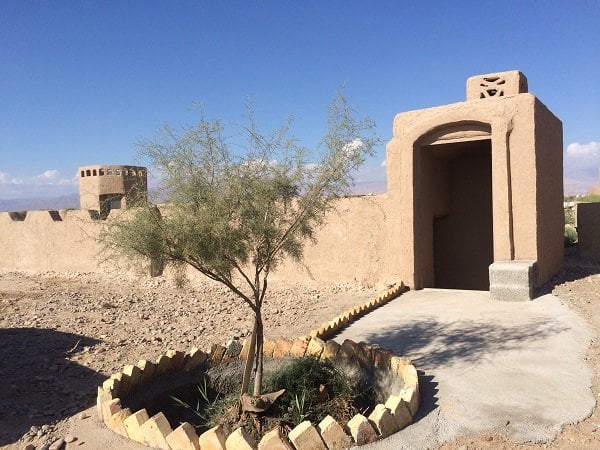
Iranian Shepherd Constructs First New Underground City of MideastHe decided to create another space below the land on which hundreds of sheep were kept. This idea came to his mind without talking to any other managers of underground cities. His plan was to construct a castle on the ground and a residential complex 8 to 10 metres underground. Because only at that depth there’s enough oxygen and there’s no risk of landslide.

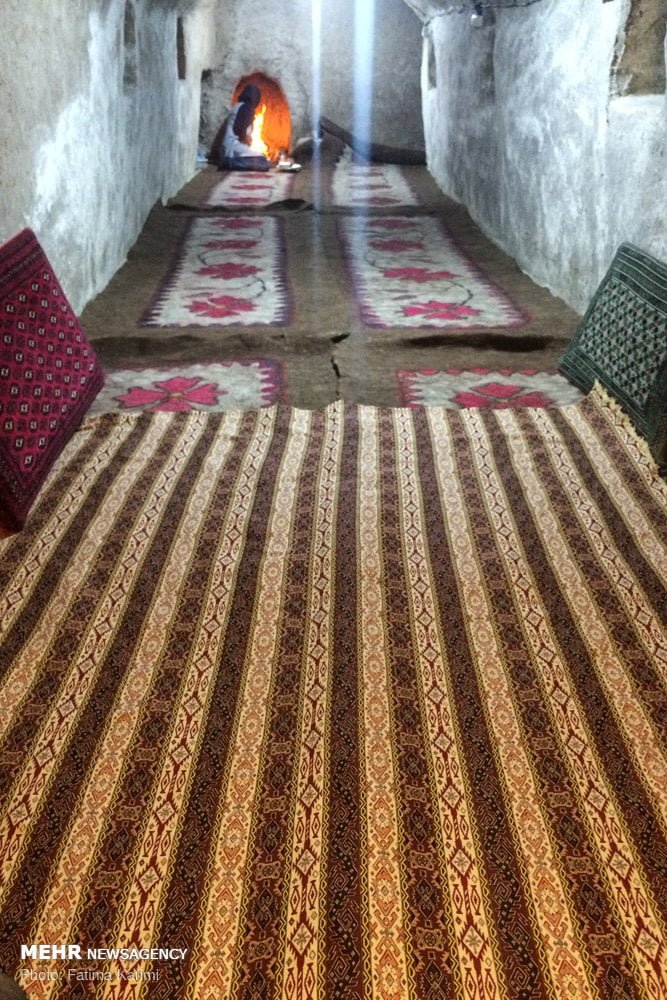
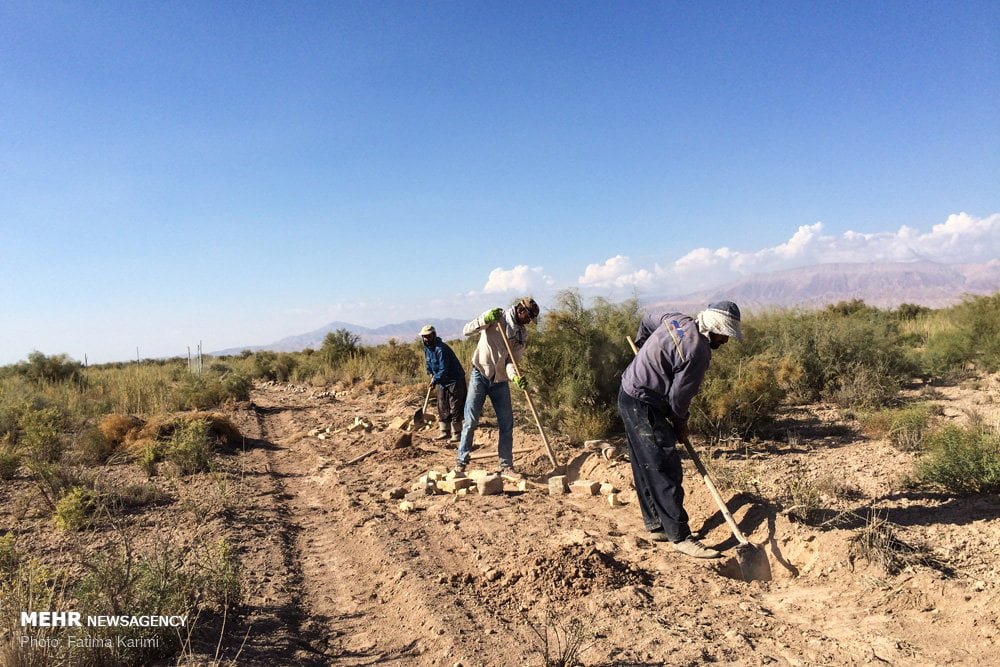
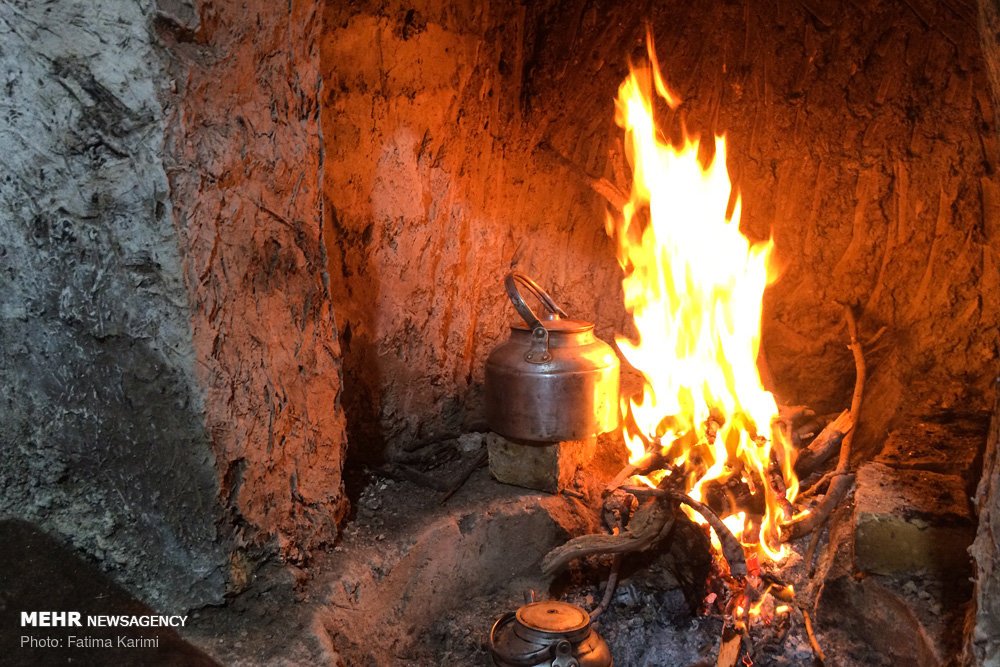
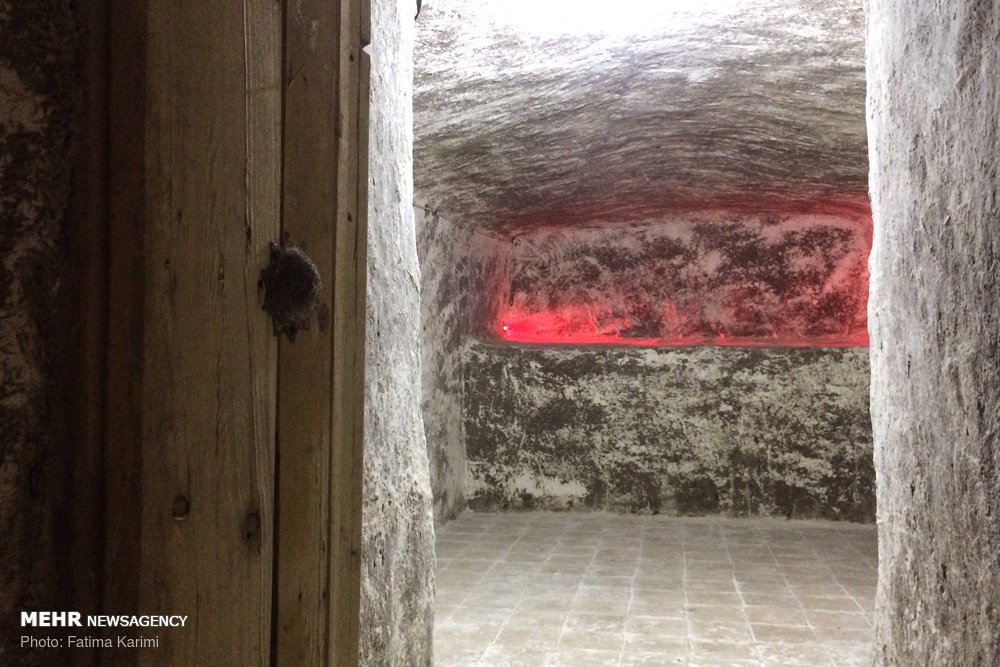
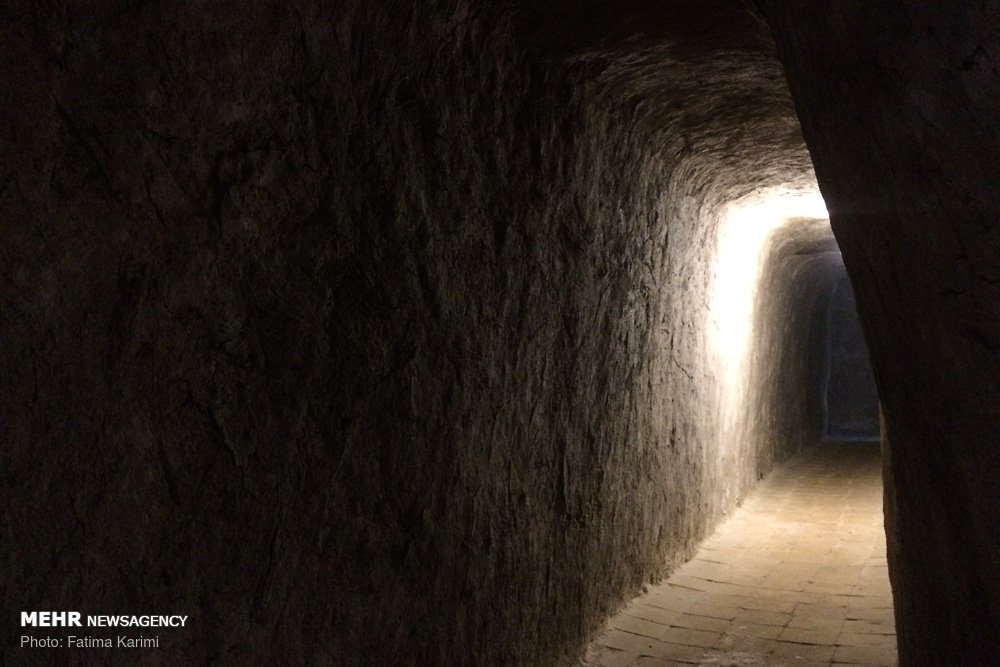
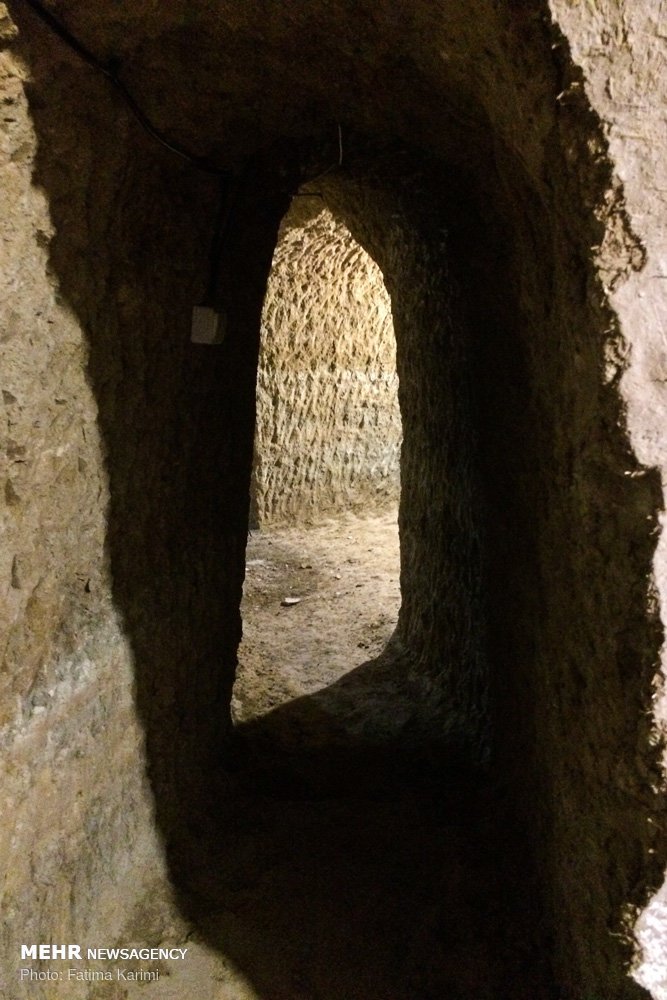
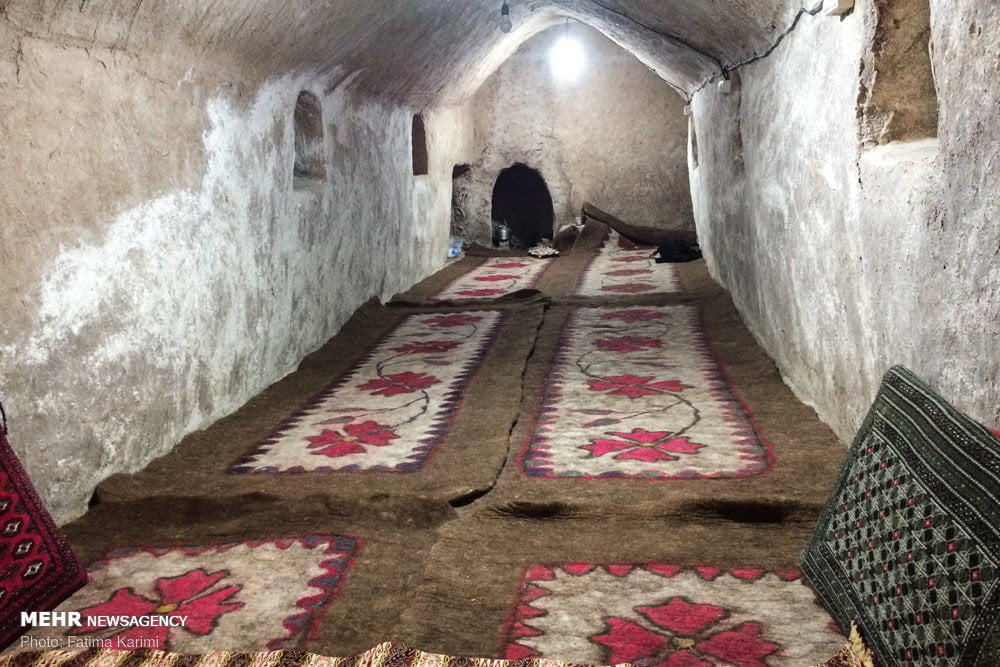
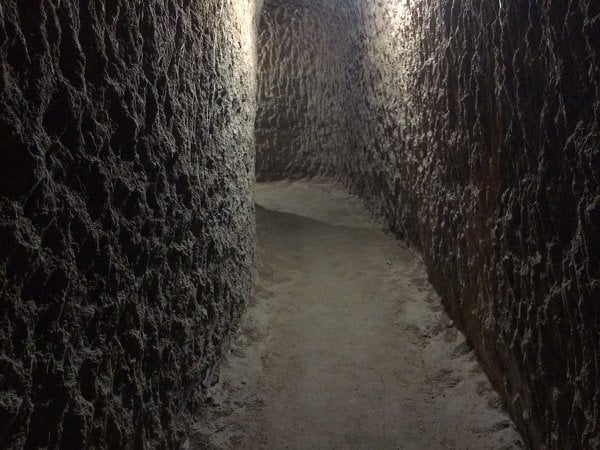
He started digging with traditional methods. He went so far that he could create a city or a large residence underground after a year. This underground city has 15 rooms, each of which can accommodate approximately five people. Each of the rooms has a ventilator. An auditorium and a natural waterfall with corridors, each designed with special craftsmanship, are the components of this terrestrial residence. In the corridors, there are spaces to put handicrafts, and lights. There is also a secret way or emergency exit at this residence, which only the owner knows.

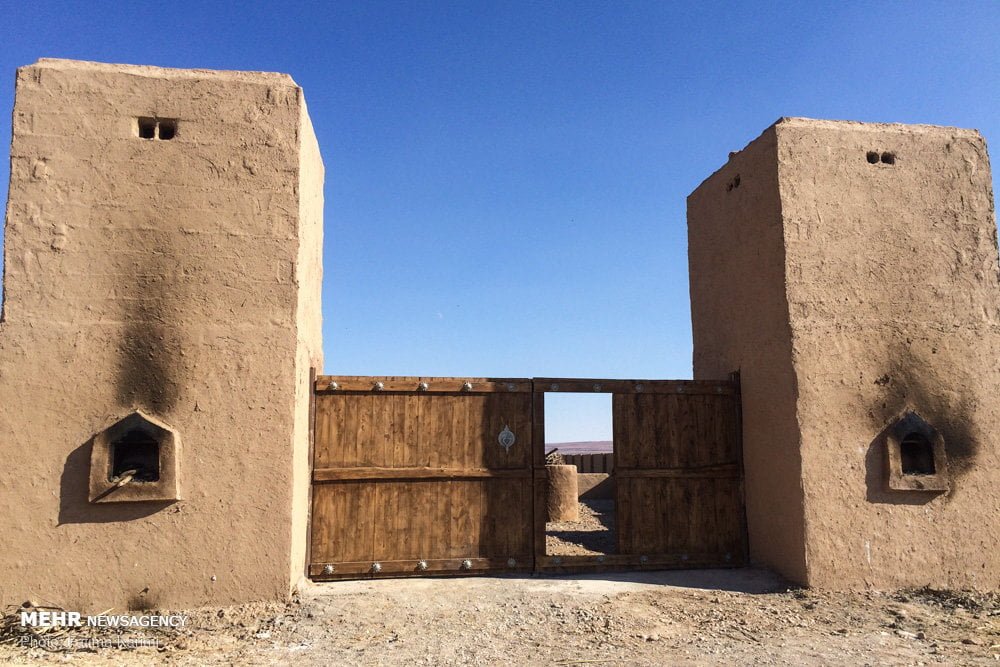
To see the city, you can drive to Garmsar. Crossing the agricultural lands and reaching the castle gate, reminds everyone that they have entered a new world. This is the world of Bahram far from the ado. Here, there is no mobile phone signals and everyone prefers to set aside his cell.

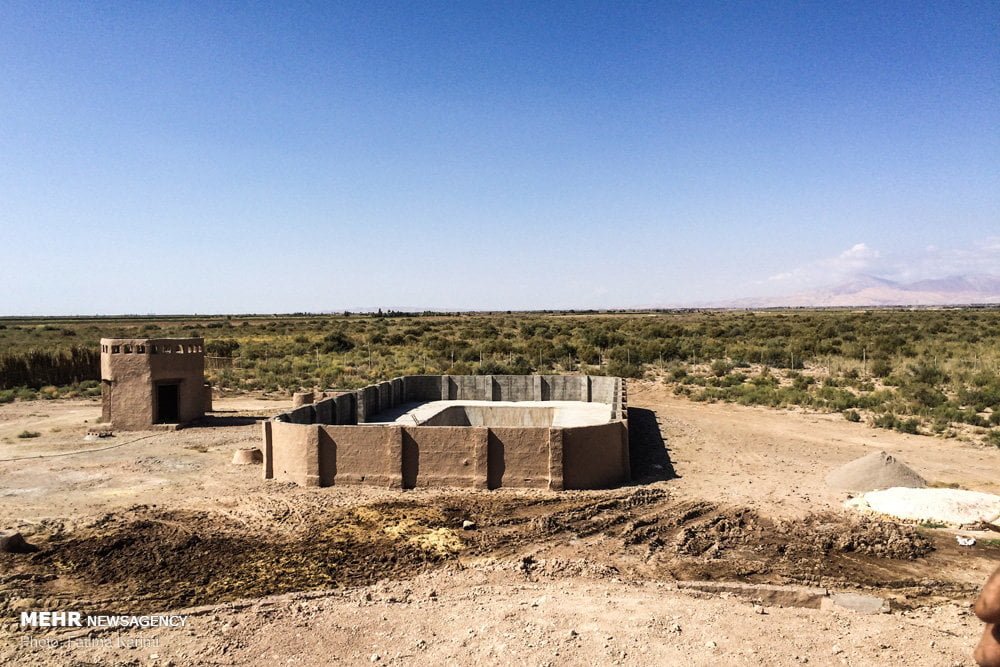
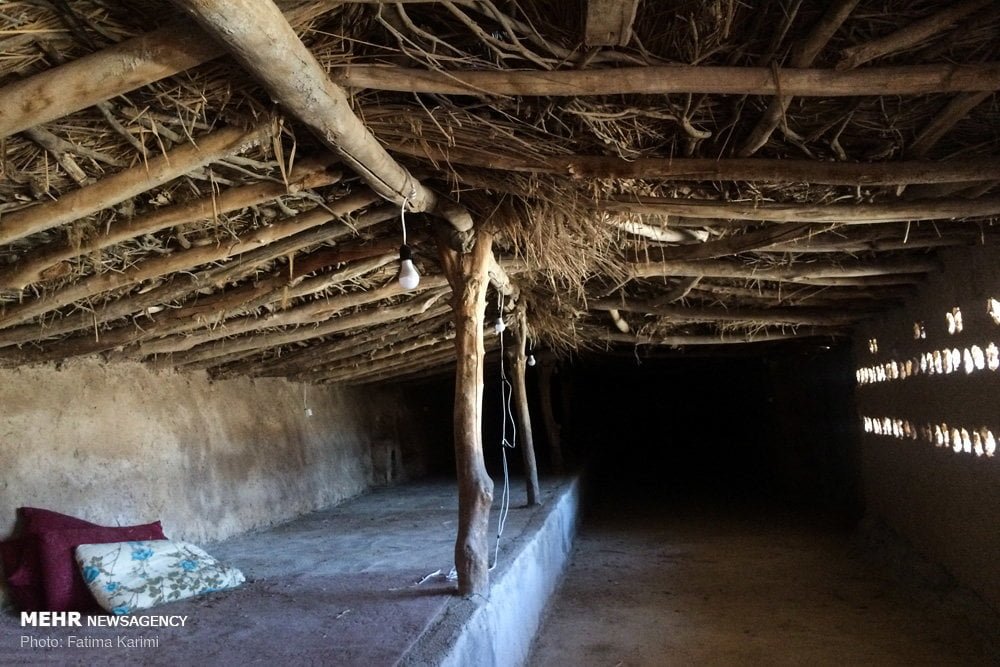
Each building here symbolises something. There is a chamber made in the form of Sassanid castles and there is a large pool surrounded by it. One of the oldest buildings is a hundred-year-old structure that has turned into a restaurant. There are plenty of ovens there as the visitors are not supposed to eat cooked food. In this traditional restaurant, they sit on a felt in the same style as the old people of the city of Aradan.

Several camels are going to be brought to this city in order to give ride to travelers and take them through the path. Passengers sit down in the desert until midnight and drink tea, and then return to their underground rooms on camels.

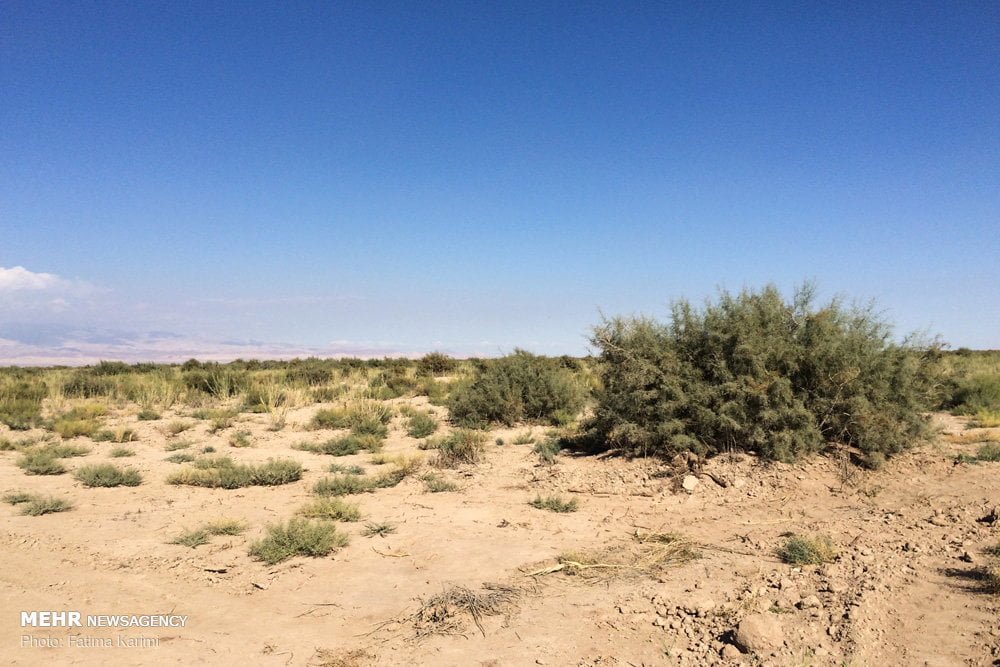
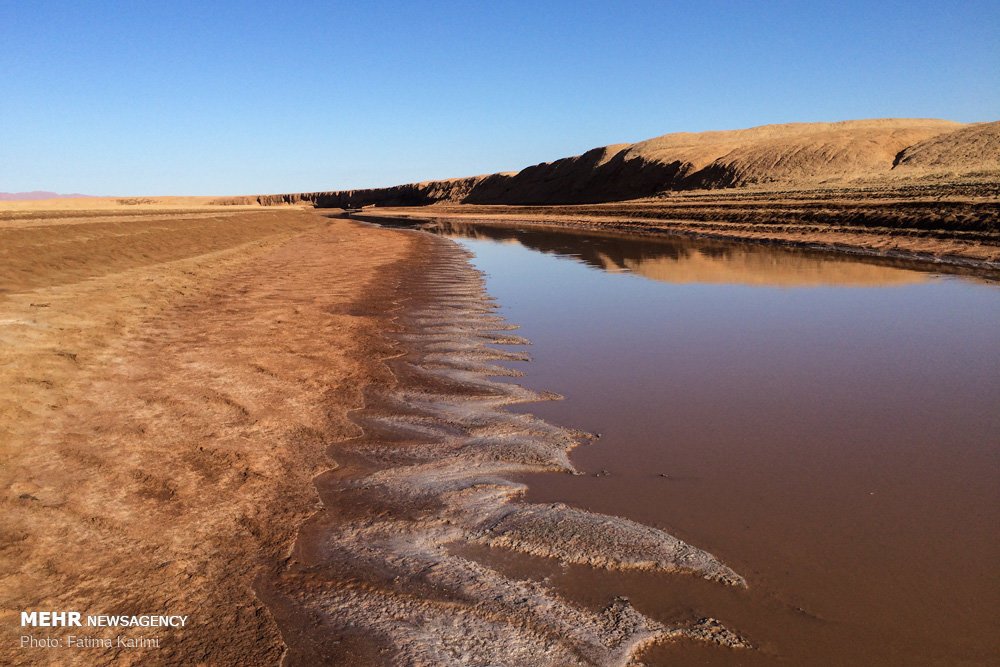
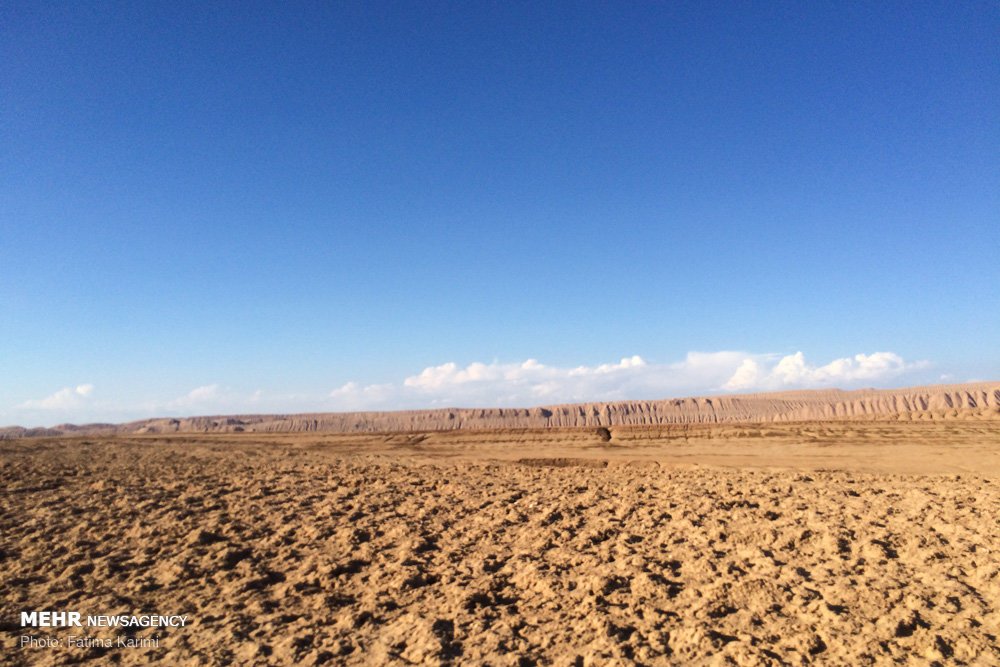
There are also salt lakes near this underground city. There is a seasonal river that usually salt crystals are formed alongside it. This gives a beautiful appearance to the deserts of Semnan province.

Nick Eghbal wants to name this castle-like underground city, the Secret Castle of Bahram. He and his family have invited all provincial officials to see their project. The General Directorate of Environment, Health, and Cultural Heritage Department of Semnan Province as well as other institutions have visited this site and approved this project.

“Our motto is to work together and eat together. We want to show people in other cities and even tourists from other countries the hospitality and lifestyle of Iranians,” says Nick Eghbal.
Norwegian Airliner Grounded in Iran Due to US Sanctions

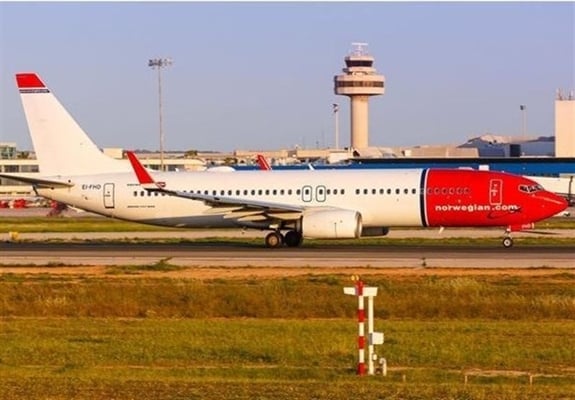
The Boeing 737 aircraft operated by the Norwegian Air Shuttle airline was forced to land at Shiraz airport in southern Iran due to technical problems. However, it is not possible to do the necessary repair work on the plane and make it airworthy because of Washington’s anti-Iran sanctions, Tasnim News Agency reported.

The commercial airplane with 192 people onboard had to make an emergency landing at the airport in the city of Shiraz in southern Iranian Fars province on December 14, 2018 because of a technical fault at its engine.

The passengers boarded another flight and left for the Norwegian capital, Oslo, the day after. Meanwhile, Air Shuttle’s repairpersons began to work on the airliner. However, the repair work faced difficulties as spare parts cannot be sent to Iran due to US sanctions.

Andreas Hjornholm, a spokesman for the Norwegian airline, says Air Shuttle’s technicians are reviewing available options in order to make the plane flyable and return it to Norway.

Following Washington’s withdrawal from the Iran nuclear deal, US President Donald Trump reinstated sanctions against Iran, including bans in the air industry.

Iran to Send Warships to Atlantic Ocean

According to a report by Fars News Agency, the Navy is to send its homegrown Sahand destroyer and Kharg replenishment oiler to the ocean.

The 1,300-tonne destroyer, which is capable of traveling some five months without refueling, was launched last year and is named after a mountain in northern Iran.

Kharg, the biggest logistics ship in West Asia, has been named after a Persian Gulf island.

Both ships are capable of carrying Helicopters, but it is not clear if anyone will be sent to the mission.

In recent years, Iran’s naval forces have increased their presence in high seas, carrying 59 operations since 2006.

The main destination of Iran’s distant operations is the Gulf of Aden, where they conduct anti-piracy patrols to protect the vessels involved in maritime trade, especially ships and oil tankers owned or leased by Iran.

A Look at Iranian Newspaper Front Pages on January 5

A Look at Iranian Newspaper Front Pages on November 19

Almost all papers today covered a decision by the Education Ministry to take the first step in the path of getting rid of the stressful nationwide university entrance exam, known as Konkour in Iran. According to the minister, only 15 percent of the seats in Iranian universities will be allocated to those receiving the best results in Konkour. Others will be admitted to universities based on their high school performance.

Also a top story today was the Democrats’ bid to impeach US President Donald Trump, as they took power in the US Congress.

The beginning of AFC Asian Cup 2019 in the UAE also received great coverage, as the Iranian national football team is highly expected to mark a great performance under the leadership of Carlos Queiroz.

The above issues, as well as many more, are highlighted in the following headlines and top stories:


Aftab-e Yazd:

1- Backed by Popular Support, Education Minister Finally Removes Nationwide University Entrance Exam

2- Secrets of Bad Smell in TehranA Look at Iranian Newspaper Front Pages on January 5


Ebtekar:

1- Trump and Nightmare of Congress [Dominated by Democrats]

2- Rouhani’s Government Dominated by “Moderation and Development” Party Members

A Look at Iranian Newspaper Front Pages on January 5


Ettela’at:

1- Sanctions Can Be Neutralized by Countering Corruption: Iran Leader

2- Iran’s Missile Tests Not in Violation of UNSC Resolution 2231

A Look at Iranian Newspaper Front Pages on January 5


Ghanoon:

1- Pelosi to Challenge Trump’s Presidency

2- ‘Government Doesn’t Consult with Reformists When Making Its Decisions’A Look at Iranian Newspaper Front Pages on January 5


Hamdeli:

1- Female Diplomat: Rigi to Start Work as First Sunni Woman Ambassador

2- Konkour (National University Entrance Exam) No Longer Source of Anxiety for Students

3- Zarif Gives Legal Response to Political Excuses of PompeoA Look at Iranian Newspaper Front Pages on January 5


Iran:

1- RouhaniCare Plan Not to Be Stopped [after Health Minister’s Resignation]

2- Will This Woman Manage to Remove Trump from Power?

3- It’s Not in Our Interests to Talk with US Now: Veteran ReformistA Look at Iranian Newspaper Front Pages on January 5


Javan:

1- Barriers between Officials, Worshippers Removed from Tehran Friday Prayers Hall

2- First Step to Get Rid of Nationwide University Entrance ExamA Look at Iranian Newspaper Front Pages on January 5


Jomhouri Eslami:

1- Democrats to Start Impeachment of Trump in Congress

2- Source of Bad Smell in Tehran Still Unclear

A Look at Iranian Newspaper Front Pages on January 5


Kayhan:

1- Sending Signal of Weakness to Enemies under Pretext of National Interests!

* Official: It’s Not in Our Interests to Take Practical Action against US Withdrawal from JCPOA, Europe’s Failure to Launch SPV!

2- Iranian People Happy, Grateful for Recent Snow, Rainfall

A Look at Iranian Newspaper Front Pages on January 5


Shargh:

1- Pelosi Once Again Selected as Most Powerful Woman in US

2- 522 Players, 51 Matches, One Cup [Beginning of Asian Cup 2019 in UAE]

A Look at Iranian Newspaper Front Pages on January 5

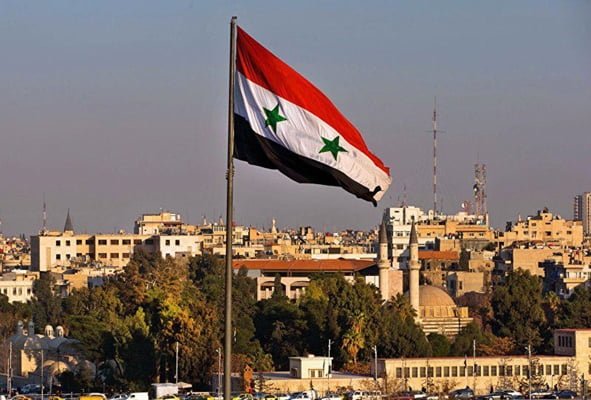
New Opportunities for Iran as Arab States Return to Syria

In an analytical piece, Iranian political analyst Mohammad Babaee has argued that the reopening of a number of Arab embassies in Syria including that of the United Arab Emirates heralds a promising future for Syria’s reconstruction but the main question lingering in mind is that what advantages the trend could have for the Islamic Republic of Iran, a staunch ally of the victorious government of Bashar al-Assad.

“The main motivation behind the UAE’s decision to re-establish its diplomatic ties with Syria is bearing more animosity towards Qatar and Turkey rather than Iran. This comes as the three states used to be allies in their war against the Syrian government and entered the war with Syria with the main goal of inflicting a blow on Iran,” Babaee said in his article published by the Iranian Diplomacy website.

“The recent developments in the region including the election and overthrow of former Egyptian President Mohamed Morsi, the 2016 failed coup in Turkey, the rise of Saudi Crown Prince Mohammed bin Salman, the taking power of Donald Trump as the US president, the siege on Qatar imposed by Saudi Arabia and its allies, the Yemen war, the recent murder of the Saudi critic Jamal Khashoggi in the Saudi consulate in Istanbul, and Trump’s abrupt decision to withdraw US forces from Syria, all in all, have changed the politics in the region in which no player think anymore about overthrowing the government of Syria, and regional Arab states are even jostling for re-establishing ties with Damascus,” he noted.

According to Babaee, in a general sense, Qatar and Turkey on the one hand and the UAE, Saudi Arabia and Bahrain on the other hand have been standing as two major opposing blocs in Syria with other regional players like Egypt, Jordan, Kuwait, Oman, Iraq and Lebanon each playing a role.

“Iran is not concerned about Qatar’s role in Syria because the two sides’ relations strengthened after sanctions were imposed on Doha by its Arab neighbours over what was called sponsoring terrorism. This means that the more the tiny kingdom gets closer to Syria, the more money is invested in Syria’s reconstruction. The only concern for Iran comes from Turkey which seems determined to attract most of Qatar’s investments in Syria by siphoning them off to its own firms. Qatar has not yet decided to reopen its embassy in Syria and the delay may have been coordinated with Turkey,” he noted.

The analyst then referred to the UAE’s decision to reopen its embassy in Syria and said Abu Dhabi made history by its move in Syria but diplomacy seems more focused on further animosity towards Turkey and the Muslim Brotherhood rather than Iran.

In another word, he said, the UAE is seeking to turn Damascus into an anti-Muslim Brotherhood hub in the region particularly because Syria has never had friendly relations with the group and Turkey.

“In the next step, the UAE will try to reduce Iran’s influence in Syria through improving its ties with Damascus and dishonestly providing the war-torn country with further money. One point which should always be kept in mind is that the Arab states that played a key role in Syria’s destruction by spending hefty amounts of money are not determined to reconstruct the country by injecting more money into the state.”

But, the analyst says, there are three reasons which show Iran can turn the current threat into an opportunity.

Elaborating on the first reason, he referred to the relations between the Islamic Republic and Syria over the past four decades and particularly since the beginning of the war in Syria seven years ago and said Assad has never accepted to sacrifice his relation with Iran against Saudi Arabia’s tempting financial proposals.

“Syria’s independence serves as the second reason. Unlike the propaganda spread by the western media, President Assad is not under the influence of the Islamic Republic and makes his decisions independently. This contributes to Iran’s official statement of not interfering in the internal affairs of the regional sates. This shows that Iran is not after imposing its will on the regional allies and friends. But doubtlessly, they can count on Iran’s support in cases of emergency and with the latest regional changes, more and more states are moving towards the resistance front,” he added.

On the third reason, the analyst referred to the policy-making manner of Assad. According to Babaee, Assad has the capacity of establishing a harmonious balance between Qatar and the UAE’s role in Syria to cleverly provide parts of the investments desperately needed to reconstruct his country.

“But in general, the balance will end up in Iran’s favour due to its deep relations with Syria. During the reconstruction era which is expected to last for at least ten years, new economic ties will be created among the regional states in which Iran will have a leading role,” he concluded.

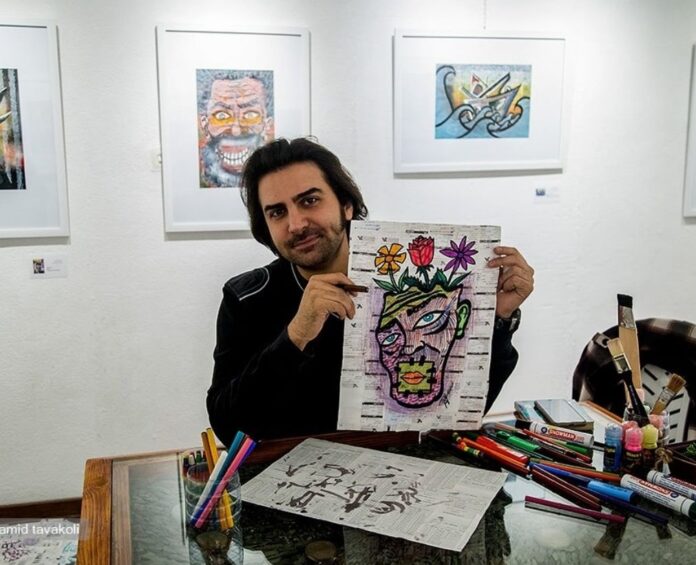
Iranian Artist Turns Waste Papers into Artefacts

Every year, 14,000 tonnes of paper is produced in Iran which is a shocking figure. By producing this amount of paper, an irreparable damage is inflicted on nature.

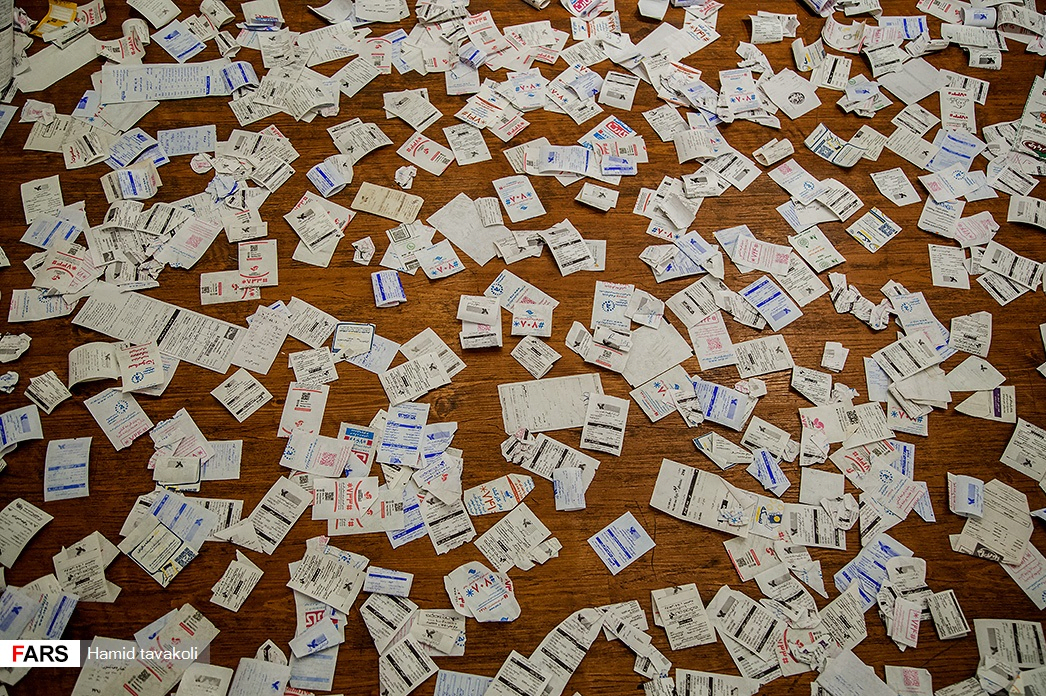
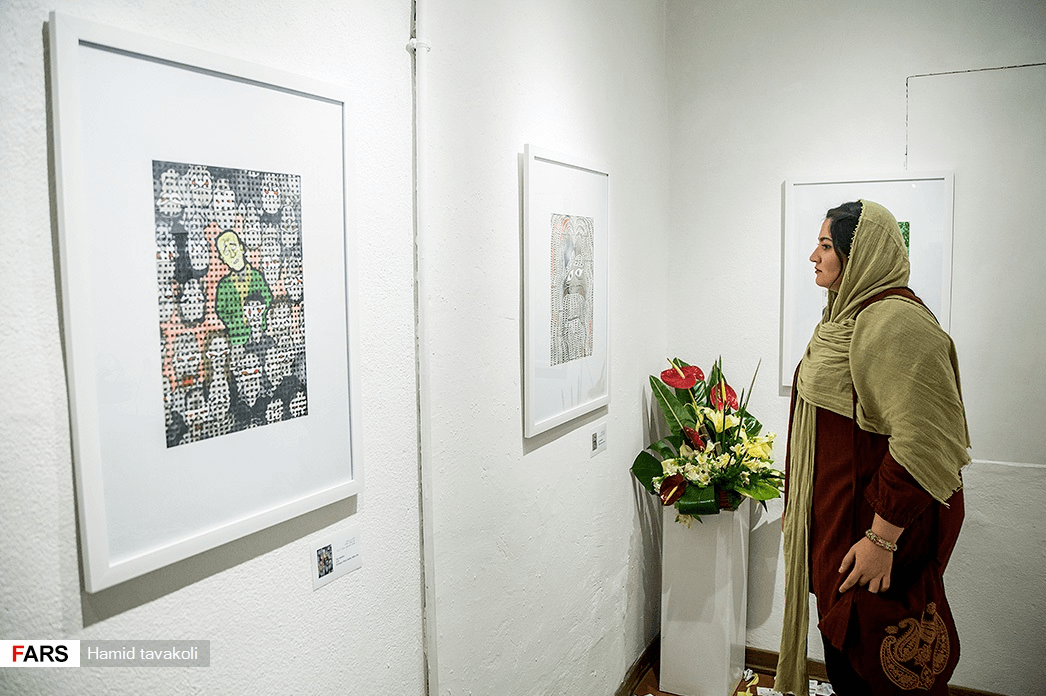
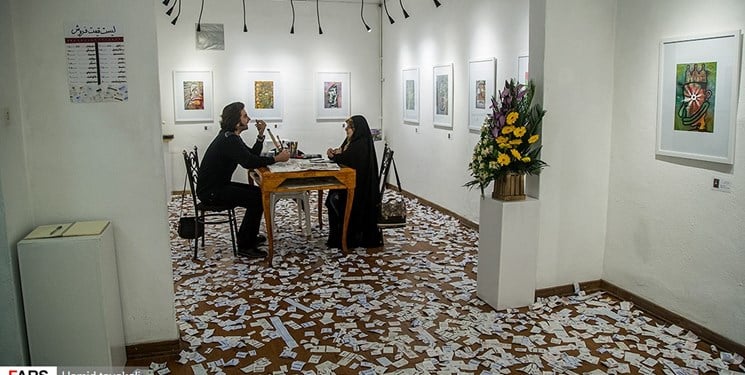
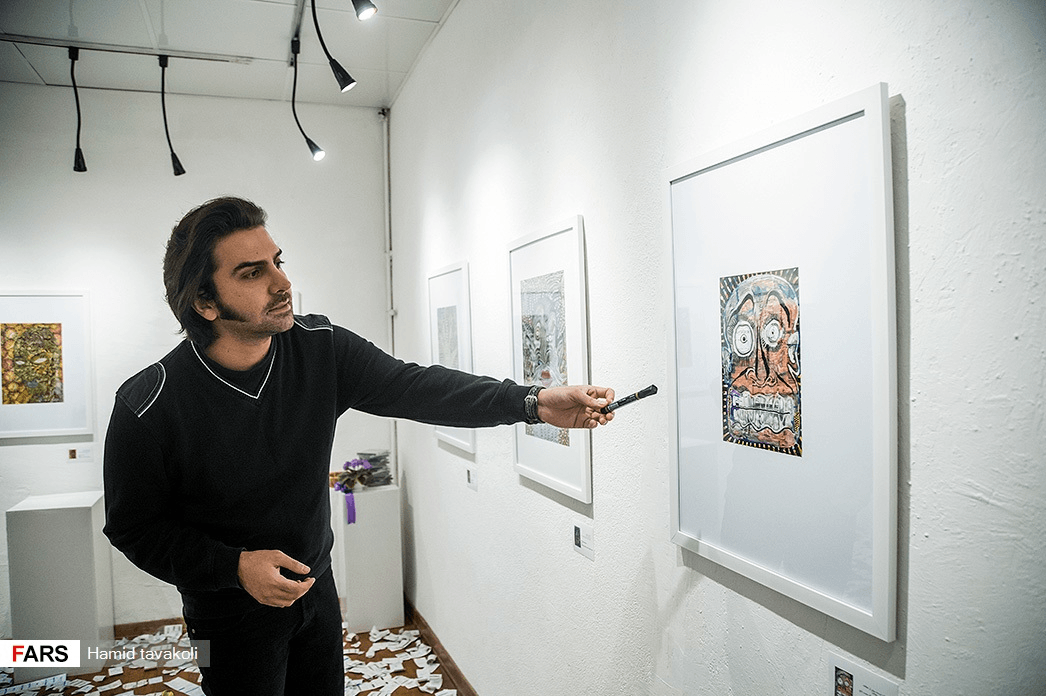
At the “Recycled Portraits” exhibition held at Sheis Gallery of Tehran, visitors should walk on a bunch of receipt papers to watch the portraits!

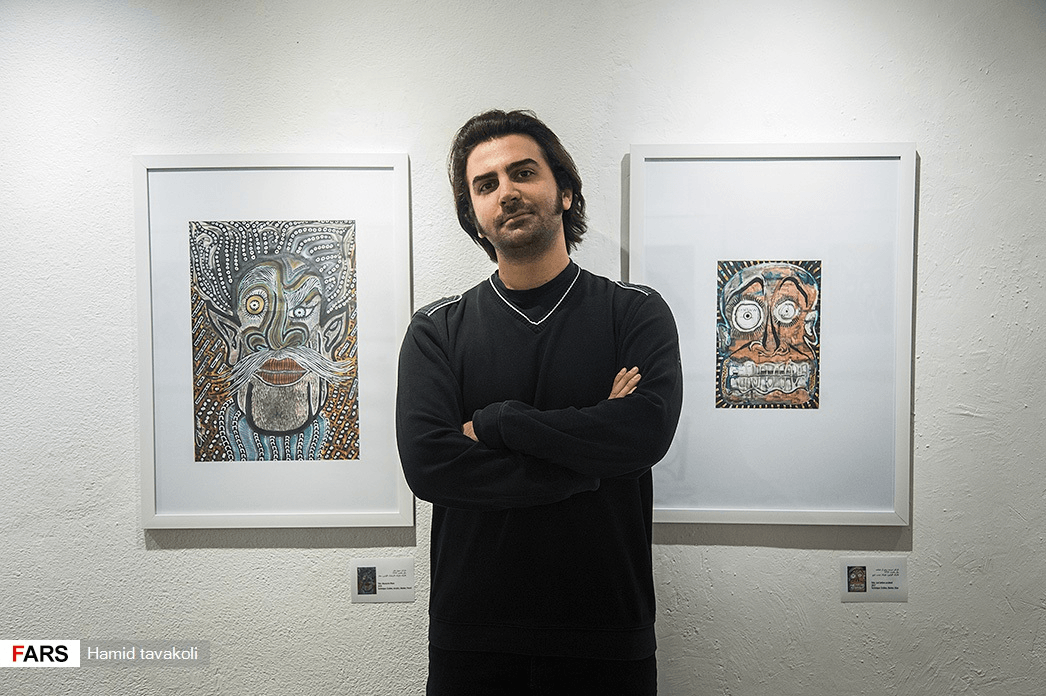
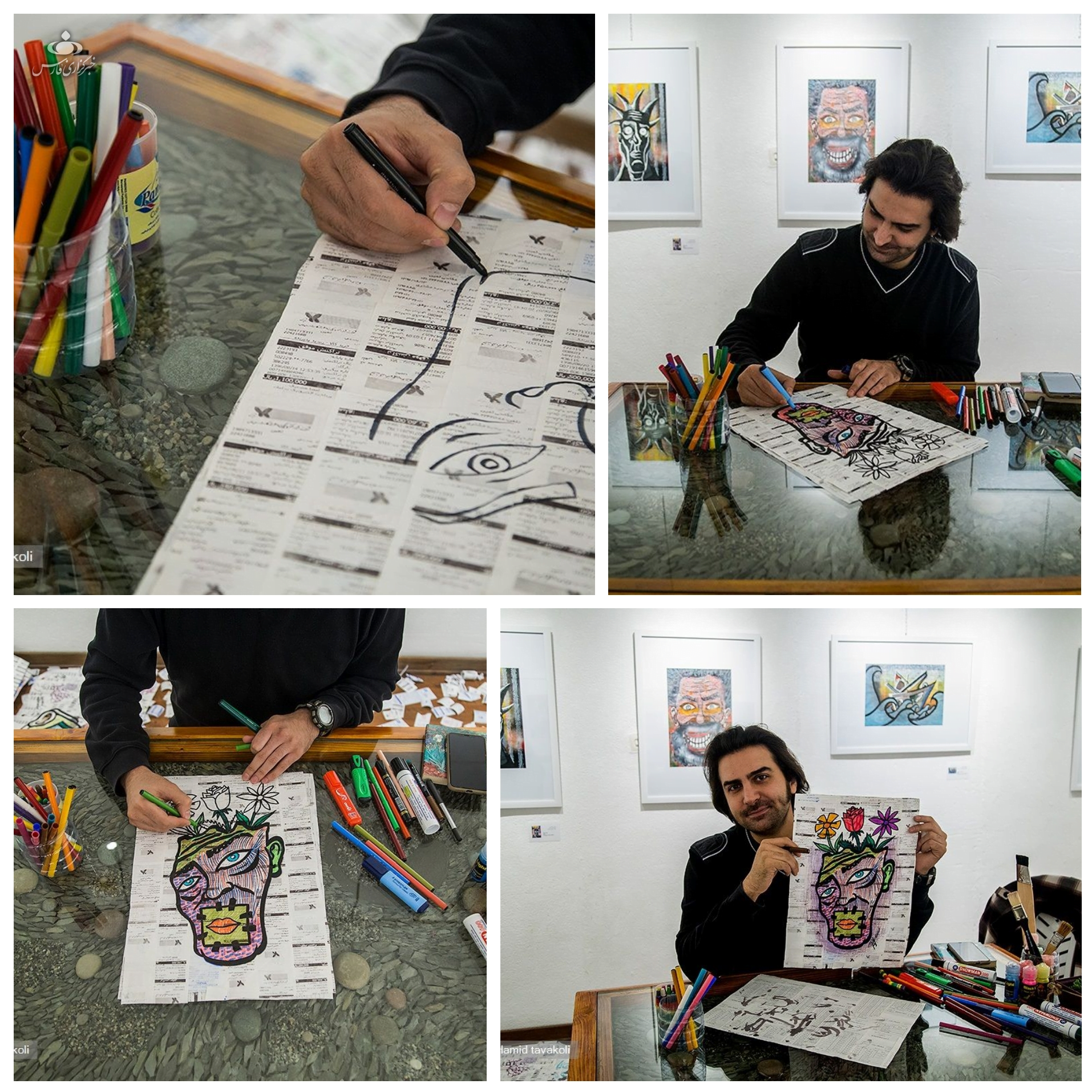
In this exhibition, Mohammad Mahdi Sedaqat wants to showcase his illustrations on receipt papers and inform the citizens of what they are doing to themselves and nature.

The painter is 31 years old. He has a BS in agricultural engineering and an MA in illustration. He has also experienced a variety of activities such as TV and video presenting.

What follows are excerpts of his interview with Fars News Agency:


Iranian Artist Turns Waste Papers into Artefacts
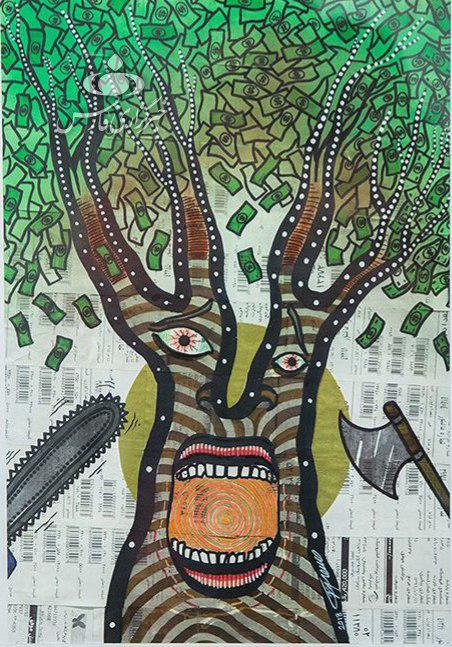
In this picture, you see a tree with banknote leaves. If you pay attention, the tree is screaming because they want to cut it off to make banknotes.

Inspiring Wastes

They caught my attention. They were accumulated, and I had an unpleasant feeling every week when I was throwing them away. Gradually, these papers made me sensitive, especially when I found out that 14,000 tonnes of receipt paper is produced in Iran each year. Not even a percentage of them are recycled. The fact is that the material used on these papers is poisonous. Even worse, people do not think about recycling them, and put them directly in the trash can. All these issues made me not to throw them away any more. Once I had a lot of these papers, I started to paint on them. I started using the paper glue to stick them and my job began!


Q: Don’t you think it is a pity to use your creativity on waste papers?

A: These papers are thermal, and for that reason, after a while the printings disappear. But the writings can be fixed using certain materials and colours. I used the same technique for the works I liked to be lasting. In addition, I wanted to tell the visitors the papers that are now under your feet could have been in an artwork on the wall. Somehow, in this exhibition, the main artwork is the floor of the hall! The problem is that humans separate themselves from nature and do not want to believe they are part of this nature. In fact, the main point illustrated at this exhibition is to rethink what we consider waste. How much waste do we produce? How much of them can be recycled with a little creativity?
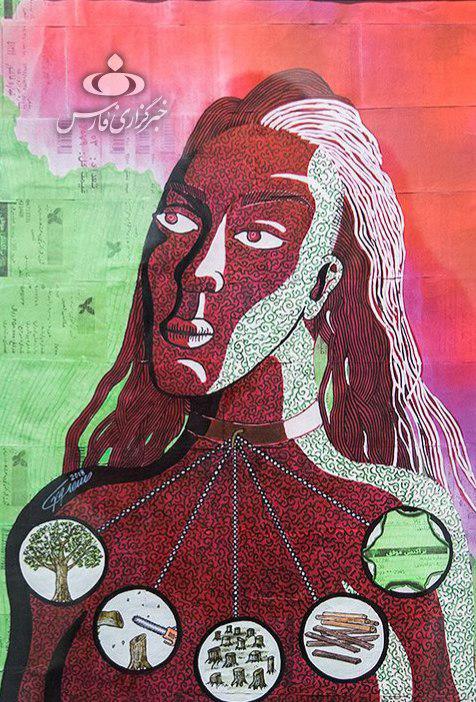
Iranian Artist Turns Waste Papers into Artefacts
In this work, we see a cycle. It shows a tree from the time it is cut until it is turned into paper. It says: “A successful transaction!” In fact, this transaction is unsuccessful because in this process, the earth and nature are being destroyed.

Shopkeepers at Show

When my friends came across this story, their reactions were very positive. Everybody was in contact with me. They did not throw away their papers and kept them for me. My family, friends, relatives and even the baker and supermarket owners helped me! All the papers you see on the floor were stored by these fellows.

Visitors Stunned by Exhibition

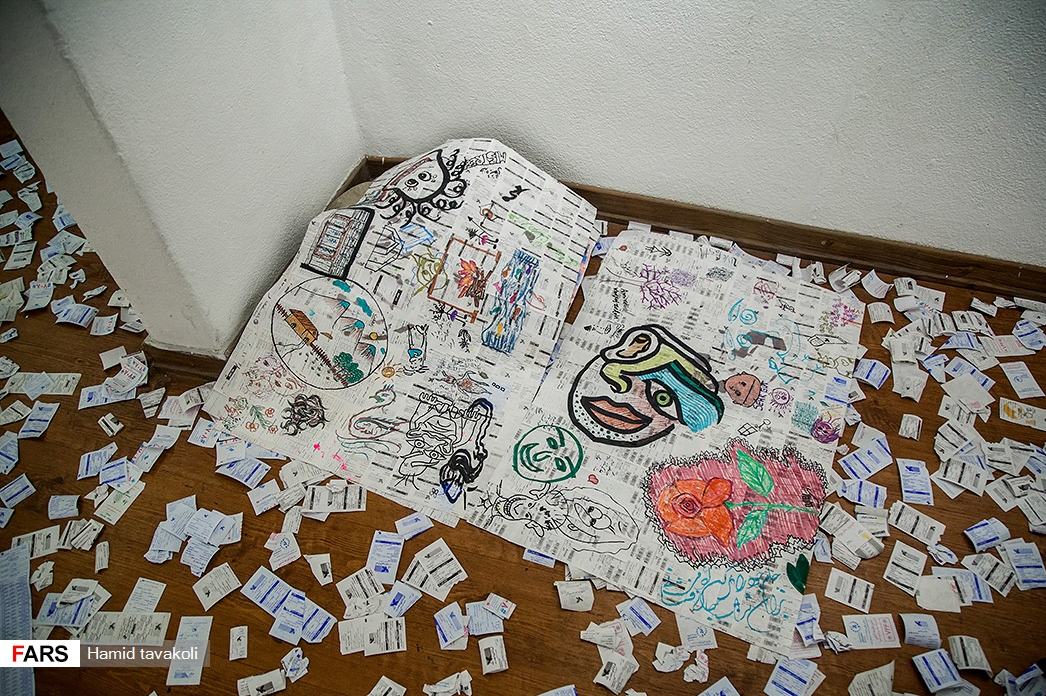
“Different people came to visit this exhibition. The youngest and most eager visitor was a 9-year-old boy. He was an artist himself. He really surprised me with his drawings on these papers. These collaborations suggest that visitors have received the message of the fair. These papers must not be produced or disposed of,” said Sedaqat.

Next Show Perhaps with Guitar Strings

All the story is that I feel pity for my country. In this small space, I have tried to convey my environmental concerns and my worries about the importance of preserving nature. Unfortunately, the receipt papersare not the only problem that threatens our environment. The plains, mountains, forests, seas and farms are filled with nylon bags. For example, in music, strings are one of the things that are constantly used by musicians. As a bass guitar player, I have not been discarding the old strings for ten years. I just thought I could use them in an artwork,” added the artist.

The following are Fars‘s photos of the exhibition, which was held in December 2018:

UAE Bars Top Qatari Football Official from Attending Asian Cup

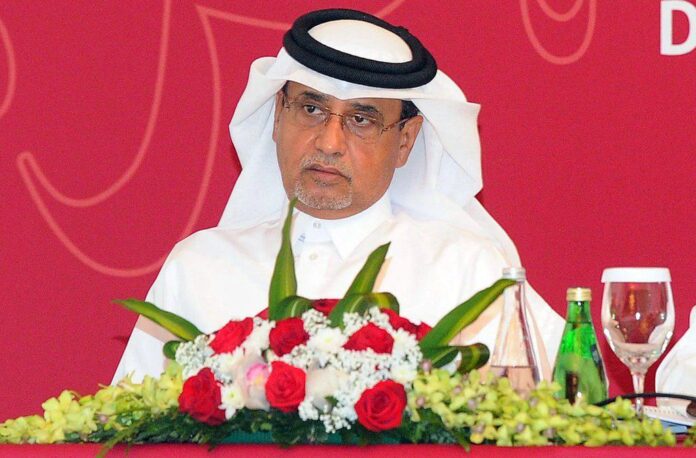
Top Qatari football official Saud al-Mohannadi / Photo by AFP

Al-Mohannadi, who also serves as the vice president of the Qatari Football Association, returned to Doha after being barred from entering the UAE.

The decision has sparked harsh criticisms in Qatar with many media outlets describing it as a childish move ahead of the Asian Cup tournament.

“With its childish policy just two days left to the Asian Cup, the UAE has politicized sports by barring Saud al-Muhannadi from entering the country for the international tournament,” al-Sharq paper of Qatar reported.

Political tensions between Qatar and a number of its Arab neighbours began last year after Saudi Arabia, the United Arab Emirates, Bahrain and Egypt officially accused it of “sponsoring terrorism” and cut off diplomatic ties with the country.

The Asian Cup is a quadrennial event which brings together the top teams of Asian for nearly a month. Qatar’s national football team taking part in the event is set to fly to the UAE on Saturday. Qatar national team will be pitted against Saudi Arabia, Lebanon and North Korea in Group 5.

The 2019 AFC Asian Cup is going to be held in the United Arab Emirates from January 5 to 1 February 1. 24 teams including Iran will compete with each other during the tournament in Abu Dhabi, Dubai, al-Ain and Sharjah cities.

The UAE was announced as the host for the tournament on 9 March 2015, with Iran being the only remaining bidder for the right to host the 2019 finals. It is the second time that the United Arab Emirates hosts the tournament after the 1996 finals.

The decision by the UAE to bar the Qatari official from the tournament came shortly after FIFA President Gianni Infantino said some of Qatar’s neighbouring countries may be called on to host a few matches of the 2022 FIFA World Cup if studies show a 48-team tournament in four years’ time is feasible.

“The World Cup will take place in Qatar with 32 teams. Obviously, if we can increase it to 48 teams and make the world happy we should try it.”

US in No Position to Lecture Iran on UNSC Resolution 2231: Zarif

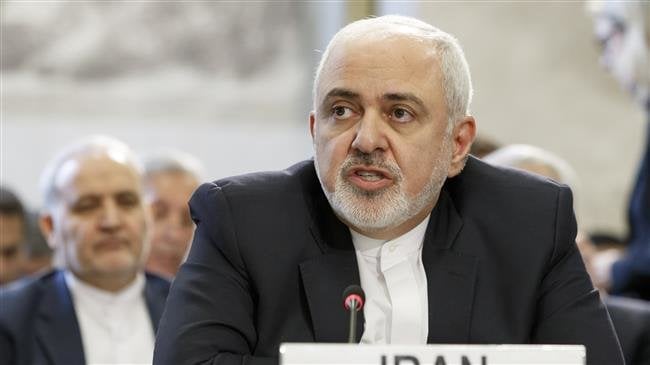
Iranian Foreign Minister Mohammad Javad Zarif (Photo by AFP)

Zarif was responding to remarks on Thursday by his American counterpart, Mike Pompeo on Iran’s planned launch of  three Space Launch Vehicles (SLV).

Pompeo said the SLVs incorporate technology that is “virtually identical” to that used in intercontinental ballistic missiles, claiming that such rocket launches would violate UN Security Council Resolution 2231.

Zarif, however, said in a tweet hours later, “Iran’s launch of space vehicles— & missile tests—are NOT in violation of Res 2231. The US is in material breach of same & as such it is in no position to lecture anyone on it.”

The top Iranian diplomat was referring the Washington’s unilateral withdrawal from the multilateral nuclear deal in defiance of international objections as well as the resolution, to which it itself had voted ‘Yes.’

The US then re-imposed all the anti-Iran sanctions it had lifted under the deal, officially called the Joint Comprehensive Plan of Action (JCPOA), with which Iran has fully complied as repeatedly confirmed by the International Atomic Energy Agency (IAEA).

Resolution 2231 terminated the provisions of previous UNSC resolutions against Iran, some of which had imposed restrictions on Iranian missile activities. Such activities are not prohibited under Resolution 2231, which merely calls on Iran “to refrain from any activity related to ballistic missiles designed to be capable of delivering nuclear weapons.”

Tehran has always emphasized that it has no nuclear warheads and that none of its missiles have been designed to carry nuclear weapons.

Zarif further reminded Pompeo that the US cannot base its claims on Resolution 1929 of 2010, which is no longer valid.

In mid-December 2018, the Security Council held a meeting at the request of France and Britain — which have repeatedly voiced “concerns” along with the US over Iran’s national missile program — days after Tehran tested a conventional ballistic missile.

That meeting, however, turned into a show of support for the JCPOA in the face of Washington’s exit, with the Europeans stopping short of claiming that Iran was violating Resolution 2231.

Iran has repeatedly said its missile activities are in line with its deterrence doctrine, and that it will continue testing conventional missiles.


Iran Says Never Meddles in Afghanistan’s Internal Affairs

Iran Official Calls for People’s Massive Turnout in Elections

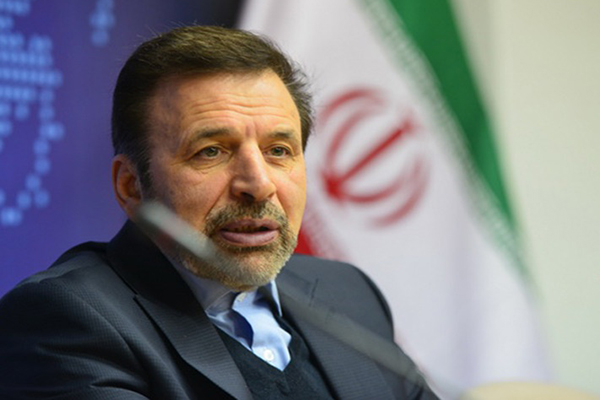
Vaezi on Thursday referred to the ongoing talks between the Islamic Republic and the Taliban and said before the beginning of talks with the militant group, Iran made the required arrangements with the Afghan government.

“Iran’s neighbouring states are struggling with lots of problems like civil war. Iran attaches significant importance to peace and stability in the region and is of the opinion that the ongoing insecurity in Afghanistan could spread to Iran,” he told ISNA.

He then underlined that the current talks with the Taliban are coordinated with the Afghan government and added “I’ve received no report on the Afghan government’s dissatisfaction with the negotiations between the Islamic Republic and the Taliban.”

The Iranian official added “the talks between Iran and the Taliban are aimed at providing security and peace for the region and preparing the ground for beginning of Afghan-Afghan talks.”

Iran hosted a delegation from the Taliban to discuss possible ways to end hostilities in Afghanistan nearly one week ago.

“Since the Taliban are in control of more than 50 percent of Afghanistan, and given the insecurity, instability and other issues that the country is dealing with, they [the Taliban] were interested in talks with Iran,” Iranian Foreign Ministry Spokesman Bahram Qassemi said.

Earlier, Ali Shamkhani, the secretary of Iran’s Supreme National Security Council (SNSC), visited Afghanistan and confirmed that the Islamic Republic has been holding talks with the Afghan Taliban in coordination with Kabul to help relieve insecurity in Afghanistan.

Iranian President Accepts Health Minister’s Resignation

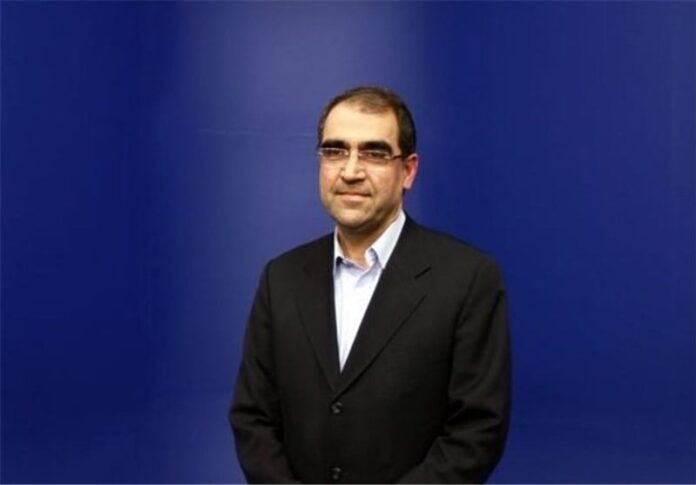
Ghazizadeh Hashemi handed in his resignation to the president in late December.

Rouhani on Thursday accepted it and appointed Saeed Namaki as the caretaker minister.

The president also appreciated Ghazizadeh Hashemi’s efforts over the past six years as health minister.

Reports suggest that a reduction in the health sector budget in the budget bill for the next Iranian calendar year has been the reason behind his resignation.

Namaki previously served as the scientific, cultural, and social deputy of the Plan and Budget Organization.