Monday, December 22, 2025
Home Blog Page 3335

Iran Army Tasked with Guarding Security of Borders with Afghanistan

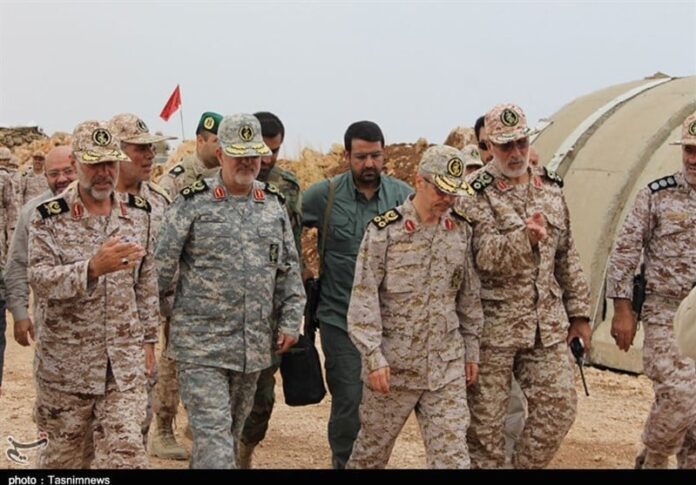
Speaking to reporters on Monday, Chief of Staff of the Iranian Armed Forces Major General Mohammad Hossein Baqeri said the Army Ground Force has been assigned the task of ensuring security along the common border with Afghanistan in recent months.

“We will definitely have safer borders than before,” he added.

Pointing to the cases of insecurity and issues of concern in Afghanistan, the top general expressed hope that stationing of Army Ground Force troops, establishment of strongholds and formulation of new plans would create the safest frontiers between Iran and Afghanistan.

Iranian military forces and border guards along the eastern and southeastern border areas are frequently attacked by terrorist groups coming from Afghanistan and Pakistan.

Tehran has frequently asked the two neighbors to step up security at the common border to prevent terrorist attacks on Iranian forces.

Iran President Orders Swift Efforts to Help Quake-Hit People

The temblor measuring 6.4 on the Richter scale hit near the city of Sarpol-e Zahab at around 20:07 local time on Sunday at a depth of seven kilometers, according to University of Tehran’s Institute of Geophysics.

In a phone conversation with Kermanshah Governor Houshang Bazvand on Monday, Rouhani said relief efforts must be stepped up to deal with the problems facing the quake-hit people and provide temporary shelters for them.

He also appreciated the affected people’s patience, assuring them that officials are following up on the efforts to address the situation.

Bazvand said 729 people had been wounded in the earthquake, 700 of whom had received treatment for minor injuries, while 18 others are still at hospitals.

No fatalities have been reported in the incident, he said, noting that there are no electricity and gas outages.

The governor also said that 13 groups had been working on the scene to assess the amount of the material damage.

He further stressed that 31 villages are grappling with water turbidity, but tankers have been deployed to the region to provide people with drinking water.

So far, over 160 aftershocks have been recorded since Sunday’s earthquake, which was also felt in Iraq and its semi-autonomous Kurdistan region.

Last November, a 7.3-magnitude quake struck Kermanshah, killing at least 620 people and injuring more than 12,000 others. It was Iran’s deadliest earthquake in more than a decade.

Iranian Mountaineer Conquers Mount Damavand with Artificial Legs

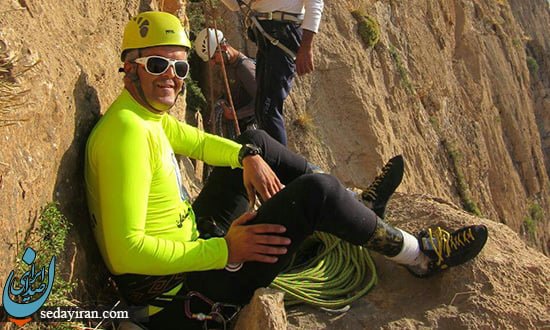
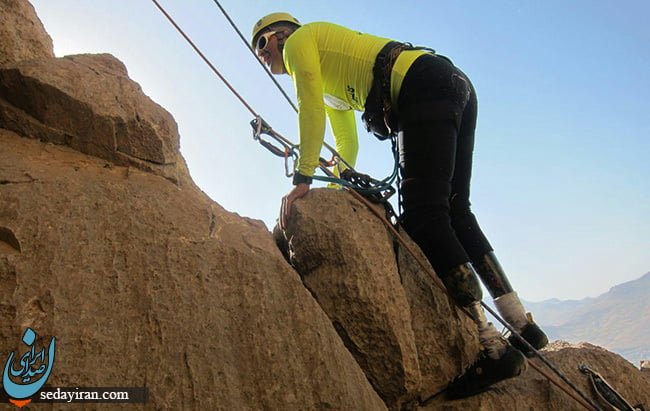
Sajjad Salarvand, 36, is a mountaineering coach who was not disappointed with the loss of his legs in an incident in 2016.

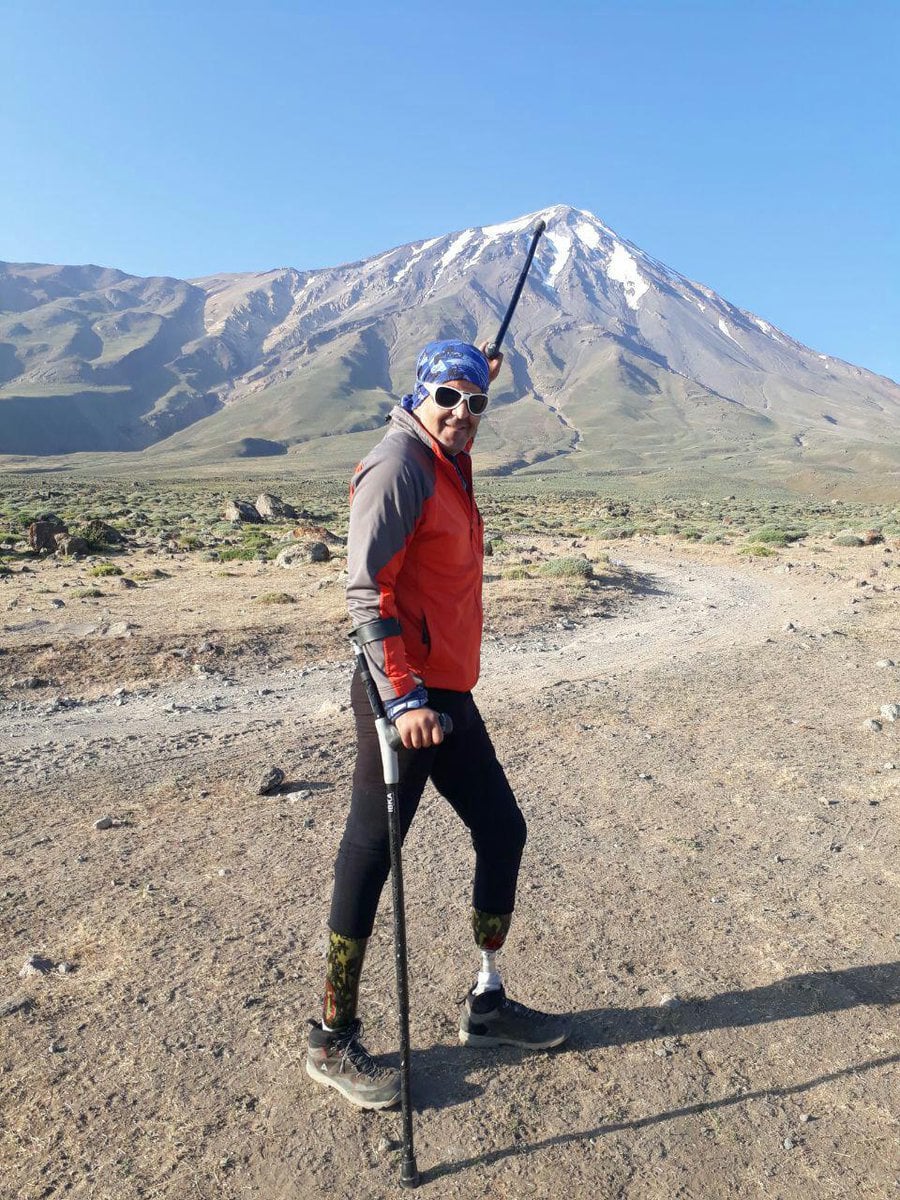
To the surprise of his colleagues and physicians, just two months after receiving prosthetic legs from Iran’s Red Crescent Society, he once again conquered the summit of Mount Damavand, which has a height of 5,609 metres. After Damavand, he broke records one after another

What follows is Shahrvand daily’s interview with this exceptional mountain climber:

Q: Tell us about the incident that caused you to lose both your legs.

A: It was on March 21, 2016.  I was driving to Tehran from Karaj. Another car, moving very fast, crashed into my car and pushed it to one side of the road. I hit the guard rails at a high speed. As a result of the collision, the car was impaled by the guard rails and both my legs were instantly cut off.

That night I was alone and until the arrival of the rescue vehicles, my mountain climbing skills helped me survive and be able to follow my dreams in the future.

Iranian Mountaineer Conquers Mount Damavand with Artificial Legs

Q: How did mountain climbing help you?

A: Fortunately, I had not lost my consciousness. I tied the belt around my left leg that was cut off from my knees, and I tied the other one with a rope that a driver gave me. Then, I pulled my legs upwards to prevent bleeding. As a mountaineering instructor, I had passed medical courses, and I knew when arteries are cut off, the first thing to do is to stop bleeding.

Q: How did you cope with the tragedy as a professional climber?

A: It took me only 24 hours. After the surgery, I decided to do sports and climbing again. Over there, one of my friends introduced me to a centre for making prostheses. Six months later, I went to the centre to receive them. On the same day, I told them that I wanted to climb mountains with the prostheses.

Iranian Mountaineer Conquers Mount Damavand with Artificial Legs

Q: Talk about your first ascent with artificial legs.

A: They told me it may take eight months to walk in the normal way and, at best, I could think of a simple climbing. However, only two months after receiving the prostheses I climbed to Darabad, Tochal, and Kolakchal heights near Tehran. 15 months after the accident, within one and a half days, I managed to climb Mount Damavand Summit from the southern front. Only professional mountaineers in perfect physical health could climb the mountain in such a short period of time.

I had once again managed to be on the roof of Iran just like the days before the accident. Now, I am the first Iranian to climb Mount Damavand with two artificial legs.

Q: How did you feel after standing on Mount Damavand Peak just 15 months after the accident?

A: A few steps to the peak, I was crying tears of joy. I was looking at my feet and at the same time I was looking at the summit.

Q: Have you set any other records or climbed with these prostheses to other peaks?

A: Yes. I was the first Iranian to climb Mount Behistun with two artificial legs. Once again, I successfully climbed Mount Damavand from the northern front, which is the hardest route to the summit in one and a half days. And more interestingly, despite the lack of oxygen at that height and the vascular problems, I slept the night there along with other mountaineers.

Q: What are your future goals?

A: My next goal is to reach the roof of the world, the Mount Everest’s Peak. I will be the third one in the world to conquer the peak with disability, if I’d have the chance to.

Iranian Mountaineer Conquers Mount Damavand with Artificial Legs

‘Foreign Banks Being Connected to Iranian Alternative to SWIFT’

An informed source at the Central Bank of Iran said the issue is being followed up and Tehran is working with some countries in this regard.

The official confirmed that all Iranian banks are connected to this system, which is called Electronic Financial Messaging System, also known as SEPAM.

SEPAM has been implemented for computerizing the banking message interchanges and for creation of an integrated infrastructure for banking services, the central bank of Iran says.

“Of course, SEPAM is not the only mechanism, and the central bank is building new platforms, and we are even launching different channels with some other banks,” the source said.

The Belgium-based financial messaging service SWIFT recently suspended the access of some Iranian banks to its messaging system upon the request of the US government.

Recently, experts from Russia said that they will provide support for the development of Iran’s crypto-economy. The cooperation is part of an agreement reached by representatives of leading industry organizations from the two countries, which are both subject to western sanctions.

The document has been signed by the Russian Association of Crypto-Industry and Blockchain (RACIB) and Iran Blockchain Labs (IBL), an innovation hub tasked with the implementation of digital technologies in the economy of the Islamic Republic.

According to RACIB’s President, Yuri Pripachkin, Iran can take advantage of the expertise of Russian block-chain developers. The situation created by the US sanctions in Iran is much more complicated than in Russia, he remarked.

The country was recently cut off from SWIFT, but Pripachkin revealed that the Iranian alternative to the global interbank network is currently under “active development.”

“In the current geopolitical situation, it is necessary to utilize that potential,” the head of the Russian crypto association added.

Recently, Iran’s Central Bank Governor Abdulnasser Hemmati announced Tehran will use alternative banking options to replace SWIFT.

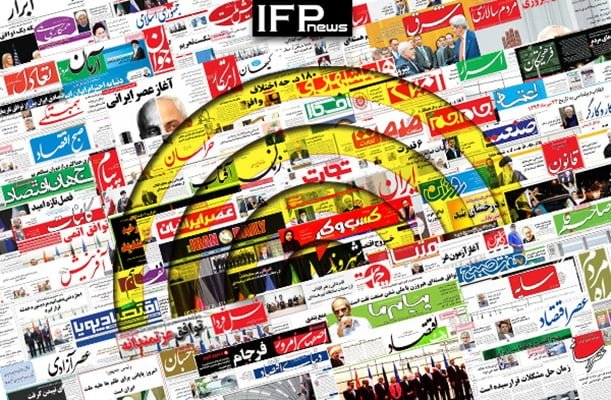
A Look at Iranian Newspaper Front Pages on November 26

A Look at Iranian Newspaper Front Pages on November 19

All papers today covered the remarks made by the Leader of Iran’s Islamic Revolution Ayatollah Seyyed Ali Khamenei in a meeting with a gathering of government officials, ambassadors from Muslim countries and guests participating in the 32nd International Islamic Unity conference in Tehran.

The controversy over Foreign Minister Mohammad Javad Zarif’s comments about ‘rampant’ money laundering in Iran also remained a top story today. At the request of the prosecutor-general, the Iranian foreign ministry has prepared and sent a 12-page response to give more details about the claim made by Zarif. Hardliners, however, are still trying to impeach him over the controversial comments.

The ‘yellow vest’ protest rallies in France against President Emmanuel Macron’s economic policies and fuel price hikes also received great coverage.

Several papers also covered the 6.4-magnitude earthquake which hit Kermanshah province in Western Iran, but fortunately left no one killed.

The above issues, as well as many more, are highlighted in the following headlines and top stories:


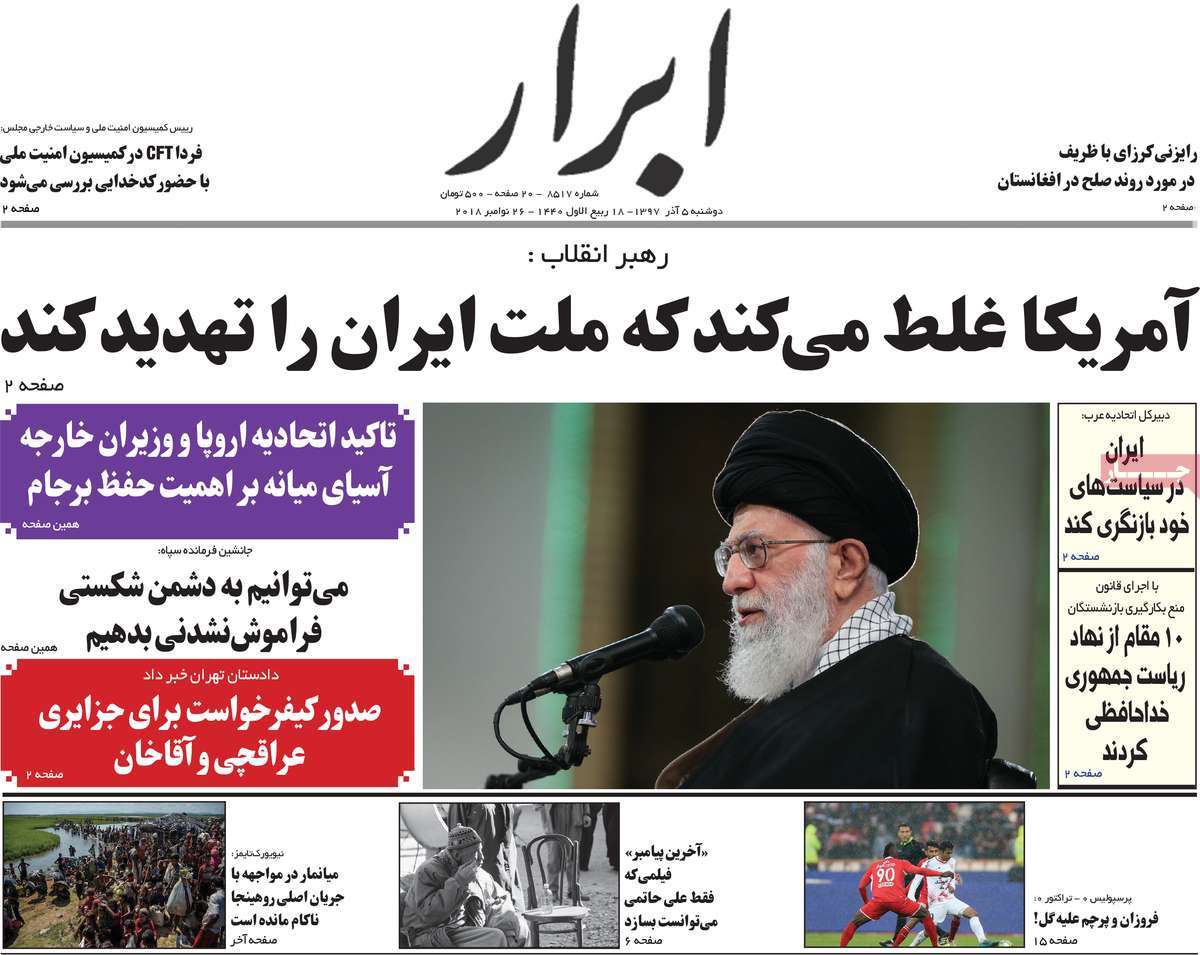
Abrar:

1- Iran Leader: US Not in a Damn Position to Threaten Iranian Nation

2- Senior MP: CFT Bill to Be Discussed in Parliament Tuesday
A Look at Iranian Newspaper Front Pages on November 26


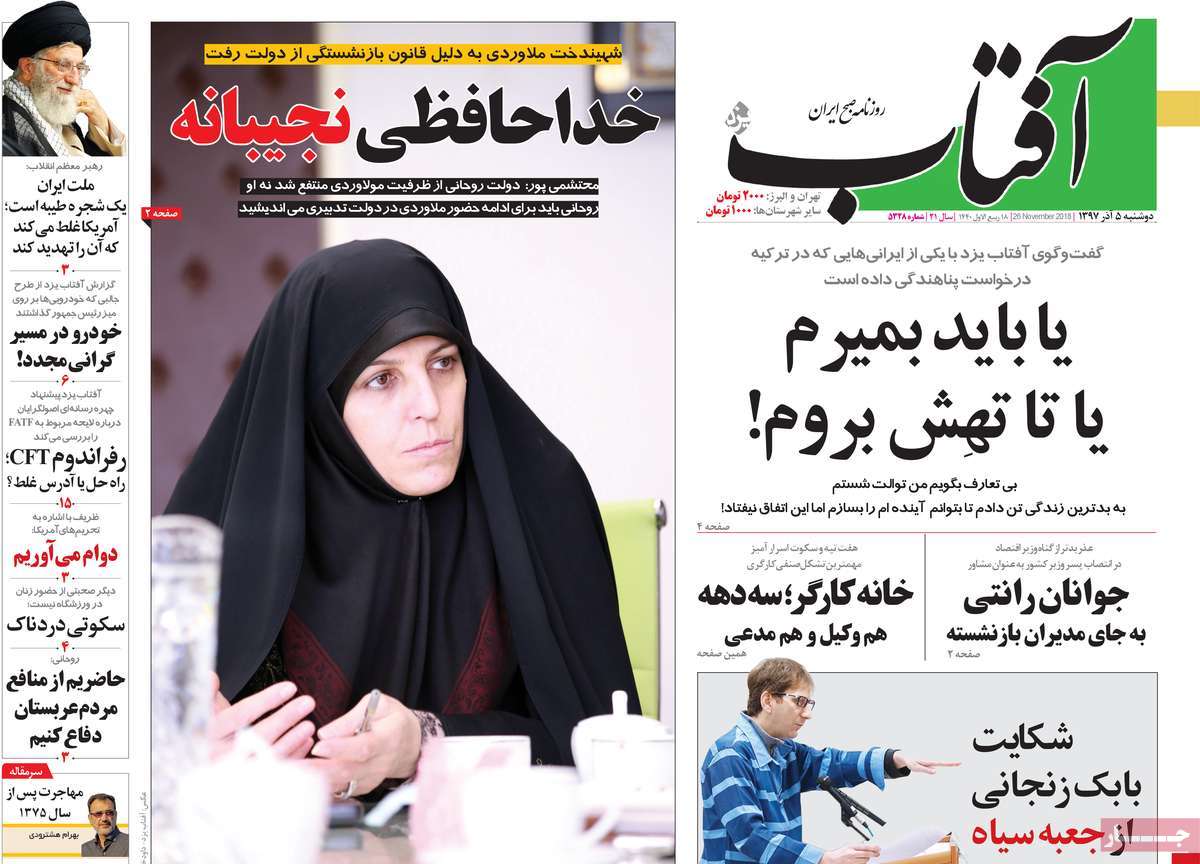
Aftab-e Yazd:

1- Rouhani: We’re Ready to Defend Interests of Saudi People

2- Rouhani’s Aide Mowlaverdi Nobly Resigns over Ban on Employment of Retired Officials
A Look at Iranian Newspaper Front Pages on November 26


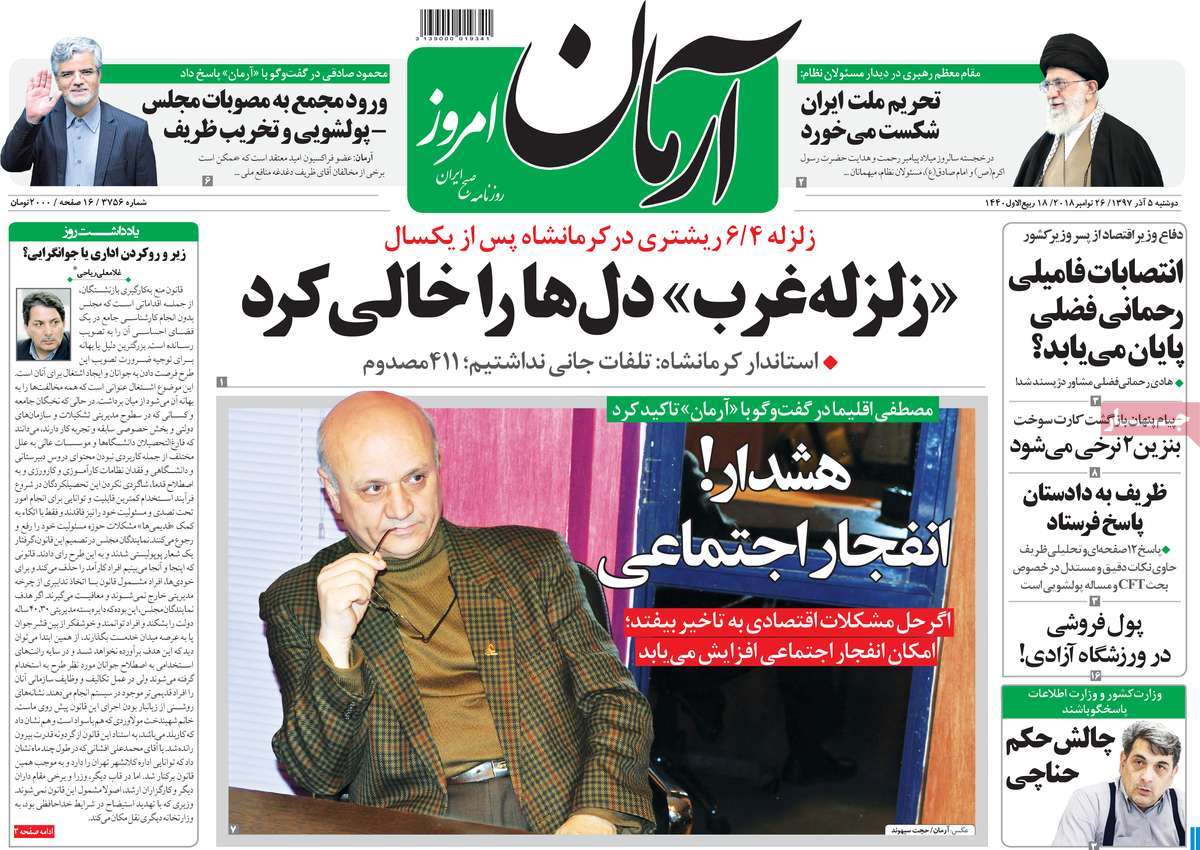
Arman-e Emrooz:

1- Quake in West Makes Iranians Worried: No One Dead, 411 Wounded

2- Iran Leader: Sanctions against Iranians to Fail

3- Zarif Responds to Prosecutor’s Call for Disclosure of Data on Money Laundering

  • 12 Pages of Data Including Documented Information about CFT, Money Laundering
A Look at Iranian Newspaper Front Pages on November 26


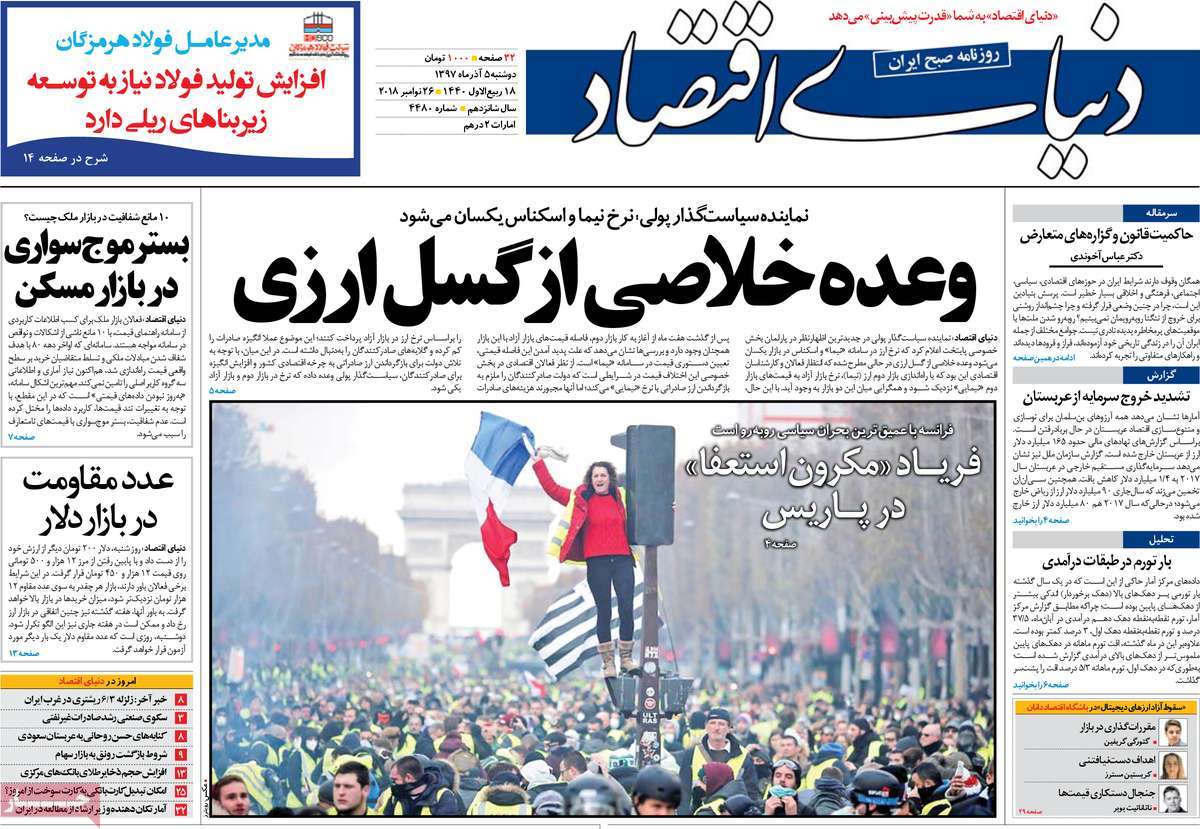
Donya-ye Eqtesad:

1- Officials Vow to Get Iran’s Economy Out of Forex Crisis

2- French Protesters Call for Macron’s Resignation in Paris
A Look at Iranian Newspaper Front Pages on November 26


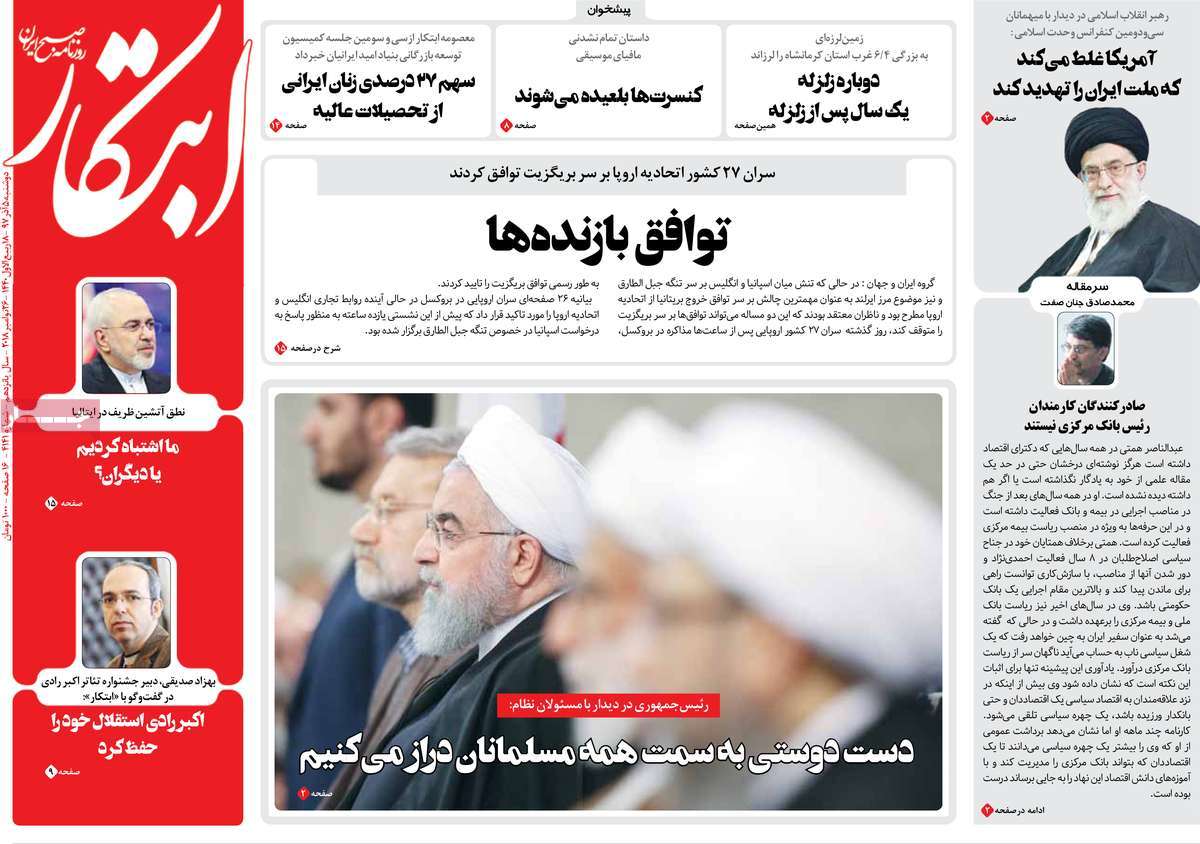
Ebtekar:

1- Rouhani: We Extend Our Hand of Friendship to All Muslims

2- Deal of Losers: Leaders of 27 EU Member States Agree on Brexit

3- Iranian Women Have 37% Share of Higher Education
A Look at Iranian Newspaper Front Pages on November 26


Etemad:

1- Hardliners in Iran Trying to Impeach Zarif When Opposition Groups Also Attacking Him

2- Forced Cabinet Reshuffle: Mowlaverdi, 9 Deputies Resign

3- 6.4-Magnitude Quake in Sarpol-e Zahab, Kermanshah
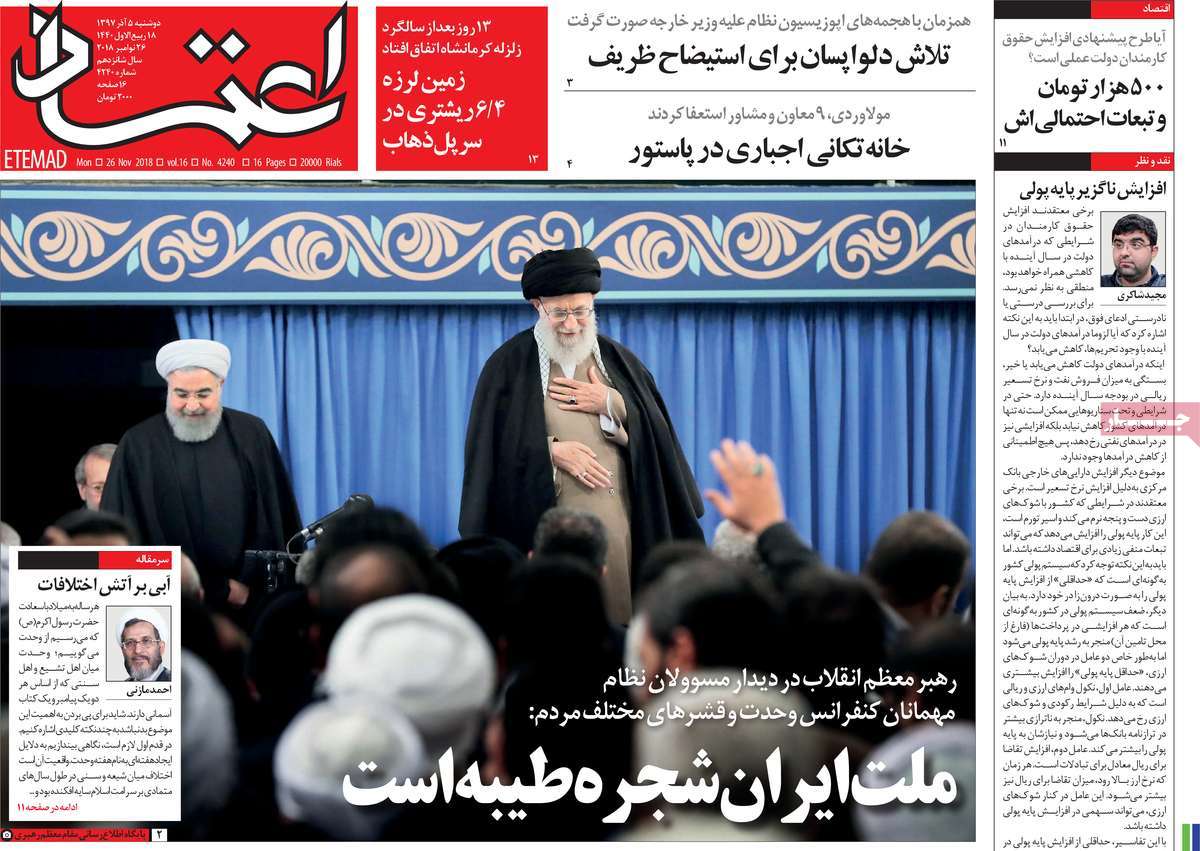
A Look at Iranian Newspaper Front Pages on November 26


Ettela’at:

1- Iran Leader: Islamic Establishment Prescription of Development for Muslim World

2- Terrorists Attack Syria’s Aleppo with Cholera Gas

3- Rouhani: Slavery Is What US Wants from Region

4- Zarif: It’s Iran’s Right to Return to Uranium Enrichment
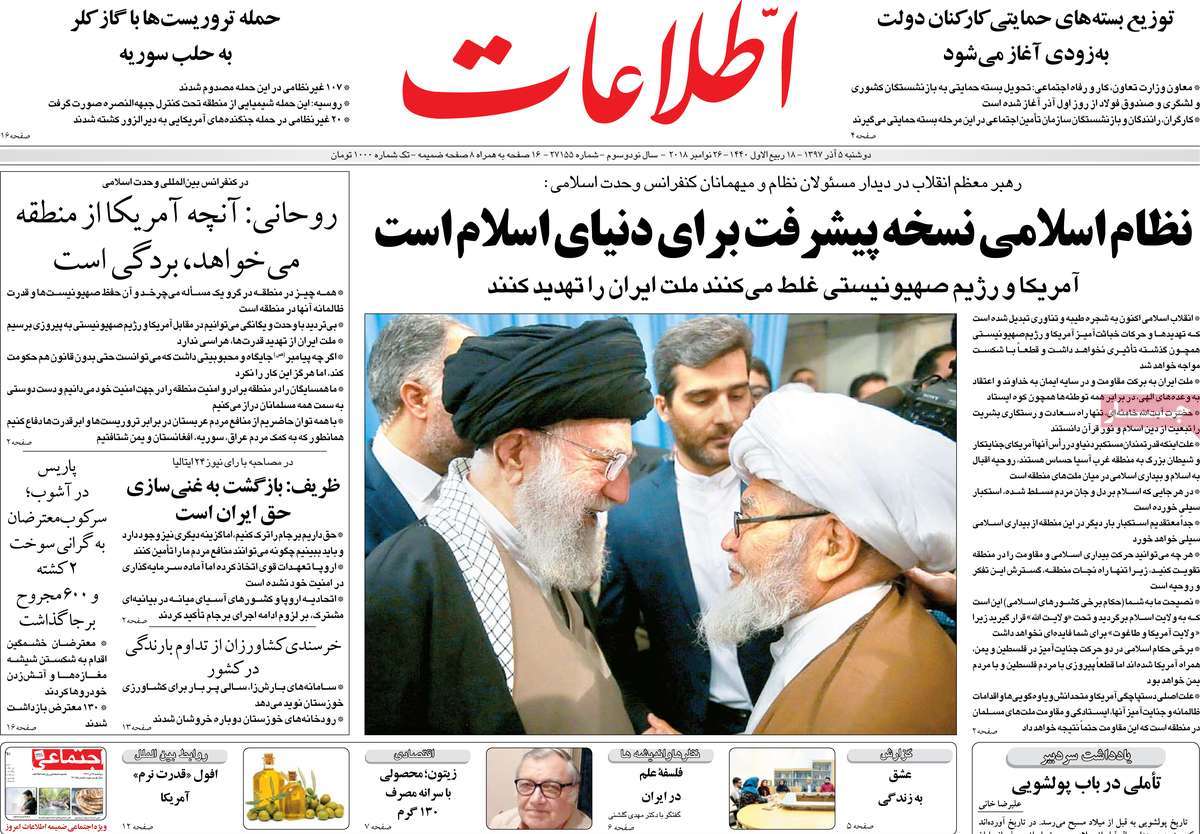
A Look at Iranian Newspaper Front Pages on November 26


Haft-e Sobh:

1- Zarif’s One-Man Battle: Is He Best FM Iran Has Had in Past Century?
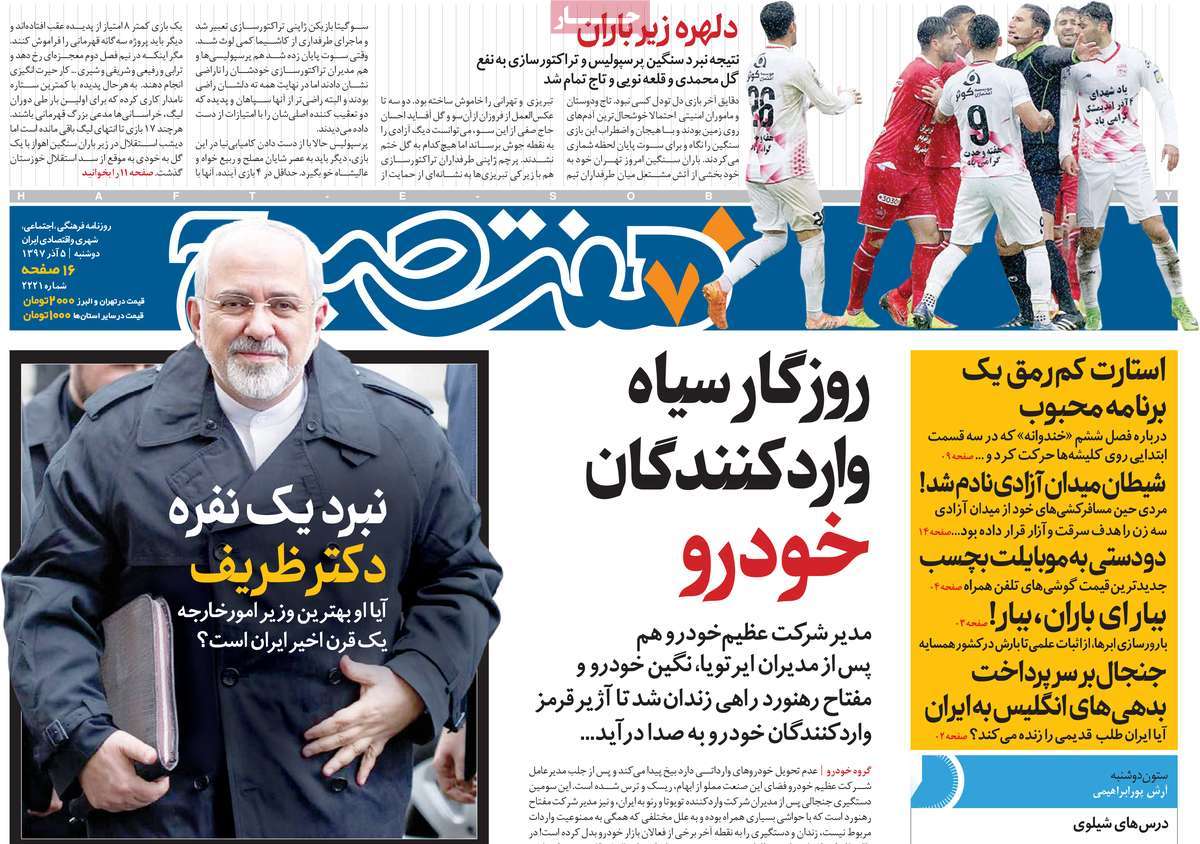
A Look at Iranian Newspaper Front Pages on November 26


Iran:

1- Kermanshah Hit by Earthquake
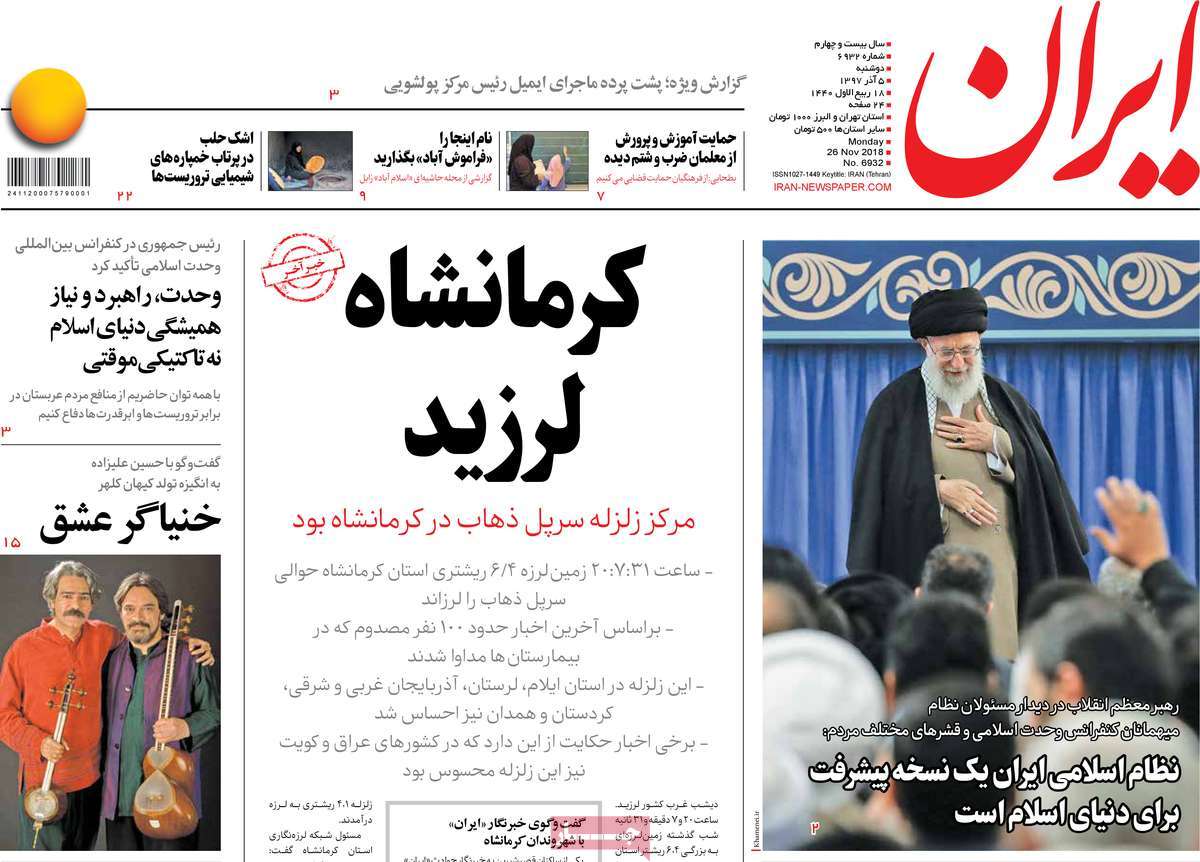
A Look at Iranian Newspaper Front Pages on November 26


Jame Jam:

1- Iran Leader to Muslim Leaders: Return to Guardianship of Islam

  • Guardianship of US Will Have No Benefit

2- Iranian Researchers’ Initiative in Cancer Studies

  • Grounds Prepared to Producing Artificial Cancerous Tumours Using 3D Printer
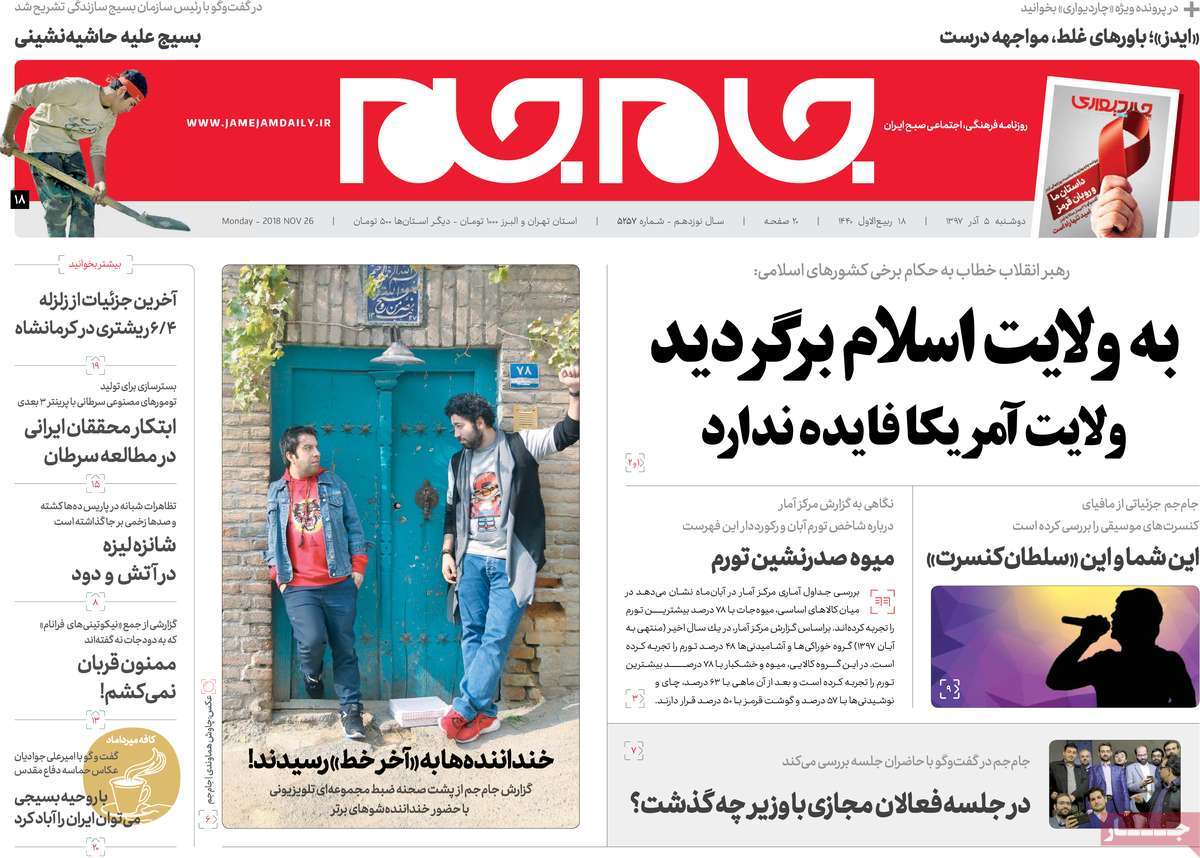
A Look at Iranian Newspaper Front Pages on November 26


Javan:

1- Europe Gets Divorce from Britain in 40 Minutes!

2- Rouhani: Giving in to US Treason against Future Generations
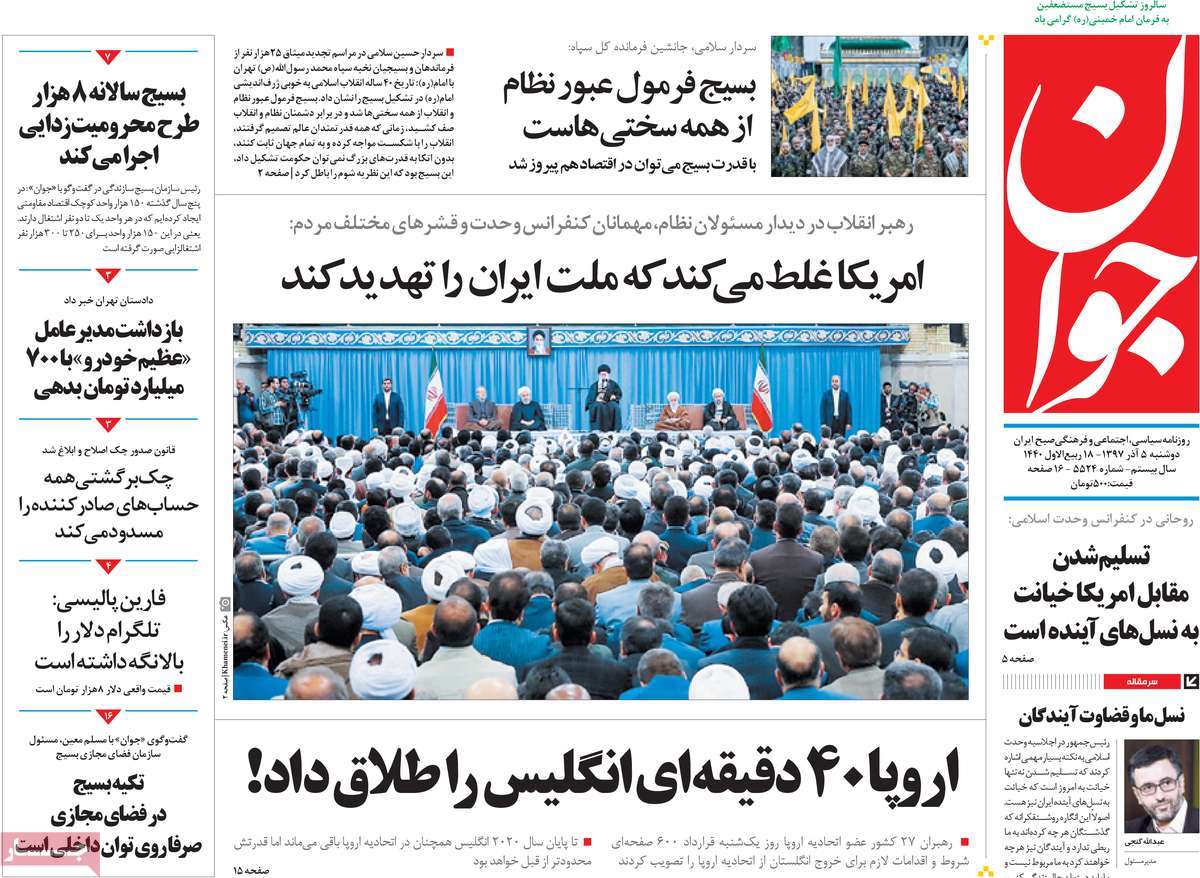
A Look at Iranian Newspaper Front Pages on November 26


Jomhouri Eslami:

1- Iran Leader: Only Way to Save Mideast Is to Promote Spirit of Resistance

2- China to Resume Oil Purchases from Iran

3- MPs Say Attacks on Zarif Unfair

  • We Should Regard His Comments as Chance for Fighting Corruption
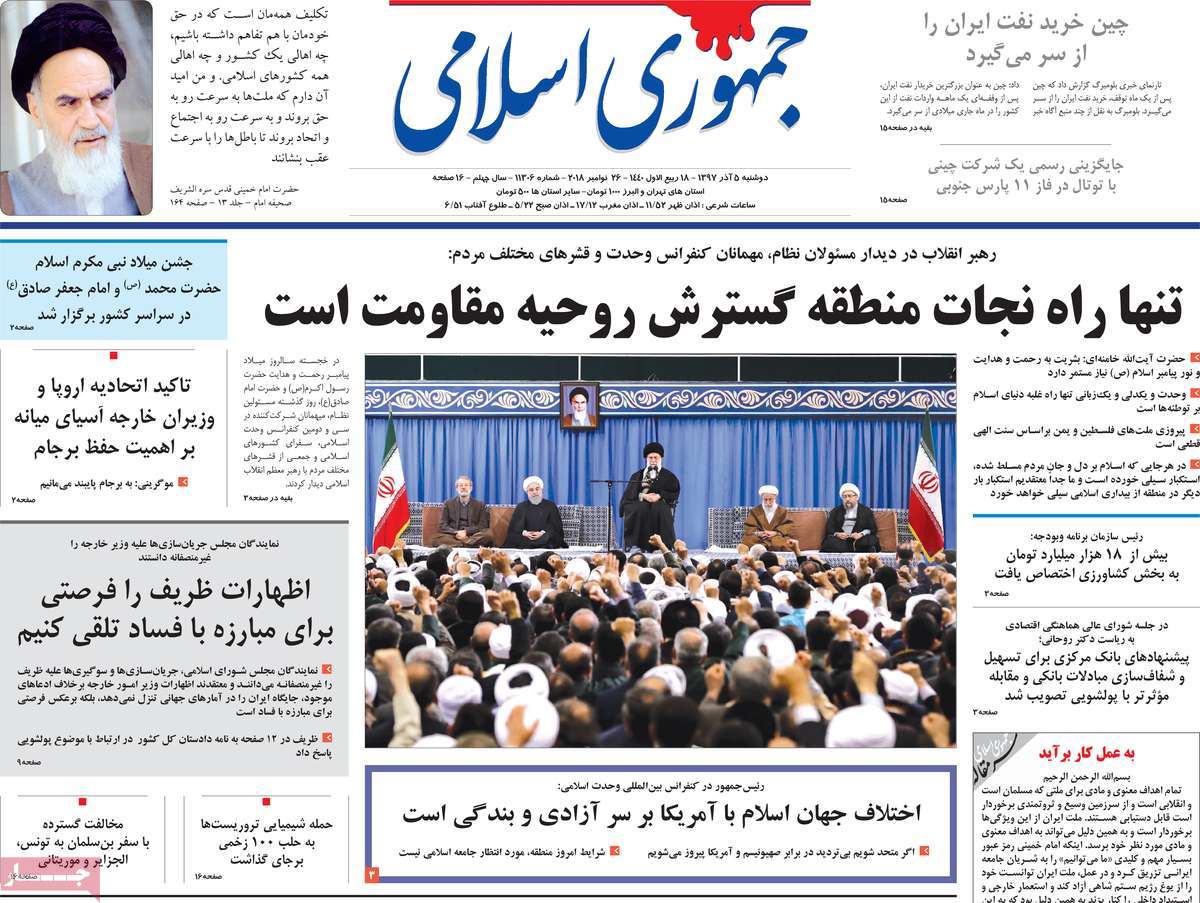
A Look at Iranian Newspaper Front Pages on November 26


Kayhan:

1- Foreign Policy: Telegram Devalued Iranian Currency by Spreading Fake News

2- 95% of Saudi Princes Ready to Topple Bin Salman: Whistle-blower
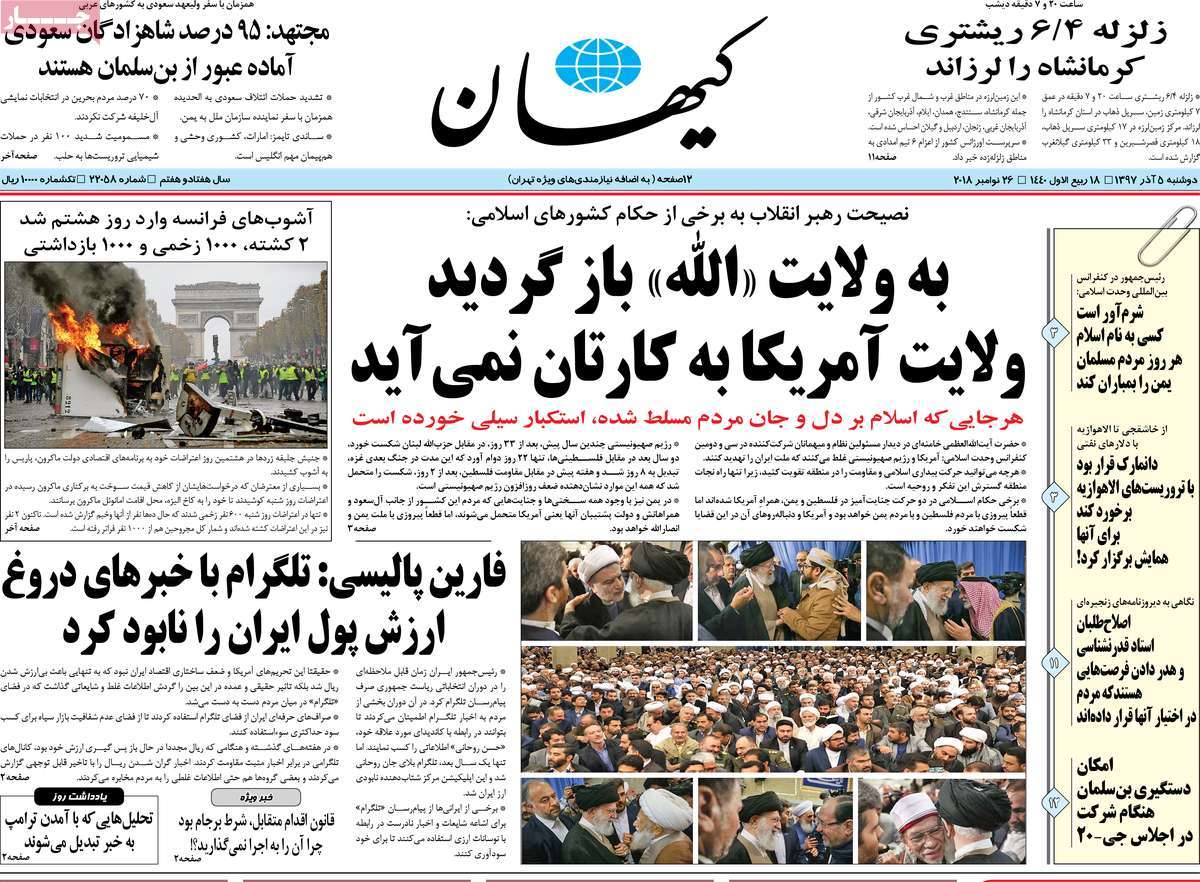
A Look at Iranian Newspaper Front Pages on November 26


Sazandegi:

1- Plan to Control Foreign Currency Rates Hindered by Decreased Oil Sales

2- Street Republic

  • French People Have Started Massive Rallies against Macron’s Economic Reforms
  • Macron Not Going to Back Off, Seeking to Give Concessions on Other Areas

3- Four Corners of Iran Flooded by Heavy Rainfall: 11 Provinces Affected
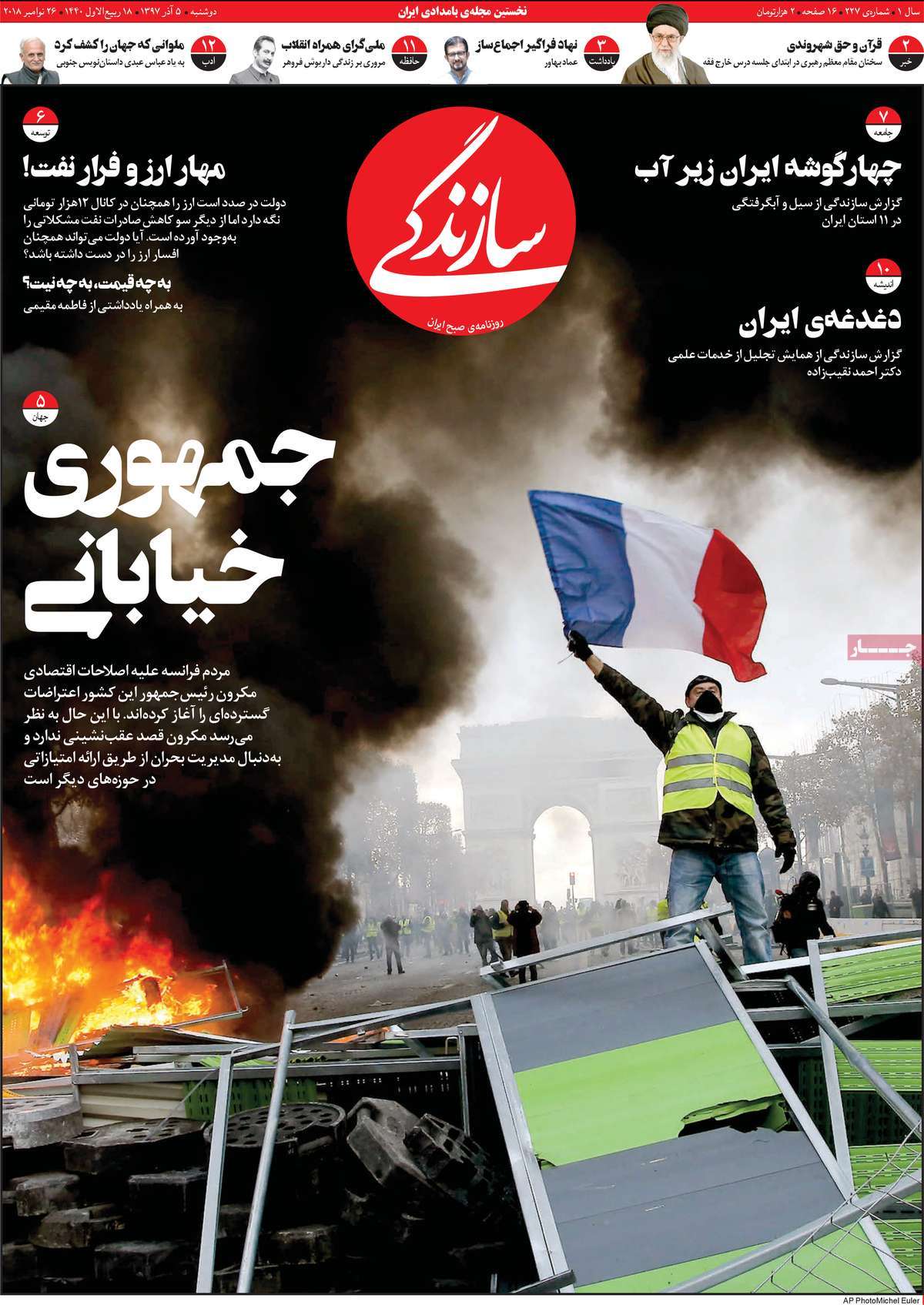
A Look at Iranian Newspaper Front Pages on November 26


Setareh Sobh:

1- Countering Oil Sanctions: China’s CNPC Replaces Total

2- Britain Leaves EU
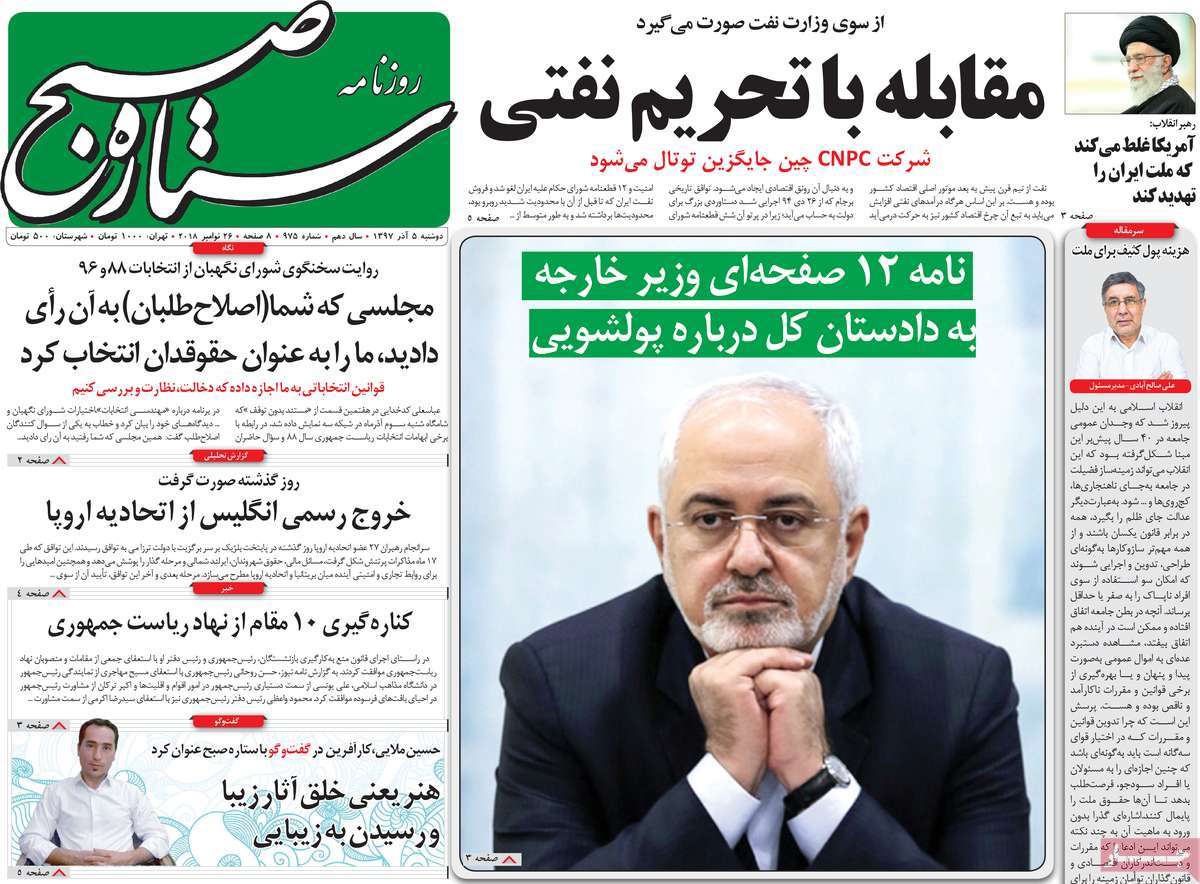
A Look at Iranian Newspaper Front Pages on November 26


Shargh:

1- Unsuccessful Negotiations

  • Interview with Veteran Diplomat on Talks with US: From Mosaddegh to Bazargan

2- On Brink of Impeachment

  • MPs Close to Hardliners Call for Zarif’s Impeachment
  • Zarif Gives 12-Page Response to Prosecutor-General’s Call

3- Nothing Bad Happens in Strong Quake in Kermanshah
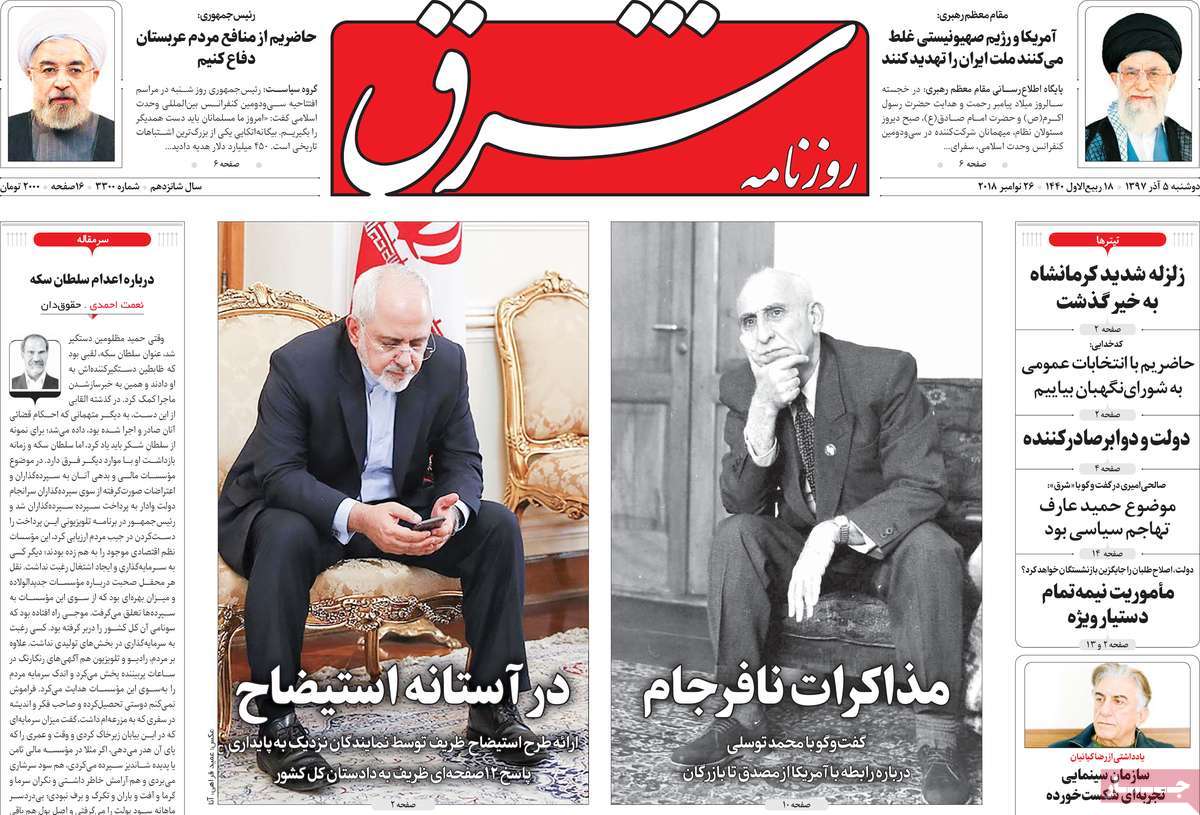
A Look at Iranian Newspaper Front Pages on November 26


Sobh-e Now:

1- Élysée in Blood and Fire

2- Earthquake Hits Western Iran: Magnitude-6.4 Quake Felt in Iraq, Kuwait as Well
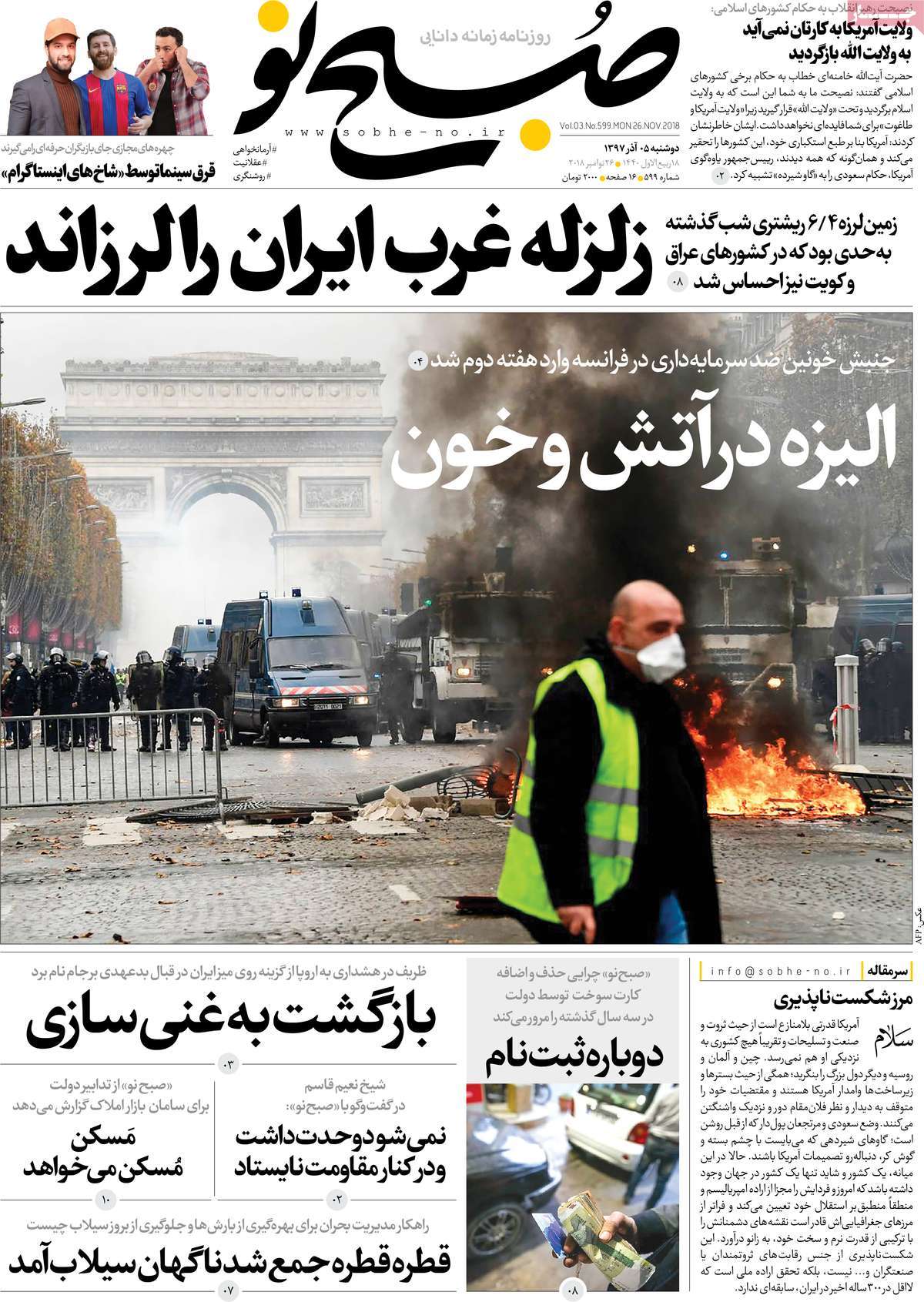
A Look at Iranian Newspaper Front Pages on November 26


Vatan-e Emrooz:

1- Iran Leader: Palestinian, Yemeni People to Emerge Victorious

2- Paris Burns in Crisis
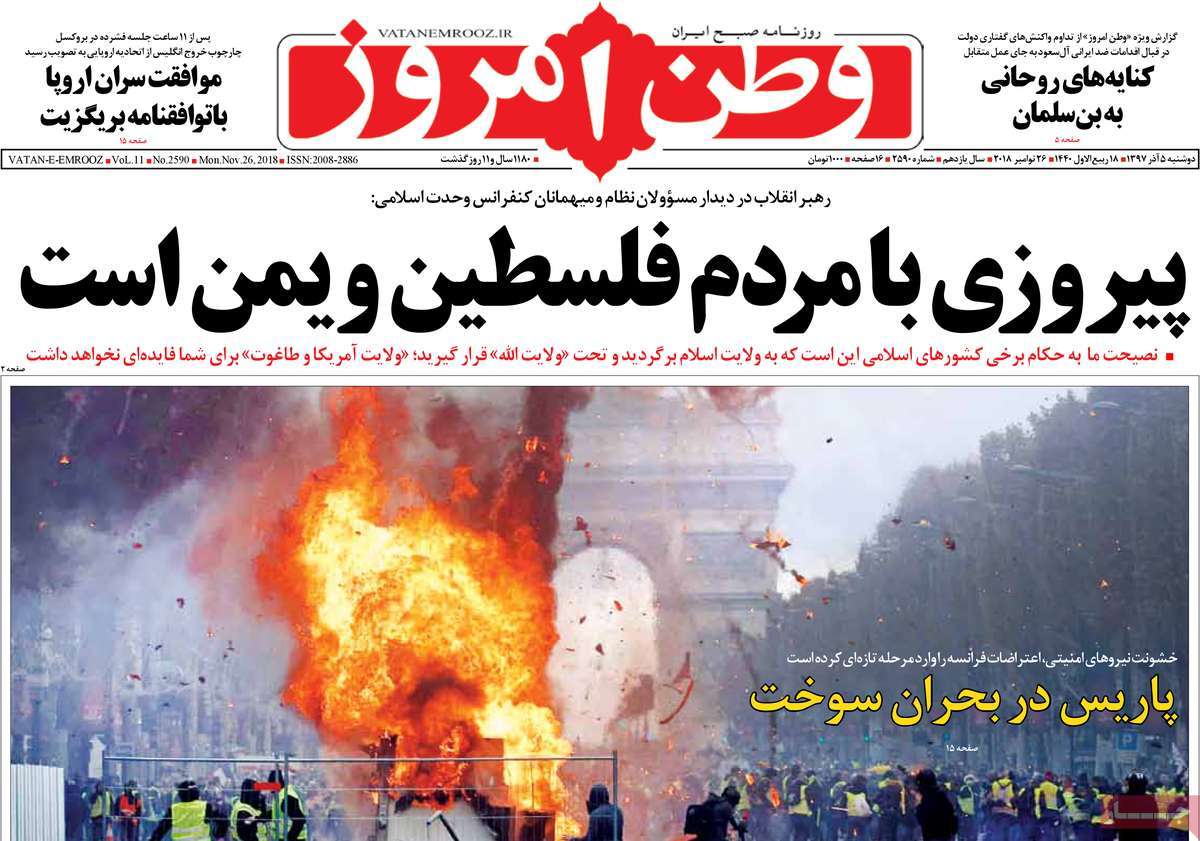
A Look at Iranian Newspaper Front Pages on November 26

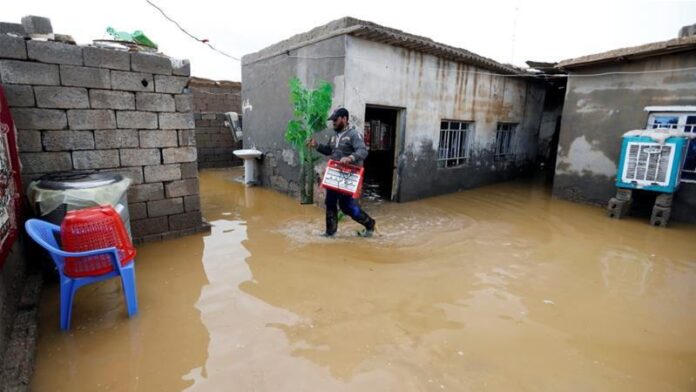
Iran Sympathizes with Iraq over Deadly Floods

Heavy rainfall across the Middle East has caused deaths, displacement and disruption in recent days / Photo by Khalid al-Mousily, Reuters

In a Monday statement, Qassemi also offered sympathy to the Iraqi nation and government and the families affected by the catastrophe.

At least 21 people have died and tens of thousands displaced by torrential rains that have battered Iraq over two days, according to health officials and the United Nations.

Seif al-Badr, spokesperson for Iraq’s health ministry, told the AFP news agency on Sunday that women and children were among the dead.

Some had drowned due to floods, but others had died in car accidents, were electrocuted or were trapped when their houses collapsed.

At least 180 more were injured, he added.

Iraq’s north has borne the brunt of the heavier-than-average rainfall, and the United Nations’ Iraq office said the downpour had forced tens of thousands of people out of their homes.

An estimated 10,000 people in the province and 15,000 people in Nineveh are in desperate need of help, including families living in camps for internally displaced persons, the UN said on Saturday.

“Losses are still being assessed, but initial accounts from flooded areas include the destruction of homes, livestock and household items,” it said in a statement.

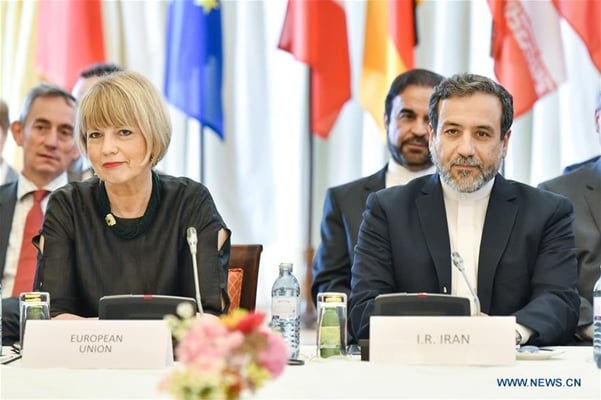
Brussels to Host Two Major Meetings on Iran Monday

In a post on his Twitter account, Seyyed Abbas Araqchi wrote despite US sanctions and pressures, the third EU-Iran High-Level Seminar on ‘International Nuclear Cooperation’ will be held in the Belgian capital.

The city will also host the Fourth Round of Political Dialogue between Iran and the European Union, he added.

Araqchi wrote that Iran’s nuclear chief Ali Akbar Salehi will represent Iran at the nuclear seminar and he himself would exchange thoughts with EU Deputy Foreign Policy Chief Helga Schmidt at the fourth round of political talks.

Salehi headed to Brussels on Sunday to attend the third EU-Iran High-Level Seminar on ‘International Nuclear Cooperation’ on November 26 and 27.

The meetings come as the US has threatened to sanction the European firms working with Tehran.

Iran’s Kermanshah Once Again Hit by Strong Quake

According to the US Geological Survey, (USGS), the quake occurred at a depth of 10 kilometers on Sunday.

The official IRNA news agency quoted University of Tehran’s Institute of Geophysics as saying that the quake struck 17 km west of the Iranian city of Sarpol-e-Zahab in Kermanshah Province, 18 km from Qasr-e Shirin and 33 km from the city of Gilan-e-Gharb.

The institute also put the magnitude of the quake at 6.4 followed by a number of aftershocks ranging from 5.2-3 degrees on the Richter scale.

The quake was also felt in most cities in Iran’s Kermanshah and Ilam provinces as well as in Tabriz and Urmia, the capital cities of East and West Azarbaijan provinces, respectively.

Iran’s Red Crescent Society has dispatched relief and rescue teams to the affected areas where local officials have reported cases of injuries among people.

Kermanshah province’s deputy governor general was quoted by Fars news agency as saying that scores of people have been treated for injuries, mostly in the two cities of Sarpol-e-Zahab and Gilan-e-Gharb.

The official added that power supply has been cut in some affected areas in Kermanshah Province with technical teams doing their best to restore electricity.

Meanwhile, the Iraqi Geological Survey said the quake was felt in the capital Baghdad and in Erbil in the Iraqi Kurdistan Region with the country’s Interior Ministry saying that no damage or casualties had been reported so far.

Last November, Kermanshah Province was hit by a powerful 7.3-magnitude earthquake, which killed hundreds of people.

The epicenter of 2017 quake was 32 kilometers south of the Iraqi city of Halabja, in Iraqi Kurdistan, and just across the border from Iran, but the highest casualties occurred in the city of Sarpol-e Zahab, in Iran’s Kermanshah Province.

Iran Urges Arab League Chief to Avoid Divisive Comments

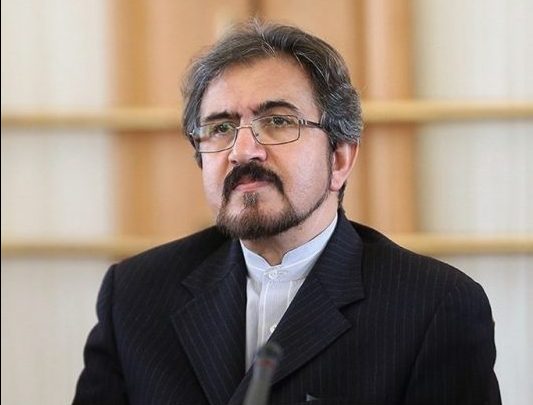
Reacting to the latest remarks by the Arab League Secretary General Ahmed Aboul Gheit, Qassemi directly addressed him and said, addressed AL Secretary General and said, “We think it’s better for you to stop making divisive remarks under the influence of certain regional states.”

“I remind you of the fact that you are the secretary general of the Arab League not a mere promoter of the policies of certain states with special behaviours and manners which stand in contradiction with the fate and interests of Arab and Muslim states of this sensitive region of the world,” he added.

“The Islamic Republic has established balanced and wise relations with most regional states and neighbours based on cooperation, dialogue, common interests, mutual respect and non-interference in each others’ internal affairs with due attention to the rights of neighbourliness and regional security, stability and interests,” Qassemi said.

This is a fundamental and long-term policy which Iran has pursued so far and will do so in future, he added.

Qassemi further noted that Iran has stood by regional states more firmly than ever in the times of need and when requested by them, and has constructive exchanges with their nations and governments.

He said Iran believes the main audience of Gheit’s remarks should be the very states which spend billions of dollars each year from their nations’ wealth to purchase security from extra-regional states.

“But what they achieve at the end of the day is just insults and a growing concern over their future. As a neighbour and Muslim state in the region, we are deeply regretful to see such a situation has dominated the region,” he said.

Back on Thursday, Arab League chief said Iran ”must respect territorial integrity” of Arab countries. In an address to the Mediterranean Dialogues conference in Rome, he noted ”Iran, which is trying to defend its own interests, should think about changing its attitude towards Arab countries.”

Iran Strongly Condemns Terrorist Attack in Syria’s Aleppo

In a Sunday statement, Qassemi expressed deep regret and concern over the reports of the incident, and described the attack as “inhumane and despicable”.

“The cause of such an inhumane act by terrorist groups is the unflinching intellectual, political, financial and military support provided by some regional and trans-regional states for these groups, which are on the brink of annihilation,” he noted.

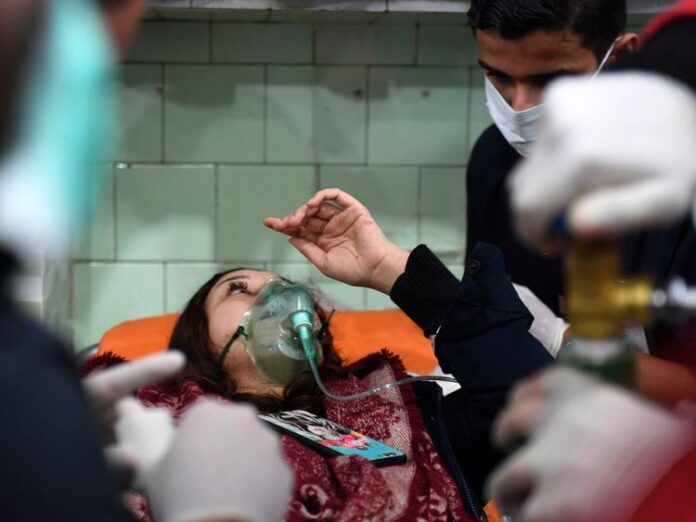
A chemical attack by terrorists on Syria’s northern city of Aleppo on Sunday left scores of people injured.

The Syrian government says shells fired at an Aleppo neighbourhood have caused breathing difficulties and blurred vision in over a hundred residents.

Most of the victims, some of whom children, have been hospitalized. Health officials said the symptoms suggest that chlorine gas was used in the attack, but terrorists have denied using poisonous substances.

Meanwhile, Syria has called on the UN Security Council to condemn the chemical attack. The Syrian Foreign Ministry says the UN should punish those behind the gas attack.