Tuesday, April 28, 2026
Home Blog Page 333

Iran ‘much more aggressive’ in nuclear negotiations: Trump

“Iran is acting much differently in negotiations than it did just days ago,” Trump told Fox News.

“Much more aggressive. It’s surprising to me. It’s disappointing, but we are set to meet again tomorrow. We’ll see,” he added.

According to senior administration officials, Iran seems to be stalling negotiations while continuing to advance its nuclear program.

Outgoing US Central Command (CENTCOM) chief Gen. Michael E. Kurilla told the House Armed Services Committee on Tuesday that he presented President Trump with various options to deter Iran’s nuclear ambitions.

“But I am in all favor of having a negotiated settlement that prevents Iran from getting a nuclear weapon because of the consequences of conflict.”

After a fifth round of US-Iran nuclear negotiations was held on May 23 in Rome under Omani mediation, Trump told reporters that the US has “a meeting with Iran on Thursday,” without specifying whether it will be another round of nuclear talks.

Trump, who withdrew the US from a 2015 nuclear agreement between world powers and Iran in 2018, is seeking a new deal.

Iranian Judiciary confirms arrest of cleric Seddiqi’s relatives over financial charges

Iran Court

Asghar Jahangir said the case, currently in its preliminary investigative phase, is under judicial review.

Addressing speculation, Jahangir clarified that Seddiqi has made no attempts to intervene in the proceedings and has explicitly declared his commitment to the rule of law, expressing readiness to assist in the legal process.

The Judiciary spokesman emphasized that there are no red lines in pursuing corruption, including within clerical families or judicial circles.

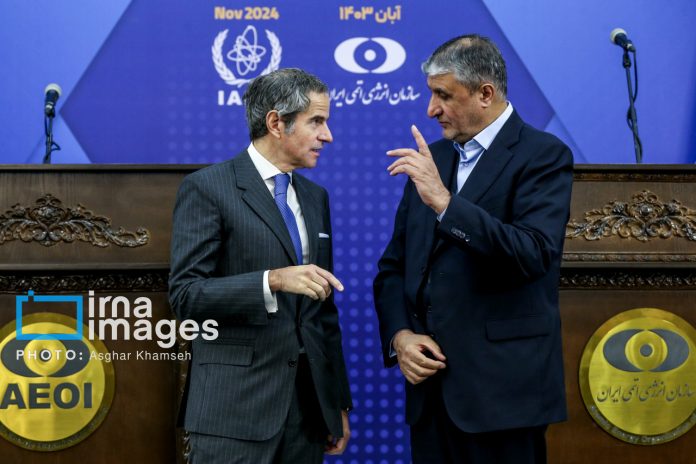
Iran atomic chief denies IAEA director’s claims: “No one said we’d build a bomb if attacked”

Rafael Grossi and Mohammad Eslami

The head of Iran’s Atomic Energy Organization, Mohammad Eslami, dismissed recent remarks by Rafael Grossi, director general of the International Atomic Energy Agency (IAEA), calling them “psychological warfare” and politically motivated.

Speaking to Iran’s IRIB state TV, Eslami criticized Grossi for suggesting that Iran might pursue nuclear weapons if its facilities were attacked by Israel.

The remarks came after Grossi, speaking to i24 News and The Jerusalem Post, warned that an Israeli attack on Iran’s nuclear facilities could push Tehran closer to developing nuclear weapons, claiming Iranian officials had cautioned him about the potential consequences of a strike.

“Grossi has revealed himself as part of the long-standing campaign of psychological operations against Iran,” Eslami said, saying international organizations have turned into the “tools of dominant powers” under Israeli influence.

He asserted that Iran’s nuclear program remains peaceful and compliant with international law.

Emphatically denying any intent to develop atomic weapons, Eslami stated, “No one in Iran has said we would build a bomb if attacked.”

He reiterated that Iran’s nuclear activities are transparent and within IAEA safeguards, dismissing Grossi’s warnings as inflammatory.

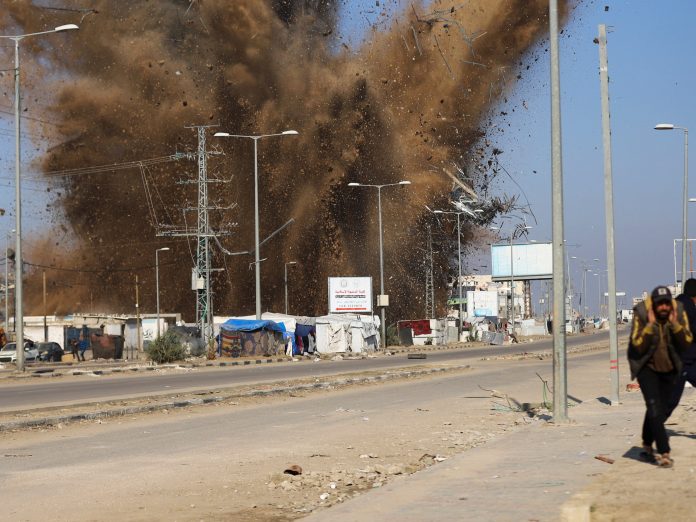
UN experts say Israel commits ‘extermination’ in Gaza

Gaza War
The United Nations Independent International Commission of Inquiry on the Occupied Palestinian Territory, including East Jerusalem, and Israel was due to present the report to Geneva-based U.N. Human Rights Council on June 17.

“We are seeing more and more indications that Israel is carrying out a concerted campaign to obliterate Palestinian life in Gaza,” former U.N. High Commissioner for Human Rights Navi Pillay, who chairs the commission, said in a statement.
“Israel’s targeting of the educational, cultural and religious life of the Palestinian people will harm the present generations and generations to come, hindering their right to self-determination,” she added.
The commission examined attacks on educational facilities and religious and cultural sites to assess if international law was breached.
Israel disengaged from the Human Rights Council in February, alleging it was biased.
When the commission’s last report in March found Israel carried out “genocidal acts” against Palestinians by systematically destroying women’s healthcare facilities during the conflict in Gaza, Israeli Prime Minister Benjamin Netanyahu stated the findings were biased and antisemitic.
In its latest report, the commission said Israel had destroyed more than 90% of the school and university buildings and more than half of all religious and cultural sites in Gaza.
“Israeli forces committed war crimes, including directing attacks against civilians and wilful killing, in their attacks on educational facilities … In killing civilians sheltering in schools and religious sites, Israeli security forces committed the crime against humanity of extermination,” it said.
The war was triggered when Hamas-led militants killed 1,200 people in Israel in a surprise attack in October 2023, and took 251 hostages back to the enclave, according to Israeli tallies.
Israel responded with a military campaign that has killed over 54,000 Palestinians, according to Gaza health authorities.
Harm done to the Palestinian education system was not confined to Gaza, the report found, citing increased Israeli military operations in the West Bank and East Jerusalem as well as harassment of students and settler attacks there.
“Israeli authorities have also targeted Israeli and Palestinian educational personnel and students inside Israel who expressed concern or solidarity with the civilian population in Gaza, resulting in their harassment, dismissal or suspension and in some cases humiliating arrests and detention,” it noted.
“Israeli authorities have particularly targeted female educators and students, intending to deter women and girls from activism in public places,” the commission added.


Iran says its intelligence operation punctured myth of Israel’s invincibility to satire

In a statement, the Ministry emphasized that All operatives involved are now safely stationed at their bases.

The statement adds part of the obtained information pertains to the Zionist regime’s illegal and covert nuclear weapons programs, involving American and European institutions. Other sections include documents related to Israel’s military and missile programs.

The statement further notes that the acquired documents clearly demonstrate how the United States and certain European countries have acted as supporters, collaborators, and contractors in advancing the Zionist regime’s weapons programs.

It adds that a significant portion of these documents will be utilized by Iran’s armed forces, while some parts can be shared with friendly countries or provided to anti-Zionist organizations and groups.

Referring to the Zionist regime’s repeated false reports to certain international institutions regarding Iran’s peaceful nuclear program, the statement highlights that these fabrications have been reflected in the reports and claims of those institutions.

The statement also addresses the Zionist regime’s claim of impenetrability, asserting that the operation conducted by Iran’s Ministry of Intelligence is undoubtedly a historic and unparalleled achievement for the Axis of Resistance, once again exposing the myth of the regime’s invulnerability to ridicule.

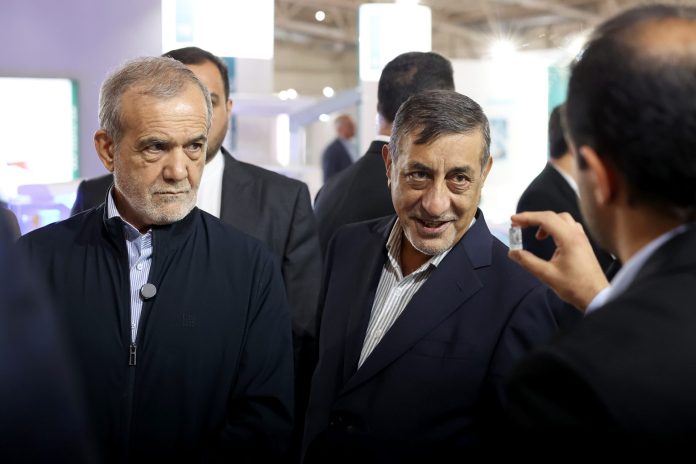
Hostile endeavours to stymie Iran’s progress doomed to fail: President Pezeshkian

During a visit to Iran Health Exhibition 2025 in Tehran on Tuesday, Pezeshkian said the Iranian nation’s determination will defeat the objectives of the foreign parties that have imposed sanctions against the country.

“Where there’s a will, the way to development will be paved,” he stated.

Denouncing the enemies’ attempts to prevent Iran’s progress, the president said, “The measures taken by the US and some European countries to stop the trend of Iran’s development will go nowhere. The Iranian nation, specifically those moving ahead by reliance on the domestic capabilities, will definitely remain steadfast in the road to progress.”

Highlighting Iran’s valuable achievements in the nuclear industry and other scientific and industrial sectors, the president added the enemies are under a delusion that they can hamper Iran’s growth.

In a meeting with the Iranian cabinet in August 2024, Leader of the Islamic Revolution Ayatollah Seyed Ali Khamenei emphasized to the Iranian president and his administration the importance of not relying on Iran’s enemies or waiting for their approval.

The Leader also described the opportunity to serve the people and striving for the country’s progress as a profound divine blessing.

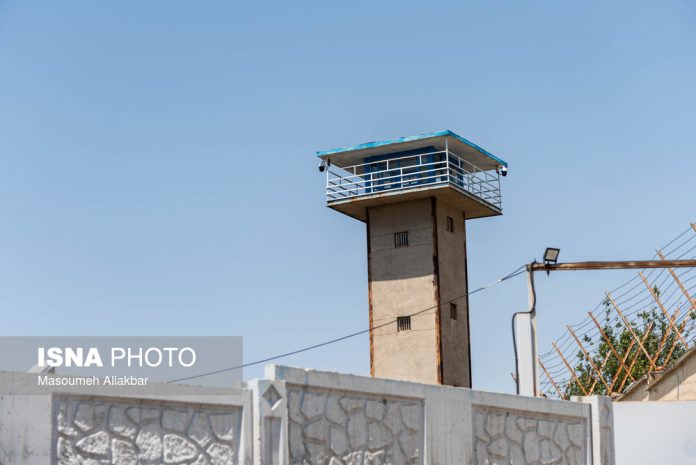
Judiciary: 9 ISIS members executed in Iran

Iran Prison

The Iranian Judiciary announced that the execution sentence for these terrorists was carried out after they were convicted of “moharebeh” (enmity against God) through armed rebellion and possession of military weapons, and following confirmation by Iran’s Supreme Court.

On January 27, 2018, Mohammad Pakpour, commander of the Islamic Revolution Guard Corps (IRGC) Ground Force, had announced that an ISIS terrorist team was eliminated in western Iran.

ISIS had intended to send its operatives into Iran to conduct several terrorist operations against the people in border and central cities of the country, but this plot was thwarted.
During the armed confrontation with ISIS terrorists in western Iran, a number of terrorists were killed and several others were arrested.

During this operation, a number of ISIS operatives were also killed by detonating their suicide vests, and 3 Iranian security personnel were martyred.

Various types of military weapons and ammunition were seized from the members of this terrorist team.

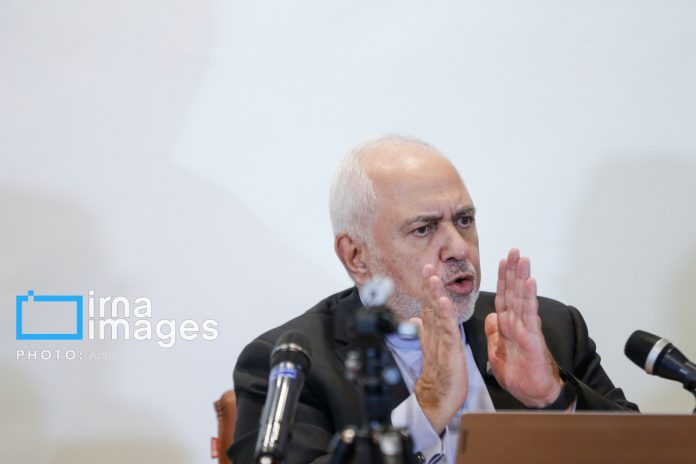
Former FM Zarif: No one will sacrifice their interests for Iran; even Saudi Arabia realized US shield is flawed

Zarif stressed that Iran must maintain relations with Europe, China, and Russia, acknowledging that “no one will sacrifice their own interests for us.”

He noted the claim that Saudi Arabia has realized the US security umbrella is “full of holes.”

Zarif criticized the West’s “normative self-centeredness,” especially Europe’s stance on human rights and the Holocaust. “Europe should forever feel ashamed of the Holocaust, but what does that have to do with Palestine and Gaza?” he asked.

He siad Iran is mistakenly bridging Europe and the US on key issues, including the 2003 nuclear negotiations, calling it a strategic misstep.

He further argued that Europe’s dependence on Israel has eroded its normative power.

Zarif emphasizef the decline of American hegemony, attributing it to overreliance on military power, while praising China for choosing economic and technological competition instead.

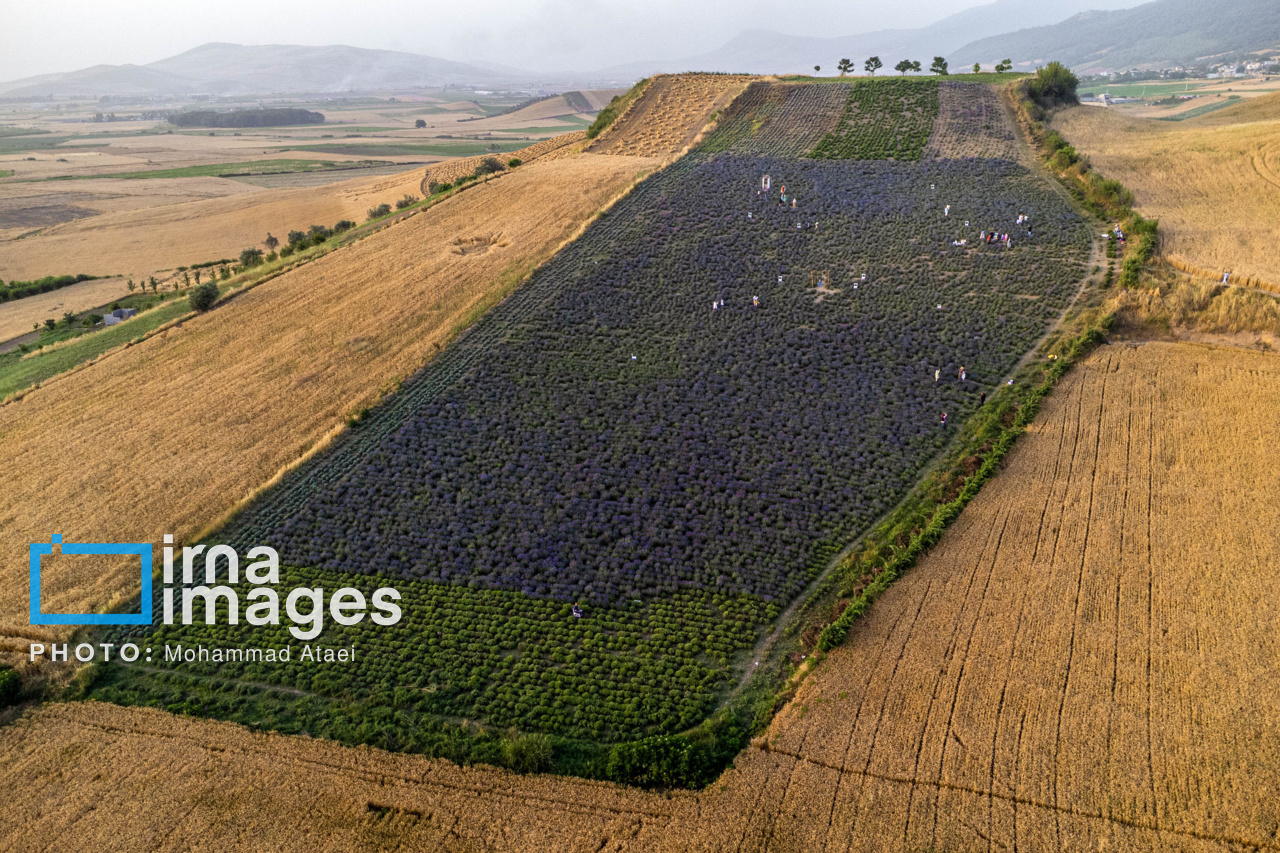
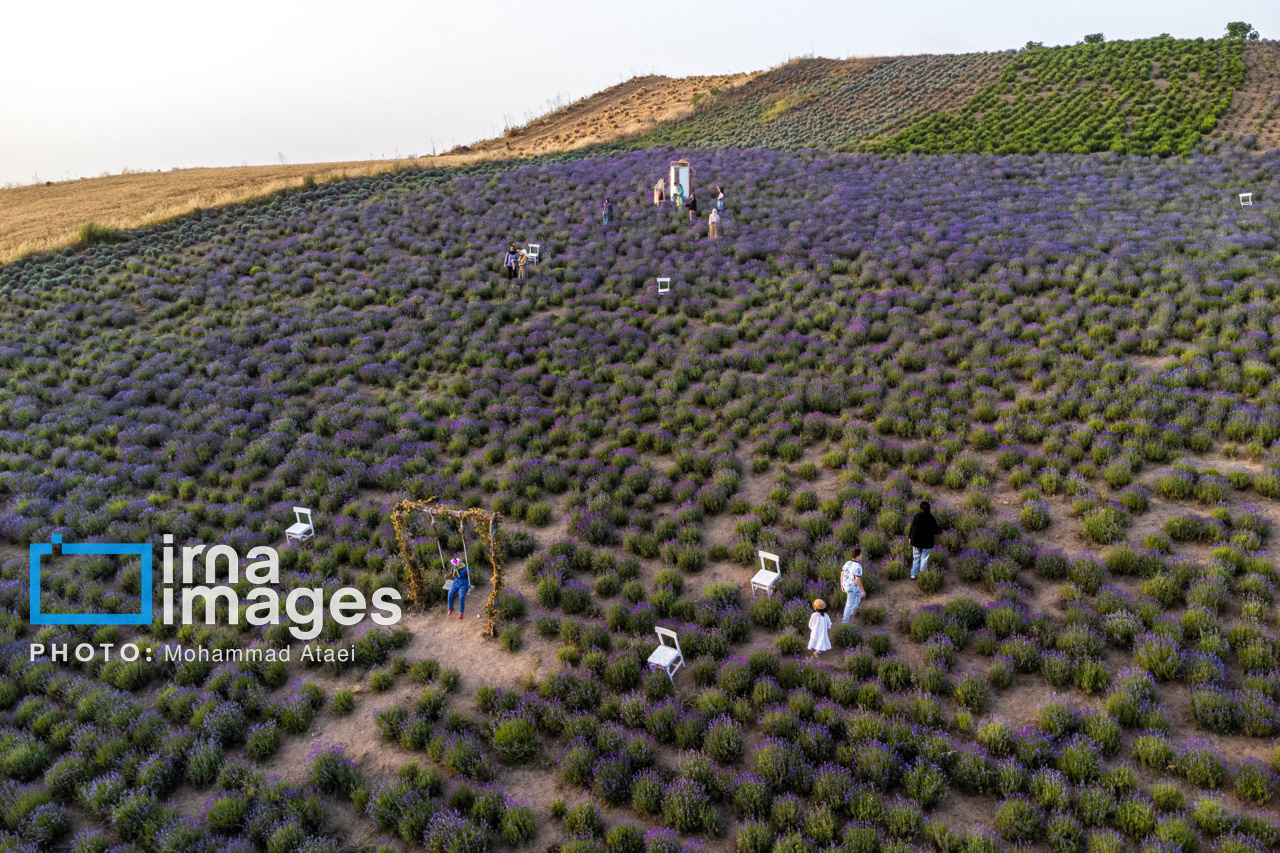
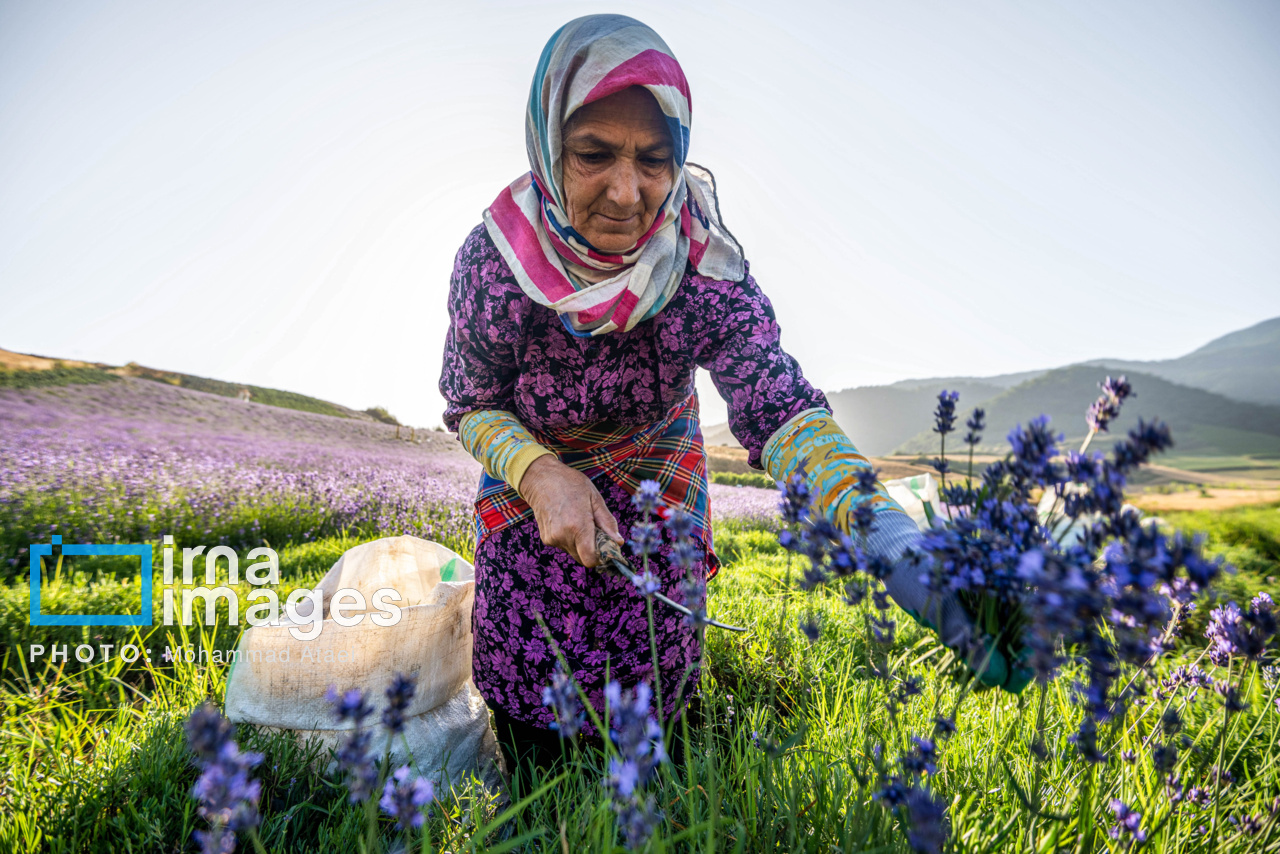
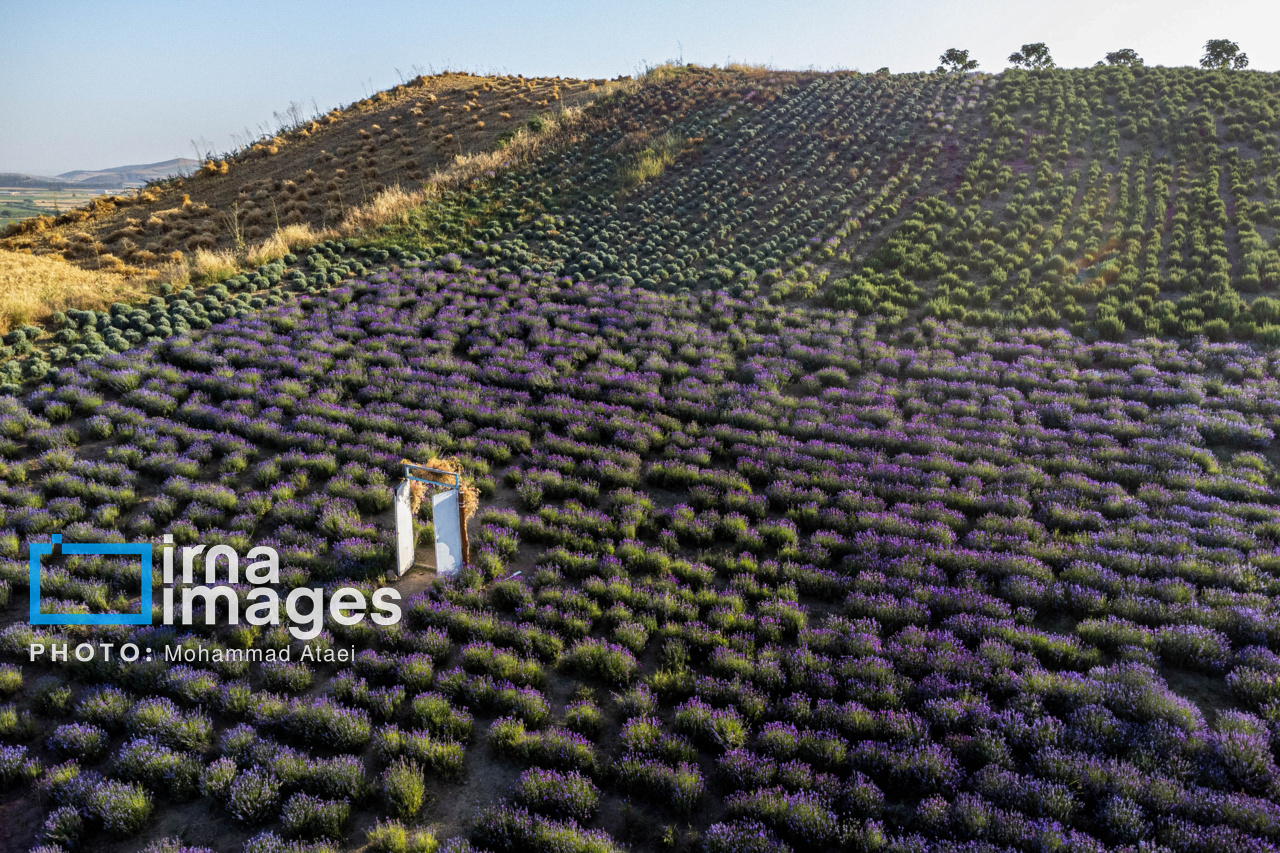
Sabzineh agritourism farm boosts local economy in Iran’s Azadshahr

Established three years ago with the cultivation of lavender, the farm attracts visitors from across Iran during the blooming season from May to June.

The farm has created direct and indirect employment for approximately 255 people and offers a wide range of facilities, including eco-lodges, a fish farming pond, greenhouses, a handicrafts market, and a medicinal herb shop.

Looking ahead, Sabzineh plans to host a national Lavender Festival and expand its value chain to further support local producers and artisans.

More in pictures:

Former head of Iran’s Chamber of Commerce warns against controversial migration bill

Iran Afghanistan Refugee

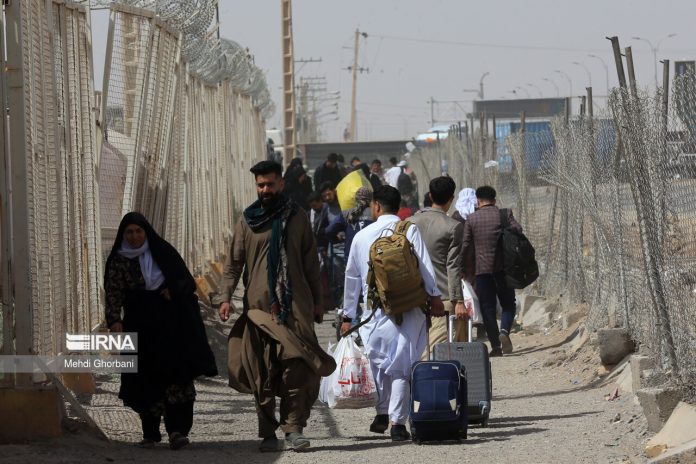
In an opinion piece published by Jomhouri-e Eslami newspaper, Selahvarzi wrote that over 6.7 million foreign nationals, mainly Afghan migrants,  already cost the Iranian public nearly $18 billion annually.

He compared this figure to Afghanistan’s total GDP, which stands at $17 billion, and criticized the disparity between these costs and Iran’s limited $83 million budget for underdeveloped provinces.

Selahvarzi cautioned that the new migration body could normalize permanent residence and ownership rights for foreign nationals, straining public services and intensifying unemployment.

He rejected claims that migrants benefit the labor market, arguing they crowd out local workers from low-skill jobs.

The bill, he warned, may even disrupt national unity by altering demographics and heightening social tensions.

He urged the Iranian Parliament speaker to halt the proposal, advocating for transparent, expert-led policymaking.

Selahvarzi clarified that this critique is not rooted in xenophobia, but in a call for rational resource management amid Iran’s deepening economic crisis.