Wednesday, December 31, 2025
Home Blog Page 3322

Iran Still Ready to Help Resolve Nagorno-Karabakh Dispute

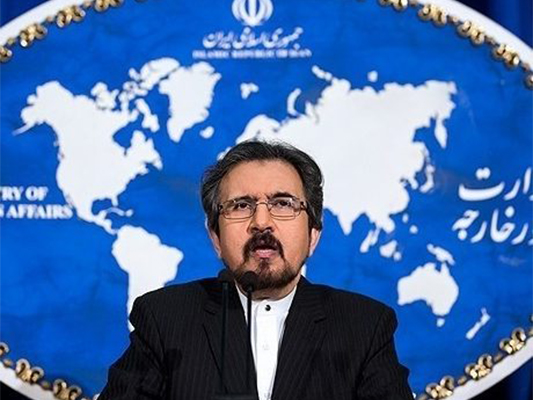
Bahram Qassemi made the comment in response to a question by the Organization of Asia-Pacific News Agencies (OANA) regarding the recent trip to Tehran by the Armenian prime minister.

“As I have repeated time and again, the Islamic Republic of Iran has a clear, transparent and clear-cut stance towards all its neighbours,” said the spokesman.

“The top priority of Iran’s foreign policy is its neighbours. We are keen on having strong ties with our neighbours based on mutual respect and non-interference in [each other’s] domestic affairs and at the same time seeking to further expand our relations,” Qassemi noted.

“In our estimation, Iran’s relations with any of the neighbouring countries will, undoubtedly, not be against the interests of a third country, be it one of the neighbours or another country in the world,” he added.

He then touched upon relations between the former Soviet Union’s breakaway republics with Iran.

“Following the collapse of the Soviet Union and the independence of republics in Central Asia and the Caucasus, balanced relations have been in place between Iran and Armenia in compliance with all principles governing relations between neighbours and [in compliance with] neighbourhood rights,” Qassemi said.

He said the Armenian premier’s trip to Iran is also evaluated within the framework of these relations and the Islamic Republic of Iran’s foreign policy vis-à-vis all its northern neighbouring countries.

“Relations between Iran and the Azerbaijan Republic, as two neighbouring countries with common traditions, customs, culture and religion, have always been growing after the independence period, with a look to further development and deepening of ties on all fronts as stressed by officials of both countries ,” he said.

“Taking a look at the number of delegations exchanged between the two sides at different levels, especially in recent years, and particularly meetings between the foreign ministers and presidents and the agreements reached bears testimony to this reality and shows the depth of relations between Iran and Azerbaijan,” said the spokesman.

“Iran believes the stability, security and economic development of the Azerbaijan Republic, Armenia and other neighbouring countries amount to the all-out development of this sensitive region in the world. Indubitably, we want all tensions, indignation, insecurity and instability in relations between our neighbours to be removed,” said Qassemi.

He then referred to Tehran’s policy vis-à-vis the conflict in Nagorno-Karabakh.

“The Islamic Republic of Iran’s policy towards the Karabakh dispute remains a clear and transparent one, and has not changed. We believe this issue, which can be a cause for concern for countries around us, should be settled based on international regulations and through dialogue,” said the spokesman.

“It is important for the Islamic Republic of Iran that its relations with Armenia and the Azerbaijan Republic are not affected by the Karabakh dispute; so, Iran will continue to pursue its fundamental and logical policy on this issue, and we strongly hope that this conflict is peacefully settled as soon as possible on the back of peaceful efforts by authorities of these two countries using dialogue and negotiations and all diplomatic tools and channels,” he said.

Qassemi once again announced Tehran’s preparedness to help resolve the conflict.

“As it has tried in the past to settle this lingering issue between the two countries, the Islamic Republic of Iran stands ready to make every effort in that regard,” he noted.

“We take pride in that followers of all divine faiths, including the Armenian community, have, over the past centuries, lived side by side in Iran as a country which has an ancient culture and civilization, and have enjoyed the necessary facilities and opportunities to practice their own religious rites and rituals.”

“Today, thanks to the Constitution of the Islamic Republic of Iran, representatives from the Armenian, Zoroastrian and Jewish communities are present at the Iranian parliament,” he said.

“The presence of the Armenian prime minister at the Ararat sports club in Tehran and his meeting with members of the Armenian community does not seem an illogical action per se, but, undoubtedly, hanging a few banners bearing statements in the Armenian language about the Karabakh dispute at the location of the Ararat cultural and sports complex is an arbitrary and unacceptable move and is not approved of by the Islamic Republic of Iran,” he said.

Anti-Terror Fight Begins with Uprooting Wahhabi Ideology: Iran

“Real fight against these moves must start from thoughts and ideologies, which are guided by a network and funded by reactionary states,” Iranian Deputy Foreign Minister for Legal and International Affairs Gholam-Hossein Dehqani said.

He made the remarks in a speech read out at the second edition of the International Event on Women, Sustainability, Peace, and Security held in Tehran earlier this week. His speech was read out to the international event by Forouzandeh Vadiati, the Foreign Ministry’s Director-General for Women and Human Rights Affairs.

Dehqani underlined the need for eradication of the “ideology that oppresses women, uses assets for financing terror and slaughtering journalists.

The Iranian official was referring to the brutal murder of Saudi journalist Jamal Khashoggi on October 2, 2018, in the Saudi consulate in the Turkish city of Istanbul, where he was killed by a group of murderers allegedly hired by Saudi Crown Prince Mohammed bin Salman to eliminate the dissident.

Dehqani further noted that the intervention of hegemonic powers in the region has resulted in the spread of such violent ideologies as Wahhabism, which are used as a war tactic.

“After any foreign invasion, a power vacuum is created in the country, which prepares grounds for the rise of extremism and violence against women,” he noted, referring to numerous cases of such ideologies targeting women and children during the past century.

Dehqani said the hegemonic powers provoke regional governments with the aim of gaining further profit in their arms business.

“For the profit they gain, they never think of the deadly consequences, sexual violence against girls, deprivation from education, destruction of infrastructures, and forced immigration,” he noted.

He also noted that the current US government has imposed cruel sanctions on the Islamic Republic of Iran over false pretexts because it can’t invade or milk the country, as it does with Saudi Arabia.

The US government does not respect the rulings of the International Court of Justice (ICJ) or the numerous reports by the International Atomic Energy Agency (IAEA) that confirm Iran’s compliance with the 2015 nuclear deal, from which the US has unilaterally withdrawn, he said.

It also does not pay any heed to the world’s respect for multilateralism and the Europeans’ right to free trade, Dehqani noted.

The Iranian official further pointed that sanctions, foreign invasion, and rise of extremism have challenged all aspects of women’s lives.

H said women can be best supporters of peace and security, and play a significant role in sustainable development.

He praised Iranian women’s unique role in maintaining sustainable peace, particularly during the 1980 war imposed on Iran by the Iraqi dictator Saddam Hussein; in controlling natural disasters; and now in the economic war.

“Despite all the ups and downs, women in Iran have flourished and shown their capabilities through education and empowerment,” he said, adding that Iran’s achievements in the field of family and women come as the country has been under various foreign interventions, from war to sanctions.

Iran Builds Weapon to Counter US’ Anti-Drone Laser System

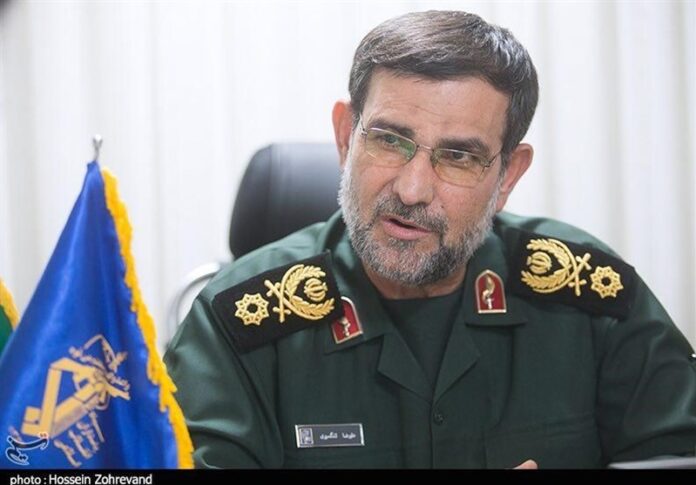
In an interview with Tasnim, Rear Admiral Tangsiri said the IRGC Navy has worked on a weapon to counter the US anti-drone laser weapon, adding, “The necessary weapon to counter that (American laser weapon) is now available.”

He said the IRGC Navy has also worked on plans to counteract the anti-drone systems.

The commander further unveiled plans to furnish the IRGC Navy with new submarines, saying the force is looking for midget submarines that would be more advanced than the Qadir submarines, something like Fateh or Persian Gulf, which are being manufactured by the Defense Ministry.


He added that the IRGC Navy’s submarines should be equipped with torpedoes and subsurface-to-surface cruise missiles.

As regards the IRGC Navy’s development plans, the general said its industrial centers are manufacturing patrol and missile-launching vessels, as well as heavy military ships.

The IRGC Navy is going to build a 65-meter-long watercraft equipped with missiles and torpedoes and capable of carrying helicopter, he went on to say.

Rear Admiral Tangsiri also stated that the IRGC Navy may receive anti-ship ballistic missiles, like the Persian Gulf missile, from the IRGC Air Force, and has also plans to use a more advanced version of those missiles.

In comments in January, the commander had announced that the IRGC Navy has begun developing submarines, saying new achievements in this field will be unveiled in coming war games.

“(Presence in) the subsurface sphere is one of our needs which we must pursue,” Tangsiri had noted, saying the IRGC Navy is upgrading its unmanned aerial vehicles to enable them to carry loads and furnish them with weapons with pin-point accuracy.

In remarks in November 2018, Leader of the Islamic Revolution Ayatollah Seyed Ali Khamenei urged the Iranian Armed Forces to boost their military capabilities and preparedness in such a way that the enemies would not ever dare think of threaten the country.

Pointing to the plots that the enemies and rivals have hatched against the Islamic Republic, Ayatollah Khamenei emphasized the necessity to step up extraordinary efforts in all areas, as in the Navy, to thwart the hostile plots and compensate for the shortcomings.

Iran Says US’ Regional Allies Must Expect Popular Uprisings

Addressing a conference in Tehran on Sunday, Shamkhani said US President Donald Trump’s failures to create an anti-Iran coalition as well as the rise in internal disputes among regional Arab countries and the failure of the Warsaw conference to create an alliance against Iran outside the United Nations and dozens of other similar issues indicate that nothing other than failure awaits the United States and its allies.

“Our prediction about US allies in the region is that if their policy to take refuge in the enemies of Islam continues, they will face the uprisings of their humiliated citizens,” he said.

“For forty years, the flags of American and Western domination in the region have been taken down thanks to the Islamic Revolution and to this day, the battle between these two fronts has continued with the increasing success of the Resistance Movement,” he went on to say.

Last month, the United States organized an anti-Iran summit in the polish capital of Warsaw in a bid to heap pressure on the Islamic Republic globally but failed to garner support for its anti-Iran agenda.

In relevant remarks in December 2018, Leader of the Islamic Revolution Ayatollah Seyed Ali Khamenei dismissed comments by US officials that the Islamic Republic would not see its 40th anniversary, saying the Iranian nation will celebrate the 40th anniversary of the victory of the Revolution this year more magnificently than before.

Pointing to the uncovered plots that Americans have hatched over the past two years to harm Iran, such as imposing sanctions and assisting Iran’s foes, the Leader also noted that the US objective was to create bipolarity and division in Iran through sanctions and anti-security measures.

The Iranian nation toppled the US-backed Pahlavi regime on February 11, 1979, ending the 2,500 years of monarchy in the country.

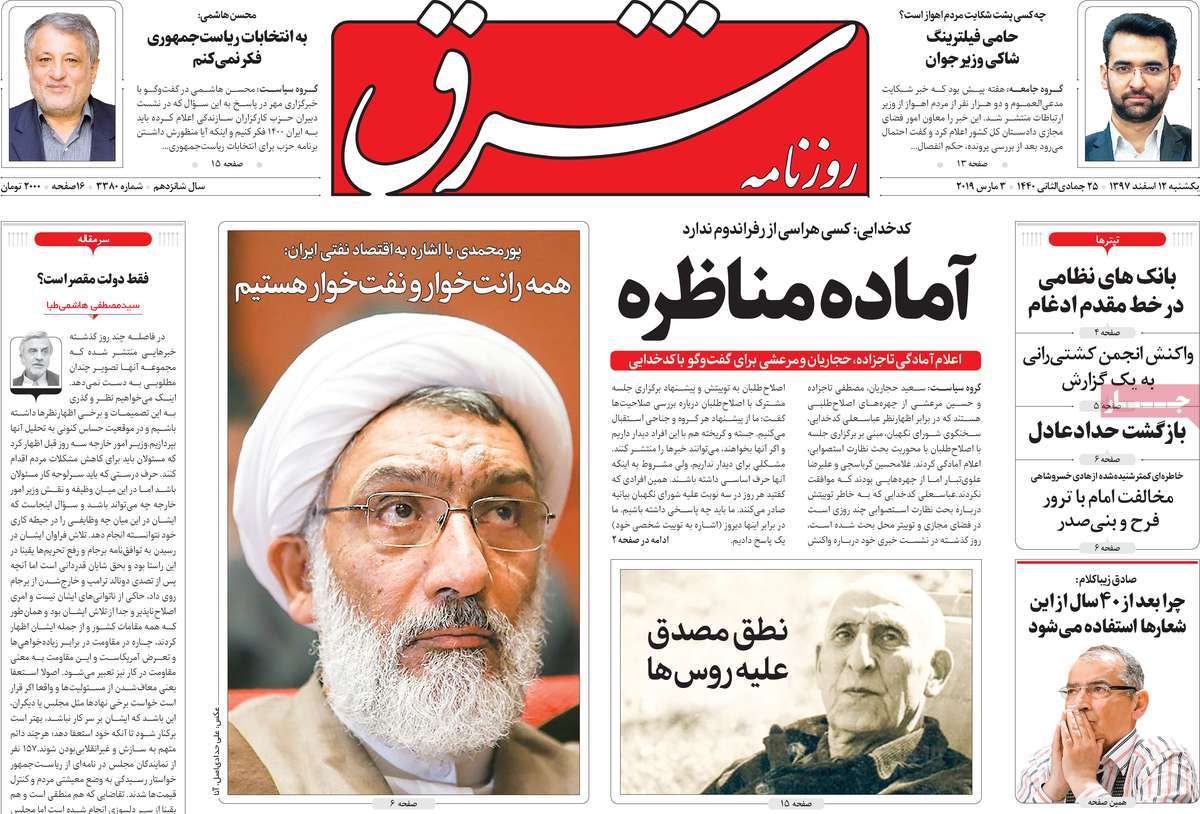
A Look at Iranian Newspaper Front Pages on March 3

A Look at Iranian Newspaper Front Pages on November 19

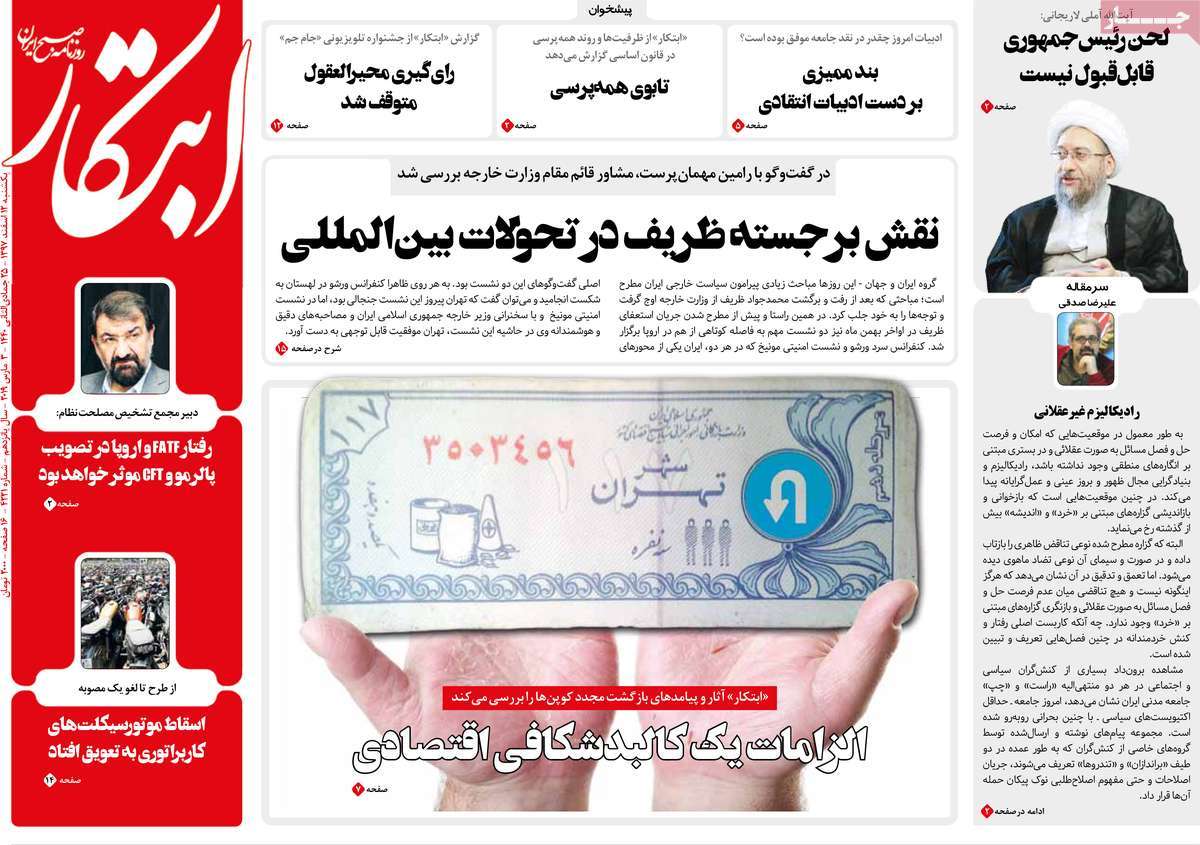
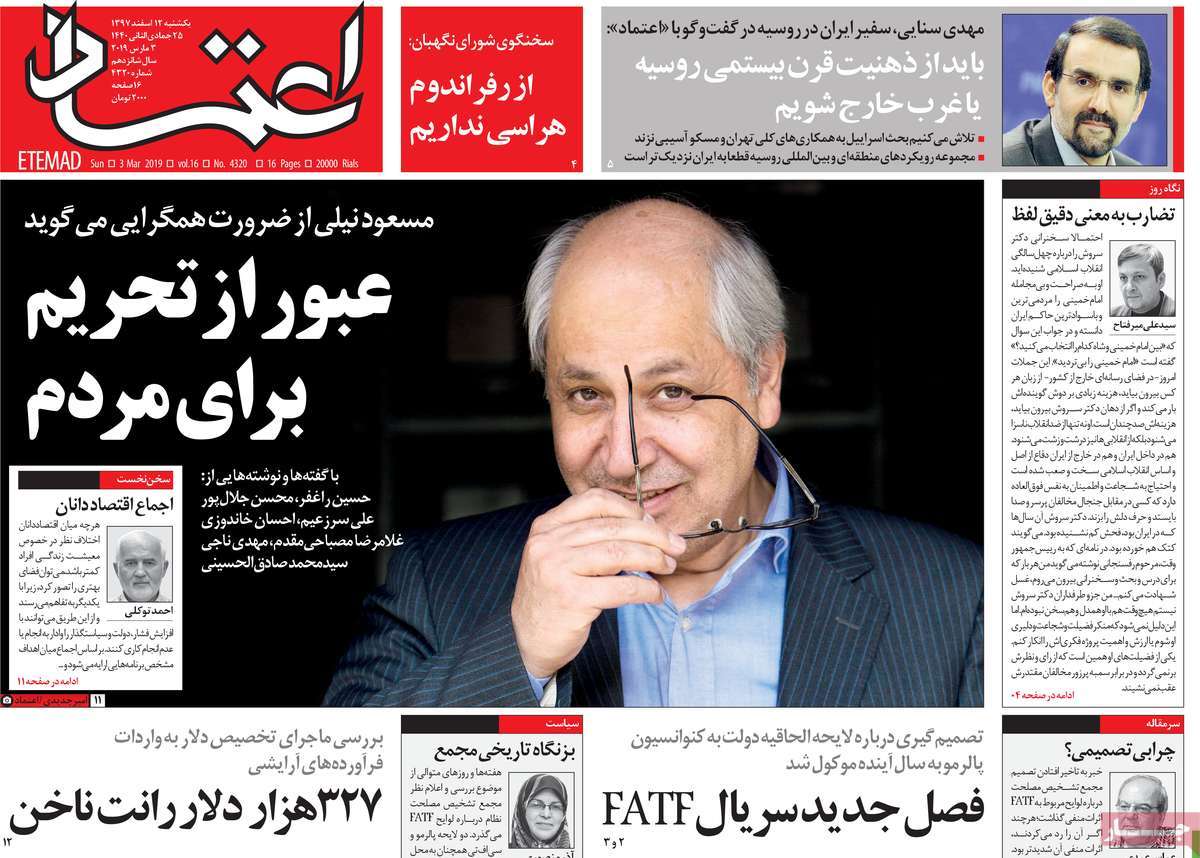
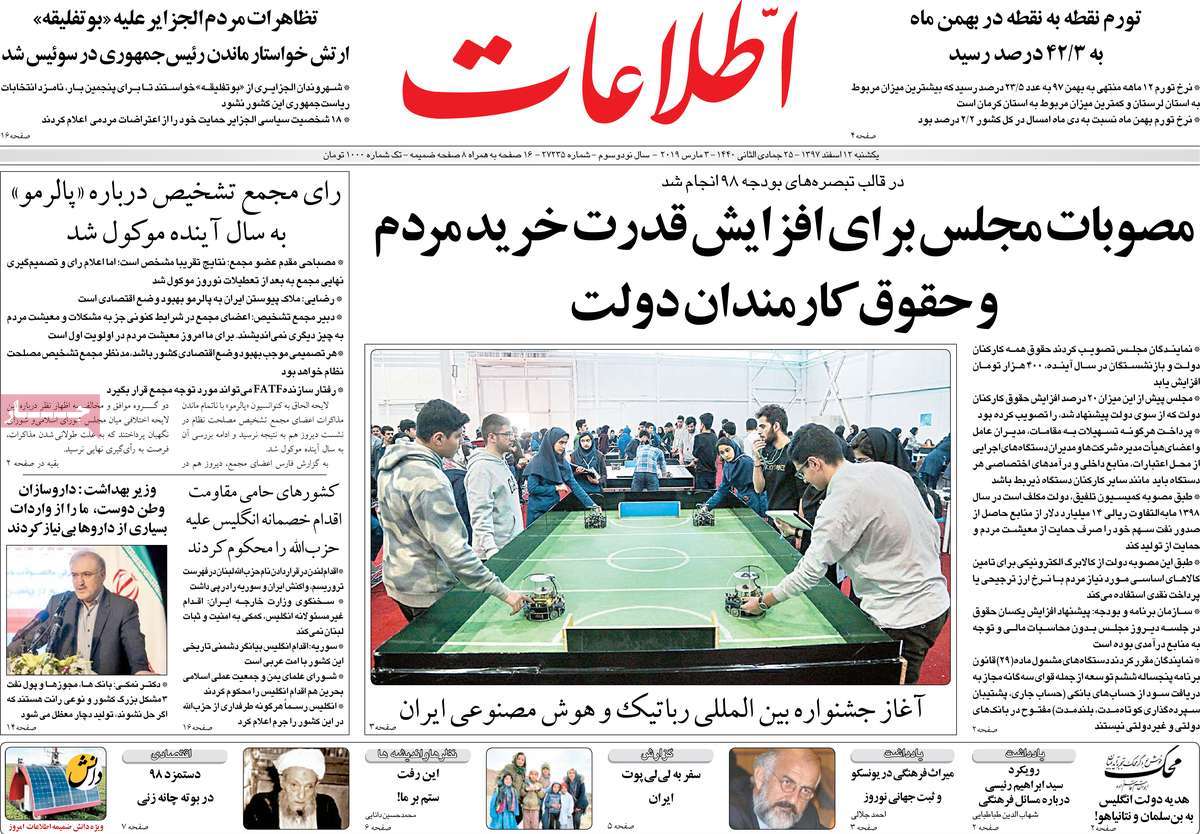
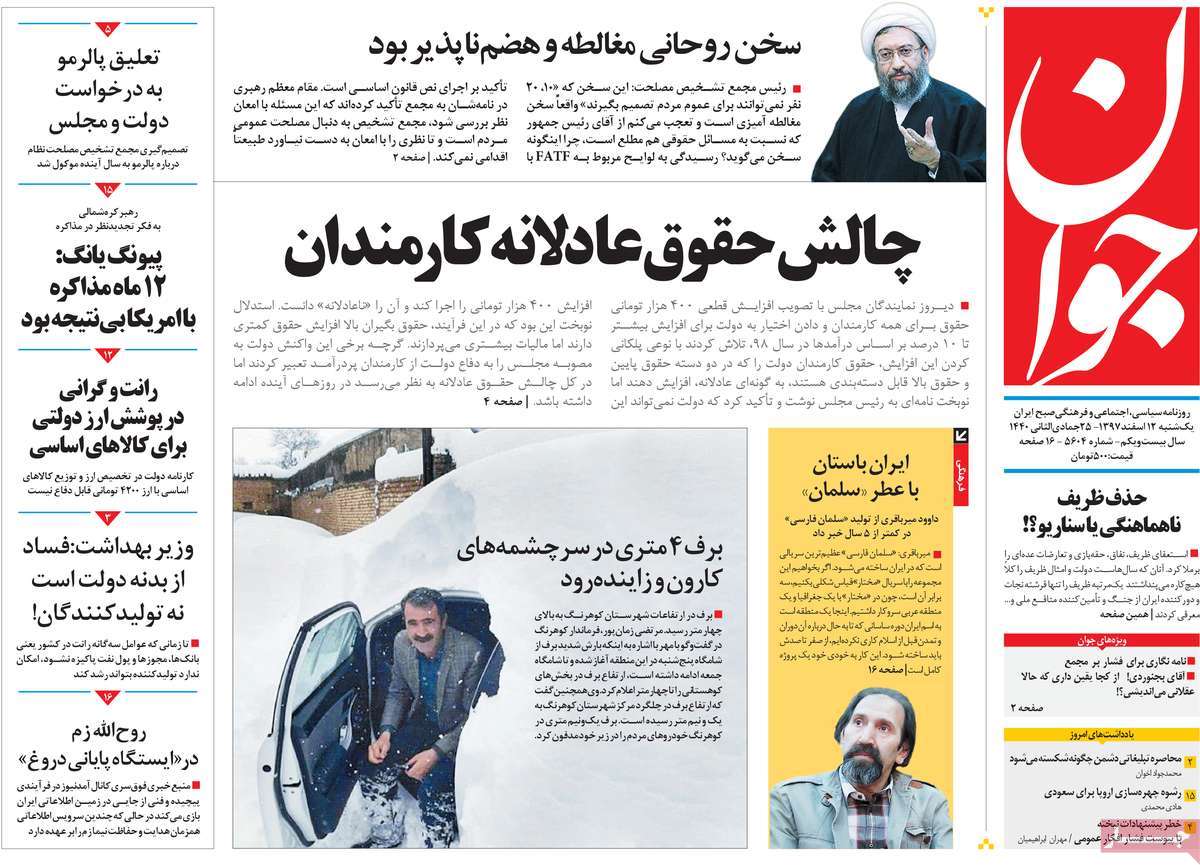
Iranian papers today widely covered the Expediency Council’s failure to make up its mind on ratification of Iran’s accession to the Palermo Convention and the Combating of Financing Terrorism (CFT).

The Parliament’s decision to restore the rationing system for distributing certain basic commodities among the people also received great coverage.

The above issues, as well as many more, are highlighted in the following headlines and top stories:


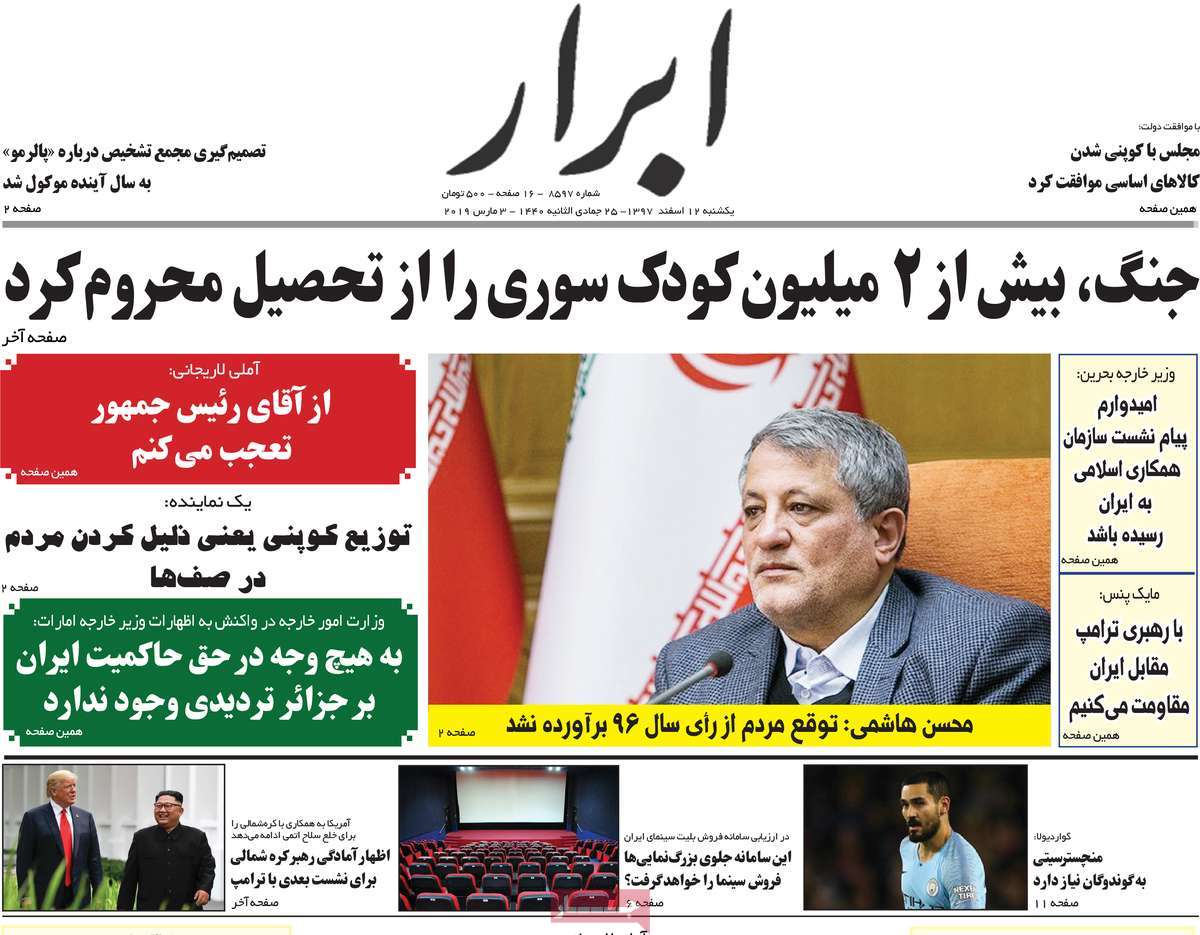
Abrar:

1- War Deprives over 2m Syrian Kids of Education

2- Mike Pence: We’ll Counter Iran under Trump’s Leadership

3- Parliament Agrees to Rationing of Basic Commodities

A Look at Iranian Newspaper Front Pages on March 3


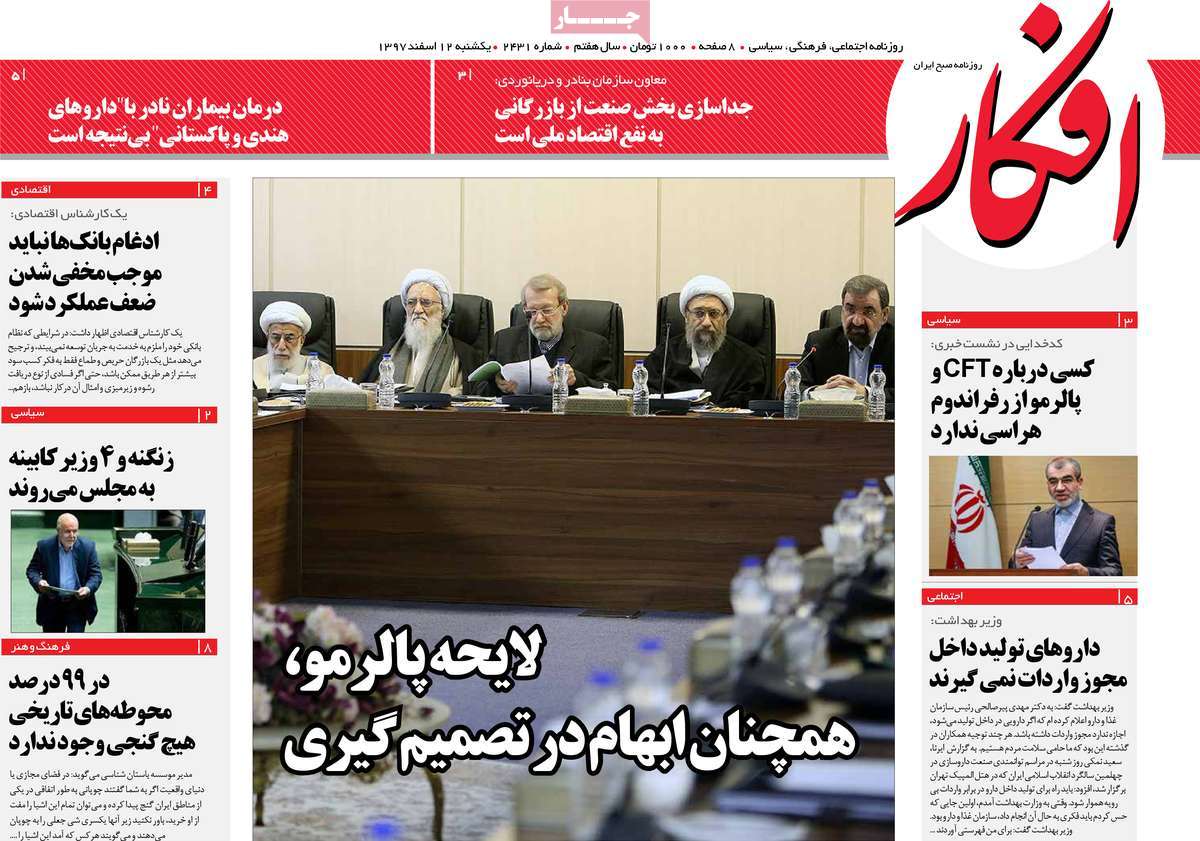
Afkar:

1- Palermo Bill Still in Limbo

2- Health Minister: Import of Pharmaceuticals with Iranian Counterpart Banned

A Look at Iranian Newspaper Front Pages on March 3


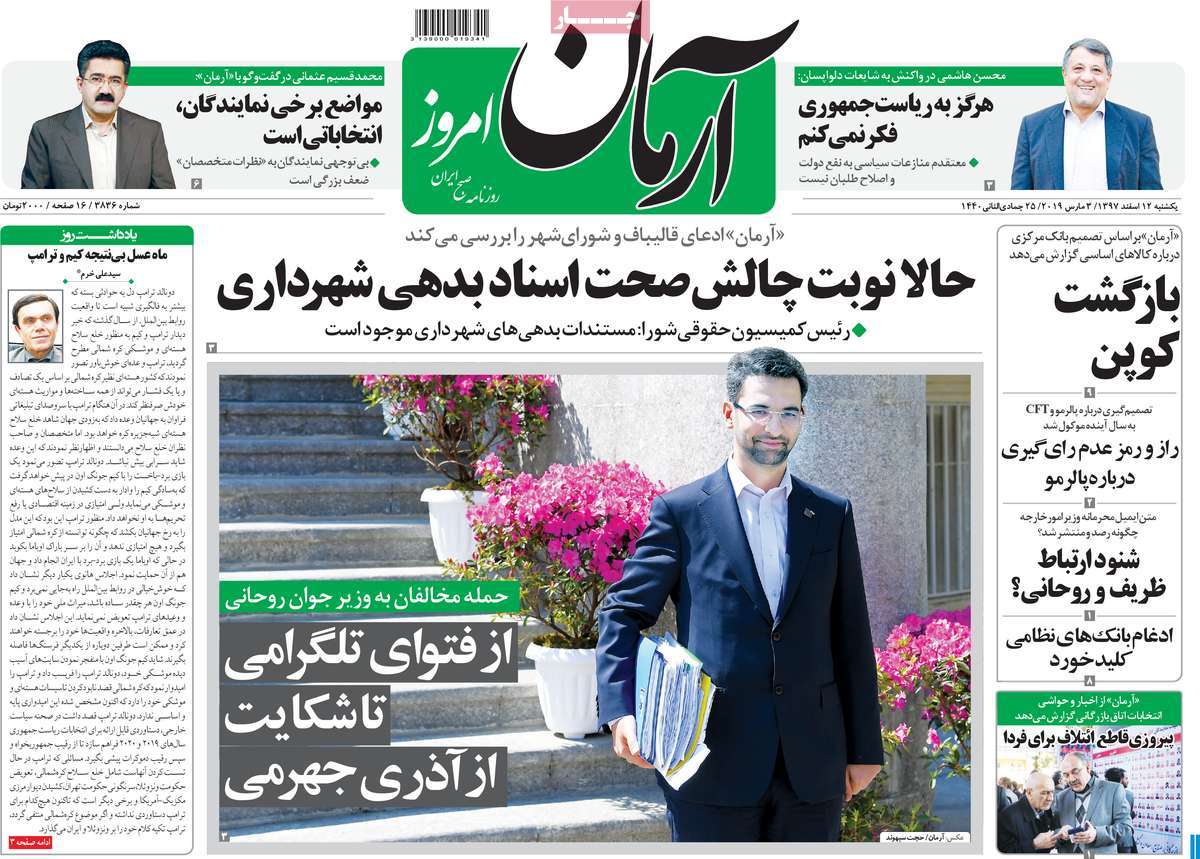
Arman-e Emrooz:

1- Return of Rationing Coupons

2- Fruitless Honeymoon of Kim, Trump [Editorial]

3- Decision on Palermo Convention to Be Made Next Year

A Look at Iranian Newspaper Front Pages on March 3


Ebtekar:

1- Behaviour of FATF, Europe Effective on Palermo Approval

2- Zarif’s Significant Role in International Developments

A Look at Iranian Newspaper Front Pages on March 3


Etemad:

1- Bypassing Sanctions for People: Why Iran Needs Convergence

2- Guardian Council: We’re Not Afraid of Referendum on FATF

3- Iran Envoy to Russia: We Should Abandon 20th-Century Mentality of Either Russia or West

A Look at Iranian Newspaper Front Pages on March 3


Ettela’at:

1- Health Minister: Iranian Medicine Companies Have Made Us Self-Sufficient on Many Drugs

2- Algerian People Protest against Bouteflika: Army Wants President to Remain in Switzerland

A Look at Iranian Newspaper Front Pages on March 3


Javan:

1- Palermo Bill Put on Hold at Request of Gov’t, Parliament

2- Pyongyang: 12 Months of Talks with Americans Futile

A Look at Iranian Newspaper Front Pages on March 3


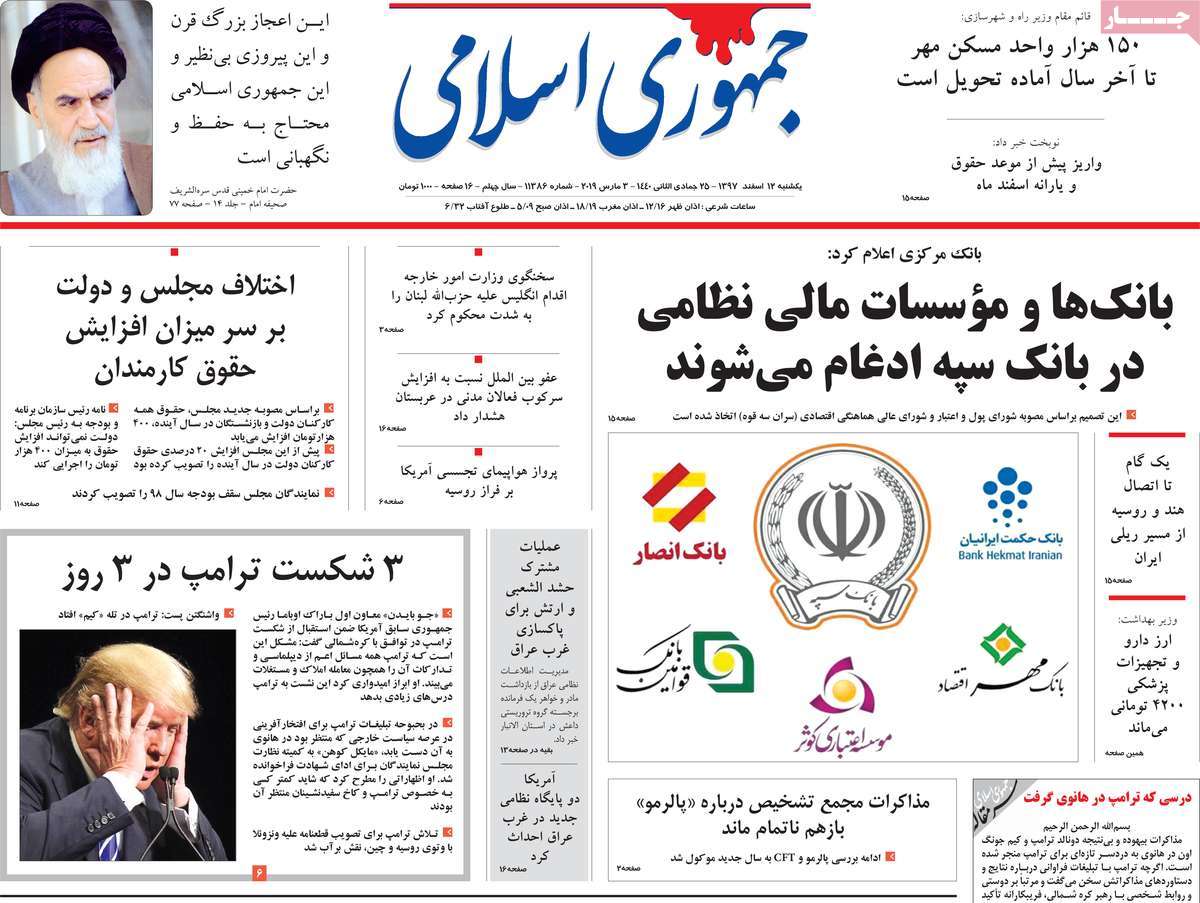
Jomhouri Eslami:

1- Banks, Credit Institutions Affiliated with Military Forces to Be Merged into Sepah Bank

2- Expediency Council’s Talks over Palermo Once Again Left Unfinished

3- 3 Failures of Trump in 3 Days

A Look at Iranian Newspaper Front Pages on March 3


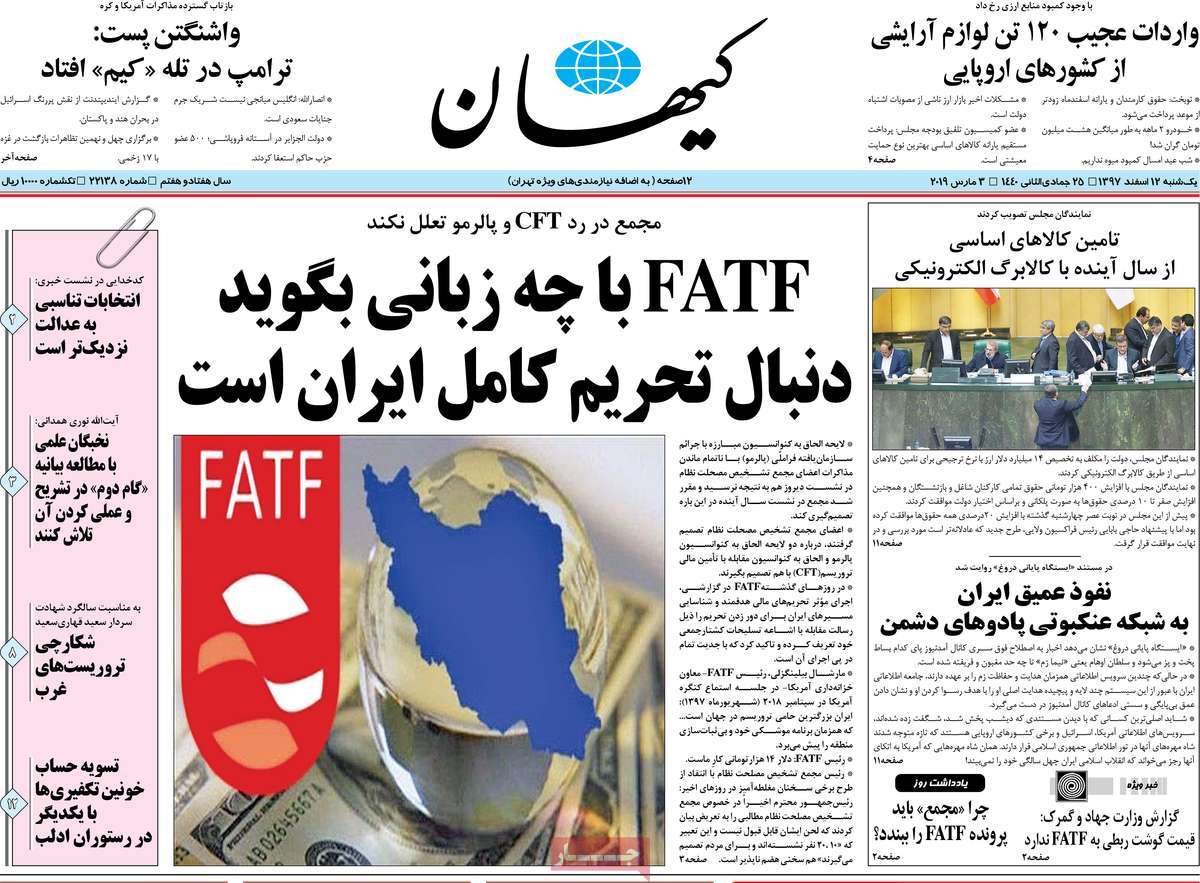
Kayhan:

1- How Should FATF Tell Iran It Seeks to Impose All-Out Bans on Iran?

2- 120 Tonnes of Cosmetics Imported to Iran from European States!

3- Washington Post: Trump in Kim’s Trap

A Look at Iranian Newspaper Front Pages on March 3


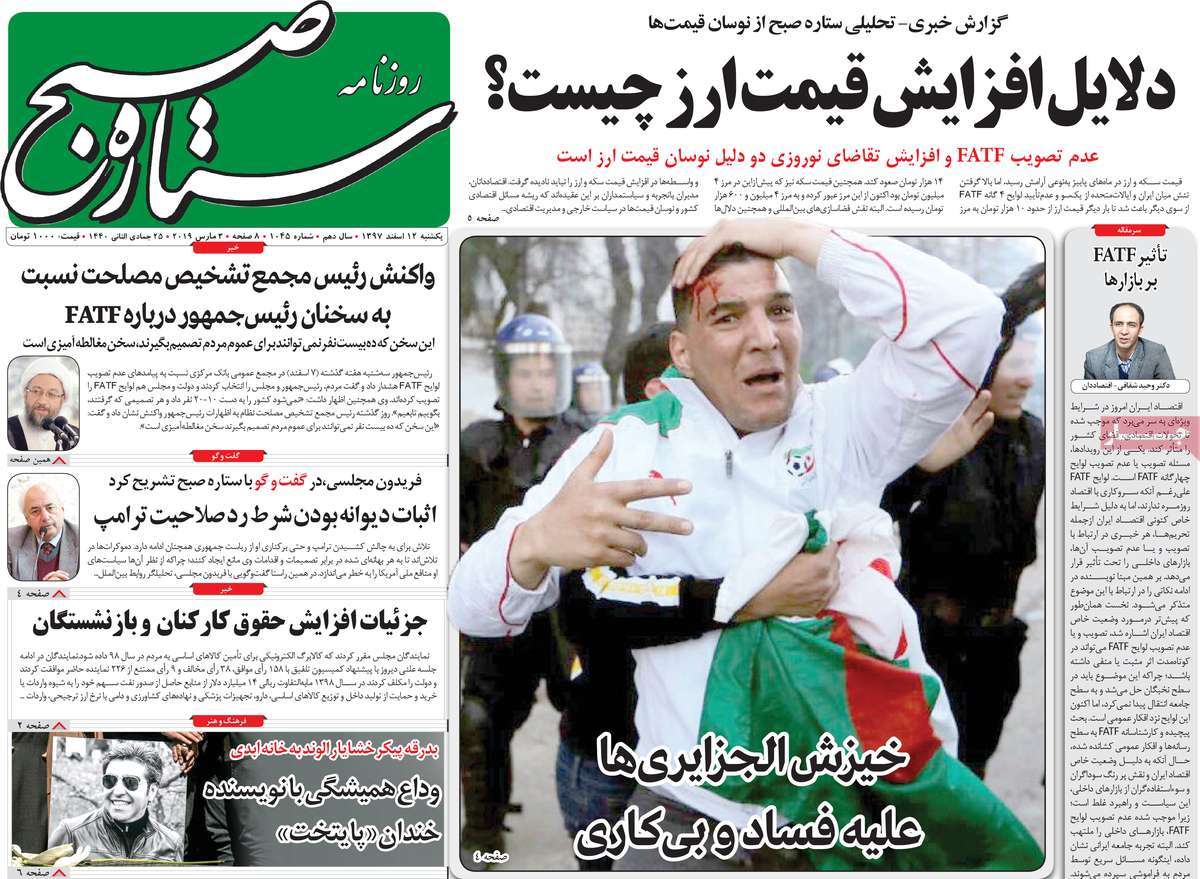
Setareh Sobh:

1- Trump to Be Disqualified from Running for President If He’s Proved to Be Insane

2- Algerian Rise against Corruption, Unemployment

A Look at Iranian Newspaper Front Pages on March 3


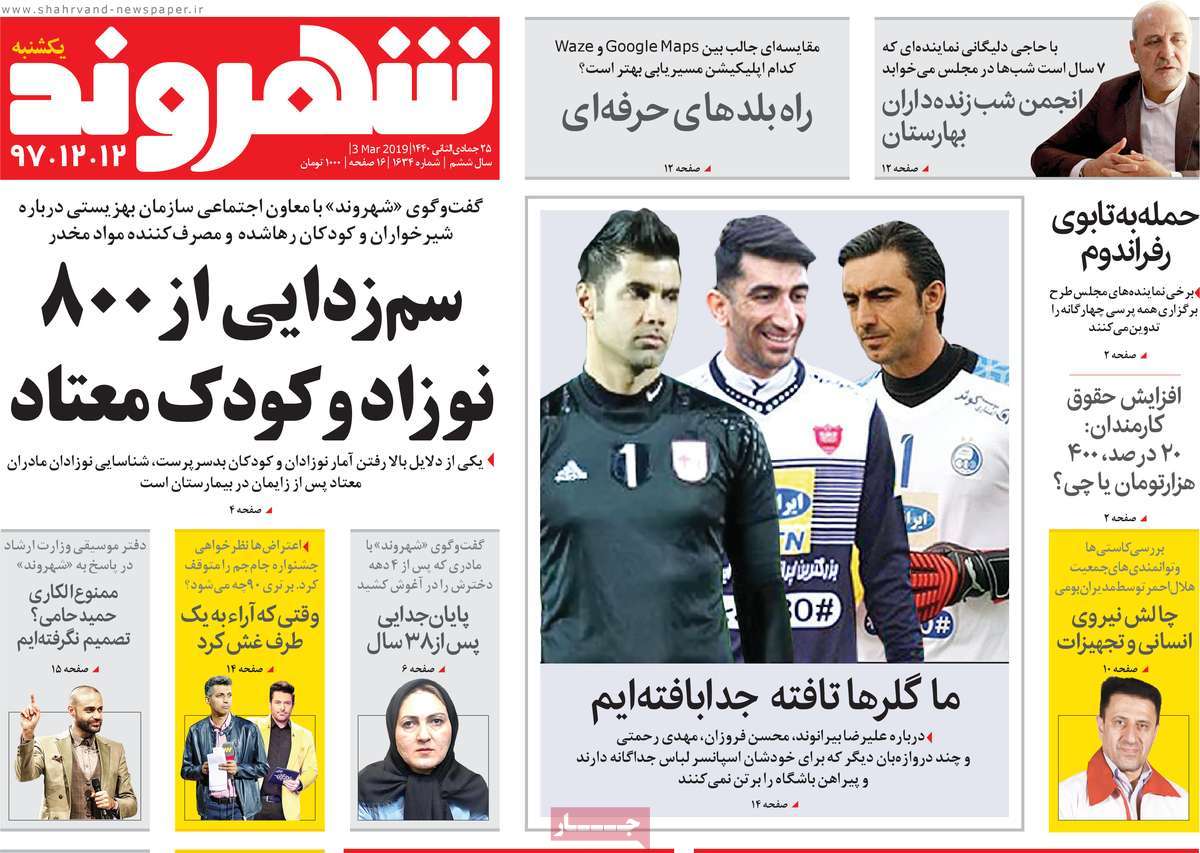
Shahrvand:

1- Detoxification of 800 Addicted Infants, Kids

2- Attack on Taboo of Referendum: Lawmakers Working on Referendum over Four Issues

A Look at Iranian Newspaper Front Pages on March 3


Shargh:

1- Military Banks to Be Merged

2- Is the Government the Only One to Blame? [Editorial]

A Look at Iranian Newspaper Front Pages on March 3

Iran Rejects UK’s Claim BBC Is Independent, Neutral

Iranian ambassador to London Hamid Baeidinejad and the UK ambassador to Tehran Rob Macaire recently engaged in a war of words in Twitter over the claim that BBC is an independent news channel.

Baeidinejad said the Persian service of BBC cannot be an independent news outlet, because it is funded by the UK’s state budget, and thus it operates under the UK government’s supervision.

It also cited the “Fourth Report of Session” by the Foreign Affairs Committee of the UK House of Commons released three years before the establishment of BBC Persian, and said the report strongly advises BBC to form a Persian service to create major political changes in Iran.

In reaction to the comment, the British ambassador to Tehran said, “The BBC is completely editorially independent. That’s why surveys always show it as one of the most trusted news sources, worldwide. BBC Persian, like the rest of the BBC, is funded from the licence fee, not by the government.”

However, Baeidinejad did not accept his British counterpart’s argument, and said considerable budget is allocated “from the government” to the channel. “In addition, when payments are made through licence fees, which is public, supervision should be made on behalf of the payees.”

Author, translator and expert on UK issues Masoud Mirzaee has, in an interview with Iran’s official news agency IRNA, weighed in on the status and situation of the British Broadcasting Company (BBC).

In the interview, Mirzaee said this media outlet has a complicated legal situation.

“The legal and statutory situation of the BBC in the British establishment is a complicated one, which has not only resulted in this media outlet remain under the influence and domination of the government over the roughly past one century, but, most importantly, caused it to be at the service of the country’s ruling elite,” said the expert.

BBC Serving UK’s Ruling Establishment

He said the financing of the BBC has been introduced as the key issue which makes this media outlet independent while it has been historically dependent on the ruling British government.

He said the BBC is funded through selling TV licenses. That means anyone residing in the United Kingdom must buy a TV license in order to be able to watch TV programs through television, computers, laptops, etc. At the moment, the annual subscription fee for TV licenses is ‎£150.5. All revenues from TV license sales go to the BBC.

“BBC World Service, which airs programs in different languages, including Persian, as well as the BBC’s Monitoring Department, received a major part of their funding from the UK’s Foreign Office until 2014, and that is why it is said that the British government’s policies have had more influence on these services than other parts of the BBC,” he said.

He said the British government’s influence on the BBC World Service, especially during the Cold War, was so extensive. Evidence shows numerous committees attended by authorities from the British Foreign Office and security agencies in order to make plans and policies for the broadcasting company

He referred to comments by Iranian Ambassador to London Hamid Baeedinejad, who had called the BBC an “independent” media outlet that was working “under the supervision of the British government.”

Mirzaee said the top Iranian diplomat’s comments are completely true.

“Moreover, the point mentioned by the British ambassador to Tehran that the BBC Persian Service, like other BBC services, is funded by selling licenses and not by the government, at least after 2014, is officially and ostensibly true,” said the expert.

However, he says the issue of bankrolling the activities of this media outlet is a “superstructural” issue and not a fundamental one given the close interdependence between the BBC and the UK’s ruling system.

The expert says the conservative British government decided within the framework of another plan in 2015 to invest £85 million in the BBC World Service to promote the values and interests of Britain as part of London’s strategy to further reinforce the position of the UK as the leading power in the soft war in the world.

“It is within the framework wo such strategies, especially in the international section, that we see the BBC’s full cooperation and solidarity with the British government in issues such the occupation of Palestine, terrorist activities in Syria and Iraq, protests by the people of Bahrain, the war against Yemen, unflinching support for Saudi Arabia and issues related to the Islamic Republic of Iran,” he said.
Irrelevant Analogy between BBC, IRIB

He also touched upon the comparison that the British ambassador had drawn between the BBC and Iran’s state radio and TV, the Islamic Republic of Iran’s Broadcasting (IRIB).

“This is an irrelevant analogy, both in terms of structure, background and establishment, and with regards to the fact that the IRIB has never introduced itself as an institution which is independent from the ruling establishment; however, one of the alleged and much-touted mottos of the BBC has always been that it is an independent not-governmental enterprise. Of course, historical realities as well as the BBC’s own documents some of which have been declassified after many years show the opposite is true,” he said.

BBC Not Accountable to Parliament

This media outlet was established based on a royal charter, and is known as a “public services” organization in Britain’s administrative establishment, so that it can be allegedly recognized as an independent and non-governmental institution. Since its establishment, a group of influential political and economic elite as well as loyal politicians have always been designated as members of its Board of Governors, Board of Trustees and Board of Directors for specific periods of time (the members have changed during different periods) at the suggestion of the government and ruling party and upon royal orders. They are tasked with designating the CEO (the most important executive official) of the BBC and making the policies of the broadcasting company, namely the sources of its finances.

According to Mirzaee, this structural features shows that the BBC is not answerable to Parliament as a democratic institution and only answers to the royal and ruling elite.

BBC Promoting Interests of Economic, Political Elite

This media outlet heavily reflects the beliefs and interests of the ruling elite as well as powerful economic and political figures and strongly sidelines the beliefs and ideas of alternative and opposition groups.

According to BBC author Tom Mills, the media outlet has always served as a yes-man to those in power. This has always been true since 1926 when the broadcasting corporation was established and when workers staged a general strike in solidarity with the government and against protesters. One of the BBC’s main strategies has always been to silence the voices of those who are opposed to the current situation.

Few Experts Believe BBC “Independent”

Mills says most of the BBC’s activities have, from the outset, been under the supervision of security services. Interesting enough, such security supervisions have, in most cases, been conducted at the request of the BBC itself. The screening and confirming the qualifications of the BBC’s personnel, even at the lowest levels, have also been carried out by security services, especially MI5. They did this secretly for 50 years until 1980 when British media disclosed the issue, leaving state officials and the BBC with no choice but to confirm it.

“In addition to Mills, many researchers, even in Britain, have written books and articles about the BBC and brought evidence, rejecting claims made by the media outlet’s executives and government officials that it is independent and not affiliated with the government and ruling elite,” said Mirzaee.

“Today, this issue has turned into an obvious issue and few experts and researchers believe or even speak of the BBC’s independence,” according to Mirzaee.

Common Values and Interests

According to Mirzaee, some experts studying the reasons behind the interdependence between the BBC, the government and ruling elite in Britain speak of the common social backgrounds, values and interests of those who make up the country’s ruling elite.

He said surveys show the ruling elite in the UK are mostly comprised of white people who share a common background. They studied at recognized private schools, graduated from such universities as Oxford, Cambridge and the Russell Group (which represents 24 leading UK universities), and share similar ideologies, cultural values and economic interests.

He said another common practice is the exchange of personnel between the BBC and different British administrations (and, in the past, of course, this occurred mostly between the BBC and the country’s army and security services), which shows the close relationship between the two sides.

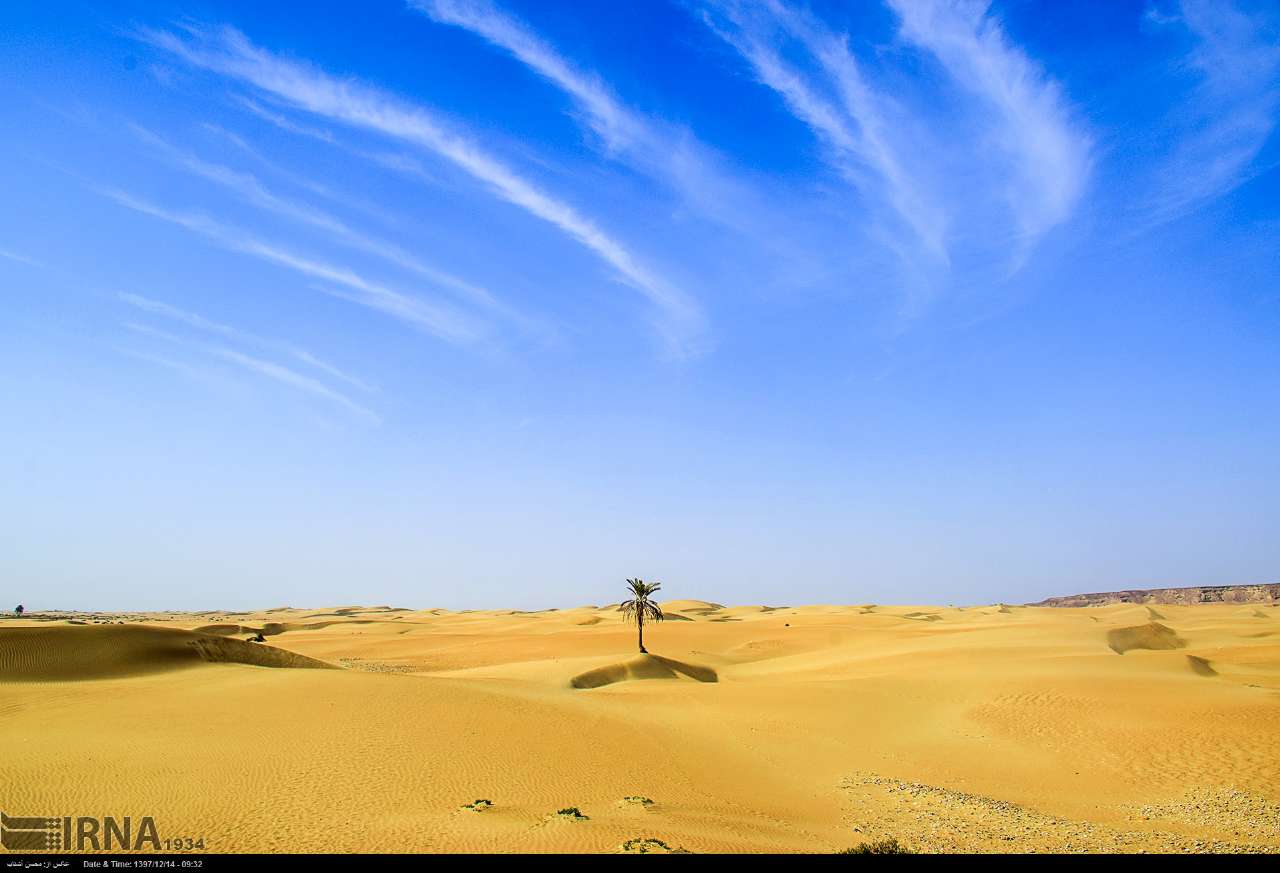
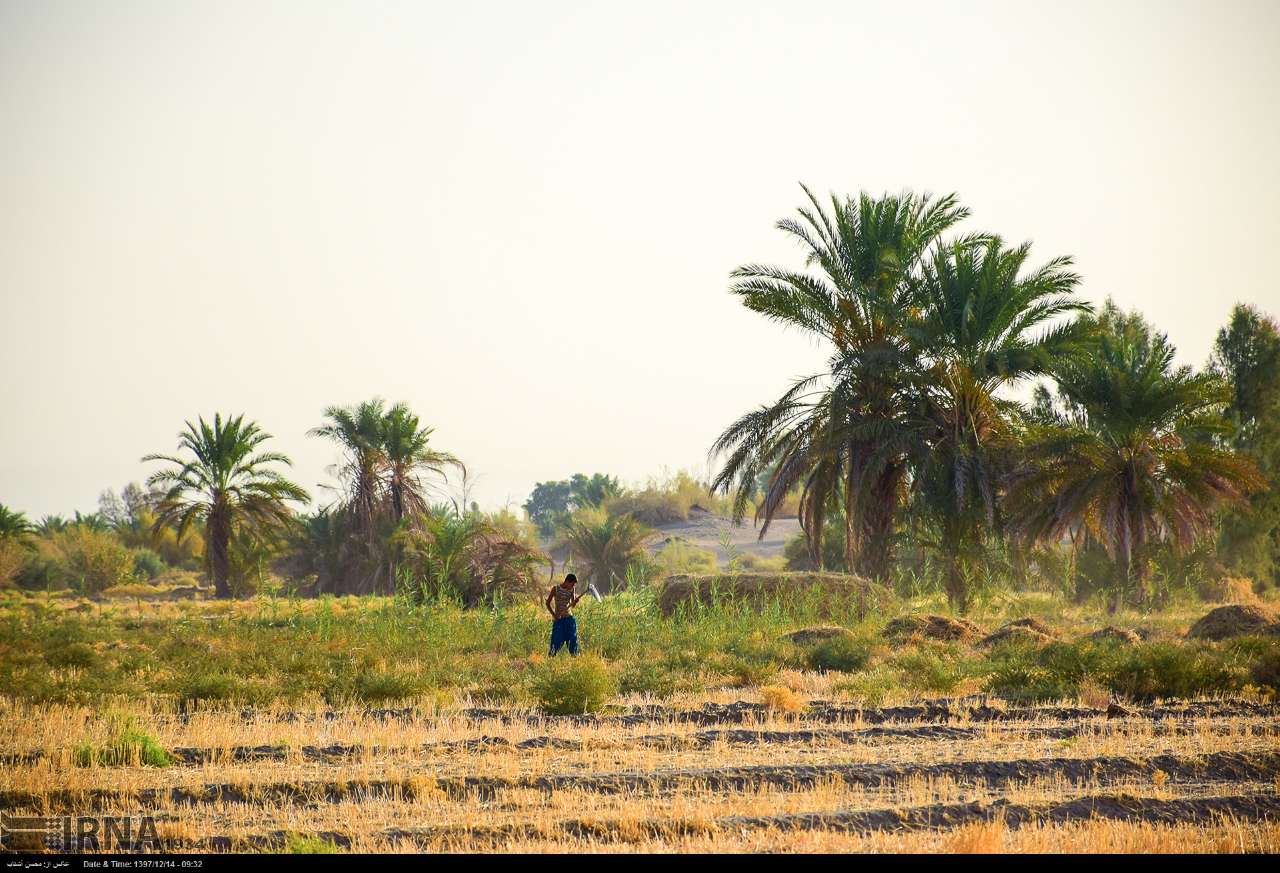
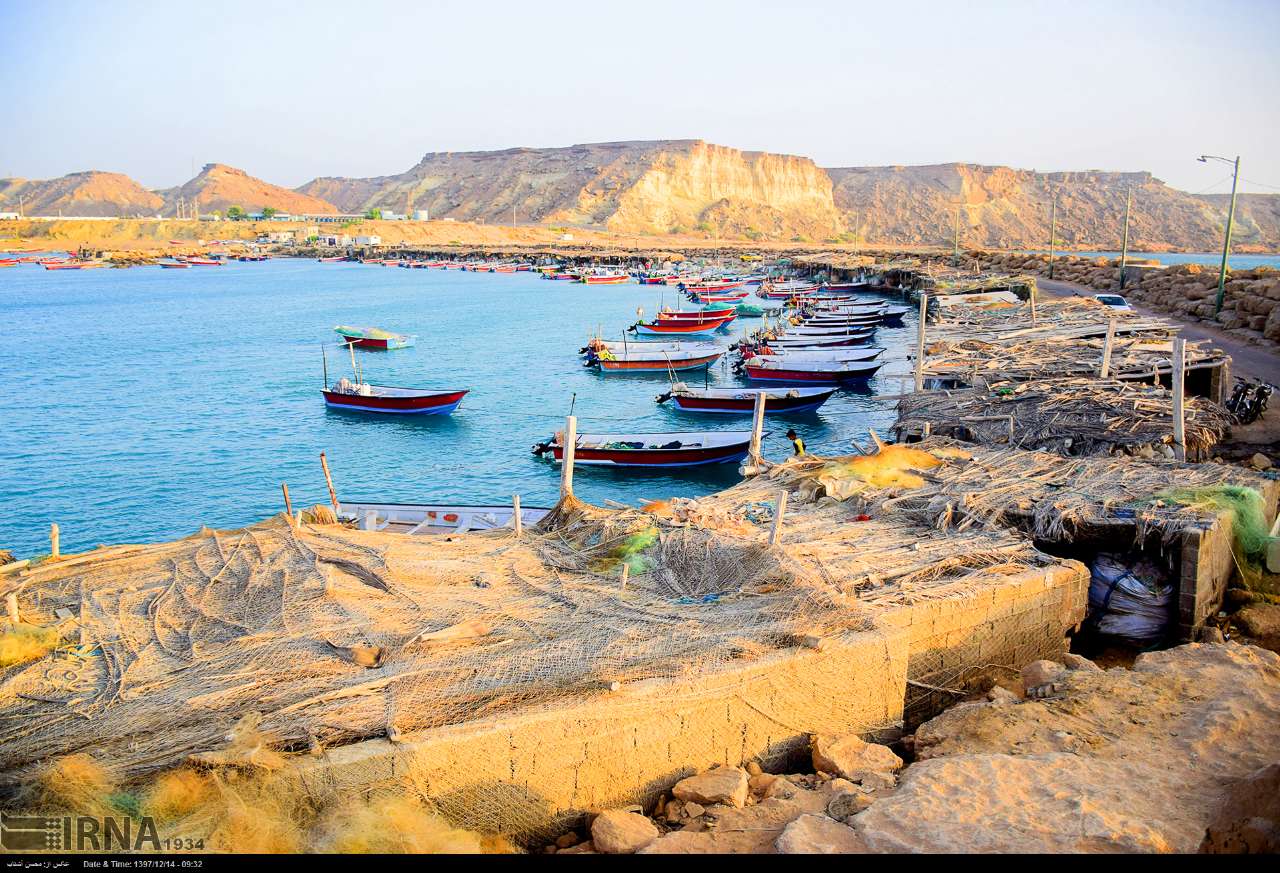
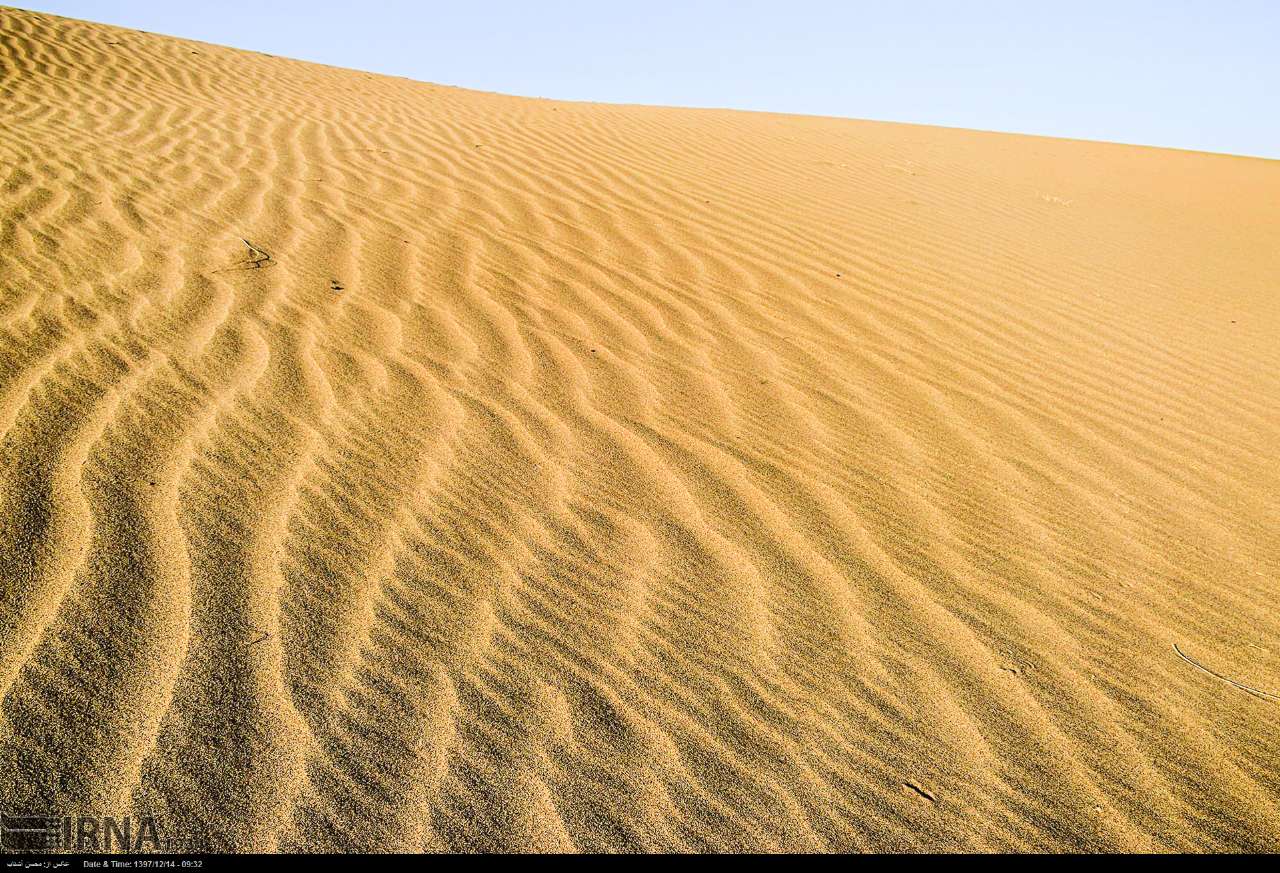
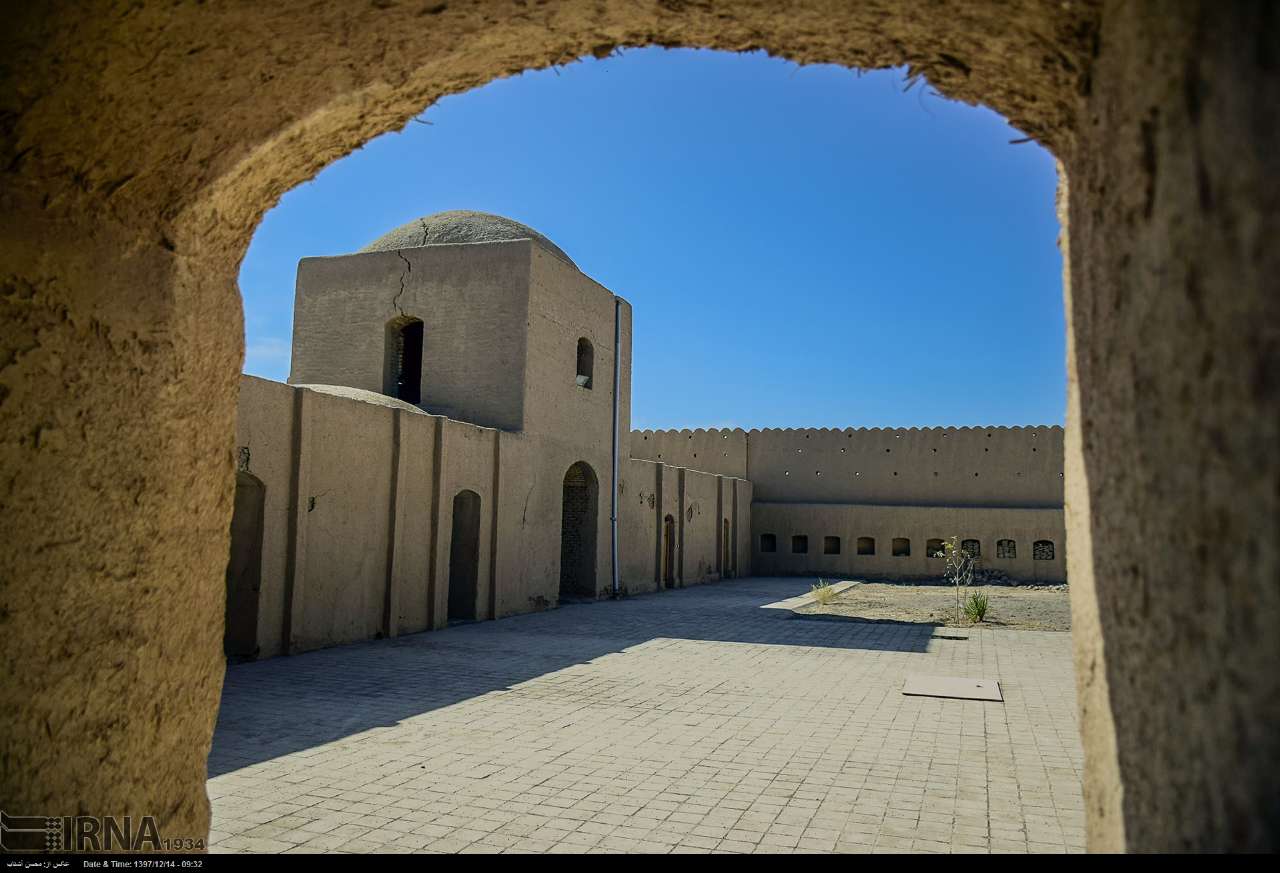
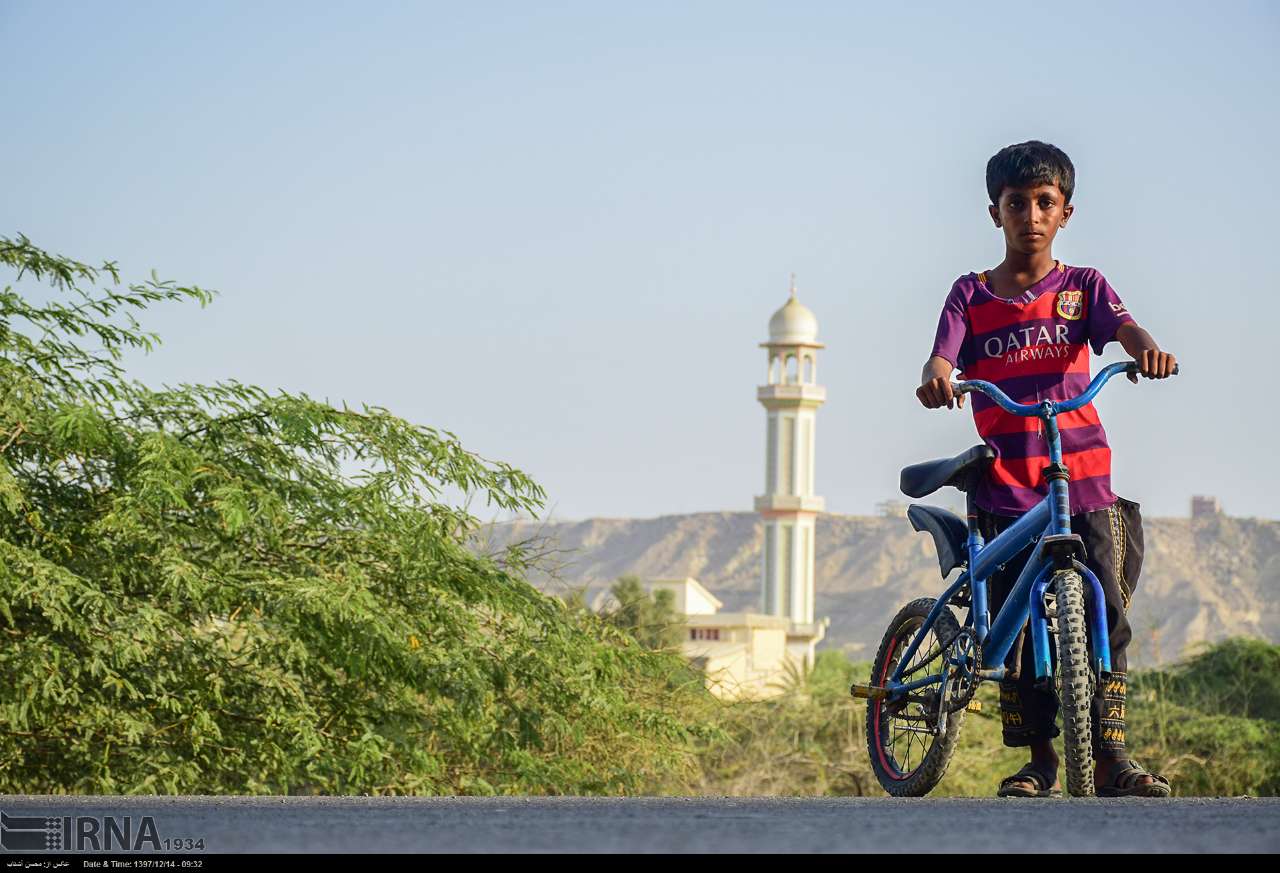
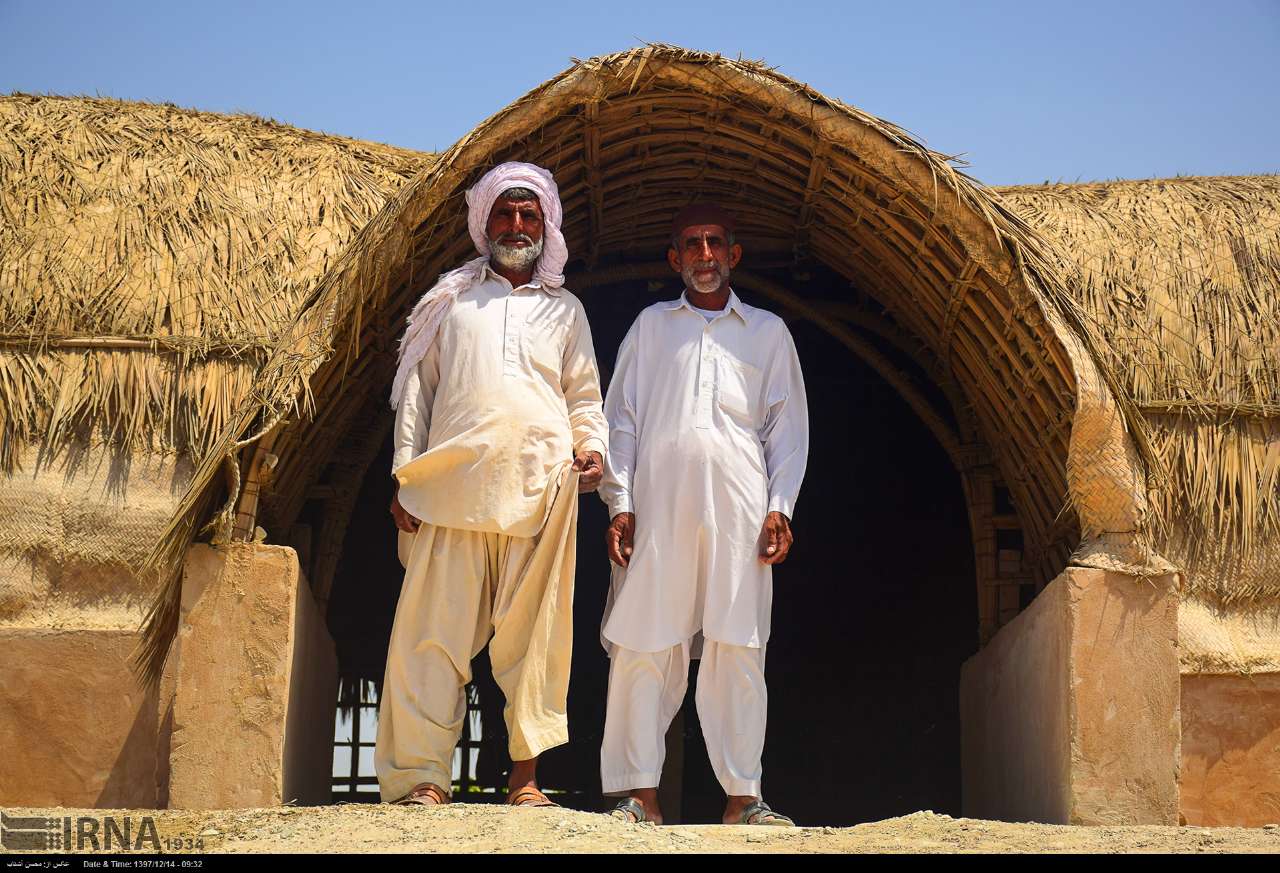
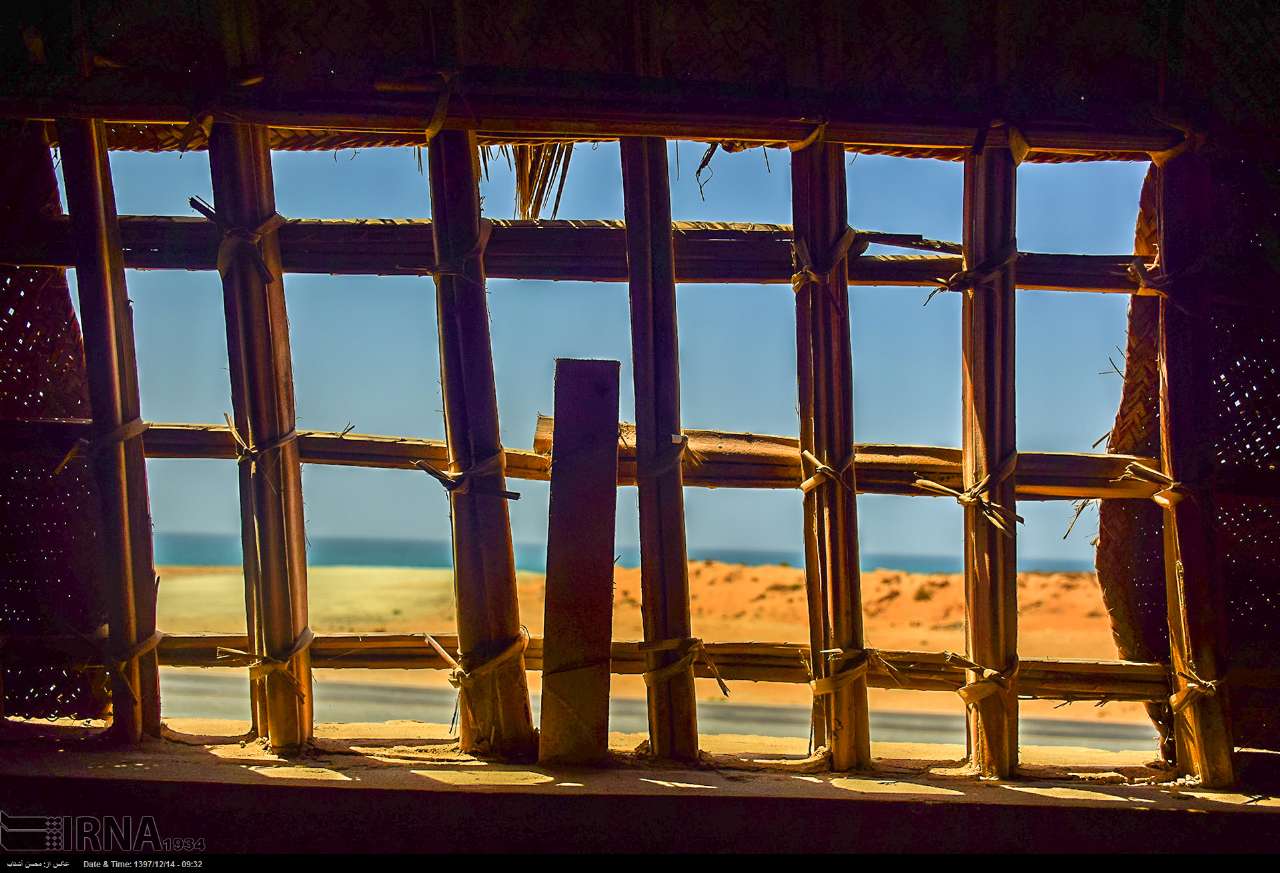
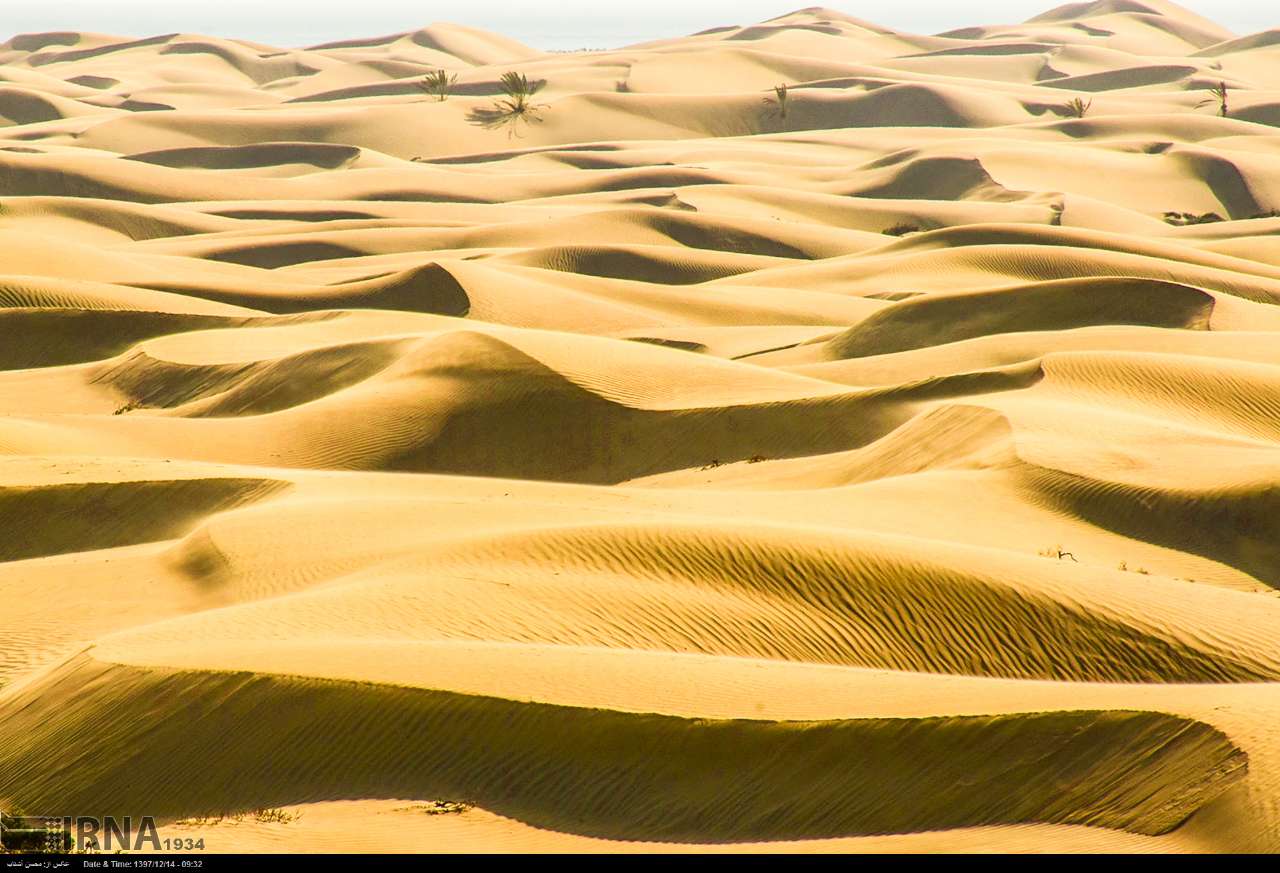
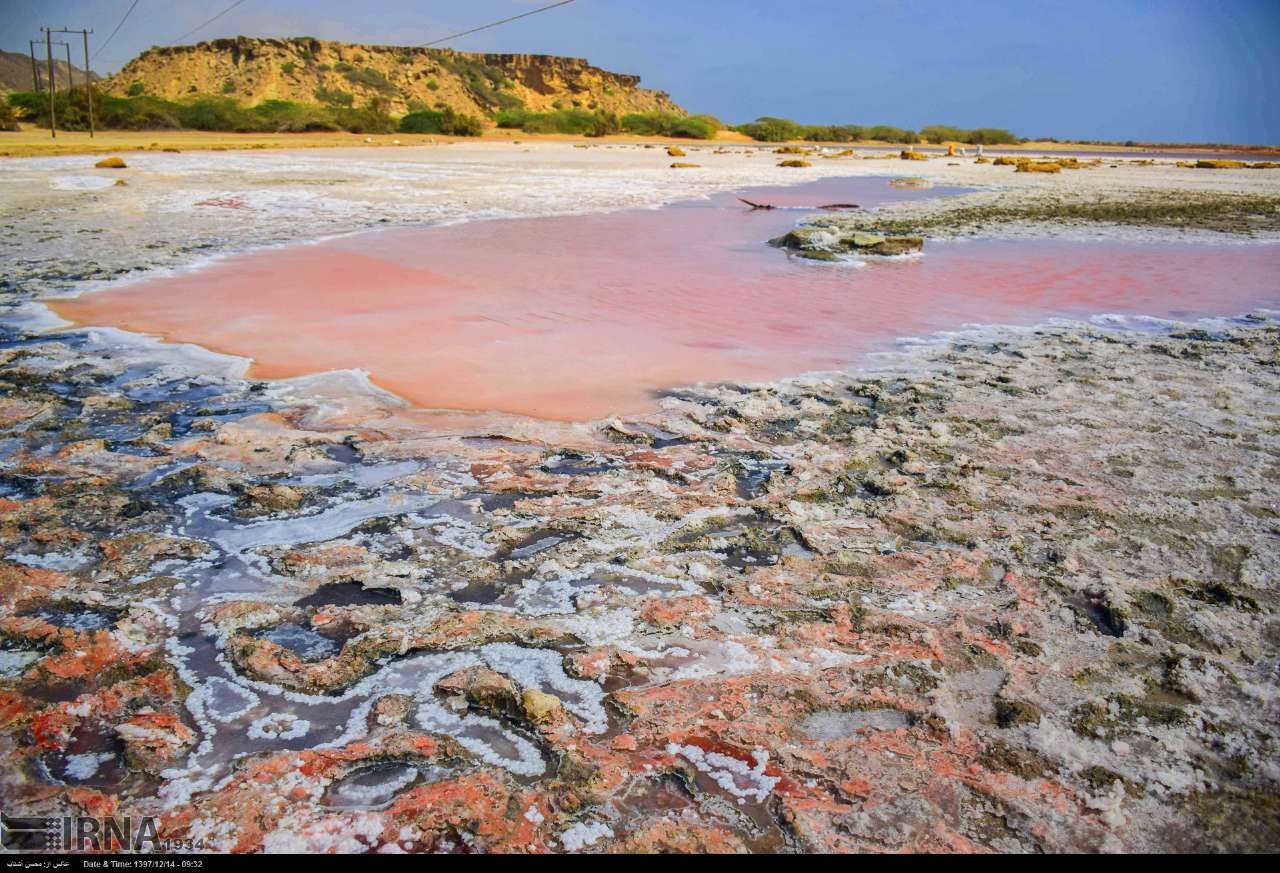
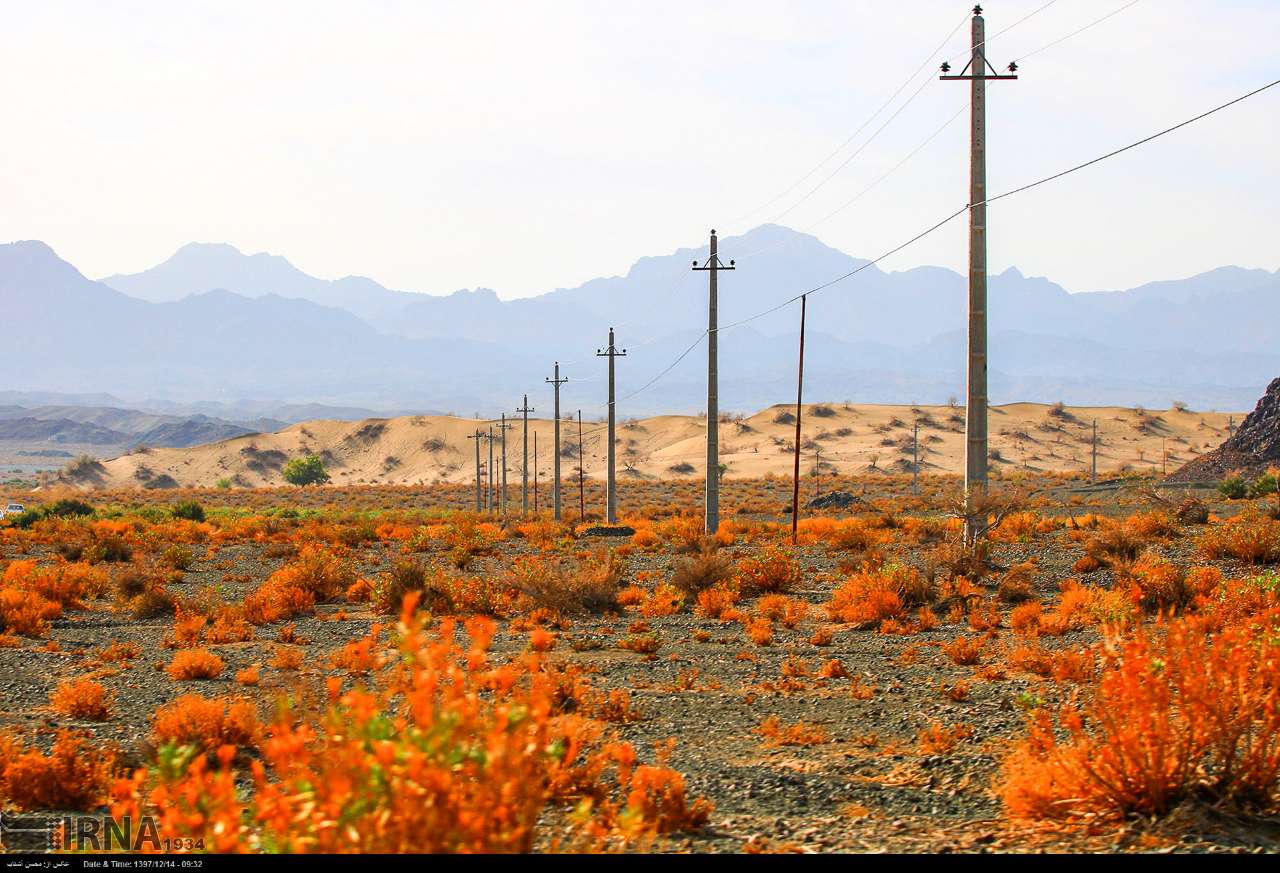
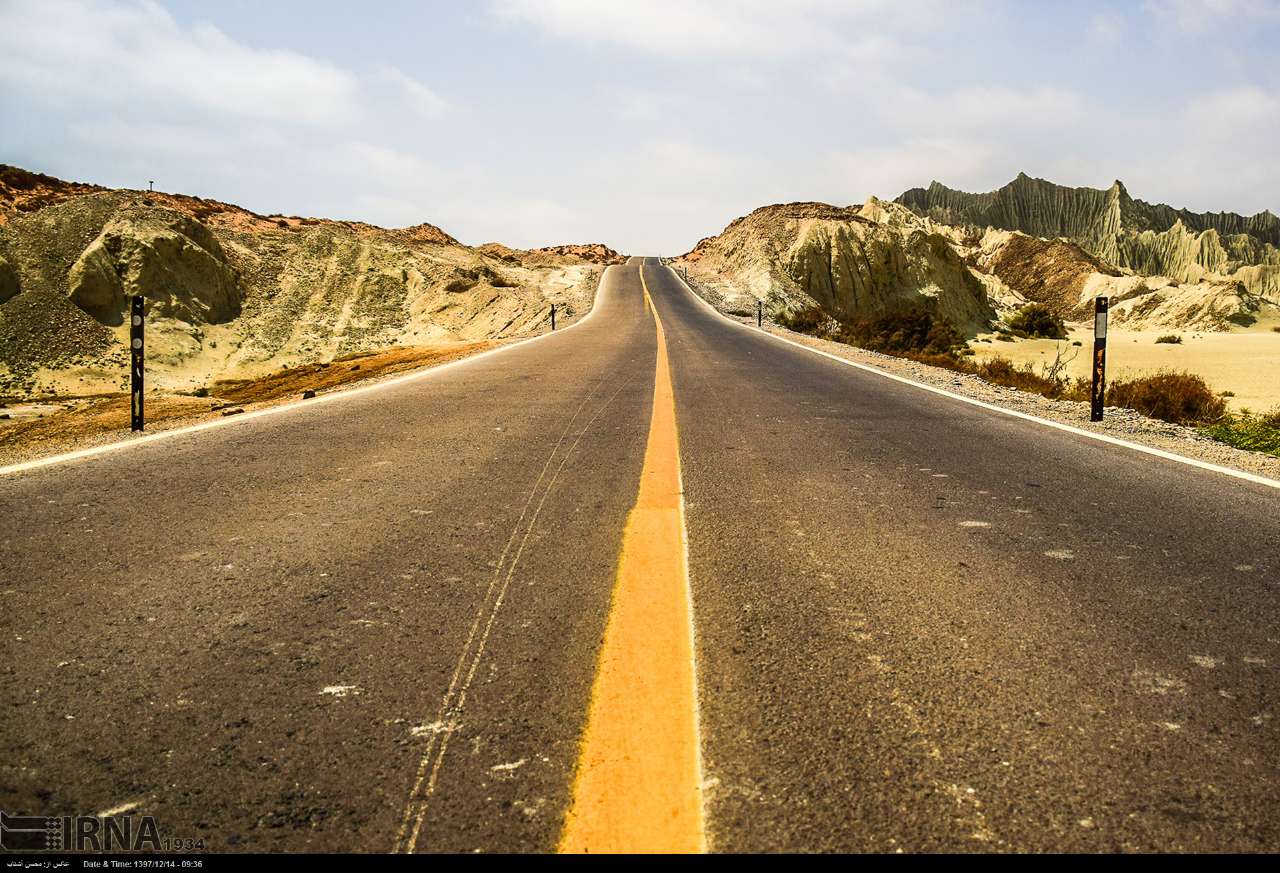
Sistan & Baluchestan; Home to Ancient Culture, Civilisation

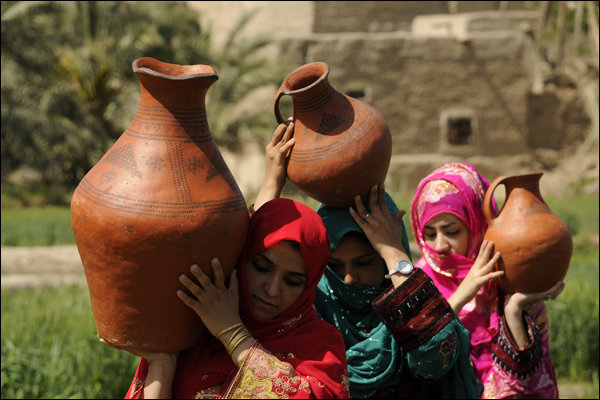
Kalpouregan Pottery

The province is the origin of the first advanced human civilisation and the centre of urban communities.

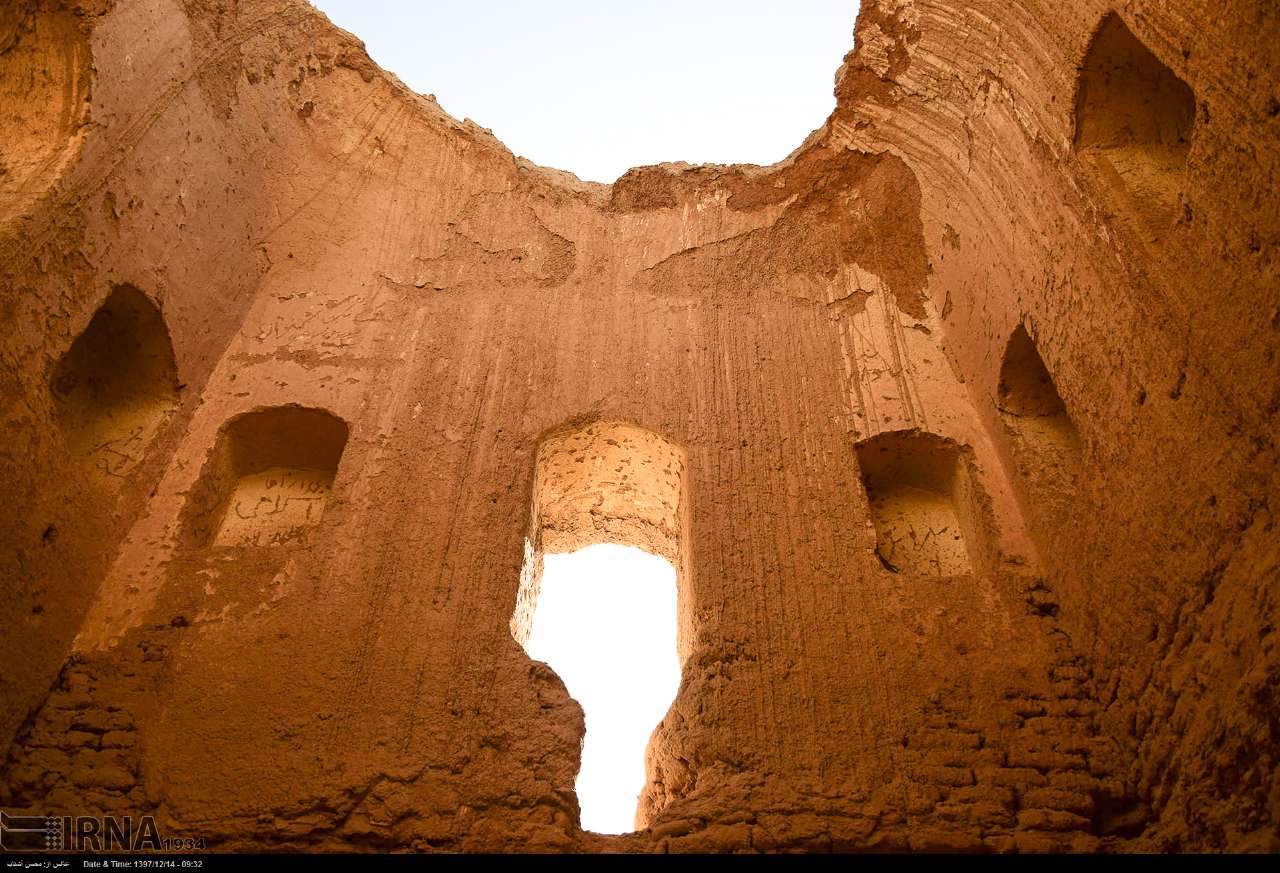
The 5,000-year-old Burnt City, the mythological heroic stories of Rostam in Ferdowsi’s Book of Kings (Shahnameh), the land of windmills, and the slaves’ gate all show the ancient culture and civilization of Sistan and Baluchestan.

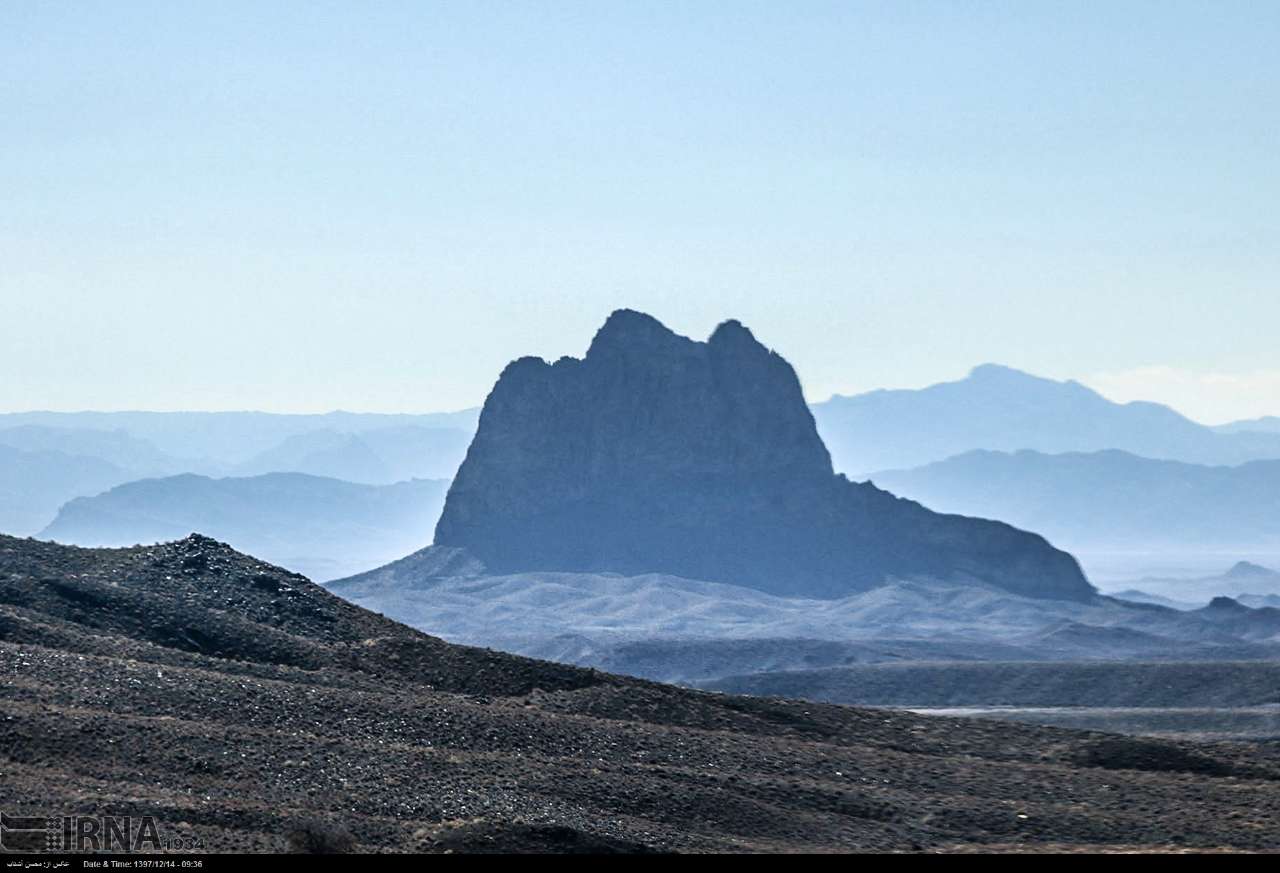
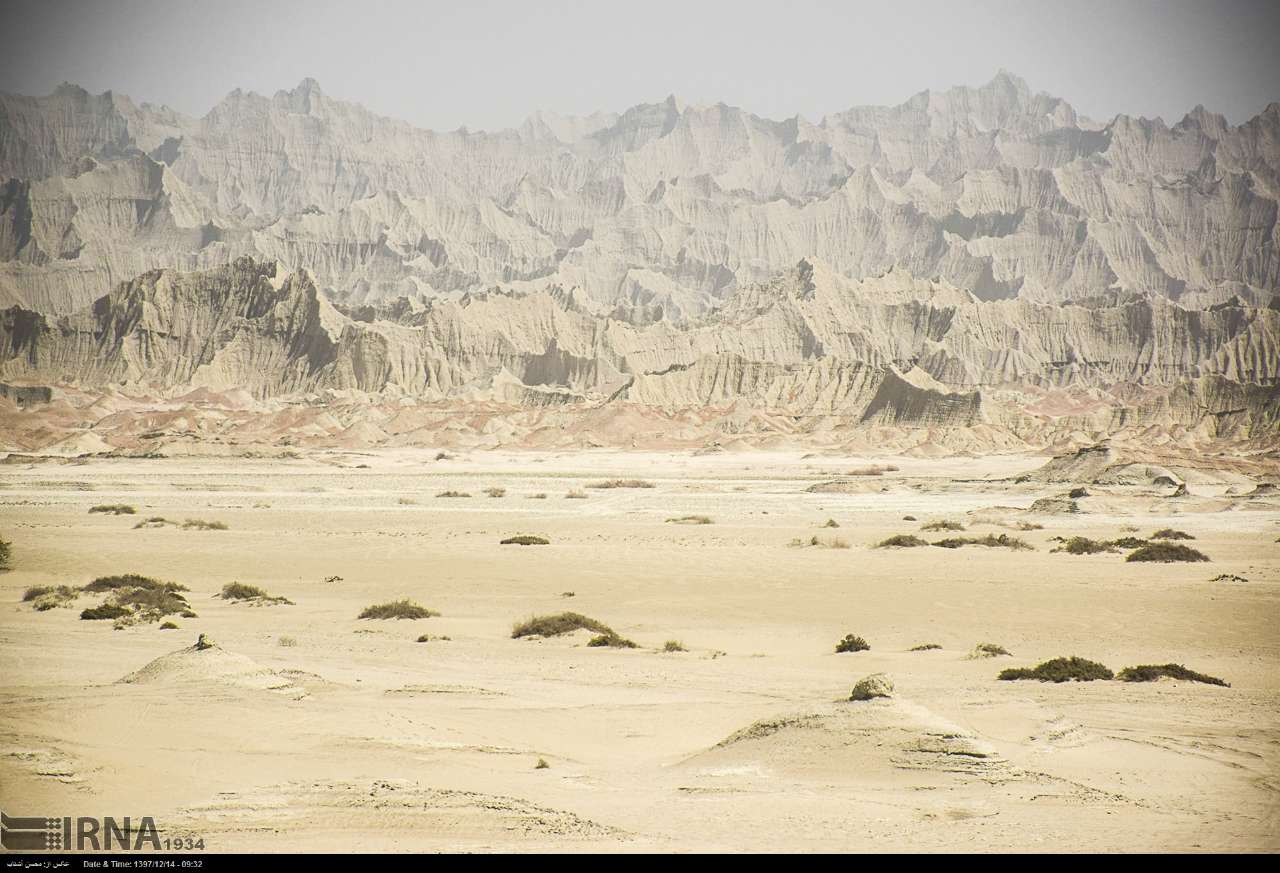
The Khajeh Mountain is also a rocky and solid fortress belonging to the Parthian-Sassanid era.

Sistan & Baluchestan; Home to Ancient Culture, Civilisation
UN Rewards Iranian Woman for Creativity in Rural Life

Undoubtedly, the most important and fundamental contributions of the Baluch ethnic group to the province is their language.

Expert say Baluchs consider themselves Iranian.   “Their language also belongs to the Persian language and belongs to the middle Pahlavi era. It is a unique language that has preserved itself as a treasure that is very useful for linguistic studies. The structural features and transformation of this language is very interesting,” says Dr Mahmoud Zand Moqaddam.

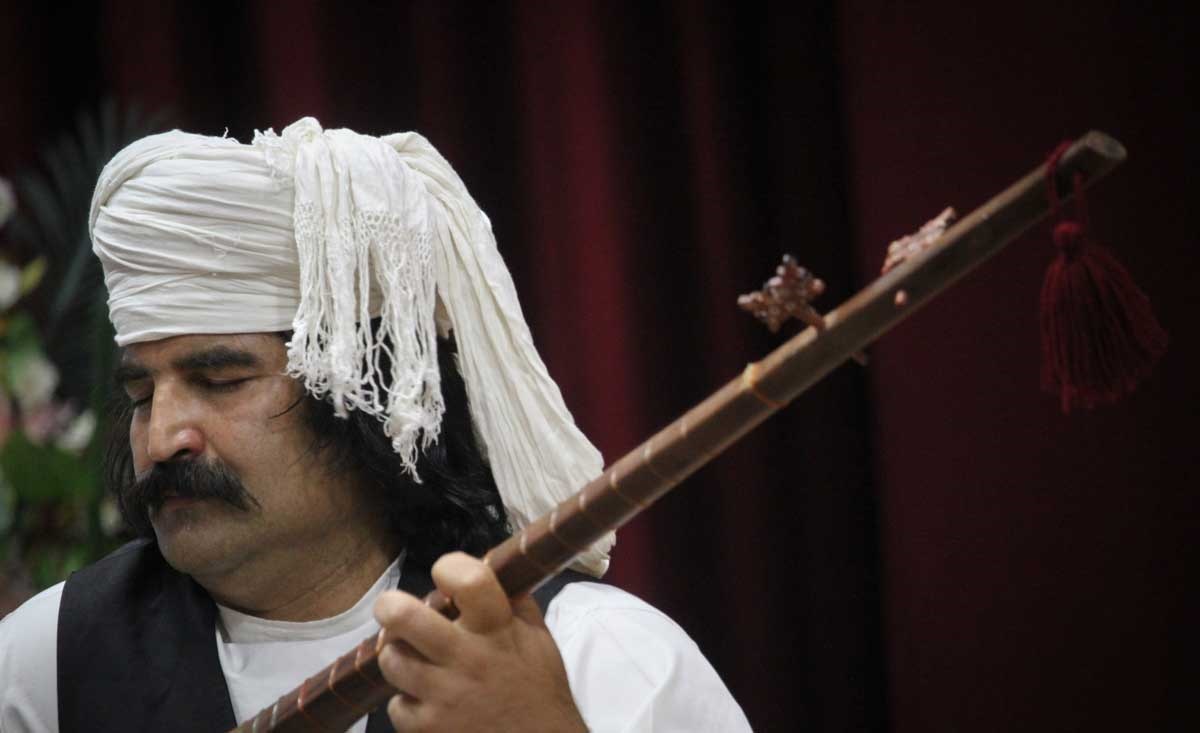
Native music and folk songs of the people of Sistan and Baluchestan have a special elegance, and are a complete diagram of the people’s evolution.

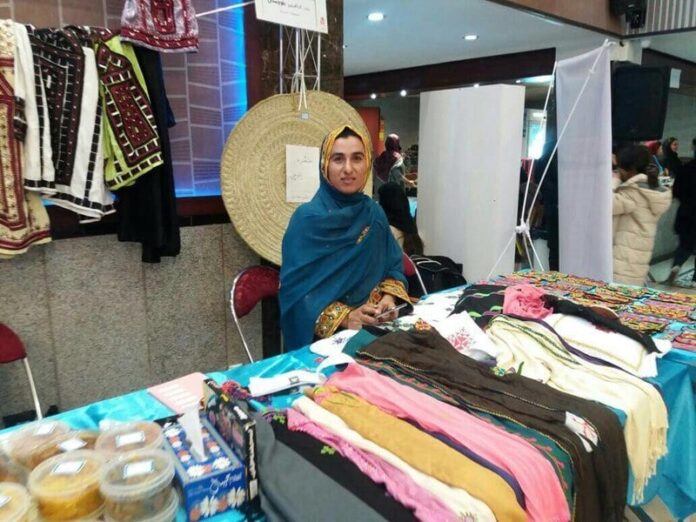
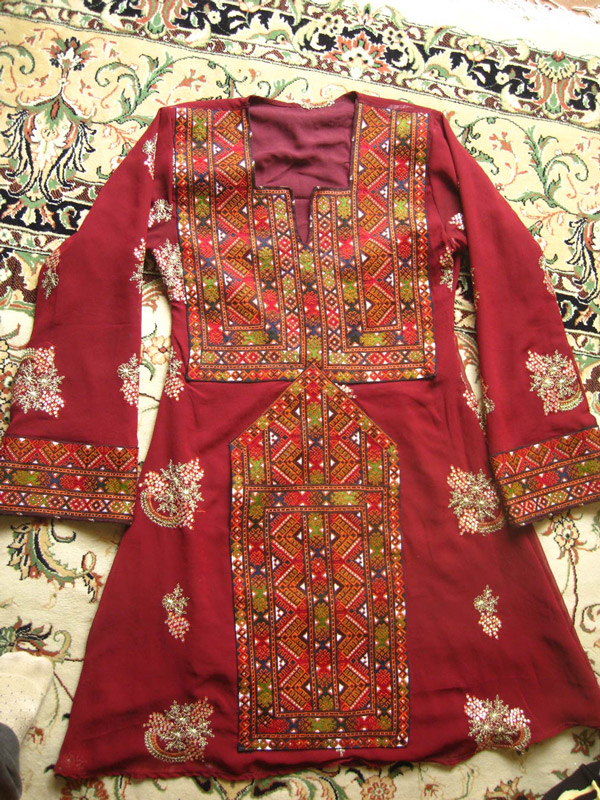
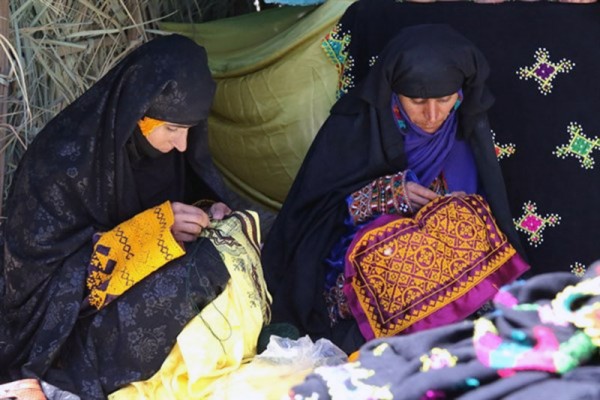
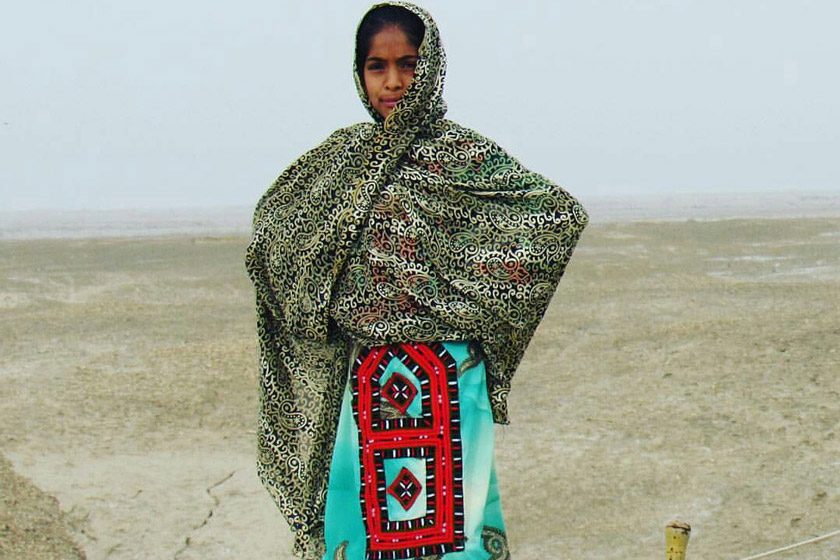
The local Baluch lyrics are often sung during auspicious occasions, which include Sorna, Dhol and Drum. The handicraft and garments of this region are also unique. The most important one is “needlework” or “Baluch Sewing” which is an identity for Baluch women.


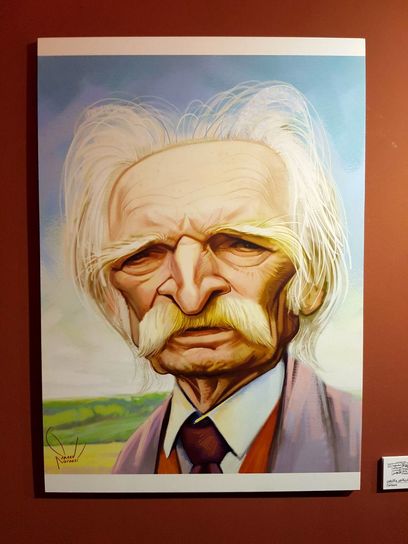
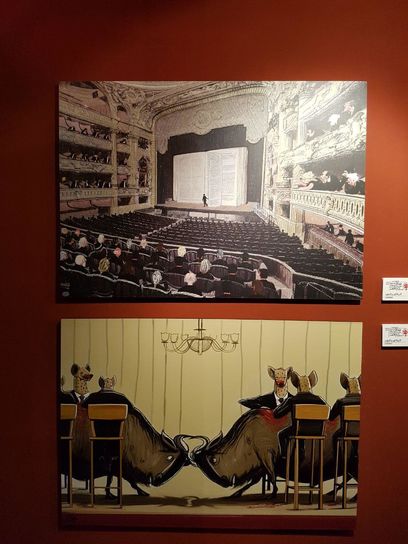
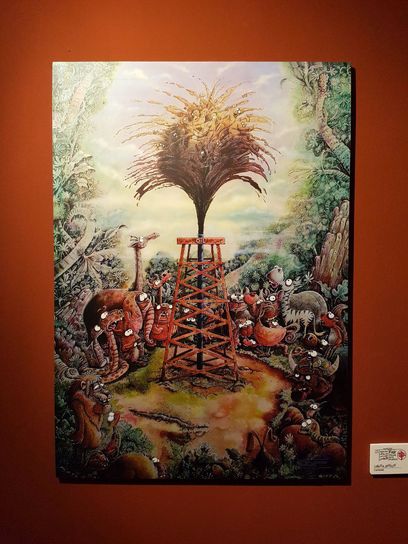
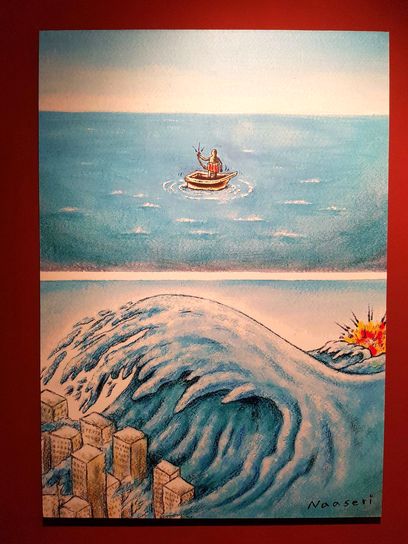
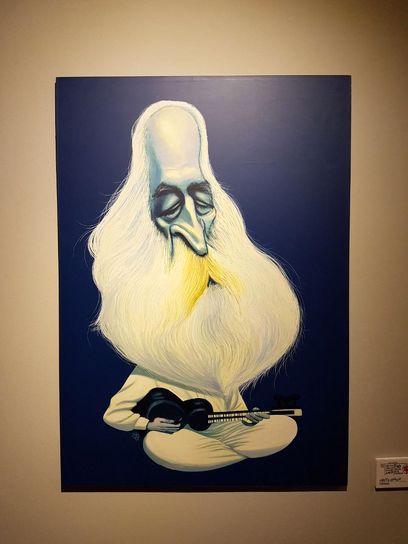
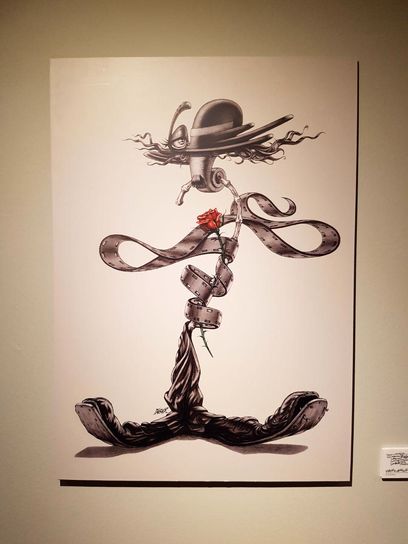
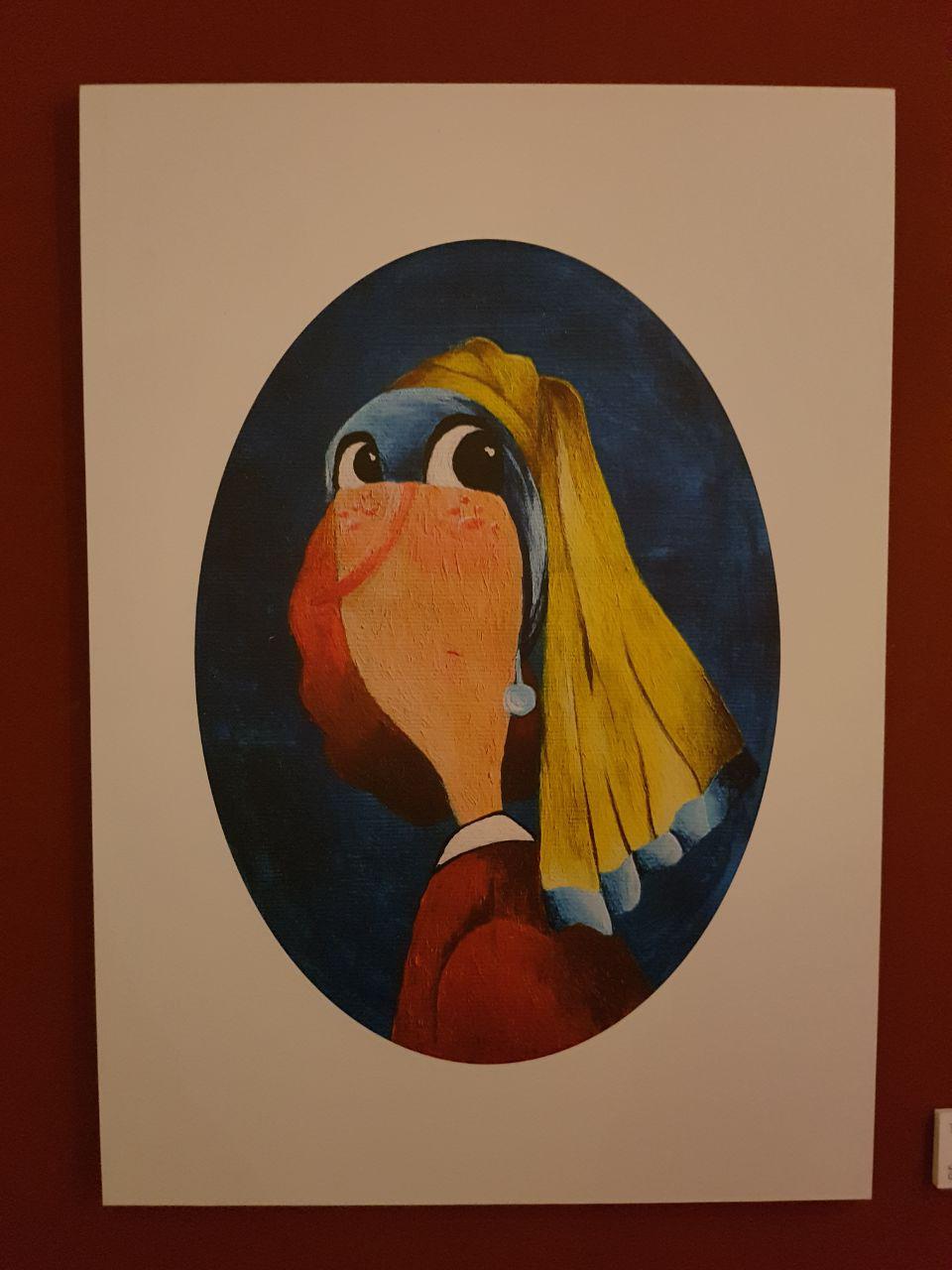
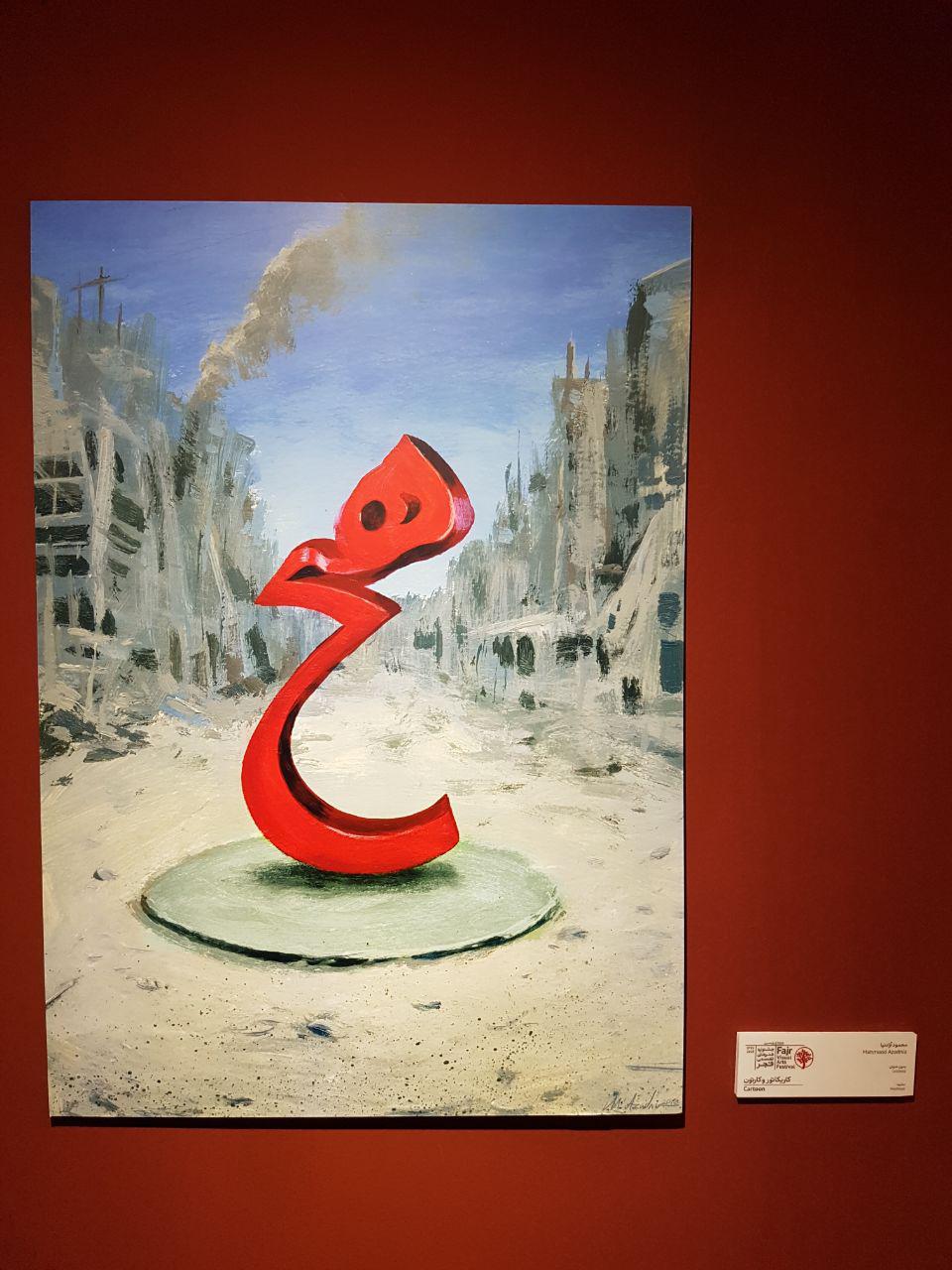
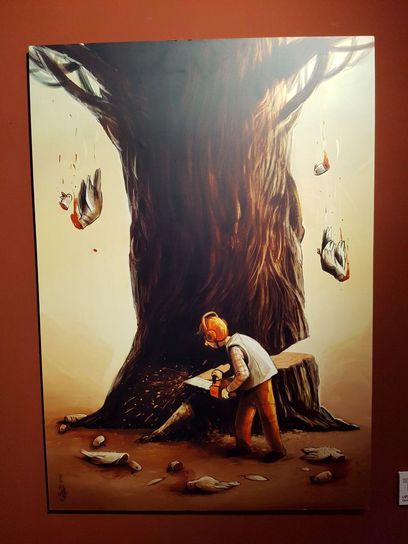
Over 150 Illustrations, Cartoons on Display in Fajr Visual Arts Festival

The pieces displayed in the festival have been created using various techniques.

Pejman Rahimizadeh is the secretary of the illustration section of the Festival. The jury is also composed of Fatemeh Radpour, Kamal Tabatabaee and Alireza Goldouzian.

Below you can see a series of photos of the illustrations and cartoons put on display in the festival.

The photos have been retrieved from Honar Online website.

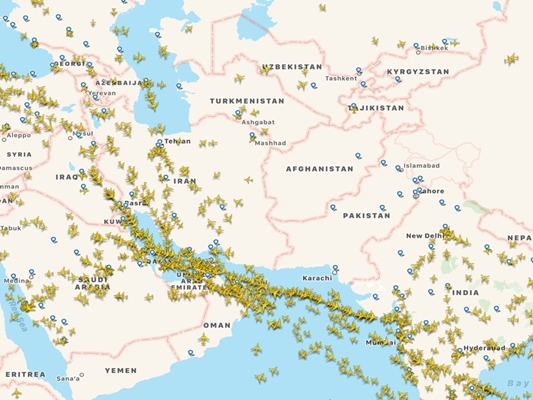
More Planes Flying over Iran Airspace amid Indio-Pak Conflict

Amid growing tensions between the two Asian neighbours and the closure of Pakistani airspace, Iran is witnessing a dramatic growth in the number of planes using its sky.

Following the closures of air corridors between India and Pakistan amid the growing tension between the two states, many airliners from various countries are rerouting their flights and using Iran’s airspace due to its security and safety.

Four Pakistani airports were beginning partial operations on Friday and they will fully resume commercial flights on Monday, the Civil Aviation Authority said, after airports were closed when military tensions with India erupted earlier this week.

Karachi, Islamabad, Peshawar and Quetta airports were resuming some flights on Friday, with the remainder opening next week, a spokeswoman said.

Airspace for all commercial flights would be re-opened on Monday at 1:00 p.m. (0800 GMT), she said.

The airspace closure disrupted not just Pakistan’s air transport but flights worldwide as airlines were forced to cancel or reroute flights to other destinations that pass over Pakistan.

This is not the first time that Iran’s airspace is being used by regional flights. During the unrest in Ukraine and Iraq, foreign airliners changed their routes to pass through Iran’s sky.

Also following the decision by Saudi Arabia and its allies to impose a blockade on Qatar, most of the country’s flights were made through Iran’s airspace.

At present, Iran is one of the main corridors for flights from east to west and north to south. Experts maintain that the government of Iran can take advantage of the new capacity to reduce its reliance on oil revenues.

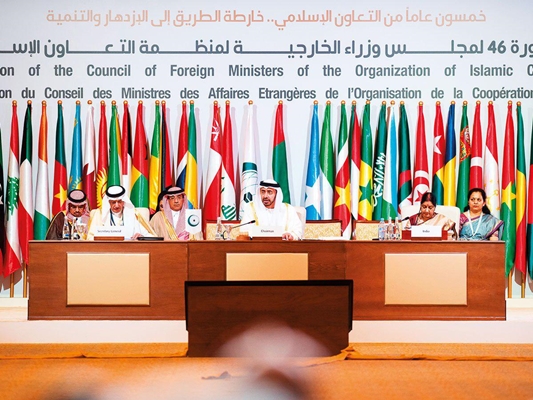
‘UAE Failed to Abuse Its Privilege of Hosting OIC Meeting’

A photo of the final day of the ministerial meeting of the Organization of Islamic Cooperation (OIC) in Abu Dhabi, the UAE, on March 2, 2019.

Elaborating on what happened during the final day of the OIC foreign ministers’ meeting in Abu Dhabi, Qassemi said during the day when the documents were set to be discussed and approved as a matter of routine, the UAE Foreign Minister, Sheik Abdullah Bin Zayed Al Nahyan, put forth a text under the title of Abu Dhabi Declaration.

“The foreign minister intended to get the document approved as the final declaration of the meeting without consulting with the participating delegations. However, the way he was running the meeting sparked immediate protest by delegates from Iran and Pakistan,” Qassemi said in a Saturday statement.

The spokesman said despite protests by the delegates of Iran and some other countries, the UAE foreign minister was trying to abuse the privilege of hosting the OIC meeting in violation of all known regulations.

“The foreign minister ignored the protests and began to impose his will on the delegates. He then announced the text as what he called the ‘final declaration of the meeting’,” Qassemi said.

The Iranian delegation made a timely and strong objection and walked out of the meeting in protest at the Emirati diplomat’s move, as the UAE-drafted document included the Arab country’s unfounded claim on the three Iranian Persian Gulf islands of Greater Tunb, Lesser Tunb, and Abu Musa.

“The meeting got tense after the Iranian delegation’s walkout and consequently other delegates began to leave the meeting gradually,” he noted.

Therefore, Qassemi said, the UAE failed to achieve the illegitimate goal it had in mind.

The Iranian delegation, through its protests, dismissed the UAE-drafted final declaration as invalid, he said.

The spokesman noted that all the events were unfolded before the final ceremony, and as a result of that, the closing ceremony was not held in a break from the routine in such international meetings.

“From the Islamic Republic of Iran’s point of view, the declaration drafted by the UAE on the final day of the meeting lacks credibility and is unreliable,” he said.
“As previously noted, in an unconsidered and unprofessional and completely primitive way, the UAE foreign minister intended to impose the unilateral declaration on the delegations but to no avail,” Qassemi said.
The spokesman then underlined that there is no doubt on Iran’s sovereignty over the trio islands and said, “Such unconsidered and fruitless efforts have never had and will never have any effect on Iran’s right over the islands and the Islamic Republic will not sit back an inch from its historical and absolute right.”

In addition to the issue of the Iranian islands, the declaration also raised concerned over that it called Iran’s meddling in internal affairs of the region and called on the Islamic Republic to “reassess its policies”.