Saturday, January 3, 2026
Home Blog Page 327

President Pezeshkian: Iran welcomes negotiation but not coercion

Pezeshkian

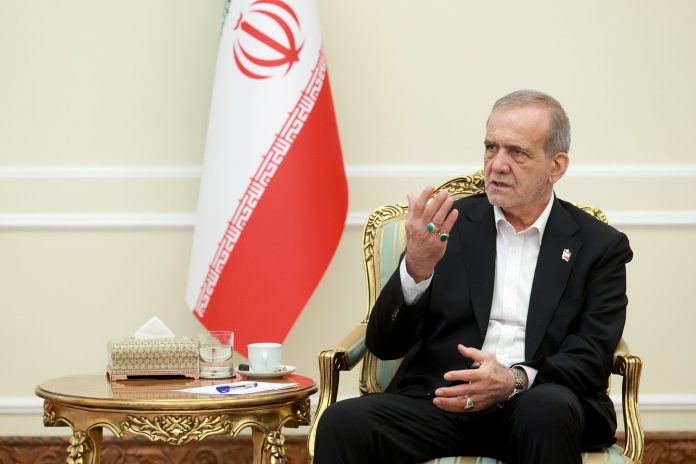
President Pezeshkian made these remarks on Tuesday morning during the ceremony to receive the credentials of Ms. Bethany Madden, the new Ambassador of New Zealand.

Emphasizing the need for collective efforts to end war and bloodshed around the world, he said that the world must always be a haven of peace and tranquility for its inhabitants.

Pezeshkian also stressed the importance of expanding relations and cooperation between Iran and New Zealand.

In another part of his remarks, referring to the crimes and genocide committed by the Zionist regime against Palestinians in Gaza, he added that it is unacceptable for a regime in the region, with the support of powerful countries, to commit any crime and then attempt to portray others as disruptors of regional peace and security in order to impose its own agenda.

The Iranian President also reiterated that Iran’s nuclear program is entirely peaceful and said: “The Islamic Republic of Iran has repeatedly declared that it is in no way seeking to build nuclear weapons and has always been ready to cooperate in any way necessary to prove the truth of this claim.”

The new Ambassador of New Zealand also emphasized the importance of expanding bilateral relations between the two countries during the meeting.

Ms. Bethany Madden further stated that New Zealand has repeatedly called for an immediate ceasefire in Gaza and expressed concern over the obstruction of medical and food aid deliveries to the area.

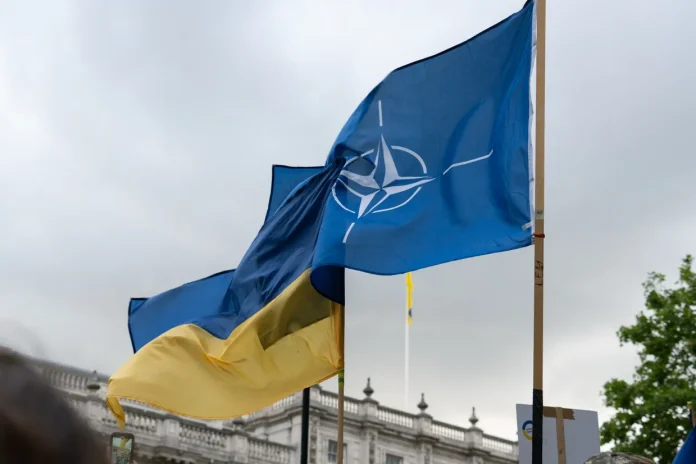
Ukraine invited to NATO summit: President Zelensky

Ukraine NATO

“We were invited to the NATO summit. I think this is important,” Zelensky said, adding that he held a meeting with NATO Secretary General Mark Rutte during the Vilnius summit of the Bucharest Nine (B9) and the Nordic countries on June 2.

“Now, (Foreign Minister Andrii) Sybiha will be speaking with his colleagues regarding infrastructure and what potential outcomes may arise from this summit in The Hague.”

Zelensky did not specify who would be representing Ukraine at the summit or whether he would attend the event himself.

The statement follows speculations that the allies decided not to invite Ukraine to the annual summit due to opposition from U.S. President Donald Trump’s administration. U.S. Secretary of State Marco Rubio later denied the claims, and the Netherlands said it would welcome Zelensky’s attendance.

At the previous NATO summit in Washington in 2024, Zelensky was a prominent presence, engaging directly with allied leaders. This year, the tone appears more cautious as NATO members weigh how to handle Ukraine’s future in the alliance amid renewed questions about U.S. commitment.

Trump has claimed that Ukraine provoked the war by pursuing NATO membership, a narrative often used by Russian propaganda to justify its 2022 full-scale invasion. He also signaled plans to reduce U.S. military presence in Europe and has been reluctant to provide new military support to Kyiv.

Earlier reporting suggested that this year’s communique may omit direct mention of both Russia and Ukraine — a contrast to past summits where Ukraine dominated the agenda.

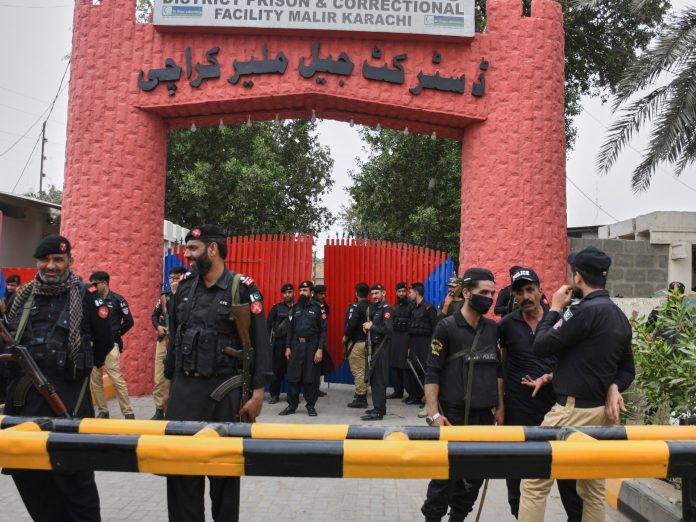
Earthquake sparks escape of over 200 inmates from Pakistan prison

Several dozen of the prisoners that broke out of the jail in Karachi were quickly recaptured, police said on Tuesday, but at least 130 are understood to remain unaccounted for. Authorities added that raids are under way to apprehend those still at large.

Of the 216 prisoners who had fled from Malir prison during the night, 78 had been recaptured, Kashif Abbasi, a senior police official, told the AP news agency. He stressed that none of the escaped prisoners were convicted fighters.

Escapes are not common from Pakistani jails, which have stepped up security measures since an attack on a prison by the Pakistani Taliban in the town of Dera Ismail Khan, which freed hundreds of inmates.

One prisoner was killed and three security officials were wounded in a shootout that developed amid a bid to put one of the escapees back into custody.

Zia-ul-Hassan Lanjar, home minister for Sindh province, said the jailbreak happened while prisoners were removed from their cells for safety during the tremors. Once outside their cells, a group of inmates attacked guards, seized their weapons and opened fire.

In comments carried live on local TV news channels, Lanjar said the prison break was one of the largest ever in Pakistan, the Reuters news agency reported.

Nearly 7 billion people worldwide lack full civil rights: Report

The Atlas of Civil Society report published by the German relief organisation Brot fur die Welt (Bread for the World) on Monday said only 284 million people living in “open” countries – including Austria, Estonia, the Scandinavian countries, New Zealand and Jamaica – enjoy protection of unrestricted civil rights and liberties.

The nongovernmental organisation defines a country as “open” if it allows people to form associations “without legal or practical barriers, demonstrate in public spaces, receive information and are allowed to disseminate it”.

Forty-two countries making up 11.1 percent of the world’s population are listed in a second category in which civil rights are classified as “impaired”. These include Germany, Slovakia, Argentina and the United States.

In these countries, the rights to freedom of assembly and expression are largely respected, but there are recorded violations.

“In contrast, 85 percent of the world’s population lives in countries where civil society is restricted, suppressed, or closed. This affects almost seven billion people,” the report found.

“Their governments severely restrict civil liberties and harass, arrest, or kill critical voices. This applies to 115 of 197 countries,” it added.

Several European countries appear in the “restricted” category, including Greece, the United Kingdom, Hungary and Ukraine.

Civil society is considered “oppressed” in 51 countries, including Algeria, Mexico and Turkey. In these countries, governments monitor, imprison or kill critics, and exercise censorship, according to the data.

Finally, Russia and 28 other countries are classified as “closed” and characterised by an “atmosphere of fear”. Criticism of the government or regime in these countries is severely punished.

Brot fur die Welt drew on data collected by the Civicus network of civil society organisations worldwide for its annual report covering 197 countries and territories.

Nine countries improved their freedom of expression ratings last year, including Jamaica, Japan, Slovenia, Trinidad and Tobago, Botswana, Fiji, Liberia, Poland and Bangladesh.

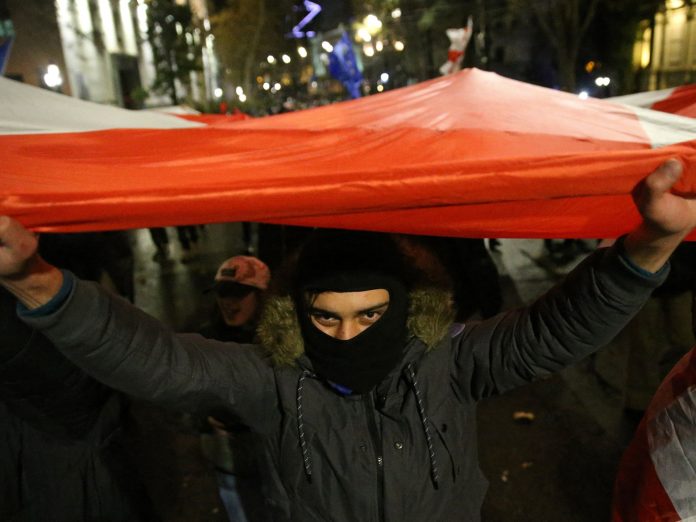
However, nine countries were downgraded from the previous year, including Georgia, Burkina Faso, Kenya, Peru, Ethiopia, Eswatini, the Netherlands, Mongolia and the Palestinian territory.

Dagmar Pruin, president of Brot fur die Welt, warned that “the rule of law, the separation of powers and protection against state arbitrariness are under threat or no longer exist in more and more countries.”

Dozens of Palestinians killed near Gaza aid site: Medics

Gaza War

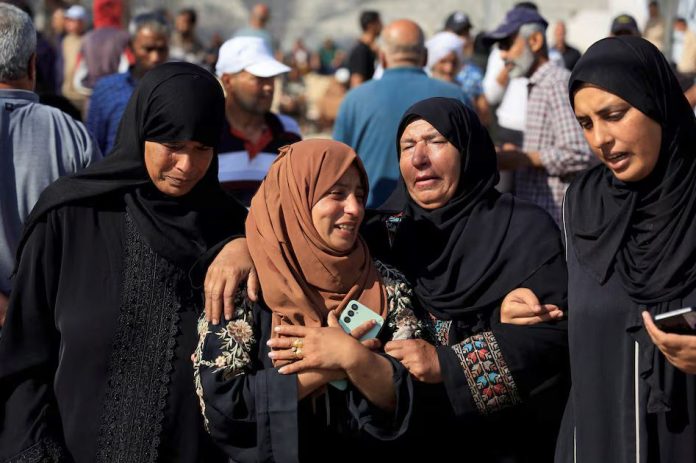
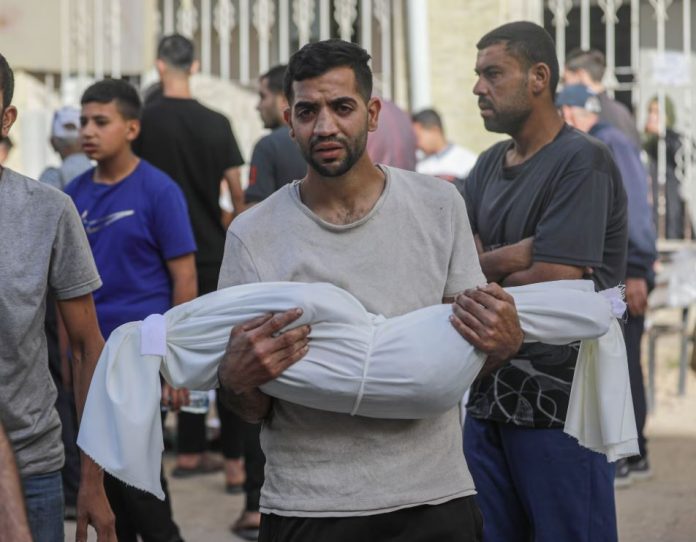
At least 27 Palestinians have been killed and dozens injured in an Israeli attack on people waiting for aid in southern Gaza’s Rafah governorate at an aid distribution site run by the Gaza Humanitarian Foundation (GHF), which is backed by Israel and the US, according to the enclave’s Health Ministry.

On Sunday, Palestinian and international officials reported that at least 31 people were killed and dozens more injured. On Monday, three more Palestinians were reportedly killed by Israeli fire.

Since reneging on the ceasefire deal, Israeli forces have killed at least 4,000 people in attacks targeting tents, hospitals and school-turned-shelters.

According to Palestinian health and government officials, at least 54,000 Palestinians have been killed by Israeli forces since October 2023, including more than 28,000 women and girls.

The figure also includes at least 1,400 health sector professionals, 280 UN aid workers – the highest staff death toll in UN history – and at least 180 journalists, the highest number of media workers killed in conflict since the Committee to Protect Journalists (CPJ) began recording data in 1992.

In January, the medical journal the Lancet reported that fatalities were probably underreported by 41 percent.

The study estimated that 59.1 percent of those killed were women, children and people over the age of 65. It did not provide an estimate of Palestinian fighters among the dead.

That toll represented 2.9 percent of Gaza’s pre-war population, “or approximately one in 35 inhabitants”, the study said.

Israeli attacks on Gaza schools used as civilian shelters are part of deliberate strategy: The Guardian

Gaza War

At least six school buildings have been struck, reportedly killing more than 120 people, in recent months as part of a targeting effort by the Israeli military.

This followed a loosening of controls on actions targeting Hamas operatives at sites with large numbers of civilians present, according to sources familiar with the strategy.

On Monday, four people were reportedly killed in the latest Israeli airstrike on a school turned shelter, in Deir al-Balah in the centre of Gaza. Videos on social media appeared to show the aftermath of what was said to be the location of al-Aishiya school.

Announcing the strike, the Israel Defense Forces (IDF) said, without providing evidence or naming the school, it had bombed a site “used by terrorists” in the area, claiming it had taken steps to reduce civilian harm.

Al-Aishiya school was among a series of school buildings used as shelters identified by the IDF as targets in recent weeks, according to military sources.

Four further school buildings have been marked as potential targets to be bombed, according to the sources.

The locations identified as potential targets include four schools: Halawa, al-Rafaa’i, Nusiba and Halima Sa’dia. All four are in or near Jabaliya in the north of Gaza.

It was not immediately clear whether these buildings were also being used as shelters. Two of the schools appear to have been damaged by airstrikes at earlier stages in the offensive.

According to latest UN assessments, 95% of Gaza’s schools have sustained some level of damage to their buildings. Approximately 400 schools were classified as having suffered a “direct hit”.

On 25 May, an Israeli strike killed at least 54 people sleeping at the Fahmi al-Jarjawi school, according to local officials, who told the BBC that severely burnt bodies, including those of children, were recovered from classrooms that had been set ablaze.

The IDF claimed it had “struck key terrorists who were operating within a Hamas and Islamic Jihad command and control centre embedded in an area that previously served” as the school.

Over the past two months, school buildings, hospitals and municipal buildings have been categorised by the IDF as “heavy centres”, which it believes are being used by Hamas militants alongside civilians, according to three military sources.

The sources announced that airstrikes had been authorised against such sites in circumstances in which only low-ranking militants were present despite knowing that civilians could be killed.

Juliette Touma, the director of communications at UNRWA, the UN agency for Palestine refugees, stated schools “must always be protected and must never be hit or used for military or fighting purposes”.

“Very sadly, schools have been struck over and over for the past 20 months. It’s a grave violation of international law and of children’s rights,” she added.

US gives nod to Syria to bring foreign ex-militants into army: Reuters

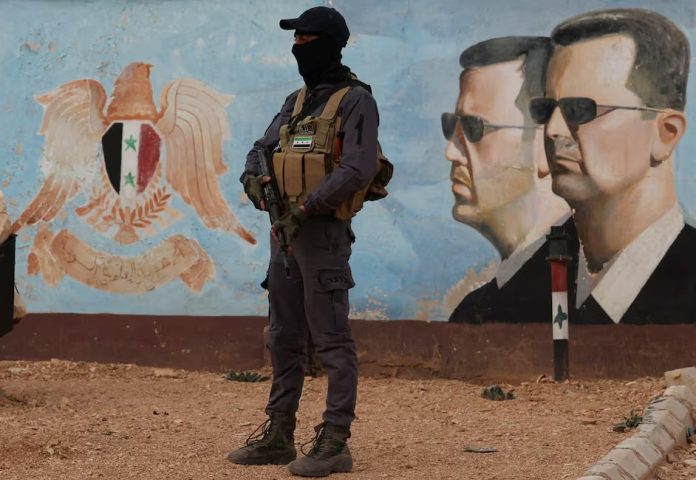
Three Syrian defence officials said that under the plan, some 3,500 foreign fighters, mainly Uyghurs from China and neighbouring countries, would join a newly-formed unit, the 84th Syrian army division, which would also include Syrians.

Asked by Reuters in Damascus whether Washington approved the integration of foreign fighters into Syria’s new military, Thomas Barrack, the U.S. ambassador to Turkey who was named Trump’s special envoy to Syria last month, said: “I would say there is an understanding, with transparency.”

He added it was better to keep the fighters, many of whom are “very loyal” to Syria’s new administration, within a state project than to exclude them.

The fate of foreigners who joined Syria’s Hayat Tahrir al-Sham rebels during the 13-year war between rebel groups and President Bashar al-Assad has been one of the most fraught issues hindering a rapprochement with the West since HTS, a one-time offshoot of al Qaeda, toppled Assad and took power last year.

At least until early May, the United States had been demanding the new leadership broadly exclude foreign fighters from the security forces.

But Washington’s approach to Syria has changed sharply since Trump toured the Middle East last month. Trump agreed to lift Assad-era sanctions on Syria, met Syria’s interim President Ahmed al-Sharaa in Riyadh and named Barrack, a close friend, as his special envoy.

Two sources close to the Syrian defence ministry told Reuters that Sharaa and his circle had been arguing to Western interlocutors that bringing foreign fighters into the army would be less of a security risk than abandoning them, which could drive them into the orbit of al Qaeda or Islamic State.

Thousands of Sunni Muslim foreigners joined Syria’s rebels early in the 13-year war to fight against Assad, who was himself aided by Iranian-backed Shi’ite militias.

Some fighters formed their own factions, while others joined established groups such as Islamic State, which briefly declared a caliphate in swathes of Syria and Iraq before being routed by an array of forces backed both by the United States and Iran.

Foreign fighters within HTS earned a reputation as loyal, disciplined and experienced militants, and formed the backbone of the group’s elite so-called suicide units. They fought against Islamic State and against other wings of al Qaeda from 2016, when HTS broke away from the group founded by Osama bin Laden.

The Uyghur fighters from China and Central Asia are members of the Turkistan Islamic Party, a group designated as terrorists by Beijing. A Syrian official and a foreign diplomat said China had sought to have the group’s influence in Syria restricted.

A Chinese foreign ministry spokesperson stated: “China hopes that Syria will oppose all forms of terrorism and extremist forces in response to the concerns of the international community.”

Osman Bughra, a TIP political official, told Reuters in a written statement that the group had officially dissolved and integrated into the Syrian army.

“At present, the group operates entirely under the authority of the Ministry of Defence, adheres to national policy, and maintains no affiliations with external entities or groups,” he added.

In December, the appointment of a handful of foreign rebels who were part of HTS’s senior leadership to top military posts had alarmed Western governments, raising concerns over the direction of Syria’s new leadership.

Demands to freeze the appointments and expel rank-and-file foreign fighters became a key point of contention with Washington and other Western countries up until the week of Trump’s landmark meeting with Sharaa.

Sharaa has said that foreign fighters and their families may be granted Syrian citizenship due to their role in fighting Assad.

Abbas Sharifa, a Damascus-based expert on rebel groups, announced that the fighters being included in the army had shown loyalty to Syria’s leadership and were “ideologically filtered.”

Four Iranian athletes remain in South Korea amid sexual assault investigation

South Korean media reported that the four athletes were arrested during the event in Gumi and are now under investigation by local judicial authorities. Iranian officials have not released their names.

A source within the Iranian Athletics Federation confirmed that federation president Ehsan Haddadi returned to Tehran with 14 athletes and coaches.

Despite the serious allegations, the team saw success at the championships. Reyhaneh Mobini won gold in the long jump, Mohammadreza Tayebi took gold in shot put, and Ali Amirian earned silver in the 800 meters.

A reception at Tehran’s airport was attended by several sports officials as well as athletics veterans Teimour Ghiyasi and Salman Hessam.

Iran calls PGCC statement on Persian Gulf islands interference in its internal affairs

Esmael baghaei
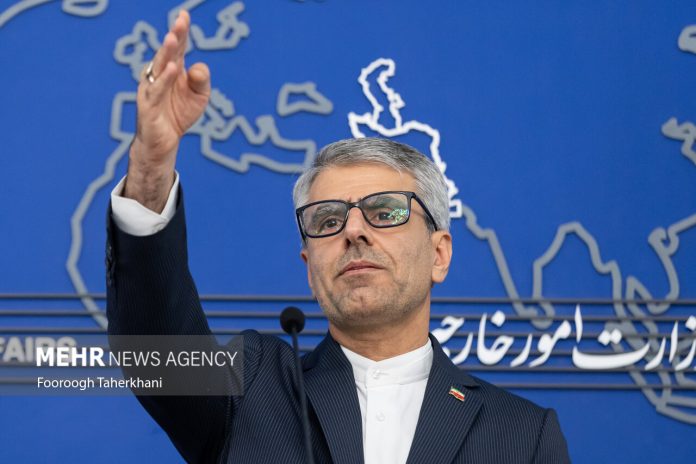
Esmail Baqaei stated that the Islamic Republic of Iran will take all necessary measures to exercise its sovereign rights and ensure the security and interests of the country within the territory of the three islands.
Baqaei emphasized that the Islamic Republic of Iran considers the remarks in the aforementioned statement regarding the settlement of civilians, visits by Iranian civilian and military officials to the islands belonging to Iran, and the conduct of military exercises within its territorial borders as interference in Iran’s sovereign affairs and rejects them.
He added that the Islamic Republic will take any necessary action within the territorial, maritime, and airspace limits of the islands to ensure their security.
The foreign ministers of the PGCC, in the final statement of their 164th meeting in Kuwait, expressed support for what they referred to as the UAE’s sovereignty over these Iranian islands.
Baqaei stressed that the PGCC members have repeated their baseless claims about the three islands, ignoring historical and geographical facts. The Foreign Ministry Spokesman pointed out that the three islands of Lesser Tunb, Greater Tunb, and Abu Musa are an inseparable part of Iran’s territory.

Iran says it supports Lebanon’s territorial integrity against Israel

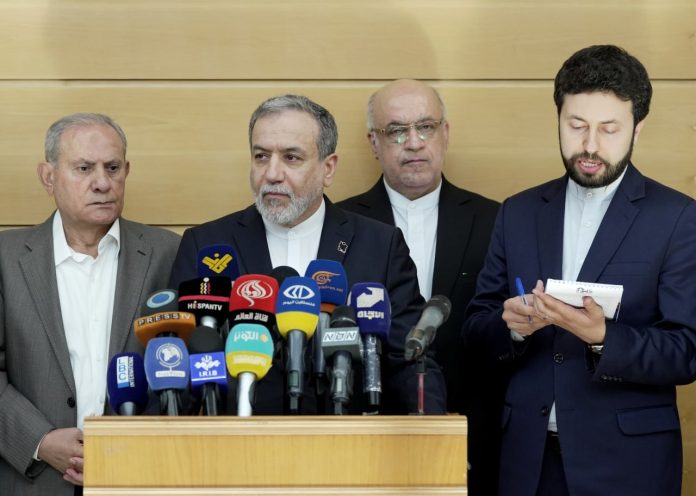
Speaking to reporters in Beirut on Tuesday morning after his arrival, Araqchi said: “The independence, sovereignty, and preservation of Lebanon’s territorial integrity are of utmost importance to us and the entire region. We support Lebanon’s territorial integrity at all stages. Of course, this means the support of a friendly country for its friends in Lebanon and in no way implies interference in Lebanon’s internal affairs. No country in the region has the right to interfere in the internal affairs of other regional countries.”

Araqchi added that in the foreign policy of the Islamic Republic of Iran, priority is given to neighbors, the West Asia region, and Iran’s allies in the region. “Our relations with Lebanon are long-standing and have always been friendly and based on mutual respect. We remain determined to continue these relations based on mutual respect and the interests of both countries.”

During his visit, the Iranian Foreign Minister is scheduled to meet with Lebanon’s President, Parliament Speaker, Prime Minister, and Foreign Minister.

Araqchi’s trip to Beirut follows his visit to Cairo, where he met with Egypt’s President, Abdel Fattah el-Sisi and Foreign Minister, Badr Abdelatty.