Wednesday, January 14, 2026
Home Blog Page 3259

Iranians Ready to Negotiate, but Not under Pressure: Omani FM

Iranians Ready to Negotiate, but Not under Pressure: Omani FM

Speaking in a Wednesday interview with BBC Arabic, bin Alawi said the Iranians are prepared to talk about their foreign policy, but under different circumstances and not under pressure.

He further noted that his country does not play the role of a mediator between Iran and the United States, but Muscat is very worried about the current situation and believes with the help of others the current tension in the region can be controlled.

“At the same time, we think the two sides, i.e. Iran and the US, along with their friends have realised that the current tension may lead to disaster and, of course, may end with an agreement,” underlined Bin Alawi.

“Everyone knows that if the situation worsens, the rest of the world will also be damaged and its repercussions are not measurable.”

Bin Alawi also mentioned that Iran and the United States both have the military and command capability to prevent this. It has been shown in the last 40 years. Both the Iranian and American navies have been very well established in the Persian Gulf.

“I am not worried about their usual mistakes. I am worried about the mistakes that may put the entire region on fire. In my visit to Tehran, I saw that US sanctions are unpardonable. The Iranians are prepared to talk about their foreign policy, but in different circumstances and not under pressure,” he went on to say.

He underscored that the United States and the (P)GCC countries should realise that blaming each other is a very dangerous game.

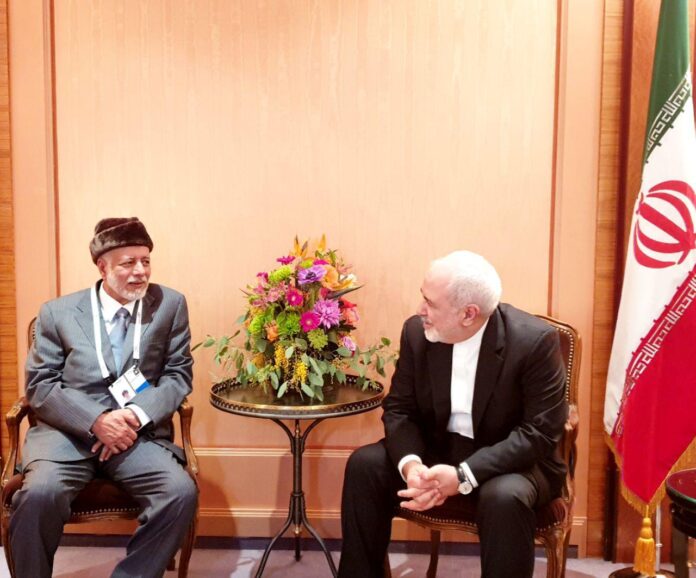
Bin Alawi paid a surprise visit to Tehran on Monday, during which he discussed regional developments with Iranian counterpart Mohammad Javad Zarif.

In a statement, Iran’s Foreign Ministry said the two sides had discussed bilateral ties, along with “the latest regional and international developments”.

Tensions have recently mounted between Tehran and Washington with the US deploying a carrier strike group to the Persian Gulf citing “intelligence” of an imminent Iranian attack on US interests in the region.

‘US Warships under Full Control of Iran Army, IRGC’

IRGC’s Second in Command Rear Admiral Ali Fadavi said the movements of US battleships in the region are under the complete control of Iran’s army and the IRGC and there are no worries regarding this.

“Over the years, our forces have thoroughly surrounded the Persian Gulf so that they [US battleships] must move with the permissions we give them,” Fars News Agency quoted him as saying.

Fadavi further noted that north of the Strait of Hormuz is fully controlled by Iran and theycannot approach Iran’s coastal waters.

“A few years ago, our friends suggested that all the Persian Gulf carriers should speak Farsi, so now in all these carriers there is a Farsi translator, and this means authority,” he stressed.

Tensions have spiked between Tehran and Washington after the US sent more military forces to the Middle East, including an aircraft carrier, B-52 bombers and Patriot missiles, in a move that US officials claim are Iranian threats to their troops and interests in the region.

However, Acting US Defense Secretary Patrick Shanahan said Tuesday that Washington has no interest in escalating tensions with Iran or going to war with the Middle Eastern country.

Iran’s Leader Ayatollah SeyyedAli Khamenei has said that Iran does not intend to wage war with the United States, but will continue to resist Washington.

US Says Iraq Can Buy Energy from Iran

US Says Iraq Can Buy Energy from Iran

On Wednesday, Al-Mayadeen News Network quoted US Charge de ’affaires in Iraq Joey Hood as saying that Washington has extended waivers for Iraq to buy energy from Iran.

Hood also said he does not have any information about Iraqi mediations between Iran and the United States, saying that the US canholdtalkswith Iran without mediators.

Iraqi Prime Minister Adil Abdul-Mahdi announced on Tuesday that he will send delegations to Tehran and Washington to calm the situation in the region.

The US official also said that Washington has not yet announced who was behind the recent rocket attack near the US embassy in Iraq.

US sanctions against Iran were imposed after the US president withdrew from a nuclear deal with Iran. Since then, Iraq has always been seeking an exemption from US sanctions against Iran.

Iraq is largely dependent on purchasing energy from Iran and importing various goods from the country. Iraqi officials have repeatedly said that they will not accompanythe US in its sanctions against Iran.

Iraq’s prime minister said last December that “we reiterated our stance on US sanctions against Iran, Iraq will not be part of it.”

Iran Leader Says His Nuclear Deal Conditions Not Met

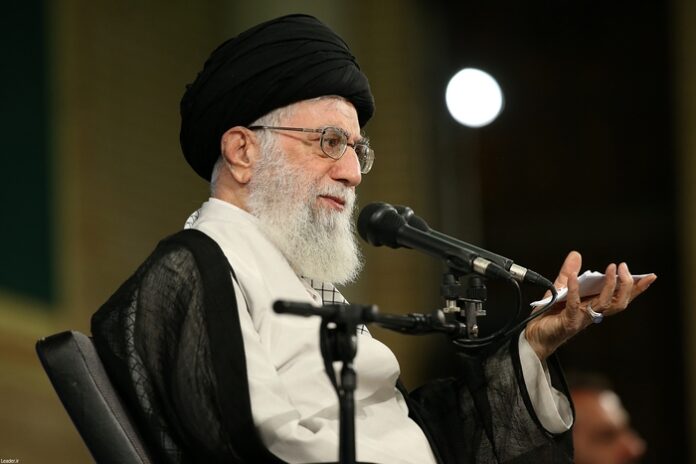
The Leader made the remarks in a Wednesday meeting with a group of university students in Tehran, responding to a question regarding his role in the ratification of the landmark deal.

“It was said during the talks that the ratification of the JCPOA has been attributed to the Leader. You can see and hear and can observe everything,” he noted.

“Read the letter regarding the JCPOA and the conditions set for its ratification. But if these conditions were not met, the Leader is not in charge of intervention,” the Leader went on to say.

Ayatollah Khamenei stressed that the Leader’s role does not include intervention in executive affairs unless the entirety of the Islamic Revolution is at risk.

“I believe that the Leader should not meddle in executive affairs unless there is a risk that the entirety of the Revolution’s movement is endangered,” he added.

He said he did not approve of the JCPOA but allowed for the negotiations between the government of Hassan Rouhani and the P5+1 group of countries.

“But the way the JCPOA was handled, I did not really believe in it, and mentioned this to the president and the foreign minister and had warned them several times,” he added.

Iran and the five permanent members of the UN Security Council – the United States, Britain, France, China and Russia – plus Germany finalized the text of the JCPOA over Iran’s nuclear program in the Austrian capital of Vienna in July 2015.

Later in October, the Iranian Parliament and the Guardian Council passed the bill that allowed the administration to implement the nuclear deal.

According to the bill, the Iranian administration was allowed to voluntarily implement the JCPOA under certain conditions.

The provisions of the bill set out certain obligations that the administration had to observe in the implementation of the JCPOA.​

Article 1 of the bill forbade either the production or application of nuclear arms by the Iranian administration based on a fatwa issued by Ayatollah Khamenei and obliged the executive branch to participate in international and regional efforts aimed at countering the threat of such weapons.

The remaining articles laid emphasis on, among other things, cooperation and mutual respect between the two sides of the agreement, the administration’s mindfulness of the other party’s potential failure in removing the sanctions or its reversing them, and the prevention of access by the International Atomic Energy Agency (IAEA) to military sites unless allowed by Iran’s Supreme National Security Council (SNSC).

The deal, however, has been put in danger since US President Donald Trump withdrew the US from the JCPOA in May 2018, and re-imposed the anti-Iran sanctions that had been lifted under the accord in a clear violation of JCPOA.

On May 8, 2019, Iran declared its decision to suspend the implementation of some of its commitments under the multinational agreement, exactly one year after the US unilaterally abandoned the international document.

In a statement, the SNSC said the decision was aimed at “safeguarding the Iranian nation’s security and interests” in the line with national rights under Articles 26 and 36 of the JCPOA.

The statement says Tehran has exercised utmost self-restraint and patience since Washington’s exit from the deal last May, and has given the remaining signatories “considerable” time at their own request to compensate for Washington’s withdrawal and guarantee Iran’s interests.

Iran Hires Marc Wilmots as New Manager of Team Melli

Iran Hires Marc Wilmots as New Manager of Team Melli
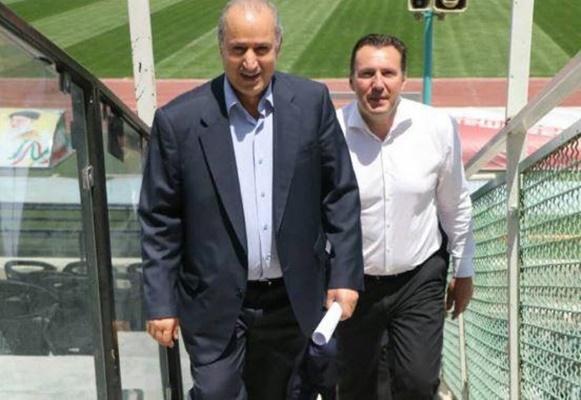
Belgian manager Marc Willmots (right) and Iran's football federation president, Mahdi Taj (left), visit Tehran's Azadi Stadium during the Belgian's trip to Tehran.

Mehdi Taj, the Head of the Football Federation, left for Belgium on Tuesday to conclude the final negotiation and sign the agreement with Wilmots at the Iranian embassy’s building in Belgium.

After signing the agreement, the former head of Belgian national football team will come to Iran to coach the Iranian team, Mizan Online reported.

Based on the three-year contract, Wilmots is set to replace Portuguese Carlos Queiroz who led the Iranian team for the last eight years. Queiroz stepped down as Iran’s football coach, better known as Team Melli, back in January. He coached the Iranian team during the last two World Cups.

The 50-year-old Wilmots has so far led several national football teams across the world. He is going to lead the Iranian team during the Qatar 2022 World Cup. Reports say his deal is signed for a fee of $1.2 million a year.

During his club career as attacking midfielder, Wilmots won trophies with KV Mechelen, Standard Liège and Schalke 04. He has also served as a politician, having a seat in Belgian Senate for four years for the Mouvement Réformateur party.

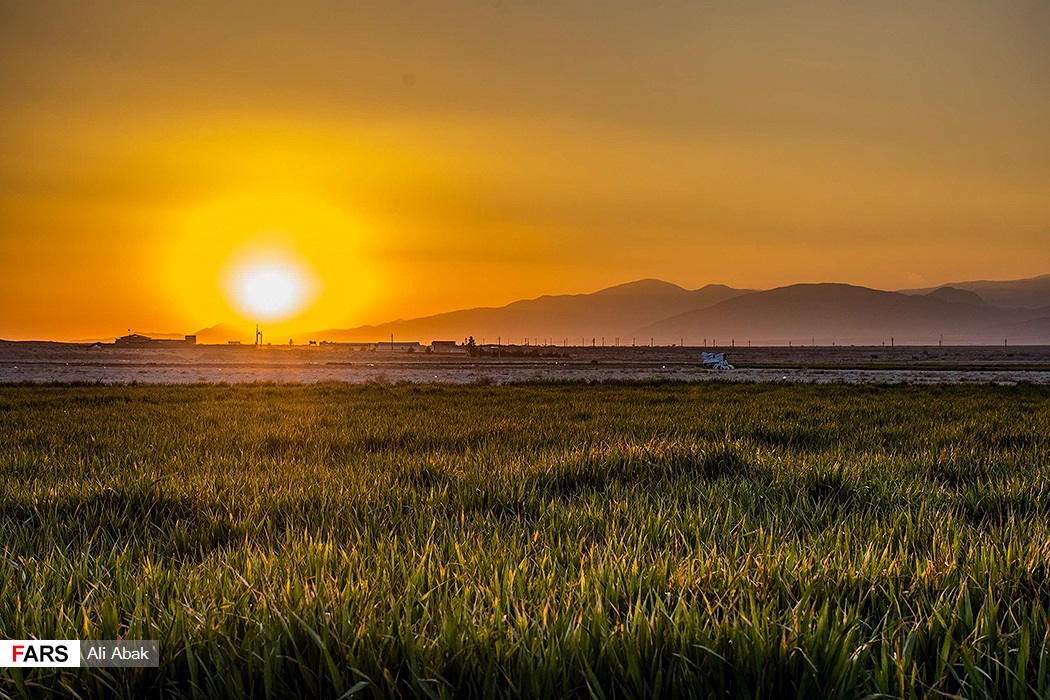
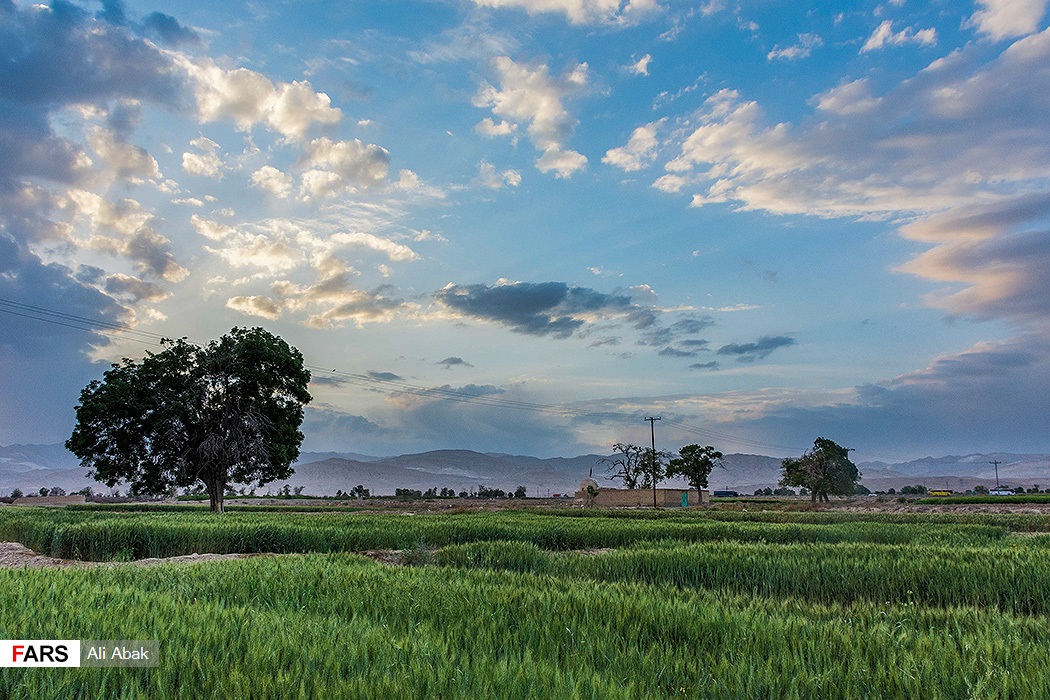
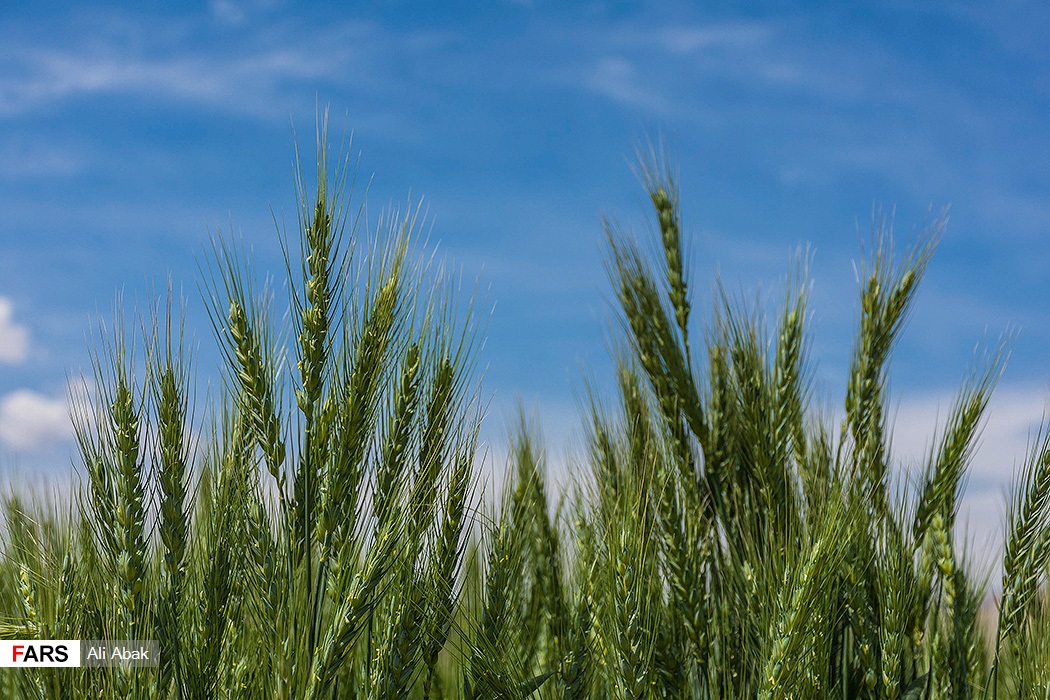
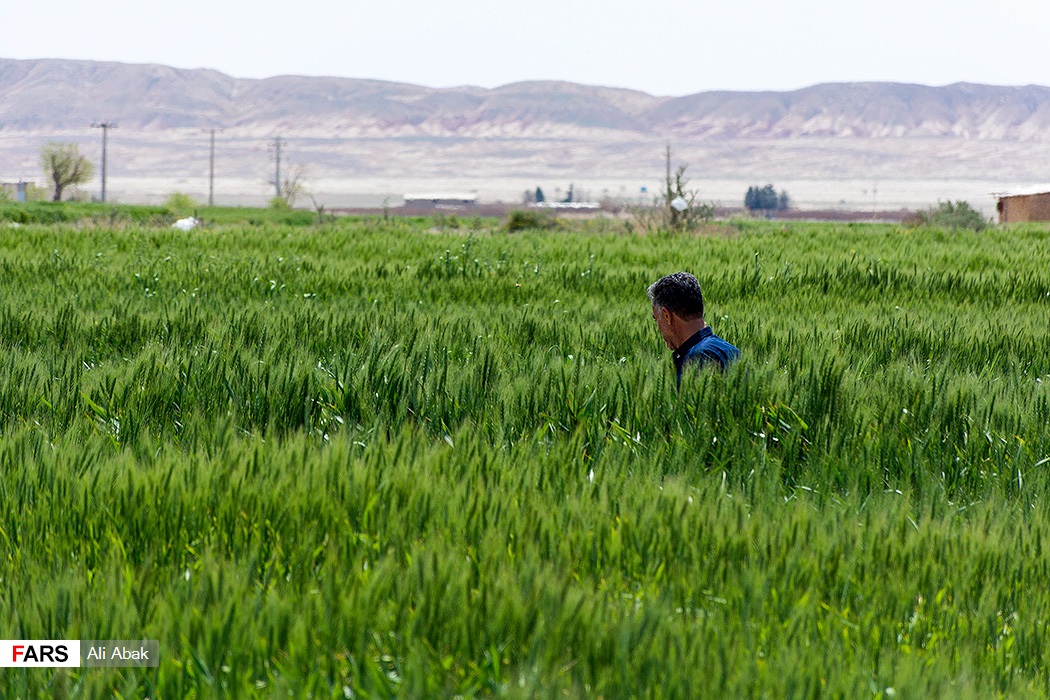
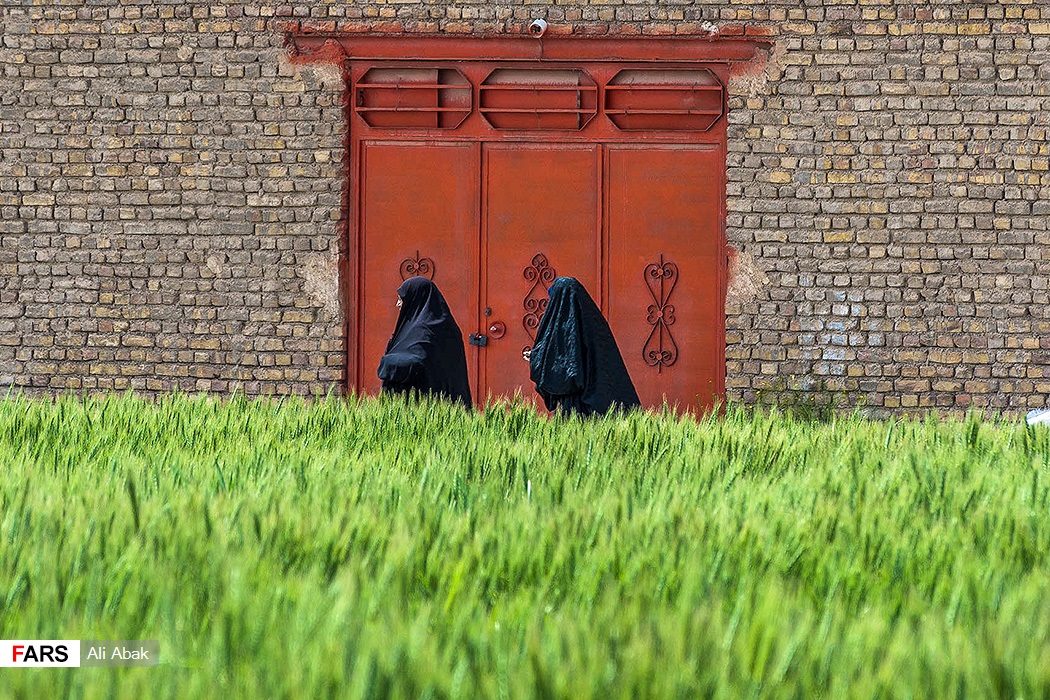
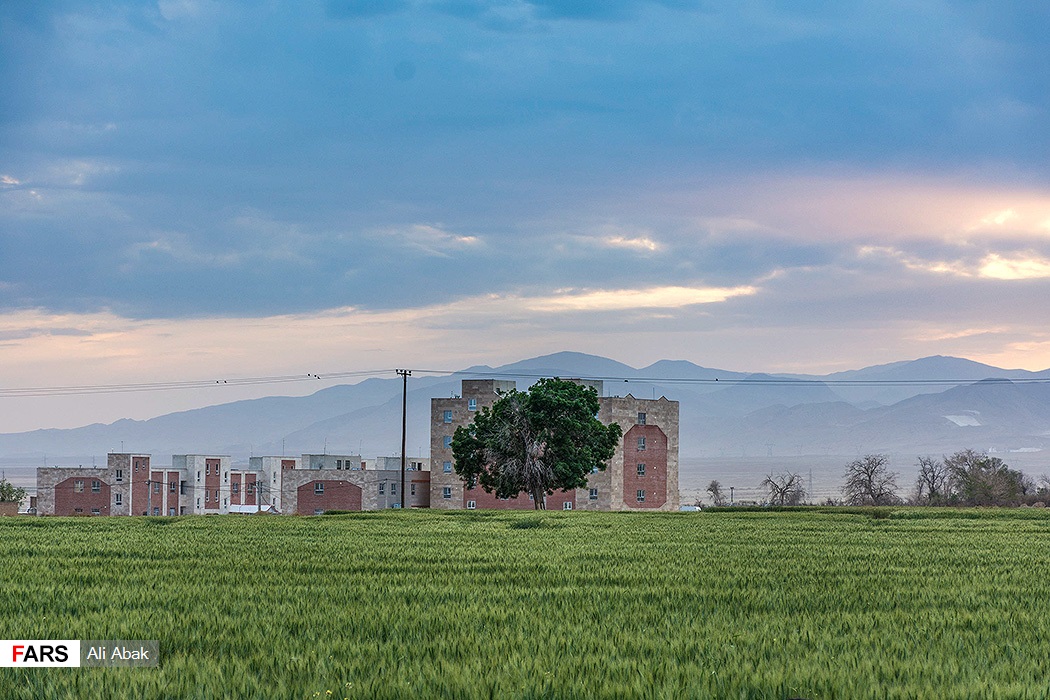
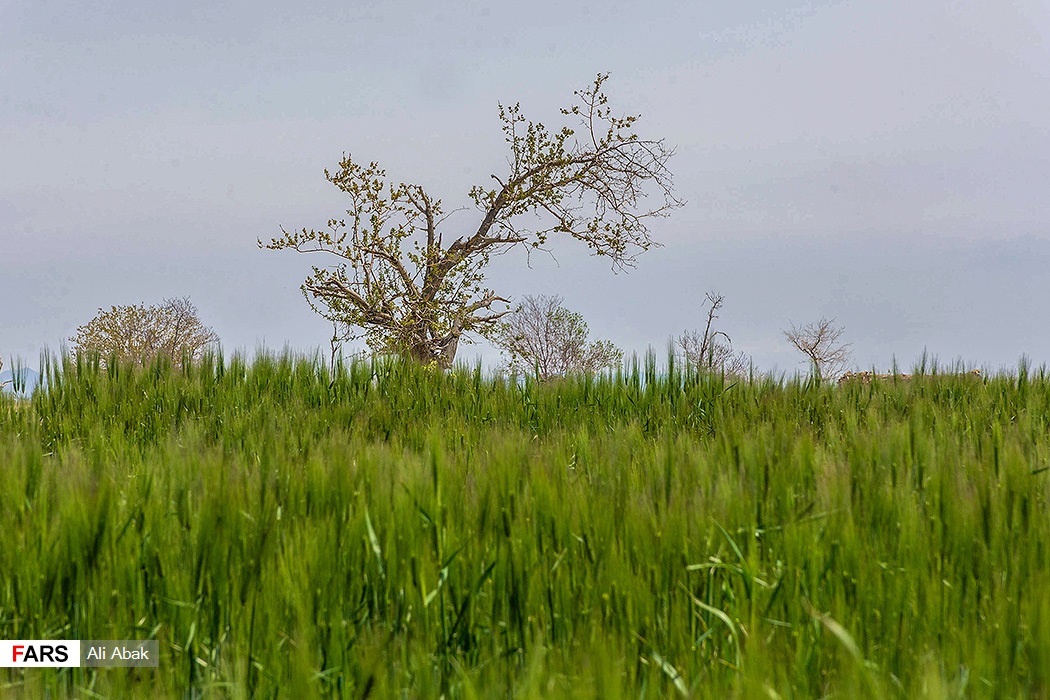
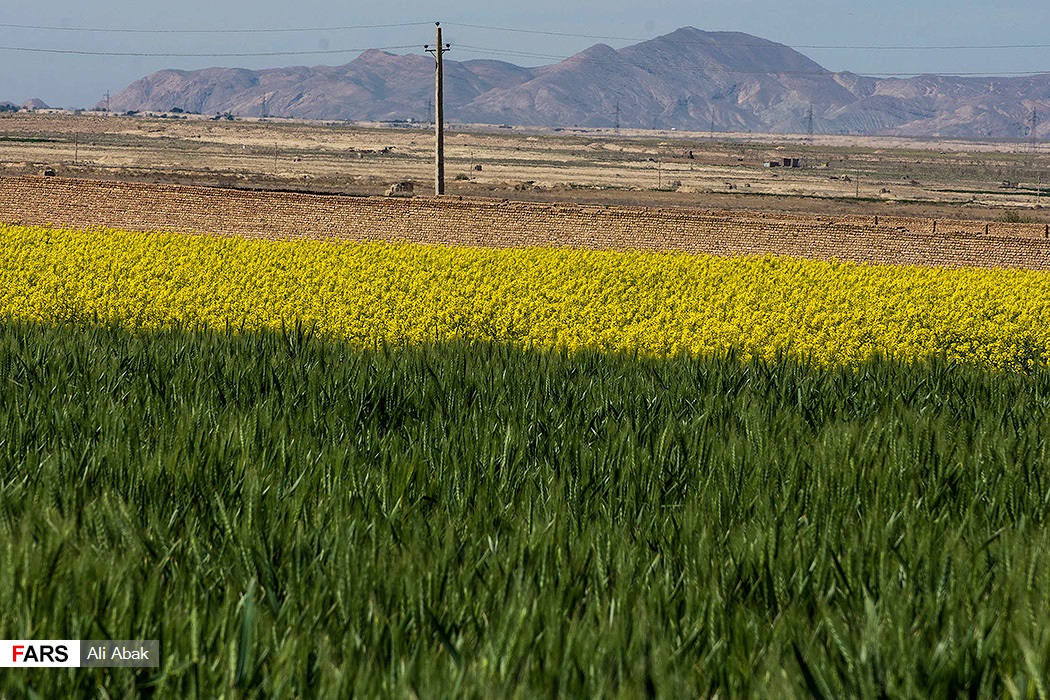
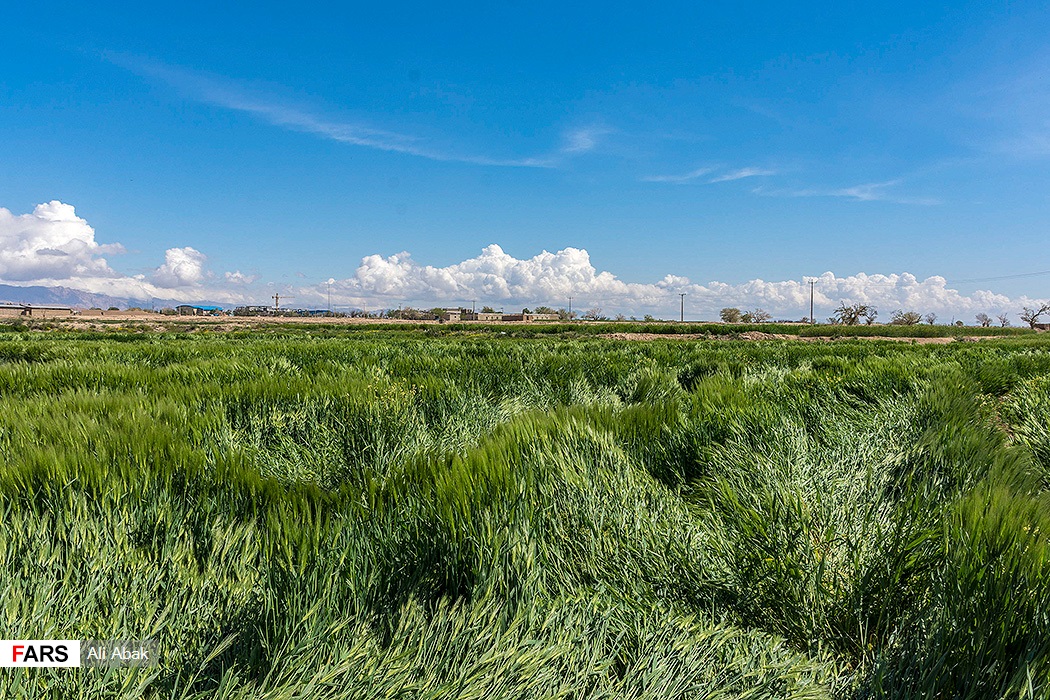
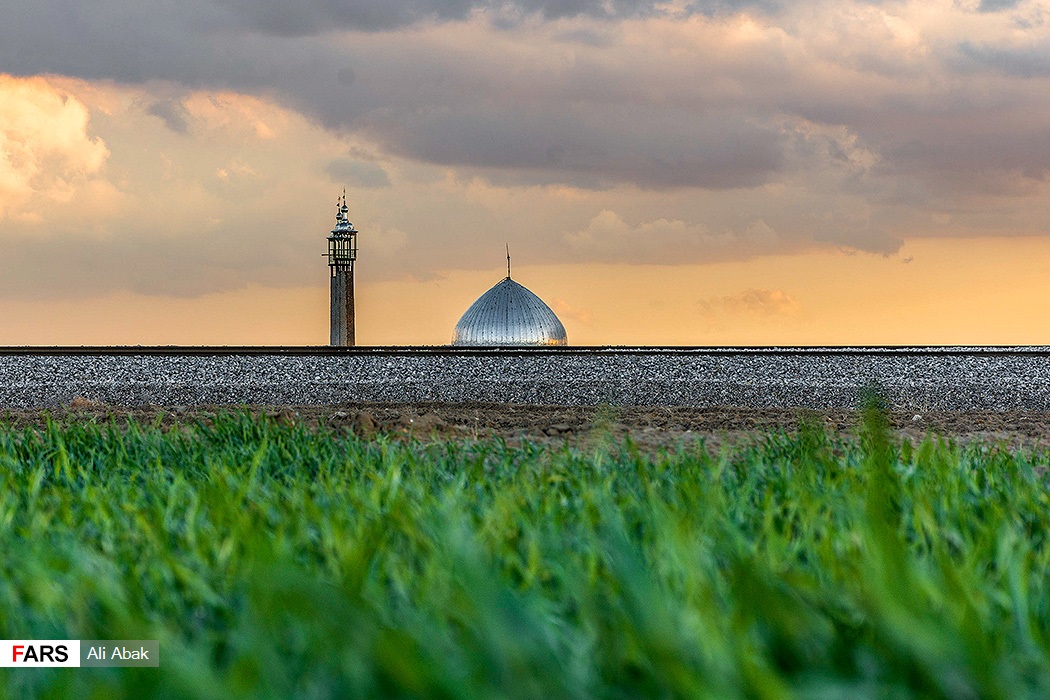
Iran’s Beauties in Photos: Sorkheh Wheat Fields

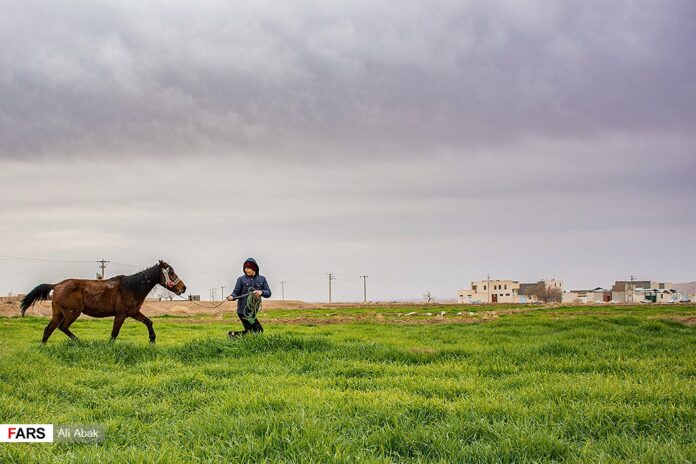
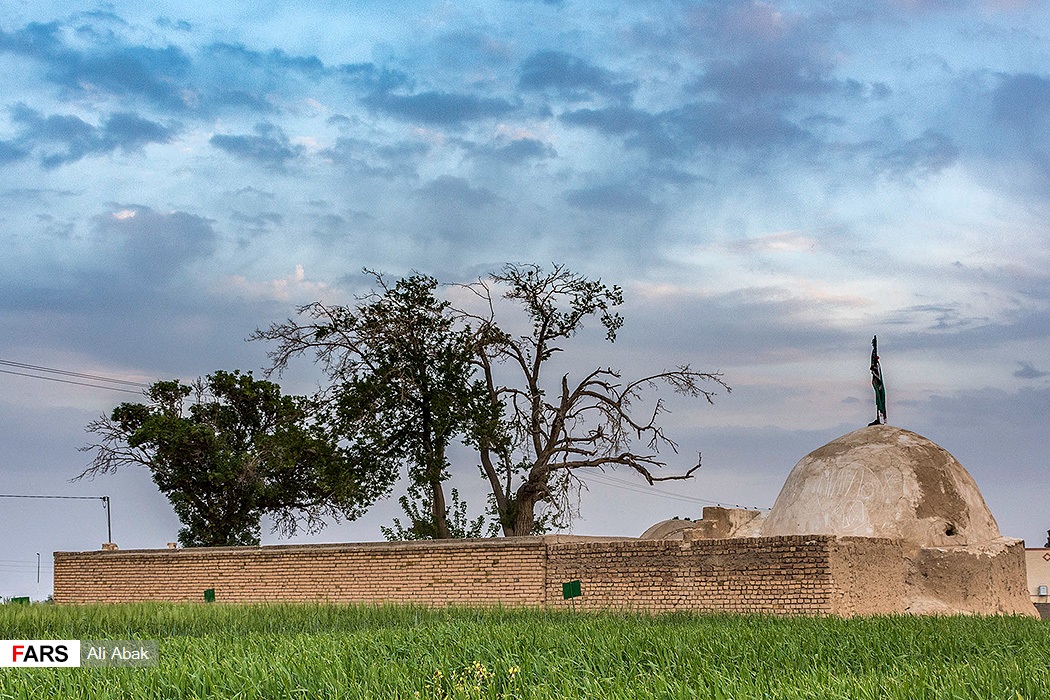
Wheat and barley, the main agricultural products of Sorkheh, are cultivated in a large part of its lands.

Here are Fars News Agency’s photos of Sorkheh wheat fields:


Iranian, Russian Knowledge-Based Firms to Discuss Boosting Cooperation

The delegation headed by Iran’s Vice President for Science and Technology, Sorena Sattari, will visit Russia in June to explore ways to expand mutual ties with Russian knowledge-based firms.

During its stay in Russia, the Iranian delegation will hold face-to-face talks and meetings with their Russian counterparts, a report by Mehr news agency said.

For a brief review of Iran’s achievements in various fields of science and technology, check the book “Science and Technology in Iran: A Brief Review

The meetings are aimed at increasing scientific cooperation between the two sides and tapping into the available capacities in the field of technology.

4,300 knowledge-based companies are currently active in Iran.

The companies sold over $20 billion worth of goods during the last Iranian year which shows a great increase compared with the previous year.

Iran FM to Visit Islamabad Thursday

During his stay in Islamabad, Zarif is to hold talks with the foreign minister and other top officials of Pakistan on the latest developments in bilateral ties, particularly the recent agreements made between the Iranian president and the Pakistani prime minister.

They will also discuss the most important regional and international issues.

Back in April, Pakistani Prime Minister Imran Khan paid his first-ever visit to Tehran, during which the two sides agreed to expand their mutual cooperation in ensuring the security of common borders by establishing a joint Rapid Reaction force.

Relations between Iran and Pakistan have soured in recent months, with both countries accusing each other of not doing enough to eradicate militants sheltering across the border. Tehran says militant groups operate from the Pakistani soil and has repeatedly called on Islamabad to clamp down on them.

Tehran has also beefed up security along its long border with Pakistan after a suicide bomber killed nearly 30 members of the IRGC in mid-February. Iranian officials said the attackers were based inside Pakistan.

Pakistani will be the fifth Asian state visited by the Iranian top diplomat during the past few days.

He earlier paid official visits to Turkmenistan, India, Japan, and China, where he held consultations with the four countries’ top officials on the latest developments, especially the Iran-US tension.

A Look at Iranian Newspaper Front Pages on May 22

A Look at Iranian Newspaper Front Pages on November 19

Abrar:

1- Trump Urges Iran to Call Him Once It’s Ready to Talk!

2- Rouhani: I Need Special Authorities as in Time of 1980 War

3- Trump: I Won’t Let China Turn into Superpower So Long as I’m in Power

A Look at Iranian Newspaper Front Pages on May 22


Aftab-e Yazd:

1- Iran Leader: I’m Worried about Persian Language, Don’t Let It Be Ruined

2- Rouhani Calls for Further Authority

A Look at Iranian Newspaper Front Pages on May 22


Arman-e Emrooz:

1- Iraqi Delegations to Visit Washington, Tehran

* Iraq Playing Role of Active Mediator between Iran, US

2- Has Expediency Council Removed CFT, Palermo from Its Agenda?

A Look at Iranian Newspaper Front Pages on May 22


Besharat-e Now:

1- Zarif: Respect, Not Threat, Is the Way to Negotiate

2- Coordination of Iran FM, Oil Minister to Defend Iran’s Oil Rights

3- Iran President Calls for Special Authorities under Special Circumstances

A Look at Iranian Newspaper Front Pages on May 22


Ebtekar:

1- Iran Leader: I’m Really Worried about Persian Language

2- Gov’t Looking for Further Authorities

A Look at Iranian Newspaper Front Pages on May 22


Etemad:

1- Rouhani: They Were Forced to Admit They’re Not after War with Iran

2- Bells Ring in Natanz: Special Report from Heart of Iran’s Enrichment

A Look at Iranian Newspaper Front Pages on May 22


Ettela’at:

1- Zarif: We’re Not Interested in Holding Talks with Promise-Breakers

2- Ansarullah Drones Target Najran Airport

3- Rouhani: Opening of Development Projects Explicit Response to US Bans

4- Iran Leader Urges Poets to Portray People’s Beautiful Behaviours

A Look at Iranian Newspaper Front Pages on May 22


Javan:

1- UAE, Saudi Give US $300 Million for Deployment of Forces in Mideast

2- White House Seeks to Rig European Parliament Elections

* US, Russian Oligarchs Seeking Gradual Collapse of EU: Macron

3- Rouhani: Iran Nation Not to Bow to Bullies

A Look at Iranian Newspaper Front Pages on May 22


Kayhan:

1- Saudi Arabia’s Giant Facility Humiliated by Yemen’s Simple Tech

2- Washington Post: War with Iran to Become Mother of All Quagmires

A Look at Iranian Newspaper Front Pages on May 22


Mardom Salari:

1- Iraqi Delegations Due in Iran, US to End Tensions

2- Rouhani: Iran Not to Bow to Bullies

A Look at Iranian Newspaper Front Pages on May 22


Sazandegi:

1- Rouhani Trying to Revive High Council of War Logistics

2- Peace Cannot Be Bought: Palestinian Politicians, Merchants Not to Join Deal of Century

A Look at Iranian Newspaper Front Pages on May 22


Shargh:

1- Rouhani Calls for Special Authority in Economic War Conditions

2- Iran Leader Complains of State Broadcaster’s Performance

3- Trump and Hostile Propaganda against Iran [Editorial]

A Look at Iranian Newspaper Front Pages on May 22


Vatan-e Emrooz:

1- Trump, Bolton Breaking Up

* Trump: No Sign of a Threat from Iran

2- Macron Afraid of Future of Europe

* EU Won’t Exist 20 Years Later

A Look at Iranian Newspaper Front Pages on May 22

US ‘Sets Condition’ for Release of Iranian Scientist after 8 Months

US ‘Sets Condition’ for Release of Iranian Scientist after 8 Months

The internationally-renowned hematologist was apprehended on a flight to the United States eight months ago. He was visiting the United States on a research visa after getting an invitation from a research center in Minnesota. Reports suggest U-S authorities have accused the scientist of violating trade sanctions against Iran in 20-16, when such restrictions were non-existent.

His brother says Masoud Soleimani had been under pressure by the White House to make a confession.

“They asked my brother to confess that he had been trying to avoid sanctions, but he never succumbed to their demand,” said Masoud’s brother.

It has been a few days that the news of the apprehension of Masoud Soleimani, a full professor at Tarbiat Modarres University in Tehran, has gone viral in media and on social media networks. Around 2,000 Iranian university professors and students have launched campaign to support the top scientist. They have been collecting signatures for an electronic petition, calling for his release. His brother has talked about the conditions set by the US for his release.

“The story began when a well-known American institute, which is engaged in stem cell activities and which had conducted joint projects with my brother, asked him to cooperate with them on a new project. But it didn’t happen and my brother was arrested at Atlanta Airport before entering the United States,” says his brother.

He says the scientist has, over the past eight months, been held in a detention centre where individuals suffering from social disorders are kept.

“Over this time, we have been concerned about the problems he might have such as his illness; my brother suffers from the irritable bowel syndrome (IBS), and he has relapsed into his illness after his arrest,” says his brother.

“Unfortunately, my brother had not been briefed on his charges until recent days, and it was unclear why he had been taken into custody, but on May 14, a trial was held for him where his lawyers were also present,” says his brother.

“The accusation levelled against my brother is related to three years ago when two of his students, Mahboubeh Qaedi and Maryam Jazayeri, had packed five units of growth hormone for Masoud Soleimani. The hormone packs were confiscated at the airport, and the two researchers were first arrested, and then freed on bail of $ 200,000 and 300,000 after going on trial,” his brother says.

He says the scientist was cleared of the charge of buying banned equipment as he had purchased some research tools when Iran was not under sanctions.

“The only accusation levelled against my brother concerns the purchase of growth hormone,” he says.

“Although the issue is related to three years ago, the case is still open, and they had issued an arrest warrant for my brother in absentia,” he says.

“In a pre-planned scenario, a project was defined in a US clinic which Masoud had a lot of cooperation with, so that my brother would be encouraged to travel to the US over the promise that he would be involved in the project, and then he would be arrested,” he added.

“First, they told my brother that he had better leave the way open for compromise and accept that the [purchase of the] hormones were aimed at circumventing sanctions, but my brother refused to give in to their demand and said he hadn’t done anything wrong,” he said.

“Go examine all my educational records. There is no dark point in it,” my brother told them.

“All these show they don’t have any evidence against my brother and they cannot event find a weak point in Masoud’s [record of] scientific cooperation and research,” his brother underscored.

He says his brother’s passport and visa were revoked as soon as he arrived at Atlanta Airport; so, he adds, even if his brother is going to be released on bail, it will still take a few months to get a passport and visa. So, says his brother, Masoud will have to stay at the detention centre until a new passport and visa are issued.

He said Washington has breached its promise in that regard, adding, “We will keep on pursuing the matter by following up on the case,” he added.


US Setting Trap for Iranian Scientists: Minister

Iran’s minister of science, research and technology says the United States has set traps for Iranian scientists.

Mansour Gholami noted the US has identified the Iranian scientists who conduct research in certain fields, publish articles and order and purchase lab equipment.

“The United States has managed to get their names, one way or another,” he said.

“”They (the US) issue visas for Iranian professors, and after the Iranian professors travel to that country, they are arrested. This is a kind of game to make Iranian scientists go there,” said the minister.

“If this had something to do with the issue of sanctions, they would have announced it right at the beginning; but when they make scientists go to that country and they arrest them, it shows the Americans have laid traps for us,” he noted.

He said the ministry will follow up on the fate of Soleimani, who remains in US custody.

“Unfortunately, the exact timing of his trial is not clear,” the minister noted.

Internationally-renowned hematologist Masoud Soleimani was arrested on a flight to the United States eight months ago. The Iranian scientists was visiting the U-S on a research visa after getting an invitation from a research center in Minnesota. Reports suggest U-S authorities have accused the scientist of violating trade sanctions against Iran in 20-16, when such restrictions were non-existent.